




Mary Nell Holly
Ilex 'Mary Nell'Local DFW Delivery Only
Product Details
Mary Nell Holly
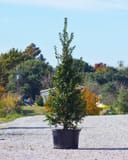
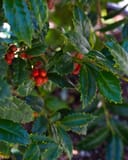
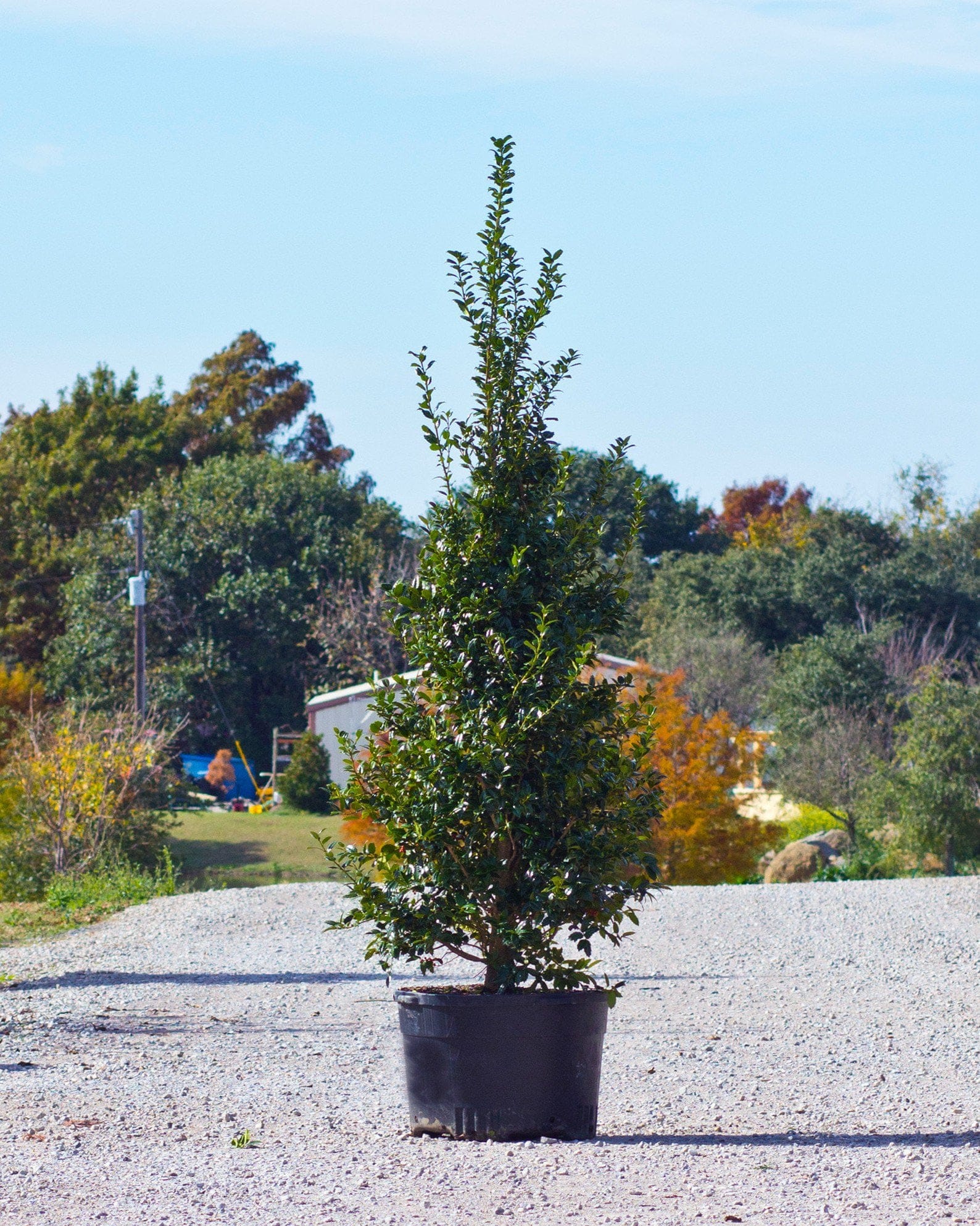
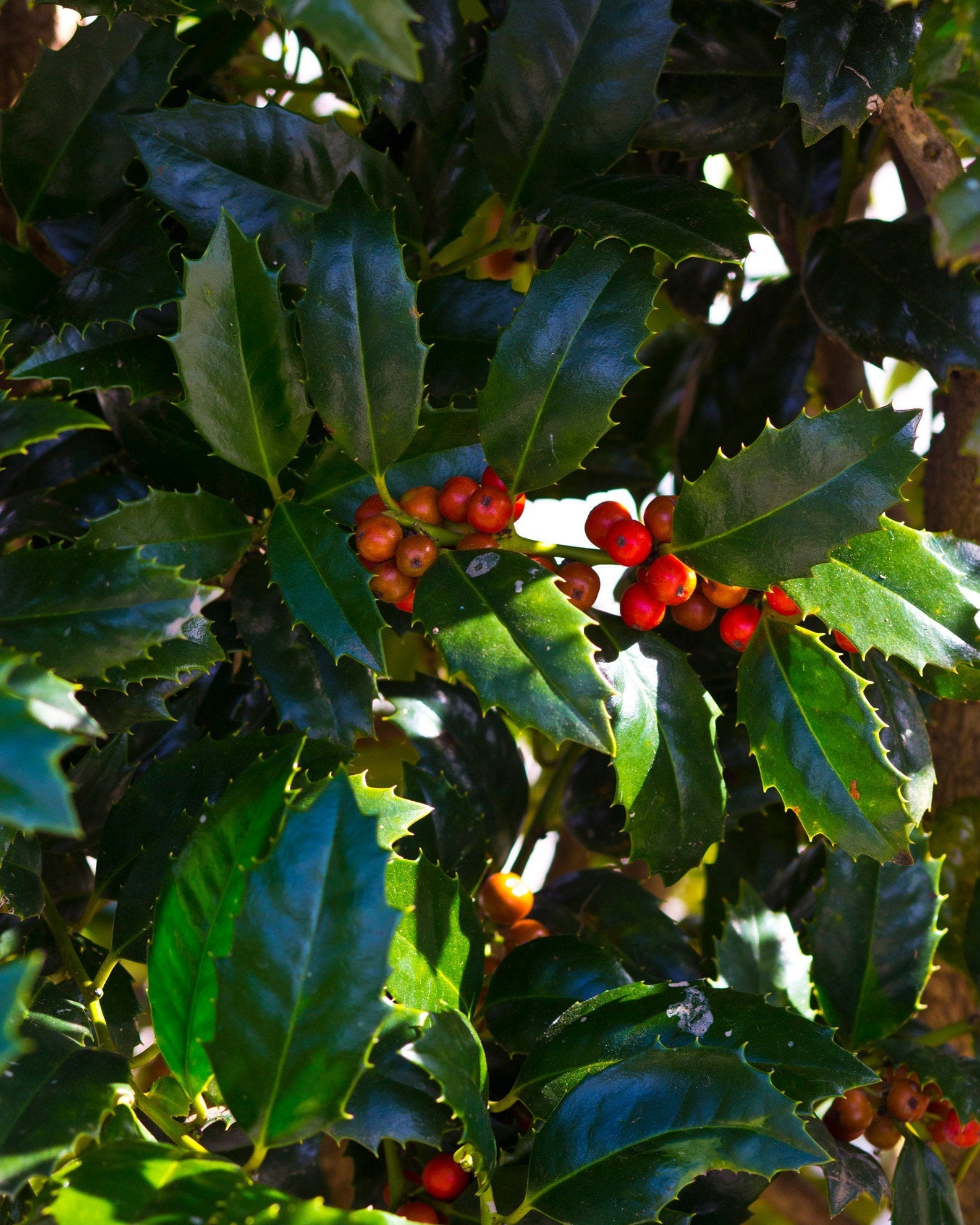
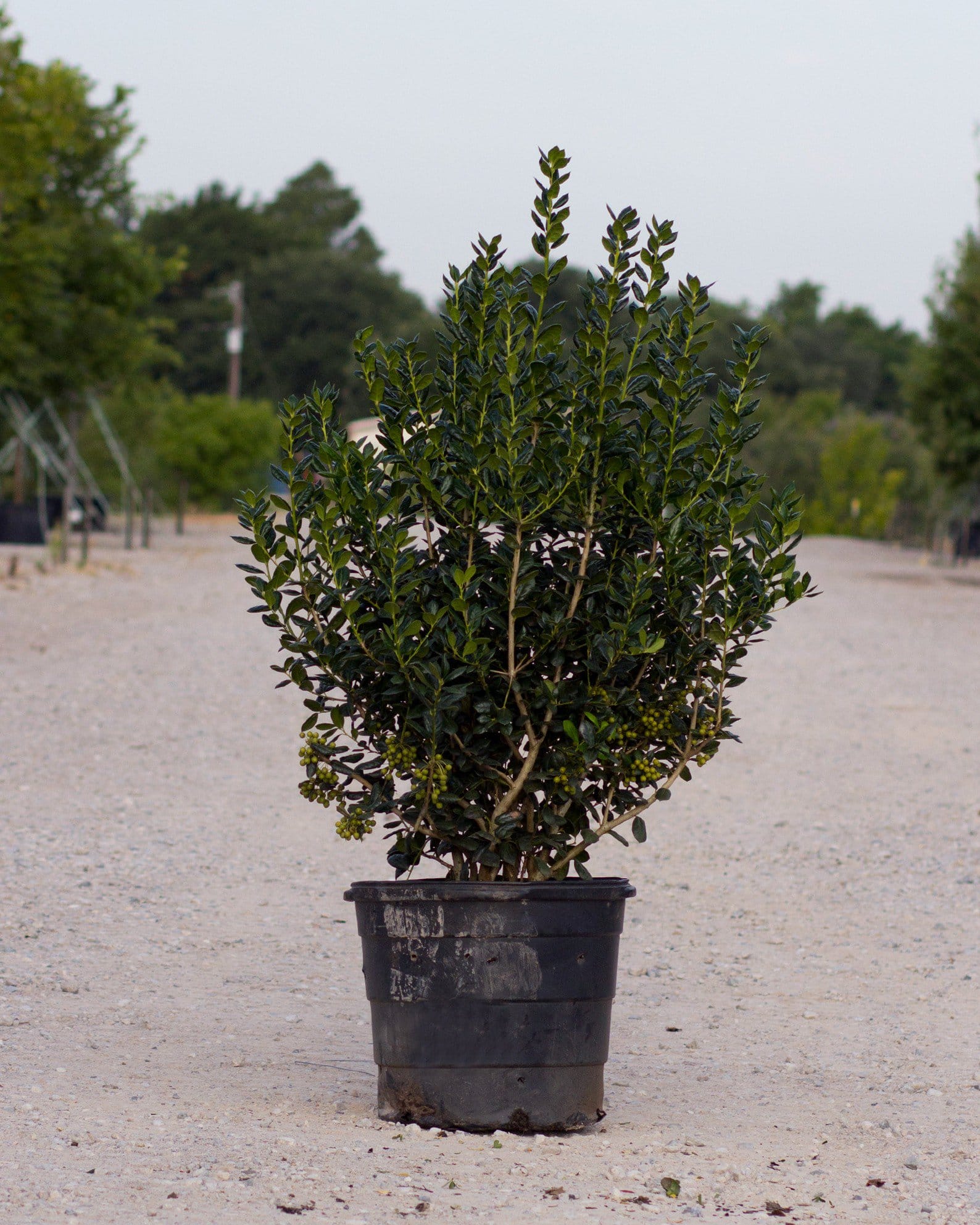
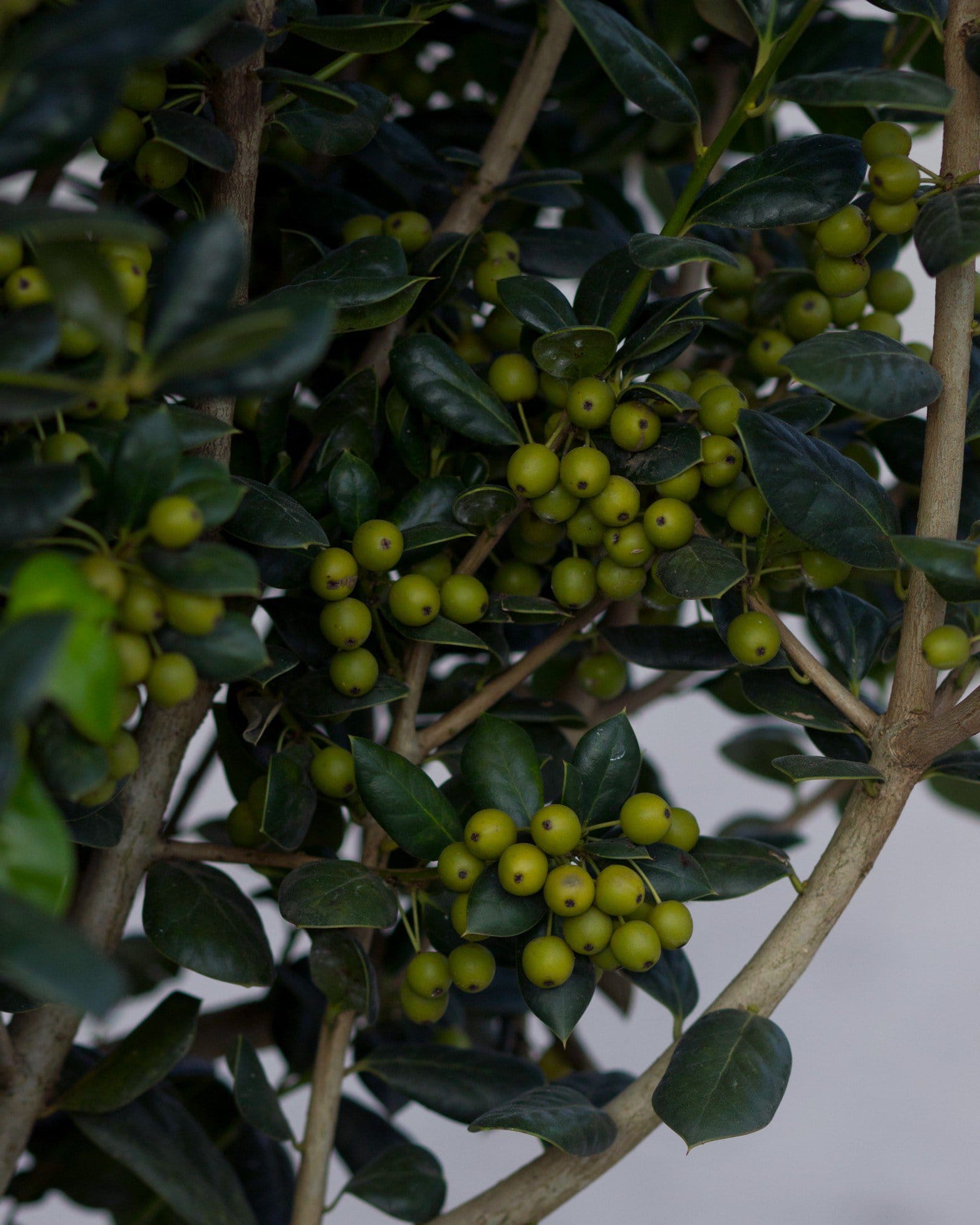
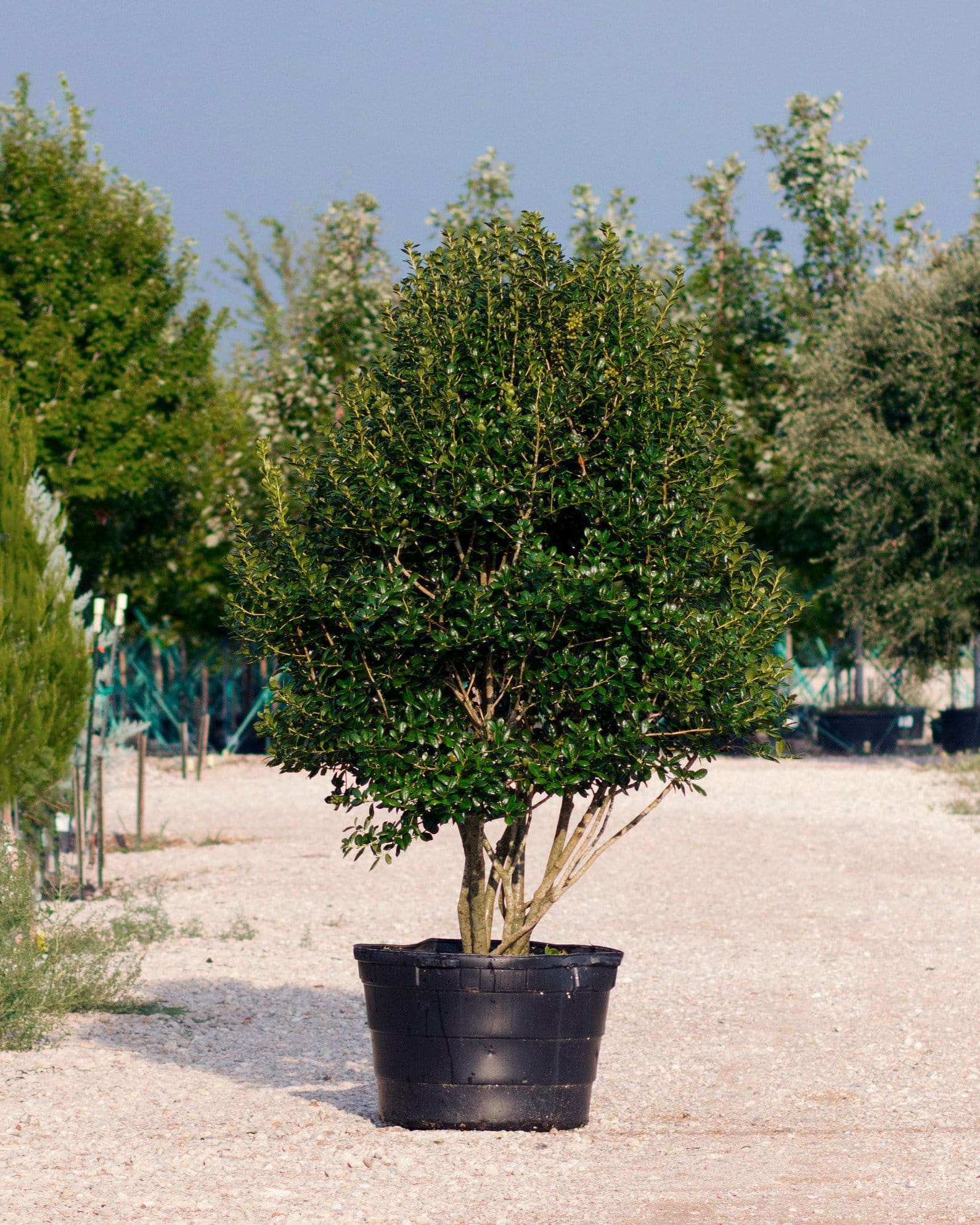
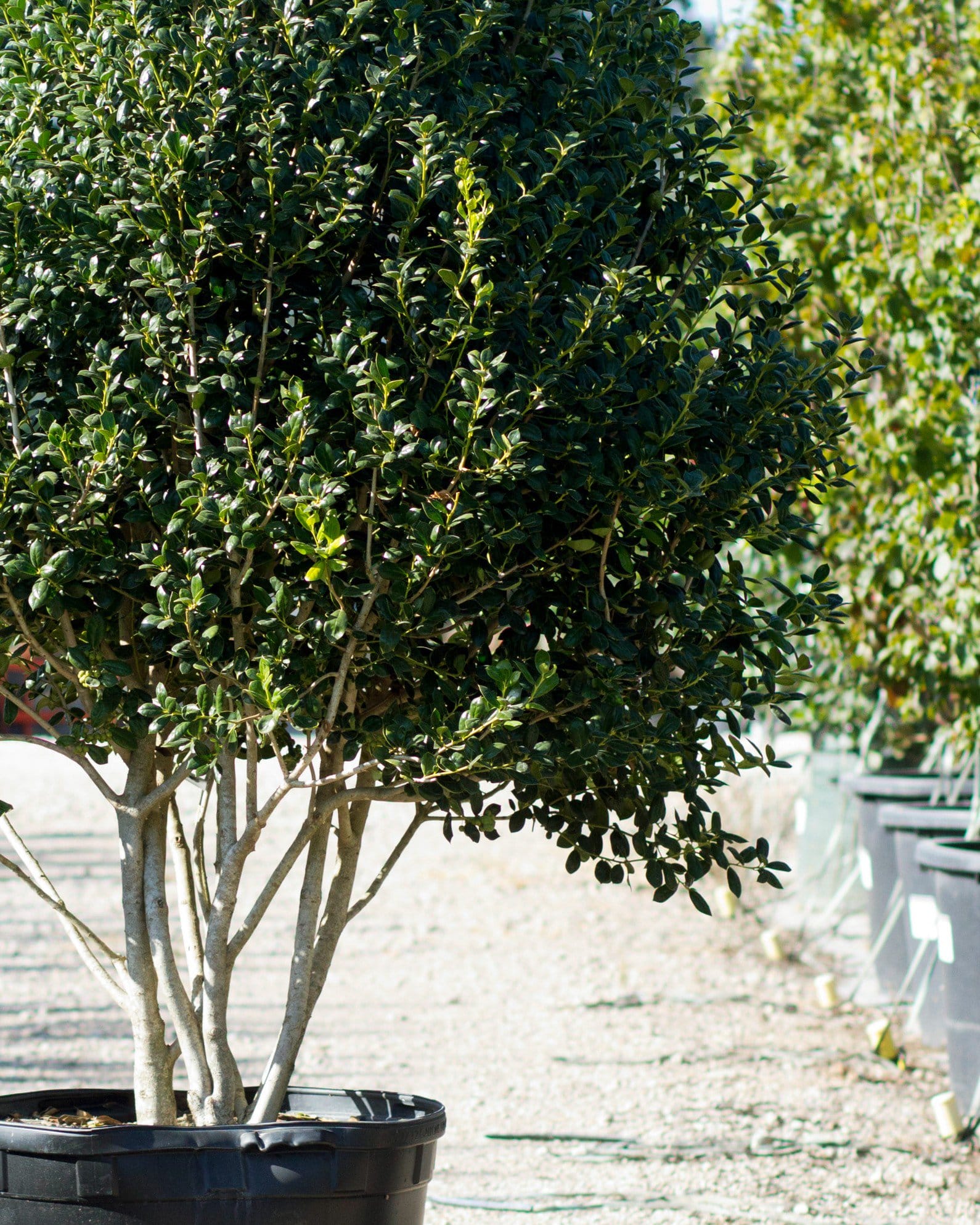
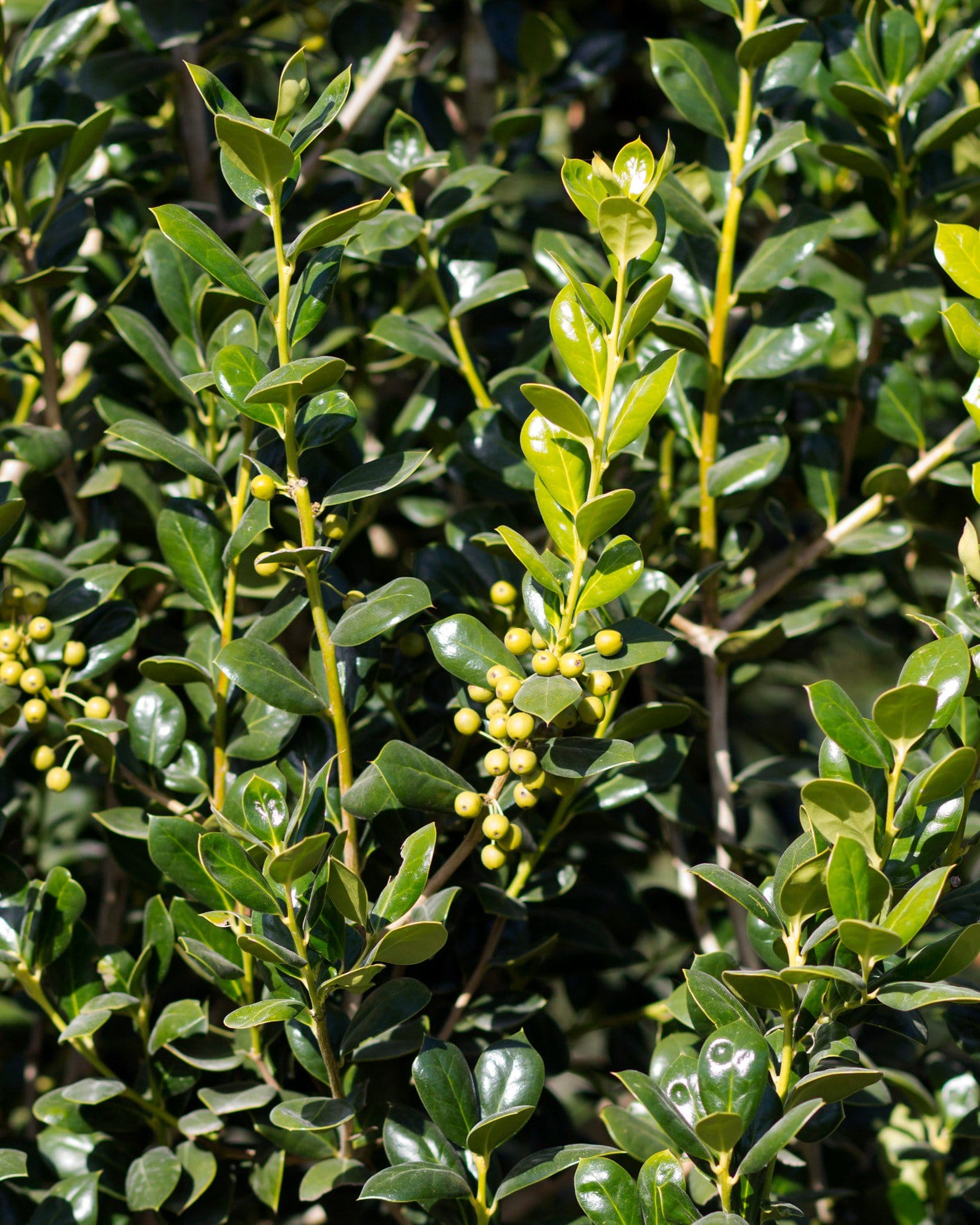
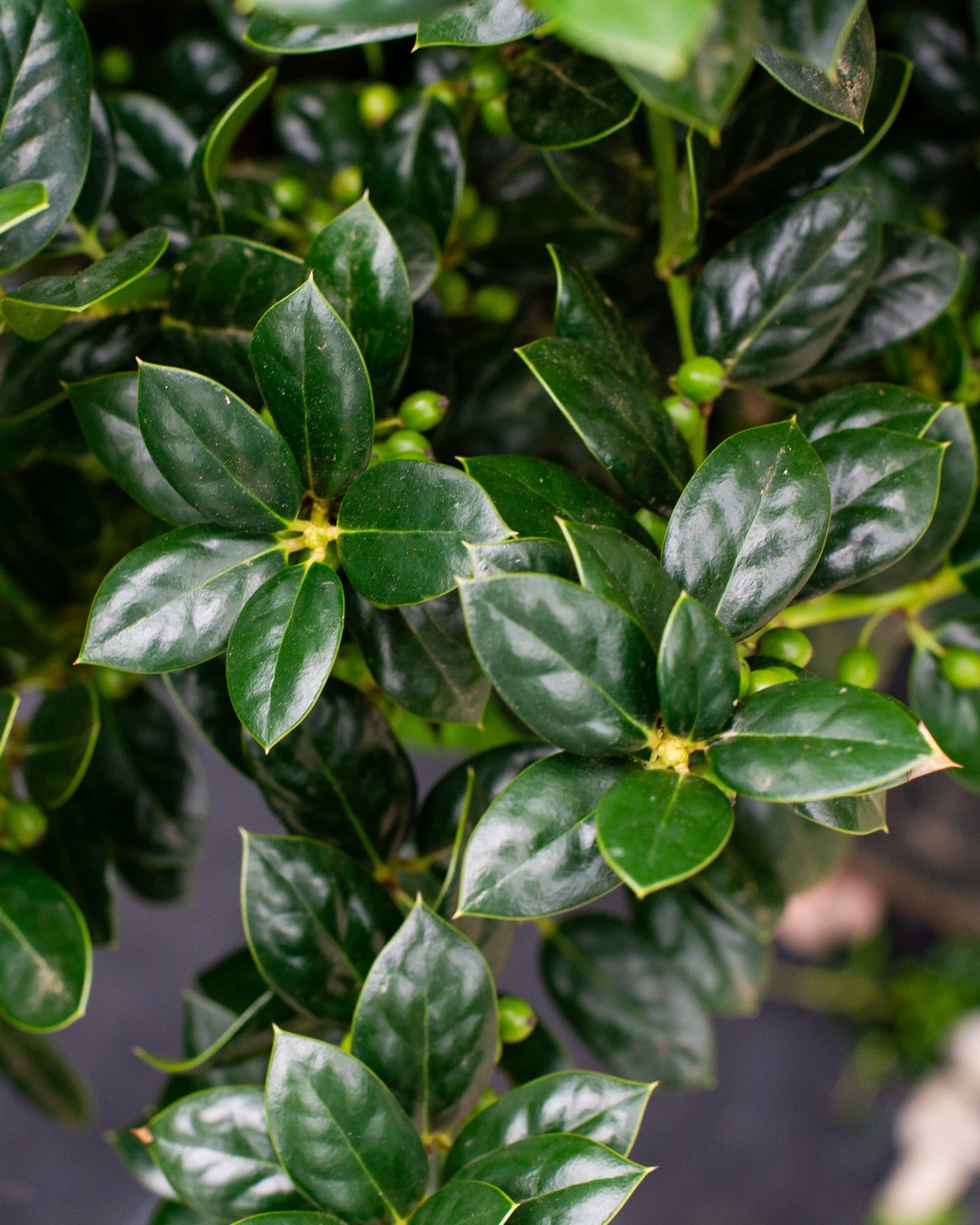
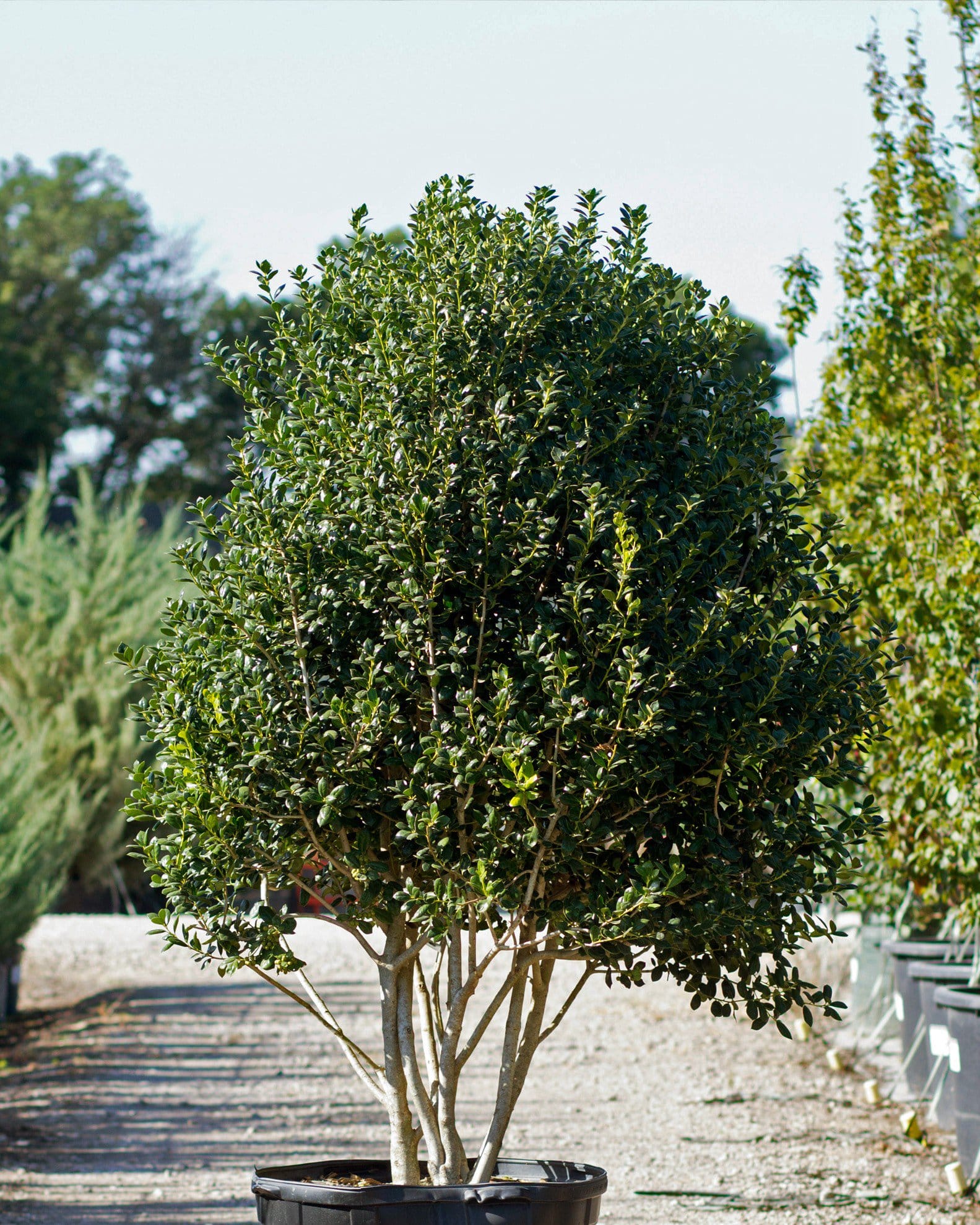
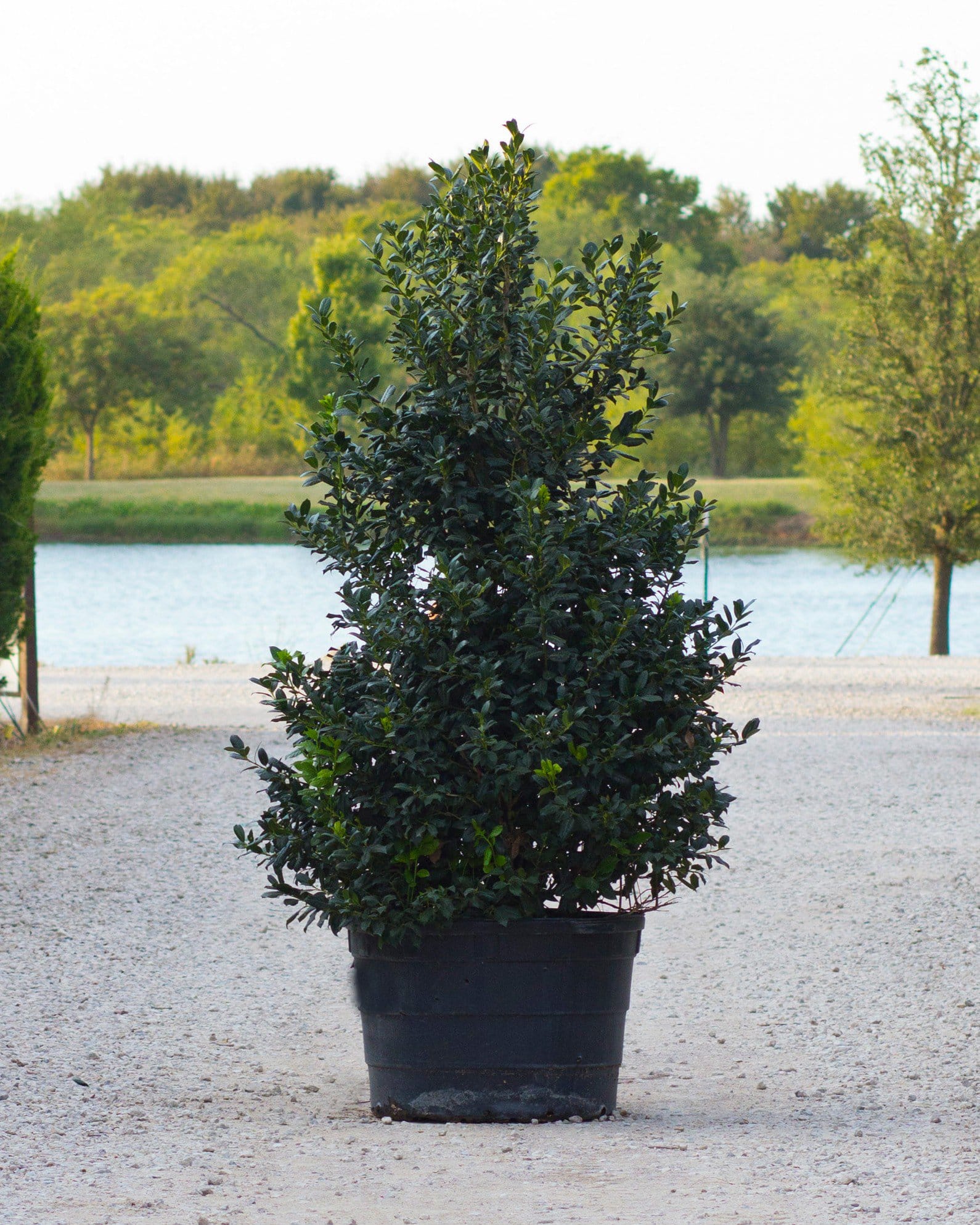
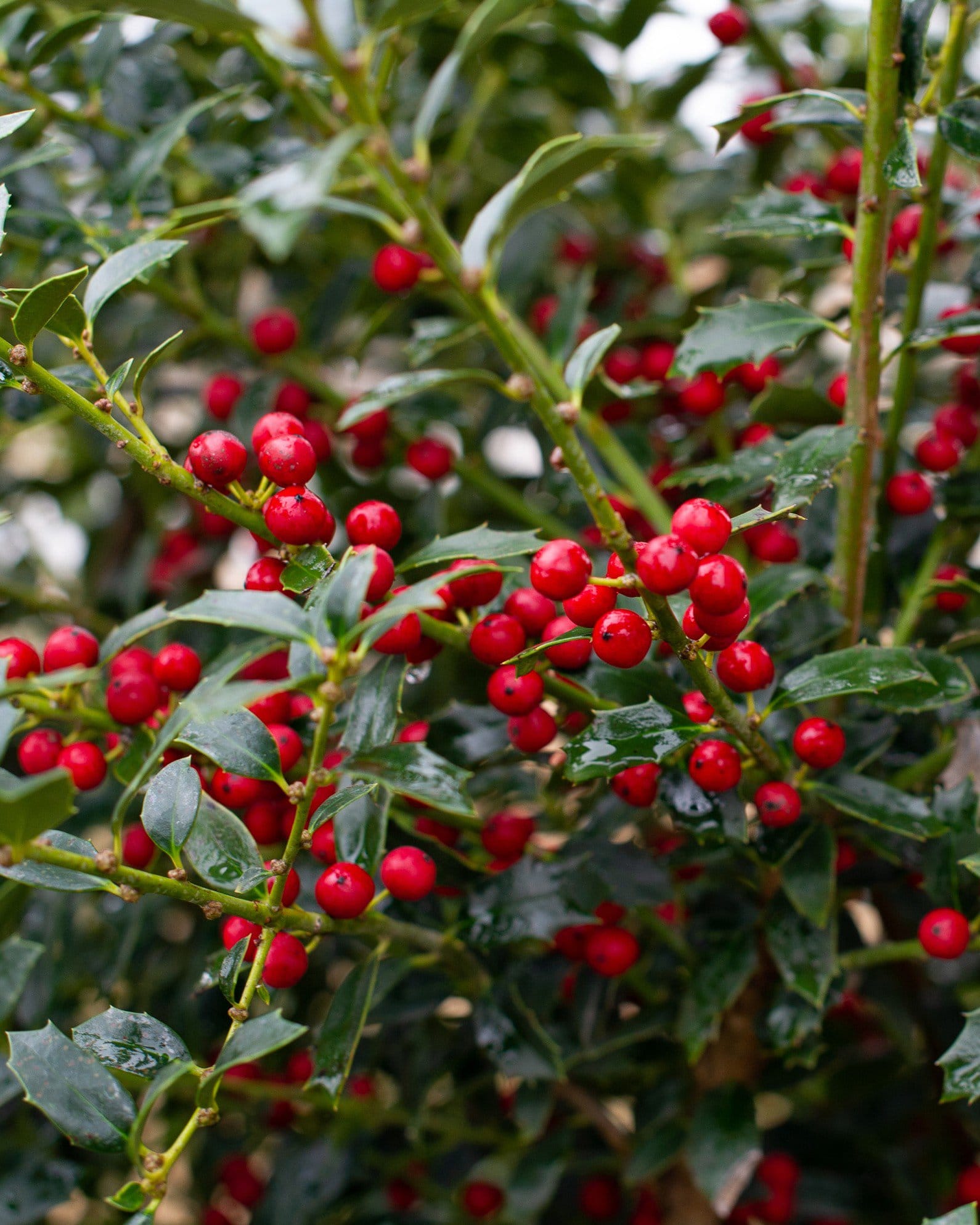
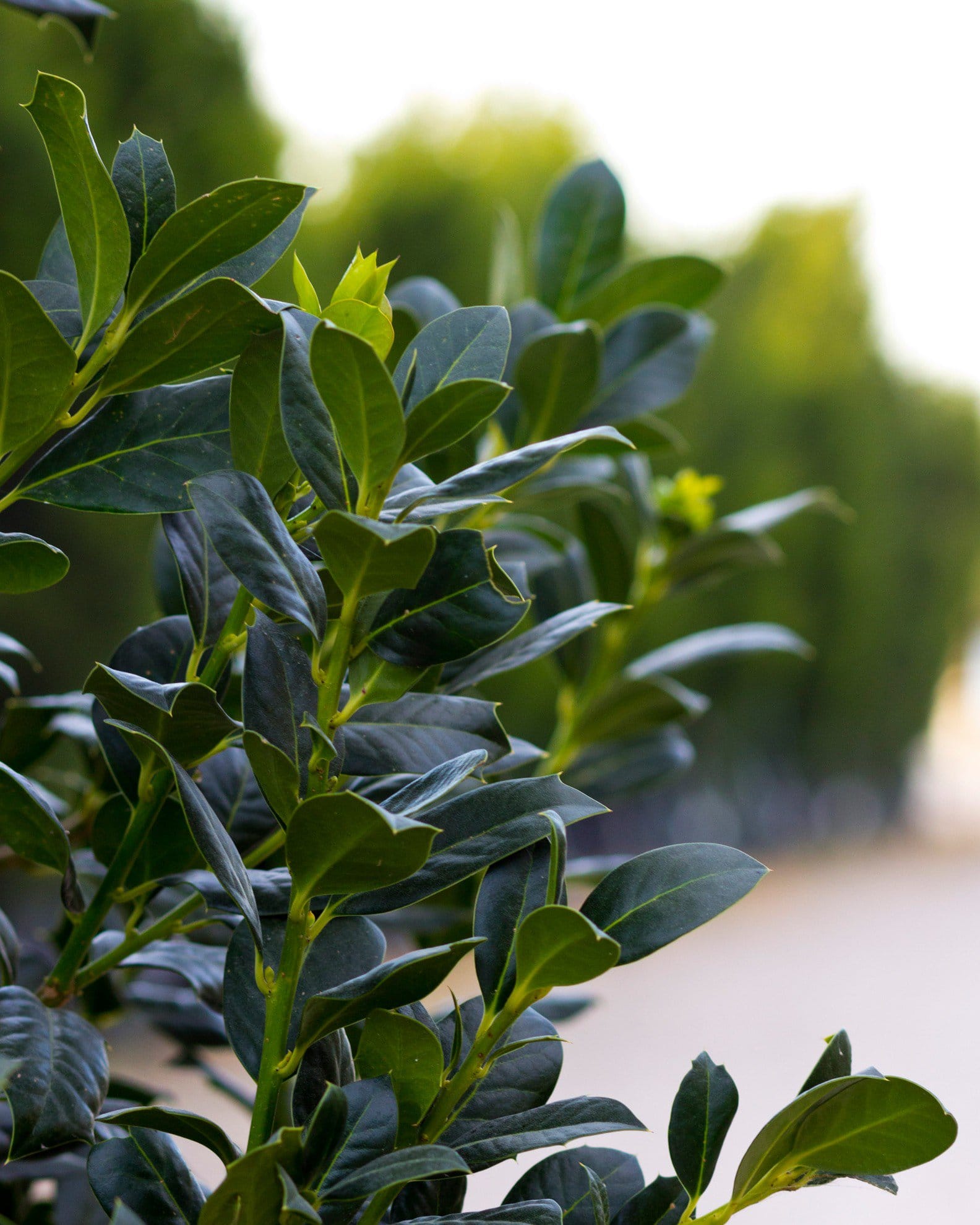
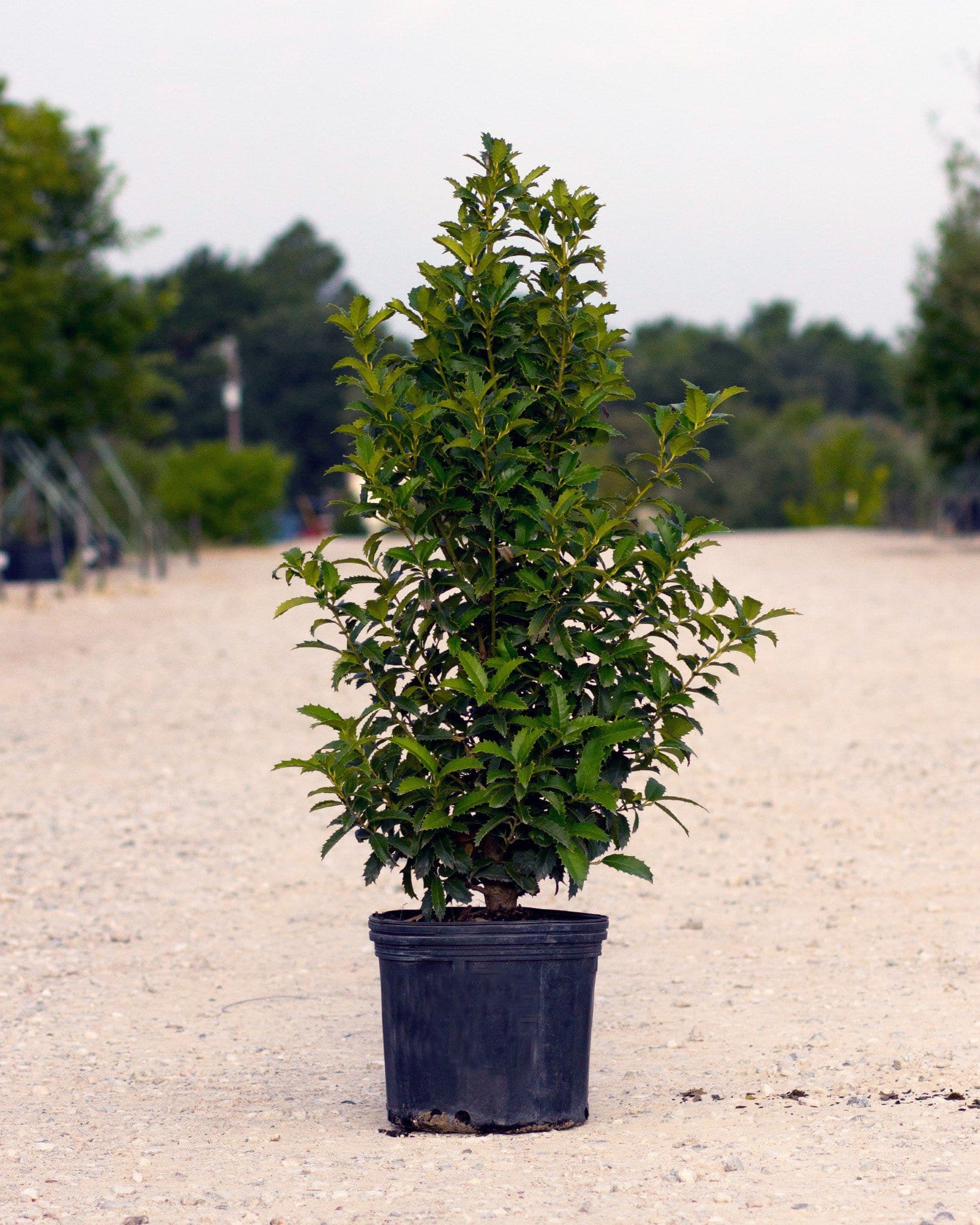
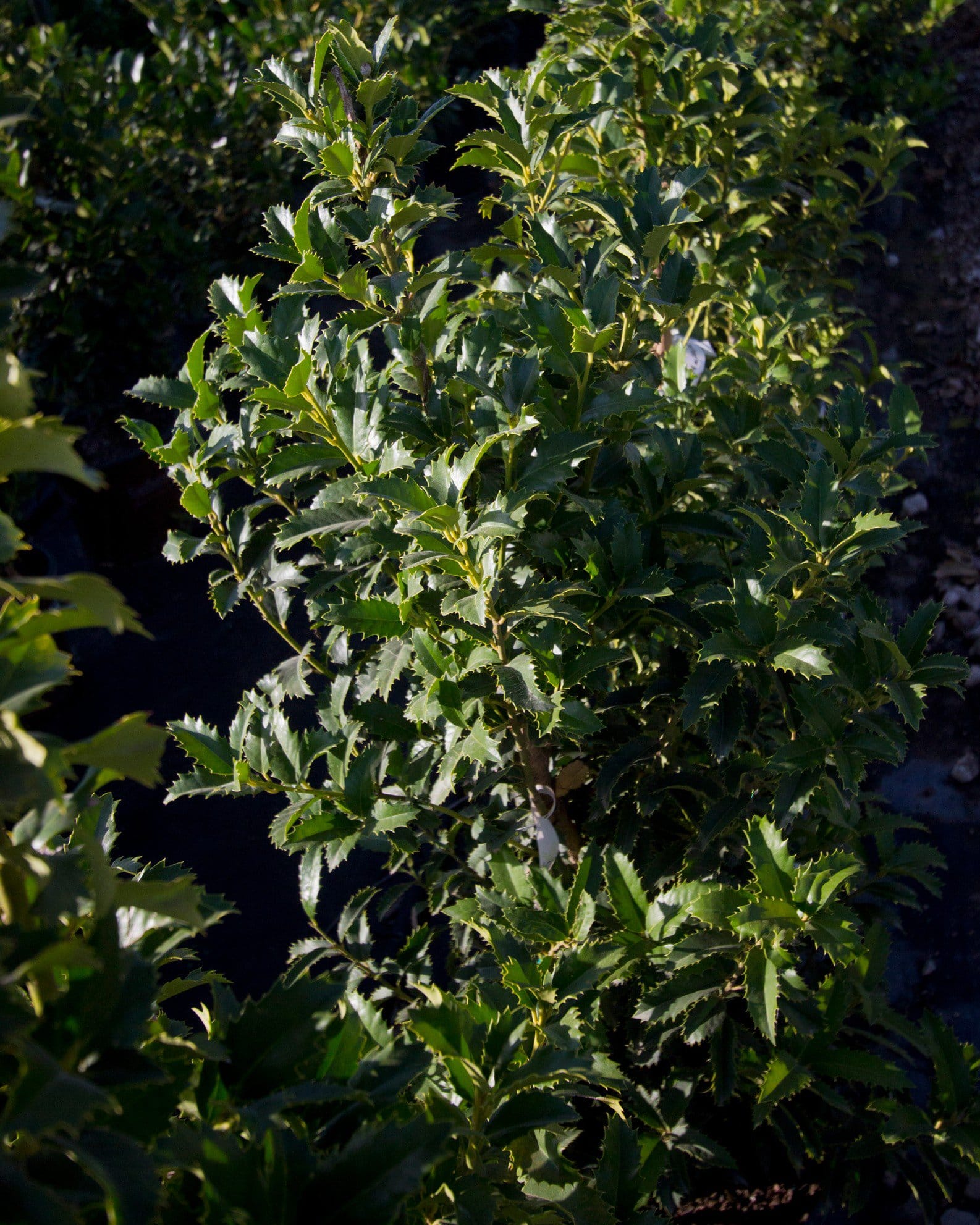
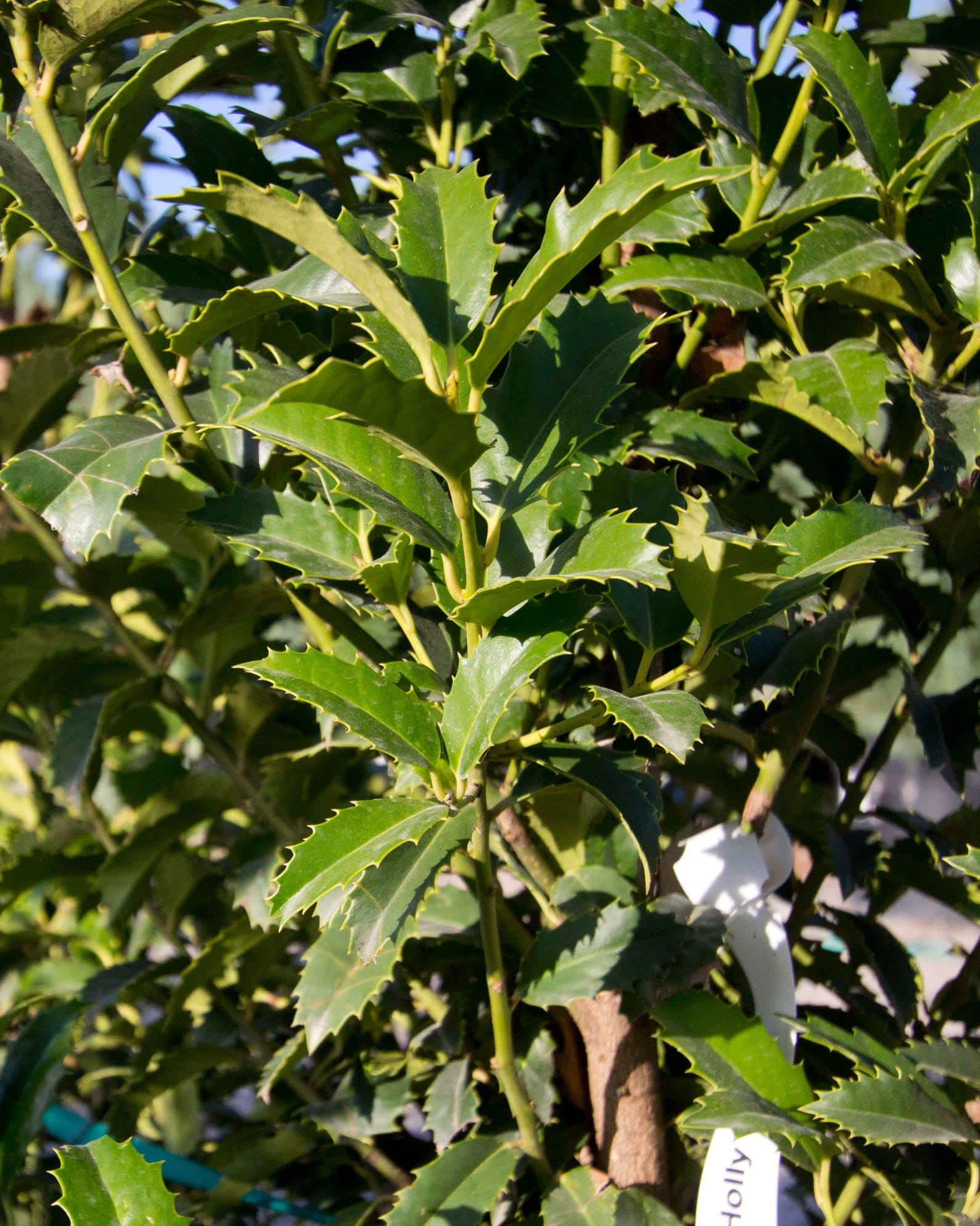
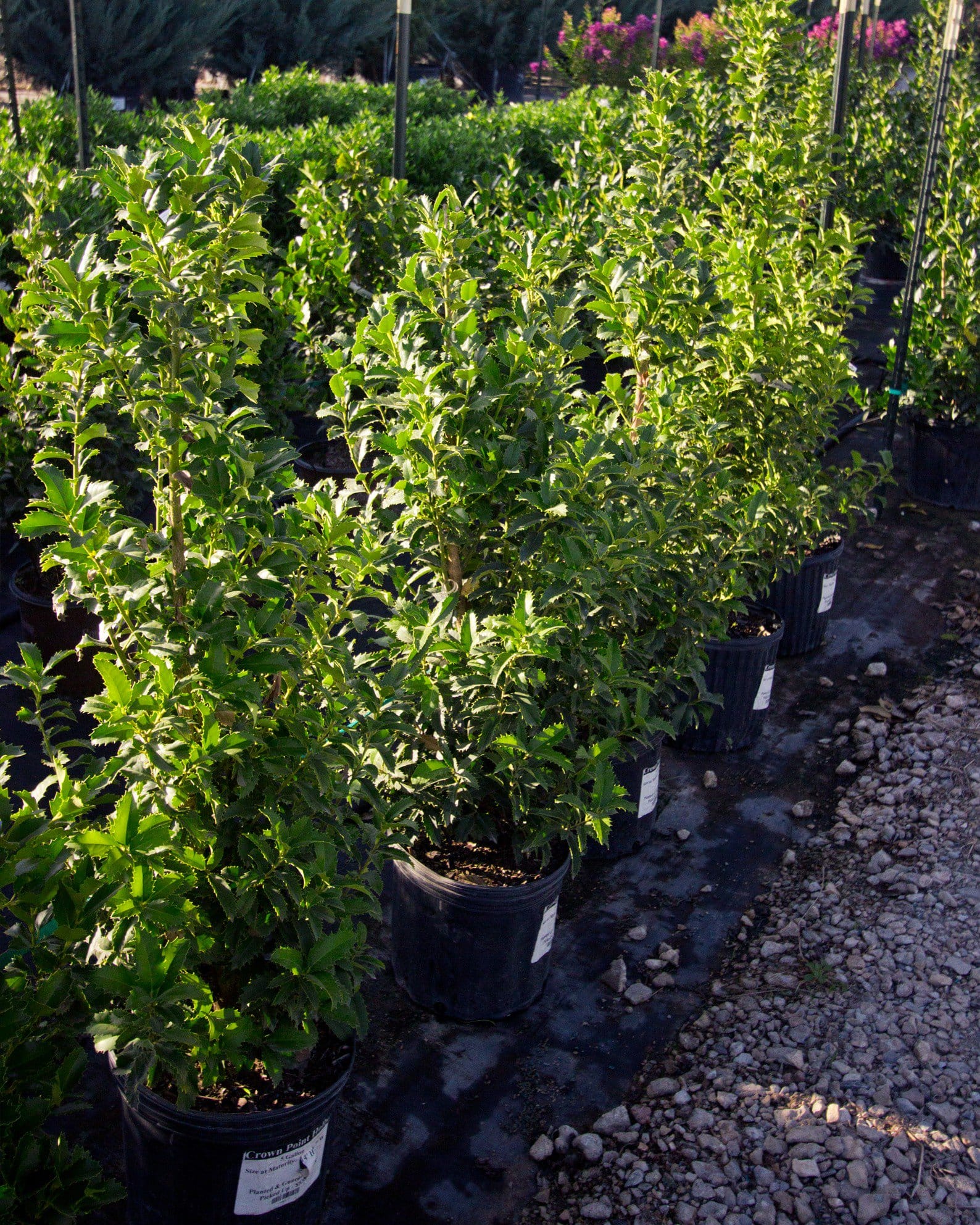
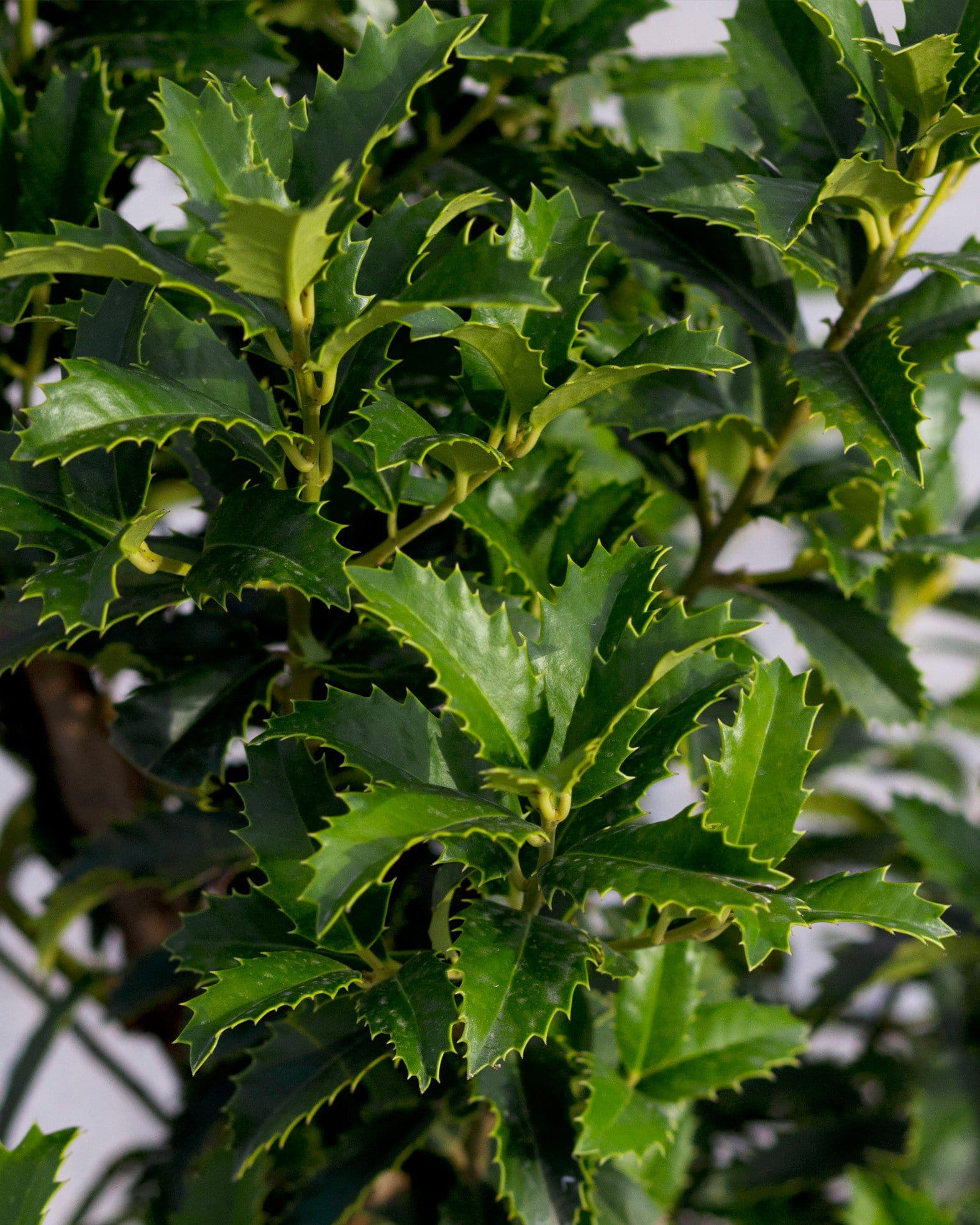
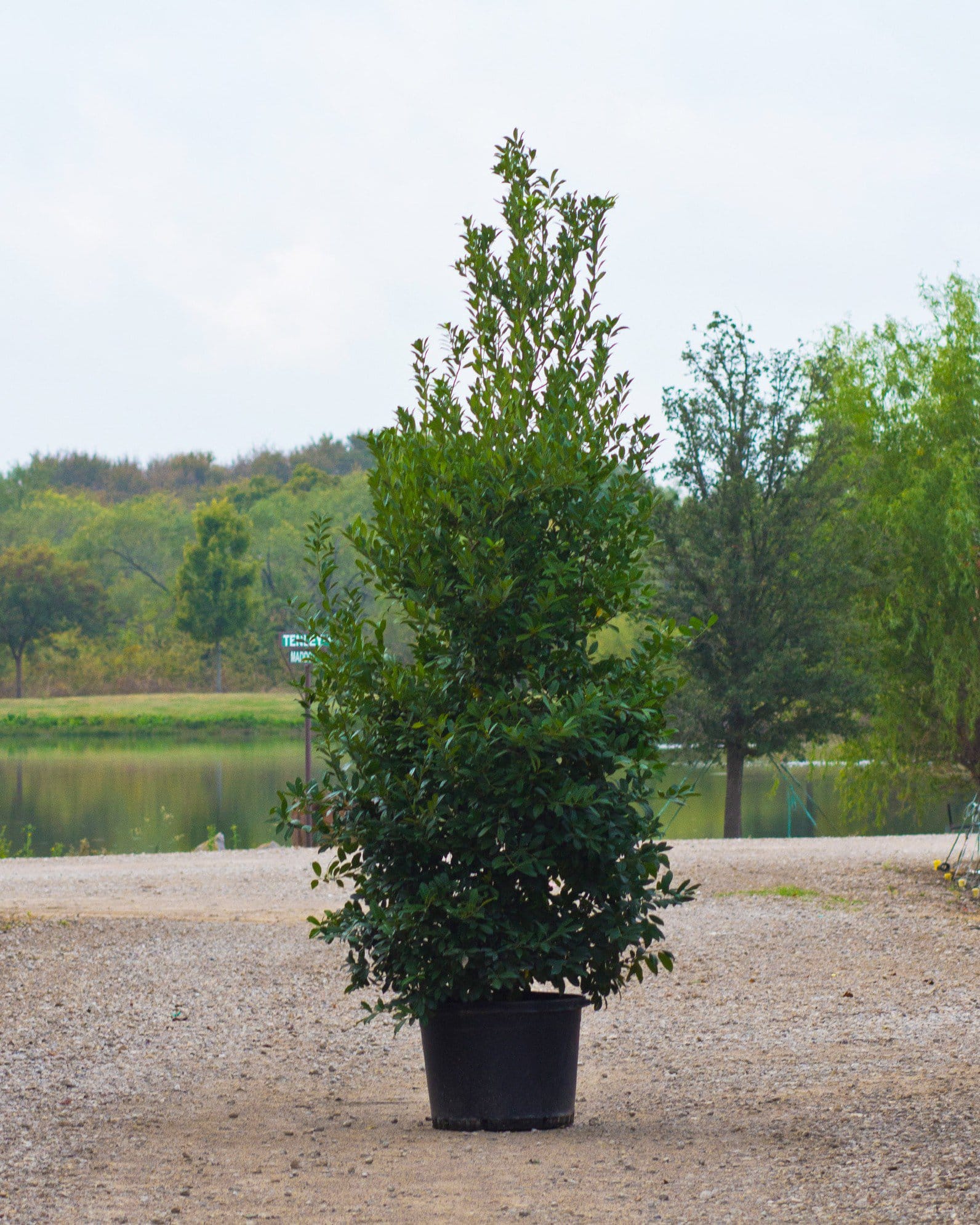
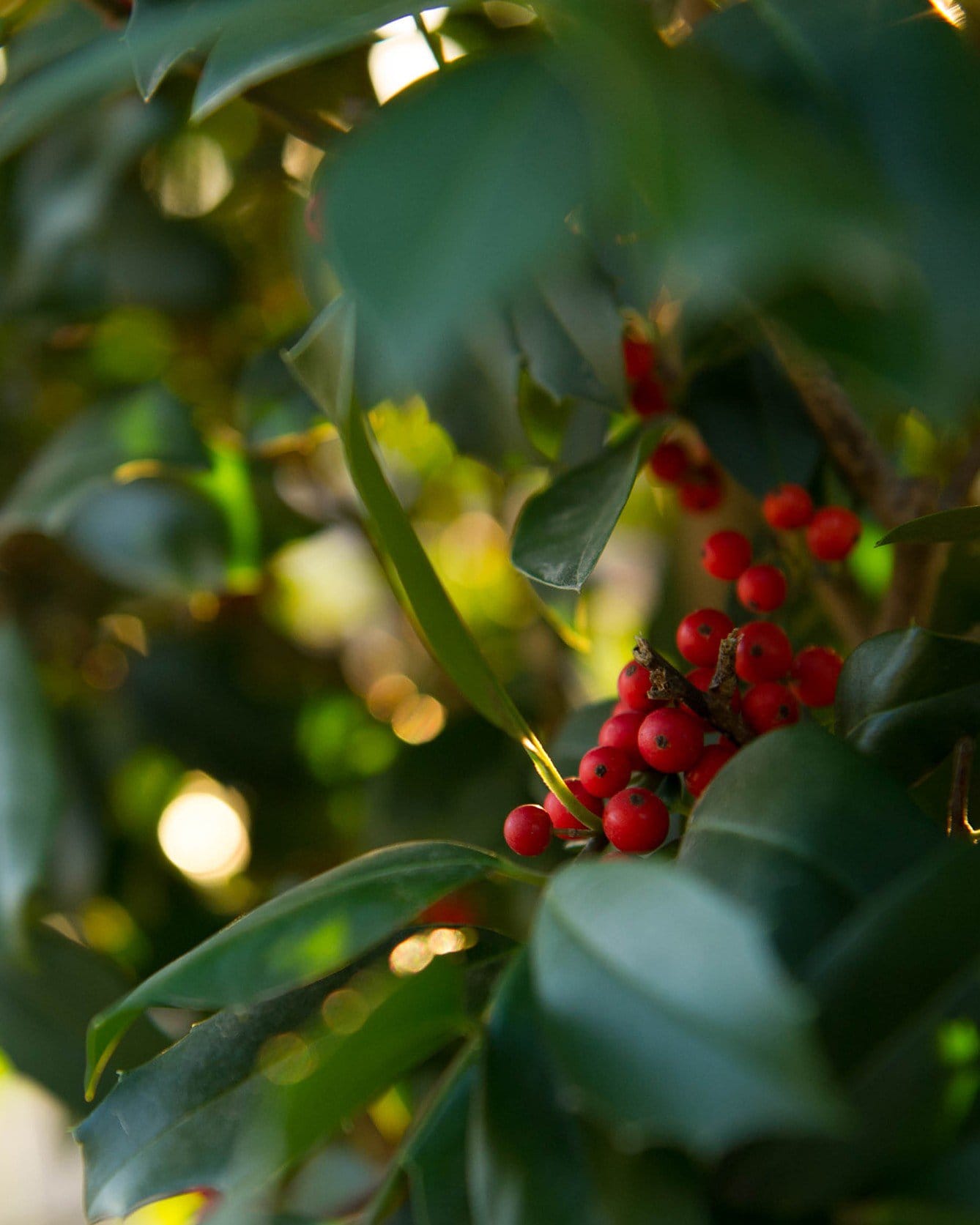
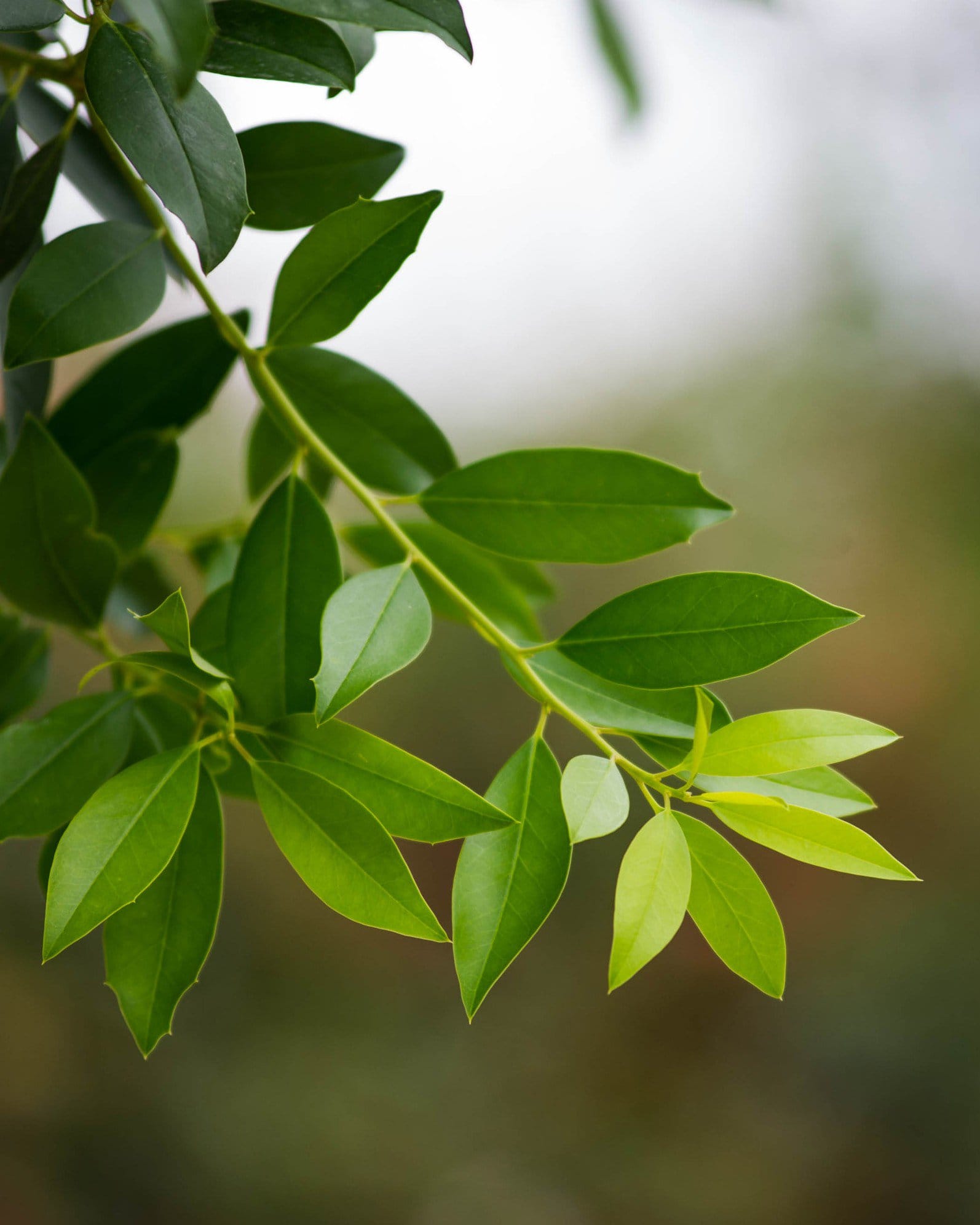
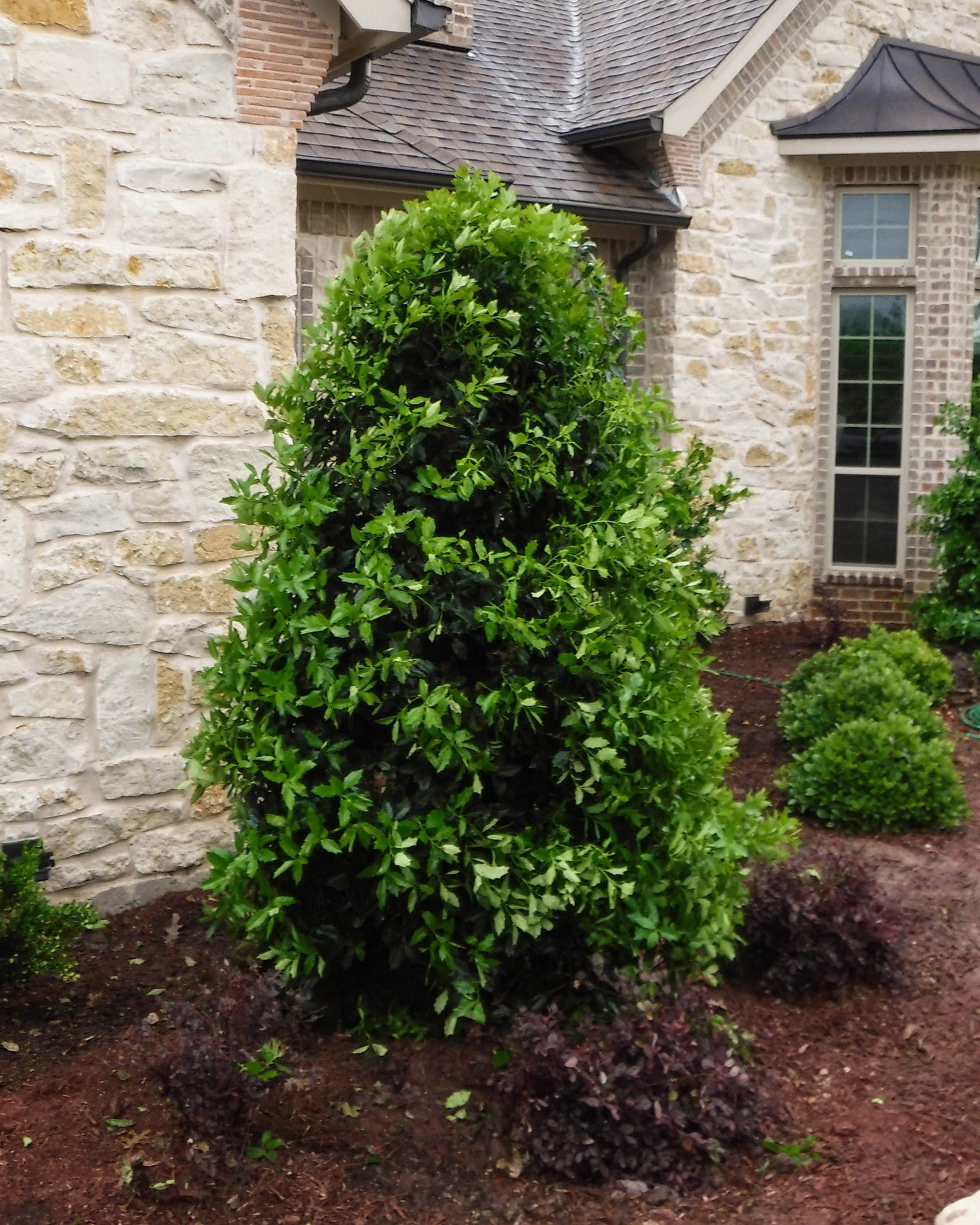
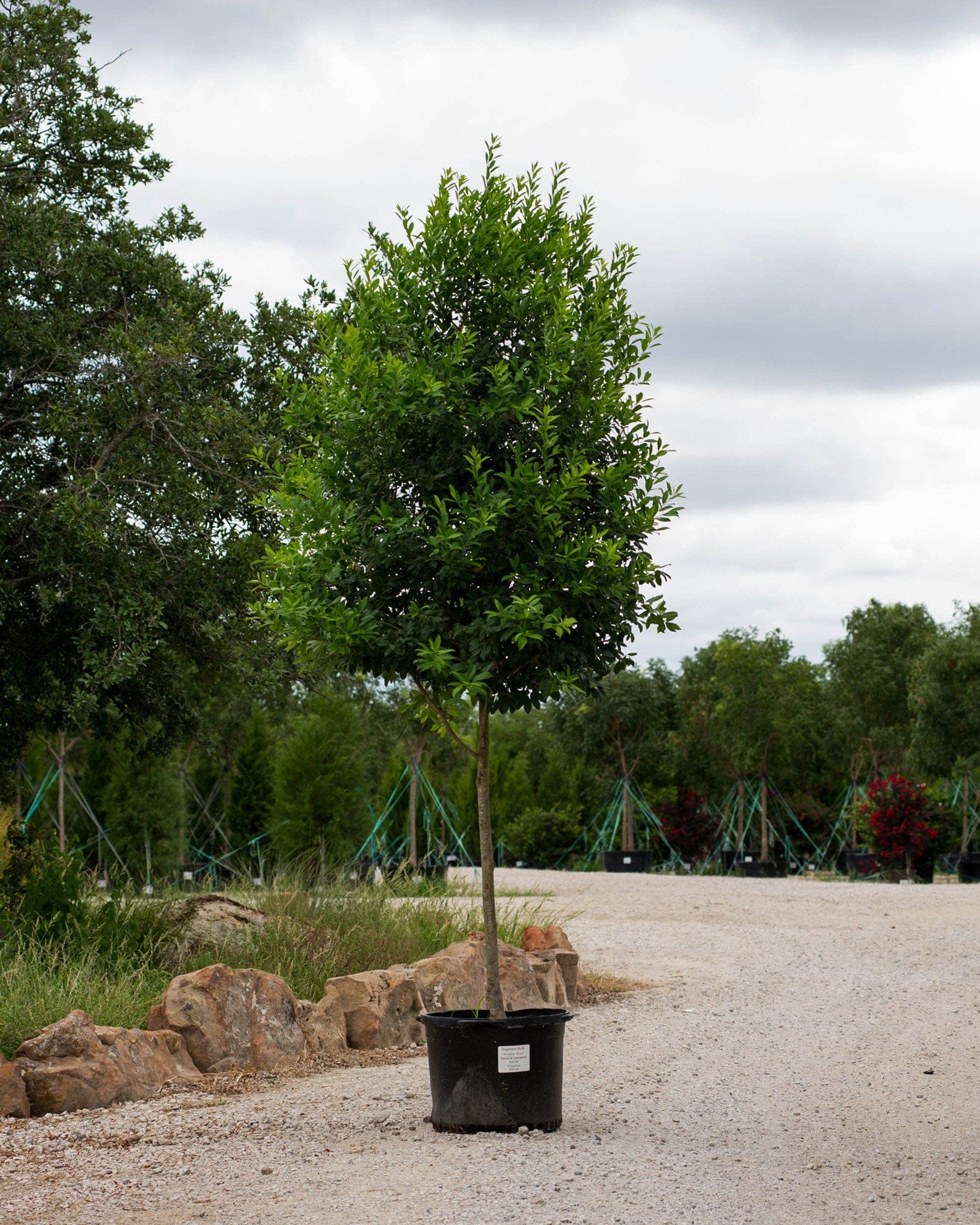
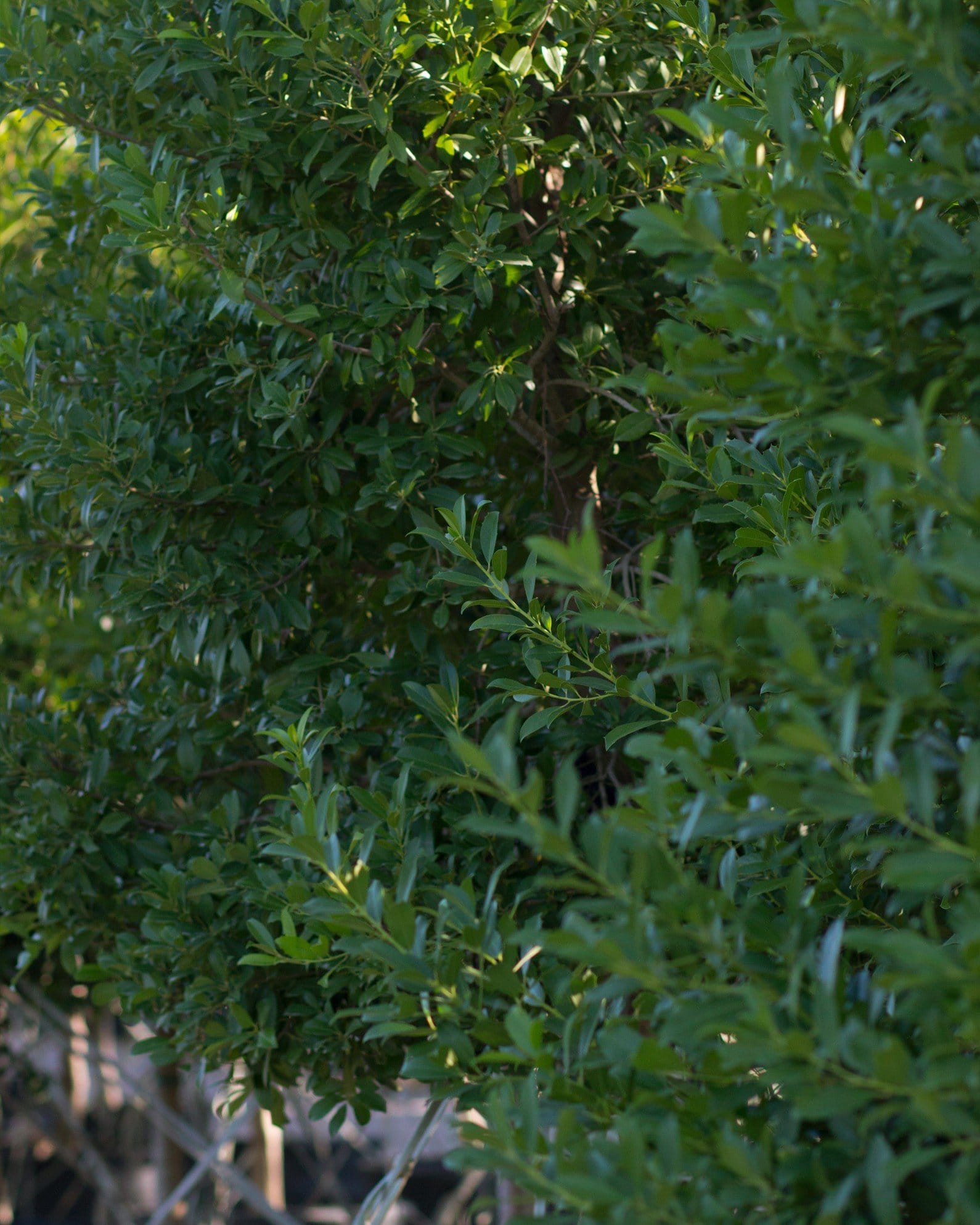
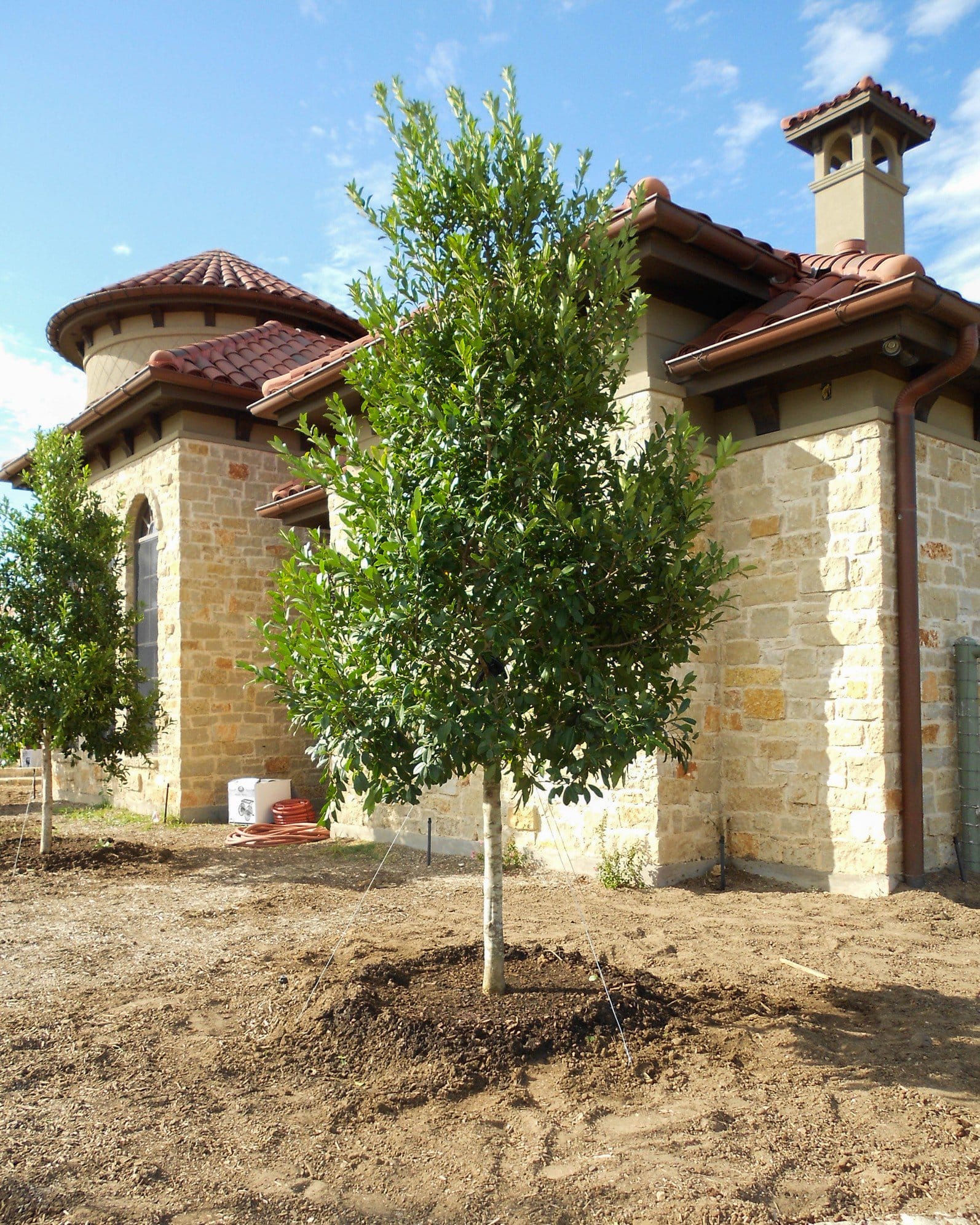
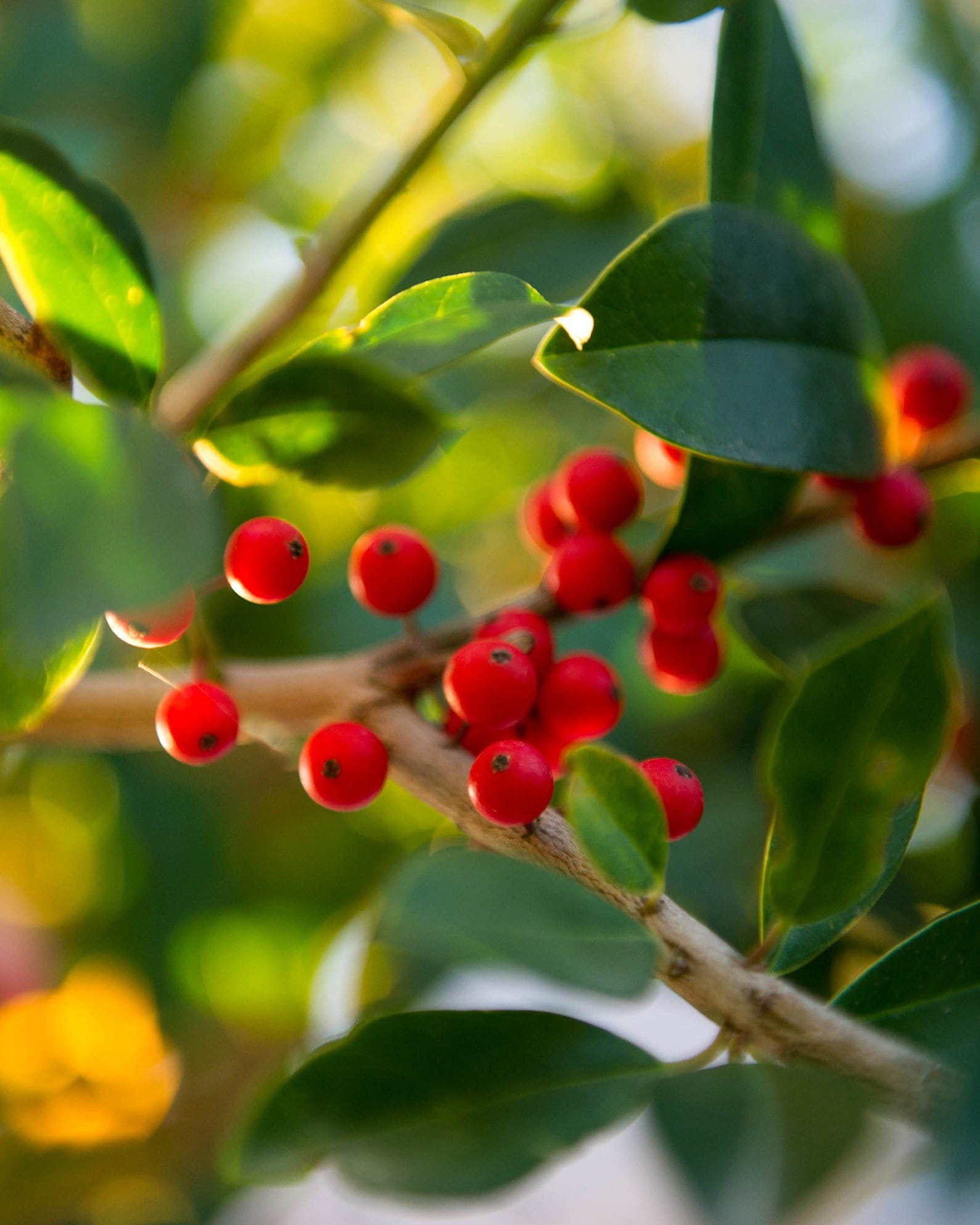
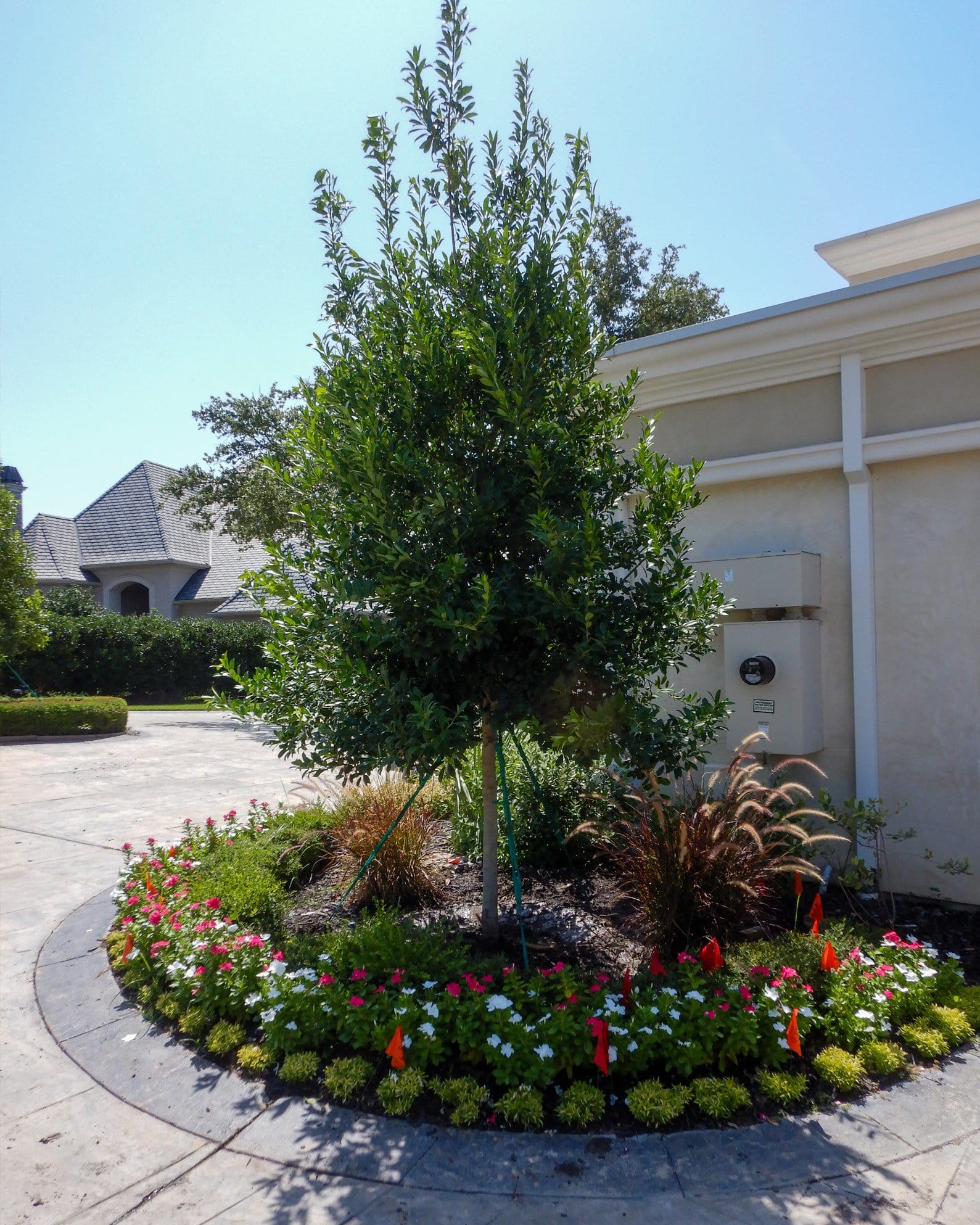
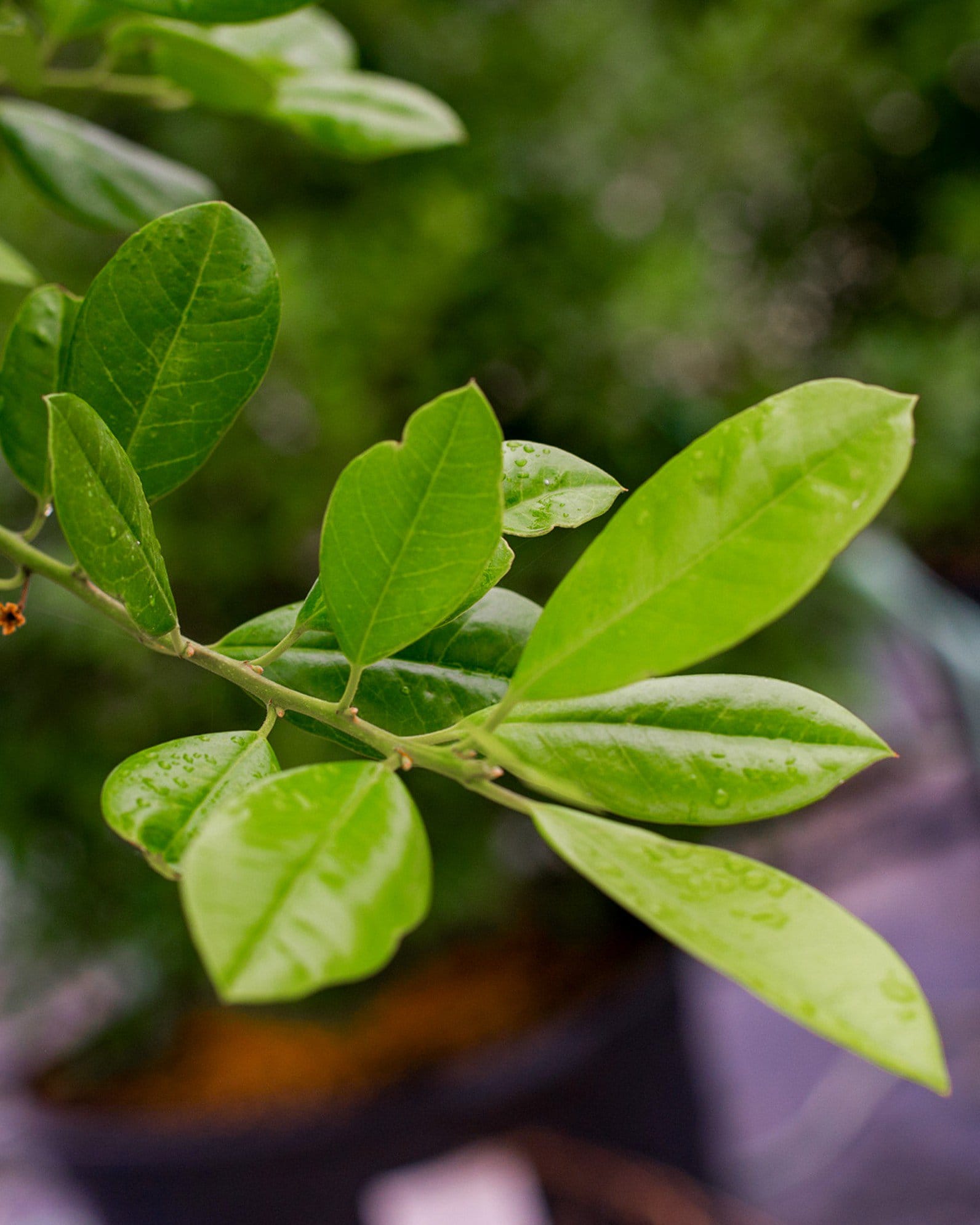
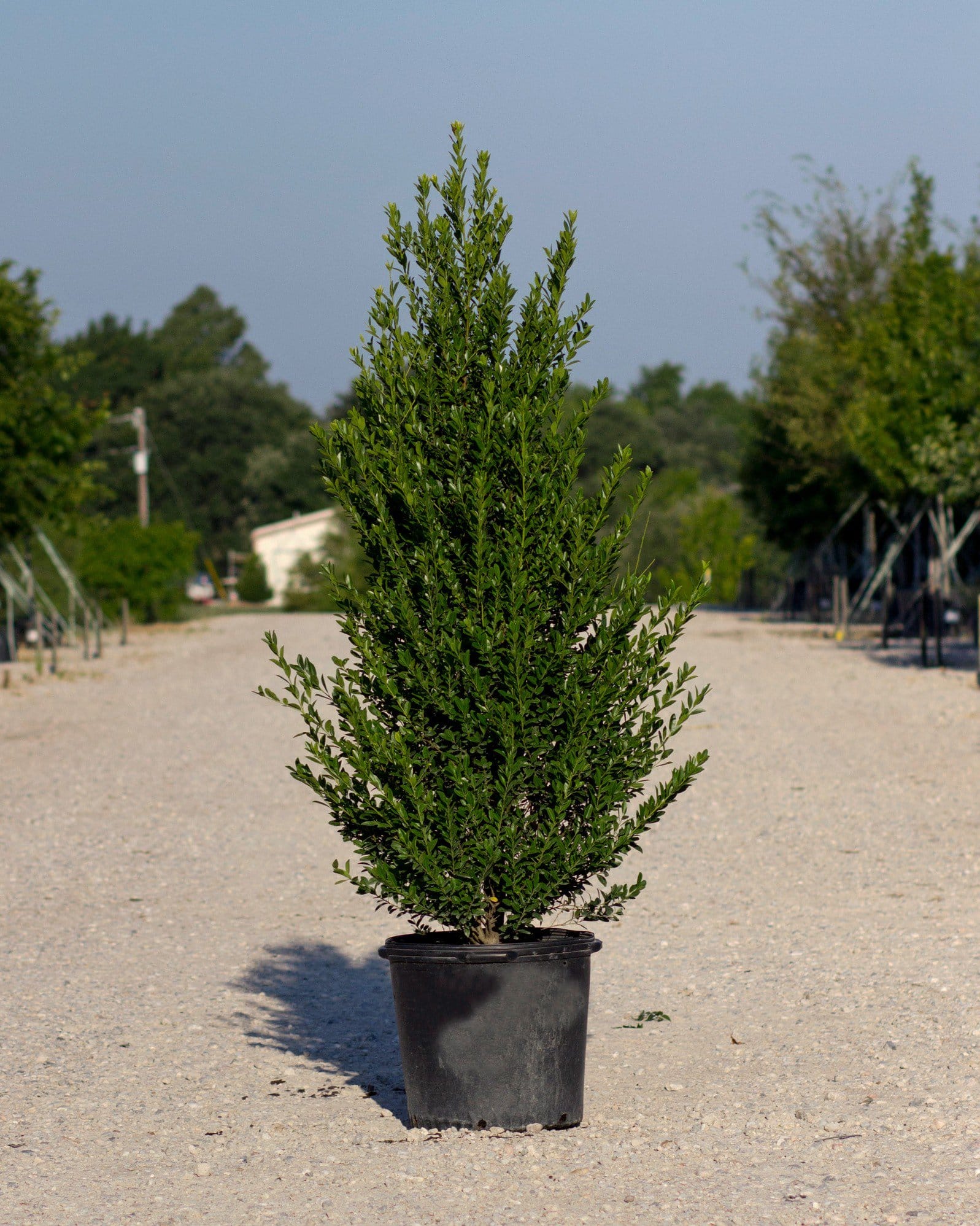
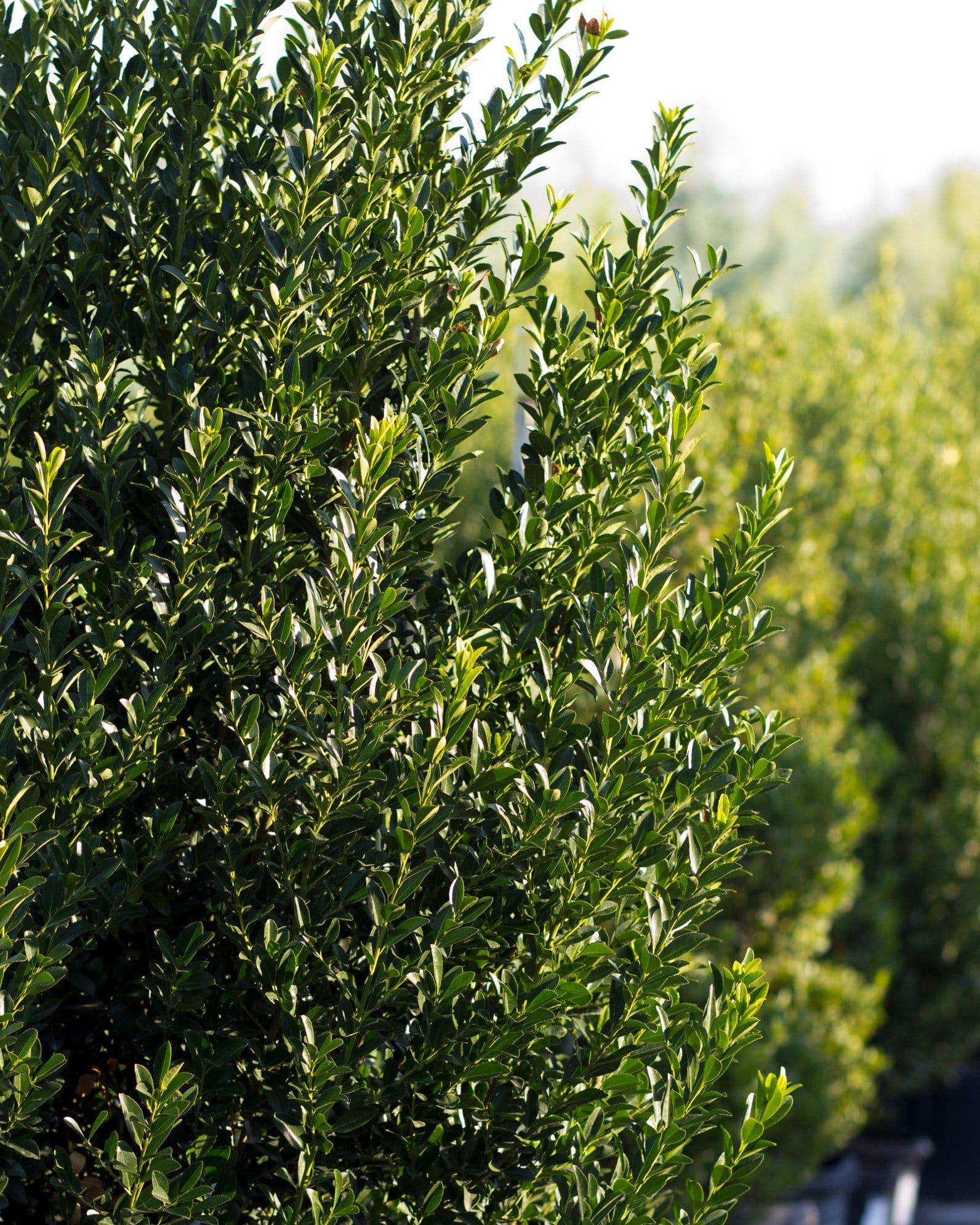
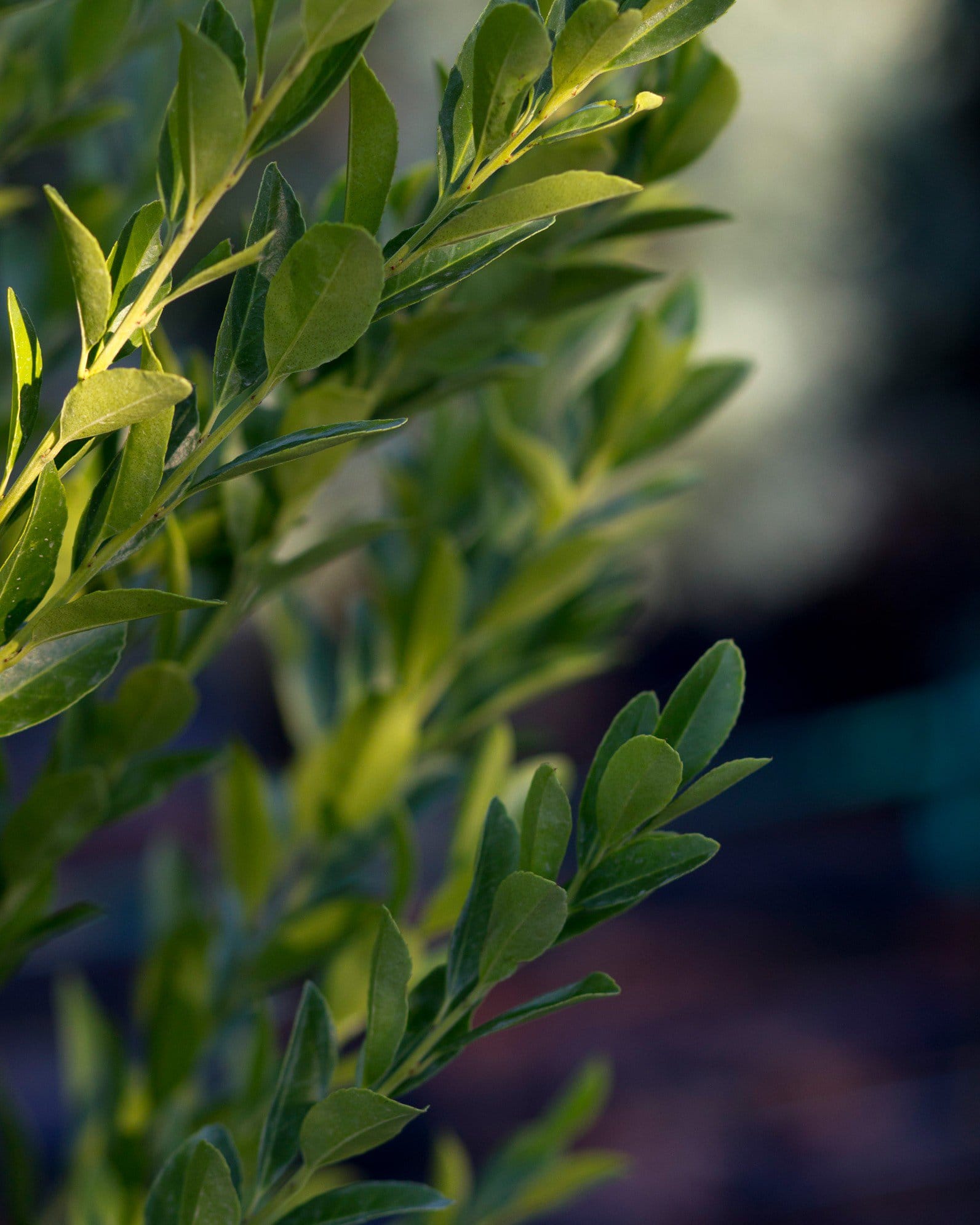
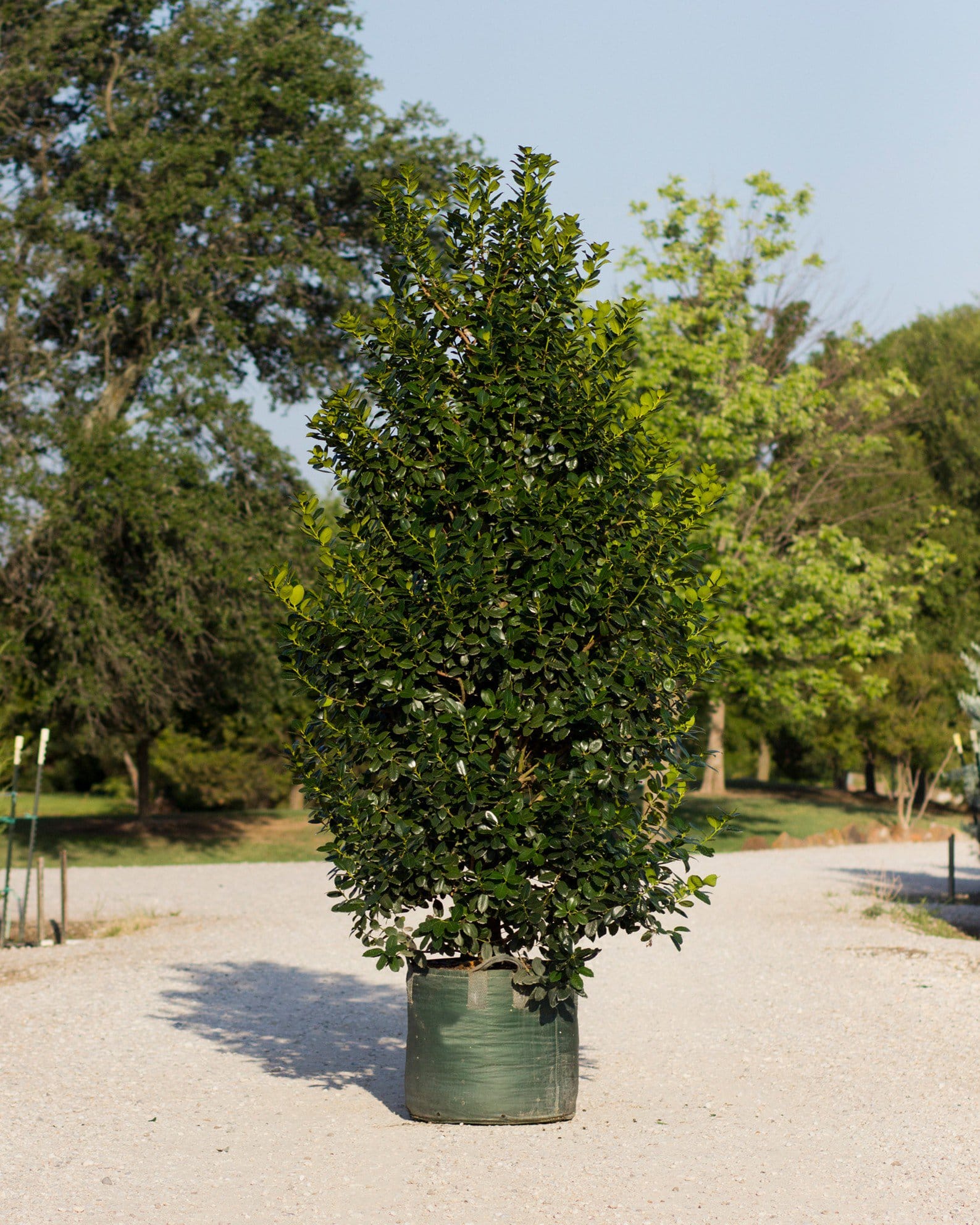
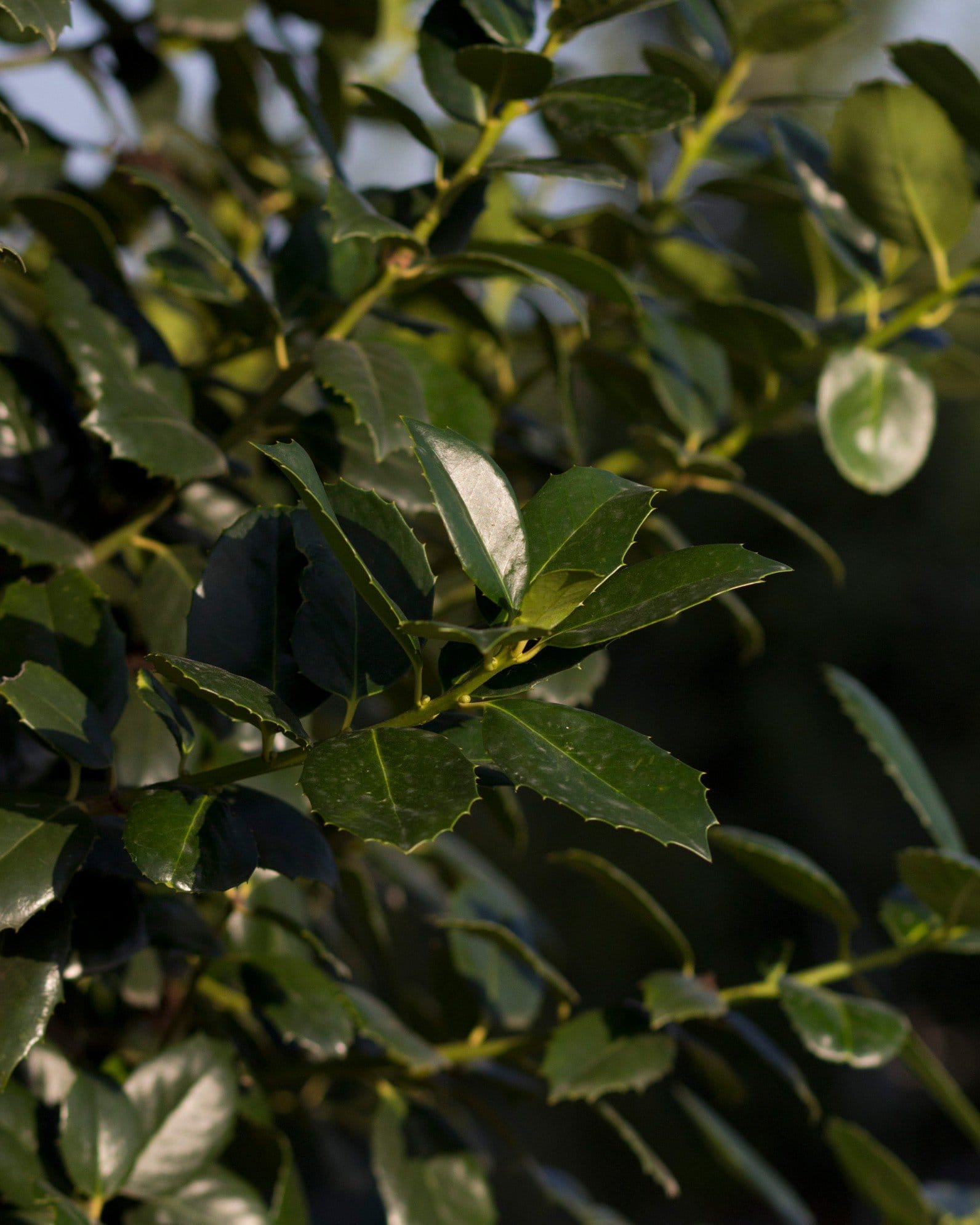
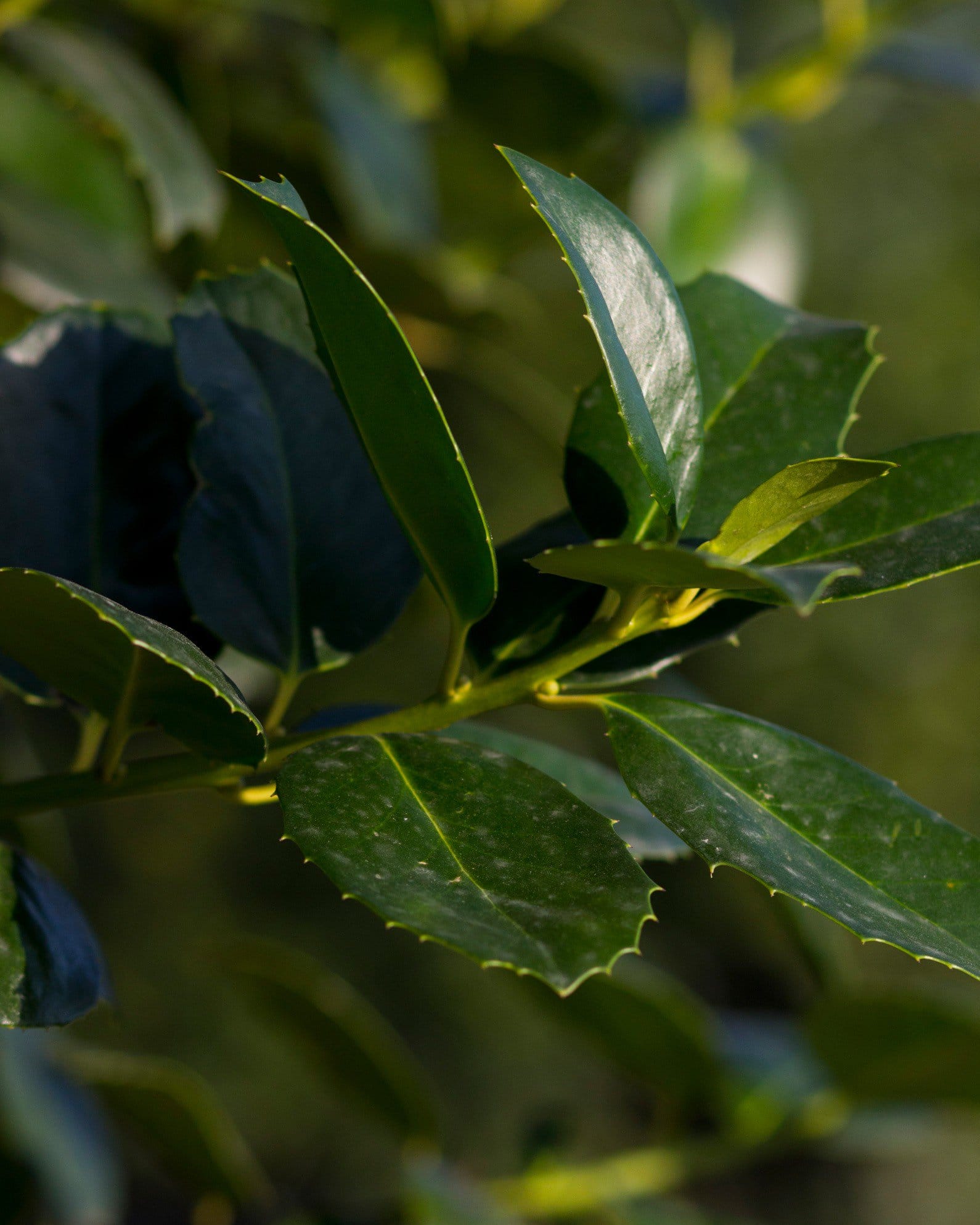
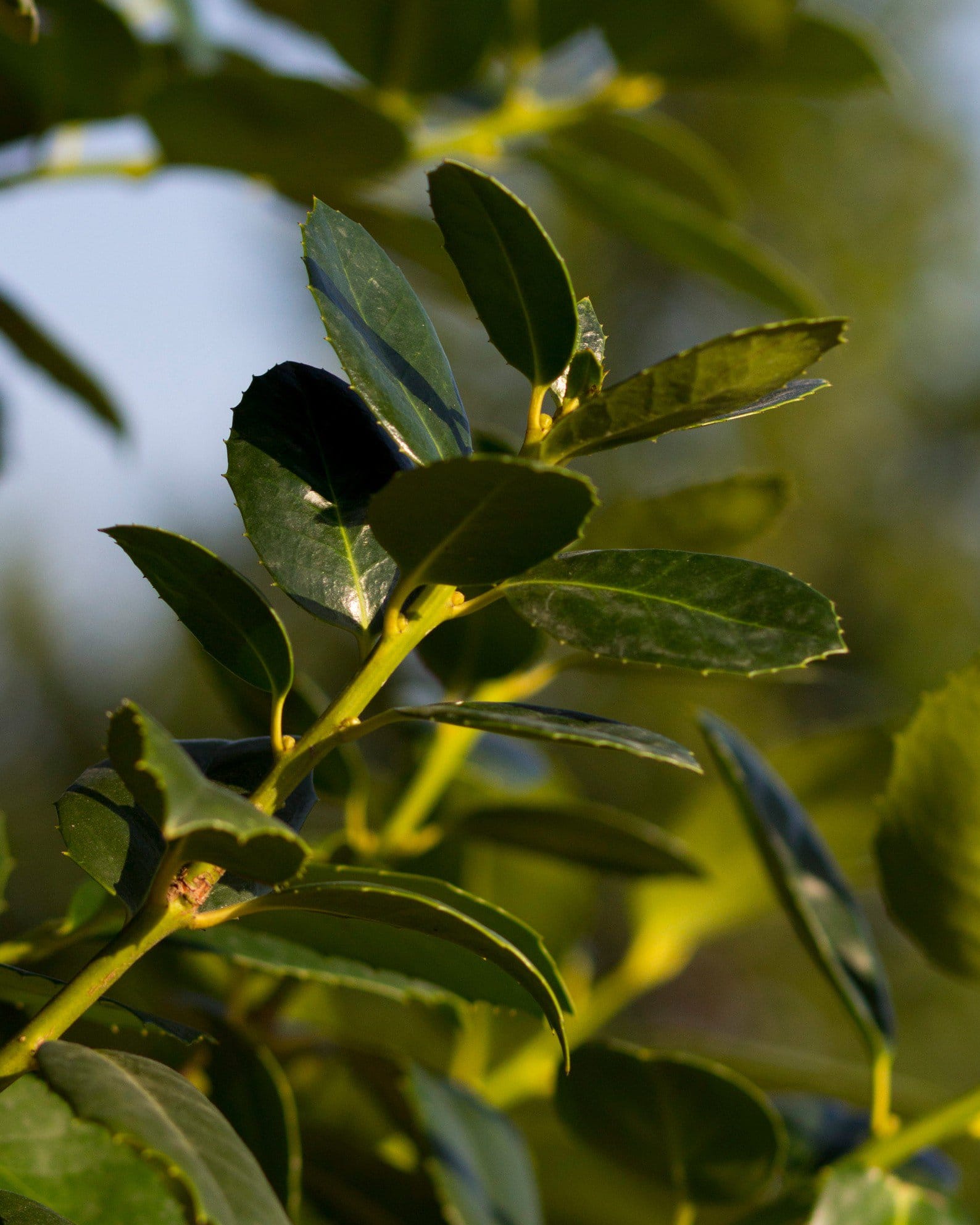
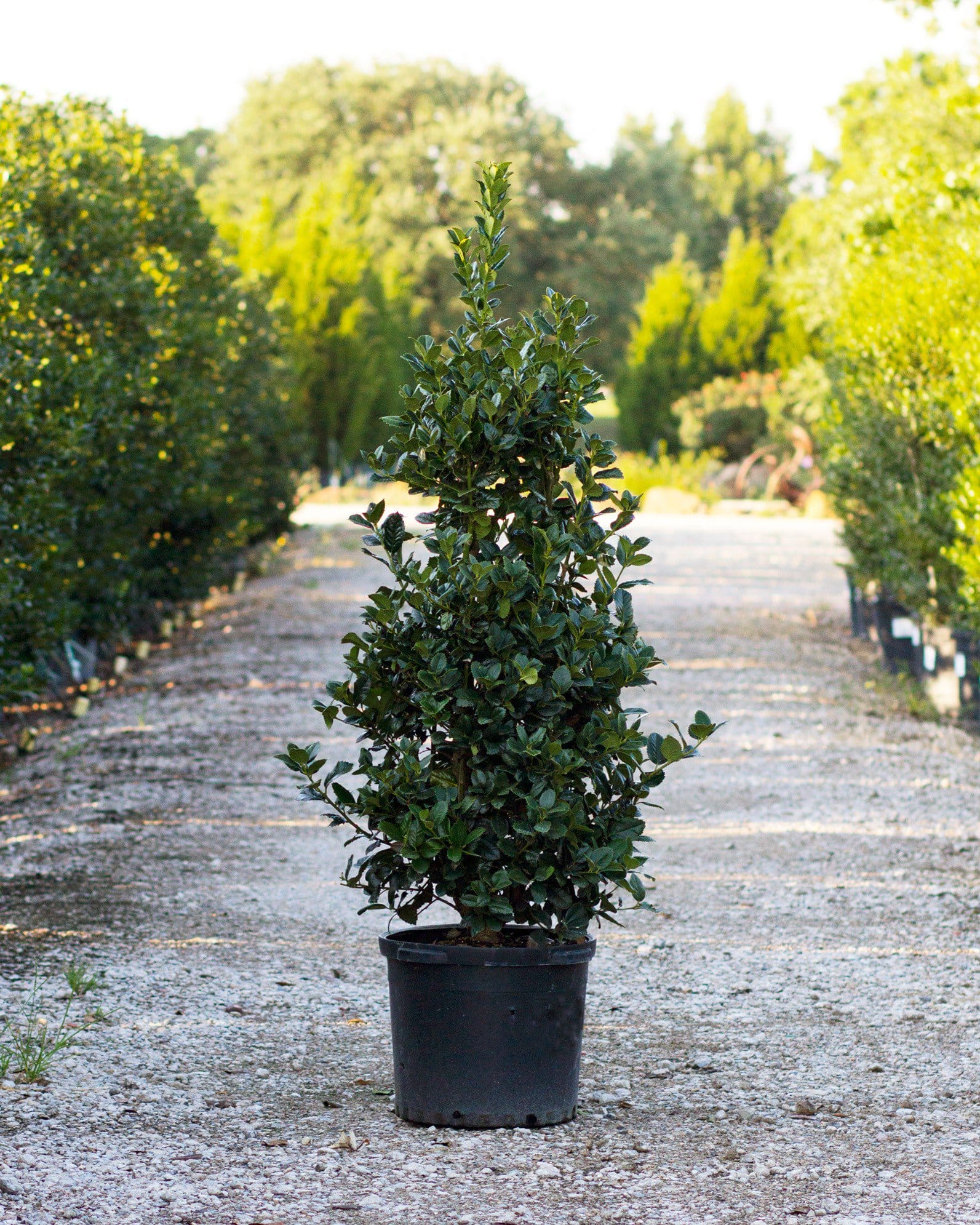
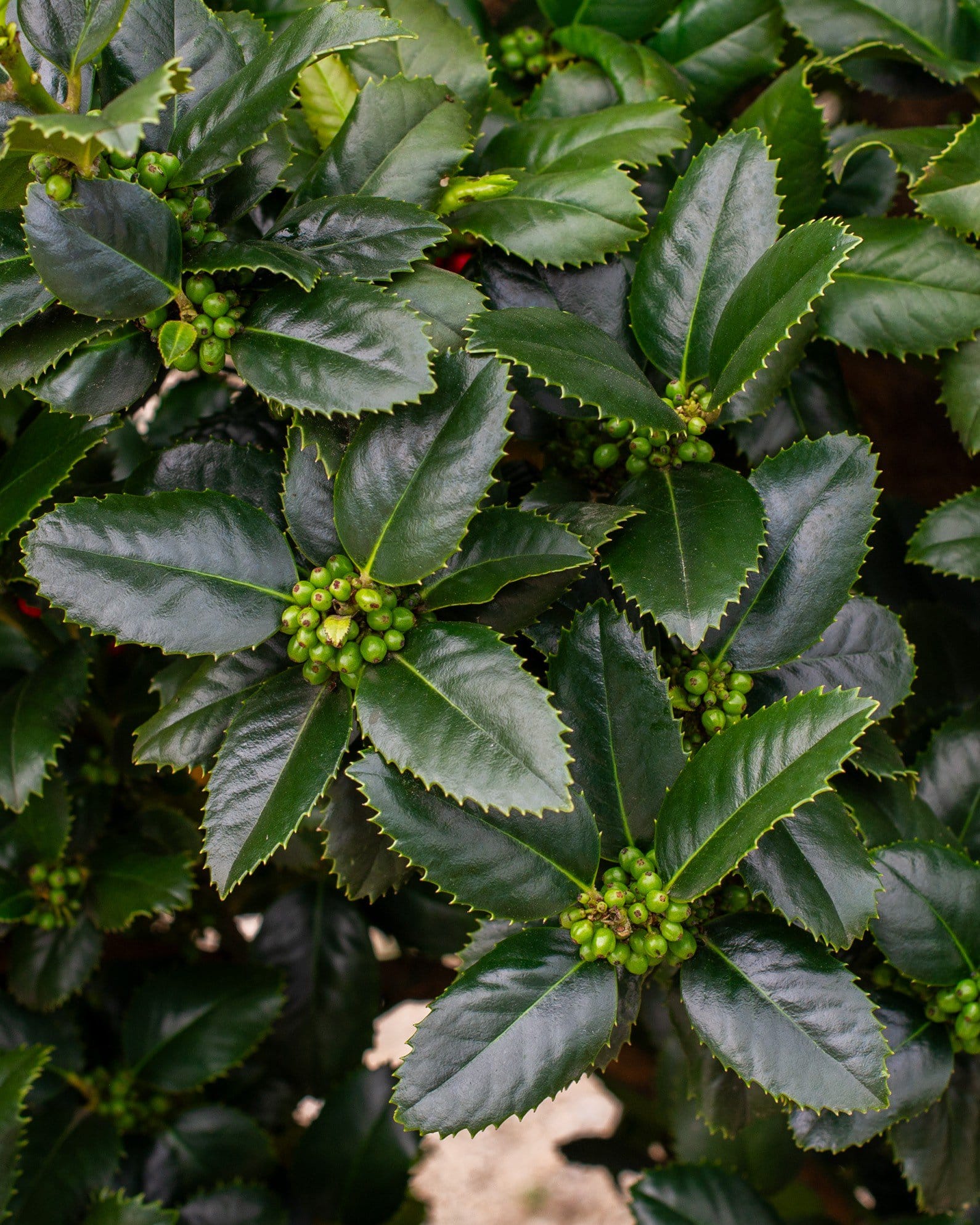
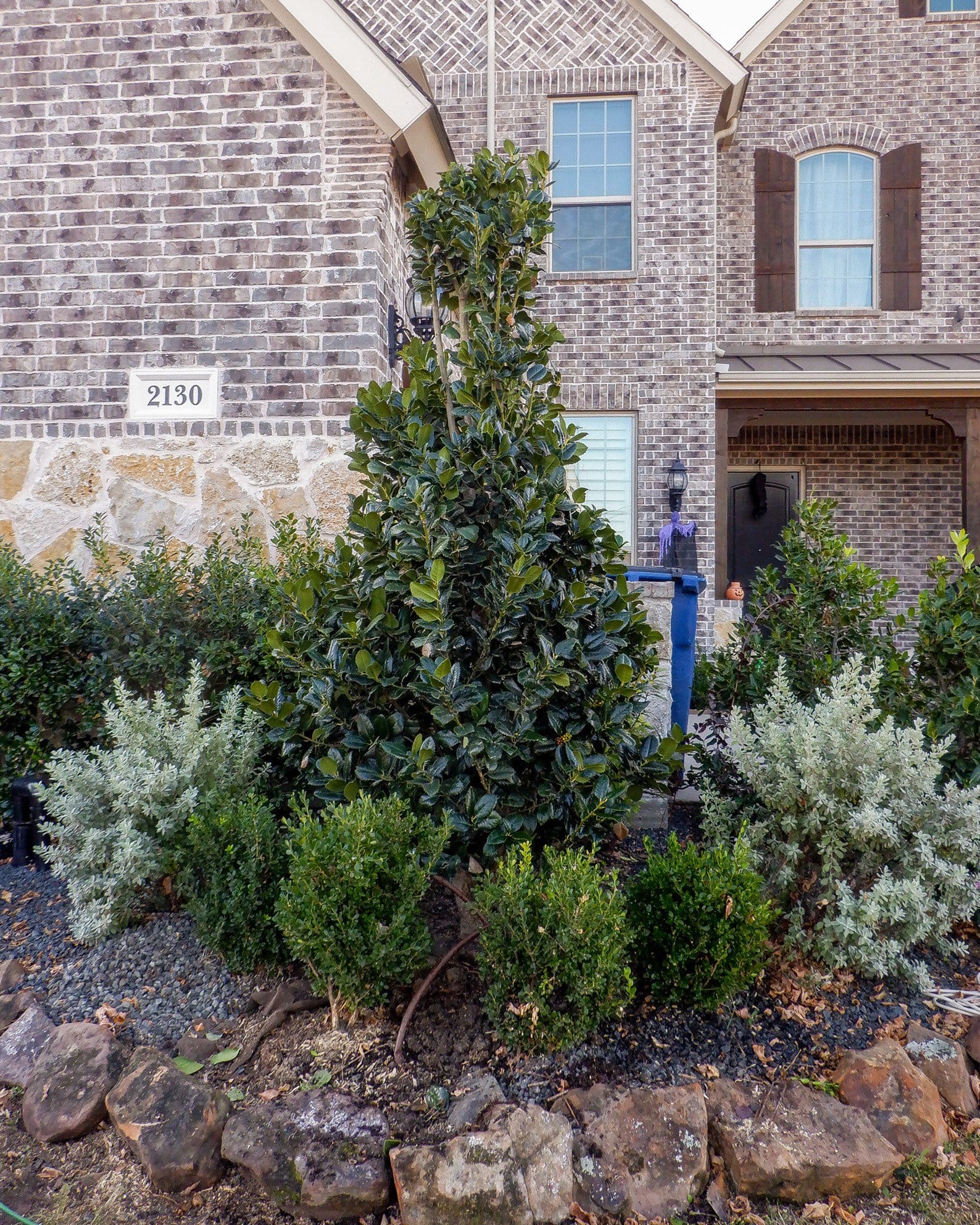
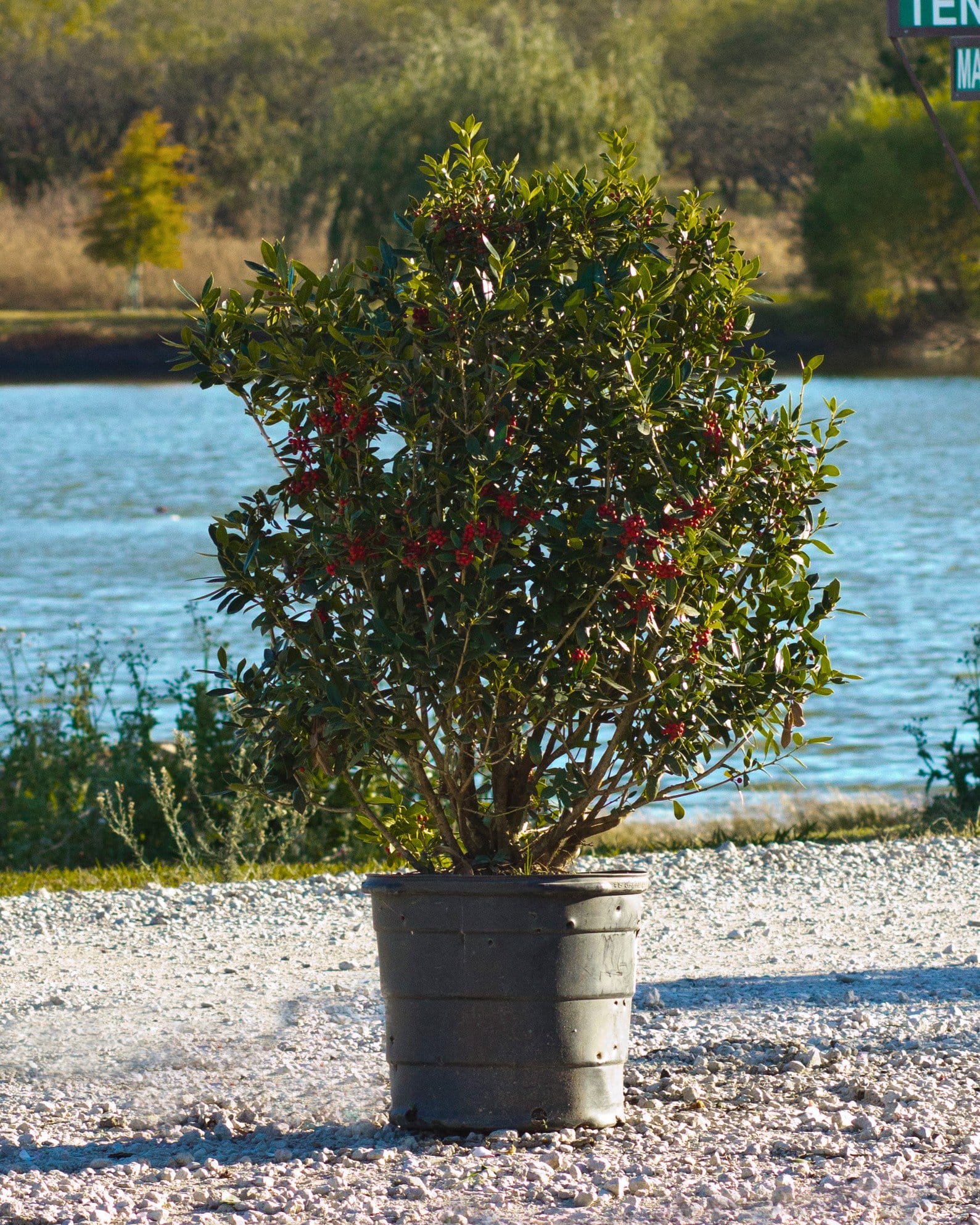
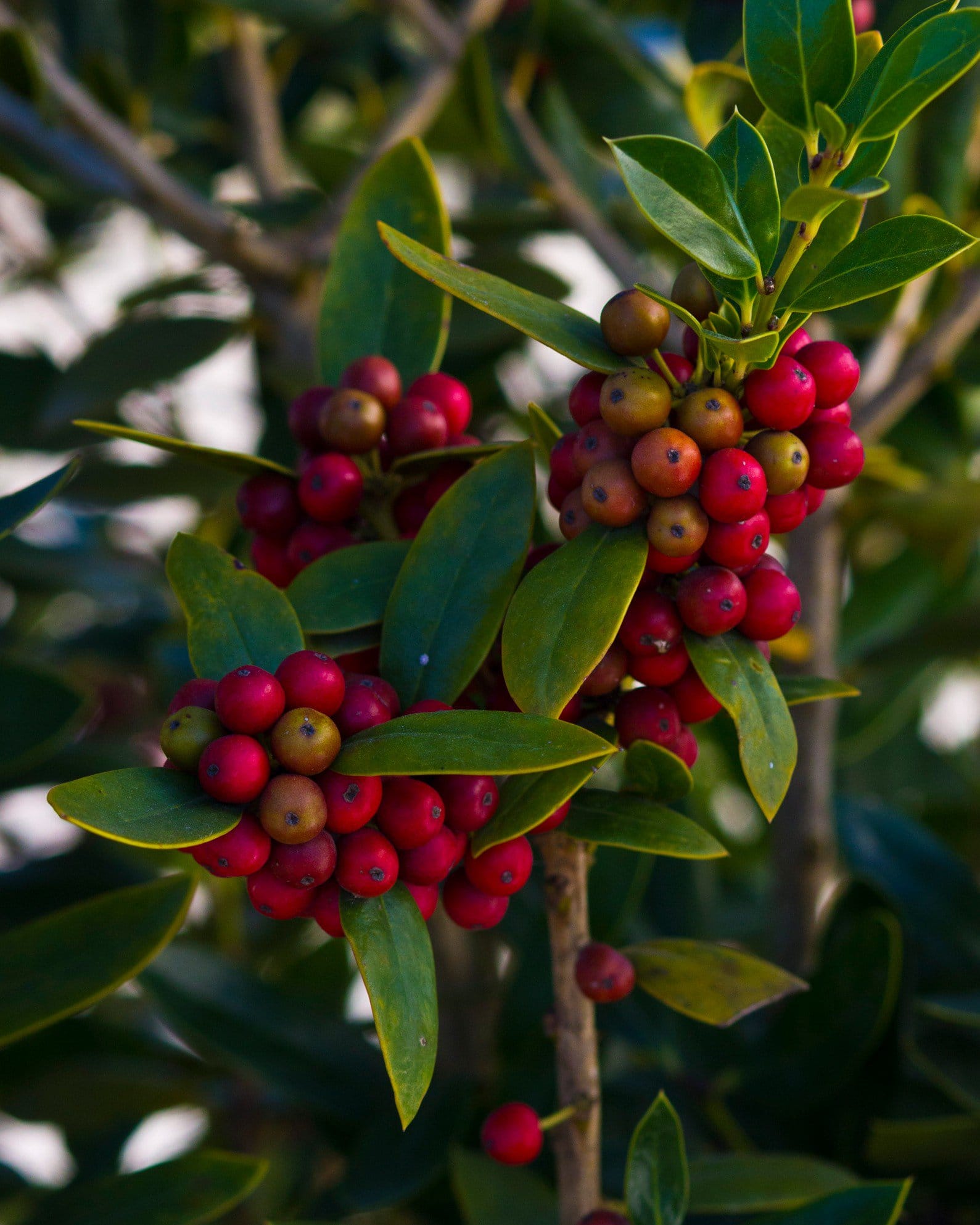
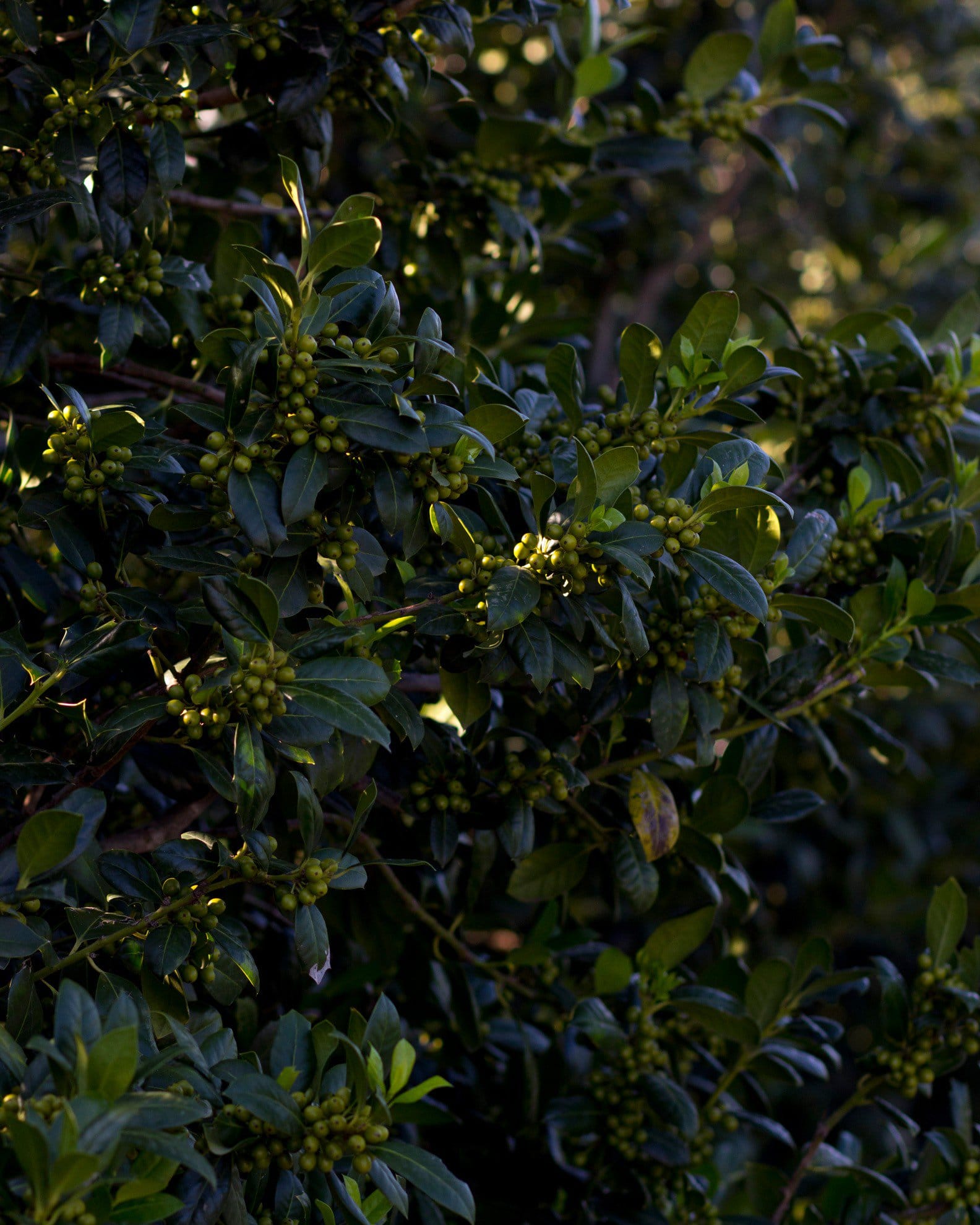
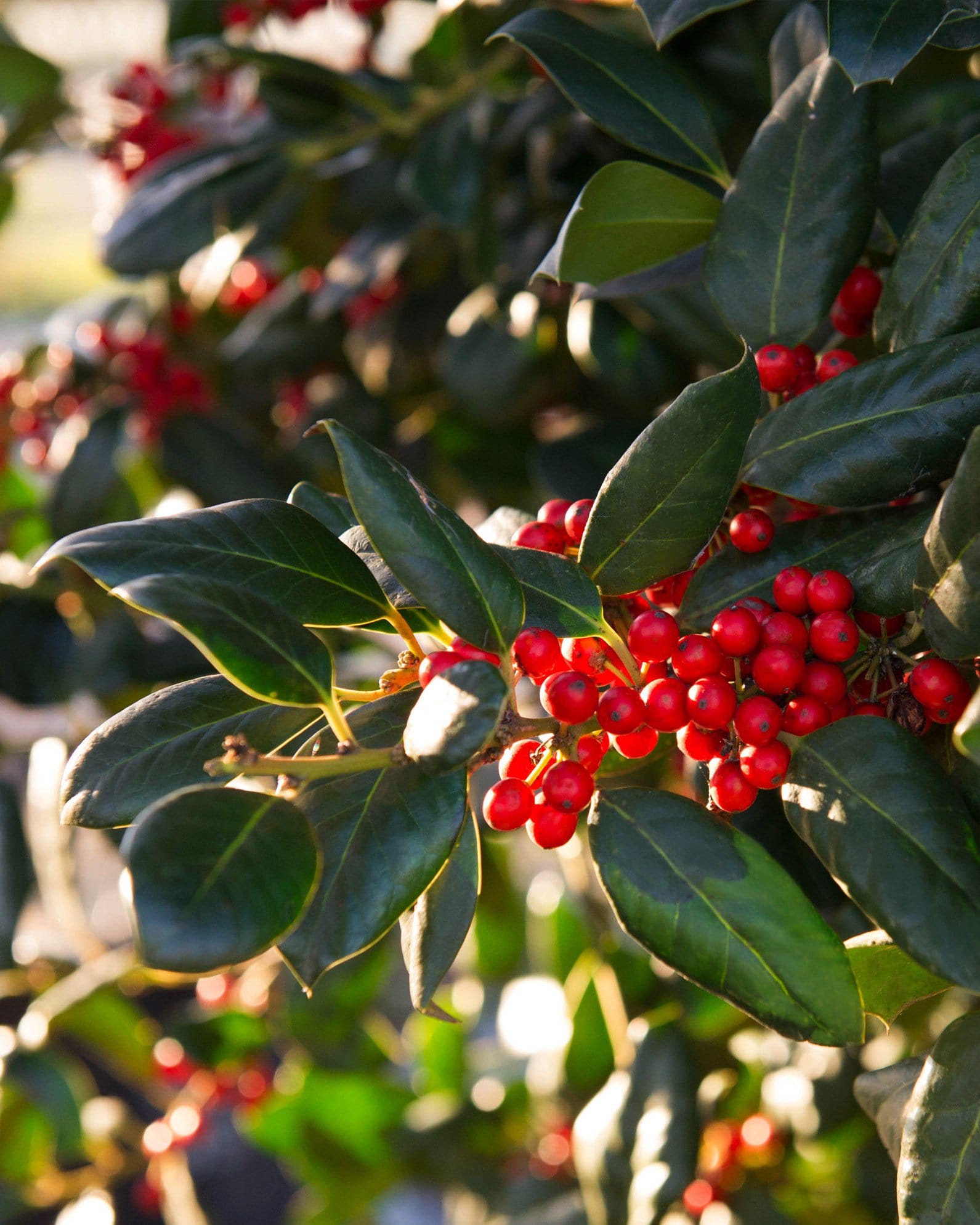
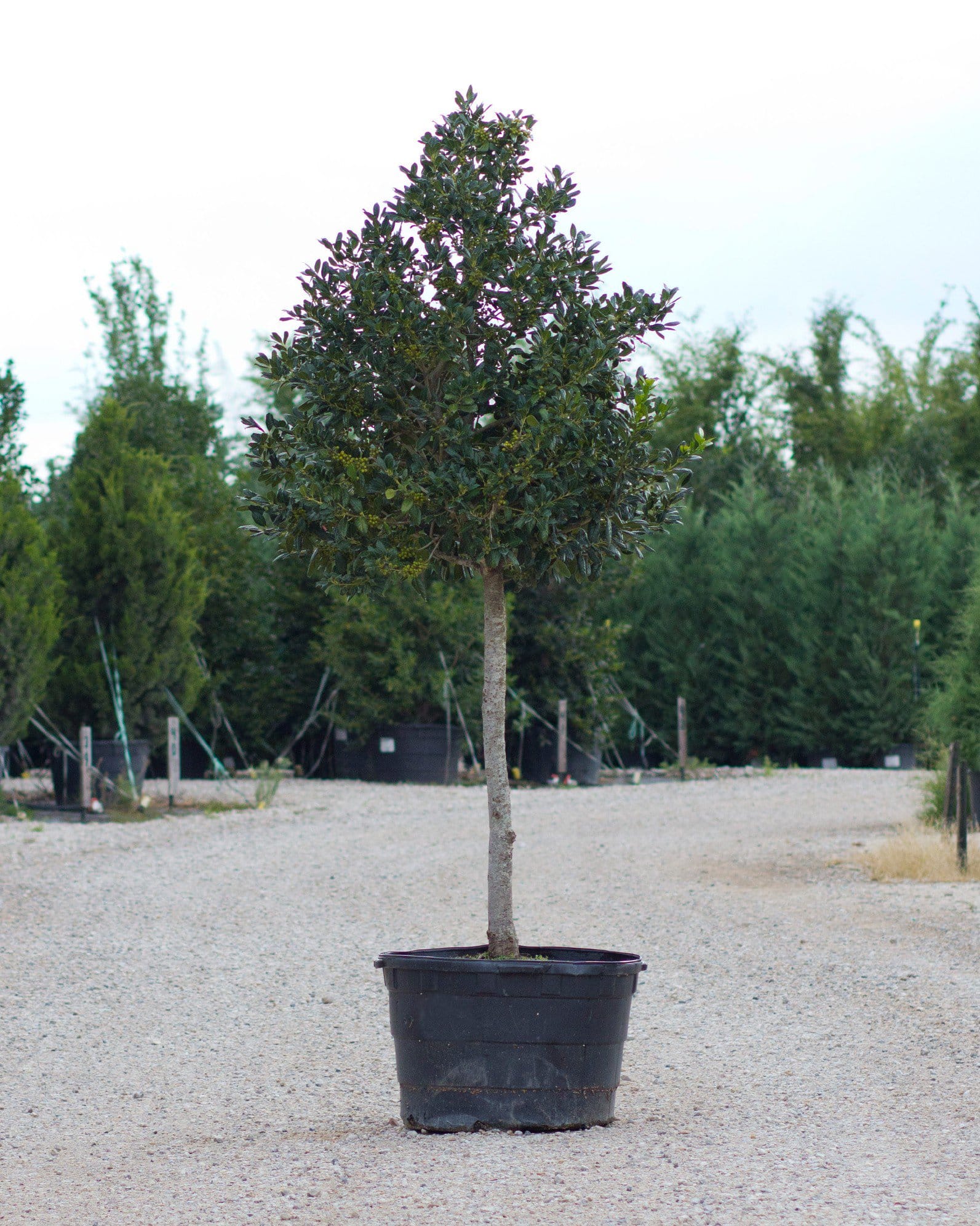
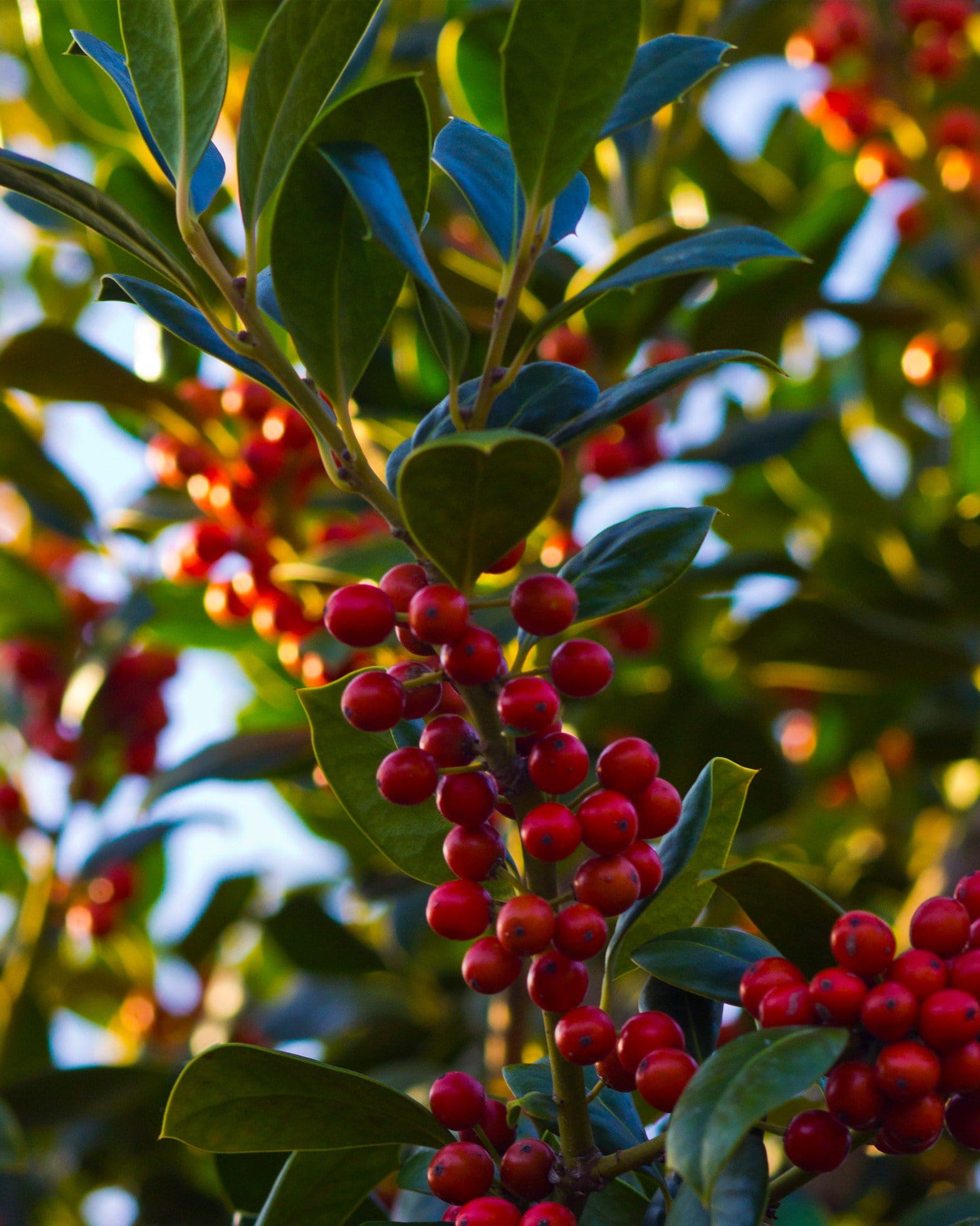
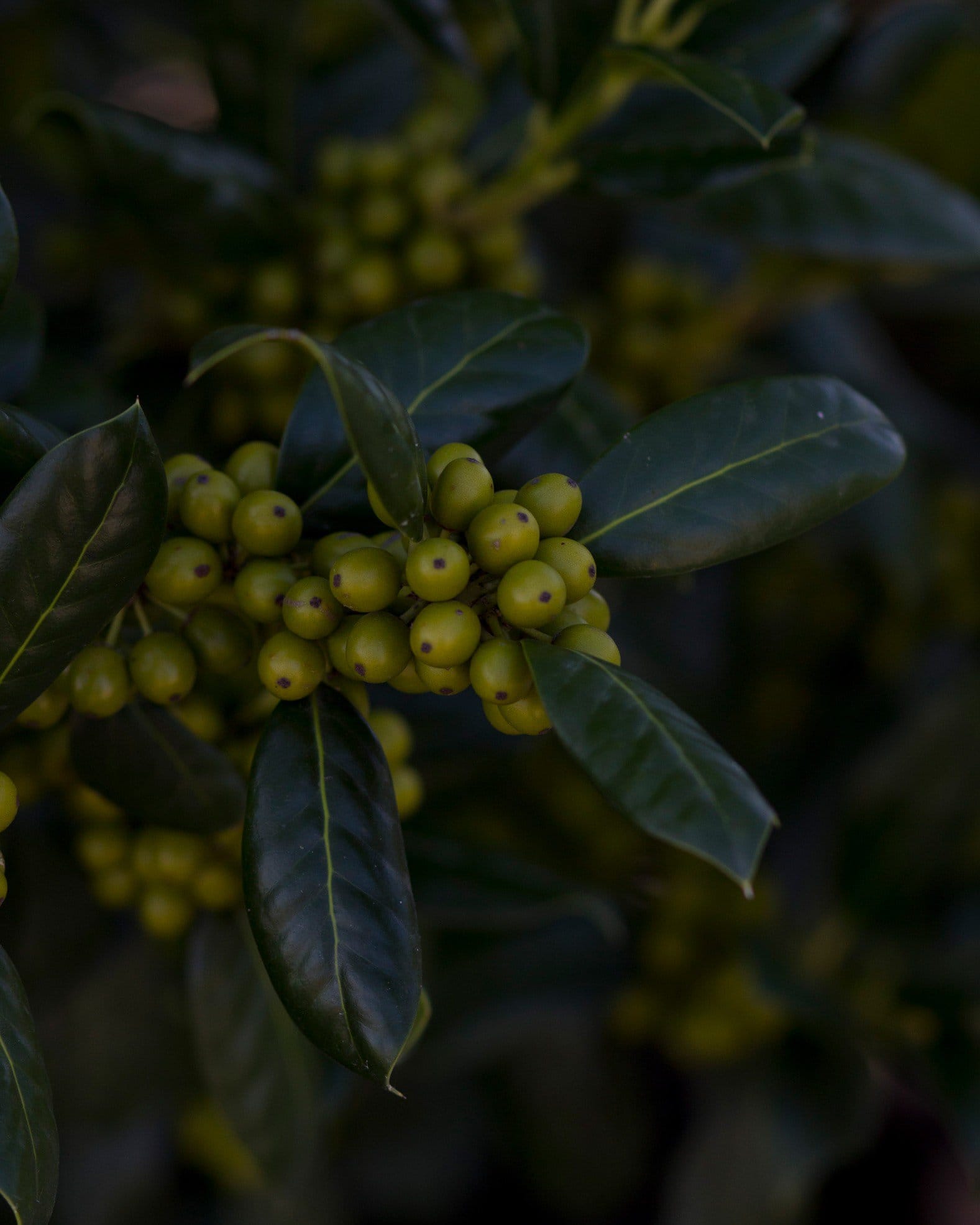
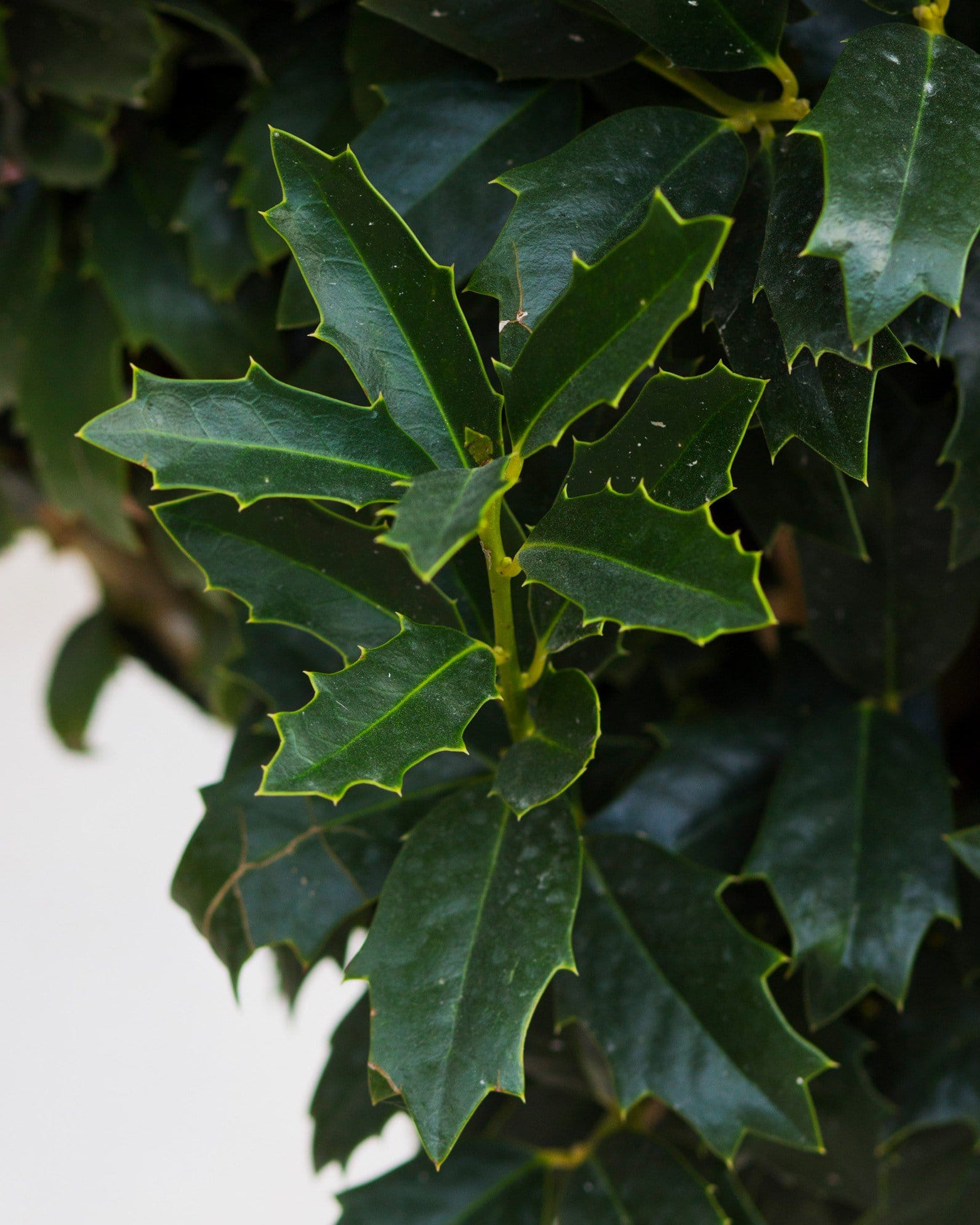
Ilex 'Mary Nell'Mary Nell Holly is a hardy evergreen shrub appreciated for its compact, full-bodied shape, deep green glossy leaves, and standout fall-to-winter berry display. Its gently serrated foliage adds visual detail, while clusters of red berries develop in autumn and linger through the colder months. Growing 15 to 20 feet tall and 12 to 15 feet wide, this holly delivers consistent structure, evergreen appeal, and strong year-round landscape value.
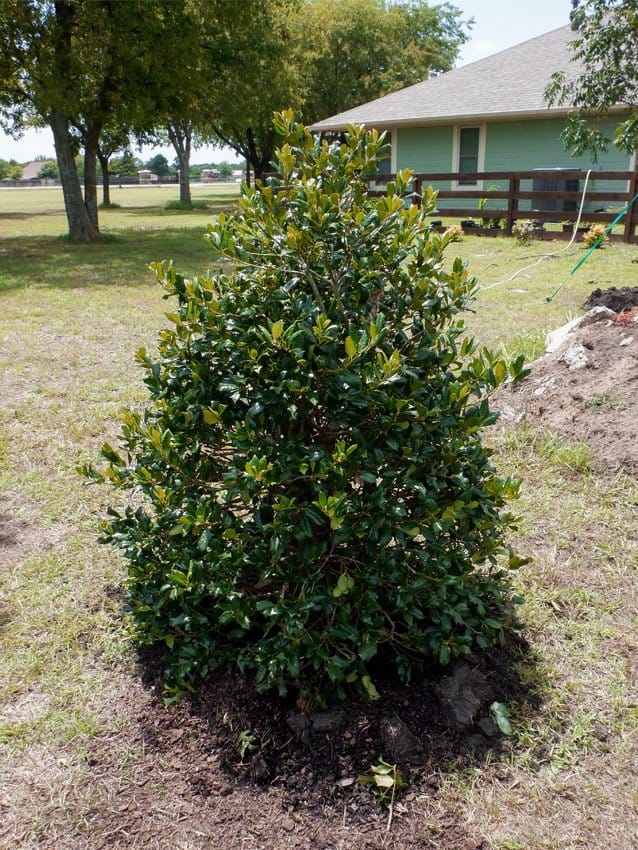
- Evergreen shrub with dense, upright habit
- Moderate to fast growth rate
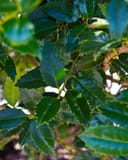
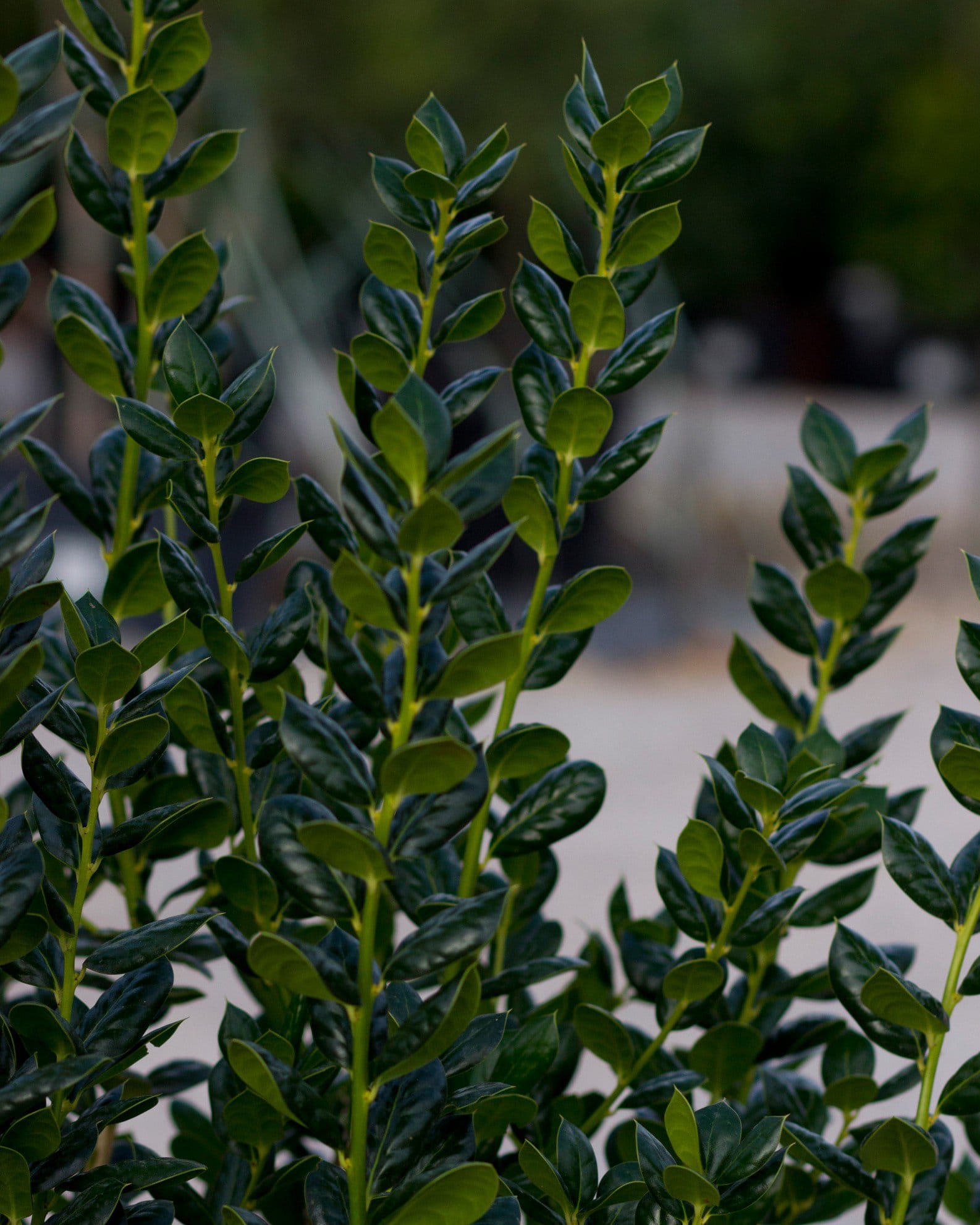
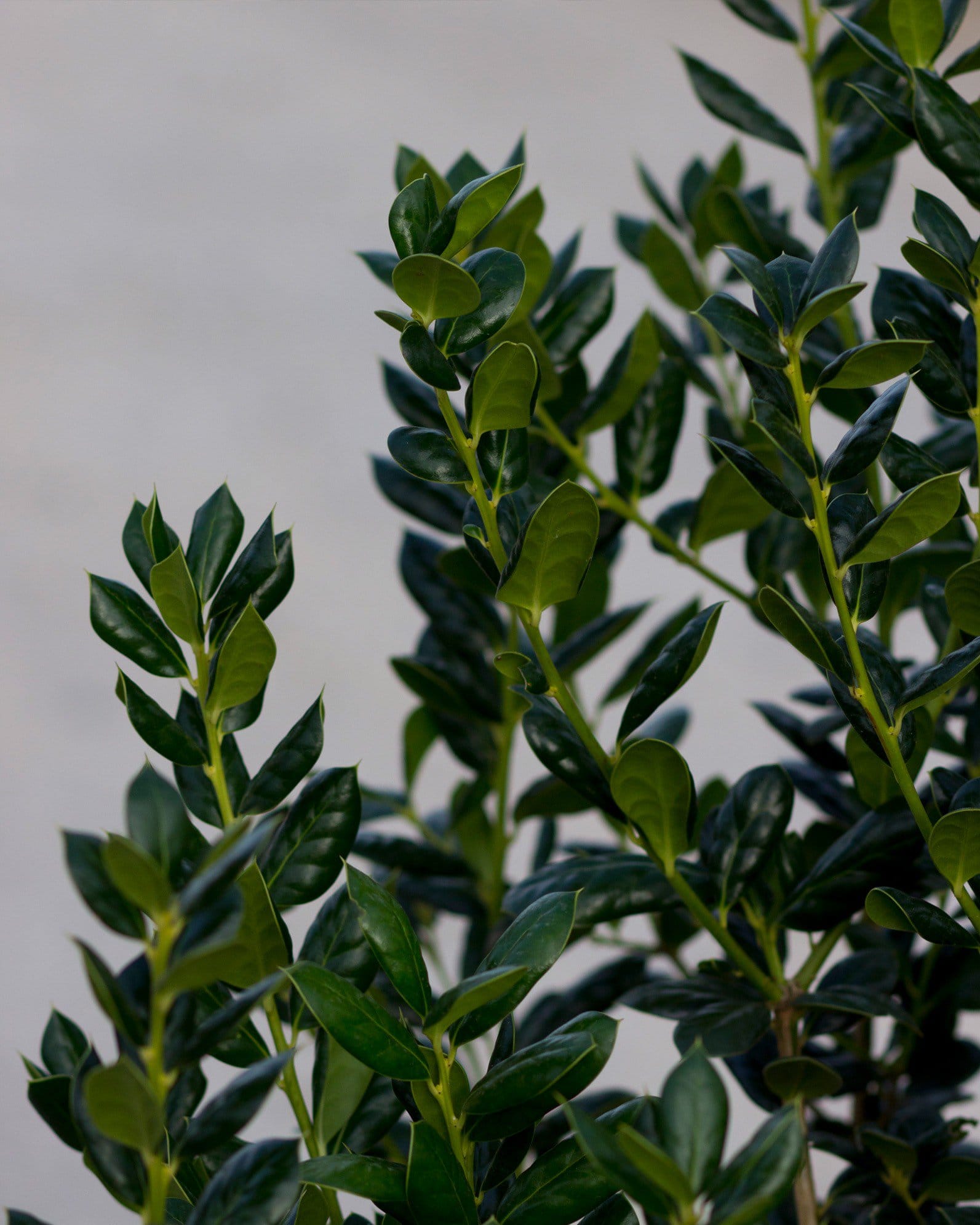
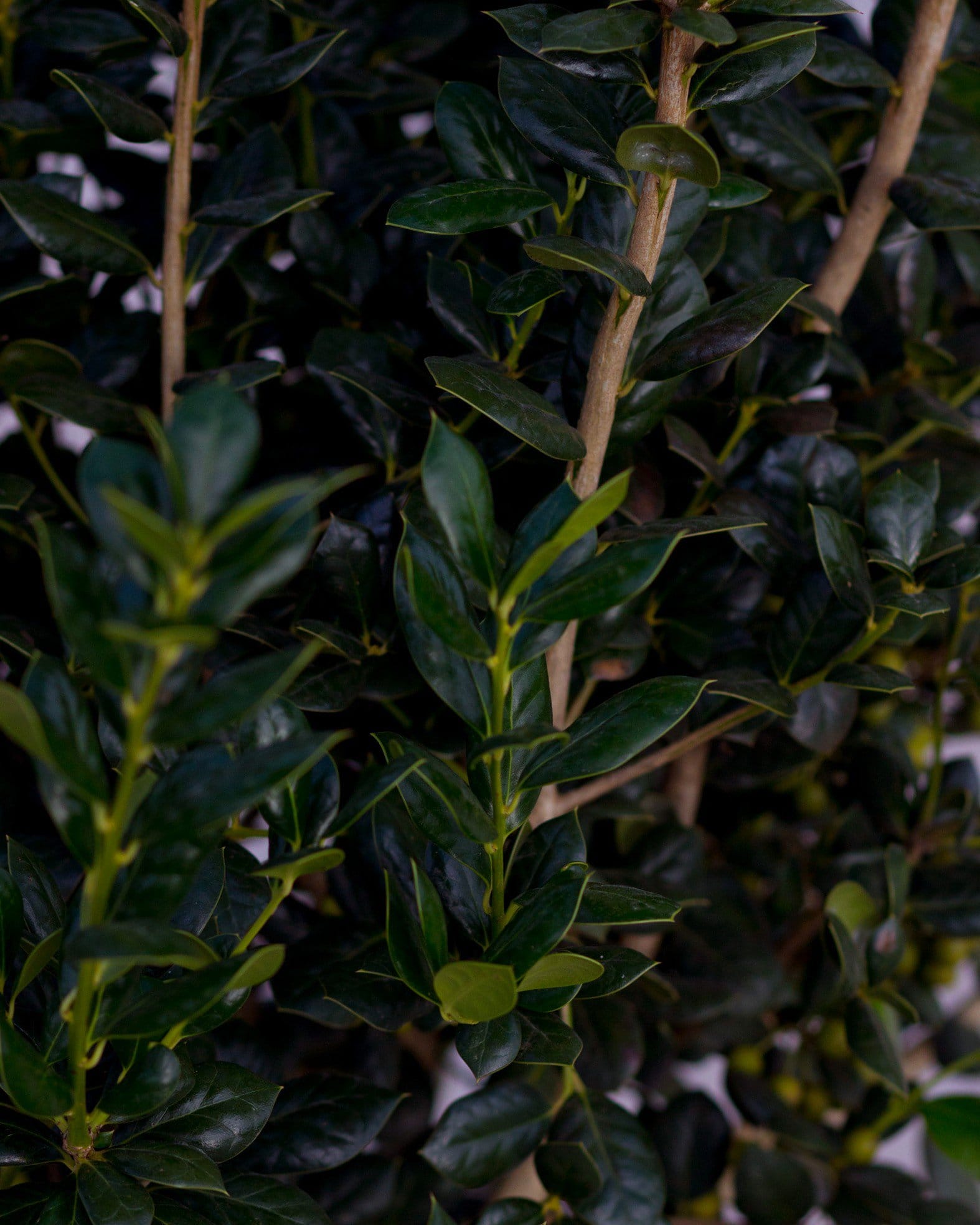
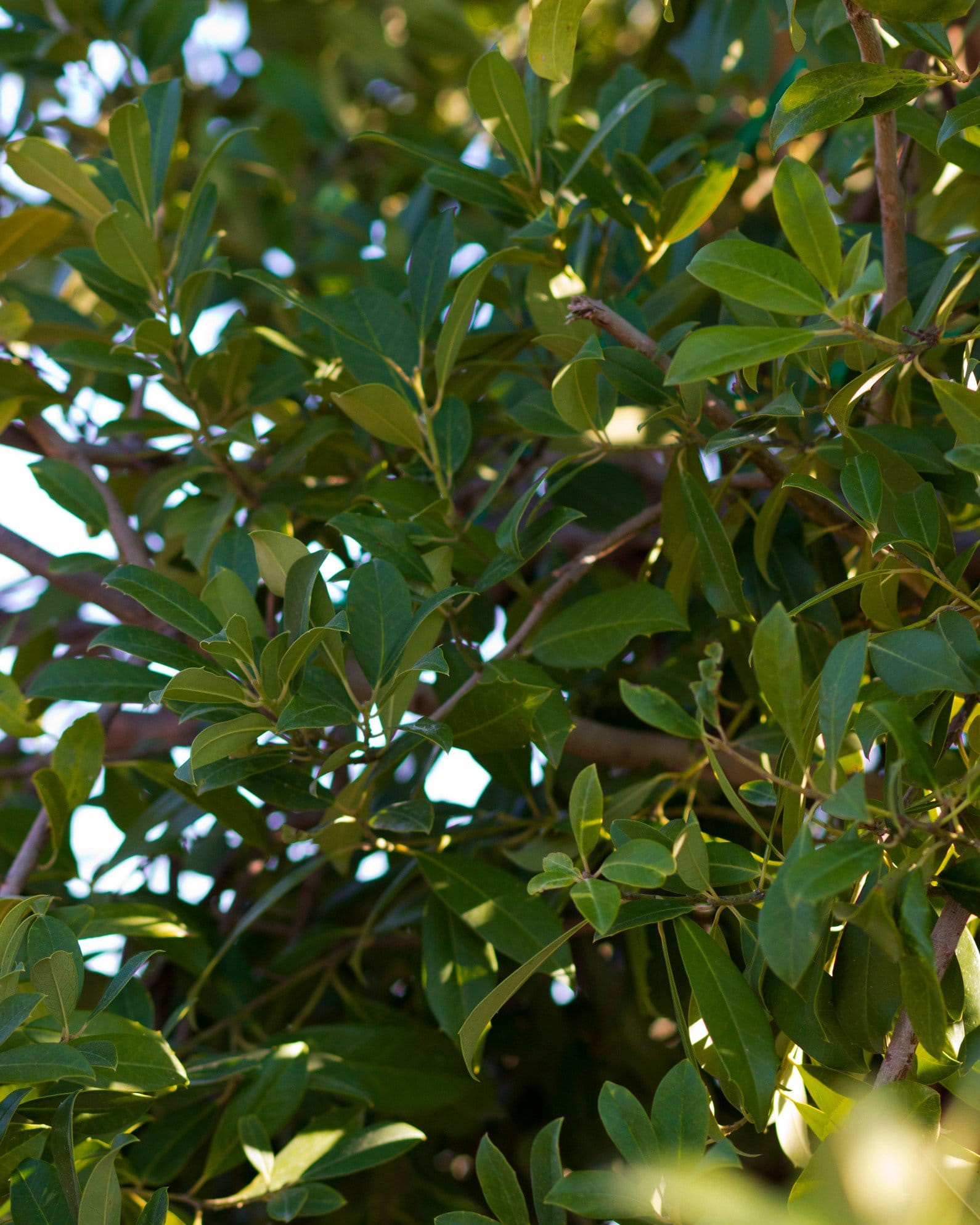
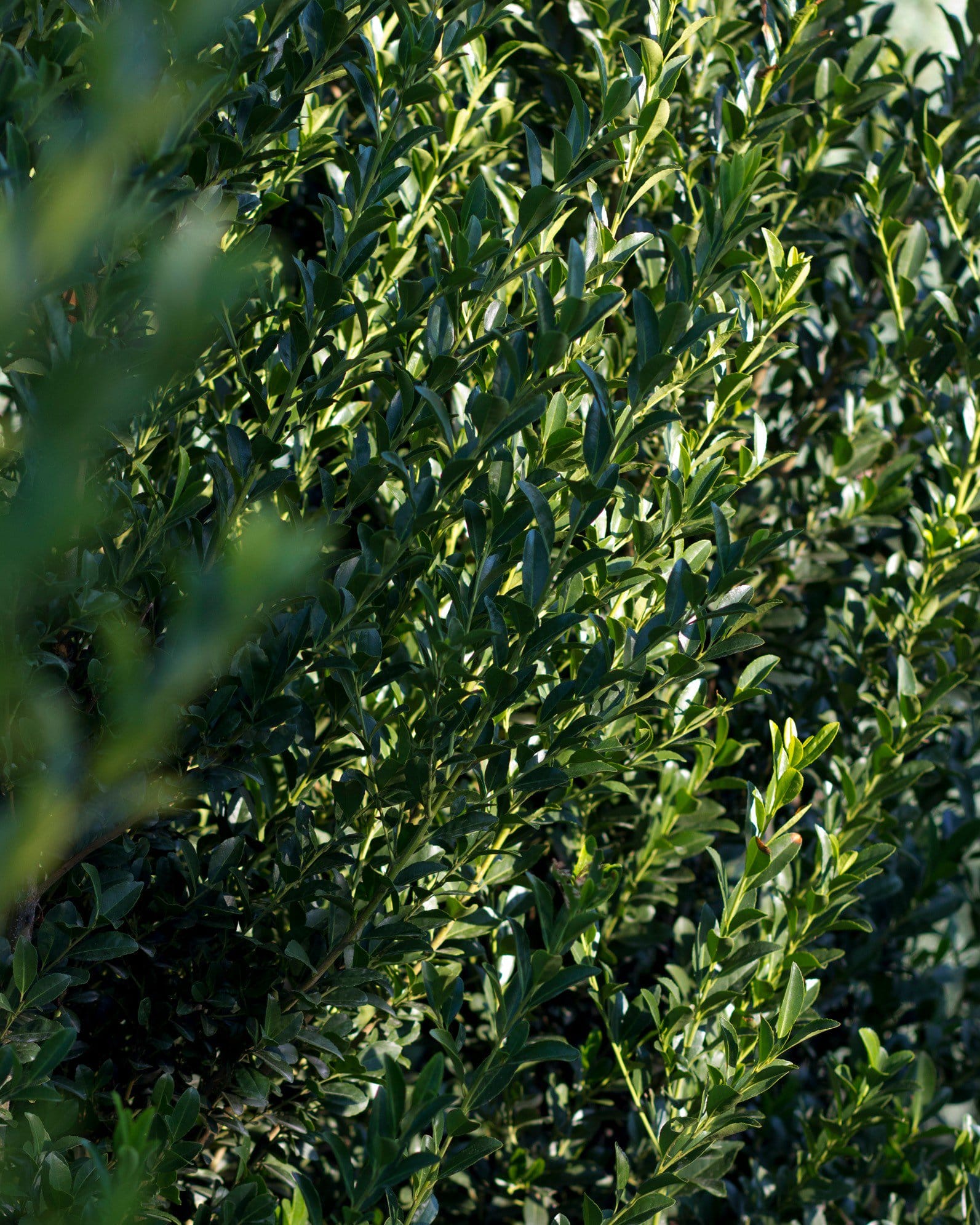
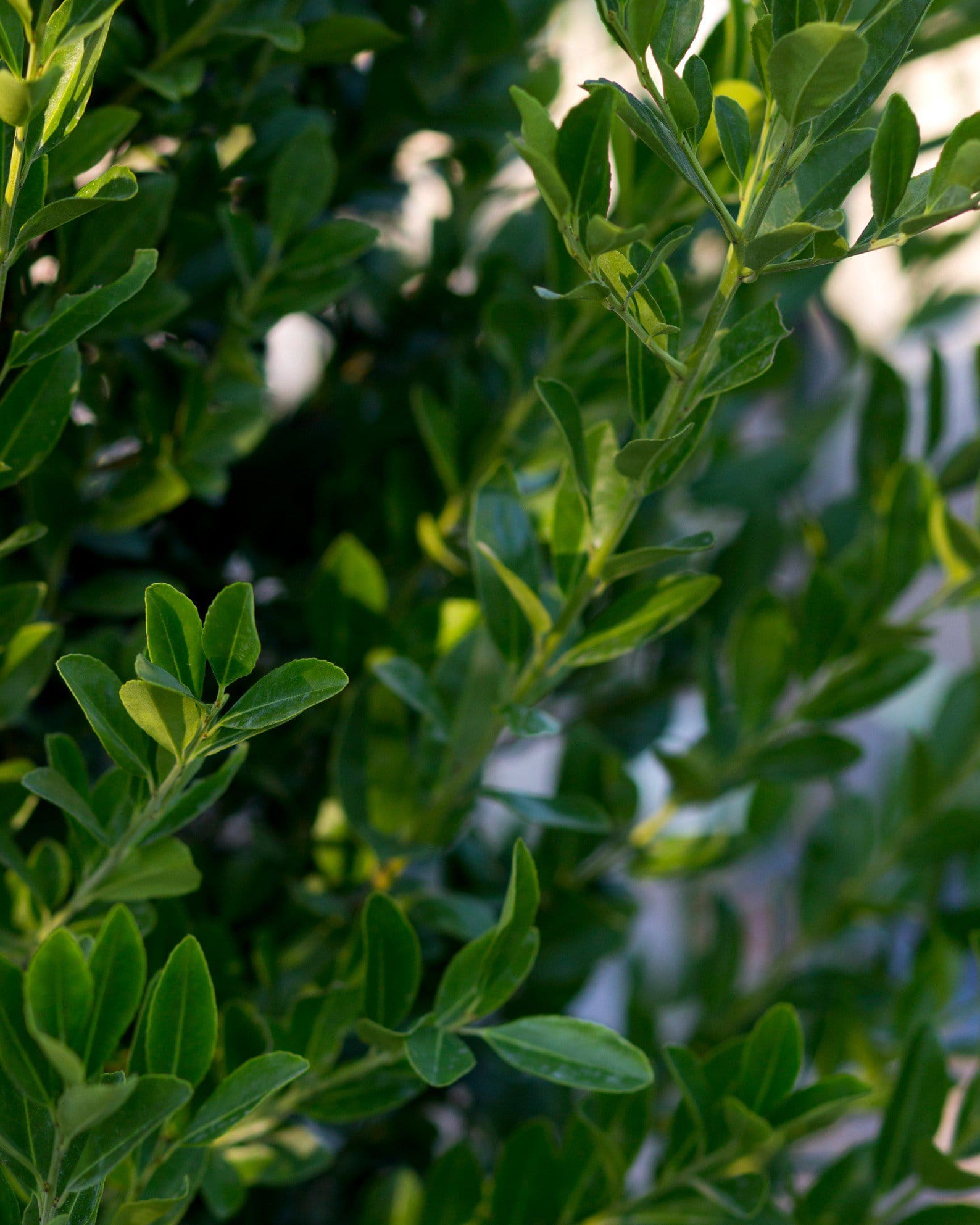
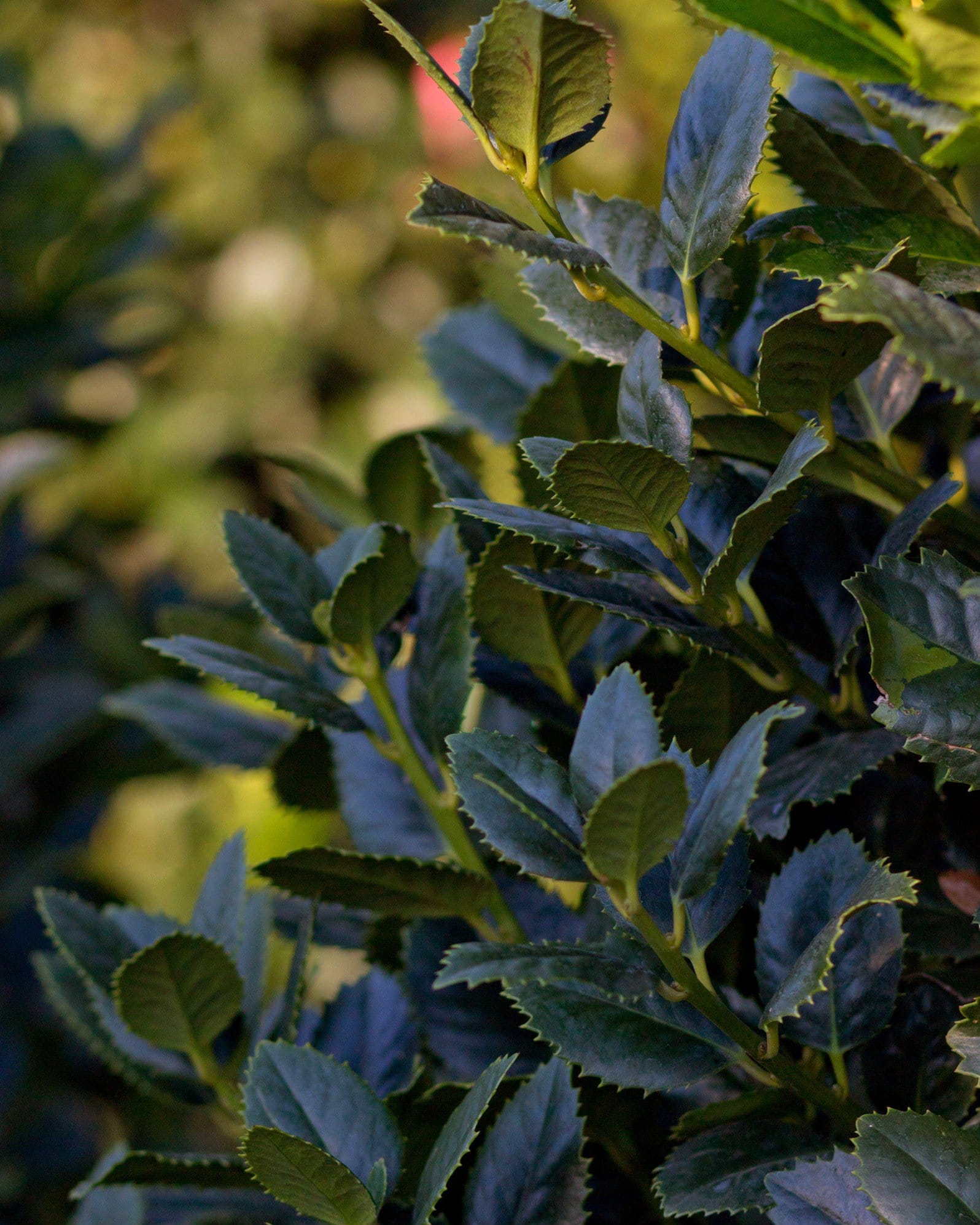
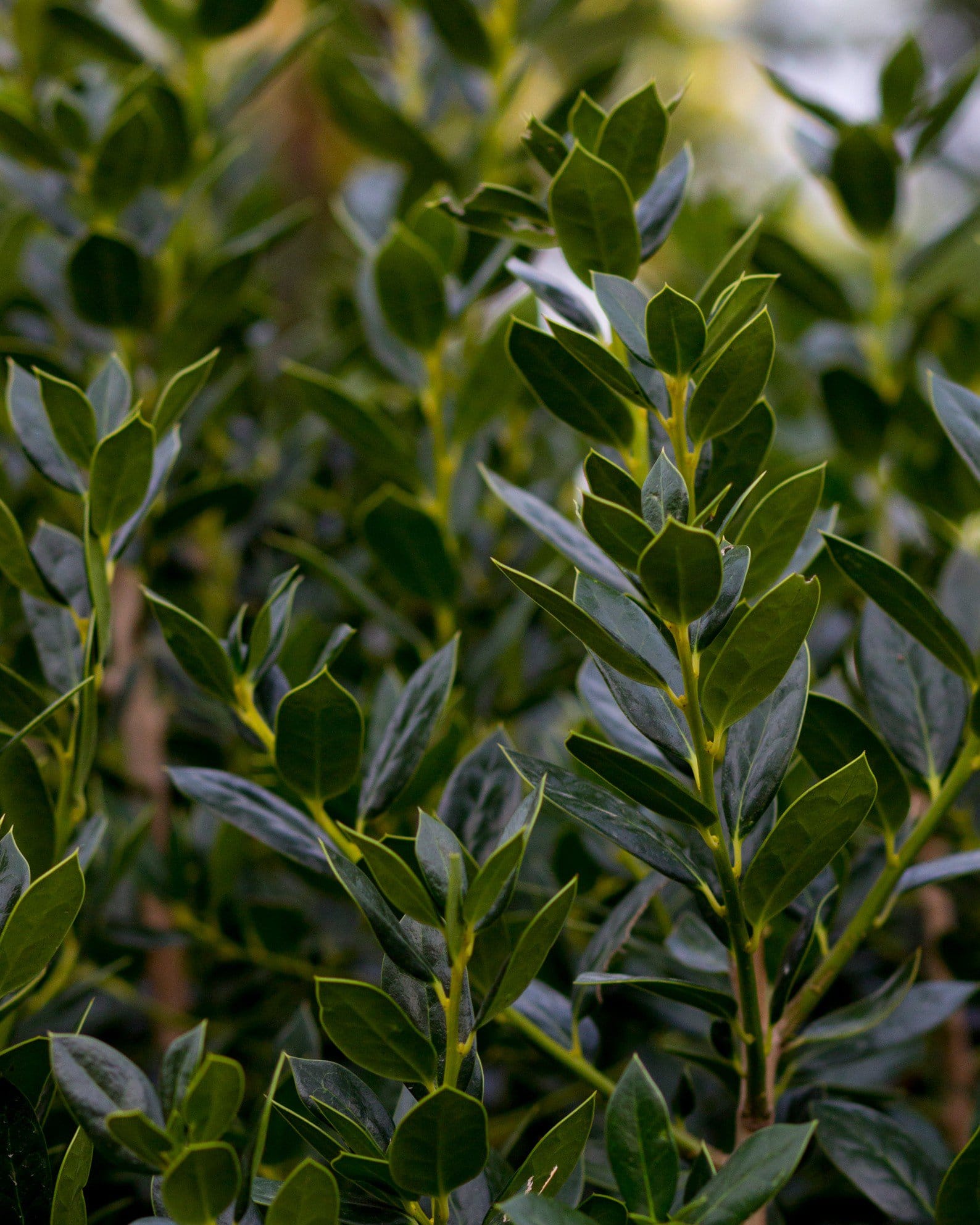
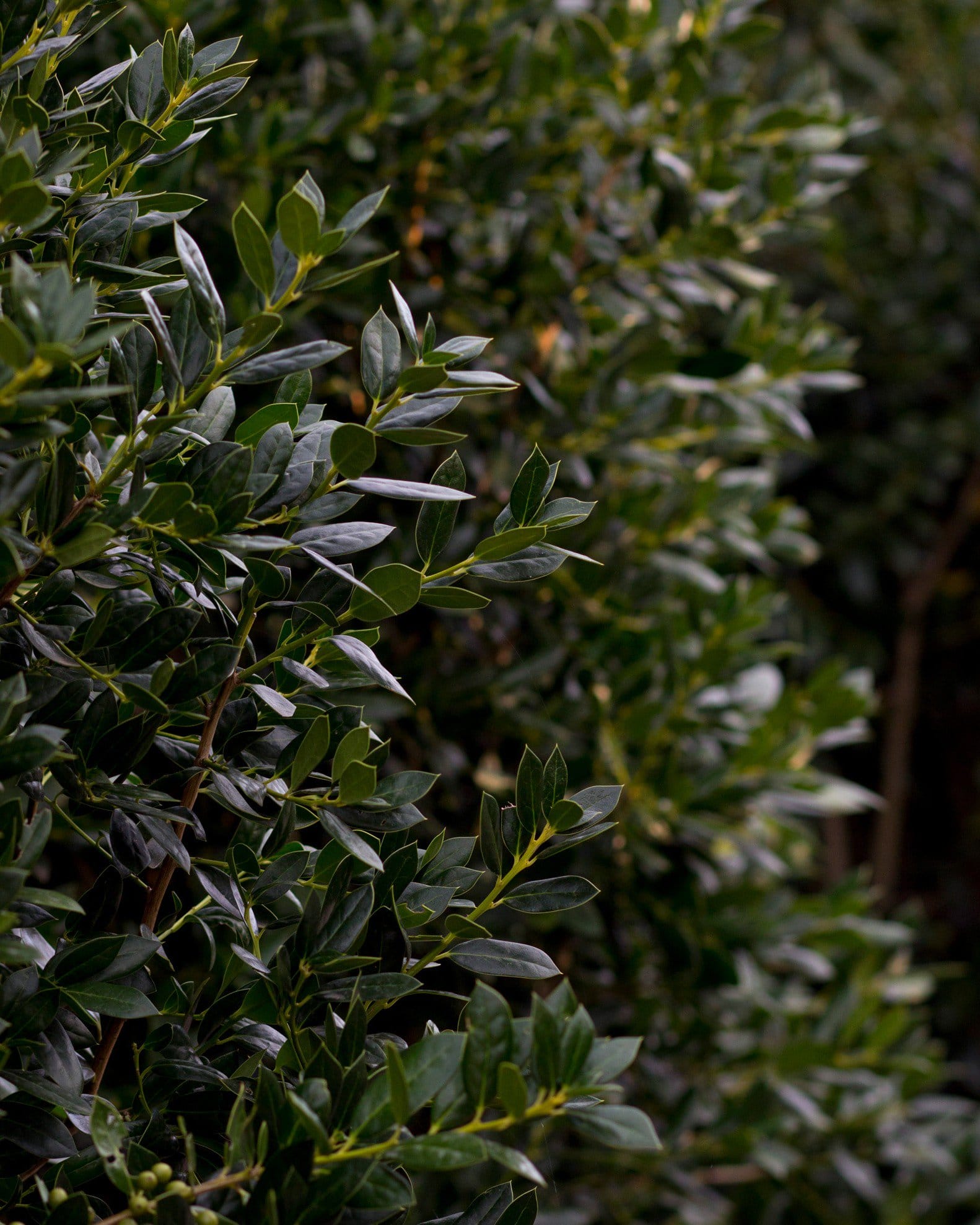
- Glossy dark green foliage with subtle serration
- Bright red berries provide seasonal color and wildlife interest
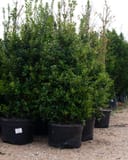
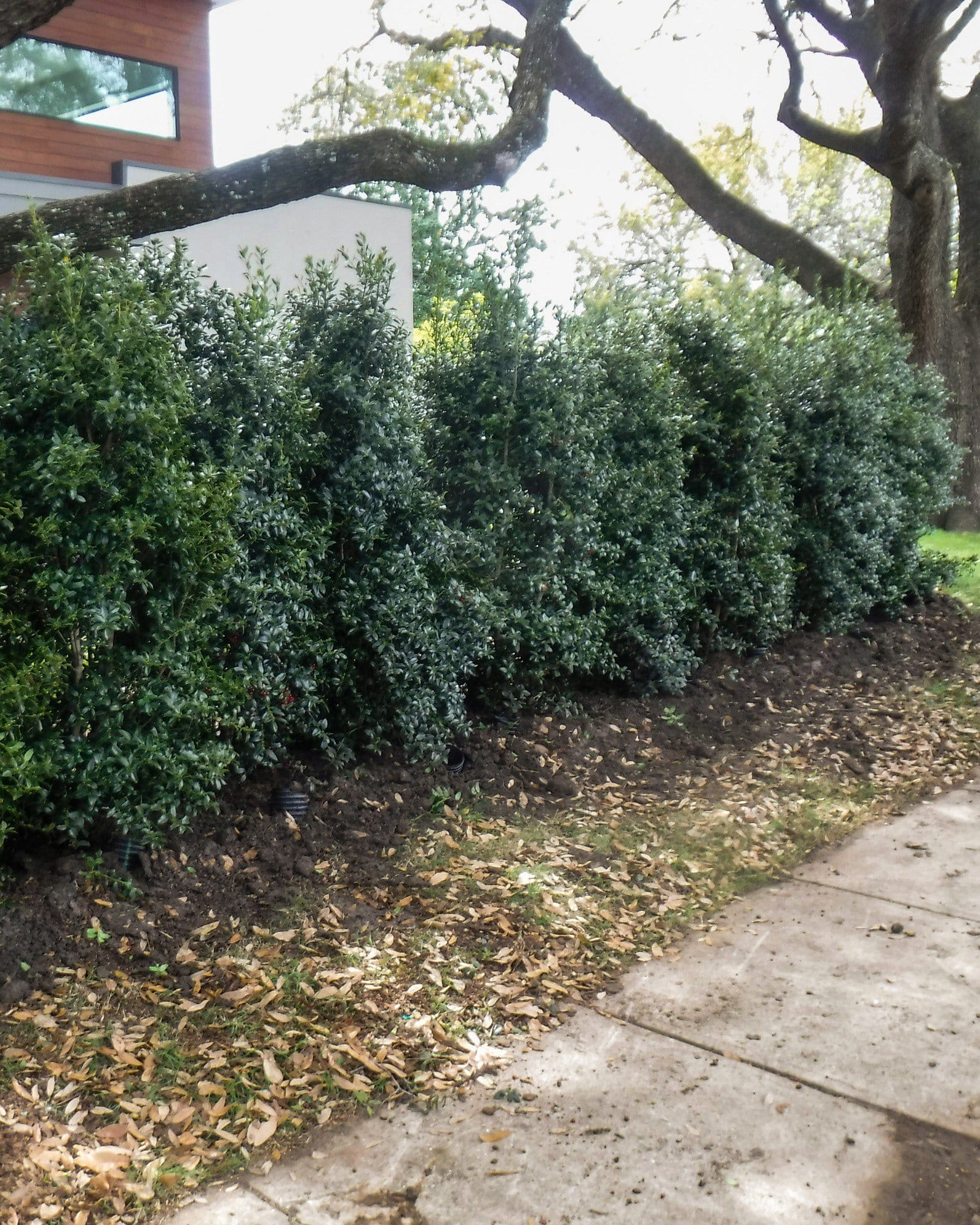
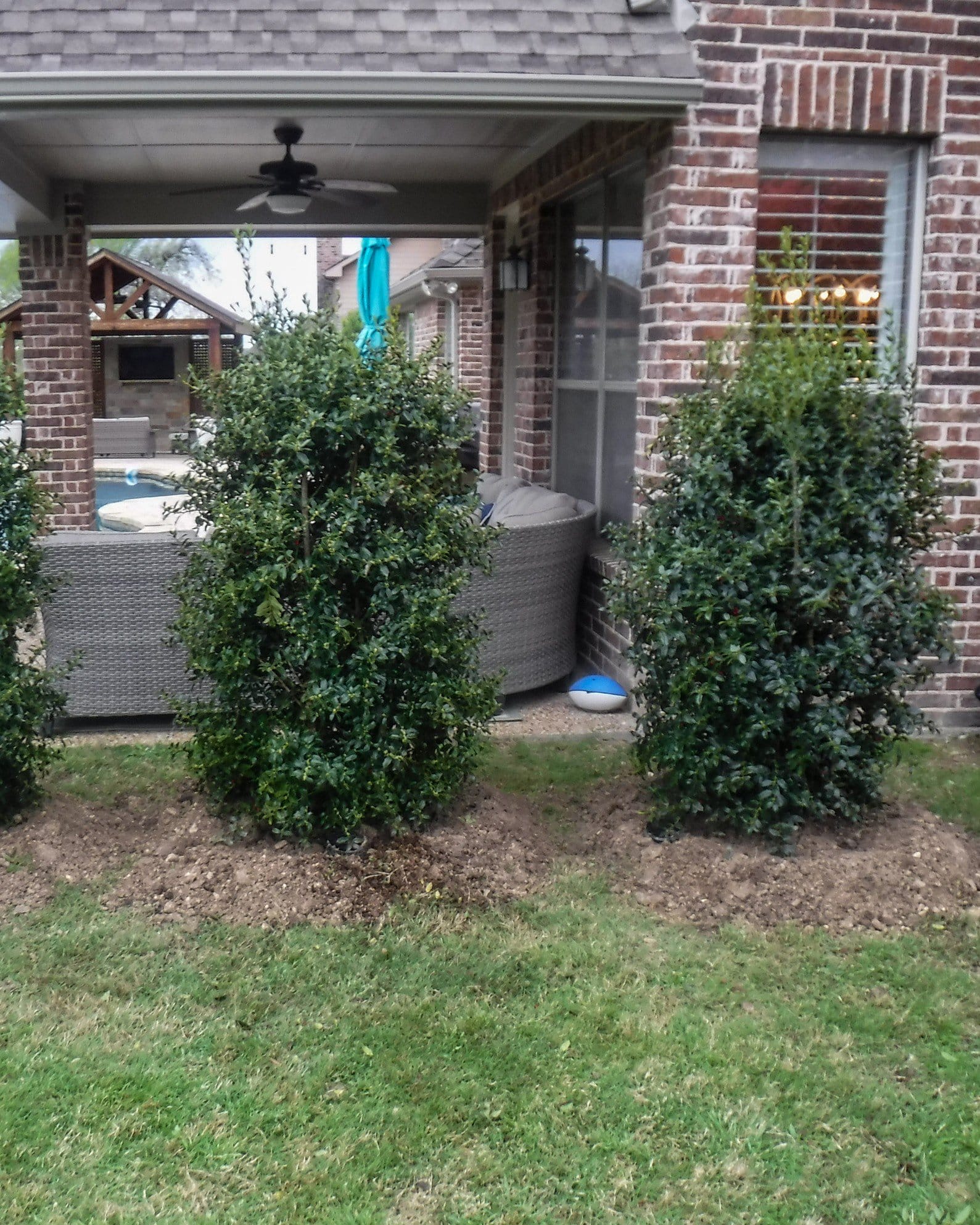
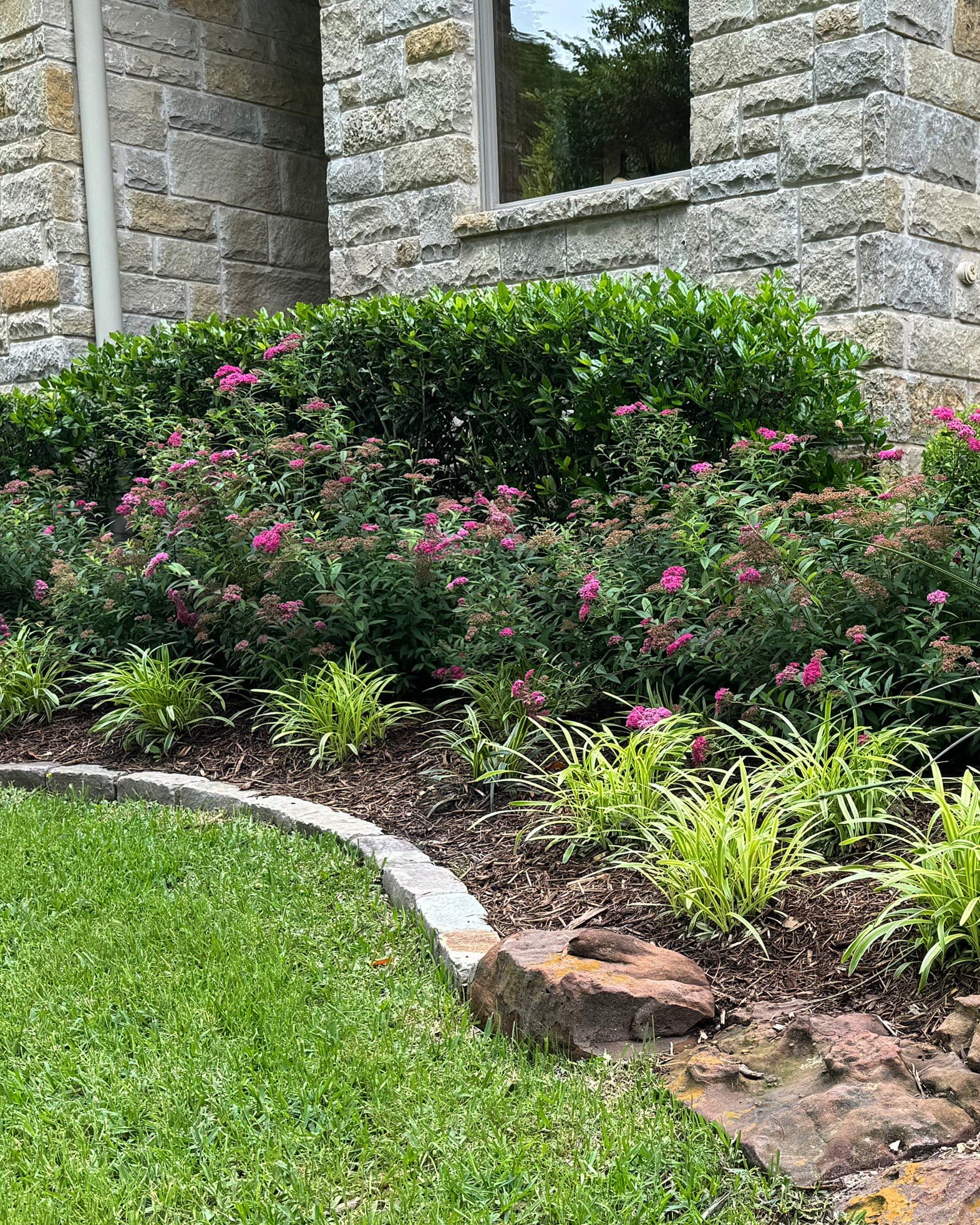
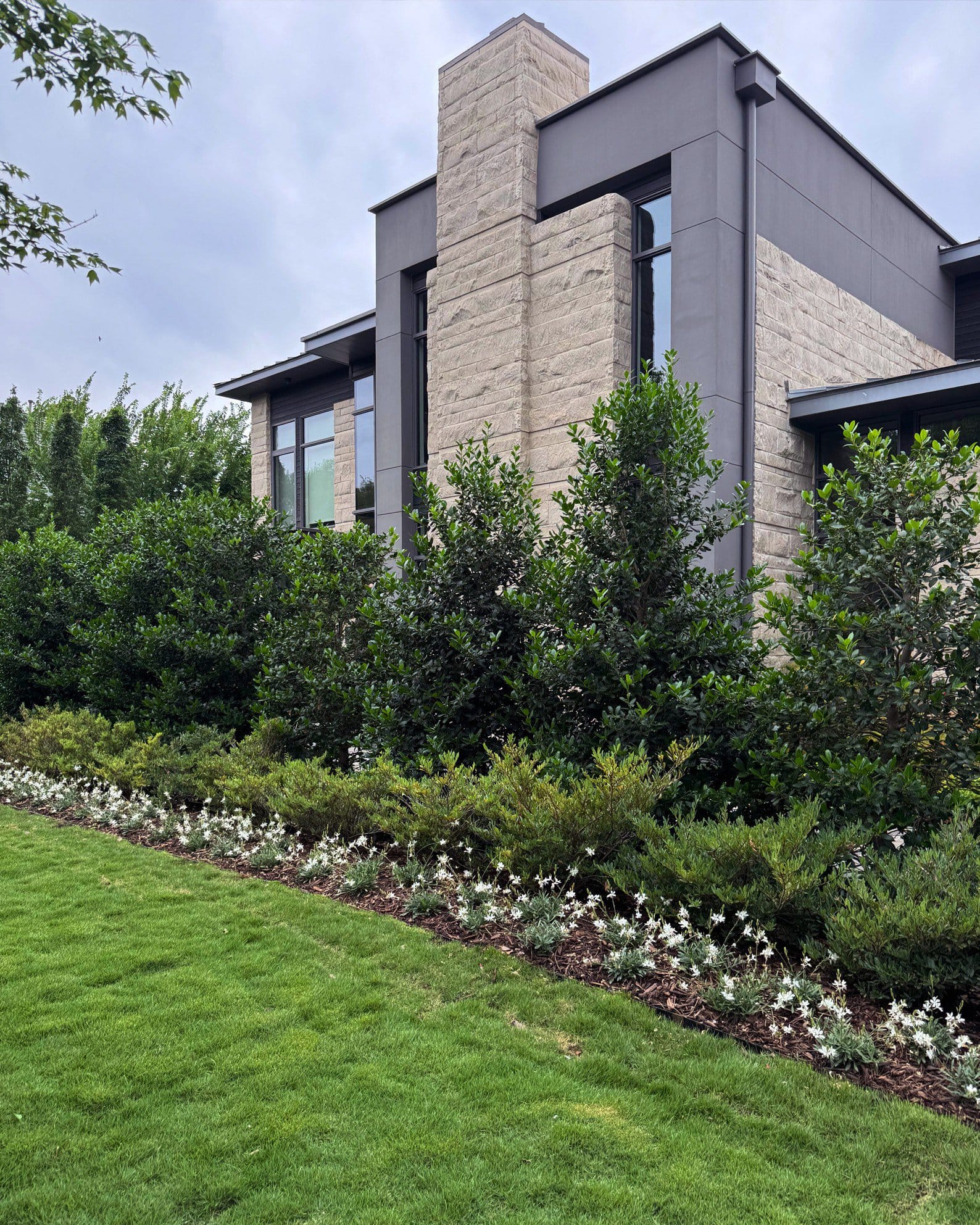
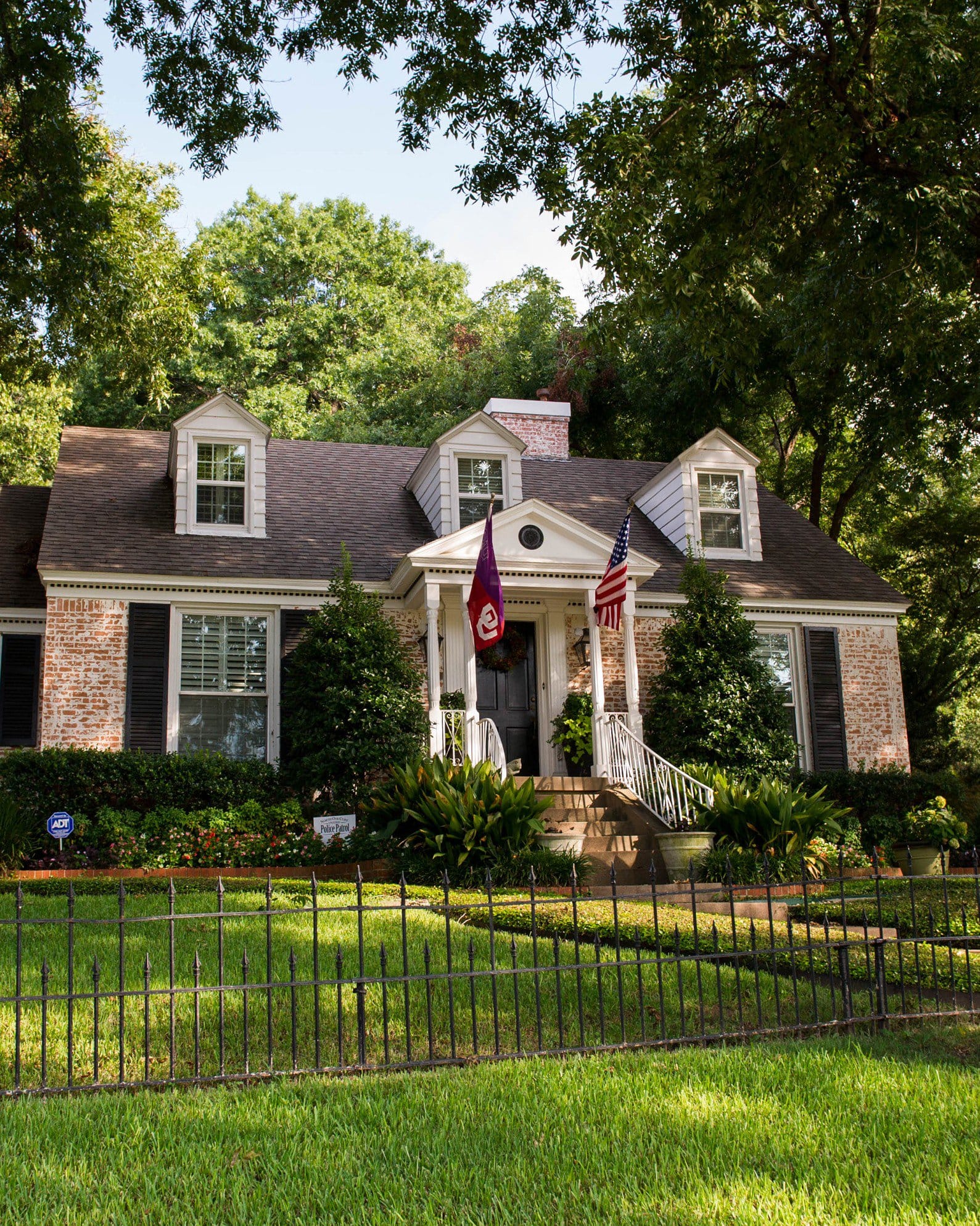
- Excellent for hedges, screens, and foundation plantings
Mary Nell Holly loves full sun to partial shade and well-draining soil. Hardy in USDA zones 6 through 9, it is heat-tolerant, durable, and a dependable choice for Texas landscapes.
Once established, Mary Nell Holly thrives with surprisingly modest care. Here’s everything you have to do to help it grow wonderfully in your landscape:
- Watering: Water deeply and regularly during the first 2-3 years to help establish a strong, stable root system capable of supporting its tall, pyramidal structure. Once mature, Mary Nell Holly becomes quite drought-tolerant and typically requires supplemental watering only during extended drought conditions.
- Pruning: This holly’s natural form is tidy and upright, requiring only light pruning. Prune in late winter to remove crossing branches, interior congestion, or storm damage, maintaining its lush, symmetrical shape. Heavy shaping is rarely needed, although it can be lightly sheared for a more formal appearance if desired.
- Fertilizing: Mary Nell Holly performs well in average soils and typically needs minimal fertilization once established. If foliage appears pale or growth slows, apply a slow-release, balanced fertilizer in early spring to promote healthy leaf color and strong seasonal growth.
- Mulching: Apply a 2-3 inch mulch layer around the base to conserve moisture, regulate soil temperature, and reduce weeds. Keep mulch several inches back from the trunk to prevent moisture buildup and refresh the mulch ring annually to maintain soil health.
- Winter Care: This holly is highly winter-hardy and retains deep green foliage throughout cold weather. In severe cold snaps, slight bronzing may appear but returns to vibrant green with spring warmth.
Mary Nell Holly is very resilient, though a few manageable issues may arise in high humidity or poorly drained soils:
- Leaf Spot: Circular brown or purple lesions appear during extended wet conditions. Remove affected foliage and improve airflow to prevent future outbreaks.
- Scale Insects: Small, waxy bumps develop on stems or leaves, leading to yellowing or reduced vigor. Apply horticultural oil or insecticidal soap to control populations.
- Spider Mites: Fine stippling, bronzing, or subtle webbing appear during hot, dry periods. Rinse foliage thoroughly or apply horticultural oil to restore color.
- Sooty Mold: Black, powdery residue forms due to honeydew from insects like aphids. Treat the underlying insects and rinse foliage to improve appearance.
- Root Rot: Sudden wilting and leaf yellowing occur in waterlogged soils. Improve drainage and reduce watering to protect the root system.
It typically lives 30-50 years with proper care, maintaining its strong structure and rich foliage throughout its lifespan. Its long life makes it a reliable evergreen anchor for both new and mature landscapes.
It grows at a moderate to fast rate of 12-24 inches per year and usually reaches its full pyramidal form within 7-12 years. This vigorous growth allows it to fill large spaces quickly while remaining easy to maintain.
Its thick, spiny leaves are generally unappealing to deer, making browsing infrequent. In areas with heavy deer presence, young plants may still benefit from early protection.
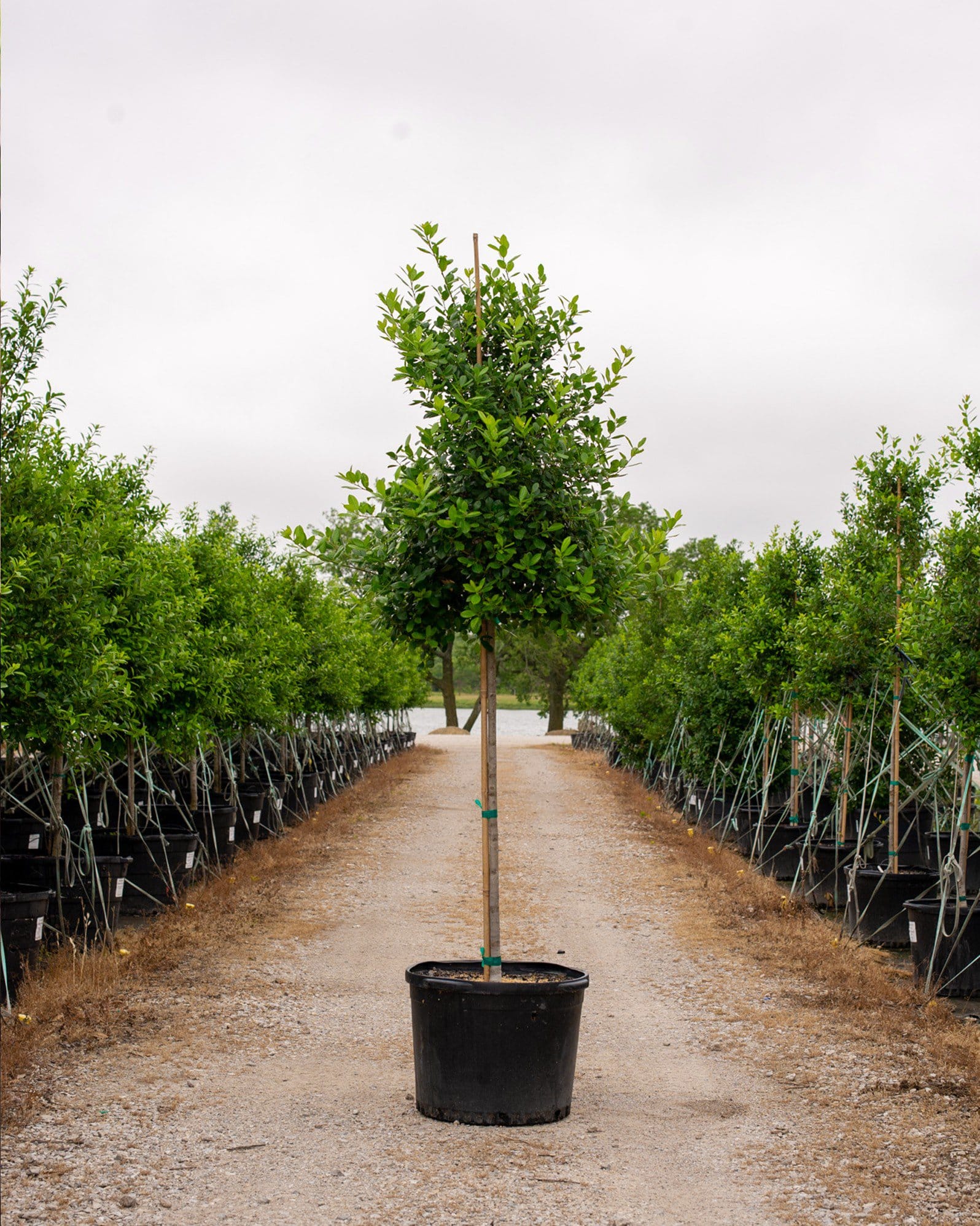
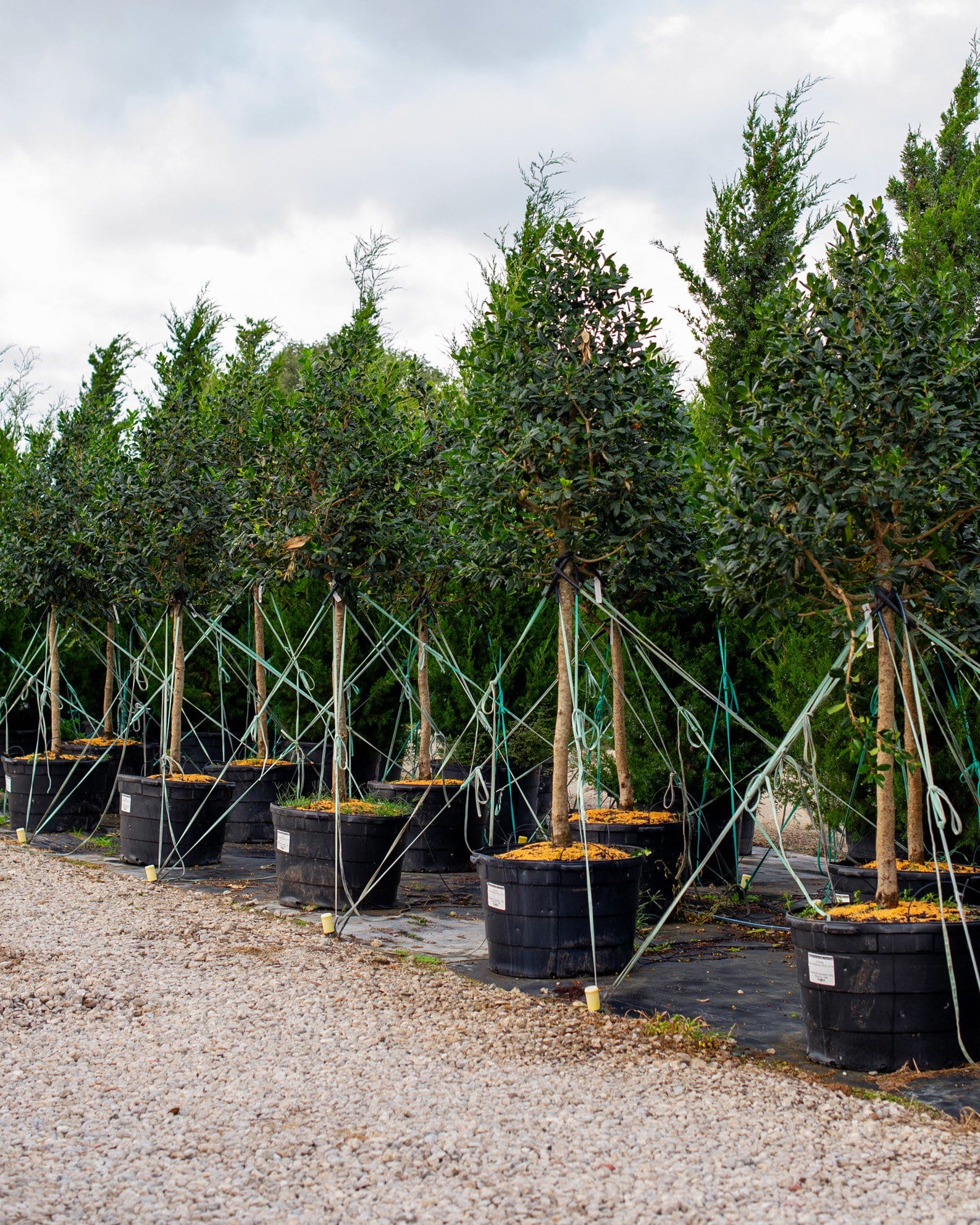
It can be grown in large containers during its early years, especially as a striking upright specimen. Long-term, it performs best when planted in the ground due to its eventual size and root spread.
It cannot be divided, as it develops a single woody trunk or multi-stem base. Propagation must be done through cuttings or nursery cultivation.
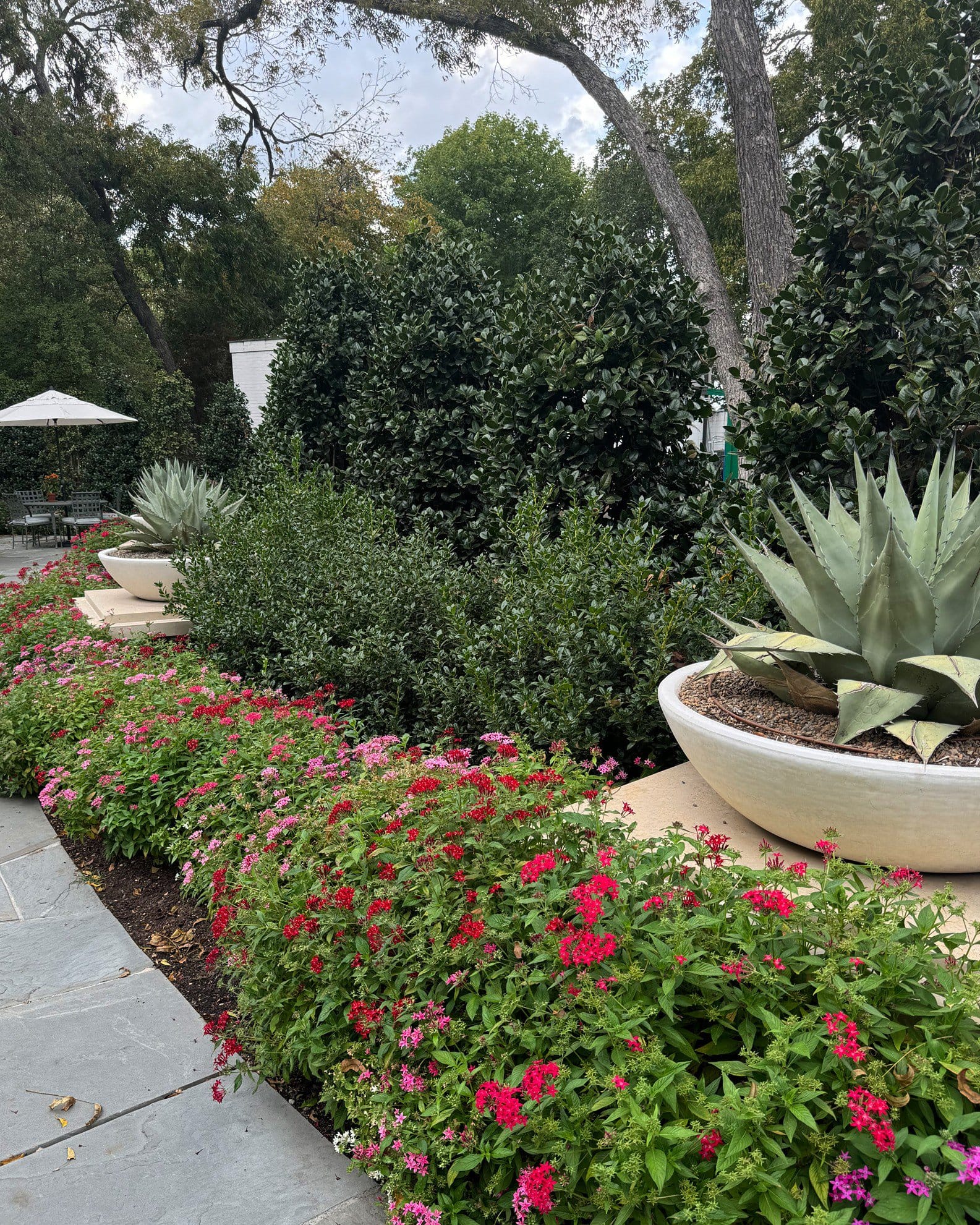
Yes - its uniform form, strong presence, and dense branching make it excellent for hedges, screens, allees, or large backbone plantings. Repeated plantings create a dramatic, structured evergreen wall.
Companions like Loropetalum, Indian Hawthorn, Knock Out Roses, Abelia, ornamental grasses, and flowering perennials complement its strong form and deep green foliage. Layered combinations add year-round interest.
Absolutely - it tolerates pollution, compacted soils, and reflected heat, making it ideal for city gardens, commercial landscapes, and street-side plantings. Its upright structure brings formality and strength to urban spaces.
Young plants transplant well when moved during cooler months with an intact root ball. With proper watering and aftercare, they reestablish quickly and resume normal growth.
Its strong pyramidal structure, glossy foliage, impressive berry production, and outstanding durability set it apart. Mary Nell Holly offers year-round beauty, reliability, and a commanding landscape presence with minimal upkeep.
Special Features
You might also like
Compare Similar Plants
Mary Nell Holly This plant | ||
|---|---|---|
| Scientific Name | Ilex 'Mary Nell' | Ilex hybrid 'MAGDEN' |
| Size at Maturity | 20' H x 14' W | 16' H x 7' W |
| Leaf Retention | Evergreen | Evergreen |
| Sizes Available | 45 gal | 15 gal |


Our 1-Year Planting Guarantee
We take pride in our plants and installation services. If any plants or trees installed by Treeland fail to thrive within the first year, we'll provide a replacement credit in accordance with our guarantee program.
Learn More About Our Guarantee