
 Popular
Product Details
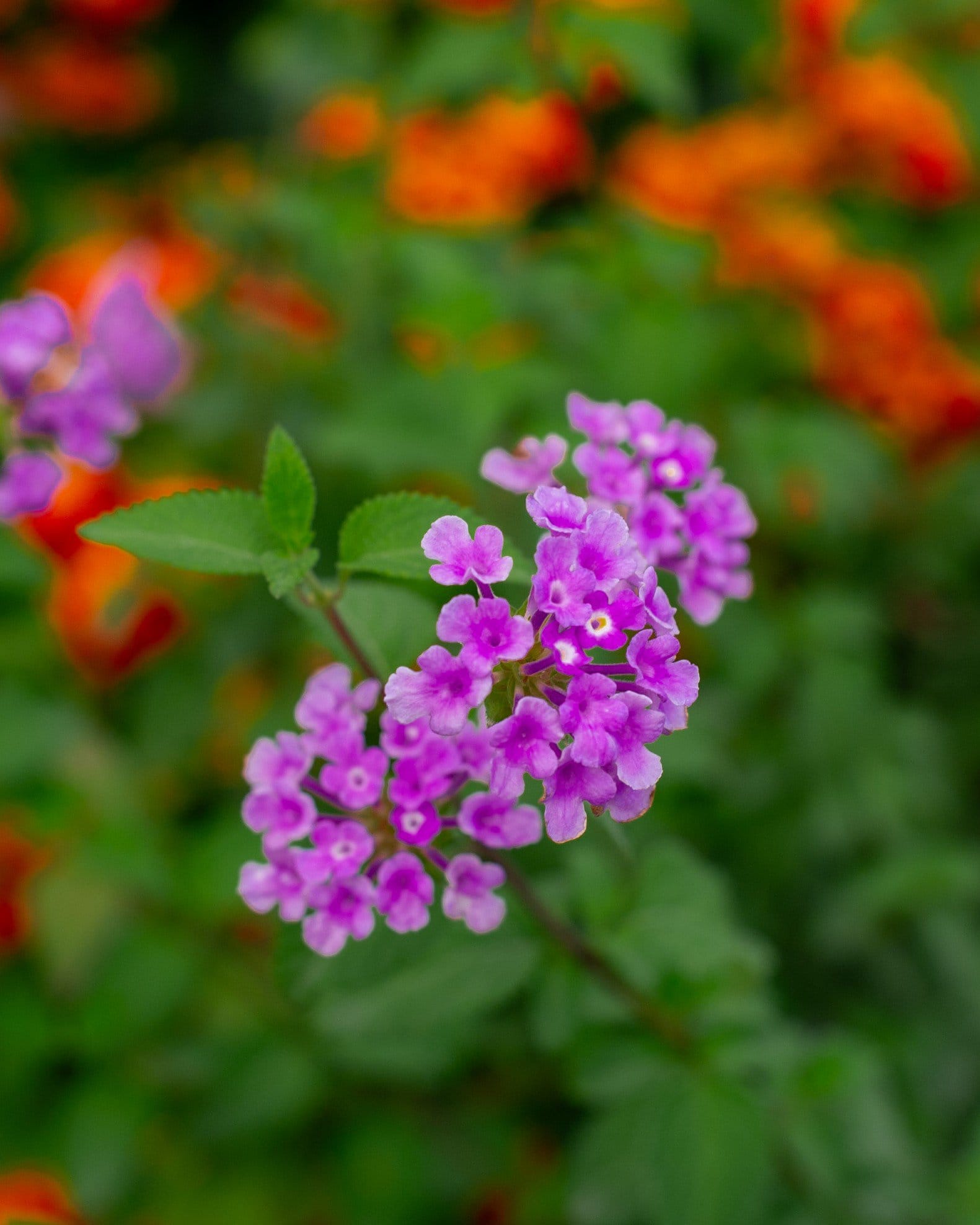
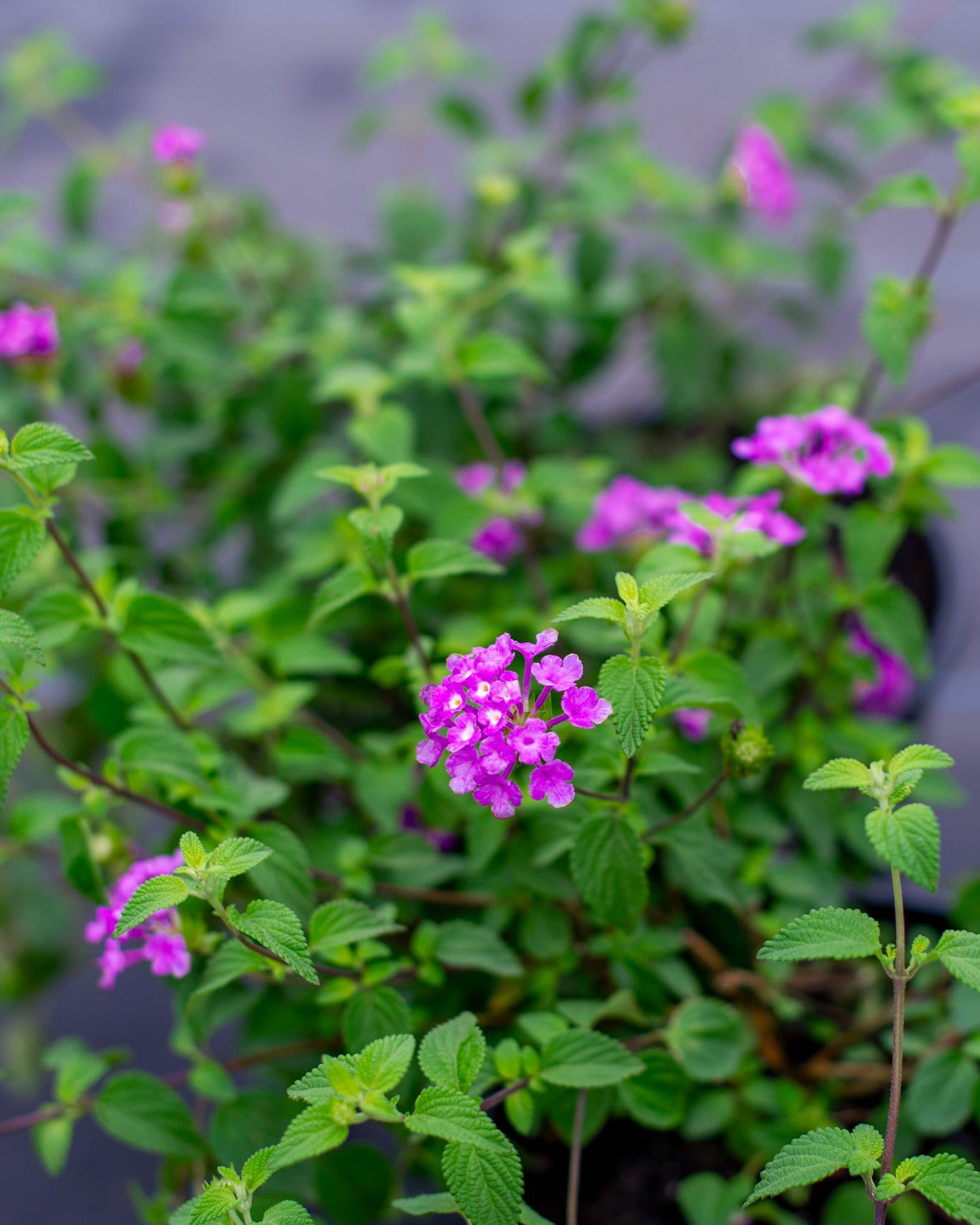
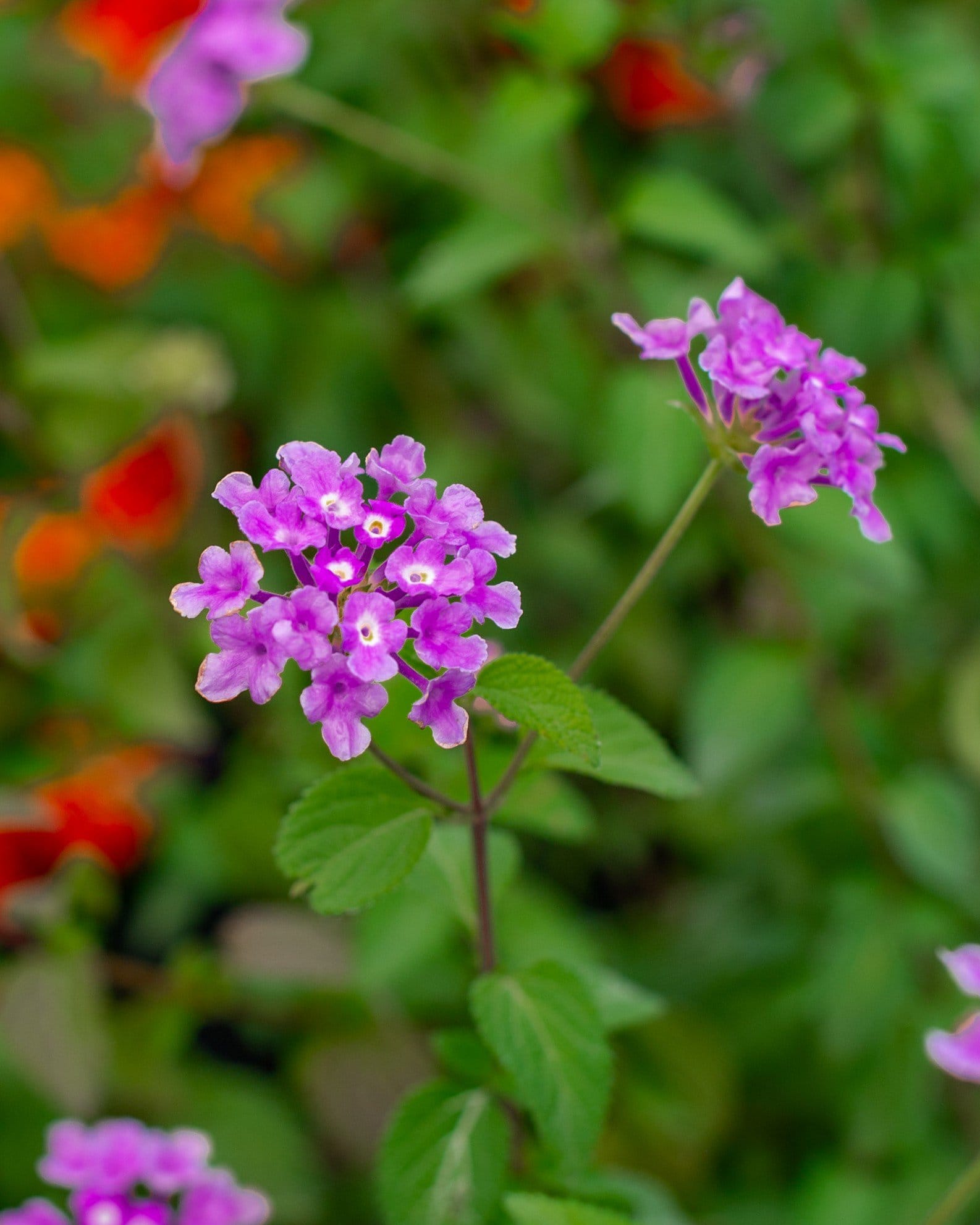
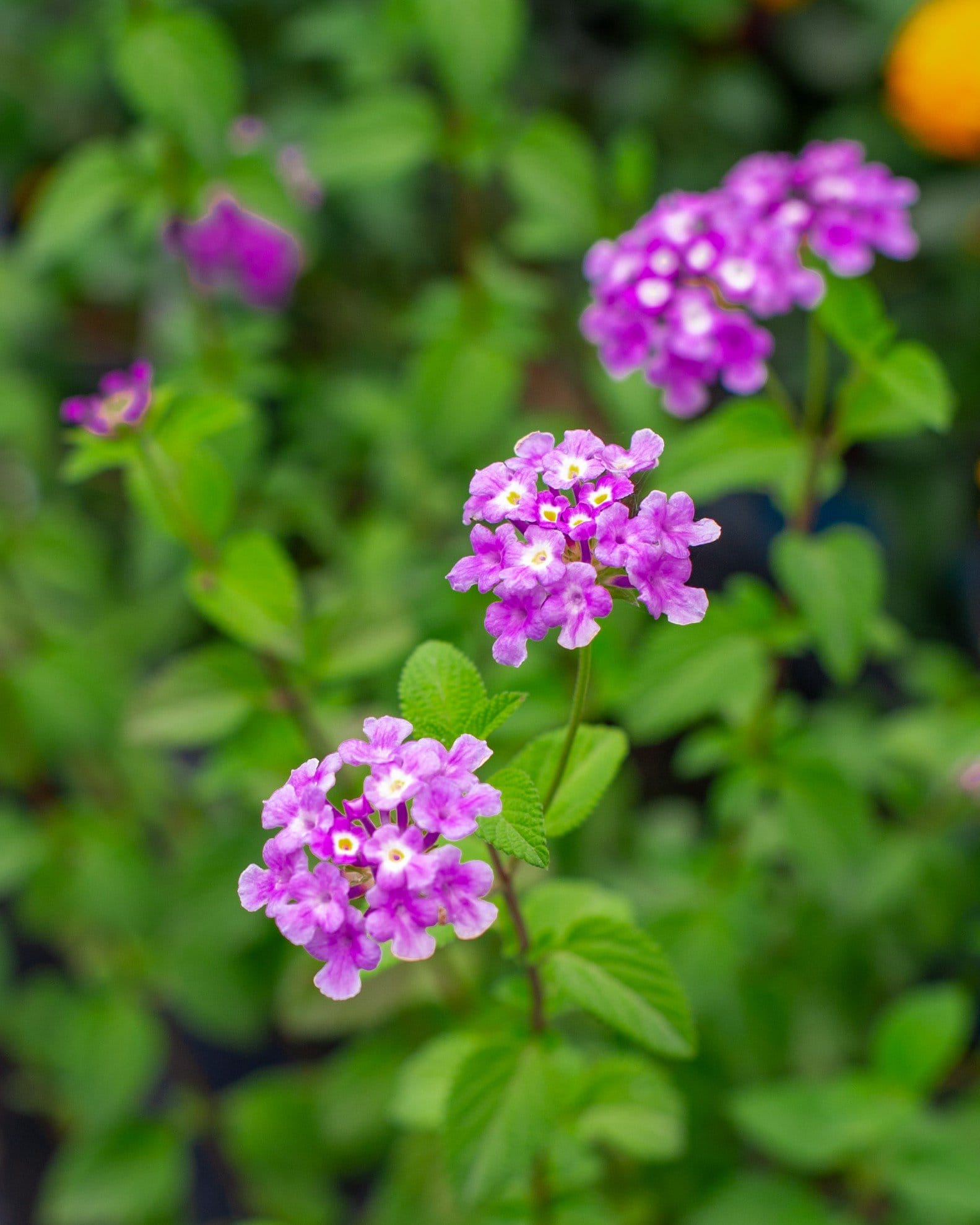
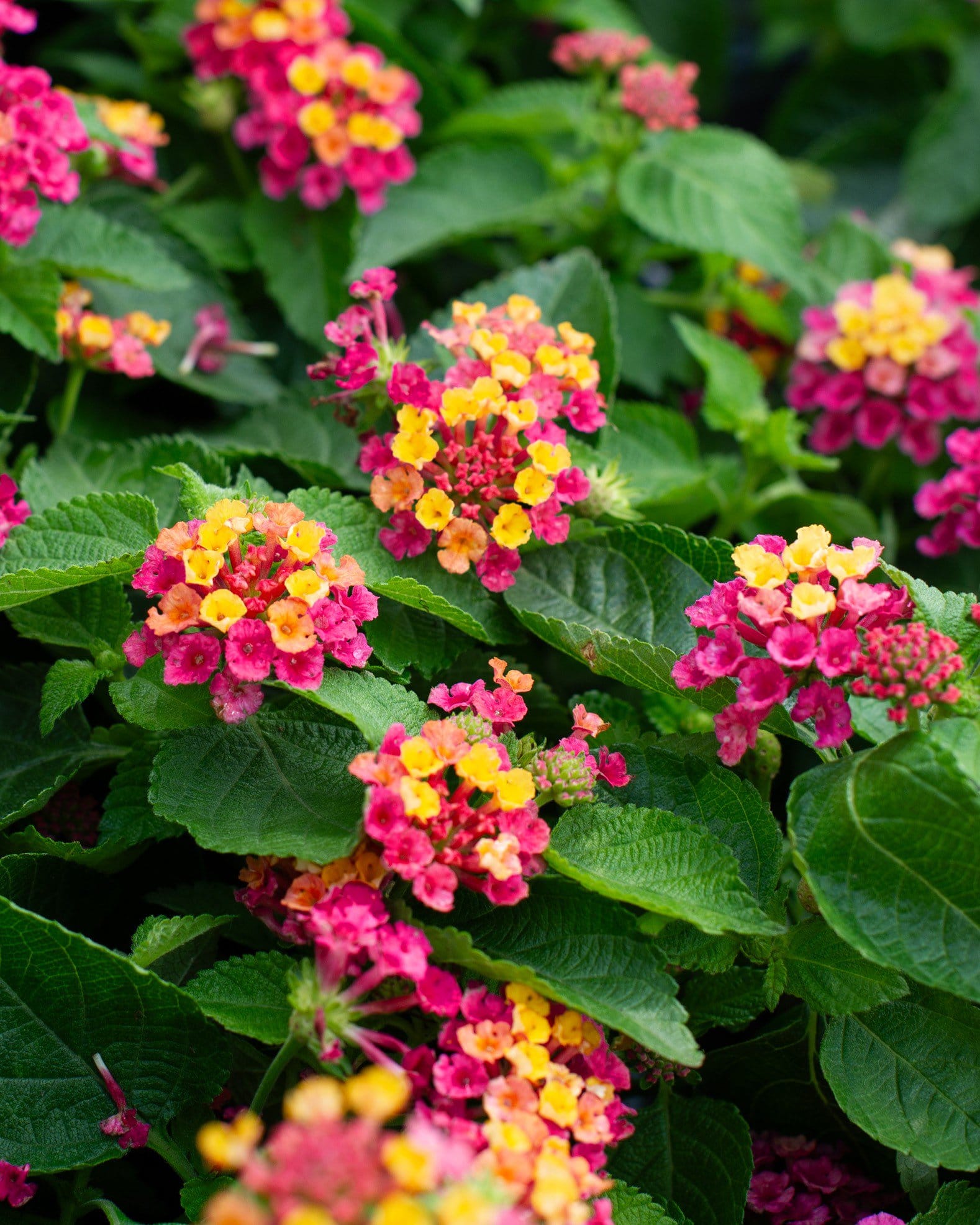
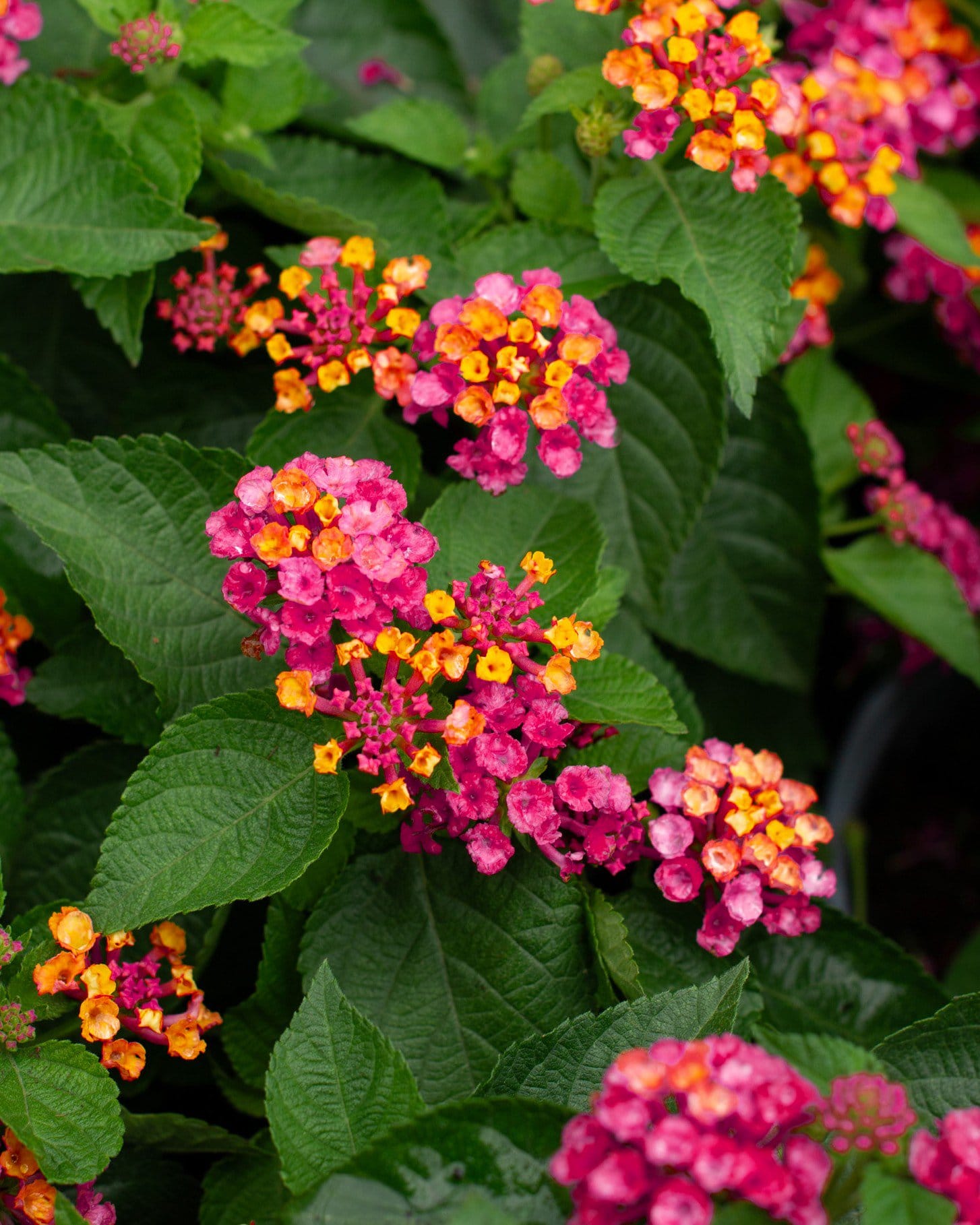
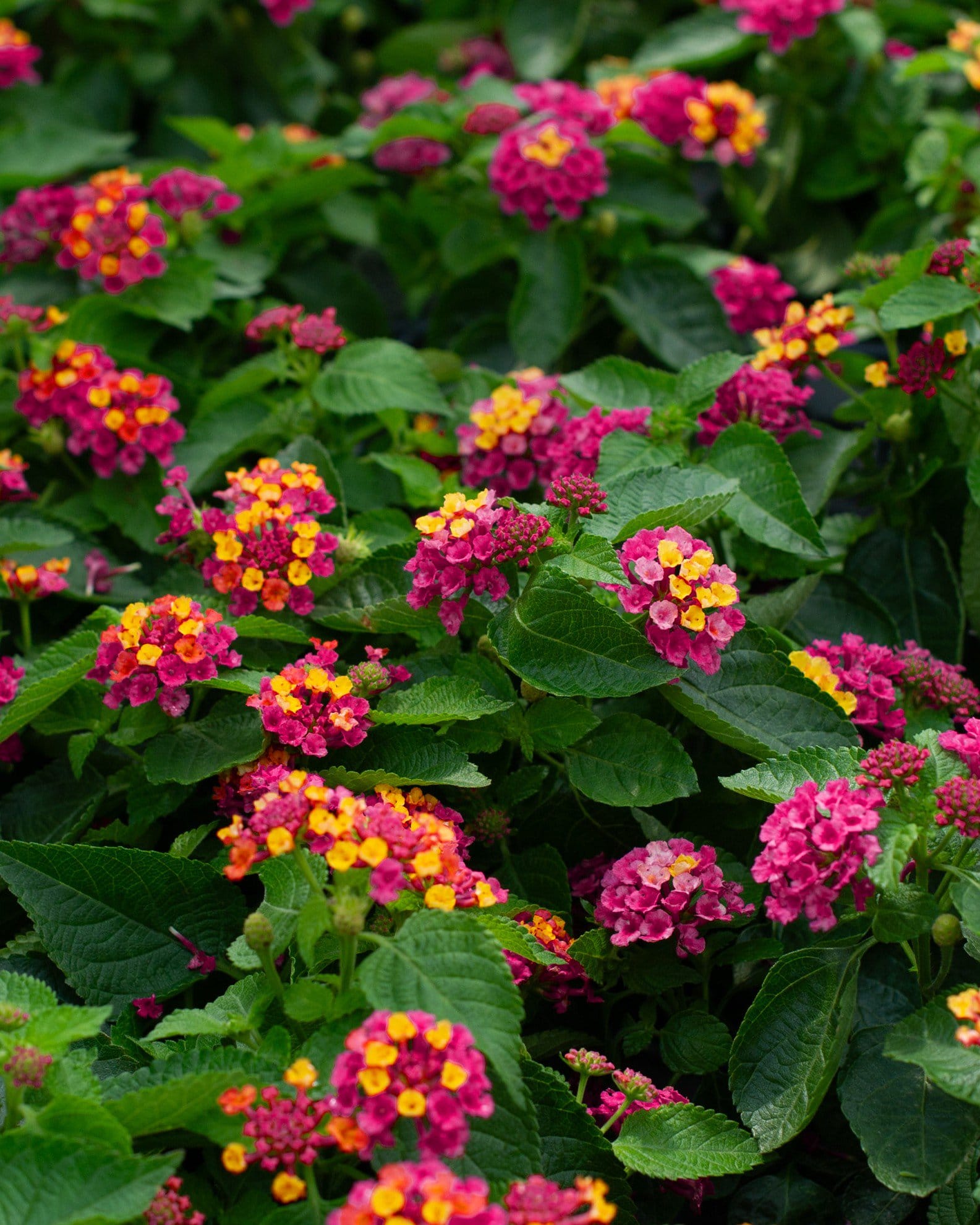
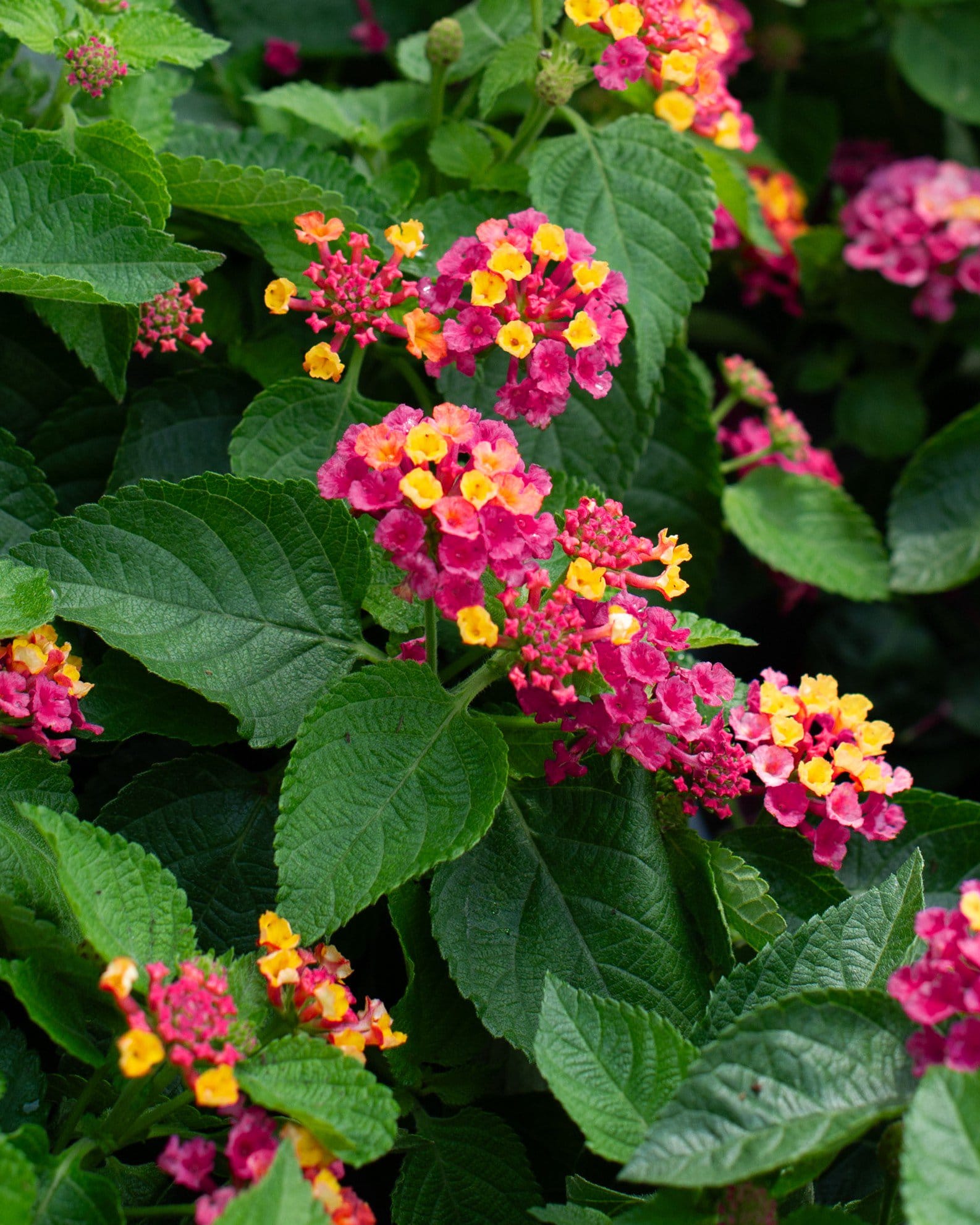
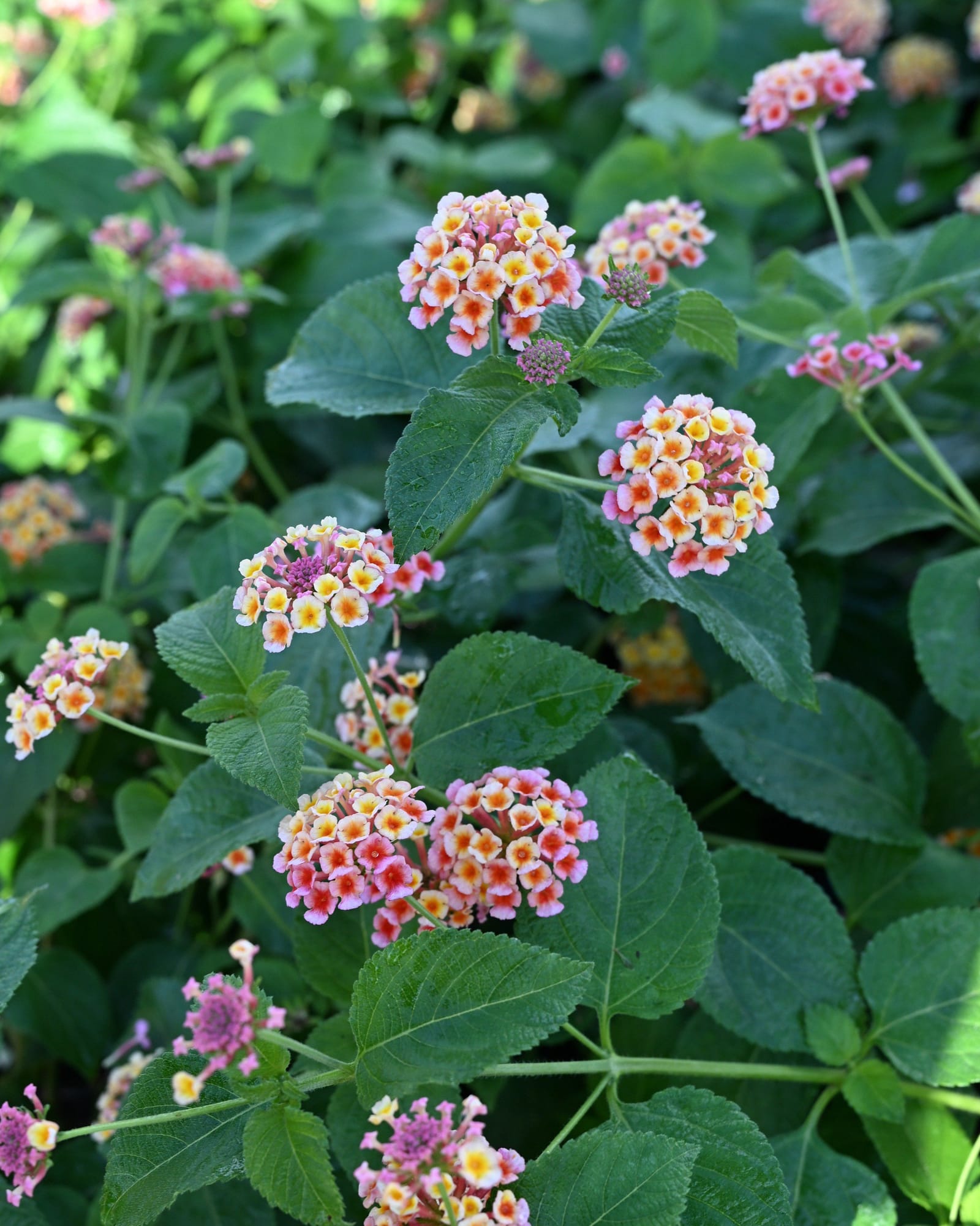
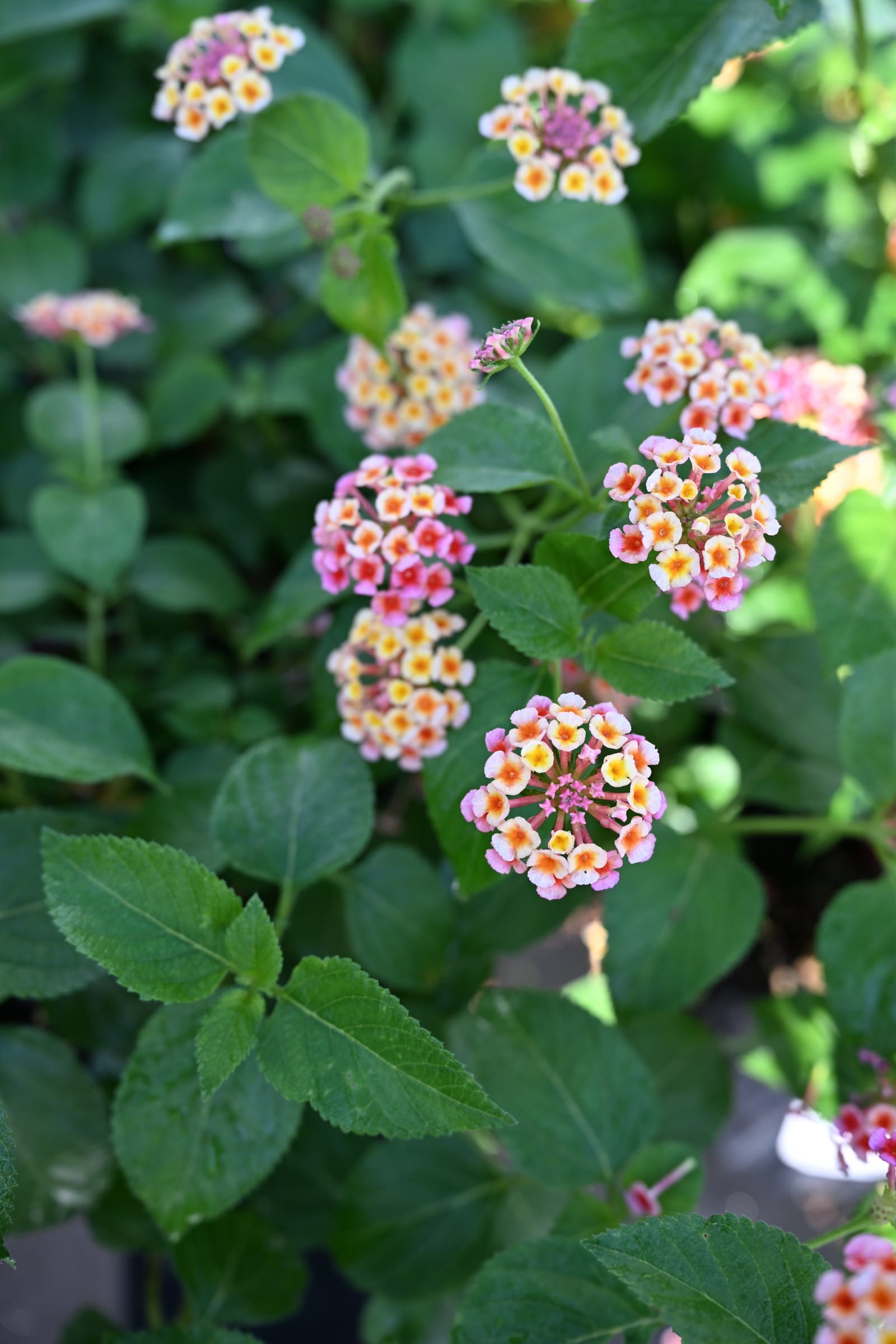
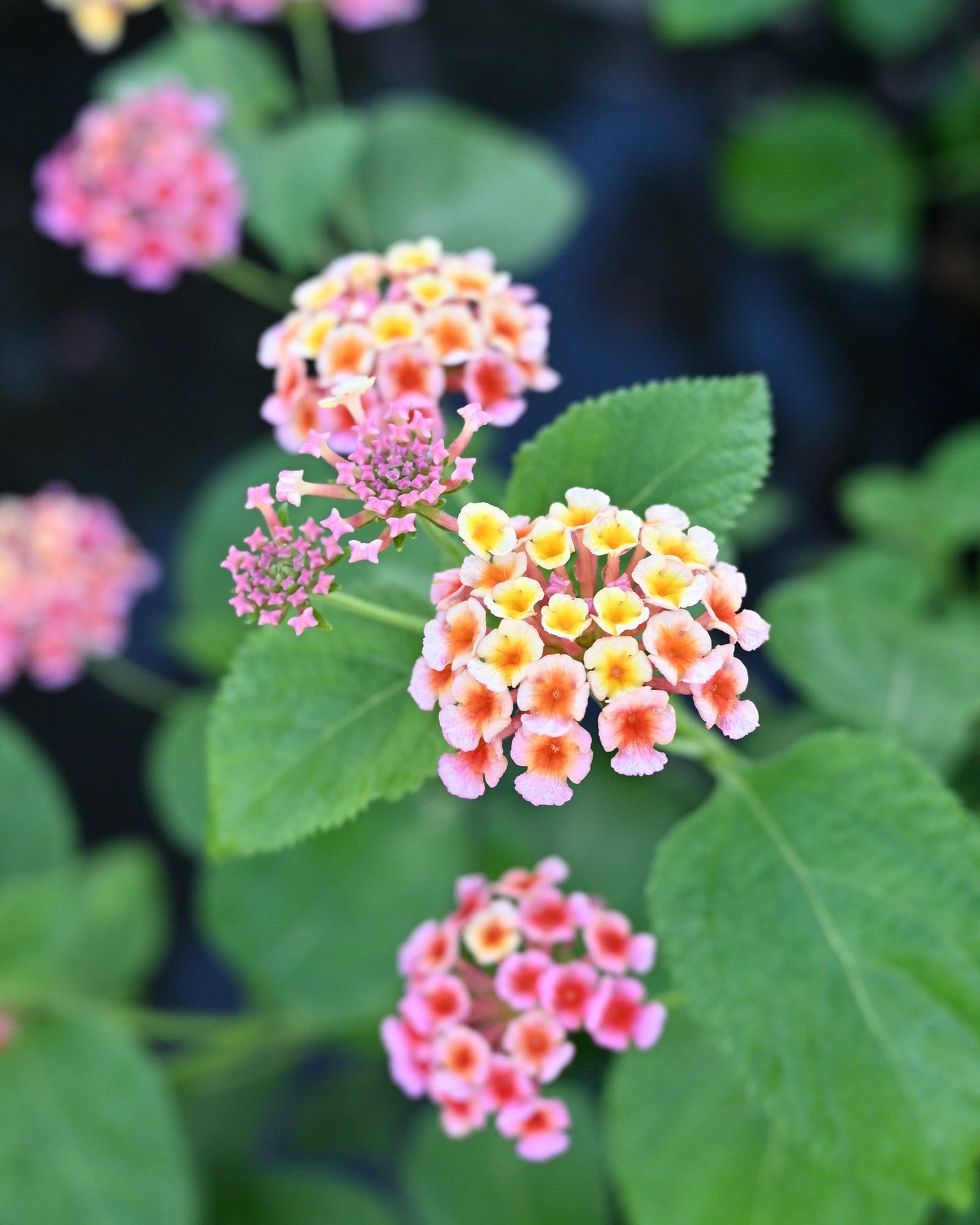
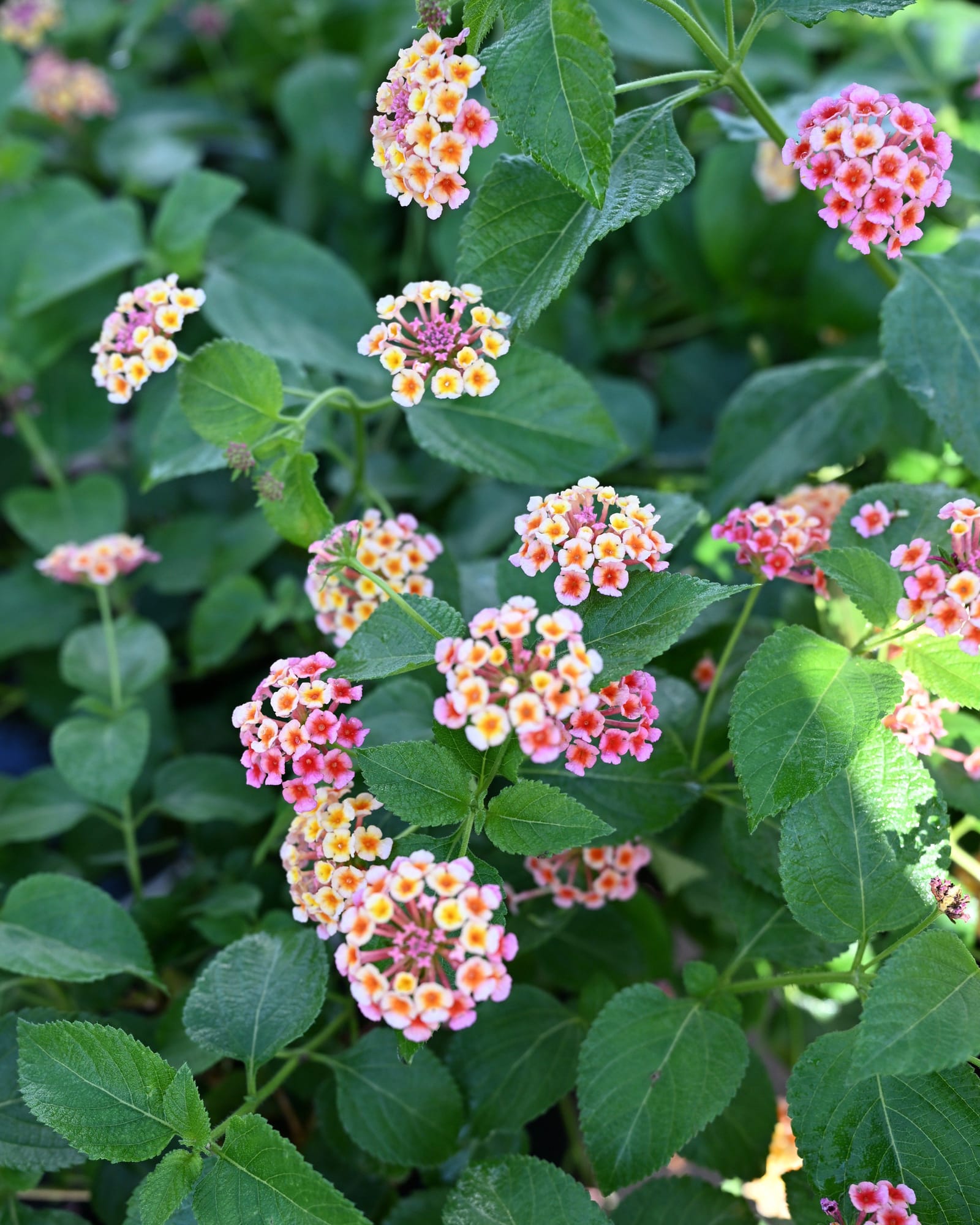
Lucky Lavender Lantana
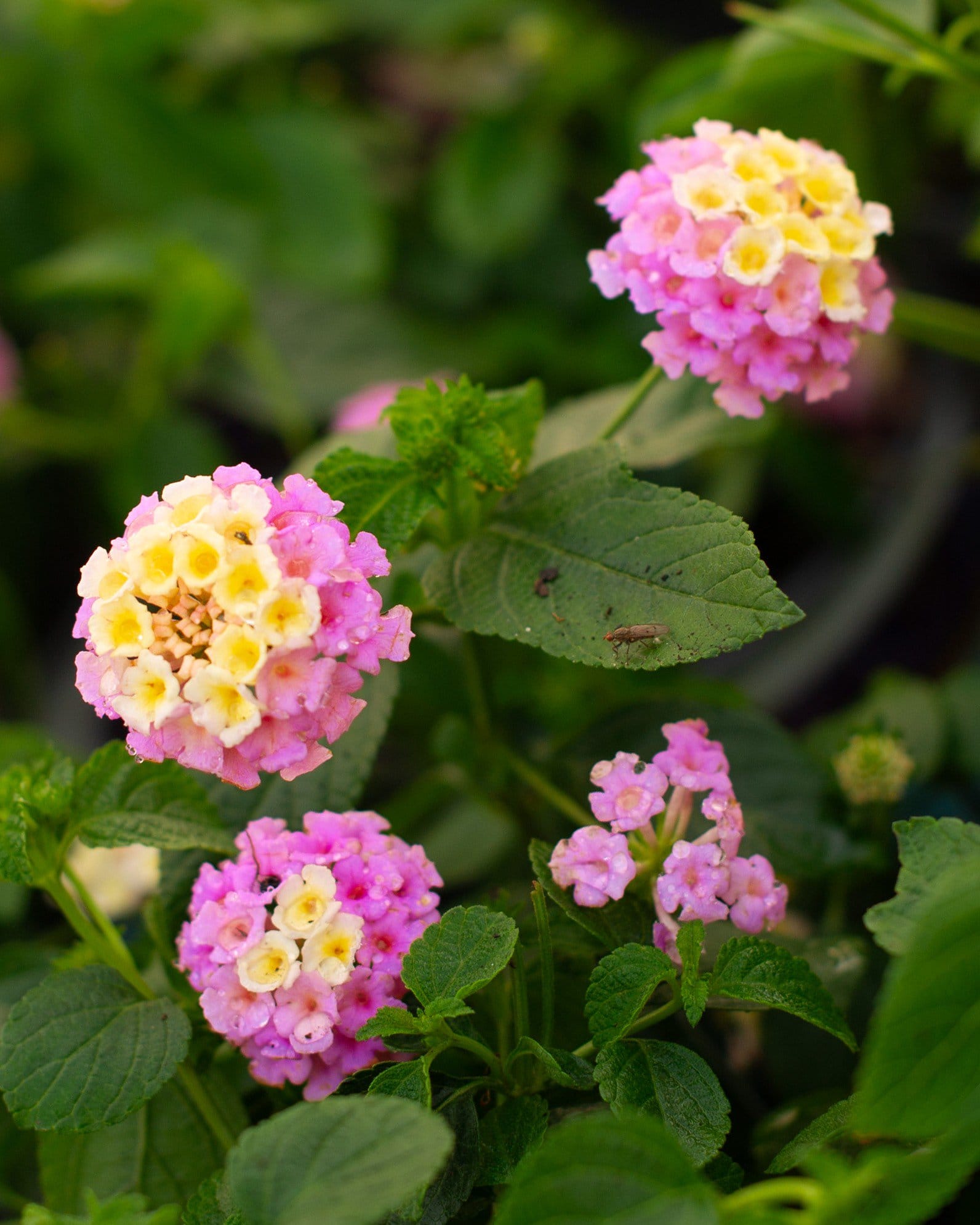
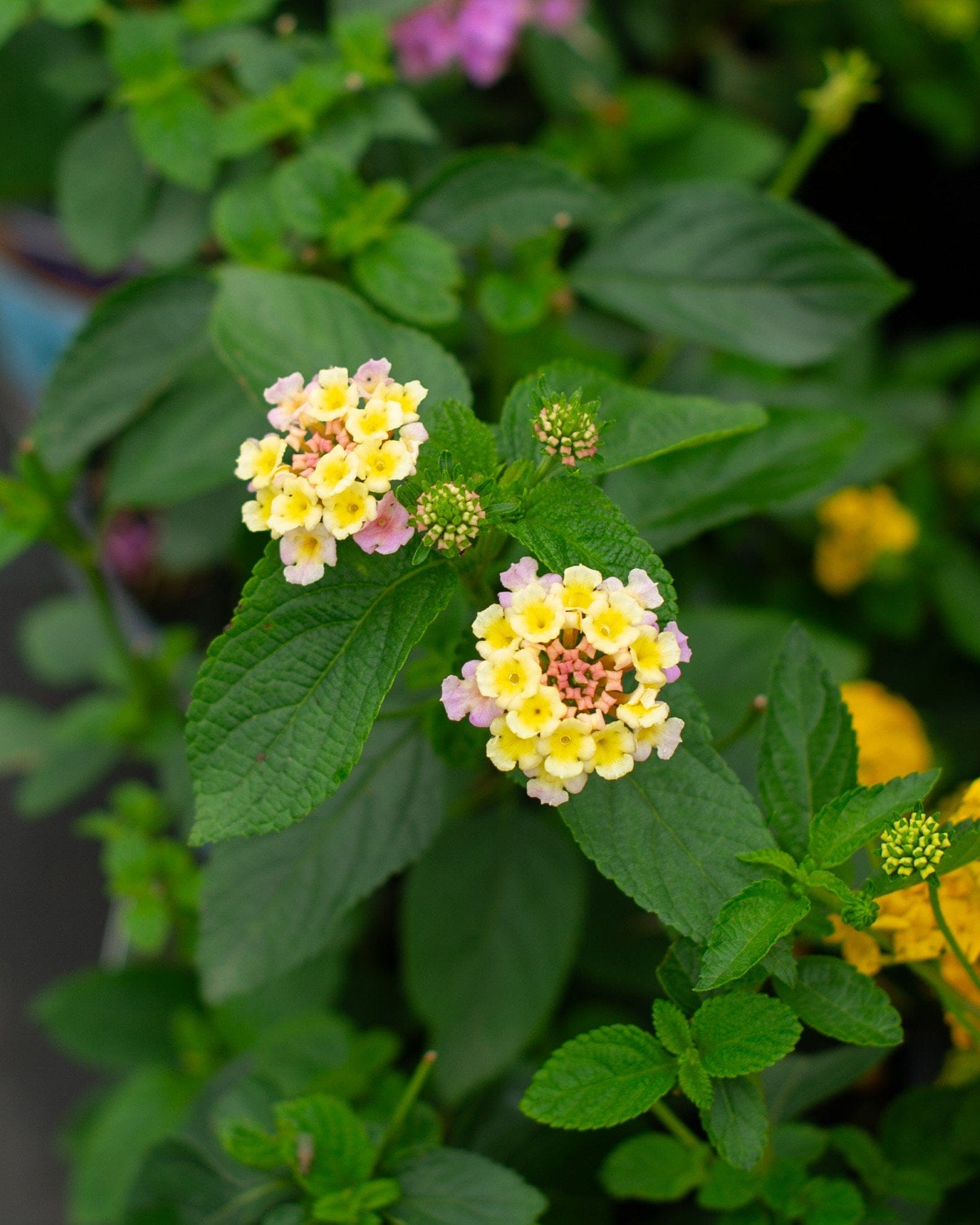
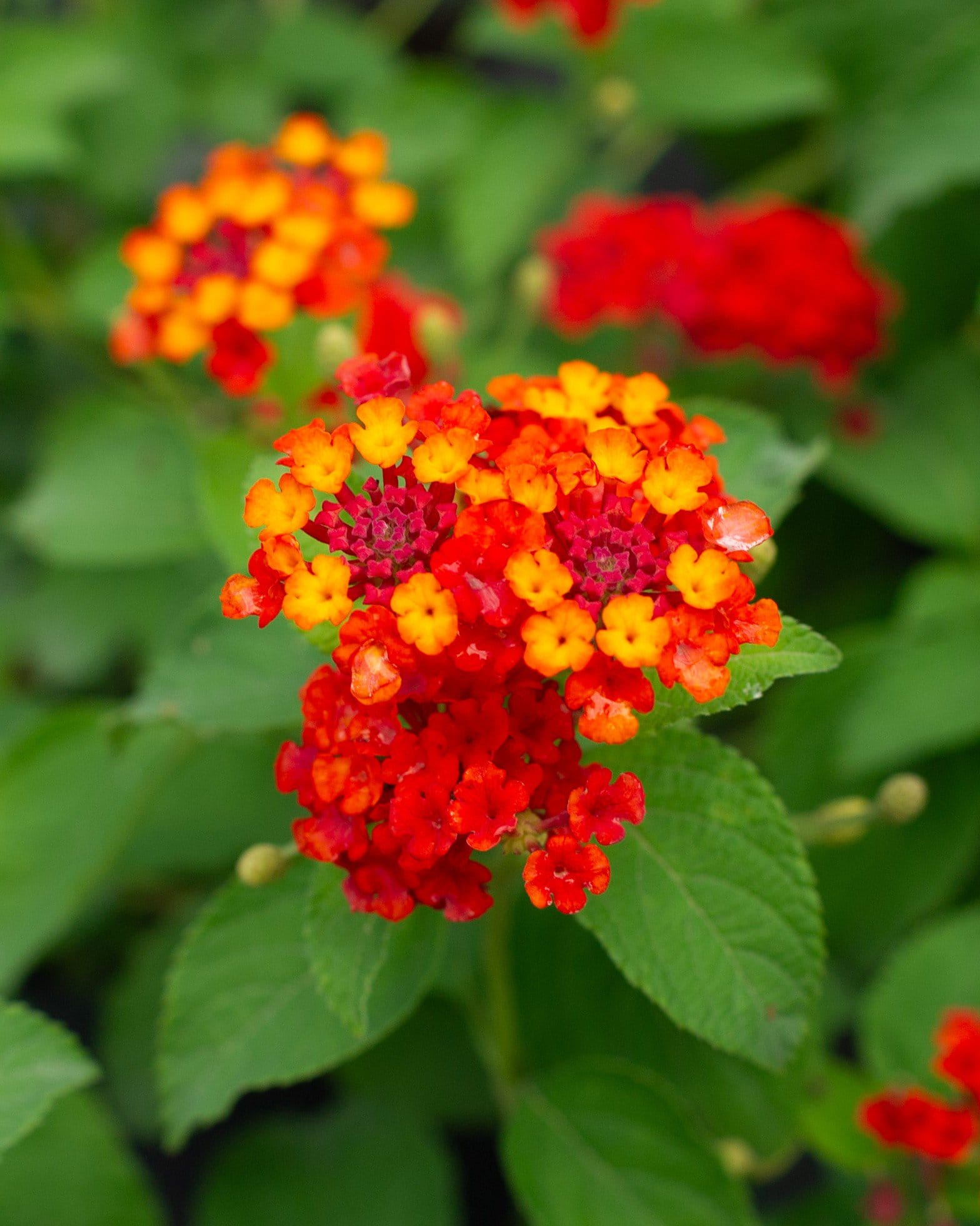
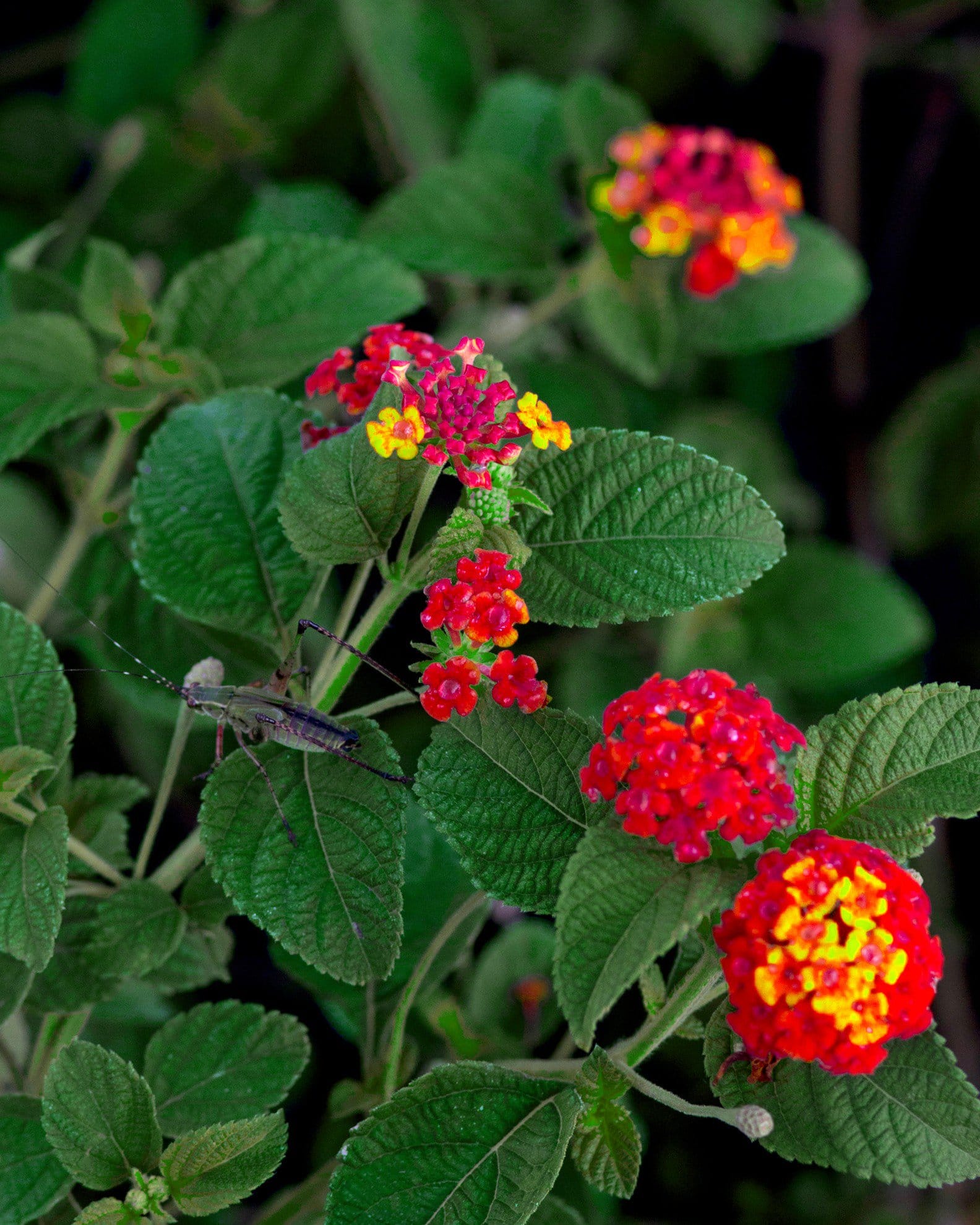
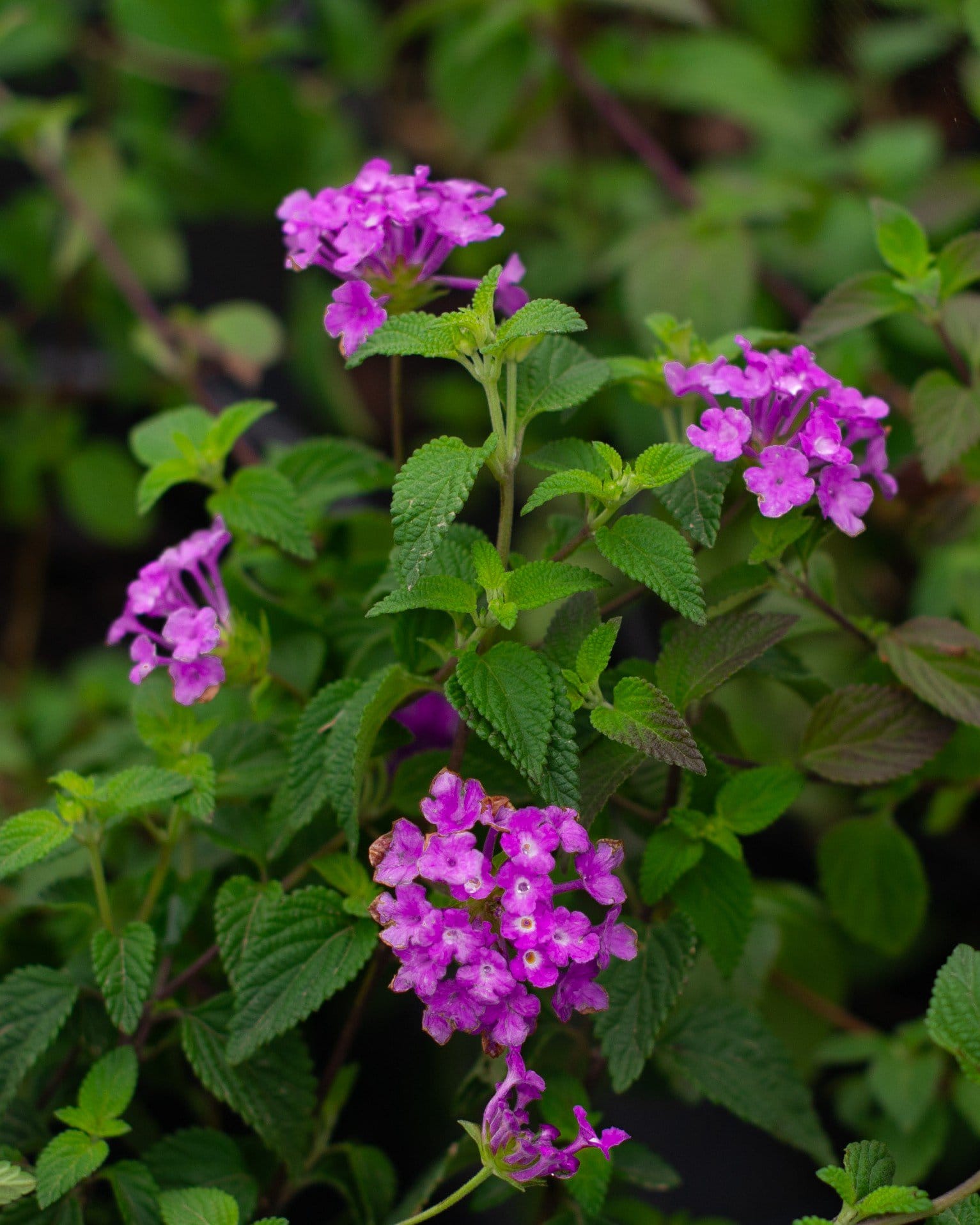
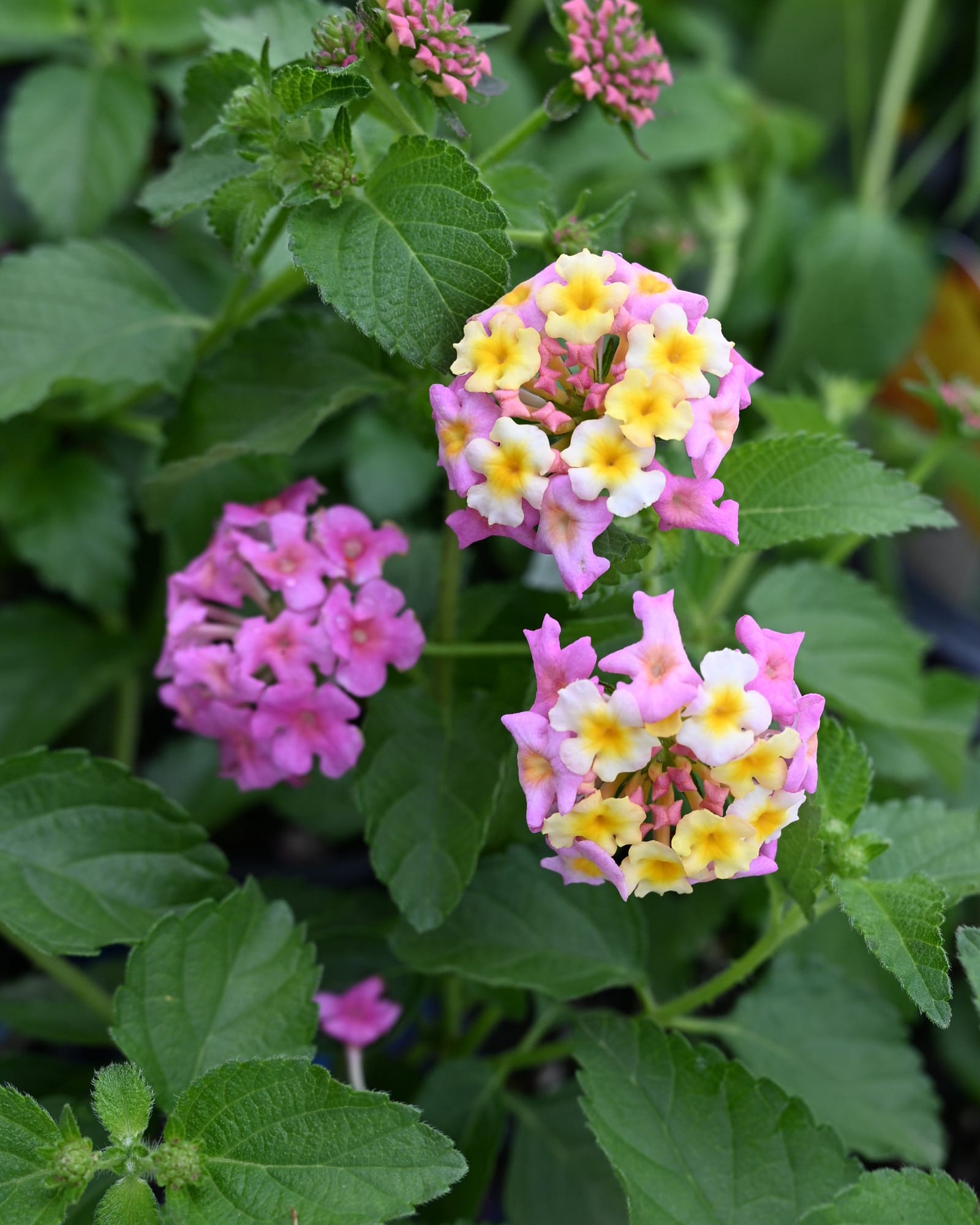
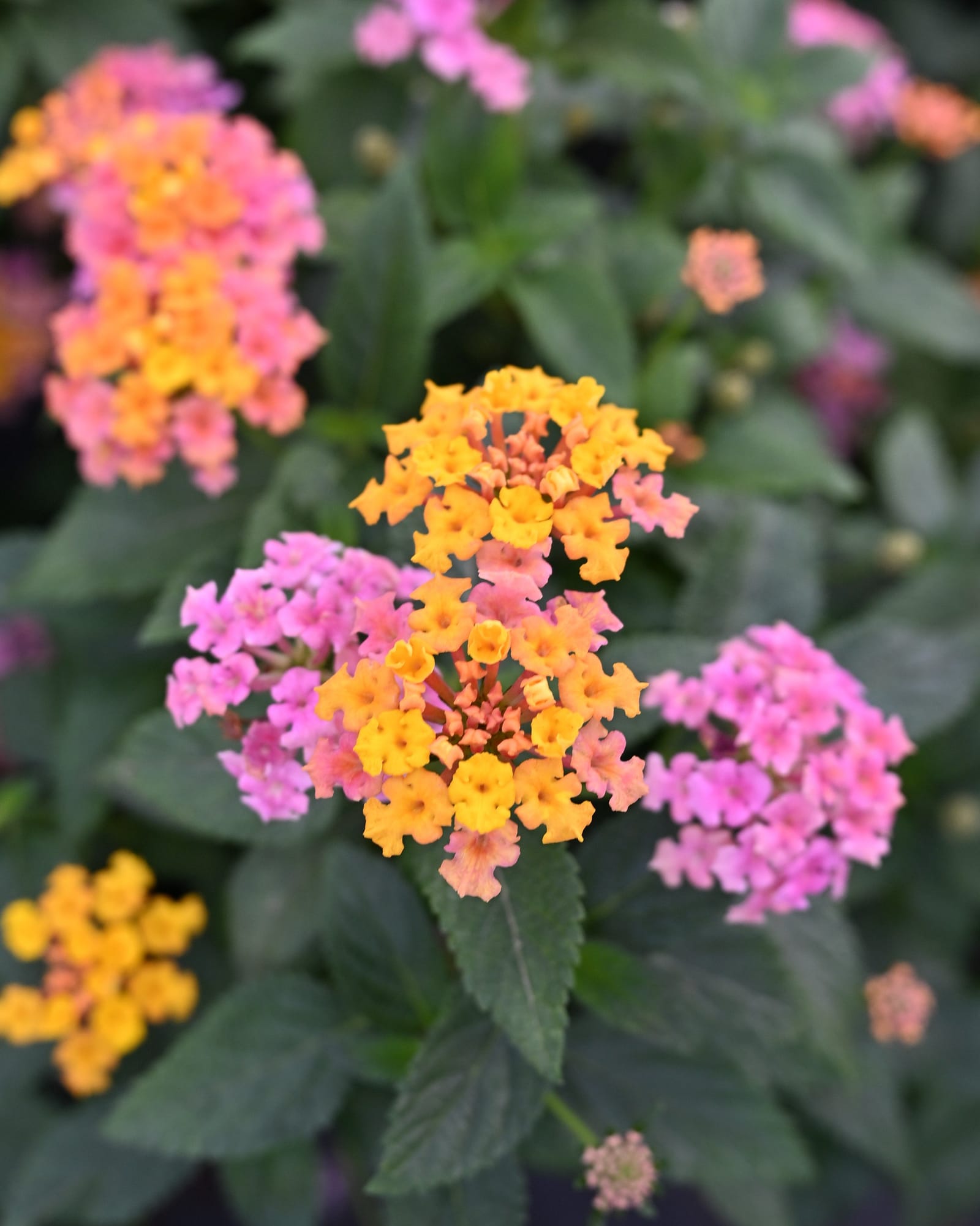
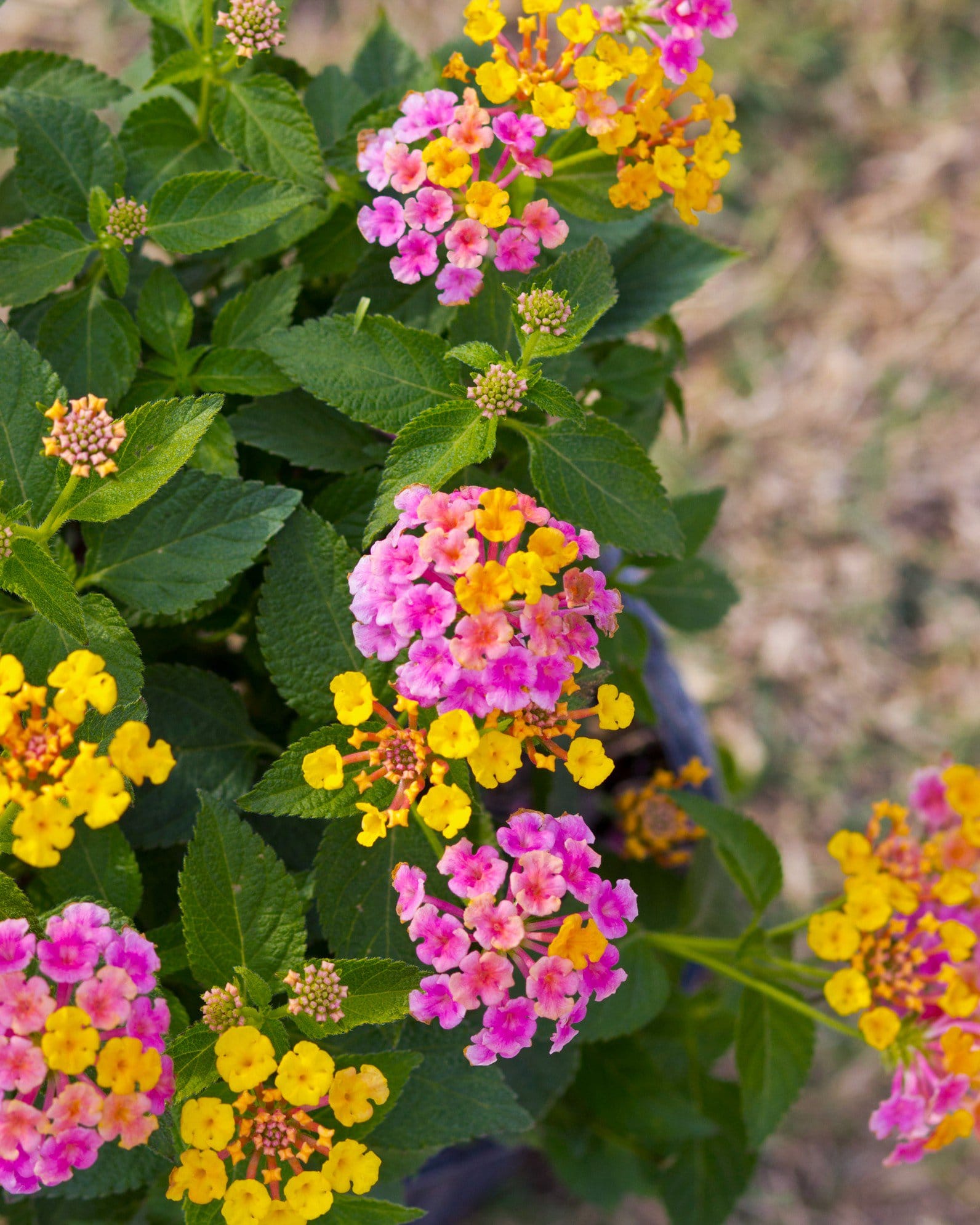
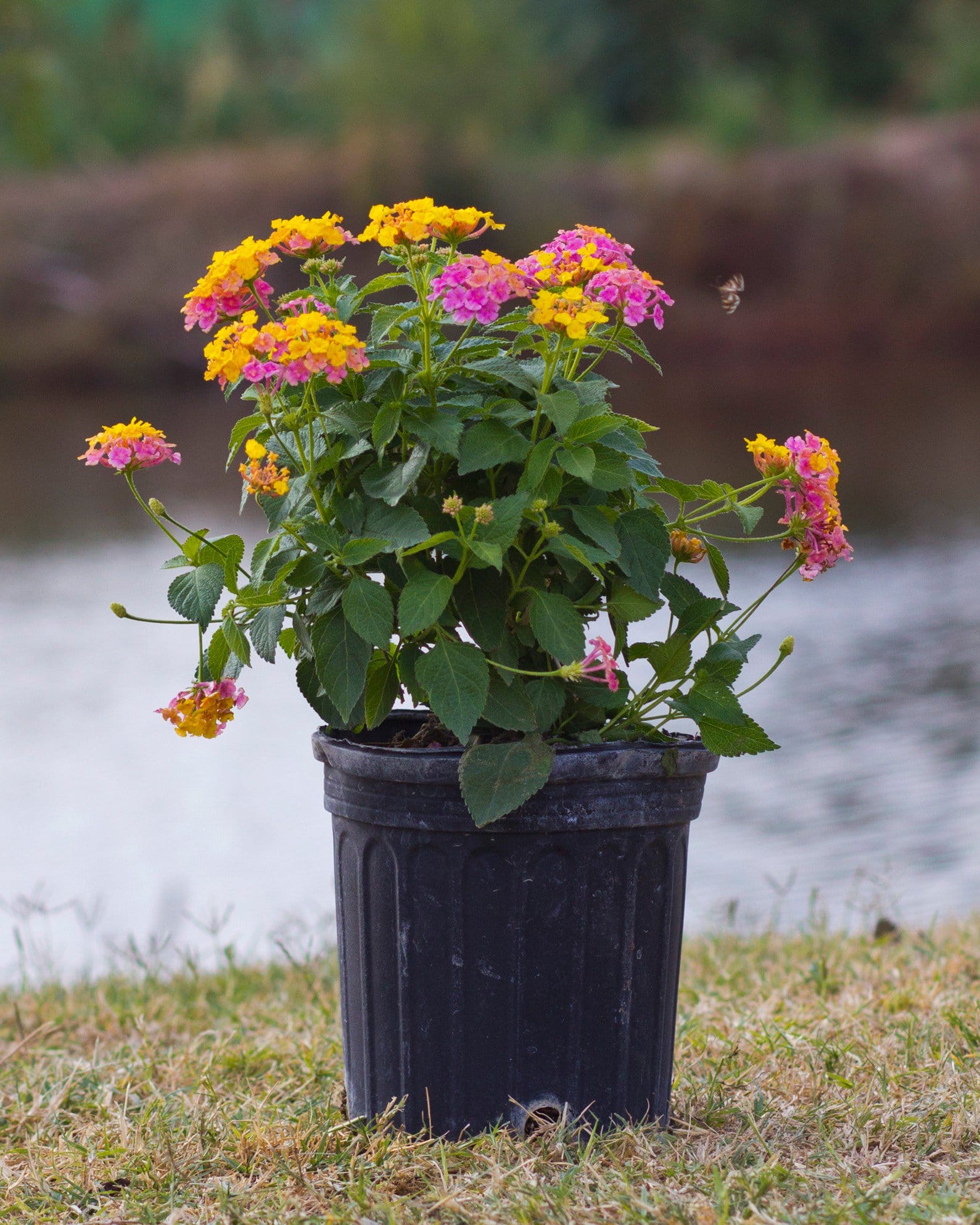
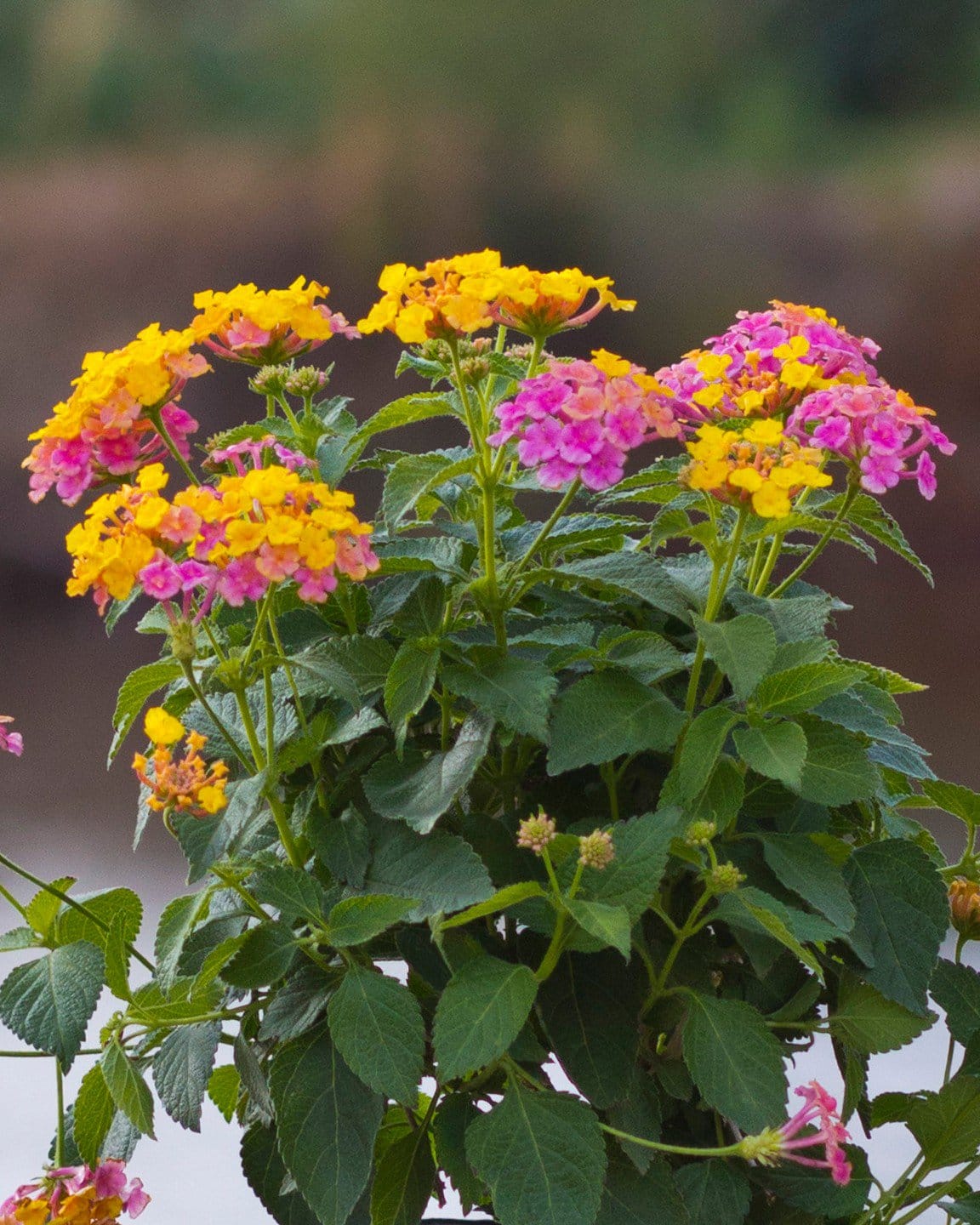
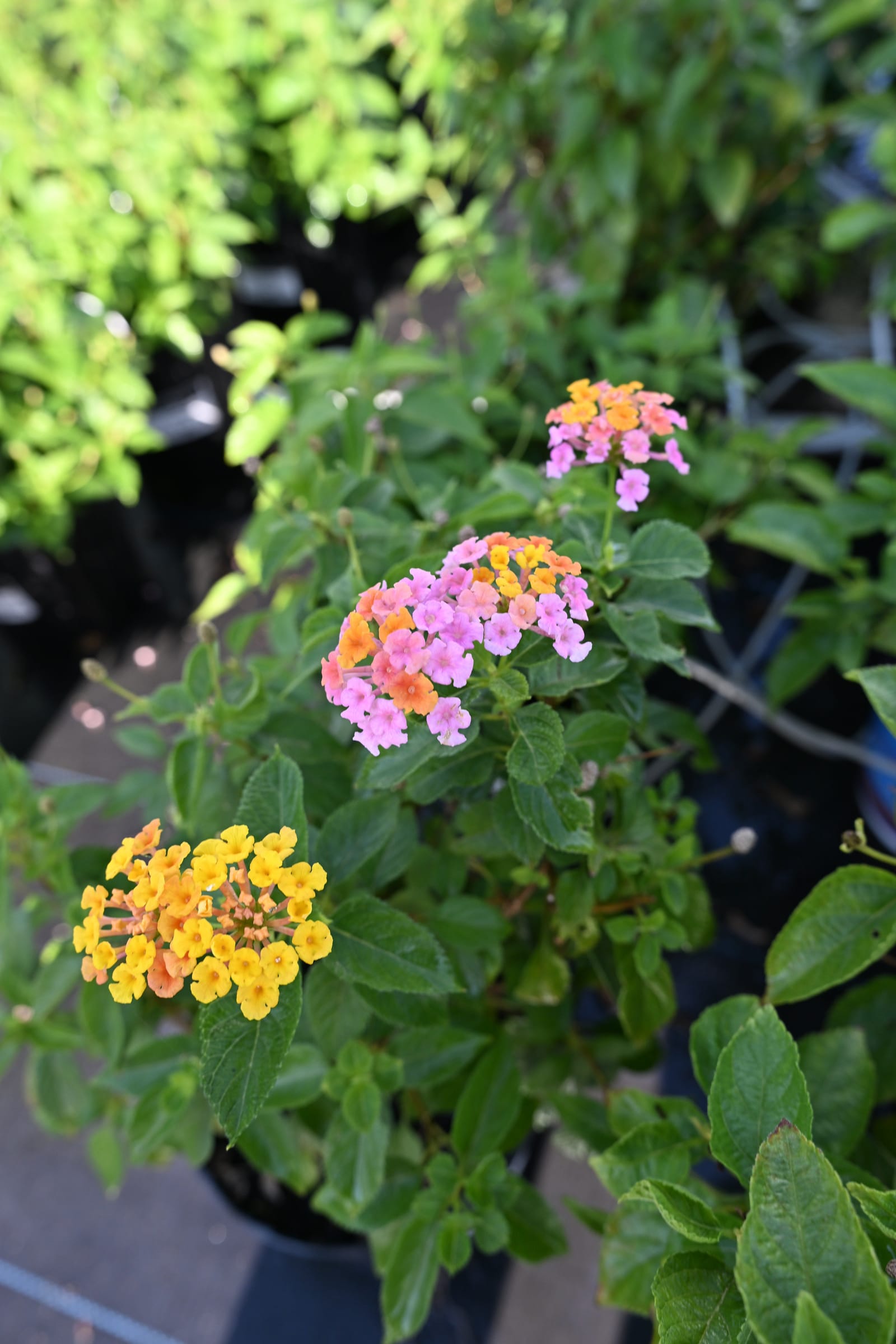
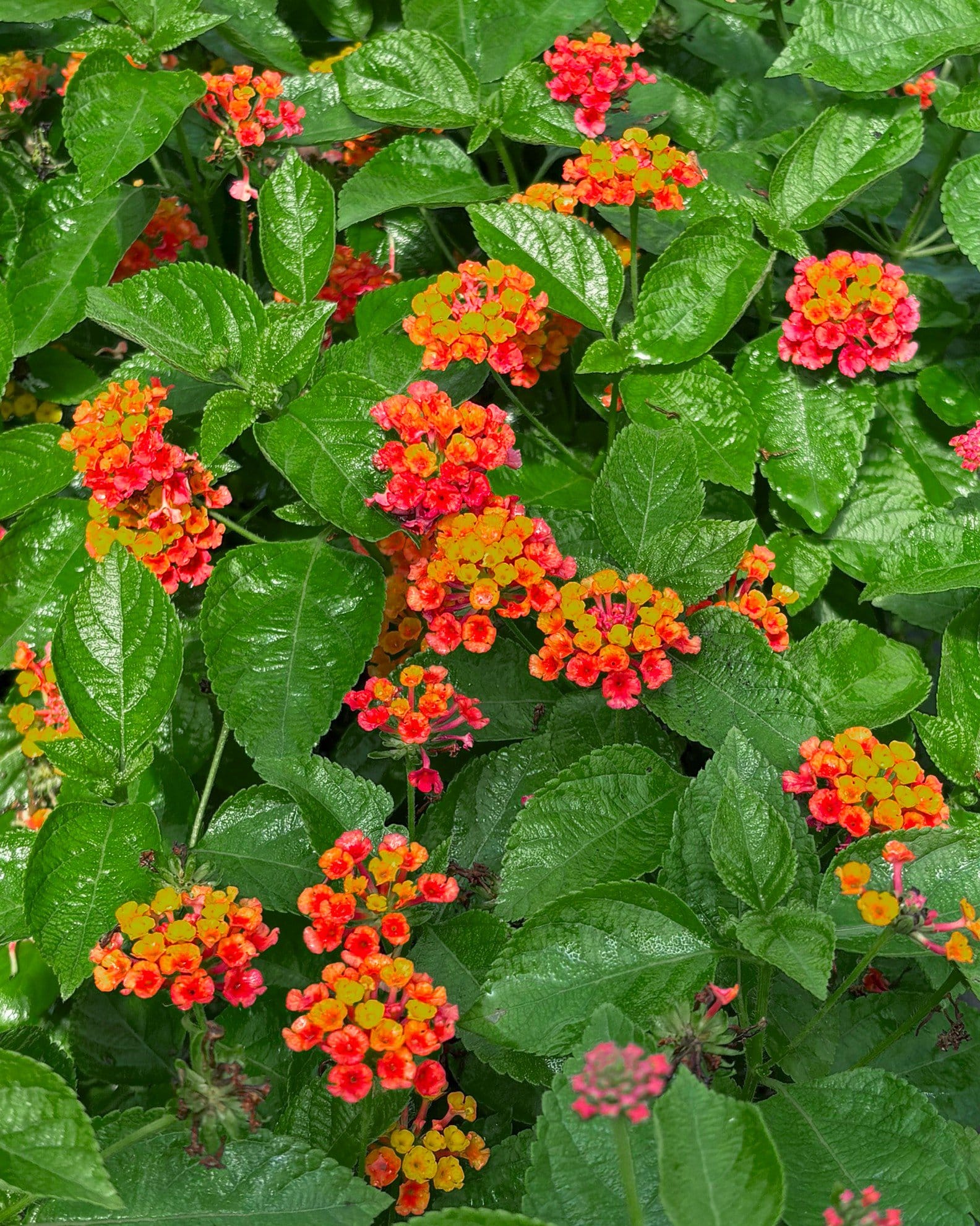
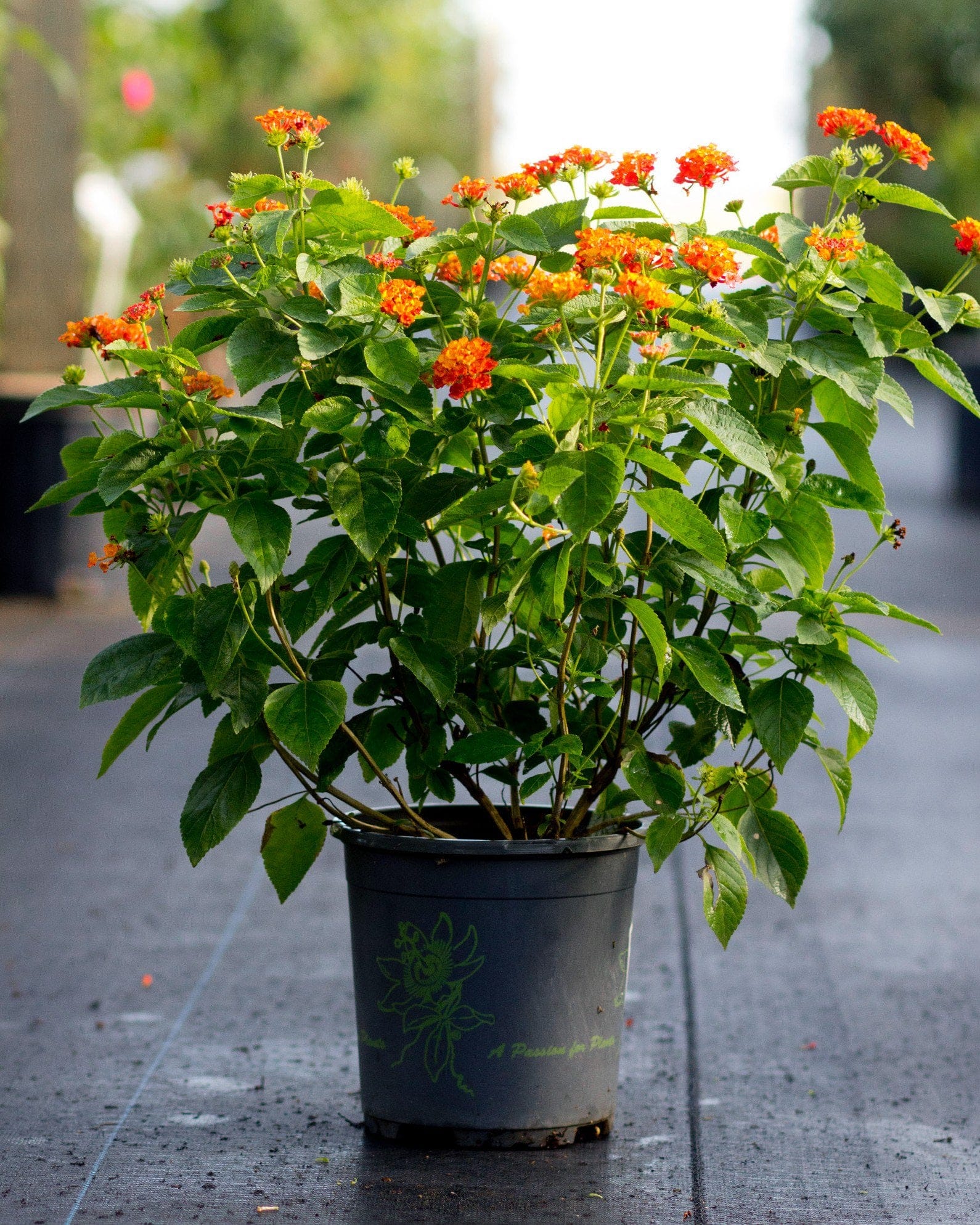
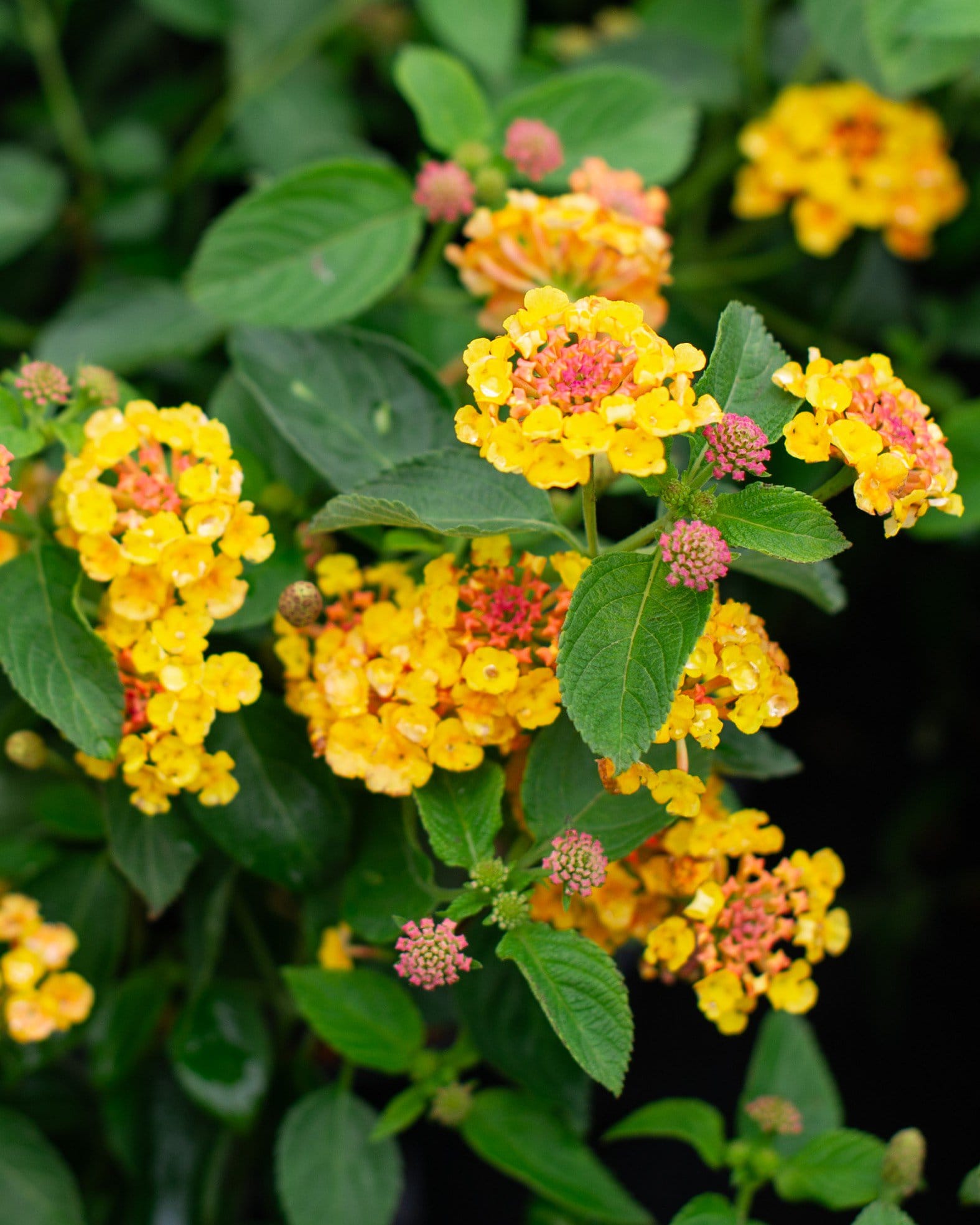
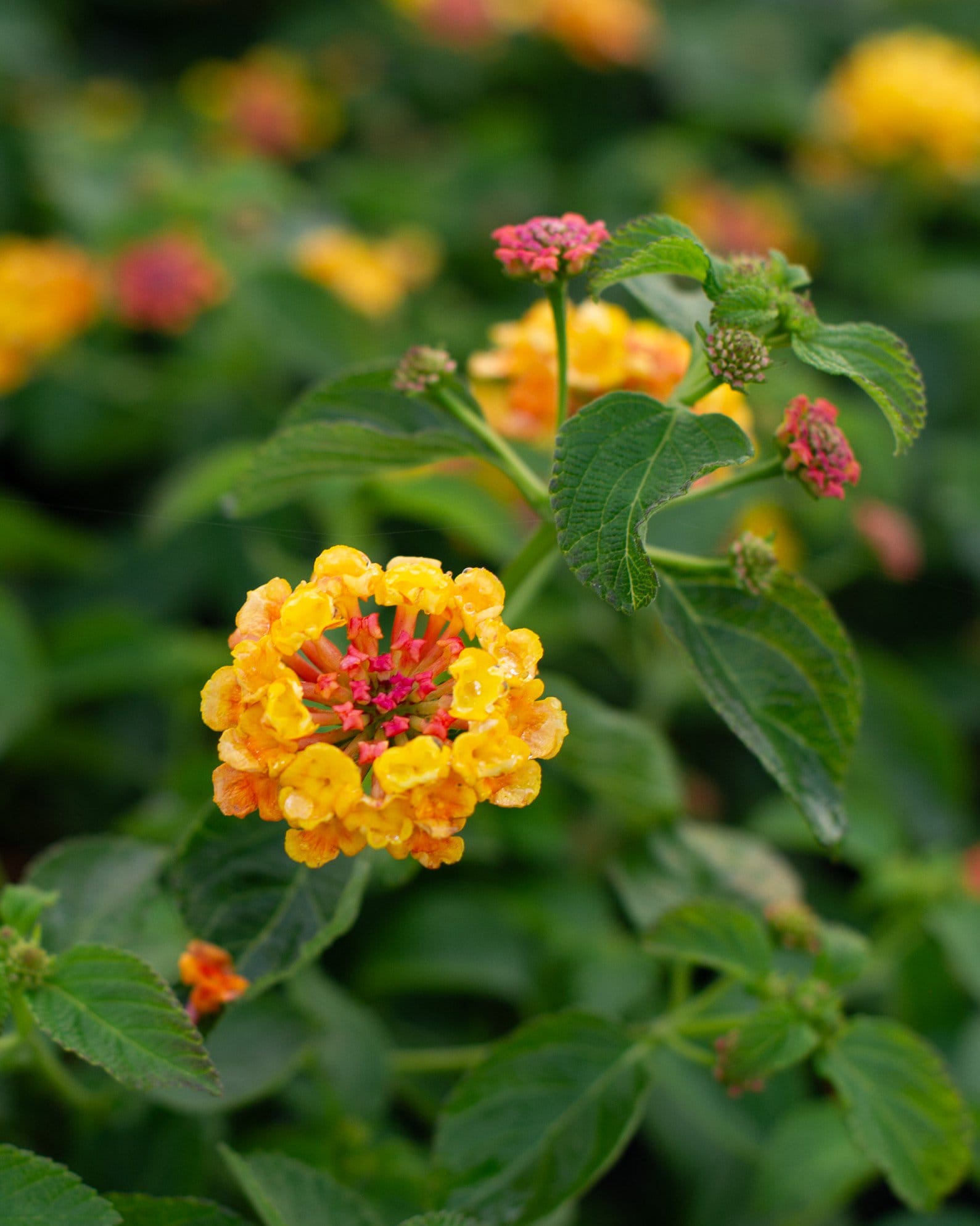
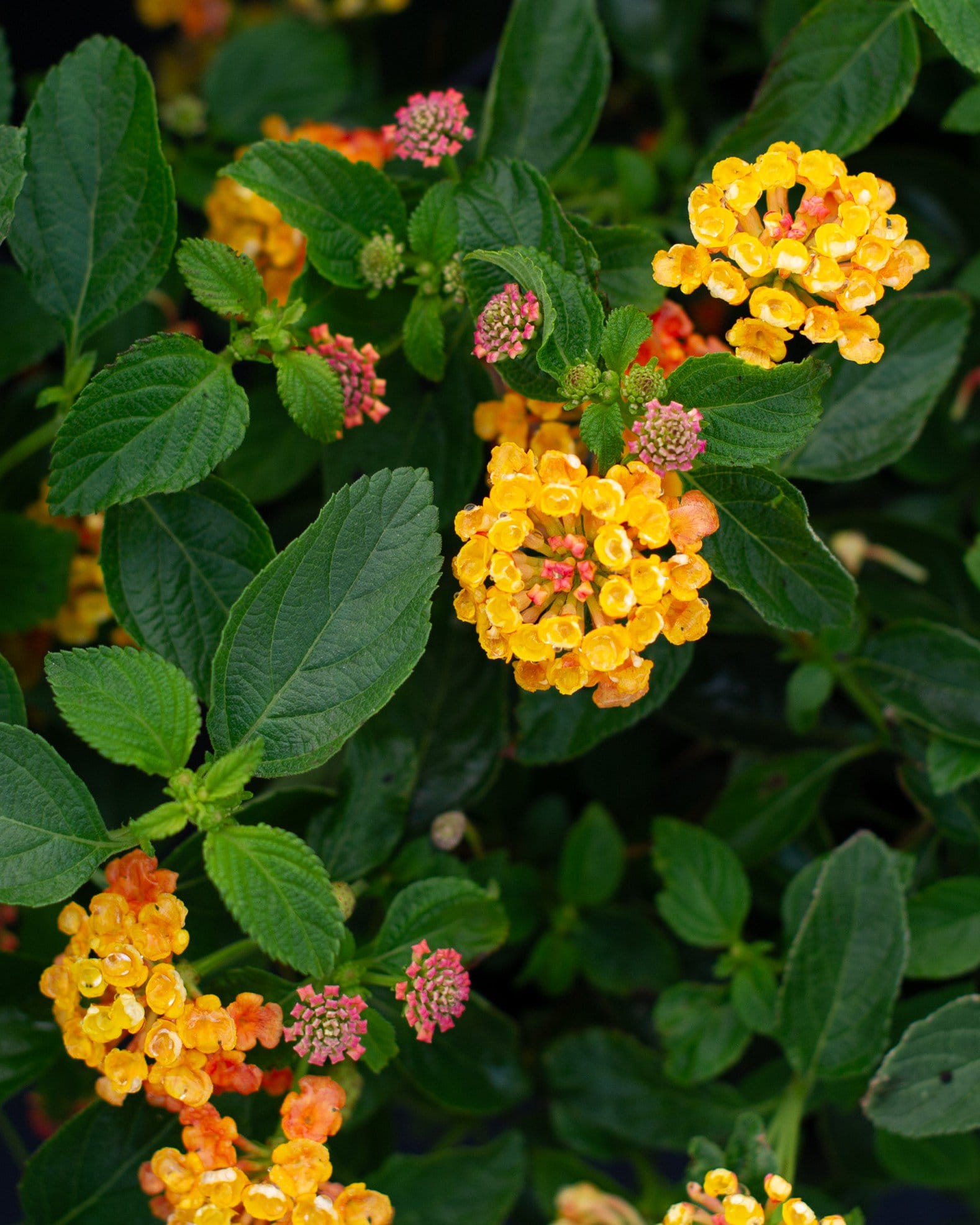
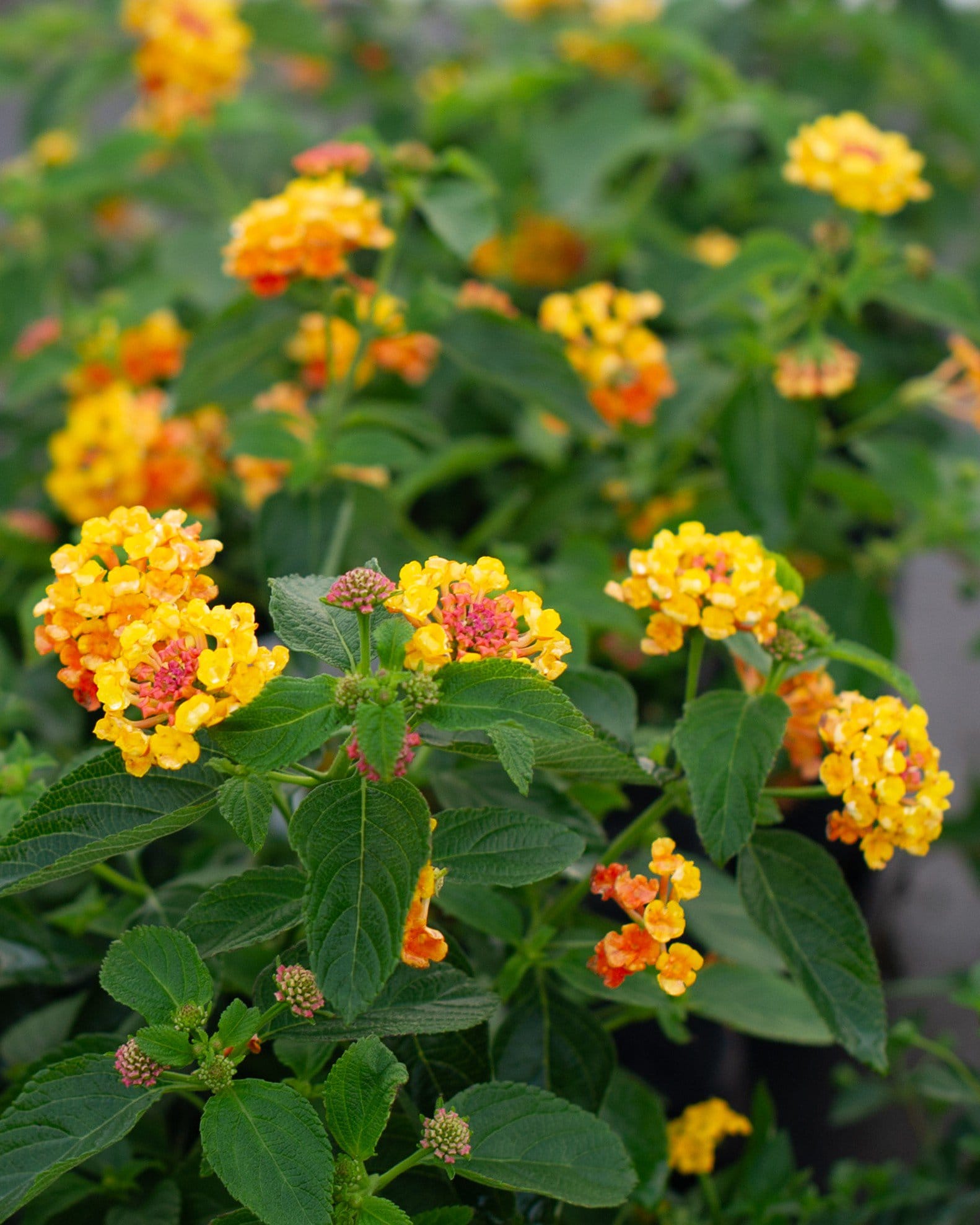
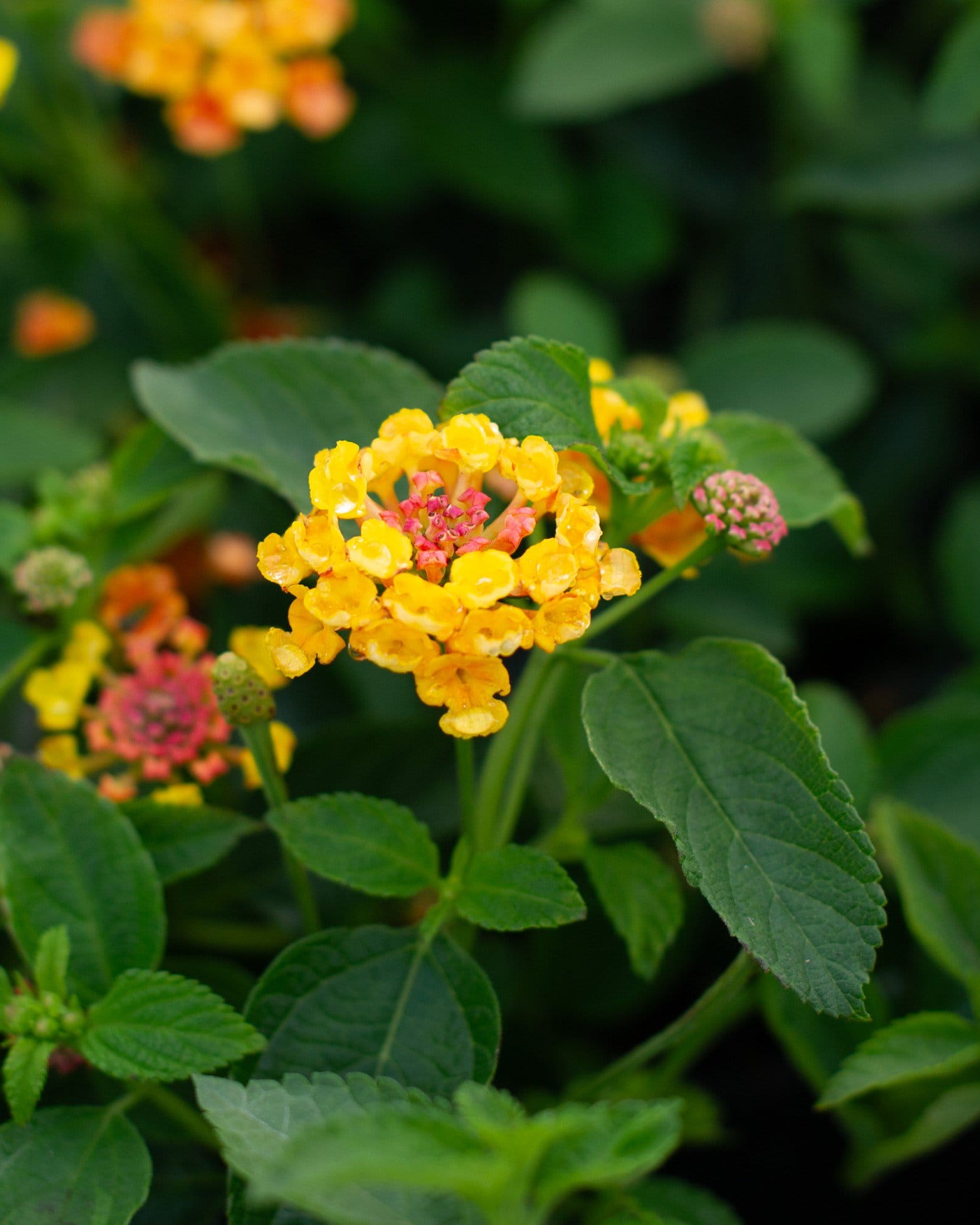
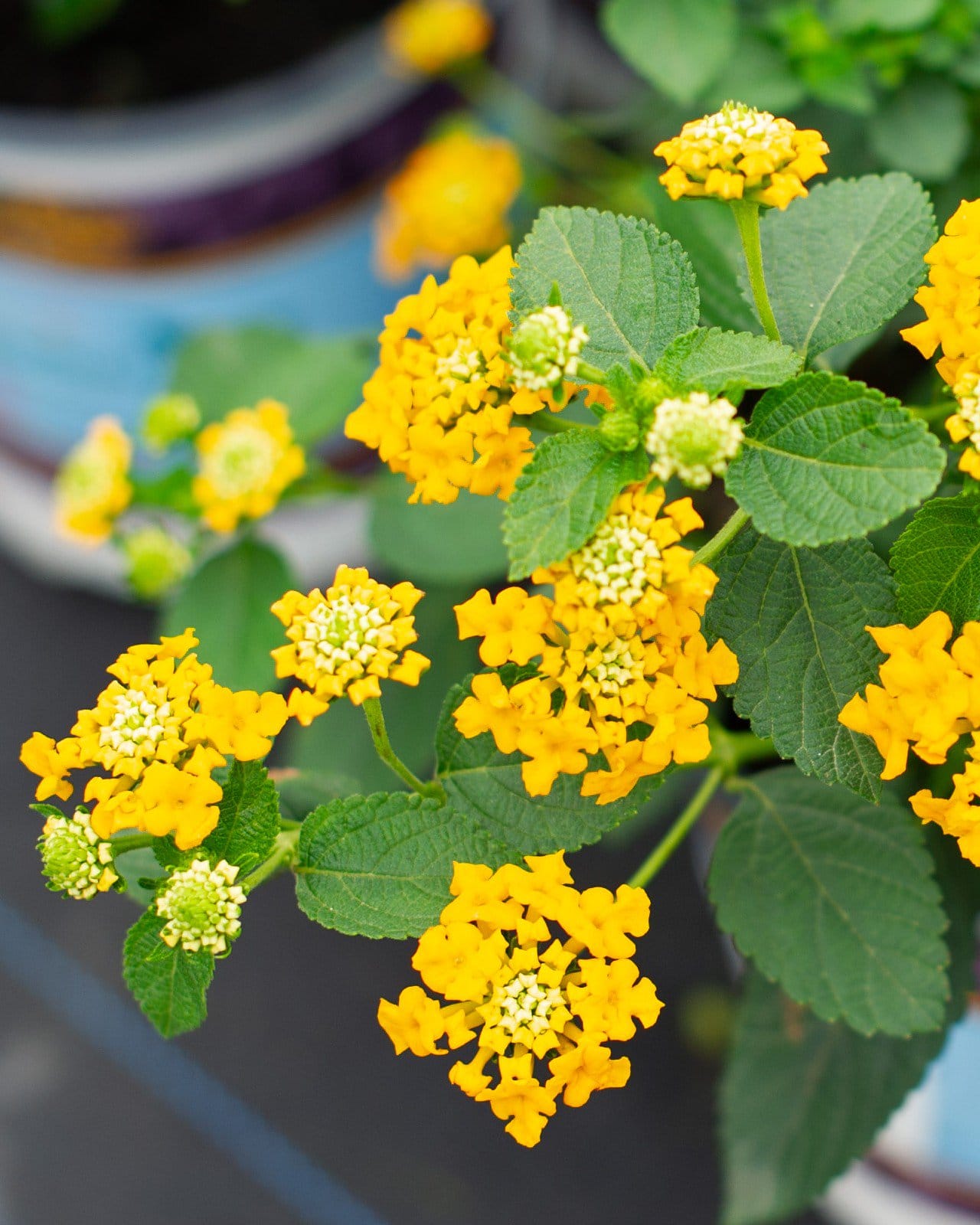
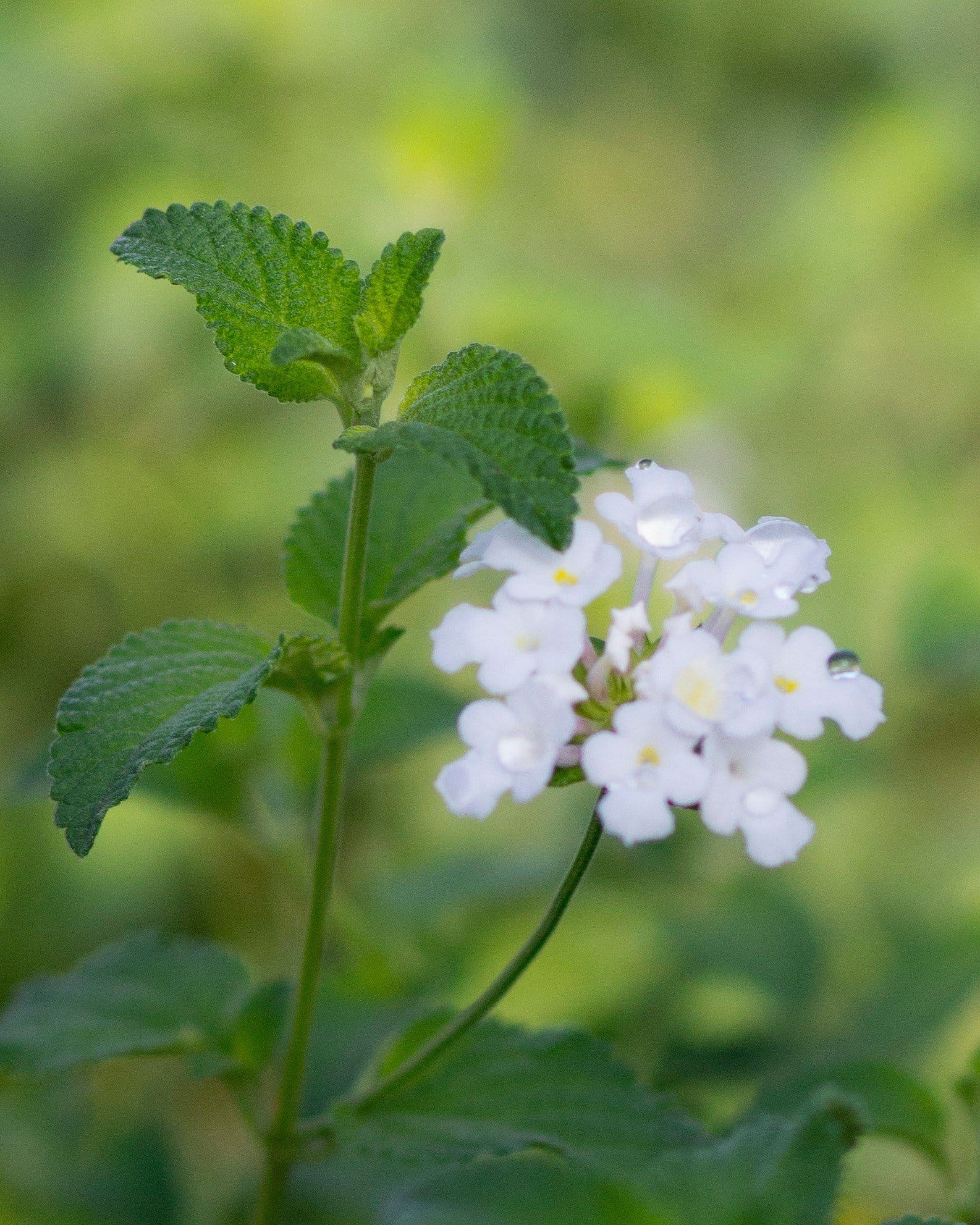
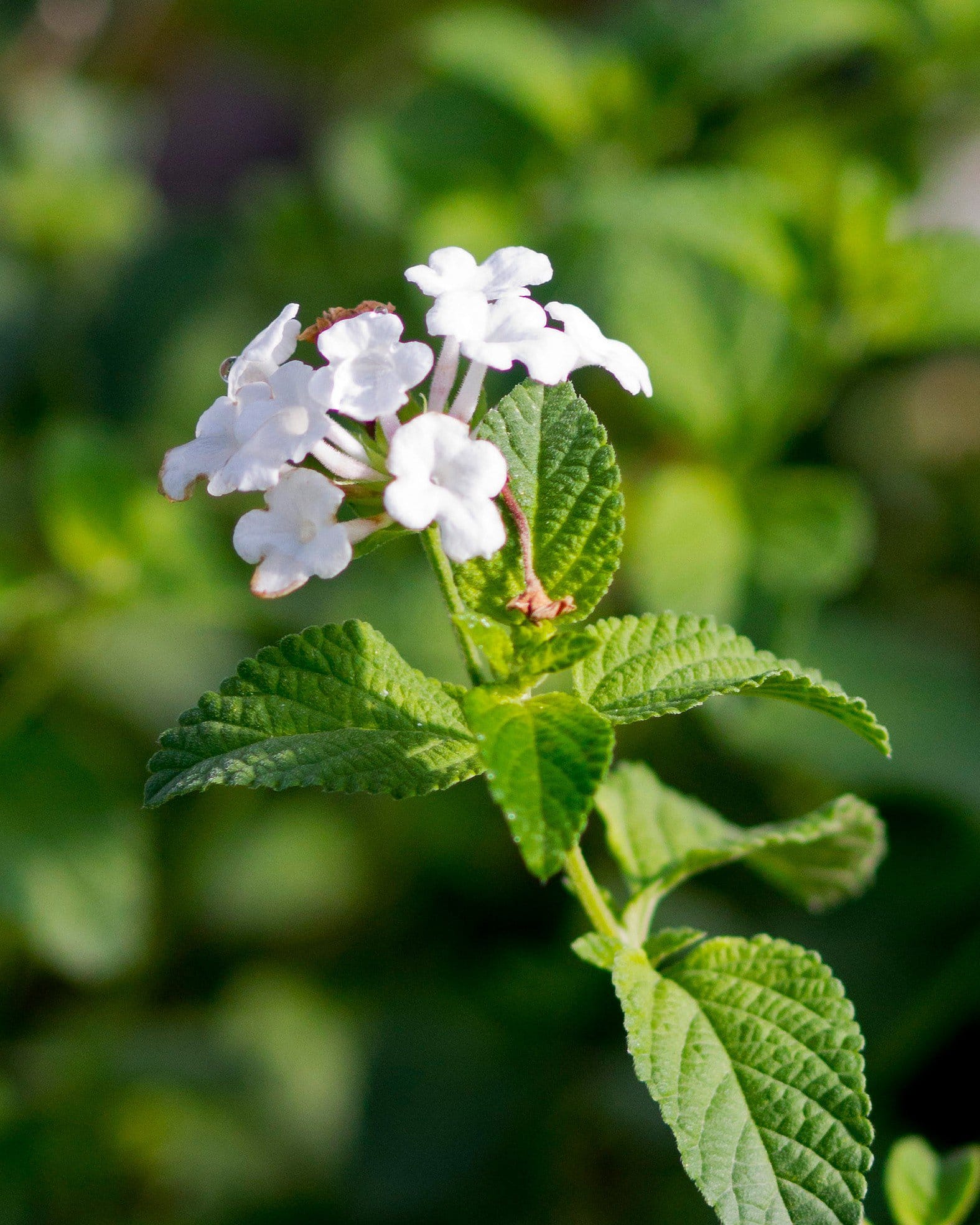
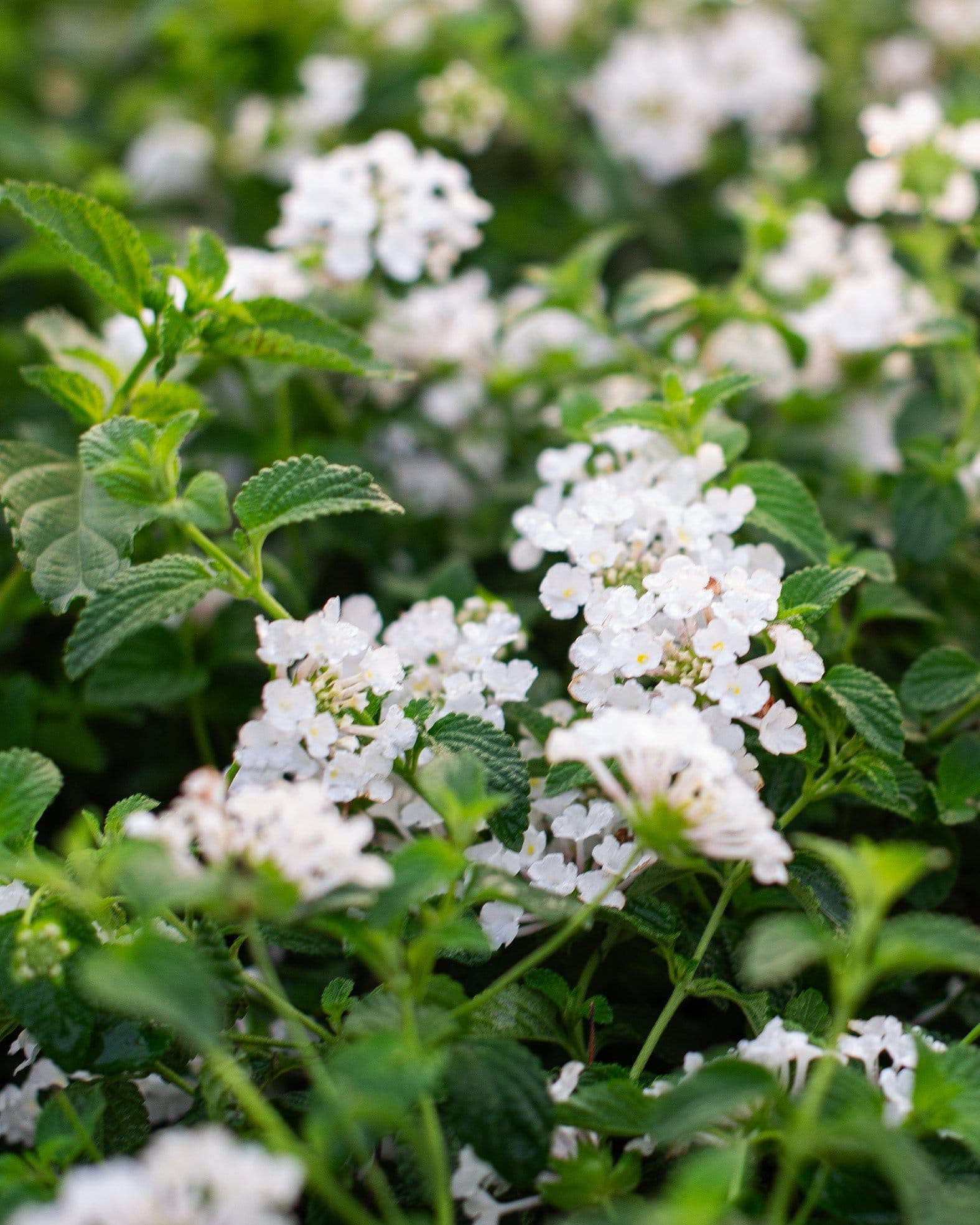
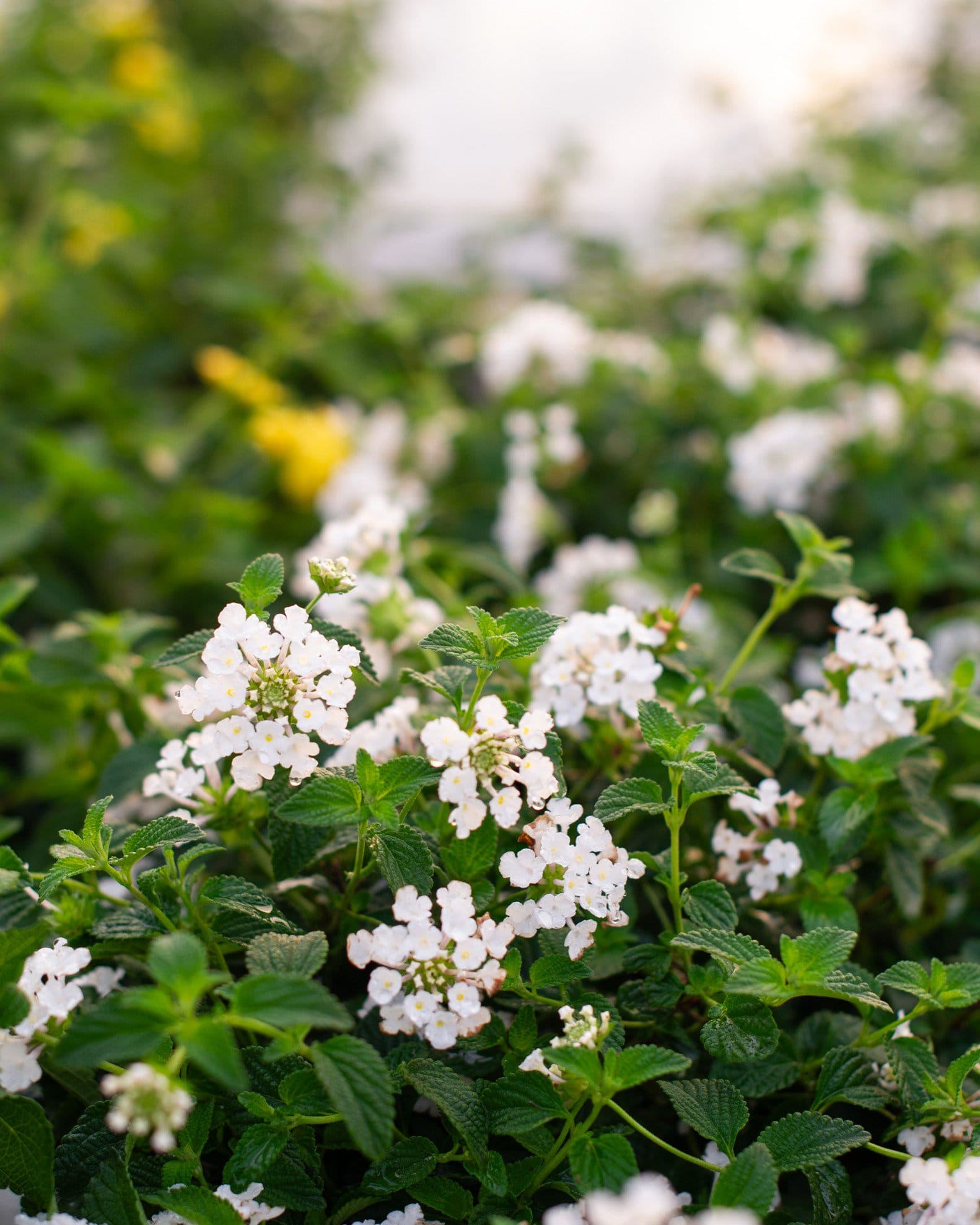
Lantana camara 'Baluclav'Lucky Lavender Lantana is a stunning perennial forming a compact mound of attractive foliage. Clusters of flowers in shades of pink and yellow emerge in spring and bloom through fall, adding charm to wherever it's planted. Ideal for borders, containers, and flower beds, this plant reaches up to 1 foot in height and the same size in width at maturity.
- A herbaceous perennial
- Compact, mounded growth habit
- Fast growth rate
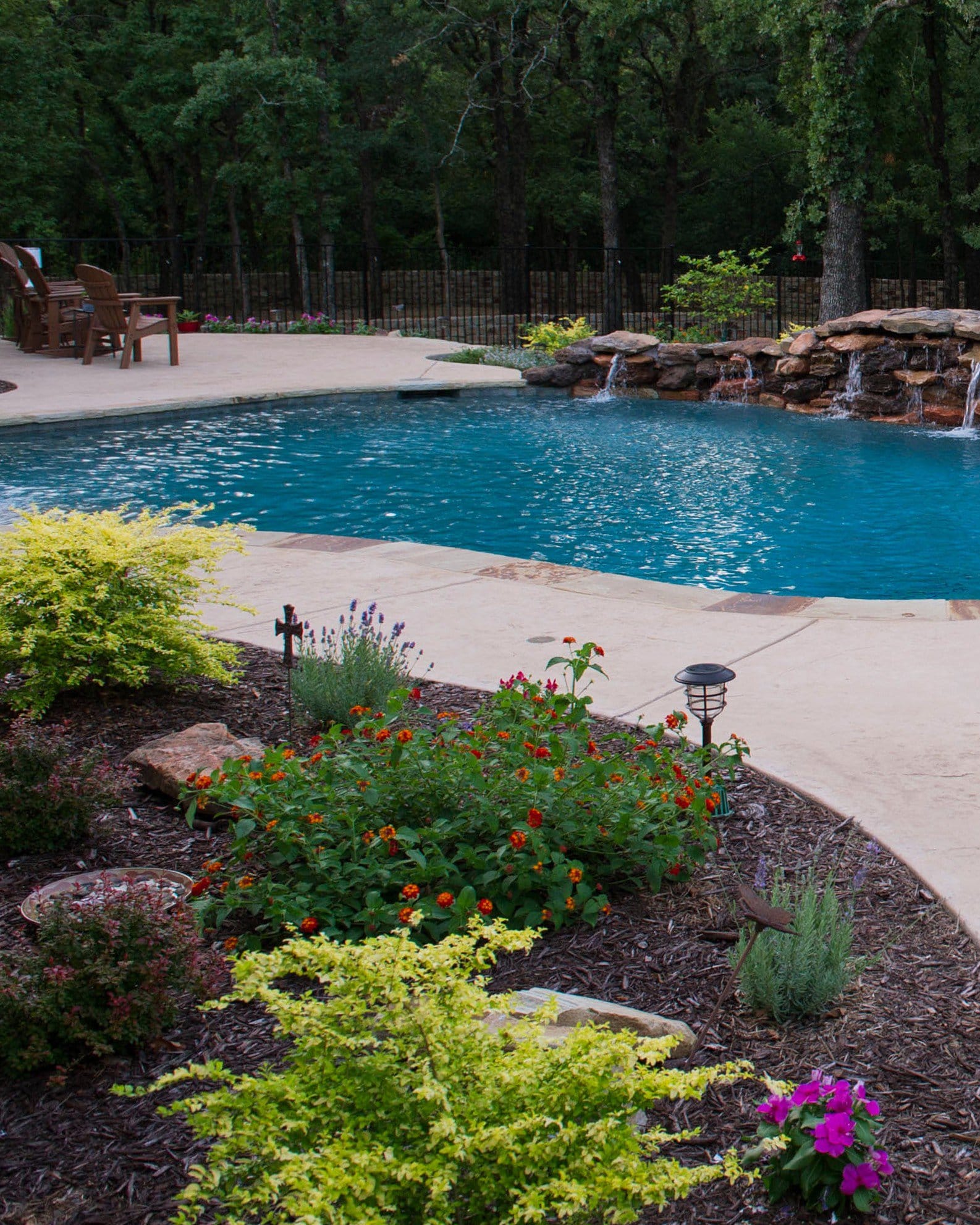
- Excellent for borders, edges, and flower beds
- Pink and yellow flowers blooming from spring to fall
Hardy in zones 10-11, this gorgeous perennial can be grown as an annual in your North Texas landscape. It thrives in full sun, requiring at least 6-8 hours of direct sunlight daily. Tolerant of various soil types, but prefers well-drained soil that is slightly acidic to neutral. With a bit of care, Lucky Lavender Lantana will enrich your landscape, whether it's planted in borders, containers, or in flower beds.
Maintenance
Lucky Lavender Lantana is a vibrant, heat-tolerant shrub that provides long-lasting color with minimal care, making it ideal for sunny landscapes, pollinator gardens, and container plantings.
- Watering: Water regularly during the first growing season to establish a strong, deep root system. Once mature, Lucky Lavender Lantana is drought-tolerant but benefits from occasional deep watering during prolonged dry periods to maintain lush foliage and prolific blooms.
- Pruning: Lightly prune in late winter or early spring to maintain a compact, rounded shape and encourage vigorous new growth. Deadheading spent flowers stimulates additional blooms throughout the season and prevents the plant from becoming leggy.
- Fertilizing: Feed in early spring with a balanced, slow-release fertilizer to promote strong growth and extended flowering. A light midseason feeding after the first bloom flush can also encourage a second round of flowers. Avoid over-fertilizing, which may result in excessive foliage growth at the expense of flower production.
- Mulching: Apply a 1-2 inch layer of mulch around the base to retain moisture, moderate soil temperature, and suppress weeds. Keep mulch a few inches away from the crown to prevent rot or fungal issues. Refresh the mulch annually or after heavy rains for best results.
- Winter Care: In colder zones, provide light frost protection, as prolonged freezes can damage stems. Container-grown plants may require moving indoors or covering during cold snaps.
Common Issues and How to Take Care of Them
- Aphids and Whiteflies: Small sap-sucking insects may appear on foliage and flower clusters, causing distorted growth. Spray with water to dislodge pests, use insecticidal soap, or encourage beneficial predators like ladybugs and lacewings.
- Powdery Mildew: White, powdery coating on leaves can develop in humid or crowded conditions. Improve airflow, avoid wetting foliage when watering, and apply fungicide if needed. Pruning to open the canopy reduces the likelihood of fungal infections.
- Root Rot: Typically caused by poorly drained soil or overwatering. Plant in well-draining soil and avoid standing water near the root zone. Adding organic matter can improve soil structure and reduce the risk of rot.
- Leggy Growth: Older plants can become sparse at the base if not pruned regularly. Cutting back older stems encourages dense, bushy growth and increases overall flower production.
With proper care, Lucky Lavender Lantana provides vibrant, lavender-colored blooms for months, attracts pollinators like butterflies, bees, and hummingbirds, and remains low-maintenance in a variety of garden settings.
It grows at a moderate rate, typically 12-18 inches per year, forming a dense, bushy shrub that spreads 3-4 feet wide.
Spring or early fall is ideal, allowing roots to establish before summer heat or winter cold. Planting during these seasons reduces transplant shock and promotes vigorous initial growth.
Water deeply once or twice per week during dry spells. Once established, Lucky Lavender Lantana is moderately drought-tolerant but blooms best with consistent moisture.
Yes, deer generally avoid it due to its aromatic foliage and slightly bitter taste.
Absolutely. Lucky Lavender Lantana thrives in large pots with well-draining soil, making it perfect for patios, decks, or balcony gardens.
Yes, the fragrant lavender flowers attract butterflies, bees, and hummingbirds, making it an excellent addition to pollinator-friendly gardens.
Yes, it tolerates hot, sunny conditions exceptionally well. With proper spacing and airflow, it can manage humid climates without significant fungal problems.
With proper care, Lucky Lavender Lantana can live 3-5 years as a perennial in warmer climates and may continue blooming annually with occasional replanting or division.
Yes, its dense branching habit makes it suitable for informal hedges, borders, or mass plantings.
Yes, once established, it is highly drought-tolerant and can survive extended dry periods.
Special Features
You might also like
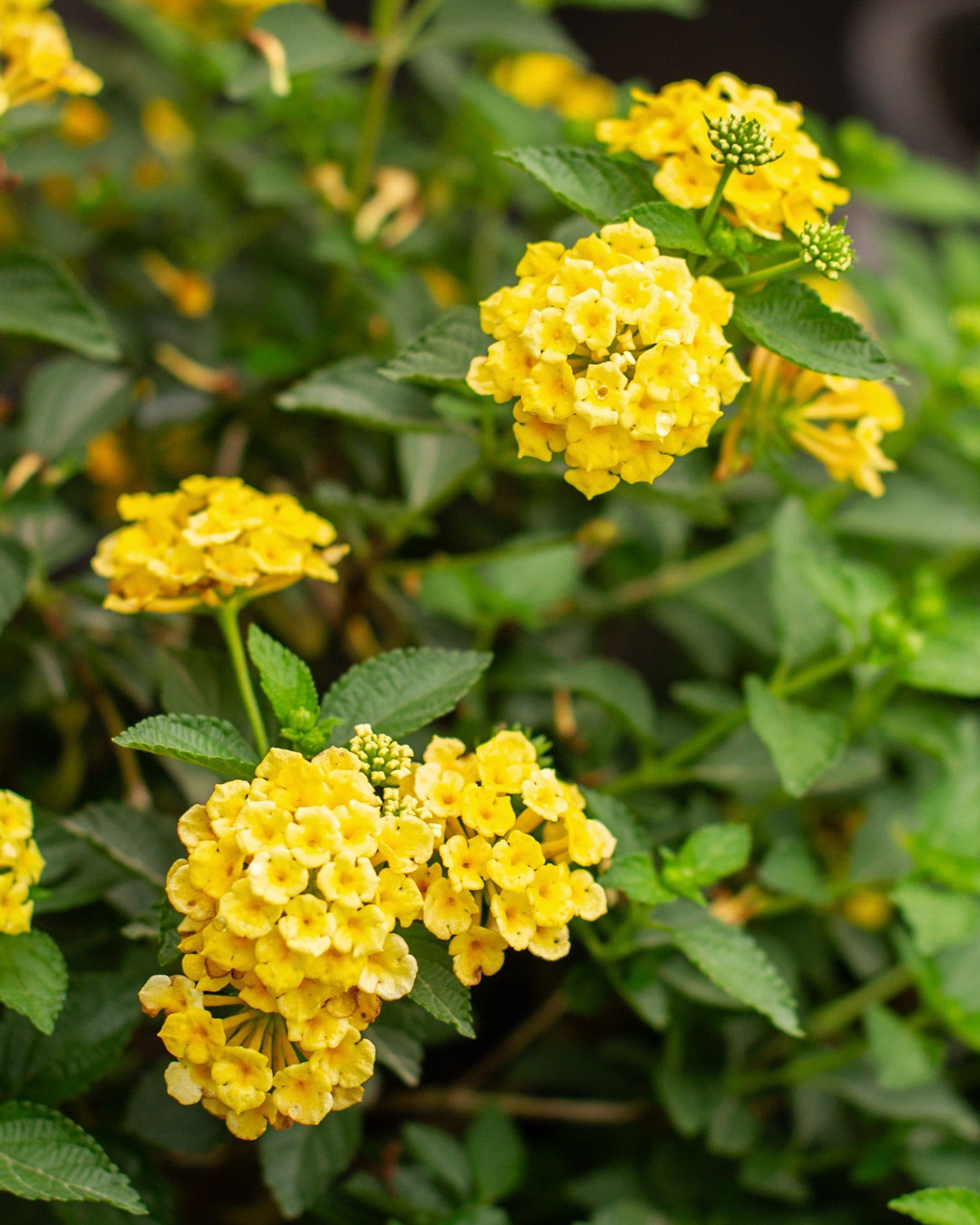
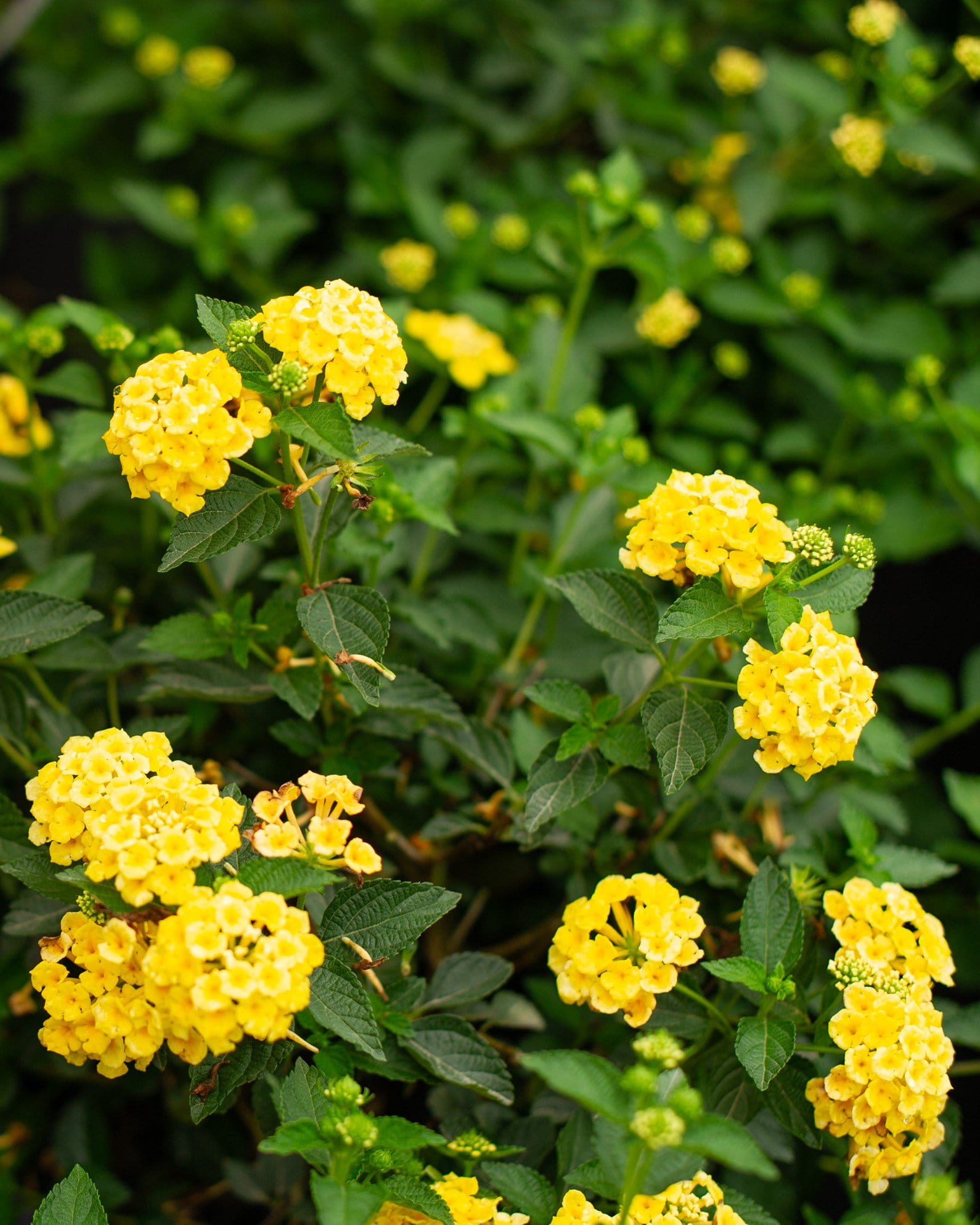
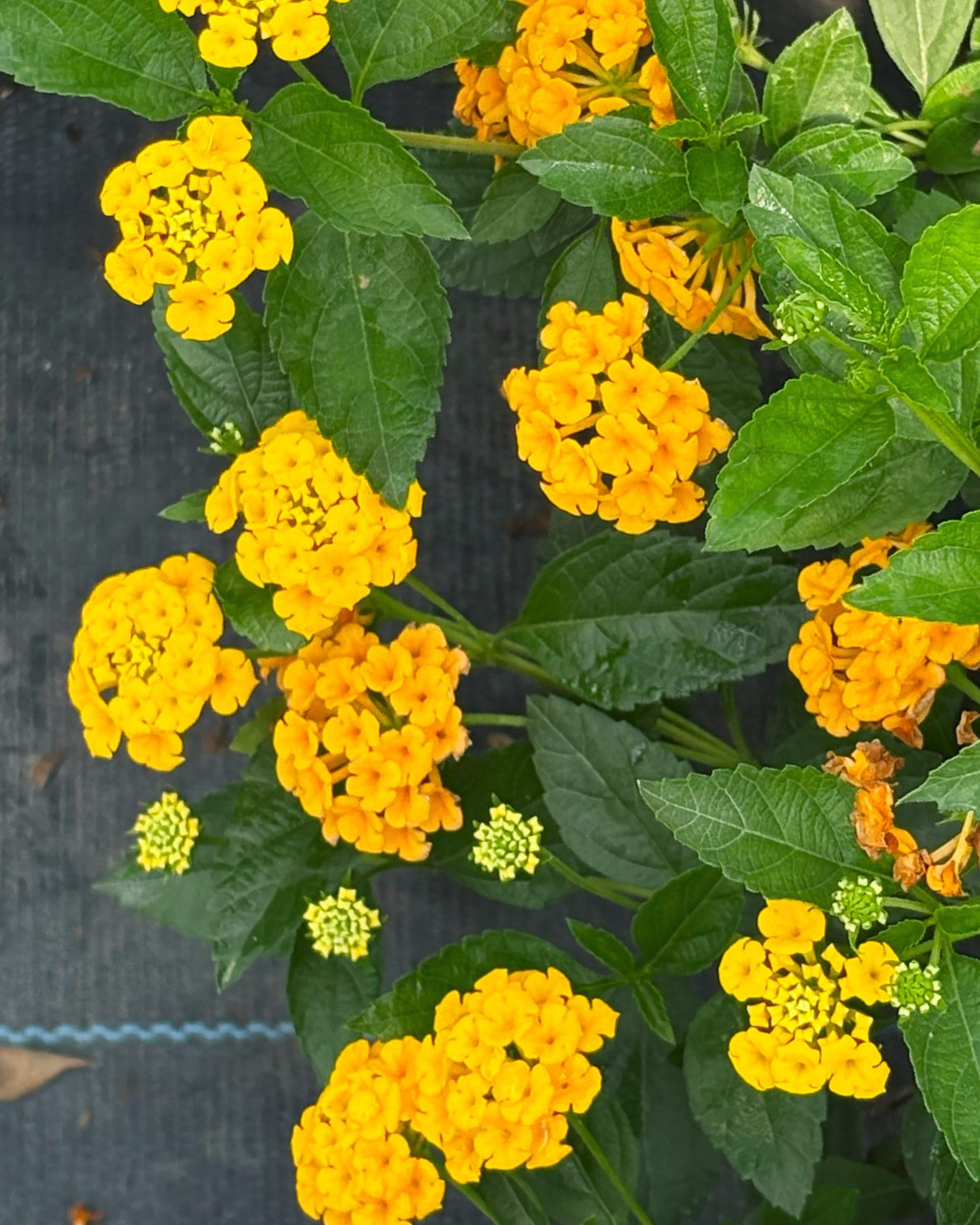
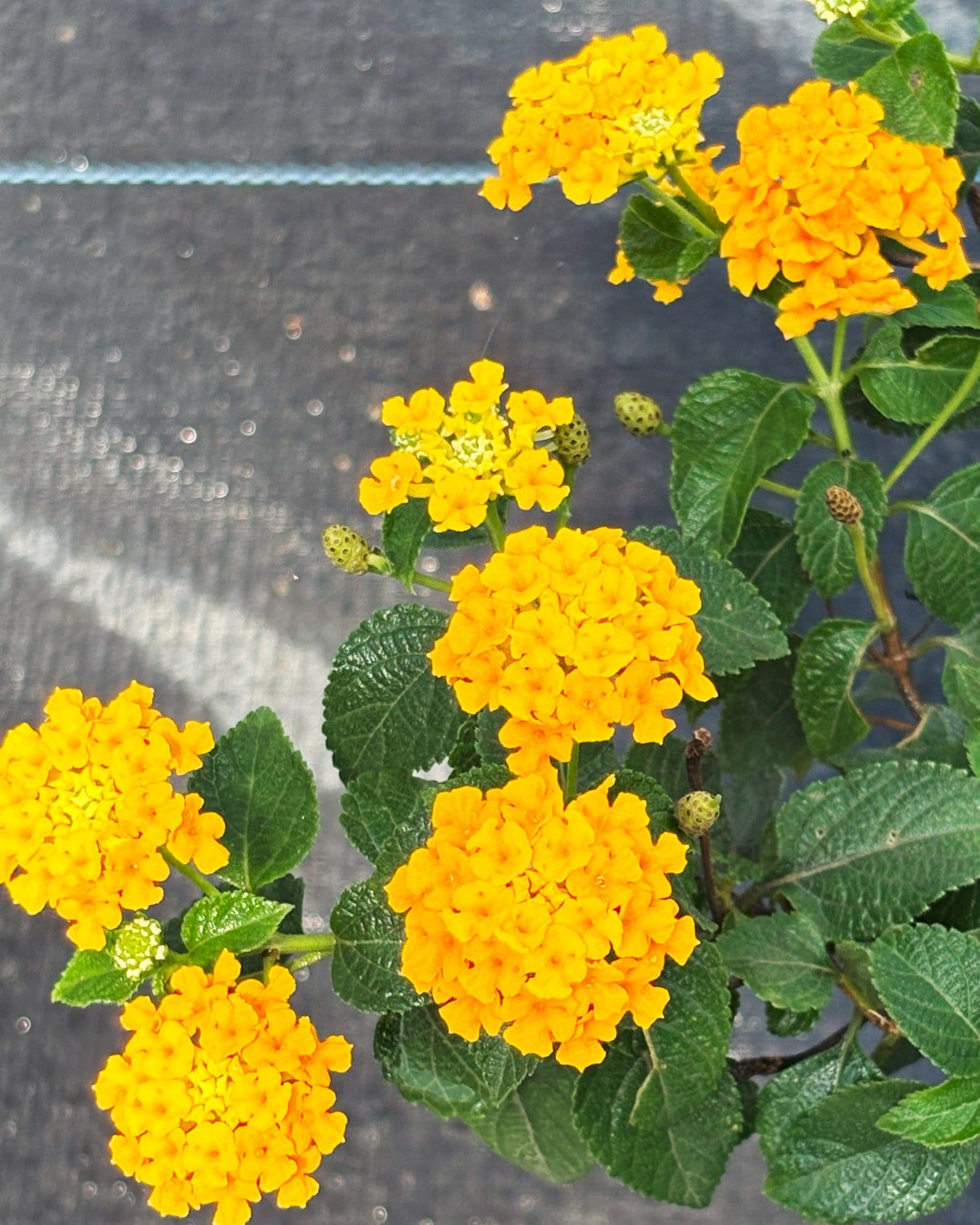
Chapel Hill Yellow Lantana
Maturity: 1.5' H x 2' W
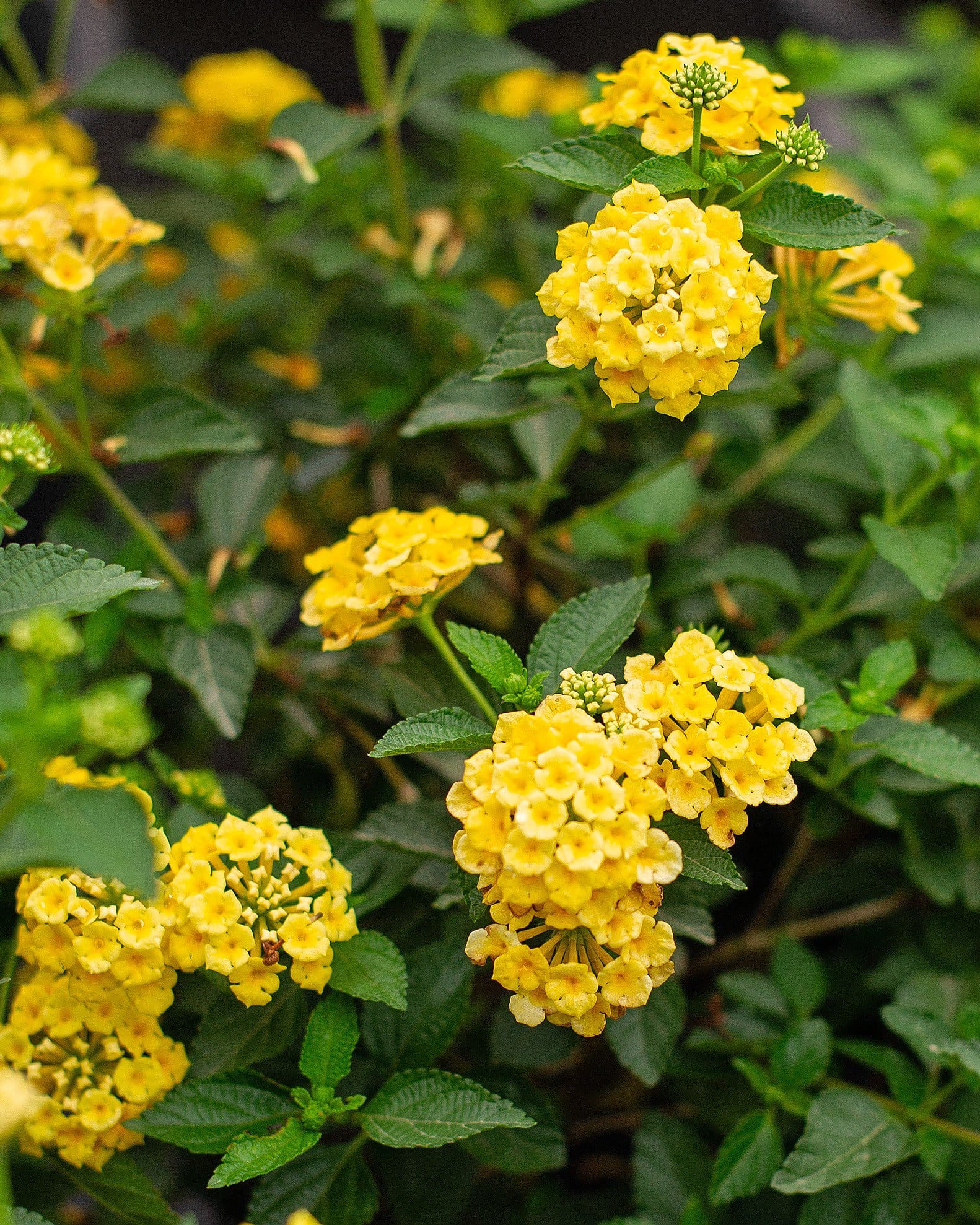
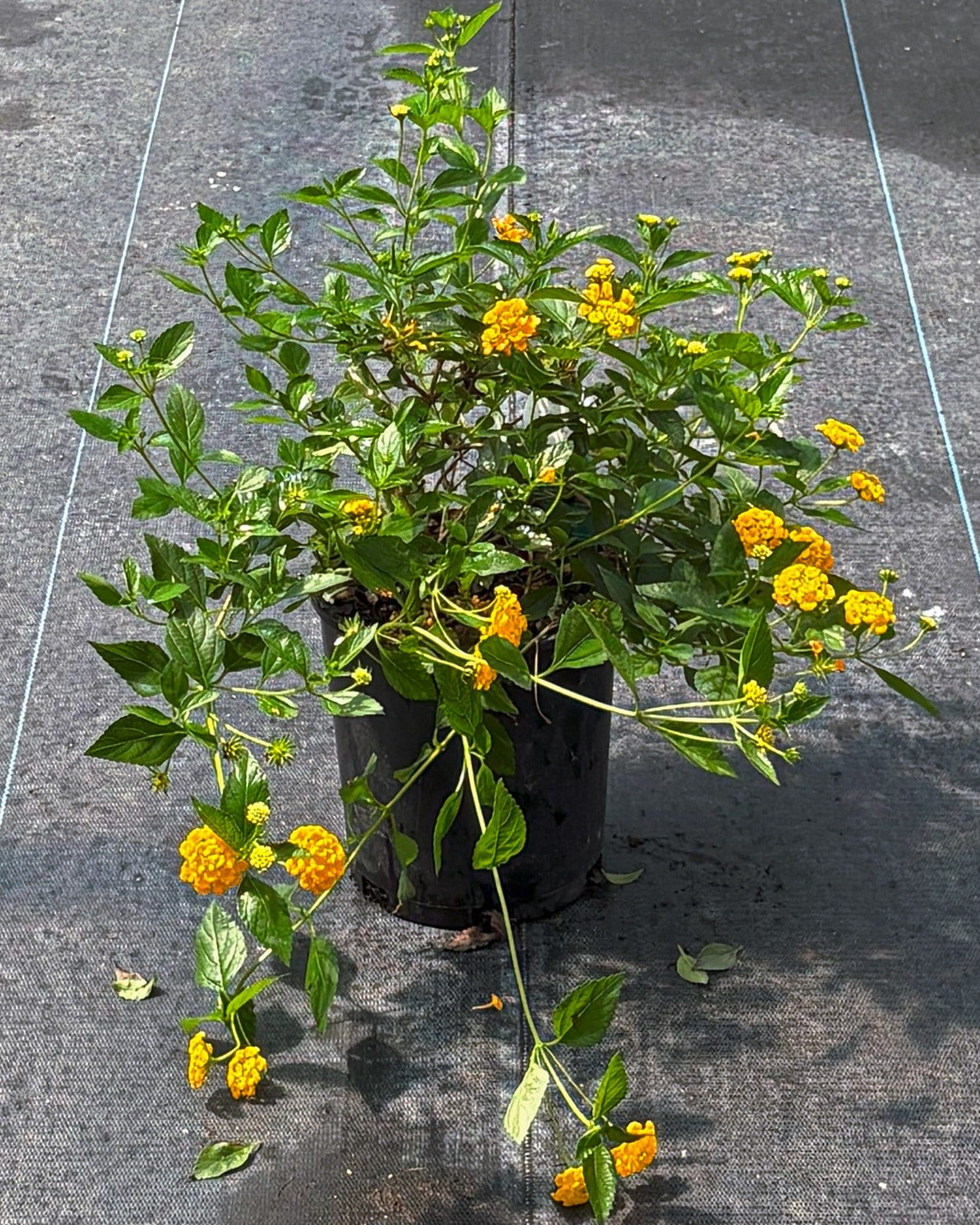
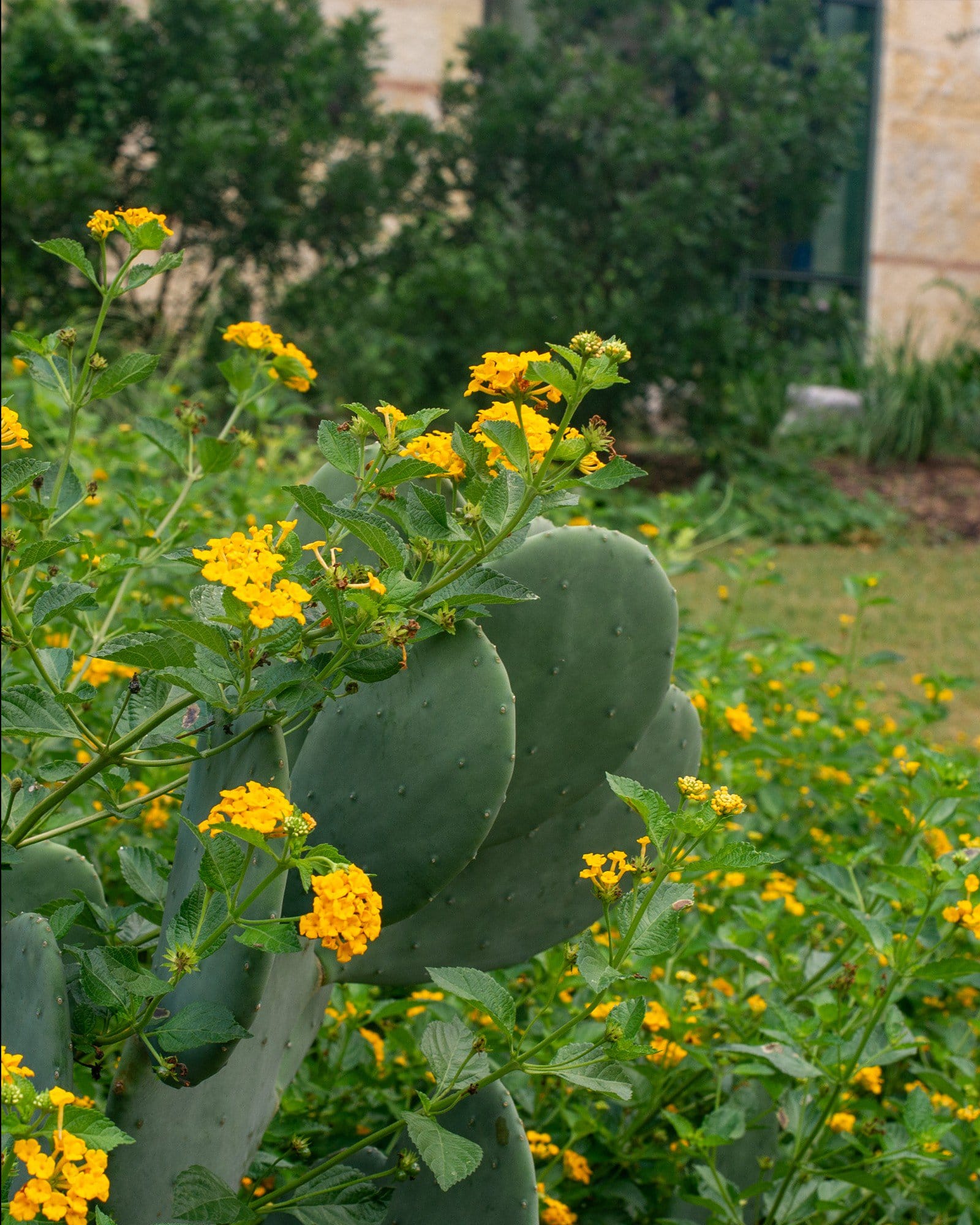
New Gold Lantana
Maturity: 1' H x 2' W
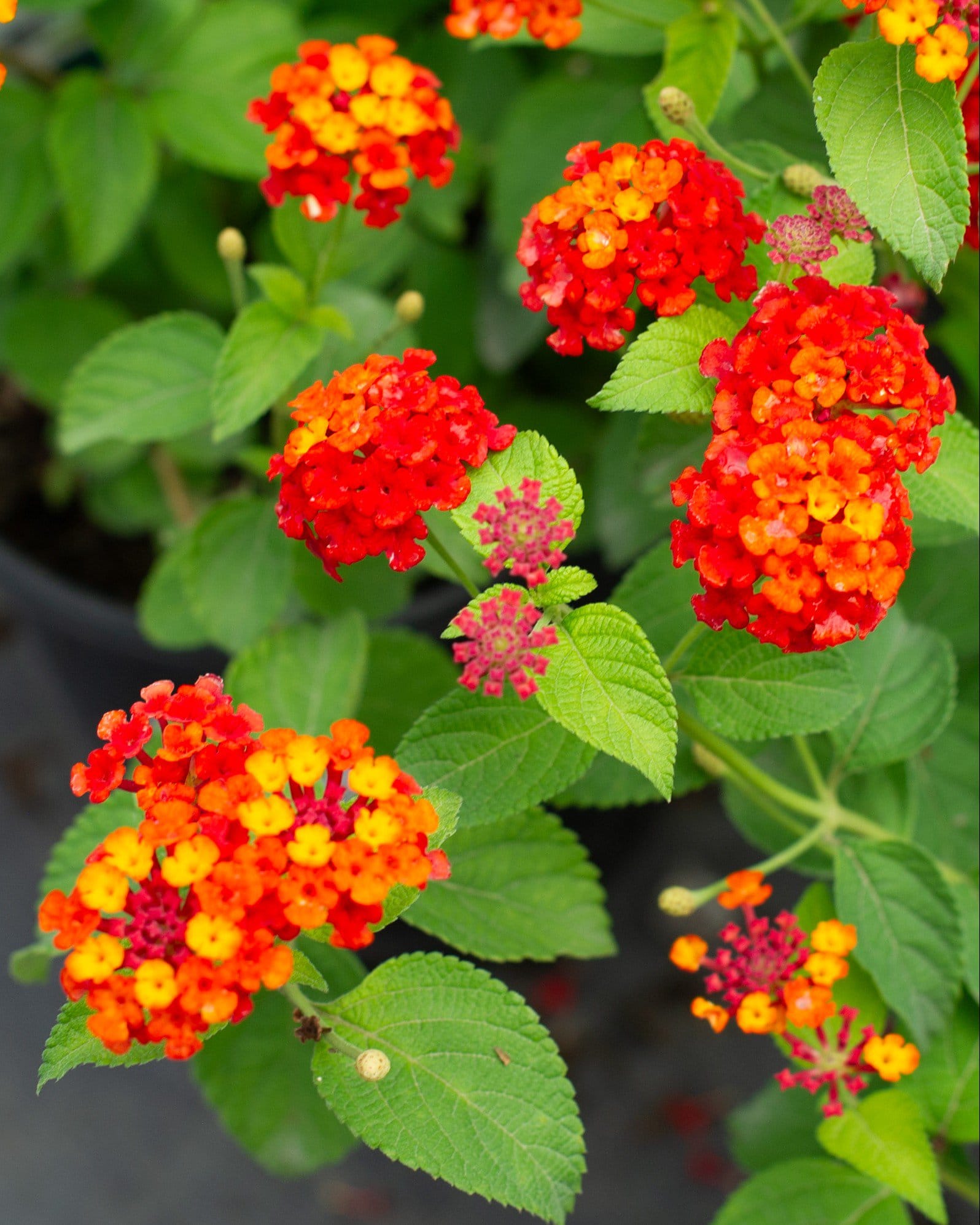
Dallas Red Lantana
Maturity: 3' H x 3' W
Purple Trailing Lantana
Maturity: 1' H x 4' W
Bandana Cherry Sunrise Lantana
Maturity: 1.5' H x 1.5' W
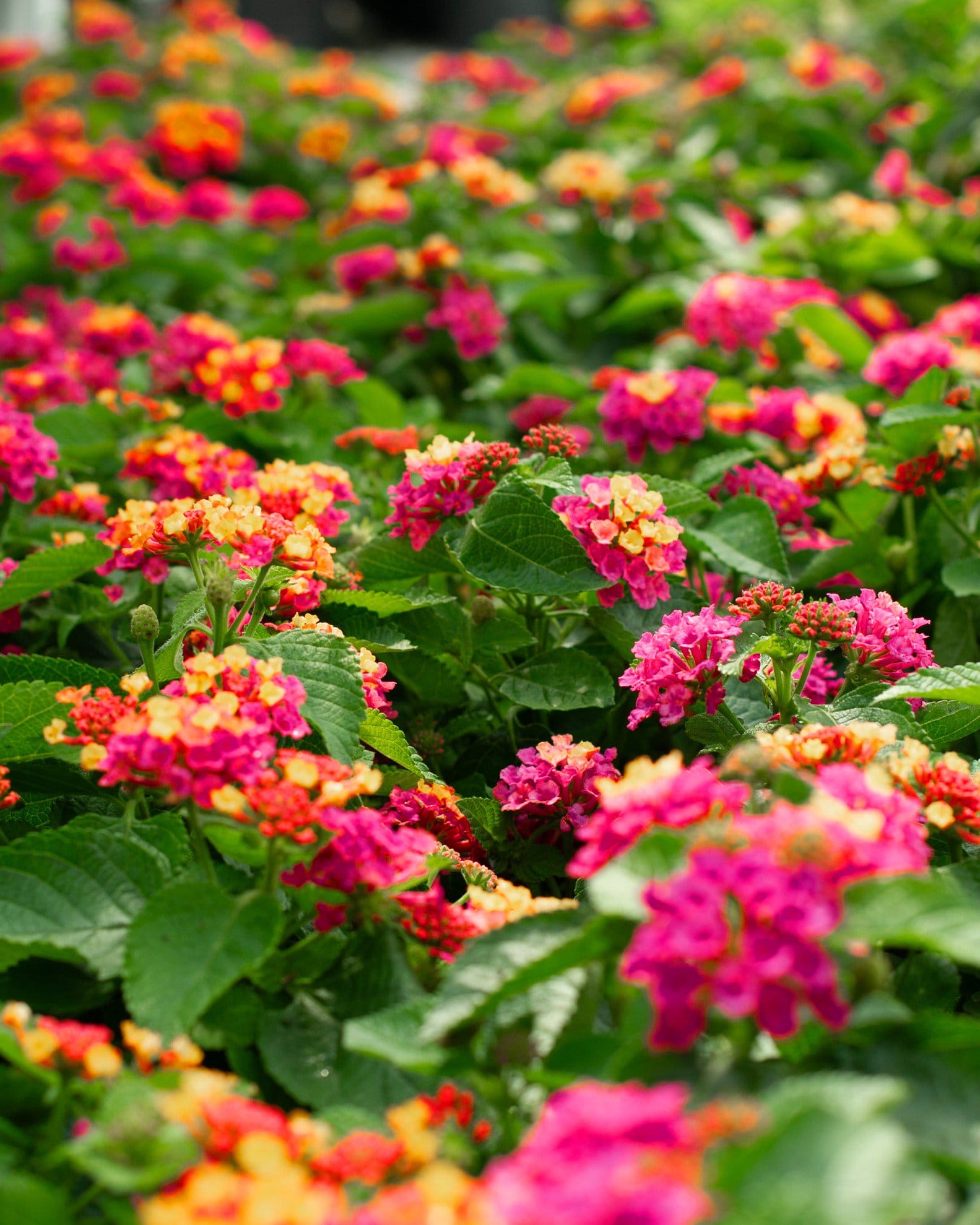
Chapel Hill Pink Huff Lantana
Maturity: 2' H x 3' W
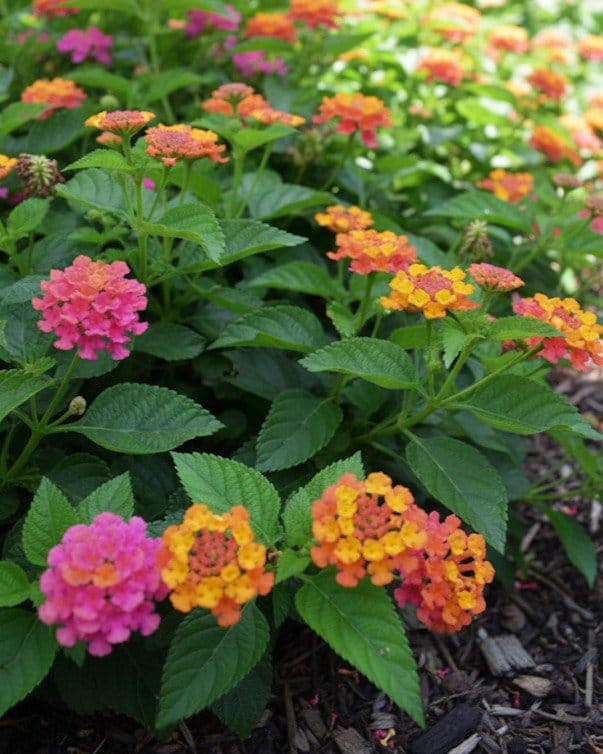
Havana Sunset Lantana
Maturity: 3' H x 3' W
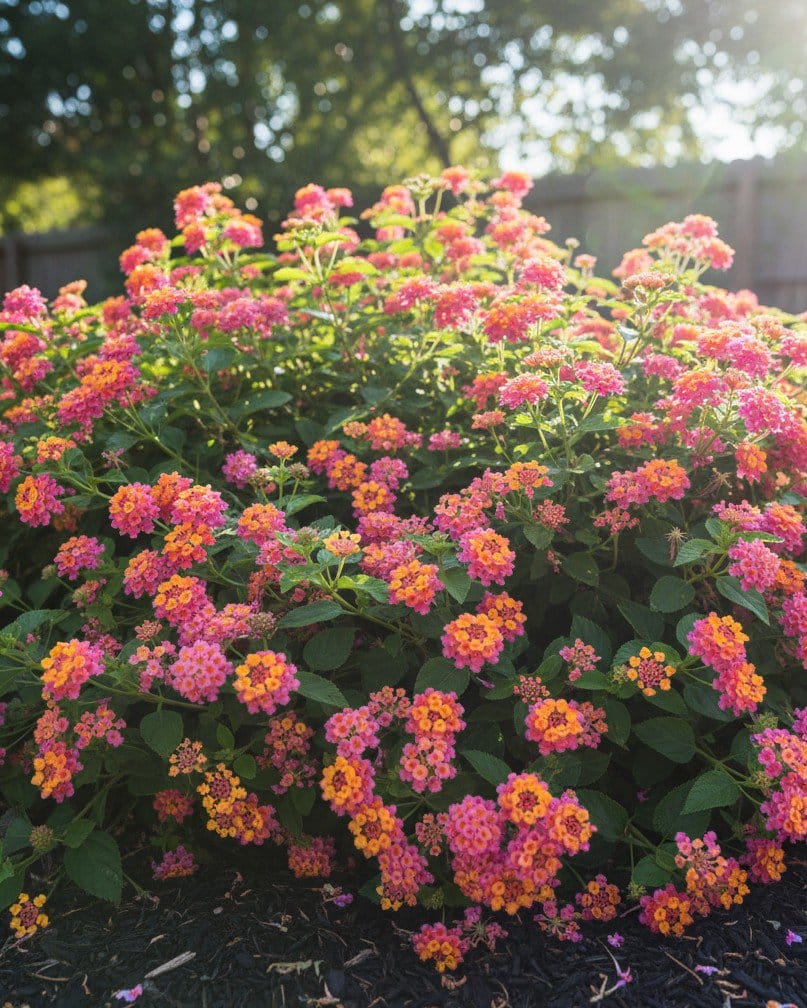
Irene Lantana
Maturity: 3' H x 3' W
Shamrock Rose Gold Lantana
Maturity: 1' H x 1' W
Hot Blooded Lantana
Maturity: 1.5' H x 1.5' W
Landmark Citrus Lantana
Maturity: 1.5' H x 1.5' W
Lucky Pot of Gold Lantana
Maturity: 1' H x 1' W
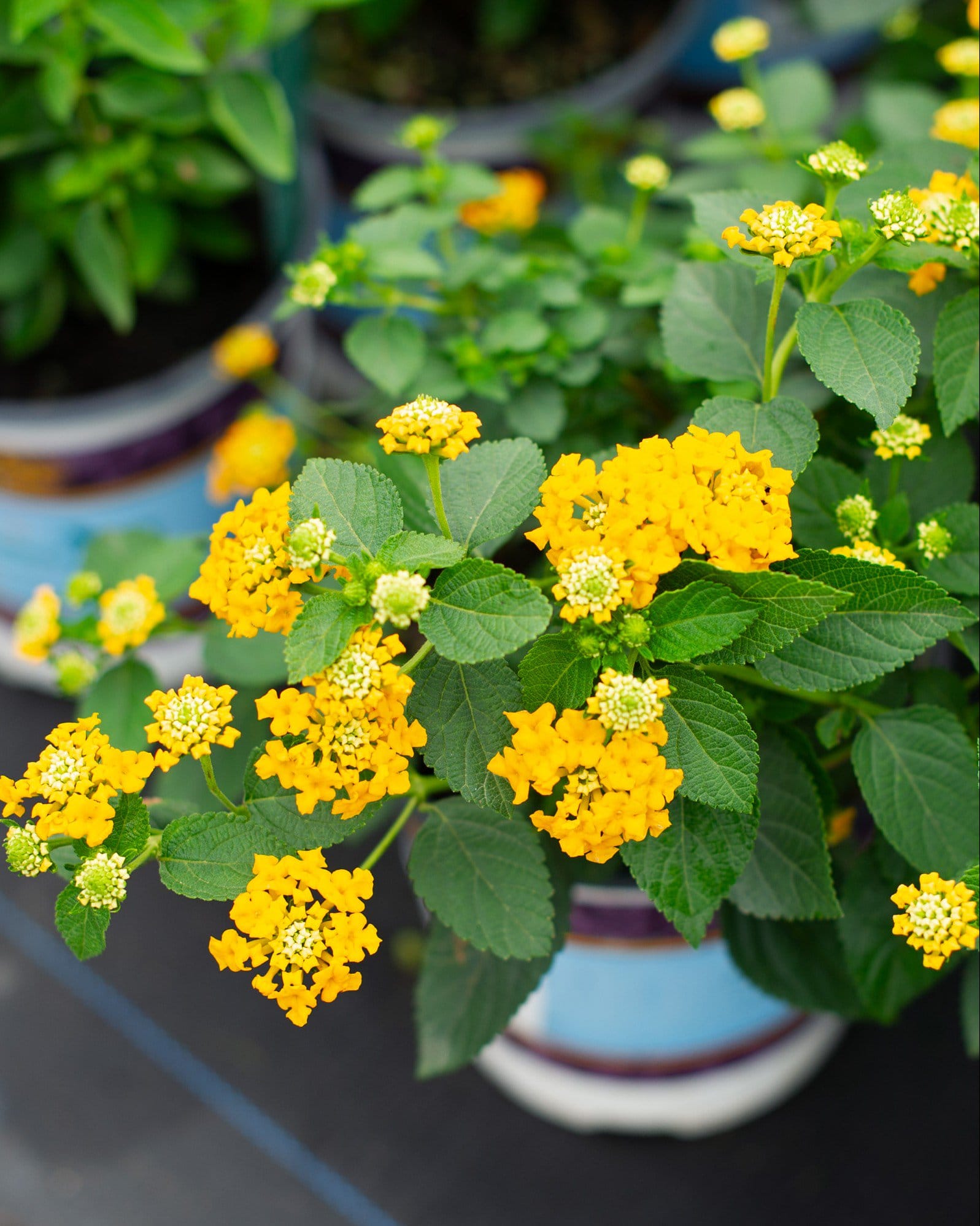
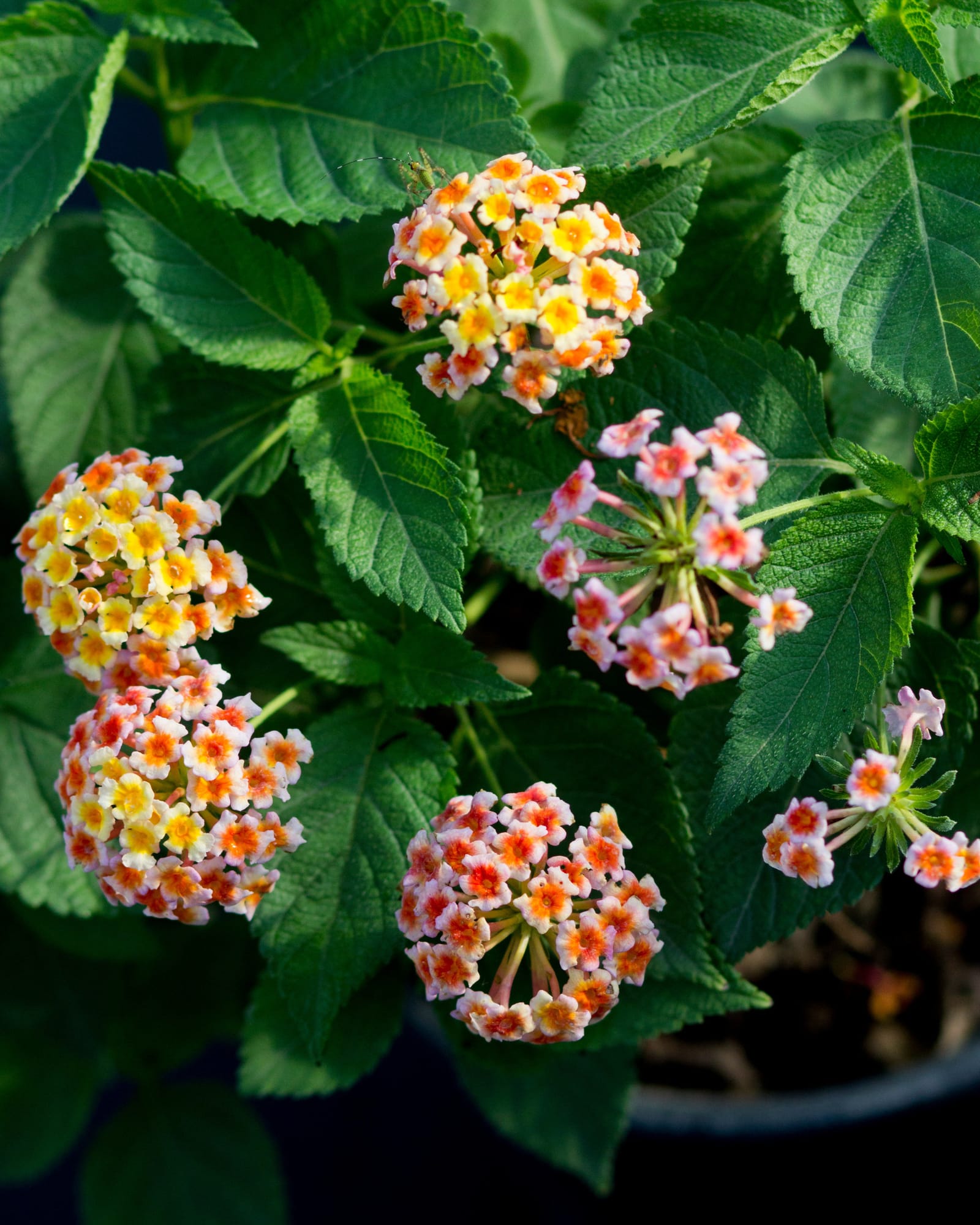
Shamrock Peach Lantana
Maturity: 1' H x 1' W
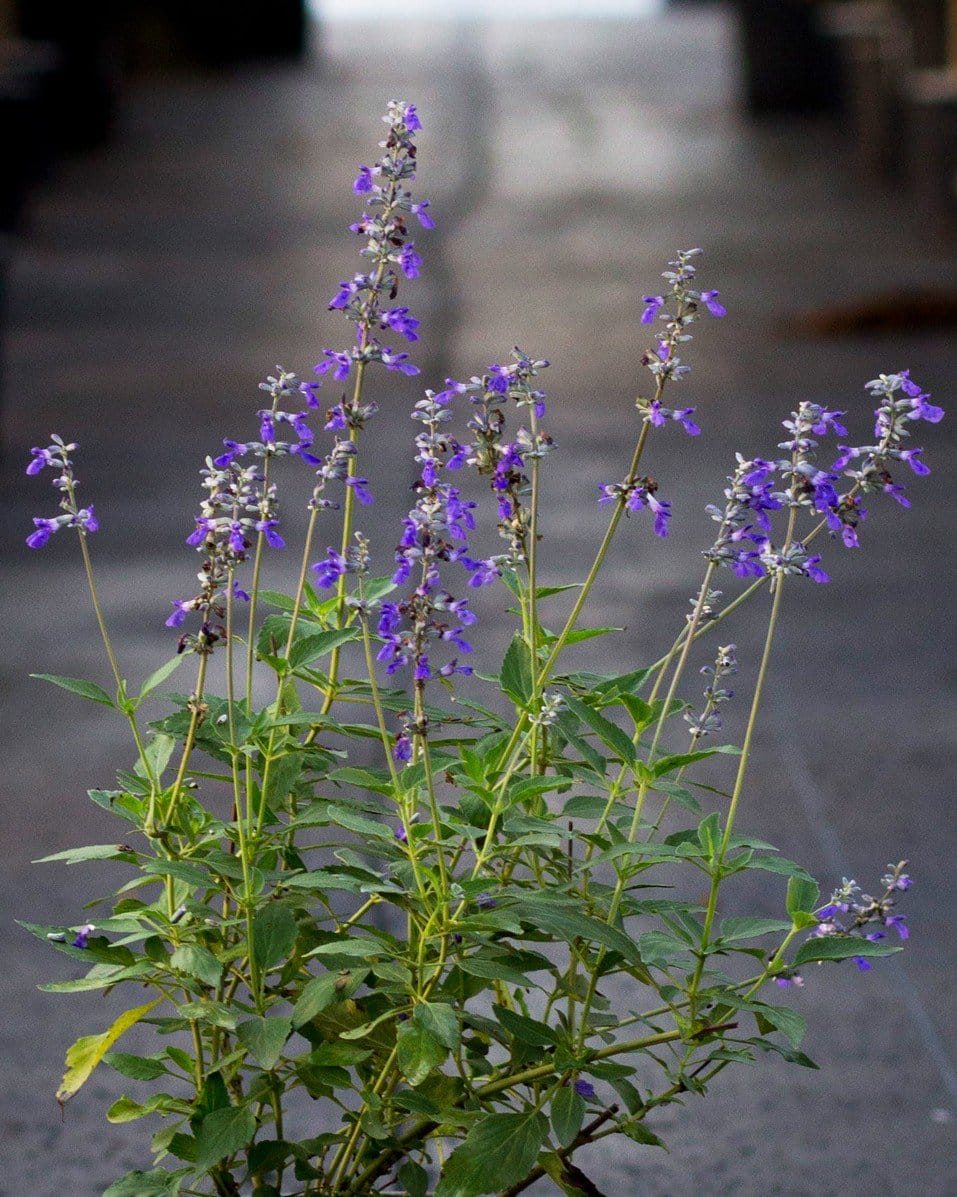
Henry Duelberg Salvia
Maturity: 3' H x 3' W
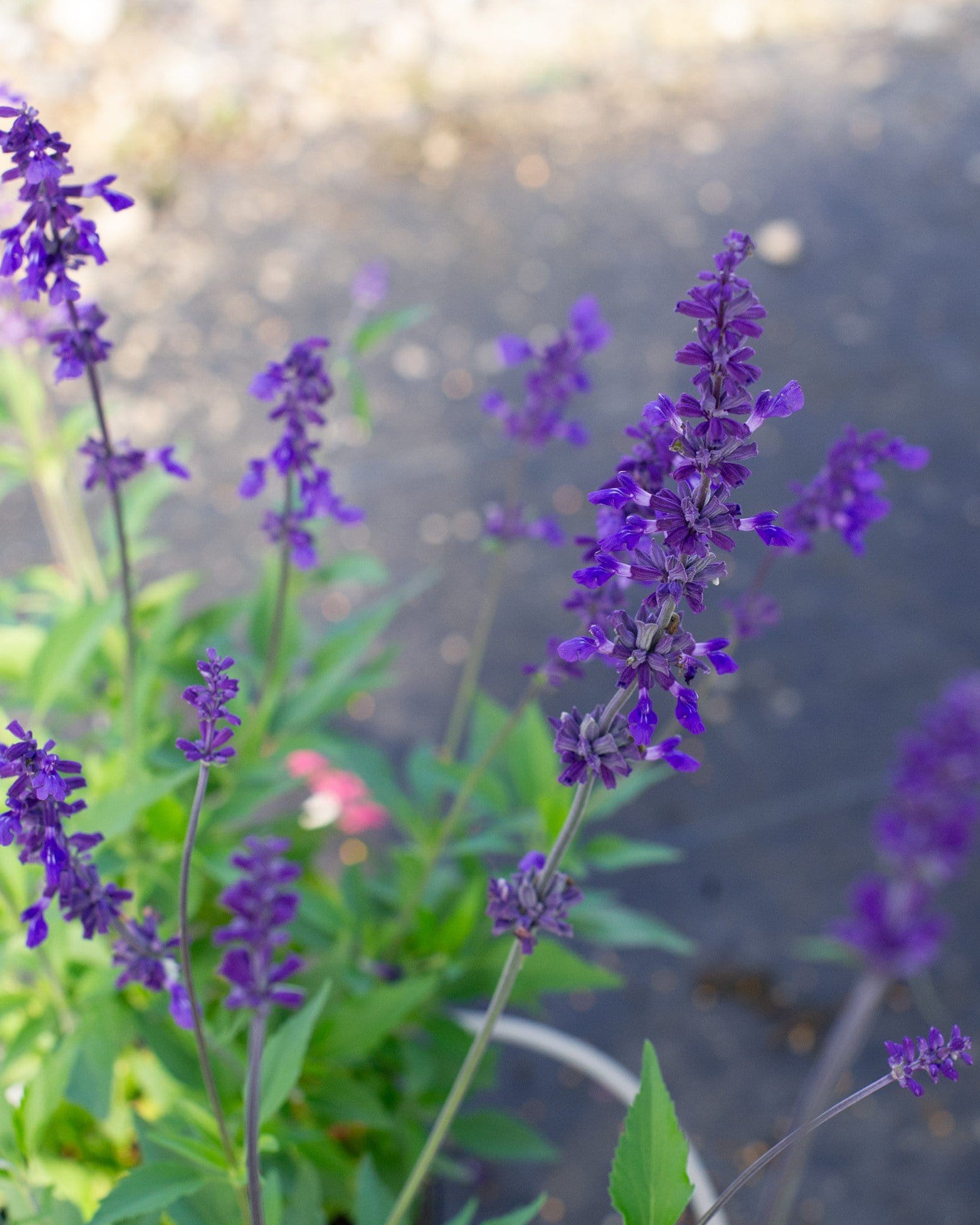
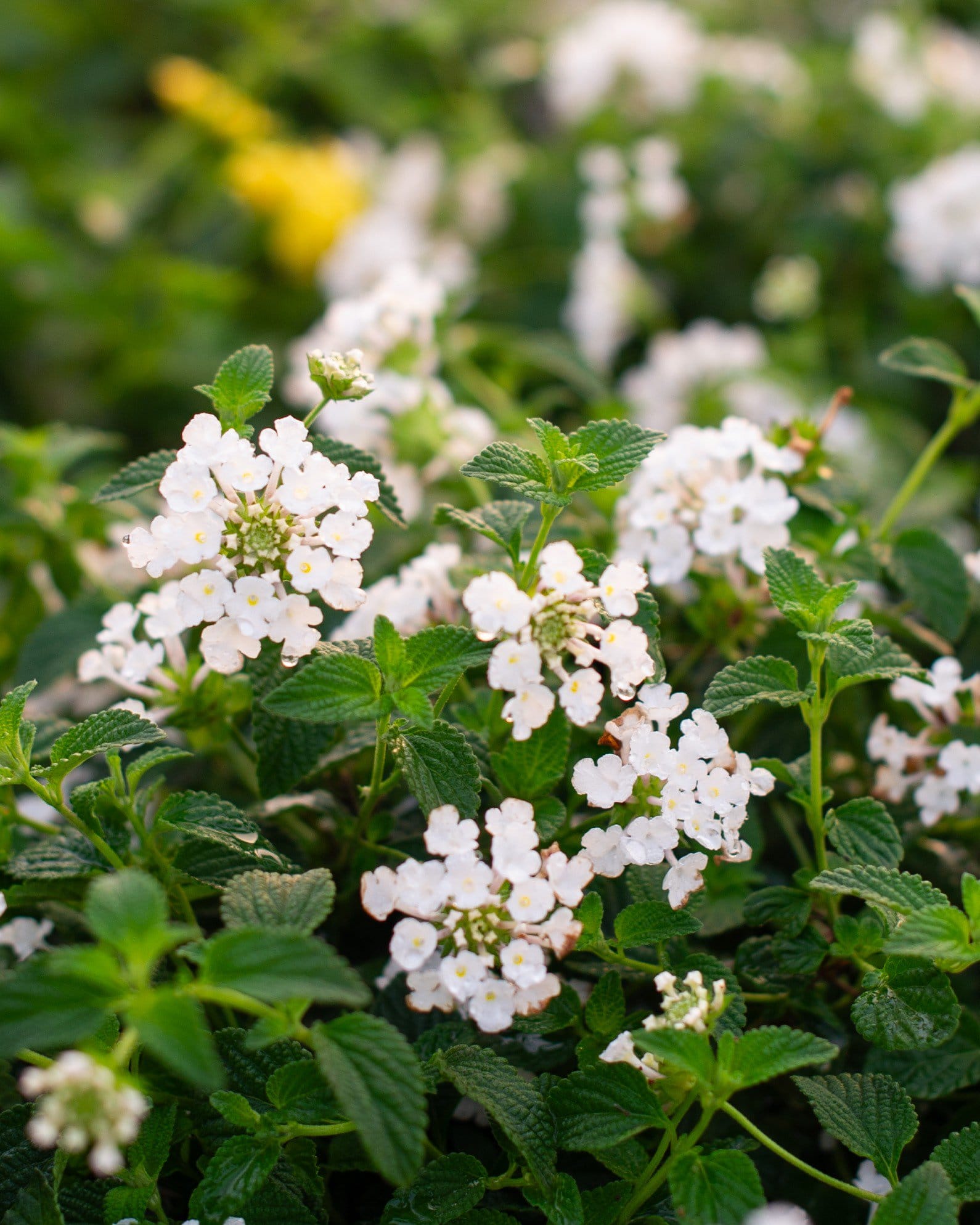
White Trailing Lantana
Maturity: 1' H x 3' W
Compare Similar Plants
Lucky Lavender Lantana This plant | ||
|---|---|---|
| Scientific Name | Lantana camara 'Baluclav' | Lantana camara ‘Chapel Hill Yellow’ |
| Size at Maturity | 1' H x 1' W | 1.5' H x 2' W |
| Leaf Retention | Herbaceous | Herbaceous |
| Flower Color | Pink & Yellow | Yellow |
| Bloom Times | Spring, Summer & Fall | Spring, Summer & Fall |
| Sizes Available | — | 1 gal |


Our 1-Year Planting Guarantee
We take pride in our plants and installation services. If any plants or trees installed by Treeland fail to thrive within the first year, we'll provide a replacement credit in accordance with our guarantee program.
Learn More About Our Guarantee