
Little Princess Spirea
Spiraea japonica 'Little Princess'Product Details
Little Princess Spirea
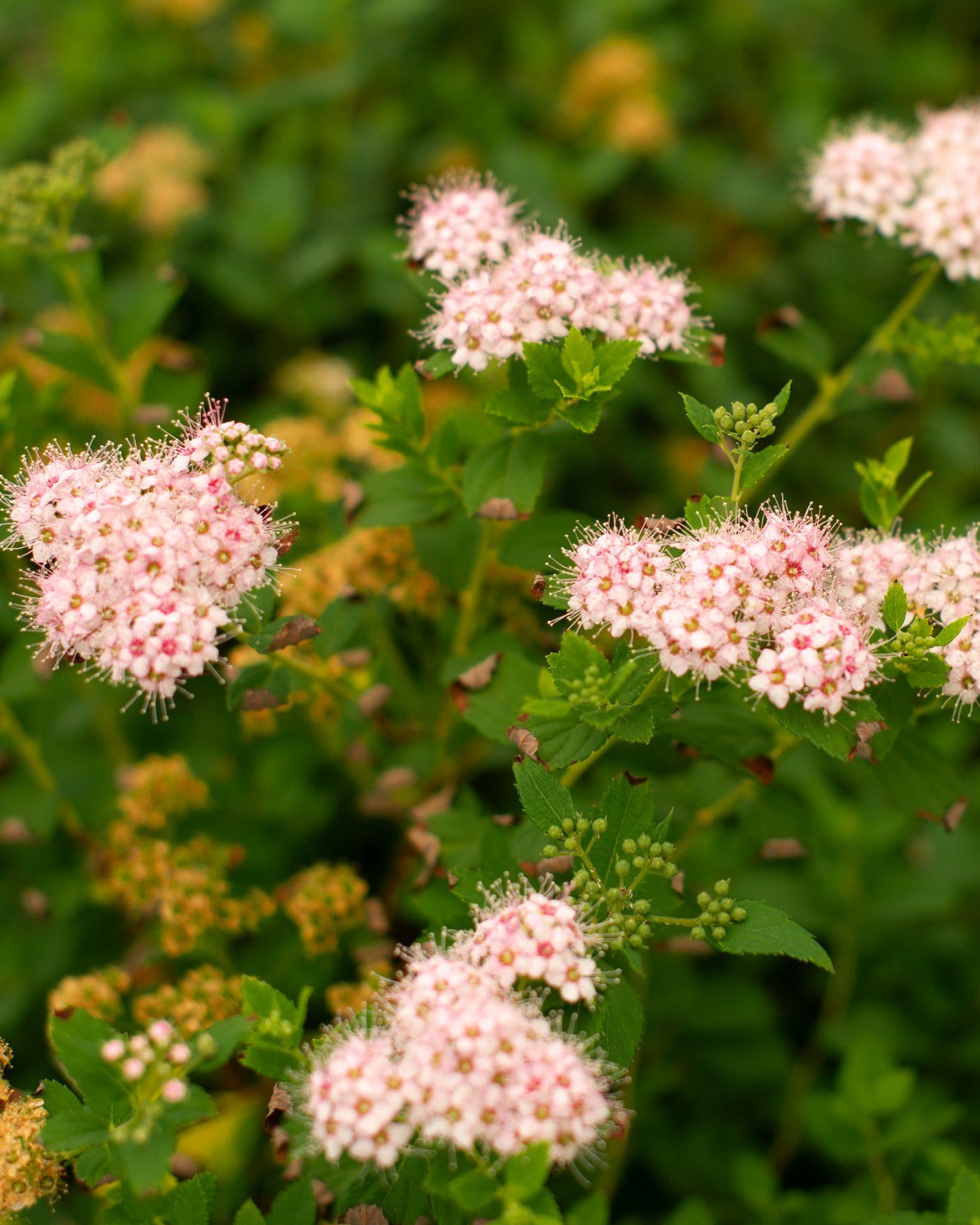
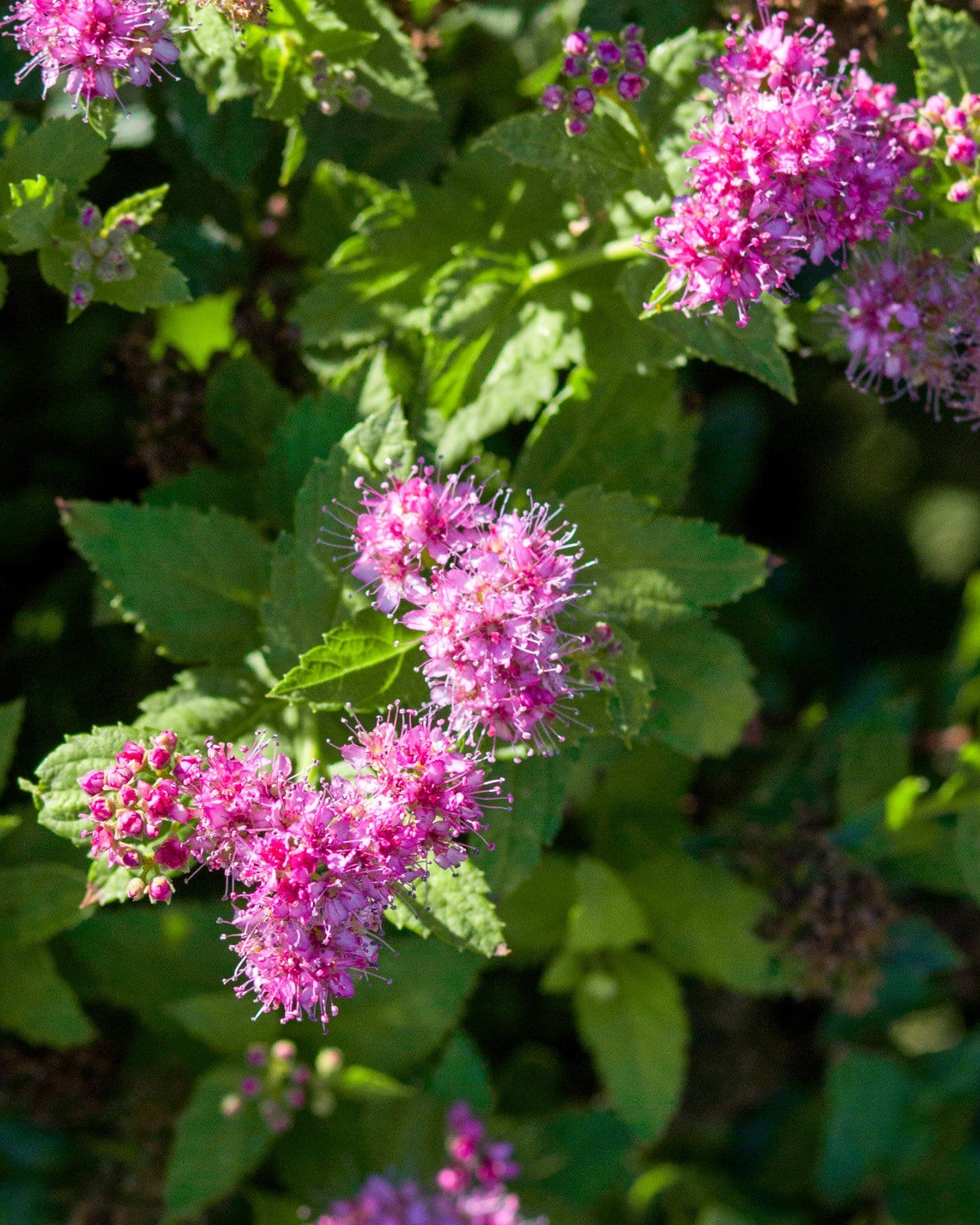
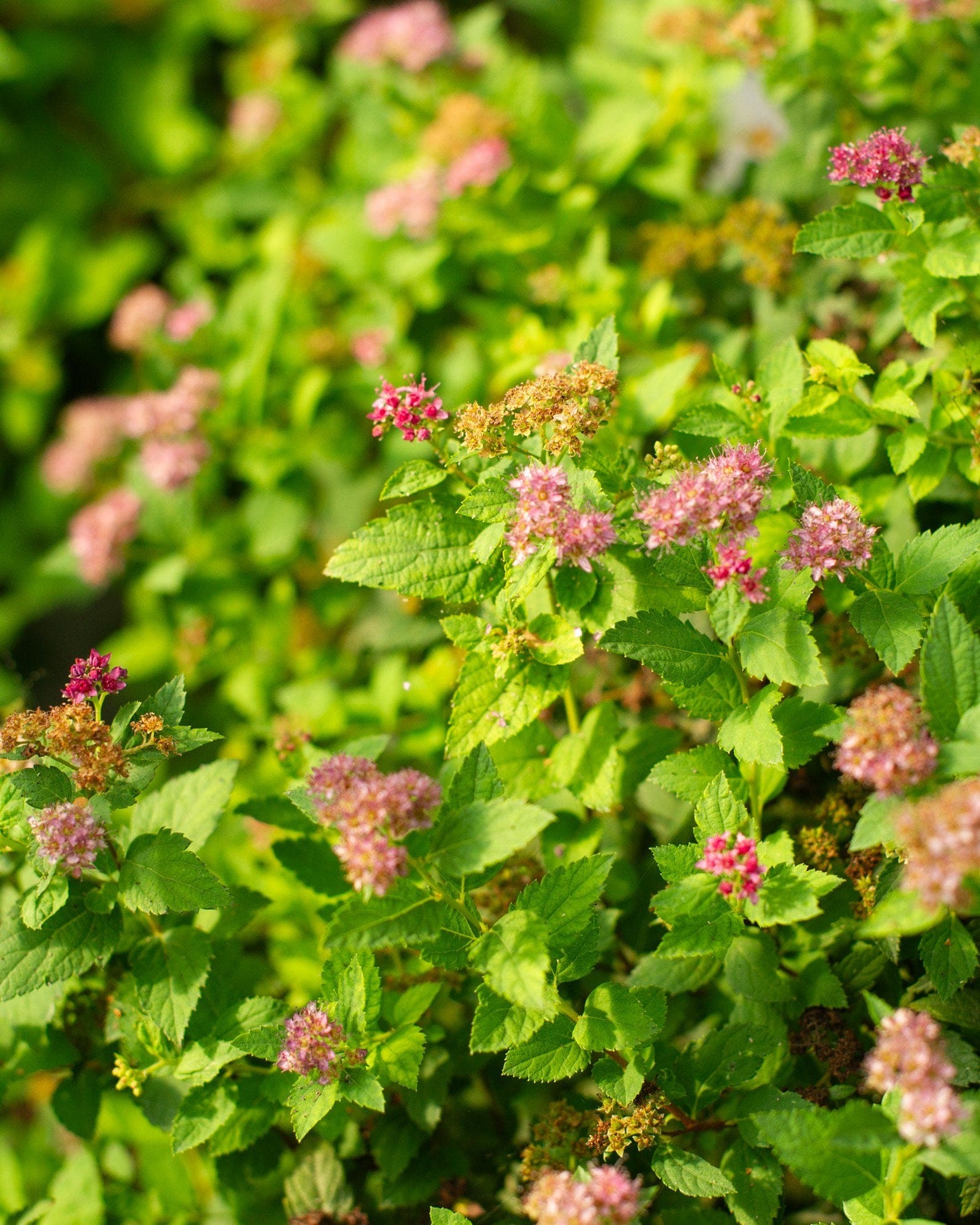
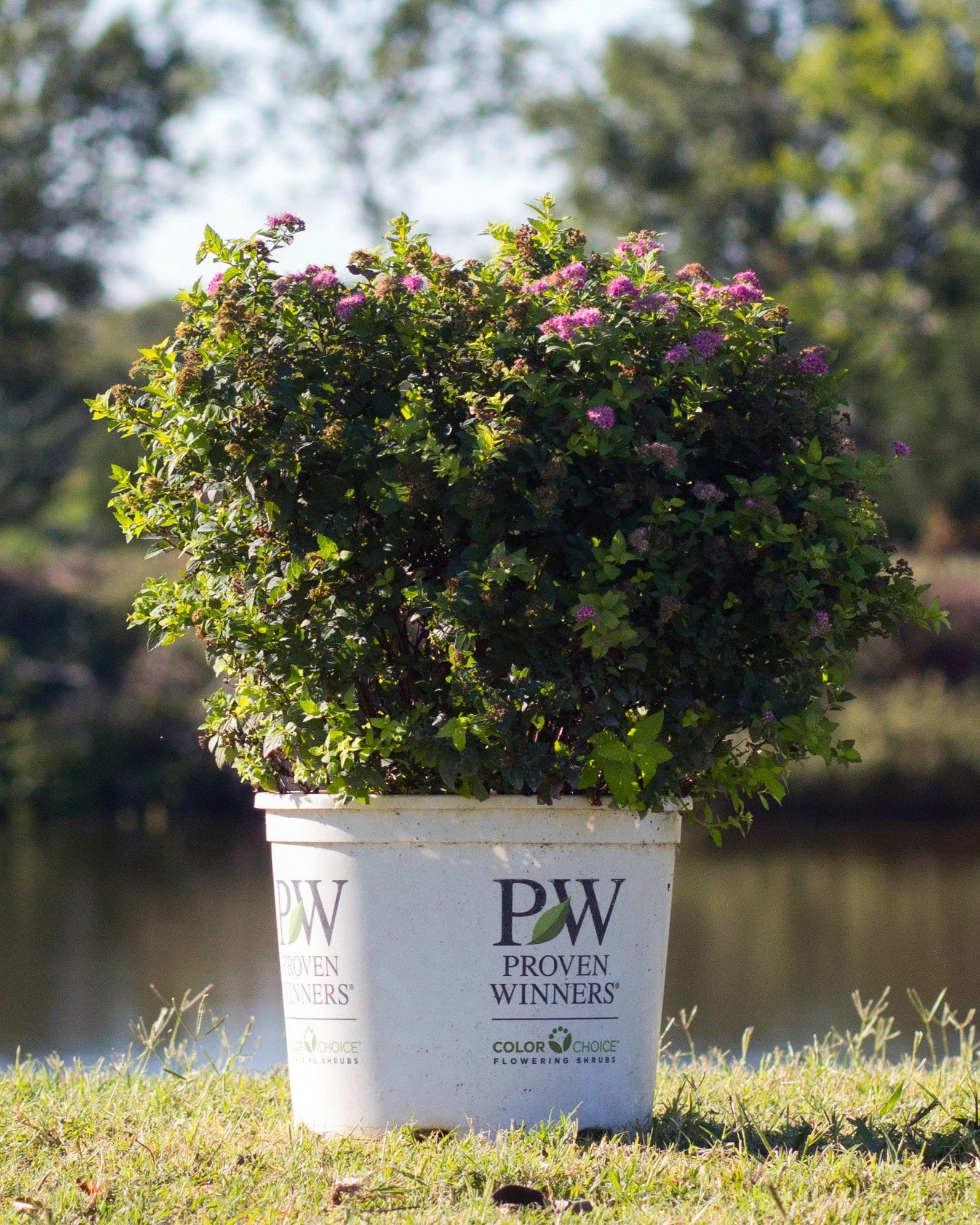
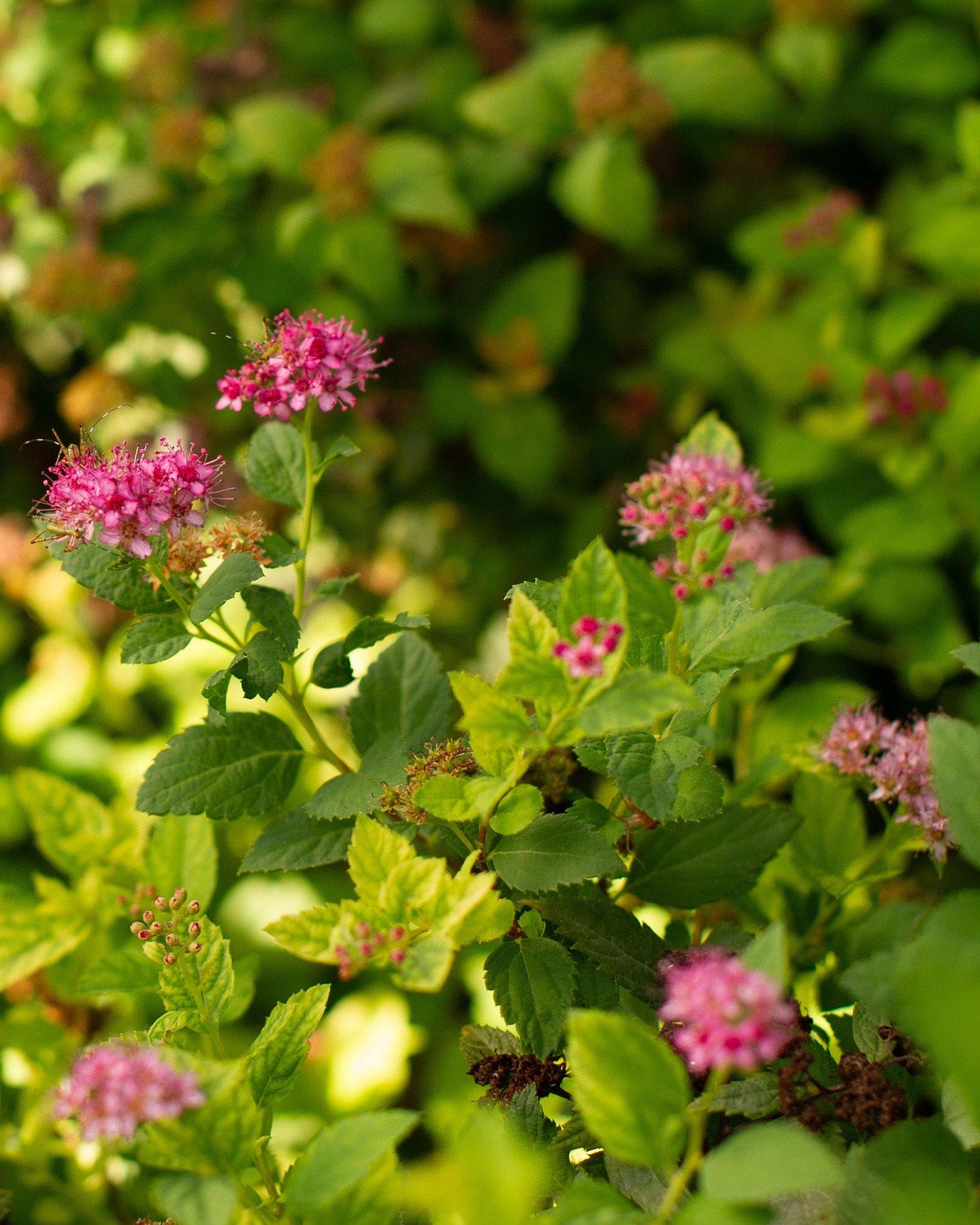
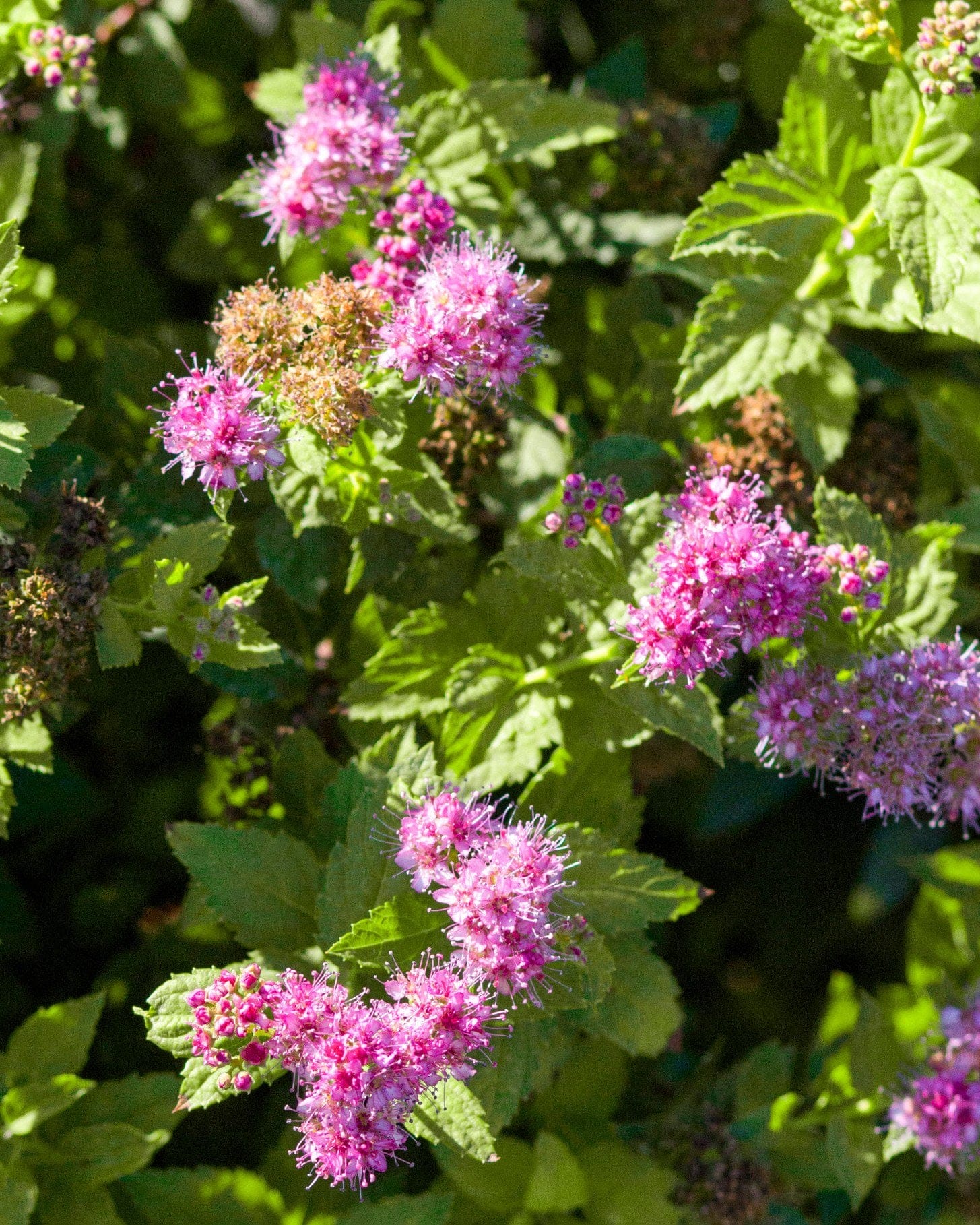
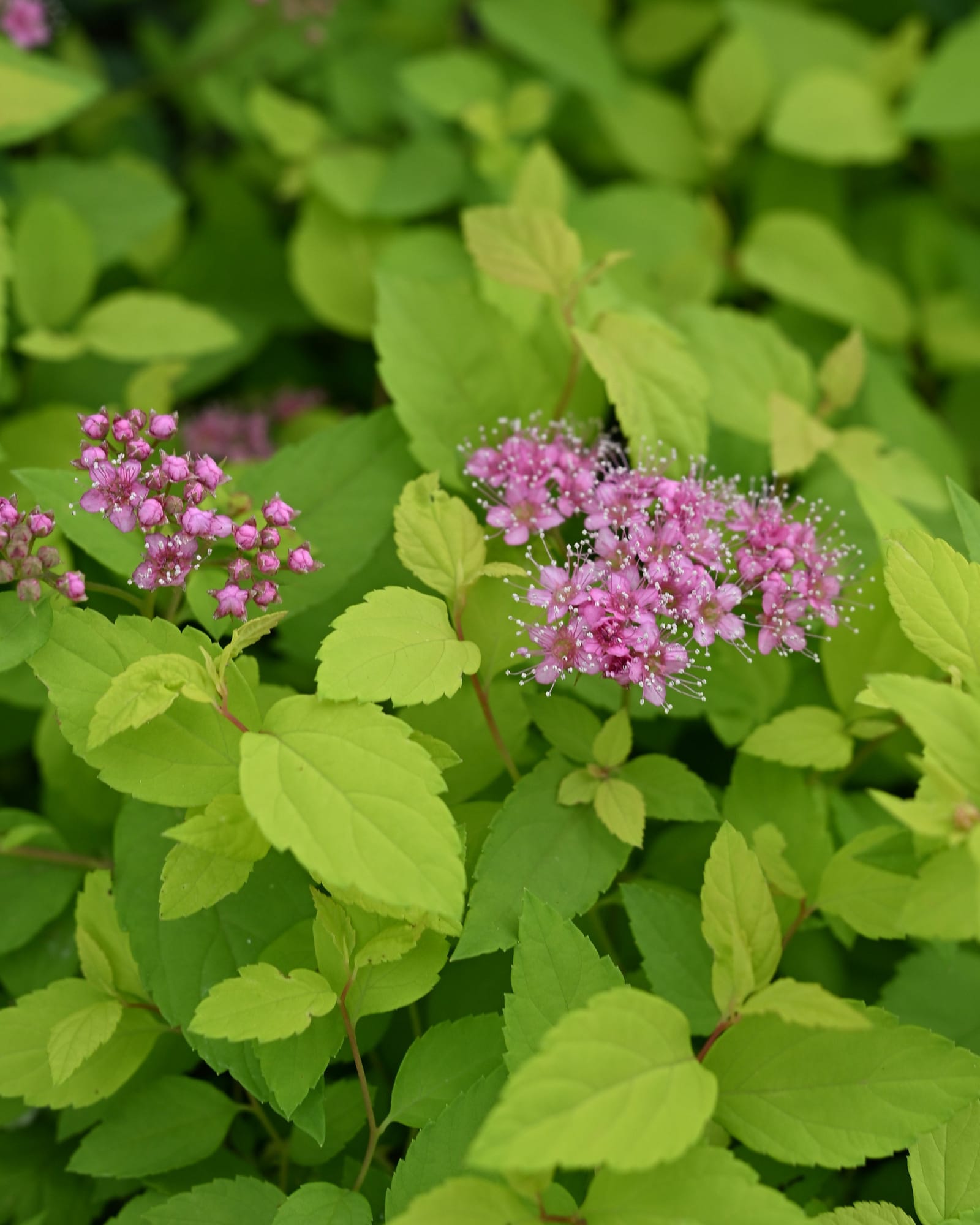
Spiraea japonica 'Little Princess'Little Princess Spirea is a lovely deciduous shrub that adds gentle color and structure to your landscape. It's covered in clusters of delicate pale pink flowers that bloom from spring into summer, creating a soft and inviting display. The medium green foliage offers an appealing backdrop to the blossoms and remains attractive throughout the season. Ideal for borders, containers, and flower beds, this shrub’s compact form fits effortlessly into a variety of landscape designs. At maturity, it reaches up to 2 feet tall and about 3 feet wide, making it perfect for adding subtle seasonal interest without overwhelming your space.
- A deciduous shrub
- Rounded, mounded growth habit
- Moderate growth rate
- Delightful pale pink flowers
- Great for borders, containers, and flower beds
Hardy in zones 4-9, Little Princess Spirea prospers in the North Texas climate. Plant it in full sun, ensuring it receives at least 6 hours of direct sunlight daily. Use well-drained soil to encourage healthy growth and enjoy its delicate floral display each season.
Little Princess Spirea is a low-maintenance flowering shrub that adapts easily and performs consistently with minimal care once established. The following practices help it stay compact, healthy, and full of blooms:
- Watering: Water regularly during the first growing season to establish a dense, fibrous root system that supports steady growth and flowering. Once established, Little Princess Spirea is moderately drought-tolerant and generally only needs supplemental water during prolonged dry periods.
- Pruning: Prune in late winter or early spring to remove dead wood and stimulate fresh, vigorous growth. Light trimming after the main spring bloom helps maintain its neat, rounded shape and may encourage a modest rebloom.
- Fertilizing: Apply a balanced, slow-release fertilizer in early spring to support healthy foliage and bloom production. Most established plants require little additional feeding beyond this annual application.
- Mulching: Apply a 2-3 inch layer of mulch around the base to conserve moisture, regulate soil temperature, and suppress weeds. Mulch also protects shallow roots from summer heat and soil compaction. Keep mulch slightly away from the stems to prevent moisture buildup.
- Winter Care: Little Princess Spirea is very cold-hardy and typically requires no winter protection once established. Plants reliably leaf out again in spring.
Little Princess Spirea is generally trouble-free, though a few minor issues may occasionally arise:
- Powdery Mildew: A light white coating may appear on leaves during humid weather with limited airflow. Improving air circulation and avoiding overhead watering helps prevent recurrence.
- Leaf Spot: Dark or irregular spots can develop during prolonged wet conditions. Removing affected foliage and keeping the area clean helps limit the spread.
- Aphids: Small clusters of insects may gather on tender new growth, causing curling or sticky residue. Rinsing shoots with water or applying insecticidal soap provides effective control.
- Spider Mites: Fine stippling or pale foliage may occur during hot, dry periods. Increasing humidity and periodically rinsing foliage help reduce mite populations.
- Winter Dieback: Some branch tips may die back after unusually harsh winters. Pruning in early spring removes damaged wood and encourages healthy regrowth.
Little Princess Spirea typically lives 20-30 years with proper care. Its compact, shrubby habit allows it to renew itself through periodic pruning. Mature plants remain dependable features in the landscape for decades.
Growth is moderate, averaging about 6-10 inches per year. A full, mature form is usually reached within 2-3 years. Plants remain naturally compact and well-balanced.
Soft pink flower clusters attract bees, butterflies, and other beneficial insects. The flat-topped blooms are easy for pollinators to access. Planting several shrubs together increases activity.
Browsing pressure is generally low, though young plants may be sampled occasionally. Established shrubs typically recover quickly. Serious browsing problems are uncommon.
Its small size makes it well-suited to large containers for several years. Containers highlight their tidy form and delicate blooms. Regular watering is especially important when growing in pots.
Division can be done in early spring or fall if needed. This helps rejuvenate older plants or manage size. Divisions establish quickly when kept evenly moist.
This variety works beautifully in mass plantings and low borders. Repetition creates soft waves of pink color in spring and early summer. Groupings remain neat and low-maintenance.
Ornamental grasses, coneflowers, daylilies, and low evergreens complement its soft blooms well. These companions extend seasonal interest. Mixed plantings create a balanced, layered look.
Growth remains controlled and well-behaved. Occasional thinning easily manages width. It does not spread invasively into surrounding areas.
Once established, care requirements are minimal. Disease issues are uncommon and pruning needs are modest. It’s an excellent choice for easy-care residential and commercial plantings.
Special Features
You might also like
Double Play Big Bang Spirea
Maturity: 2' H x 2' W
Double Play Dolly Spirea
Maturity: 1.5' H x 1.5' W
Double Play Gold Spirea
Maturity: 1.5' H x 1.5' W
Goldmound Spirea
Maturity: 2' H x 3' W
Magic Carpet Spirea
Maturity: 1.5' H x 2' W
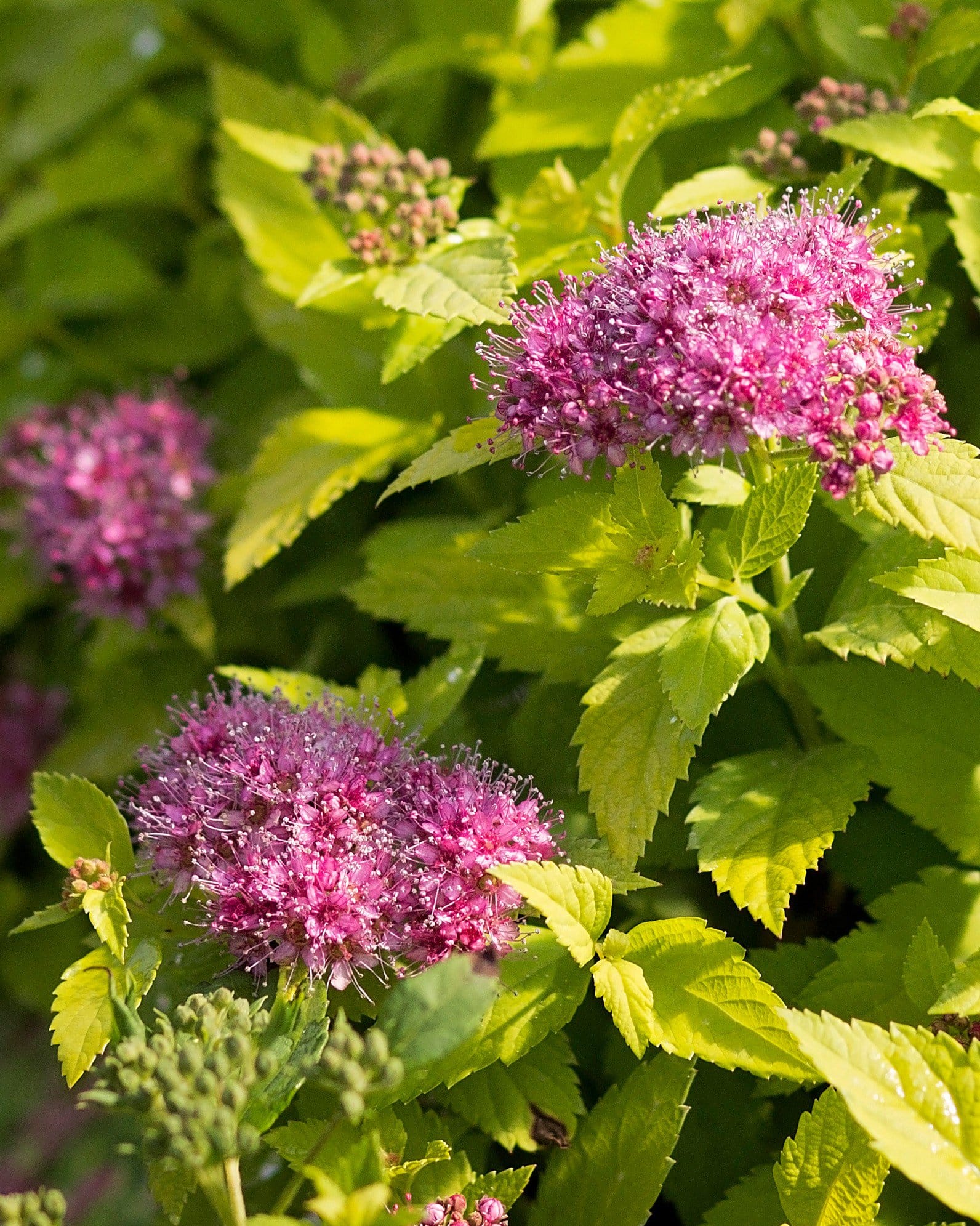
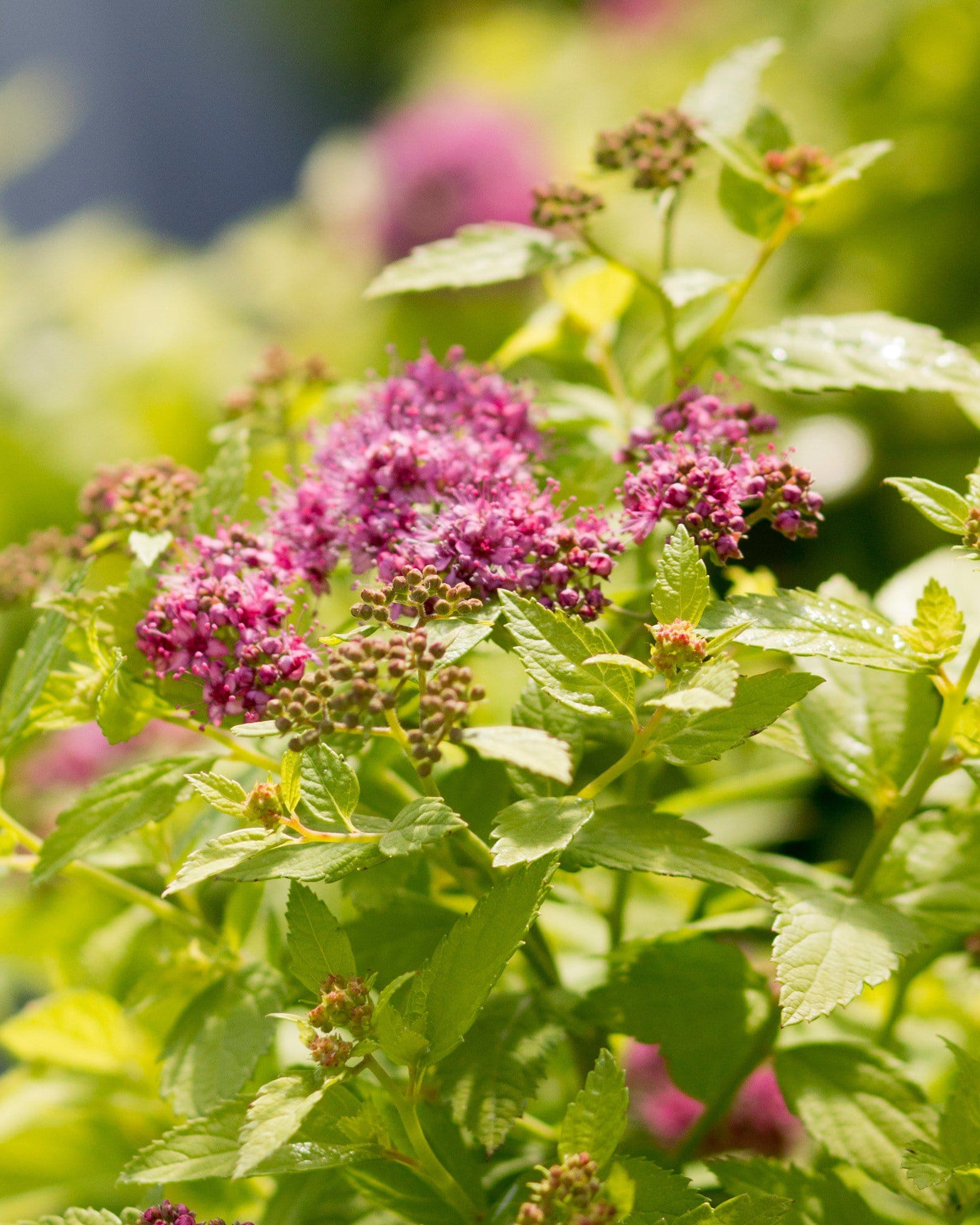
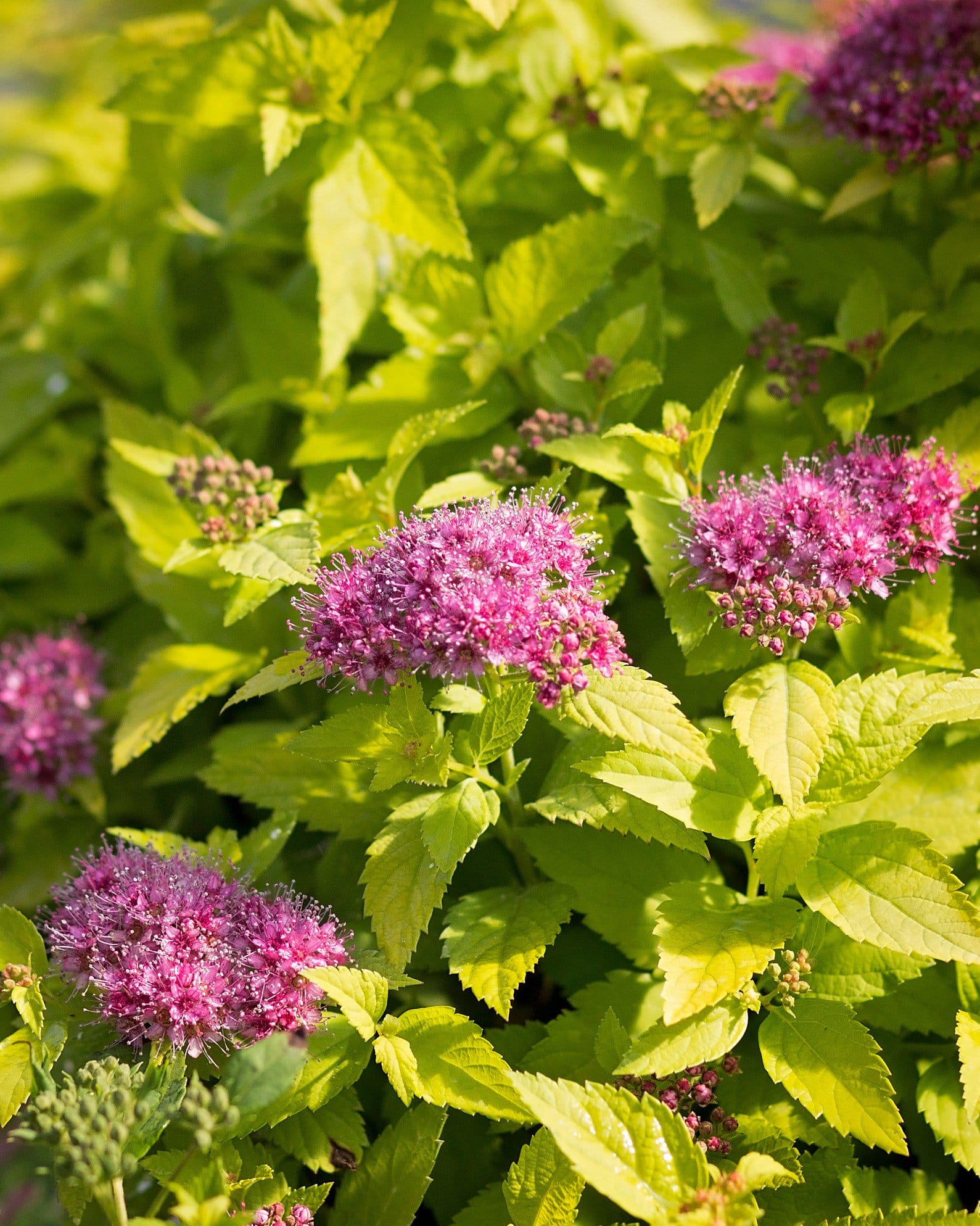
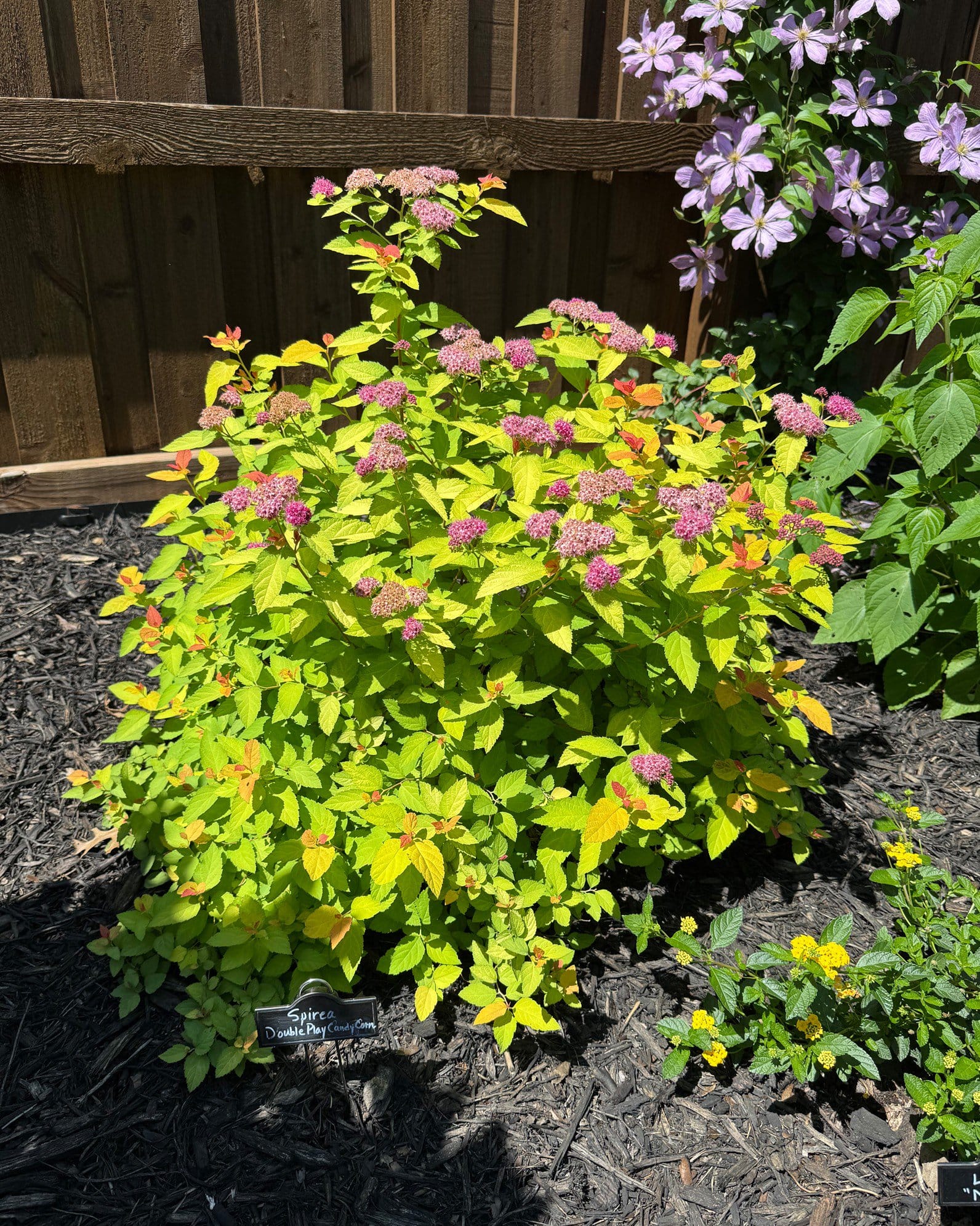
Double Play Candy Corn Spirea
Maturity: 2' H x 2' W
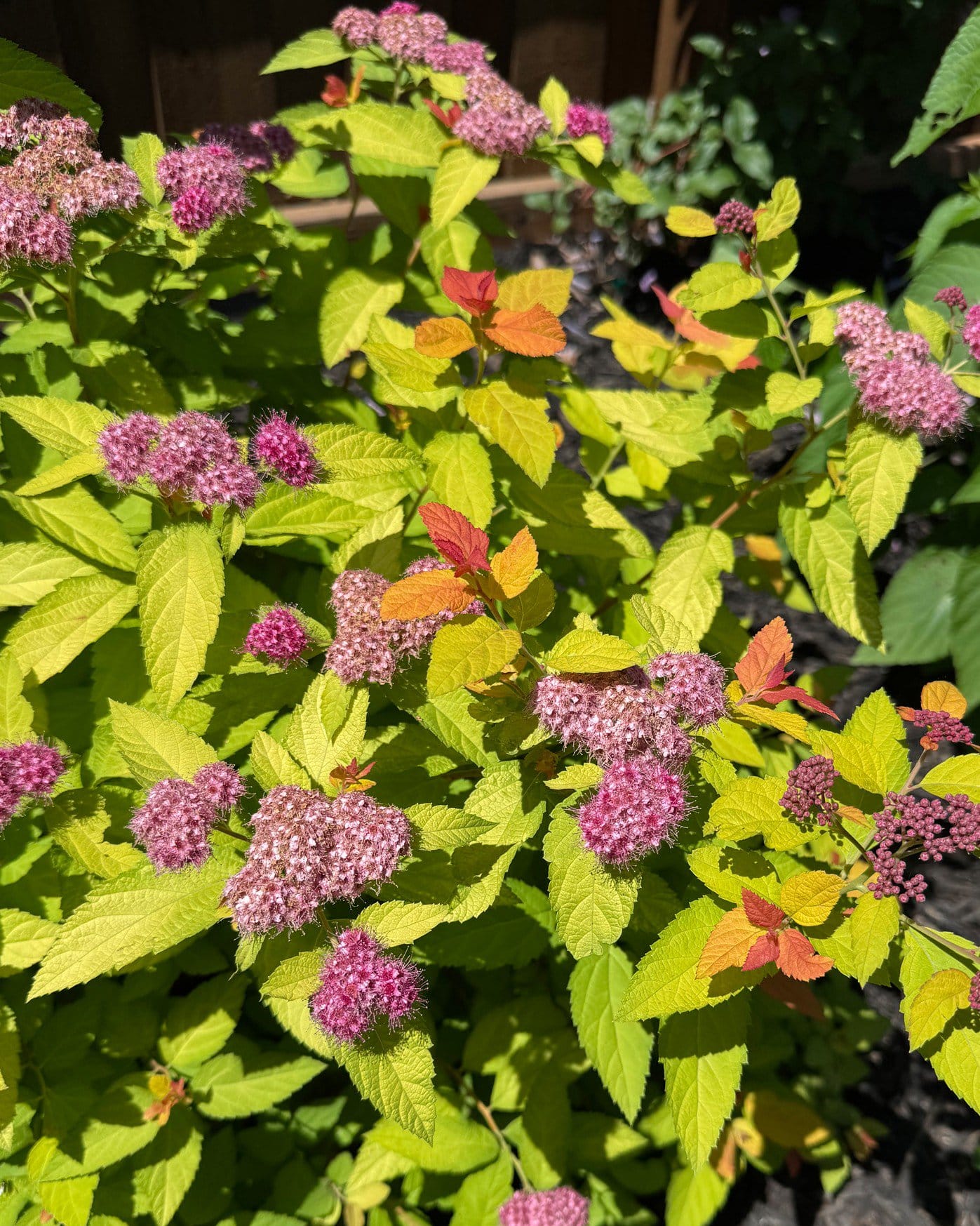
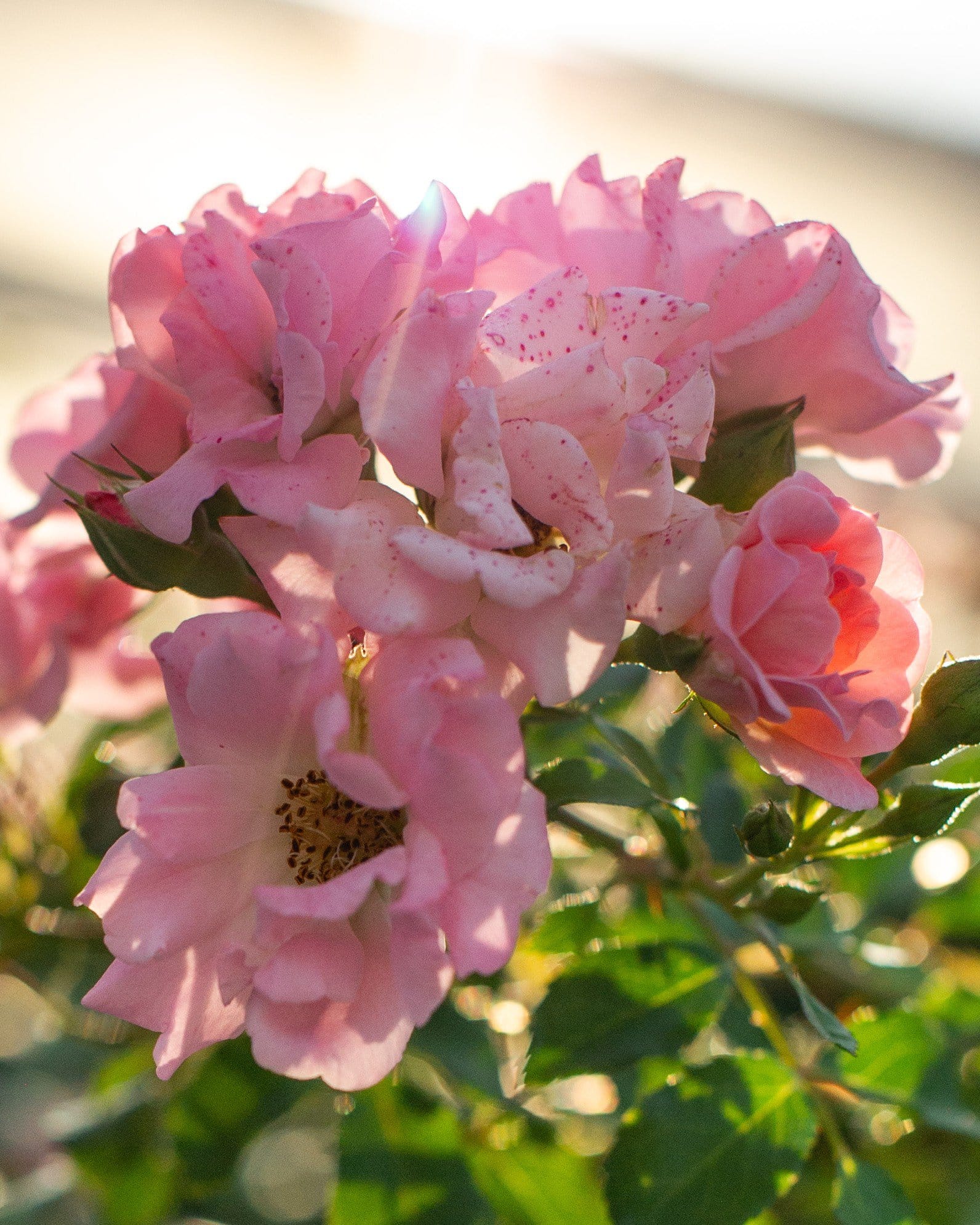
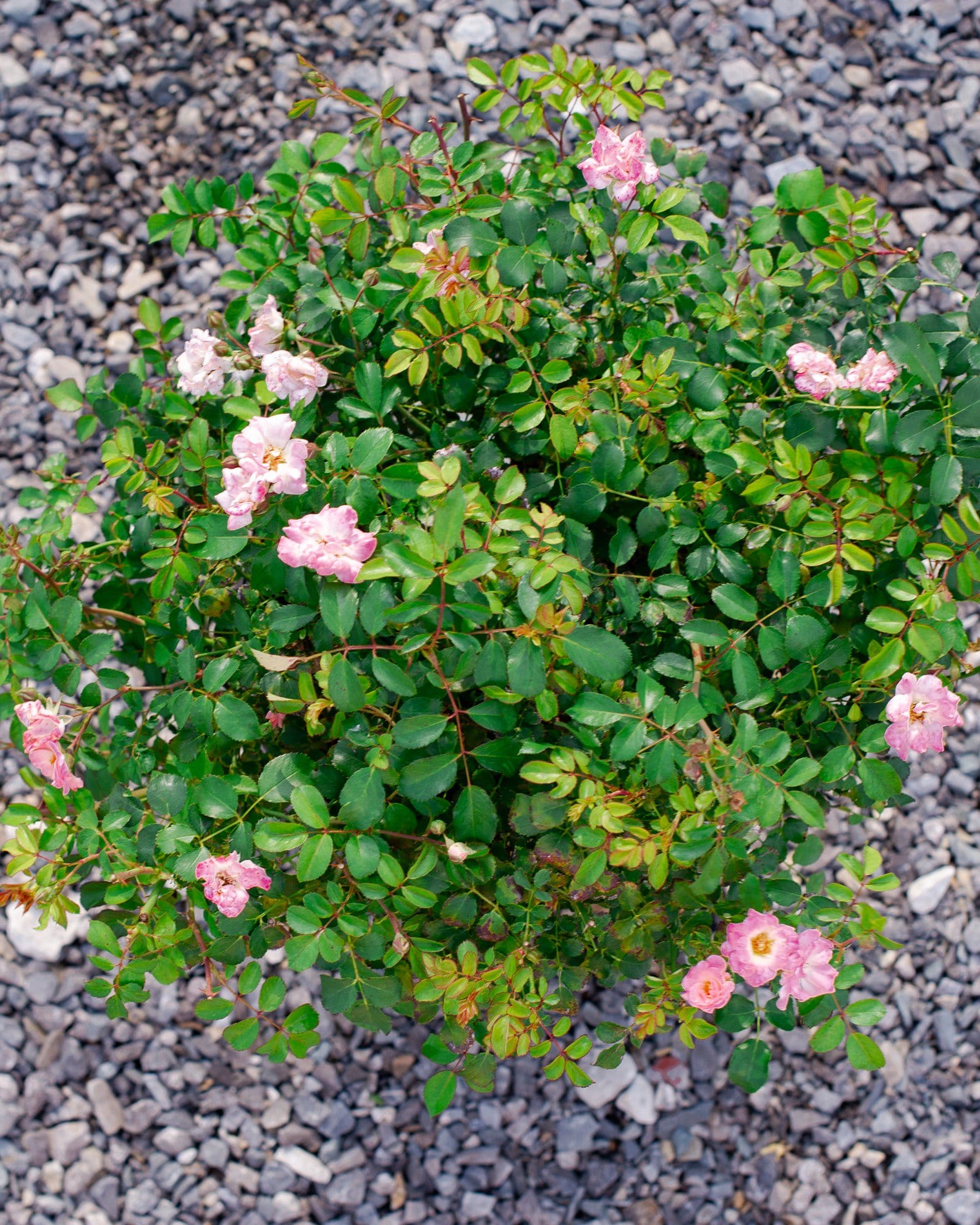
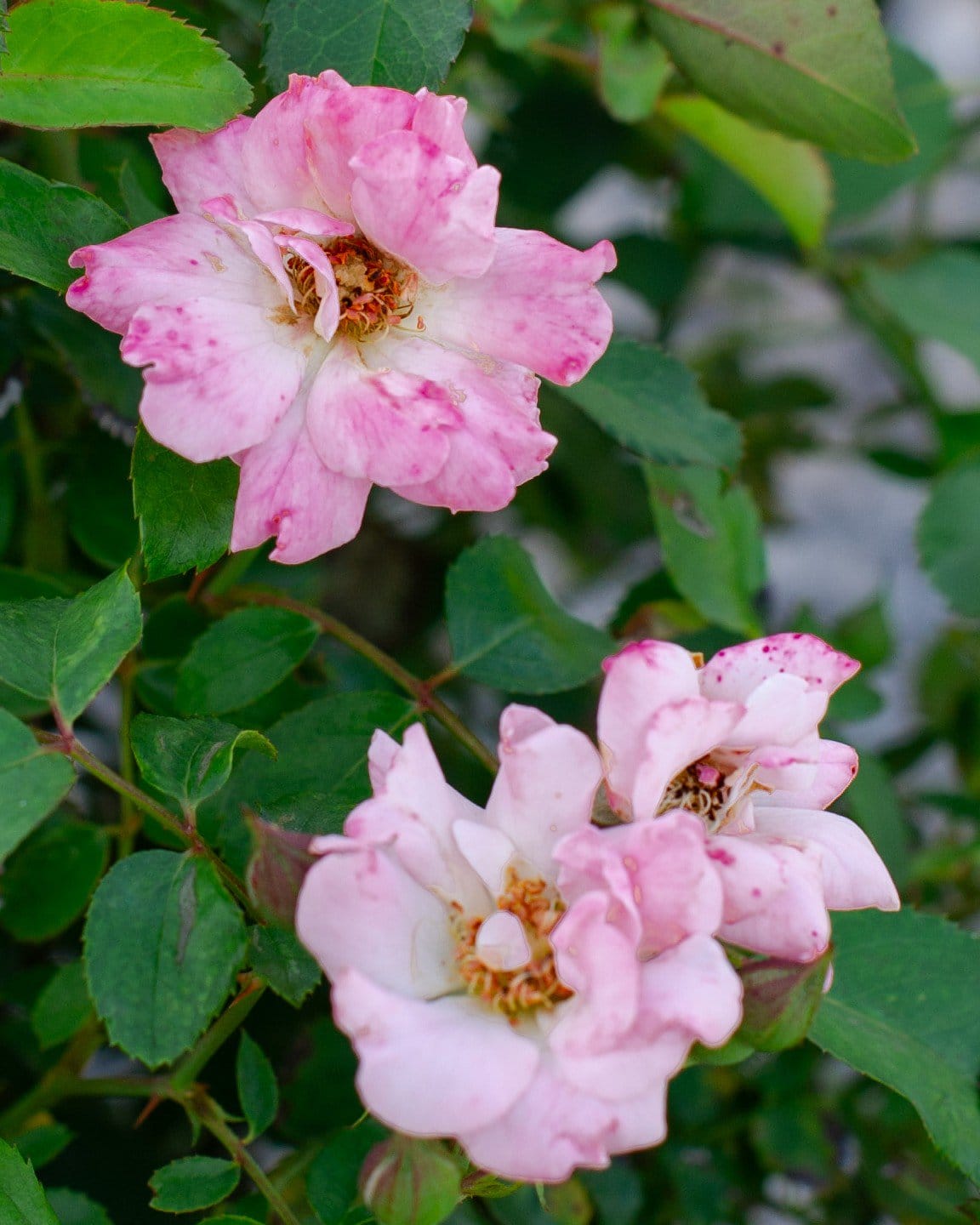
Blushing Drift Rose
Maturity: 1' H x 2' W
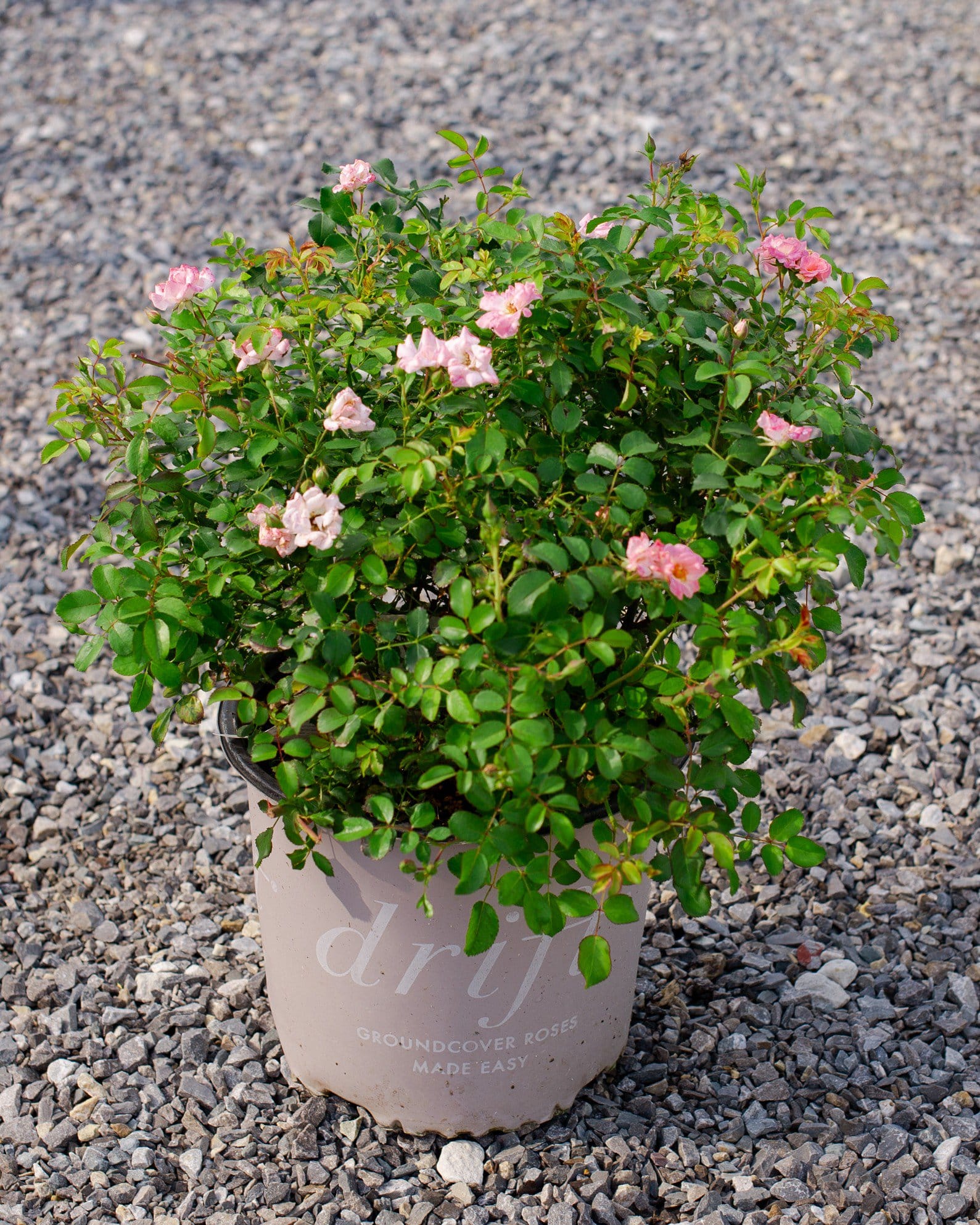
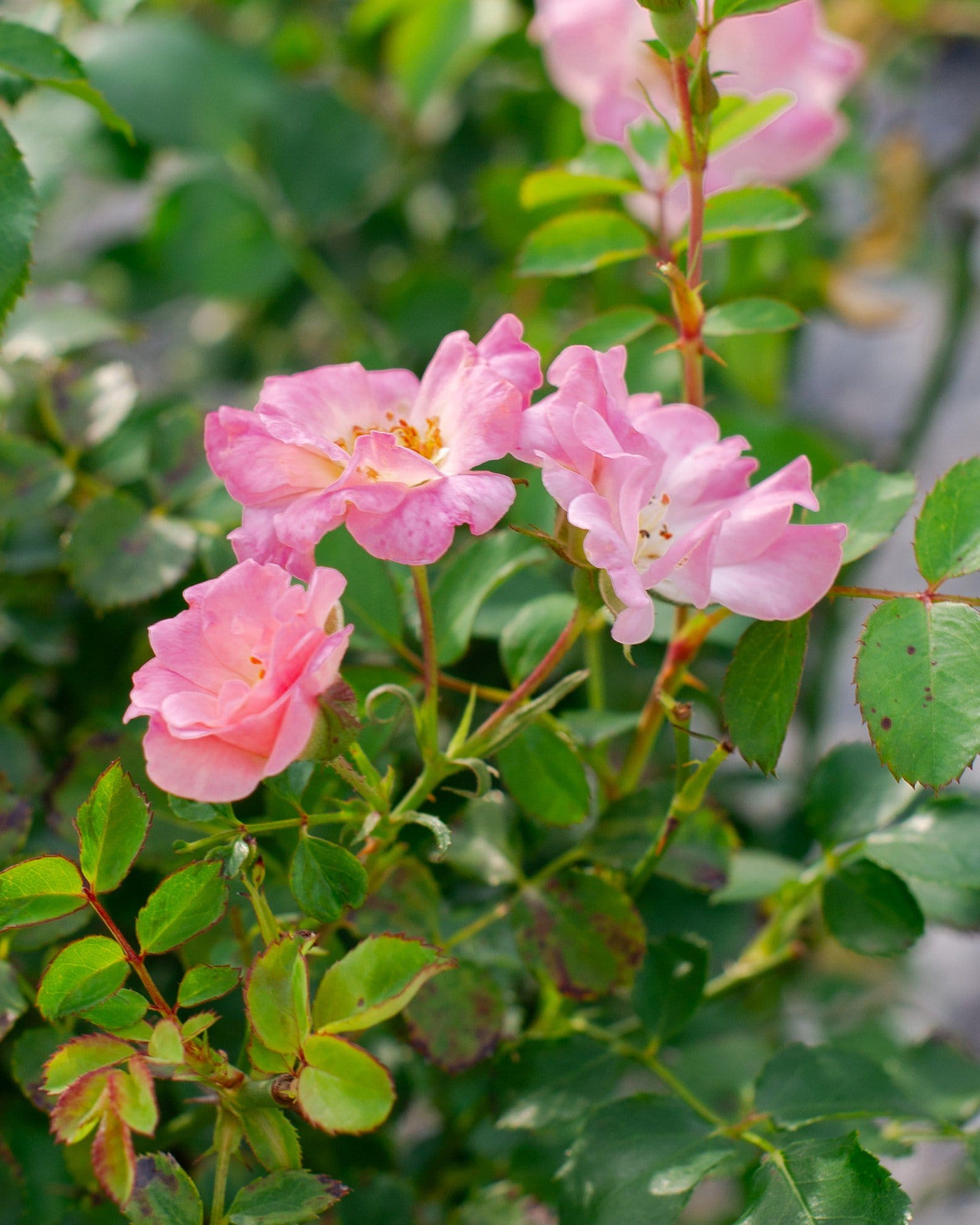
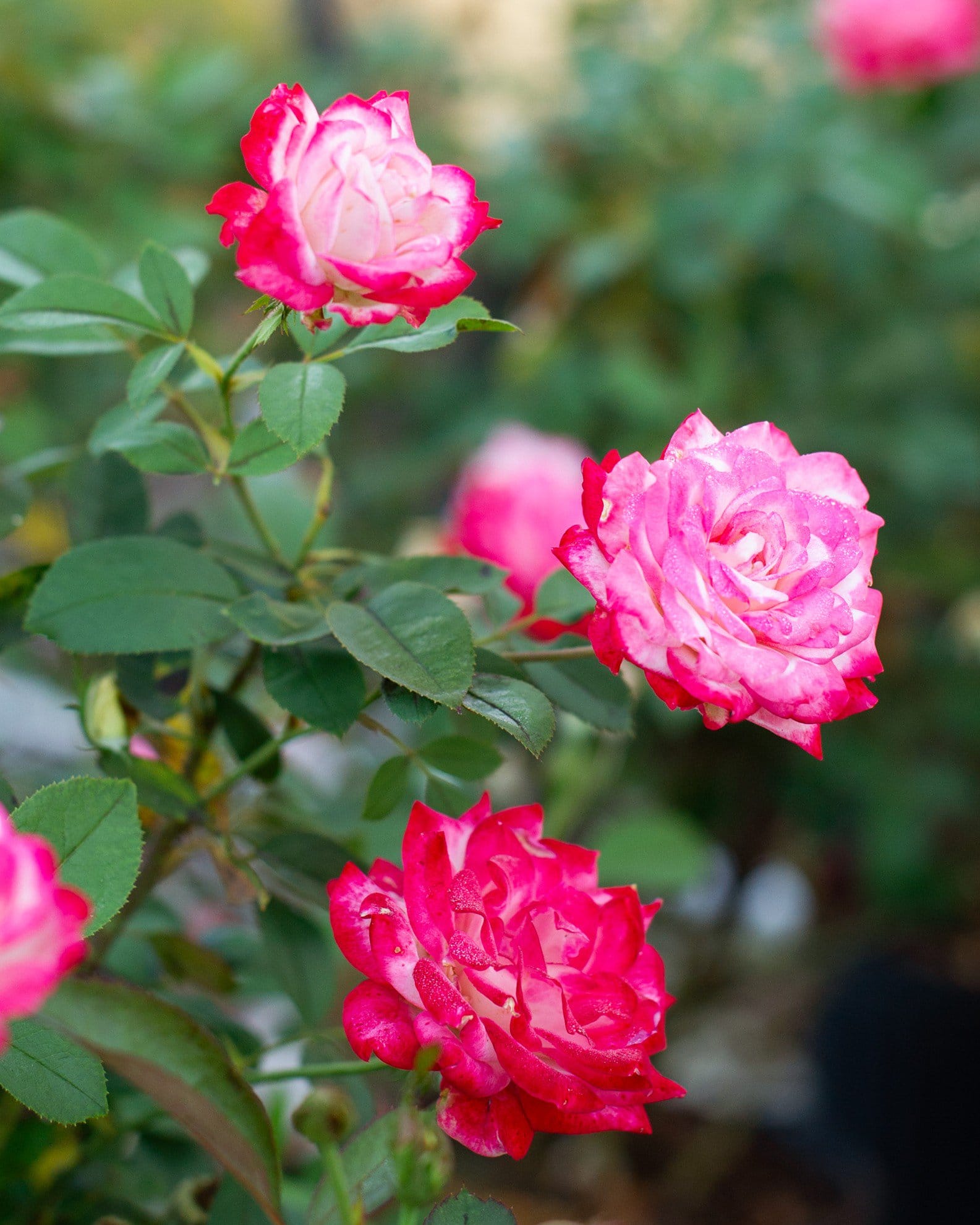
Candy Cane Cocktail Rose
Maturity: 3.5' H x 4' W
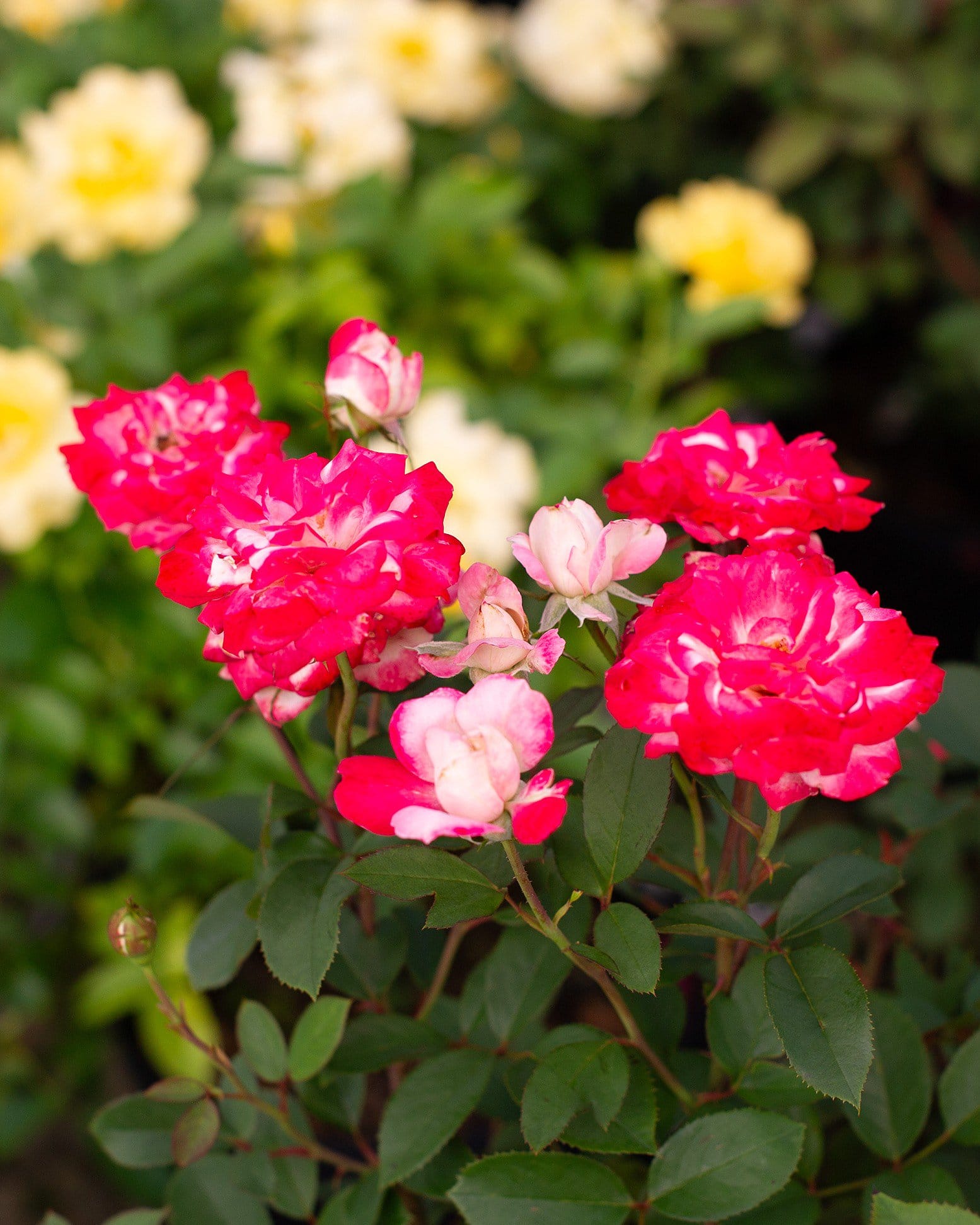
Knock Out Rose
Maturity: 3' H x 3' W
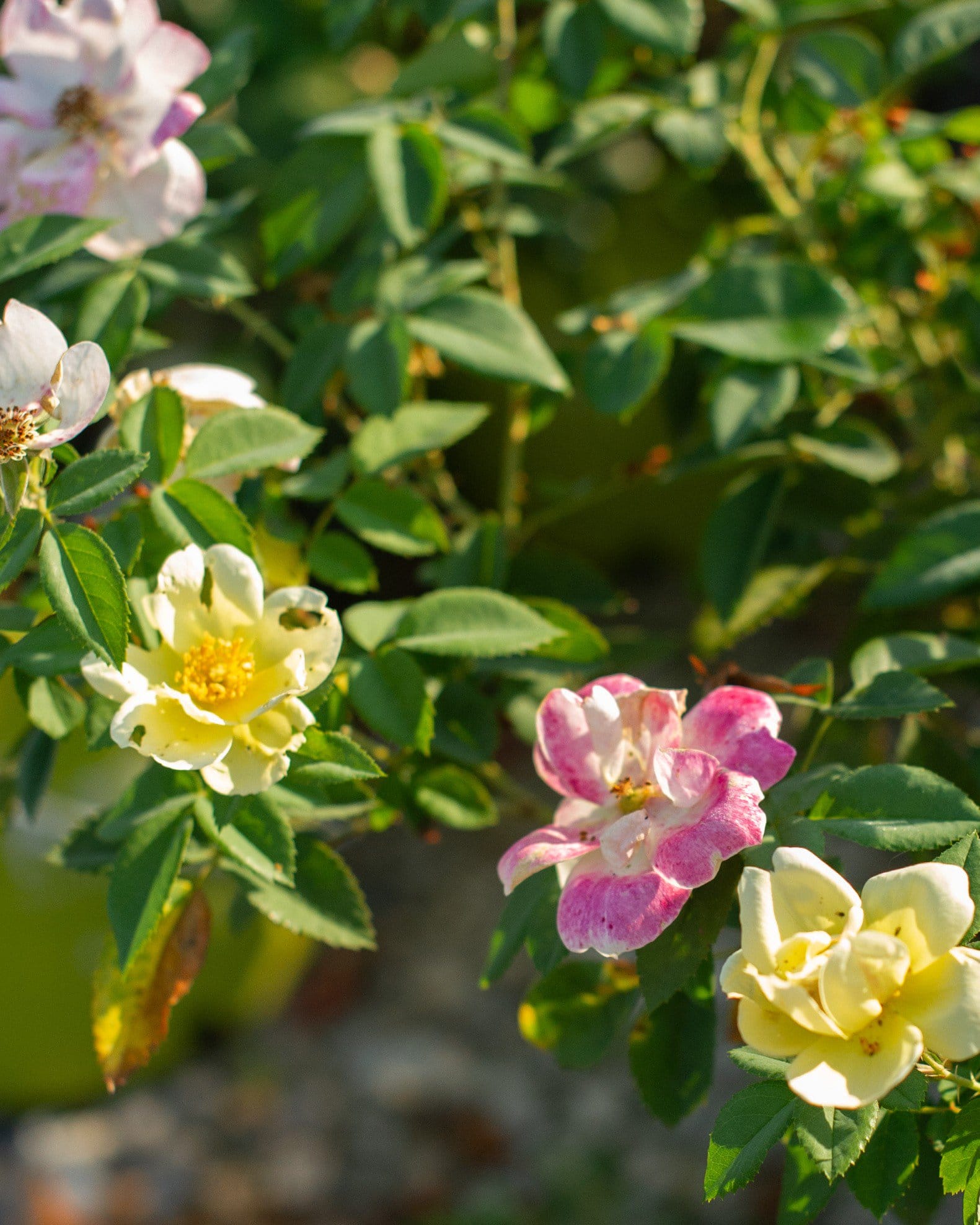
Peach Lemonade Rose
Maturity: 2' H x 2' W
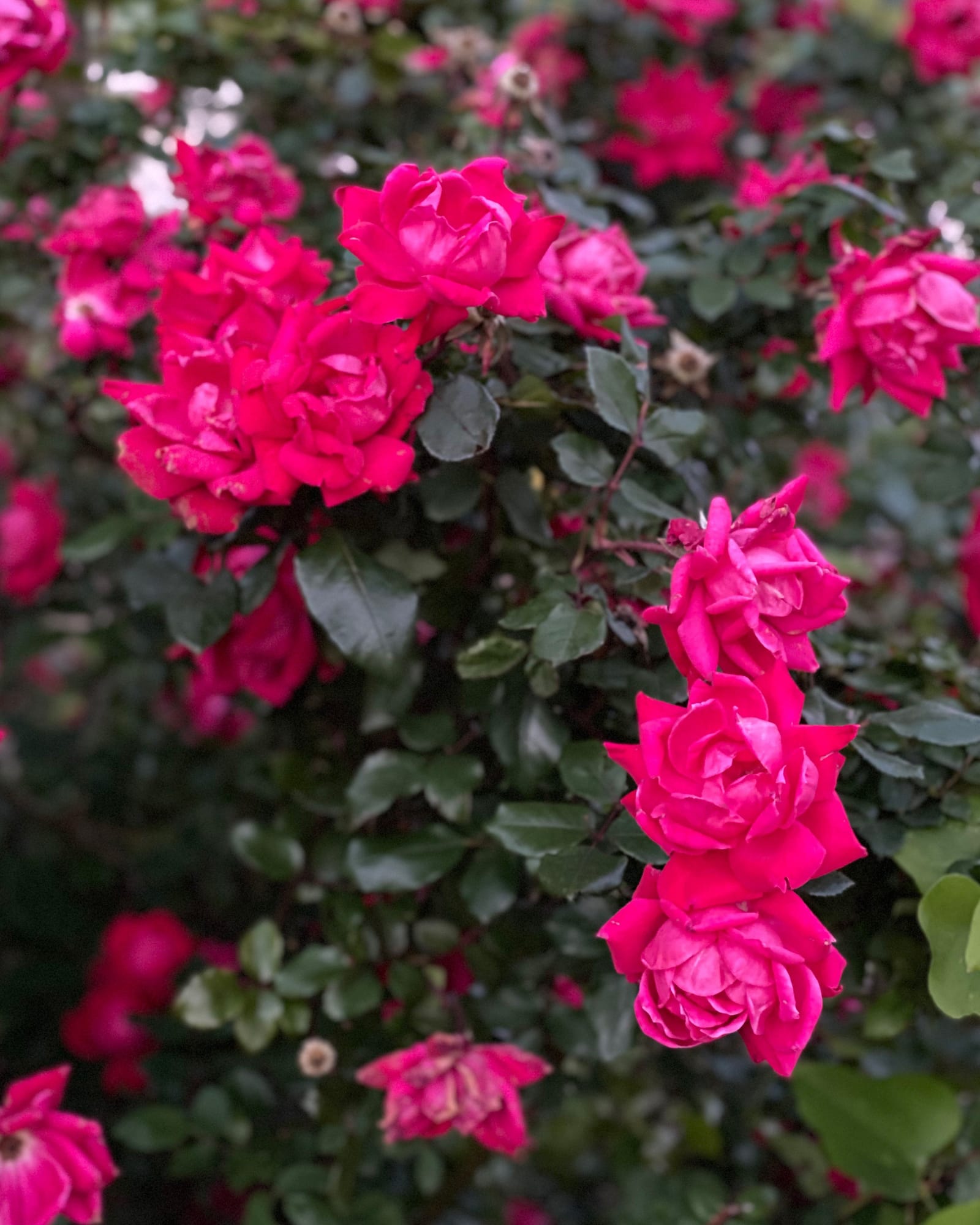
Pink Double Knock Out Rose
Maturity: 3' H x 3' W
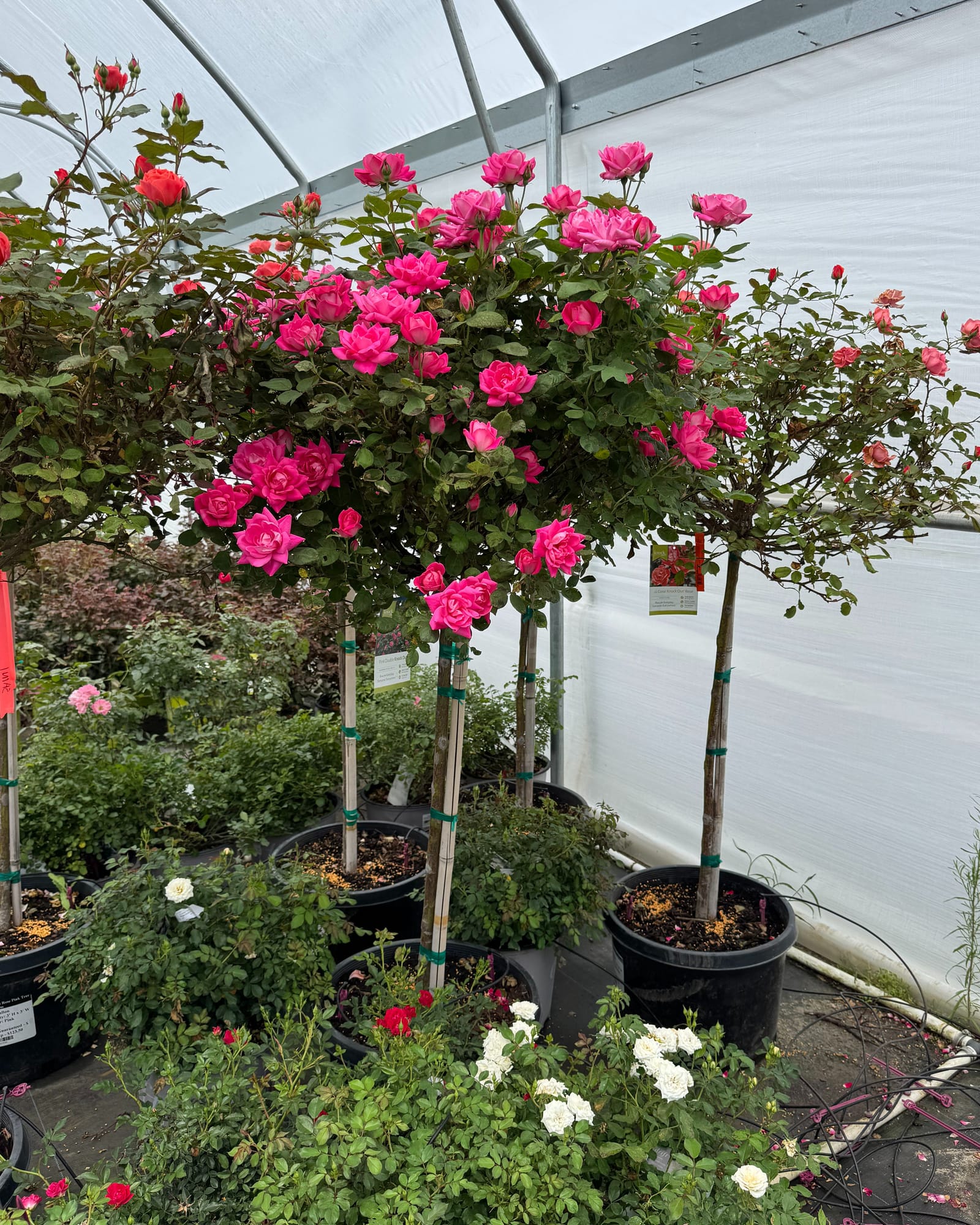
Pink Double Knock Out Rose Tree Form
Maturity: 3' H x 3' W
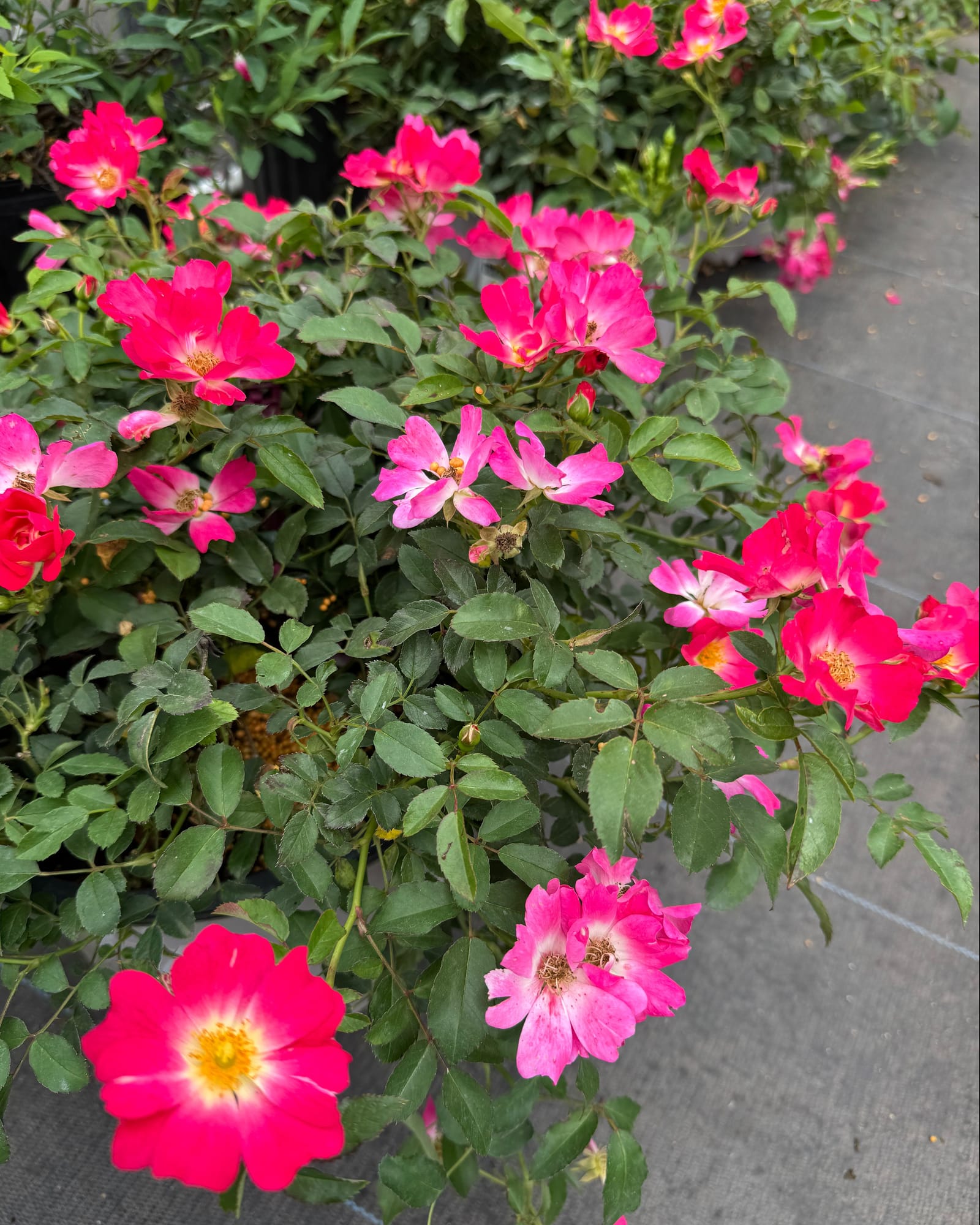
Pink Drift Rose
Maturity: 1' H x 2' W
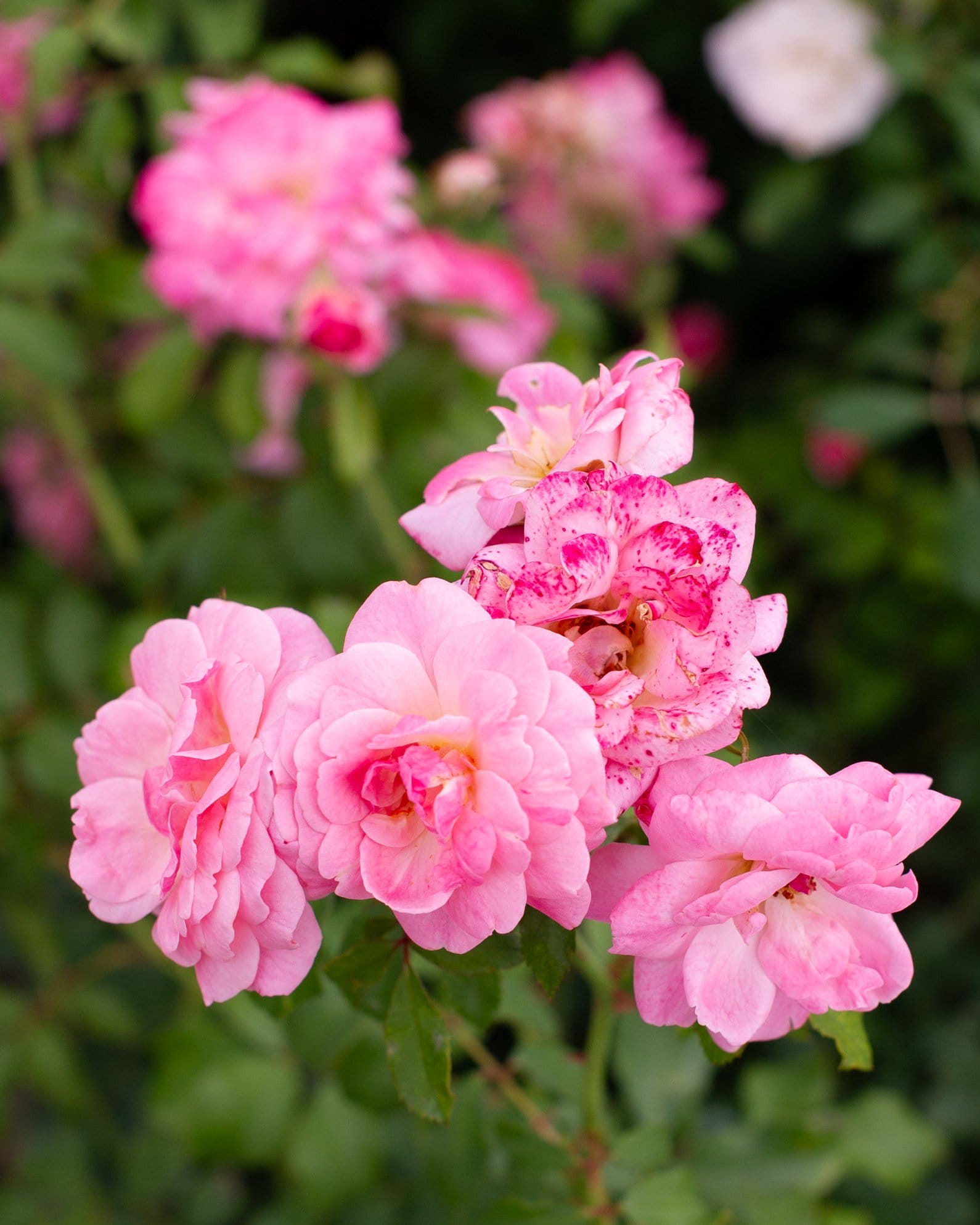
Sweet Drift Rose
Maturity: 1' H x 2' W
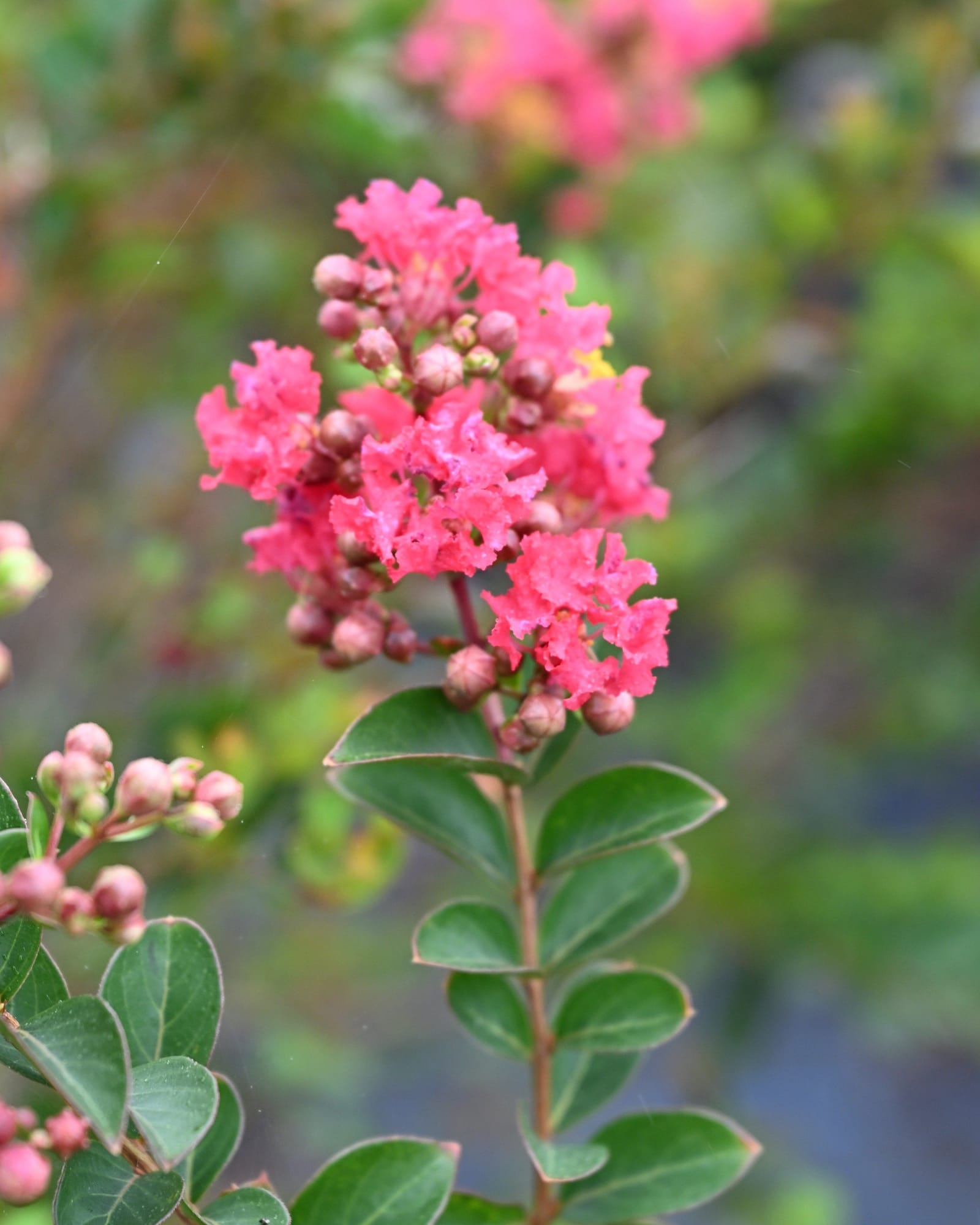
Bellini Raspberry Crape Myrtle
Maturity: 3' H x 3' W
Compare Similar Plants
Little Princess Spirea This plant | ||
|---|---|---|
| Scientific Name | Spiraea japonica 'Little Princess' | Spiraea x 'Tracy' |
| Size at Maturity | 2' H x 3' W | 2' H x 2' W |
| Leaf Retention | Deciduous | Deciduous |
| Flower Color | Pink | Pink |
| Bloom Times | Spring & Summer | Spring & Summer |
| Sizes Available | — | 3 gal |


Our 1-Year Planting Guarantee
We take pride in our plants and installation services. If any plants or trees installed by Treeland fail to thrive within the first year, we'll provide a replacement credit in accordance with our guarantee program.
Learn More About Our Guarantee