
Jerusalem Sage
Phlomis fruticosaLocal DFW Delivery Only
Product Details
Jerusalem Sage
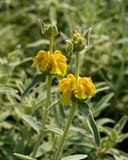
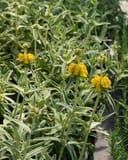
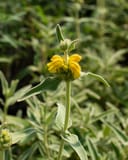
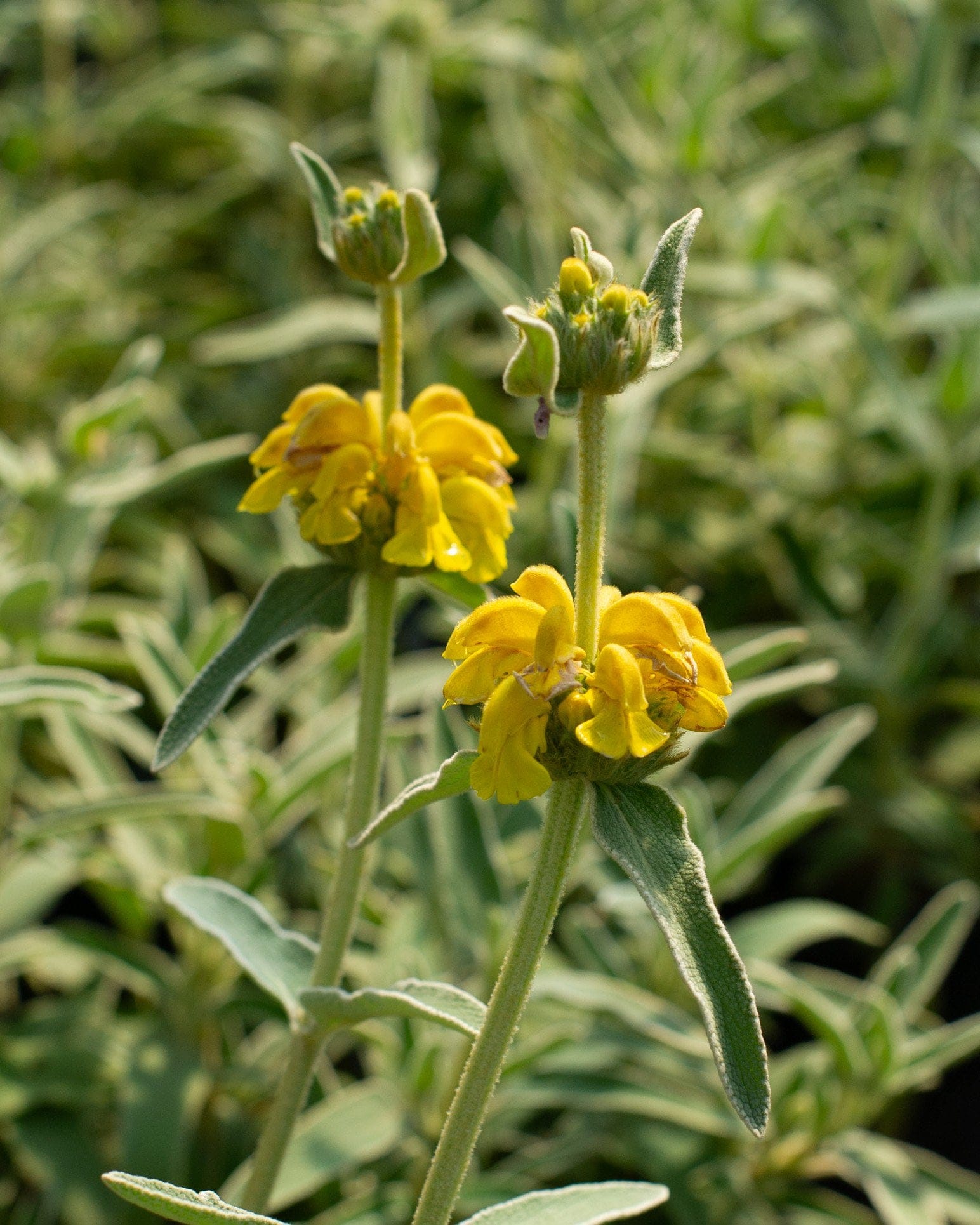
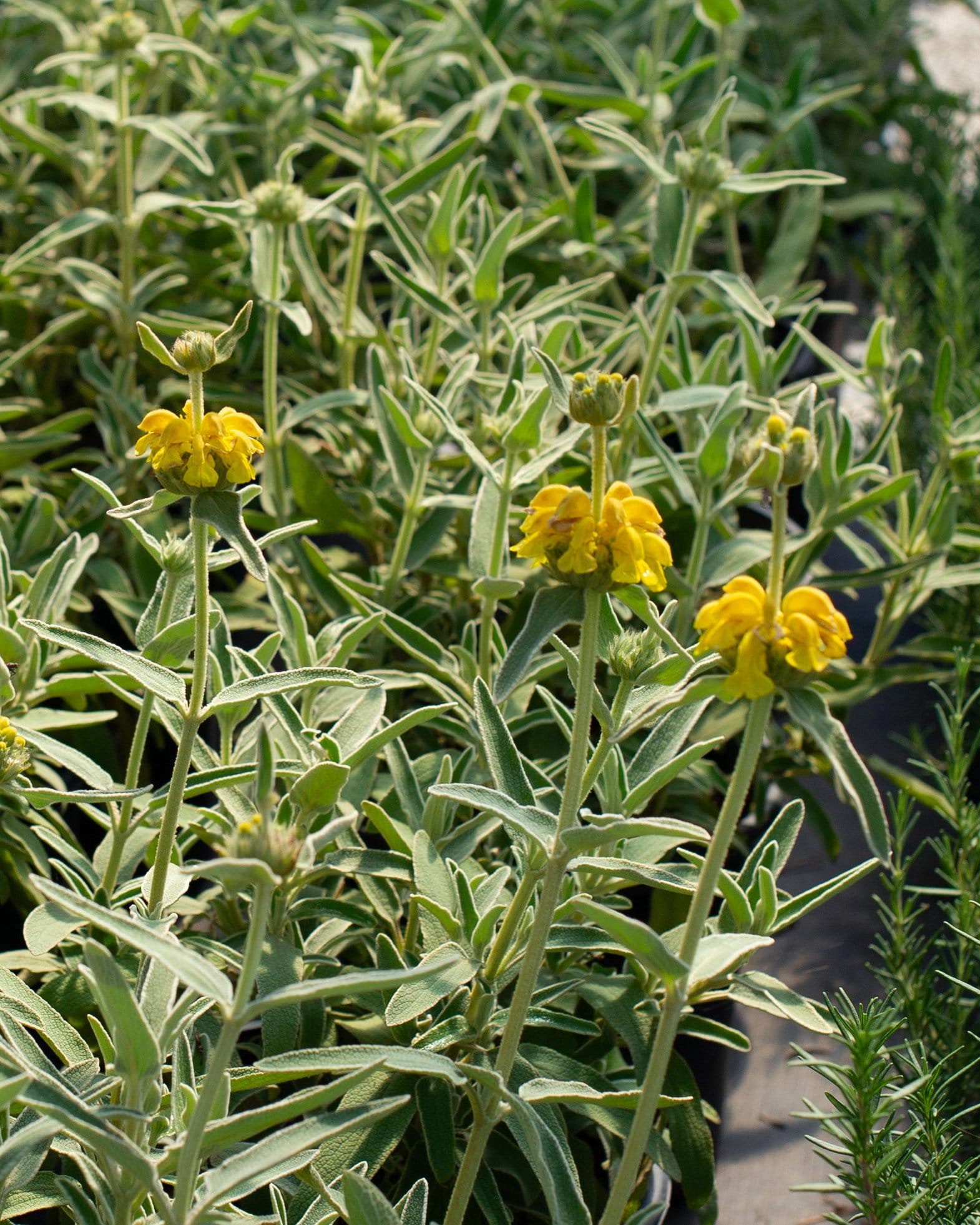
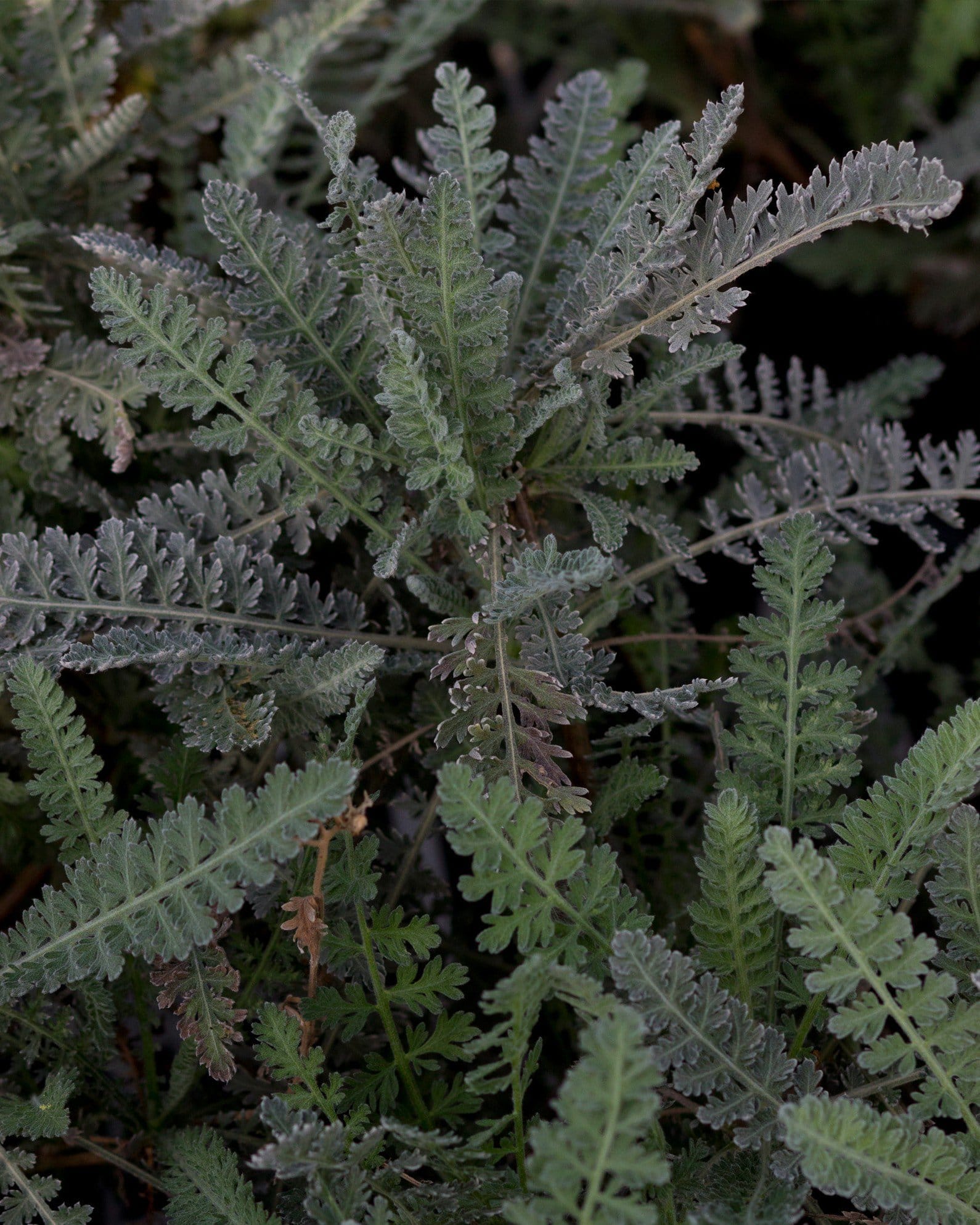
Phlomis fruticosaJerusalem Sage is a woody-stemmed perennial valued for its textured gray-green foliage and tiered whorls of soft yellow flowers. With a flowering season spreading from spring into summer, it forms a rounded, shrubby shape up to 3 feet tall and wide. Even when not in bloom, its evergreen foliage adds a soft, silvery tone that complements bold or sun-loving plantings. On top of that, its leaves have a wonderful sweet scent, and are often dried to be used as a spice.
- A herbaceous perennial
- Pale yellow flowers in late spring
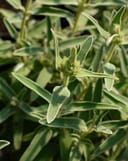
- Gray-green, woolly foliage
- Shrub-like growth to 3 feet
- Great drought tolerance
Jerusalem Sage performs best in full sun and very well-drained soil, tolerating poor or rocky conditions with ease. It is hardy in USDA zones 6–9 and is well-suited for xeric and Mediterranean-style plantings in Texas. After flowering, a light trim helps retain shape and encourages continued vigor into the growing season.
Jerusalem Sage’s sculptural form and exceptional drought tolerance make it a standout focal plant in low-maintenance and Mediterranean-style landscapes. Here’s all it needs:
- Watering: Water regularly during the first growing season to establish a deep, anchoring root system. Once established, Jerusalem Sage is highly drought-tolerant and prefers deep, infrequent watering rather than consistently moist soil.
- Pruning: Prune lightly after flowering to remove spent blooms and maintain a tidy, rounded shape. Avoid hard pruning into woody stems, as the plant responds best to gentle shaping rather than severe cuts.
- Fertilizing: Jerusalem Sage thrives in lean soils and typically requires no fertilizer once established. If growth appears weak, a very light application of balanced, slow-release fertilizer in early spring is sufficient.
- Mulching: Apply a light mulch layer to conserve moisture and suppress weeds, especially during establishment. Keep mulch pulled away from the crown to prevent excess moisture around the base.
- Winter Care: Jerusalem Sage is cold-hardy in mild to moderate climates and generally requires no winter protection once established. In colder regions, foliage may experience minor dieback, but plants recover reliably in spring.
Jerusalem Sage is exceptionally resilient, though a few issues may arise under poor drainage or excessive moisture:
- Root Rot: Plants may decline if the soil remains saturated for long periods. Improving drainage and reducing watering frequency prevent long-term damage.
- Floppy Stems: Flowering stems may lean if plants grow too lush or receive excess water. Leaner growing conditions help maintain an upright structure.
- Leaf Yellowing: Leaves may yellow if soil nutrients are depleted or drainage is poor. Improving soil conditions and avoiding overwatering restores foliage health.
- Powdery Mildew: A light white coating may appear during humid weather with poor airflow. Improving air circulation and avoiding overhead watering reduces recurrence.
- Cold Damage: Foliage may brown or die back after unusually hard freezes. Pruning damaged growth in spring encourages healthy regrowth.
Jerusalem Sage typically lives 10-15 years when grown in well-drained conditions. Its woody base helps it persist through drought and seasonal stress. With proper placement, it remains a long-term landscape anchor.
Jerusalem Sage grows at a moderate pace, adding approximately 8-12 inches per year. Light flowering may begin in the second year, with full size and peak bloom performance reached in 3-4 years. Mature plants maintain a steady, sculptural form.
The bright yellow flowers attract bees and other beneficial insects in spring. Flowering occurs before many summer perennials begin blooming. Pollinator activity is especially noticeable when plants are grouped.
Jerusalem Sage is considered highly deer-resistant due to its aromatic foliage. Browsing is rare even in areas with heavy deer pressure. Plants typically remain untouched throughout the season.
Jerusalem Sage can be grown in large containers with excellent drainage. Containers help control moisture and highlight its architectural form. More careful watering is required than in-ground plantings.
Division is not recommended due to its woody growth habit. New plants are best established from nursery stock or cuttings. Attempting division often results in poor recovery.
Mass plantings create bold, sculptural sweeps with strong visual impact. Uniform foliage color and form keep groupings cohesive. This approach works especially well in large, open landscapes.
Jerusalem Sage pairs beautifully with ornamental grasses, lavender, yarrow, and salvia. Fine-textured or flowering companions contrast nicely with its bold foliage. These combinations thrive in low-water landscapes.
Once established, it requires very little care beyond occasional pruning. Its drought tolerance and pest resistance reduce maintenance demands. Consistent performance makes it ideal for low-input designs.
Jerusalem Sage stands out for its sculptural foliage and striking spring flowers. It delivers strong architectural interest even when not in bloom. Few perennials combine such bold form with exceptional toughness.
Special Features
You might also like
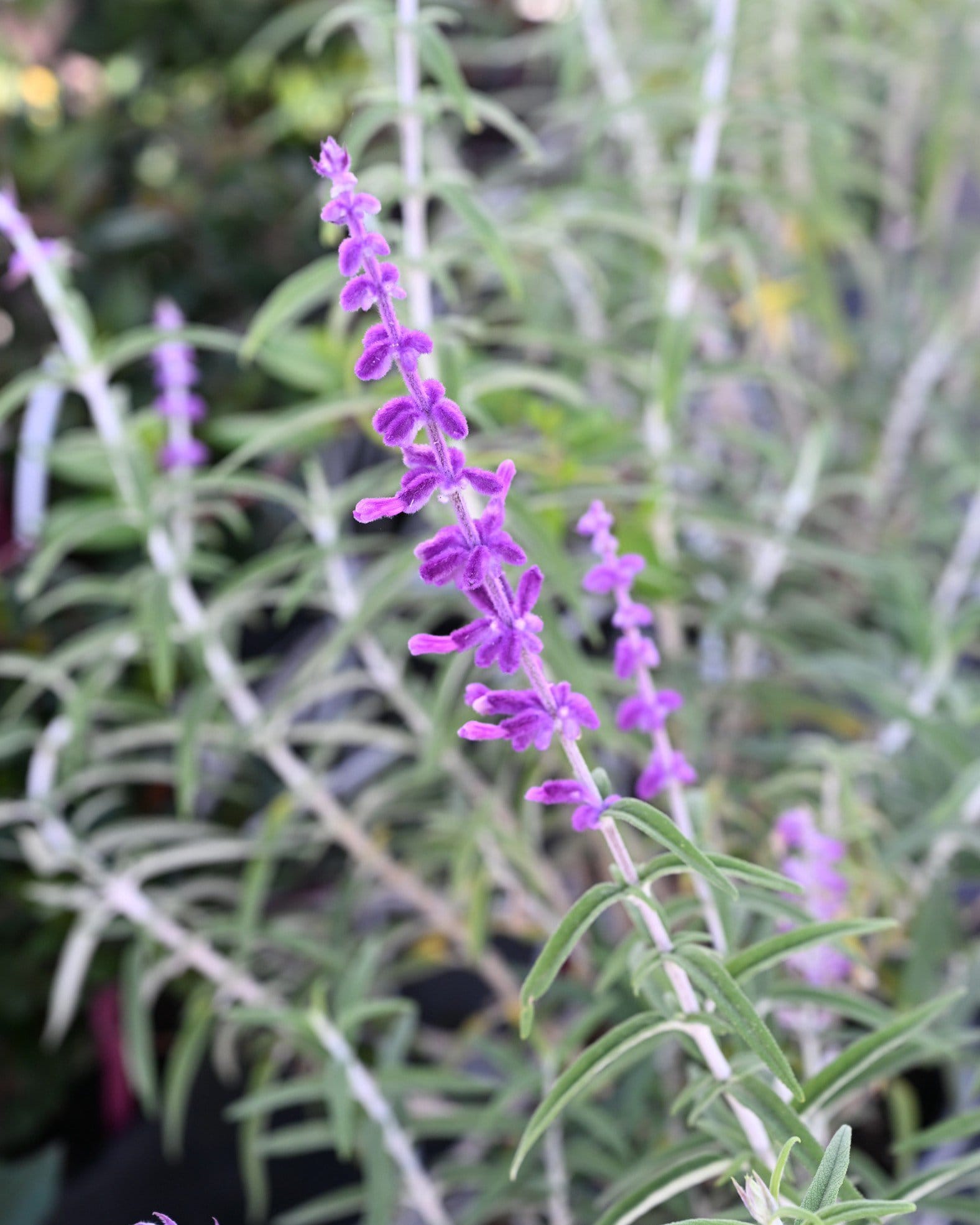
Mexican Bush Sage Santa Barbara
Maturity: 3' H x 3' W
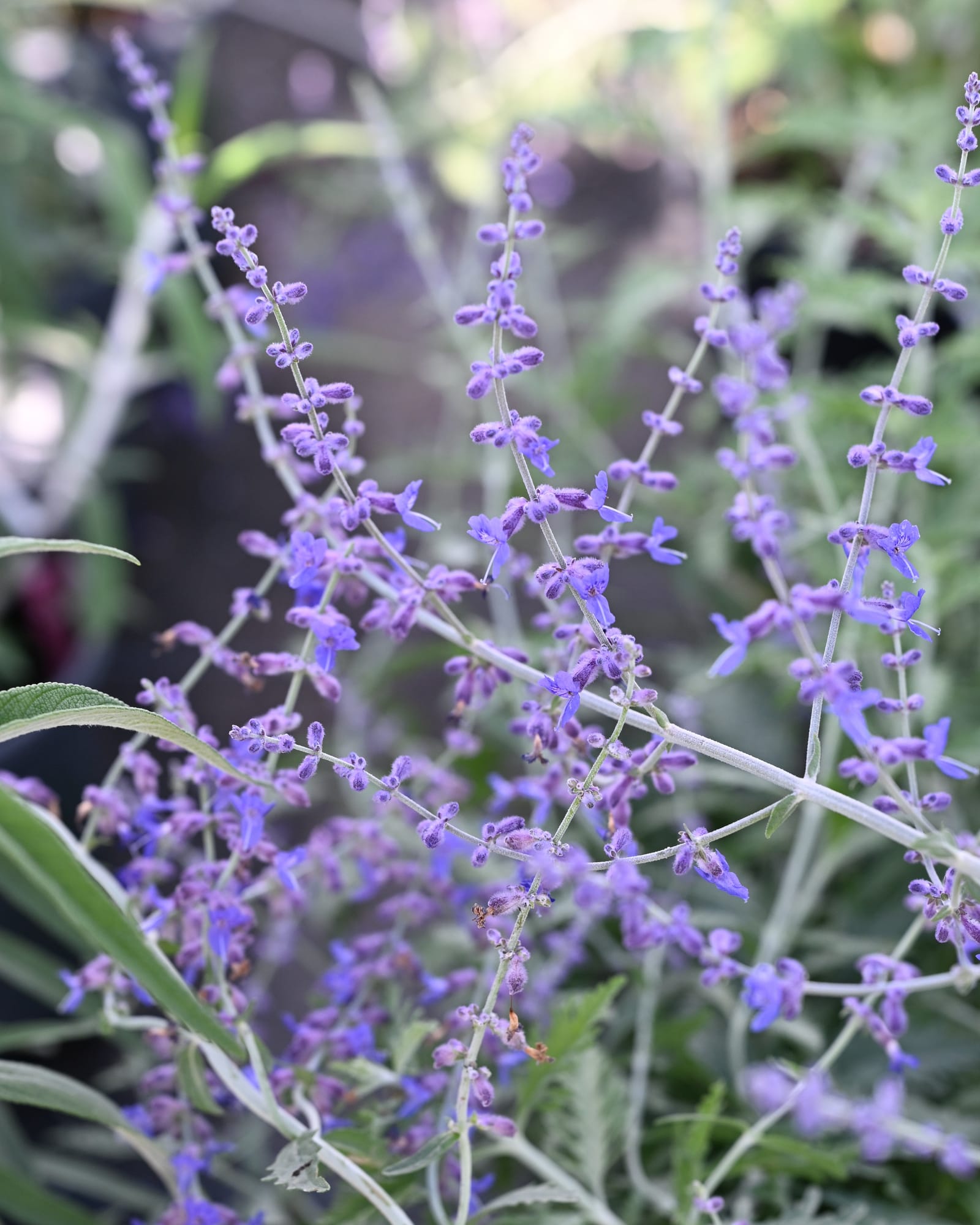
Russian Sage
Maturity: 3' H x 2' W
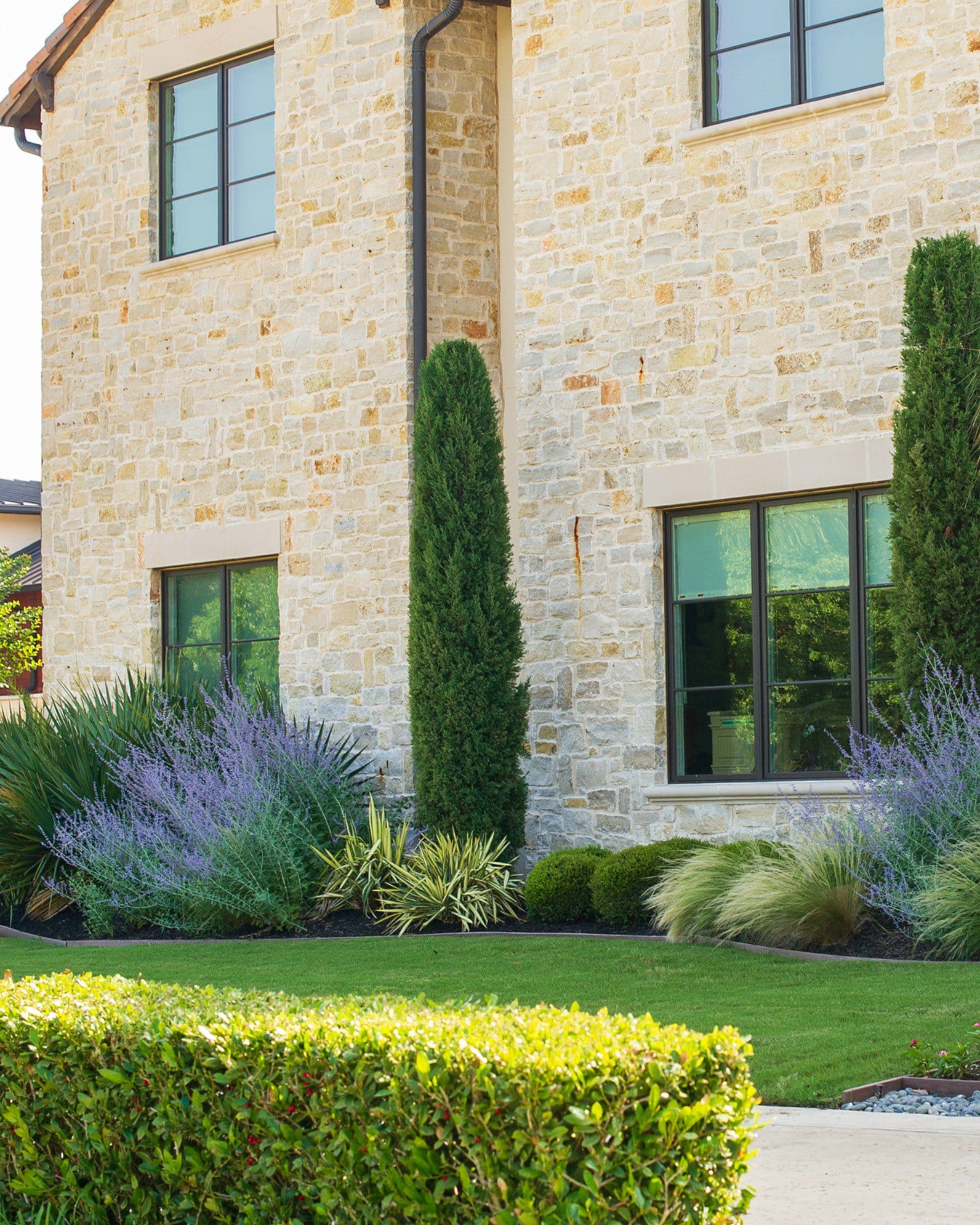
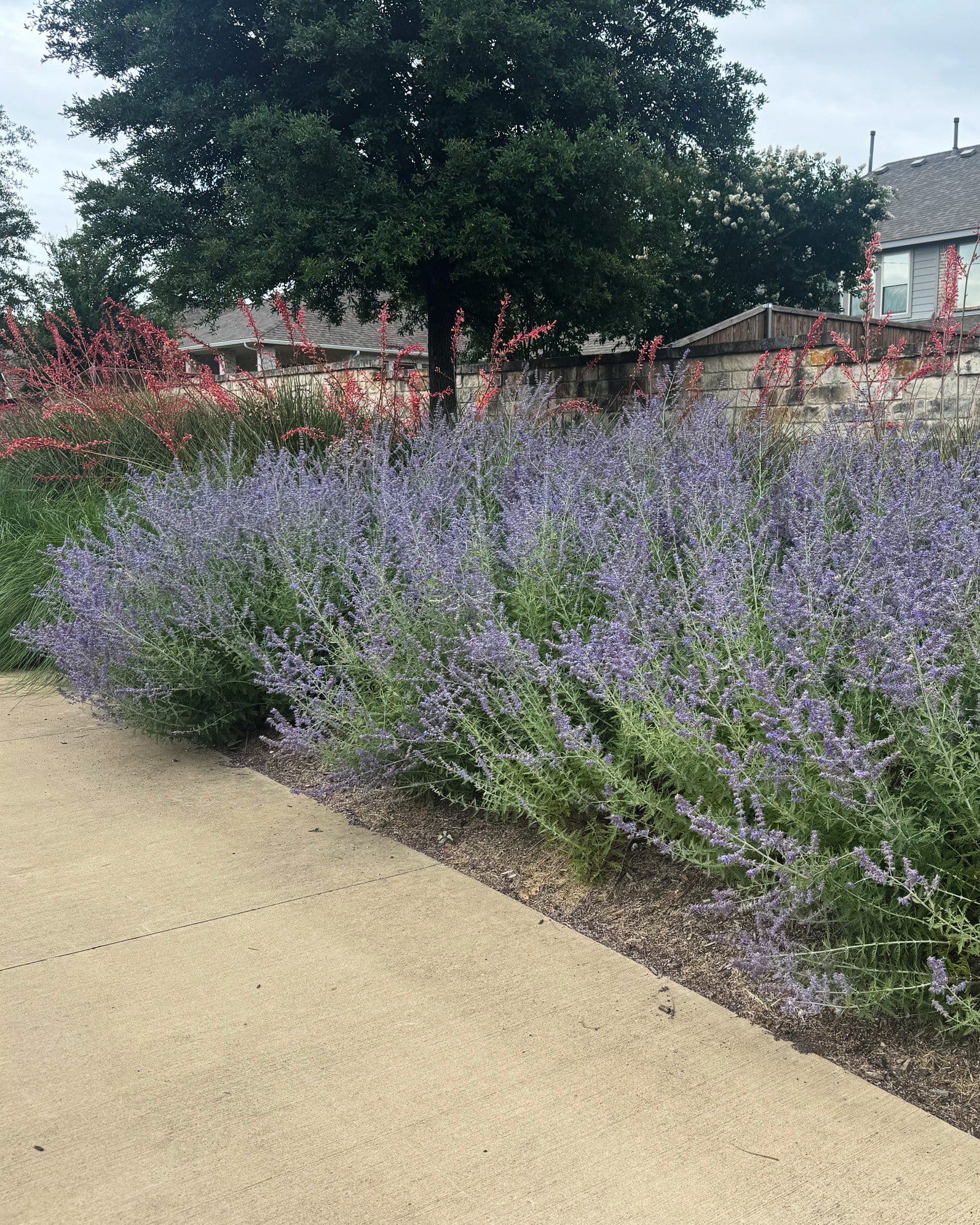
Russian Sage Crazy Blue
Maturity: 1.5' H x 1.5' W
Bandana Cherry Sunrise Lantana
Maturity: 1.5' H x 1.5' W
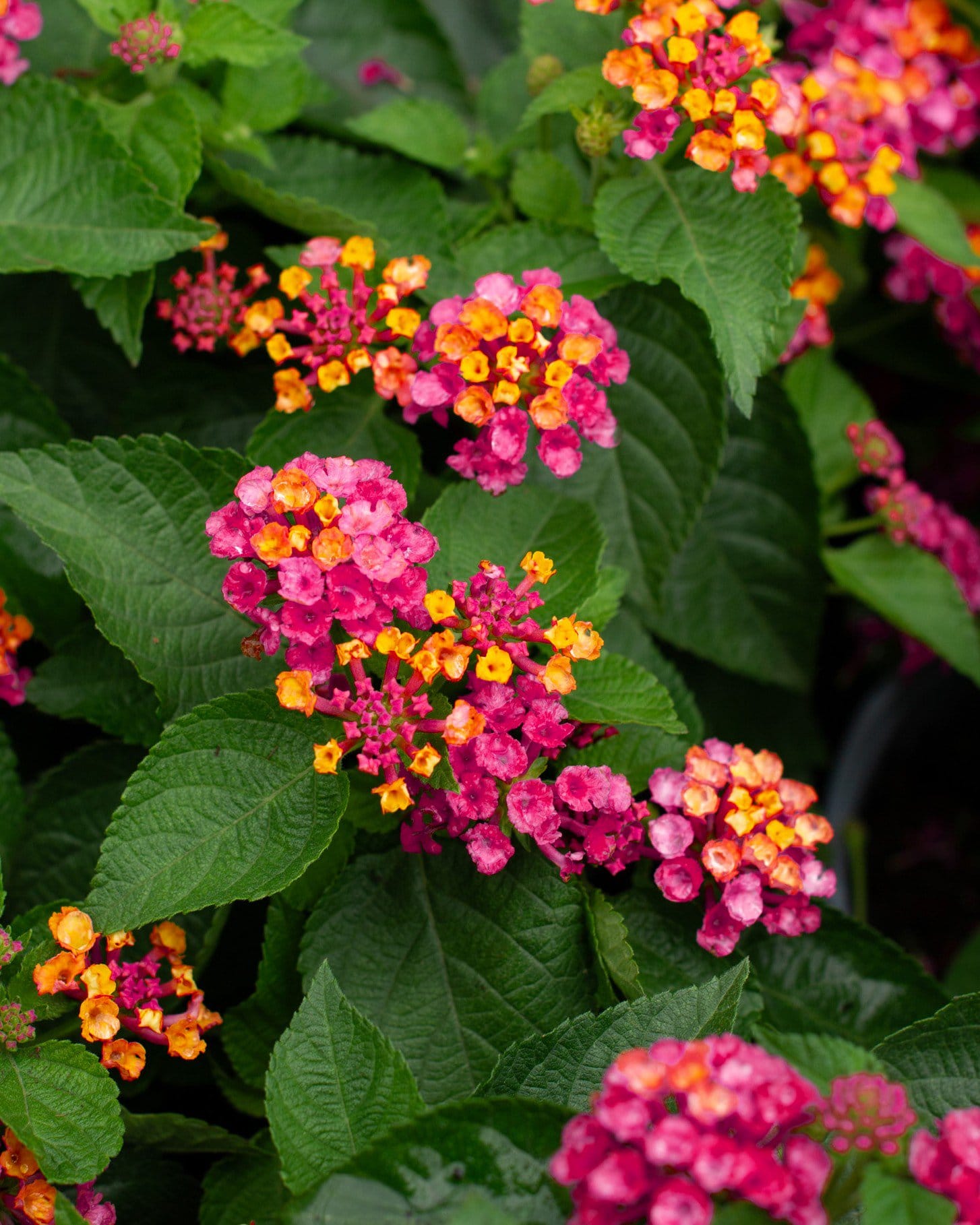
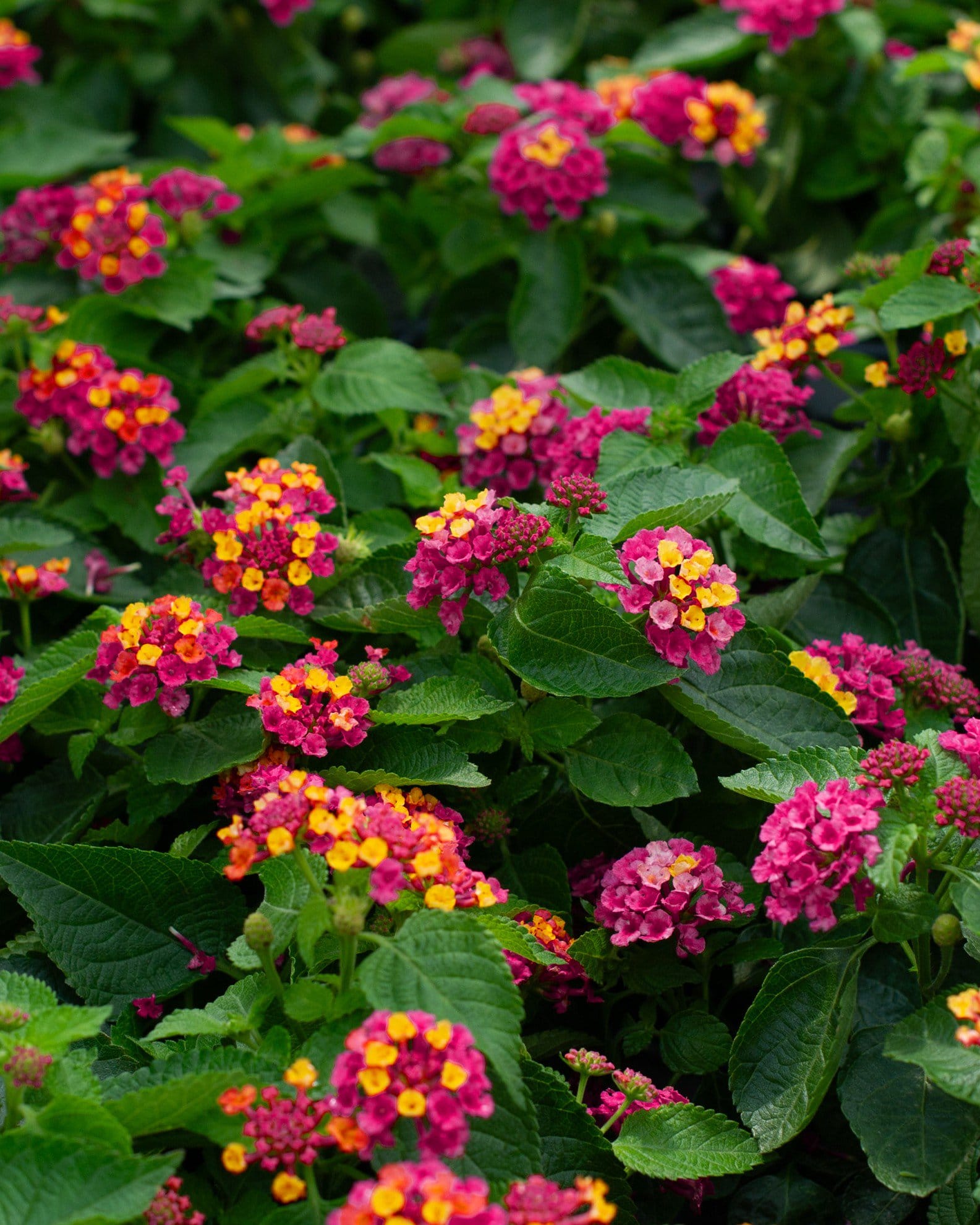
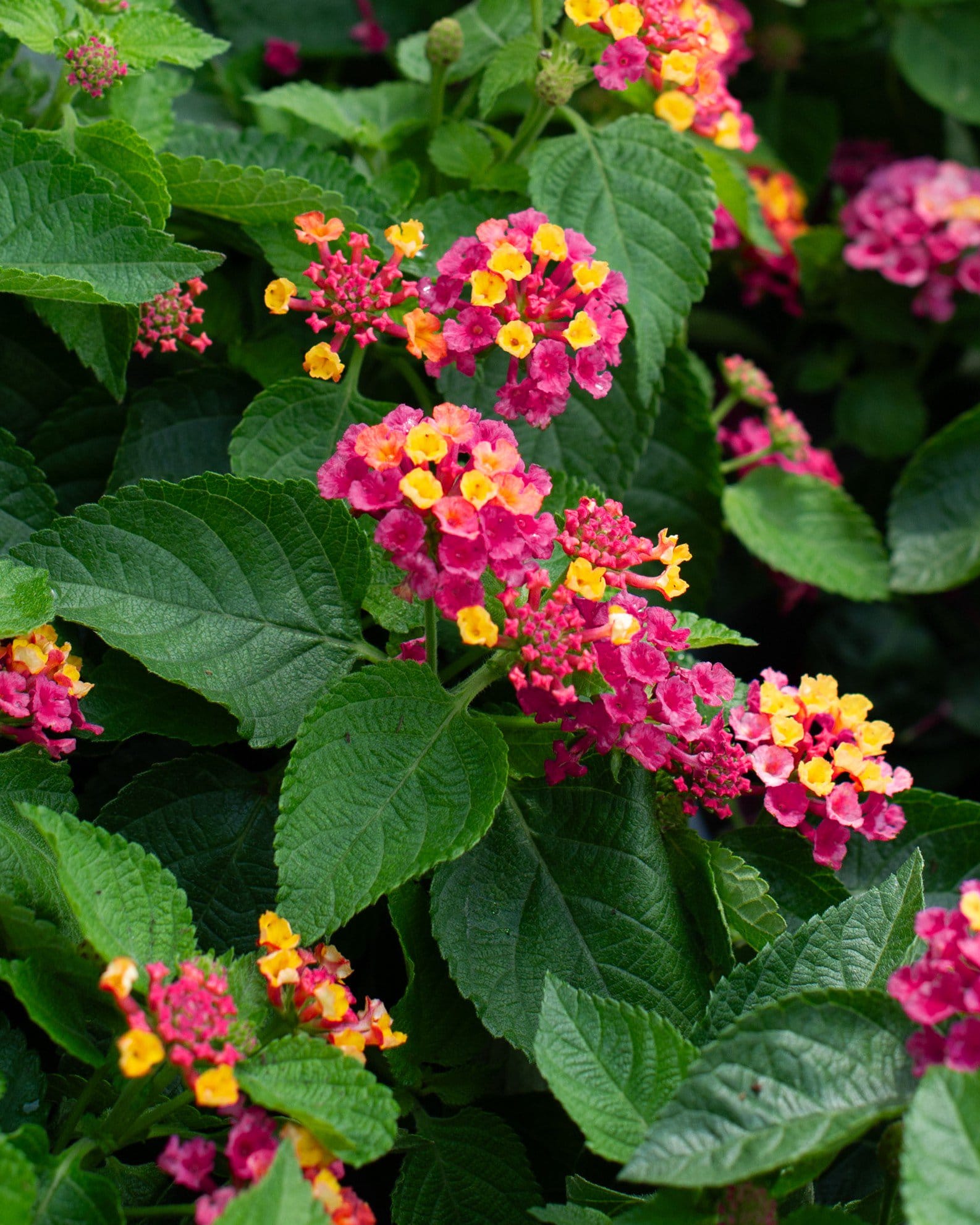
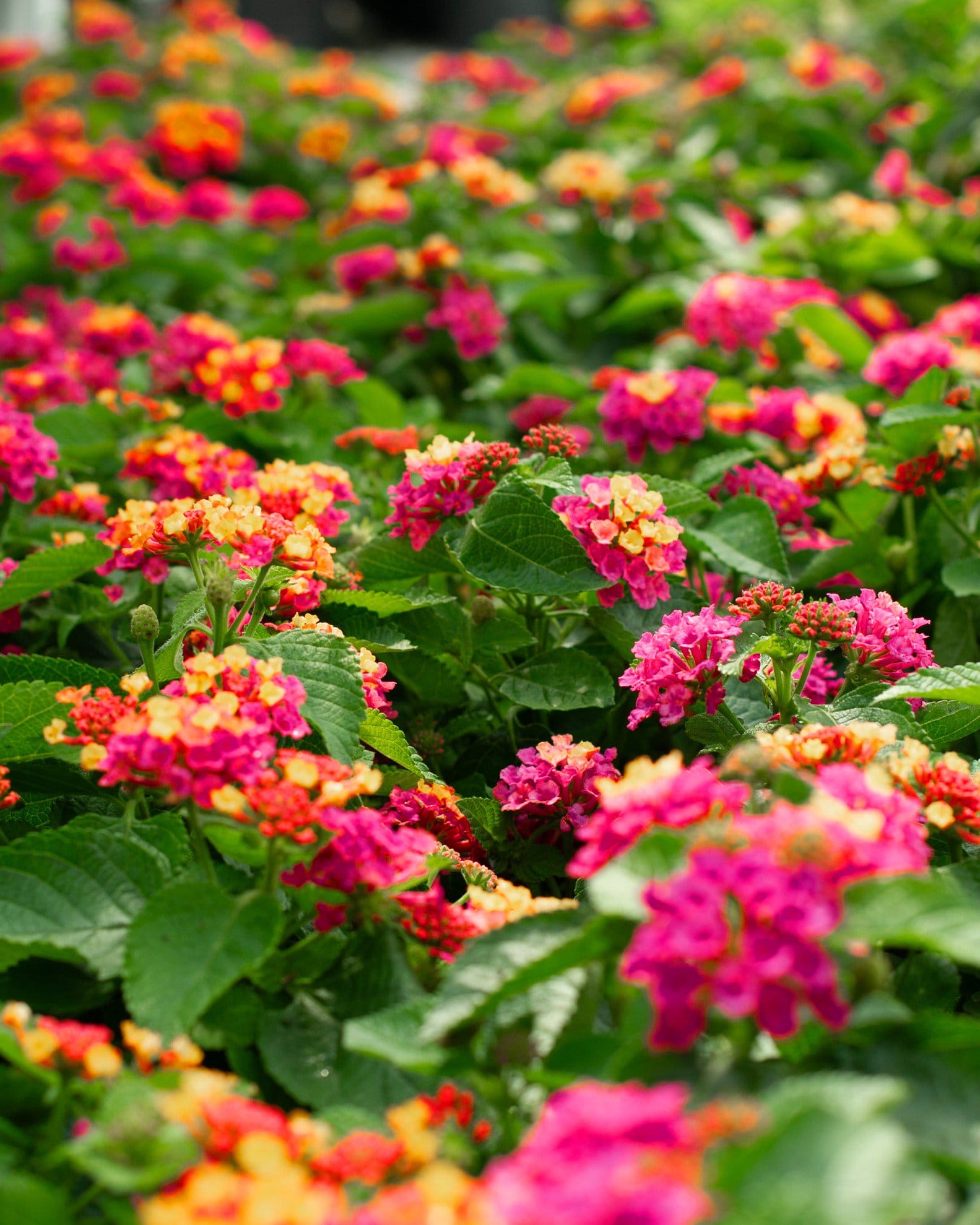
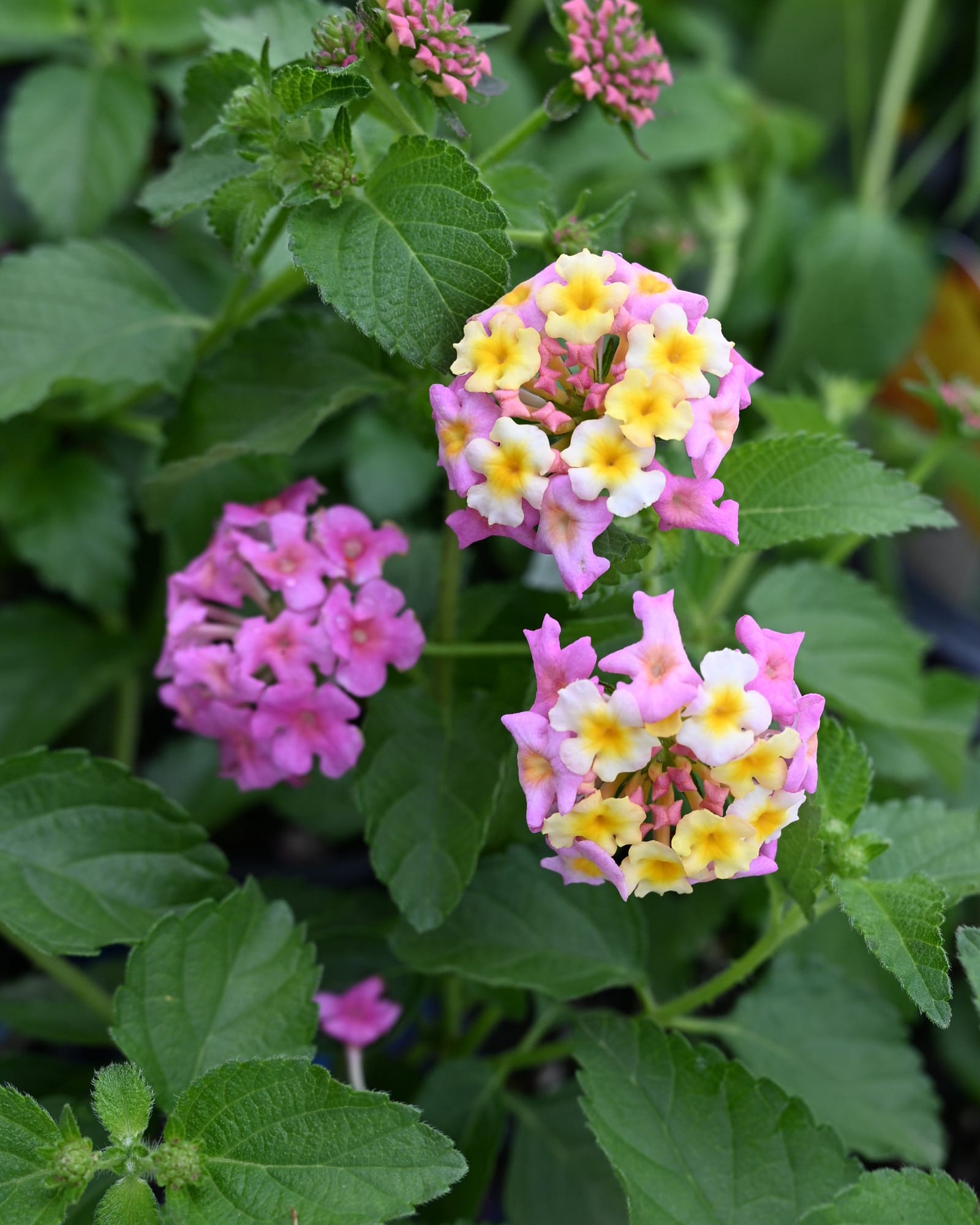
Chapel Hill Pink Huff Lantana
Maturity: 2' H x 3' W
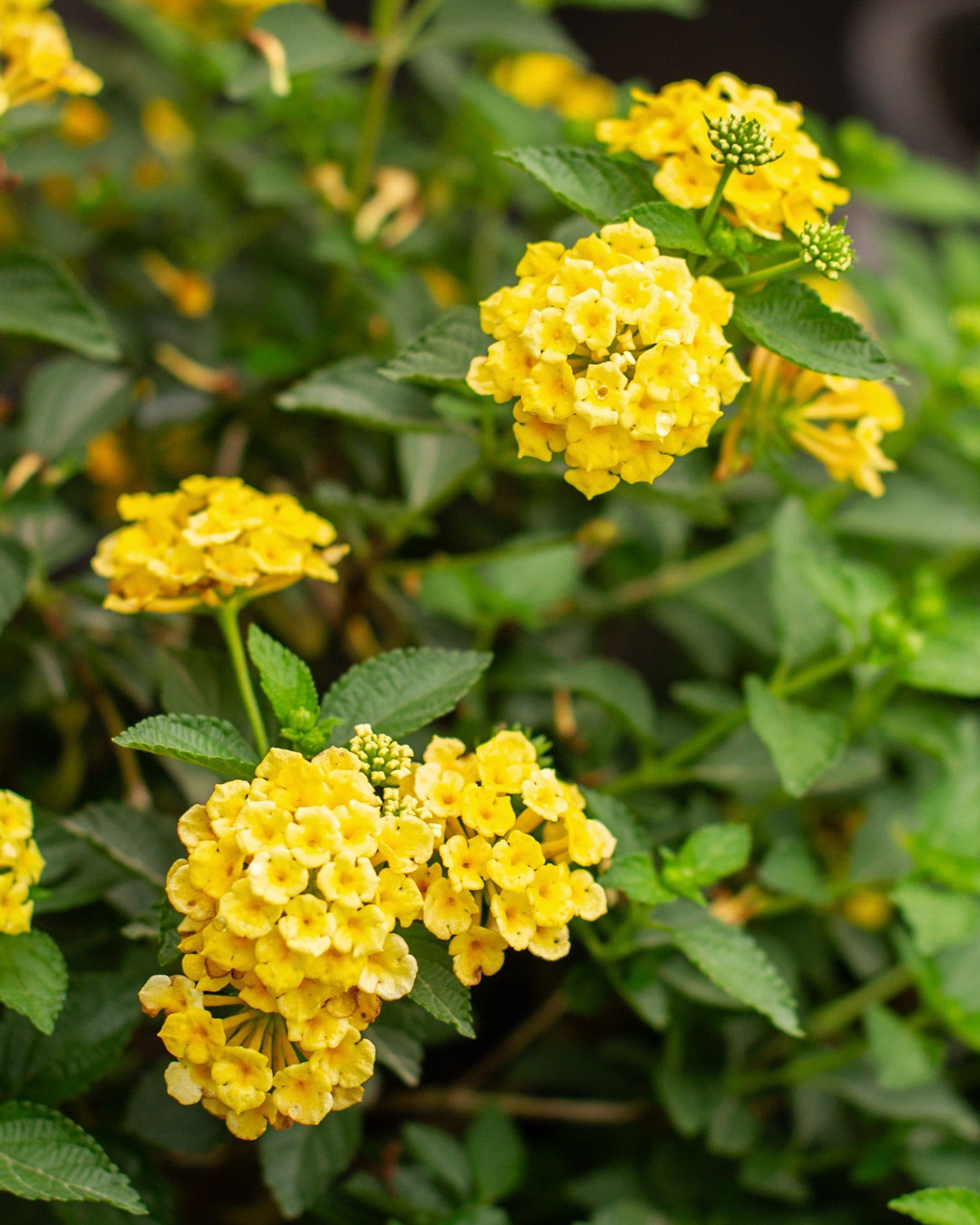
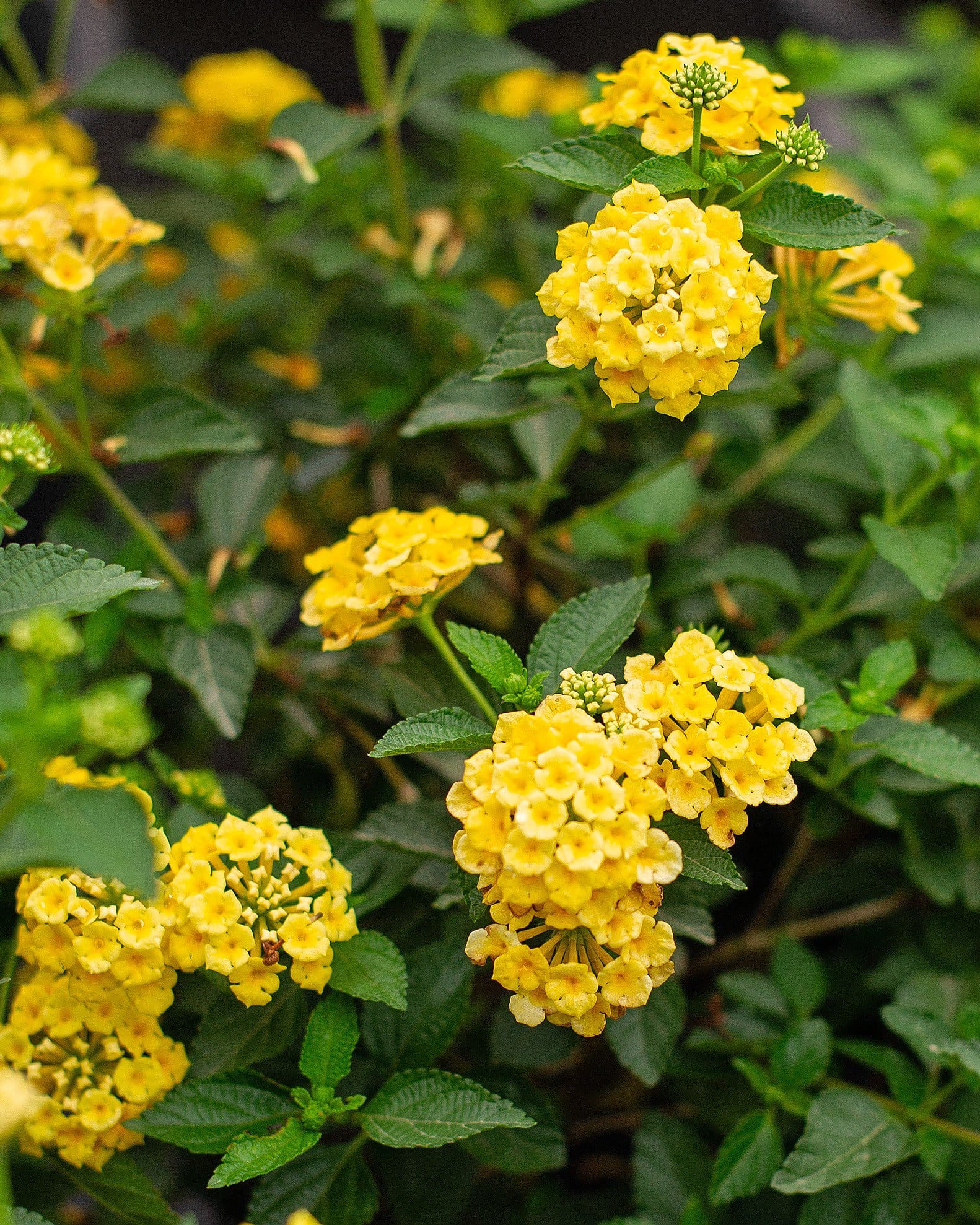
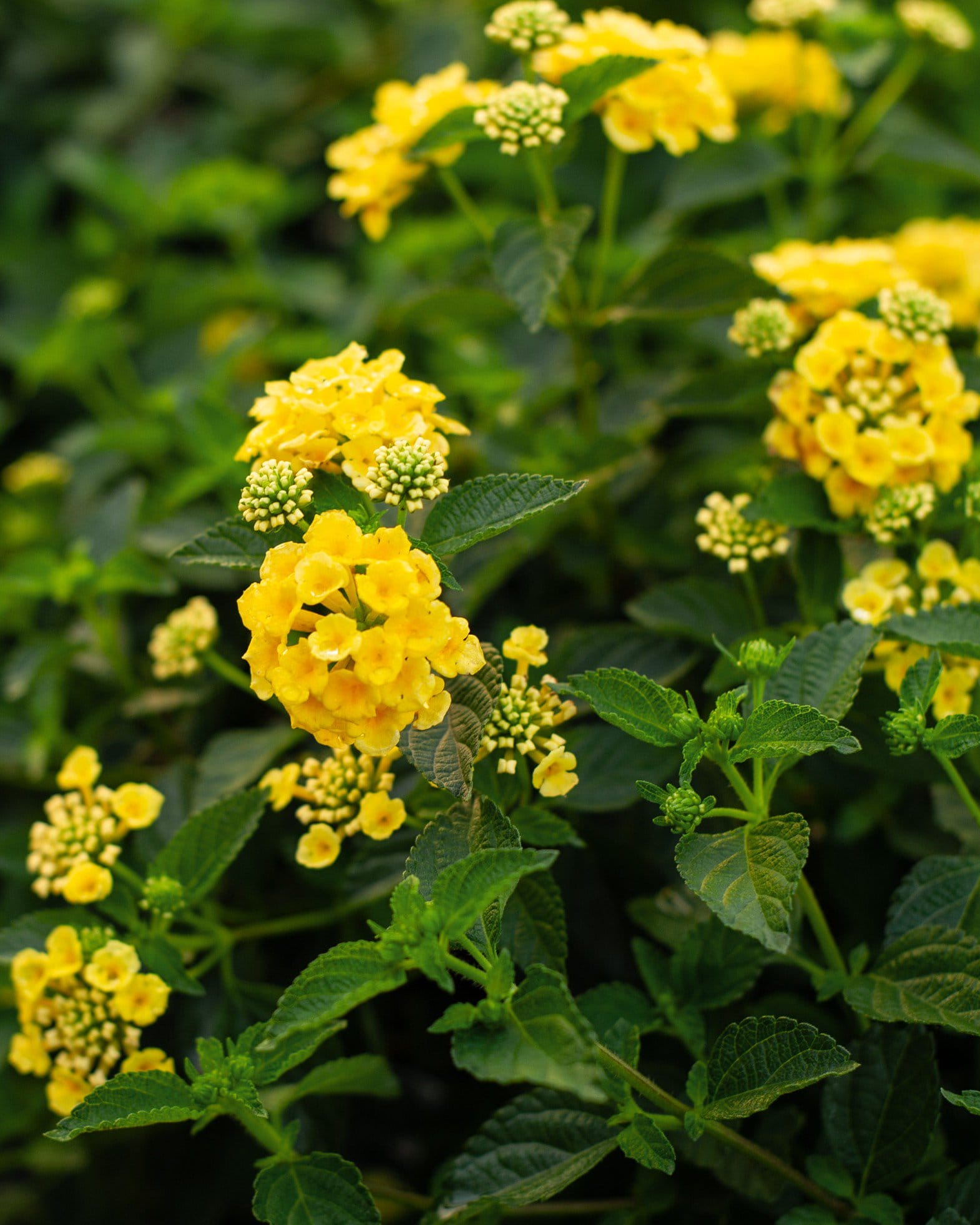
Chapel Hill Yellow Lantana
Maturity: 1.5' H x 2' W
Chocolate Daisy
Maturity: 1' H x 1' W
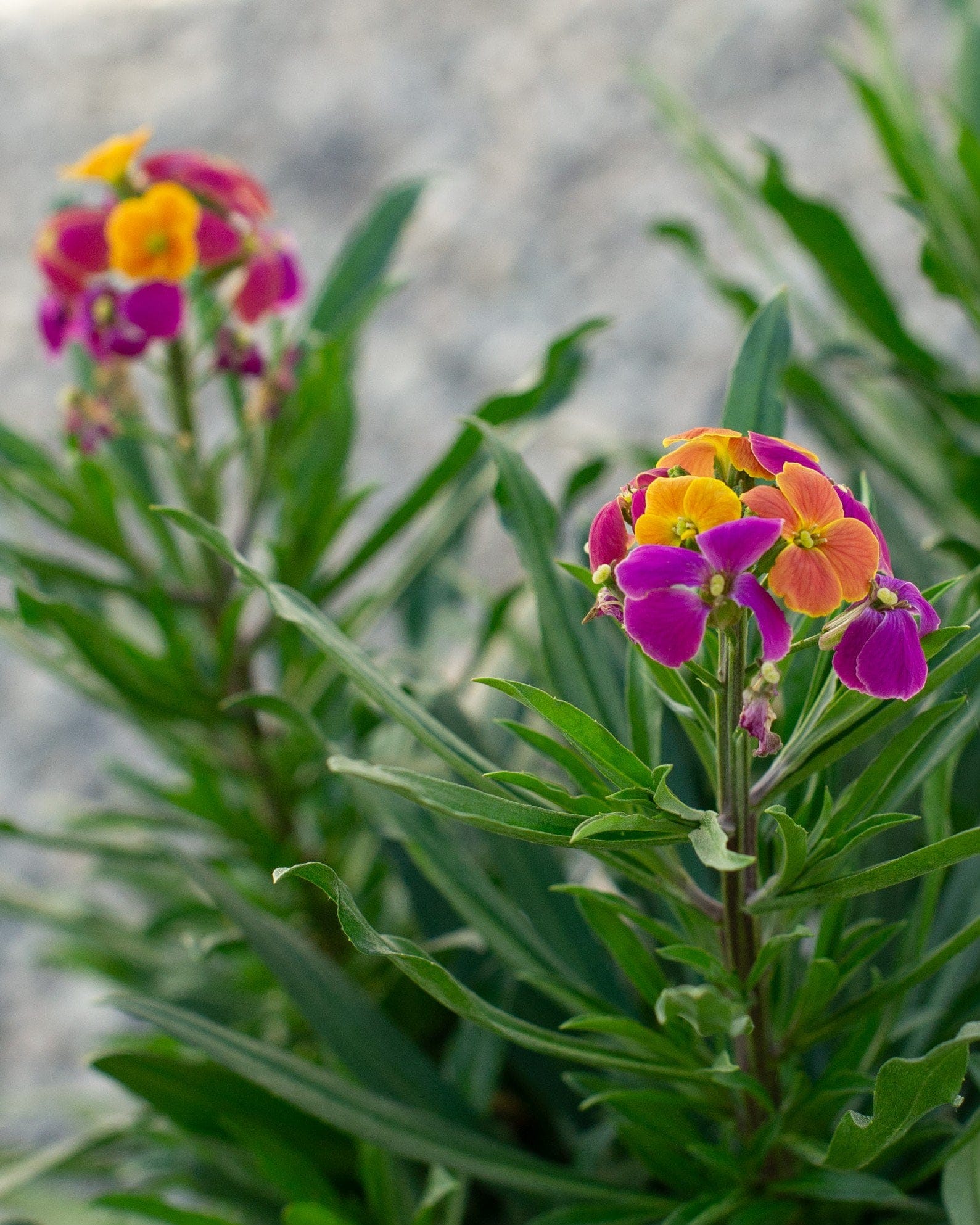
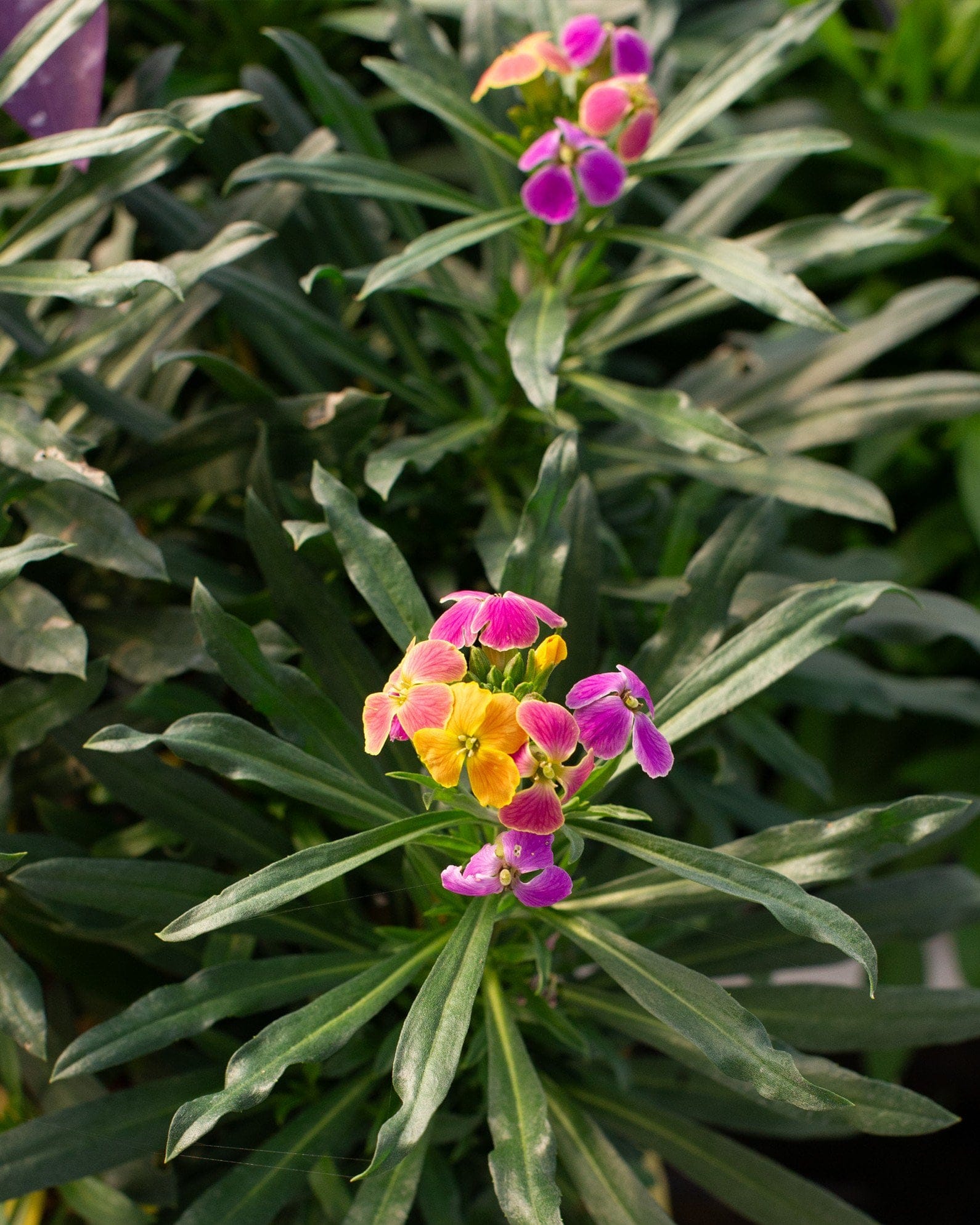
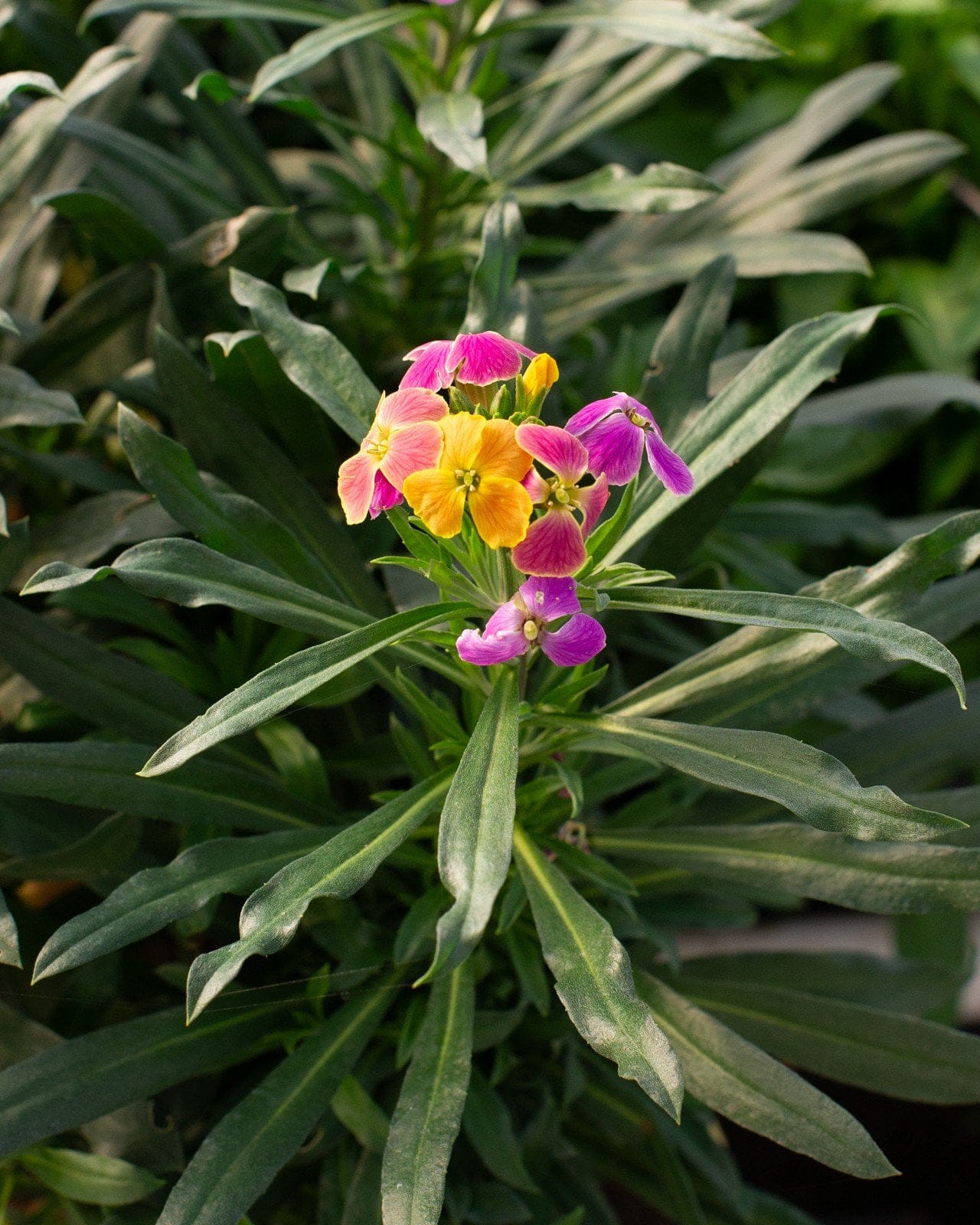
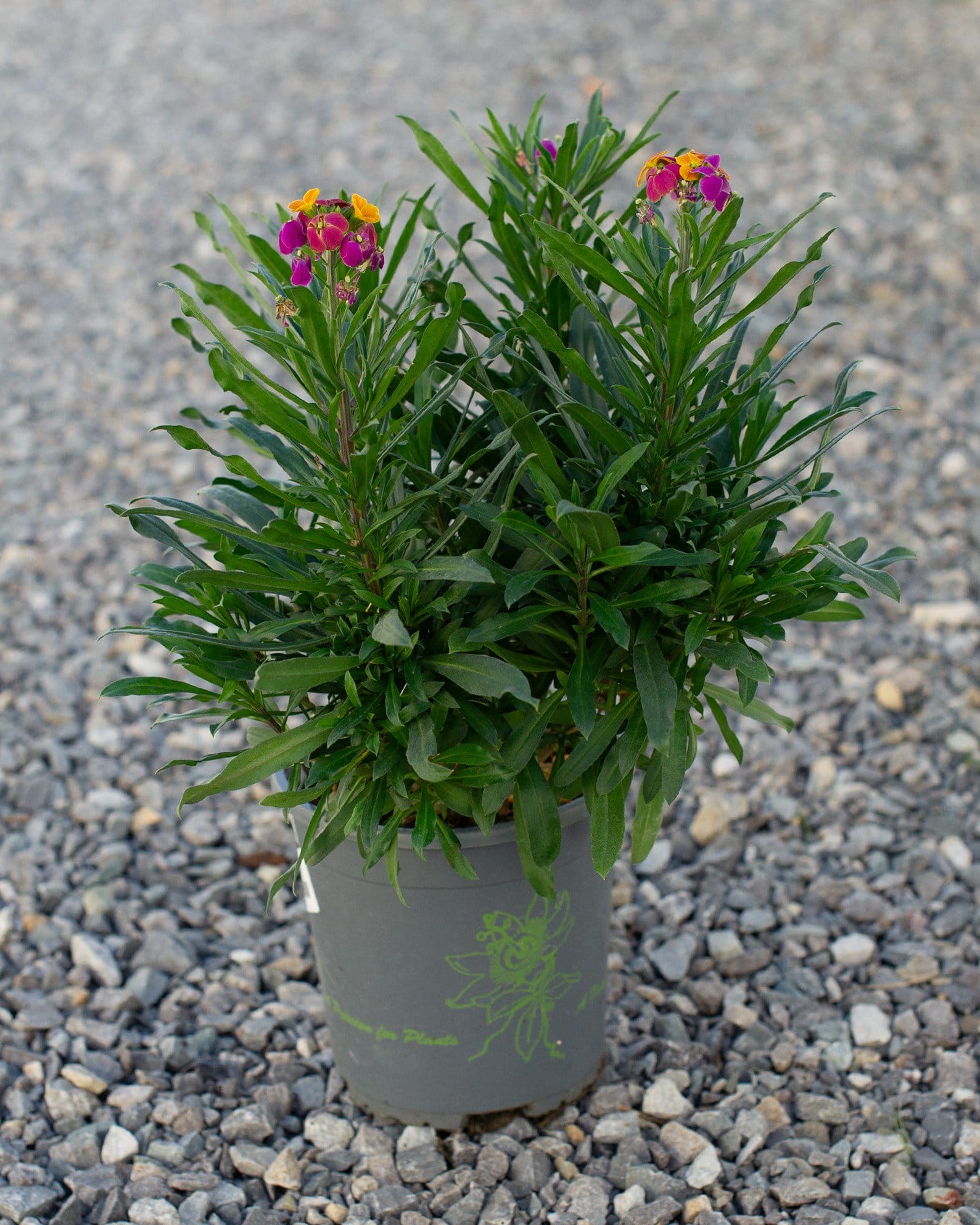
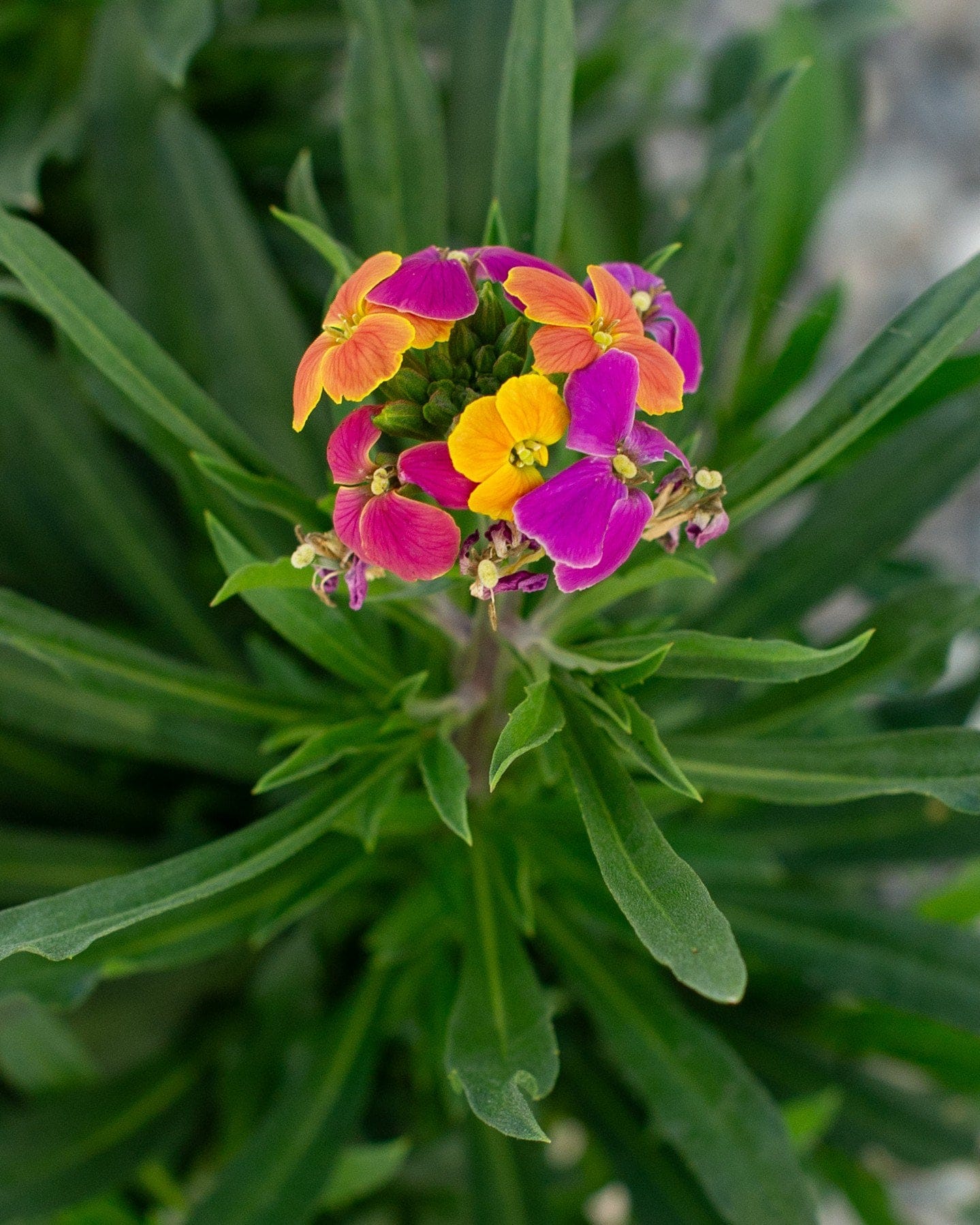
Erysistible Tricolor Wallflower
Maturity: 1.5' H x 1' W
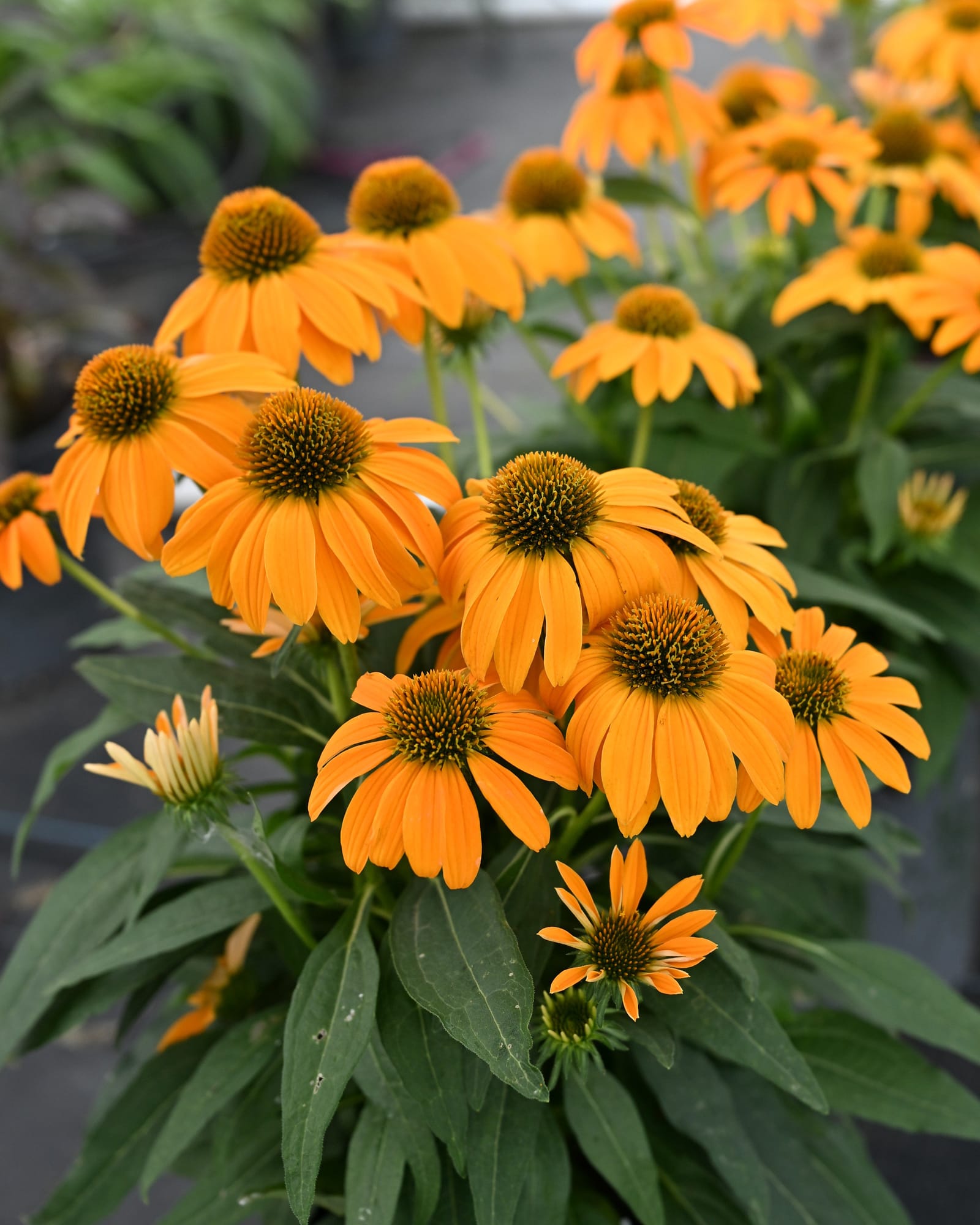
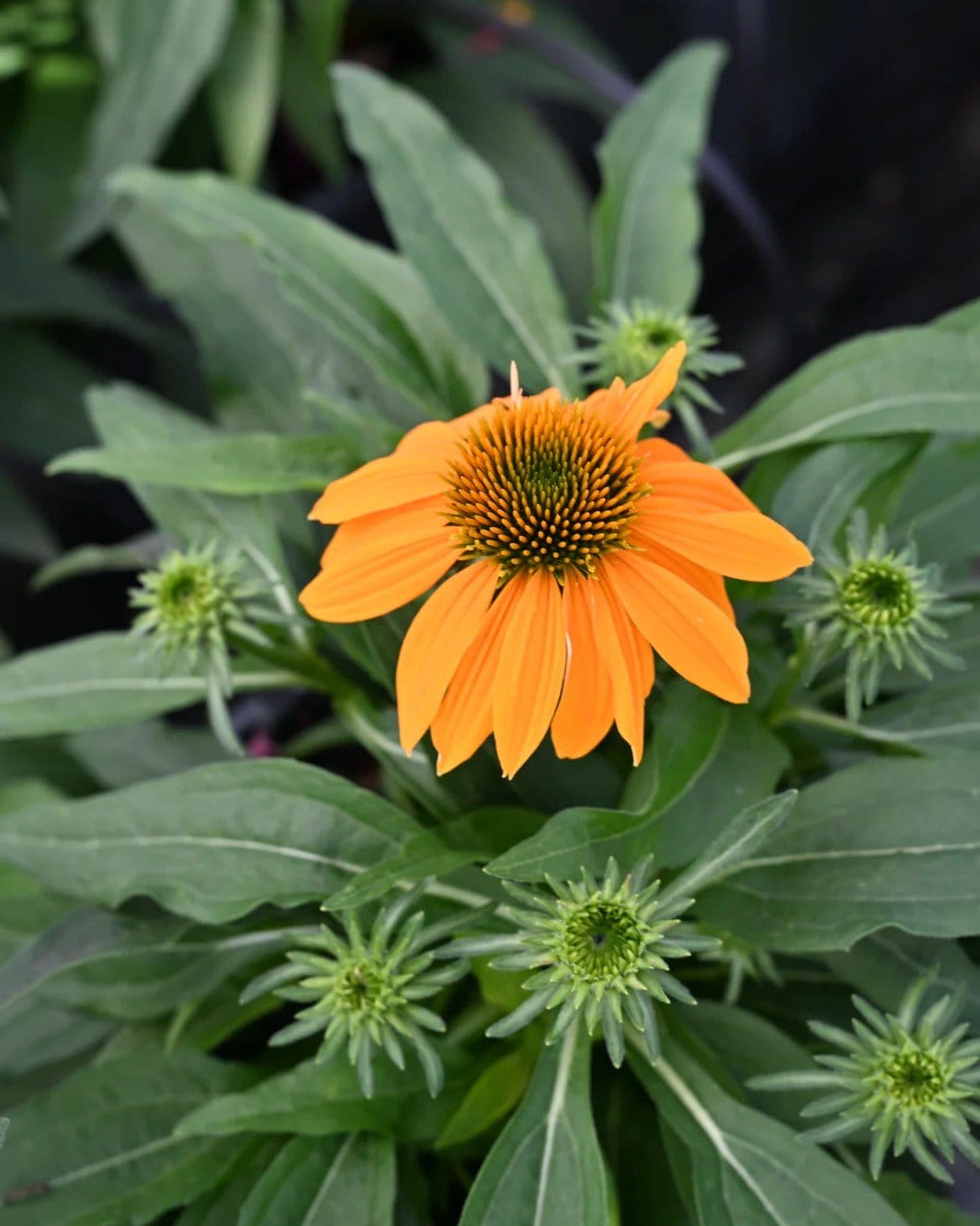
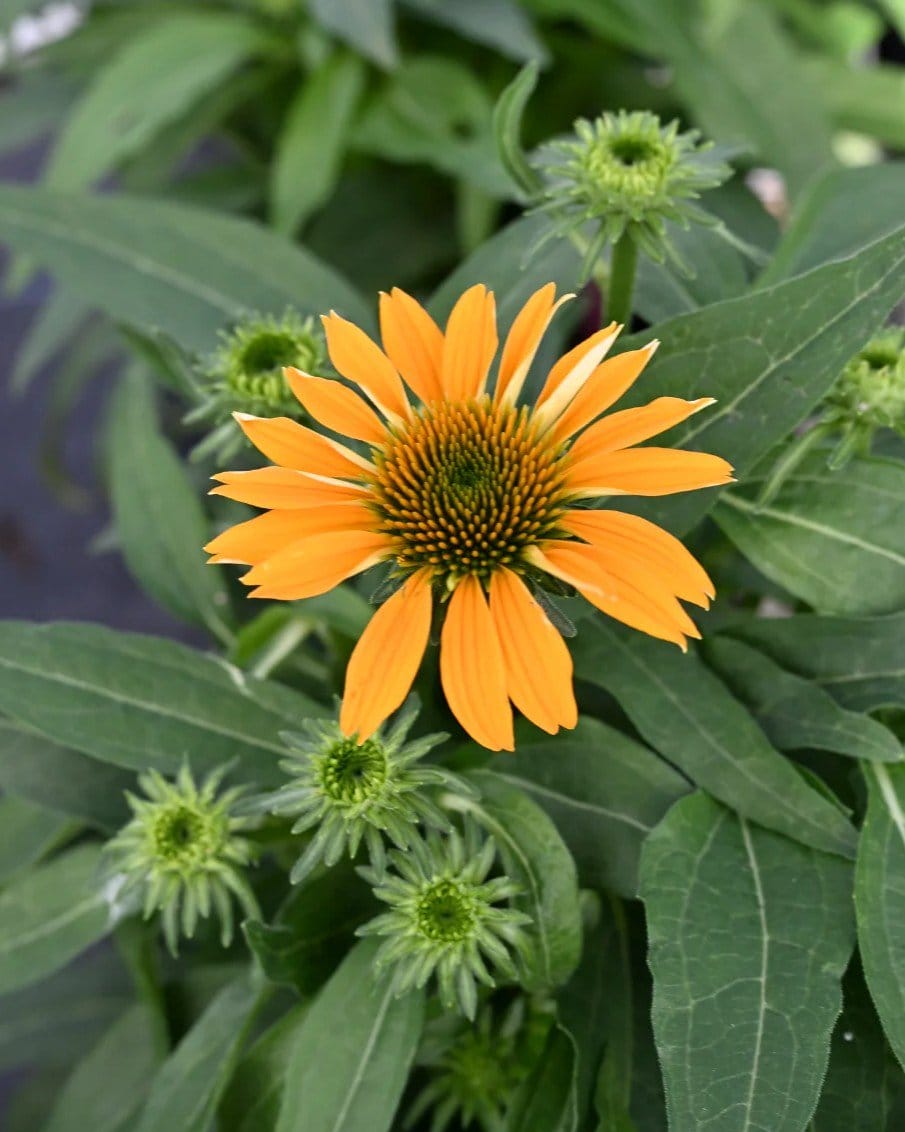
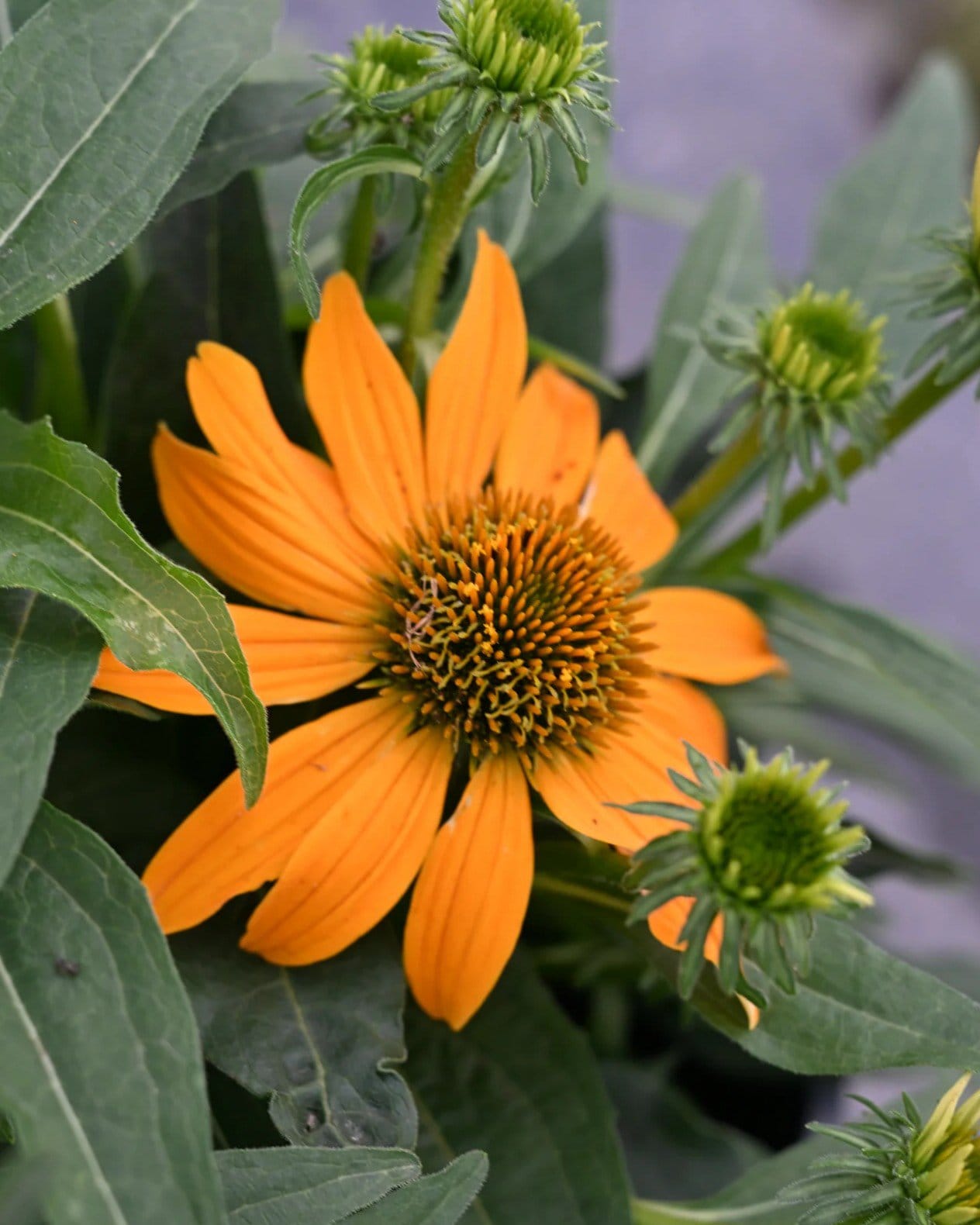
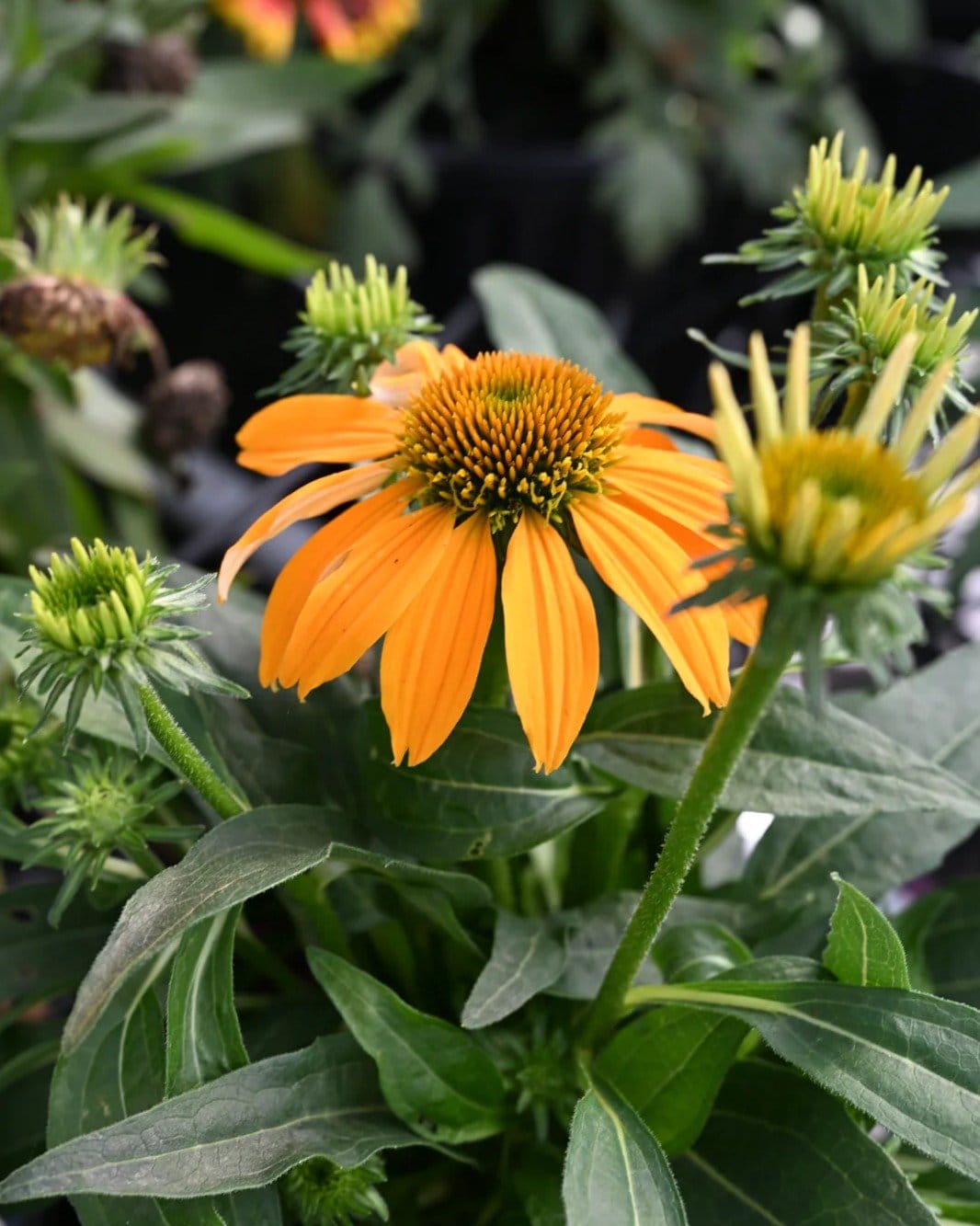
Guatemala Gold Coneflower
Maturity: 0.75' H x 0.75' W
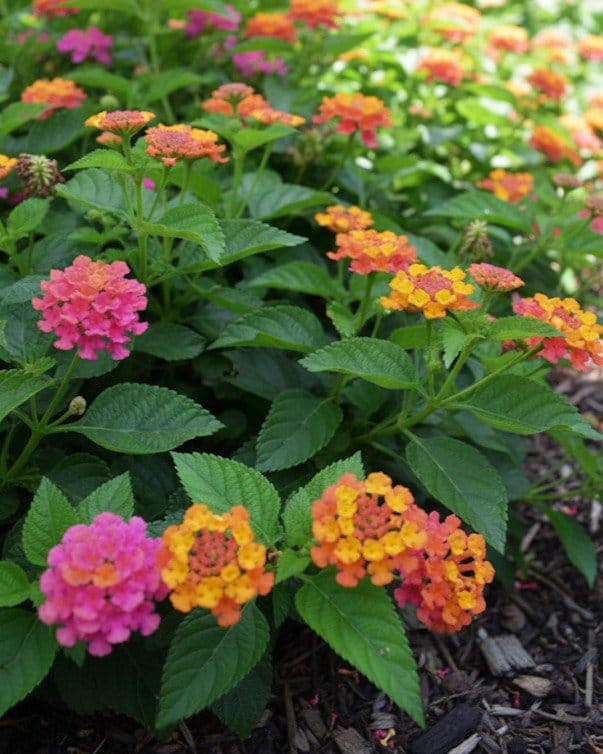
Havana Sunset Lantana
Maturity: 3' H x 3' W
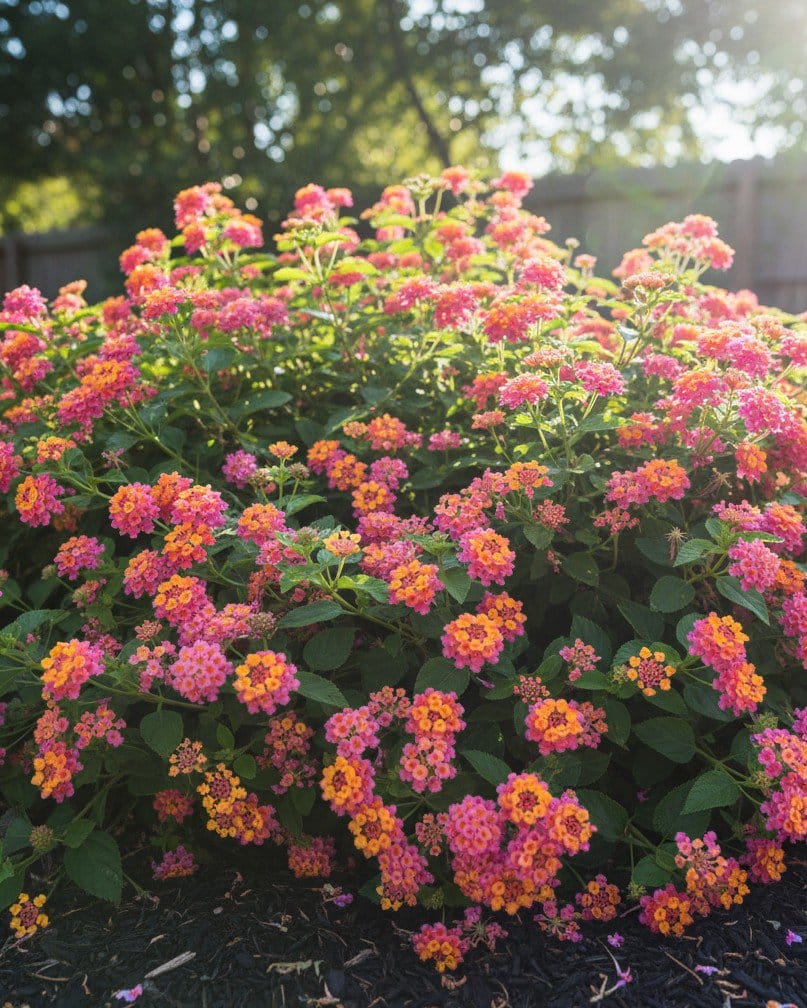
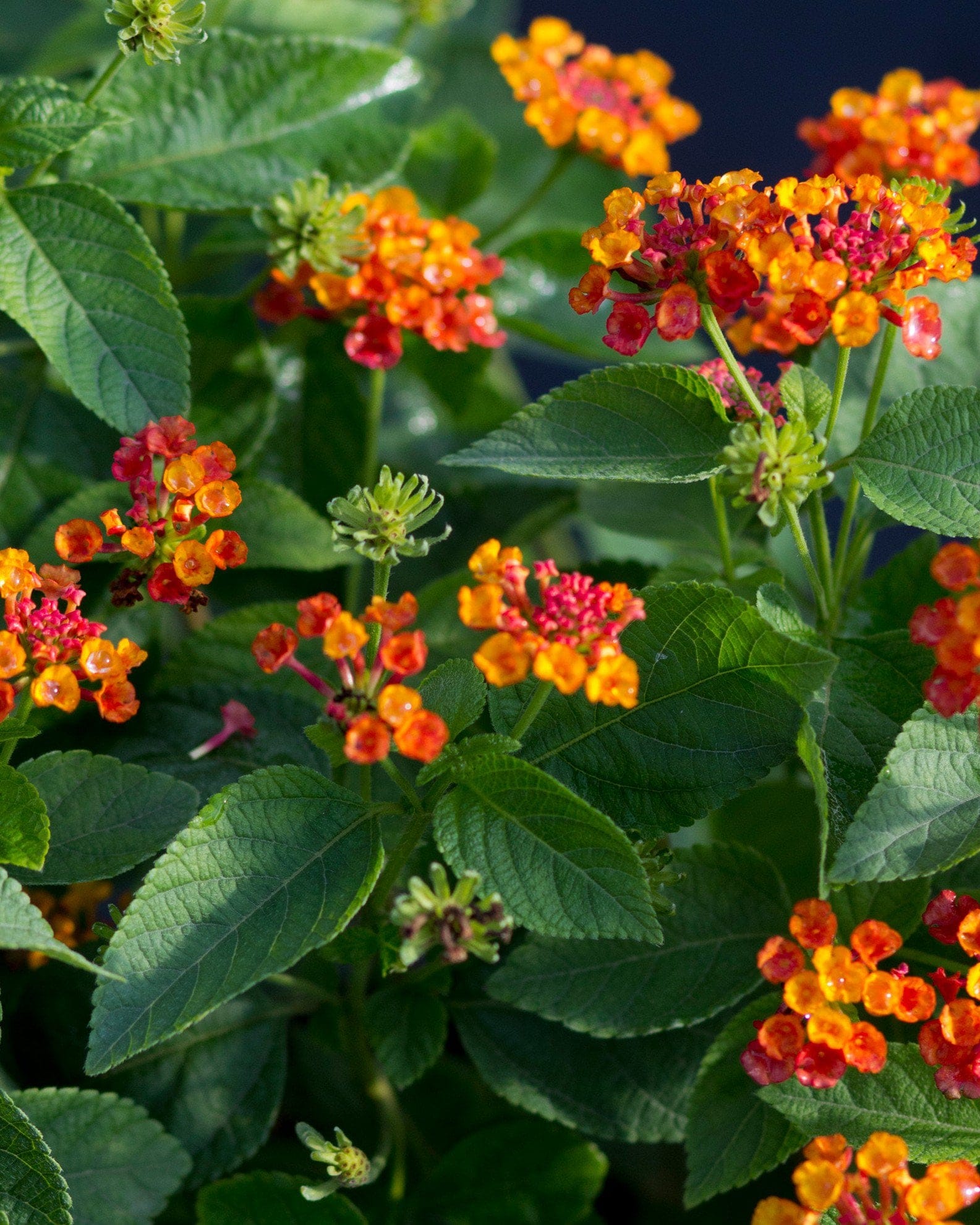
Hot Blooded Lantana
Maturity: 1.5' H x 1.5' W
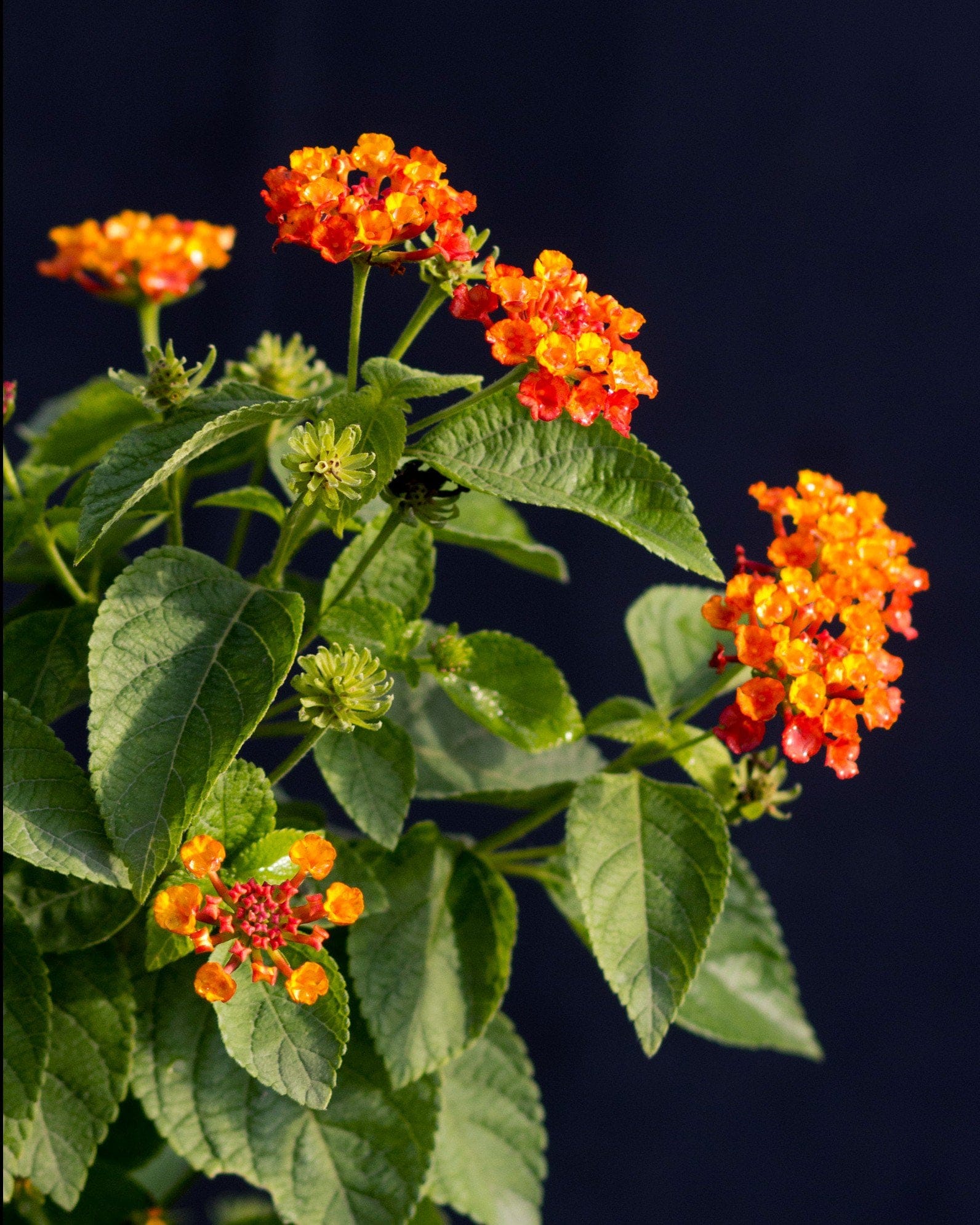
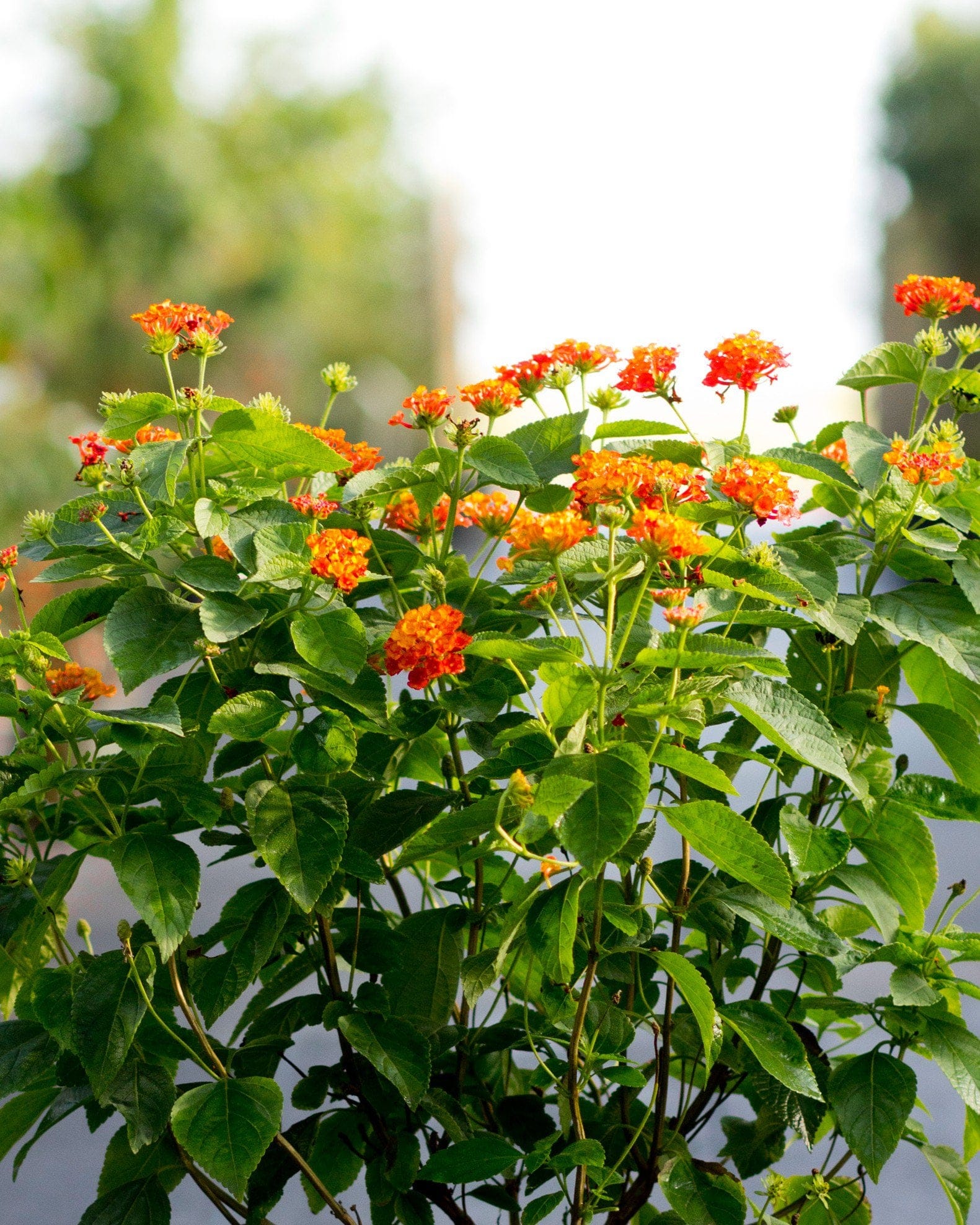
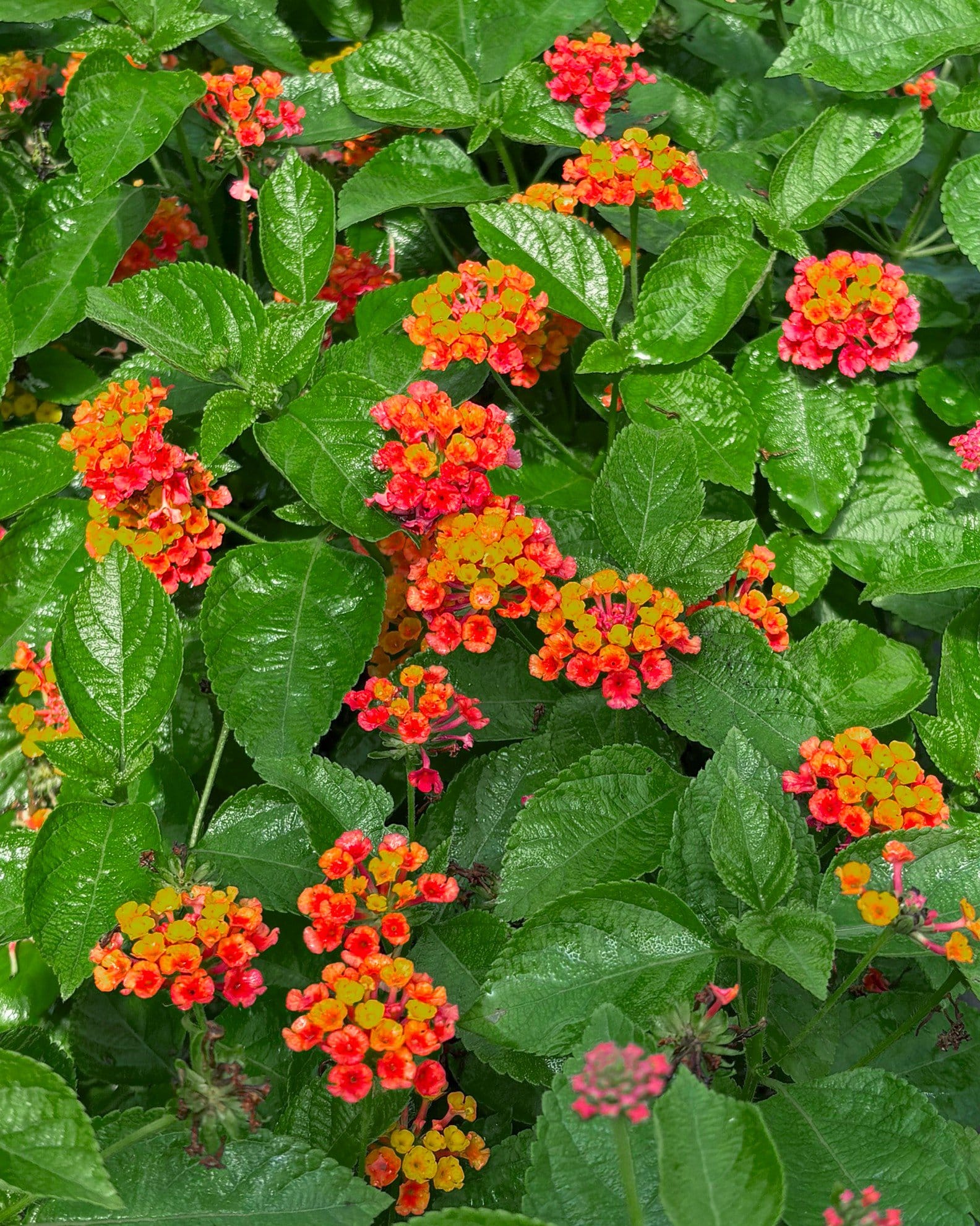
Irene Lantana
Maturity: 3' H x 3' W
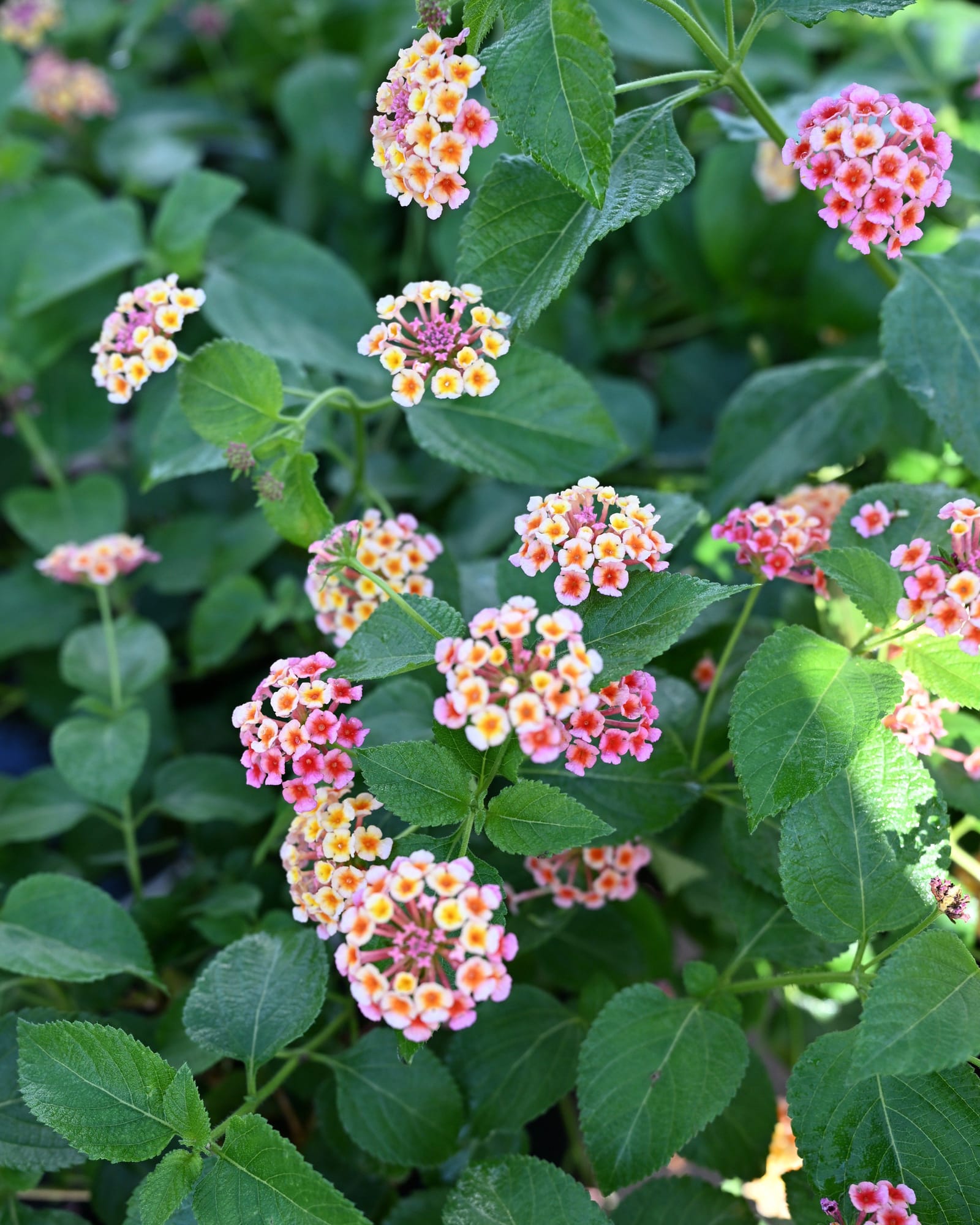
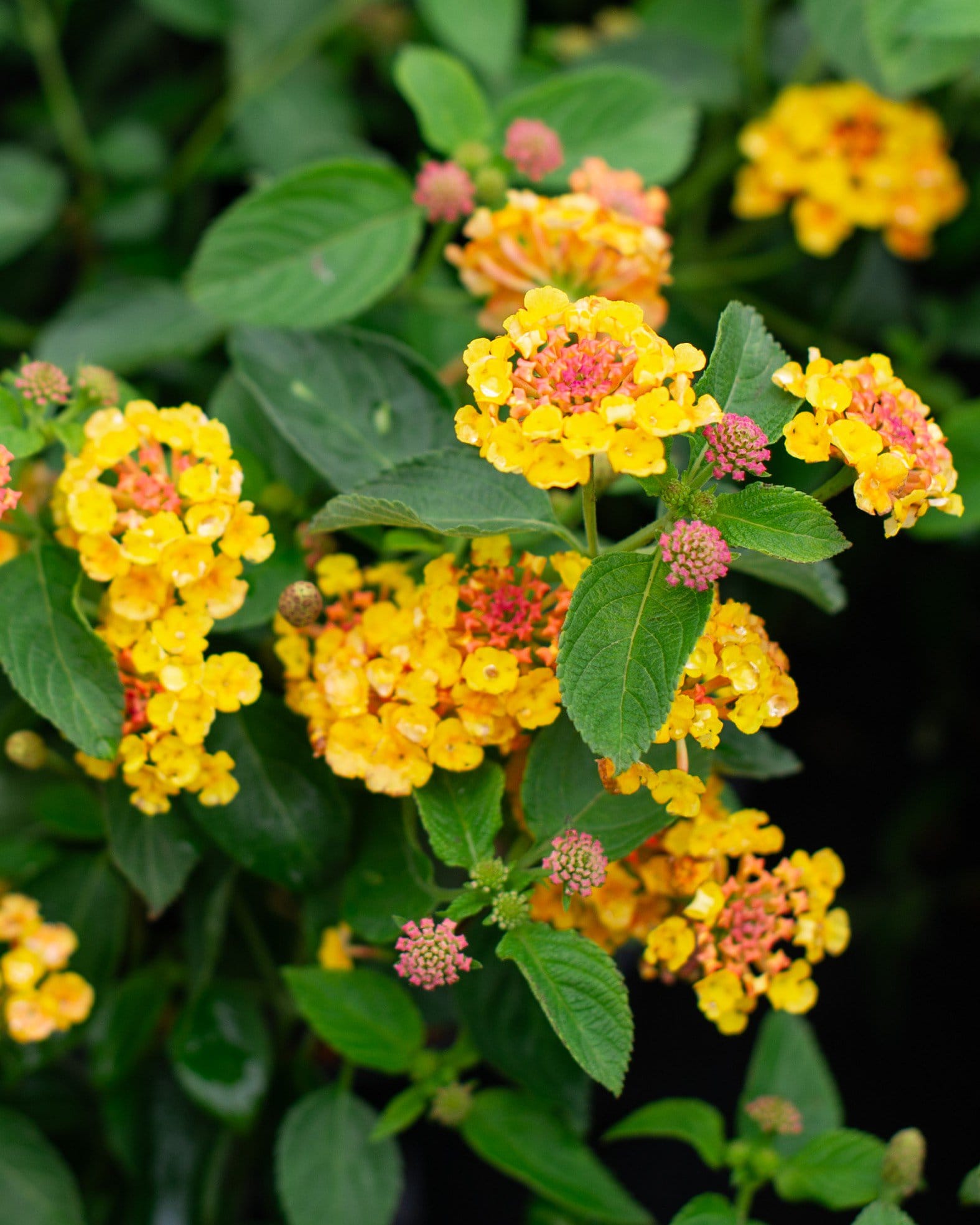
Landmark Citrus Lantana
Maturity: 1.5' H x 1.5' W
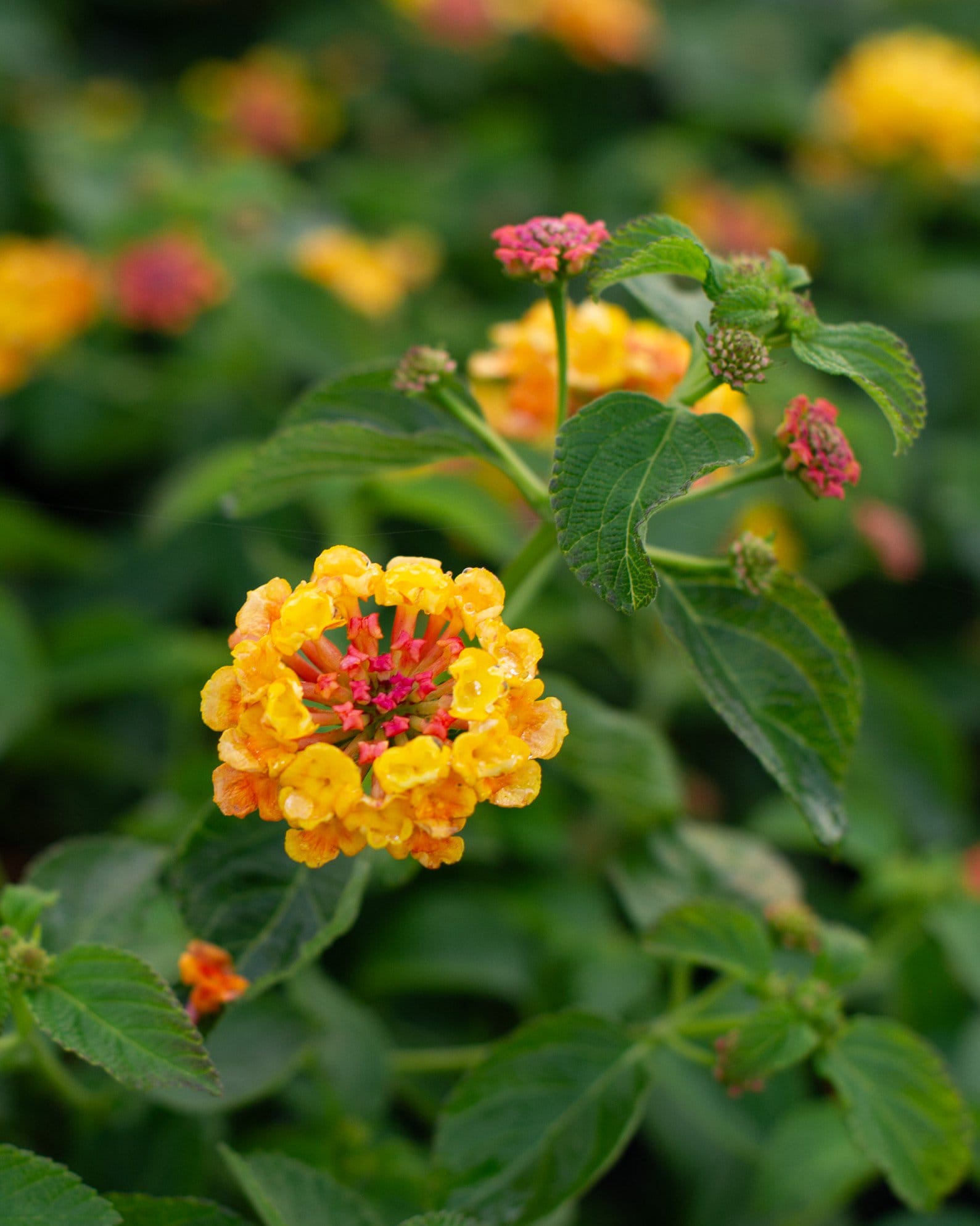
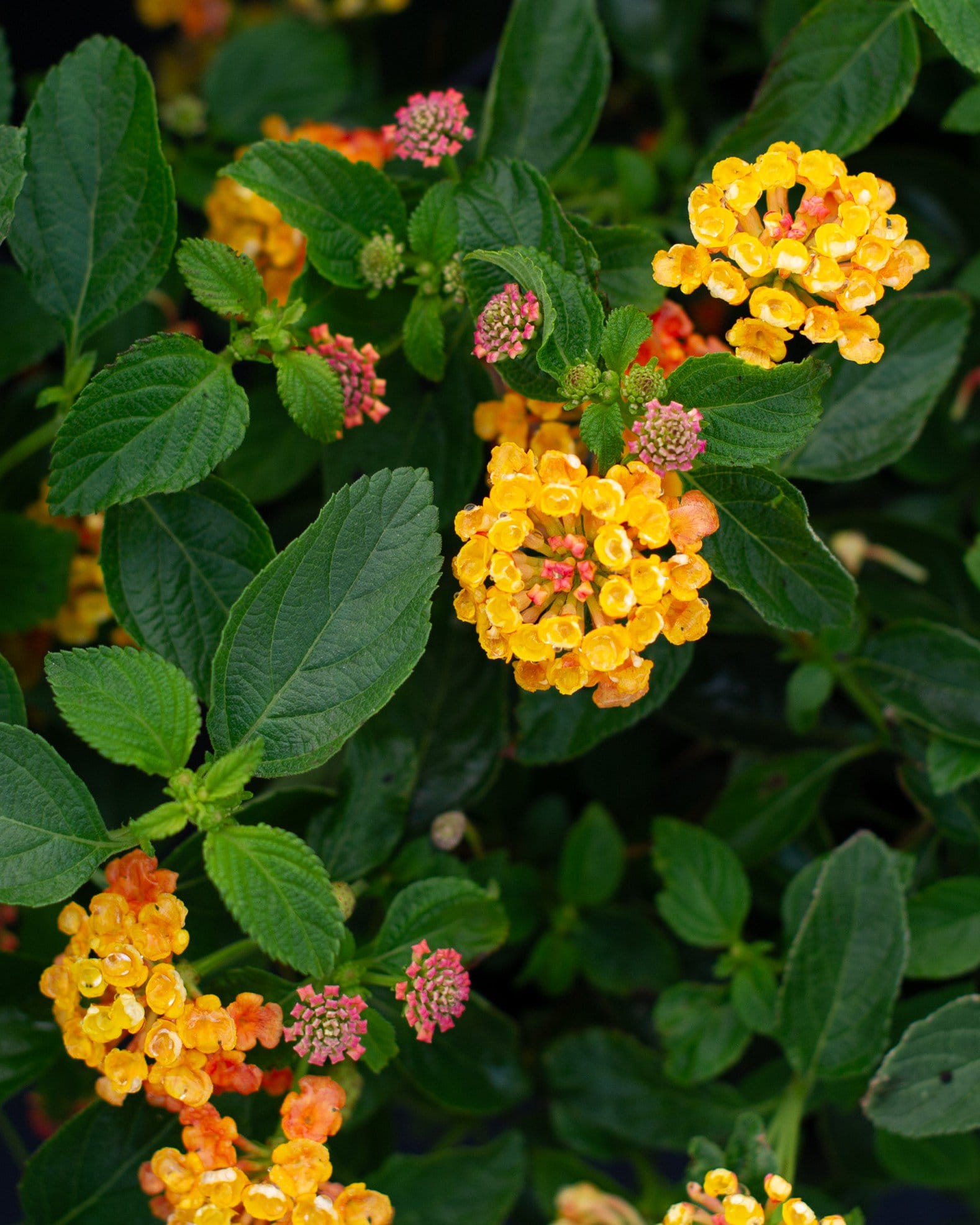
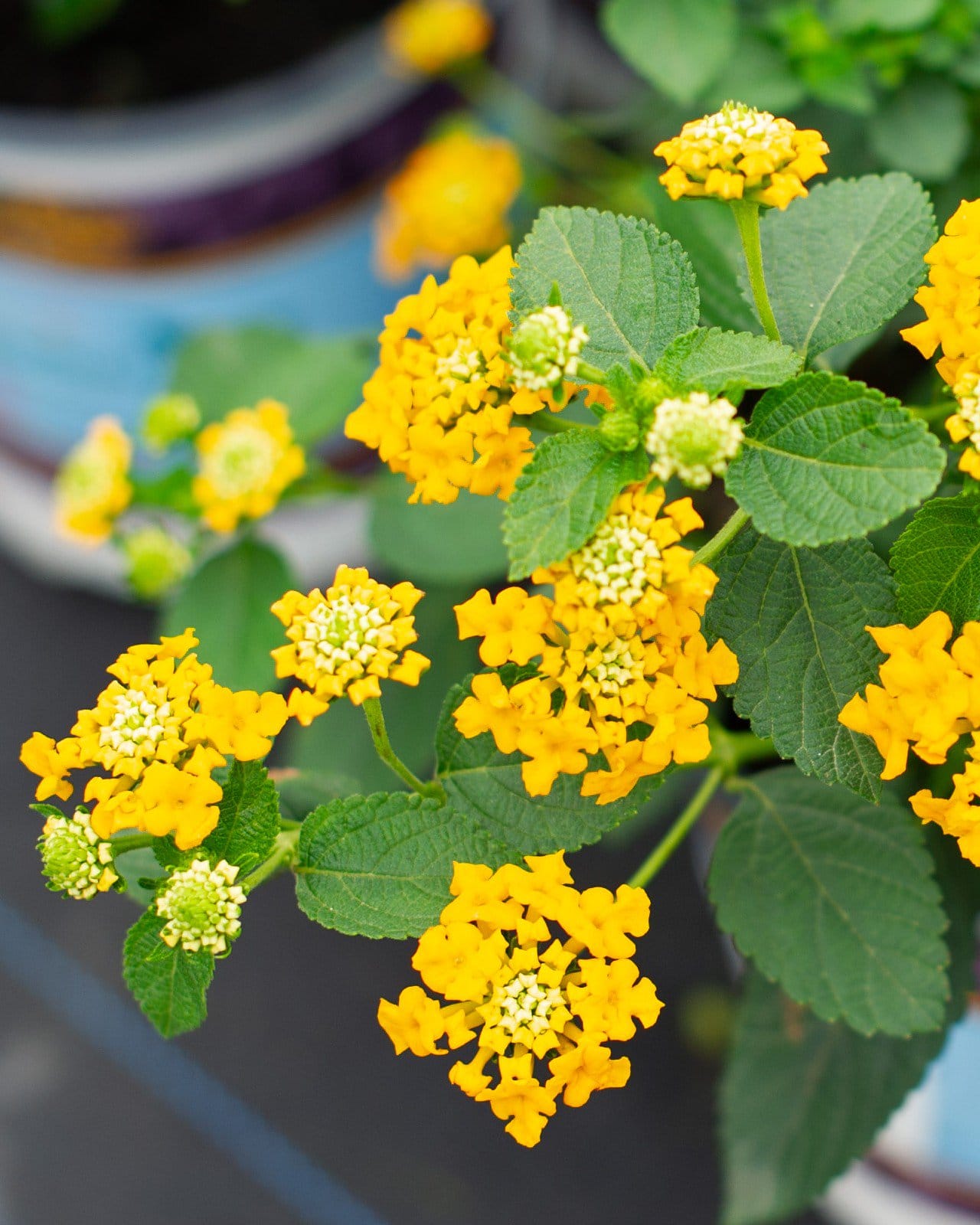
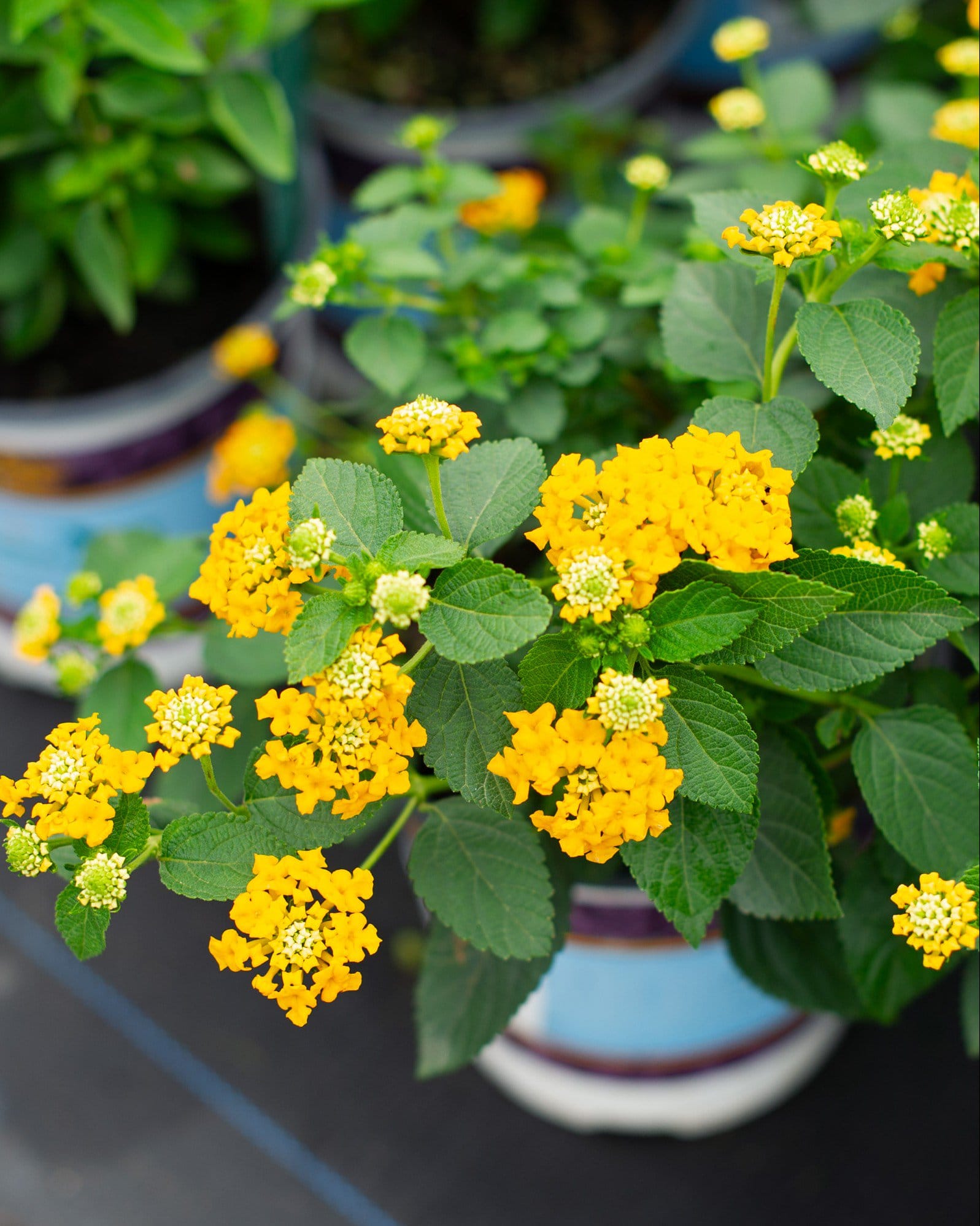
Lucky Pot of Gold Lantana
Maturity: 1' H x 1' W
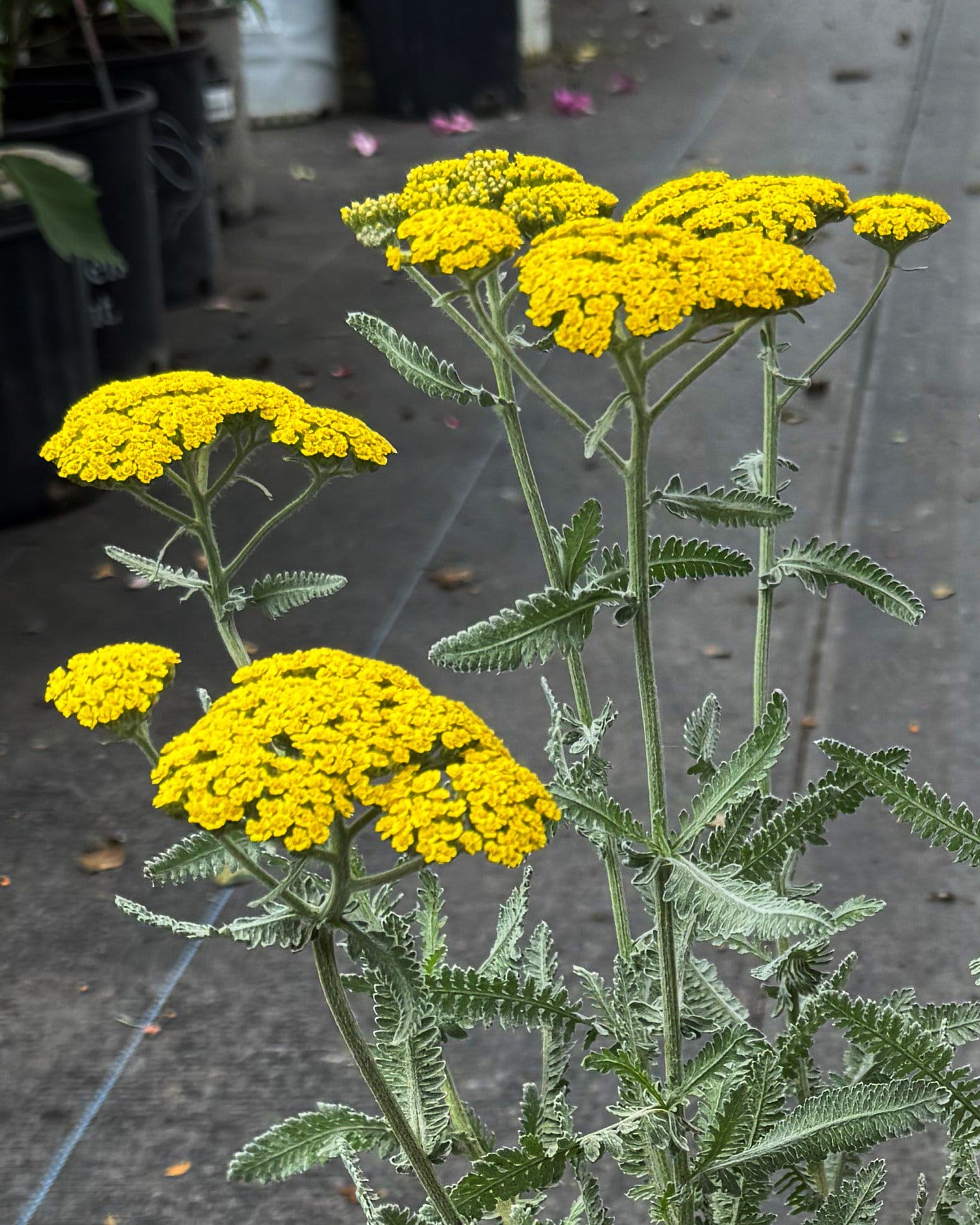
Moonshine Yarrow
Maturity: 1' H x 2' W
Compare Similar Plants
Jerusalem Sage This plant | ||
|---|---|---|
| Scientific Name | Phlomis fruticosa | Salvia leucantha 'Santa Barbara' |
| Size at Maturity | 3' H x 3' W | 3' H x 3' W |
| Leaf Retention | Herbaceous | Herbaceous |
| Flower Color | Yellow | Purple |
| Bloom Times | Spring & Summer | Summer & Fall |
| Sizes Available | 1 gal | 3 gal |


Our 1-Year Planting Guarantee
We take pride in our plants and installation services. If any plants or trees installed by Treeland fail to thrive within the first year, we'll provide a replacement credit in accordance with our guarantee program.
Learn More About Our Guarantee