
Frostkiss Anna's Red Helleborus
Helleborus × hybridus ‘Frostkiss Anna’s Red’Product Details
Frostkiss Anna's Red Helleborus
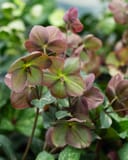
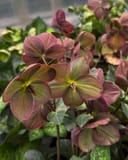
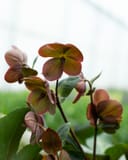
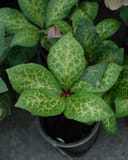
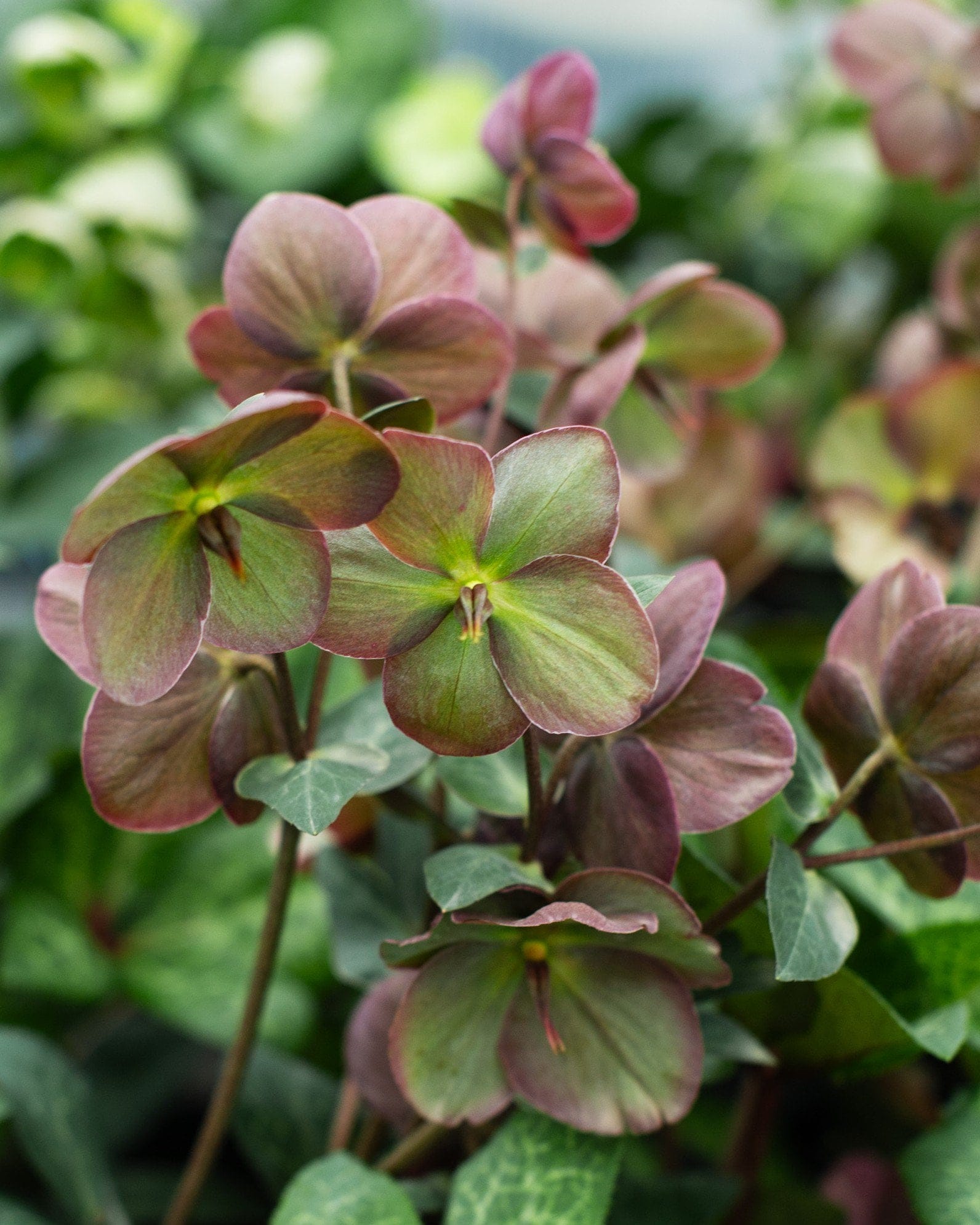
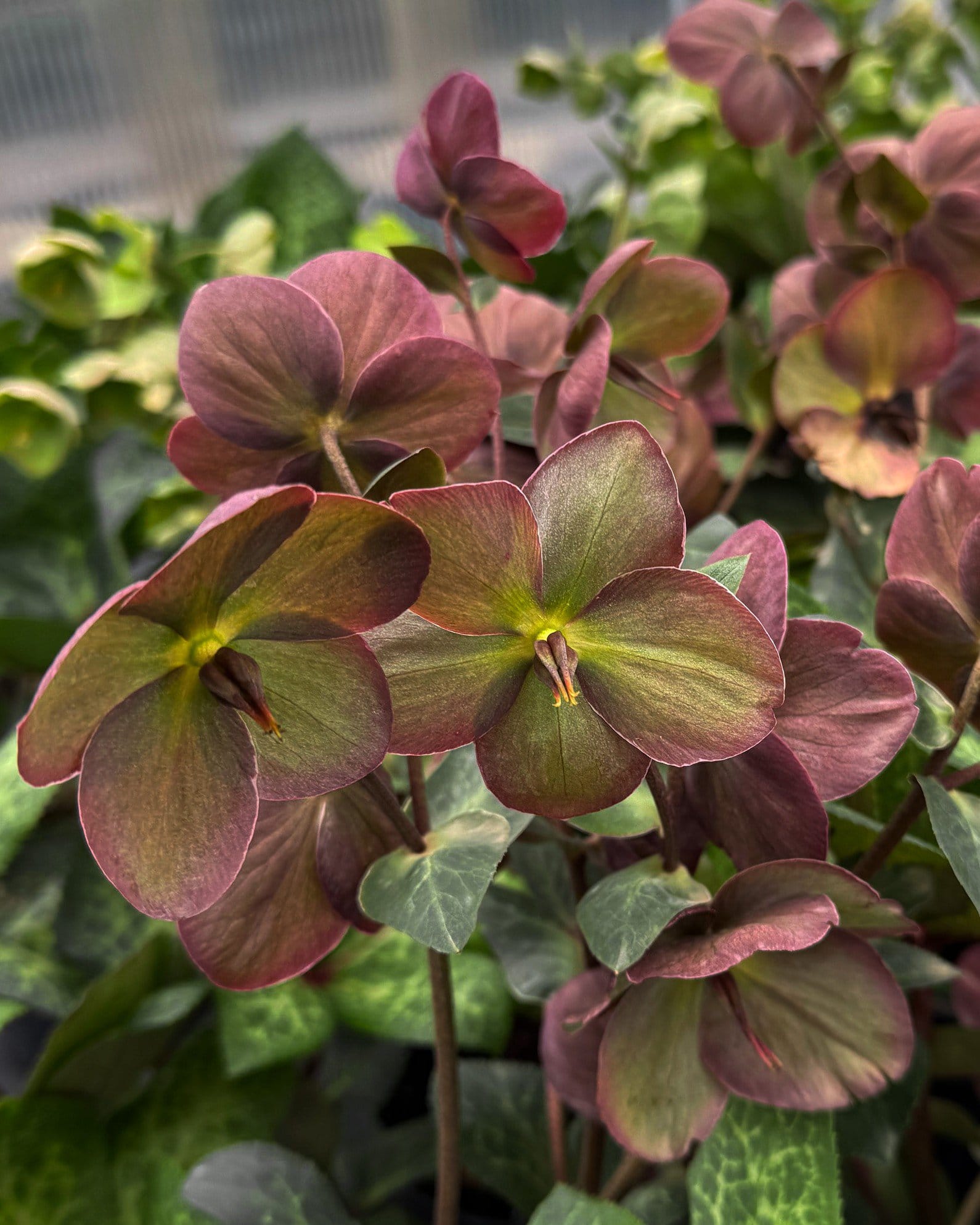
Helleborus × hybridus ‘Frostkiss Anna’s Red’Frostkiss Anna’s Red Helleborus is a evergreen perennial known for its dramatic color and hardiness. Blooming from winter through spring, this variety produces deep burgundy-red flowers with slightly cupped petals that rise above lush, marbled foliage. Each leaf features a blend of green with silvery veining, adding texture and contrast even when the plant isn’t in bloom.
Growing up to 1.5 feet tall and the same across, it forms a neat clump that fits perfectly into shade gardens, woodland borders, or elegant containers near entryways or patios.
- Evergreen perennial
- Slow to moderate growth rate
- Burgundy-red blooms with glossy marbled foliage
- Excellent for containers, beds, and shaded landscapes
- Early bloomer: flowers in late winter through early spring
Frostkiss Anna’s Red thrives in partial to full shade and prefers moist, well-drained soil. It’s a hardy plant that performs beautifully in zones 5-9, making it ideal for almost all of Texas. It helps in adding rich color when most of the garden is still waking up, as well as maintain seasonal interest year-round.
Frostkiss ‘Anna’s Red’ Helleborus is known for early-season blooms, it adds color and structure to winter and early spring gardens, and thrives with minimal care in Texas landscapes. Here’s all it needs:
- Watering: Water regularly during the first growing season to help roots establish. Once mature, it prefers moderate moisture but tolerates short dry periods. Avoid waterlogged soil, which can lead to root or crown rot.
- Pruning: Remove old, damaged, or yellowing leaves in late winter to early spring to improve appearance and airflow. Cut back flower stems after blooming to encourage tidiness and reduce the risk of disease. Avoid cutting into the crown.
- Fertilizing: Feed lightly in early spring with a slow-release, balanced fertilizer. Additional feeding in mid-autumn encourages strong root and foliage growth for the following season. Avoid excessive nitrogen, which can reduce bloom production.
- Mulching: Apply a thin layer of organic mulch, such as shredded bark or compost, to retain soil moisture, suppress weeds, and protect roots during colder months. Keep mulch slightly away from the crown to prevent rot.
- Winter Care: Frostkiss ‘Anna’s Red’ Helleborus is exceptionally cold-hardy and thrives in winter gardens. Protect young plants from extreme frost with a light mulch. In containers, consider moving plants to a sheltered location during severe cold.
- Leaf Spot and Black Death: Fungal issues may appear on older foliage. Remove affected leaves and improve airflow around plants. Avoid overhead watering.
- Aphids: Can appear on flower buds or new growth. Treat with insecticidal soap or encourage beneficial insects such as ladybugs.
- Root or Crown Rot: Heavy, poorly drained soil can cause rot. Plant in well-draining soil and avoid overwatering.
- Floppy Growth: Hellebores are generally sturdy, but flowers may droop in heavy rain. Stake or support flower stems if needed.
It’s a long-lived perennial, often thriving 10-15 years or more with proper care. Older plants may gradually increase in size, forming dense clumps that provide lasting winter and early spring interest.
Yes, moderately. It prefers cooler conditions but tolerates partial heat in humid climates if soil moisture is consistent. Mulching helps regulate soil temperature and retain moisture in warmer months.
Absolutely. Its compact size and evergreen foliage make it perfect for decorative pots, patio planters, or mixed container arrangements. Use a well-draining mix and ensure the crown does not sit in water to prevent rot.
Yes. Division of clumps in early spring or late summer is most common. Seeds can also be sown, but seedlings may take 2-3 years to reach flowering size.
Yes. Dividing mature clumps in early spring or late summer encourages healthy growth and more flowers. Removing older leaves and stems also improves airflow, reducing disease risk.
Yes. Evergreen leaves provide year-round structure and color, often maintaining rich green or mottled tones even during winter. Slightly curling or marbled leaves add textural contrast in shade gardens.
Yes. Prefers partial to full shade, particularly in hot climates. Morning sun is acceptable, but afternoon shade prevents leaf scorch and keeps flowers looking fresh longer.
Absolutely. Its early blooms, low maintenance, and evergreen structure make it perfect for woodland settings, shaded borders, or naturalized areas under trees. It combines well with ferns, hostas, and other shade-loving perennials.
Providing consistent moisture, light organic feeding, and partial protection from harsh winter winds can help intensify bloom color and support larger, longer-lasting flowers. Avoid over-fertilizing, which can lead to lush leaves but smaller blooms.
Yes. It is exceptionally cold-hardy and can survive light frost or snow. Heavy winter mulching can help protect roots and ensure early blooms emerge healthy in late winter.
Special Features
You might also like
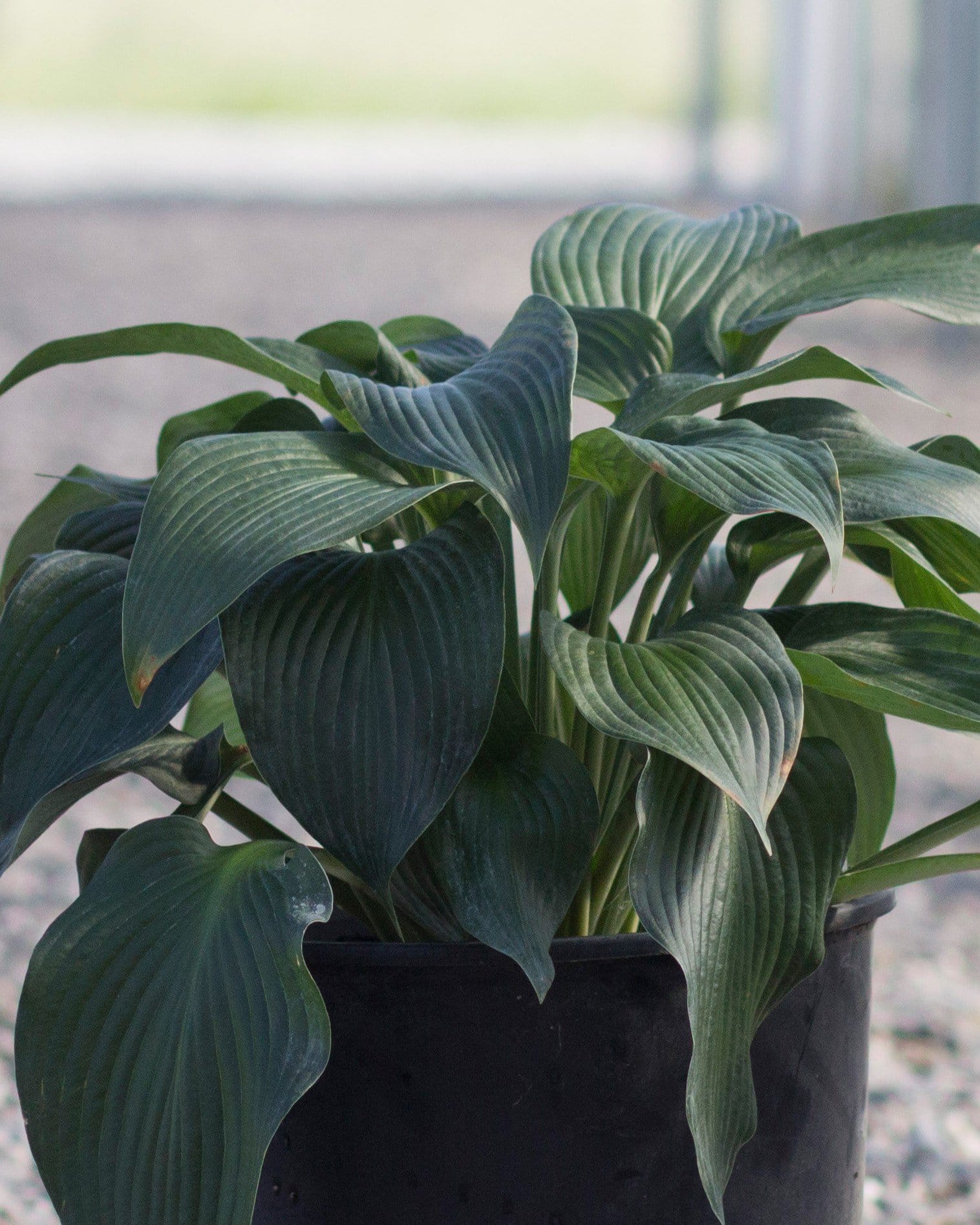
Blue Angel Hosta
Maturity: 2' H x 3' W
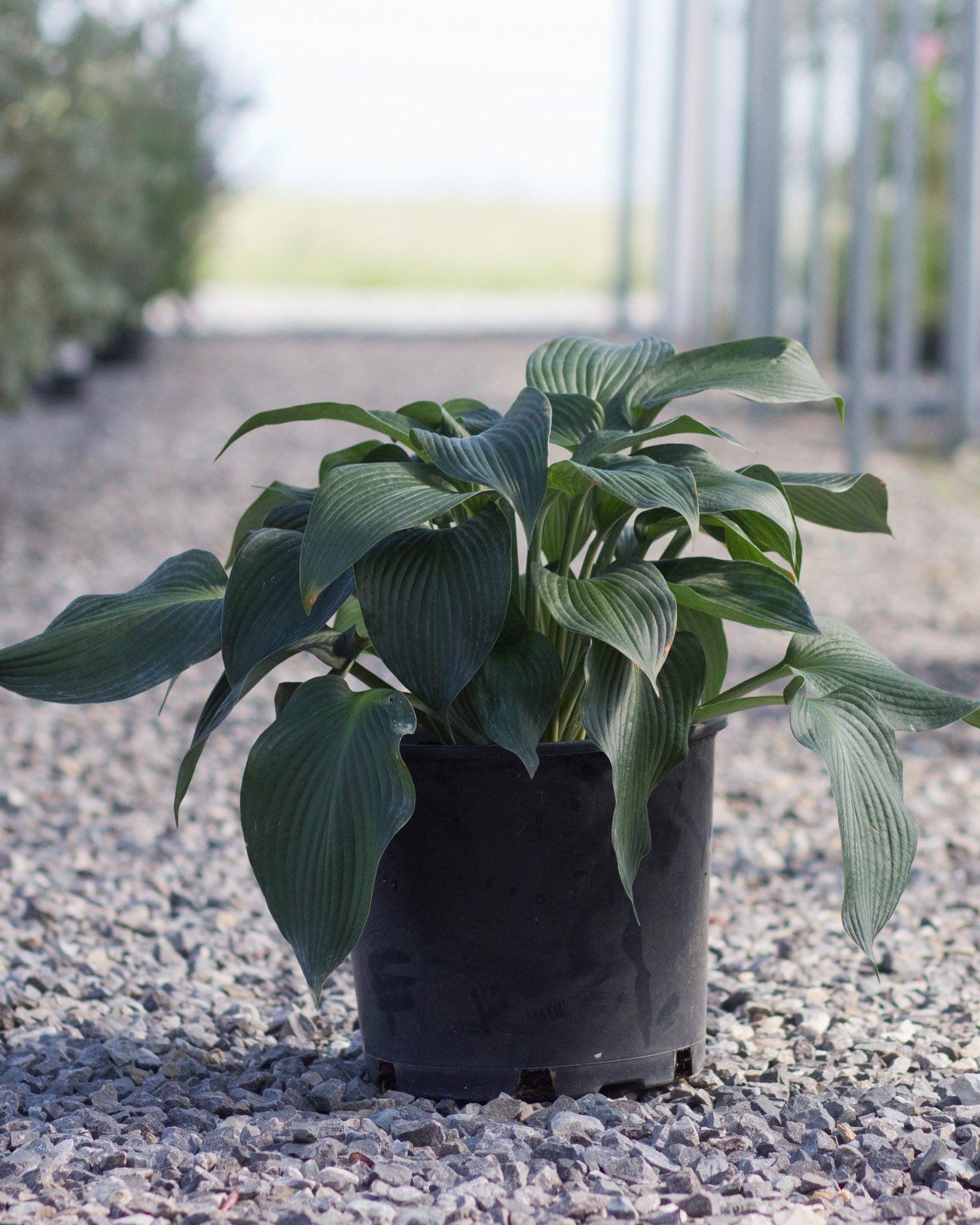
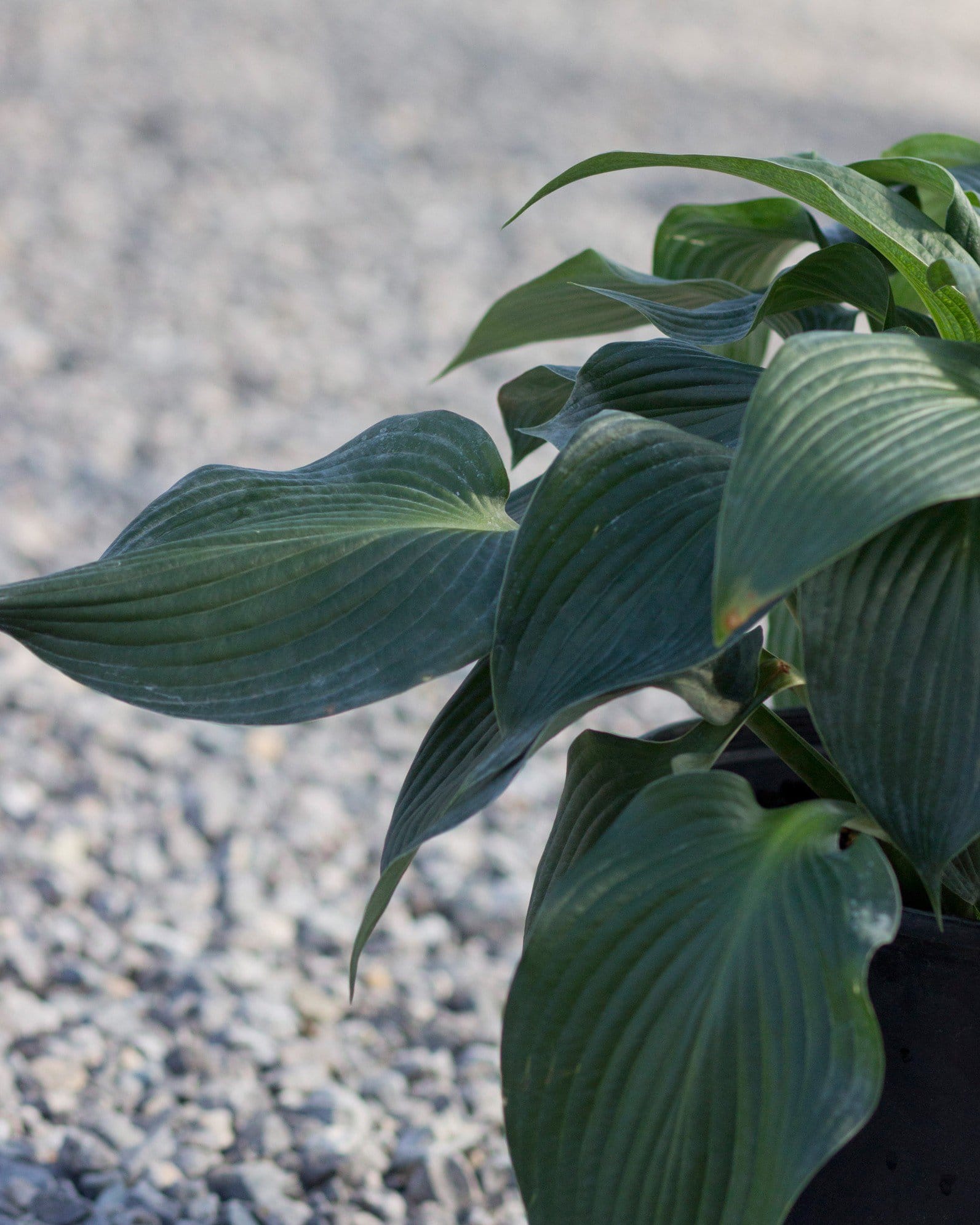
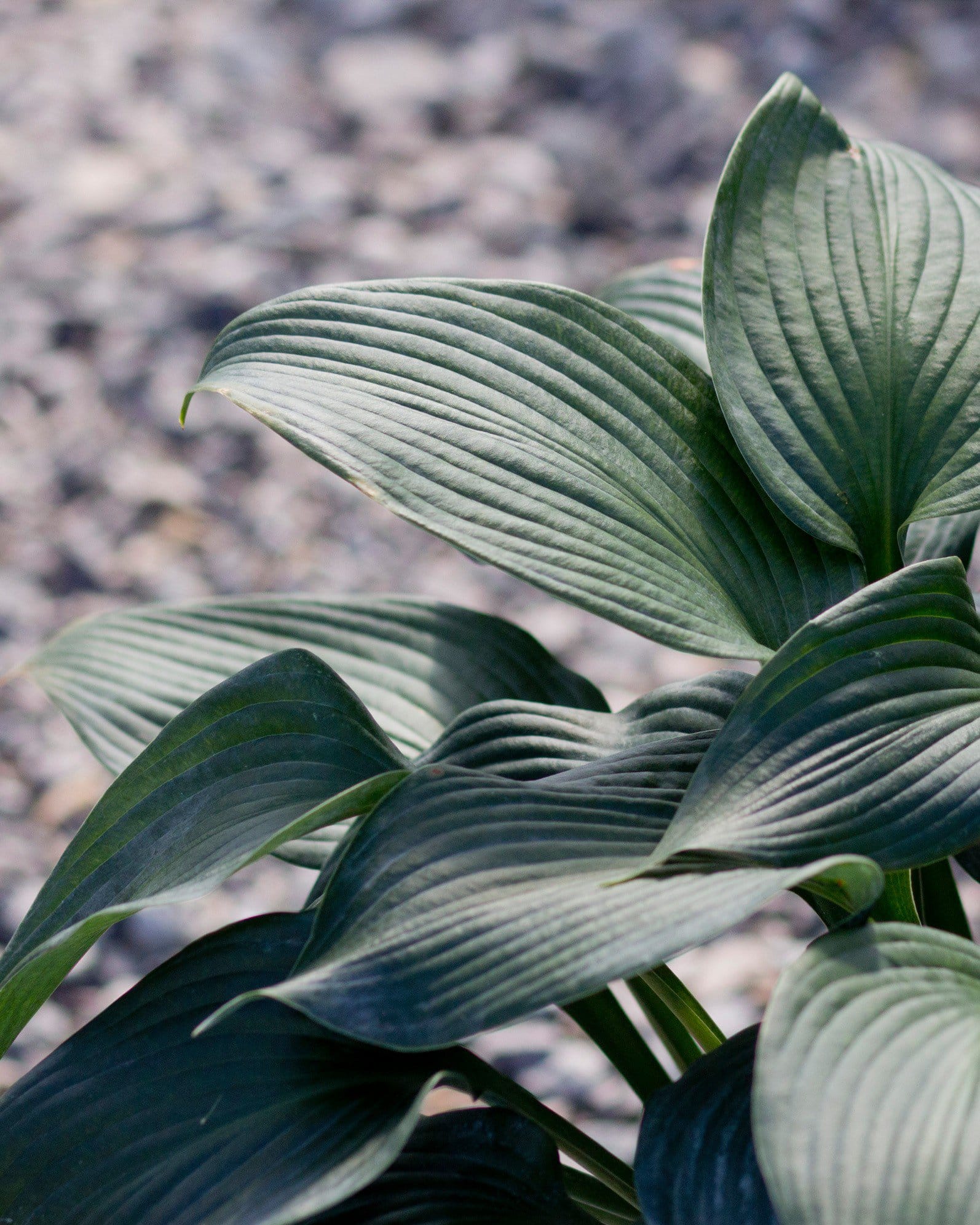
Fragrant Bouquet Hosta
Maturity: 2' H x 3' W
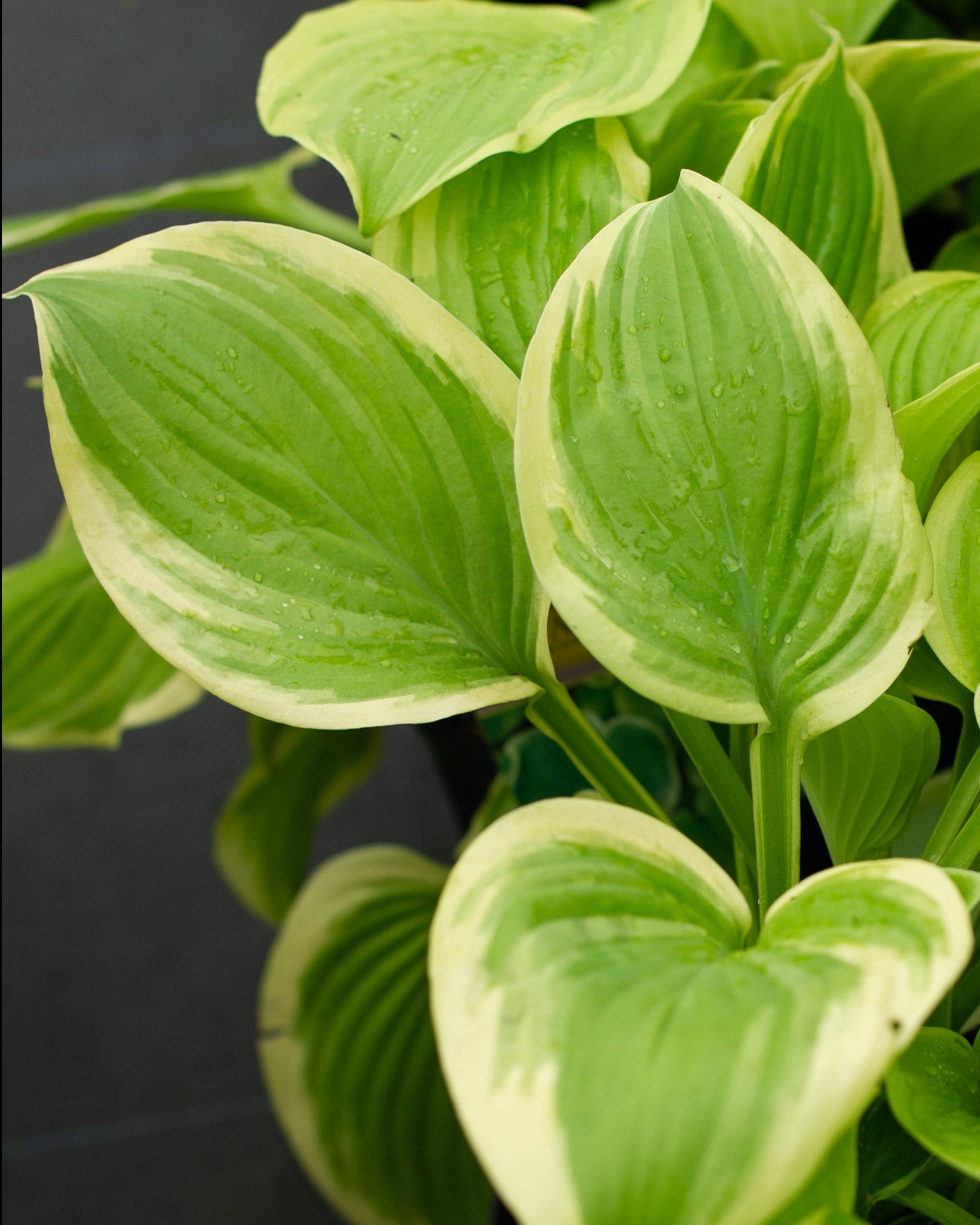
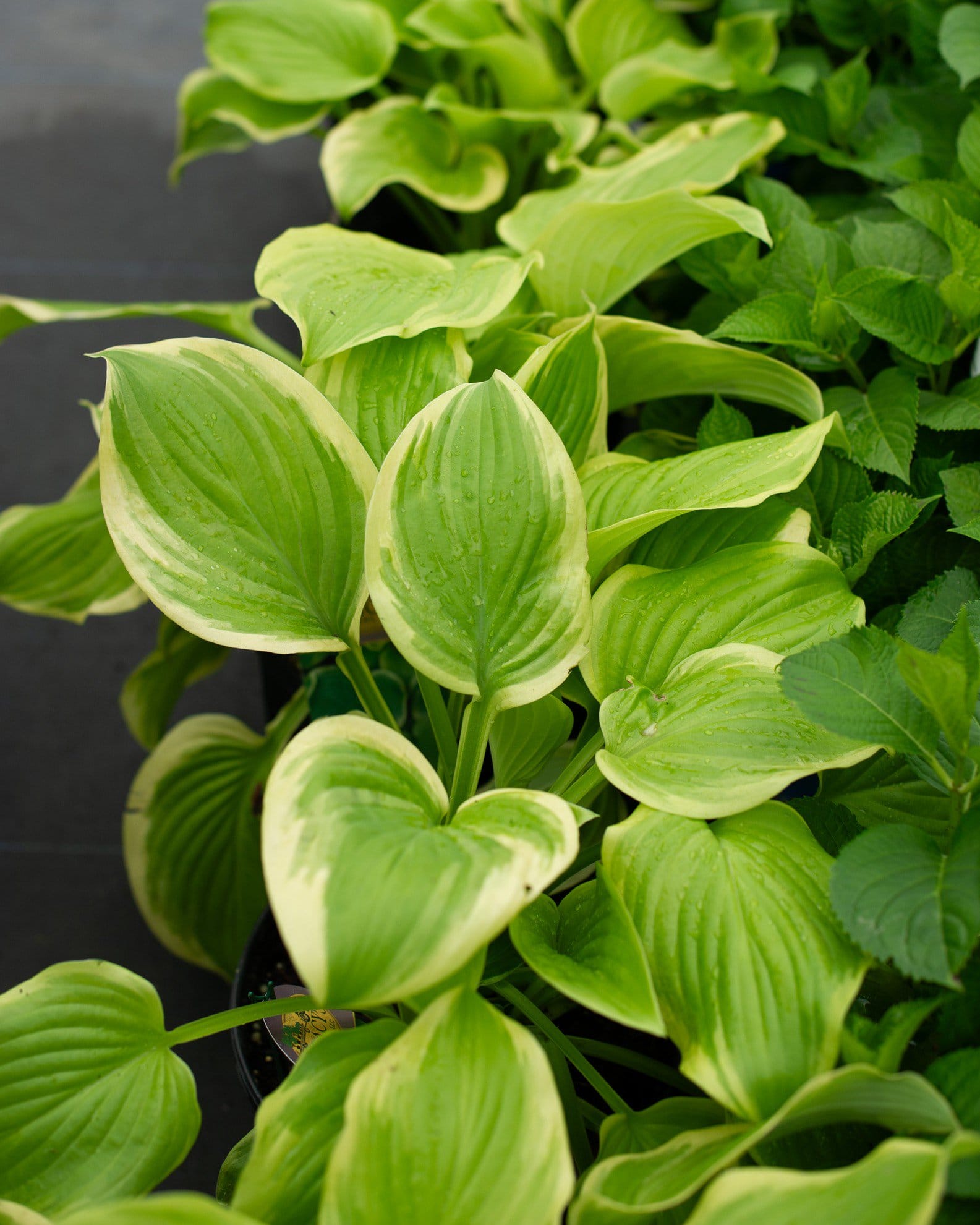
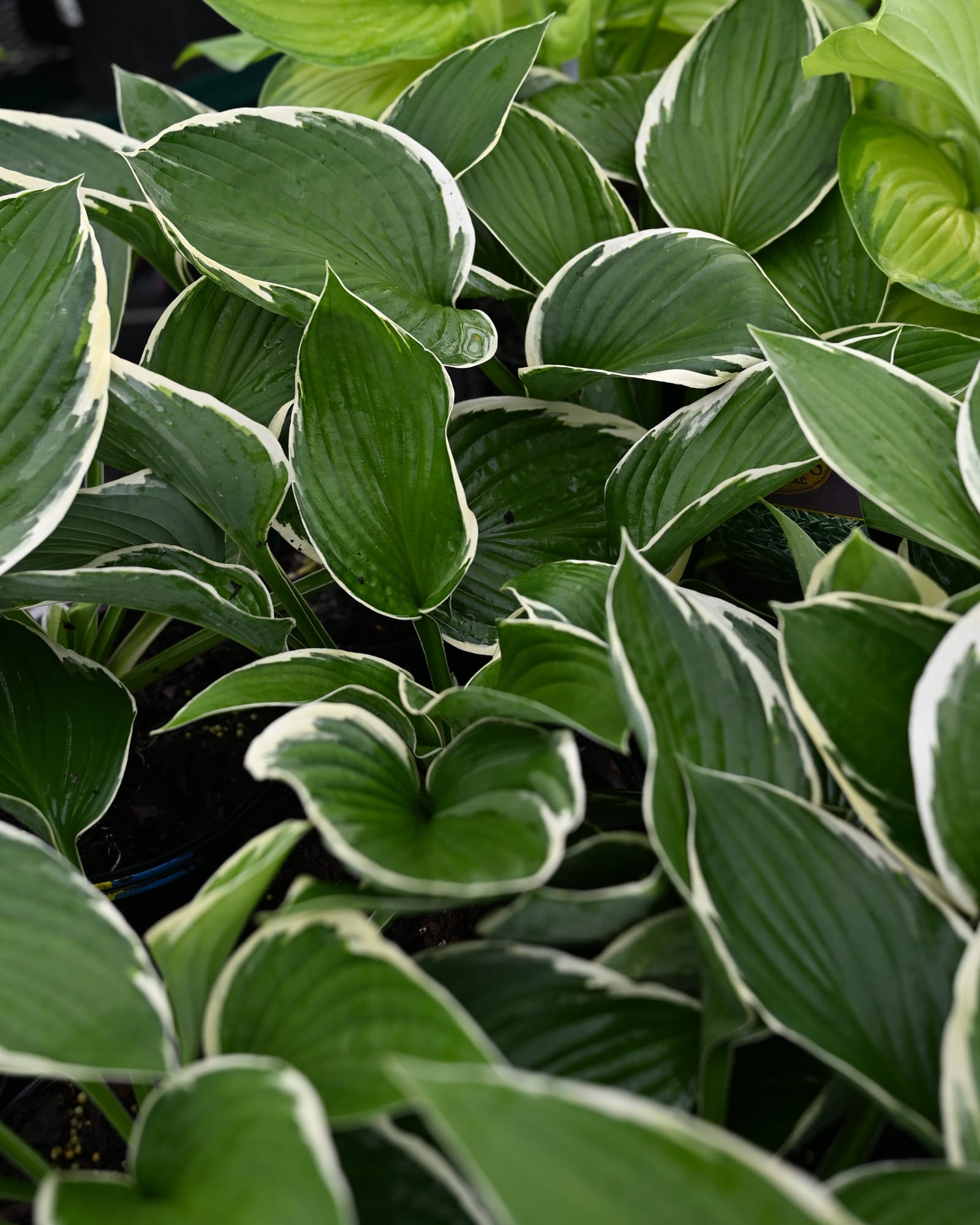
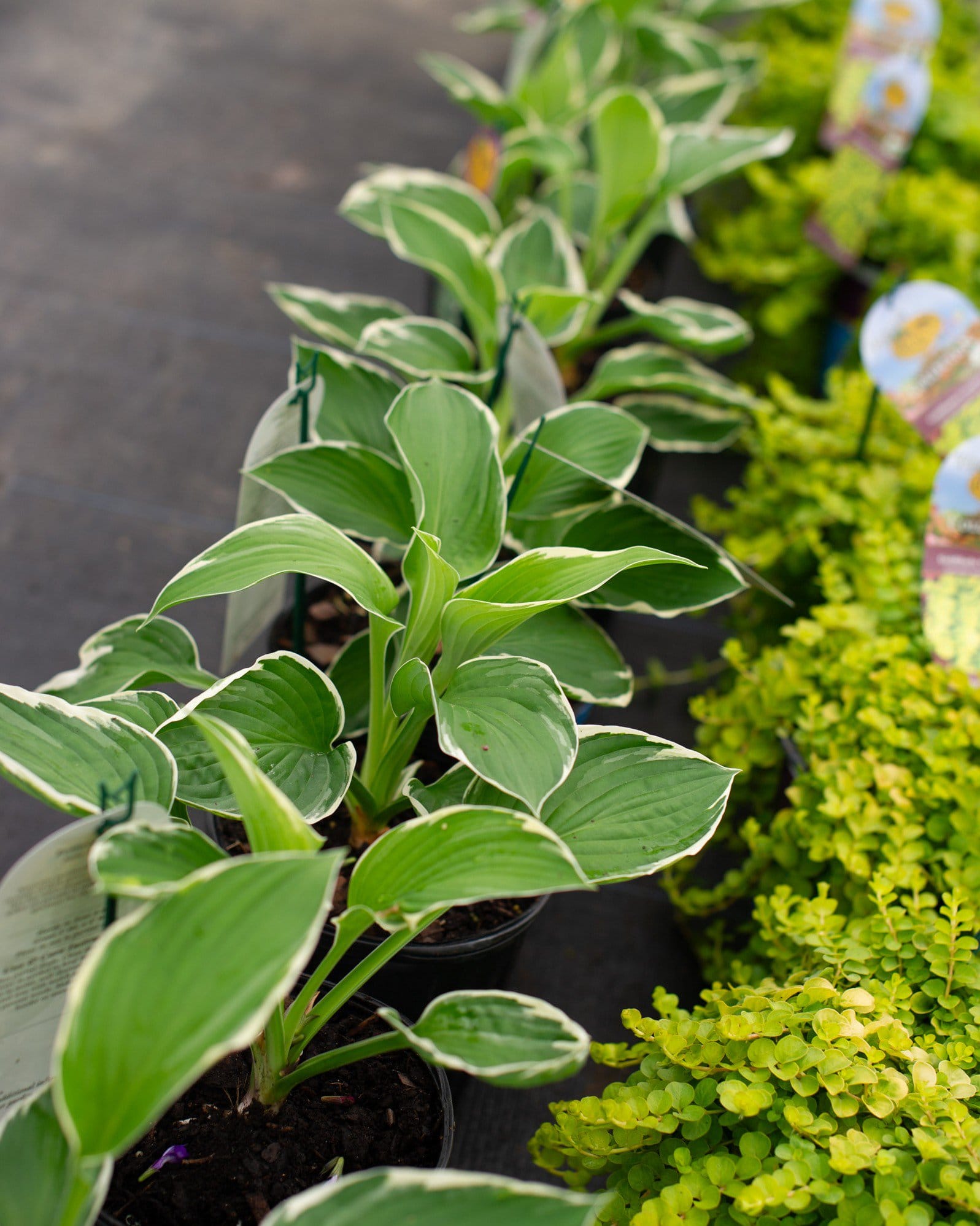
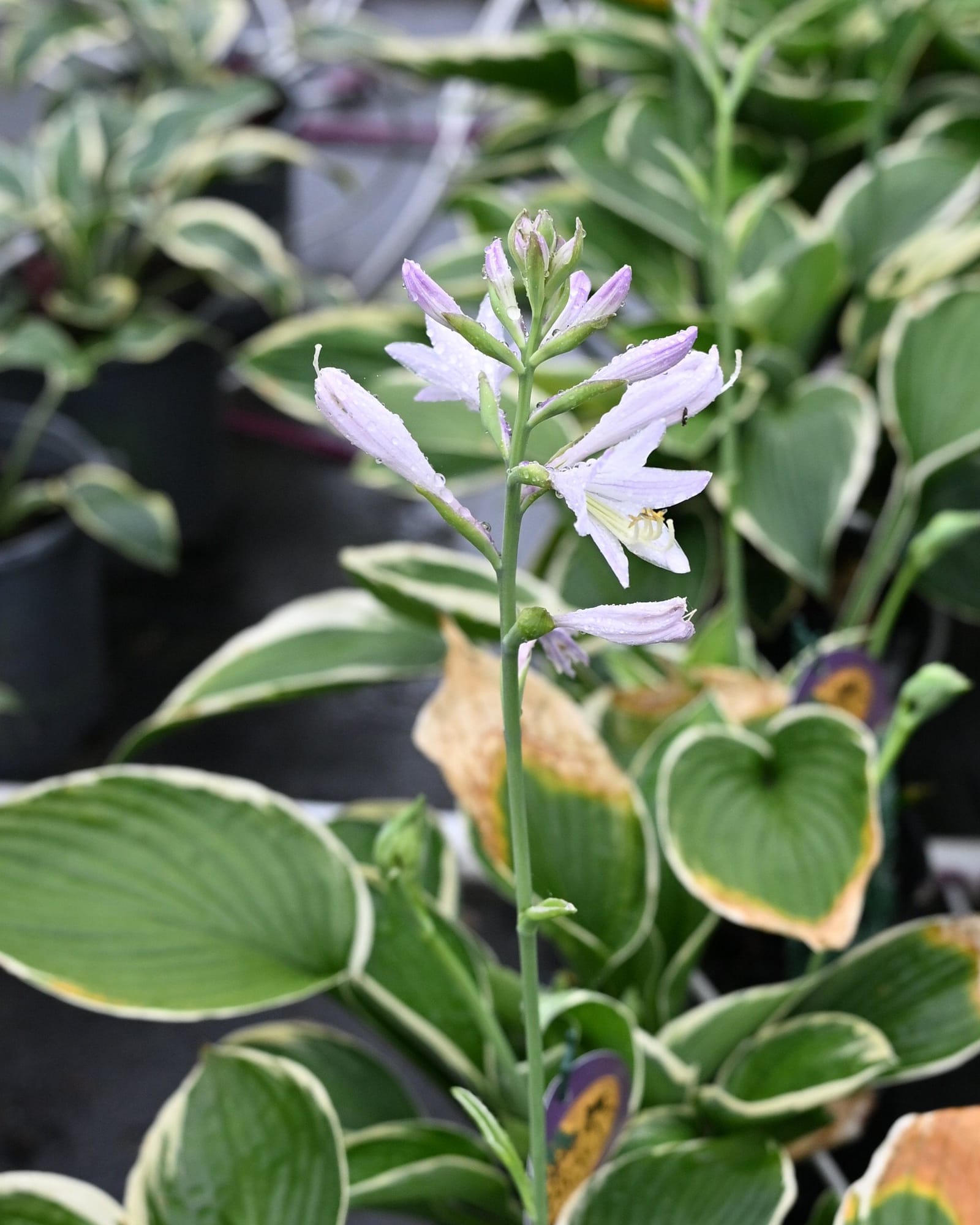
Francee Hosta
Maturity: 2' H x 4' W
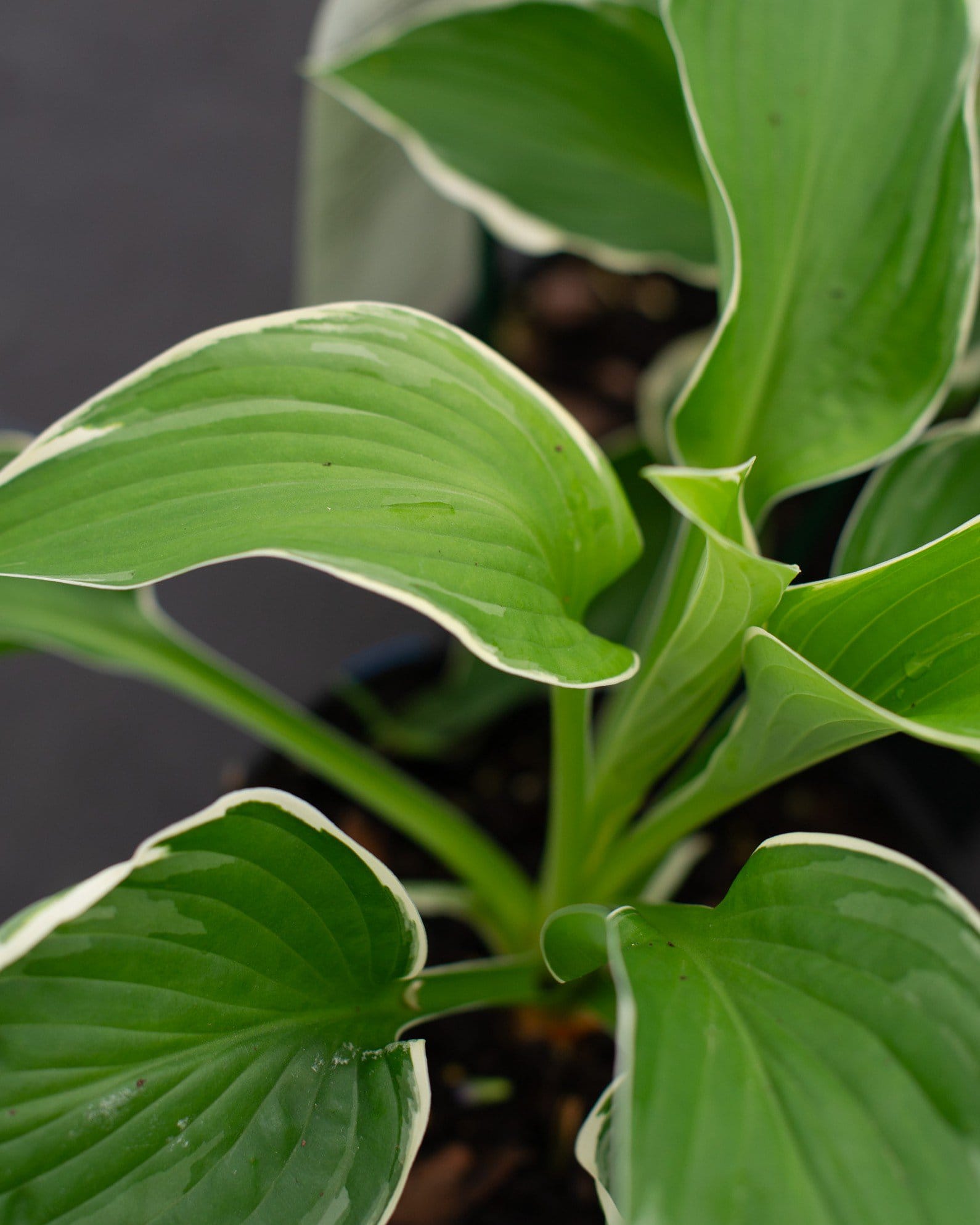
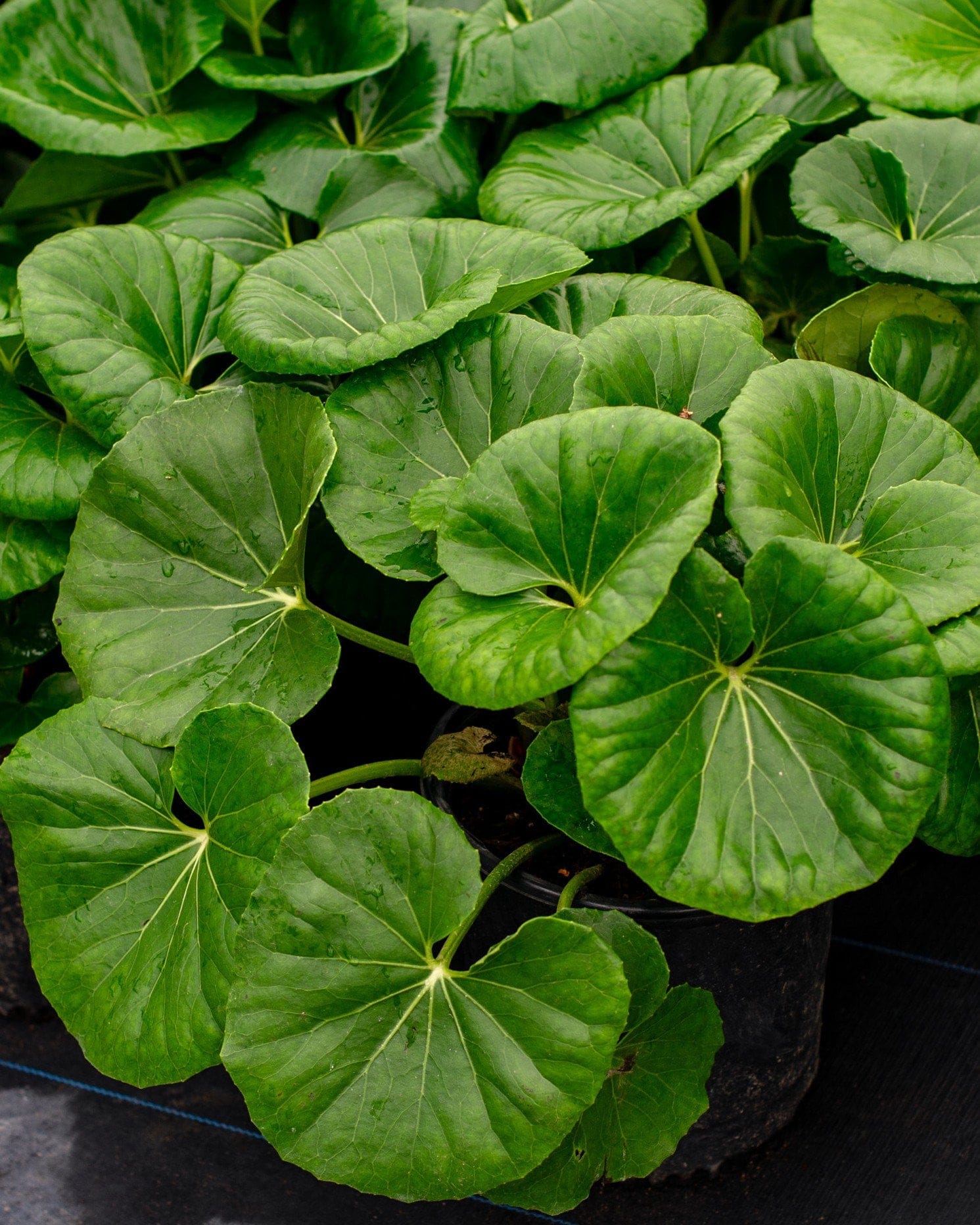
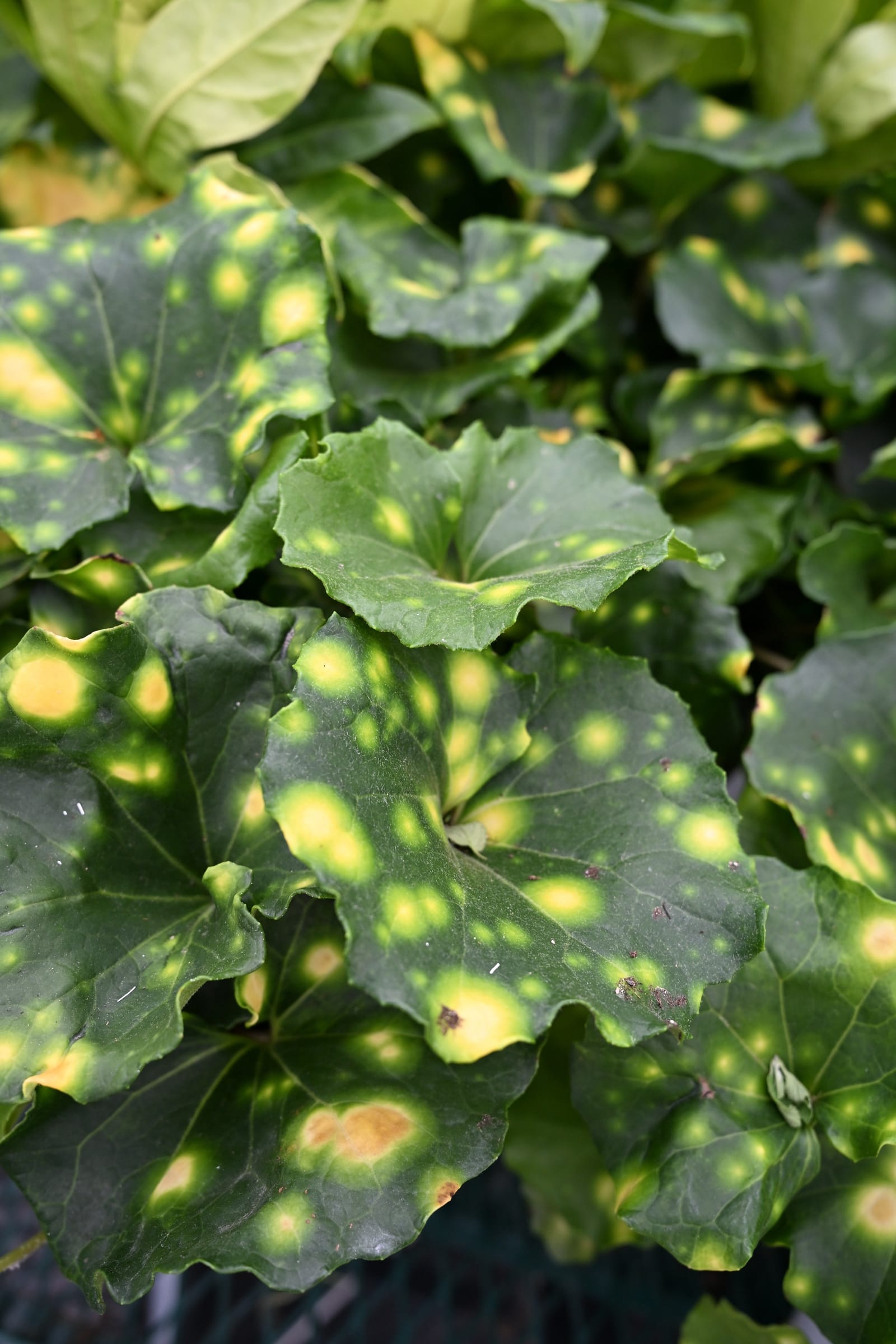
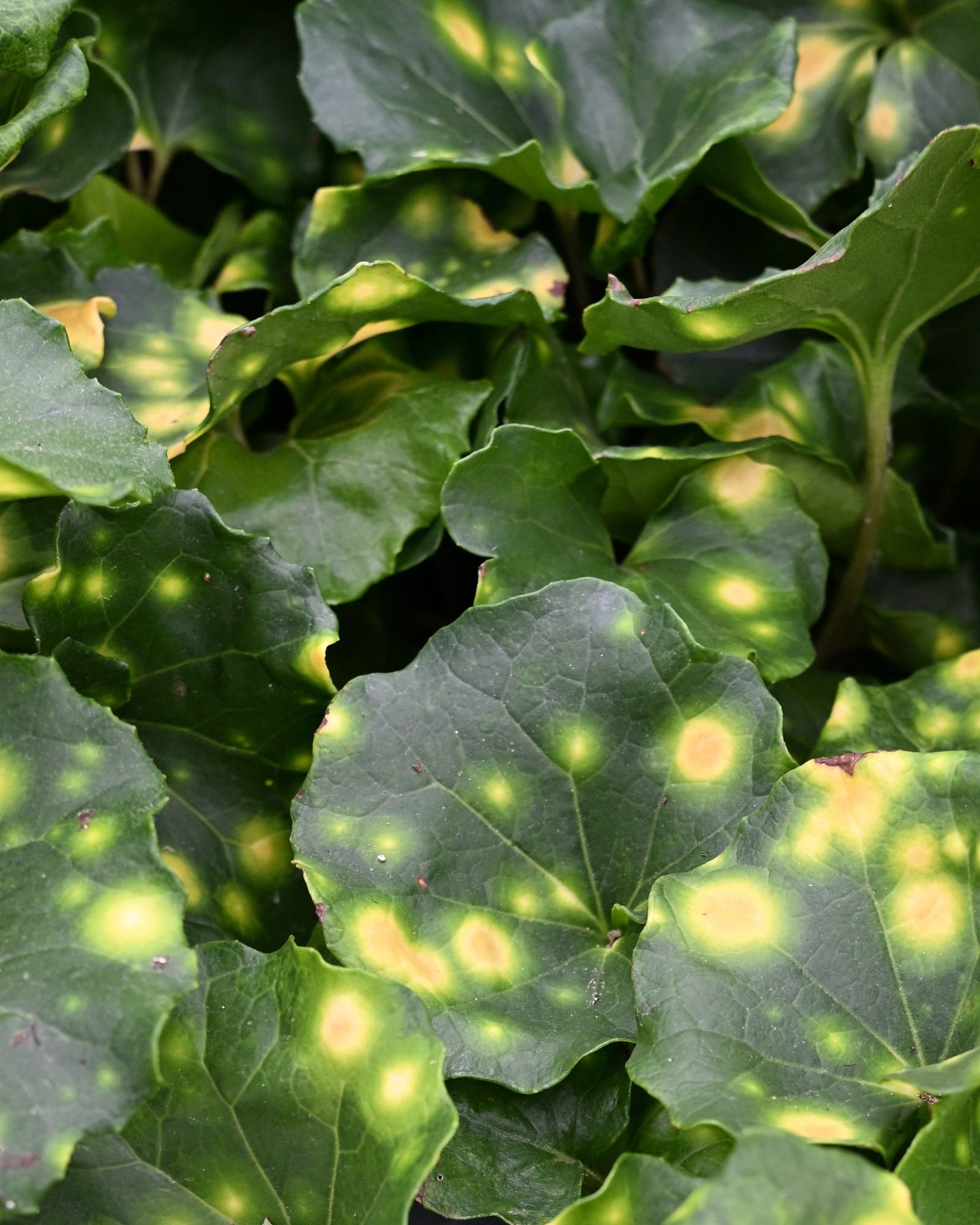
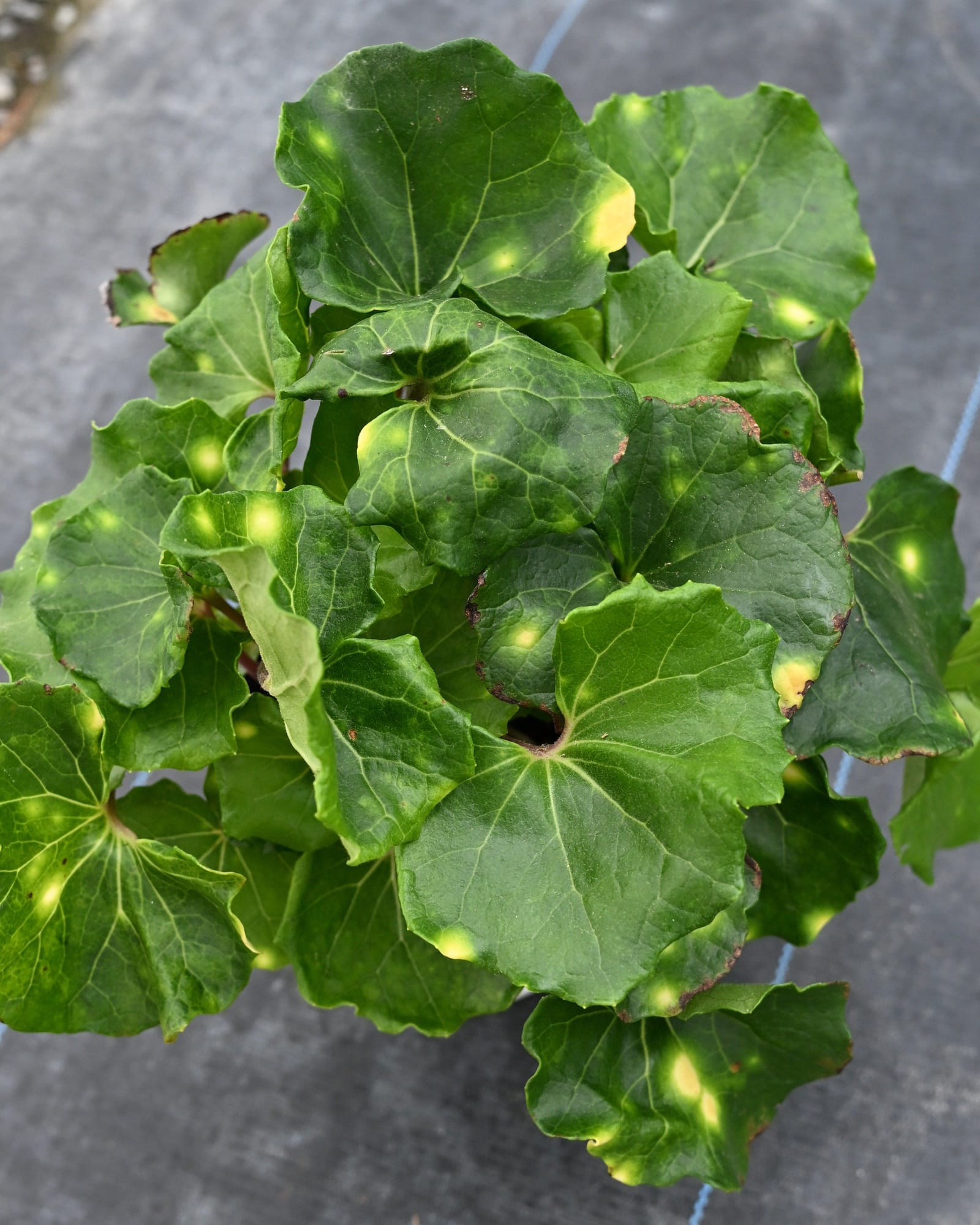
Giant Leopard Plant
Maturity: 3' H x 3' W
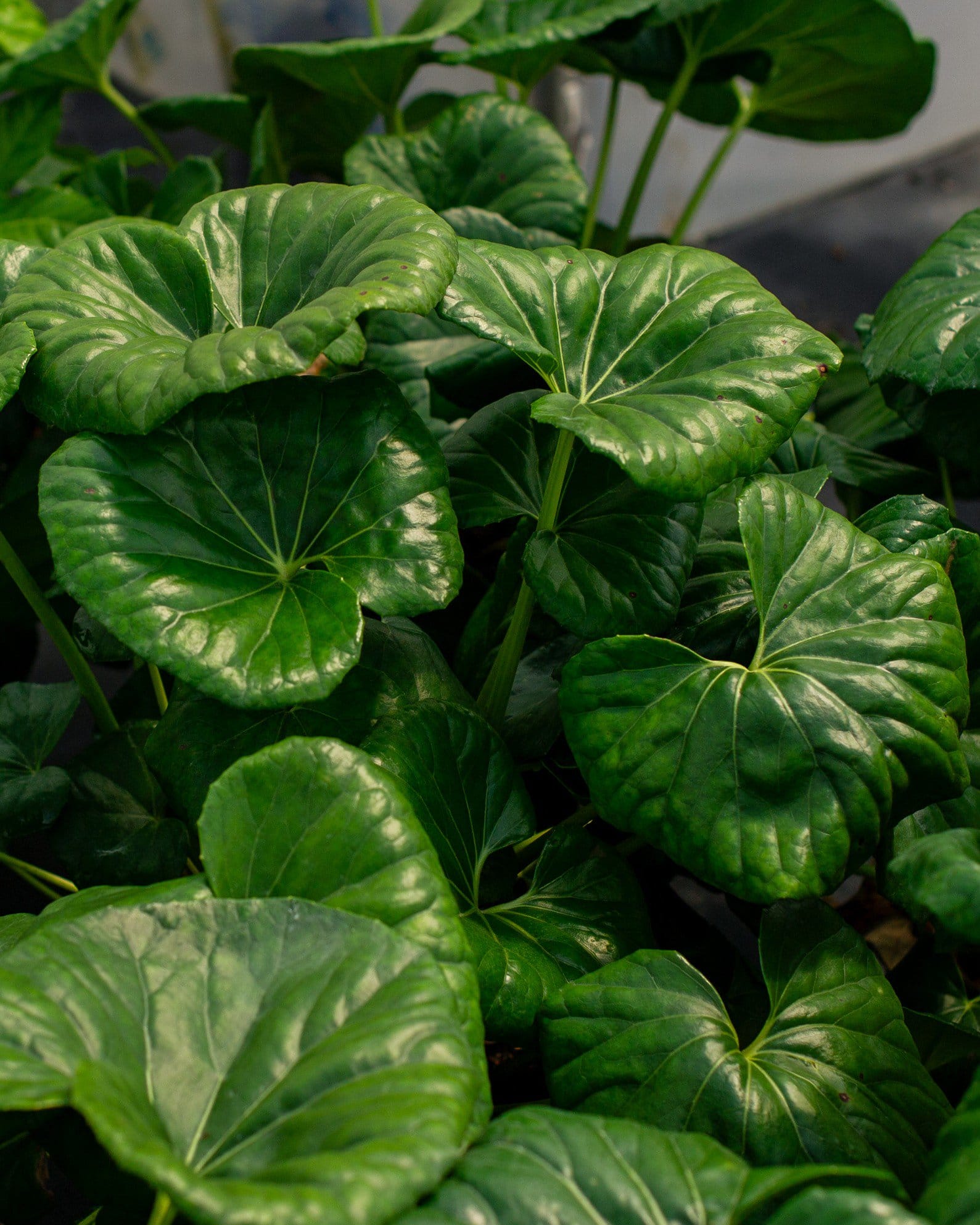
Variegated Leopard Plant
Maturity: 2' H x 2.5' W
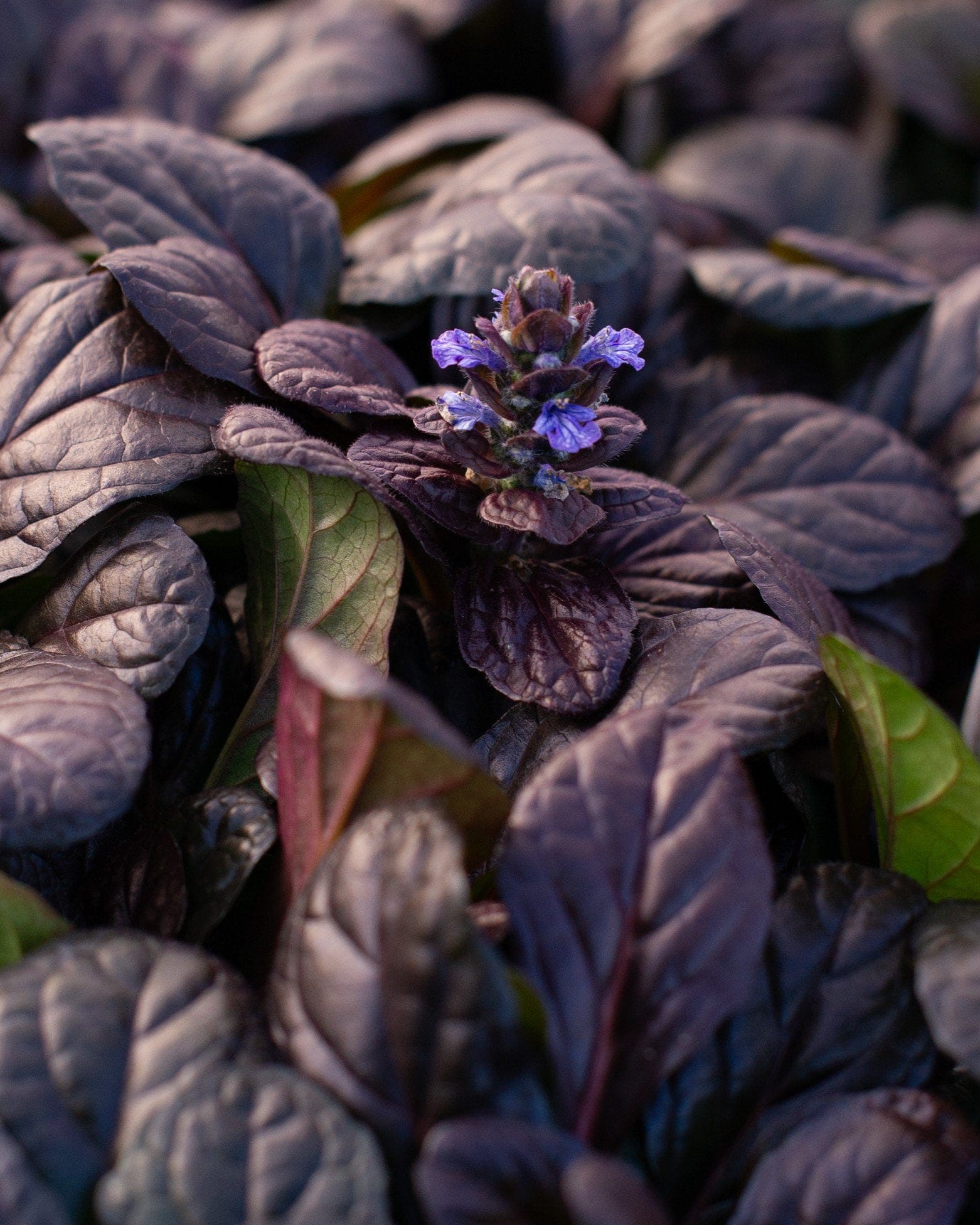
Bronze Beauty Ajuga
Maturity: 0.3' H x 1' W
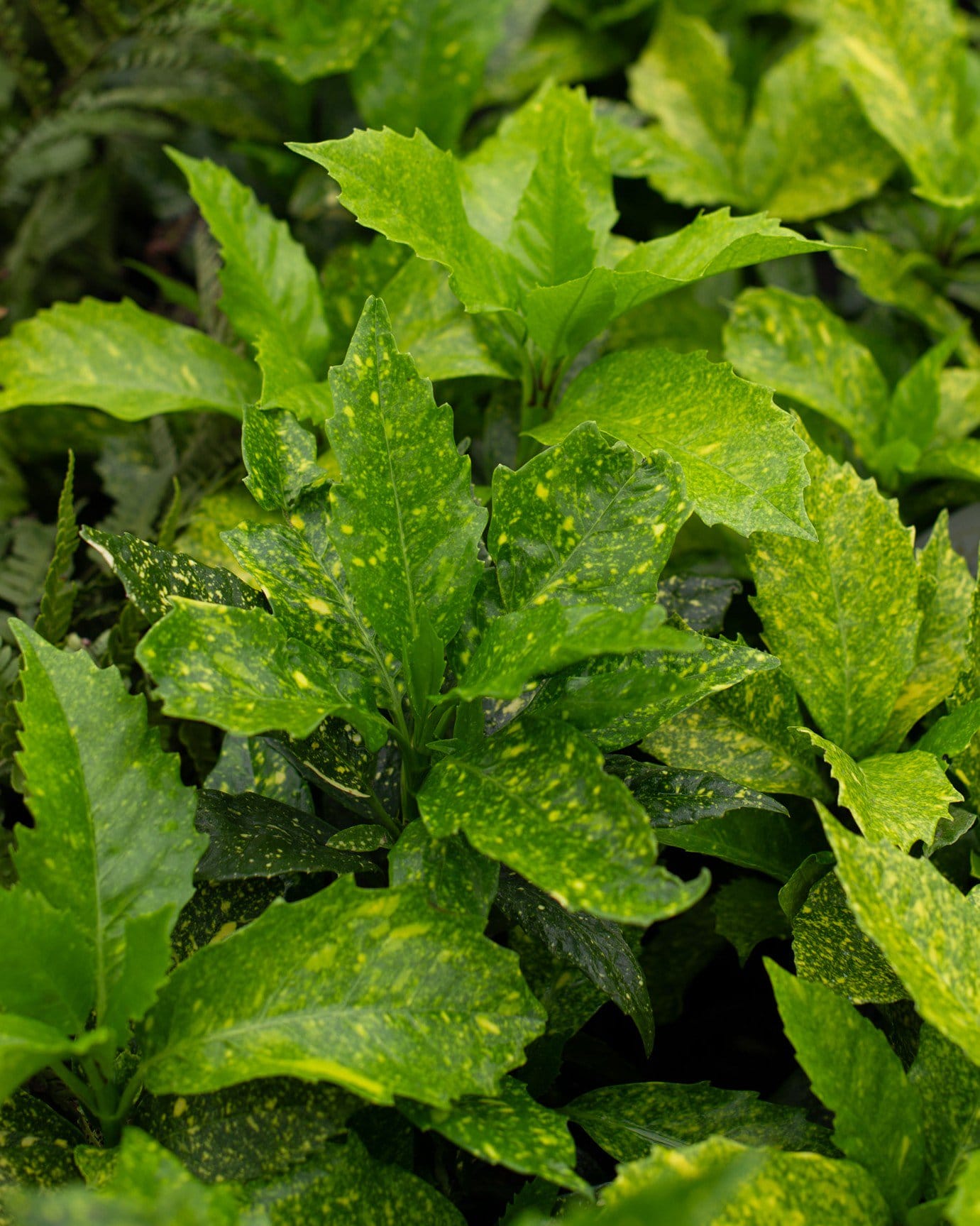
Gold Dust Aucuba
Maturity: 6' H x 5' W
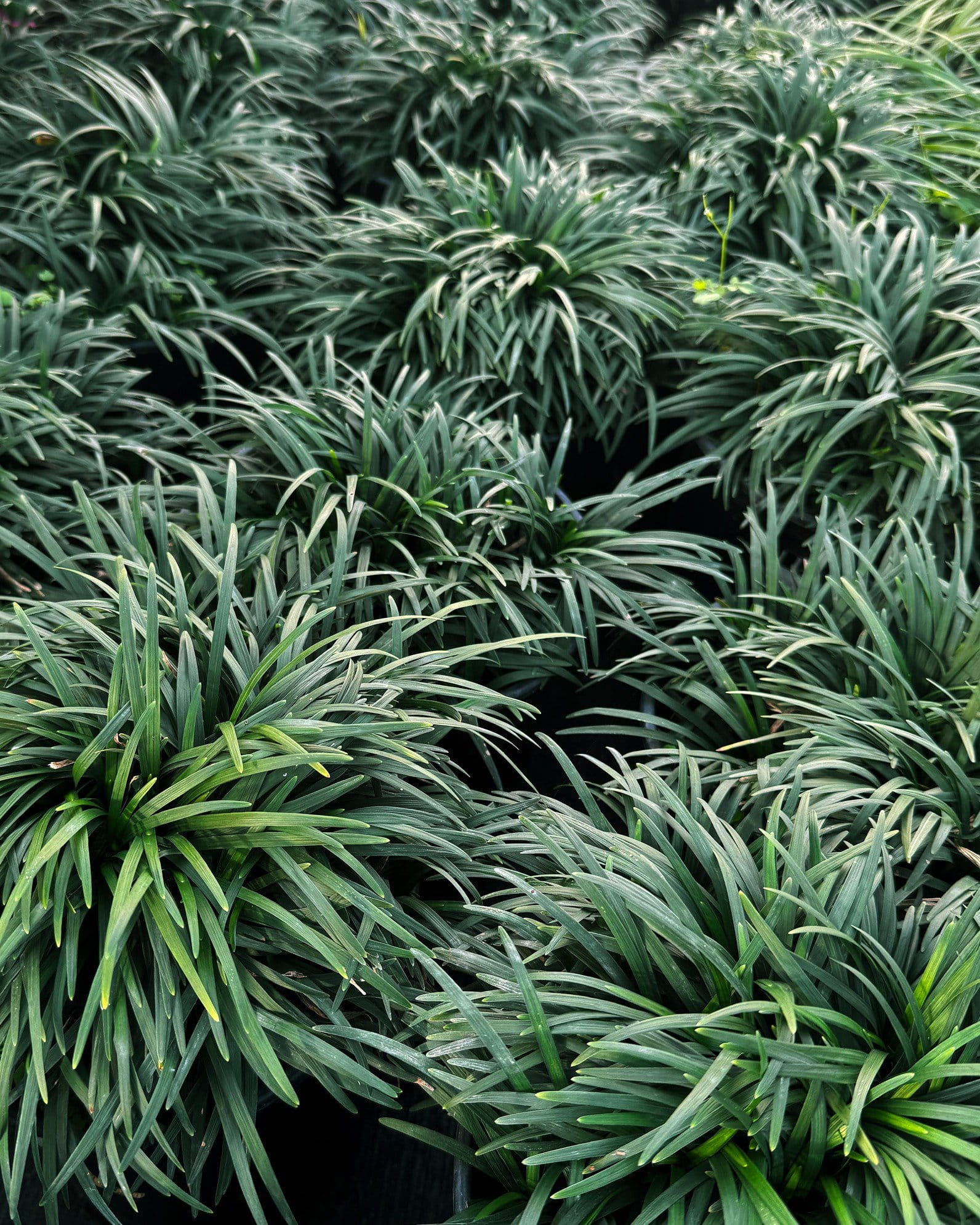
Dwarf Mondo
Maturity: 0.5' H x 0.5' W
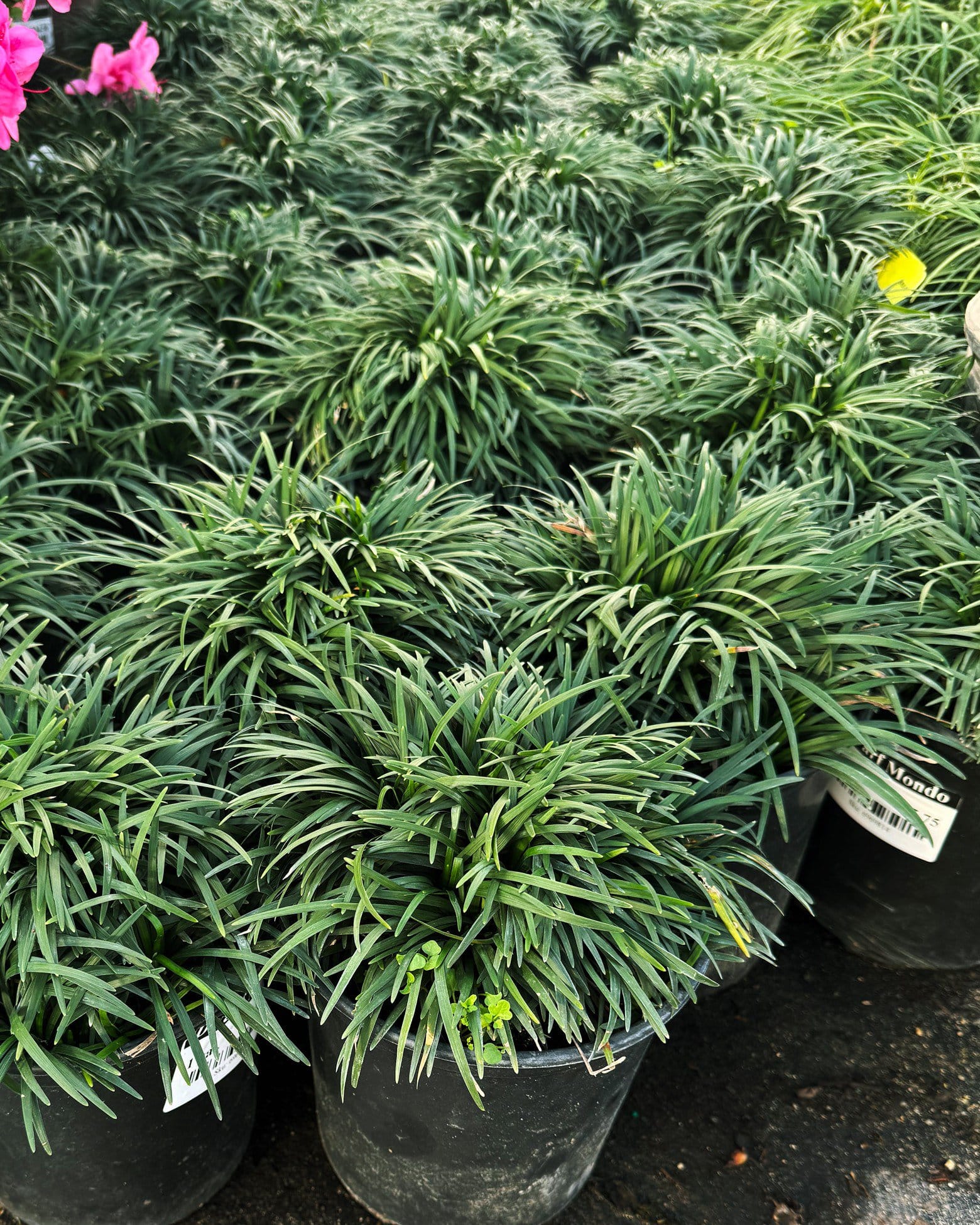
Mondo
Maturity: 0.75' H x 1' W
Burgundy Glow Ajuga
Maturity: 0.5' H x 1' W
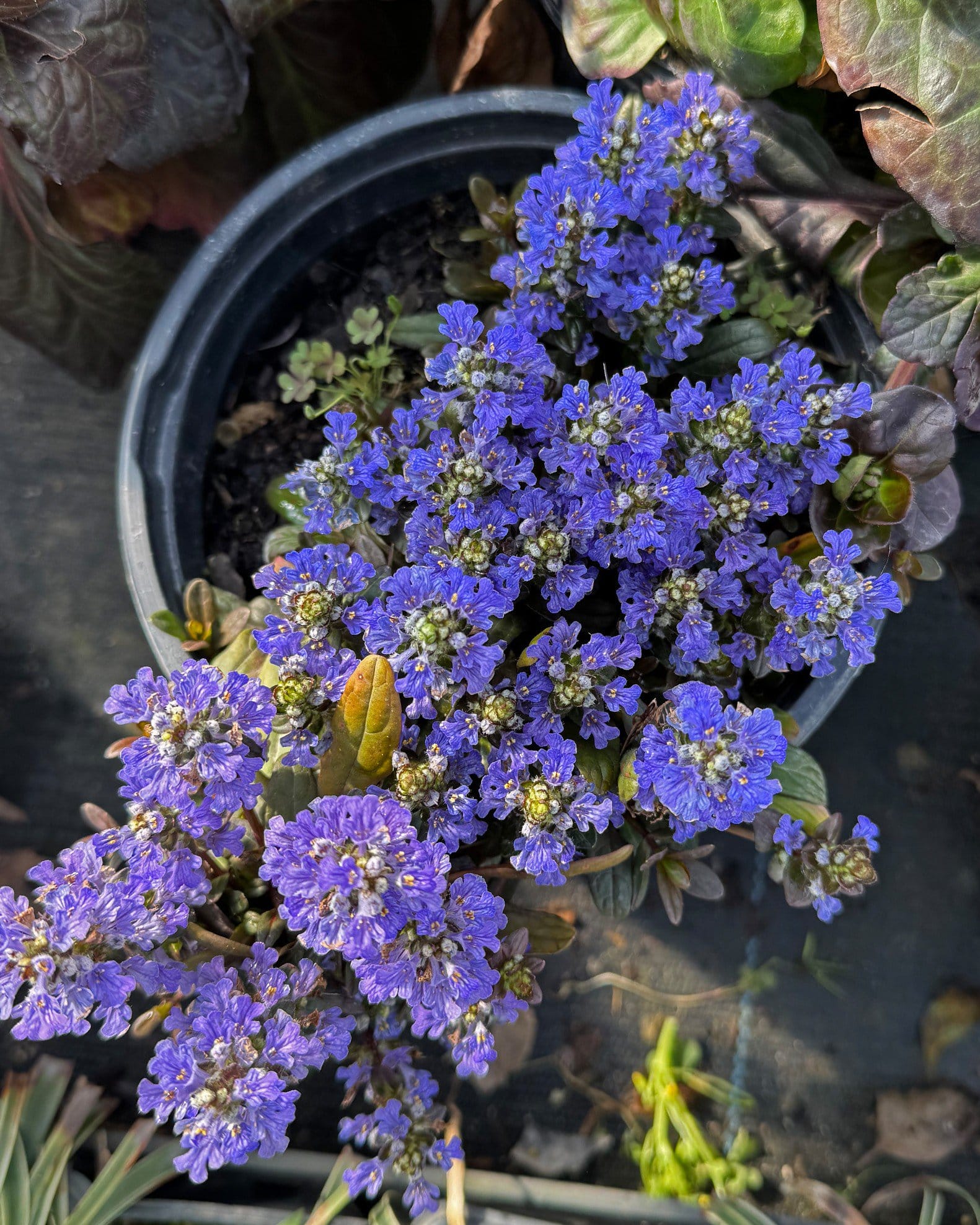
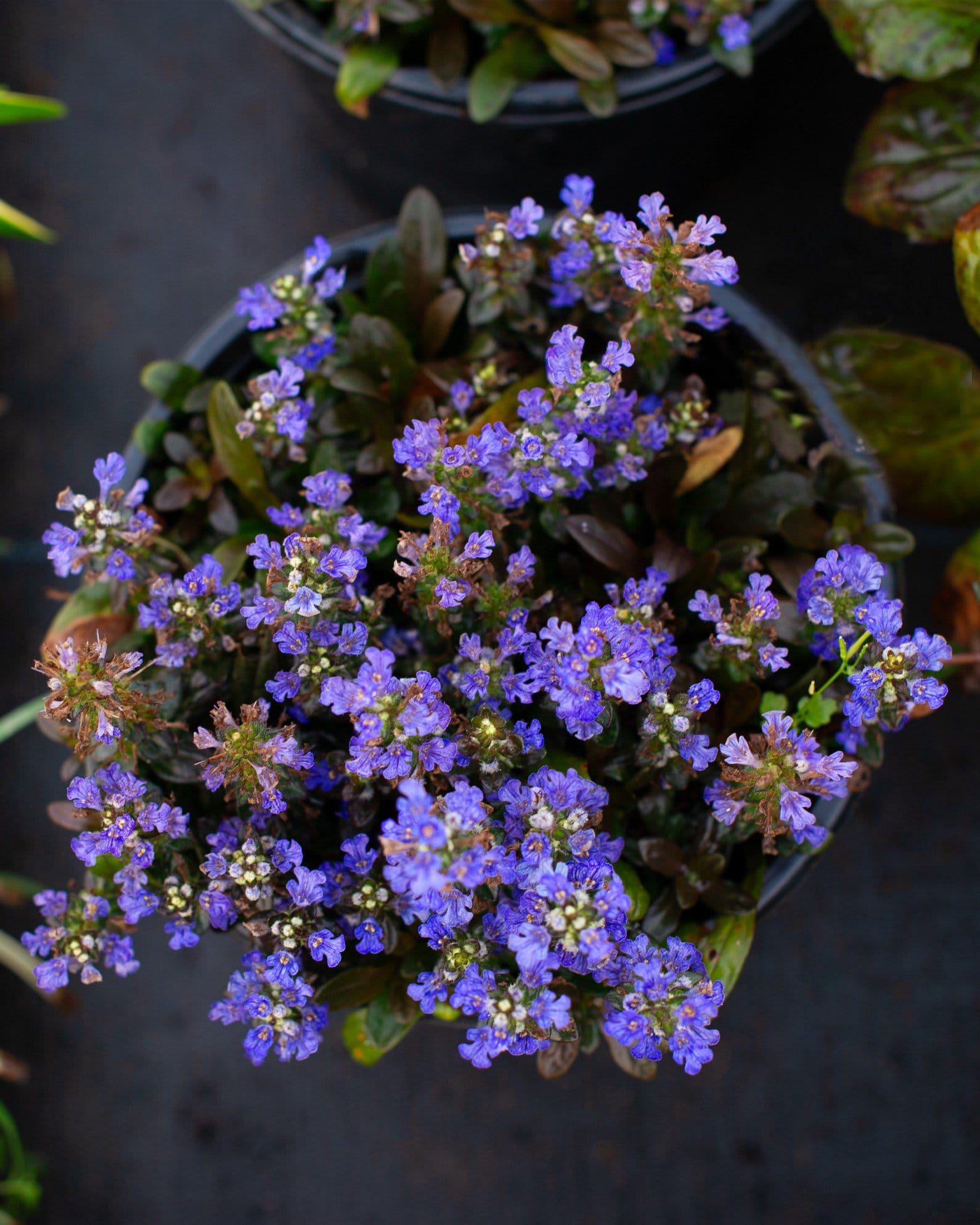
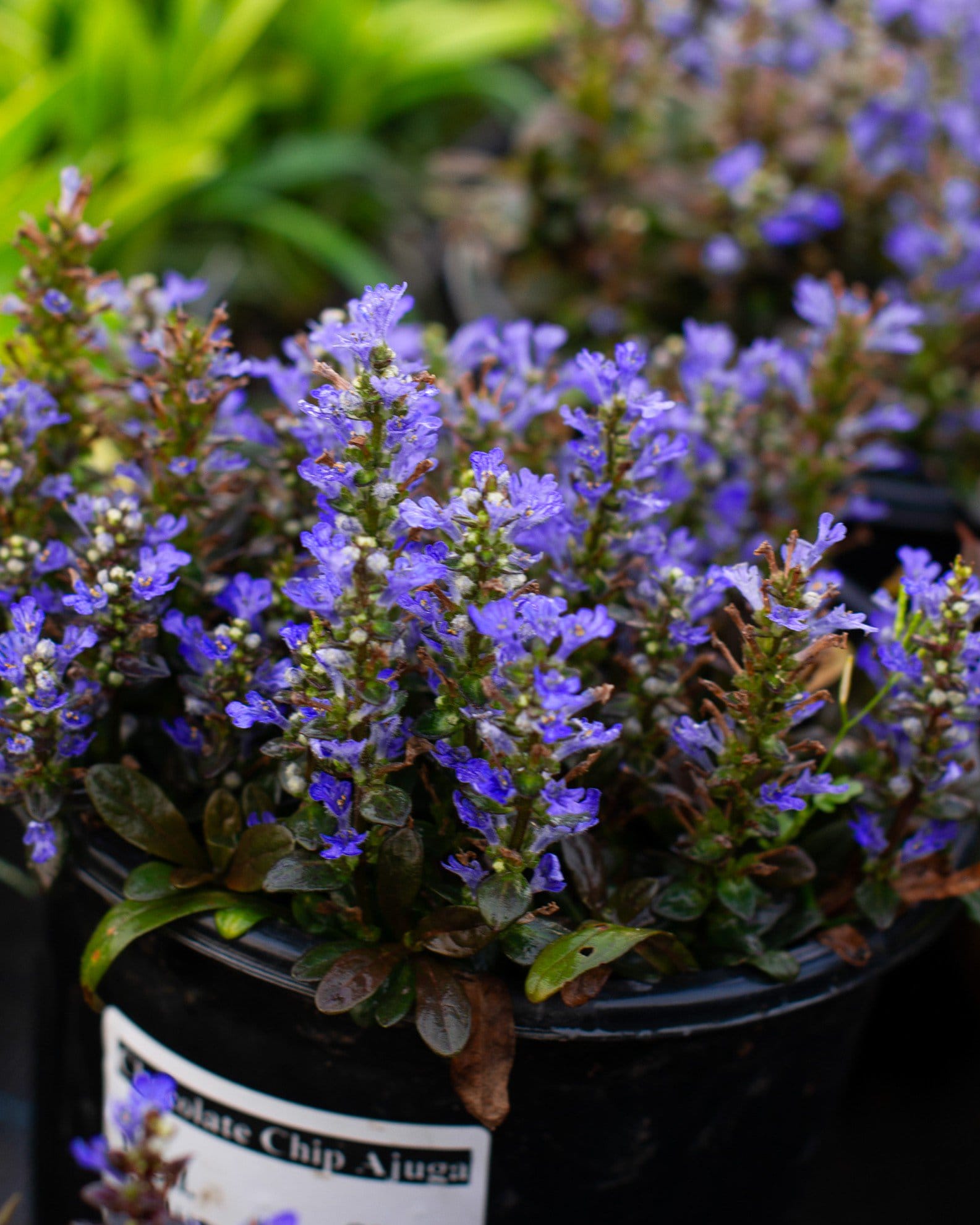
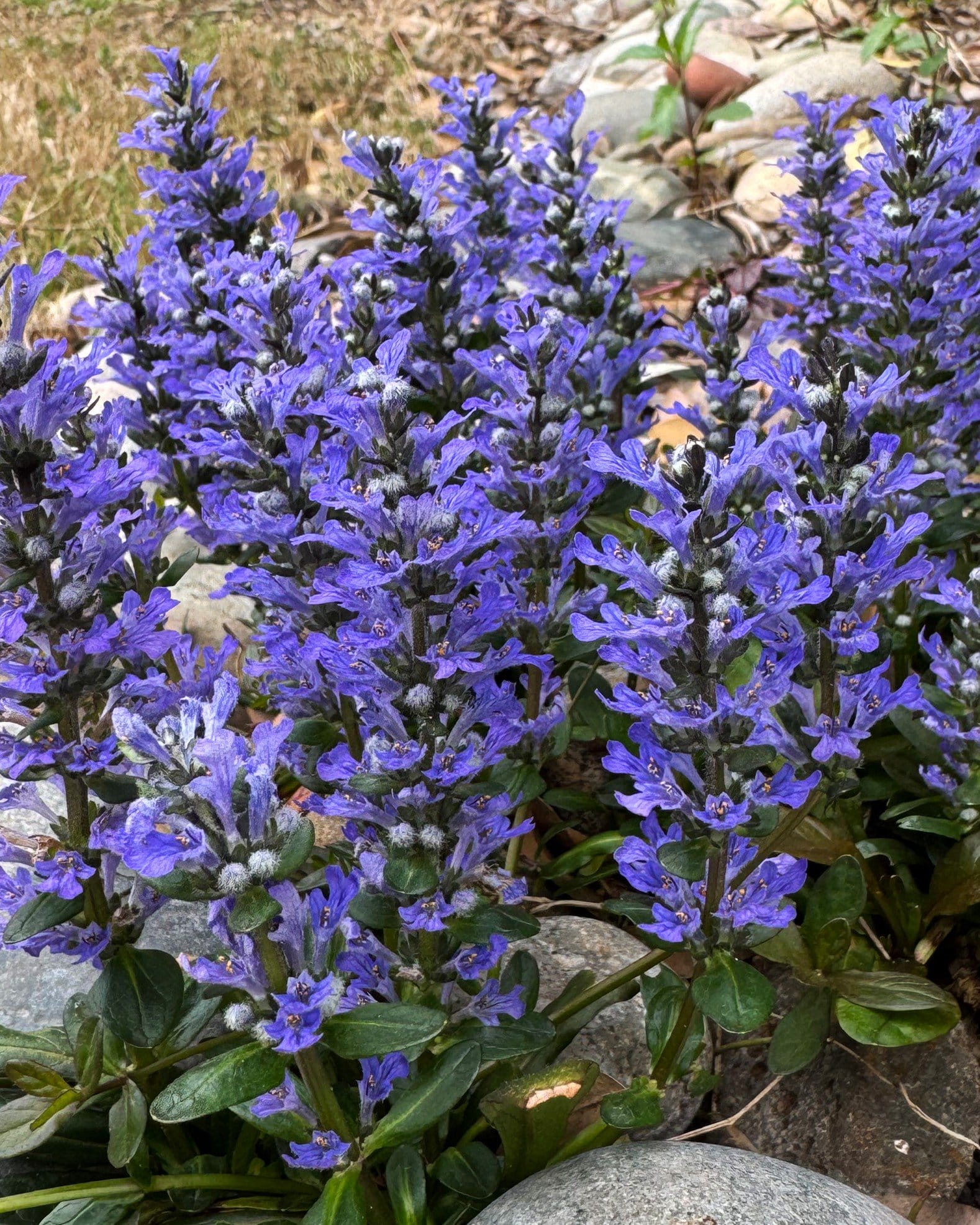
Chocolate Chip Ajuga
Maturity: 0.5' H x 1.5' W
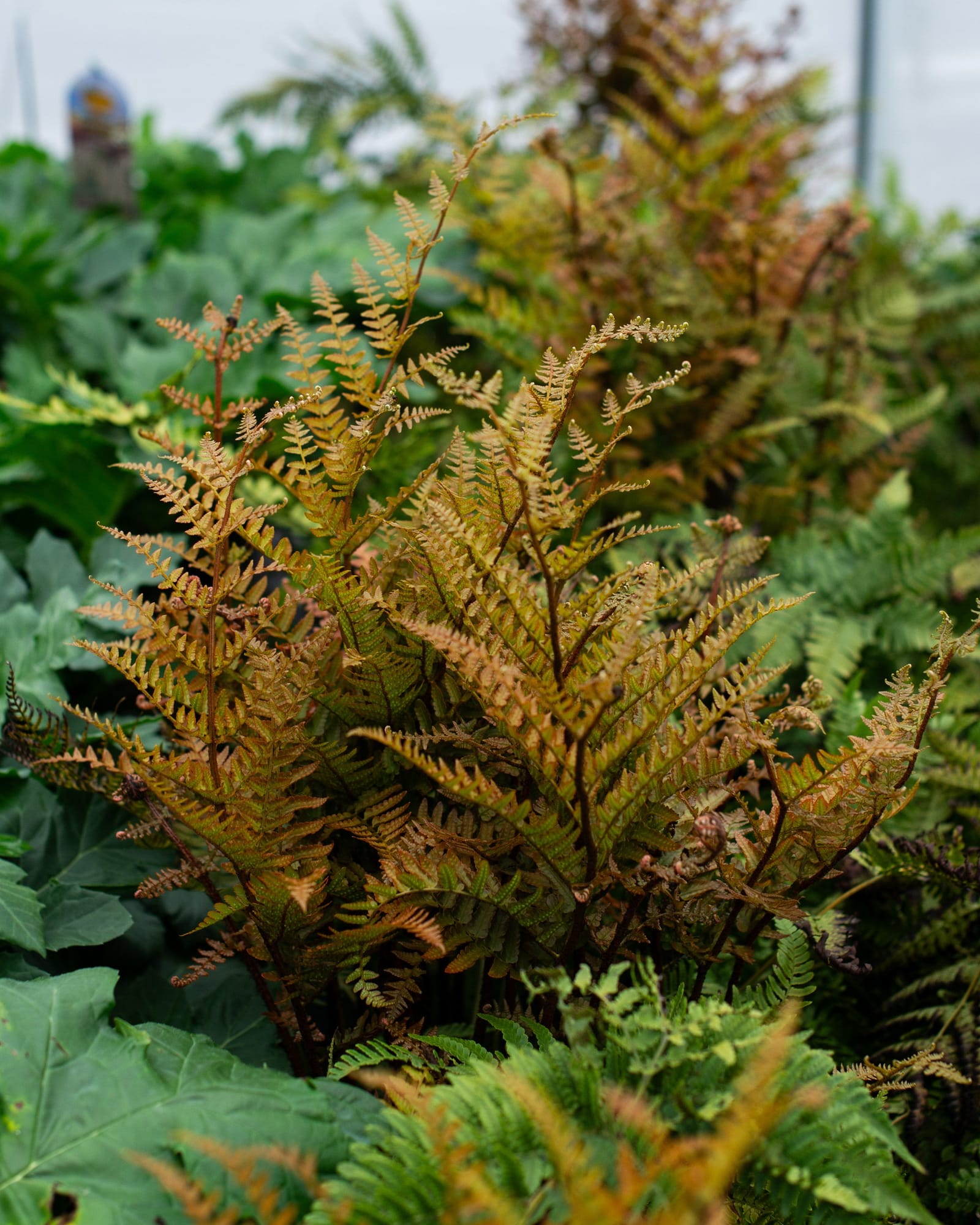
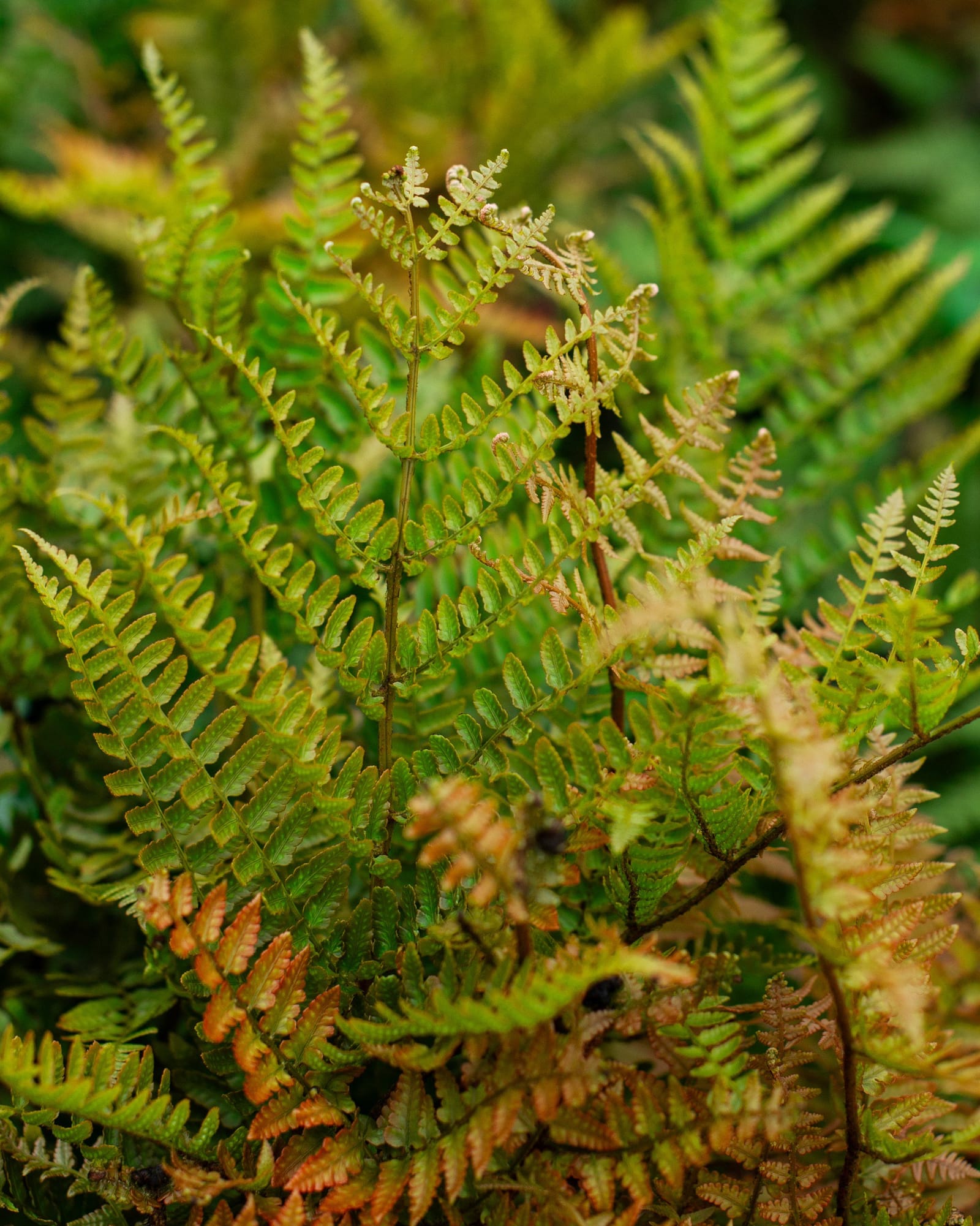
Autumn Fern Brilliance
Maturity: 2' H x 2' W
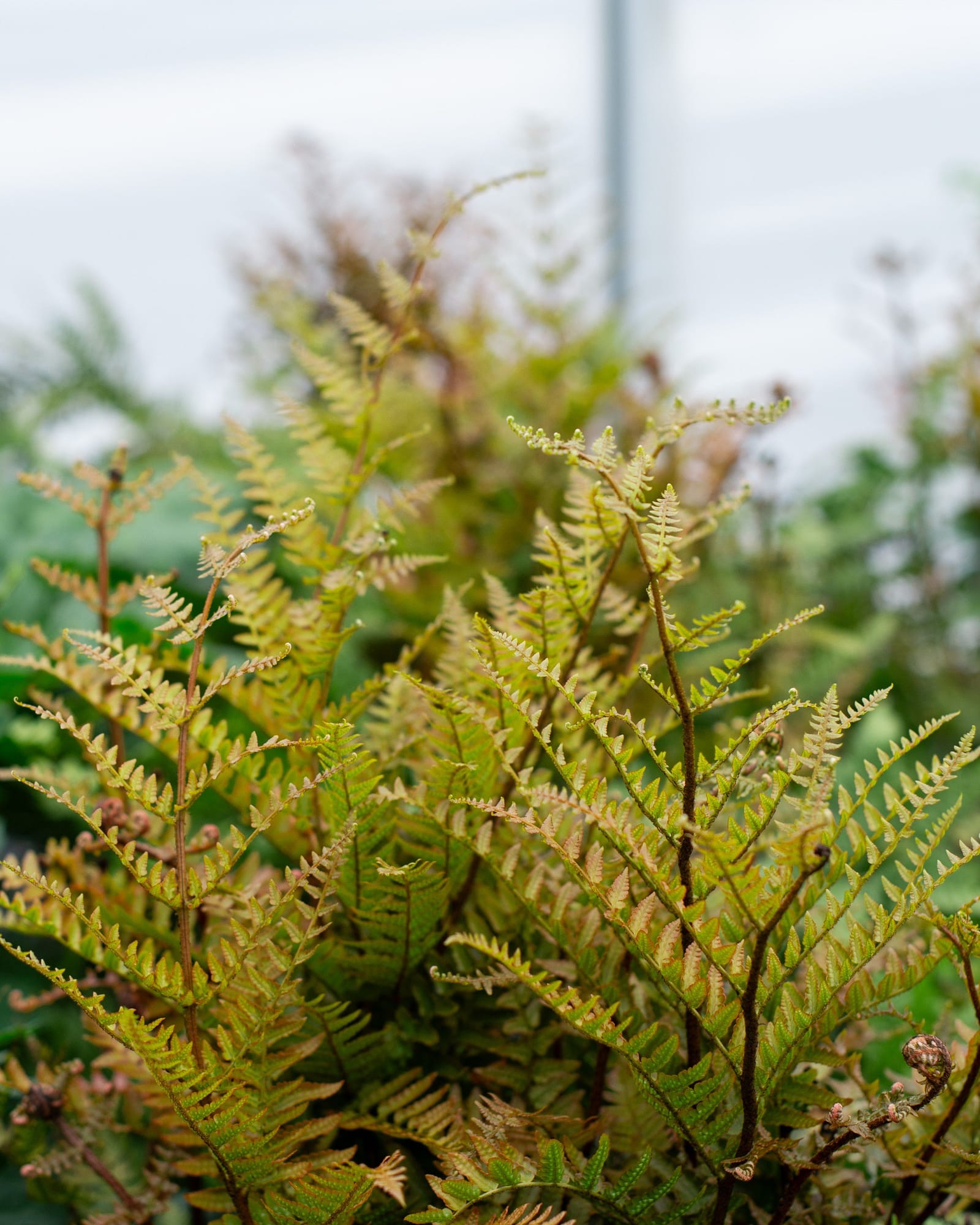
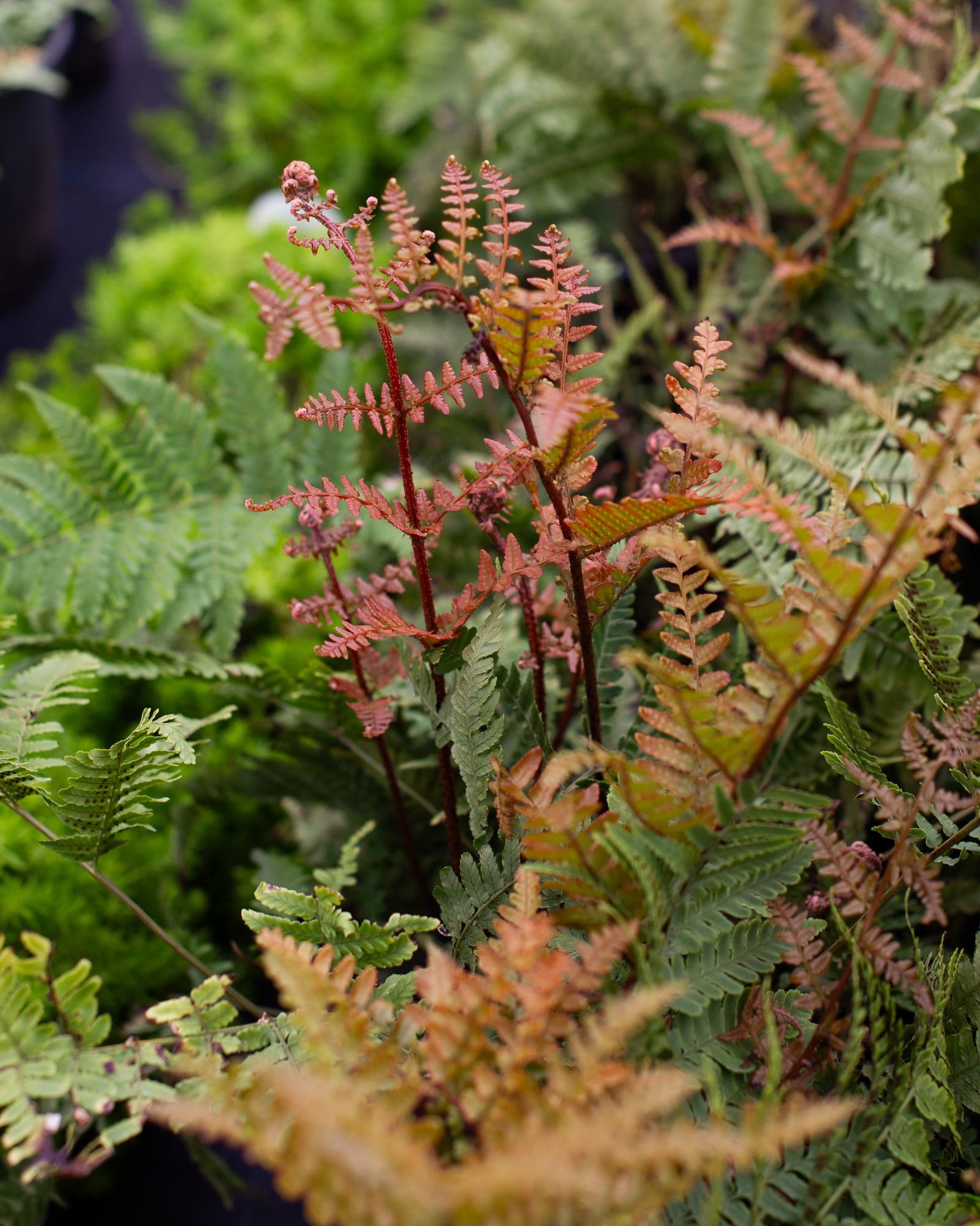
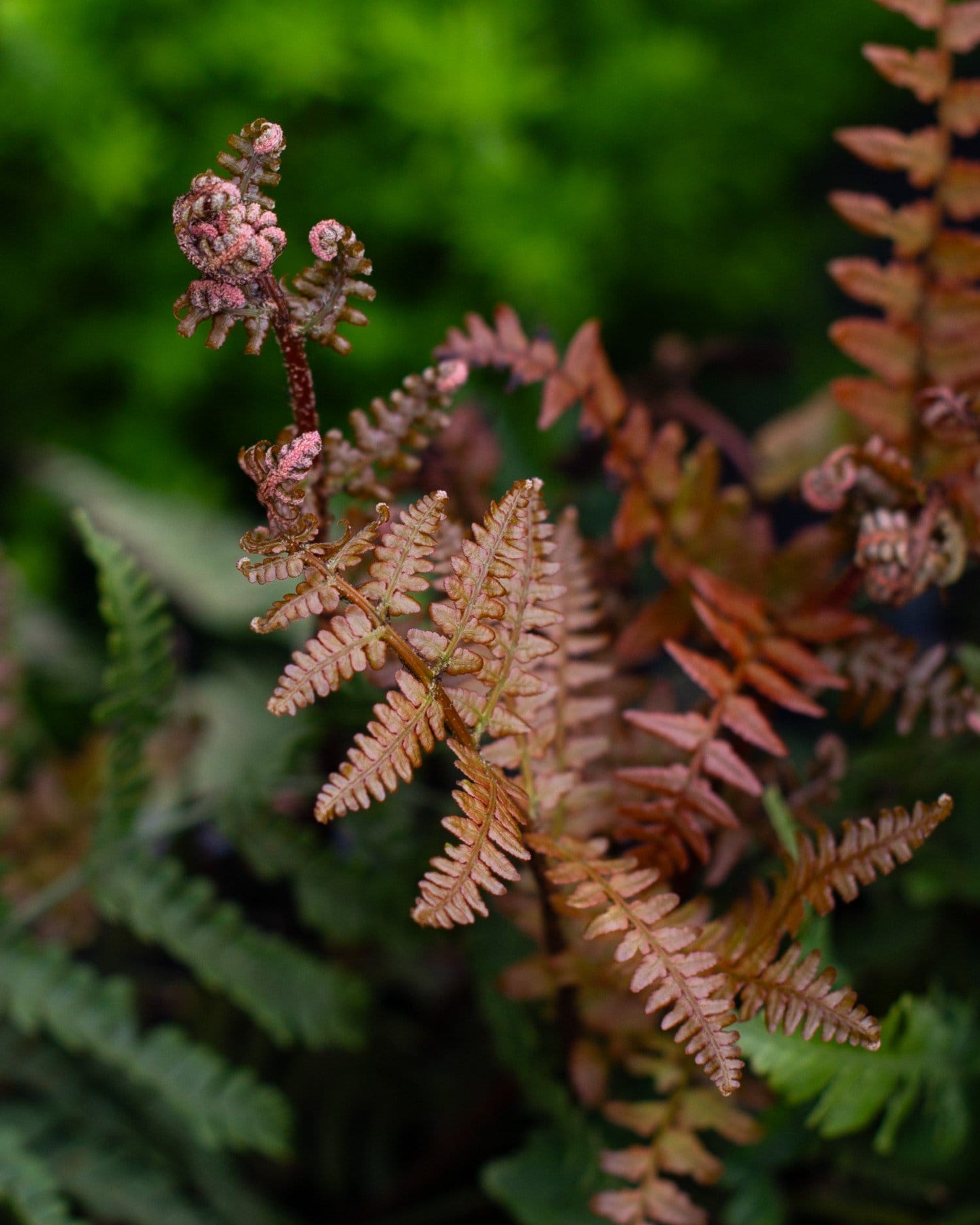
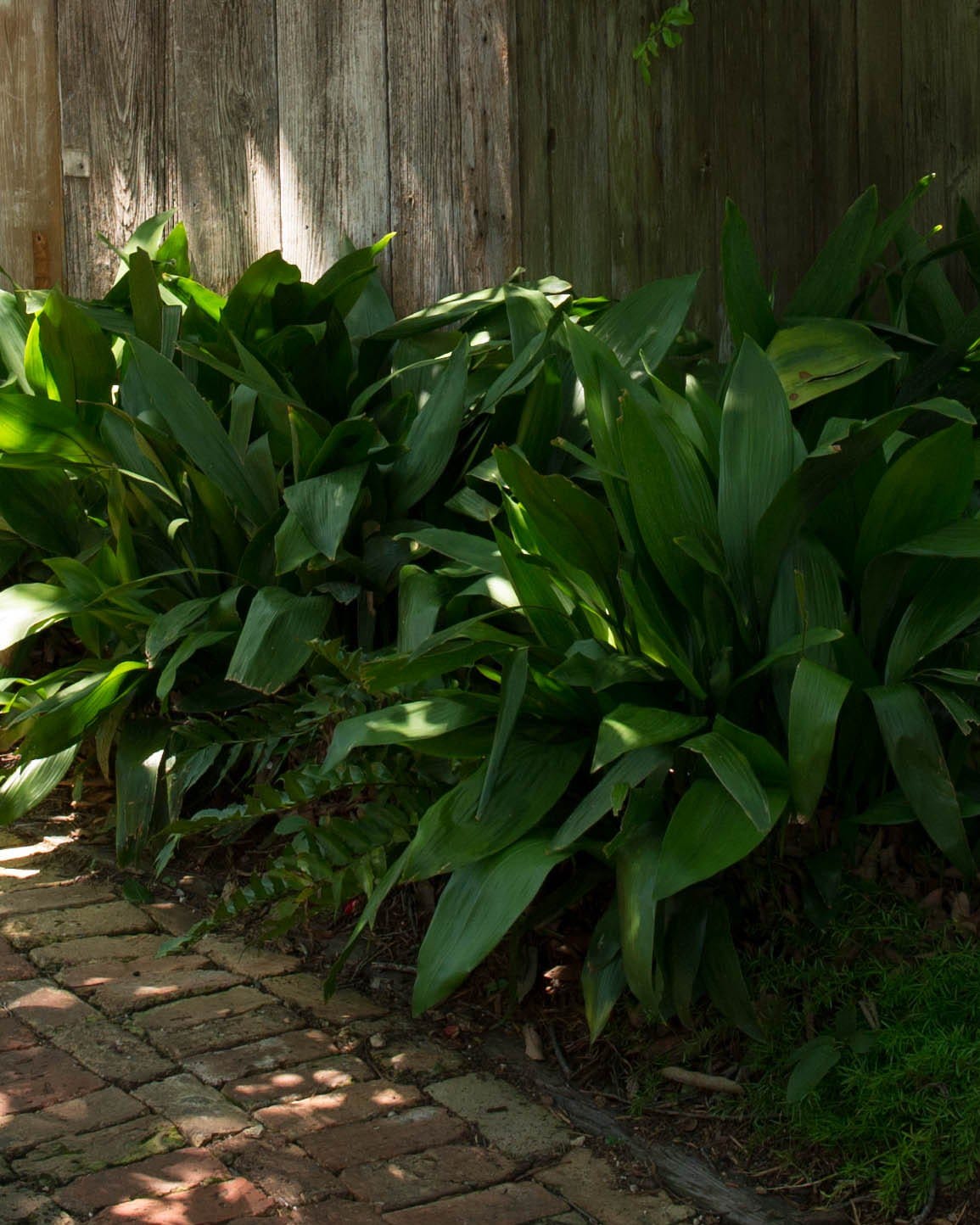
Cast Iron
Maturity: 2' H x 2' W
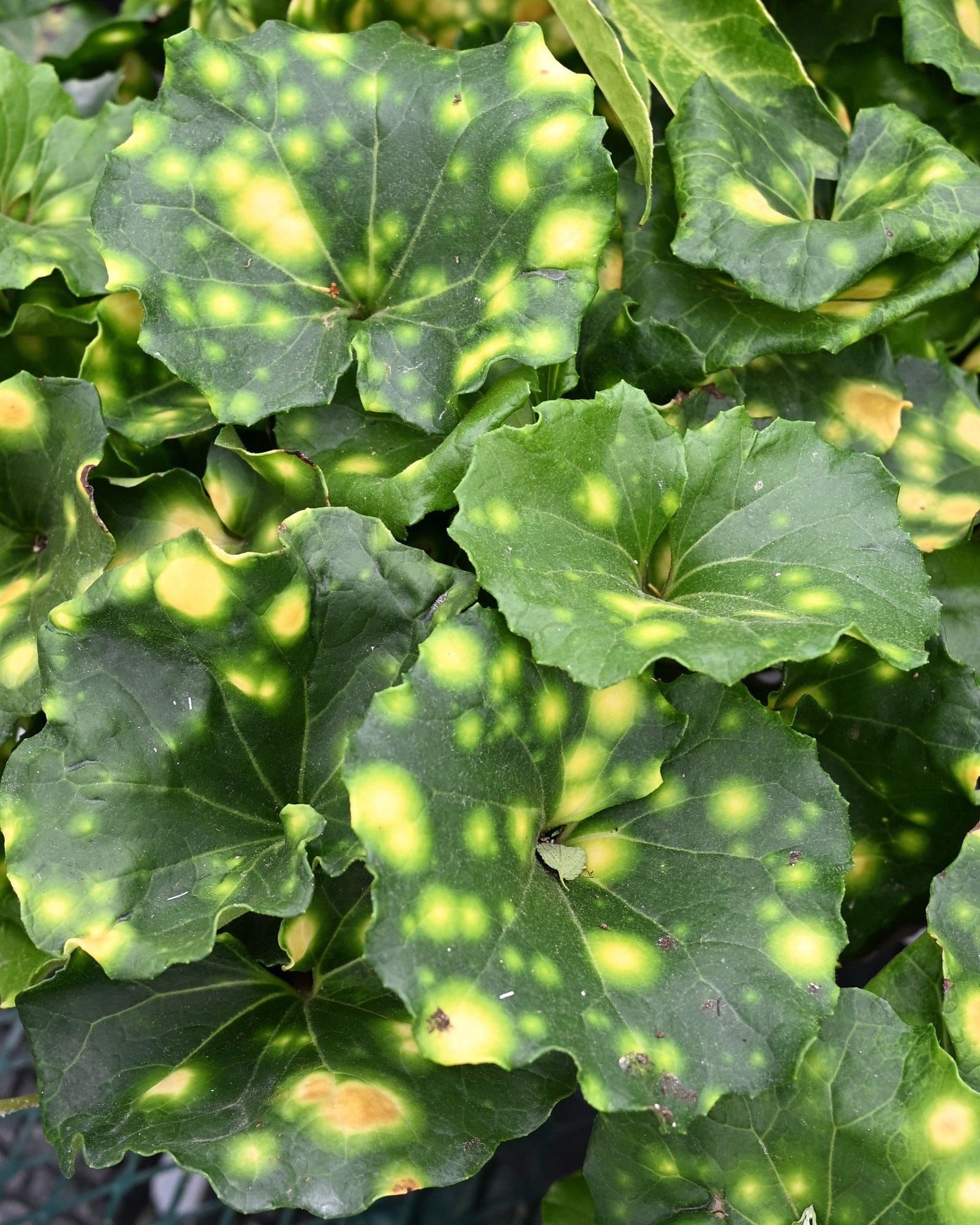
Firefly Leopard Plant
Maturity: 2' H x 2' W
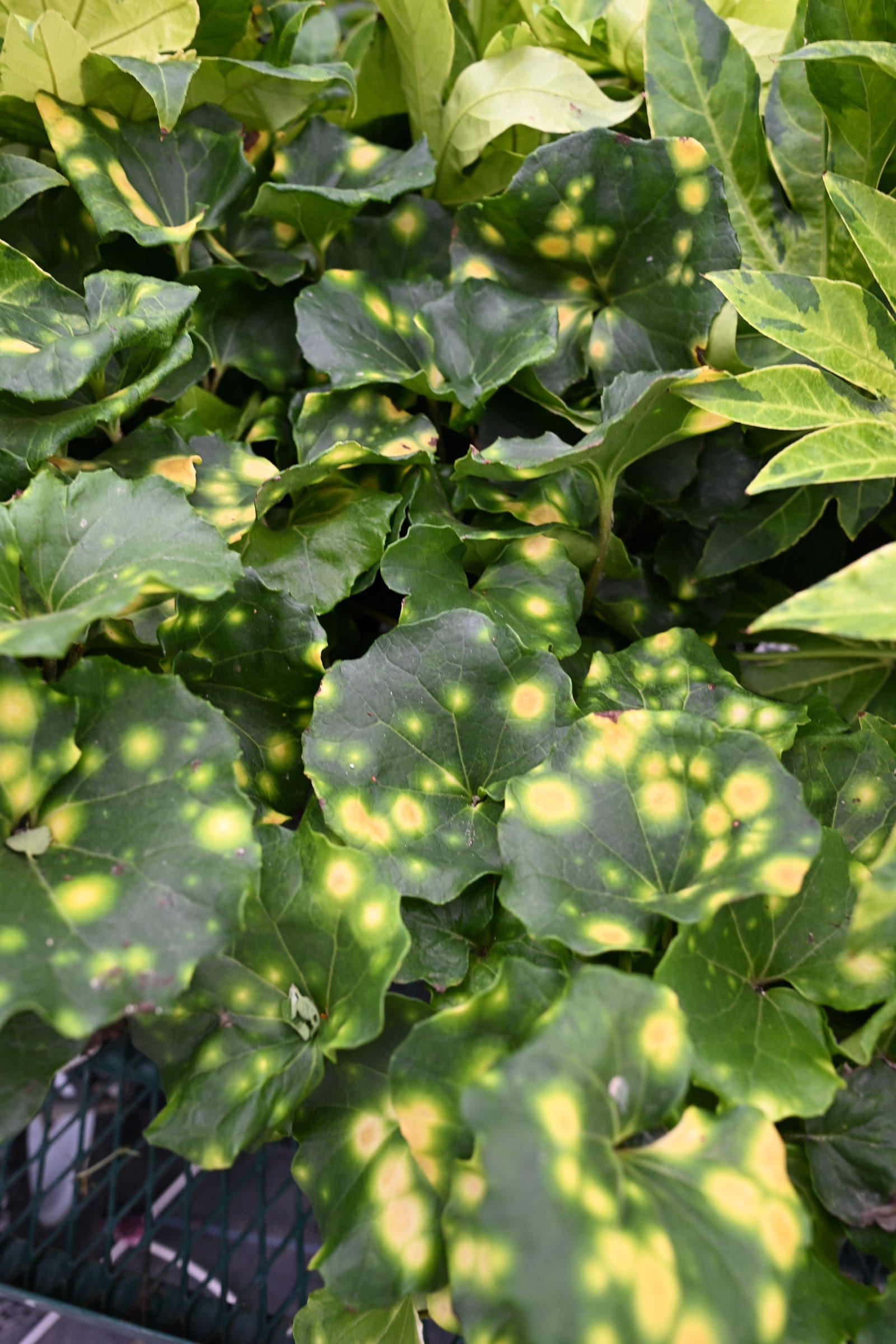
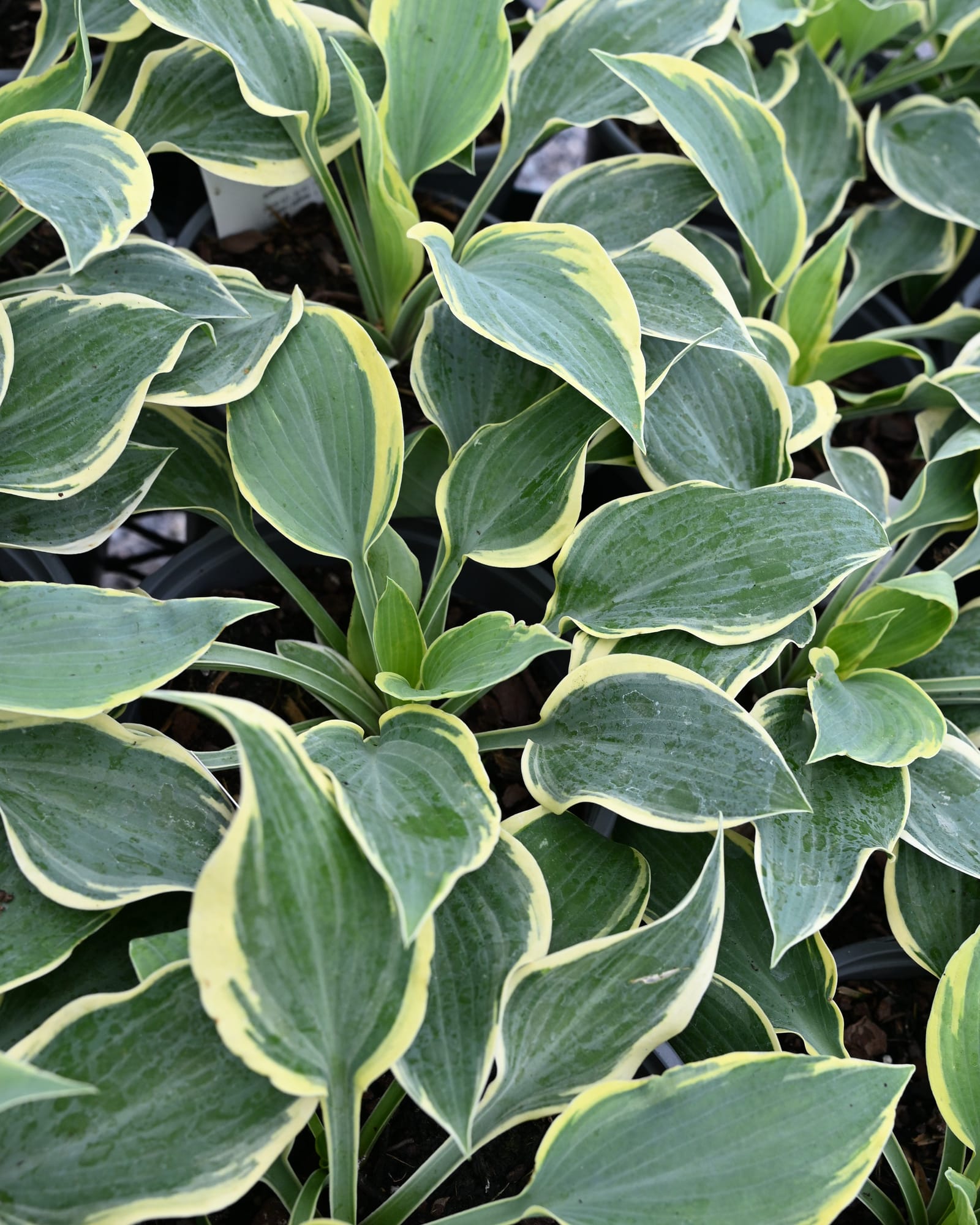
First Frost Hosta
Maturity: 1.25' H x 2.5' W
Compare Similar Plants
Frostkiss Anna's Red Helleborus This plant | ||
|---|---|---|
| Scientific Name | Helleborus × hybridus ‘Frostkiss Anna’s Red’ | Hosta x 'Blue Angel' |
| Size at Maturity | 1.5' H x 1.5' W | 2' H x 3' W |
| Leaf Retention | Evergreen | Herbaceous |
| Flower Color | Green & Red | White |
| Bloom Times | Spring & Winter | Summer |
| Sizes Available | — | 1 gal |


Our 1-Year Planting Guarantee
We take pride in our plants and installation services. If any plants or trees installed by Treeland fail to thrive within the first year, we'll provide a replacement credit in accordance with our guarantee program.
Learn More About Our Guarantee