

English Ivy
Hedera helixProduct Details
English Ivy
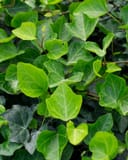
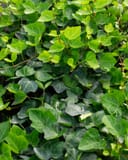
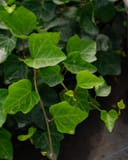
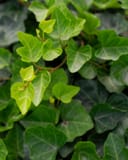
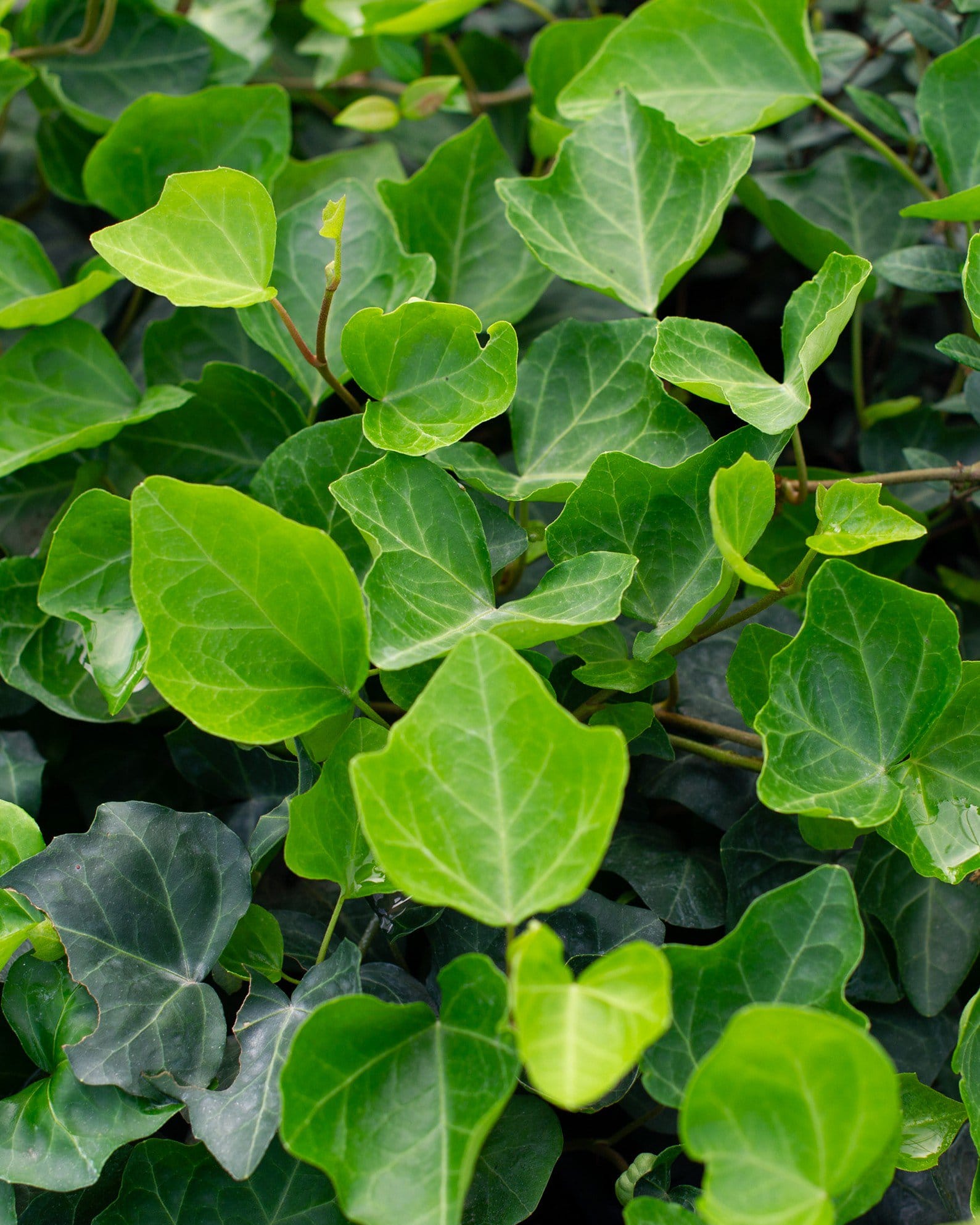
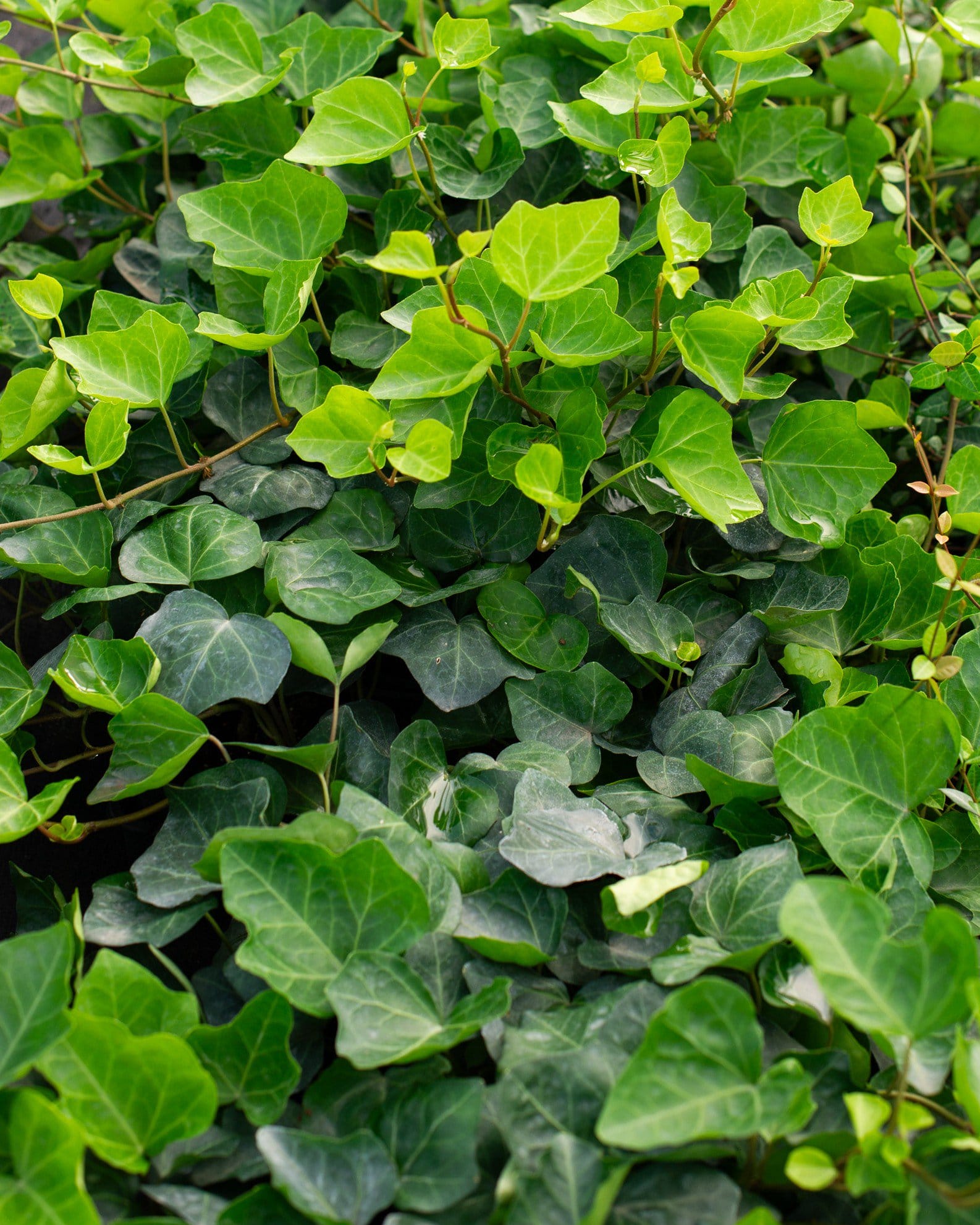
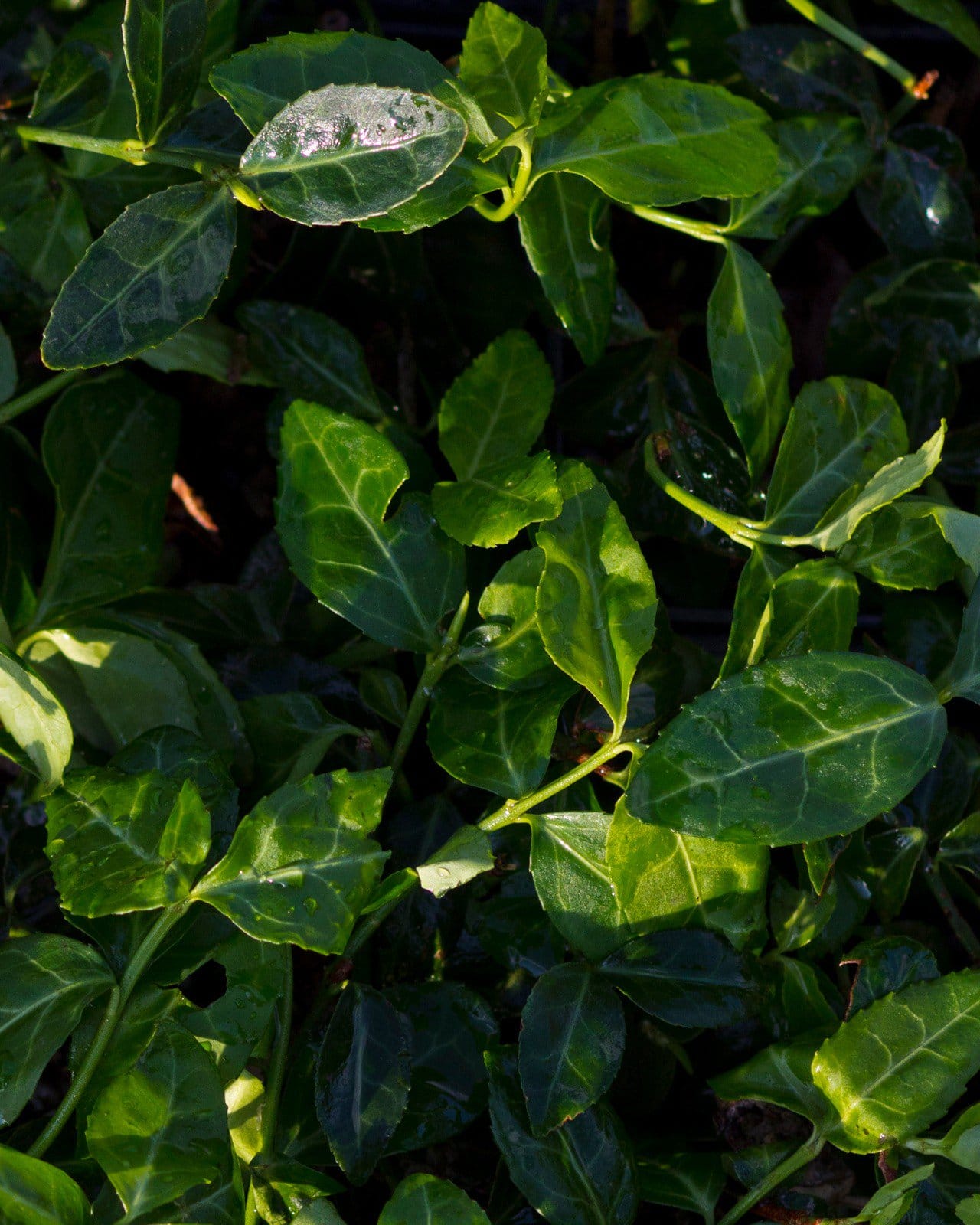
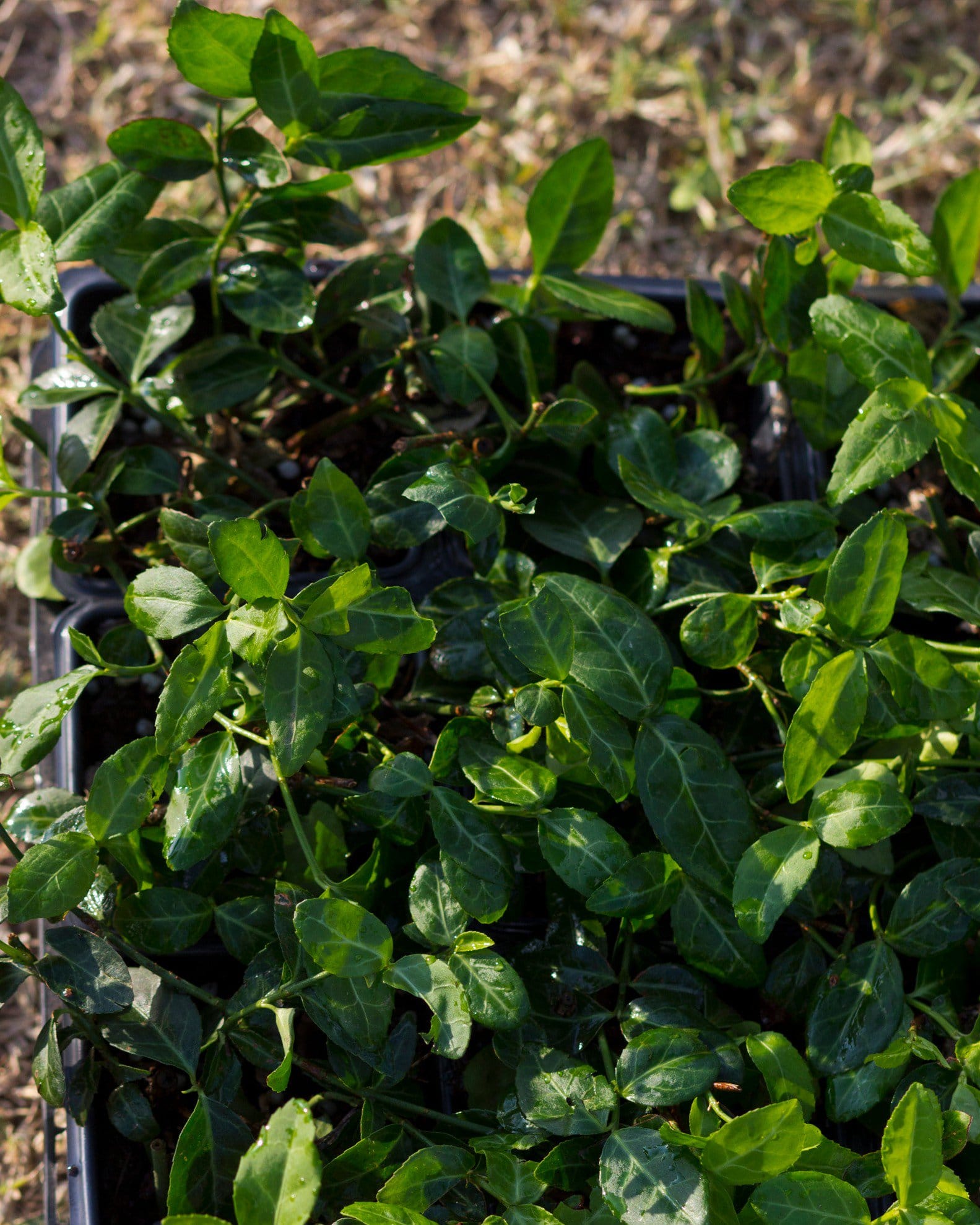
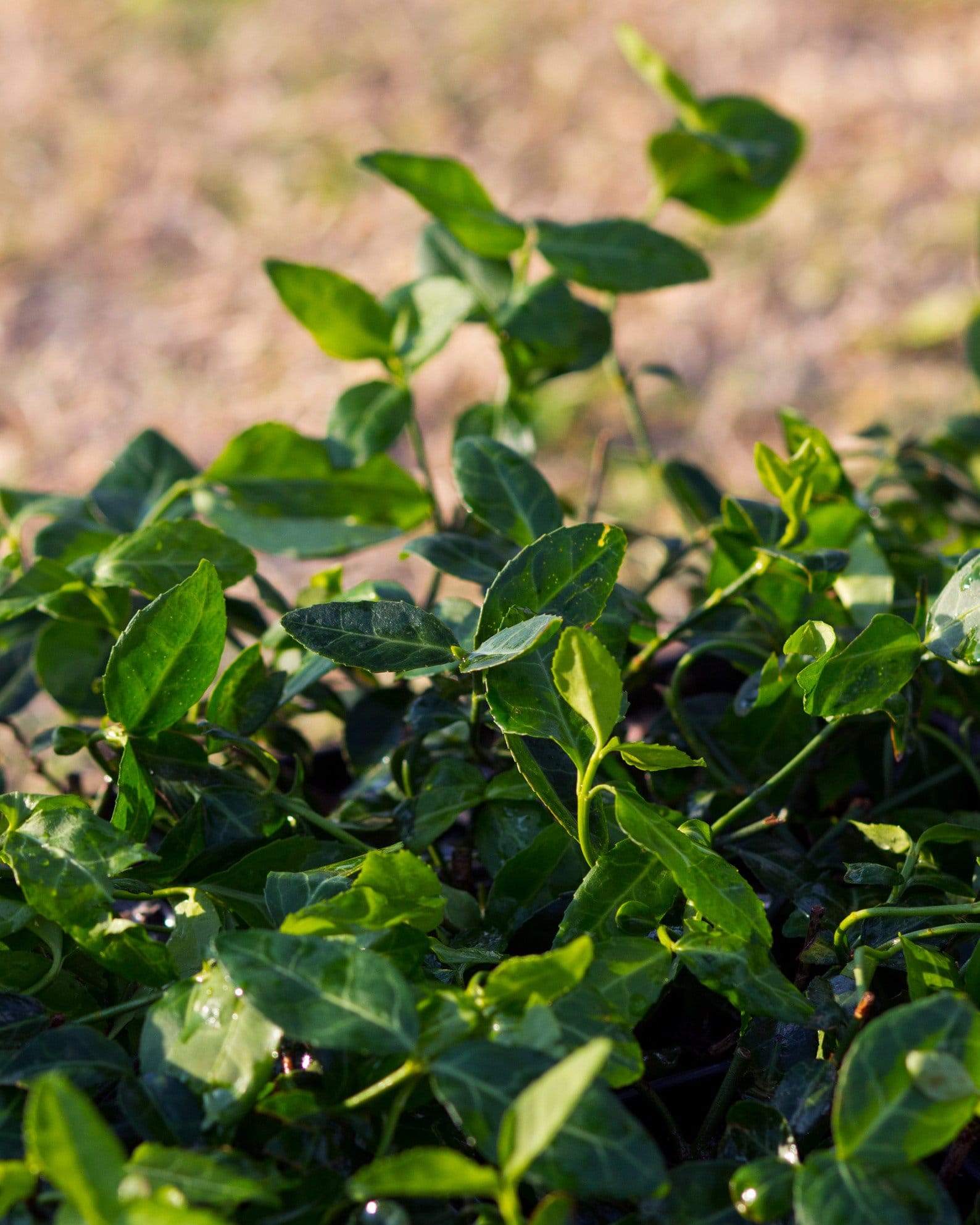
Hedera helixNothing adds a touch of fairy-tale charm quite like English Ivy. Its strikingly attractive foliage draws attention, whether it's used as groundcover or planted in pots, spilling over the edges and adding a whimsical touch to your landscape. Known for its rapid growth, it reaches up to 20 feet in length and width. However, keep in mind that English Ivy is toxic to humans and animals, so apply caution.
- Evergreen groundcover
- Fast growth rate
- Striking glossy green foliage
- Highly versatile
- Climbing growth habit
English Ivy is hardy in zones 5 to 11, making it an excellent choice for your North Texas landscape. It's as beautiful as it’s versatile, finding many different ways to be fitted in any space. It thrives in bright spaces but prefers full or partial shade, so avoid planting it in direct sunlight, as it can scorch its leaves. Fares best in well-drained, fertile soil.
English Ivy is a classic, versatile evergreen vine or groundcover, prized for its lush, glossy foliage and vigorous growth. Its adaptability makes it ideal for both urban and natural settings, and here’s how it can grow beautifully:
- Watering: Water regularly during the first season to establish a deep, resilient root system. Once established, English Ivy tolerates moderate drought but performs best with consistent moisture. Container-grown ivy requires more frequent watering. Avoid waterlogged conditions, which can lead to root rot or crown issues.
- Pruning: Regular pruning is essential to maintain shape, prevent overgrowth, and promote dense foliage. Ivy can be lightly trimmed throughout the growing season to control its spread over walls, trellises, or garden beds. Heavy pruning in early spring rejuvenates older plants and encourages new shoots.
- Fertilizing: Apply a balanced, slow-release fertilizer in early spring to promote healthy foliage growth. A second feeding mid-season can boost vigor, particularly for container plants or heavily trafficked areas. Over-fertilizing can lead to weak, overly lush growth and reduce the plant’s natural resilience.
- Mulching: A thin layer of mulch around the base helps retain soil moisture and suppress weeds. Keep mulch slightly away from the crown to allow airflow and prevent rot.
- Winter Care: English Ivy is hardy in most zones and tolerates frost and freezing temperatures. Minimal winter protection is needed, though containers may benefit from insulation or relocation to a sheltered spot during extreme cold.
Although hardy, English Ivy can face several challenges:
- Root Rot: Poor drainage or overwatering can lead to root or crown rot. Plant in well-drained soil and avoid standing water.
- Leggy Growth: Without pruning, long stems can become sparse. Regular trimming encourages dense, bushy growth.
- Pests: English Ivy can be affected by spider mites, aphids, or scale insects. Treat with insecticidal soap or neem oil, and encourage natural predators like ladybugs.
- Fungal Leaf Spots: Leaf spots may occur in humid or shaded areas. Remove affected leaves and improve airflow.
- Invasive Spread: Ivy can be aggressive, covering walls, fences, or garden beds quickly. Monitor growth and prune regularly to prevent unwanted spread.
- Choking or Damaging Structures: When grown on walls or trees, Ivy can sometimes trap moisture or compete with host plants. Use caution when training it over wooden structures or living trees.
With proper care, English Ivy can live for decades, providing long-term coverage and lush foliage.
It grows rapidly once established, quickly covering walls, trellises, or garden beds. Young plants may double in coverage within a single growing season under ideal conditions.
Absolutely. Its trailing stems make it ideal for pots, window boxes, and hanging baskets. Ensure proper drainage and consistent moisture for best results.
Yes. Stem cuttings root readily in water or moist soil, allowing for quick propagation and expansion of coverage.
Yes. Its hardy nature, pollution tolerance, and dense growth make it ideal for walls, medians, planters, and slope stabilization in urban areas.
Yes. It recovers quickly from pruning, frost, or minor pest damage, producing vigorous new growth with proper care.
Some cultivars display variegated foliage that may become more vibrant in cooler months, though most maintain deep green leaves year-round.
Yes. Heavy pruning in early spring removes older stems and encourages dense new growth. Dividing or relocating runners also restores vigor.
Yes. Its trailing mats and dense root systems stabilize soil on slopes and embankments, helping prevent erosion while adding year-round greenery.
Yes, but caution is advised. While it can provide attractive vertical coverage, it may trap moisture or compete with trees if left unmanaged. Regular pruning ensures structural safety.
Special Features
You might also like
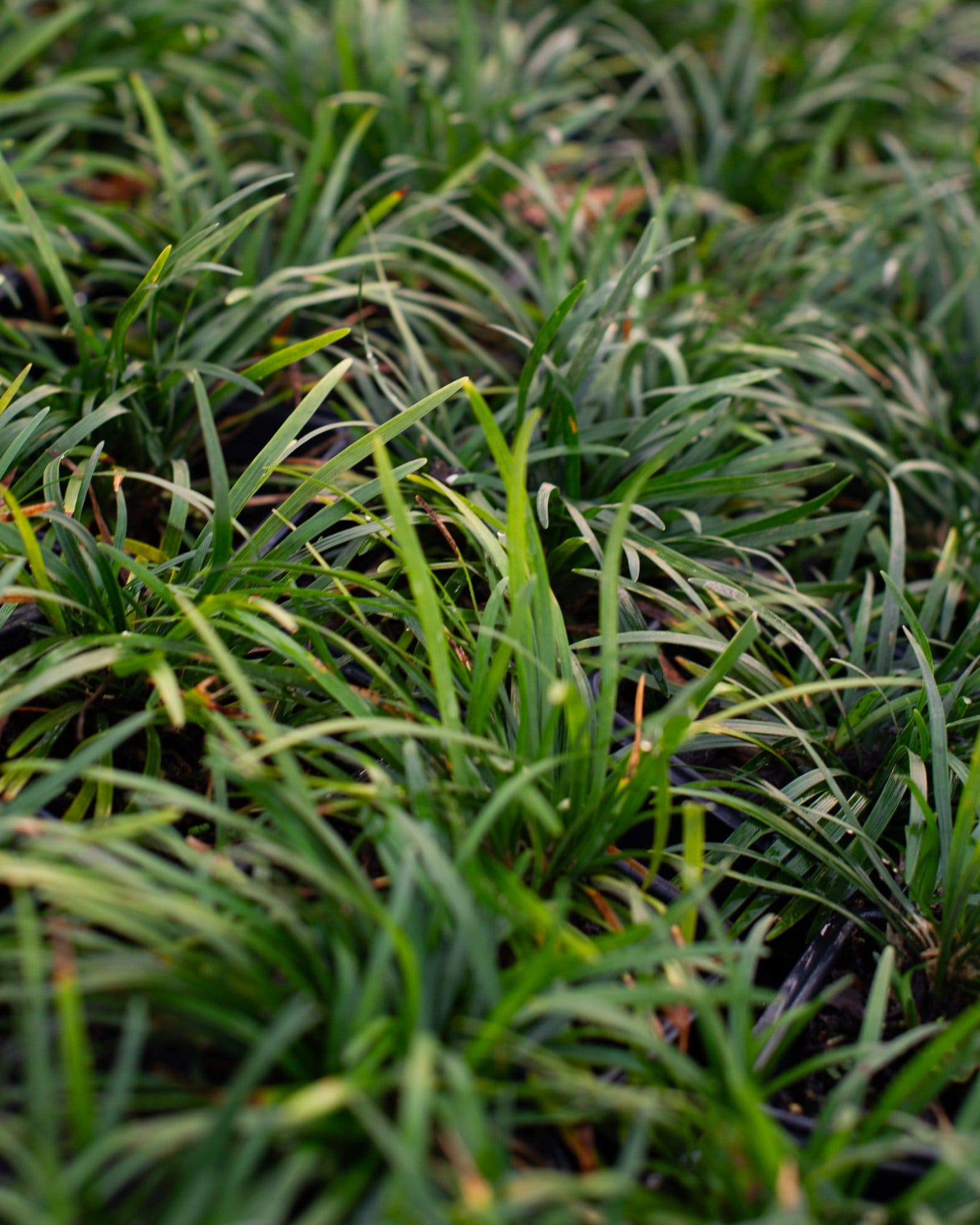
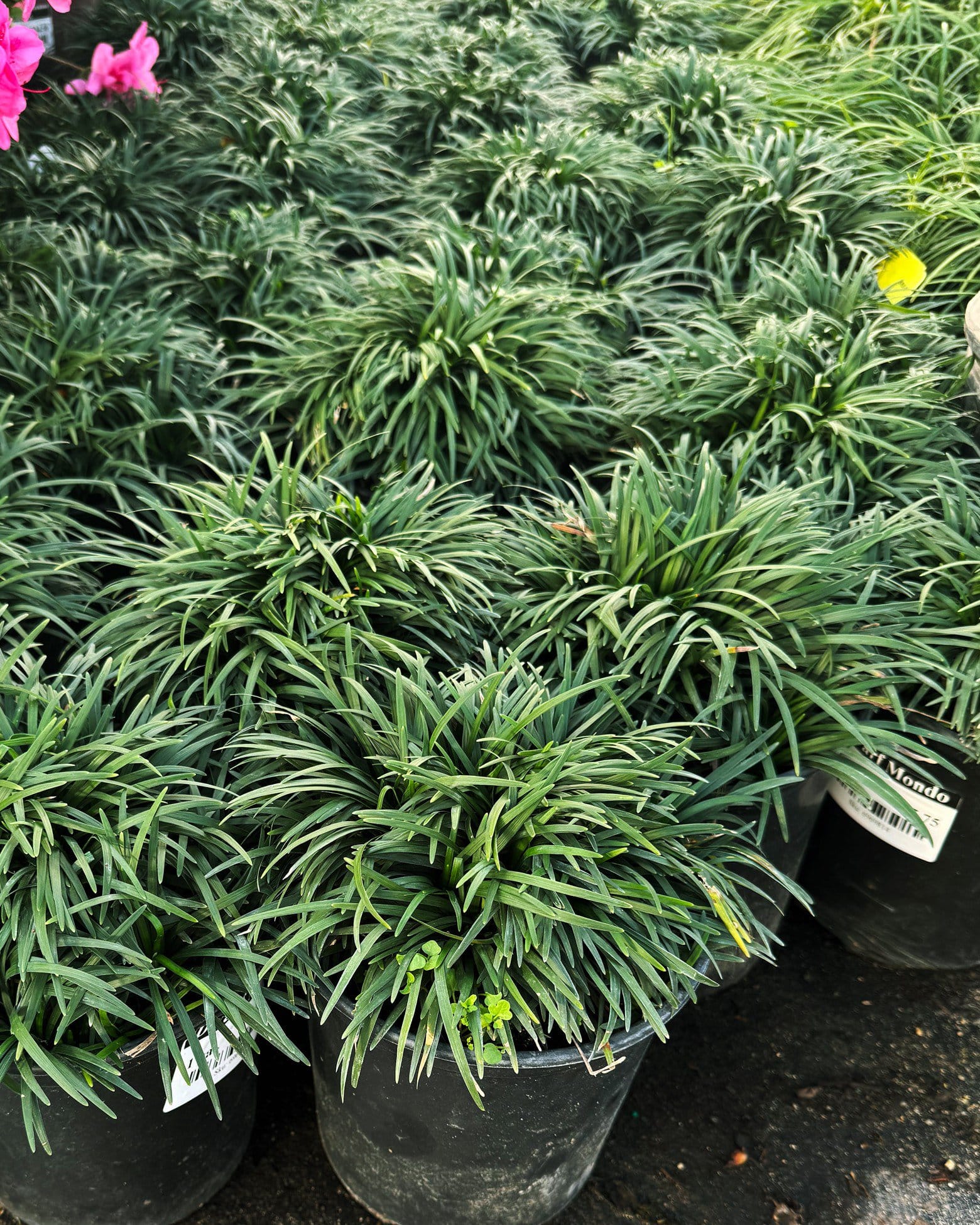
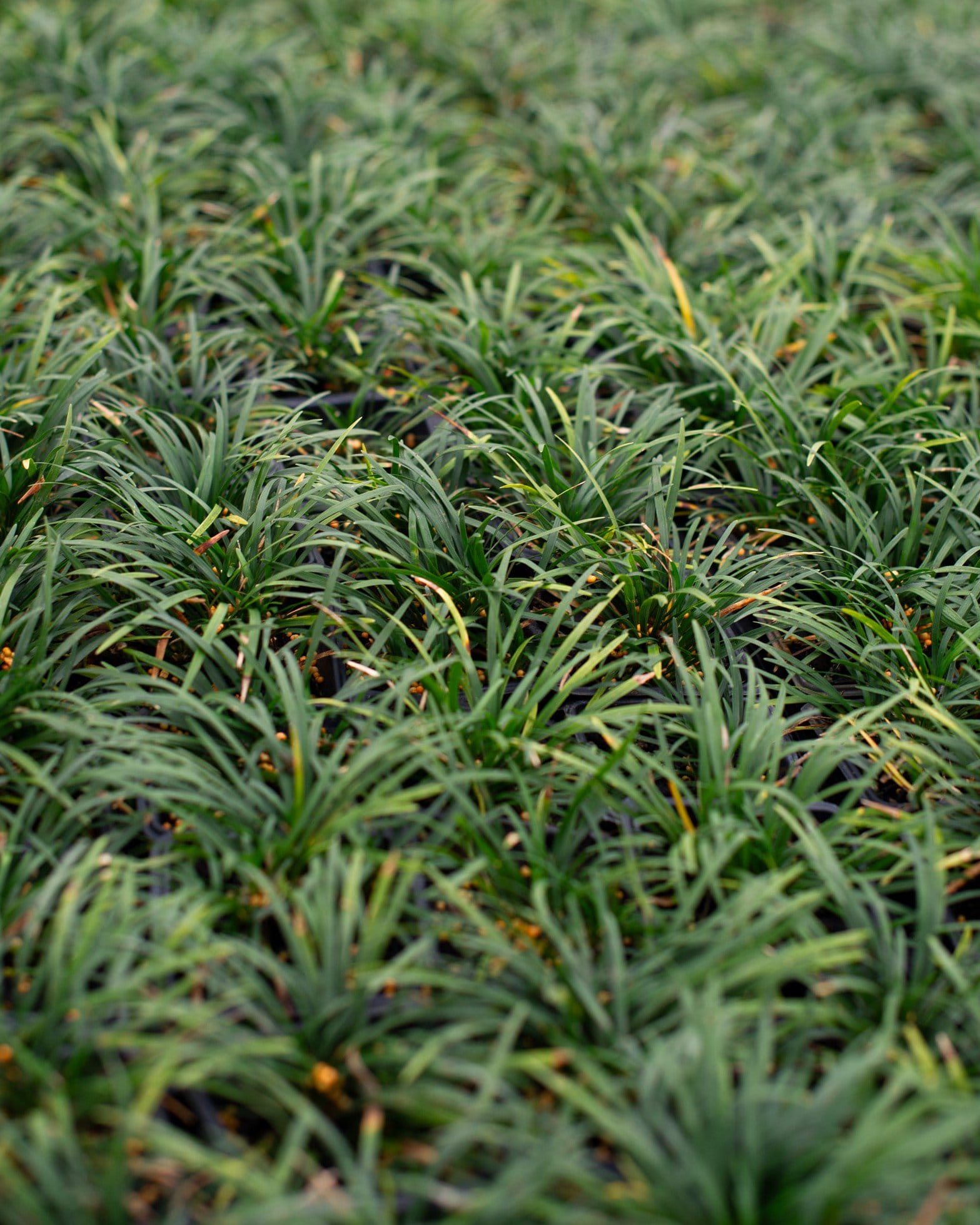
Dwarf Mondo
Maturity: 0.5' H x 0.5' W
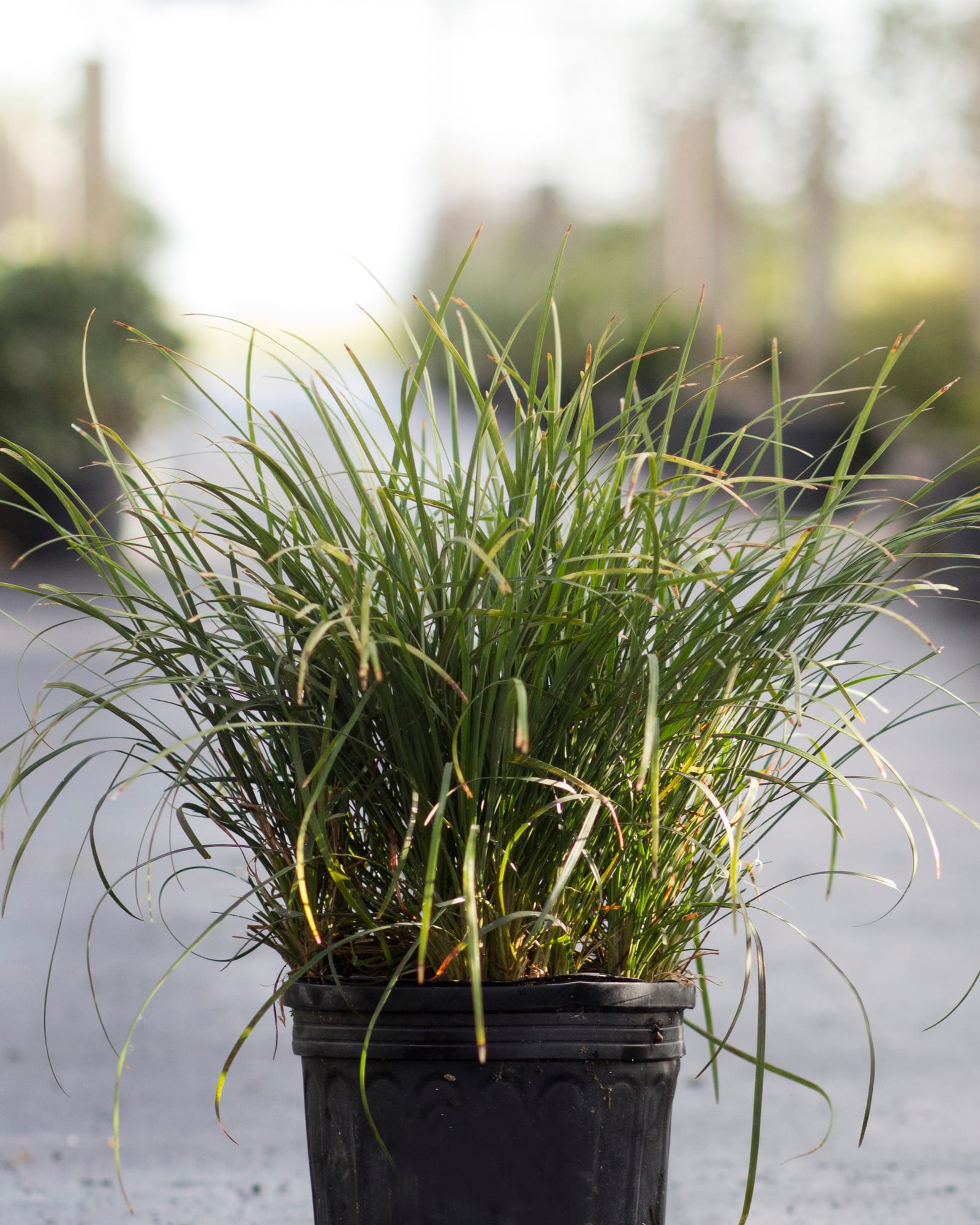
Mondo
Maturity: 0.75' H x 1' W
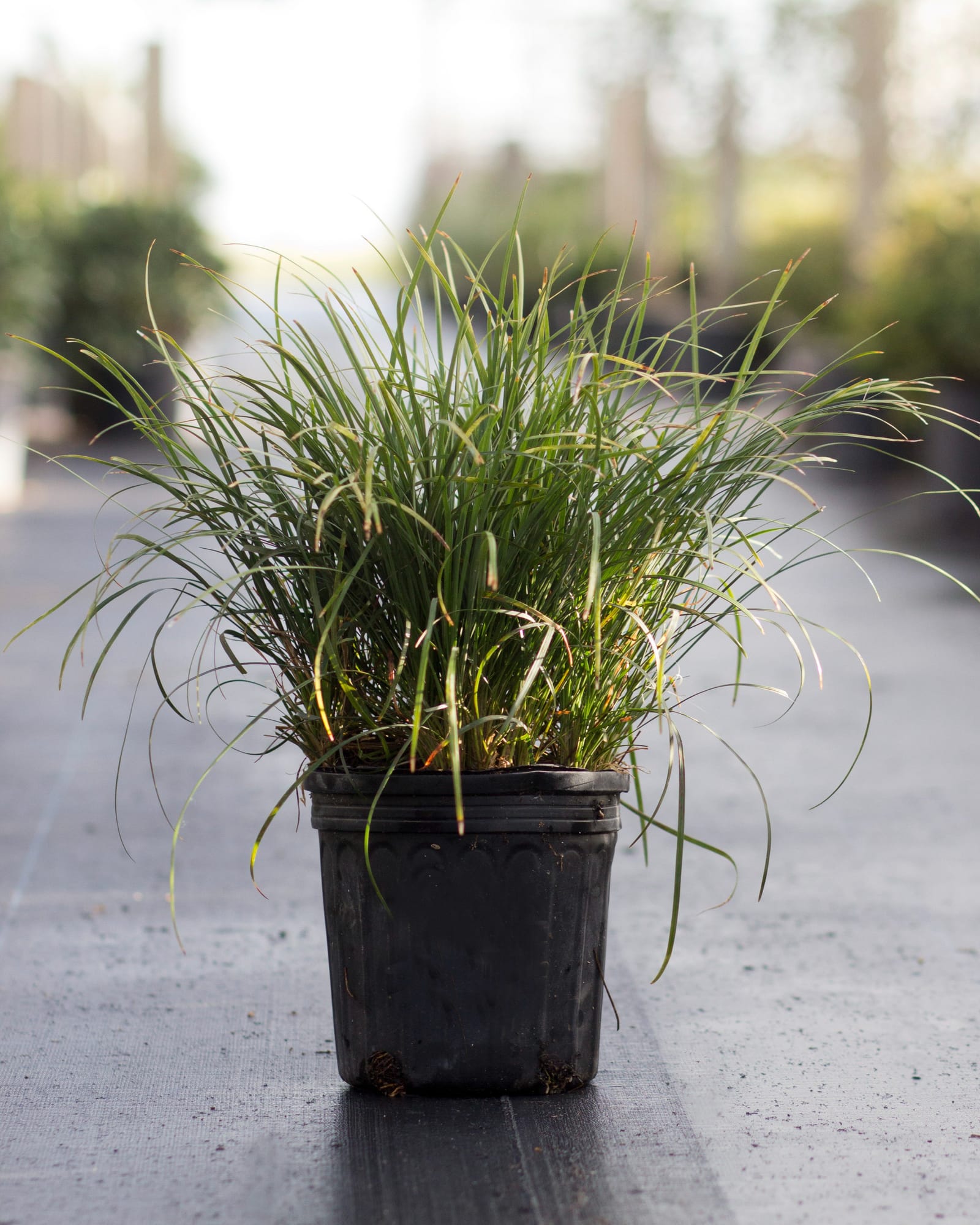
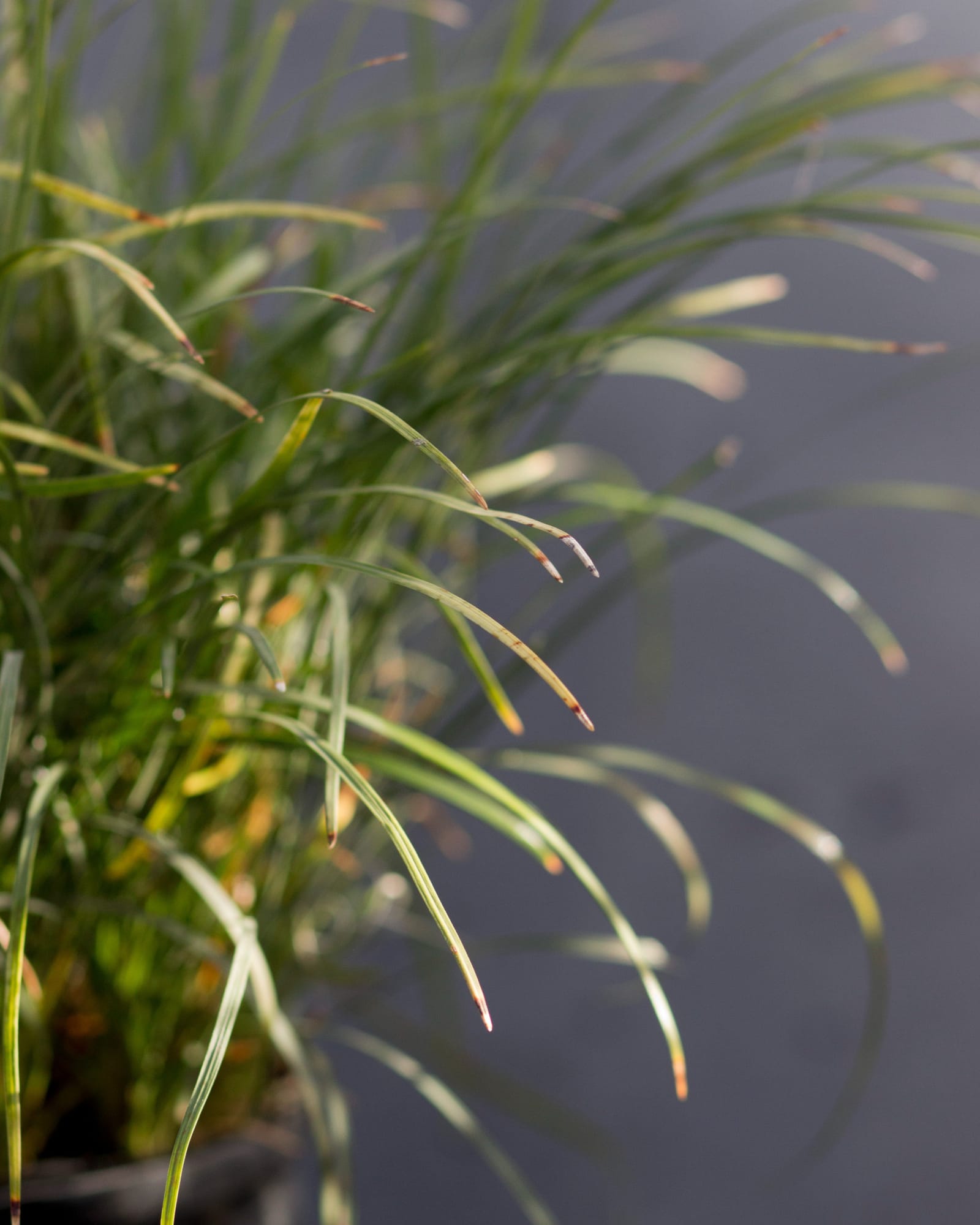
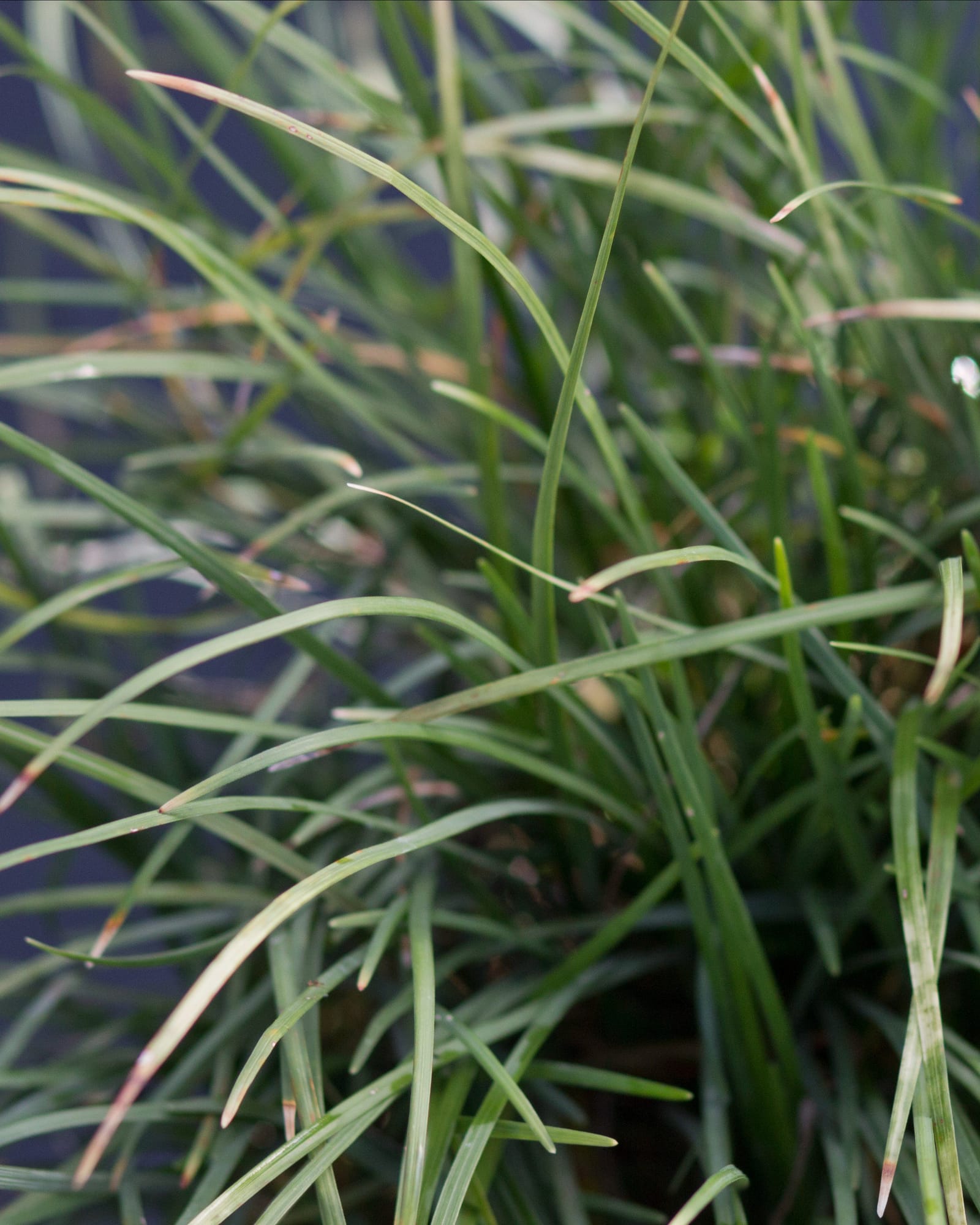
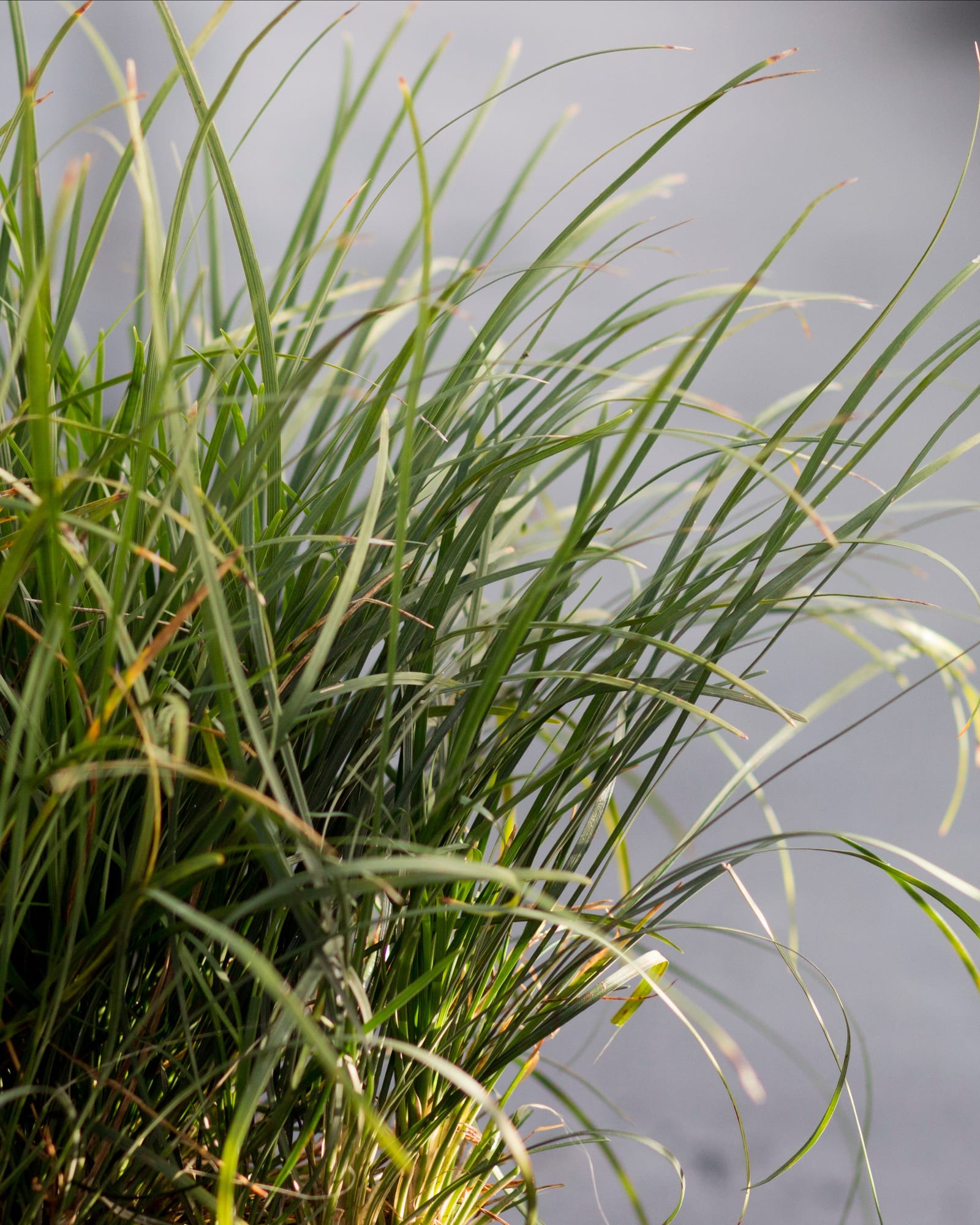
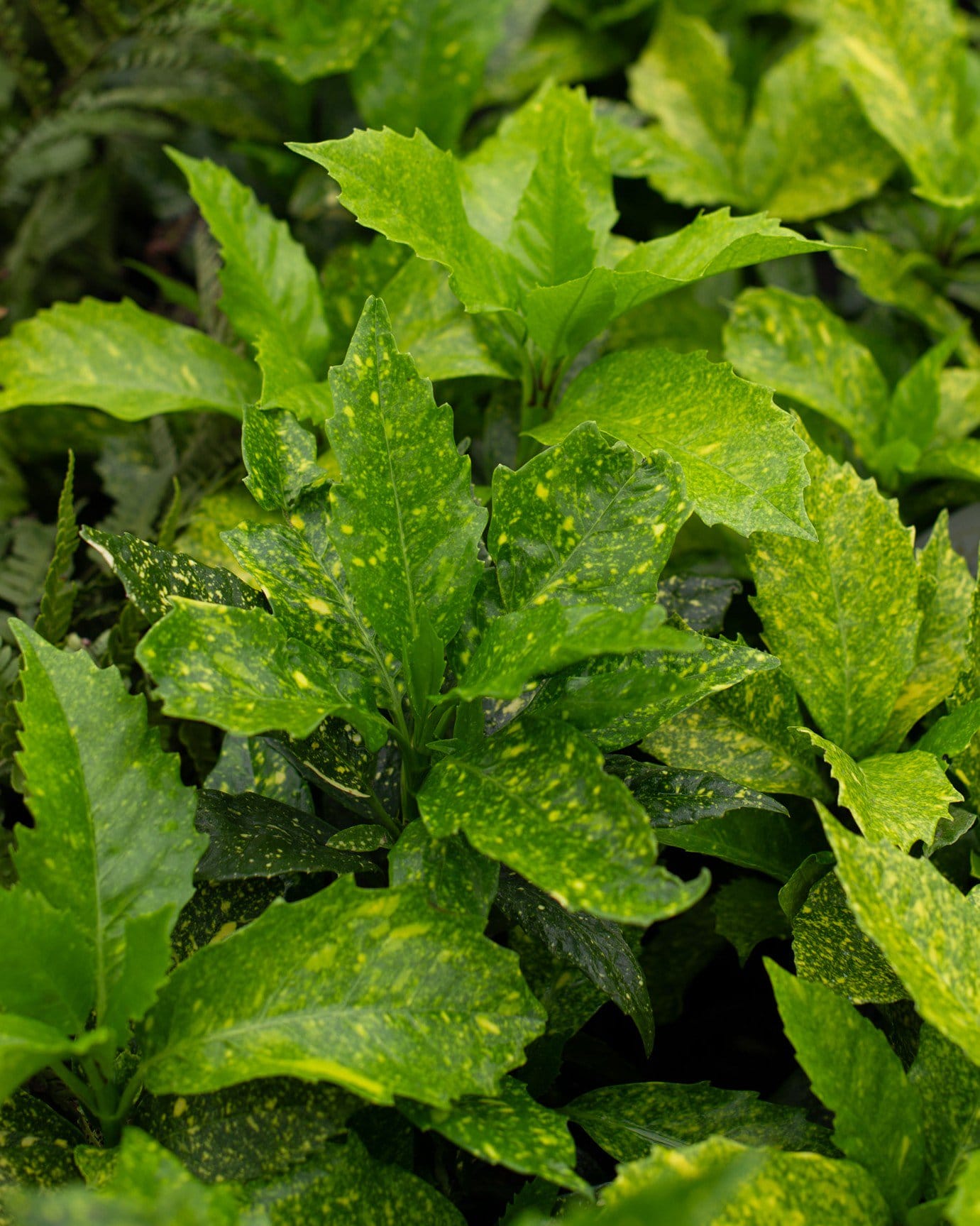
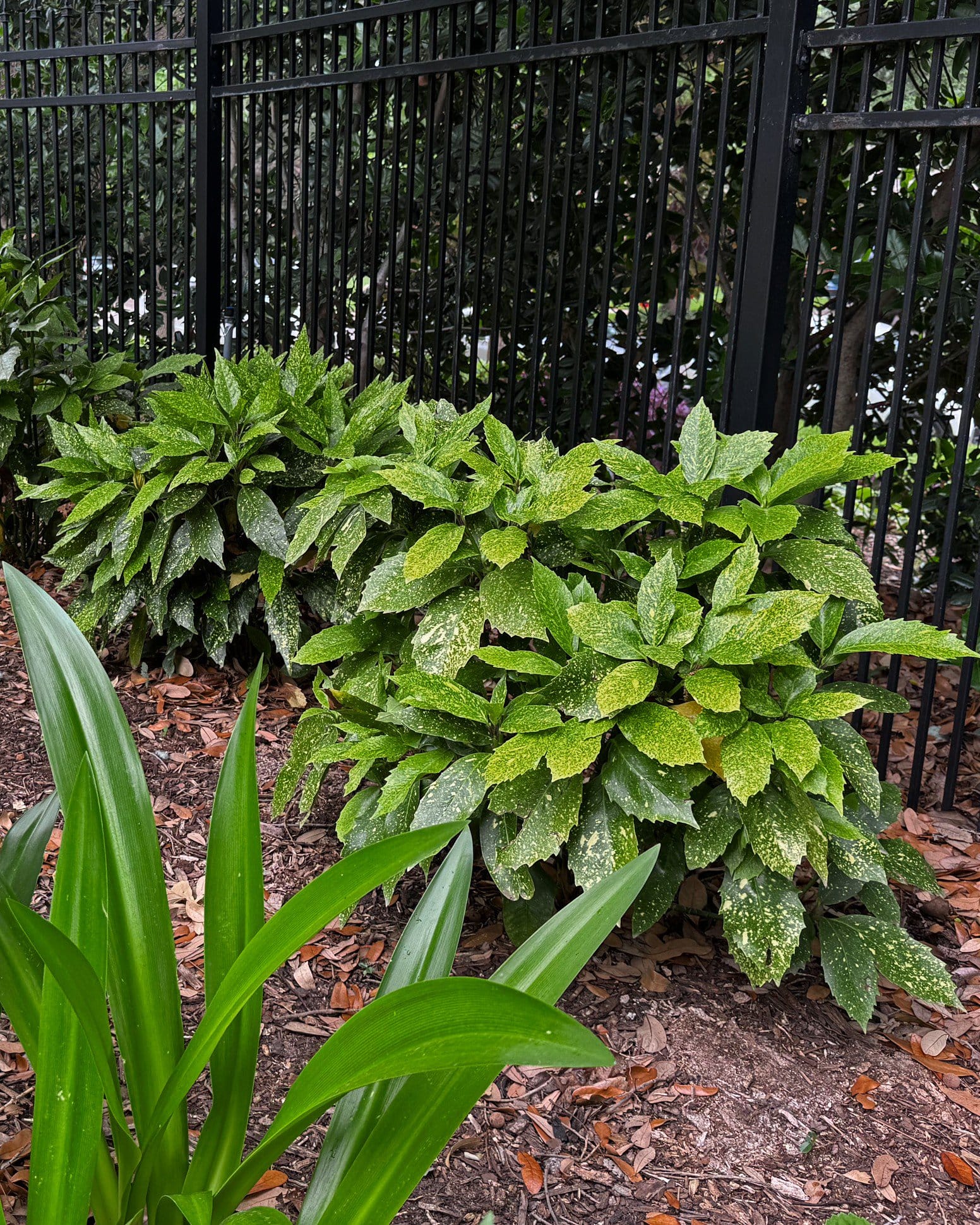
Gold Dust Aucuba
Maturity: 6' H x 5' W
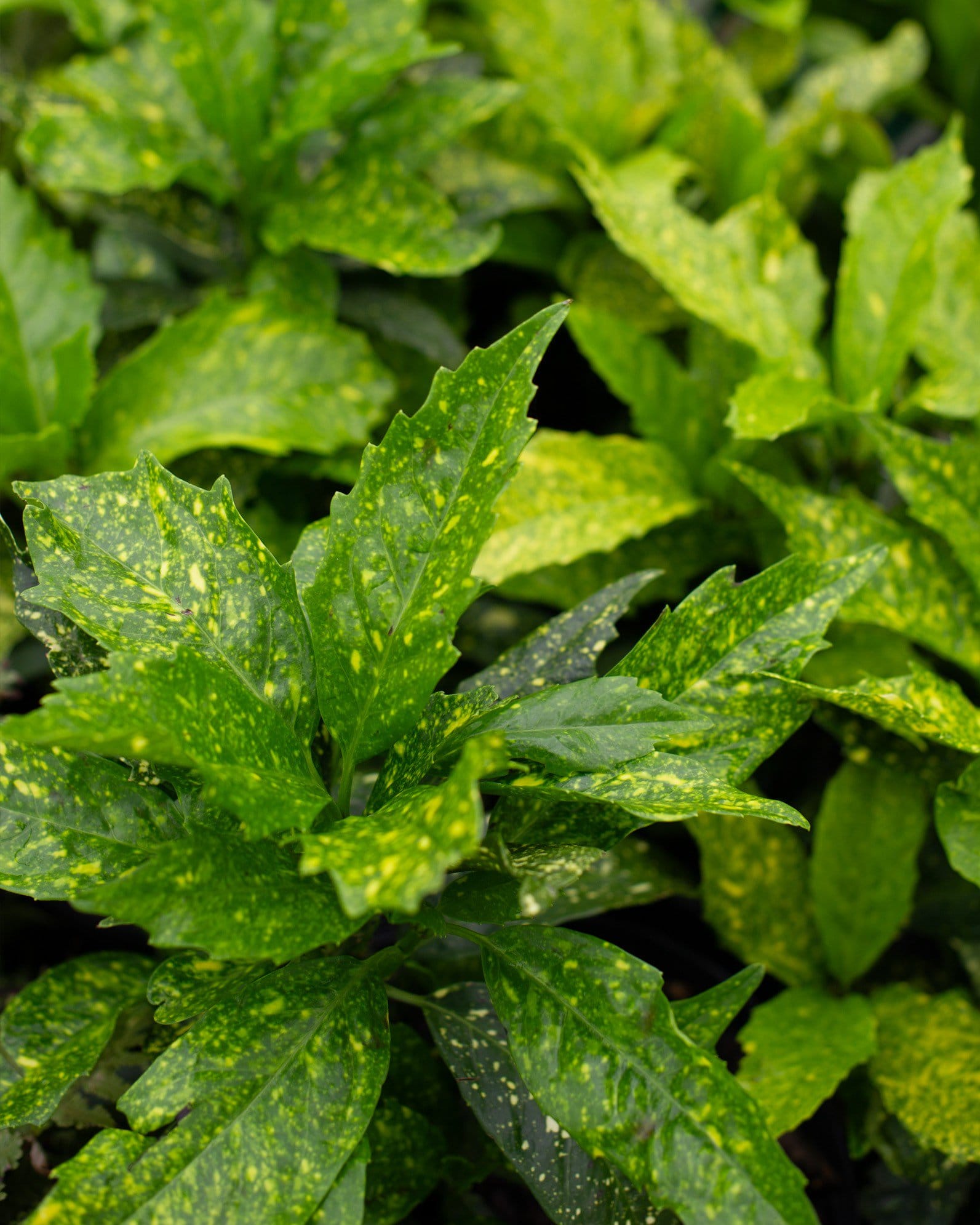
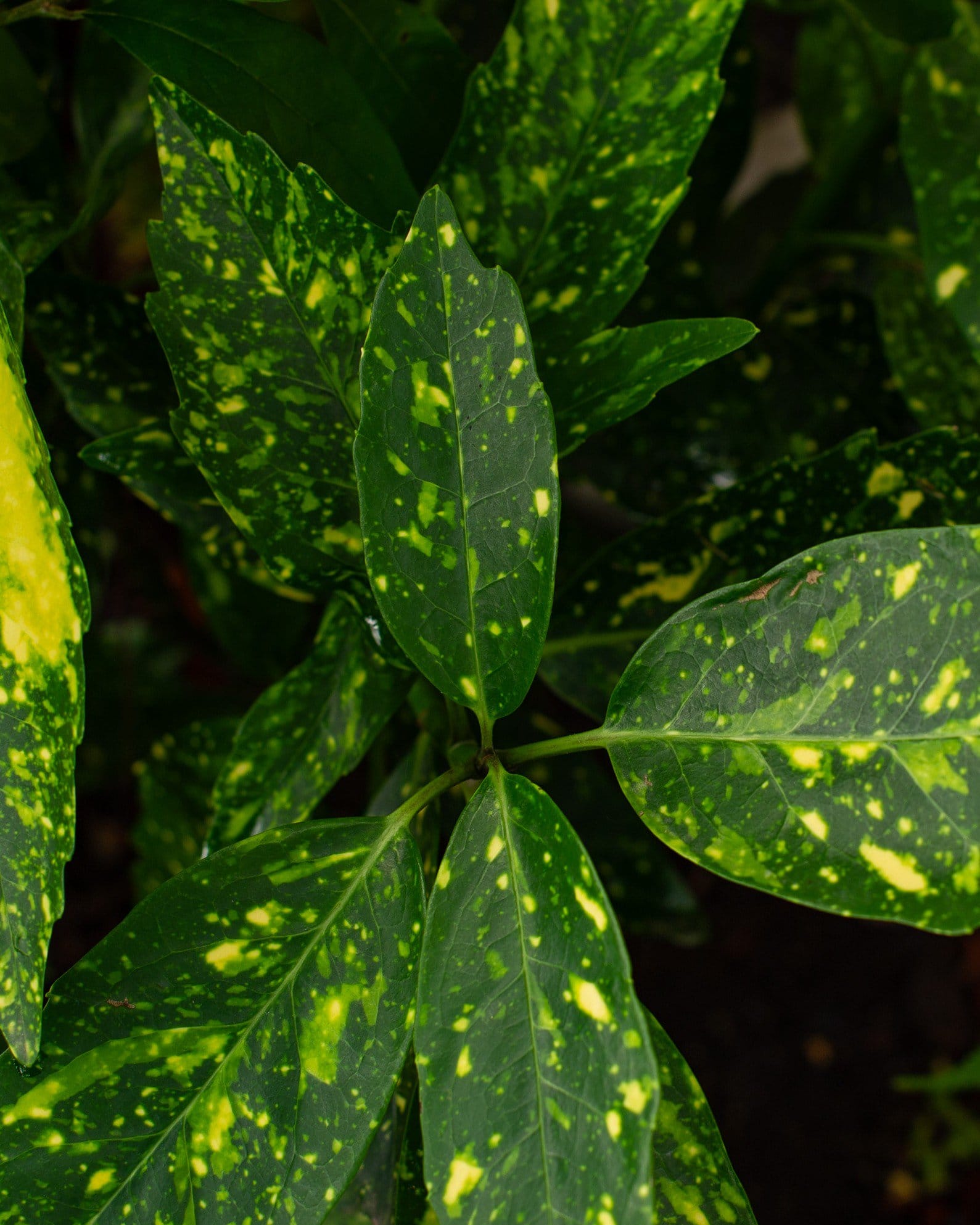
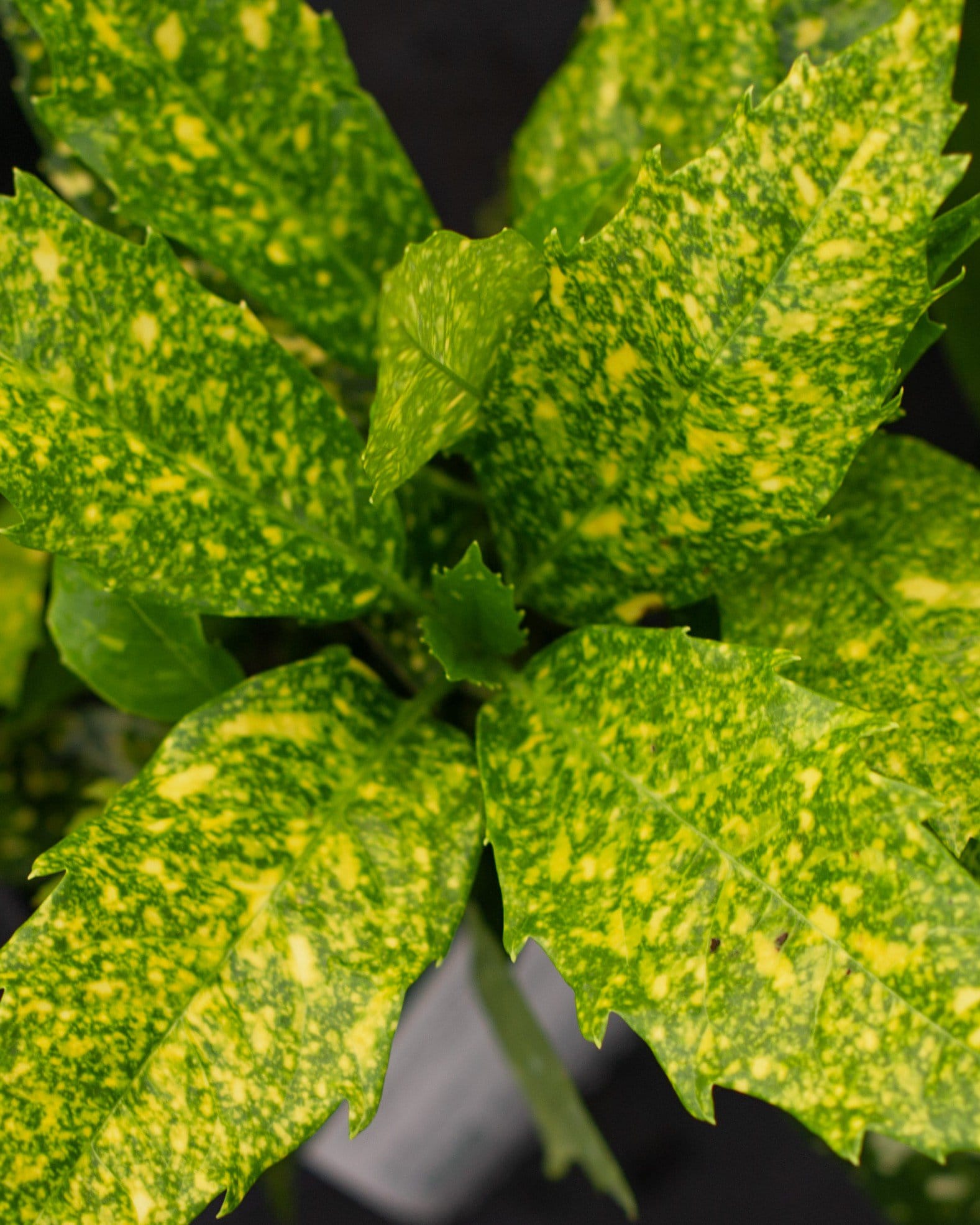
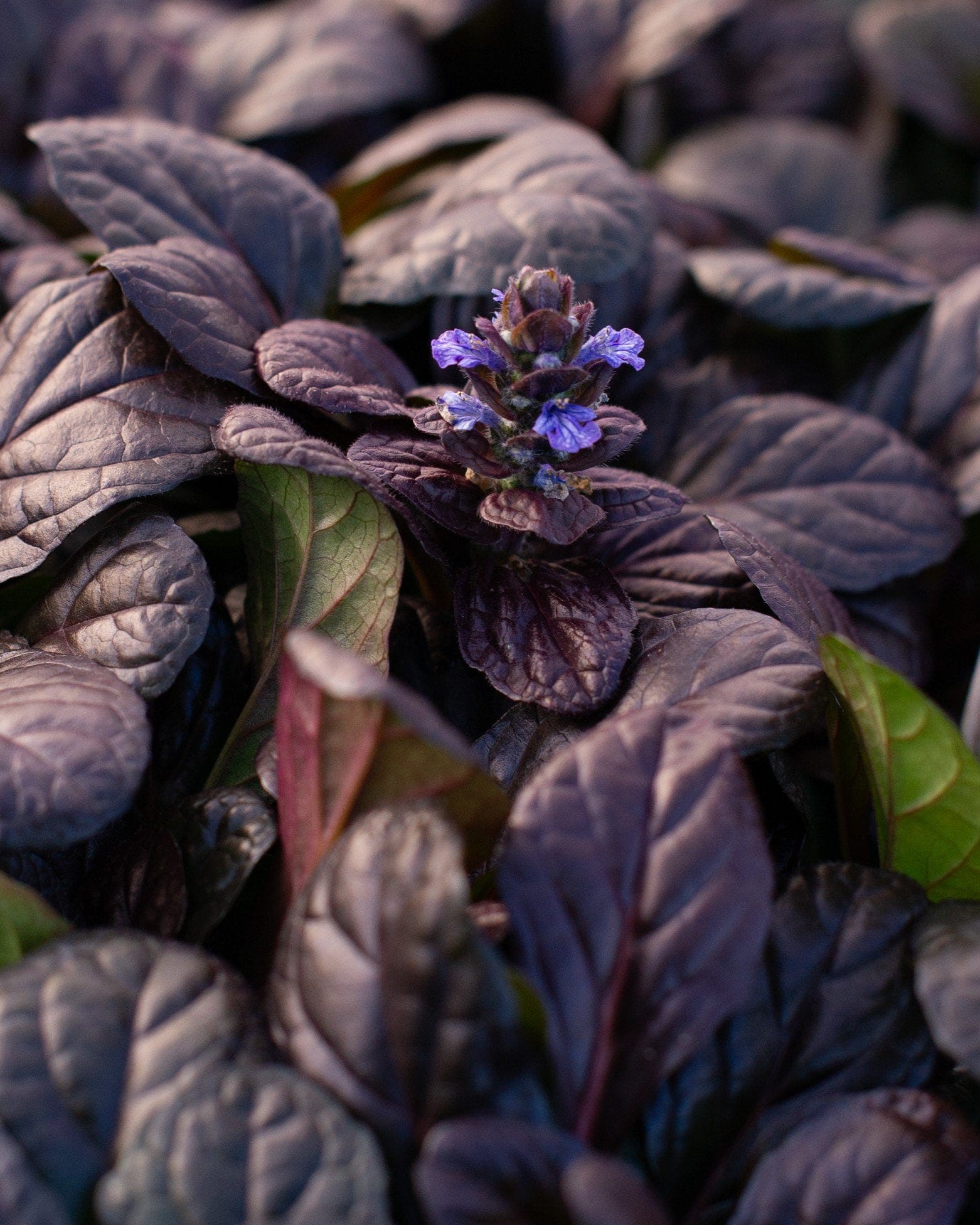
Bronze Beauty Ajuga
Maturity: 0.3' H x 1' W
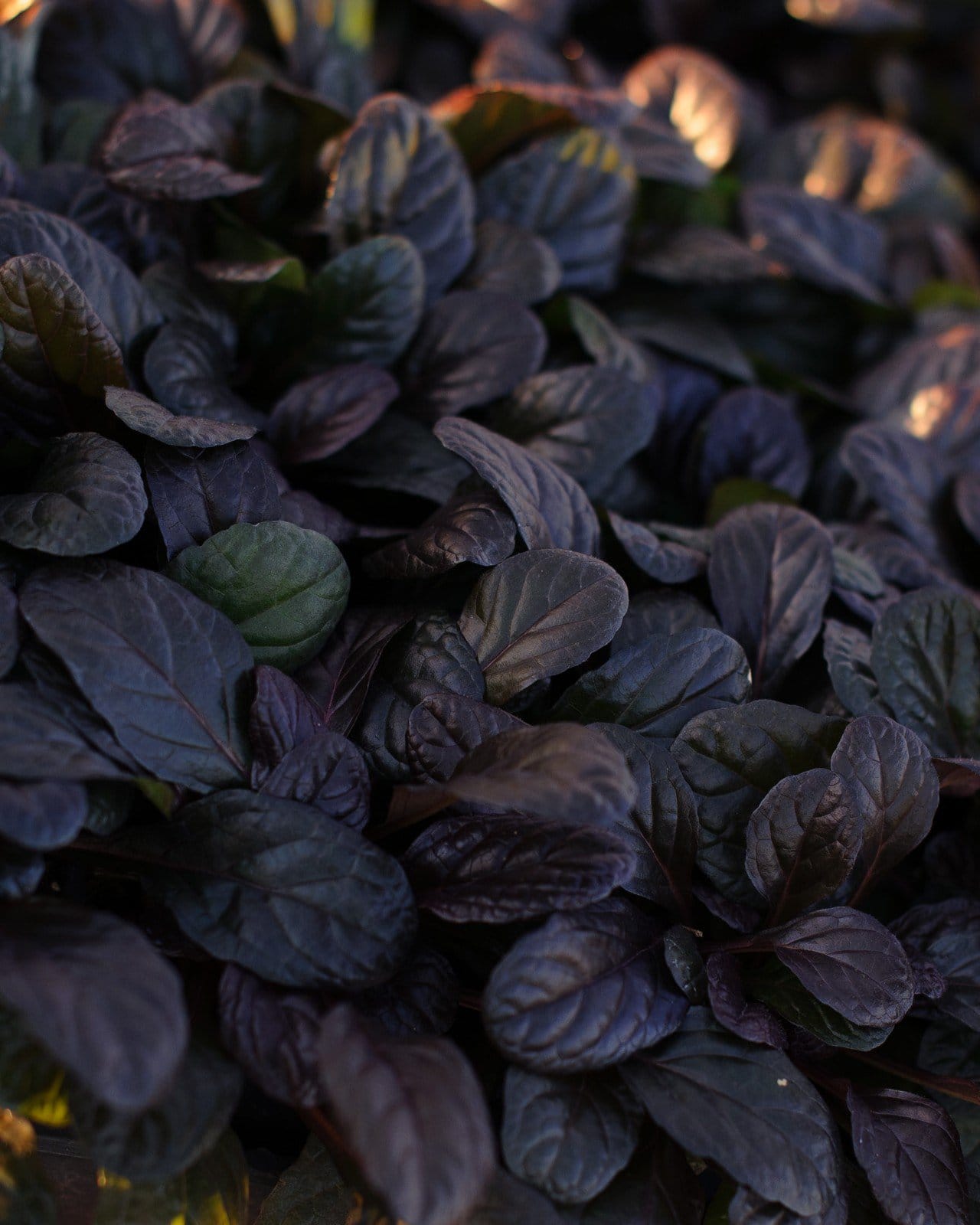
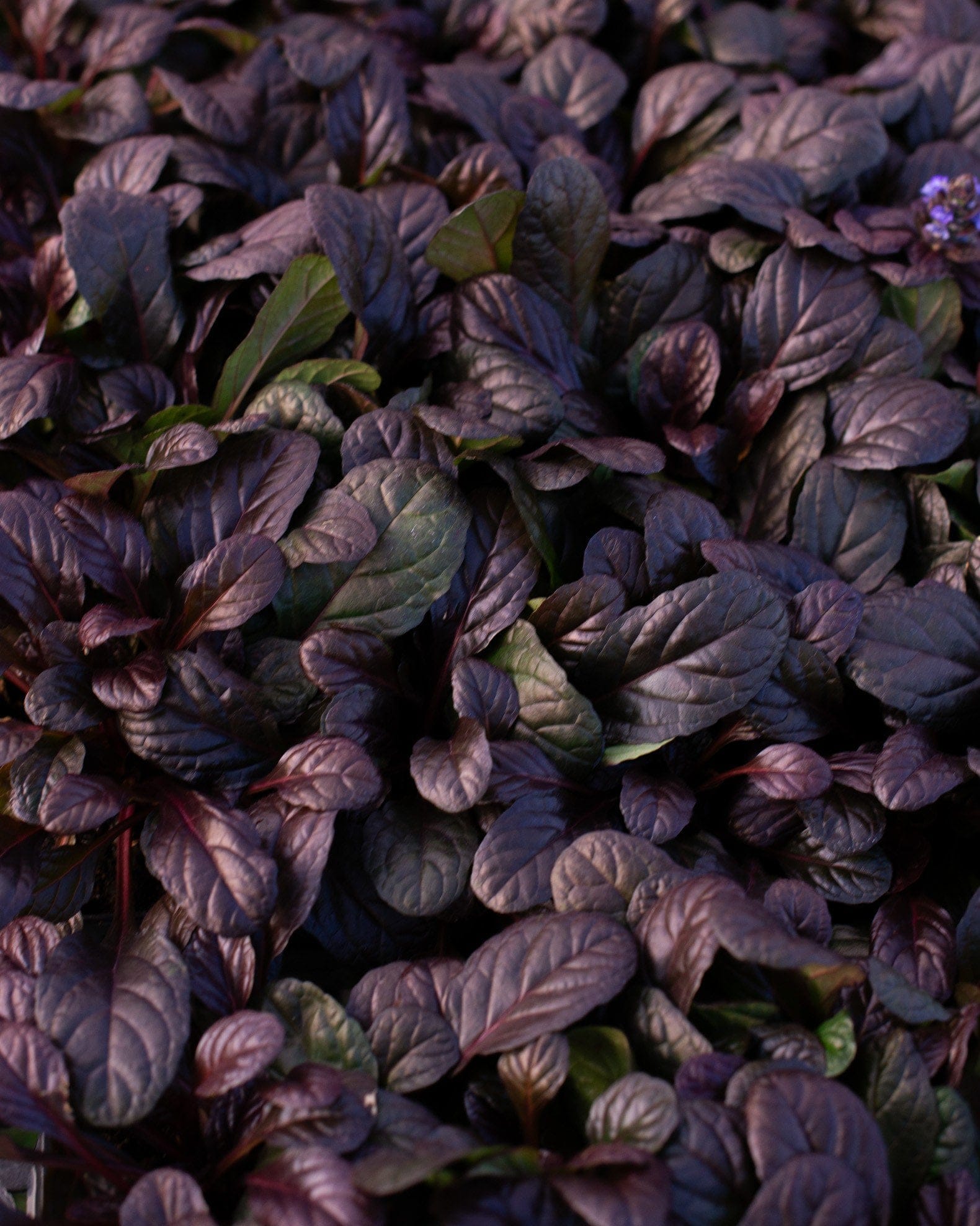
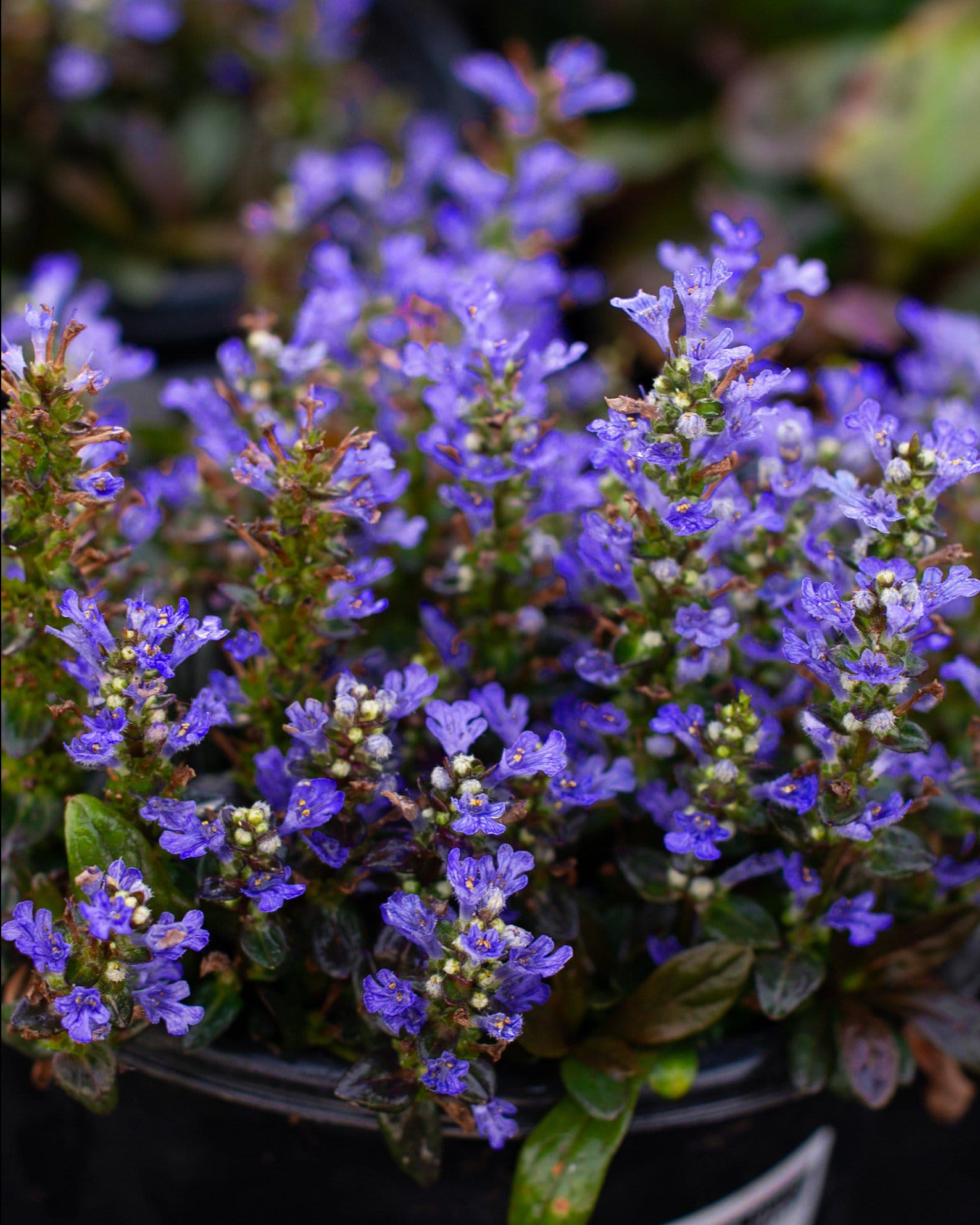
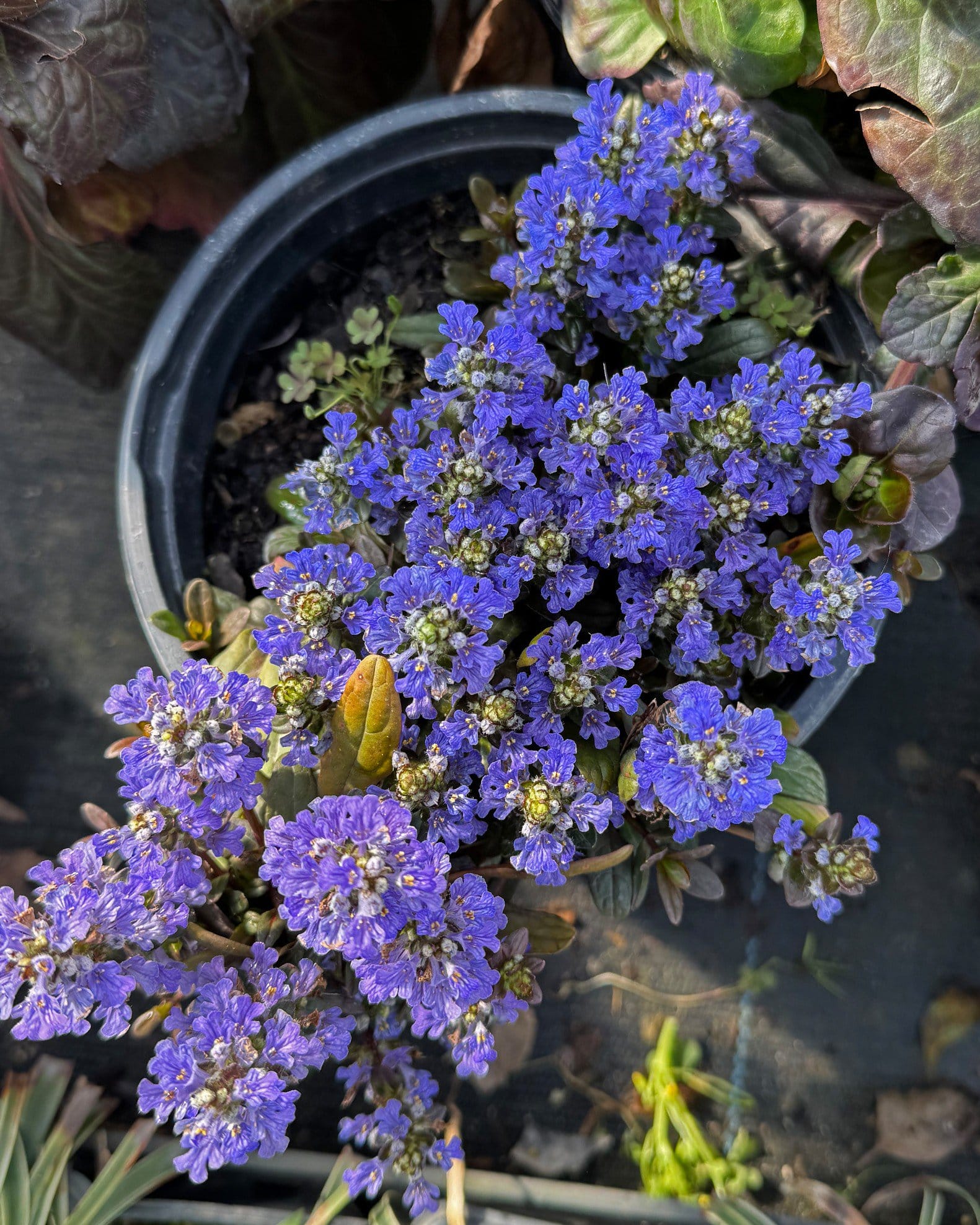
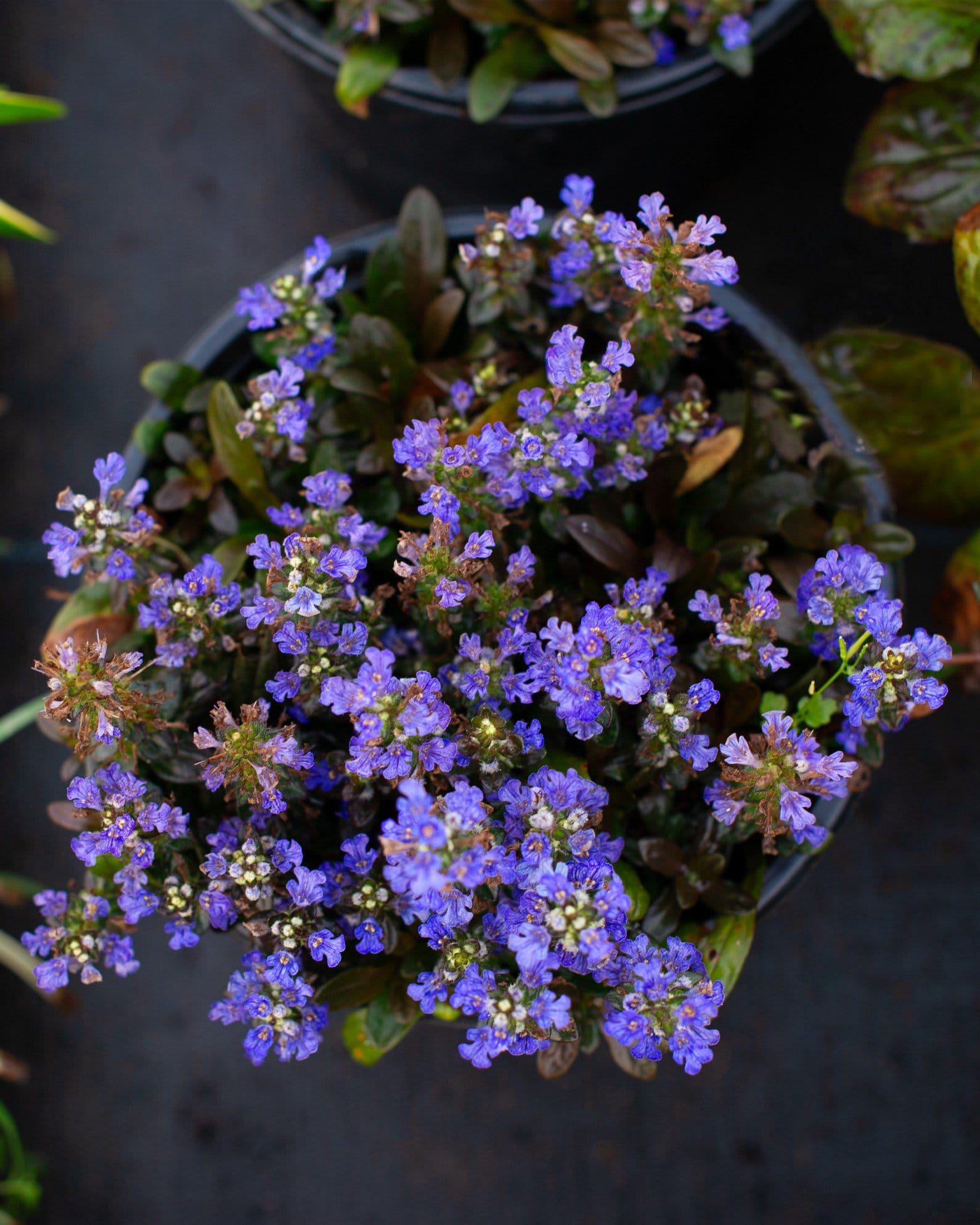
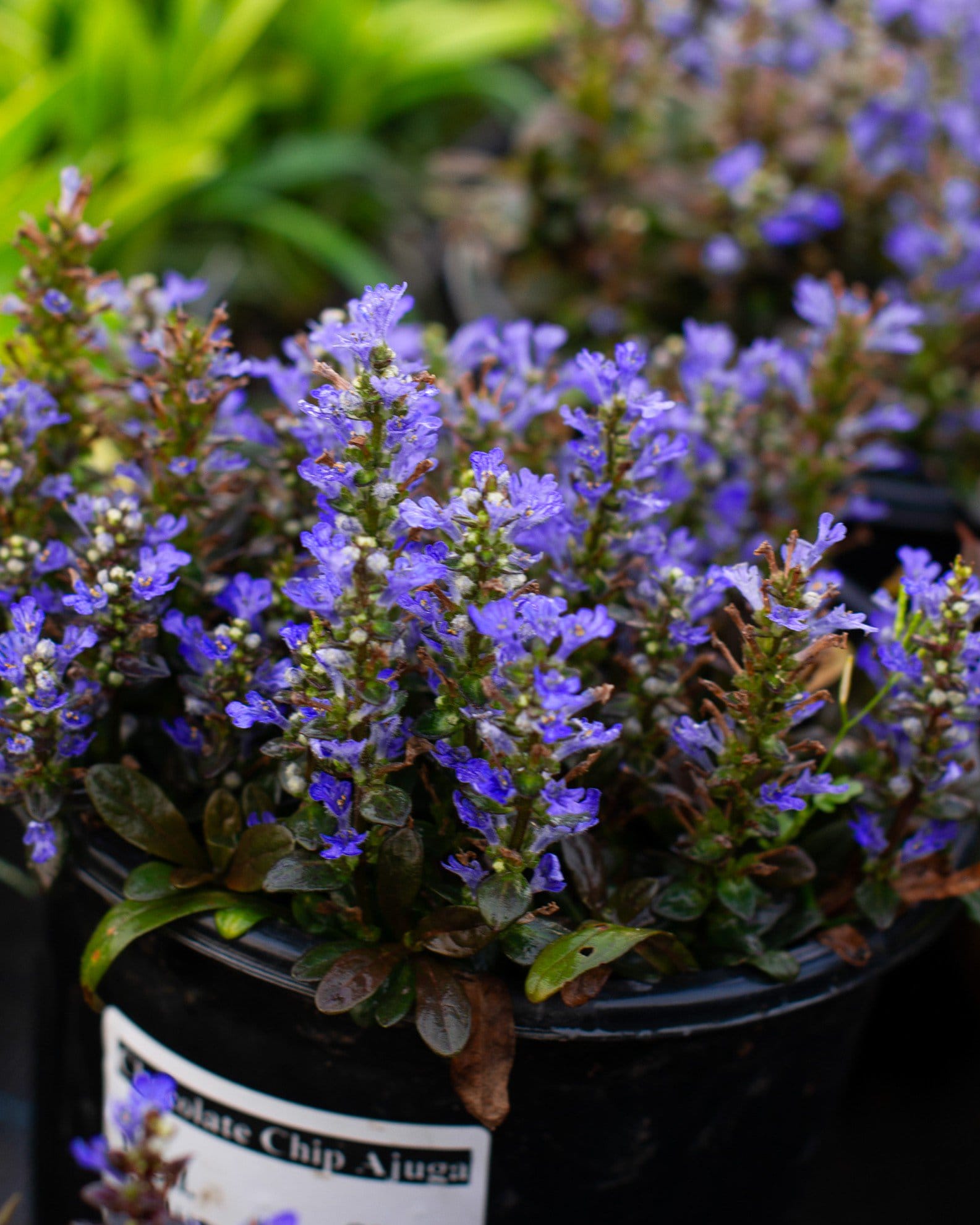
Chocolate Chip Ajuga
Maturity: 0.5' H x 1.5' W
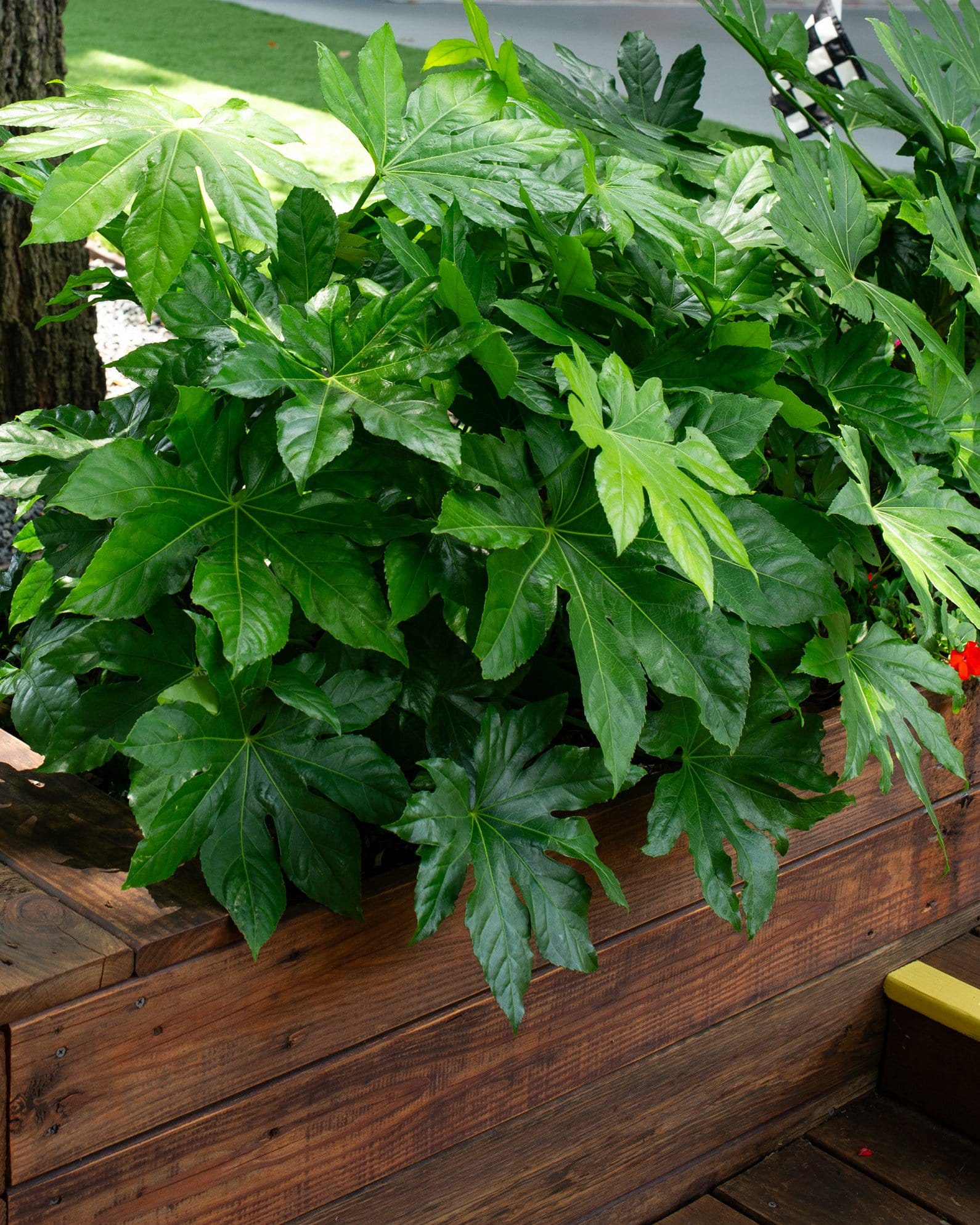
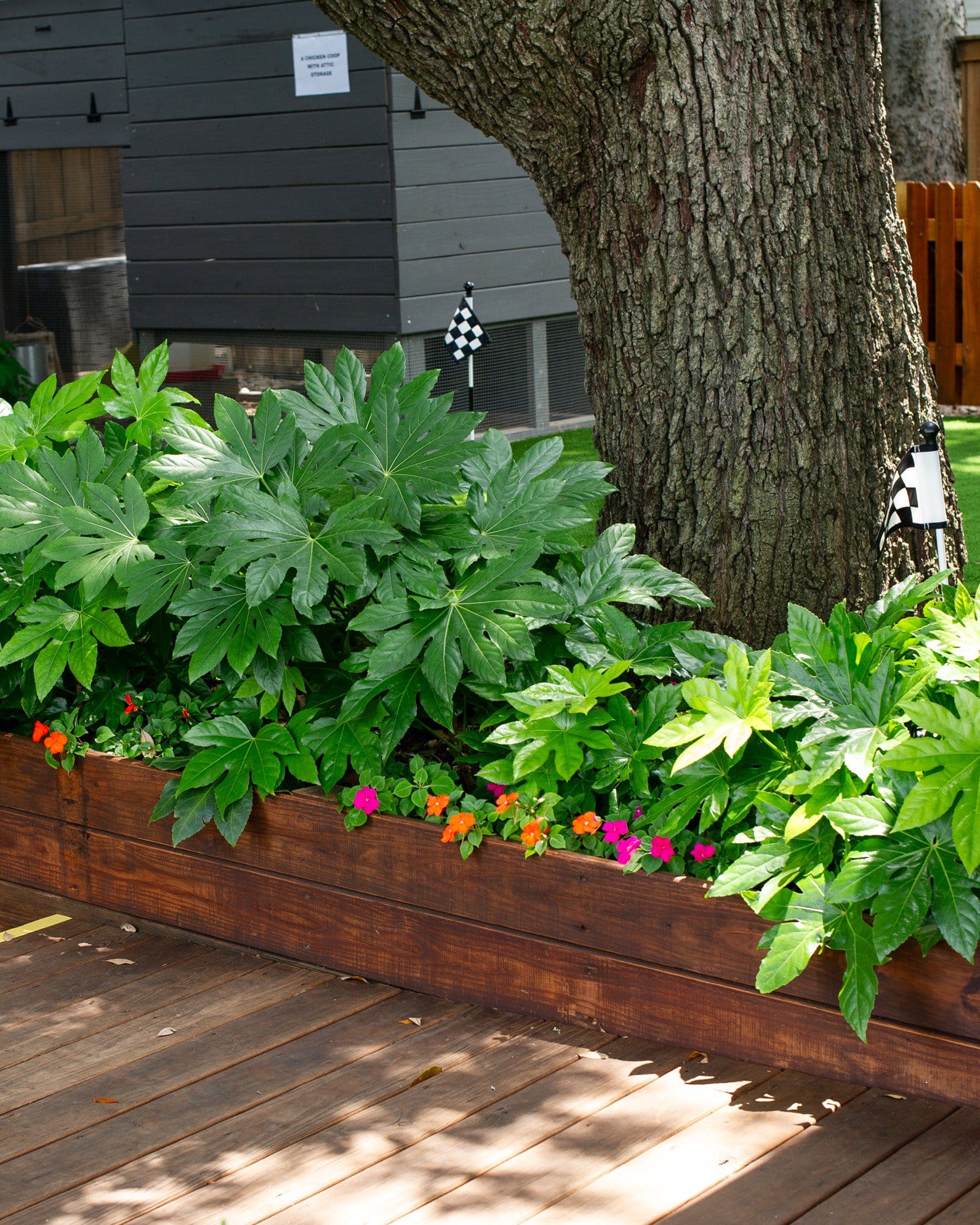
Japanese Aralia
Maturity: 5' H x 5' W
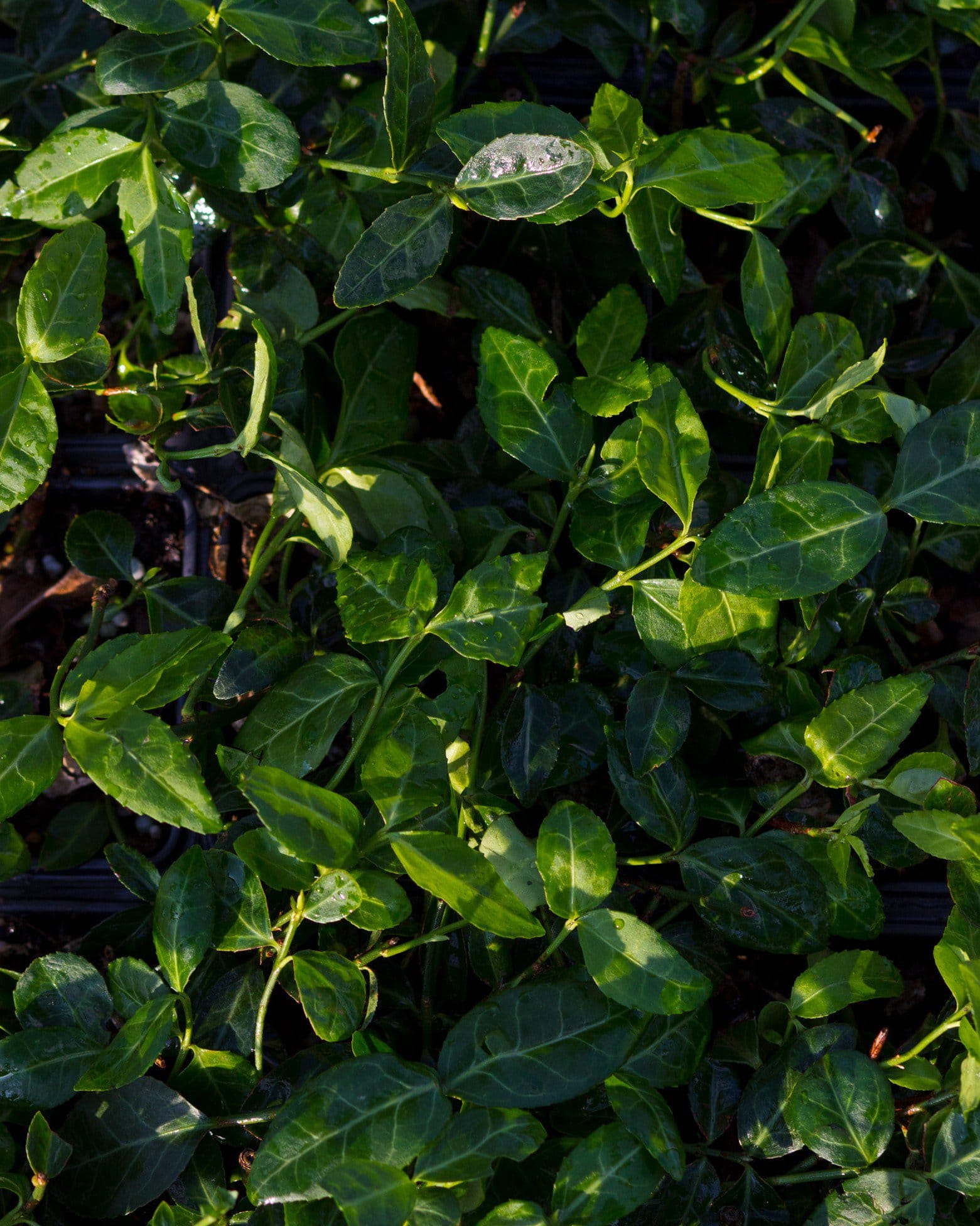
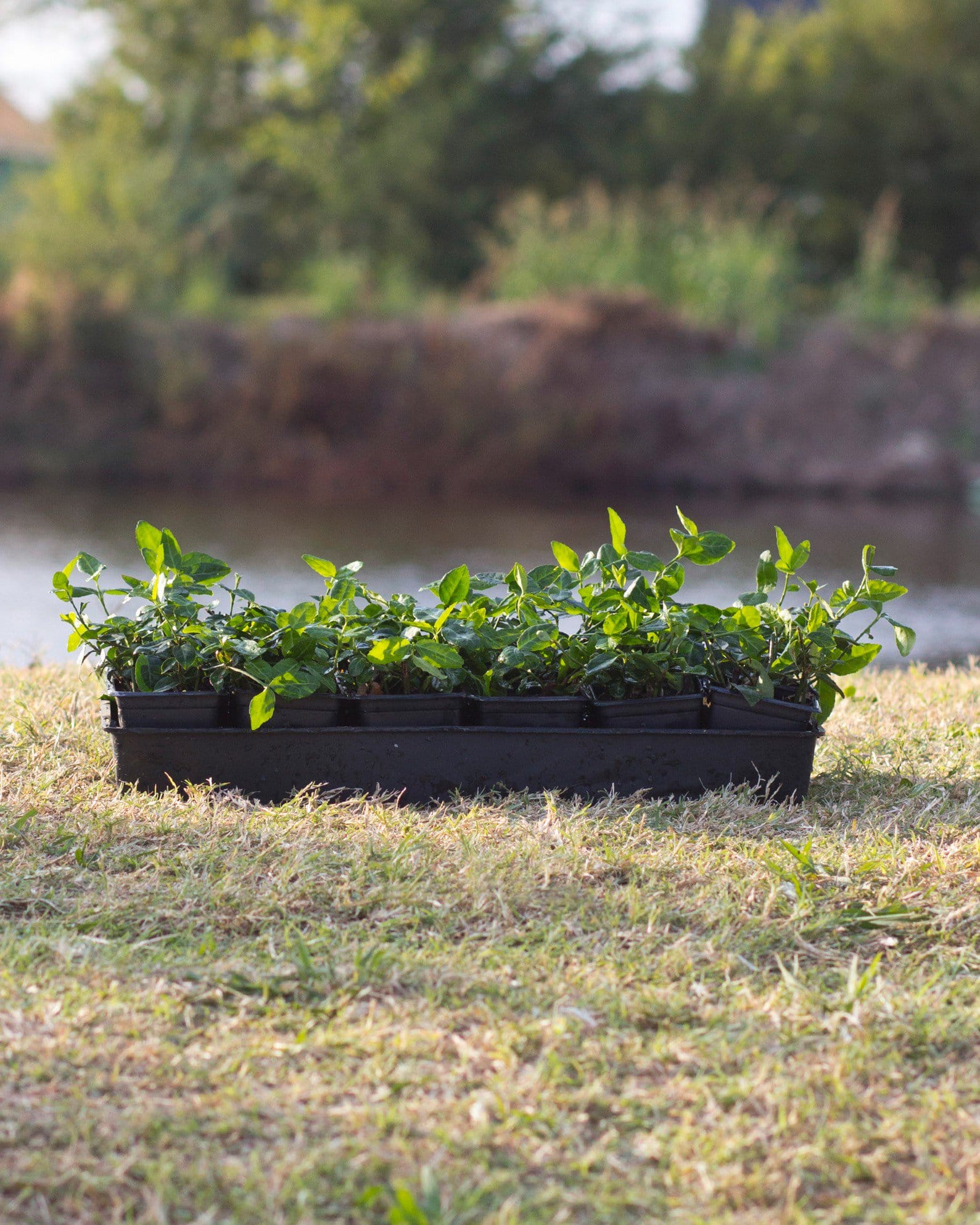
Purpleleaf Wintercreeper Euonymus
Maturity: 0.75' H x 1.5' W
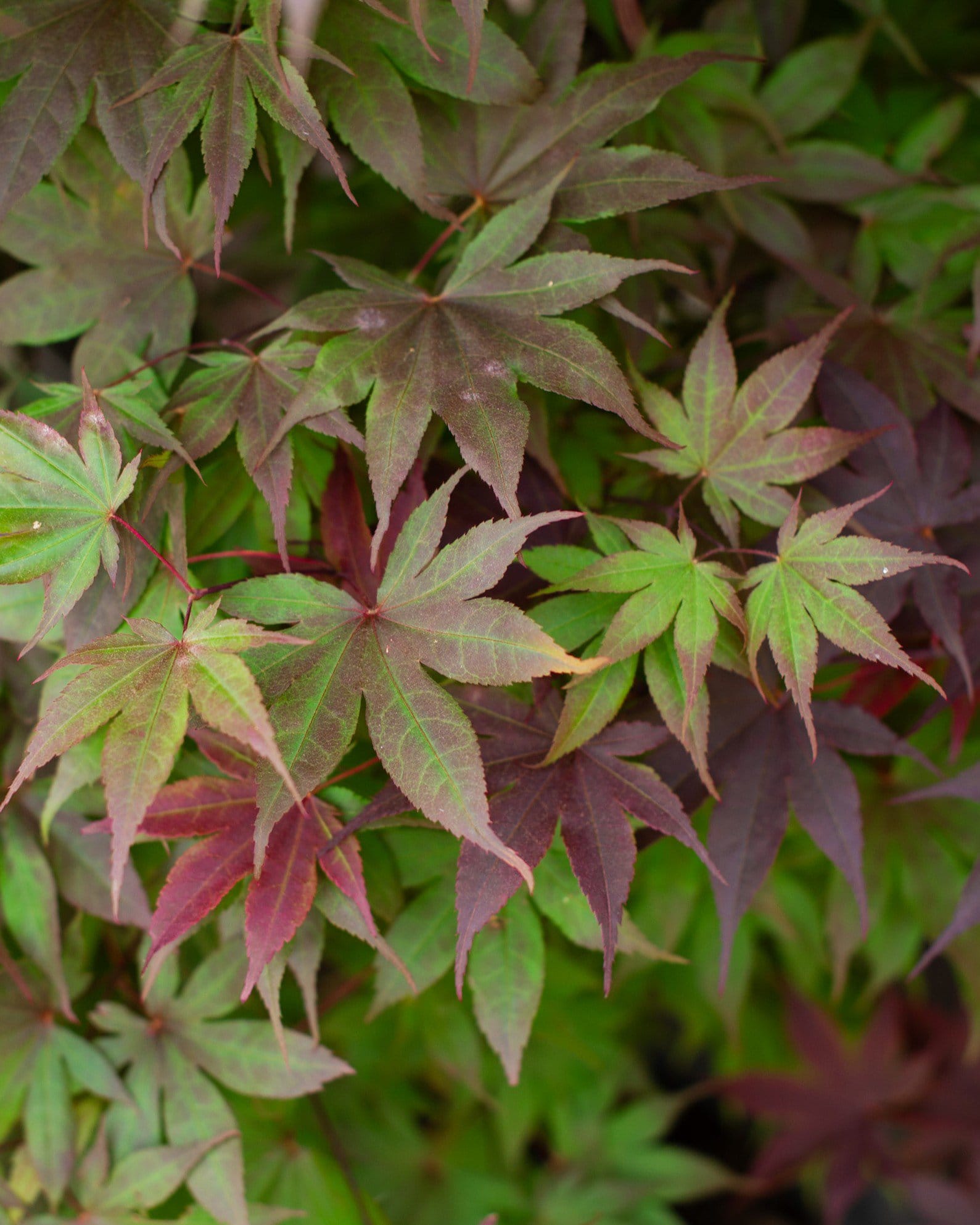
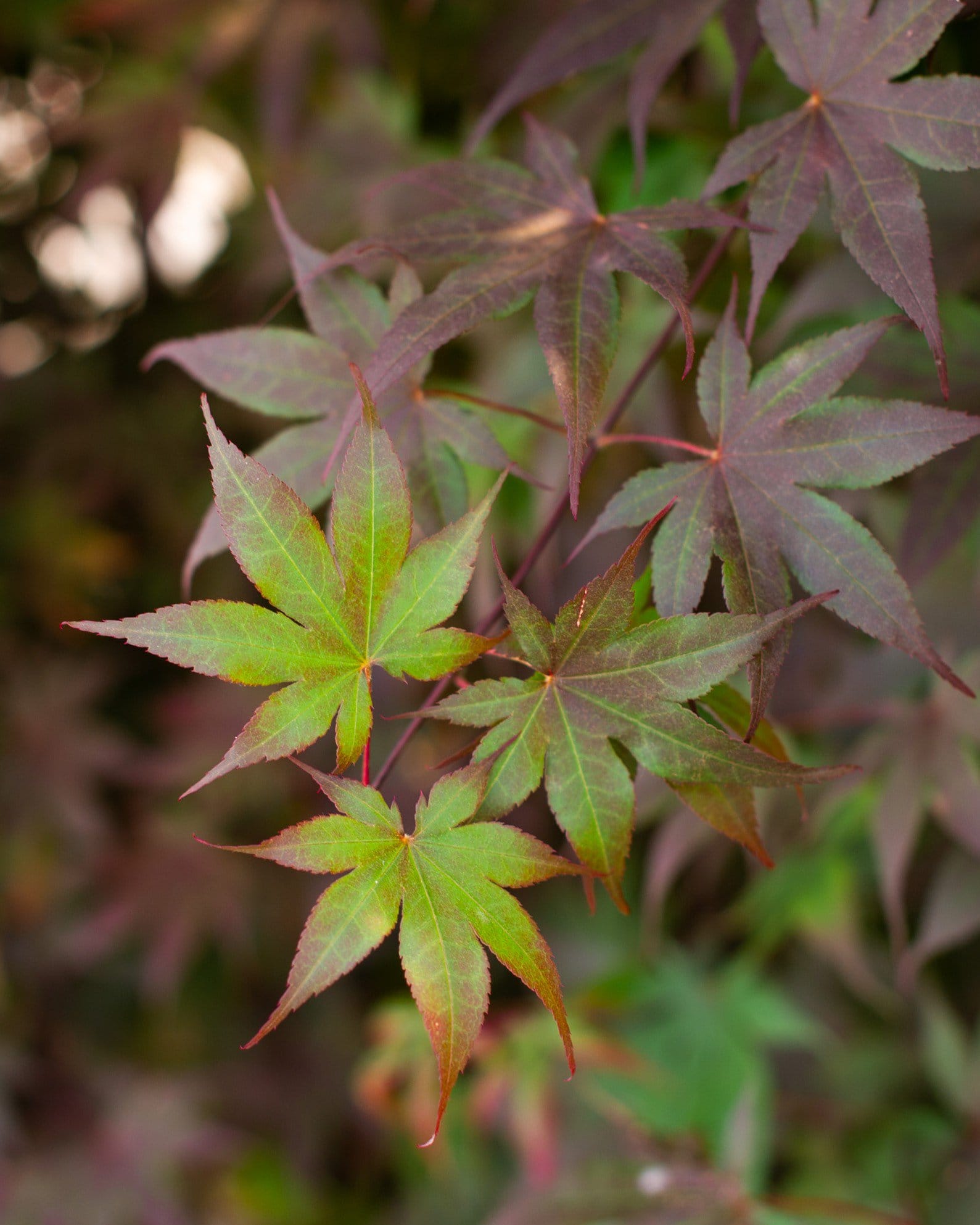
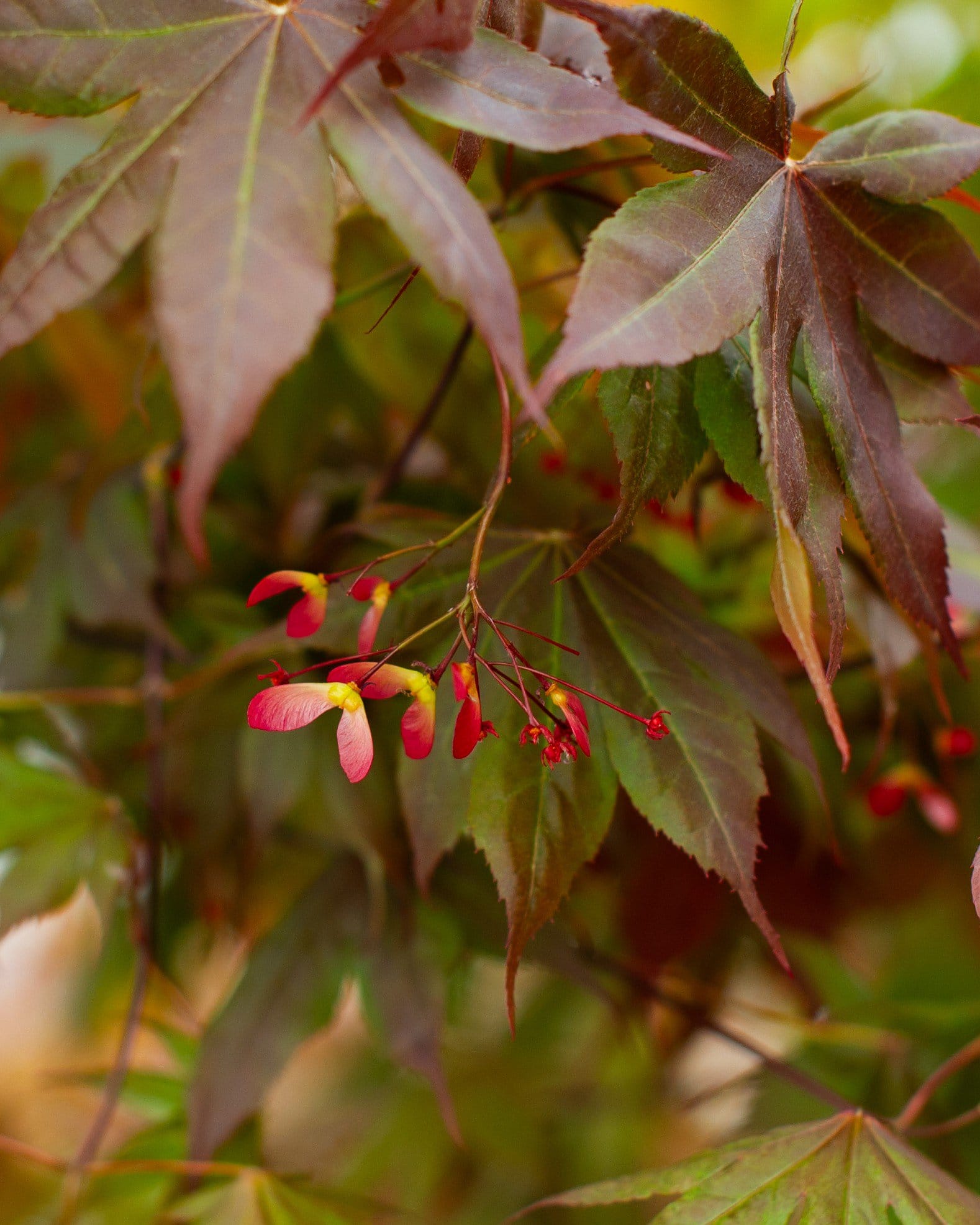
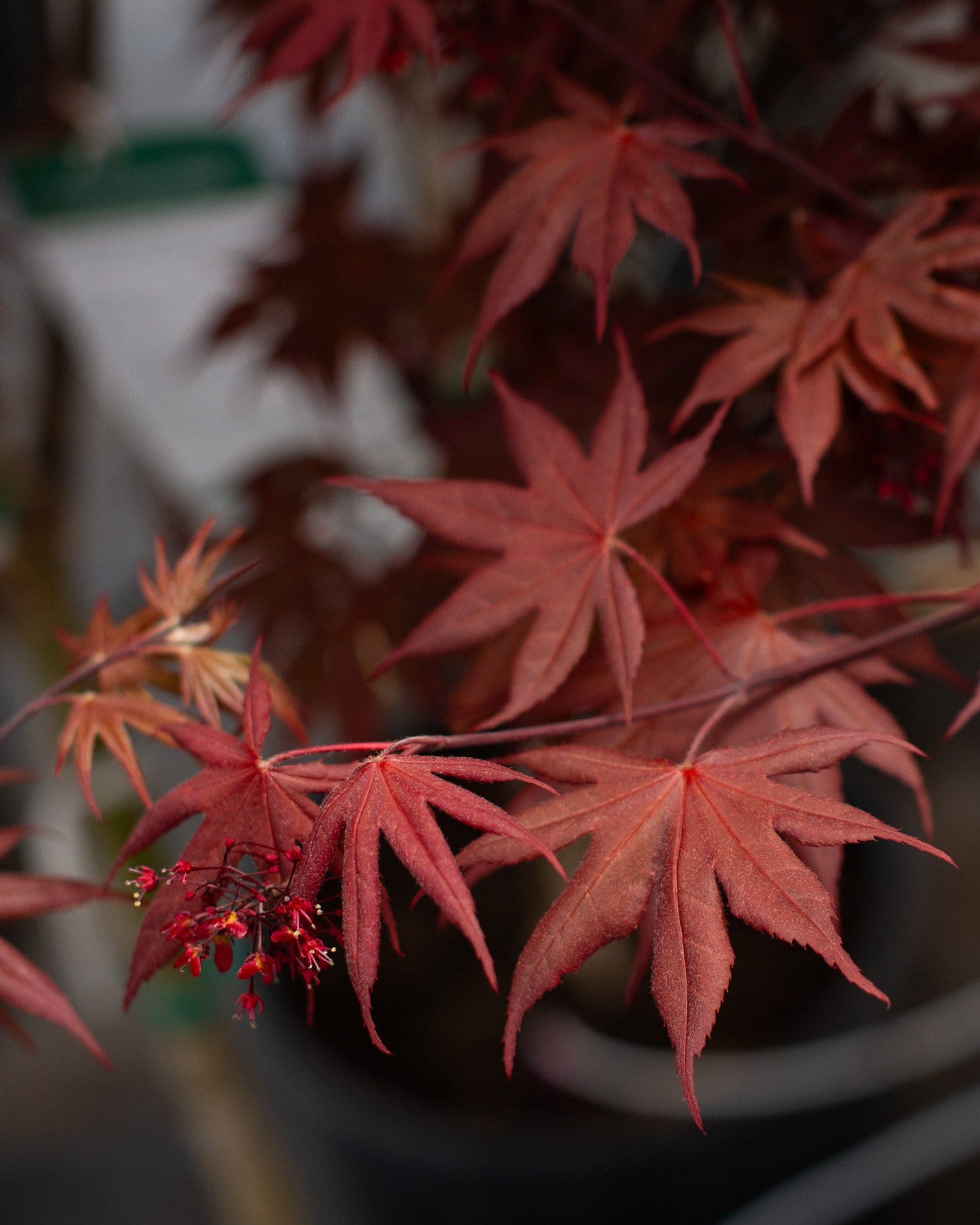
Bloodgood Japanese Maple
Maturity: 20' H x 20' W
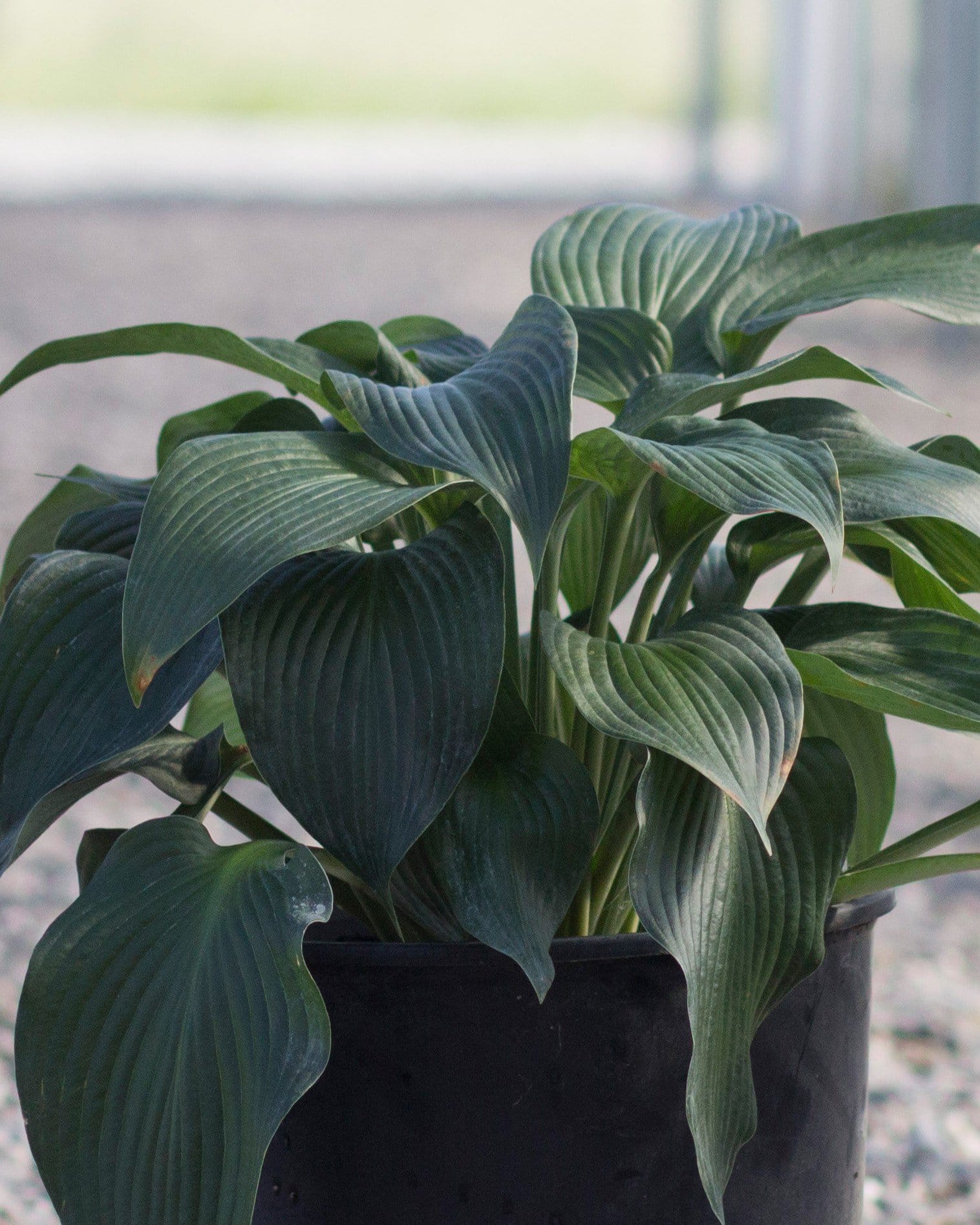
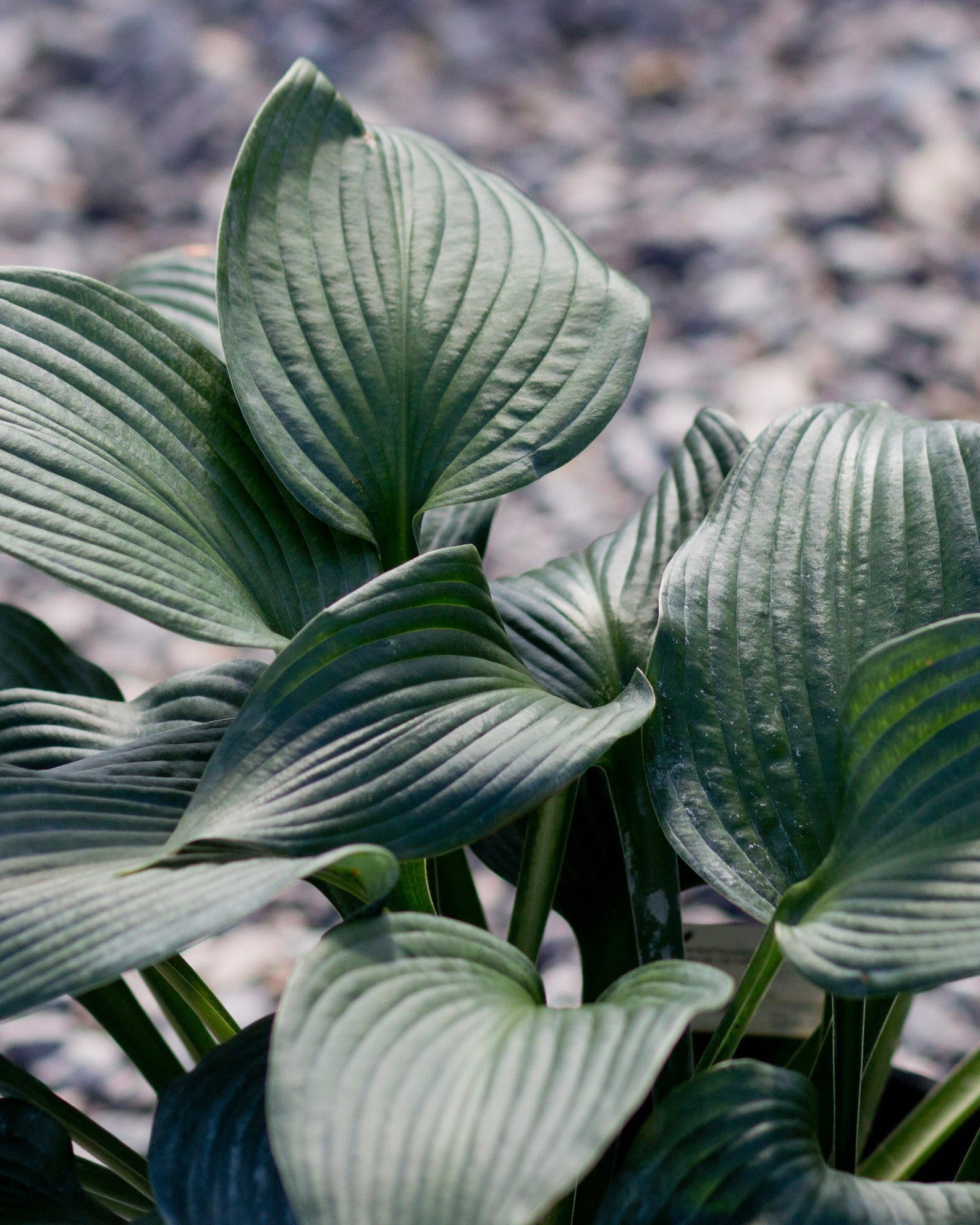
Blue Angel Hosta
Maturity: 2' H x 3' W
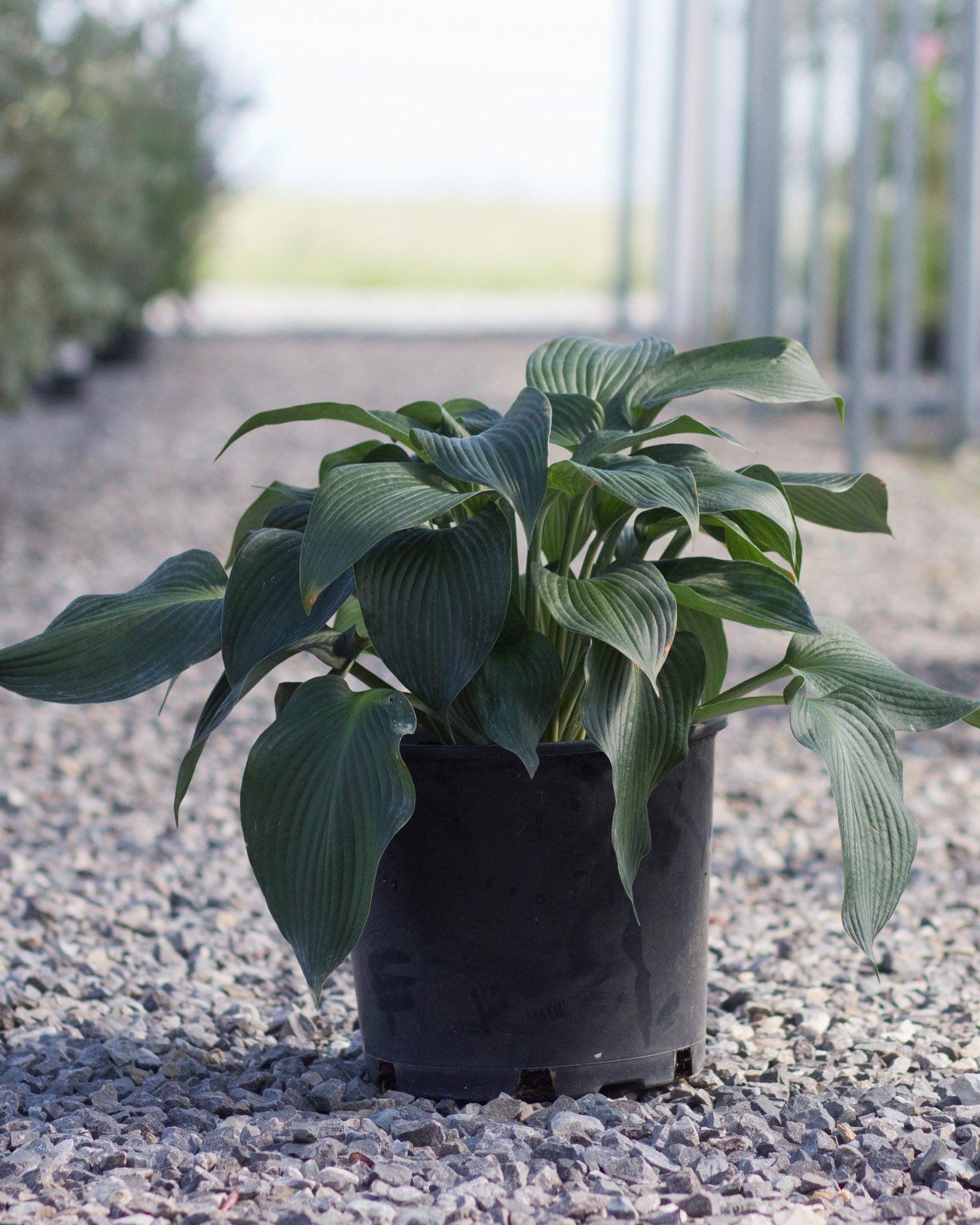
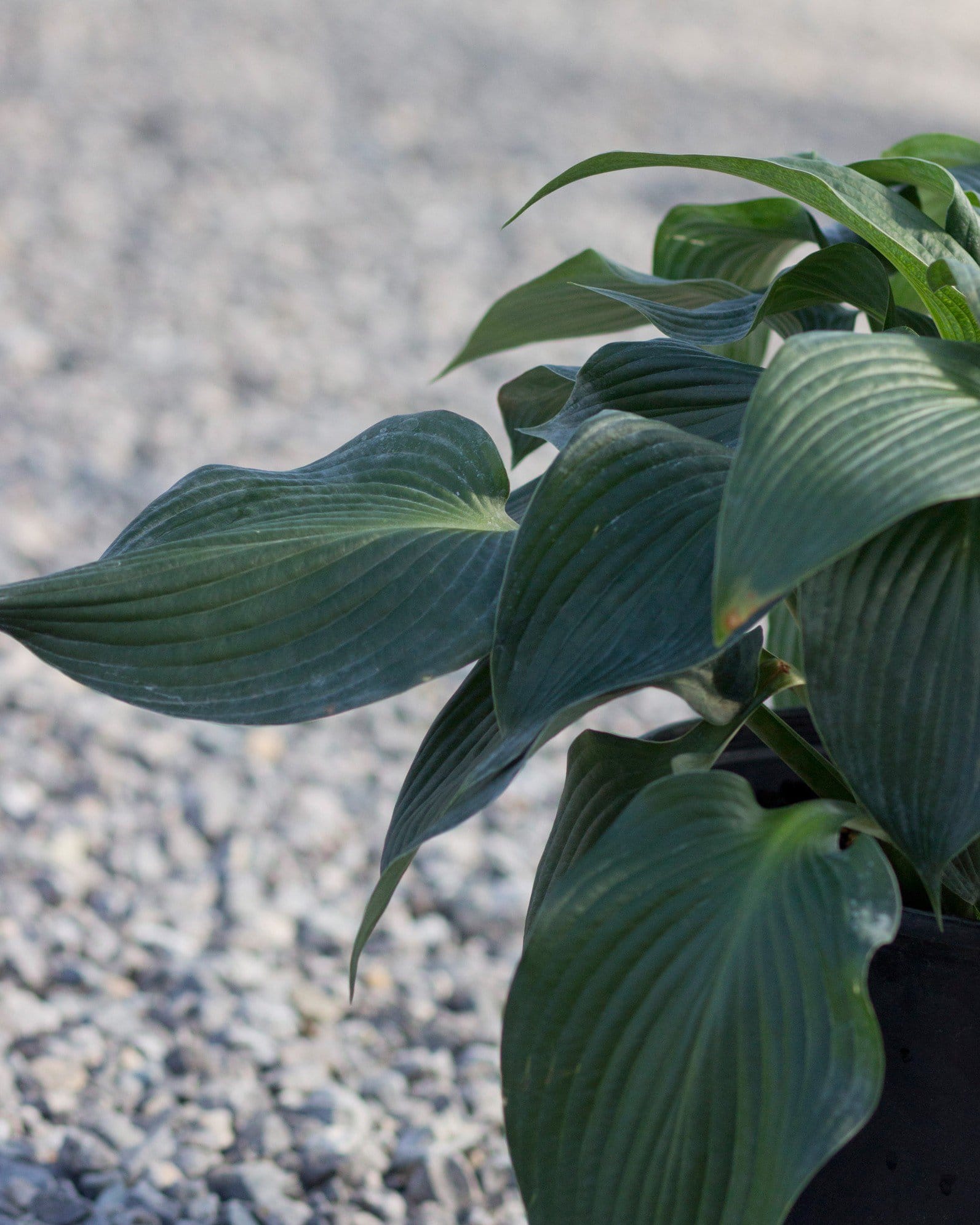
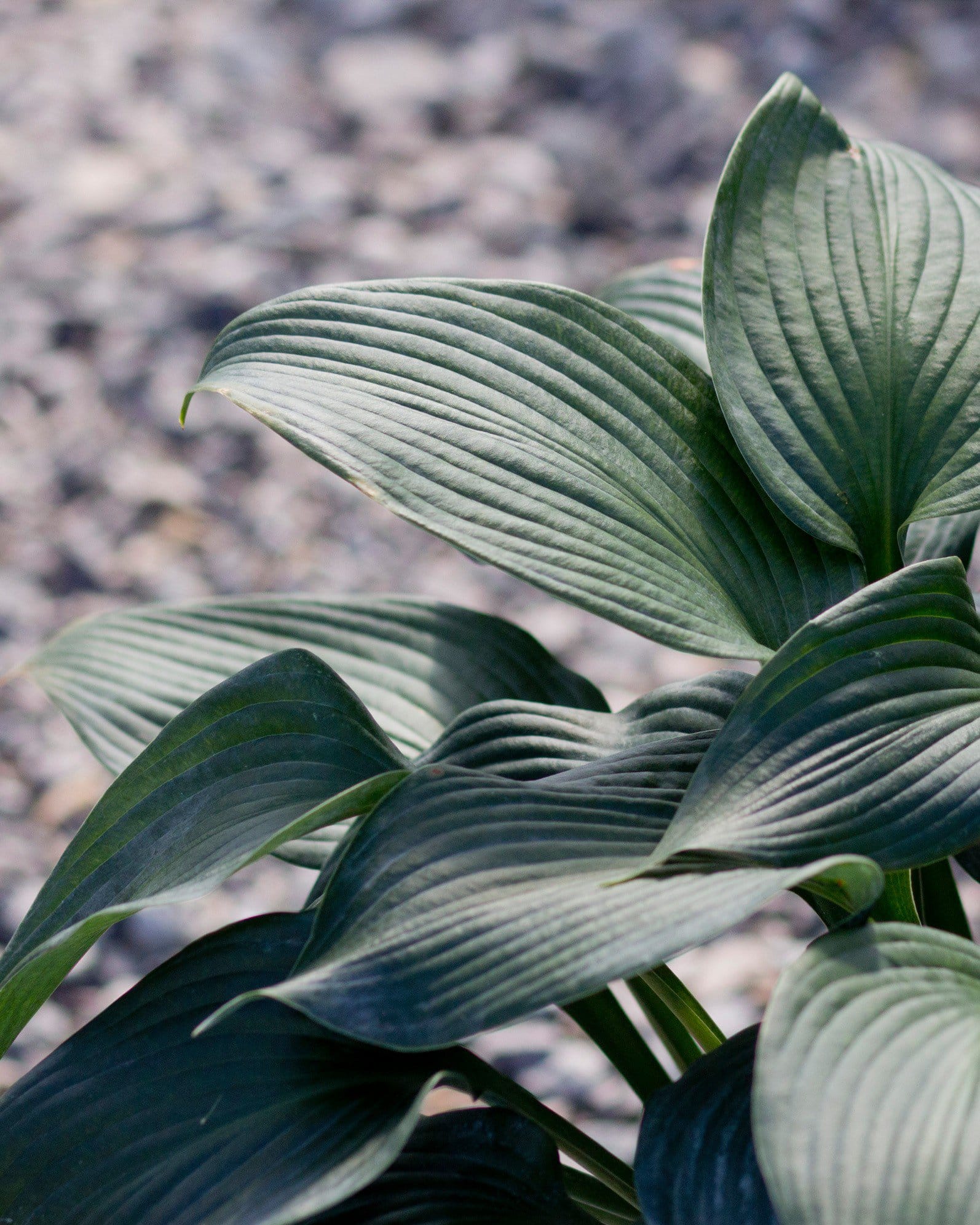
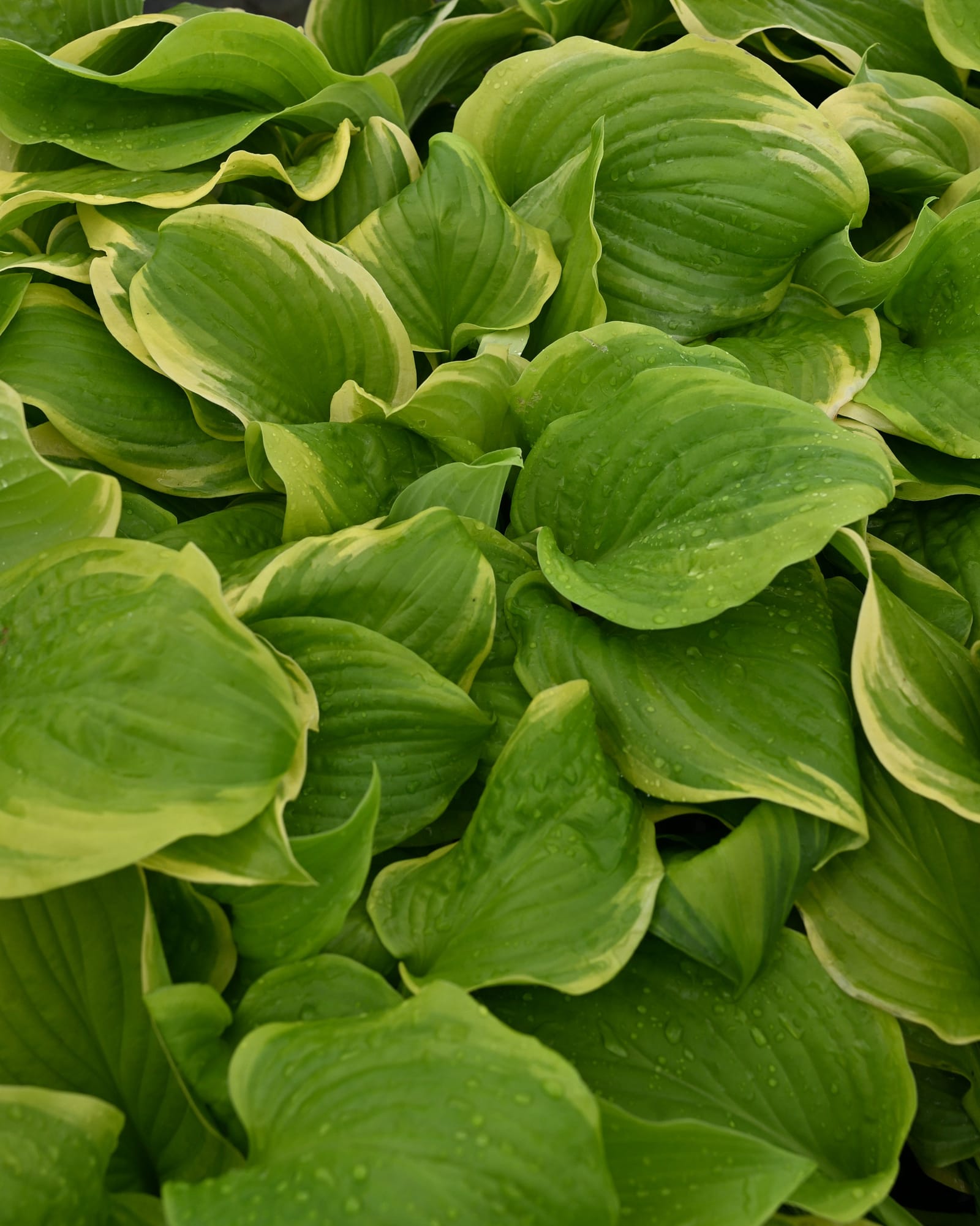
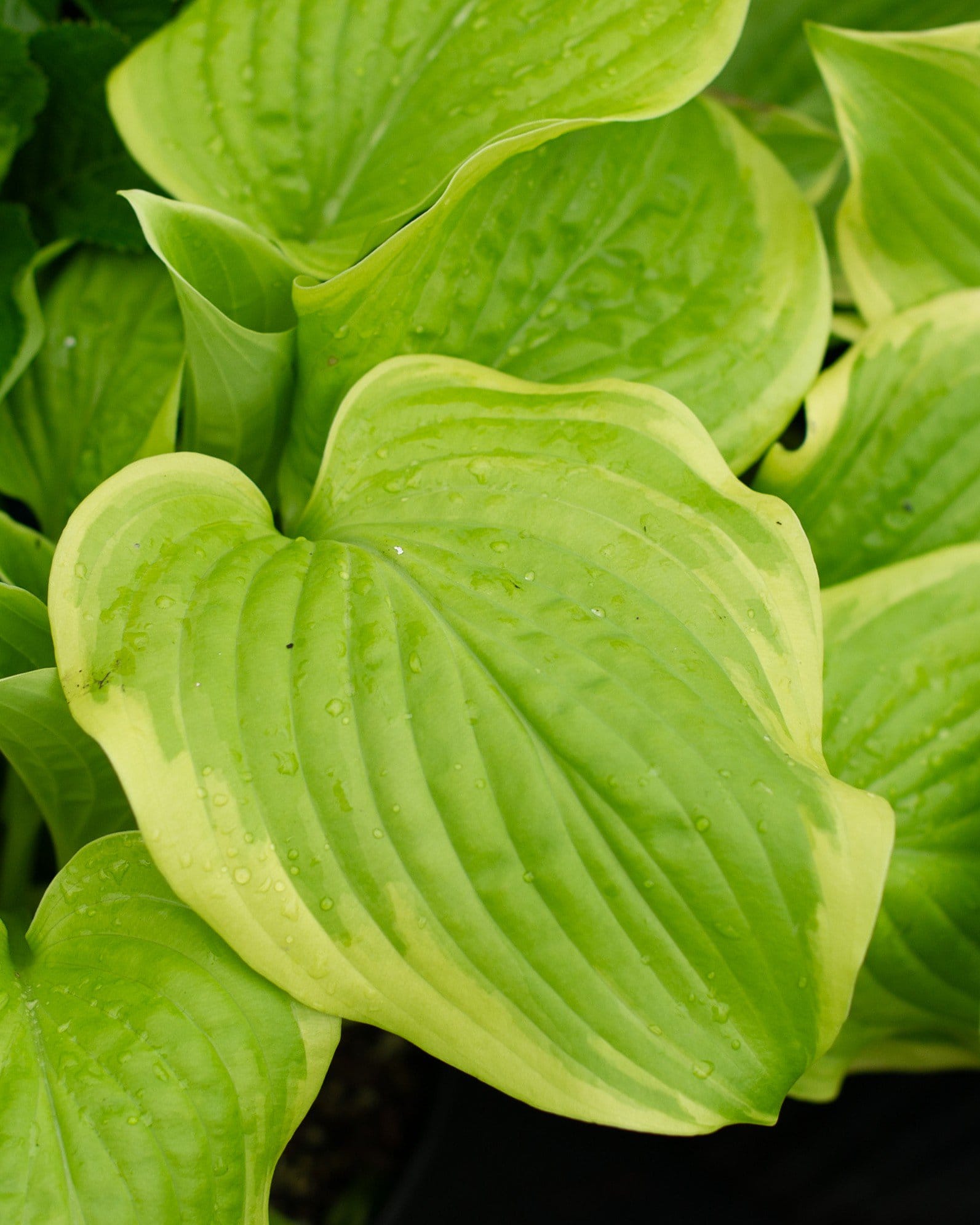
Fragrant Bouquet Hosta
Maturity: 2' H x 3' W
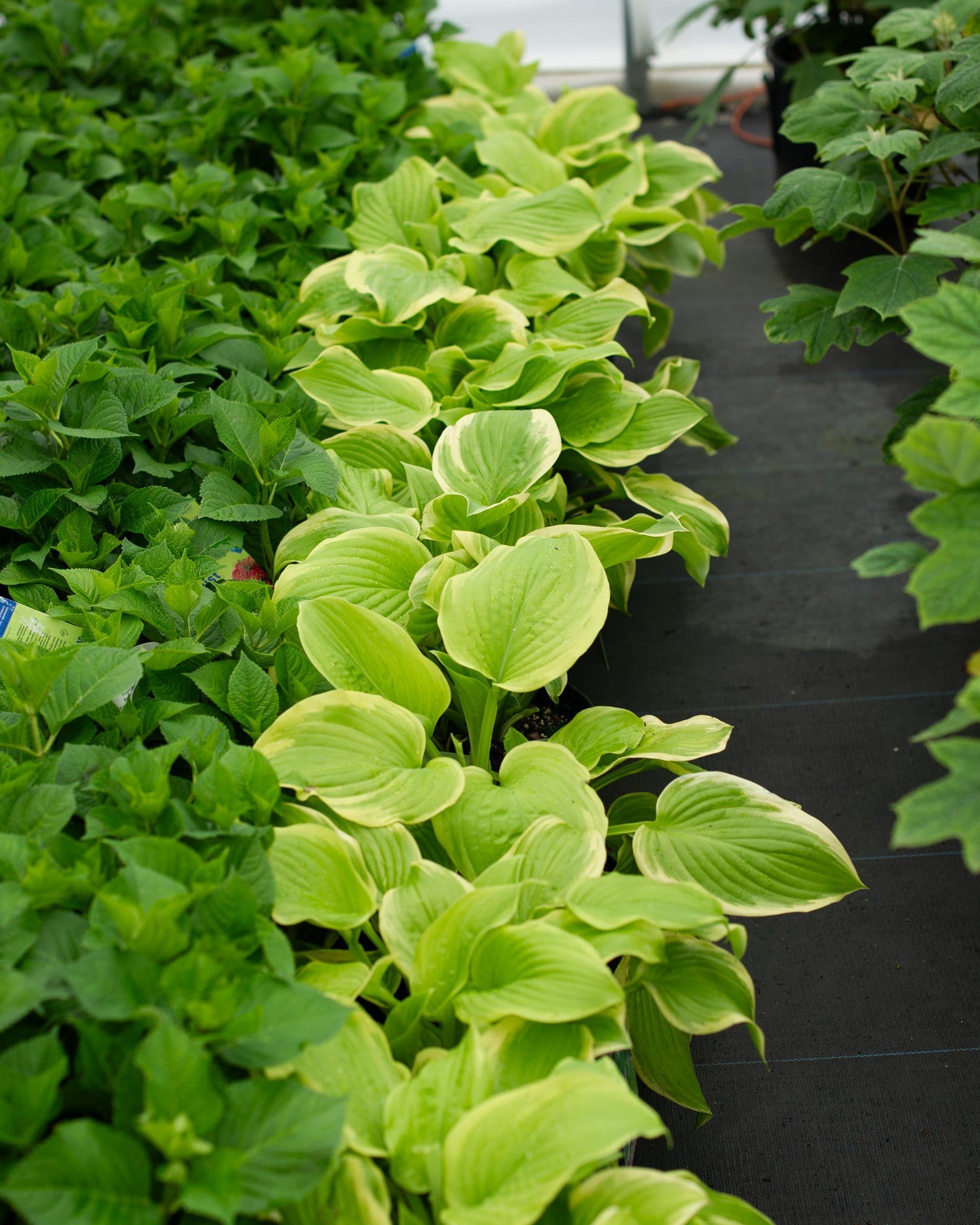
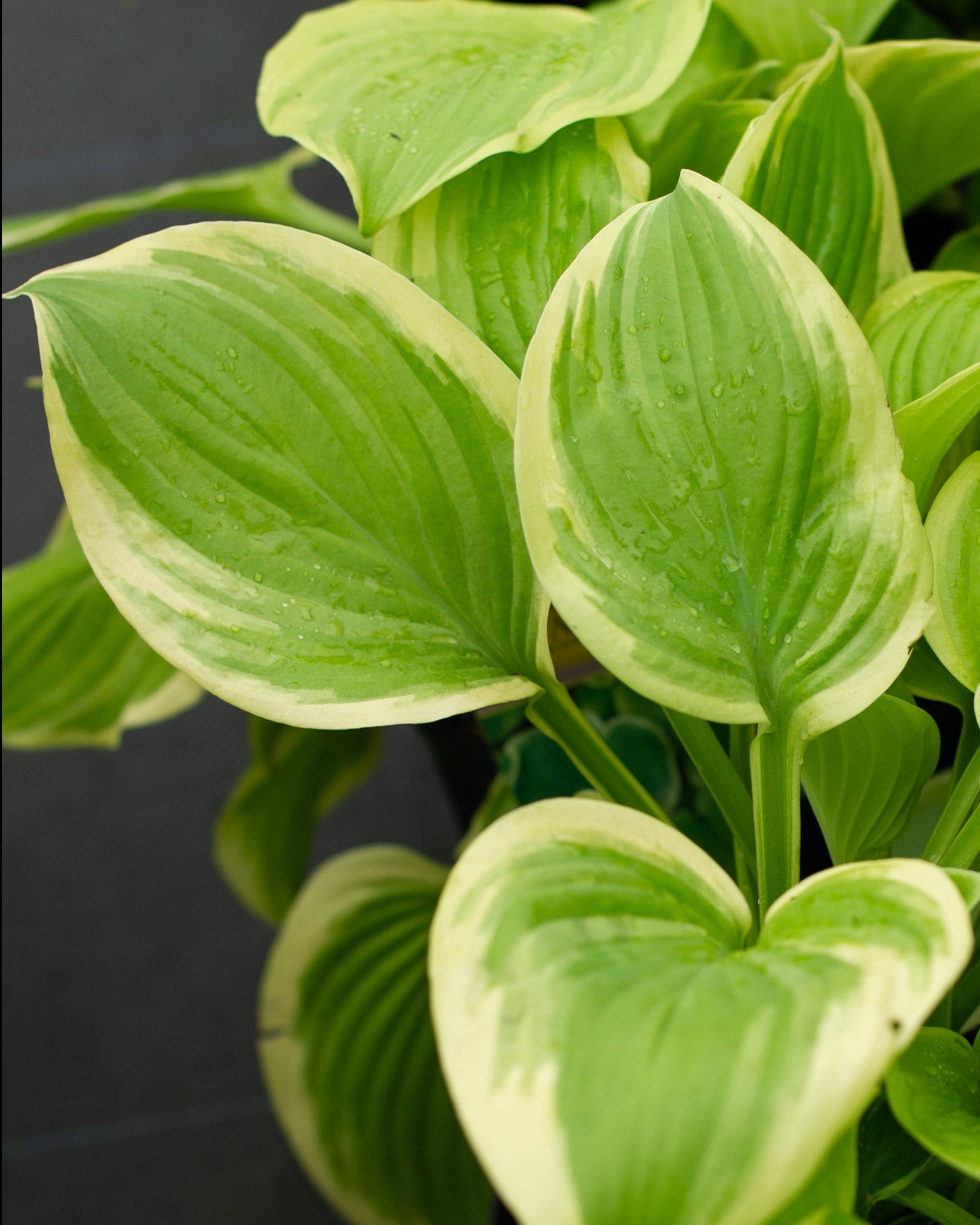
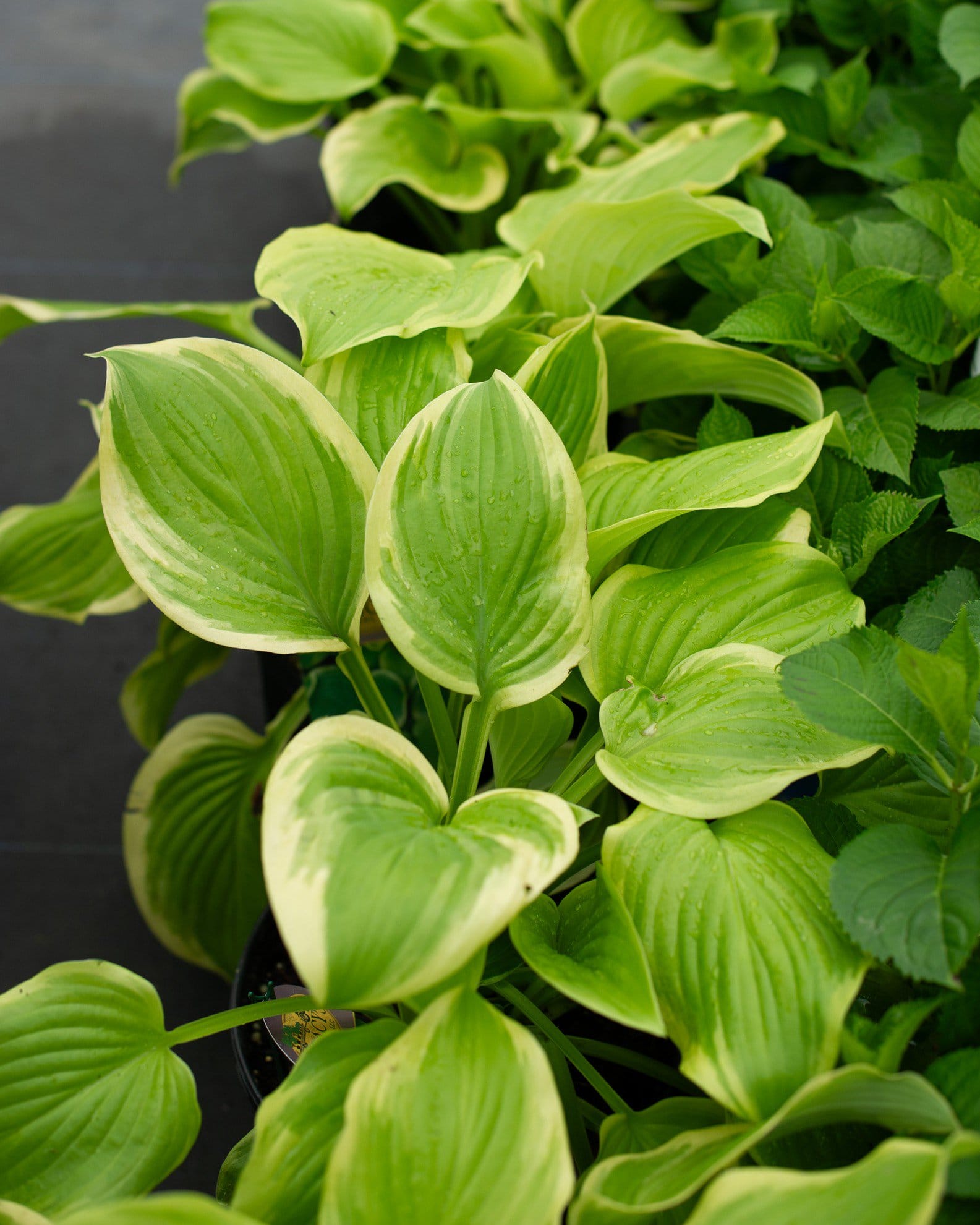
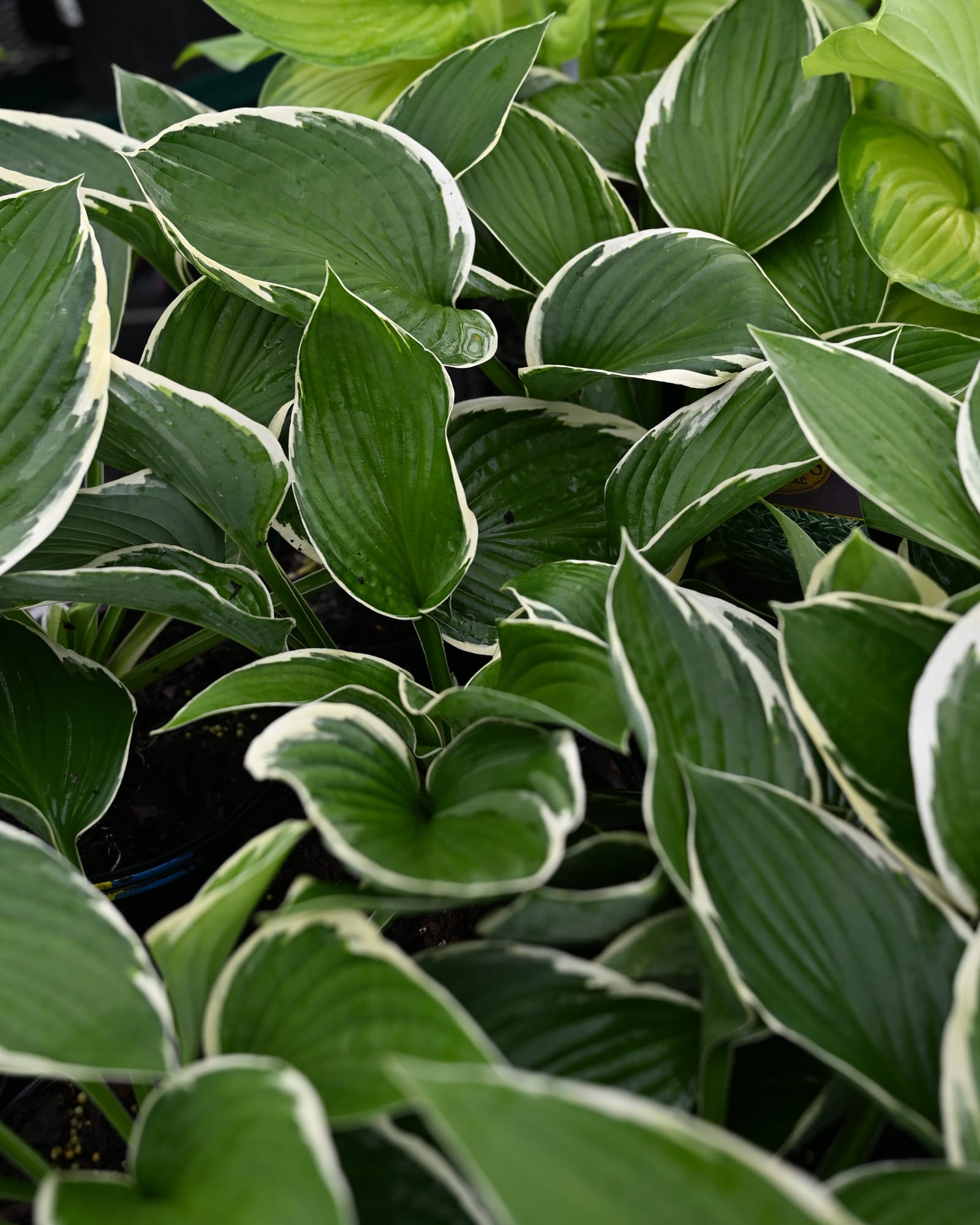
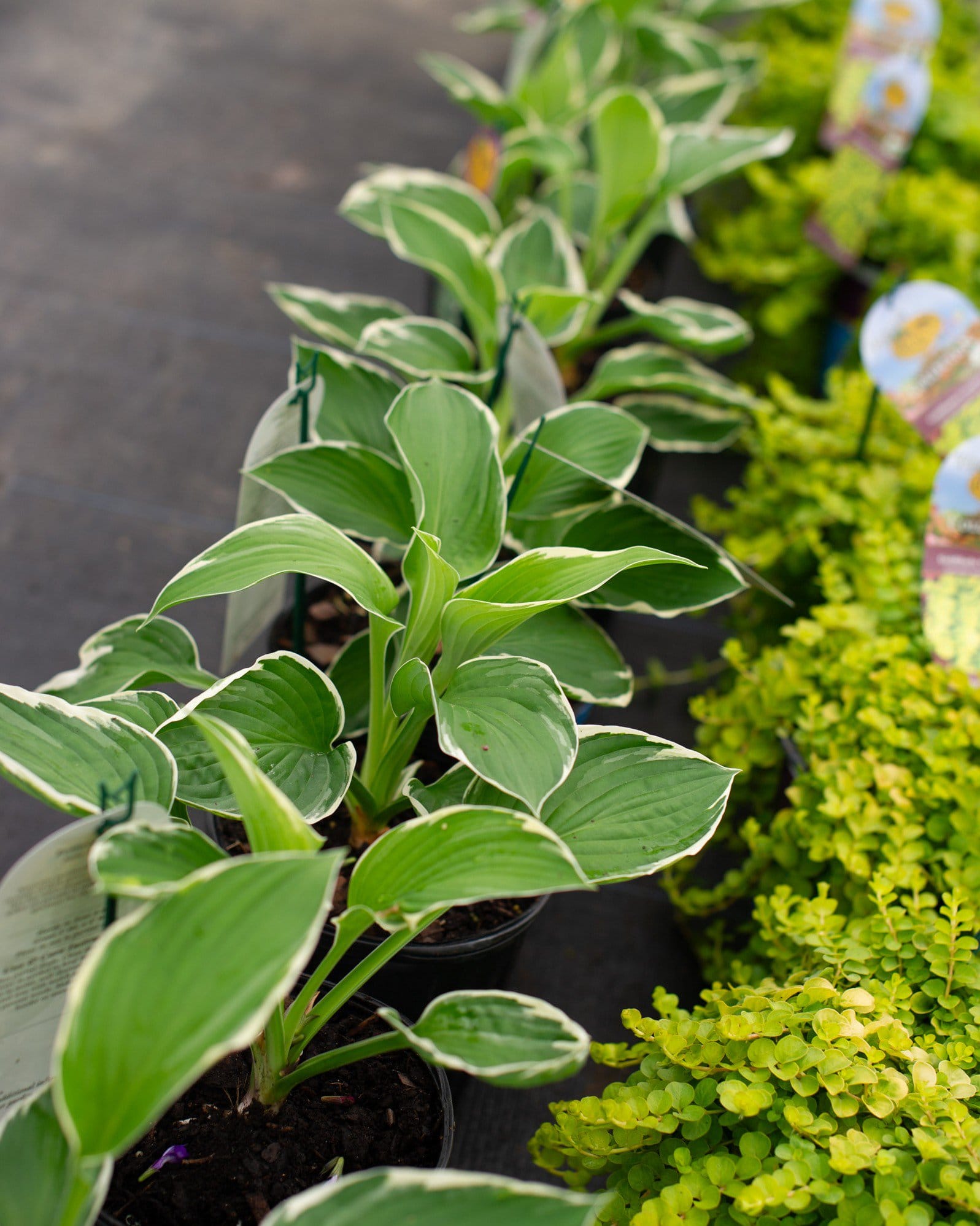
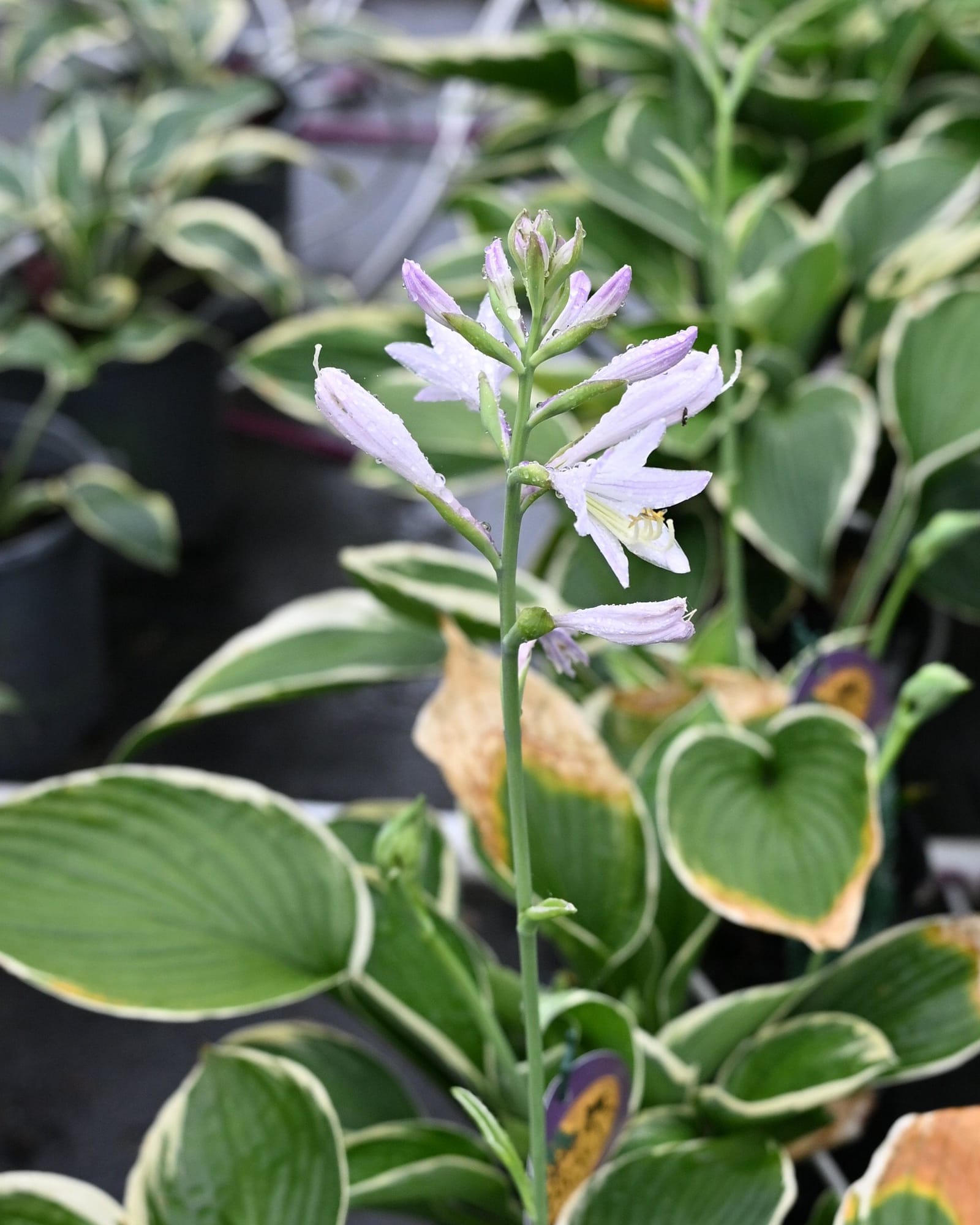
Francee Hosta
Maturity: 2' H x 4' W
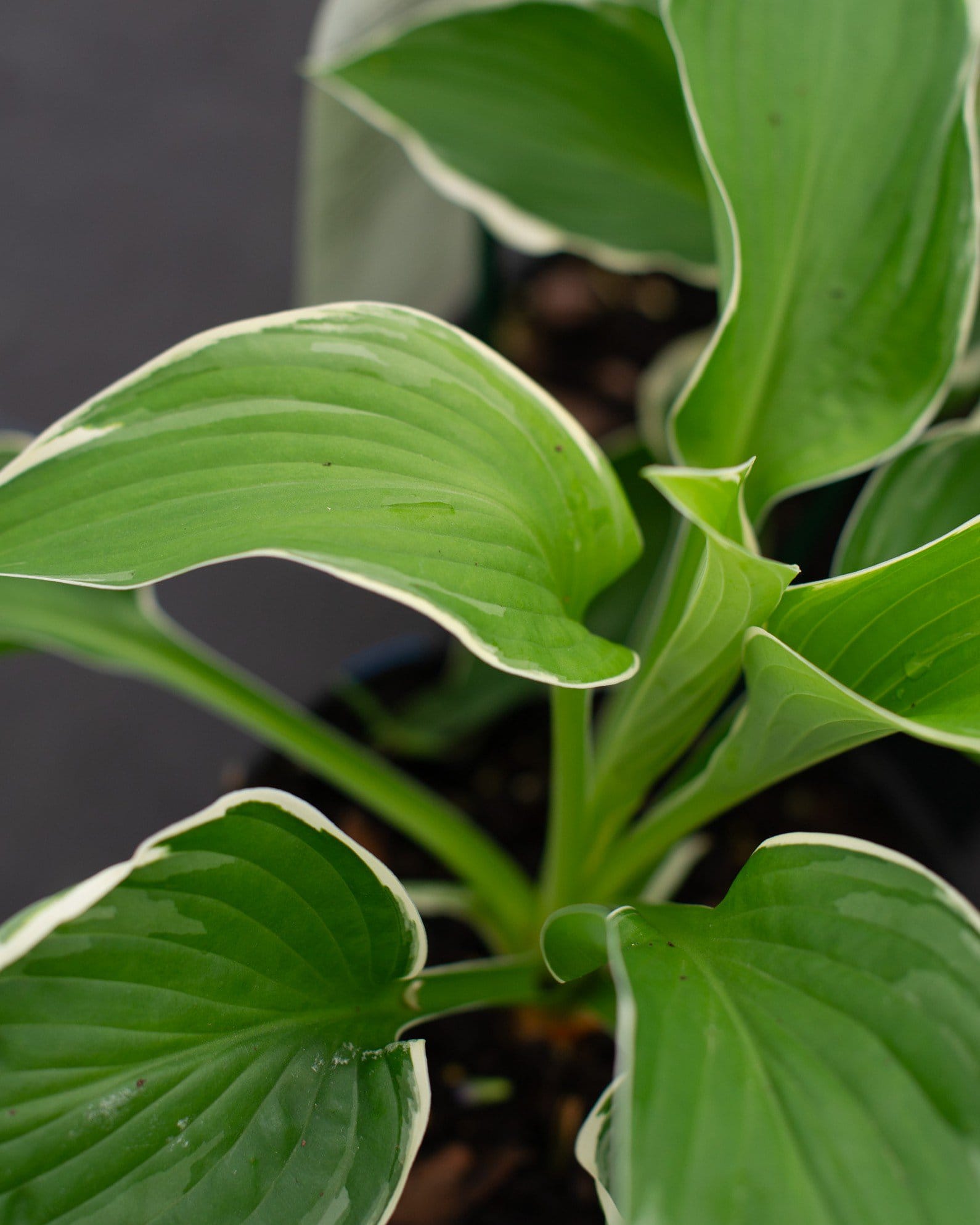
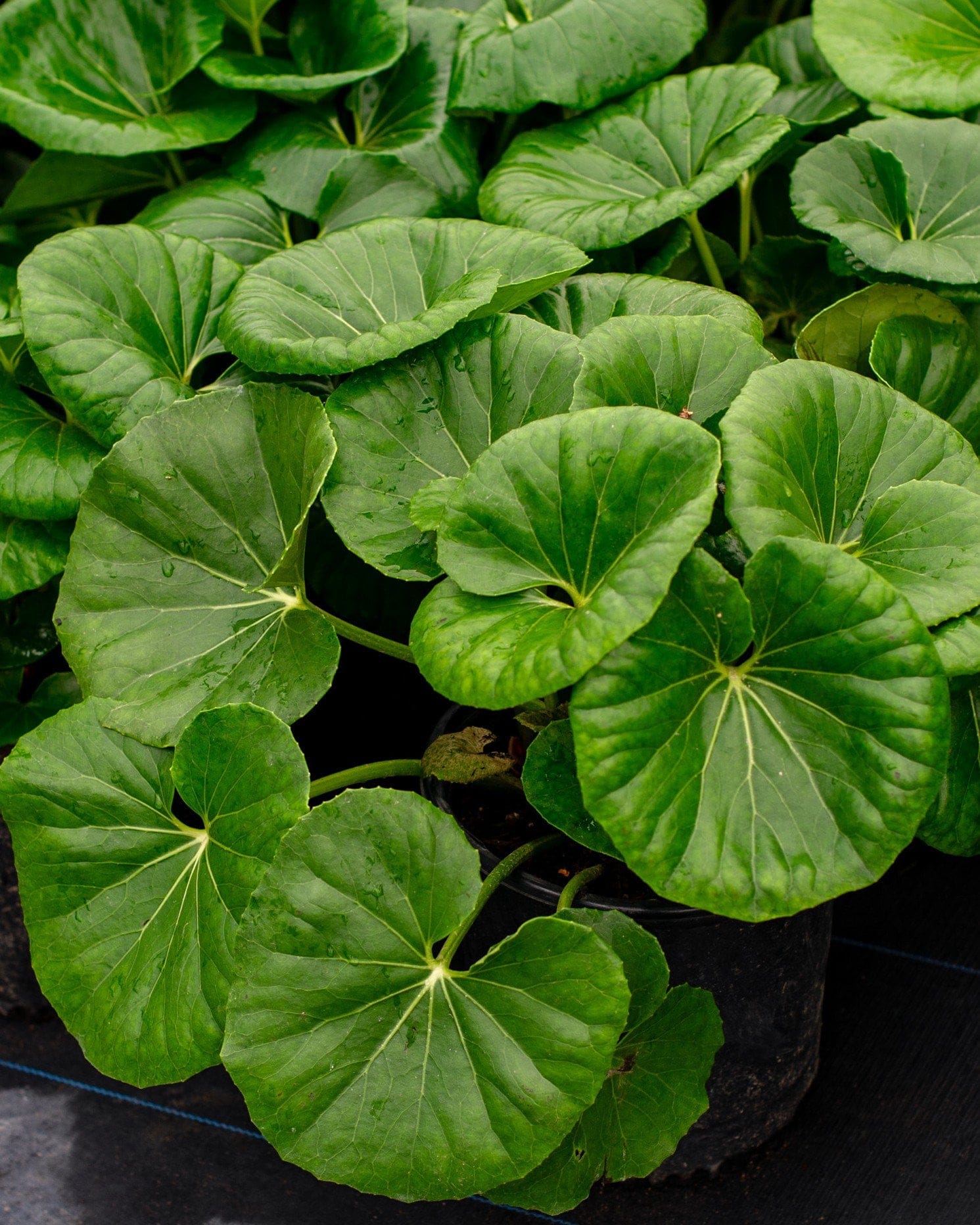
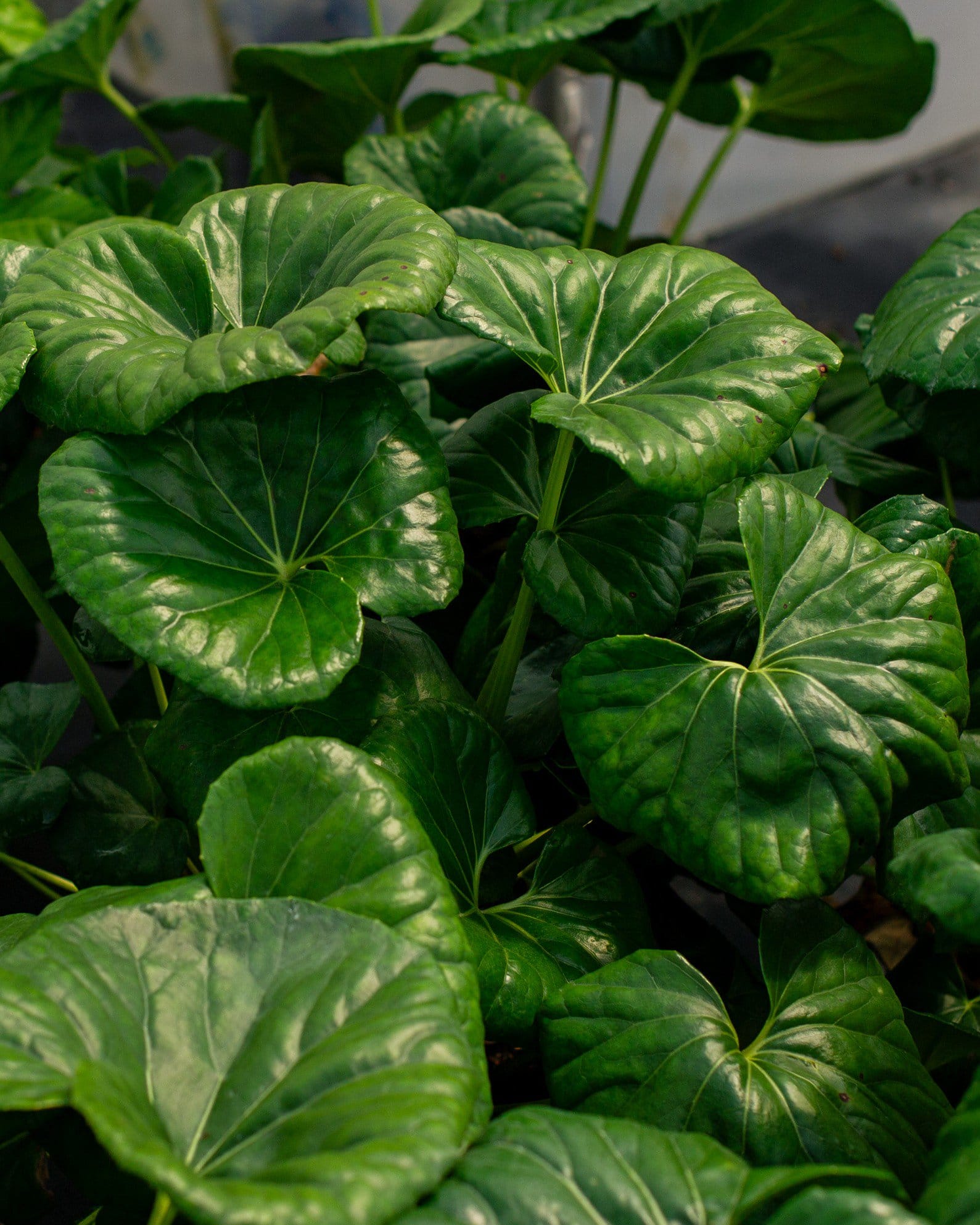
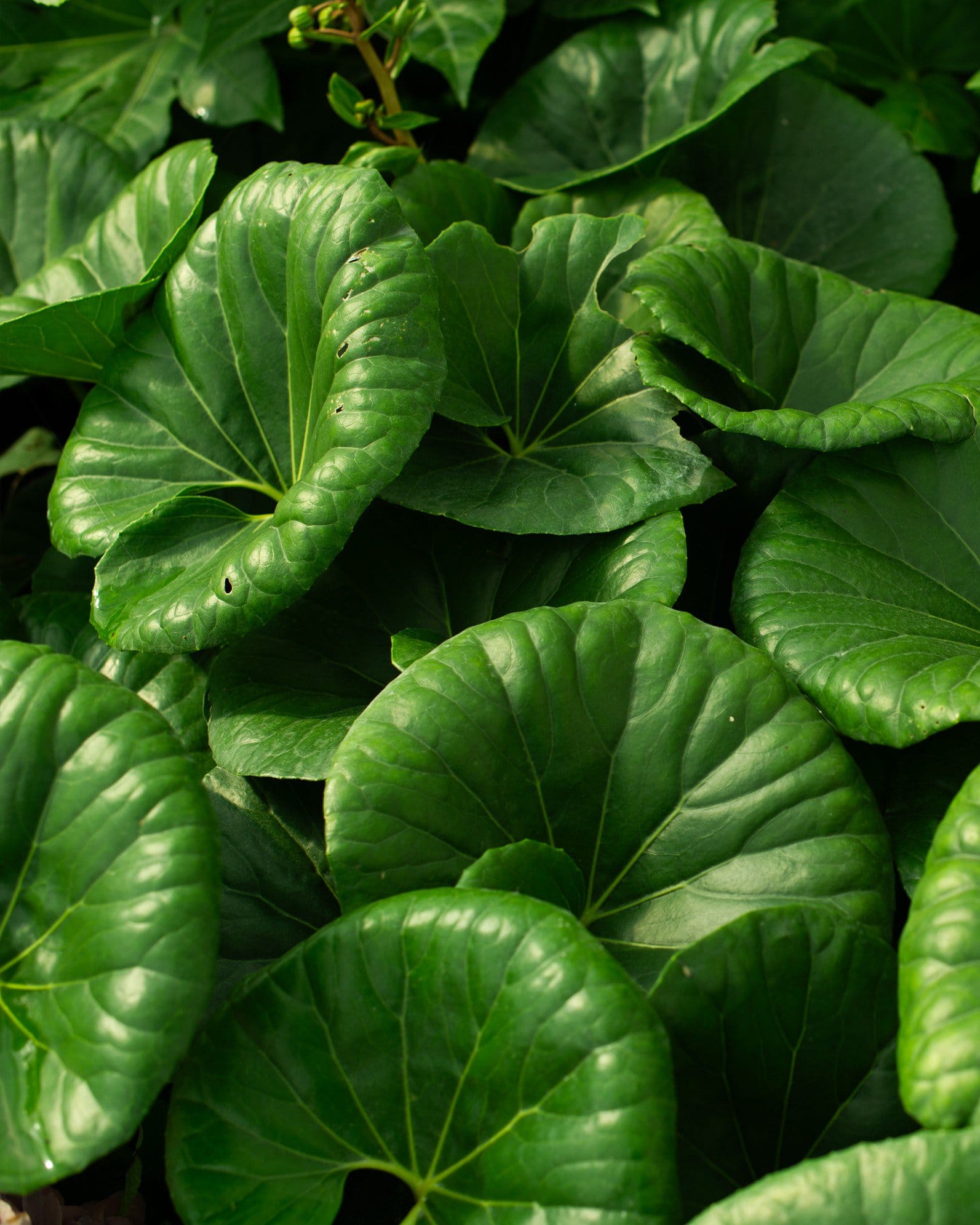
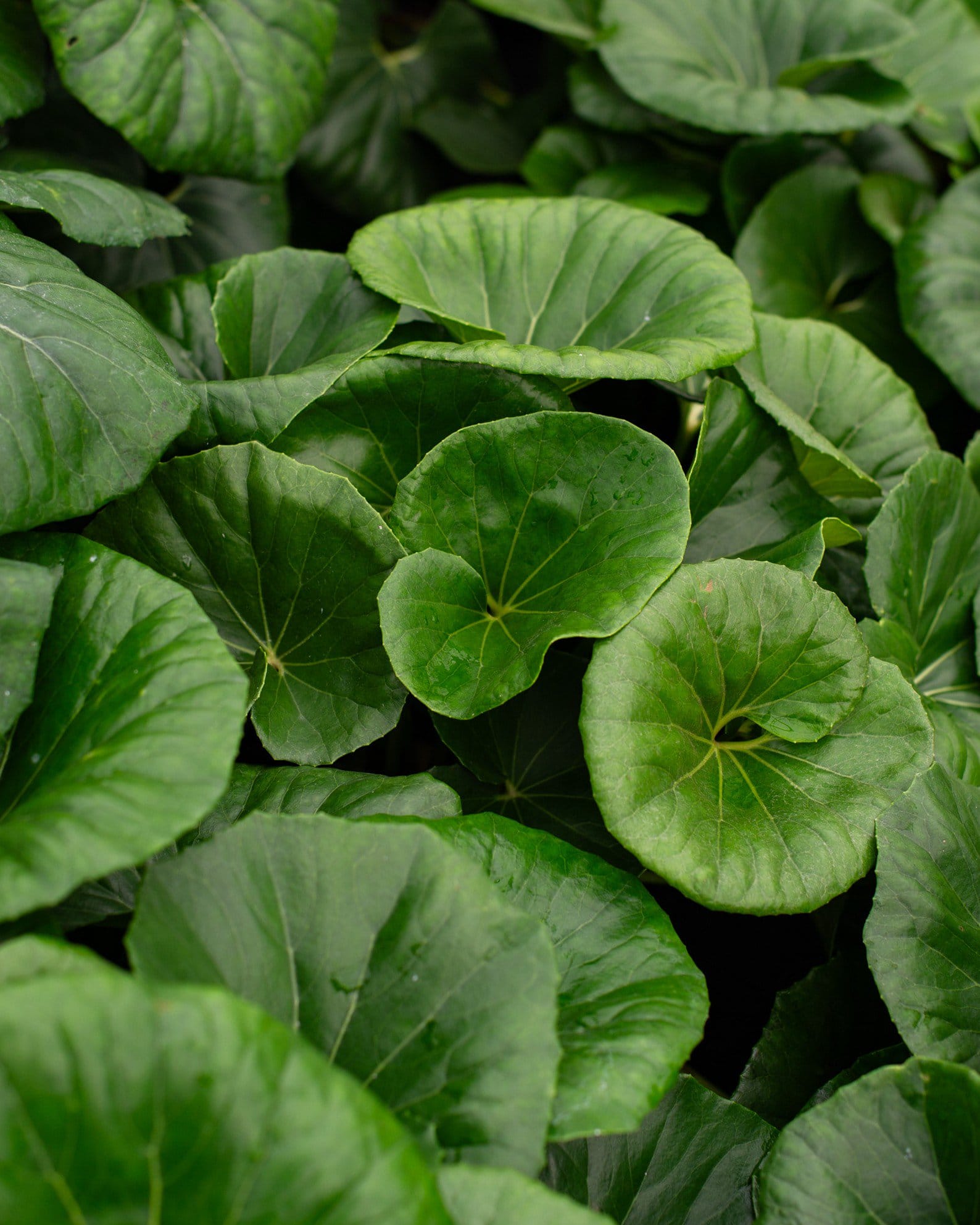
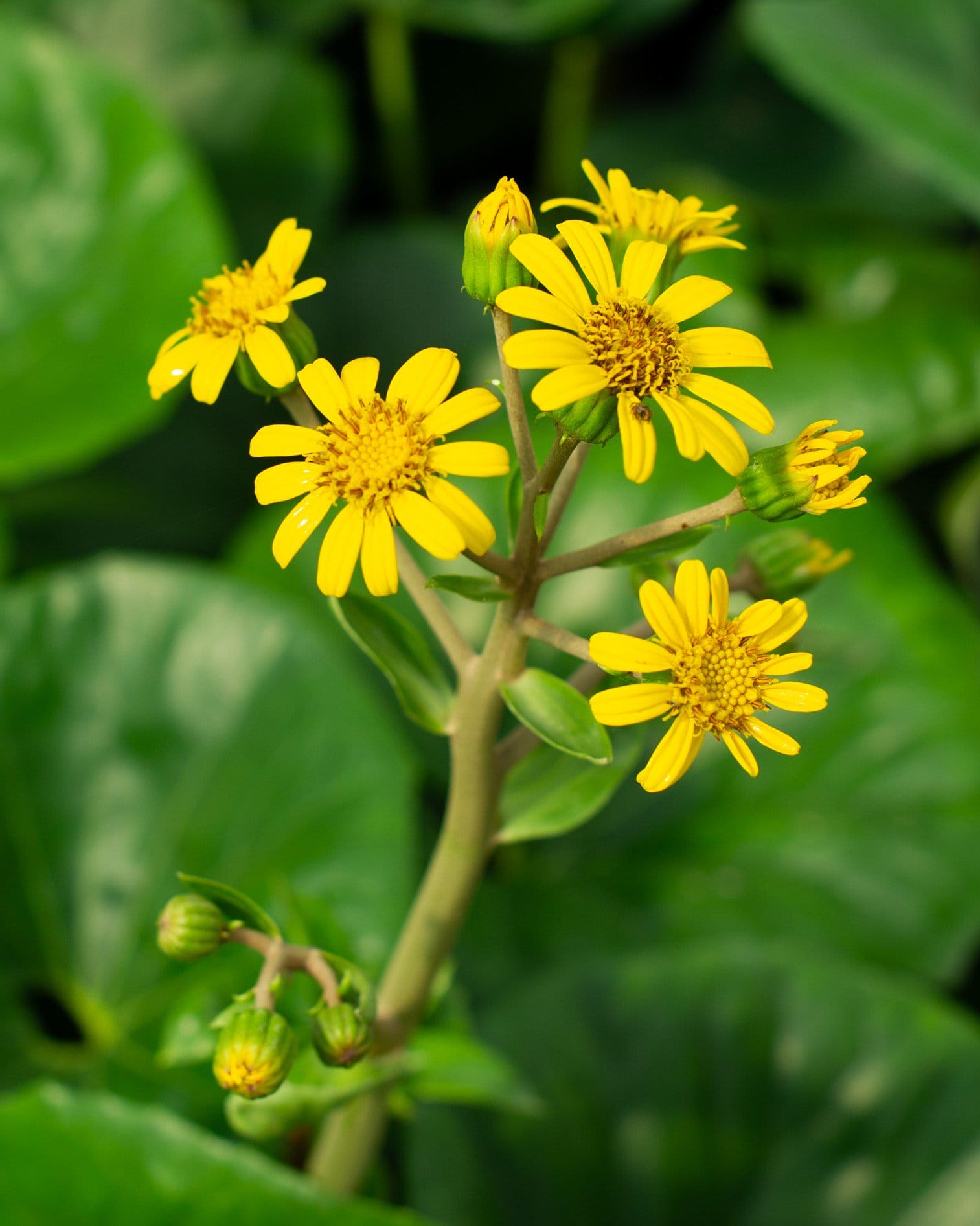
Giant Leopard Plant
Maturity: 3' H x 3' W
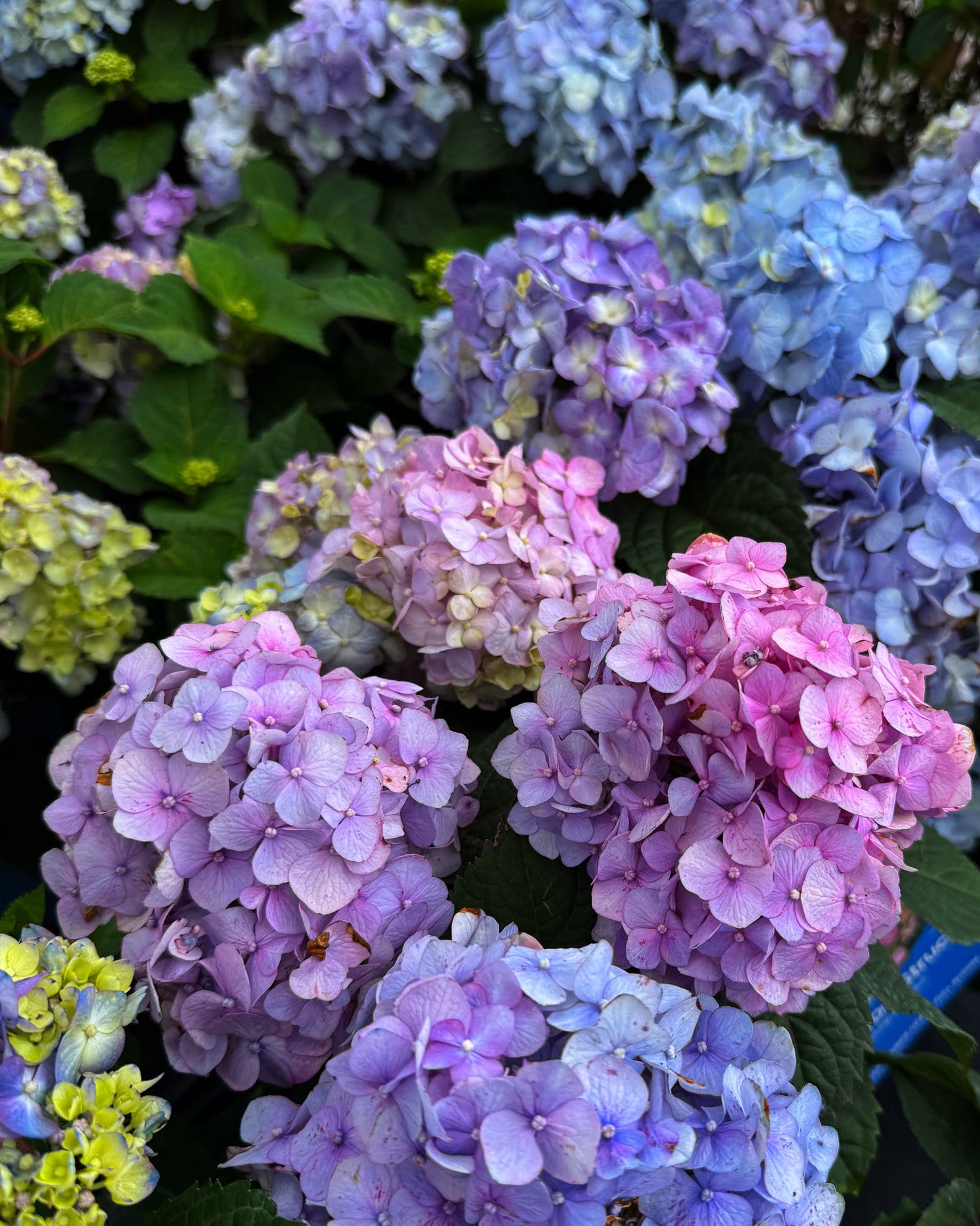
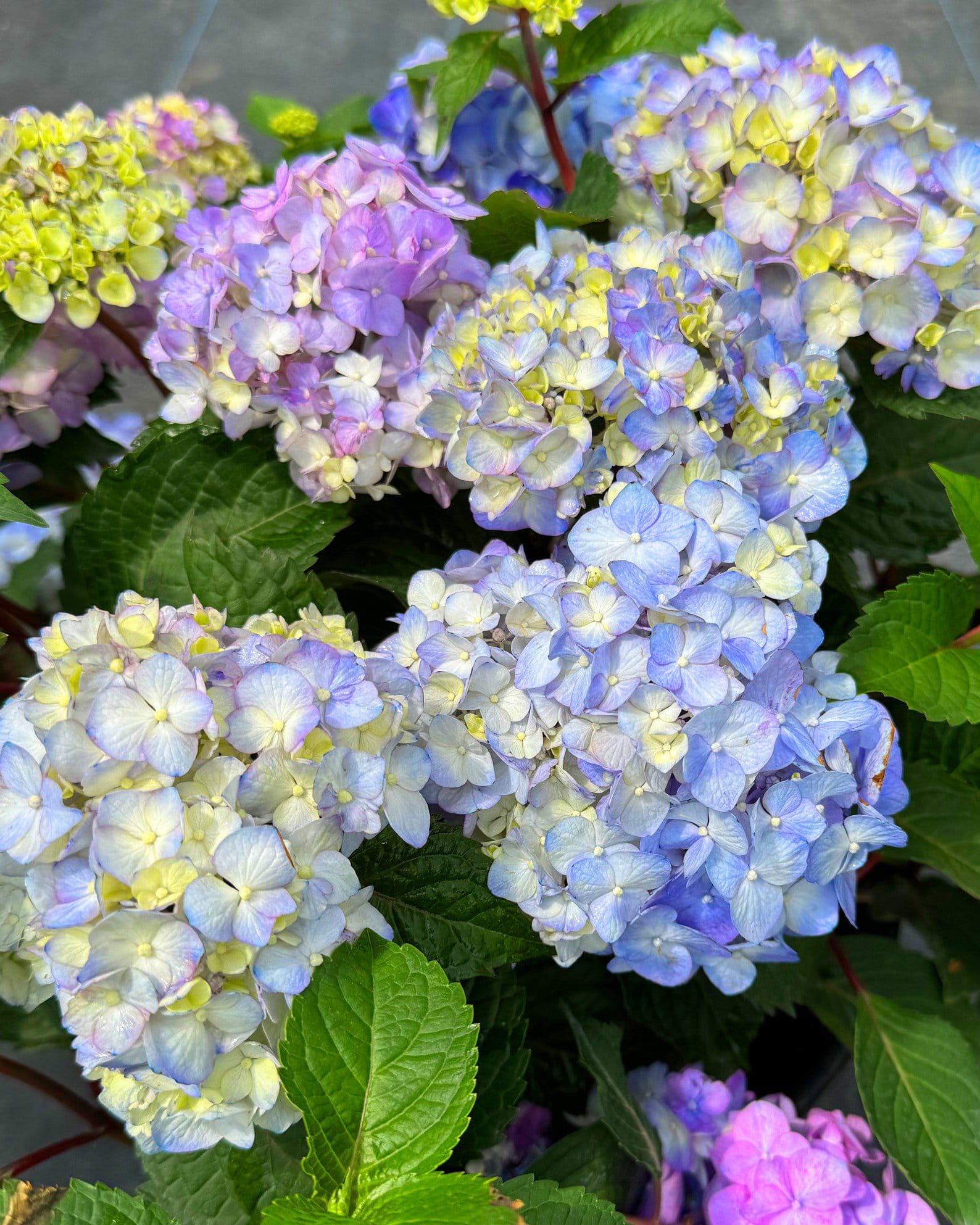
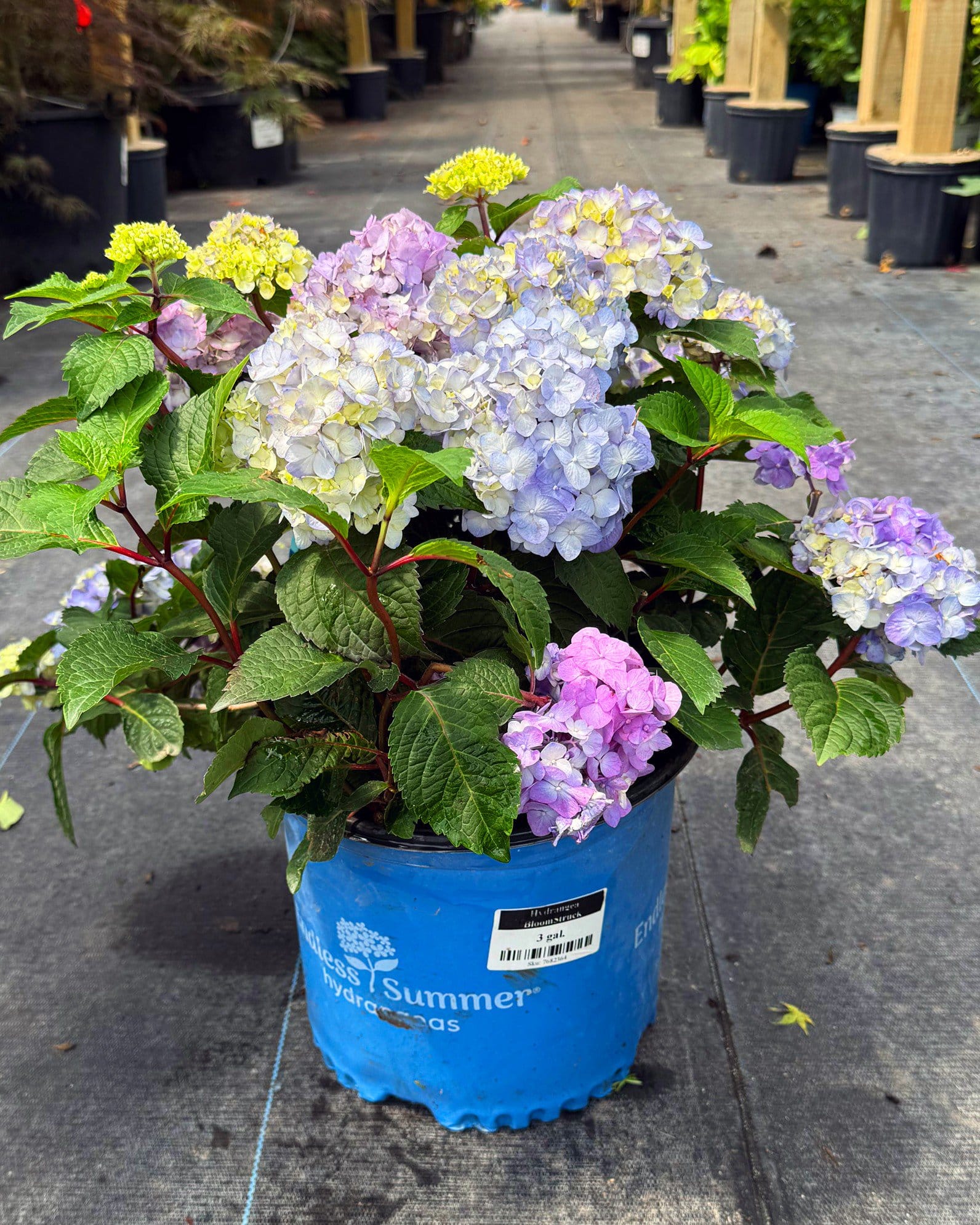
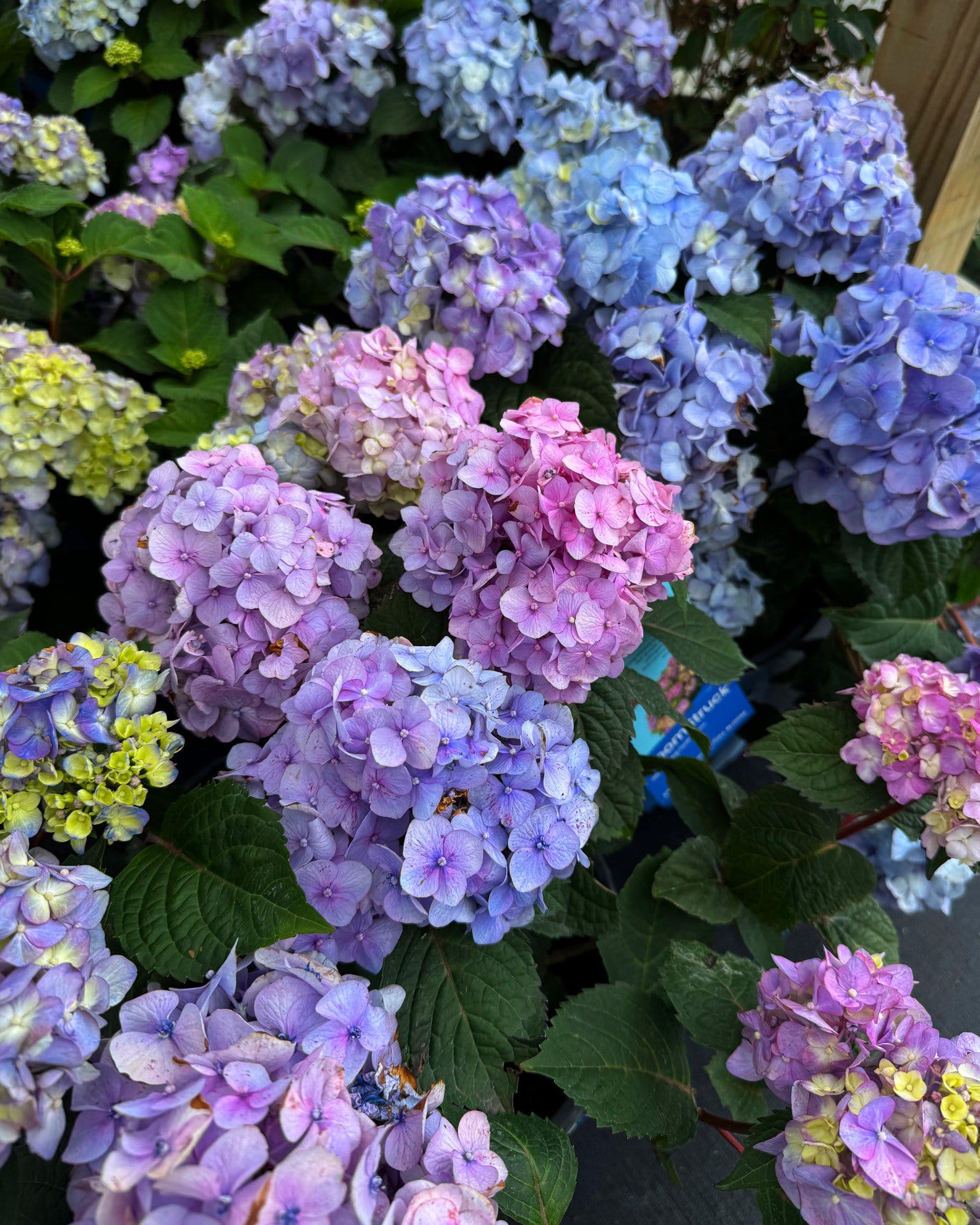
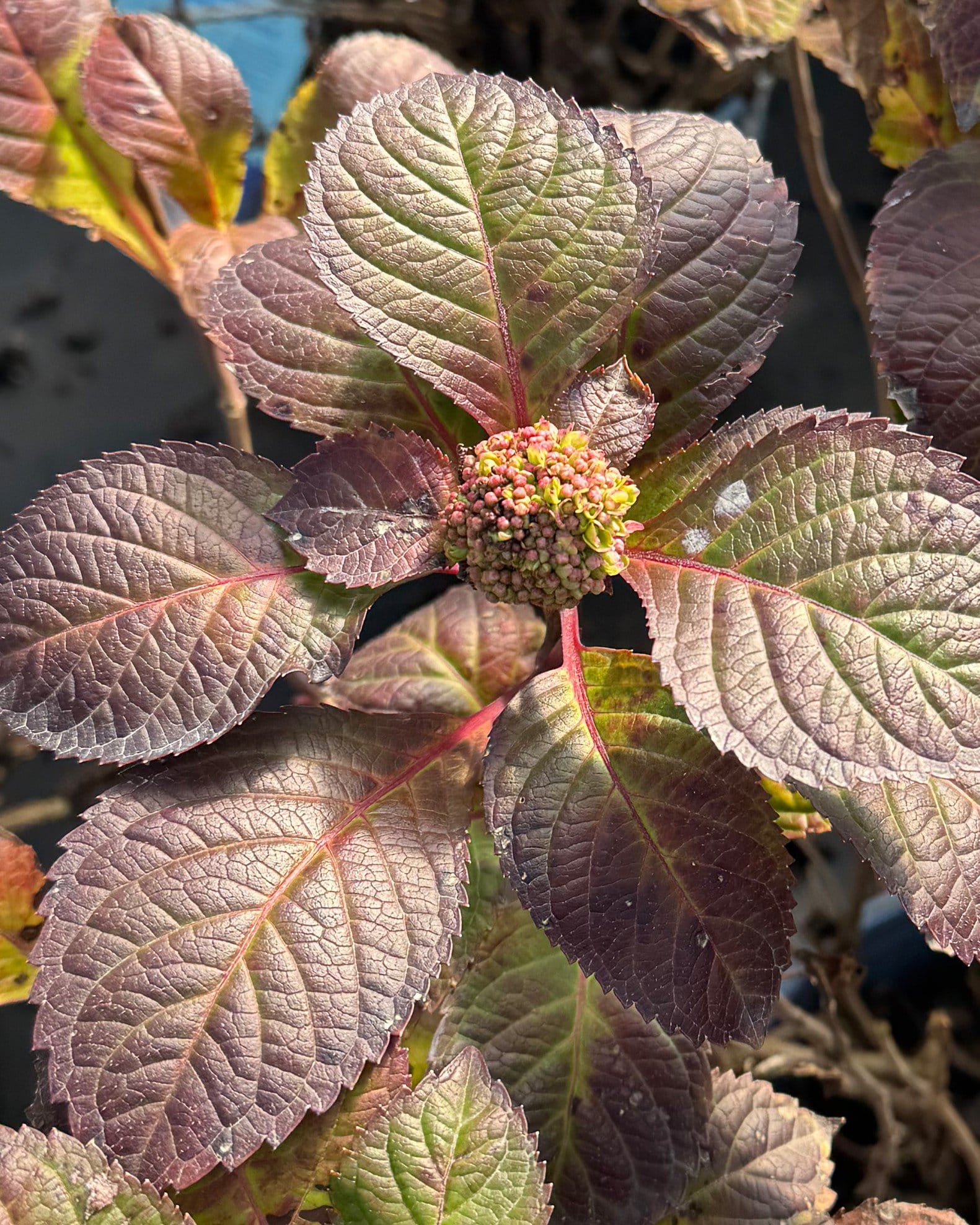
Hydrangea BloomStruck
Maturity: 3' H x 4' W
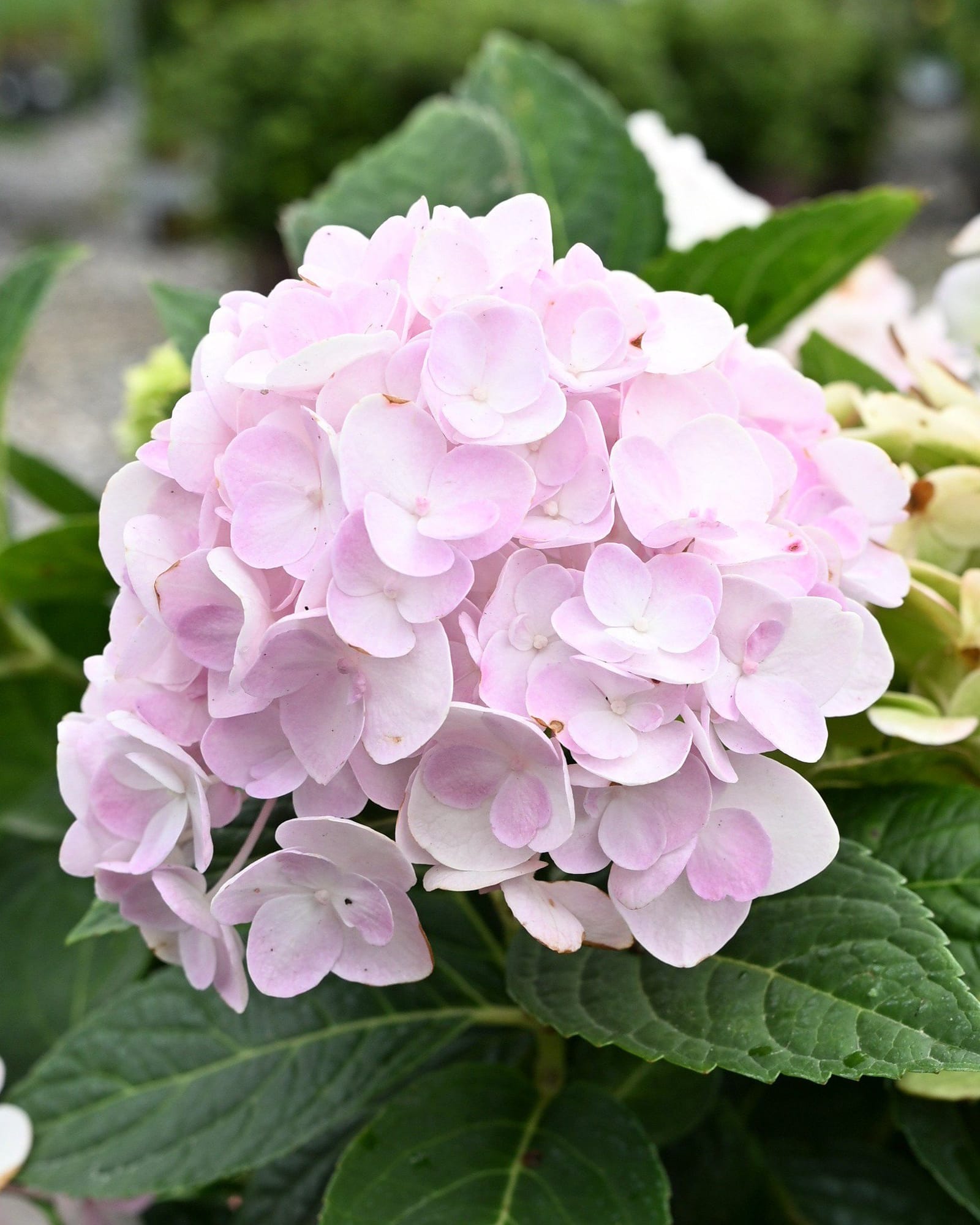
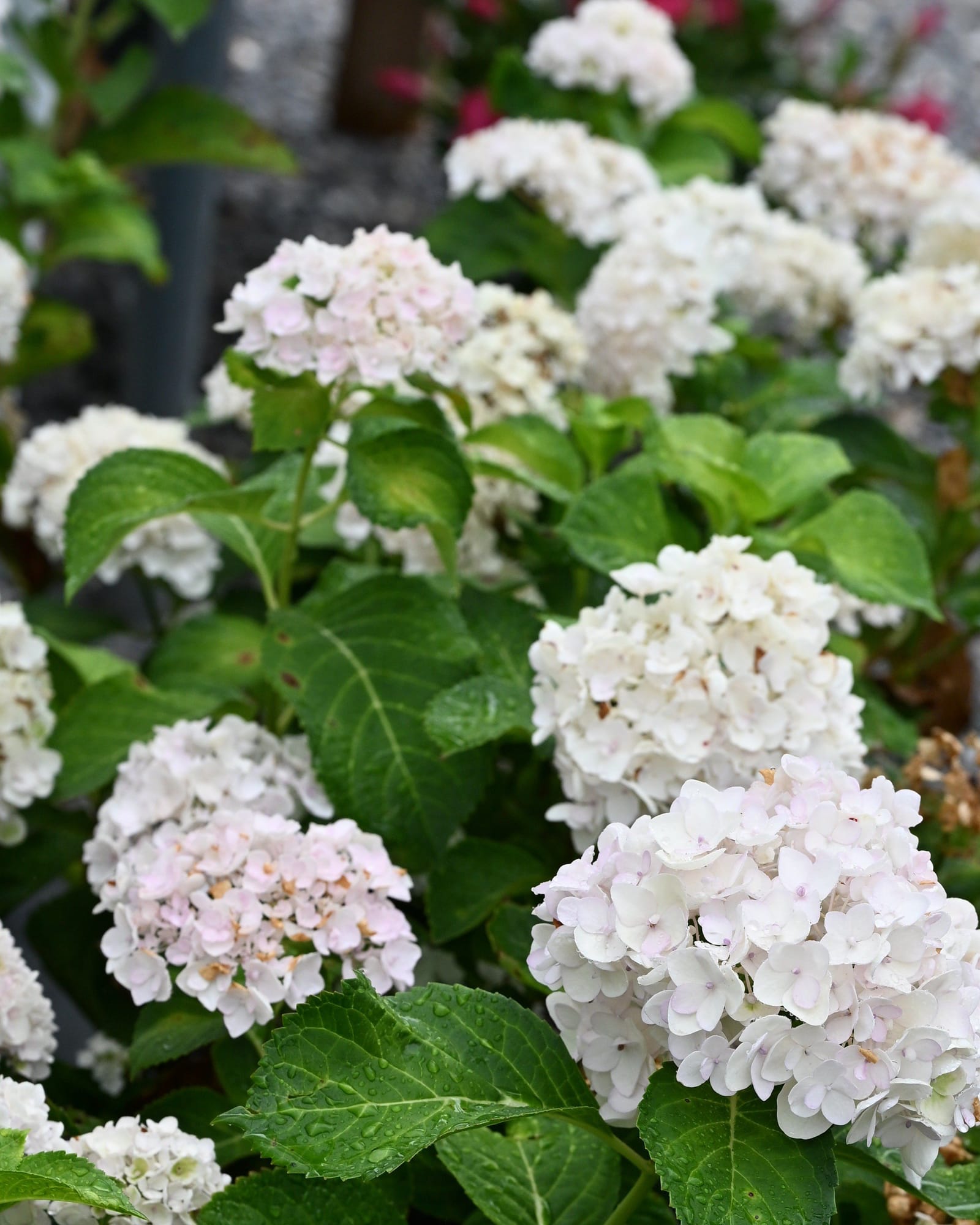
Hydrangea Blushing Bride
Maturity: 3' H x 3' W
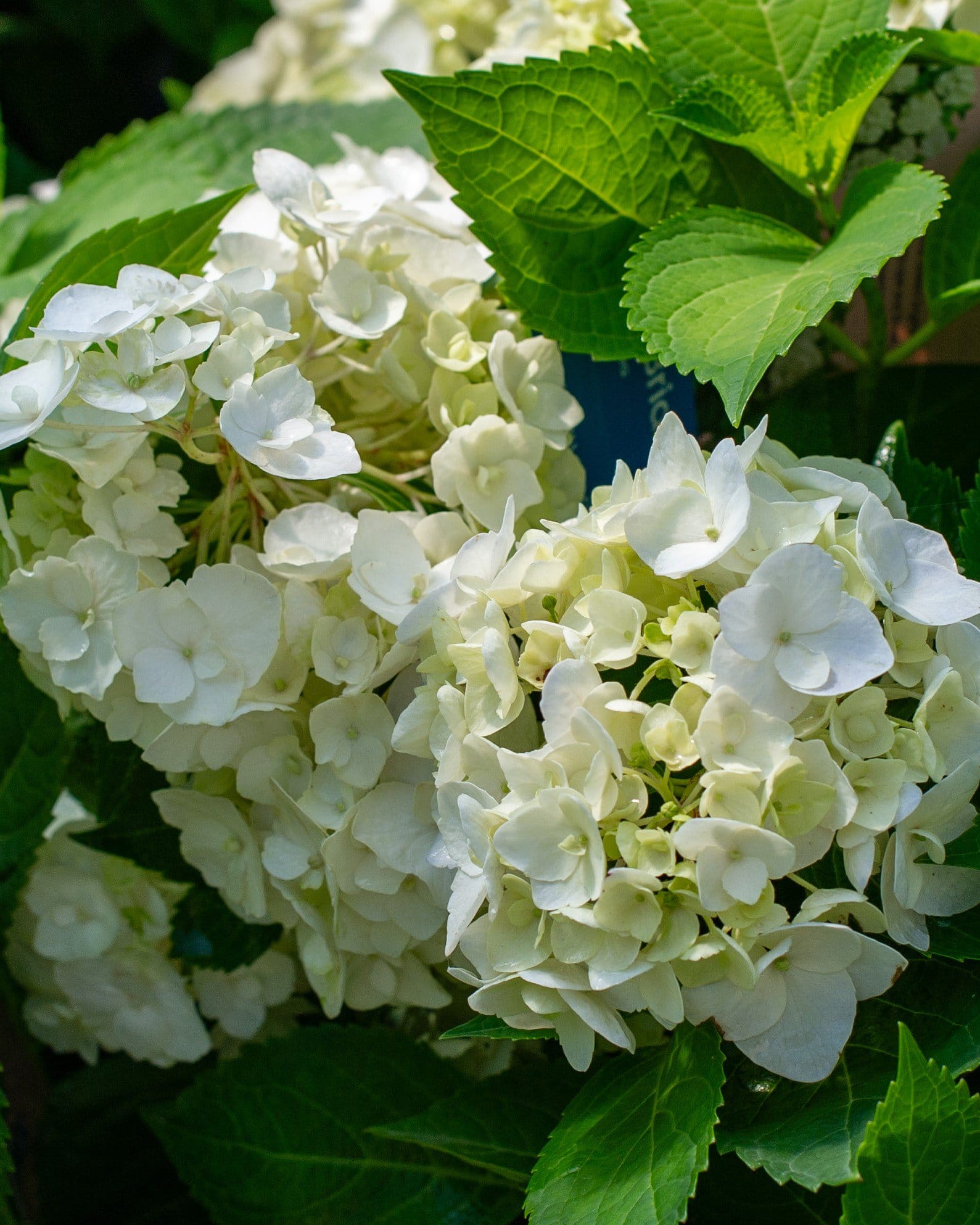
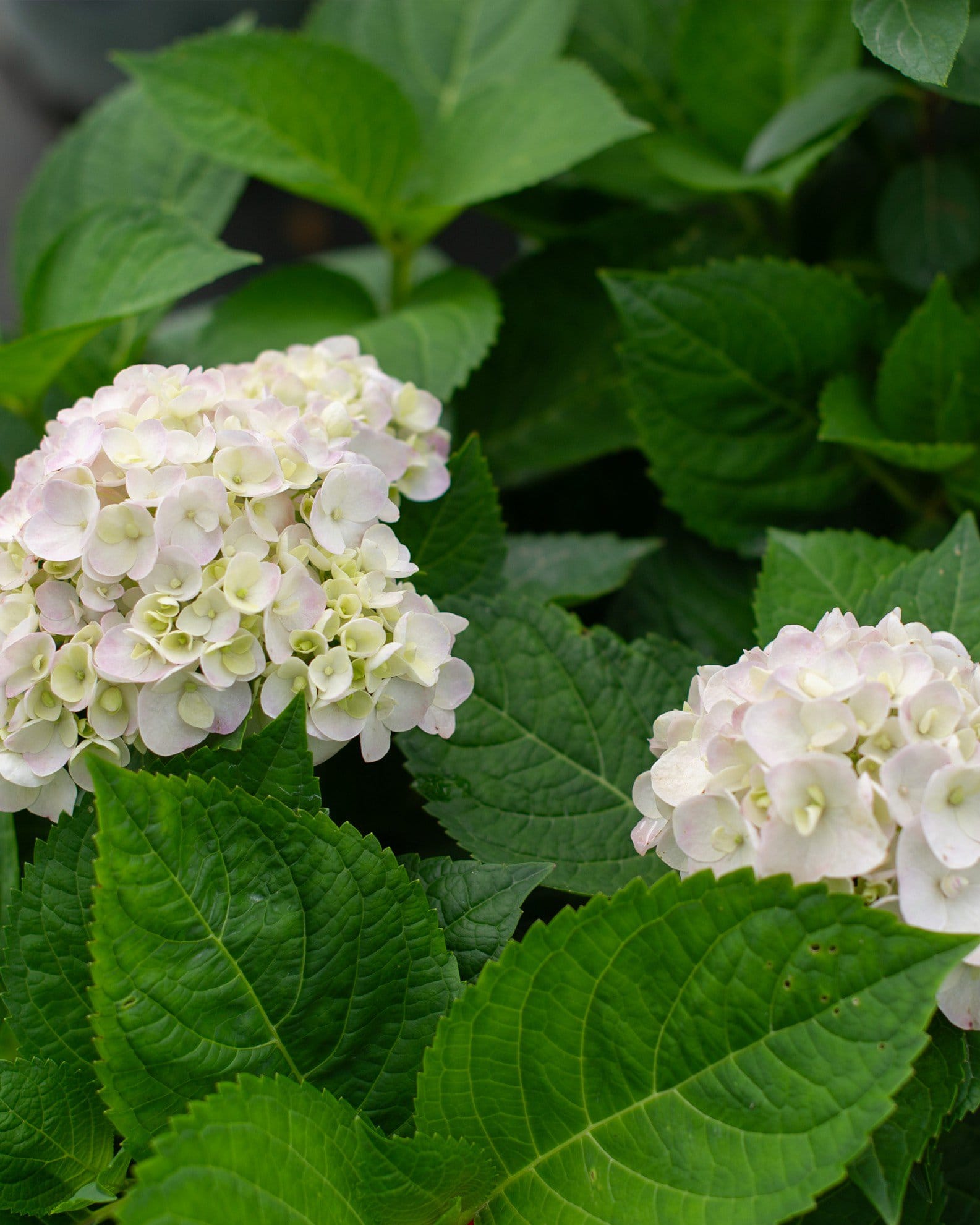
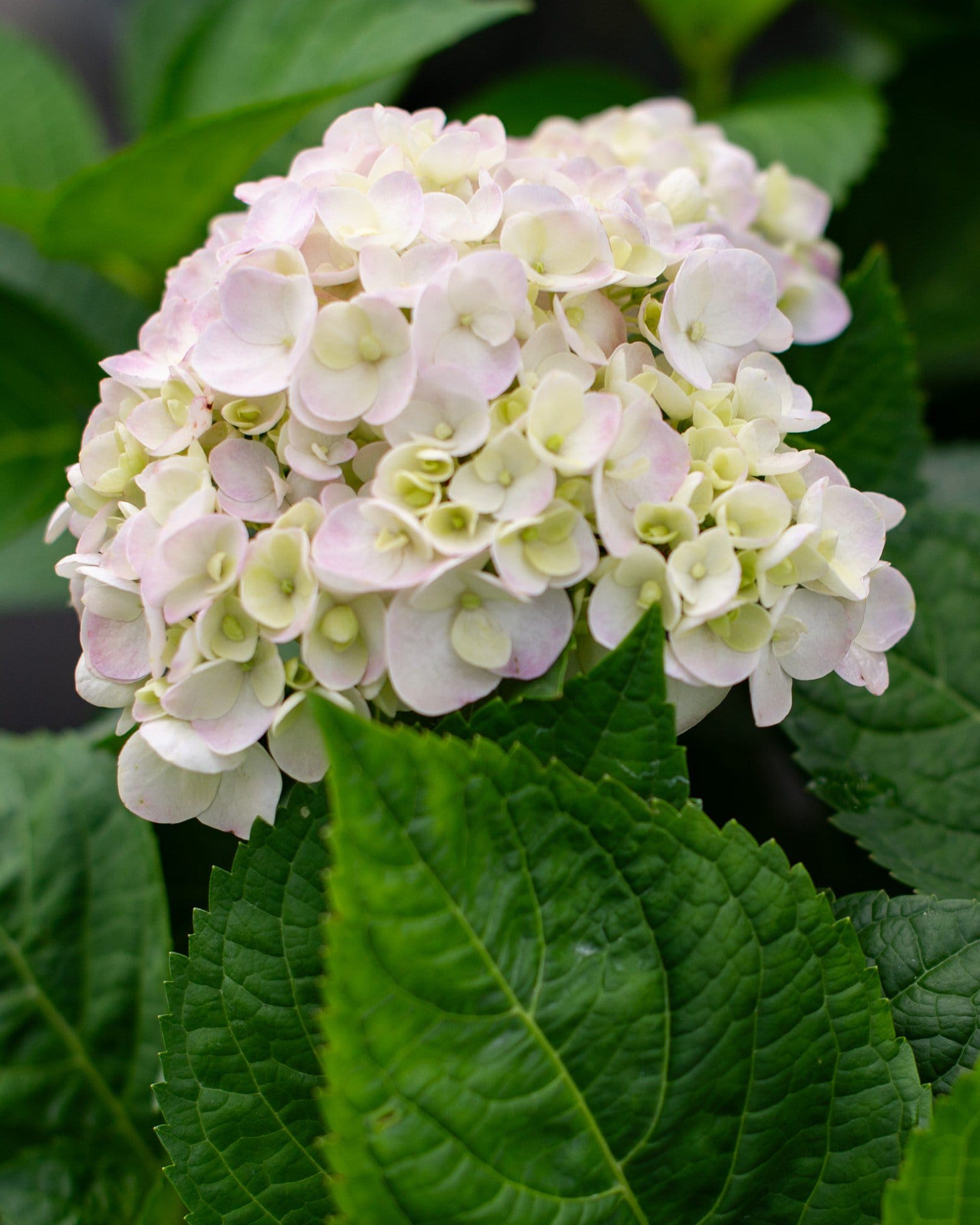
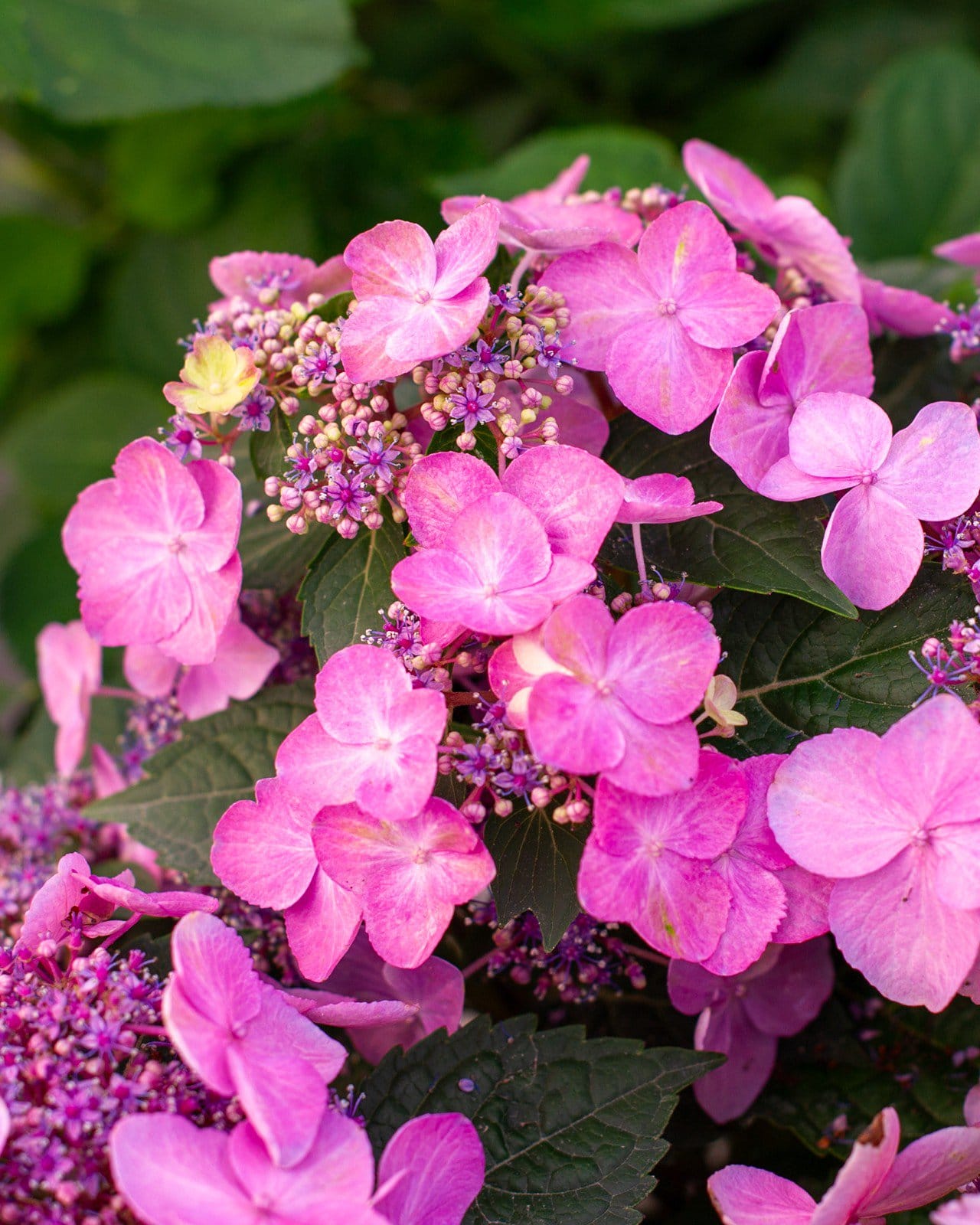
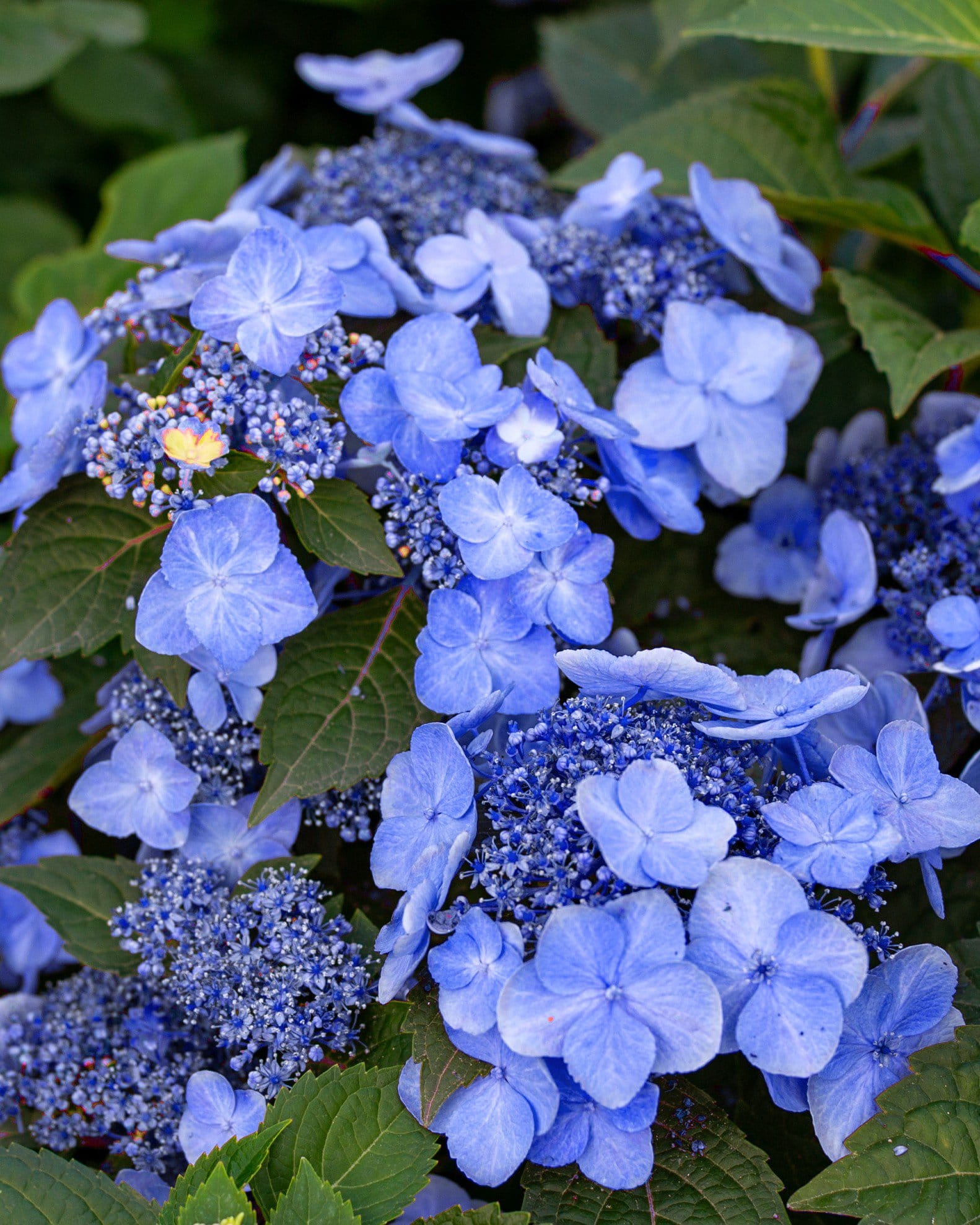
Hydrangea Pop Star
Maturity: 3' H x 3' W
Compare Similar Plants
English Ivy This plant | ||
|---|---|---|
| Scientific Name | Hedera helix | Ophiopogon japonicus ‘Nana’ |
| Size at Maturity | 20' H x 20' W | 0.5' H x 0.5' W |
| Leaf Retention | Evergreen | Evergreen |
| Sizes Available | — | 1 gal, Flat |


Our 1-Year Planting Guarantee
We take pride in our plants and installation services. If any plants or trees installed by Treeland fail to thrive within the first year, we'll provide a replacement credit in accordance with our guarantee program.
Learn More About Our Guarantee