
 Popular
Local DFW Delivery Only
Product Details
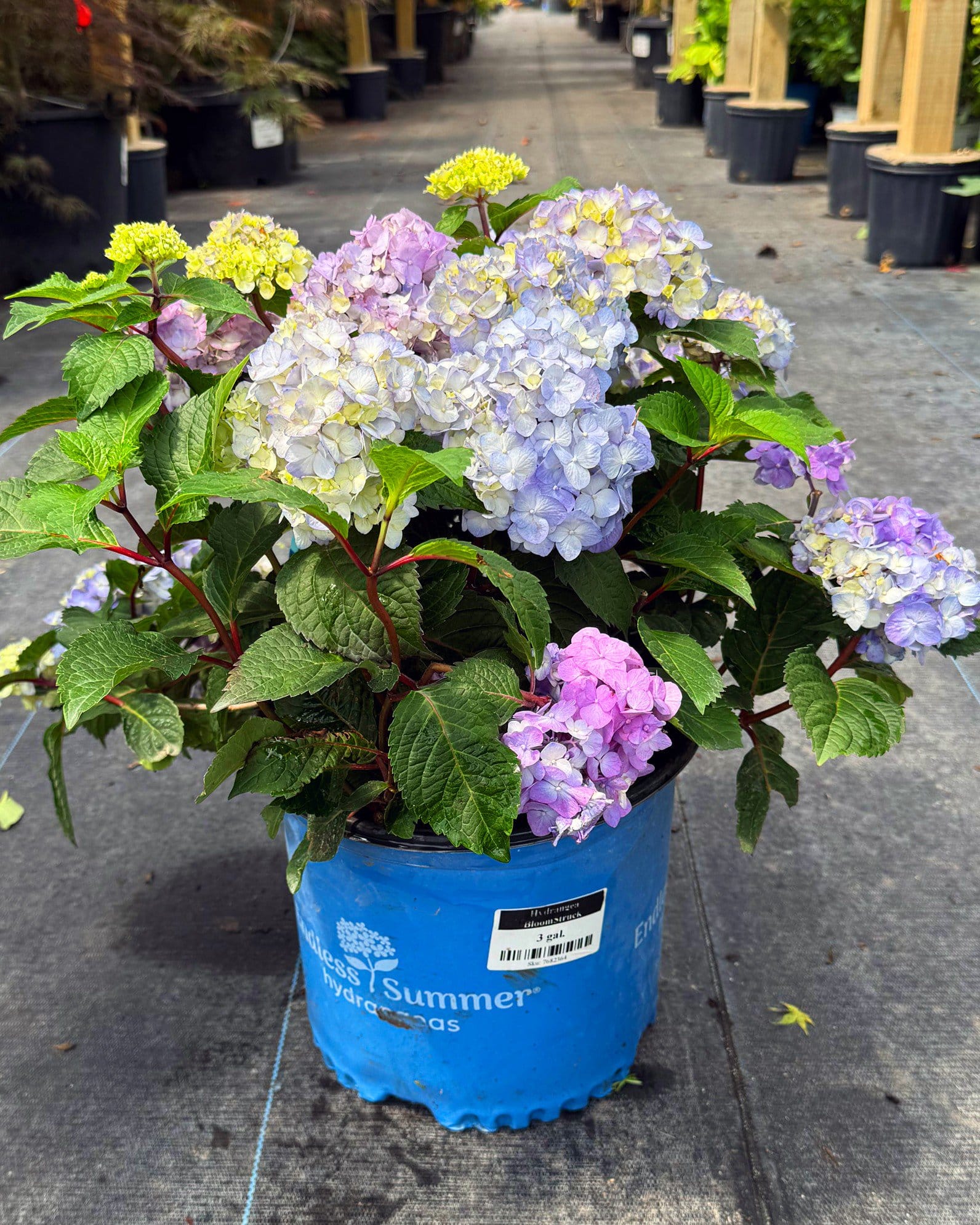
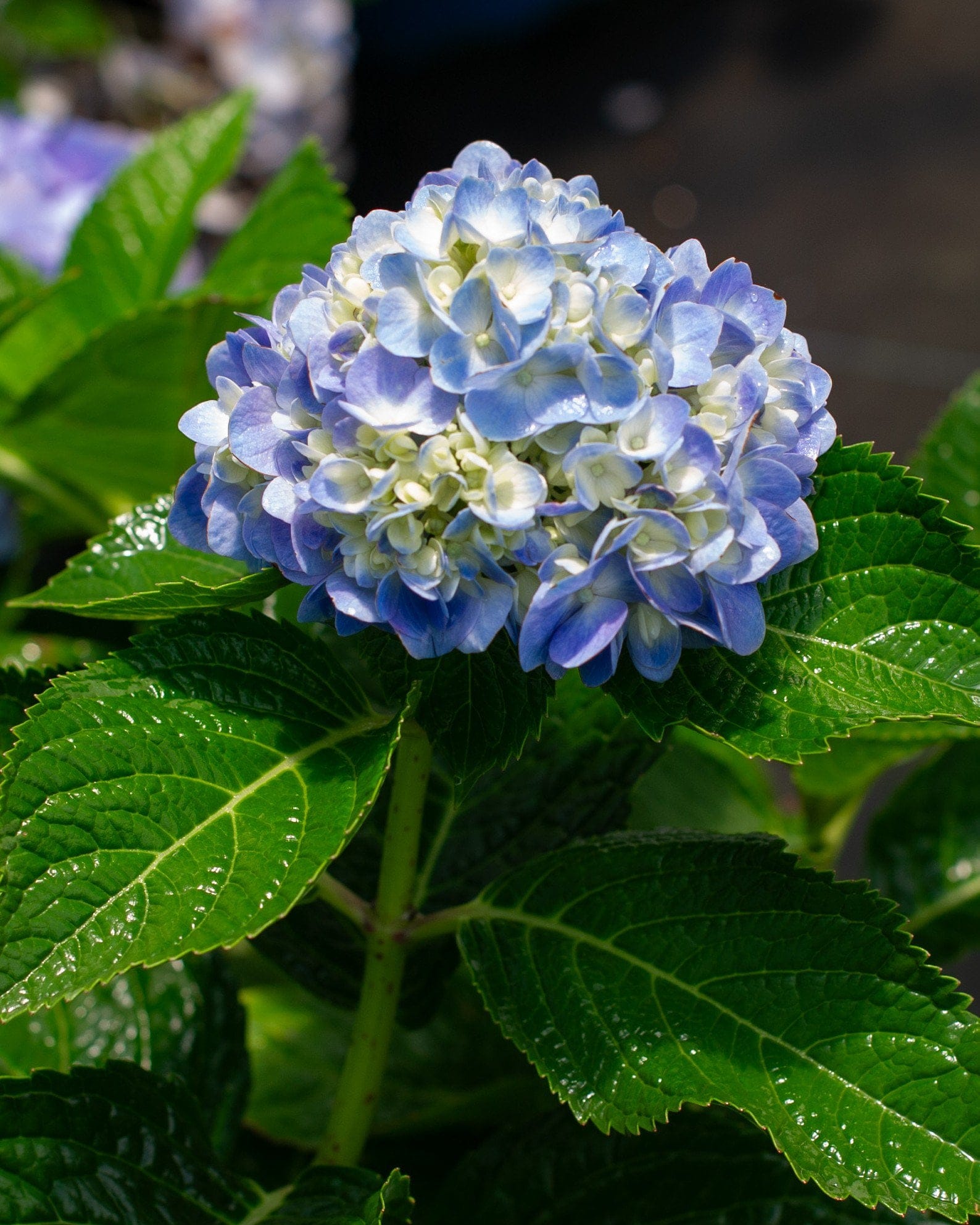
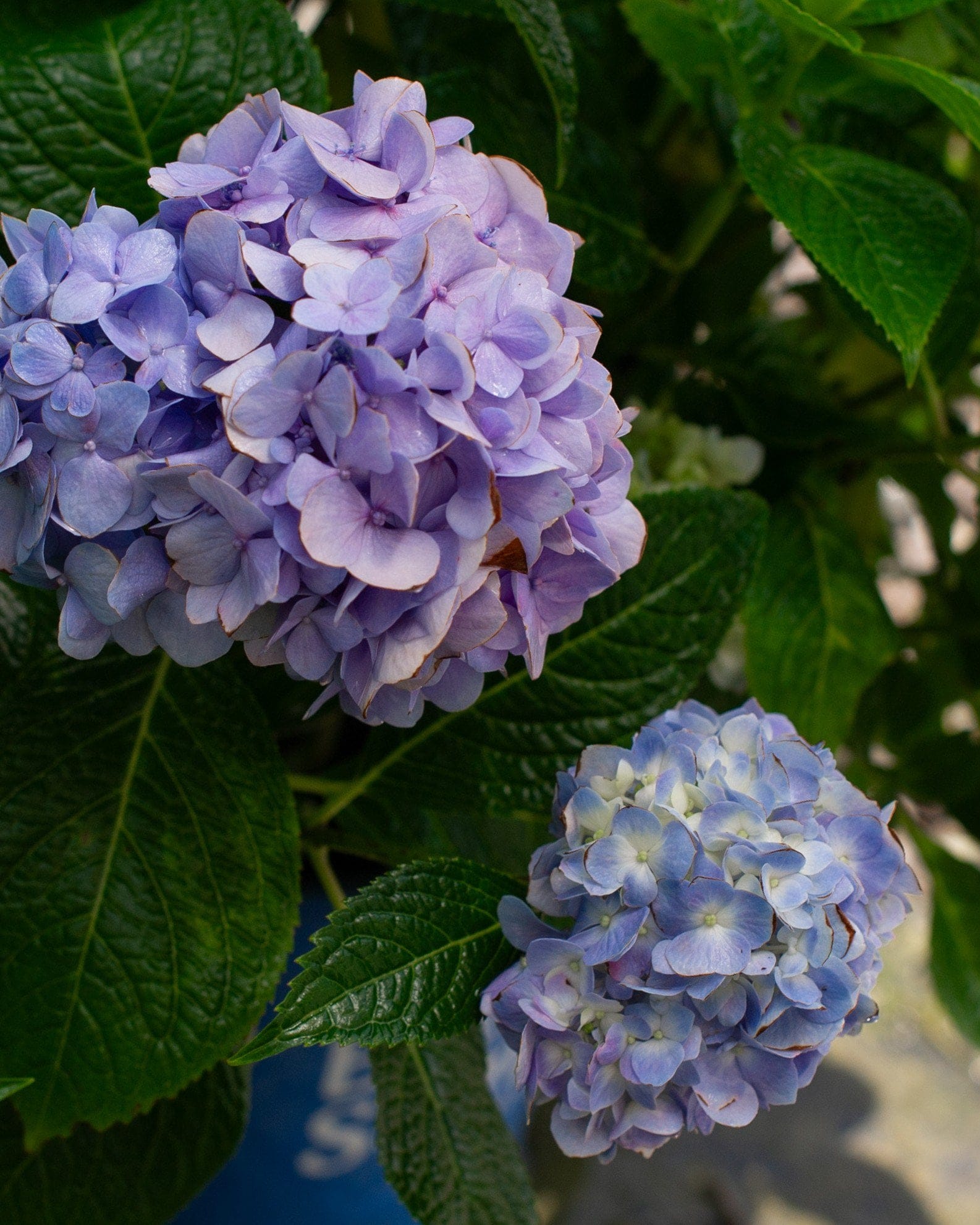
Hydrangea BloomStruck
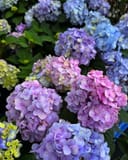
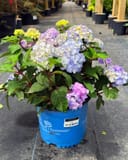
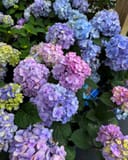
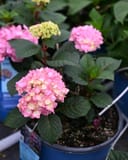
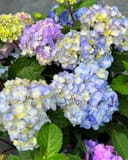
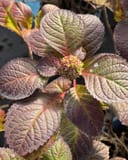
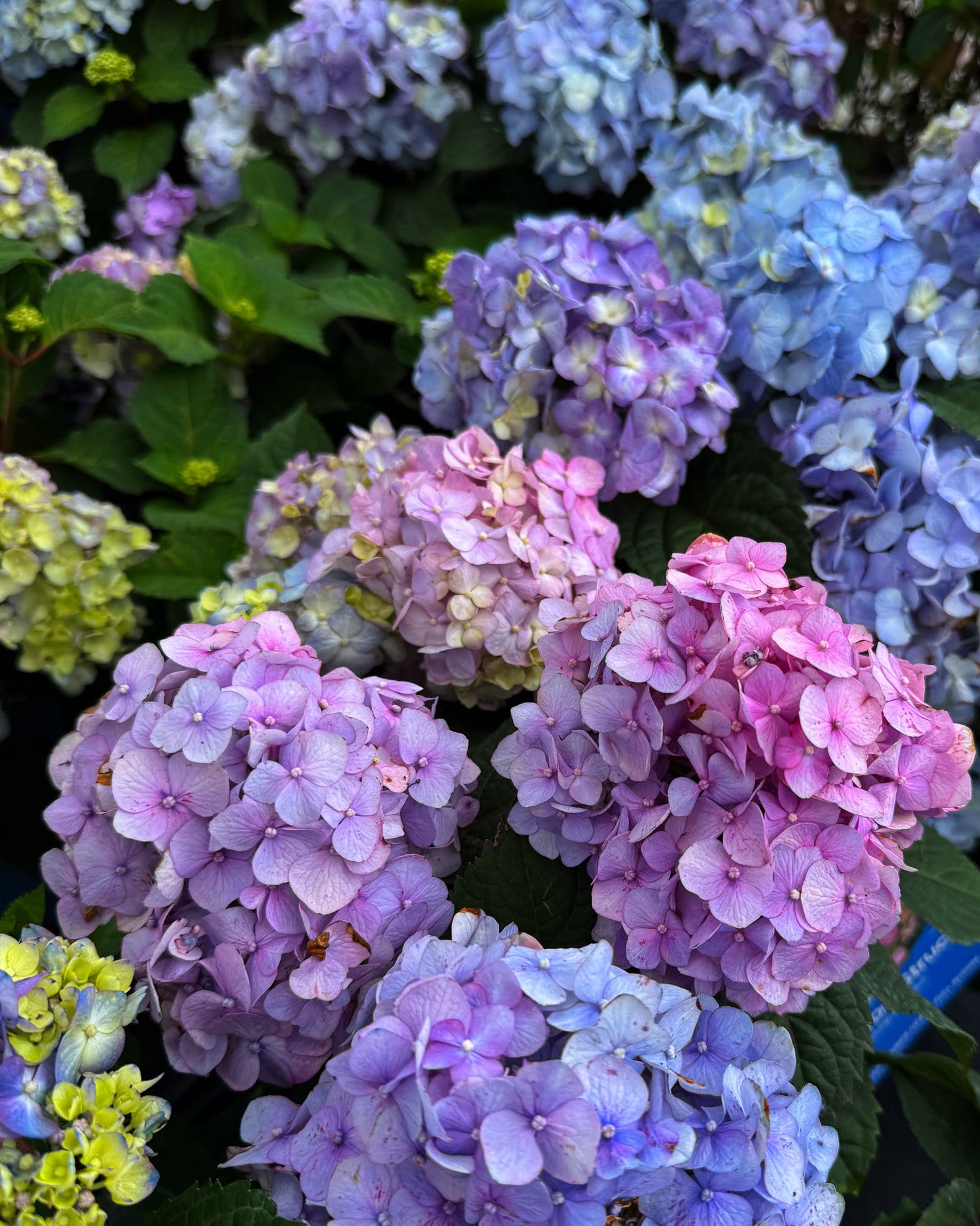
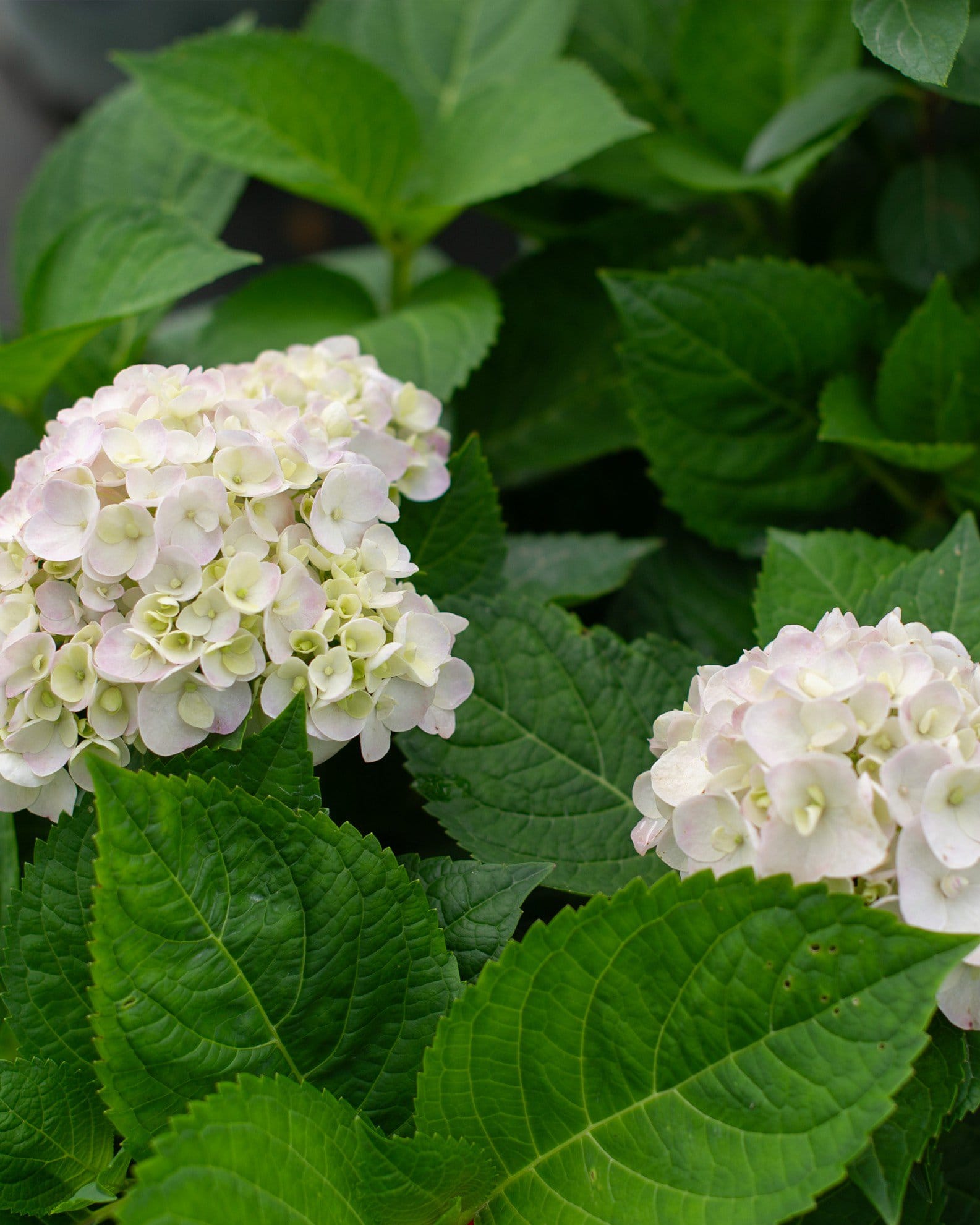
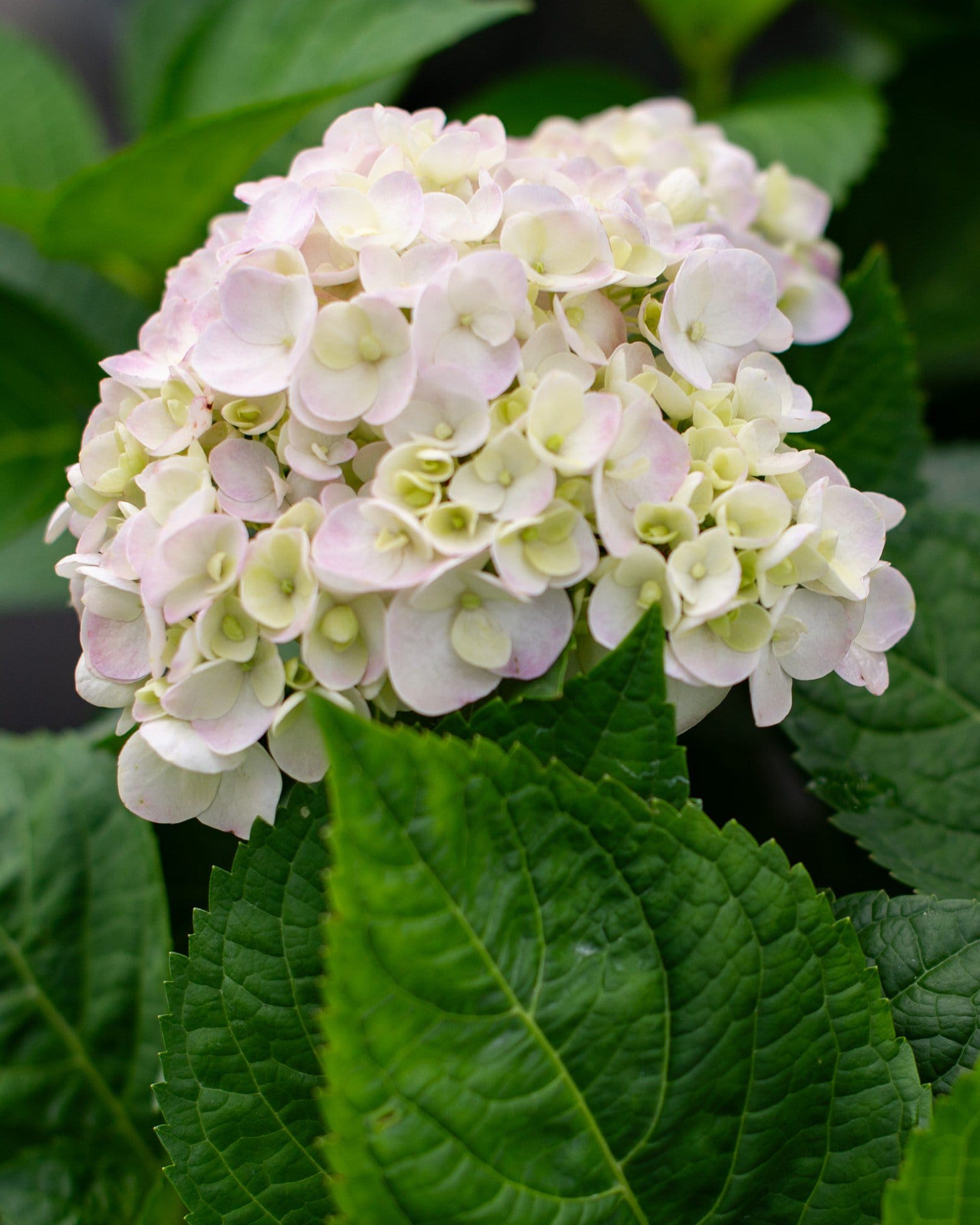
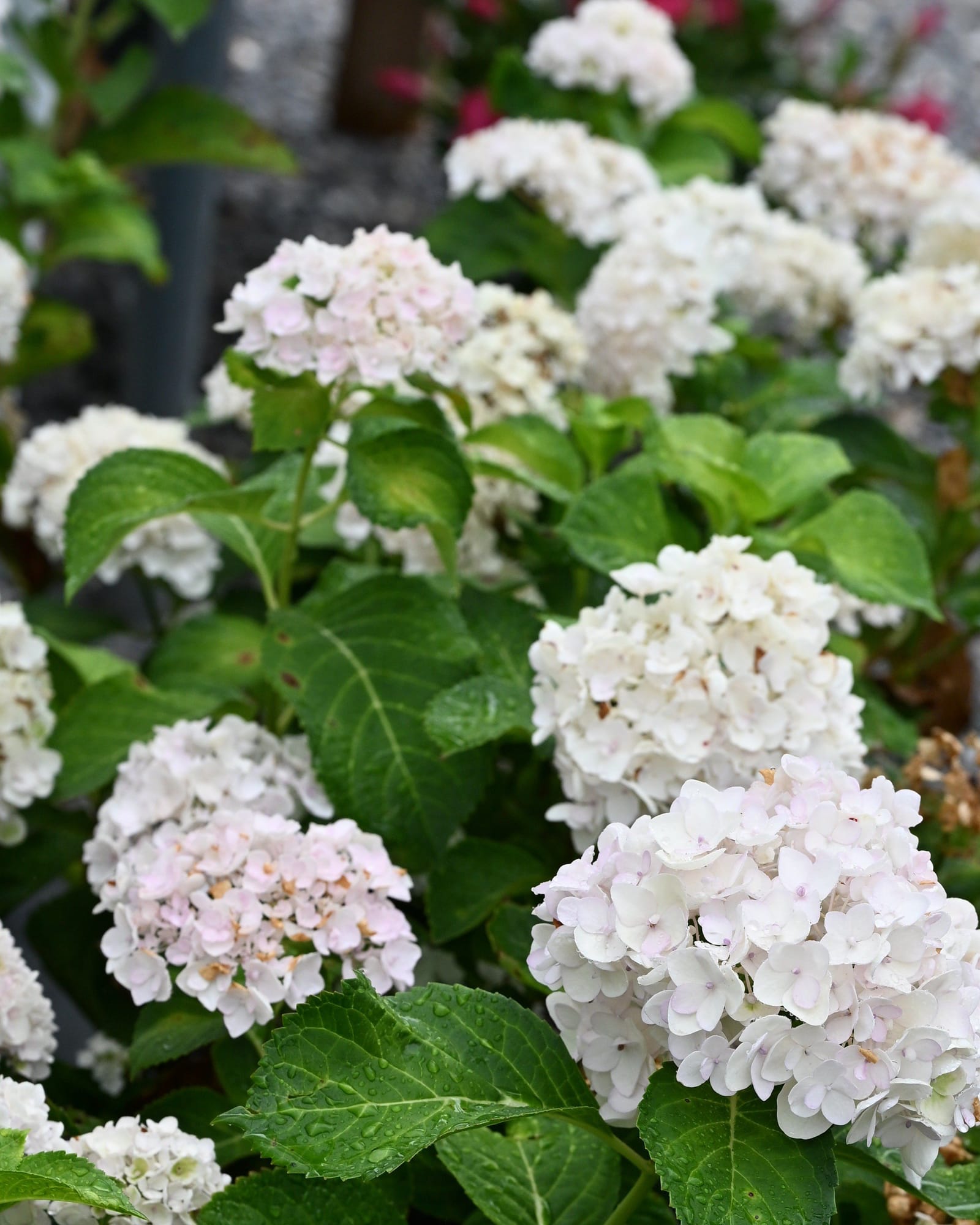
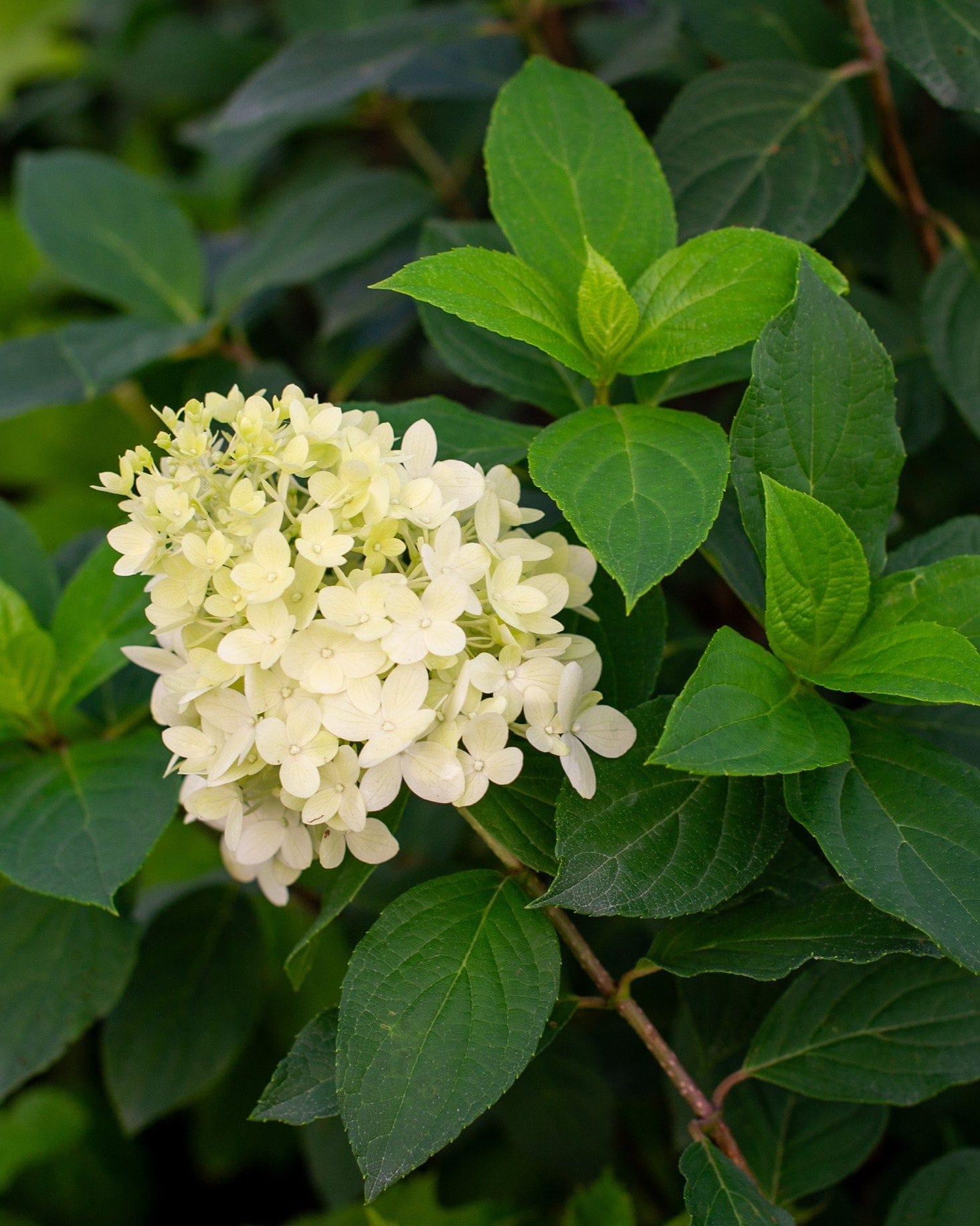
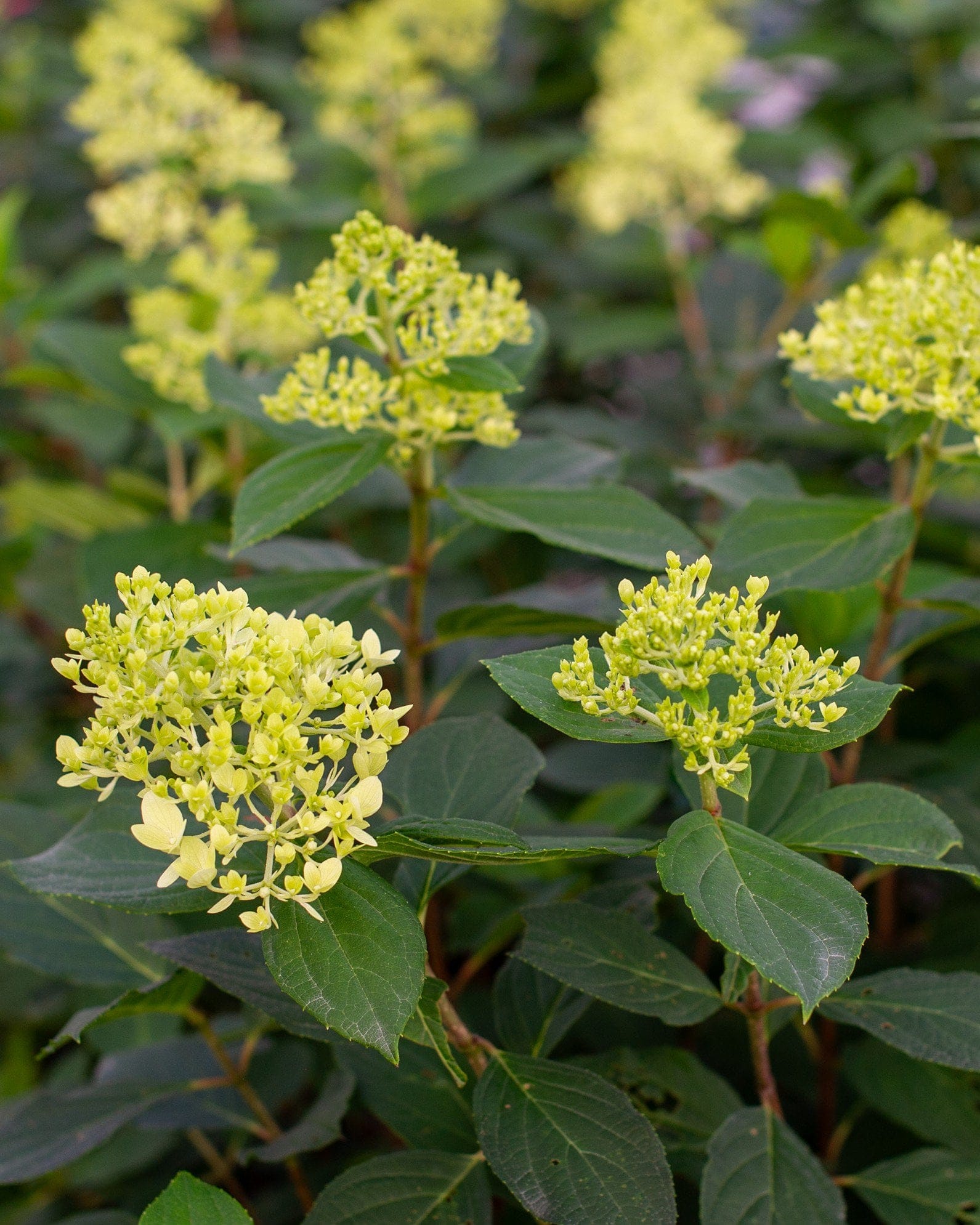
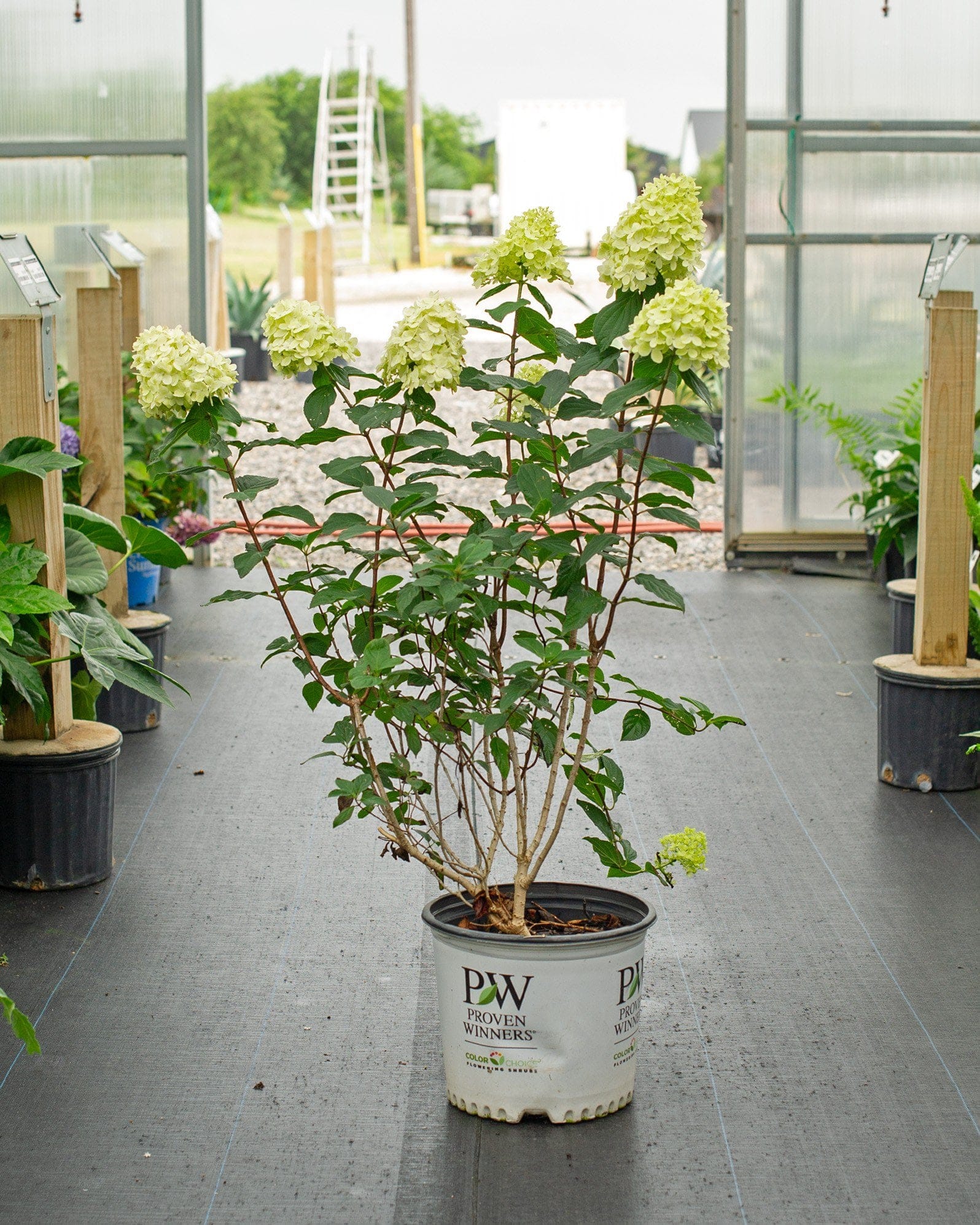
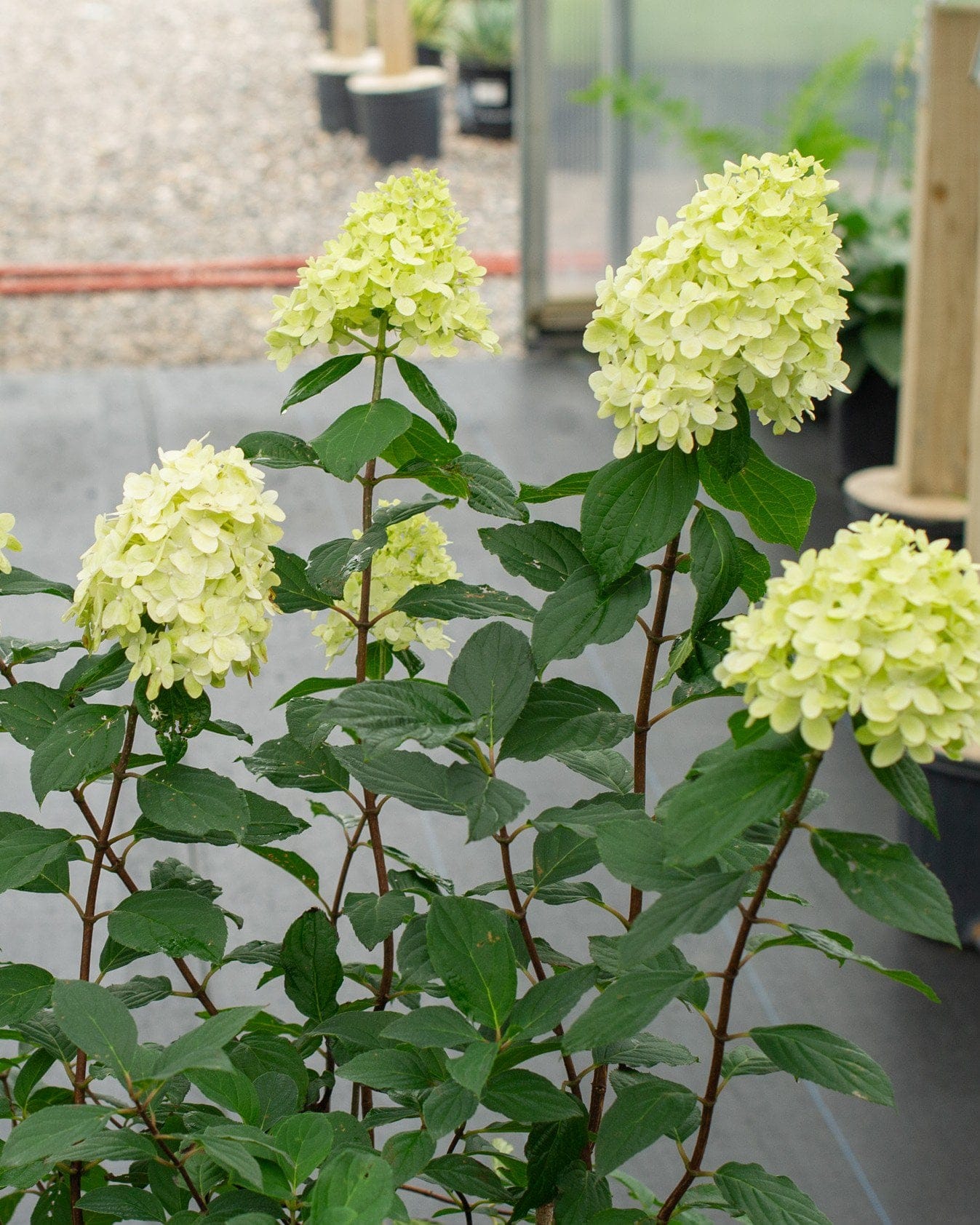
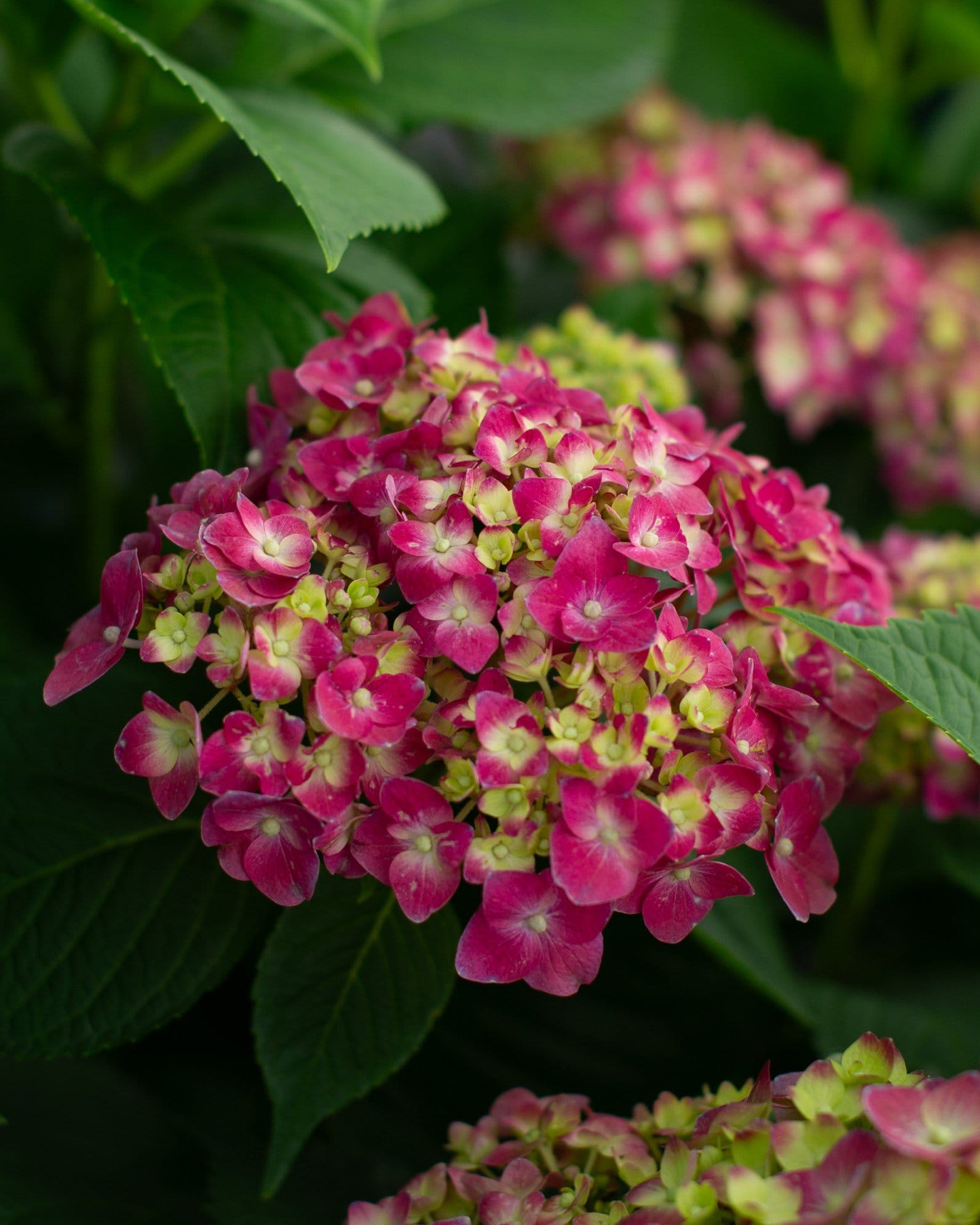
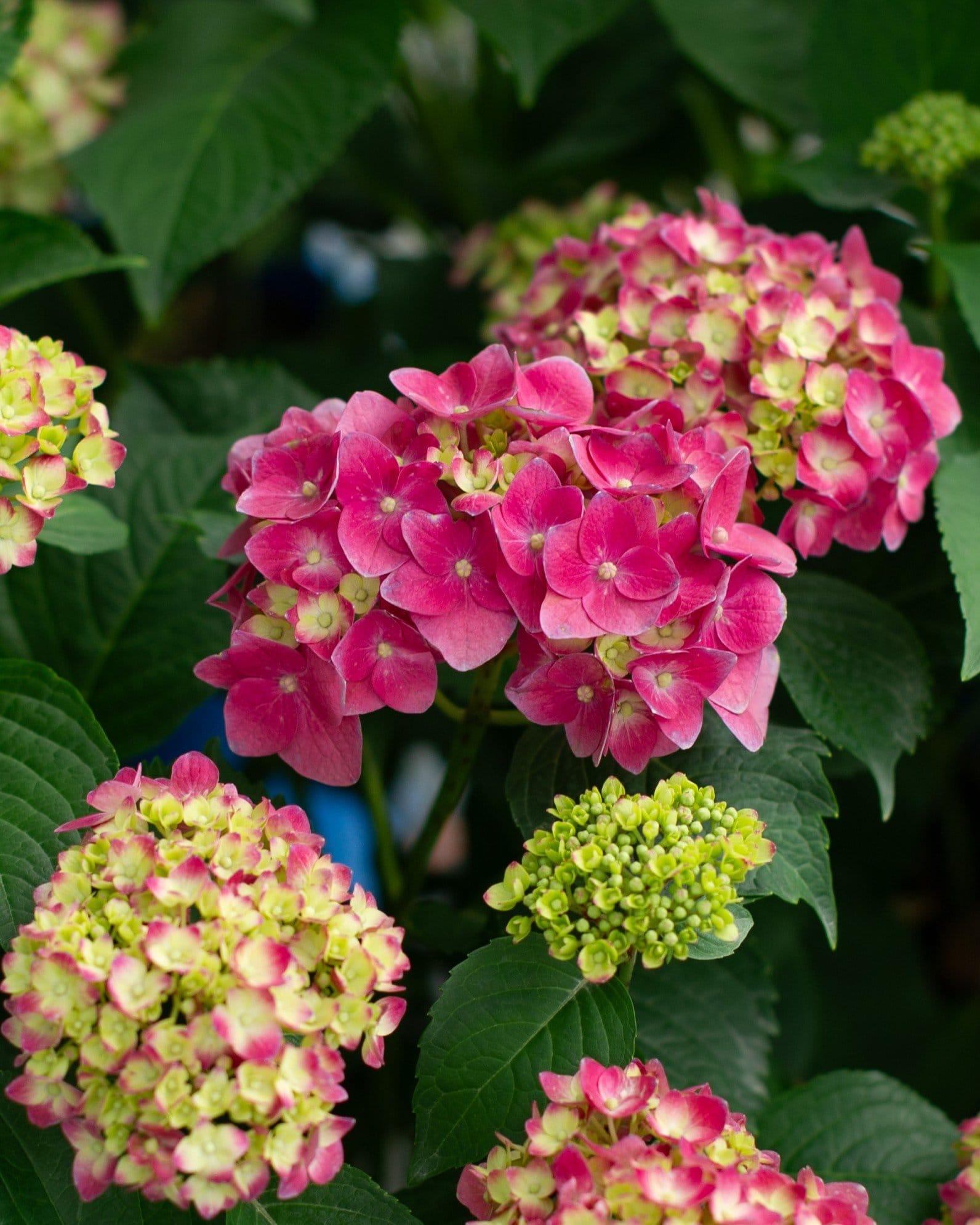
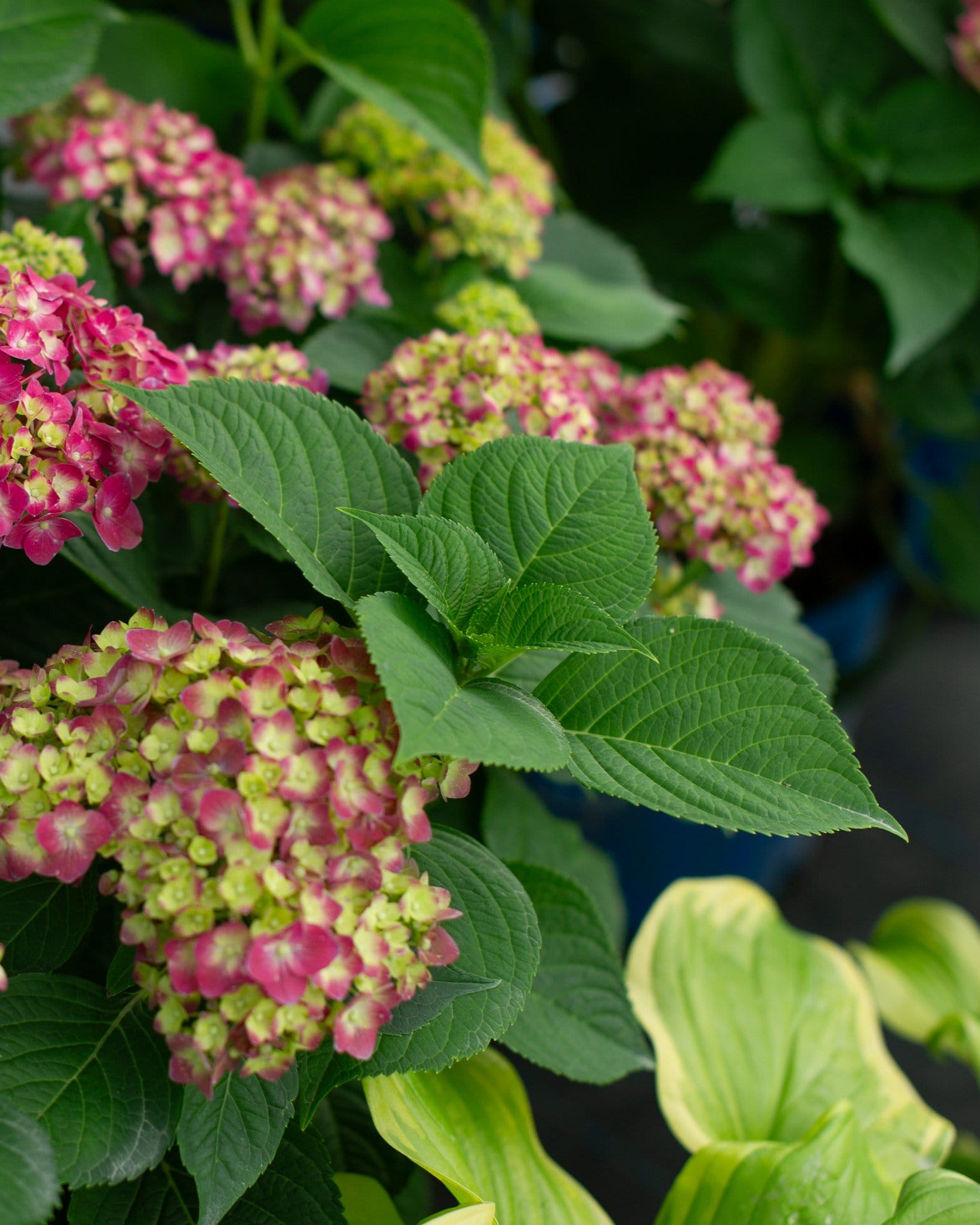
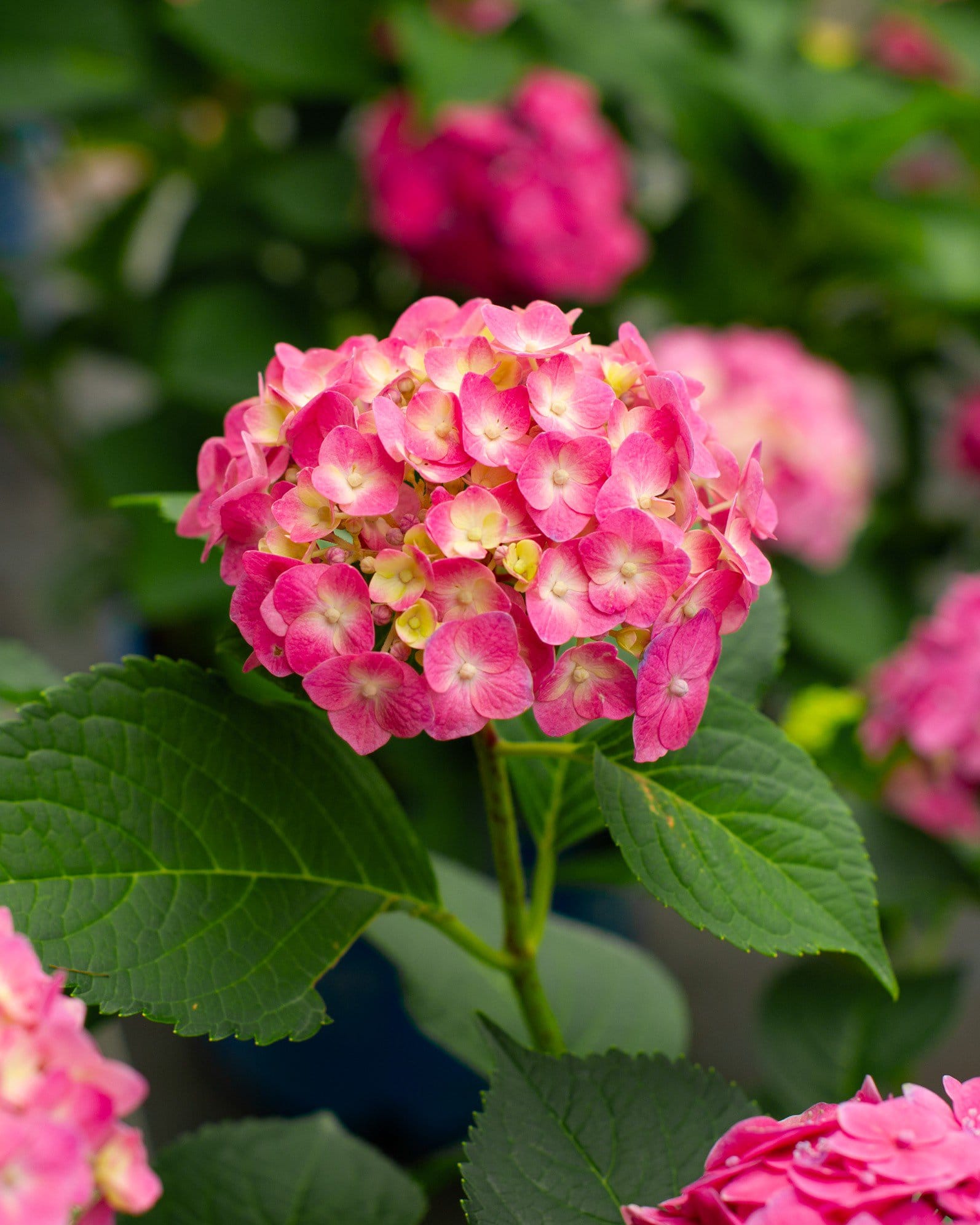
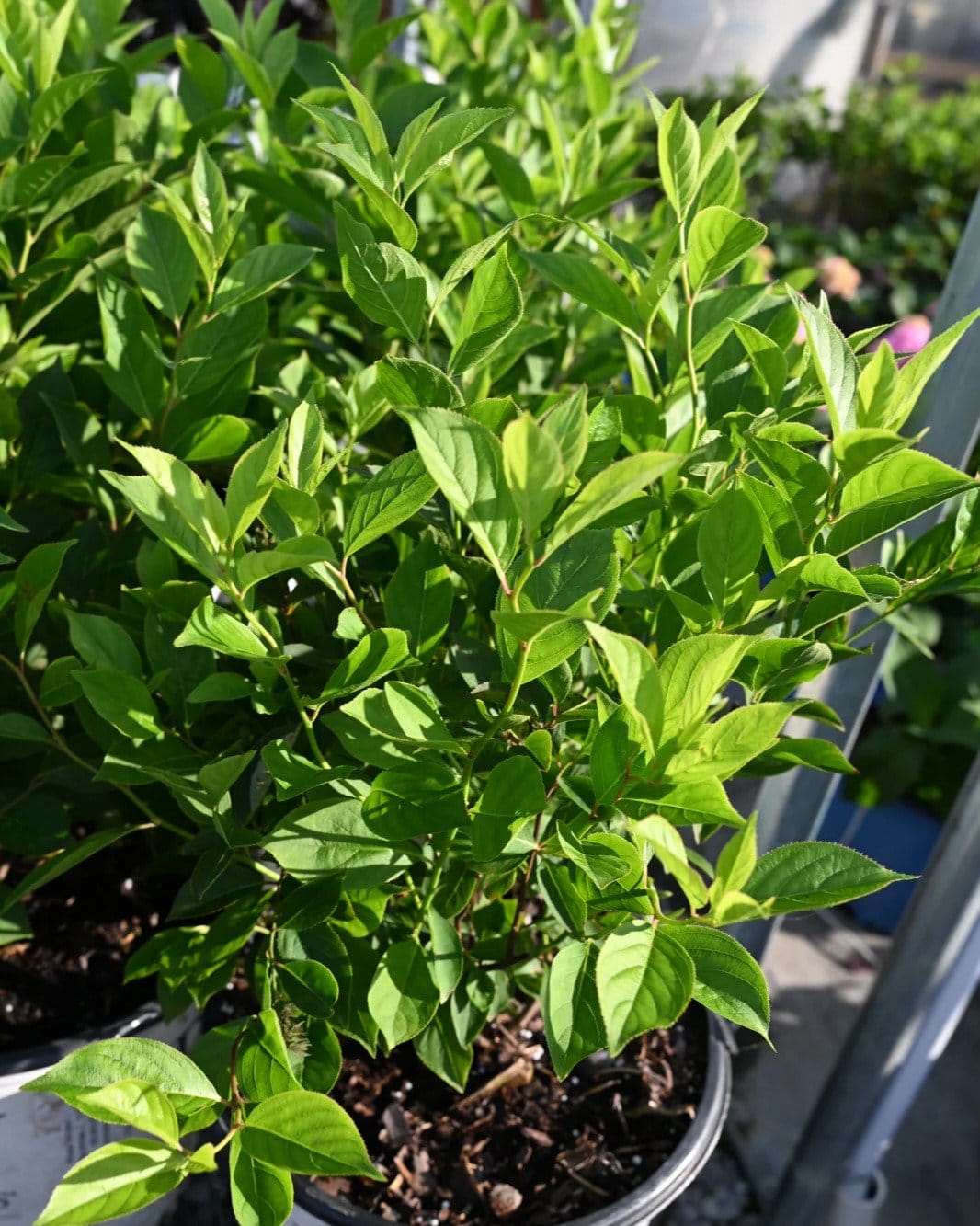
Hydrangea macrophylla 'PIIHM-II'This shrub offers repeat flowering and strong visual impact. Its large, rounded flower heads range from deep blue to purple and appear in summer. This plant grows 3 feet in height and 4 in width, forming a full, rounded shrub with sturdy red stems and attractive green leaves. The reblooming habit means new buds keep appearing even after early blooms fade. It's ideal for shaded borders, under canopies, or as a seasonal feature in decorative pots. Strong stems help prevent flopping and ensure upright flowering.
- A deciduous shrub
- Blue to purple flowers
- Compact rounded growth habit
- Moderate growth rate
- Glossy leaves and red stems
Hydrangea BloomStruck thrives best in consistently moist, well drained soil that does not completely dry out. It needs 2-4 hours of morning sun followed by afternoon shade. Hardy in USDA zones 4-9, it's a wonderful performer for protected North Texas locations with afternoon shade.
Maintenance
Hydrangea BloomStruck is excellent at withstanding the challenges of southern heat and unpredictable weather. Here’s what you need to do to help it thrive in your garden:
- Watering: Hydrangeas love consistent moisture but dislike soggy roots. Water deeply 2-3 times per week during the first growing season to establish strong roots. Once established, maintain regular watering - especially during hot, dry stretches. Morning watering is best to prevent leaf scorch.
- Pruning: BloomStruck blooms on both old and new wood, so heavy pruning isn’t necessary. In early spring, remove only dead or weak stems. After the first major bloom, you can lightly deadhead spent flowers to encourage new buds. Avoid cutting it back hard in winter - that can reduce next season’s blooms.
- Fertilizing: Feed with a slow-release fertilizer formulated for hydrangeas in early spring and again in midsummer. Use an acid-loving formula (such as 10-10-10 or 12-4-8) if you want to encourage blue tones, or a more neutral mix for pink. Always water well after fertilizing.
- Mulching: Apply a 2-3 inch layer of pine bark or mulch around the base to retain soil moisture, insulate roots, and balance pH. Keep mulch a few inches away from stems to prevent rot.
- Spacing: Space 3-4 feet apart to allow mature growth and good air circulation. In shaded or wind-exposed areas, support the stems if necessary - though BloomStruck’s strong branches usually hold up beautifully on their own.
Common Issues and How to Take Care of Them
Hydrangea BloomStruck is hardy as much as its delicate, and here are the common issues you should be aware of:
- Wilting in heat: Hydrangeas naturally droop during hot afternoons. Water deeply in the morning, and they’ll perk back up by evening. Avoid mid-day watering that can scorch leaves.
- Leaf scorch or browning edges: Usually from too much direct afternoon sun or inconsistent moisture. Provide morning sun and afternoon shade if possible, and maintain even watering.
- No blooms: Often caused by heavy pruning, late frosts damaging buds, or nutrient imbalance. Protect developing buds in winter and prune minimally.
- Pale or yellow leaves: Can signal iron deficiency or high soil pH. Use an acidifying fertilizer or soil sulfur to correct the imbalance.
- Powdery mildew: Appears in humid weather or when airflow is poor. Prune lightly to open the plant’s interior and avoid overhead watering.
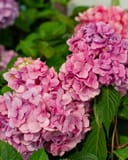
- Weak flower color: Soil pH directly affects bloom tone. Acidic soil (pH 5.0-5.5) produces blue blooms; neutral to alkaline soil (pH 6.0-6.5) gives pink or violet tones. Adjust with garden sulfur or lime as desired.
When given steady moisture, filtered sun, and occasional feeding, BloomStruck rewards you with continuous, rich blossoms that carry from spring into fall - and often again after pruning.
Both! That’s why it’s called a rebloomer - even if winter damage occurs, new wood will still produce flowers that same season.
Generally 2-3 times per week, depending on temperature and rainfall. In extreme heat, check soil moisture daily and water when the top inch feels dry.
Adjust the soil pH: acidic soil (below 6.0) turns flowers blue to purple, while alkaline soil (above 6.5) turns them pink to rose.
Early spring - remove only dead or damaged wood. Light deadheading after blooms fade can encourage new flowering.
Yes! It does very well in large pots with well-draining, moisture-retentive soil. Just remember to water and fertilize more often than in-ground plants.
Apply mulch around the base, and if frost is expected, cover with burlap or frost cloth to protect buds from freeze damage.
Yes - bees, butterflies, and even hummingbirds visit its rich blooms throughout the growing season.
Strong sunlight or drought stress shortens bloom life. Keep soil evenly moist and provide light afternoon shade for longer-lasting color.
With good care, 15-20 years or more. It’s a long-term landscape investment that continues to bloom beautifully for years.
Definitely! Cut in the morning when blooms are hydrated, and place immediately in cool water. They also dry beautifully for long-lasting décor.
Special Features
You might also like
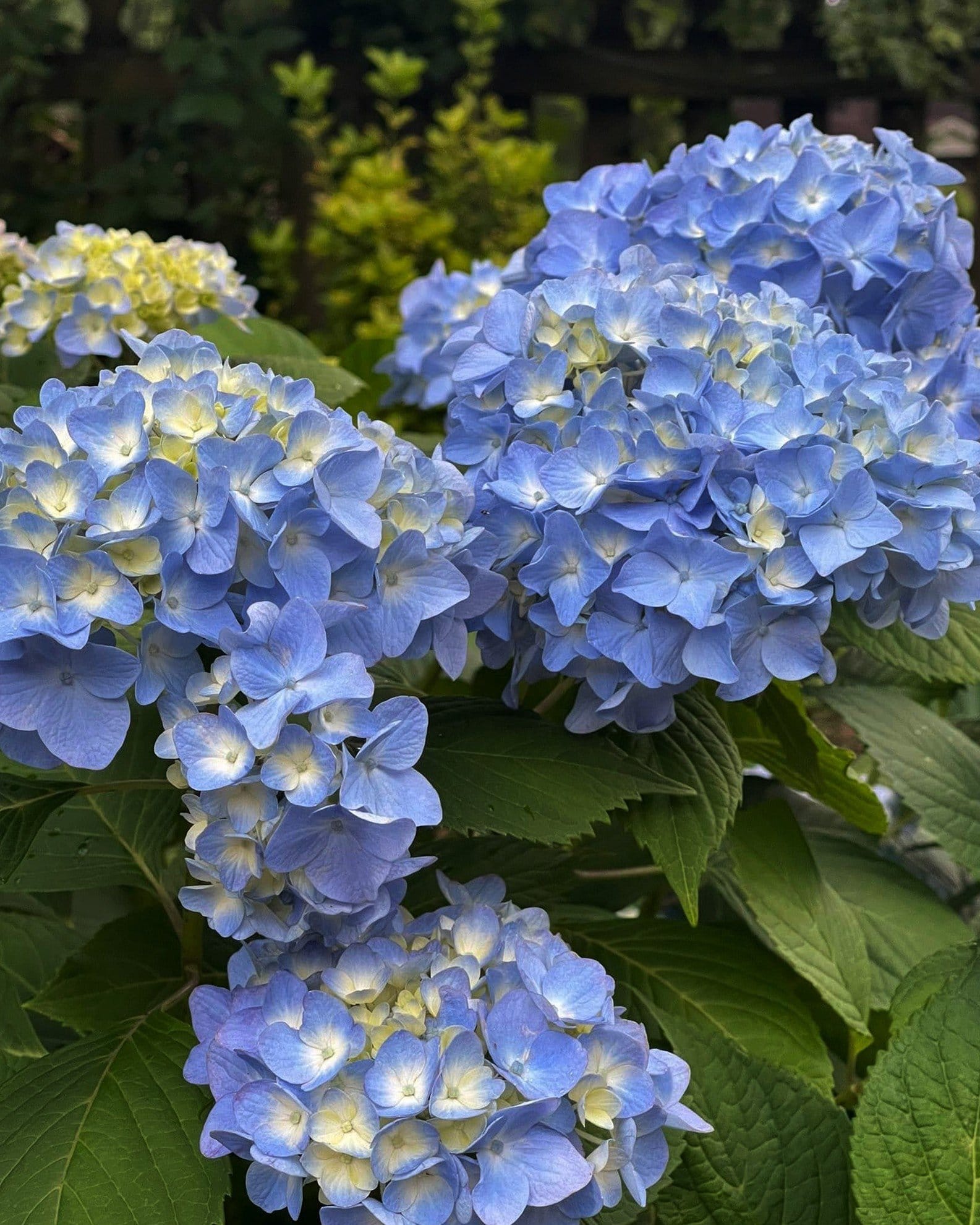
Hydrangea The Original
Maturity: 3' H x 3' W
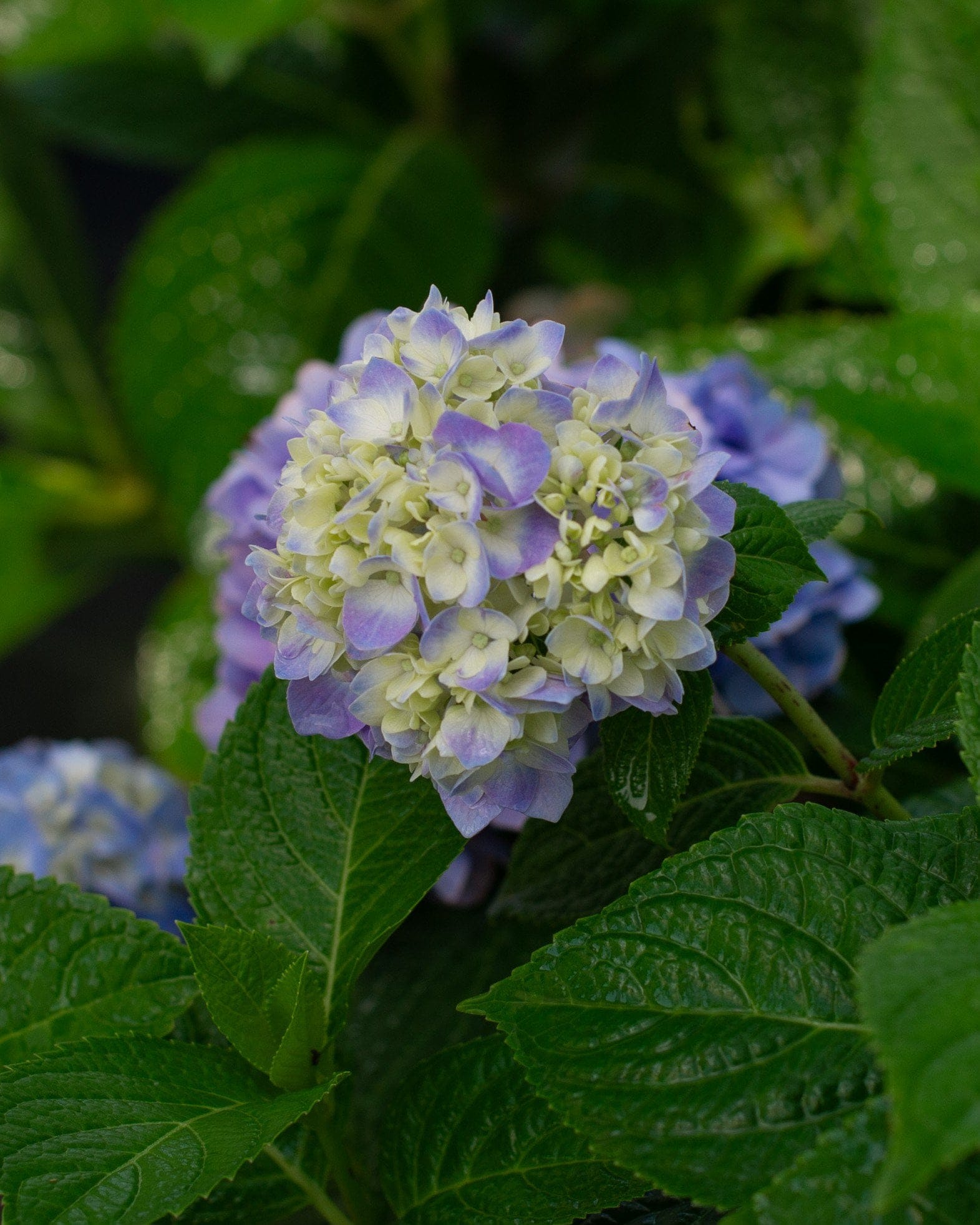
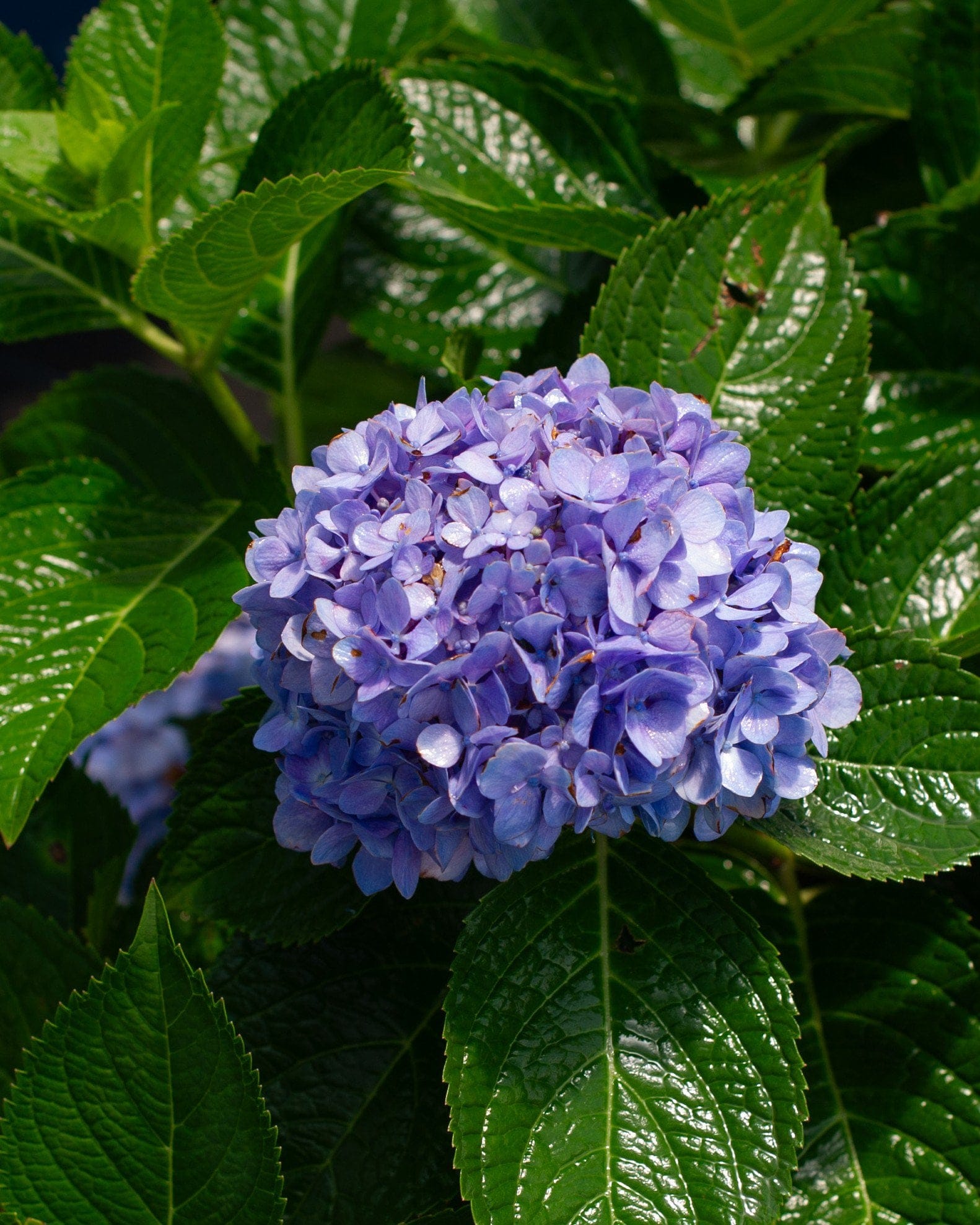
Hydrangea Blushing Bride
Maturity: 3' H x 3' W
Limelight Hydrangea
Maturity: 8' H x 6' W
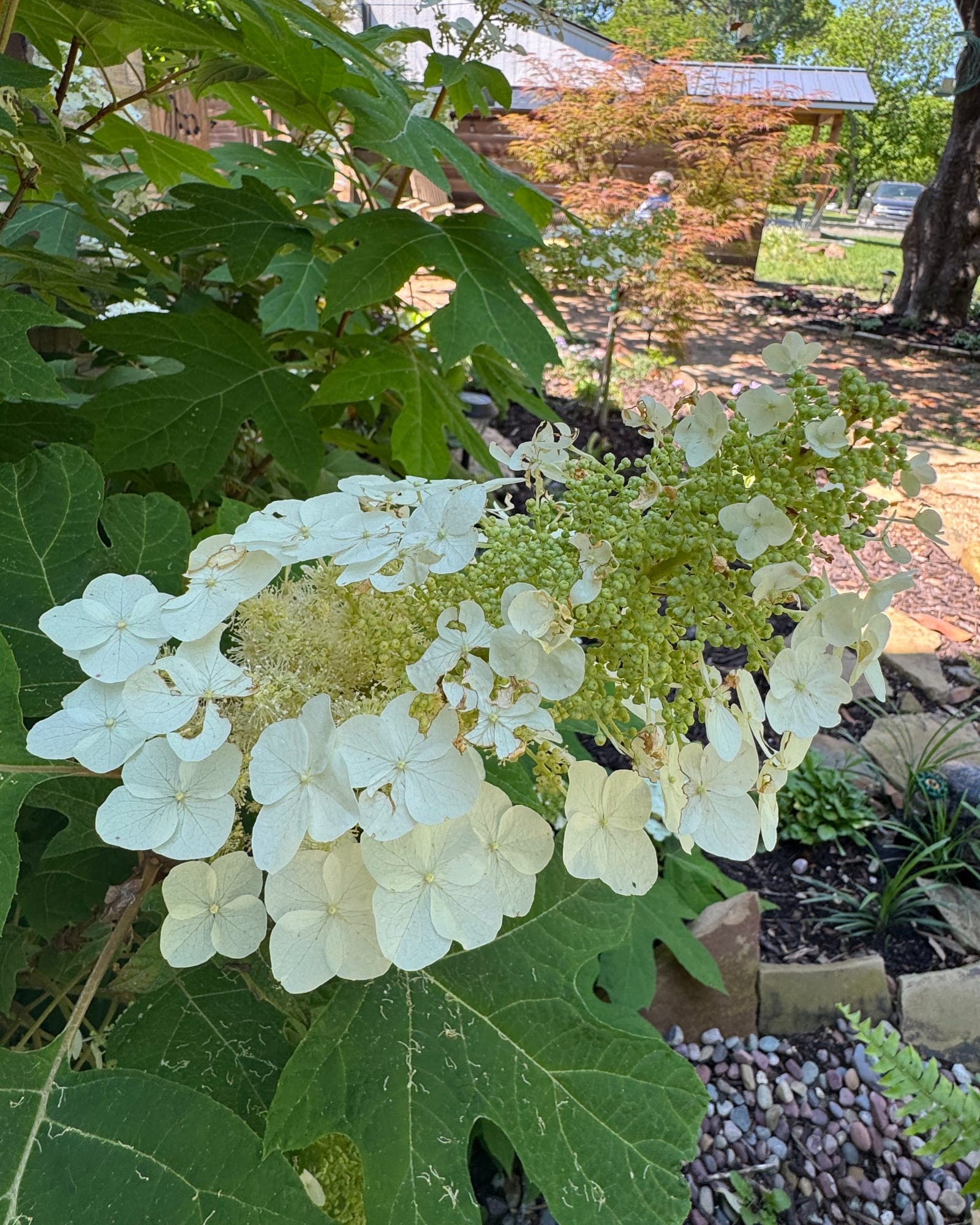
Oakleaf Hydrangea
Maturity: 6' H x 6' W
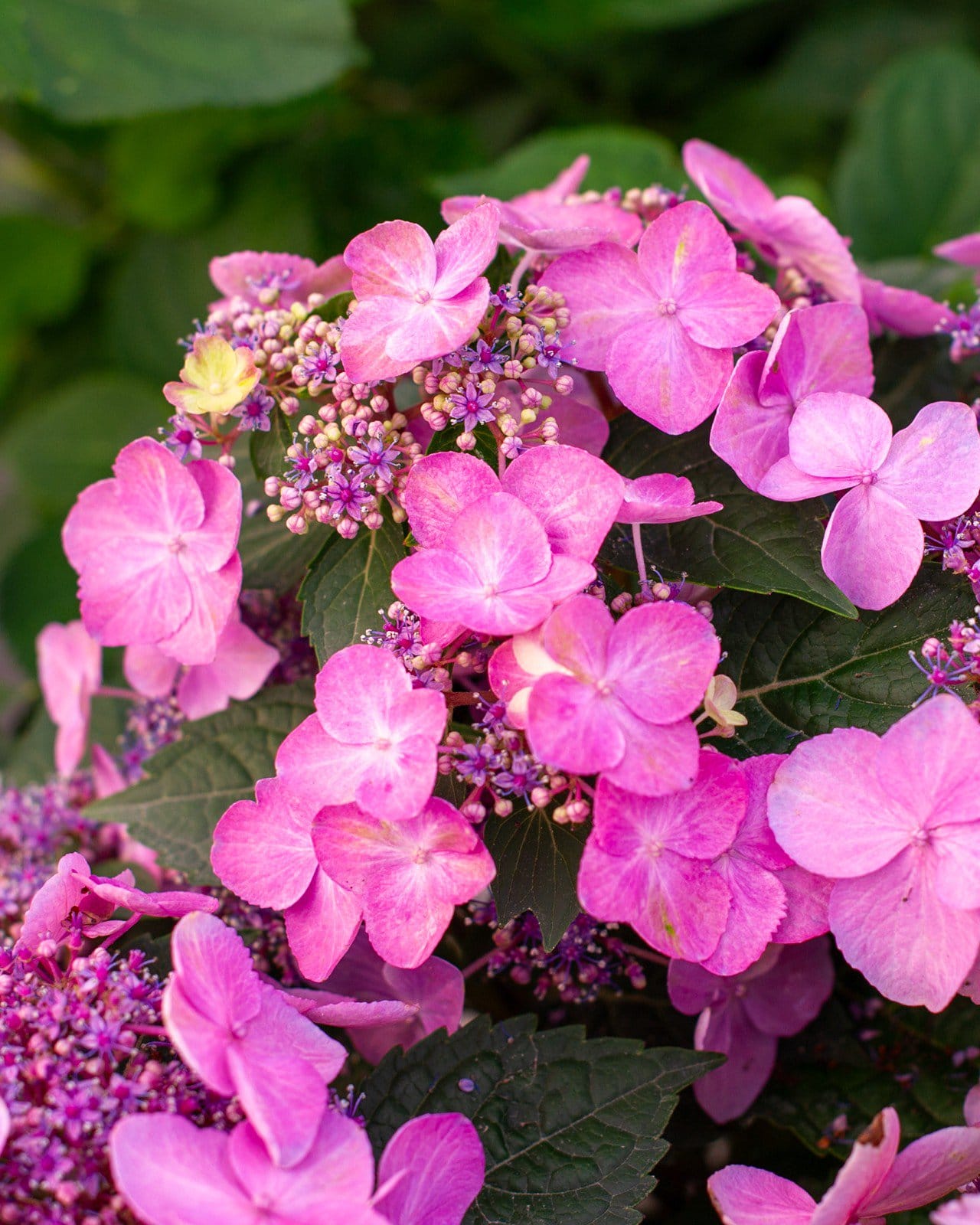
Hydrangea Pop Star
Maturity: 3' H x 3' W
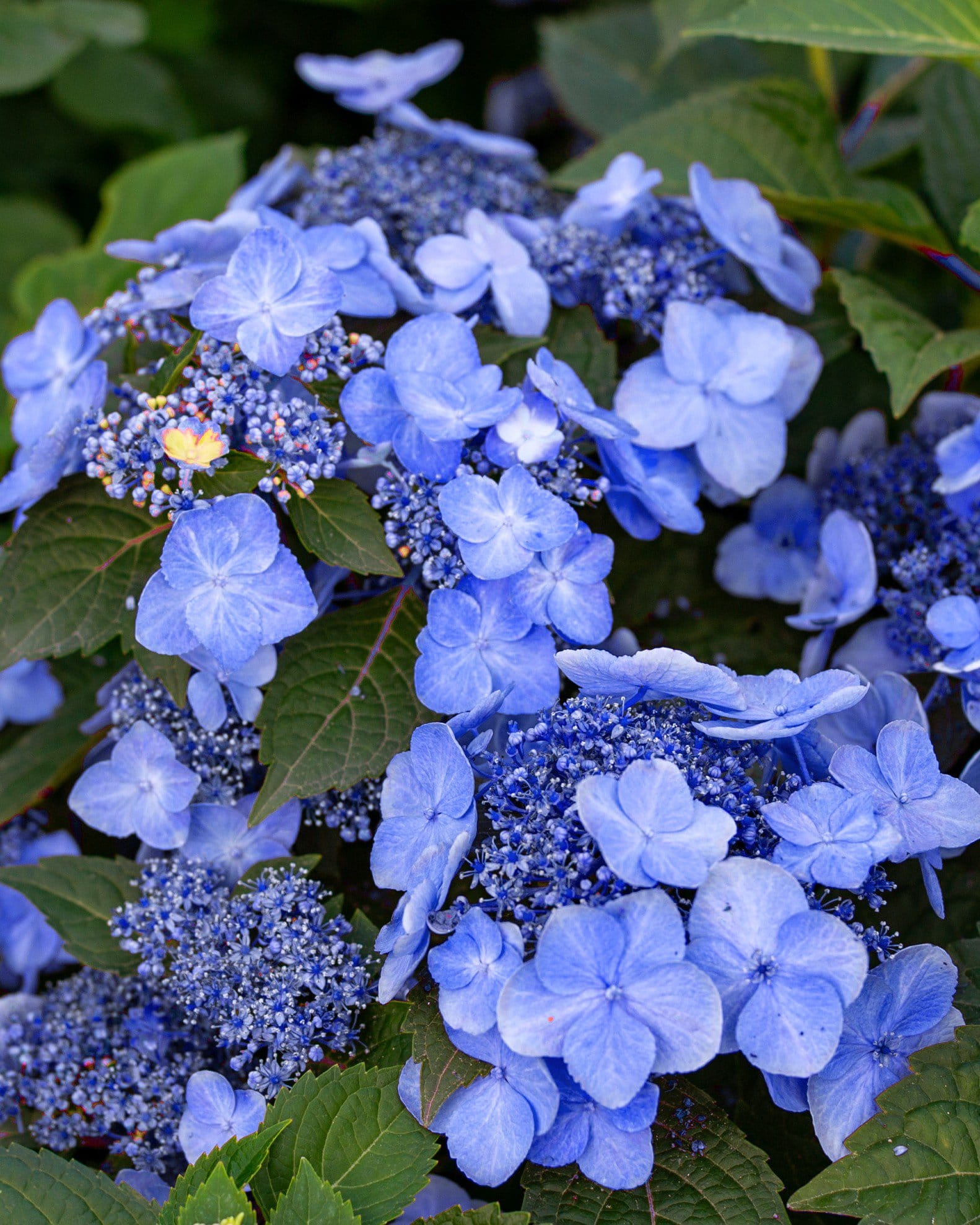
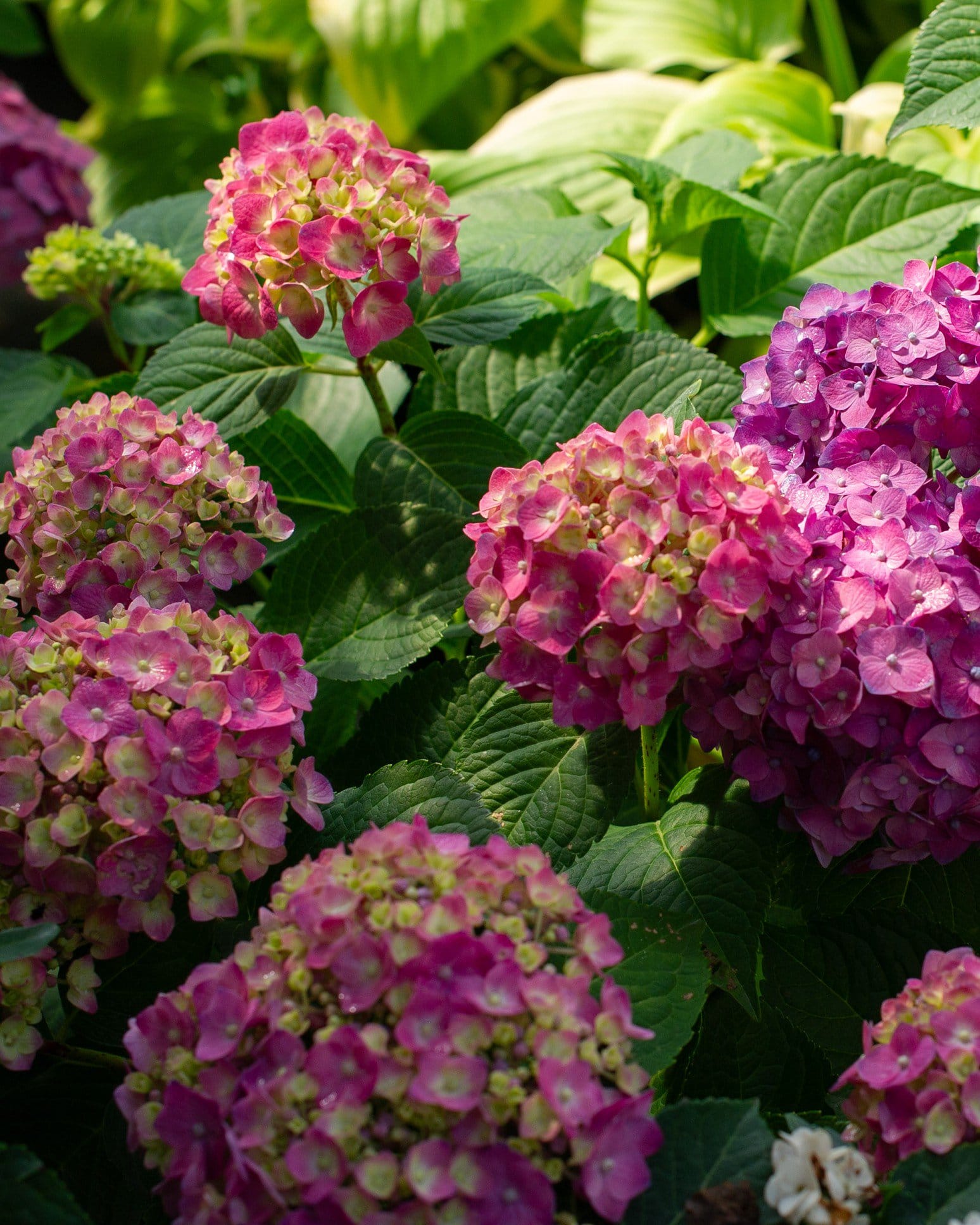
Hydrangea Summer Crush
Maturity: 3' H x 3' W
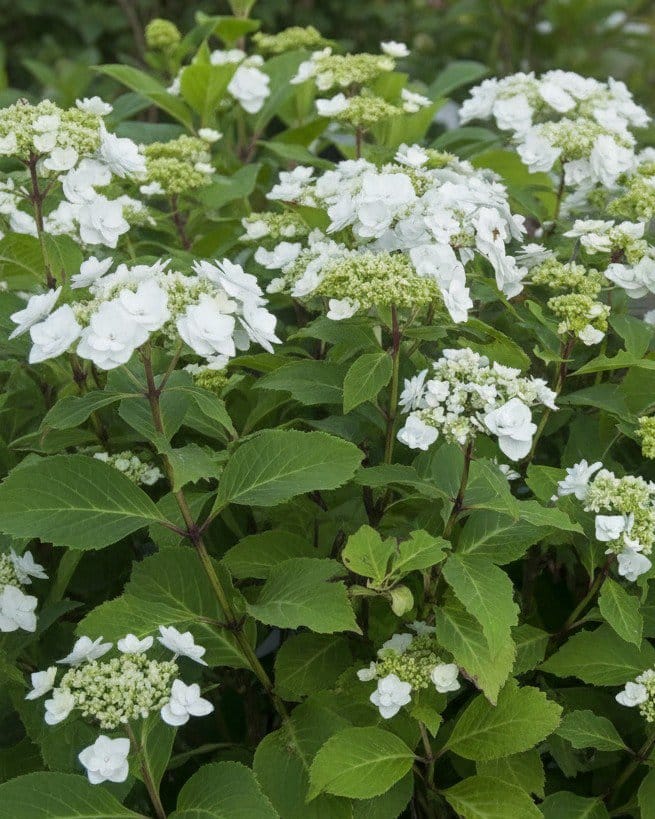
Wedding Gown Hydrangea
Maturity: 2' H x 3' W
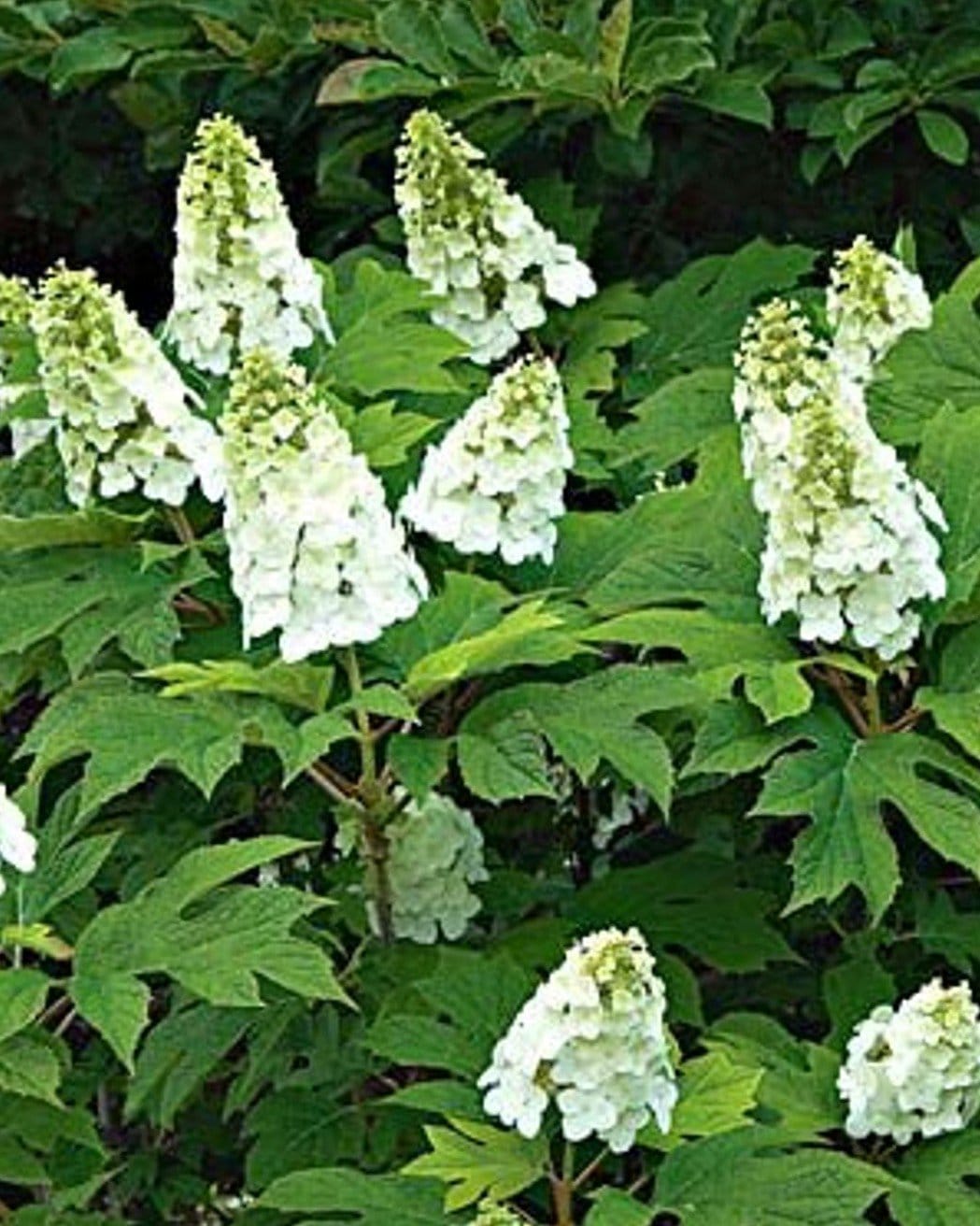
Oakleaf Hydrangea Snow Queen
Maturity: 4' H x 5' W
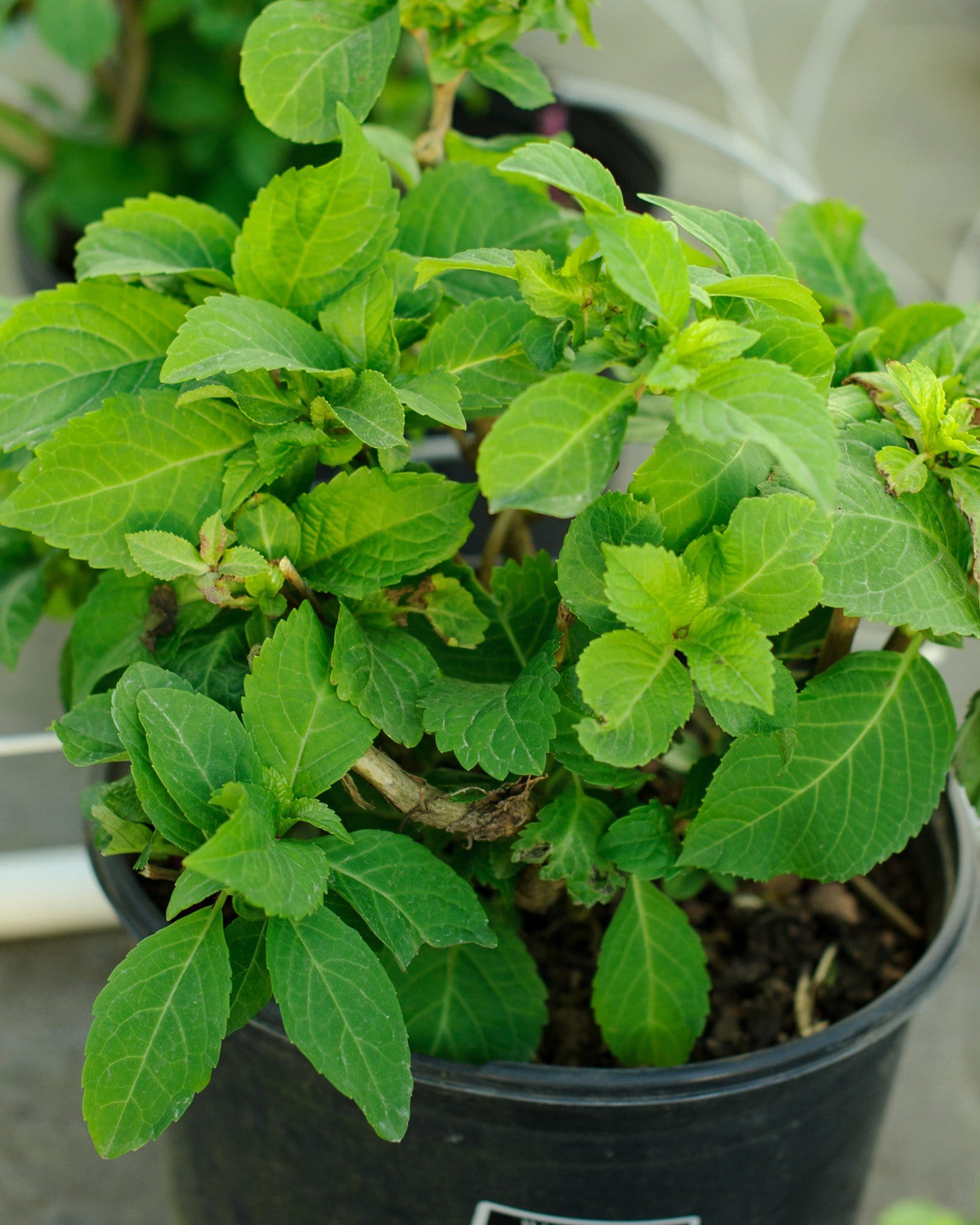
White Wedding Hydrangea
Maturity: 4' H x 3' W
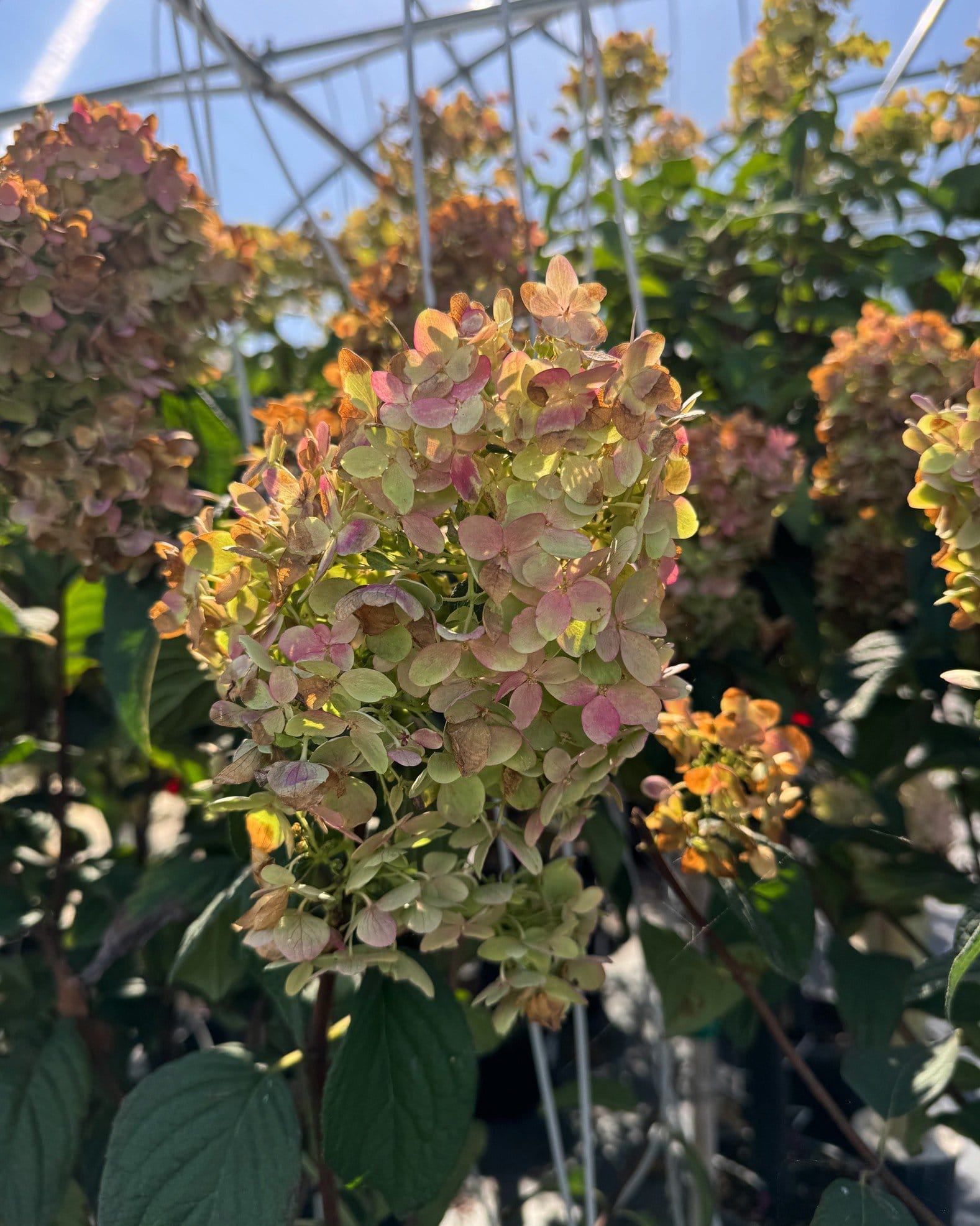
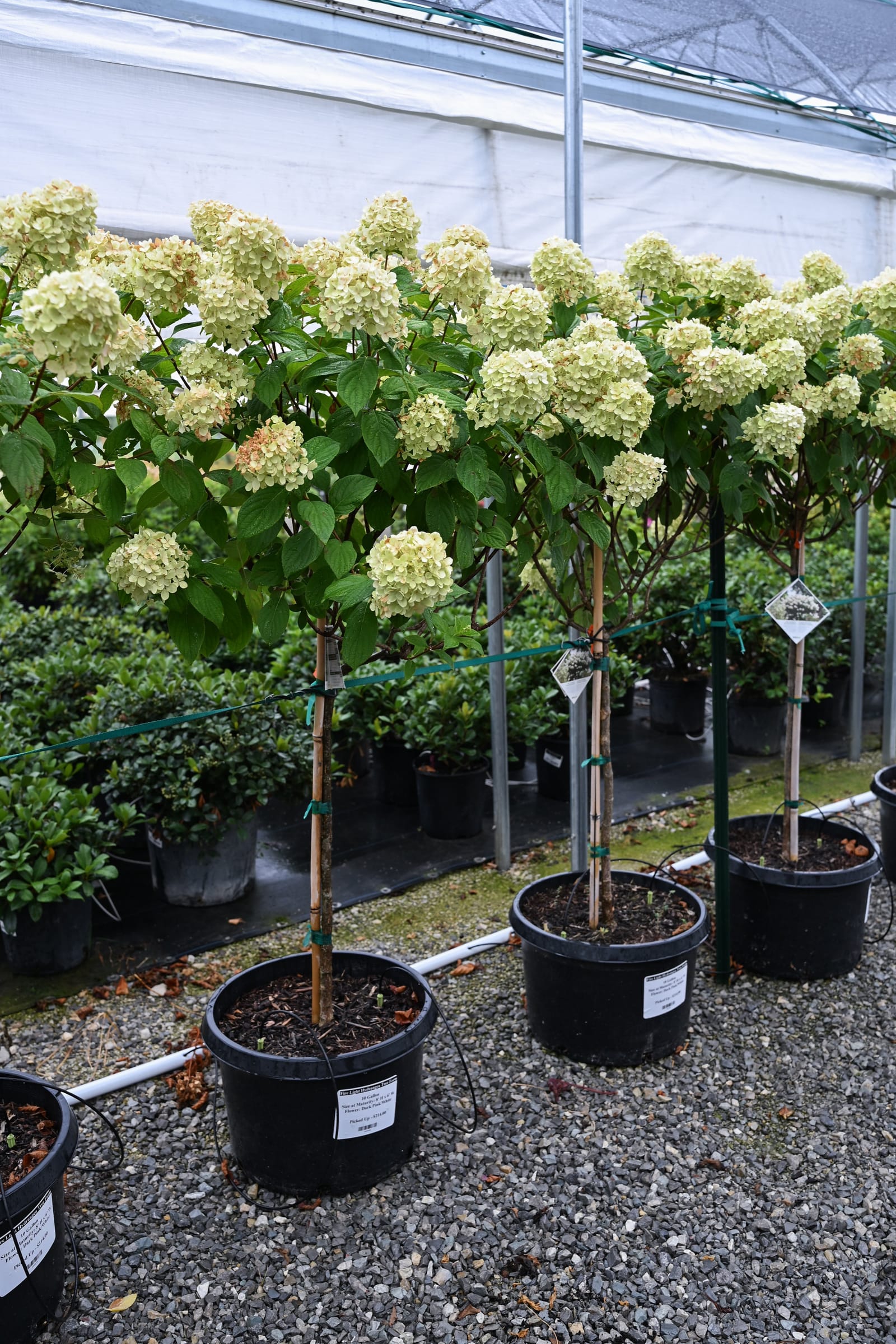
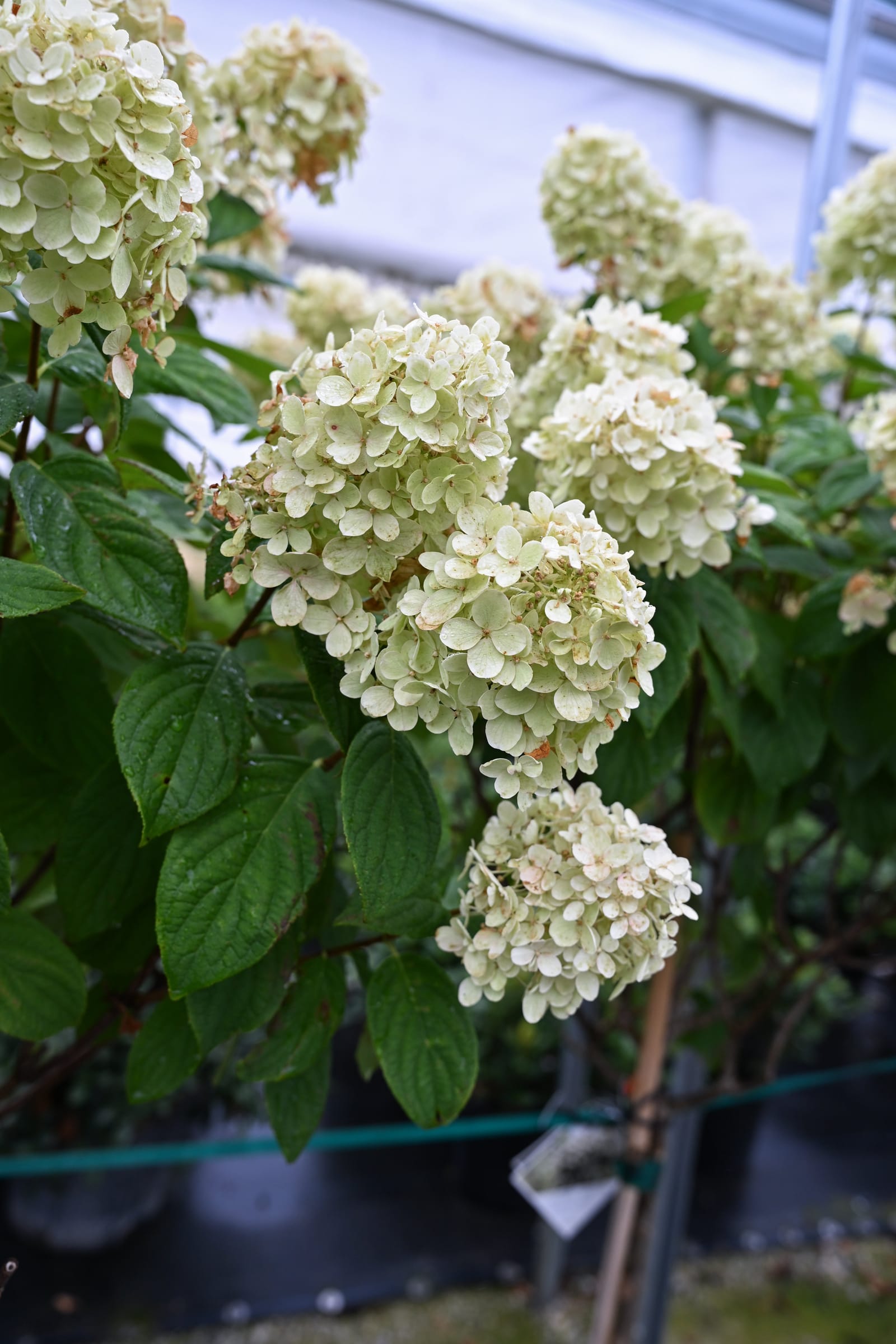
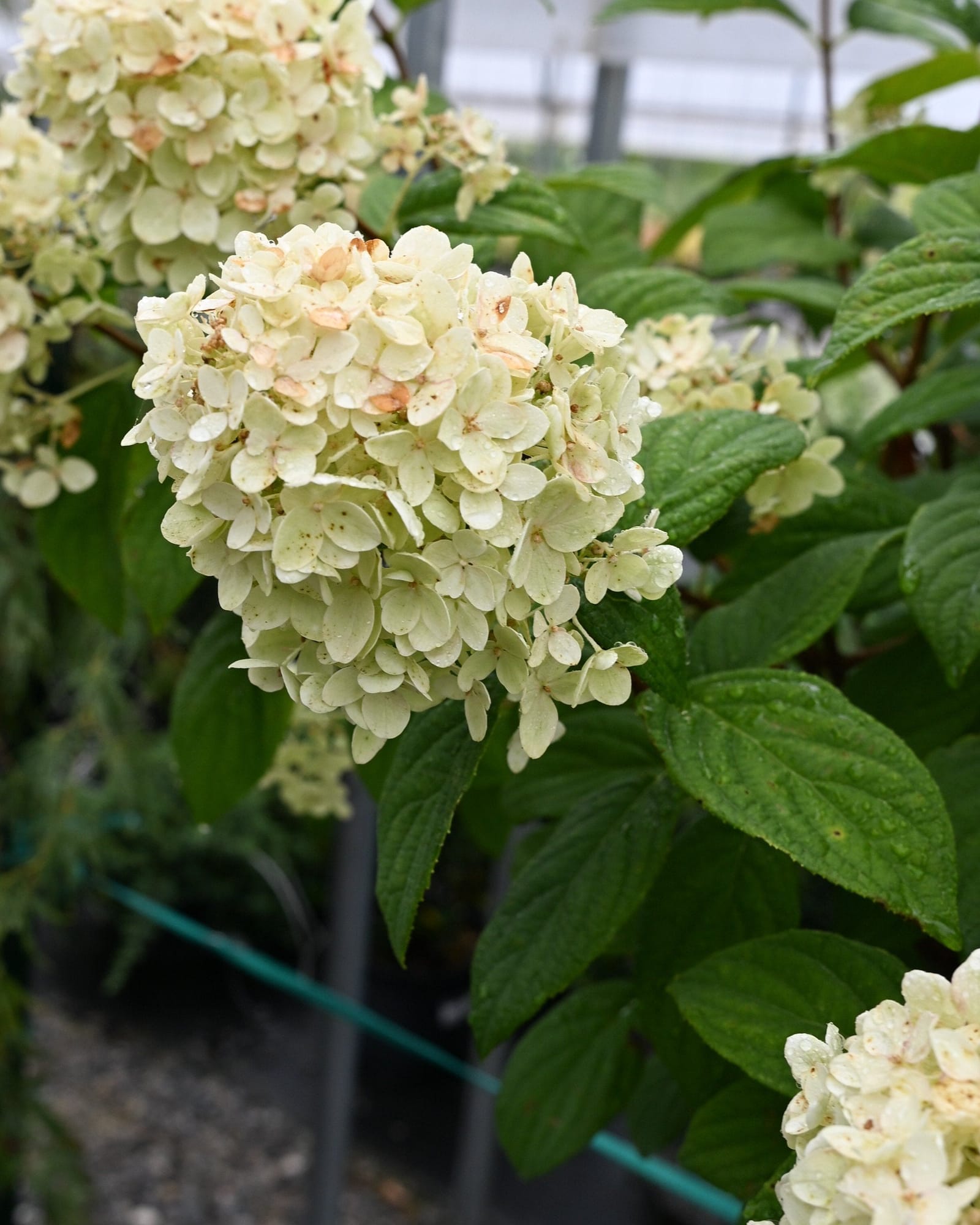
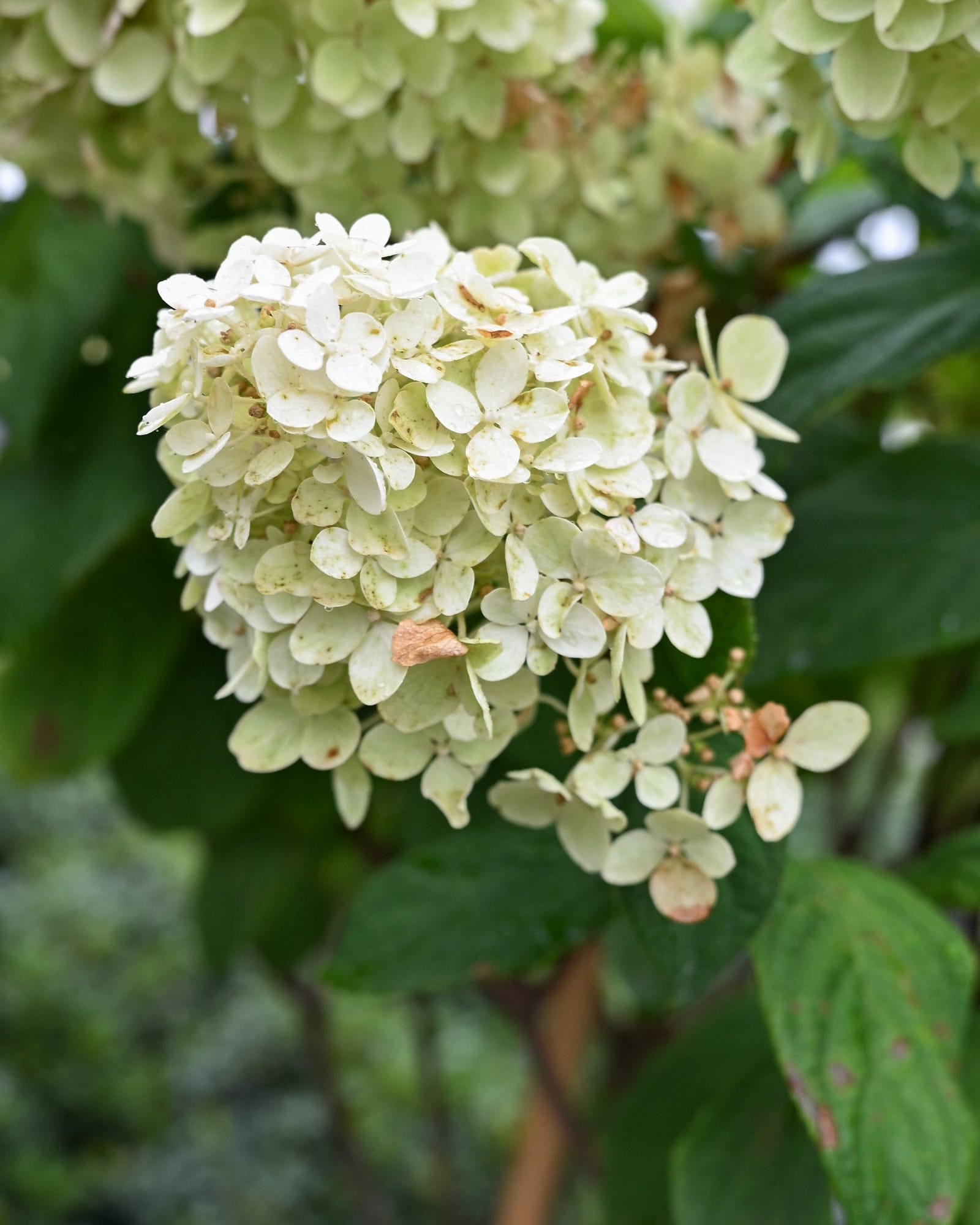
Fire Light Hydrangea Tree Form
Maturity: 8' H x 6' W
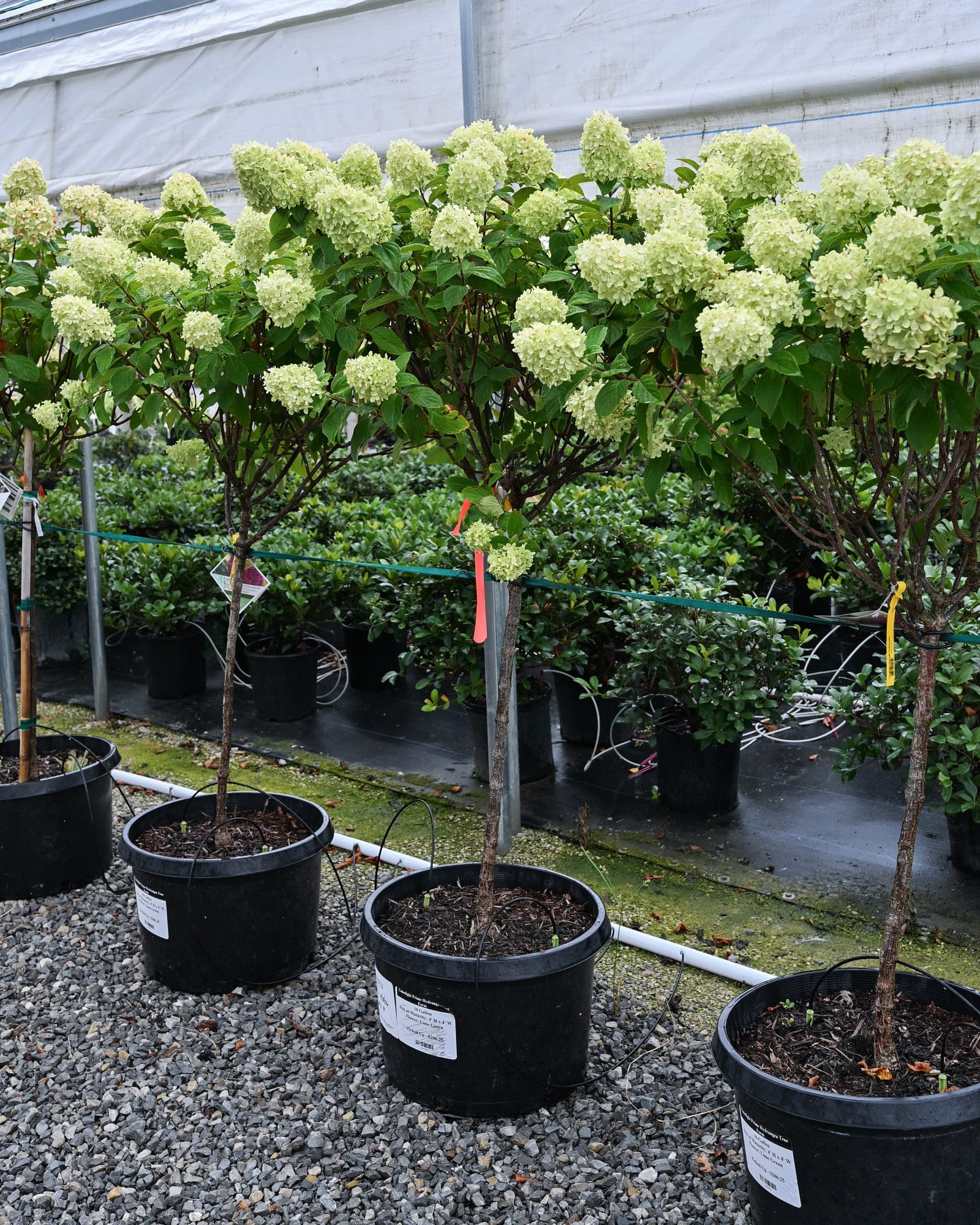
Limelight Prime Hydrangea Tree Form
Maturity: 4' H x 4' W
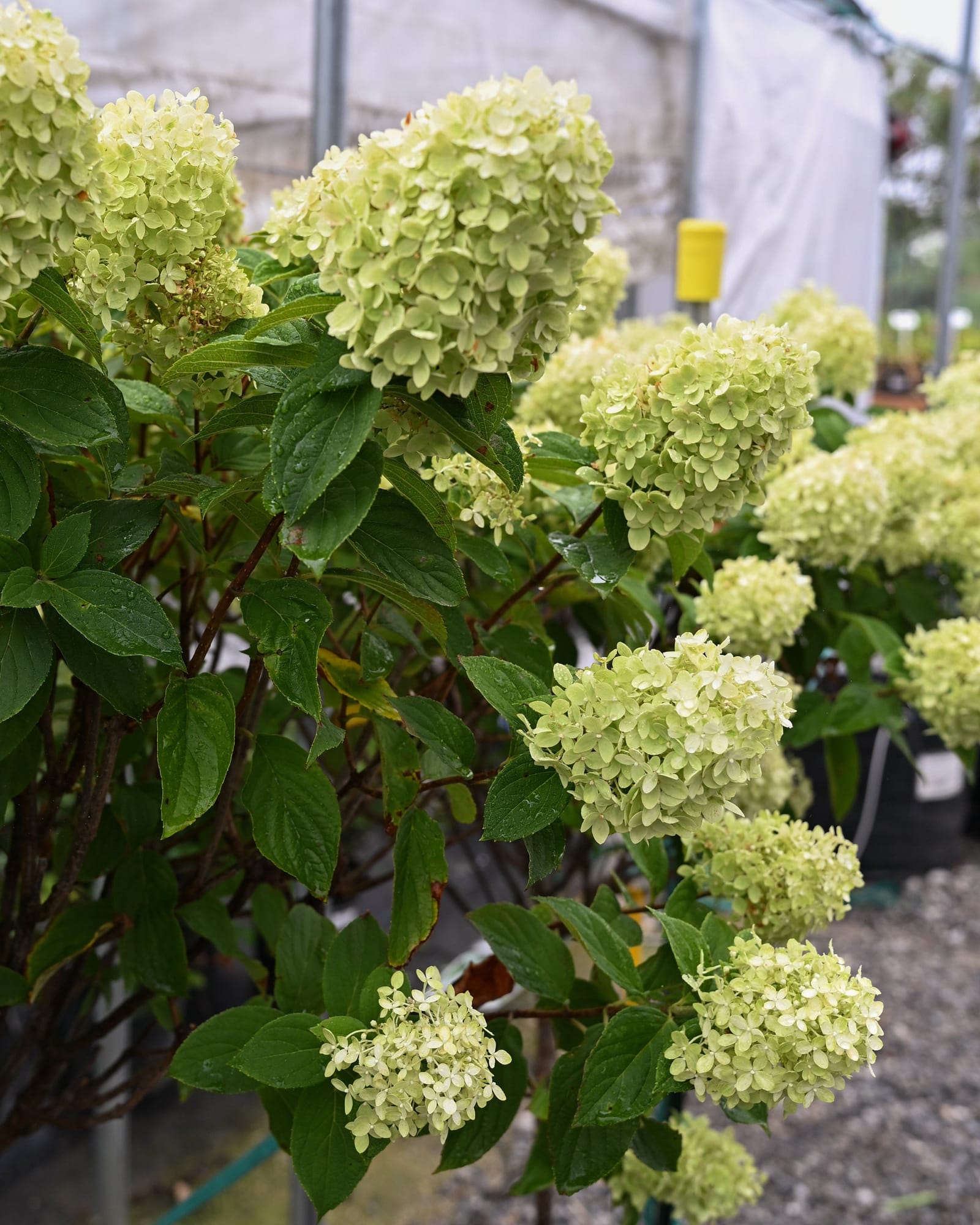
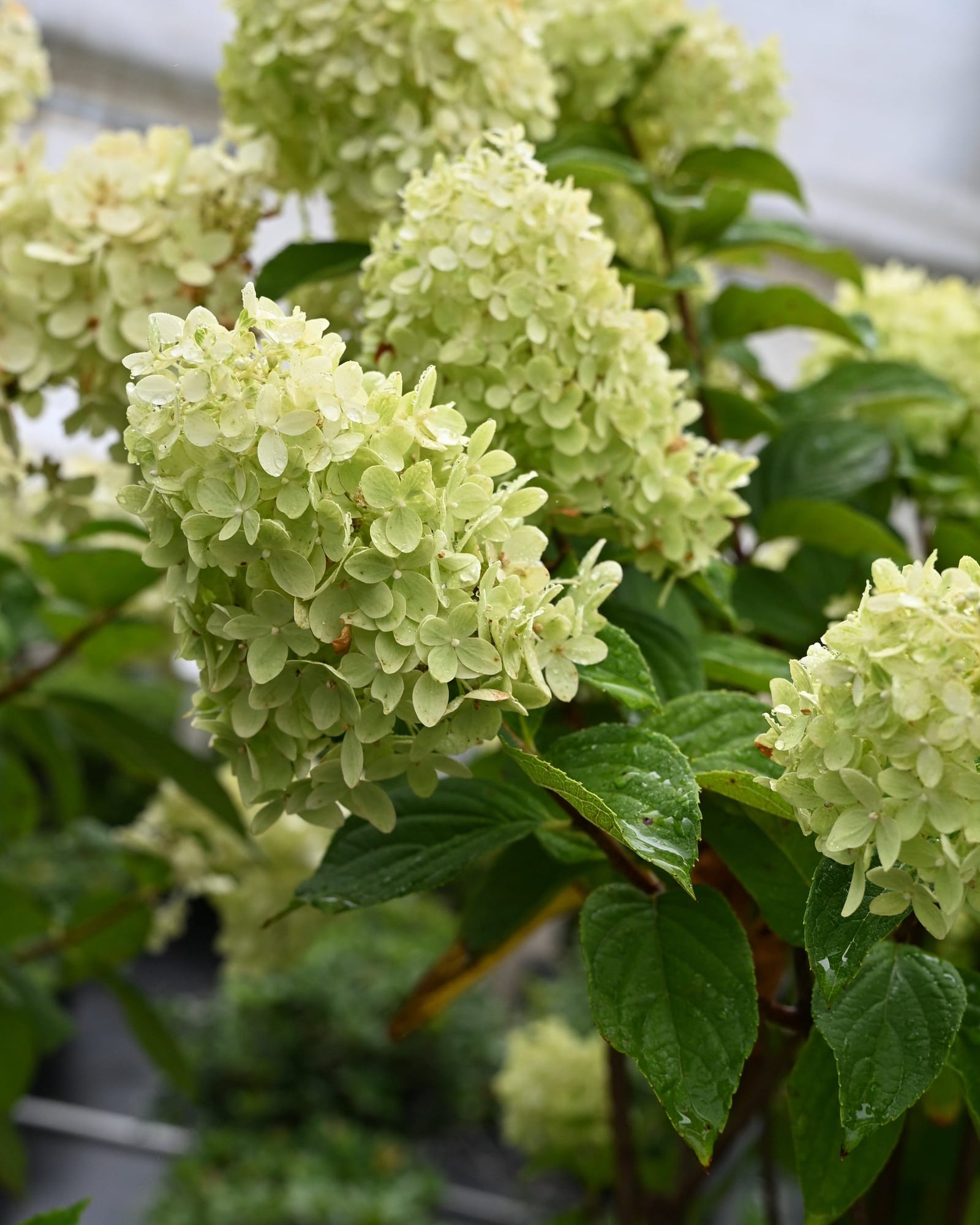
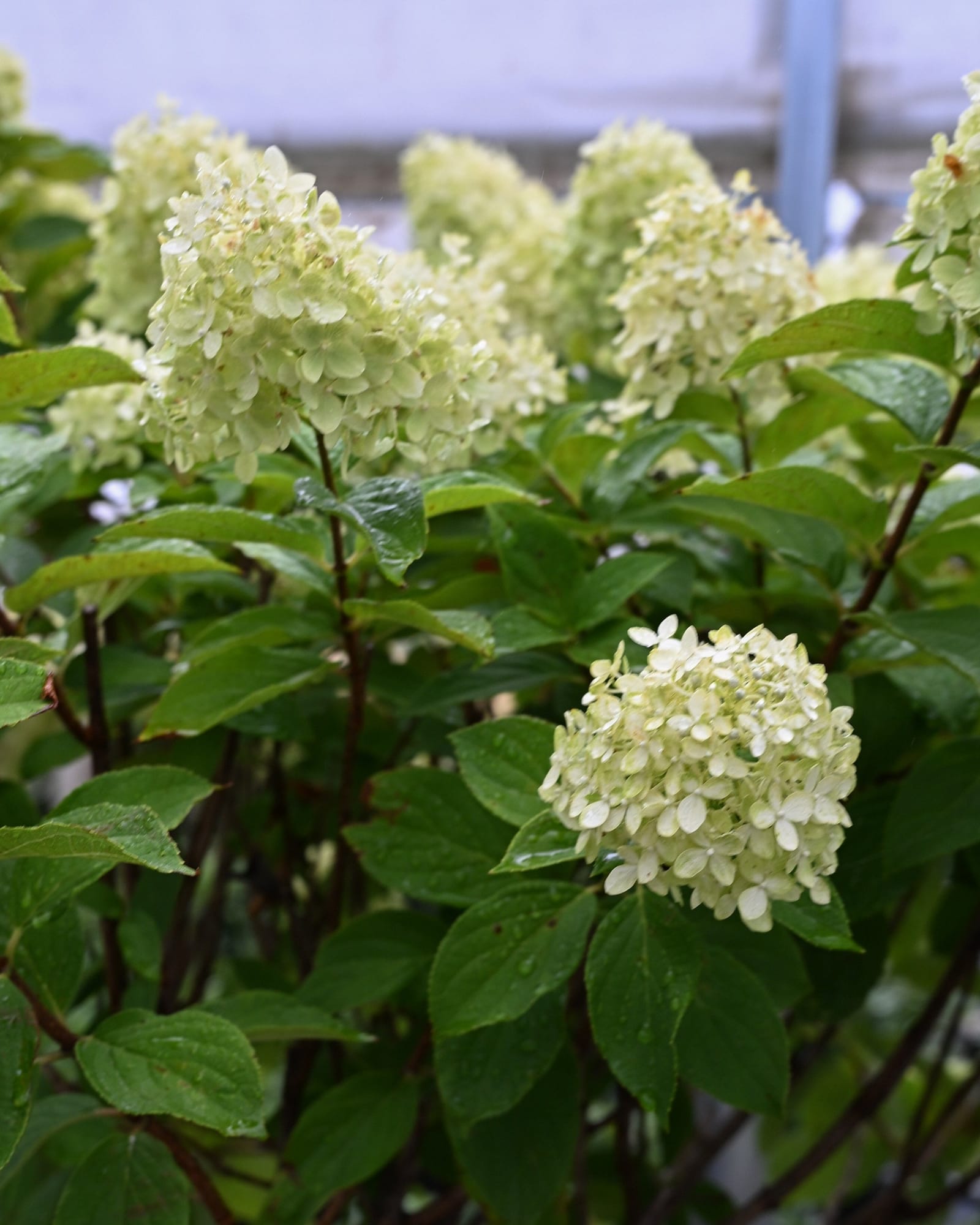
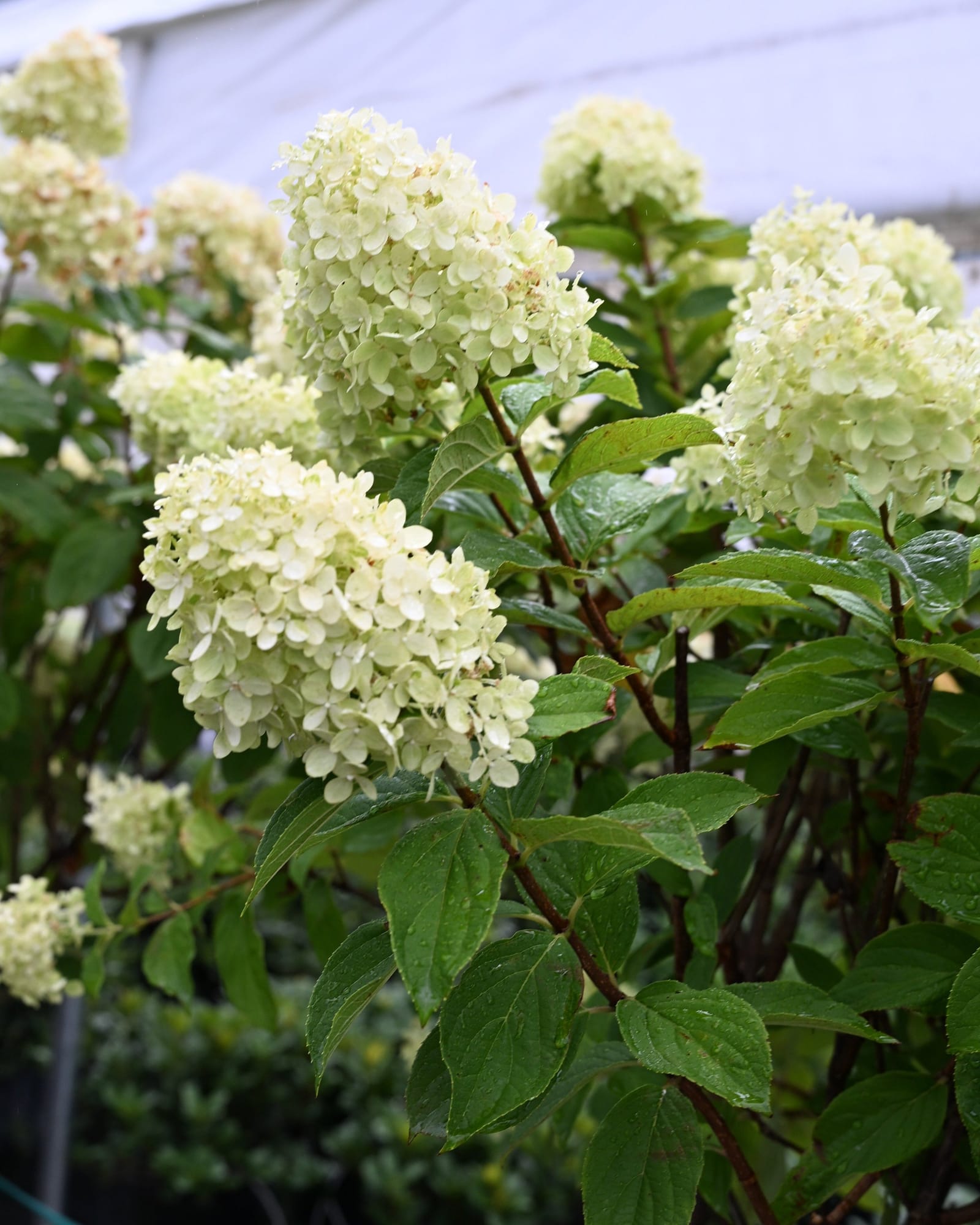
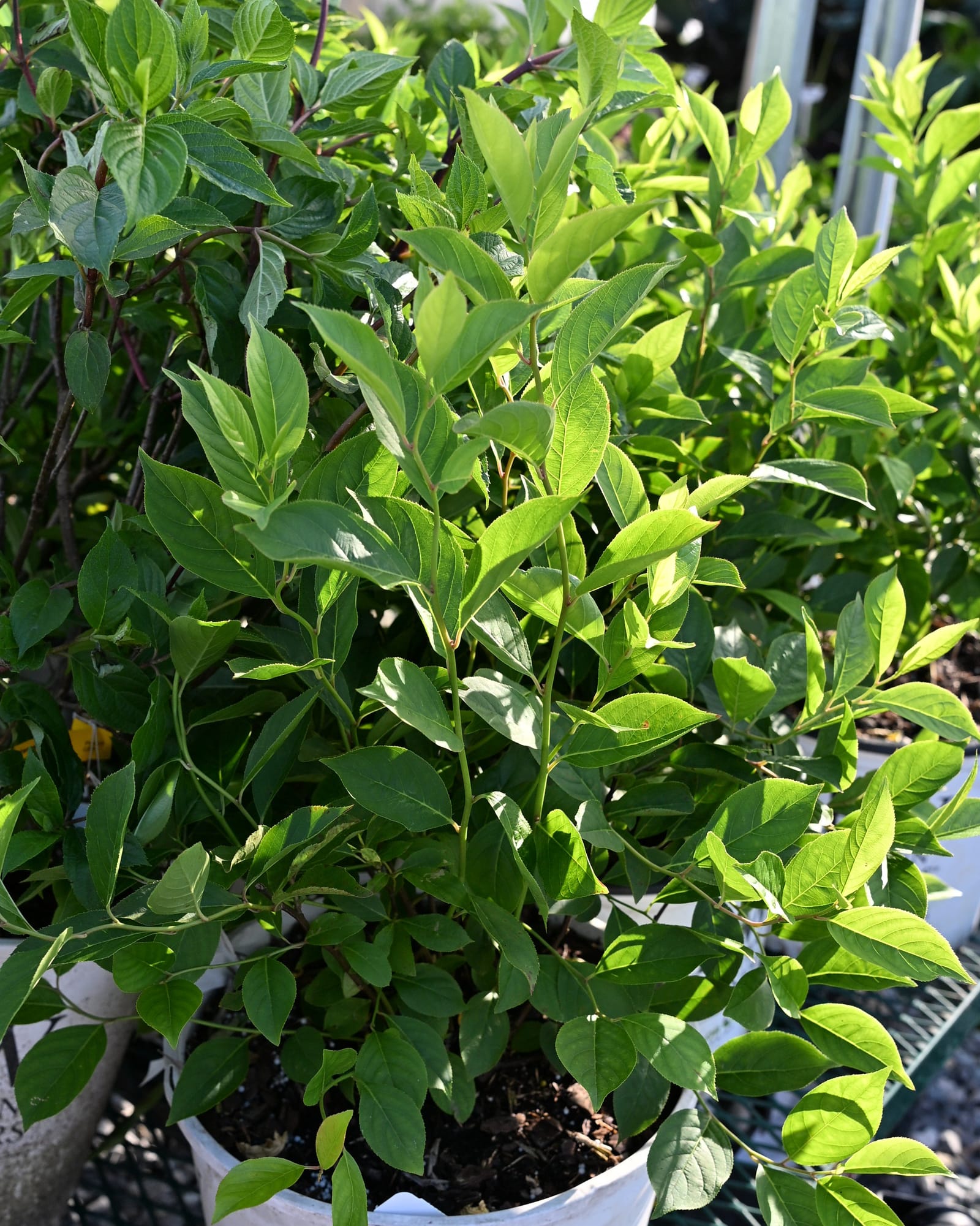
Little Lime Hydrangea
Maturity: 3' H x 3' W
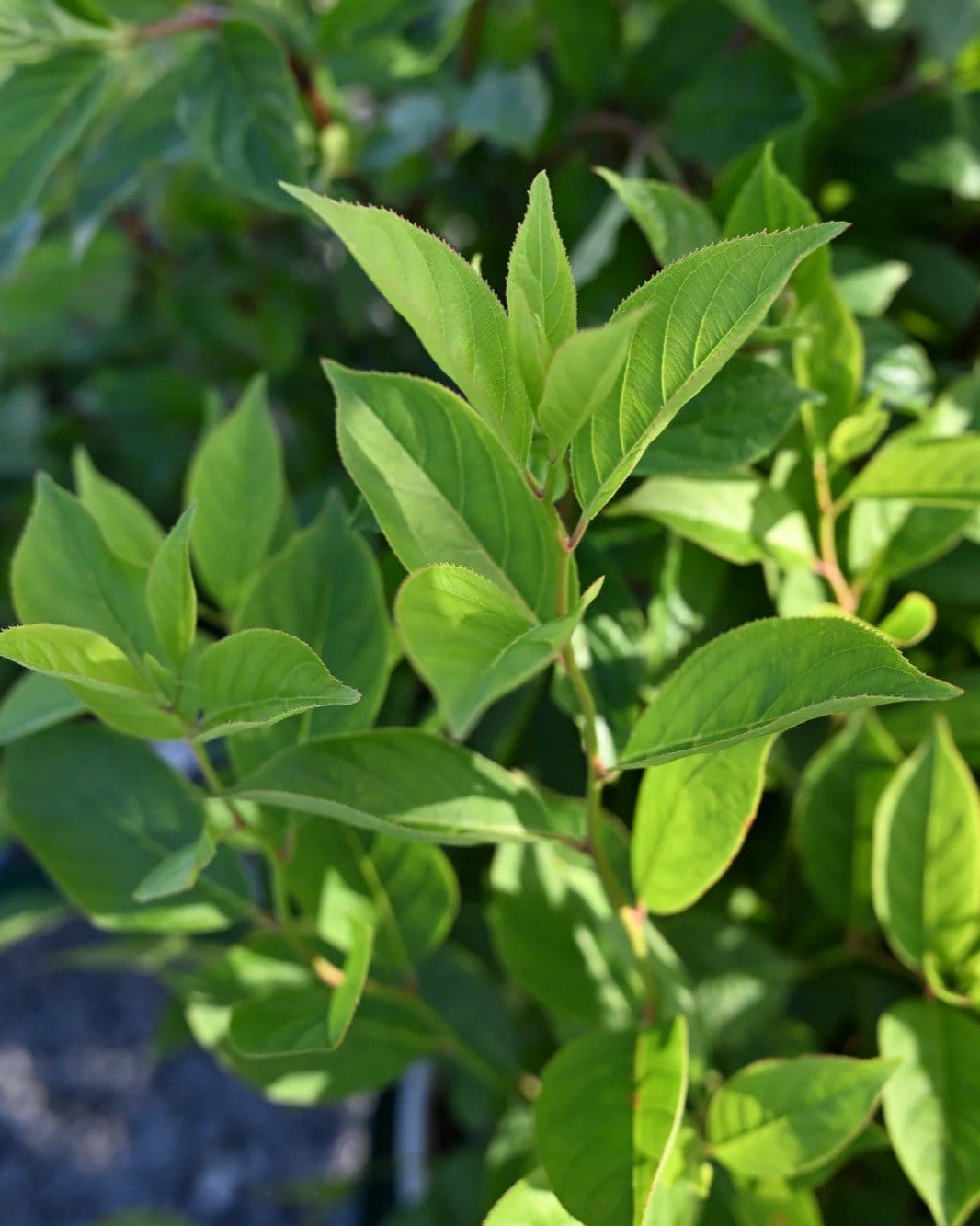
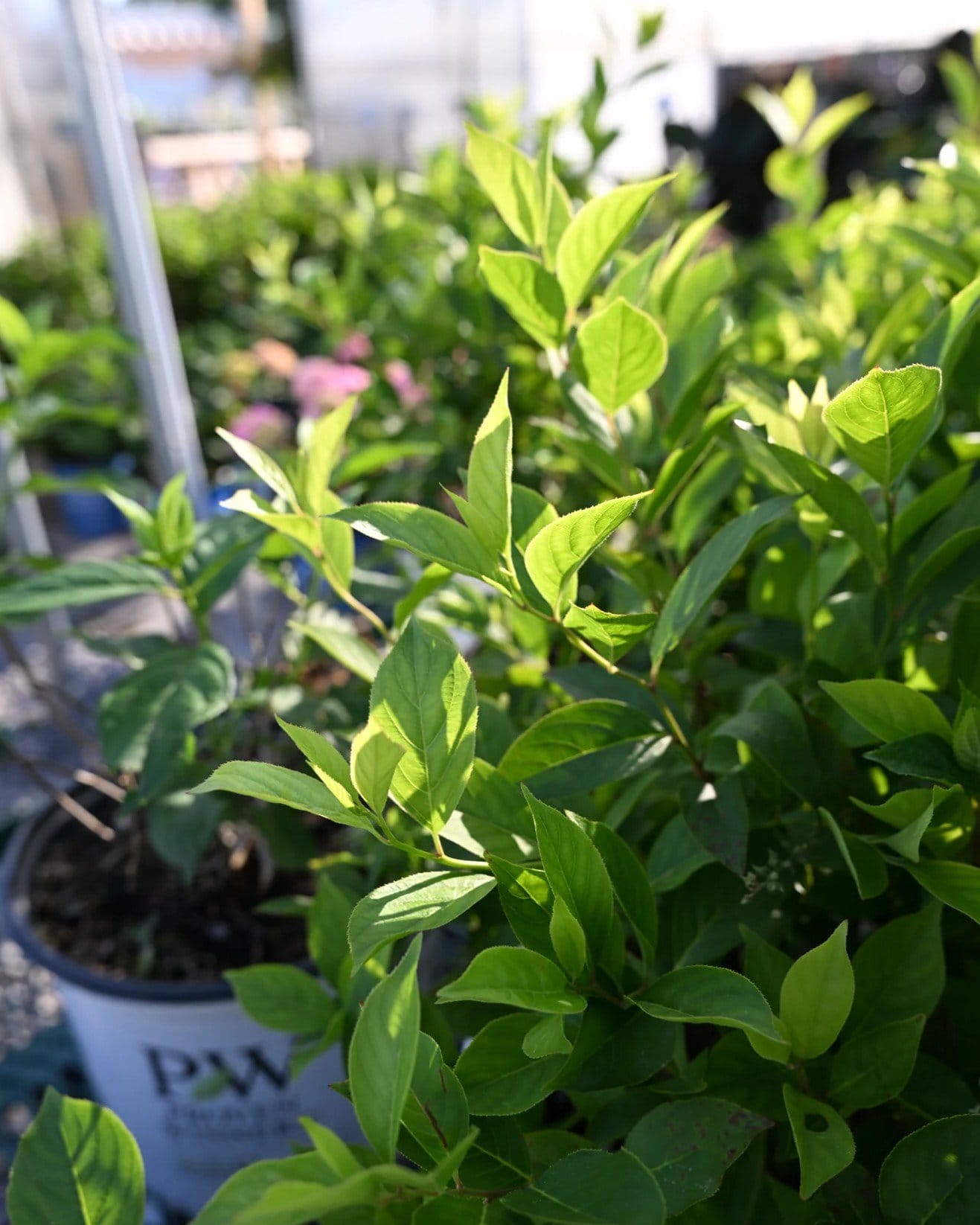
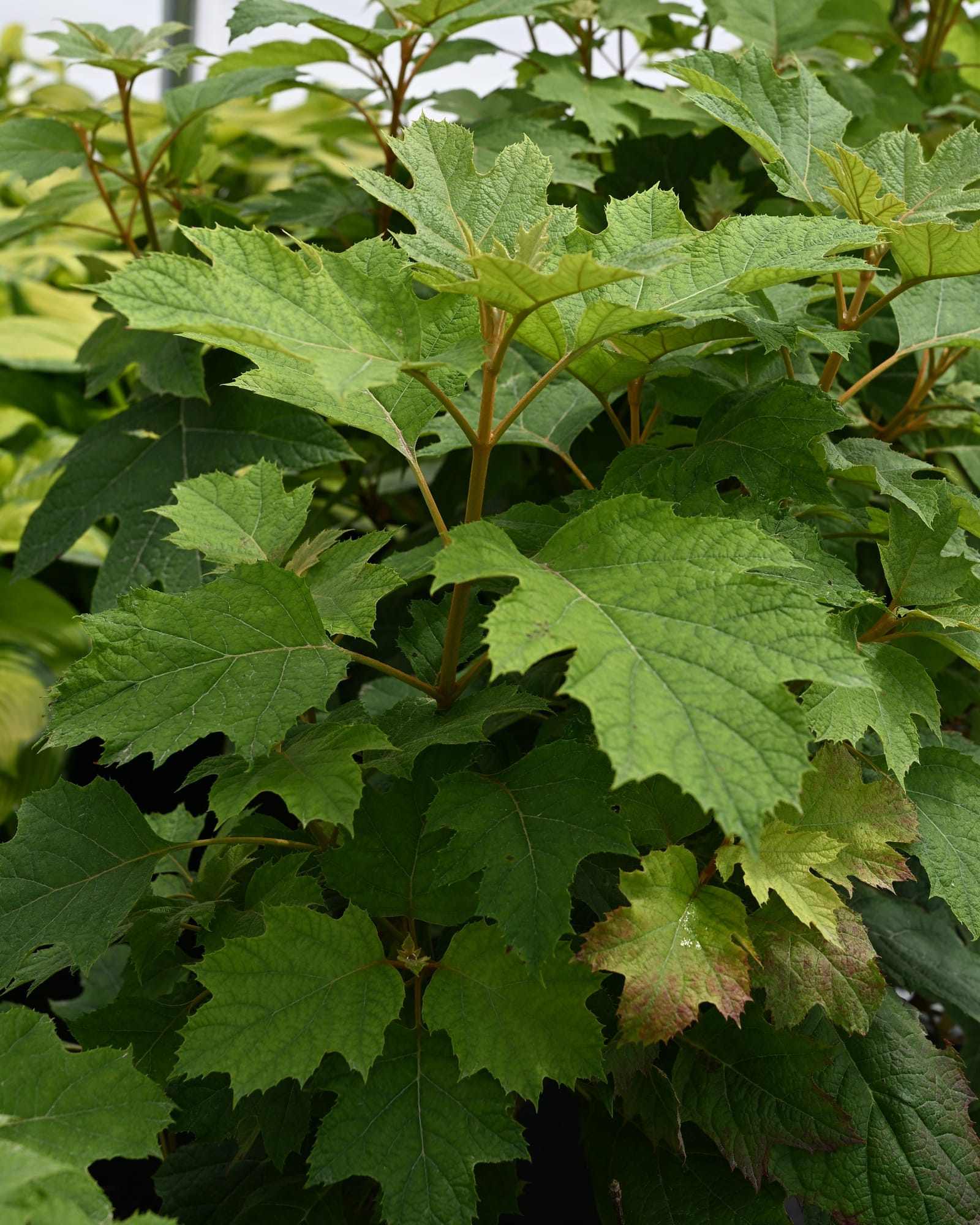
Oakleaf Hydrangea Alice
Maturity: 8' H x 8' W
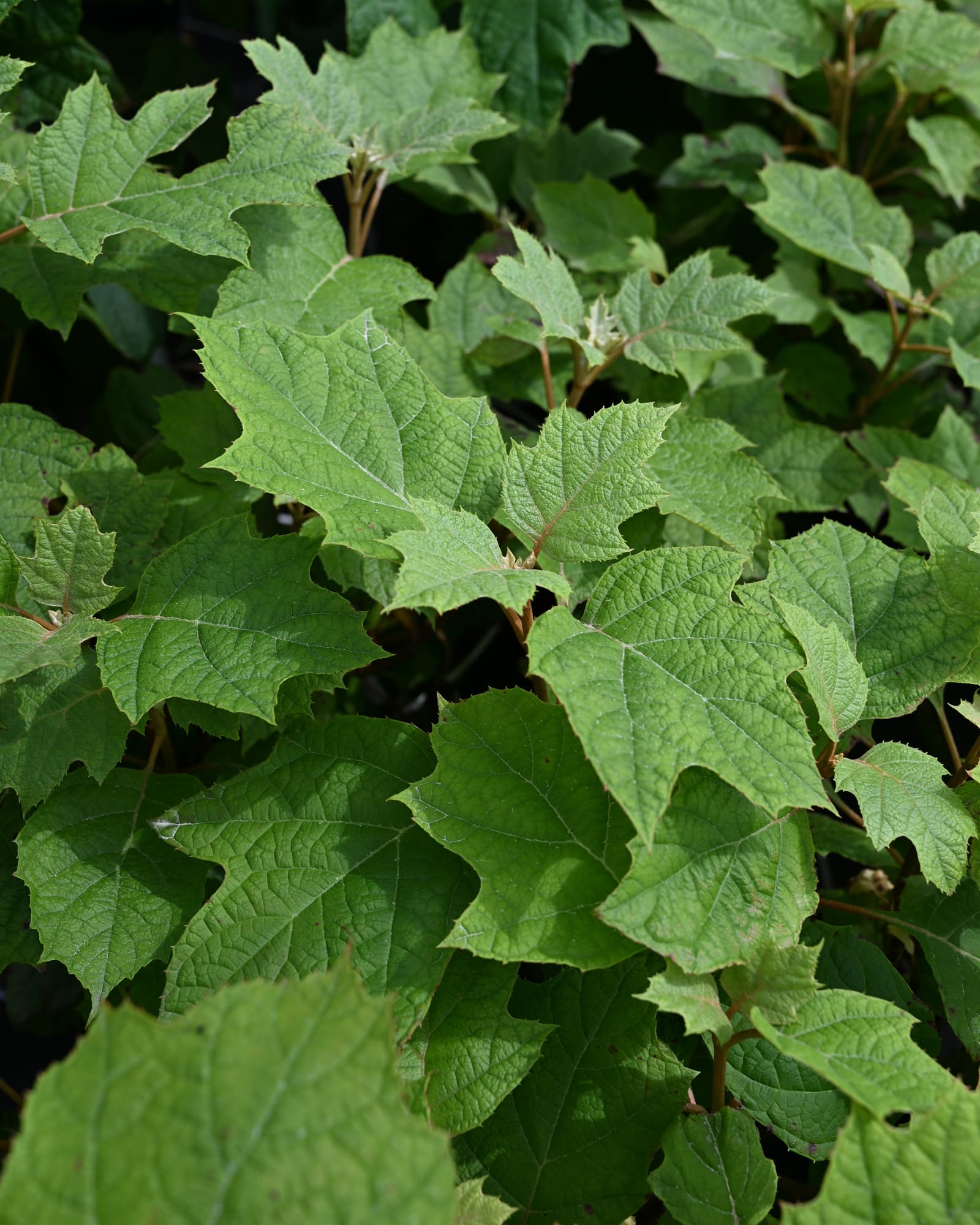
Oakleaf Hydrangea Alice 'N Wonderland
Maturity: 5' H x 5' W
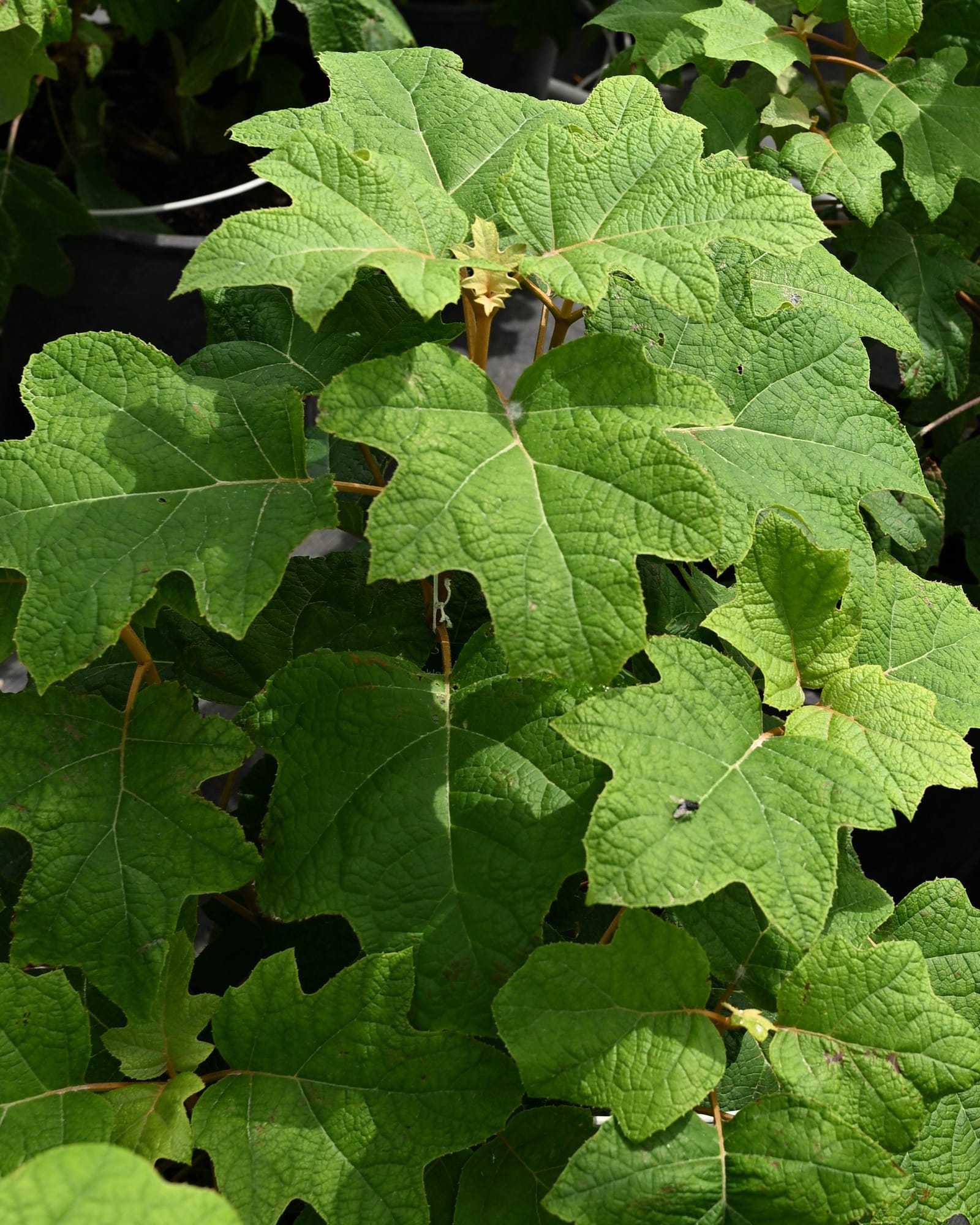
Oakleaf Hydrangea Ellen Huff
Maturity: 6' H x 8' W
Compare Similar Plants
Hydrangea BloomStruck This plant | ||
|---|---|---|
| Scientific Name | Hydrangea macrophylla 'PIIHM-II' | Hydrangea macrophylla 'Bailmer' |
| Size at Maturity | 3' H x 4' W | 3' H x 3' W |
| Leaf Retention | Deciduous | Deciduous |
| Flower Color | Blue & Purple | Blue & Purple |
| Bloom Times | Summer | Summer |
| Sizes Available | 3 gal | 3 gal |


Our 1-Year Planting Guarantee
We take pride in our plants and installation services. If any plants or trees installed by Treeland fail to thrive within the first year, we'll provide a replacement credit in accordance with our guarantee program.
Learn More About Our Guarantee