
 Texas Native
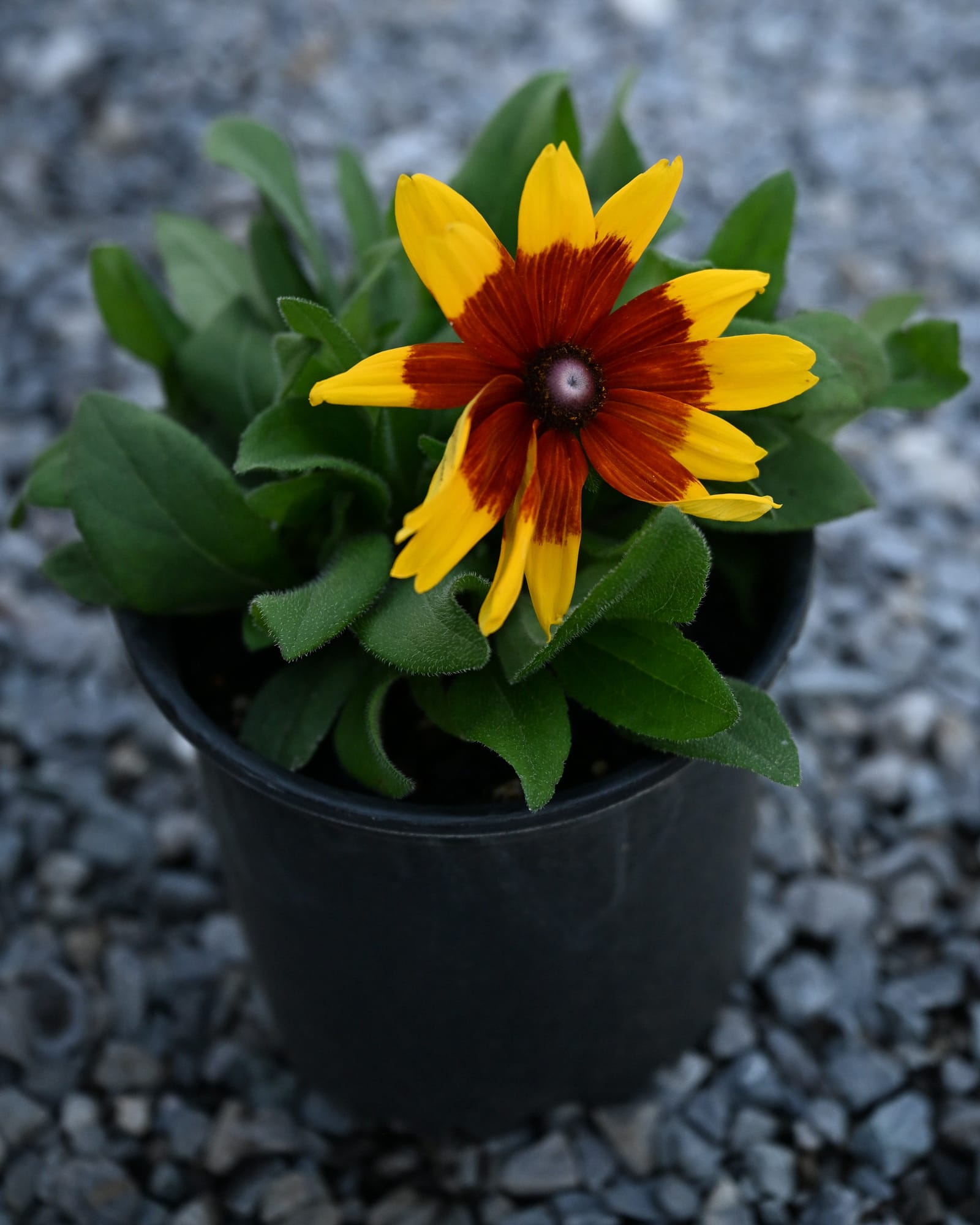
Black-eyed Susan Rudbeckia
Rudbeckia hirtaProduct Details
Black-eyed Susan Rudbeckia
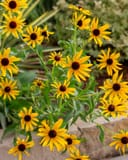
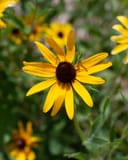
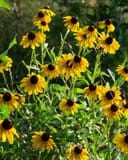
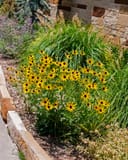
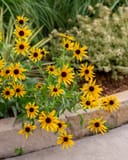
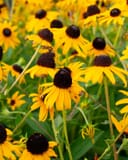
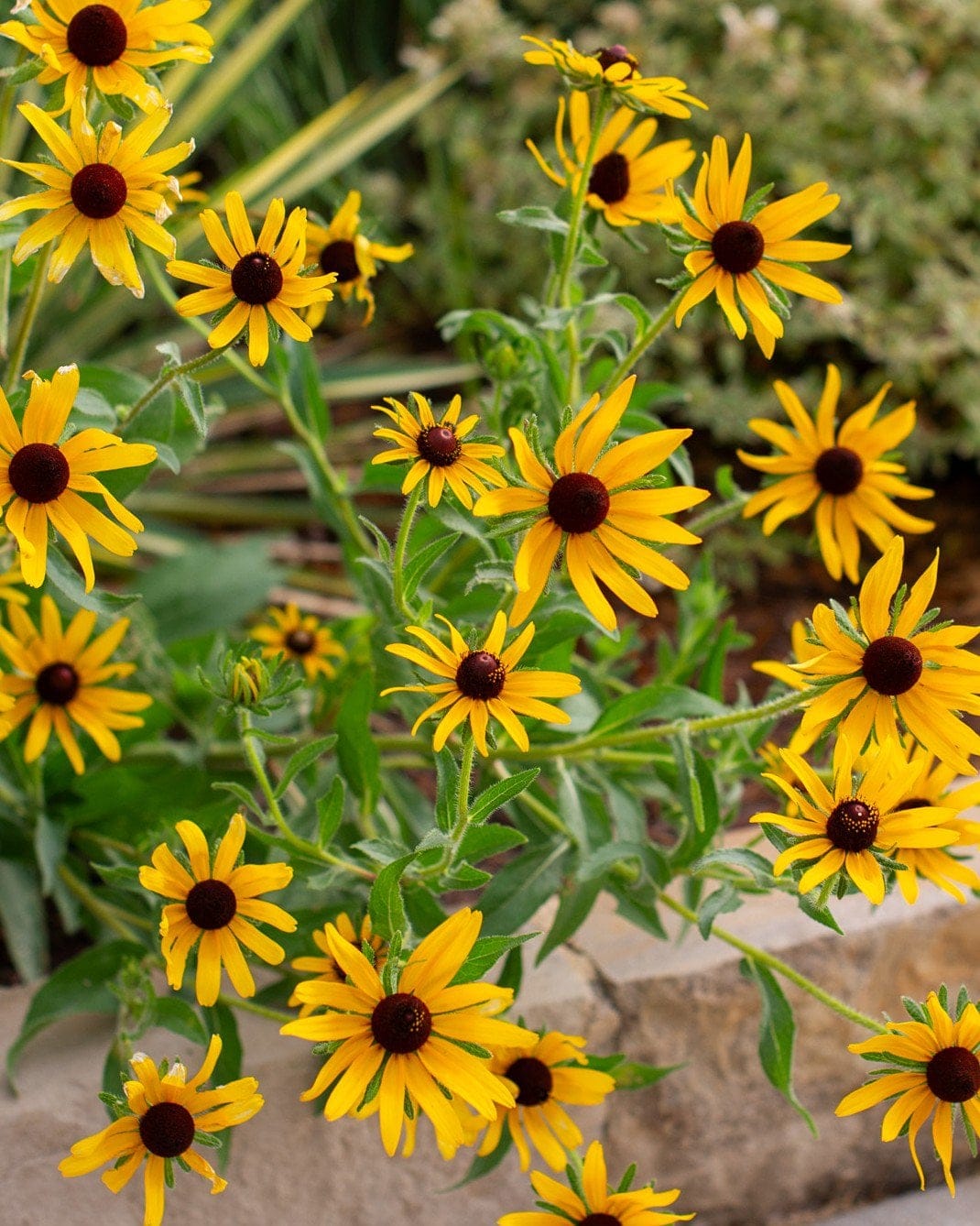
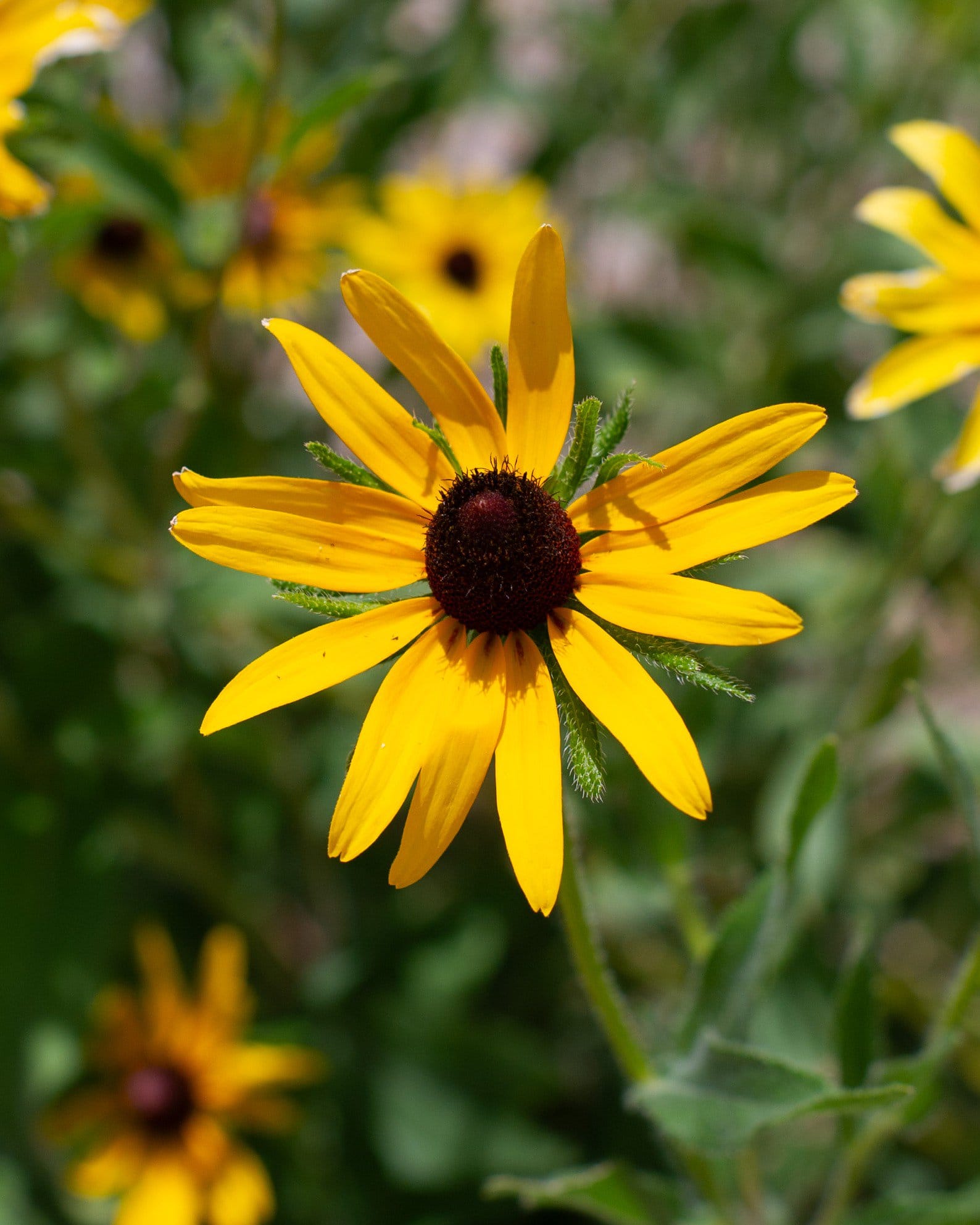
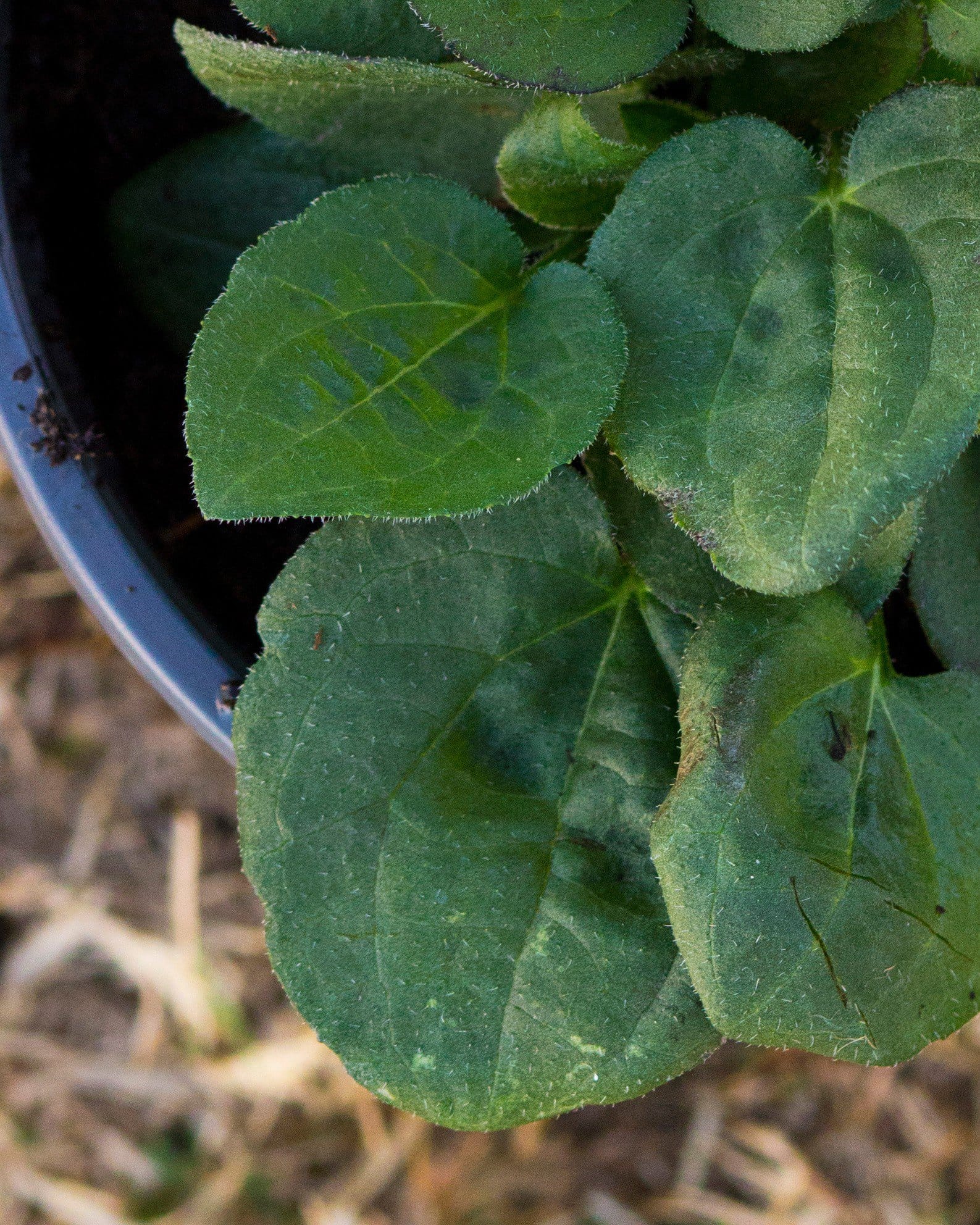
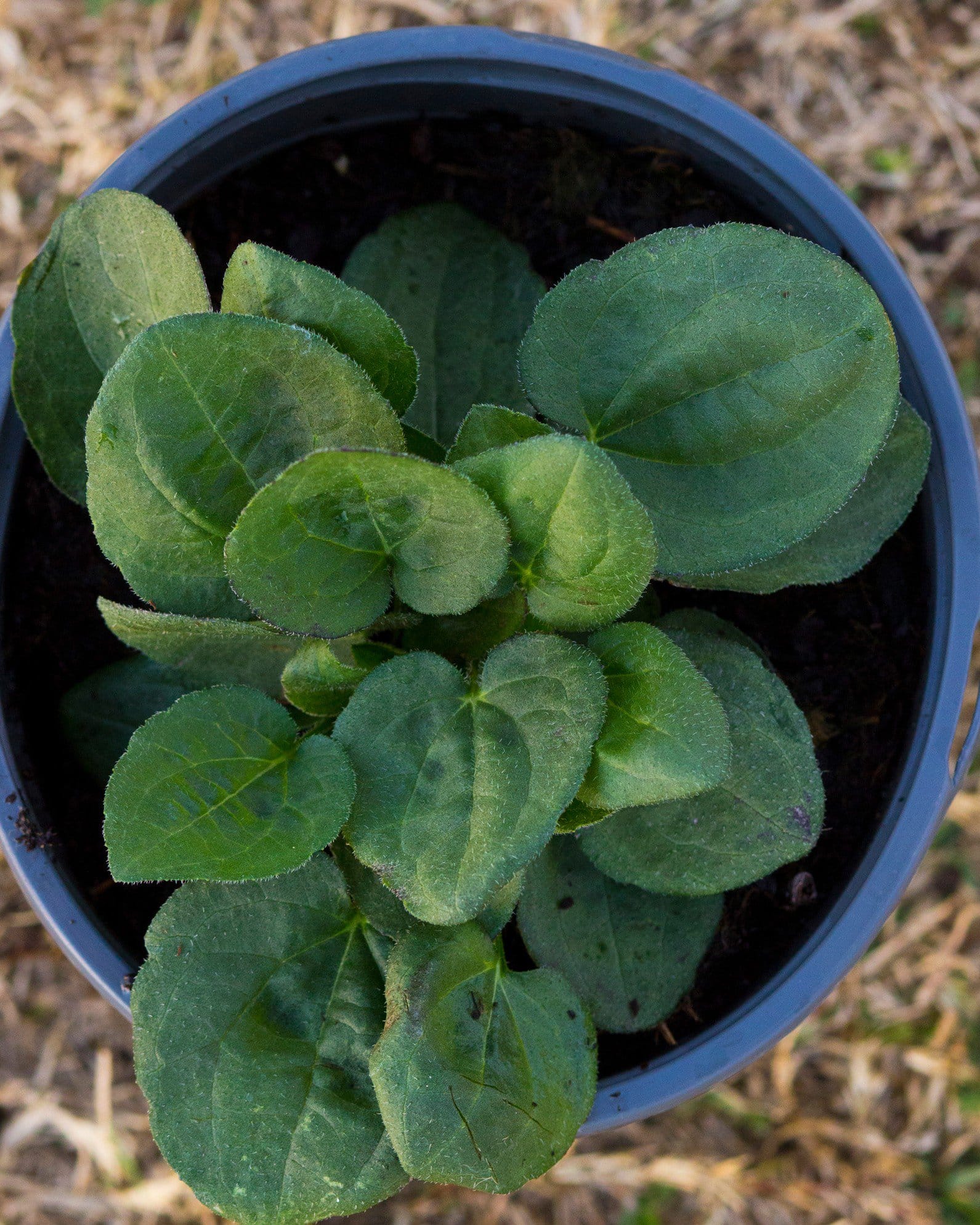
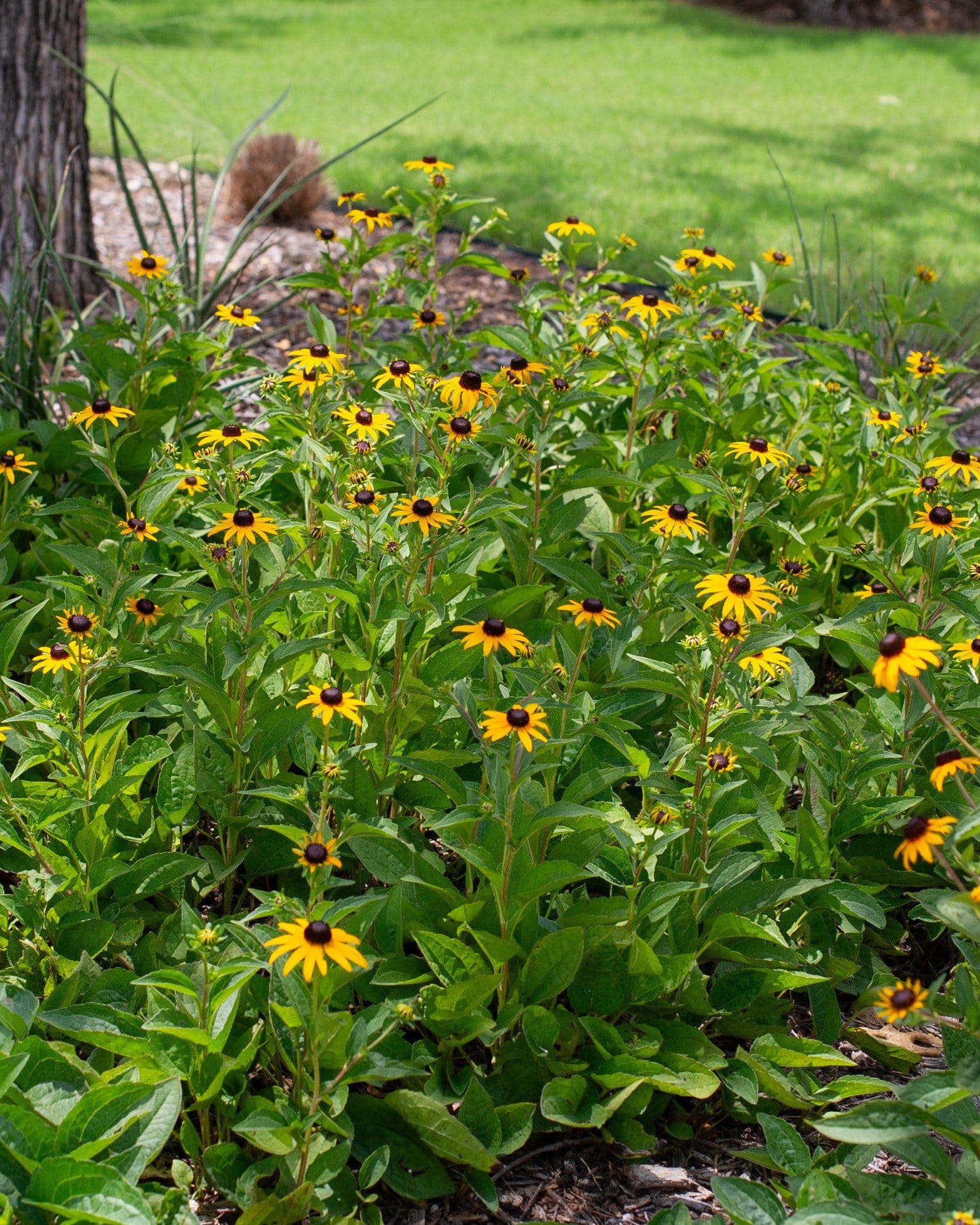
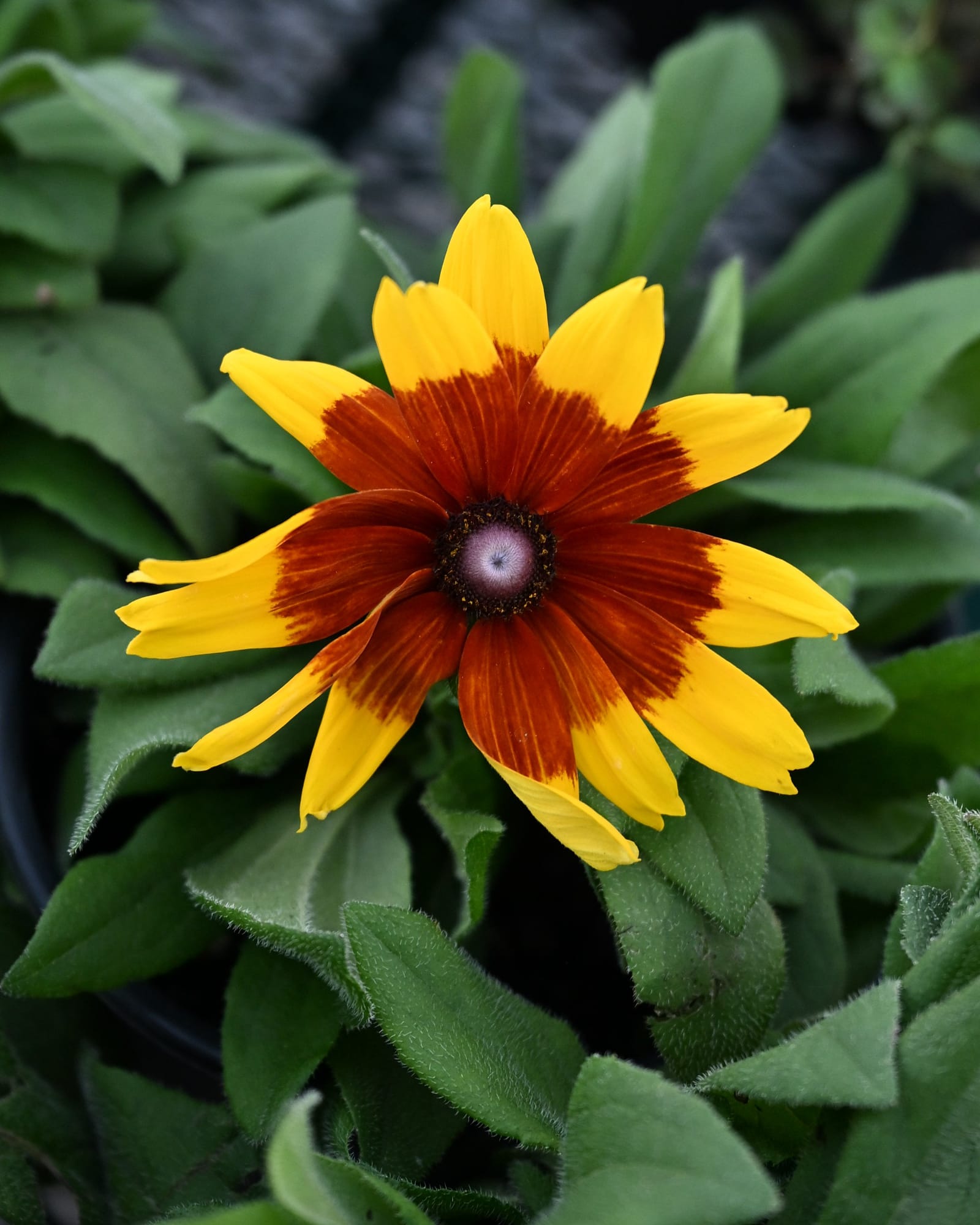
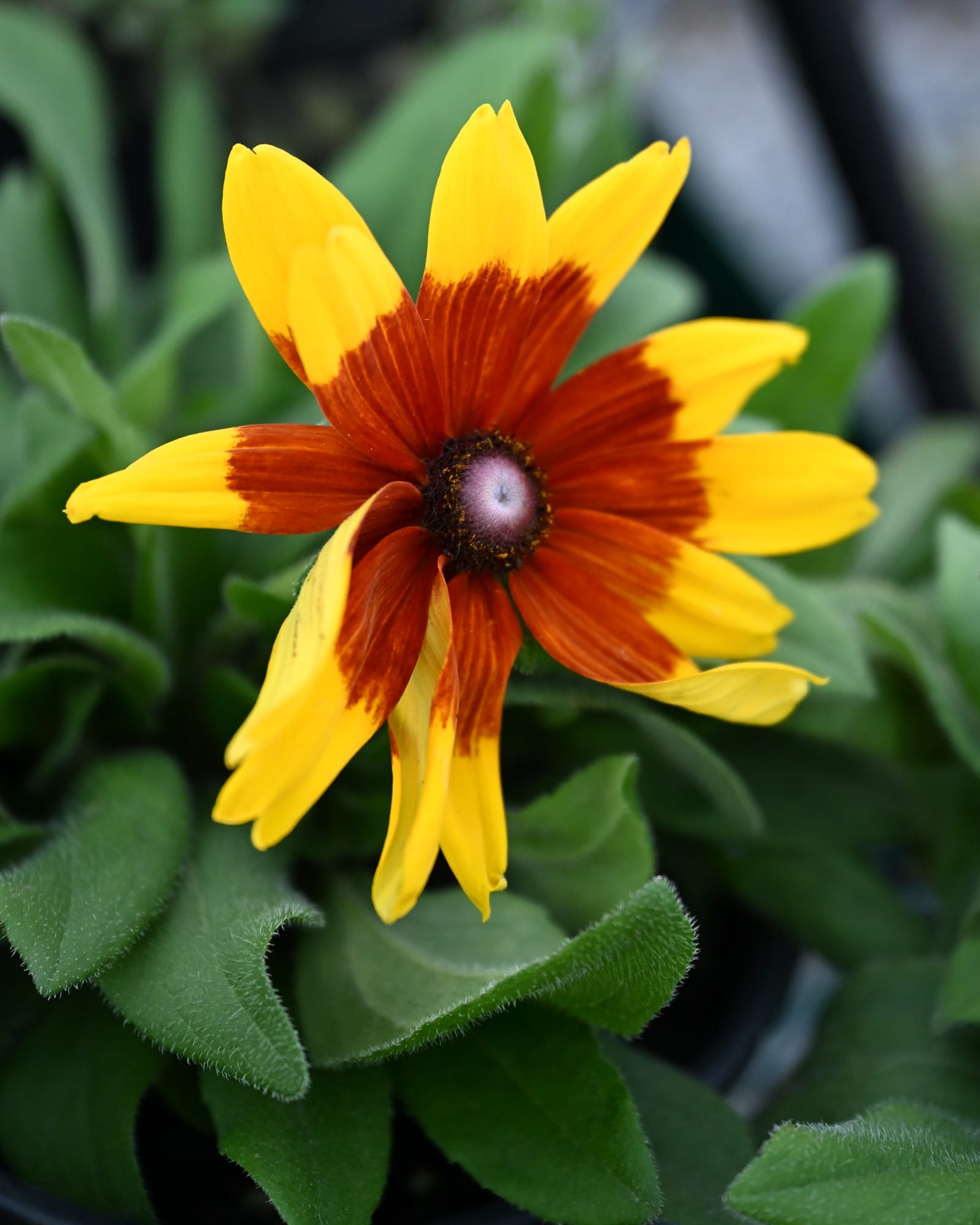
Rudbeckia hirtaBlack-eyed Susan Rudbeckia is a versatile perennial that fares well in borders, containers, and flower beds. This sun-loving plant showcases oblong, fuzzy, medium green foliage. It blooms from summer to fall, showcasing yellow, daisy-like flowers with black centres. It has a mounded growth habit, and reaches up to 3 feet in height and 1.5 feet in width at maturity. It reaches maturity approximately 2 years after planting.
- A herbaceous perennial
- Mounded growth habit
- Moderate growth rate
- Excellent for flower beds, containers and borders
- Vibrant yellow flowers against oblong foliage
Hardy in zones 3-9, this herbaceous perennial will fit well into your North Texas landscape. It doesn't require too much, but loves full sun. Provide at least 6–8 hours of direct sunlight daily. Plant it in well-drained soil and watch your Black-eyed Susan Rudbeckia thrive.
Black-eyed Susan is tough, adaptable, and low-maintenance - making it a prime choice for landscapes and gardens across Texas. Here’s all it needs to thrive:
- Watering: Water regularly during the first growing season to establish a deep, fibrous root system. Once established, Black-eyed Susan is drought-tolerant and performs best with occasional deep watering during prolonged dry periods.
- Pruning: Remove spent flowers regularly to extend the blooming season and keep plants looking fresh. Cutting plants back by several inches after a heavy bloom flush encourages additional flowering and prevents excessive self-seeding.
- Fertilizing: Black-eyed Susan thrives in average to lean soils and typically requires no fertilizer once established. If growth appears weak, a light application of balanced, slow-release fertilizer in early spring is sufficient.
- Mulching: Apply a light mulch layer to conserve moisture and reduce weed competition, especially during establishment. Keep mulch pulled back from stems to prevent moisture buildup at the base.
- Winter Care: Black-eyed Susan is cold-hardy and requires no winter protection once established. Dried stems can be left standing through winter for visual interest and wildlife value, then cut back in early spring.
Black-eyed Susan is very resilient, though a few issues may appear under stress or unfavorable conditions:
- Powdery Mildew: A white, powdery coating may appear on leaves during humid weather. Improve airflow and avoid overhead watering to reduce recurrence.
- Leaf Spot: Dark or purplish spots may develop on foliage during prolonged wet periods. Remove affected leaves and clean up plant debris to limit the spread.
- Aphids: Small insects may cluster on tender growth, causing curled leaves and sticky residue. Rinsing plants with water or applying insecticidal soap provides effective control.
- Self-Seeding: Plants may spread freely by seed if spent flowers are left in place. Deadheading helps manage the spread while maintaining a tidy appearance.
- Leggy Growth: Stems may stretch and flop if plants become overcrowded or stressed. Dividing clumps and pruning encourages stronger, more compact growth.
Black-eyed Susan typically lives 5-10 years, depending on species and growing conditions. Many types reseed readily, helping maintain long-term presence in the landscape. With basic care, it remains a dependable perennial for years.
Black-eyed Susan grows quickly, often reaching near full size in its first growing season. Light flowering may occur in the first year, with peak bloom and full clump size reached by the second year. Mature plants maintain steady, manageable growth.
Black-eyed Susan is highly attractive to bees, butterflies, and beneficial insects. Its open flower structure provides easy access to nectar and pollen. Pollinator activity increases significantly when planted in groups.
Black-eyed Susan is considered moderately deer-resistant due to its coarse foliage. Browsing may occur occasionally, especially on young plants. Established clumps usually recover quickly from minor damage.
Black-eyed Susan performs well in containers with good drainage. Containers help control the spread and showcase its bright blooms. More frequent watering is needed than for in-ground plantings.
Black-eyed Susan can be divided every 3-4 years to maintain vigor. Division helps rejuvenate crowded clumps and improve flowering. Early spring or fall is the best time to divide.
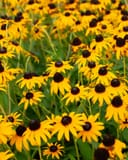
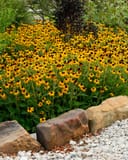
Mass plantings create bold sweeps of golden color that last for weeks. Grouped plantings are especially effective in meadows and large borders. This approach also improves drought tolerance and pollinator value.
Black-eyed Susan pairs beautifully with ornamental grasses, coneflowers, salvias, and blazing stars. Upright companions balance their relaxed form. These combinations thrive in similar low-maintenance settings.
Black-eyed Susan spreads primarily through self-seeding rather than aggressive roots. It remains manageable with occasional deadheading. Seedlings are easy to thin if needed.
Black-eyed Susan stands out for its long bloom time and unmistakable color. It delivers classic summer beauty with exceptional resilience. Few perennials offer such a reliable impact with so little effort.
Special Features
You might also like
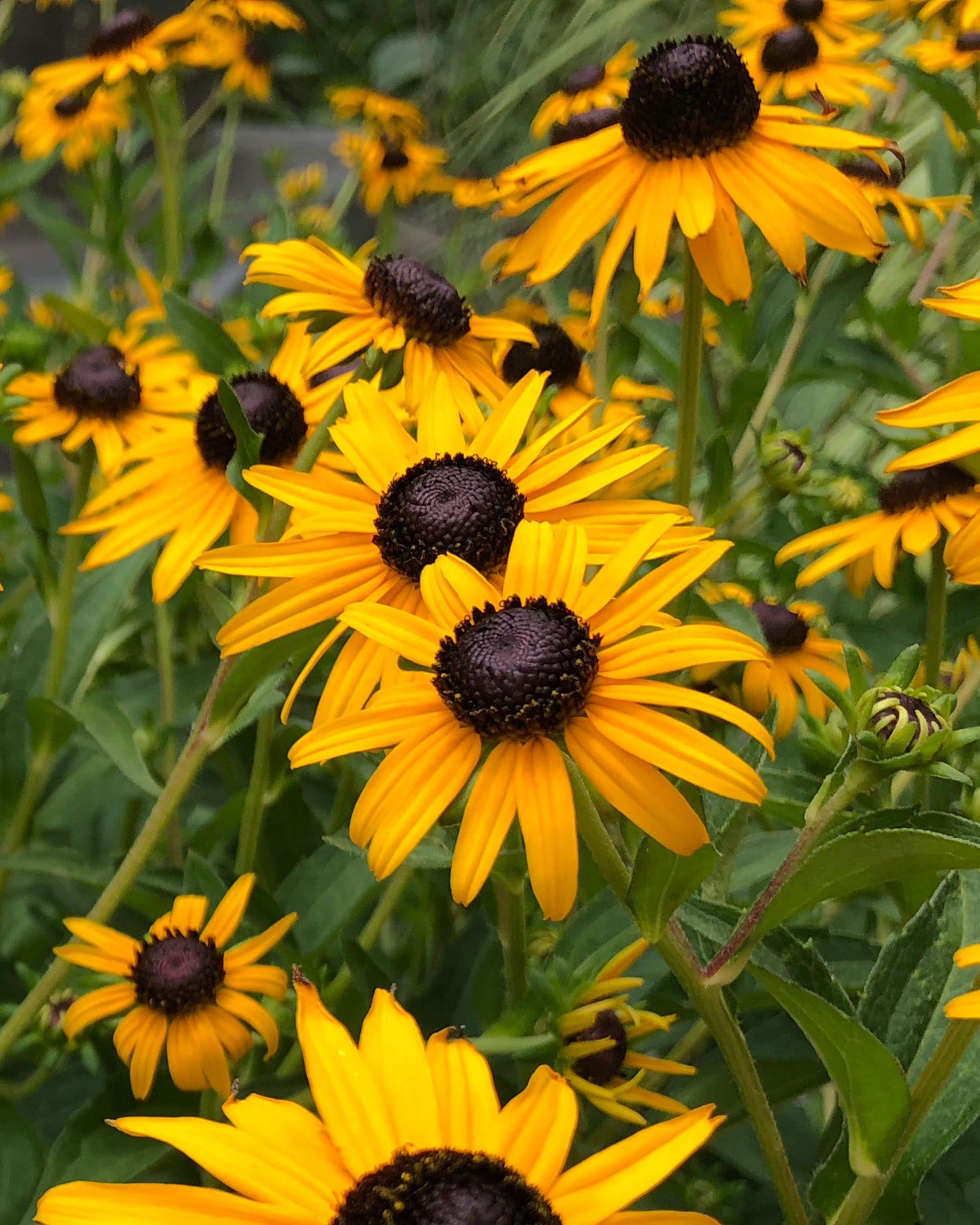
Black-eyed Susan Rudbeckia Goldsturm
Maturity: 3' H x 1.5' W
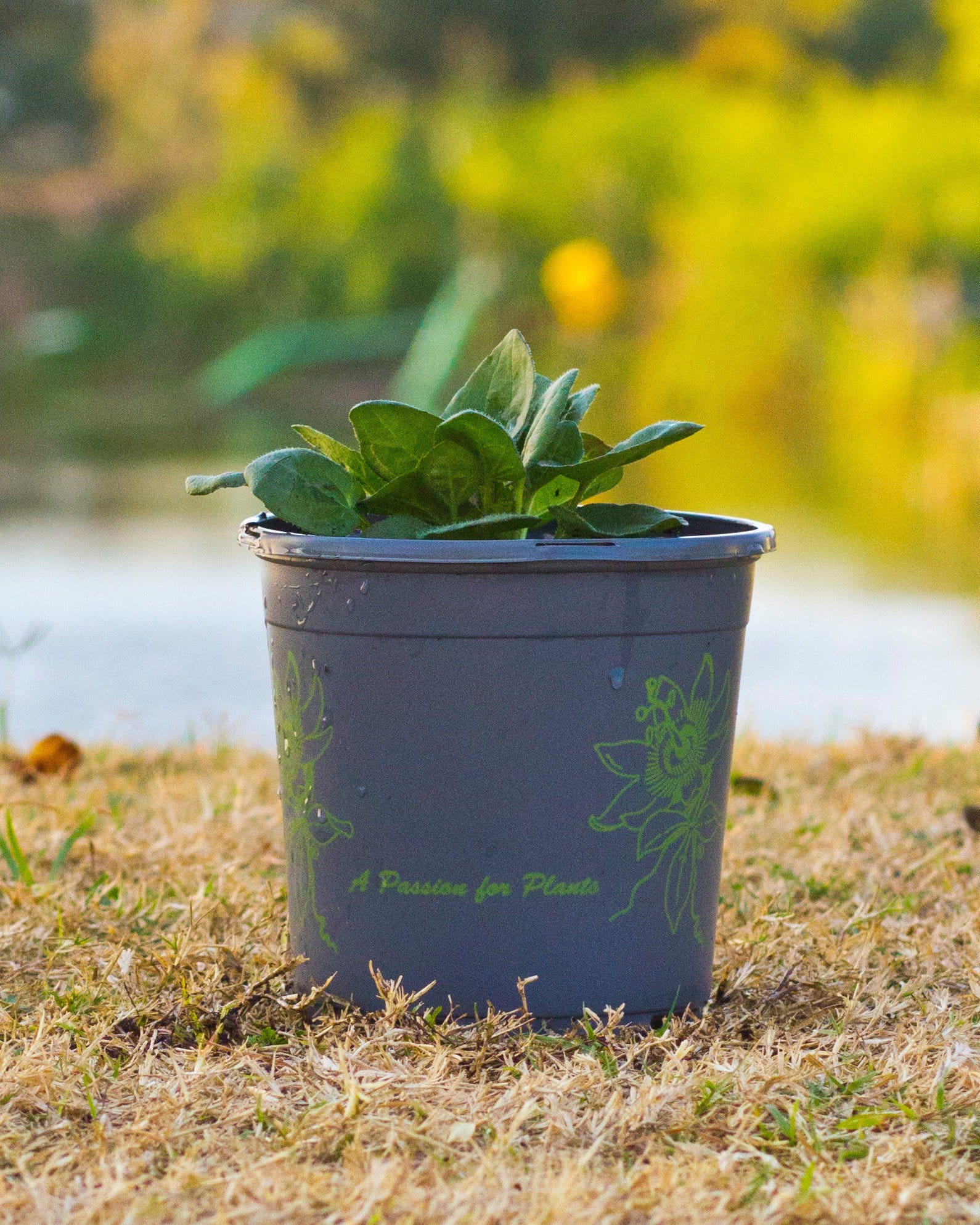
Sunbeckia Mia Rudbeckia
Maturity: 1.25' H x 1.25' W
Aromatic Aster
Maturity: 2' H x 2' W
Augusta Duelberg Salvia
Maturity: 3' H x 3' W
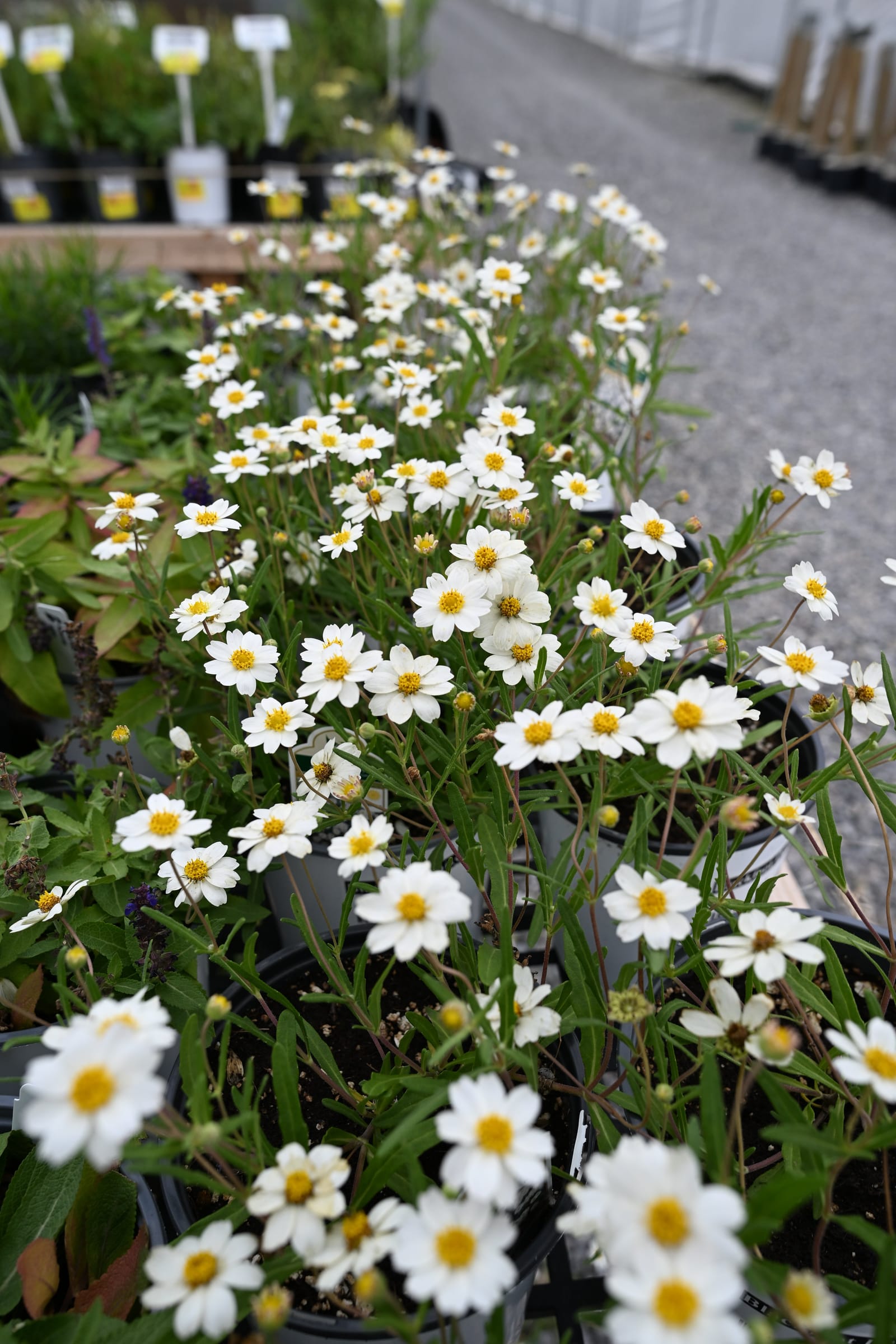
Blackfoot Daisy
Maturity: 0.5' H x 1' W
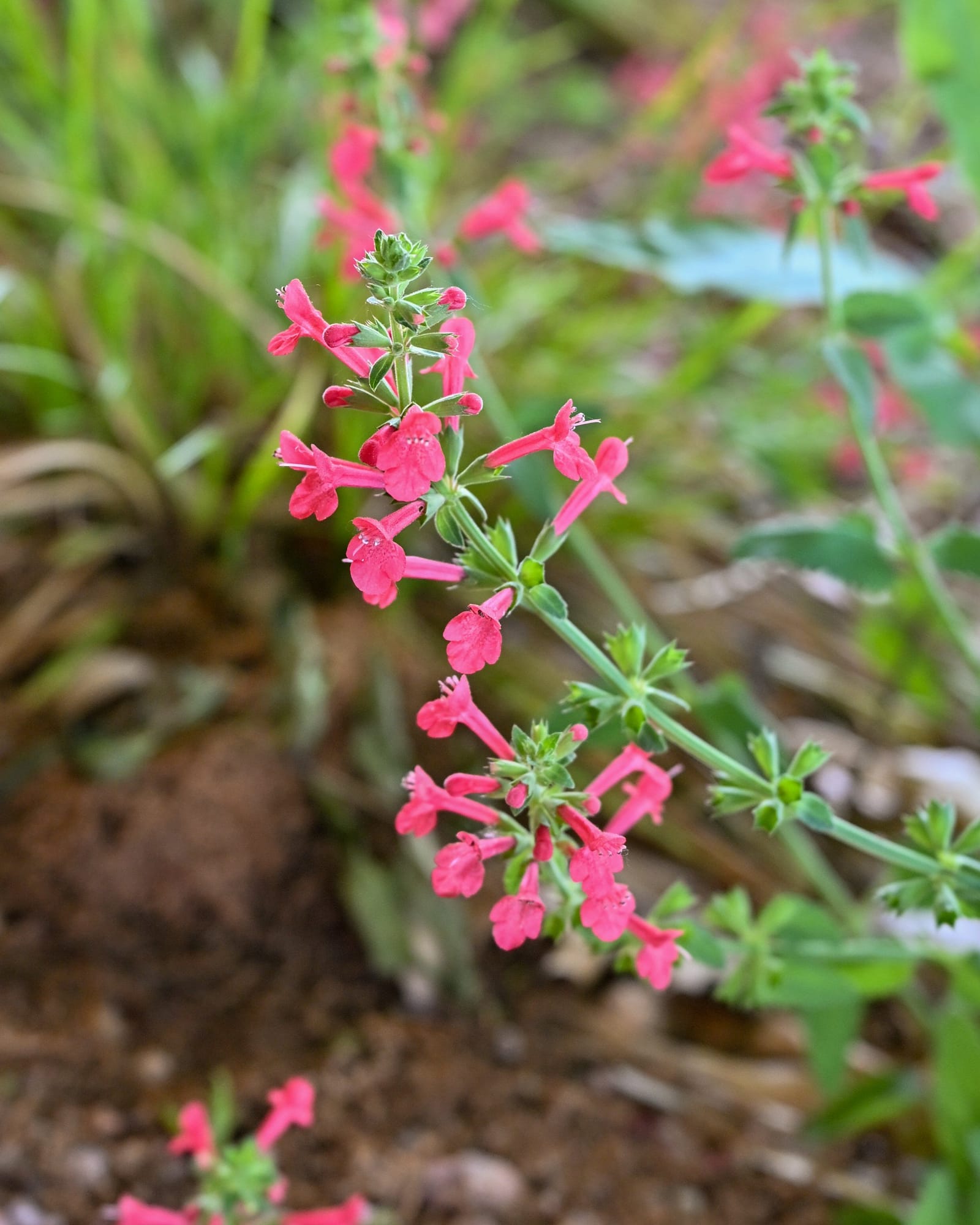
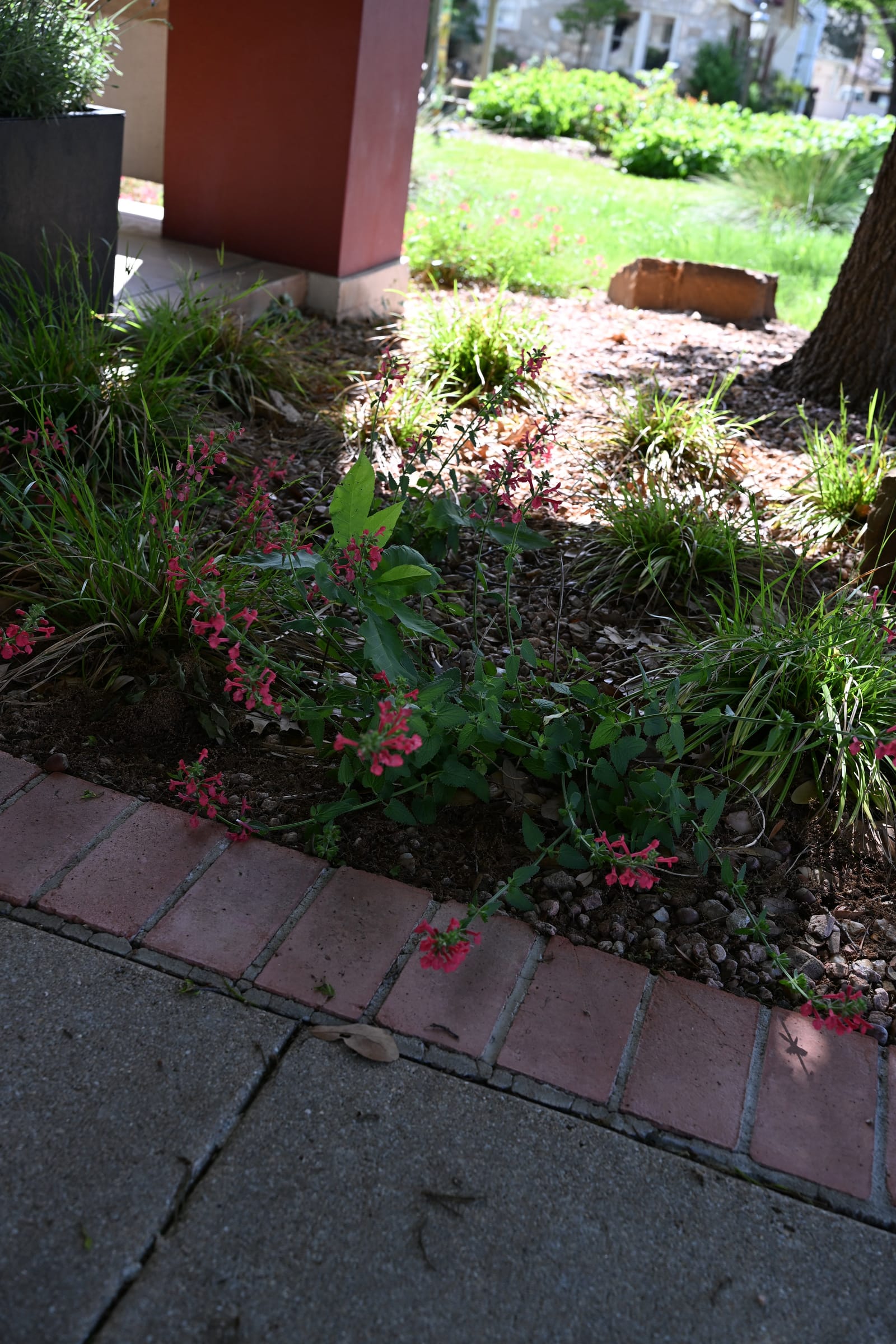
Cedar Sage Salvia
Maturity: 2' H x 1.5' W
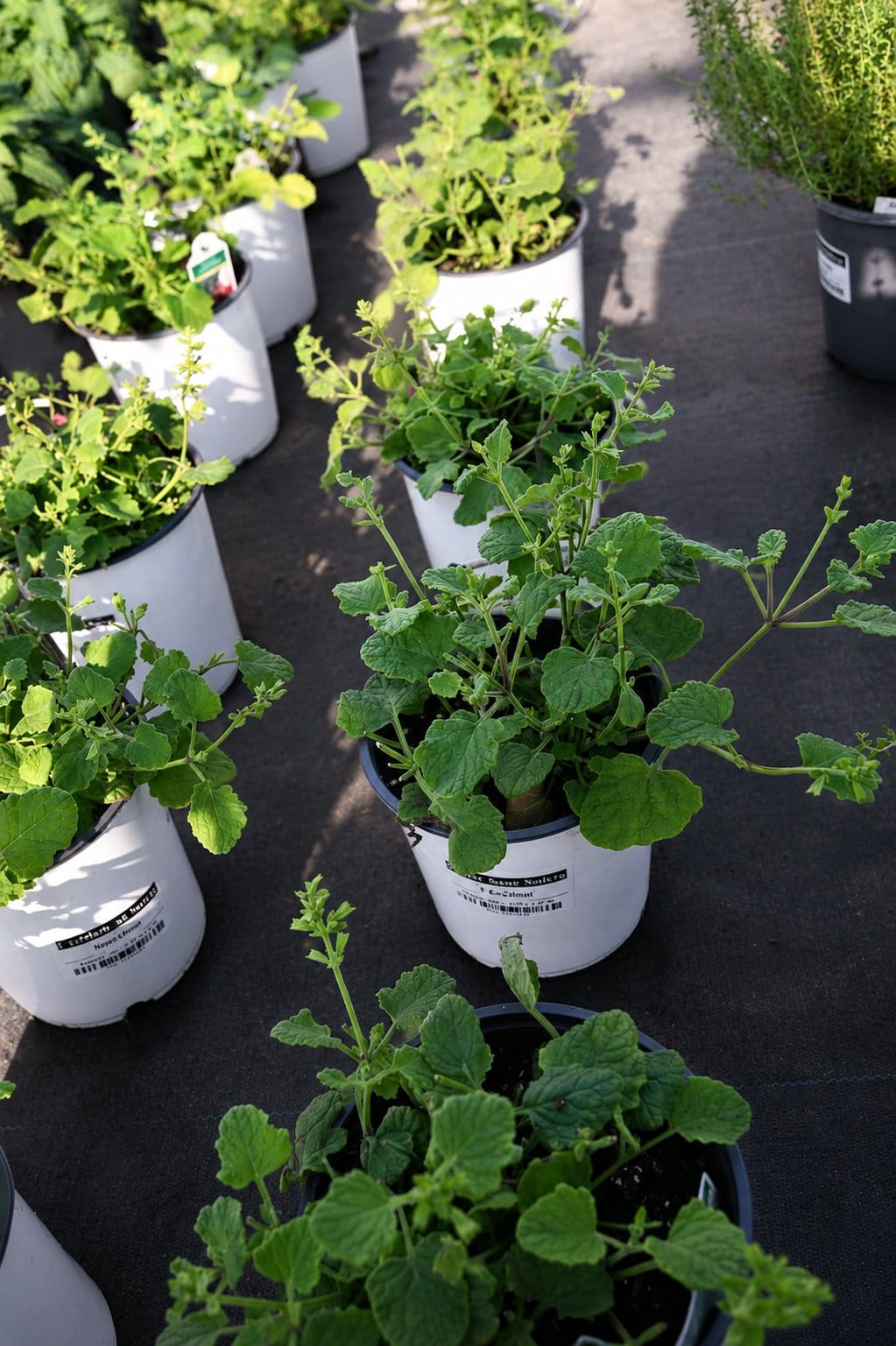
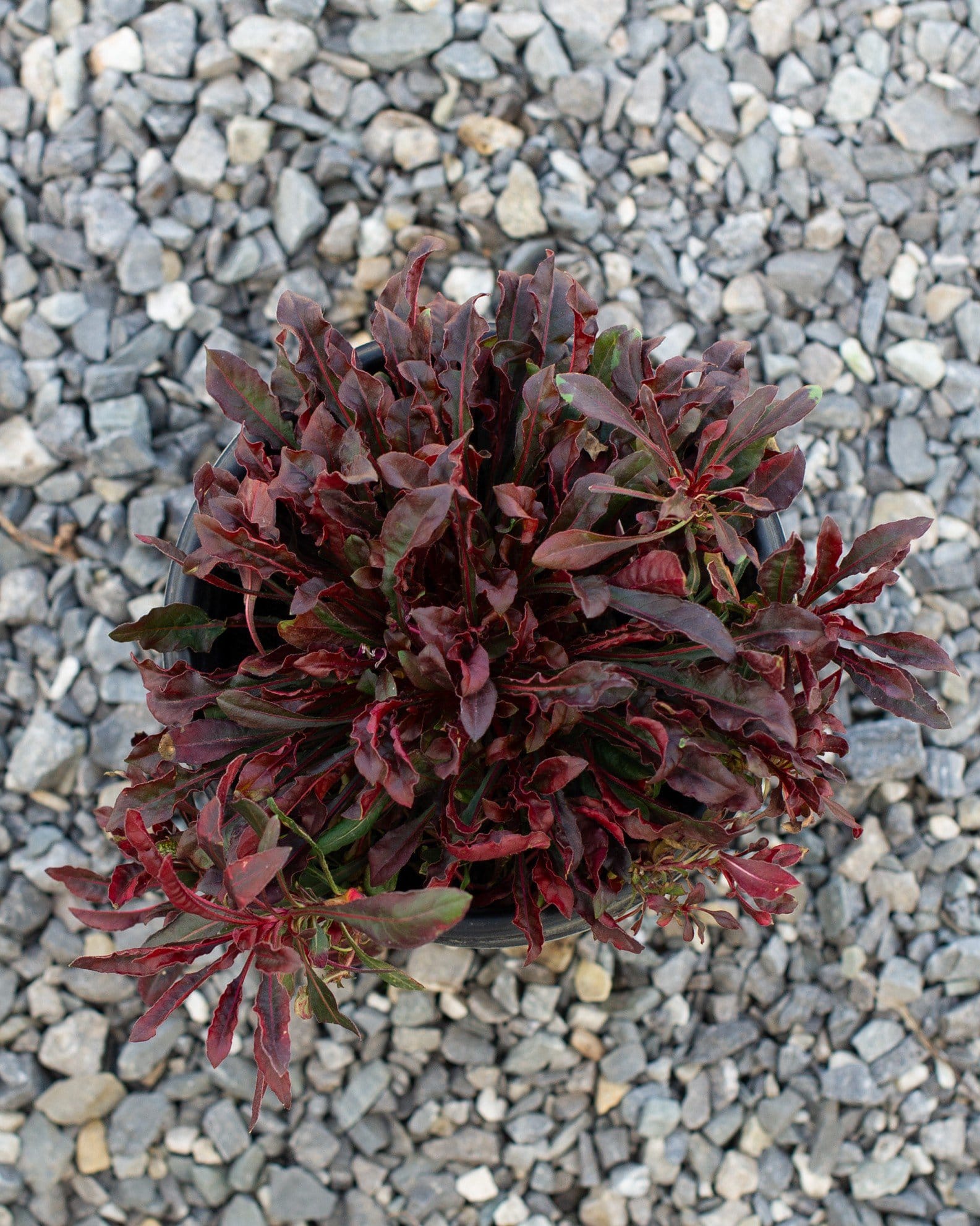
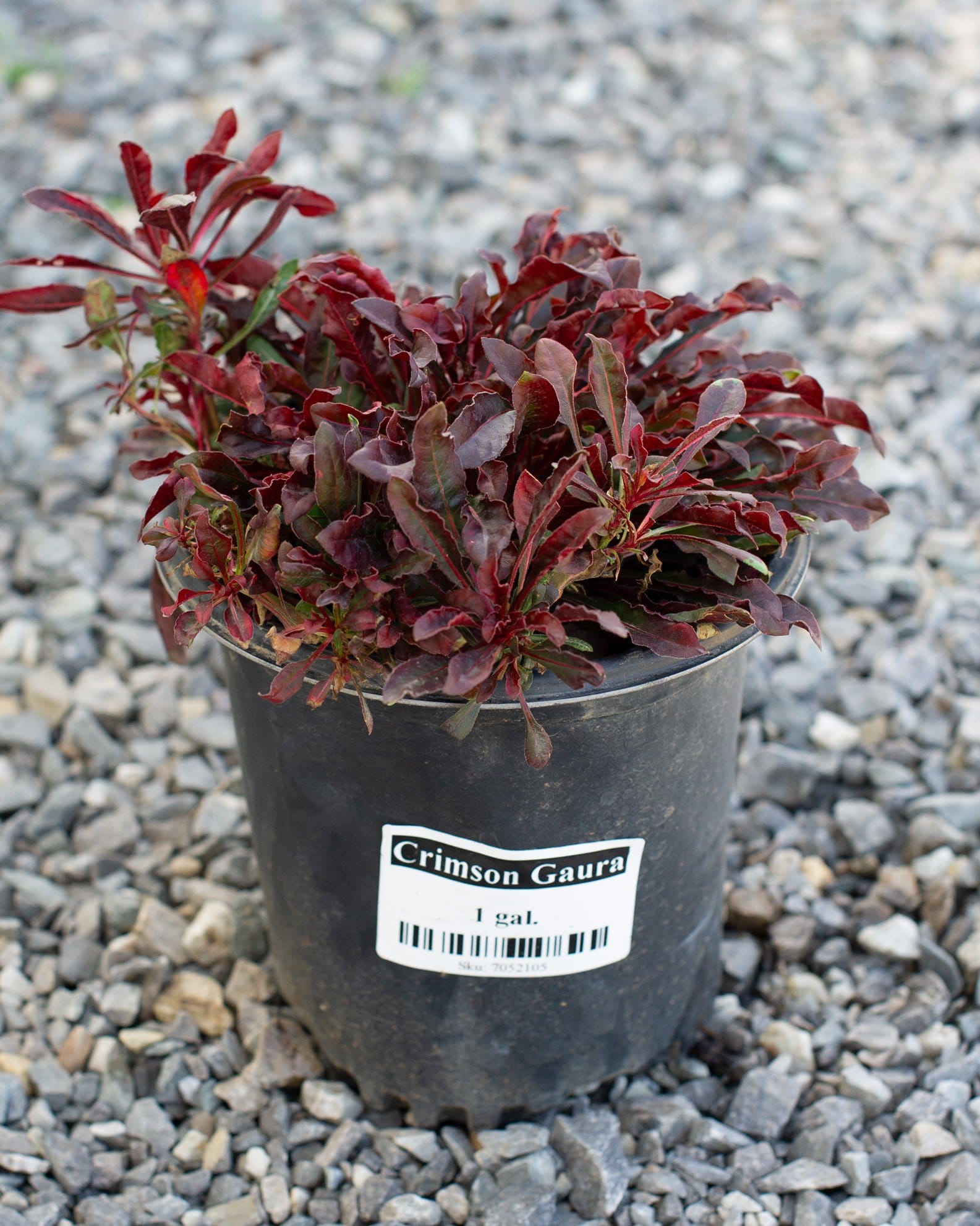
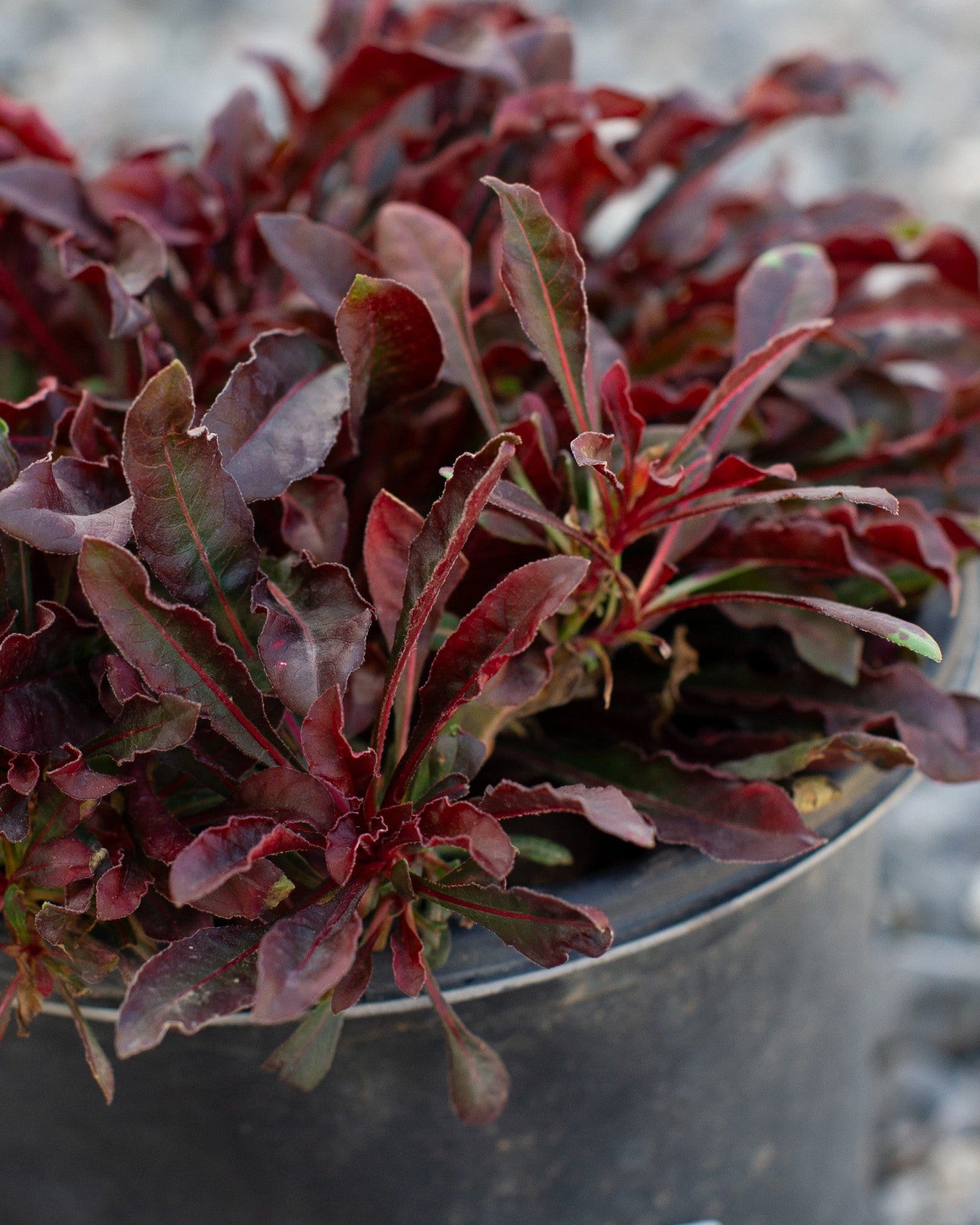
Crimson Gaura
Maturity: 1' H x 1.5' W
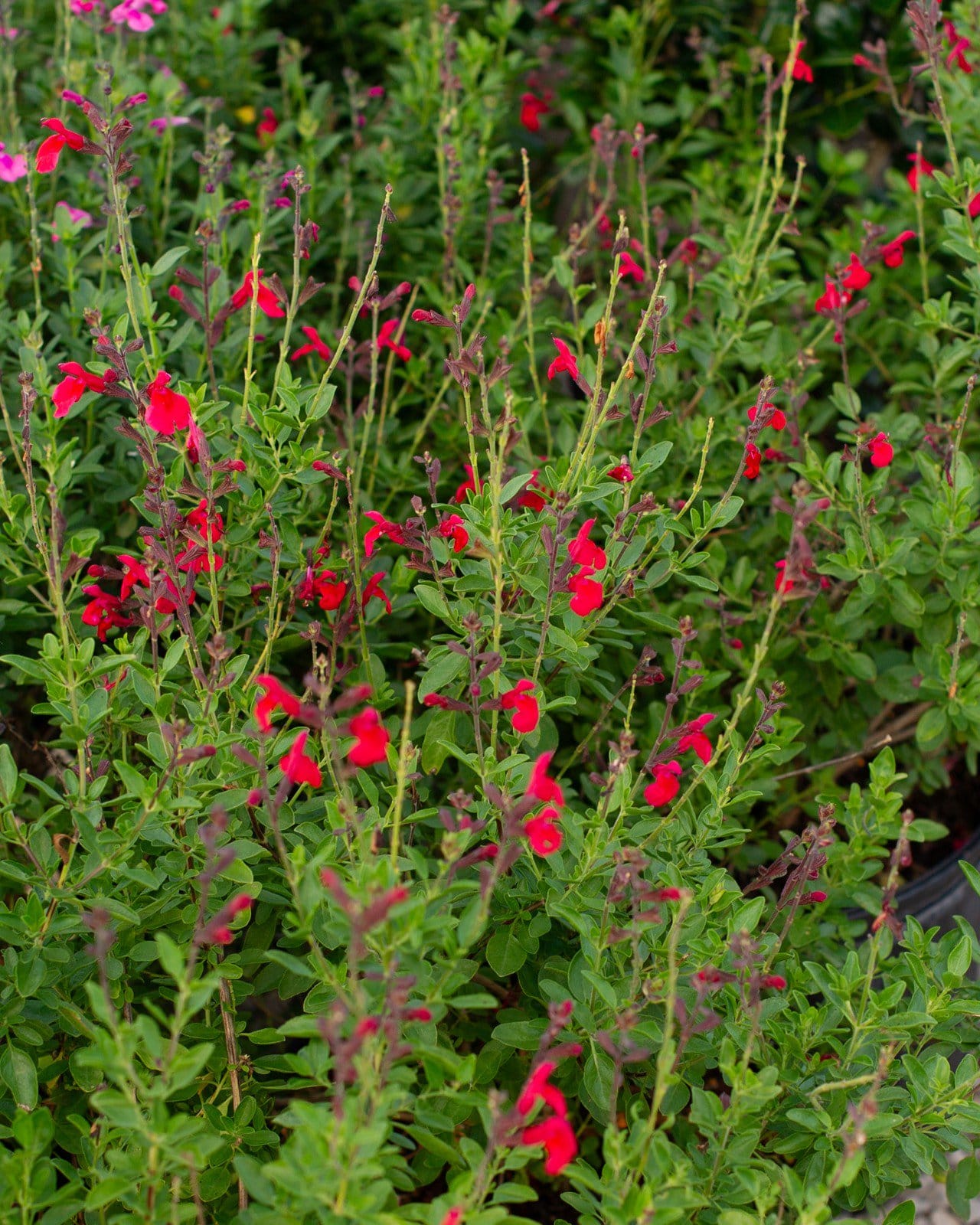
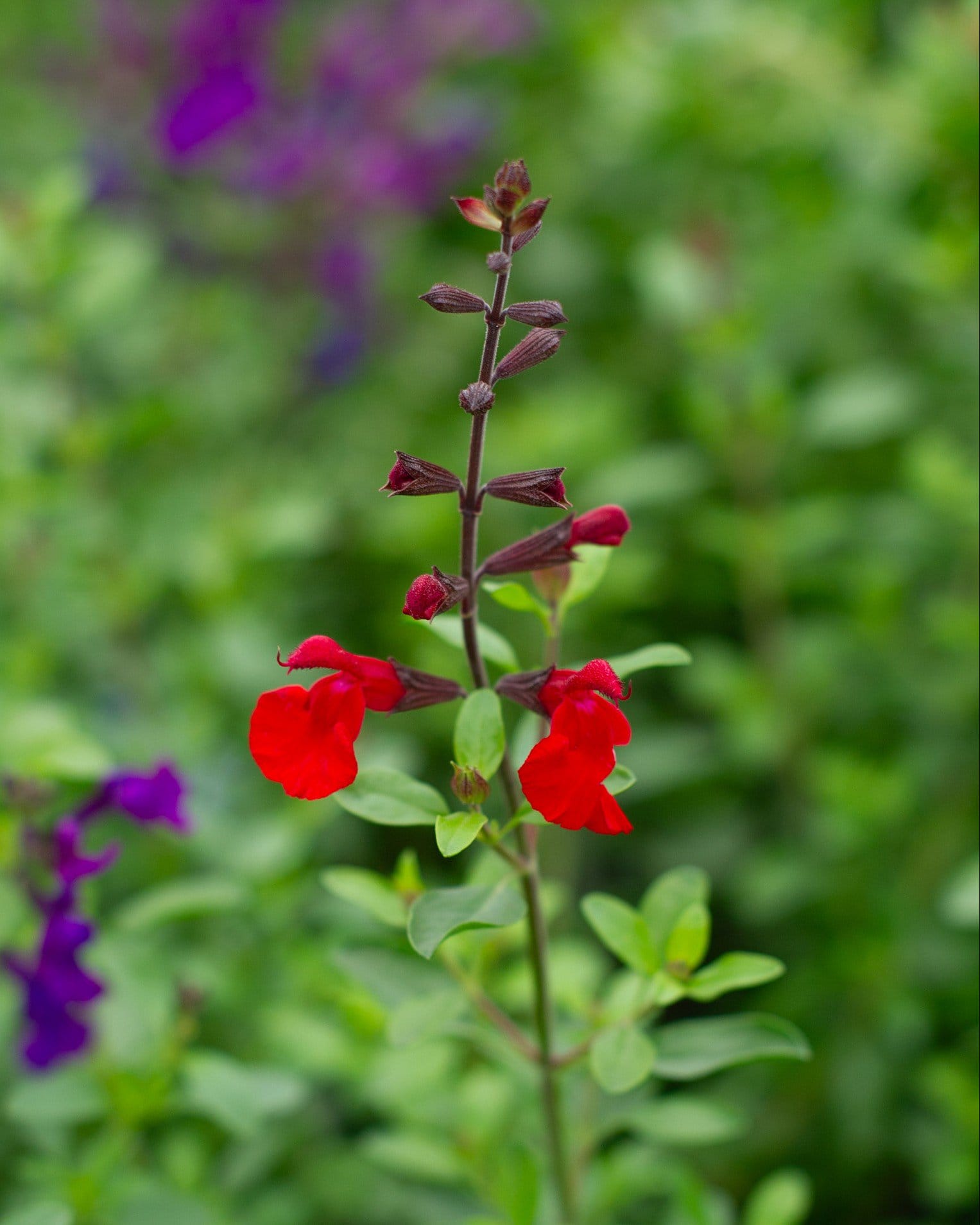
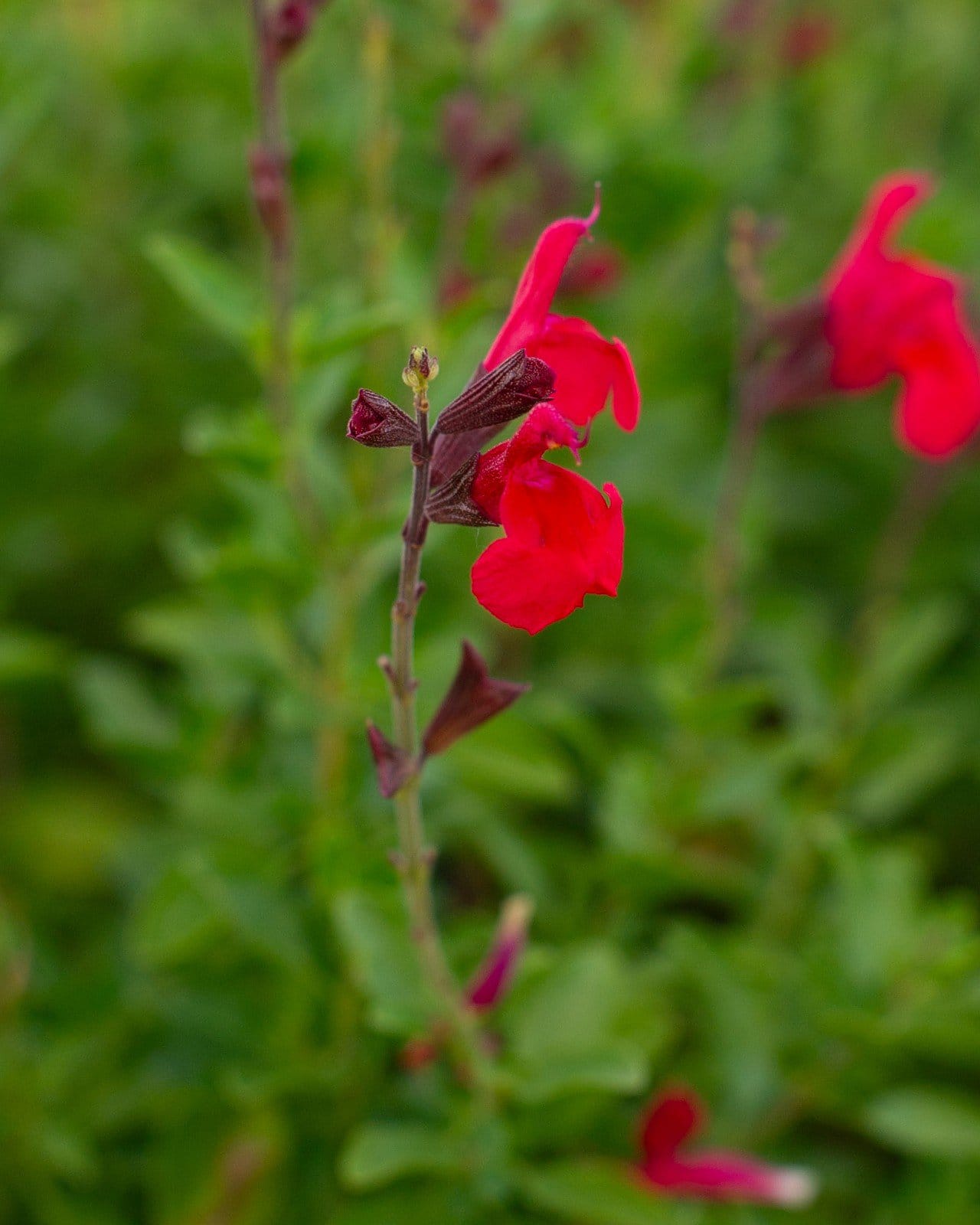
Furman's Red Salvia Greggii
Maturity: 3' H x 3' W
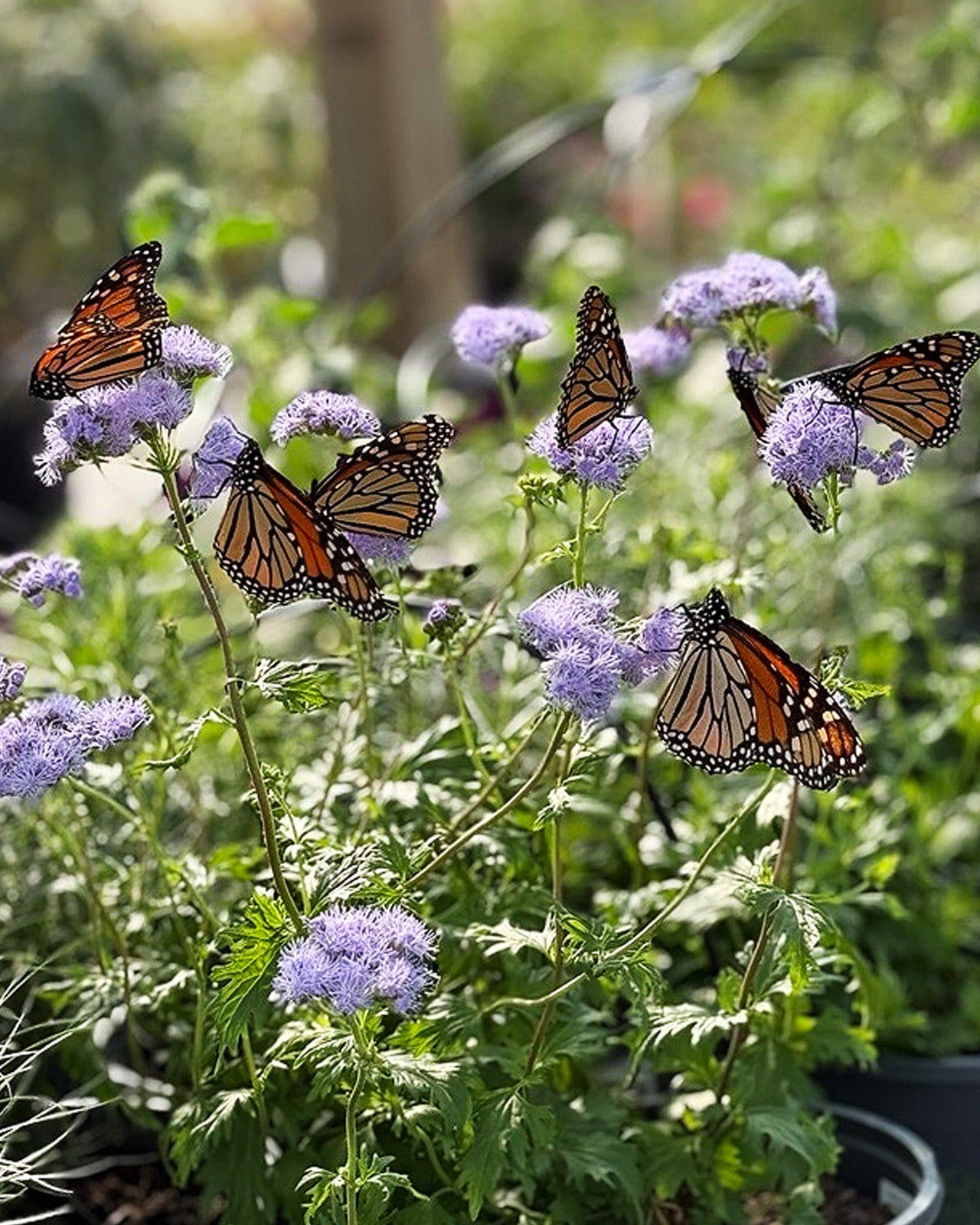
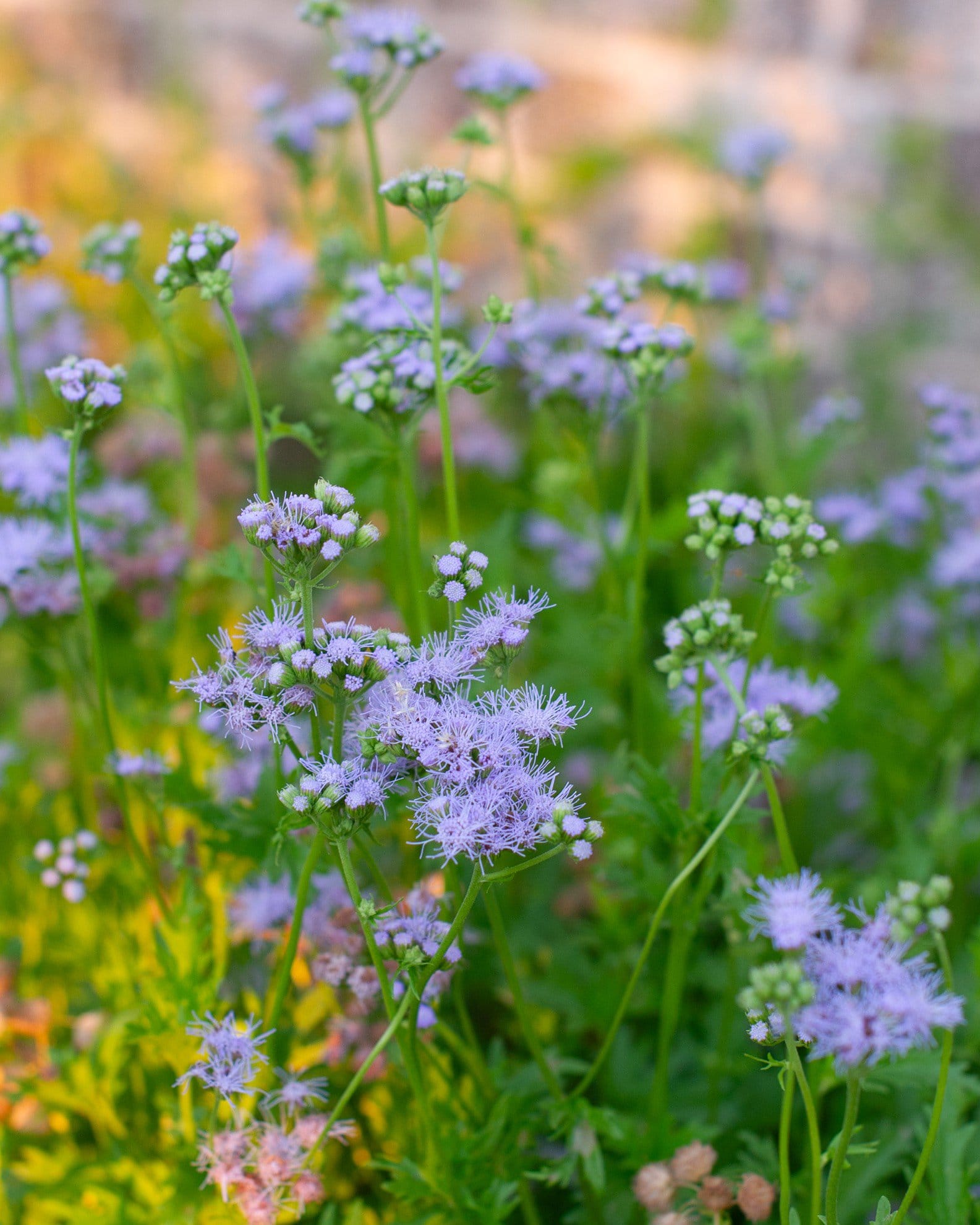
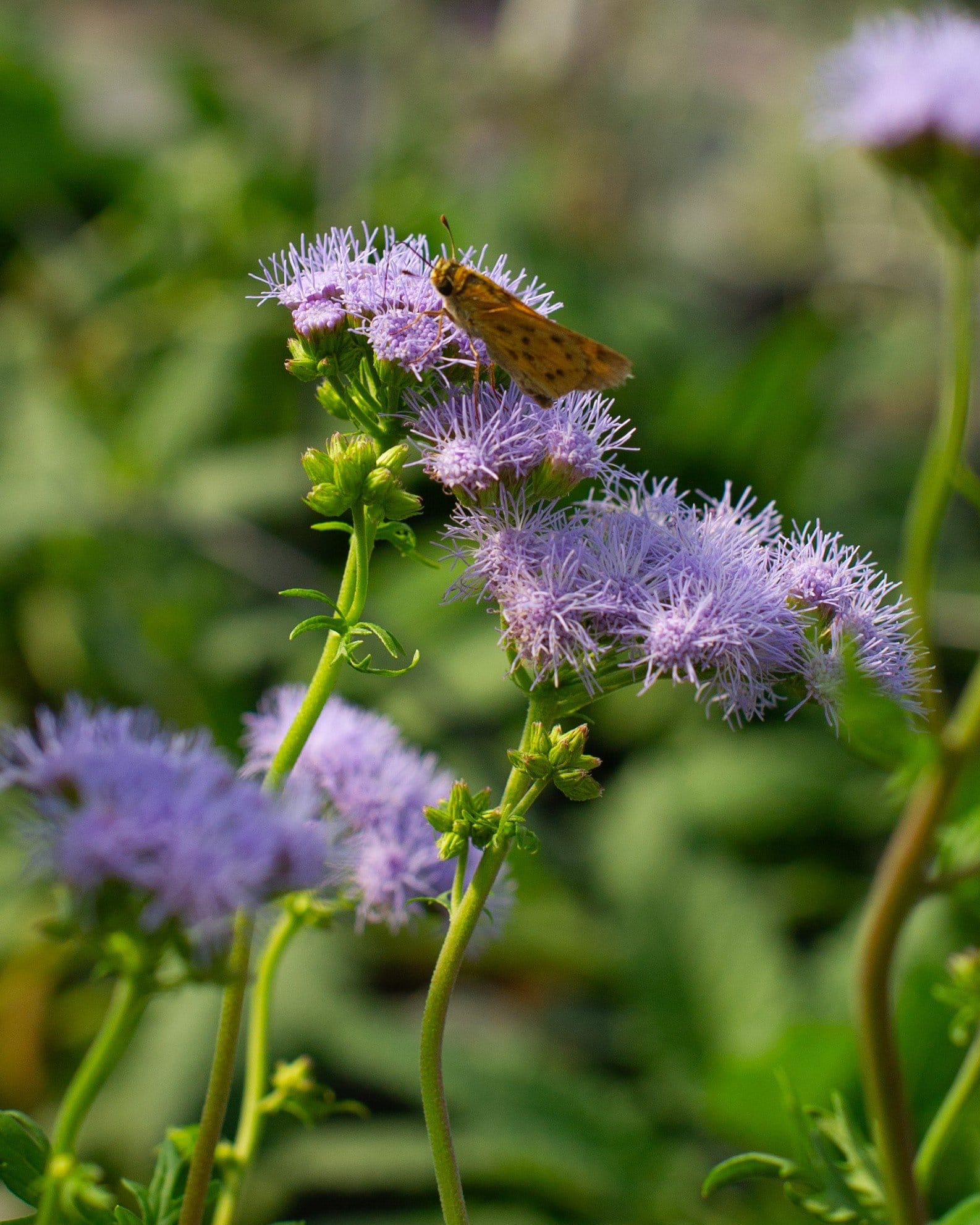
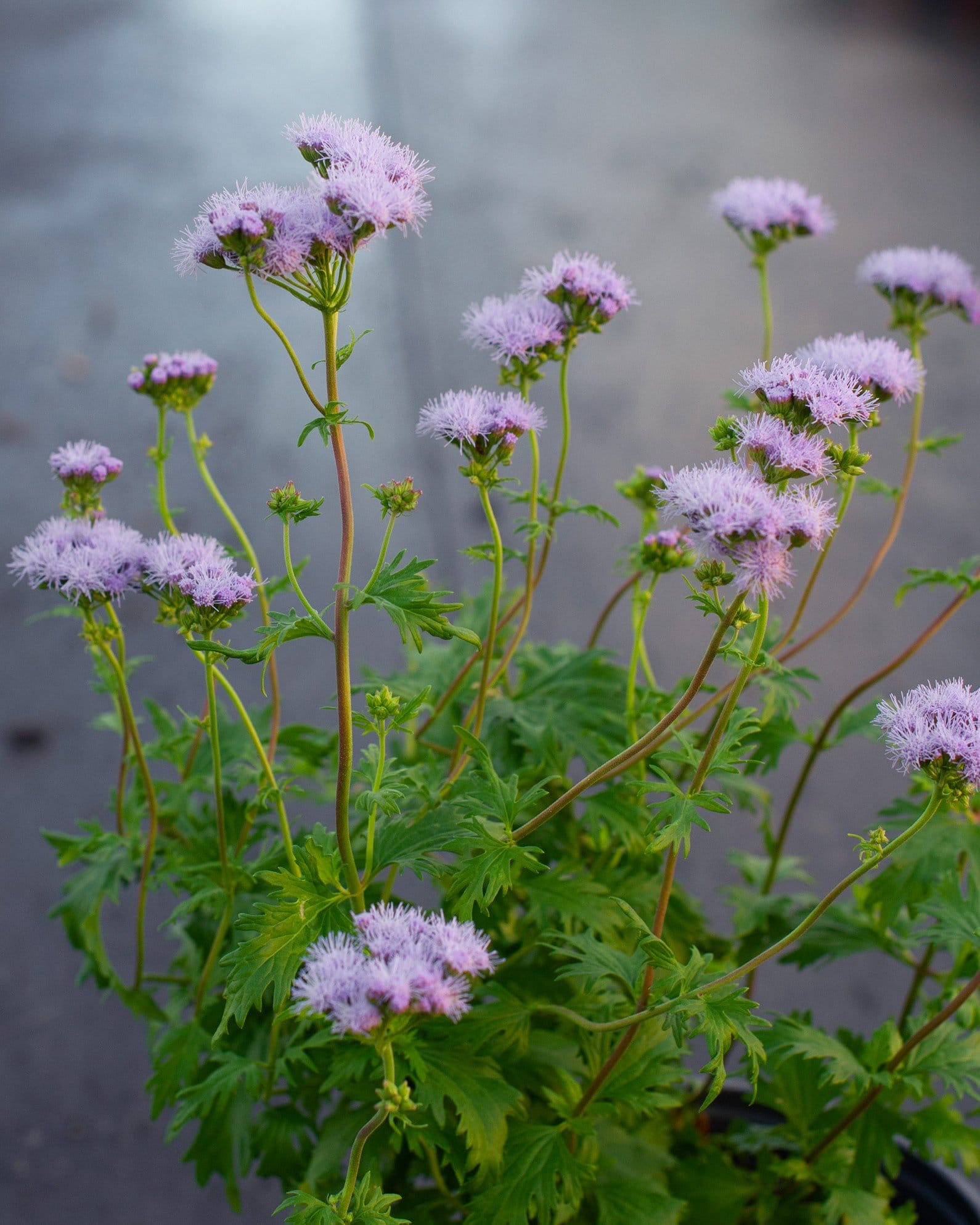
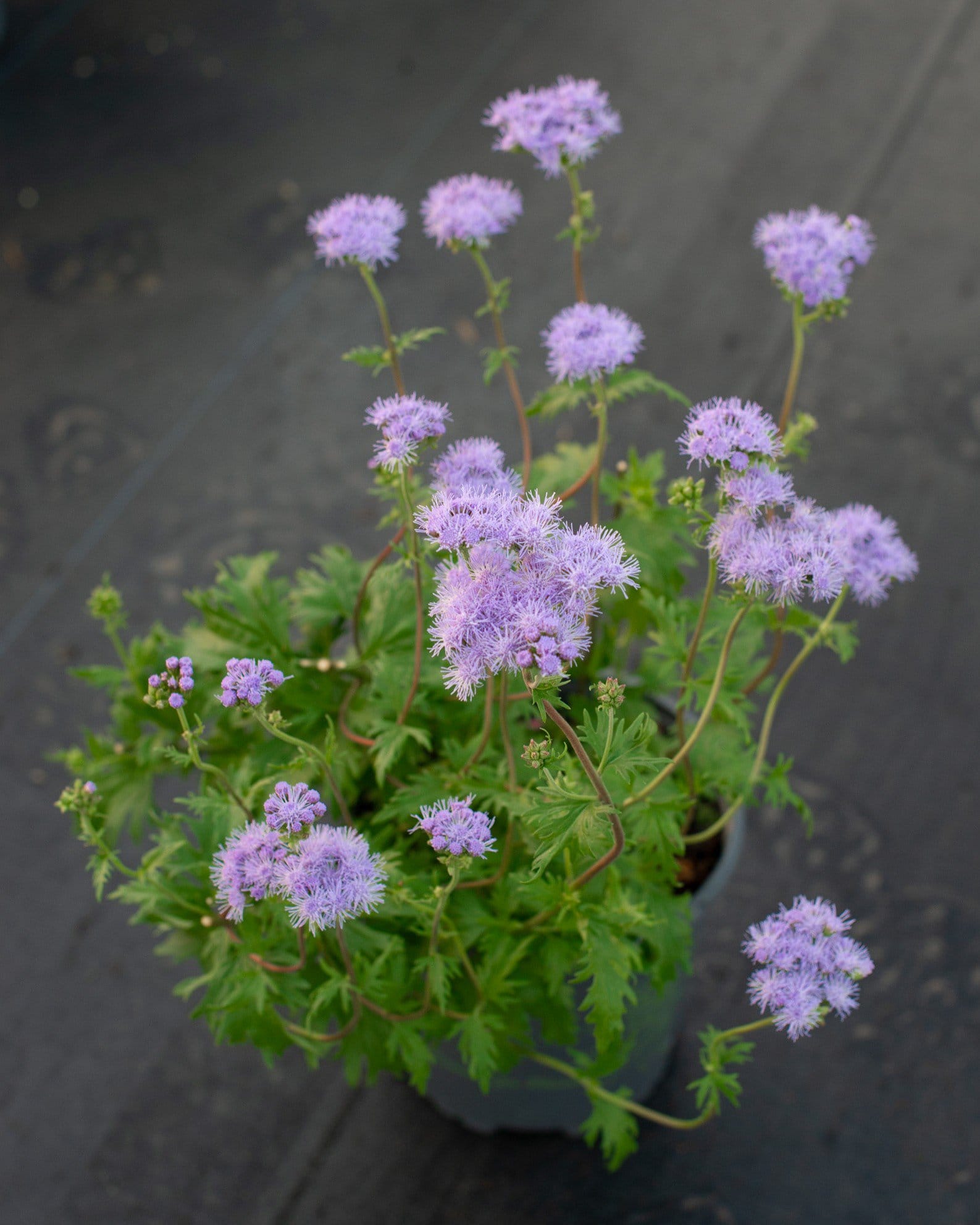
Gregg's Mistflower
Maturity: 1.5' H x 1.5' W
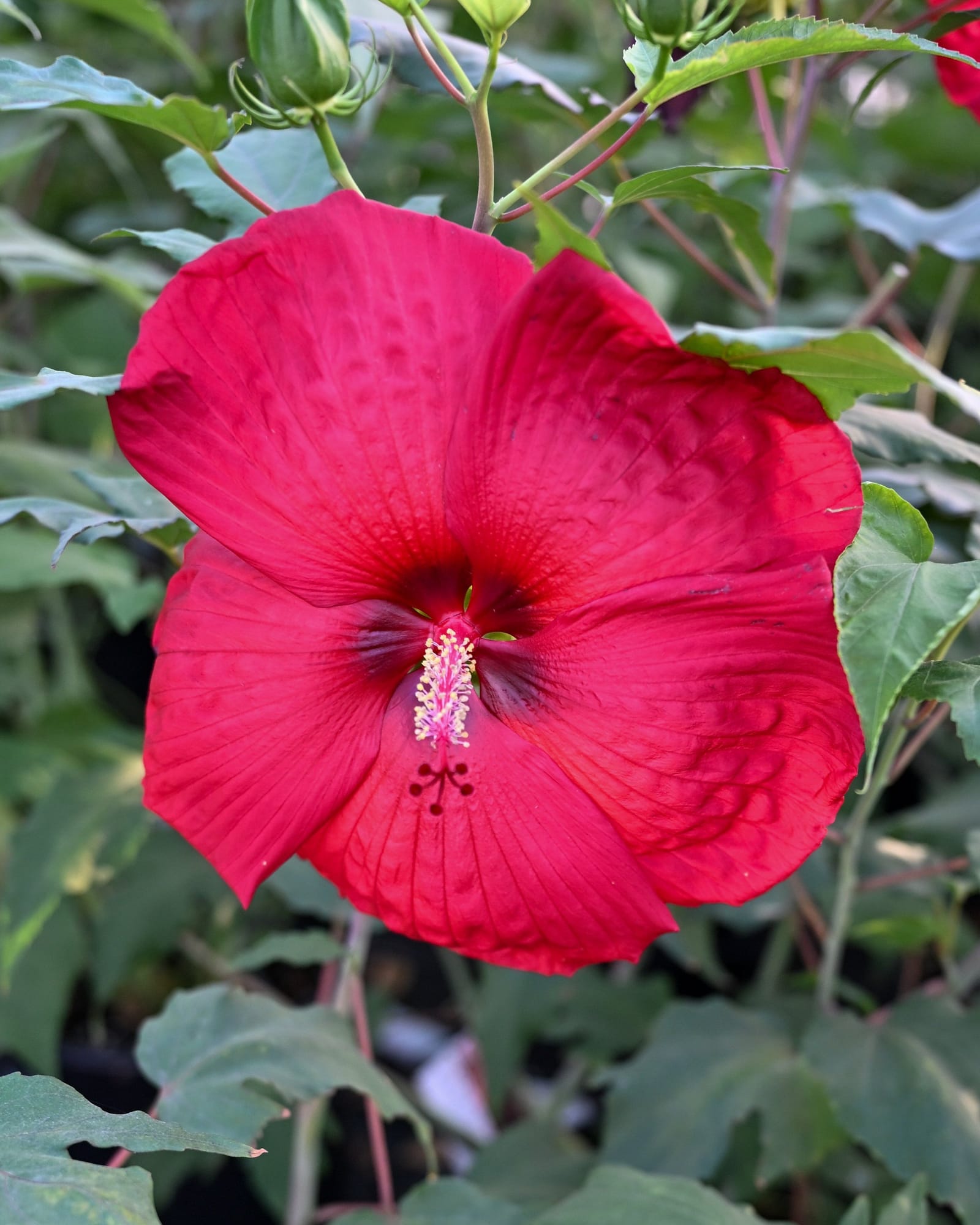
Head over Heels Desire Hibiscus
Maturity: 3' H x 3' W
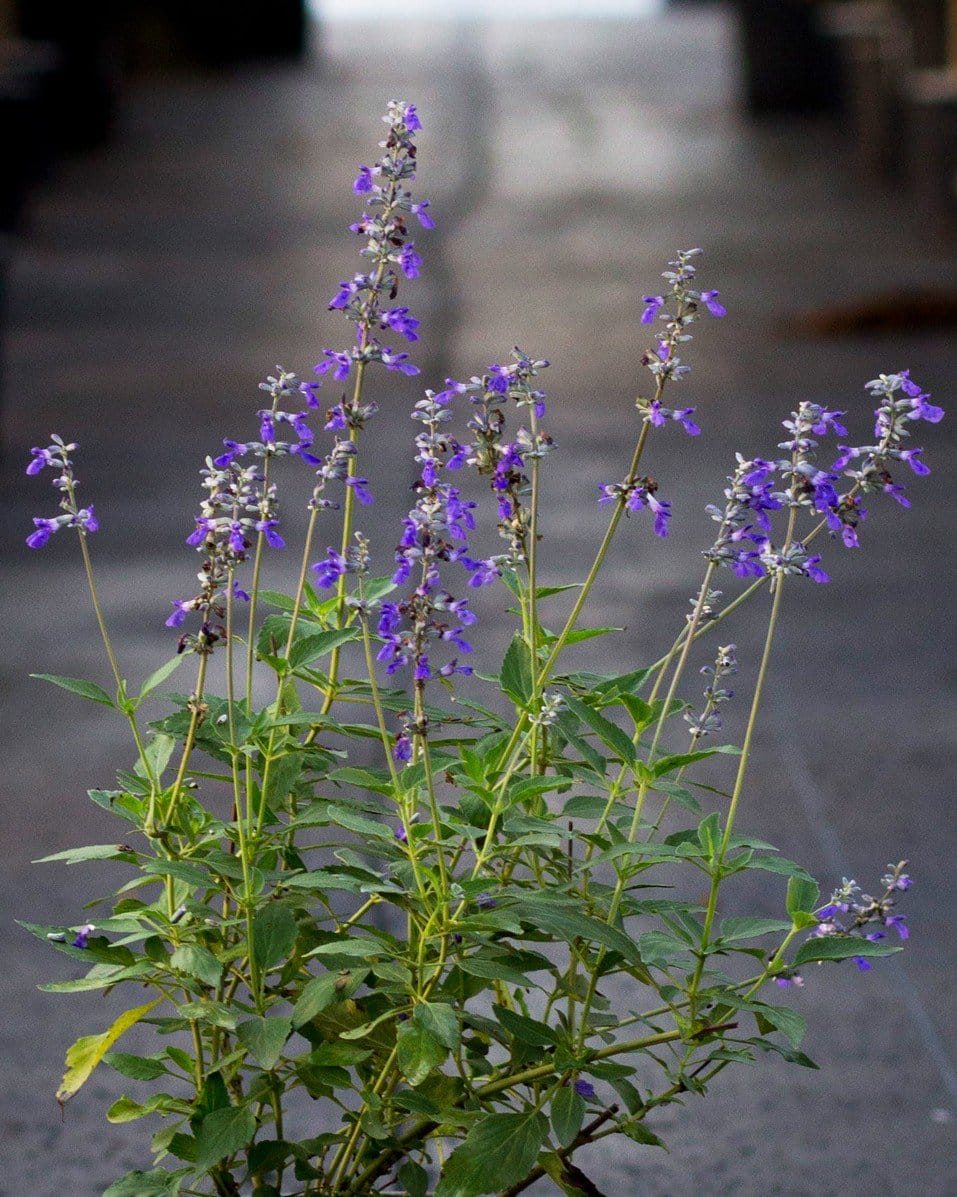
Henry Duelberg Salvia
Maturity: 3' H x 3' W
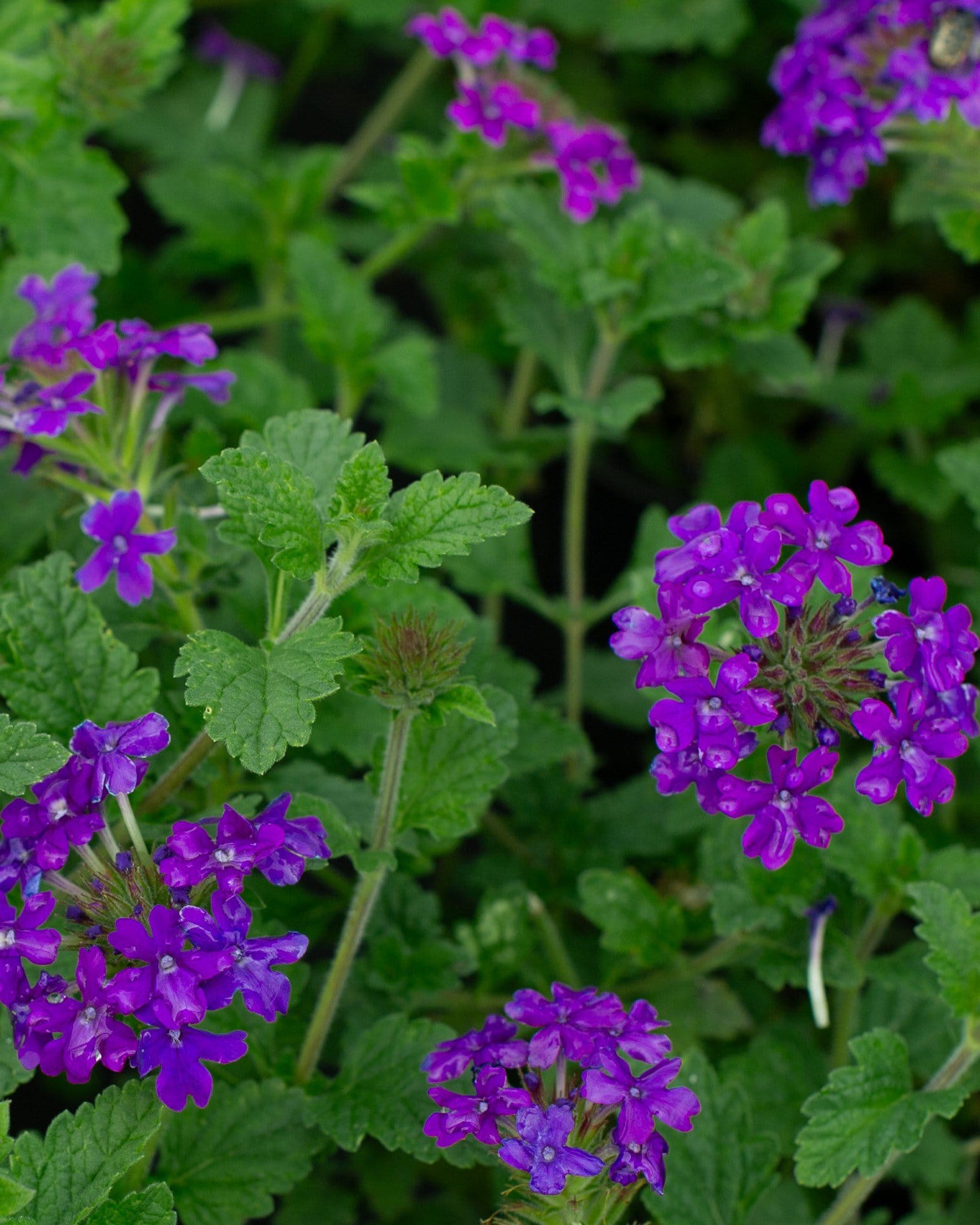
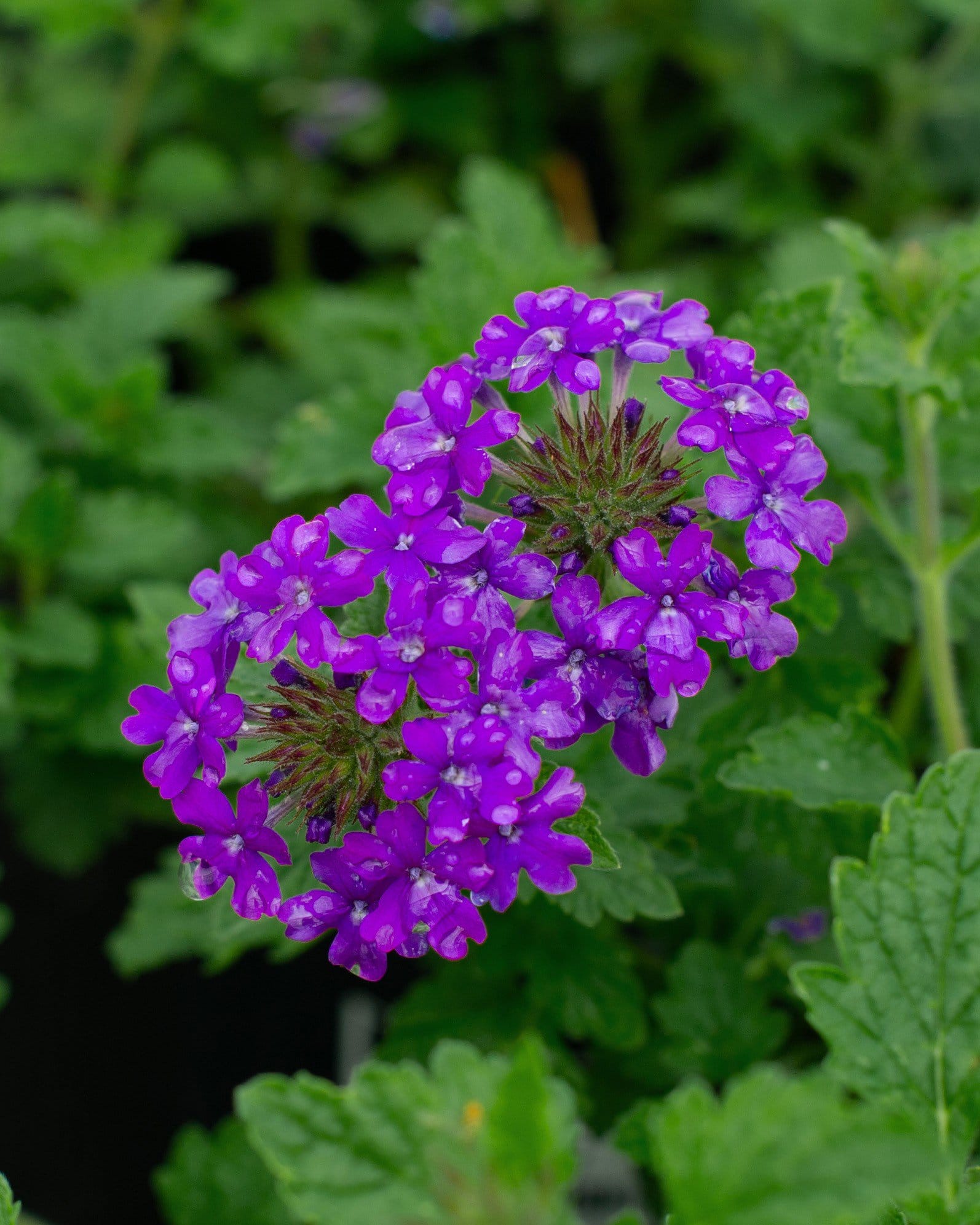
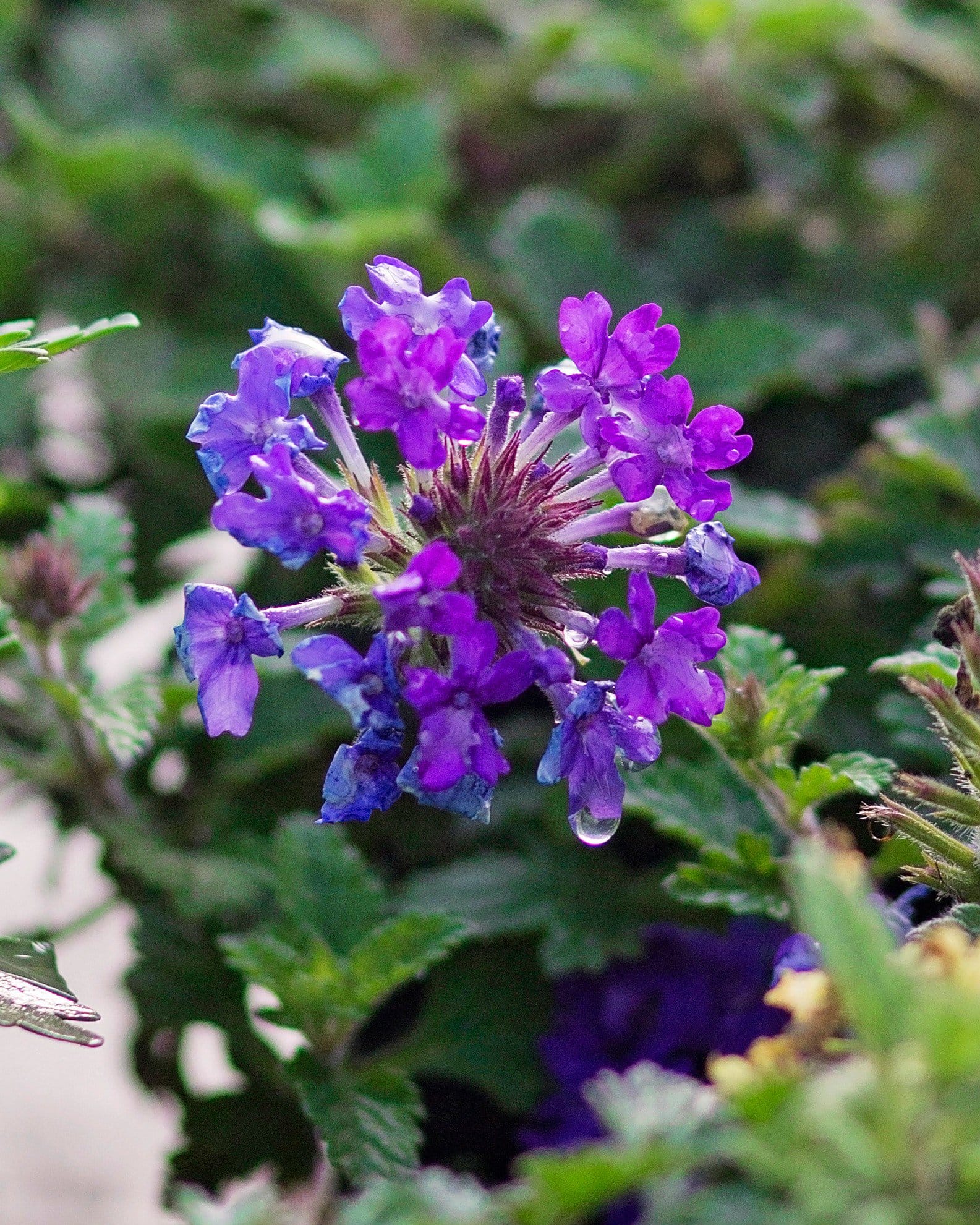
Homestead Purple Verbena
Maturity: 1' H x 2' W
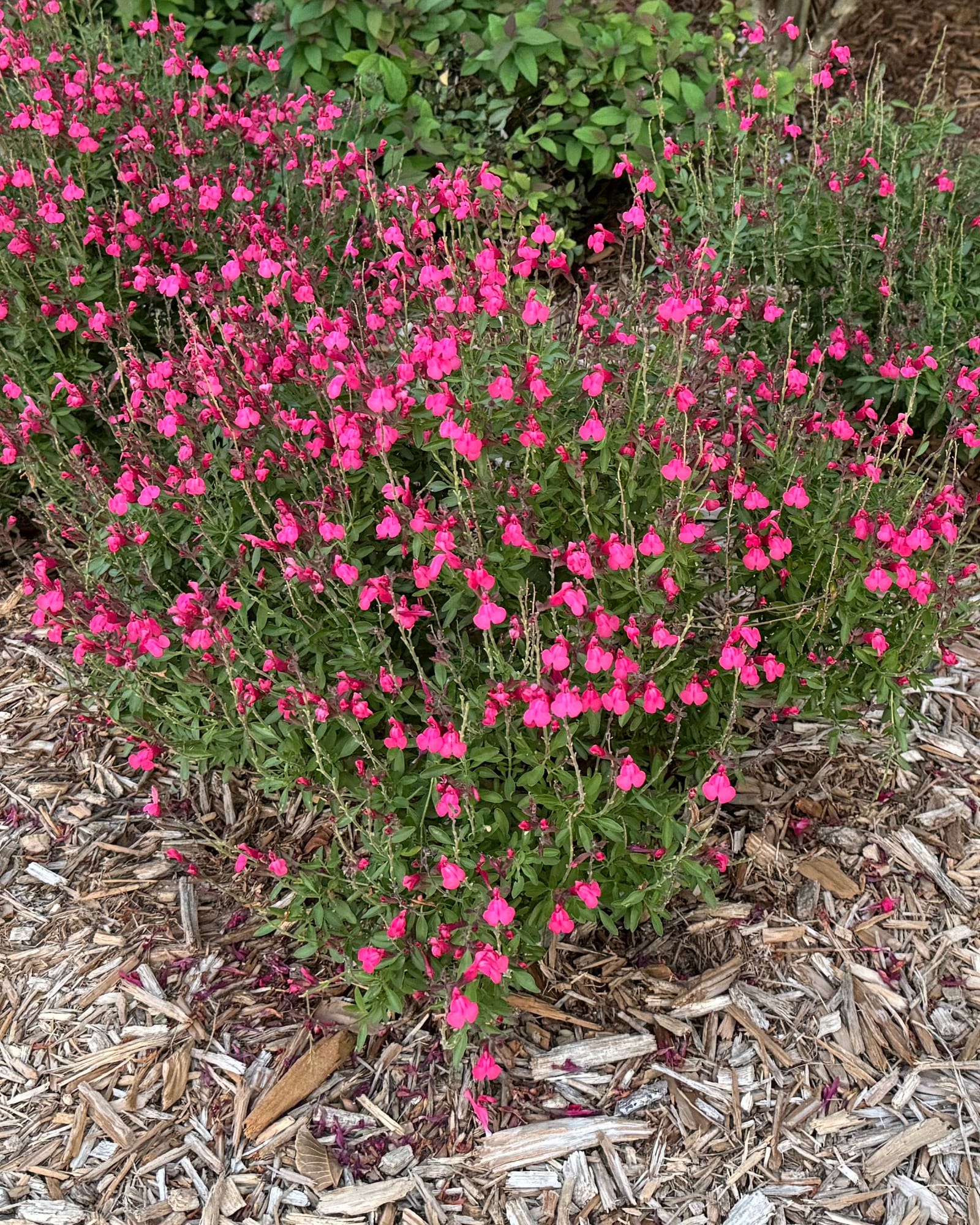
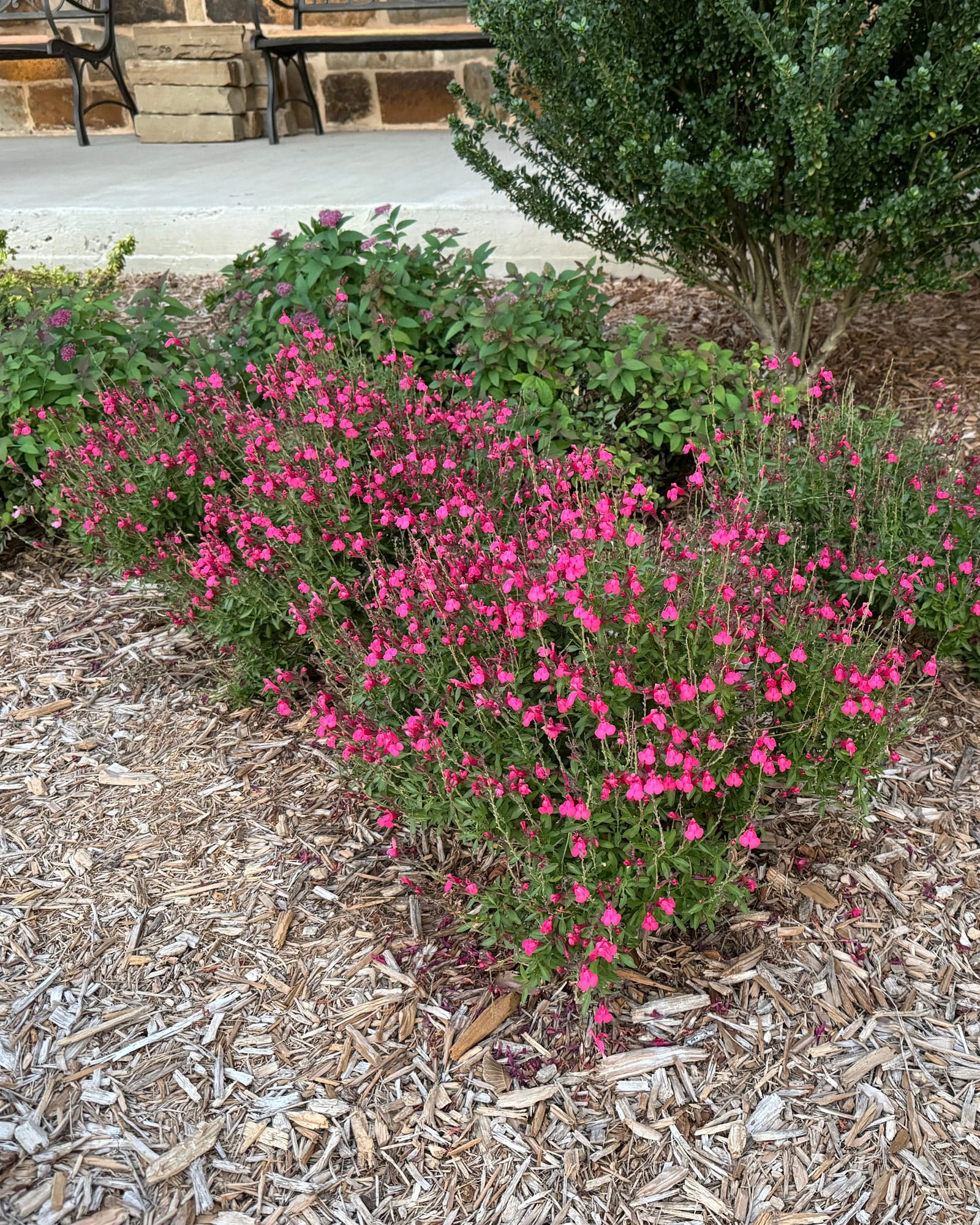
Hot Pink Salvia Greggii
Maturity: 3' H x 3' W
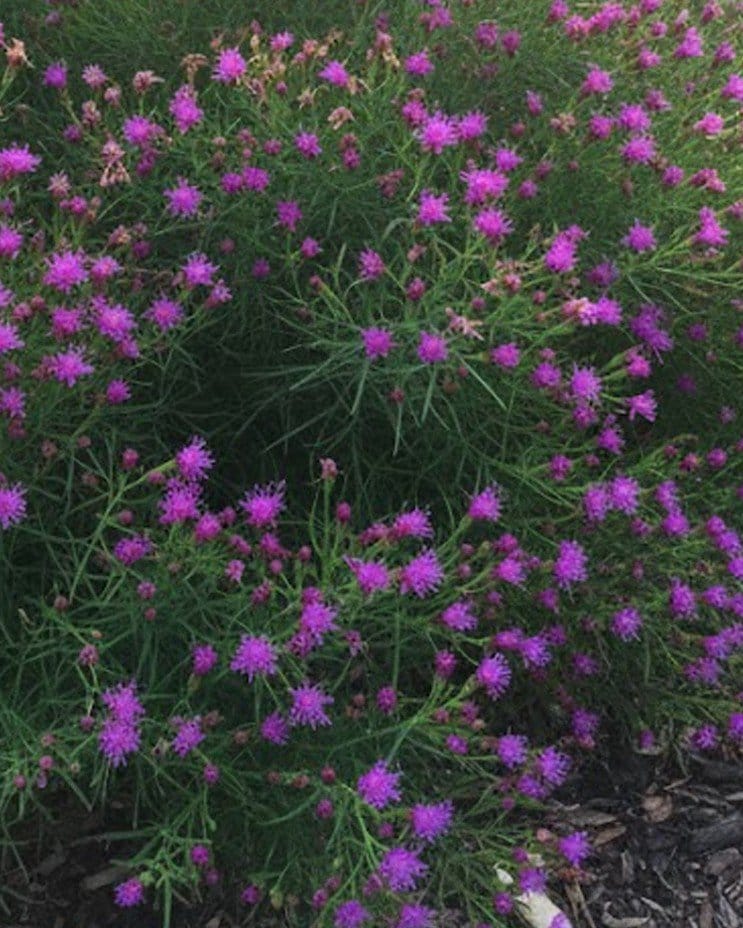
Iron Butterfly Ironweed
Maturity: 2' H x 1.5' W
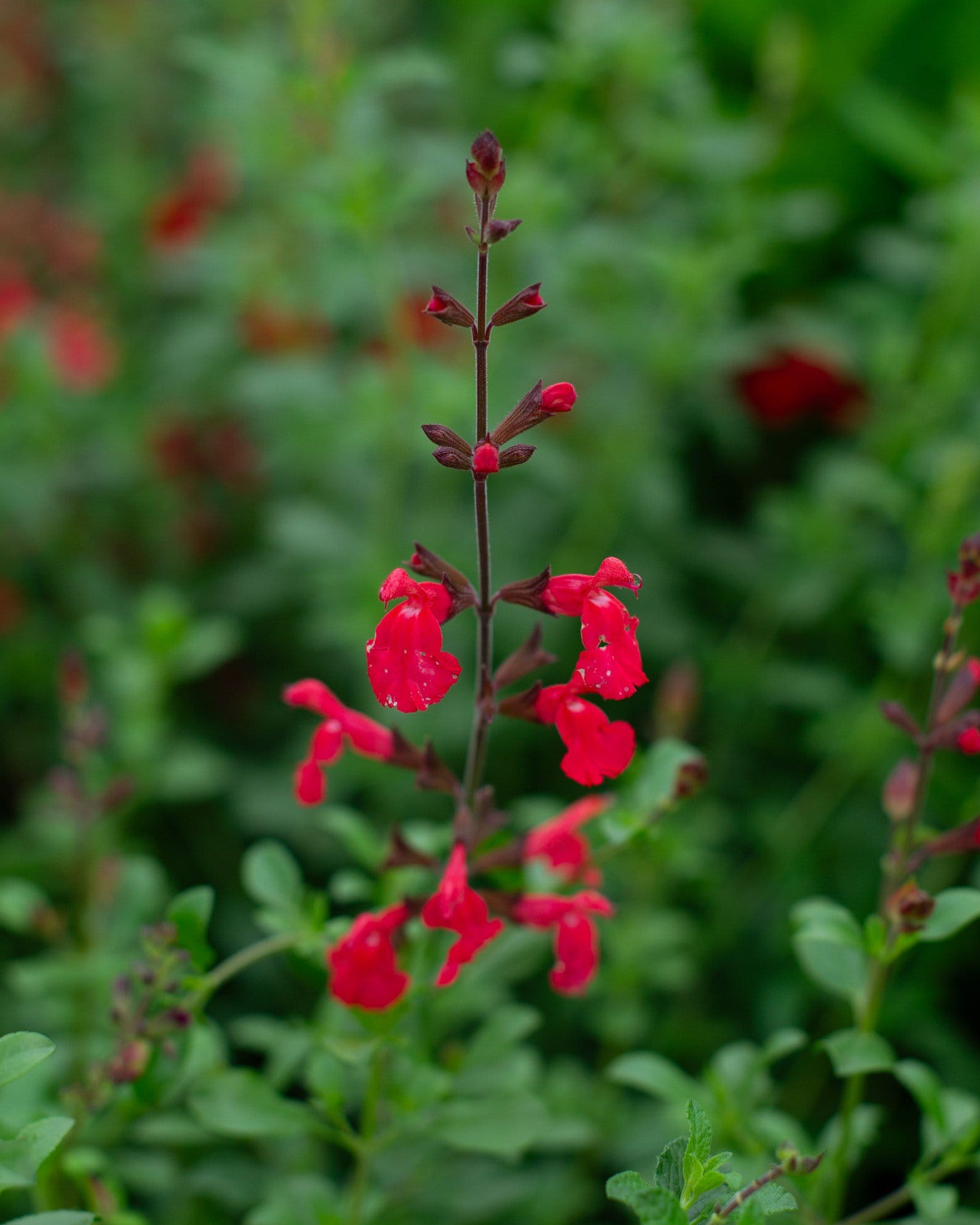
Lipstick Salvia Greggii
Maturity: 2' H x 2' W
Compare Similar Plants
Black-eyed Susan Rudbeckia This plant | ||
|---|---|---|
| Scientific Name | Rudbeckia hirta | Rudbeckia fulgida ‘Goldsturm’ |
| Size at Maturity | 3' H x 1.5' W | 3' H x 1.5' W |
| Leaf Retention | Herbaceous | Herbaceous |
| Flower Color | Yellow | Yellow |
| Bloom Times | Summer & Fall | Summer & Fall |
| Sizes Available | — | 1 gal |


Our 1-Year Planting Guarantee
We take pride in our plants and installation services. If any plants or trees installed by Treeland fail to thrive within the first year, we'll provide a replacement credit in accordance with our guarantee program.
Learn More About Our Guarantee