

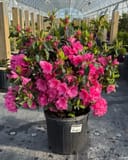


Azalea Pink Ruffle
Rhododendron indica ‘Pink Ruffle’Product Details
Azalea Pink Ruffle
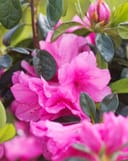
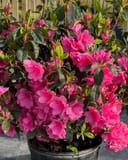
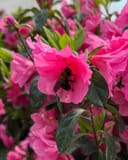
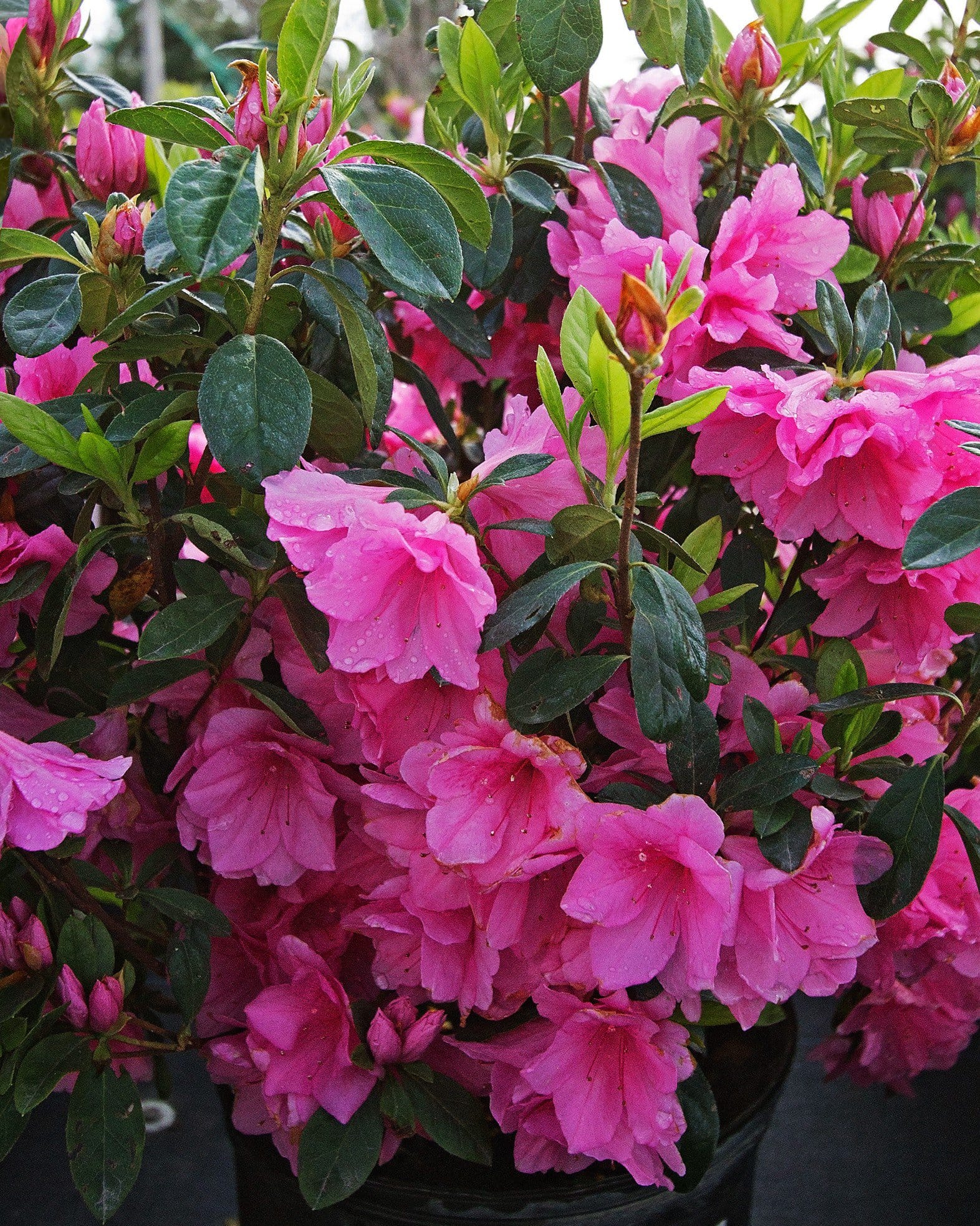
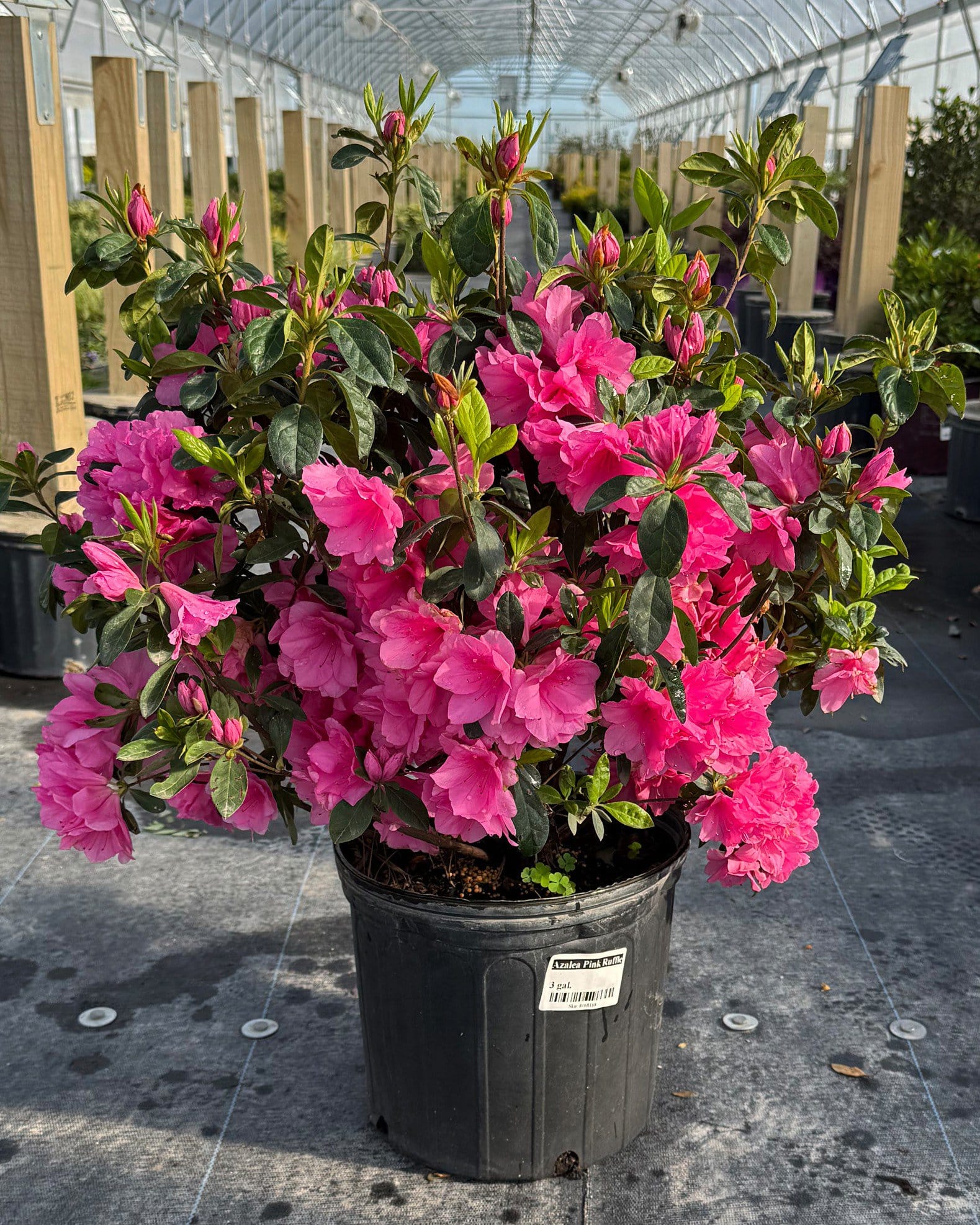
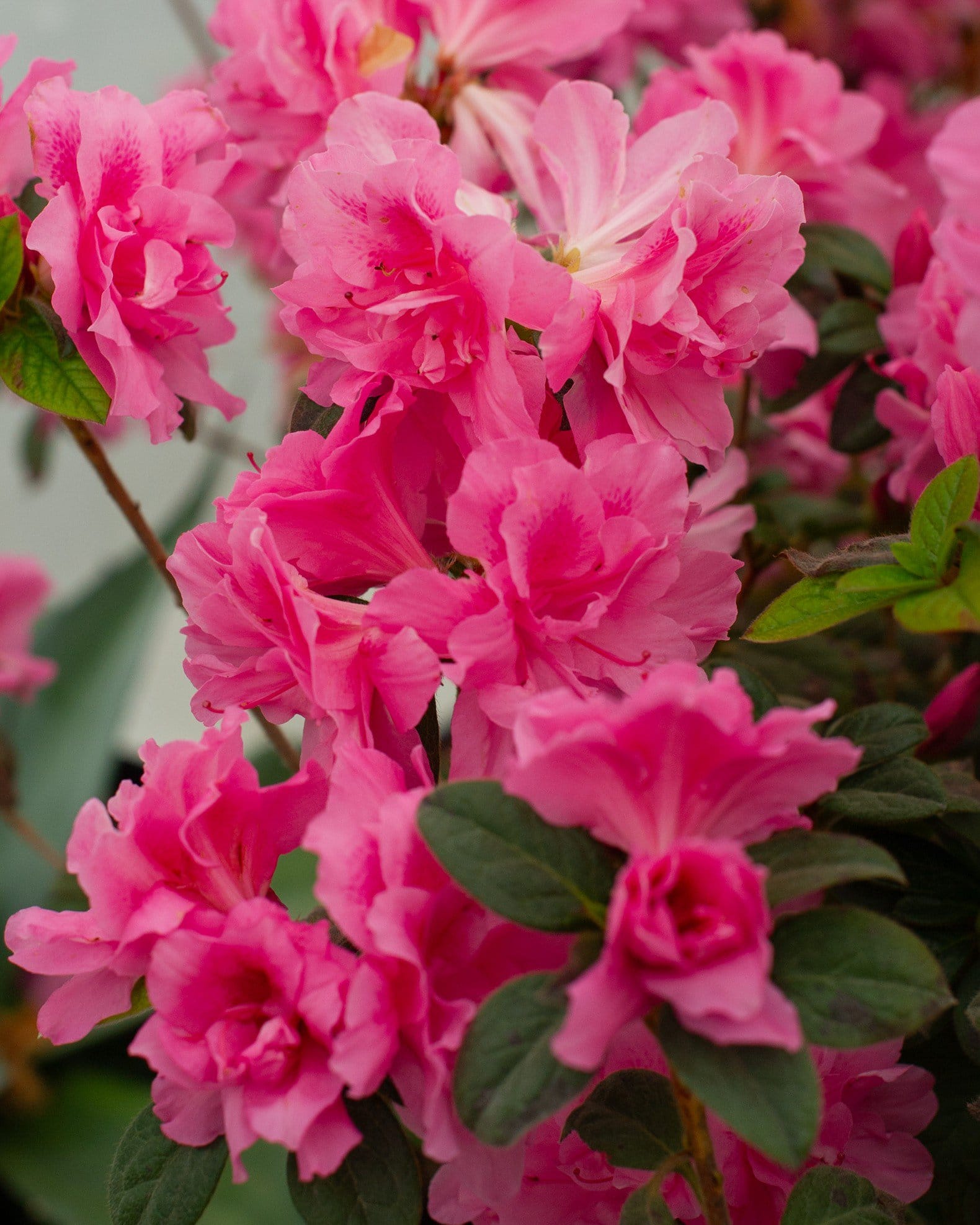
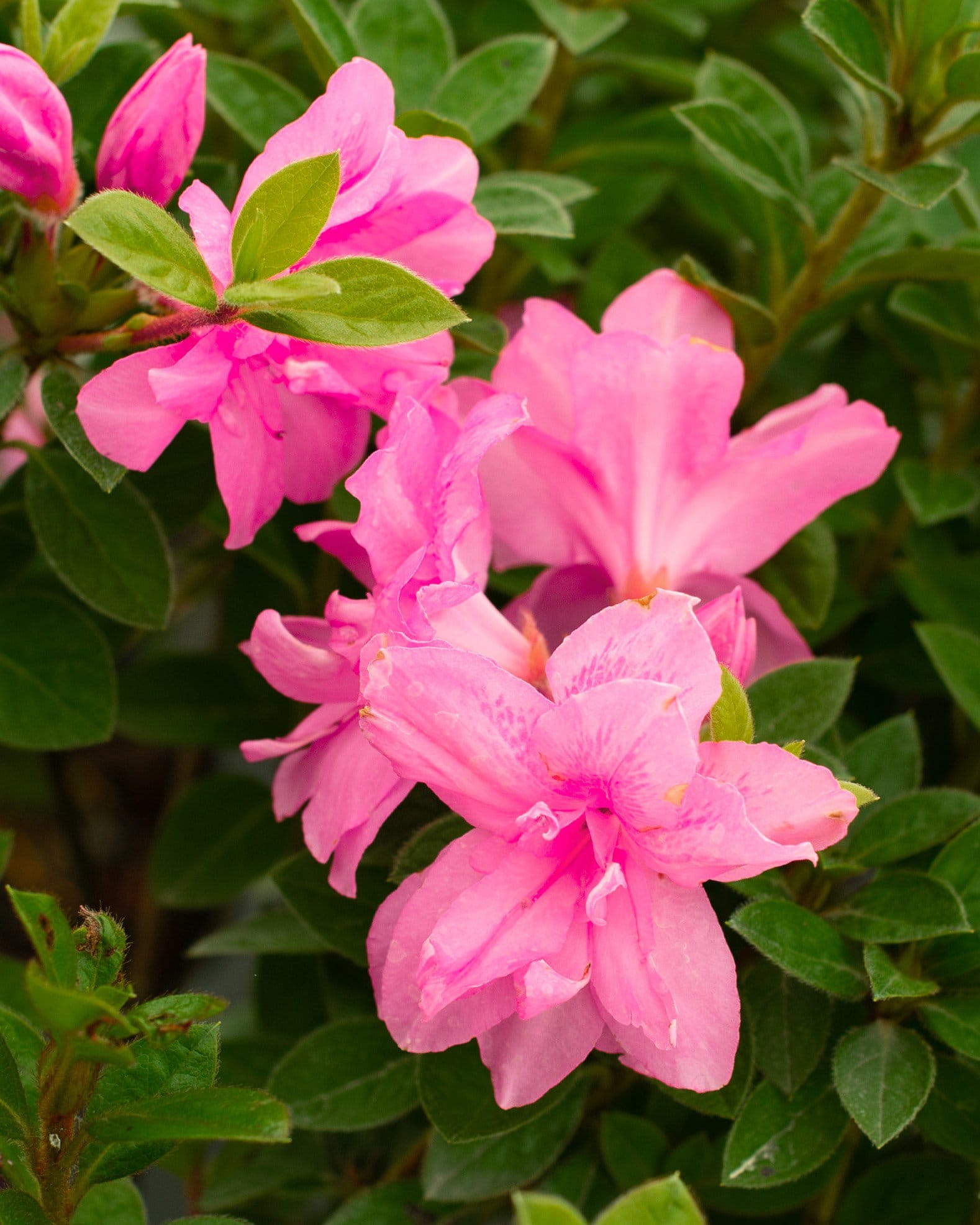
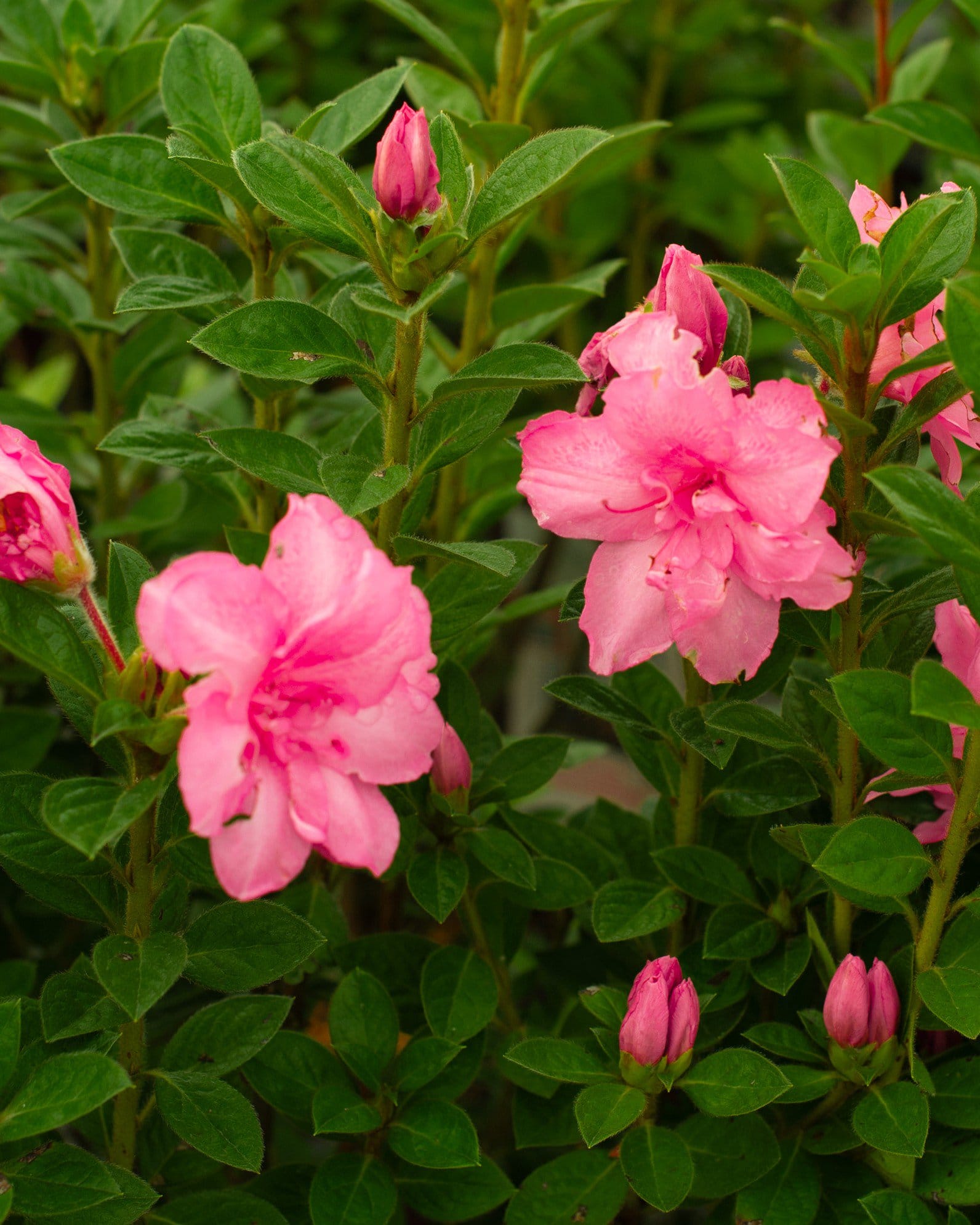
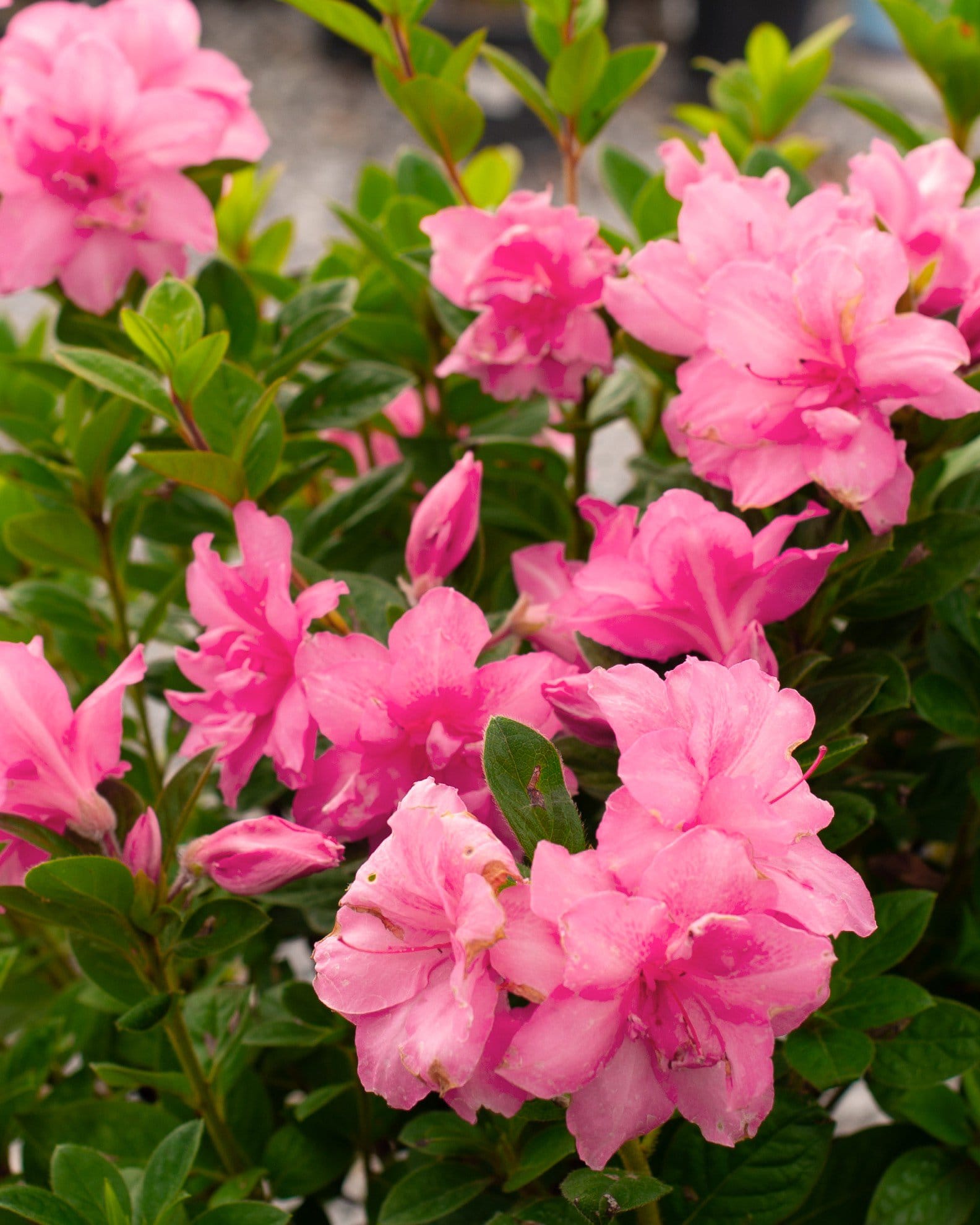
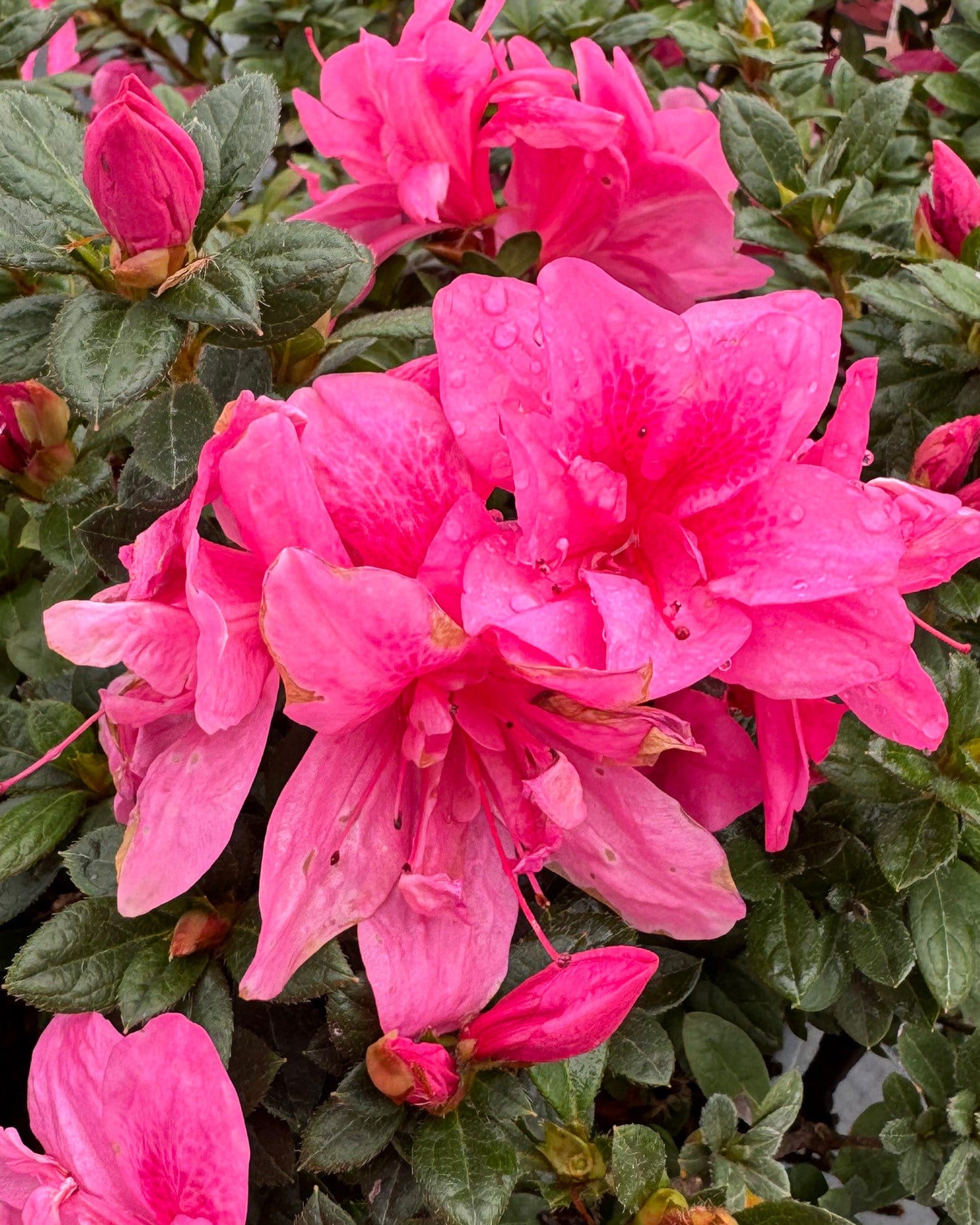
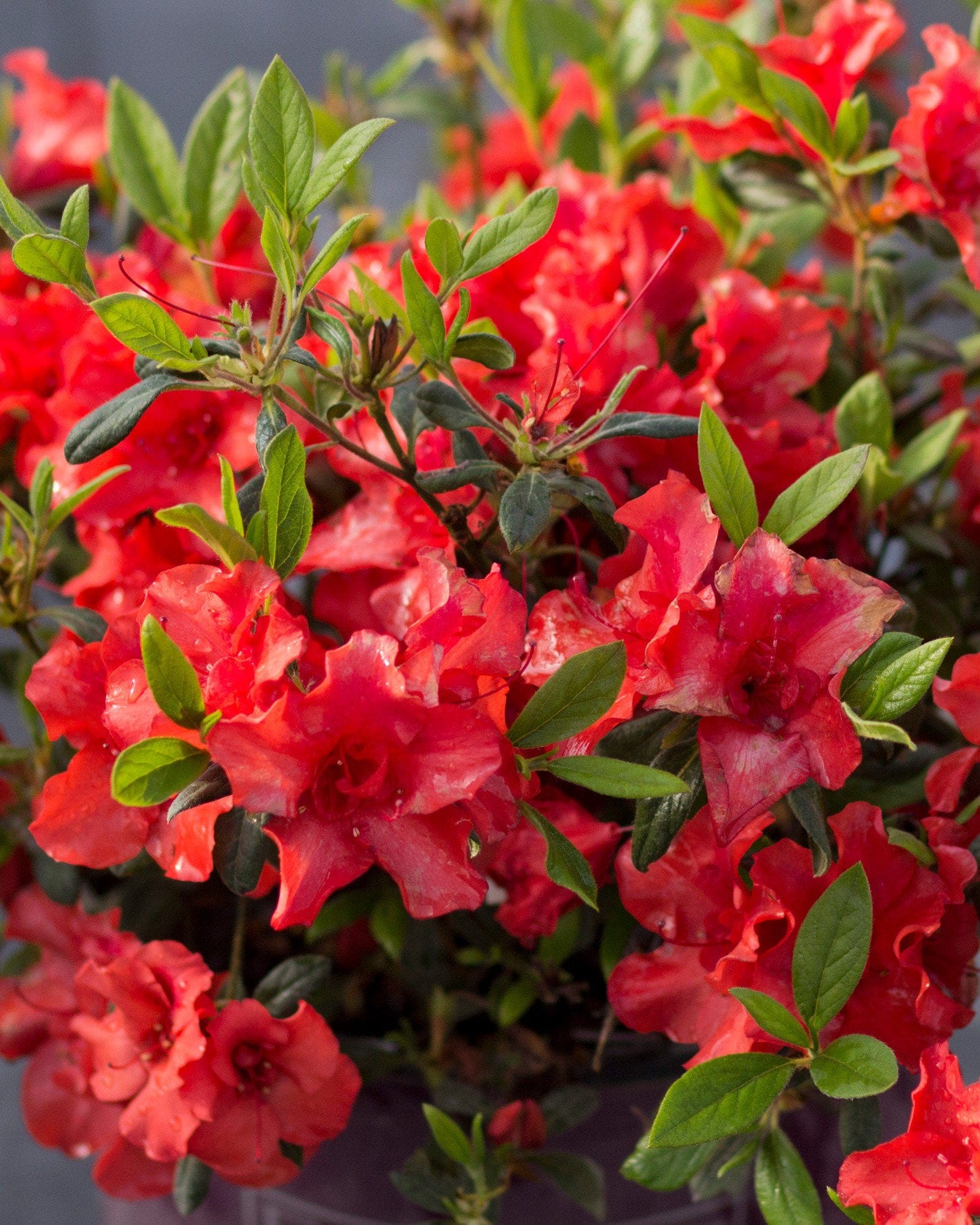
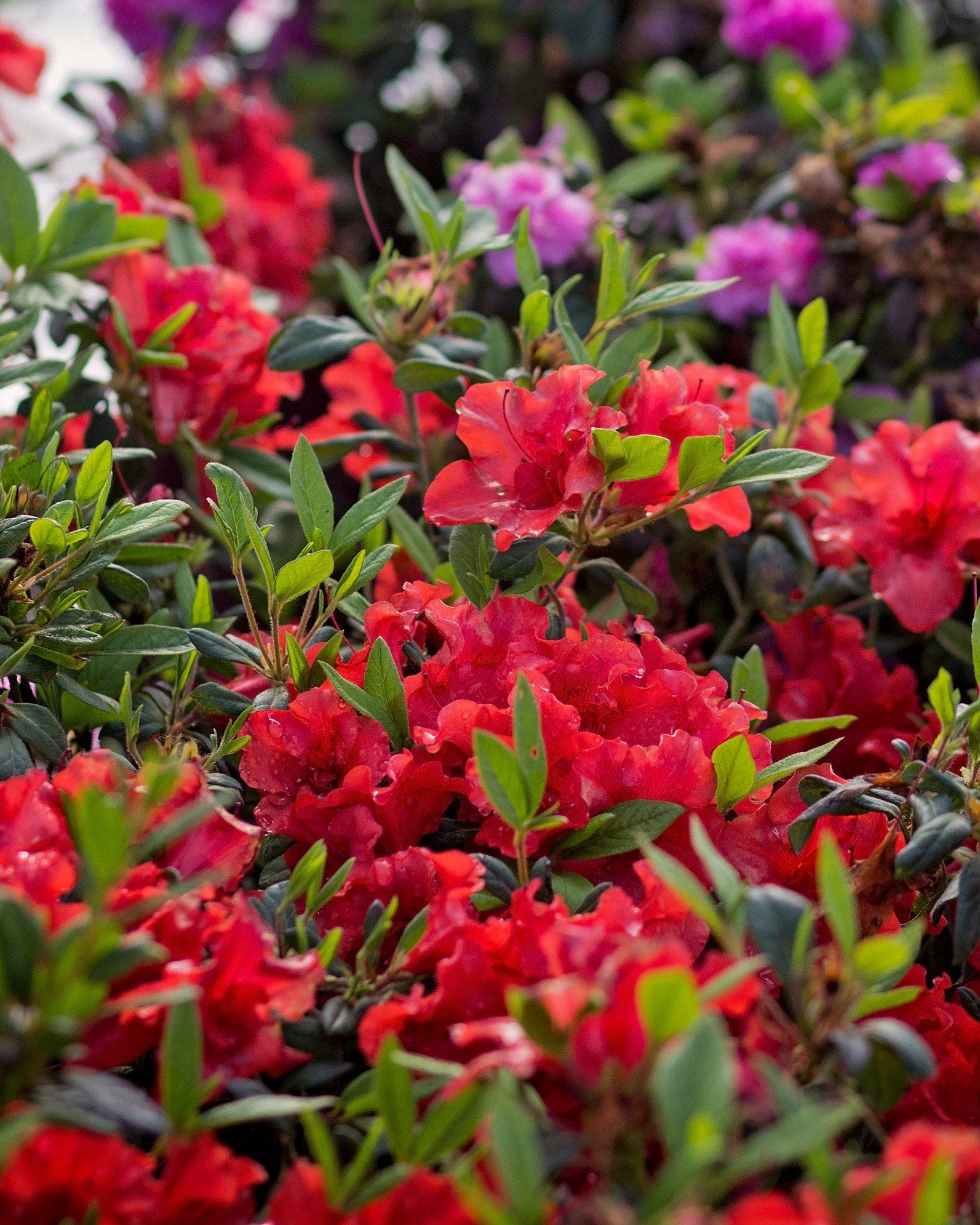
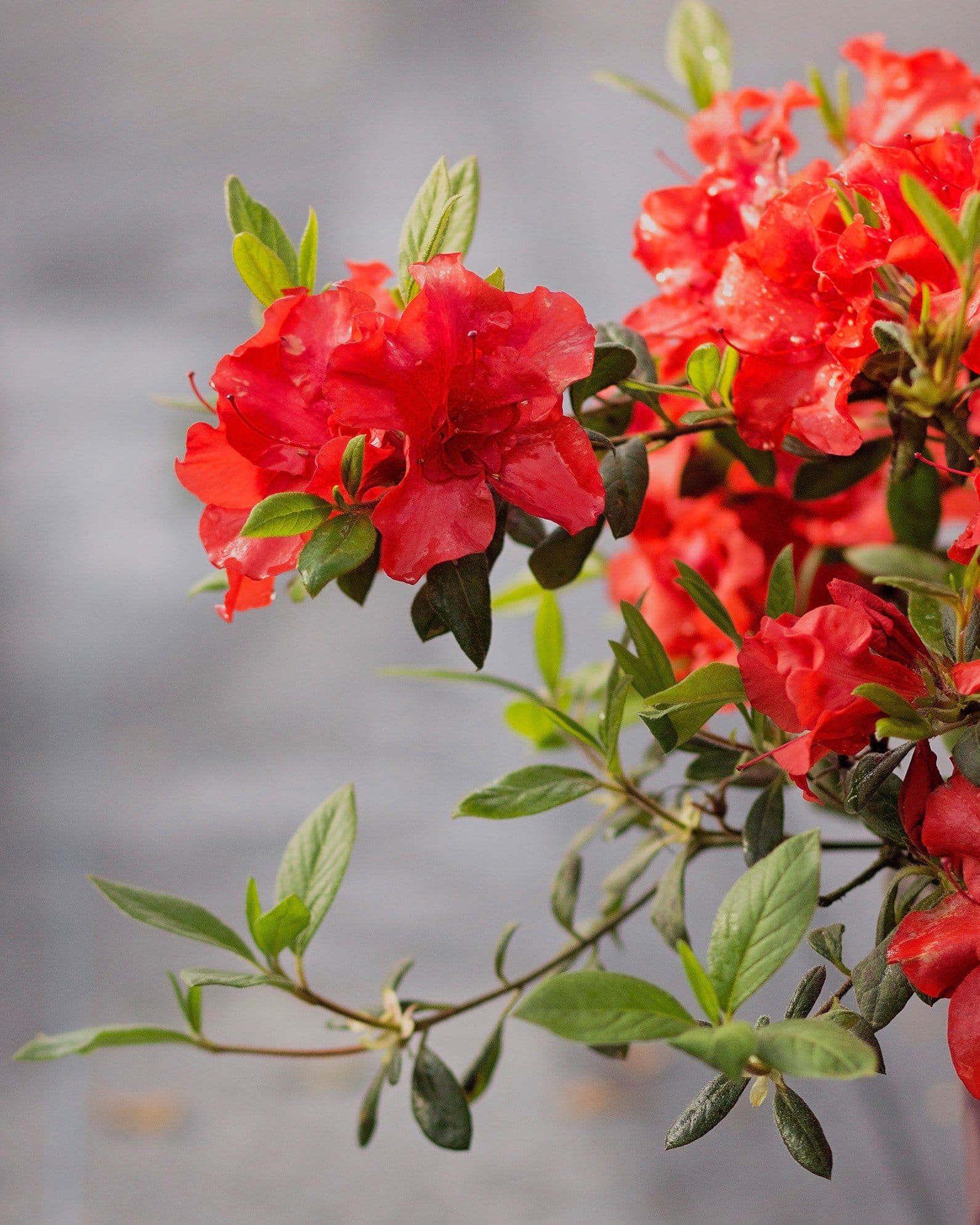
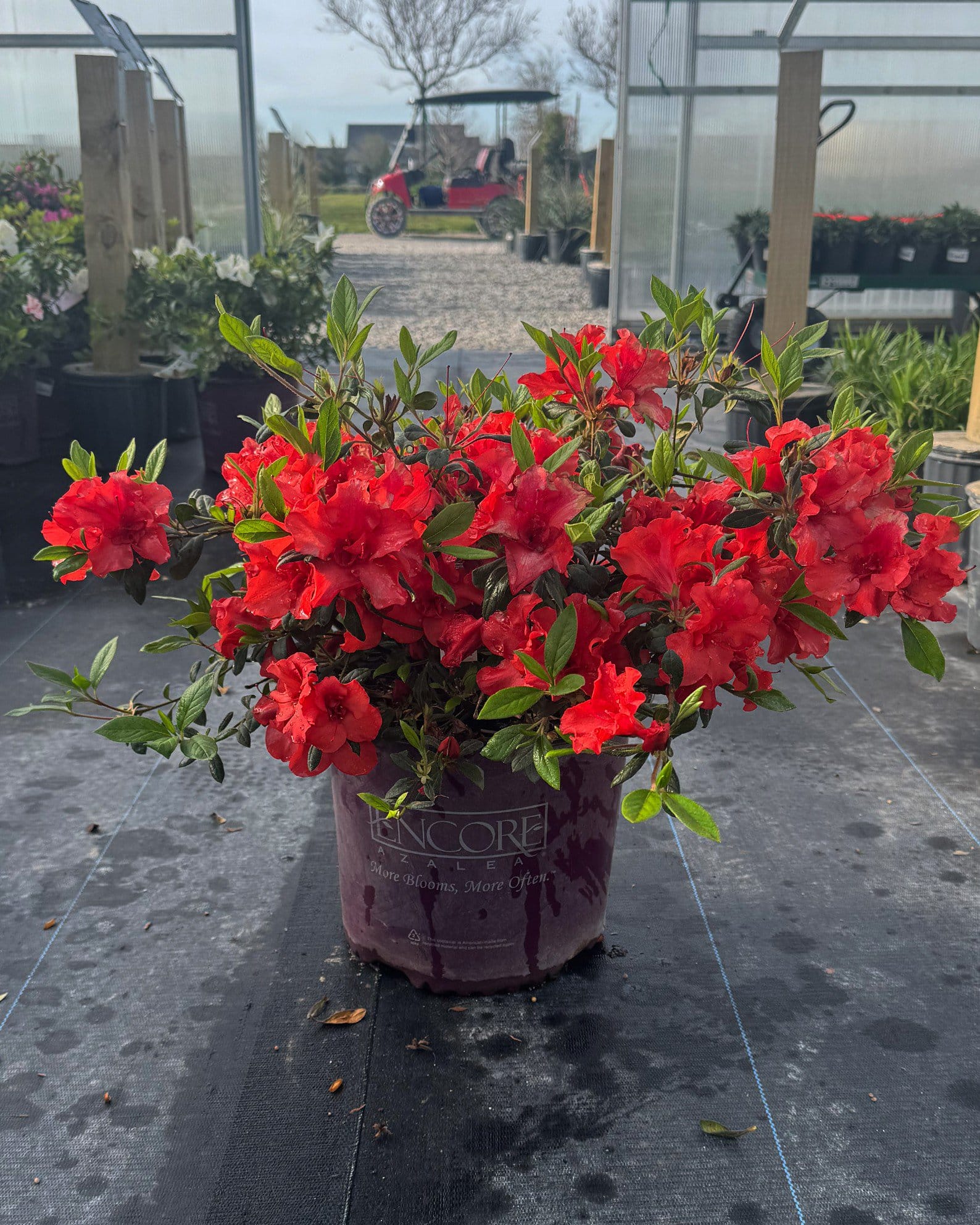
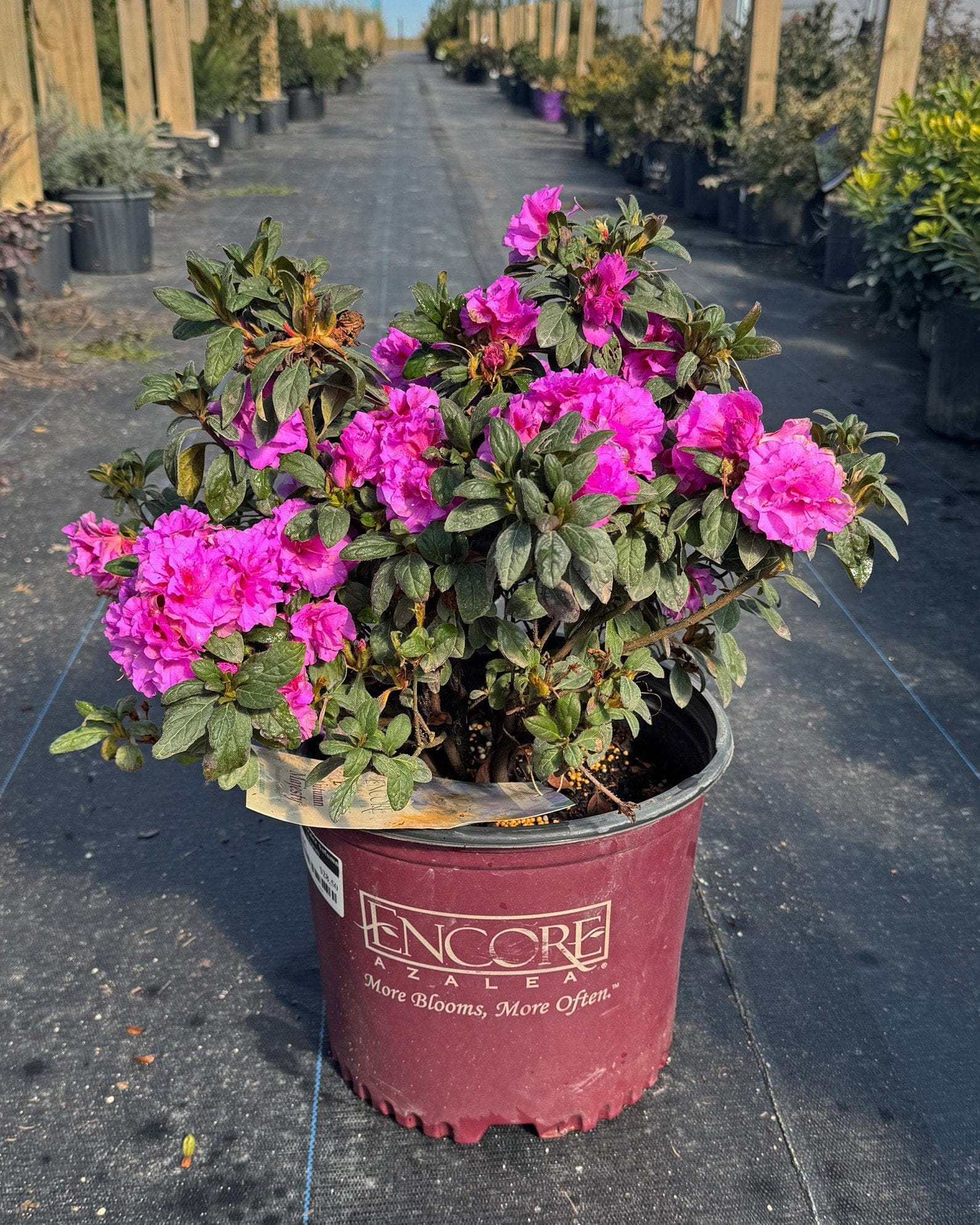
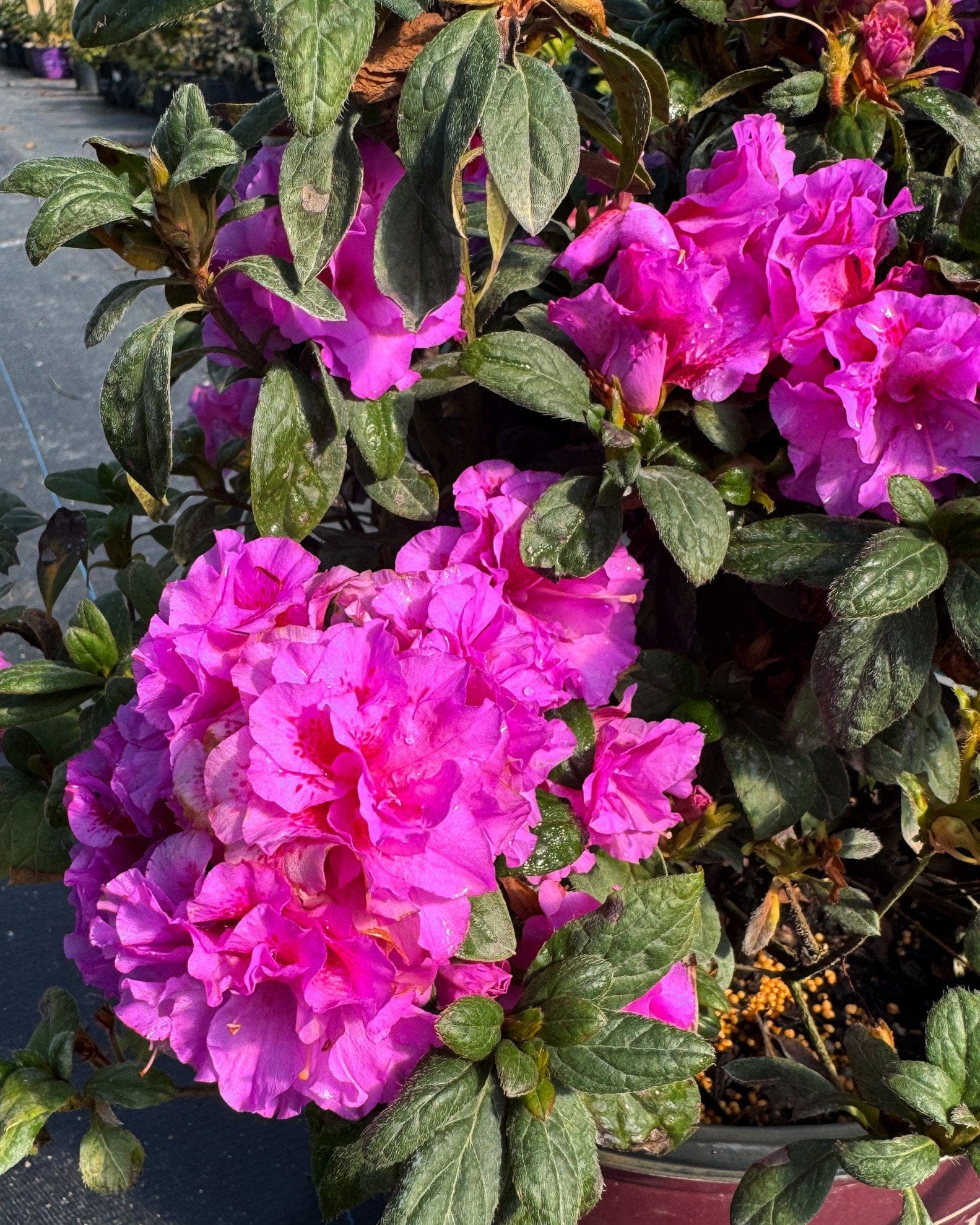
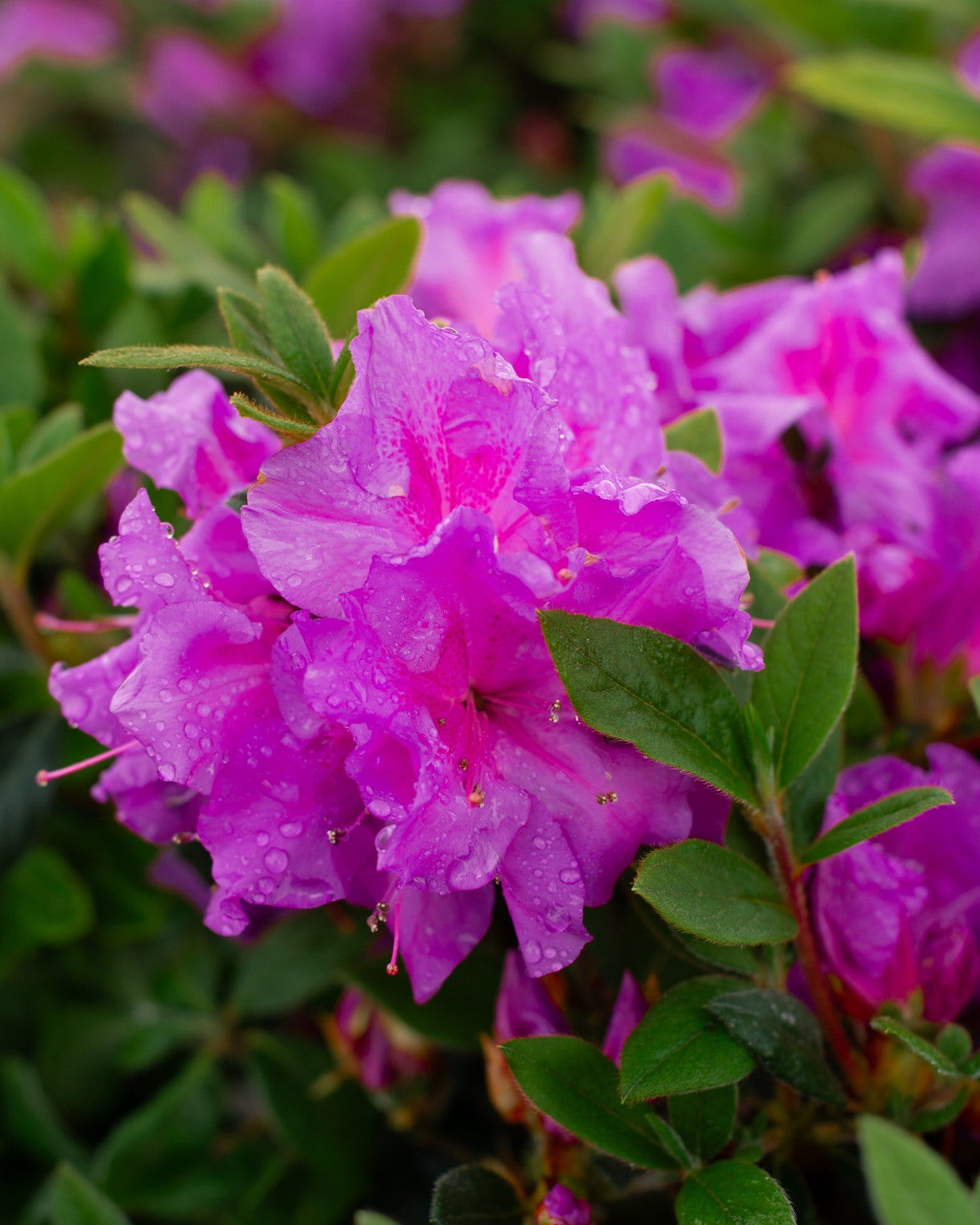
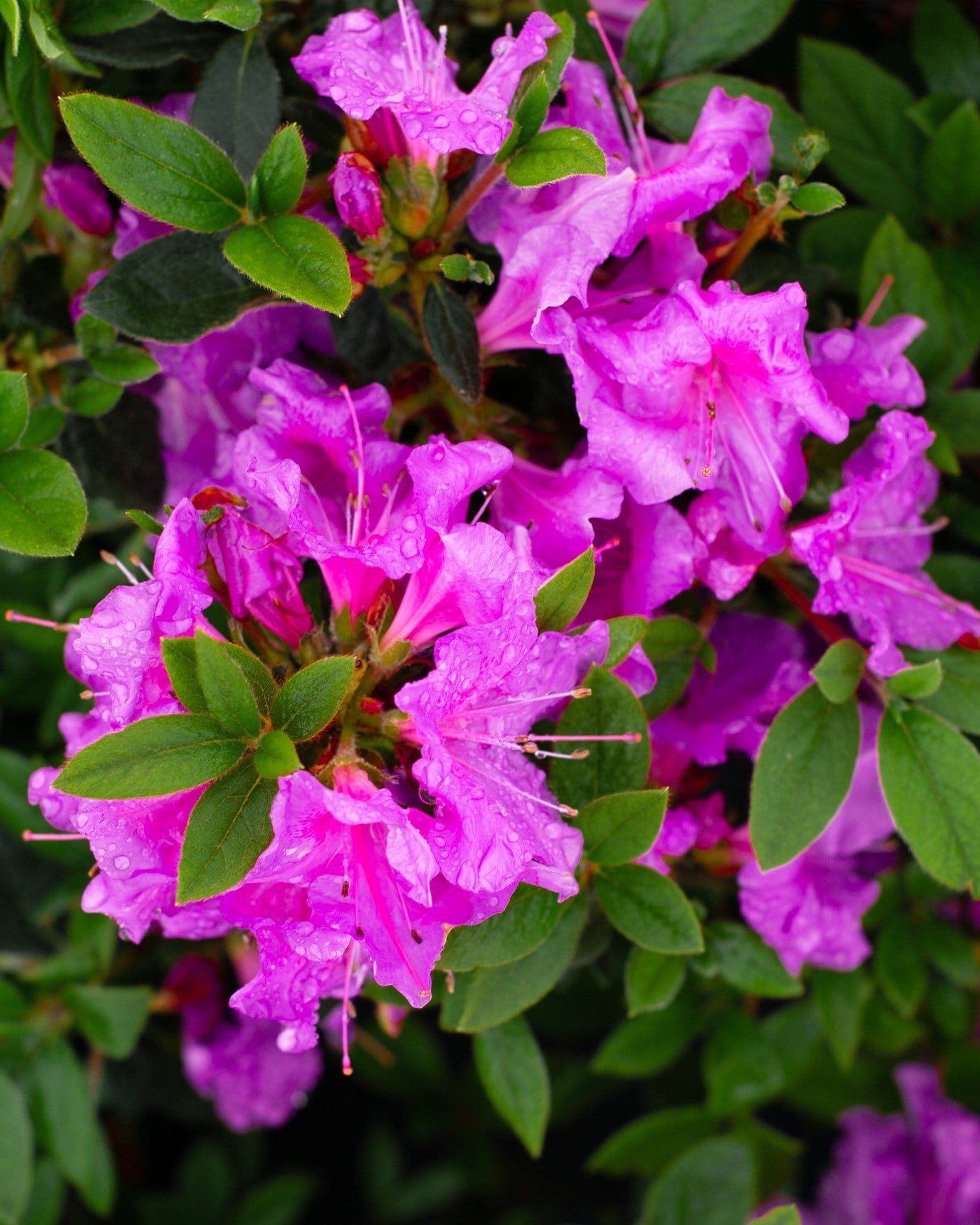
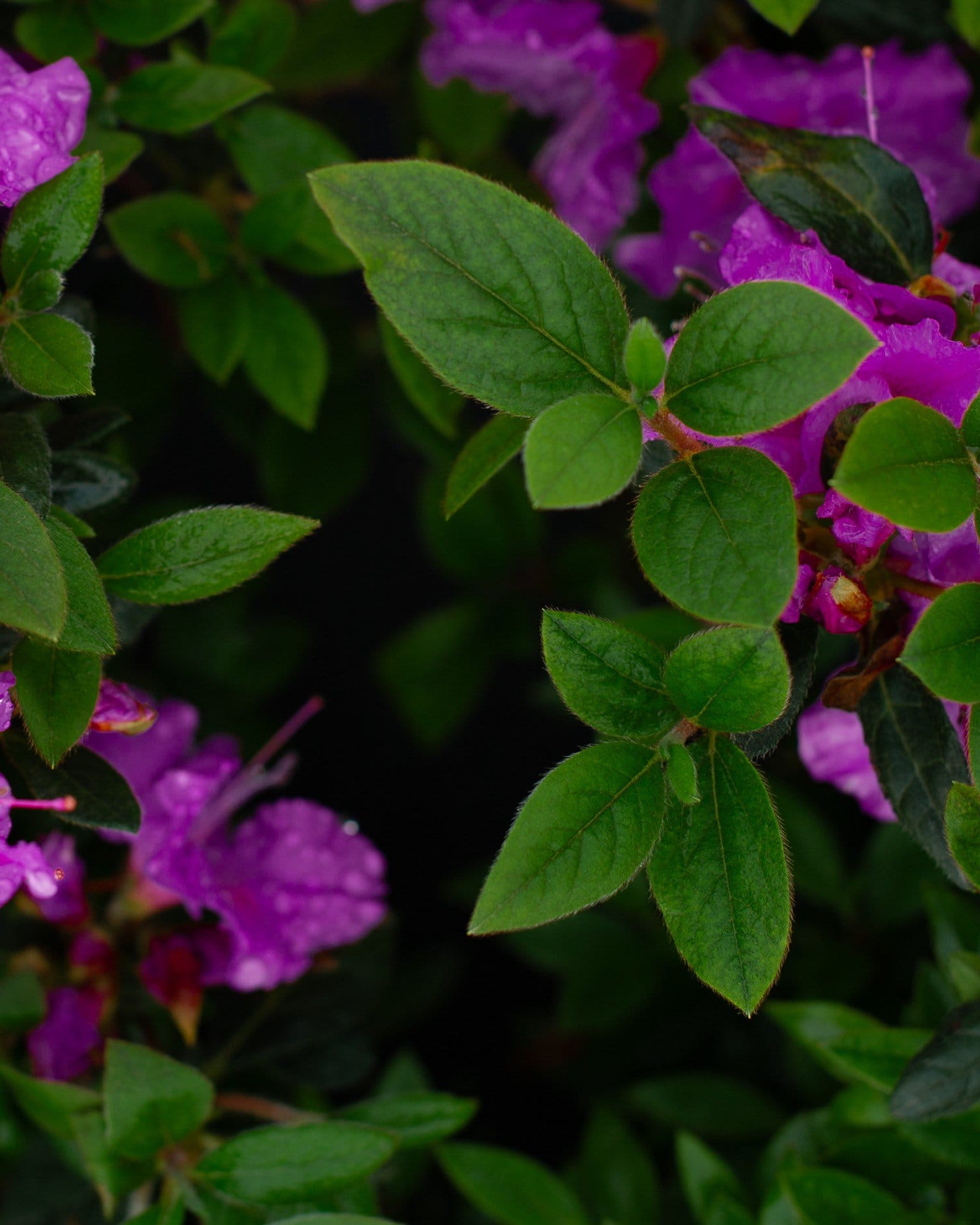
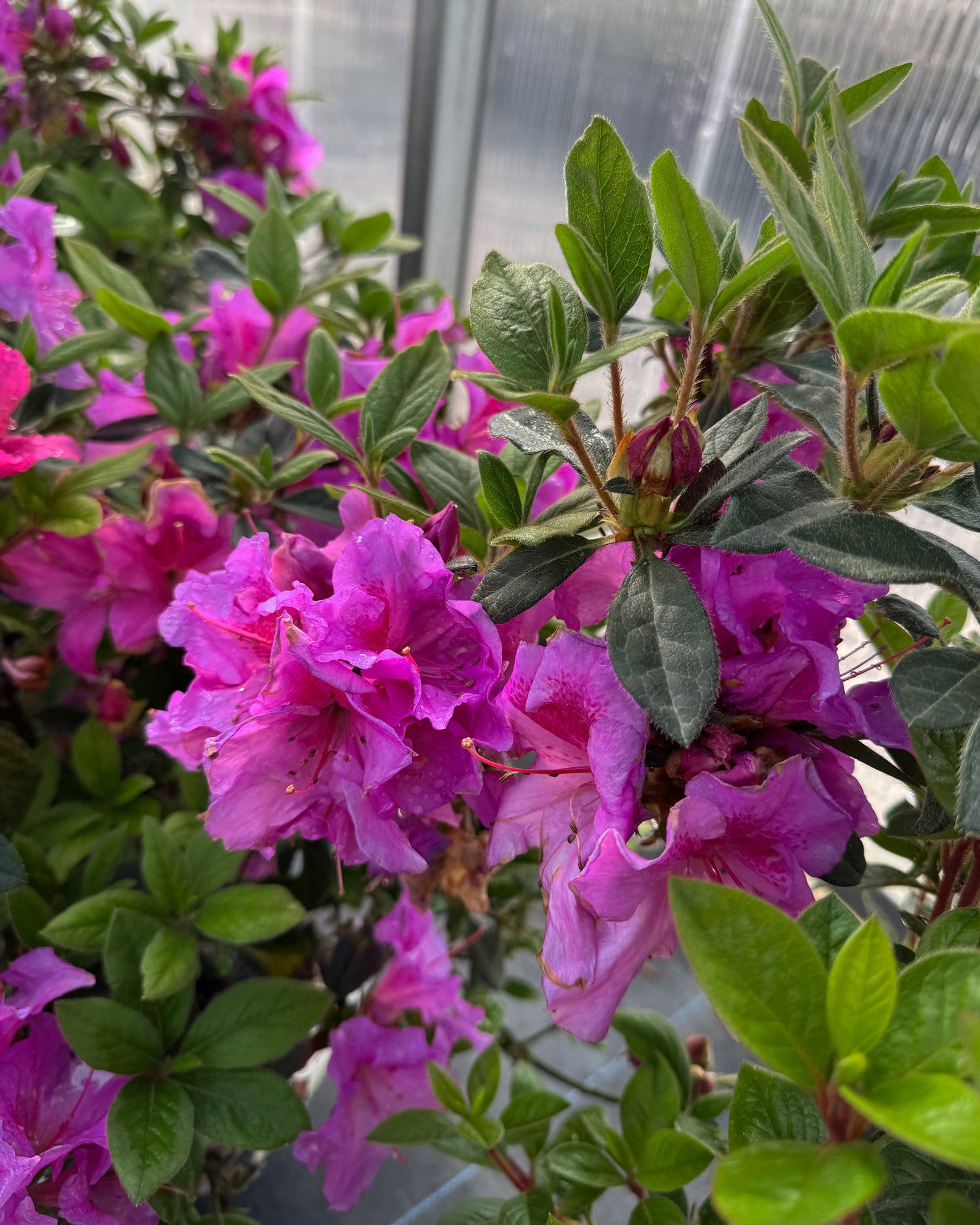
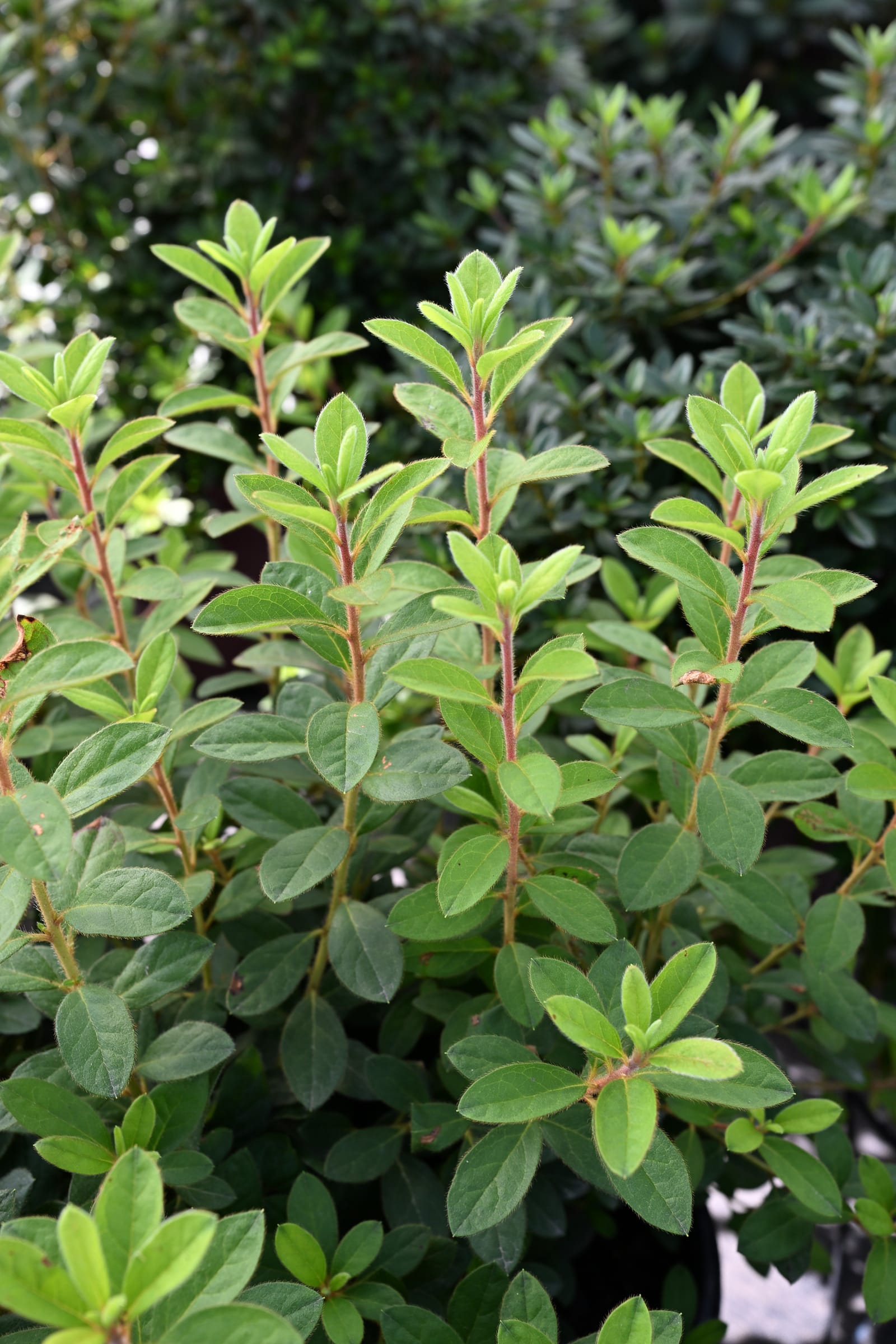
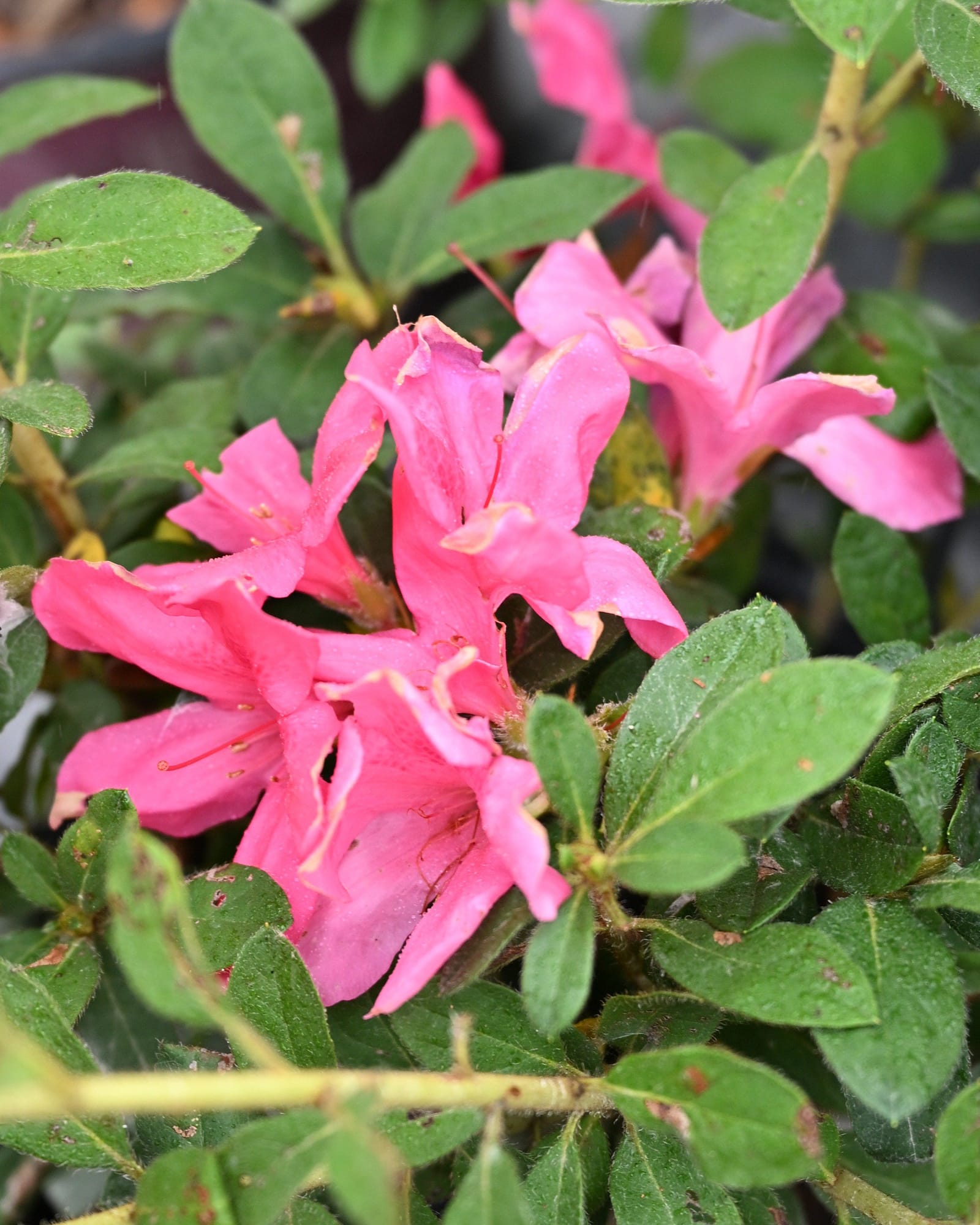
Rhododendron indica ‘Pink Ruffle’Azalea Pink Ruffle is a stunning shrub, immediately noticeable due to its vibrant pink, ruffled flowers. They bloom in spring, rising above the attractive medium green foliage. It grows up to 2 feet in height and the same size in width at maturity. It can be used in mass plantings, borders, and edges. Due to its striking appearance, it's a great option for an accent plant.
- An evergreen shrub
- Compact, rounded growth habit
- Moderate growth rate
- Spring-blooming flowers
- Suitable for various landscape uses
Hardy in zones 7-9, this evergreen shrub will fare well in your North Texas landscape. It thrives in partial shade, in well-drained, acidic soil. To support healthy growth, apply a slow-release fertilizer in early spring. With a bit of care, your Azalea Pink Ruffle will brighten up your landscape and provide a point of visual interest, with vibrant blooms in spring.
With proper care, Azalea Pink Ruffle thrives with minimal effort while maintaining lush foliage and prolific blooms. This is all it needs to thrive:
- Watering: Water consistently during the first growing season to establish deep roots. Once established, Azalea Pink Ruffle prefers evenly moist soil and performs best with occasional deep watering during prolonged dry periods. Avoid waterlogged soil, as it can lead to root decline. Mulching helps conserve moisture and maintain consistent soil conditions.
- Pruning: Light pruning after flowering encourages dense growth, maintains a tidy shape, and promotes reblooming the following season. Remove spent blooms to prevent seed formation and maintain energy for foliage development. Avoid heavy pruning in late fall or winter, as tender new growth may be damaged by cold.
- Fertilizing: Feed lightly with a slow-release, acidic fertilizer formulated for azaleas or camellias in early spring. Over-fertilization can cause leggy growth or reduced flower production. In well-amended soils, additional feeding is often unnecessary.
- Mulching: Apply a 2-3 inch layer of organic mulch such as pine bark or pine needles to preserve soil moisture, suppress weeds, and moderate soil temperature. Keep mulch slightly away from the crown to prevent rot from occurring.
- Winter Care: Pink Ruffle Azalea is hardy in USDA zones 7-9. In colder areas or during unusually harsh freezes, provide a light mulch around the base to protect roots. Container-grown plants may need temporary shelter in extreme cold.
- Leaf Yellowing: Often caused by overwatering, poor drainage, or nutrient imbalance. Ensure well-draining soil and avoid waterlogged conditions. Acidic fertilizer may correct deficiencies.
- Leggy Growth: Can result from insufficient light or over-fertilization. Prune lightly after flowering to encourage compact branching.
- Root Rot: Overwatering in poorly drained soil may cause root decline. Ensure proper drainage and avoid soggy soil.
- Pests: Occasionally susceptible to lace bugs, spider mites, or aphids. Inspect foliage regularly and treat with horticultural oil or insecticidal soap if needed.
- Reduced Flowering: Stress from drought, inconsistent watering, or excess nitrogen can reduce blooms. Consistent moisture, proper feeding, and timely pruning encourage abundant flowers.
It grows moderately, typically reaching 2-4 feet tall and wide within 3-4 years. Its compact, rounded habit makes it ideal for borders, foundation plantings, and container gardens.
With proper care, it can thrive for 10-15 years or more. Regular pruning, appropriate watering, and well-draining soil help maintain vigor and flowering performance.
Yes. Its size and vibrant blooms make it perfect for large pots, patios, or porch plantings. Ensure excellent drainage and monitor moisture carefully to avoid root problems.
Yes. Its tubular pink flowers attract hummingbirds and butterflies, while dense foliage can provide shelter for small garden wildlife.
Moderately. Once established, it tolerates short dry periods but performs best with consistent moisture. Overwatering should be avoided to prevent root issues.
It prefers acidic, well-draining soils but adapts to sandy or amended soils. Heavy, clayey, or alkaline soils may require soil amendments to ensure optimal health.
Light annual pruning after flowering helps maintain compact form, encourages dense foliage, and promotes more flowers the next season. Avoid heavy pruning during winter.
Yes. Its striking pink blooms, compact habit, and evergreen foliage make it excellent for mass plantings, foundation plantings, mixed borders, or accent plantings.
Ensure consistent moisture, remove spent flowers, and provide light pruning after flowering. Avoid excessive fertilization, which may produce lush leaves at the expense of blooms.
Its abundant ruffled pink flowers, evergreen foliage, and adaptability to partial shade make it a standout choice for colorful, low-maintenance gardens. It delivers year-round structure and seasonal beauty with minimal effort.
Special Features
You might also like
Encore Azalea Autumn Starburst
Maturity: 3' H x 3' W
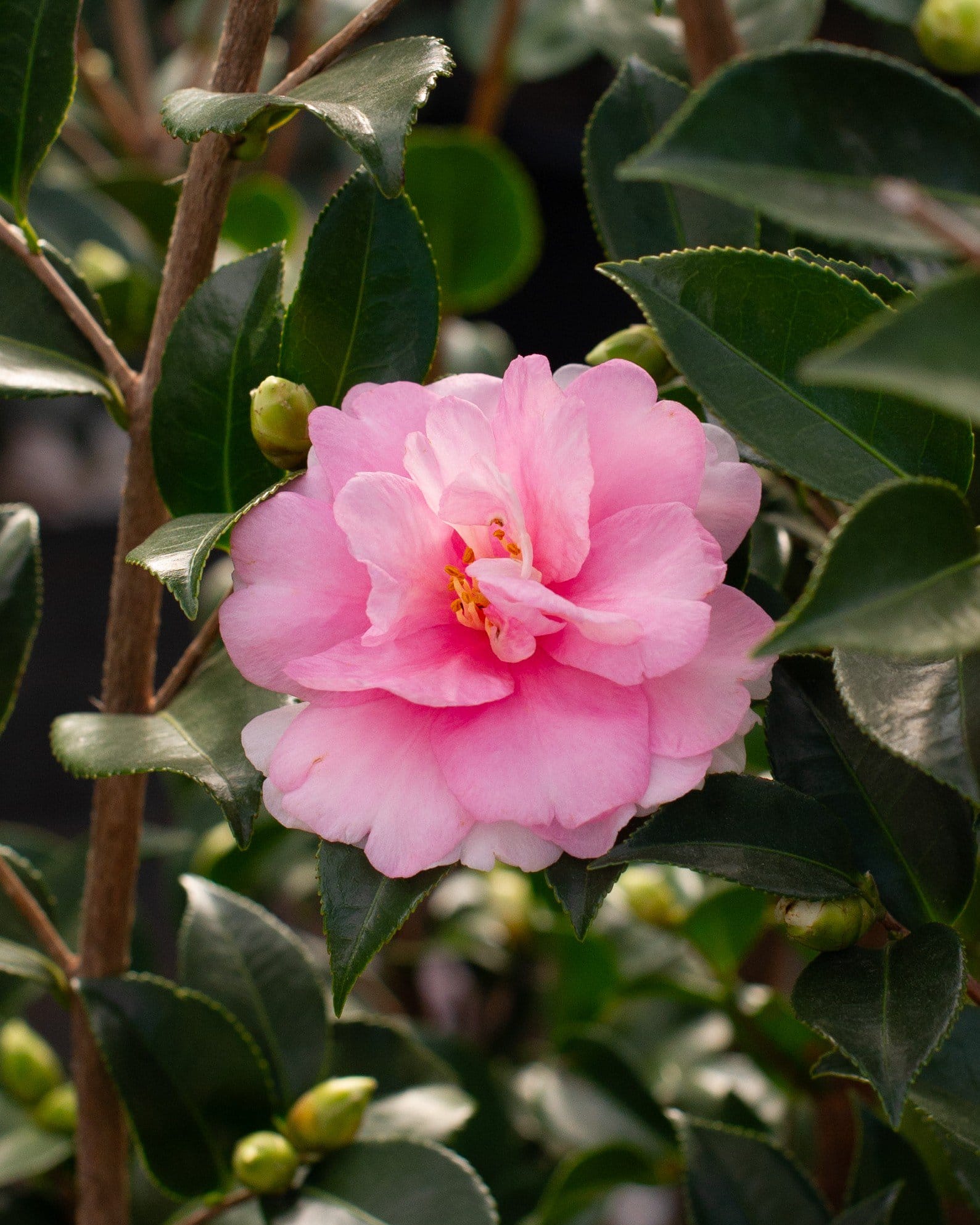
Dream Weaver Camellia
Maturity: 8' H x 6' W
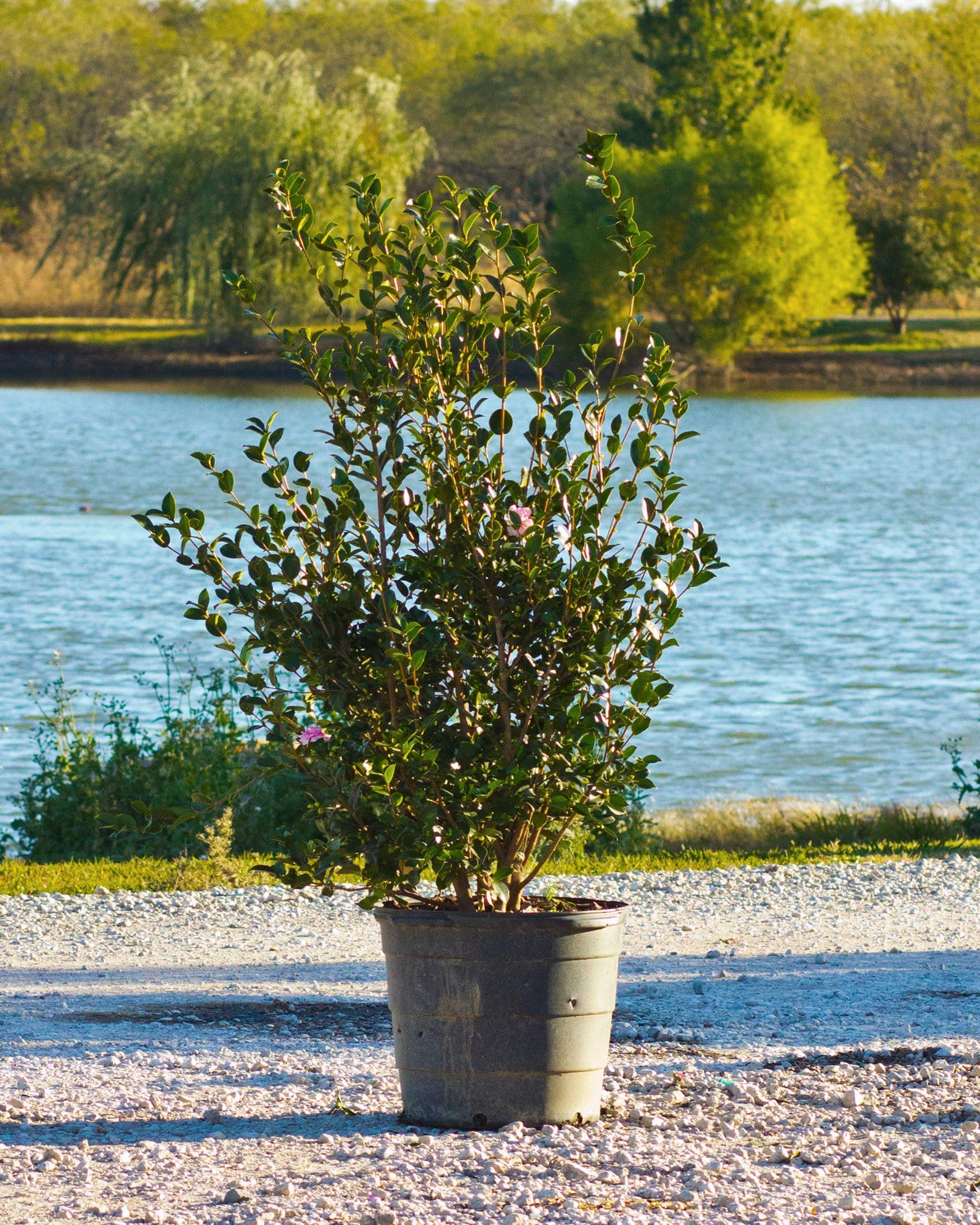
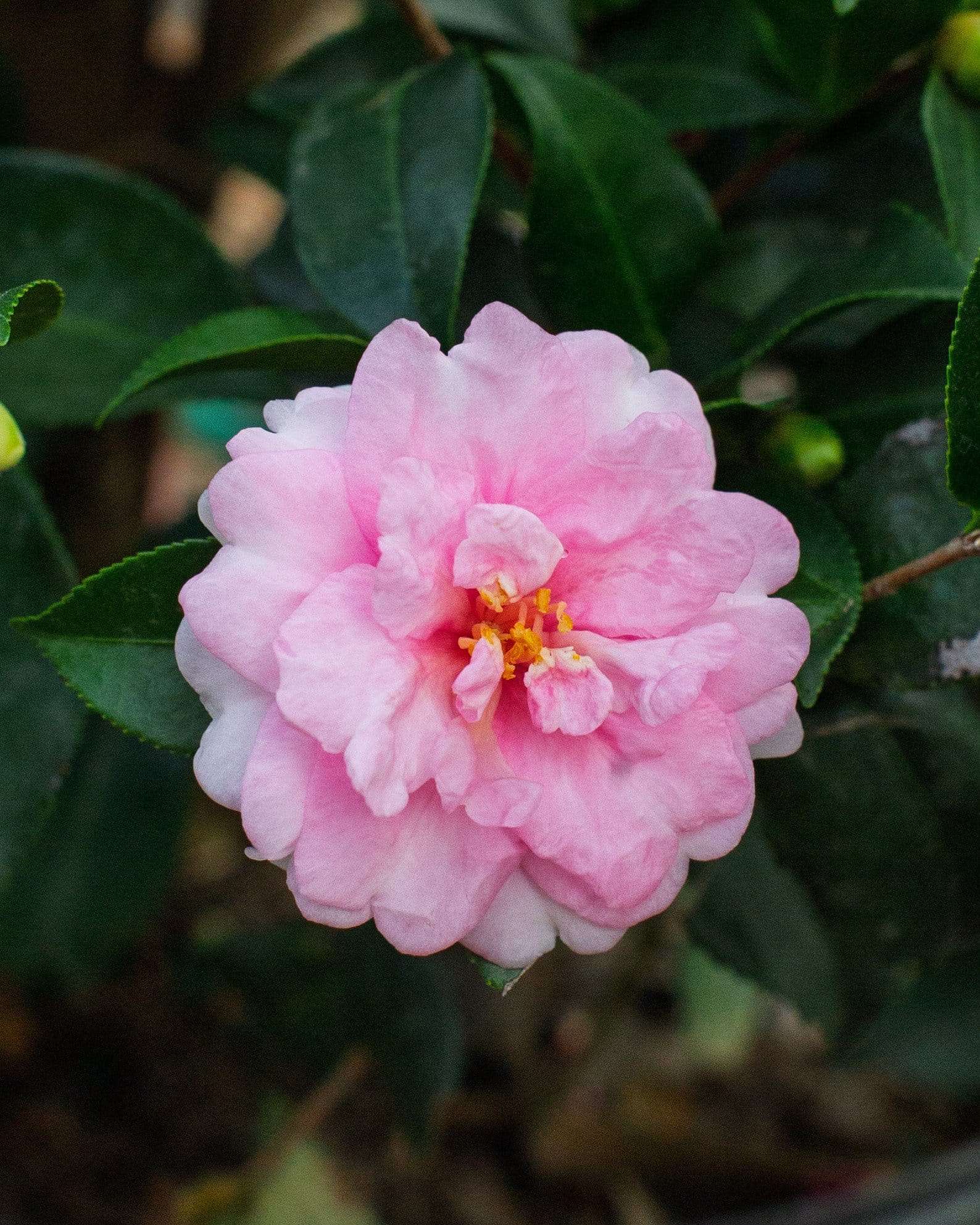
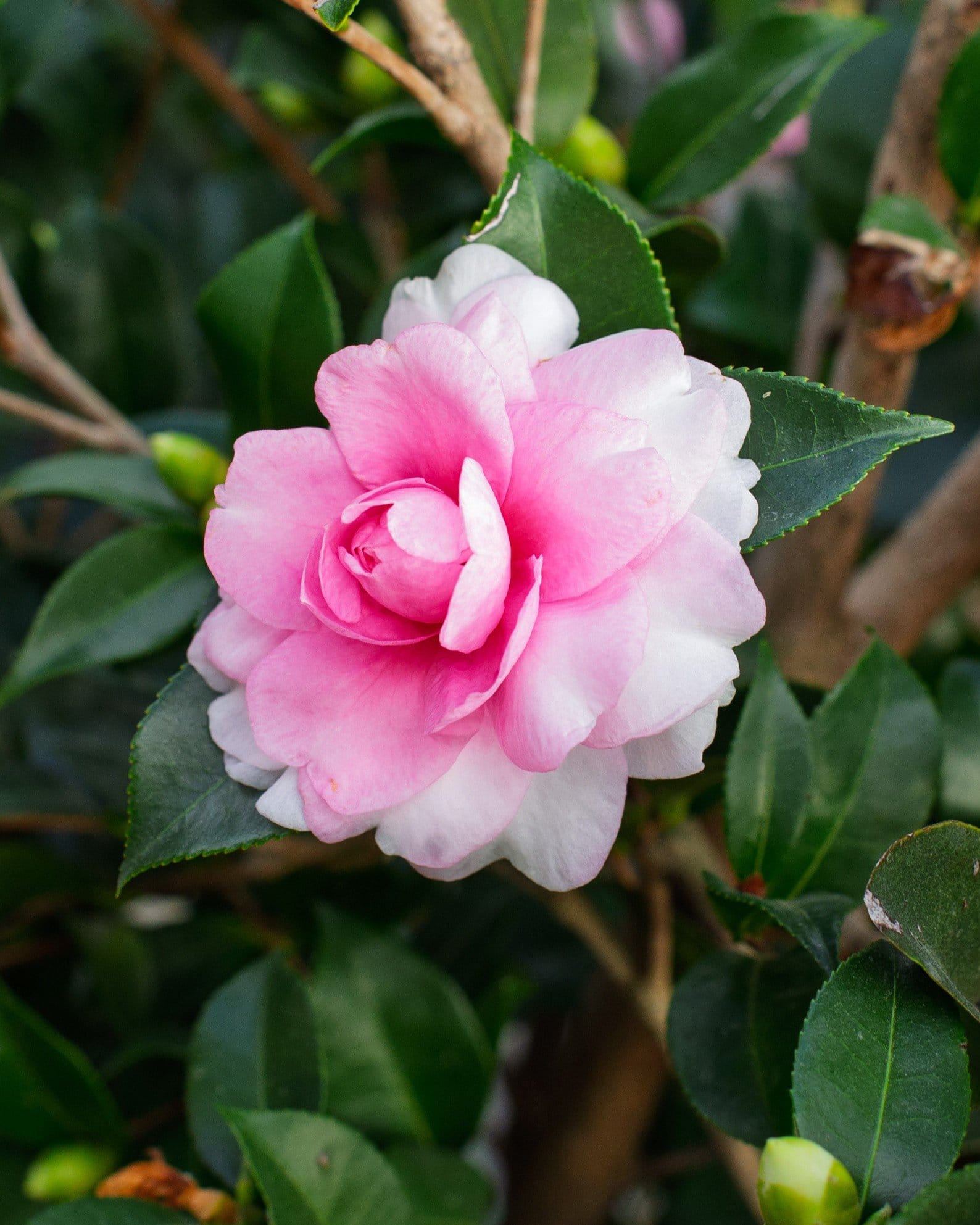
Moonshadow Camellia
Maturity: 8' H x 6' W
Daydream Believer Camellia
Maturity: 8' H x 6' W
Encore Azalea Autumn Carnation
Maturity: 4.5' H x 4' W
Encore Azalea Autumn Chiffon
Maturity: 2' H x 3' W
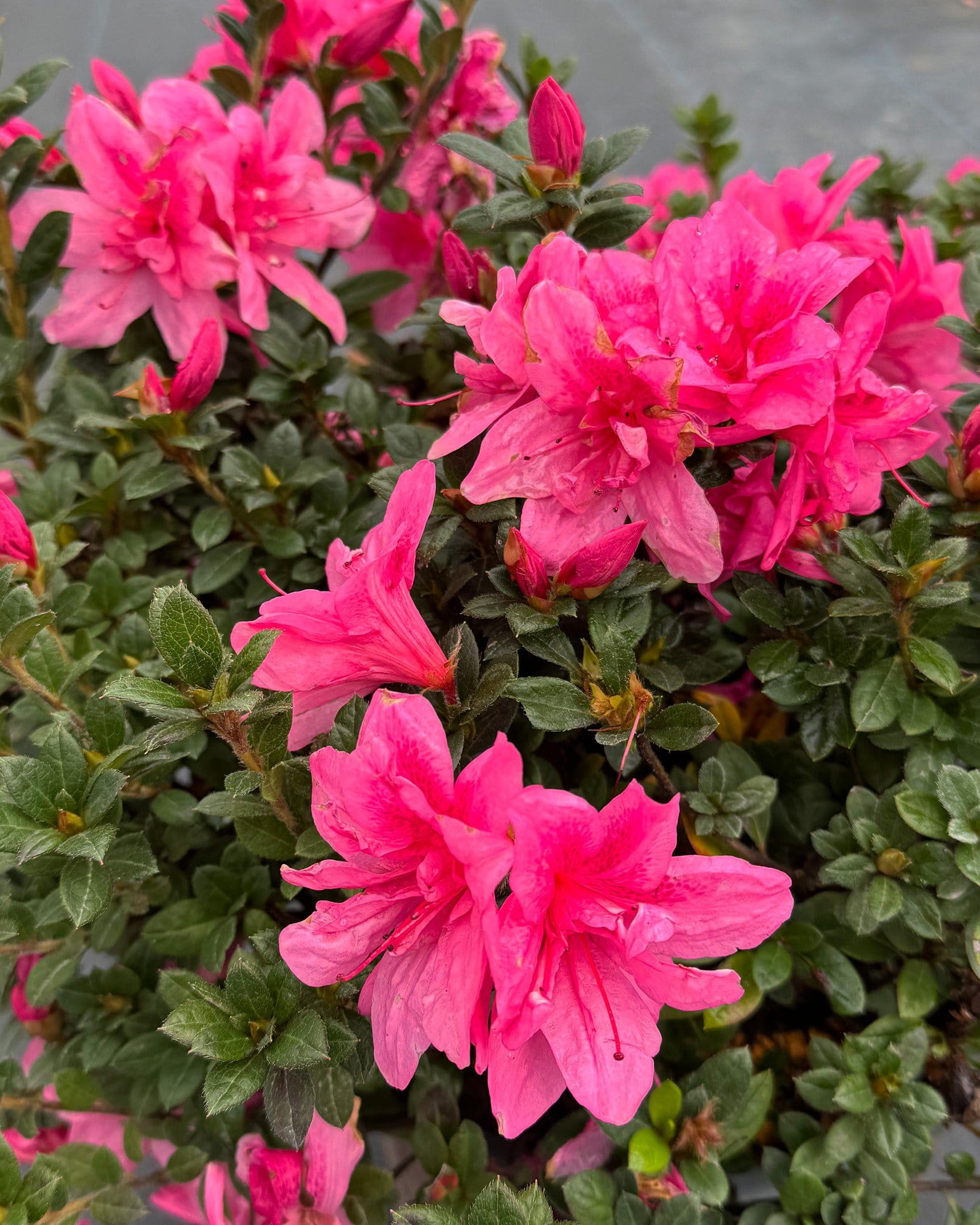
Encore Azalea Autumn Empress
Maturity: 3' H x 3' W
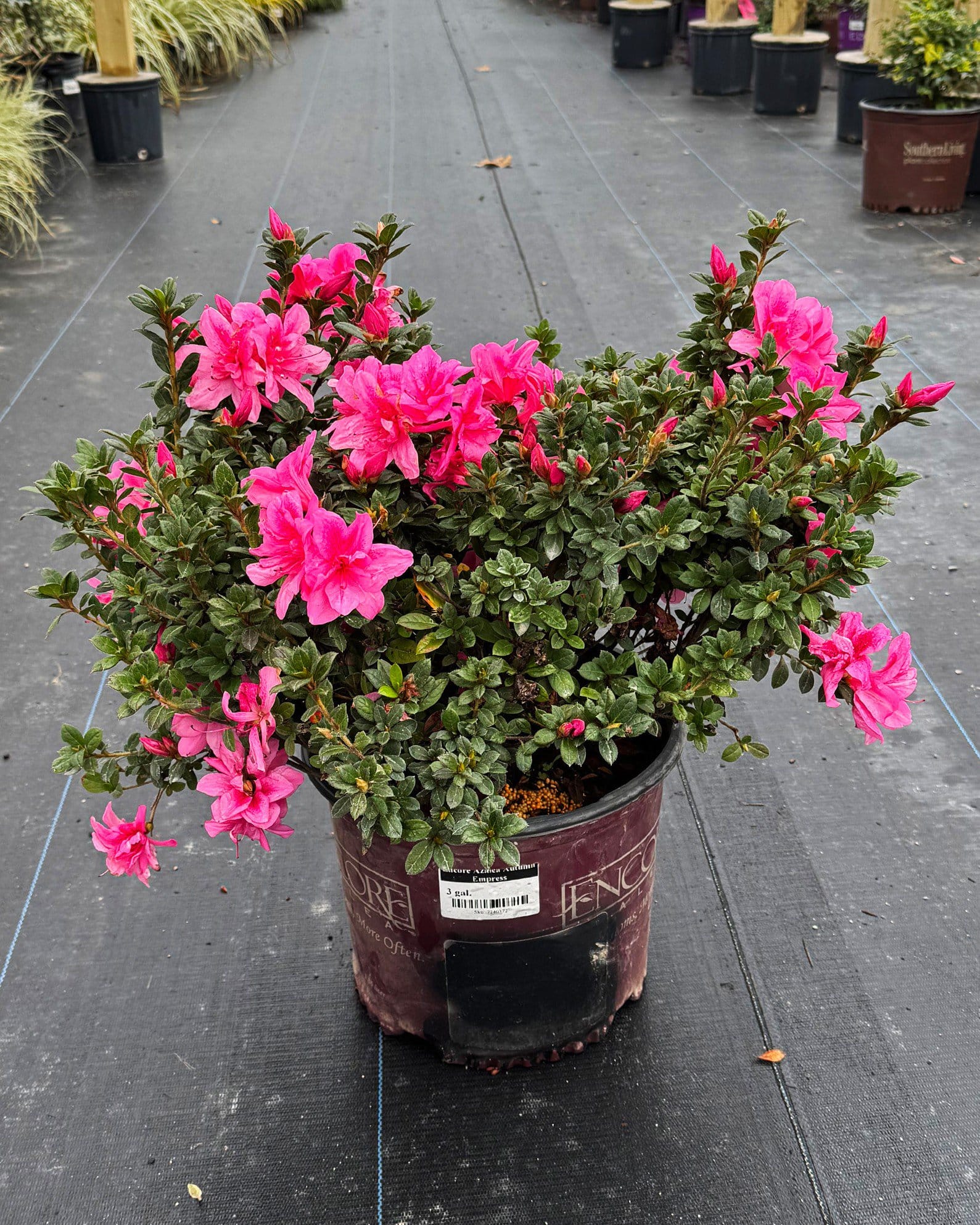
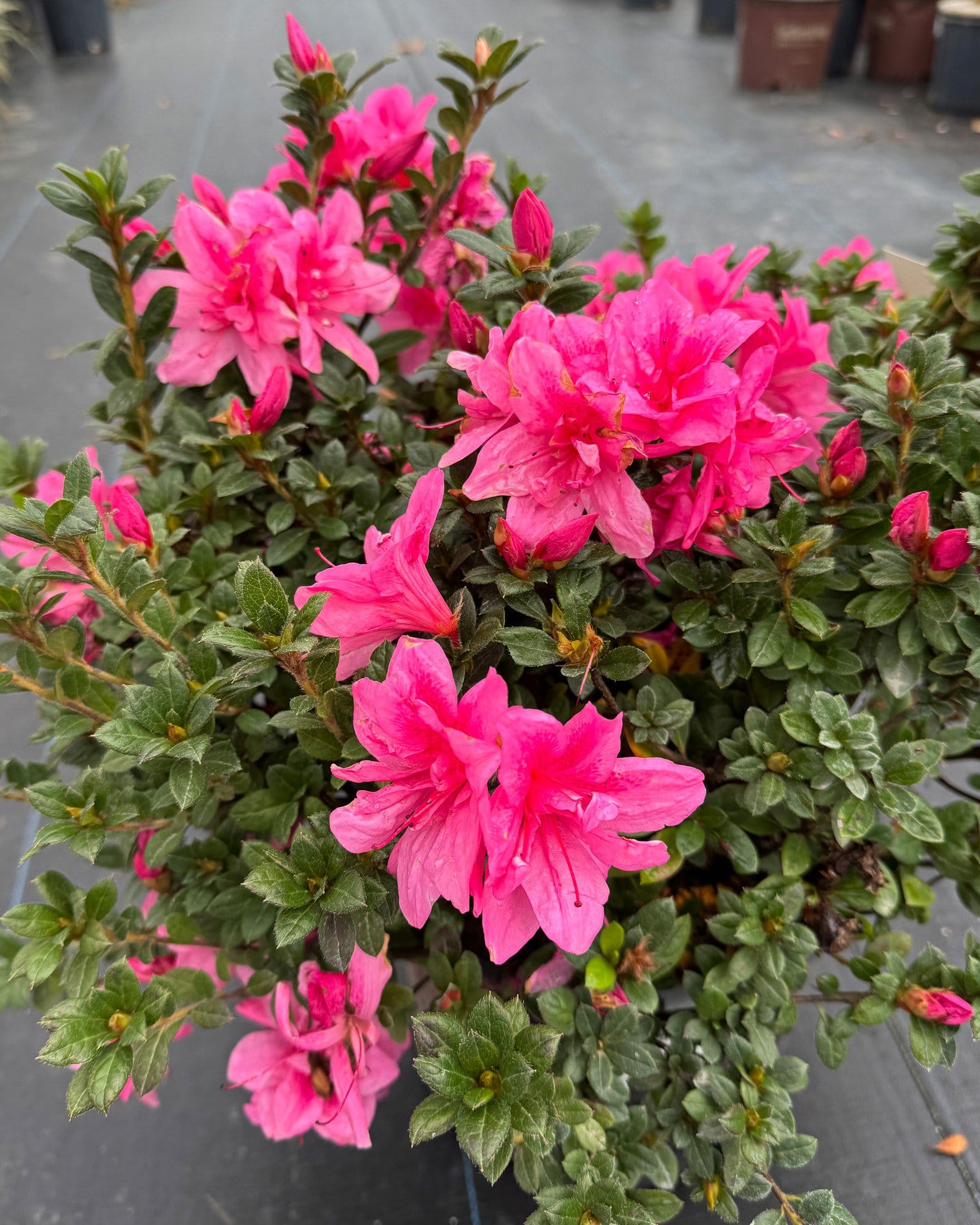
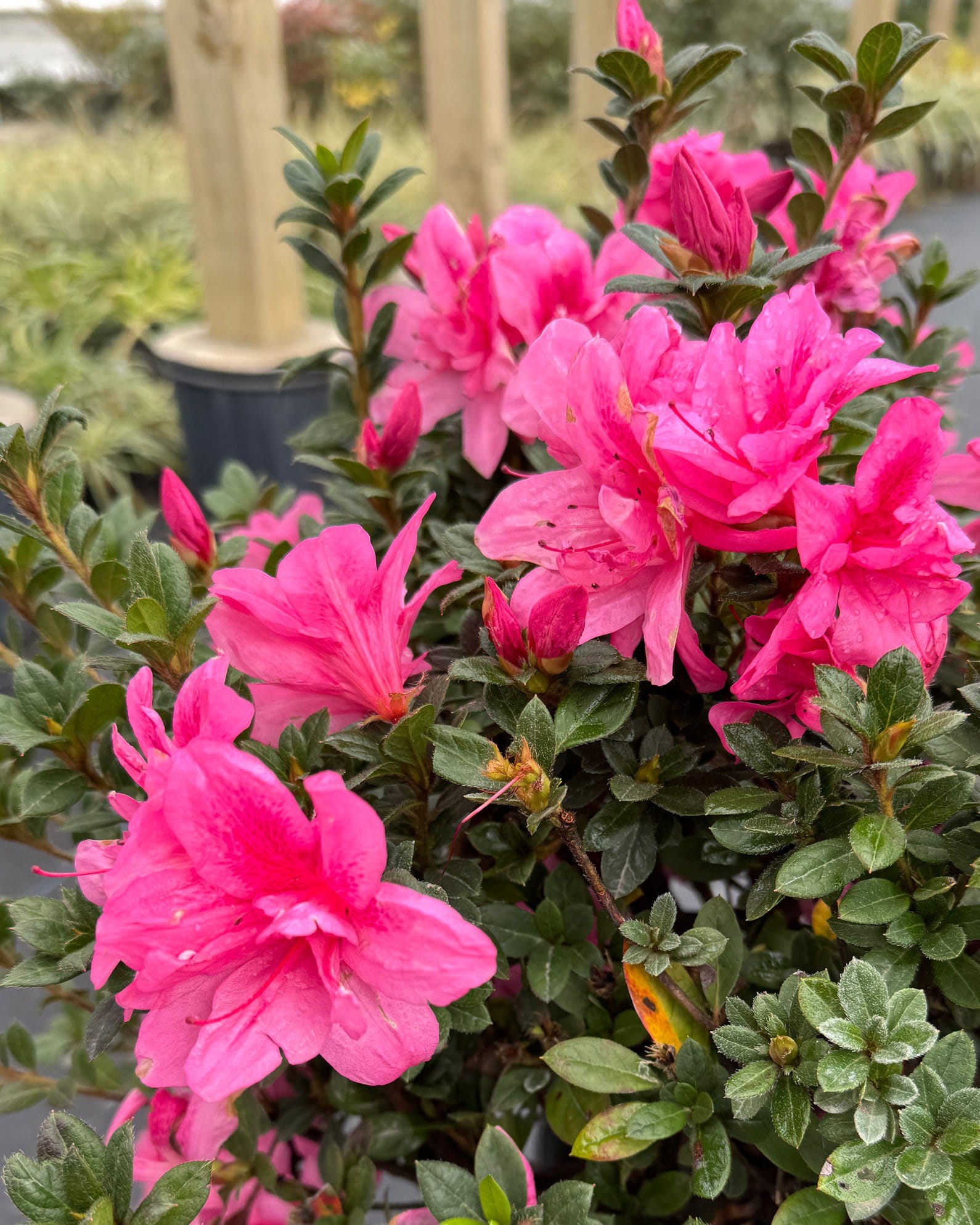
Encore Azalea Autumn Sunburst
Maturity: 3' H x 3.5' W
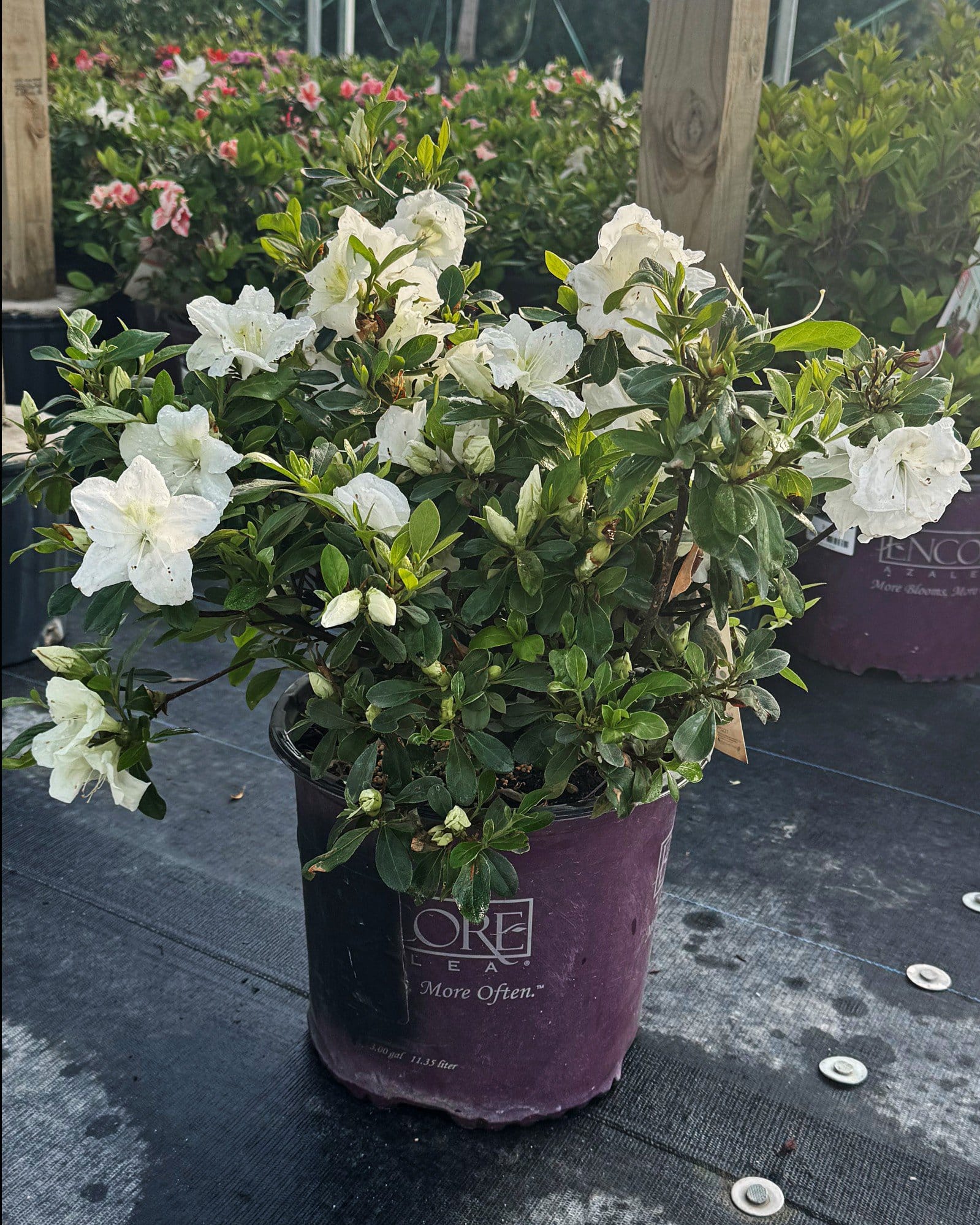
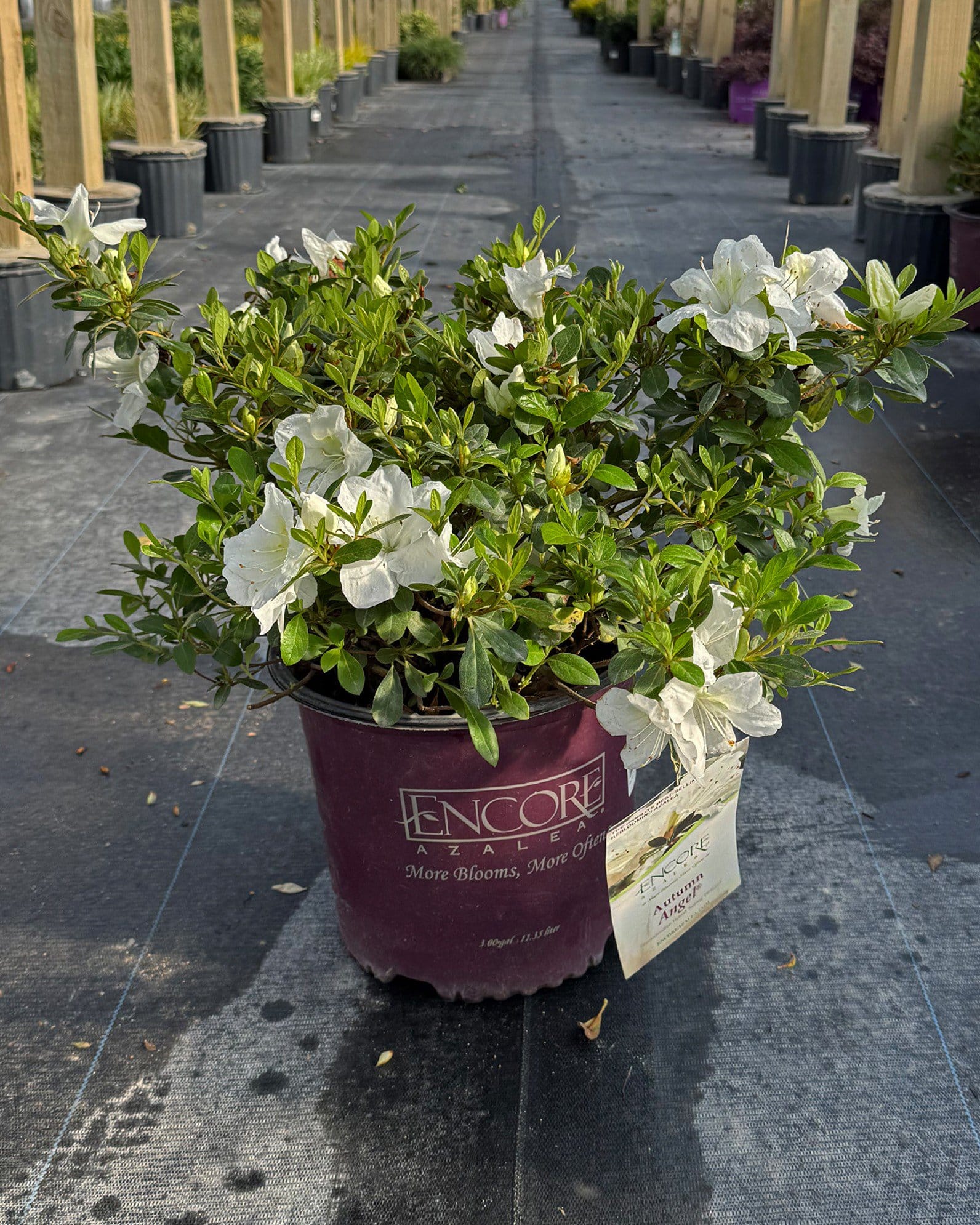
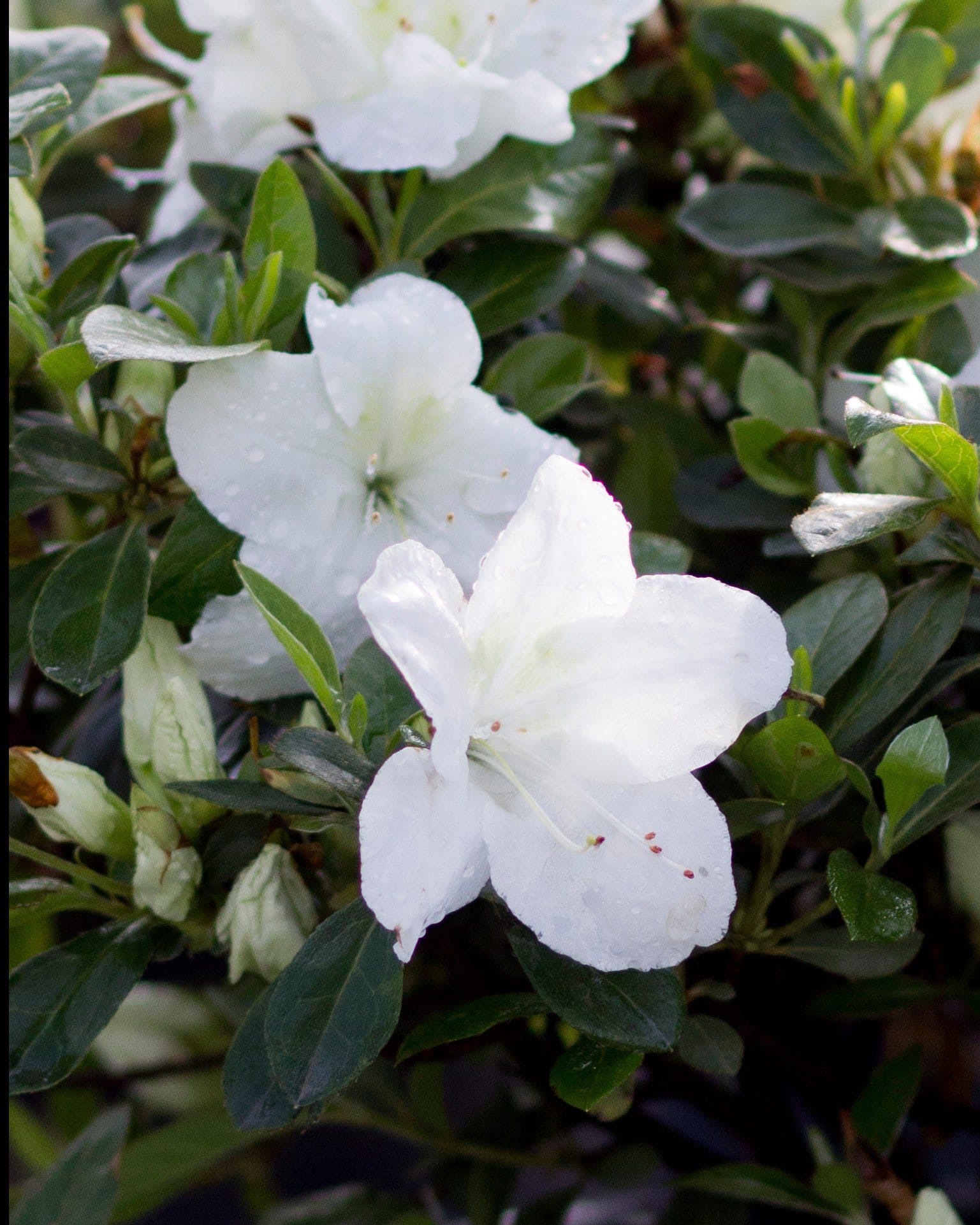
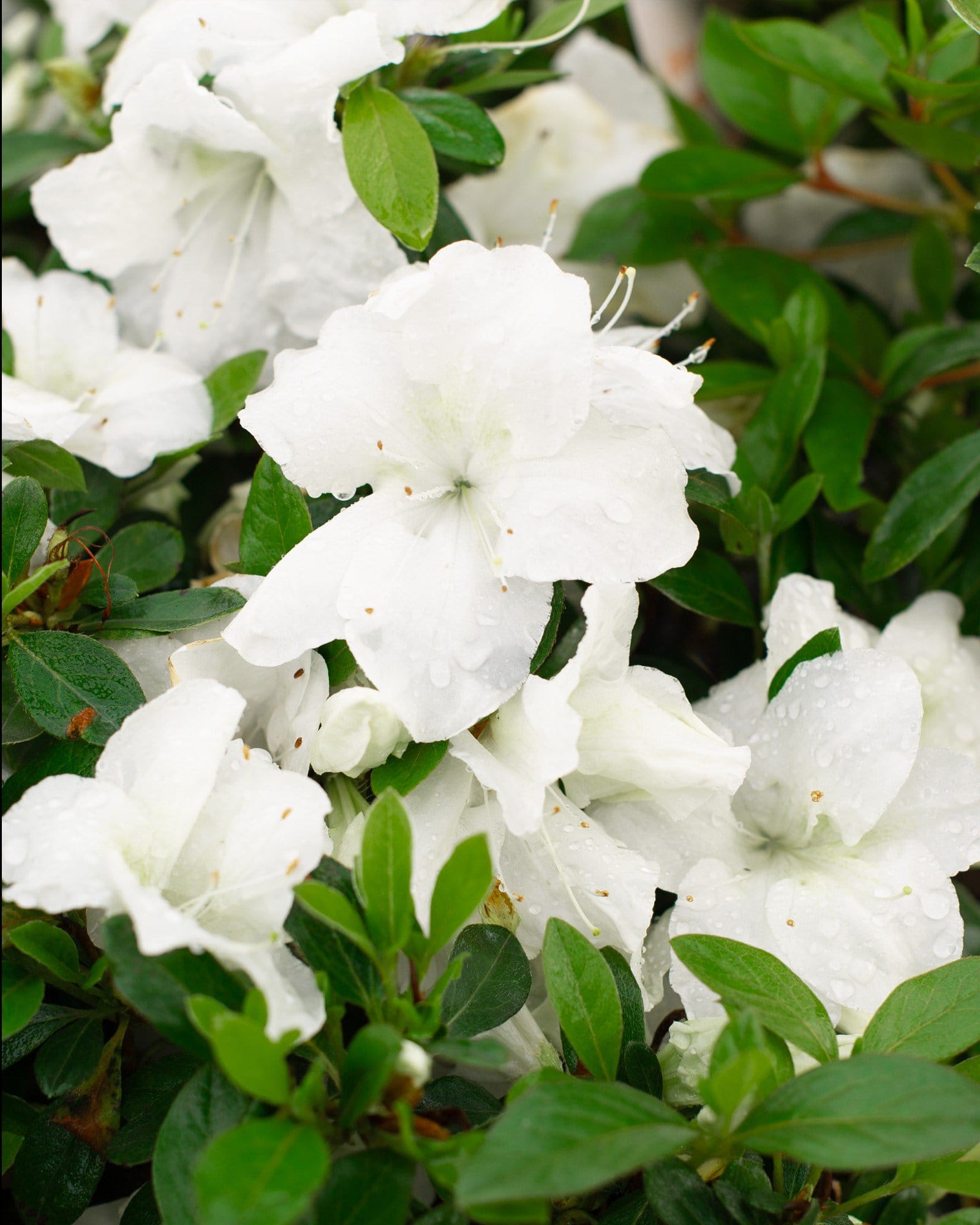
Encore Azalea Autumn Angel
Maturity: 2' H x 2' W
Encore Azalea Autumn Embers
Maturity: 3' H x 4' W
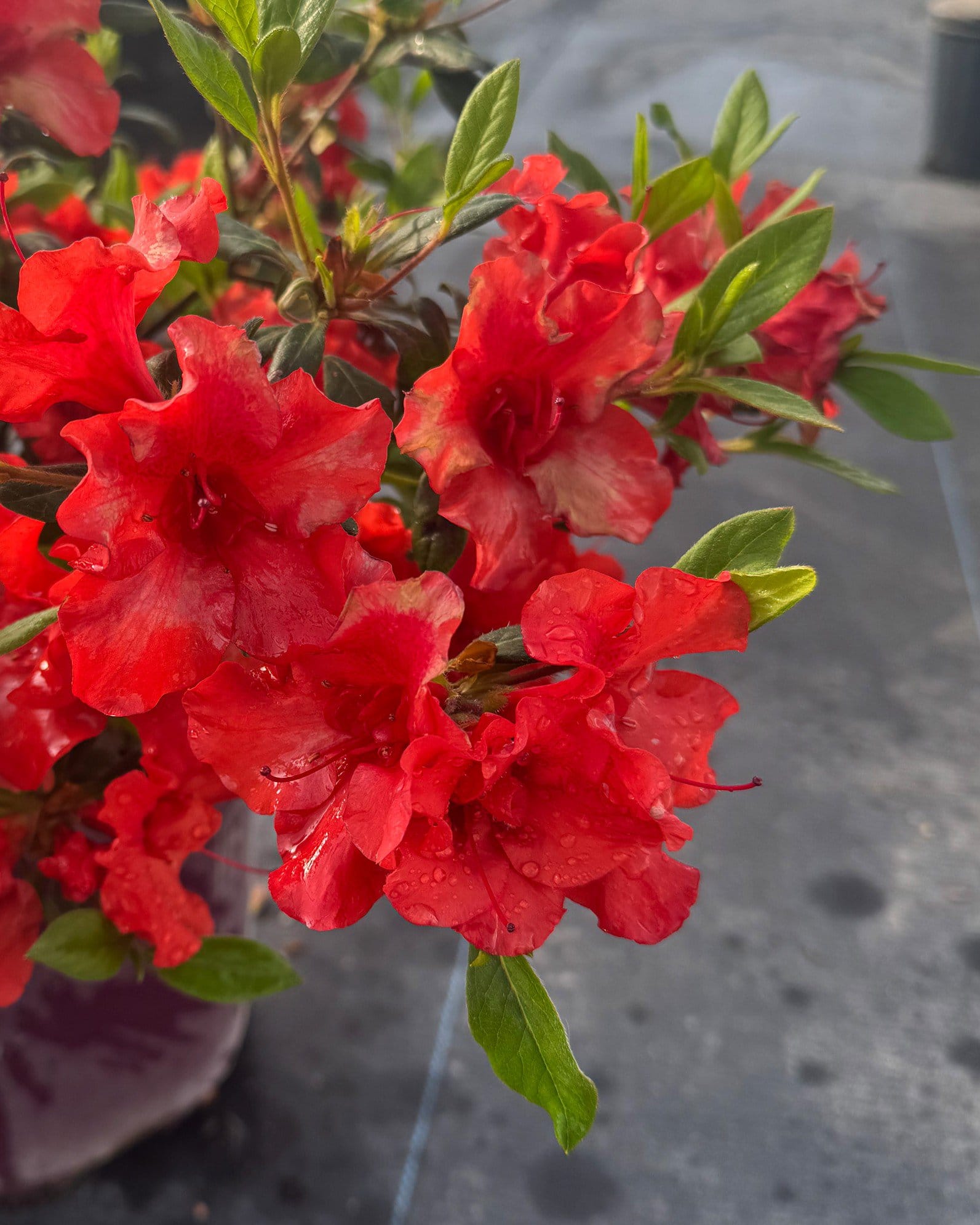
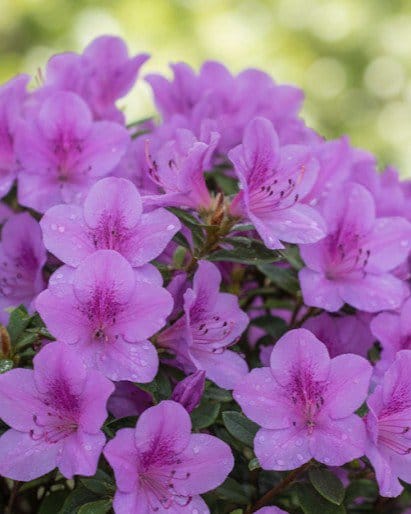
Encore Azalea Autumn Lilac
Maturity: 3' H x 3.5' W
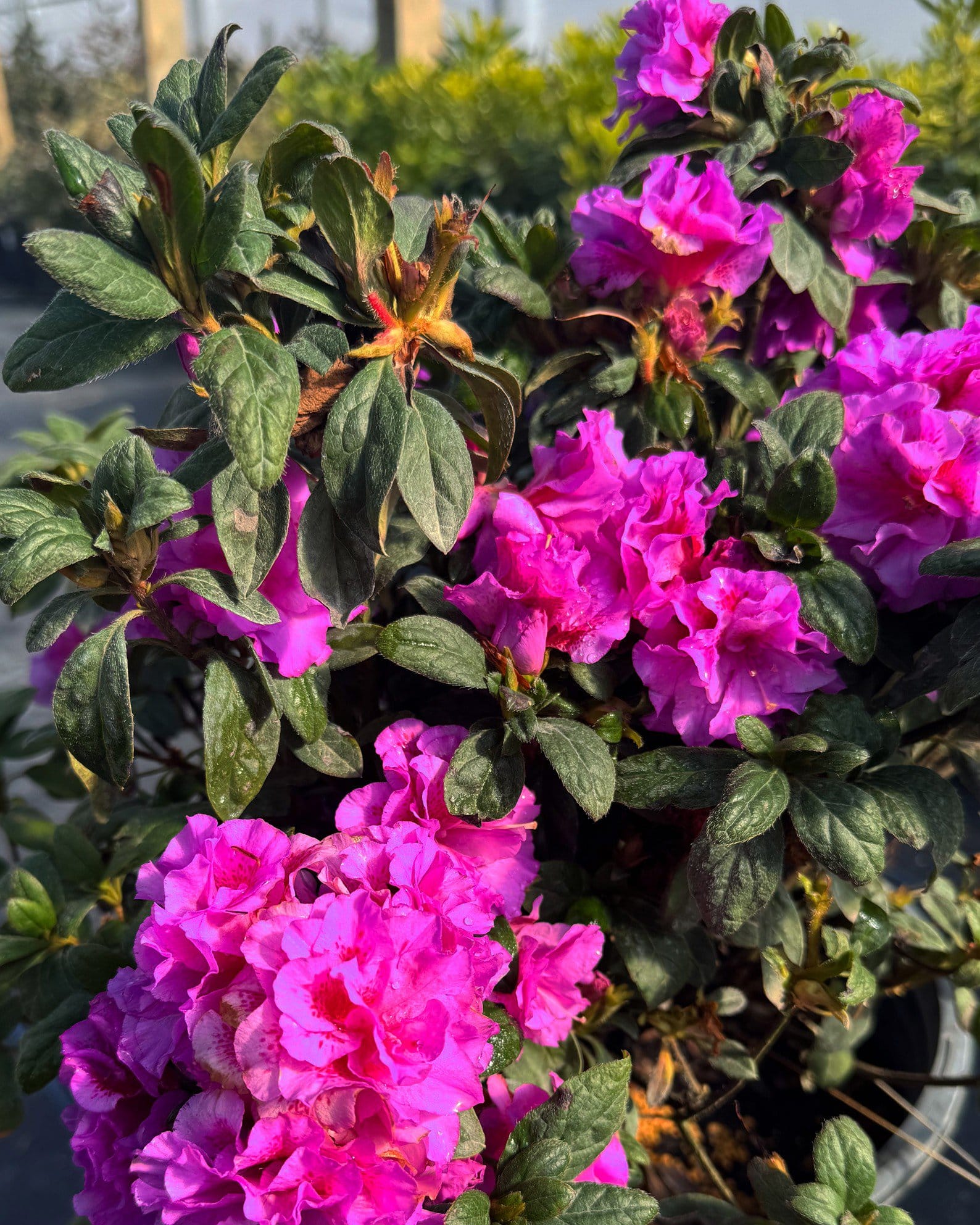
Encore Azalea Autumn Majesty
Maturity: 3' H x 3' W
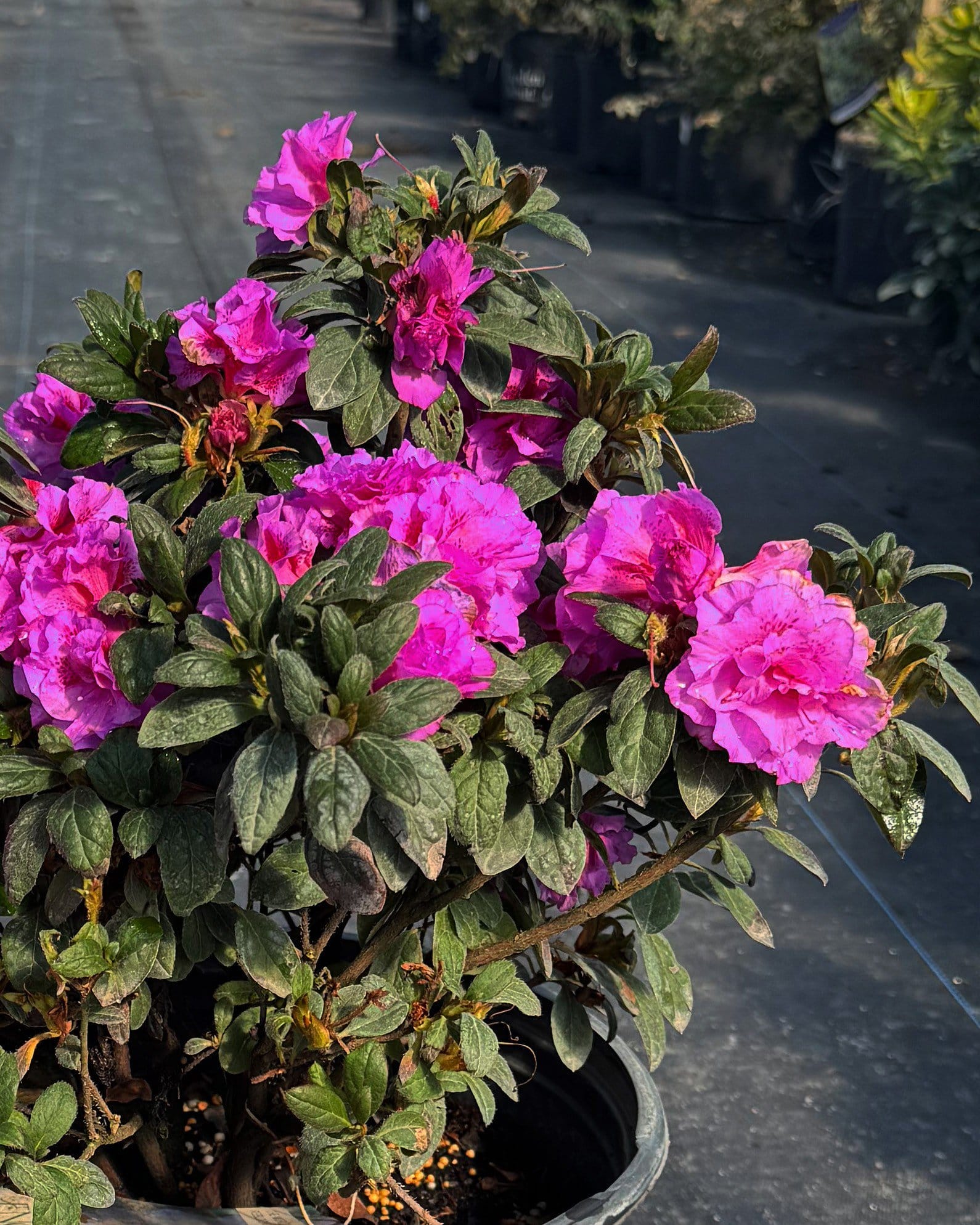
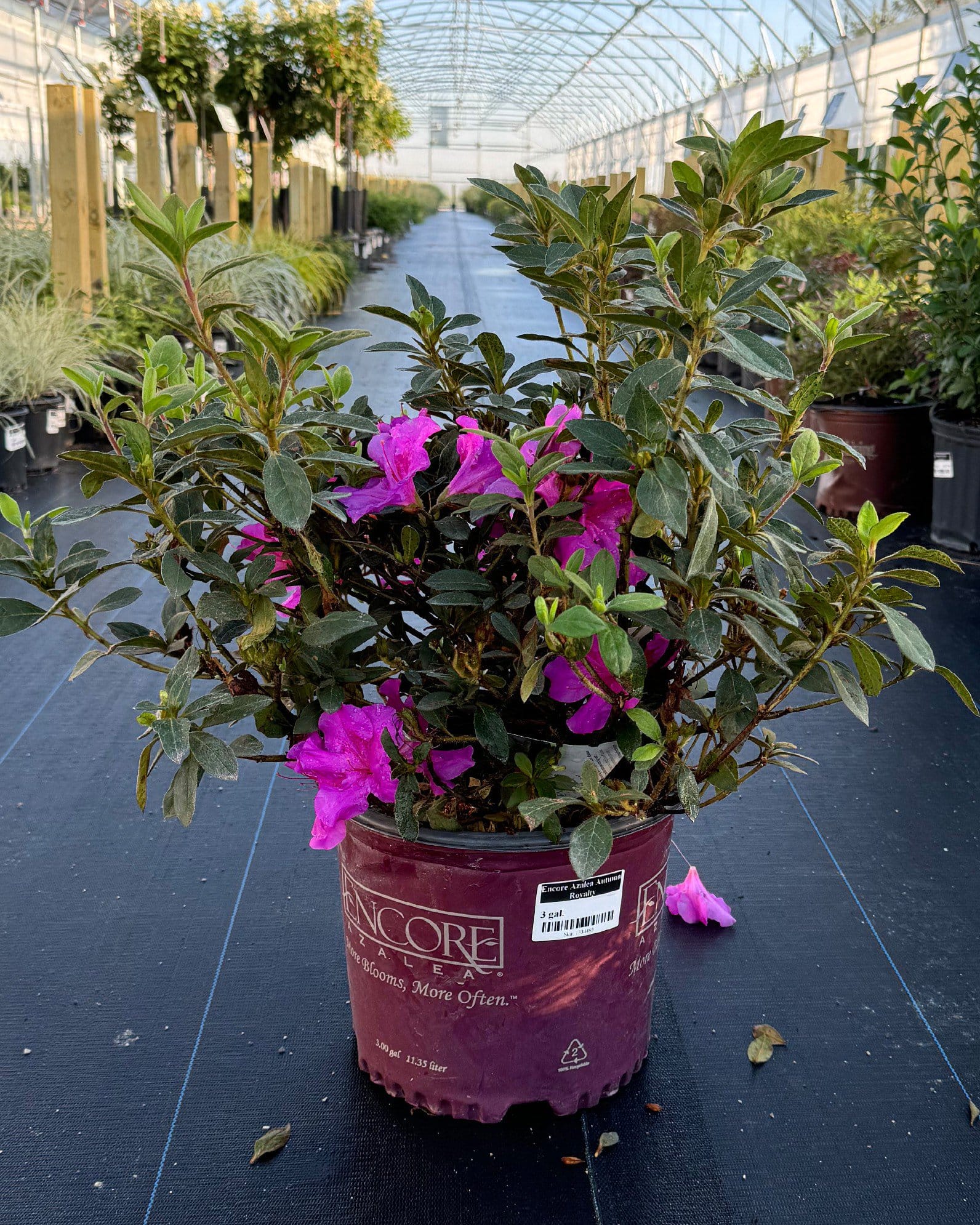
Encore Azalea Autumn Royalty
Maturity: 4' H x 4' W
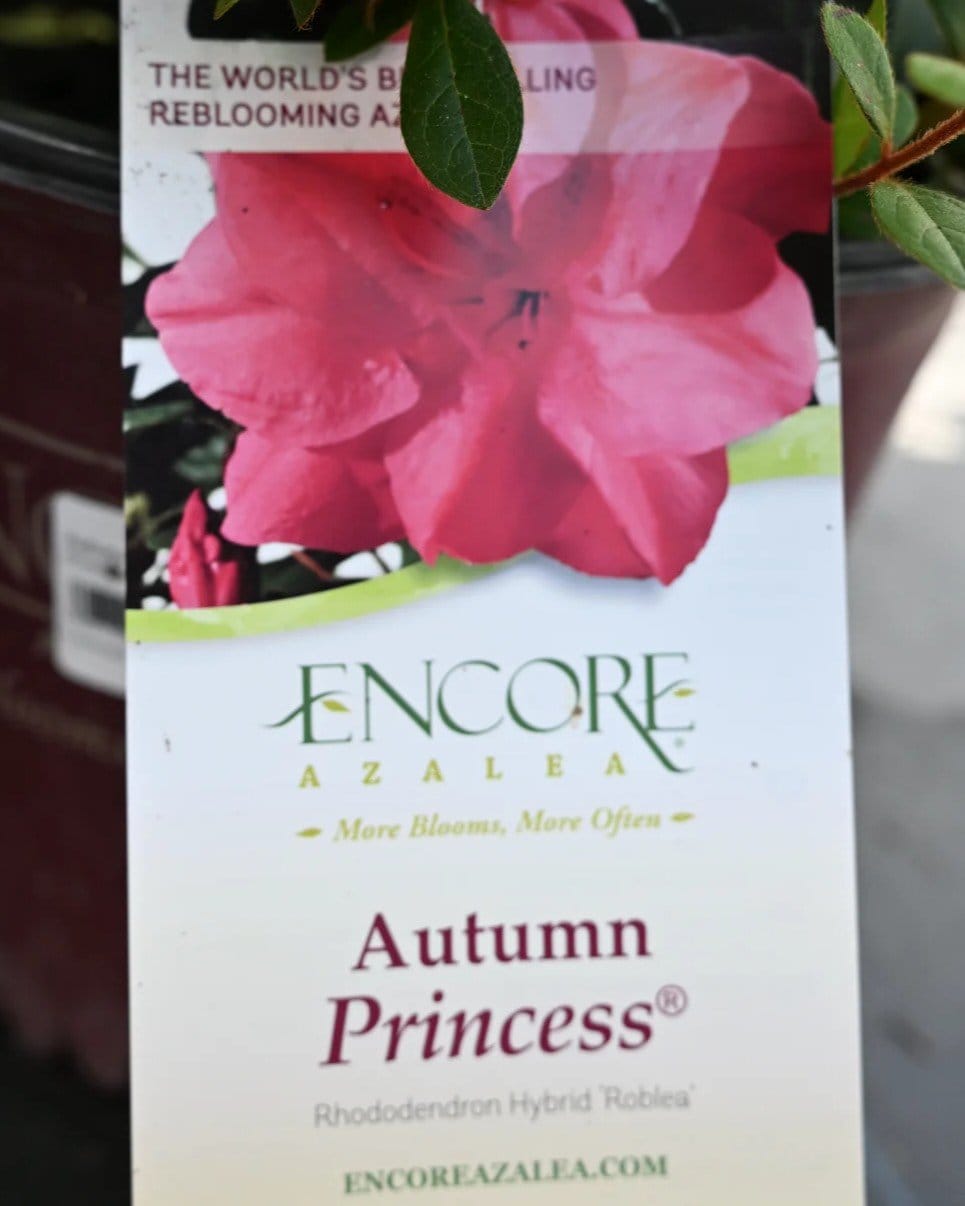
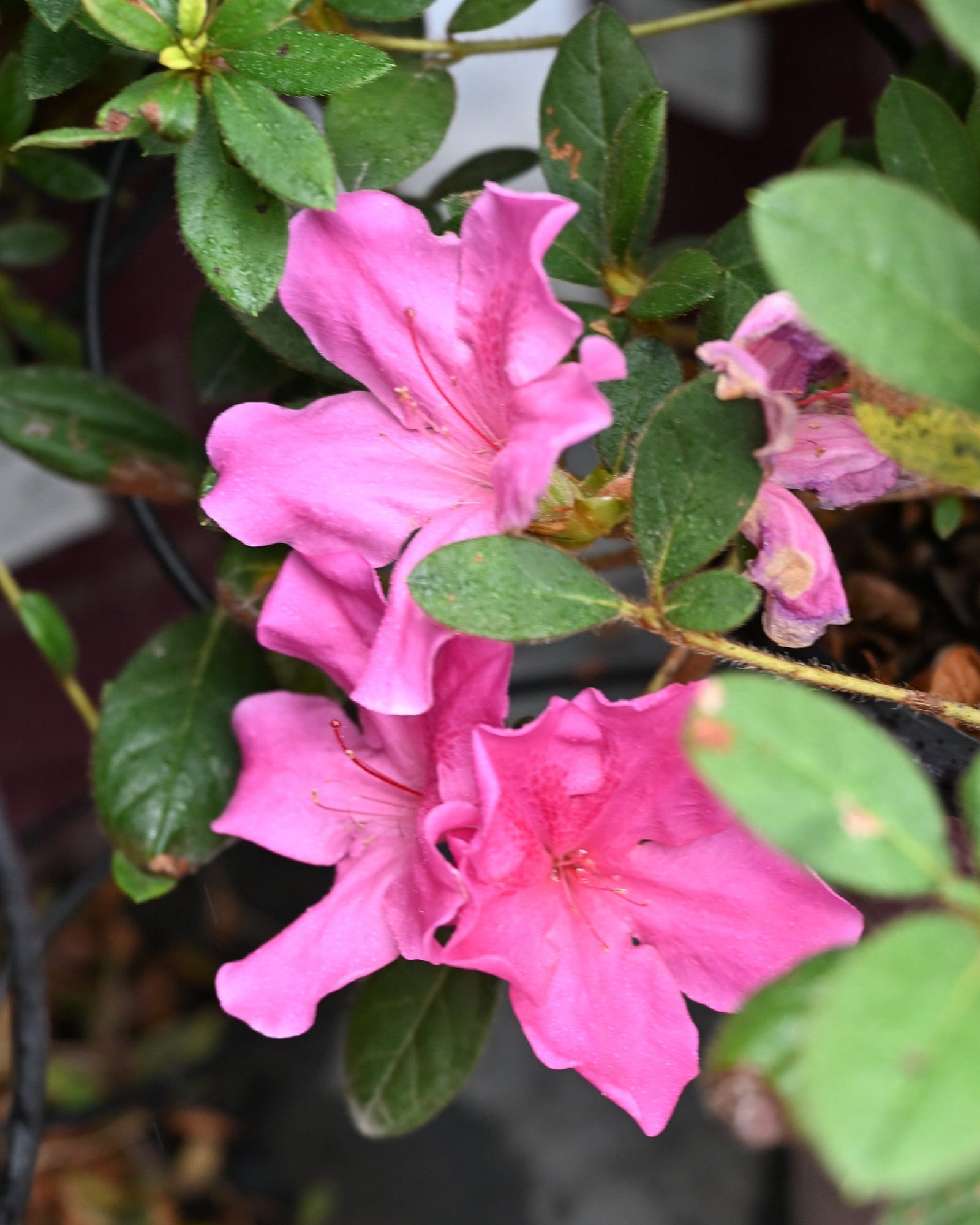
Encore Azalea Autumn Princess
Maturity: 3.5' H x 3' W
Encore Azalea Autumn Sangria
Maturity: 4.5' H x 4' W
Compare Similar Plants
Azalea Pink Ruffle This plant | ||
|---|---|---|
| Scientific Name | Rhododendron indica ‘Pink Ruffle’ | Rhododendron 'Robleze' |
| Size at Maturity | 2' H x 2' W | 3' H x 3' W |
| Leaf Retention | Evergreen | Evergreen |
| Flower Color | Pink | Pink & White |
| Bloom Times | Spring | Spring |
| Sizes Available | — | 3 gal |


Our 1-Year Planting Guarantee
We take pride in our plants and installation services. If any plants or trees installed by Treeland fail to thrive within the first year, we'll provide a replacement credit in accordance with our guarantee program.
Learn More About Our Guarantee