
 Texas Native
Whirling Butterflies Gaura
Oenothera lindheimeri ‘Whirling Butterflies’Product Details
Whirling Butterflies Gaura
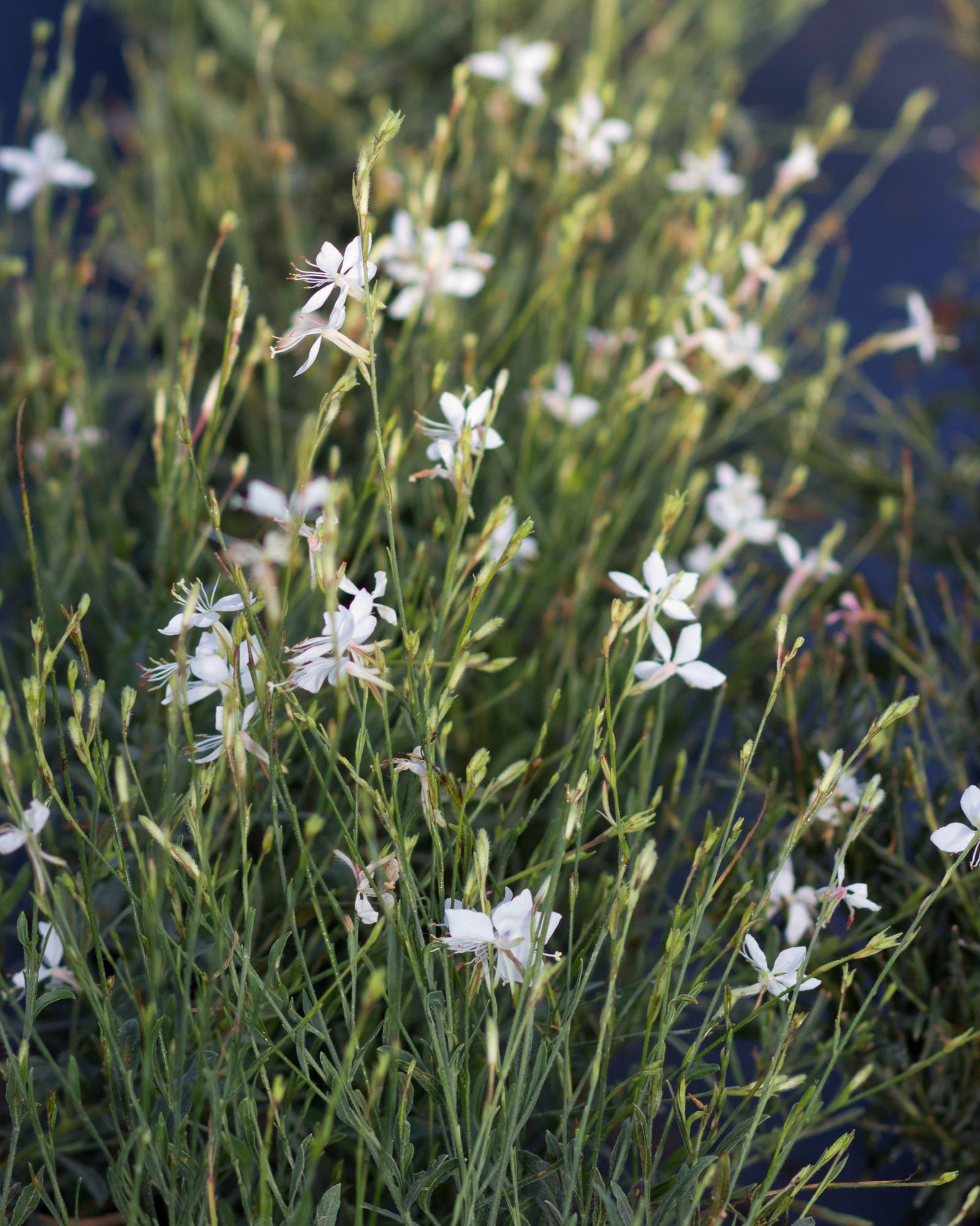
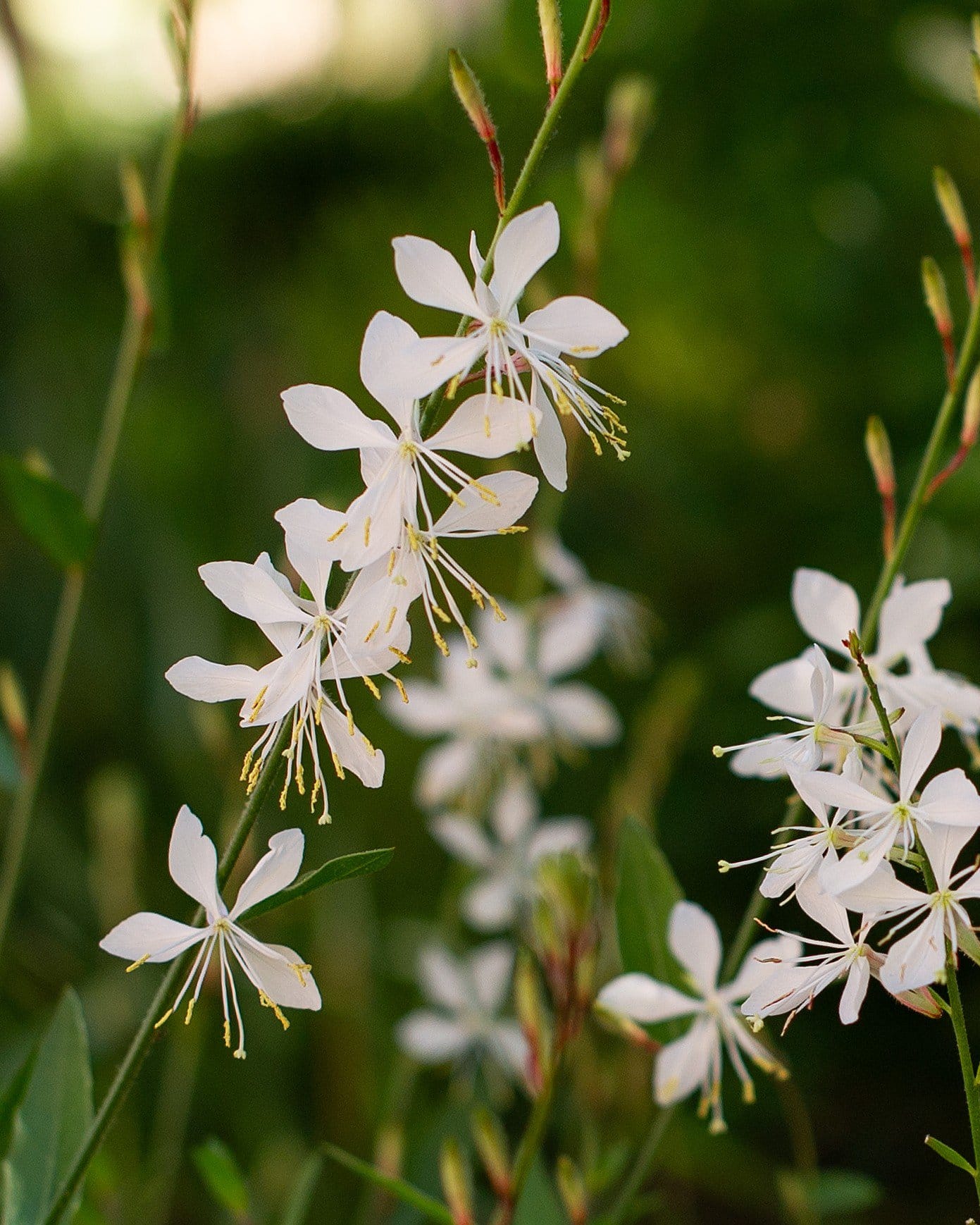
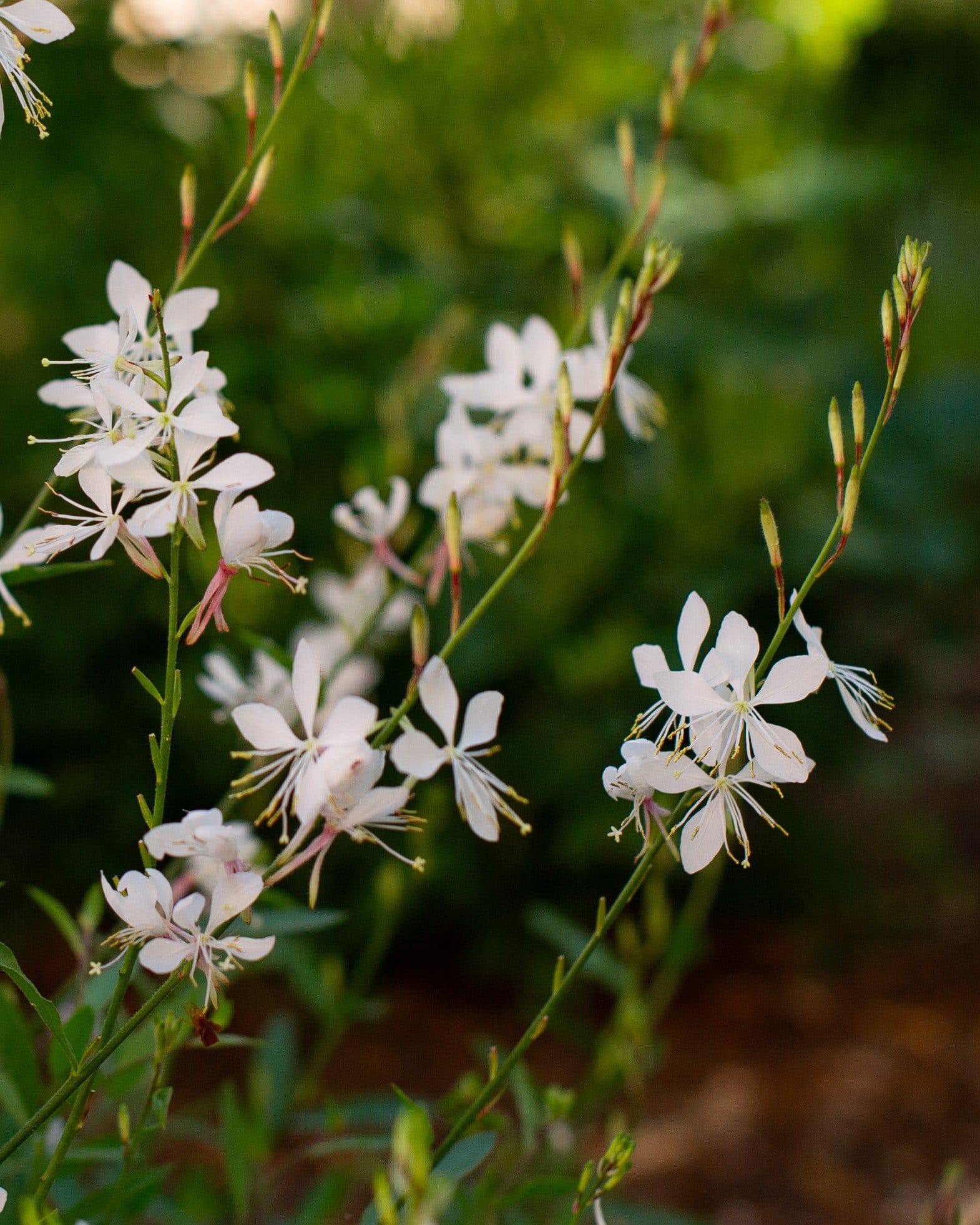
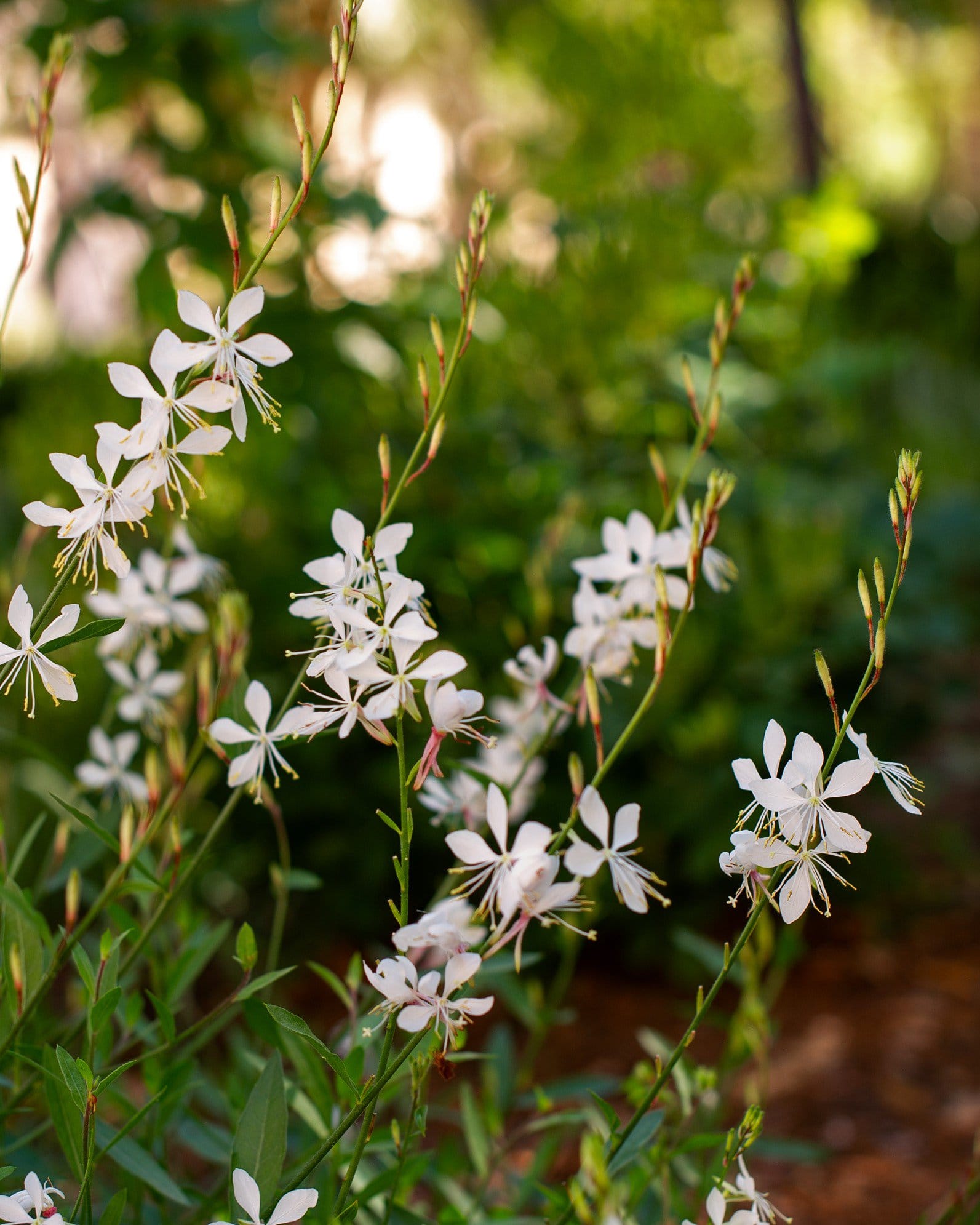
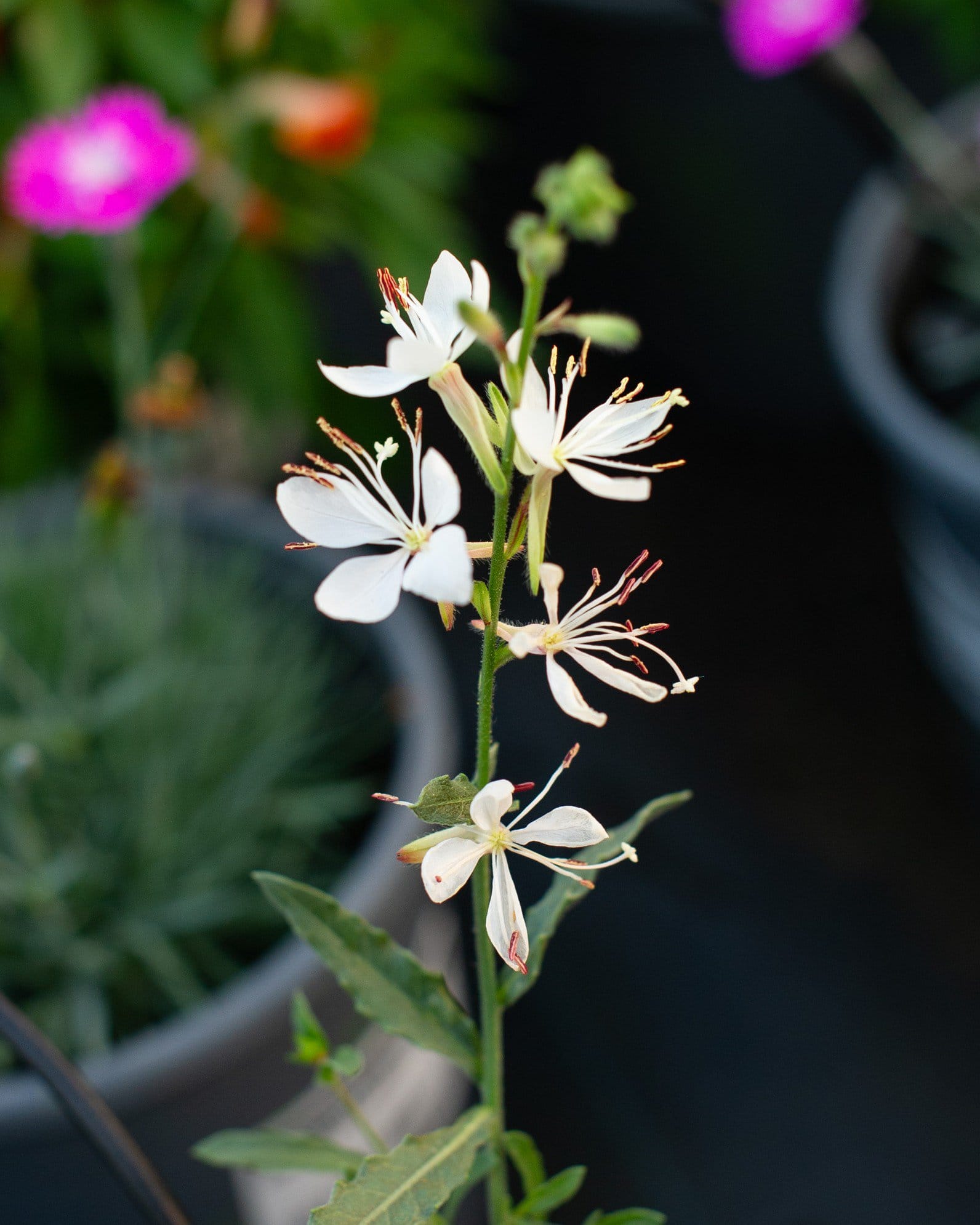
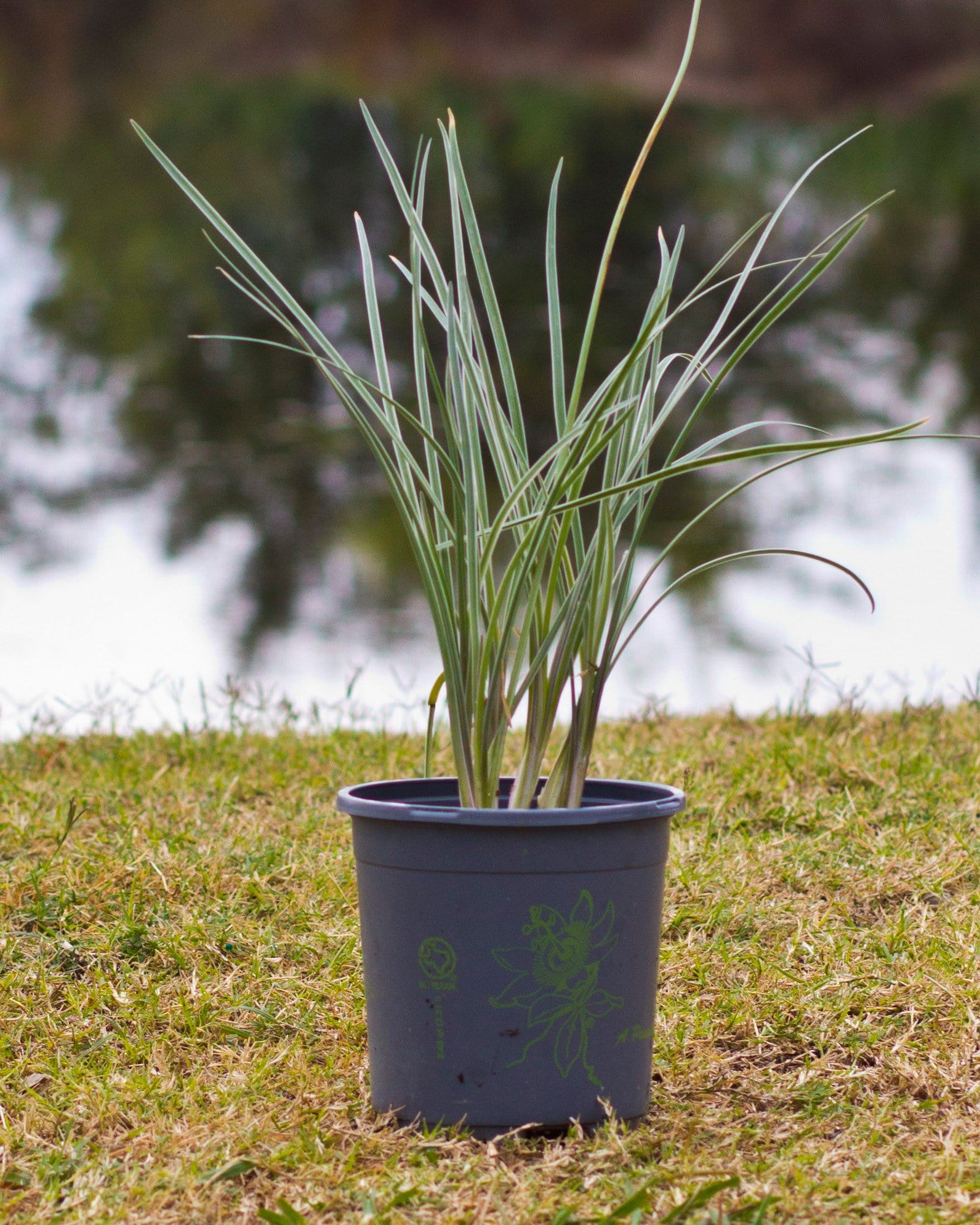
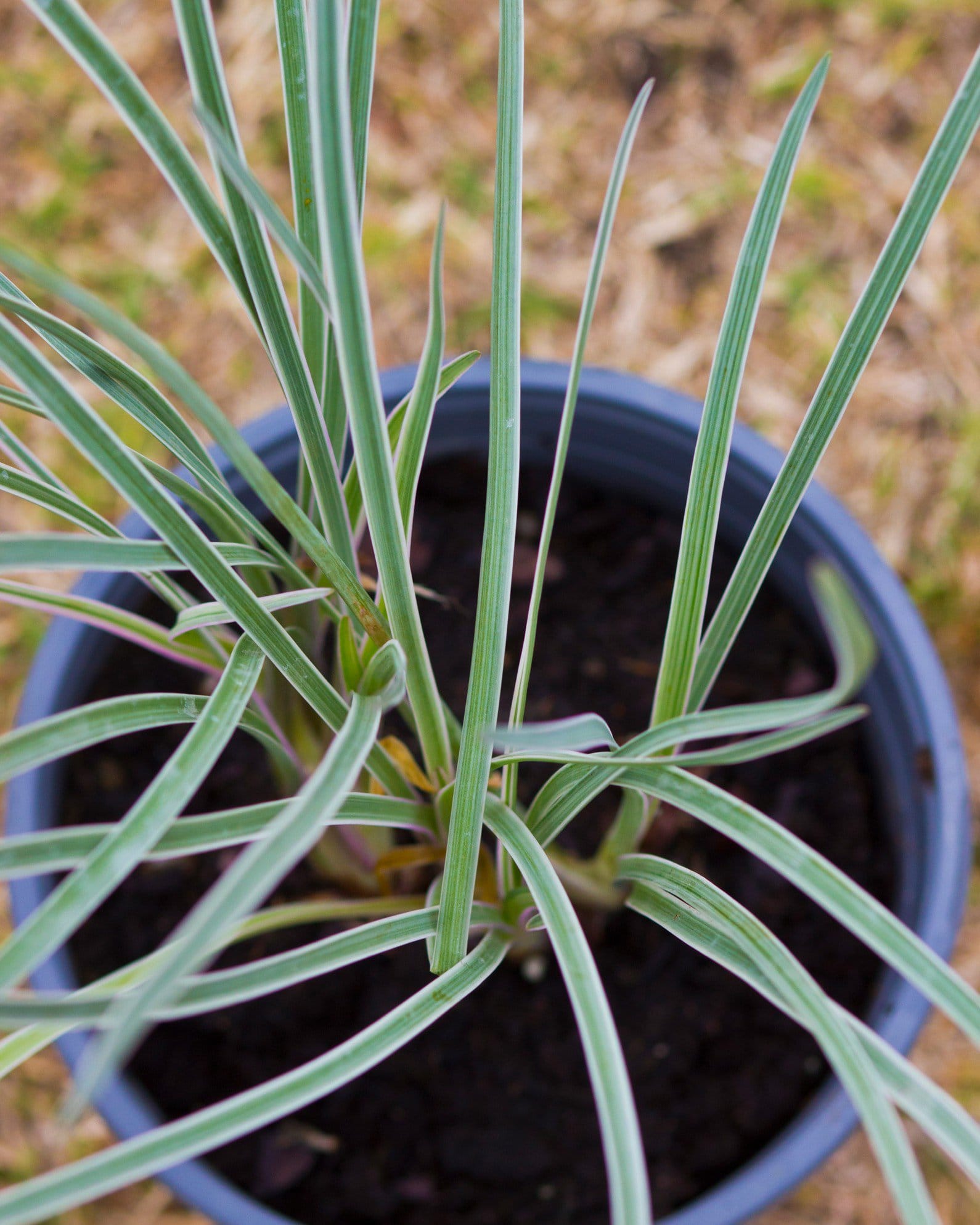
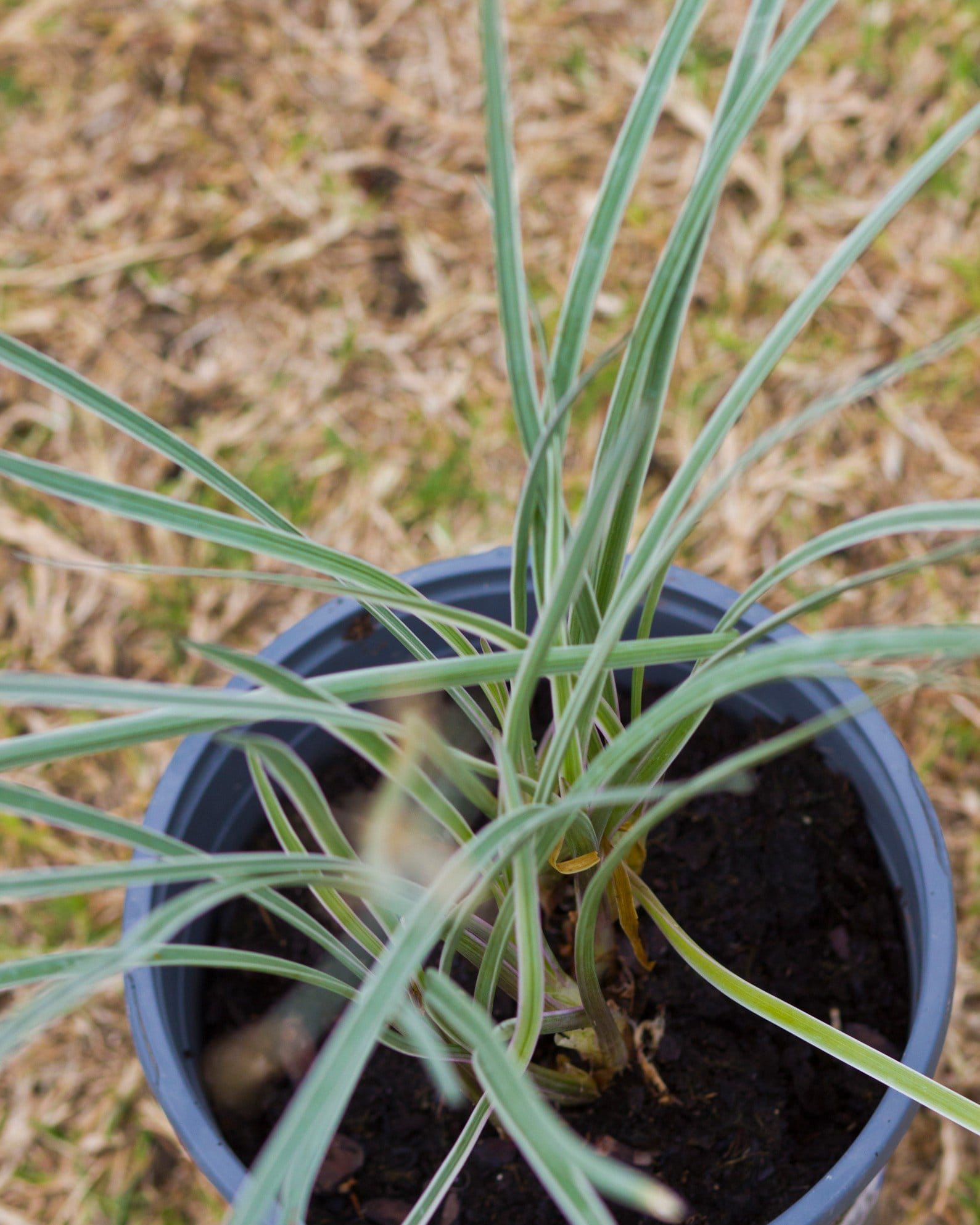
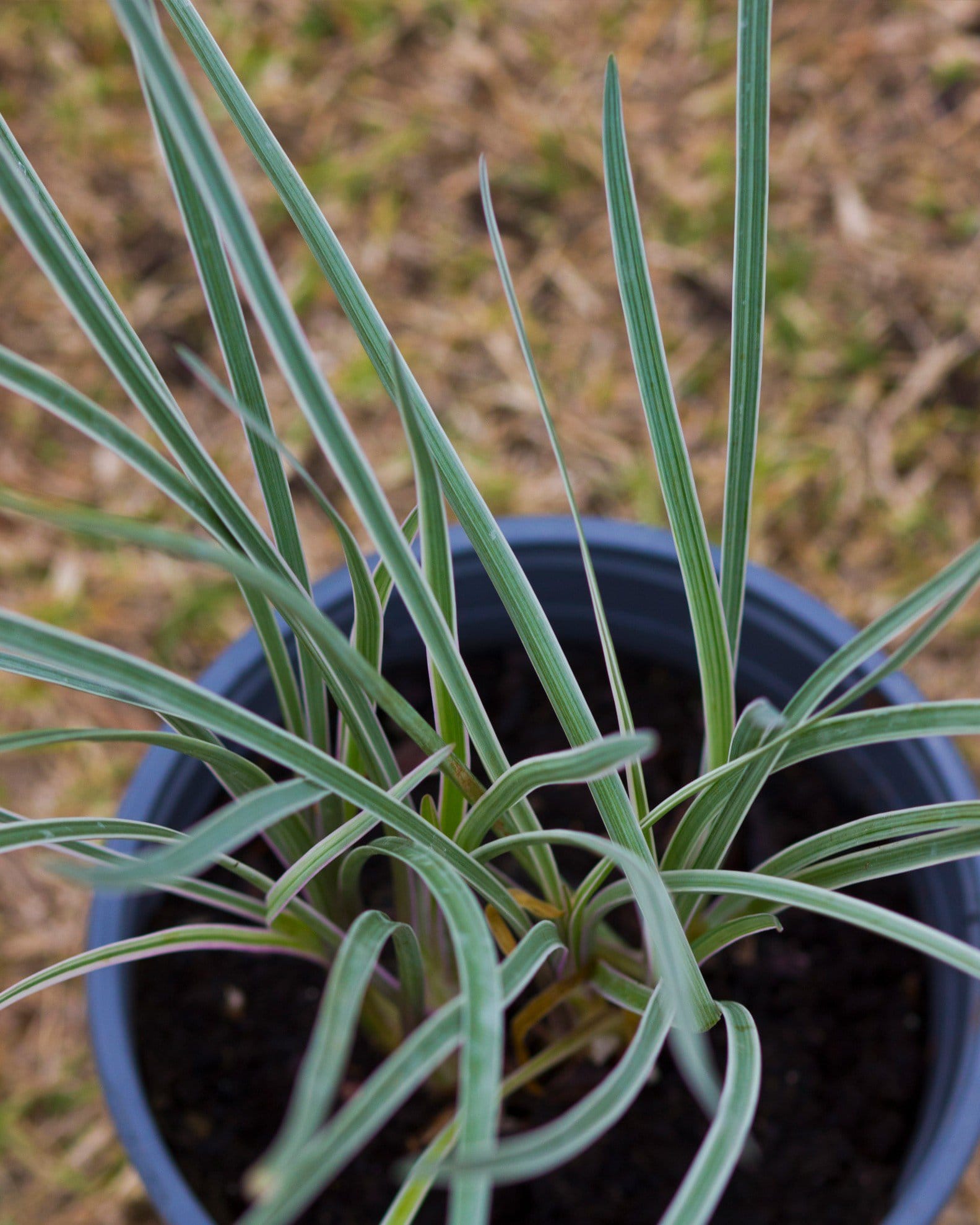
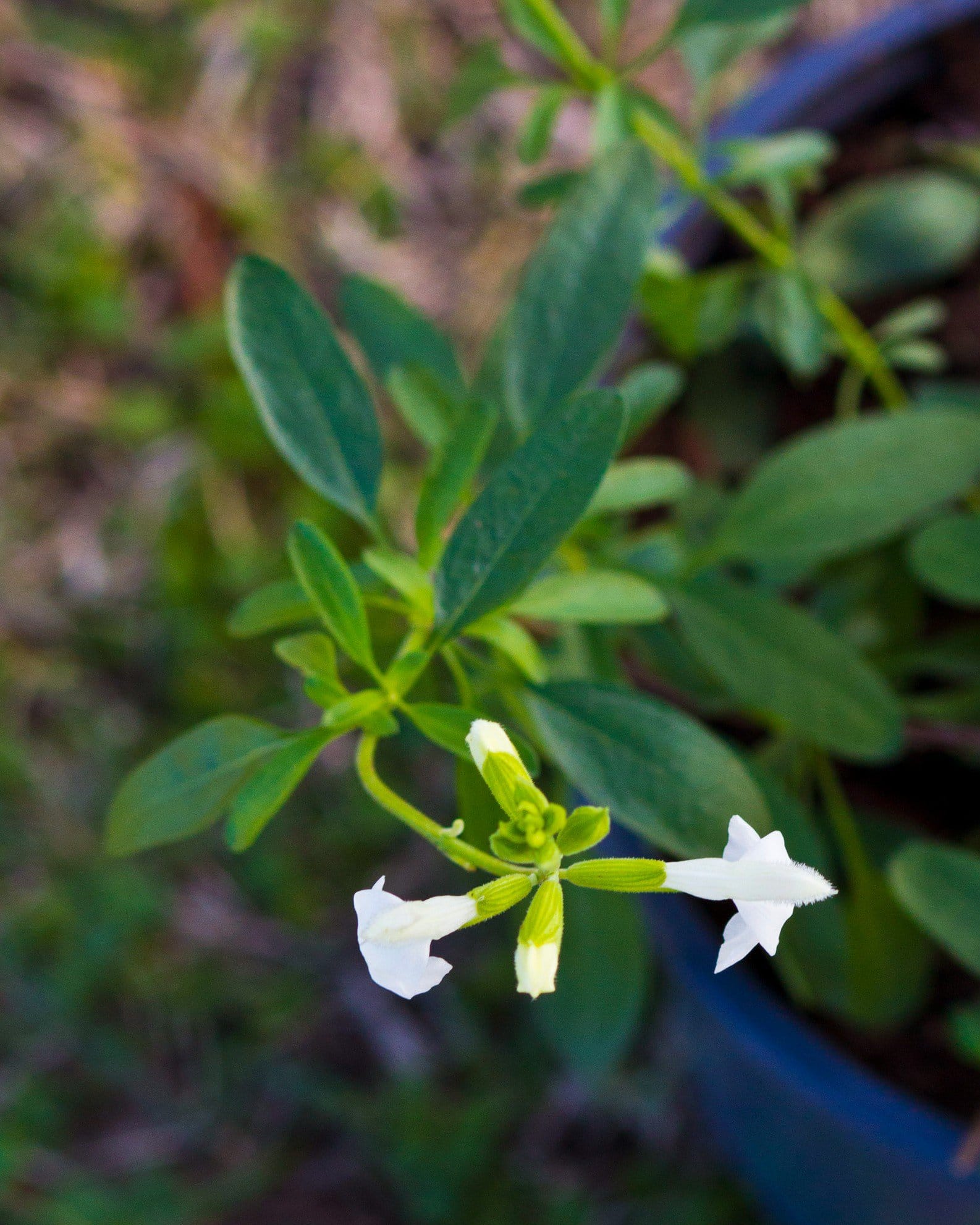
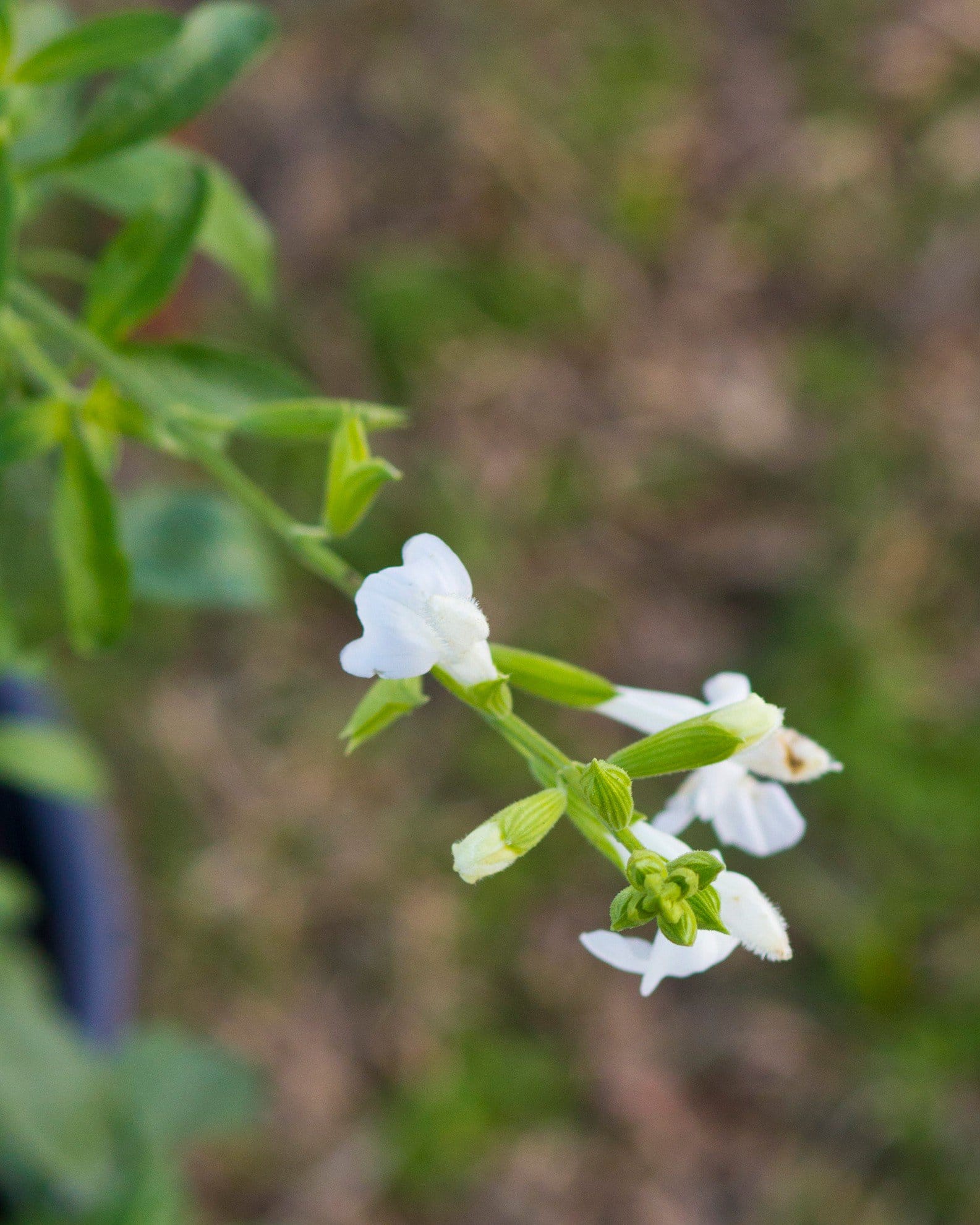
Oenothera lindheimeri ‘Whirling Butterflies’Whirling Butterflies Gaura is a graceful herbaceous perennial known for its white blooms that stand atop the foliage resembling butterflies in the breeze. This plant grows up to 2 feet tall and about 2 feet wide, forming a loose, airy clump of slender green stems and narrow leaves. From summer through fall, it produces a profusion of small white flowers, creating an ever-changing, fluttering effect.
- Herbaceous perennial
- Moderate to fast growth rate
- Long stems with narrow green foliage and delicate white blooms
- Ideal for mixed beds, borders, or containers
- Attracts pollinators
Whirling Butterflies Gaura prefers full sun and well-drained soil, but tolerates heat and drought once established. Deadheading spent flowers encourages continuous blooming, and trimming in late winter helps maintain shape and vigor. It's hardy in zones 5-9, making it perfect for most Texas flower beds and containers.
Whirling Butterflies Gaura is a graceful, long-blooming perennial that thrives in Texas landscape. Here are some tips to help it prosper:
- Watering: Water regularly during the first growing season to establish a deep root system. Once mature, Whirling Butterflies Gaura is drought-tolerant and performs best with moderate, consistent moisture. Avoid heavy, soggy soil-good drainage is essential for long-term success.
- Pruning: Deadhead faded blooms throughout the growing season to encourage continuous flowering. After the first flush, shear back by one-third to promote fresh foliage and renewed blooms. Cut back to 6–8 inches in late winter or early spring before new growth emerges.
- Fertilizing: Feed lightly in spring with a balanced, slow-release fertilizer. Over-fertilization can cause weak, floppy growth and reduced flower production. In lean soils, a yearly light feeding is sufficient.
- Mulching: Apply a thin layer of gravel or coarse mulch around the base to retain moisture and discourage weeds while maintaining good airflow. Avoid piling mulch against the crown to prevent rot.
- Winter Care: Hardy in most regions, though excessive winter moisture can be damaging. In colder zones, provide a light mulch after the ground freezes to protect roots. Cut back spent stems in early spring as new shoots appear.
- Floppy Stems: Often a result of excessive fertilizer or shade. Shearing plants by one-third mid-season encourages sturdy new growth.
- Root Rot: Can occur in heavy, waterlogged soil. Ensure excellent drainage or consider planting on raised mounds.
- Short Lifespan: Gaura is naturally a short-lived perennial (3–5 years). Allow a few flowers to seed for natural self-renewal.
- Pests: Generally pest-free, though aphids or spider mites may appear during hot, dry spells. Treat with insecticidal soap if needed.
- Wind Damage: Tall stems may bend in strong wind. Pruning lightly and growing in a sheltered, sunny site helps maintain structure.
Typically 3-5 years, though with proper care, it may persist longer. Allowing a few seedlings to self-sow helps sustain the plant in the same area year after year.
Fast-growing and quick to flower. It often begins blooming by late spring, continuing through early autumn with consistent deadheading.
Absolutely. Its airy texture works beautifully in large planters or mixed containers. Choose a fast-draining soil and water when the top few inches are dry.
Yes, it may self-seed lightly in garden beds, though not aggressively. Seedlings can be thinned or transplanted easily for more controlled growth.
Propagation by division is possible in early spring, but it may disturb older plants. Taking basal cuttings or transplanting self-sown seedlings is often more successful.
Yes. Cut them back hard in early spring and again by one-third after the first bloom cycle. This encourages fuller growth and prevents sprawling stems.
Yes. It thrives in lean, sandy, or rocky soils where drainage is excellent. Avoid heavy clay or nutrient-rich soils, which promote floppy growth.
Yes. Its long, delicate stems add elegance and movement to bouquets. Harvest early in the morning for best vase life and minimal wilting.
It pairs beautifully with lavender, Russian sage, salvia, coneflower, and ornamental grasses. These companions enhance its airy texture and create a balanced, naturalistic look in mixed borders.
Yes, but lightly. Its delicate stems are not as sturdy as turf or low-growing groundcovers, so it’s best suited to borders, pathways’ edges, or container plantings rather than high-traffic areas.
Special Features
You might also like
Belleza White Gaura
Maturity: 1' H x 1.5' W
Pink Skullcap
Maturity: 1' H x 2' W
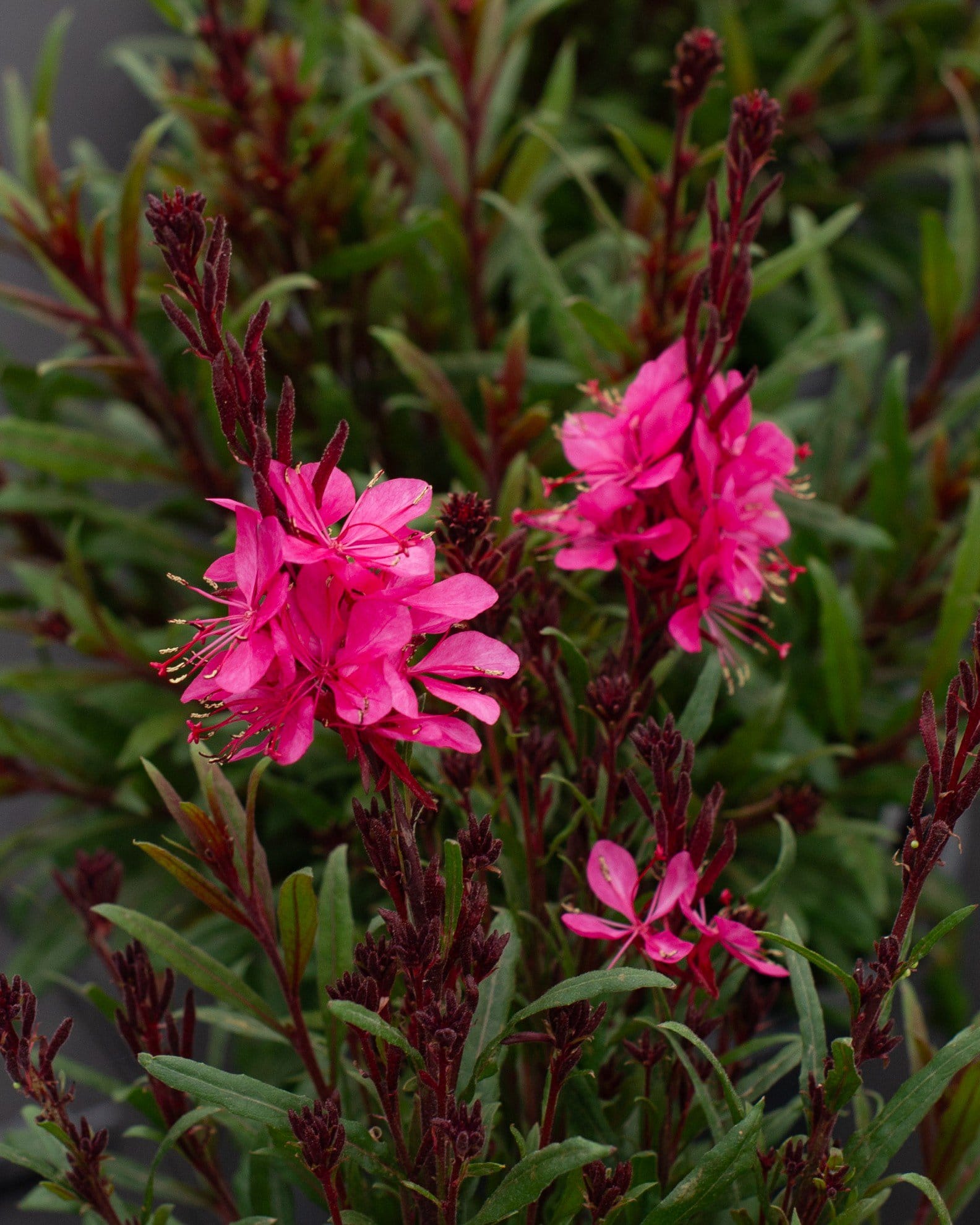
Belleza Dark Pink Gaura
Maturity: 1' H x 1.5' W
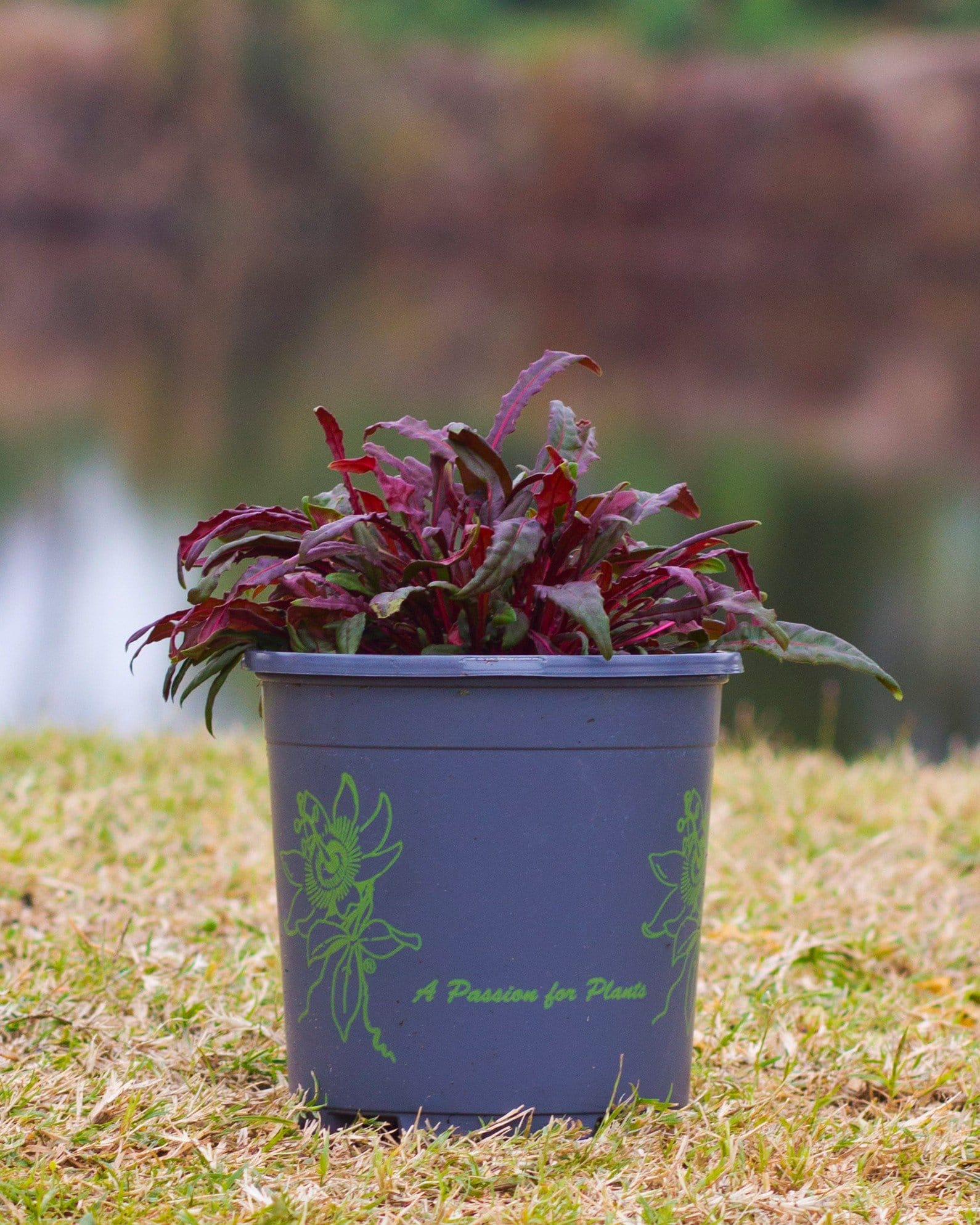
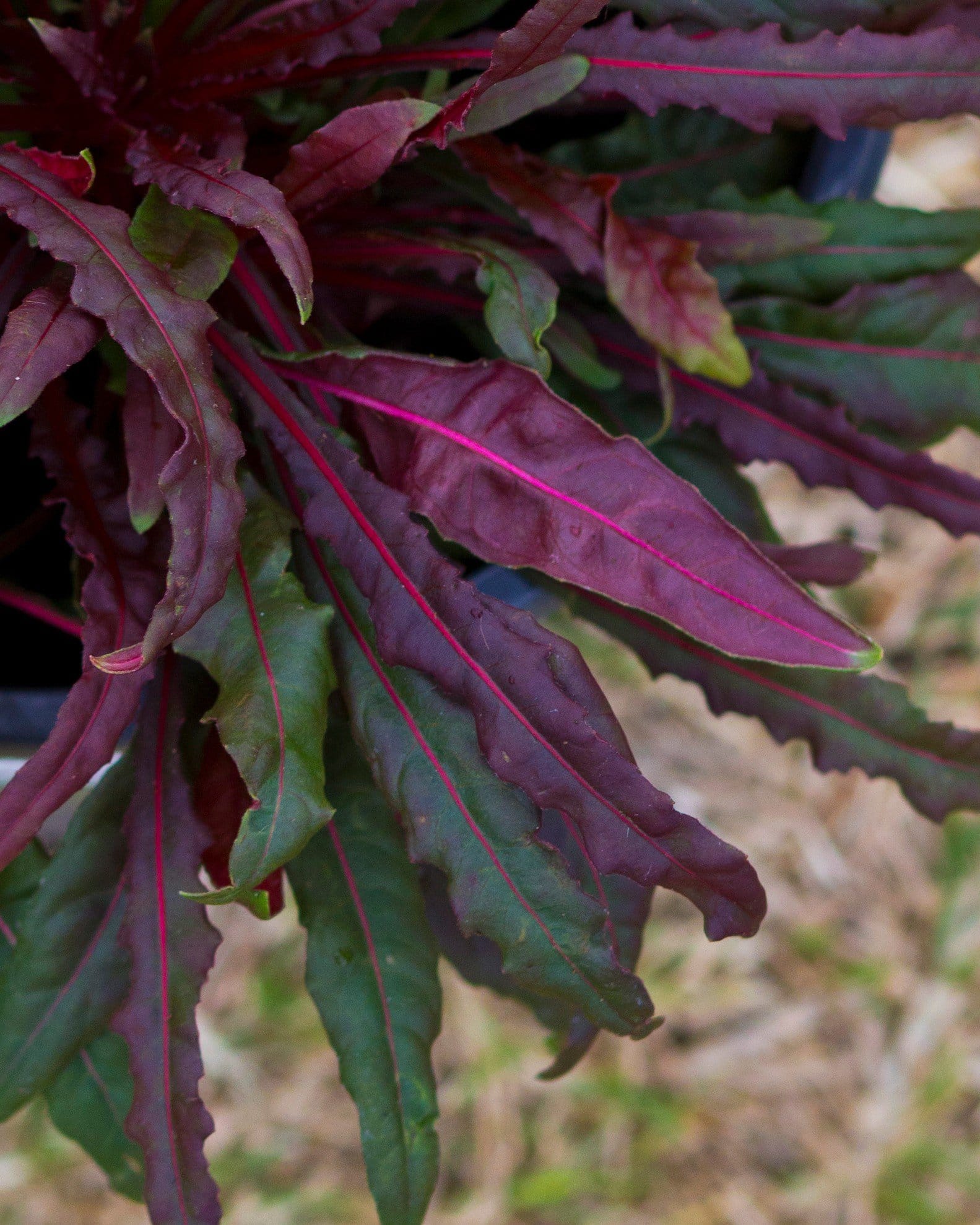
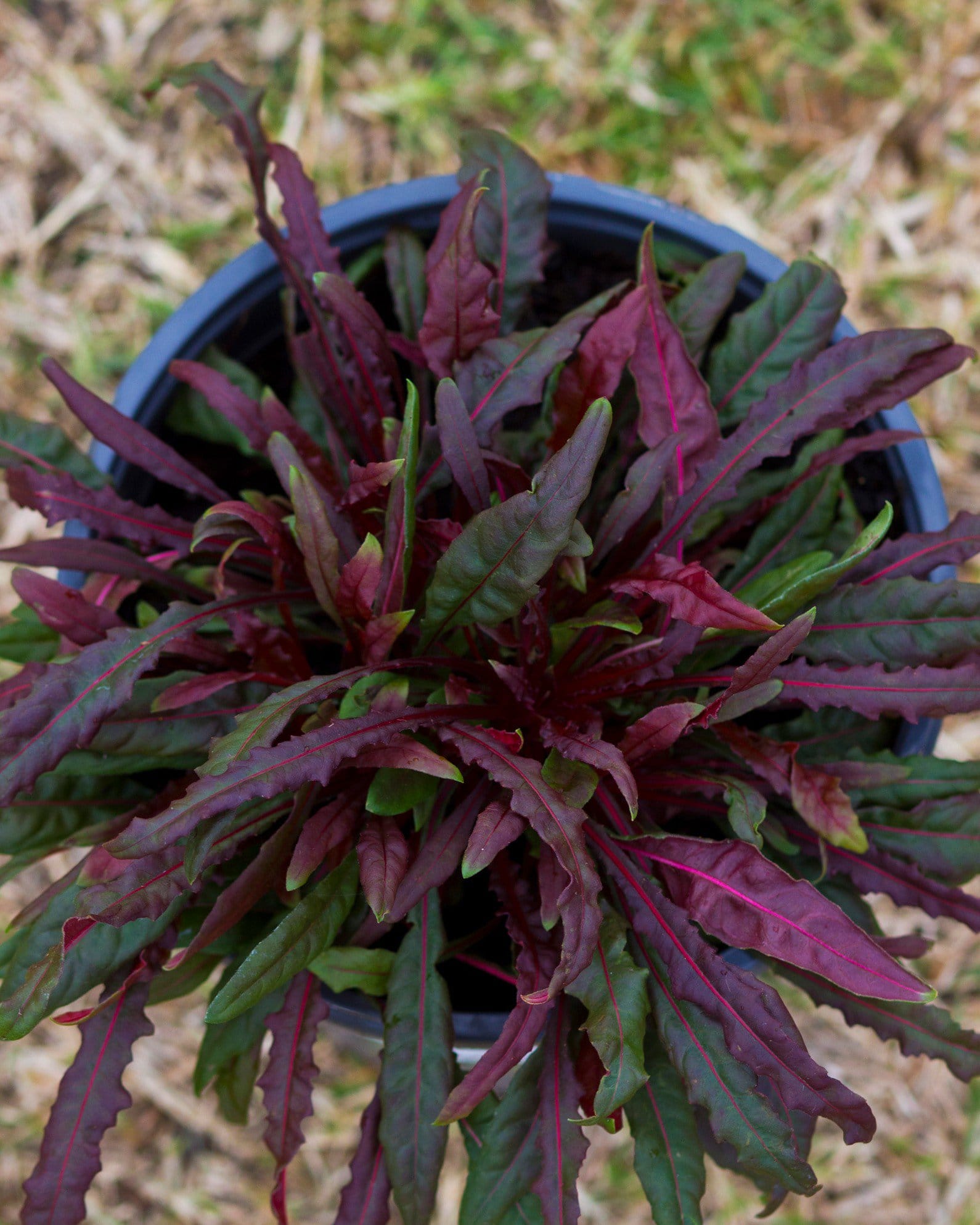
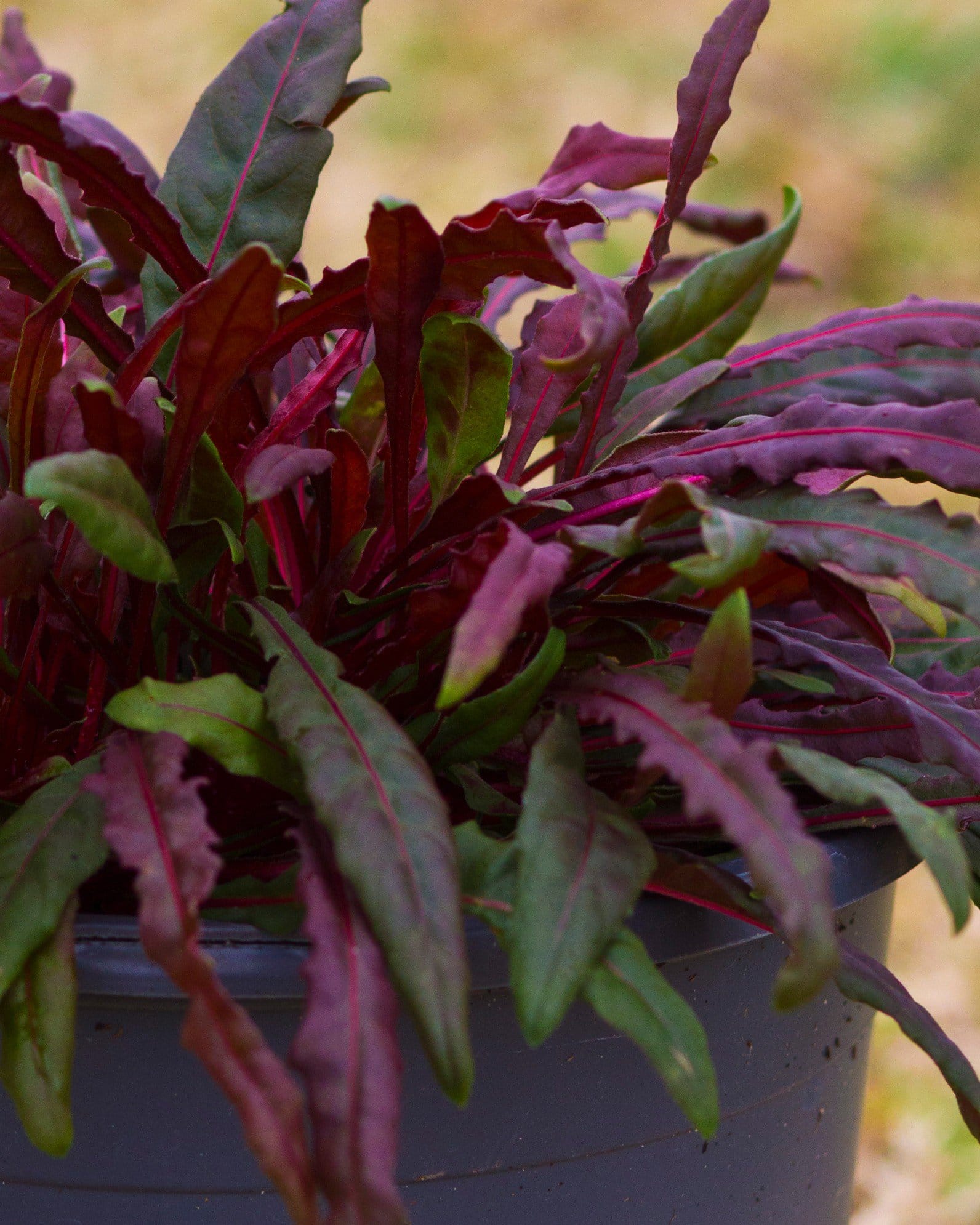
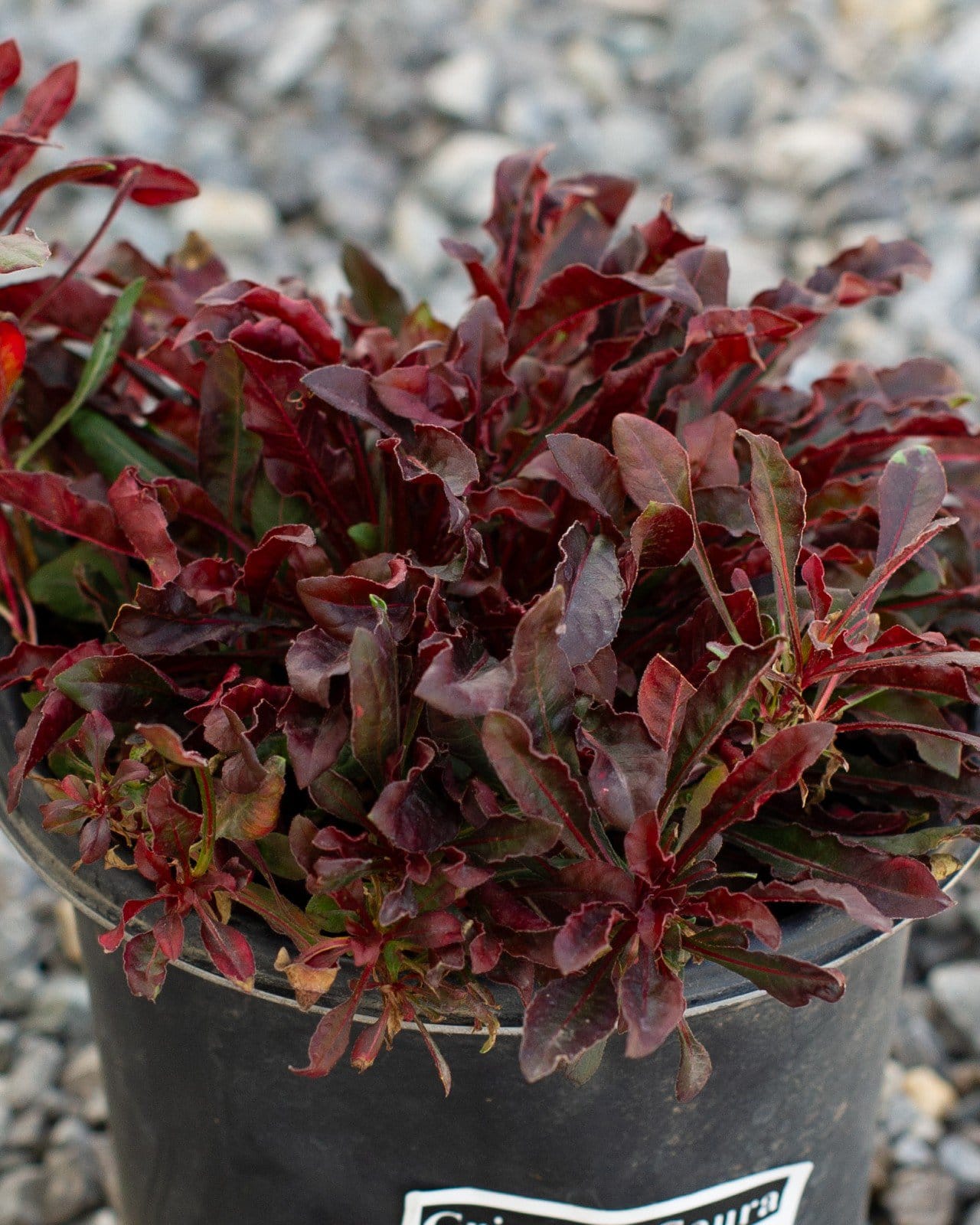
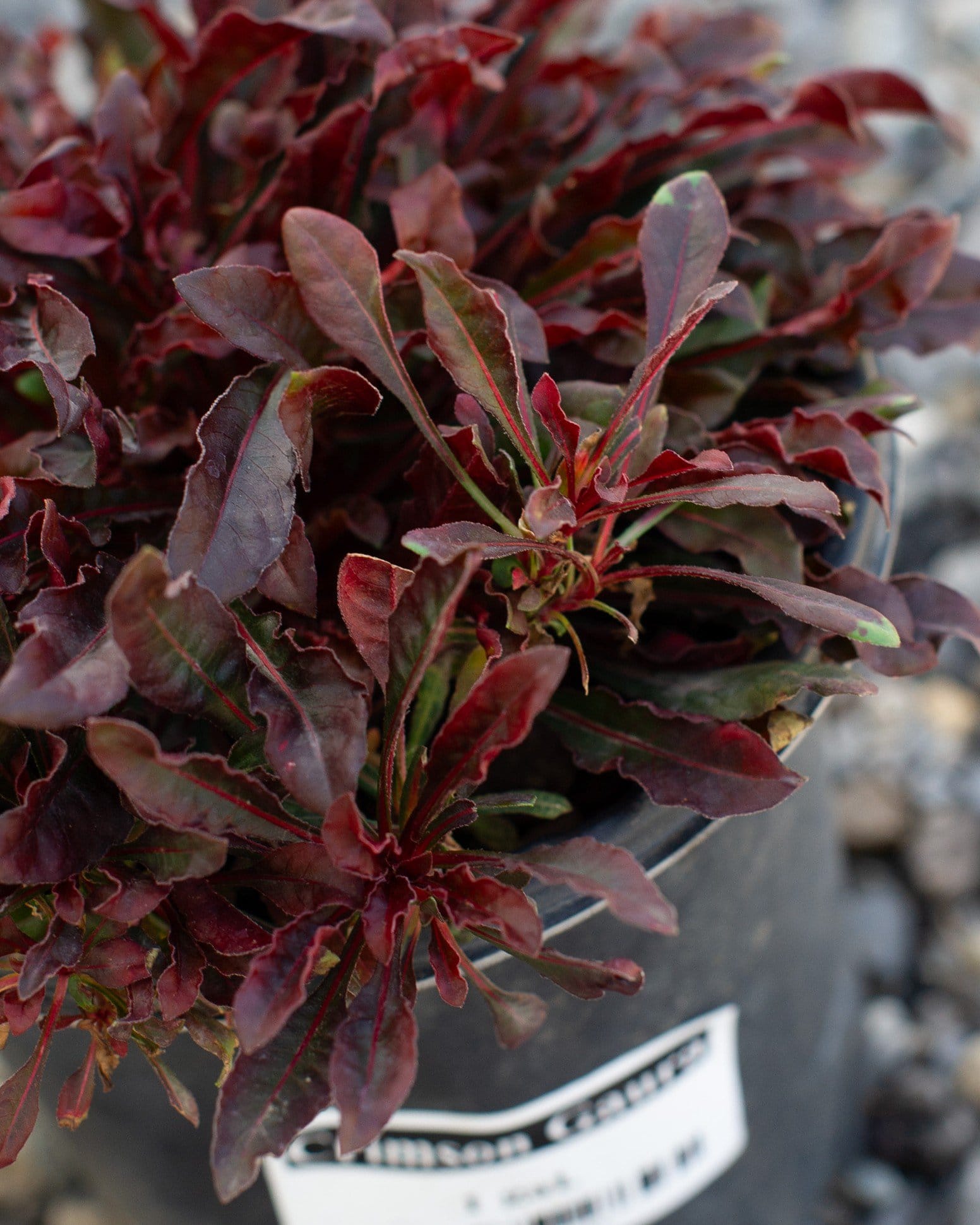
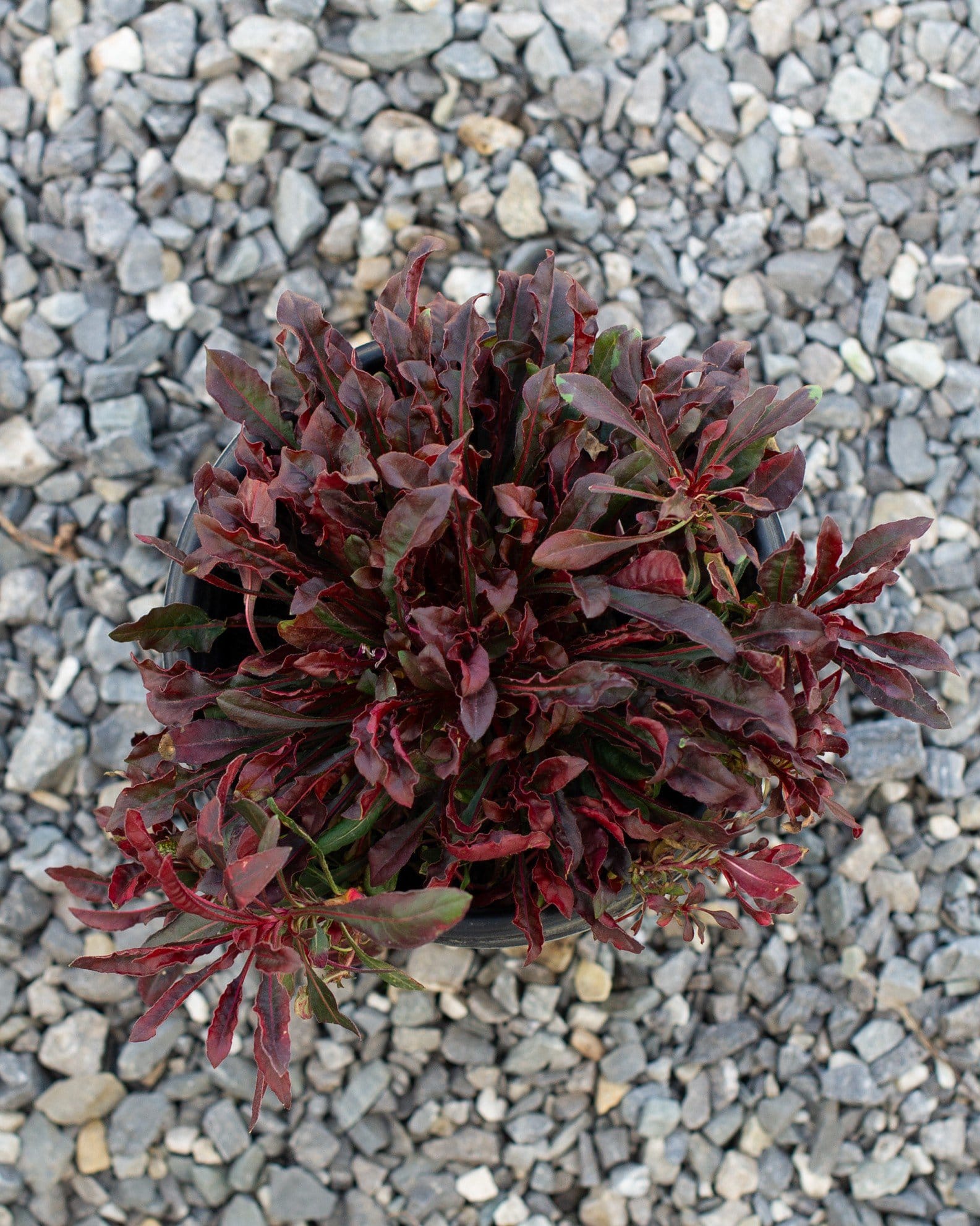
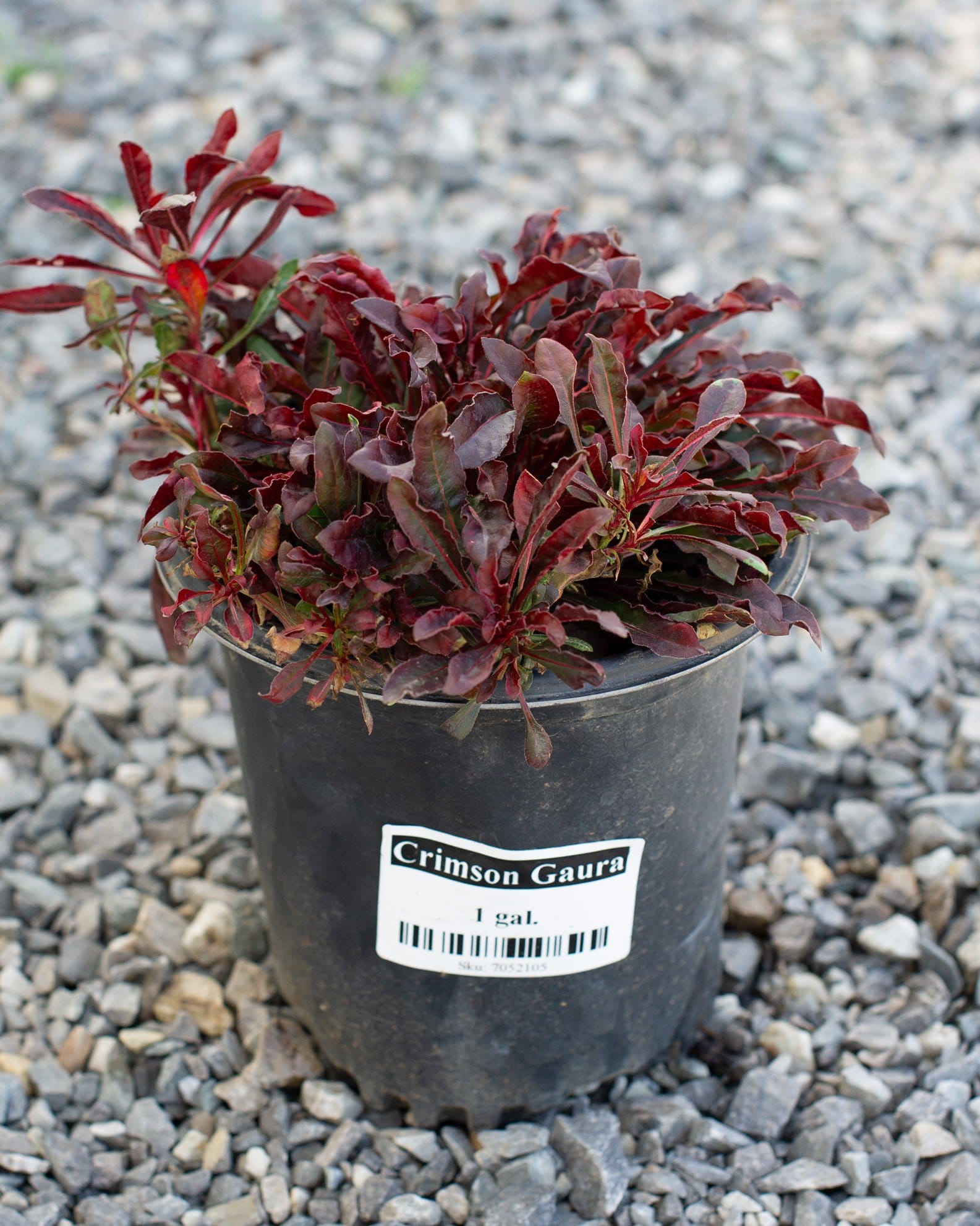
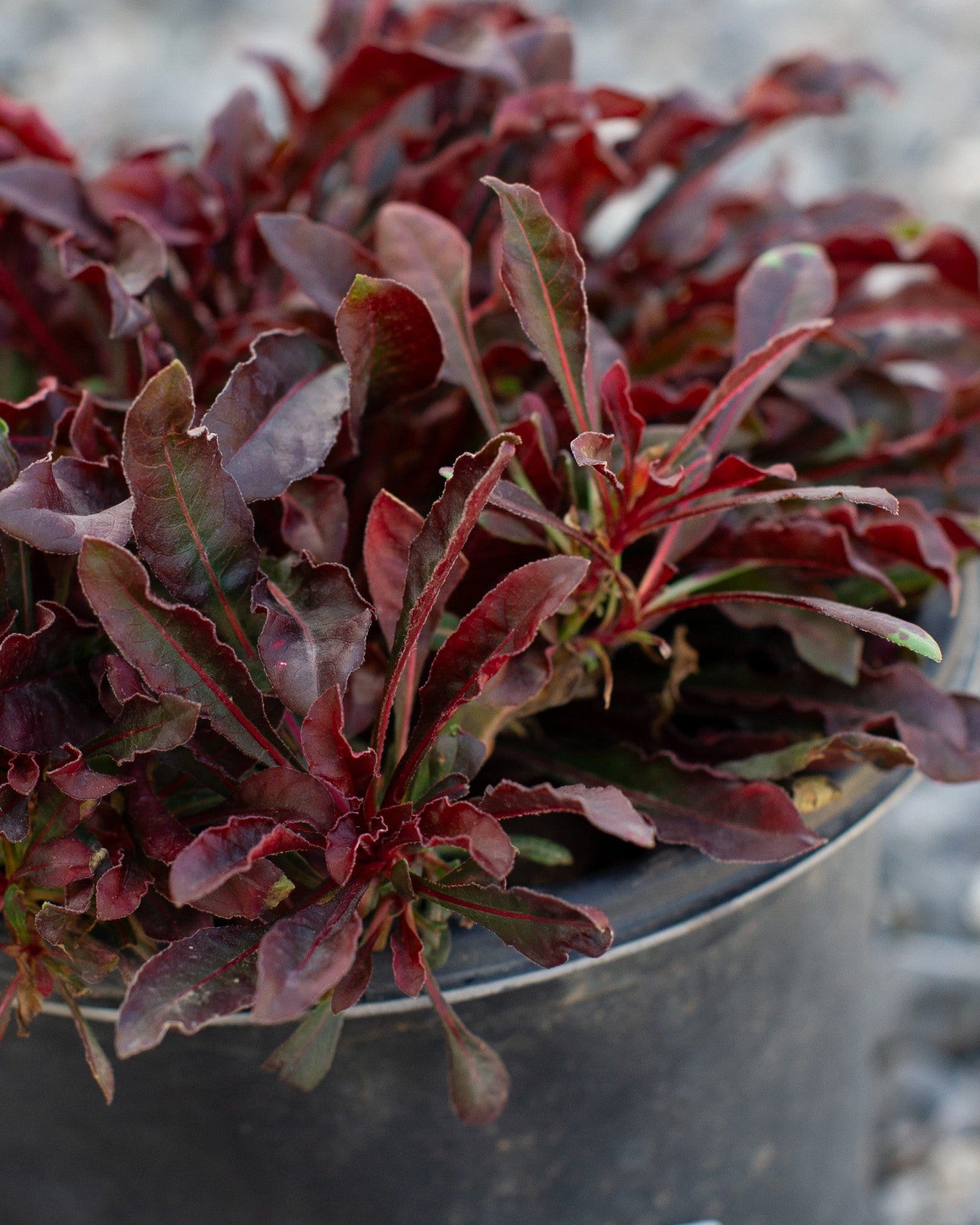
Crimson Gaura
Maturity: 1' H x 1.5' W
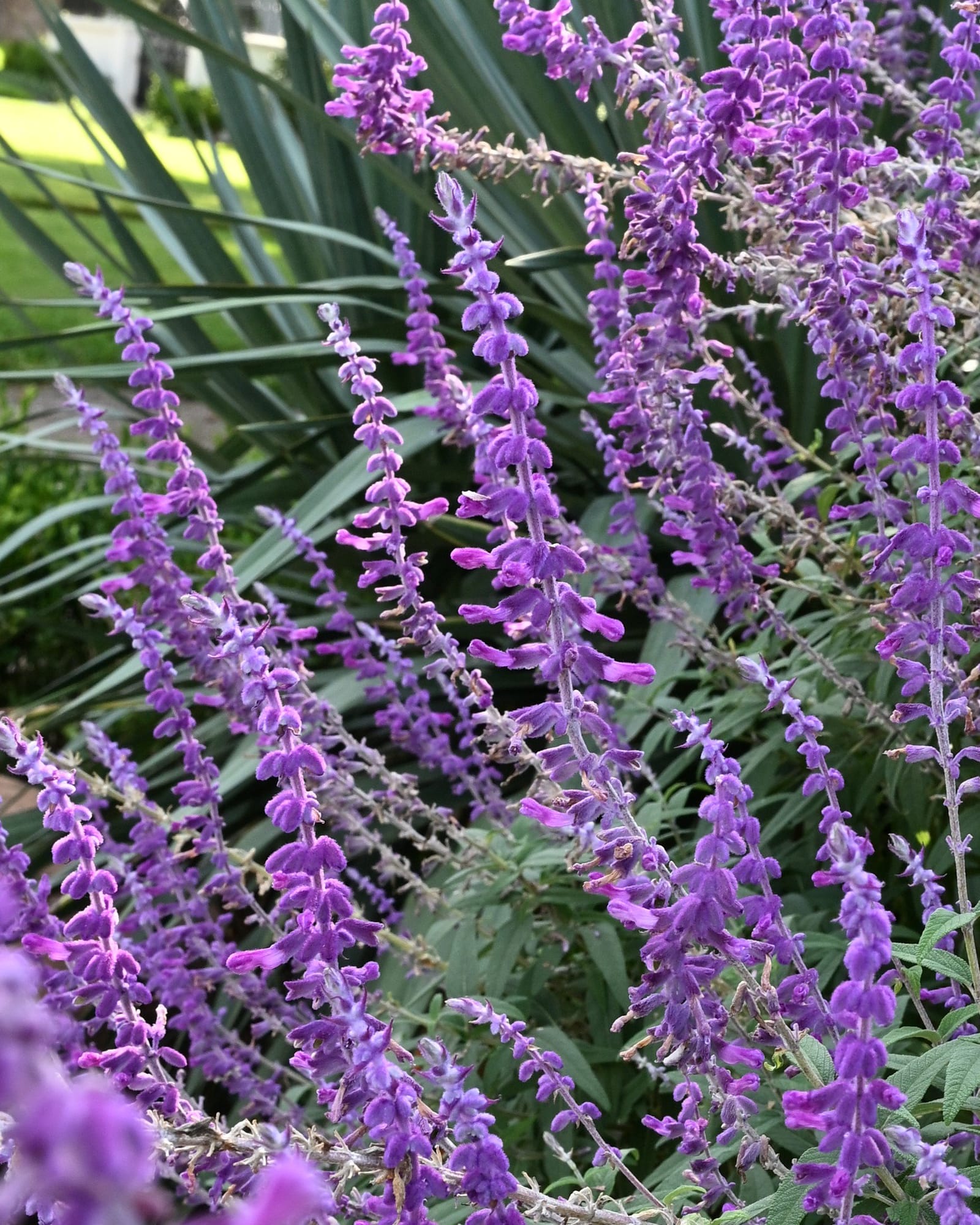
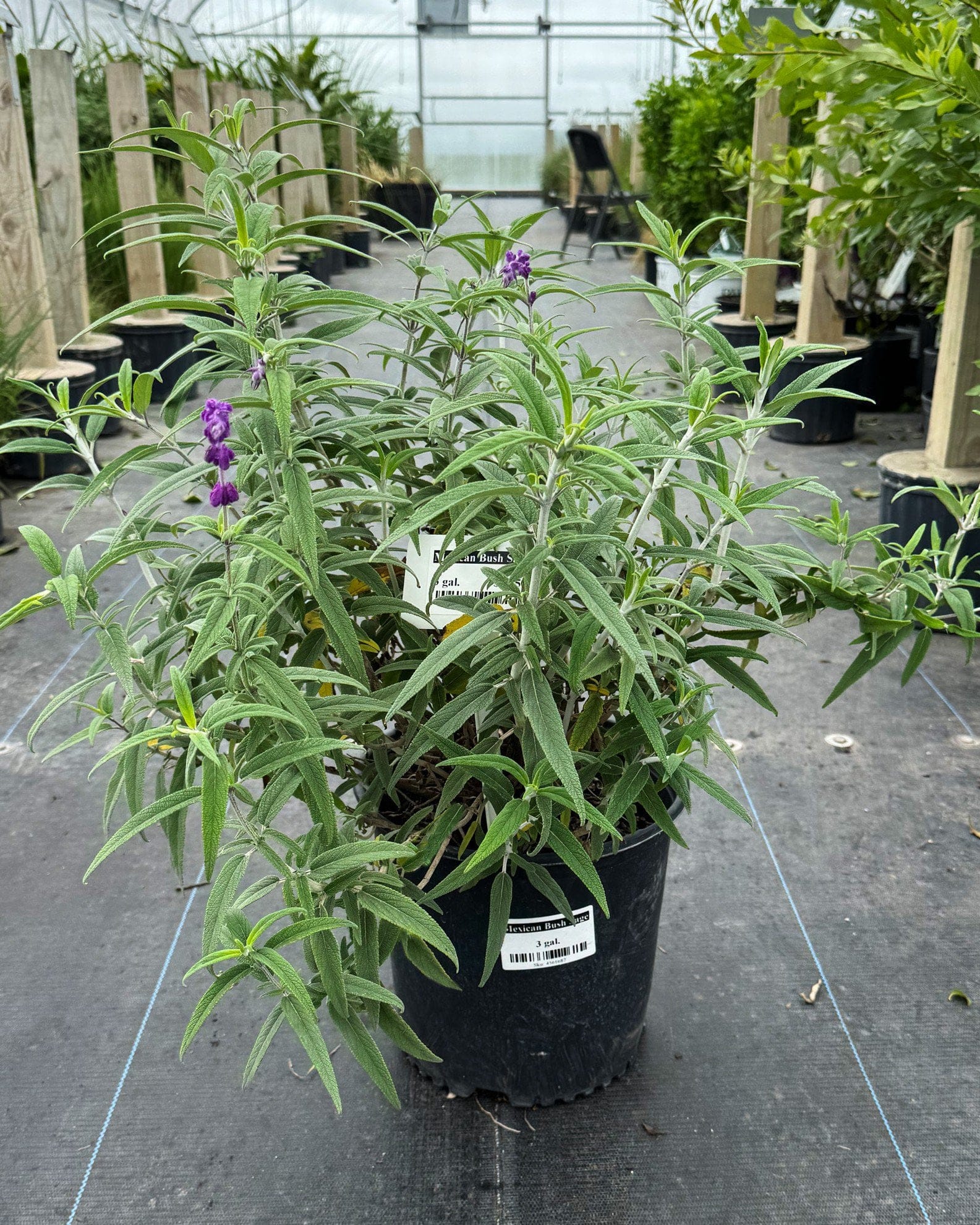
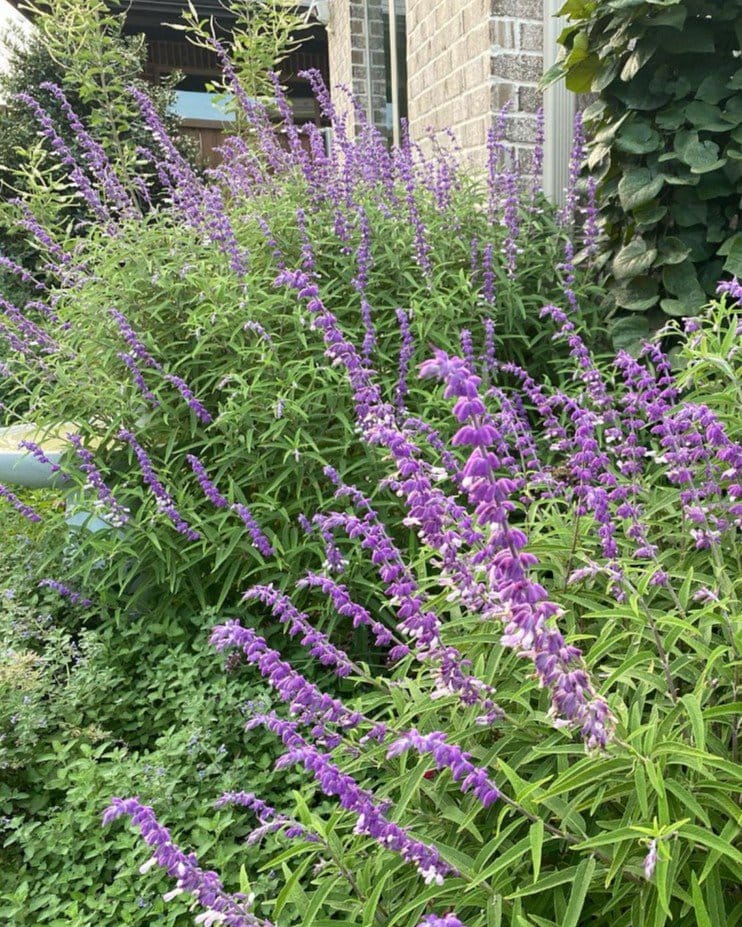
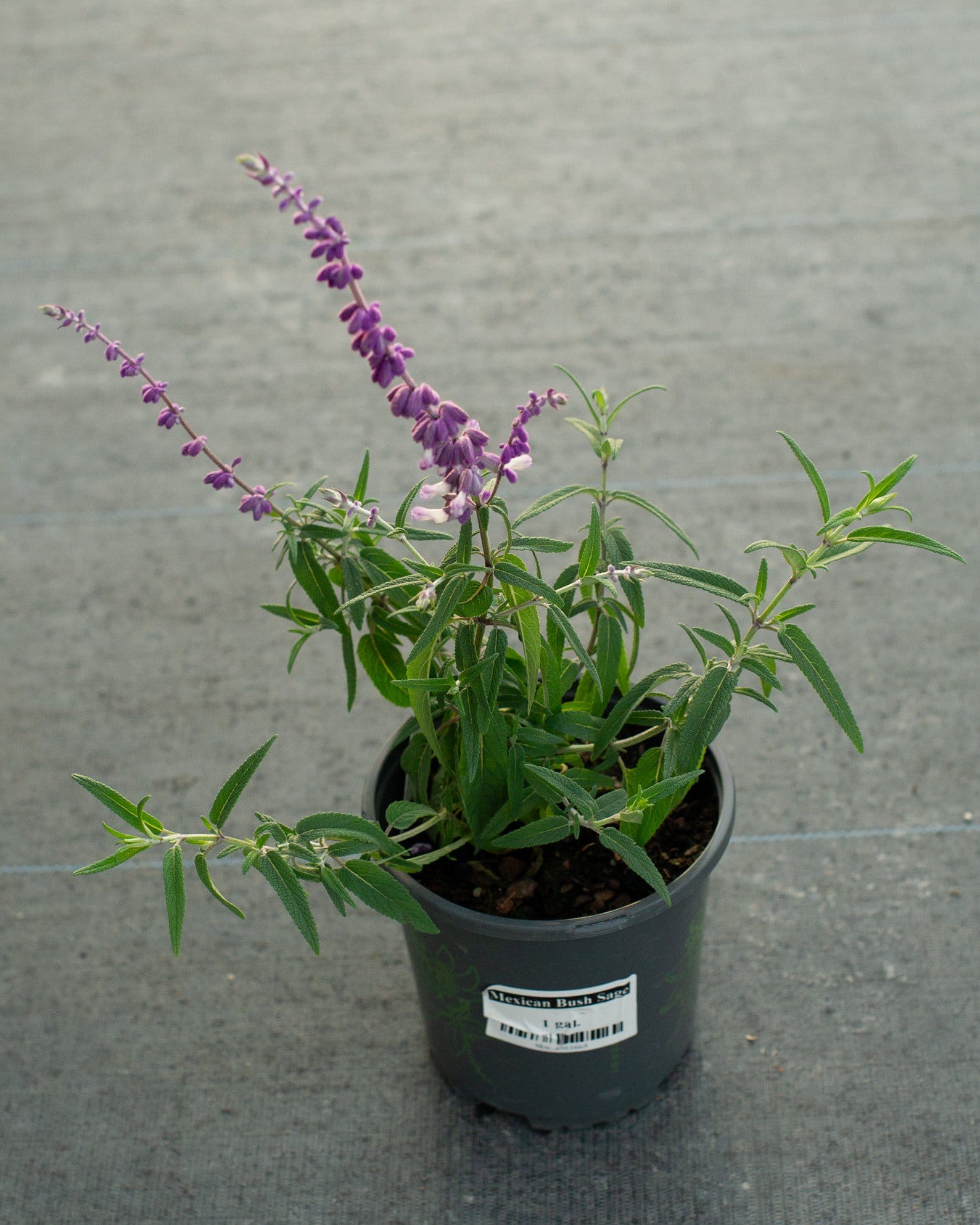
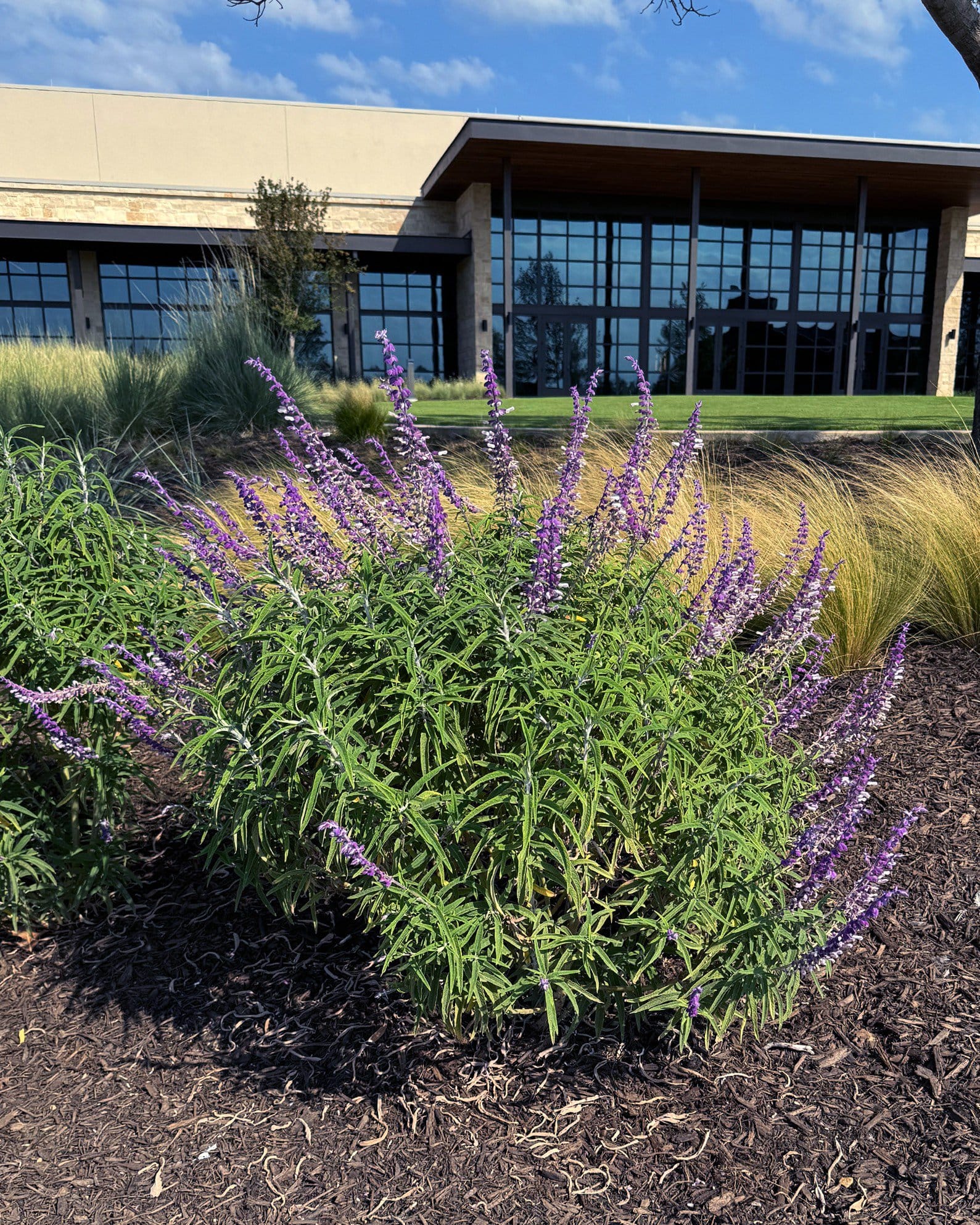
Mexican Bush Sage
Maturity: 3' H x 3' W
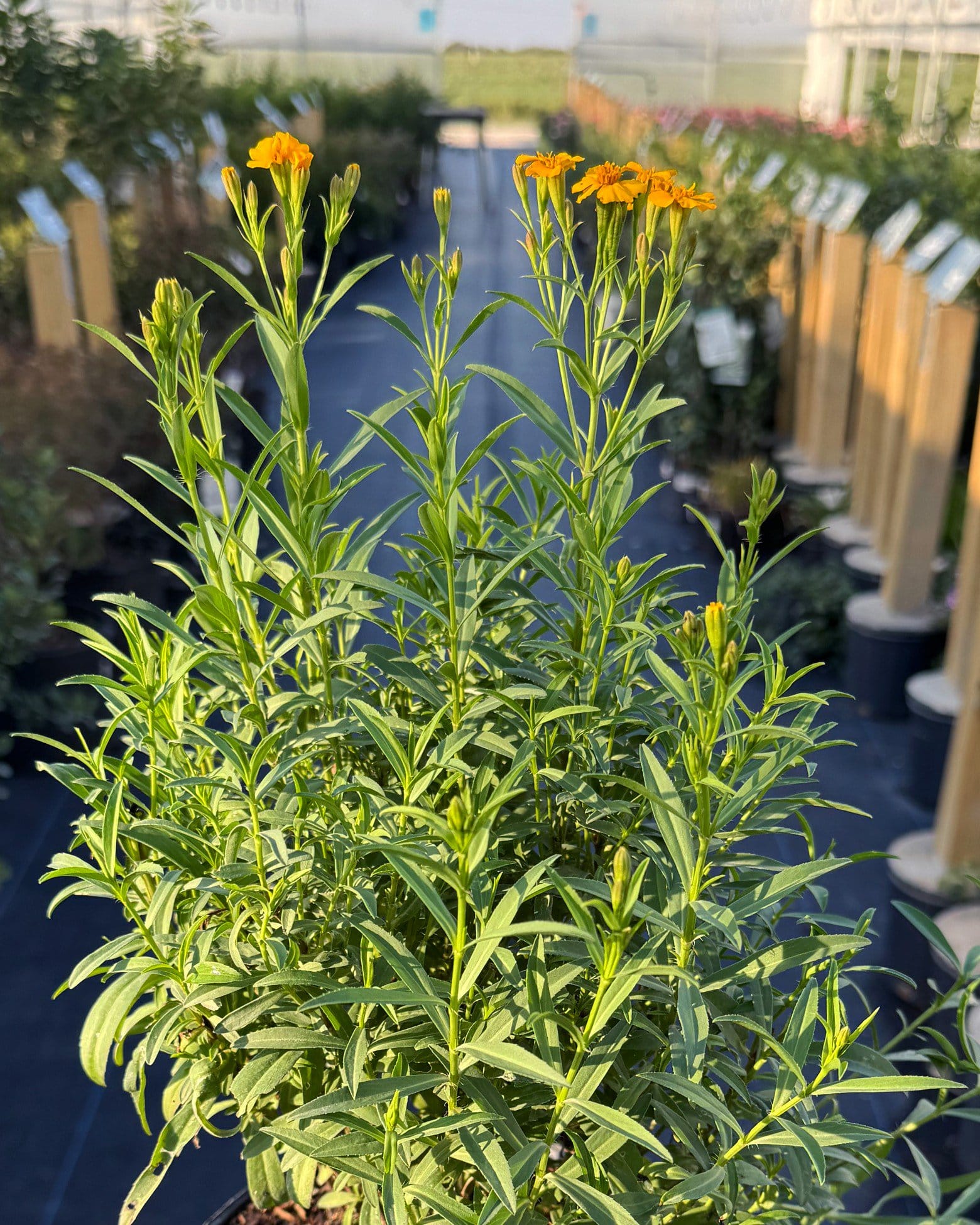
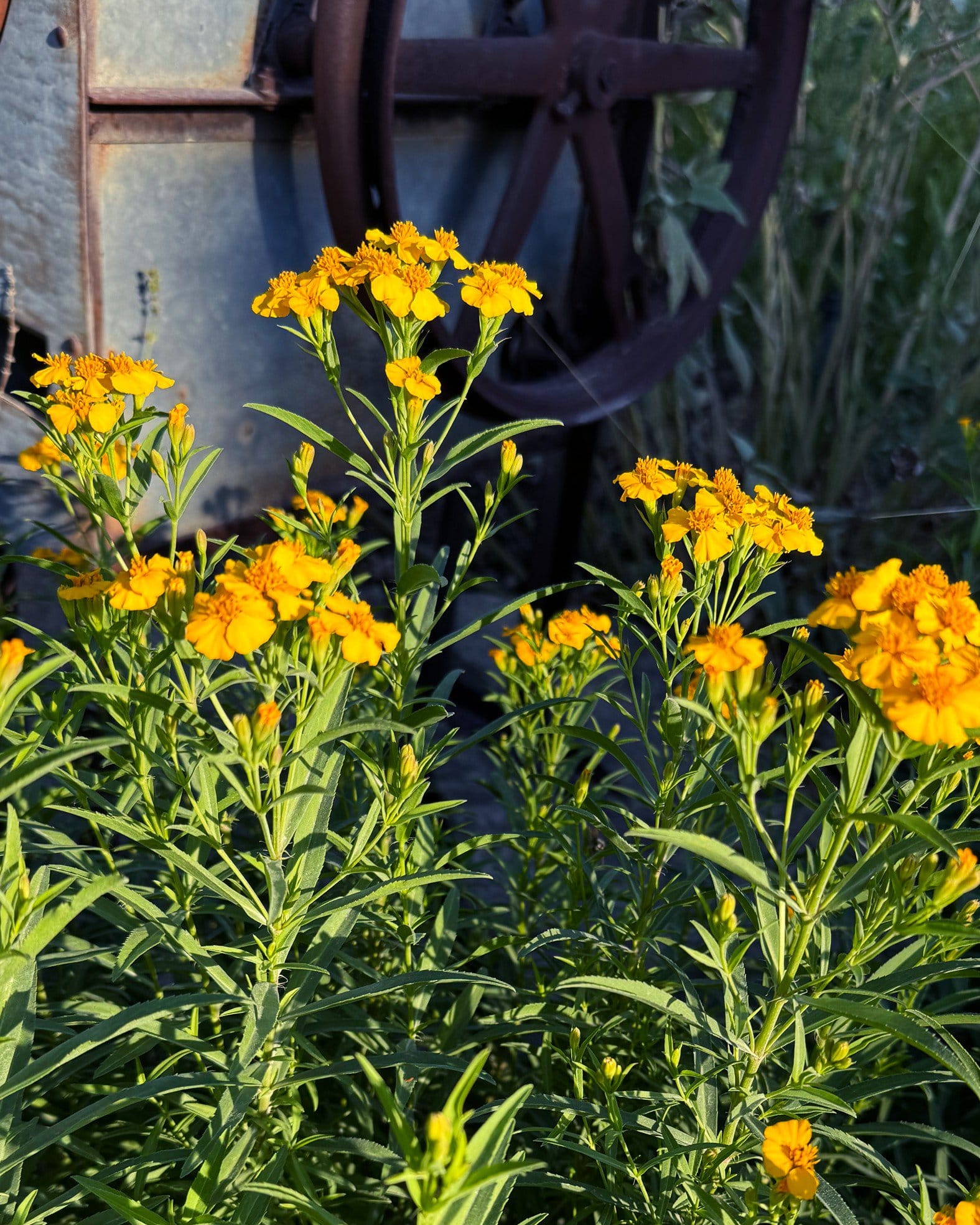
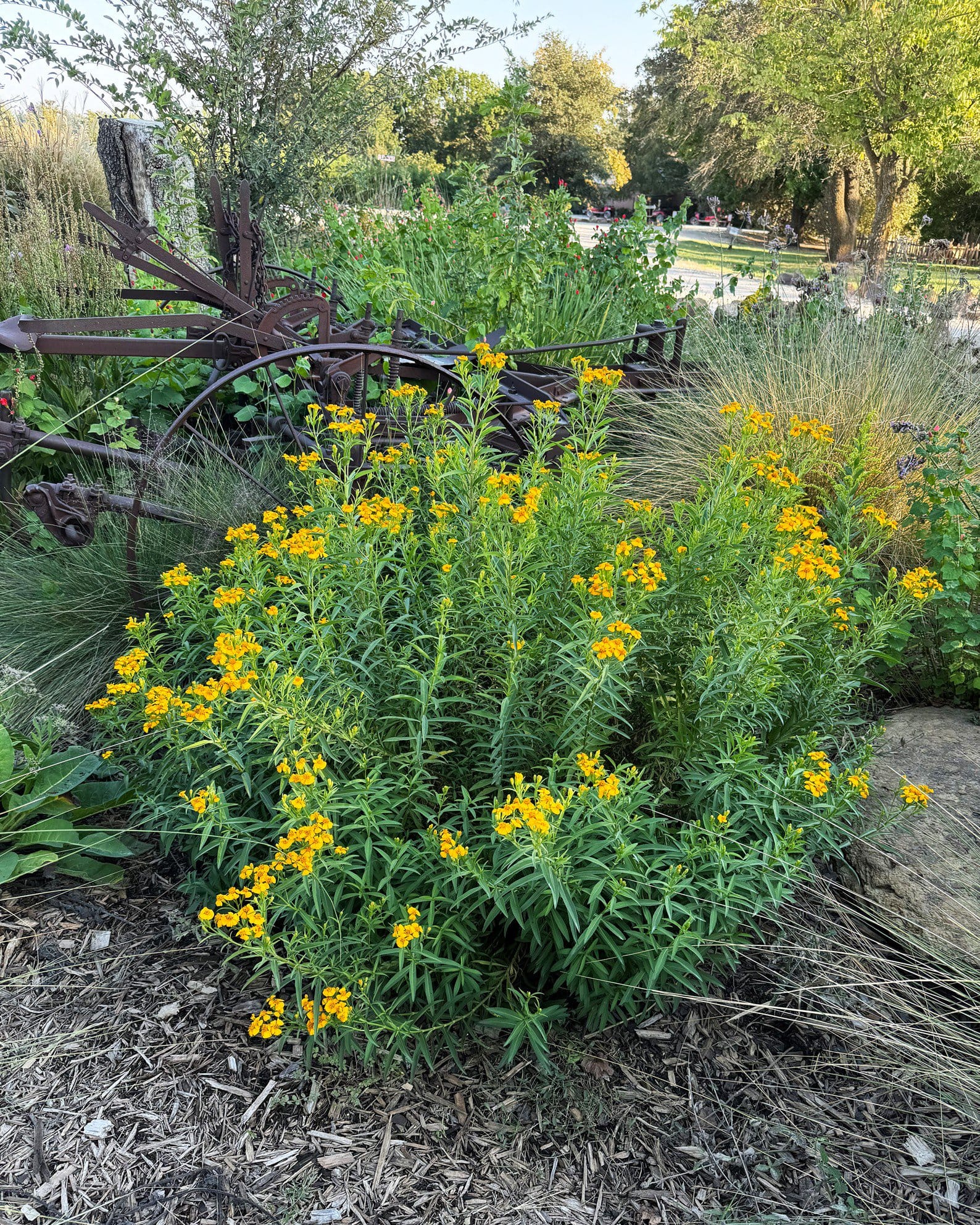
Mexican Mint Marigold
Maturity: 1' H x 1' W
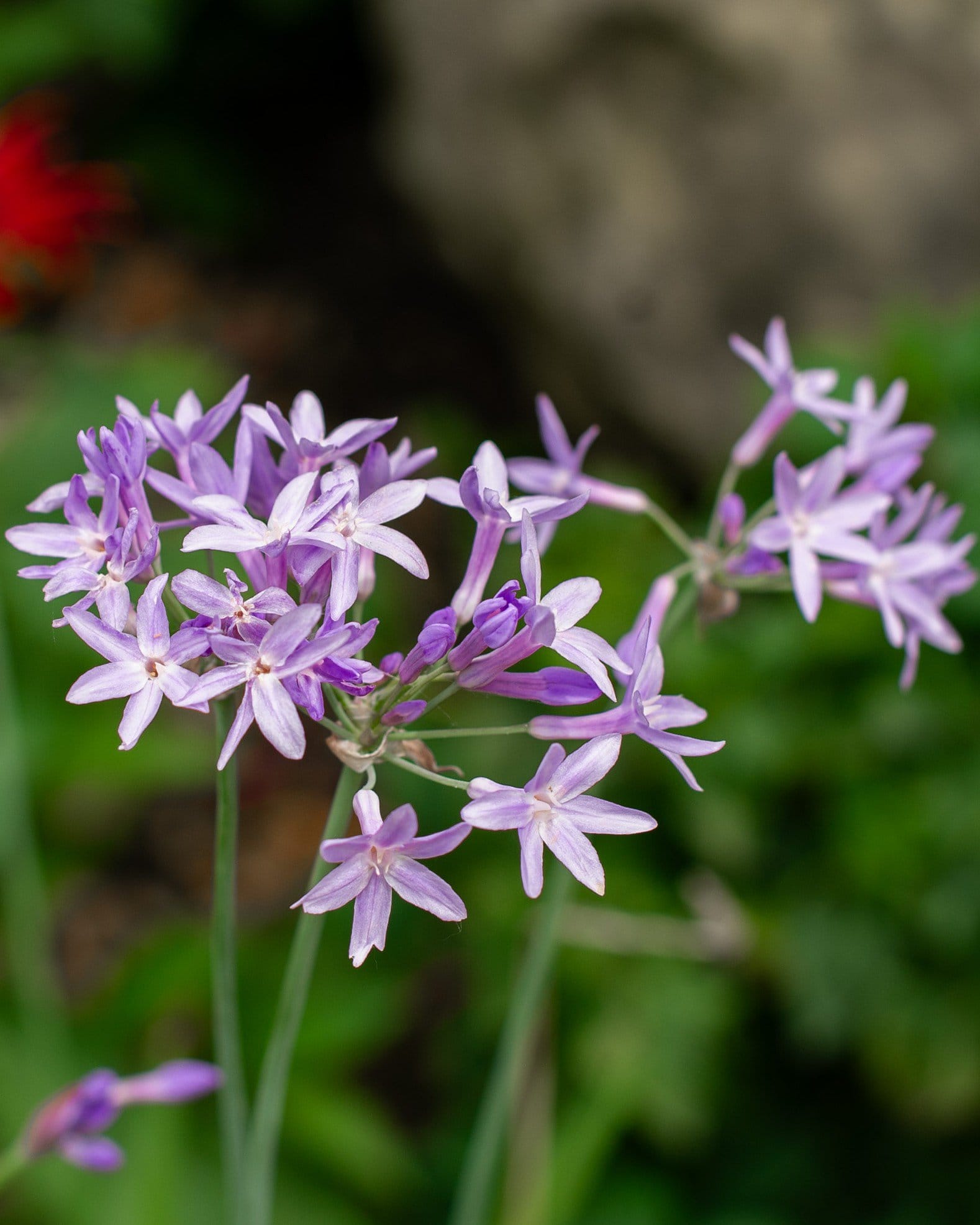
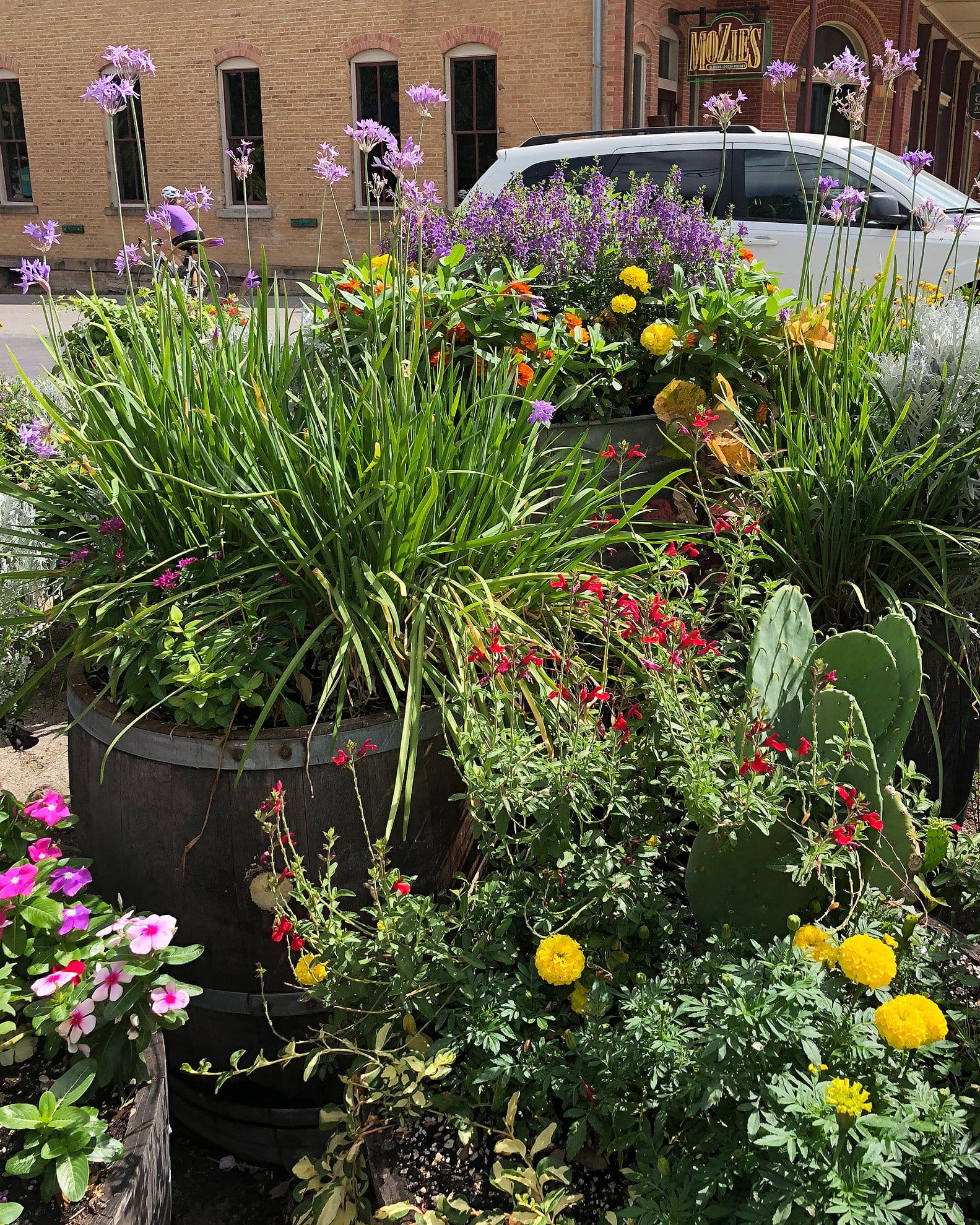
Society Garlic
Maturity: 1' H x 1' W
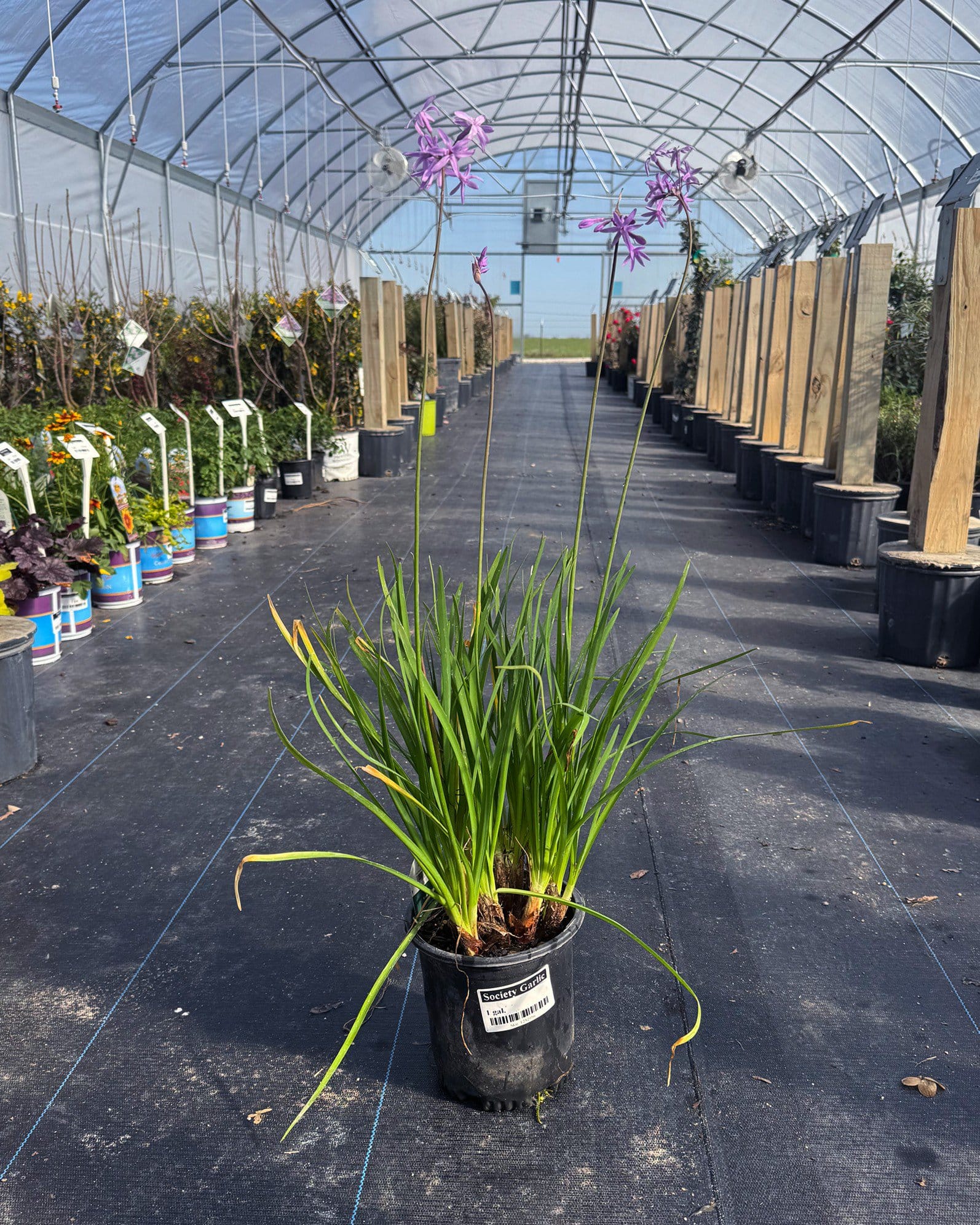
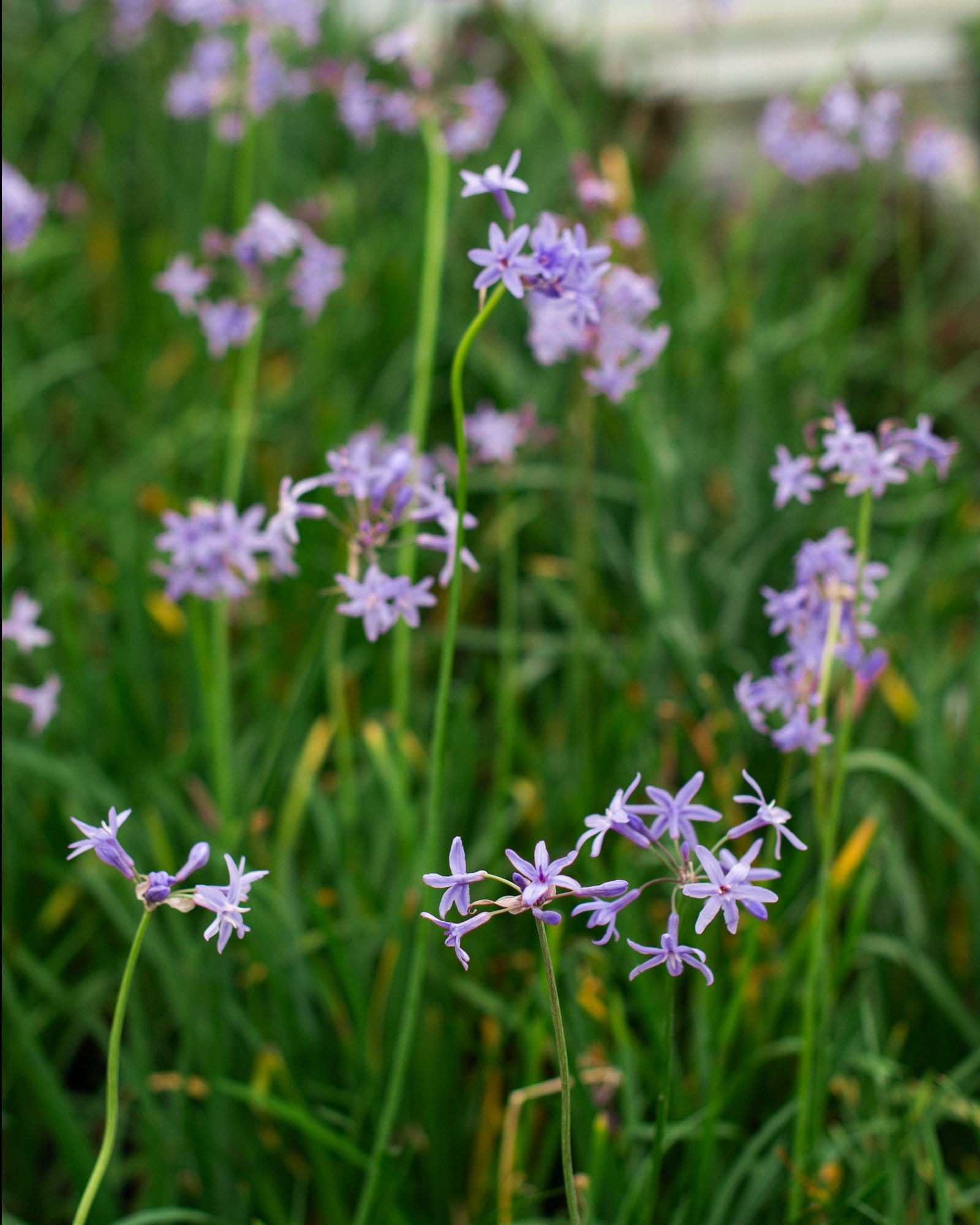
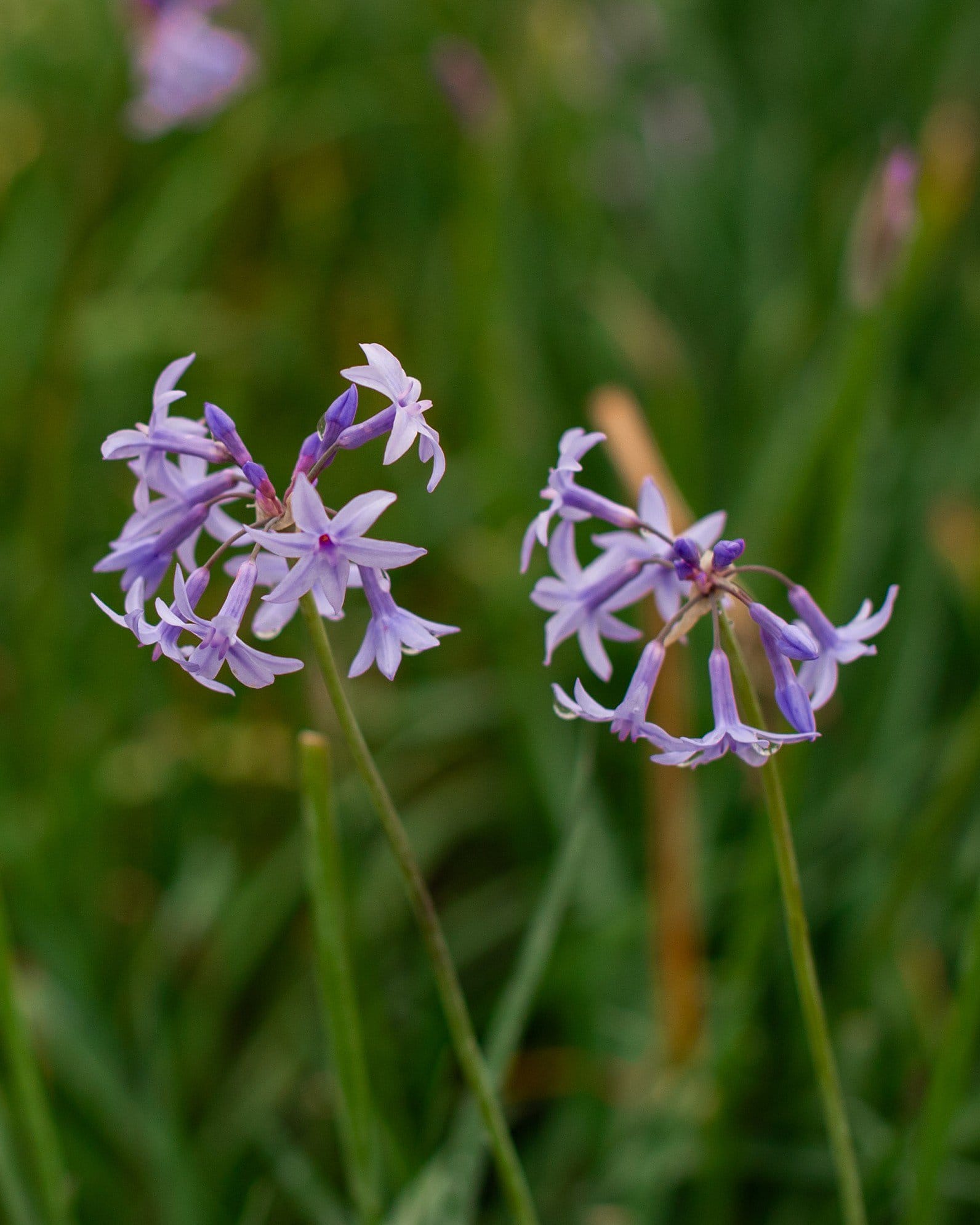
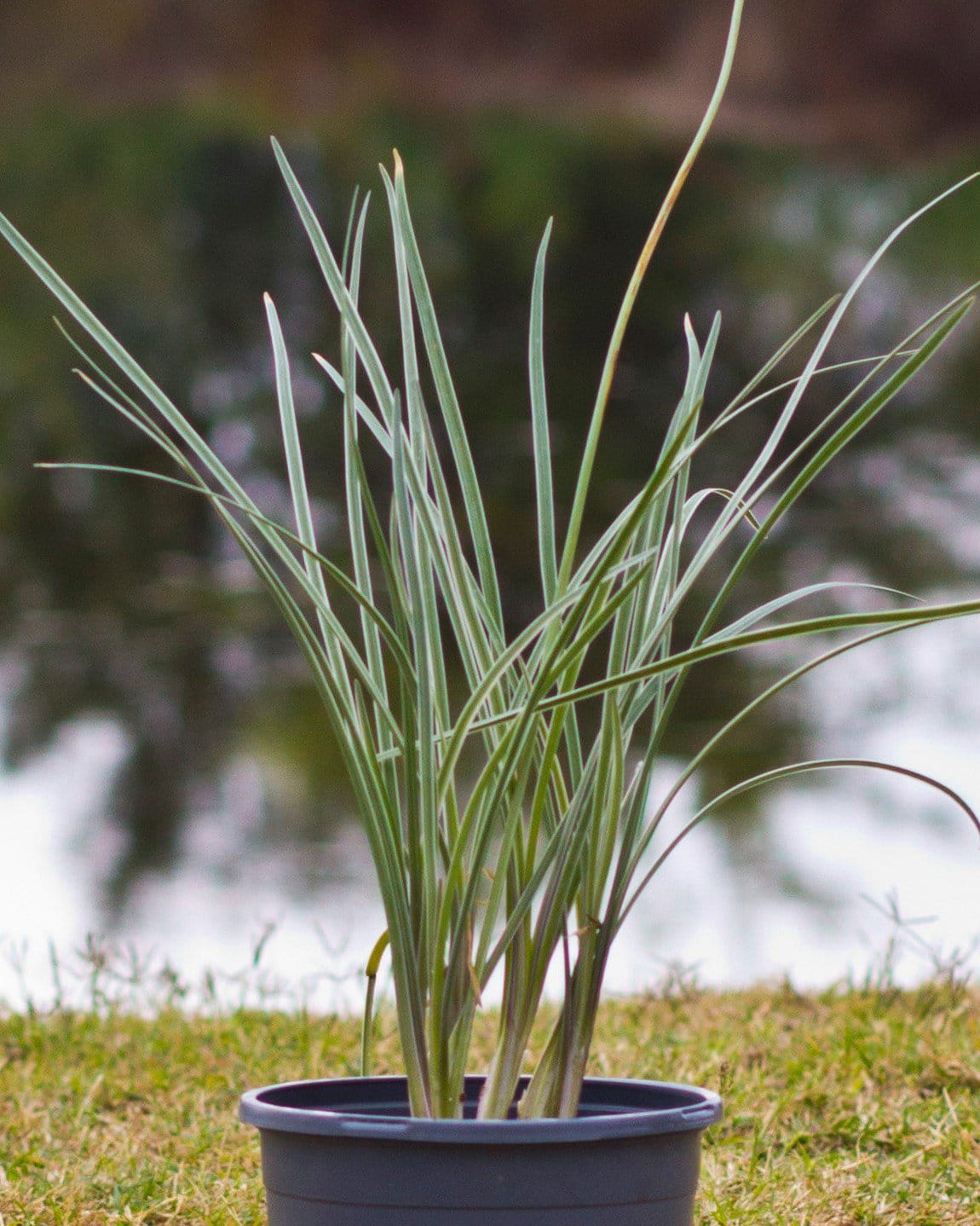
Society Garlic Silver Lace
Maturity: 1' H x 1' W
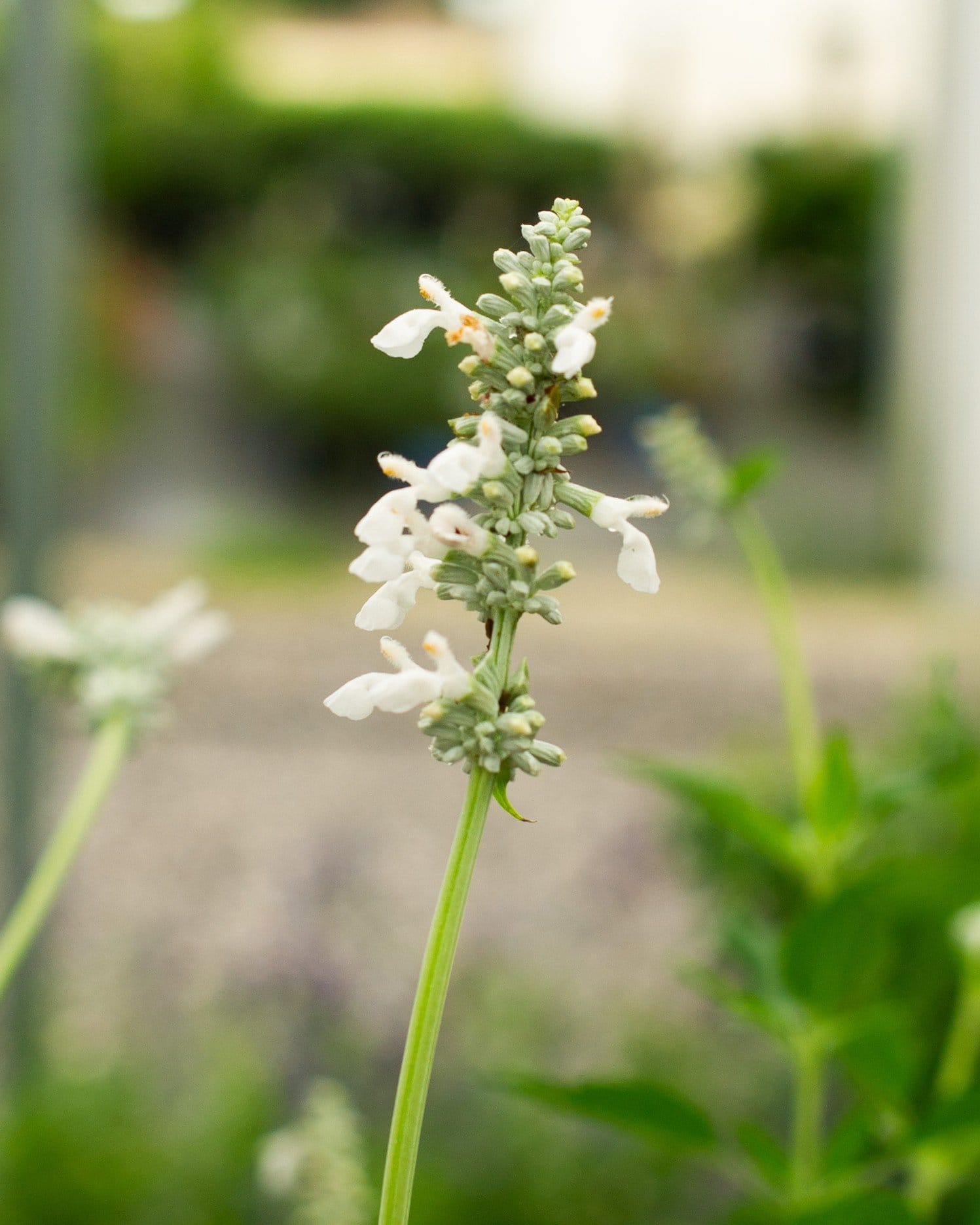
Augusta Duelberg Salvia
Maturity: 3' H x 3' W
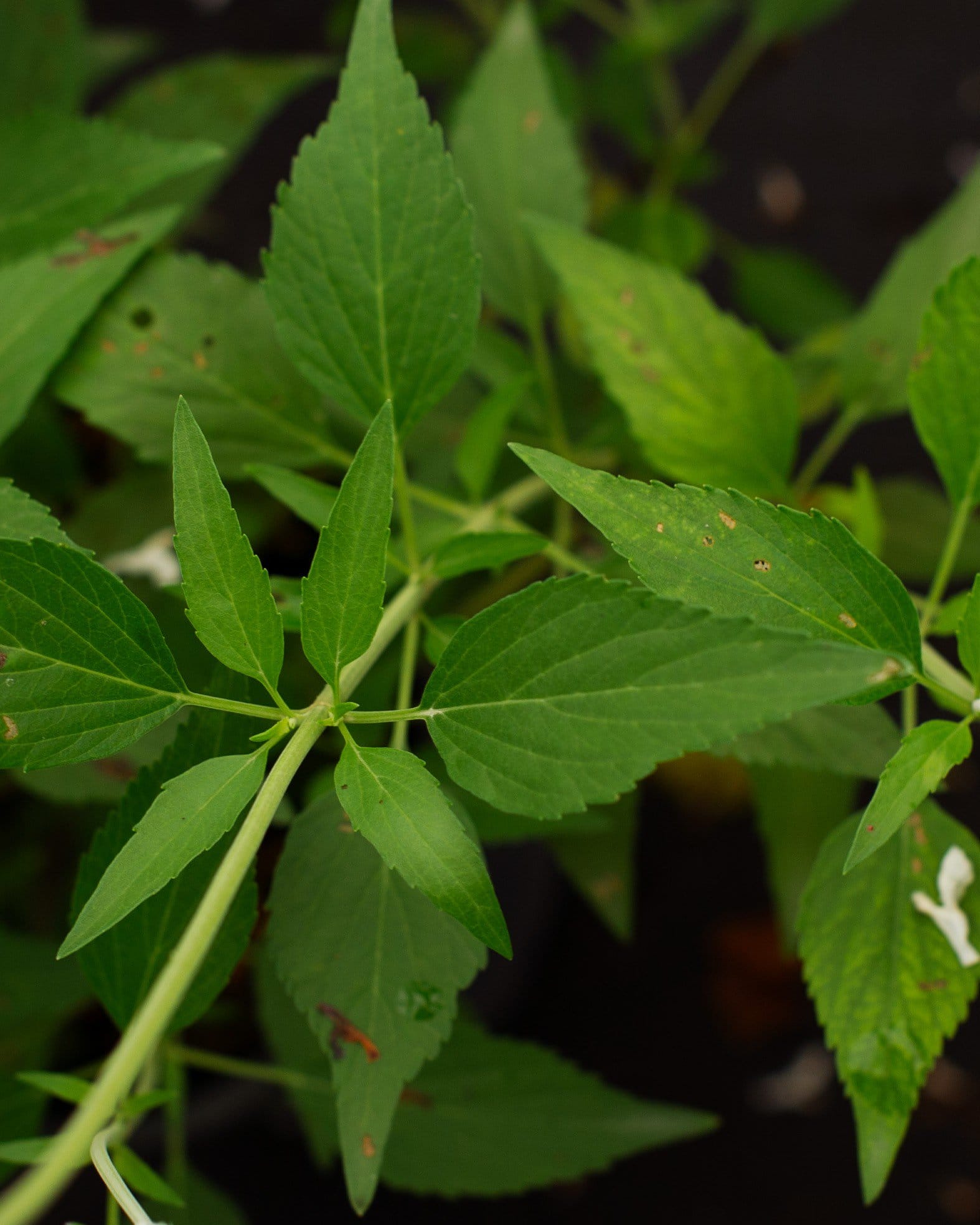
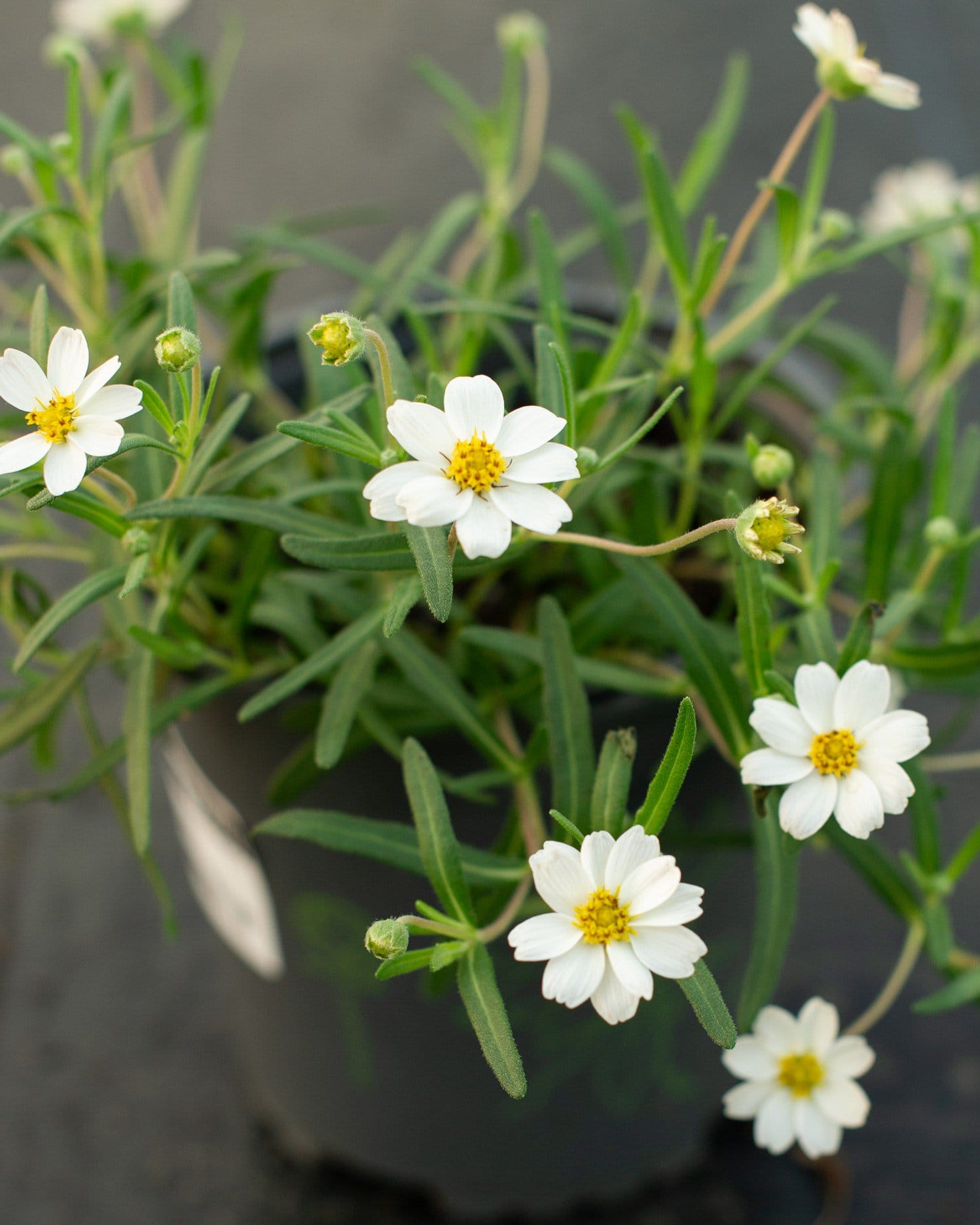
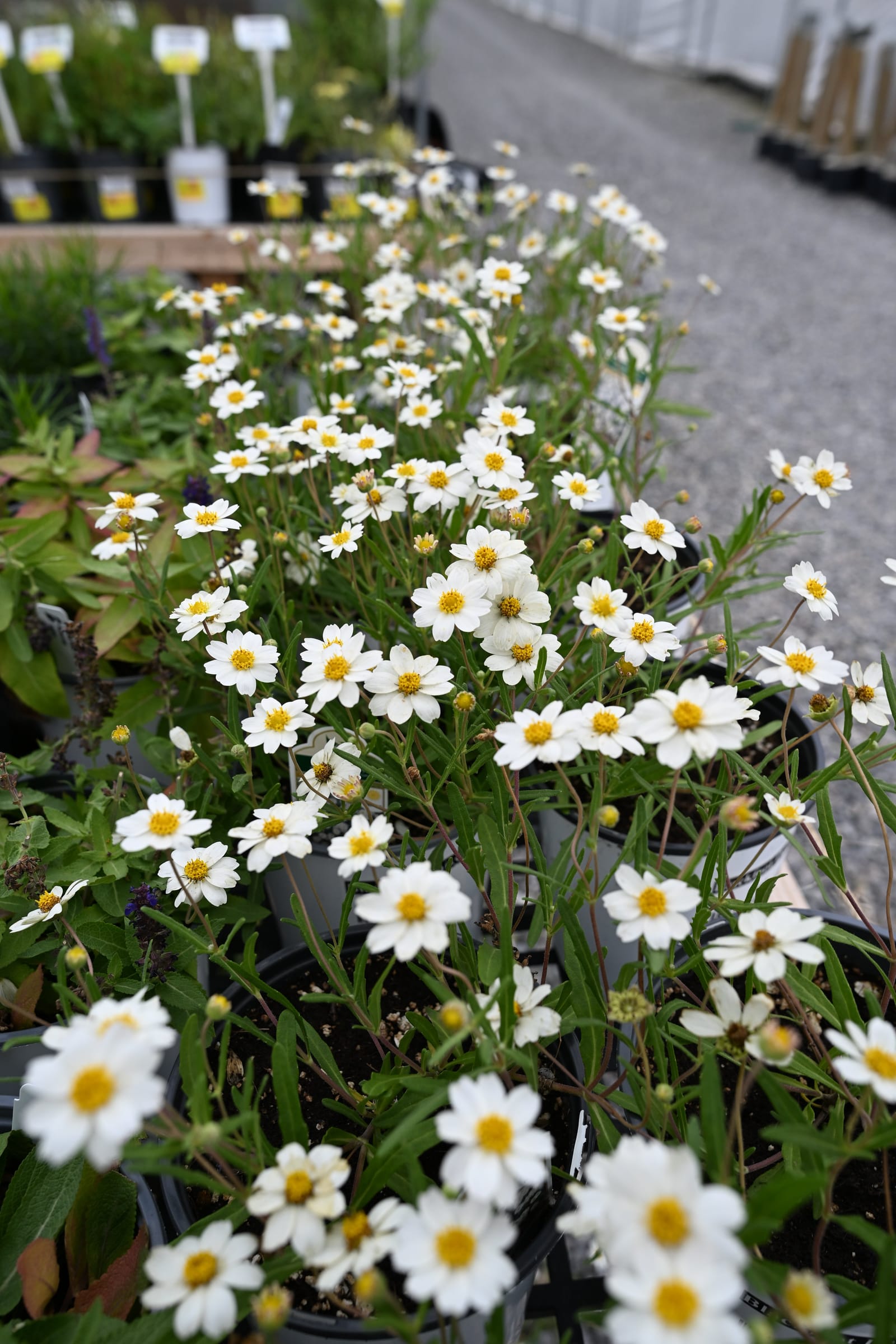
Blackfoot Daisy
Maturity: 0.5' H x 1' W
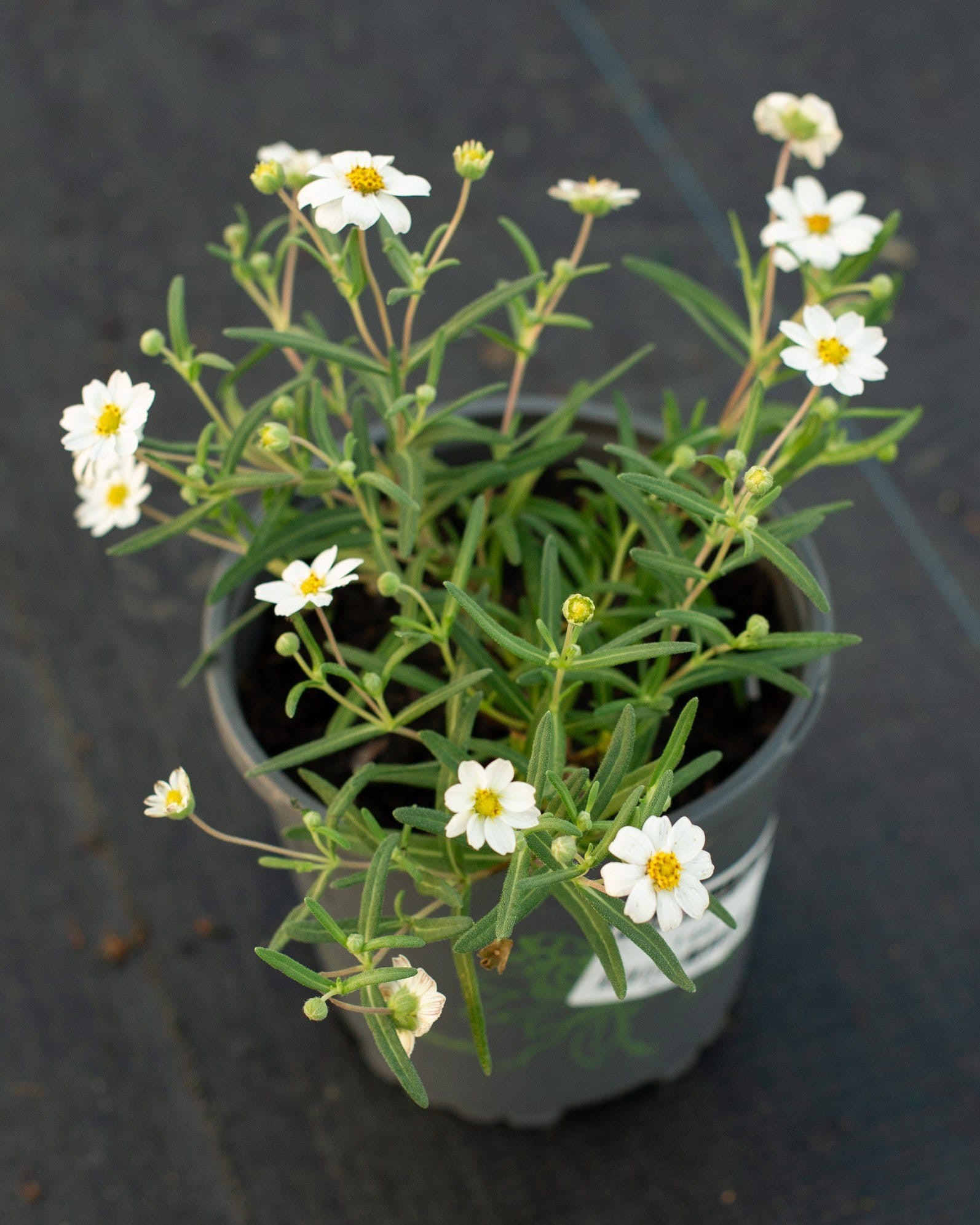
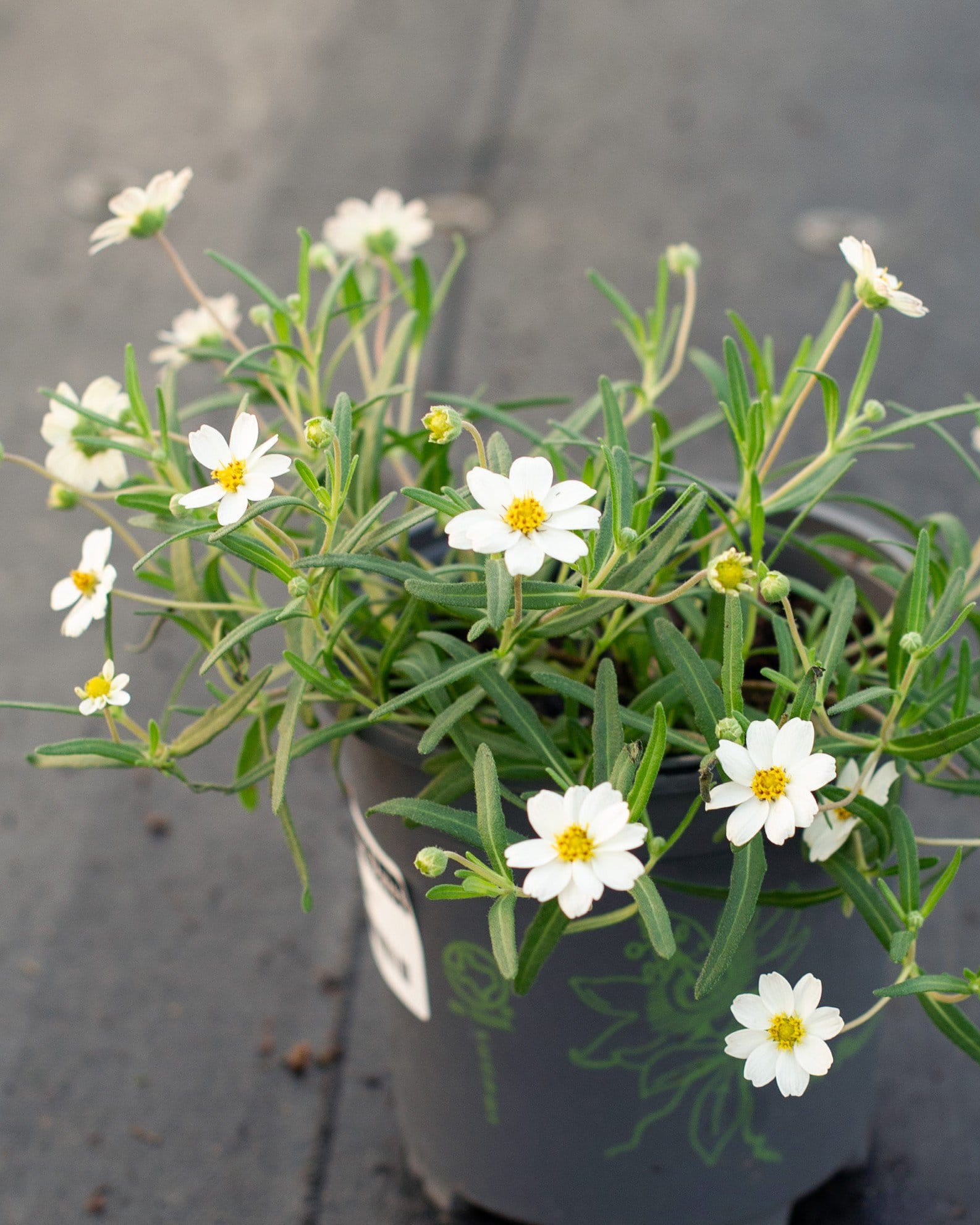
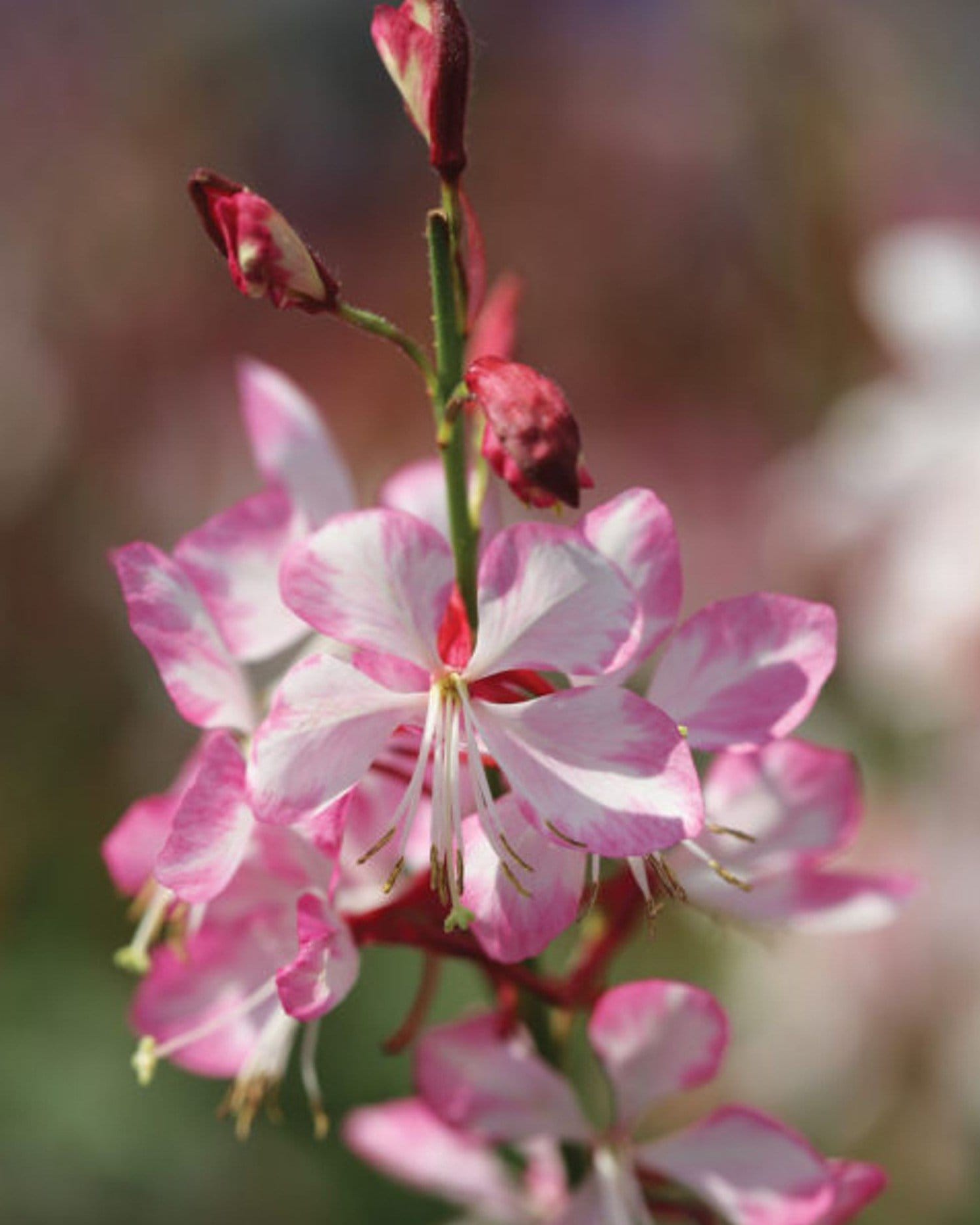
Gauriella Bicolor Gaura
Maturity: 1.5' H x 1.5' W
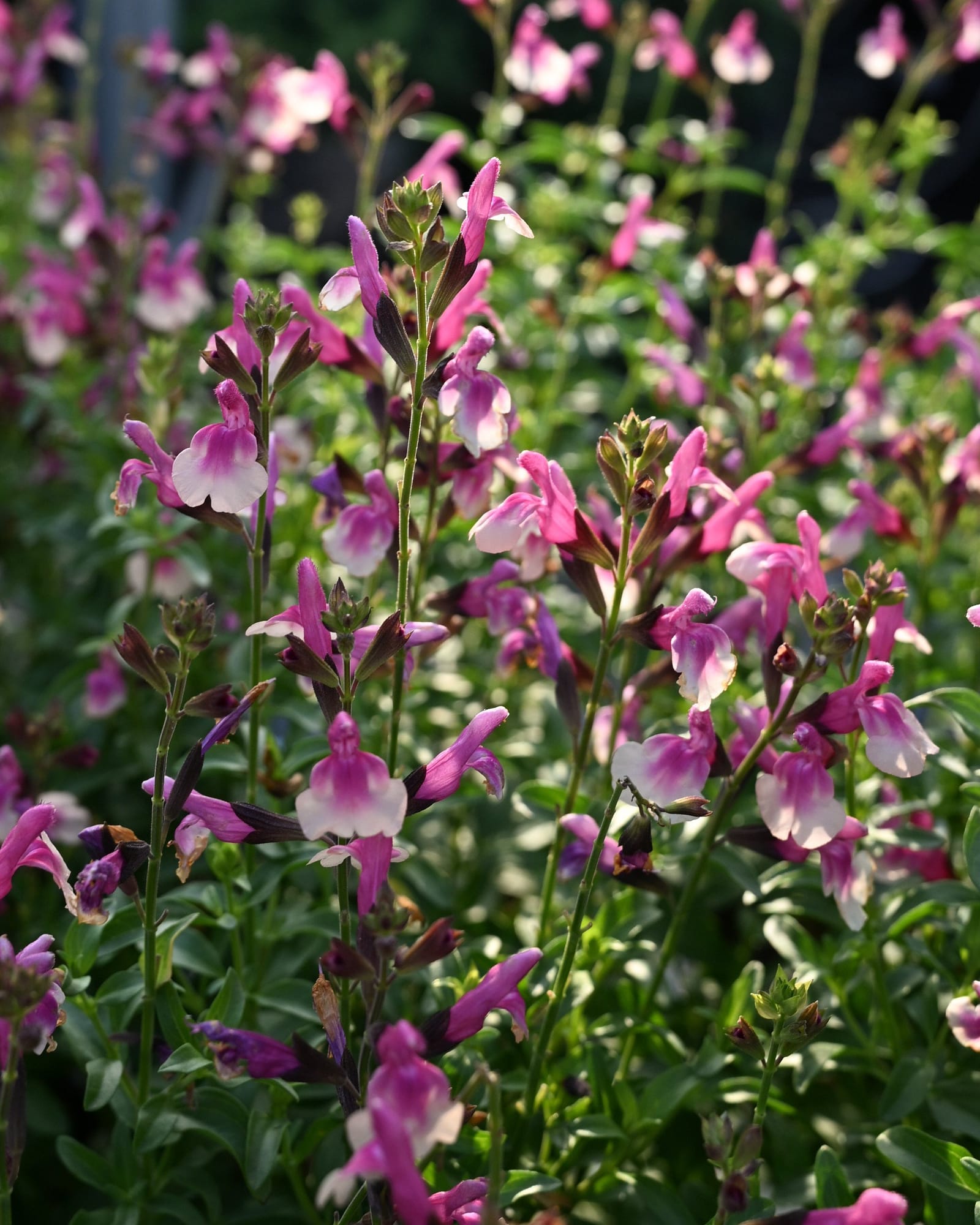
Mirage Rose Bicolor Salvia Greggii
Maturity: 1' H x 1' W
Mirage White Salvia Greggii
Maturity: 1' H x 1' W
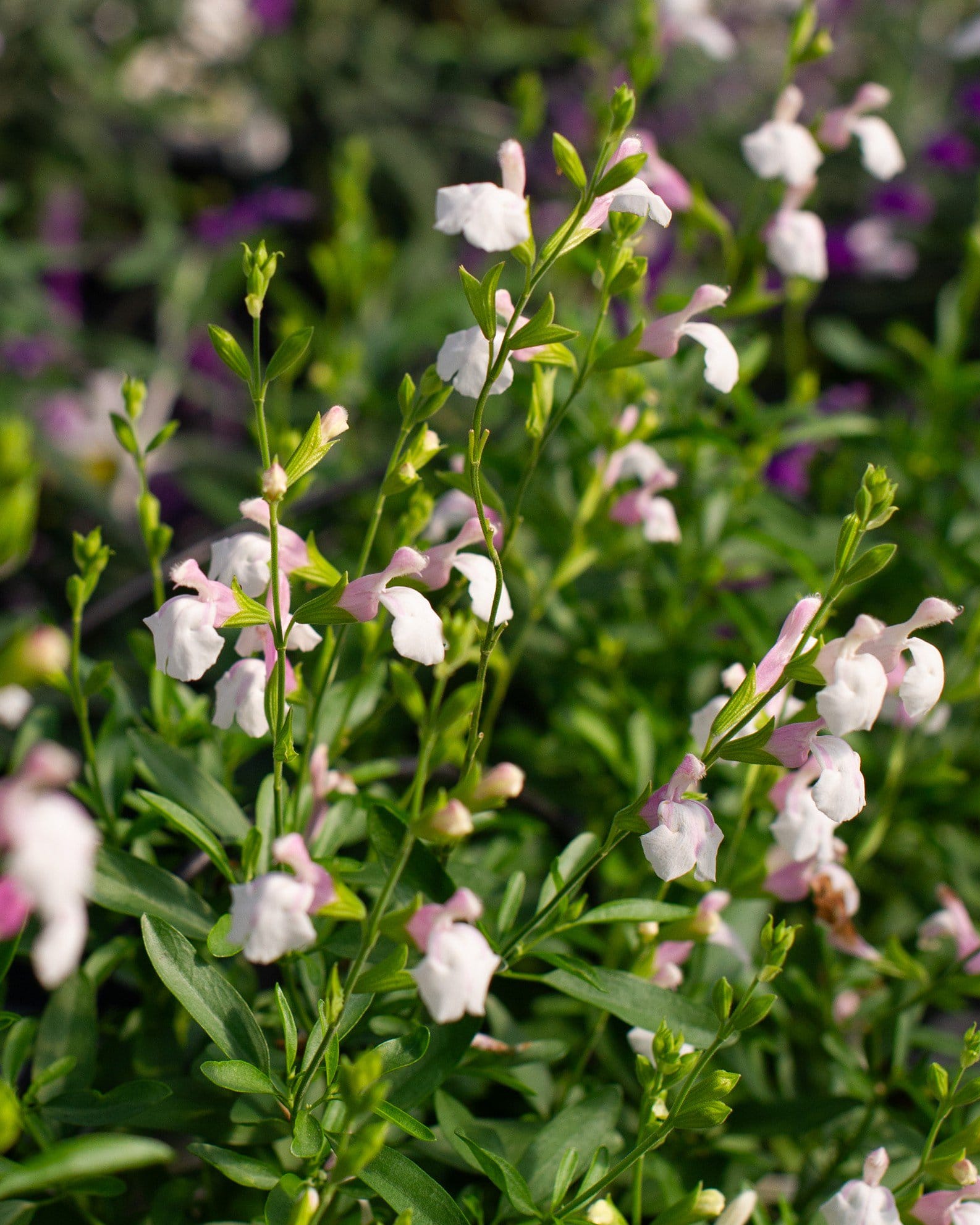
Teresa Salvia Greggii
Maturity: 2' H x 2' W
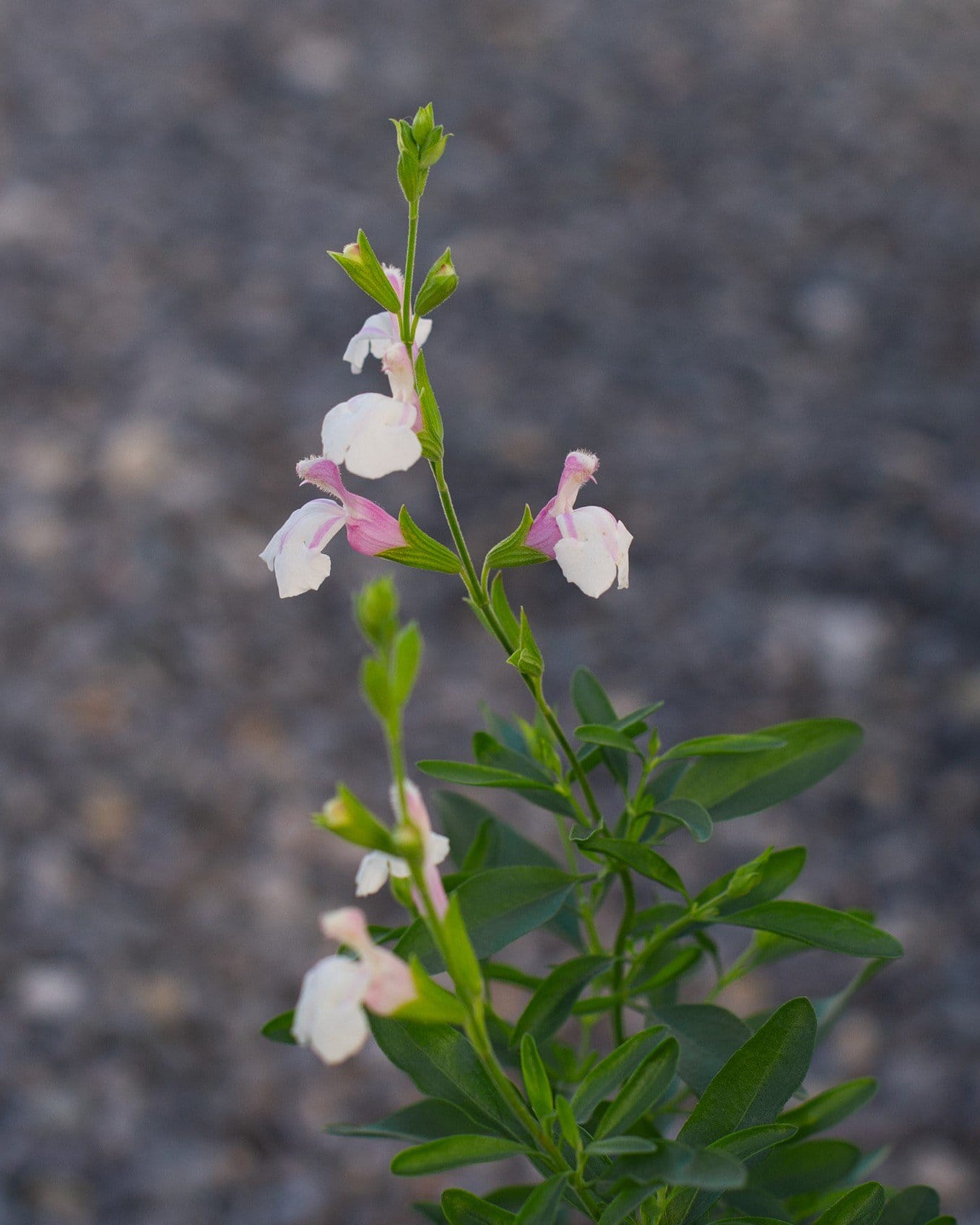
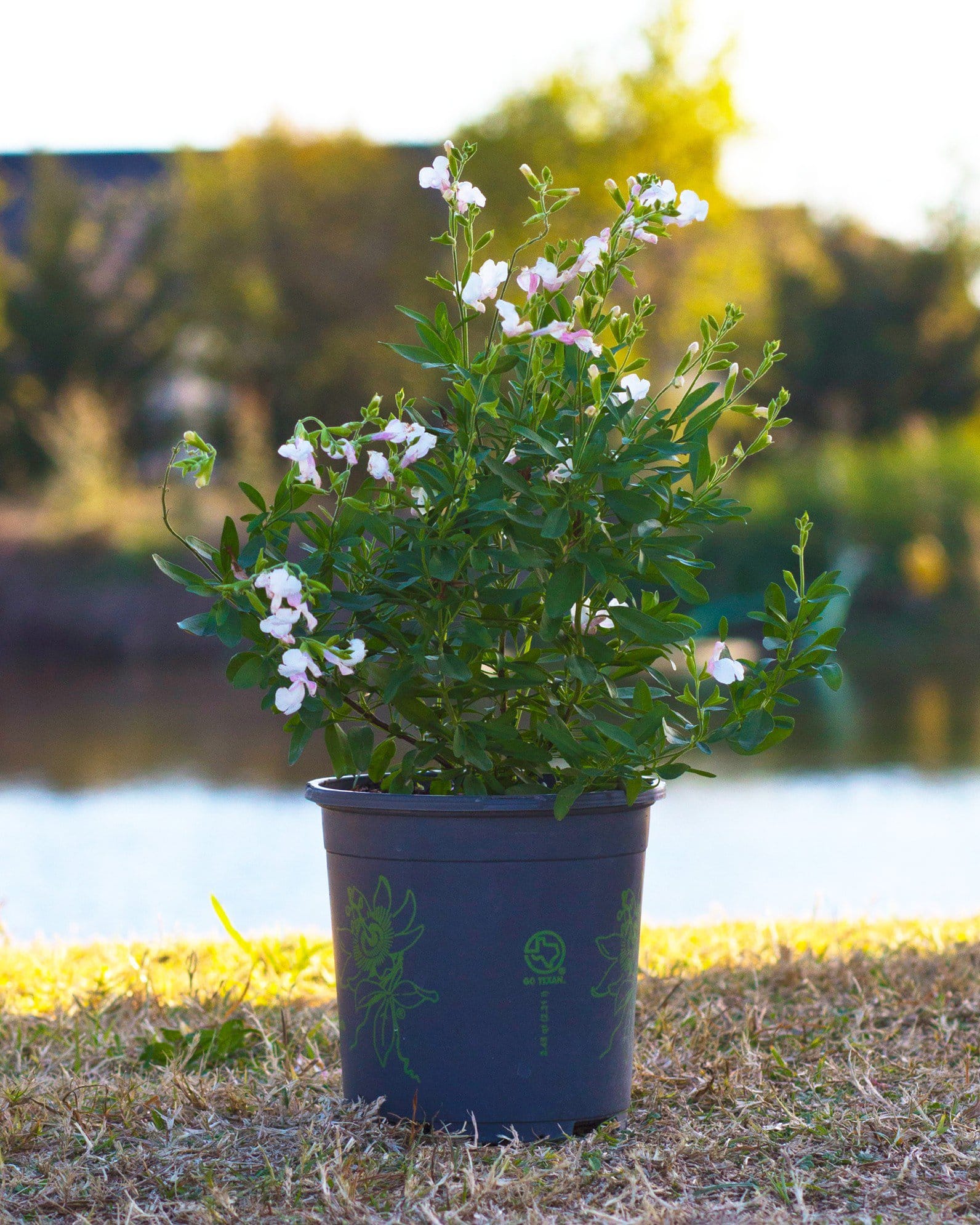
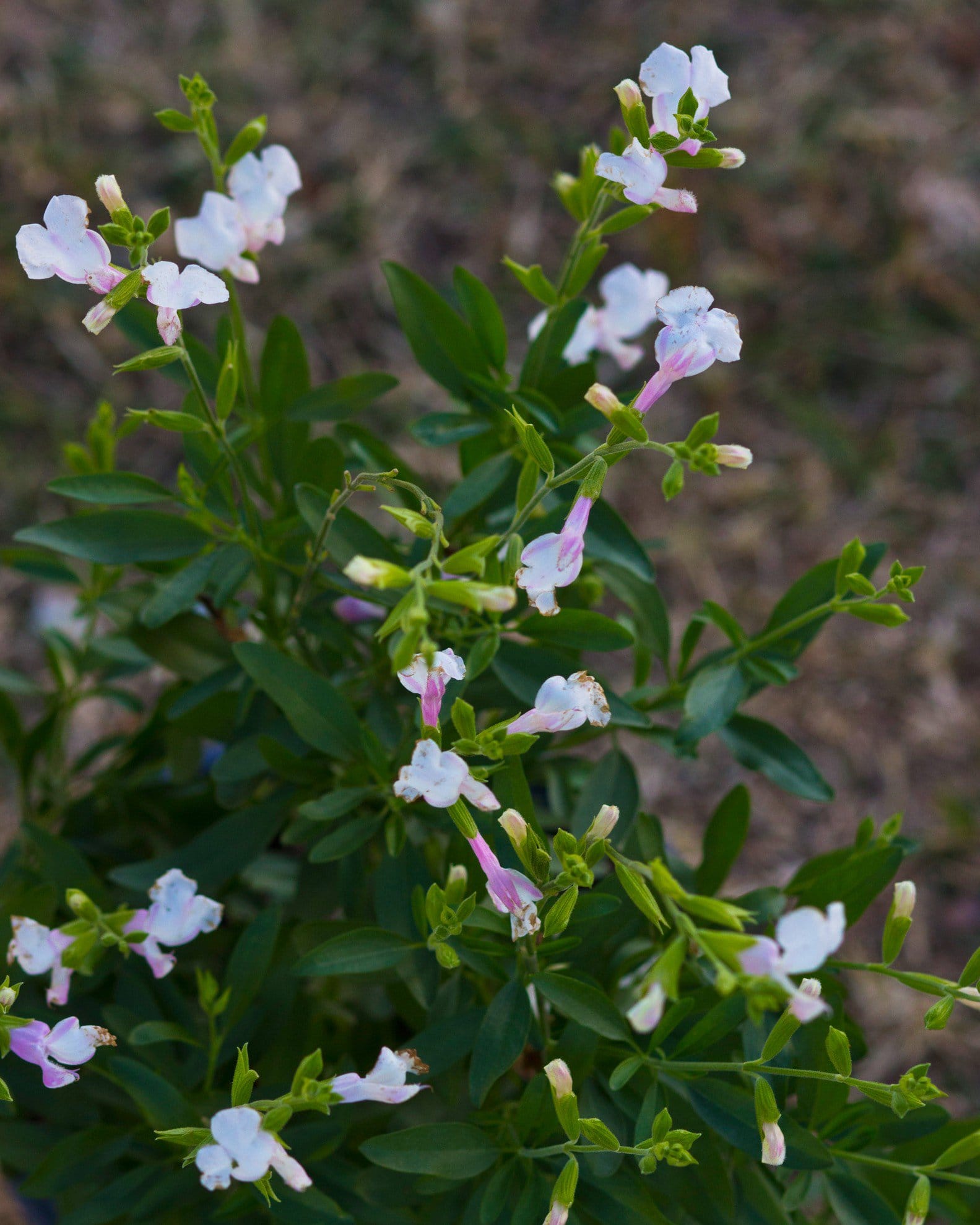
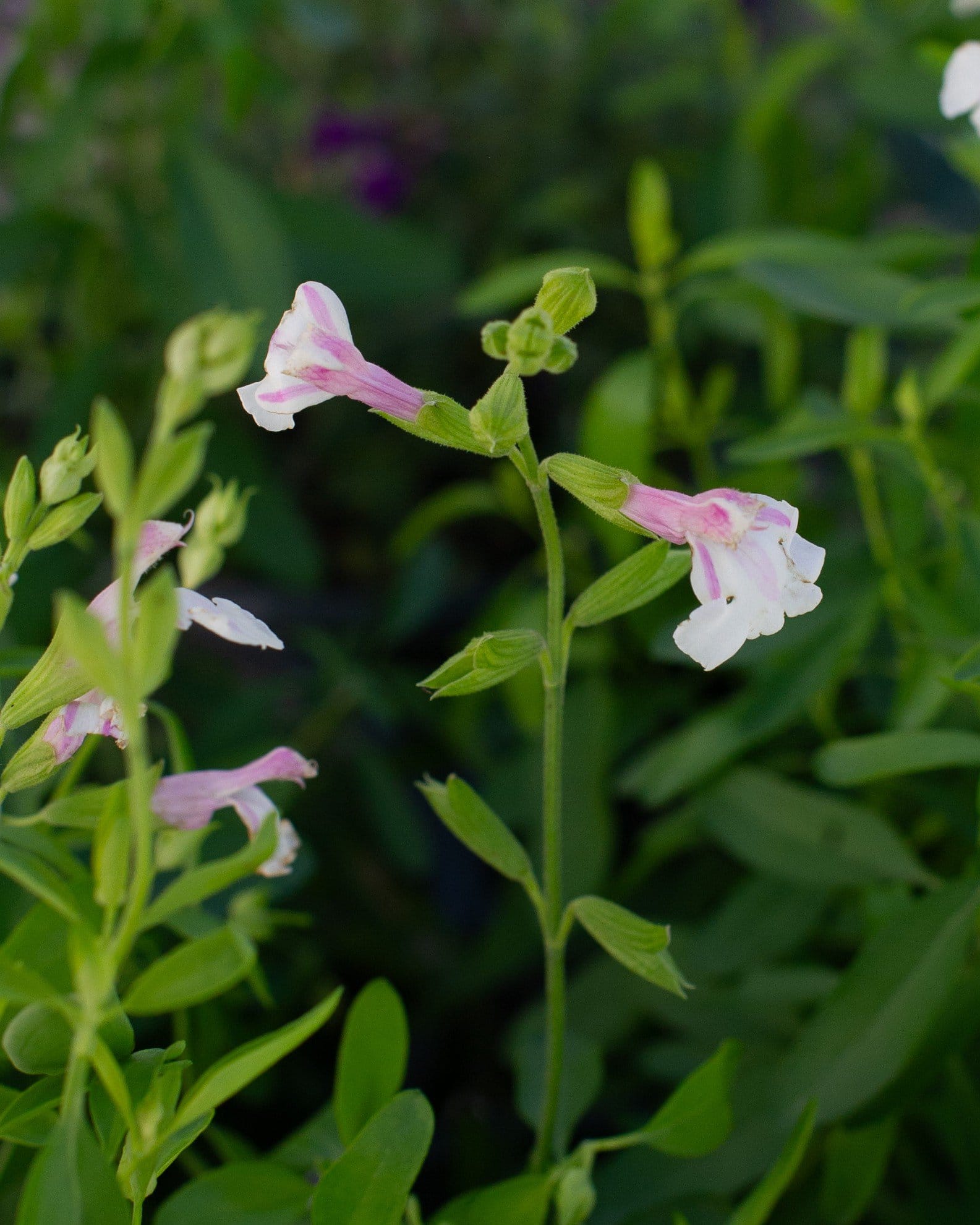
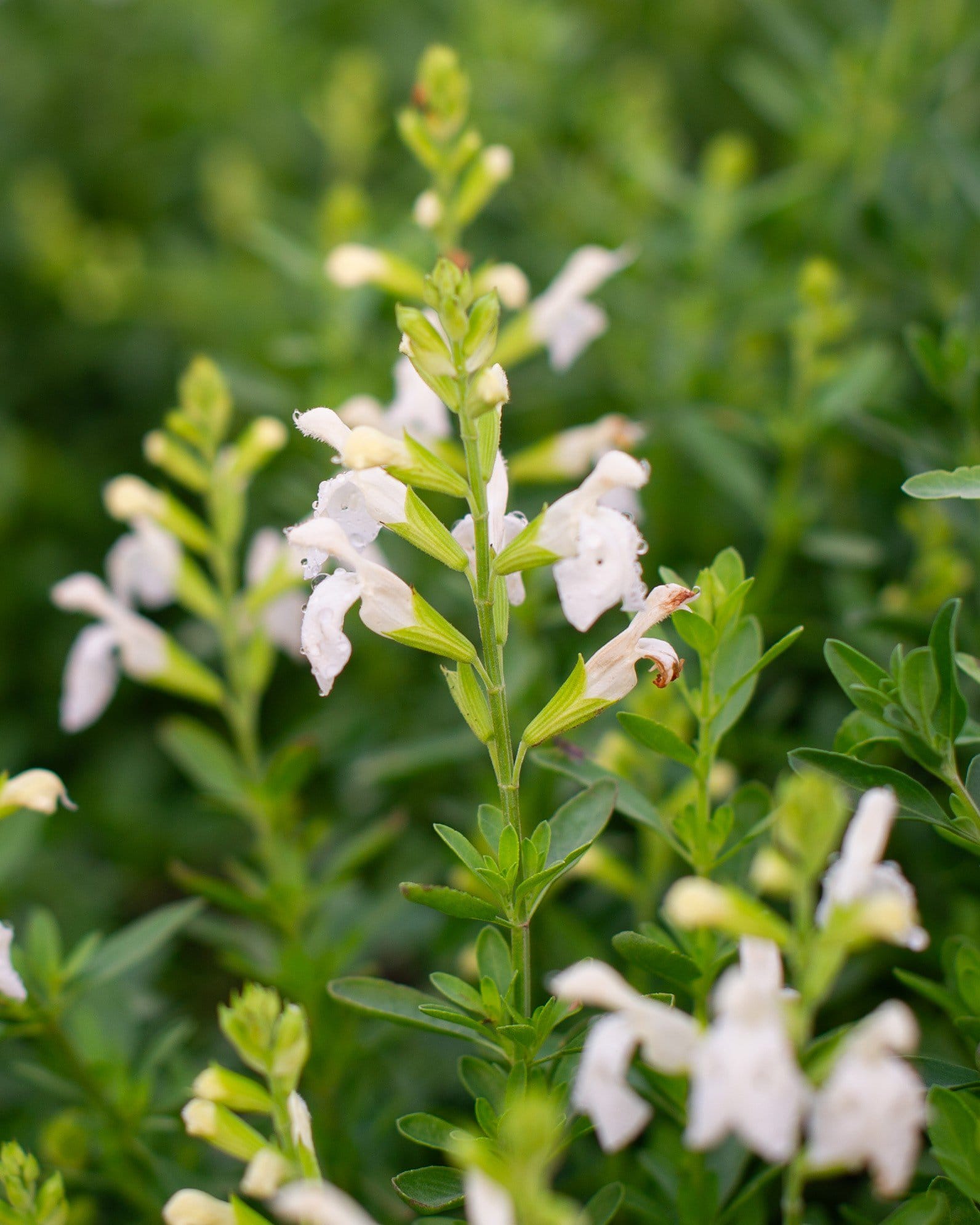
White Salvia Greggii
Maturity: 3' H x 3' W
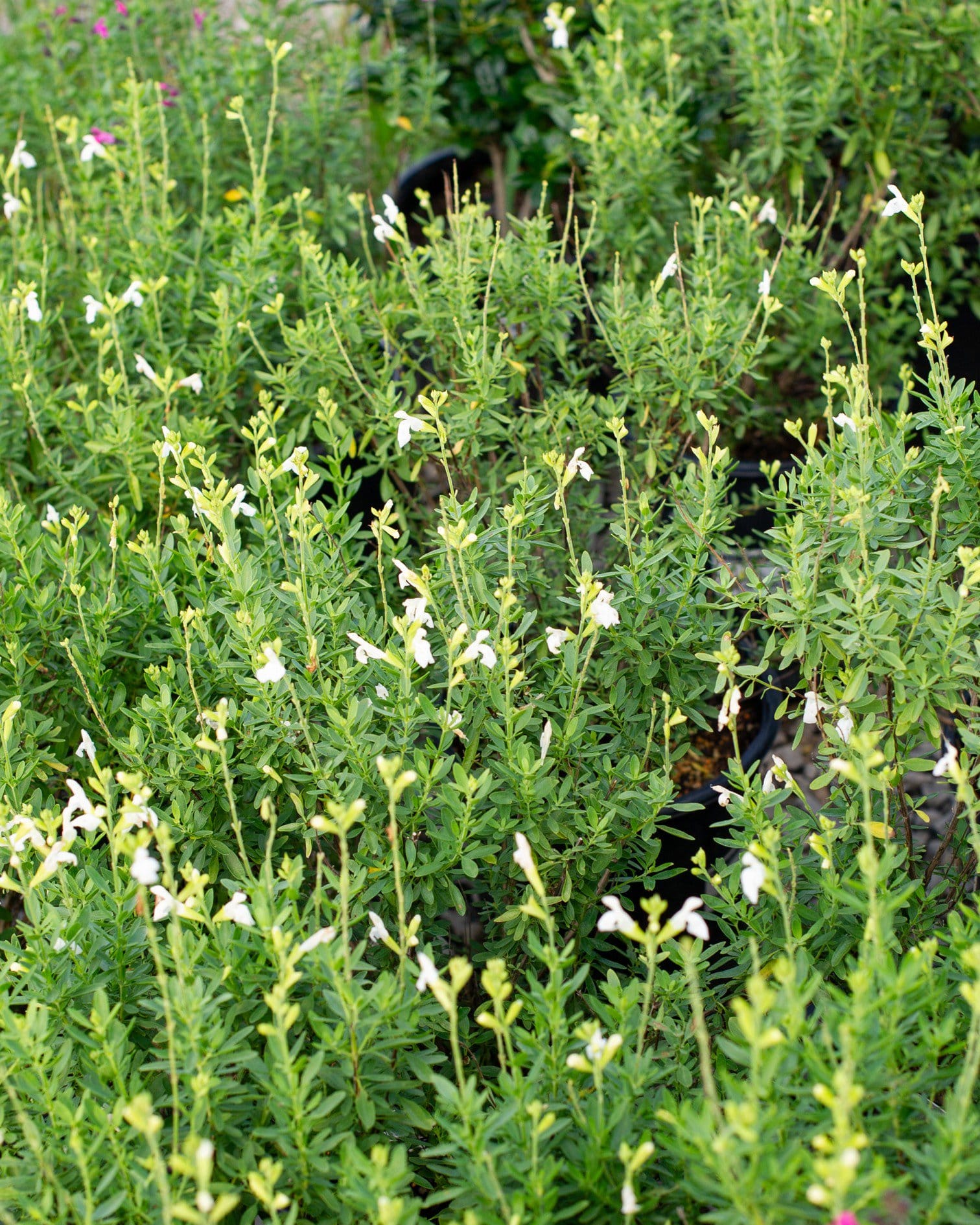
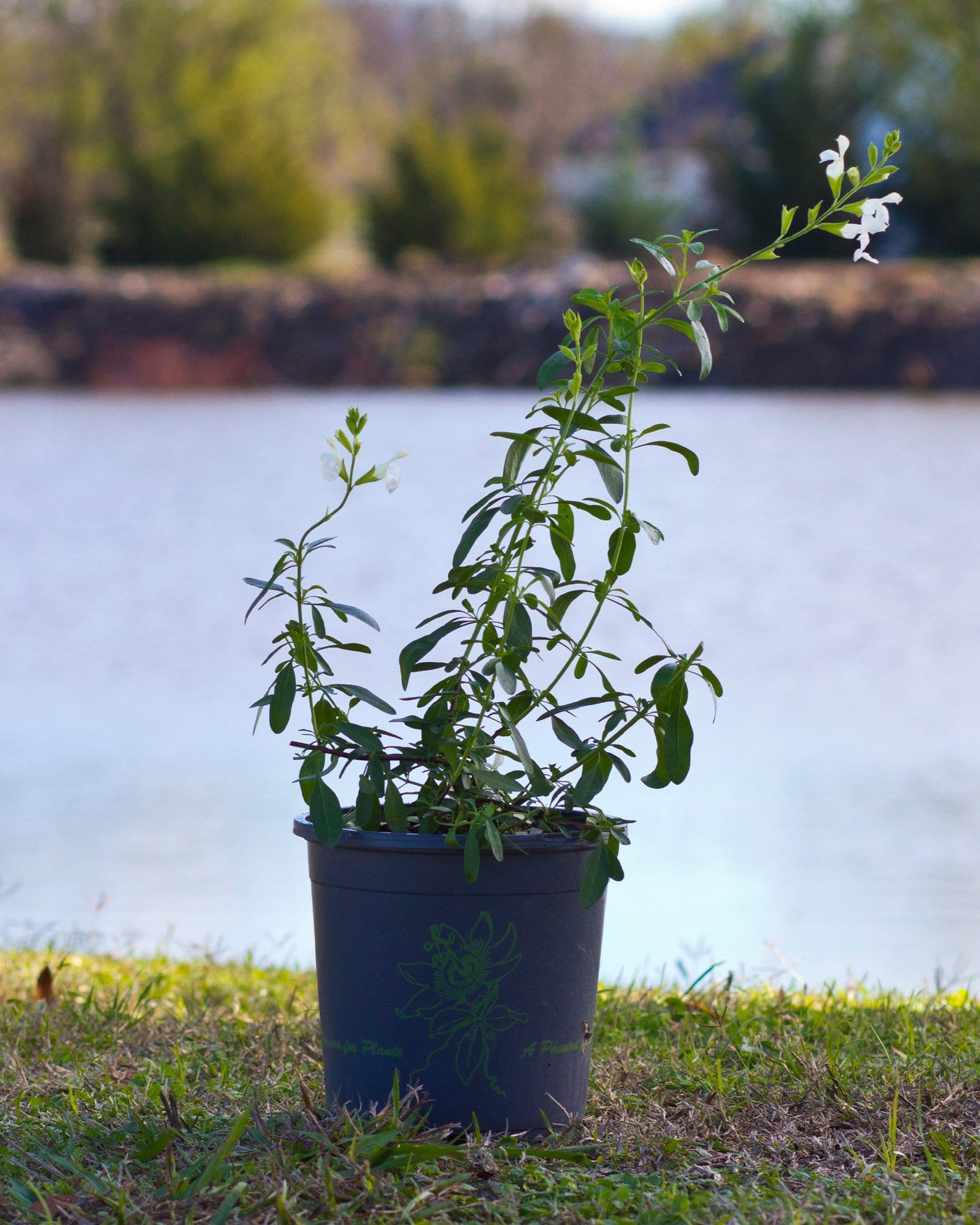
Compare Similar Plants
Whirling Butterflies Gaura This plant | ||
|---|---|---|
| Scientific Name | Oenothera lindheimeri ‘Whirling Butterflies’ | Oenothera lindheimeri ‘Belleza White’ |
| Size at Maturity | 2' H x 2' W | 1' H x 1.5' W |
| Leaf Retention | Herbaceous | Herbaceous |
| Flower Color | White | White |
| Bloom Times | Summer & Fall | Summer & Fall |
| Sizes Available | — | 1 gal |


Our 1-Year Planting Guarantee
We take pride in our plants and installation services. If any plants or trees installed by Treeland fail to thrive within the first year, we'll provide a replacement credit in accordance with our guarantee program.
Learn More About Our Guarantee