
 Popular
Local DFW Delivery Only
Product Details
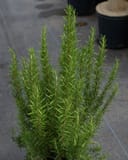
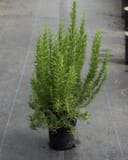
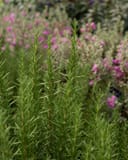
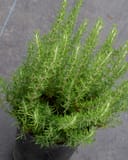
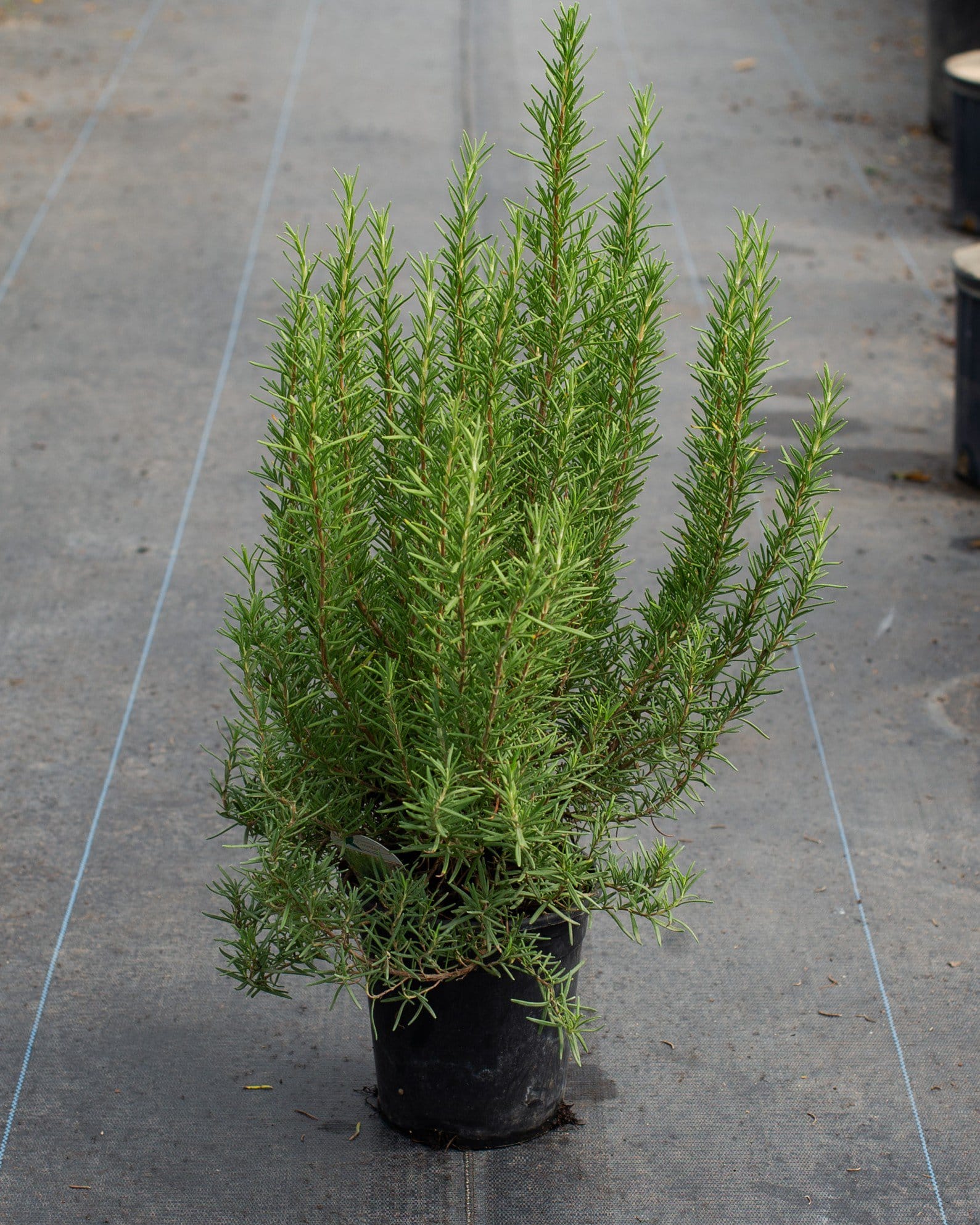
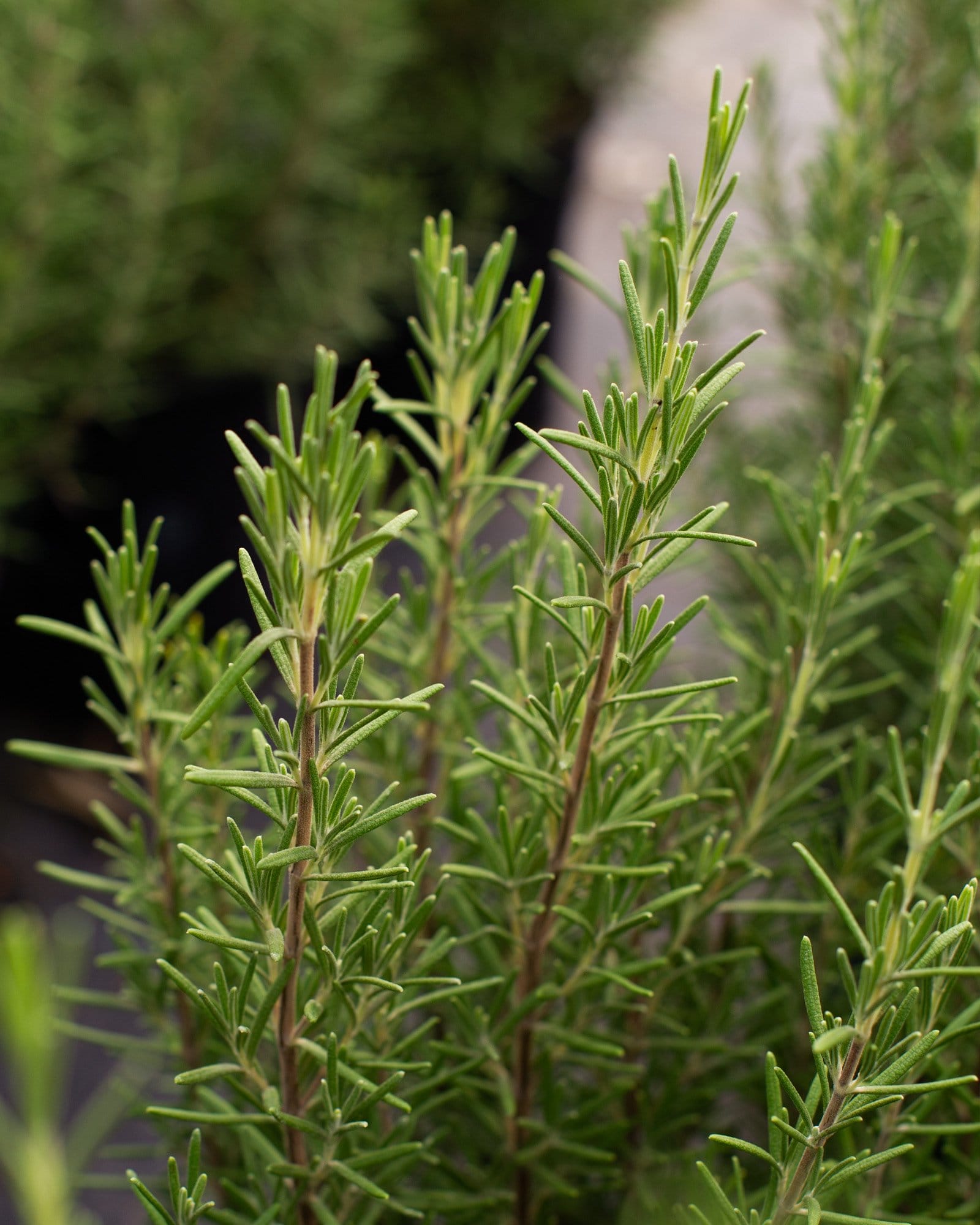
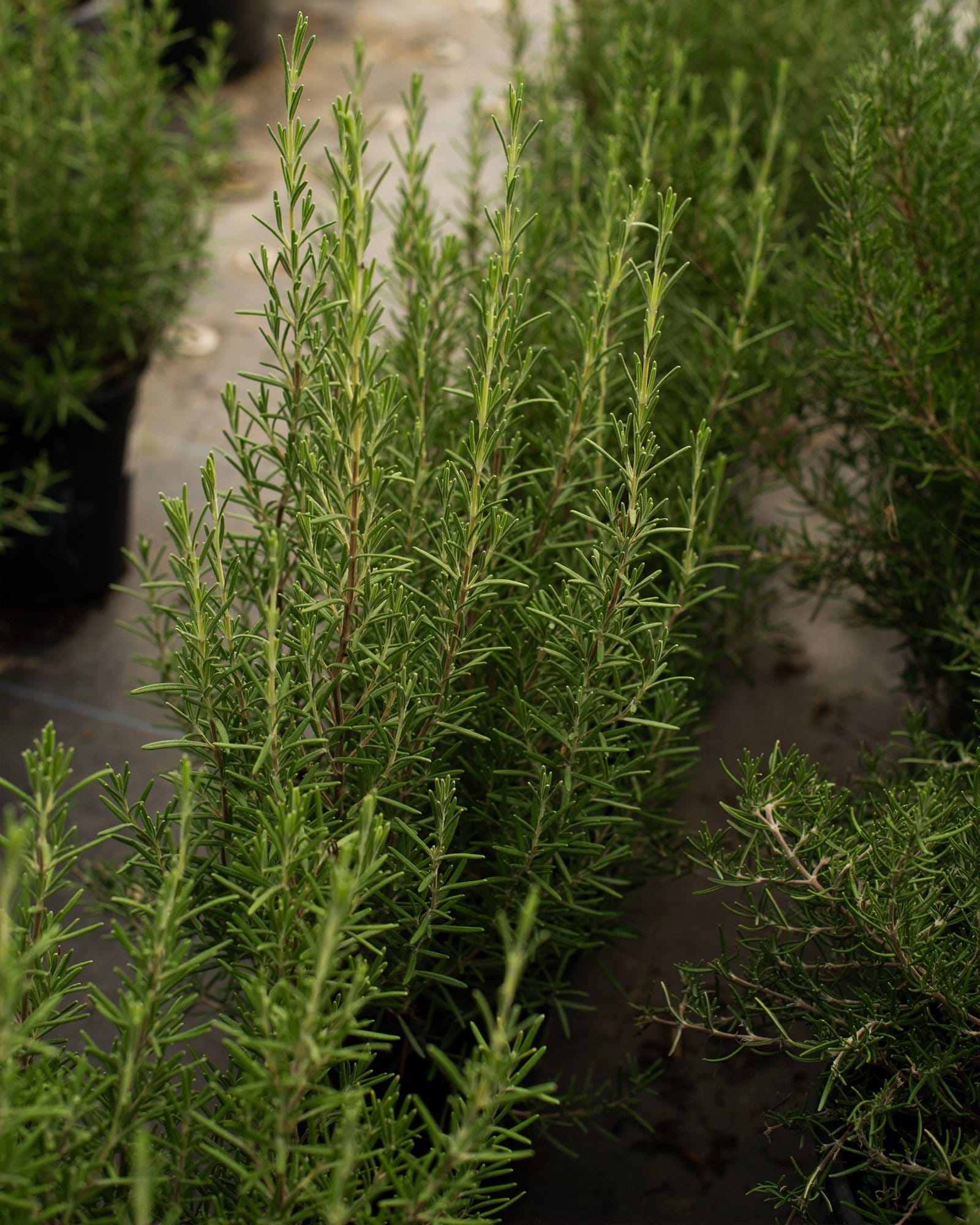
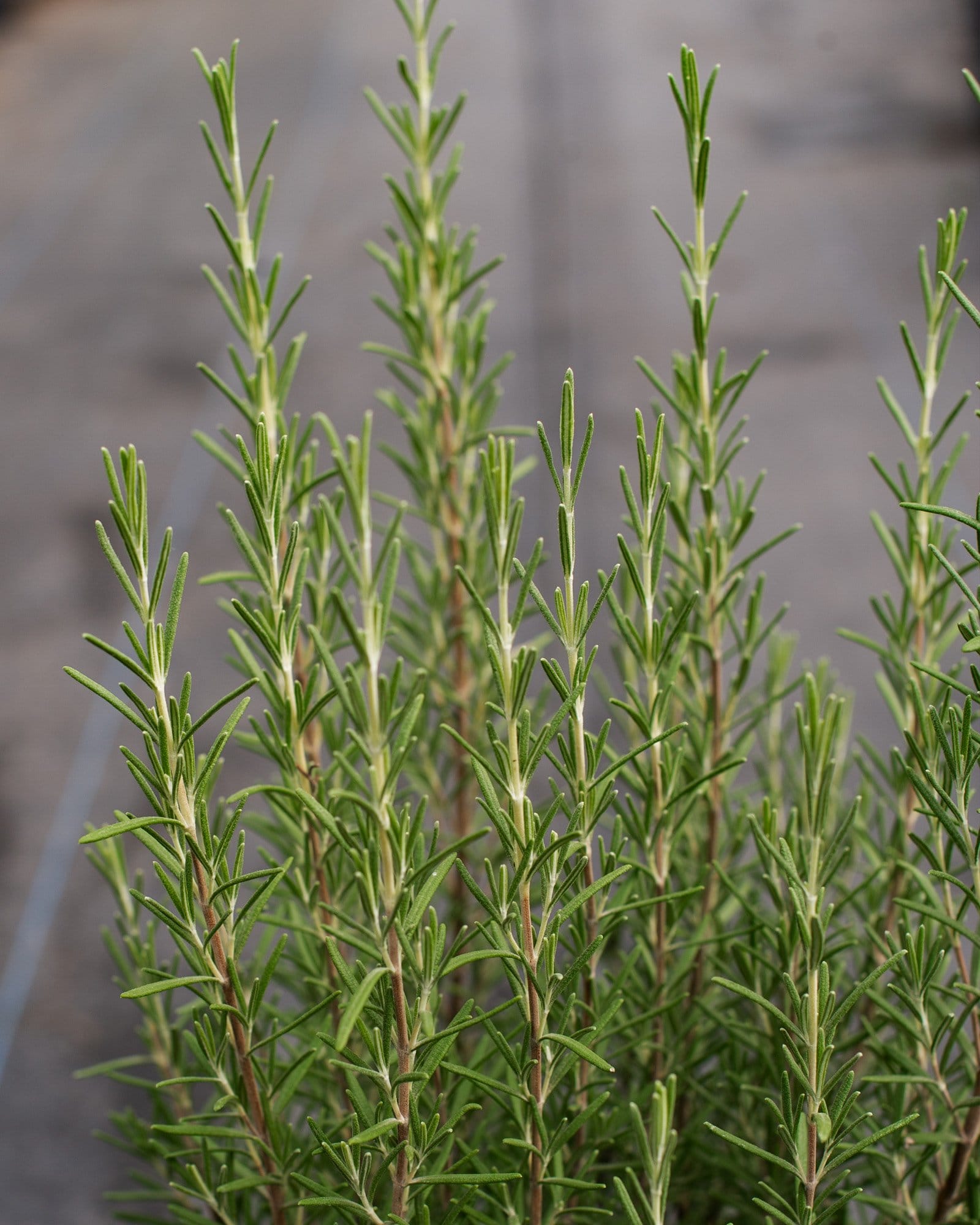
Tuscan Blue Rosemary
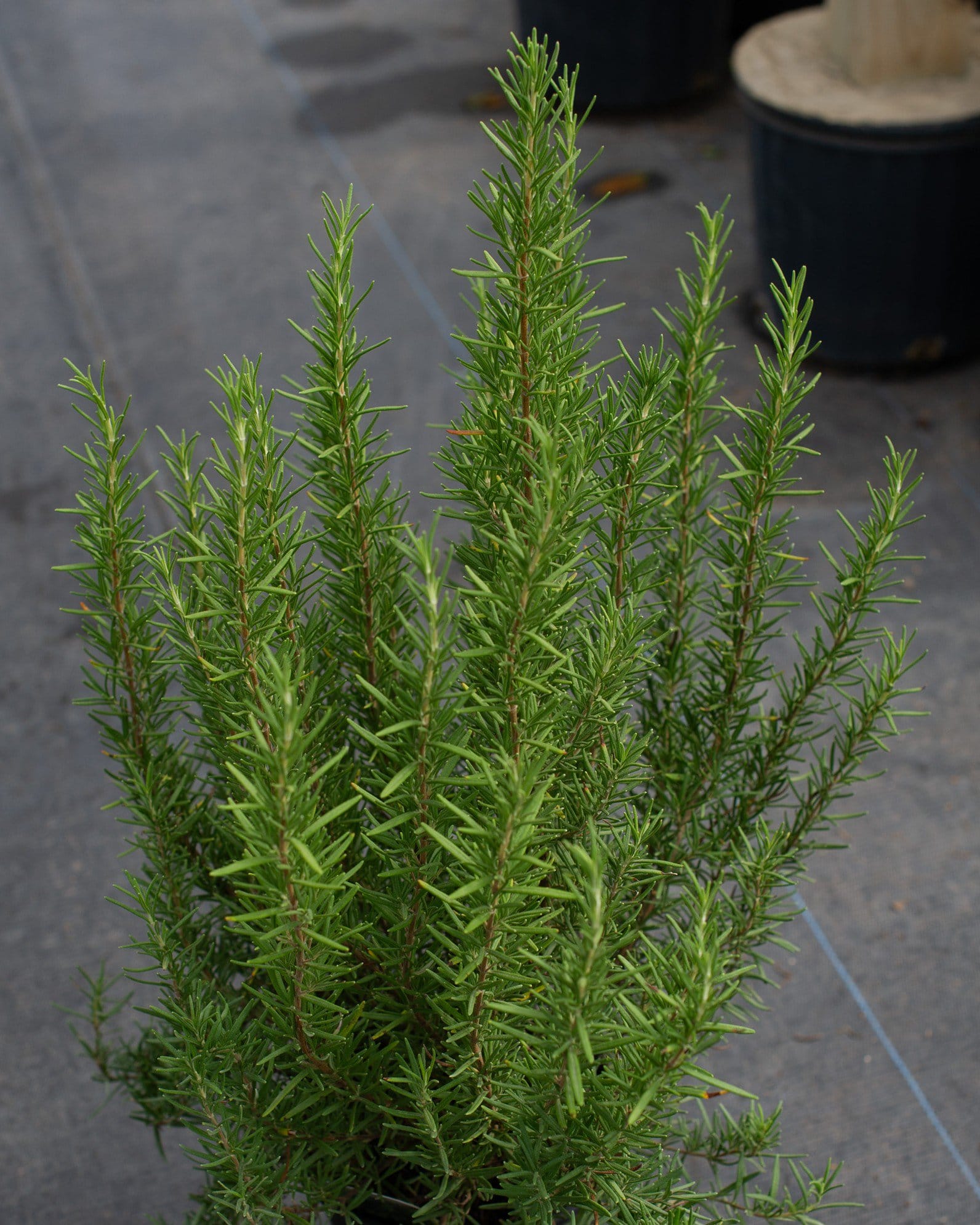
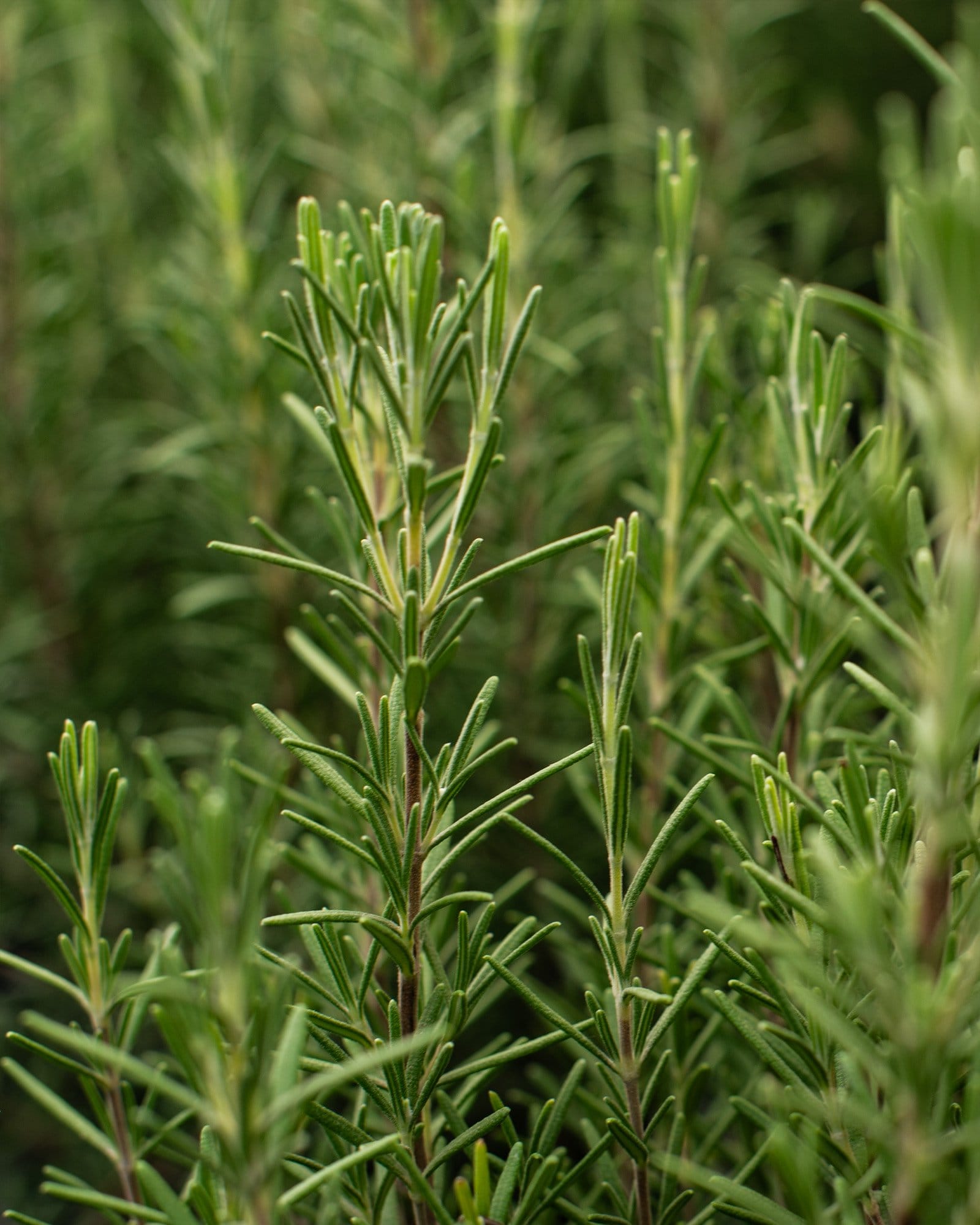
Rosmarinus officinalis 'Tuscan Blue'When it comes to herbaceous evergreens, a Tuscan Blue Rosemary is always a good choice. With its dark green leaves that resemble pine needles, and vivid blue to violet-blue flowers, it will draw the eye wherever you choose to place it. On top of that, its wonderful fragrance will create a scented cloud around the brush. It grows up to 5 feet in height, and 3 feet in width, and blooms twice a year - in the spring and winter.
- Invigorating scent
- Thrives in full sun
- Great for all types of spaces
- Beautiful bluish purple flowers twice a year
- Attracts pollinators
You can use this moderate-sized herbaceous plant as a hedge, keep it indoors, or let it grow in its natural shape - this aromatic shrub won't have trouble to thrive in the sunny Northern Texas and full sun exposure. It’s also drought tolerant, so you won’t have to worry about it withstanding extreme conditions.
Maintenance
Tuscan Blue Rosemary brings Mediterranean charm and low-maintenance to landscapes across Texas. Here’s what it needs to thrive:
- Watering: Water regularly during the first growing season to help roots establish deeply. Once mature, it’s highly drought-tolerant and needs only occasional deep watering during extended dry periods. Avoid overwatering - rosemary prefers to dry out slightly between waterings and struggles in consistently wet soil. In humid climates, good air circulation and well-drained conditions are essential to prevent root and leaf issues.
- Pruning: Prune lightly after flowering or at midsummer to maintain shape and promote bushier growth. Frequent light trimming encourages dense, aromatic foliage and prevents woody, leggy stems from developing.
- Fertilizing: Rosemary is not a heavy feeder. Apply a light dose of balanced, slow-release fertilizer in spring or mix compost into the soil around the root zone to encourage healthy, vigorous growth.
- Mulching: Use gravel, crushed stone, or a thin layer of organic mulch to regulate soil temperature and suppress weeds. Avoid thick, moisture-trapping mulch - rosemary prefers drier soil conditions.
- Winter care: Tuscan Blue Rosemary is cold-hardy in warmer regions but may need protection during freezing weather. In colder climates, grow it in containers that can be moved indoors before frost. For in-ground plants, cover the base with straw or frost cloth when temperatures drop below freezing.
Common Issues and How to Take Care of Them
Tuscan Blue Rosemary is remarkably resilient, but a few manageable issues can occur, especially in humid or poorly drained environments:
- Root Rot: The most common problem, caused by standing water or compacted soil. Ensure excellent drainage and avoid overwatering.
- Powdery Mildew: White film on leaves during humid periods. Improve air circulation, water at the base, and trim overcrowded branches to reduce moisture buildup.
- Aphids: Small insects that cluster on tender new growth. Wash them off with a strong jet of water or apply insecticidal soap.
- Spider Mites: Can appear during hot, dry weather. Misting foliage occasionally or spraying with neem oil helps keep them away.
- Fungal Leaf Spot: Brown or black spots caused by prolonged leaf wetness. Water early in the day and allow foliage to dry before evening.
- Leggy or Woody Growth: Happens naturally over time. Rejuvenate by trimming lightly after bloom and harvesting regularly for culinary use to promote fresh, soft new shoots.
With proper care and pruning, it can live 10 to 15 years or even longer. Regular harvesting and shaping keep it youthful and full for decades.
It grows moderately fast, typically 8 to 12 inches per year. Within 3 to 4 years, it reaches maturity, forming an upright shrub that can stand 3 to 5 feet tall.
Yes - its fragrant blue flowers are irresistible to bees, butterflies, and other beneficial pollinators, making it a valuable companion plant in edible or ornamental gardens.
Completely. Its resinous aroma and tough, needle-like leaves naturally repel deer, rabbits, and most other browsing animals.
Exceptionally well. It thrives in full sun and dry, rocky soil where few plants survive. Heat enhances its fragrance and essential oil content.
Yes. It thrives in large pots with excellent drainage. Choose unglazed clay containers to help wick away excess moisture and prevent root rot.
Yes - it tolerates salt spray, wind, reflected heat, and pollution, making it perfect for city gardens, seaside plantings, and rooftop landscapes.
Yes. Cut back about one-third of the plant’s height in spring, removing woody stems gradually over several seasons to encourage new, leafy growth.
Extremely. Every part of the plant - leaves, stems, and flowers - releases a strong, clean, piney aroma, making it both ornamental and aromatic in the landscape.
Yes - it’s one of the best culinary rosemary varieties. Its thick, flavorful leaves are ideal for roasting, grilling, and infusing oils or marinades.
Special Features
You might also like
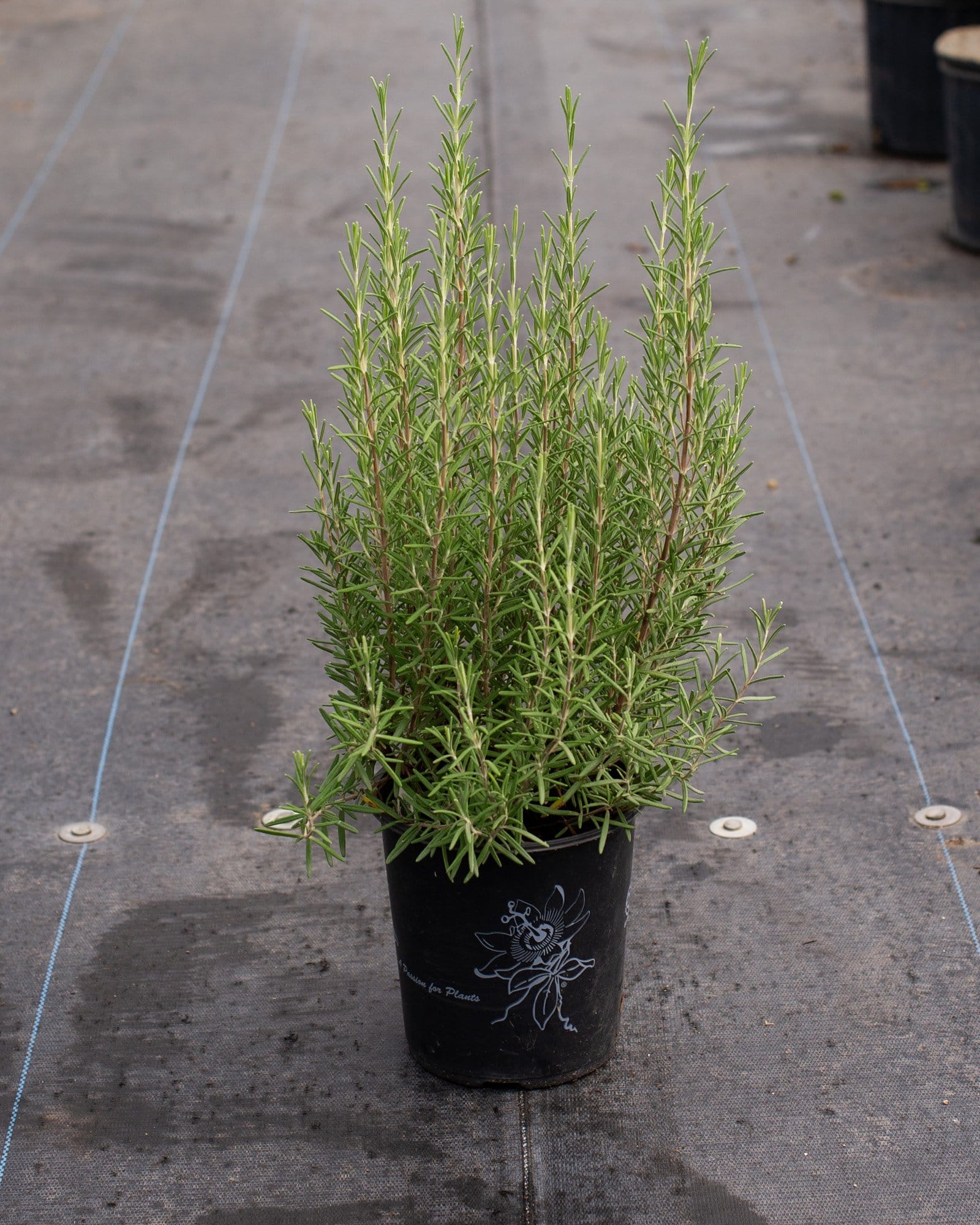
Arp Rosemary
Maturity: 6' H x 3' W
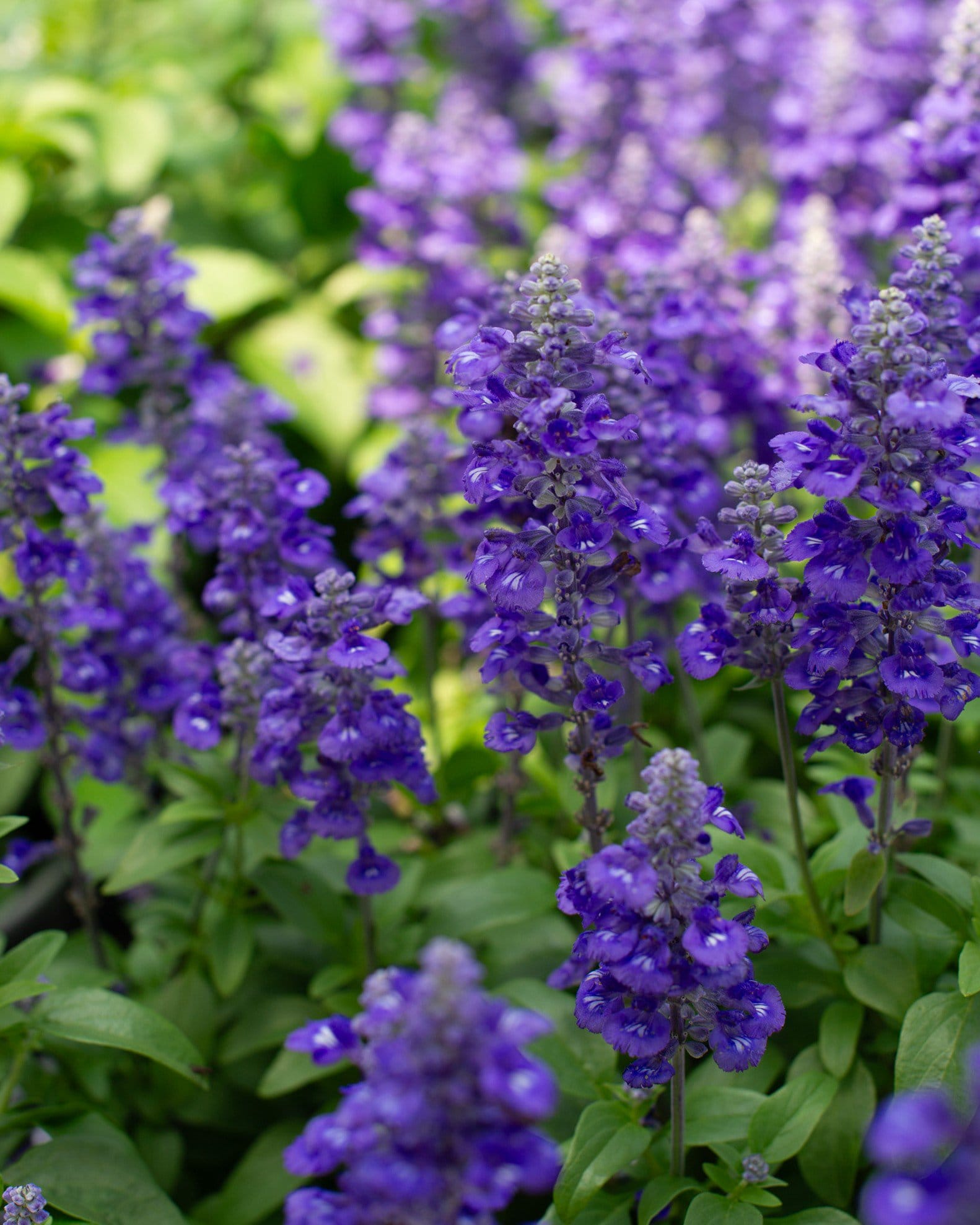
Sallyfun Blue Lagoon Salvia
Maturity: 1.5' H x 1.5' W
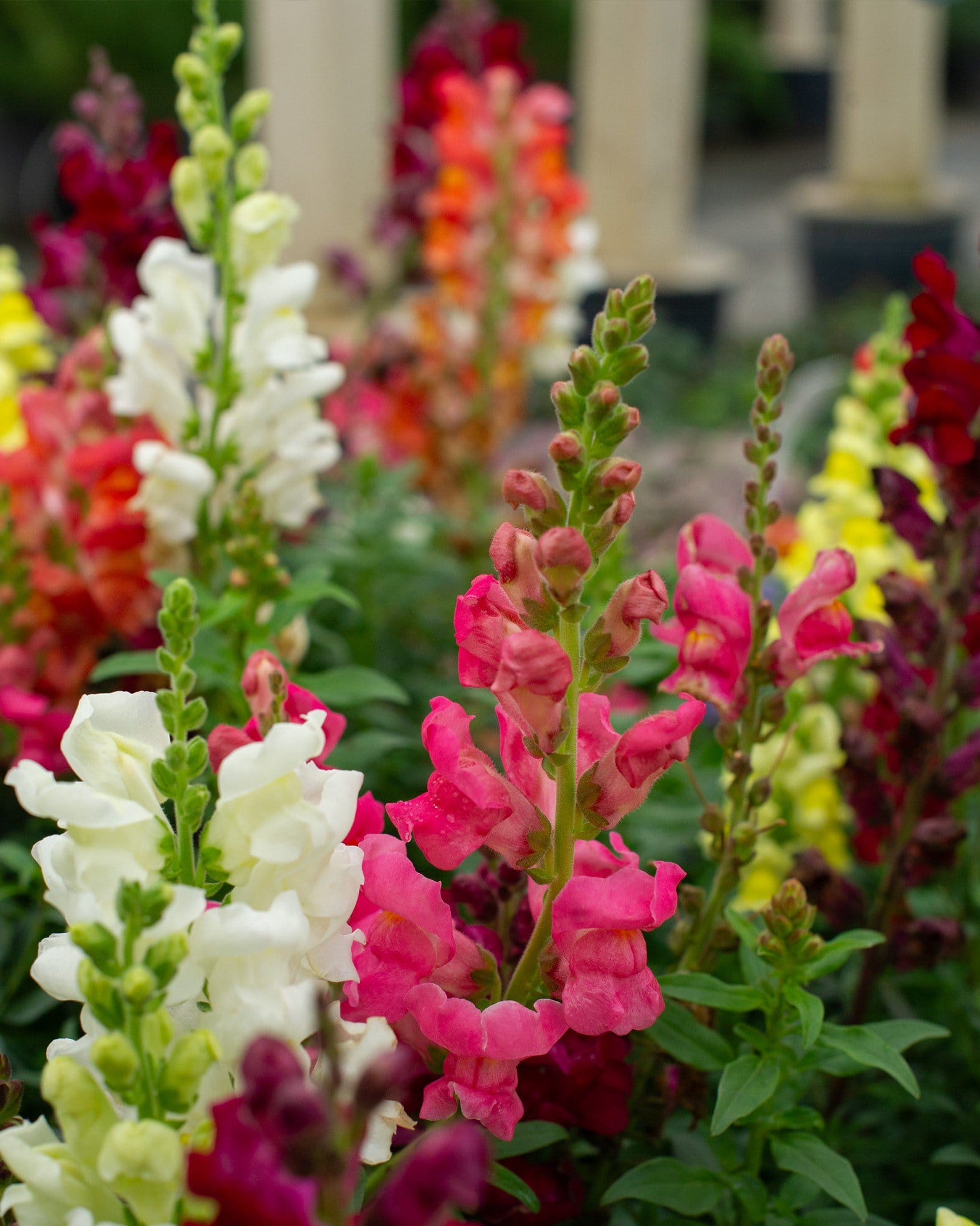
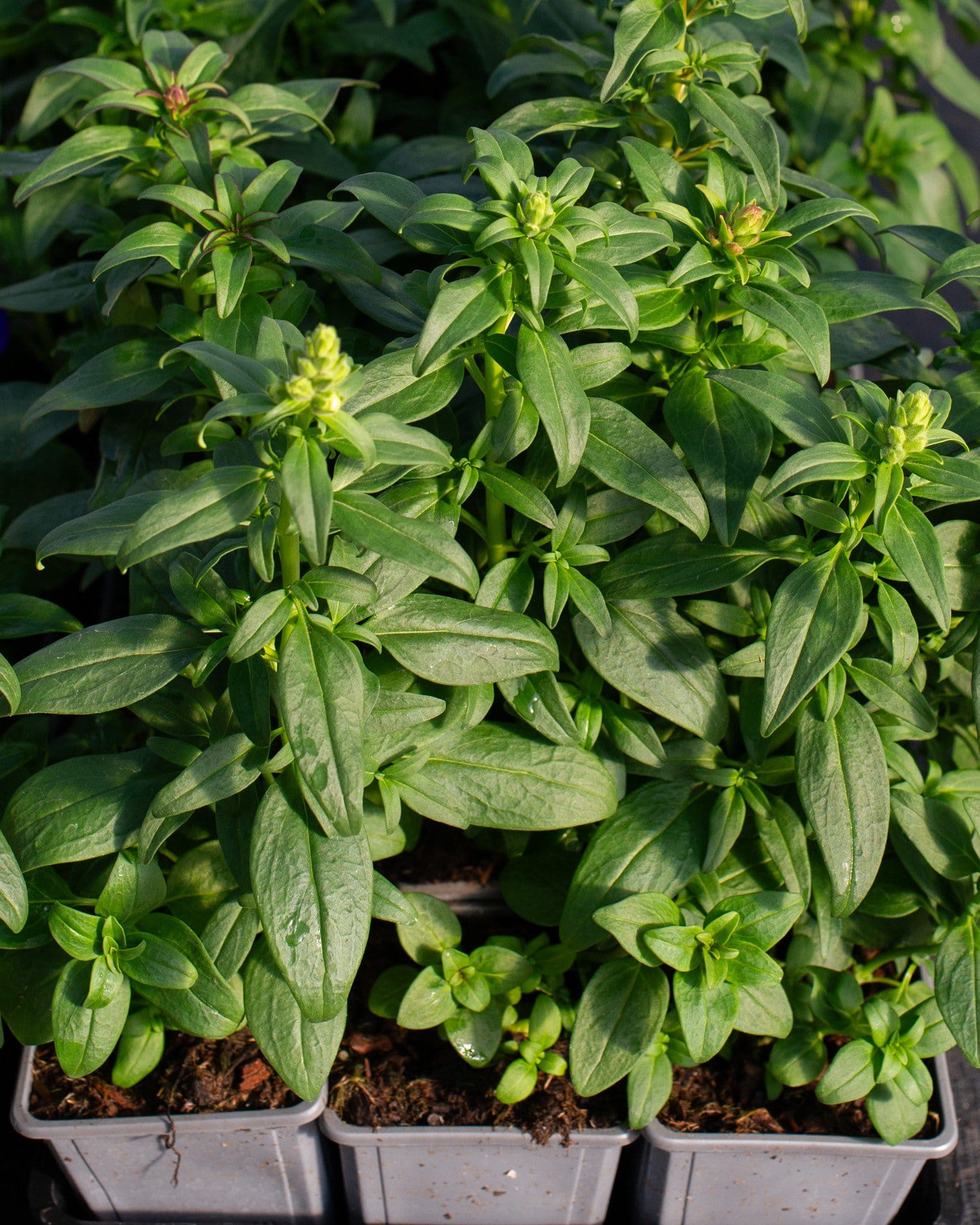
Speedy Sonnet Mix Snapdragon
Maturity: 0.75' H x 1' W
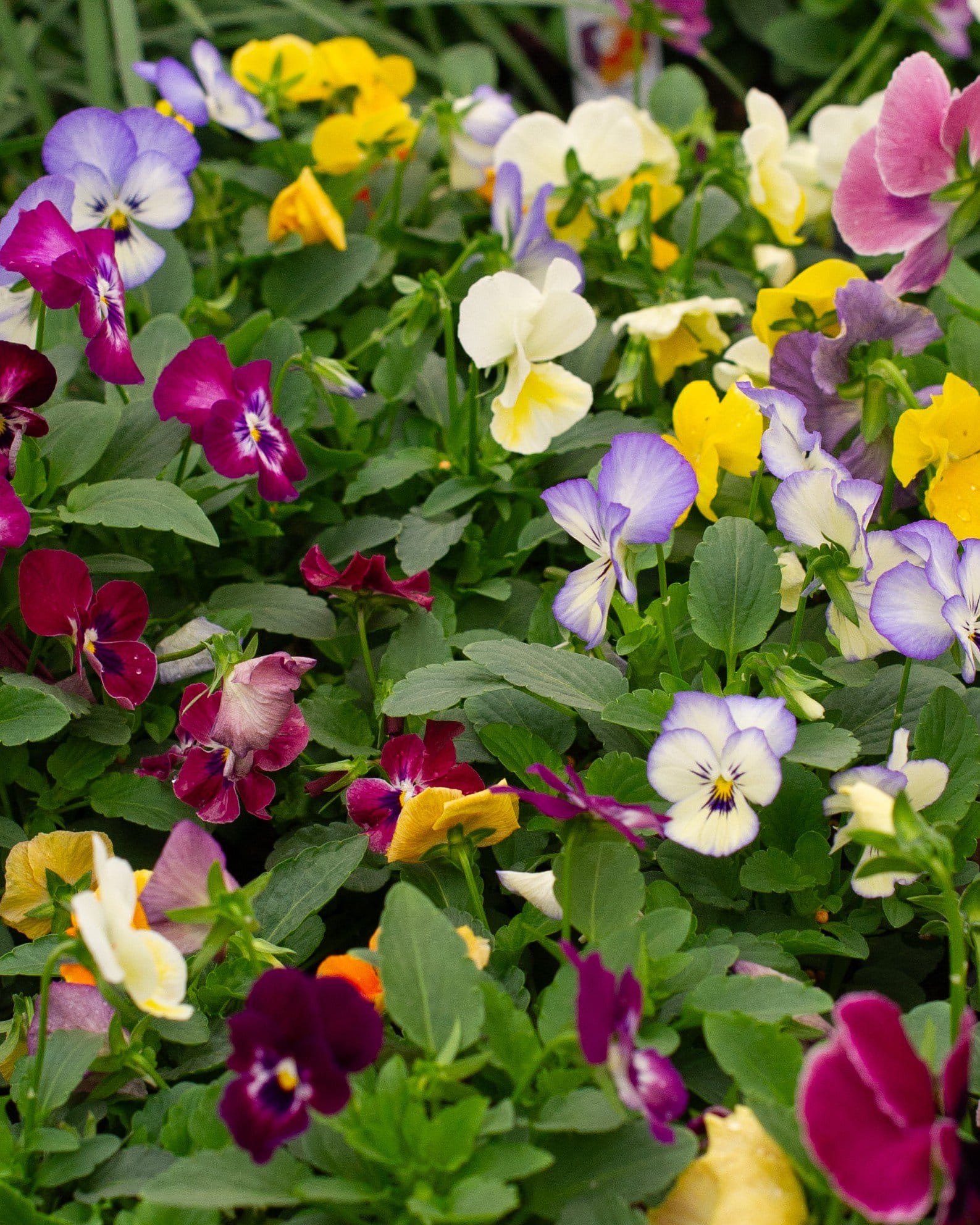
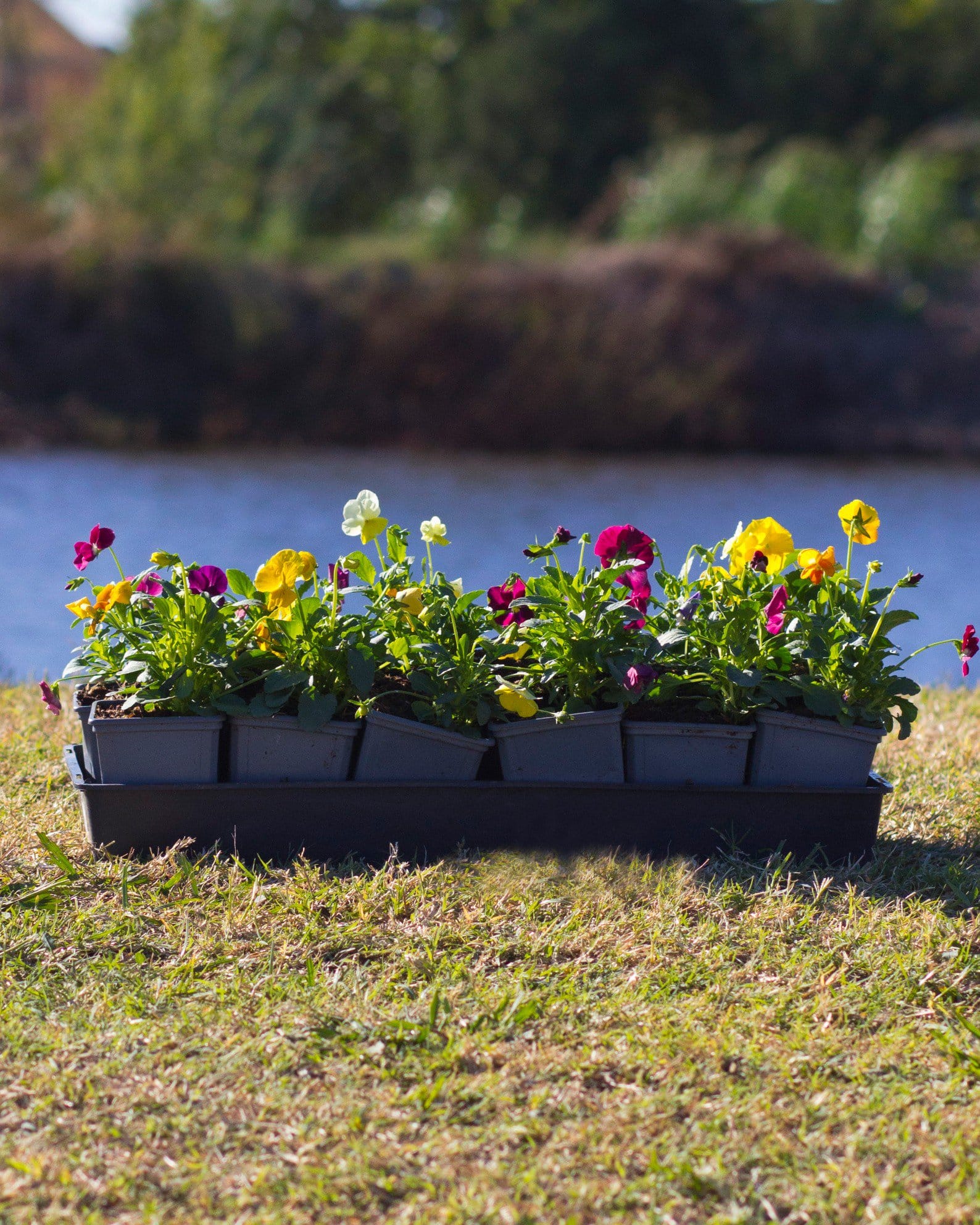
Colormax Mix Viola
Maturity: 0.5' H x 0.75' W
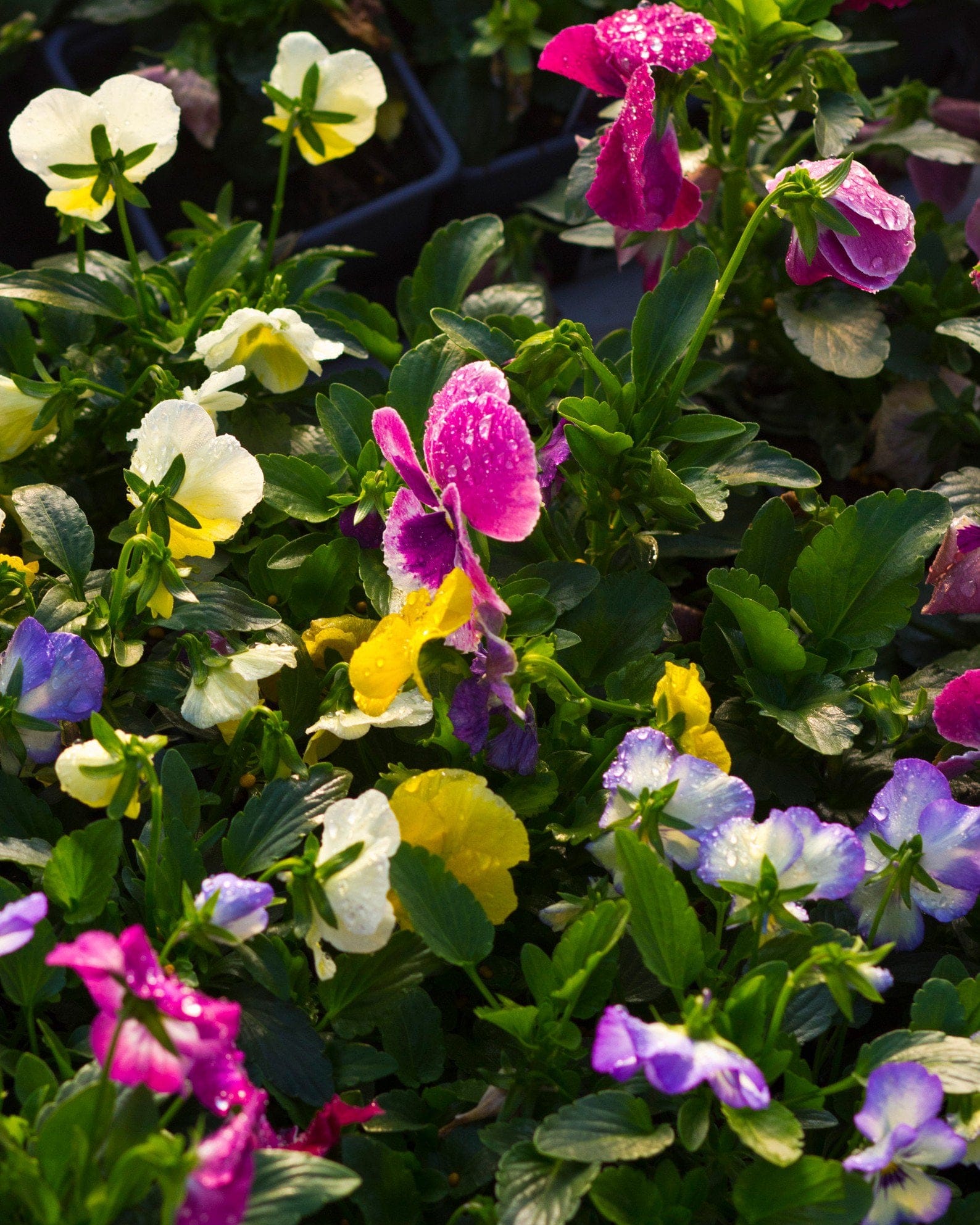
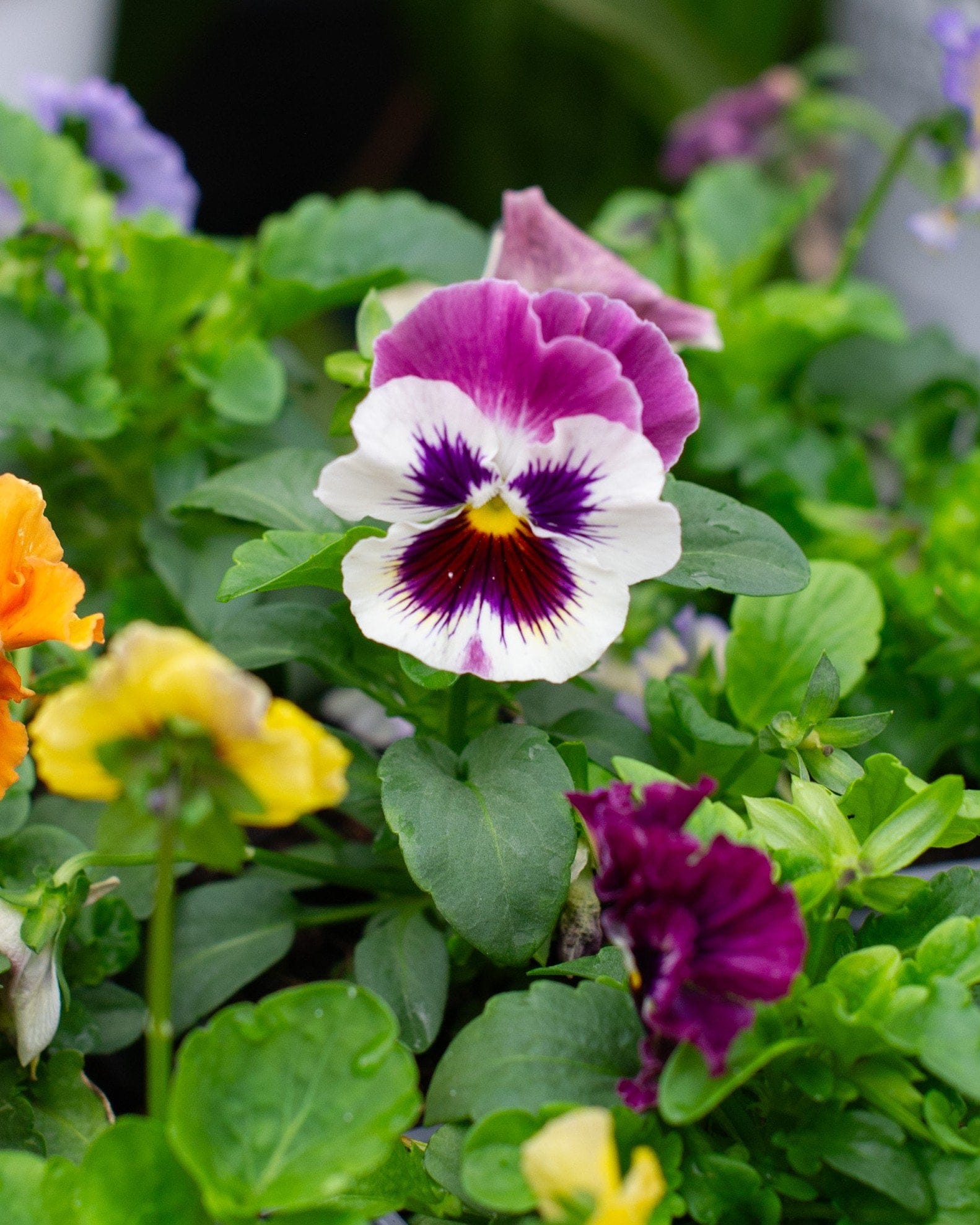
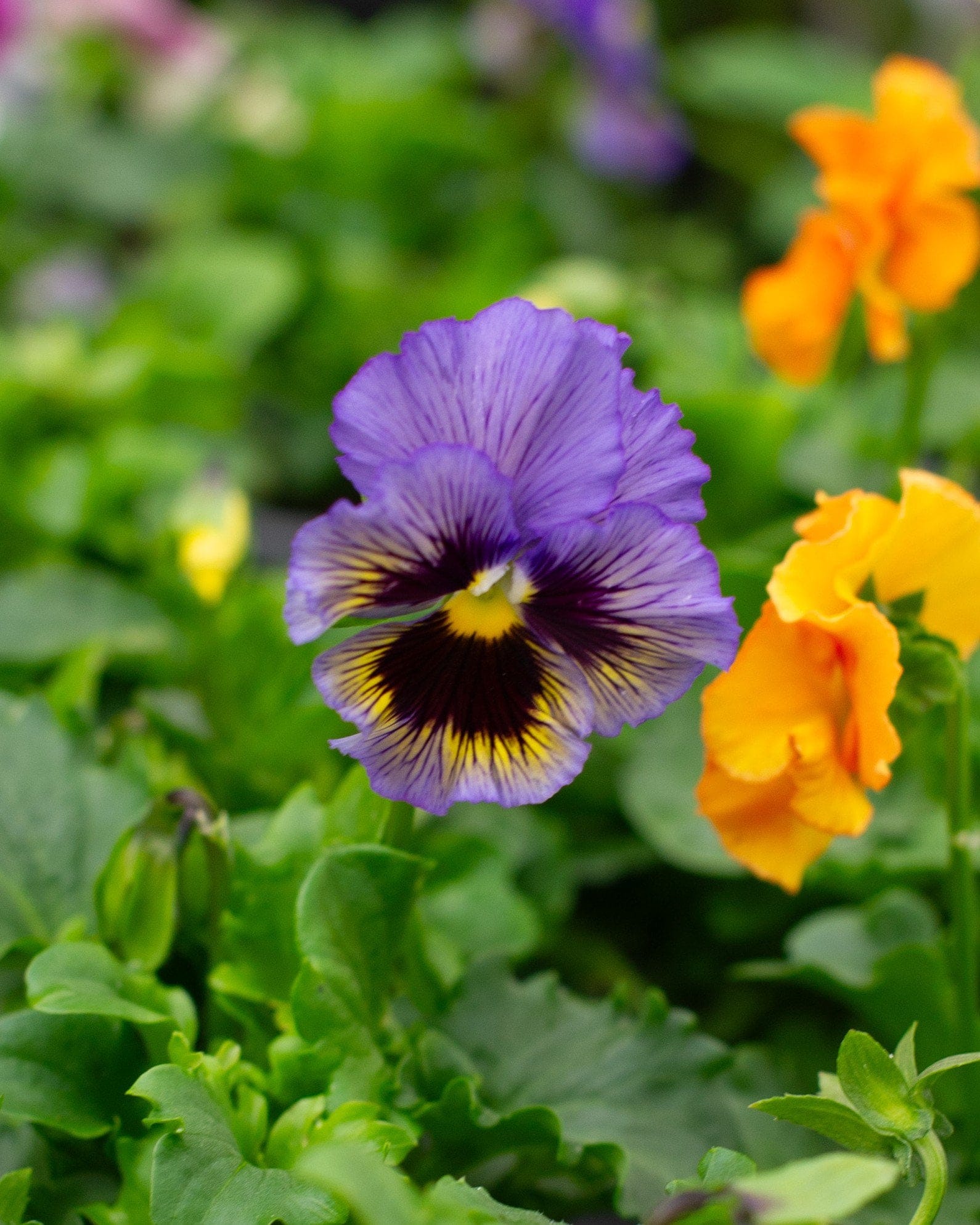
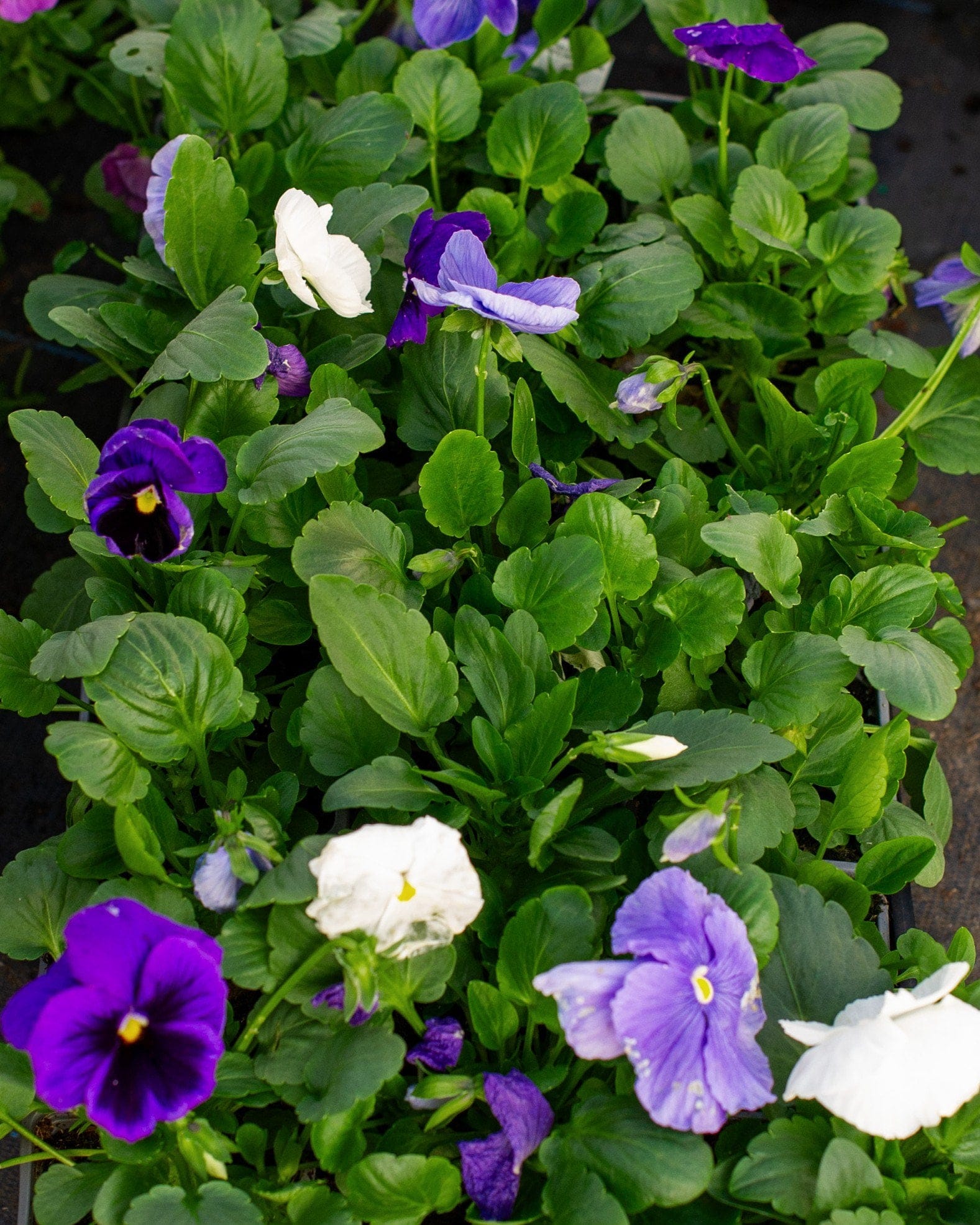
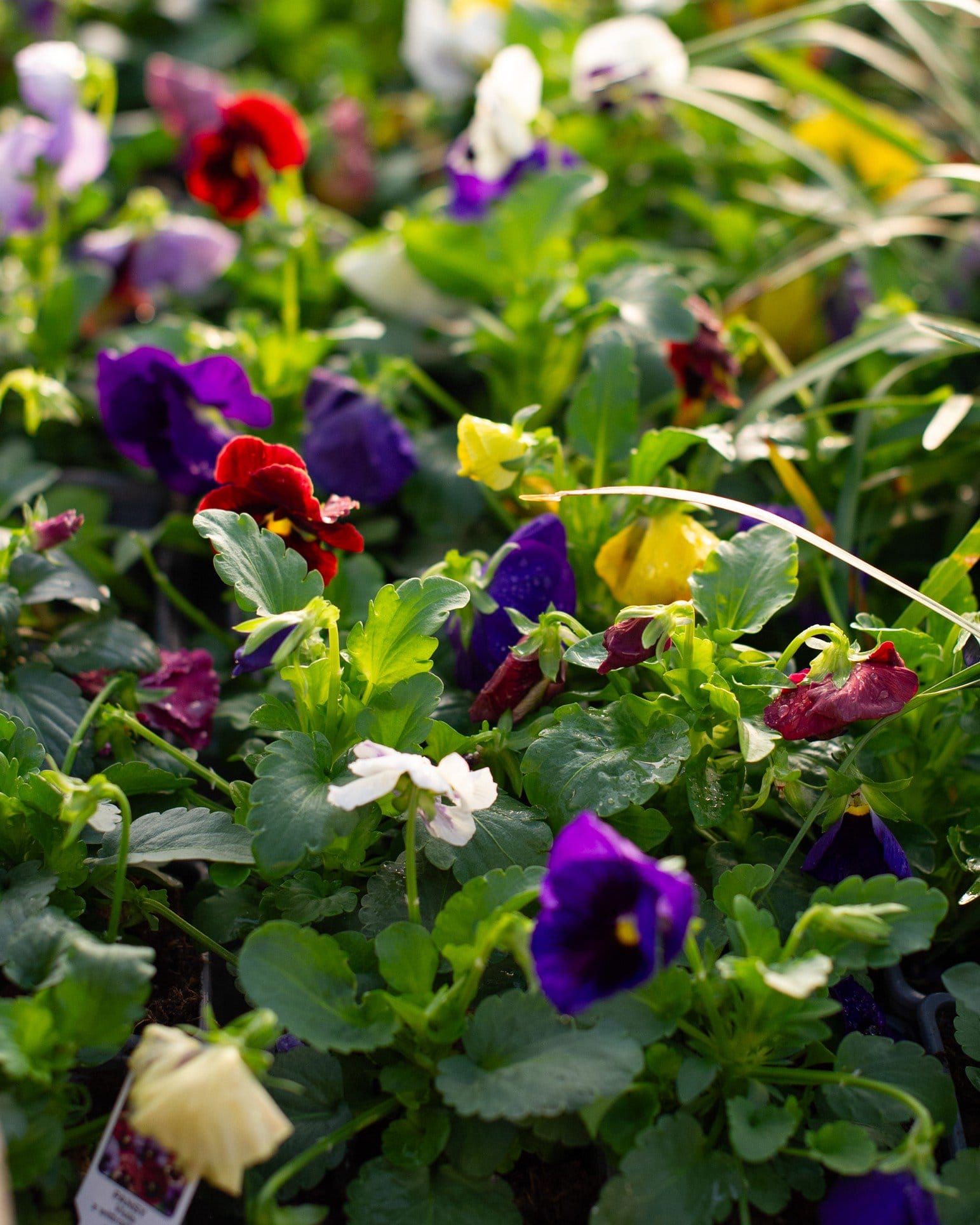
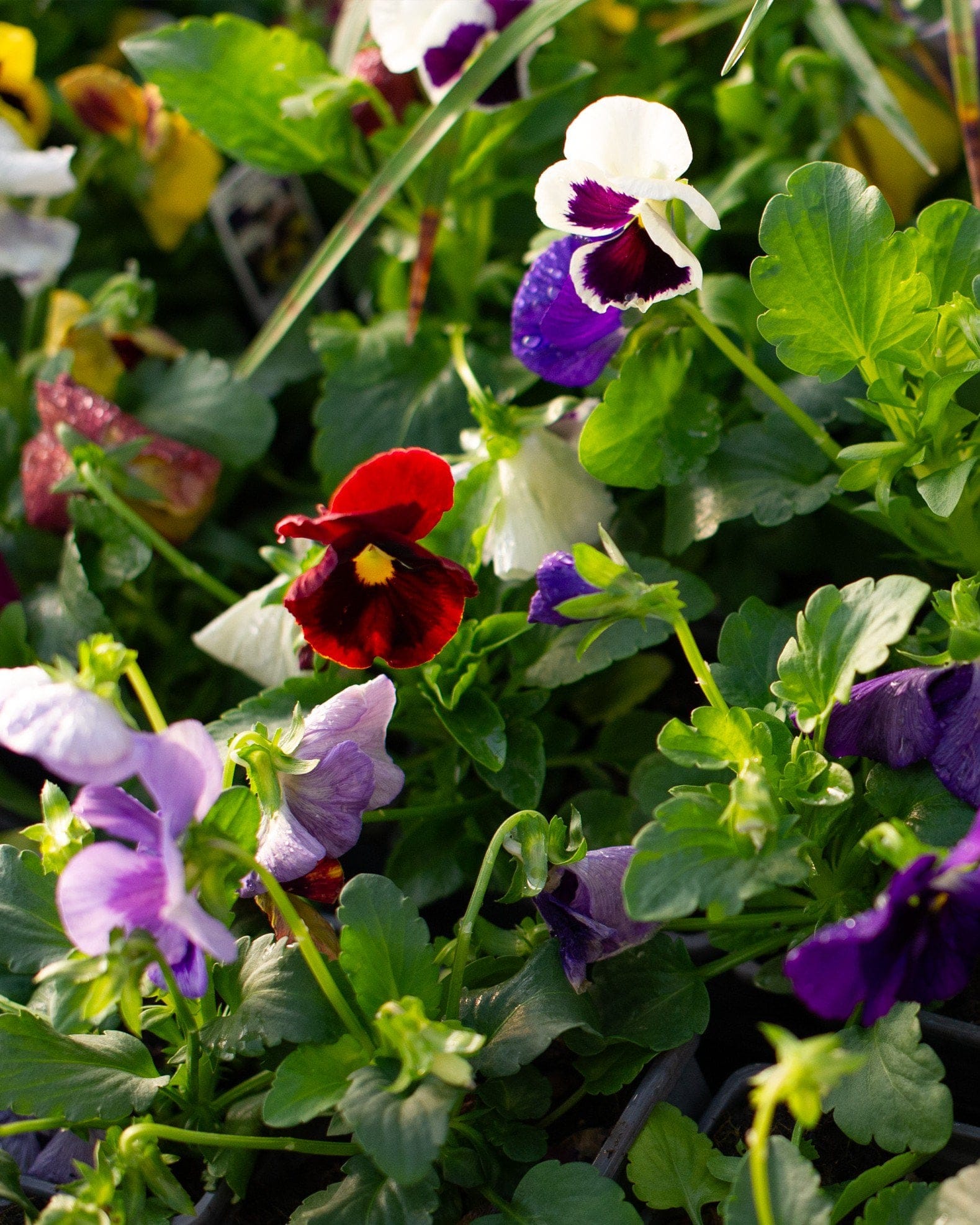
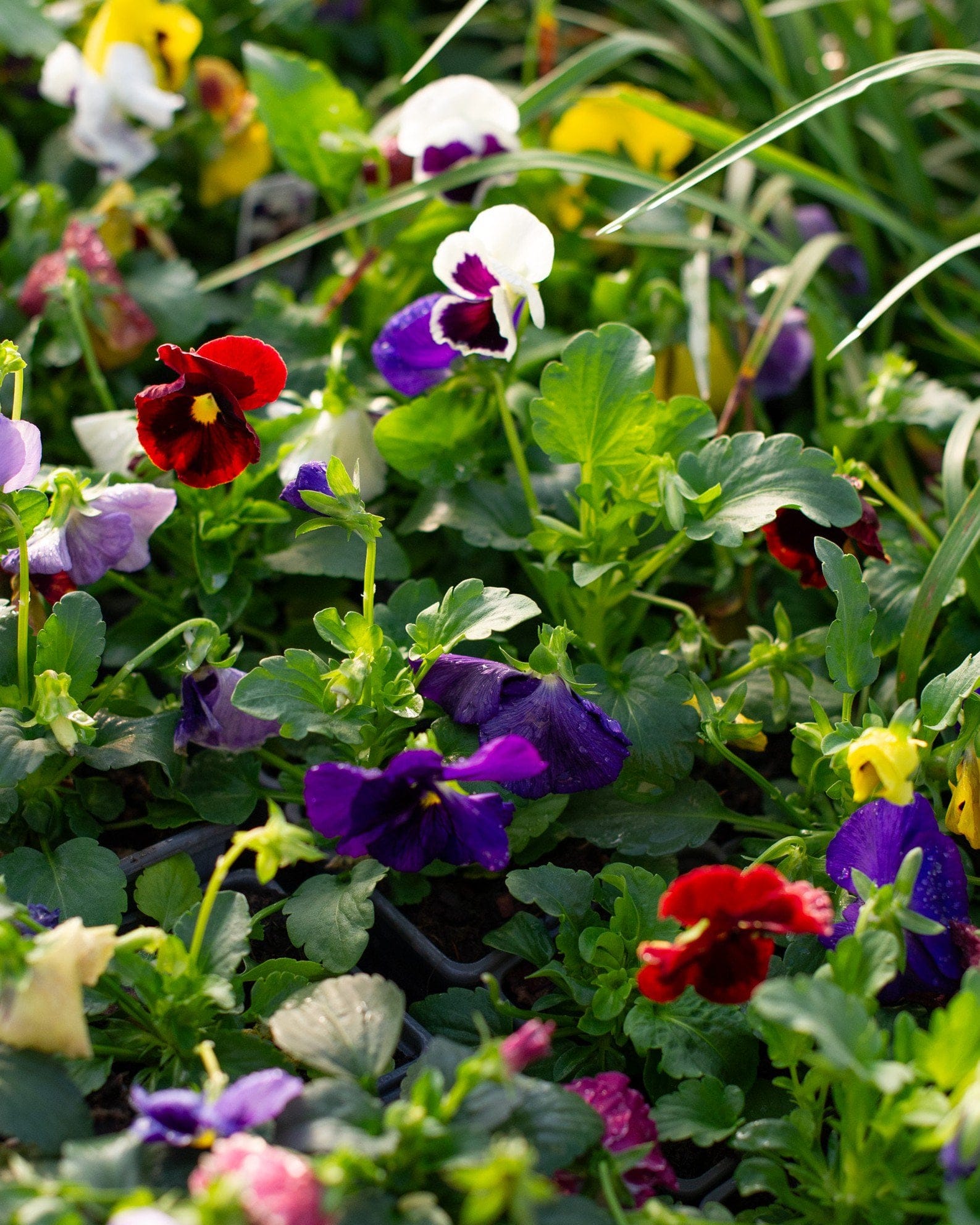
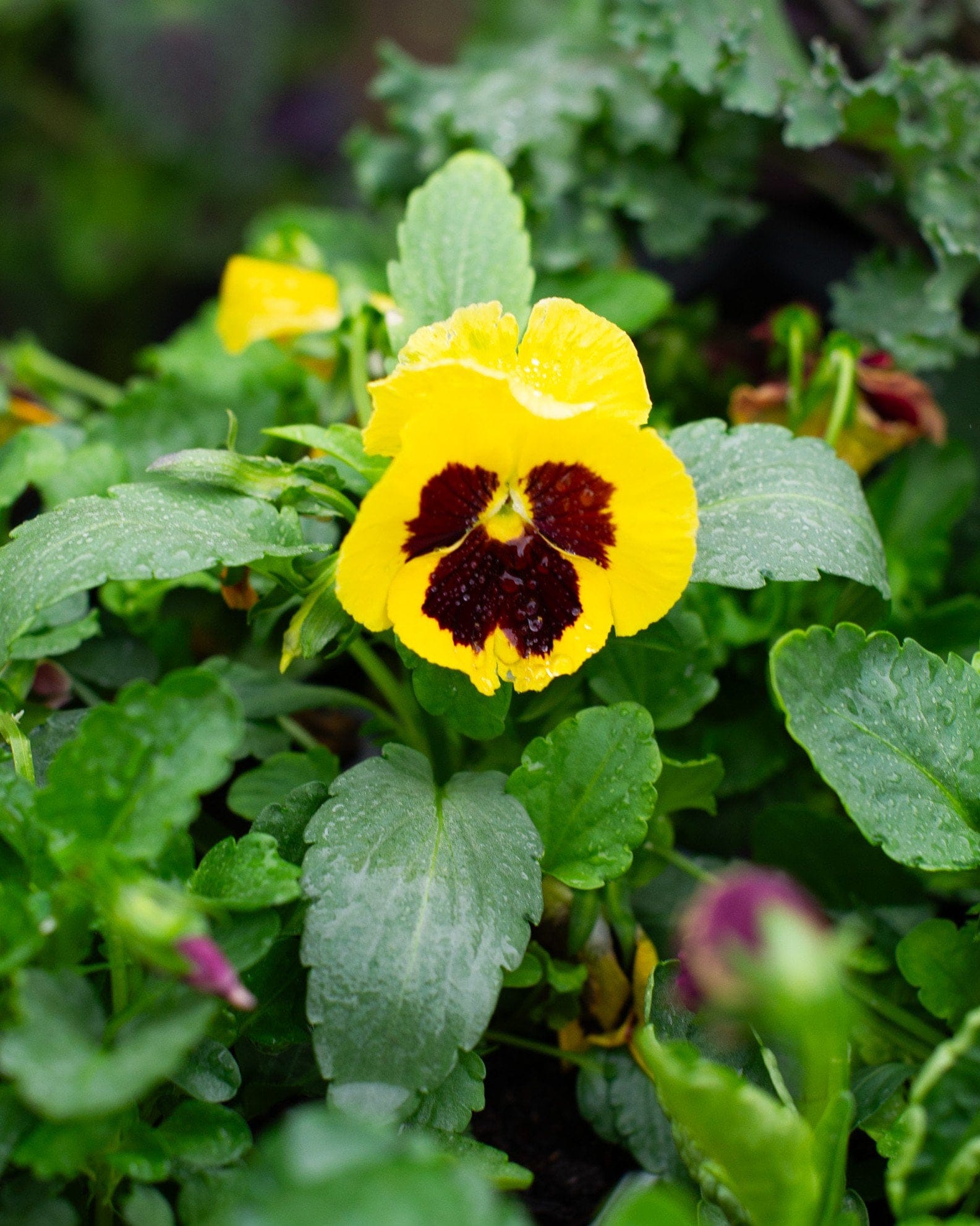
Delta Pro Cool Waters Mix Pansy
Maturity: 0.75' H x 0.75' W
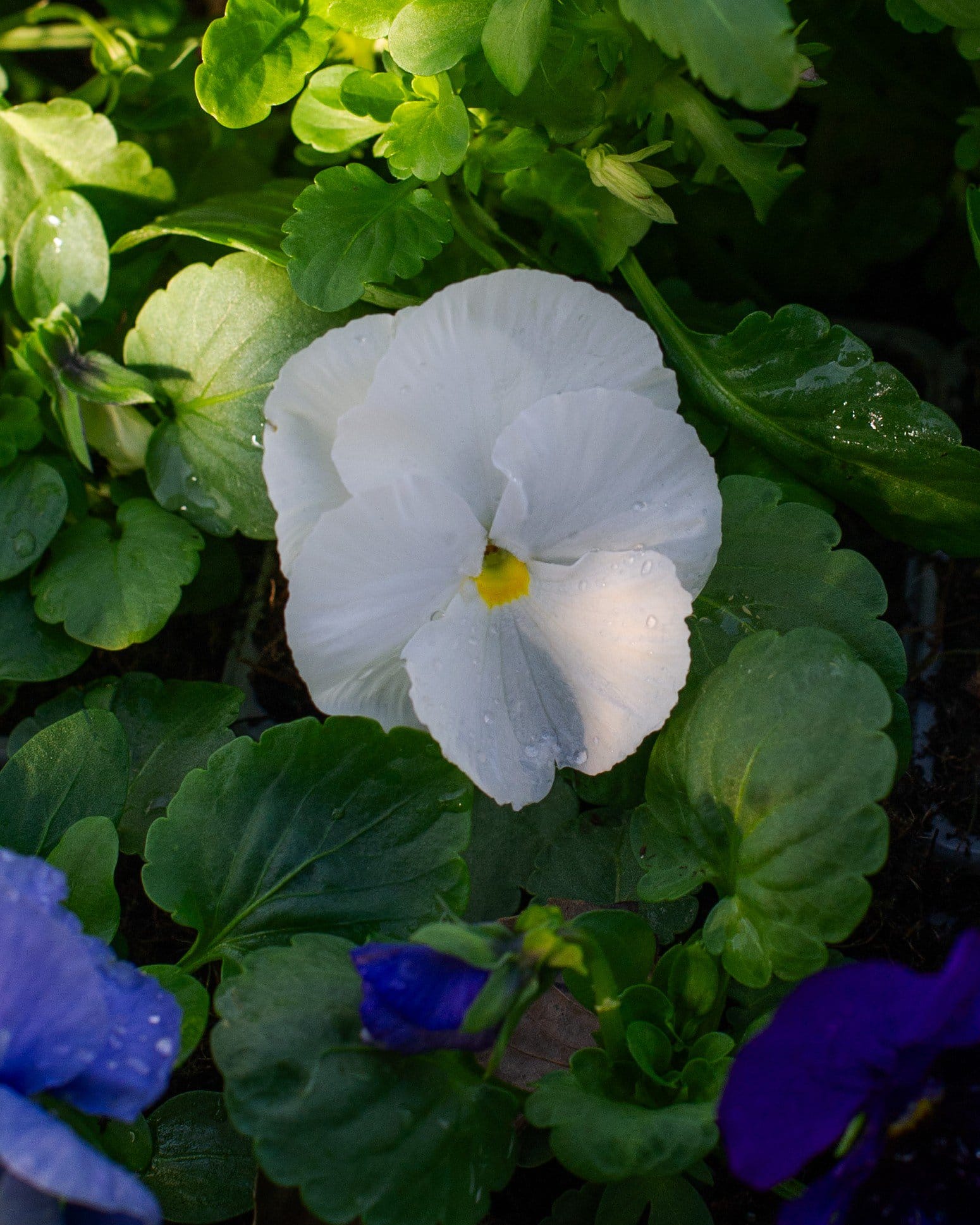
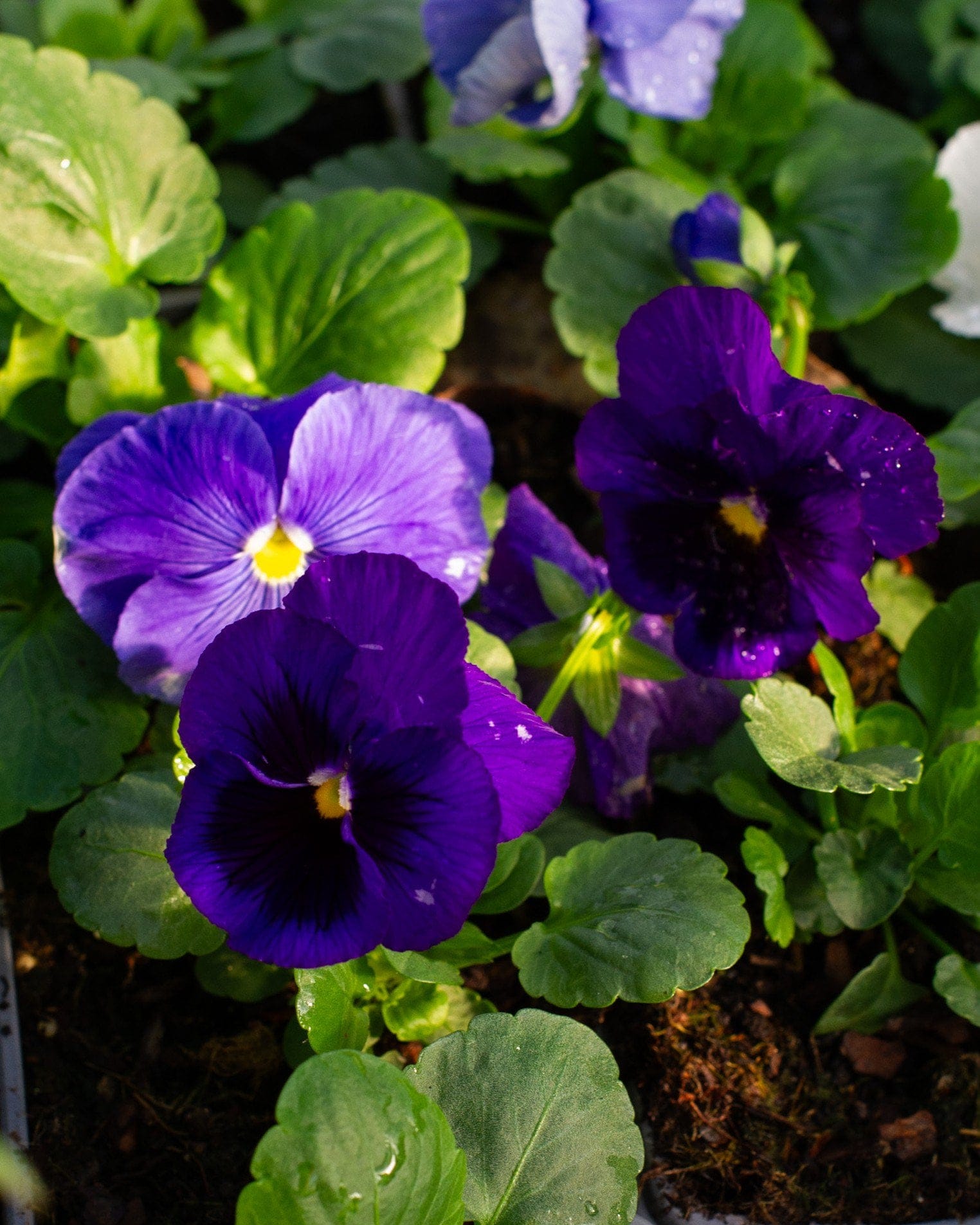
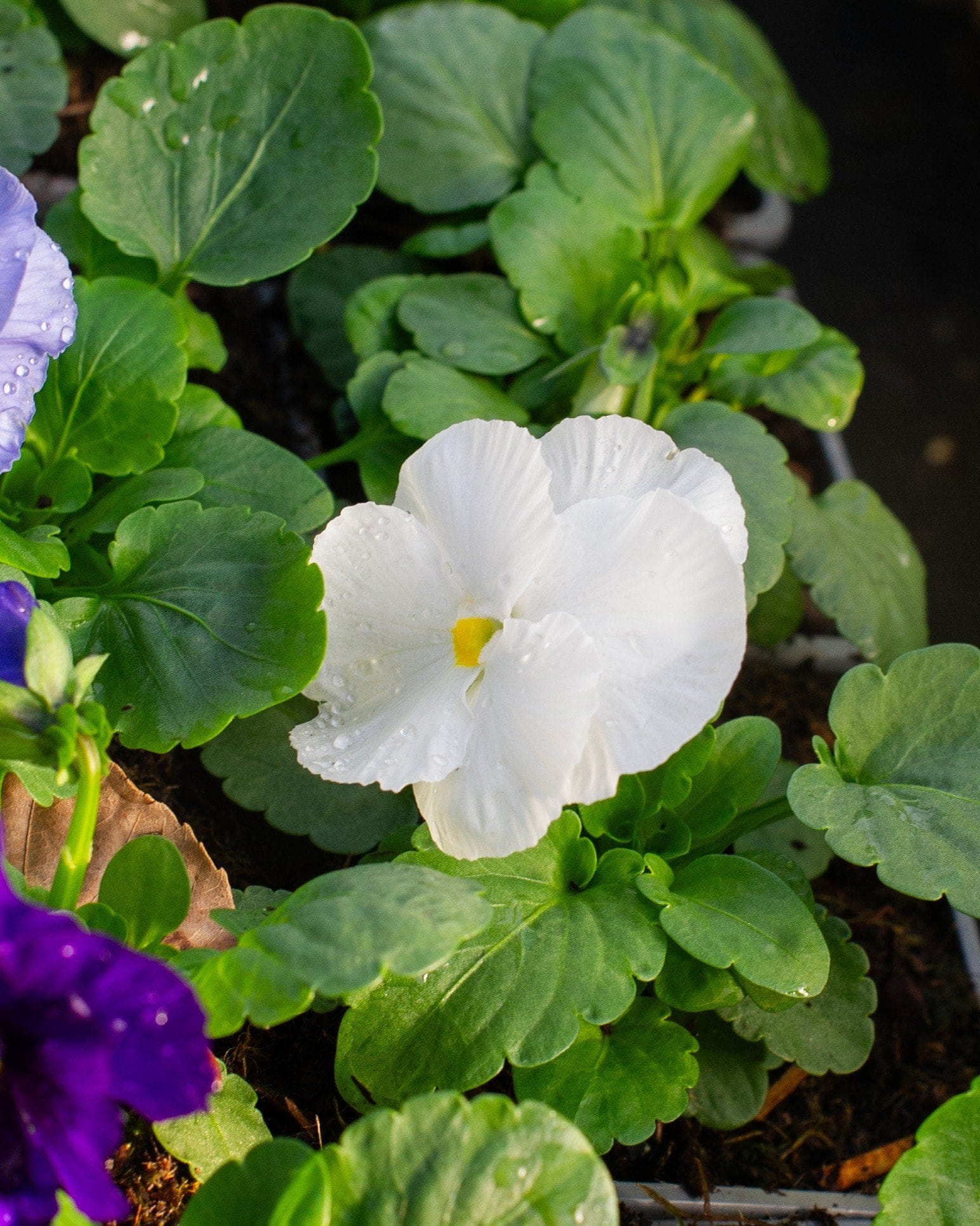
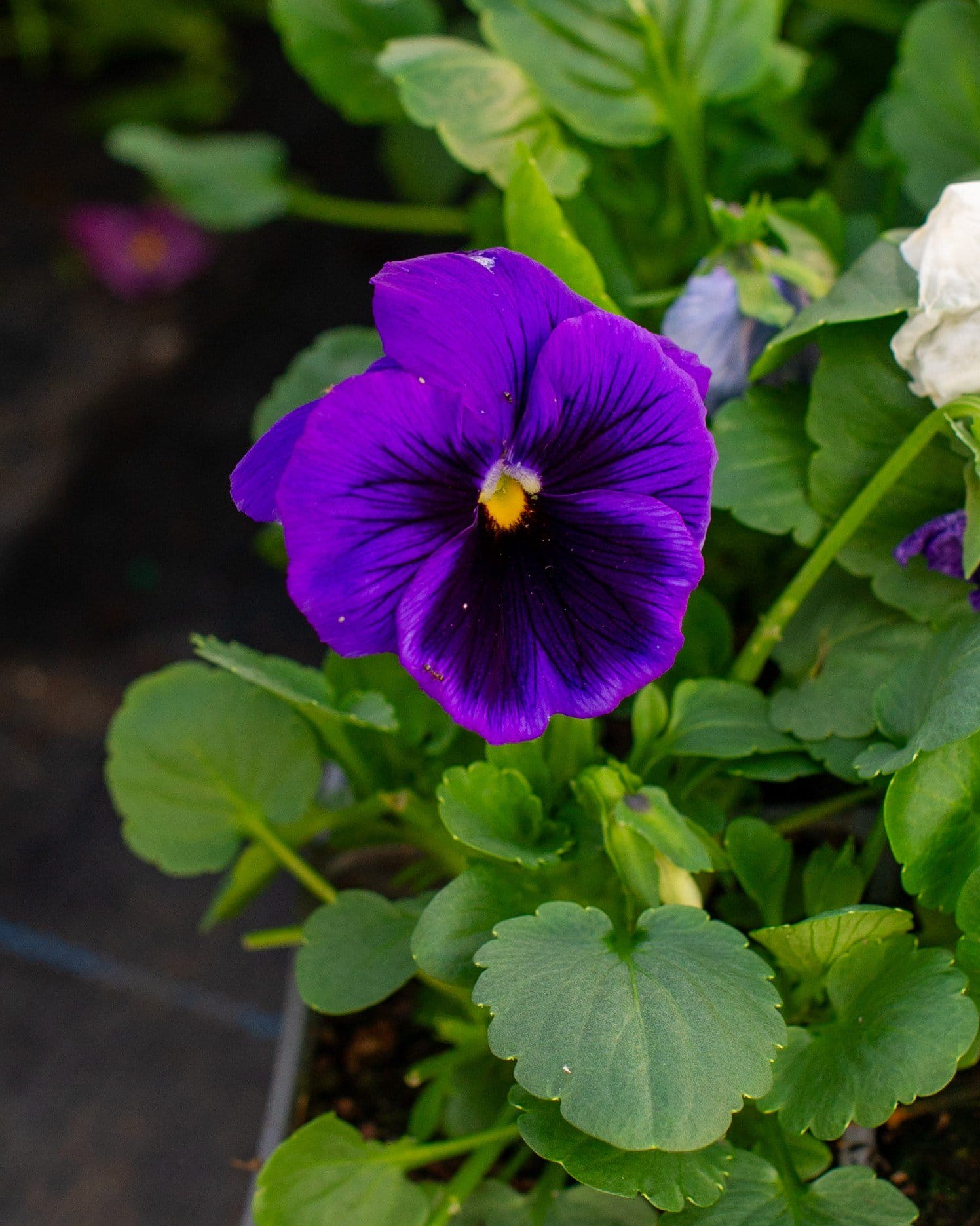
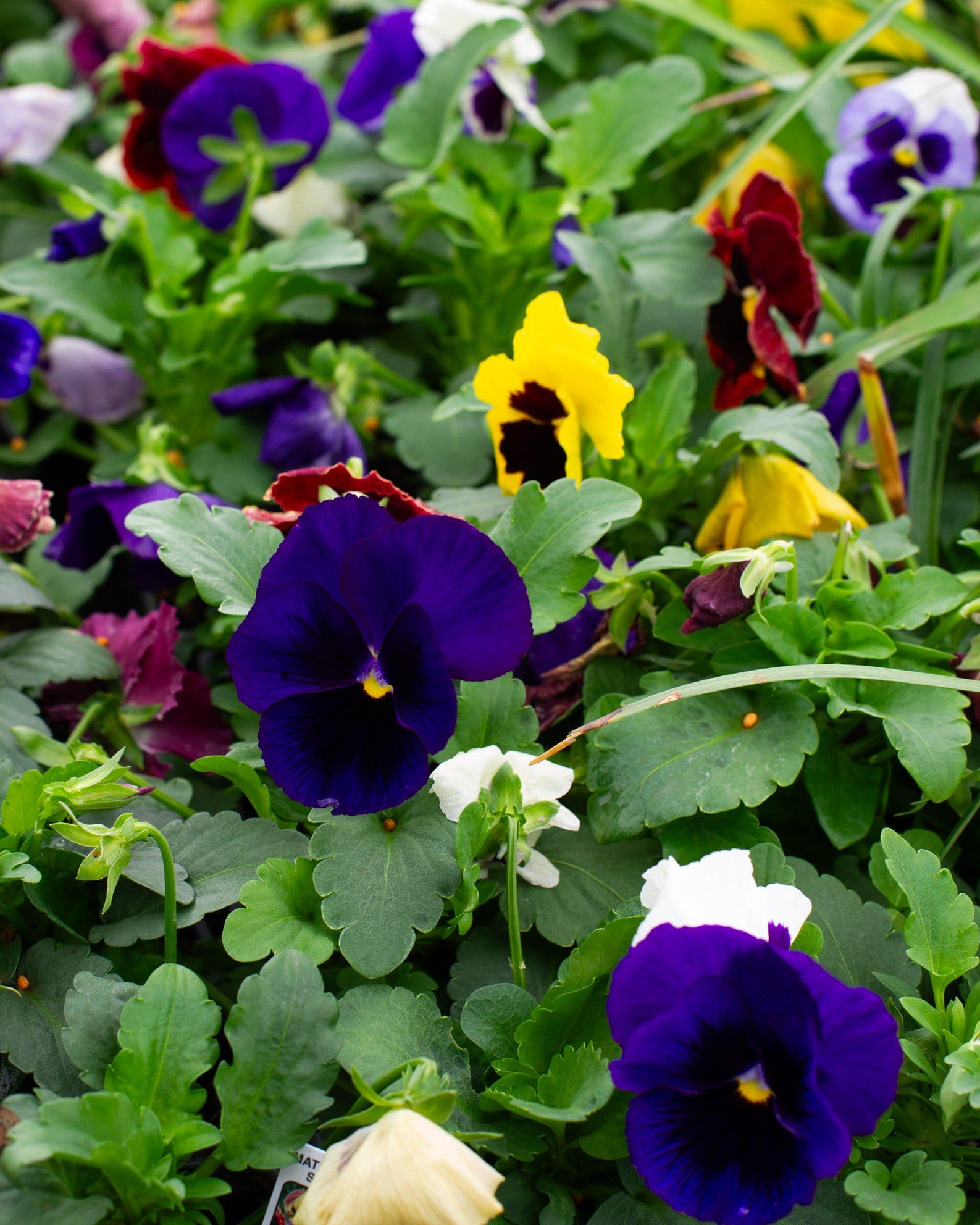
Matrix Blotch Mix Pansy
Maturity: 0.75' H x 0.75' W
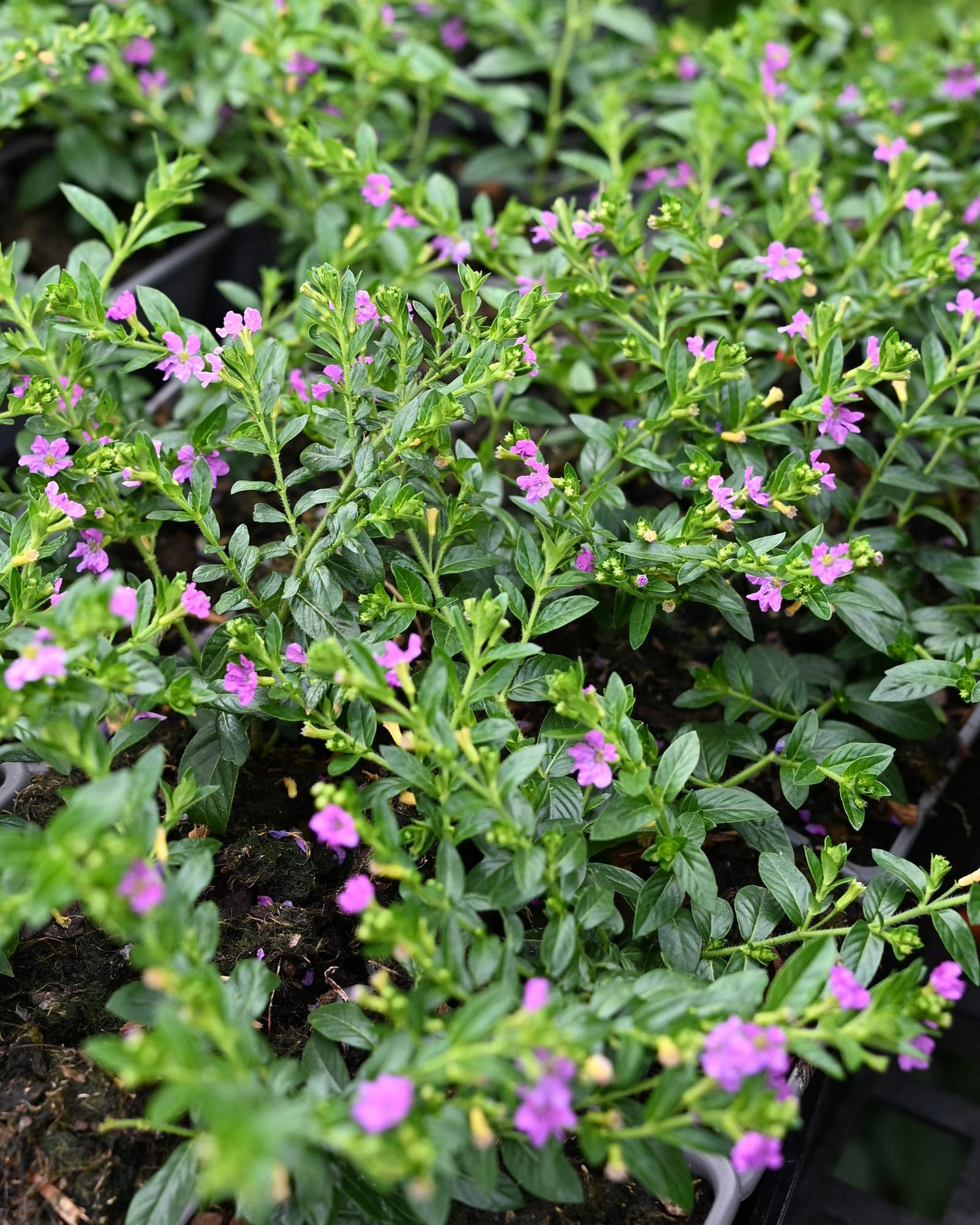
Allyson Mexican Heather Cuphea
Maturity: 1' H x 1.25' W
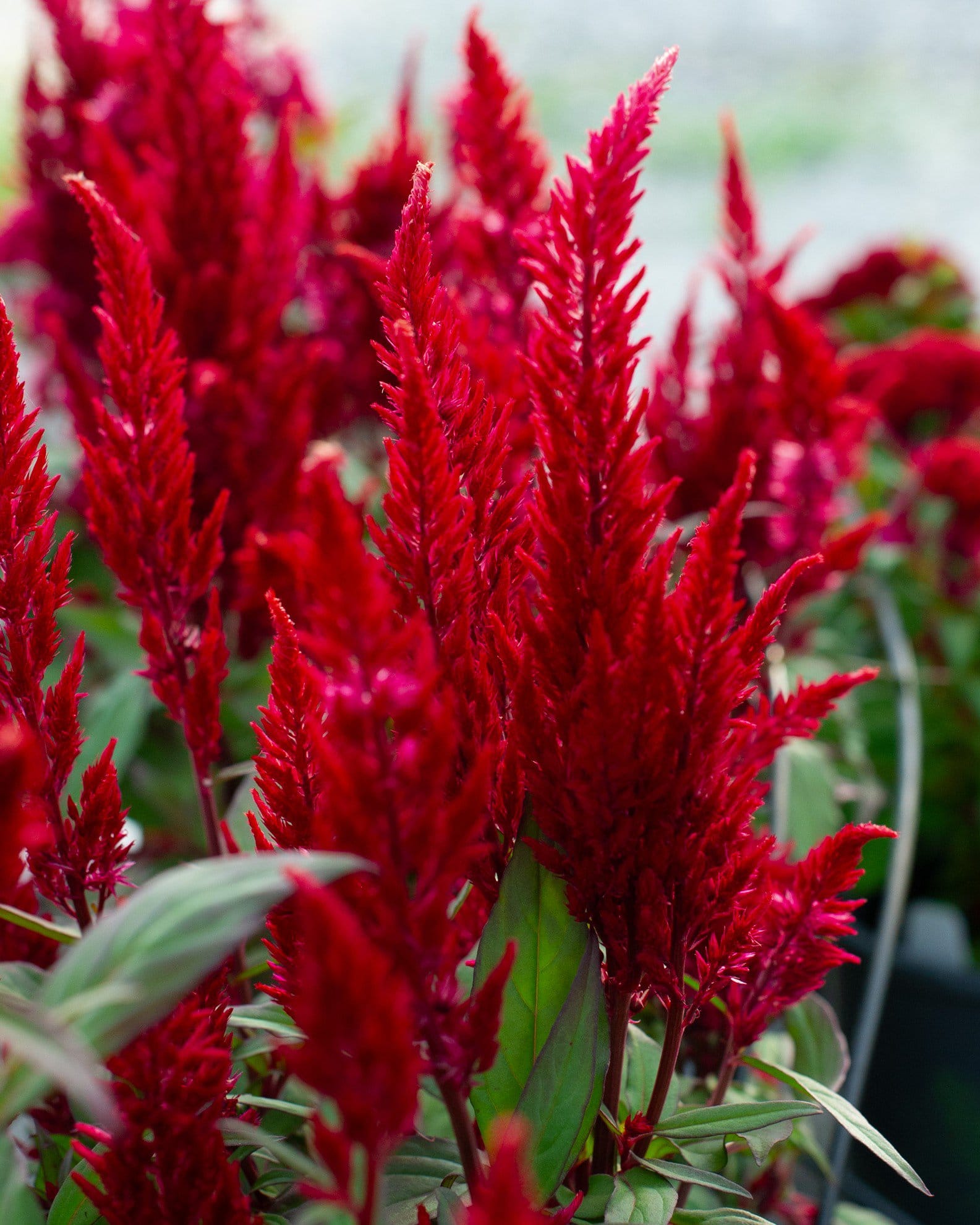
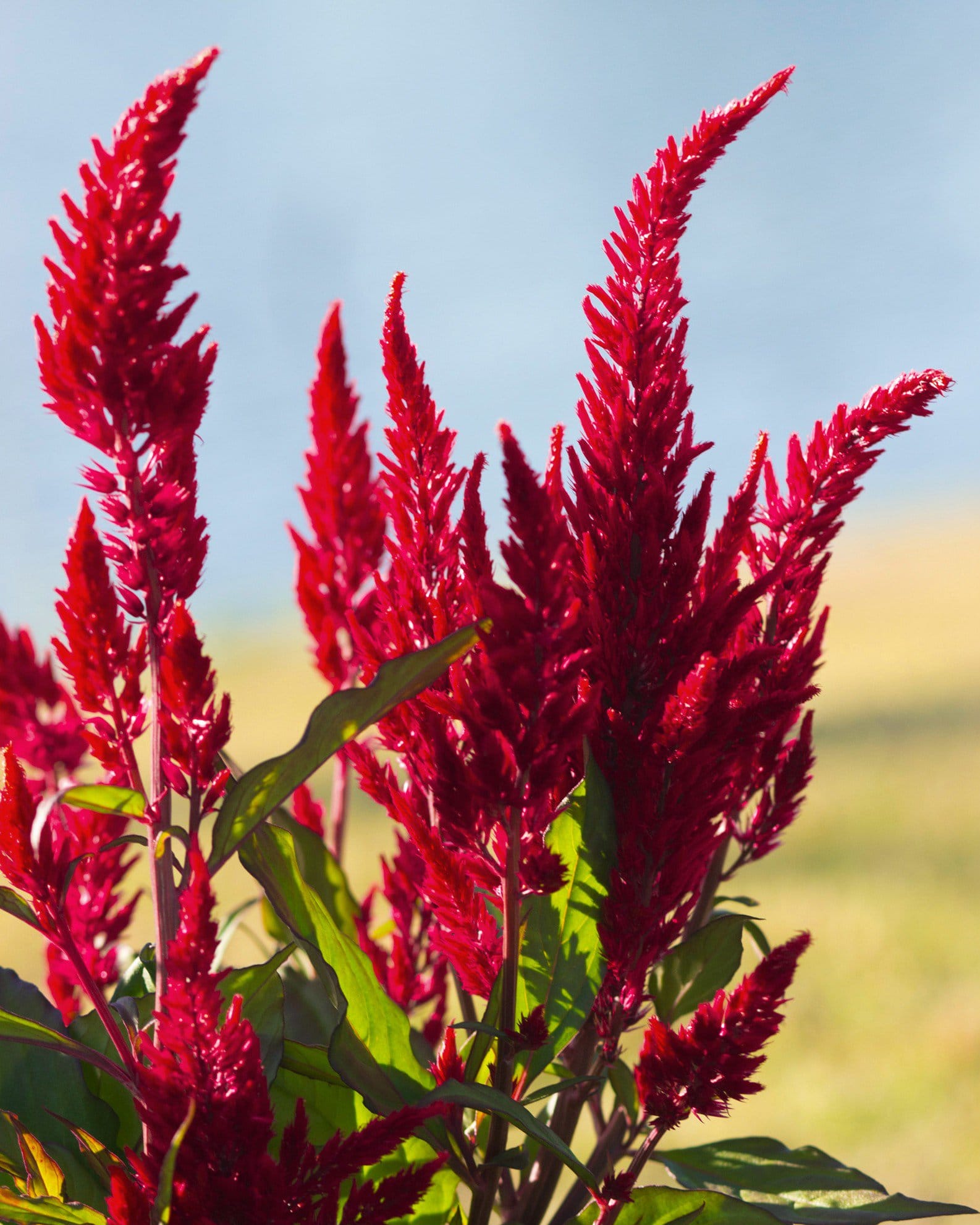
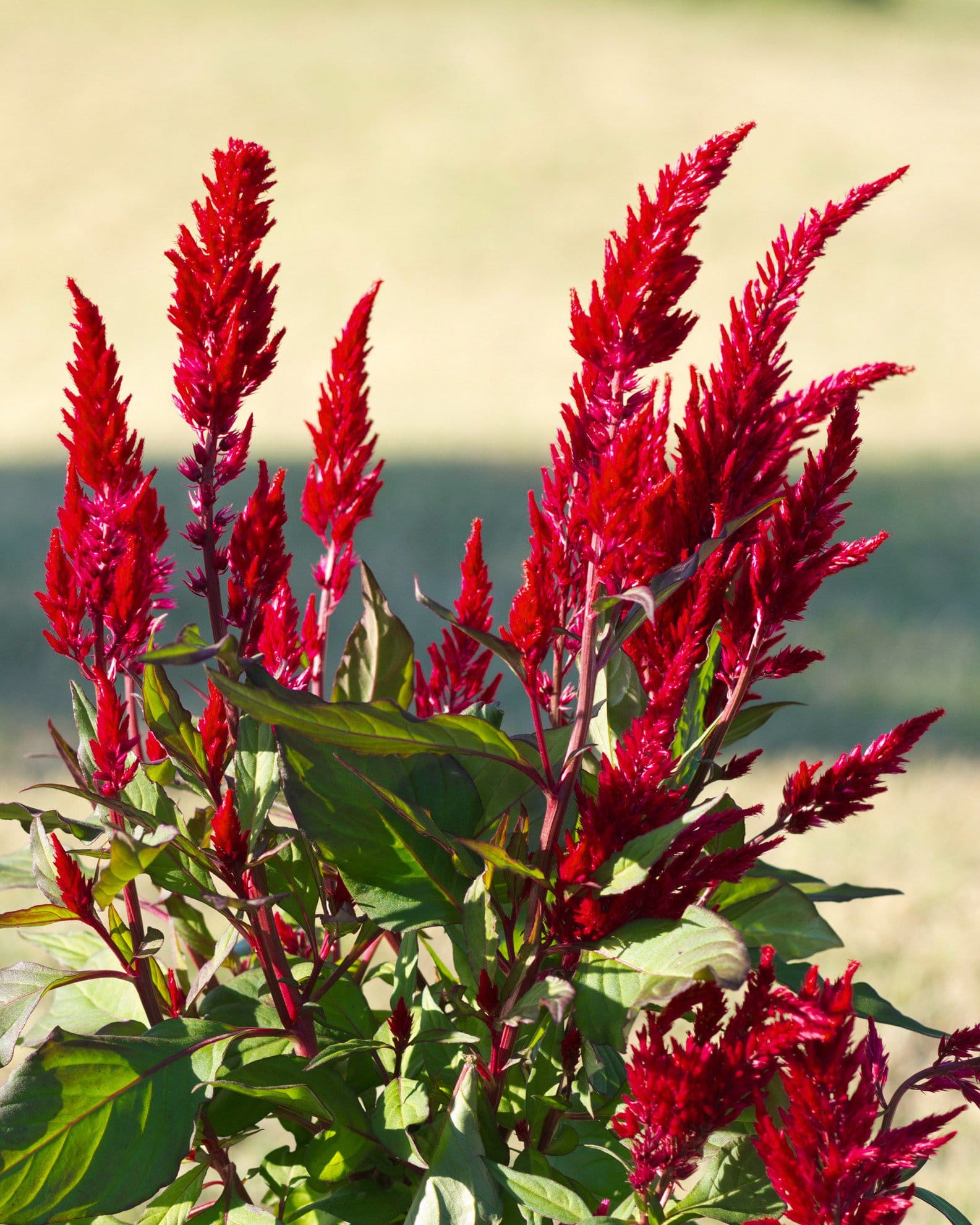
Bright Sparks Burgundy Celosia
Maturity: 1' H x 1' W
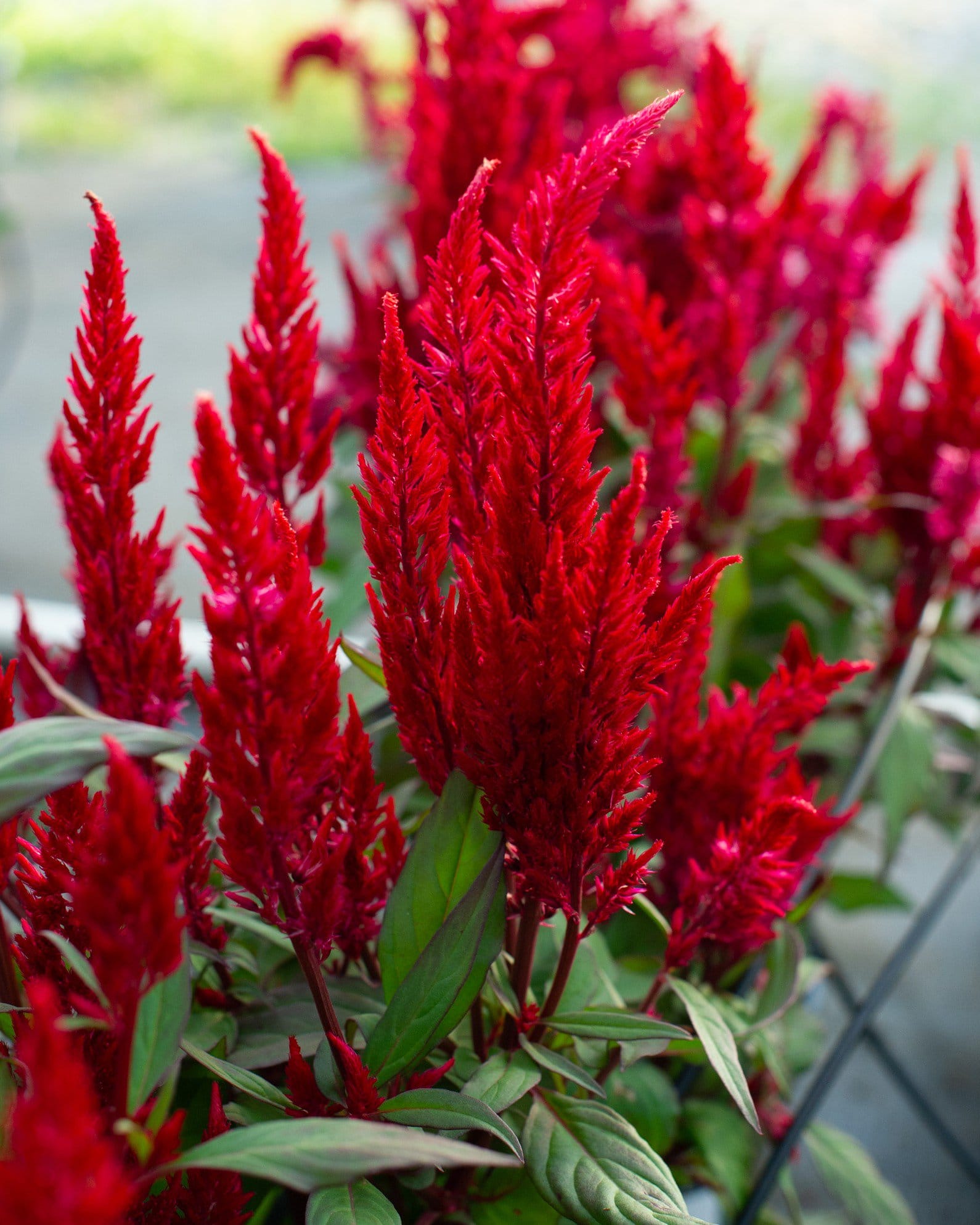
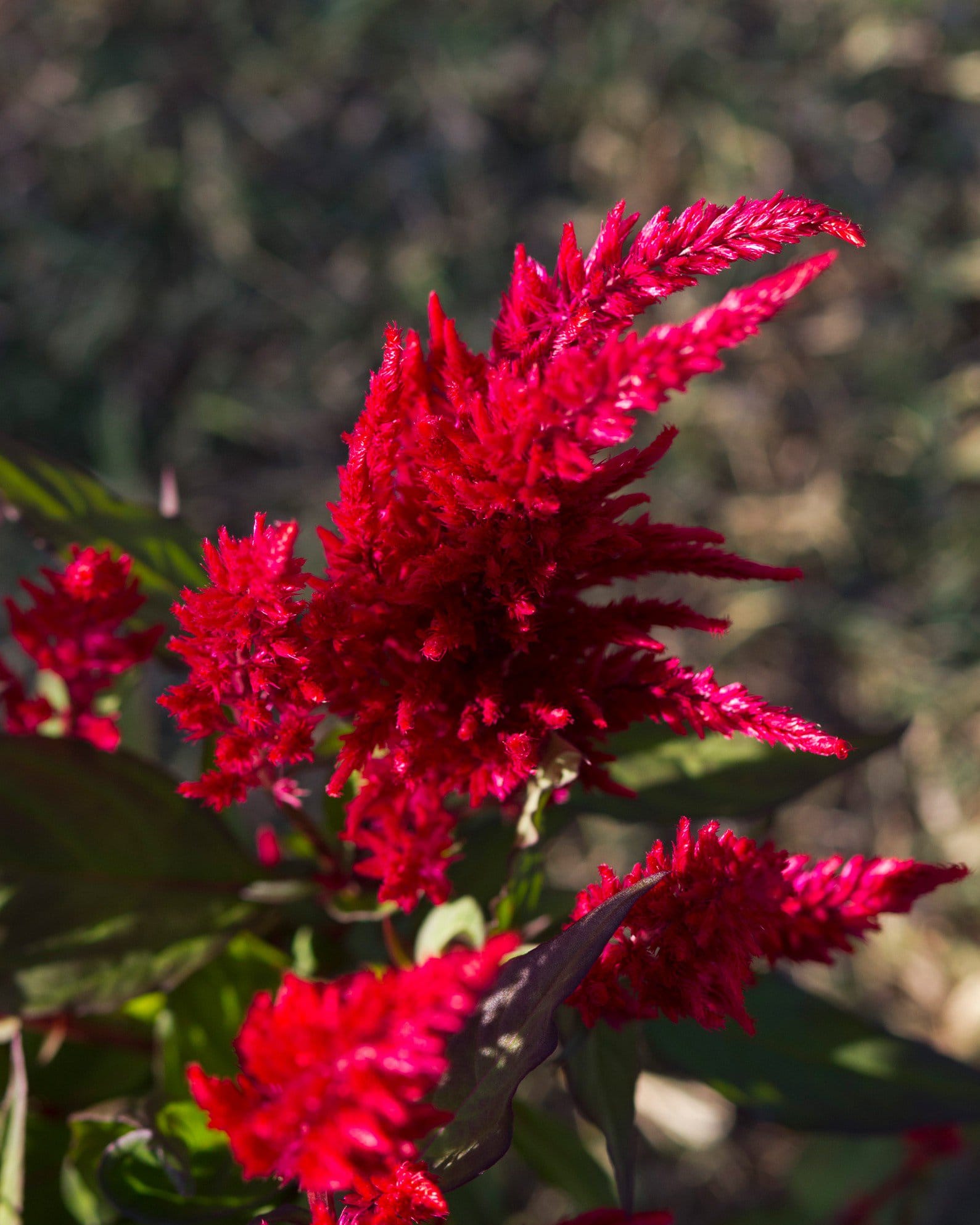
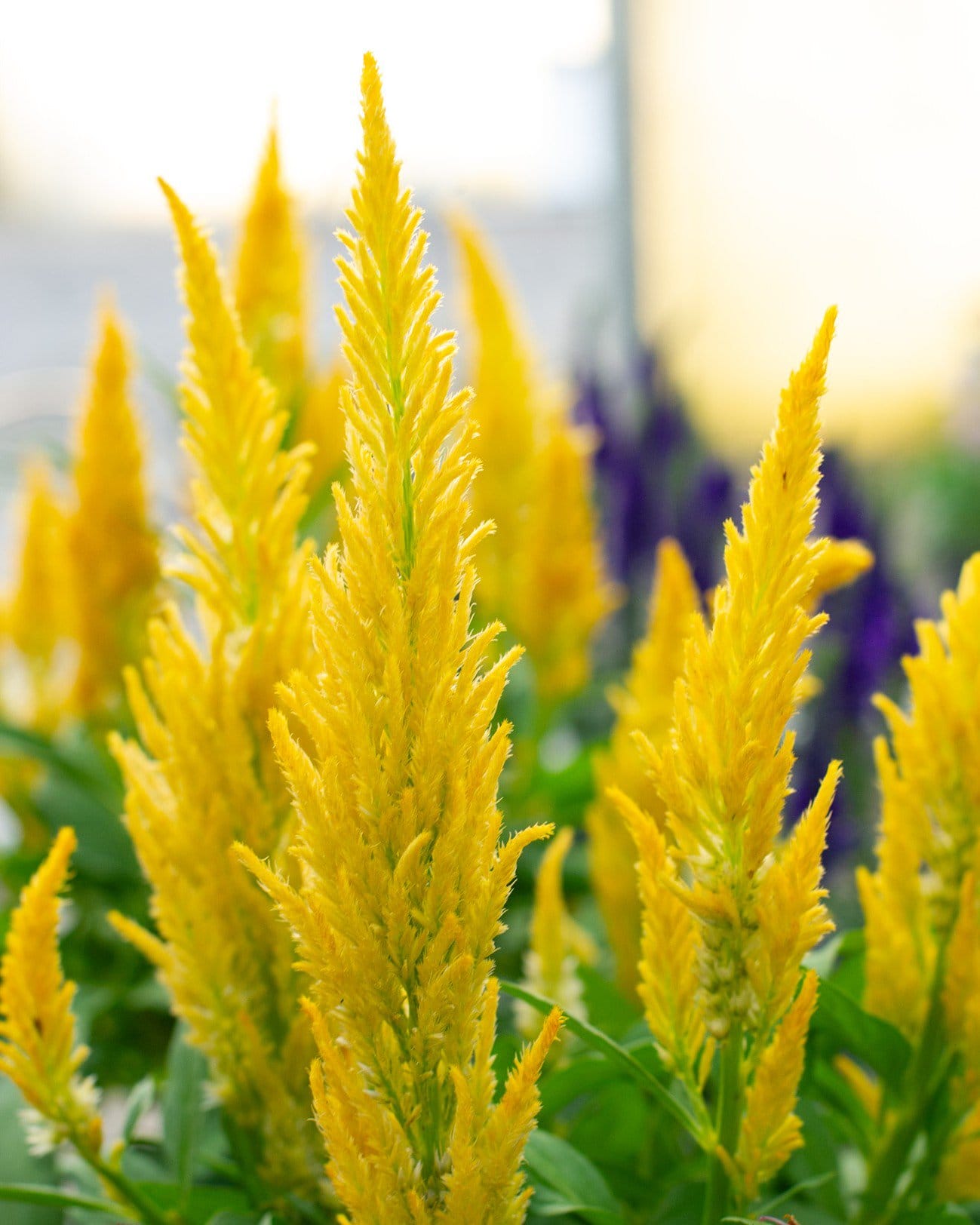
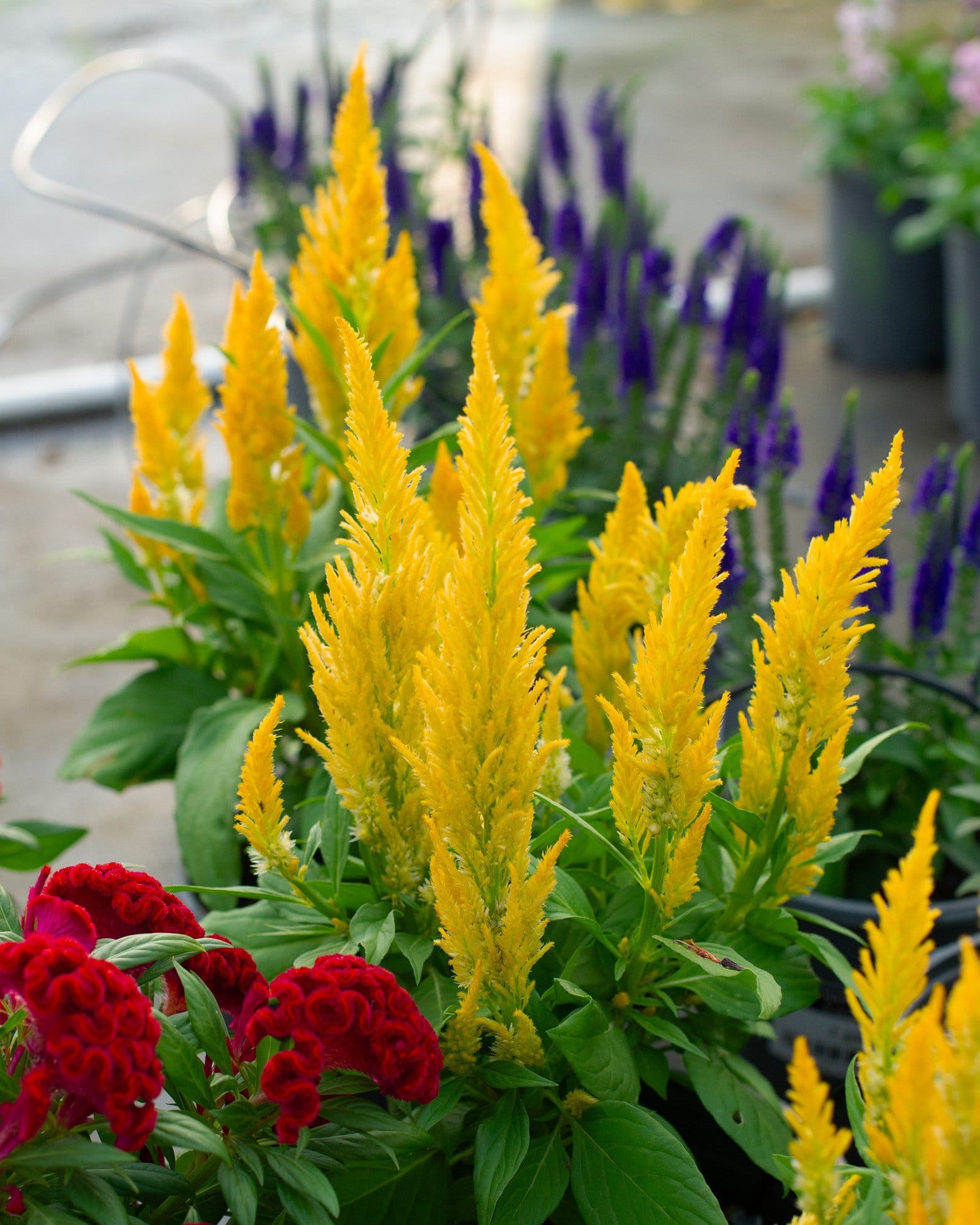
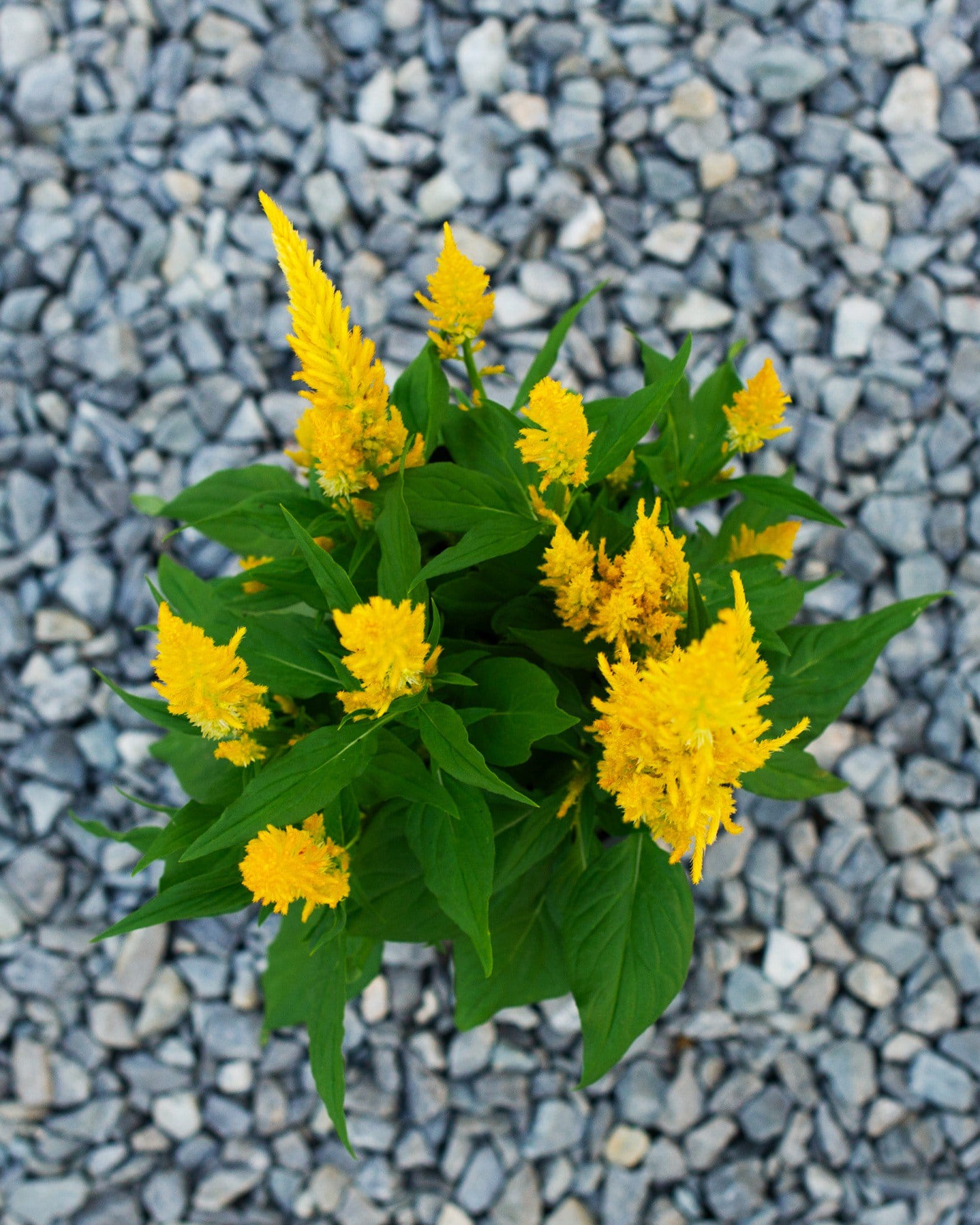
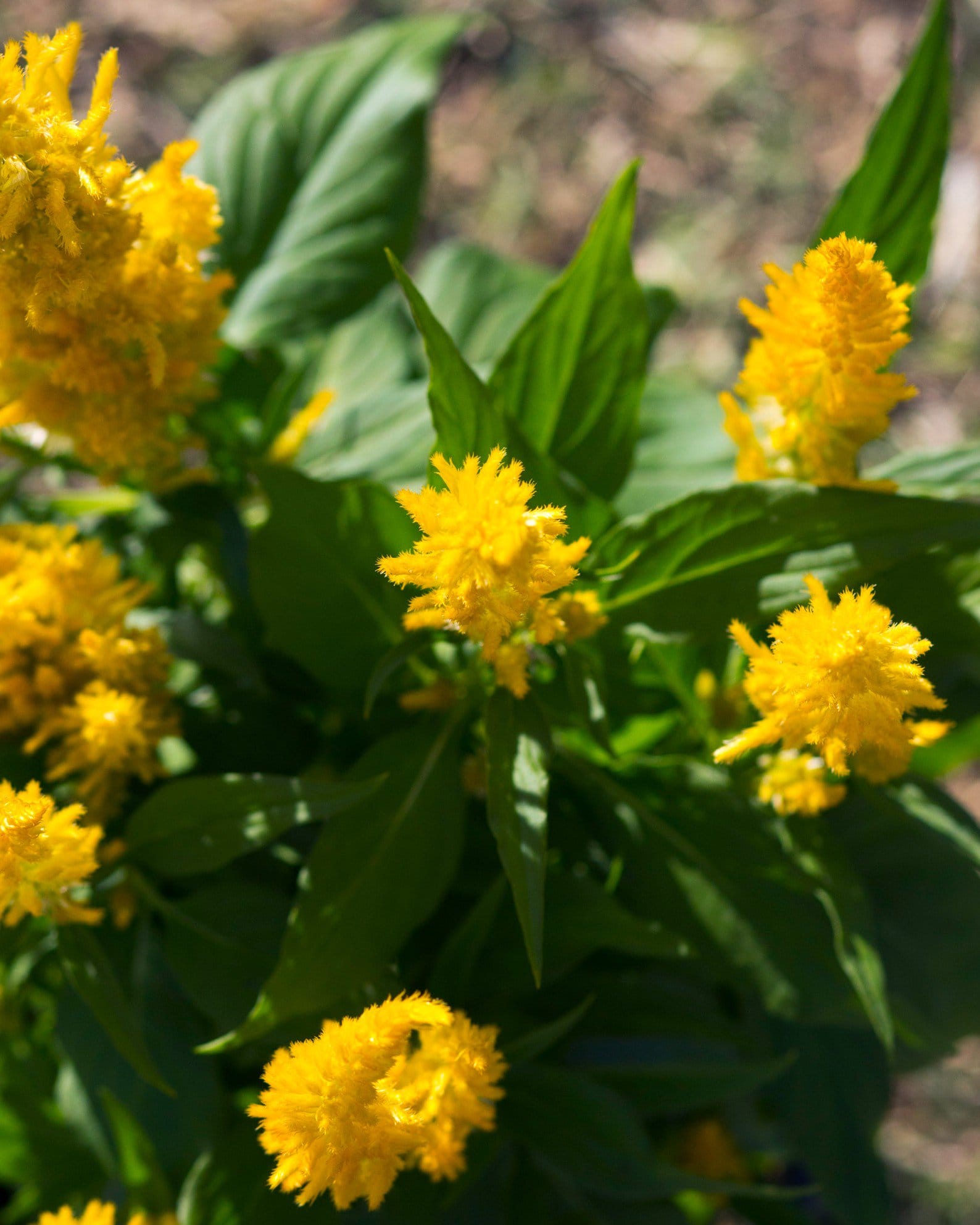
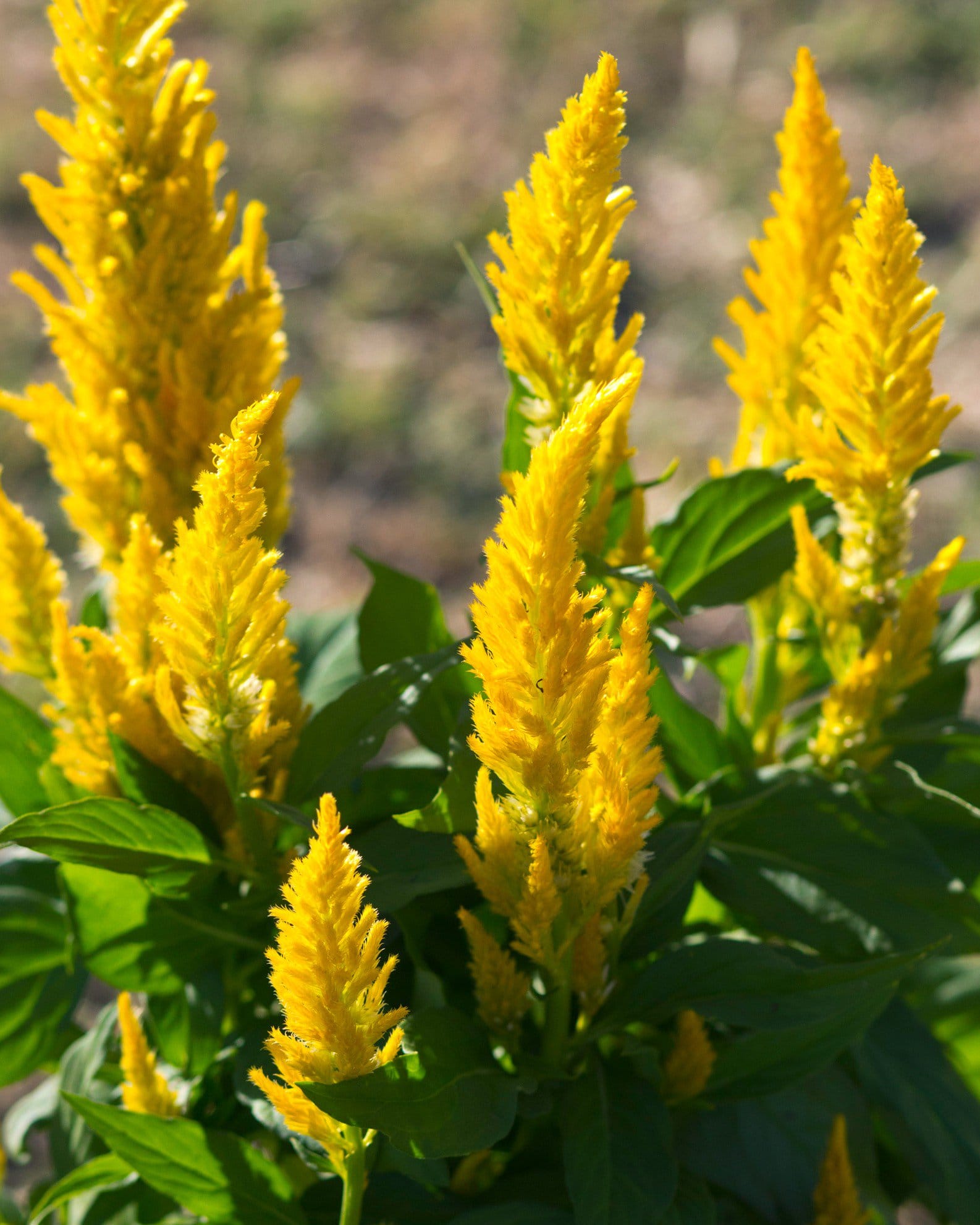
Bright Sparks Yellow Celosia
Maturity: 1' H x 1' W
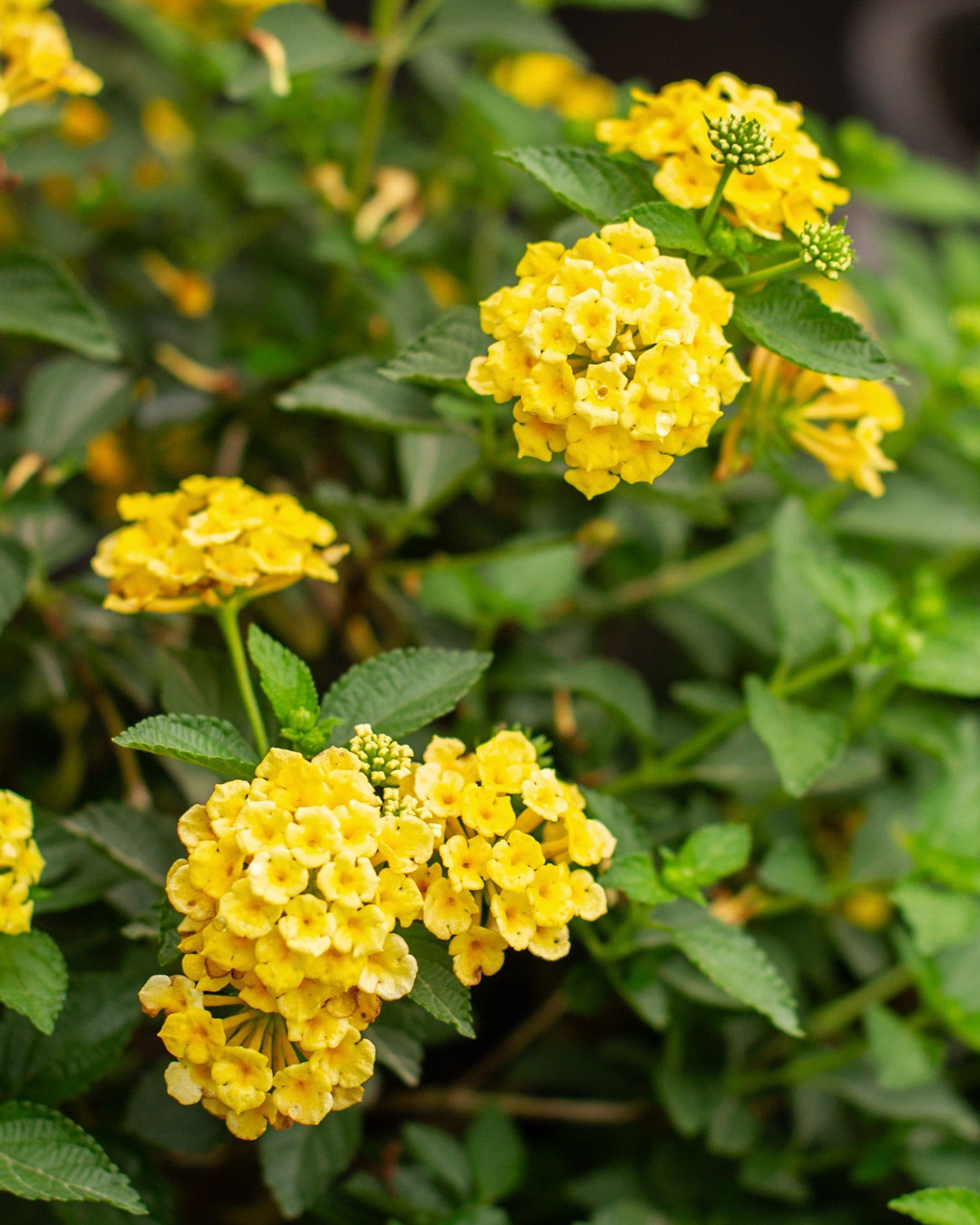
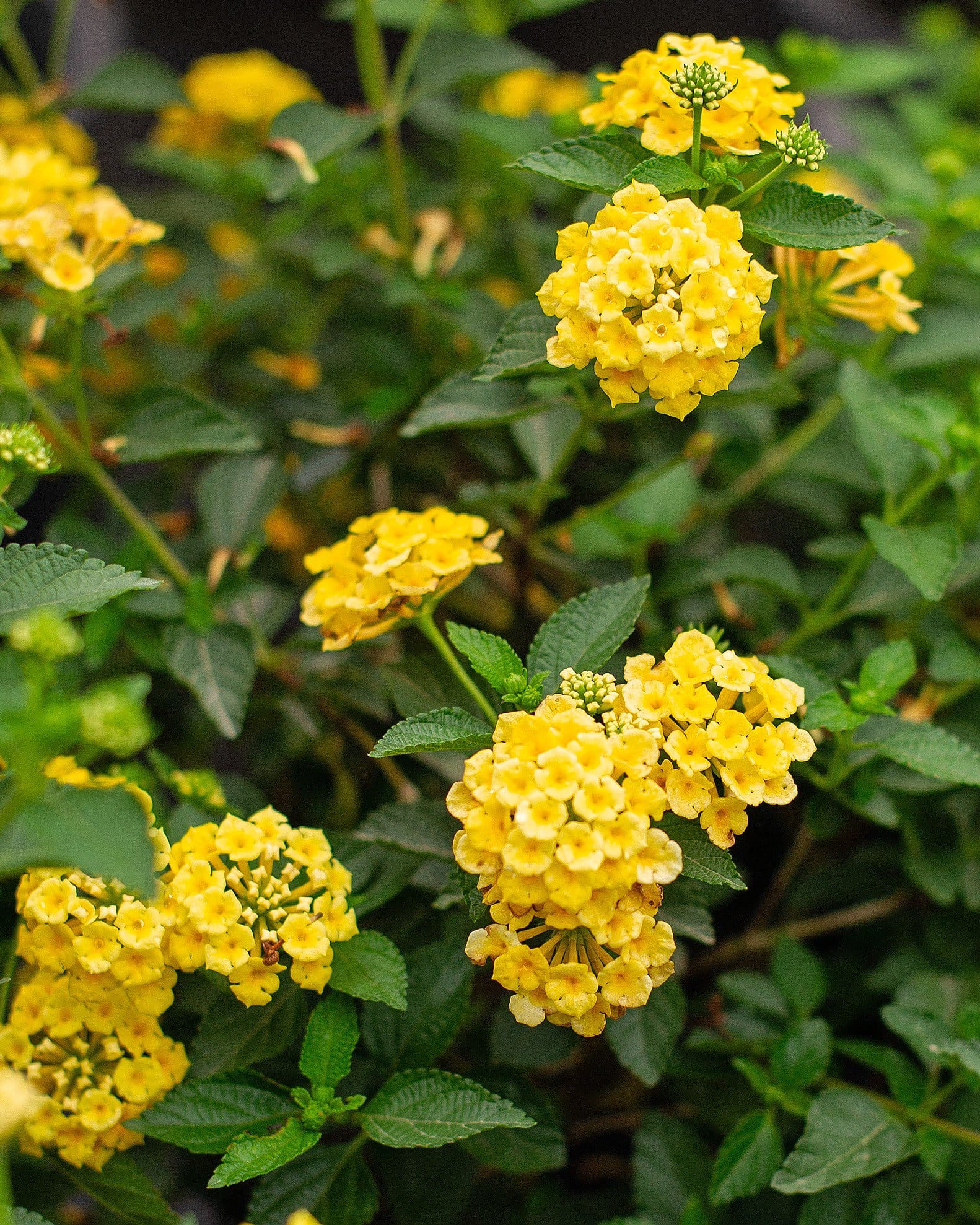
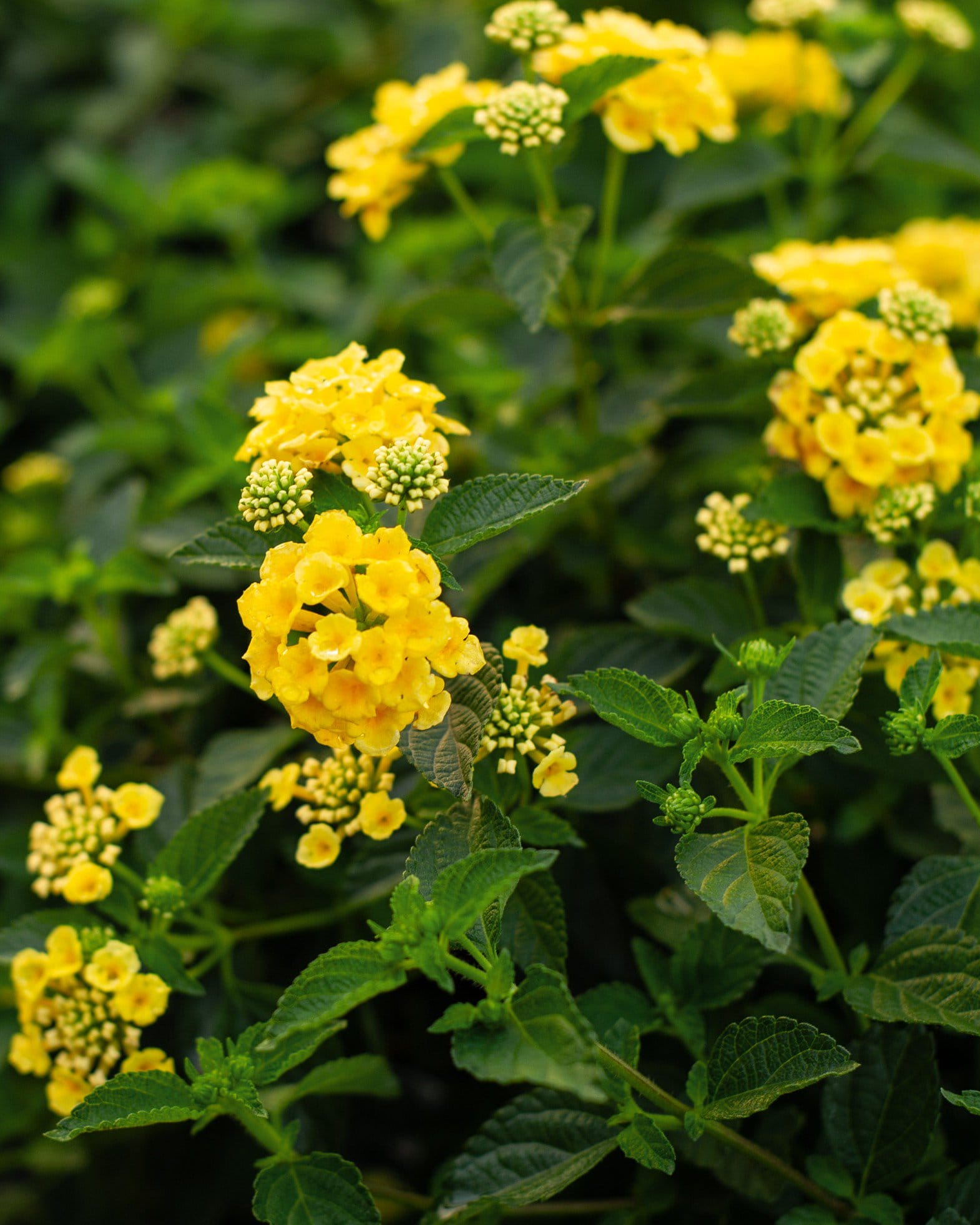
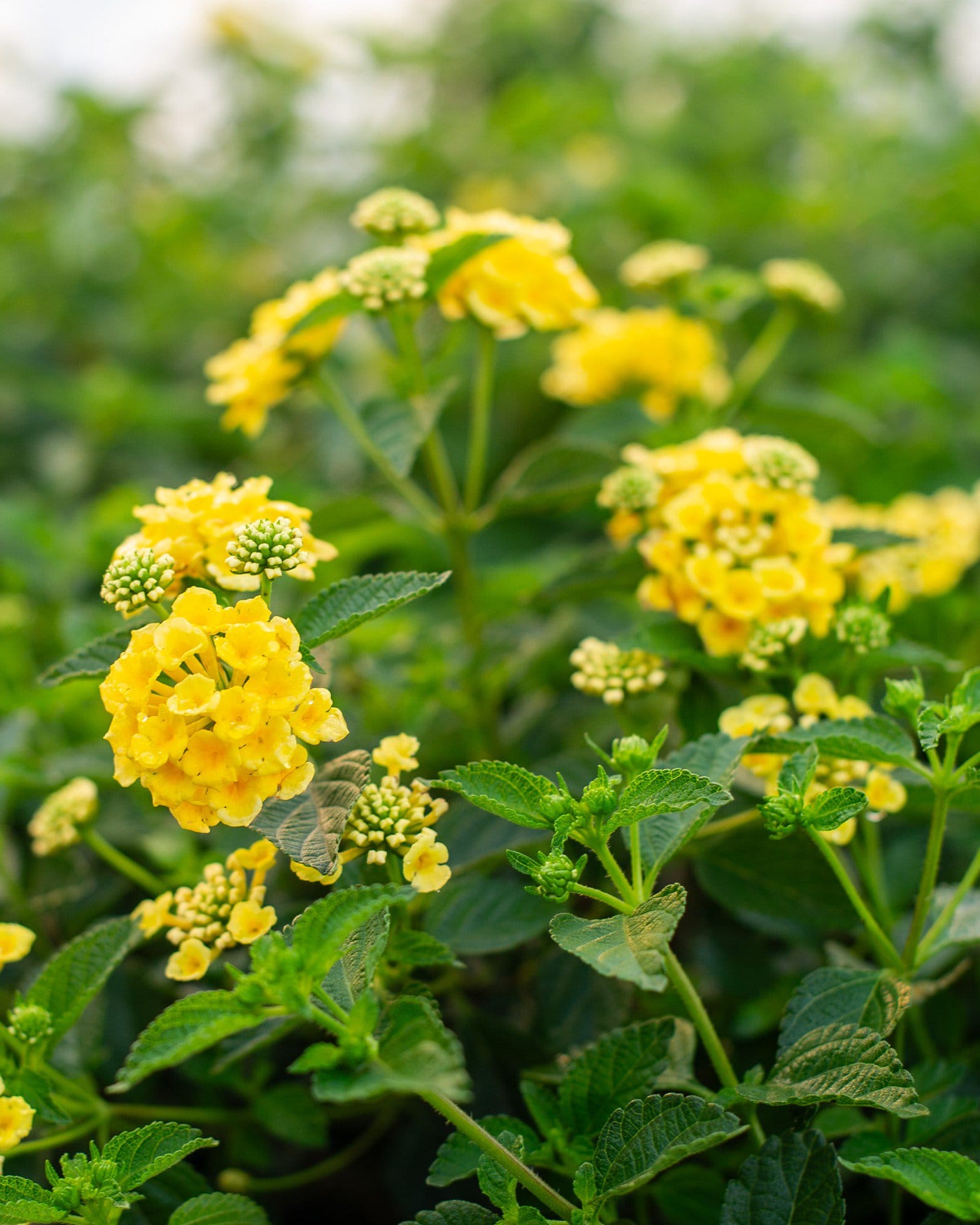
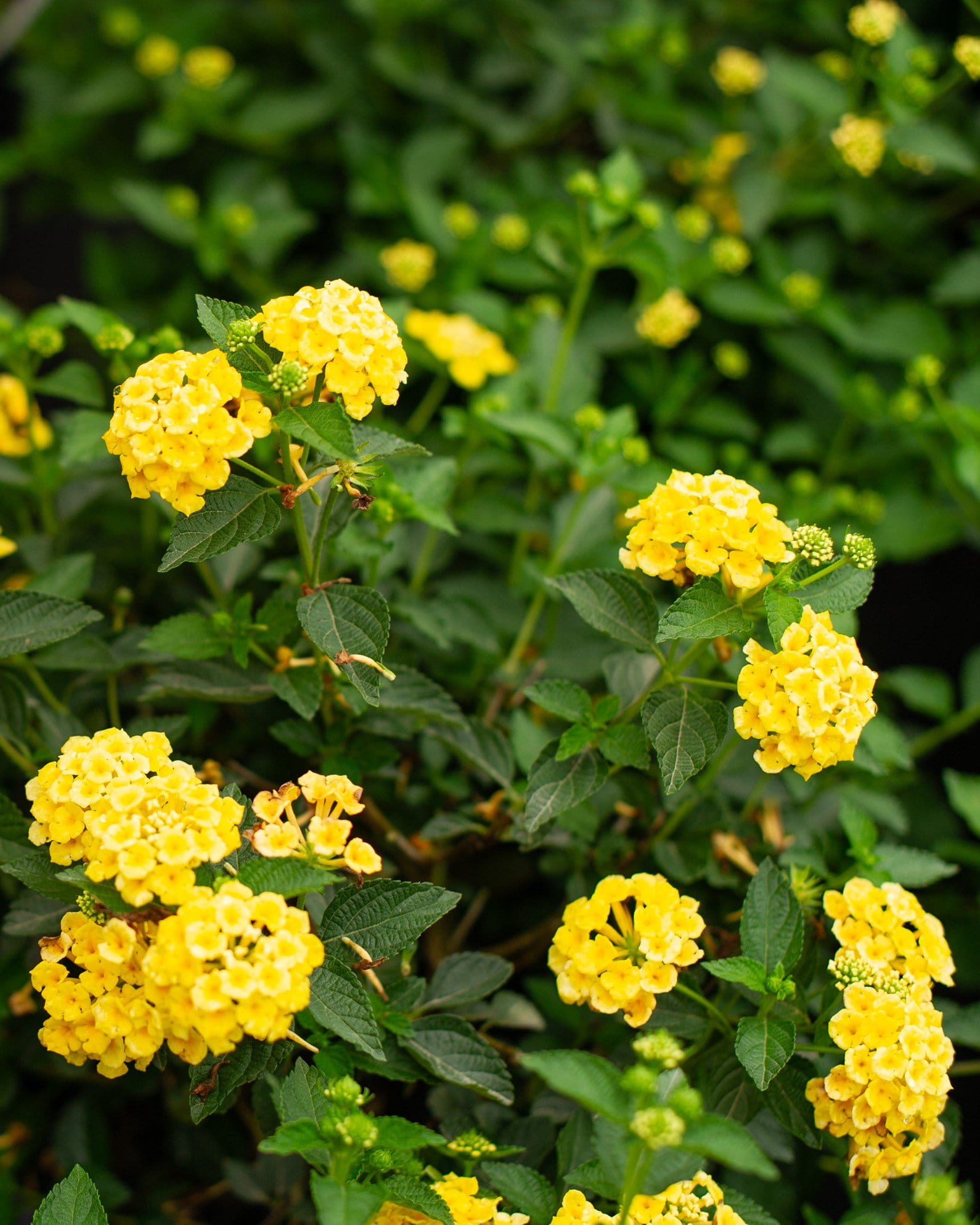
Chapel Hill Yellow Lantana
Maturity: 1.5' H x 2' W
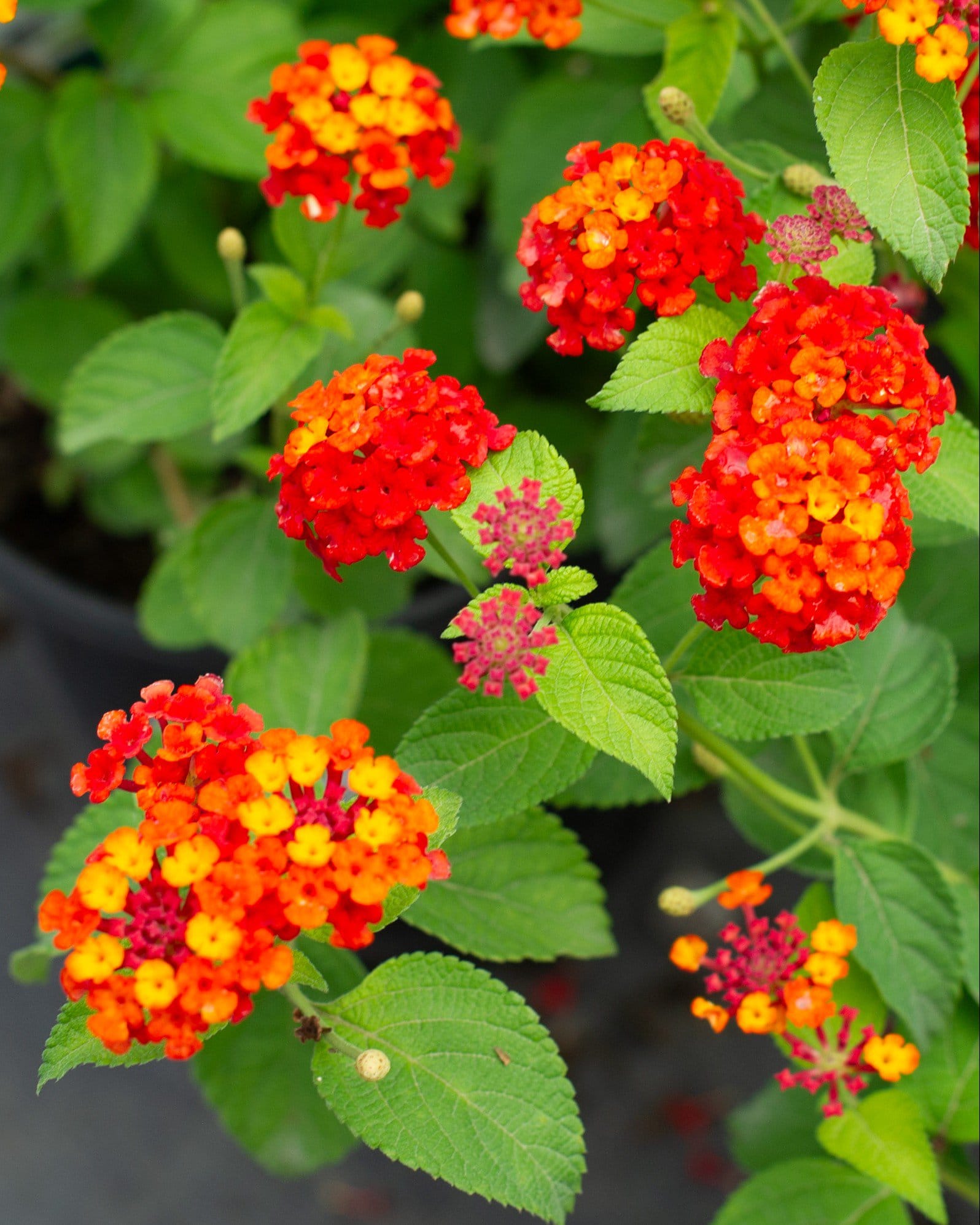
Dallas Red Lantana
Maturity: 3' H x 3' W
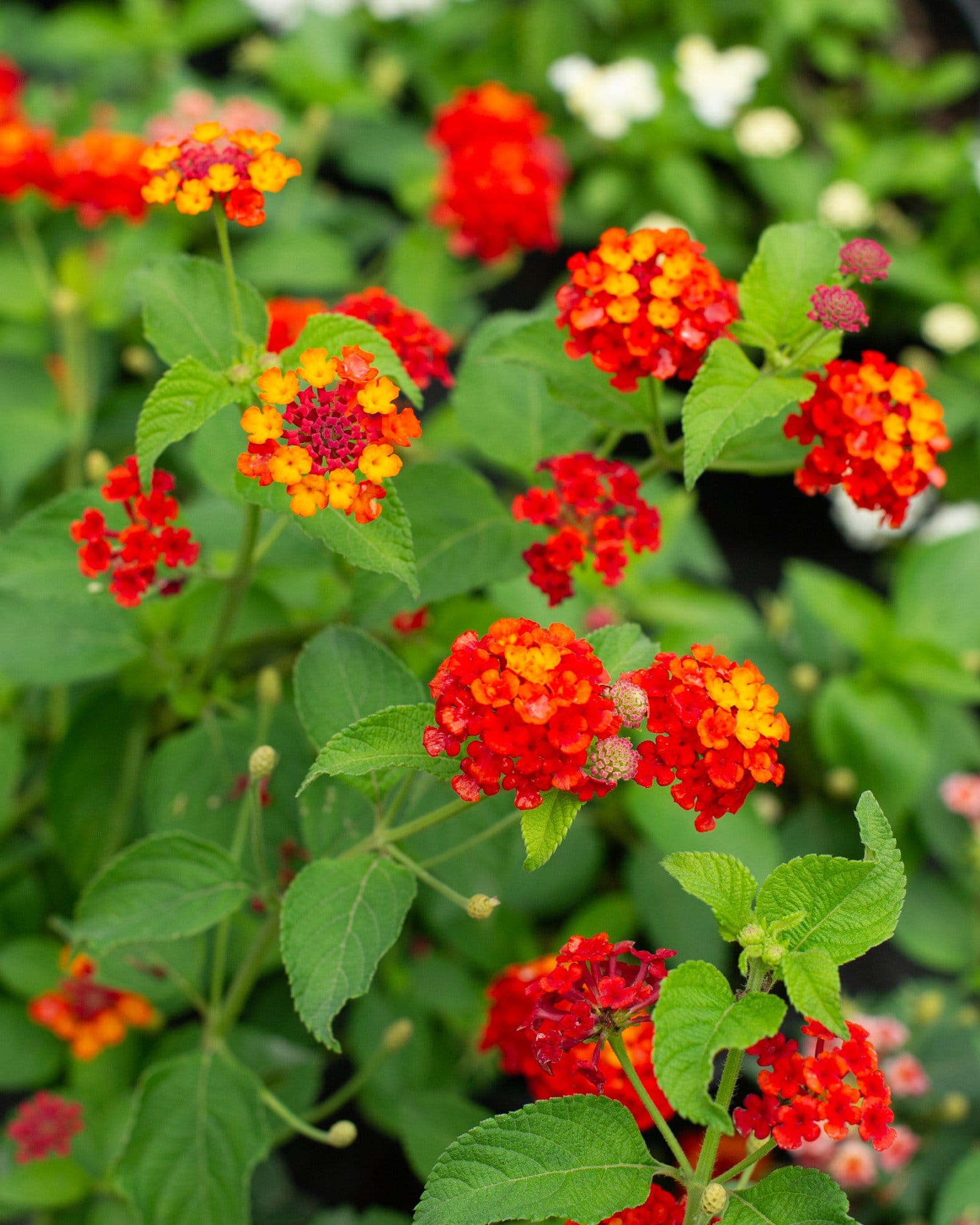
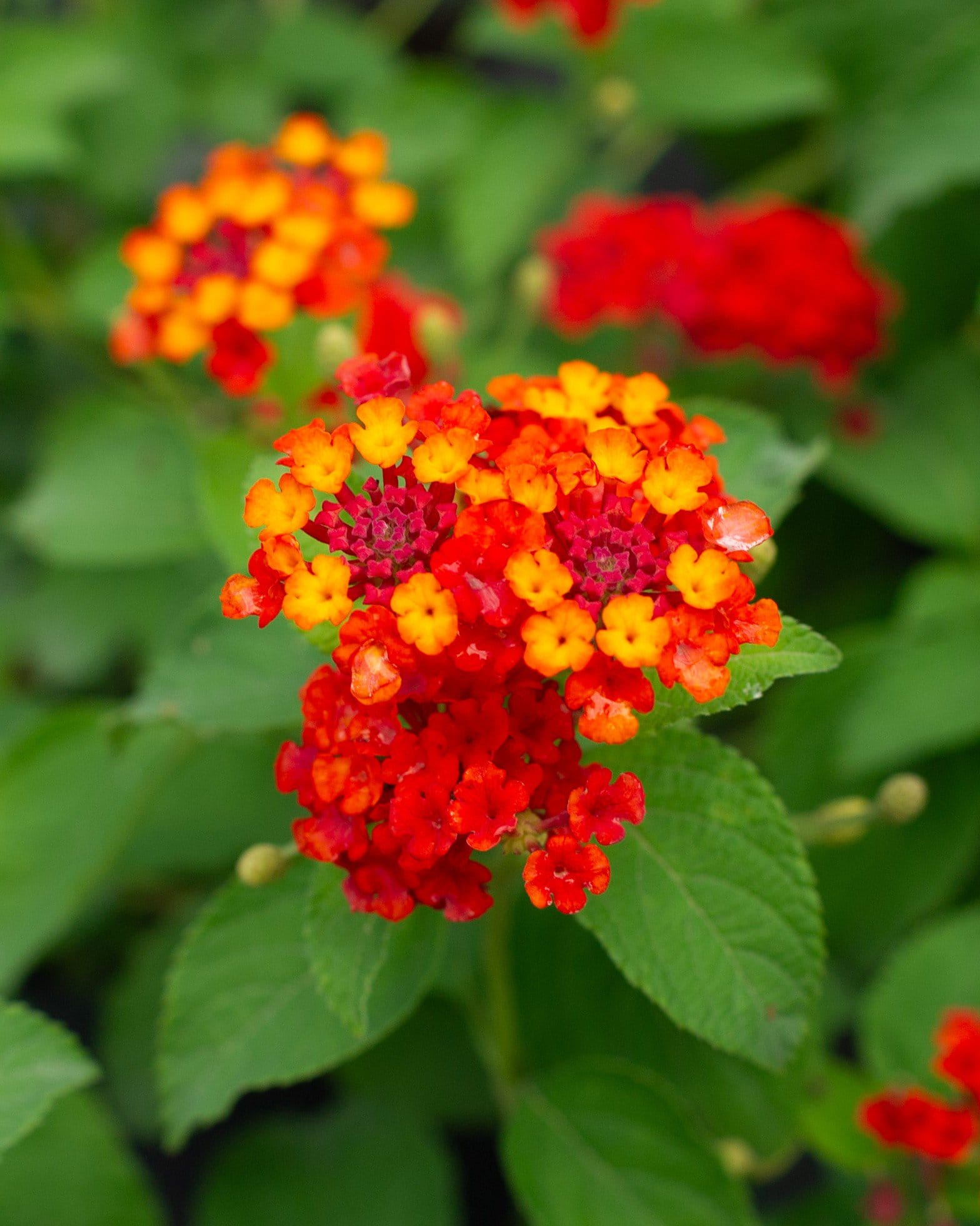

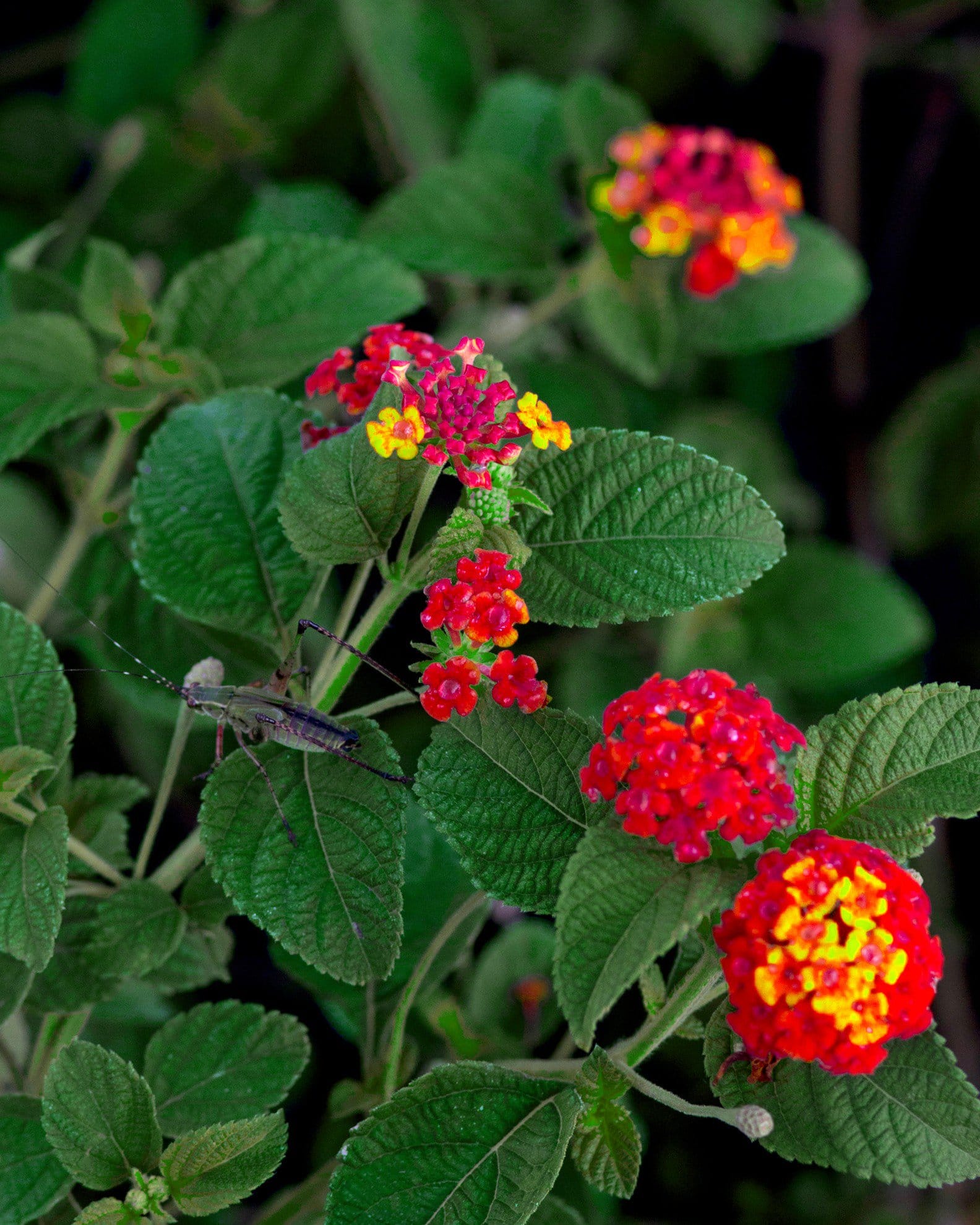
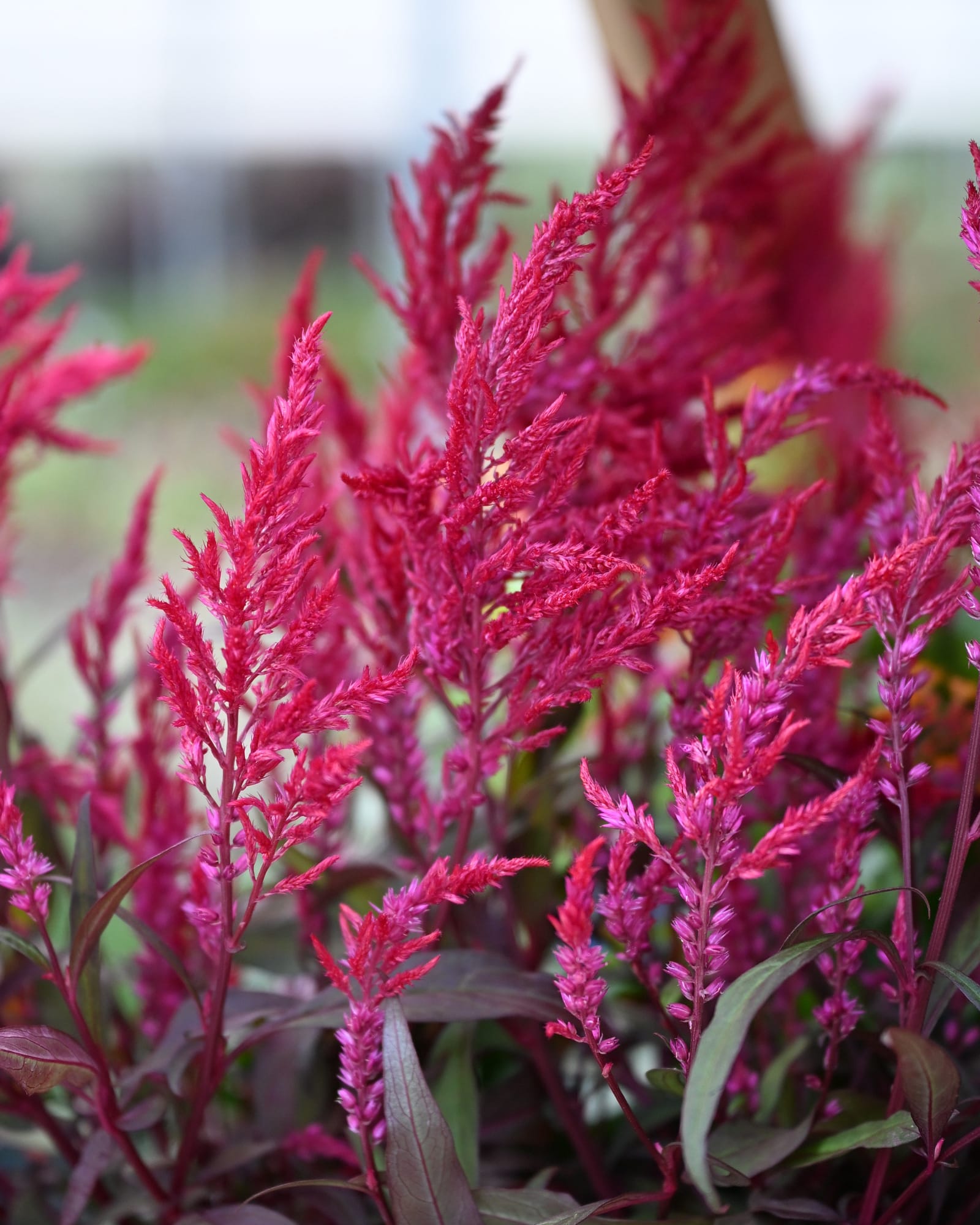
Dragon's Breath Celosia
Maturity: 2' H x 1.5' W
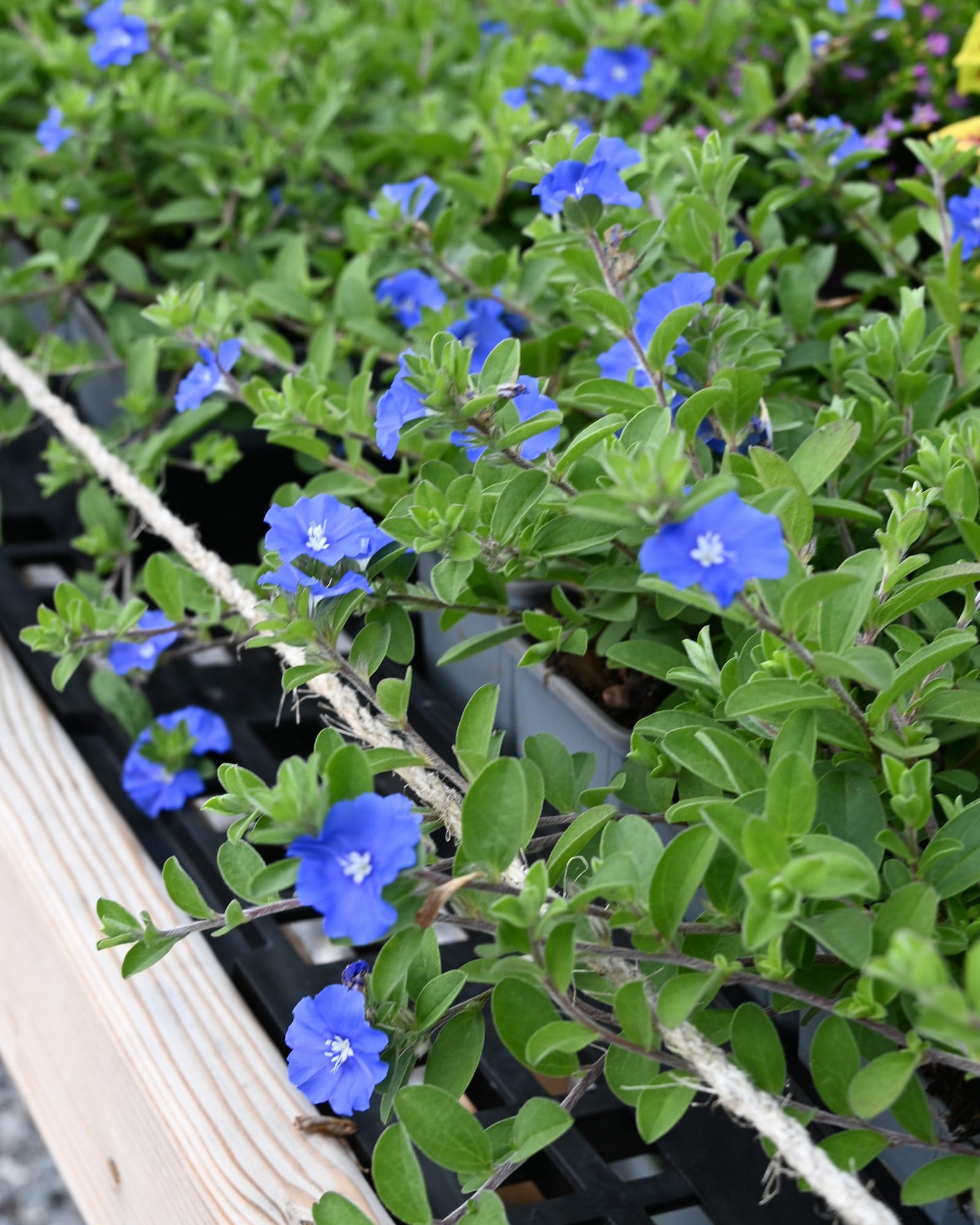
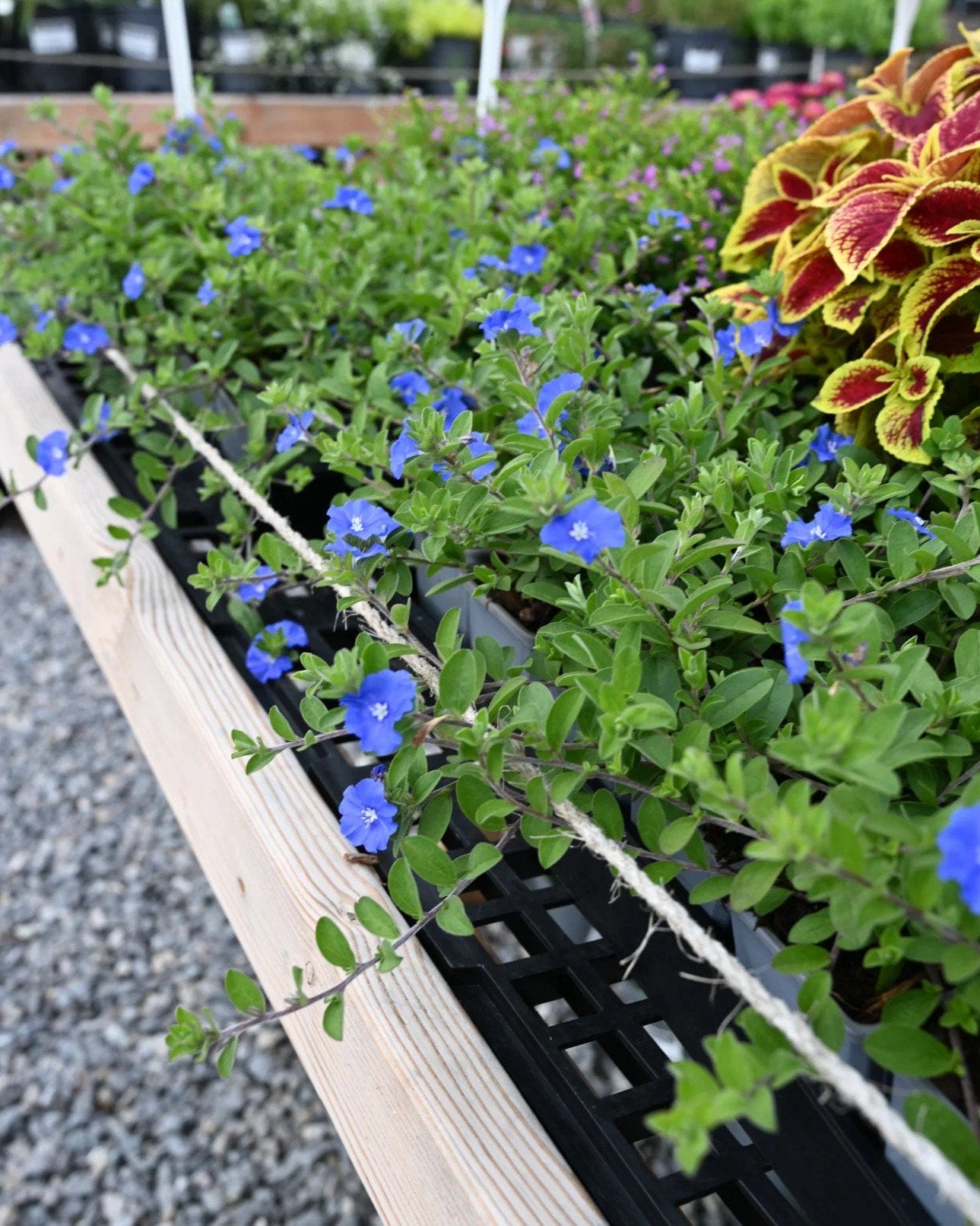
Dwarf Morning Glory
Maturity: 1' H x 2' W
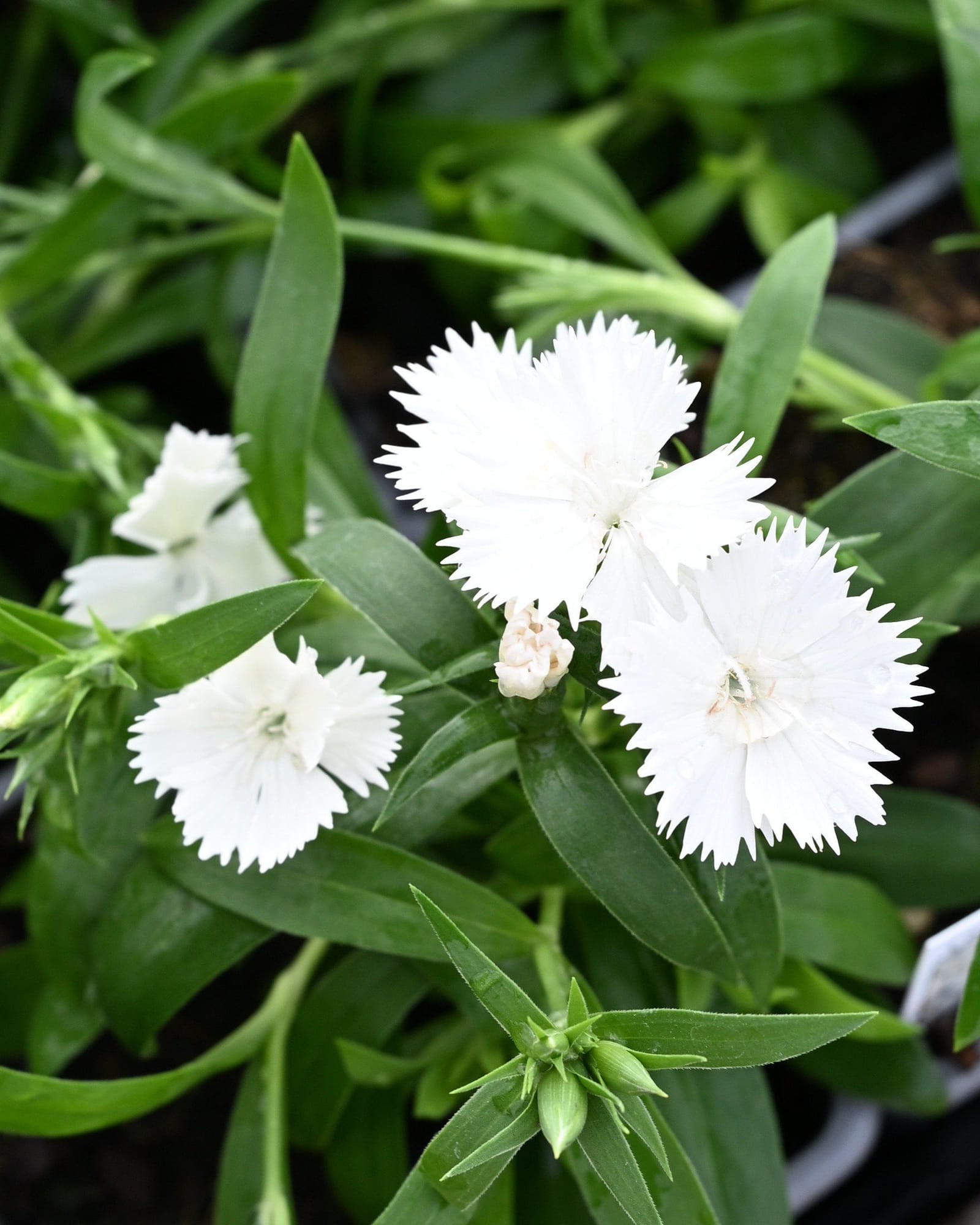
Floral Lace White Dianthus
Maturity: 0.75' H x 0.75' W
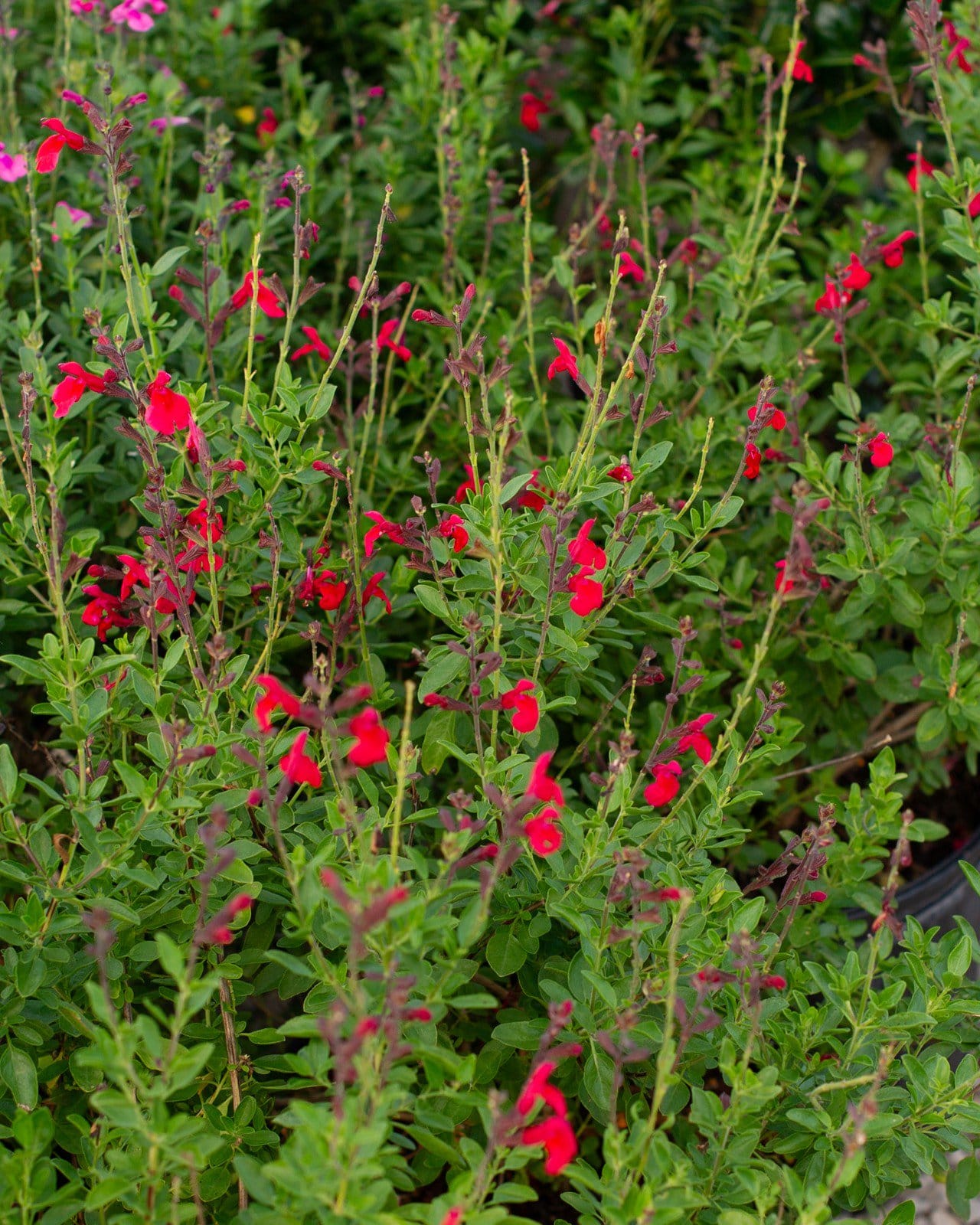
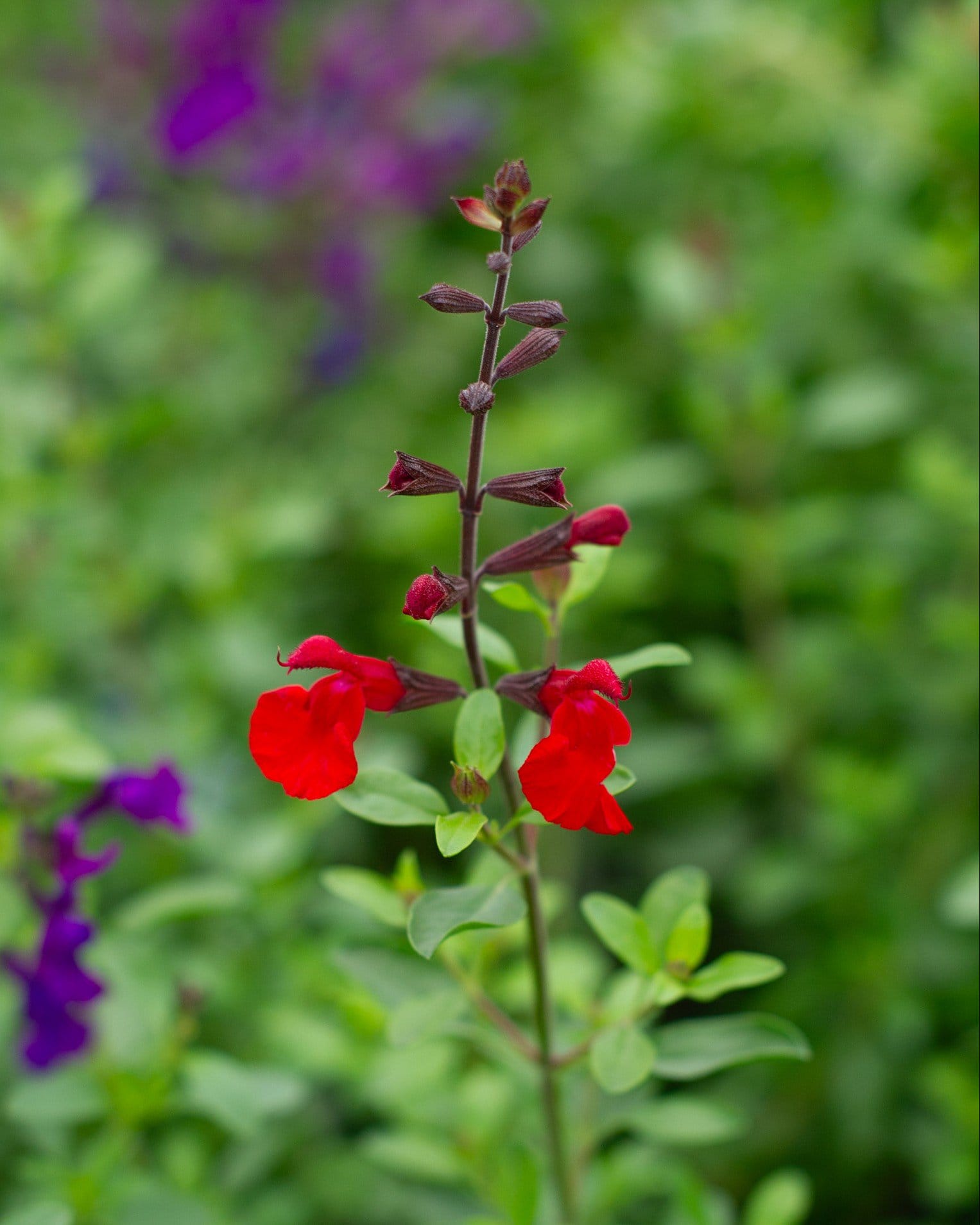
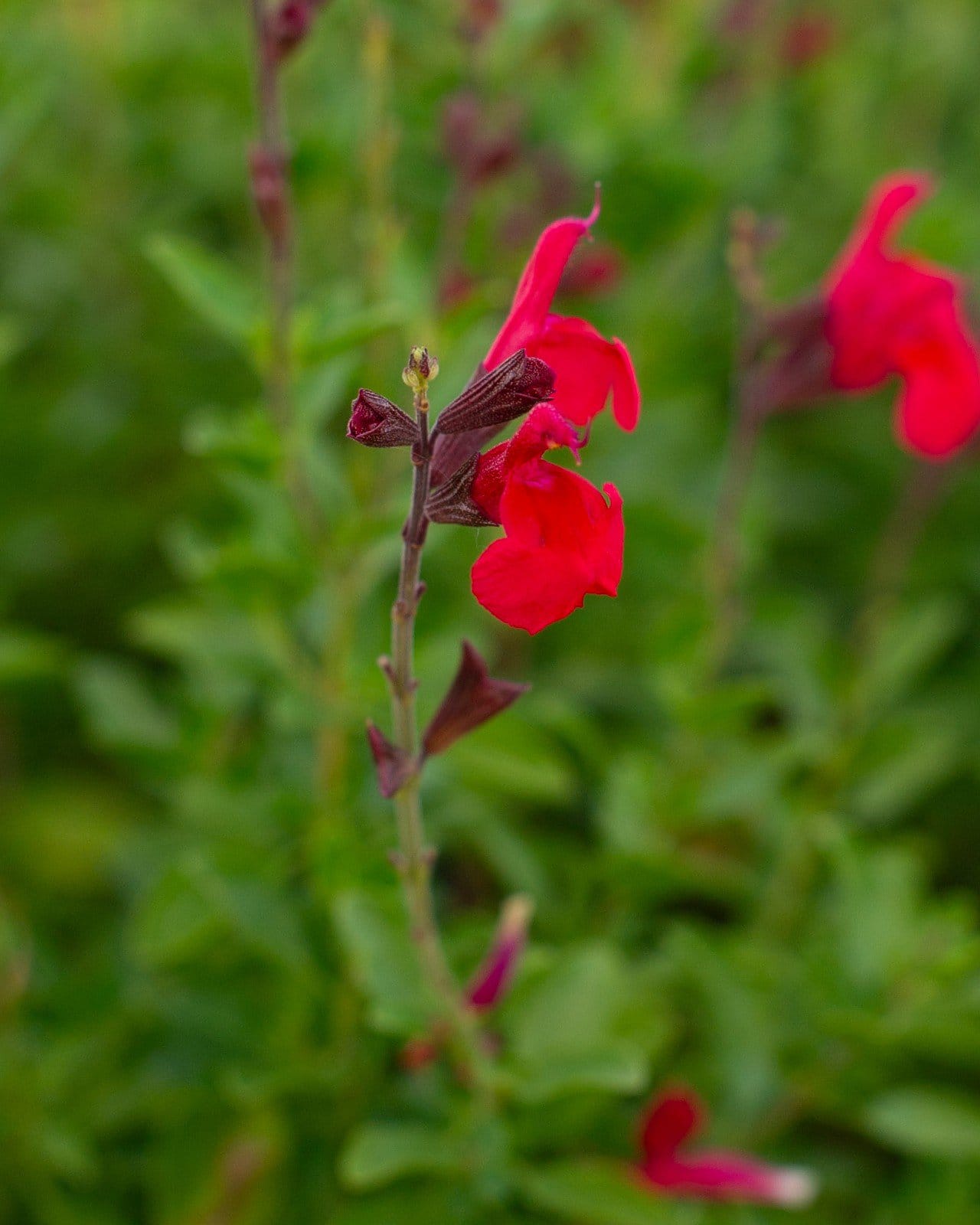
Furman's Red Salvia Greggii
Maturity: 3' H x 3' W
Compare Similar Plants
Tuscan Blue Rosemary This plant | ||
|---|---|---|
| Scientific Name | Rosmarinus officinalis 'Tuscan Blue' | Rosmarinus officinalis 'Arp' |
| Size at Maturity | 5' H x 3' W | 6' H x 3' W |
| Leaf Retention | Herbaceous | Herbaceous |
| Flower Color | Blue | Blue |
| Bloom Times | Spring & Winter | Spring & Winter |
| Sizes Available | 1 gal | 1, 3 gal |


Our 1-Year Planting Guarantee
We take pride in our plants and installation services. If any plants or trees installed by Treeland fail to thrive within the first year, we'll provide a replacement credit in accordance with our guarantee program.
Learn More About Our Guarantee