
Pink Chinese Indigo
Indigofera decoraLocal DFW Delivery Only
Product Details
Pink Chinese Indigo
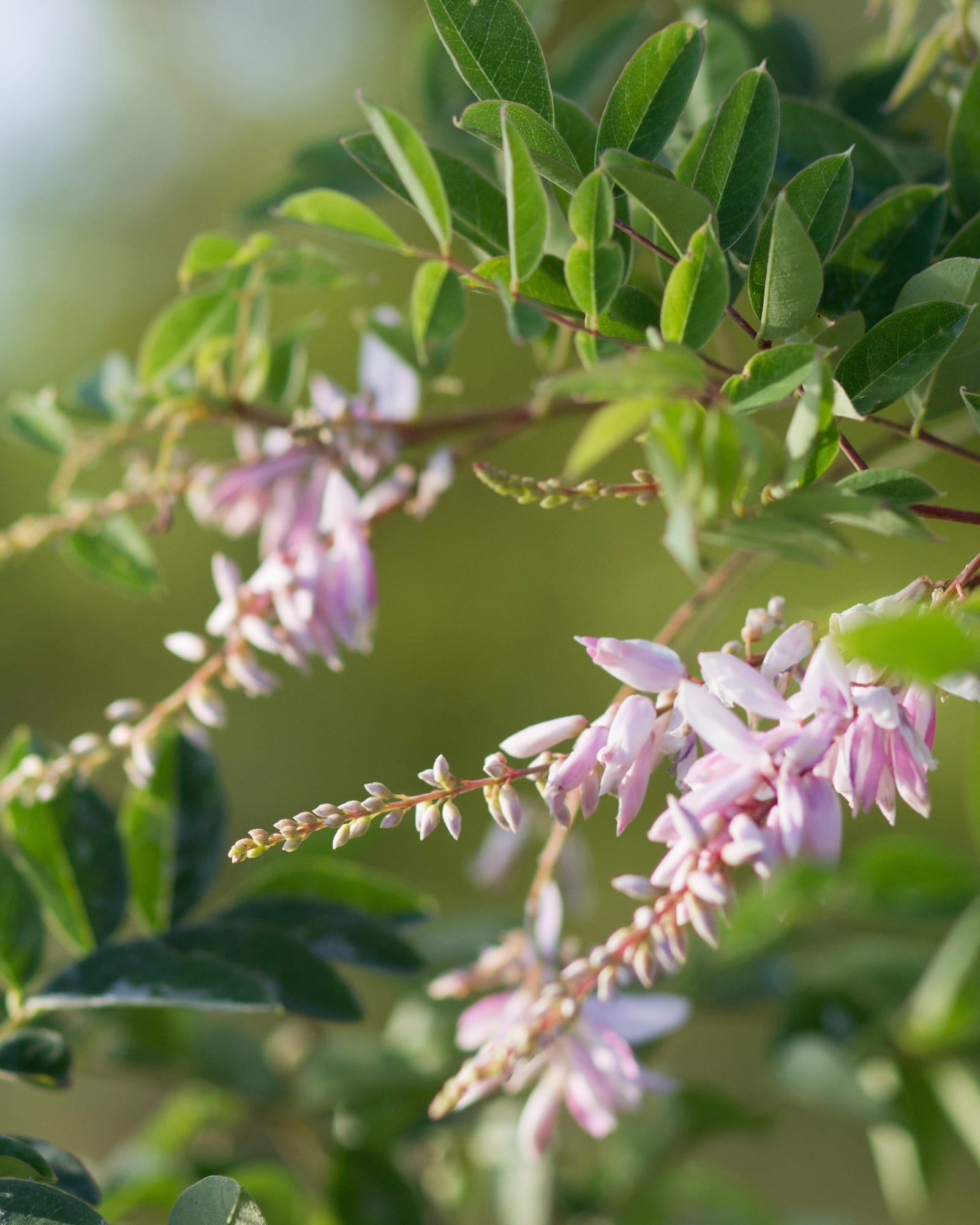
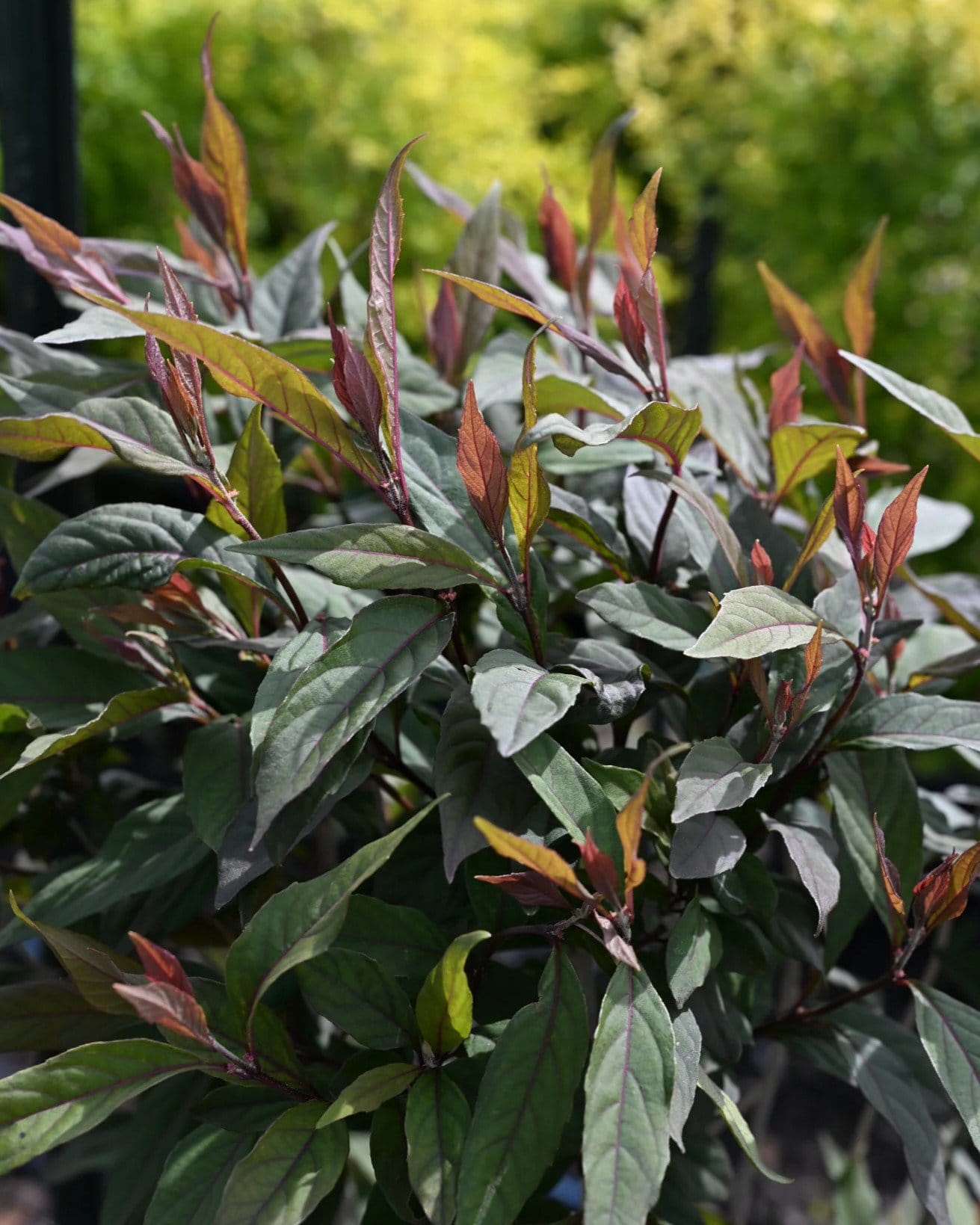
Indigofera decoraPink Chinese Indigo offers a graceful presence and a long season of bloom, making it a lovely addition to any landscape. In spring and summer, it produces elegant, airy clusters of pink flowers that dance above its slender, fern-like green leaves. Its naturally rounded shape grows to around 4 feet tall and wide, creating a soft, flowing silhouette perfect for cottage plantings, mixed borders, or even as a low hedge. Beyond its floral display, the fine-textured foliage adds gentle movement and texture, keeping your landscape visually appealing throughout the growing season.
- Deciduous shrub
- Rounded, airy growth habit
- Moderate growth rate
- Soft pink flowers blooming from spring into summer
- Great for borders, cottage plantings, and accents
Hardy in zones 6-9, Pink Chinese Indigo is a reliable fit for North Texas landscapes. Thrives in full sun and prefers well-drained soil. With a bit of seasonal care, it rewards you with months of delicate blooms and graceful charm.
Pink Chinese Indigo is valued for its fine-textured foliage and easy-going nature, thriving in Texas landscapes with ease. Here’s all it needs:
- Watering: Water regularly during the first growing season to establish a deep, well-branched root system. Once established, Pink Chinese Indigo is moderately drought-tolerant but flowers best with consistent moisture during prolonged dry periods.
- Pruning: Prune immediately after flowering to maintain shape and encourage fresh growth. Avoid late-season pruning, as this shrub flowers on old wood and benefits from time to set buds for the following year.
- Fertilizing: Apply a balanced, slow-release fertilizer in early spring to support healthy growth and bloom production. In lean soils, a light second feeding after flowering can help maintain vigor without encouraging excessive leafy growth.
- Mulching: Apply a 2-3 inch layer of mulch around the base to retain moisture, regulate soil temperature, and protect shallow roots. Extending the mulch ring outward helps reduce competition from surrounding plants and stabilizes soil conditions.
- Winter Care: Pink Chinese Indigo is cold-hardy in its growing range and typically requires no winter protection once established. In colder climates, winter mulch helps protect roots from freeze-thaw cycles.
Pink Chinese Indigo is generally easygoing, though a mix of environmental stressors, pests, and diseases may occasionally arise:
- Reduced Flowering: Bloom production may decline if pruning is done too late in the season. Pruning only immediately after flowering preserves next year’s buds.
- Leggy Growth: Plants may develop a loose or open appearance over time. Light post-bloom pruning helps maintain a fuller, more balanced shape.
- Aphids: Clusters of small insects may appear on tender new growth, causing leaf distortion. Rinsing foliage or applying insecticidal soap controls infestations effectively.
- Root Stress: Poor drainage may lead to slowed growth or leaf yellowing. Improving soil structure and avoiding overwatering support long-term health.
- Wind Damage: Long, flexible stems may bend or break in exposed locations. Planting in sheltered areas or providing light support reduces damage.
Pink Chinese Indigo typically lives 20-30 years with proper care. Its woody structure supports long-term performance in mixed landscapes. Mature plants often become more graceful and floriferous with age.
It grows at a moderate rate, adding approximately 12-18 inches per year. Light flowering often begins within the first few years, with full size and peak bloom reached in 4-6 years. Growth becomes more arching and refined as the plant matures.
The pea-like pink flowers attract bees and other beneficial insects. Blooming occurs when pollinator activity is strong. Group plantings enhance visibility and pollinator visits.
Pink Chinese Indigo is considered moderately deer-resistant. Browsing may occur on young shoots in spring. Established plants typically recover quickly.
It can be grown in large containers during its early years. Containers allow controlled placement and easier shaping. Long-term performance is best when planted in the ground.
Division is not recommended due to its woody growth habit. New plants are best established from nursery-grown stock. Attempting division may weaken mature shrubs.
Mass plantings create a soft, flowing effect with waves of pink bloom. Repetition enhances movement and seasonal impact. Groupings work especially well in naturalized designs.
It pairs beautifully with ornamental grasses, spirea, roses, and other flowering shrubs. Fine-textured companions enhance its airy habit. These combinations create layered, romantic plantings.
Pink Chinese Indigo maintains a clumping, non-invasive growth habit. It does not spread aggressively or sucker excessively. Occasional pruning keeps growth well controlled.
Once established, it requires little care beyond watering and occasional pruning. Its graceful form reduces the need for constant shaping. Reliable blooming makes it a rewarding, low-effort shrub.
Special Features
You might also like
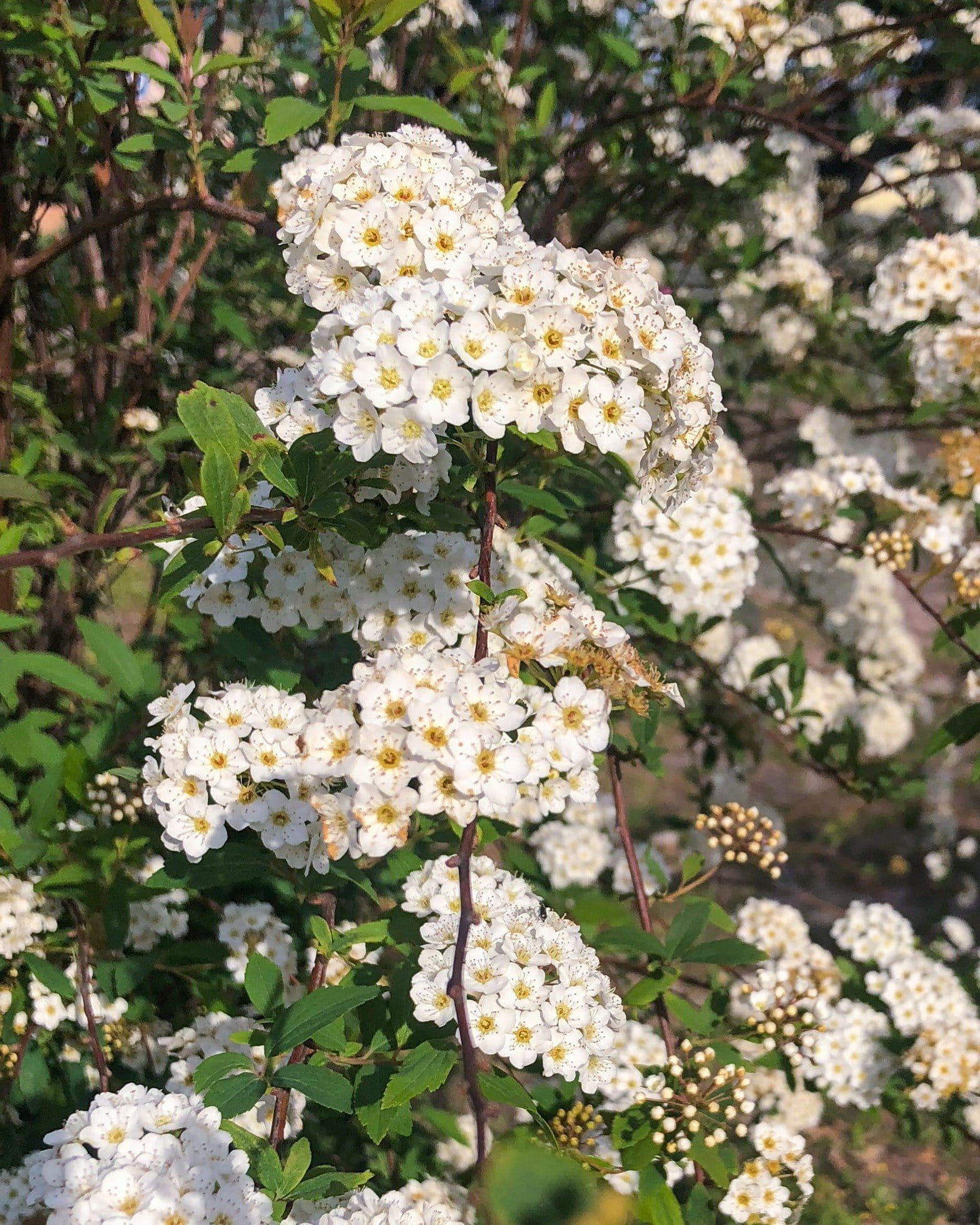
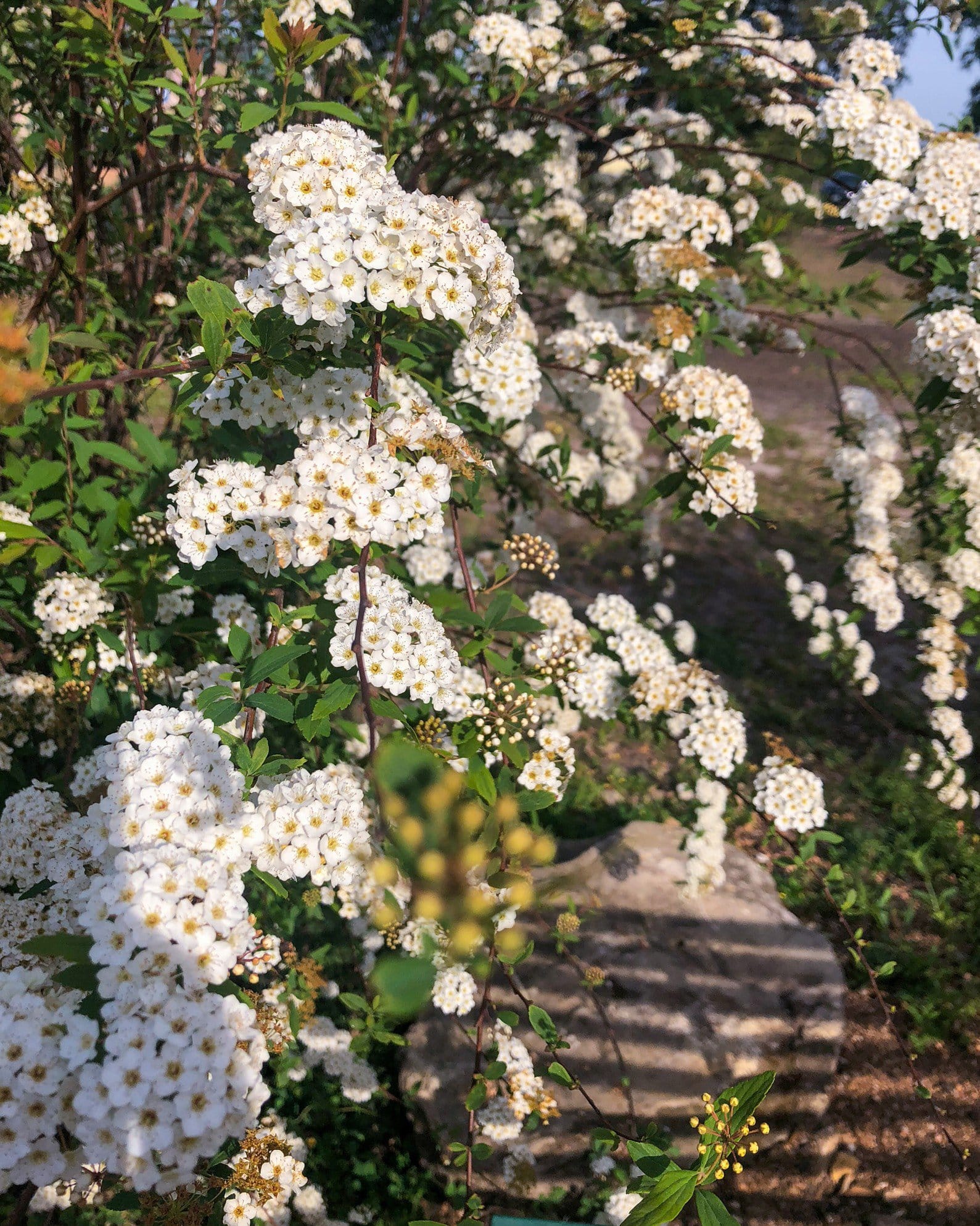
Double Bridal Wreath Spirea
Maturity: 5' H x 5' W
Oakleaf Hydrangea Jetstream
Maturity: 5' H x 4' W
Quick Fire Hydrangea Tree Form
Maturity: 4' H x 4' W
Vanilla Strawberry Hydrangea Tree Form
Maturity: 8' H x 5' W
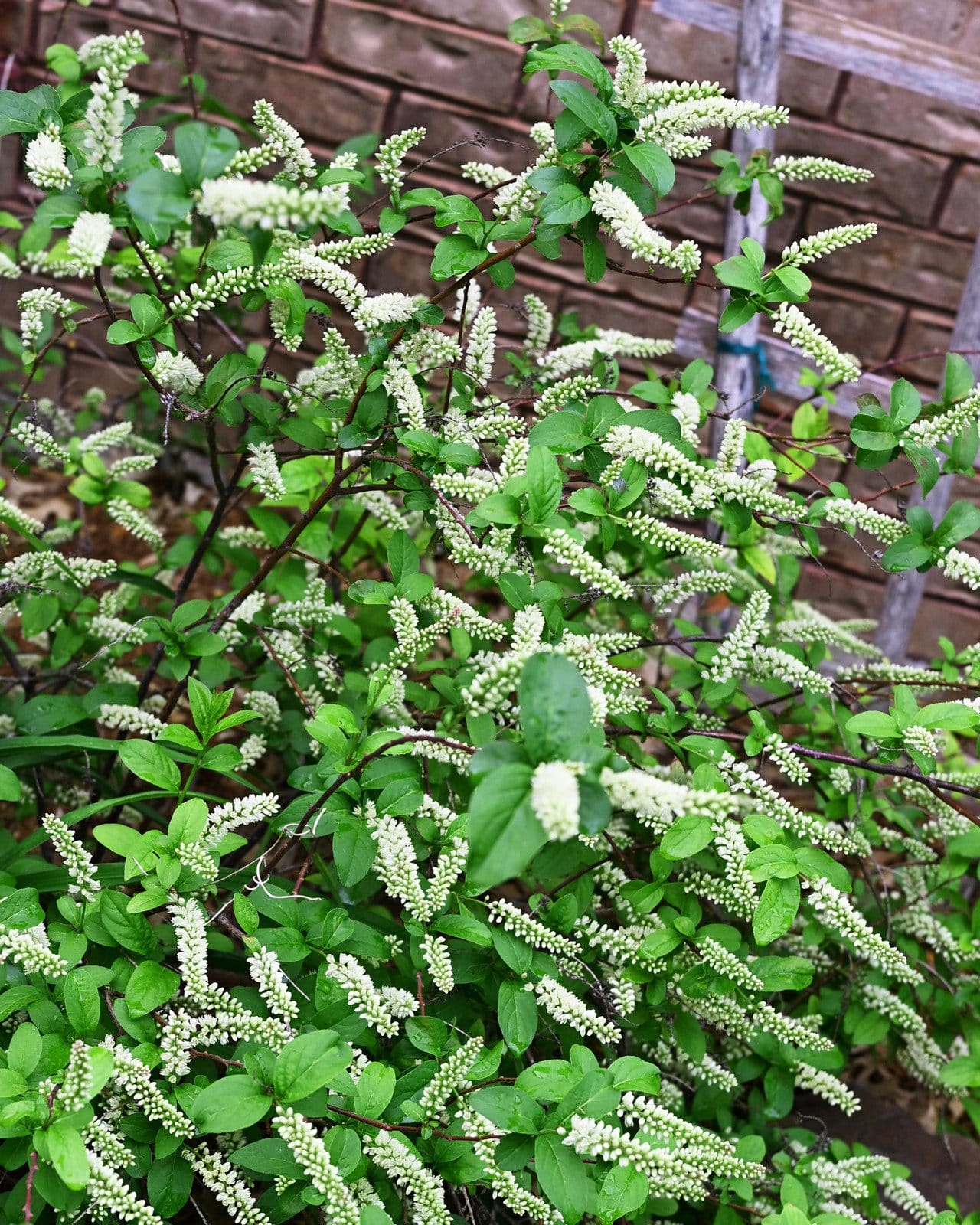
Fizzy Mizzy Sweetspire
Maturity: 2' H x 2' W
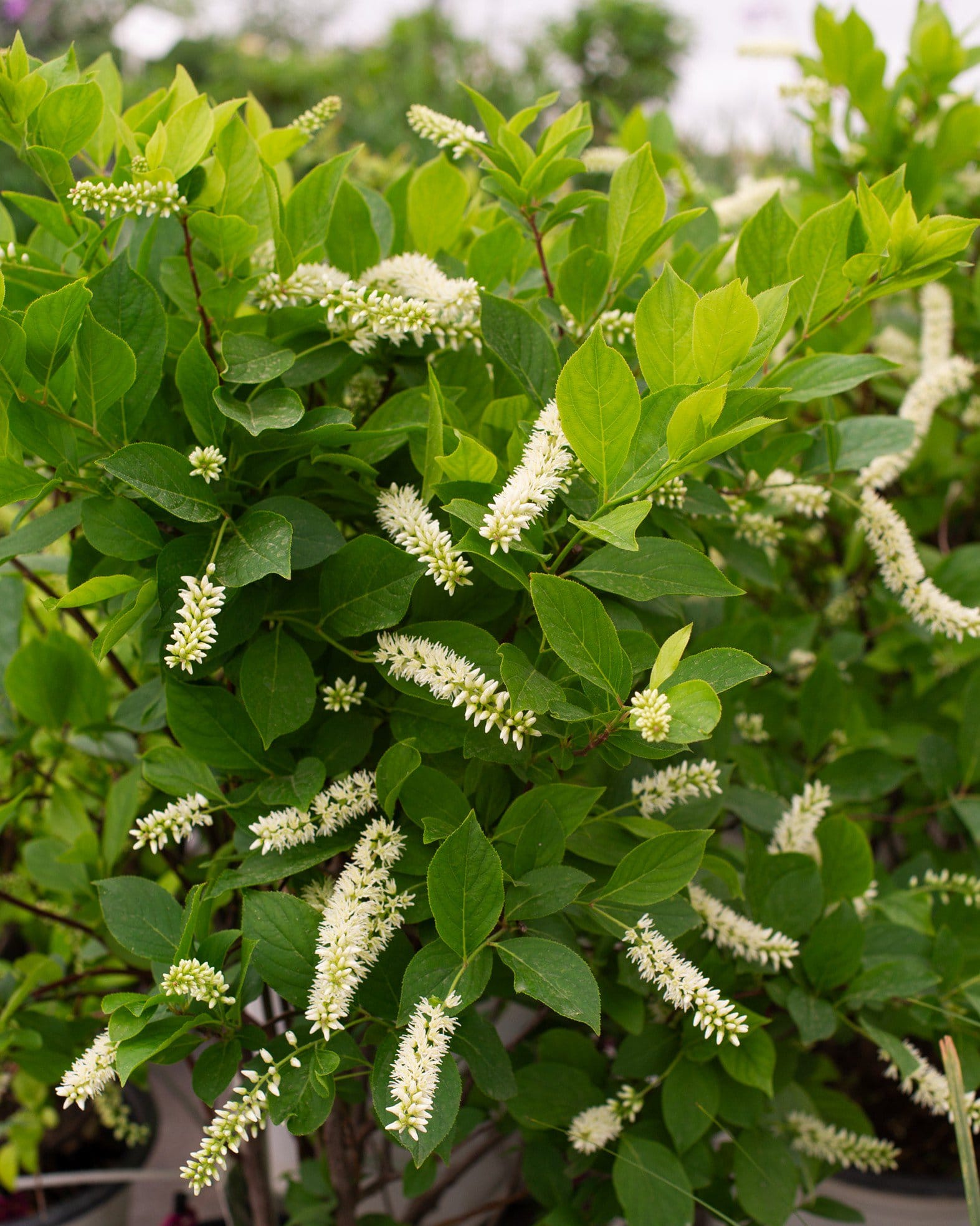
Little Henry Sweetspire
Maturity: 3' H x 2' W
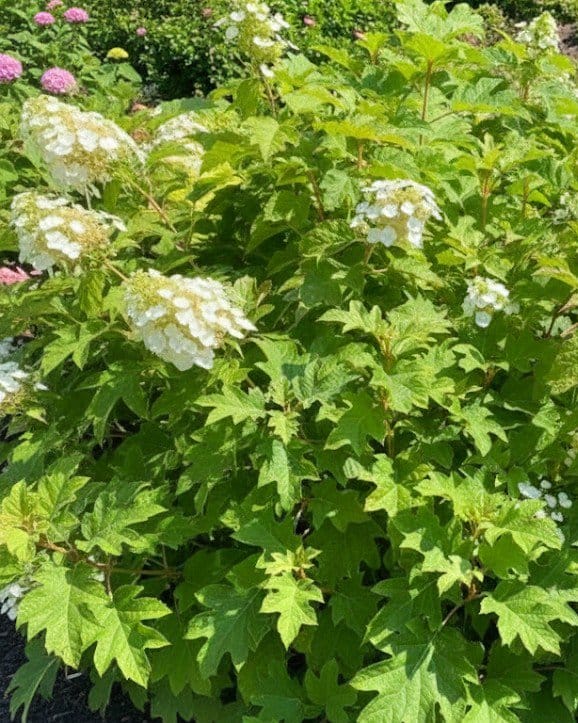
Oakleaf Hydrangea Toy Soldier
Maturity: 4' H x 4' W
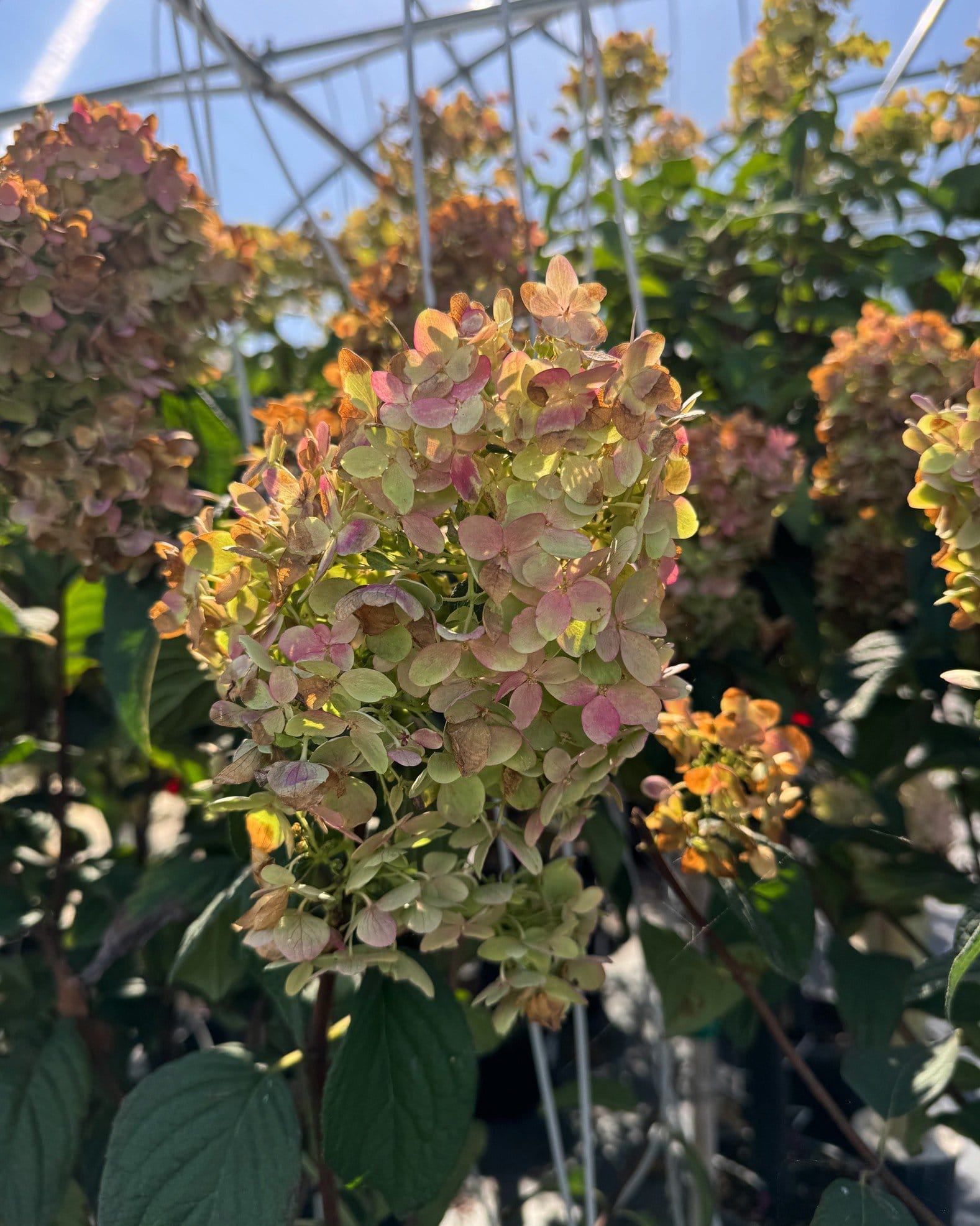
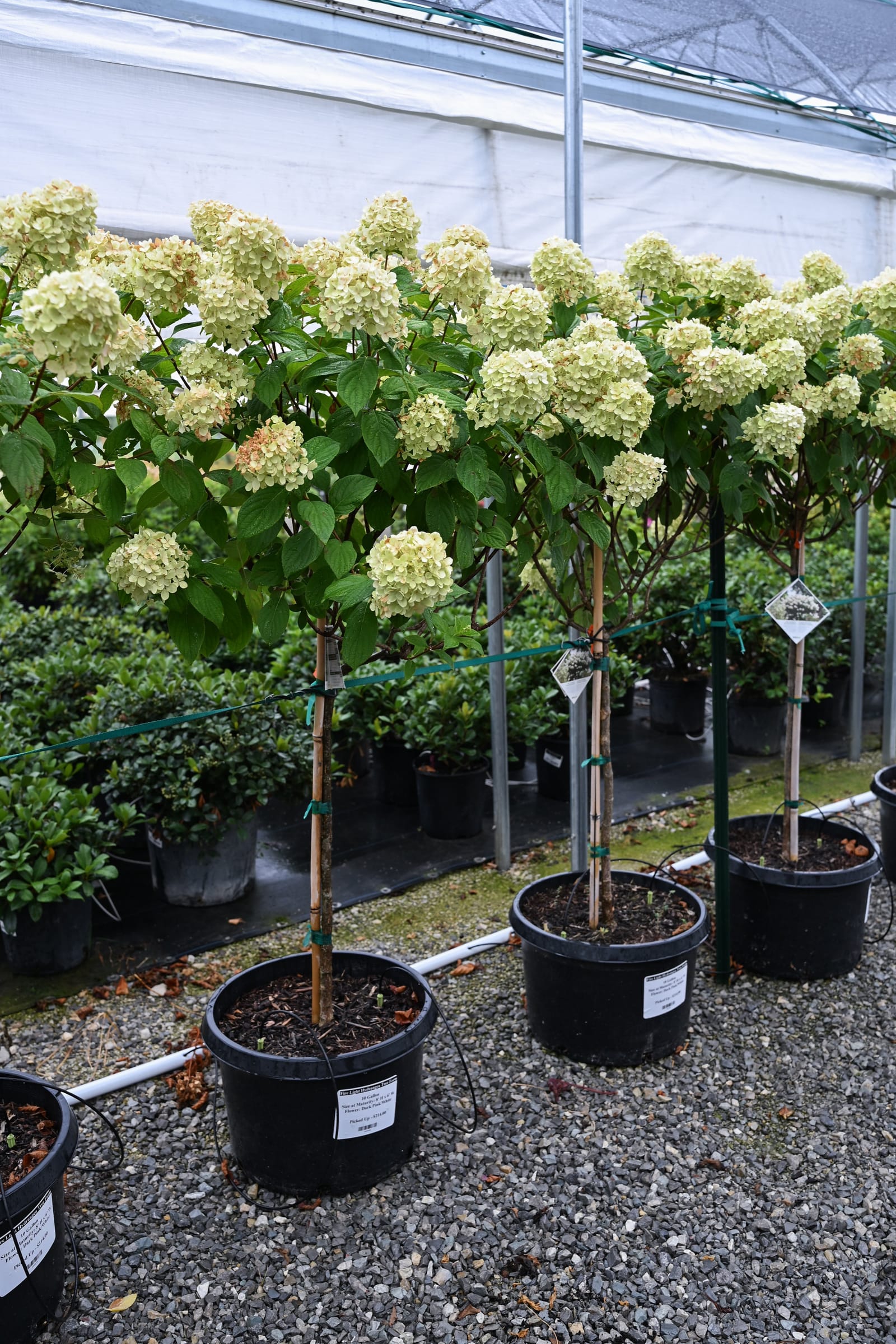
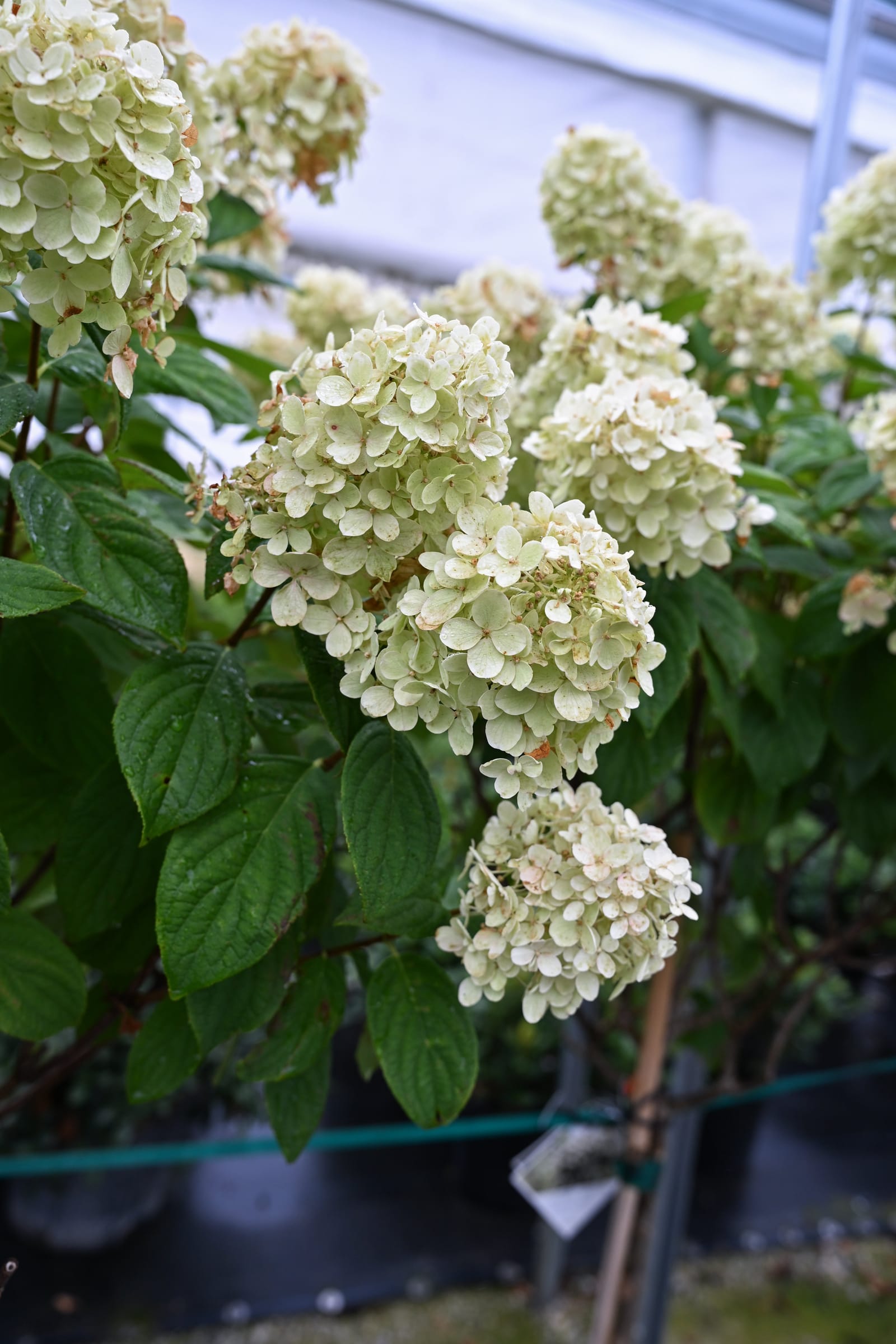
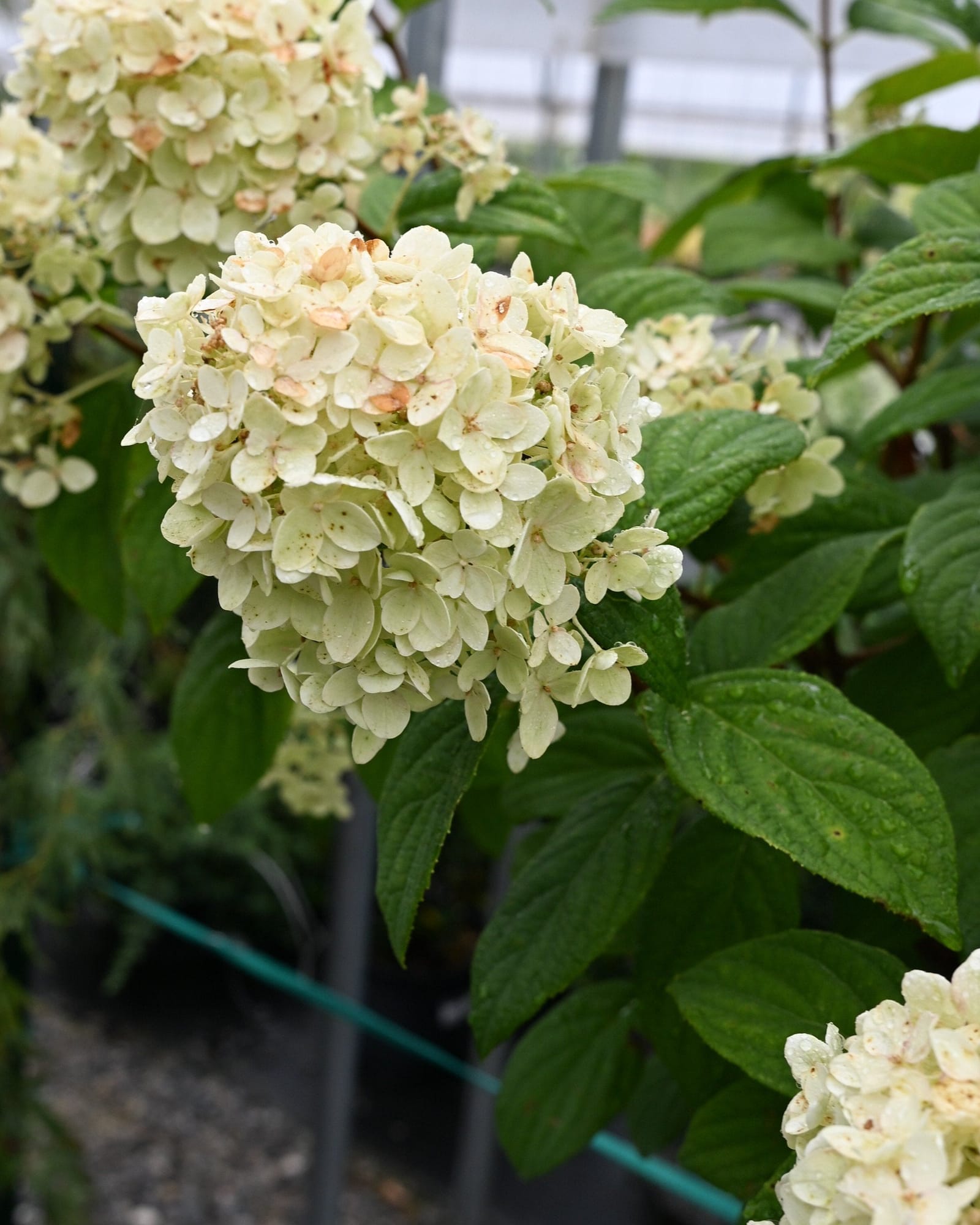
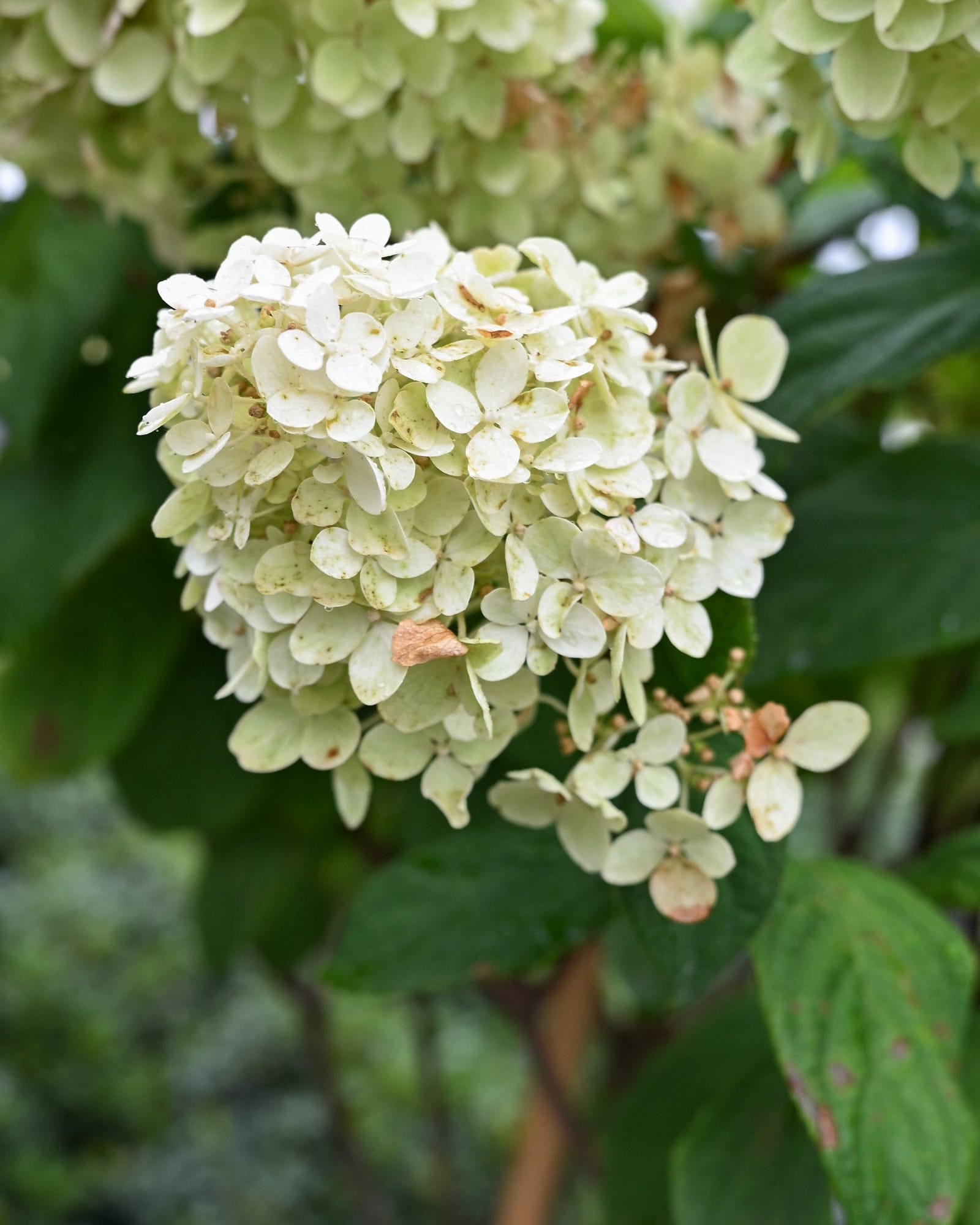
Fire Light Hydrangea Tree Form
Maturity: 8' H x 6' W
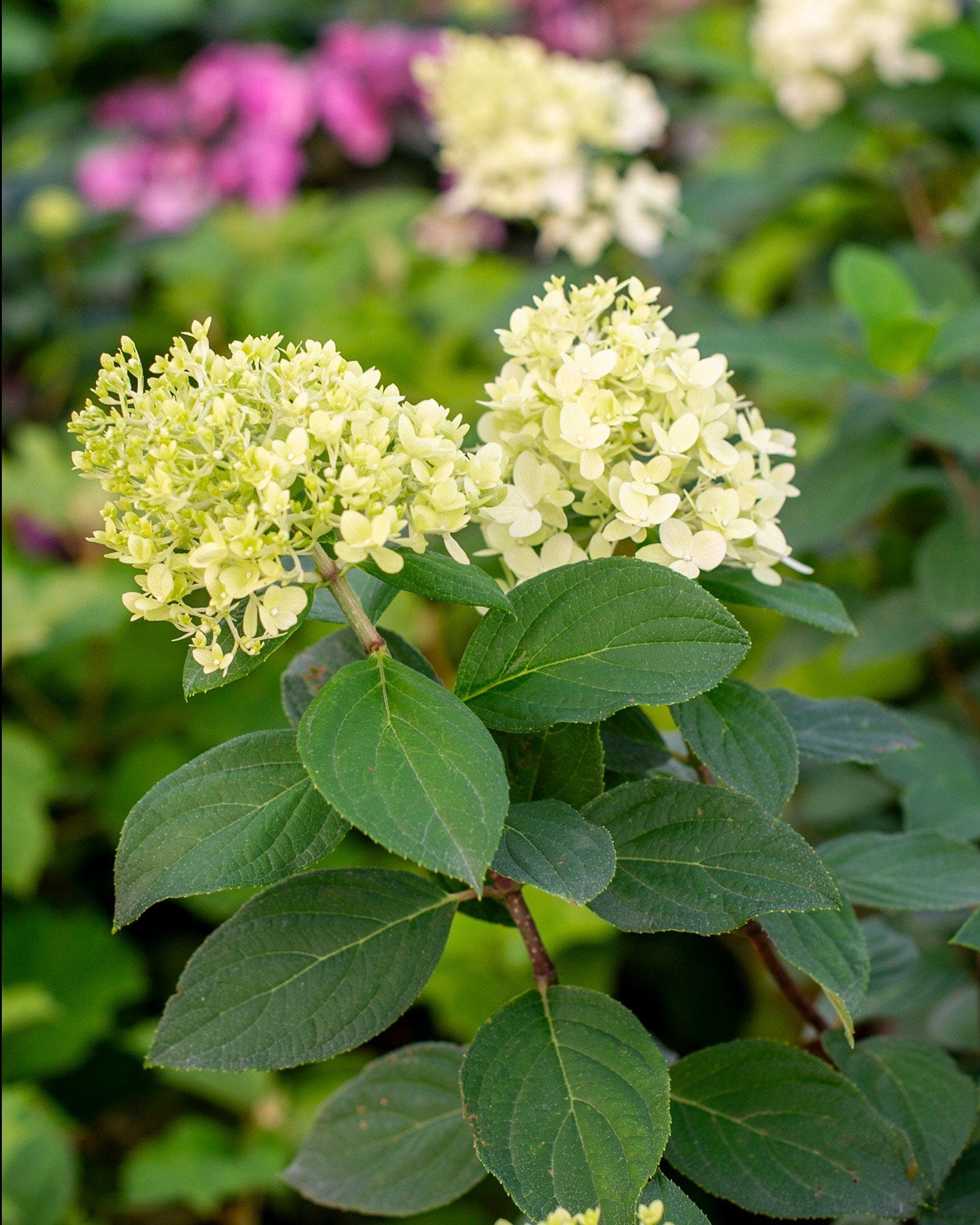
Limelight Hydrangea
Maturity: 8' H x 6' W
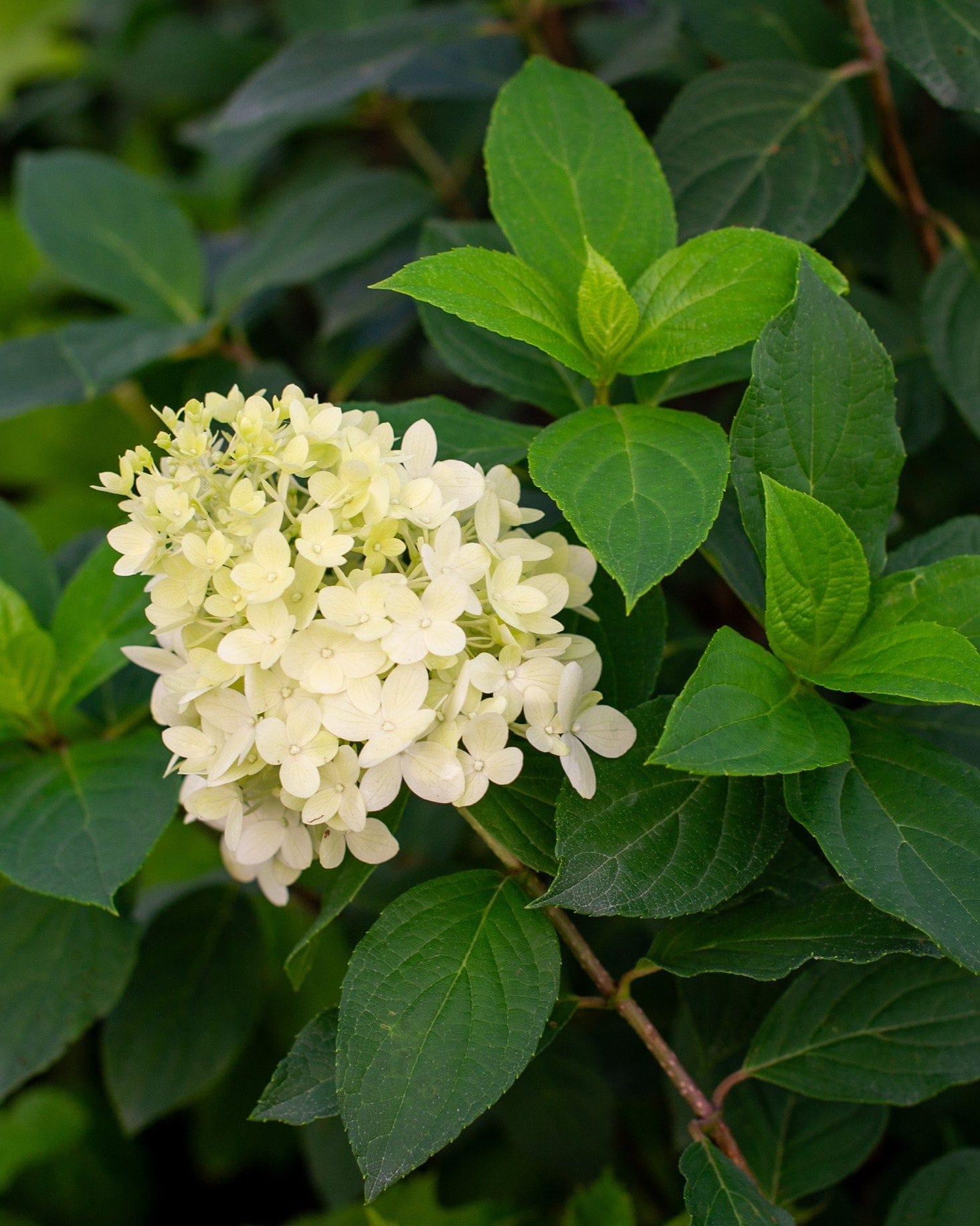
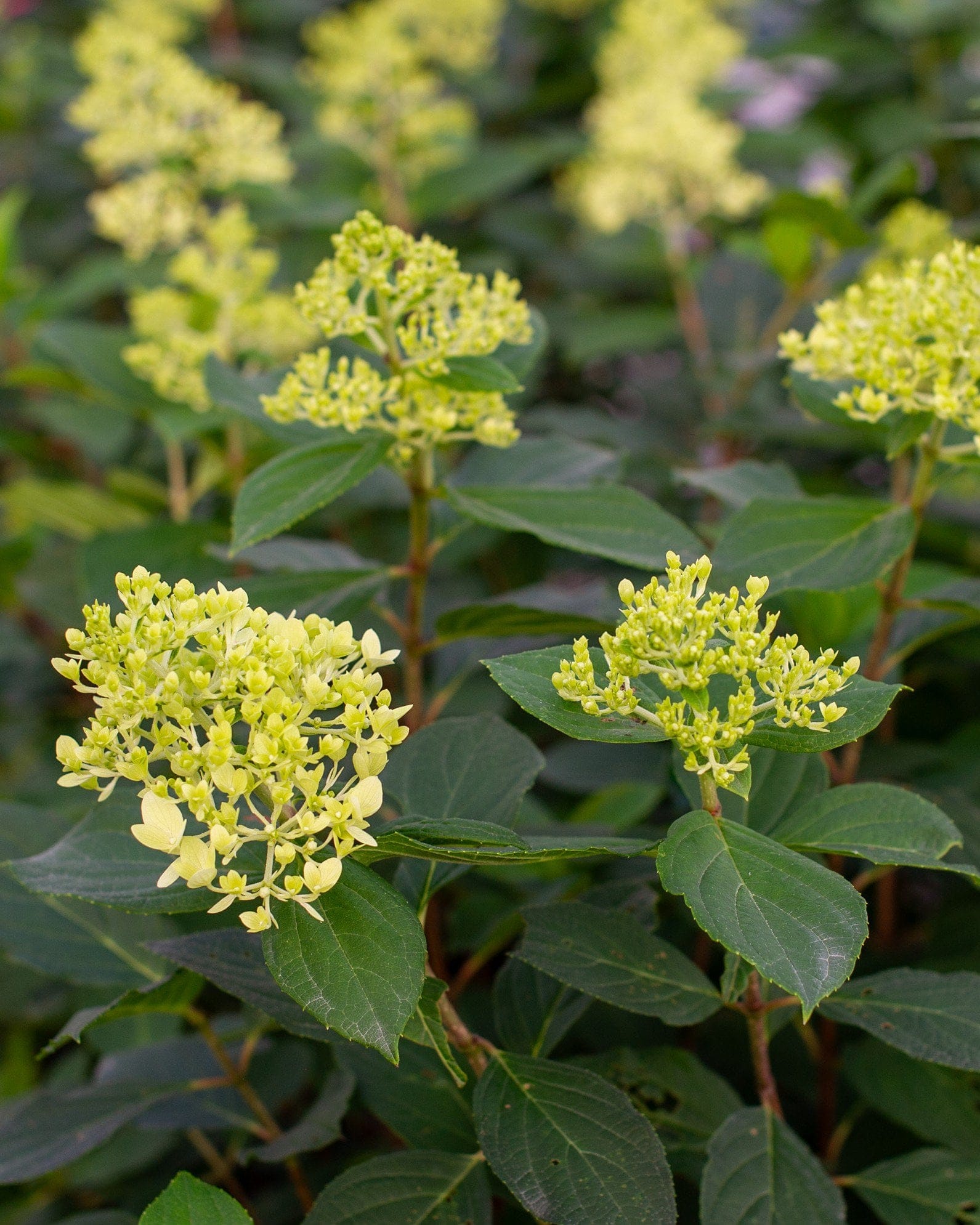
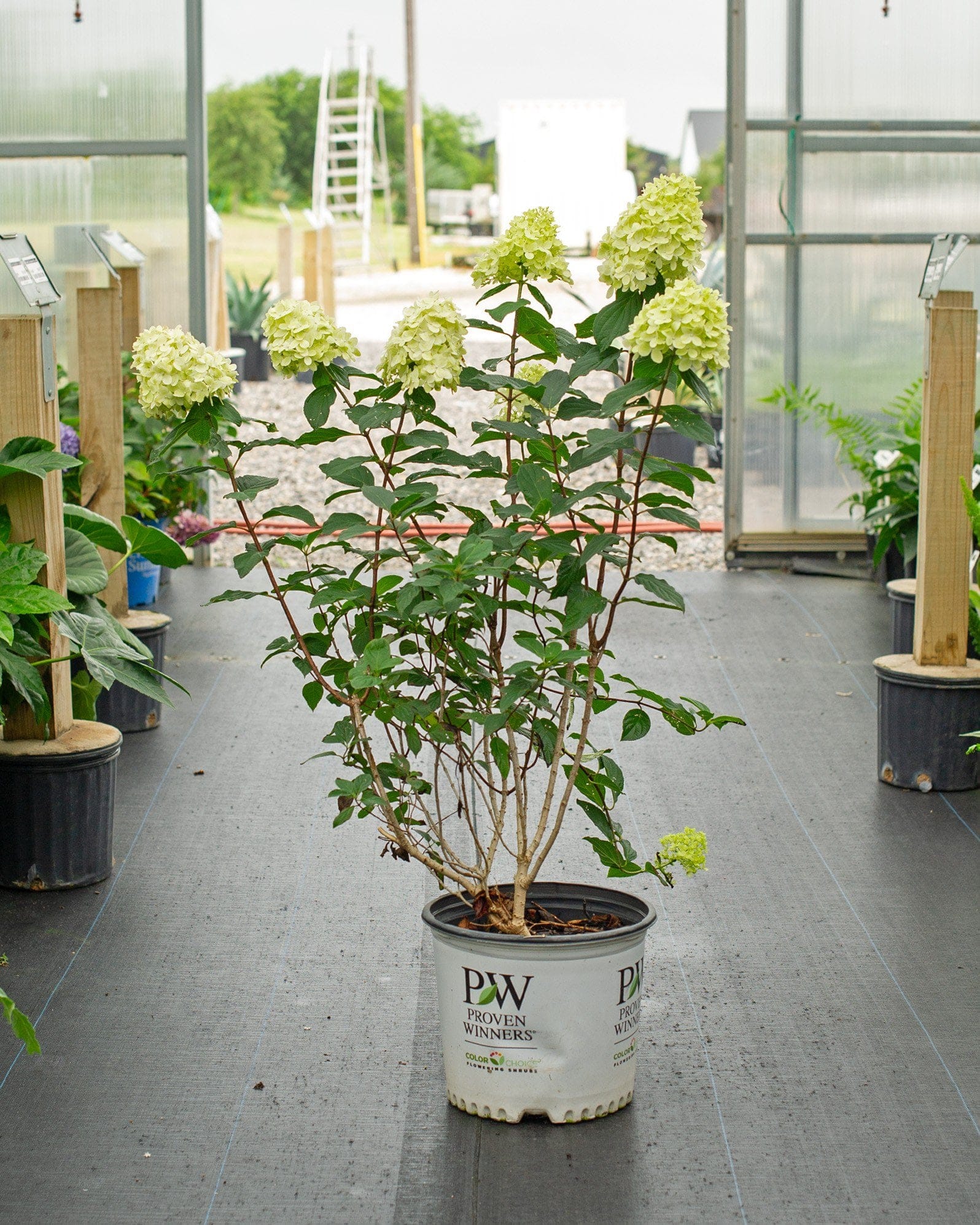
Oakleaf Hydrangea
Maturity: 6' H x 6' W
Oakleaf Hydrangea Alice
Maturity: 8' H x 8' W
Oakleaf Hydrangea Ellen Huff
Maturity: 6' H x 8' W
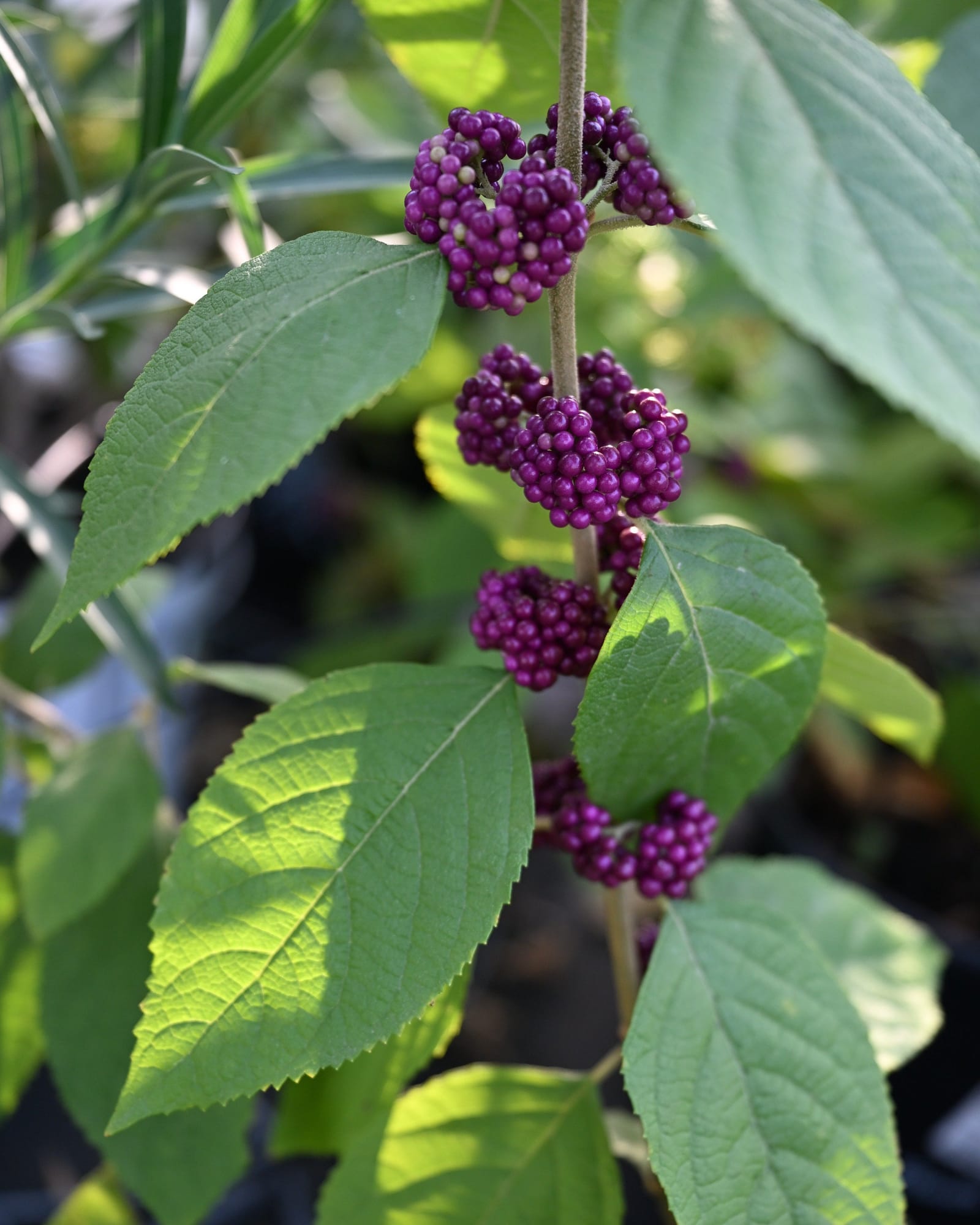
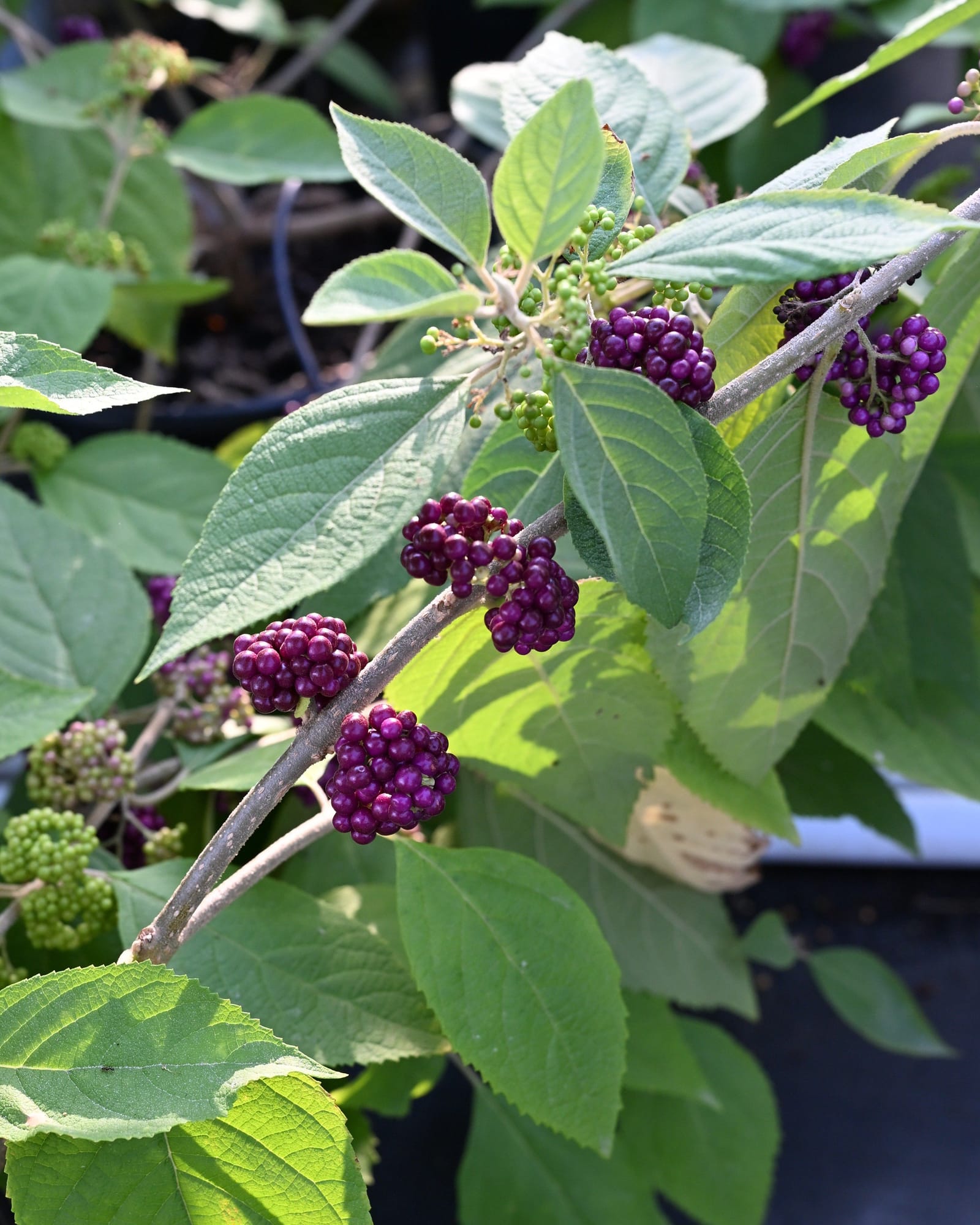
Mexican Beautyberry
Maturity: 4' H x 5' W
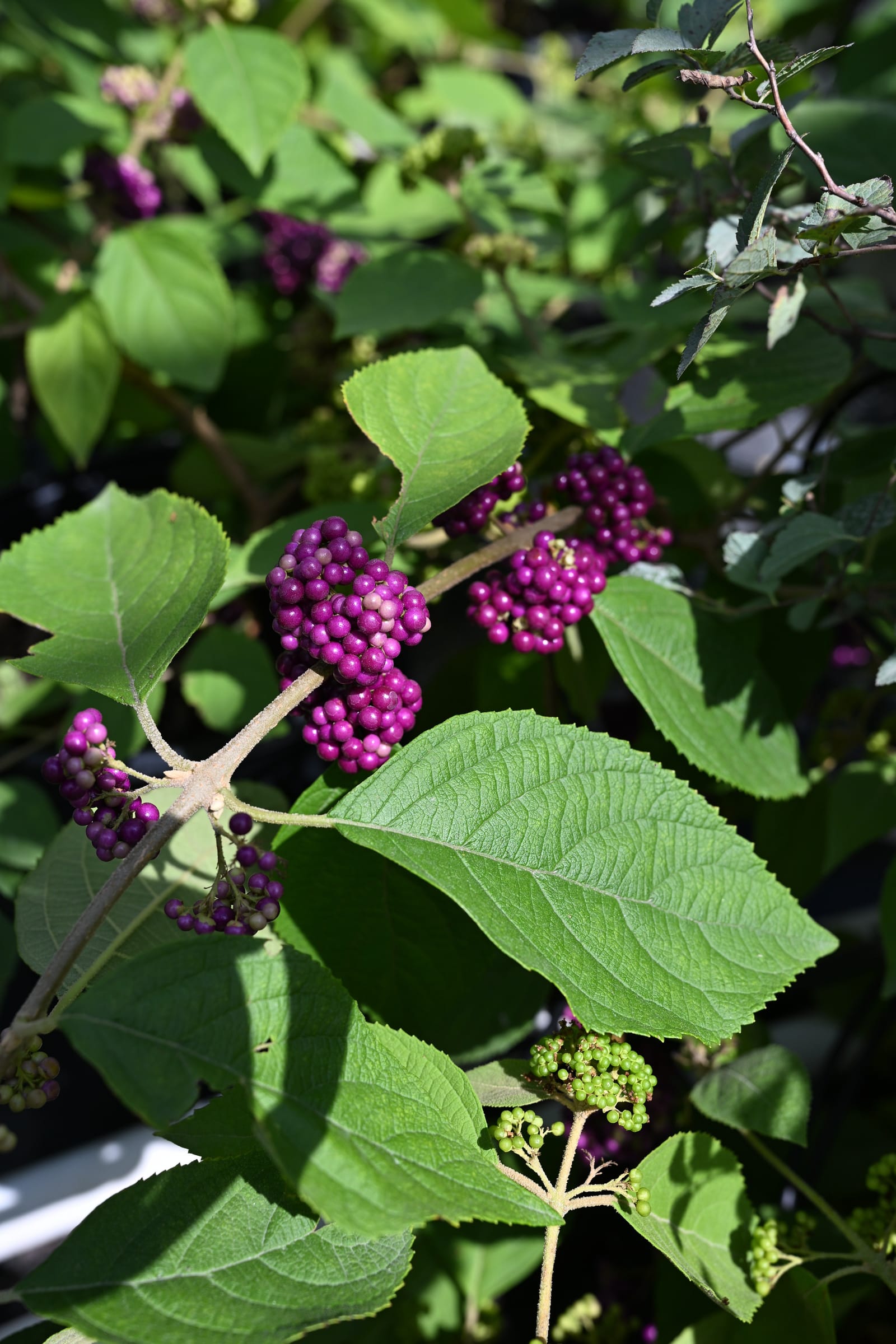
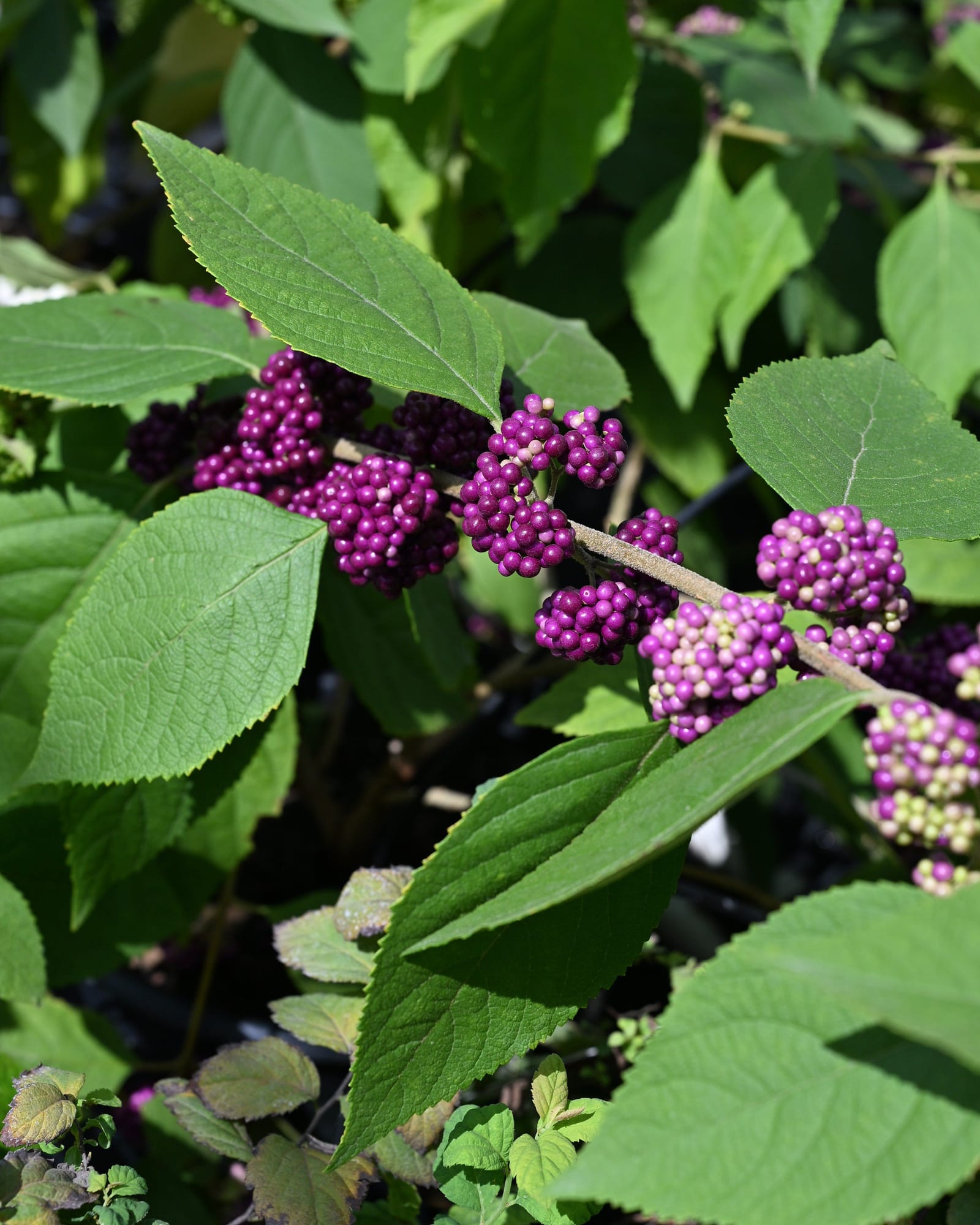
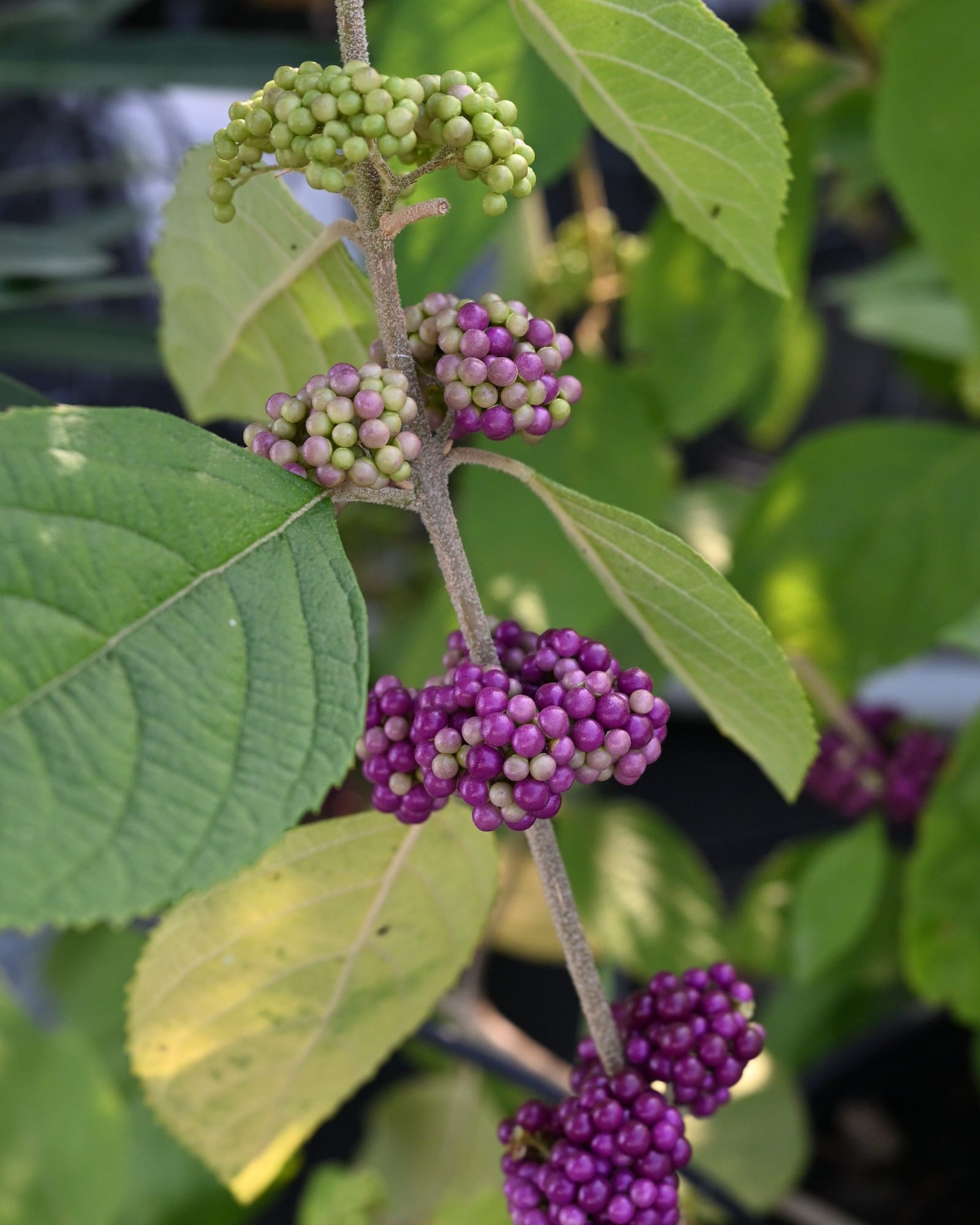
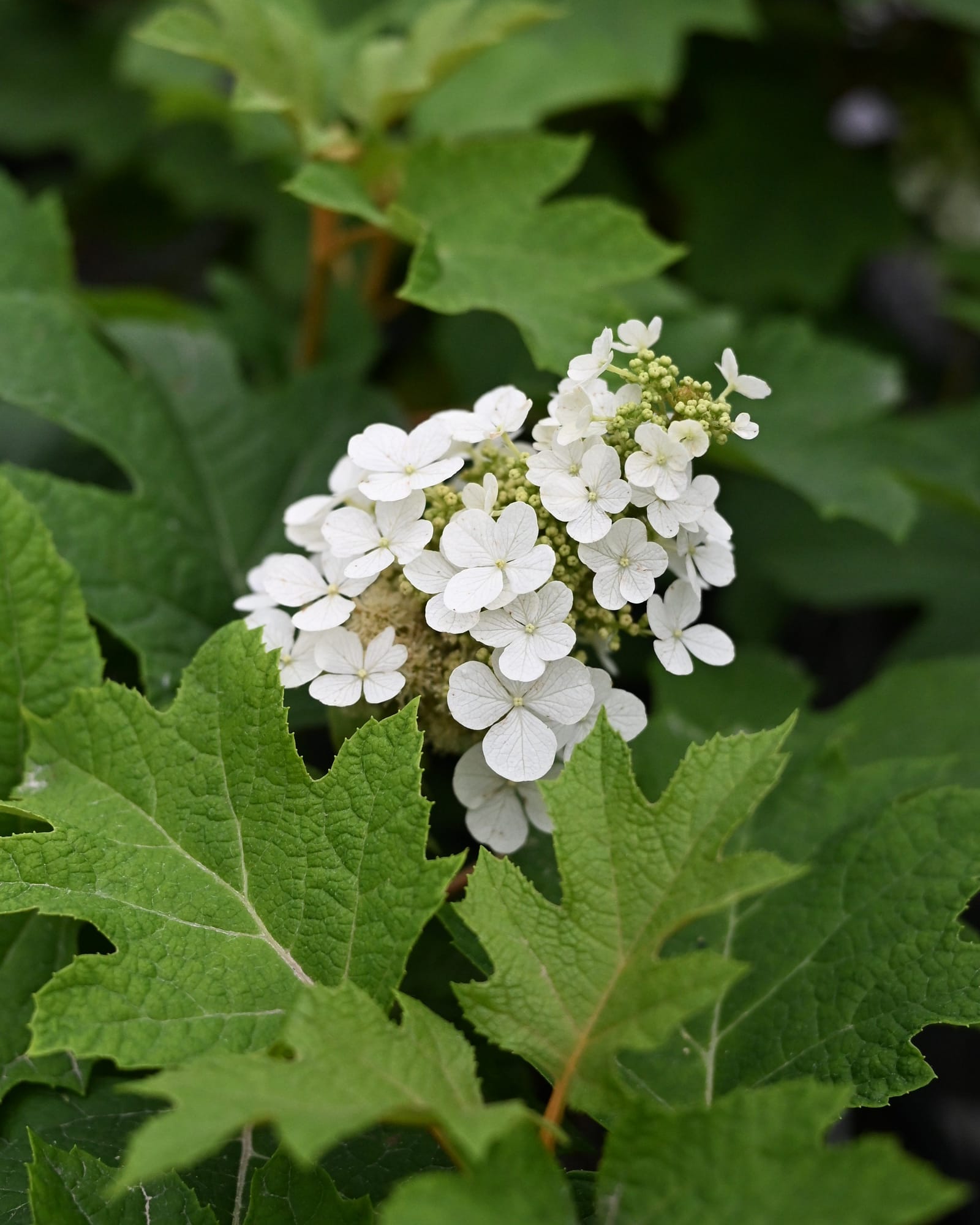
Oakleaf Hydrangea Queen of Hearts
Maturity: 6' H x 9' W
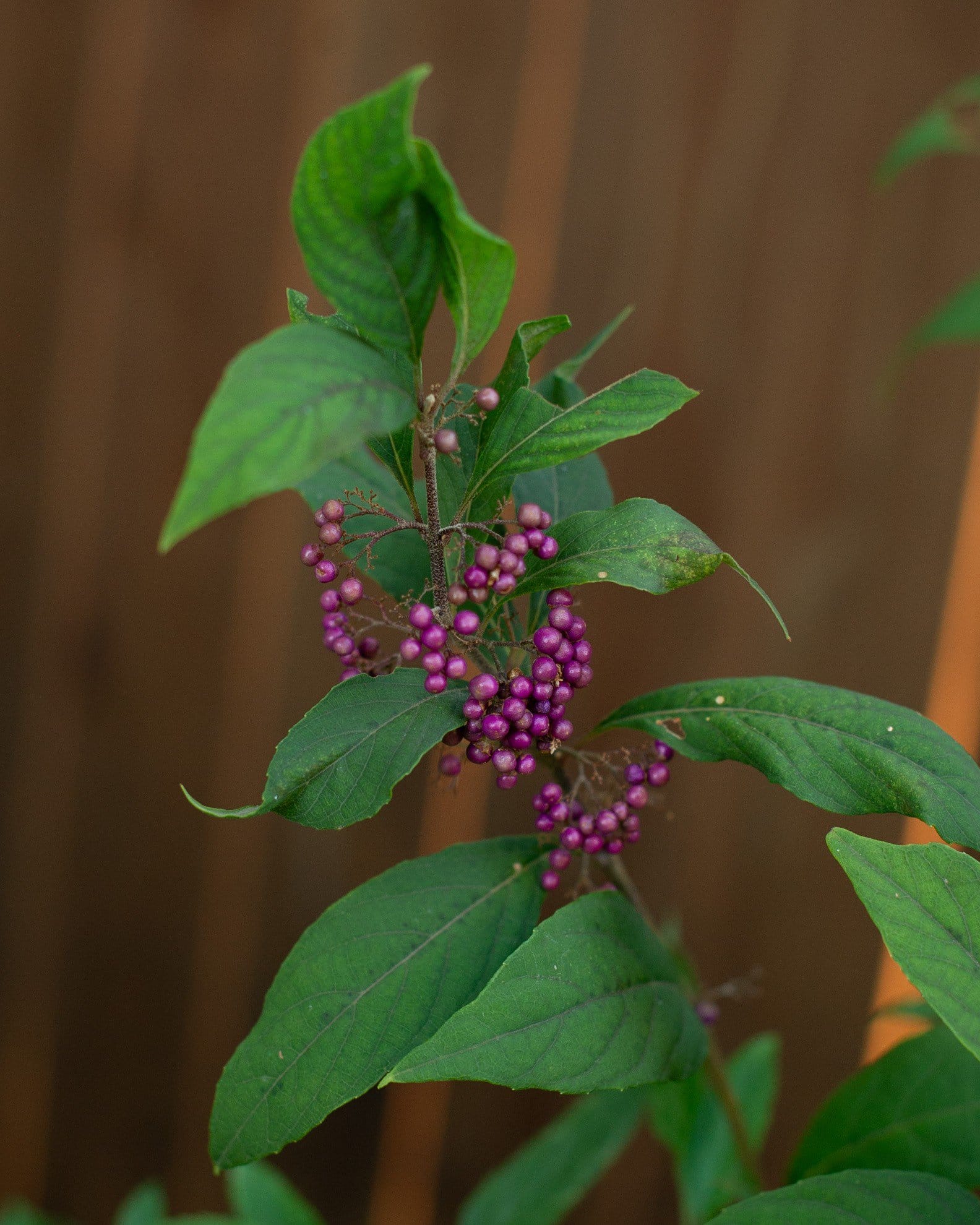
Pearl Glam Beautyberry
Maturity: 4' H x 4' W
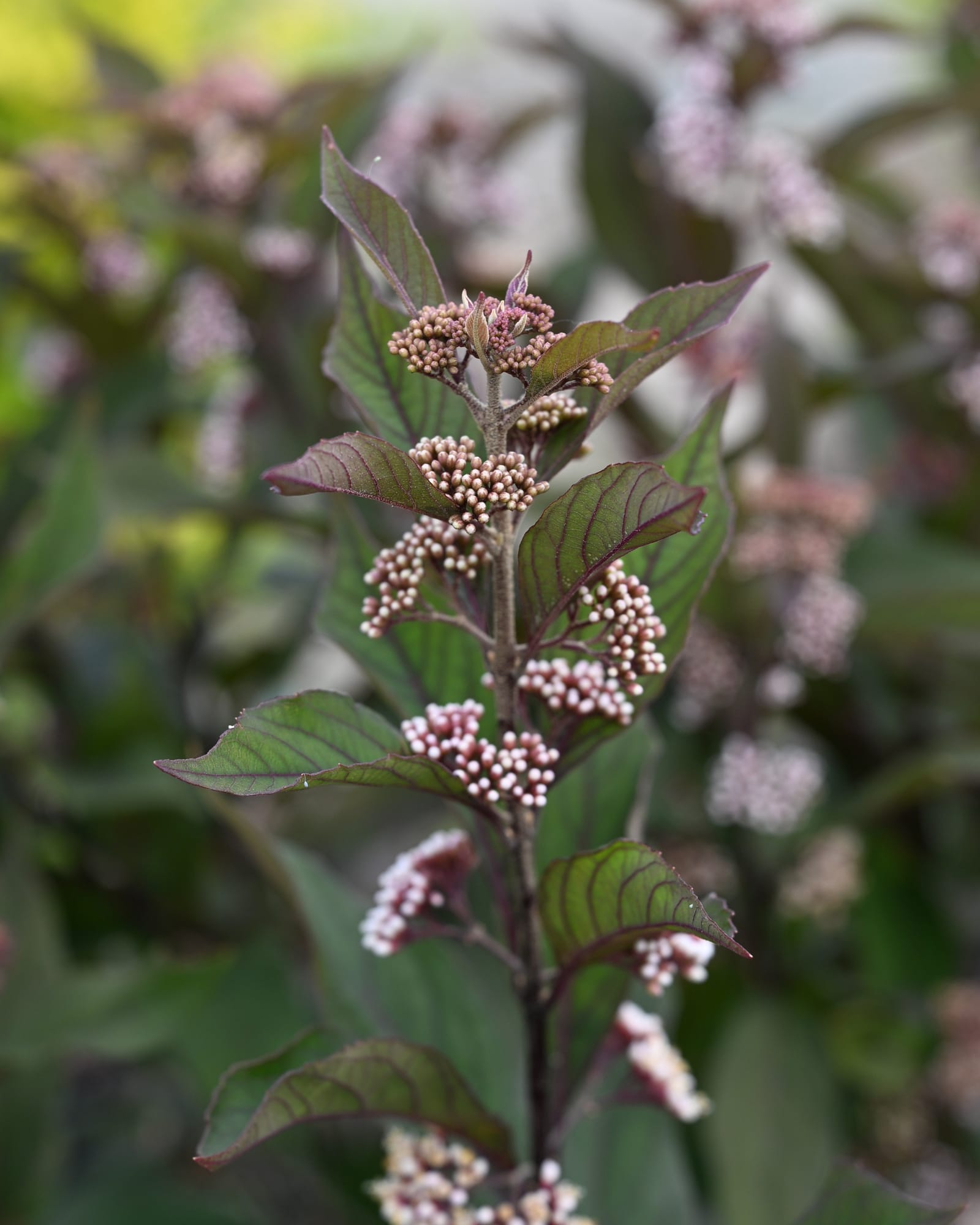
Compare Similar Plants
Pink Chinese Indigo This plant | ||
|---|---|---|
| Scientific Name | Indigofera decora | Spiraea prunifolia 'Plena' |
| Size at Maturity | 4' H x 4' W | 5' H x 5' W |
| Leaf Retention | Deciduous | Deciduous |
| Fall Color | — | — |
| Flower Color | Pink | White |
| Bloom Times | Spring & Summer | Spring & Summer |
| Sizes Available | 3 gal | 3 gal |


Our 1-Year Planting Guarantee
We take pride in our plants and installation services. If any plants or trees installed by Treeland fail to thrive within the first year, we'll provide a replacement credit in accordance with our guarantee program.
Learn More About Our Guarantee