
Ombrella Mimosa
Albizia julibrissin 'Boubri'Product Details
Ombrella Mimosa
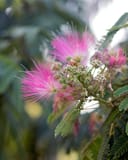
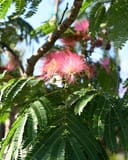
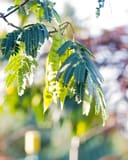
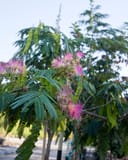
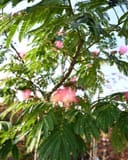
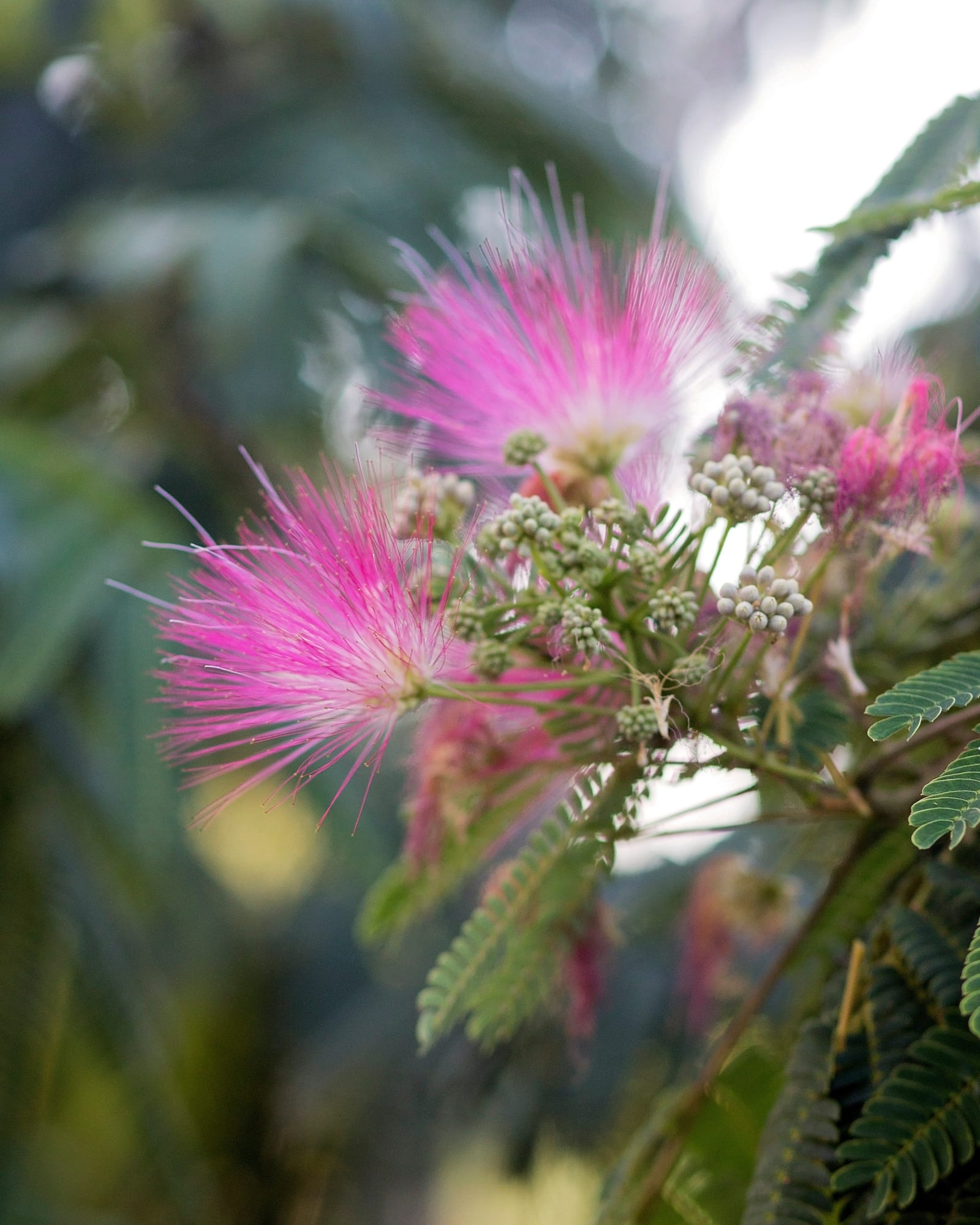
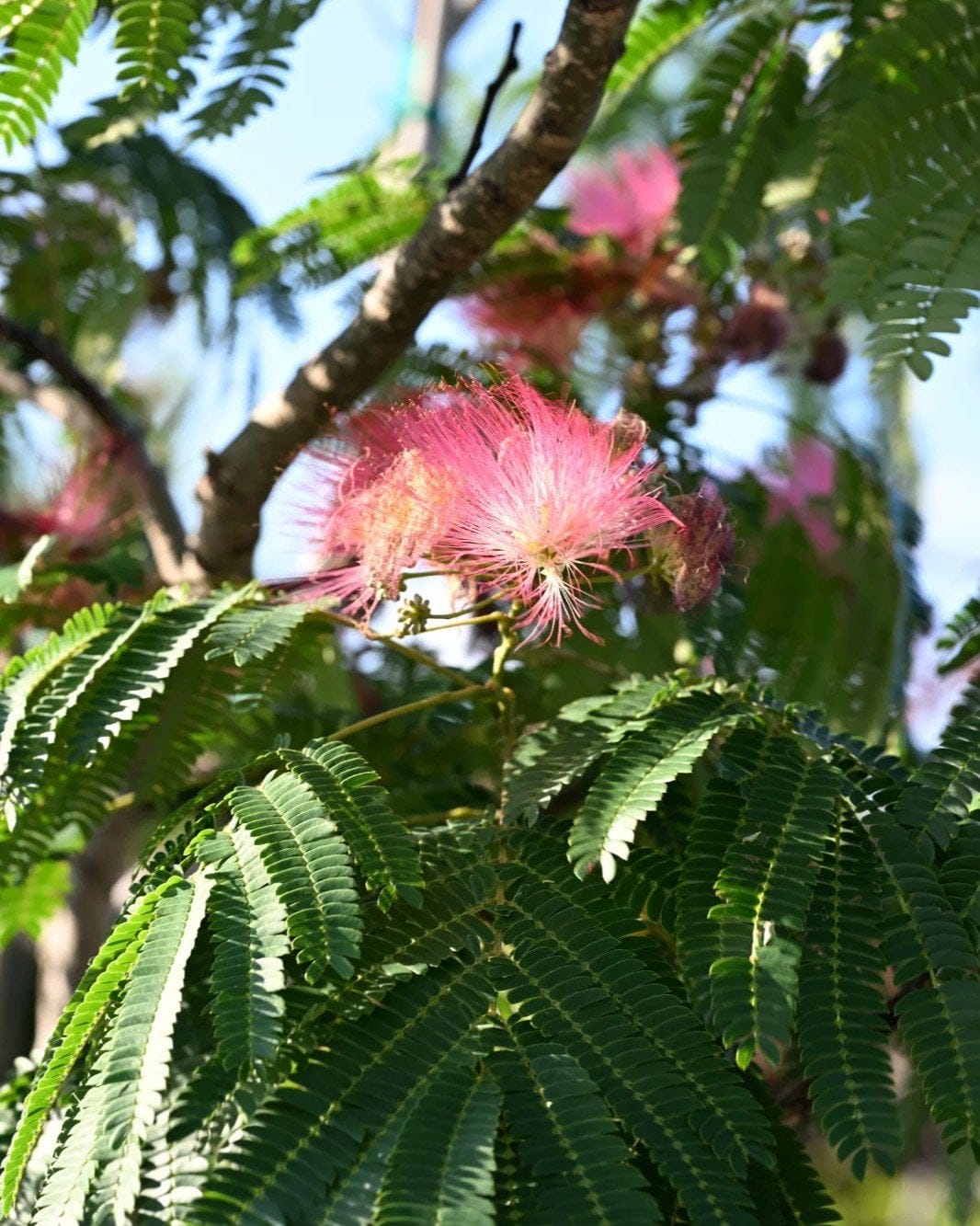
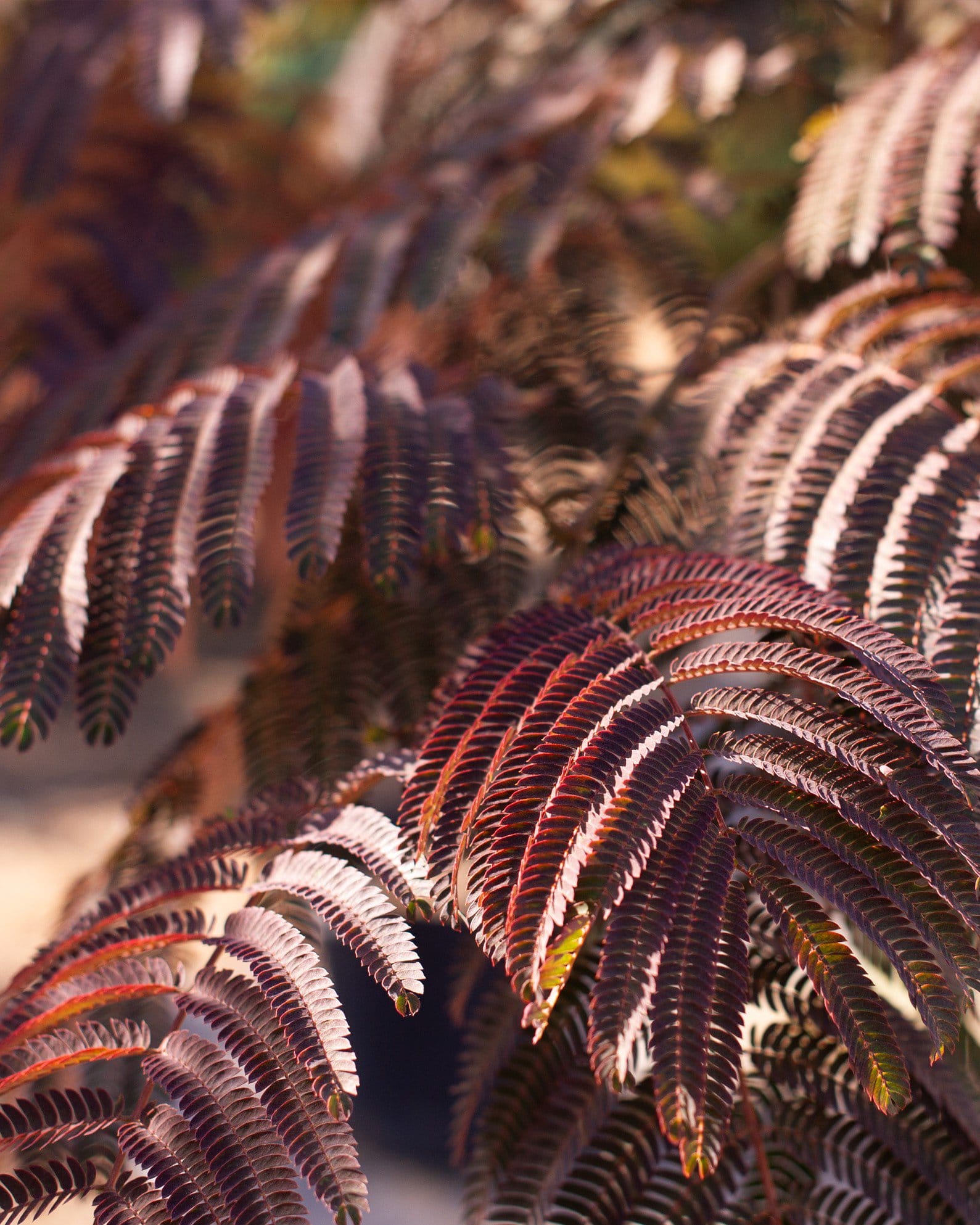
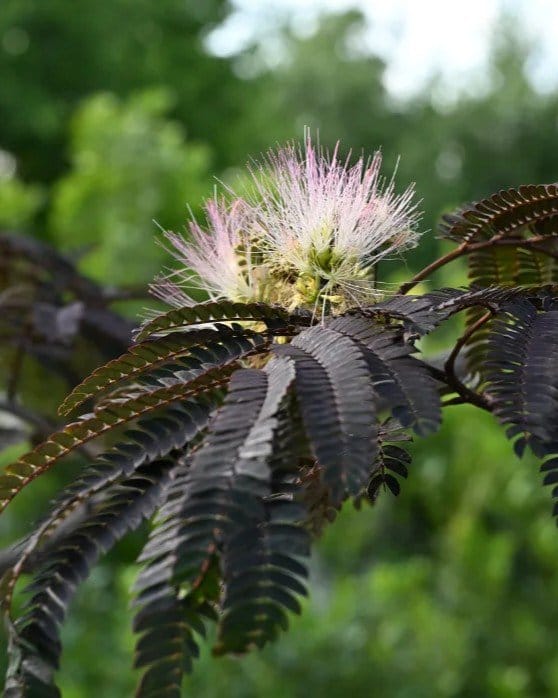
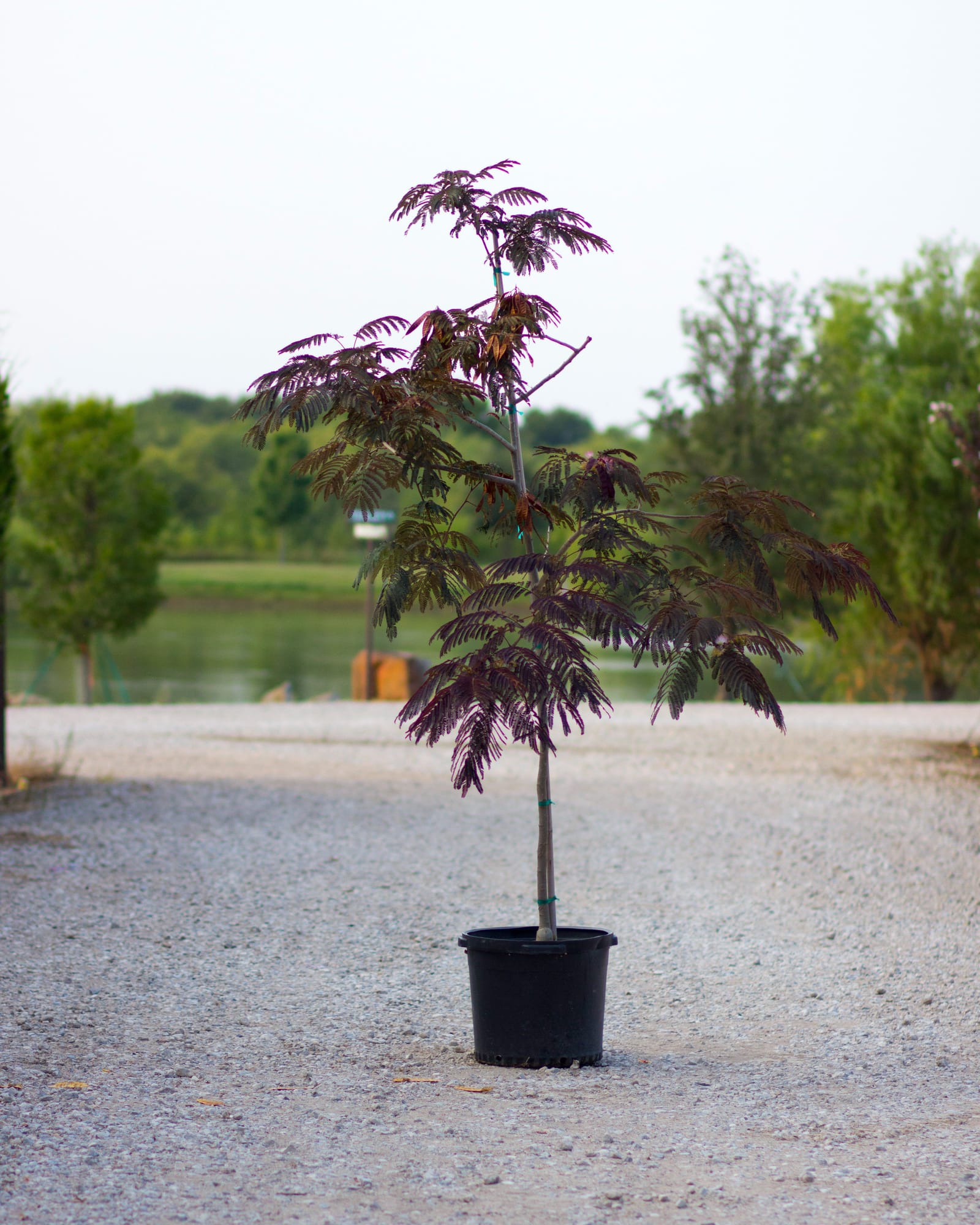
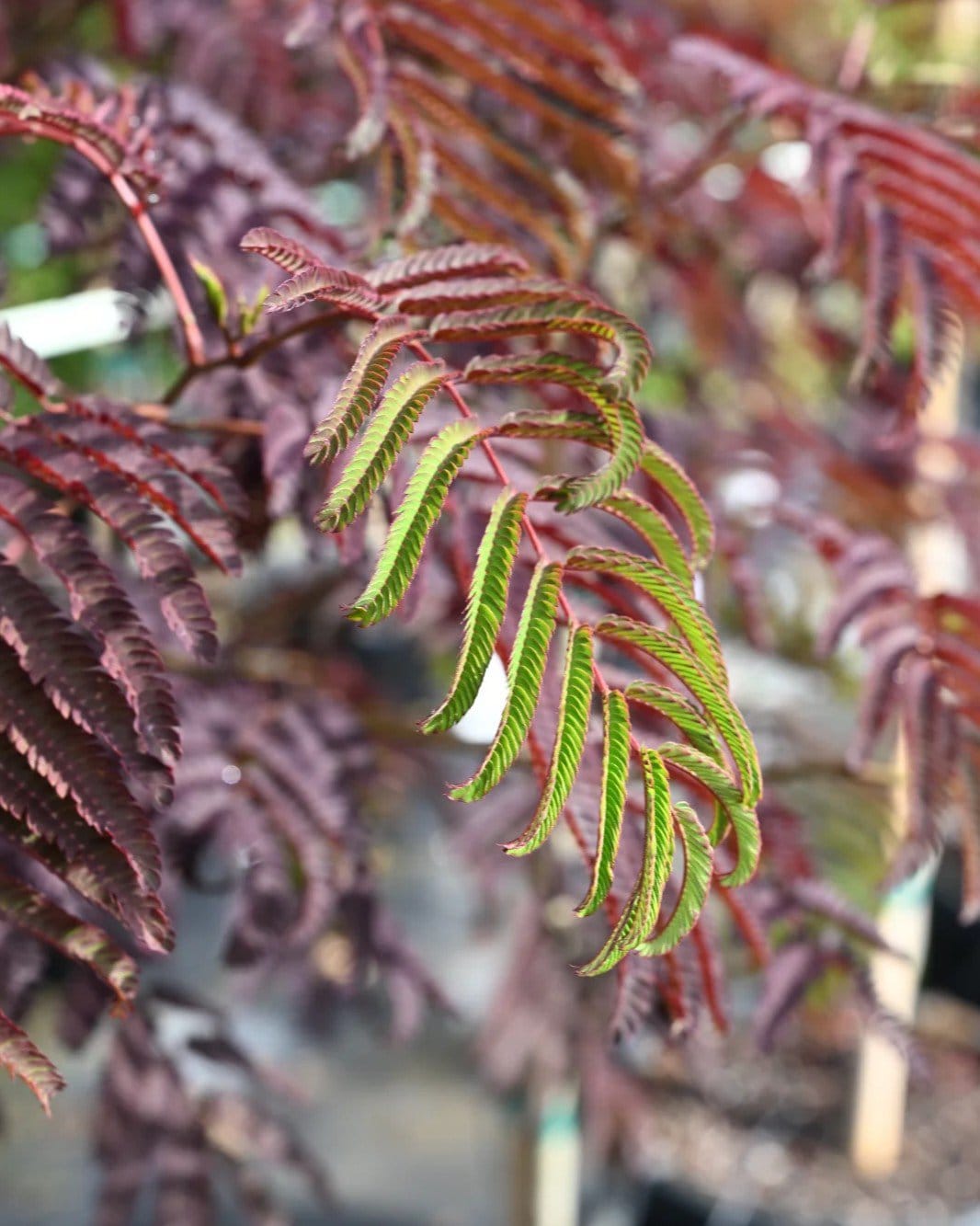
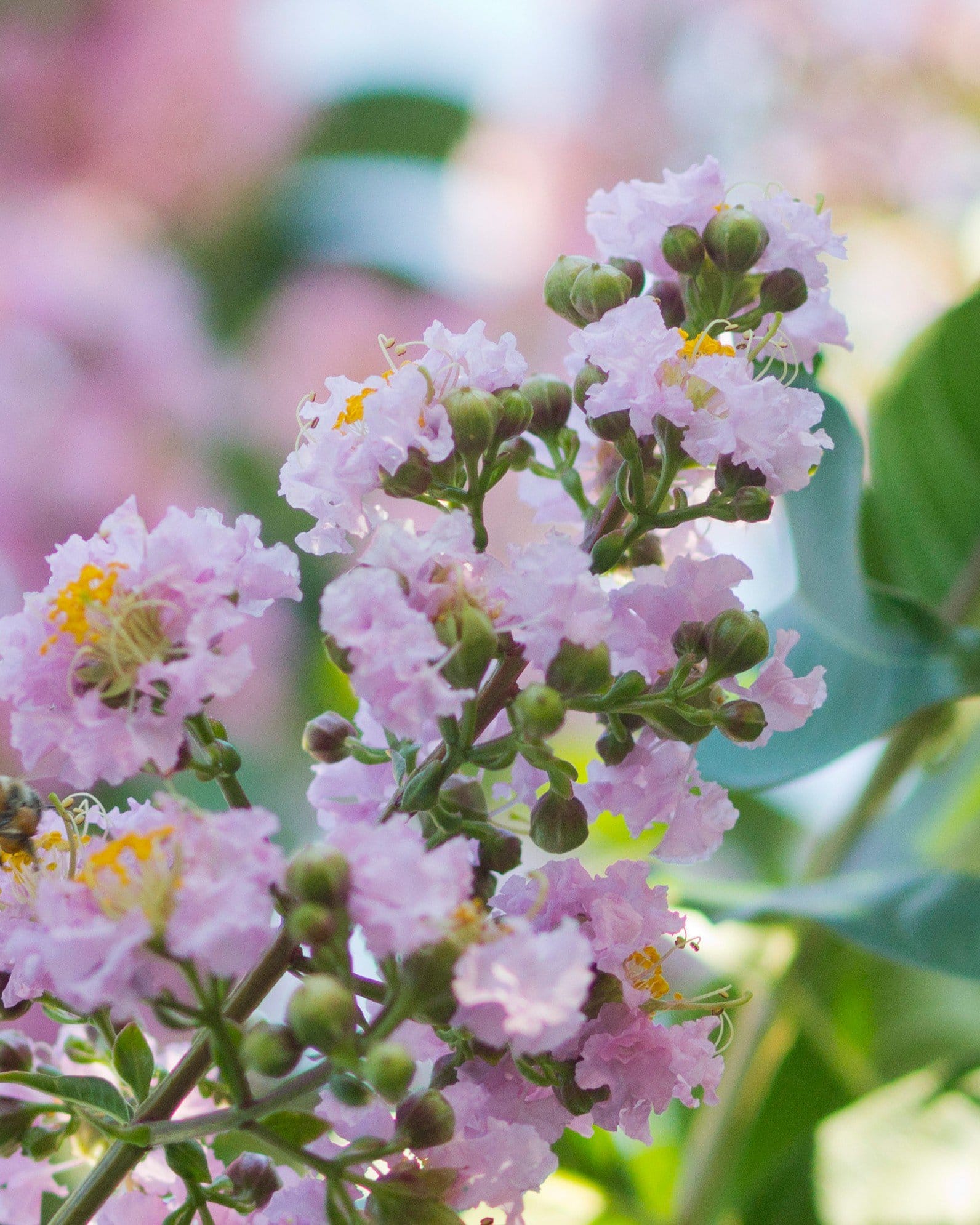
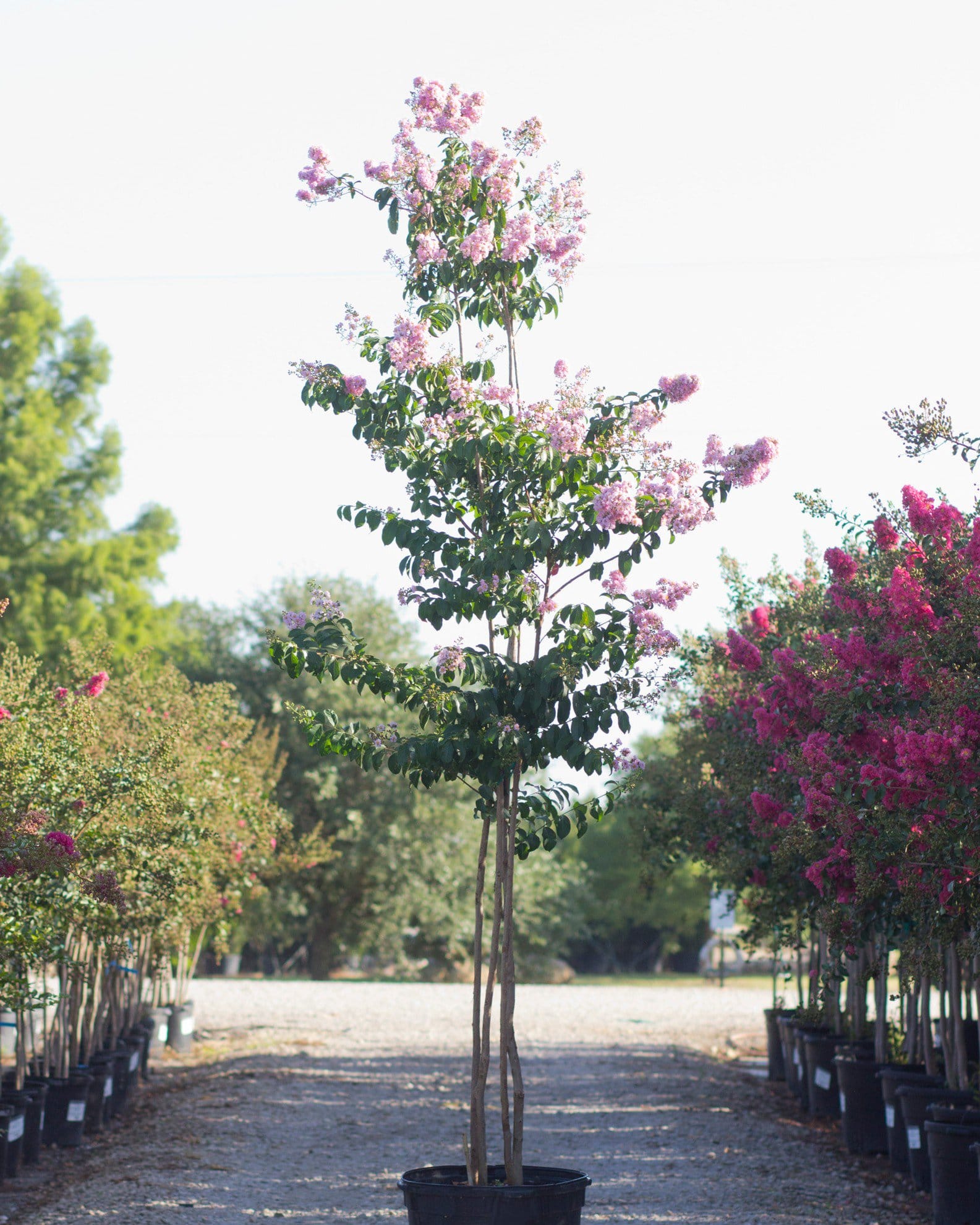
Albizia julibrissin 'Boubri'Ombrella Mimosa brings vibrant character and seasonal interest to your landscape. In summer, it produces eye-catching clusters of hot pink, powder-puff-like flowers that stand out beautifully against finely divided, fern-like green leaves. As autumn arrives, its foliage transforms into a warm golden yellow, adding a new layer of color and visual appeal. With a broad, naturally umbrella-shaped canopy, this deciduous tree offers dappled shade and graceful movement, making it perfect as a statement piece in spacious areas. Growing up to 30 feet tall and equally wide at maturity, Ombrella Mimosa brings both scale and softness to your outdoor design.
- Deciduous tree with wide-spreading canopy
- Moderate growth rate
- Hot pink flowers blooming in summer
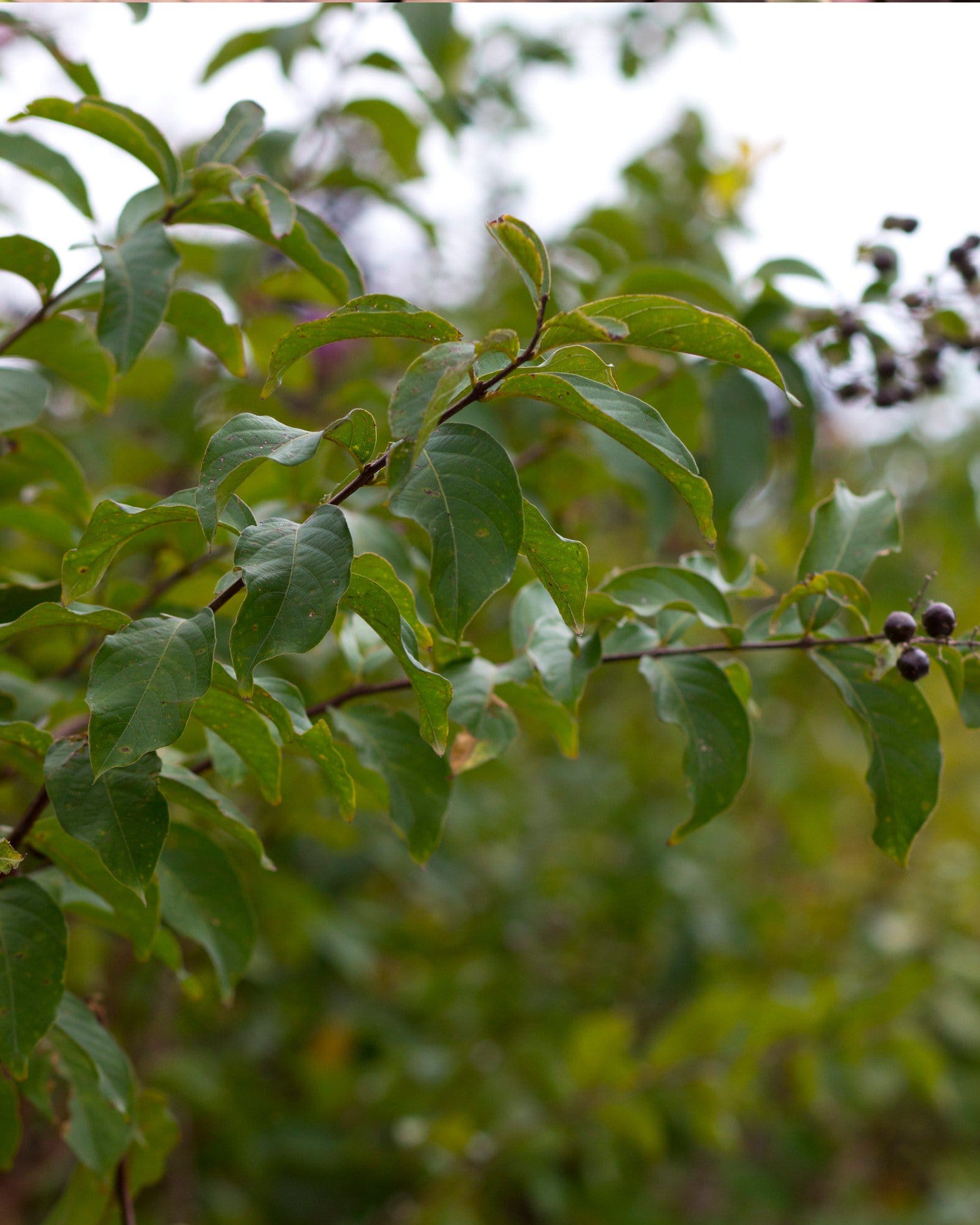
- Leaves turning yellow in fall
- Great focal point for larger landscapes
Hardy in zones 6-9, Ombrella Mimosa thrives in full sun and well-drained soils. Its impressive canopy and seasonal changes provide year-round interest, making it a standout feature wherever it’s planted.
Ombrella Mimosa is an easy-care ornamental tree that thrives with minimal attention once established. Here’s all it needs to grow beautifully in Texas landscapes:
- Watering: Water regularly during the first growing season to help the tree establish a strong and stable root system. Once mature, Ombrella Mimosa handles short dry periods well but benefits from occasional deep watering during extended drought.
- Pruning: Light pruning in late winter helps maintain the tree’s graceful umbrella-like canopy. Remove any weak, damaged, or crossing branches to encourage a healthy branching structure.
- Fertilizing: Fertilization is rarely necessary in average garden soils. If desired, a light application of balanced fertilizer or compost in early spring can encourage healthy seasonal growth.
- Mulching: A 2-3 inch layer of mulch around the base helps maintain soil moisture and regulate root temperatures. Keep mulch slightly away from the trunk to prevent moisture buildup near the bark.
- Winter Care: In warmer regions, Ombrella Mimosa requires little winter attention. In areas with occasional cold snaps, maintaining a protective mulch layer helps insulate the root zone.
Ombrella Mimosa is generally resilient, though a few occasional issues may arise depending on environmental conditions.
- Mimosa Wilt: This fungal disease may cause sudden wilting or branch dieback. Prompt removal of affected branches and maintaining overall tree vigor can help limit its impact.
- Webworms: Silky webs may appear at the ends of branches where caterpillars feed on leaves. Early removal of webs or light pruning of affected areas usually keeps infestations under control.
- Leaf Drop During Stress: Extended drought or sudden temperature swings may cause temporary leaf drop. Deep watering and consistent mulching help stabilize growing conditions.
- Surface Root Exposure: Fast-growing trees may occasionally develop shallow roots near the soil surface. Maintaining mulch and avoiding soil disturbance around the base helps protect the root zone.
- Branch Splitting: Rapid growth may produce flexible branches that occasionally split during storms. Gentle structural pruning when the tree is young encourages stronger branch formation.
Ombrella Mimosa typically lives around 20-30 years. While relatively short-lived compared to some shade trees, it grows quickly and provides many years of ornamental interest during its lifespan.
Ombrella Mimosa grows rapidly, often adding 2-3 feet of growth per year. Most trees reach a mature canopy within about 6-8 years after planting.
Yes, the delicate leaflets respond to changes in light and moisture by gently folding. This natural movement helps reduce water loss and protects the foliage during rain or evening hours.
The fine, feathery foliage allows dappled sunlight to pass through the canopy. This creates a soft shade environment that many understory plants can tolerate.
Like most mimosa trees, it may drop flowers and seed pods at certain times of the year. Occasional cleanup beneath the tree keeps the surrounding planting areas tidy.
Birds sometimes perch among the light branches and may use the canopy as temporary shelter. The open structure allows easy movement through the branches.
Once mature, the tree reliably produces its decorative blooms each growing season. Flowering typically becomes more abundant as the tree ages.
Yes, mimosa trees generally recover well from light storm damage. Removing broken branches and allowing new growth to develop helps restore the canopy.
The tree transitions from fresh green foliage in spring to delicate flowering in summer before leaves gradually drop later in the season. These subtle seasonal shifts add gentle visual interest to the landscape.
As the tree matures, its branching structure becomes more sculptural and expressive. Older specimens often develop a particularly graceful canopy shape that enhances their ornamental value.
Special Features
You might also like
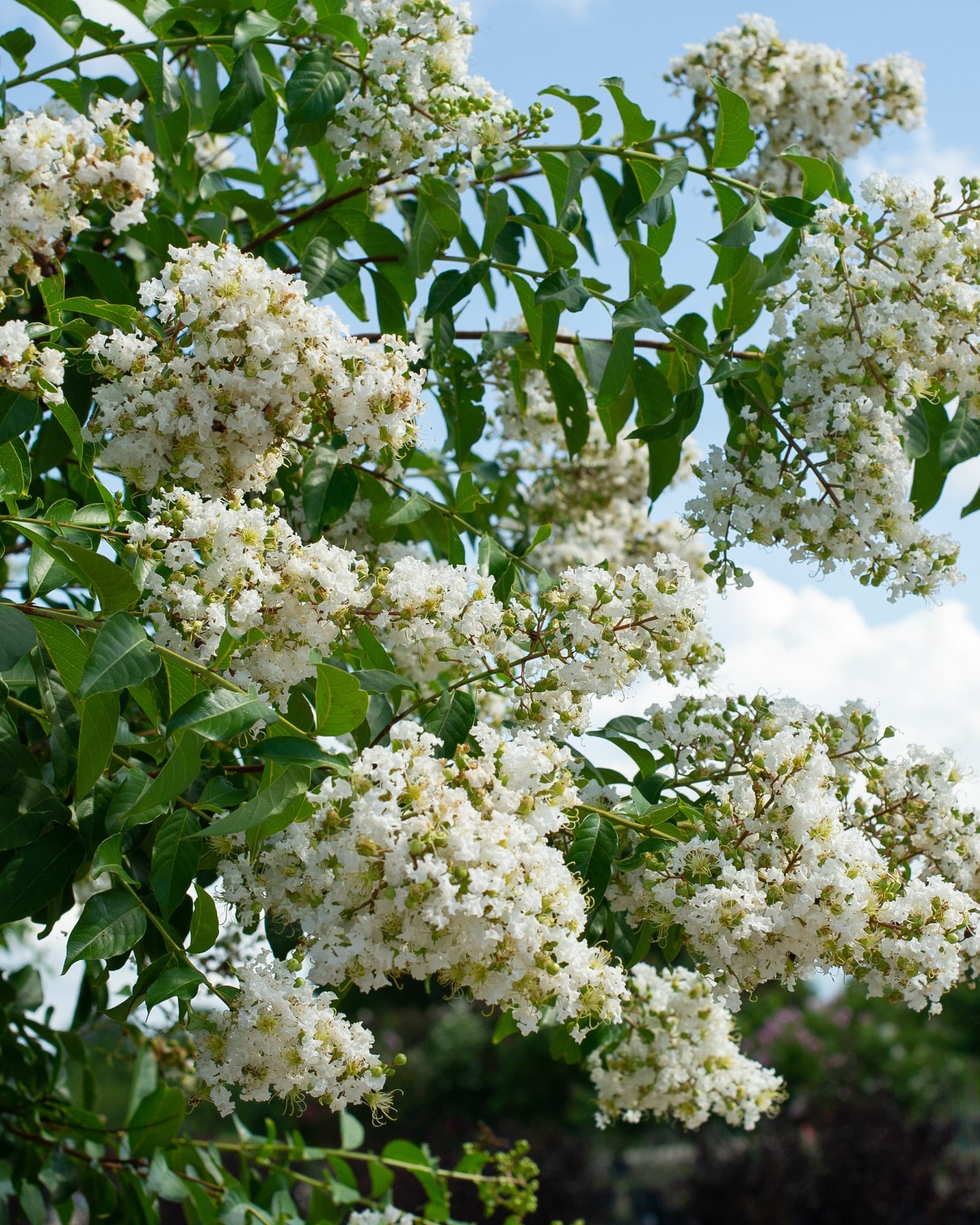
Natchez Crape Myrtle Single Trunk
Maturity: 25' H x 20' W
Summer Chocolate Mimosa
Maturity: 20' H x 15' W
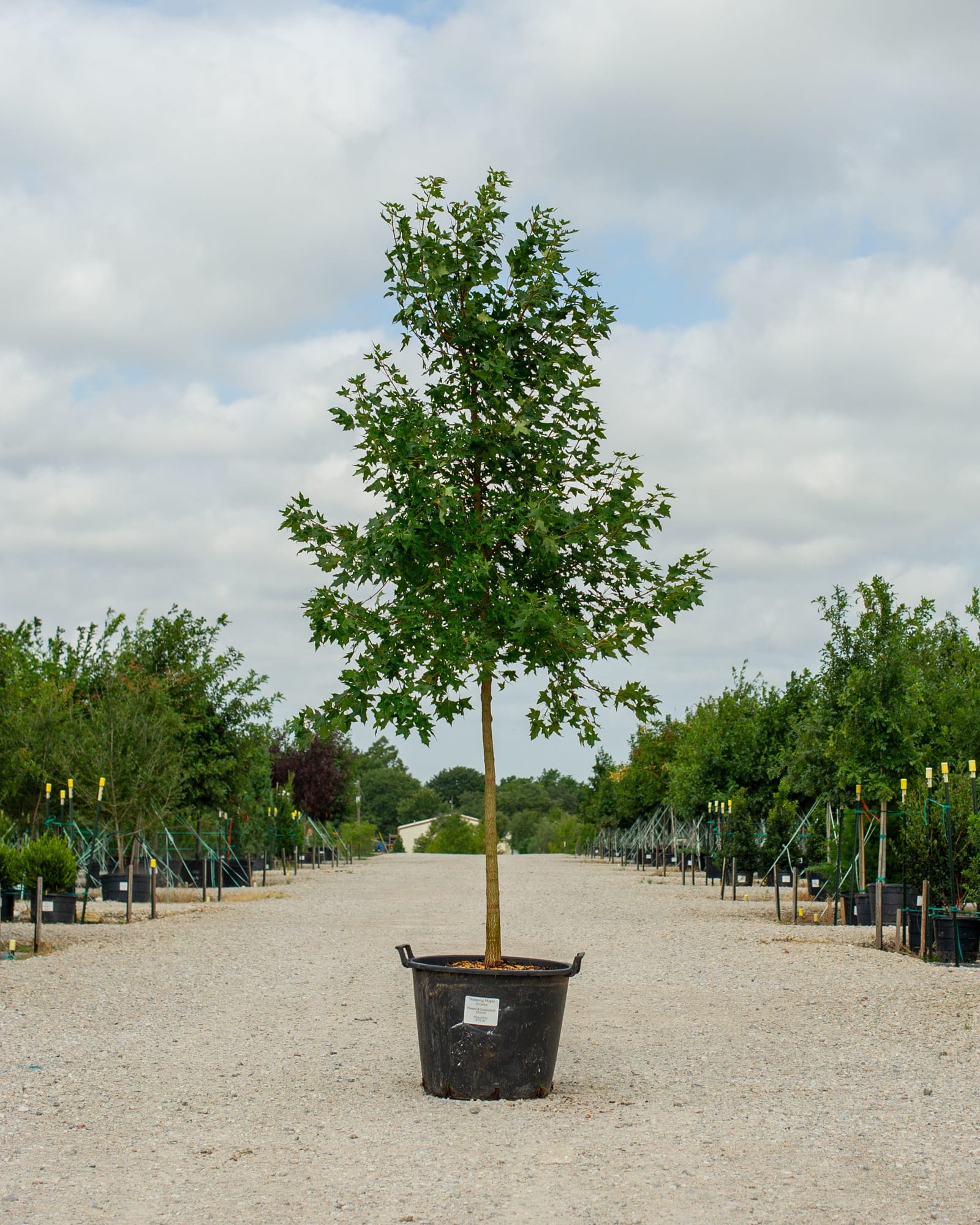
Shantung Maple
Maturity: 25' H x 20' W
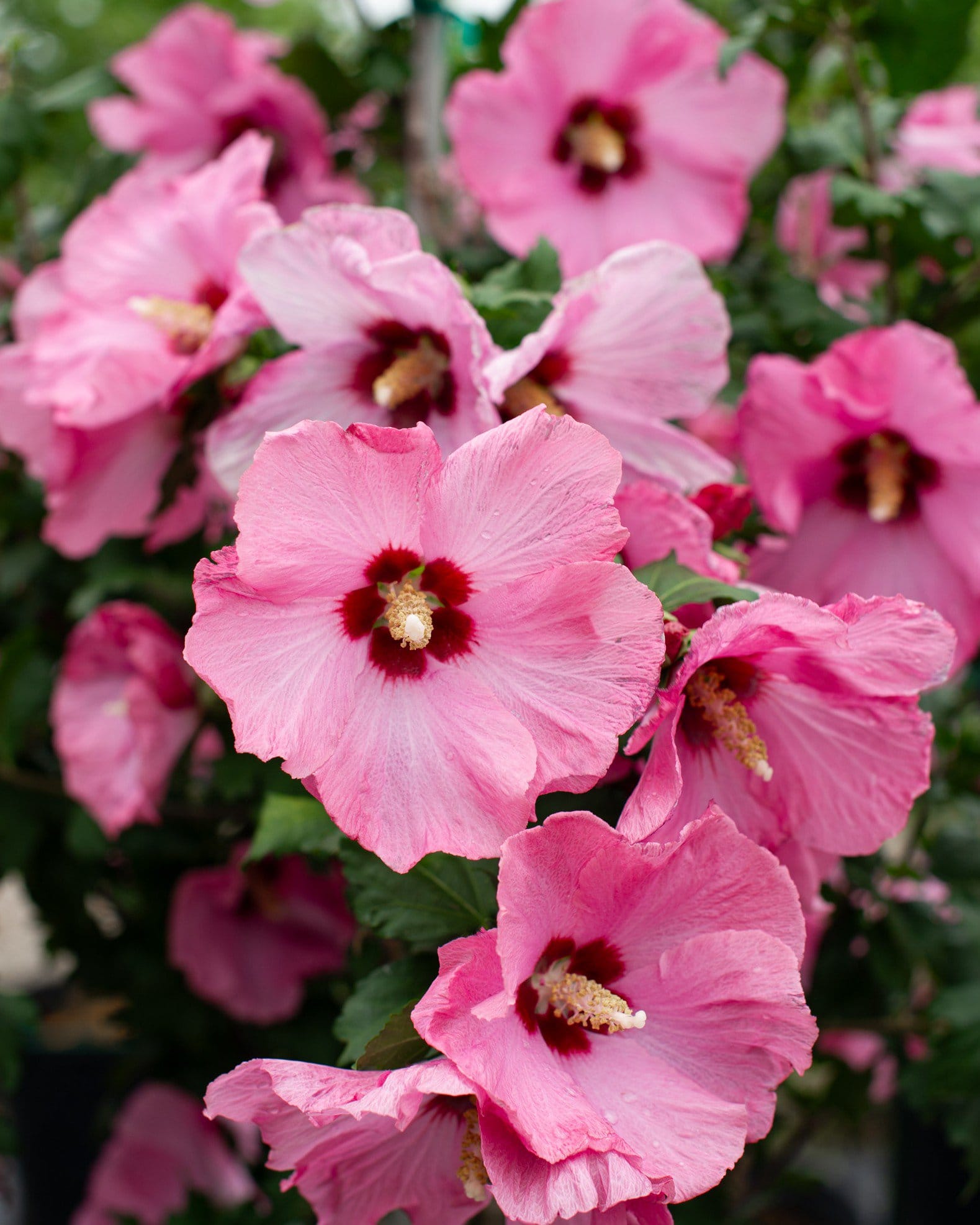
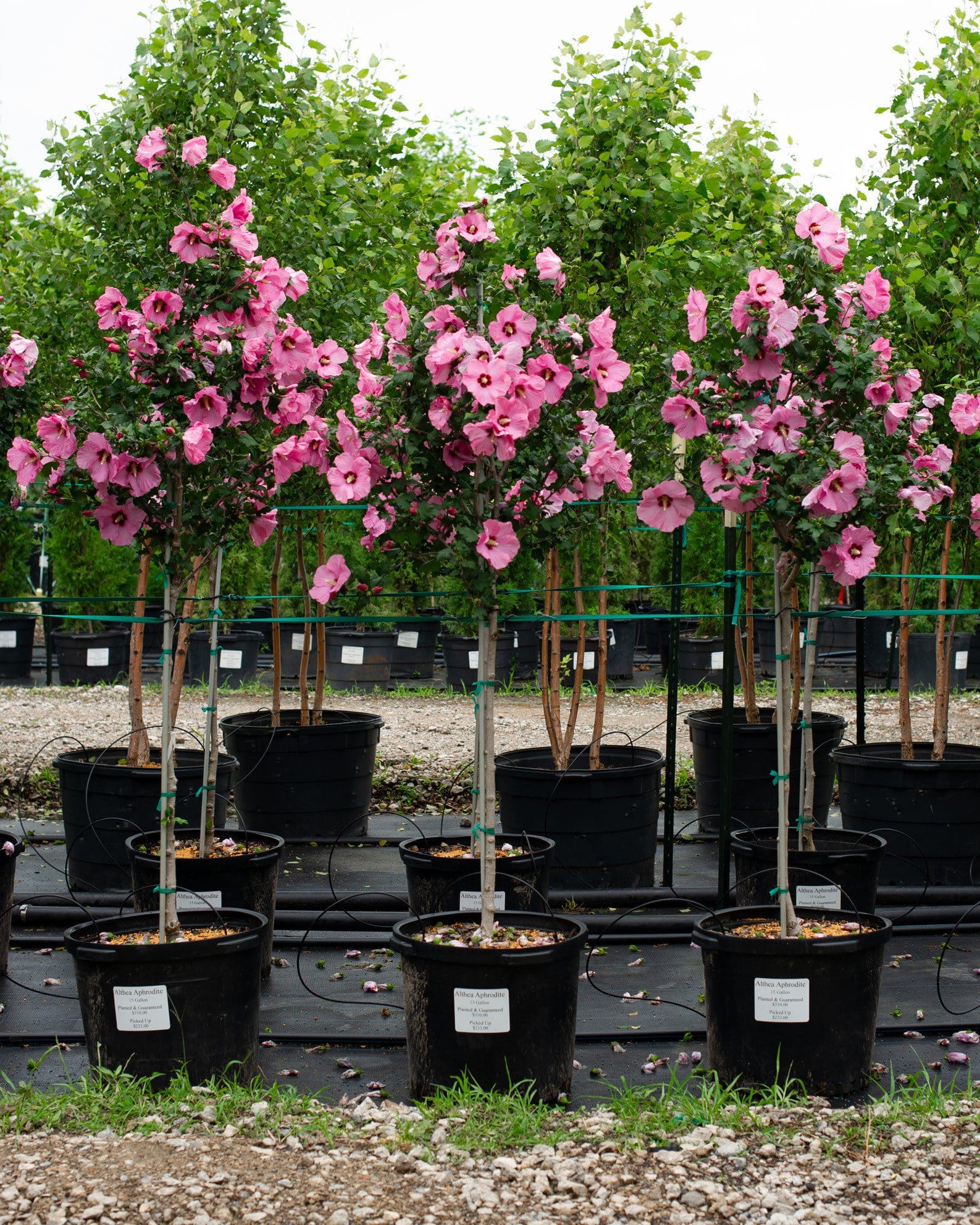
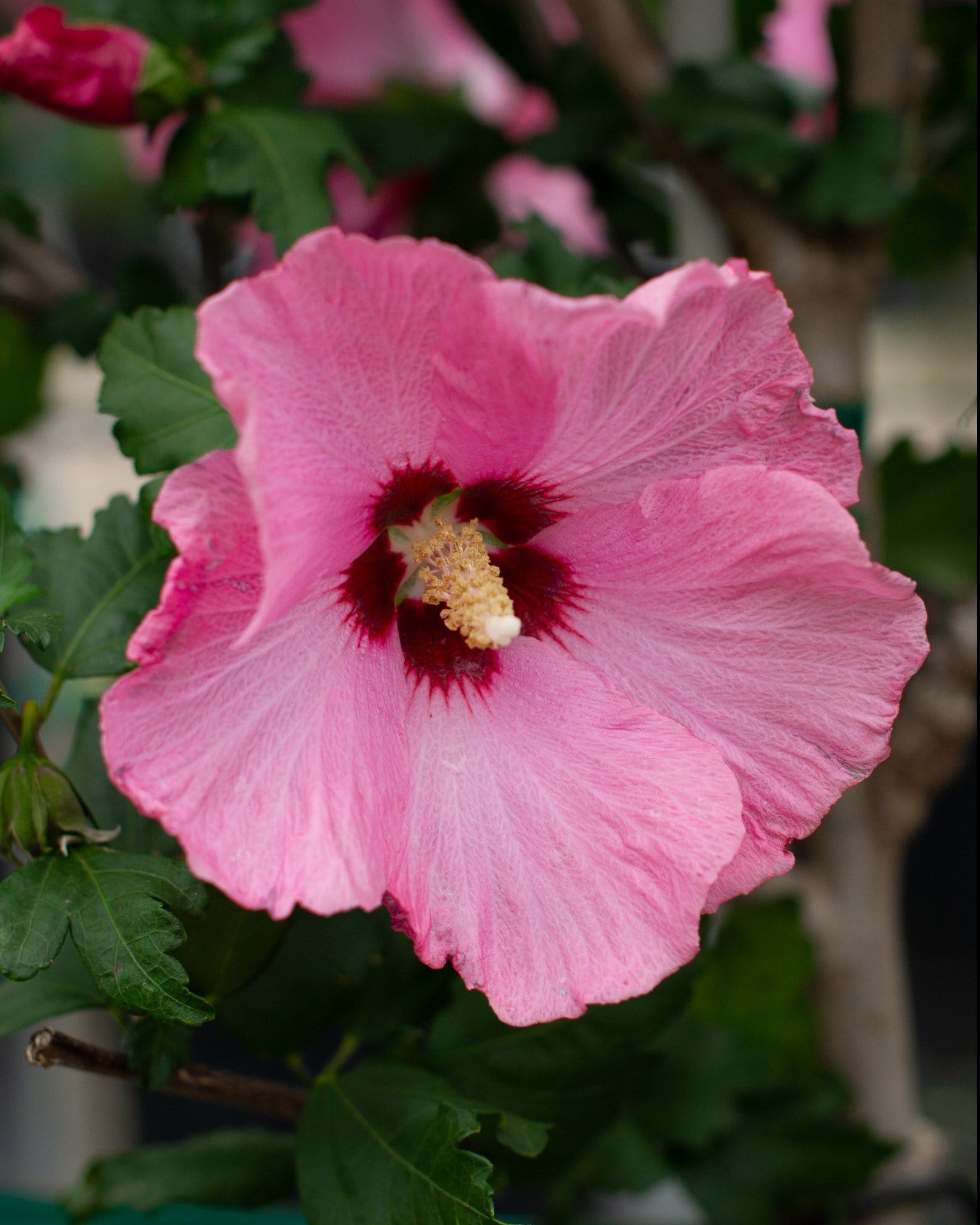
Aphrodite Althea Tree Form
Maturity: 8' H x 6' W
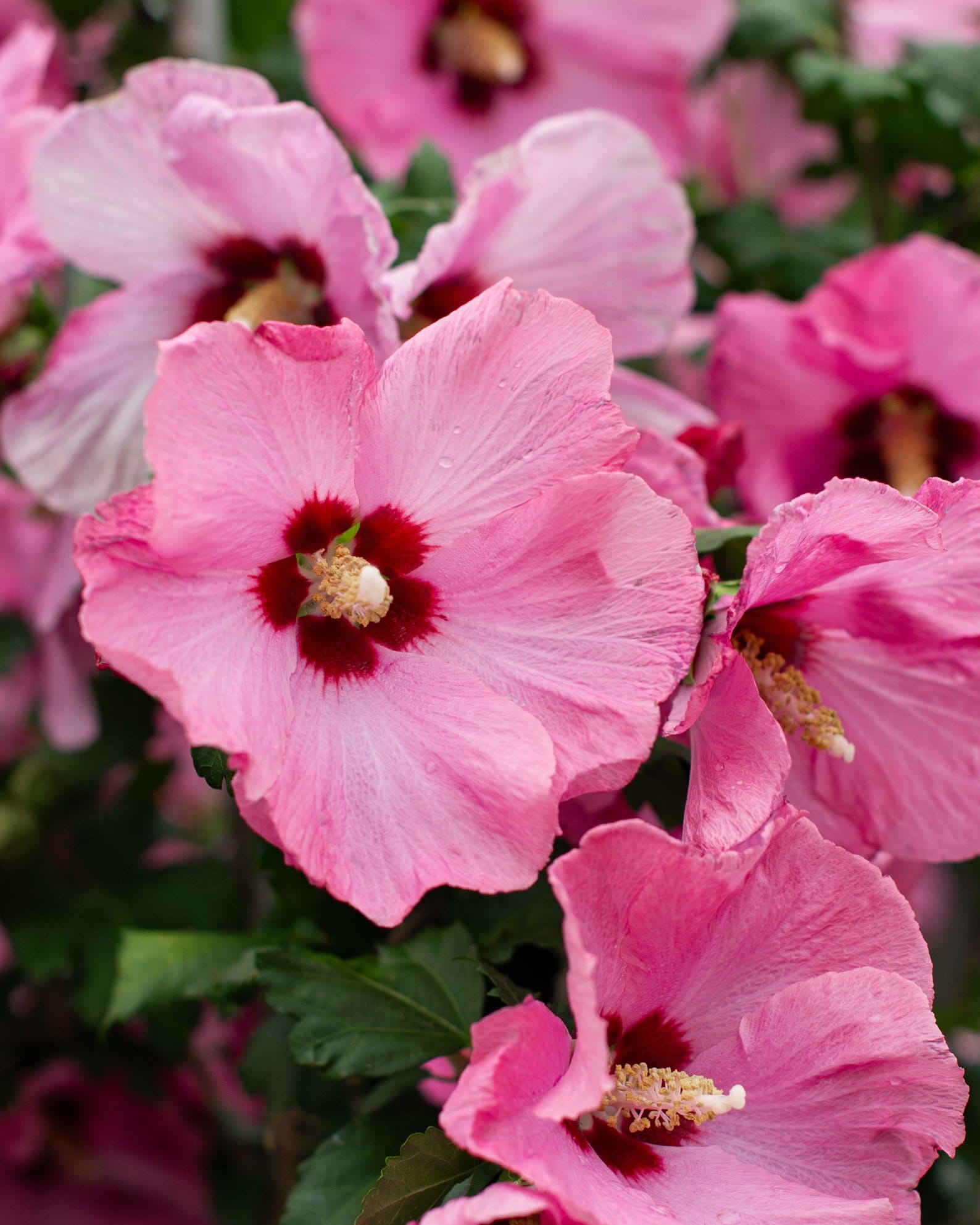
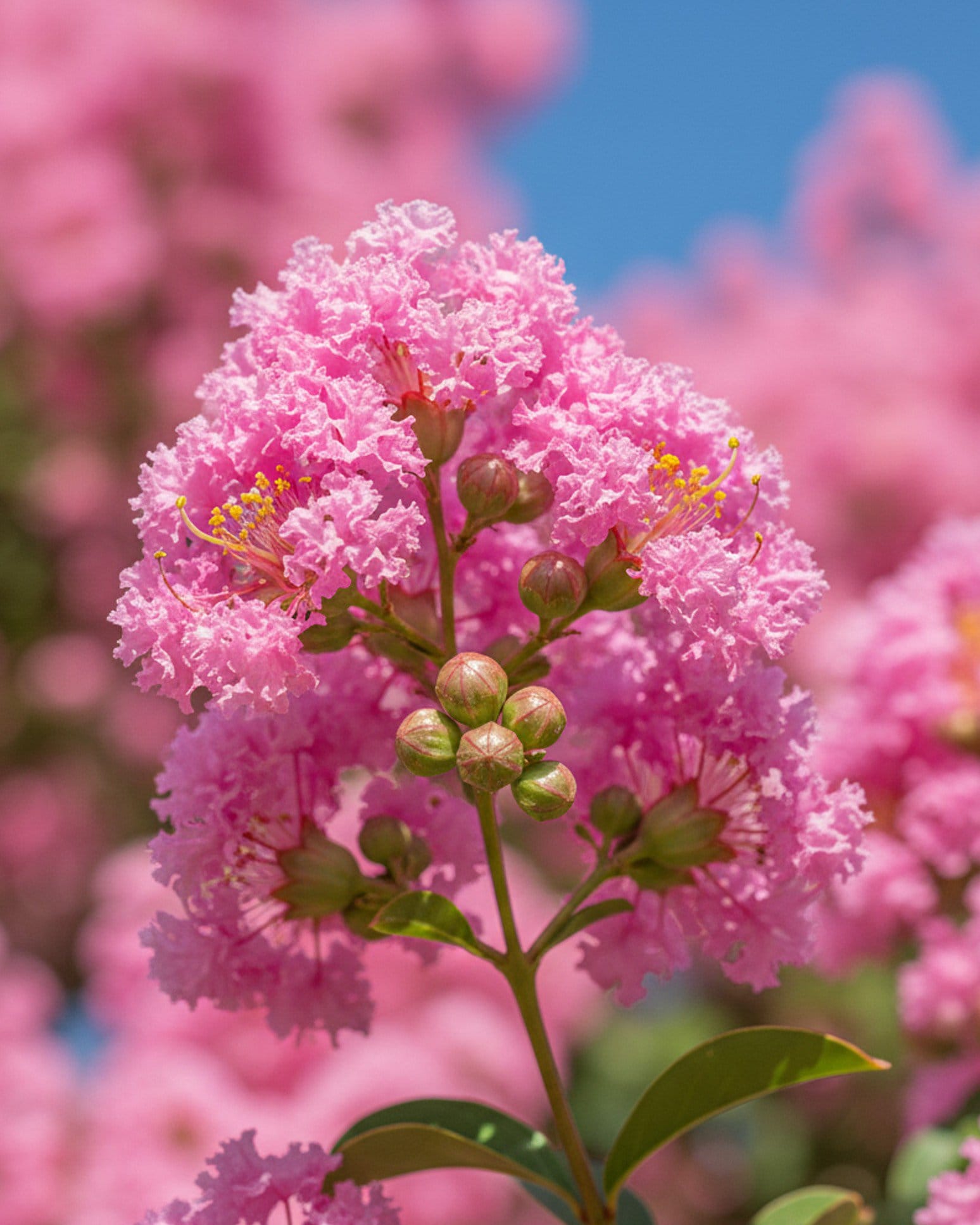
Basham's Party Pink Crape Myrtle
Maturity: 20' H x 15' W
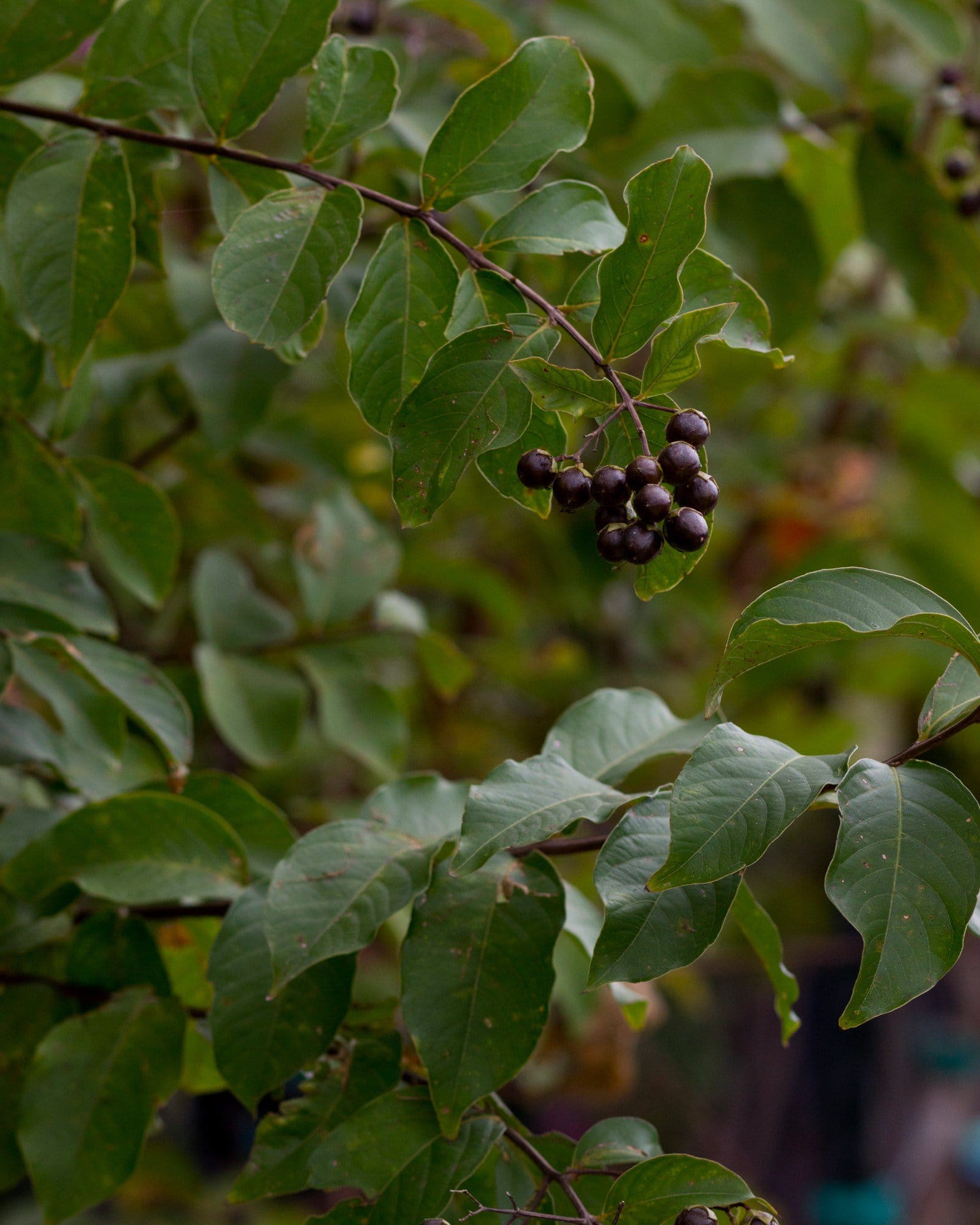
Biloxi Crape Myrtle
Maturity: 20' H x 15' W
Blue Angel Althea
Maturity: 8' H x 6' W
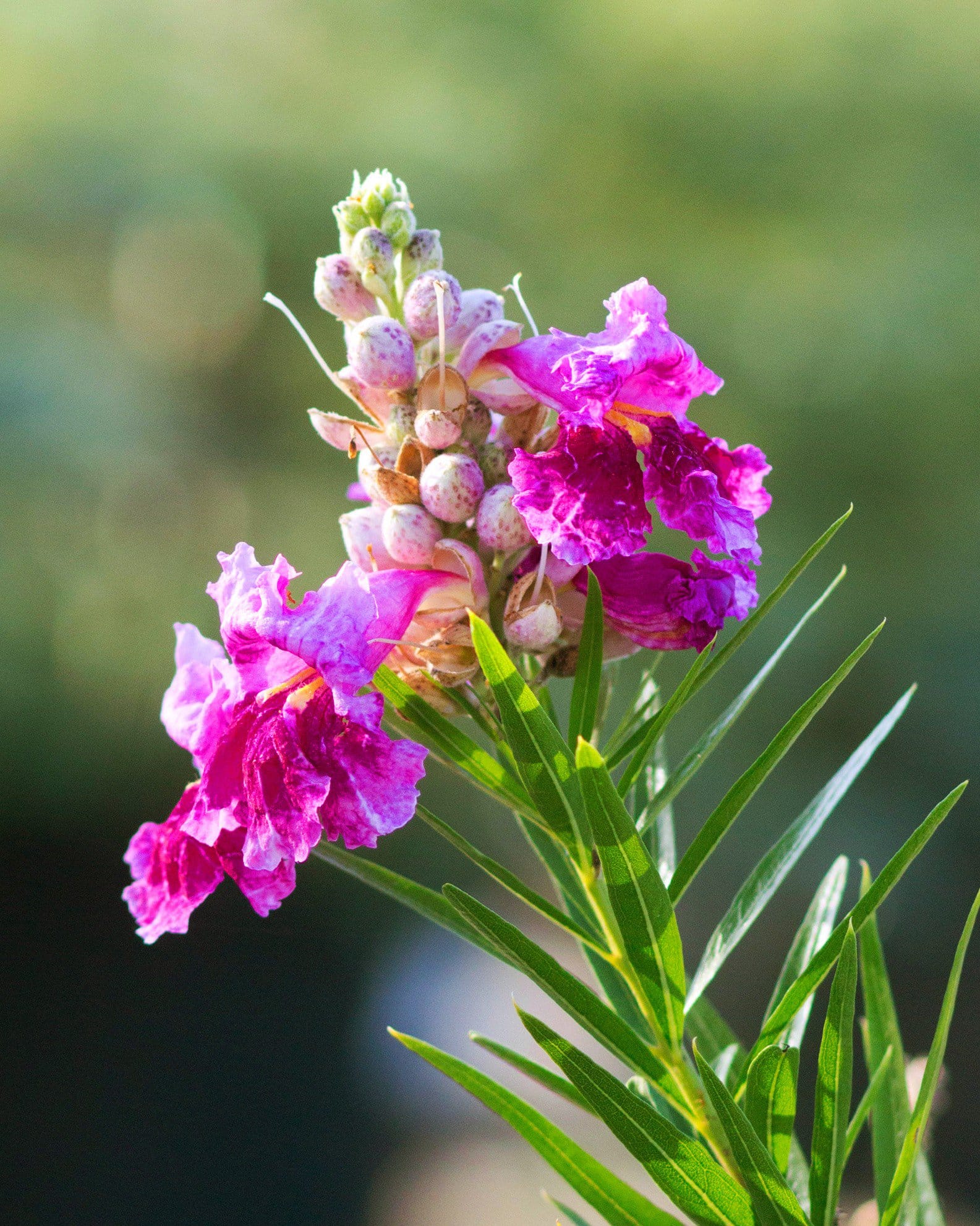
Bubba Desert Willow
Maturity: 15' H x 15' W
Colorama Coral Crape Myrtle
Maturity: 20' H x 12' W
Danica Althea Tree Form
Maturity: 8' H x 5' W
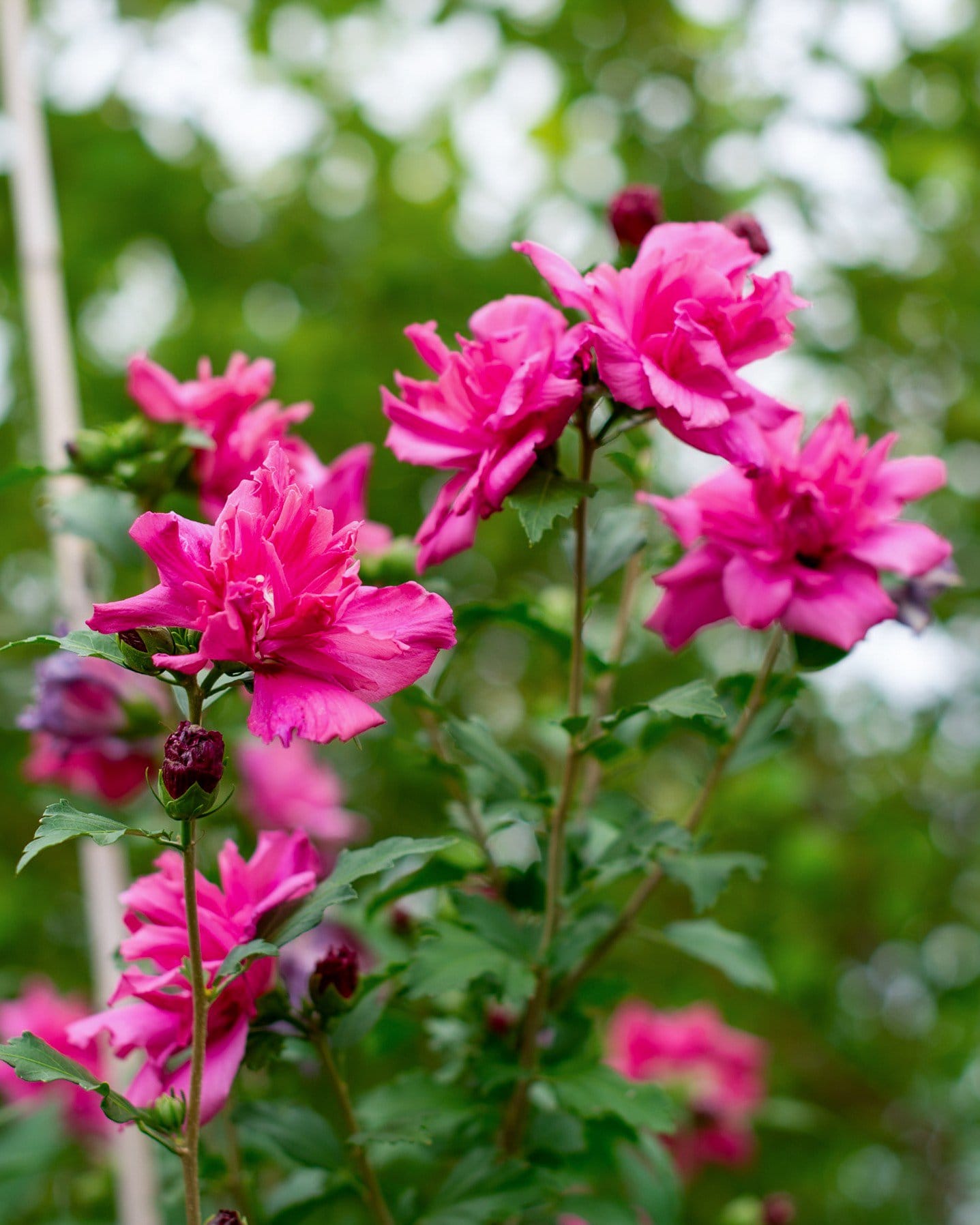
Double Red Althea Tree Form
Maturity: 8' H x 5' W
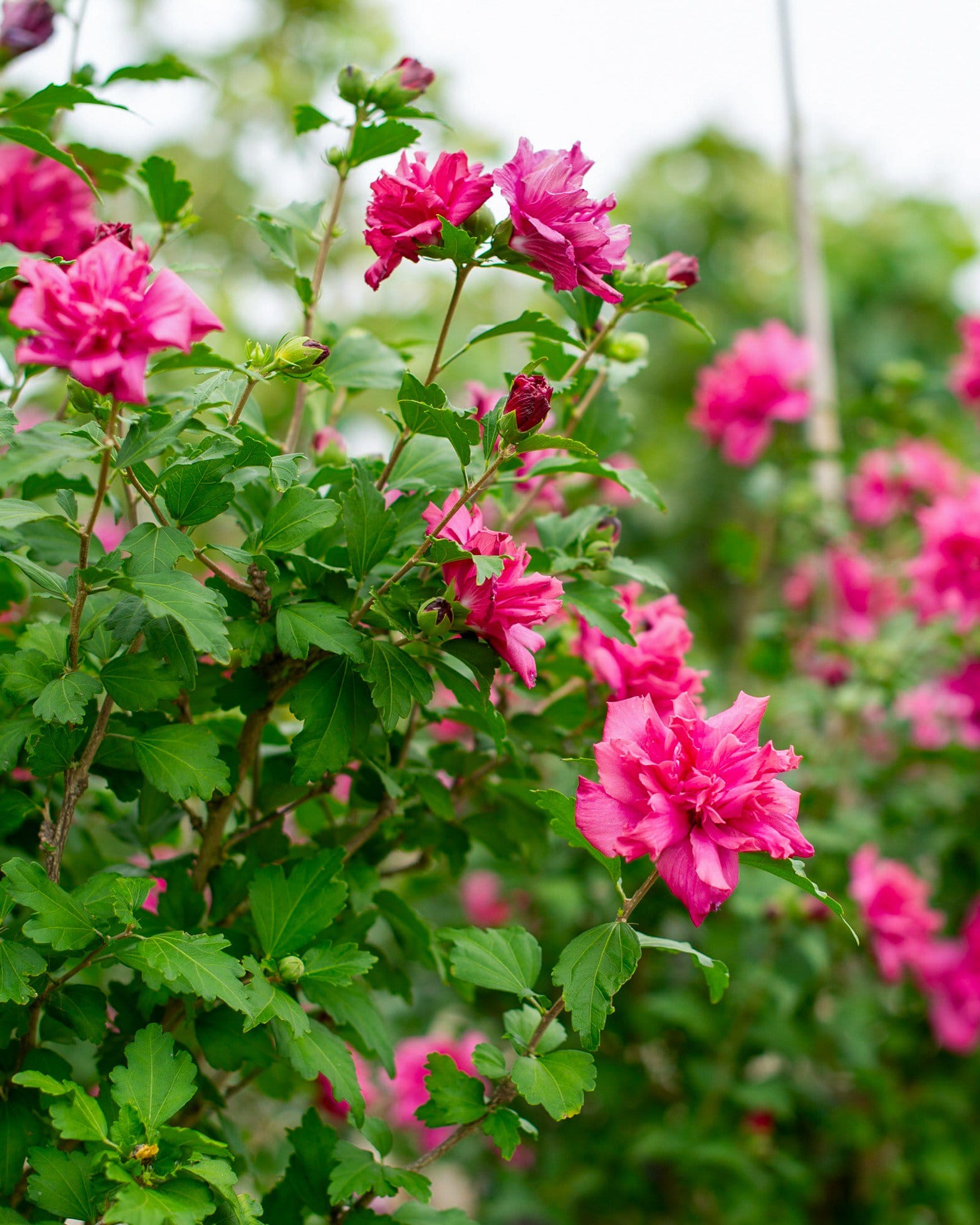
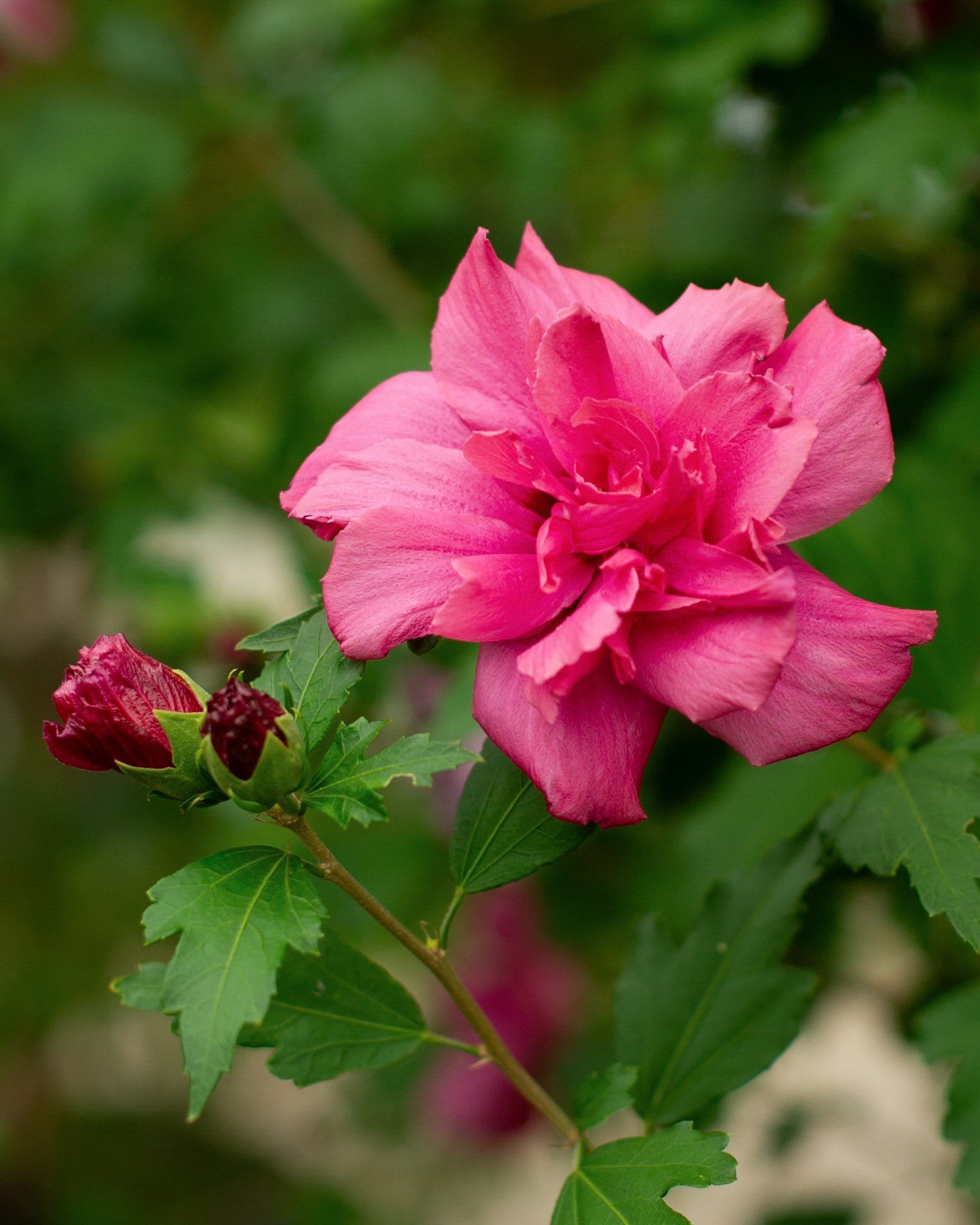
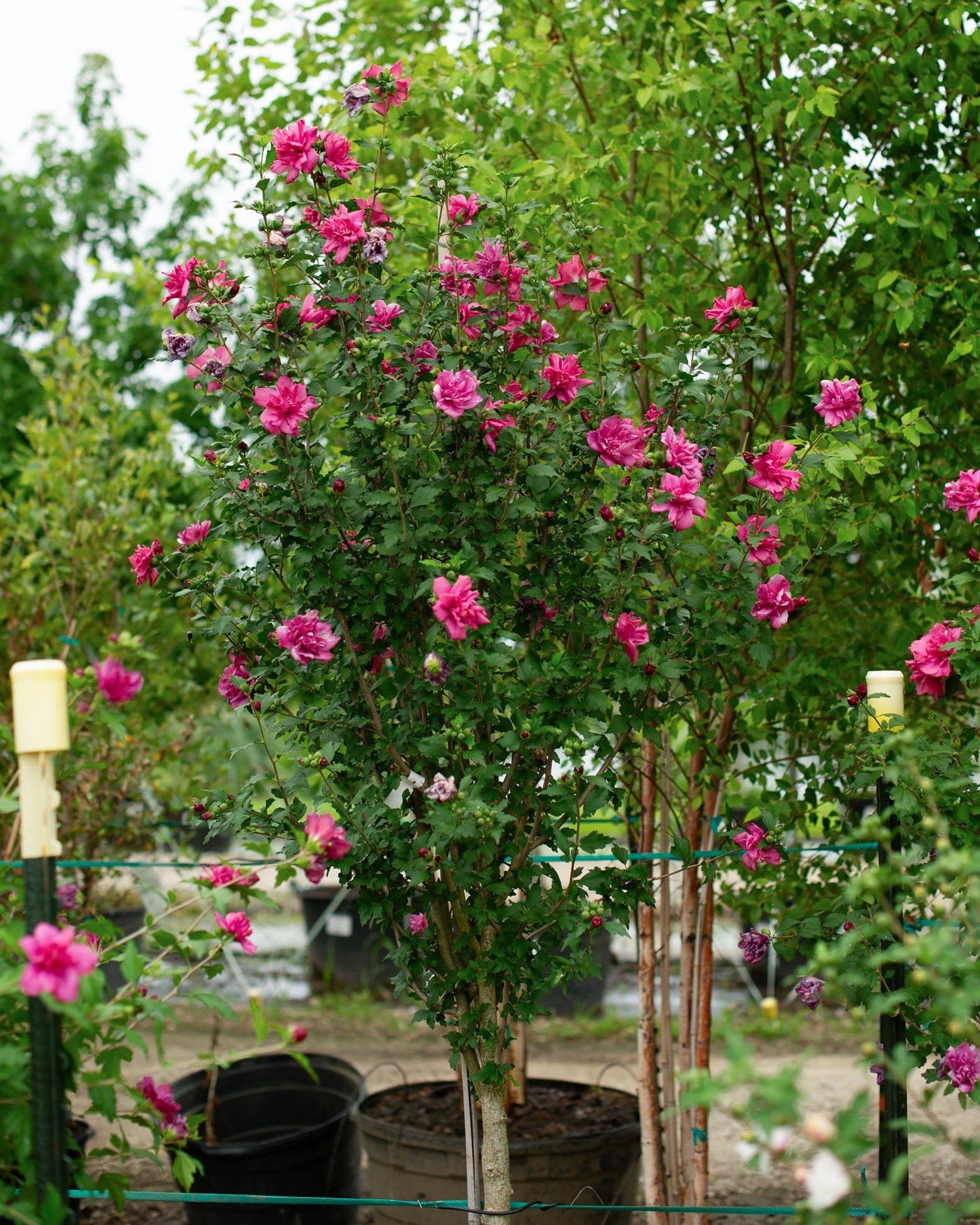
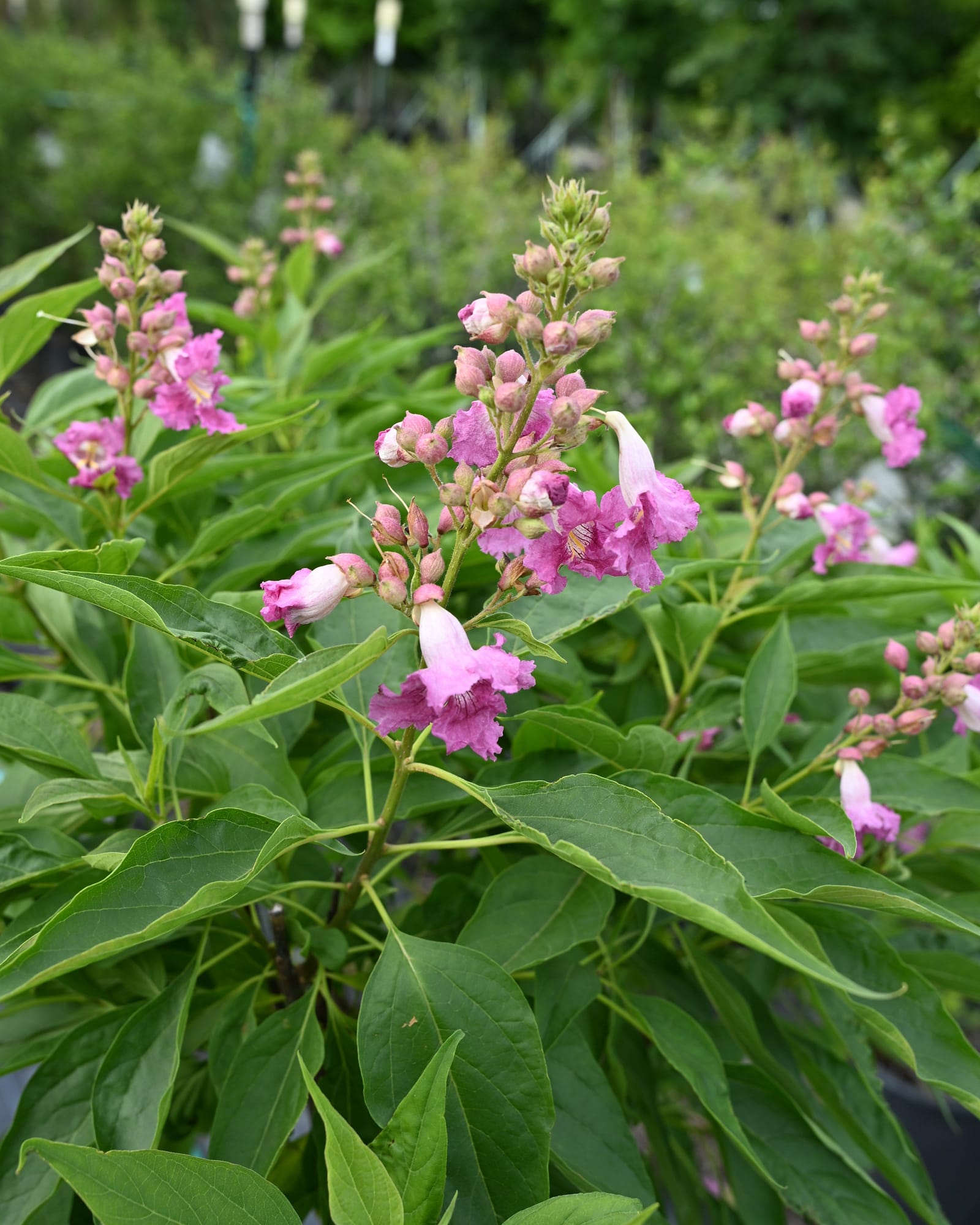
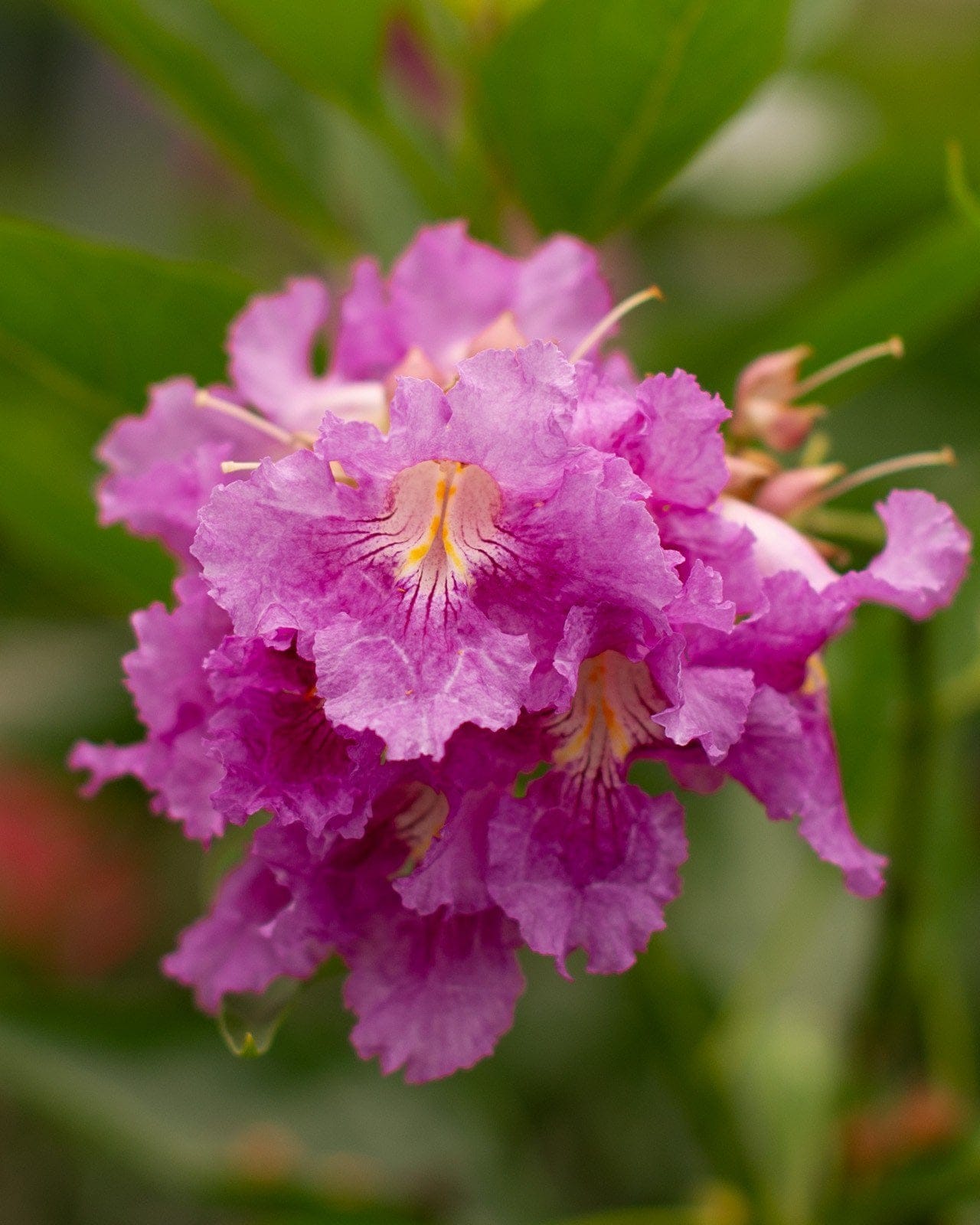
El Nino Desert Orchid Chitalpa
Maturity: 8' H x 6' W
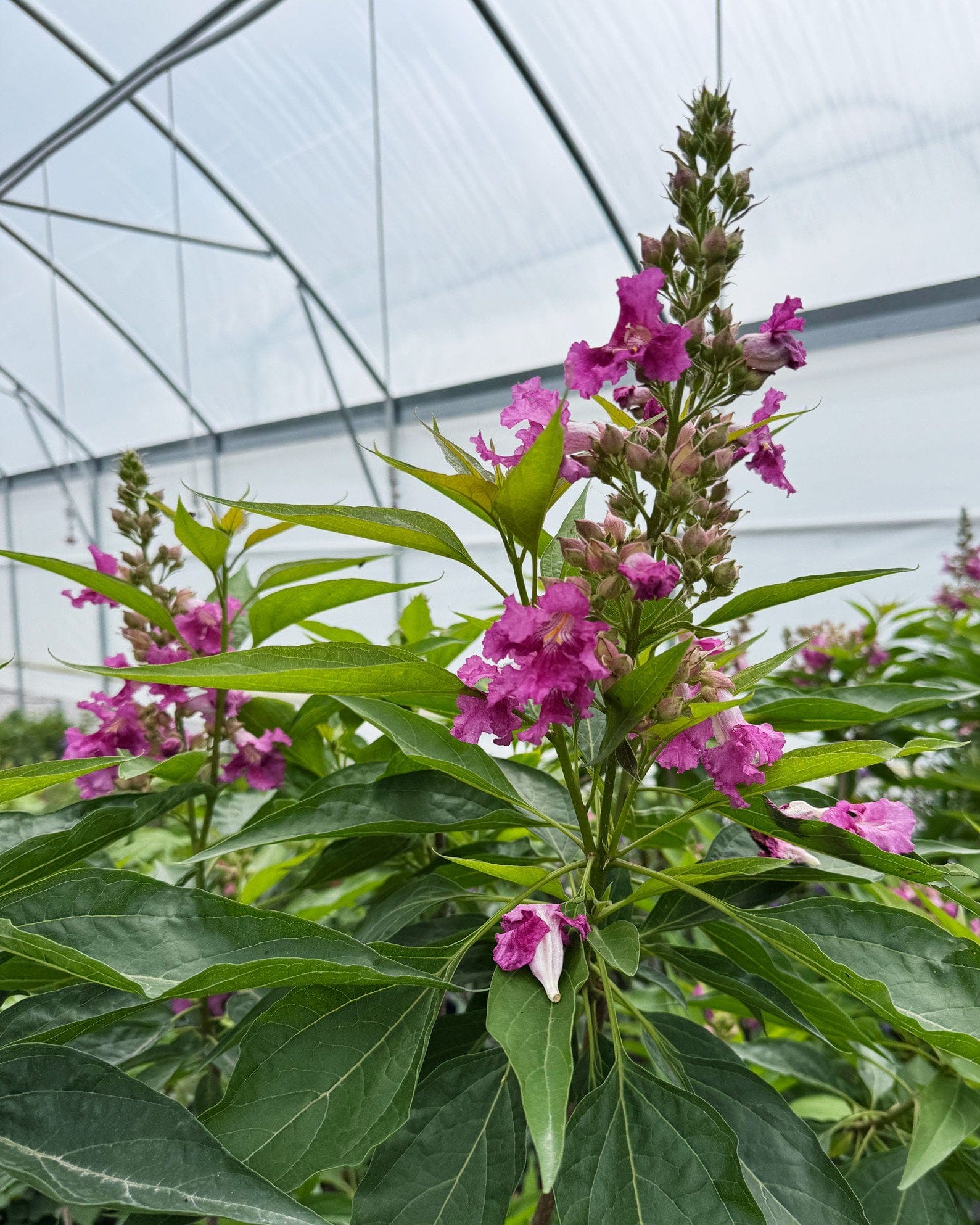
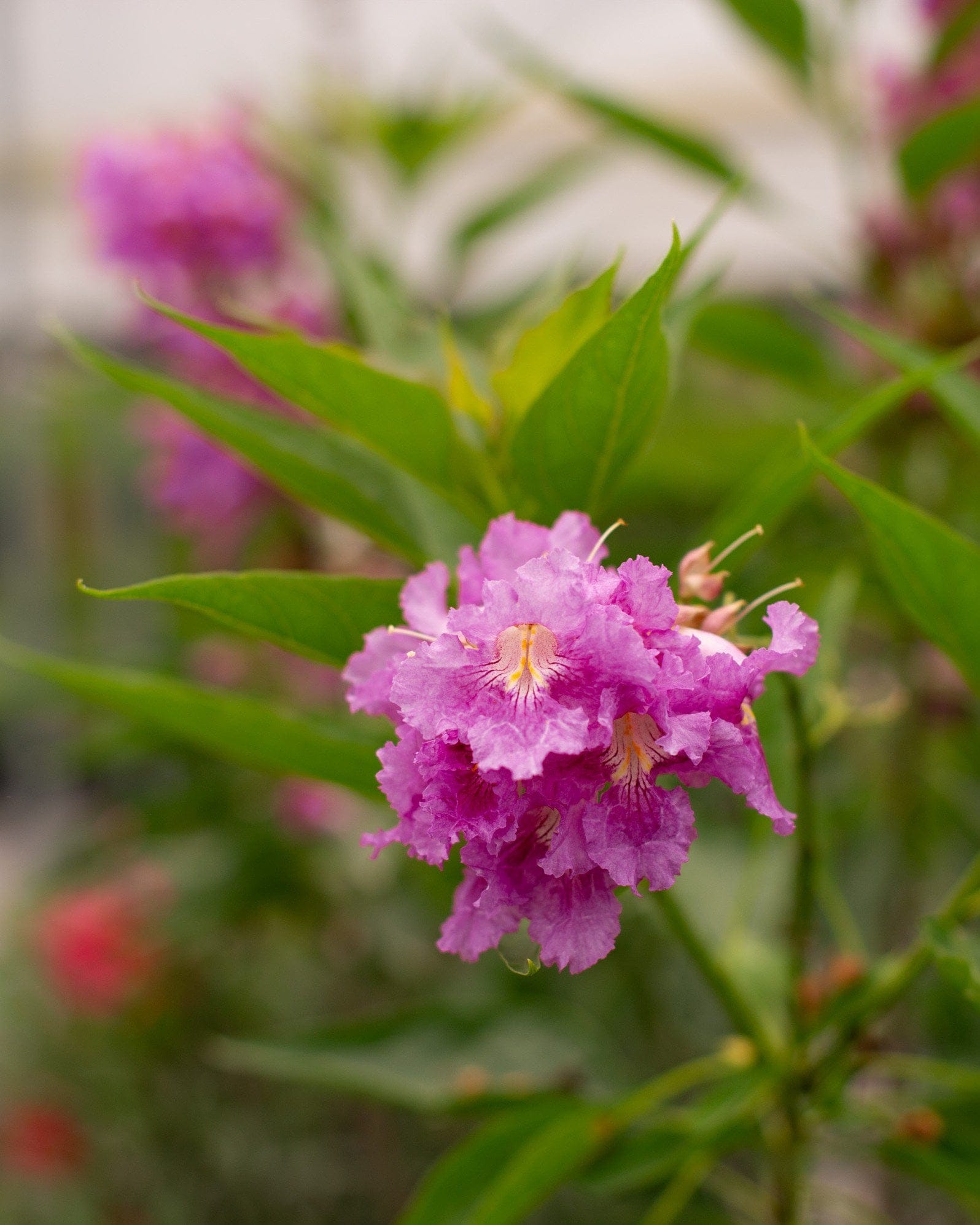
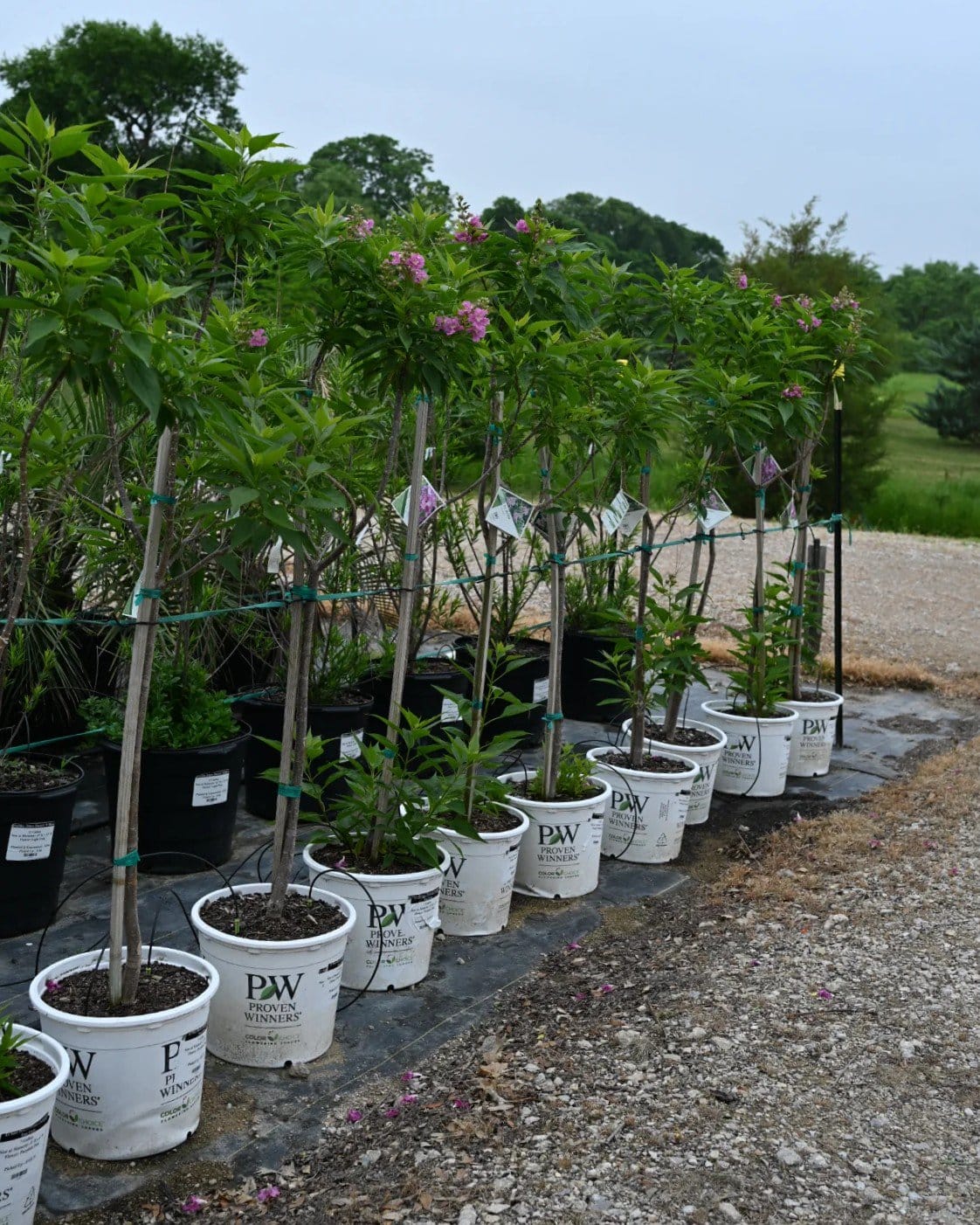
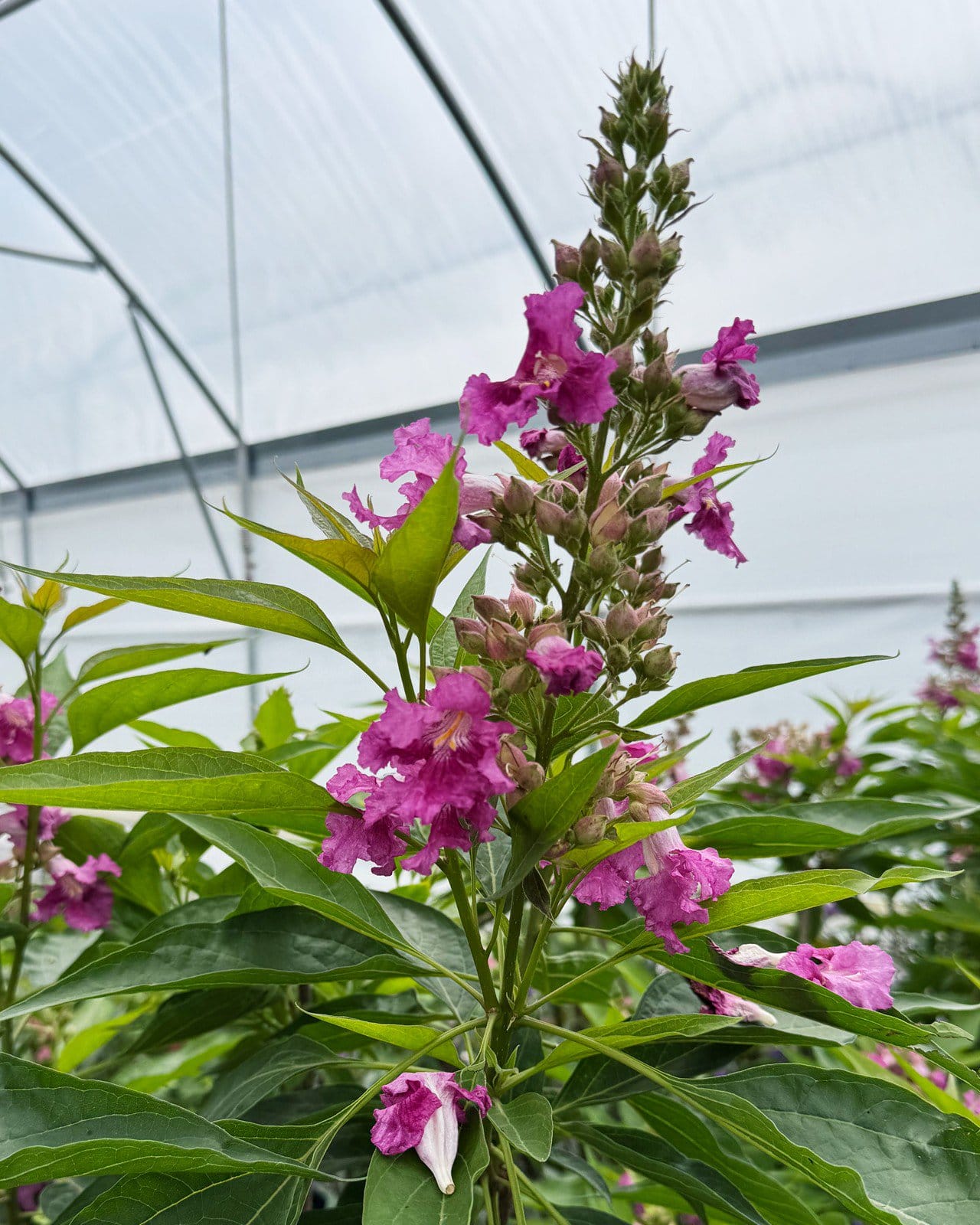
El Nino Desert Orchid Chitalpa Tree Form
Maturity: 8' H x 6' W
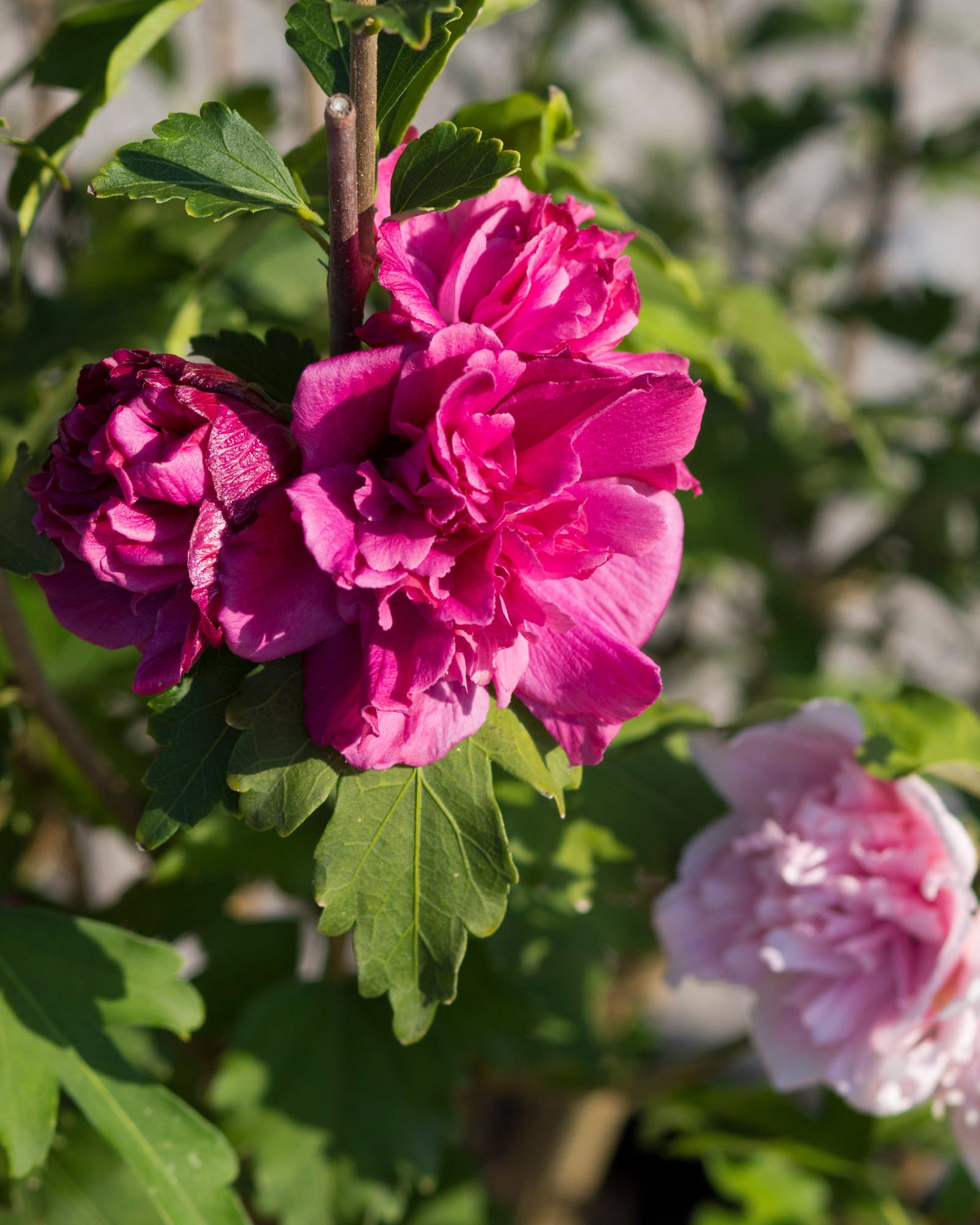
Fireworks Double Althea
Maturity: 8' H x 5' W
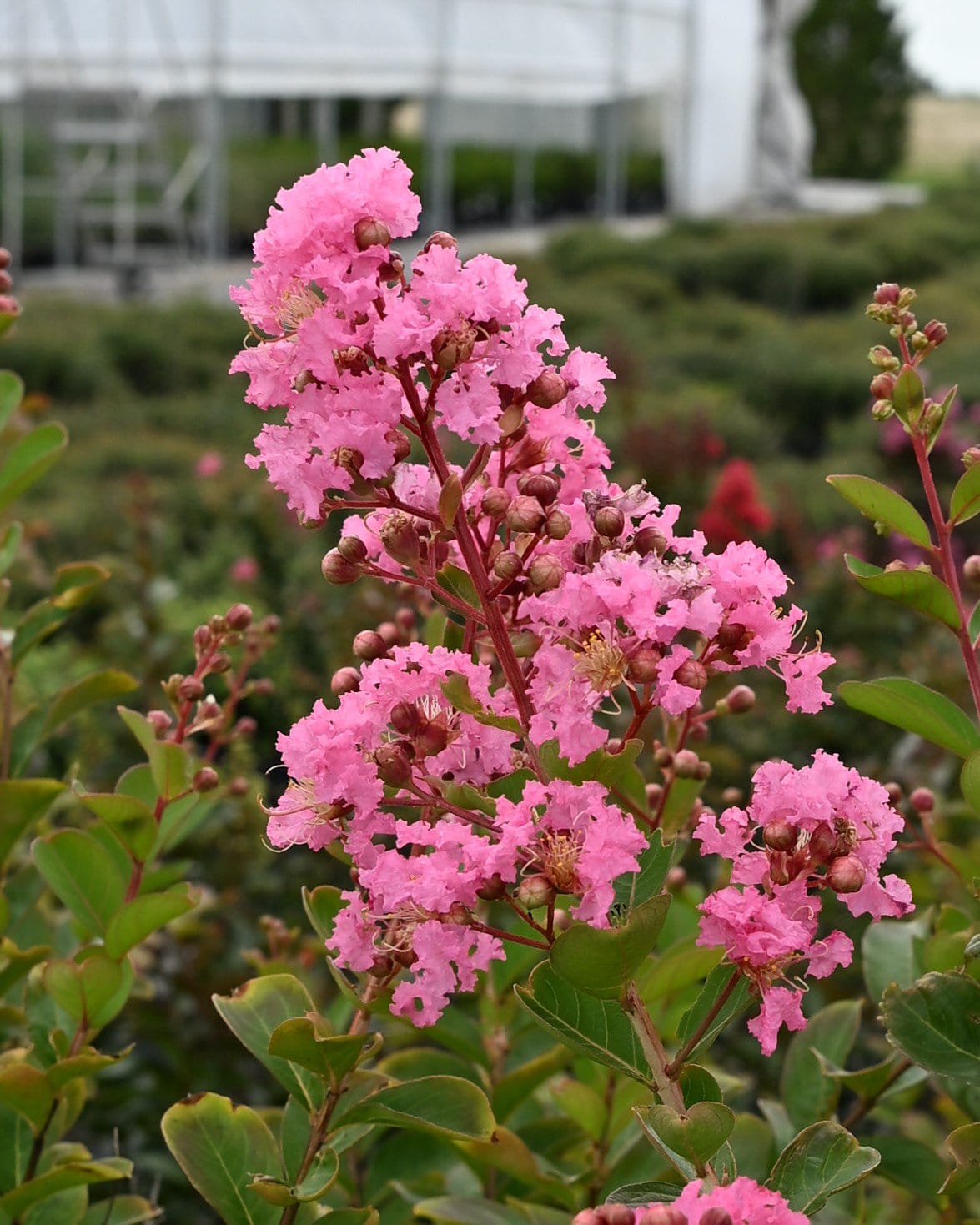
Hopi Crape Myrtle
Maturity: 10' H x 8' W
Compare Similar Plants
Ombrella Mimosa This plant | ||
|---|---|---|
| Scientific Name | Albizia julibrissin 'Boubri' | Lagerstroemia × 'Natchez' |
| Size at Maturity | 30' H x 30' W | 25' H x 20' W |
| Leaf Retention | Deciduous | Deciduous |
| Fall Color | Yellow | Yellow |
| Flower Color | Pink | White |
| Bloom Times | Summer | Summer |
| Sizes Available | — | 30, 45 gal |


Our 1-Year Planting Guarantee
We take pride in our plants and installation services. If any plants or trees installed by Treeland fail to thrive within the first year, we'll provide a replacement credit in accordance with our guarantee program.
Learn More About Our Guarantee