
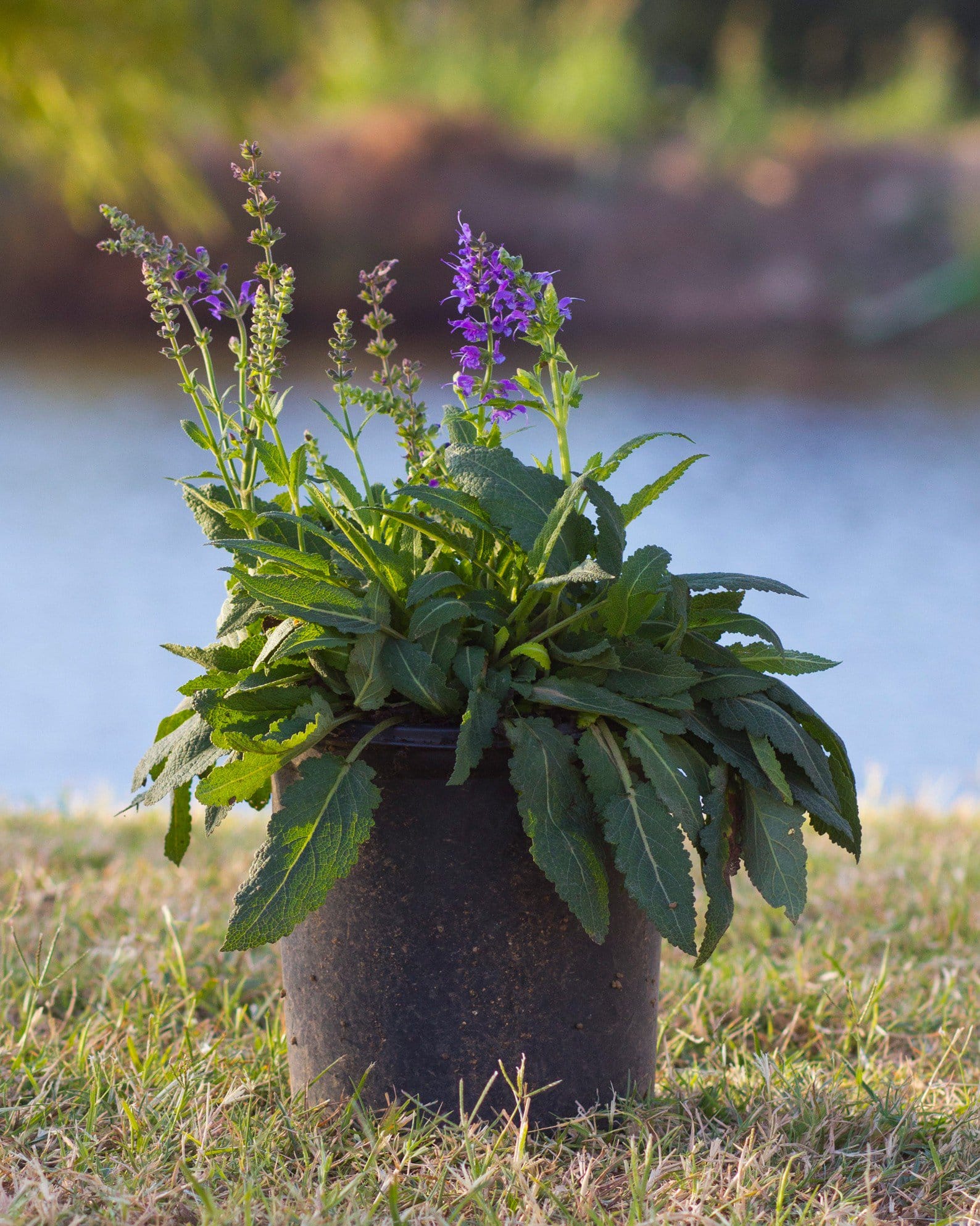
May Night Salvia
Salvia × sylvestris ‘Mainacht’Product Details
May Night Salvia
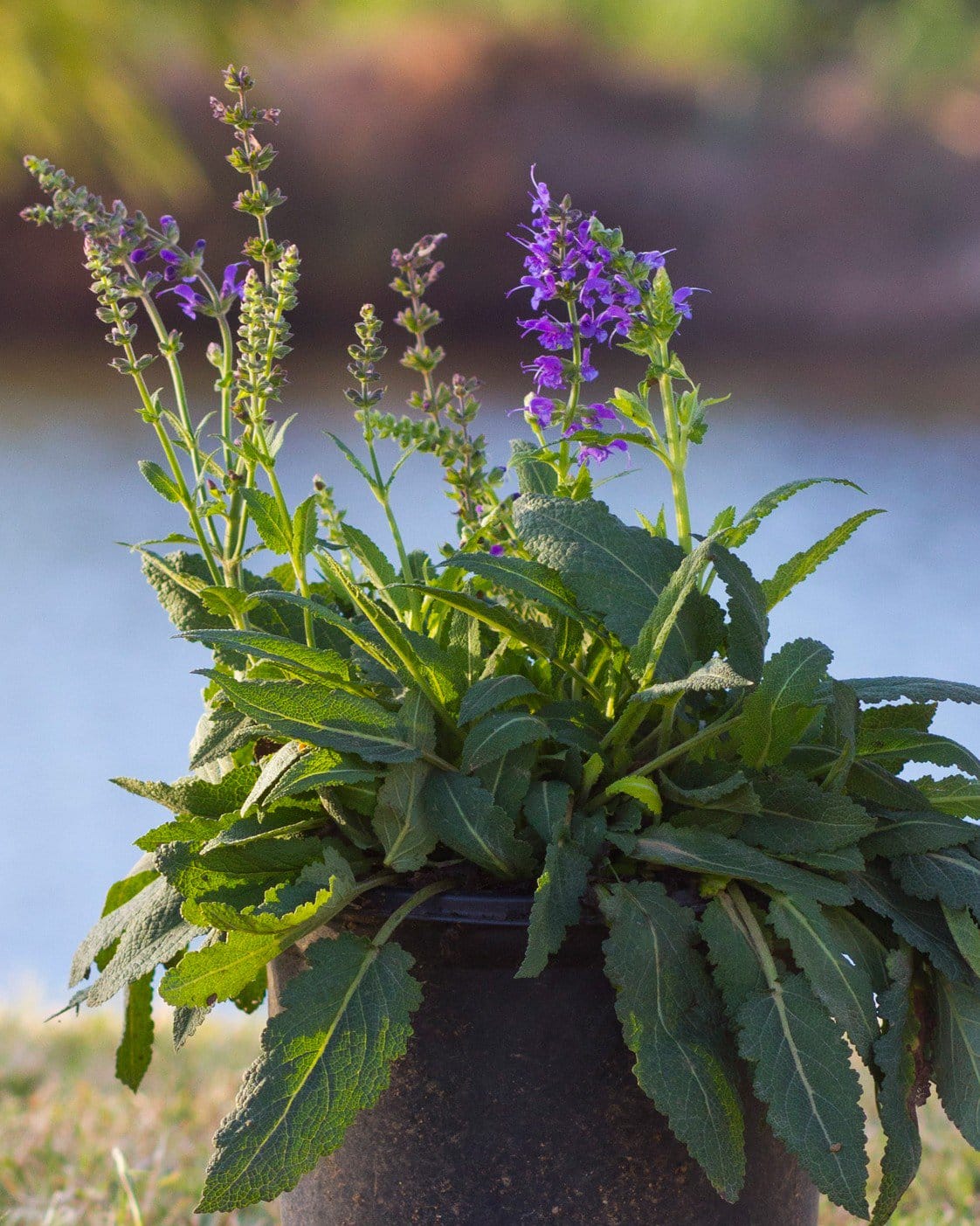
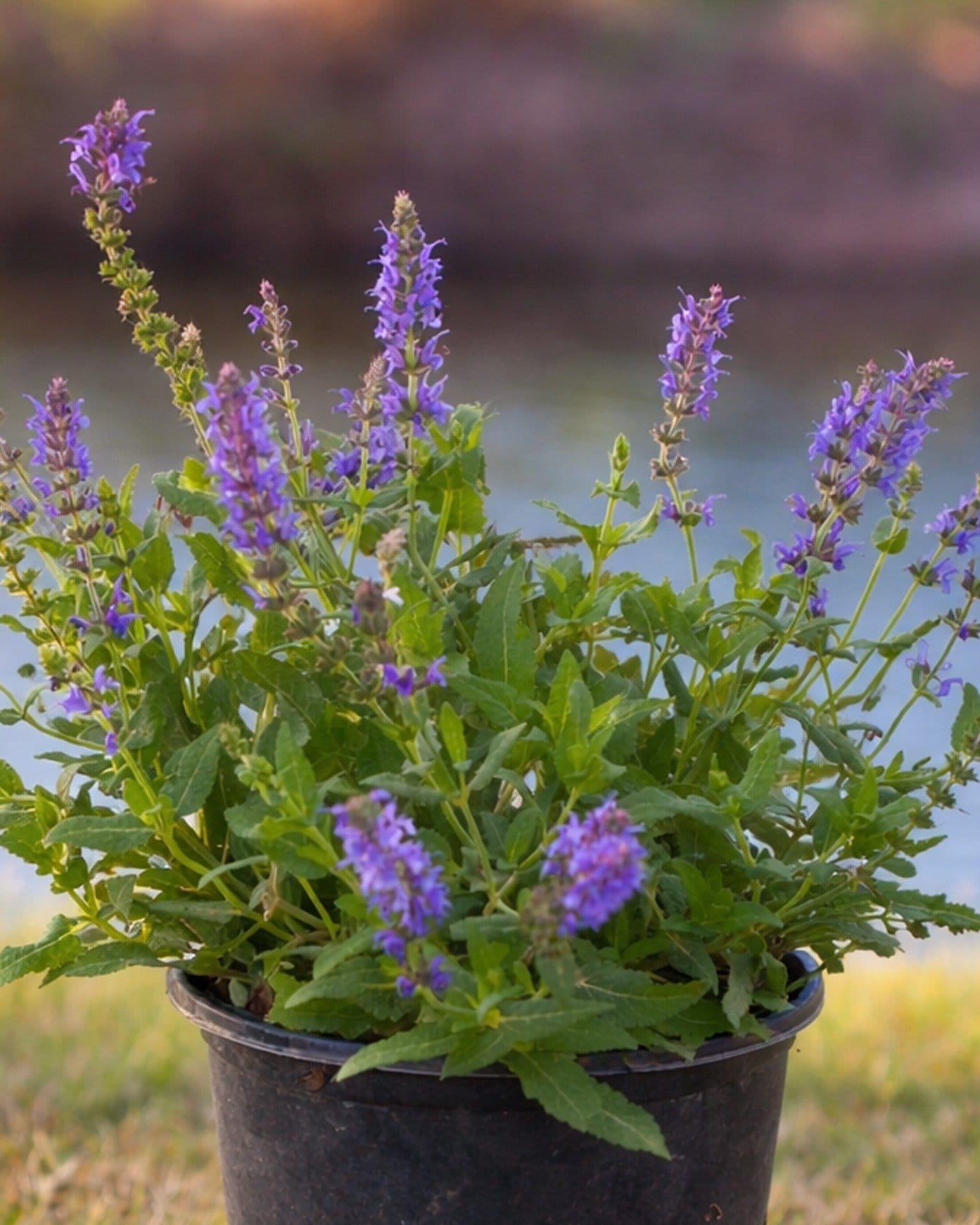
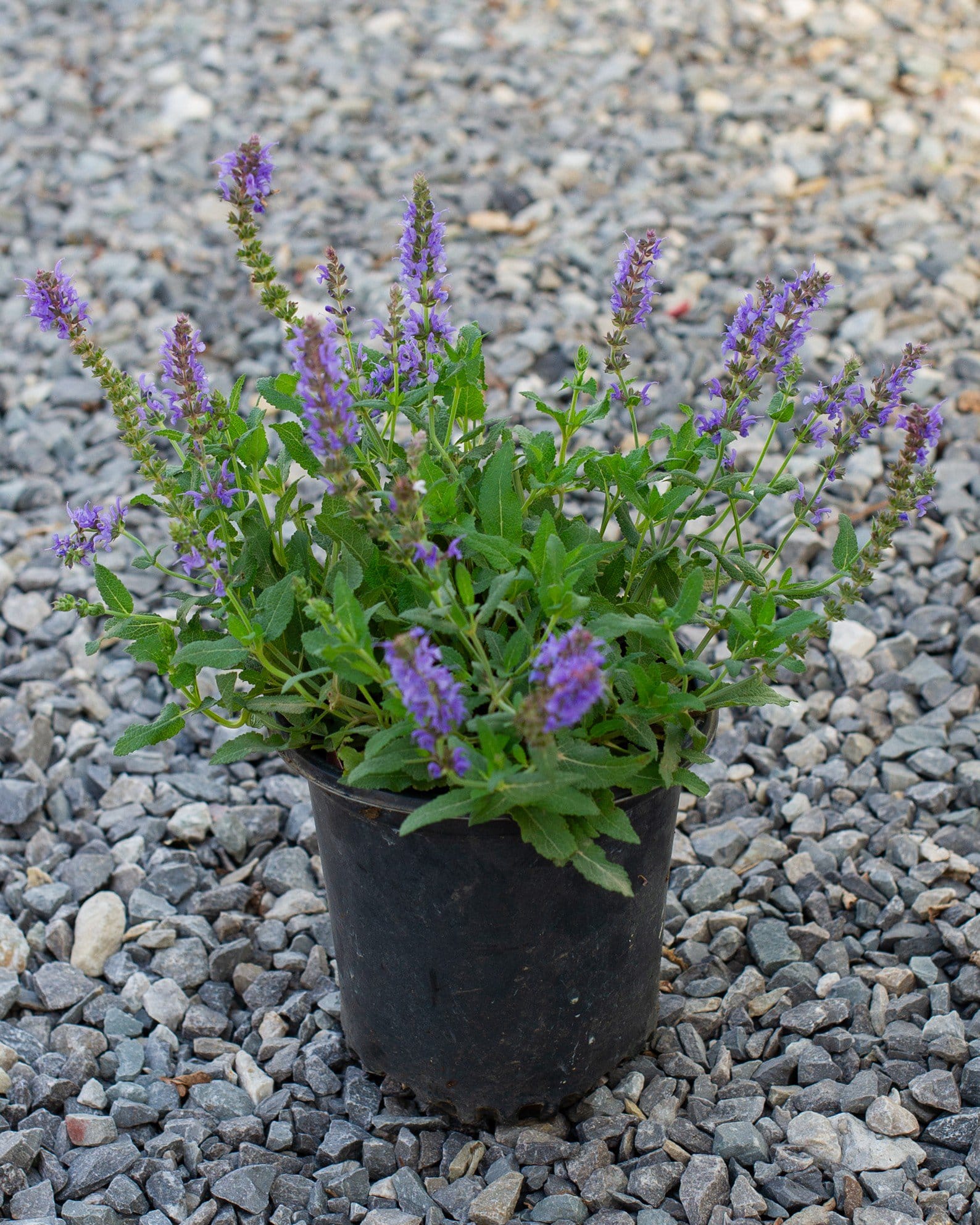
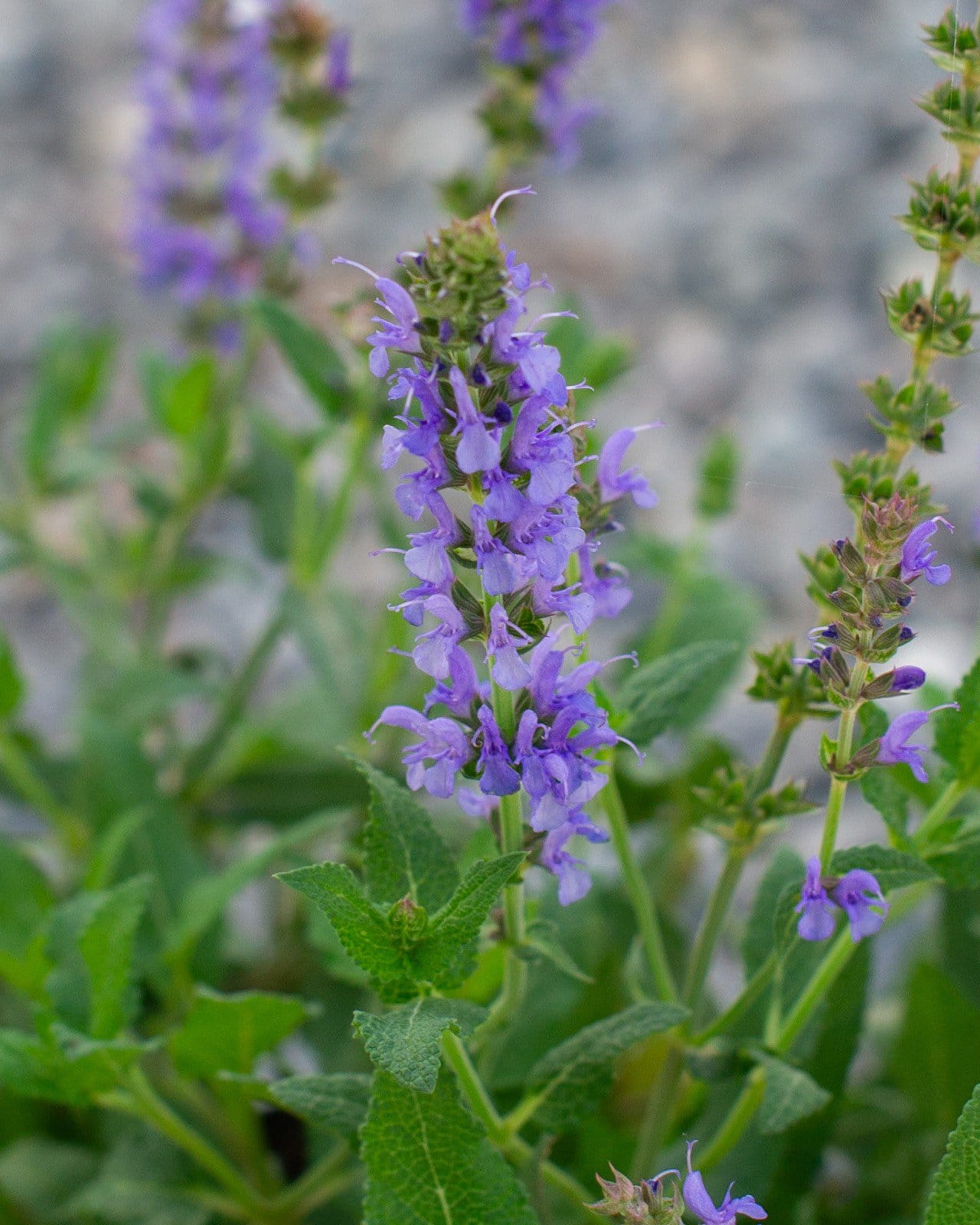
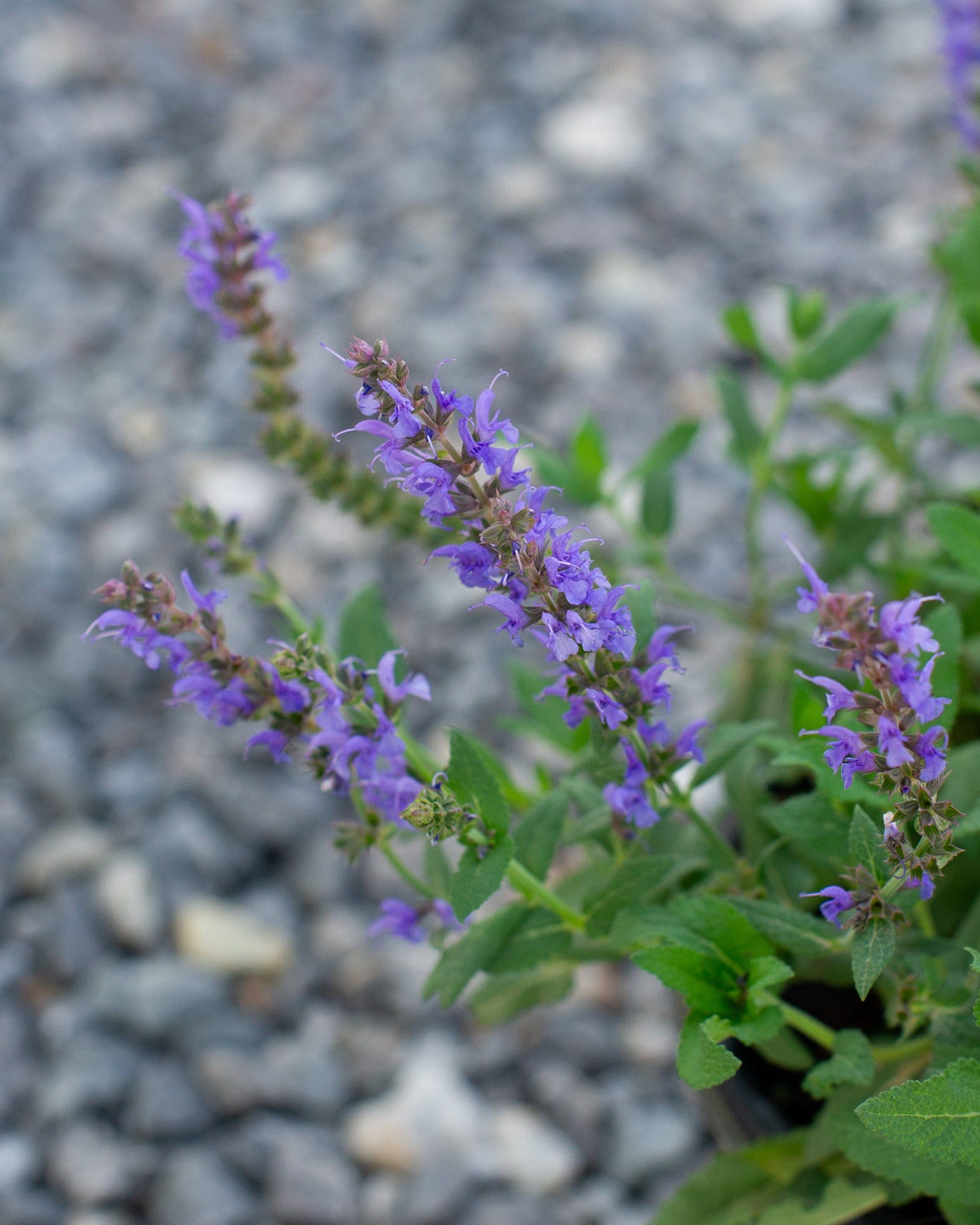
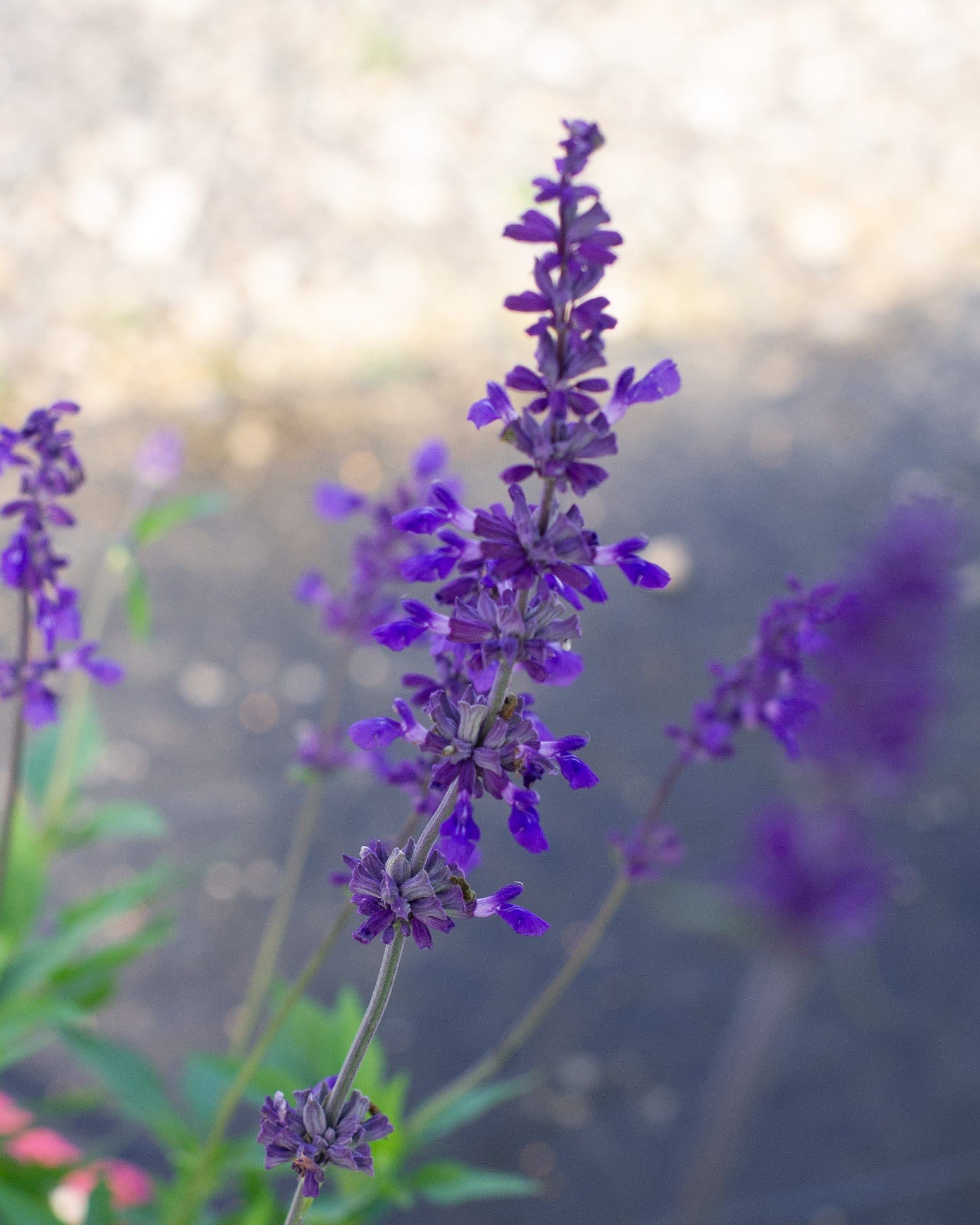
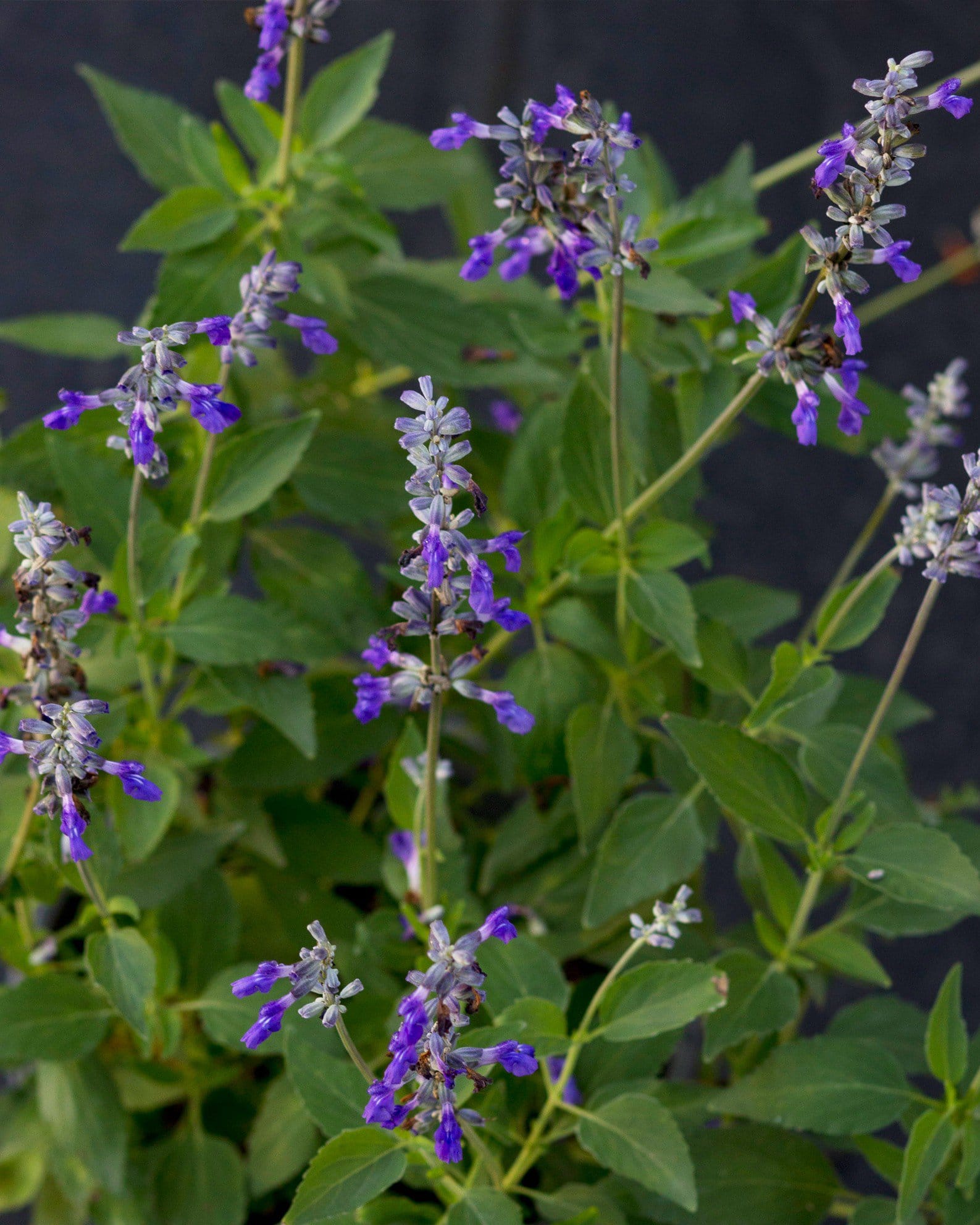
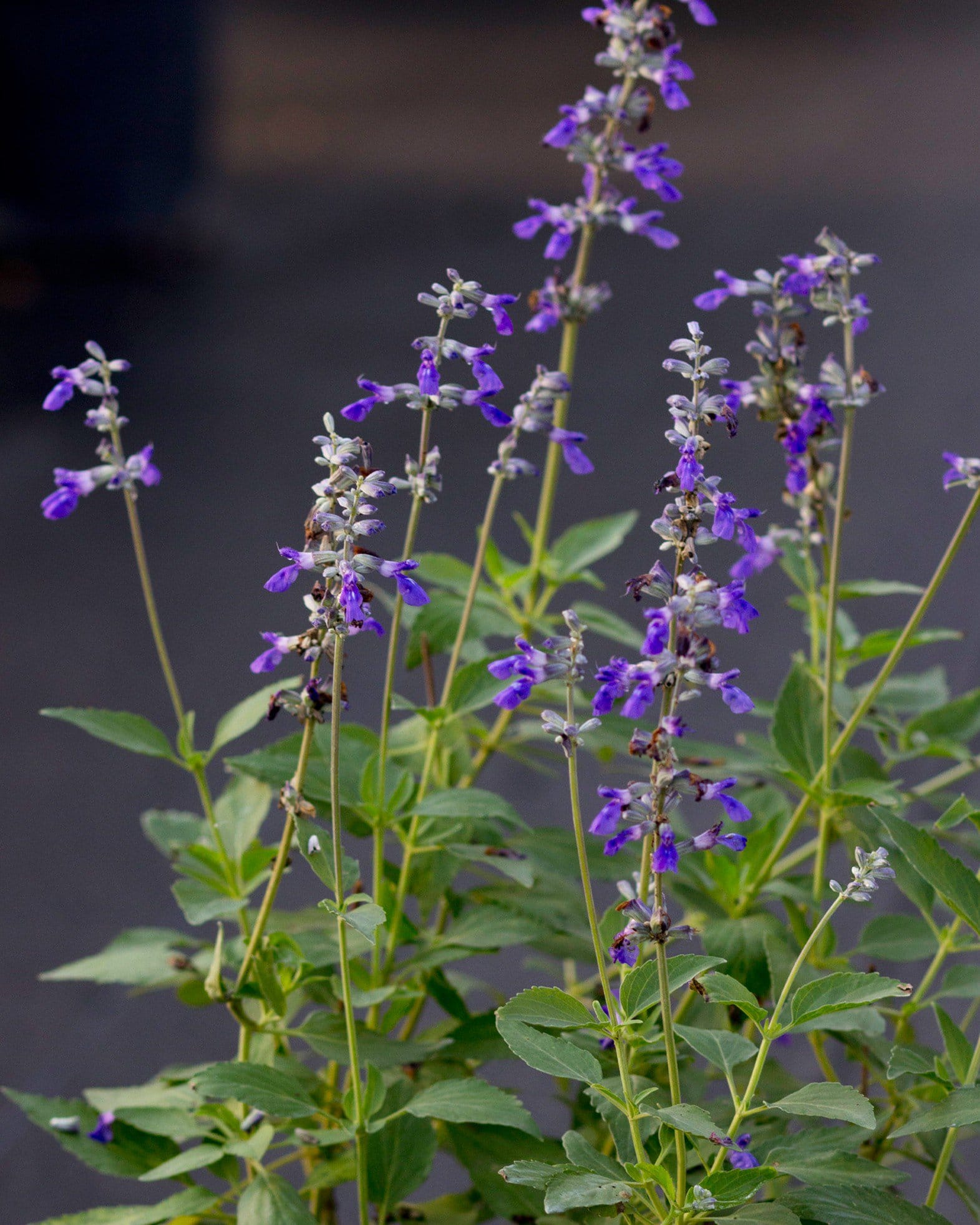
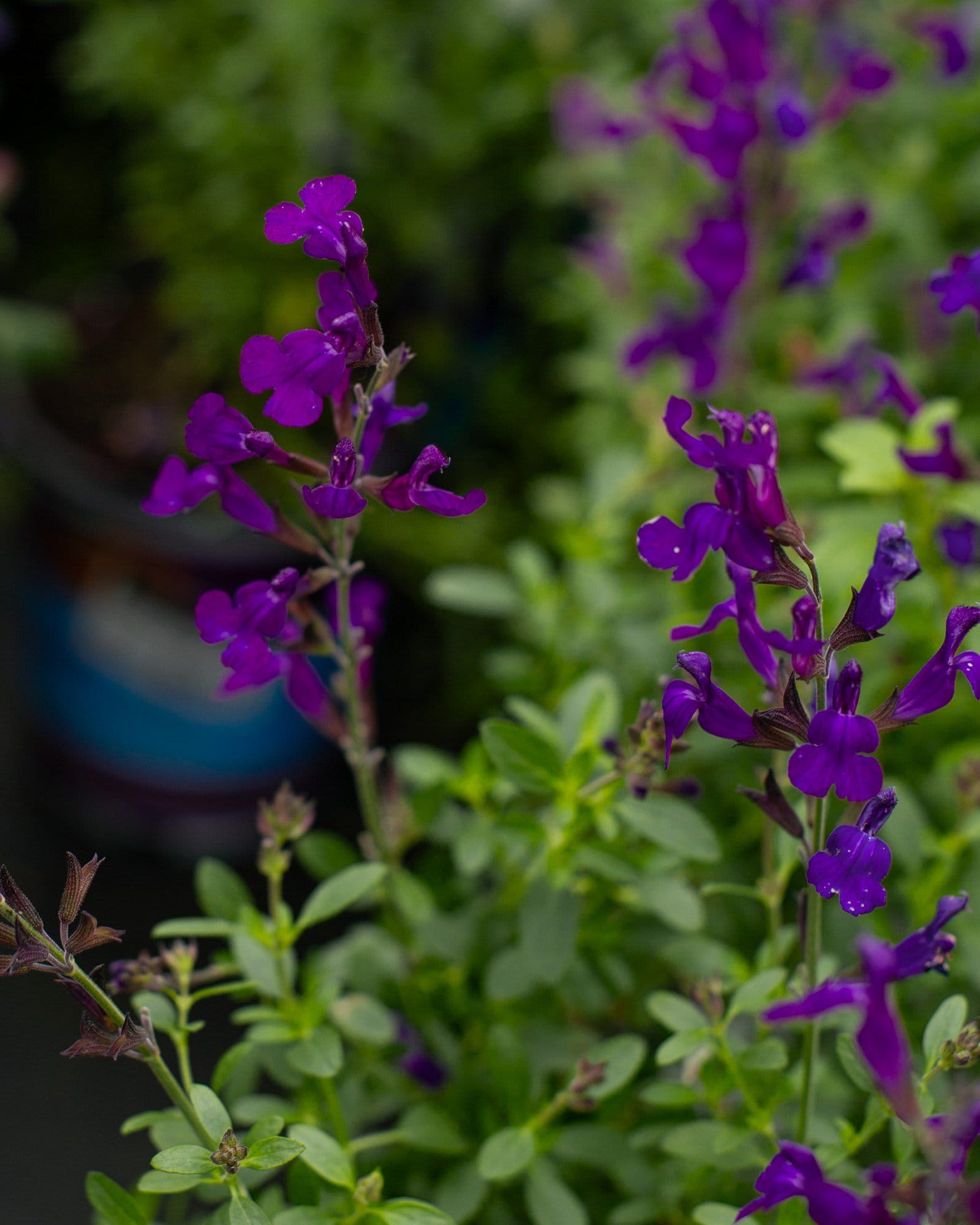
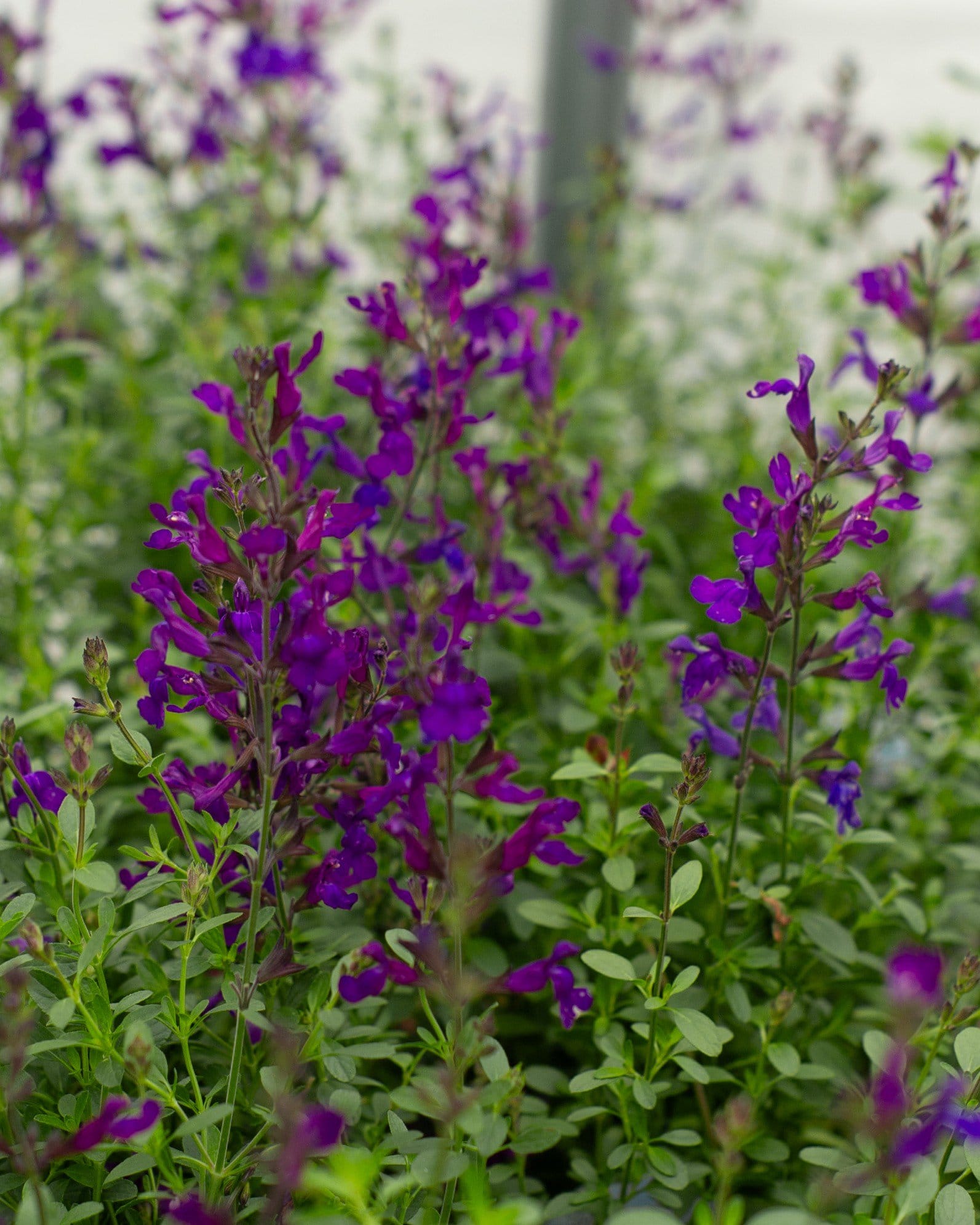
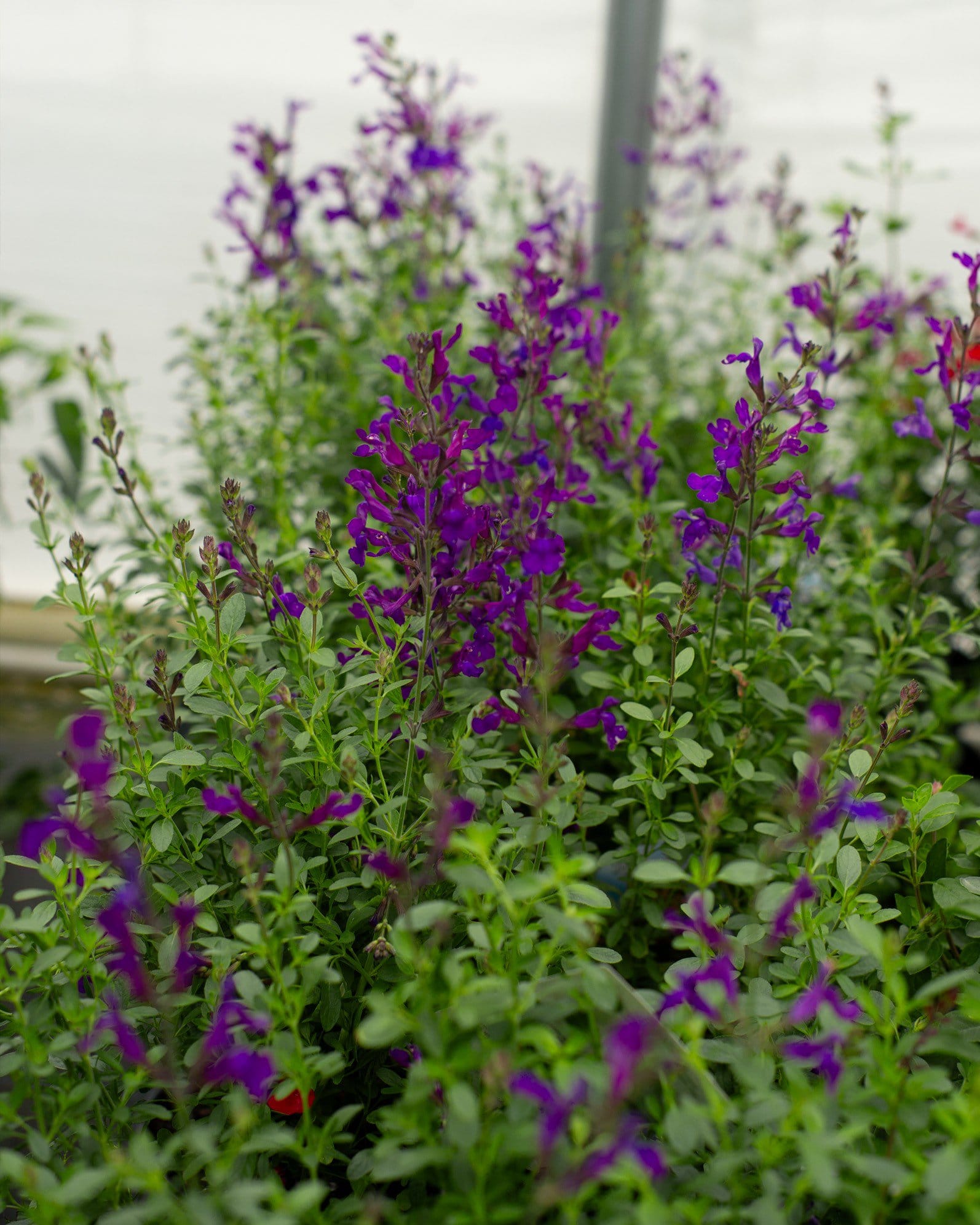
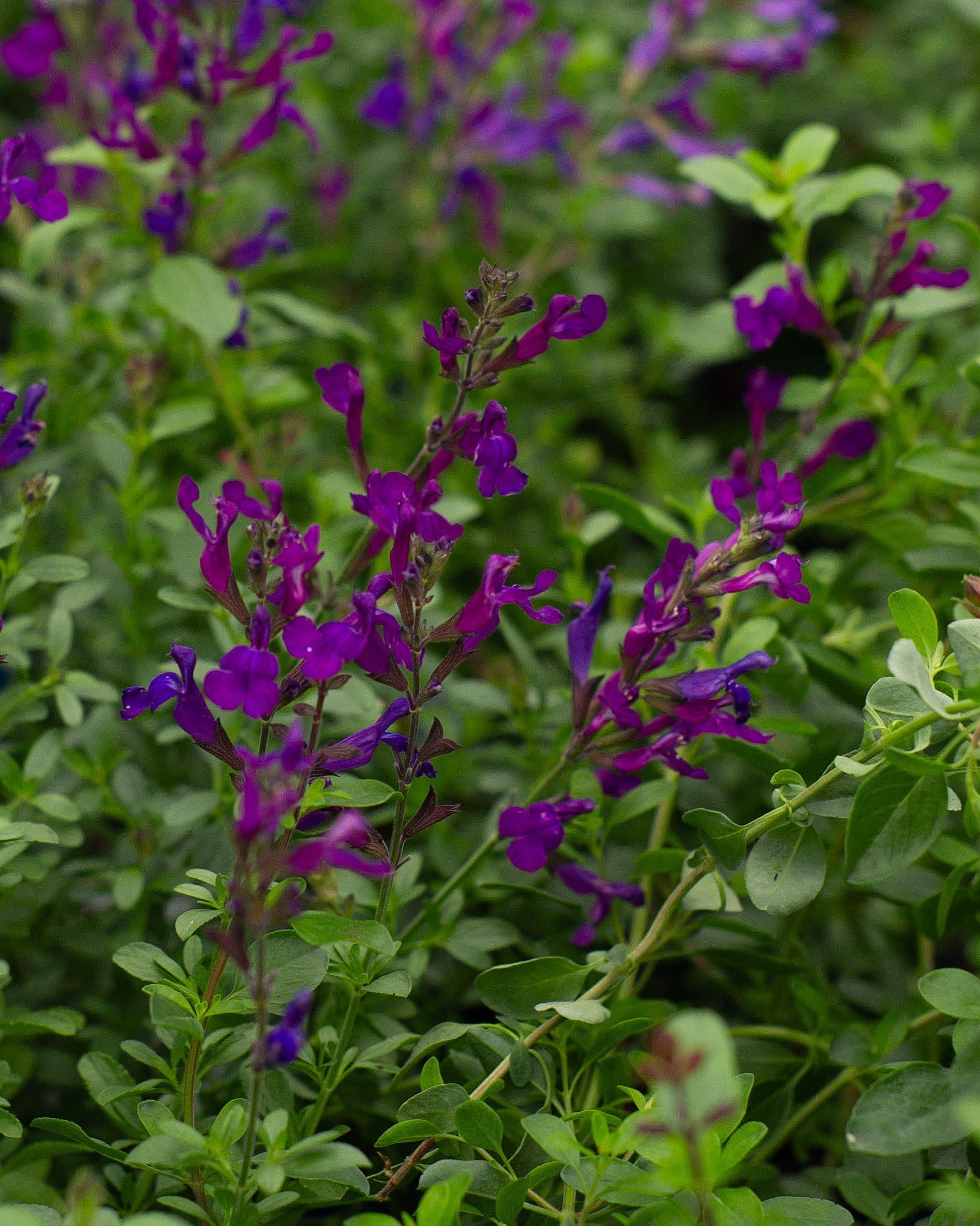
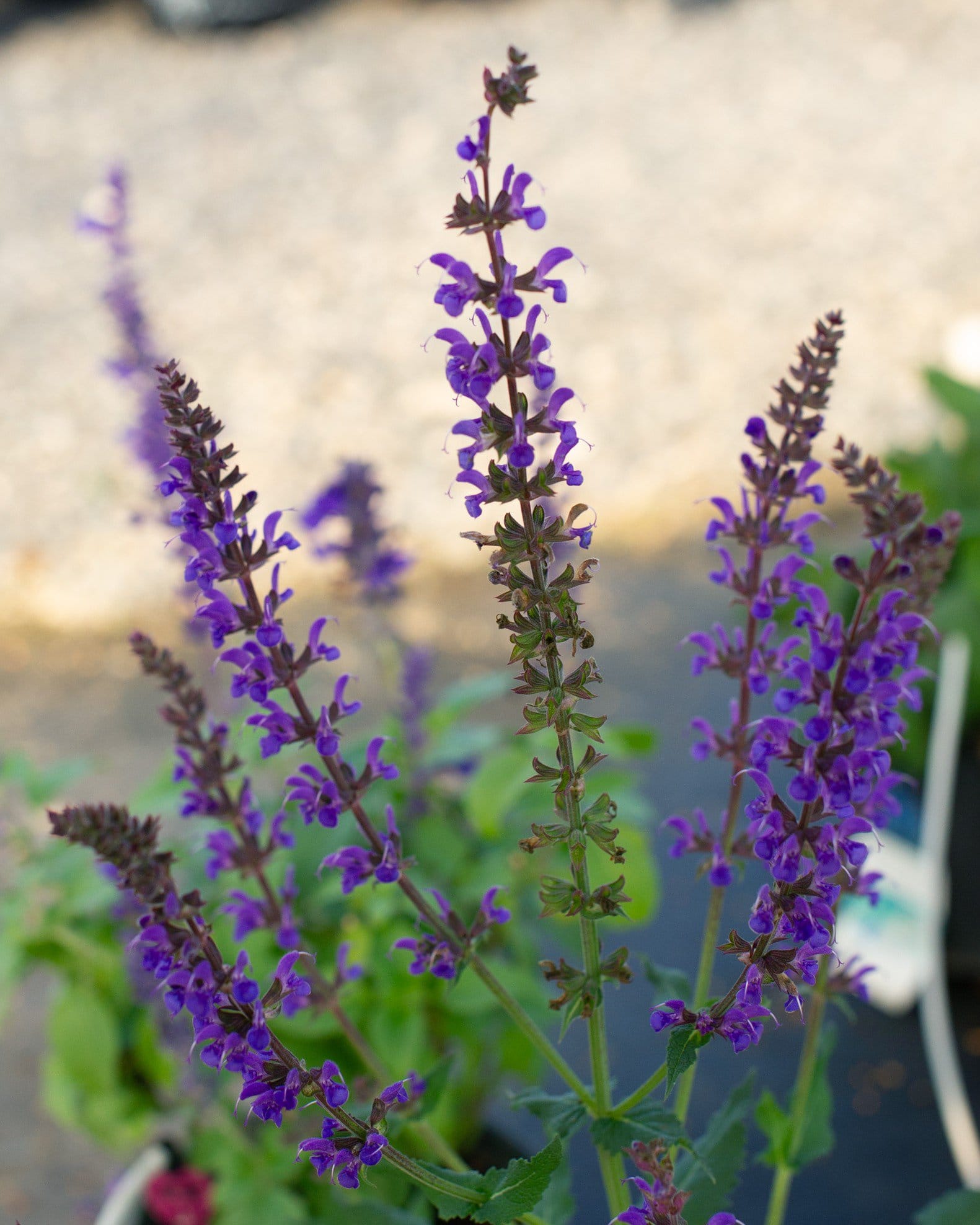
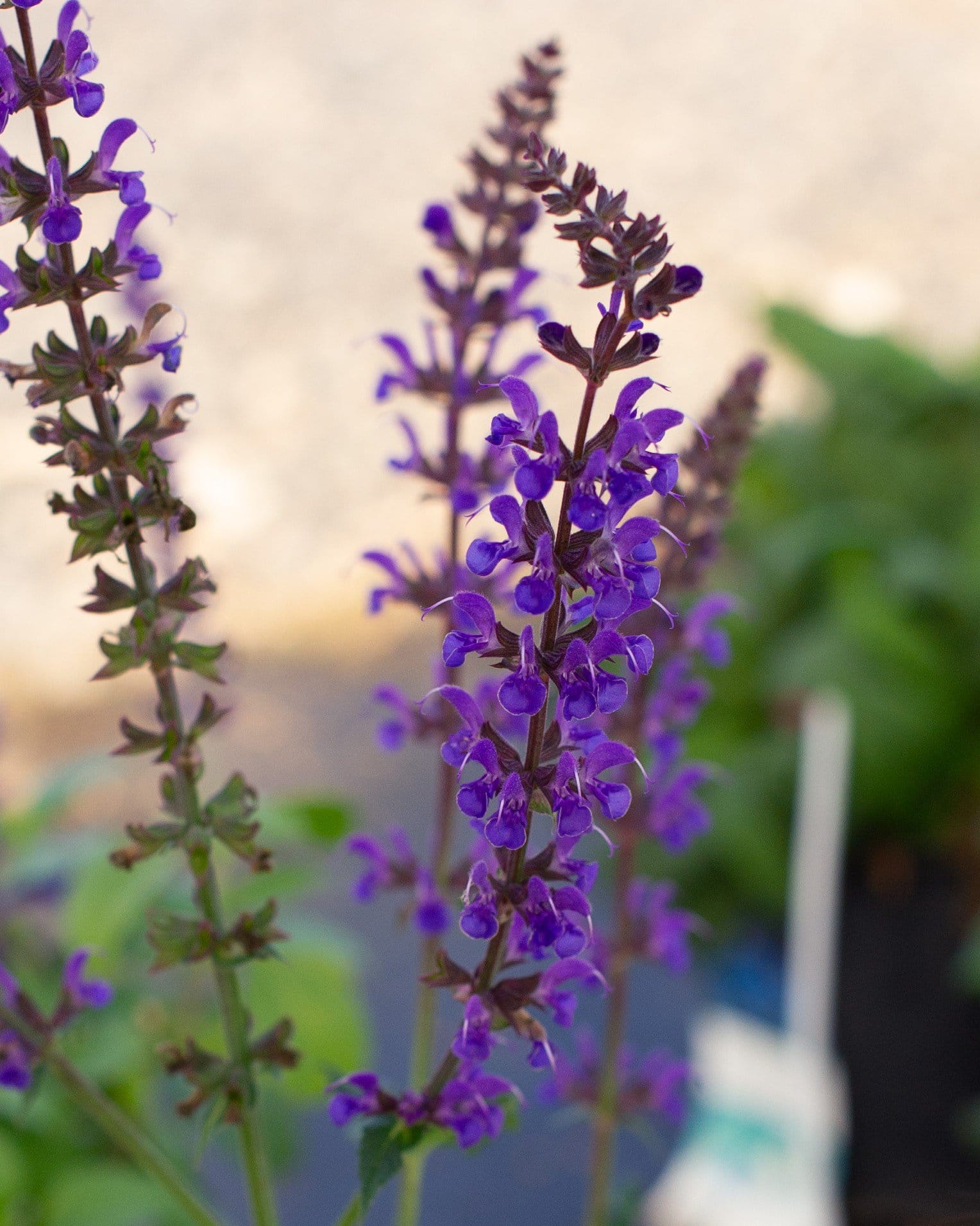
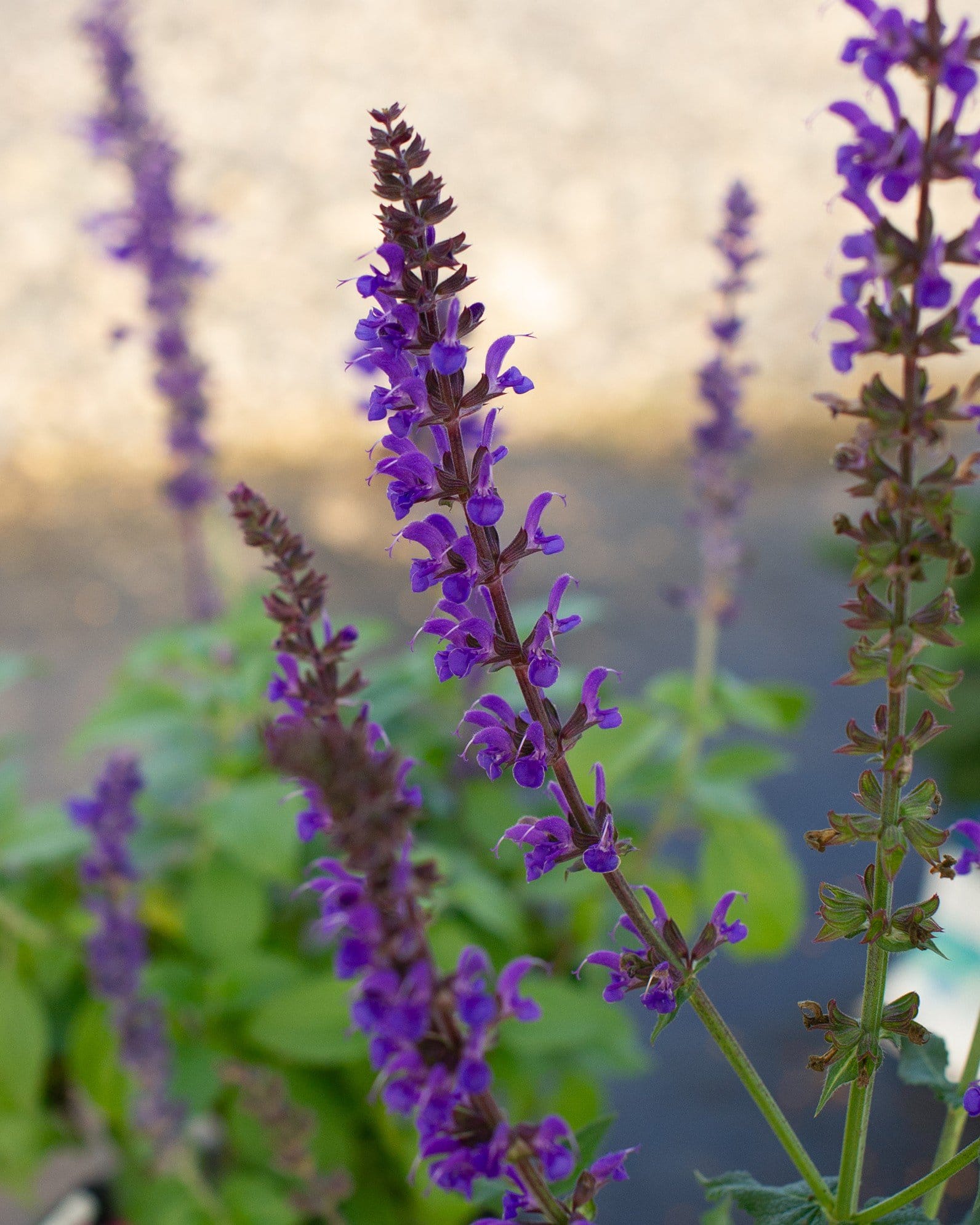
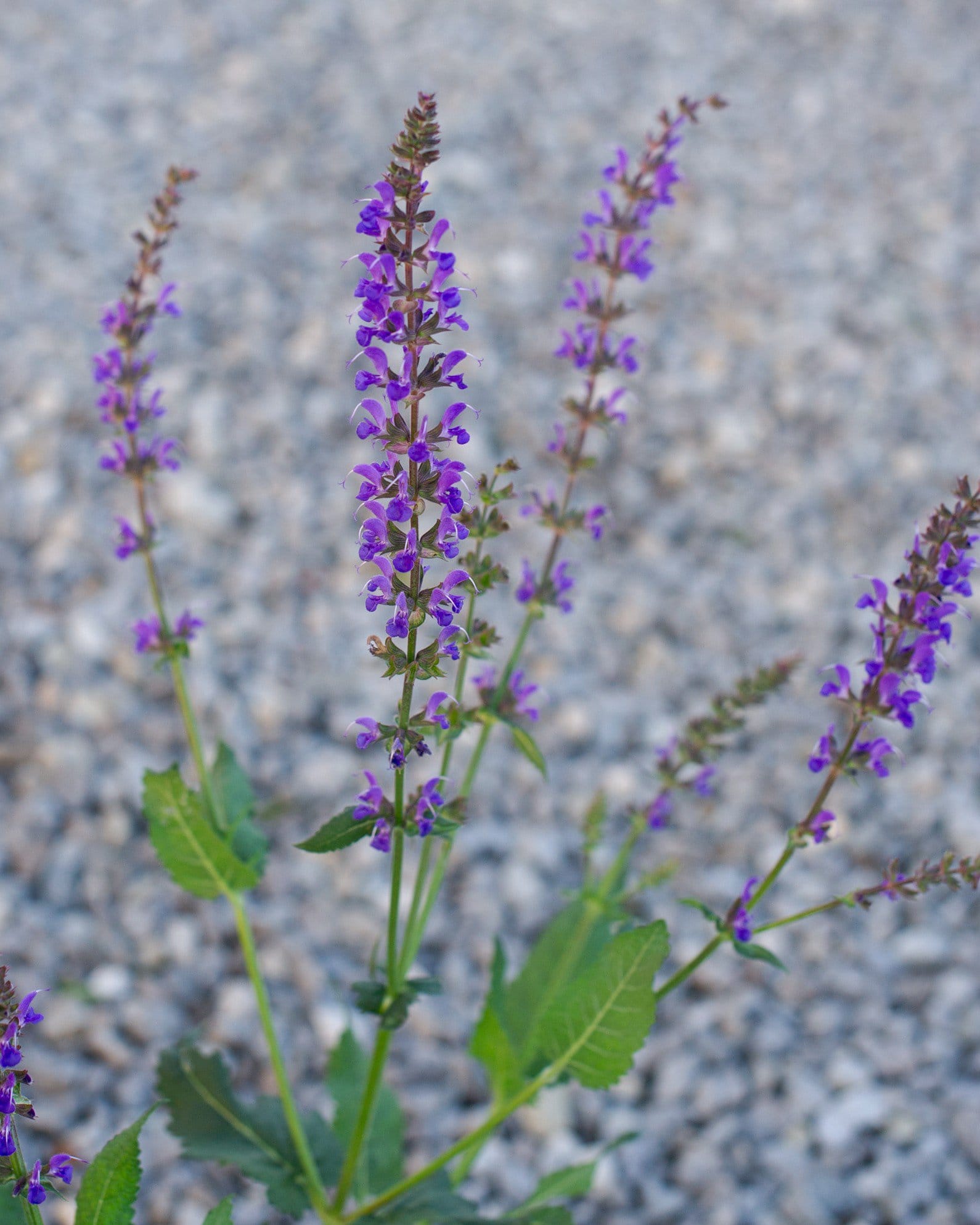
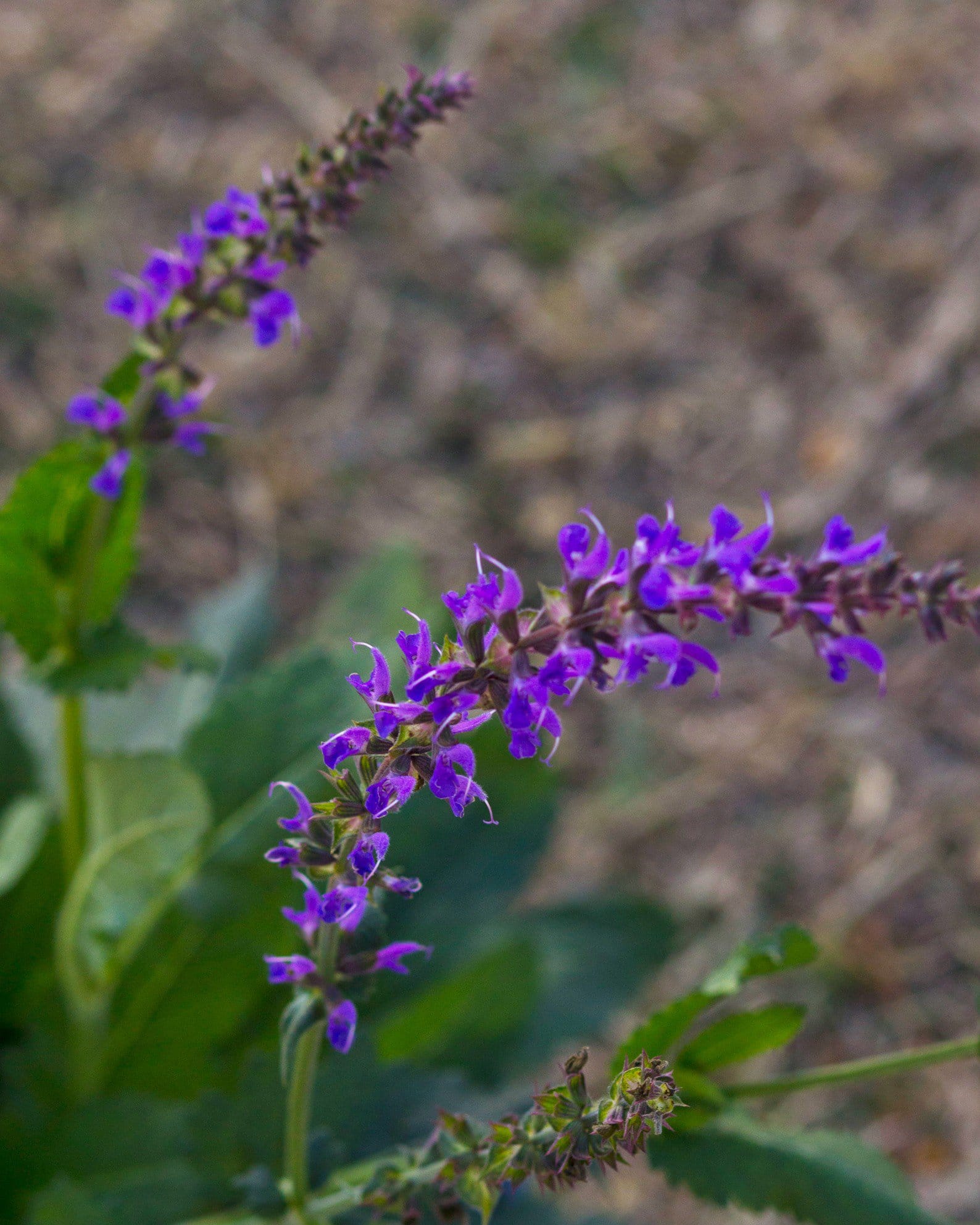
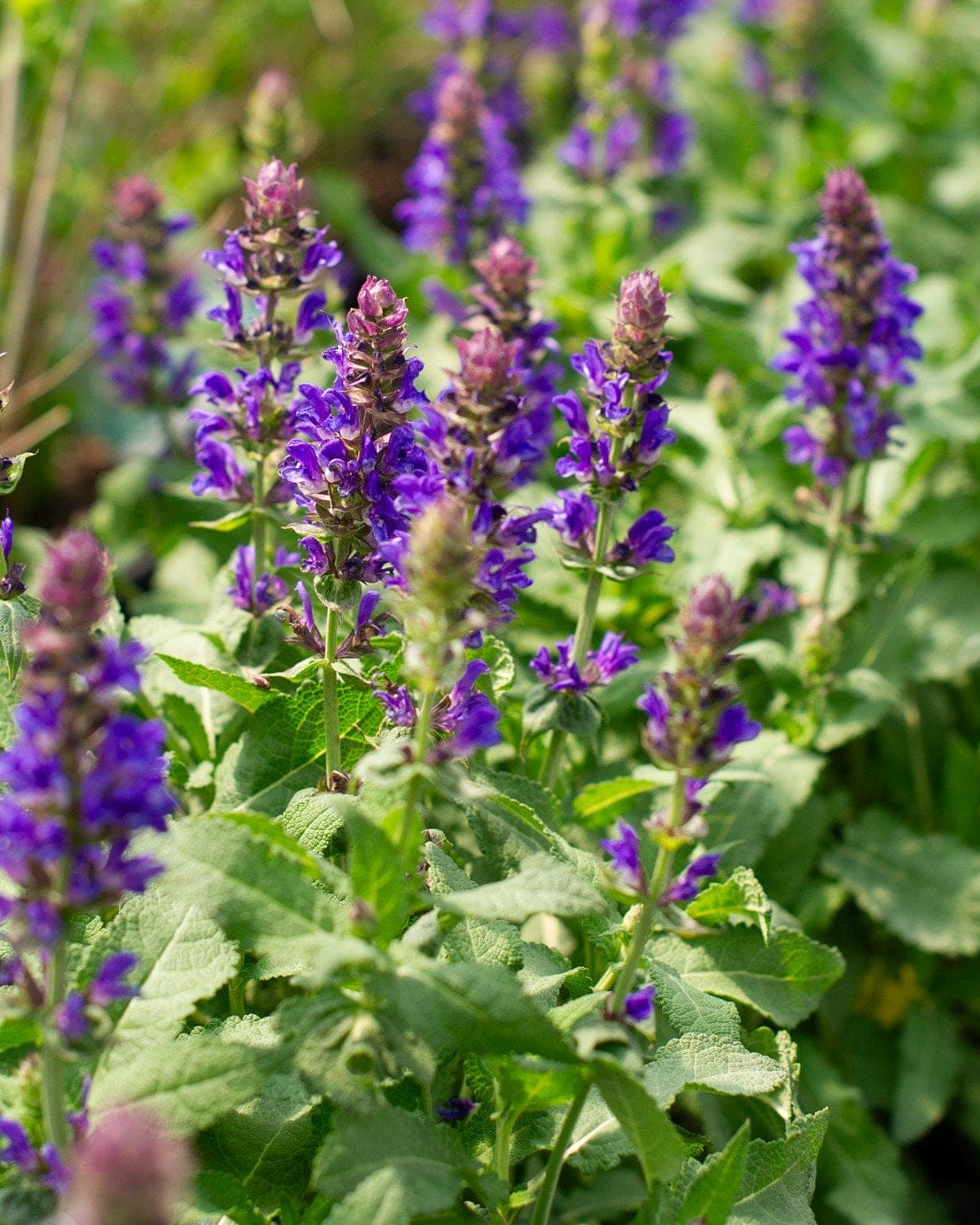
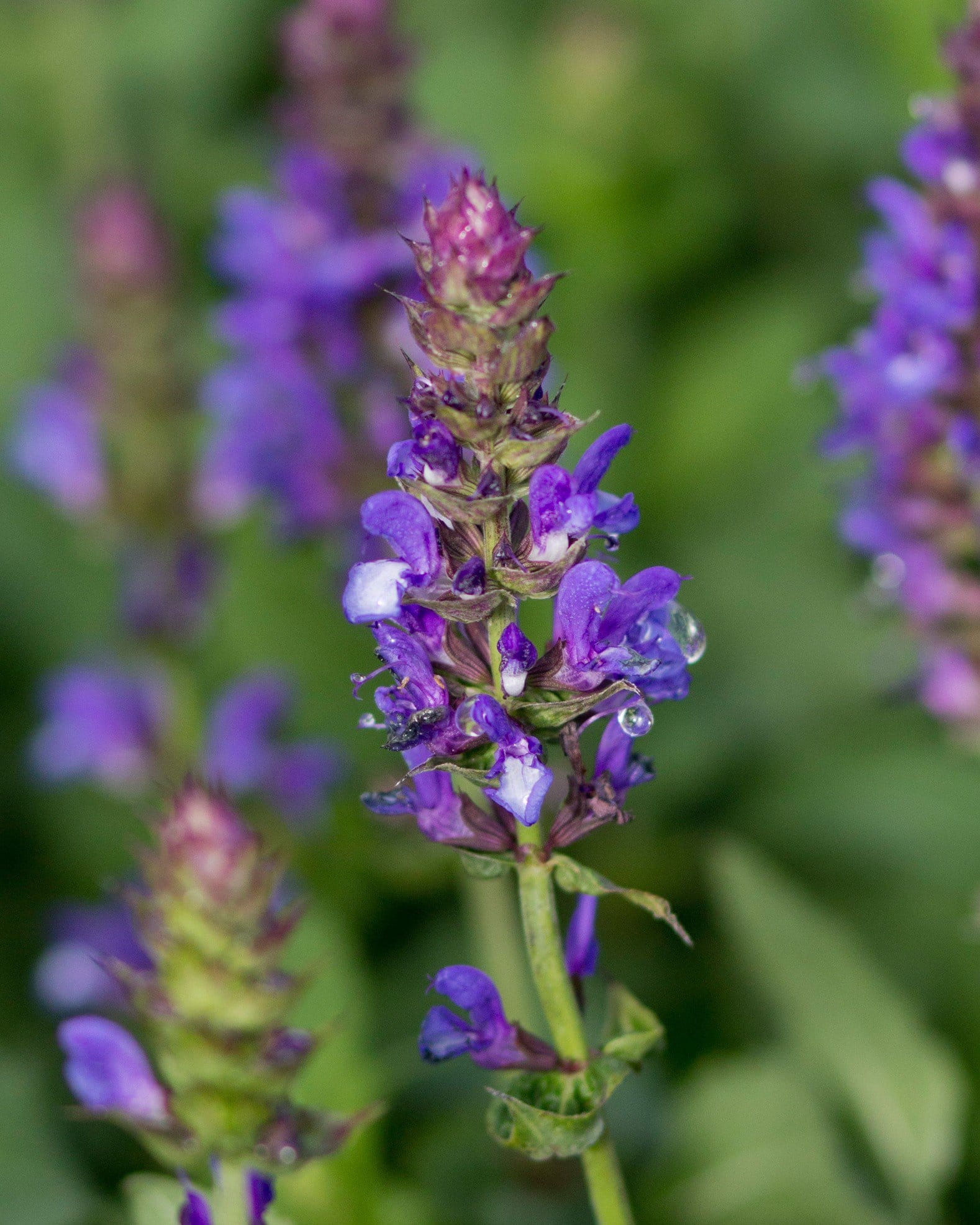
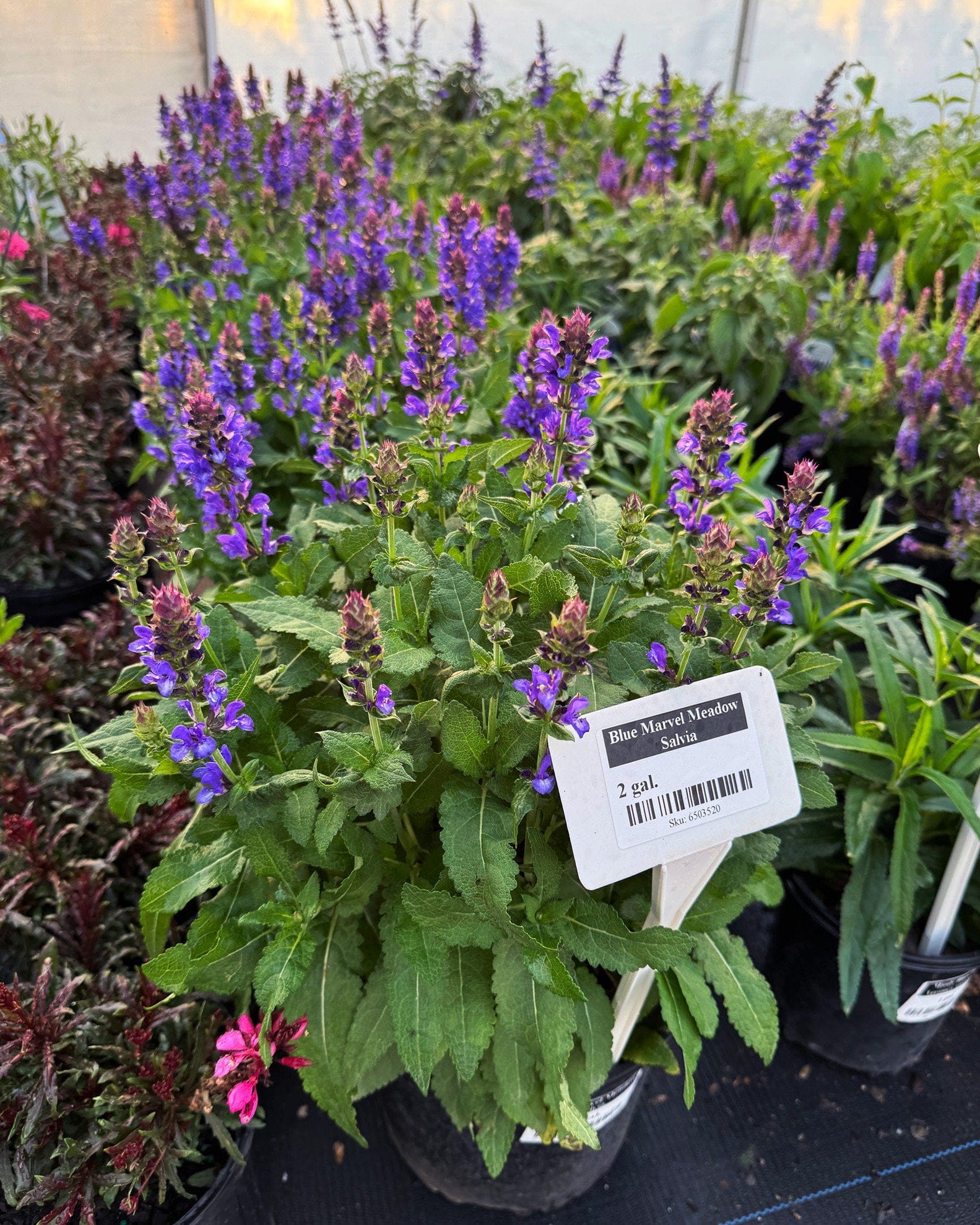
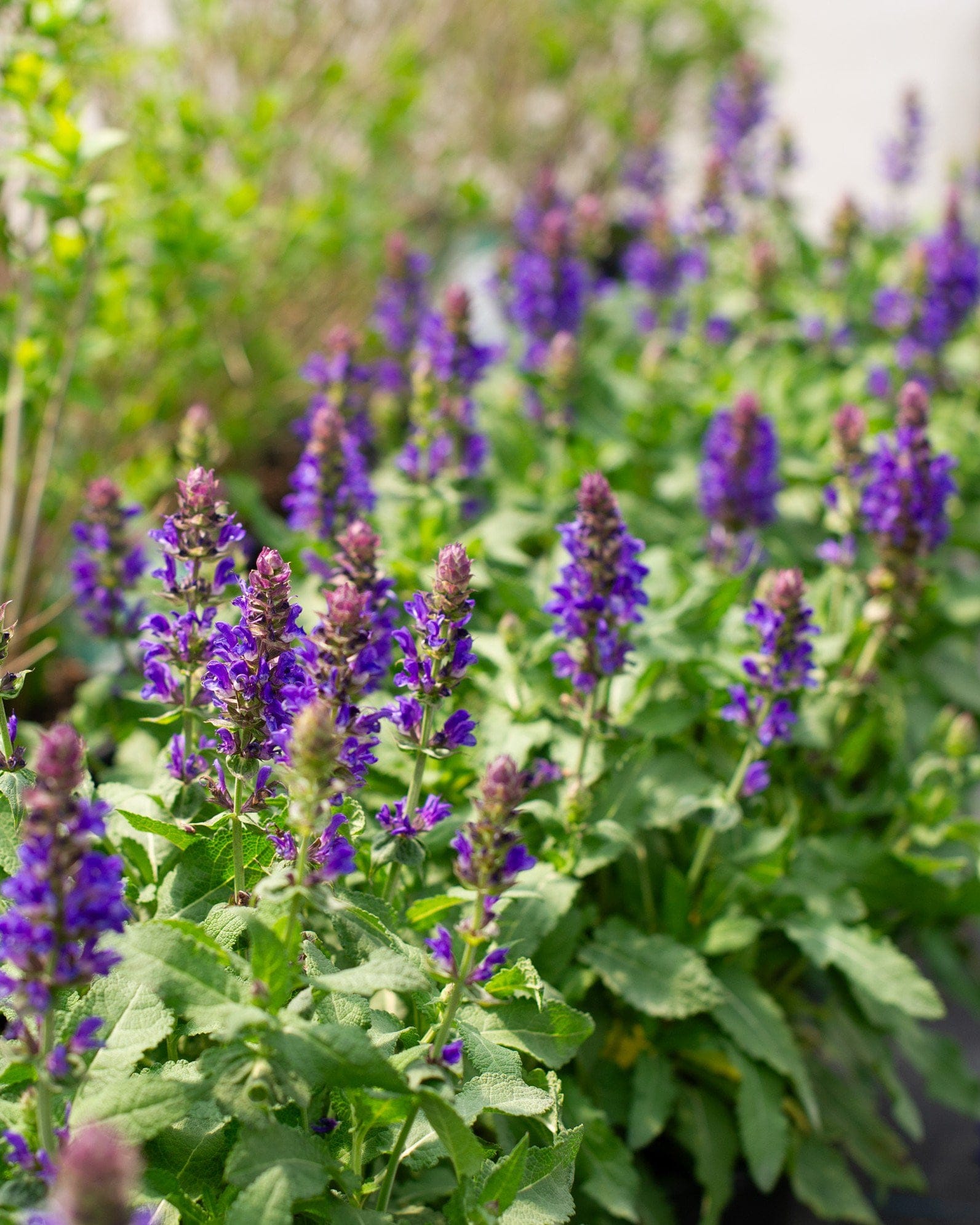
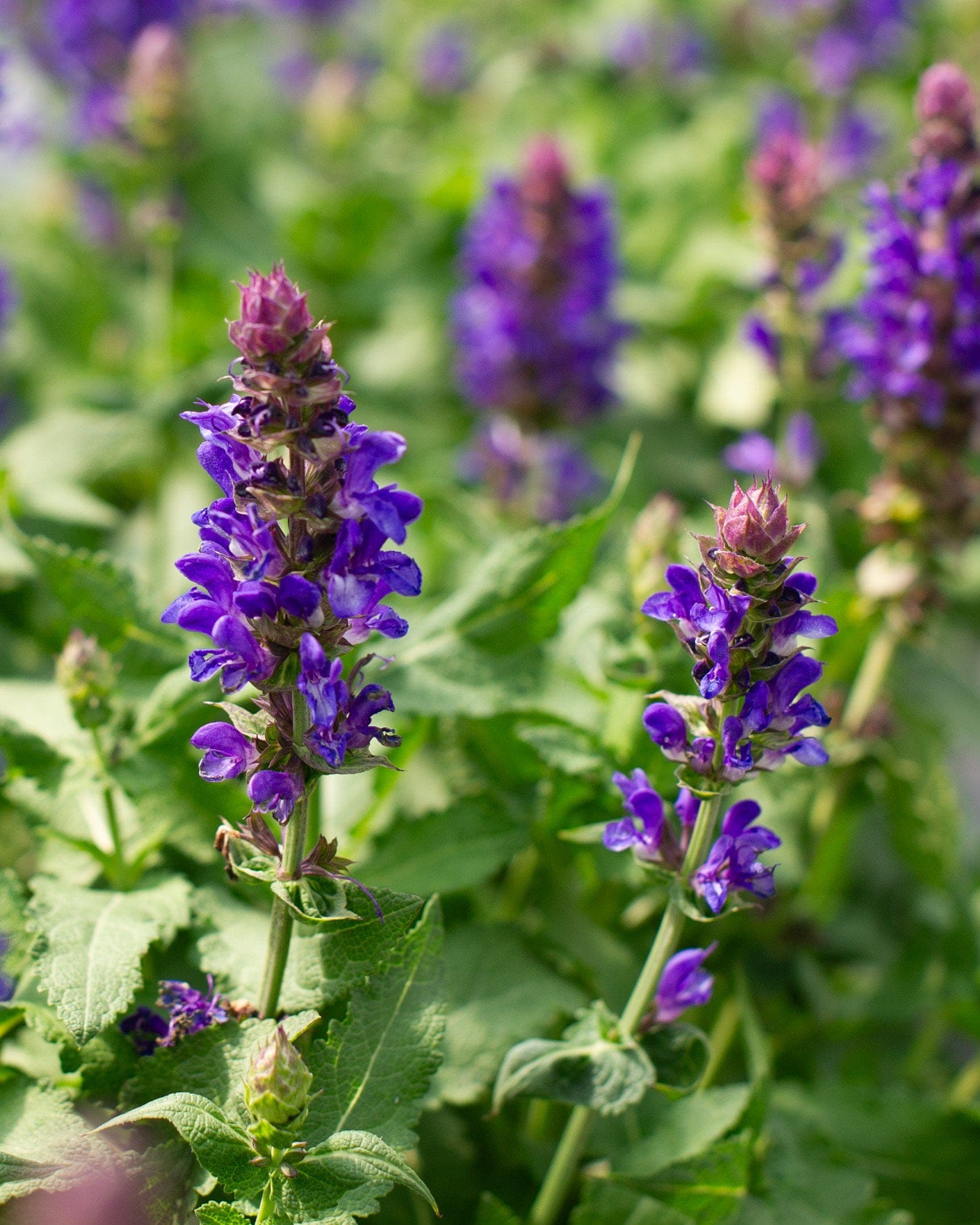
Salvia × sylvestris ‘Mainacht’May Night Salvia is a well-known perennial favored for its dense spikes of deep purple blooms and long flowering period. Starting in late spring and continuing until fall, the flowers rise above neatly mounded green foliage, creating strong vertical lines and attracting bees and butterflies. Reaching 18 inches in height and 24 inches in width, it fits easily into borders, mixed beds, or grouped for mass planting. This variety is valued for its tidy habit, drought tolerance once established, and long-lasting color. Its reliable performance makes it a popular choice for commercial and residential designs in regions like North Texas.
- A herbaceous perennial
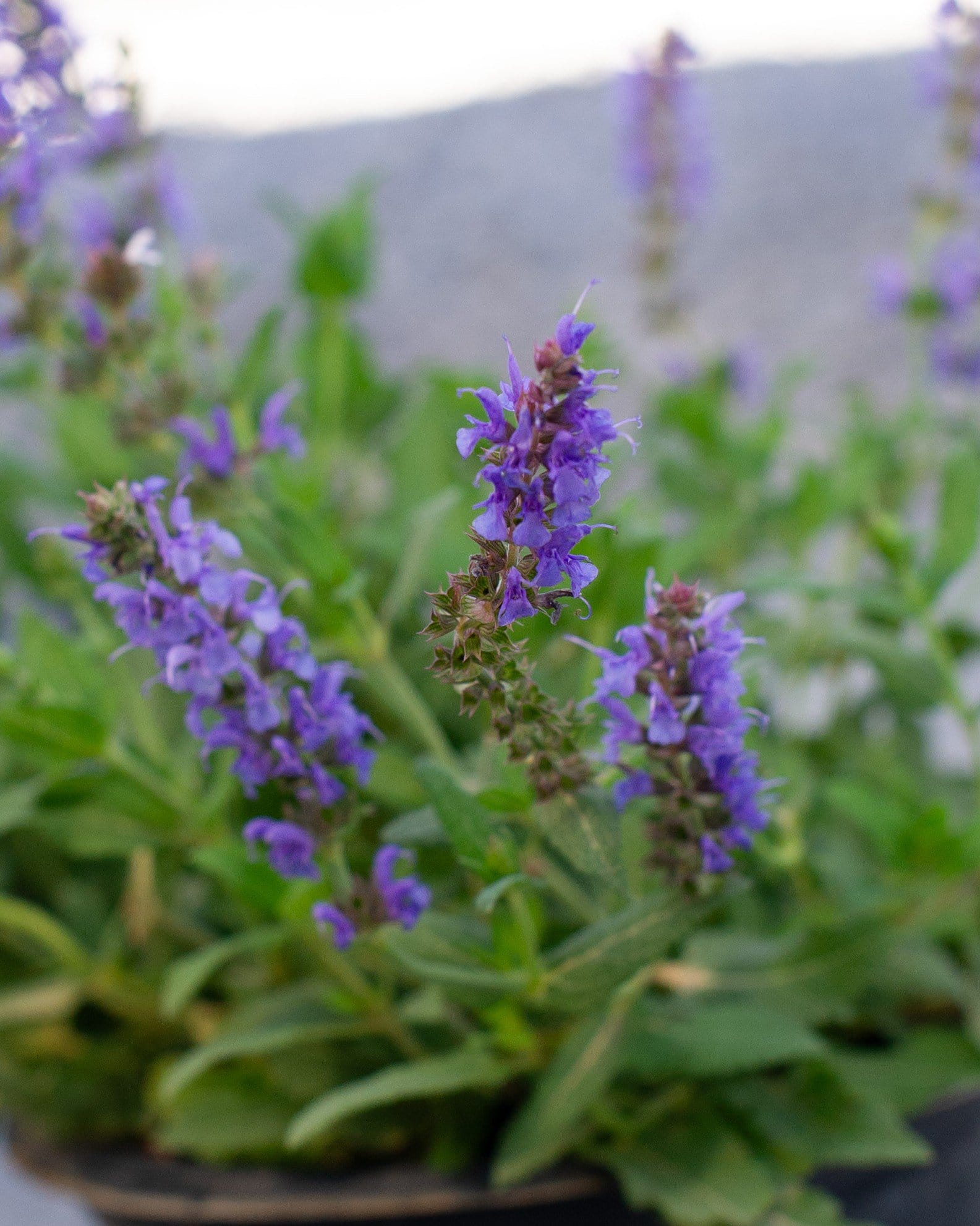
- Rich deep purple flower spikes
- Compact, upright growth habit
- Blooms from late spring through early summer
- Ideal for borders, beds, and mass plantings
Hardy in zones 4-8, it will fare well in your North Texas landscape. Plant it in full sun, in well-drained soil. Deadhead to extend bloom time and cut back in early spring to refresh the plant.
Once established, May Night Salvia performs reliably with minimal attention while rewarding gardeners with repeated waves of color. Here’s all it needs to thrive:
- Watering: Water regularly during the first growing season to help establish a deep root system. Once established, May Night Salvia is moderately drought-tolerant but performs best with occasional deep watering during extended dry periods.
- Pruning: Removing spent flower spikes after the first bloom encourages a second flush of flowers later in the season. Cutting the plant back by about one-third after flowering helps maintain a compact, dense habit.
- Fertilizing: May Night Salvia generally thrives in average soils and rarely needs heavy feeding. A light application of balanced fertilizer or compost in early spring is sufficient to support healthy growth and flowering.
- Mulching: Apply a light layer of mulch around the base to help conserve soil moisture and reduce weed competition. Avoid excessive mulch buildup directly against the crown to prevent moisture-related issues.
- Winter Care: In colder climates, allow foliage to remain through winter to provide natural protection. Cut back old stems in early spring as new growth begins to emerge.
May Night Salvia is considered a tough, resilient perennial, though a few occasional challenges may arise.
- Floppy Growth: Plants may lean or spread if grown in overly rich soil or excessive shade. Cutting back after the first bloom and providing full sun helps maintain a compact structure.
- Root Rot: Poor drainage or consistently wet soil may cause root decline. Ensuring well-drained soil and avoiding overwatering prevents most problems.
- Powdery Mildew: In humid conditions, a light white coating may appear on foliage. Improving air circulation and removing affected leaves helps limit spread.
- Aphids: Small insects may gather on tender new growth in spring. Spraying with water or applying insecticidal soap can quickly reduce populations.
- Reduced Flowering: If blooming slows significantly, it may indicate overcrowding or aging clumps. Dividing plants every few years helps restore vigor and encourages stronger flowering.
May Night Salvia typically lives about 5-10 years when grown in favorable conditions. Regular division every few years helps rejuvenate plants and maintain strong performance over time.
May Night Salvia grows quickly and usually reaches mature size within 1-2 years. Plants establish rapidly and often produce abundant blooms even in their first full growing season.
May Night Salvia is highly attractive to pollinators, especially bees and butterflies. The tubular flowers provide an accessible nectar source that supports beneficial insects throughout the blooming period.
May Night Salvia is considered strongly deer-resistant due to its aromatic foliage and slightly bitter taste. While no plant is completely immune, deer typically avoid it in most landscapes.
Yes, May Night Salvia adapts well to container gardening when planted in well-draining potting soil. Containers should be large enough to accommodate root growth and provide consistent moisture during hot weather.
Division is one of the easiest ways to propagate May Night Salvia. Clumps can be divided every 3-4 years in early spring or fall to rejuvenate growth and produce new plants.
This variety is frequently used in pollinator-focused plantings due to its consistent nectar production. Its long bloom period helps support beneficial insects across multiple seasons.
May Night Salvia combines well with ornamental grasses, coneflowers, black-eyed Susans, and other sun-loving perennials. These combinations create layered textures and extended seasonal interest.
The foliage releases a mild herbal scent when brushed or crushed. While the flowers themselves are not strongly fragrant, the aromatic leaves contribute to the plant’s appeal in sensory gardens.
May Night Salvia adapts well to urban landscapes and performs reliably in areas with heat, reflective surfaces, and occasional drought. Its durability makes it a dependable choice for low-maintenance plantings.
Special Features
You might also like
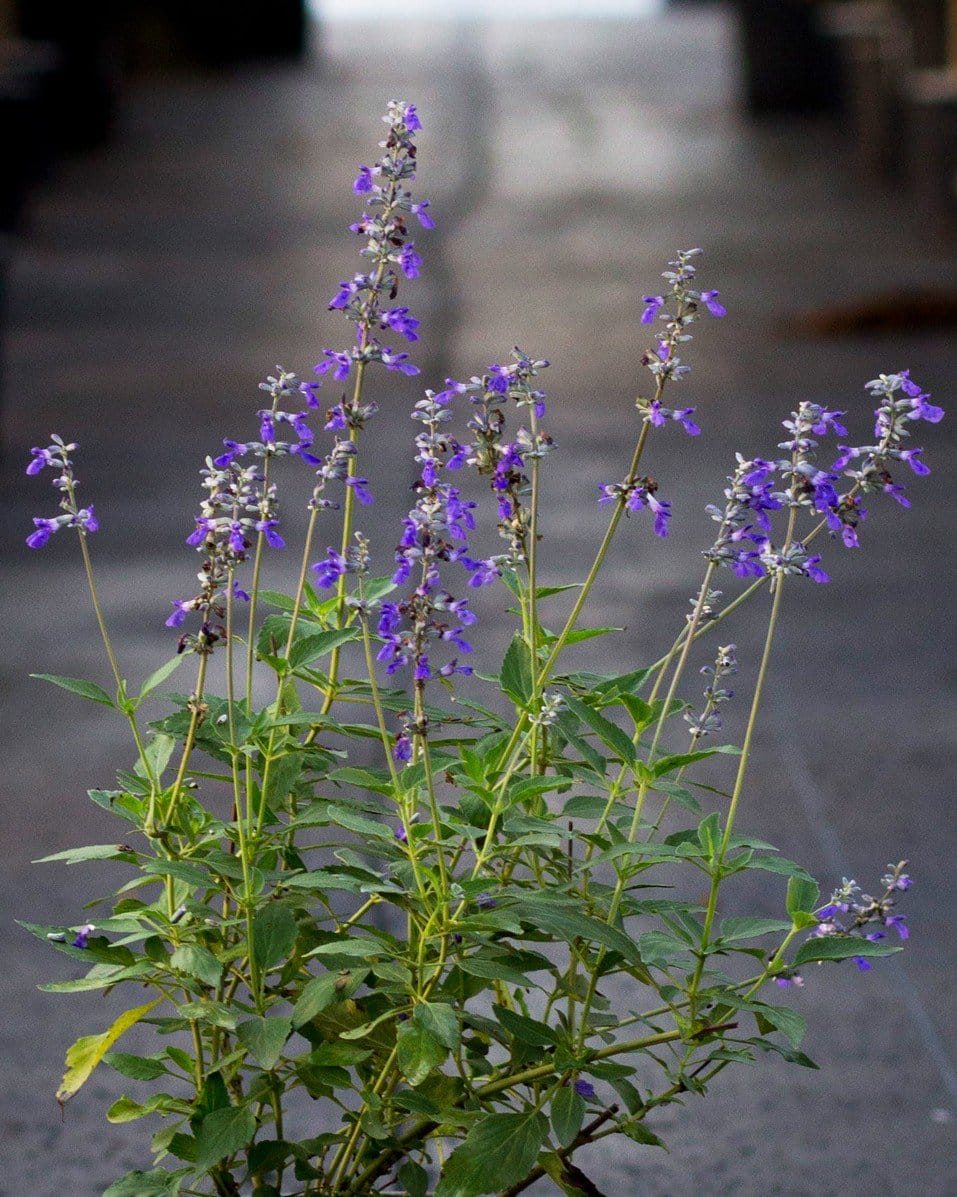
Blue Hill Salvia
Maturity: 1.5' H x 1' W
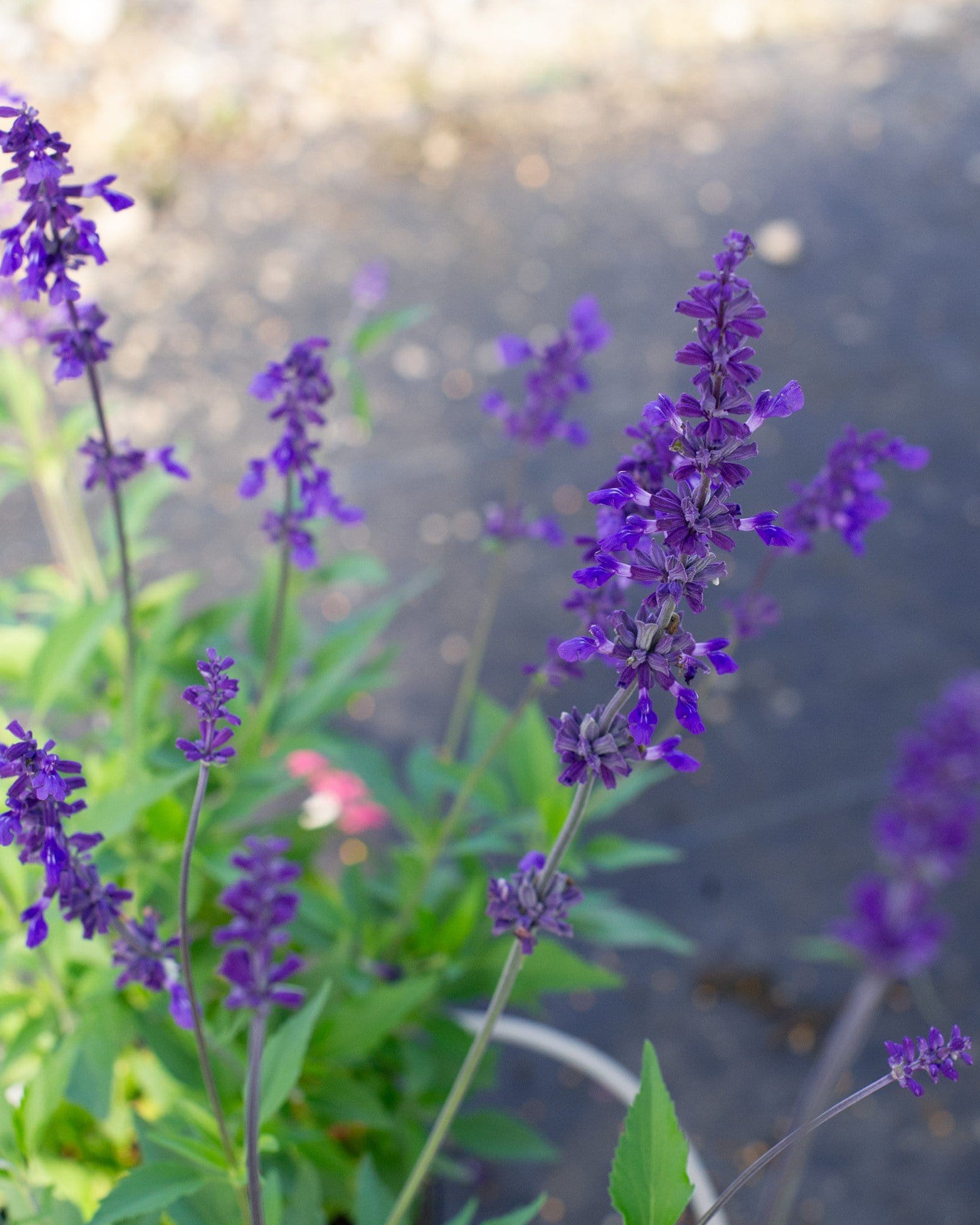
Henry Duelberg Salvia
Maturity: 3' H x 3' W
Mirage Deep Purple Salvia Greggii
Maturity: 1' H x 1' W
Plum Crazy Salvia
Maturity: 3.5' H x 3' W
Purple & Bloom Salvia
Maturity: 3.5' H x 3' W
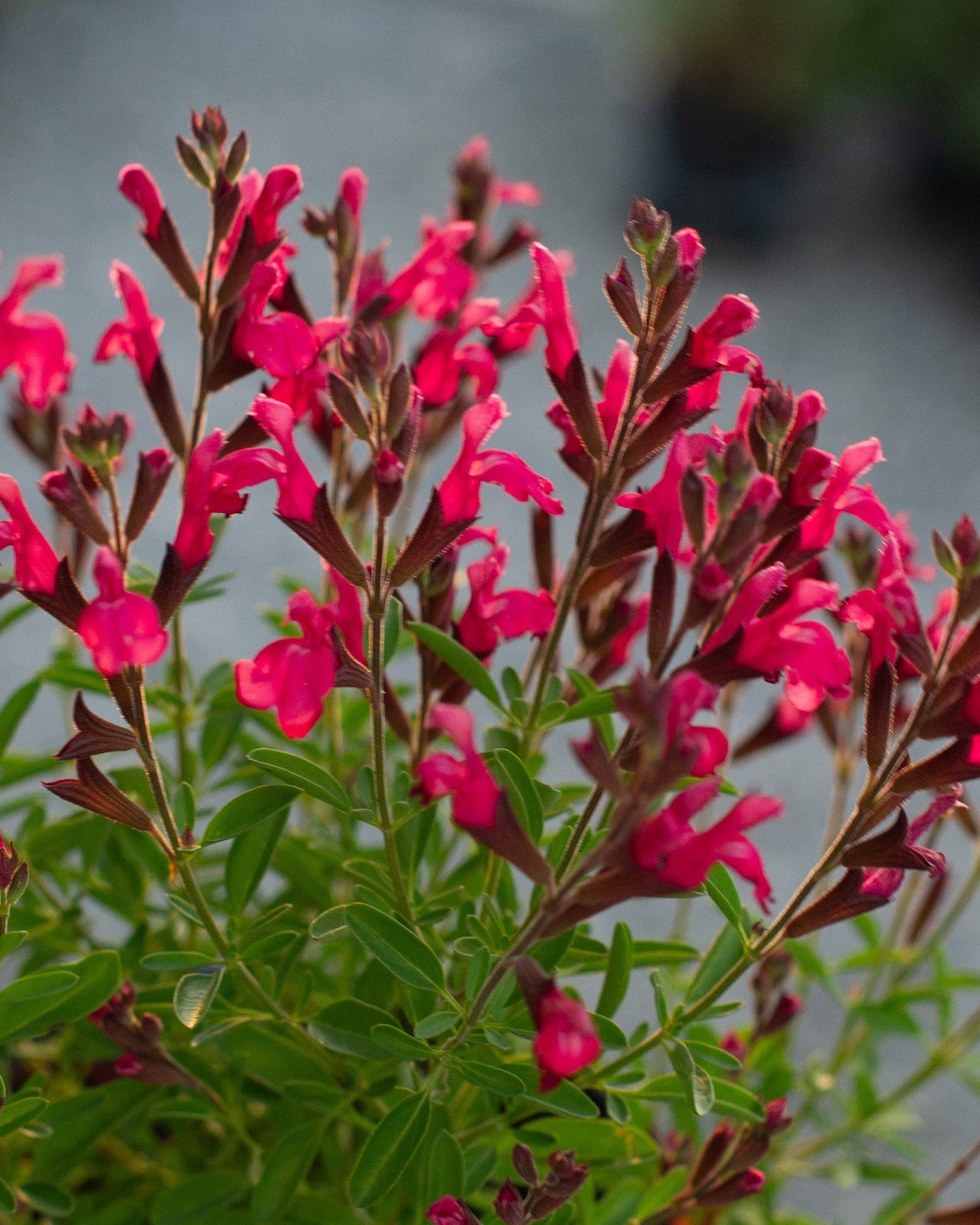
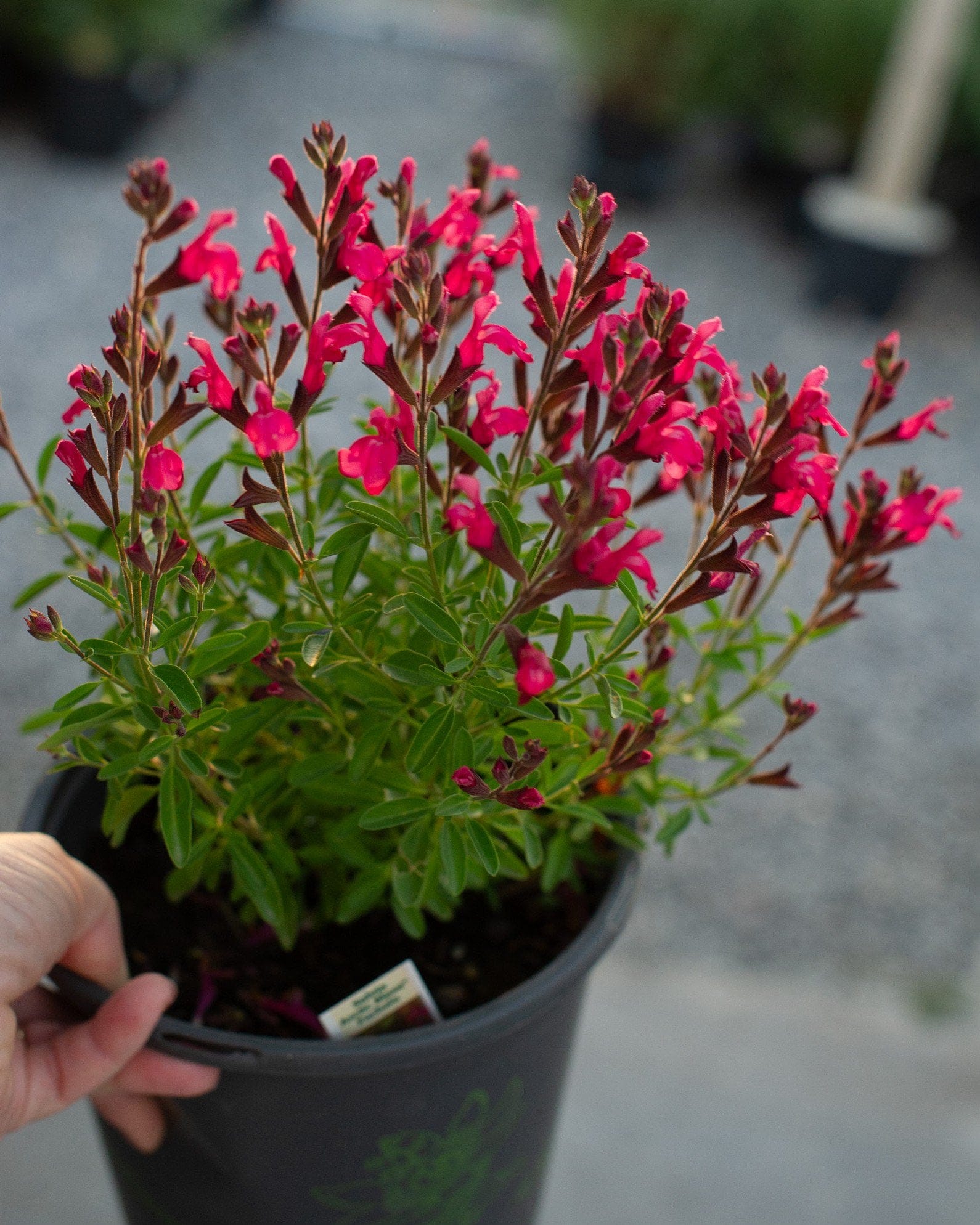
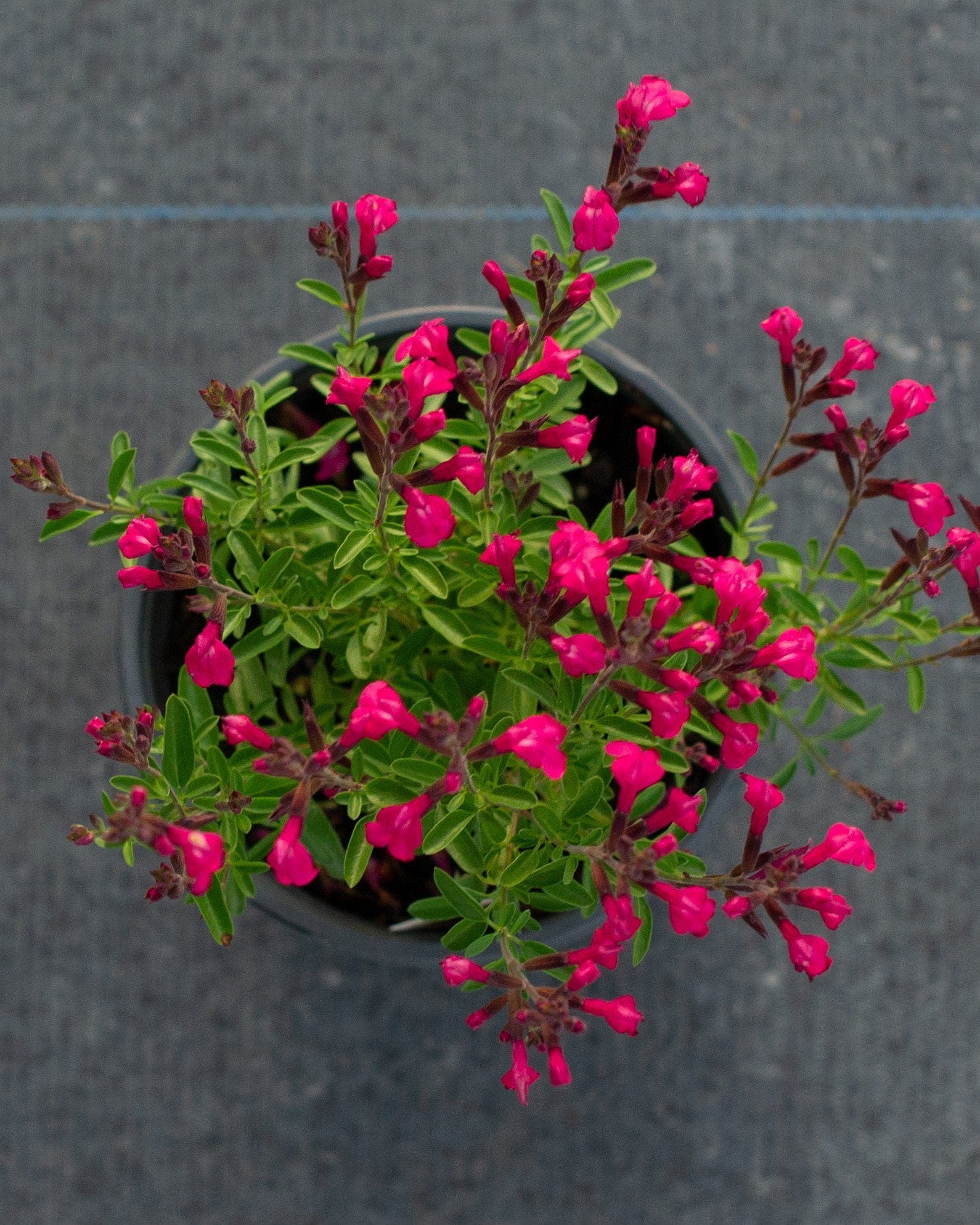
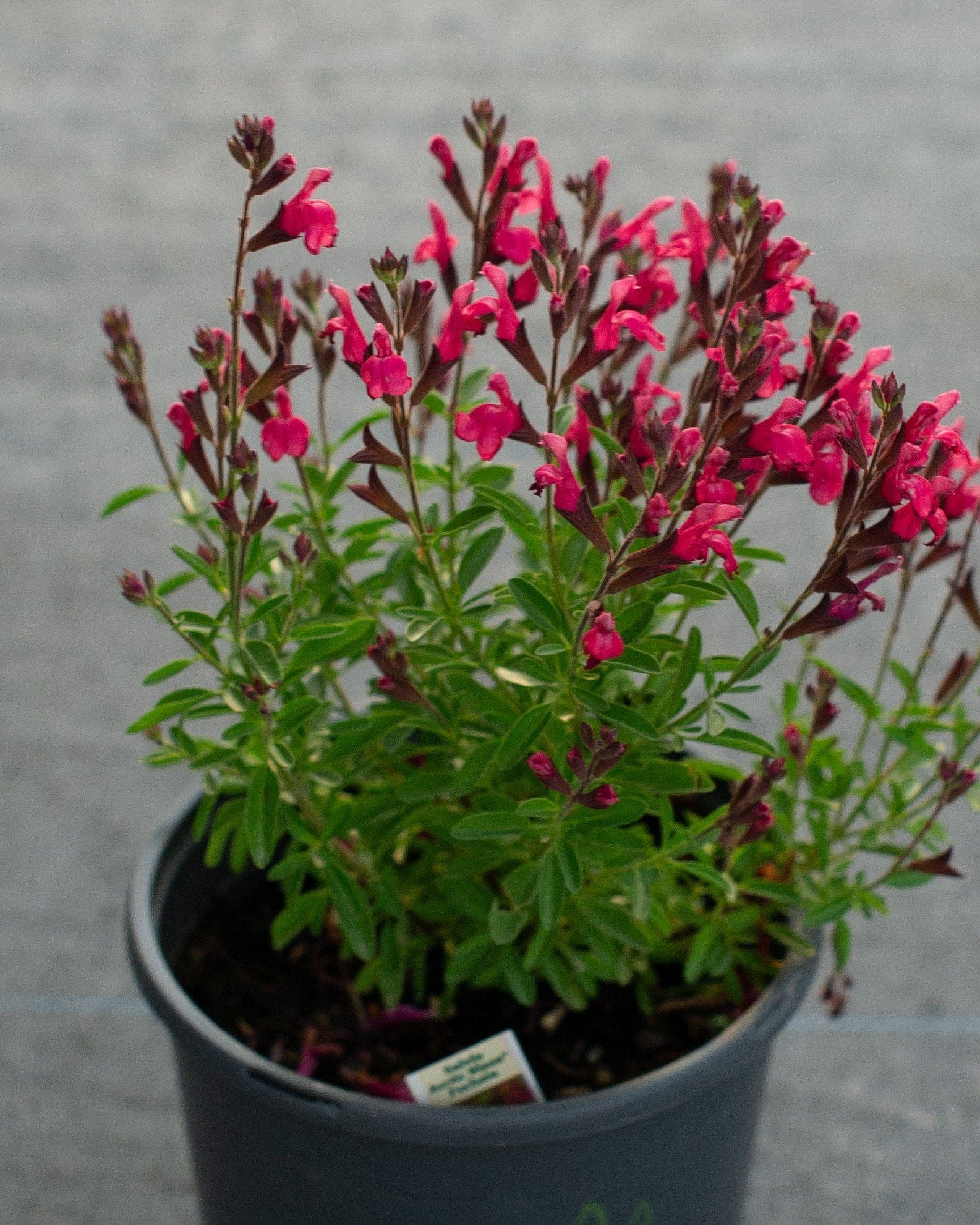
Arctic Blaze Fuchsia Salvia
Maturity: 2' H x 3' W
Augusta Duelberg Salvia
Maturity: 3' H x 3' W
Blue By You Salvia
Maturity: 2' H x 1.5' W
Blue Marvel Meadow Salvia
Maturity: 1' H x 1' W
Bumblesnow Salvia
Maturity: 1' H x 1' W
Cedar Sage Salvia
Maturity: 2' H x 1.5' W
Furman's Red Salvia Greggii
Maturity: 3' H x 3' W
Hot Lips Salvia
Maturity: 3' H x 3' W
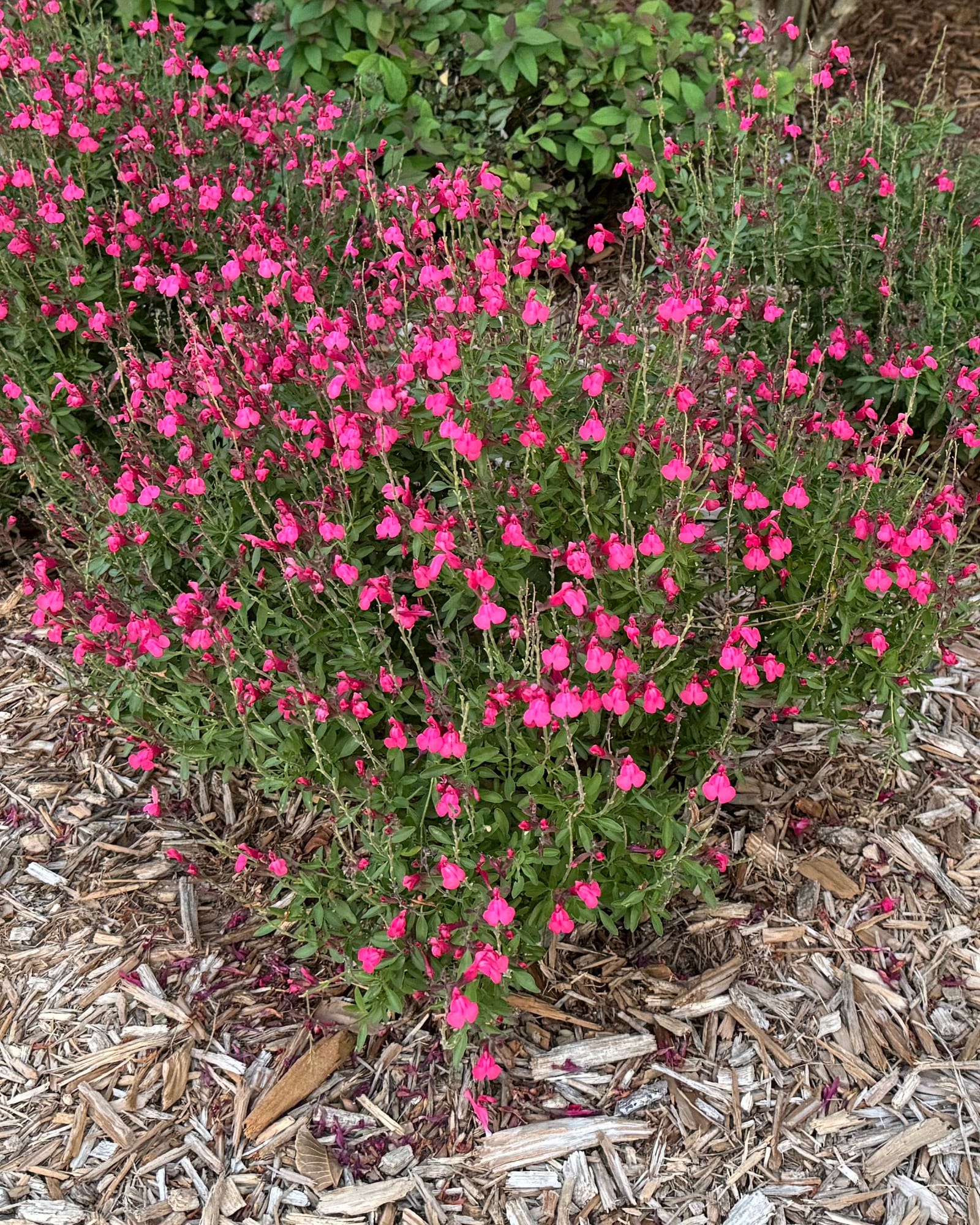
Hot Pink Salvia Greggii
Maturity: 3' H x 3' W
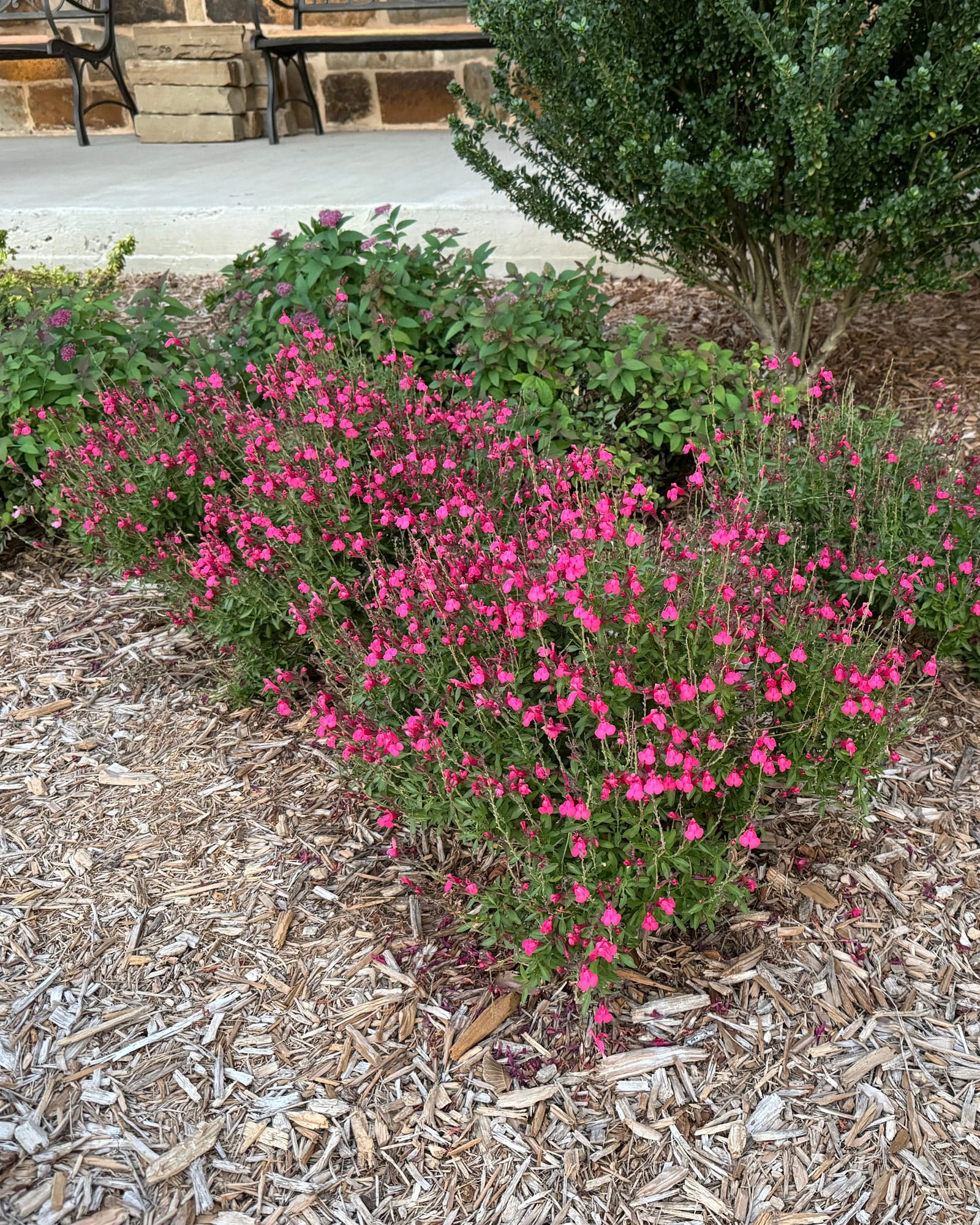
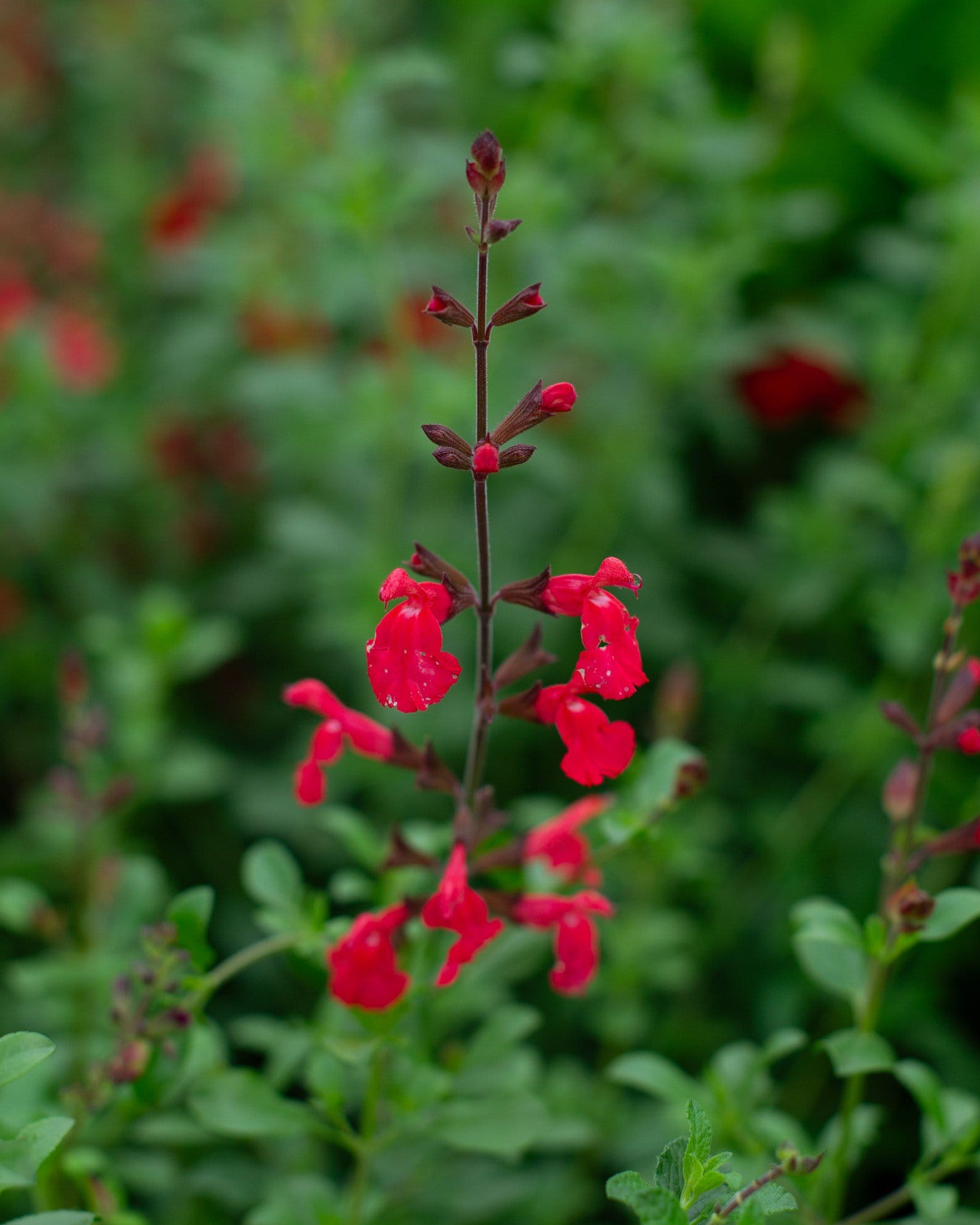
Lipstick Salvia Greggii
Maturity: 2' H x 2' W
Compare Similar Plants
May Night Salvia This plant | ||
|---|---|---|
| Scientific Name | Salvia × sylvestris ‘Mainacht’ | Salvia x sylvestris 'Blue Hill' |
| Size at Maturity | 1.5' H x 2' W | 1.5' H x 1' W |
| Leaf Retention | Herbaceous | Herbaceous |
| Flower Color | Purple | Purple |
| Bloom Times | Spring, Summer & Fall | Spring, Summer & Fall |
| Sizes Available | — | 1, 3 gal |


Our 1-Year Planting Guarantee
We take pride in our plants and installation services. If any plants or trees installed by Treeland fail to thrive within the first year, we'll provide a replacement credit in accordance with our guarantee program.
Learn More About Our Guarantee