

Kickin' Aster Sapphire
Symphyotrichum novae-angliae ‘Sapphire’Product Details
Kickin' Aster Sapphire
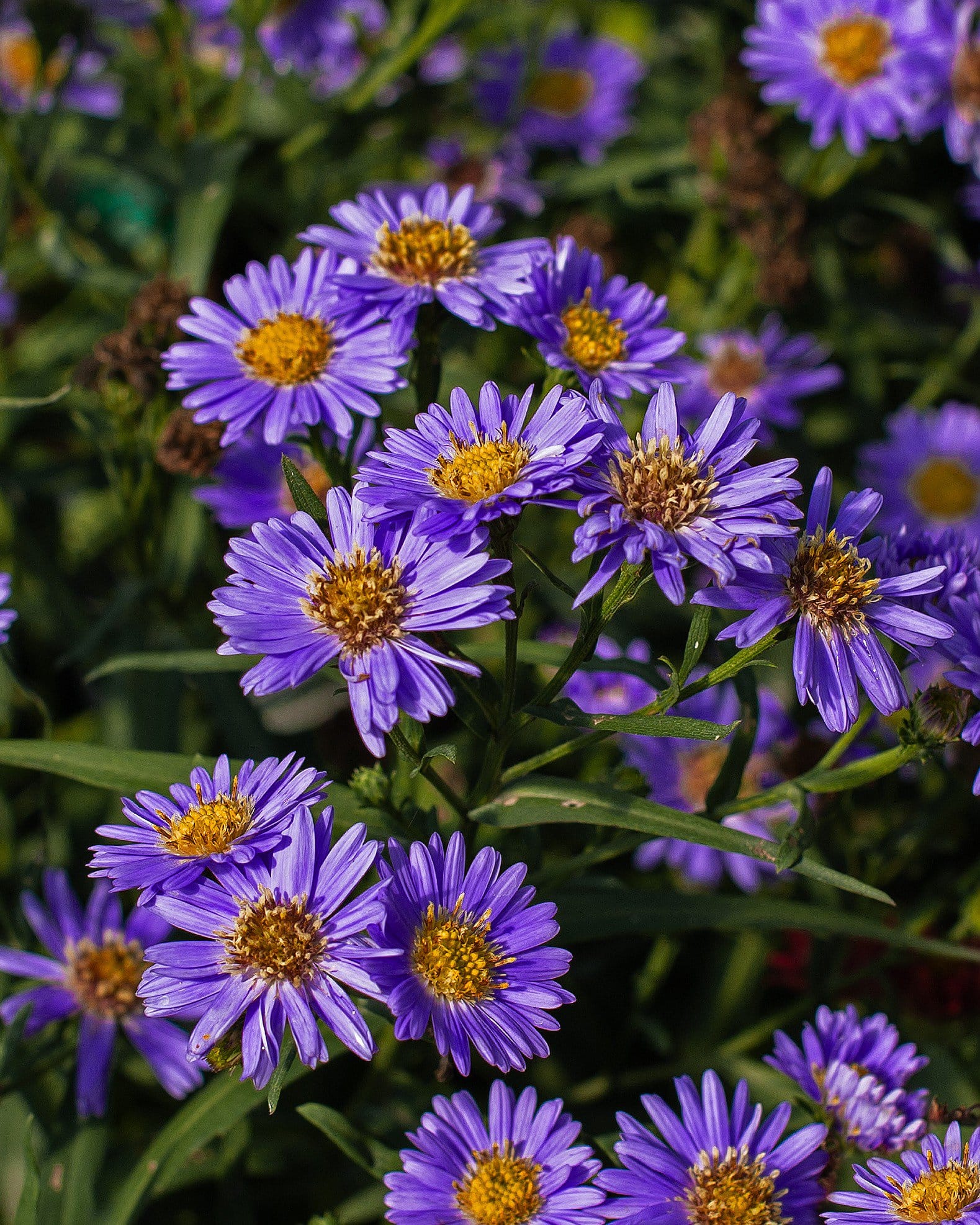
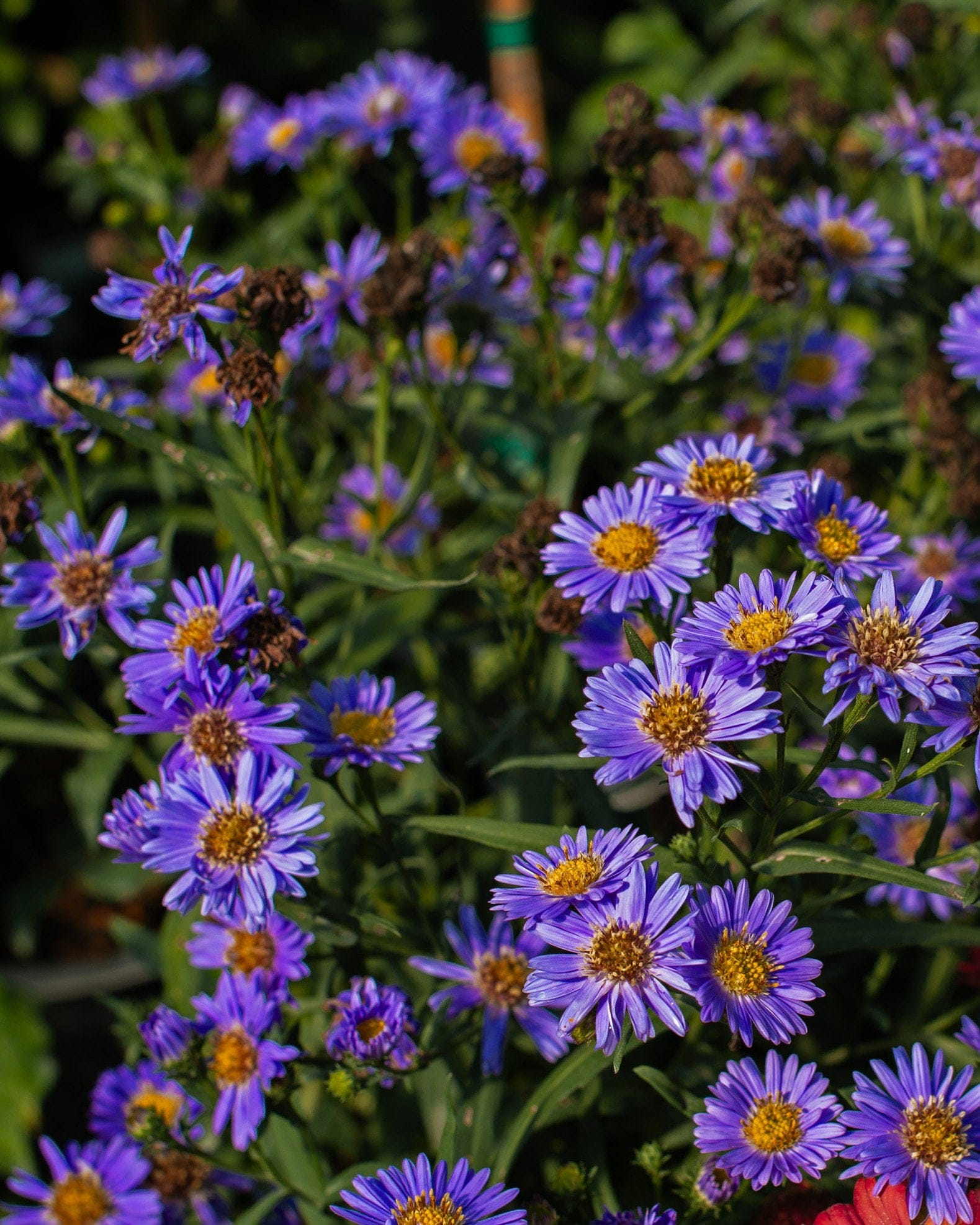
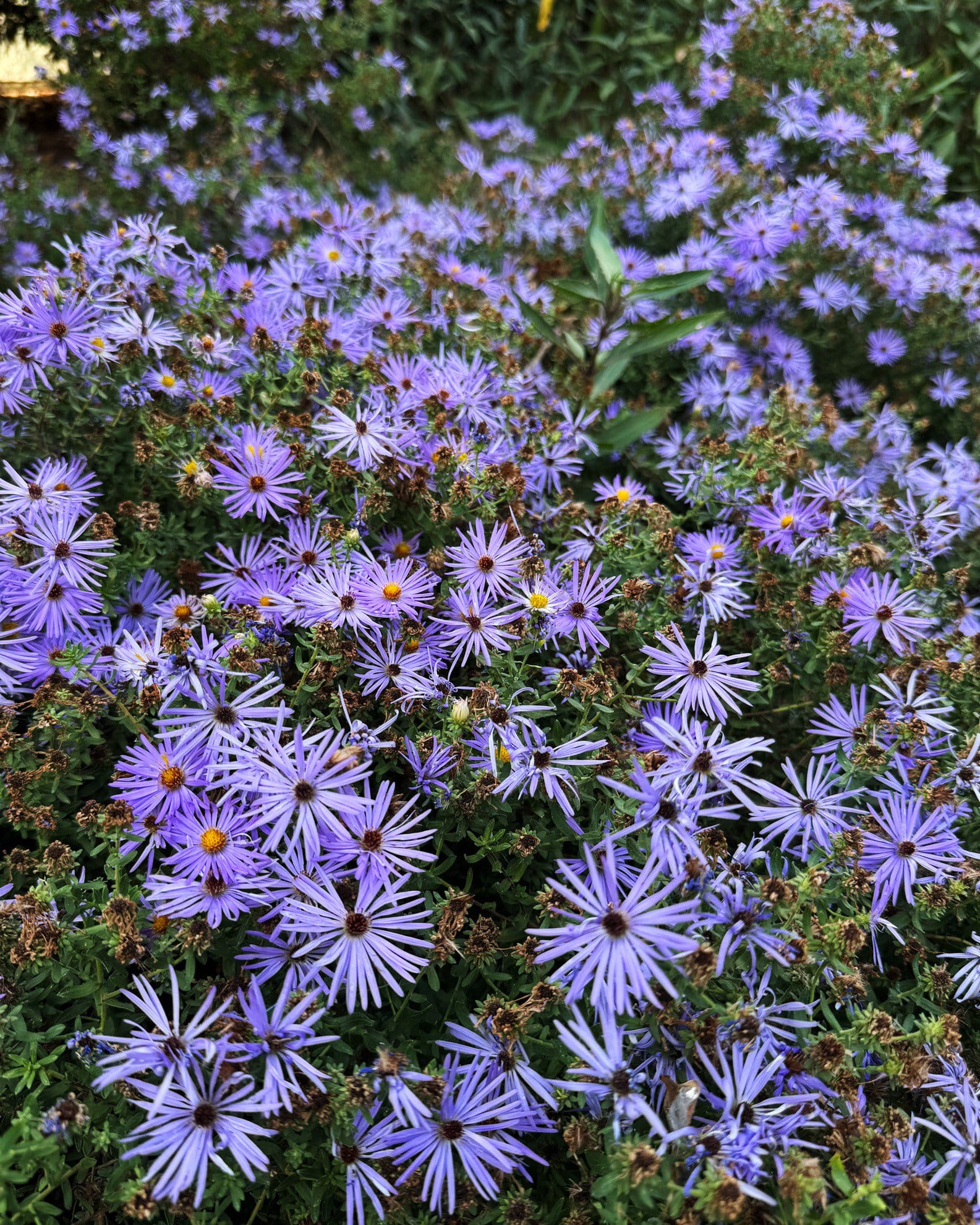
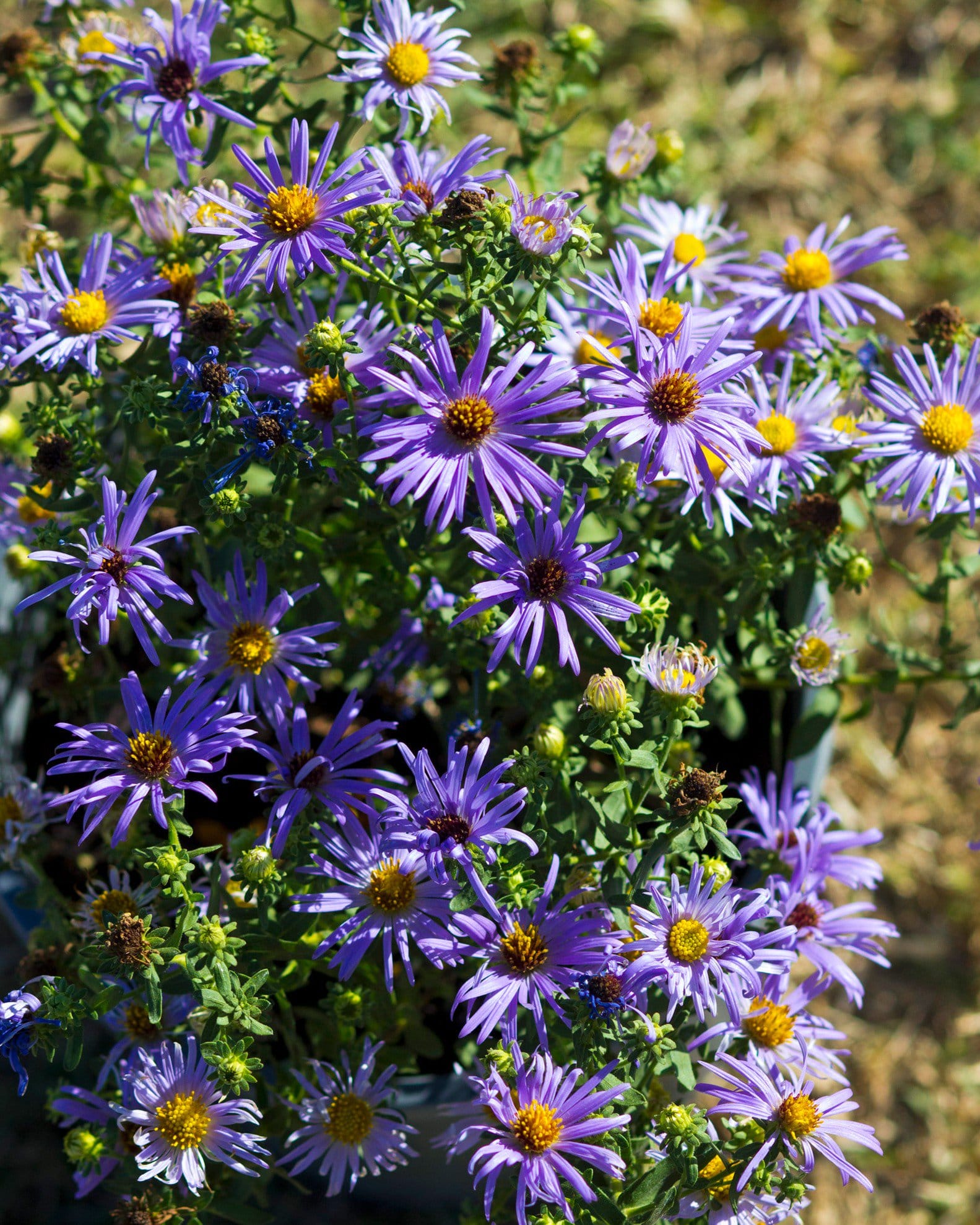
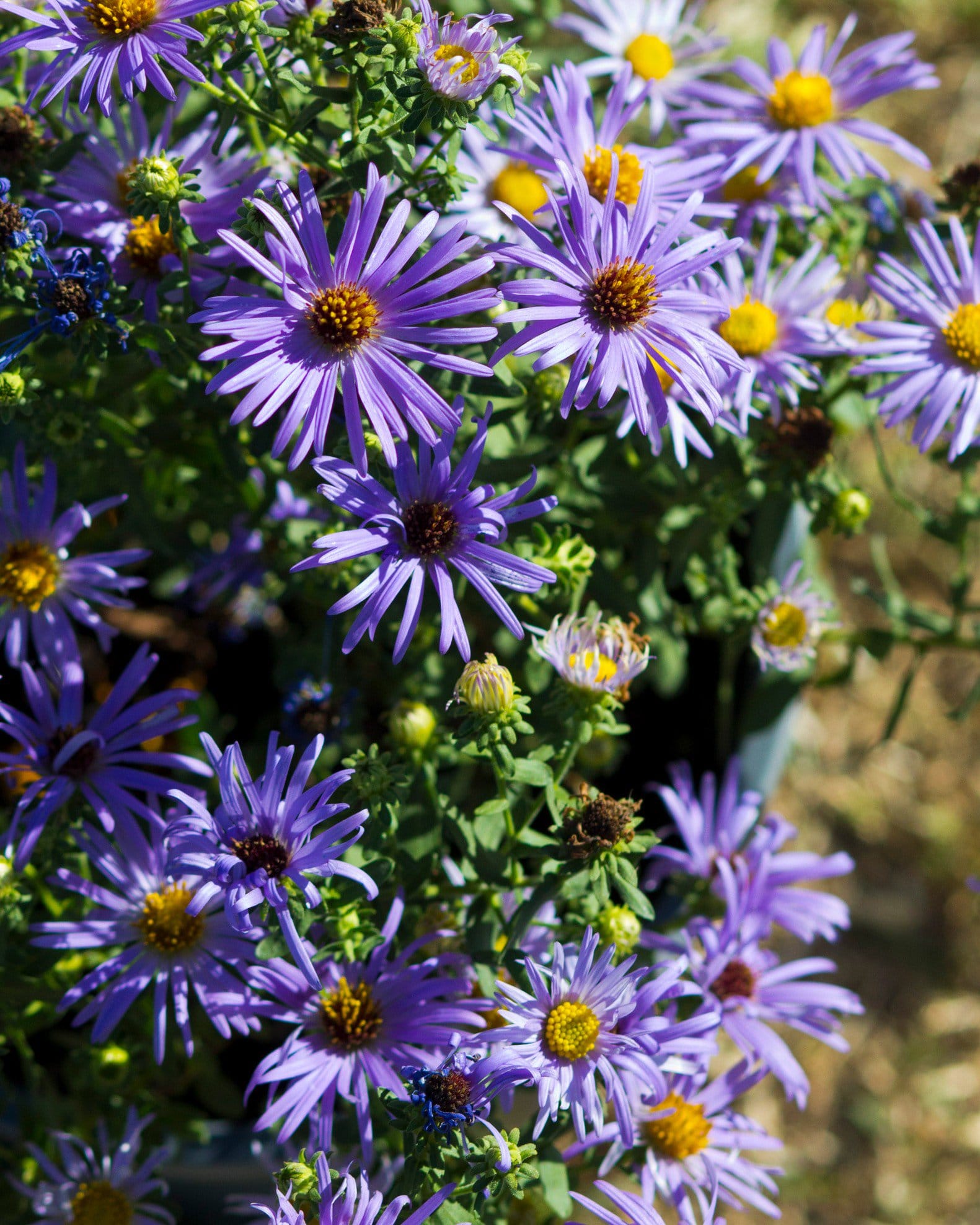
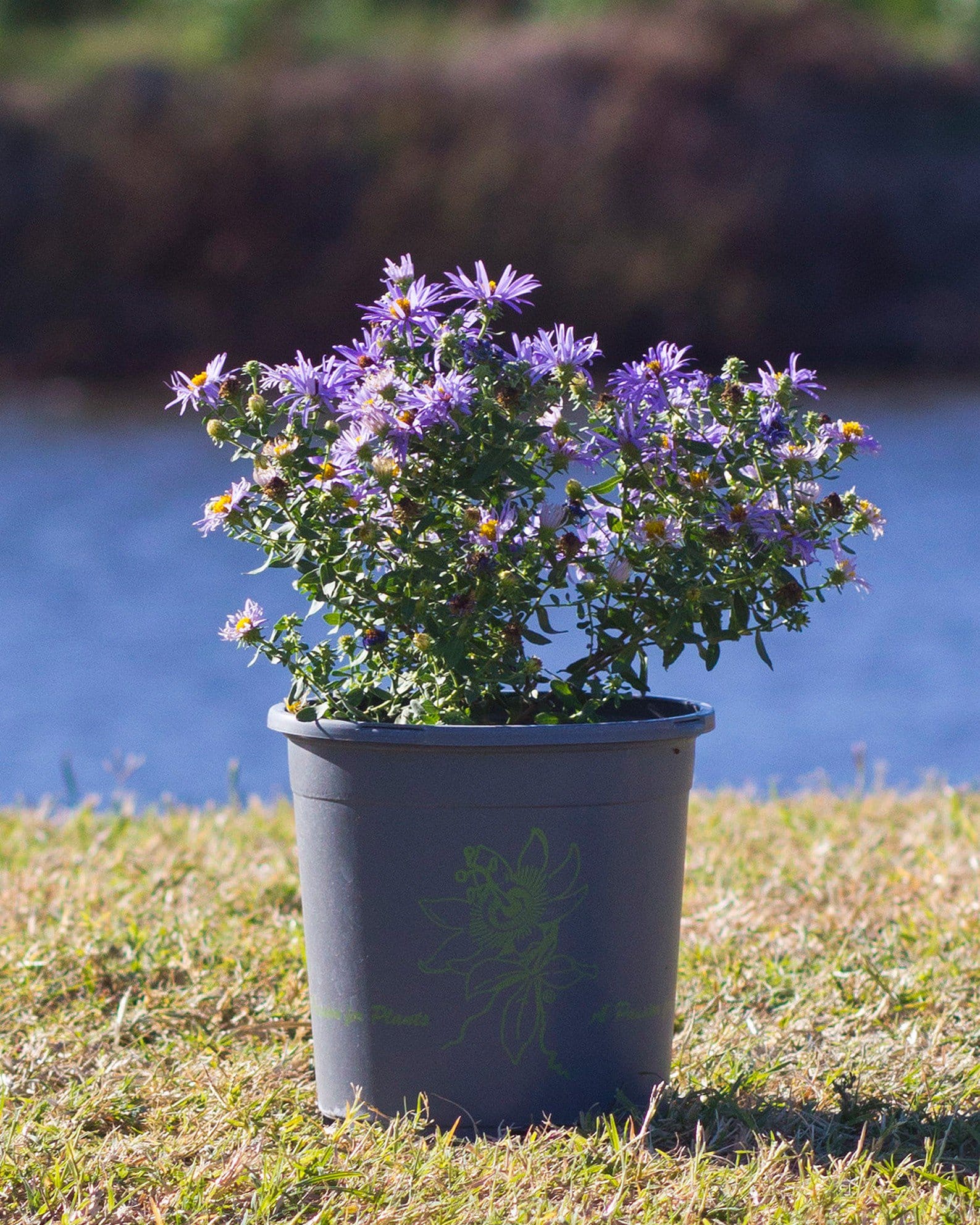
Symphyotrichum novae-angliae ‘Sapphire’Kickin' Aster Sapphire is loved for its beauty and versatility. It fares well in borders, containers, and flower beds, and it's wonderful as cut flowers, too. The daisy-like flowers are in vibrant shades of purple with bright yellow centers. The colors contrast with the foliage, which barely peeks through from summer to fall, hidden beneath a dense covering of blossoms. This perennial has a compact, mounded growth habit, reaching 2 feet in height and the same width at maturity.
- Deciduous perennial
- Suitable for various uses
- Moderate growth rate
- Delightful, vibrant purple flowers
- Attracts butterflies
Kickin' Aster Sapphire doesn't need much to thrive. It prefers direct sunlight but can tolerate some shade. Plant it in well-drained soil and remove spent blooms to encourage the growth of new ones. Hardy in zones 5–9, it will feel right at home in the North Texas climate.
With minimal care, Kickin’ Aster Sapphire delivers a spectacular burst of color just when the garden needs it most. Here’s all it requires:
- Watering: Water regularly during the first growing season to establish deep roots. Once mature, Kickin’ Aster Sapphire prefers moderately moist, well-drained soil and tolerates short dry periods. Avoid overwatering or heavy clay soil, as standing moisture can lead to crown or root rot.
- Pruning: Pinch or lightly shear stems in early summer, before flower buds form, to encourage bushier growth and more abundant blooms. After flowering, cut the plant back to about 4-6 inches above the soil line. This encourages tidy regrowth the following spring.
- Fertilizing: Feed lightly in spring with a balanced, slow-release fertilizer or a thin layer of compost. Avoid excessive fertilization, which can promote leggy growth and fewer flowers.
- Mulching: Apply a 2-inch layer of mulch to help retain moisture and suppress weeds. Keep mulch away from the plant’s crown to prevent rot. Refresh each spring for a clean, healthy appearance.
- Winter Care: Hardy and dependable, Kickin’ Aster Sapphire withstands winter well. After fall pruning, apply a light mulch to protect the roots in colder climates. Remove the mulch early in spring to allow new growth to emerge freely.
Kickin’ Aster Sapphire is known for its vigor and resistance, but a few minor issues can occur:
- Powdery Mildew: Appears as a white film on leaves in humid conditions. Improve air circulation, avoid overhead watering, and remove affected leaves to prevent spread.
- Rust: Manifests as orange or brown spots under the leaves. Remove infected foliage and apply a copper-based fungicide if the problem recurs.
- Aphids: Tiny insects that gather on new growth and buds. Rinse off with water or apply insecticidal soap as needed.
- Spider Mites: Microscopic pests that thrive in dry, hot weather. Mist foliage occasionally and apply horticultural oil to control severe infestations.
- Slugs and Snails: Can nibble on young shoots in damp conditions. Use organic slug bait or copper barriers to deter them.
- Leaf Spot: Dark or tan lesions caused by fungal activity in damp conditions. Prune damaged foliage and water at soil level to reduce leaf wetness.
With proper care, it can thrive for 5-7 years or more, providing reliable late-season color every autumn. Dividing mature clumps every few years rejuvenates the plant and extends its lifespan.
It grows quickly, forming a full, rounded mound within one growing season. By its second year, it reaches peak density and produces an impressive flush of blooms.
Absolutely - bees, butterflies, and other beneficial insects are drawn to its nectar-rich flowers. It’s an essential addition to pollinator-friendly and late-season habitat gardens.
Yes - its slightly aromatic foliage makes it unattractive to deer and rabbits. It maintains its beauty even in wildlife-heavy areas.
Yes, it performs exceptionally well in pots and decorative planters. Its compact, upright shape and profuse flowering make it ideal for patio displays or small spaces.
Yes - trimming lightly after the first flush of flowers encourages a modest second bloom later in the season. Deadheading also keeps the plant looking tidy.
Yes - it’s completely non-toxic and safe around children and pets. The foliage is soft, and the flowers are harmless to touch or accidental contact.
Yes - its sturdy stems hold up well in breezy or exposed gardens. Planting in full sun helps it remain upright and compact.
Divide clumps every 2-3 years in early spring or fall. Each division establishes quickly and flowers within one growing season.
Its cool blue-lavender color, dense compact habit, and strong mildew resistance make it stand out. Kickin’ Sapphire offers unmatched late-season brilliance and reliability in both garden beds and containers.
Special Features
You might also like
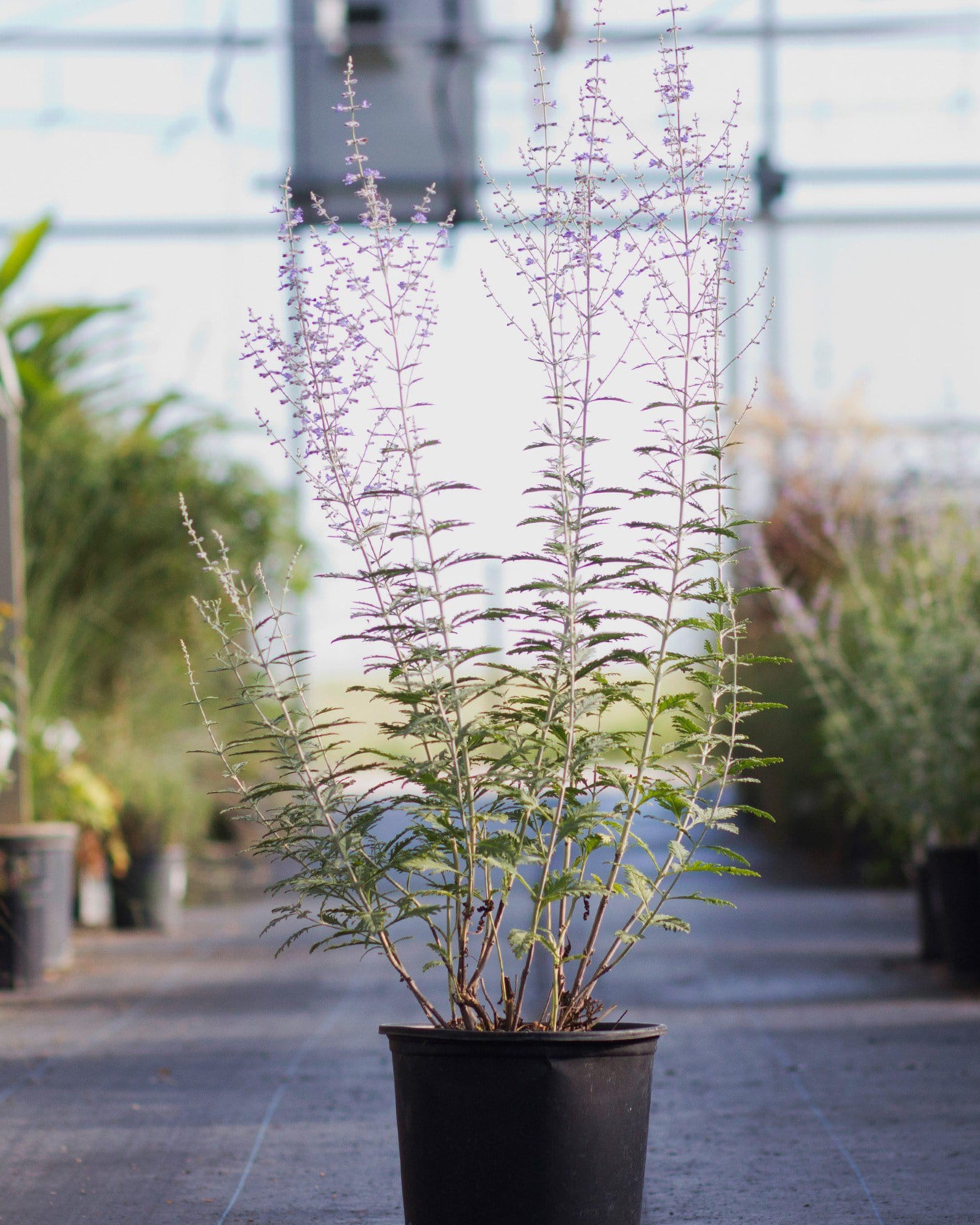
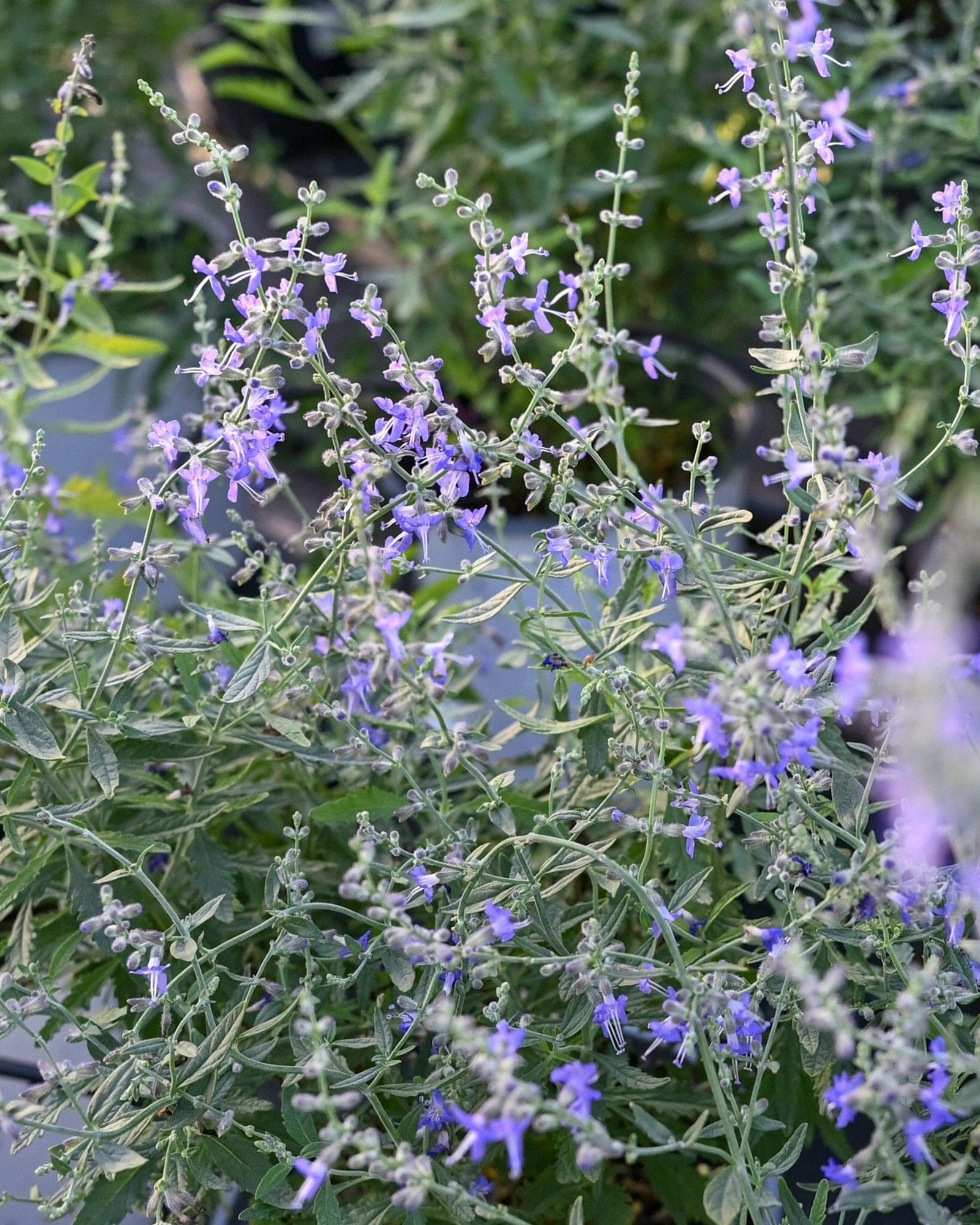
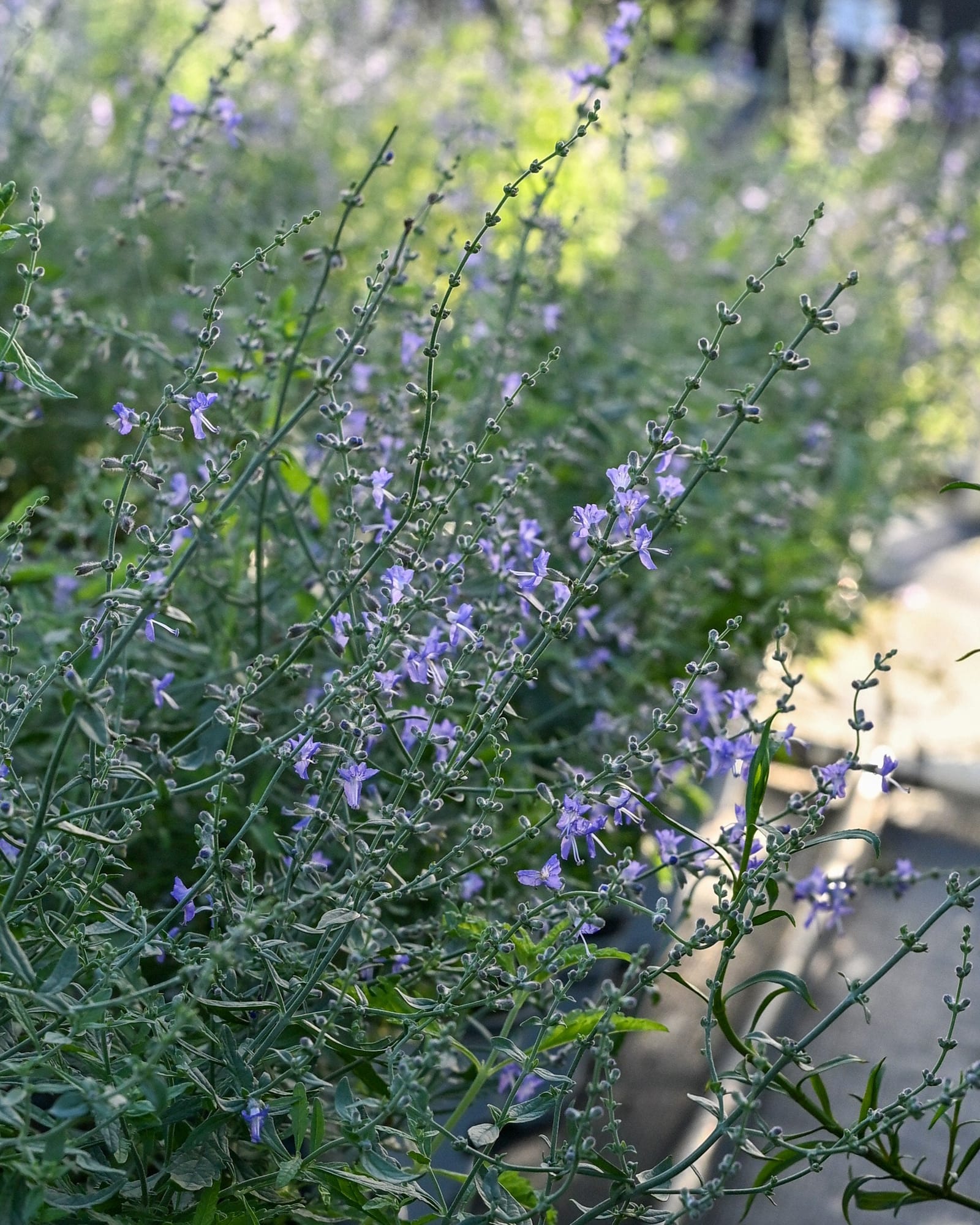
Russian Sage
Maturity: 3' H x 2' W
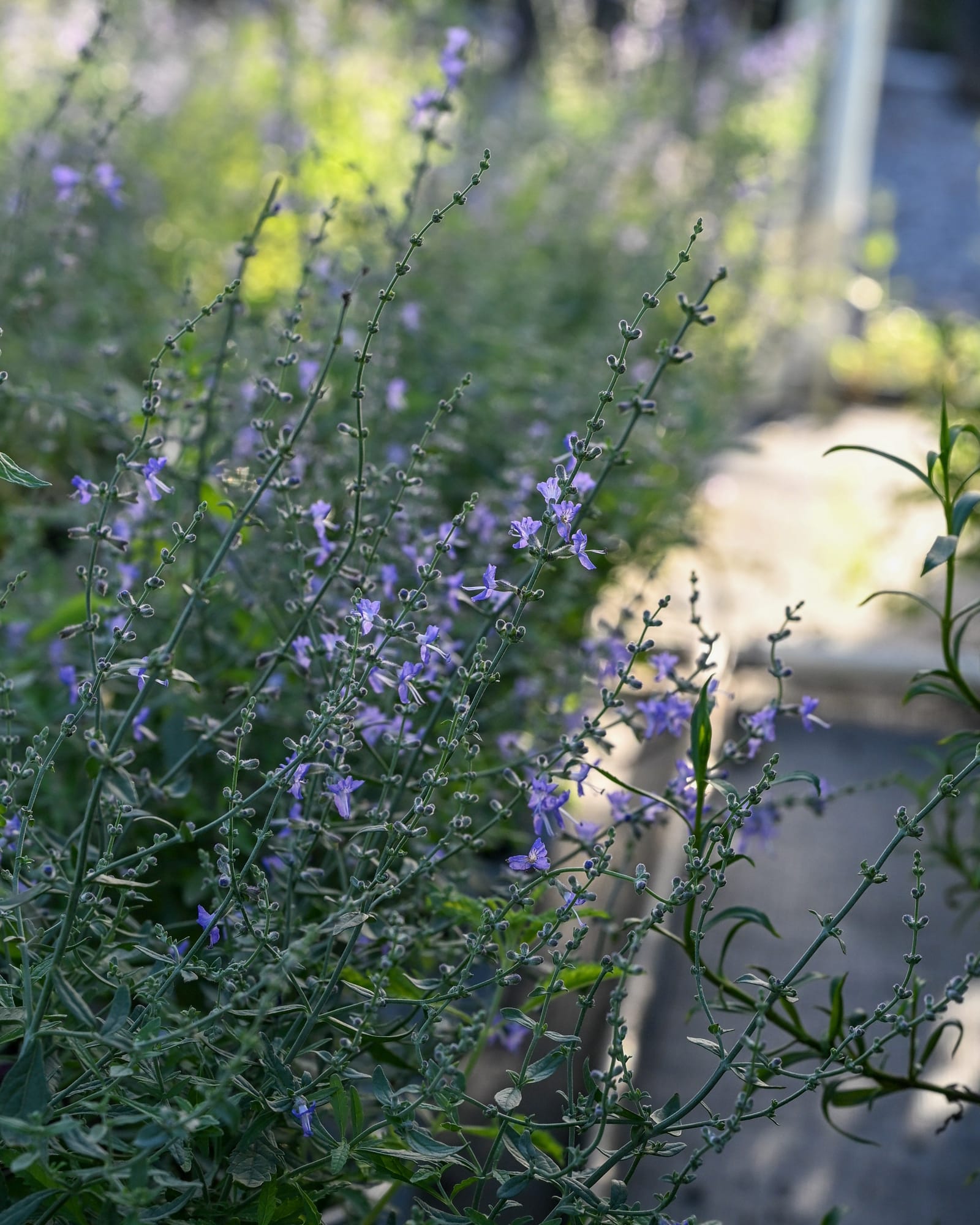
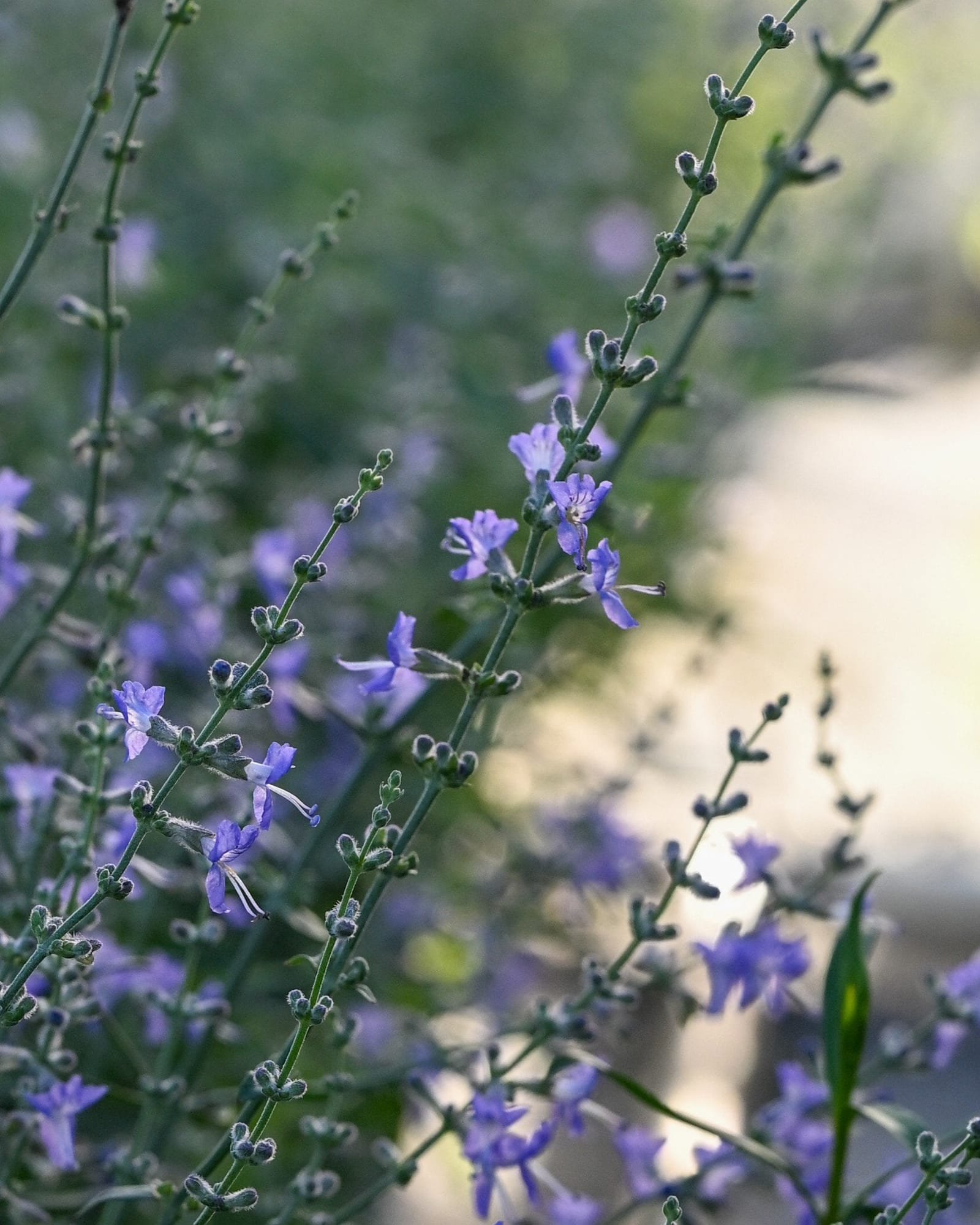
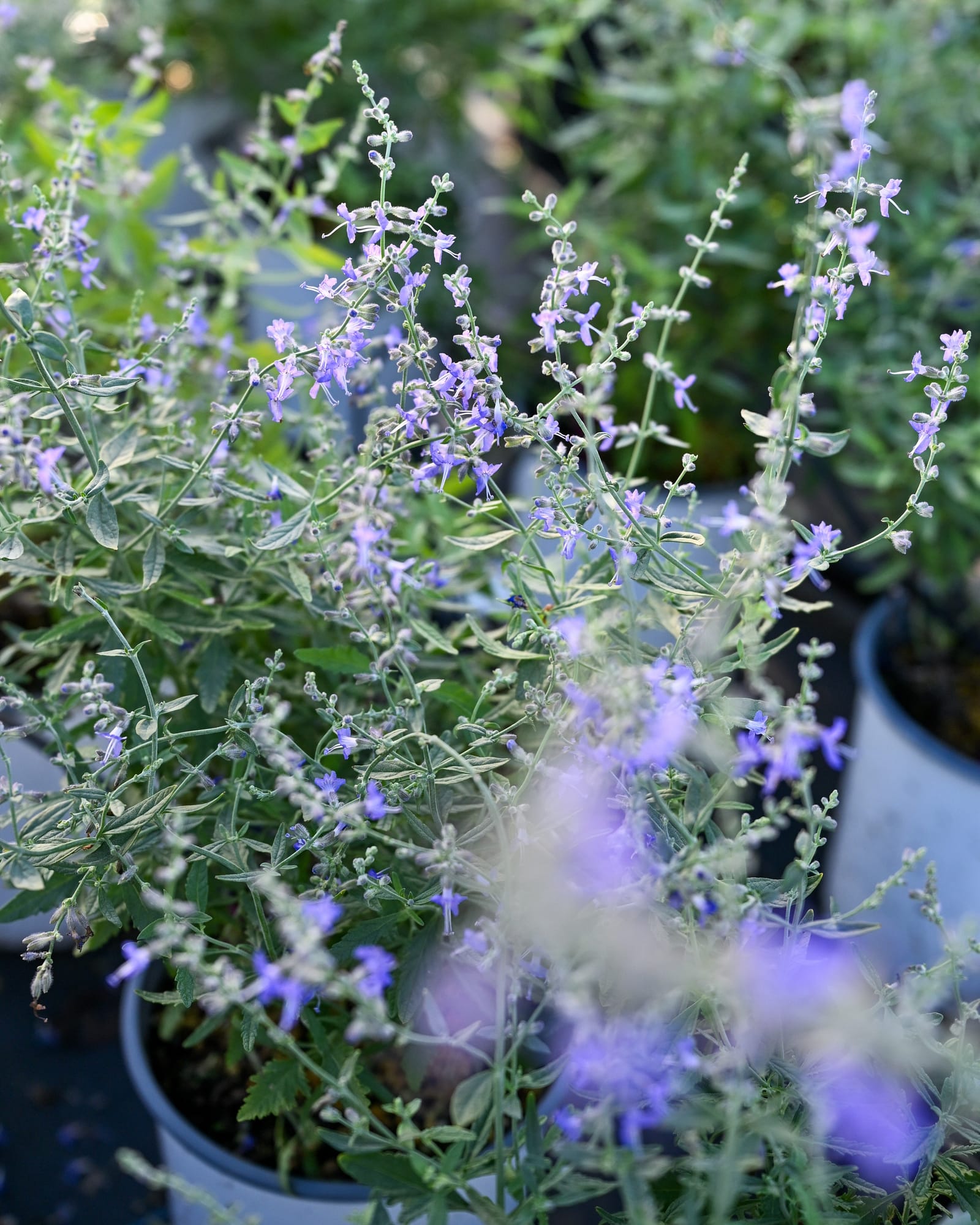
Russian Sage Crazy Blue
Maturity: 1.5' H x 1.5' W
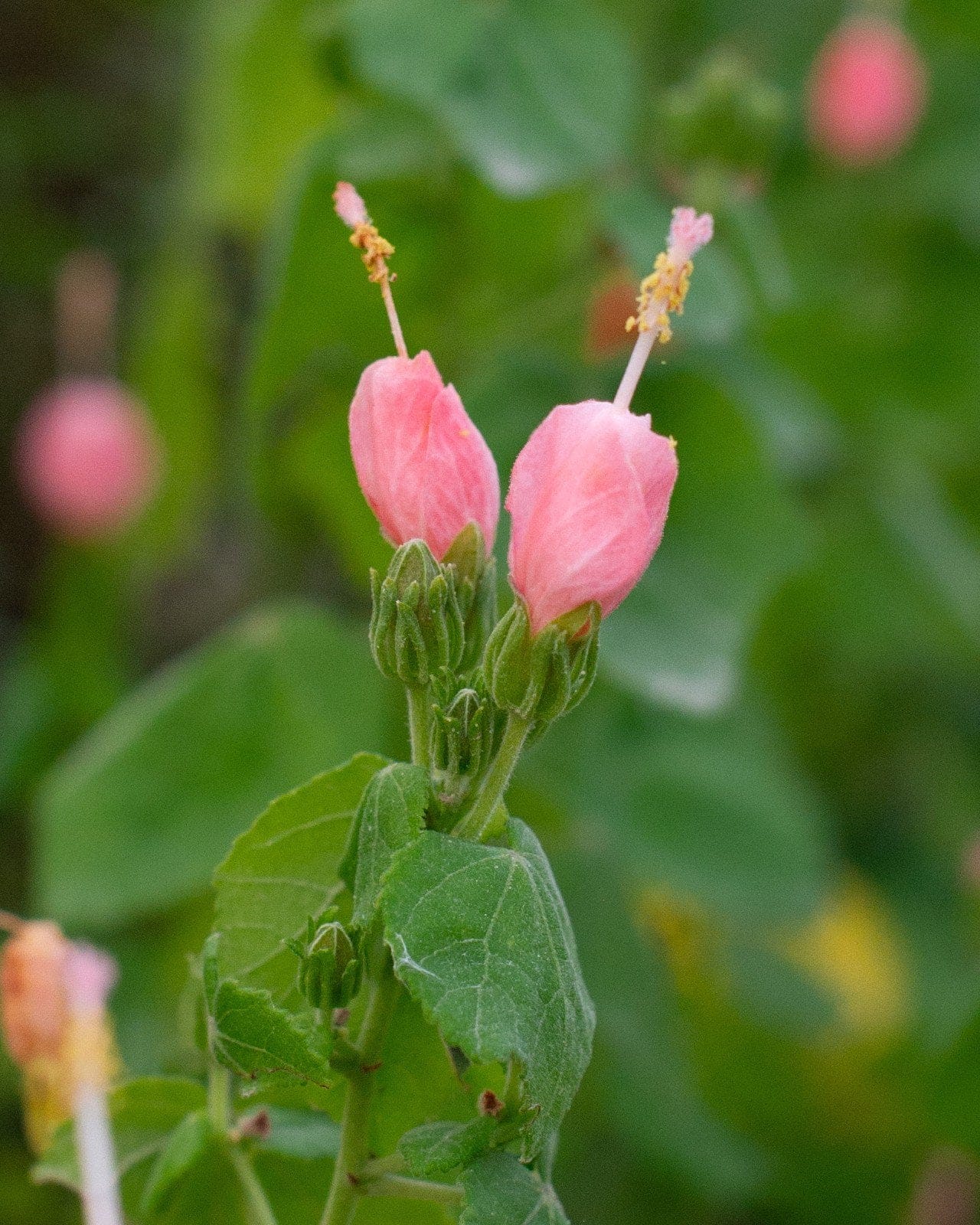
Turk's Cap Pink
Maturity: 3' H x 3' W
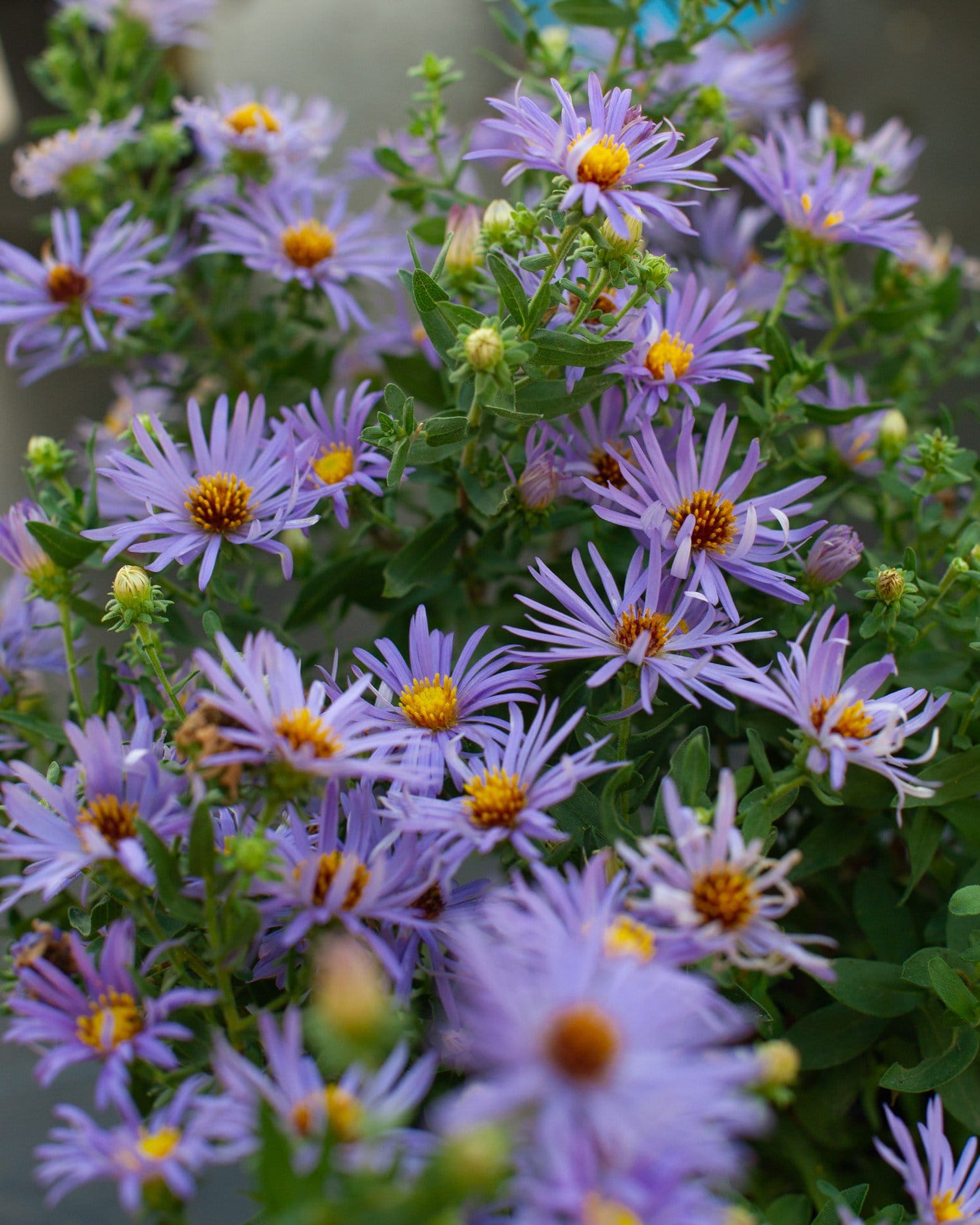
Aromatic Aster
Maturity: 2' H x 2' W
CranRazz Butterfly Bush
Maturity: 5' H x 4' W
Plum Perfect Rose
Maturity: 2.5' H x 1.5' W
Pugster Blue Butterfly Bush
Maturity: 2' H x 2' W
Autauga Crape Myrtle
Maturity: 20' H x 12' W
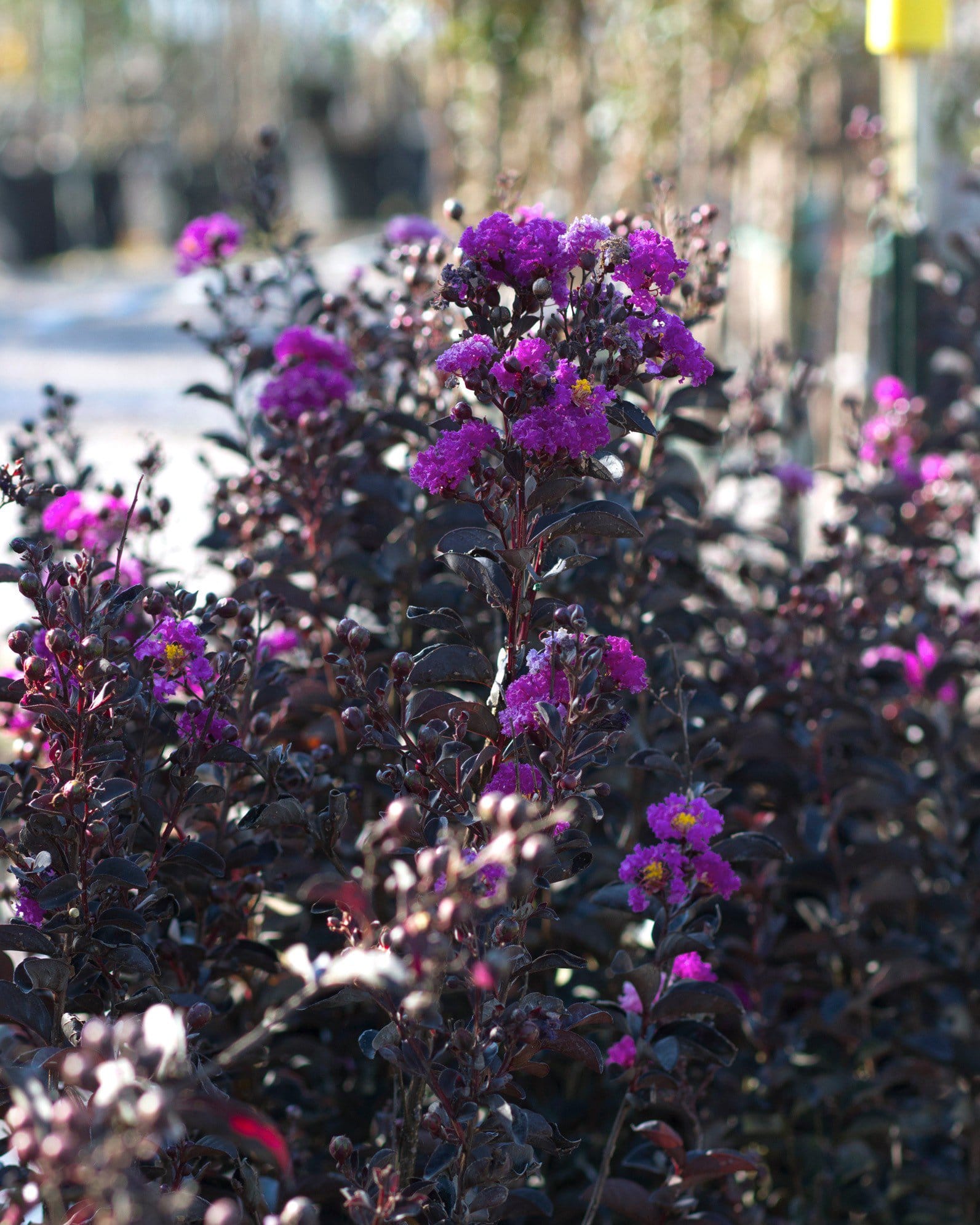
Black Diamond Purely Purple Crape Myrtle
Maturity: 12' H x 8' W
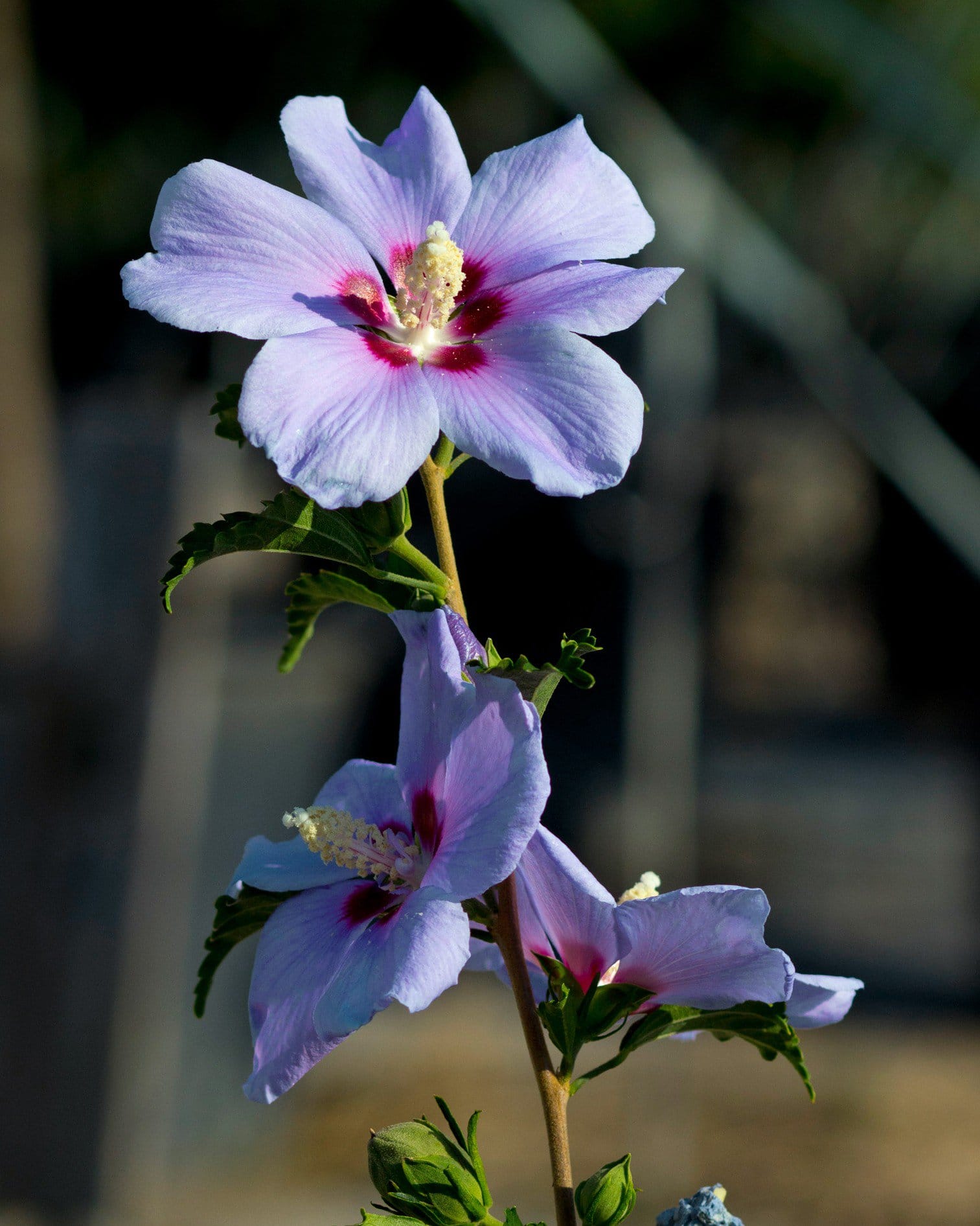
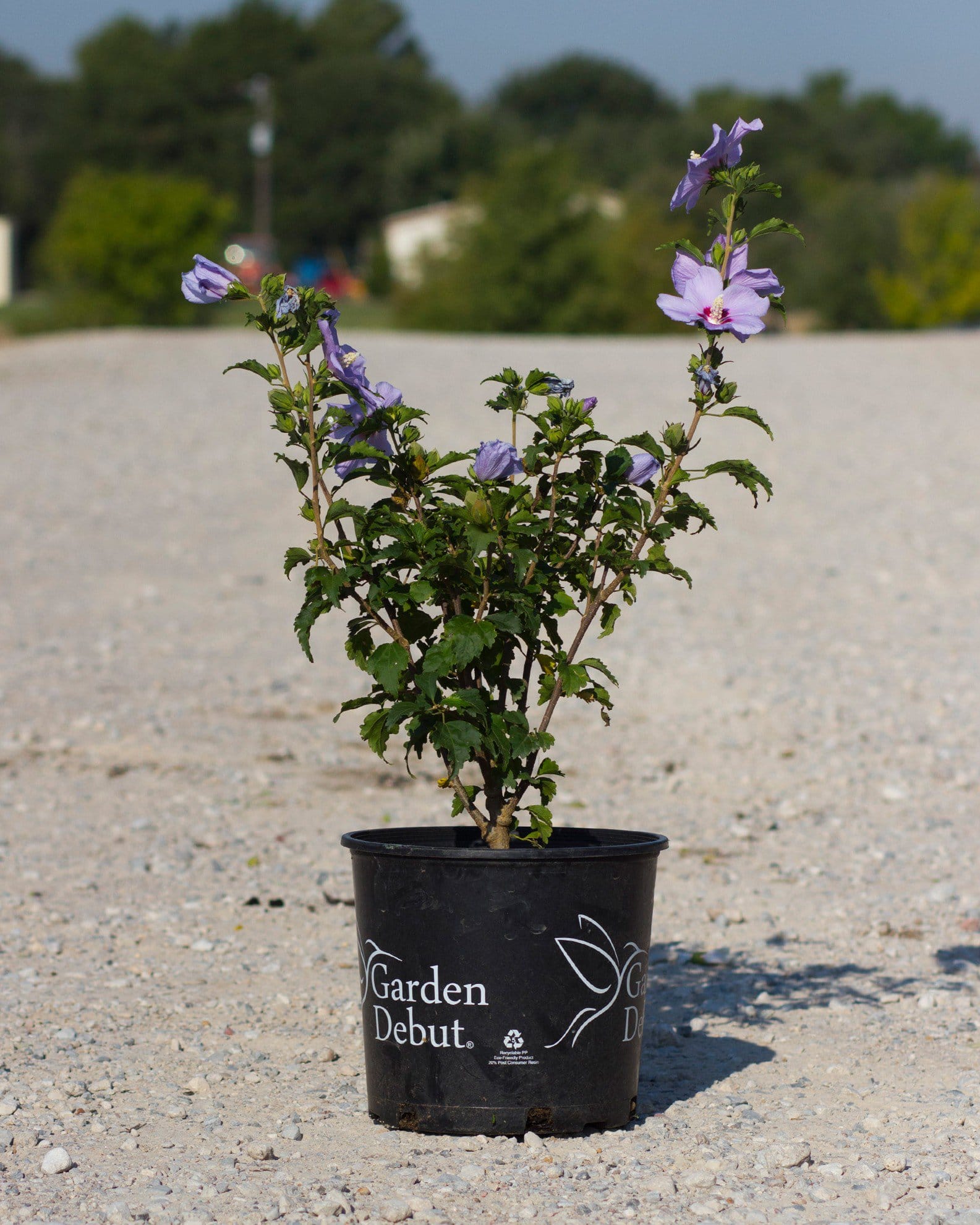
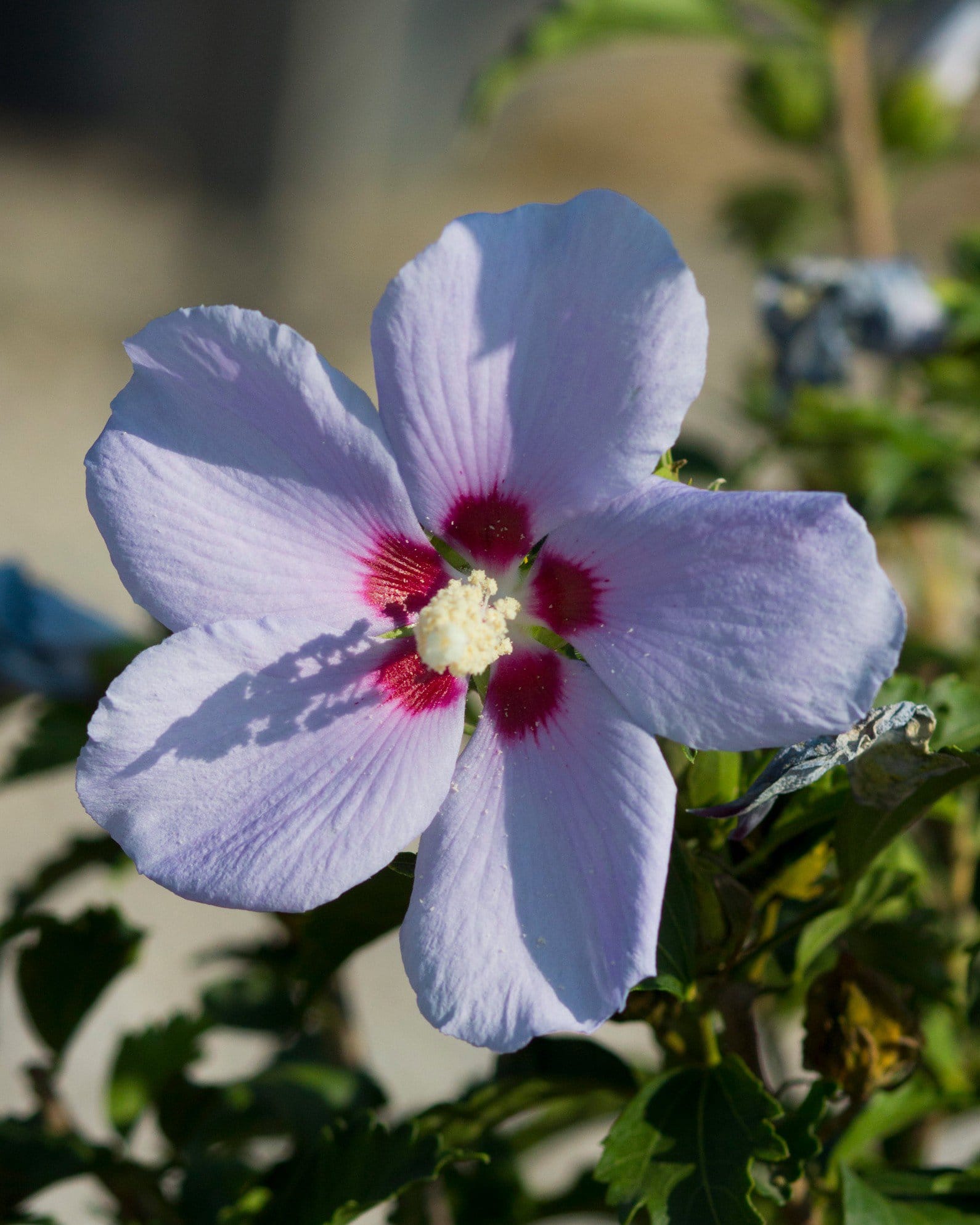
Blue Angel Althea
Maturity: 8' H x 6' W
Blueberry Smoothie Althea Tree Form
Maturity: 8' H x 4' W
Blushing Drift Rose
Maturity: 1' H x 2' W
Candy Cane Cocktail Rose
Maturity: 3.5' H x 4' W
Catawba Crape Myrtle
Maturity: 10' H x 8' W
Colorama Purple Crape Myrtle
Maturity: 20' H x 12' W
Compare Similar Plants
Kickin' Aster Sapphire This plant | ||
|---|---|---|
| Scientific Name | Symphyotrichum novae-angliae ‘Sapphire’ | Perovskia atriplicifolia |
| Size at Maturity | 2' H x 2' W | 3' H x 2' W |
| Leaf Retention | Deciduous | Deciduous |
| Flower Color | Purple | Purple |
| Bloom Times | Summer & Fall | Summer & Fall |
| Sizes Available | — | 1 gal |


Our 1-Year Planting Guarantee
We take pride in our plants and installation services. If any plants or trees installed by Treeland fail to thrive within the first year, we'll provide a replacement credit in accordance with our guarantee program.
Learn More About Our Guarantee