


 Texas Native
Wichita Blue Juniper
Juniperus scopulorum 'Wichita Blue'Local DFW Delivery Only
Product Details
Wichita Blue Juniper
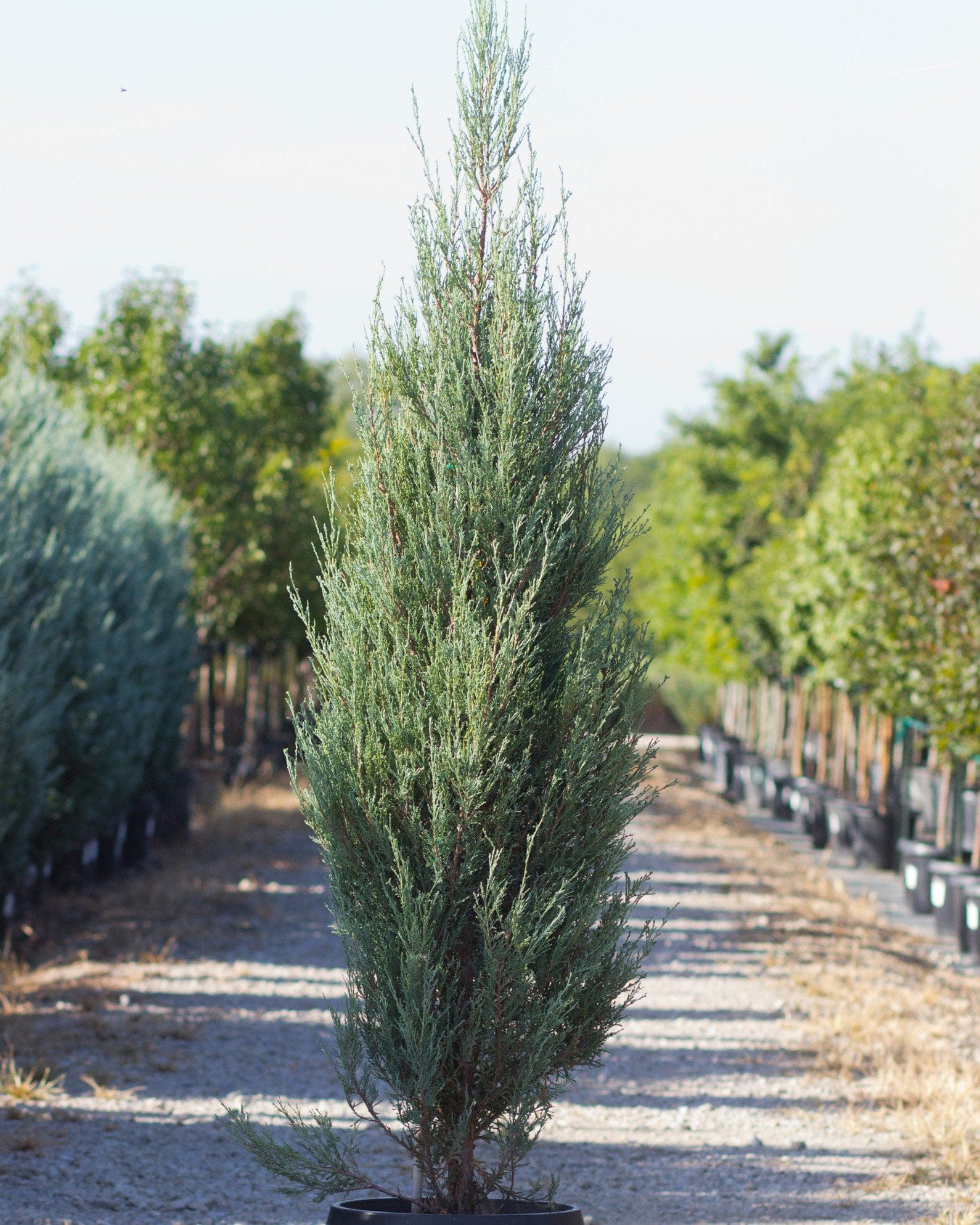
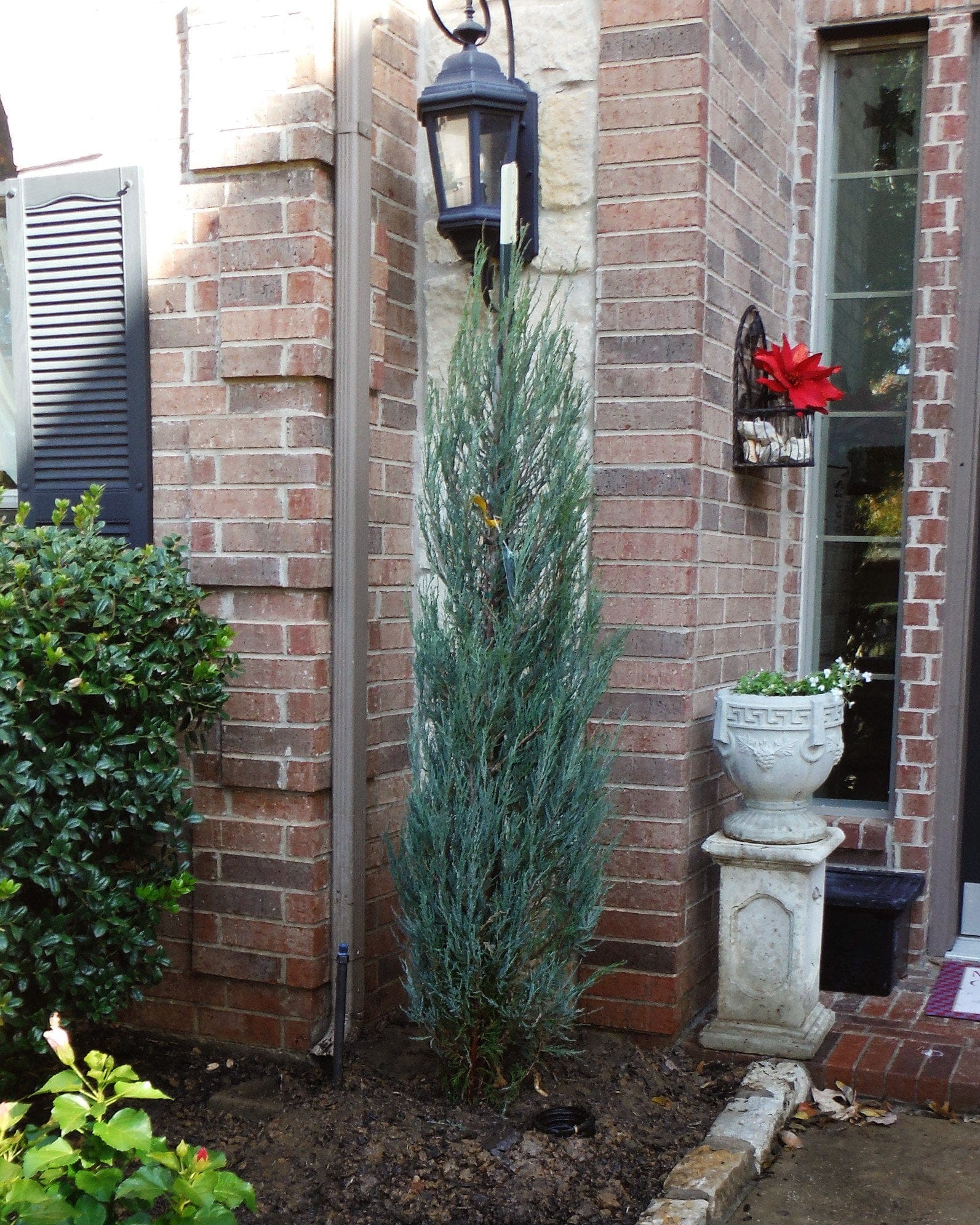
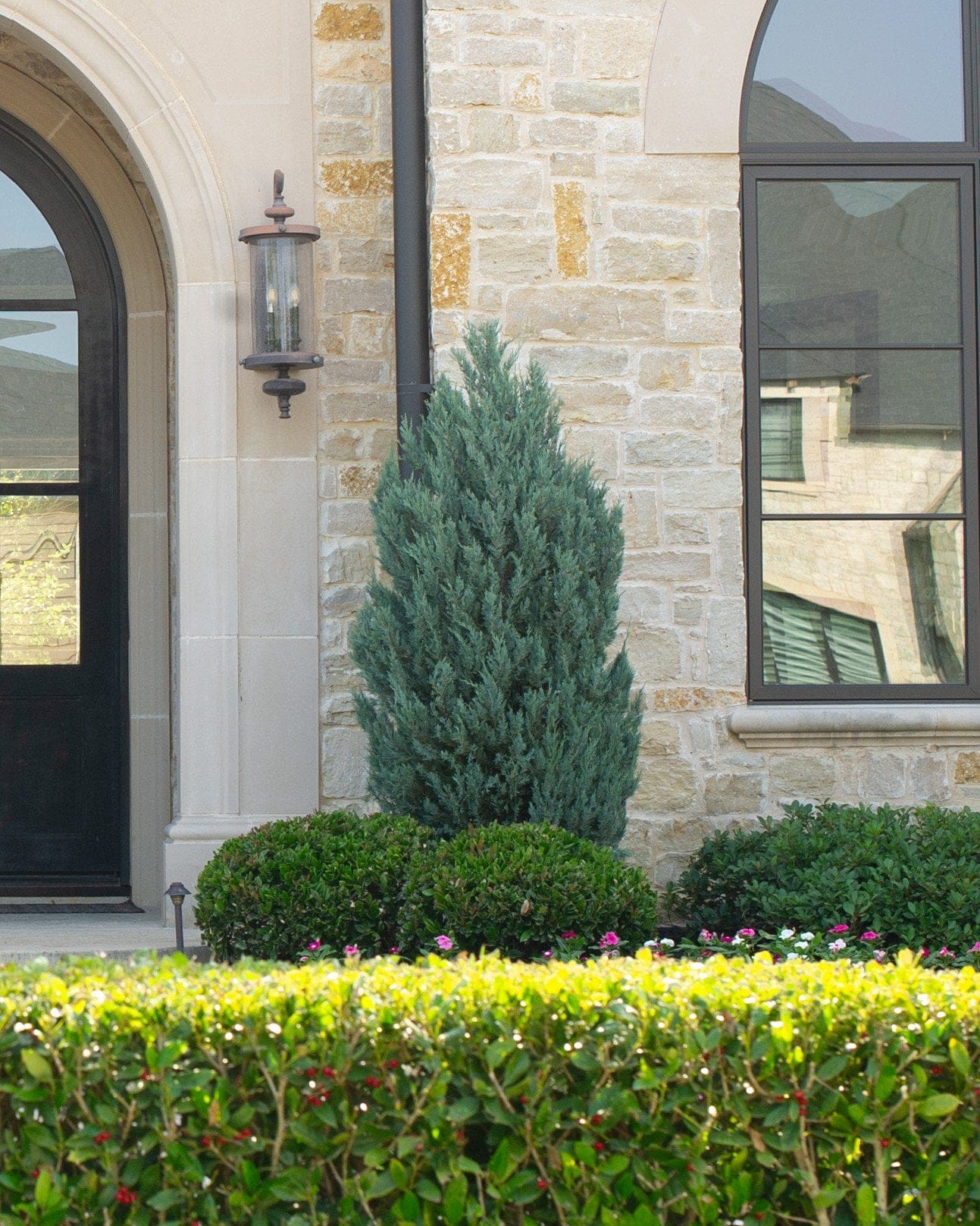
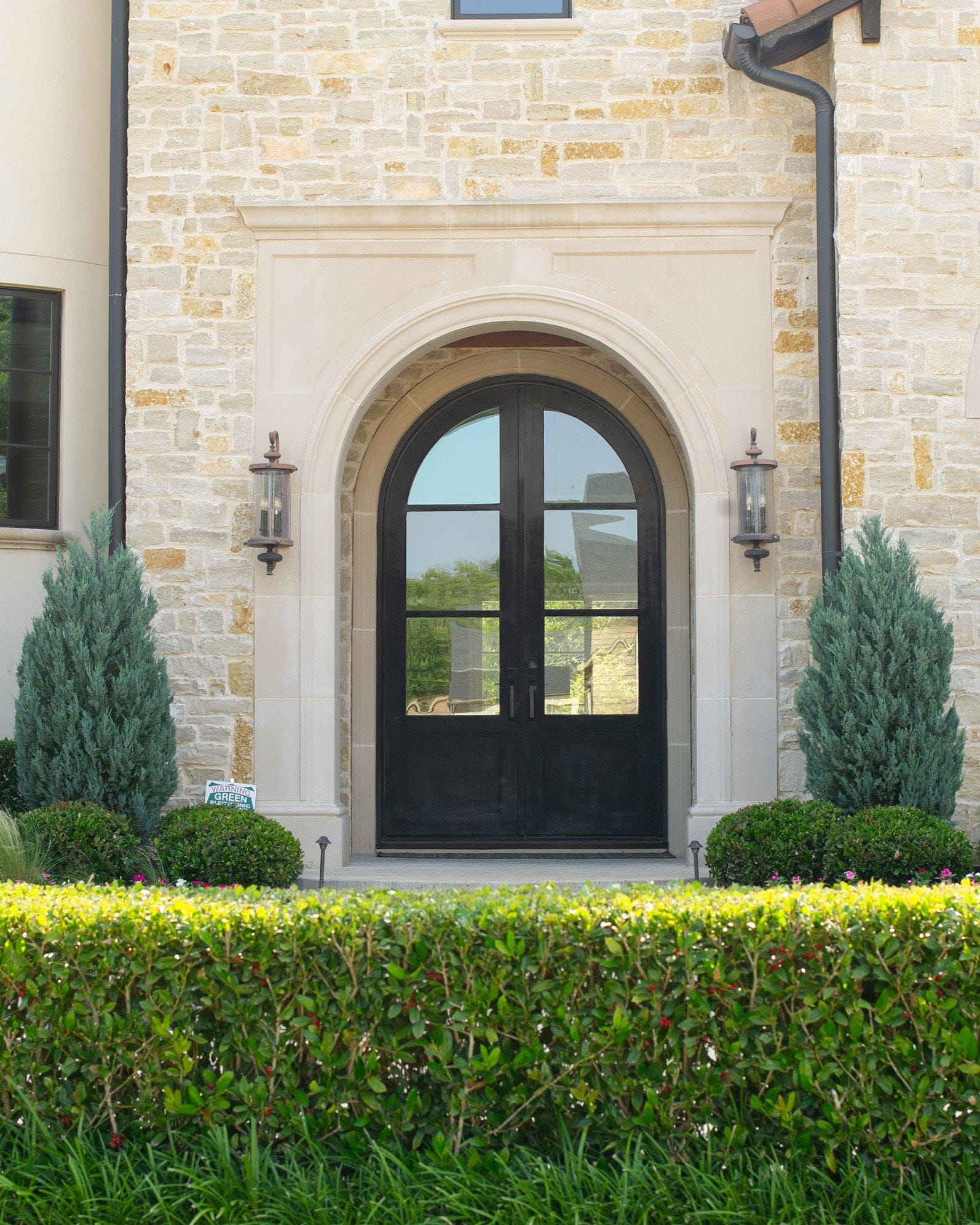
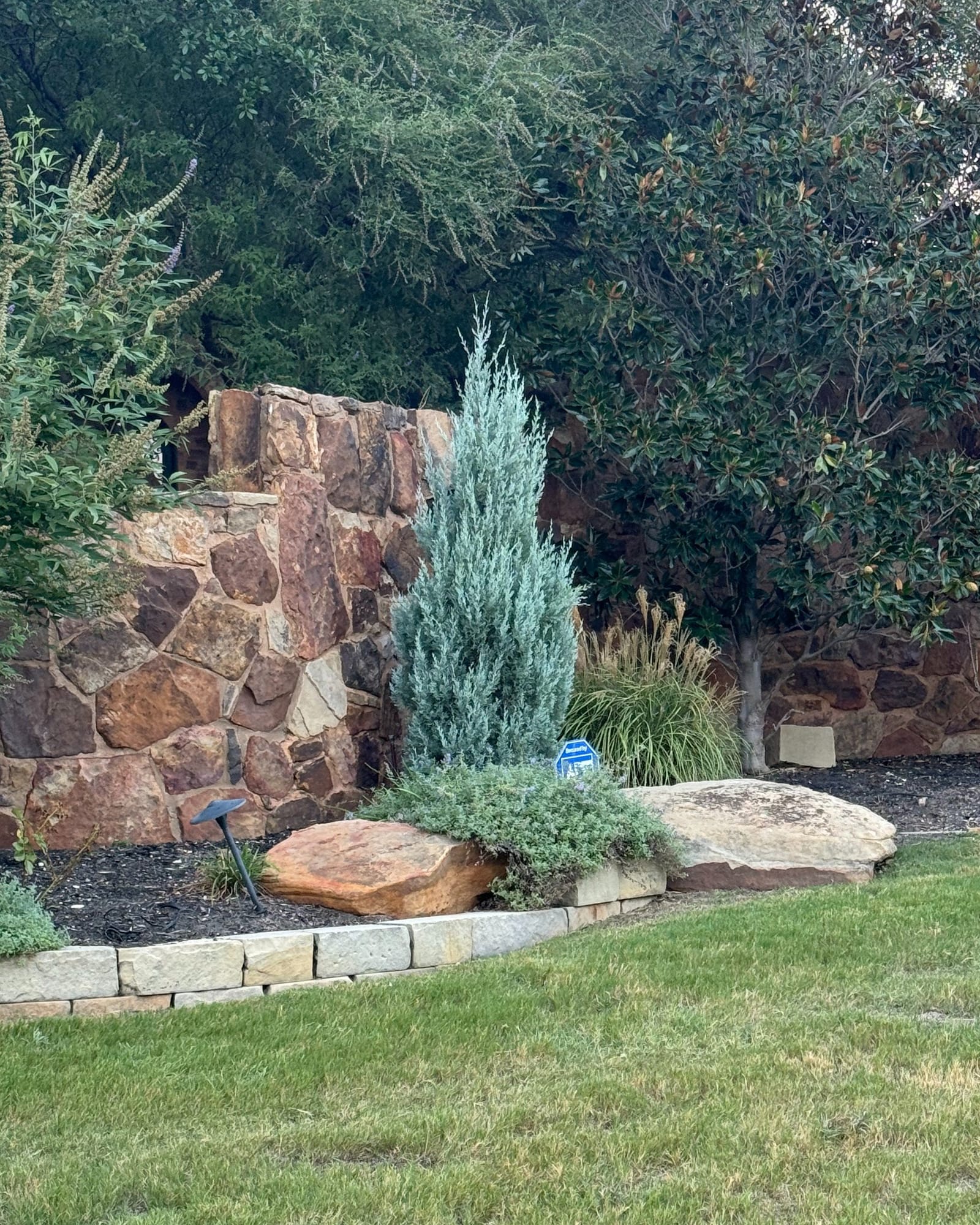
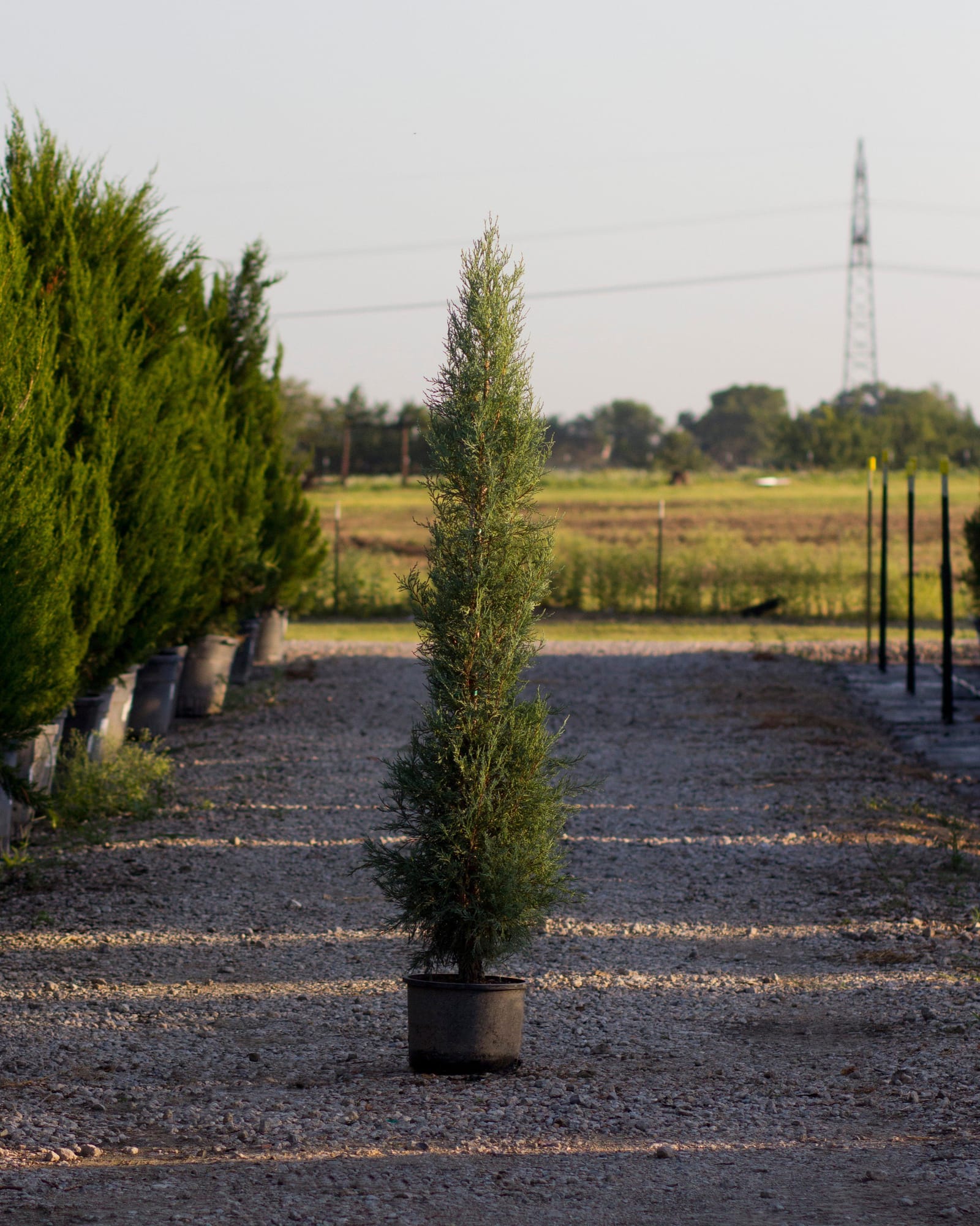
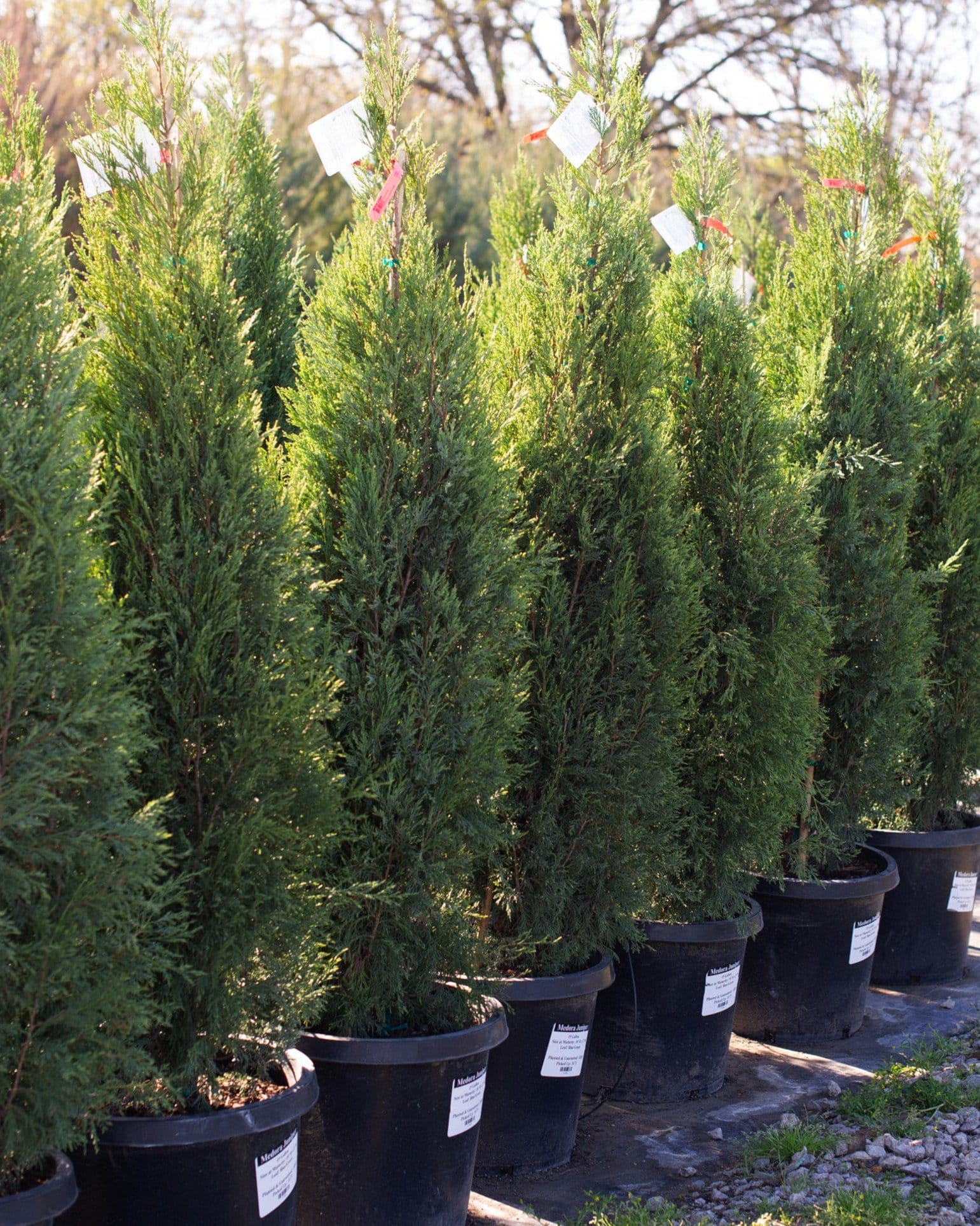
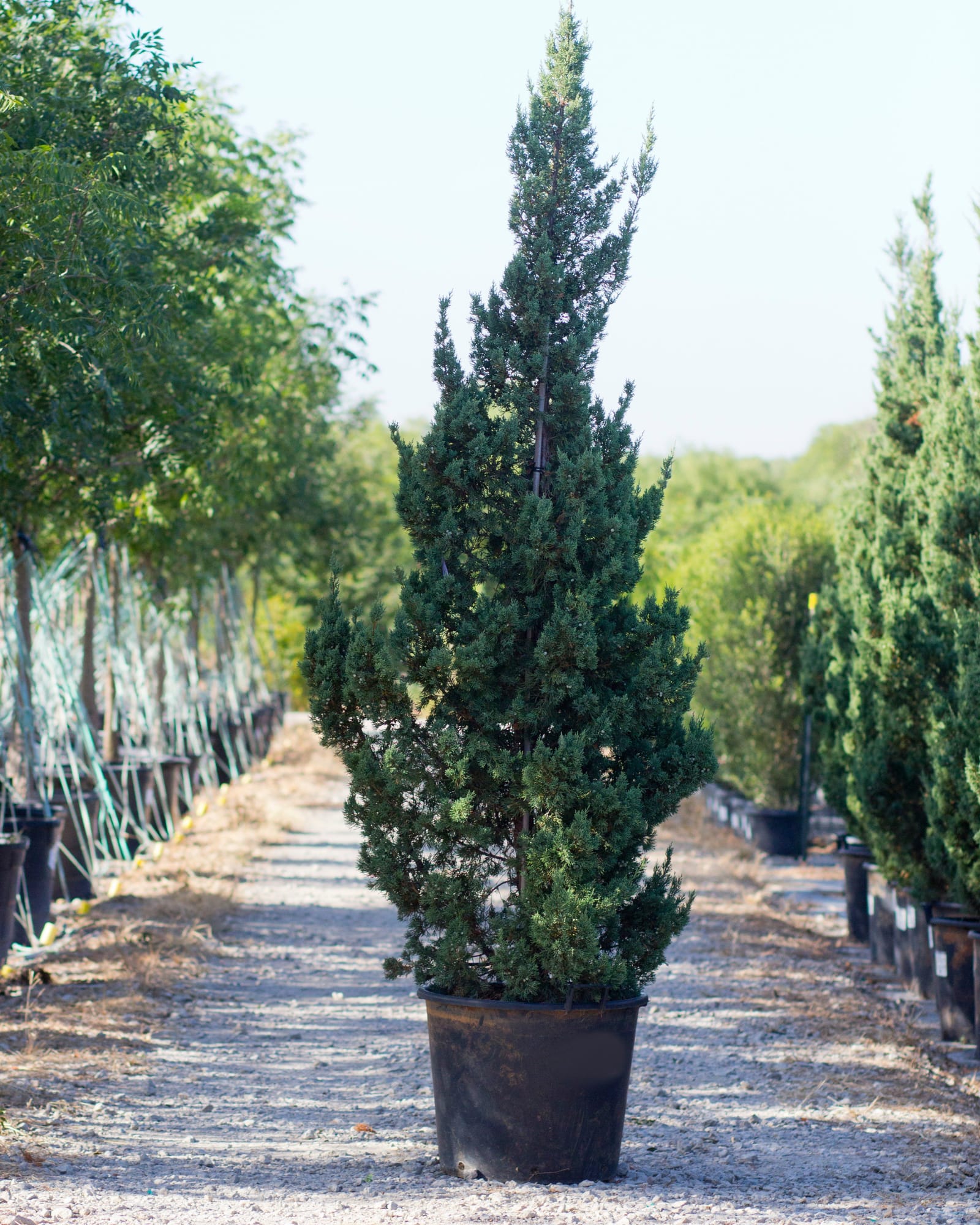
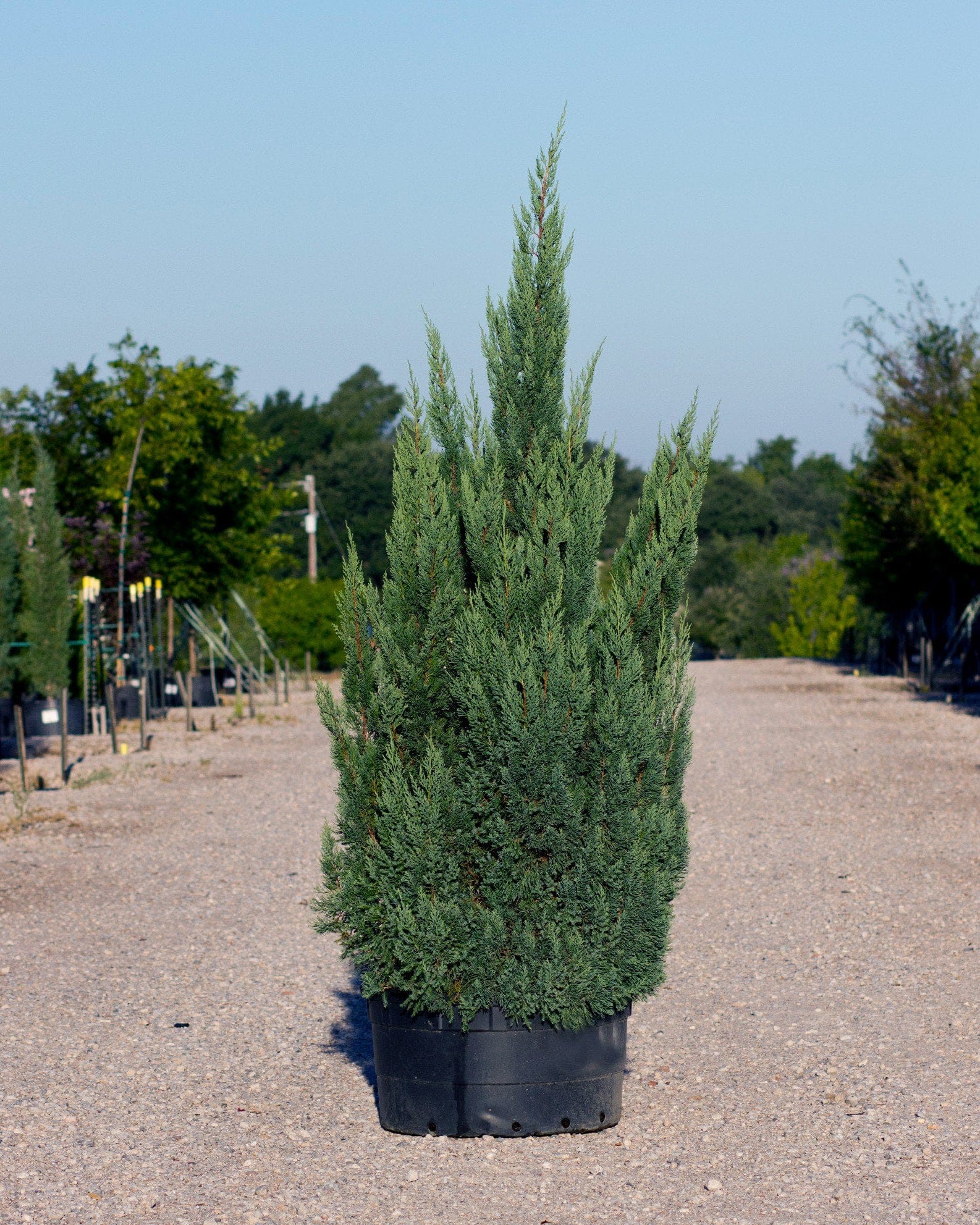
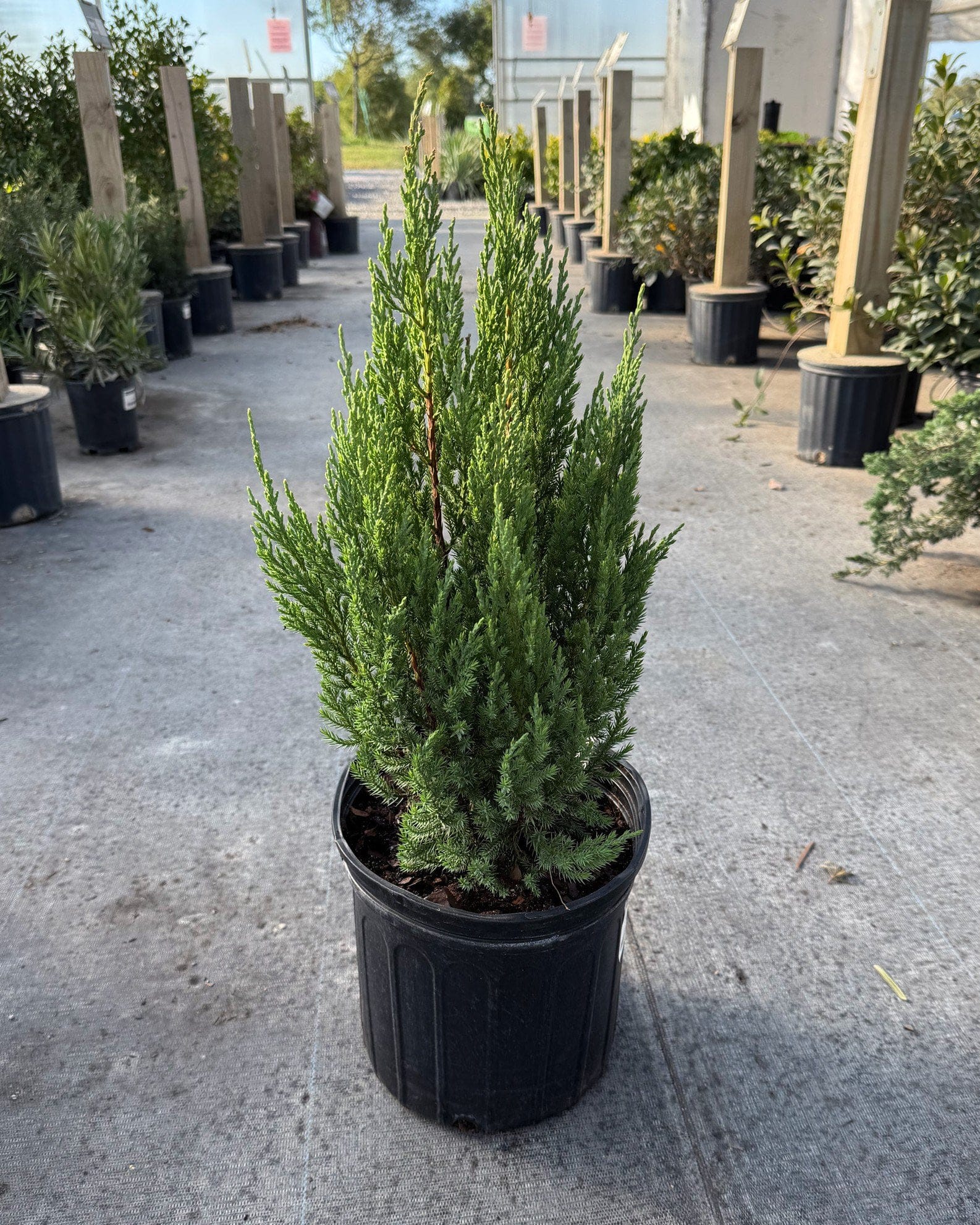
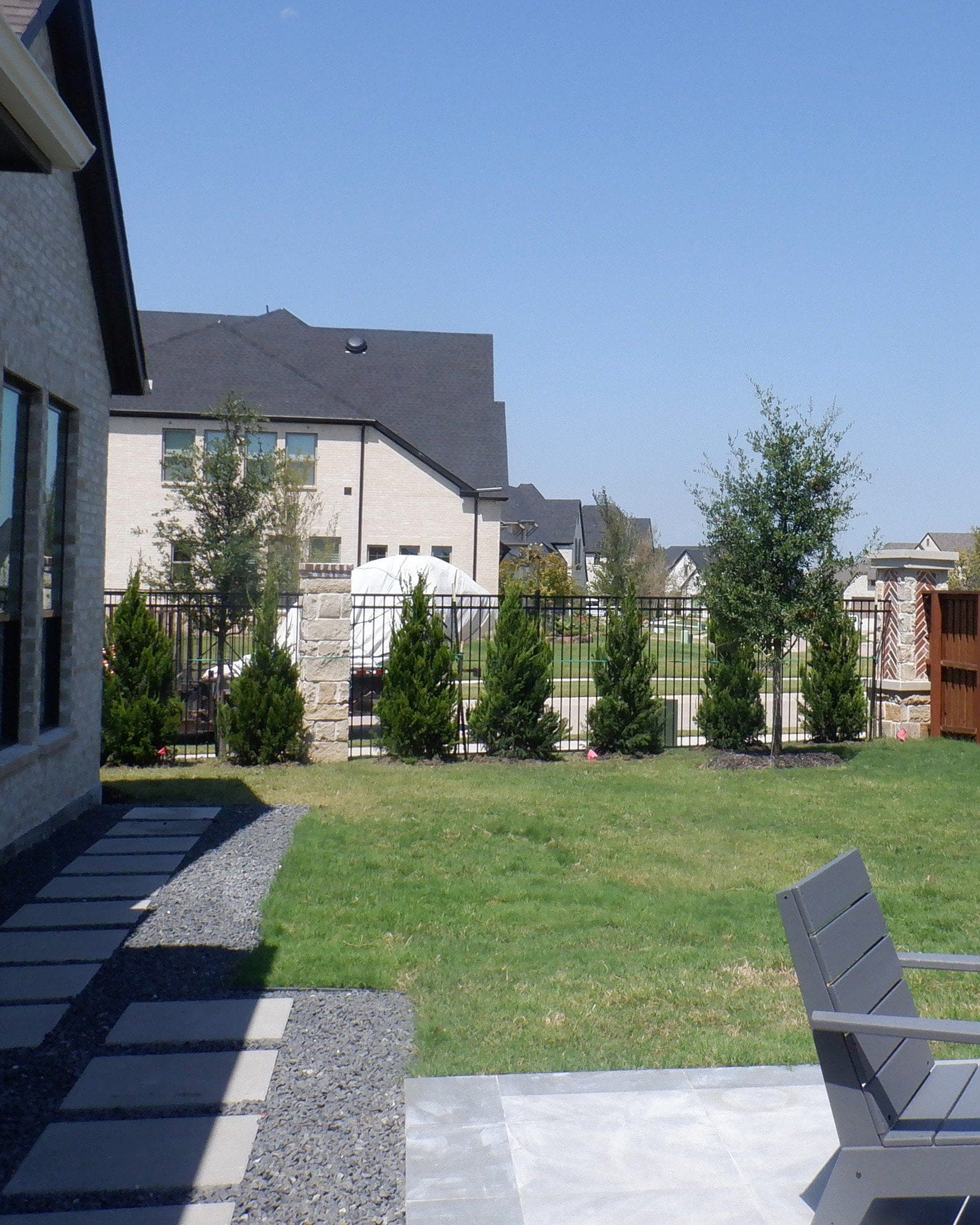
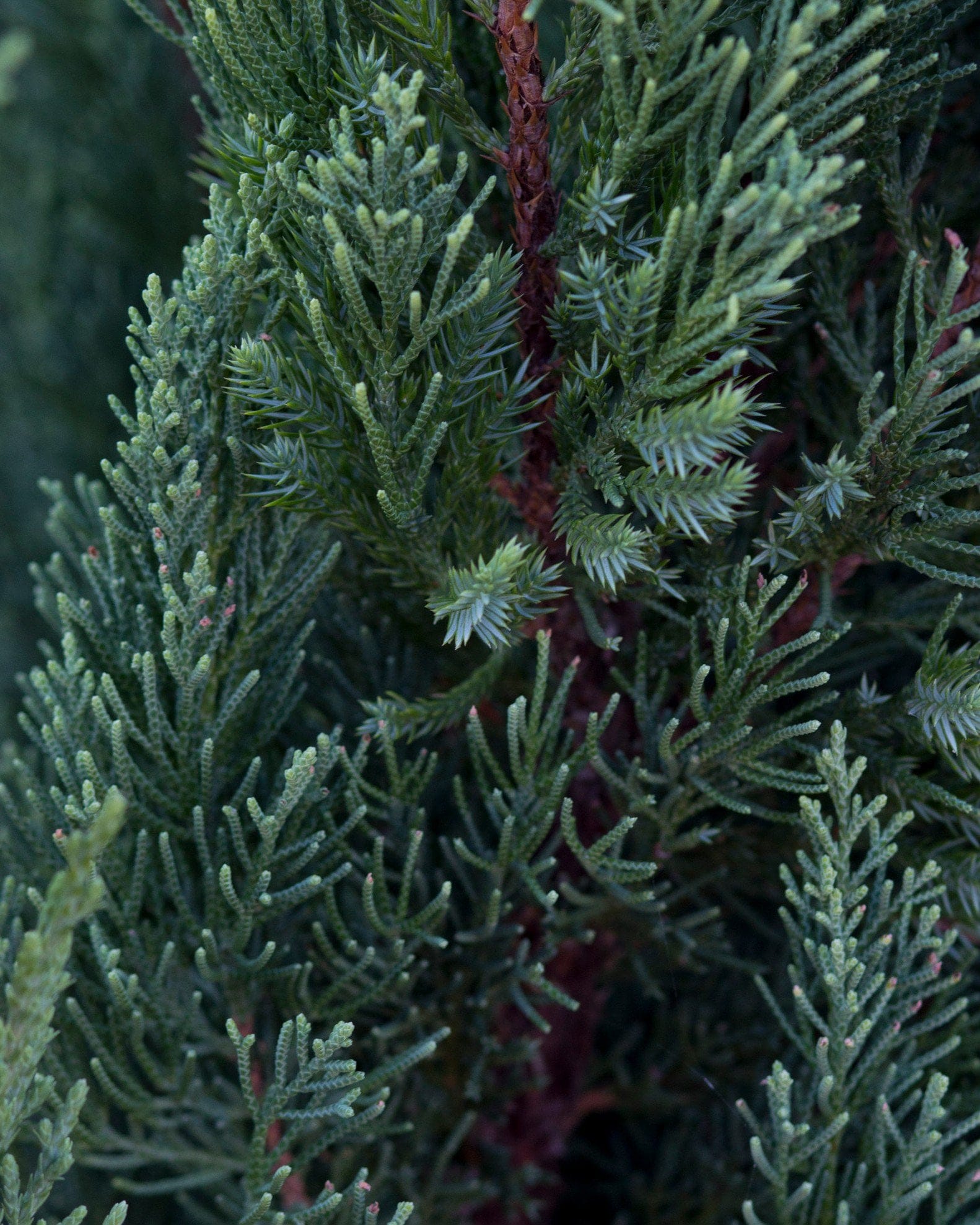
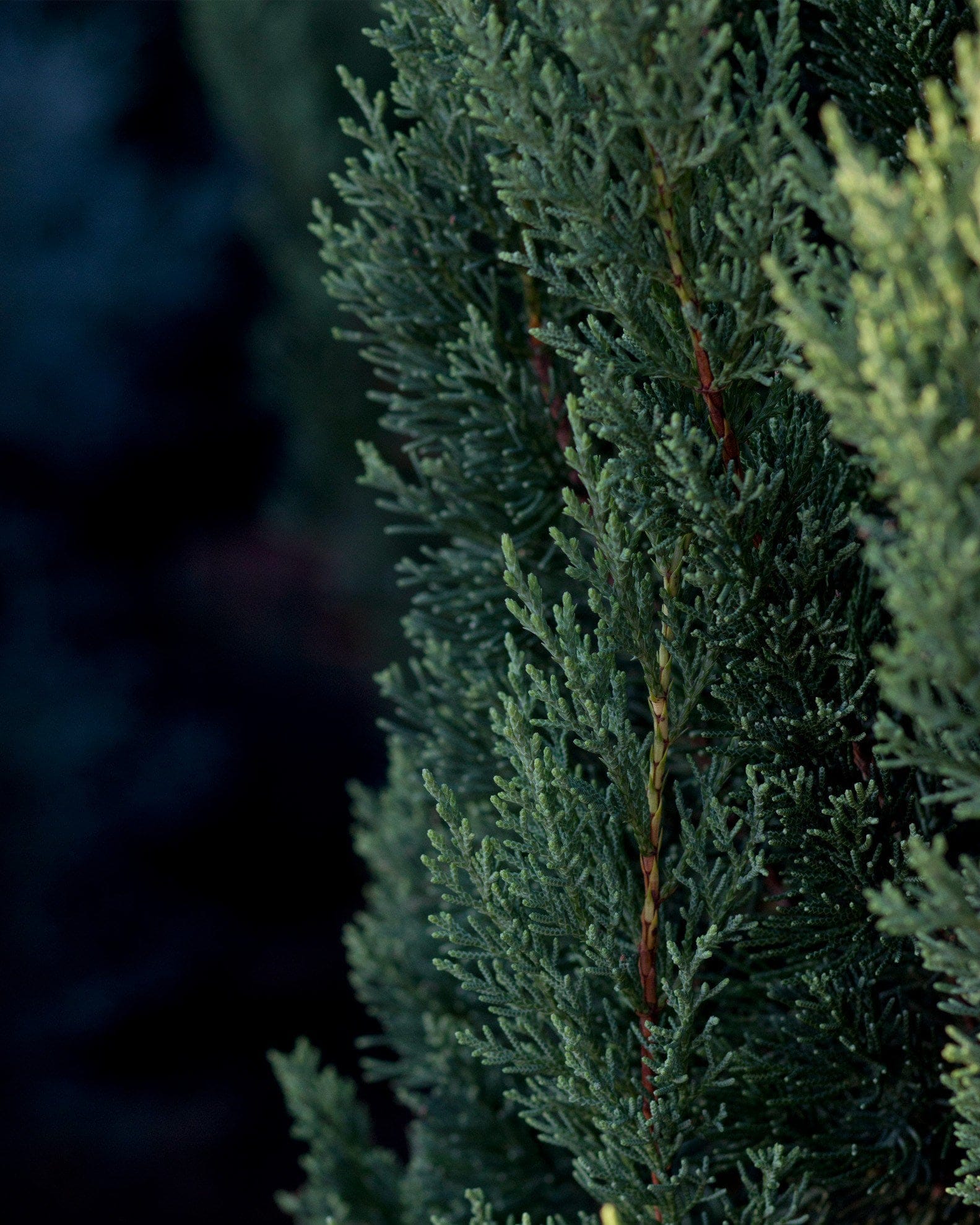
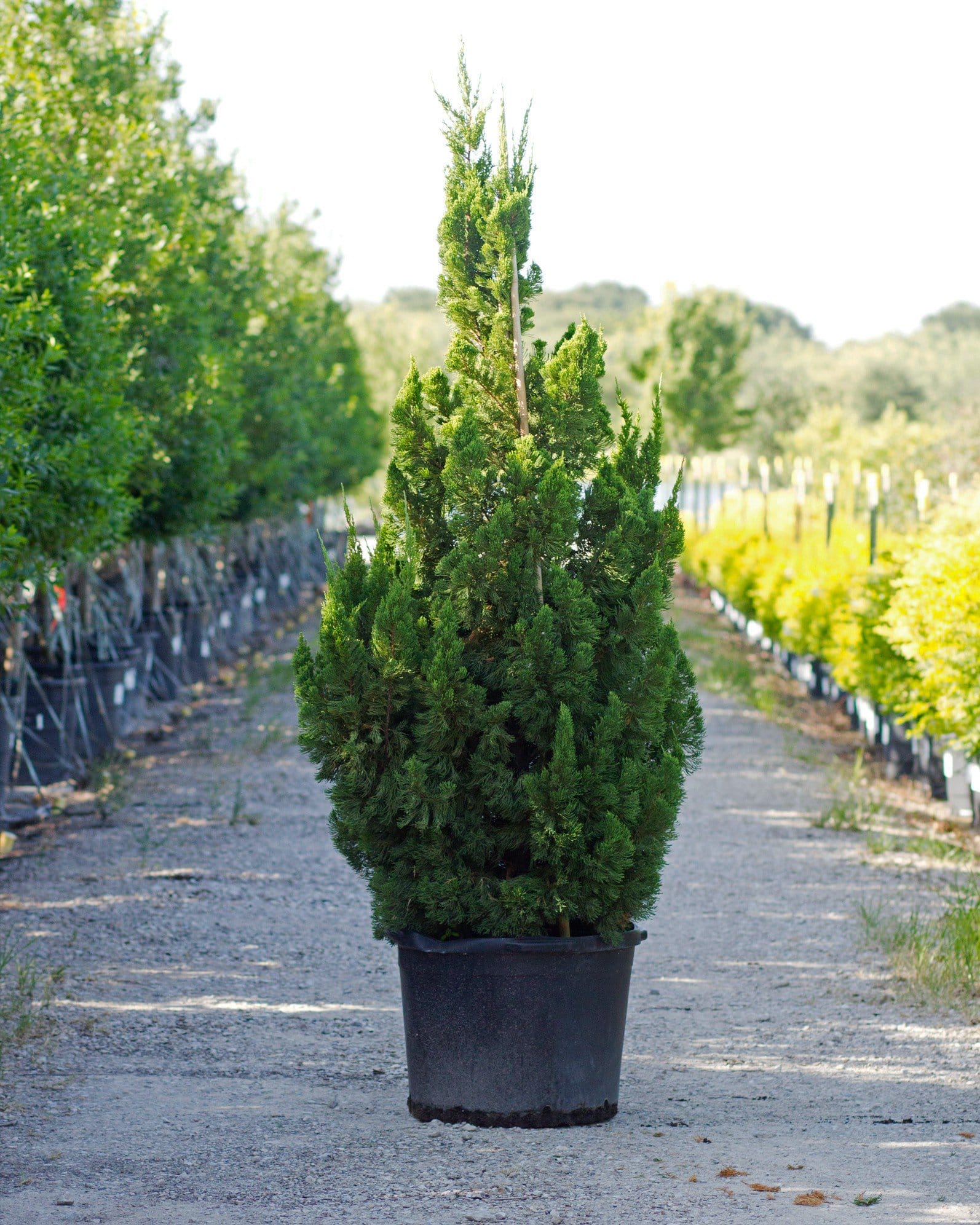
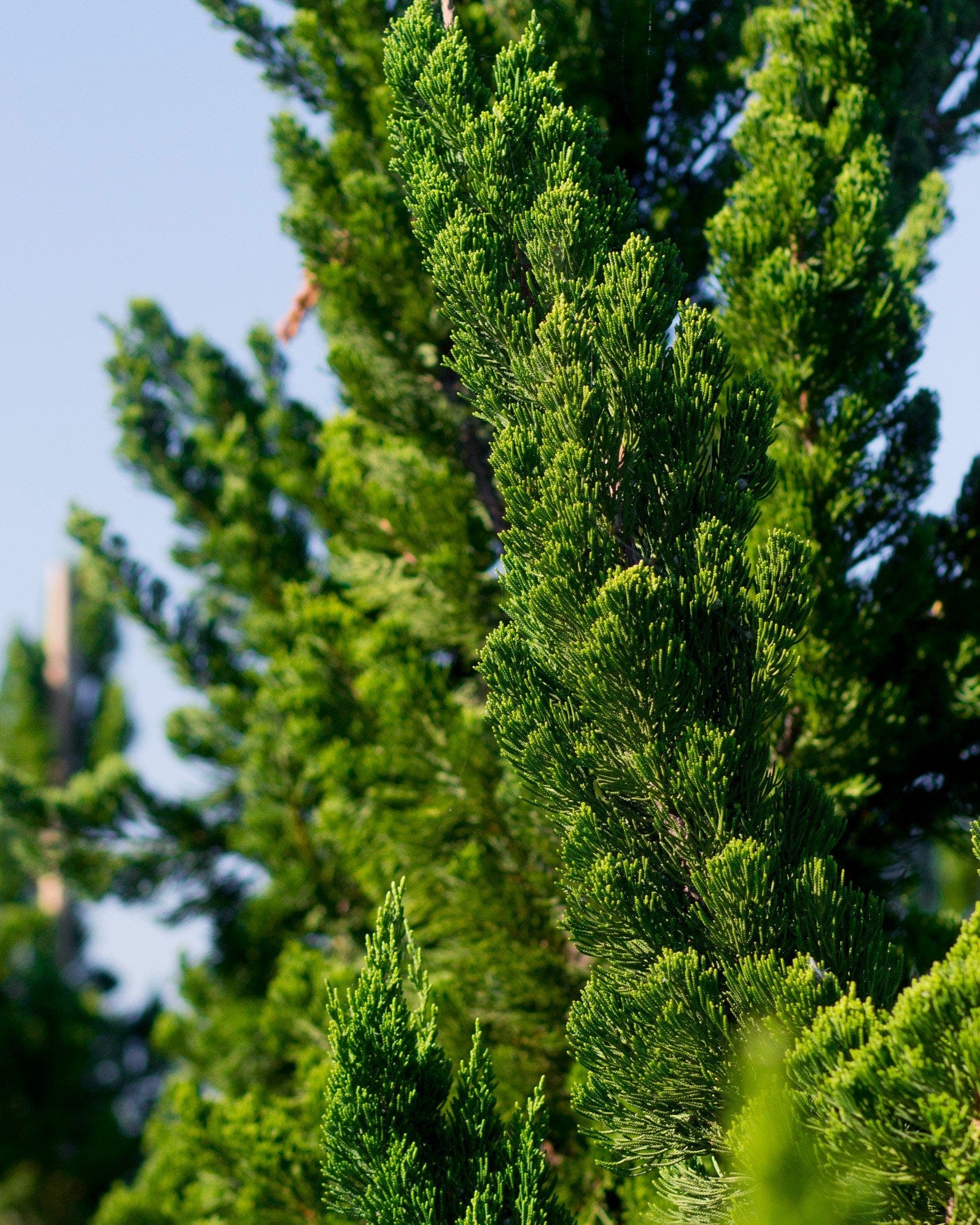
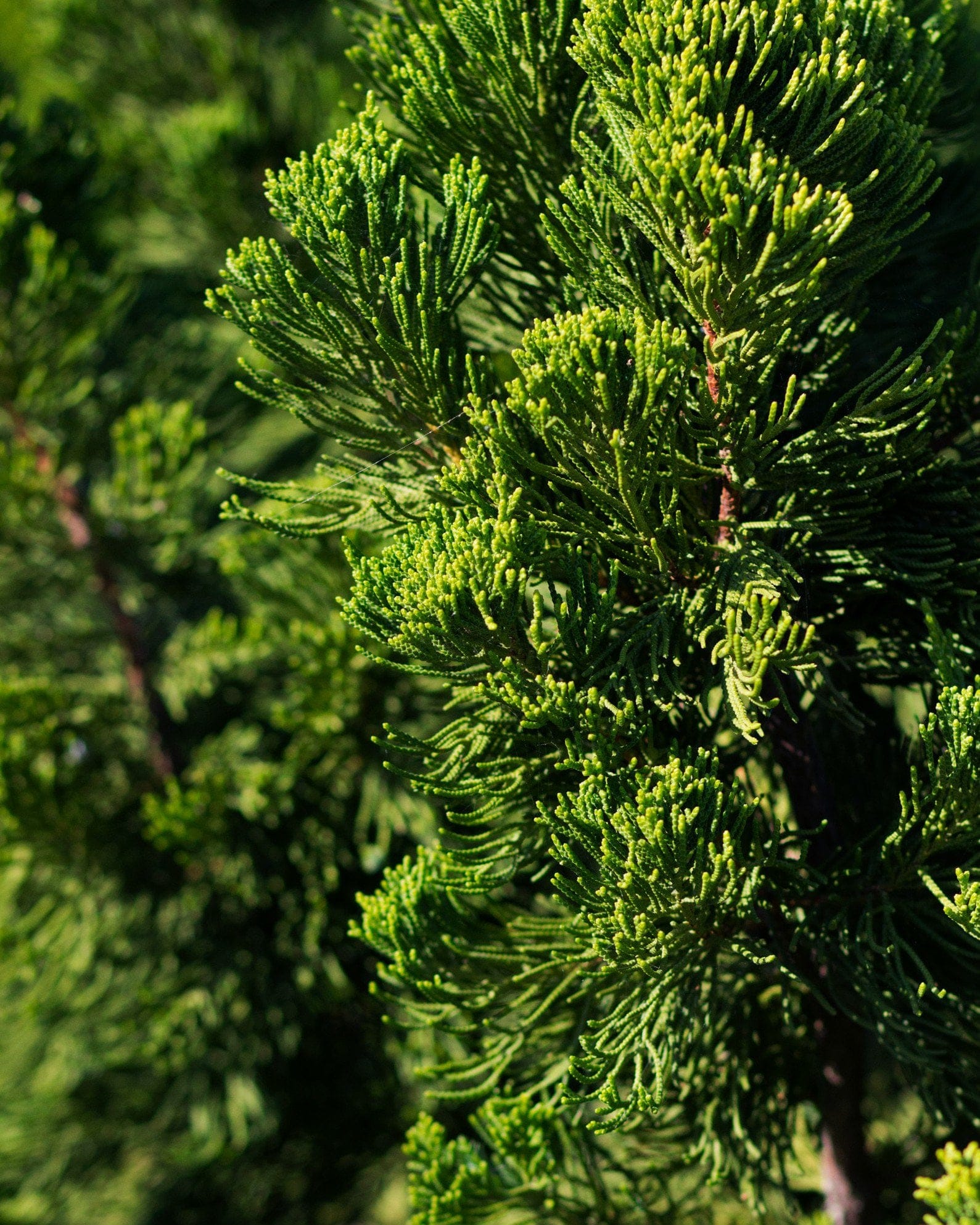
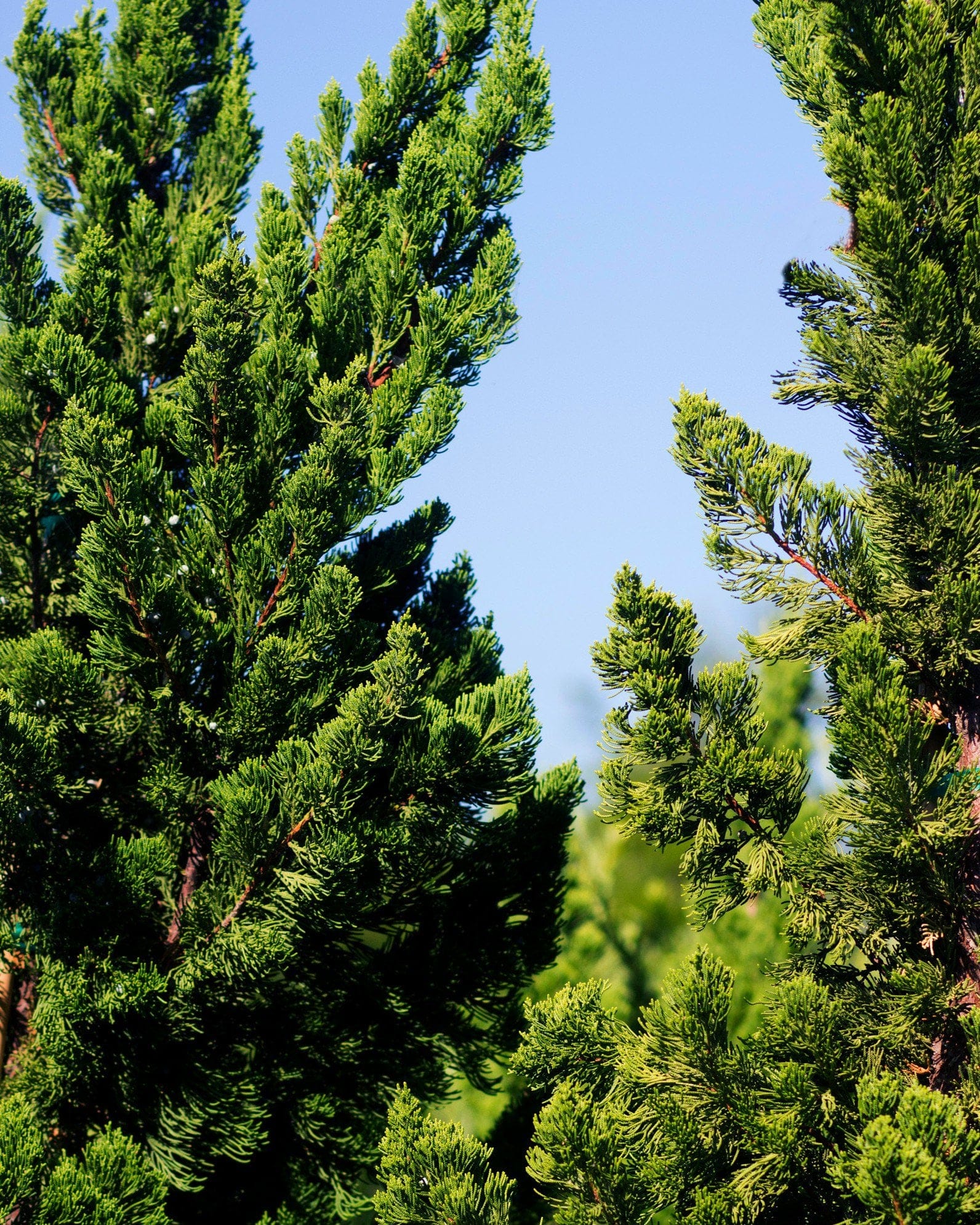
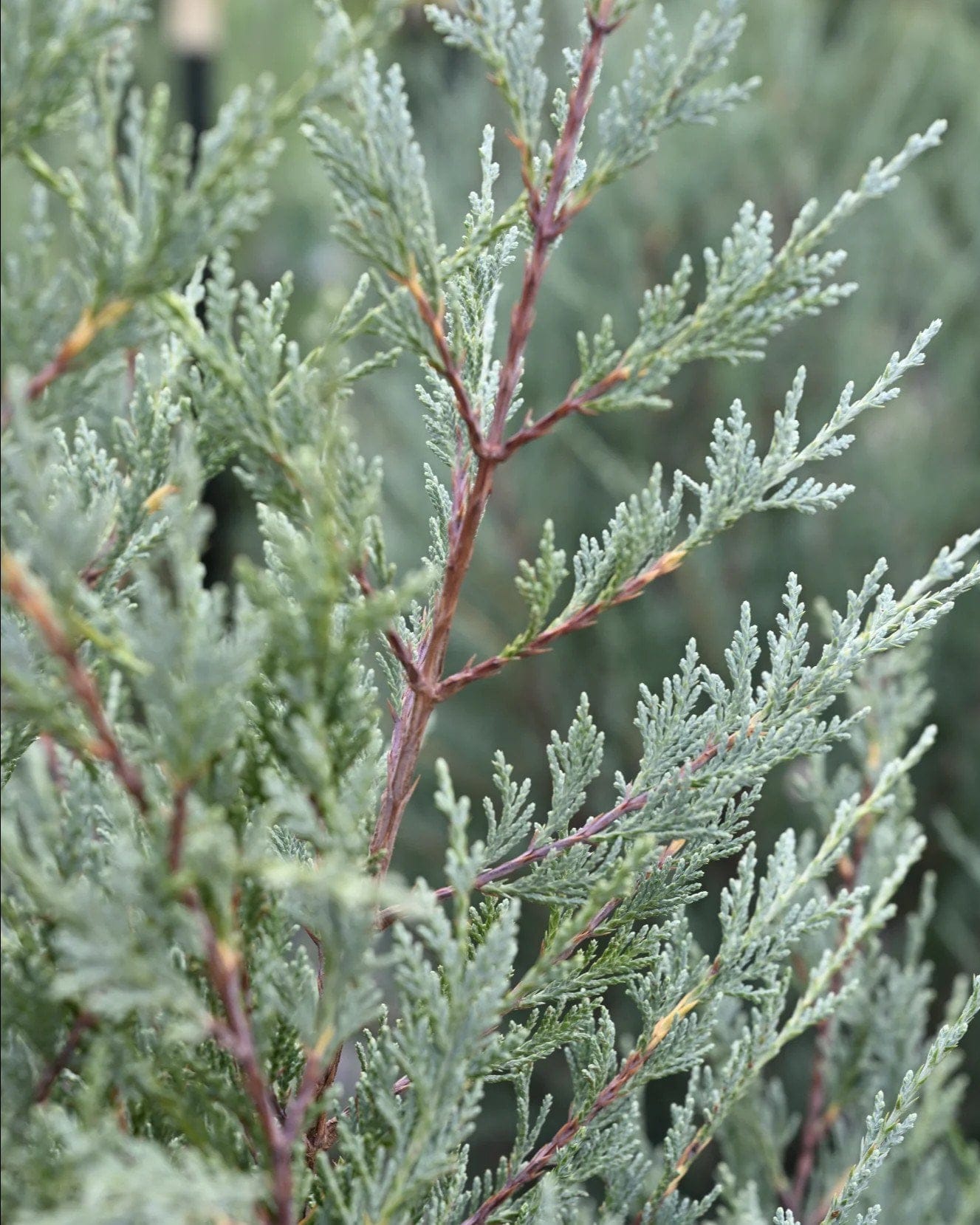
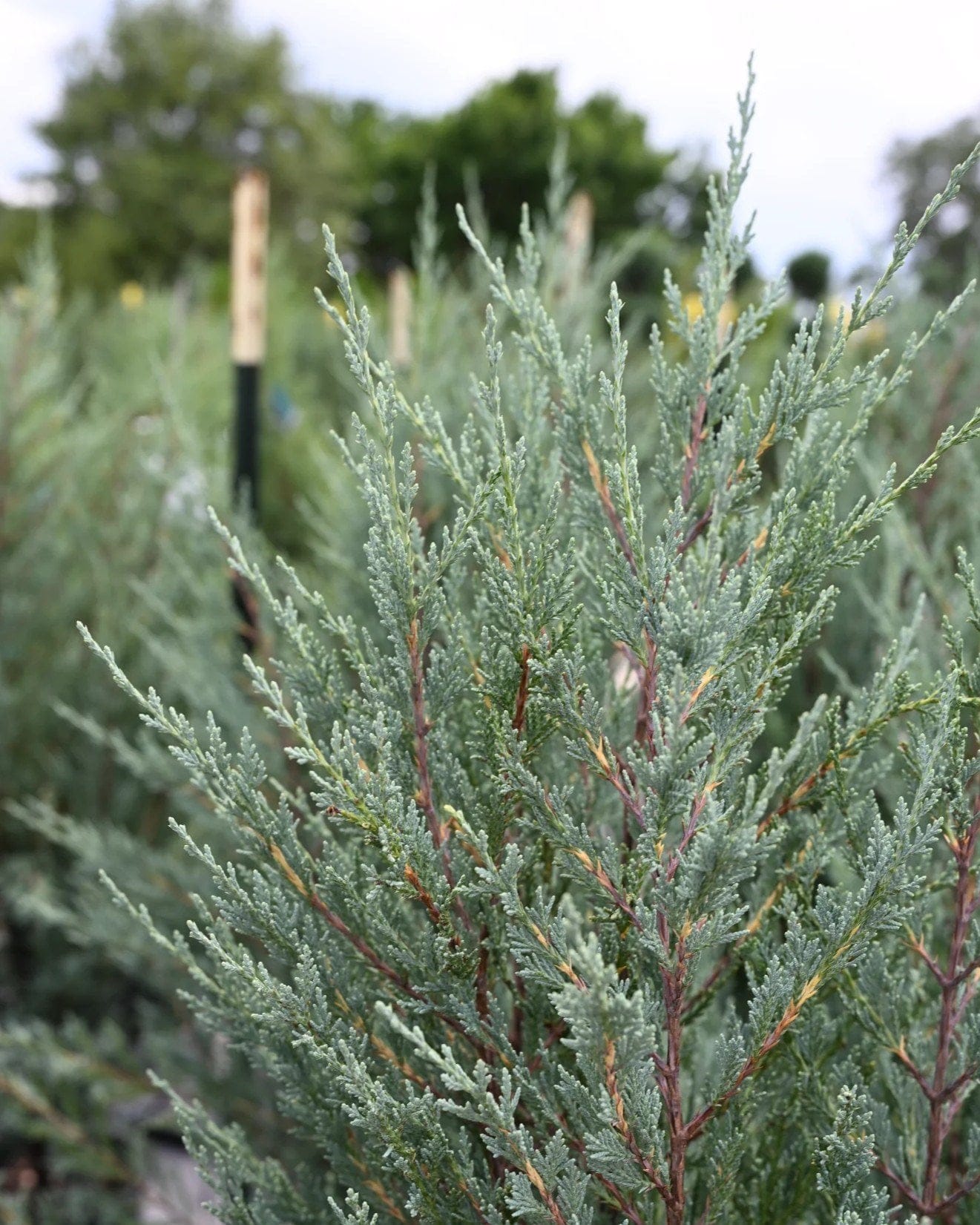
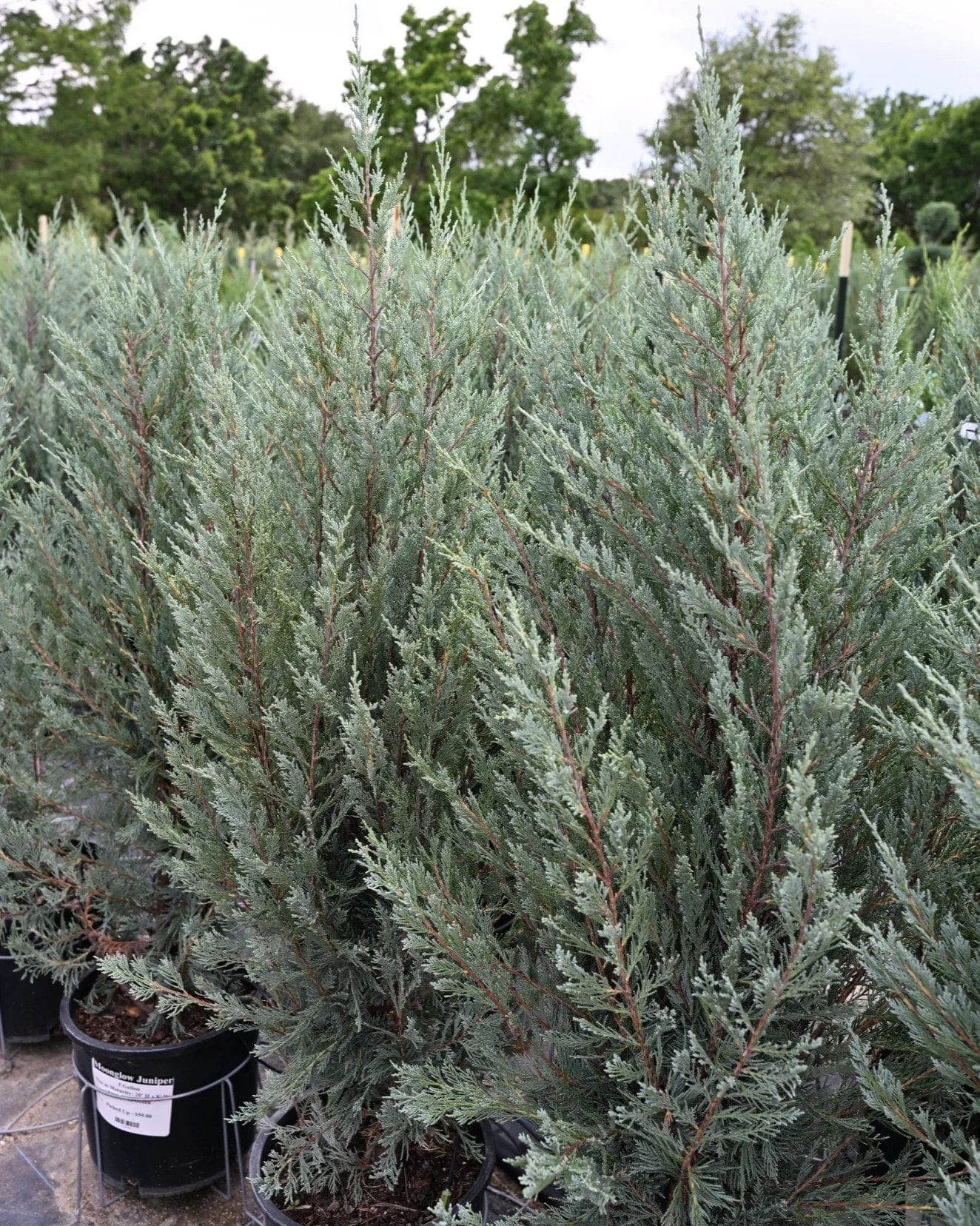
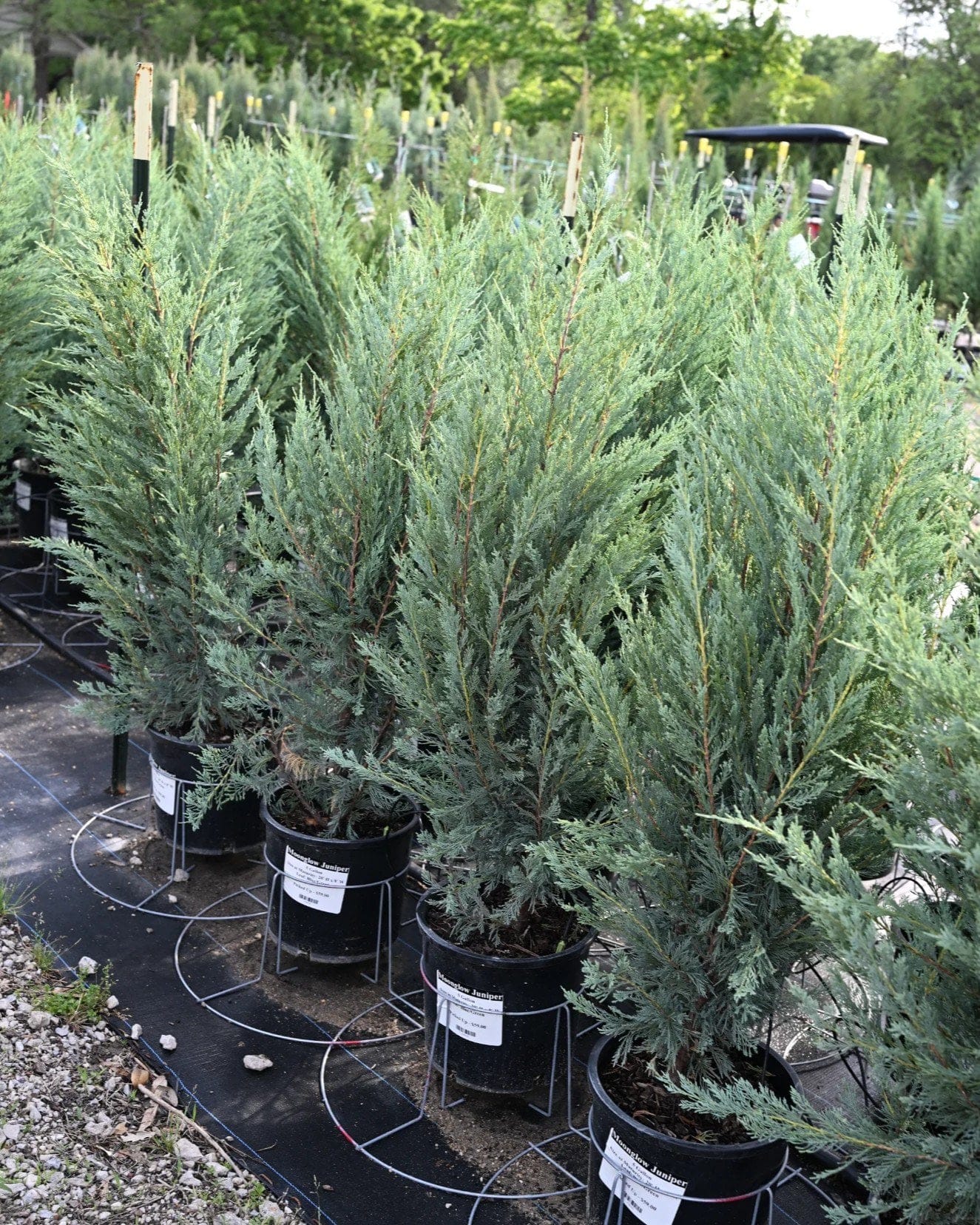
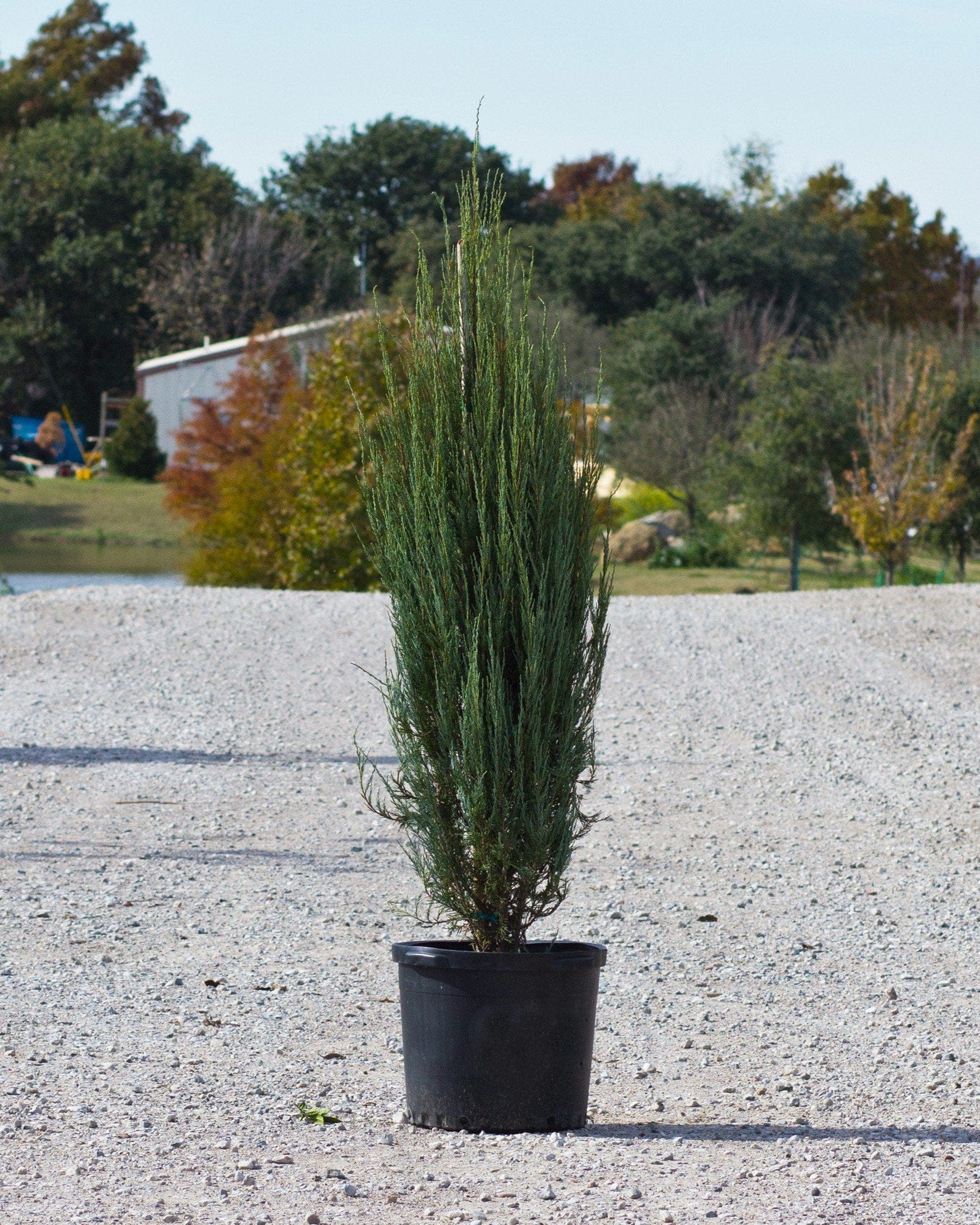
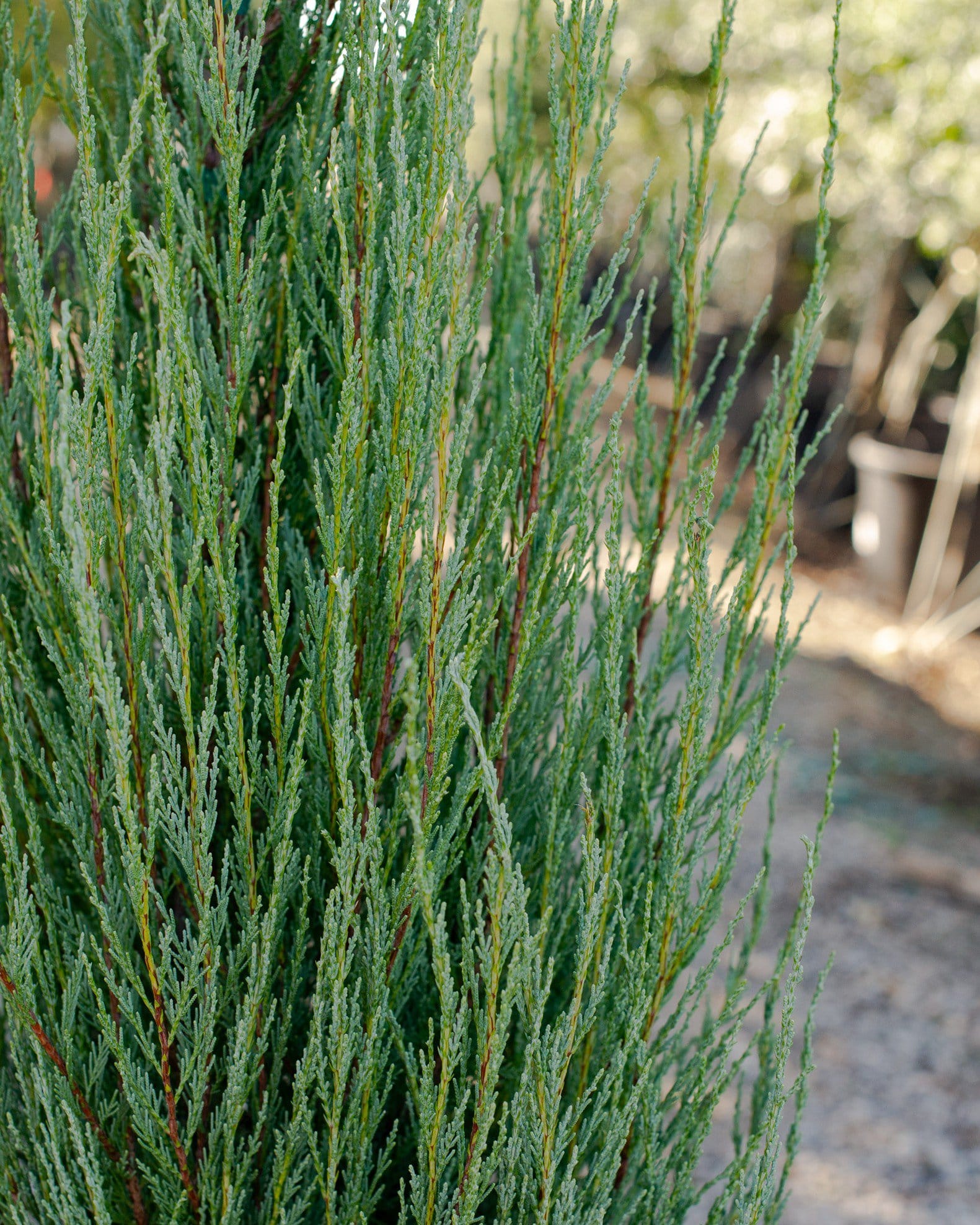
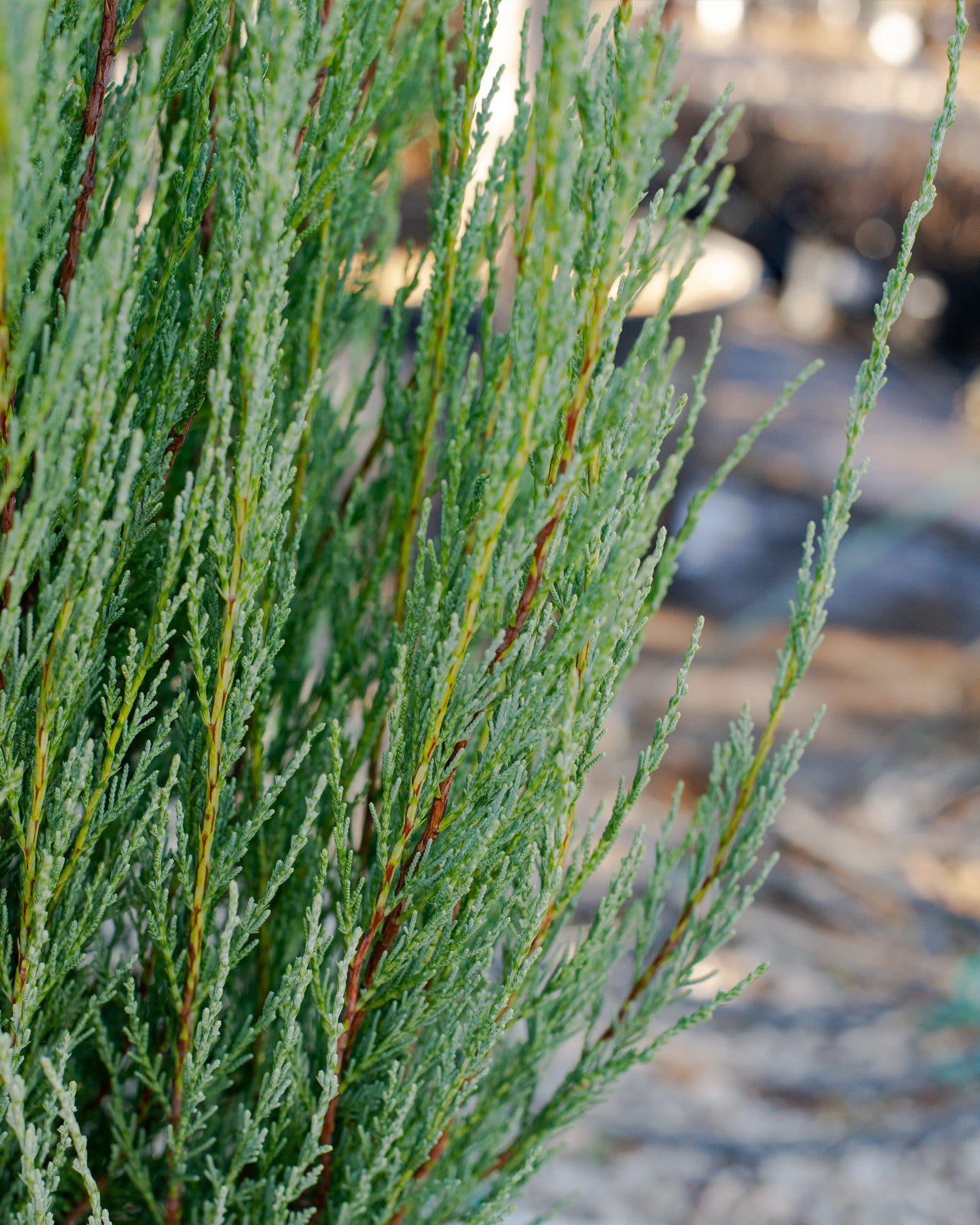
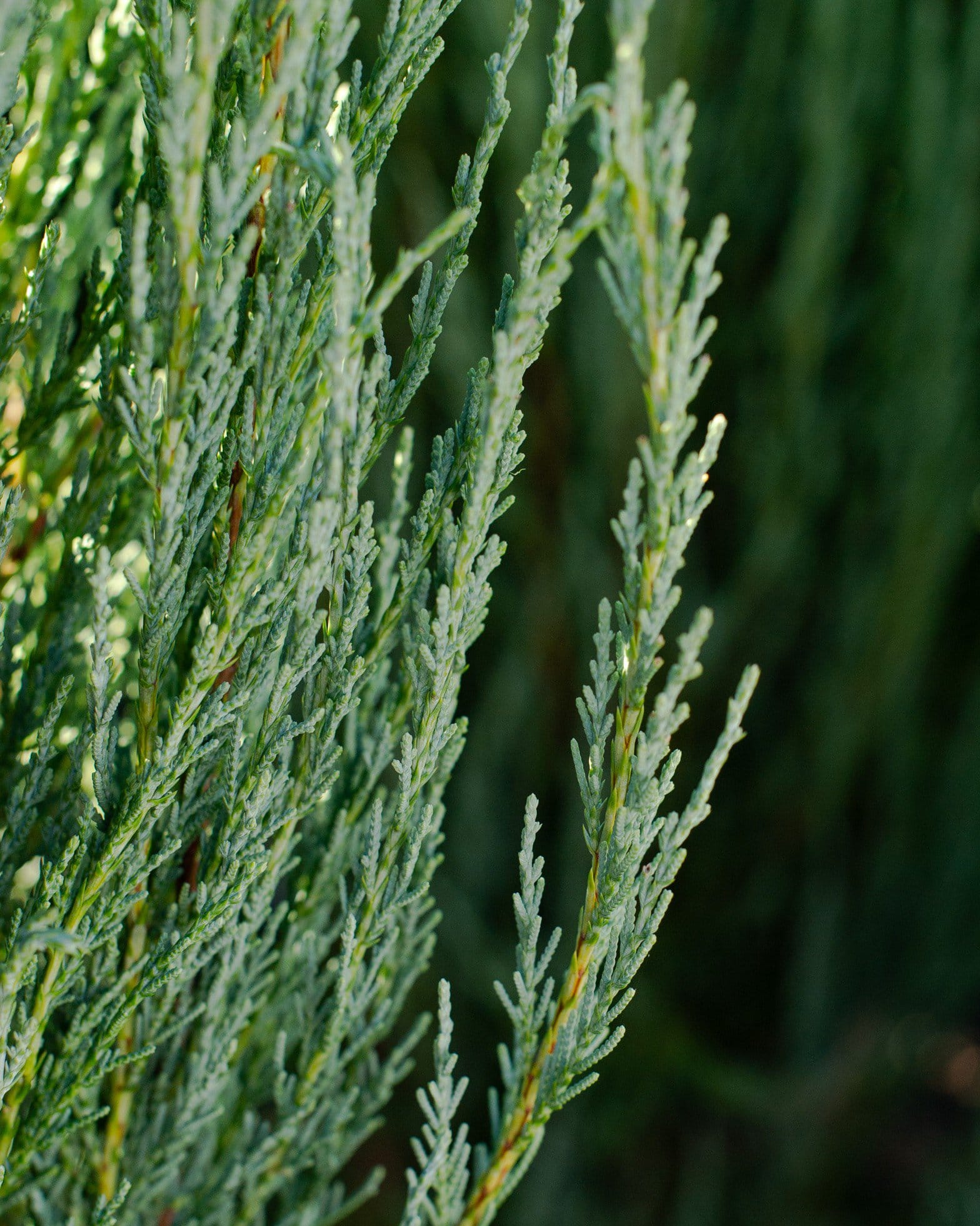
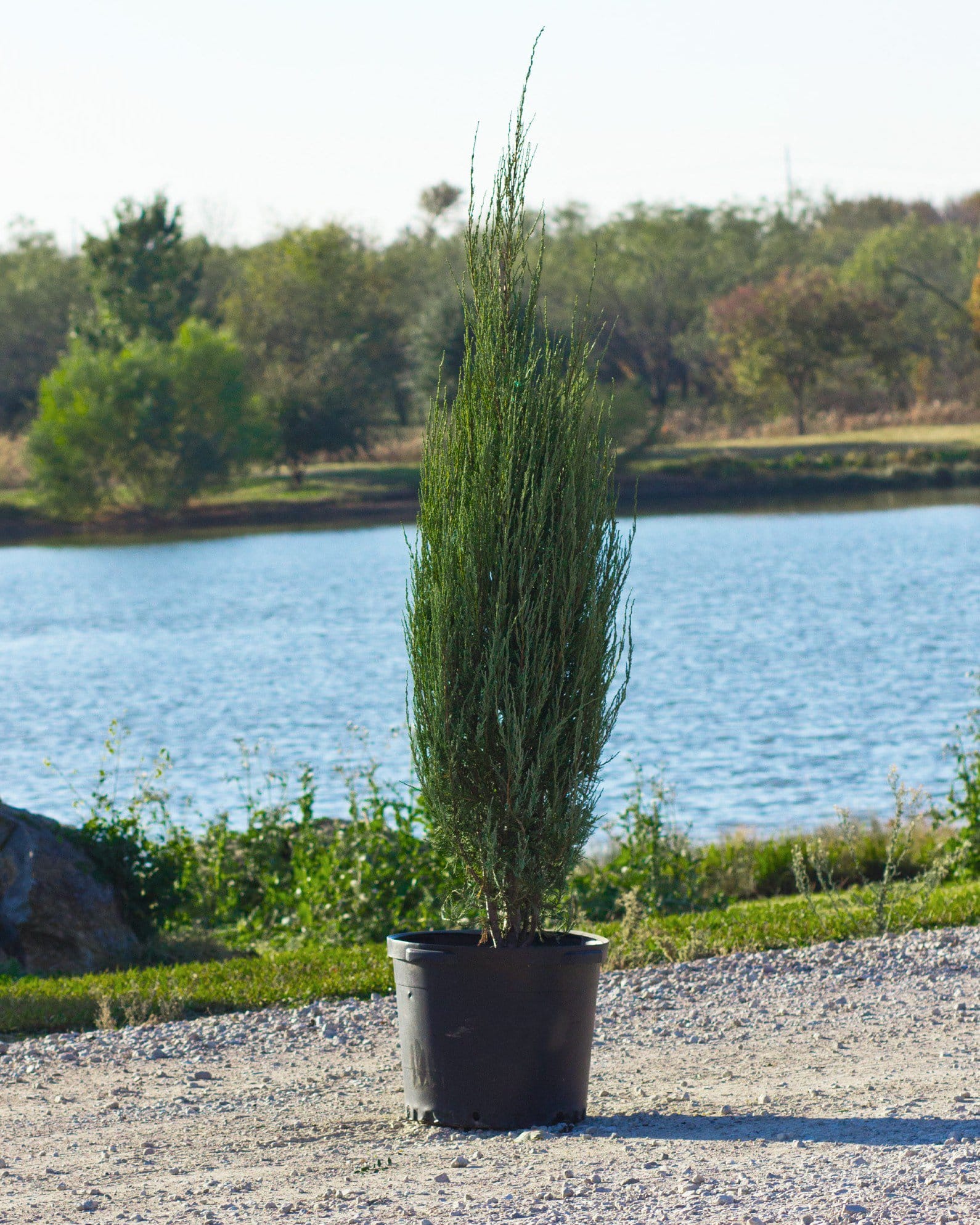
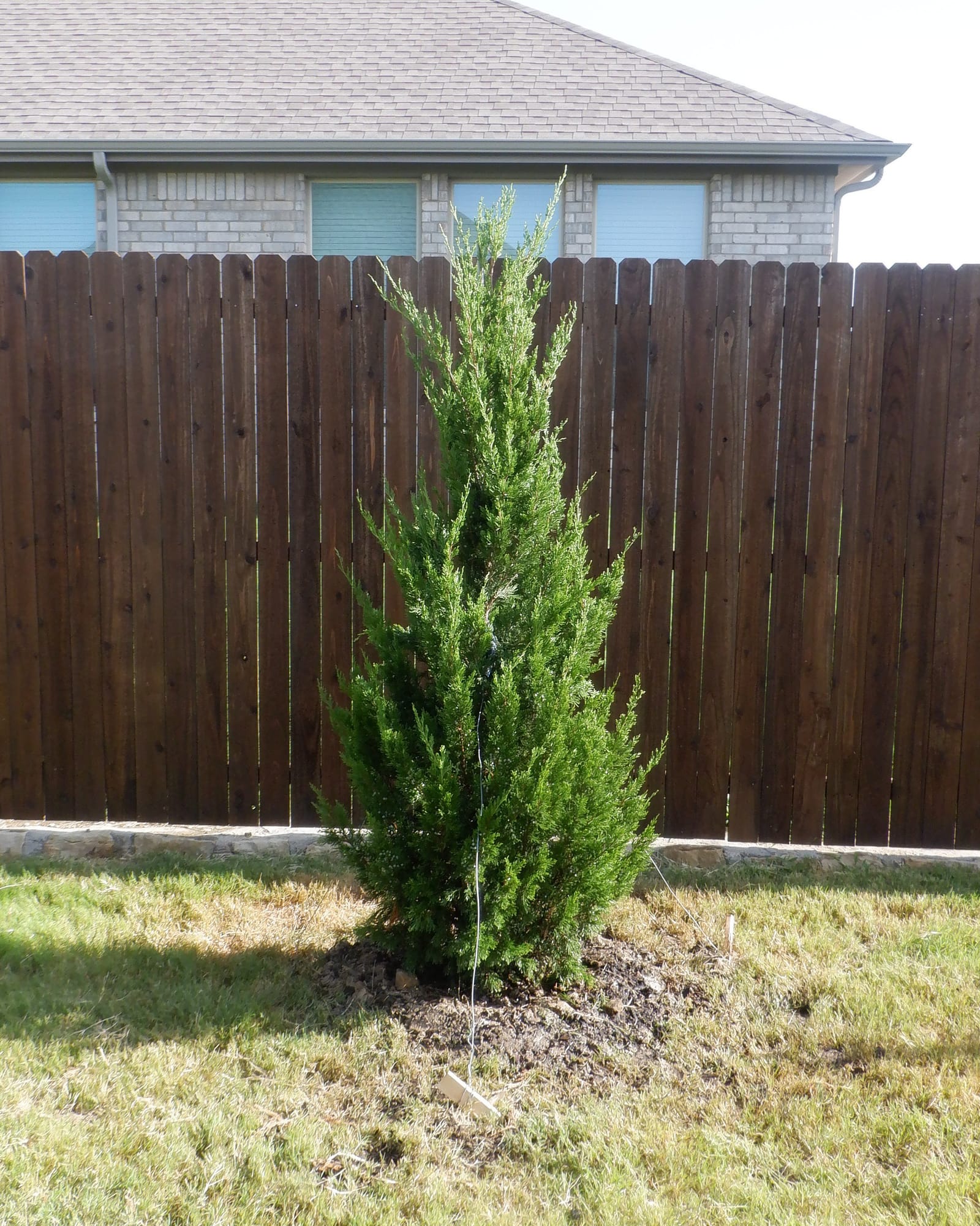
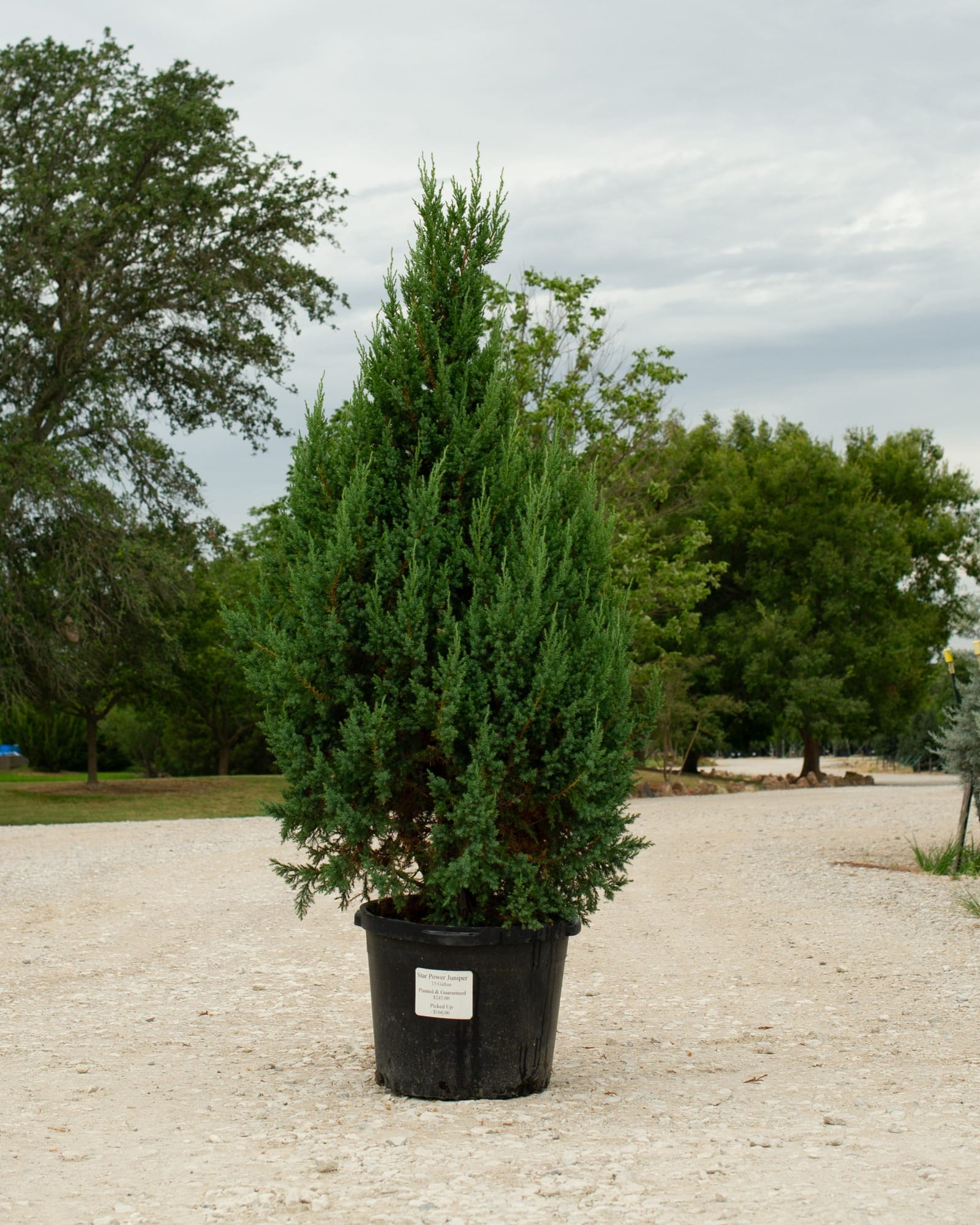
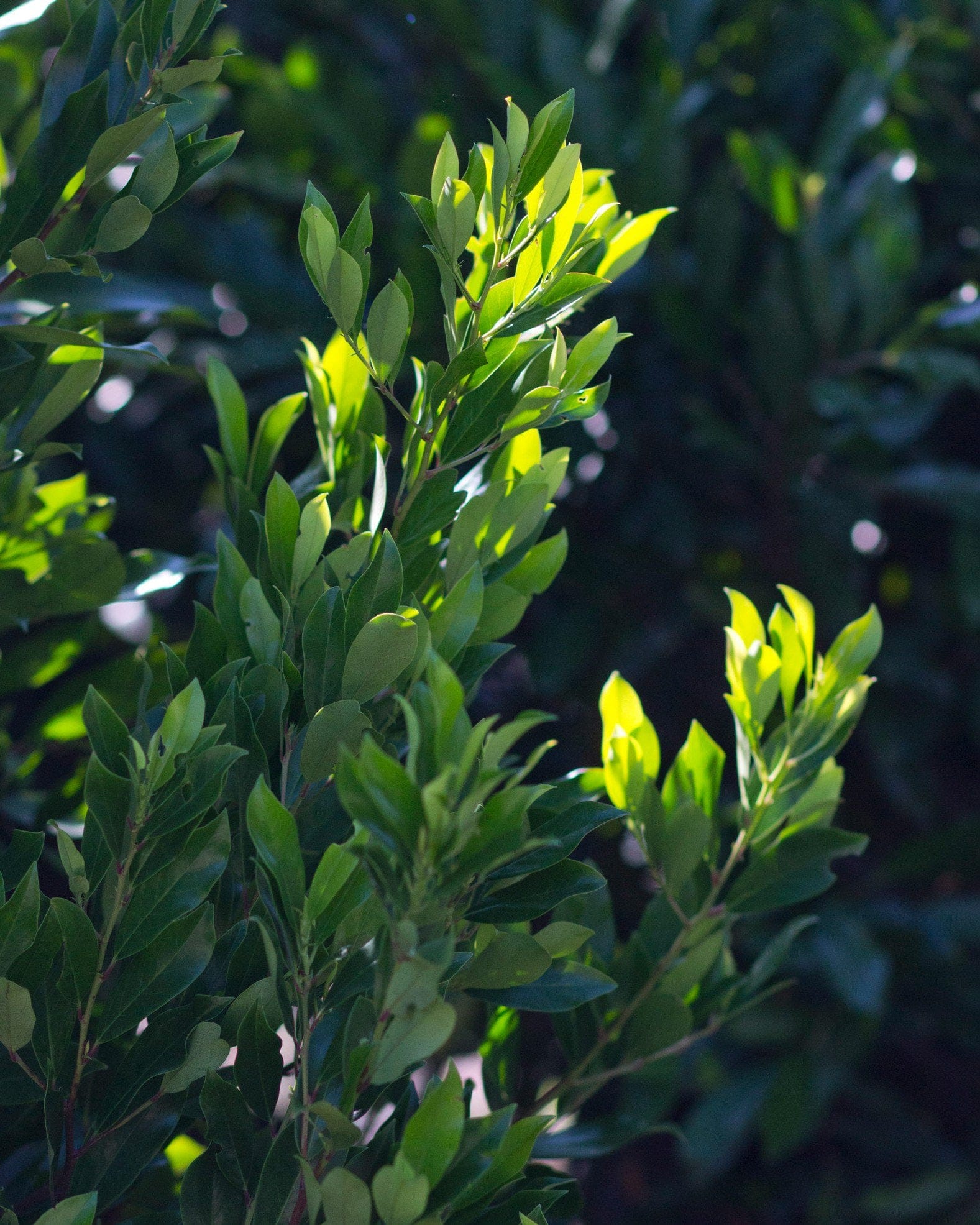
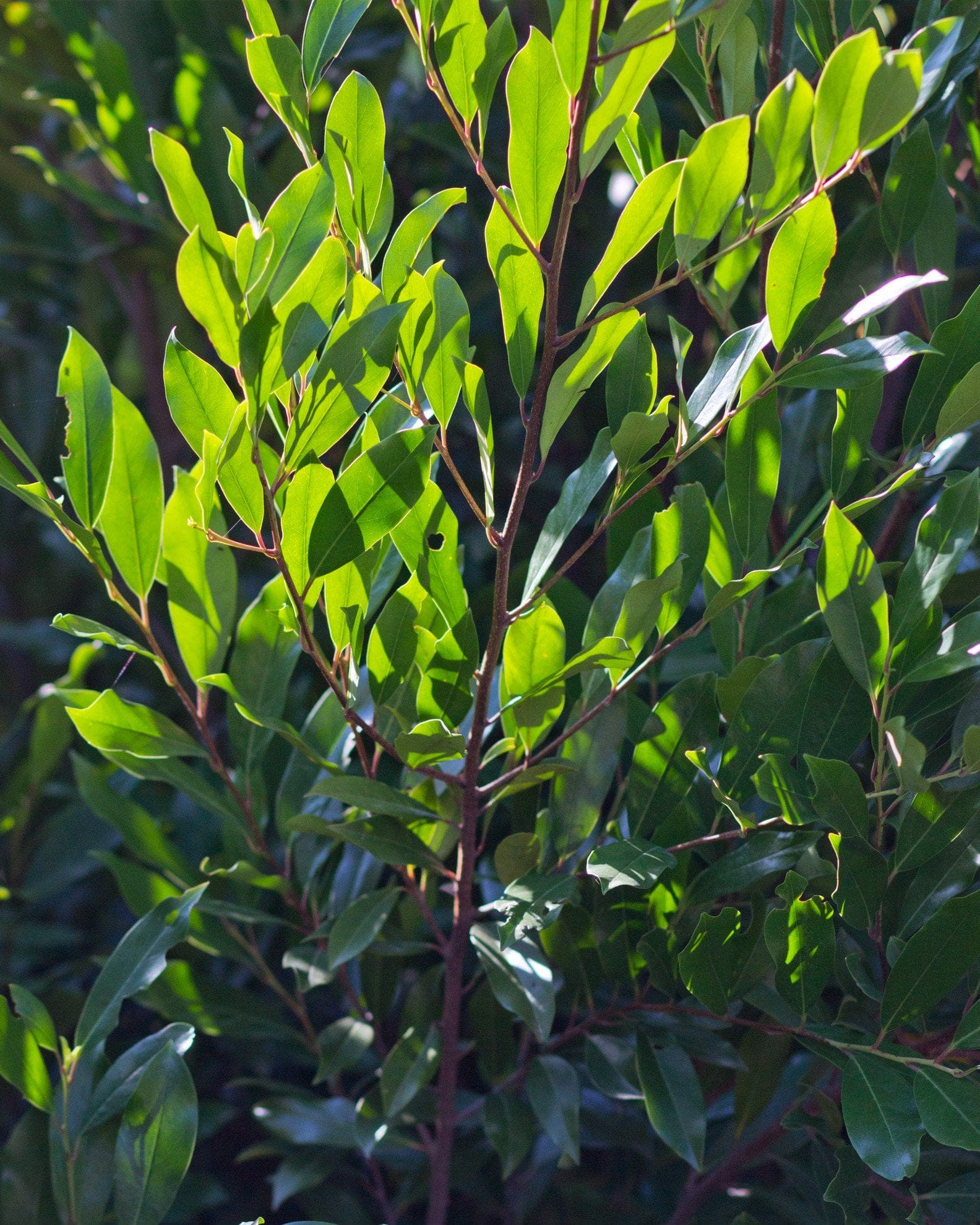
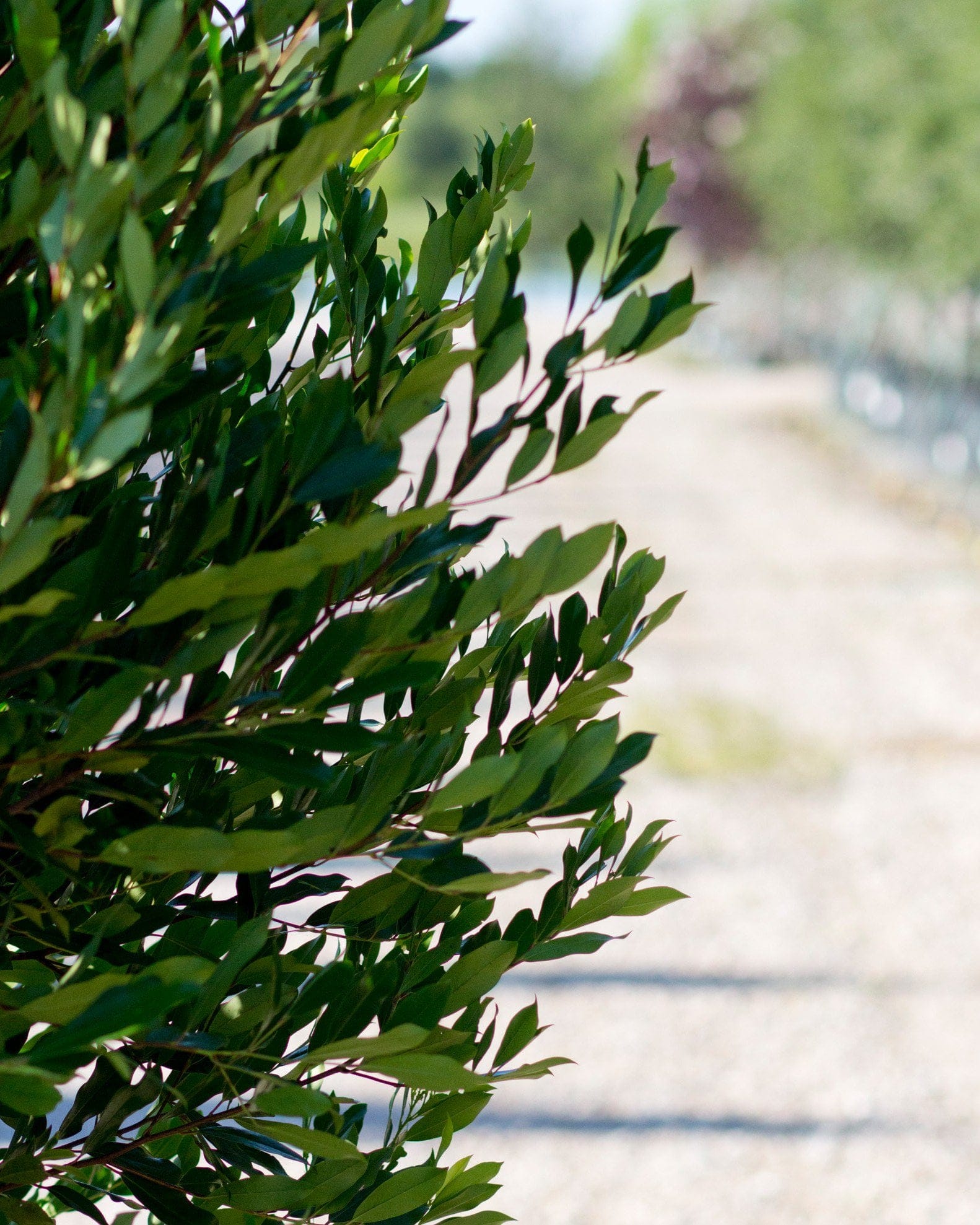
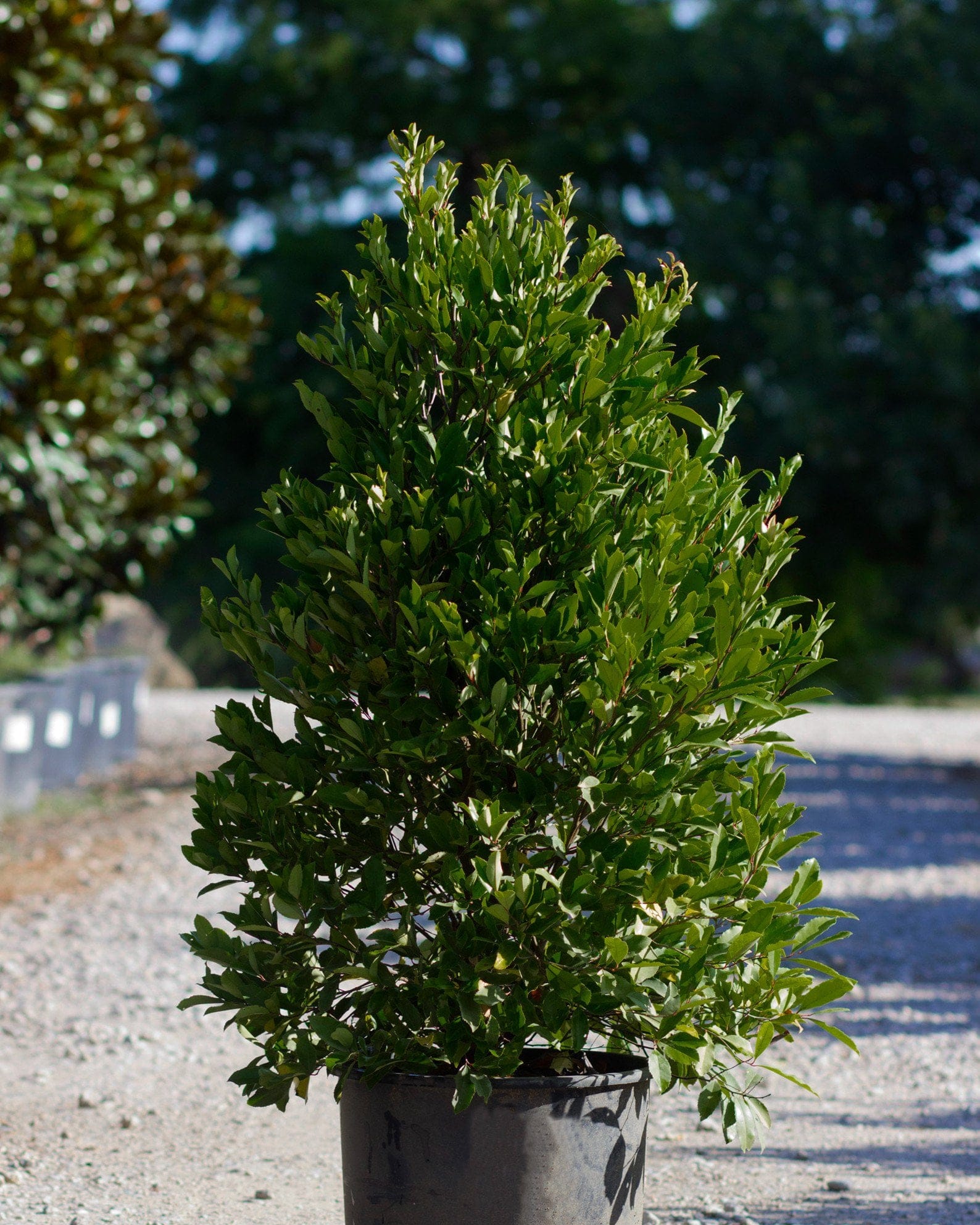
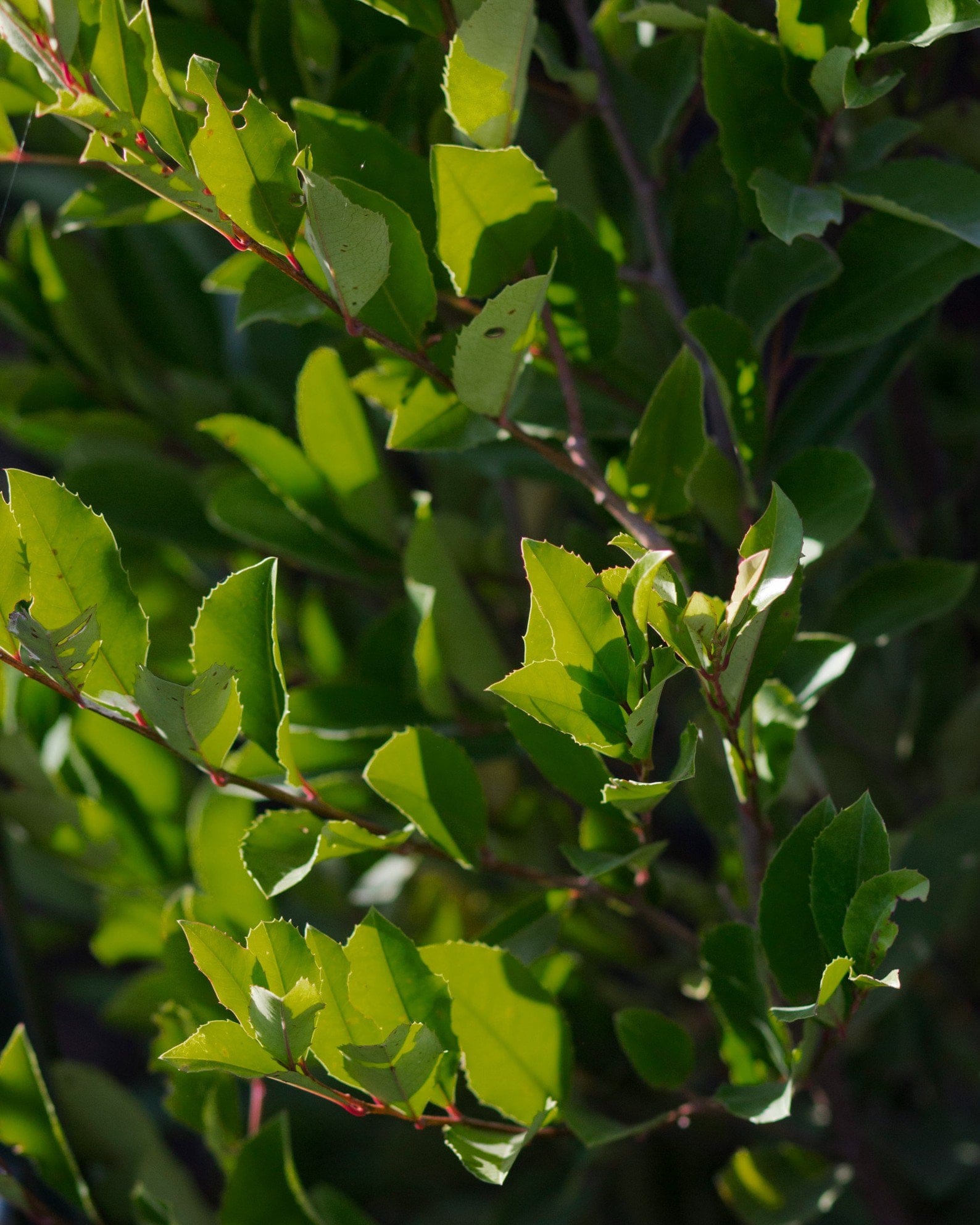
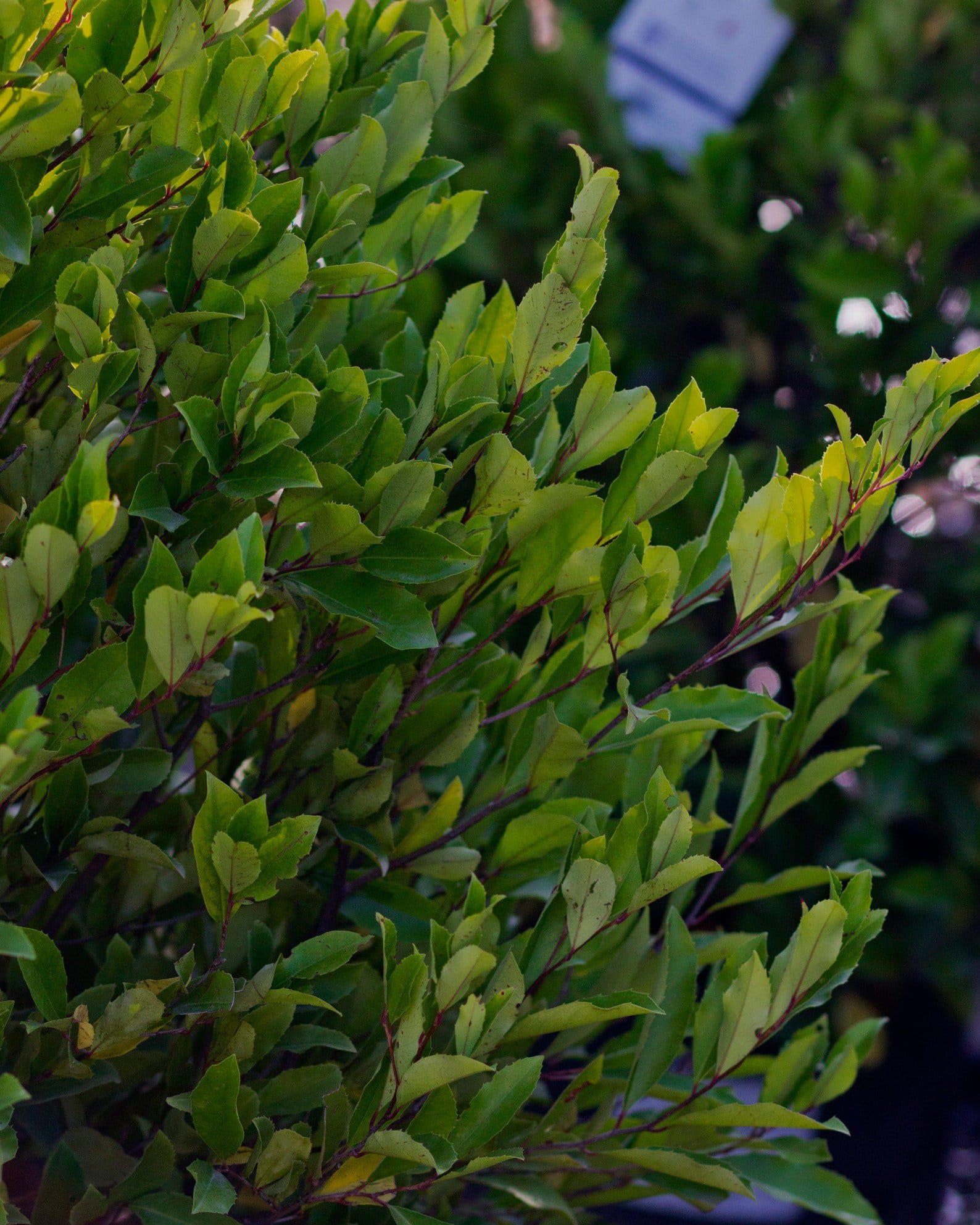
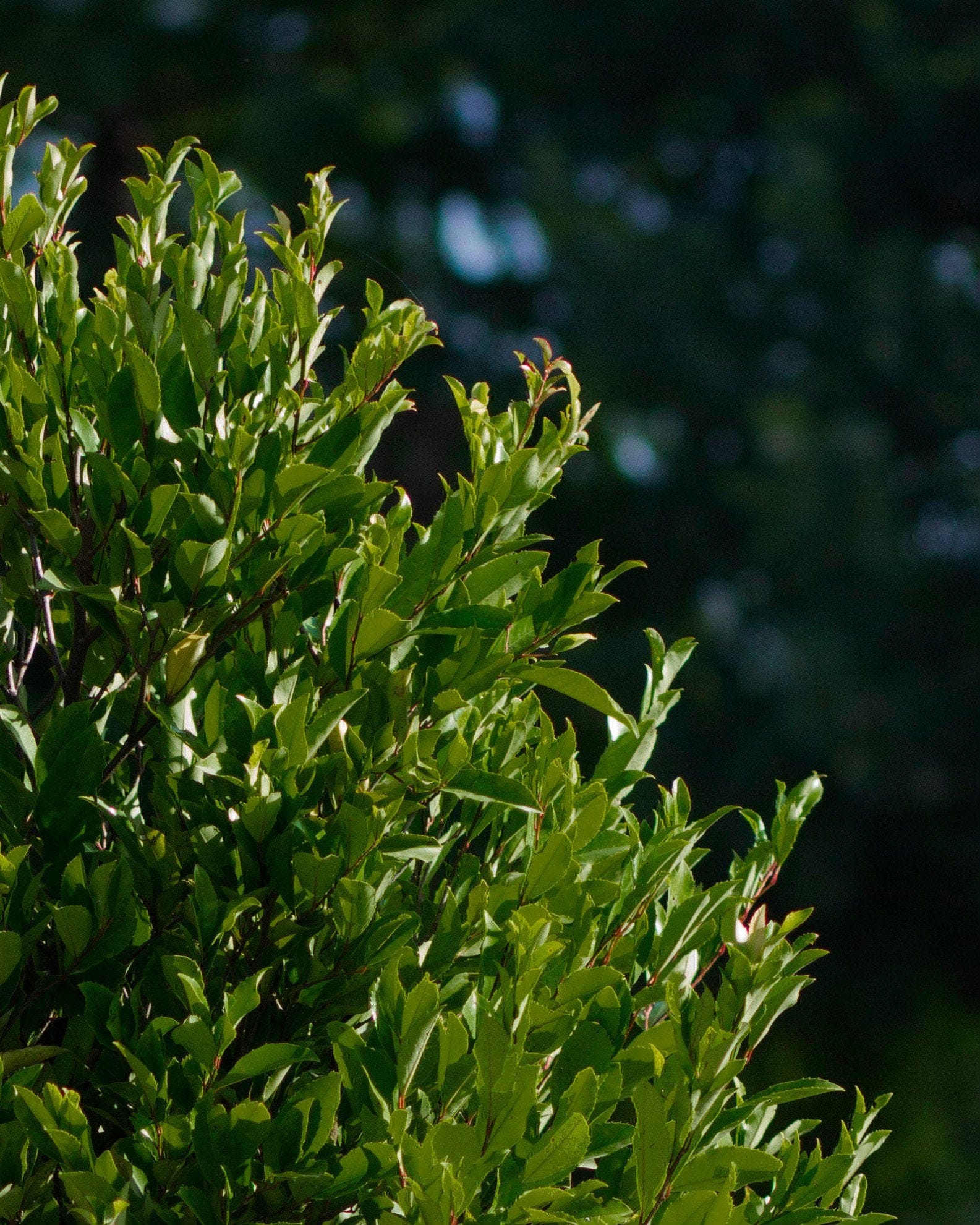
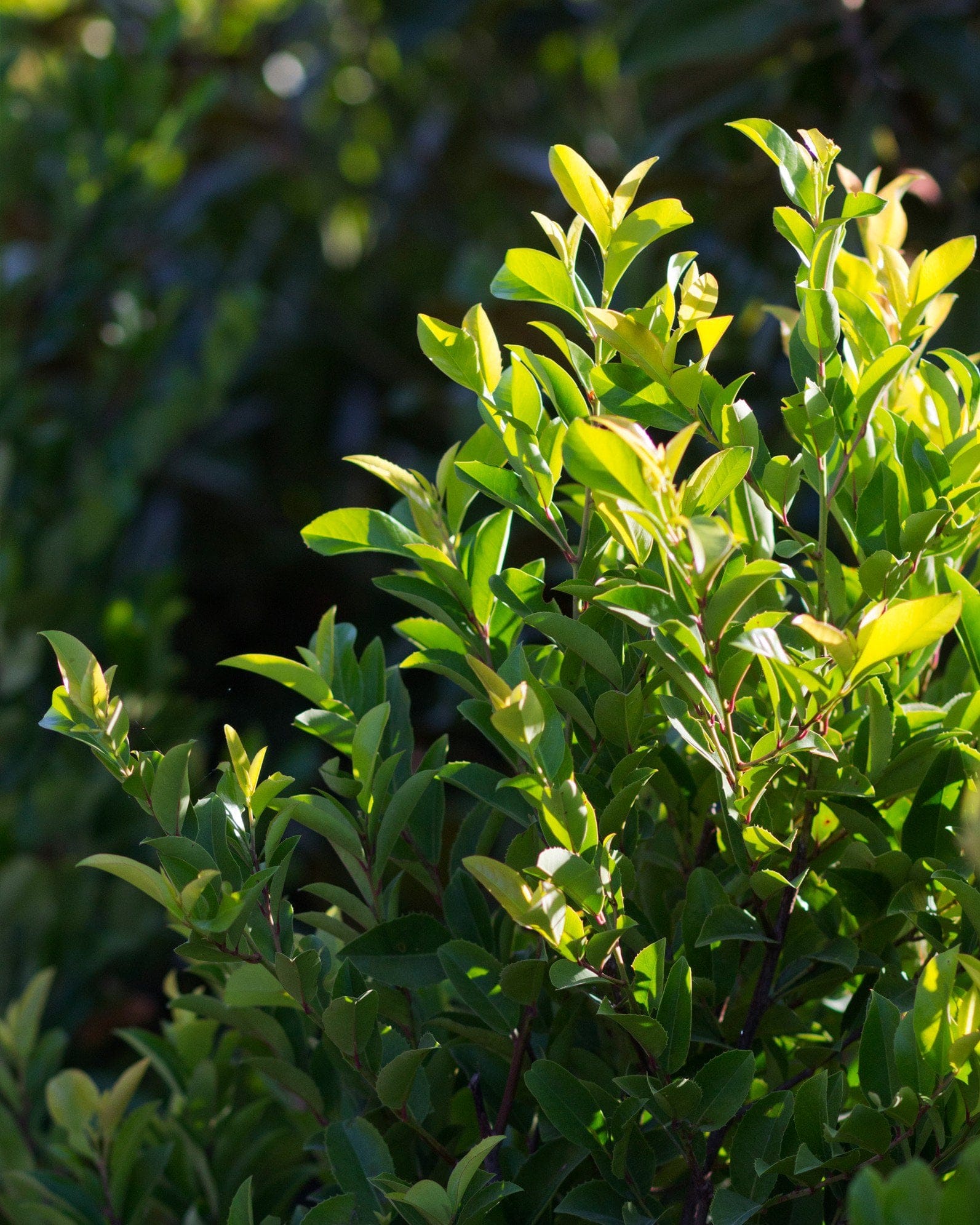
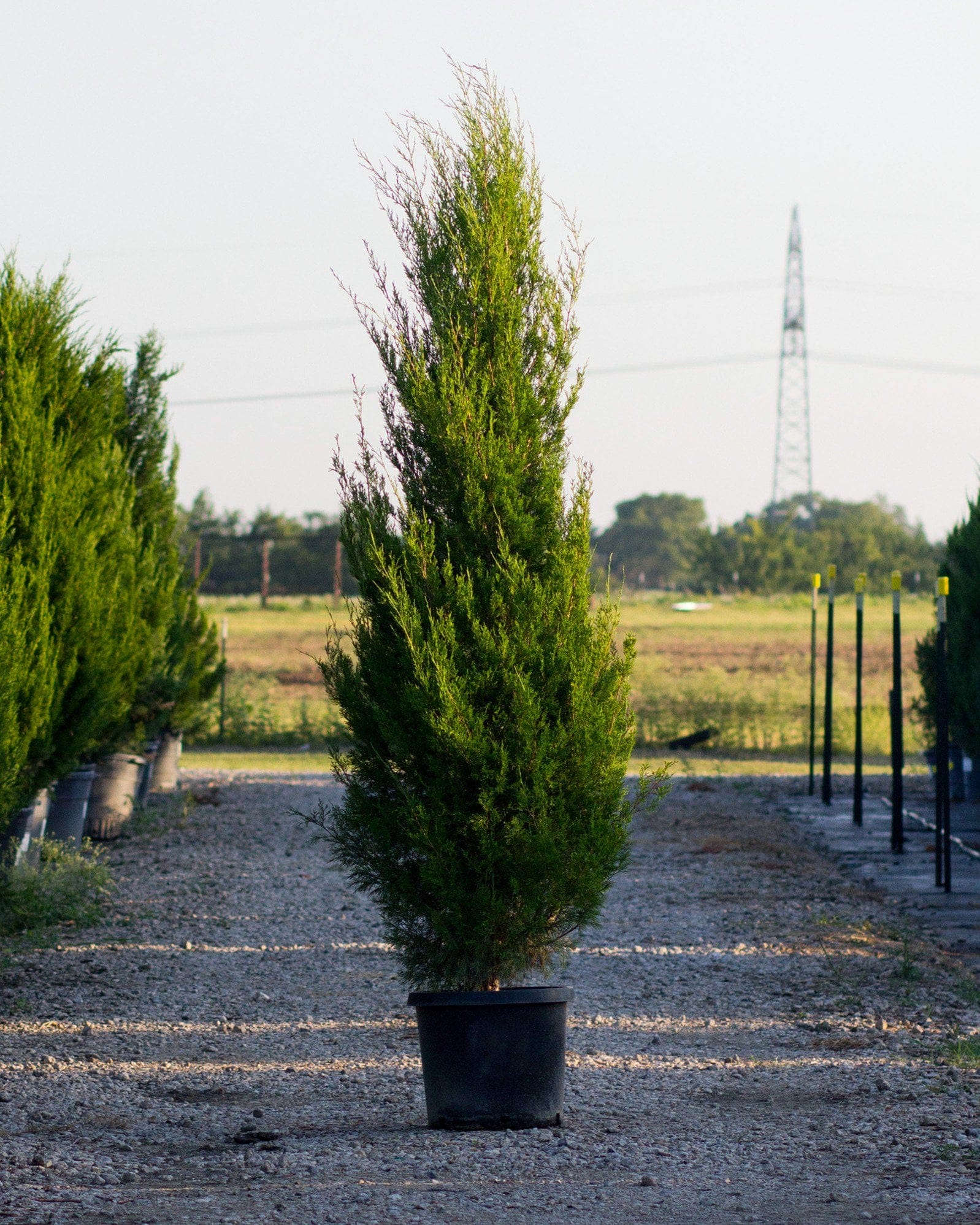
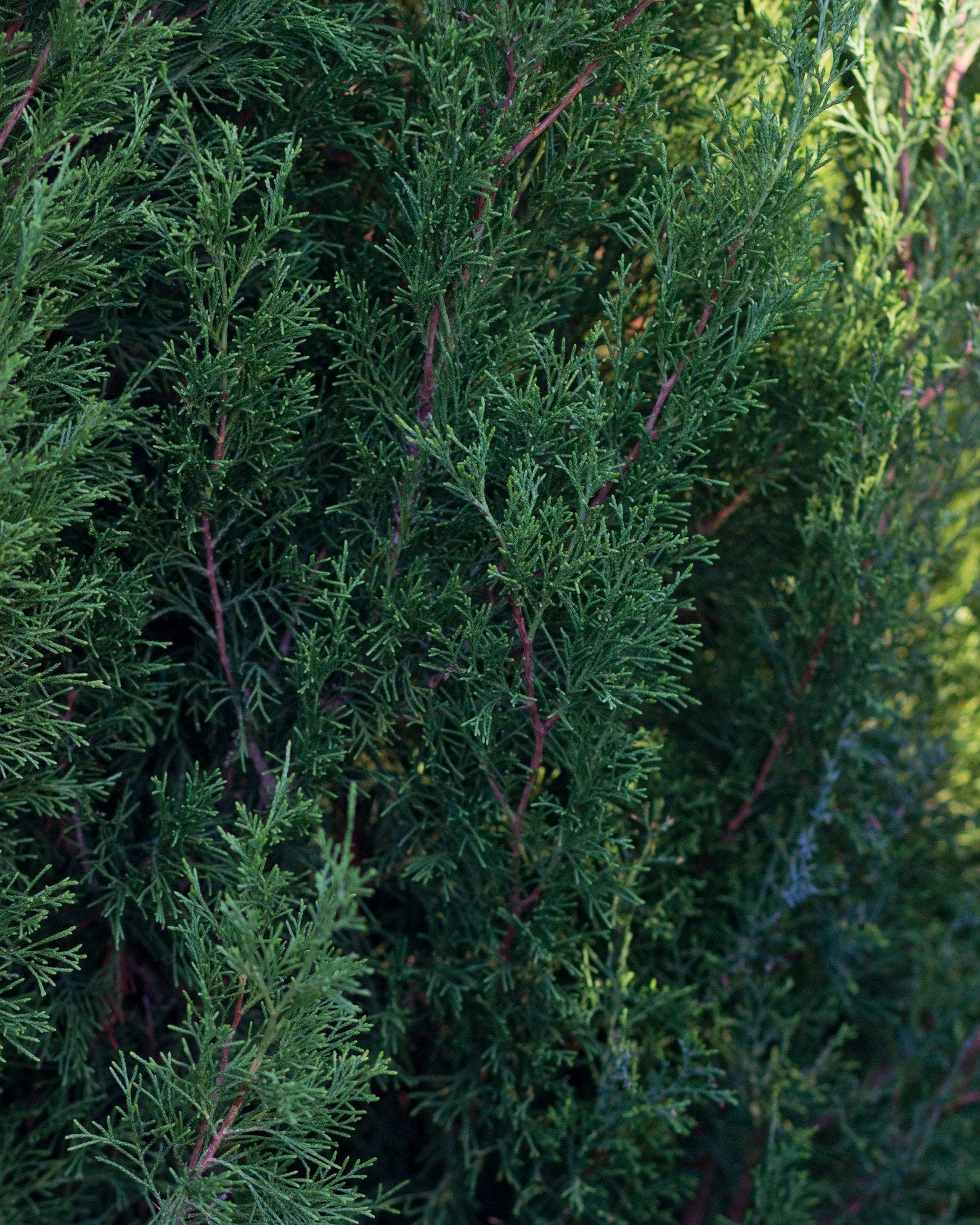
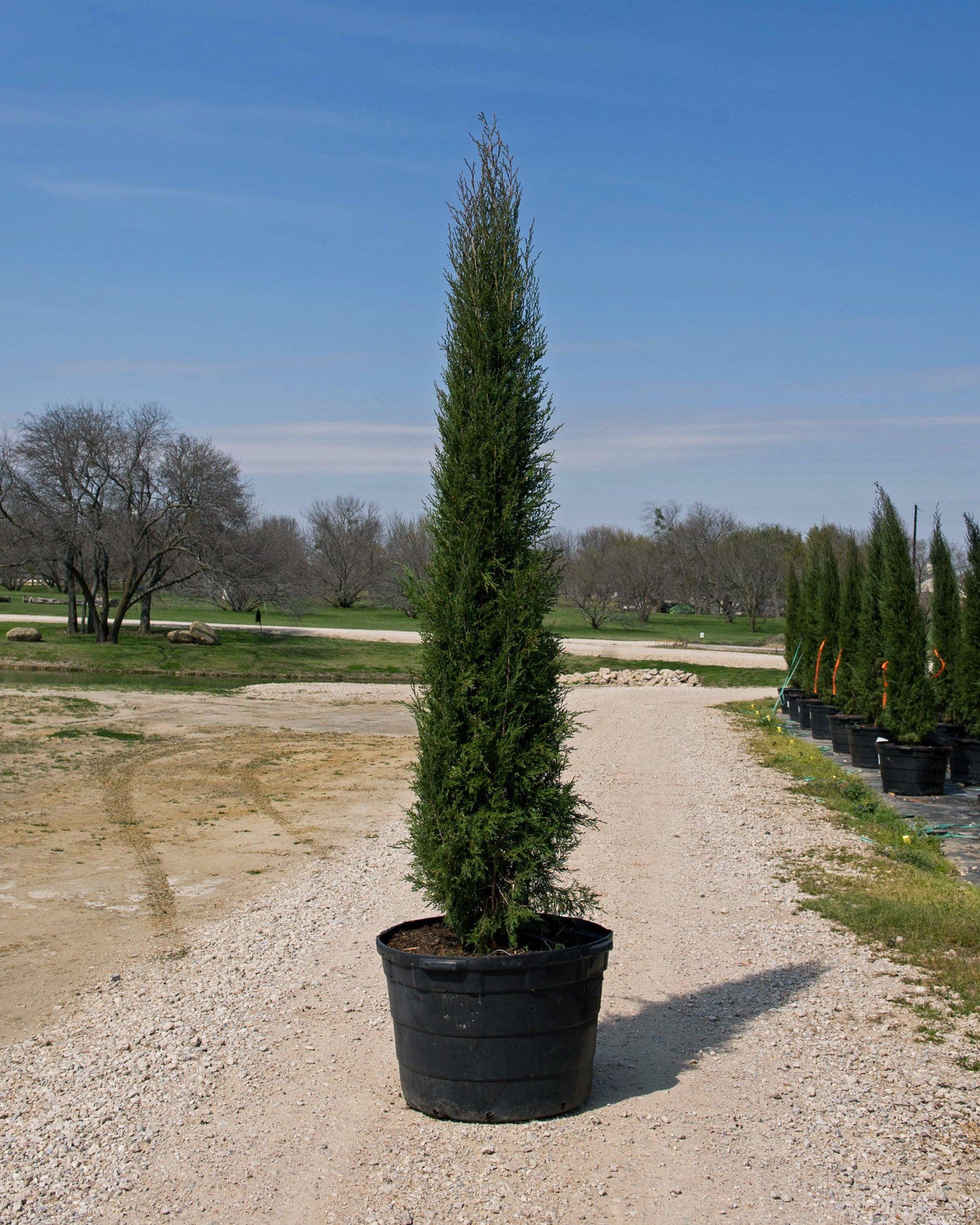
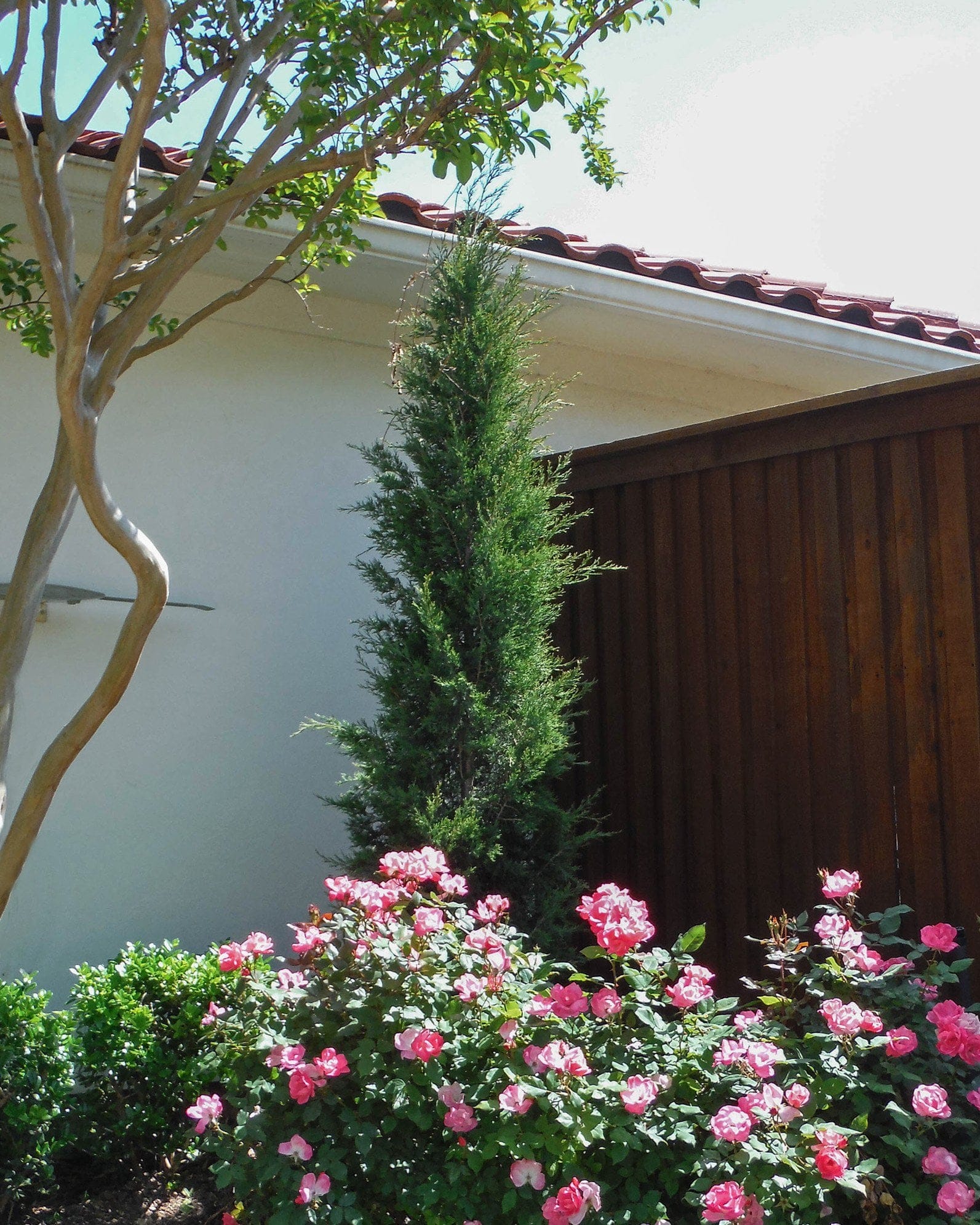
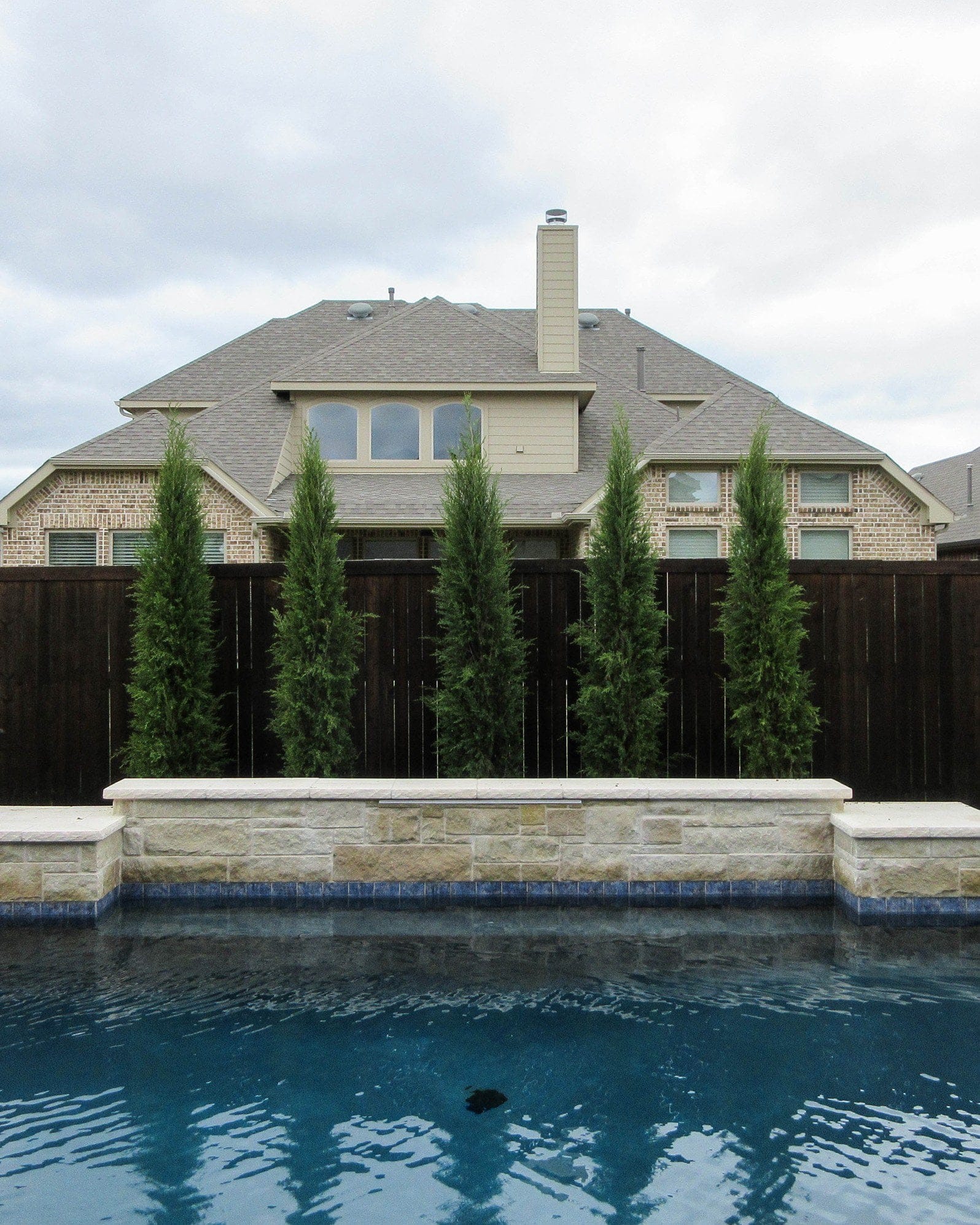
Juniperus scopulorum 'Wichita Blue'Wichita Blue Juniper is an evergreen tree that captivates with its vivid, steel-blue needles that provide year-round color and texture. Its dense branching and balanced shape range from rounded to pyramidal, making it a versatile choice for both formal and informal settings. It grows 12 feet in height and only 4 feet in width. Whether used as a standout specimen, grouped in mass plantings, or incorporated into rock beds, Wichita Blue adds bold color and reliable structure.
- Evergreen tree
- Moderate growth rate
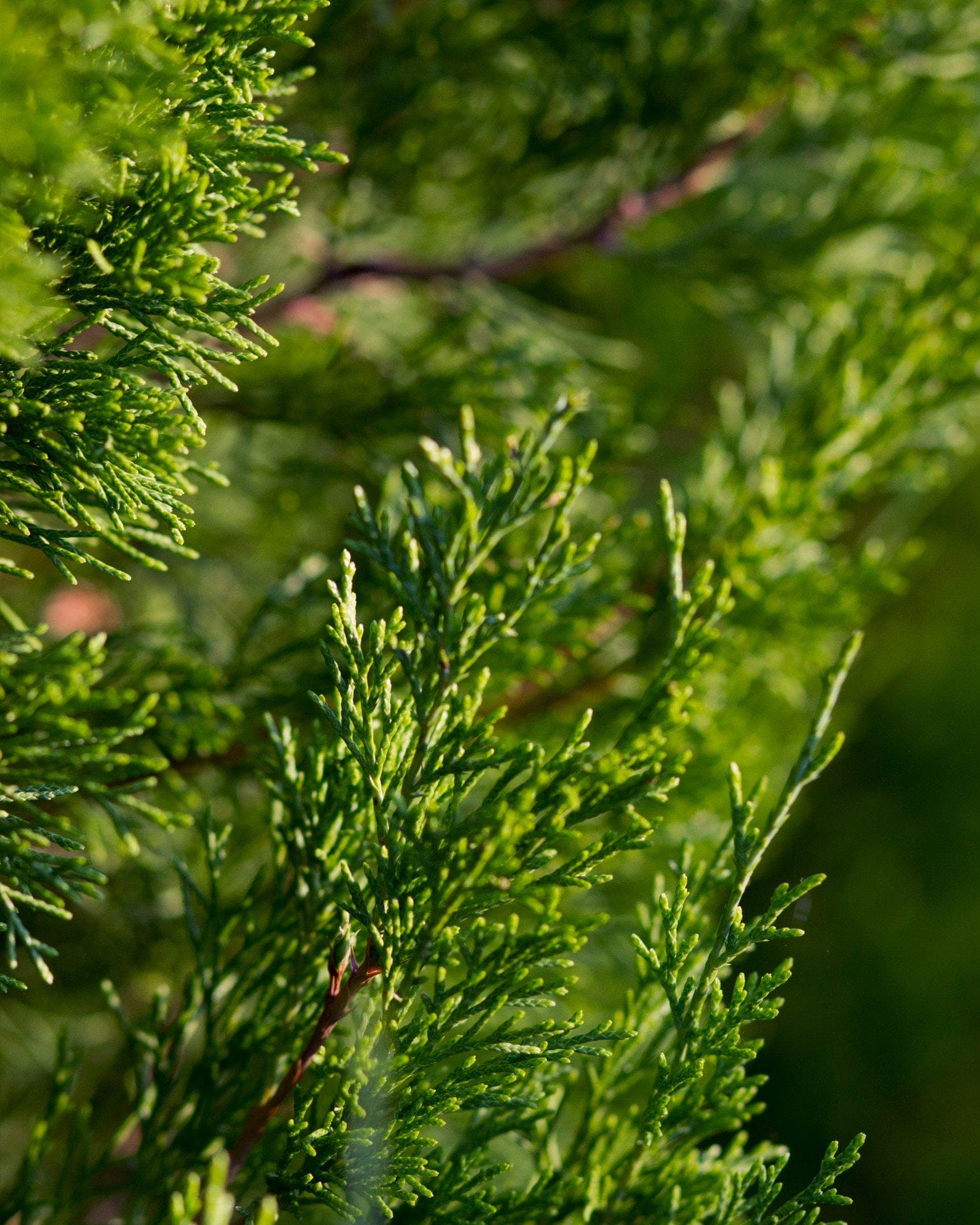
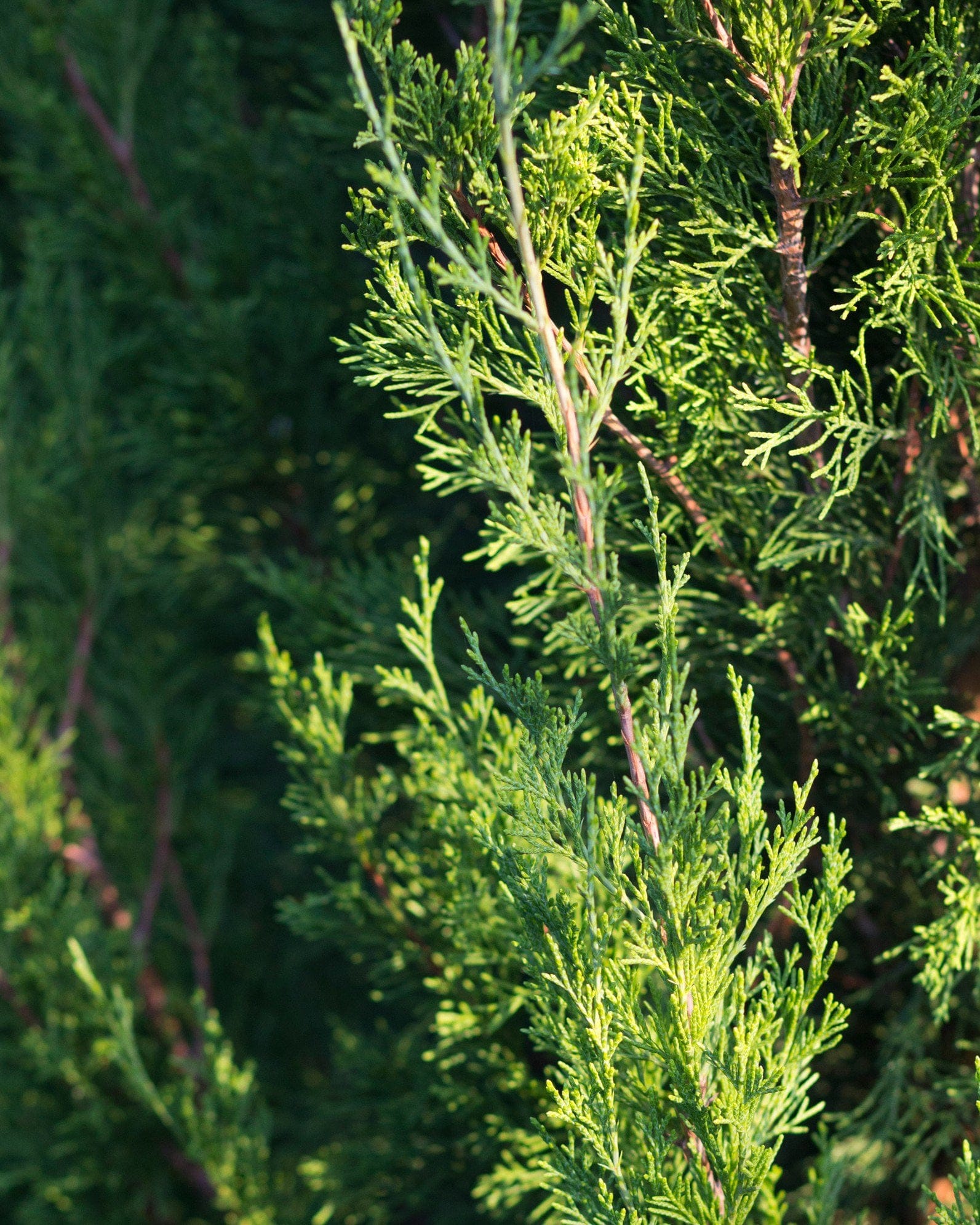
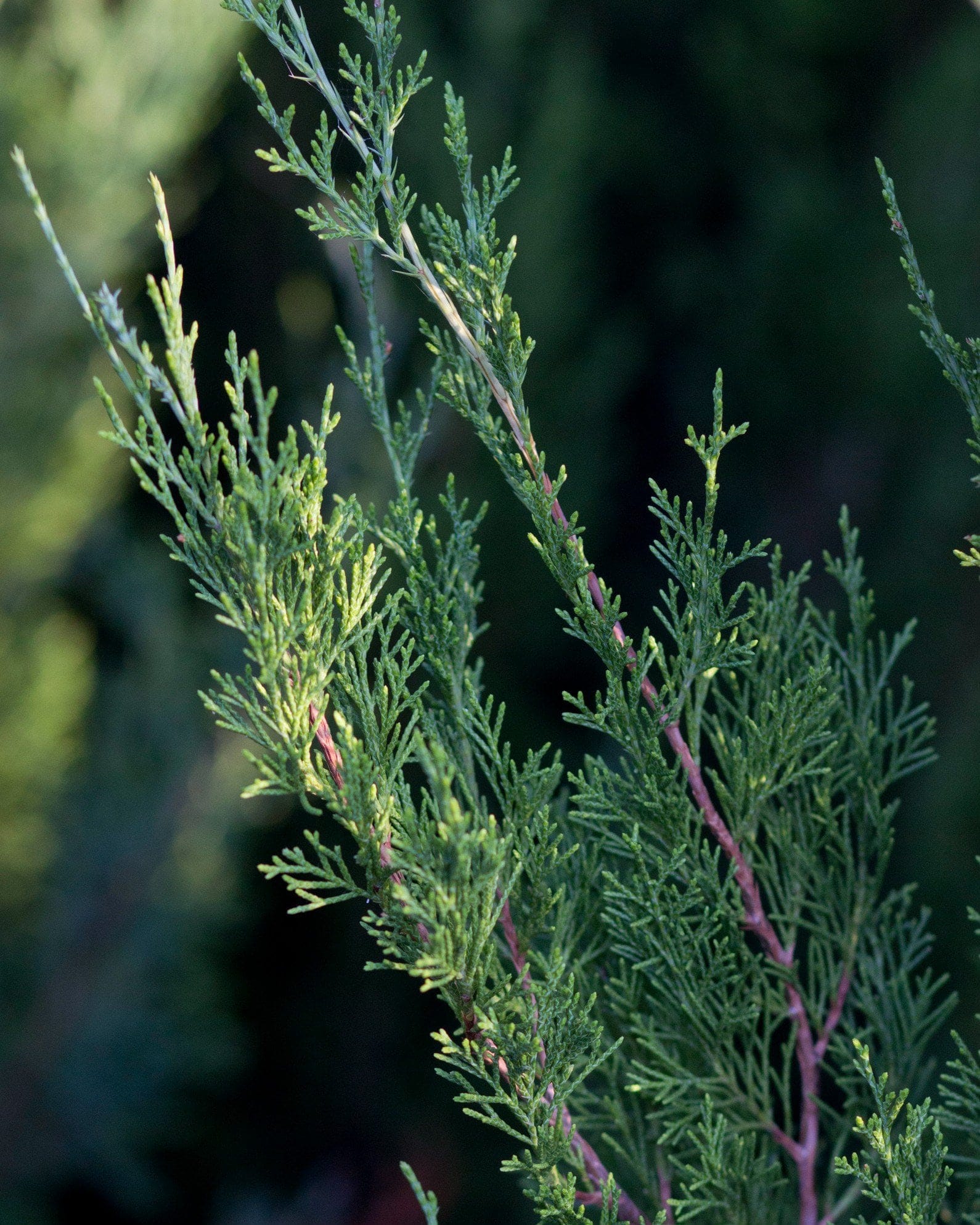
- Vibrant steel-blue evergreen foliage
- Dense, rounded to pyramidal growth habit
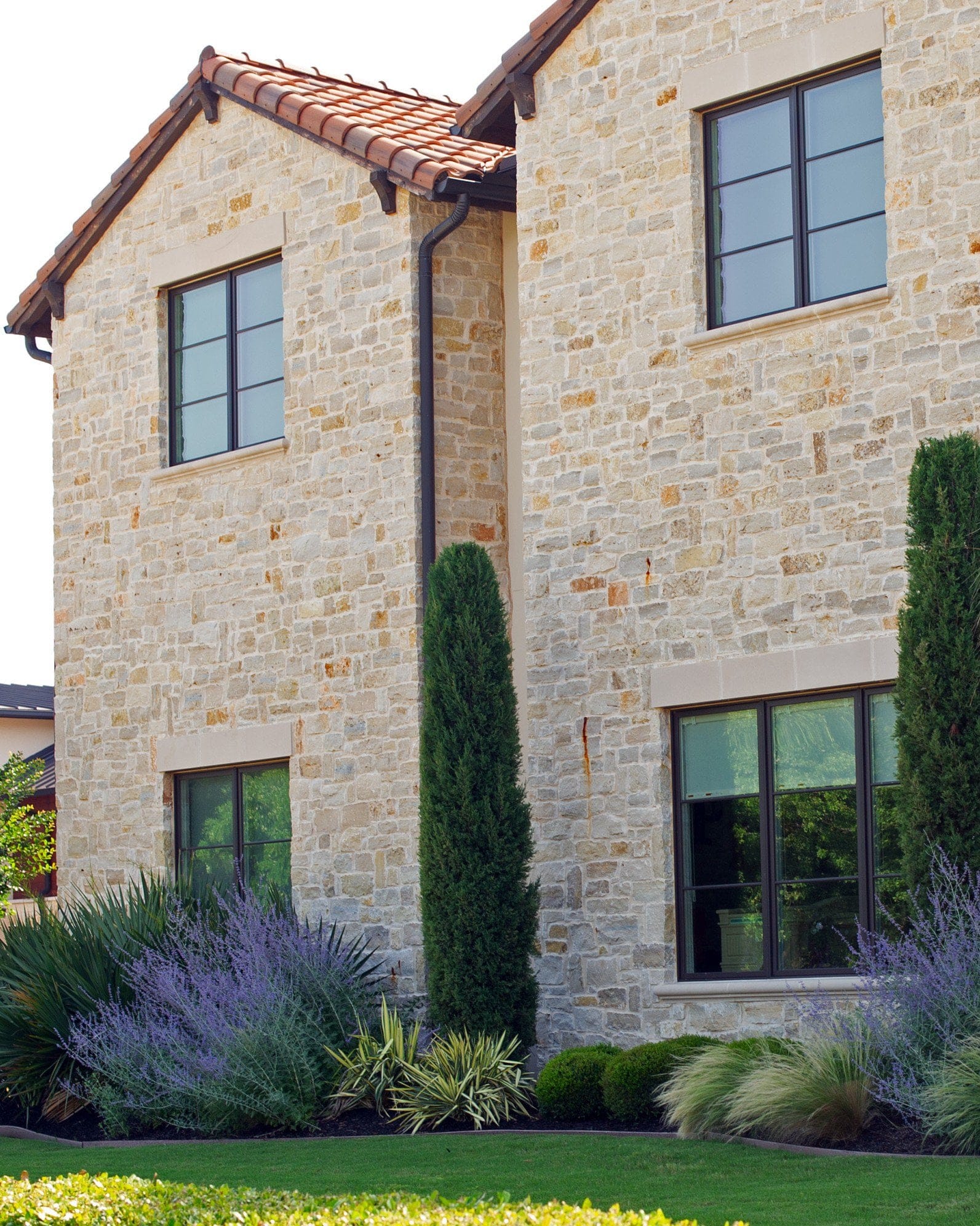
- Ideal for specimens, mass plantings, or accents
Plant in full sun with well-drained soil. Hardy in USDA zones 3 through 7, Wichita Blue Juniper brings striking color and durable beauty to landscapes of all sizes. This cultivar is heat and drought tolerant, thriving in poor soils. It requires minimal care and offers excellent resistance.
Wichita Blue Juniper is well loved in landscapes across Texas for its easy going nature and immeasurable beauty. It thrives with a few suggestions to keep in mind:
- Watering: Water regularly during the first growing season to help roots establish. Once established, Wichita Blue Juniper is highly drought-tolerant and requires little supplemental watering. Deep, infrequent watering encourages strong root development and maintains vibrant foliage.
- Pruning: Minimal pruning is needed to maintain its naturally tidy, upright form. Light pruning in late winter or early spring helps remove any dead or crossing branches. Avoid hard pruning into old wood, as junipers do not regenerate well from bare stems.
- Fertilizing: Feed sparingly in early spring with a balanced, slow-release fertilizer for evergreens if soil fertility is low. Established plants typically do not need regular feeding. Over-fertilization can encourage soft, weak growth that is more susceptible to pests or environmental stress.
- Mulching: Apply a 2-3 inch layer of organic mulch around the base to retain moisture, suppress weeds, and regulate soil temperature. Keep mulch slightly away from the trunk to prevent excess moisture from causing rot or bark issues.
- Winter Care: Wichita Blue Juniper is cold-hardy and generally does not need winter protection. In areas with heavy snow or ice, gently tie branches with soft twine to prevent breakage. Proper drainage helps prevent stress during wet, cold periods.
Wichita Blue Juniper is a resilient specimen, but it can still be susceptible to certain issues:
- Spider Mites: These tiny pests can cause stippling or bronzing of foliage. Rinse foliage with water or treat with horticultural oil, particularly during hot, dry spells.
- Bagworms: Bagworms attach to branches and can damage foliage. Remove by hand when possible, or treat with an appropriate insecticide if infestations increase.
- Tip Blight (Phomopsis): Branch tips may brown due to environmental stress or wet conditions. Remove affected tips, improve airflow, and avoid overhead watering.
- Scale Insects: Small bumps on stems or leaves can reduce vigor. Treat with horticultural oil during dormancy or insecticidal soap during the growing season.
- Root Rot: Occurs in poorly drained soils or with excessive watering. Plant in well-draining soil to maintain healthy growth.
Yes. Its dense, upright form and flexible branches allow it to withstand wind, making it ideal for exposed sites or as a protective screen.
Absolutely. Planted in a row, it forms a reliable, evergreen barrier with minimal maintenance, providing long-lasting privacy or structural interest.
Yes. While it is more commonly planted in the ground, it performs well in large containers with well-draining soil. Monitor moisture closely to prevent root issues.
Yes. Its foliage is generally unappealing to deer, making it a dependable choice in areas where browsing is a concern.
Yes. Once established, it is very drought-tolerant and maintains its structure and blue foliage with minimal supplemental watering.
No. Its upright, self-supporting form usually eliminates the need for staking. Temporary support may help young plants in extreme wind.
Minimal natural shedding may occur, but it generally retains dense coverage. Proper watering and occasional light pruning help maintain fullness.
Yes. Light pruning in late winter helps refresh the shape and encourage healthy growth, but avoid cutting into bare wood.
Yes. Good air circulation prevents fungal issues. Avoid overcrowding to maintain healthy foliage.
With proper care, it can thrive for decades, providing long-lasting structure, color, and reliability in the landscape.
Special Features
You might also like


Compare Similar Plants
Wichita Blue Juniper This plant | ||
|---|---|---|
| Scientific Name | Juniperus scopulorum 'Wichita Blue' | Juniperus scopulorum 'Blue Arrow' |
| Size at Maturity | 12' H x 4' W | 12' H x 2' W |
| Leaf Retention | Evergreen | Evergreen |
| Sizes Available | 6, 15 gal | 15 gal |


Our 1-Year Planting Guarantee
We take pride in our plants and installation services. If any plants or trees installed by Treeland fail to thrive within the first year, we'll provide a replacement credit in accordance with our guarantee program.
Learn More About Our Guarantee