
Lavender Skies Crape Myrtle
Lagerstroemia x ‘JM8’Local DFW Delivery Only
Product Details
Lavender Skies Crape Myrtle
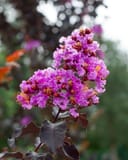
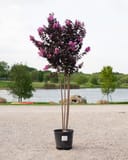
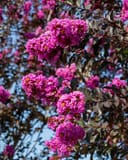
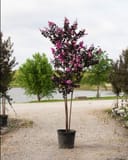
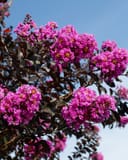
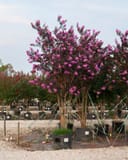
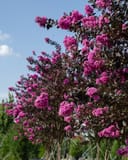
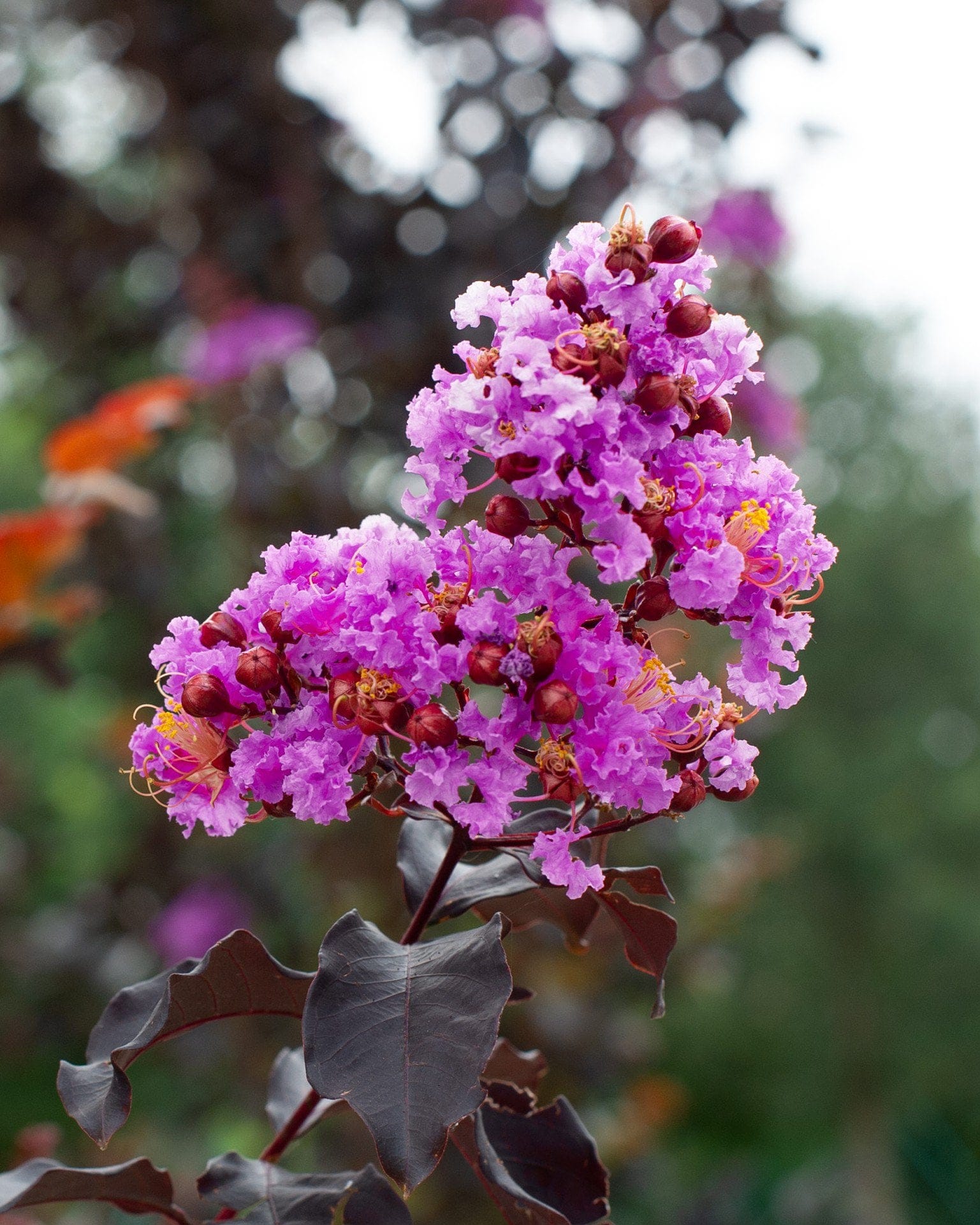
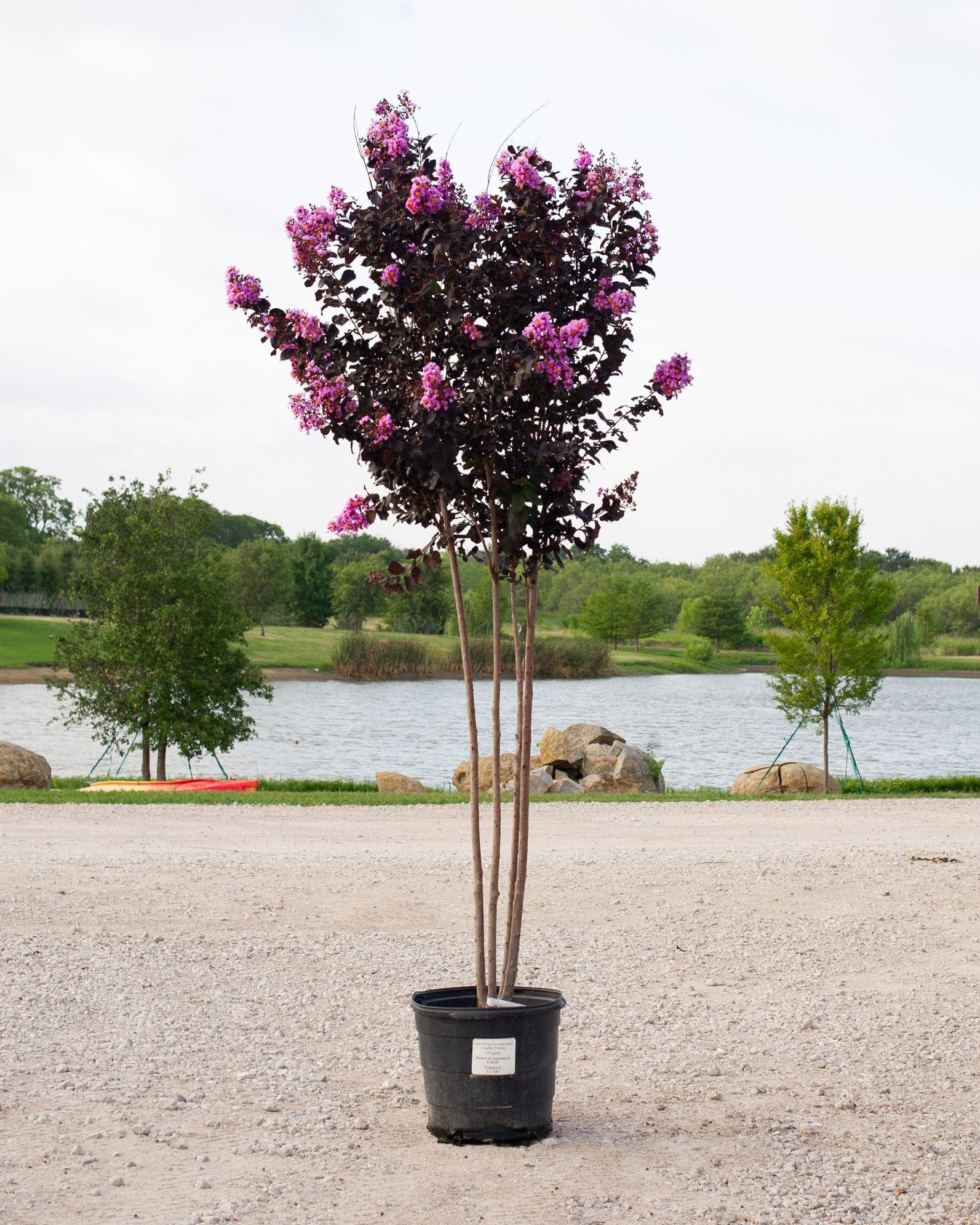
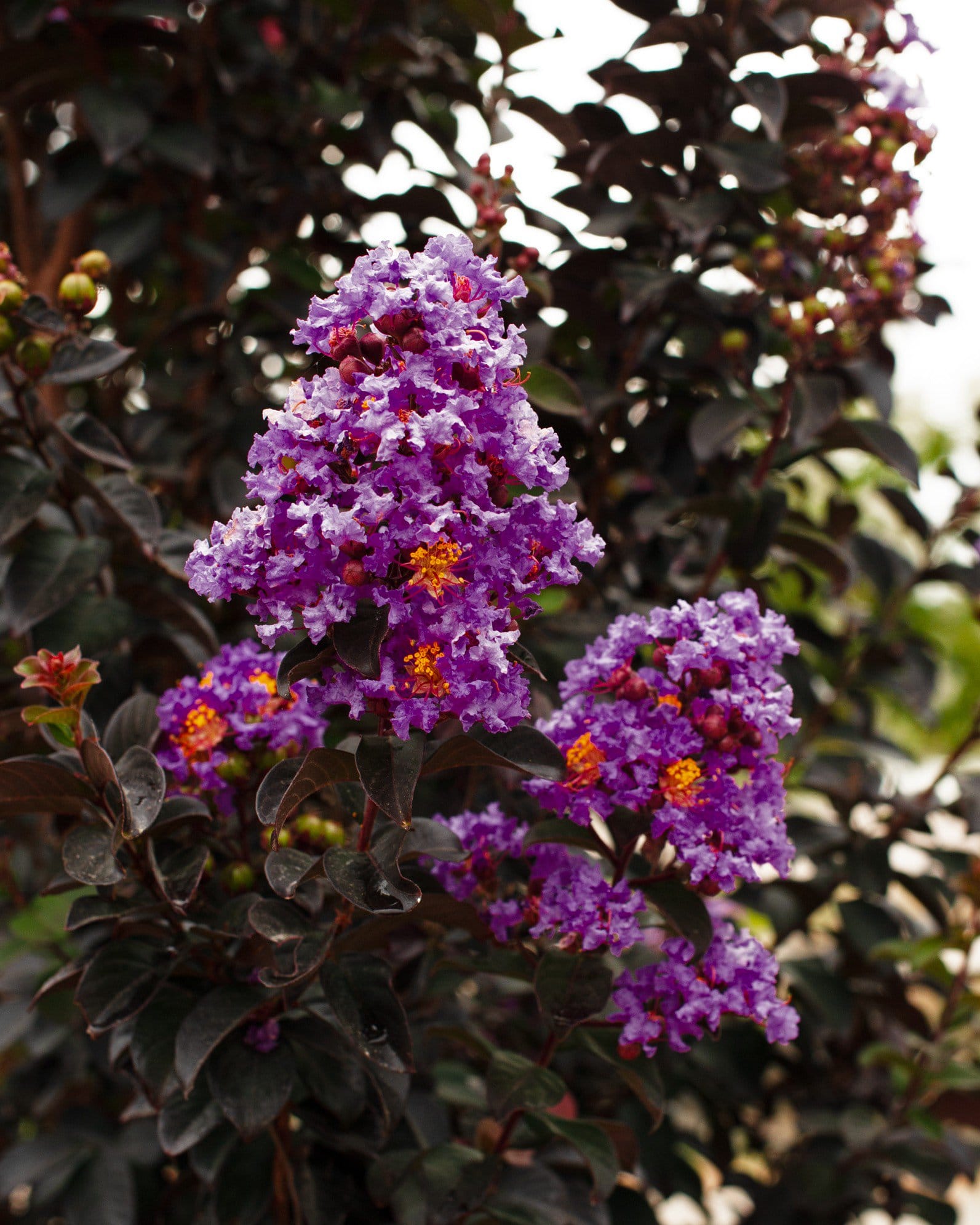
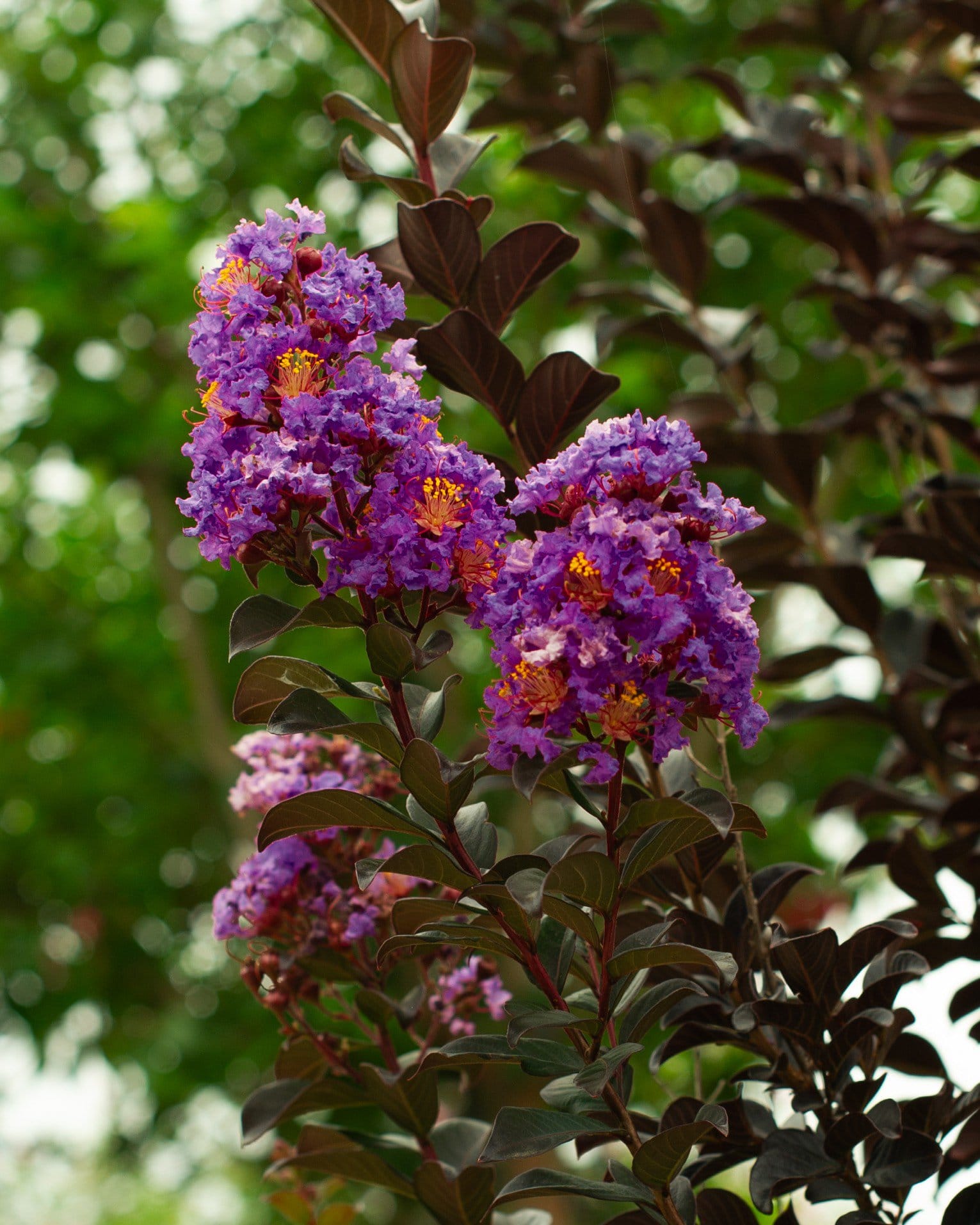
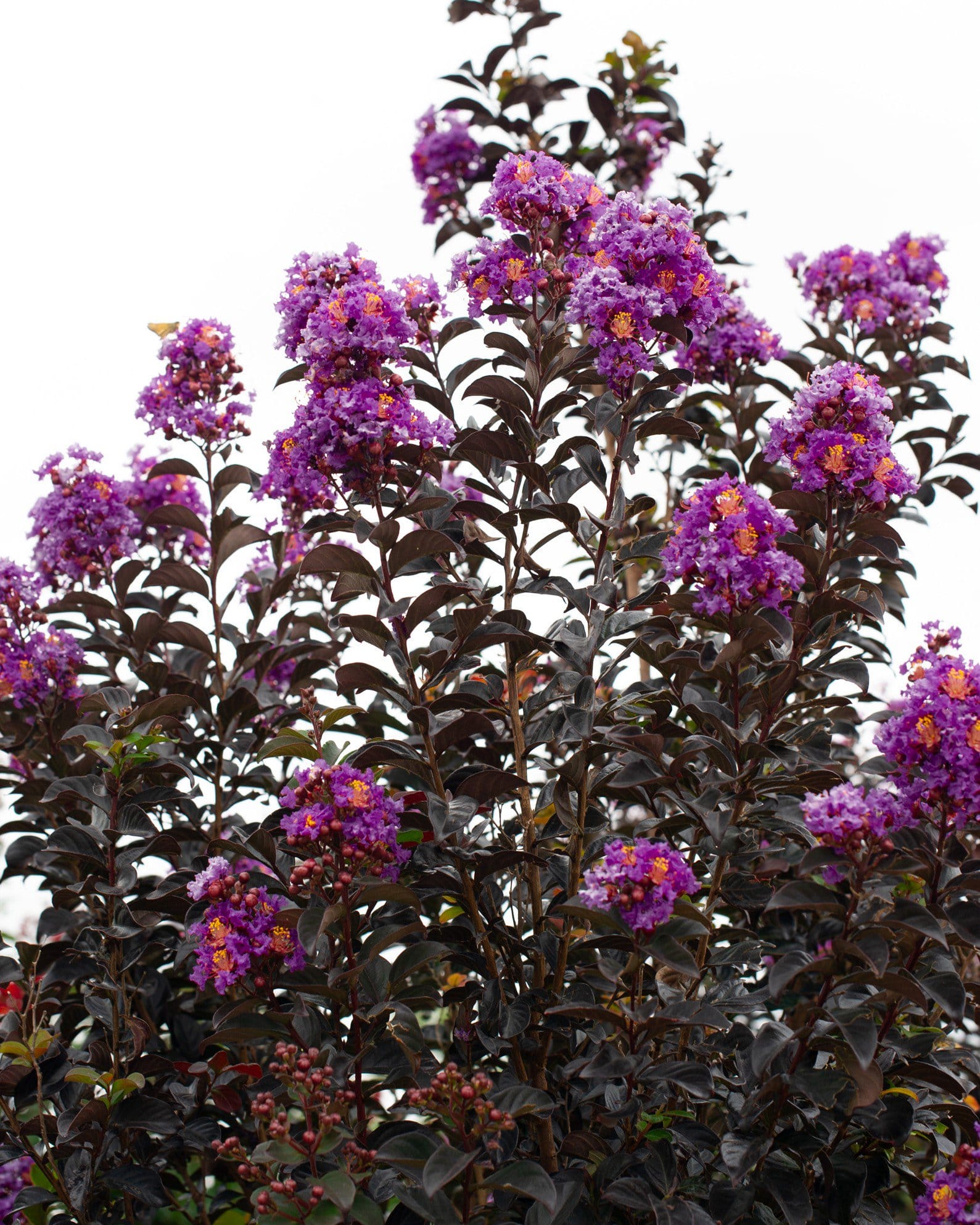
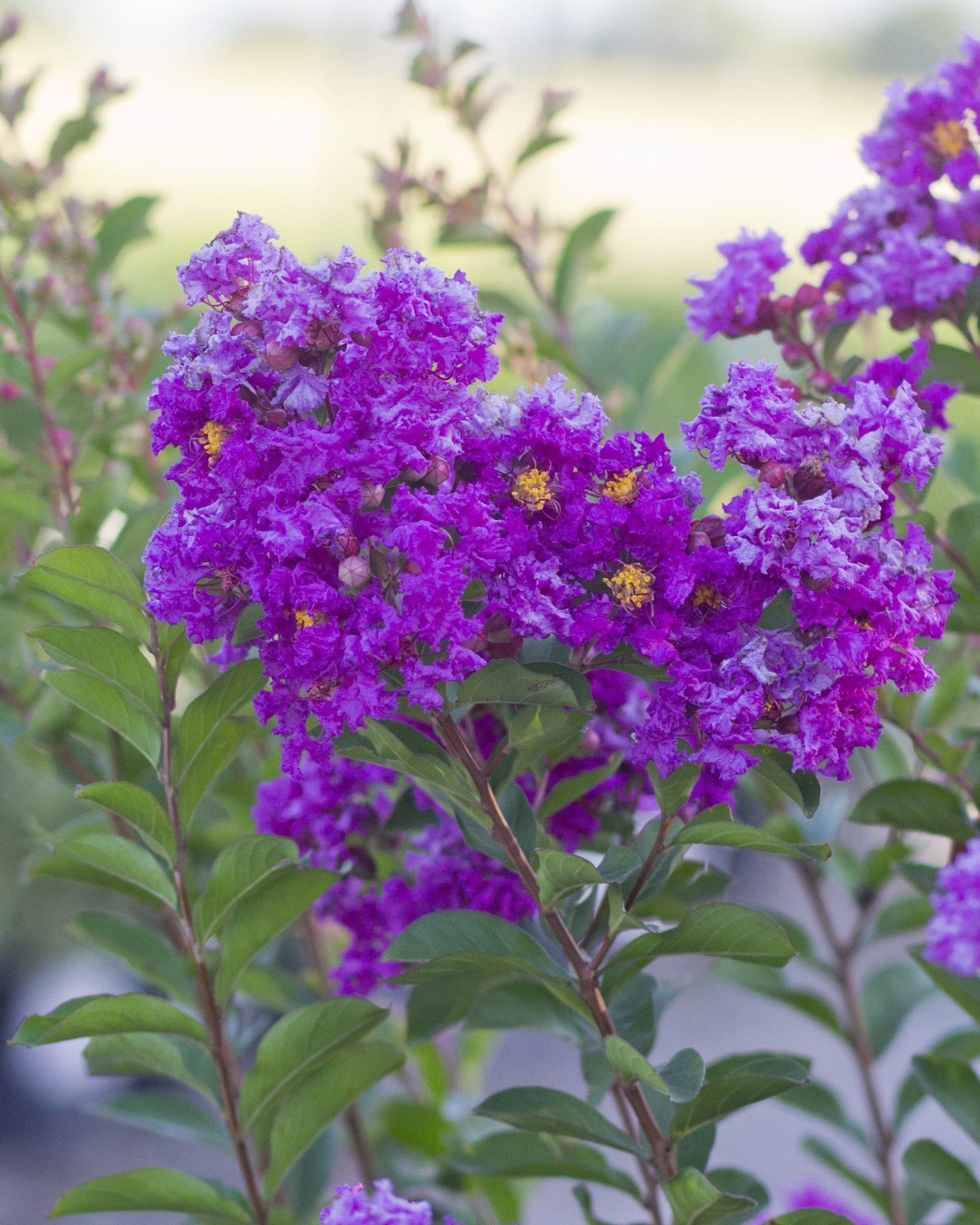
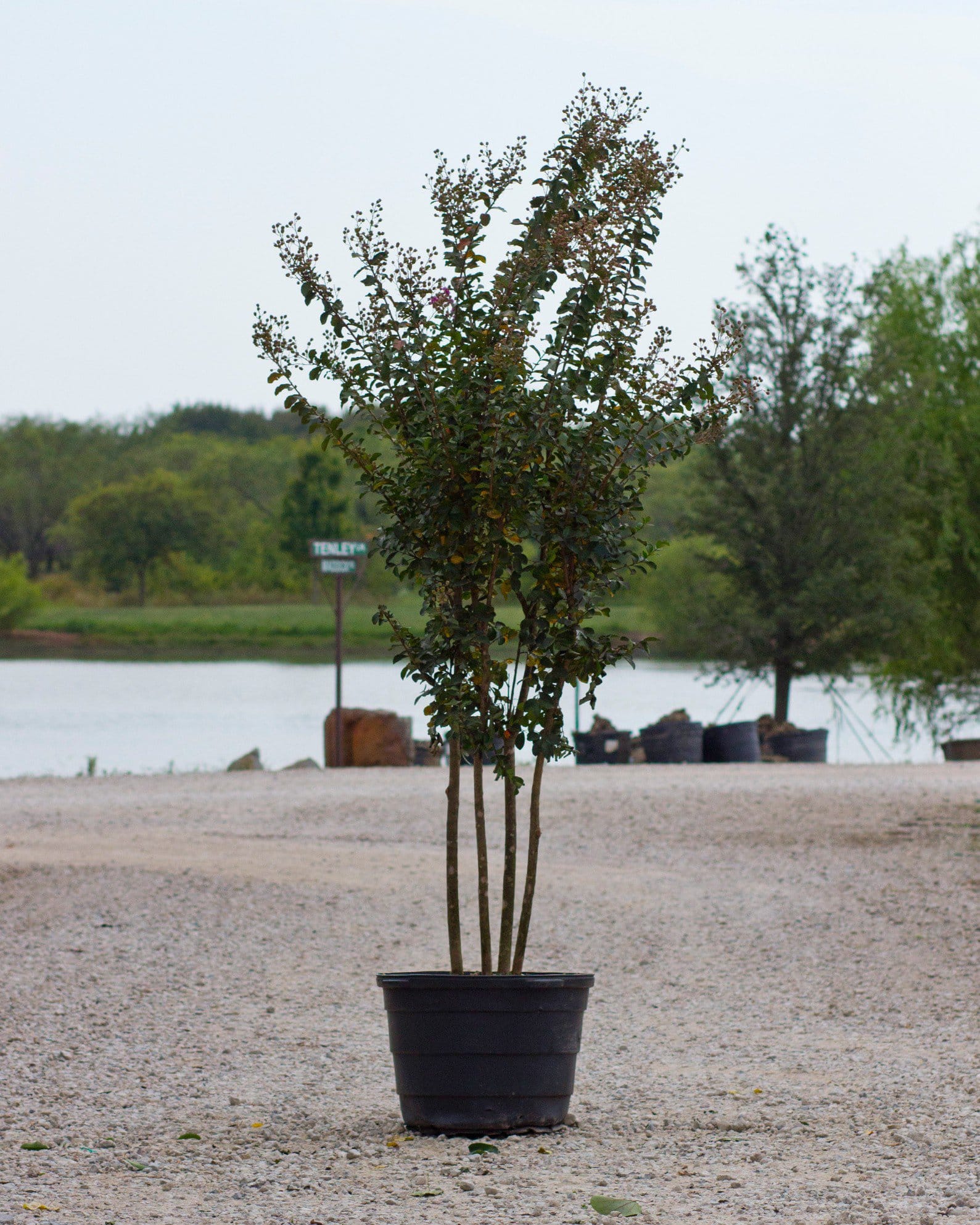
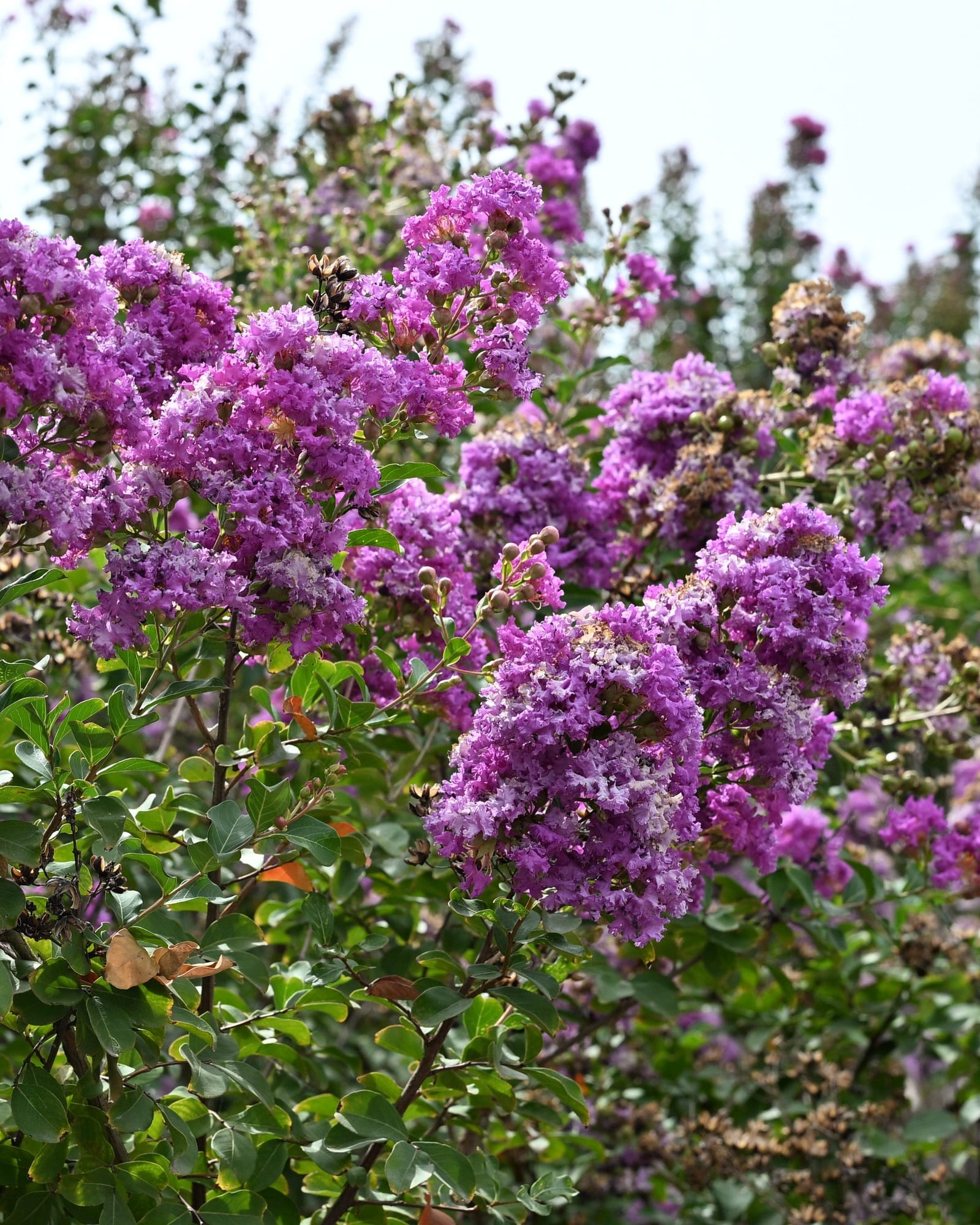
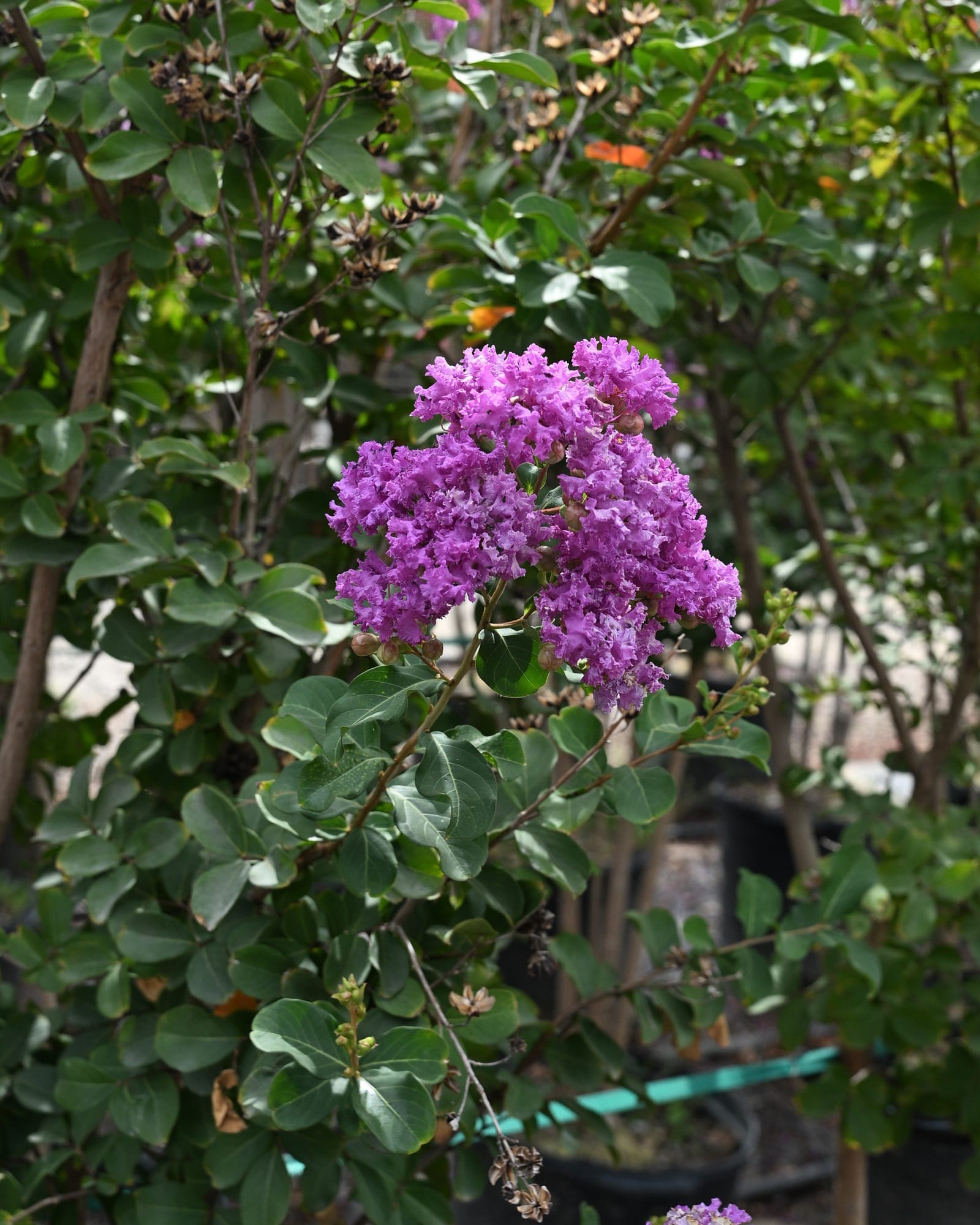
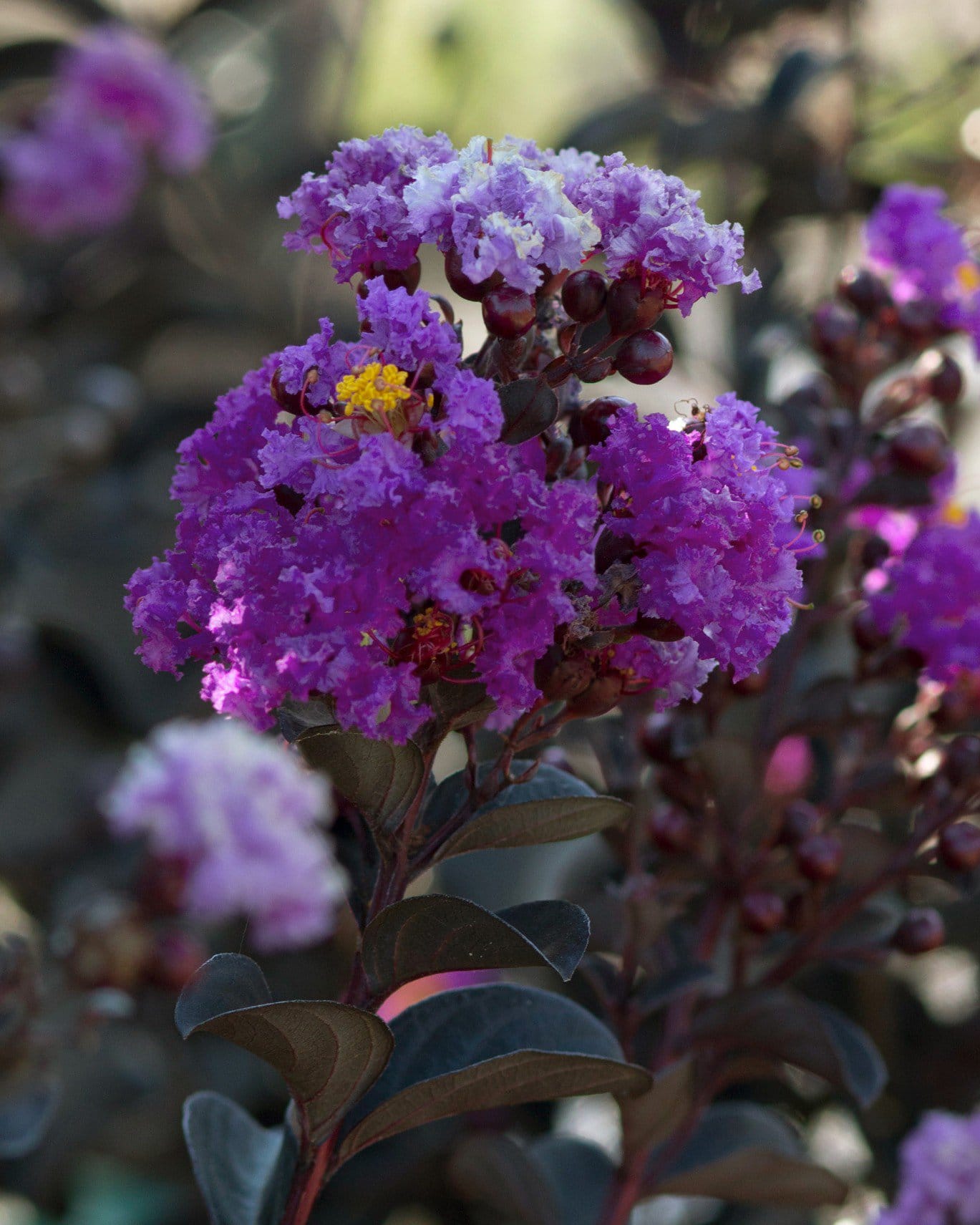
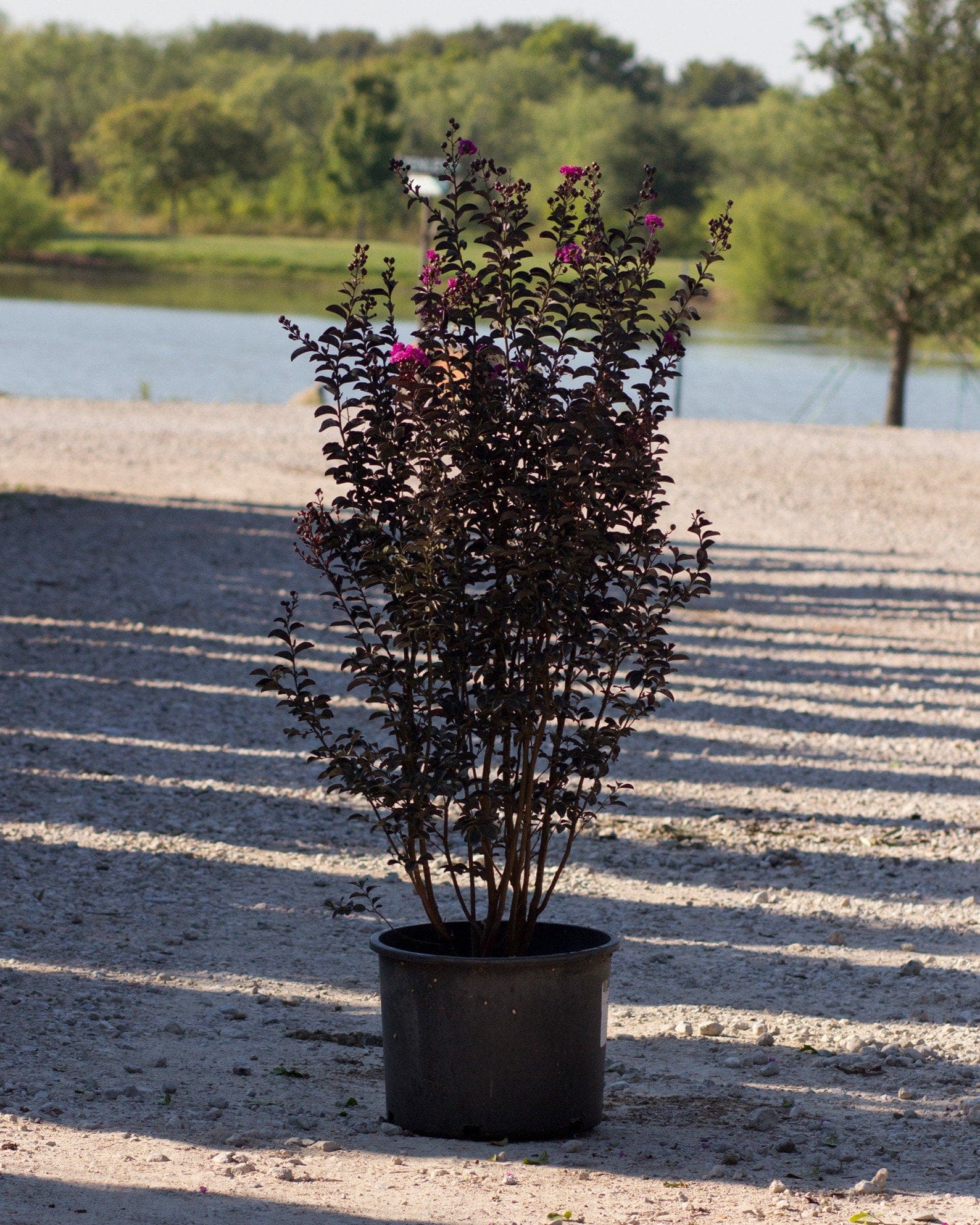
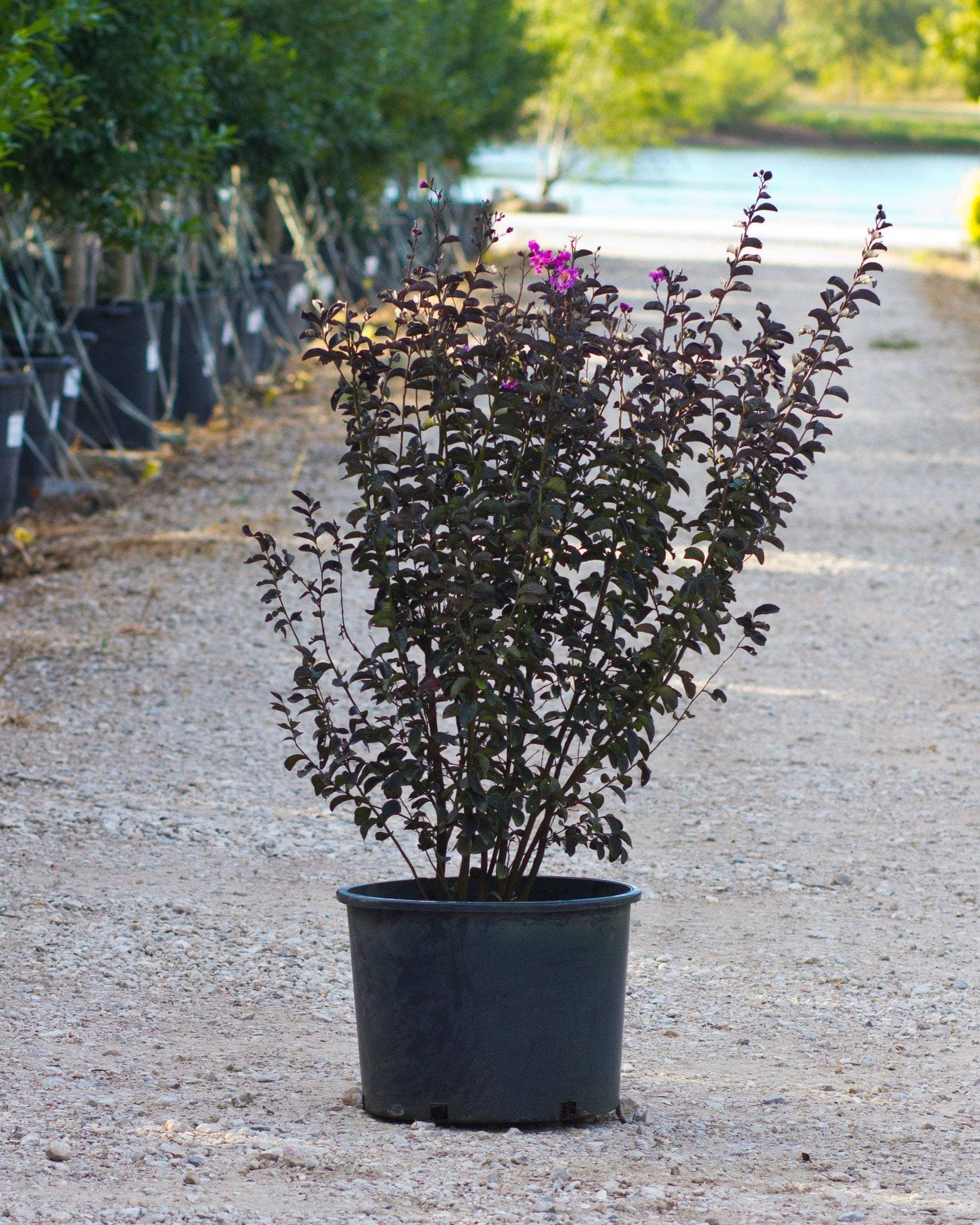
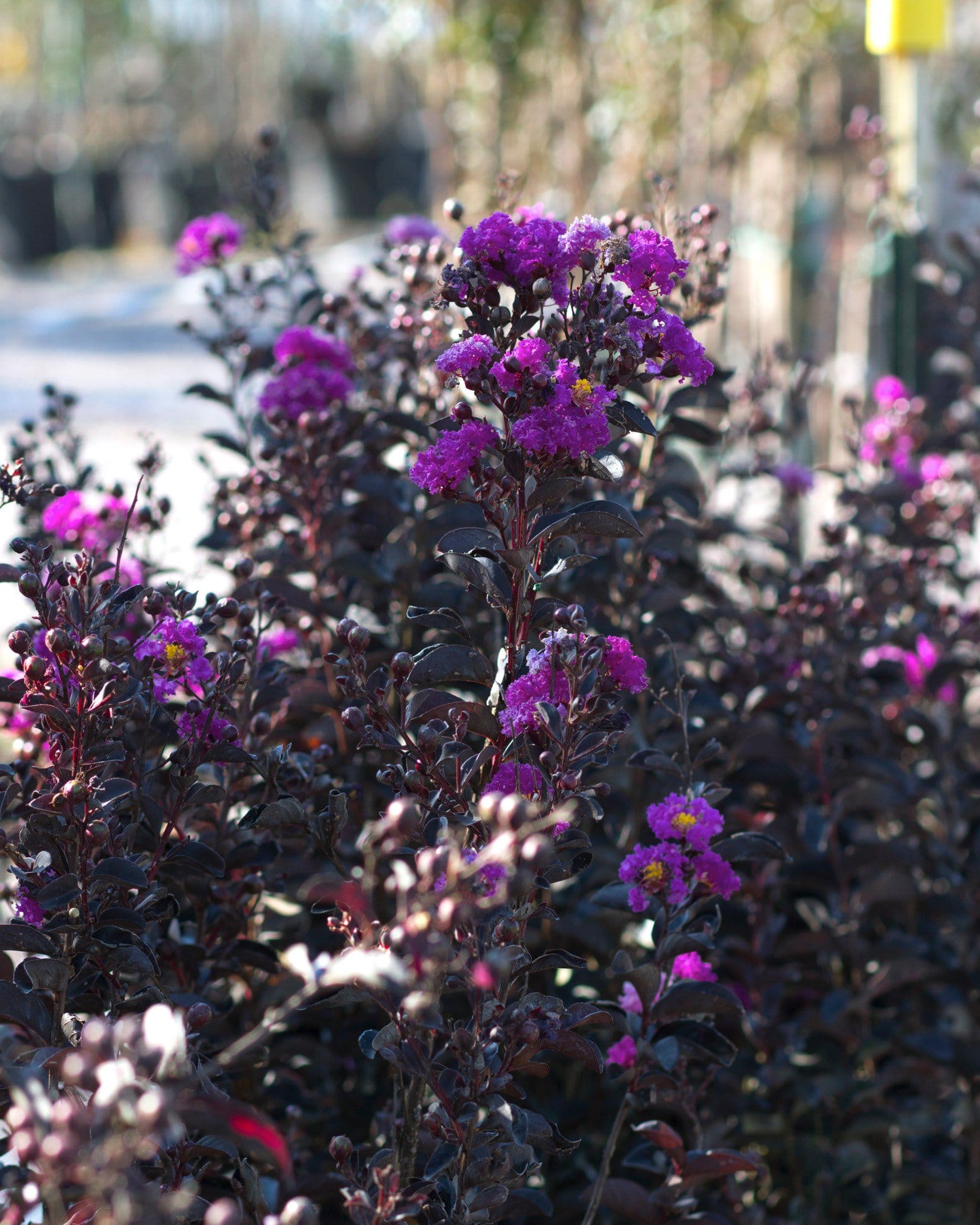
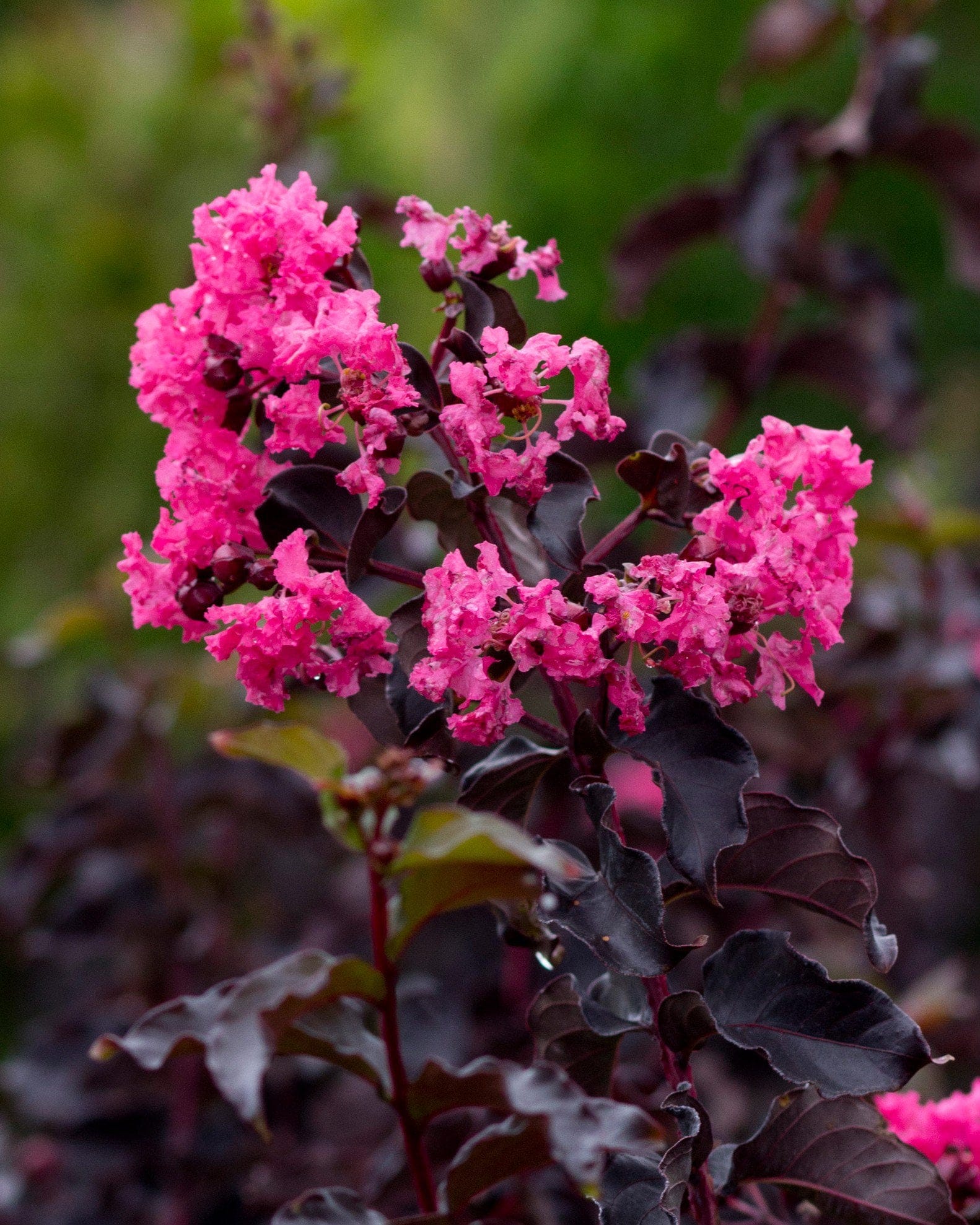
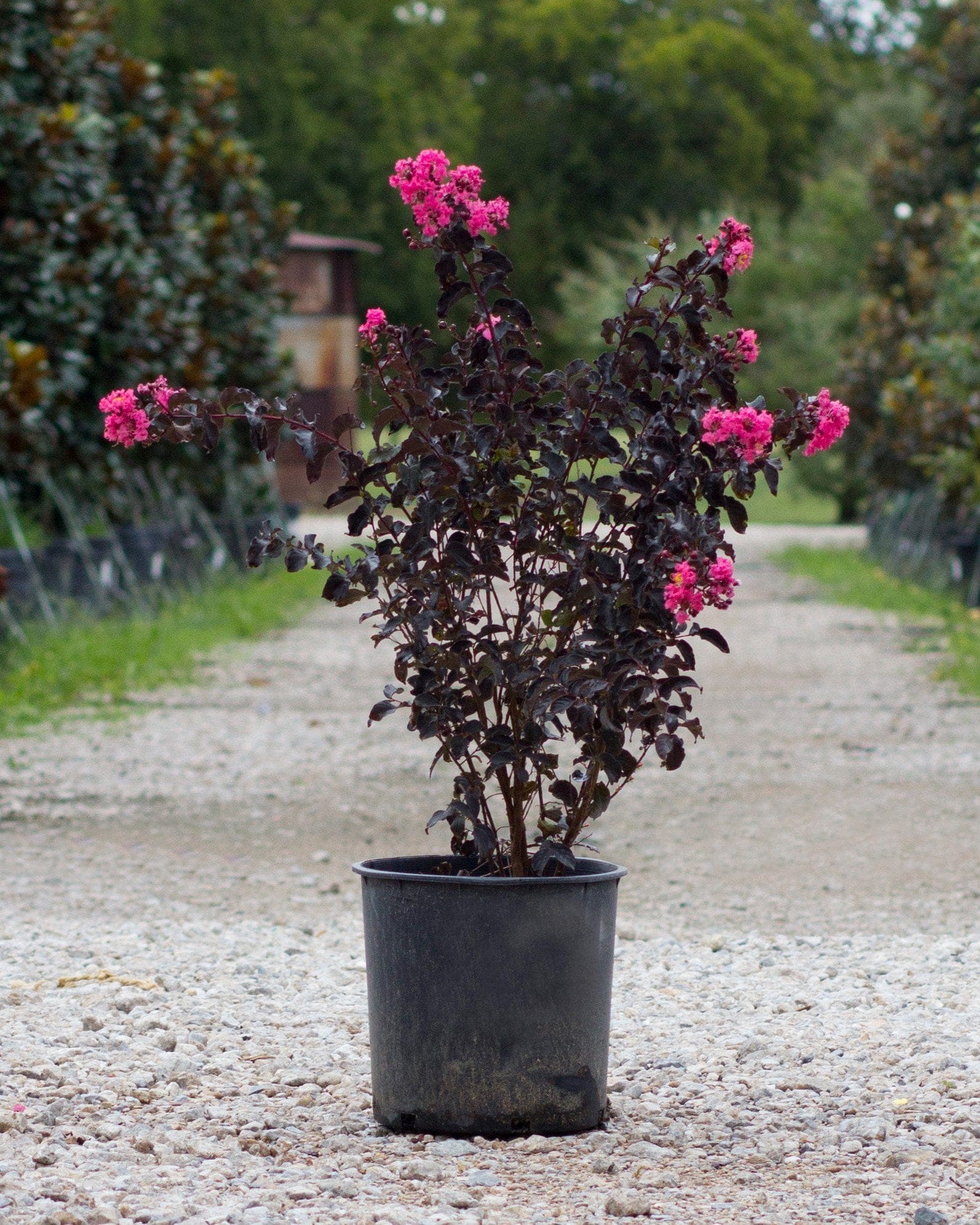
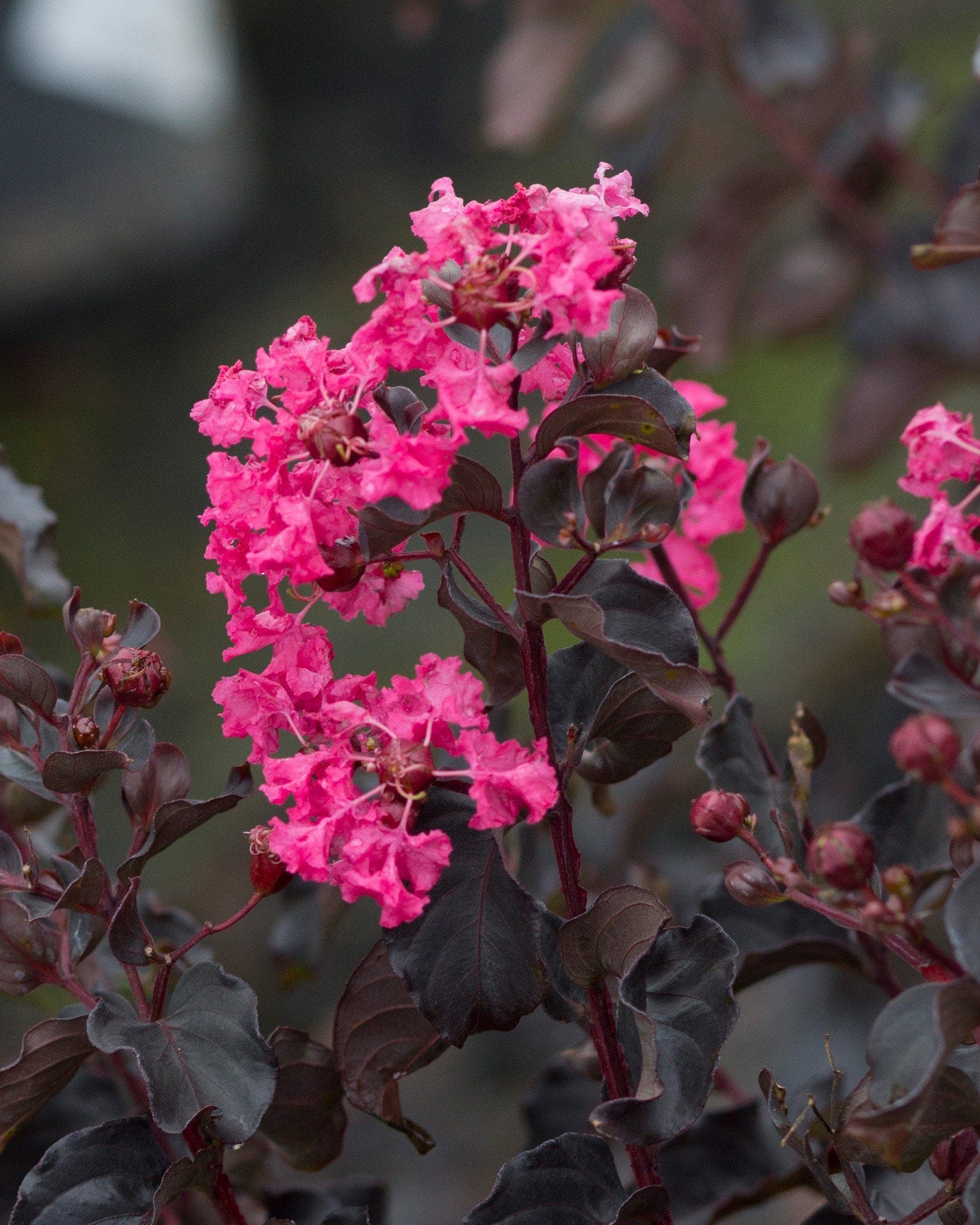
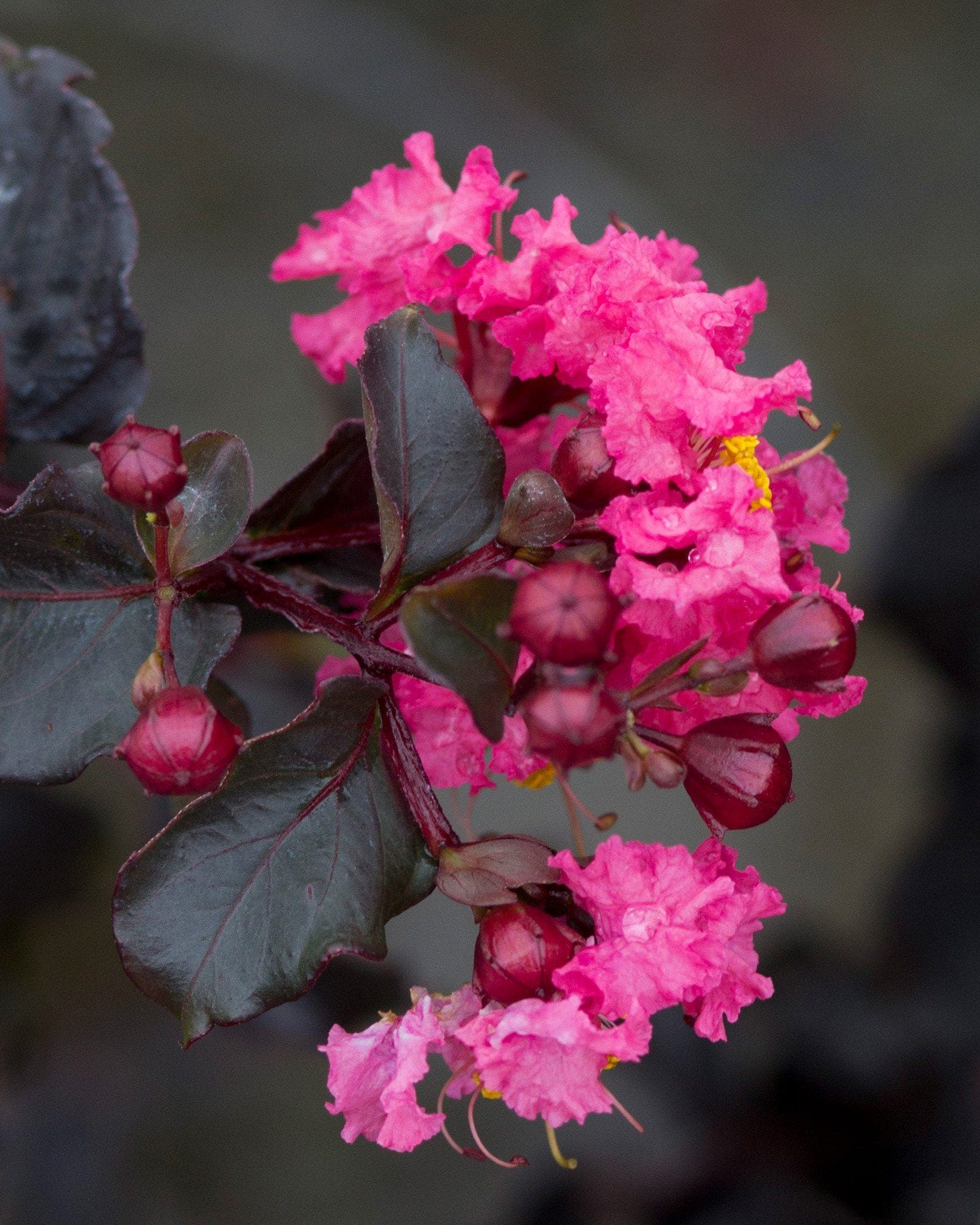
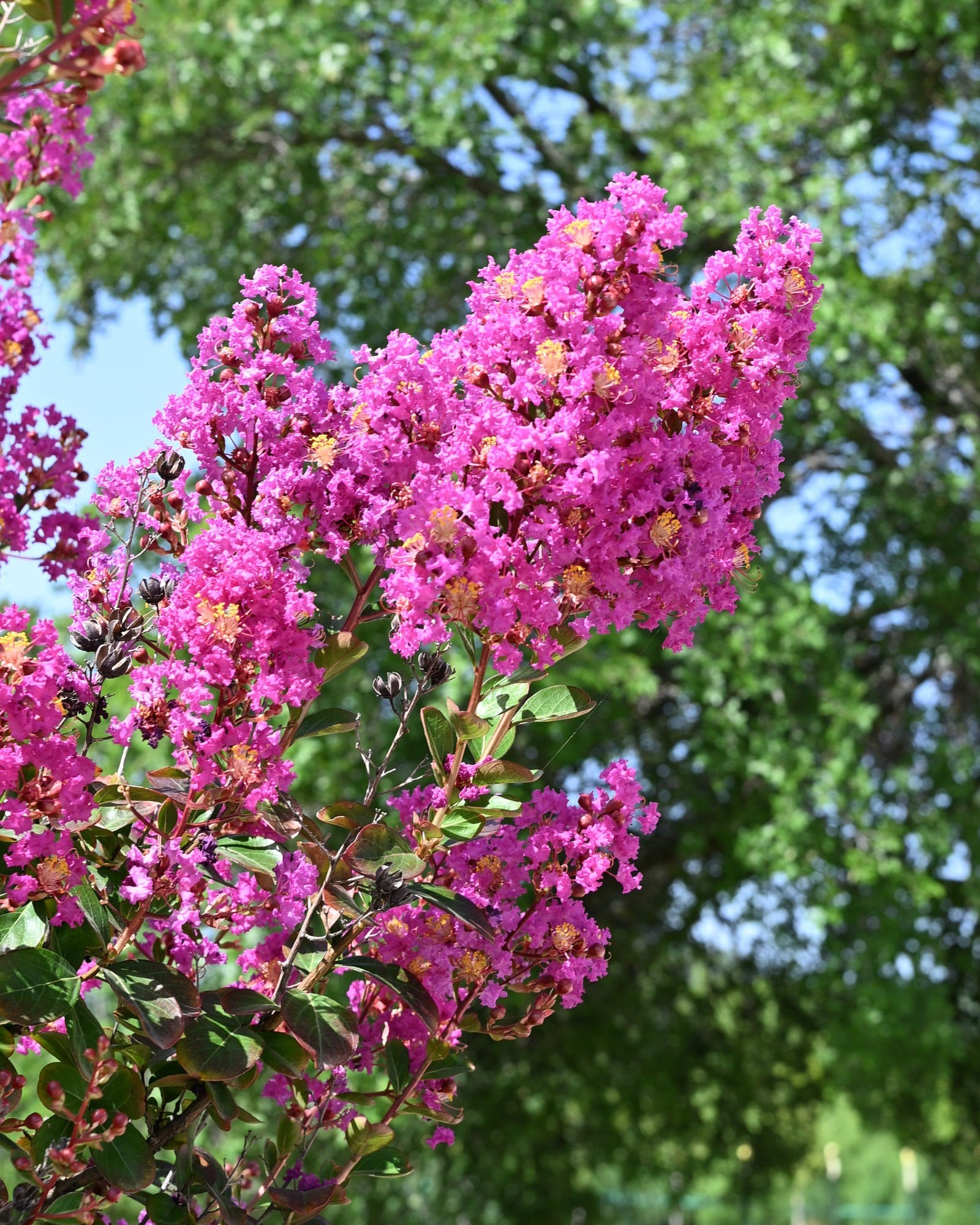
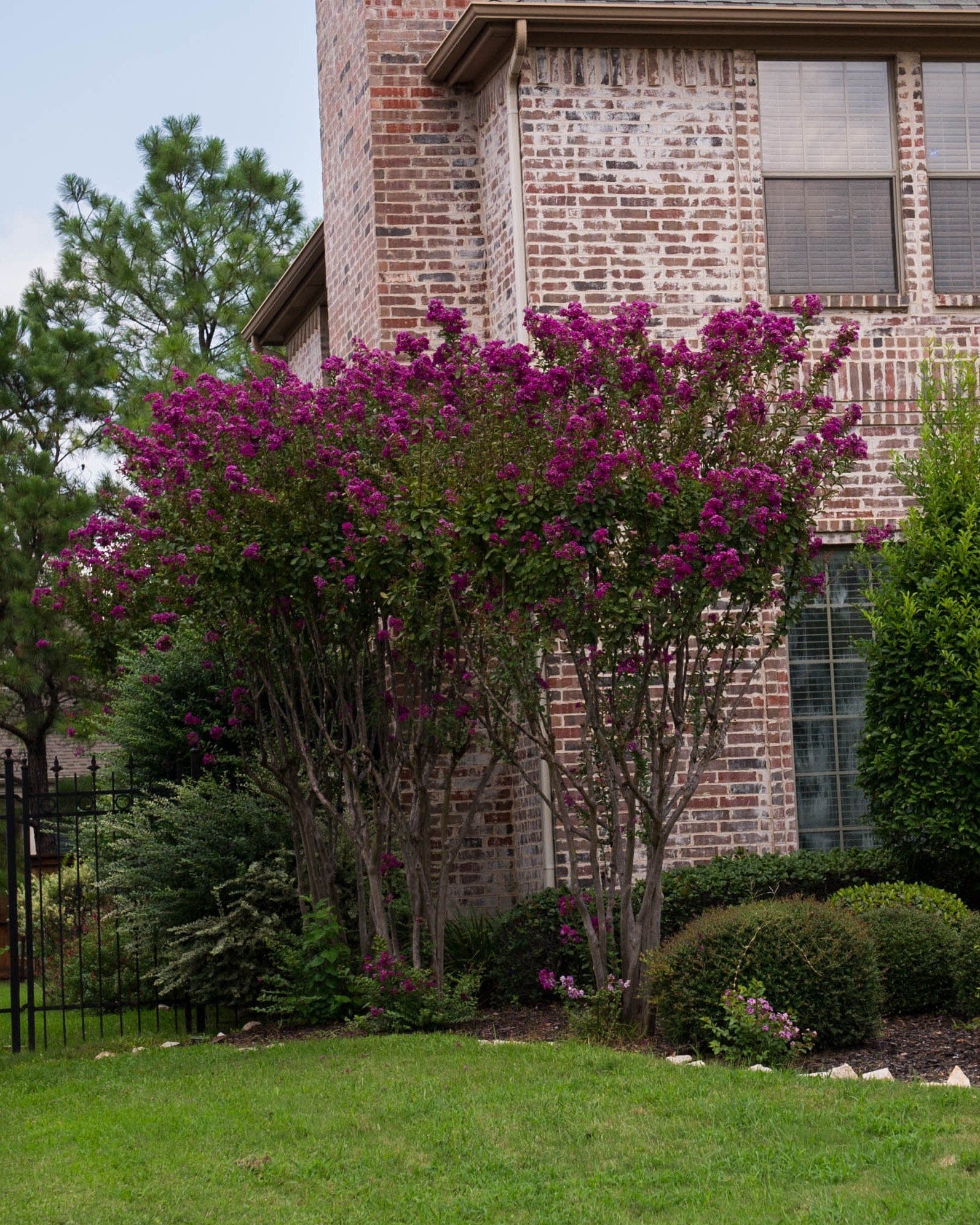
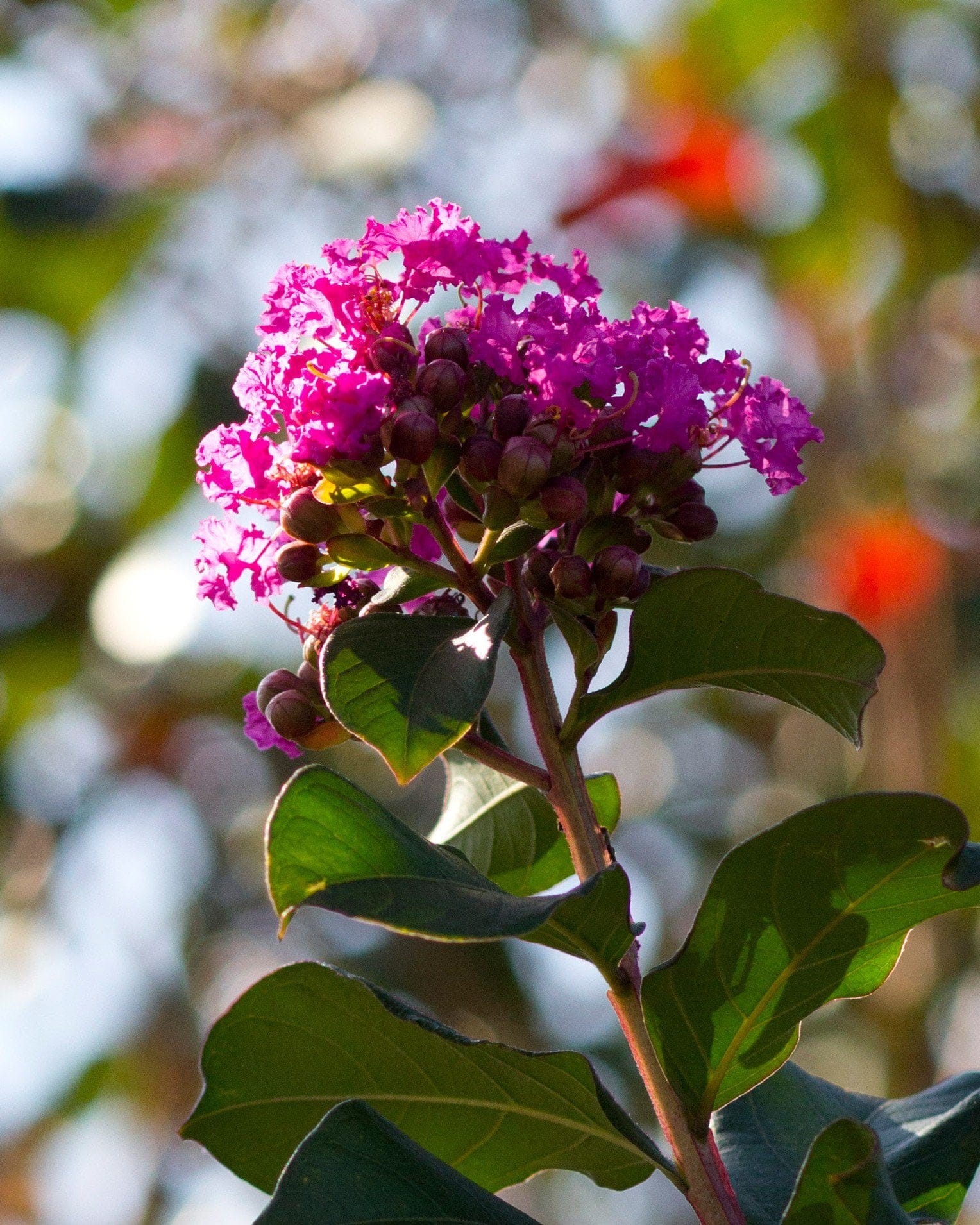
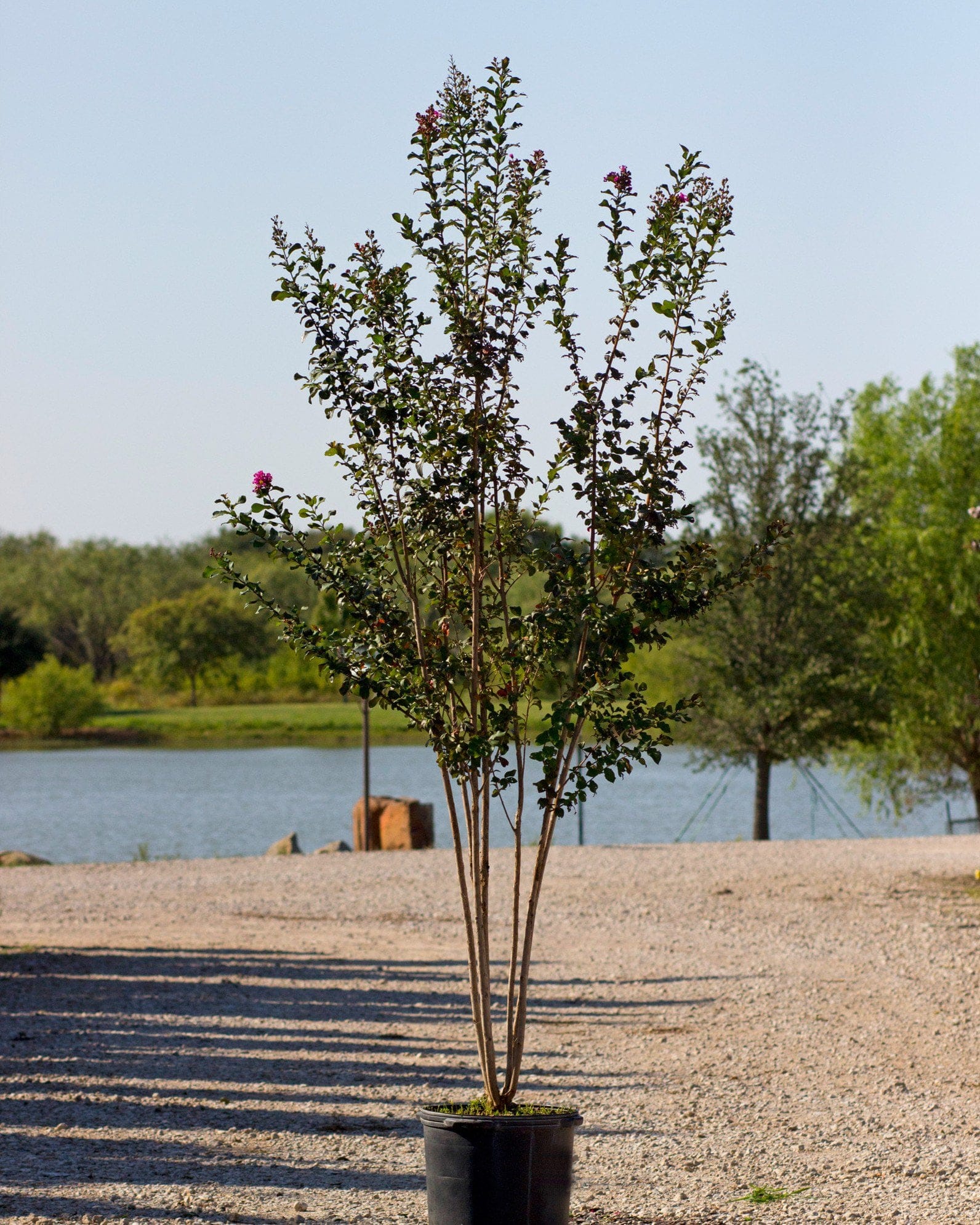
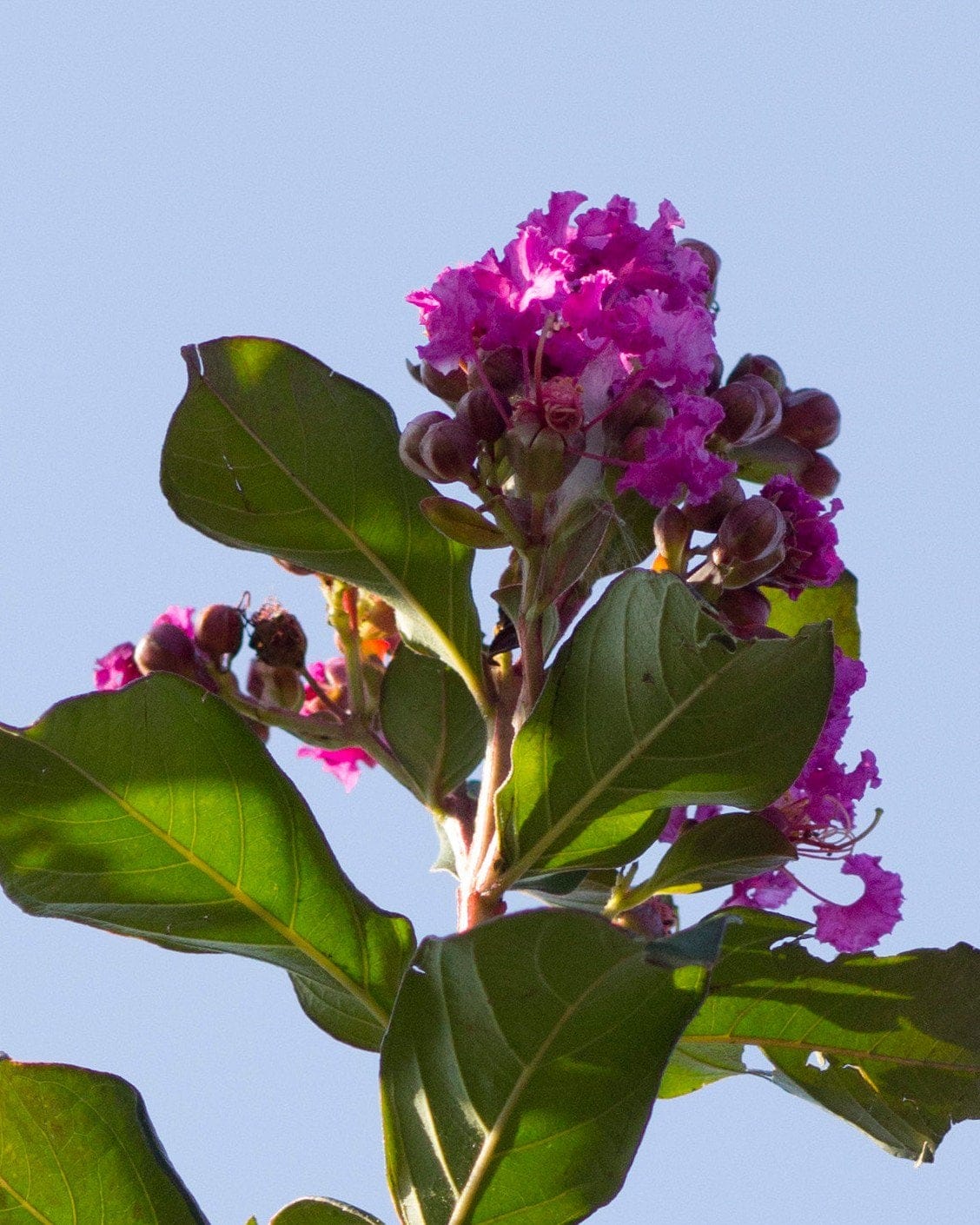
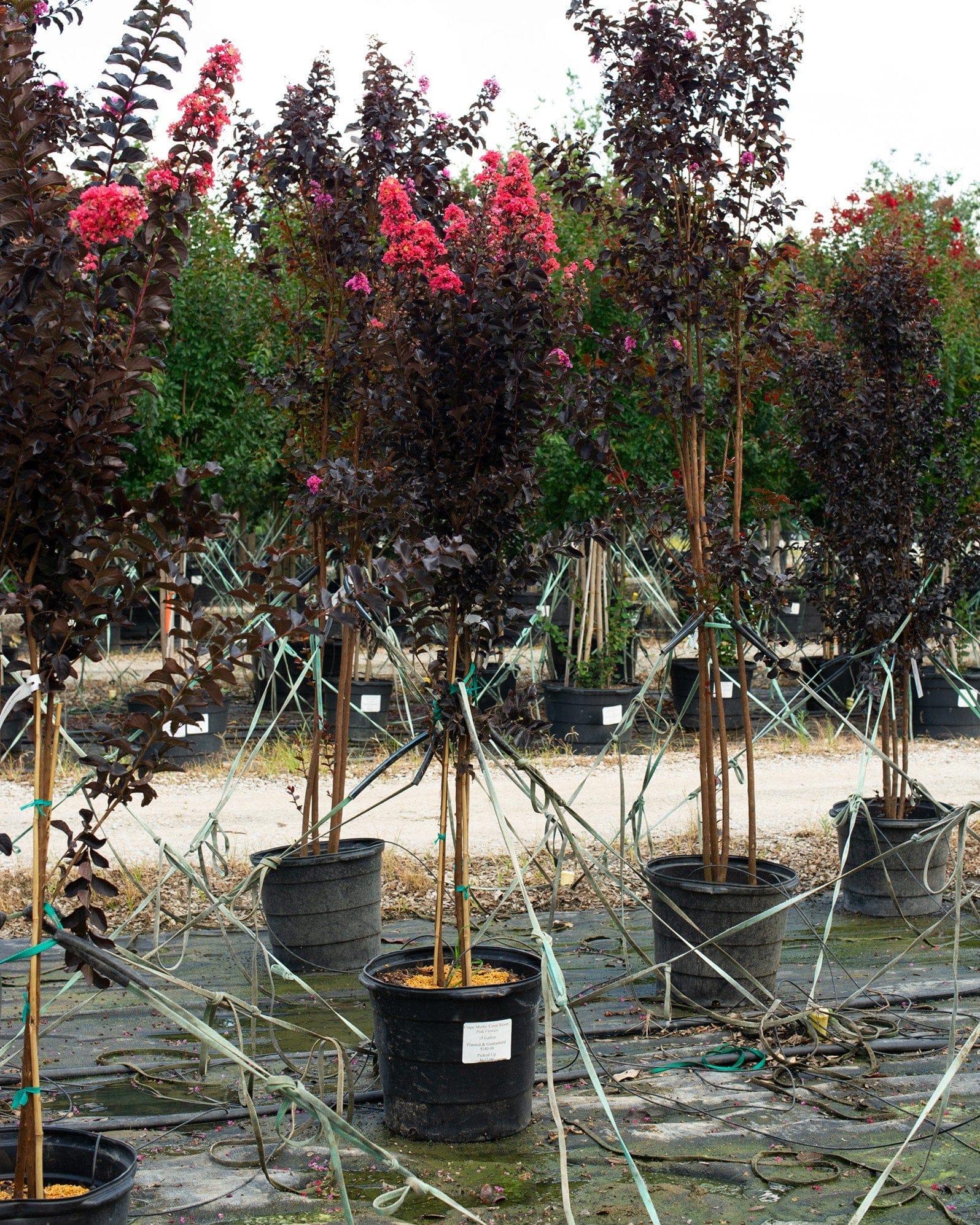
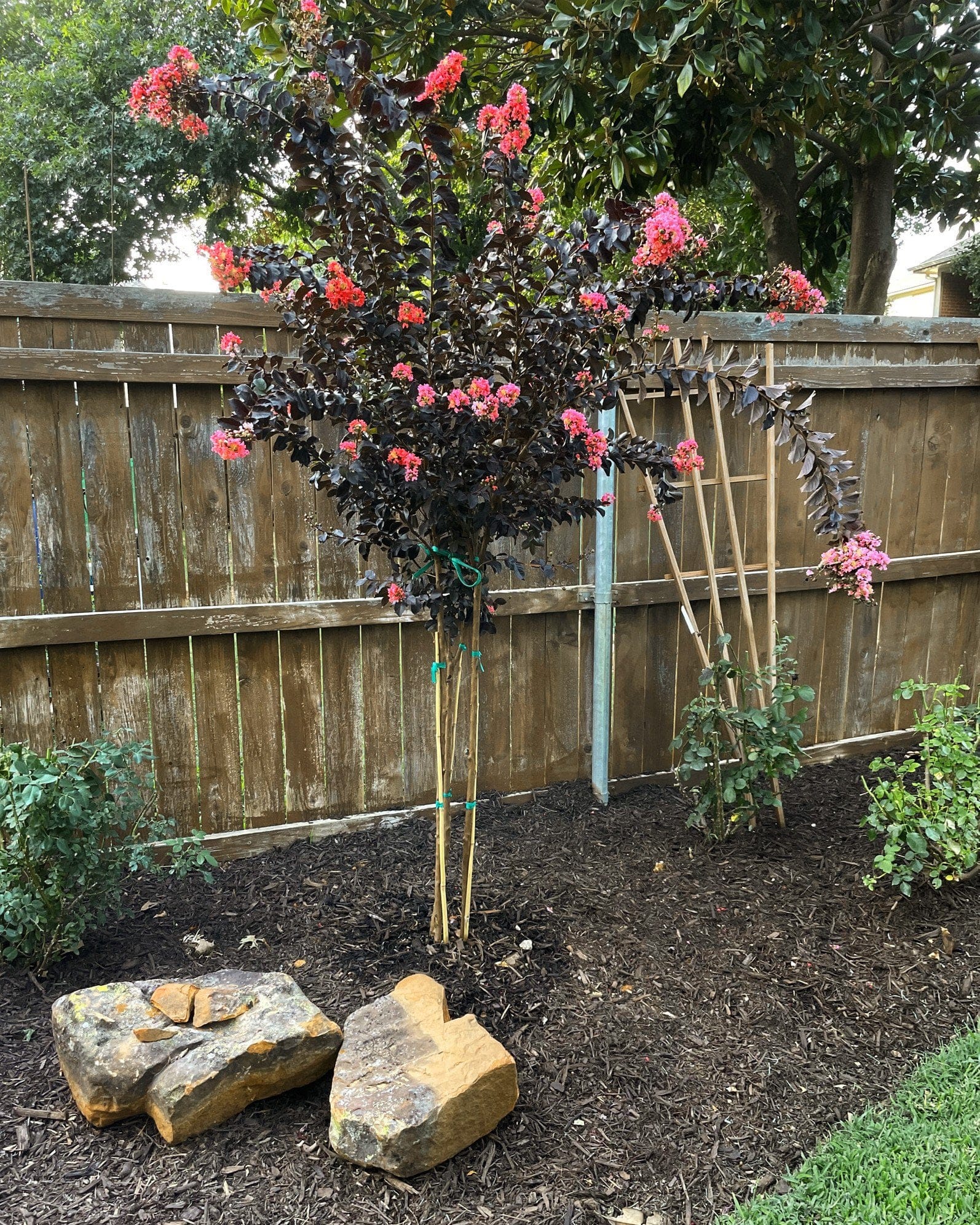
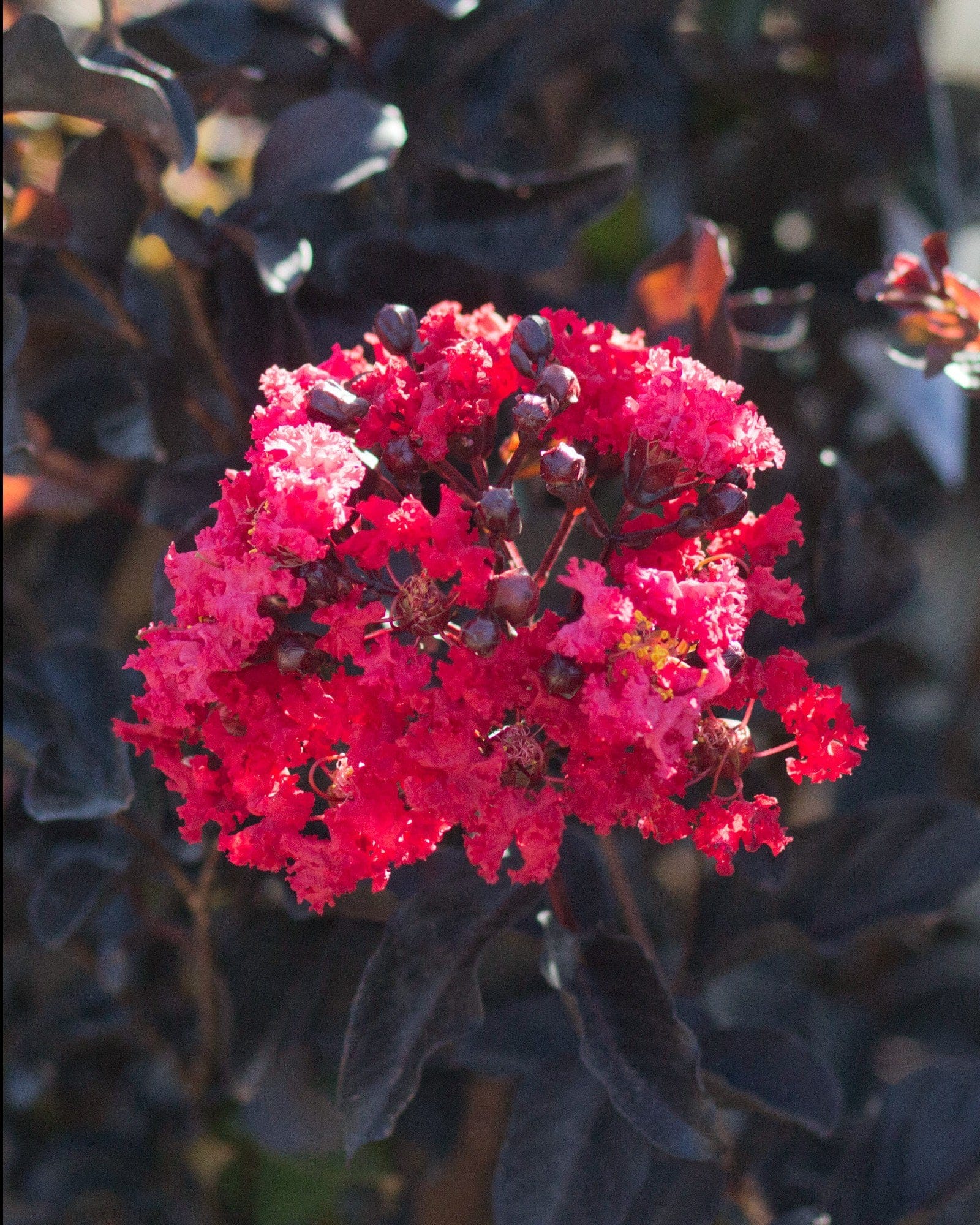
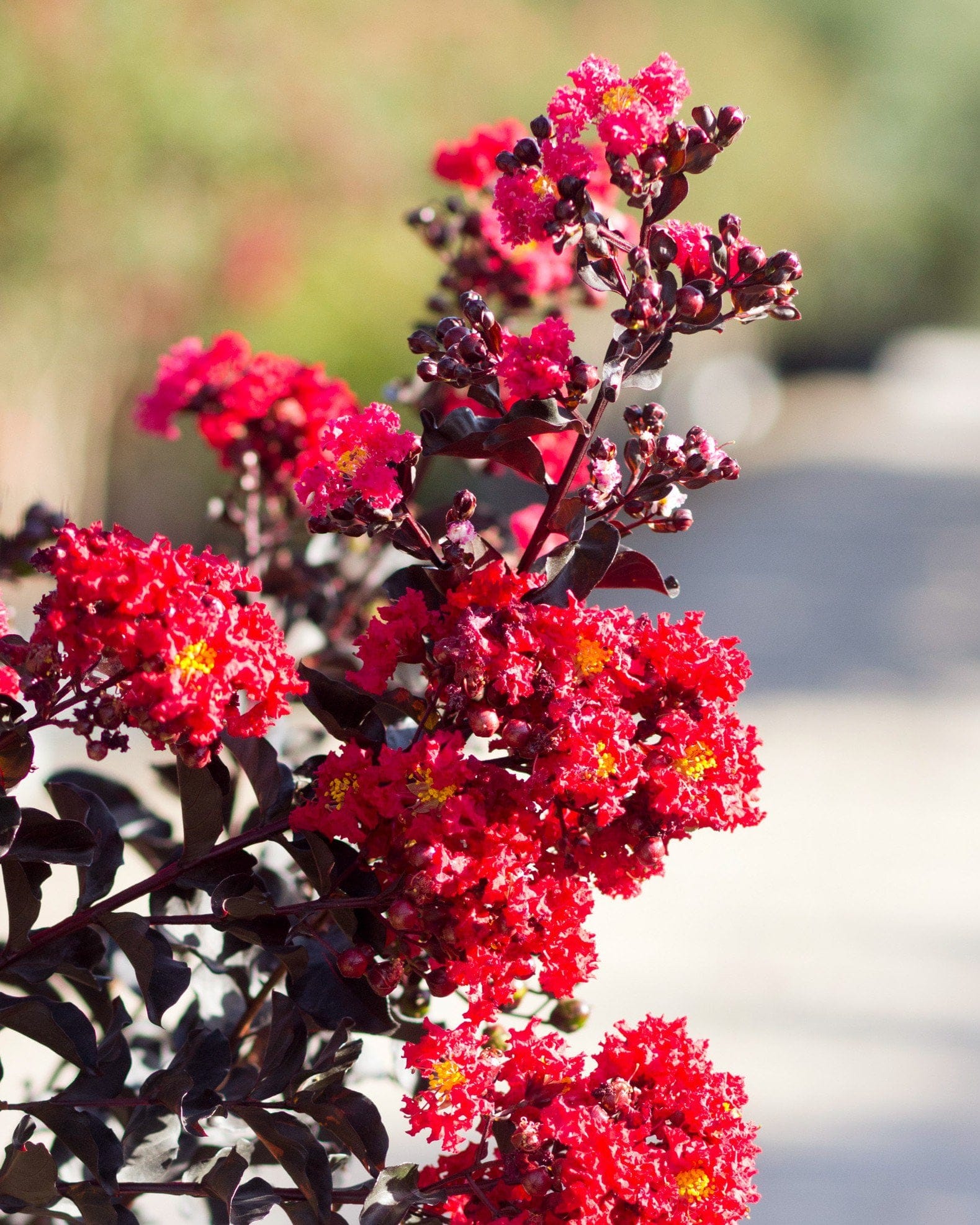
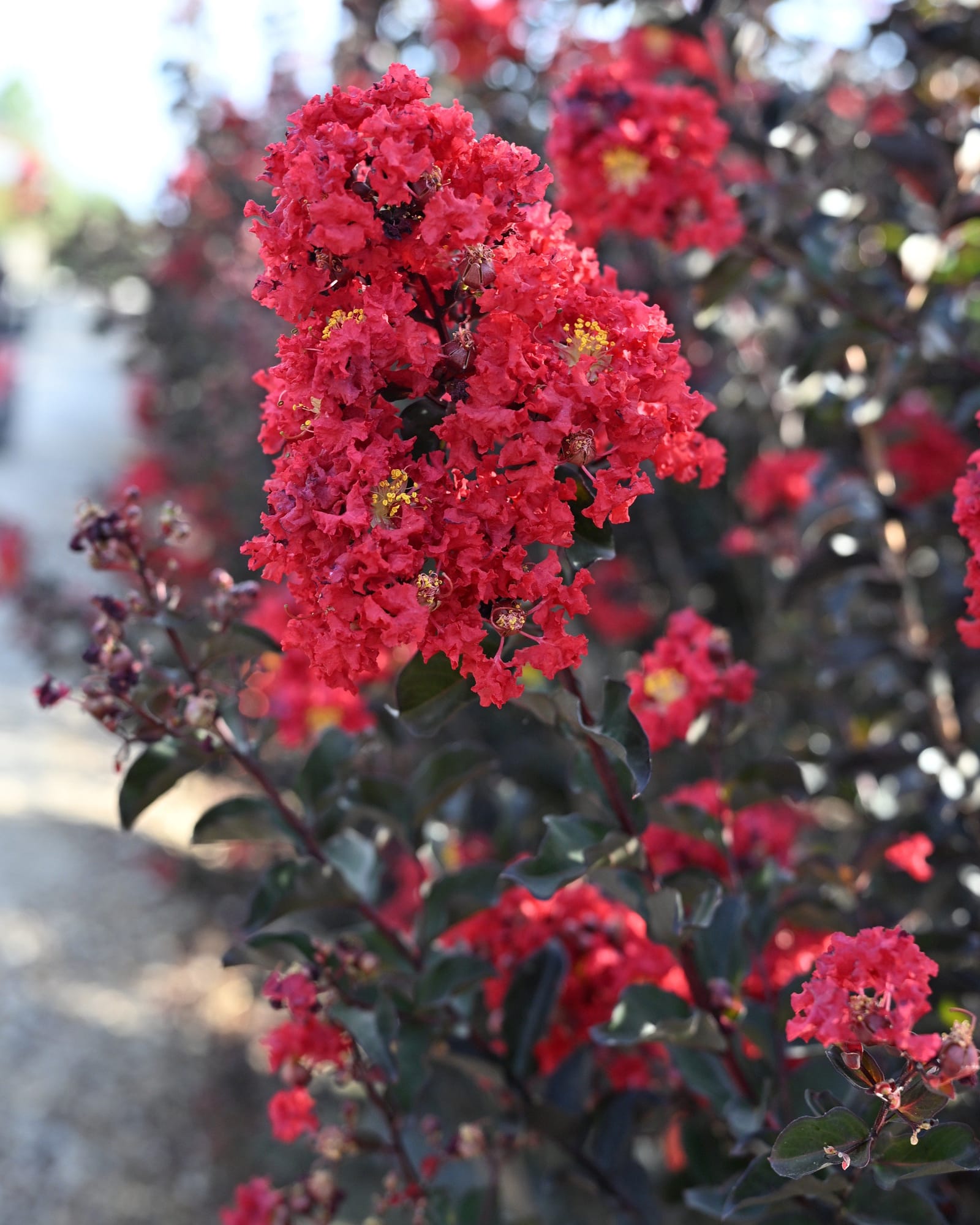
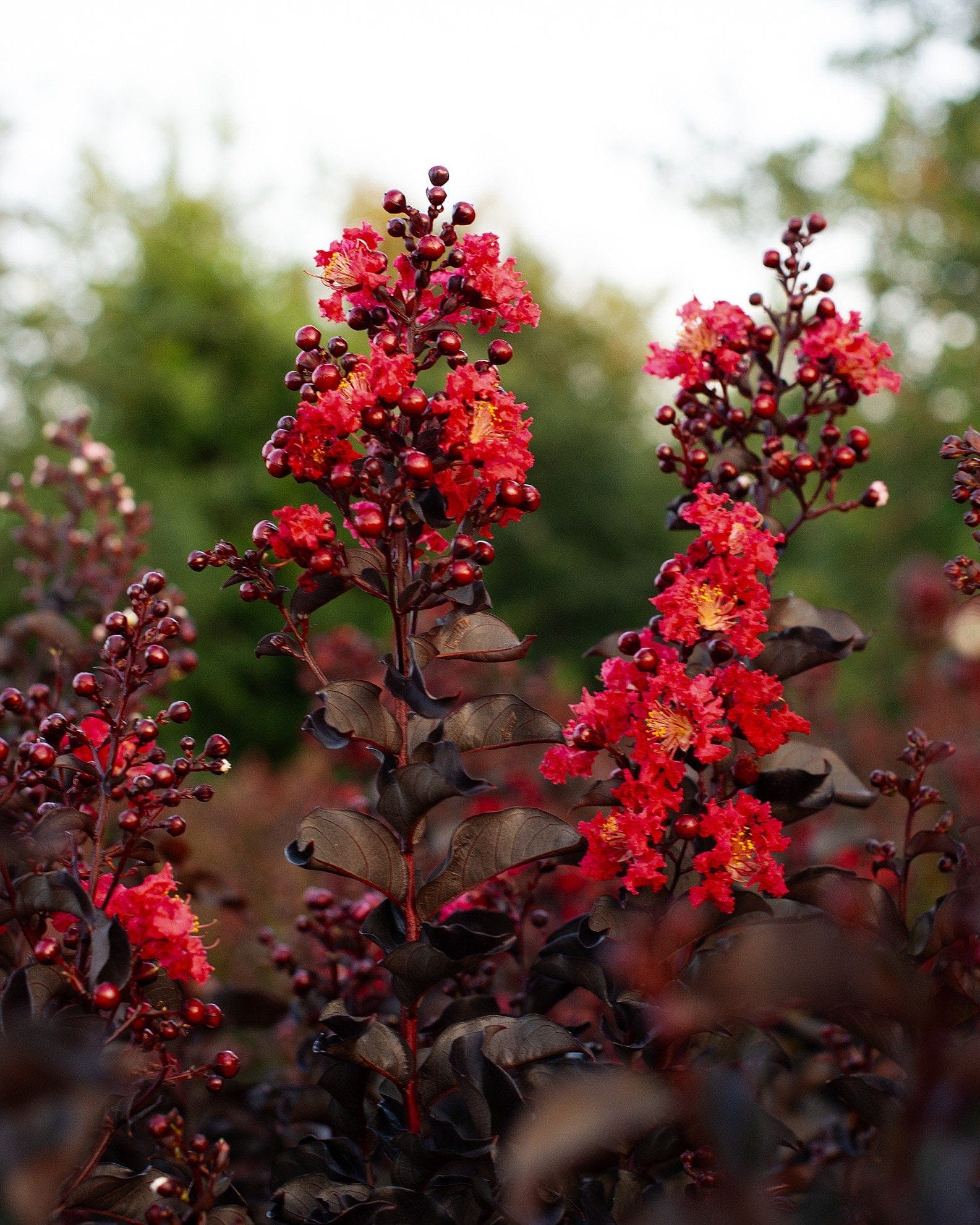
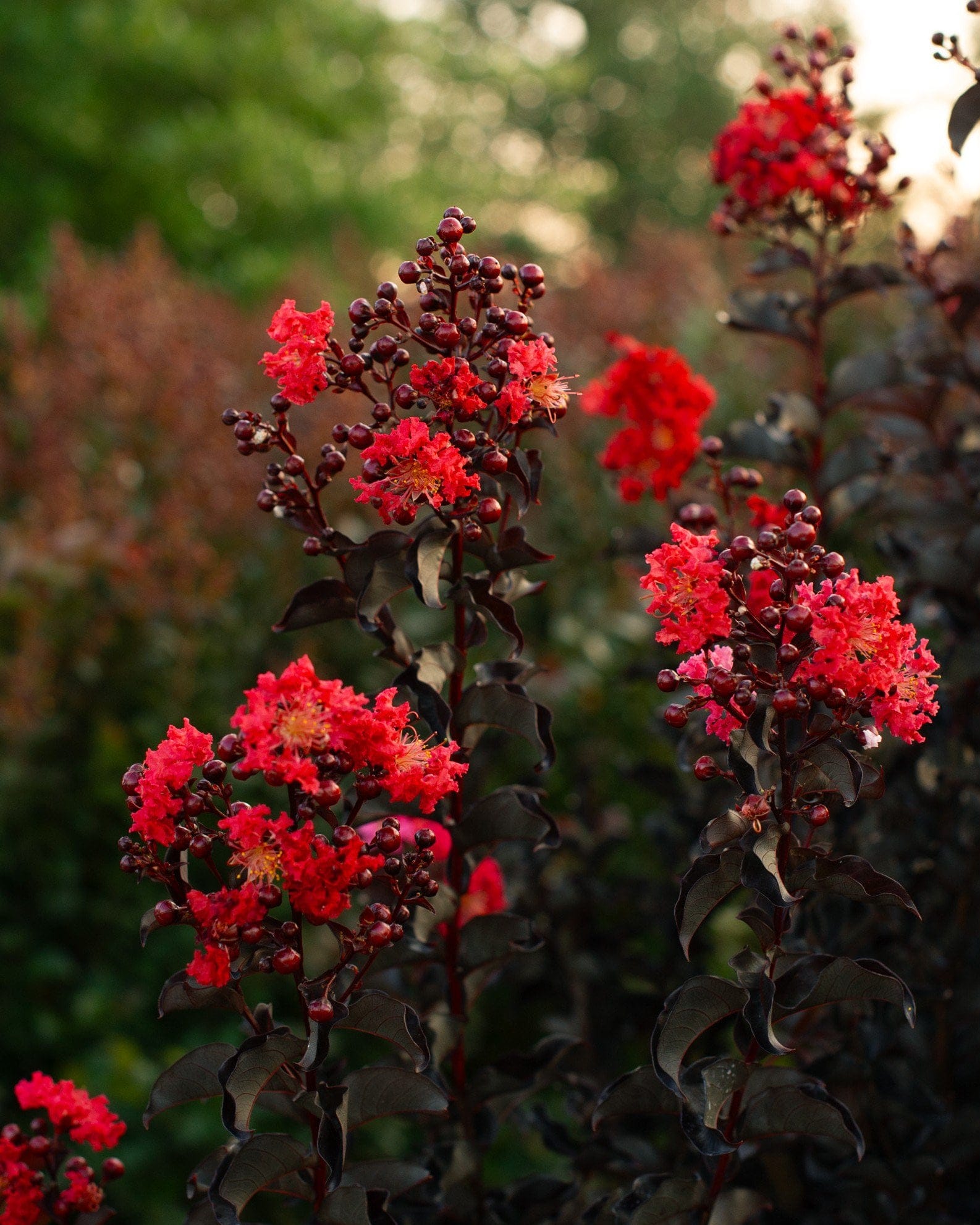
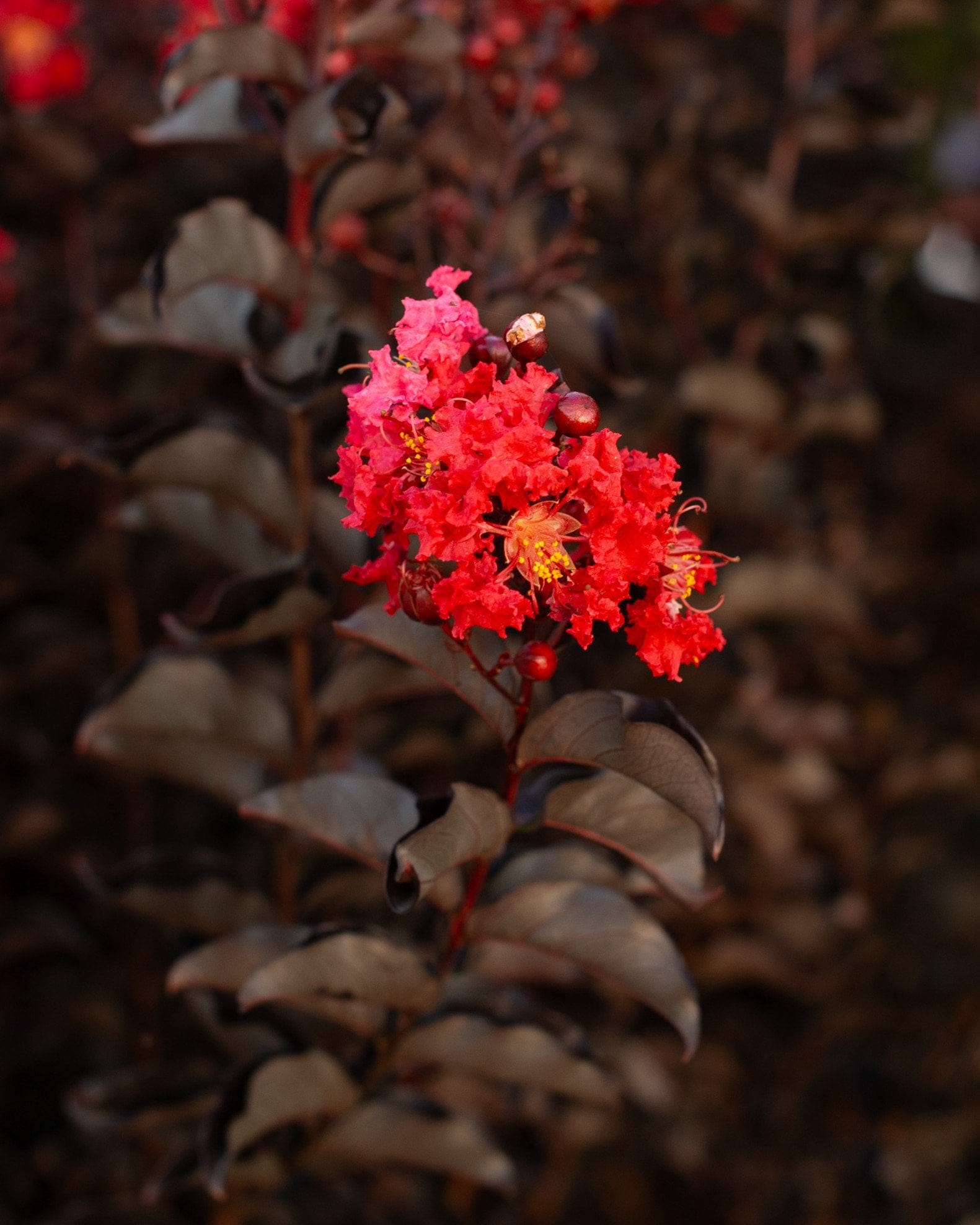
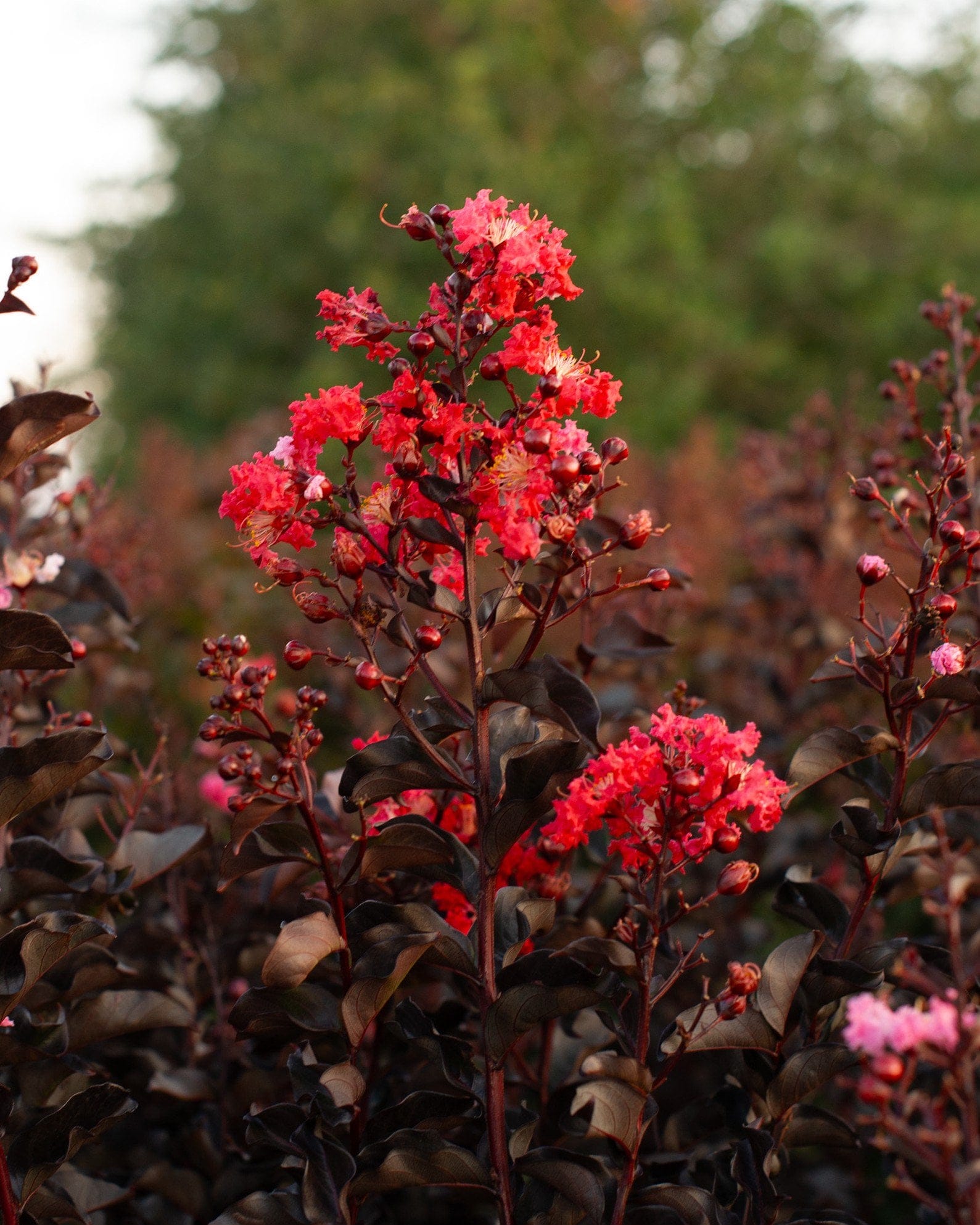
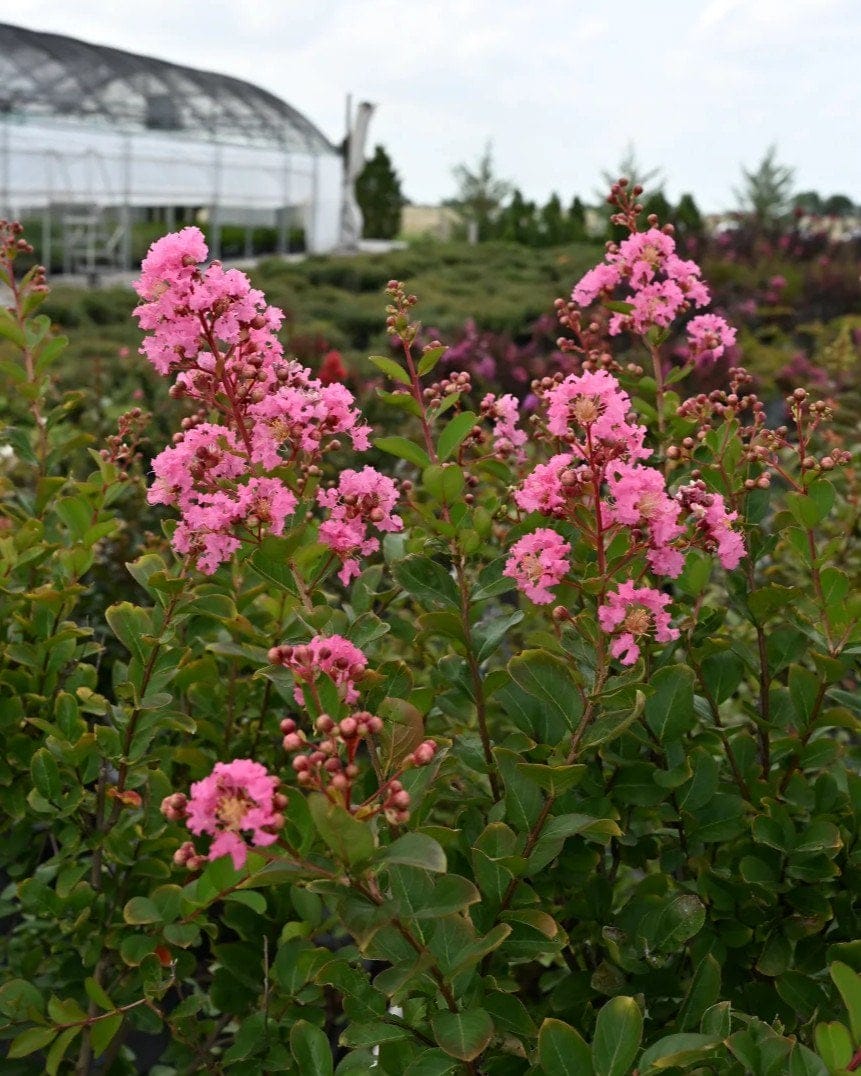
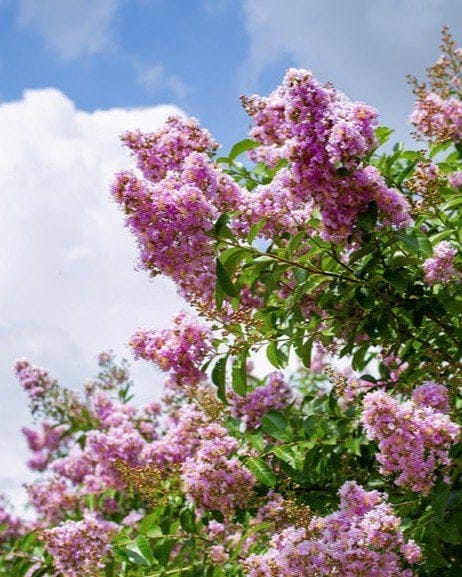
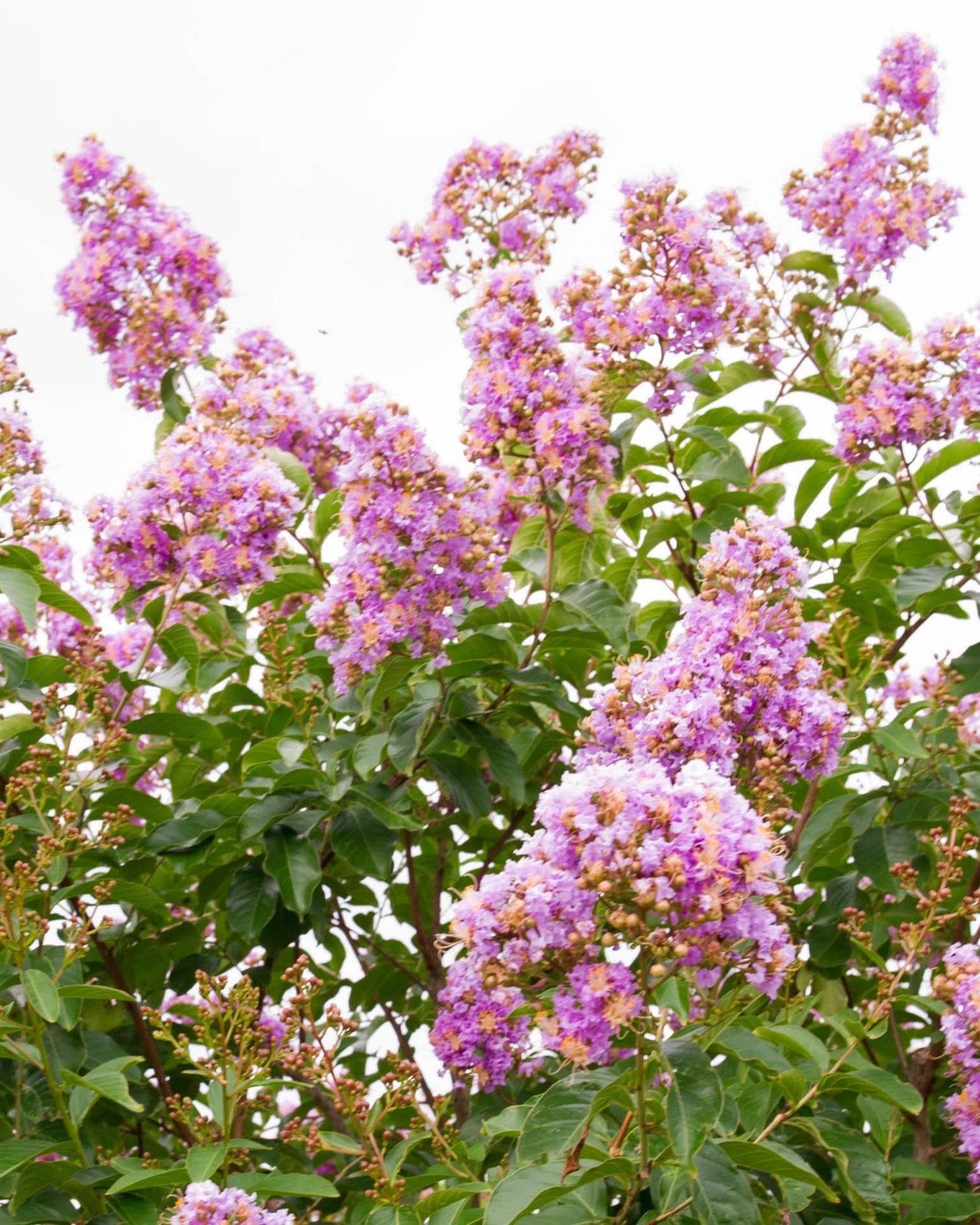
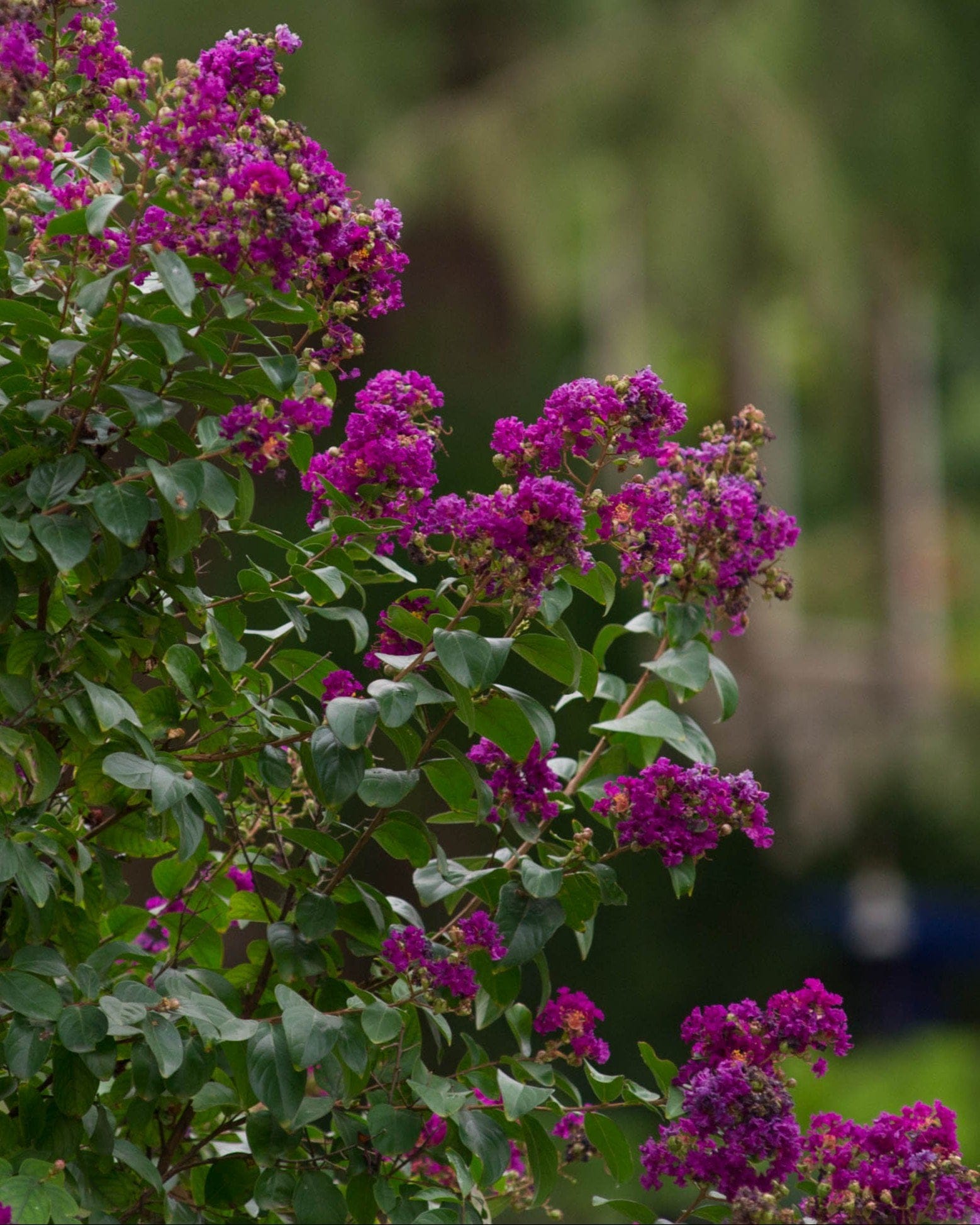
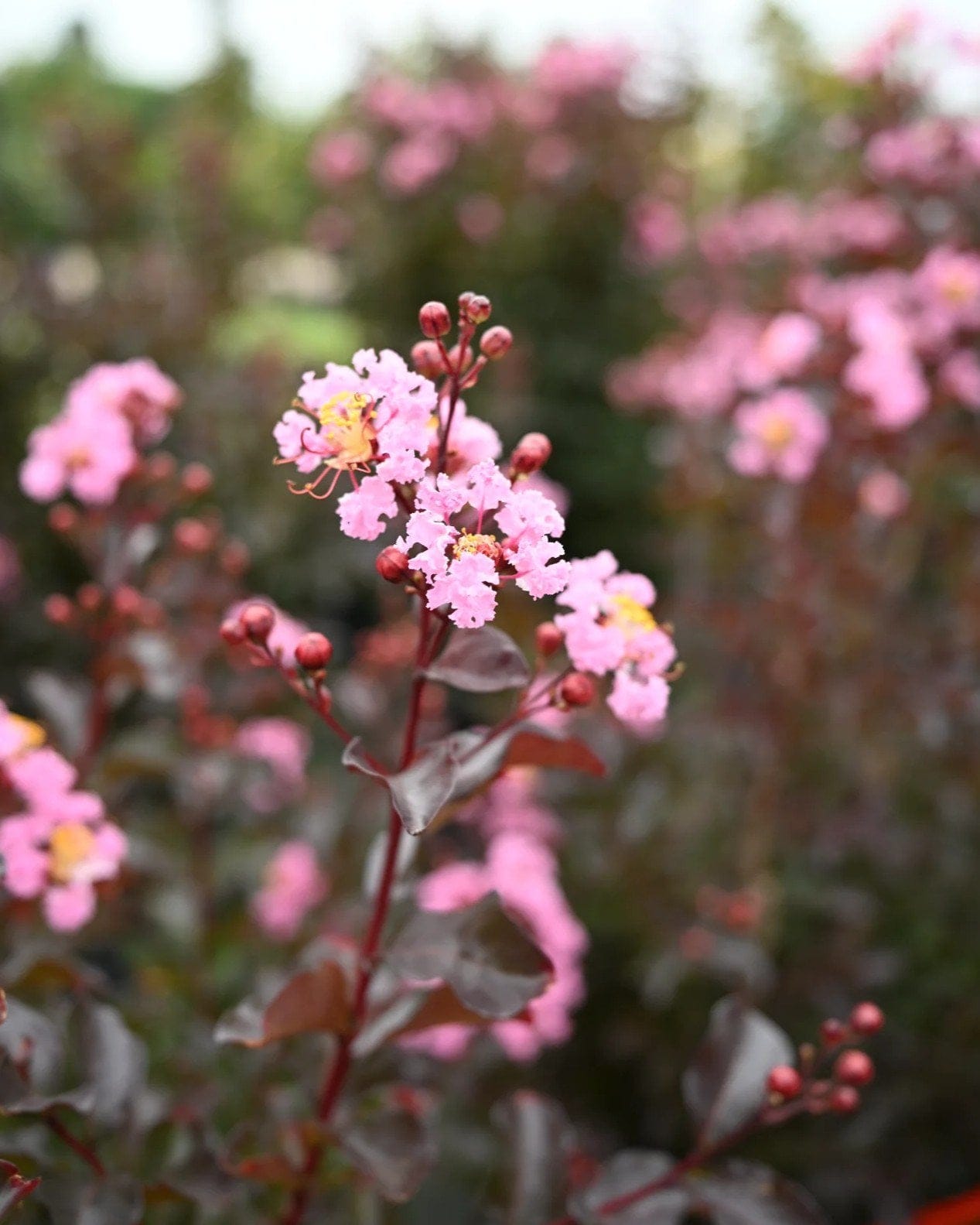
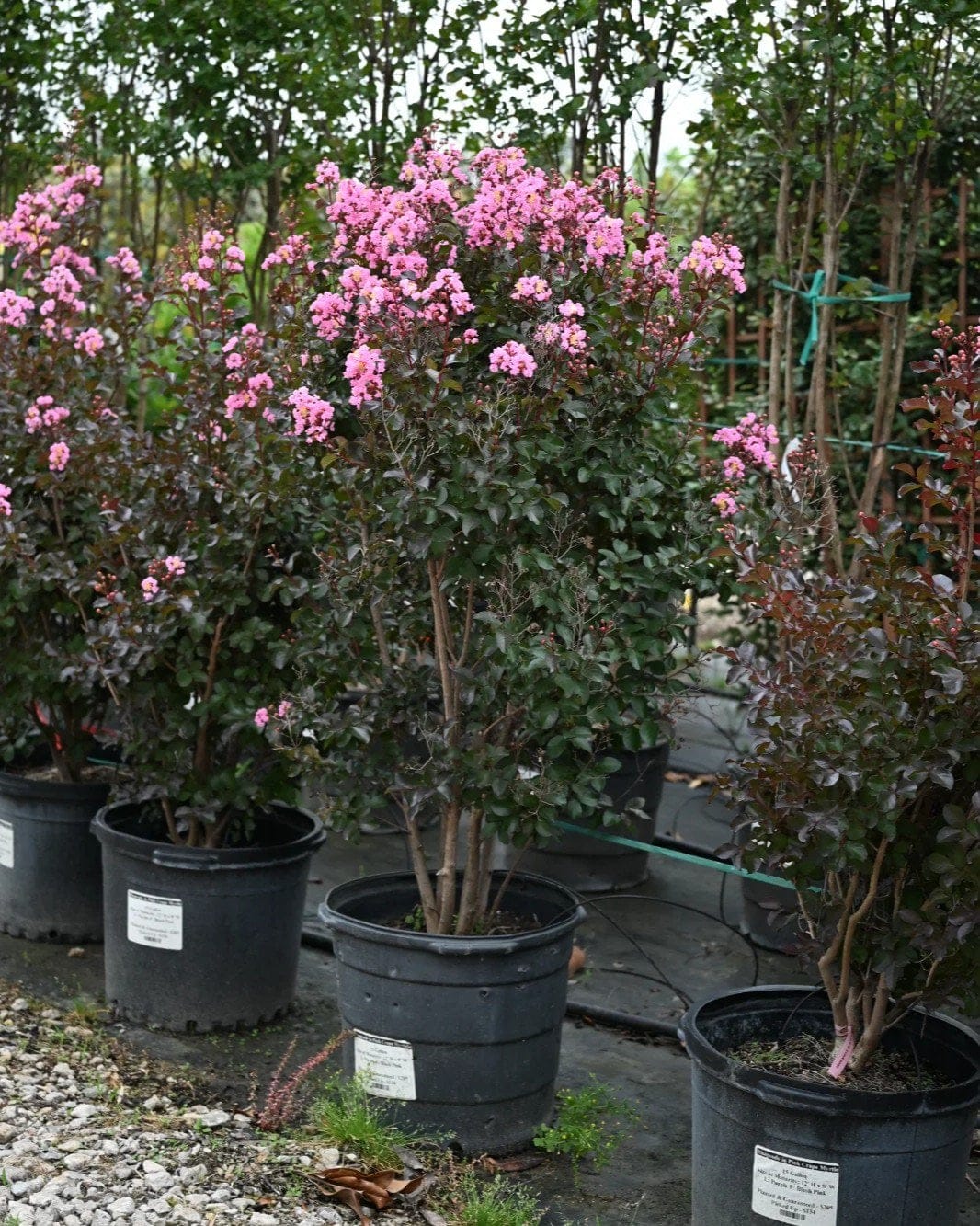
Lagerstroemia x ‘JM8’Lavender Skies Crape Myrtle is a beautiful ornamental tree known for its airy clusters of pinkish-purple flowers that bloom all through the summer. With its upright growth habit and graceful canopy, it adds softness and color to any warm-climate landscape. This tree grows up to be 20 feet in height and 12 in width at maturity. In autumn, its green foliage transitions to subtle golden tones, offering multi-season appeal. It makes a lovely addition to perennial beds, driveway borders, or as a standalone ornamental tree
- Deciduous flowering tree
- Fast growth rate with upright, rounded form
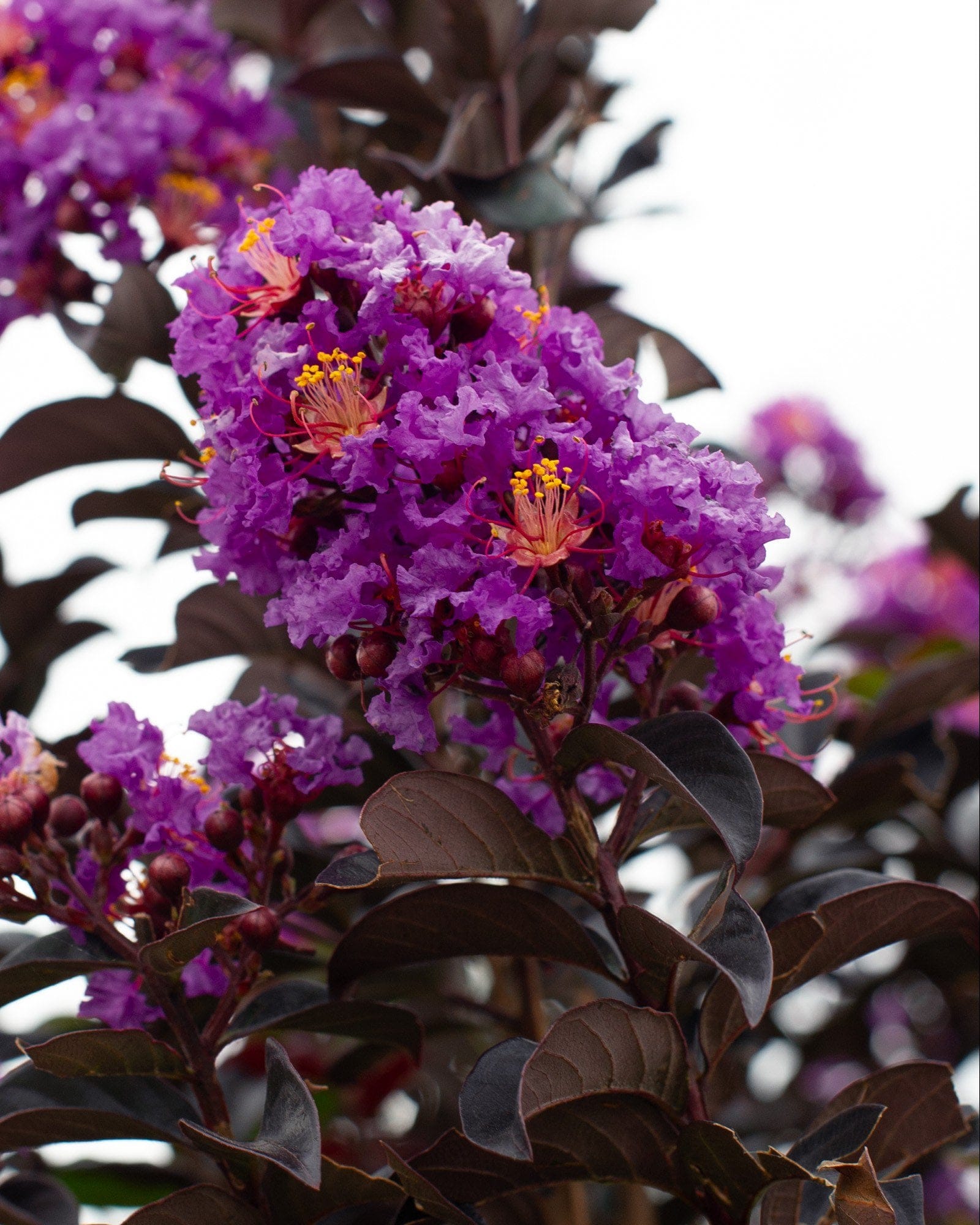
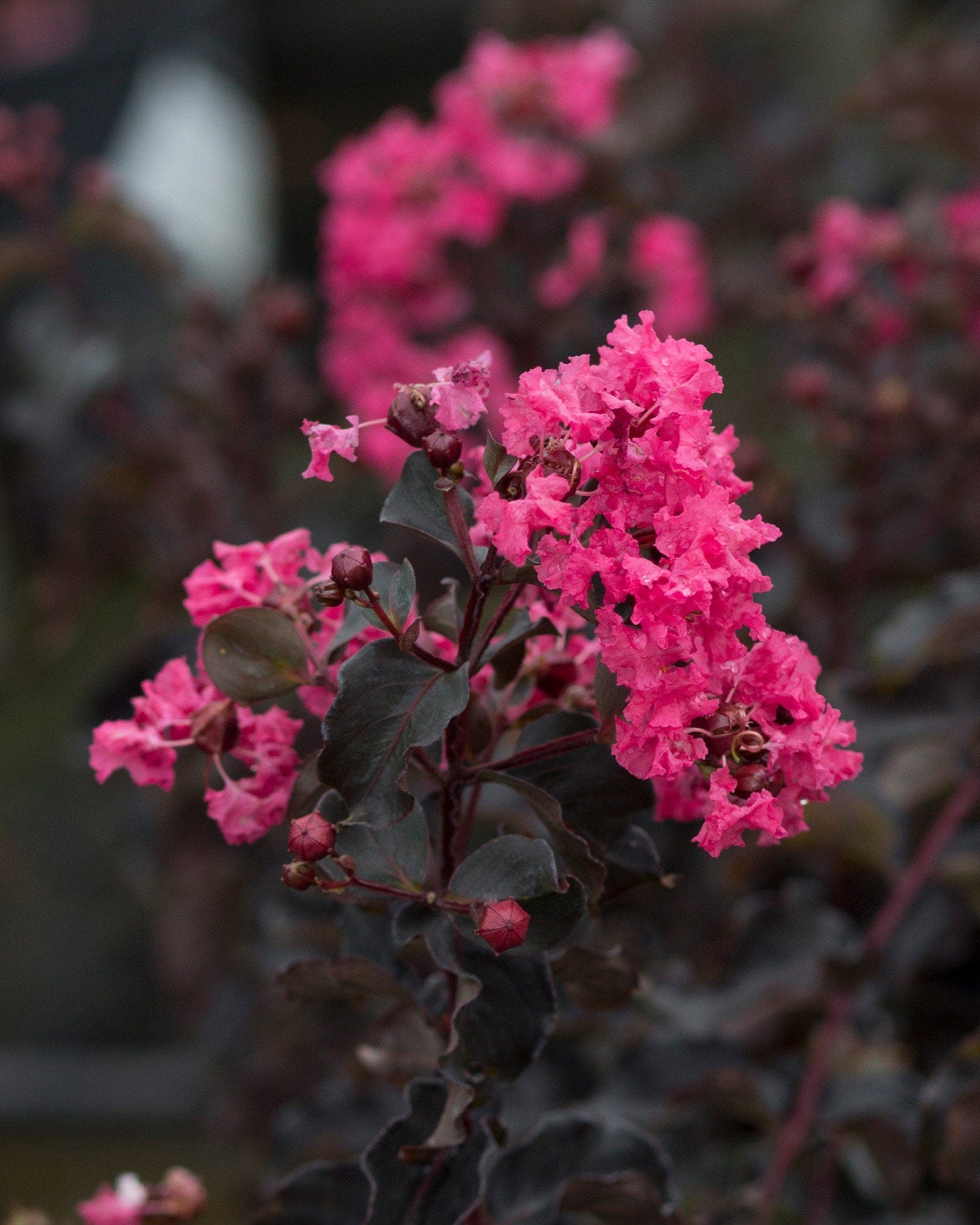
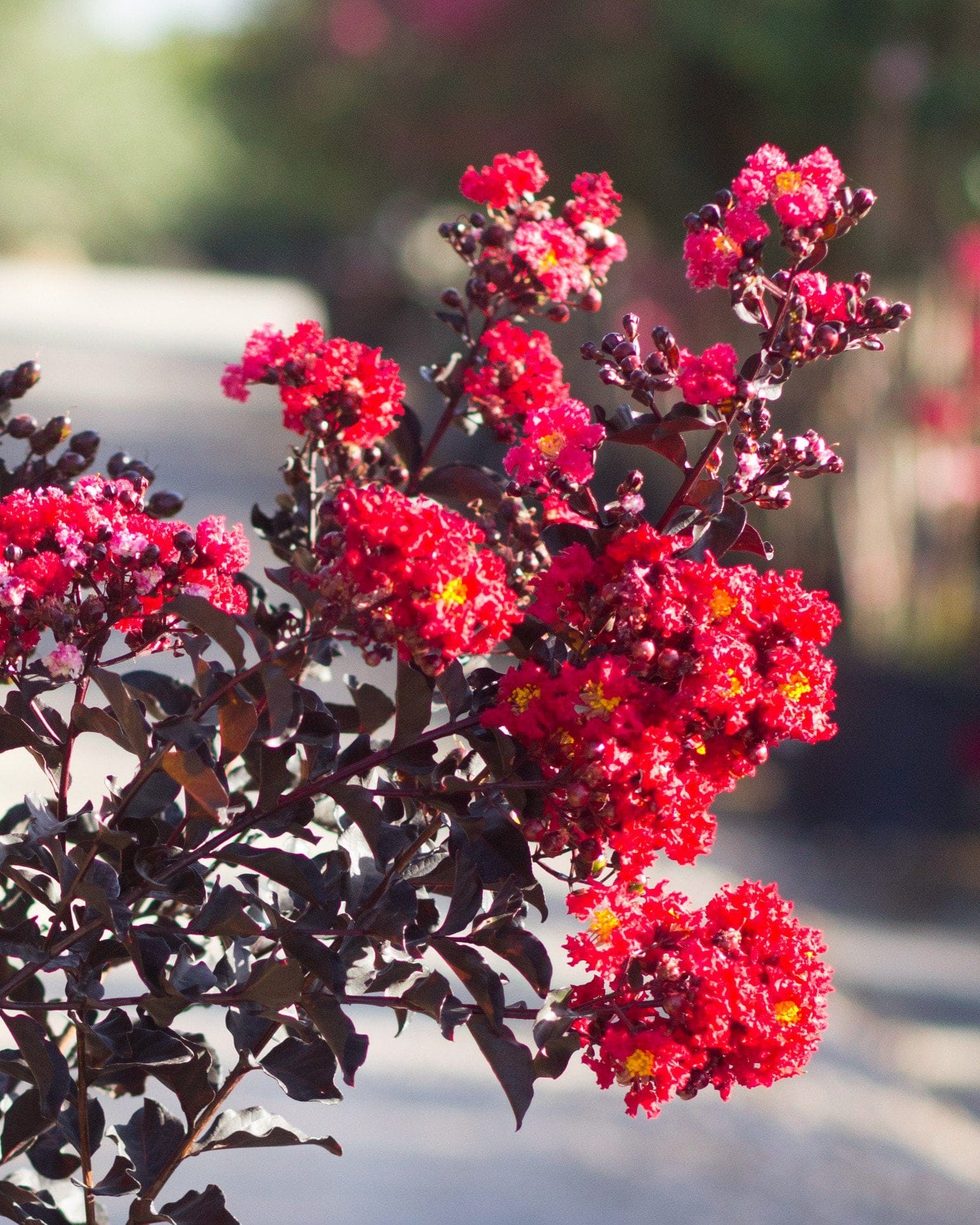
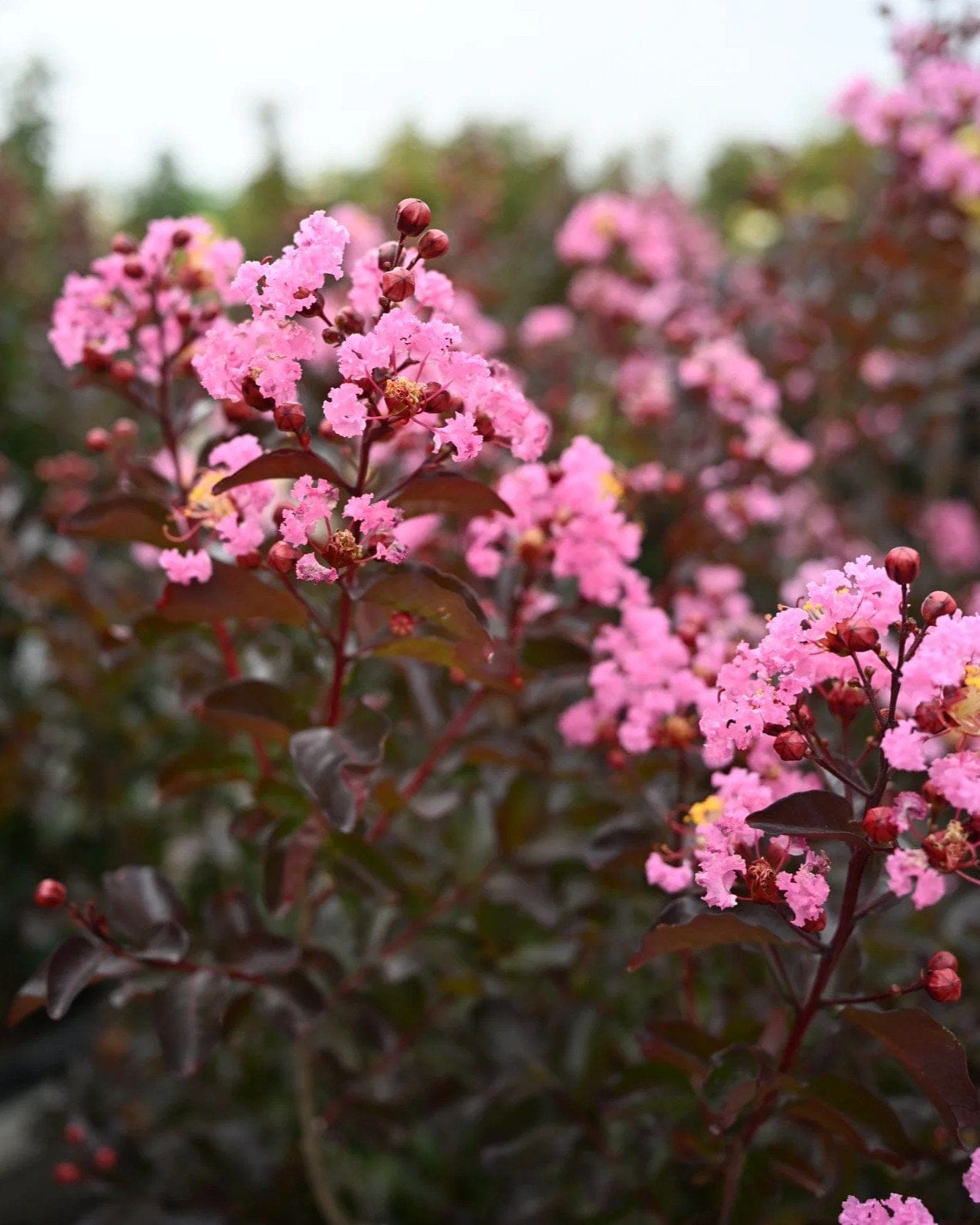
- Pinkish-purple flower clusters all throughout summer
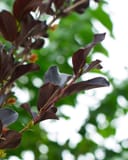
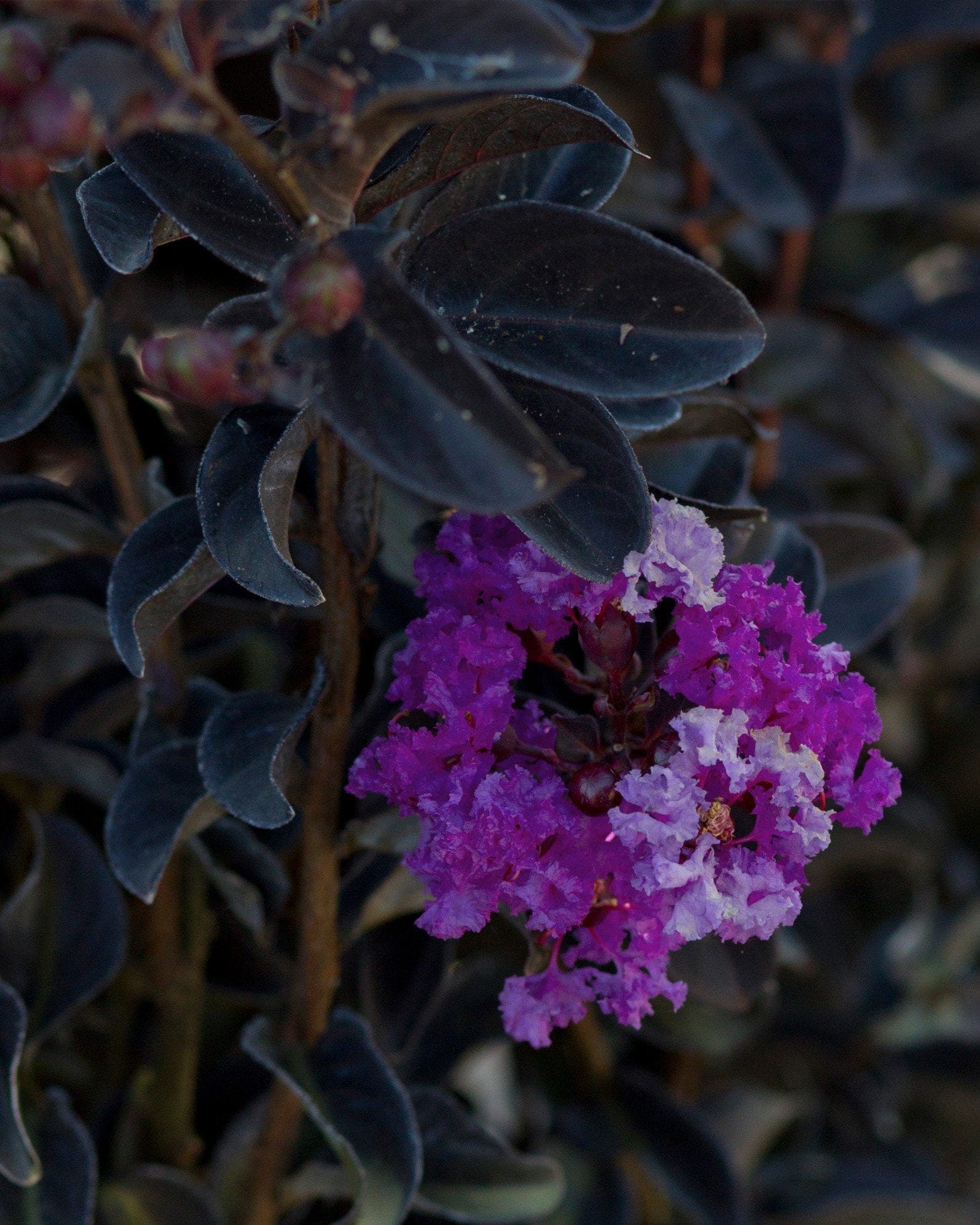
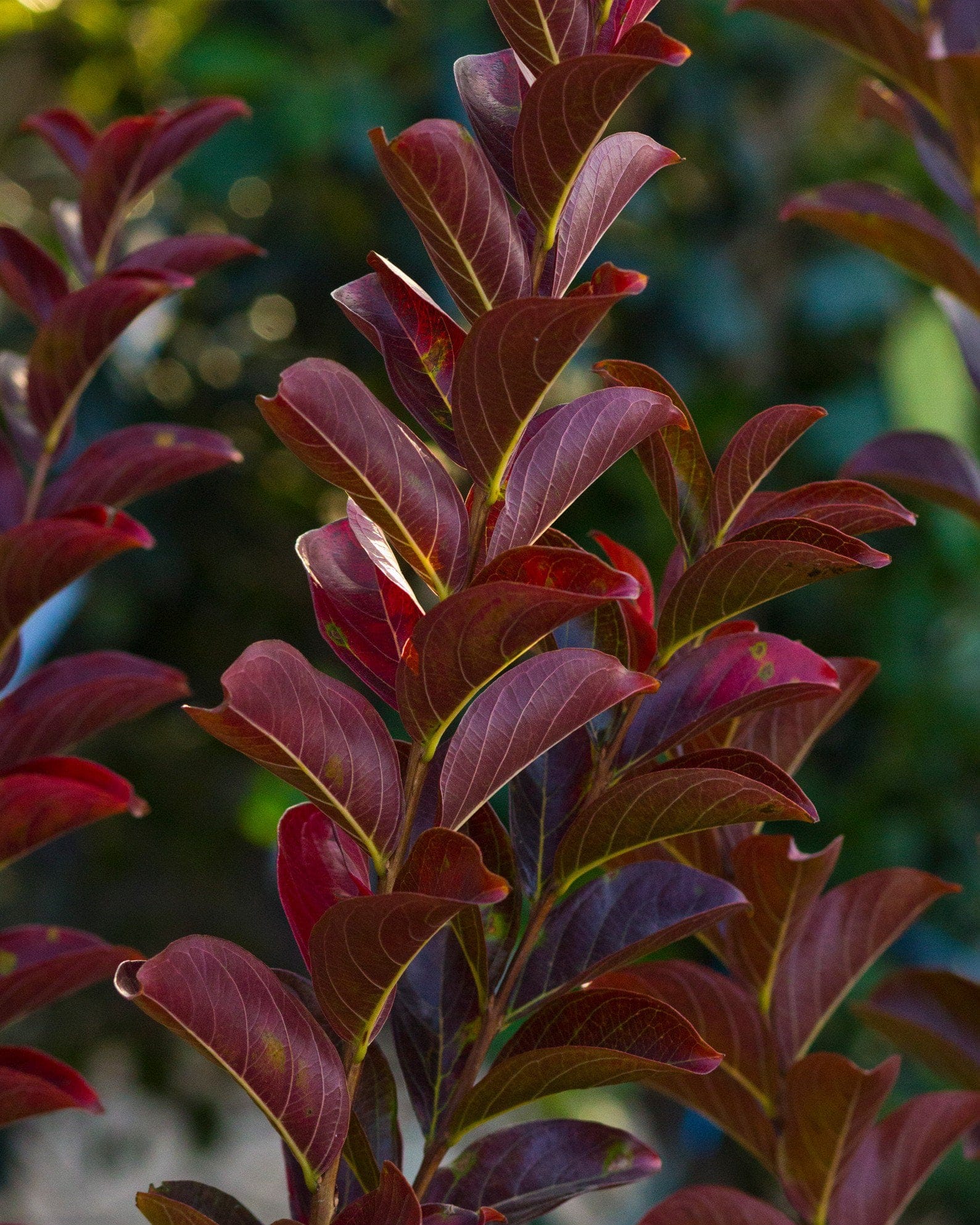
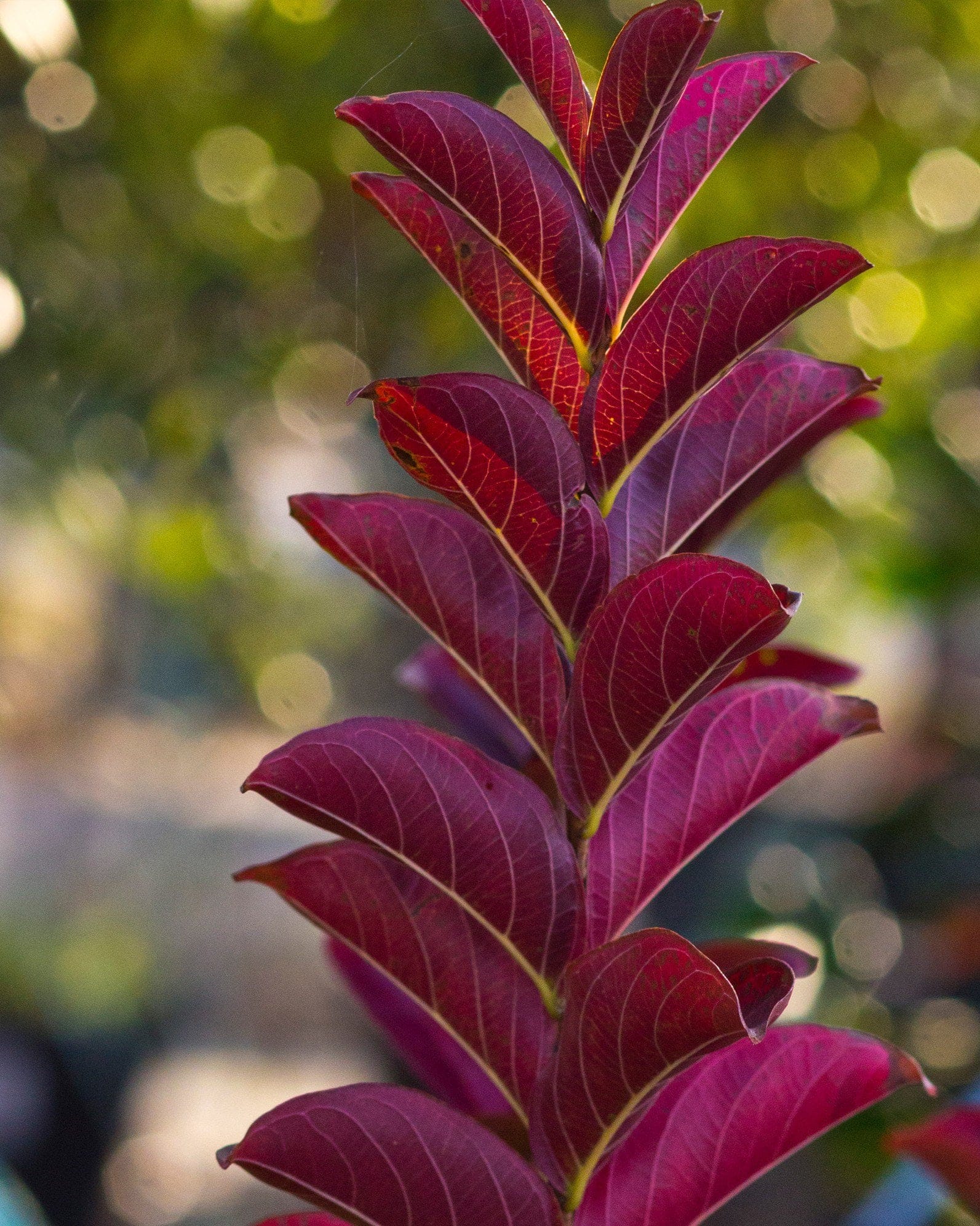
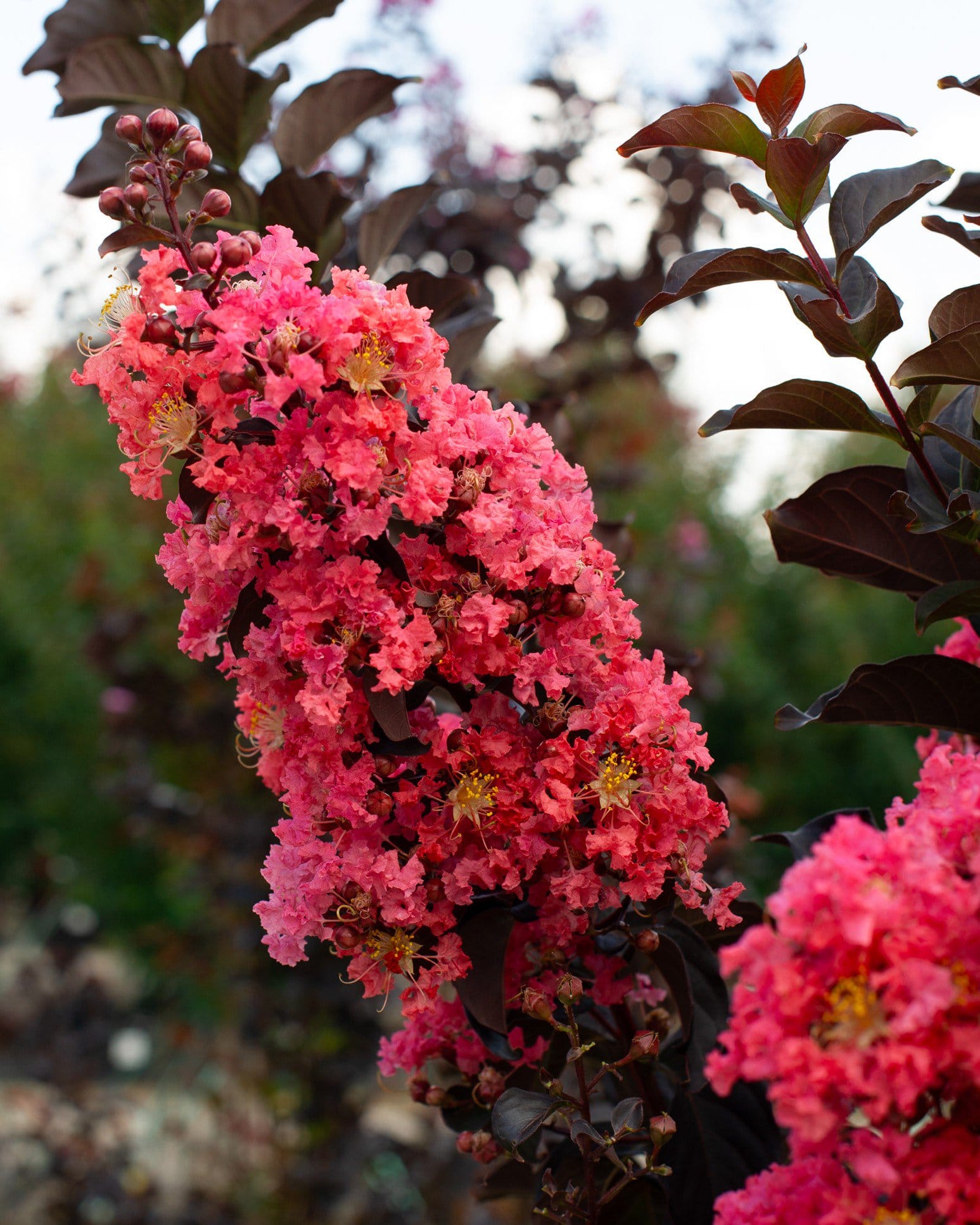
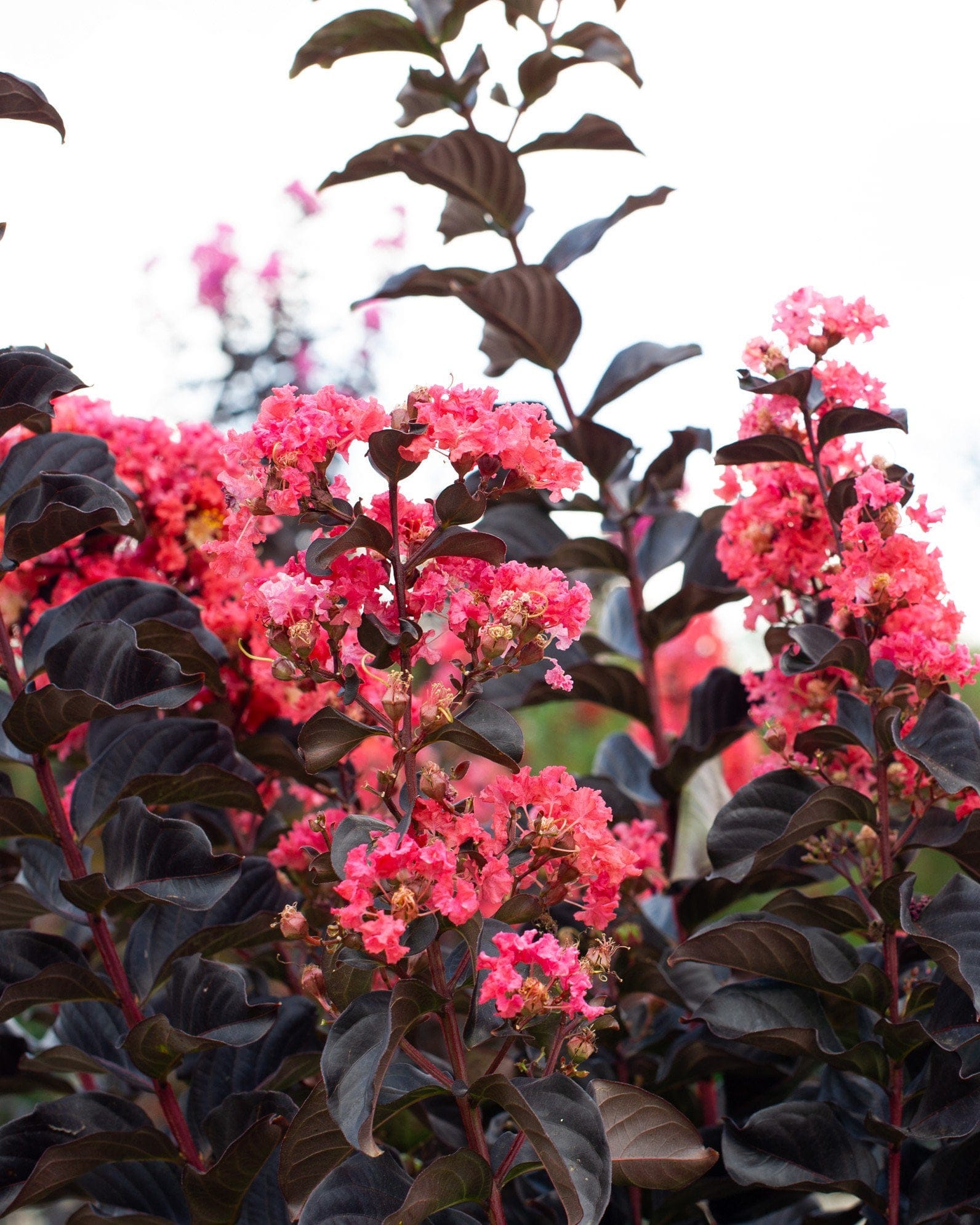
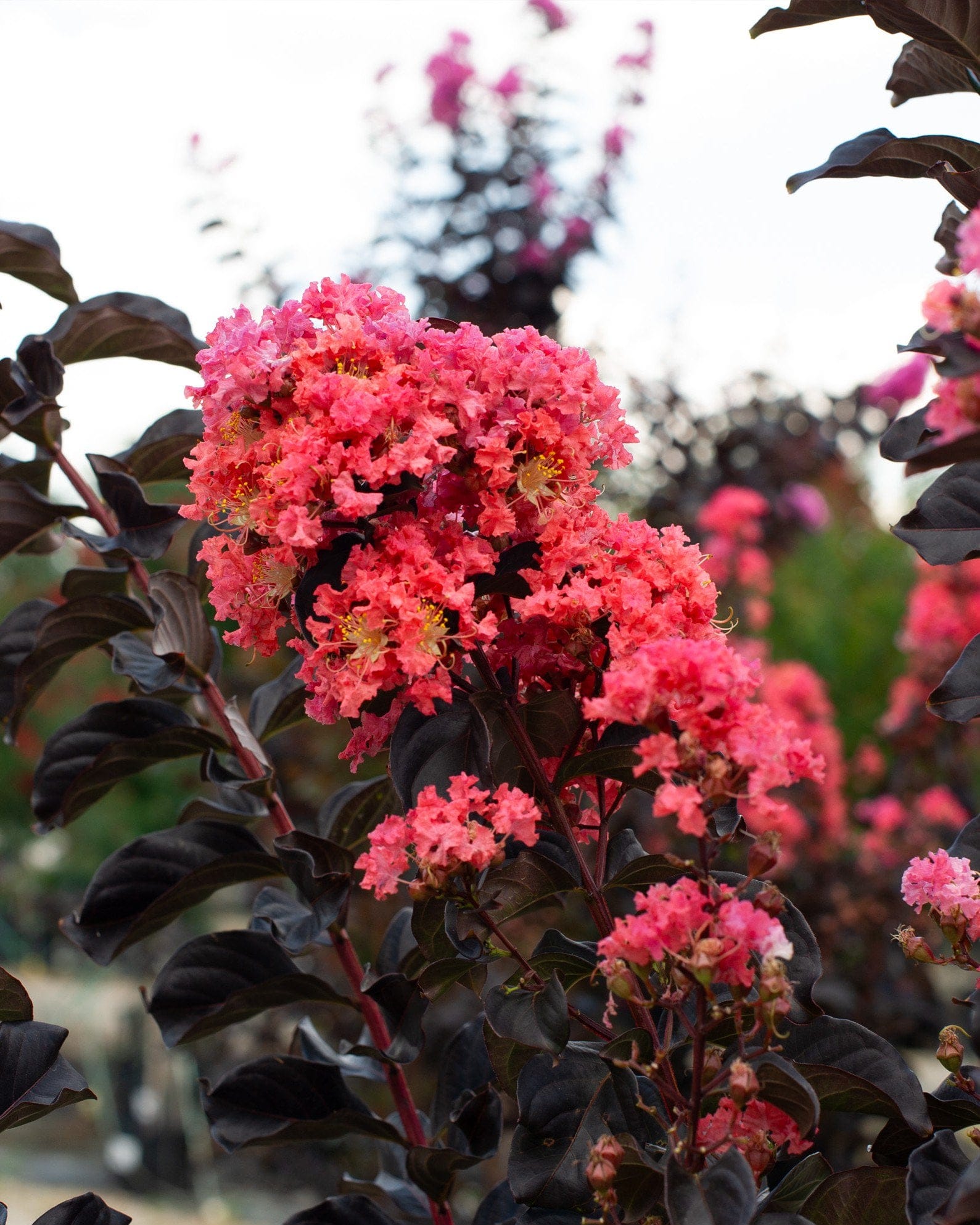
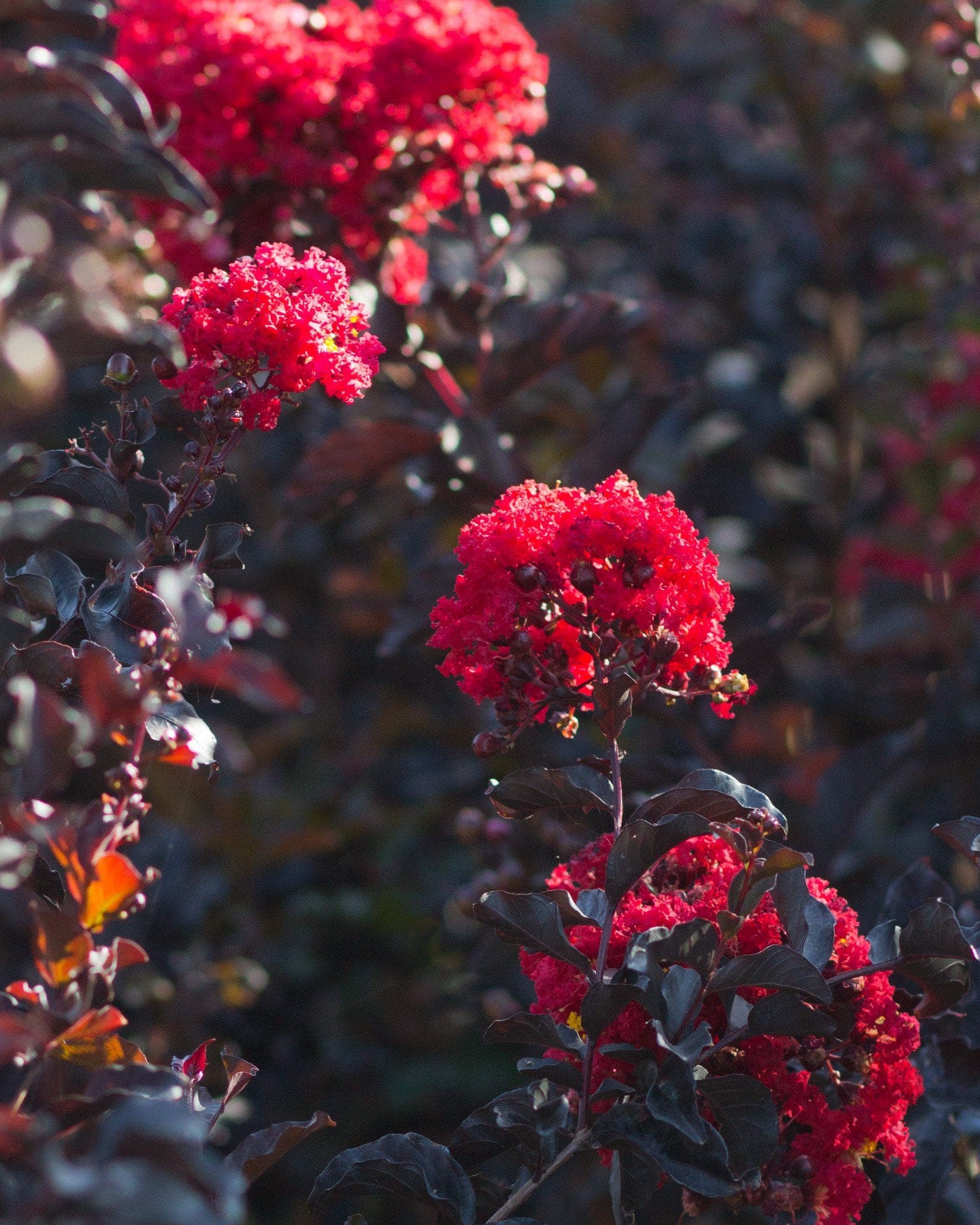
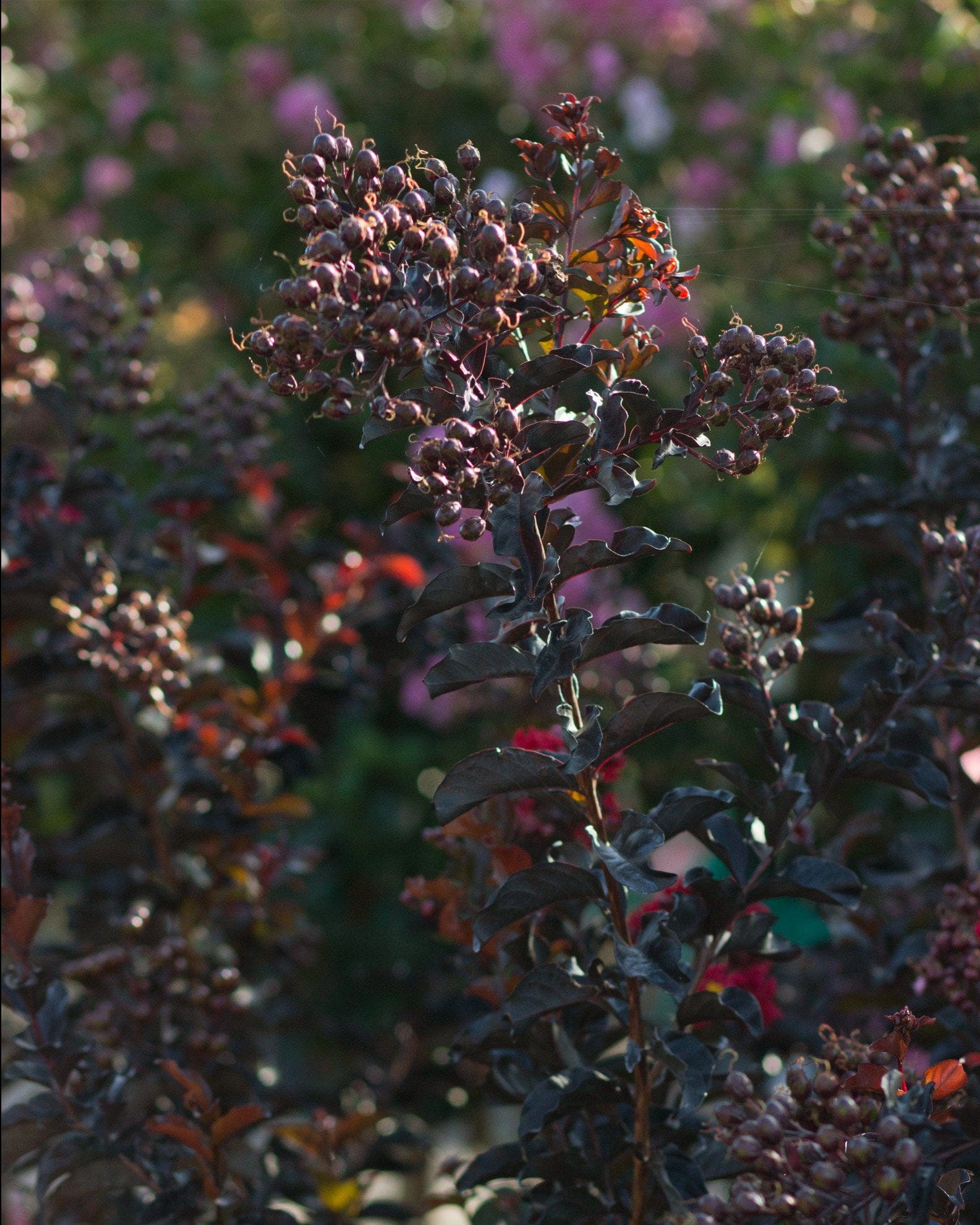
- Dark Purple Leaves
- Attracts pollinators
This variety thrives in full sun and well-drained soil. Hardy in USDA zones 6 through 9, Lavender Skies Crape Myrtle is heat-tolerant and well-suited to Texas landscapes. For best results, trim in late winter to encourage healthy new growth and maintain its elegant shape.
Once established, Lavender Skies Crape Myrtle becomes notably low-maintenance and thrives in warm, sunny landscapes with minimal seasonal care. Here’s how to help it thrive:
- Watering: Water deeply and consistently during the first growing season to encourage a strong root system capable of supporting vigorous summer growth. Once established, Lavender Skies Crape Myrtle tolerates moderate drought well.
- Pruning: Prune in late winter while the tree is dormant to remove weak or crossing branches and maintain a balanced canopy structure. Avoid excessive pruning, as allowing the natural branch framework to develop encourages stronger limbs and more evenly distributed flowering.
- Fertilizing: Fertilizer is rarely required in average soils, as crape myrtles perform well in moderately fertile conditions. If growth appears slow or foliage lacks vigor, apply a balanced fertilizer in early spring to support healthy development without promoting overly soft growth.
- Mulching: Maintain a 2-3 inch layer of mulch around the root zone to stabilize soil temperature and retain moisture. Keep mulch several inches away from the trunk.
- Winter Care: Established trees tolerate seasonal cold within their recommended range and typically require no winter protection. Young trees may benefit from light root-zone insulation during their first winters in cooler climates.
Lavender Skies Crape Myrtle is generally dependable, though occasional environmental stress or minor pest activity may occur:
- Aphids: Sticky residue on leaves or nearby surfaces may indicate feeding insects. A strong spray of water or insecticidal soap typically controls mild infestations.
- Sooty Mold: Black film may develop on foliage due to honeydew produced by aphids. Controlling the insect population removes the source and allows the leaves to gradually clear.
- Cercospora Leaf Spot: Small dark spots may appear on lower leaves during humid weather, sometimes causing early leaf drop. Removing fallen leaves and maintaining good airflow reduces recurrence.
- Powdery Mildew: A faint white coating may appear on foliage during periods of high humidity. Planting in full sun and avoiding overcrowded conditions helps prevent infection.
- Drought Stress: Prolonged dry conditions may lead to temporary wilting or reduced bloom intensity. Deep watering during extended drought helps stabilize soil moisture and restore vigor.
Lavender Skies Crape Myrtle typically lives 30-50 years when grown in suitable conditions. Proper pruning and well-drained soil help support long-term structural strength.
It generally grows about 12-24 inches per year in warm climates. Structural maturity often develops within 6-10 years.
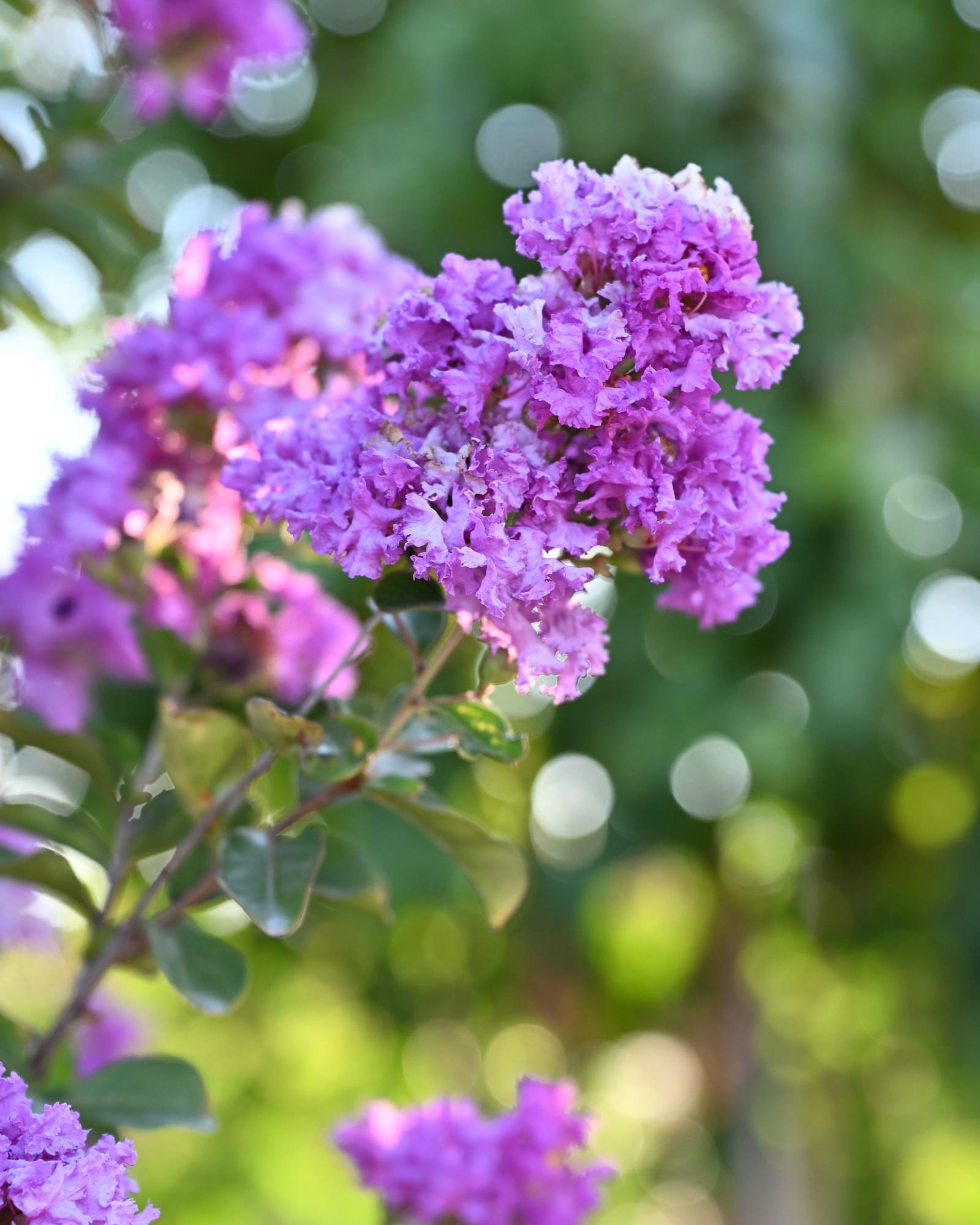
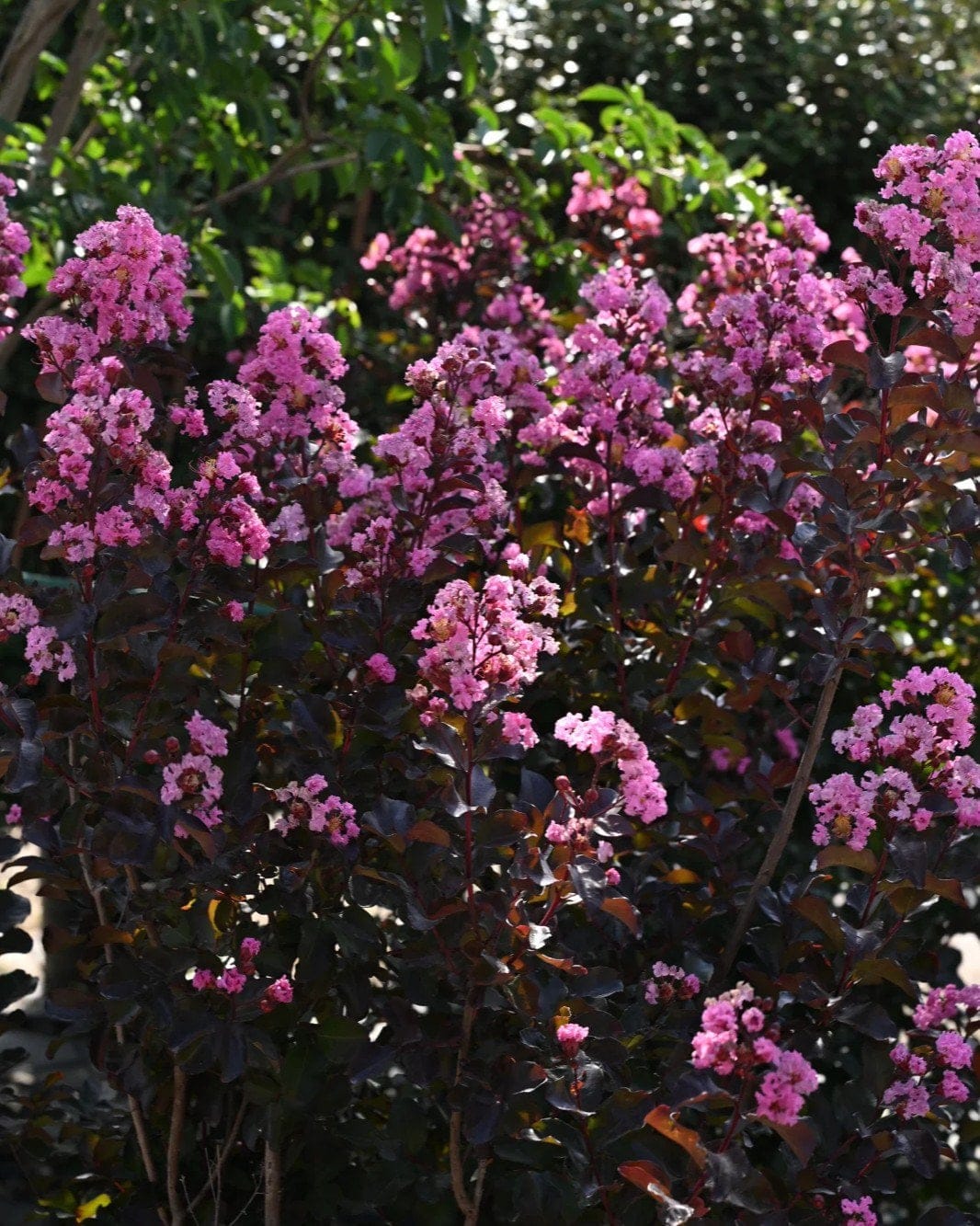
It is especially admired for its soft lavender-colored blooms that create a calm, airy appearance in the summer landscape. The flower clusters appear light and cloudlike when viewed from a distance.
Yes, the blooms appear in broad panicles that create a full display across the canopy. These clusters often form continuously during warm weather. Their soft coloration gives the tree a light, almost glowing presence in bright sunlight.
The soft lavender color blends easily with pink, white, and deep red flowering species. Its blooms provide contrast without overpowering surrounding plants. This makes it a versatile companion in mixed ornamental plantings.
It adapts well to urban planting conditions when given full sun and adequate soil space. Its summer bloom adds color to otherwise hard landscape areas. Proper watering during establishment improves resilience in these settings.
Yes, mature trunks gradually develop smooth bark that peels to reveal lighter tones beneath. This subtle exfoliation adds winter texture to the landscape.
It thrives in full sun and performs best with abundant light. Strong sunlight encourages dense flowering and vibrant bloom color. Ensure to provide adequate moisture.
Its branching pattern allows filtered sunlight to pass through the canopy. This can create pleasant dappled shade beneath the tree. The open structure adds a soft visual texture to the landscape.
Yes, its abundant lavender blooms make it visually striking during the summer months. The balanced canopy and seasonal color changes enhance its presence.
Special Features
You might also like





Compare Similar Plants
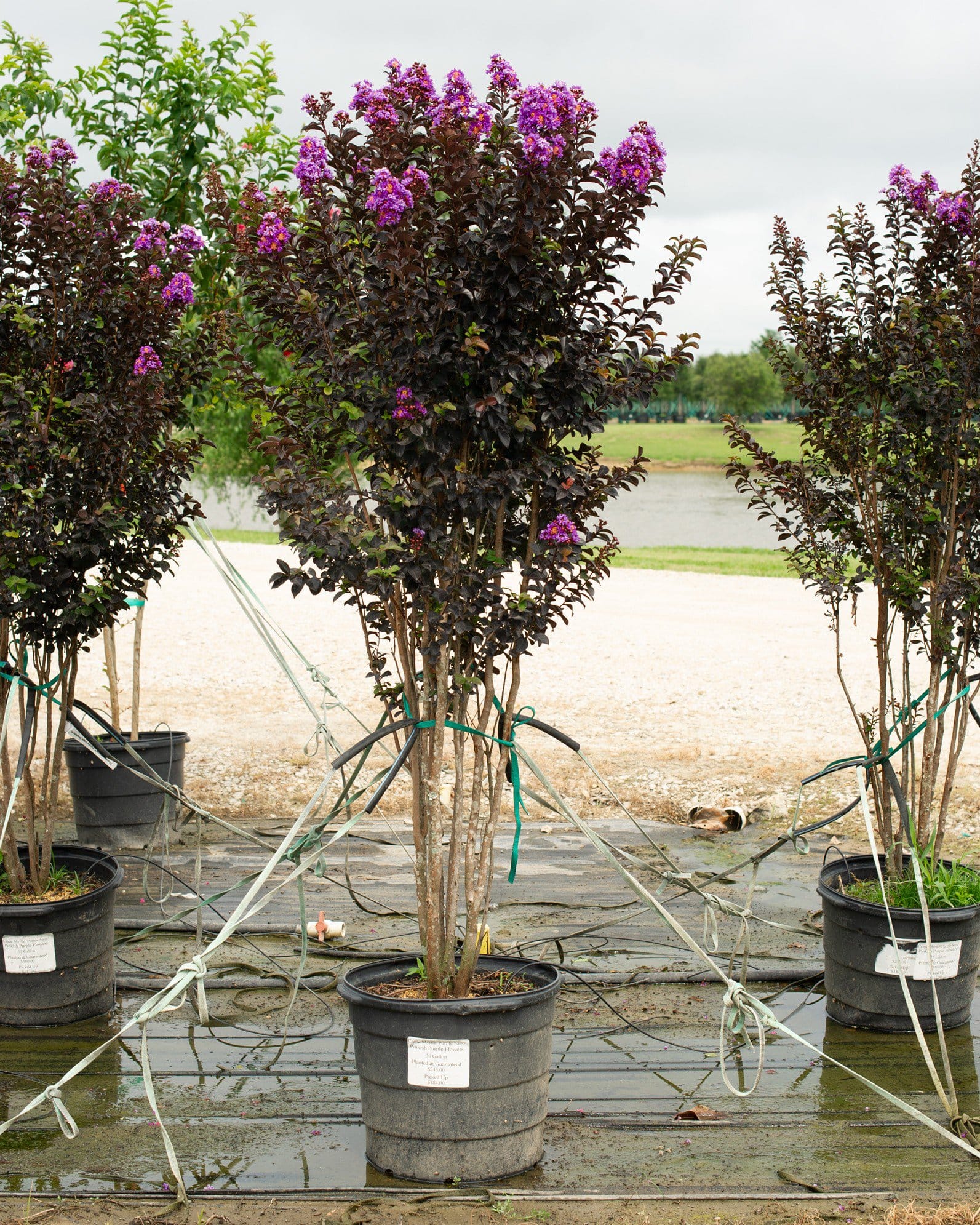
Lavender Skies Crape Myrtle This plant | ||
|---|---|---|
| Scientific Name | Lagerstroemia x ‘JM8’ | Lagerstroemia x 'JM10’ |
| Size at Maturity | 20' H x 12' W | 20' H x 12' W |
| Leaf Retention | Deciduous | Deciduous |
| Fall Color | Orange | Orange |
| Flower Color | Purple | Purple |
| Bloom Times | Summer | Summer |
| Sizes Available | 15 gal | 15 gal |


Our 1-Year Planting Guarantee
We take pride in our plants and installation services. If any plants or trees installed by Treeland fail to thrive within the first year, we'll provide a replacement credit in accordance with our guarantee program.
Learn More About Our Guarantee