
Tonto Crape Myrtle
Lagerstroemia x 'Tonto'Local DFW Delivery Only
Product Details
Tonto Crape Myrtle
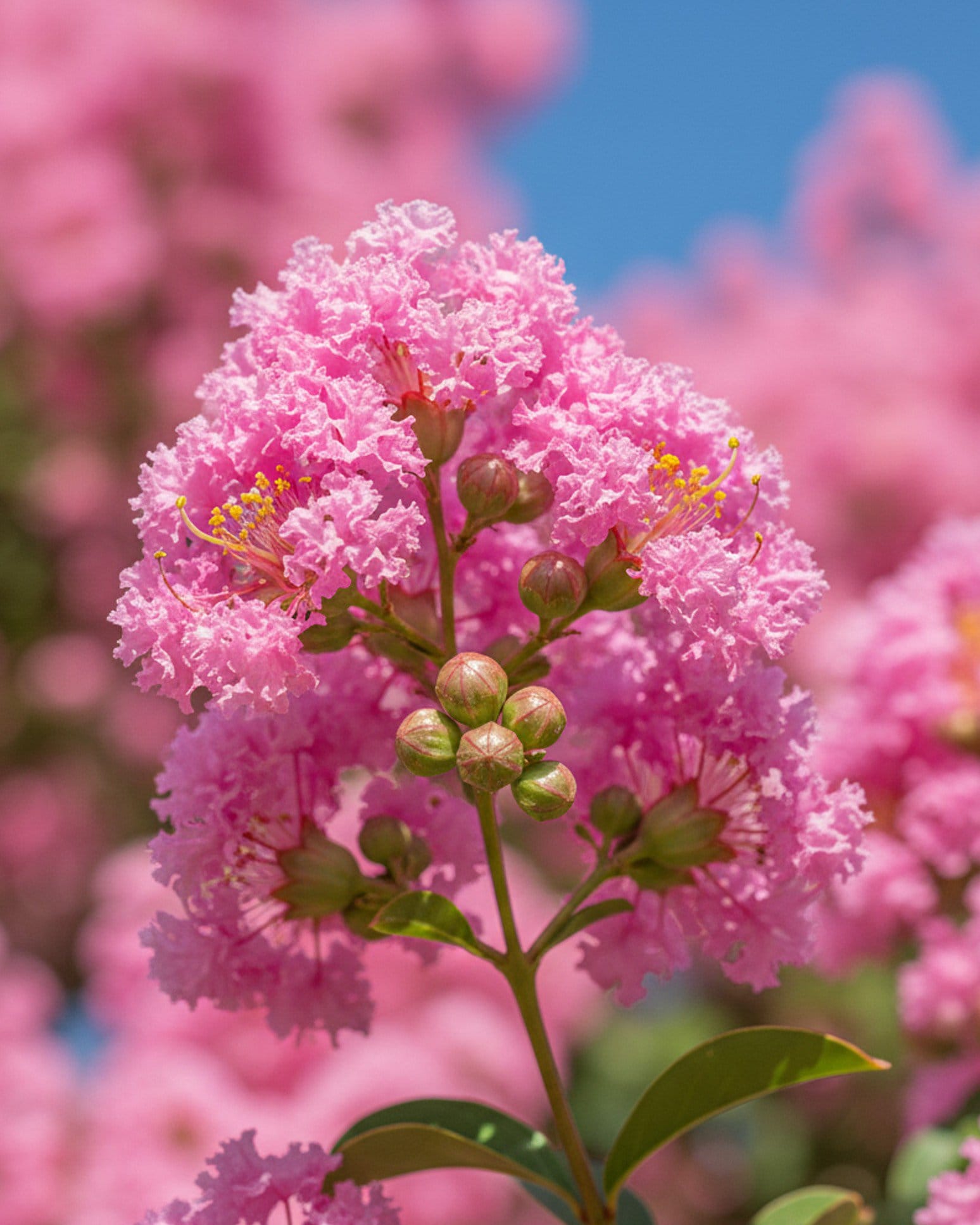
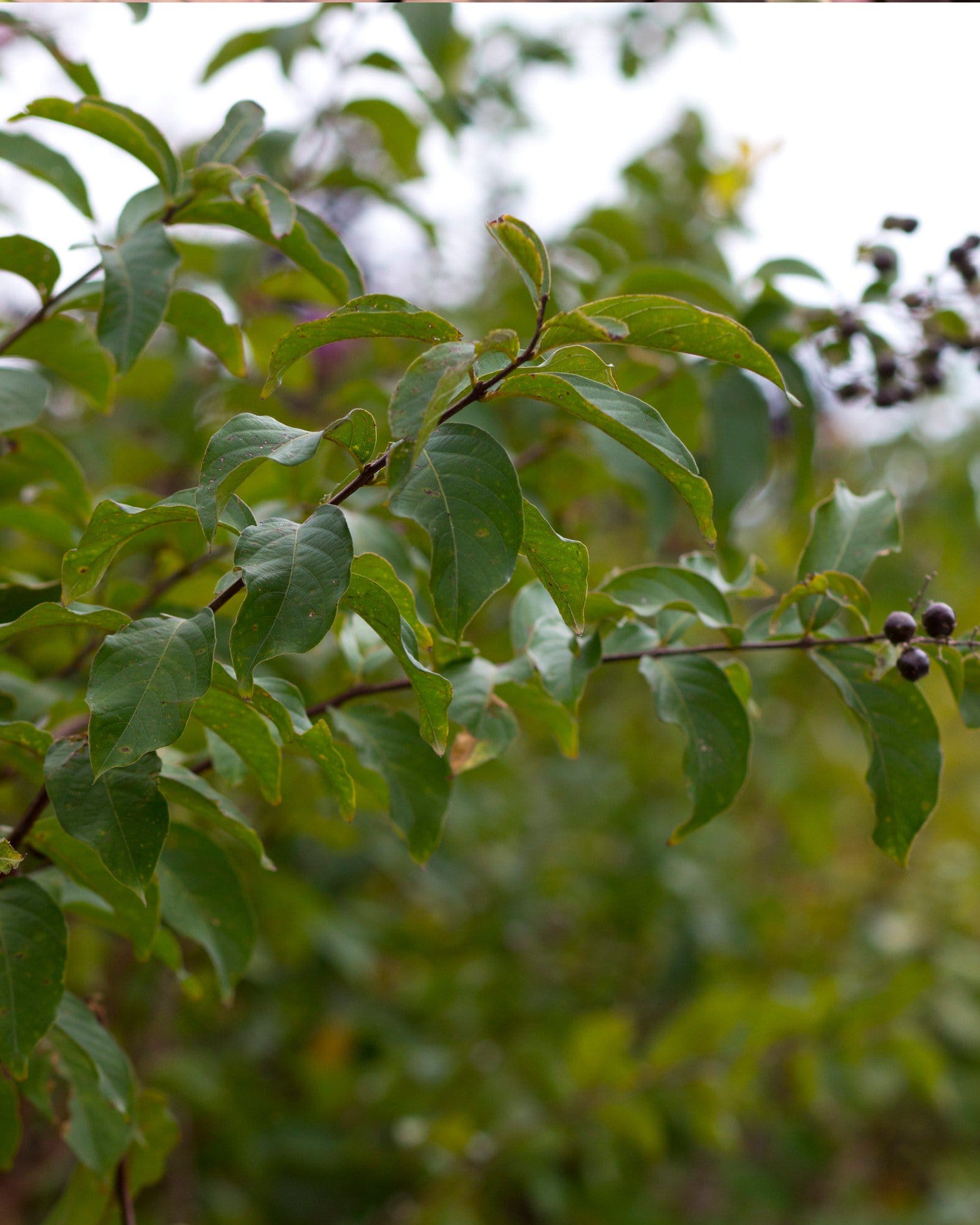
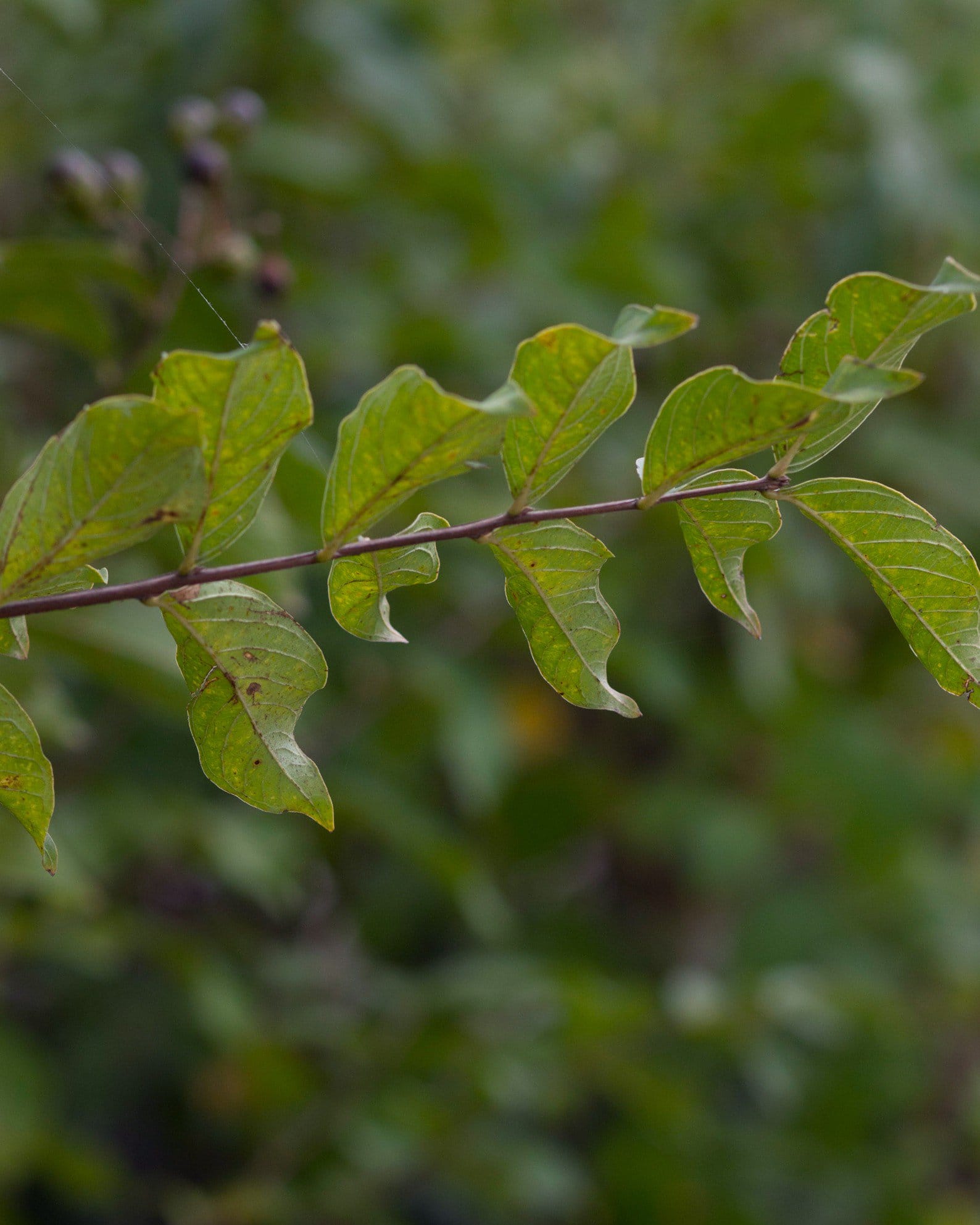
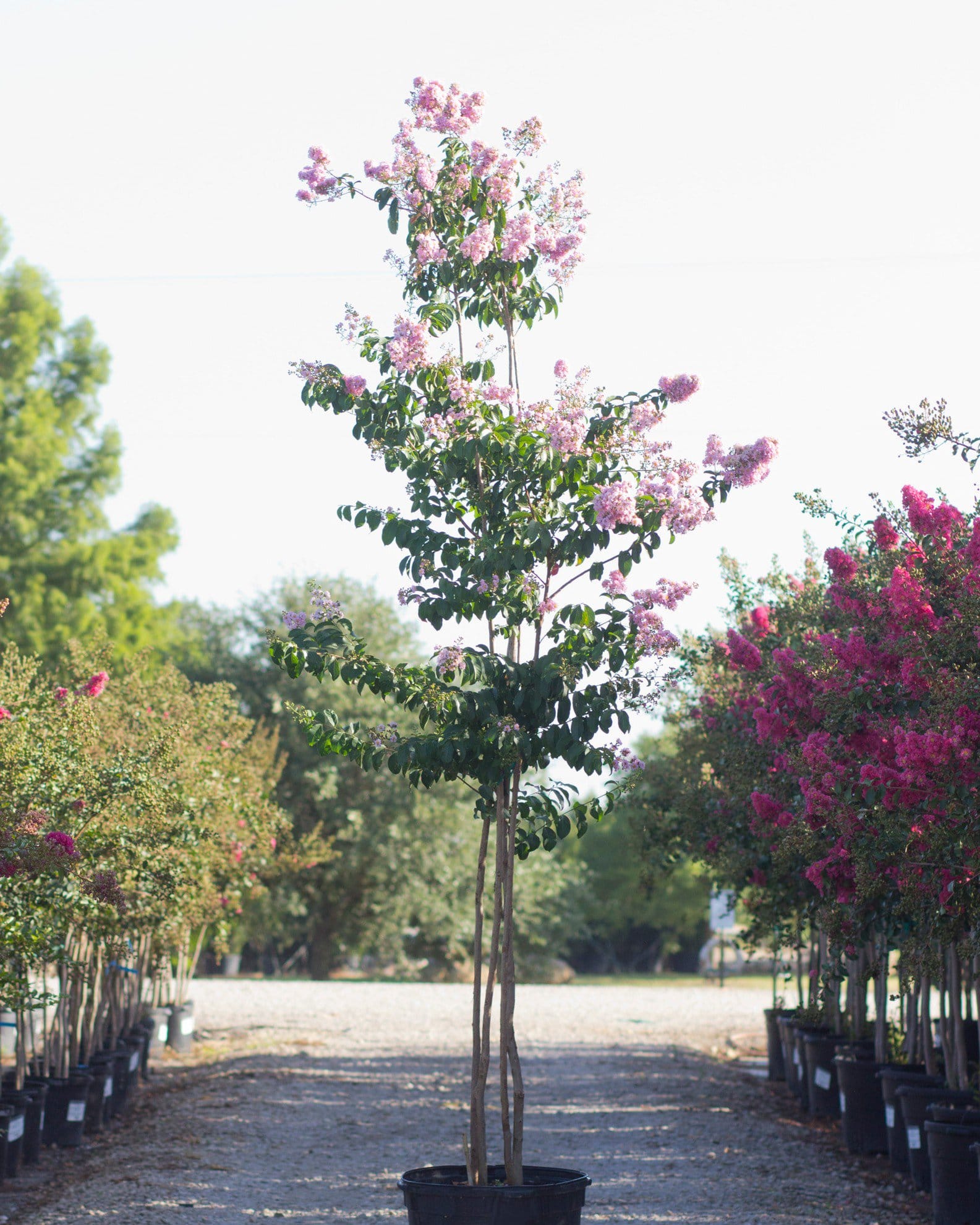
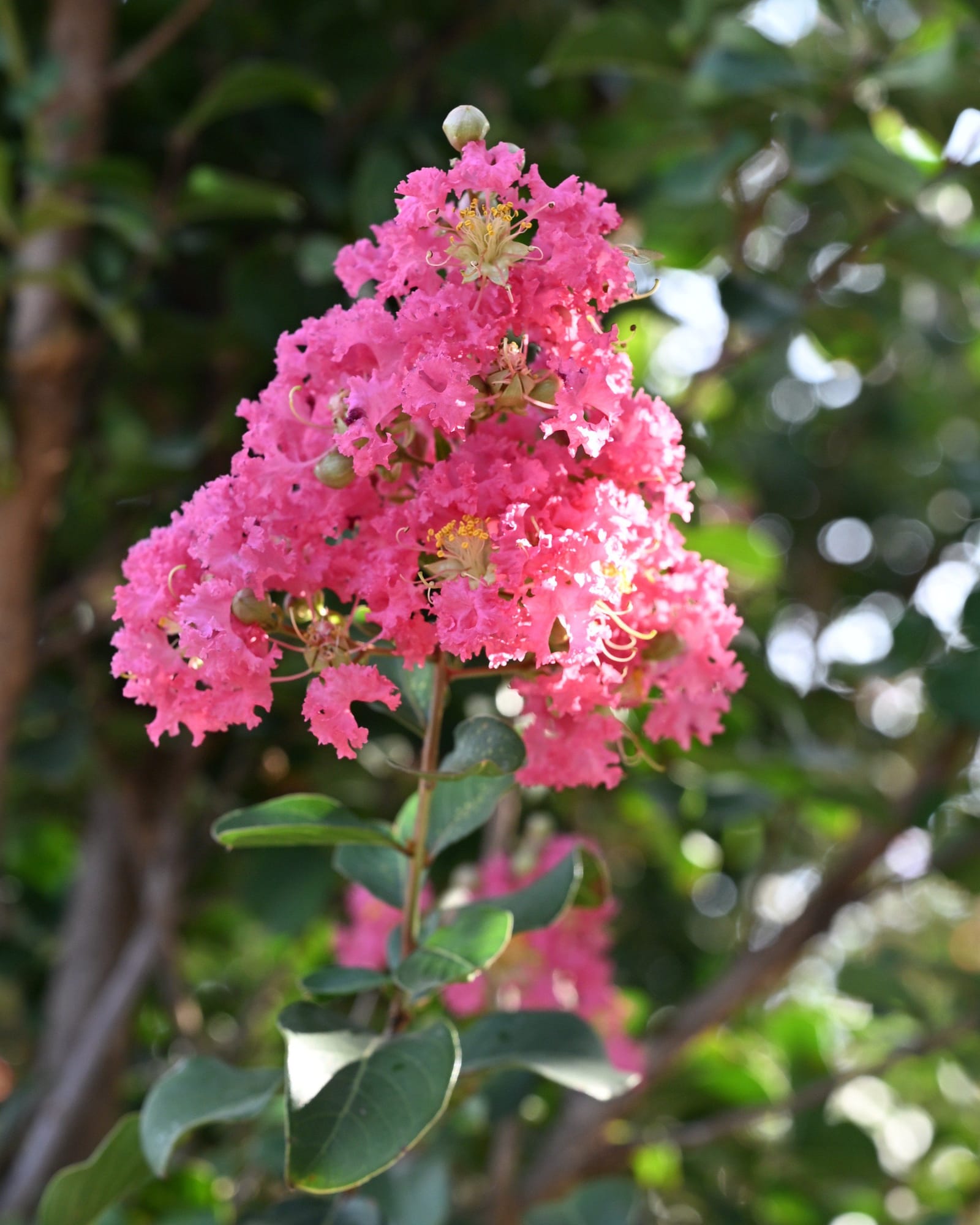
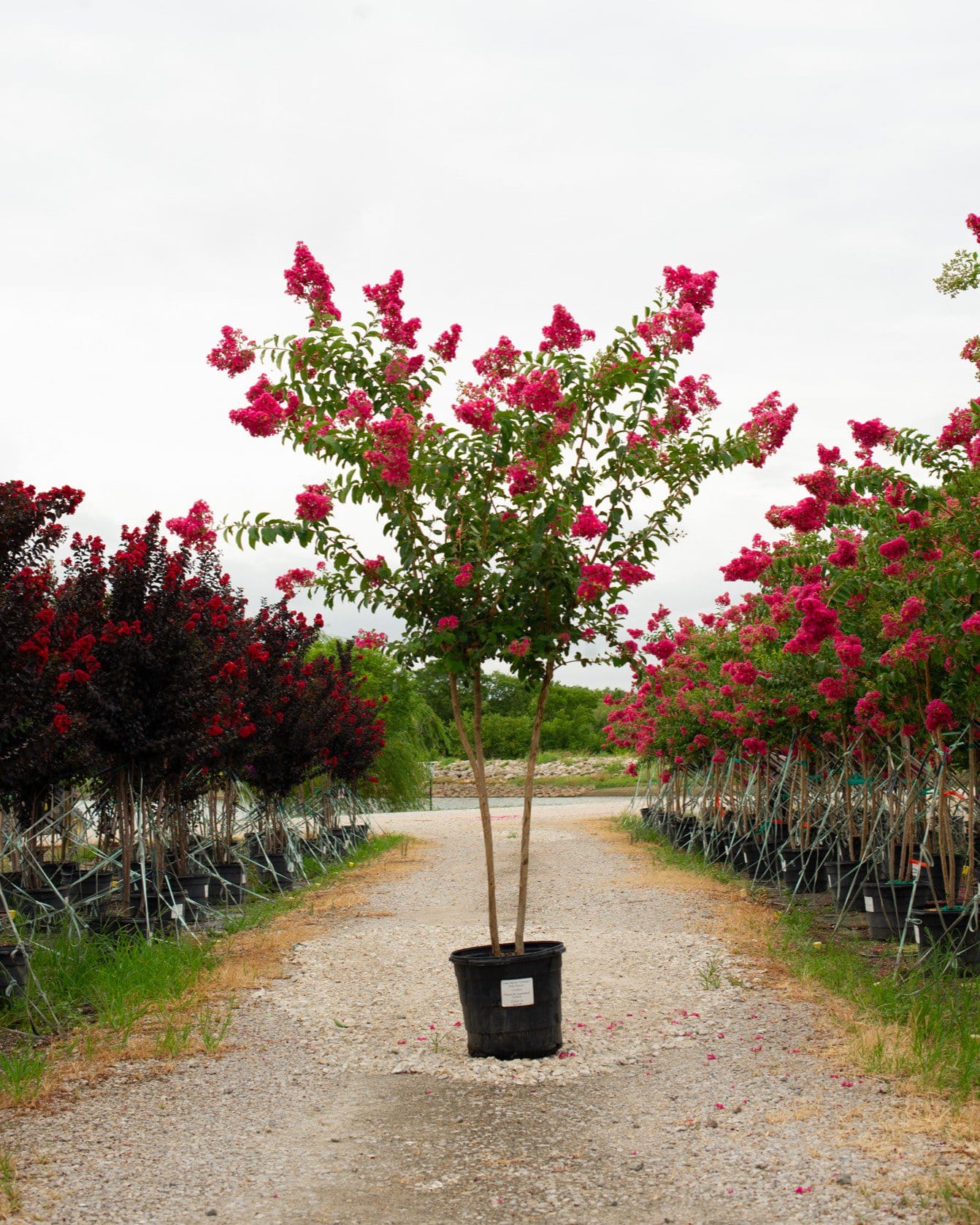
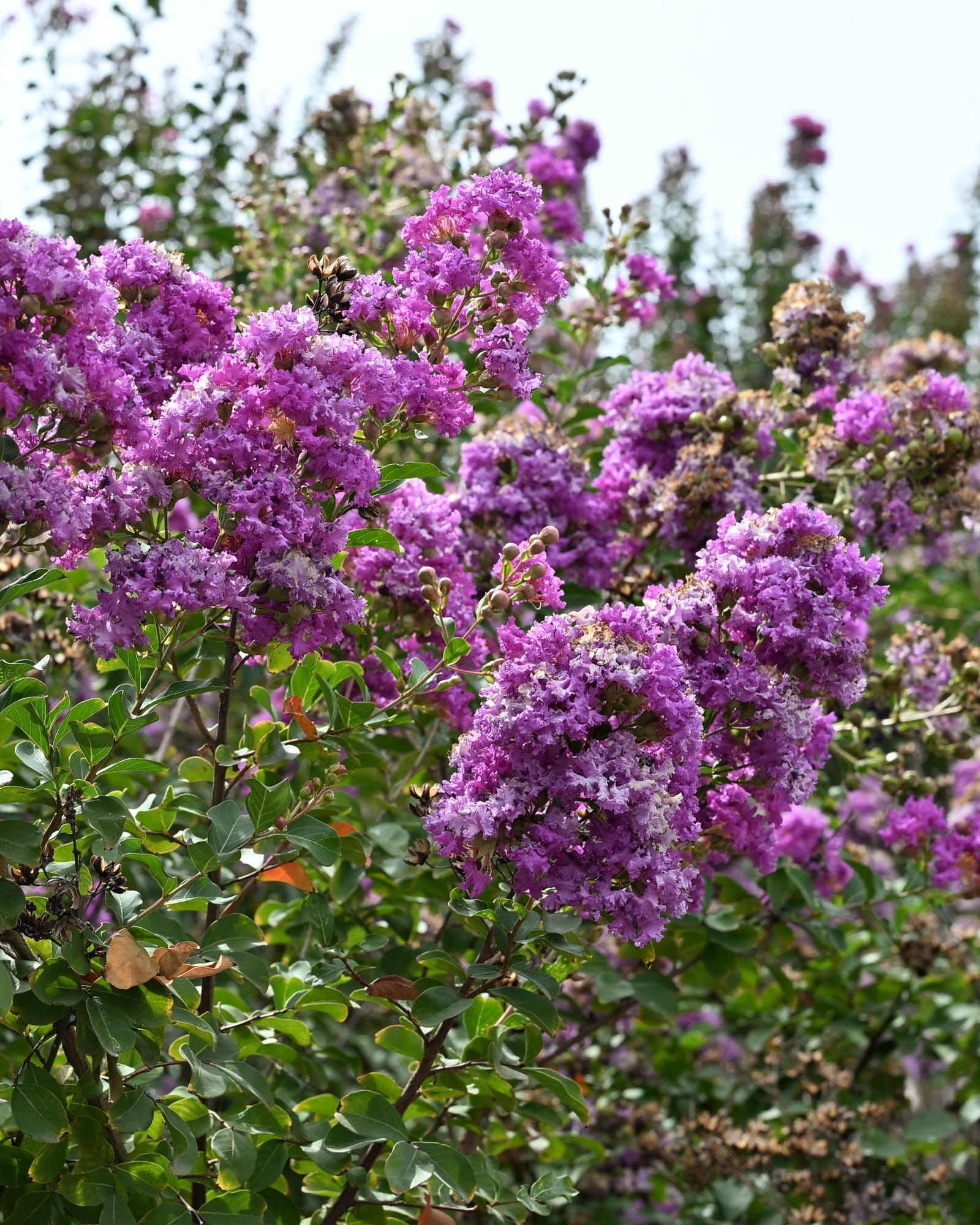
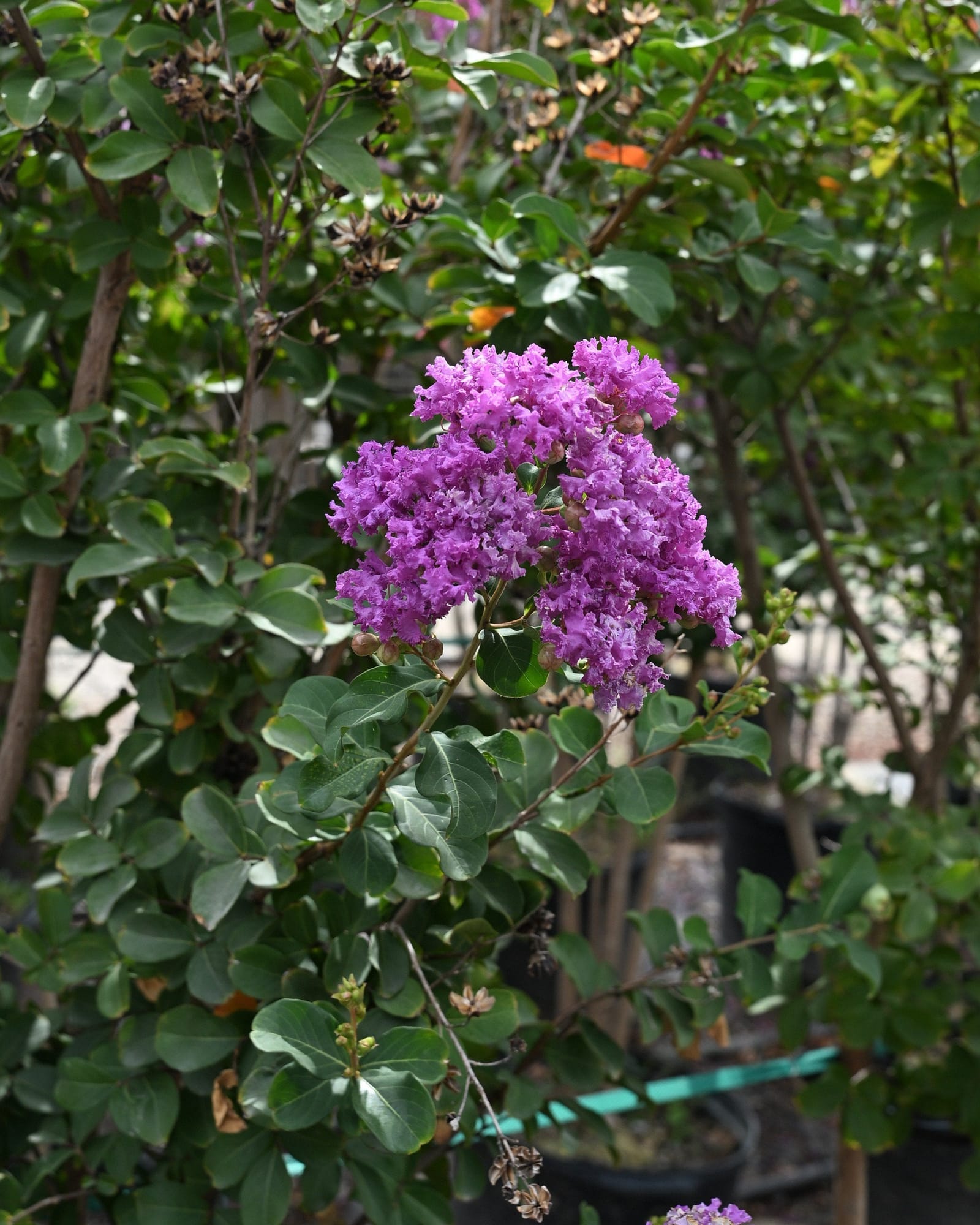
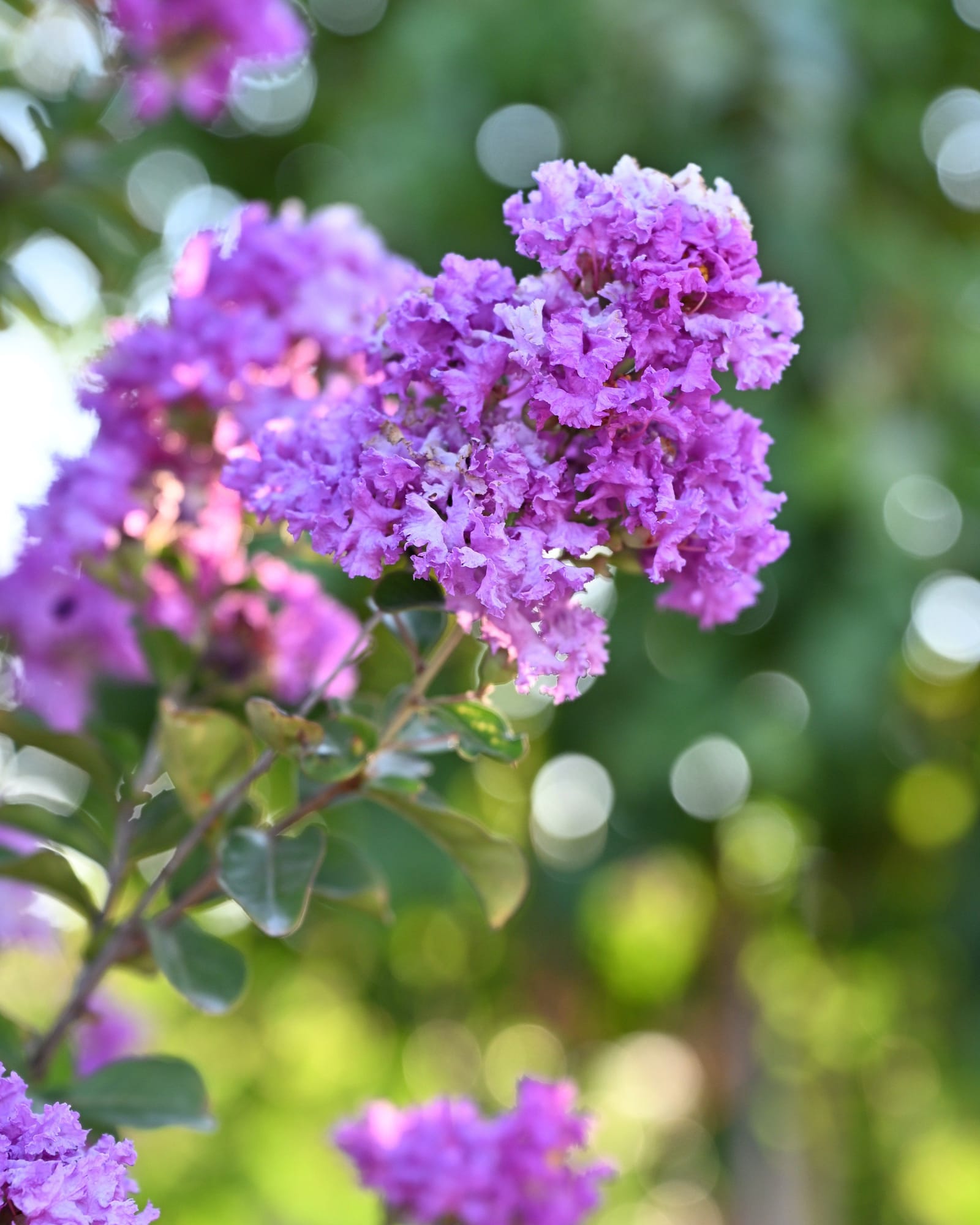
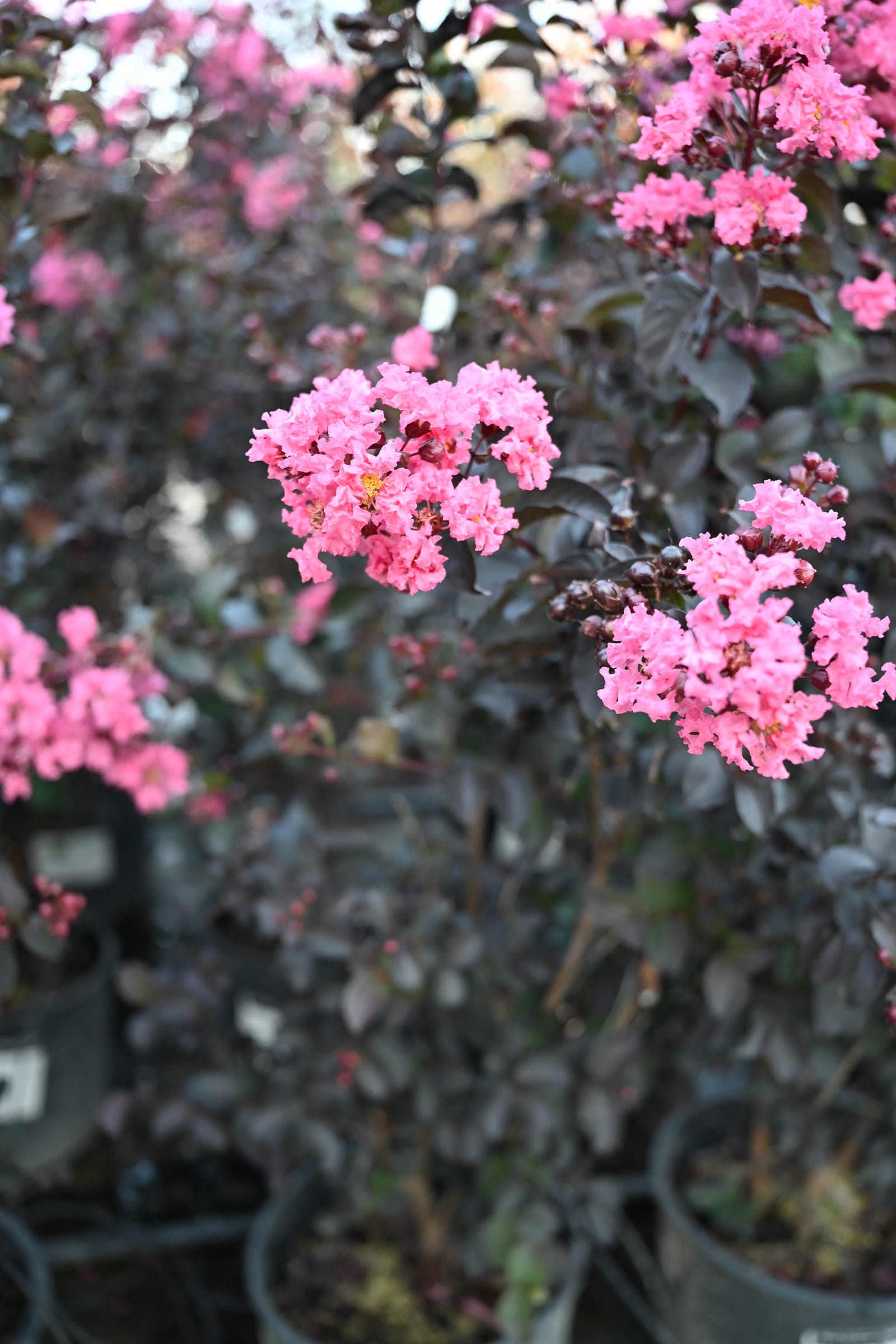
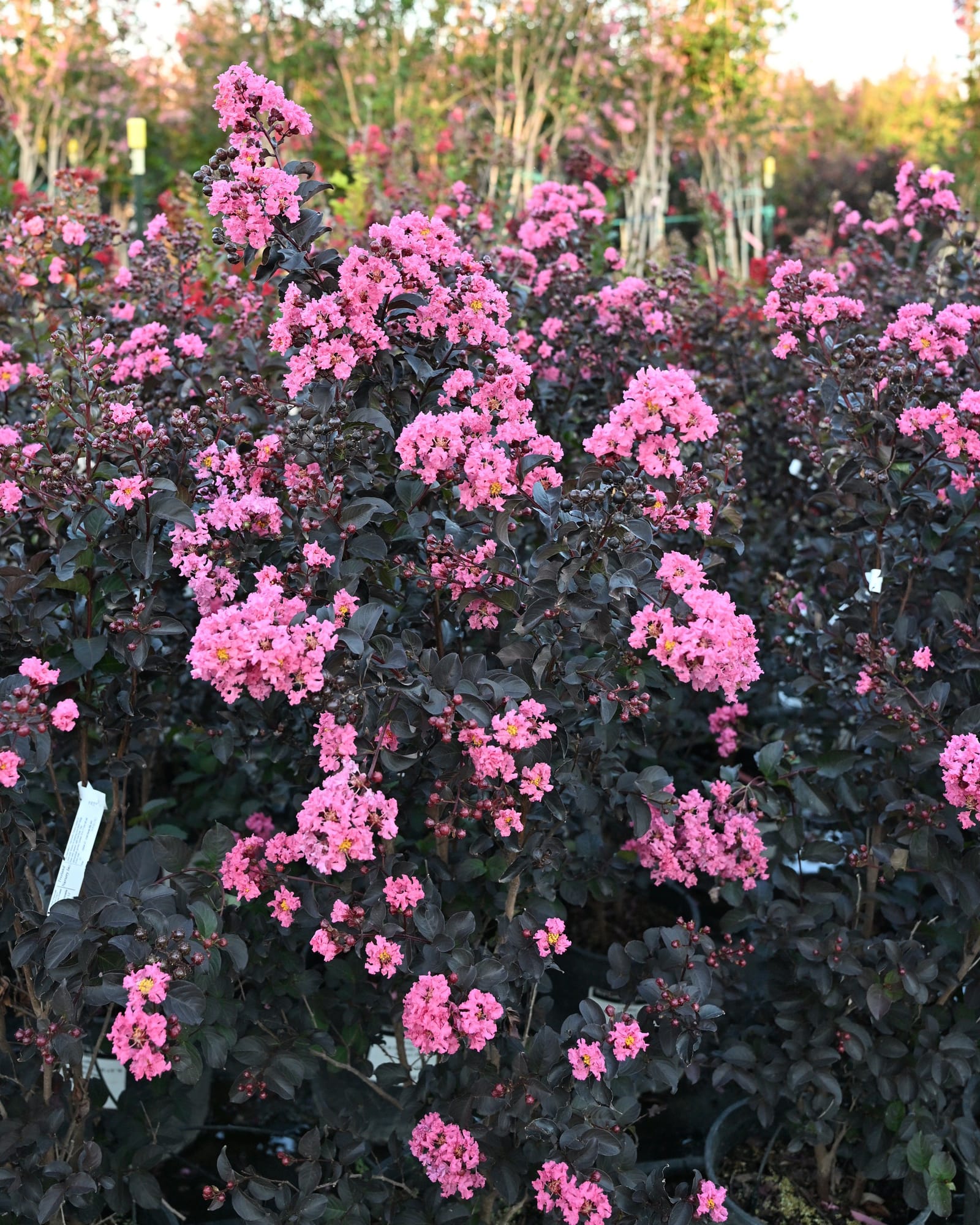
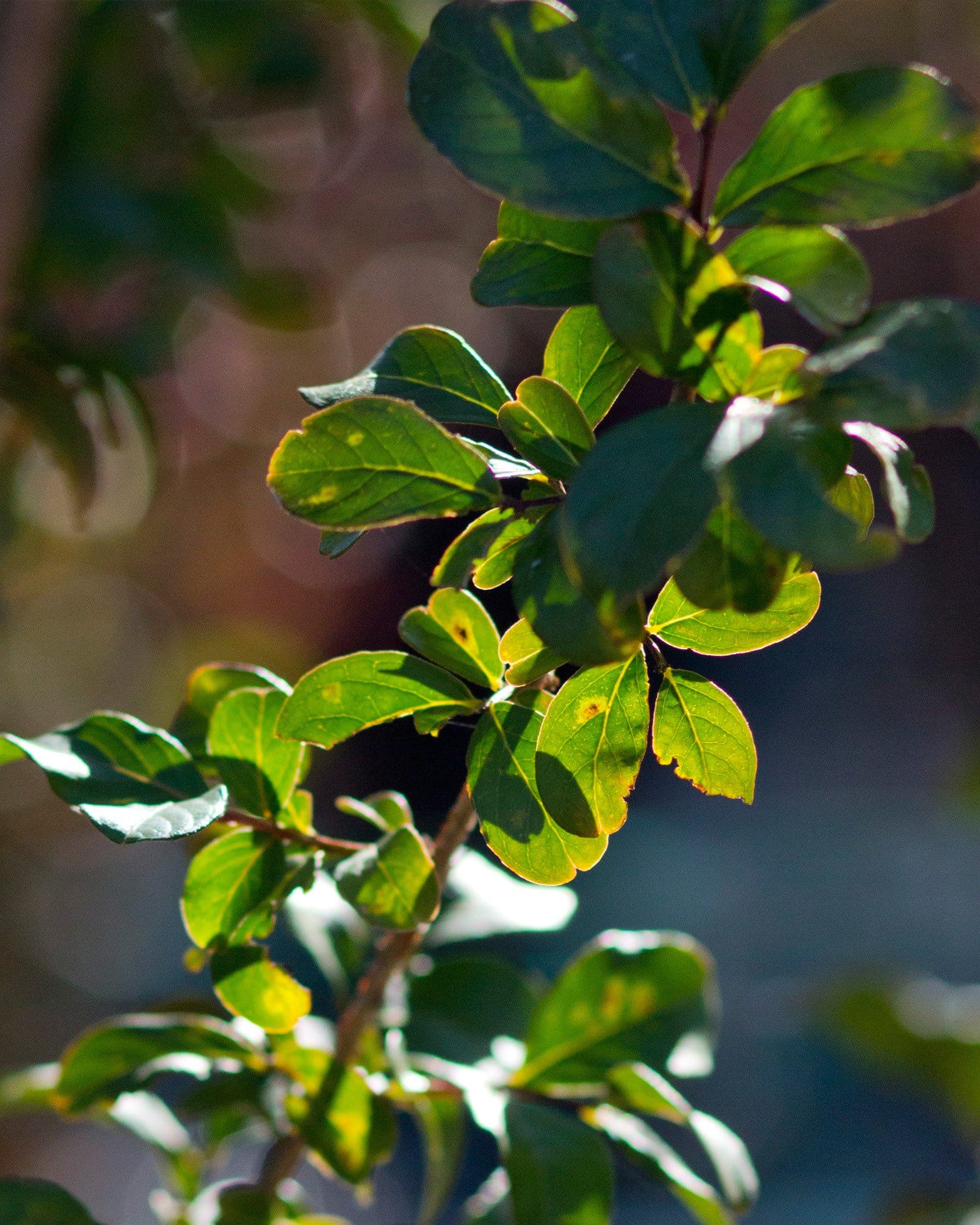
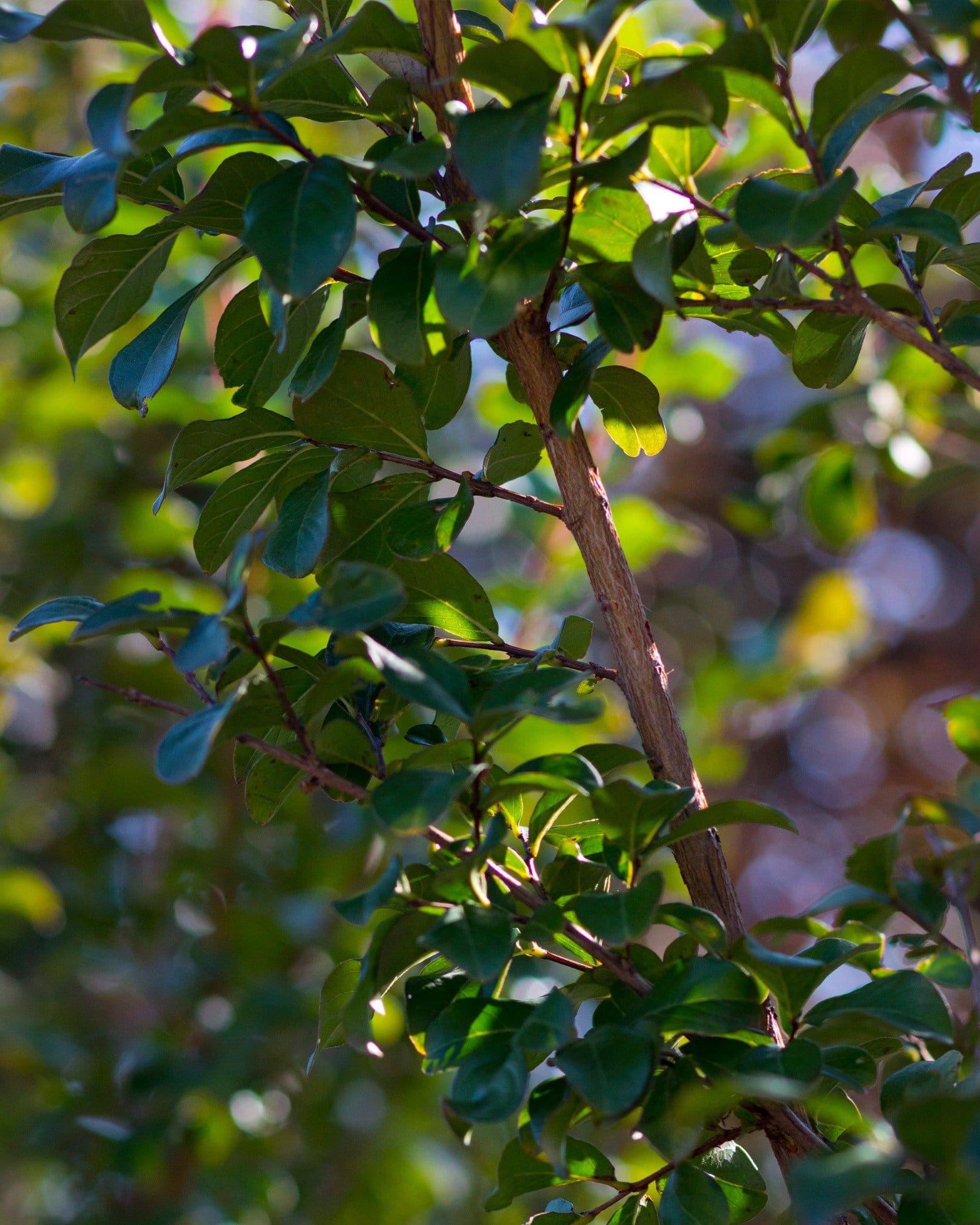
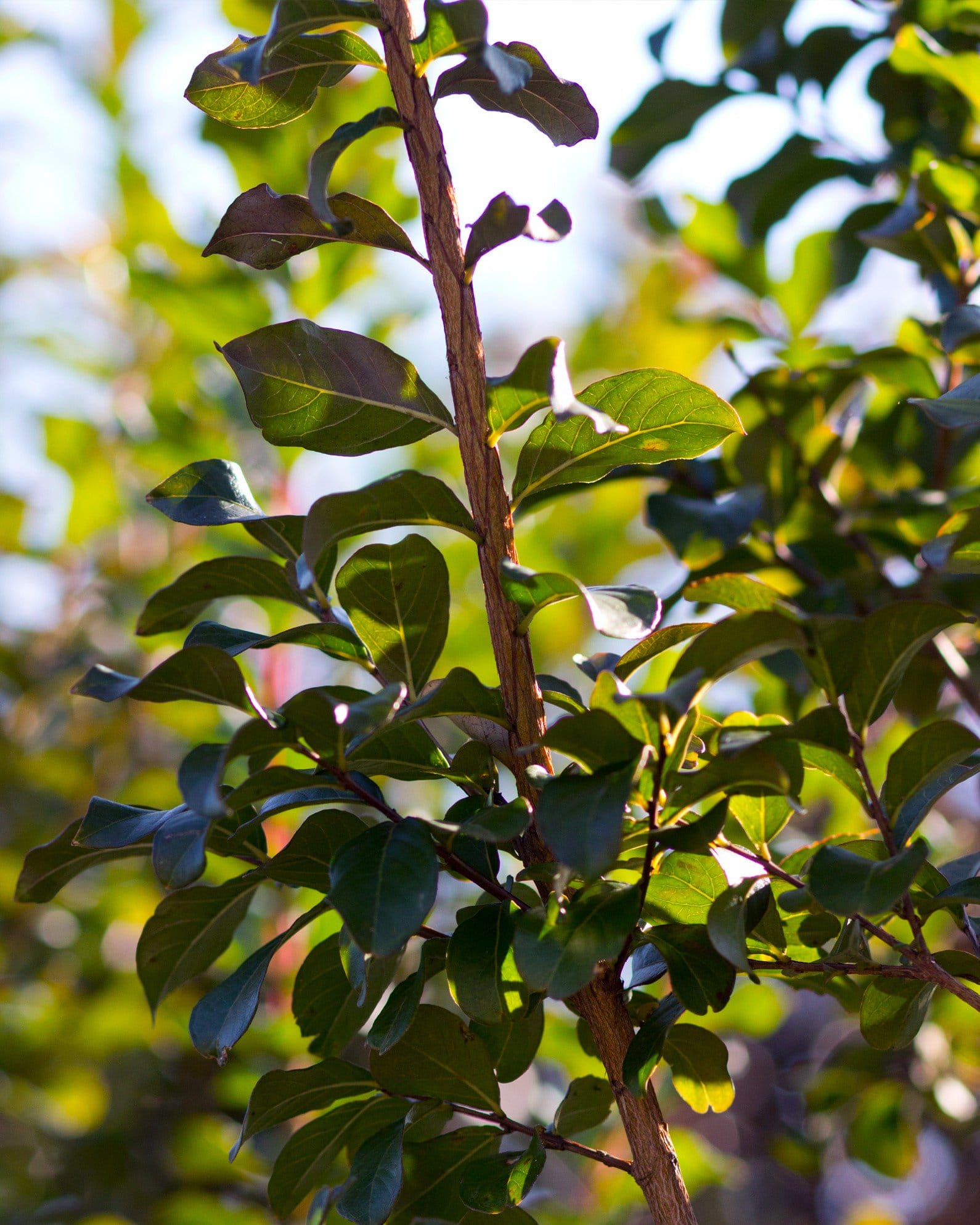
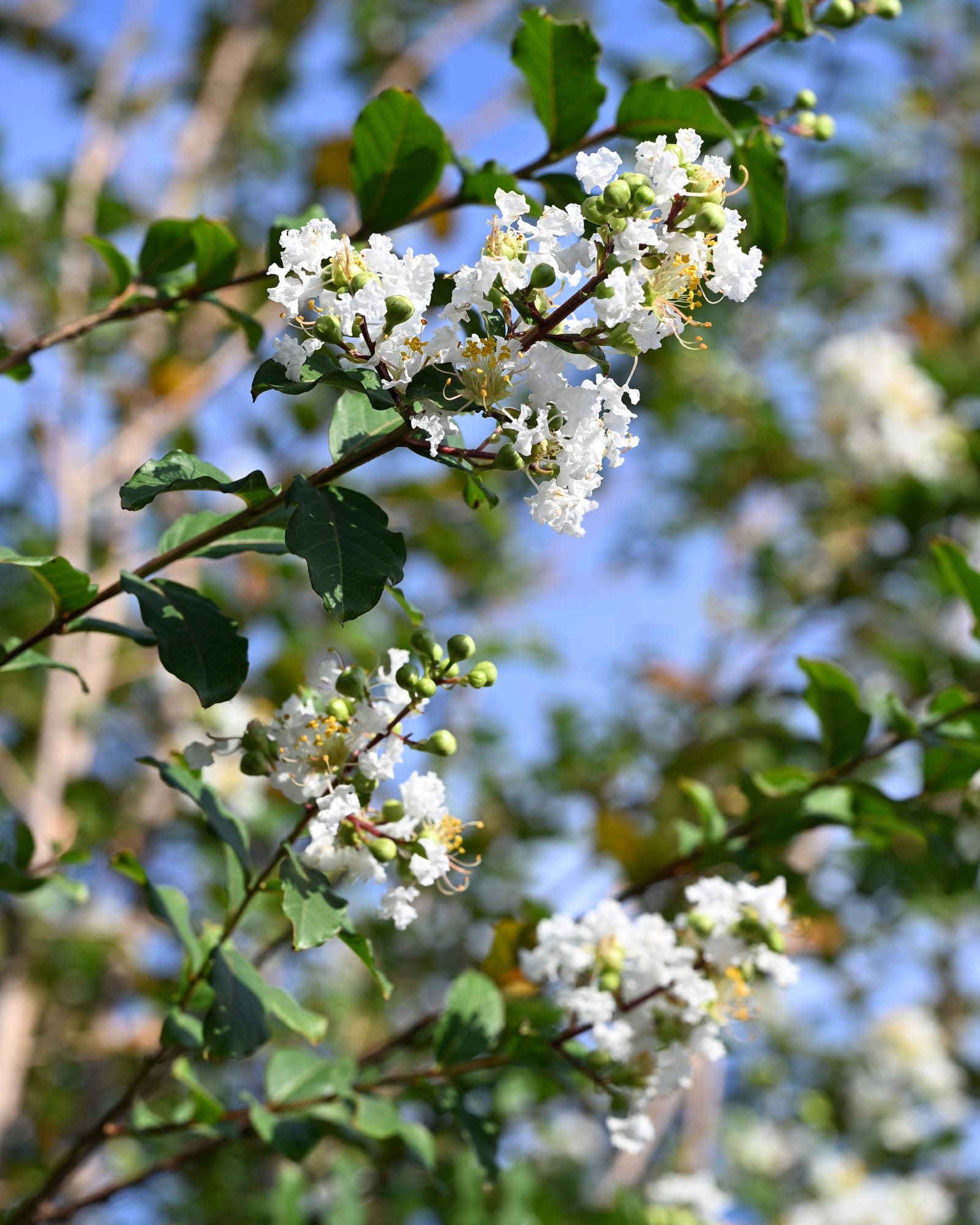
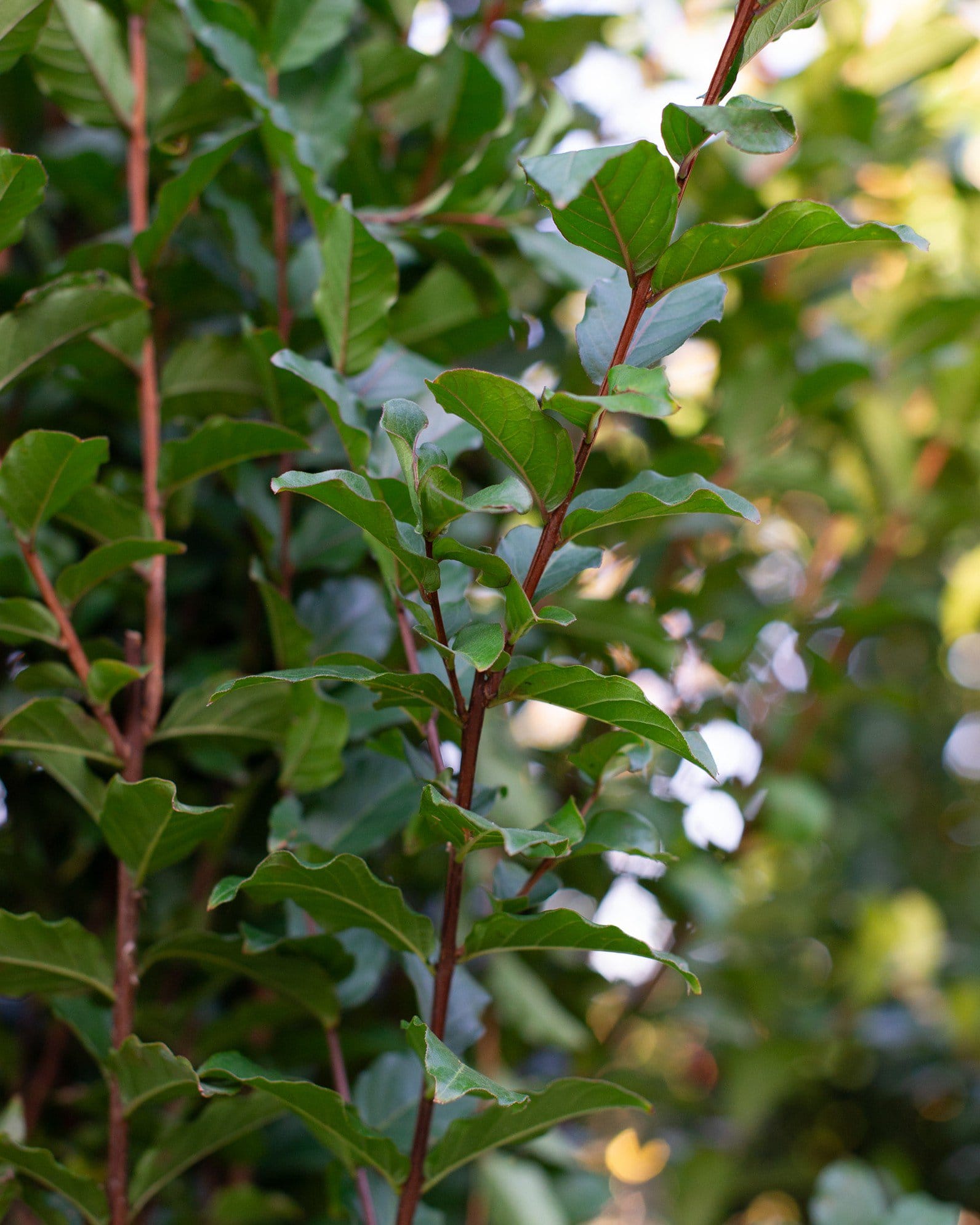
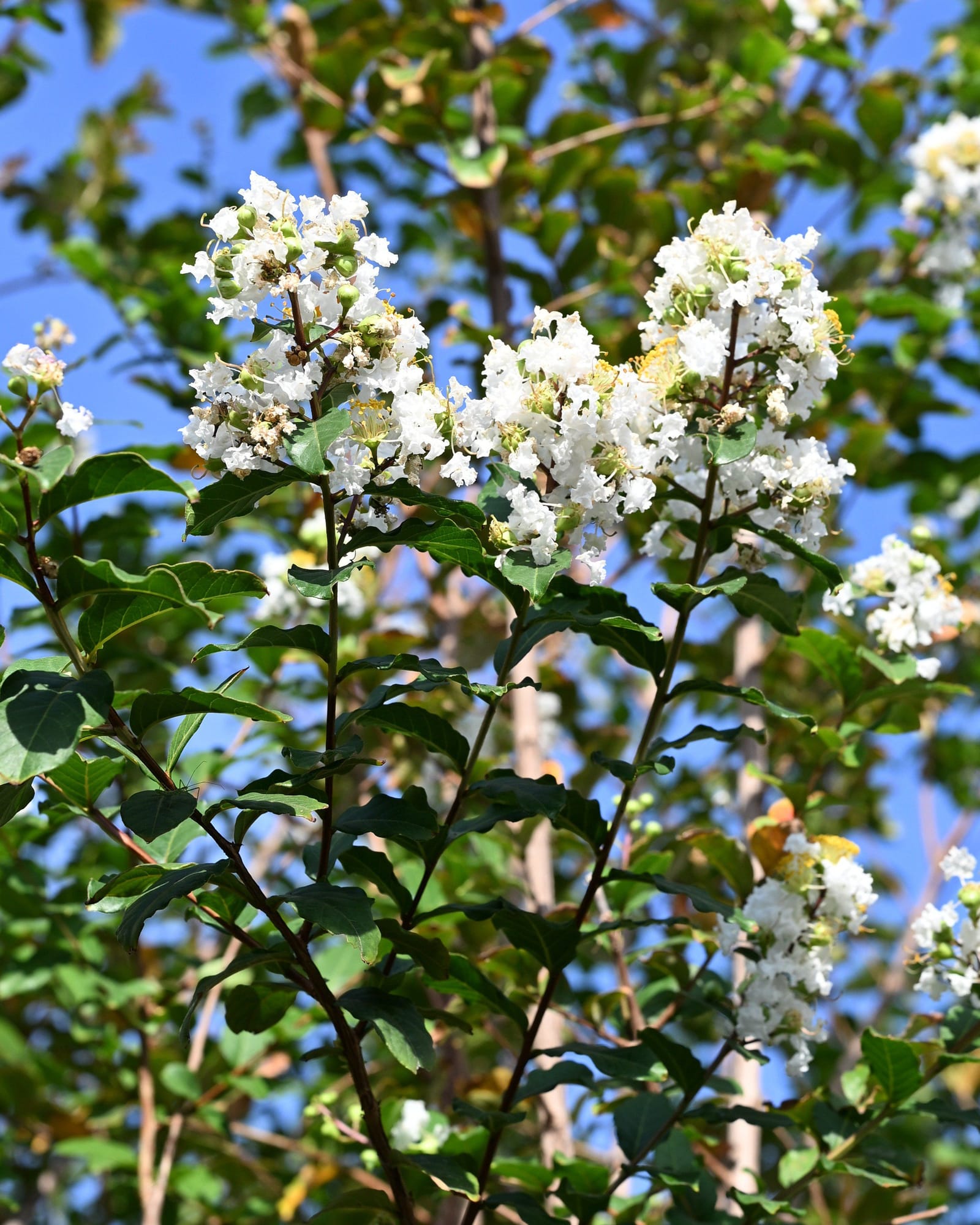
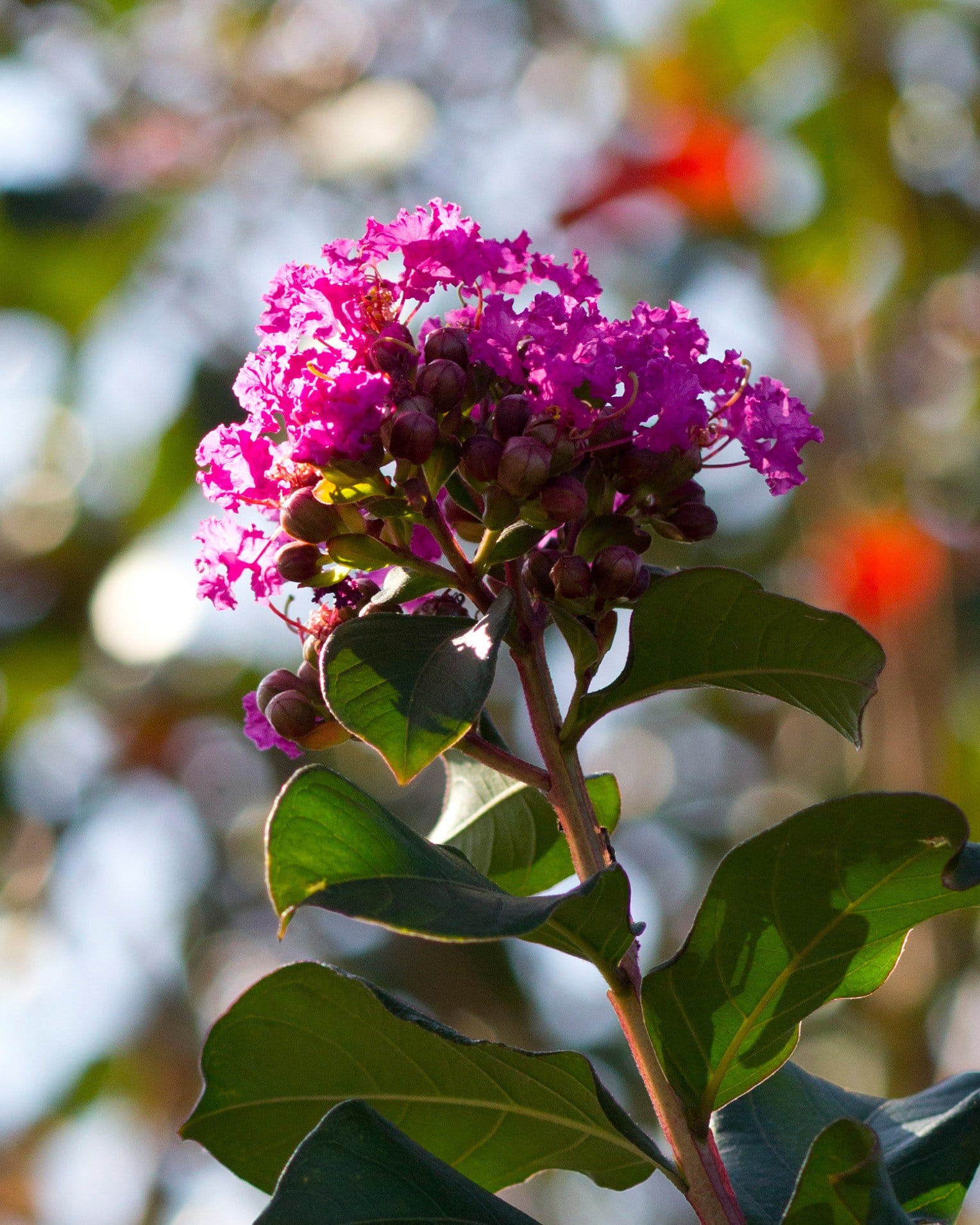
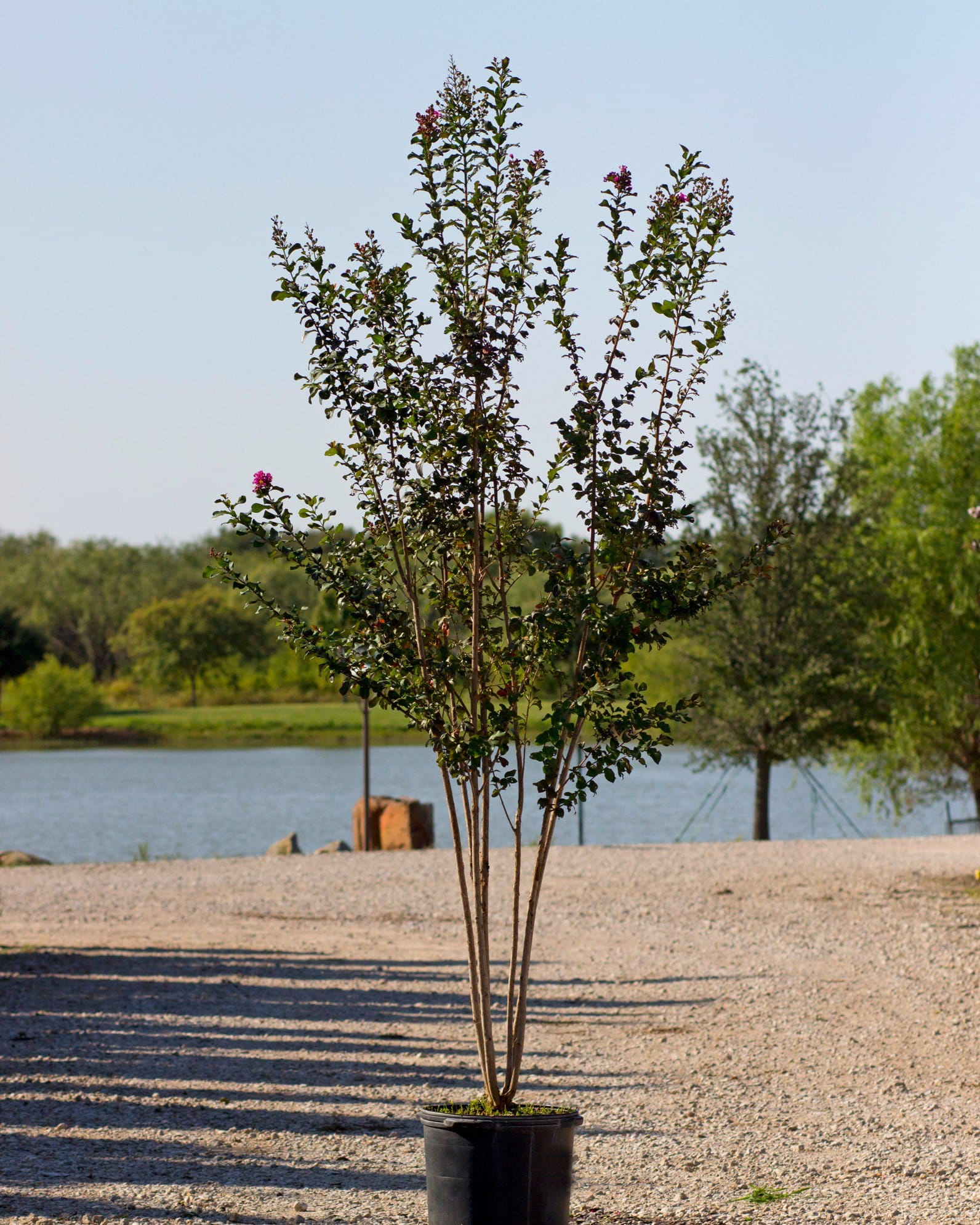
Lagerstroemia x 'Tonto'Tonto Crape Myrtle is a compact yet bold ornamental variety, prized for its deep wine-red flowers that bloom all throughout summer. Its dark green leaves provide a vivid contrast to the blooms and turn shades of golden in autumn. This tree grows 15 feet in height and 12 feet in width. With its manageable size and striking color, Tonto is perfect for smaller spaces or as a vibrant focal point in larger beds.
- Deciduous small tree
- Fast growth rate with rounded, upright habit
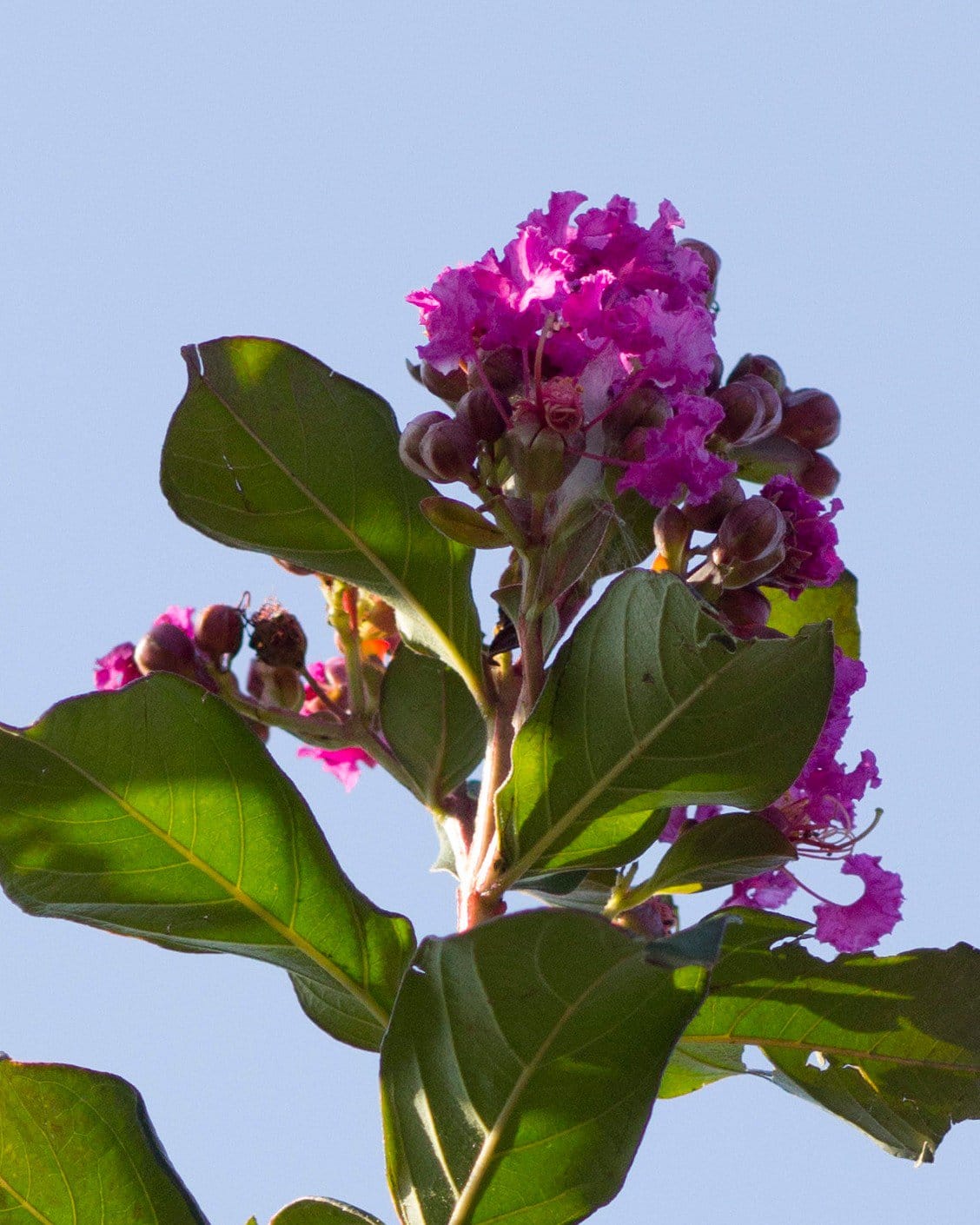
- Deep wine-red flower clusters
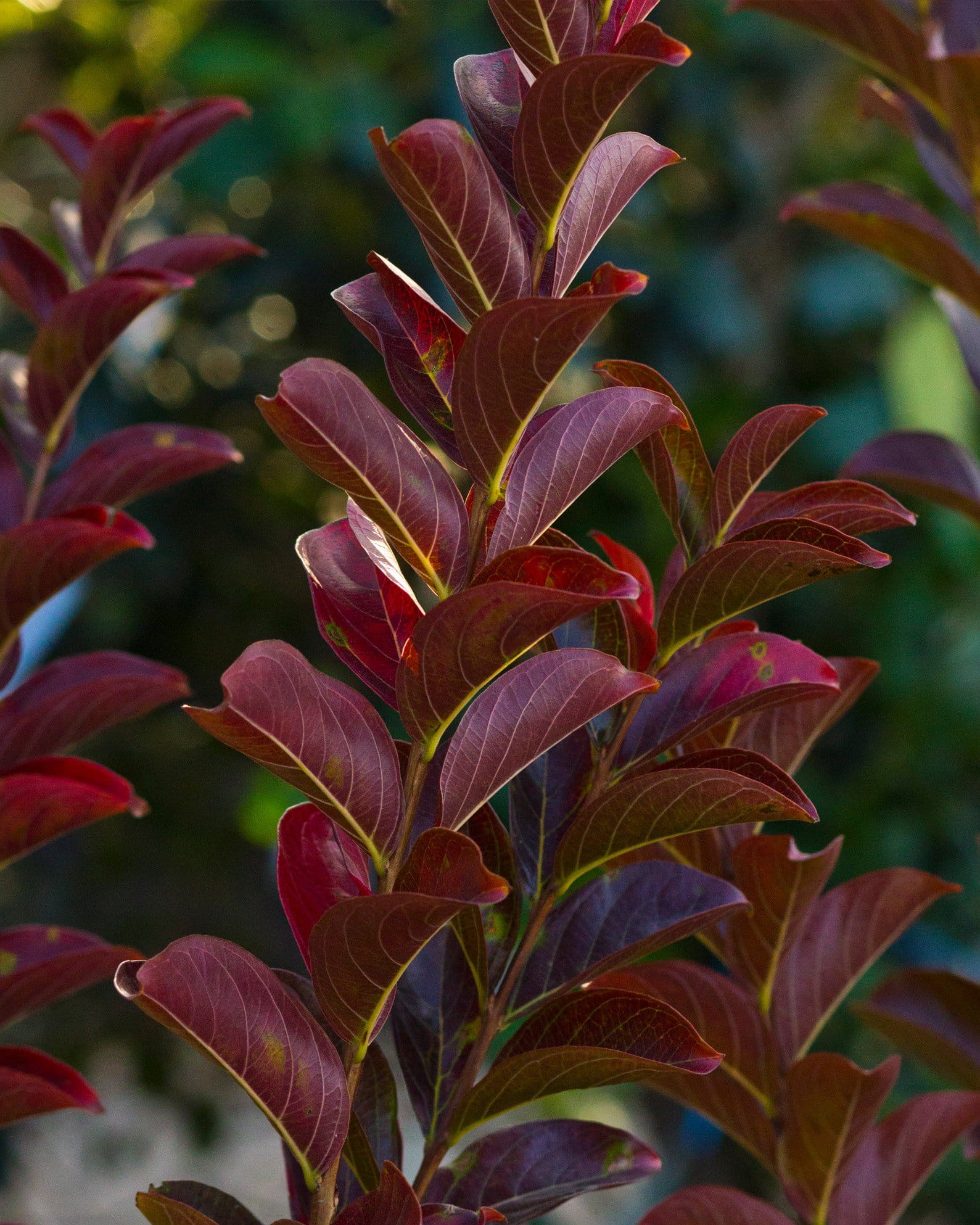
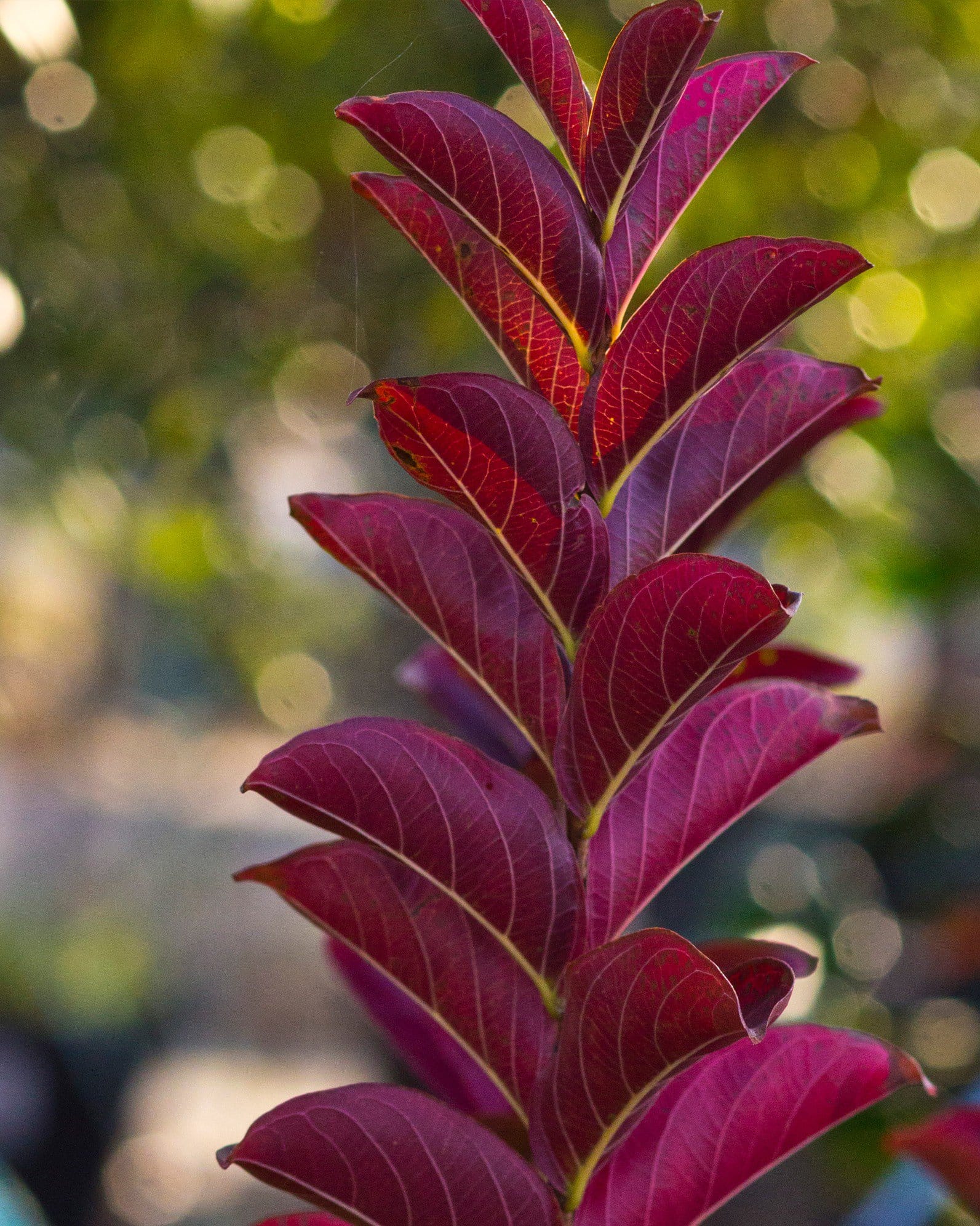
- Green foliage with brilliant fall color
- Excellent for beds, borders, or foundation plantings
Tonto Crape Myrtle thrives in full sun and well-drained soil. It’s heat- and drought-tolerant once established, making it well-suited for Texas climates. Hardy in USDA zones 7 through 9, this compact crape myrtle brings season-long beauty and structure with minimal upkeep.
Once established, Tonto Crape Myrtle becomes reliably low-maintenance and develops into a sturdy ornamental tree that requires minimal seasonal care. Here’s how it thrives:
- Watering: Water deeply during the first growing season to encourage strong root development. Once established, occasional deep watering during extended dry periods helps maintain healthy foliage and steady flowering.
- Pruning: Prune in late winter while the tree is dormant to remove damaged or crossing branches. Light structural pruning keeps the canopy balanced and supports strong limb development.
- Fertilizing: Fertilizer is rarely necessary in average garden soils. When additional vigor is needed, a balanced fertilizer applied in early spring supports steady growth.
- Mulching: Maintain a 2-3 inch mulch layer around the root zone to retain soil moisture and regulate temperature. Keep mulch slightly away from the trunk to avoid excess moisture against the bark.
- Winter Care: Established trees typically tolerate seasonal cold within their recommended zones. Younger trees may benefit from extra mulch around the root zone during their first winters.
Tonto Crape Myrtle generally performs reliably, though occasional pests or environmental stress may occur.
- Crape Myrtle Aphids: Sticky residue on foliage may indicate sap-feeding insects. Spraying the leaves with water or applying insecticidal soap typically reduces populations.
- Bark Scale: White crusty patches may appear along stems as scale insects feed on plant sap. Dormant oil applications help control infestations.
- Minor Twig Dieback: Small branch tips may occasionally fail to leaf out if damaged. Removing affected twigs during pruning helps maintain canopy health.
- Root Zone Compaction: Soil that becomes heavily compacted can limit root growth. Loosening surrounding soil and maintaining mulch improves root conditions.
- Branch Crowding: Closely spaced limbs may rub together over time. Selective pruning improves airflow and prevents bark damage.
Tonto Crape Myrtle commonly lives 30-50 years when grown in suitable conditions. Mature trees remain structurally sound for many decades. Routine pruning supports long-term health.
Growth typically averages about 12-18 inches per year. Structural maturity often develops within 5-8 years. A full canopy generally forms within about 10-12 years.
This cultivar is known for its vivid red blooms combined with a compact tree form. The combination makes it one of the most recognizable smaller crape myrtle hybrids. Its size allows it to remain manageable as it matures.
Branches usually grow outward from a central structure, creating a rounded canopy. As the tree ages, the limbs become more evenly spaced. This structure supports stable growth.
Older trunks gradually develop peeling bark that reveals lighter tones beneath. This exfoliating effect becomes more noticeable as the tree matures. The bark texture adds subtle character.
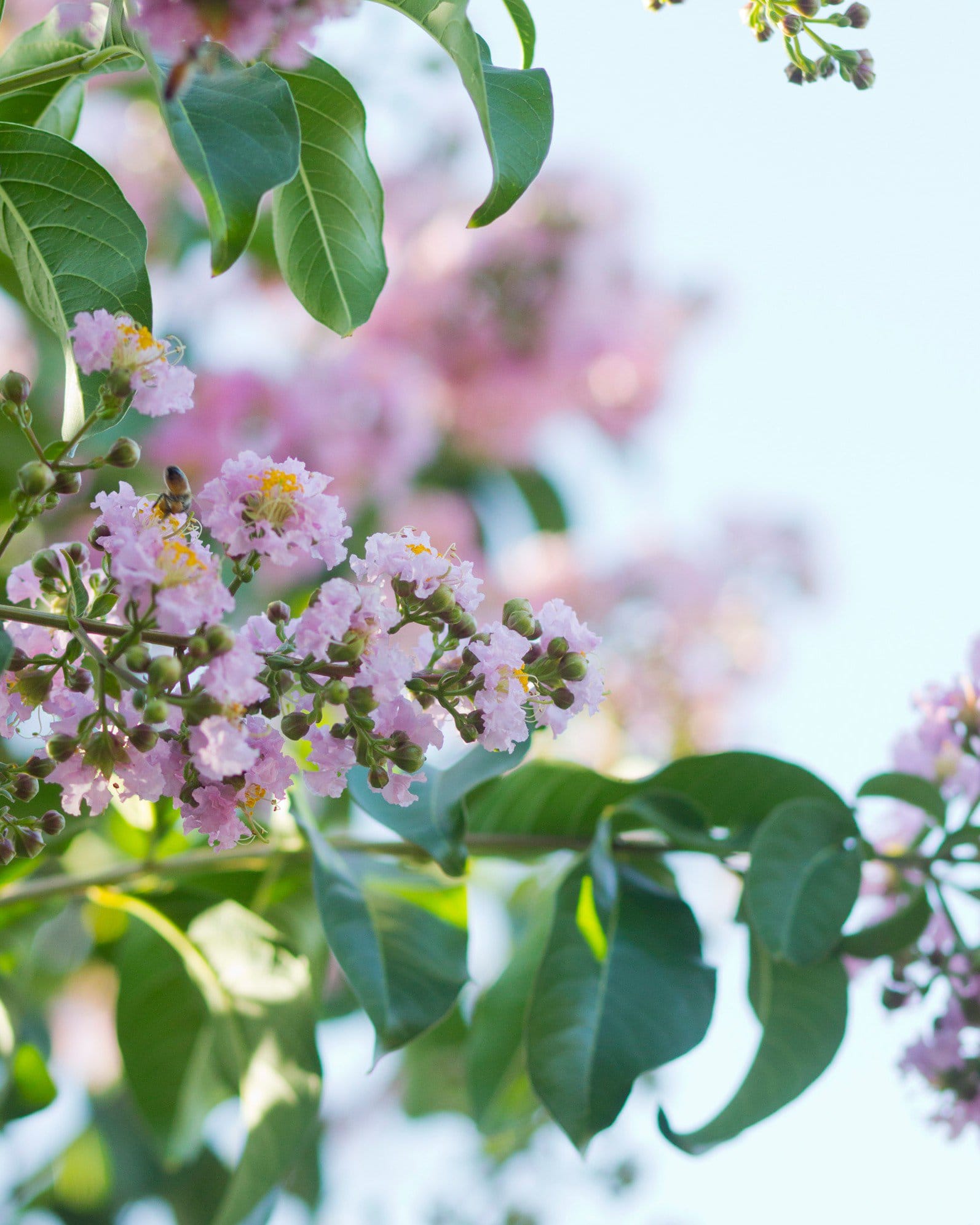
The tree provides nectar that attracts bees and other beneficial insects. Summer flowering trees often help sustain pollinator activity later in the growing season. This contributes to garden biodiversity.
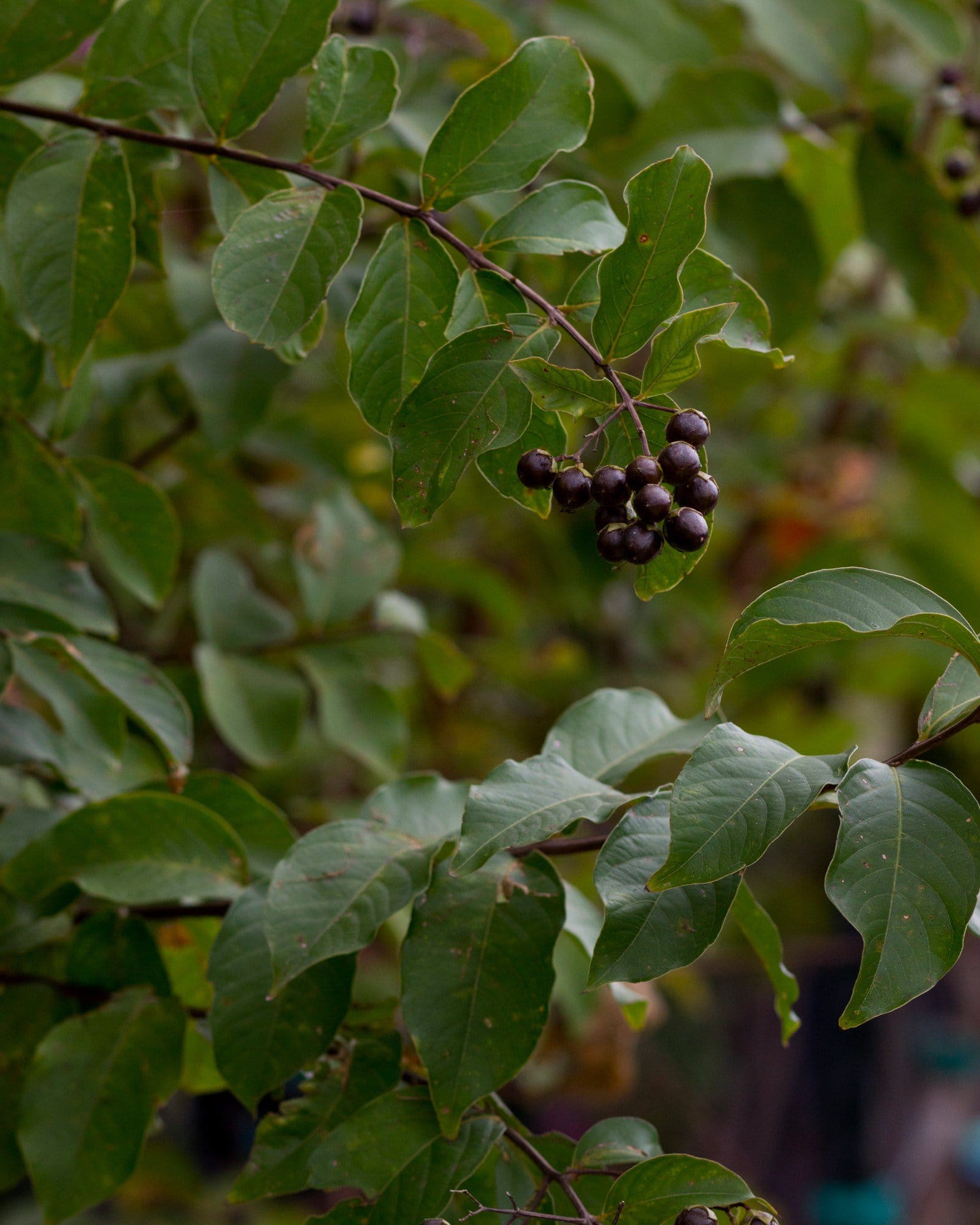
Small seed capsules may appear on branches after flowering finishes. These pods add minor texture to the canopy. Many gardeners remove them during seasonal pruning.
The canopy generally develops moderate density with evenly spaced foliage. Filtered light can pass through the branches. This keeps the structure balanced.
Branches gradually thicken as the tree matures. Proper pruning during early growth helps establish strong limb spacing. Mature trees typically maintain stable structure.
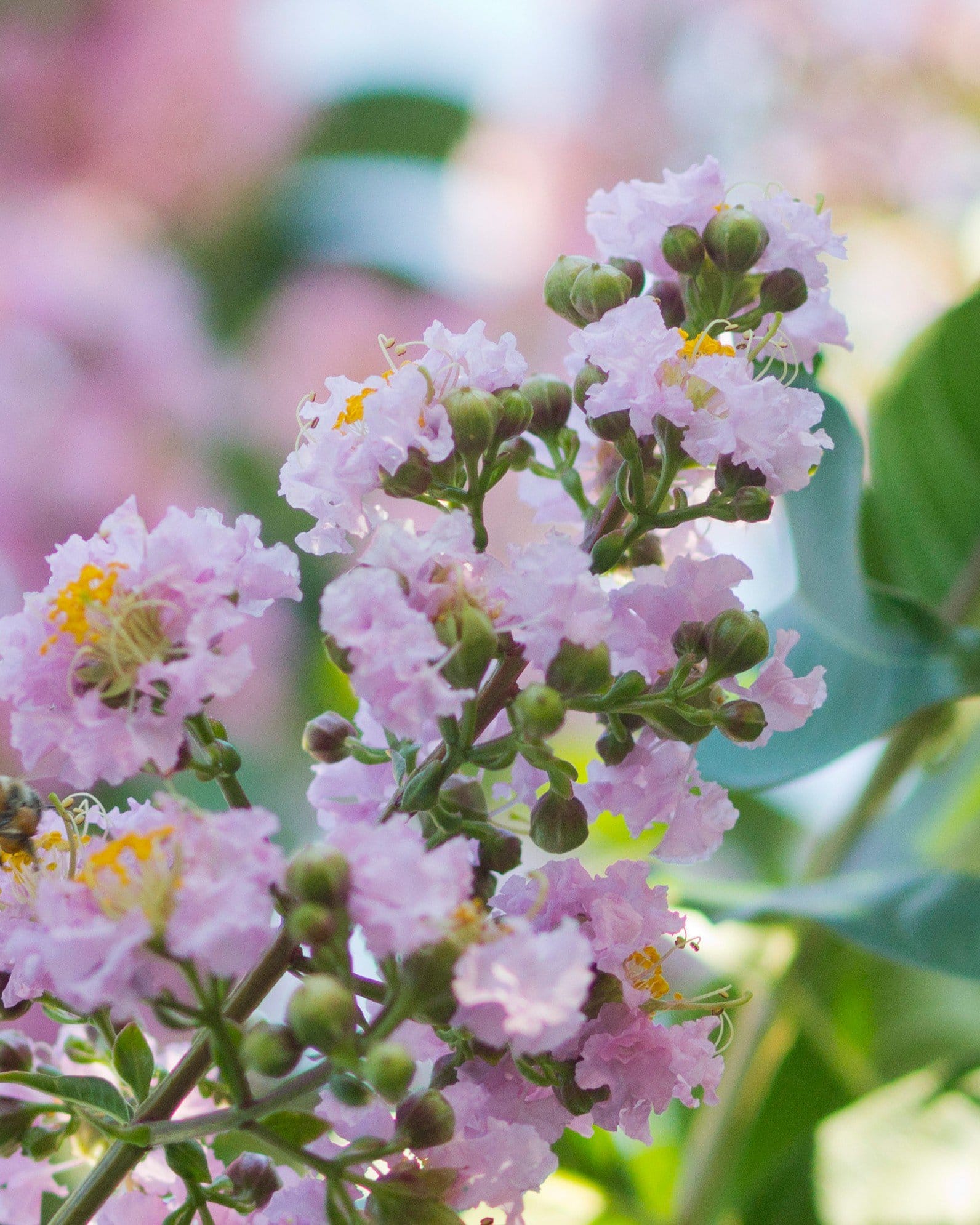
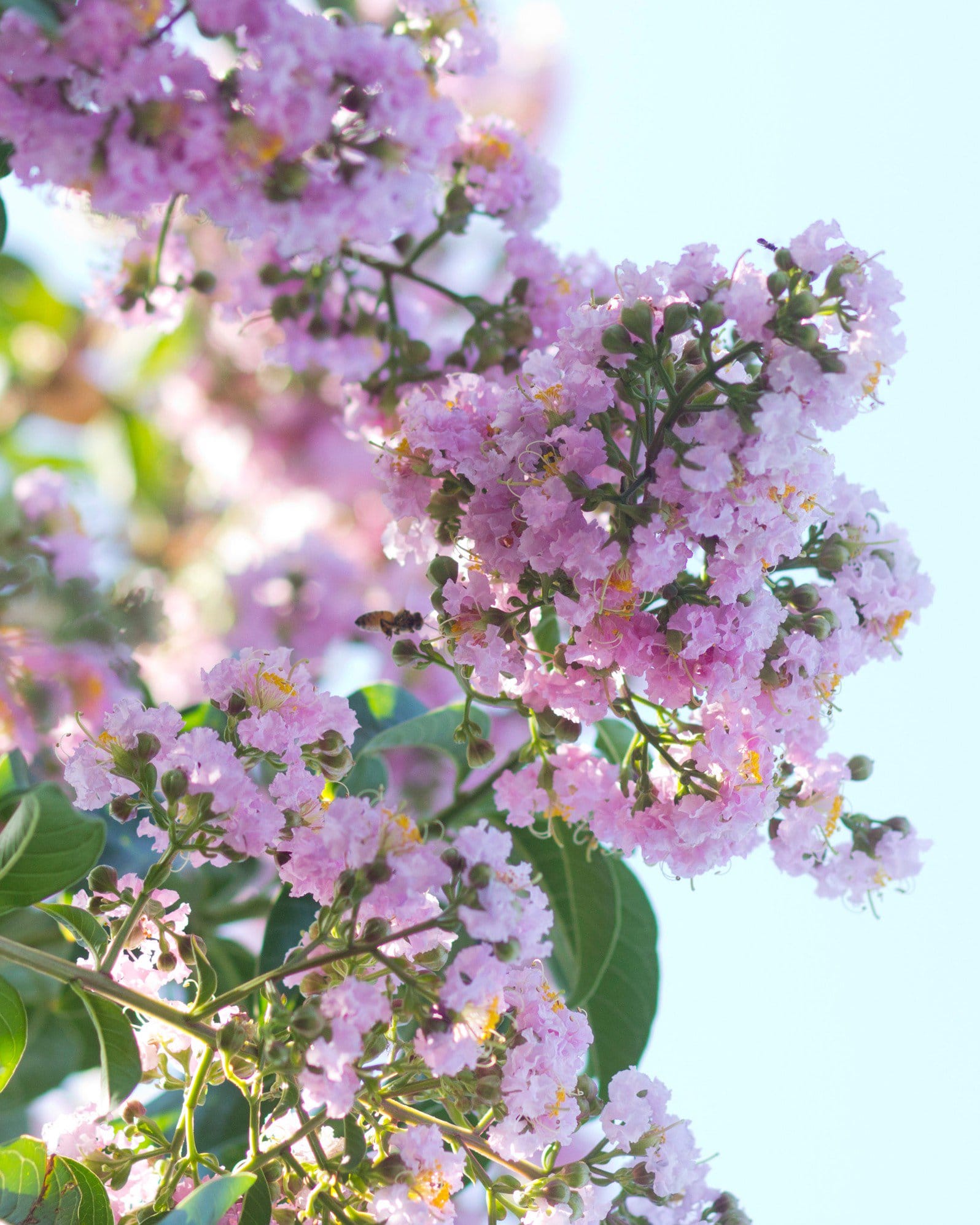
Dense clusters of bright blooms create a vivid display across the canopy. Even from a distance, the color stands out clearly. The effect gives the tree a strong ornamental presence.
Special Features
You might also like
Basham's Party Pink Crape Myrtle
Maturity: 20' H x 15' W
Biloxi Crape Myrtle
Maturity: 20' H x 15' W
Colorama Coral Crape Myrtle
Maturity: 20' H x 12' W
Hopi Crape Myrtle
Maturity: 10' H x 8' W
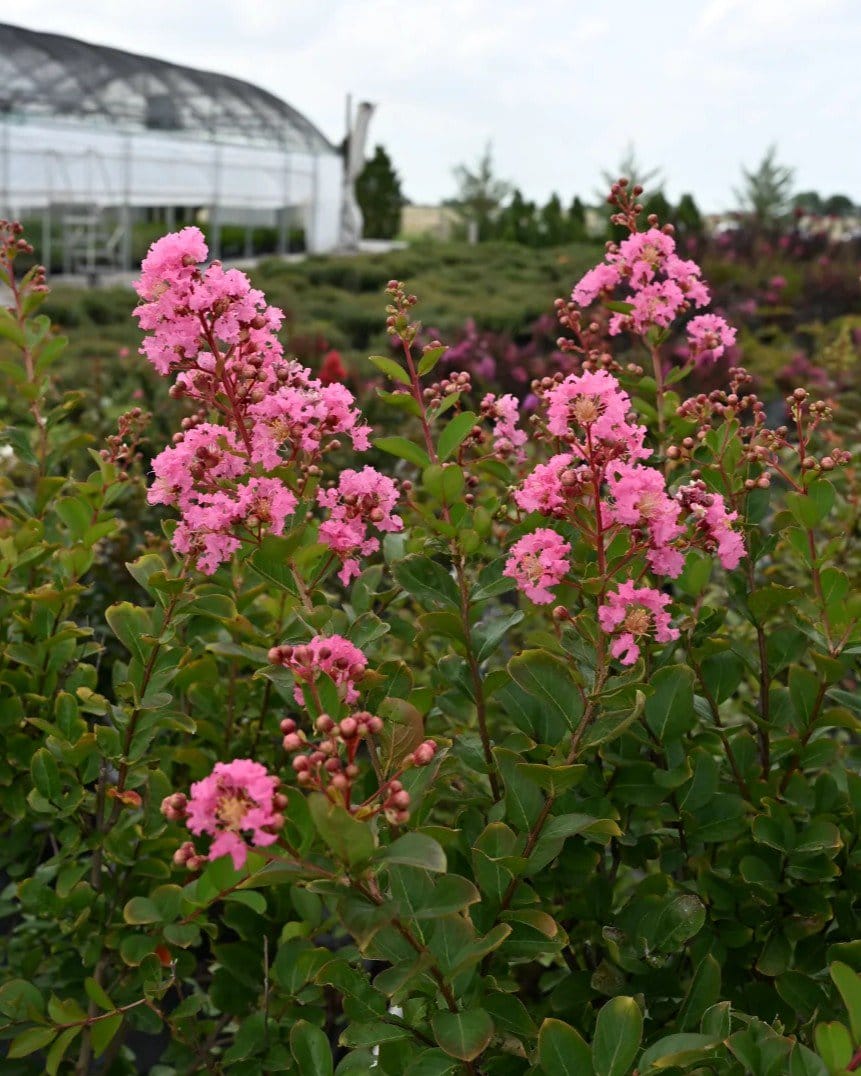
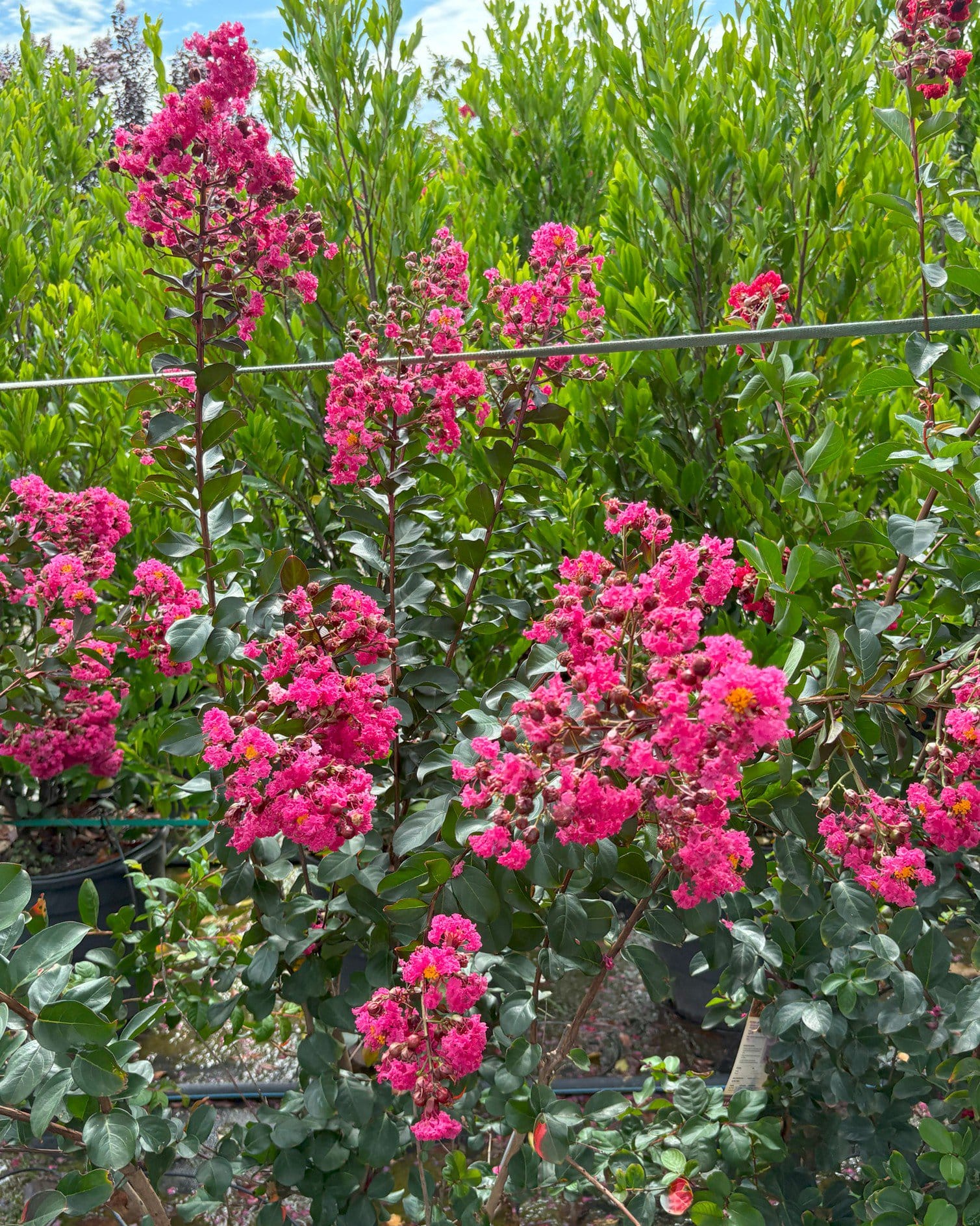
Pink Velour Crape Myrtle
Maturity: 10' H x 8' W
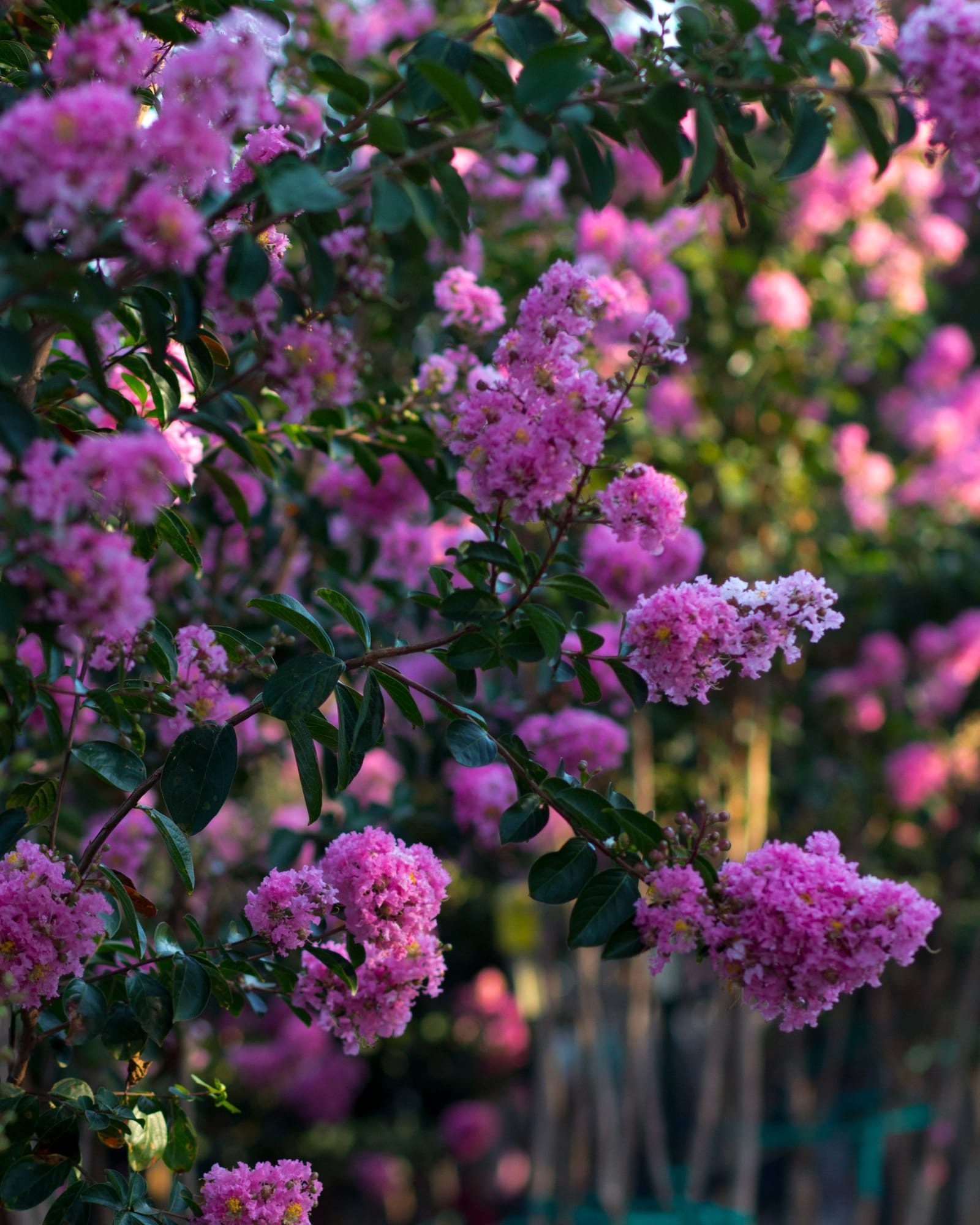
Sioux Crape Myrtle
Maturity: 15' H x 10' W
Tonto Crape Myrtle Single Trunk
Maturity: 15' H x 12' W
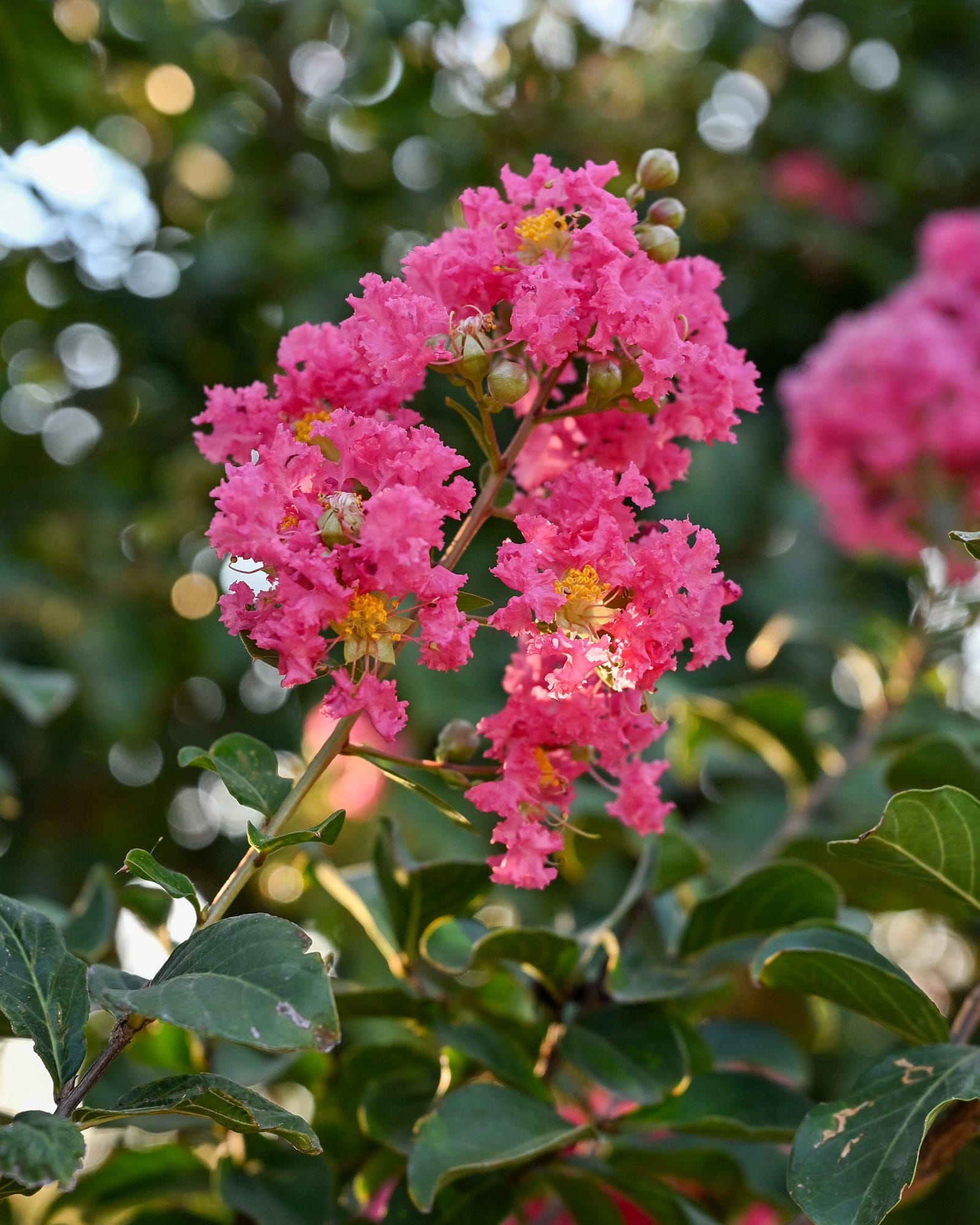
Tuscarora Crape Myrtle
Maturity: 25' H x 20' W
Tuscarora Crape Myrtle Single Trunk
Maturity: 25' H x 20' W
Tuskegee Crape Myrtle
Maturity: 20' H x 15' W
Autauga Crape Myrtle
Maturity: 20' H x 12' W
Black Diamond Shell Pink Crape Myrtle
Maturity: 12' H x 8' W
Colorama Ivory Crape Myrtle
Maturity: 20' H x 12' W
Colorama Pearl Crape Myrtle
Maturity: 20' H x 12' W
Colorama Purple Crape Myrtle
Maturity: 20' H x 12' W
Compare Similar Plants
Tonto Crape Myrtle This plant | ||
|---|---|---|
| Scientific Name | Lagerstroemia x 'Tonto' | Lagerstroemia × ‘Basham’s Party Pink’ |
| Size at Maturity | 15' H x 12' W | 20' H x 15' W |
| Leaf Retention | Deciduous | Deciduous |
| Fall Color | Yellow | Yellow |
| Flower Color | Pink | Pink |
| Bloom Times | Summer | Summer |
| Sizes Available | 5, 7, 15, 30 gal | 10, 15, 45 gal |


Our 1-Year Planting Guarantee
We take pride in our plants and installation services. If any plants or trees installed by Treeland fail to thrive within the first year, we'll provide a replacement credit in accordance with our guarantee program.
Learn More About Our Guarantee