
Pink Velour Crape Myrtle
Lagerstroemia indica 'Whit III'Local DFW Delivery Only
Product Details
Pink Velour Crape Myrtle
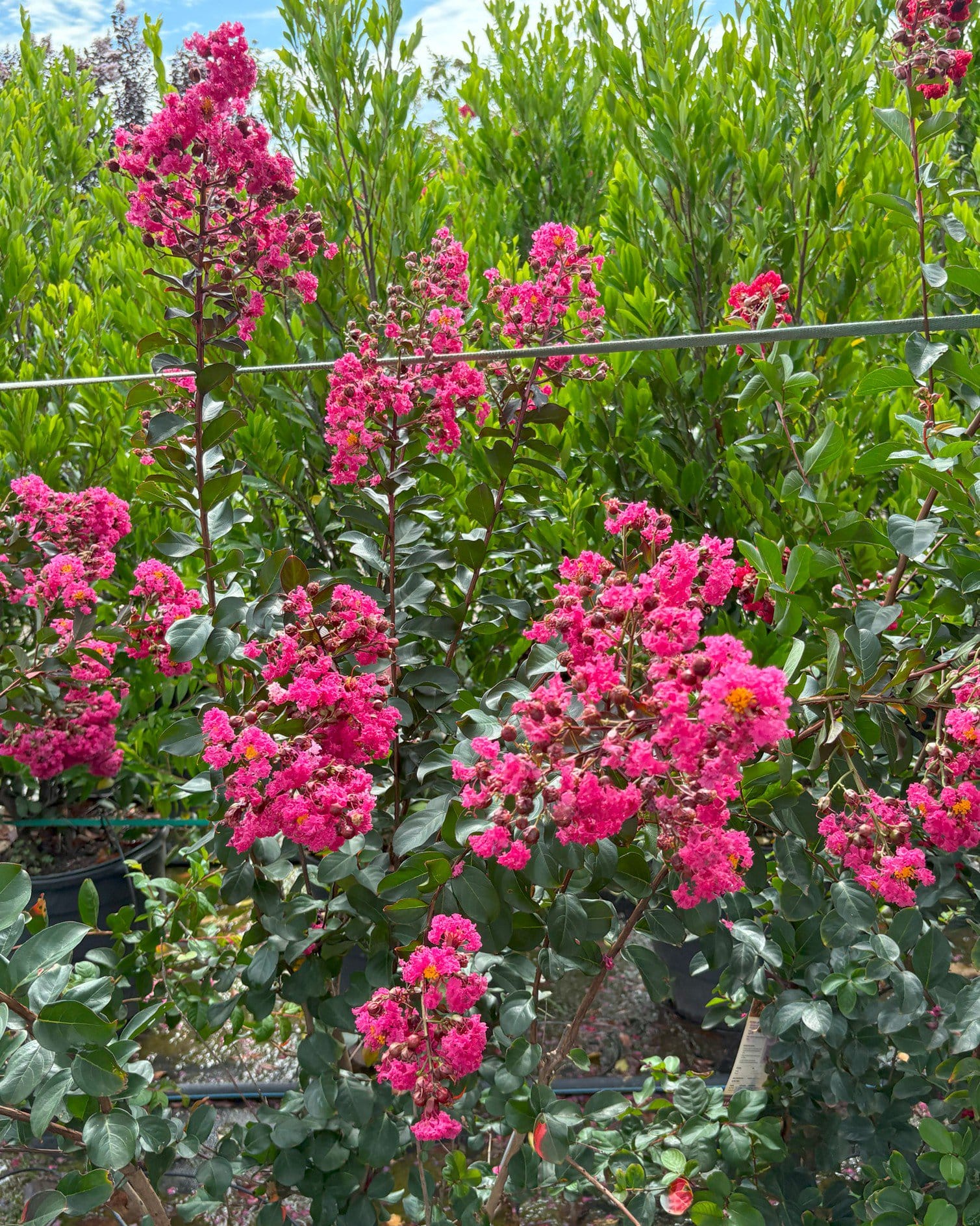
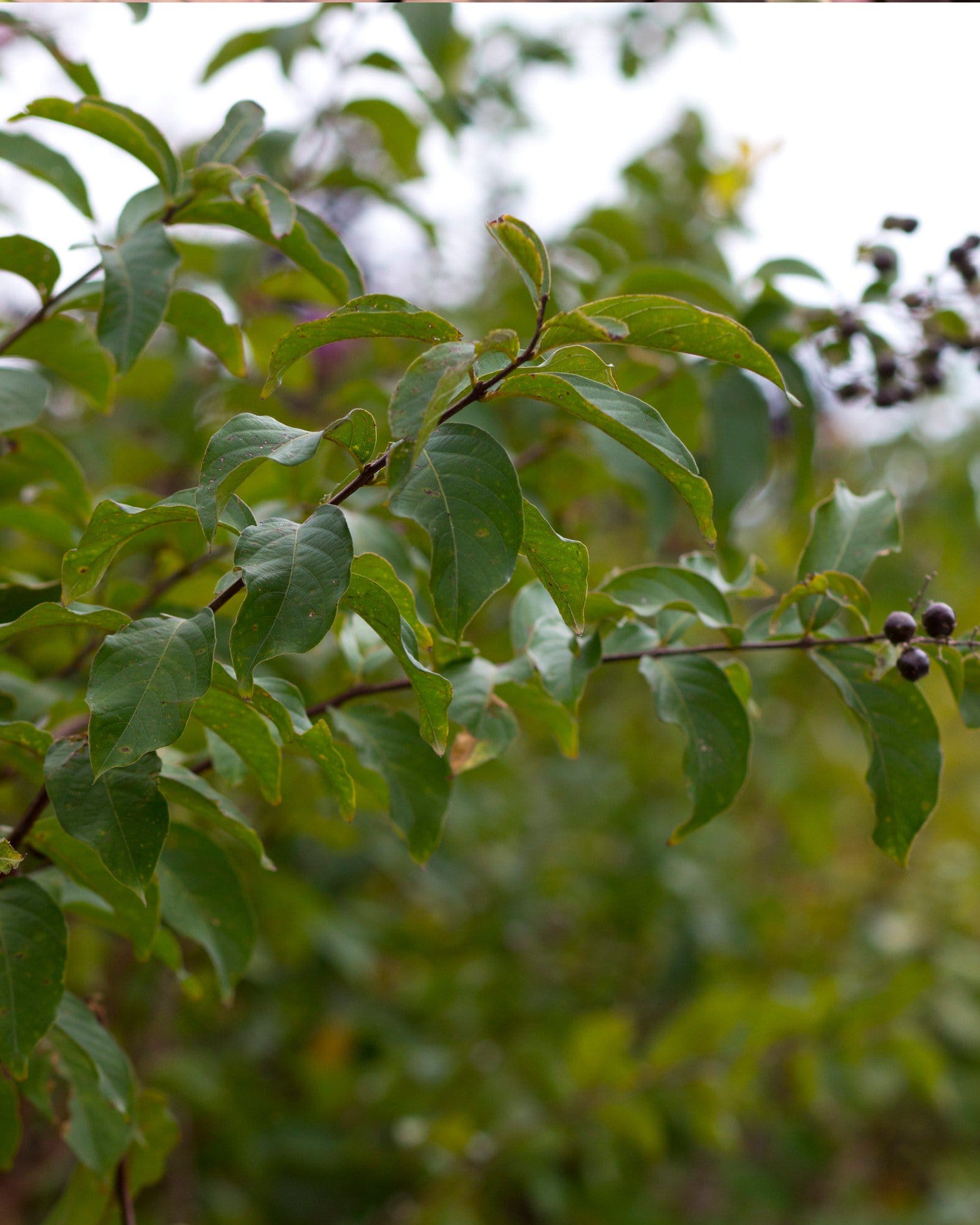
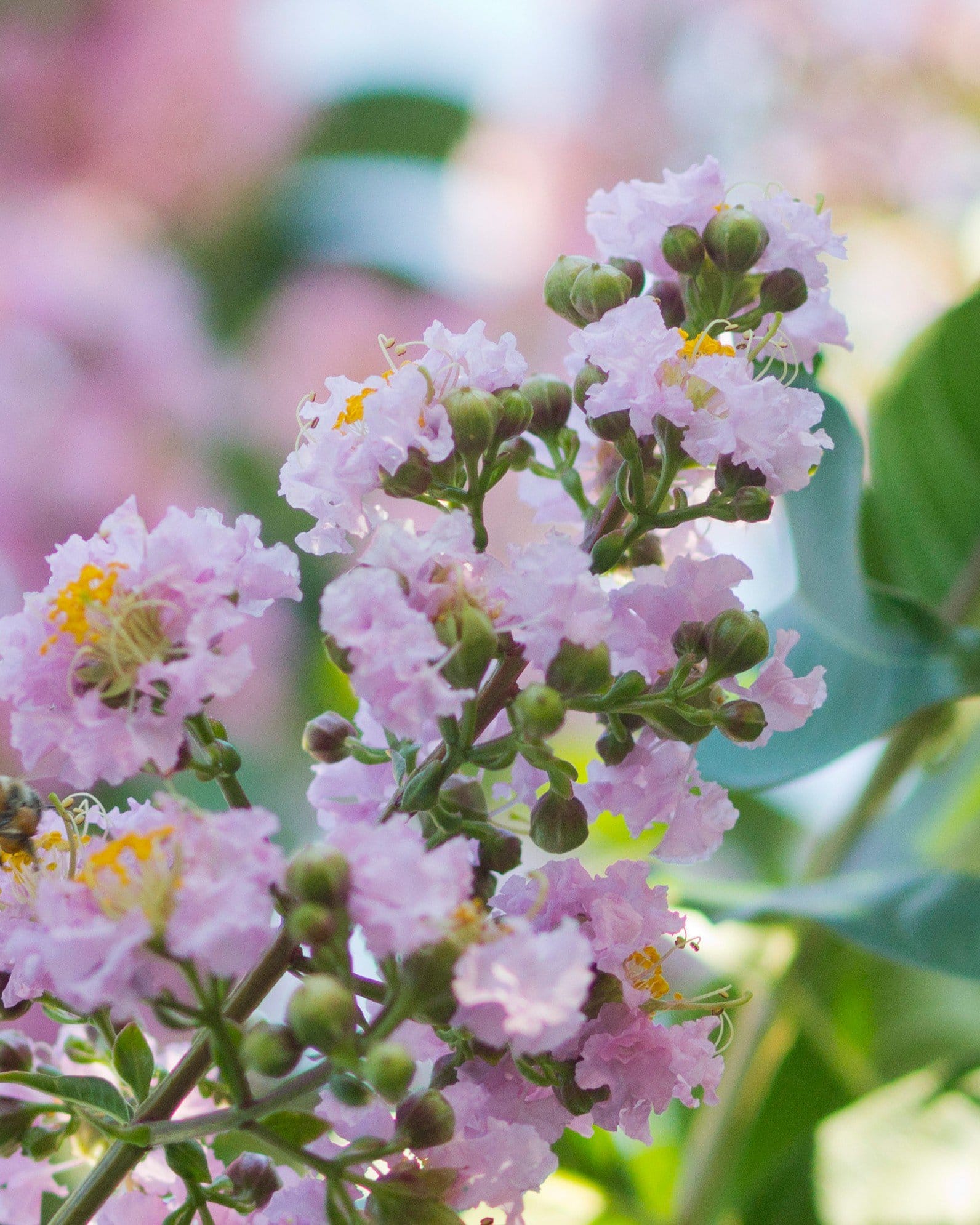
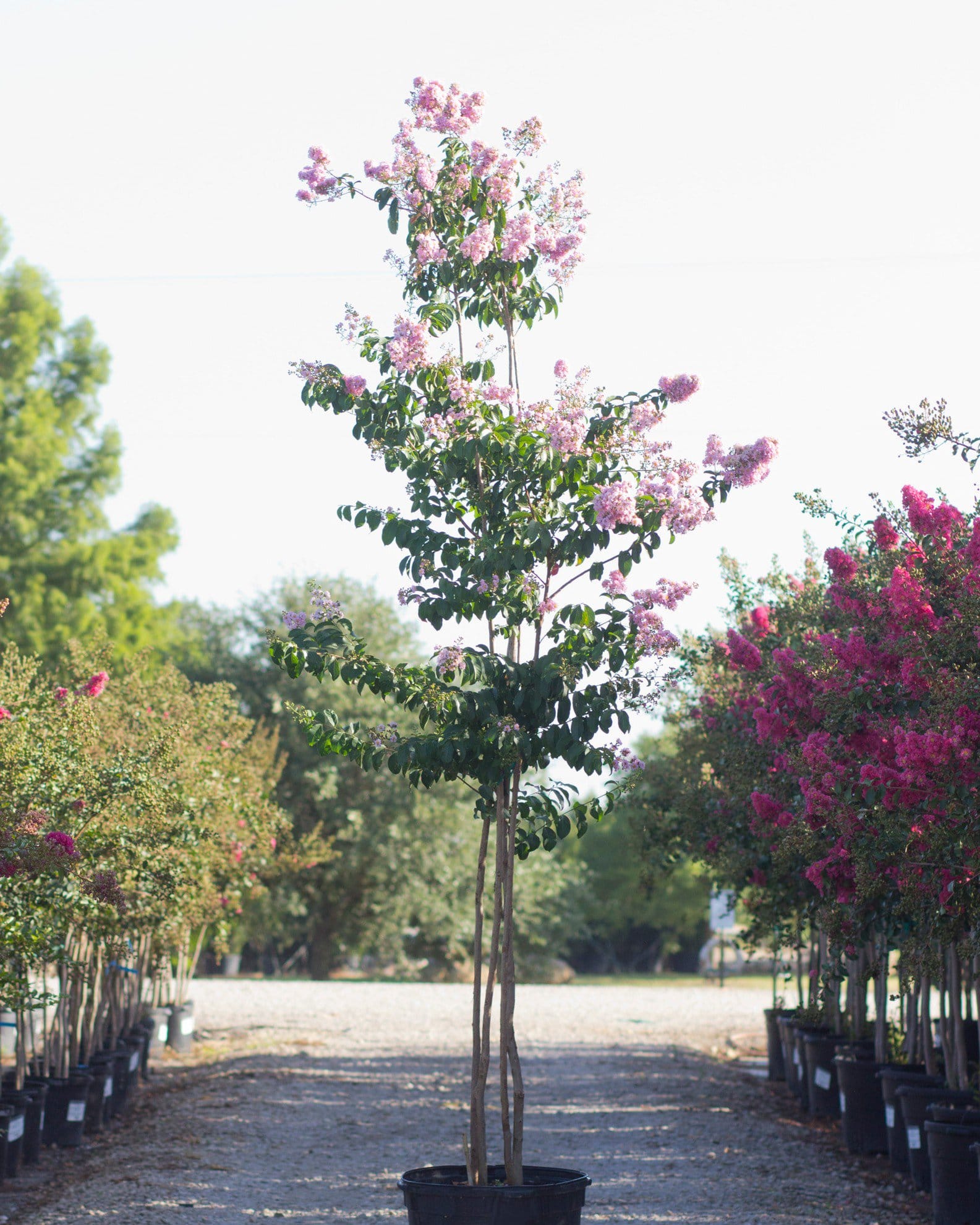
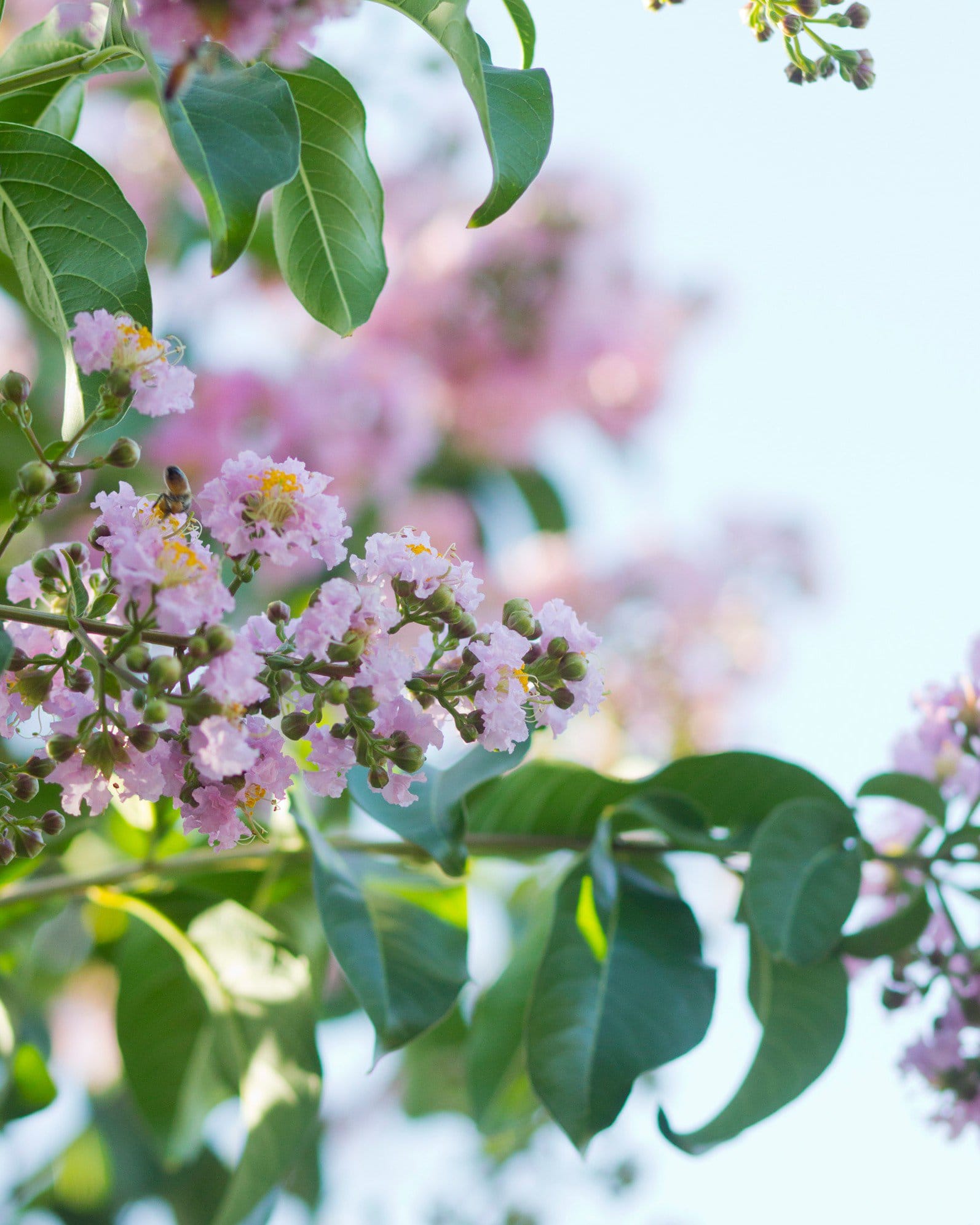
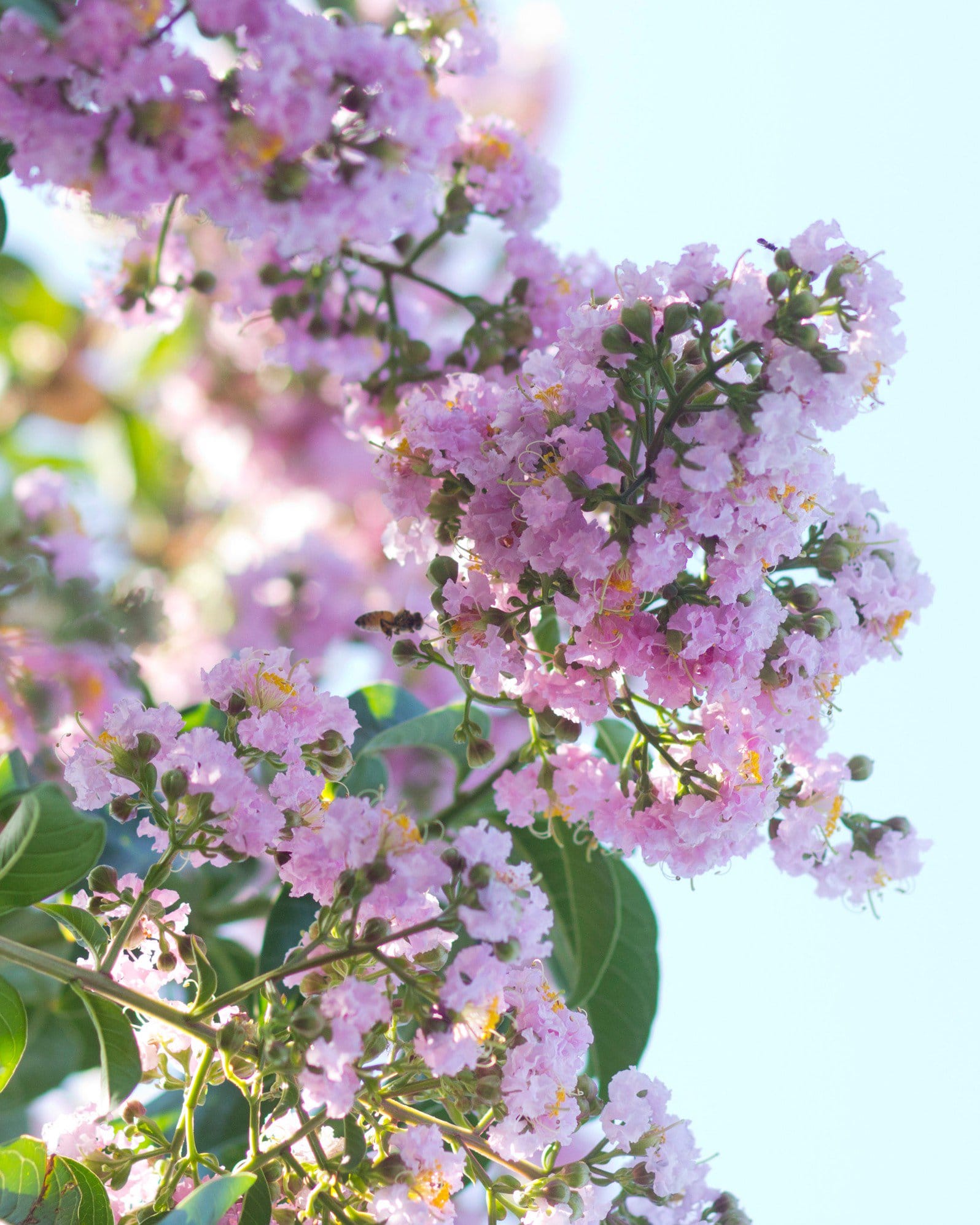
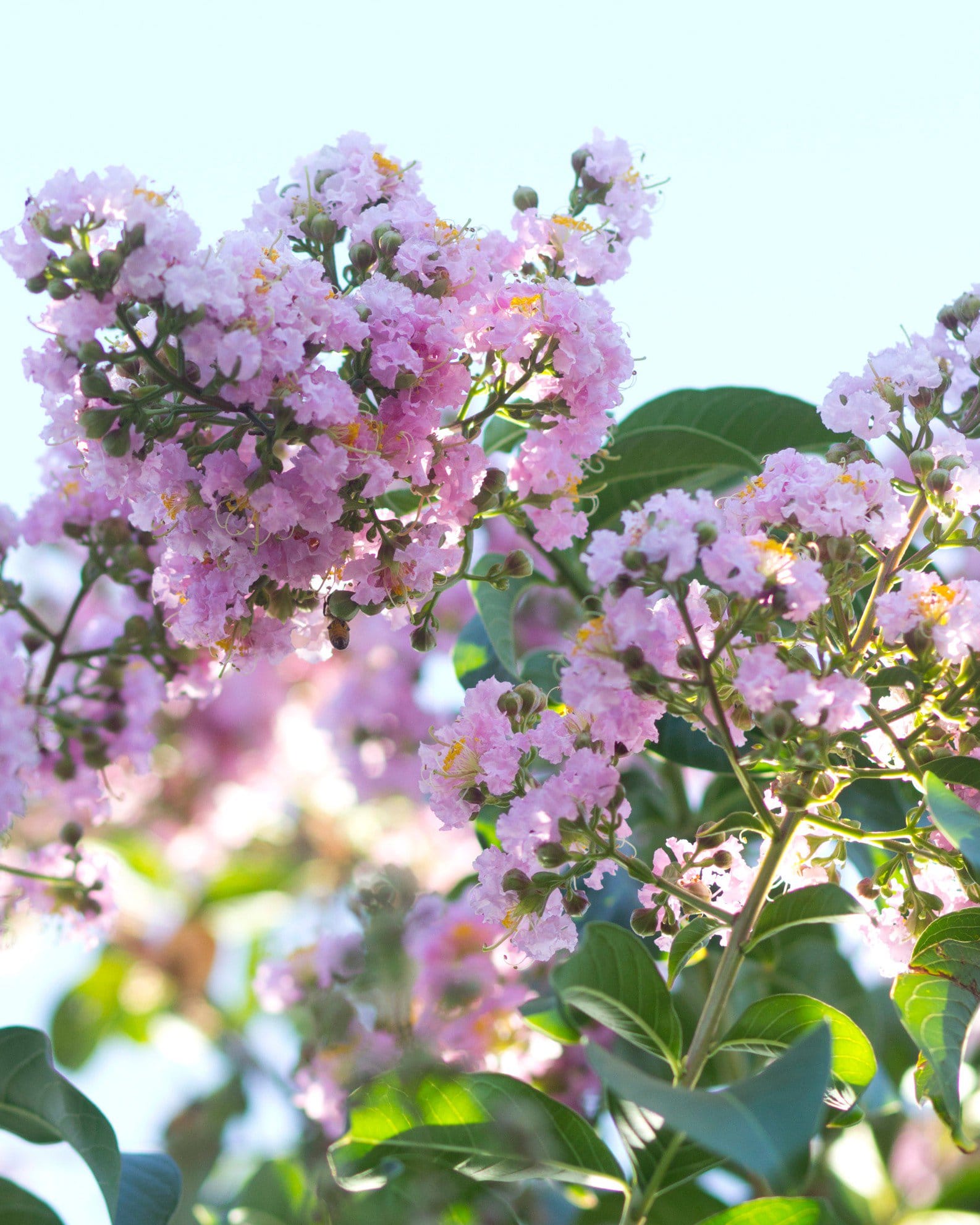
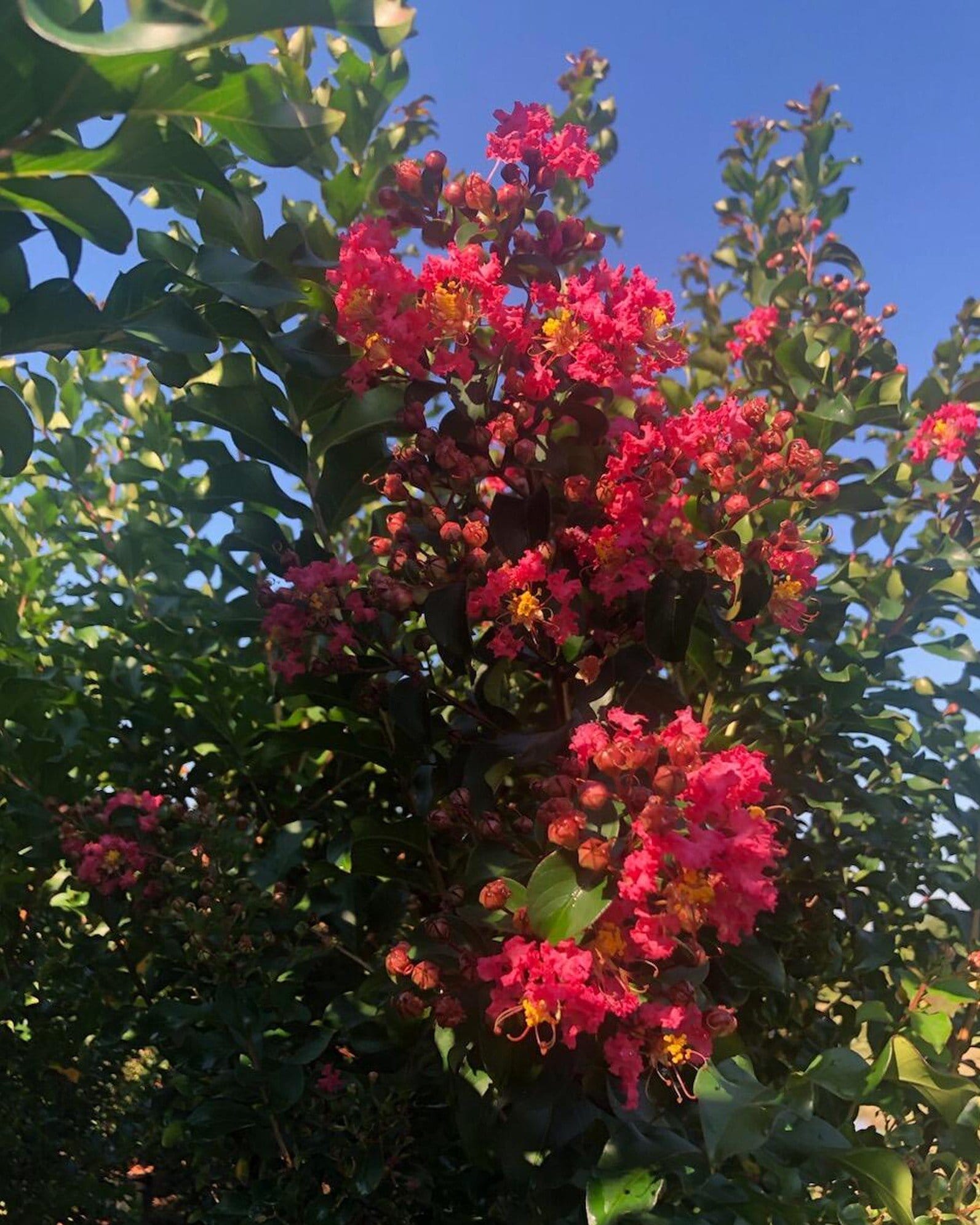
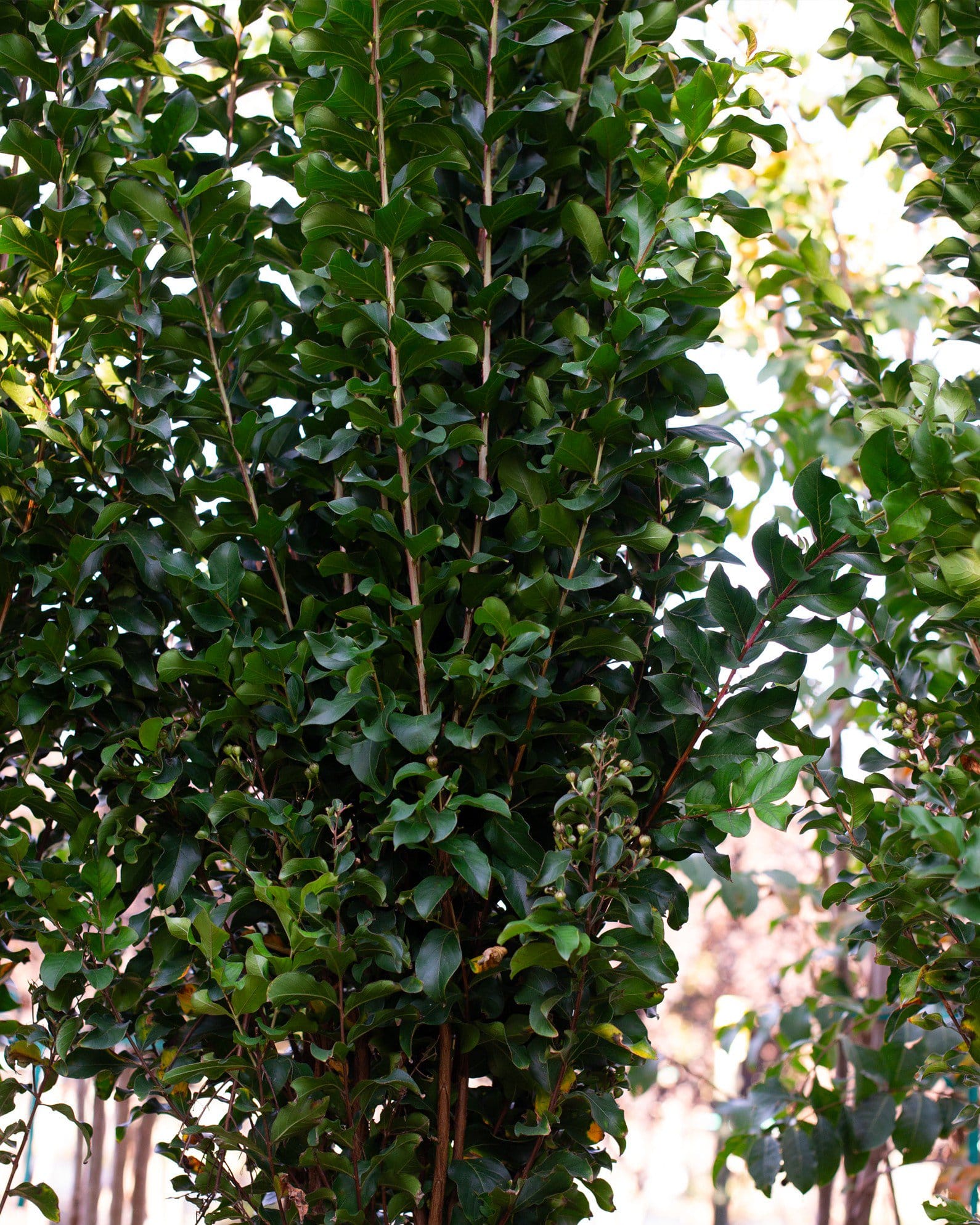
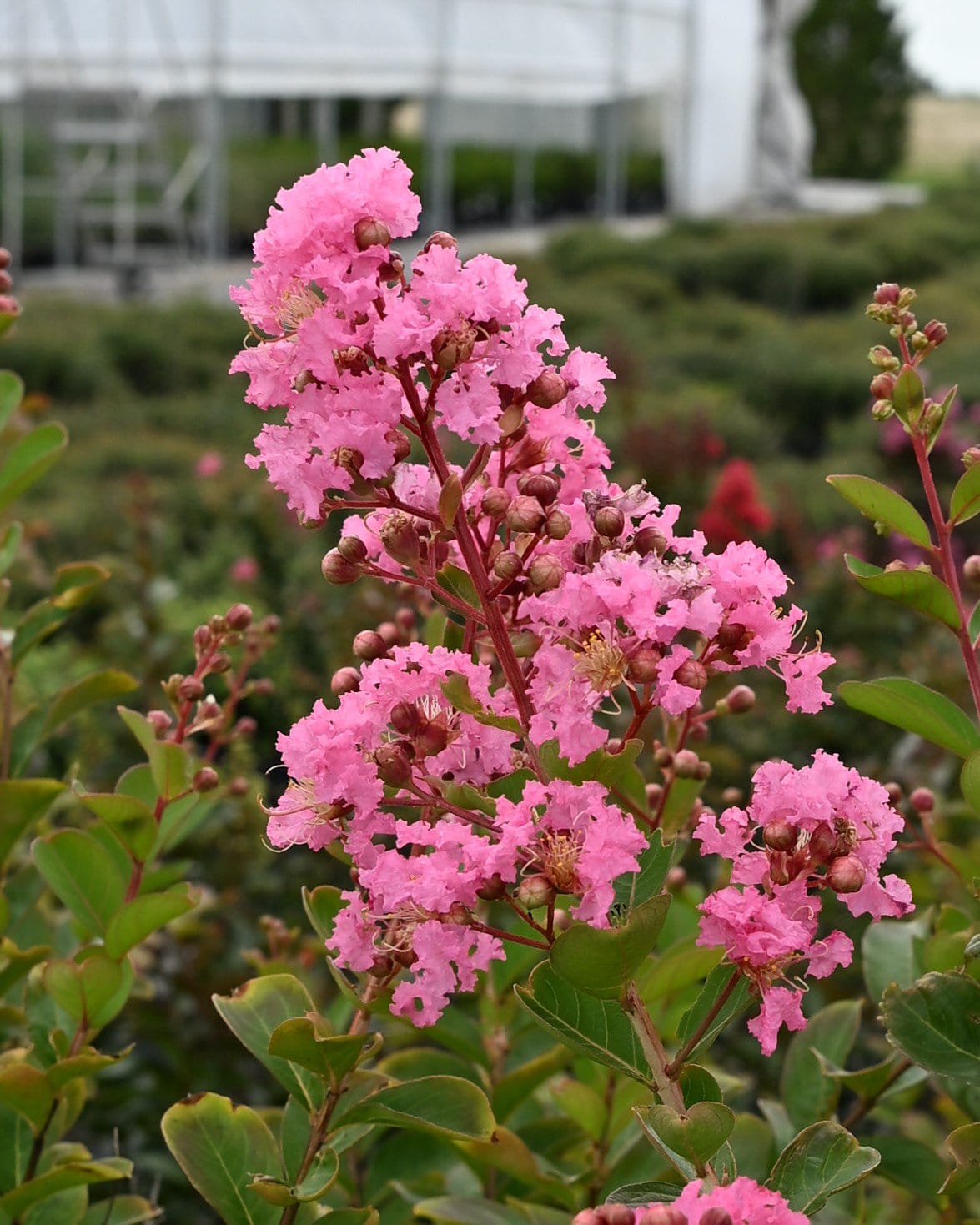
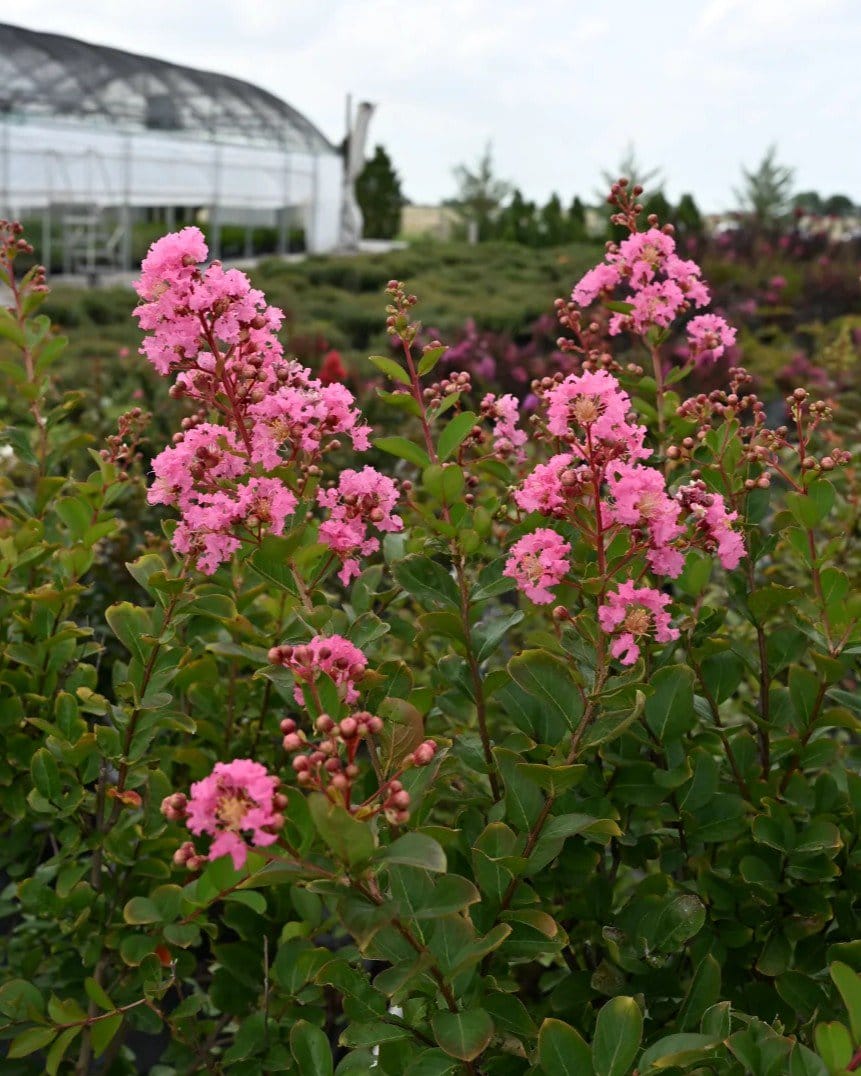
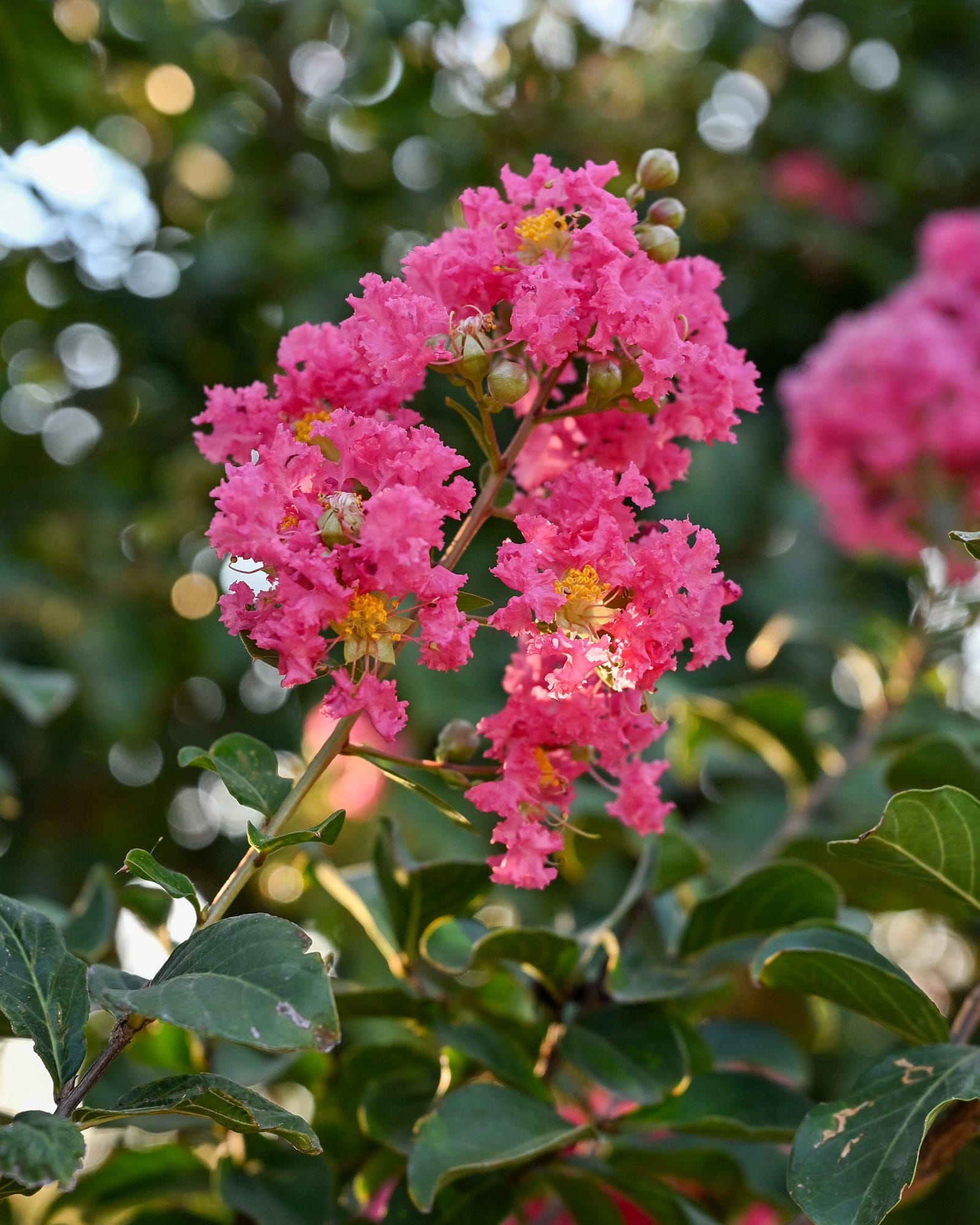
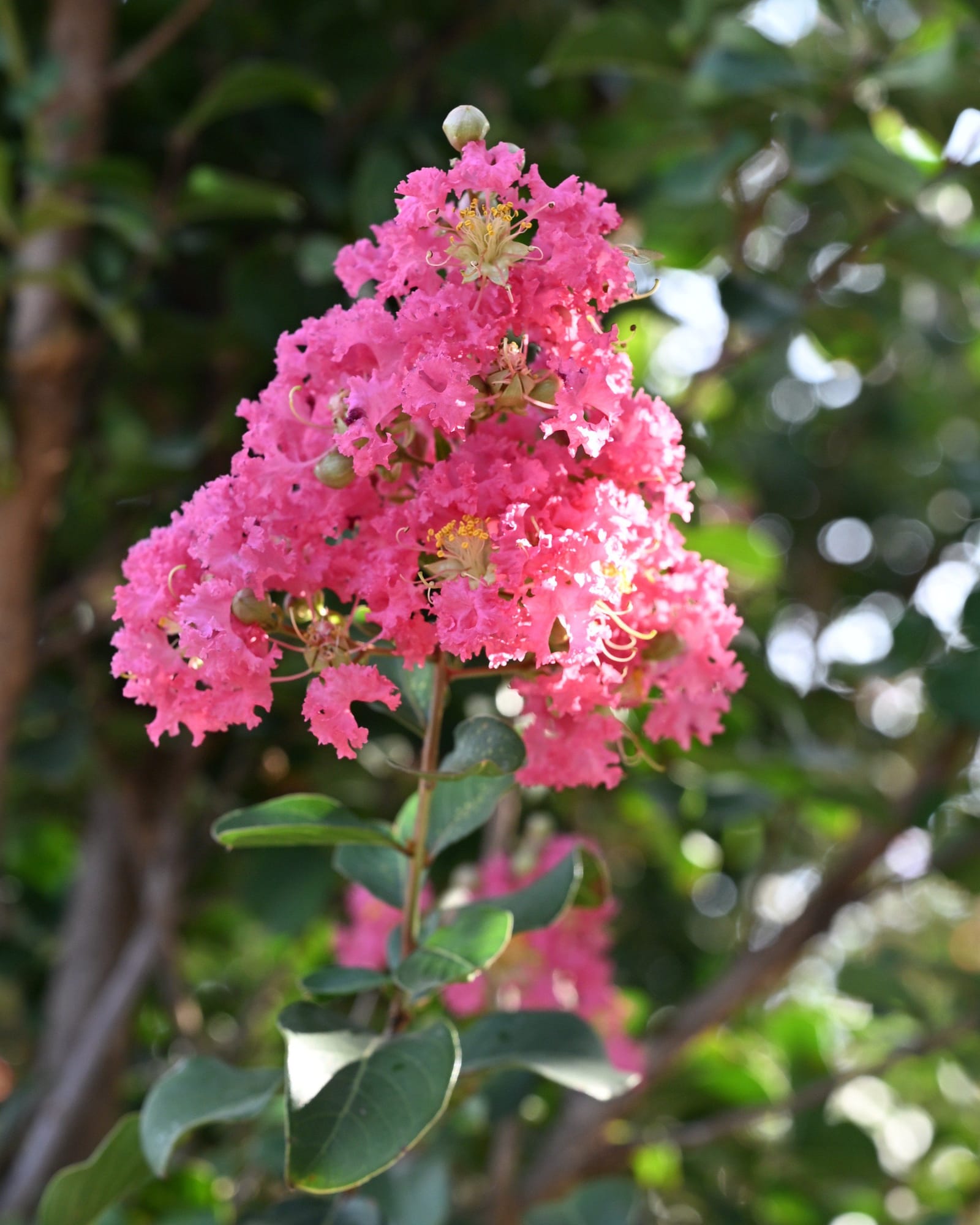
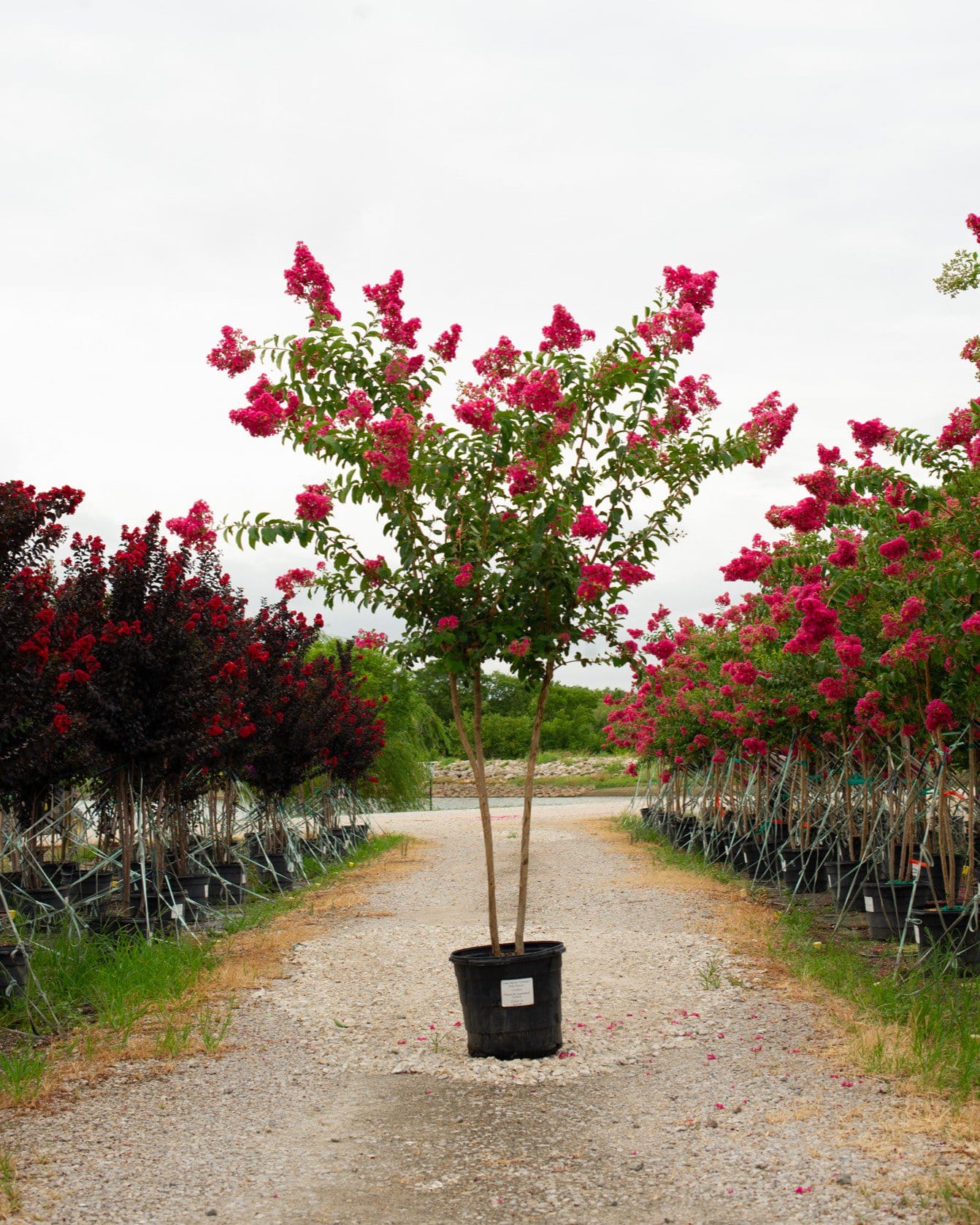
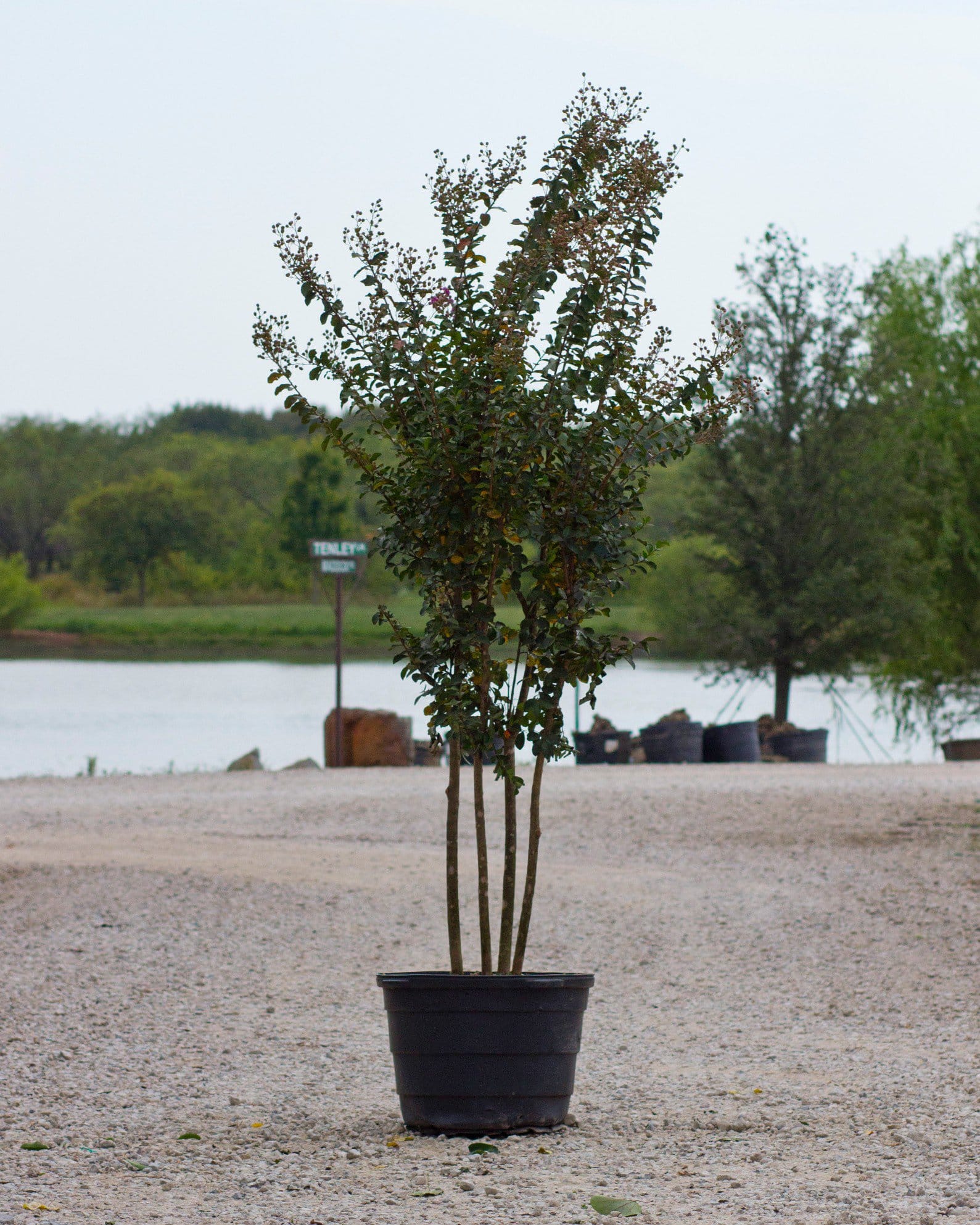
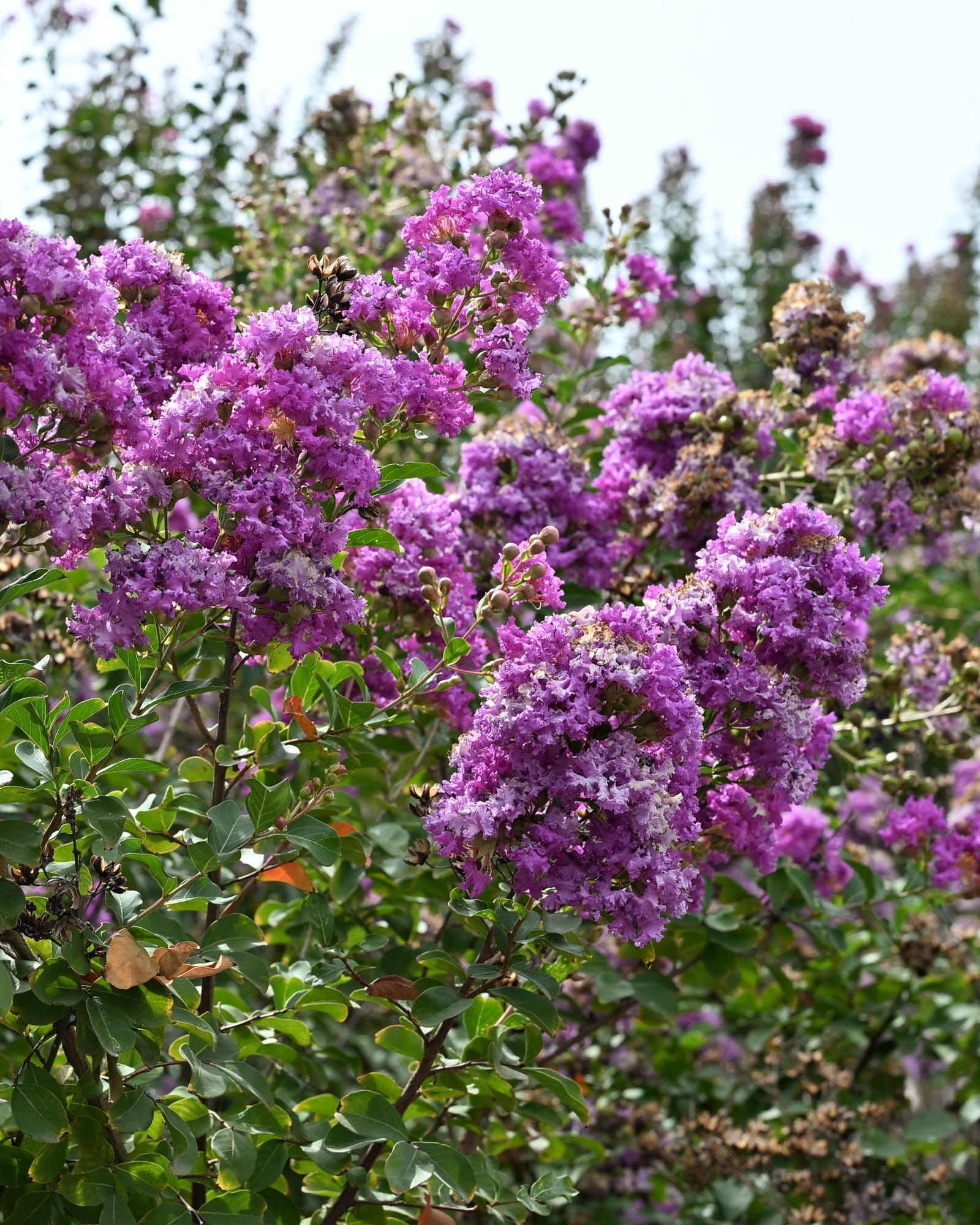
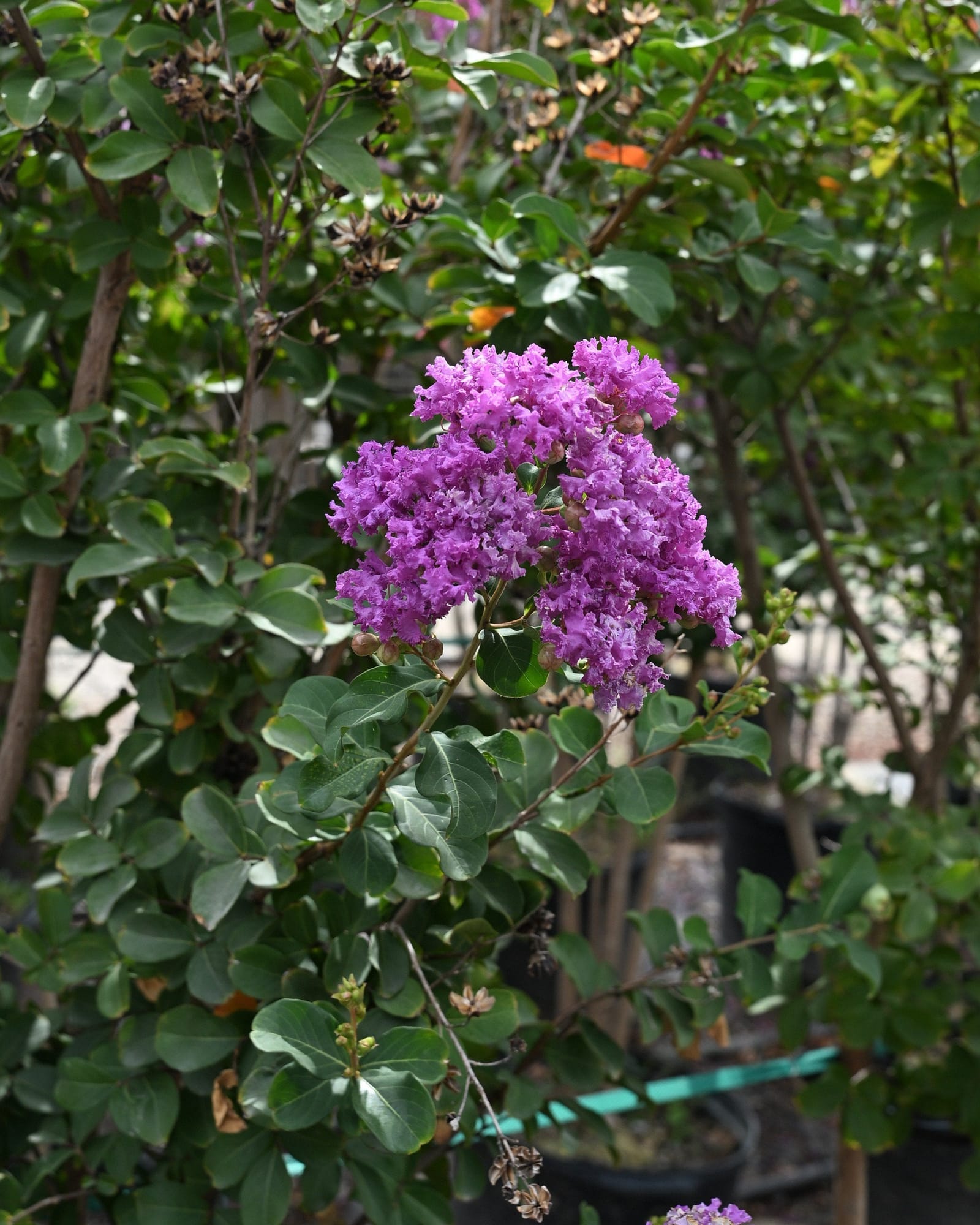
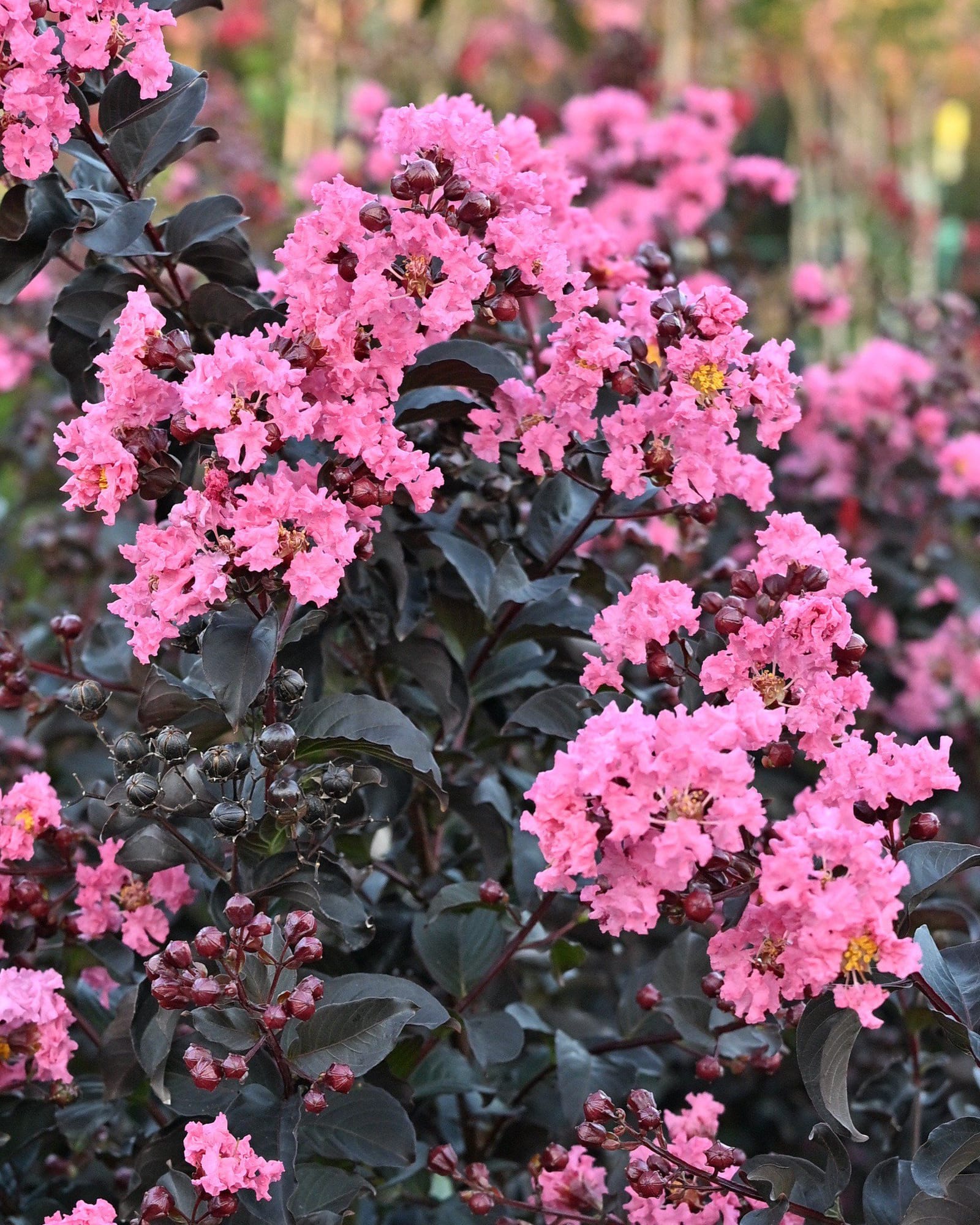
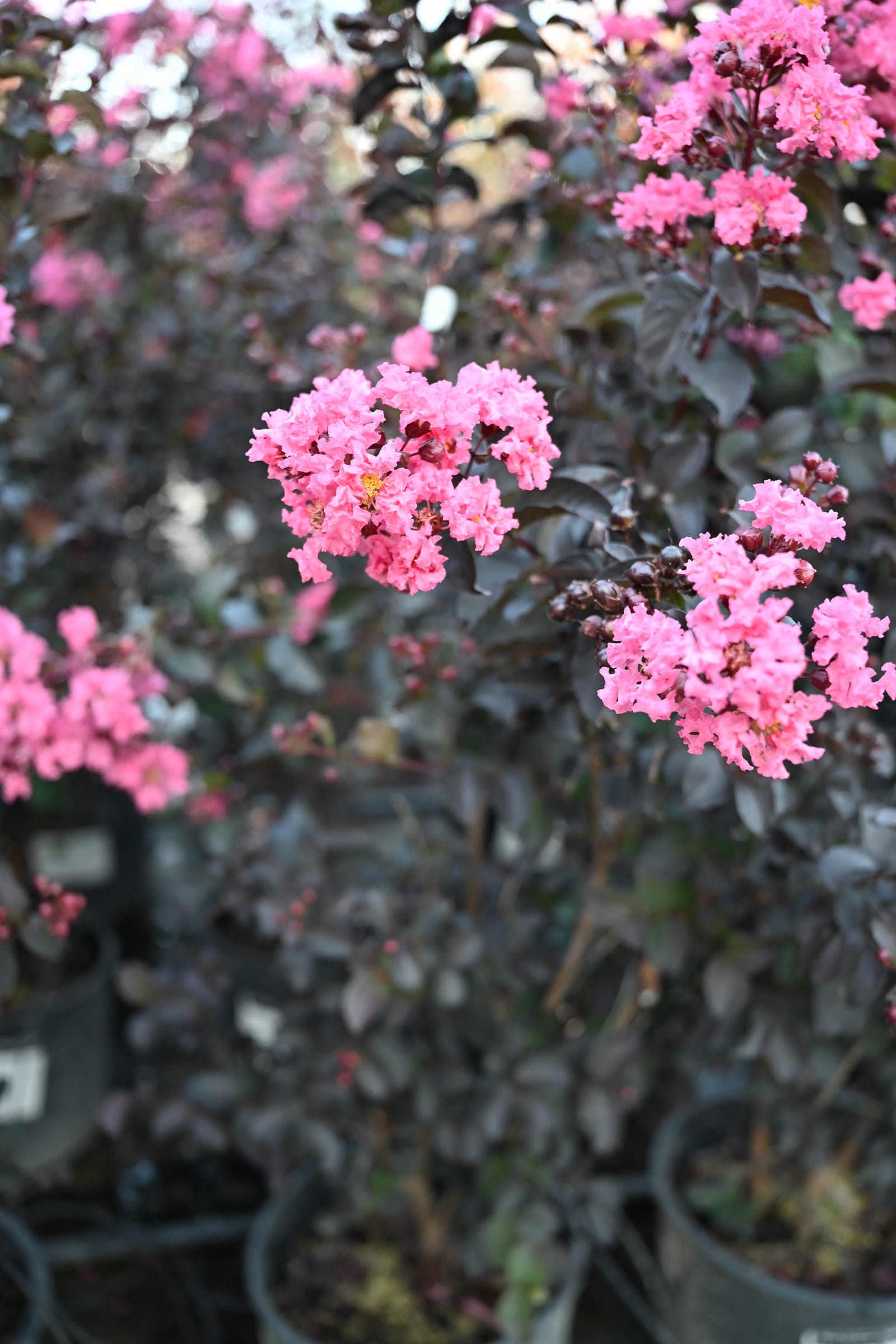
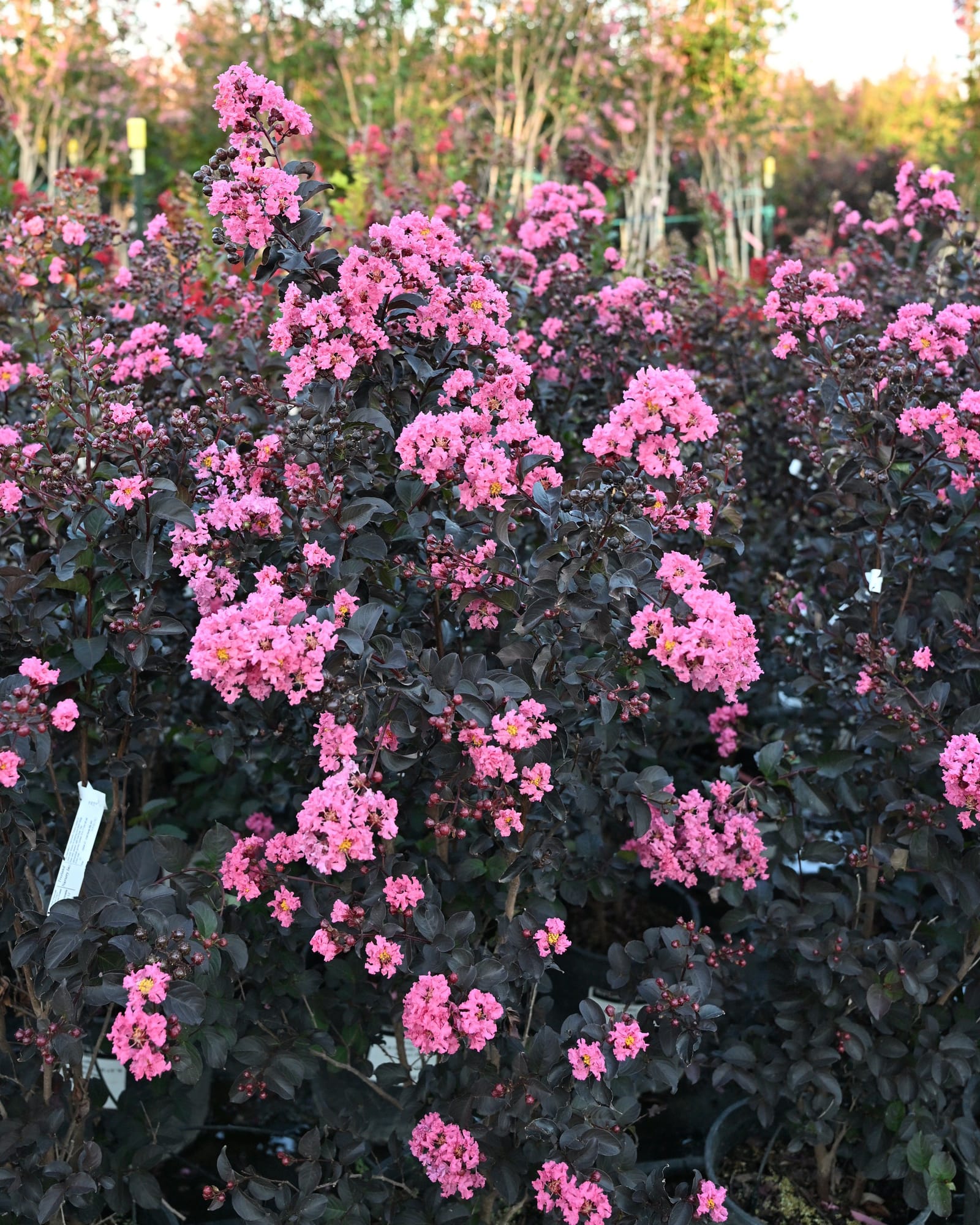
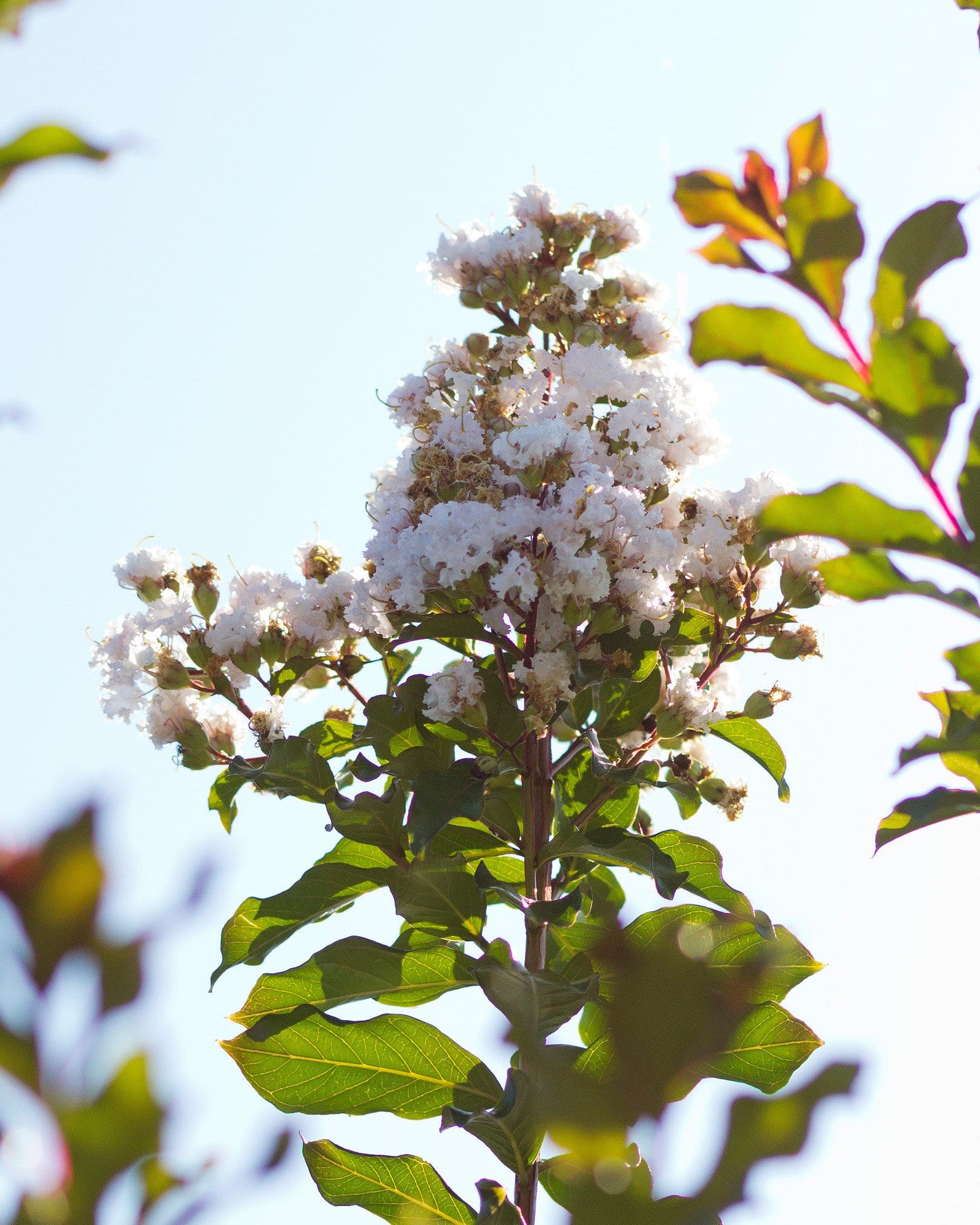
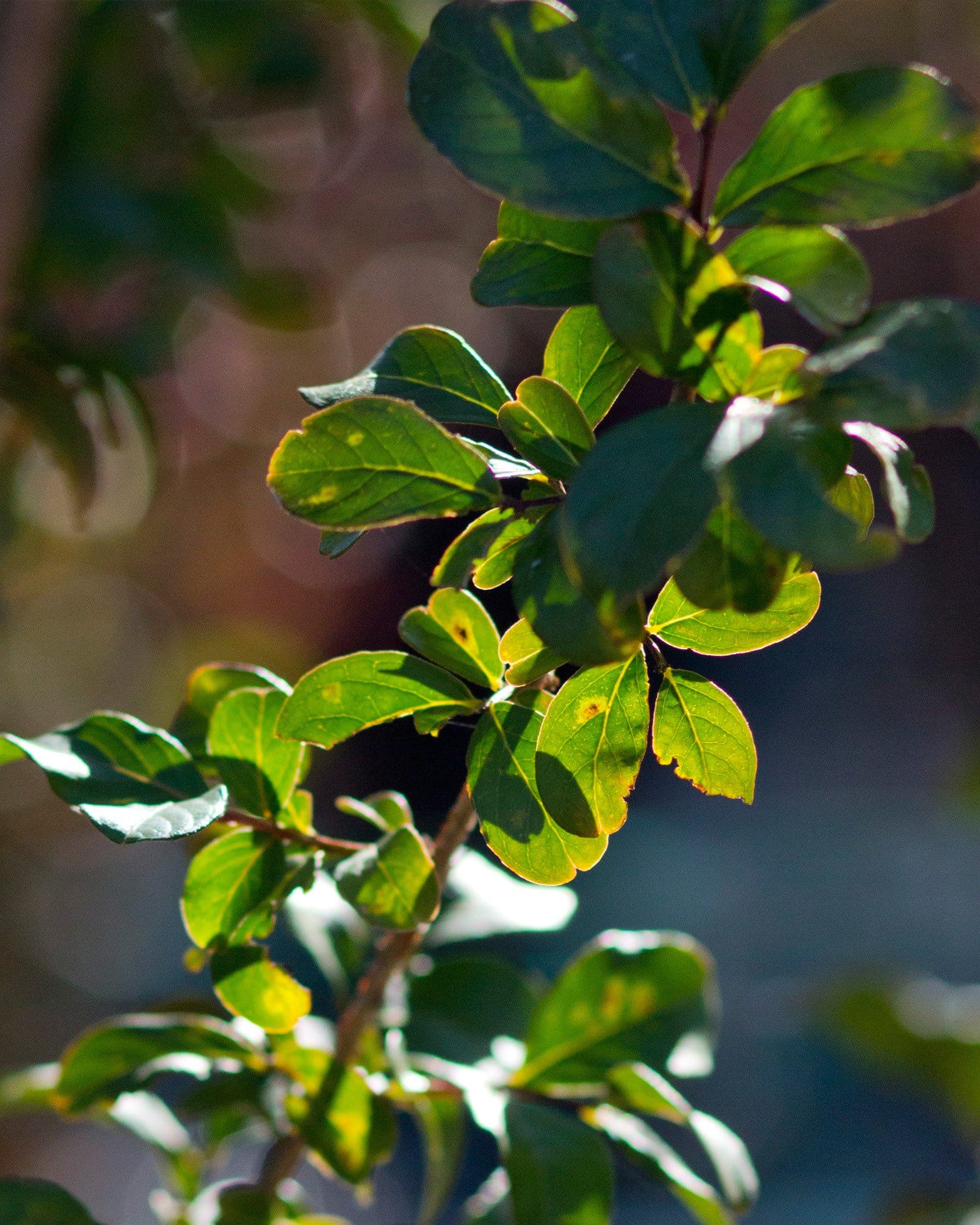
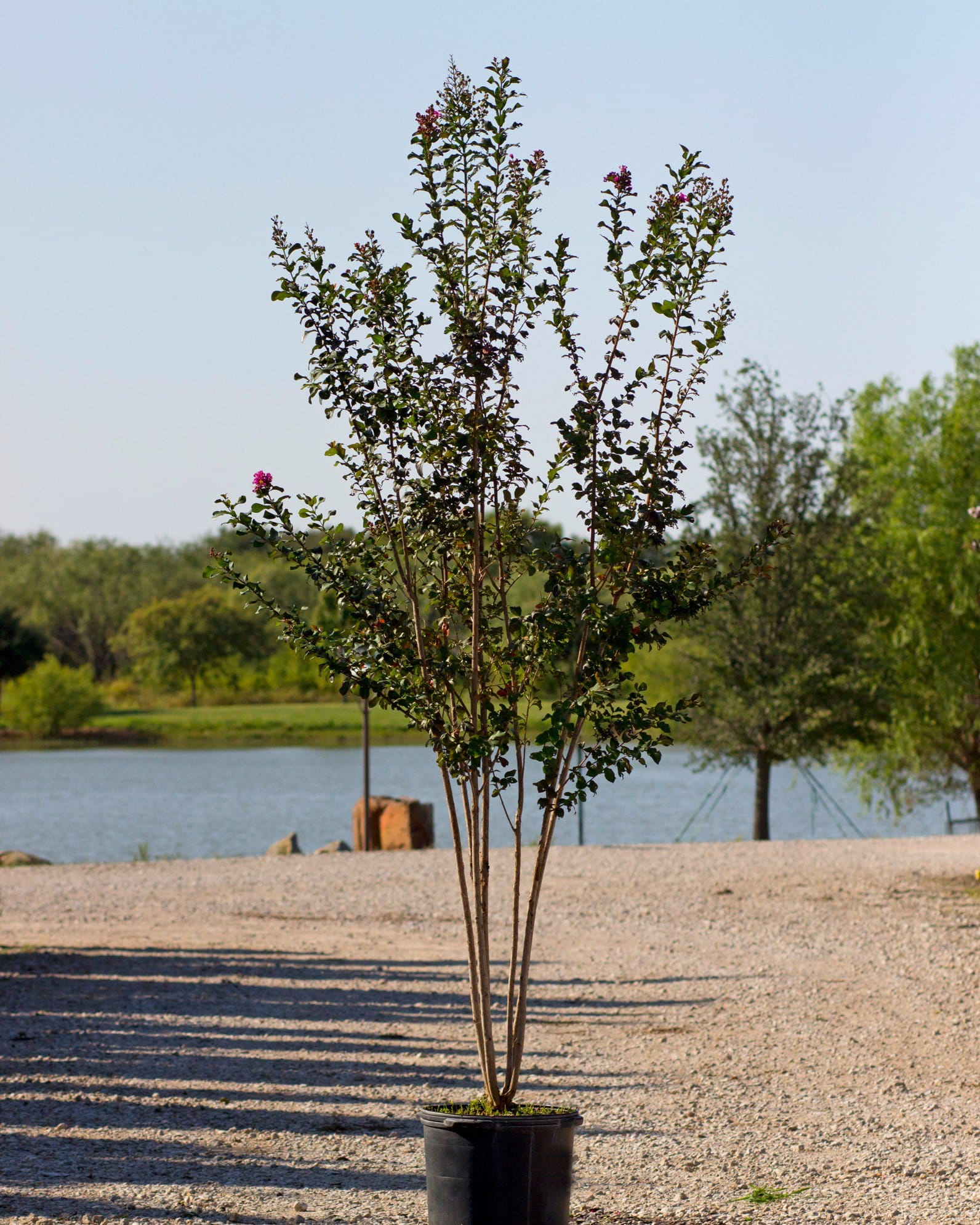
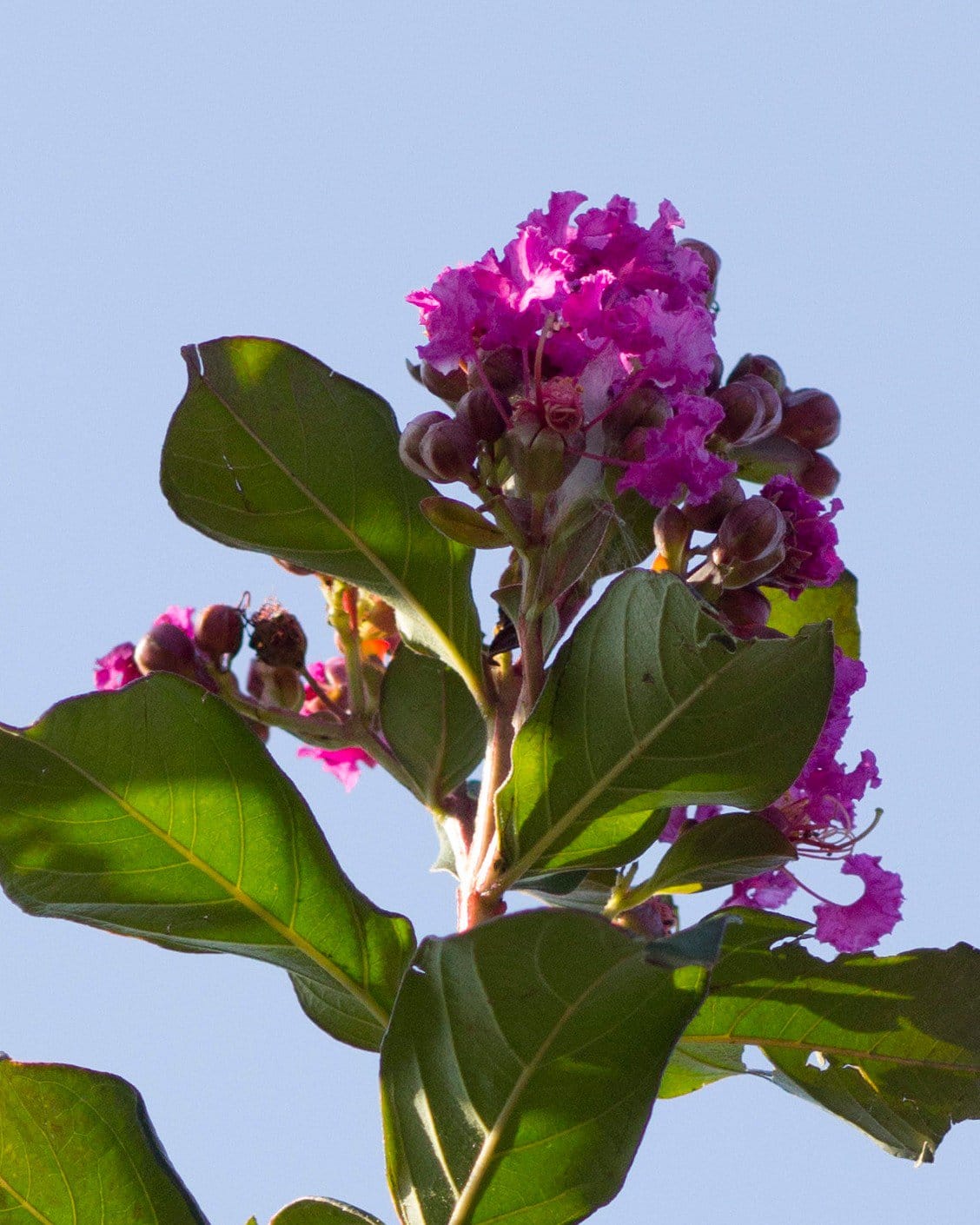
Lagerstroemia indica 'Whit III'Pink Velour Crape Myrtle boasts spectacular hot pink flower clusters that bloom profusely all summer long. This variety has an attractive multi-trunked form with smooth, exfoliating bark that reveals cinnamon tones, providing year-round visual interest. Its glossy green leaves turn golden-yellow in autumn. Growing up to 10 feet tall and 8 feet wide, Pink Velour is ideal as a specimen plant, in groupings, or in mixed borders.
- Deciduous flowering small tree
- Fast growth rate with multi-trunk habit
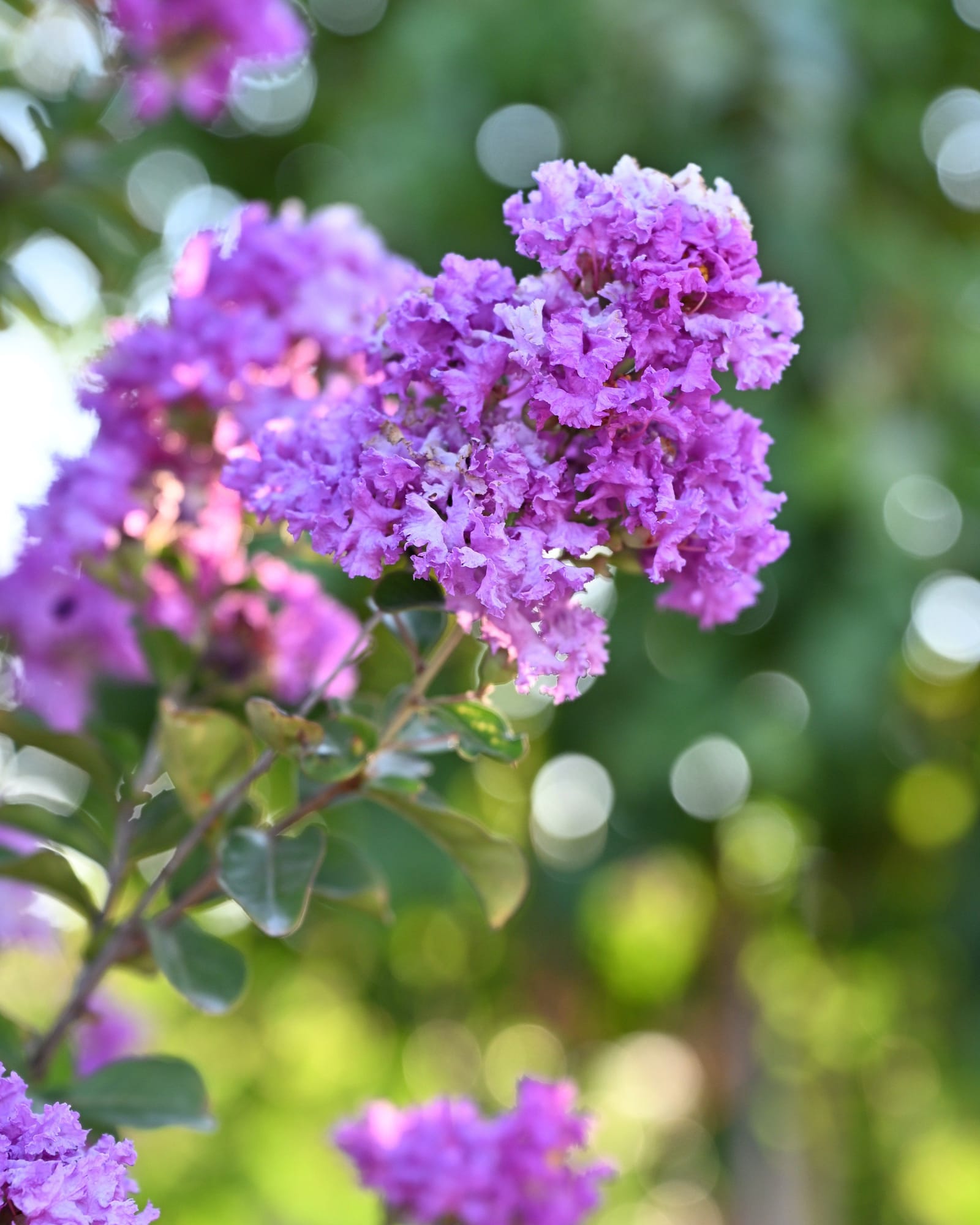
- Large hot pink flower clusters in summer
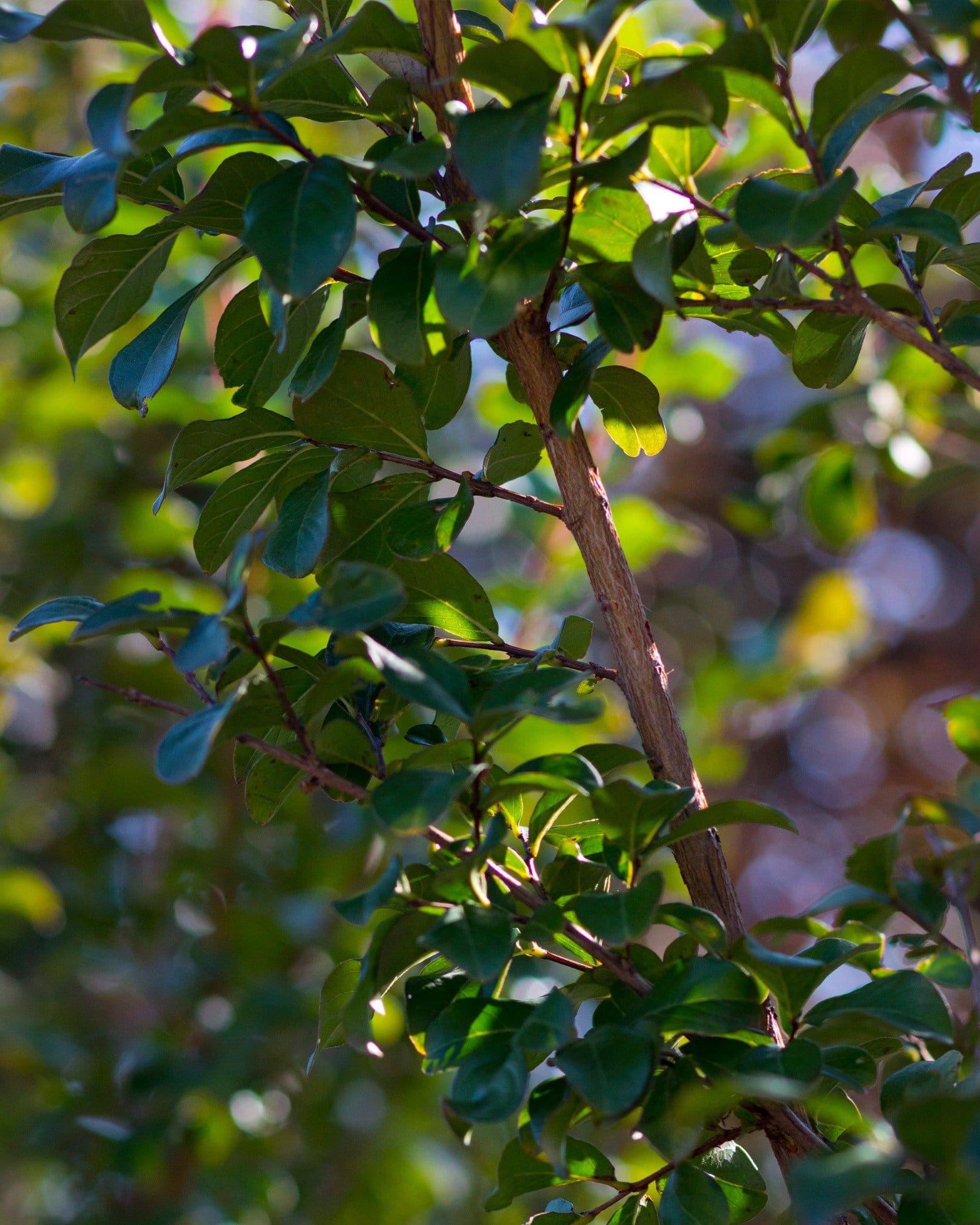
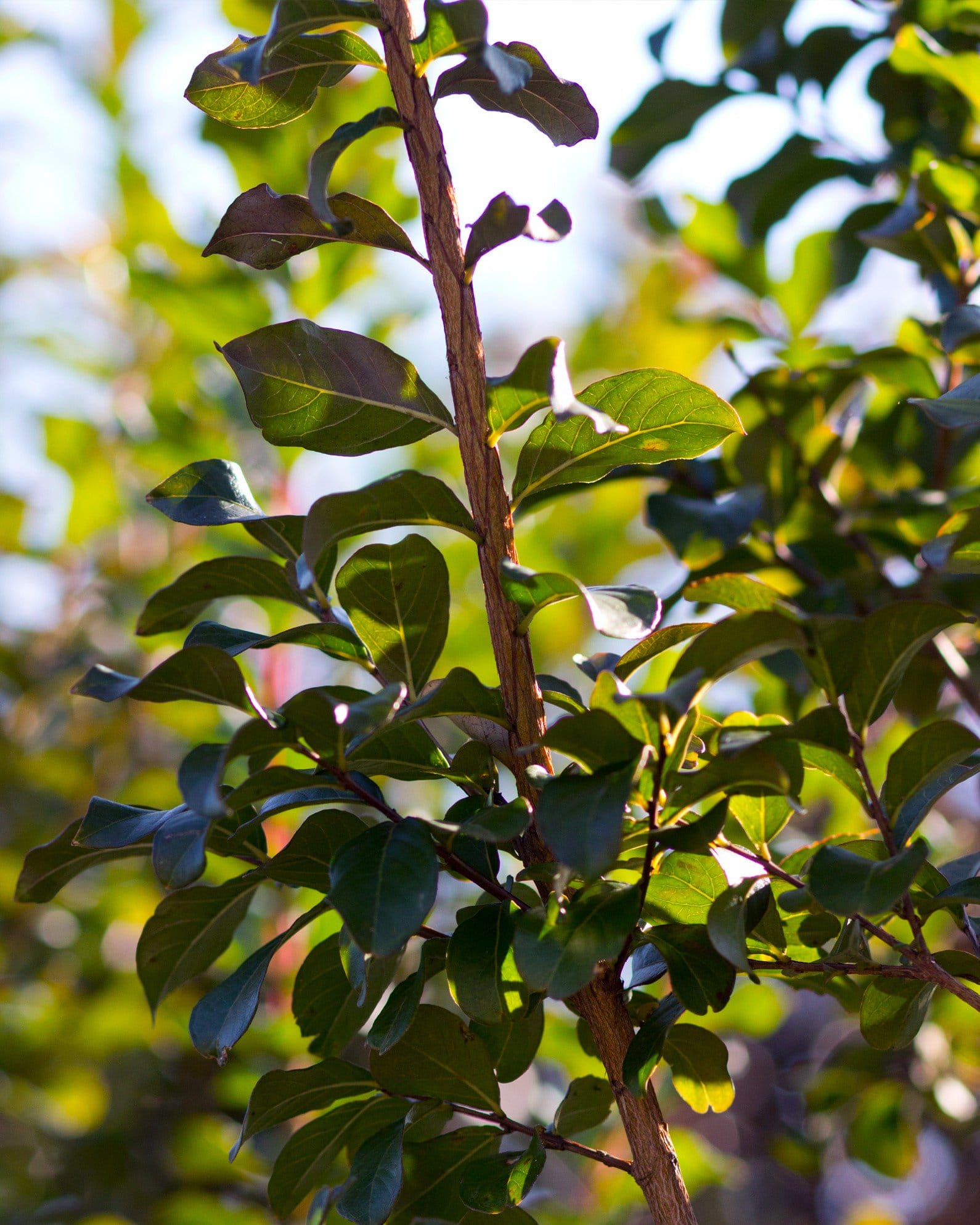
- Smooth, peeling cinnamon-tan bark
- Attracts pollinators
Pink Velour Crape Myrtle thrives in full sun and prefers well-drained soil. Heat- and drought-tolerant once established, it’s hardy in USDA zones 7 through 10. Trimming in late winter helps maintain shape and encourages abundant flowering.
Once established, Pink Velour Crape Myrtle becomes reliably low-maintenance and thrives in warm, sunny environments with minimal intervention. Here’s how it thrives:
- Watering: Water deeply during the first growing season to establish a strong, resilient root system. After establishment, the tree handles dry conditions well, though occasional deep watering during extended drought helps maintain healthy foliage.
- Pruning: Late-winter pruning helps remove weak or crowded branches while preserving the tree’s natural canopy shape. Avoid excessive cutting, as crape myrtles bloom on new growth and benefit from maintaining their natural structure.
- Fertilizing: Fertilizer is rarely required in average garden soils. If growth appears slow or foliage lacks vigor, a balanced fertilizer applied in early spring can encourage steady development without promoting excessive leafy growth.
- Mulching: Apply a 2-3 inch layer of mulch around the root zone to regulate soil temperature and conserve moisture. Keep mulch slightly away from the trunk to prevent excess moisture.
- Winter Care: Established trees tolerate seasonal cold within their recommended zones and usually require no winter protection. Younger trees may benefit from light root-zone insulation during their first winters in cooler climates.
Pink Velour Crape Myrtle generally performs reliably, though occasional environmental stress or pests may appear:
- Japanese Beetles: Leaves may develop skeletonized patches where beetles feed on soft tissue. Hand removal or targeted insect control helps reduce damage during peak activity.
- Spider Mites: Fine speckling or dull foliage may indicate mite activity during very hot, dry conditions. Increasing humidity around the canopy and spraying with water often helps suppress populations.
- Scale Insects: Small bumps may appear along stems as these insects attach and feed on plant sap. Horticultural oil applications during dormant seasons can help control infestations.
- Sunscald on Young Bark: Sudden temperature swings may cause bark splitting on newly planted trees. Light trunk wrapping during the first winters can help prevent this damage.
Pink Velour Crape Myrtle typically lives 30-50 years under favorable conditions. Mature trees remain vigorous for decades when planted in well-drained soil. Proper pruning helps maintain a stable structure over time.
Average growth ranges from 12-24 inches per year in warm climates. Structural maturity often develops within about 6-10 years.
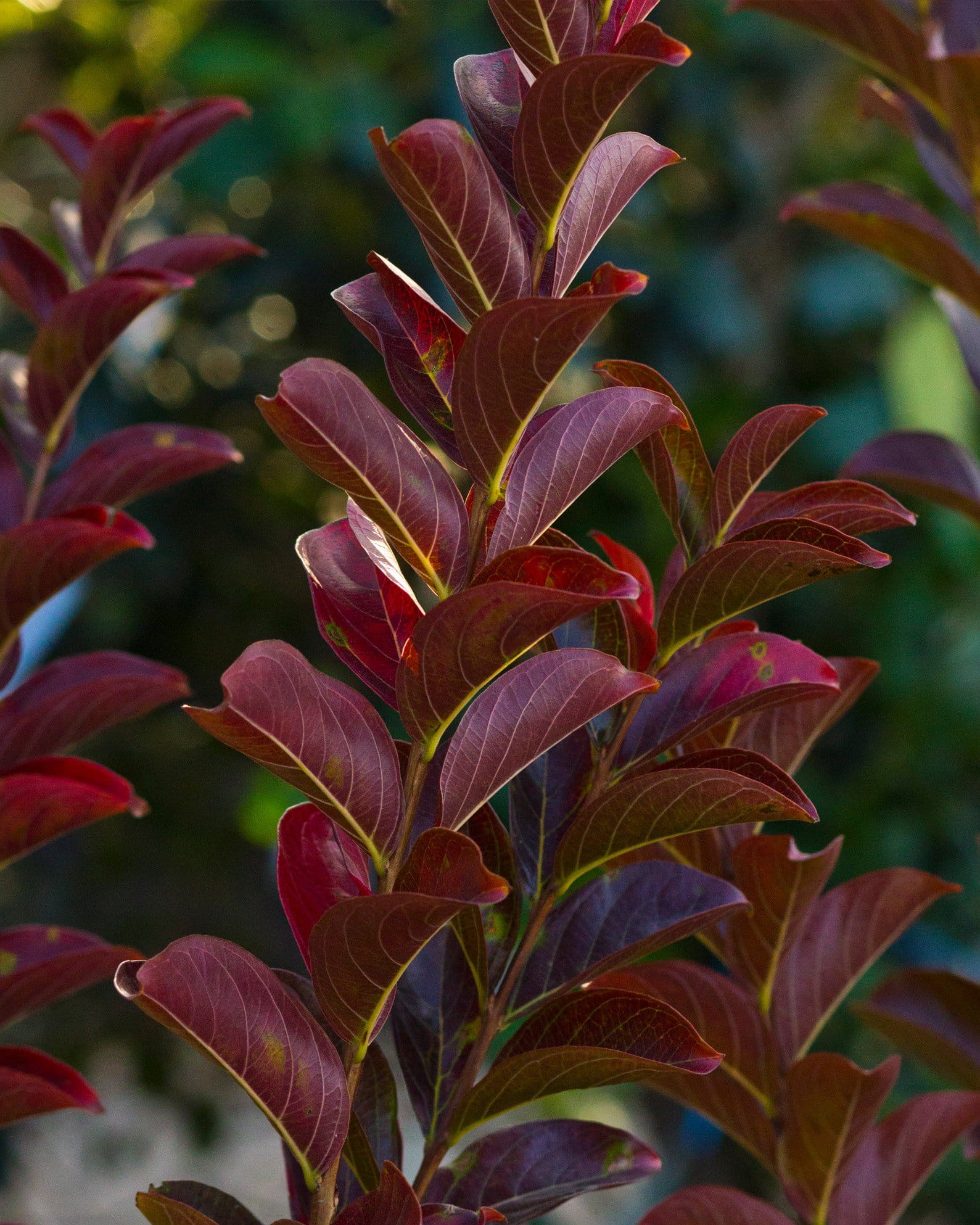
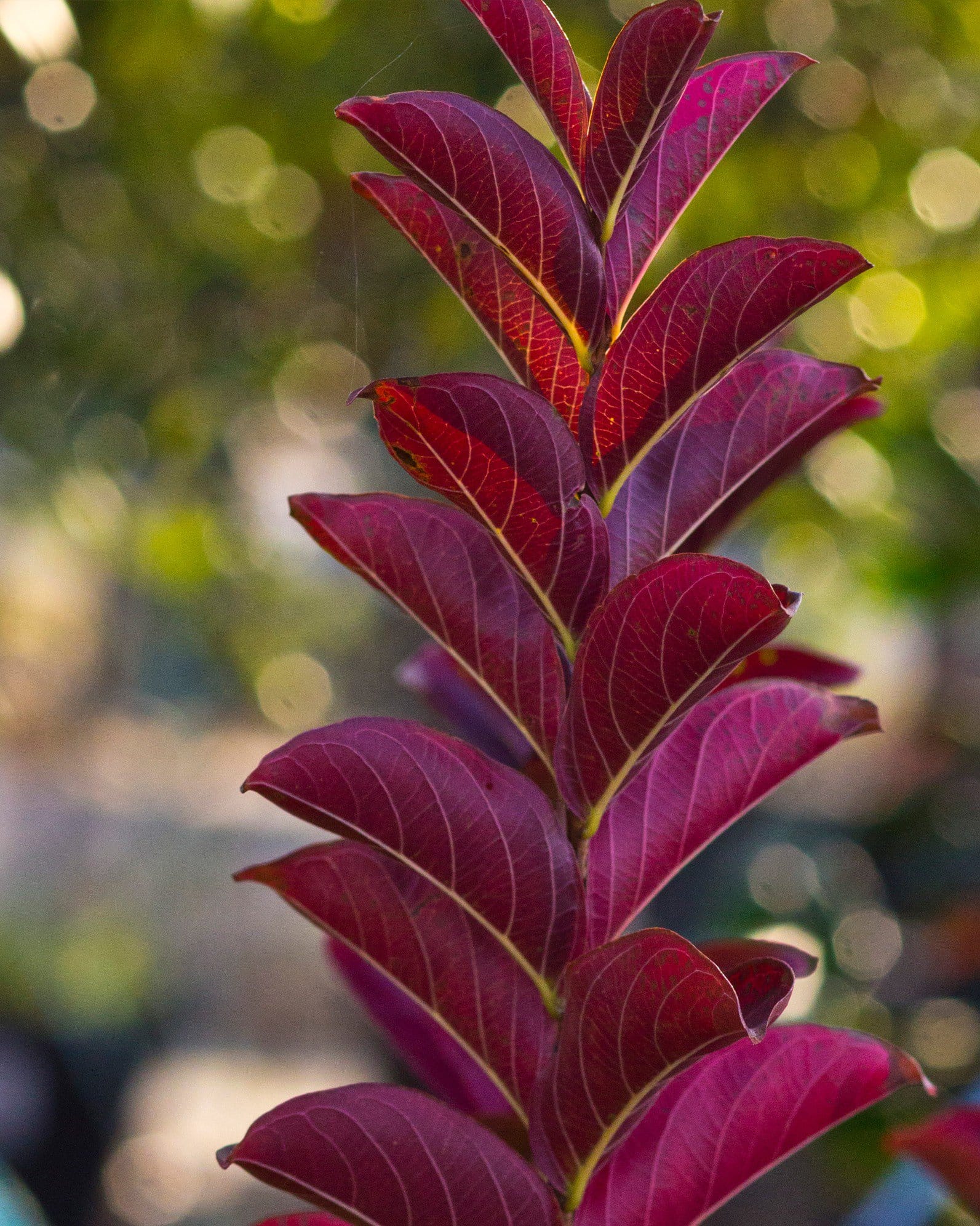
The cultivar is known for its vivid rose-pink flowers paired with dark green foliage that often emerges with burgundy tones. This color contrast gives the tree a richer visual presence during the growing season.
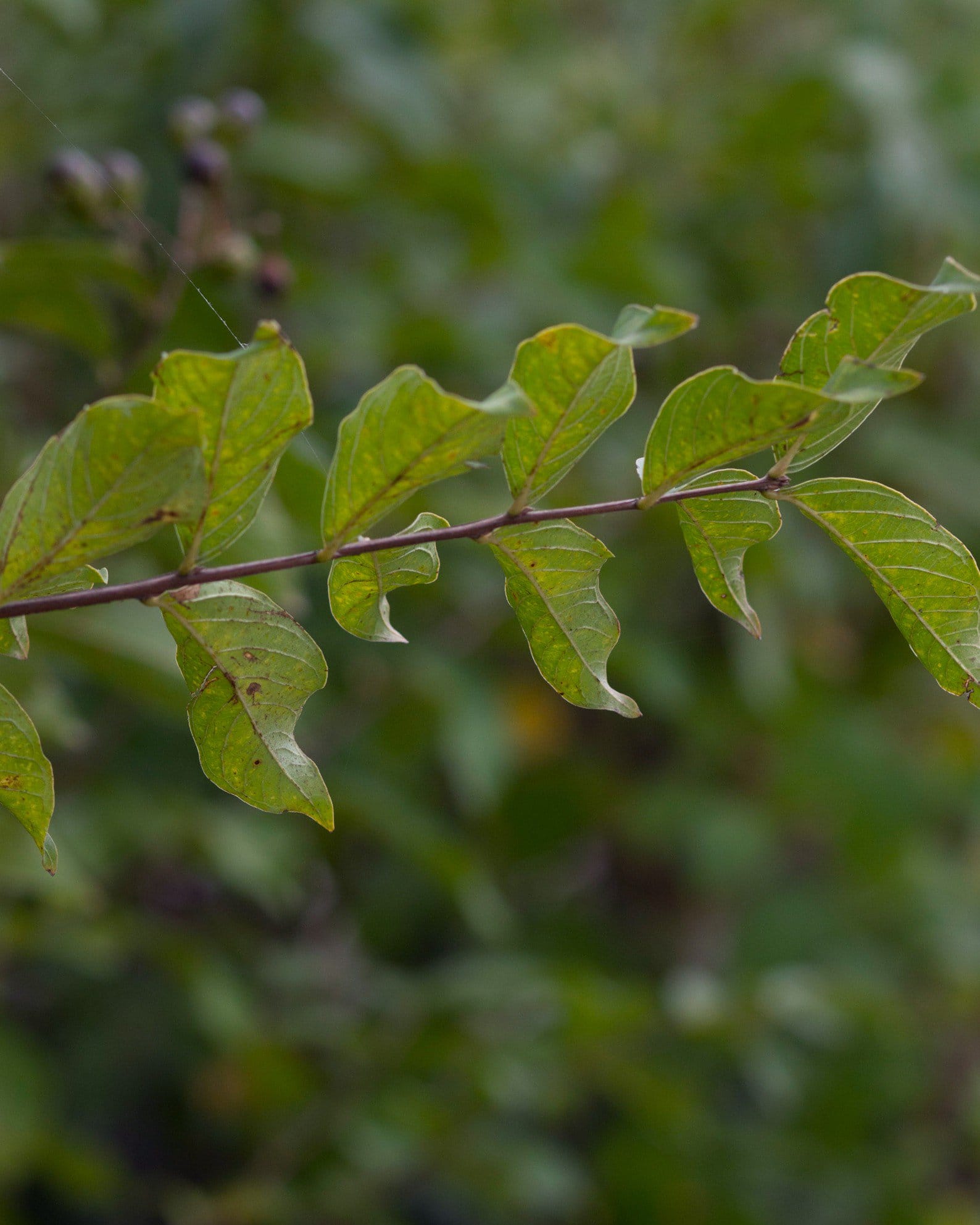
New foliage may emerge with reddish or burgundy hints before maturing to deep green. This subtle color shift adds interest early in the season. Autumn may bring warm shades of orange or red before leaf drop.
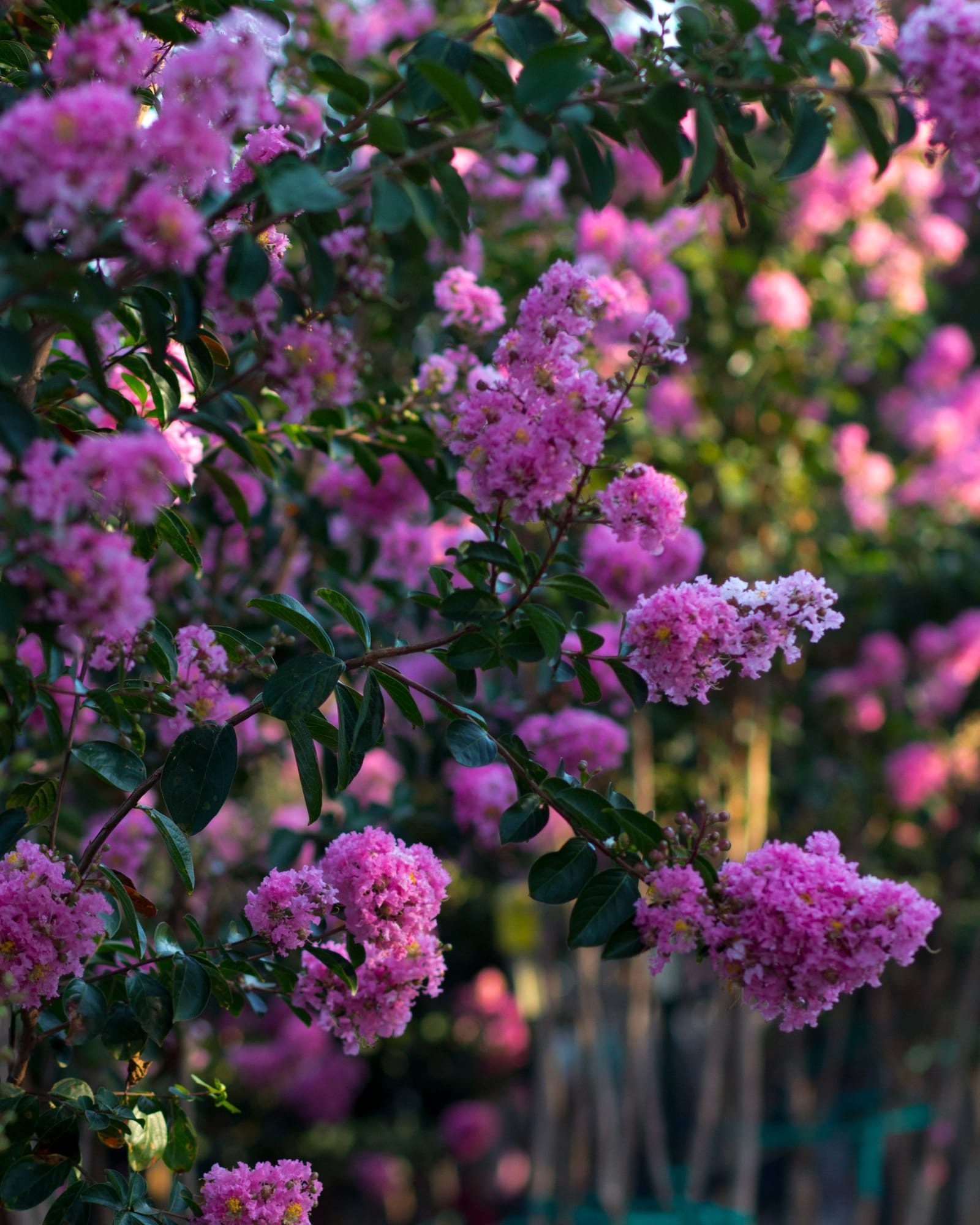
Flower clusters appear in large panicles that spread across the canopy. When in peak bloom, the tree can appear covered in bright pink color.
The blooms provide nectar for bees and other beneficial insects during the hottest months of the year. Summer flowering trees can be especially valuable for pollinators when spring blooms have already faded.
As the tree matures, the bark gradually peels to reveal lighter tones underneath. This exfoliating effect creates subtle winter interest. The texture becomes more noticeable with age.
The bright flowers stand out particularly well against darker evergreen backdrops. Open lawn areas also allow the canopy and blooms to be fully appreciated.
Mature trees typically form a rounded to slightly spreading canopy. Branching becomes more graceful as the tree ages. Light pruning helps maintain this natural shape.
Seasonal foliage color, exfoliating bark, and branching structure all contribute to year-round appeal. Even after flowers fade, the tree maintains visual presence in the landscape.
Special Features
You might also like
Basham's Party Pink Crape Myrtle
Maturity: 20' H x 15' W
Biloxi Crape Myrtle
Maturity: 20' H x 15' W
Colorama Coral Crape Myrtle
Maturity: 20' H x 12' W
Hopi Crape Myrtle
Maturity: 10' H x 8' W
Sioux Crape Myrtle
Maturity: 15' H x 10' W
Tonto Crape Myrtle
Maturity: 15' H x 12' W
Tonto Crape Myrtle Single Trunk
Maturity: 15' H x 12' W
Tuscarora Crape Myrtle
Maturity: 25' H x 20' W
Tuscarora Crape Myrtle Single Trunk
Maturity: 25' H x 20' W
Tuskegee Crape Myrtle
Maturity: 20' H x 15' W
Autauga Crape Myrtle
Maturity: 20' H x 12' W
Black Diamond Shell Pink Crape Myrtle
Maturity: 12' H x 8' W
Colorama Ivory Crape Myrtle
Maturity: 20' H x 12' W
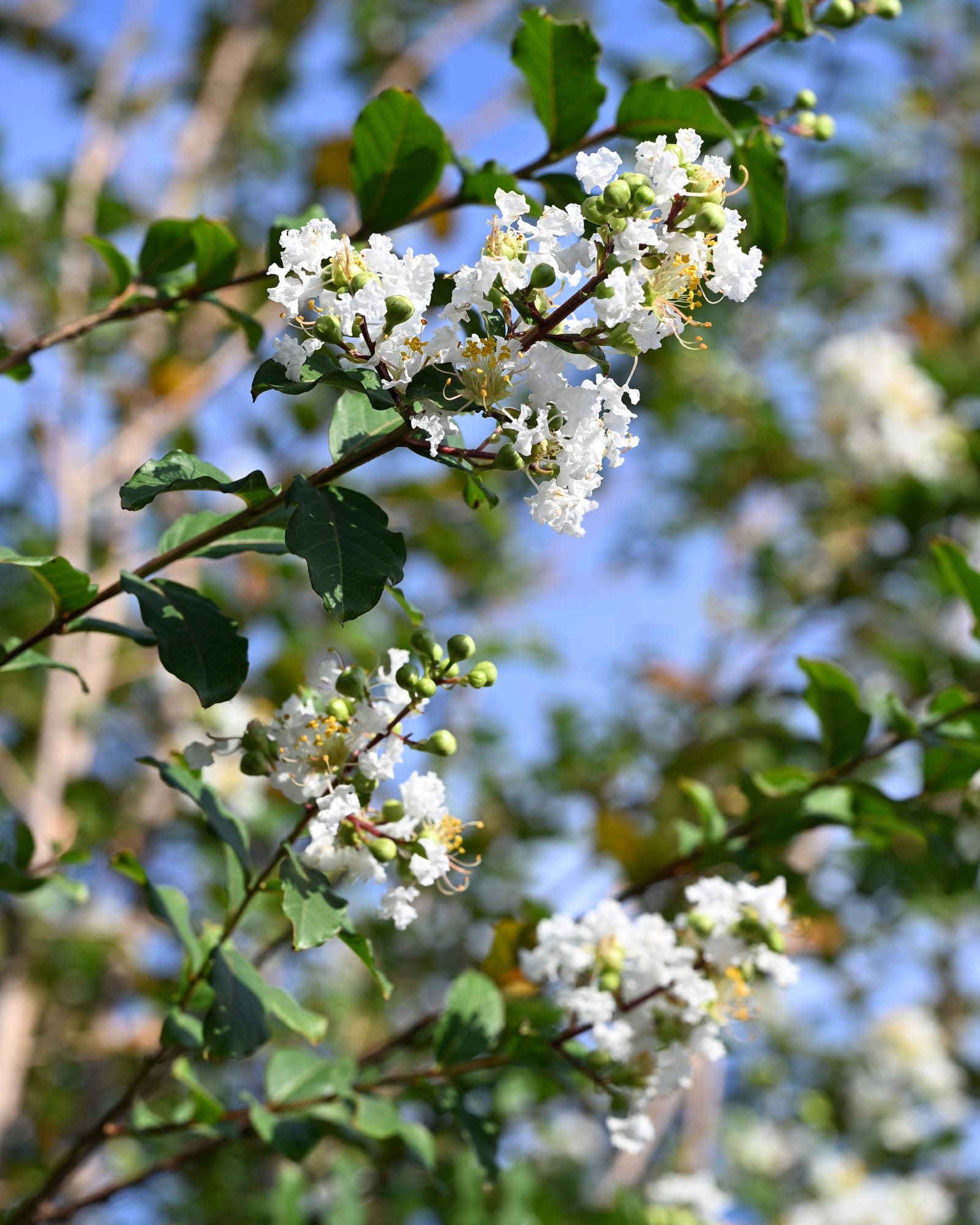
Colorama Pearl Crape Myrtle
Maturity: 20' H x 12' W
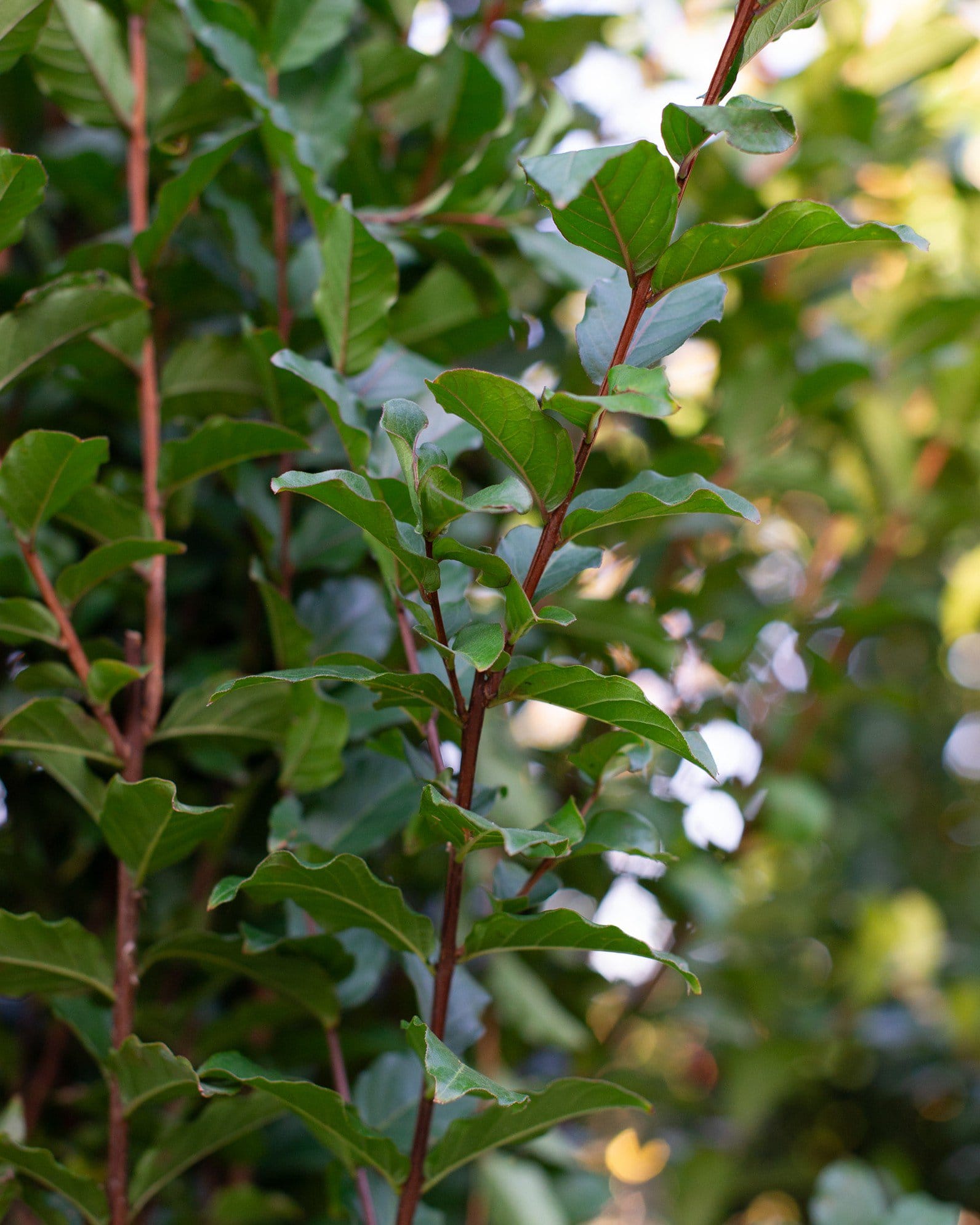
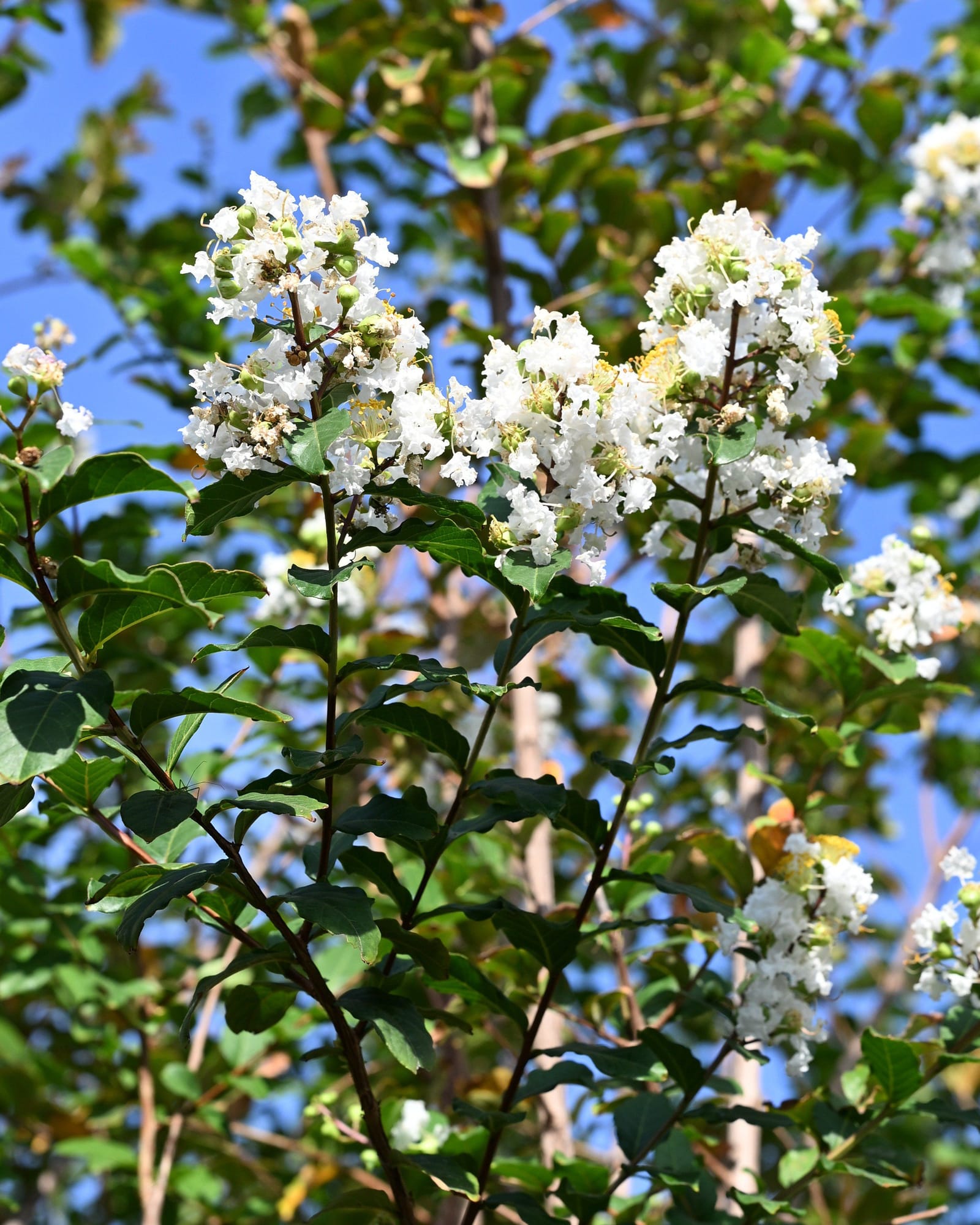
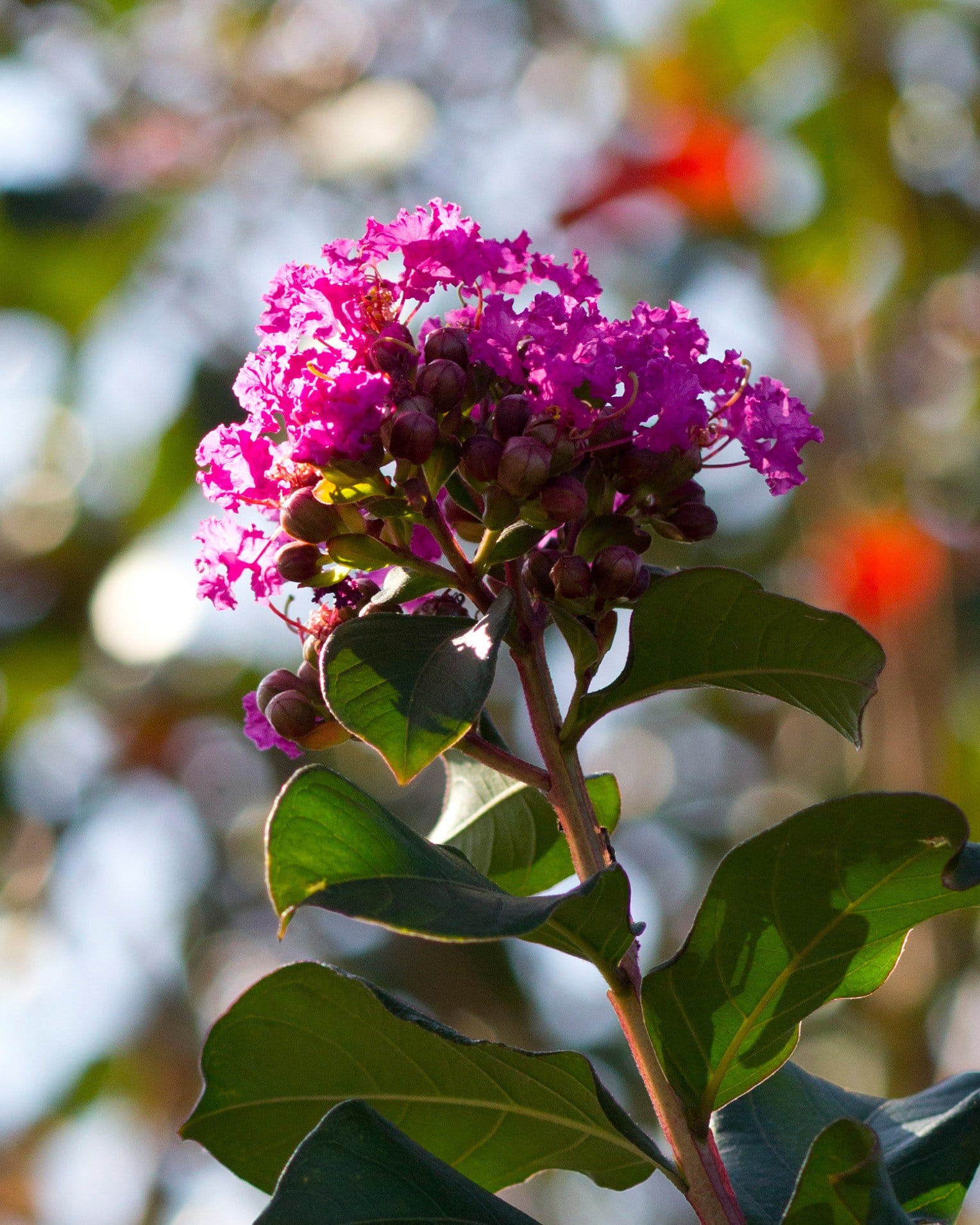
Colorama Purple Crape Myrtle
Maturity: 20' H x 12' W
Compare Similar Plants
Pink Velour Crape Myrtle This plant | ||
|---|---|---|
| Scientific Name | Lagerstroemia indica 'Whit III' | Lagerstroemia × ‘Basham’s Party Pink’ |
| Size at Maturity | 10' H x 8' W | 20' H x 15' W |
| Leaf Retention | Deciduous | Deciduous |
| Fall Color | Yellow | Yellow |
| Flower Color | Pink | Pink |
| Bloom Times | Summer | Summer |
| Sizes Available | 5, 7 gal | 10, 15, 45 gal |


Our 1-Year Planting Guarantee
We take pride in our plants and installation services. If any plants or trees installed by Treeland fail to thrive within the first year, we'll provide a replacement credit in accordance with our guarantee program.
Learn More About Our Guarantee