
 Texas Native
Sapphire Skies Blue Beaked Yucca
Yucca rostrata ‘Sapphire Skies’Product Details
Sapphire Skies Blue Beaked Yucca
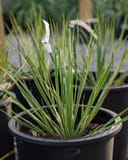
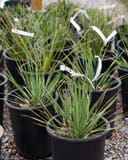
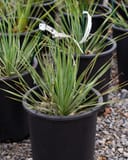
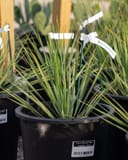
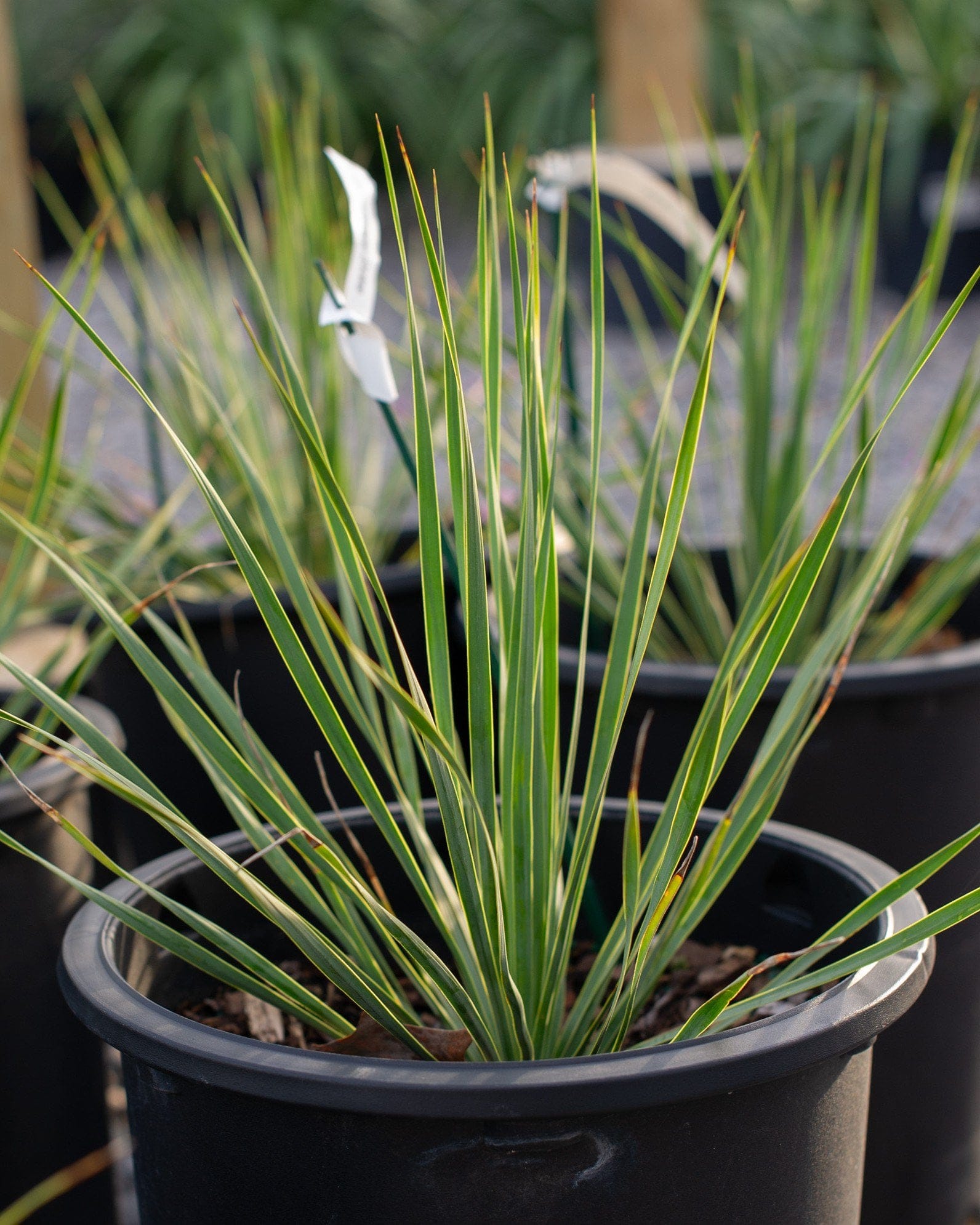
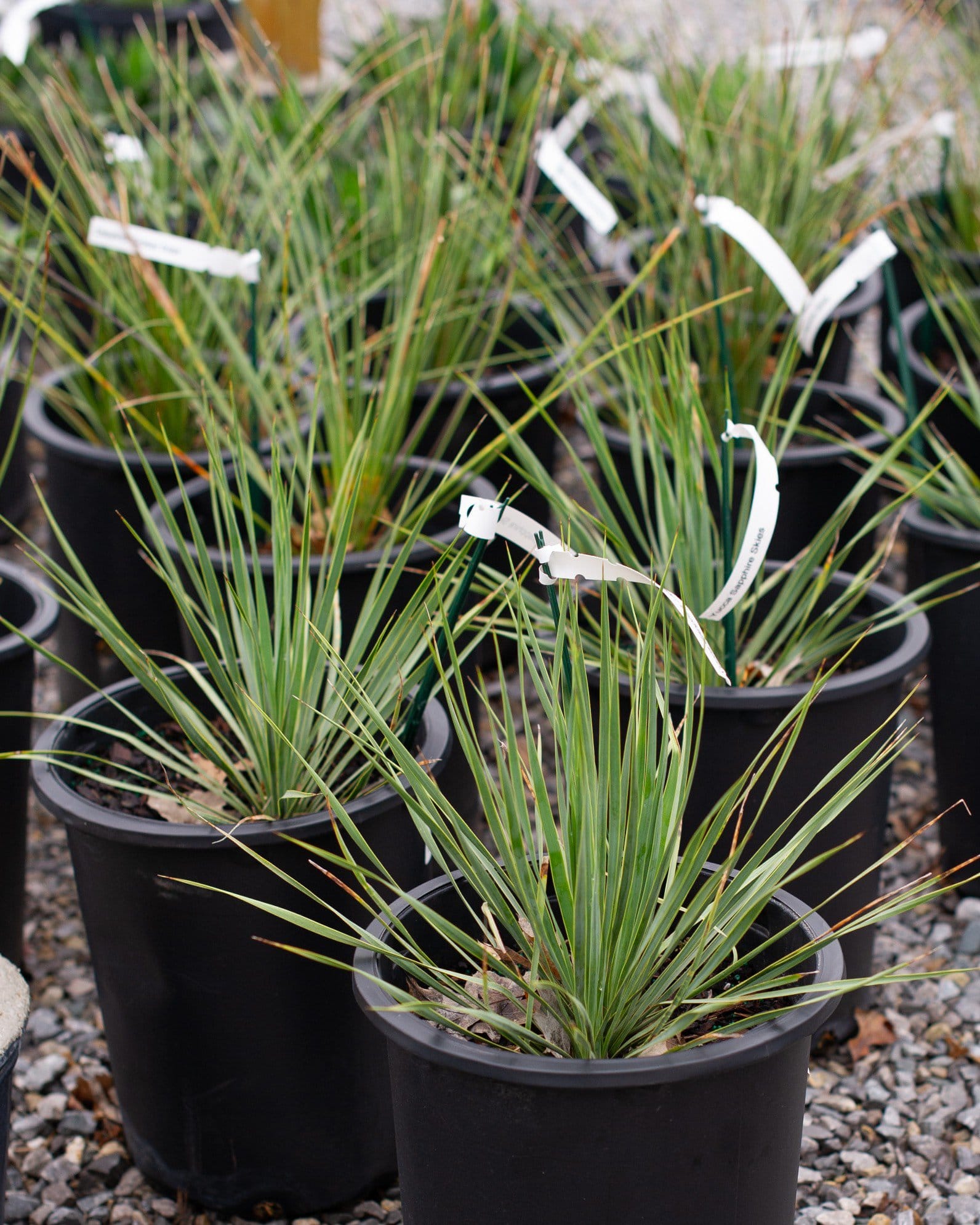
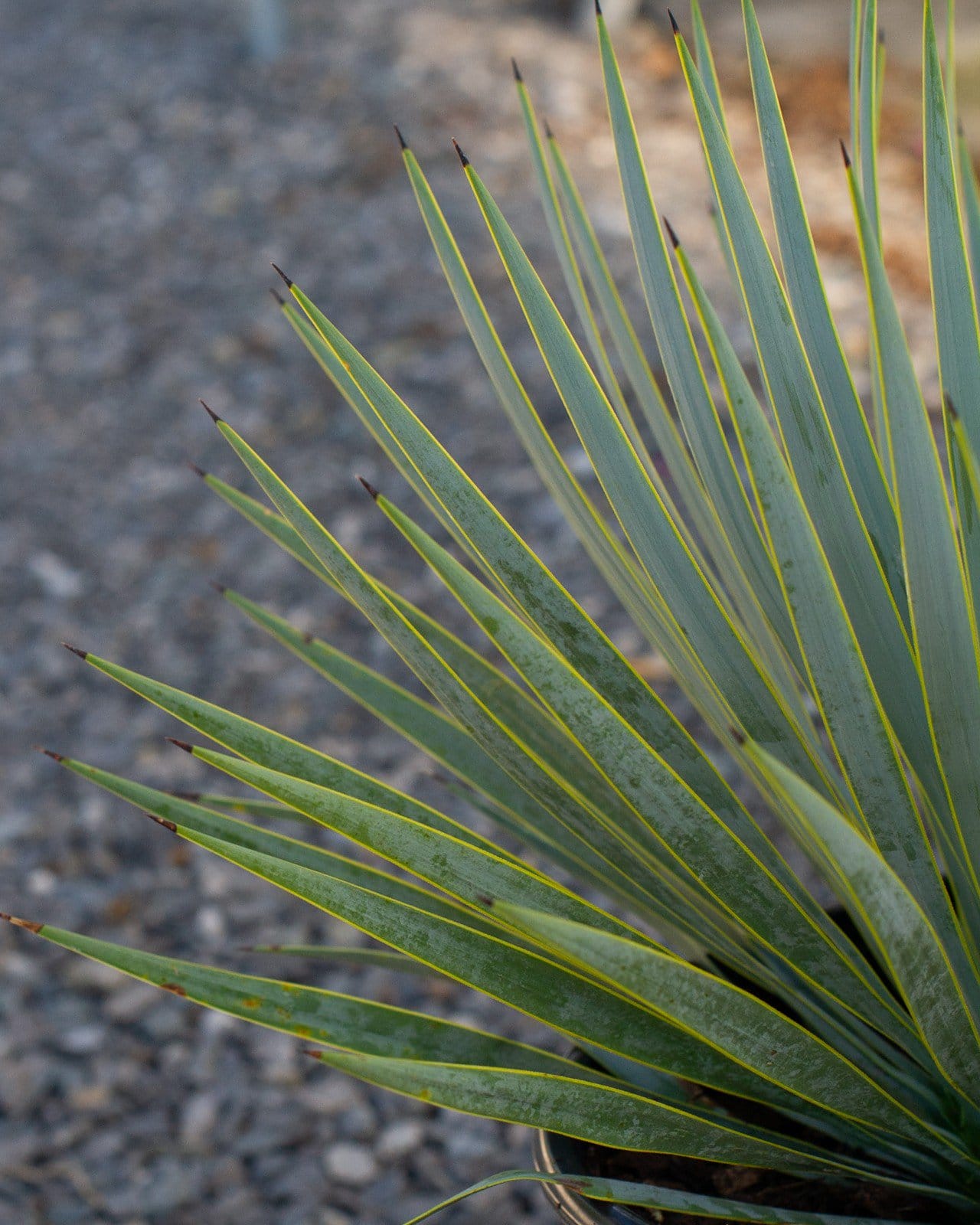
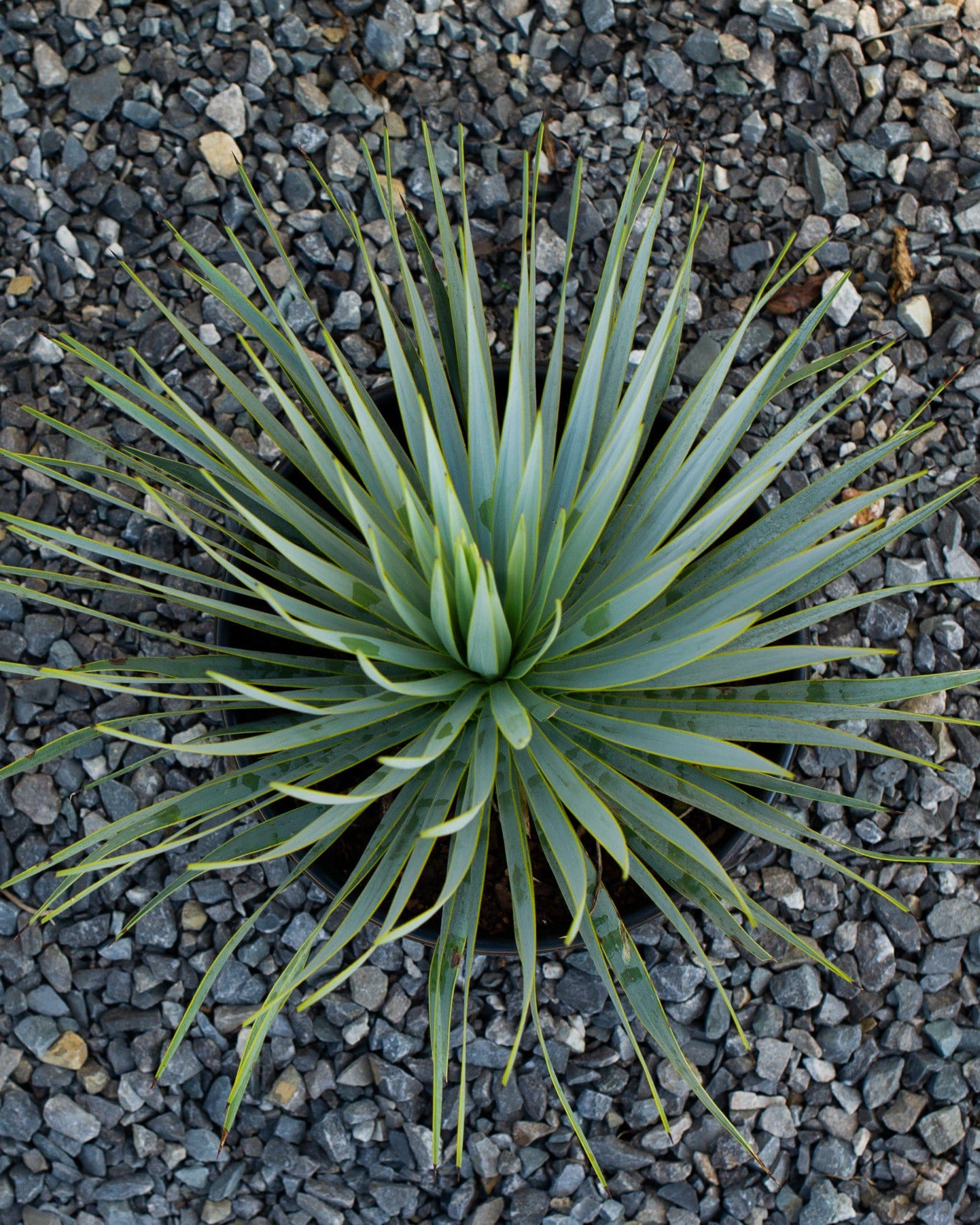
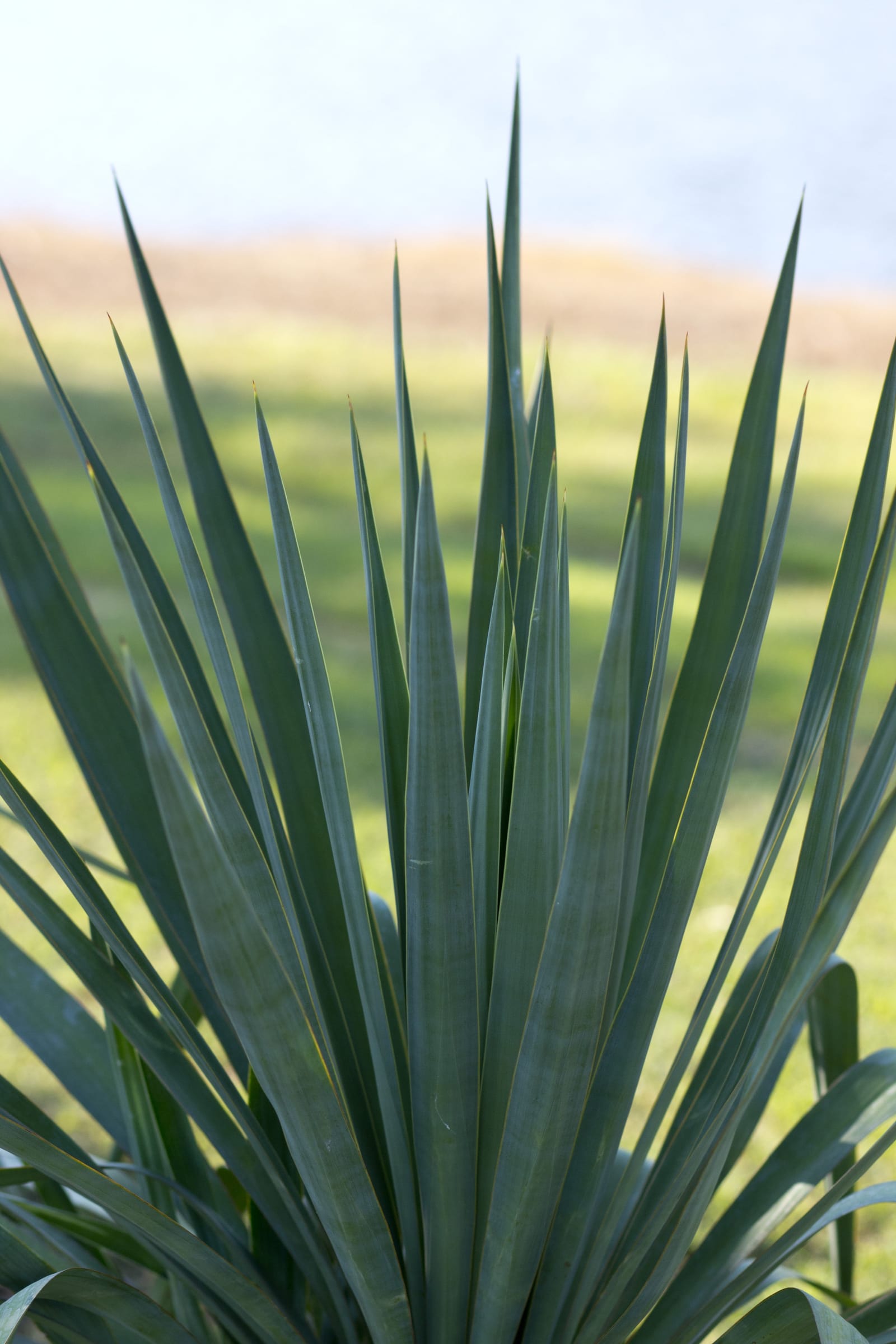
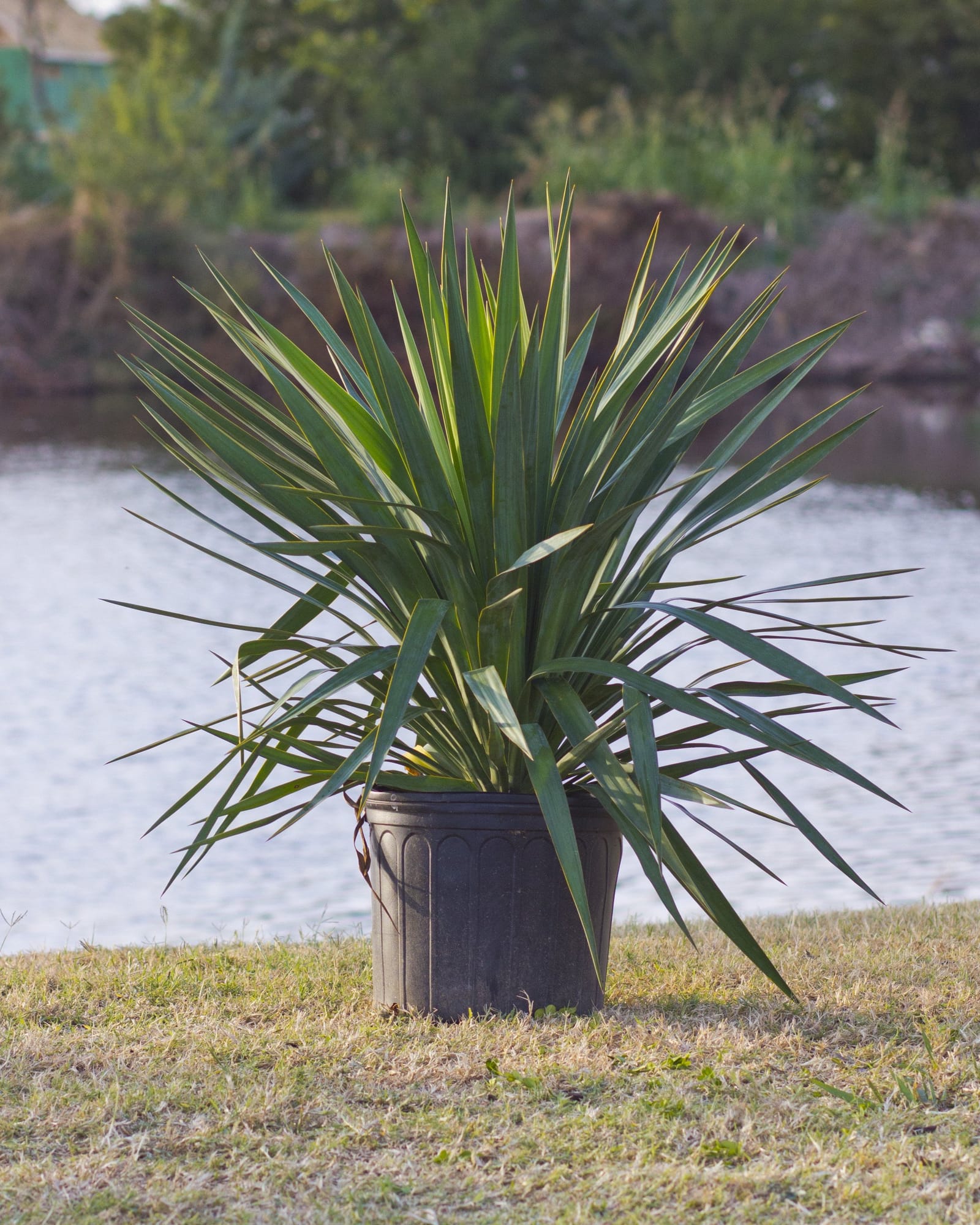
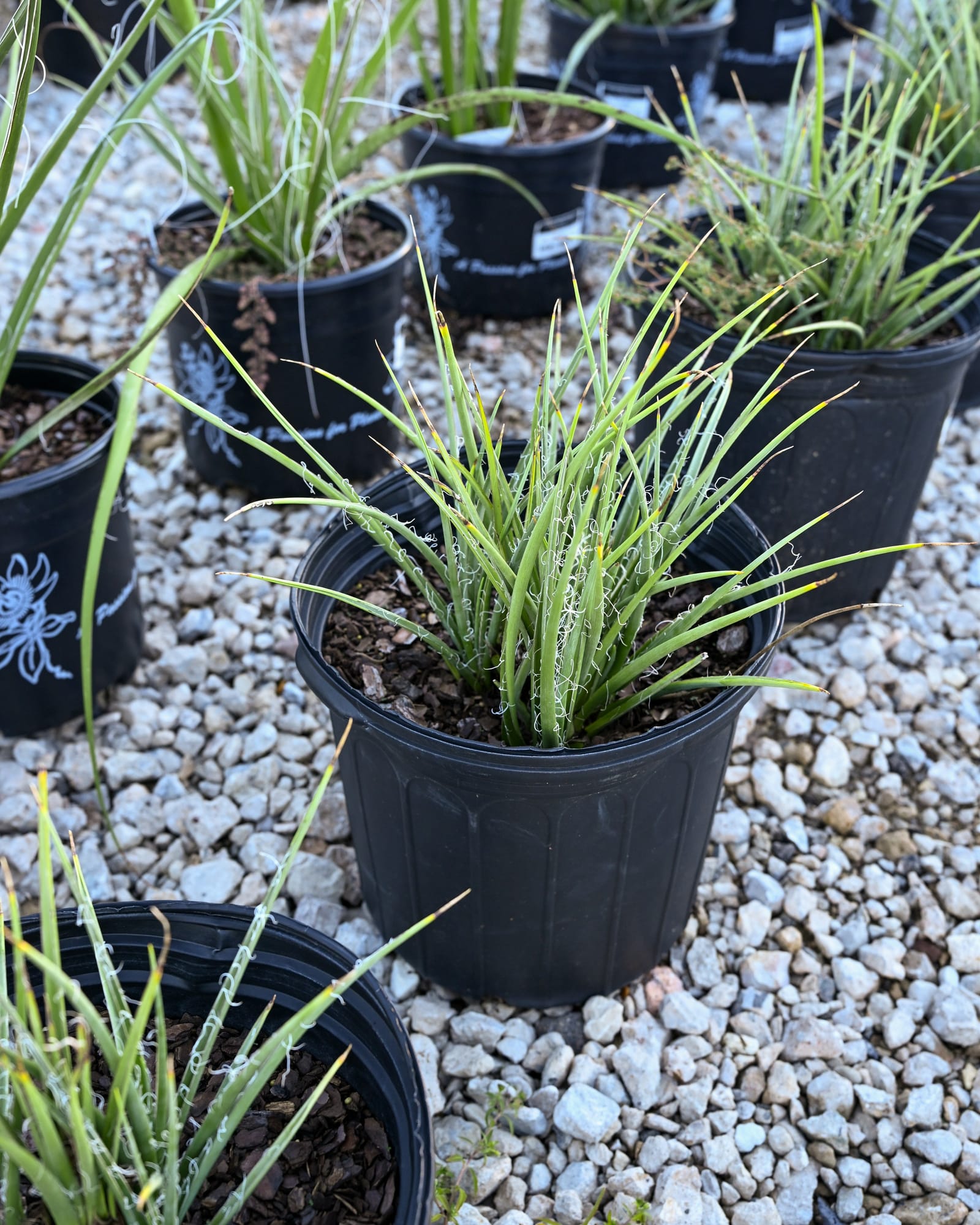
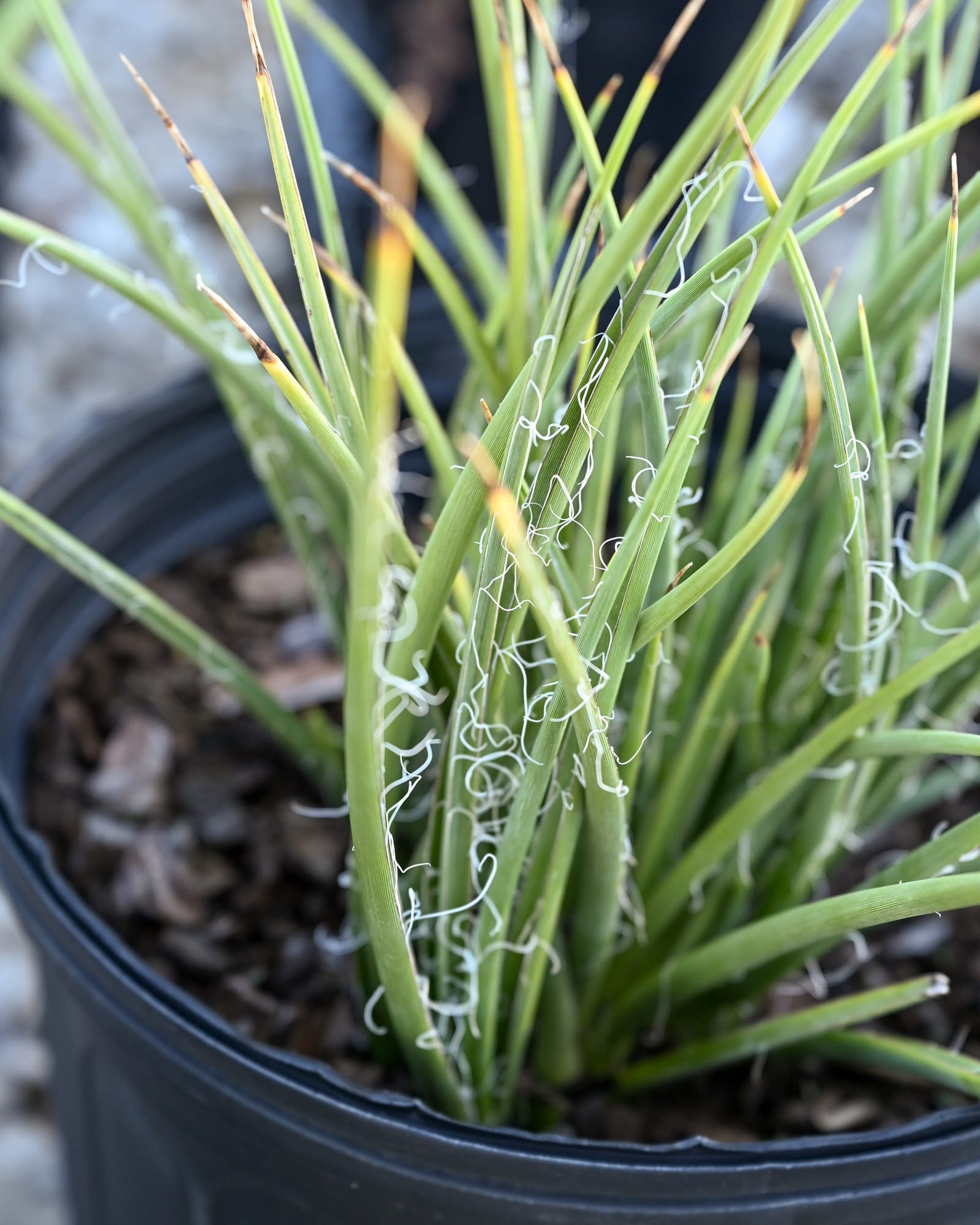
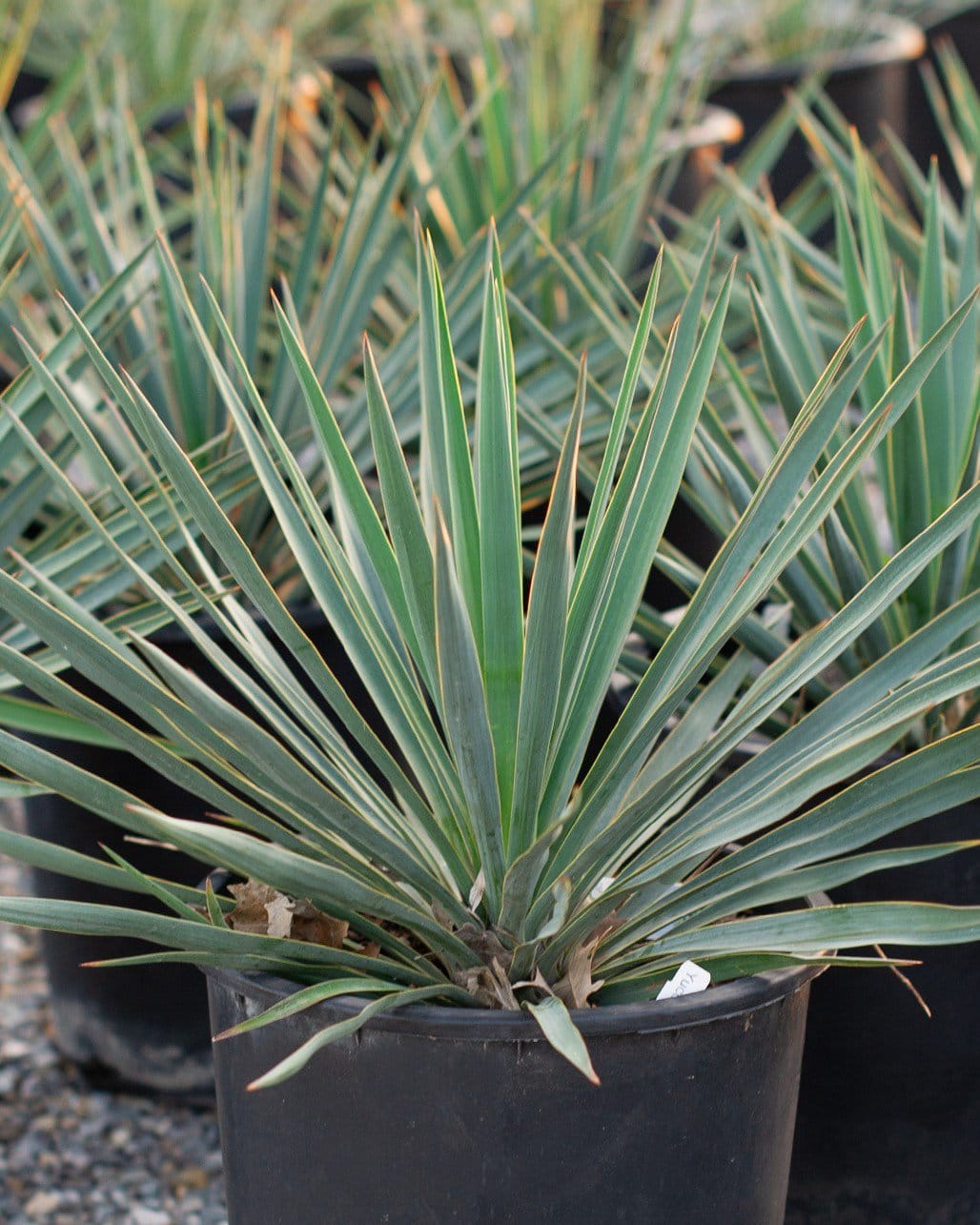
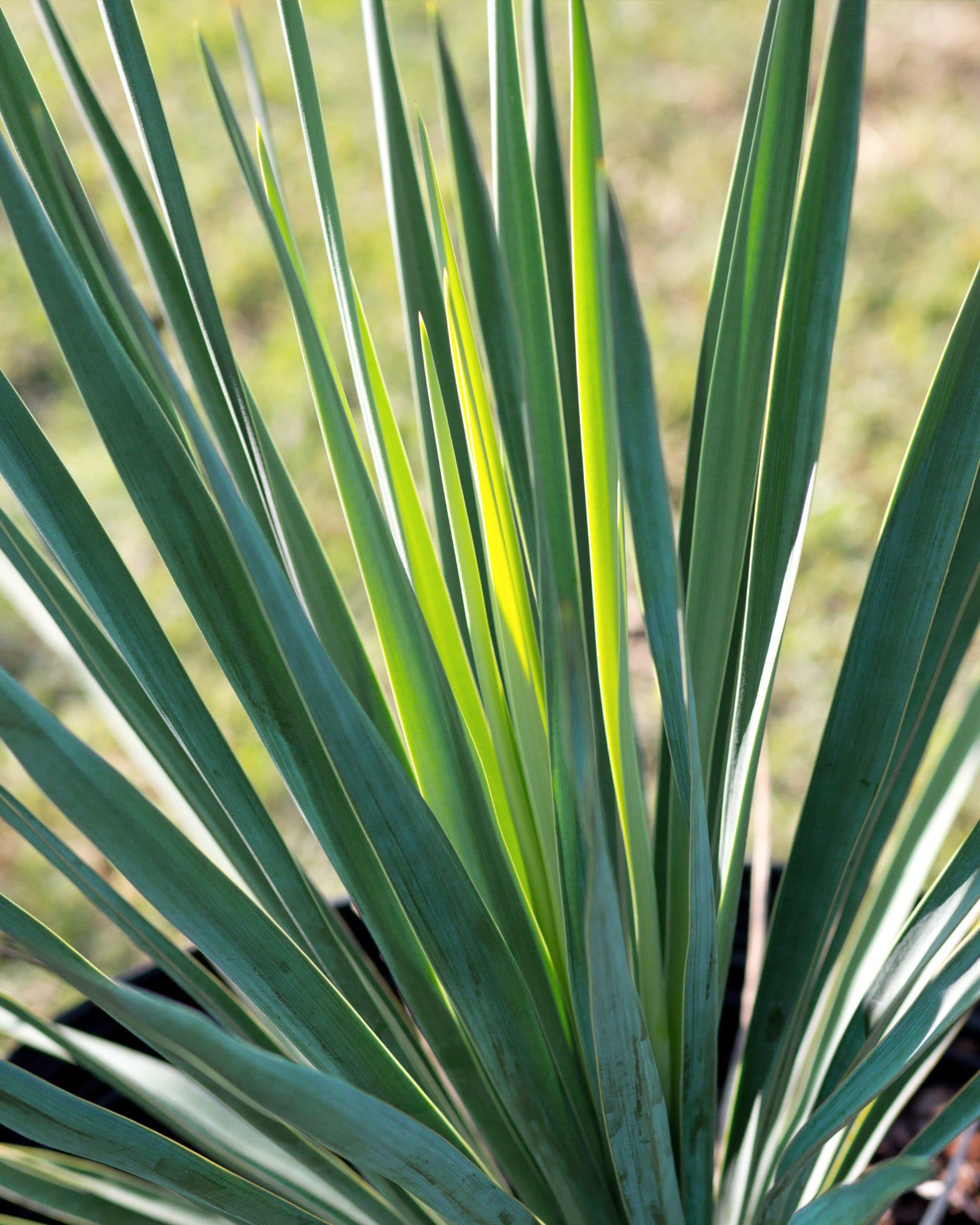
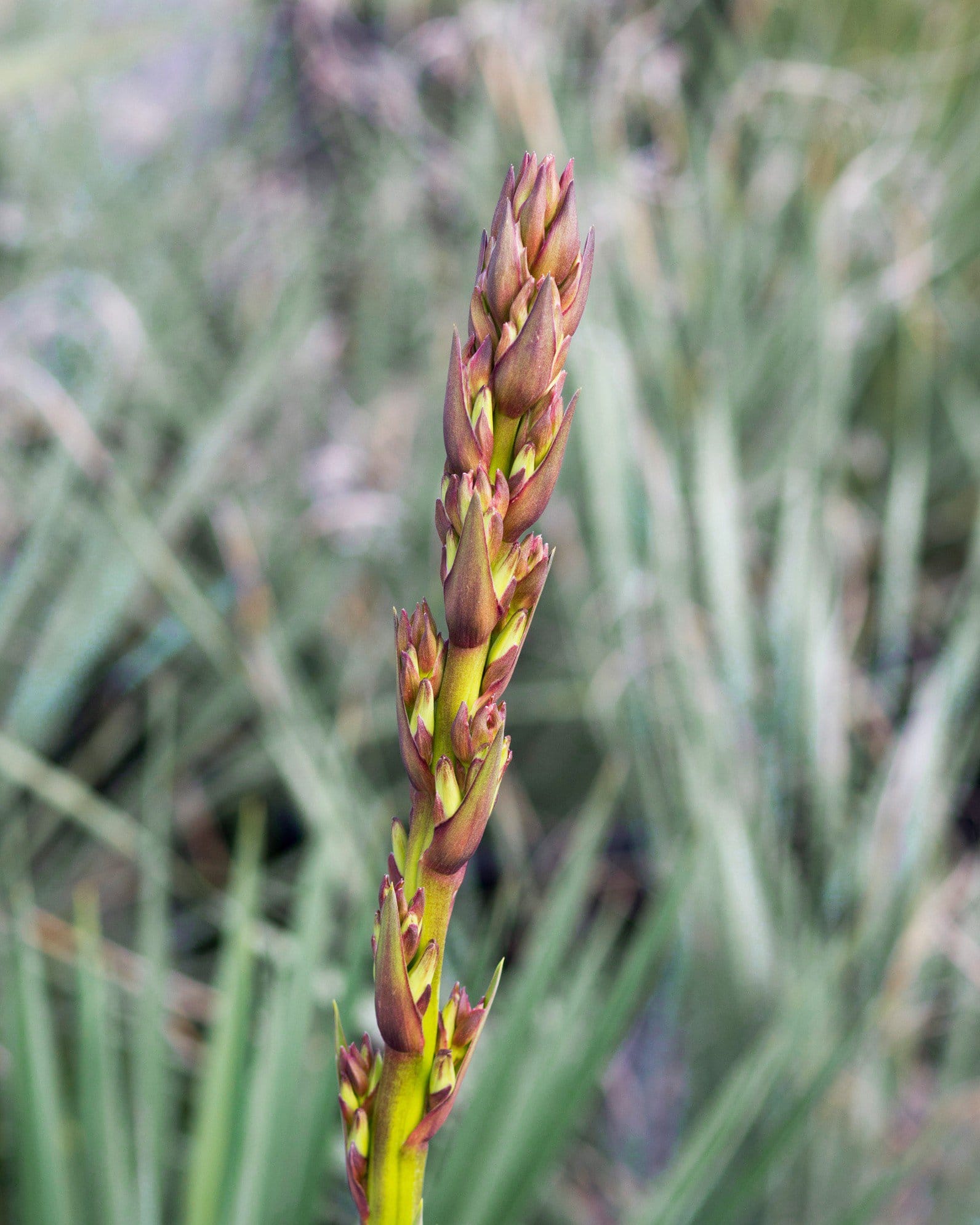
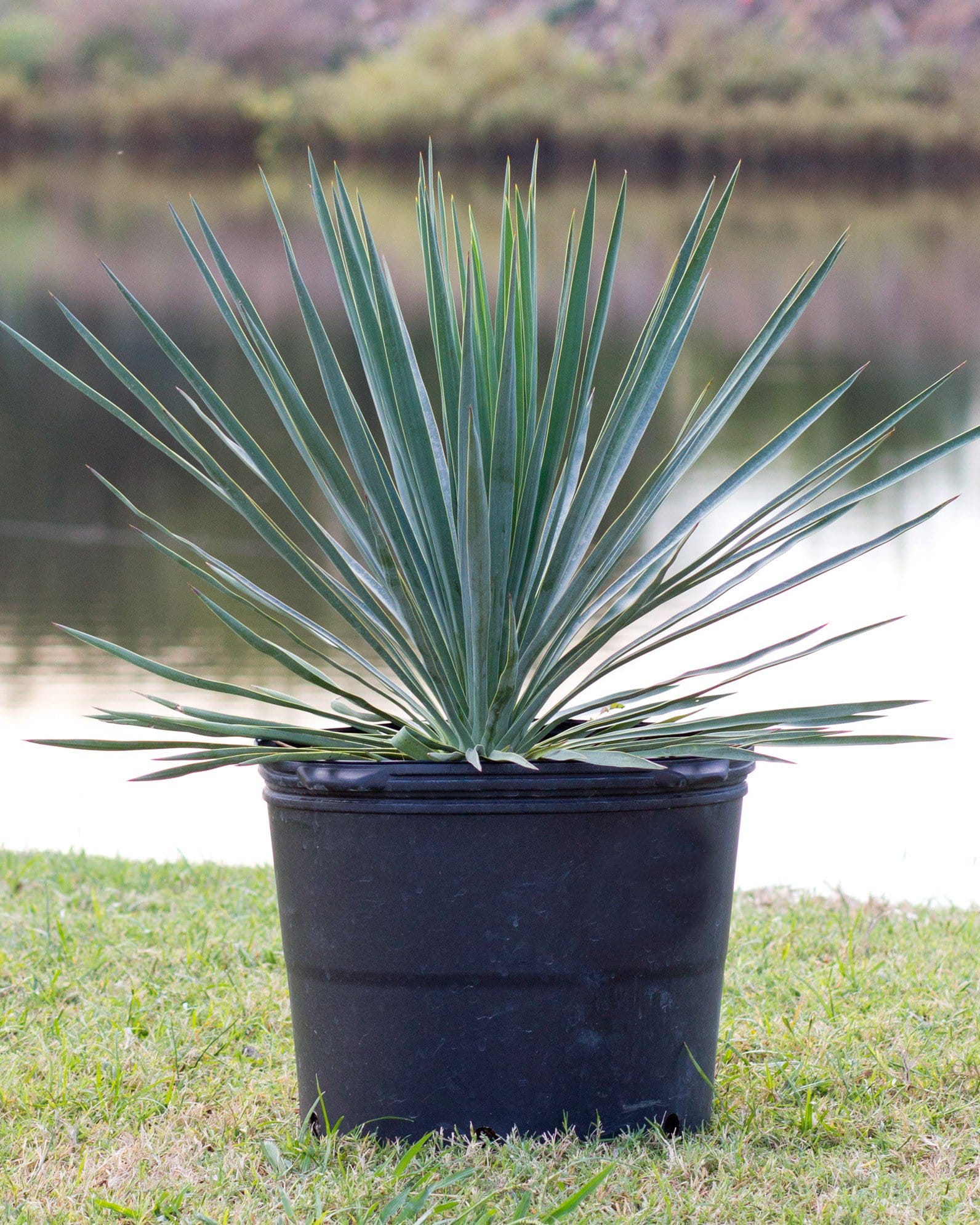
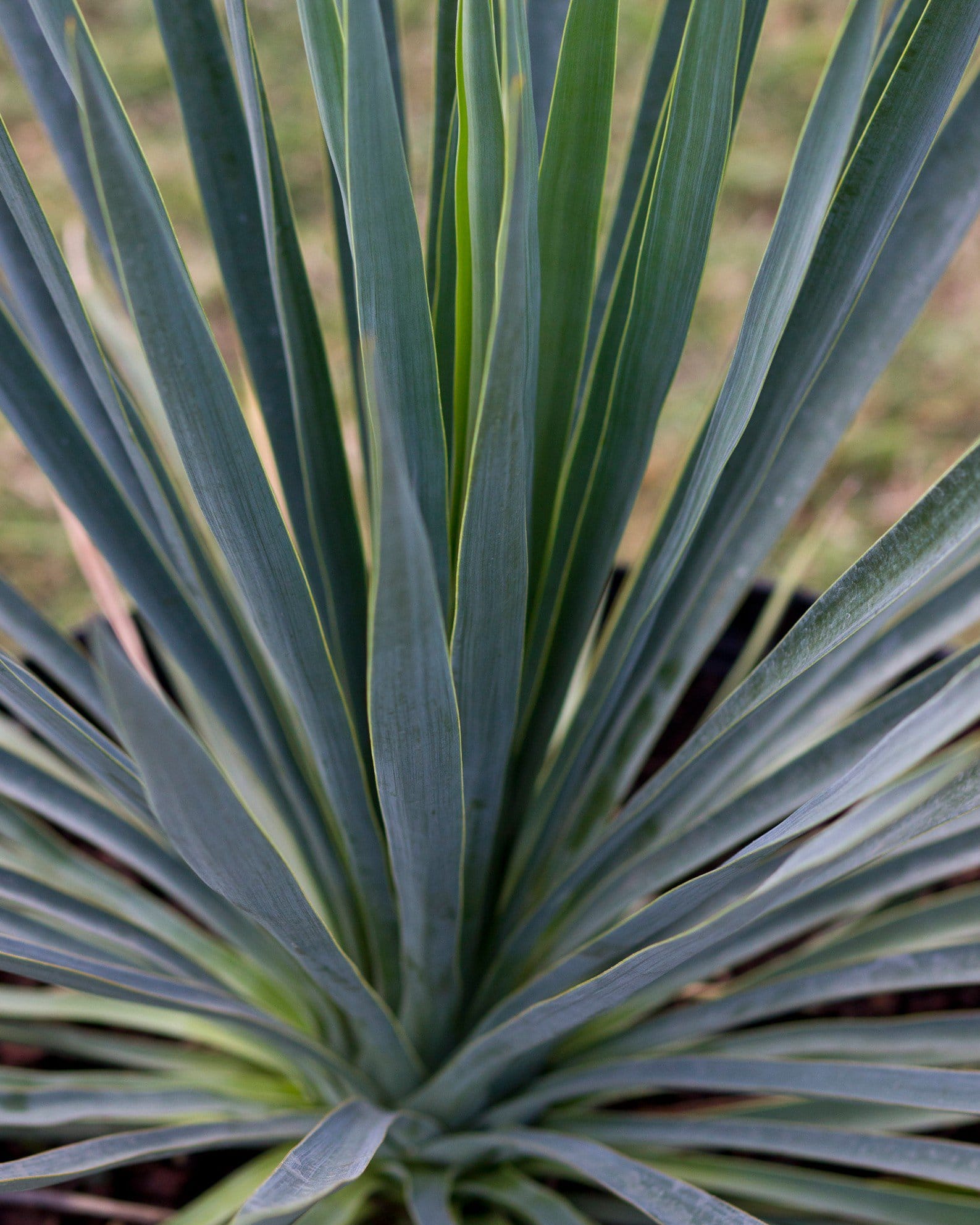
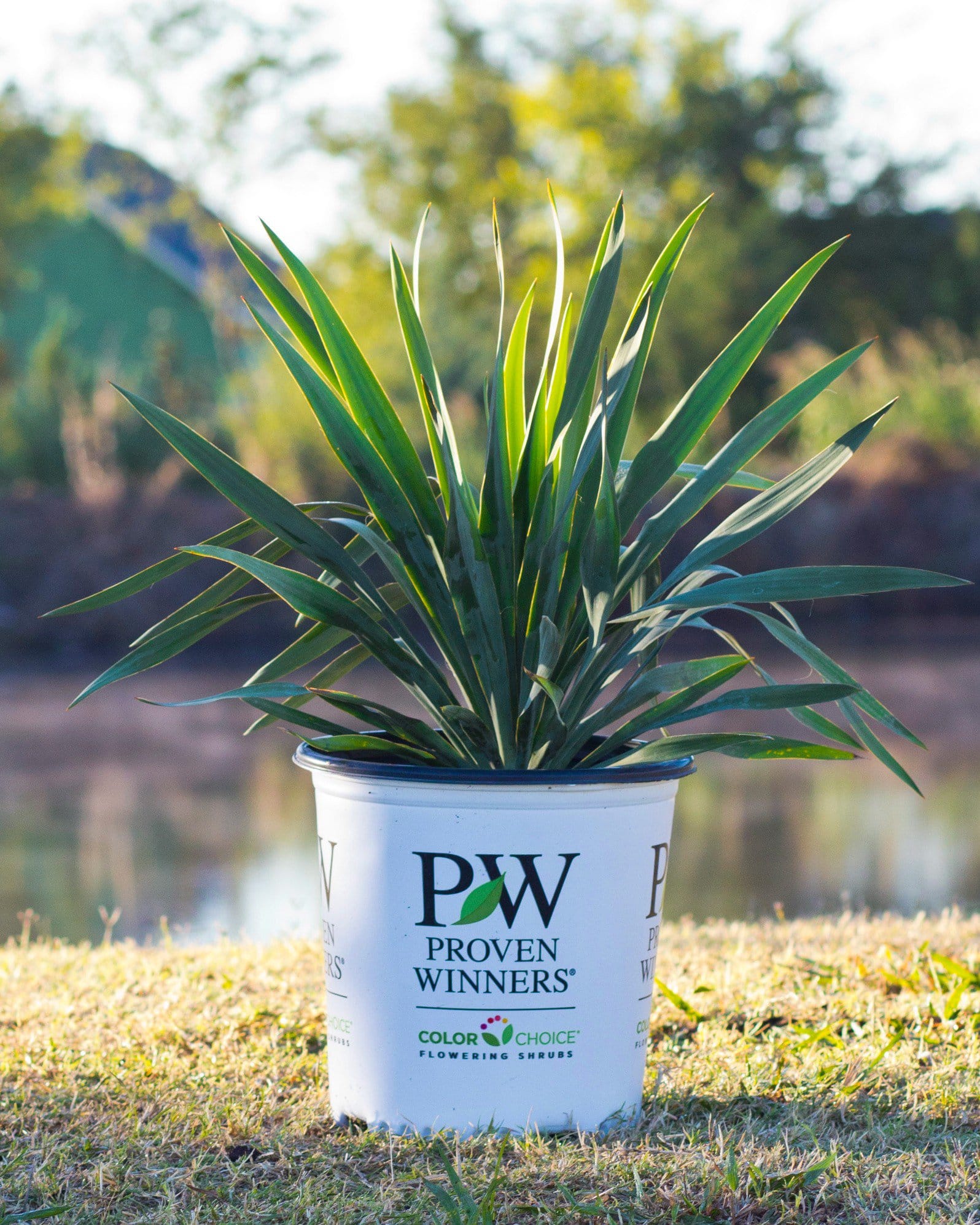
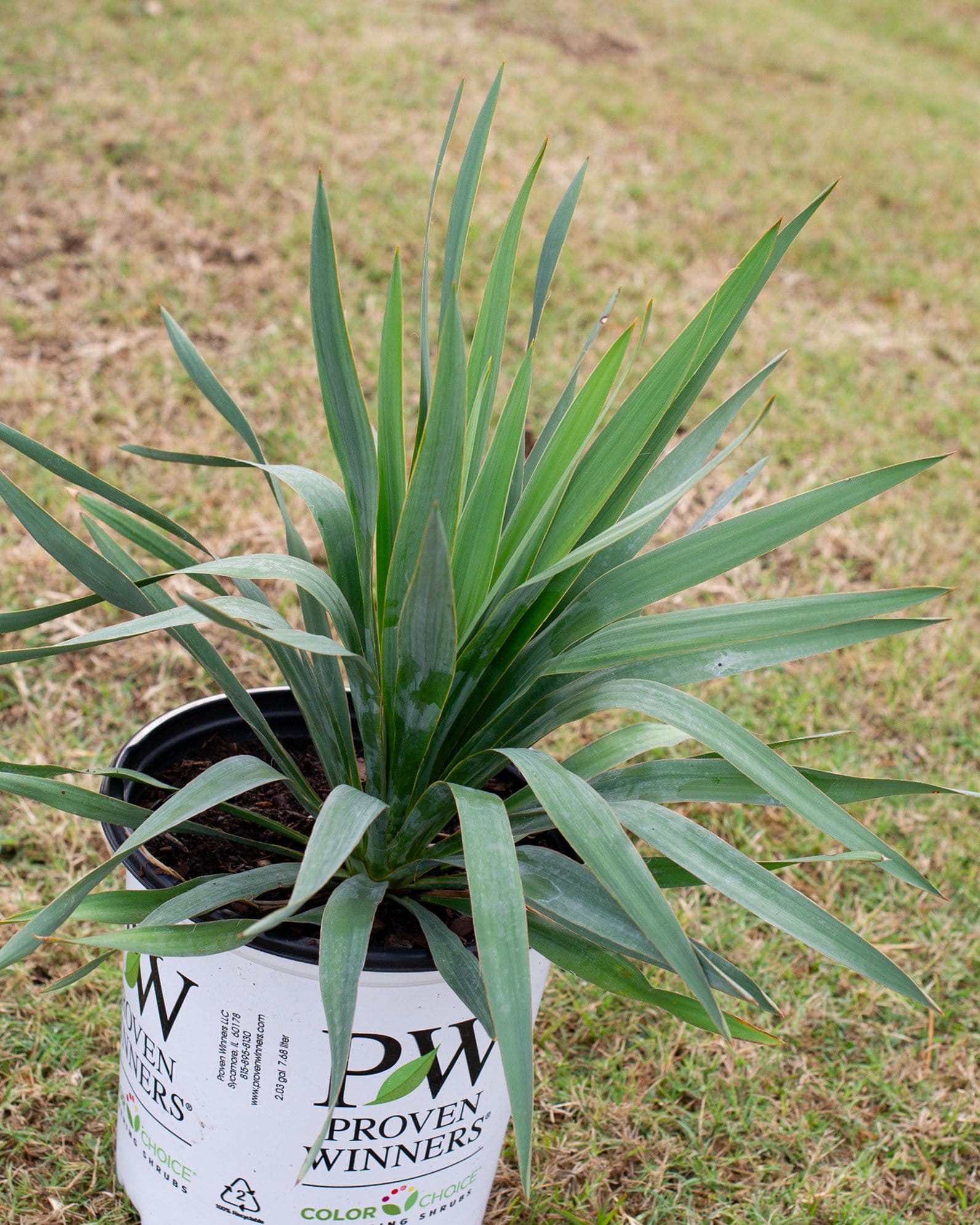
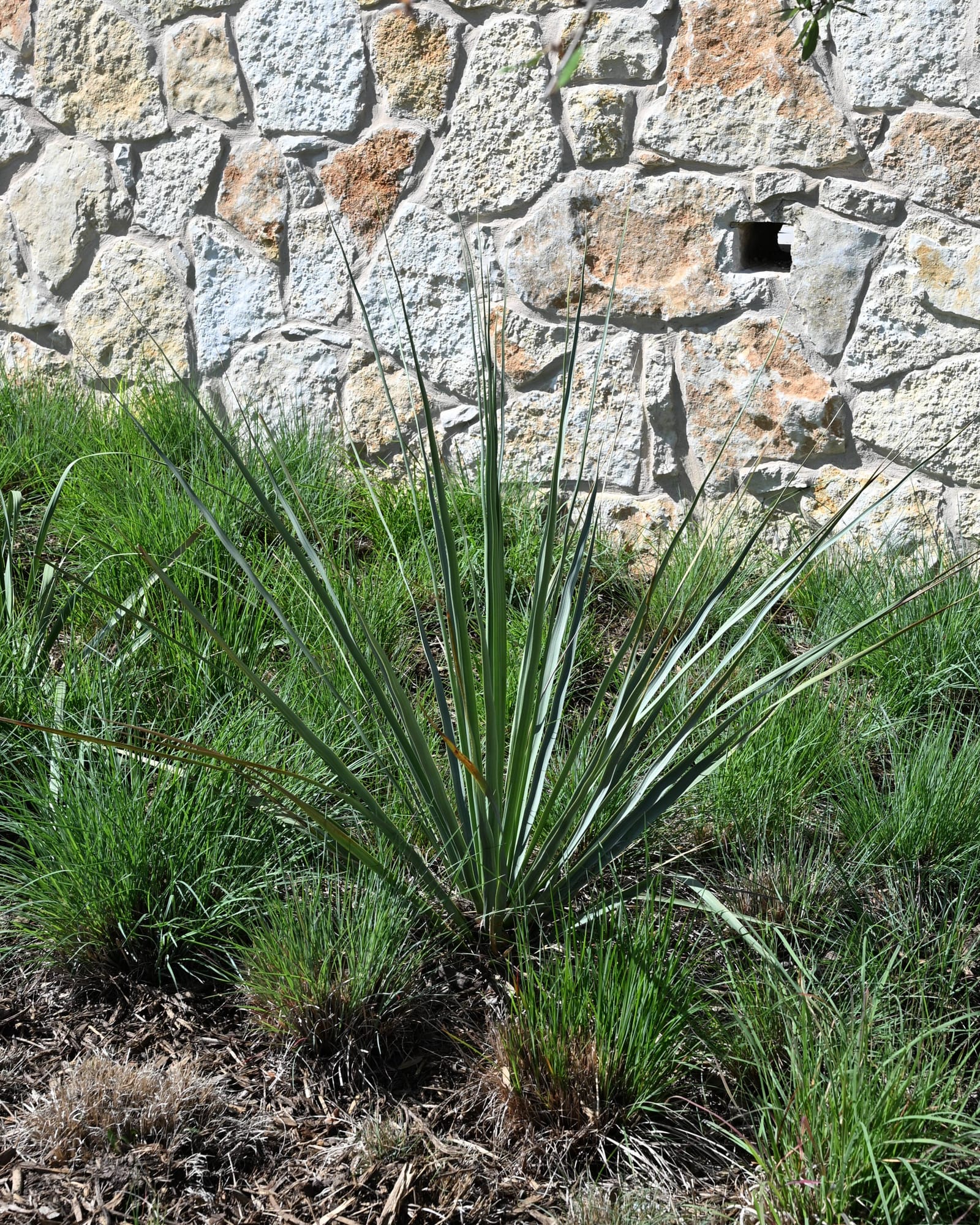
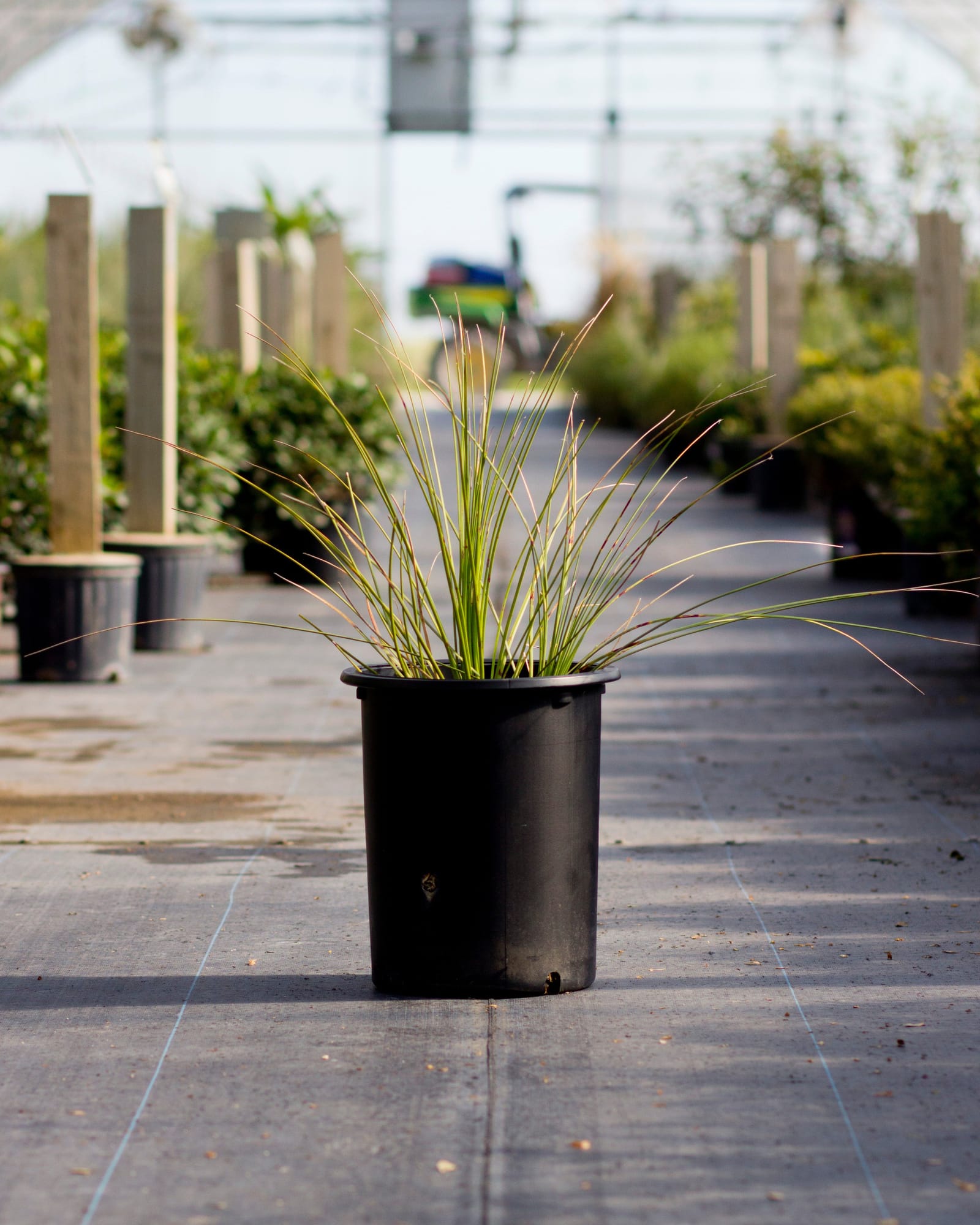
Yucca rostrata ‘Sapphire Skies’Sapphire Skies Blue Beaked Yucca brings bold structure and dramatic color to your landscape. This evergreen succulent showcases a tight rosette of sword-like, blue-green leaves that create a striking silhouette year-round. In summer, tall white flower spikes rise above the foliage, adding vertical interest and seasonal beauty. At maturity, it grows up to 10 feet tall and 3 feet wide, making it a commanding feature in xeriscapes, rock gardens, or modern designs. Its strong, upright form and cool-toned leaves offer a captivating contrast against warm stone or surrounding greenery.
- Evergreen succulent
- Upright, architectural growth habit
- Moderate growth rate
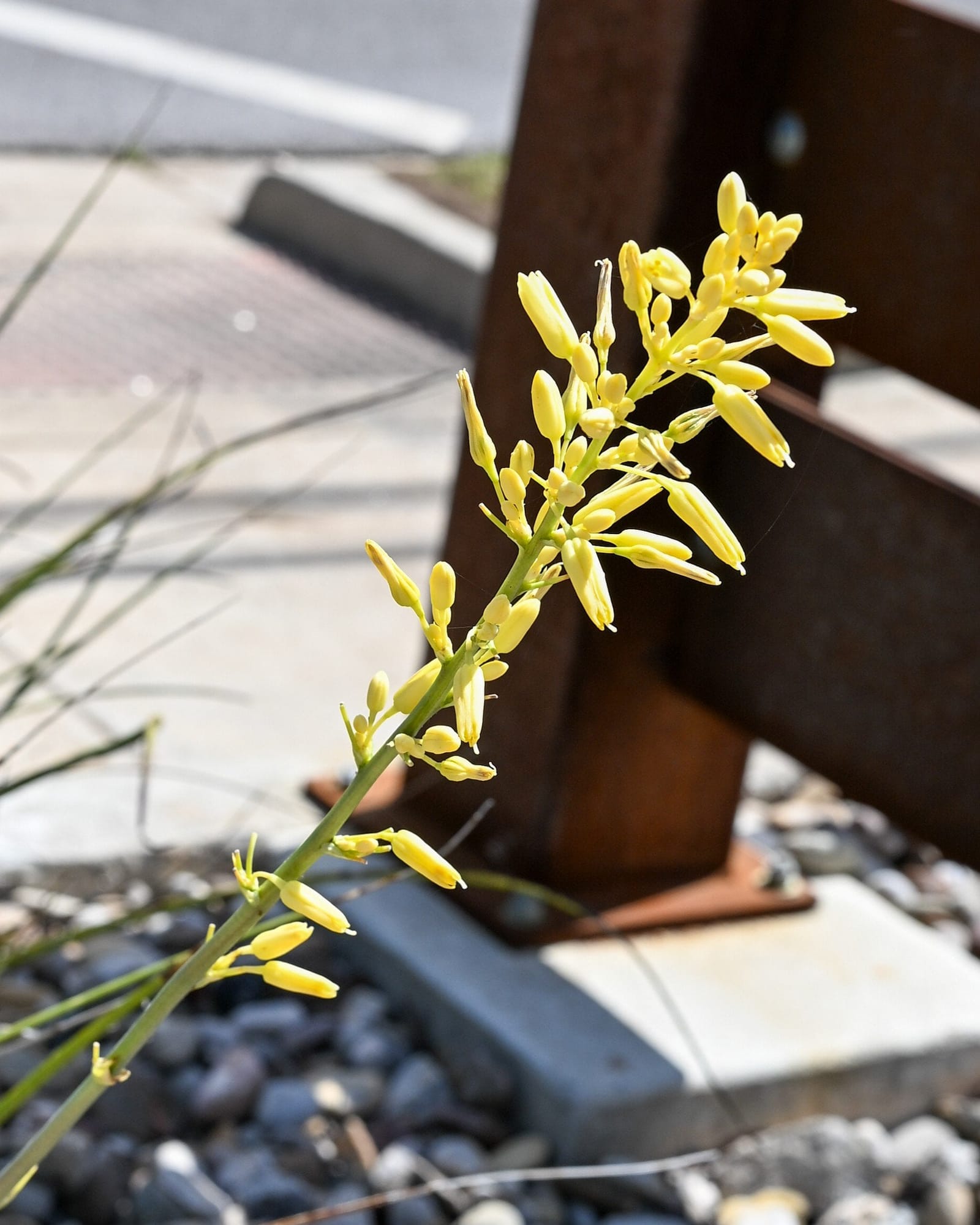
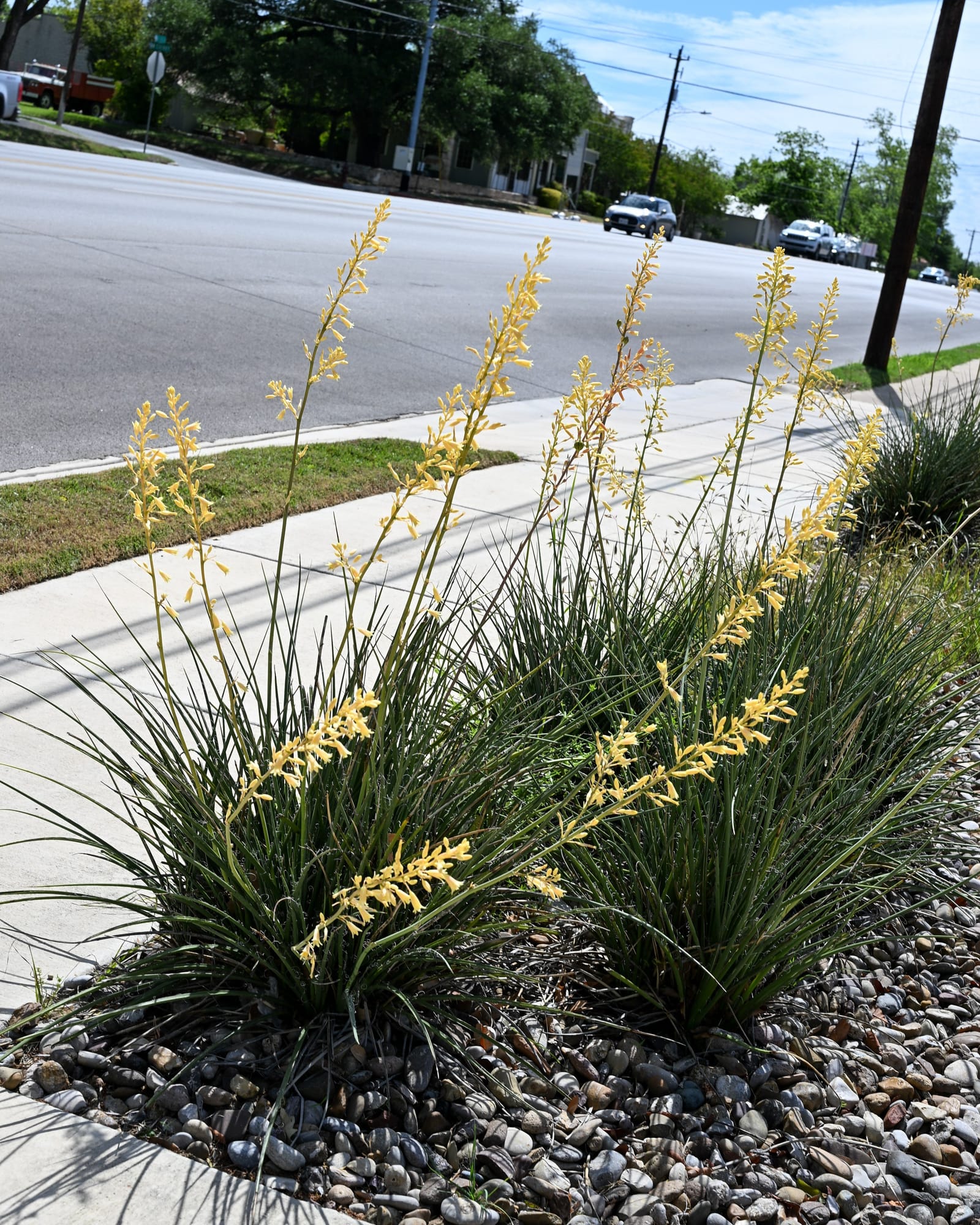
- White flower spikes blooming in summer
- Striking blue-green foliage
Hardy in zones 5-11, Yucca Beaked Blue Sapphire Skies thrives in full sun, needing at least 6-8 hours of direct light daily. It performs best in well-drained, sandy, or rocky soils. This yucca’s bold lines and seasonal flowers make it an ideal choice for creating height, contrast, and year-round visual impact in any landscape.
Once established in sharply drained soil, Yucca Beaked Blue Sapphire Skies is extremely low-maintenance and thrives in hot, dry climates. These practices are all it needs to grow beautifully in Texas landscapes:
- Watering: Water consistently during the first growing season to establish a strong root system. Once established, this yucca is highly drought-tolerant and typically requires irrigation only during extended periods of extreme dryness. Allow soil to dry thoroughly between waterings to prevent crown rot.
- Pruning: Pruning is minimal and generally limited to removing dried lower leaves to maintain a clean trunk. Gloves are recommended, as leaf tips can be firm and pointed. Avoid cutting into the central crown to preserve symmetry.
- Fertilizing: Blue Sapphire Skies performs best in lean, well-drained soils and rarely requires feeding. If growth appears slow, a light application of balanced fertilizer in early spring may encourage vigor. Overfertilization can lead to softer, less compact foliage.
- Mulching: Use gravel or mineral mulch to improve drainage and prevent moisture buildup near the base. Avoid organic mulch that retains excess water. Sharp drainage is essential for long-term health.
- Winter Care: This yucca is notably cold-hardy when planted in well-drained soil. It tolerates significant temperature swings better than many desert plants. Winter moisture control is more important than cold itself.
Yucca Beaked Blue Sapphire Skies is exceptionally durable, though a few meaningful concerns may occasionally arise.
- Crown Rot in Poor Drainage: Softening at the center of the crown may indicate trapped moisture. Improving soil drainage prevents most rot issues.
- Cold Moisture Stress: Leaf discoloration may occur during prolonged wet freezes. Ensuring dry winter conditions reduces damage.
- Scale Insects: Small bumps may develop along leaf bases or trunk areas. Horticultural oil treatments help control infestations.
- Nutrient Deficiency in Depleted Soil: Foliage may appear pale if soil lacks nutrients. A light spring feeding restores stronger coloration.
- Wind Damage to Flower Stalks: Tall bloom spikes may bend during high winds. Strategic placement helps protect flowering stems.
Yucca Beaked Blue Sapphire Skies can live 40-80 years under favorable conditions. Its slow, steady growth contributes to long-term structural strength. Mature specimens often become permanent architectural features.
Growth averages 6-12 inches per year in warm climates. A well-developed crown and trunk structure typically establish within 5-10 years. Its gradual growth enhances symmetry and density.
Yes, as older leaves shed, a fibrous trunk becomes exposed beneath the crown. Over time, this trunk elevates the foliage into a tree-like form. Mature specimens appear highly sculptural.
It produces a tall bloom stalk bearing creamy white flowers. The flowering event creates strong vertical contrast above the blue foliage. Unlike agaves, the plant continues growing after blooming.
Heat tolerance is excellent once established. Its narrow leaves reduce moisture loss during intense summer conditions. High temperatures rarely stress healthy plants.
Its rigid leaves and pointed tips discourage browsing. Deer damage is uncommon. Wildlife typically avoids it.
The powder-blue tone remains consistent throughout the year. Cool weather may intensify its color slightly. Strong sunlight enhances its icy appearance.
Its clean lines and upright silhouette pair beautifully with contemporary architecture. It adds vertical emphasis without heaviness. The blue foliage creates striking contrast against stone and gravel.
It typically grows as a single trunk with one crown. aBranching may occur after flowering or from environmental stress. This branching can create multi-headed forms.
Its deep root system helps stabilize soil over time. It performs well on rocky or sloped terrain. Sharp drainage enhances long-term stability.
Special Features
You might also like
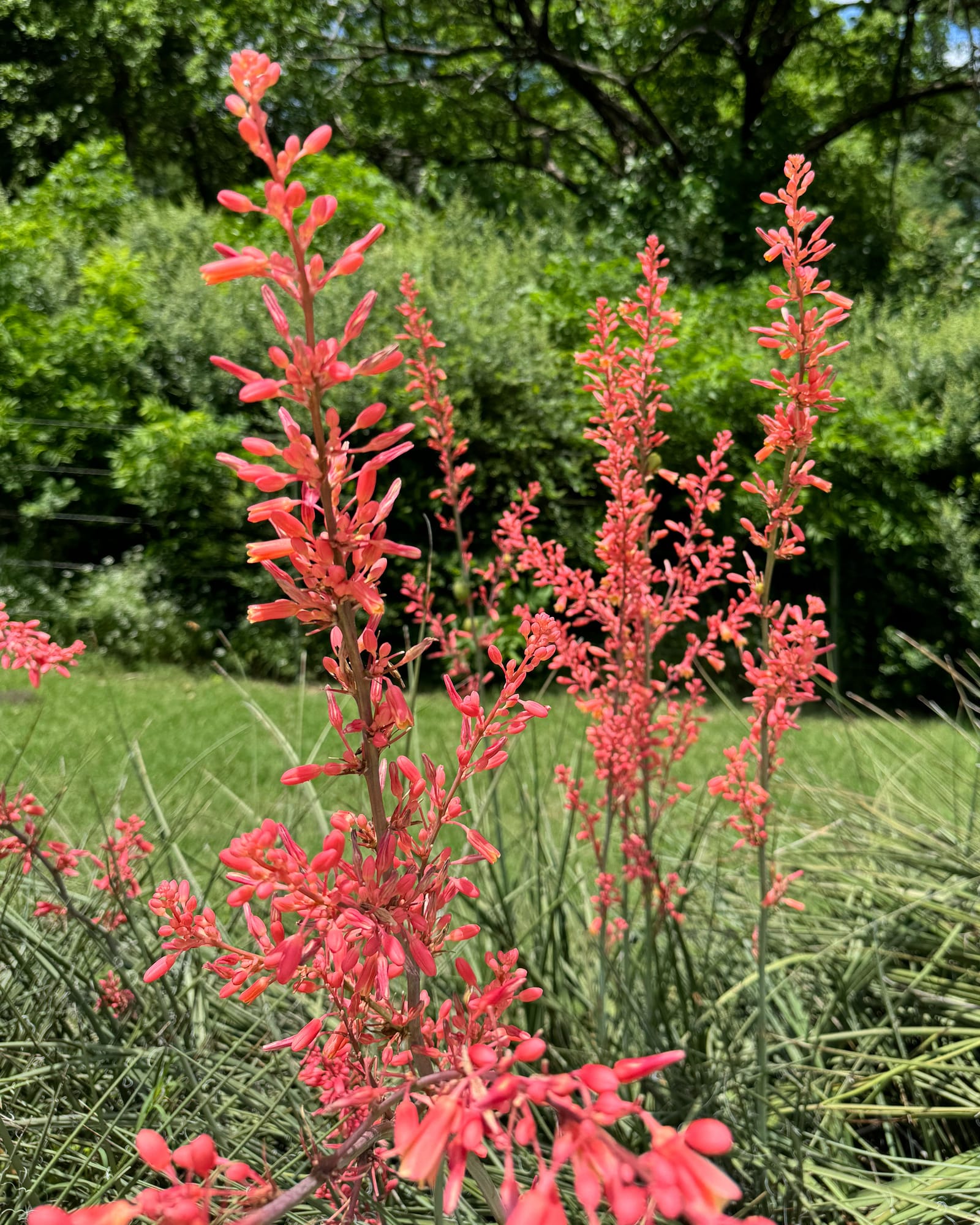
Red Yucca
Maturity: 3' H x 3' W
Adam's Needle Yucca
Maturity: 2' H x 2' W
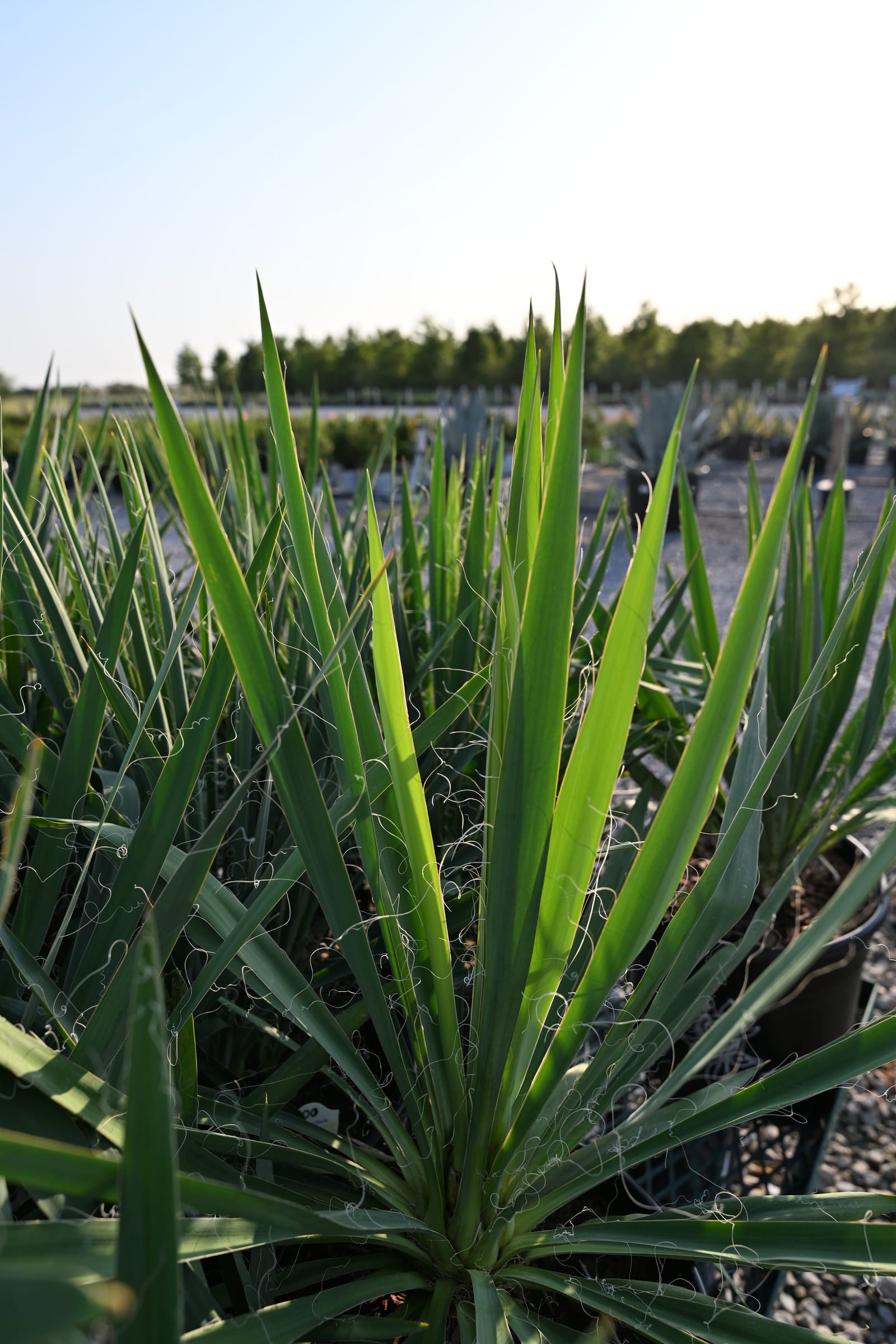
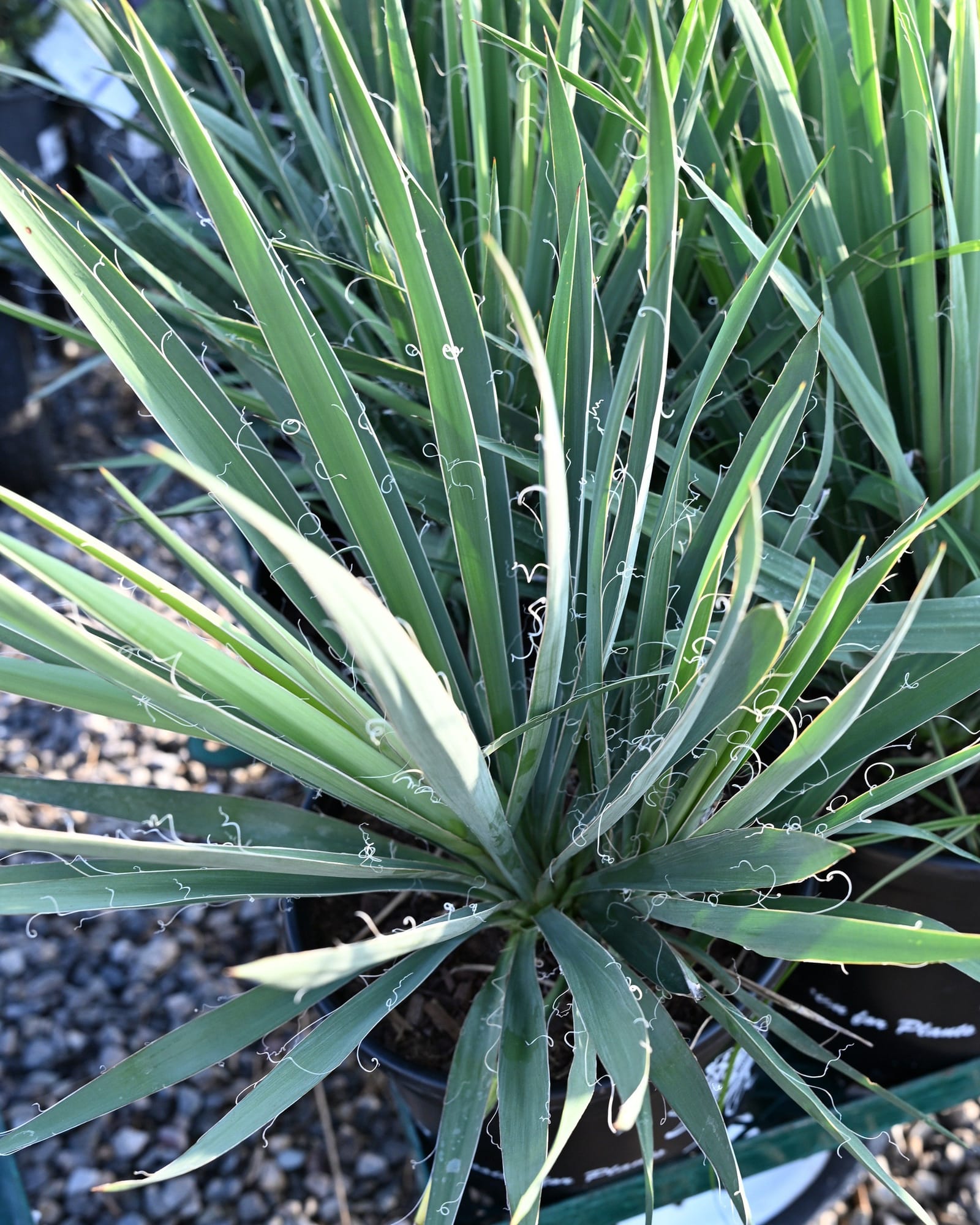
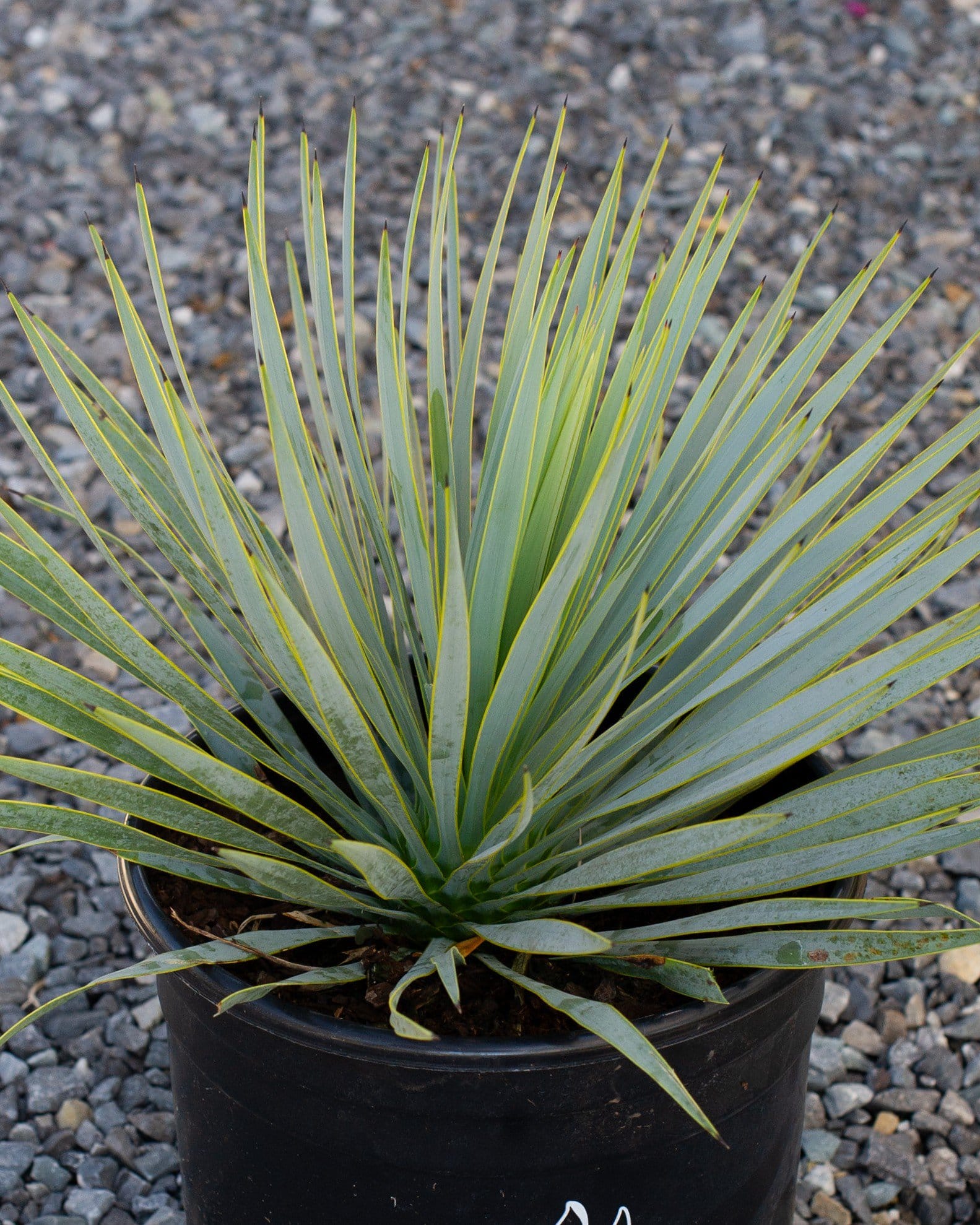
Blue Beaked Yucca
Maturity: 12' H x 6' W
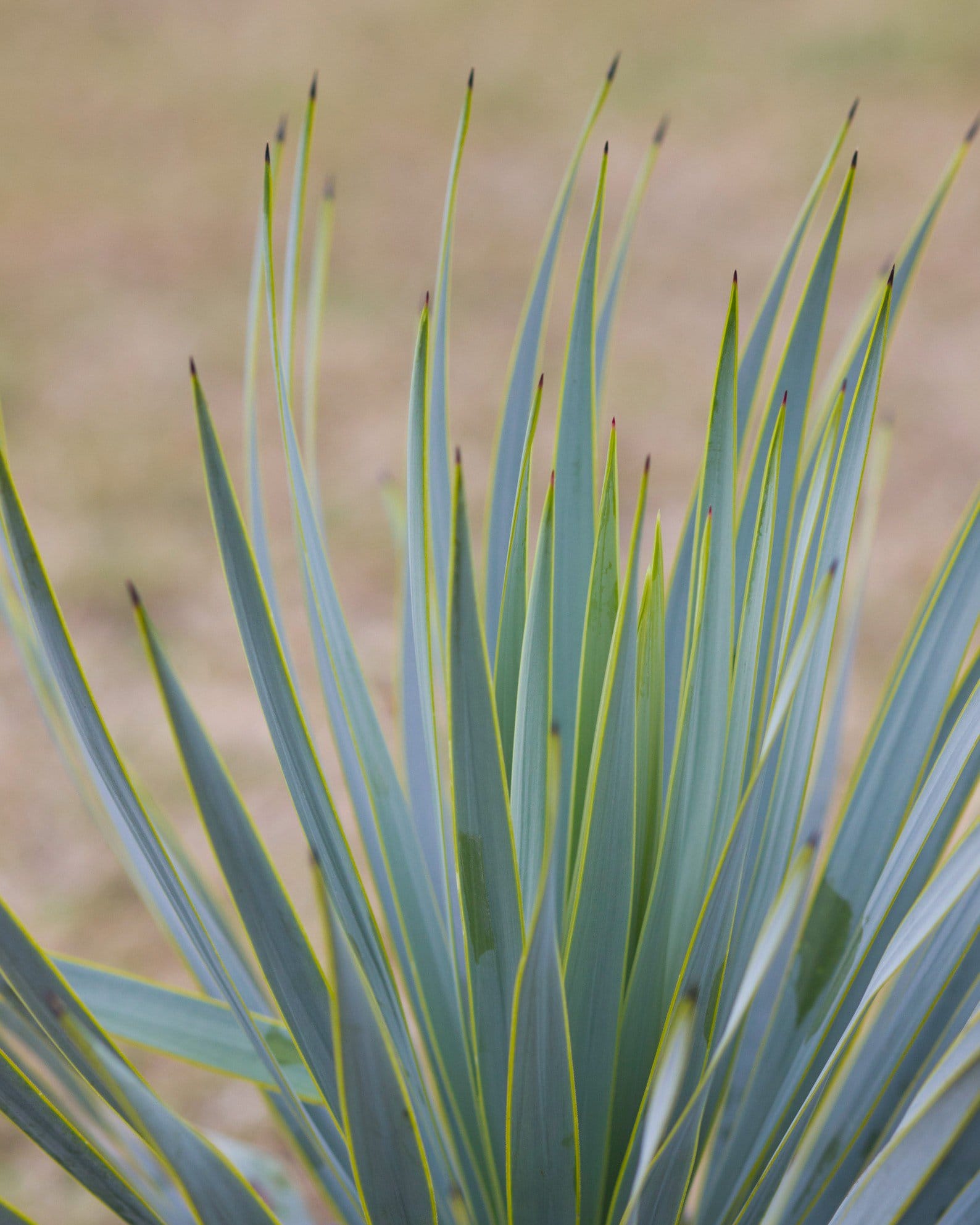
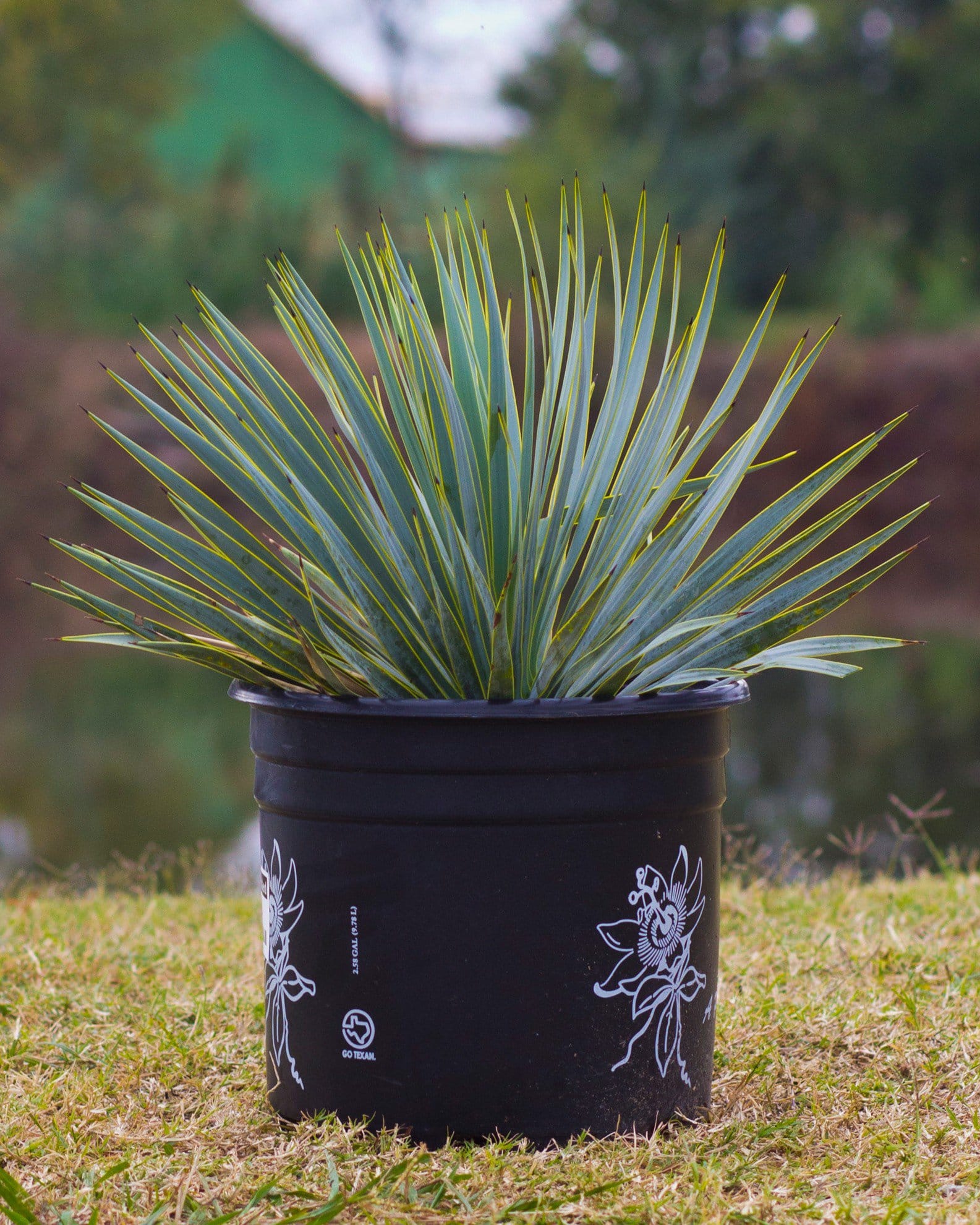
Color Guard Yucca
Maturity: 2' H x 2' W
Henrietta Soapweed Yucca
Maturity: 2' H x 3' W
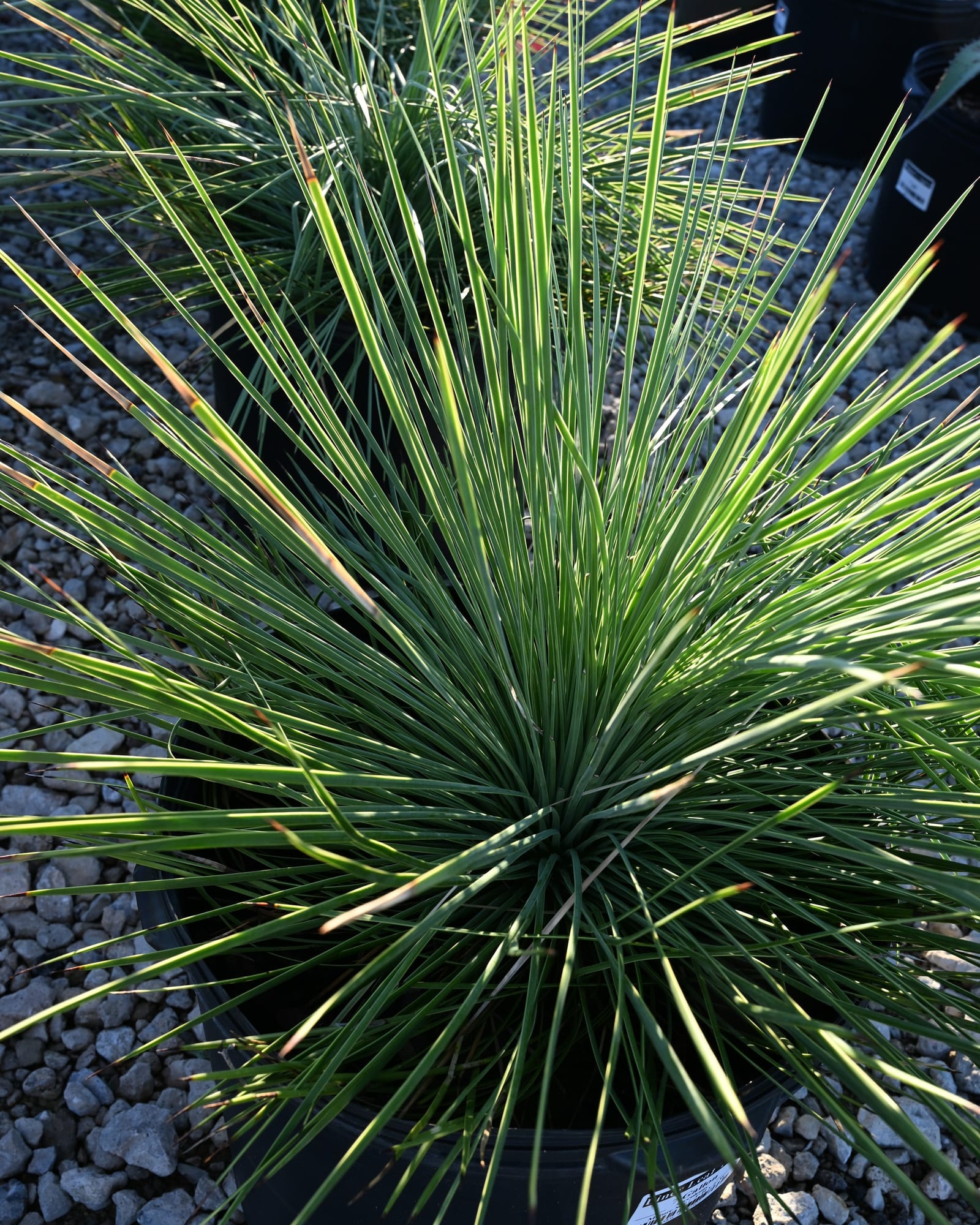
Liner Leaf Yucca
Maturity: 3' H x 2' W
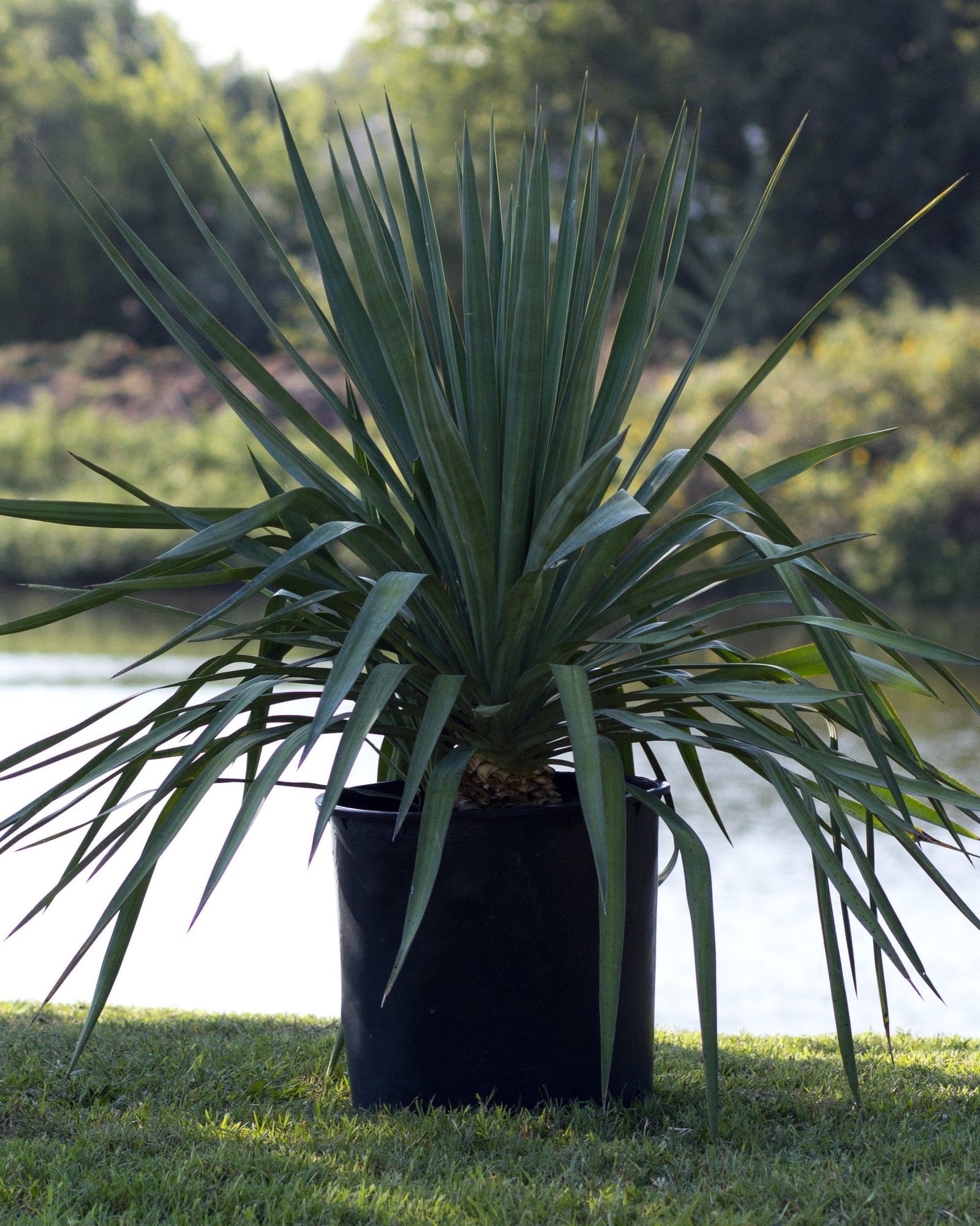
Soft Leaf Yucca
Maturity: 4' H x 4' W
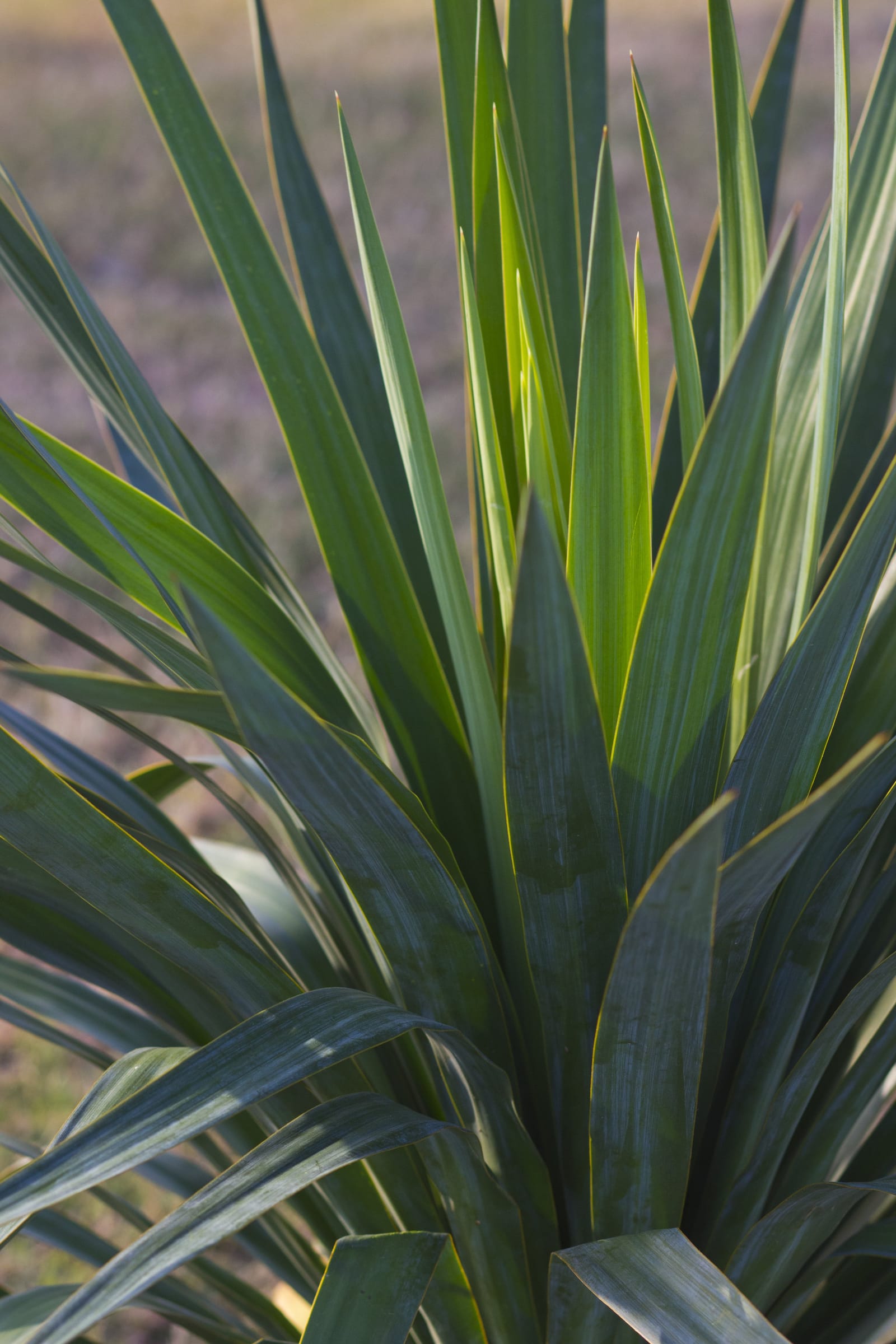
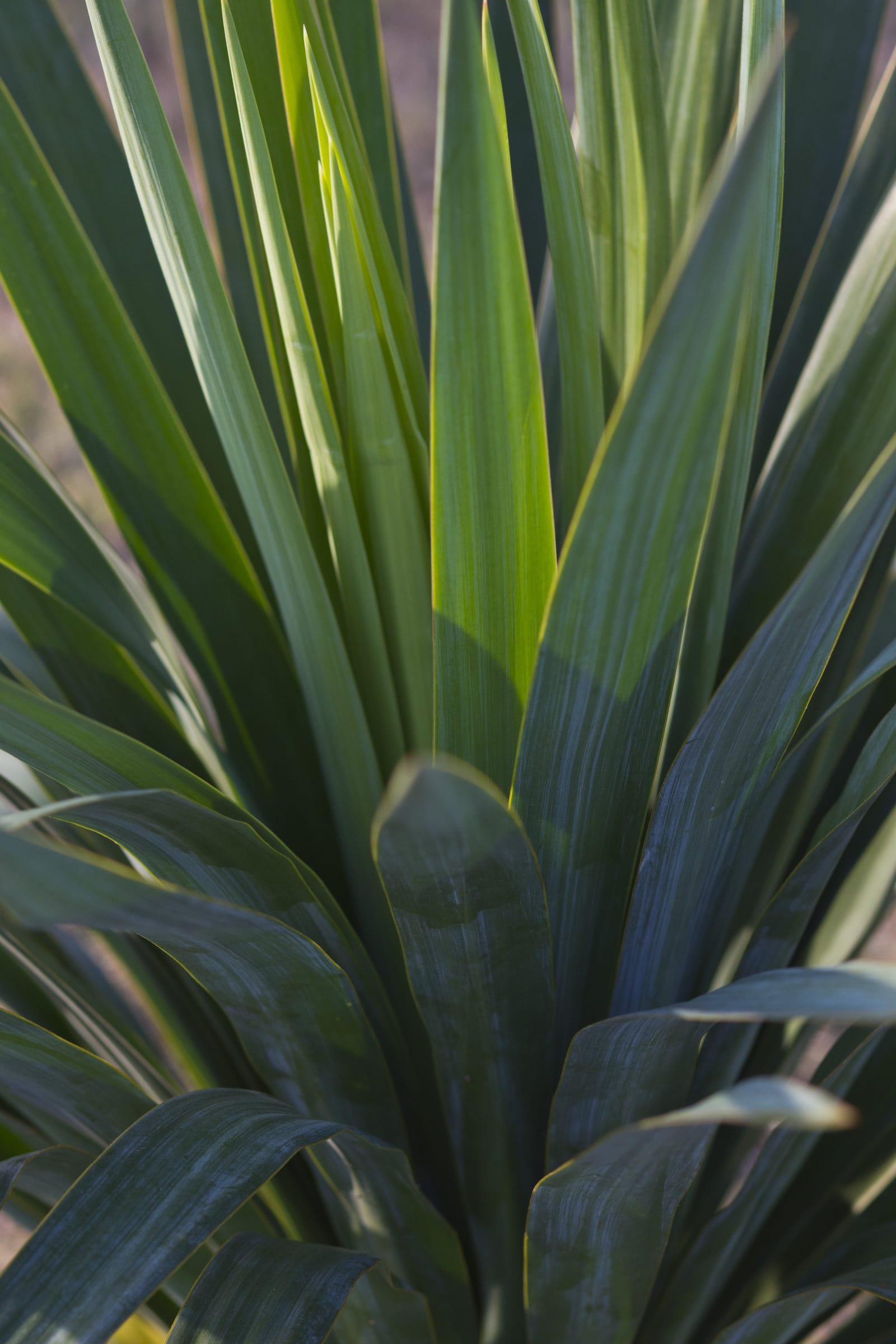
Brakelights Yucca
Maturity: 2' H x 2' W
Little Miss Sunshine Yucca
Maturity: 3' H x 3' W

Yellow Yucca
Maturity: 3' H x 3' W
Blue Sentry Yucca
Maturity: 15' H x 6' W
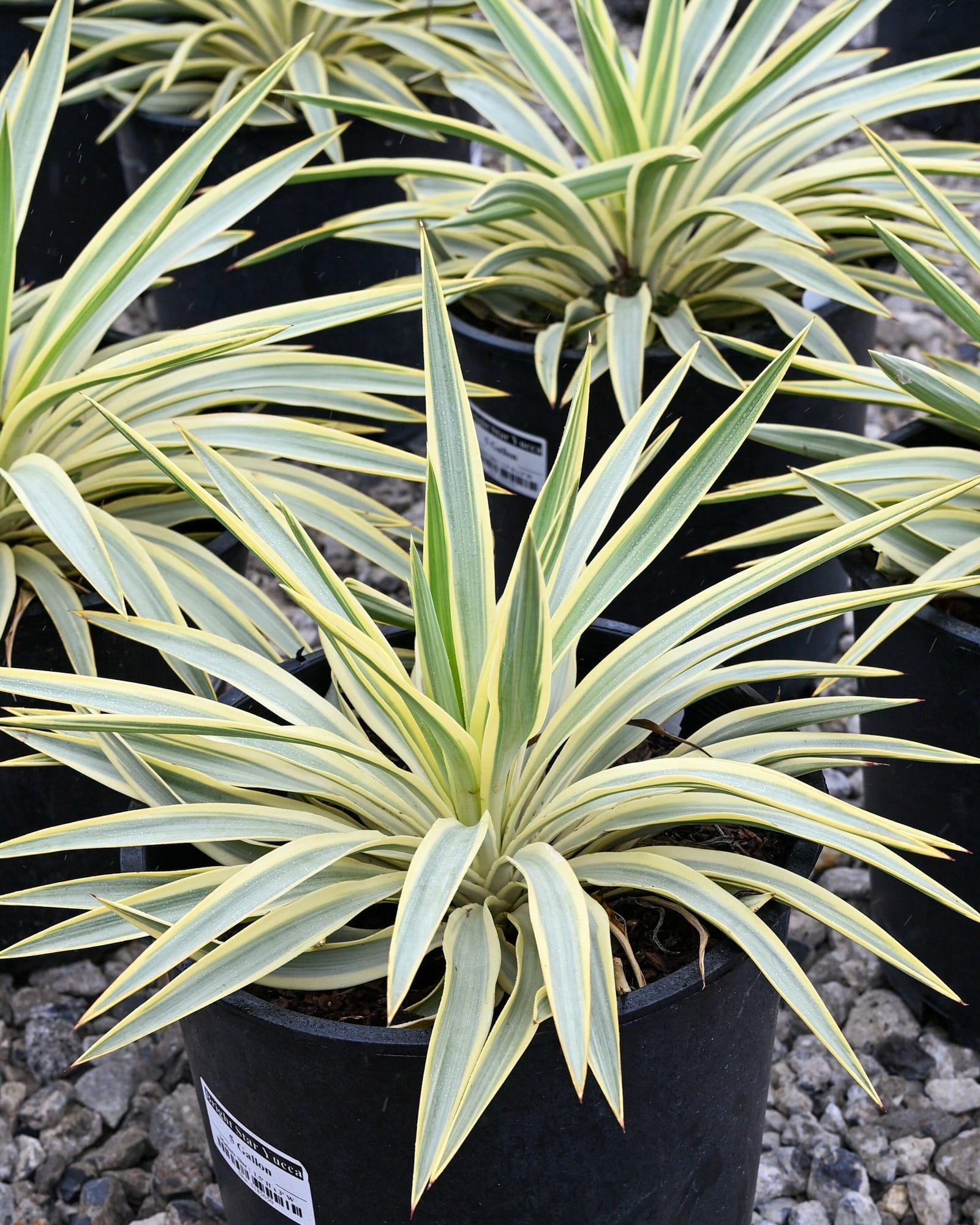
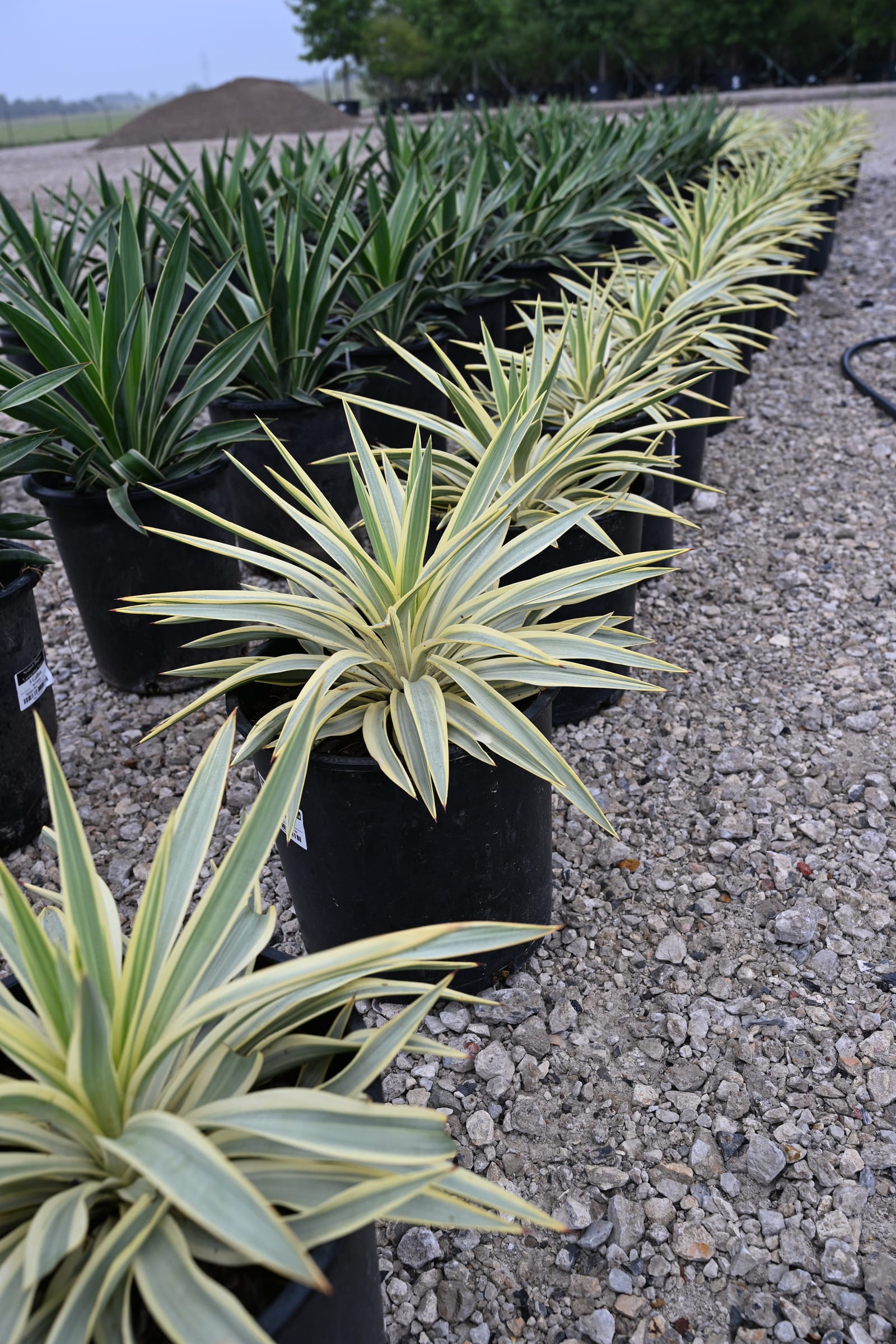
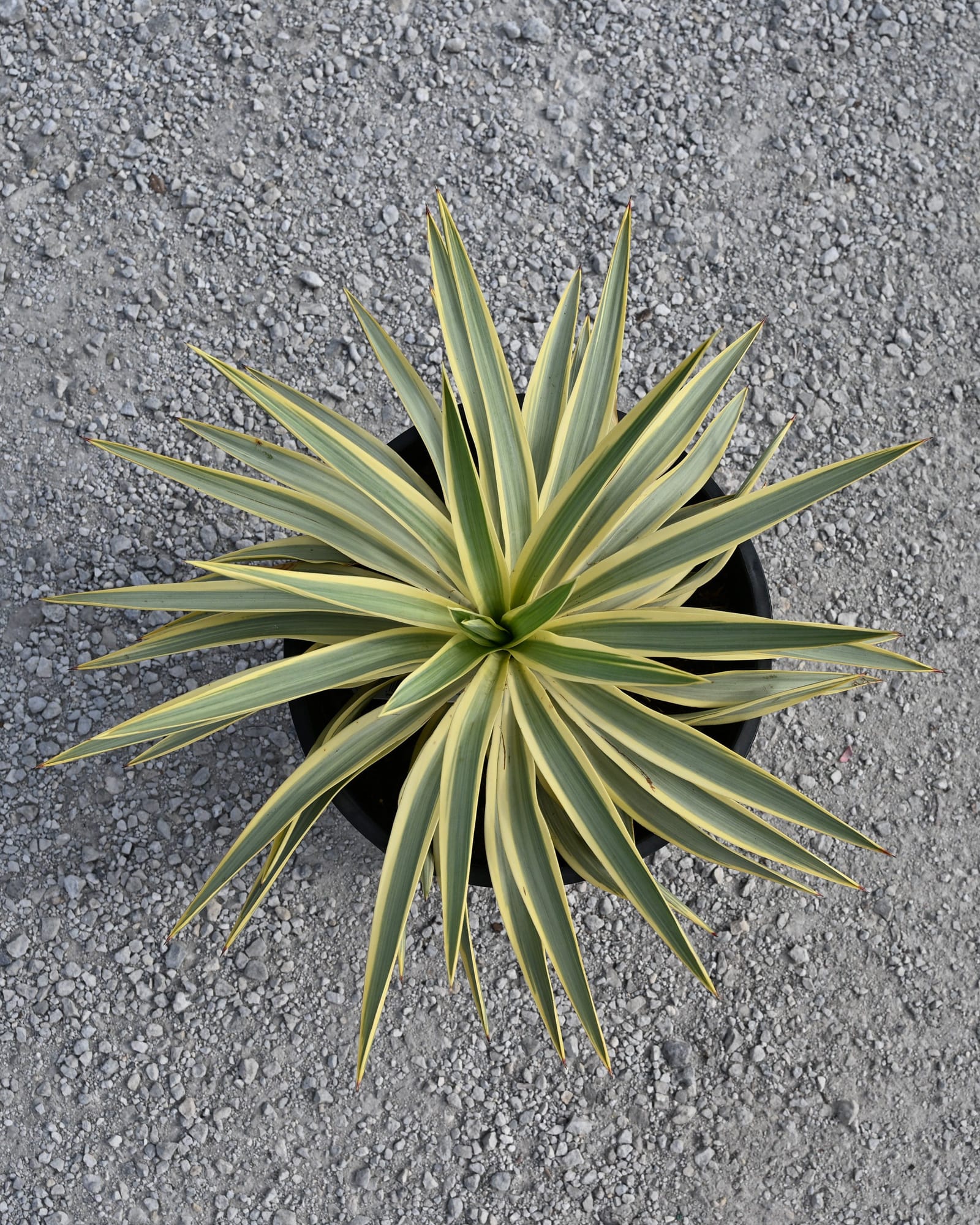
Bright Star Yucca
Maturity: 1.5' H x 3' W
Dragon Slayer Yucca
Maturity: 2' H x 2.5' W
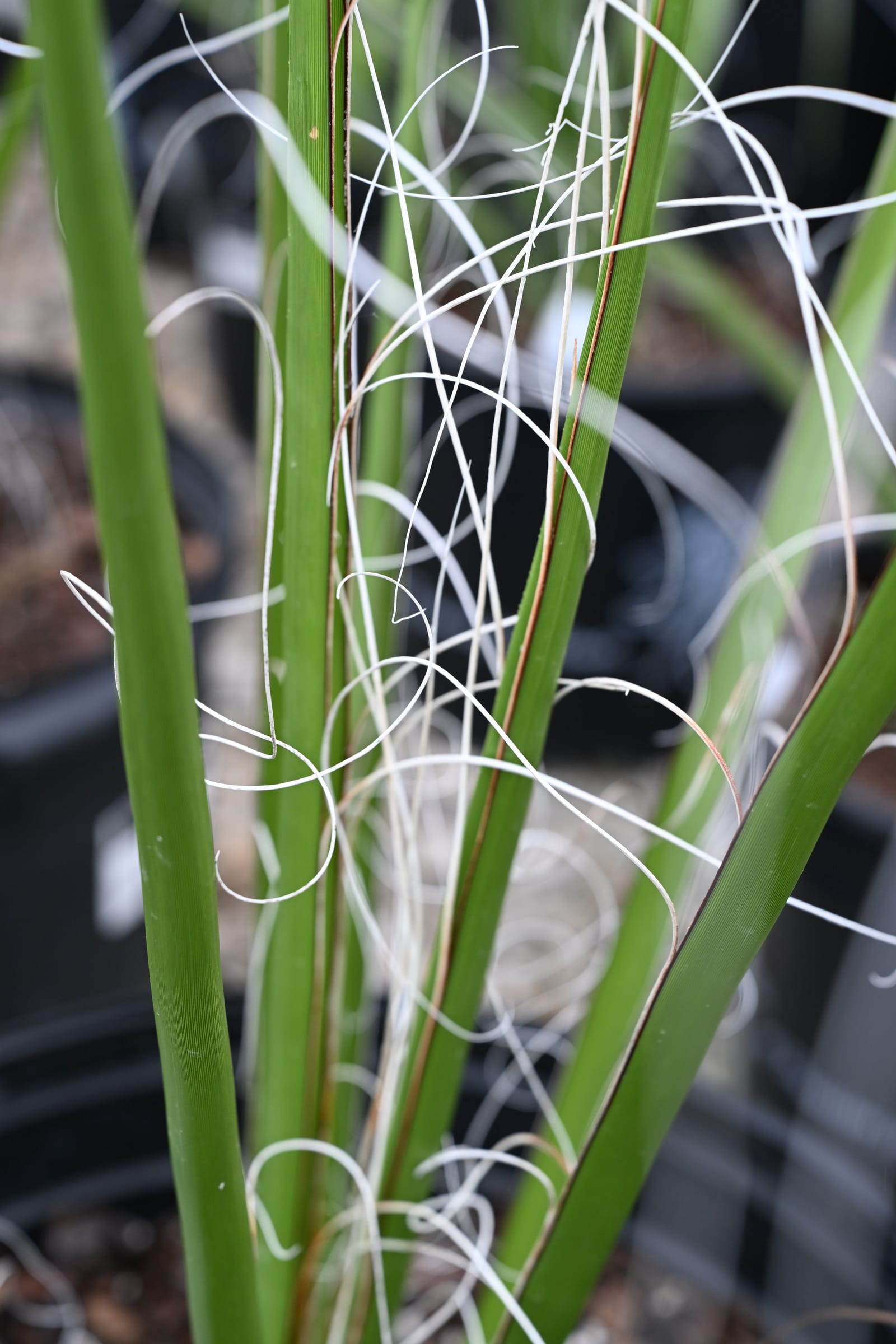
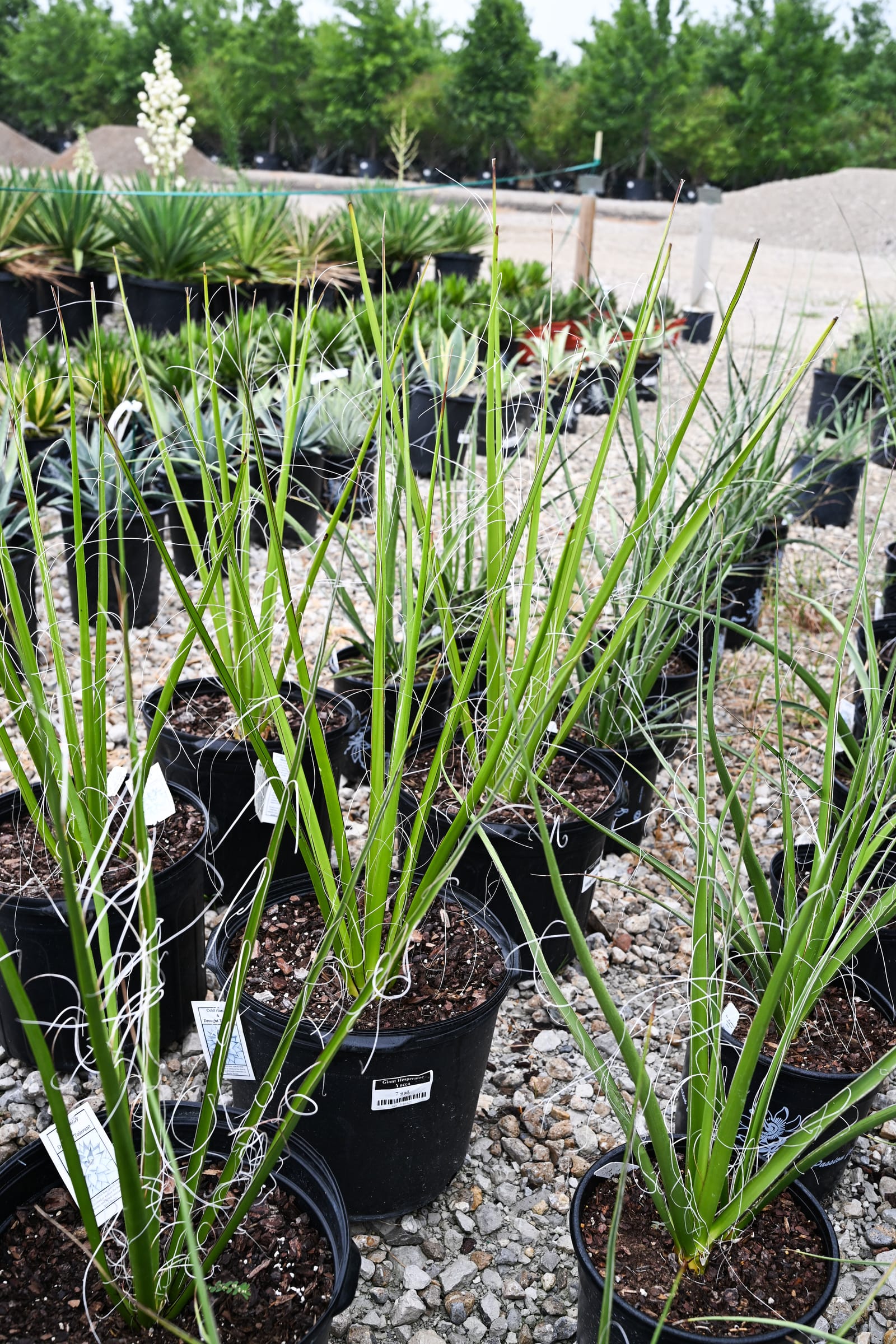
Giant Hesperaloe Yucca
Maturity: 5' H x 3' W
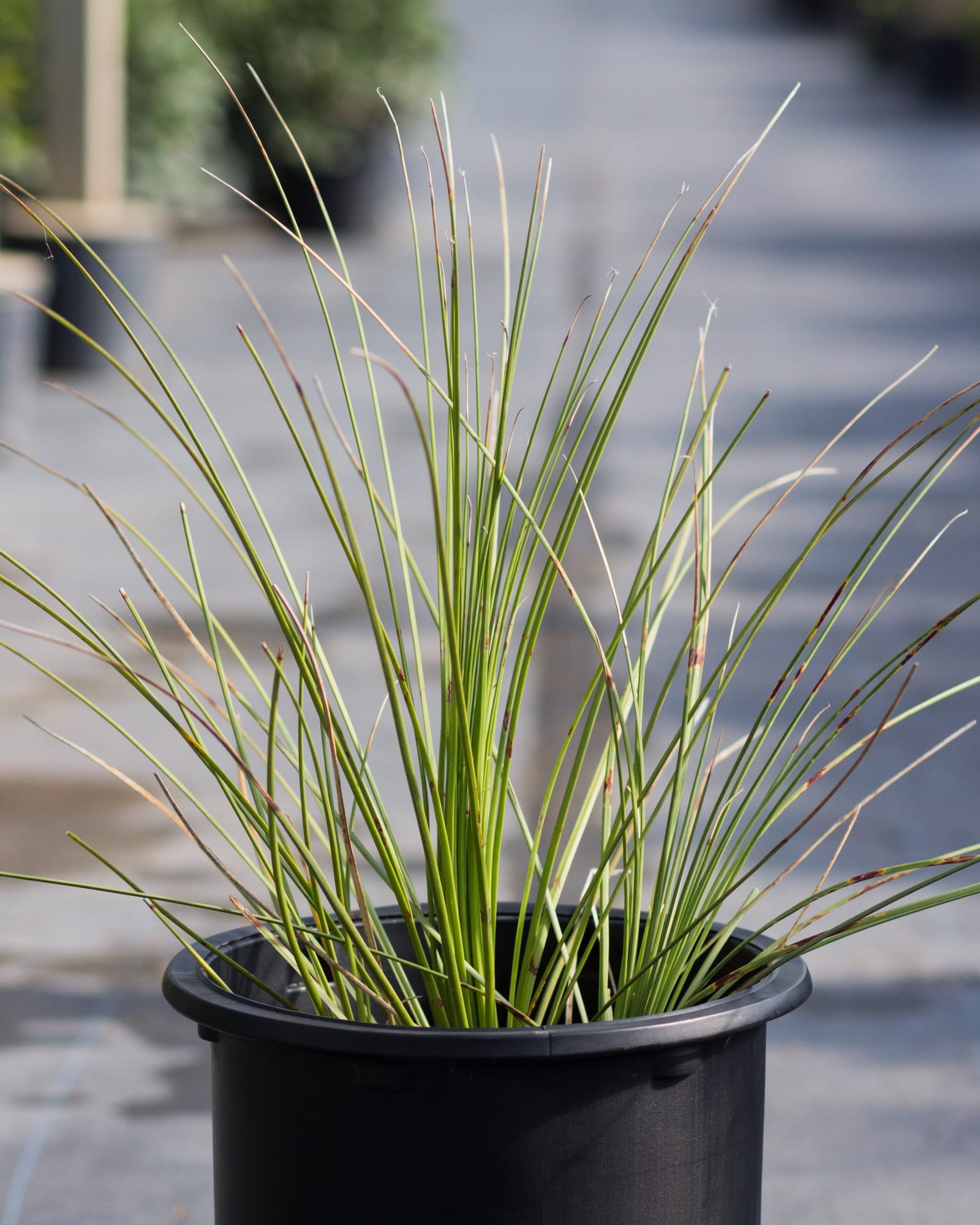
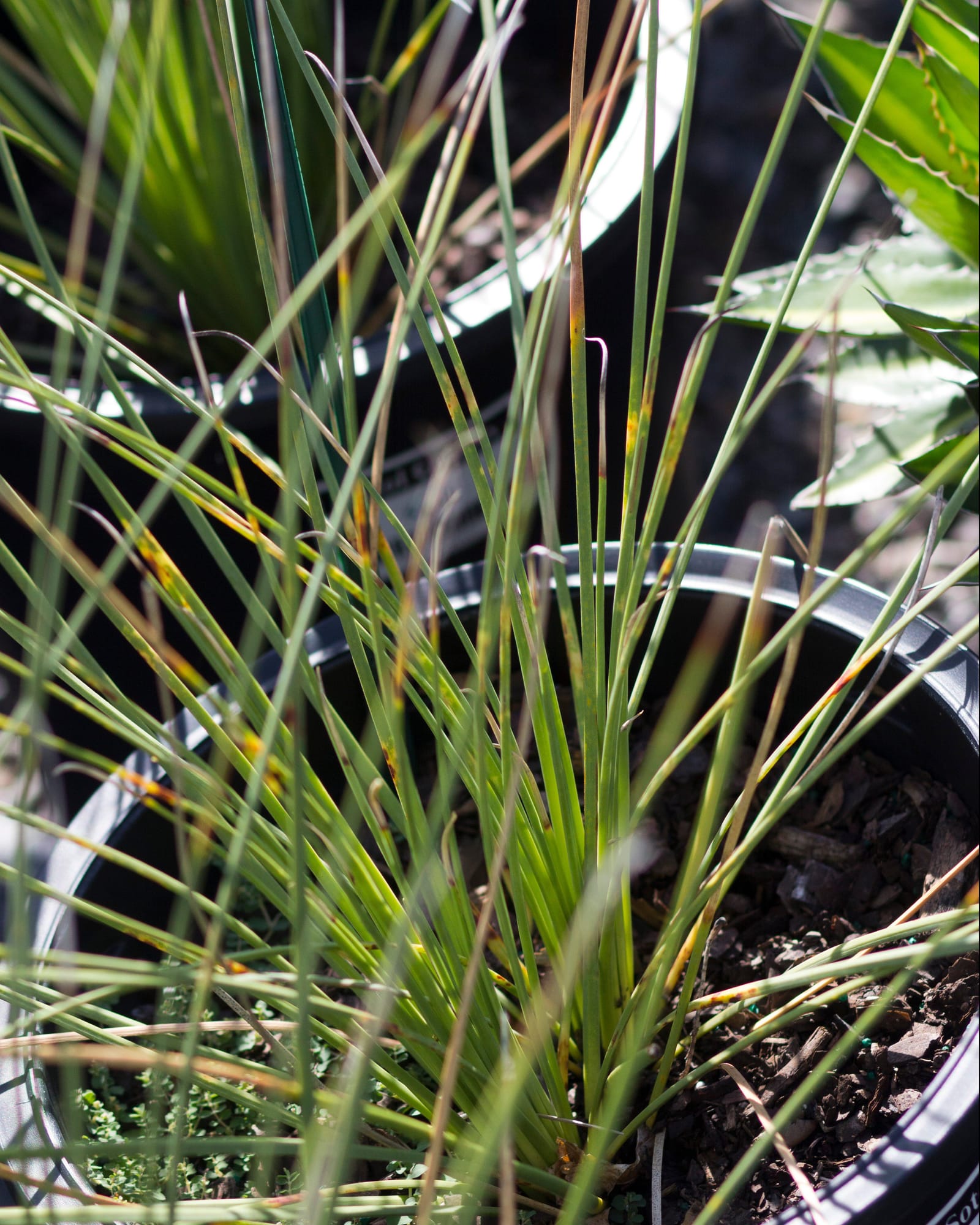
Grassy Sotol
Maturity: 4' H x 4' W
Compare Similar Plants
Sapphire Skies Blue Beaked Yucca This plant | ||
|---|---|---|
| Scientific Name | Yucca rostrata ‘Sapphire Skies’ | Hesperaloe parviflora |
| Size at Maturity | 10' H x 3' W | 3' H x 3' W |
| Leaf Retention | Evergreen | Evergreen |
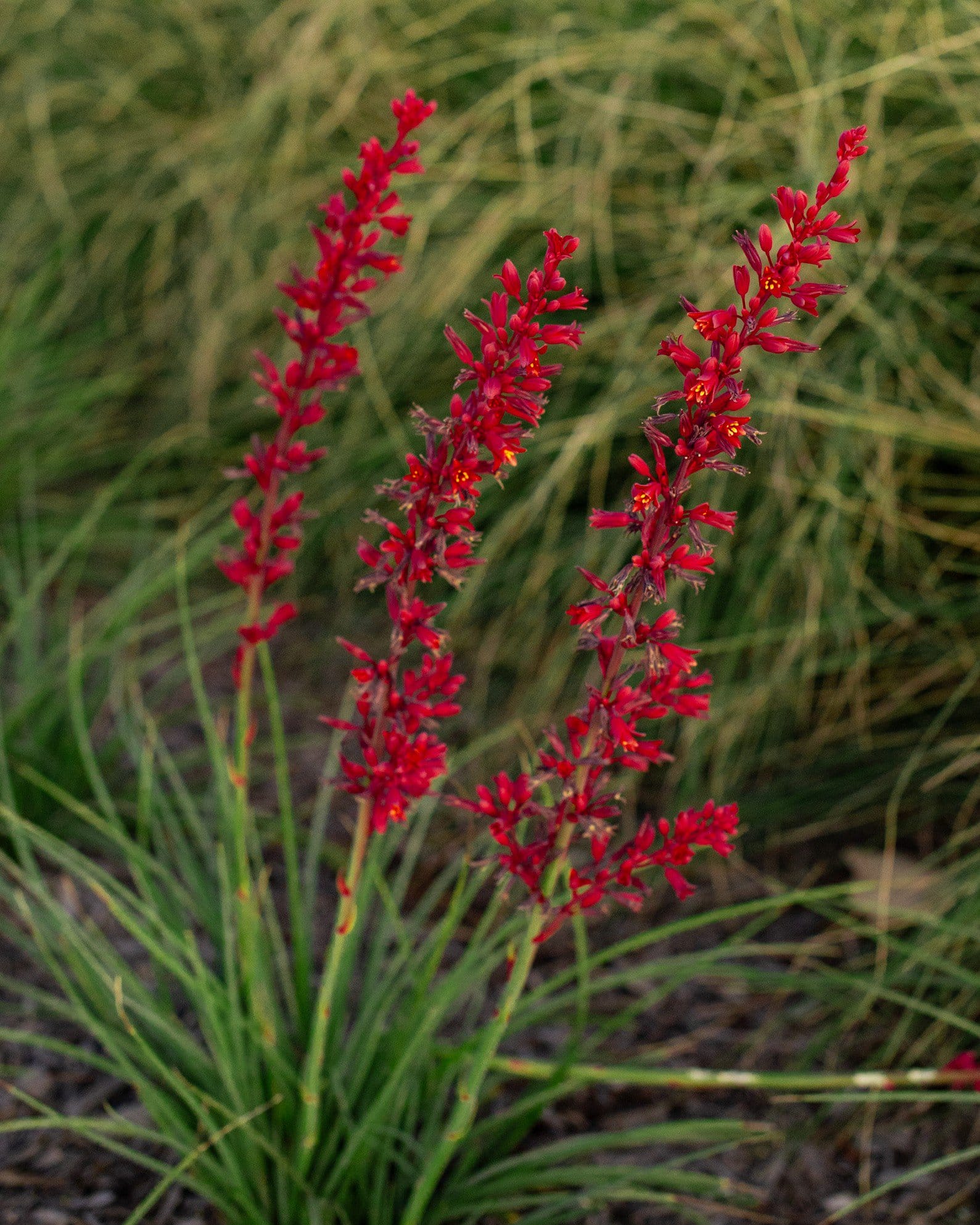
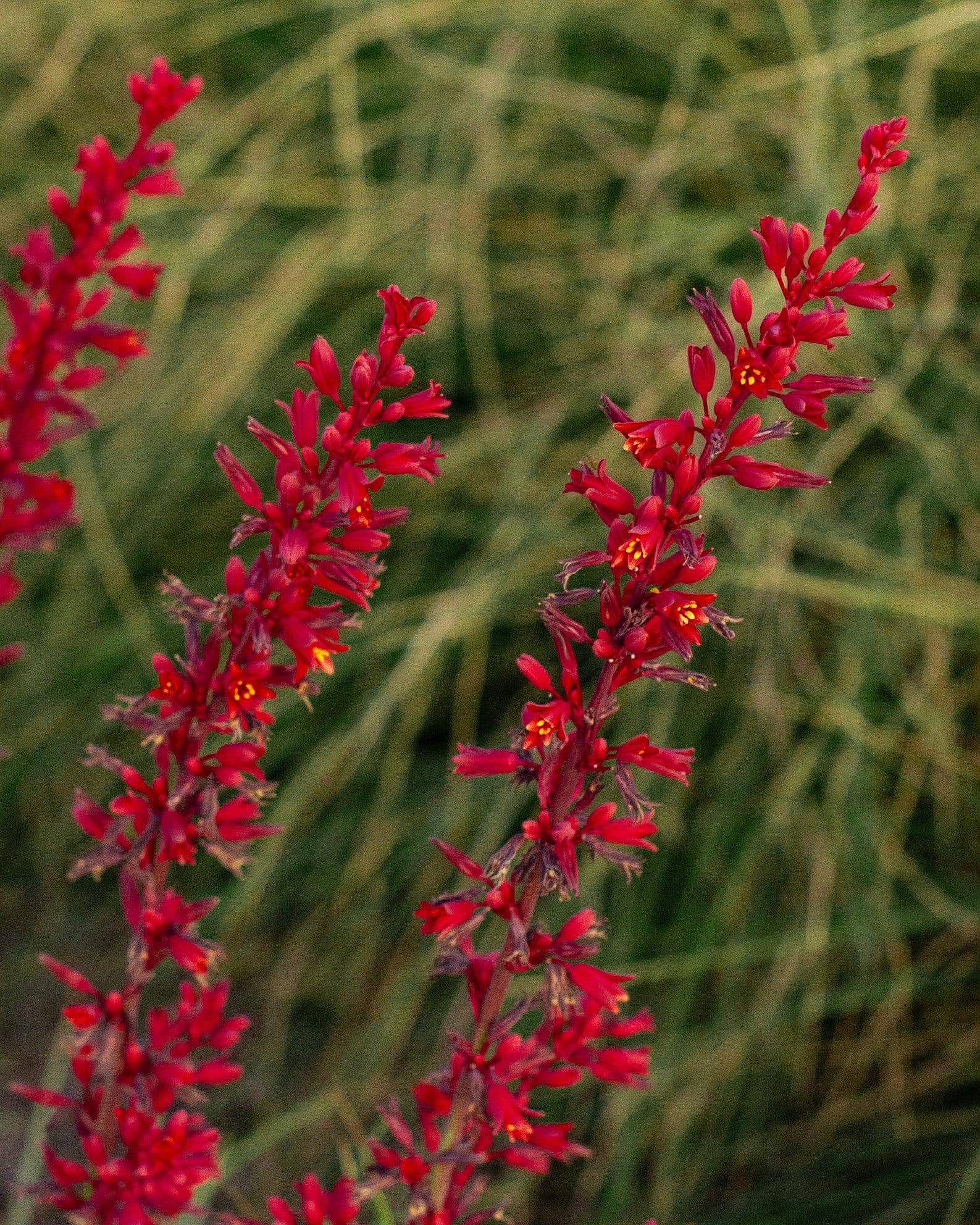
| Flower Color | White | Red |
| Bloom Times | Summer | Summer |
| Sizes Available | — | 1, 3, 15 gal |


Our 1-Year Planting Guarantee
We take pride in our plants and installation services. If any plants or trees installed by Treeland fail to thrive within the first year, we'll provide a replacement credit in accordance with our guarantee program.
Learn More About Our Guarantee