
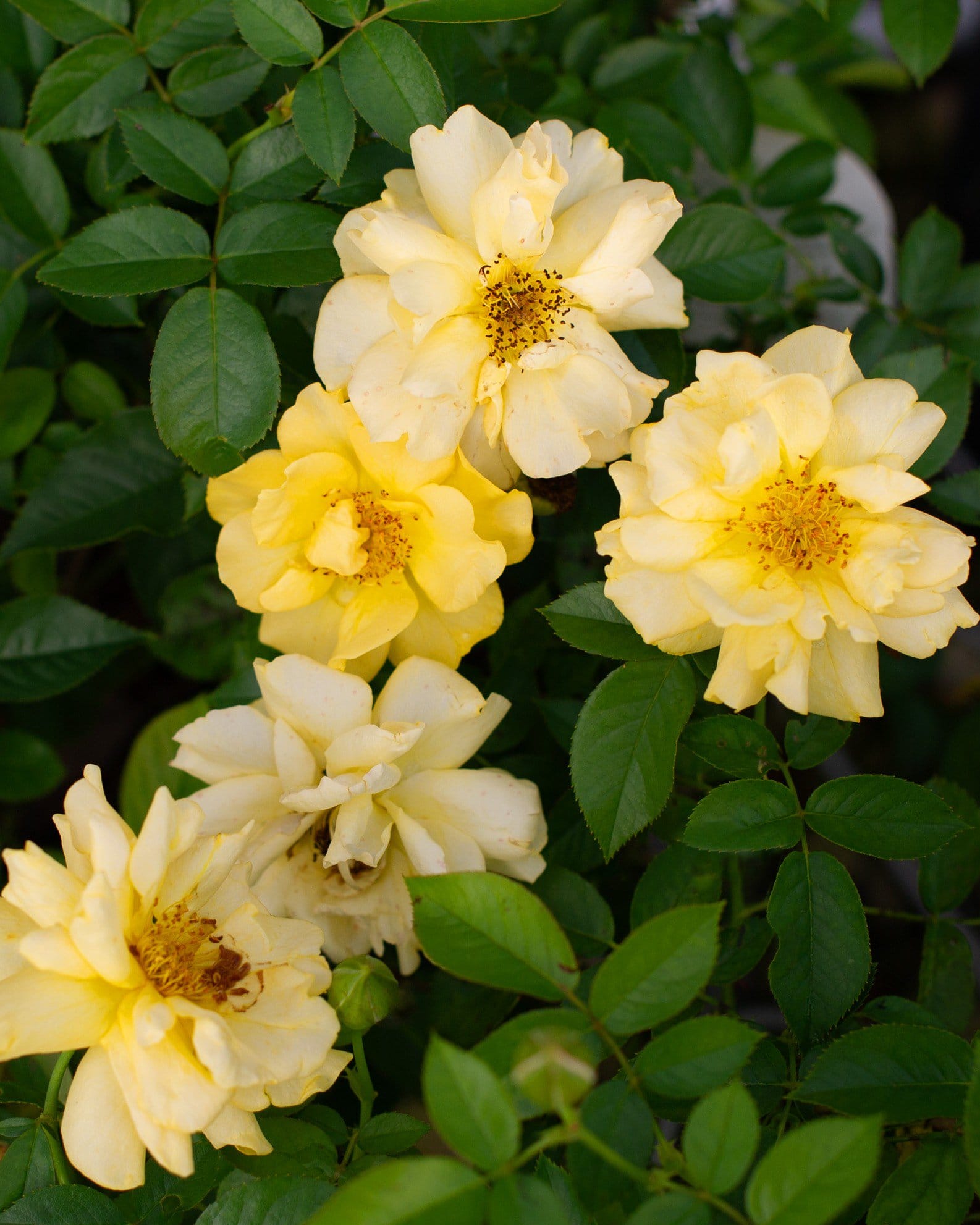
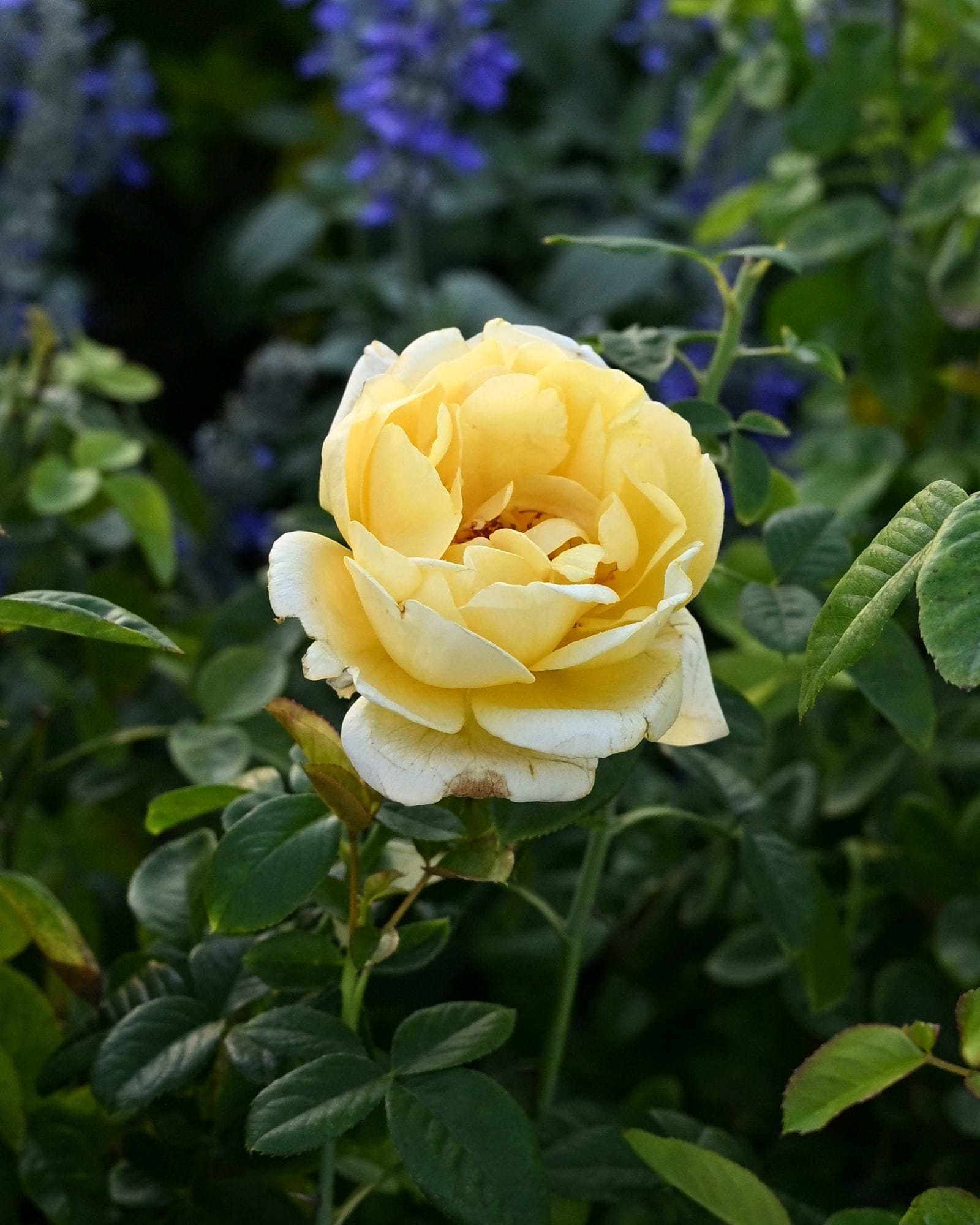
Julia Child Rose
Rosa 'WEKvossutono'Local DFW Delivery Only
Product Details
Julia Child Rose
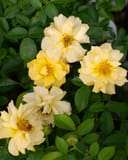
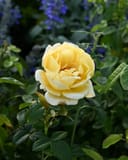
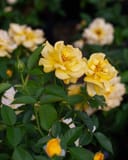
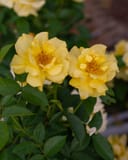
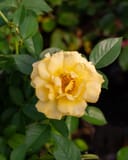
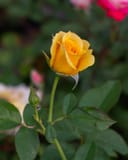
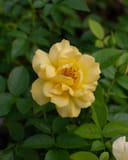
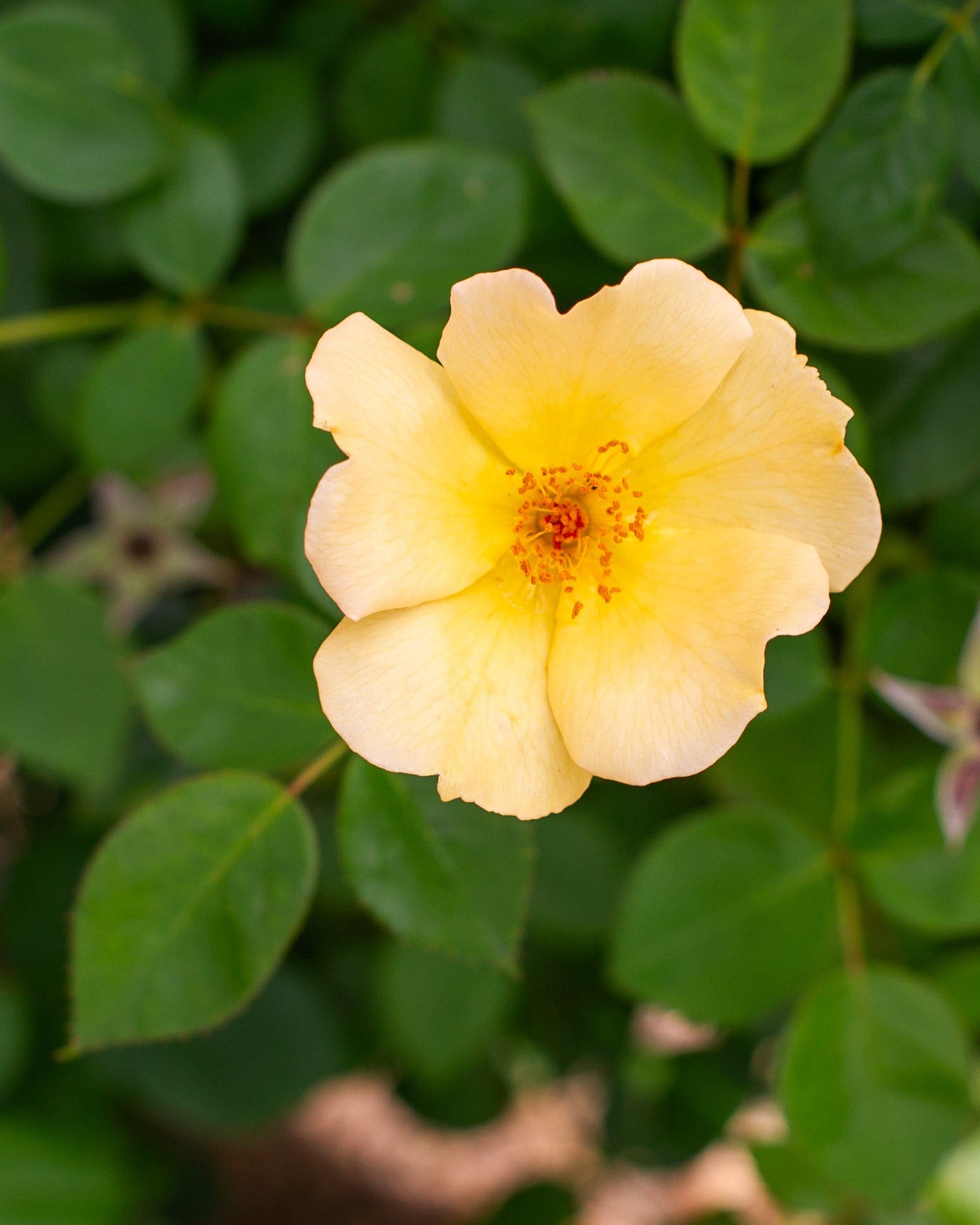
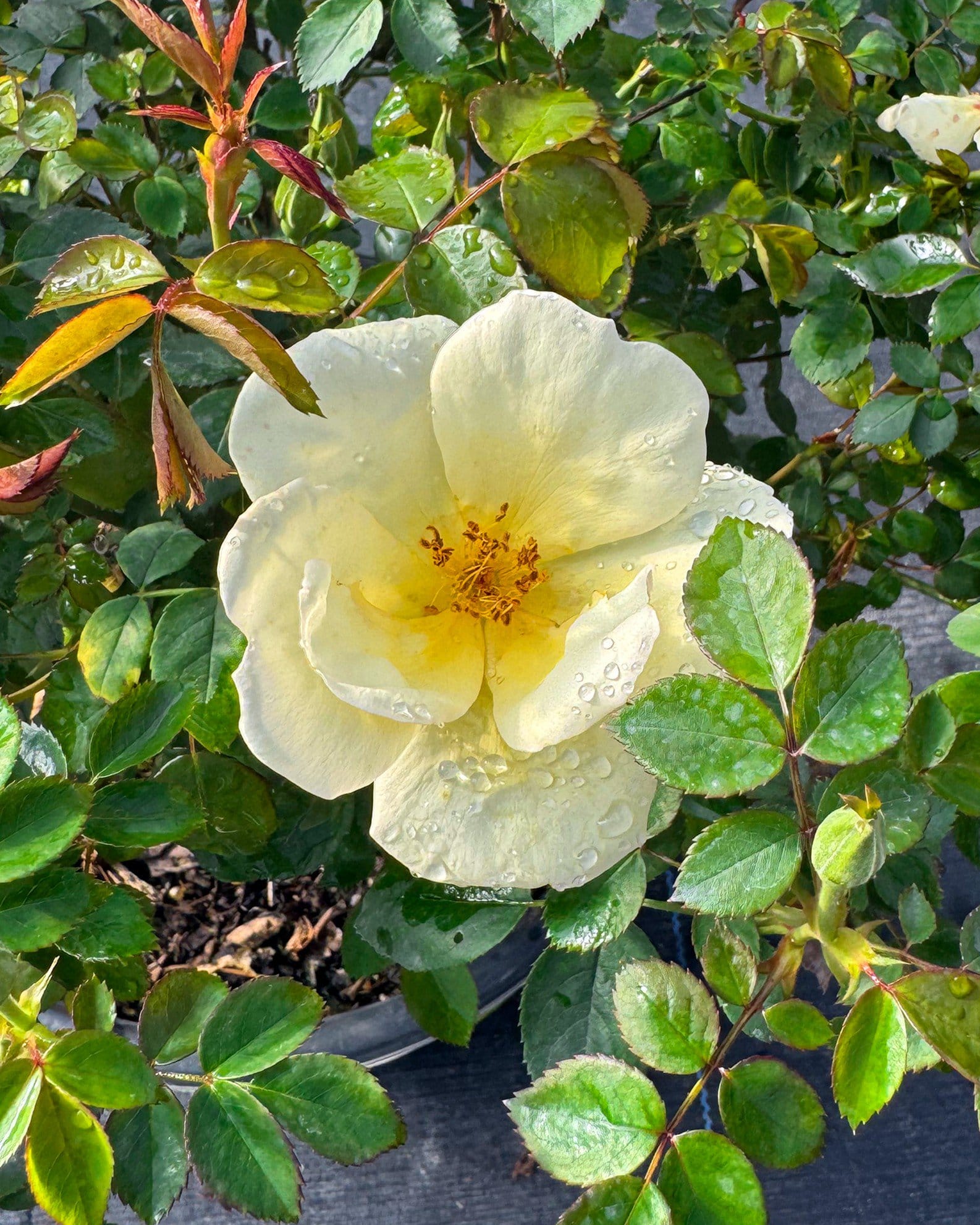
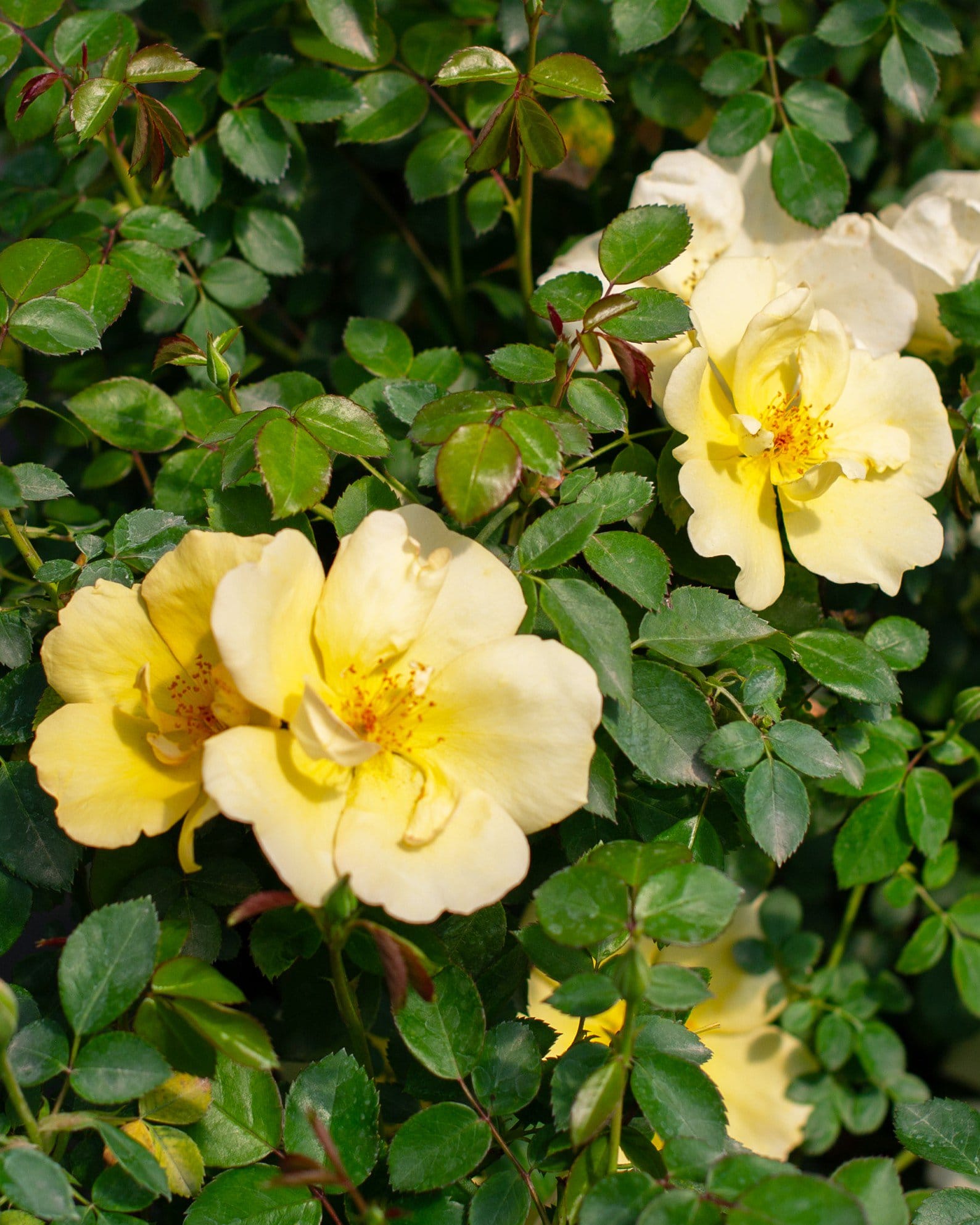
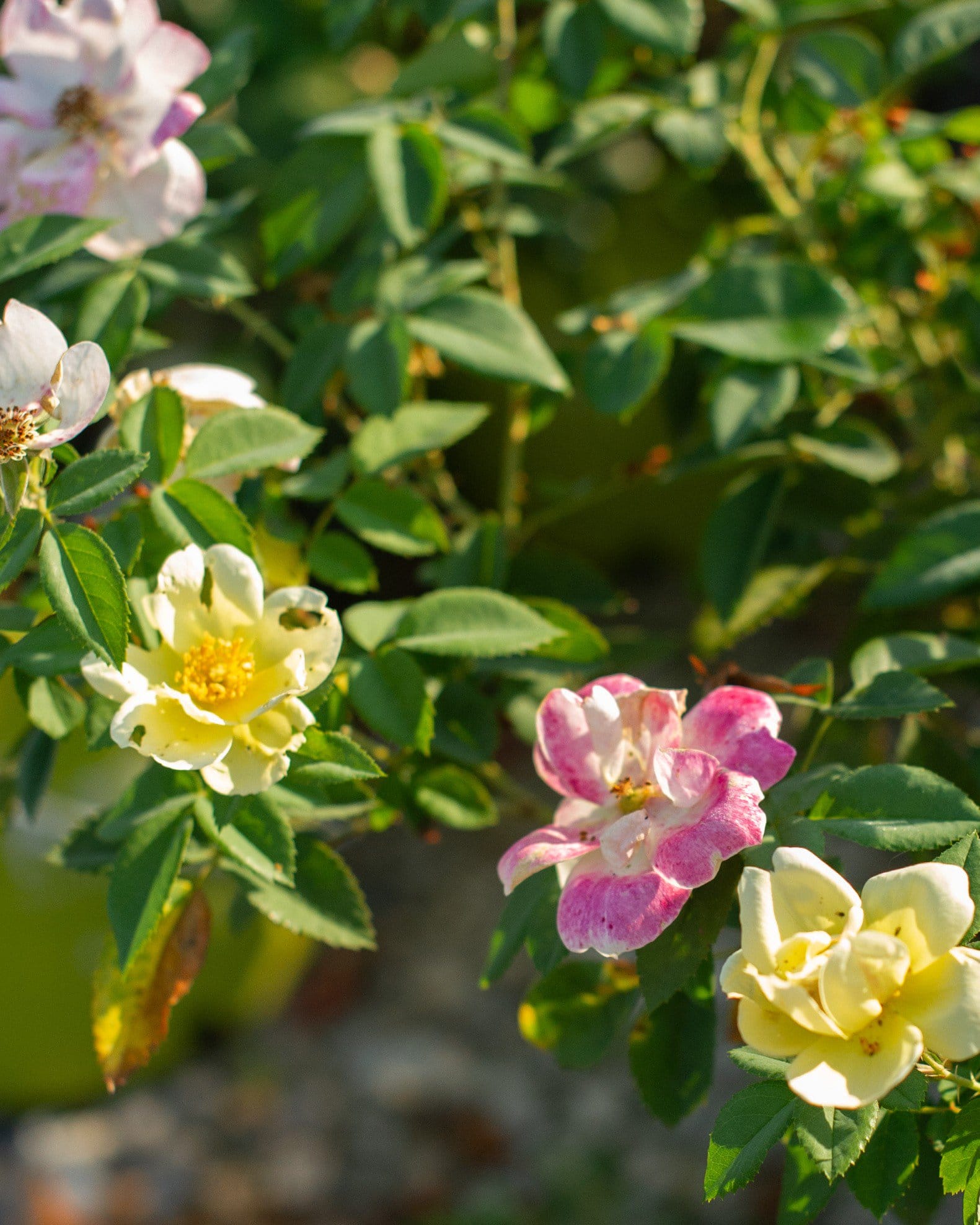
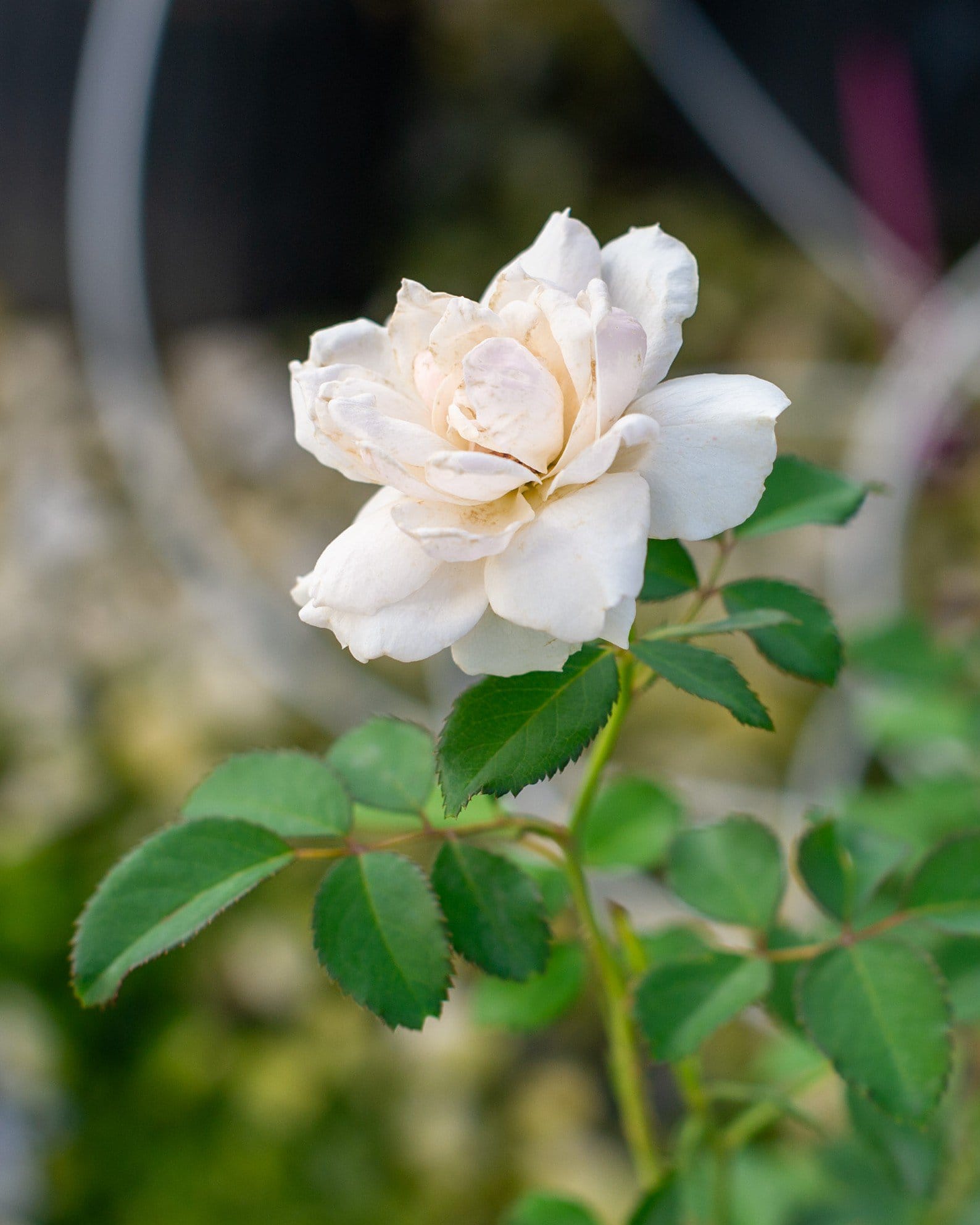
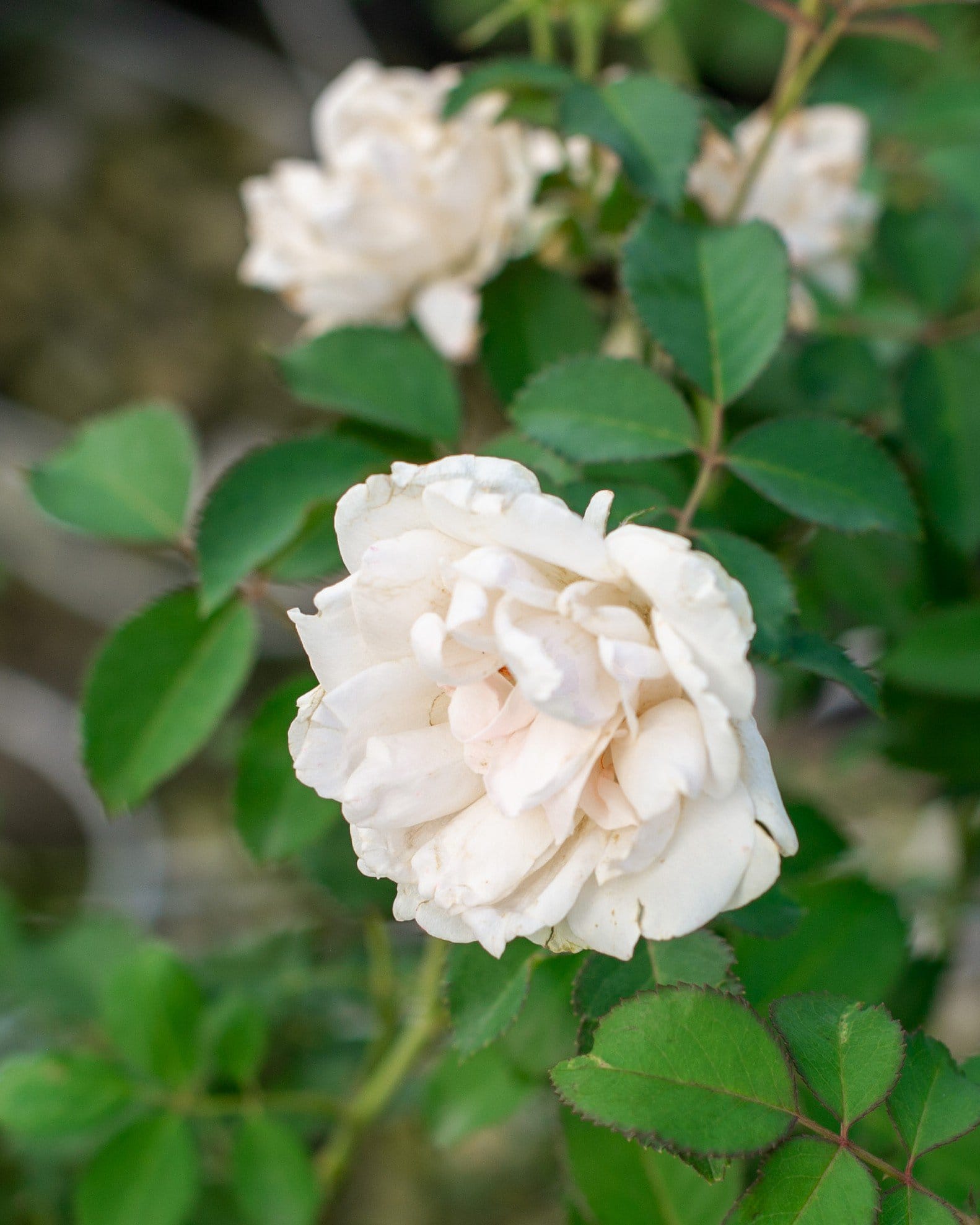
Rosa 'WEKvossutono'Julia Child Rose is a beloved deciduous shrub. This award-winning variety features full, buttery yellow blooms with ruffled petals and a warm licorice-clove scent that fills the landscape with charm. Flowers appear in flushes from spring through fall, adding a cheerful pop of color and classic elegance. Growing 3 feet tall and wide with a rounded, bushy habit, Julia Child is ideal for planting along borders, in mixed beds, or even in large containers.
- Deciduous flowering shrub
- Moderate to fast growth rate with bushy, rounded growth habit
- Full, old-fashioned yellow blooms with ruffled petals
- Rich fragrance with notes of licorice and clove
- Great for borders and beds
This rose thrives in full sun and well-drained soil. Hardy in USDA zones 4 through 10, the Julia Child Rose delivers reliable color, fragrance, and performance - just like its namesake, it's a true classic in any Texas bed.
Julia Child Rose is a low-maintenance shrub rose that performs consistently and blooms generously once established. Here’s what it needs to stay healthy and floriferous:
- Watering: Water regularly during the first growing season to establish a deep, resilient root system that supports repeat flowering. Once established, Julia Child Rose is drought-tolerant and only needs supplemental watering during extended dry periods or extreme heat.
- Pruning: Prune in late winter or early spring to remove dead or weak wood and encourage strong new growth. Light shaping after major bloom flushes helps maintain a compact form and promotes continued flowering.
- Fertilizing: Apply a balanced, slow-release rose fertilizer in early spring to support healthy foliage and abundant blooms. A second feeding in early summer helps sustain flowering without pushing excessive leafy growth.
- Mulching: Apply a 2-3 inch layer of mulch around the base to conserve moisture, moderate soil temperature, and suppress weeds. Mulching also helps prevent soil splash onto foliage, reducing disease risk.
- Winter Care: Julia Child Rose is cold-hardy and typically requires little winter protection once established. In colder climates, an added mulch layer helps protect roots from freeze-thaw cycles.
Julia Child Rose is notably durable, though occasional environmental stress or minor pests may still occur.
- Reduced Blooming: Flowering may slow during prolonged drought or nutrient deficiency. Deep watering and timely fertilization help restore steady reblooming.
- Black Spot: Minor spotting may appear during extended humid weather, even on resistant varieties. Removing affected leaves and improving air circulation helps keep foliage clean.
- Powdery Mildew: A faint white coating may form during cool nights followed by warm days. Improving airflow and avoiding overhead watering helps prevent buildup.
- Aphids: Clusters of small insects may gather on new growth, causing leaf distortion or sticky residue. Rinsing shoots with water or applying insecticidal soap provides effective control.
- Heat Stress: Leaves may briefly wilt or show edge scorch during extreme heat. Deep watering and consistent mulching help stabilize soil moisture and reduce stress.
Julia Child Rose typically lives 15-25 years with proper care. Regular pruning helps renew growth and maintain long-term vigor. Mature plants often become fuller and more floriferous over time.
It grows at a moderate rate, adding approximately 12-18 inches per year. A full, mature shrub usually develops within 2-3 years. Growth remains compact and well-balanced.
The open, richly colored blooms attract bees and other beneficial insects. Continuous flowering provides nectar through much of the growing season. Pollinator activity increases noticeably in group plantings.
Julia Child Rose performs well in large containers, especially during its early years. Containers showcase its color and fragrance beautifully. Consistent watering is essential for container-grown plants.
It tolerates heat very well once established. Mulching and deep watering help preserve bloom quality during hot summers. Flowers remain vibrant even during prolonged warmth.
Division is not recommended due to its woody growth habit. New plants should be established from nursery-grown stock. Attempting division can weaken the shrub.
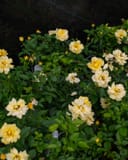
Mass plantings create bold sweeps of golden-yellow color. Repetition enhances visual impact along borders and walkways. Groupings remain tidy and low-maintenance.
Julia Child Rose pairs beautifully with lavender, salvia, catmint, and ornamental grasses. Cool-toned companions highlight its warm yellow blooms. These combinations provide long-lasting seasonal interest.
Once established, it requires far less care than traditional roses. Strong disease resistance reduces spraying and upkeep. Reliable reblooming makes it ideal for easy-care gardens.
Julia Child Rose stands out for its buttery-yellow blooms and delightful licorice-like fragrance. It combines charm, scent, and durability in one plant. Few roses offer such personality with such ease.
Special Features
You might also like
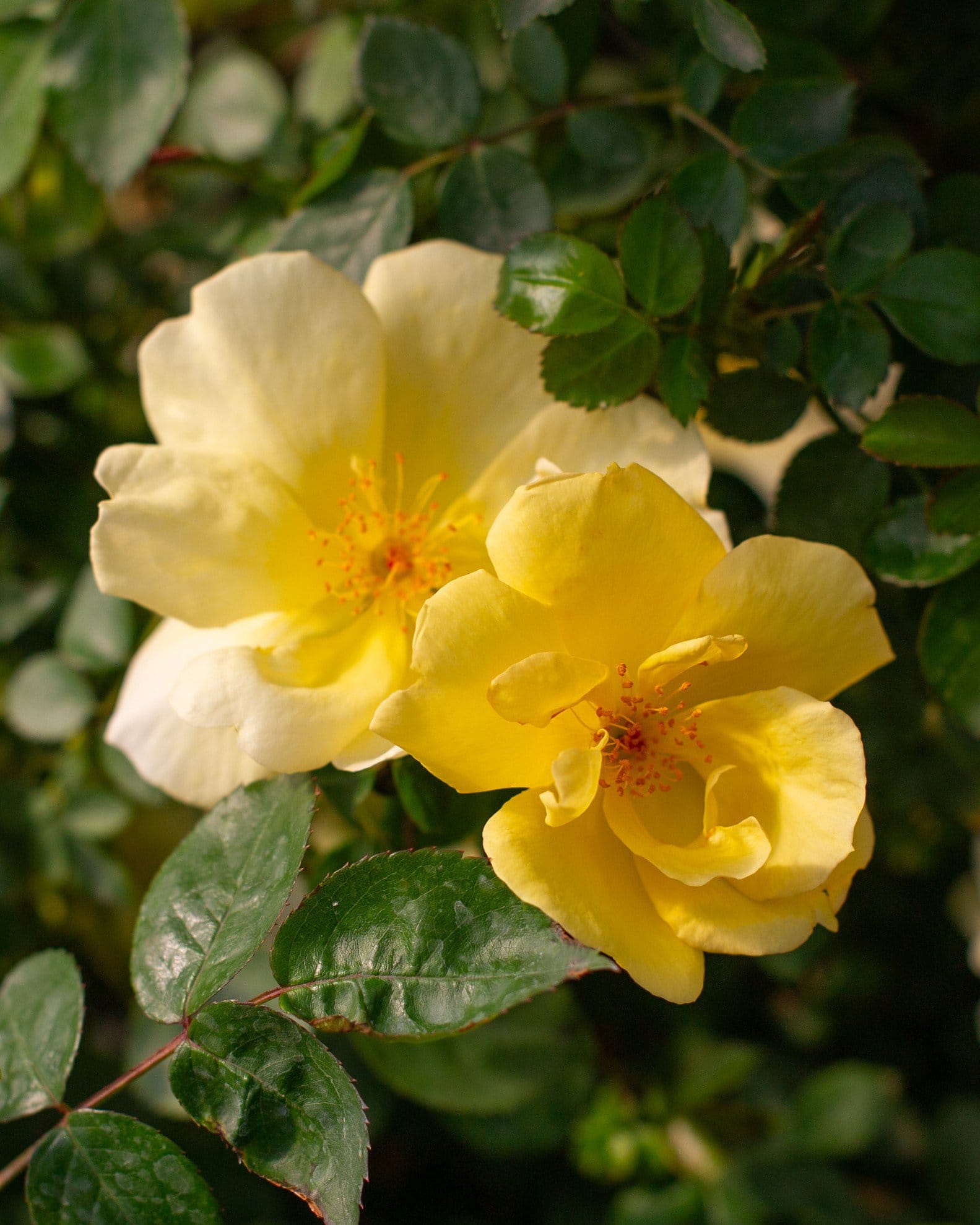
Easy Bee-zy Knock Out Rose
Maturity: 3' H x 3' W
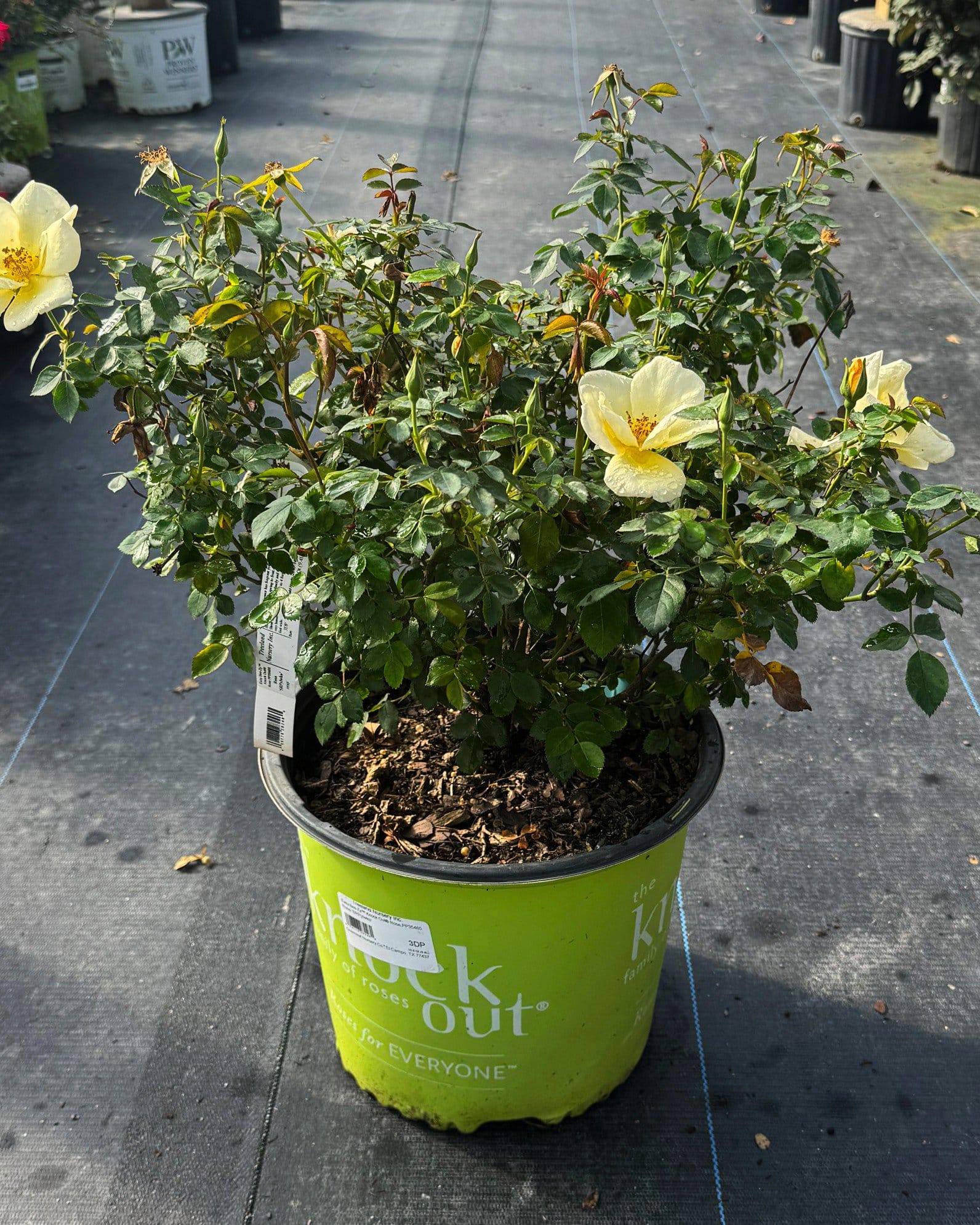
Peach Lemonade Rose
Maturity: 2' H x 2' W
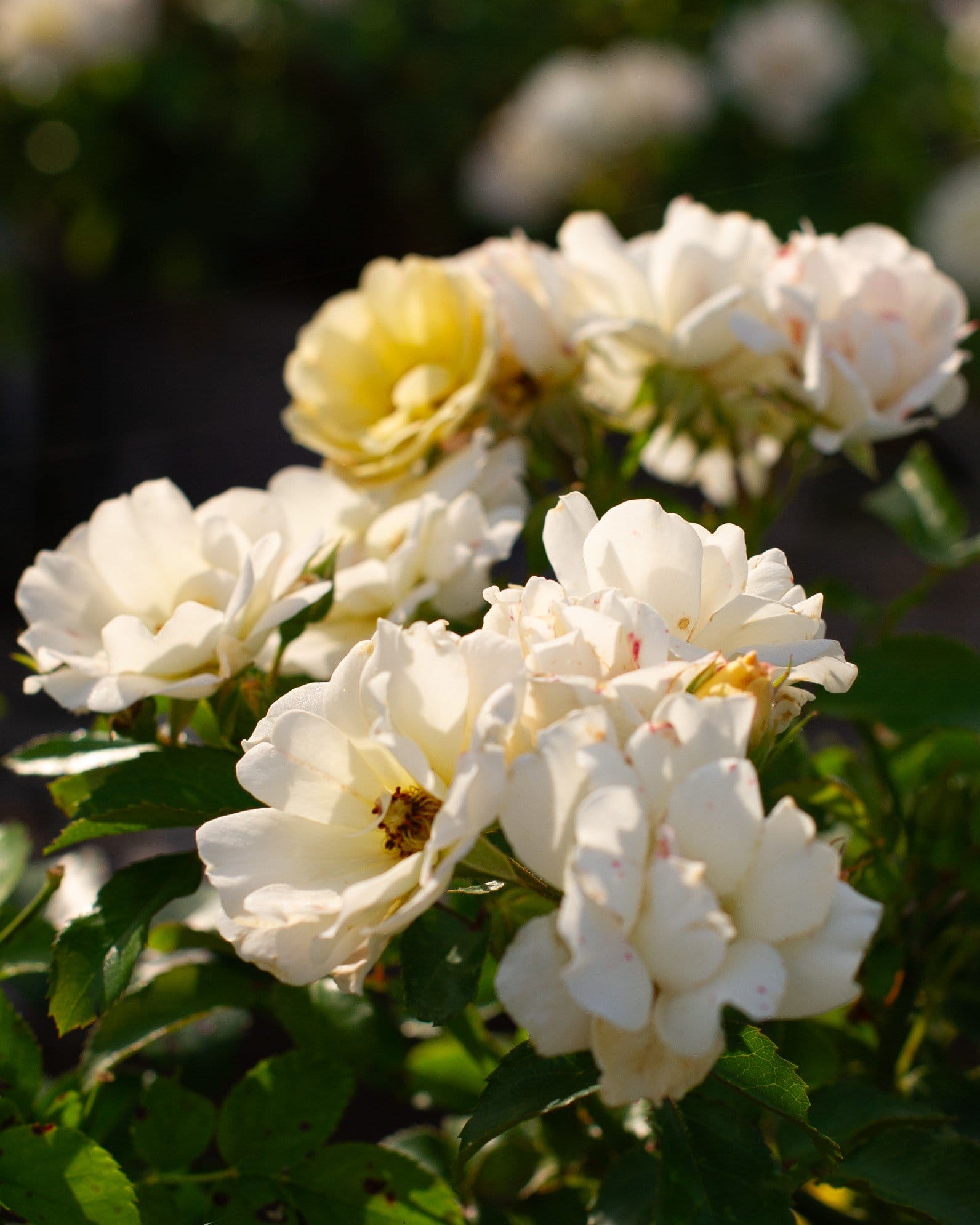
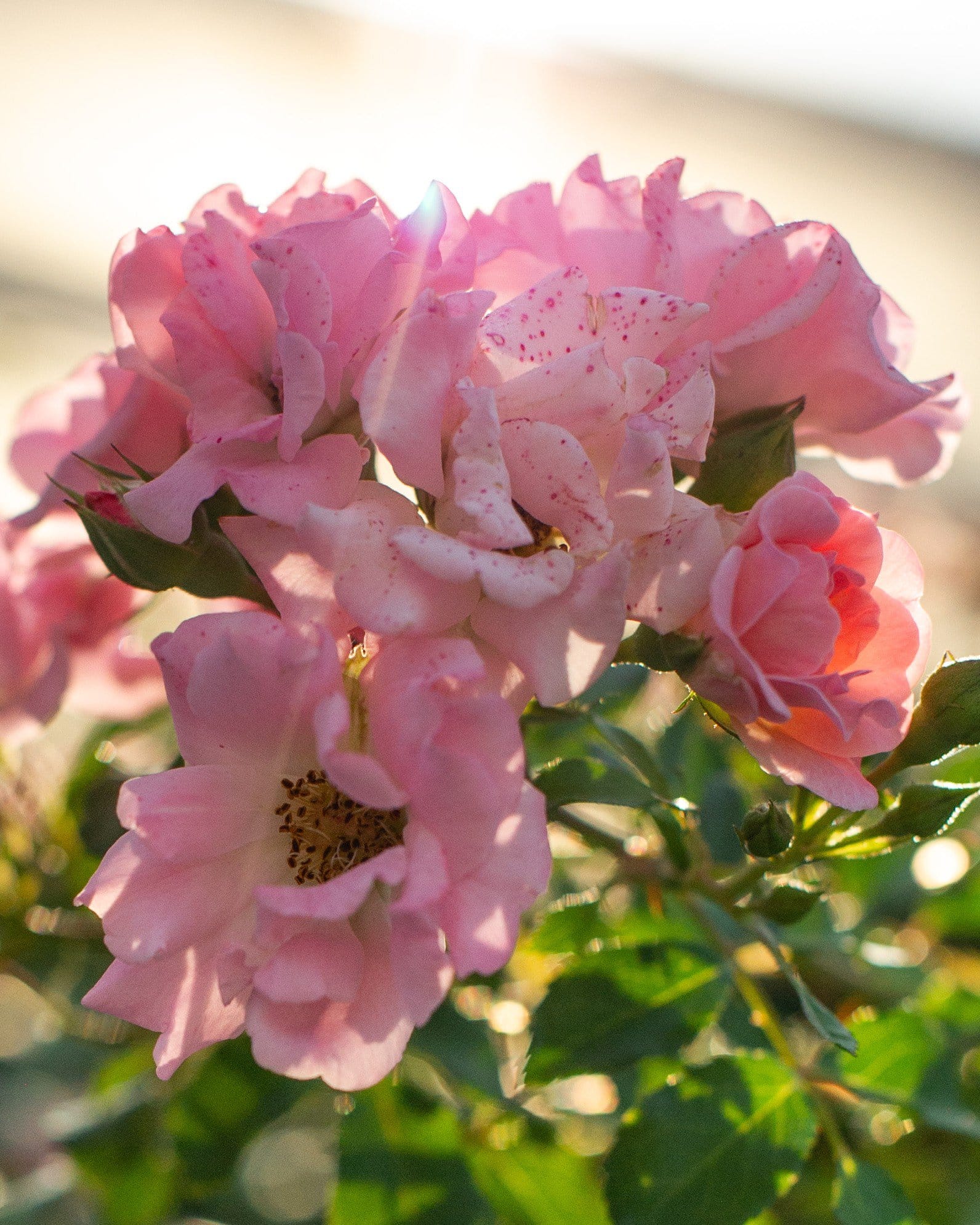
Popcorn Drift Rose
Maturity: 1' H x 2' W
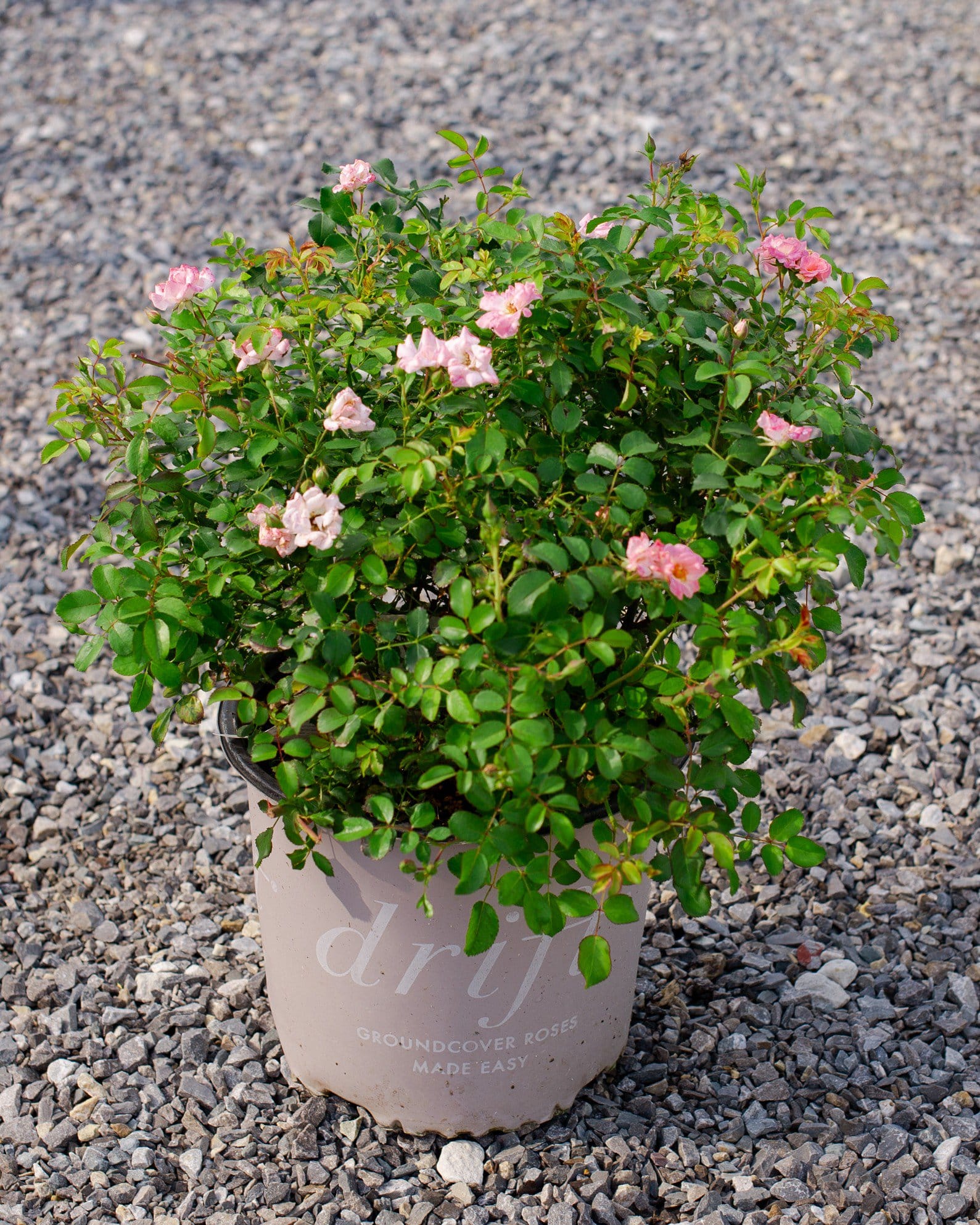
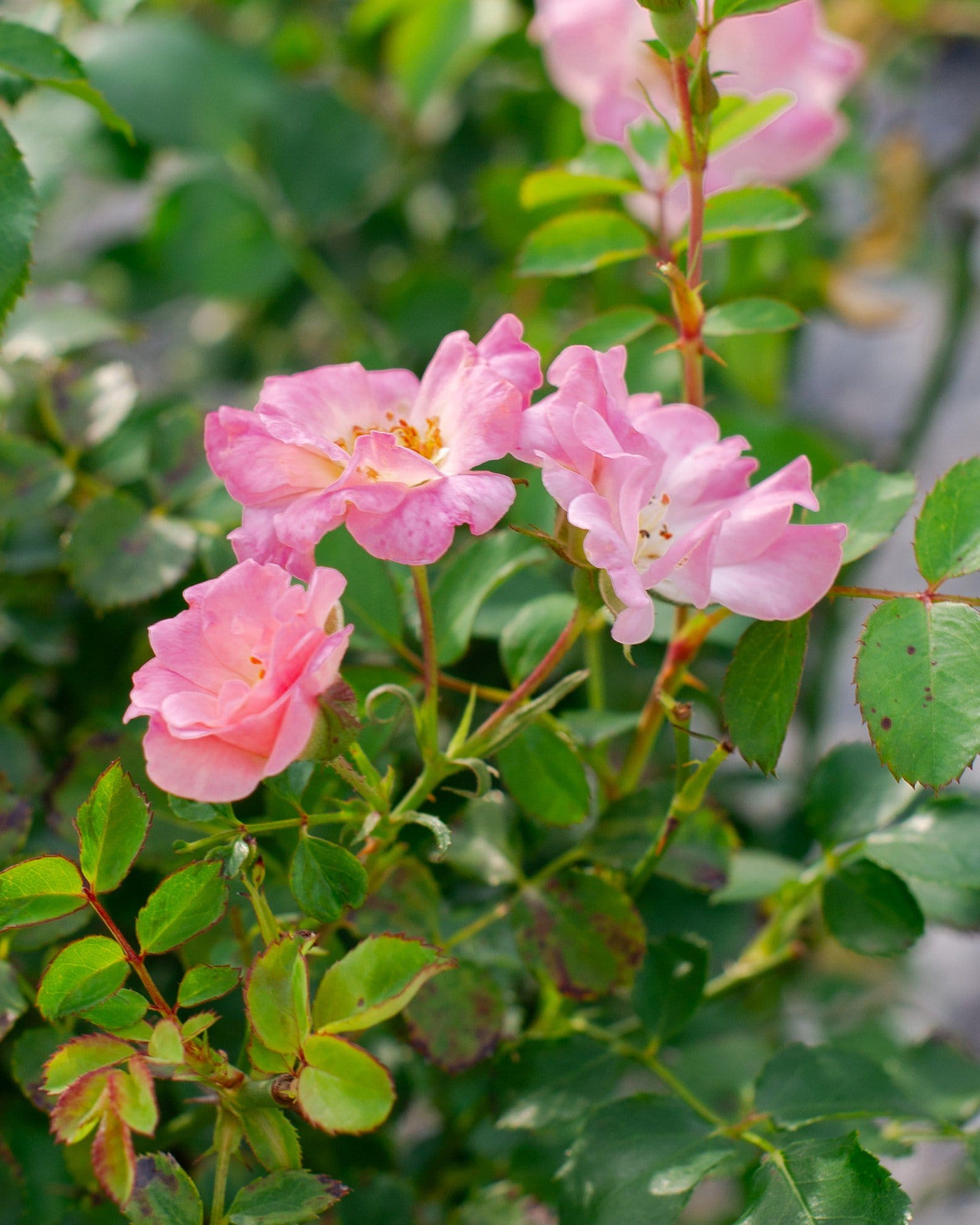
Blushing Drift Rose
Maturity: 1' H x 2' W
Candy Cane Cocktail Rose
Maturity: 3.5' H x 4' W
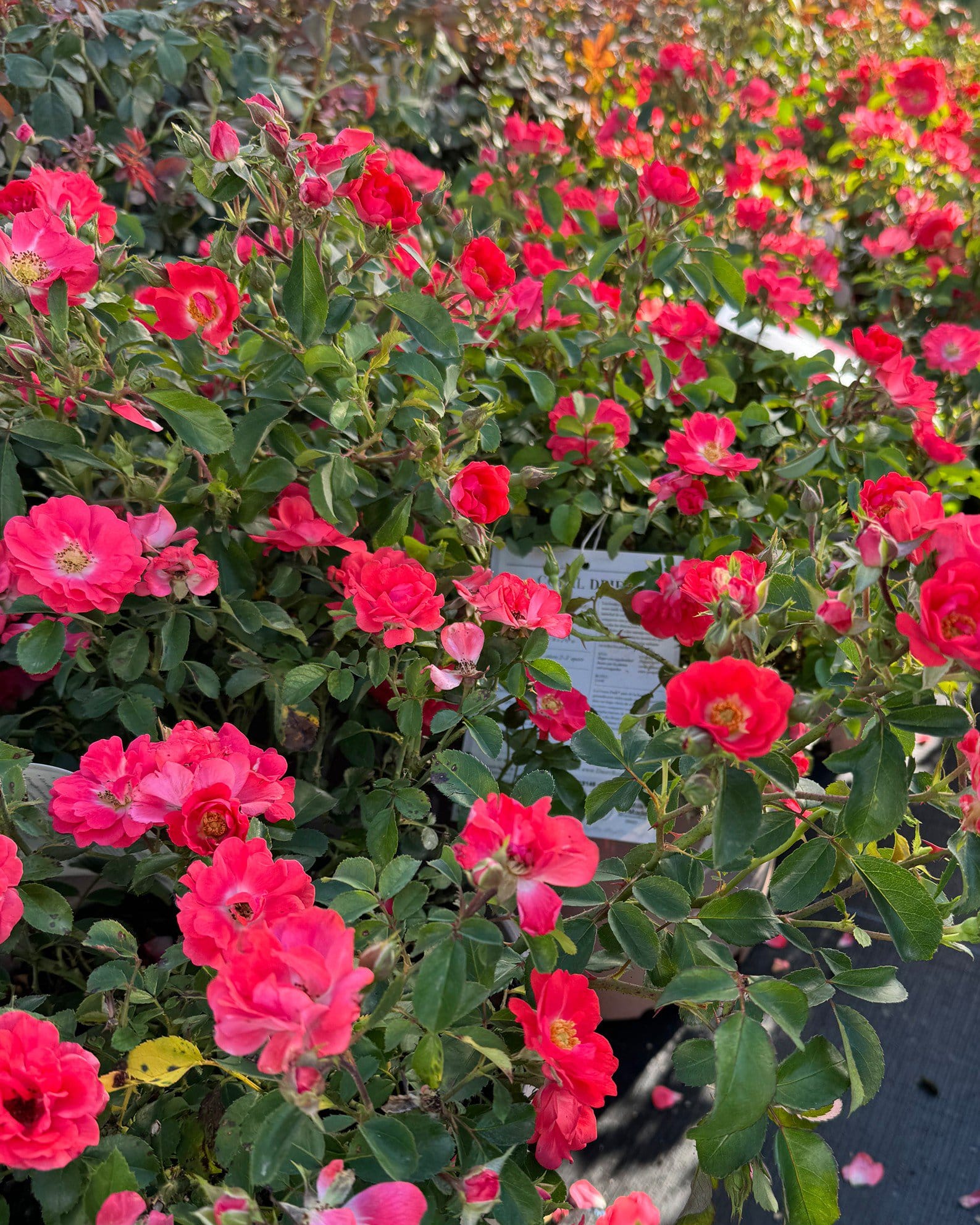
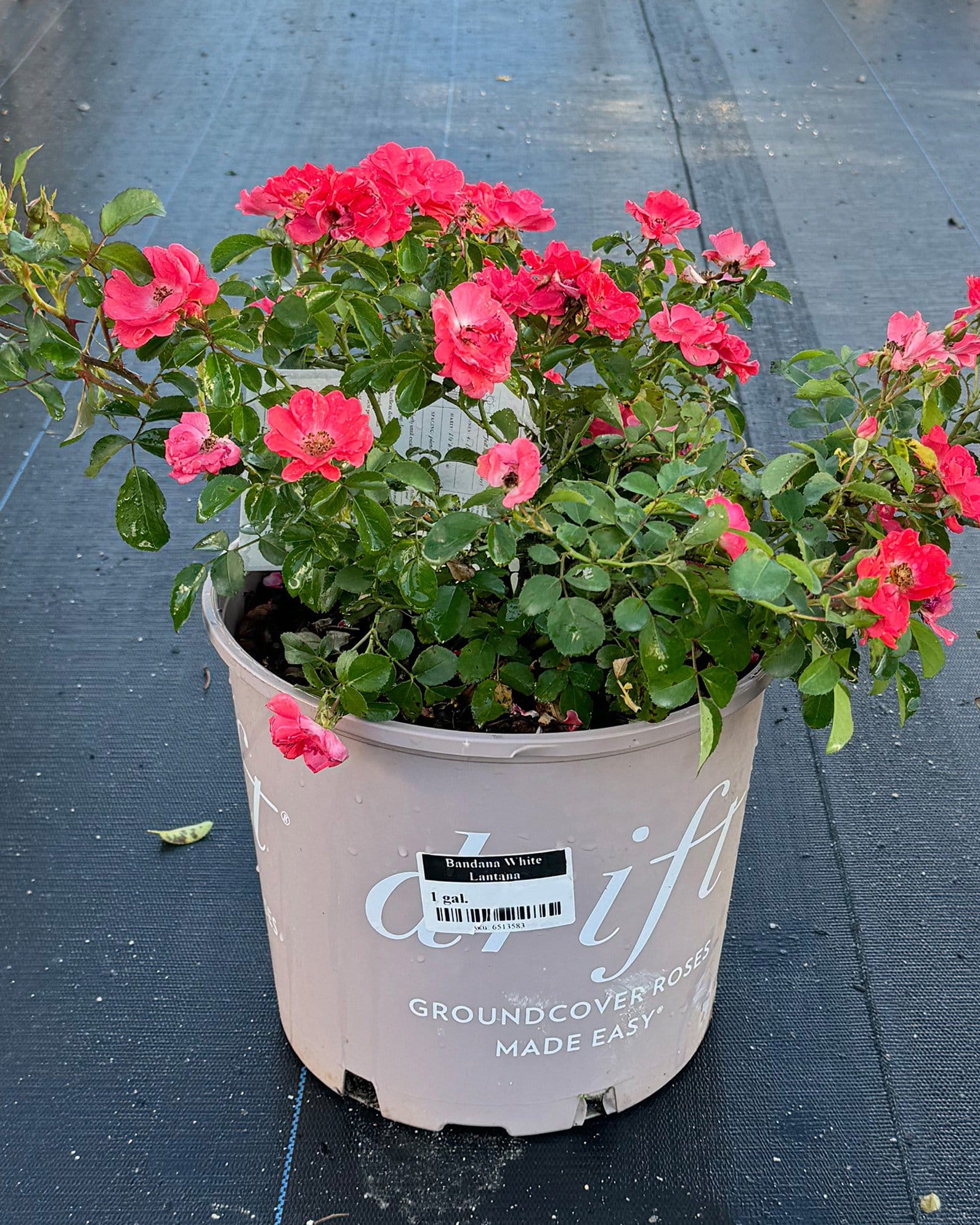
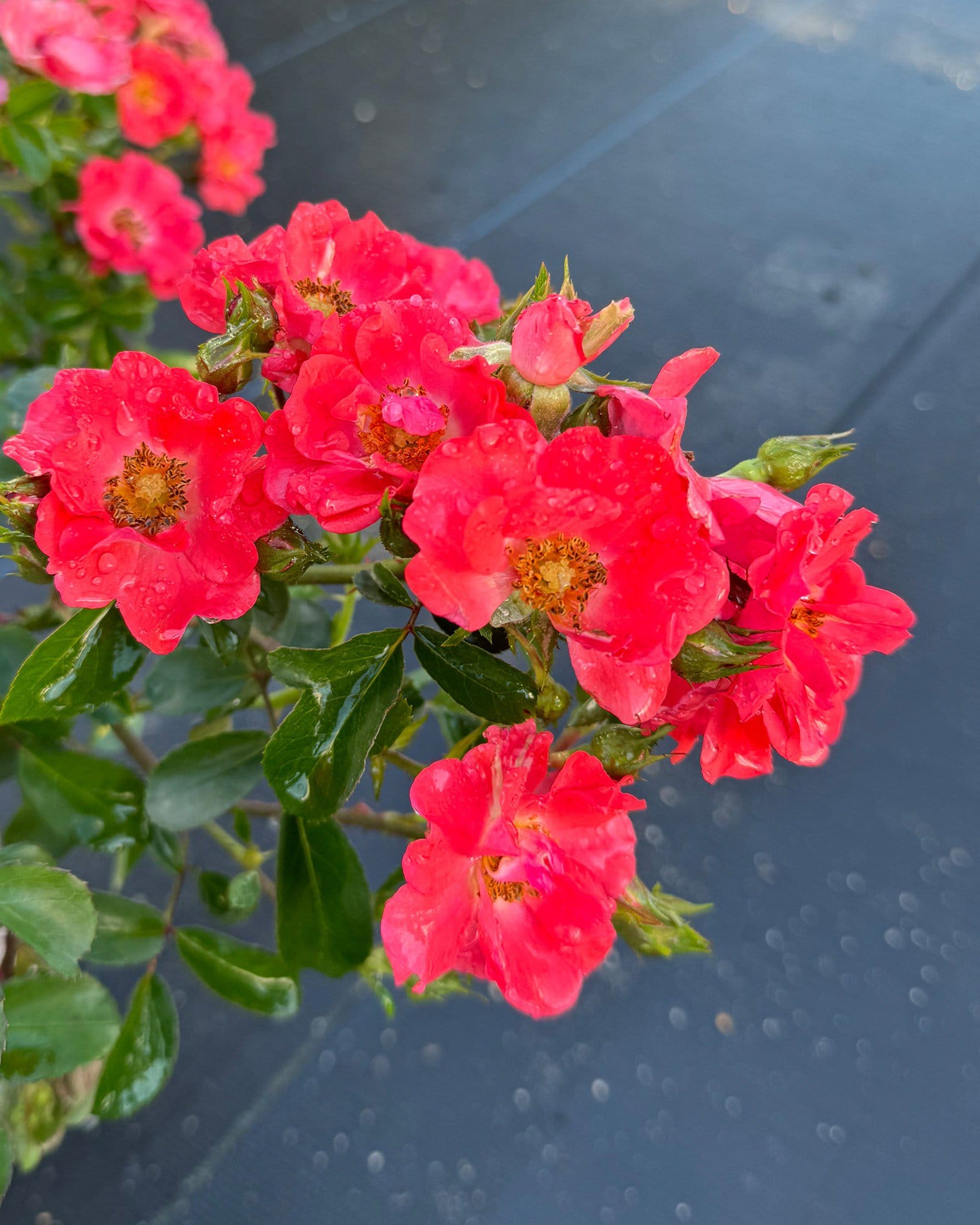
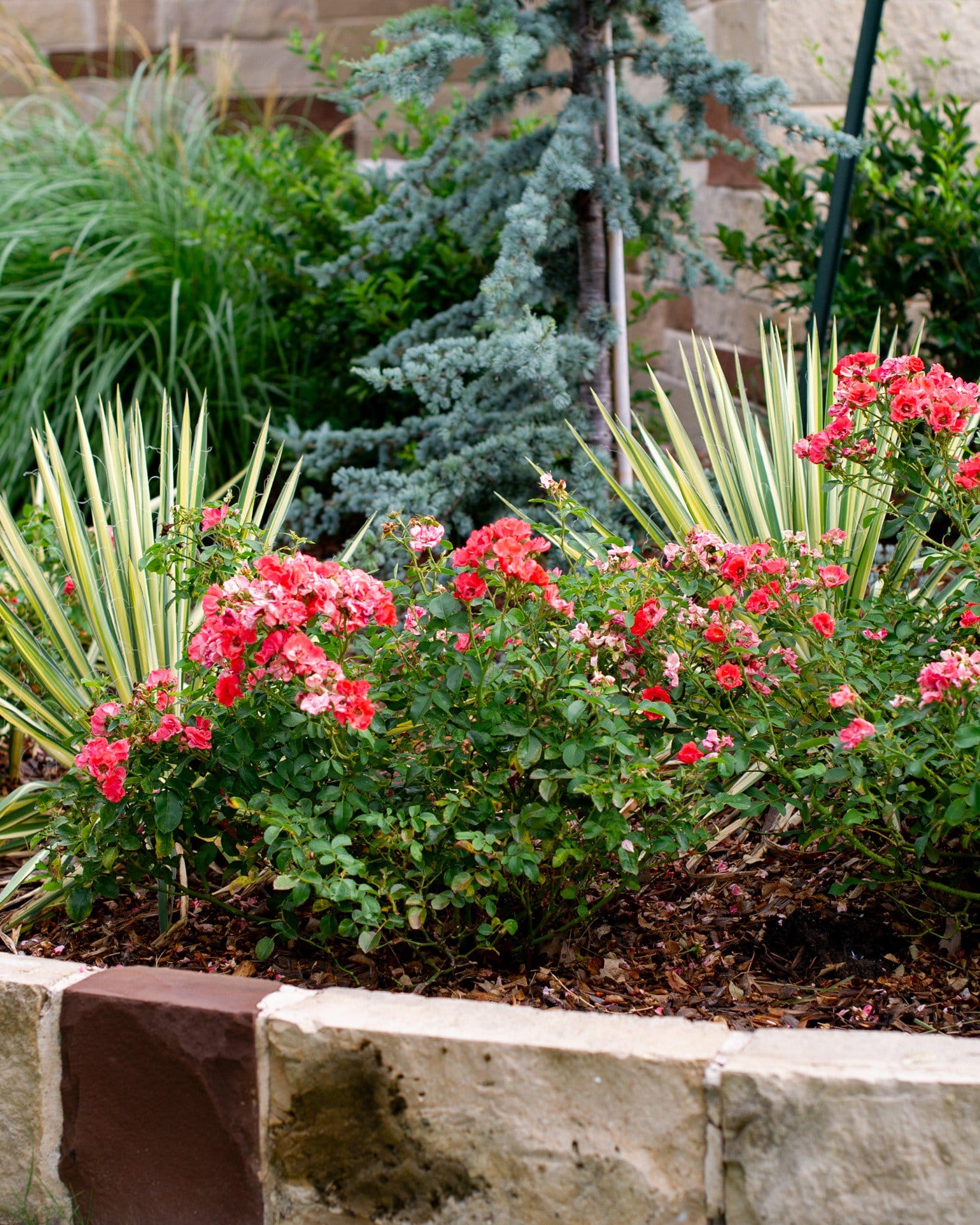
Coral Drift Rose
Maturity: 2' H x 2' W
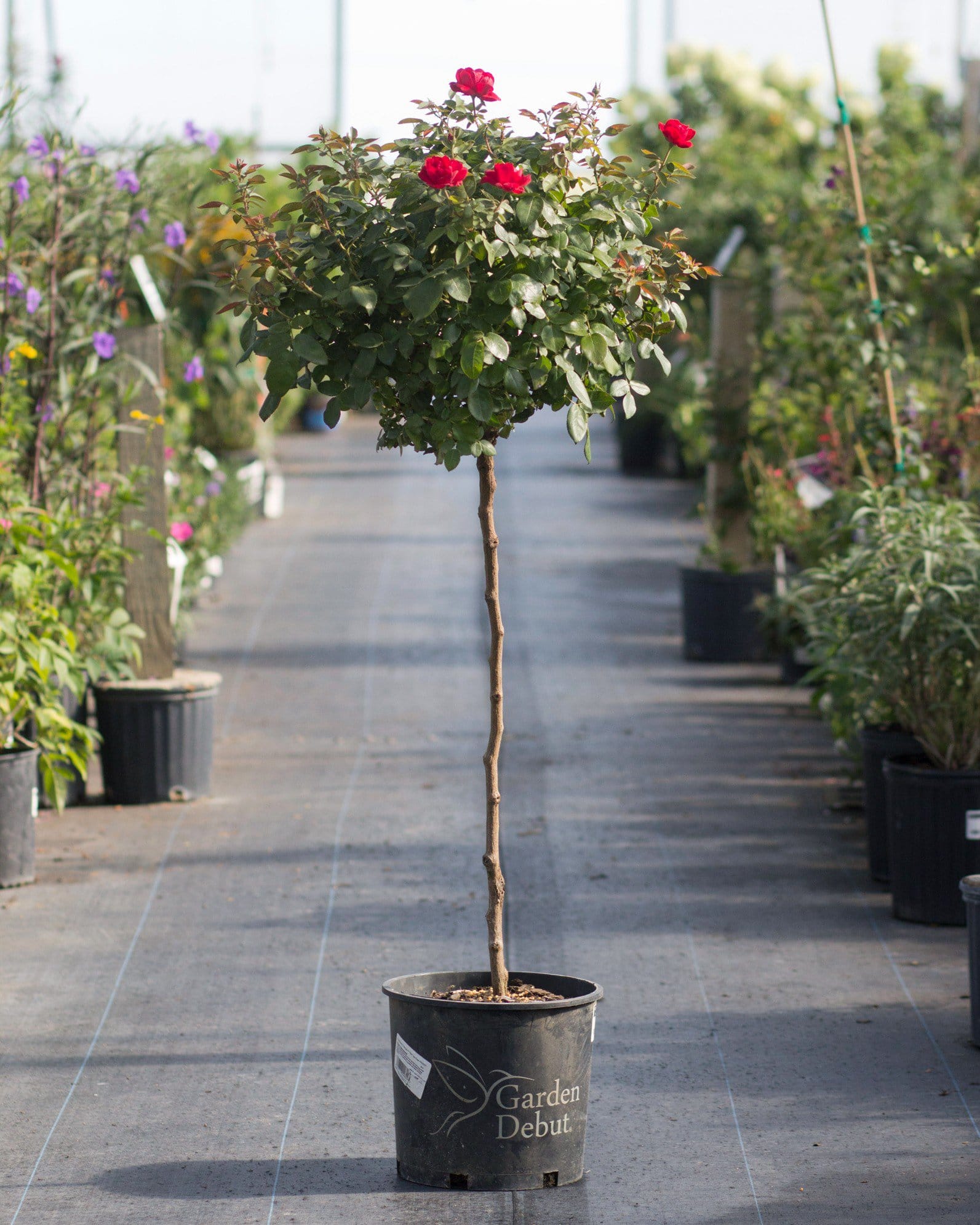
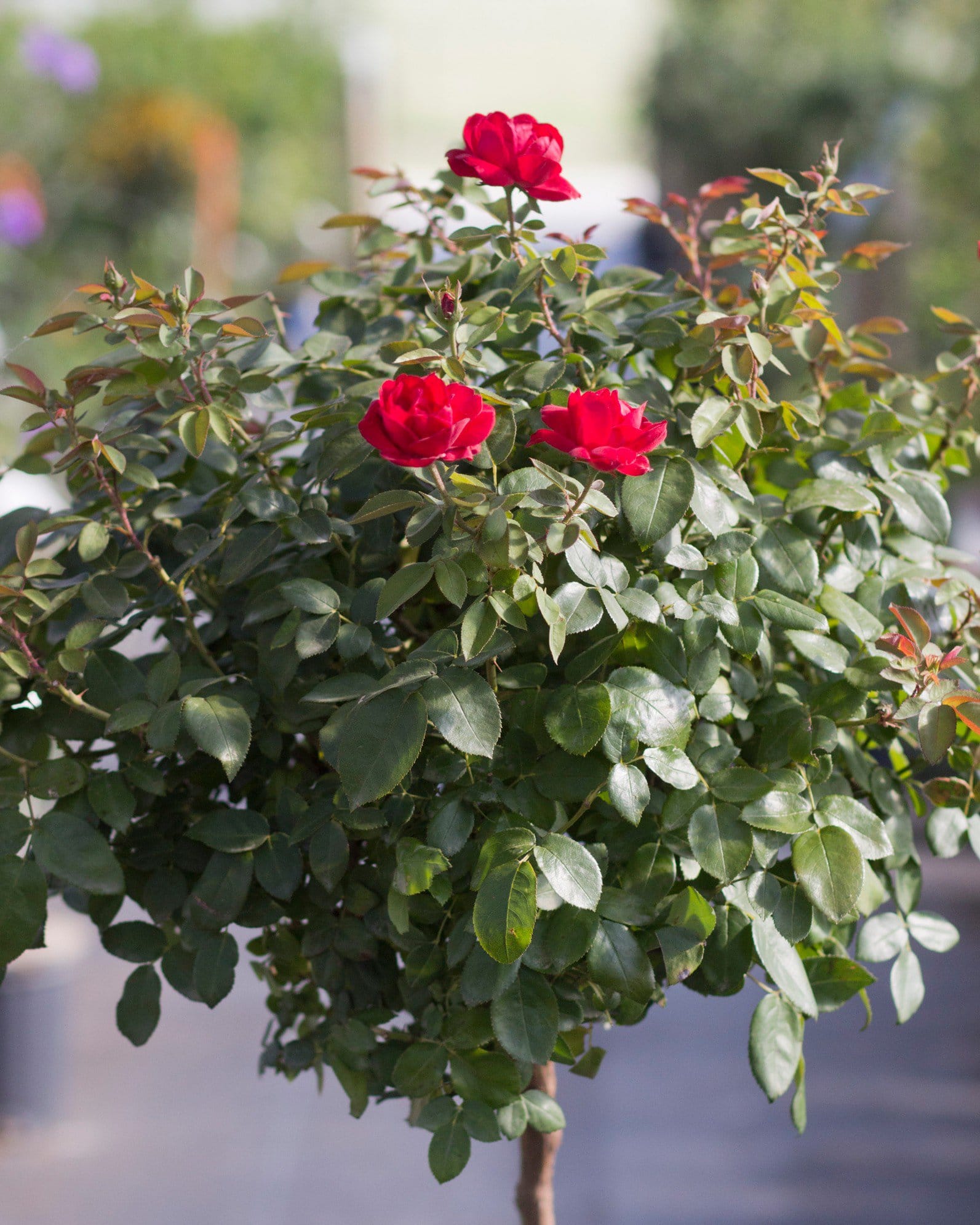
Grand Champion Red Rose Tree Form
Maturity: 4' H x 4' W
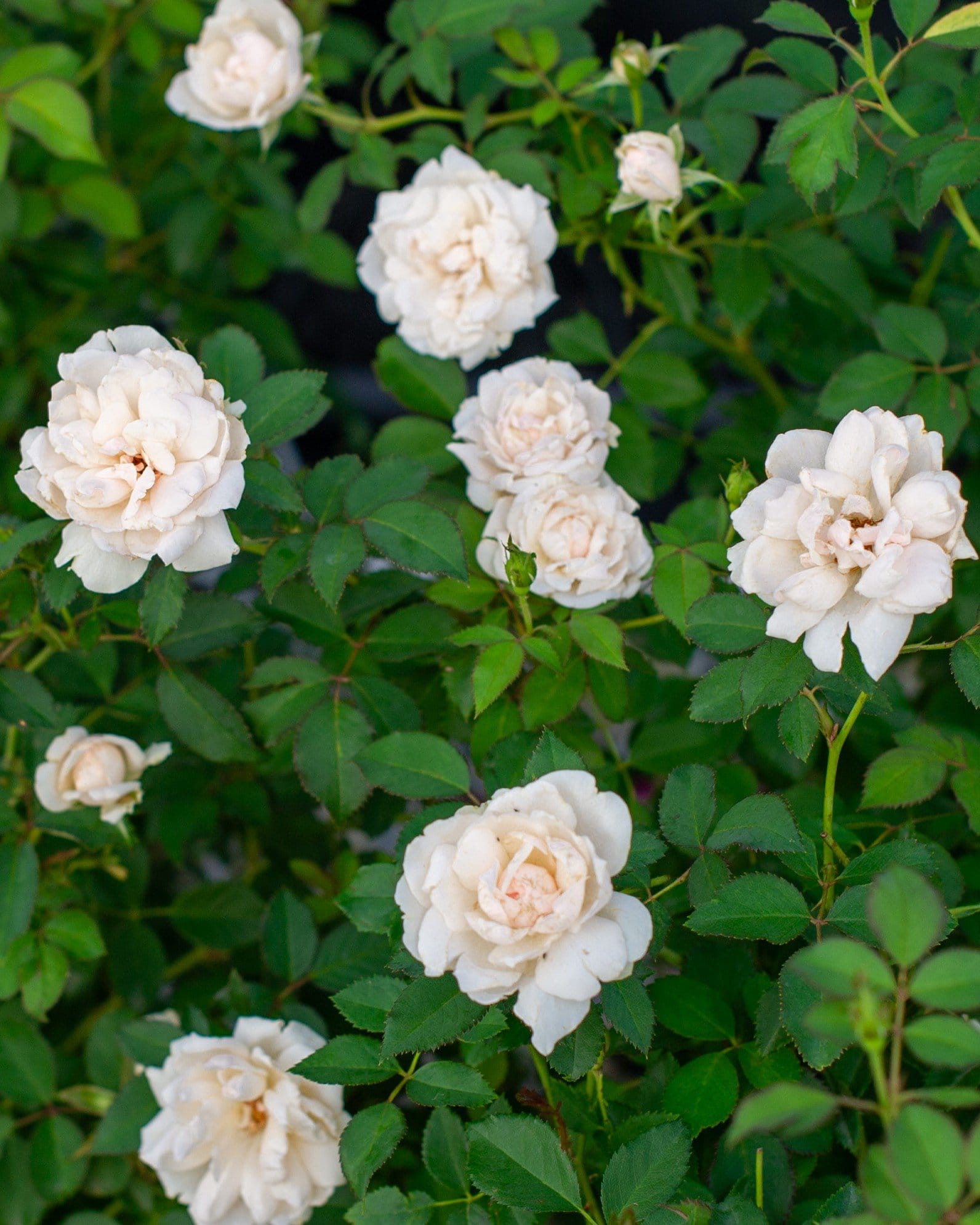
Icecap Rose
Maturity: 2.5' H x 3.5' W
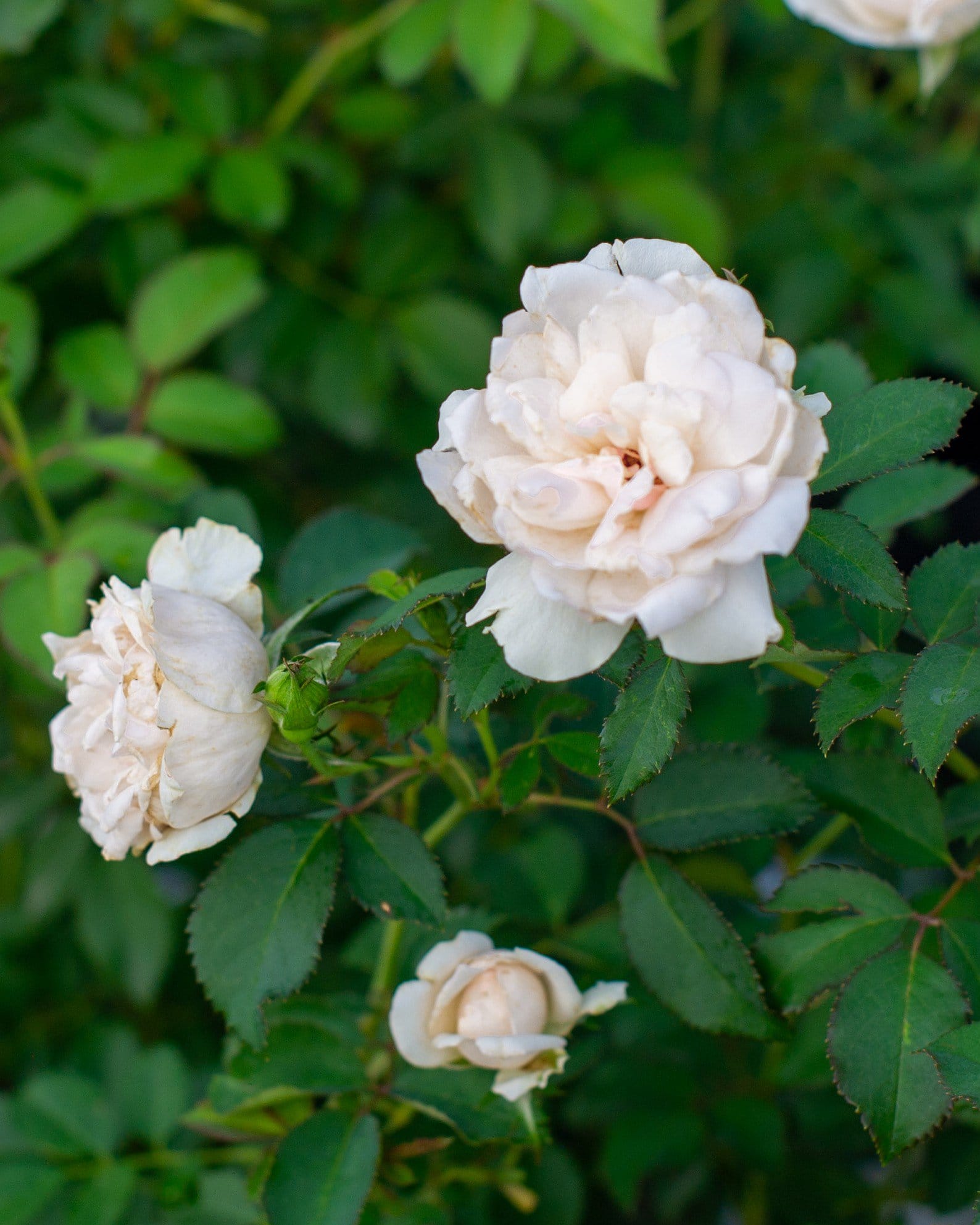
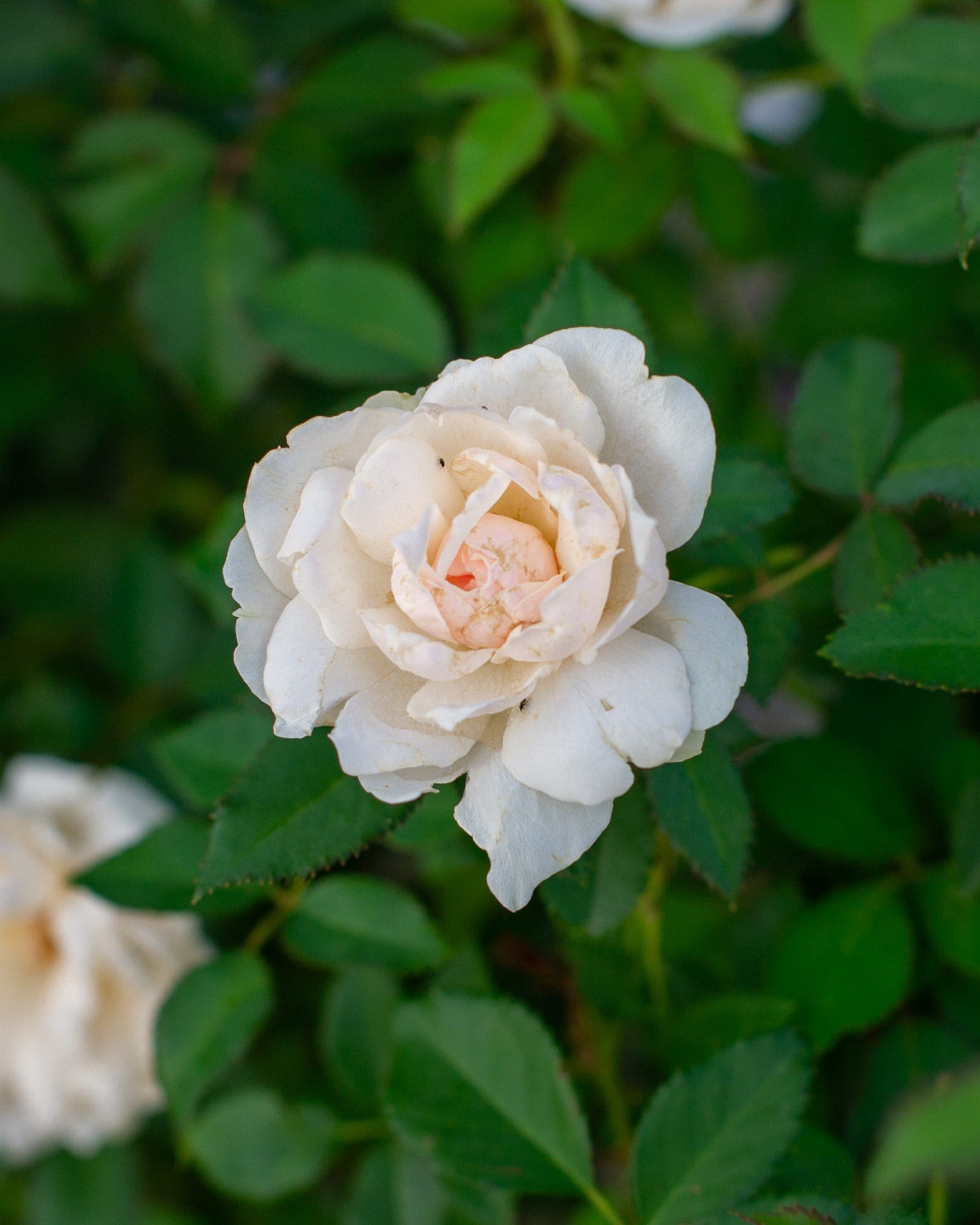
Knock Out Rose
Maturity: 3' H x 3' W
Orange Glow Knock Out Rose
Maturity: 4' H x 3' W
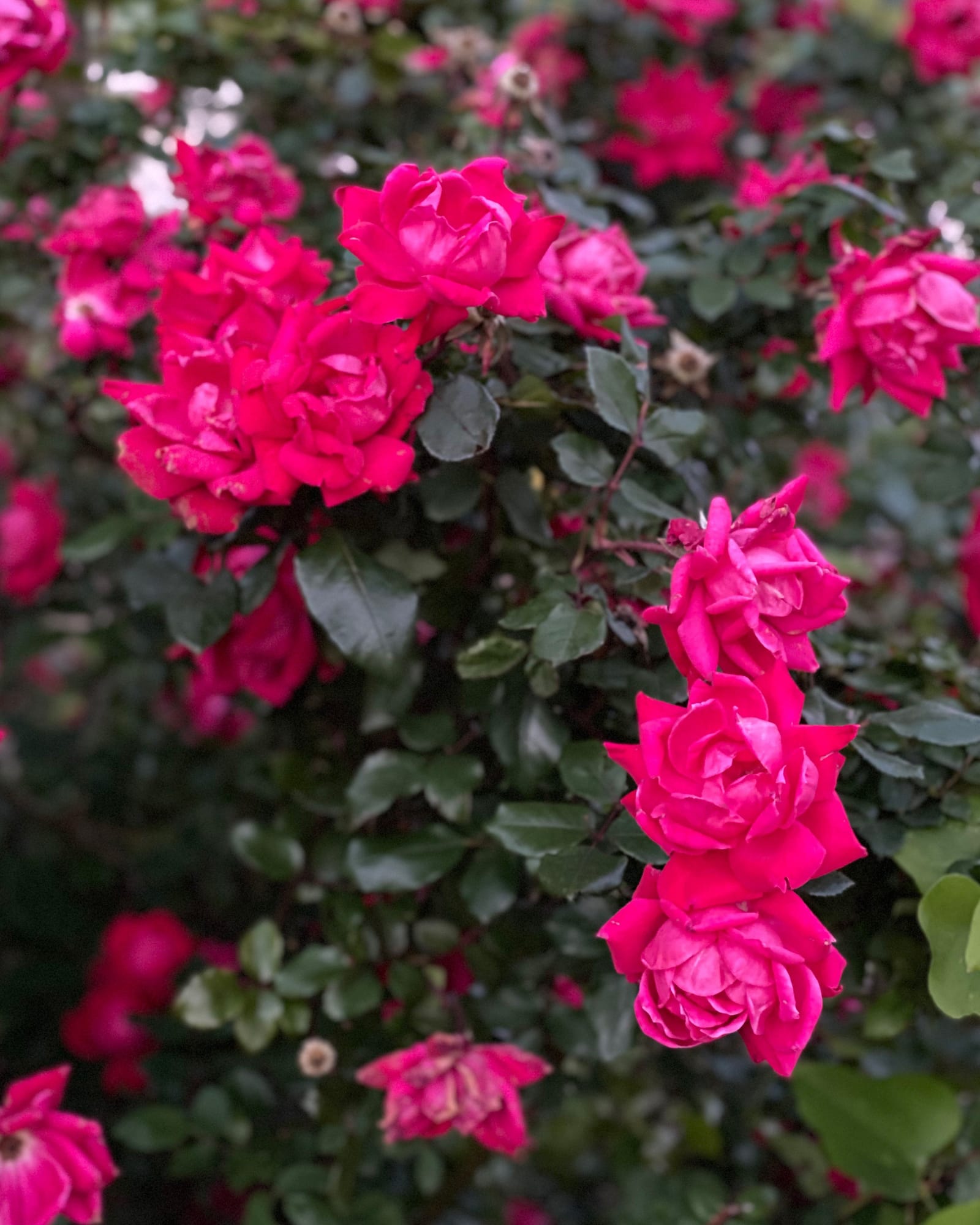
Pink Double Knock Out Rose
Maturity: 3' H x 3' W
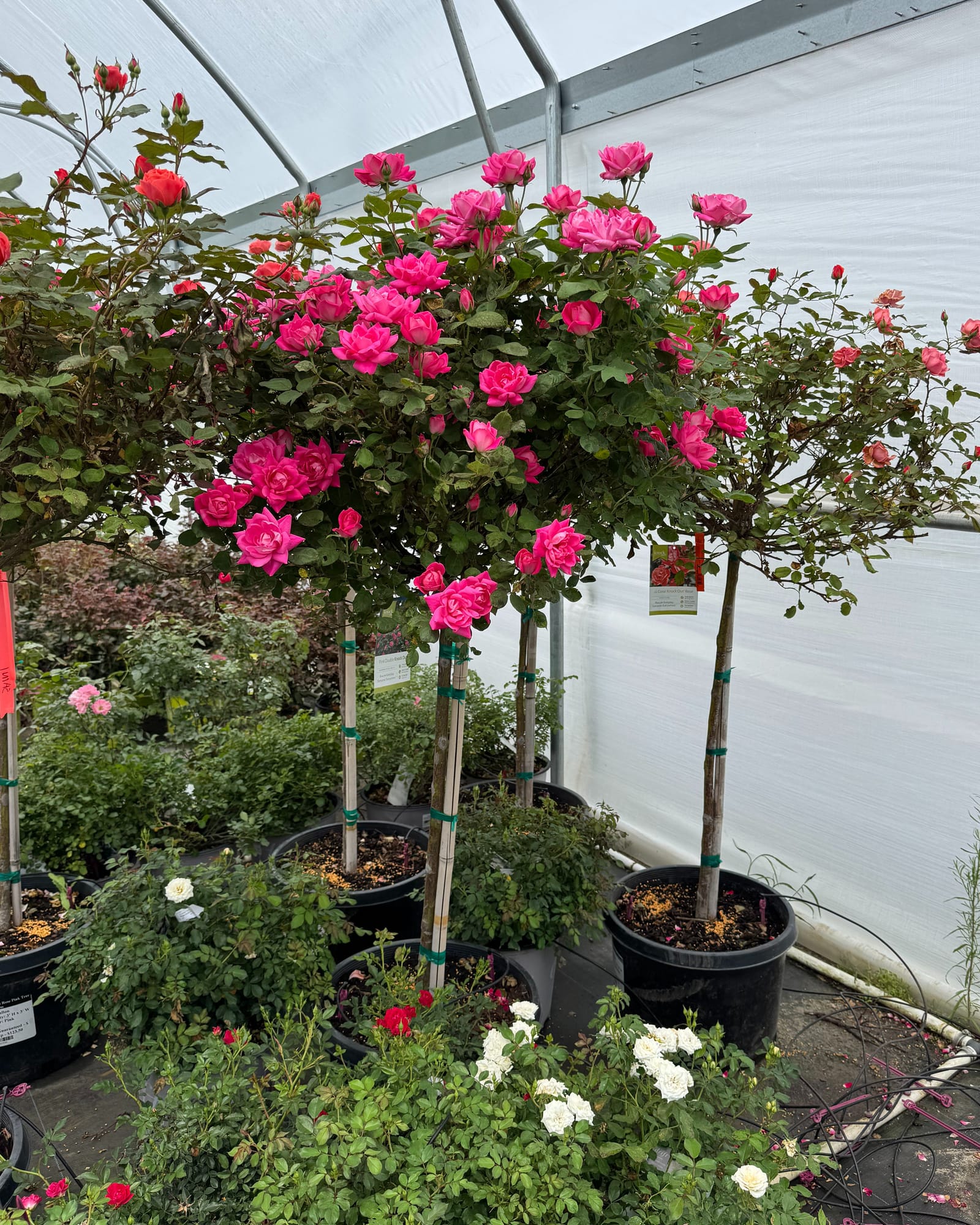
Pink Double Knock Out Rose Tree Form
Maturity: 3' H x 3' W
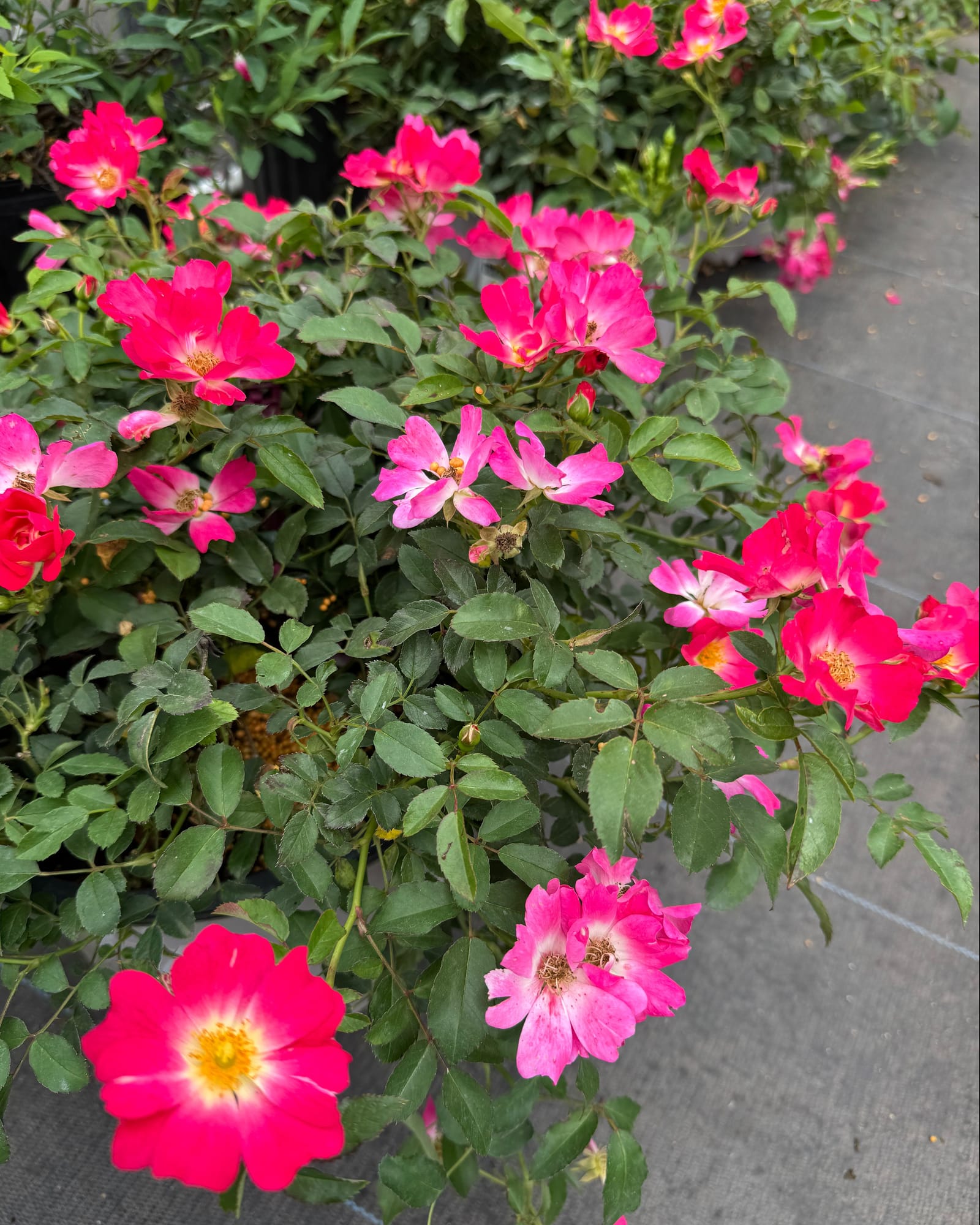
Pink Drift Rose
Maturity: 1' H x 2' W
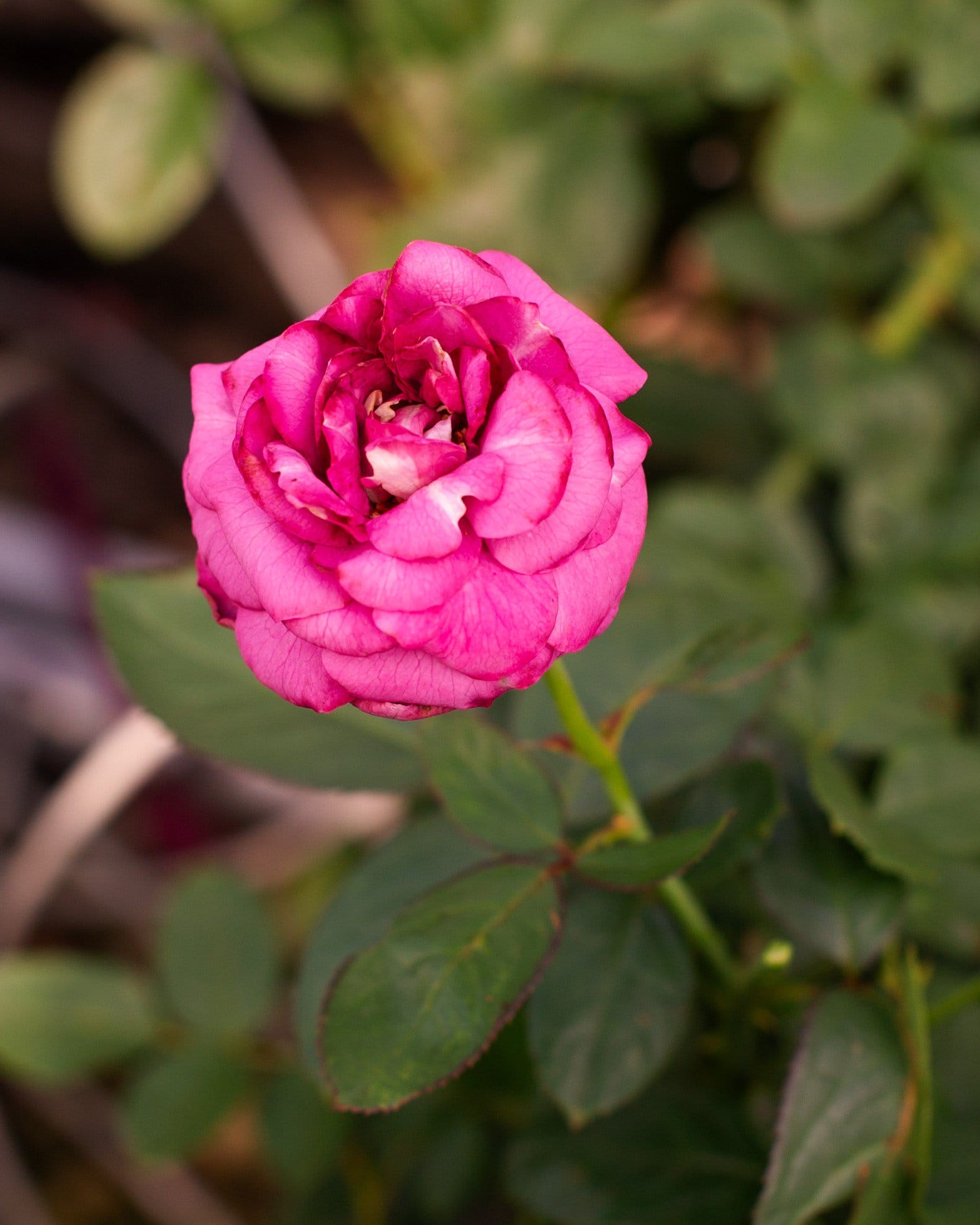
Plum Perfect Rose
Maturity: 2.5' H x 1.5' W
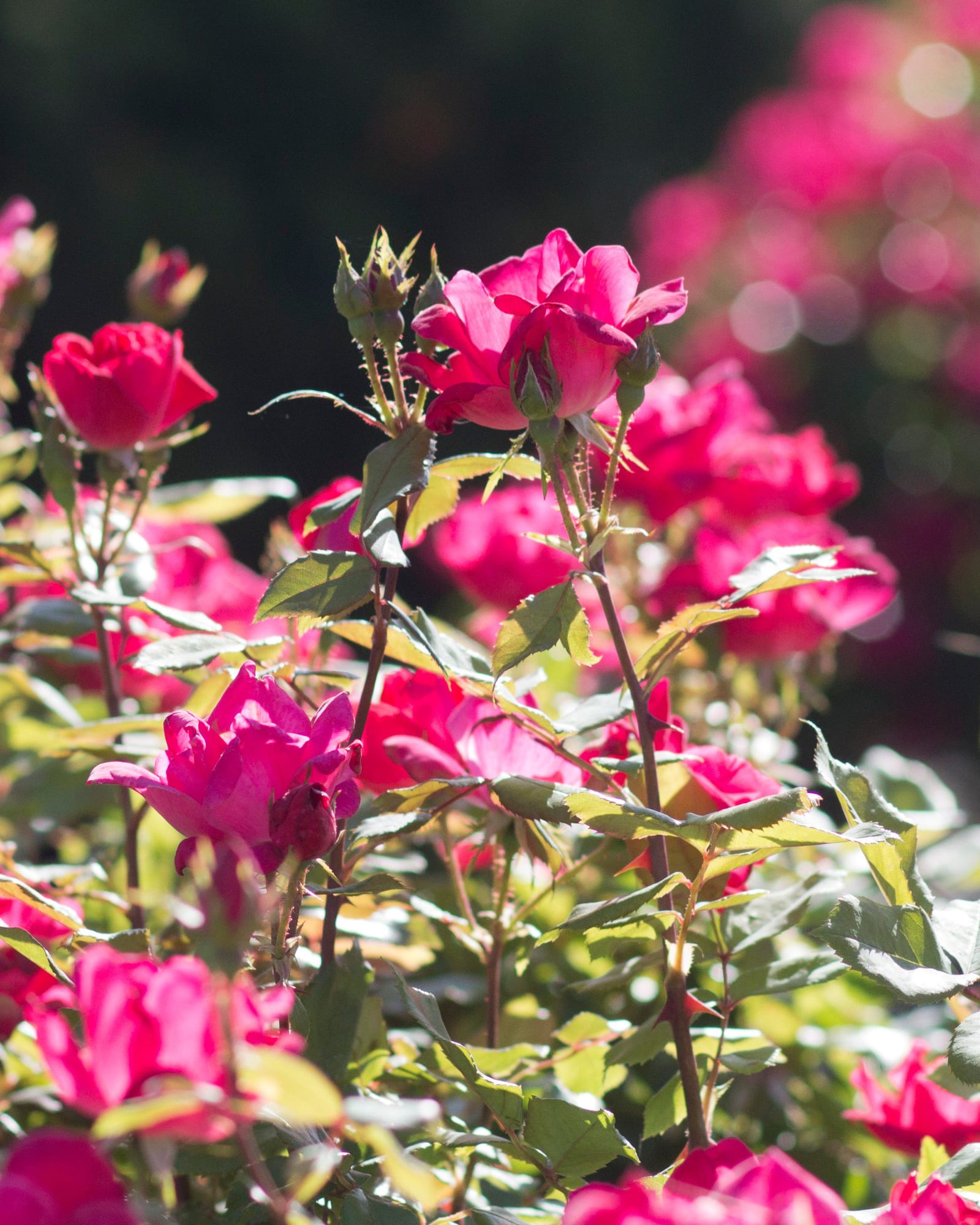
Red Double Knock Out Rose
Maturity: 3' H x 3' W
Compare Similar Plants
Julia Child Rose This plant | ||
|---|---|---|
| Scientific Name | Rosa 'WEKvossutono' | Rosa ‘SRPylwko’ |
| Size at Maturity | 3' H x 3' W | 3' H x 3' W |
| Leaf Retention | Deciduous | Deciduous |
| Flower Color | Yellow | Yellow |
| Bloom Times | Spring, Summer & Fall | Spring, Summer & Fall |
| Sizes Available | 3 gal | 3 gal |


Our 1-Year Planting Guarantee
We take pride in our plants and installation services. If any plants or trees installed by Treeland fail to thrive within the first year, we'll provide a replacement credit in accordance with our guarantee program.
Learn More About Our Guarantee