
Anouk Dark Purple Lavender
Lavandula stoechas 'Anouk'Product Details
Anouk Dark Purple Lavender
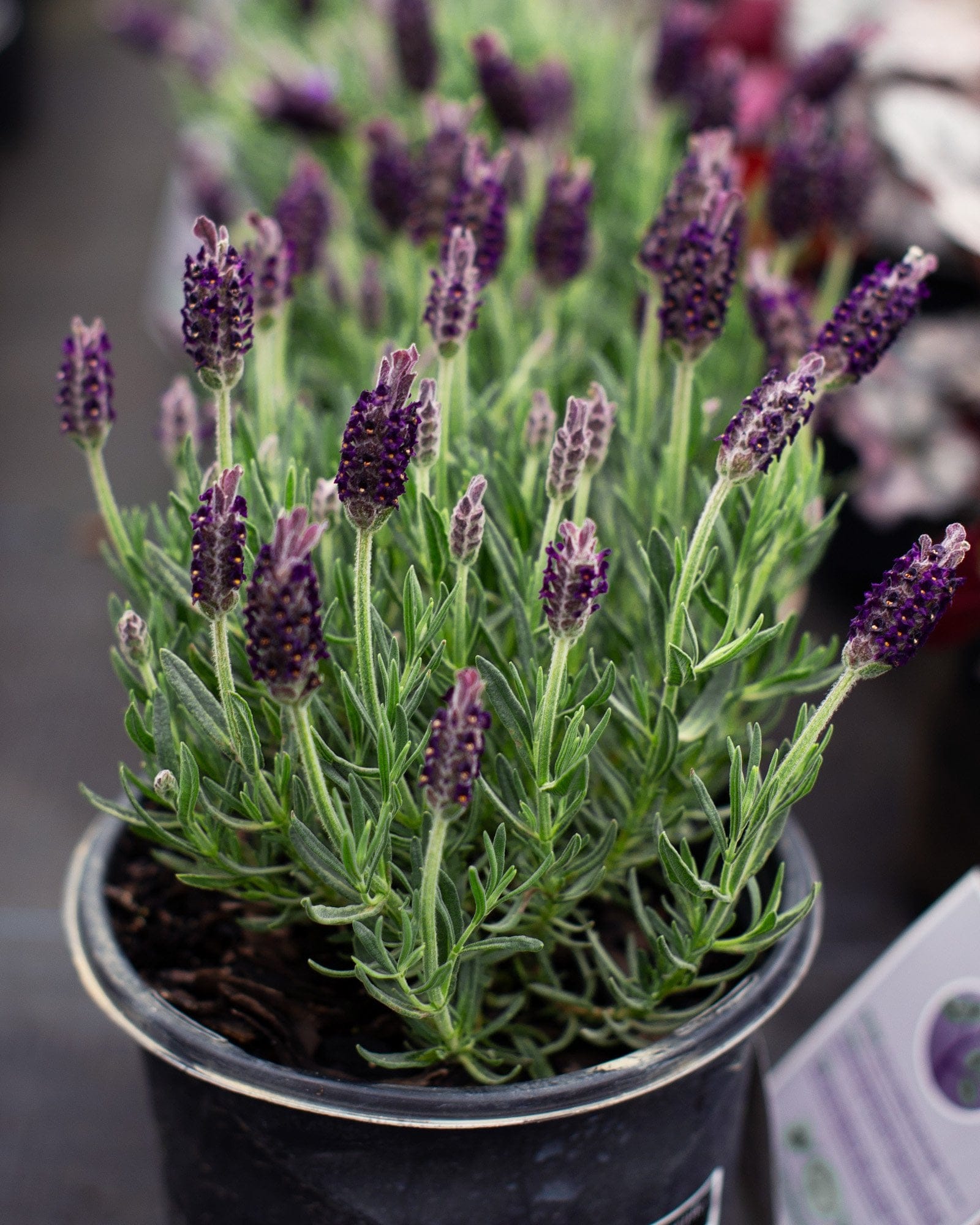
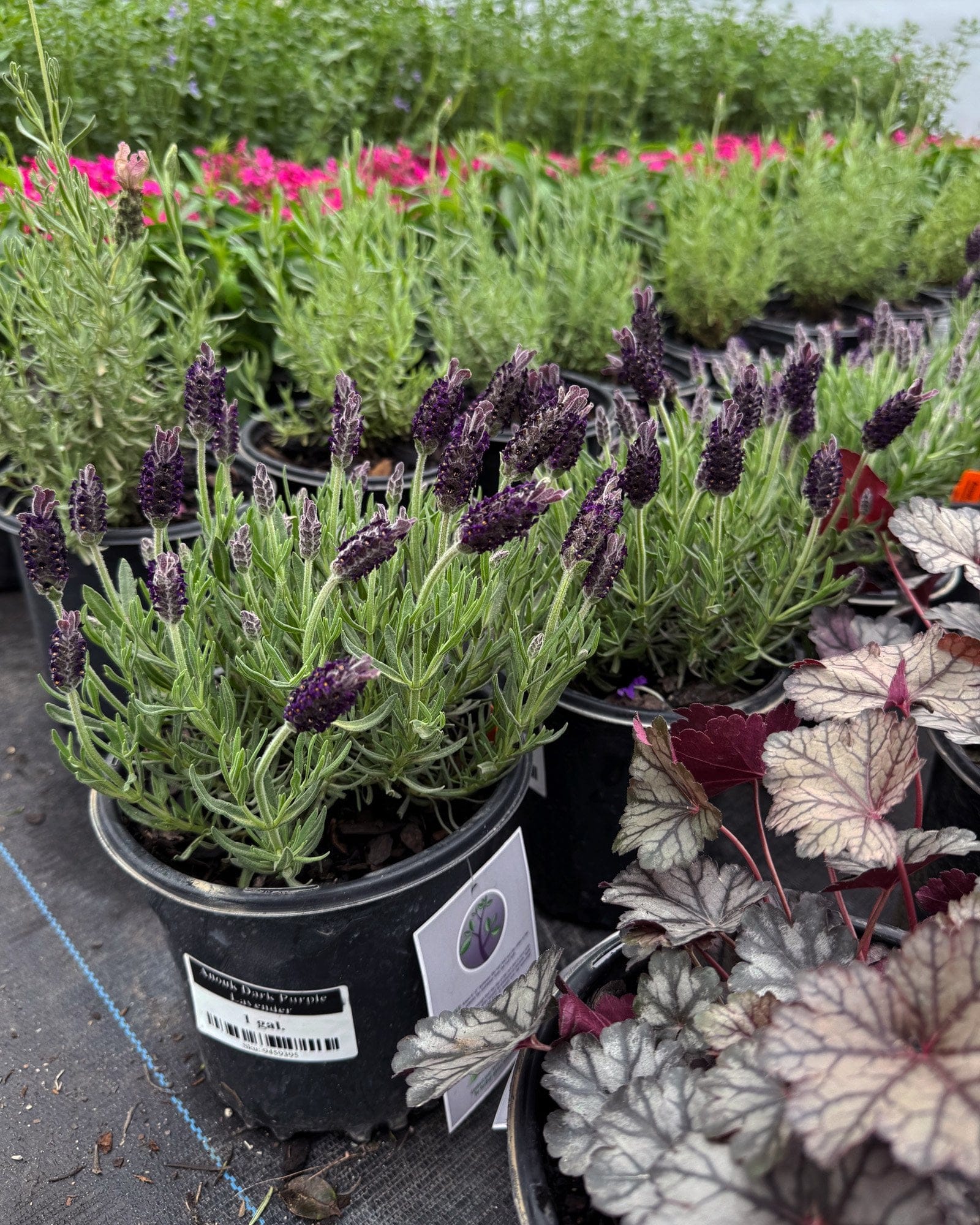
Lavandula stoechas 'Anouk'Anouk Dark Purple Lavender is a wonderful addition to any flower bed. Its most prominent feature is the dark purple flower heads, adorned with violet bracts that create a delightful two-tone effect. The foliage is handsome against the flowers, too, creating a contrast with its long, pointed leaves and silvery-green color.
It reaches up to 1.5 feet in height and 1 foot in width at maturity. Anouk Dark Purple Lavender blooms in spring and fits beautifully with other plants, shrubs, or trees.
- Annual herbaceous plant
- Striking purple flowers on silvery-green foliage
- Great choice for containers and borders
- Thrives in full sun
- Signature lavender fragrance
This outstanding specimen is not only beautiful, but hardy, too. It thrives in full sun and in well-drained soil. The occasional deadheading will ensure your Anouk Spanish Lavender looks tidy and will encourage continued flowering. Generally, it doesn't require much fertilization. If you choose to do so, fertilize it in early spring when the flowers begin to bloom.
Anouk Dark Purple Lavender is a compact, highly fragrant lavender variety with deep purple blooms. It thrives in sunny gardens and is quite easy going, needing only the following to grow beautifully:
- Watering: Water regularly during the first growing season to encourage strong root development. Once established, Anouk Lavender is drought-tolerant and only needs supplemental water during prolonged dry spells. Avoid overwatering, as wet soil can lead to root rot.
- Pruning: Prune lightly after flowering to maintain a compact, rounded shape and remove spent blooms. Major pruning should be done in early spring, avoiding cutting into old woody stems, which can slow regrowth. Regular pruning also promotes better airflow, reducing disease risk.
- Fertilizing: Feed with a balanced, slow-release fertilizer in early spring if soil is poor. Lavender generally prefers lean soils, so excessive fertilization is unnecessary and can reduce flowering.
- Mulching: Apply a thin 1-2 inch layer of gravel or light mulch around the base to retain moisture, regulate soil temperature, and suppress weeds. Avoid piling mulch against the crown to prevent rot.
- Winter Care: In colder areas, provide light winter protection with a breathable cover or mulch. Container-grown plants can be moved indoors or to sheltered areas during frost.
- Root Rot: Caused by overwatering or poorly drained soil. Ensure excellent drainage and avoid excessive moisture.
- Aphids: Small insects that may cluster on new growth. Spray with water or insecticidal soap to control infestations.
- Fungal Diseases: Powdery mildew or leaf spot may appear in humid conditions. Prune for better airflow and avoid overhead watering.
- Leaf Browning: Can occur from excessive sun, drought, or poor soil conditions. Maintain moderate watering and well-draining soil to prevent stress.
With minimal maintenance - pruning, occasional feeding, and monitoring for pests - Anouk Dark Purple Lavender provides year-round aromatic foliage, vibrant blooms, and attracts pollinators such as bees and butterflies.
It grows at a moderate rate, typically 12-18 inches per year, forming a dense, compact mound of fragrant foliage and striking deep purple flowers. With proper sunlight and well-drained soil, it can reach its full height and width within 3-4 years.
Spring or early fall is ideal, allowing roots to establish before summer heat or winter cold. Planting during these seasons also reduces transplant shock and gives the lavender a strong start.
Water deeply once or twice a week while establishing. Once mature, occasional deep watering during dry periods is sufficient. Overwatering should be avoided, as lavender prefers slightly dry soil and is prone to root rot if left in soggy conditions.
Yes. Once established, Anouk Lavender thrives on minimal water, making it ideal for xeriscaping and low-water gardens. Its drought tolerance makes it an excellent choice for gardens in arid climates or areas with water restrictions.
Absolutely. It performs well in pots with well-draining soil, bringing fragrance and color to patios, balconies, and terraces. Containers may require more frequent watering during hot weather.
Yes. Softwood cuttings taken in spring or semi-hardwood cuttings in summer root readily, allowing easy expansion of plantings.
Yes. Deer generally avoid lavender due to its strong scent and slightly tough foliage.
With proper care, Anouk Lavender can live 10-15 years. Regular pruning and division help maintain vigor and encourage abundant flowering.
Yes, it tolerates light to moderate wind once established. In very exposed locations, plant near a windbreak or other shrubs for protection until roots are well developed.
No, it has a primary bloom in late spring to early summer, with potential for a lighter repeat bloom in late summer if deadheaded. Foliage remains aromatic and attractive year-round.
Special Features
You might also like
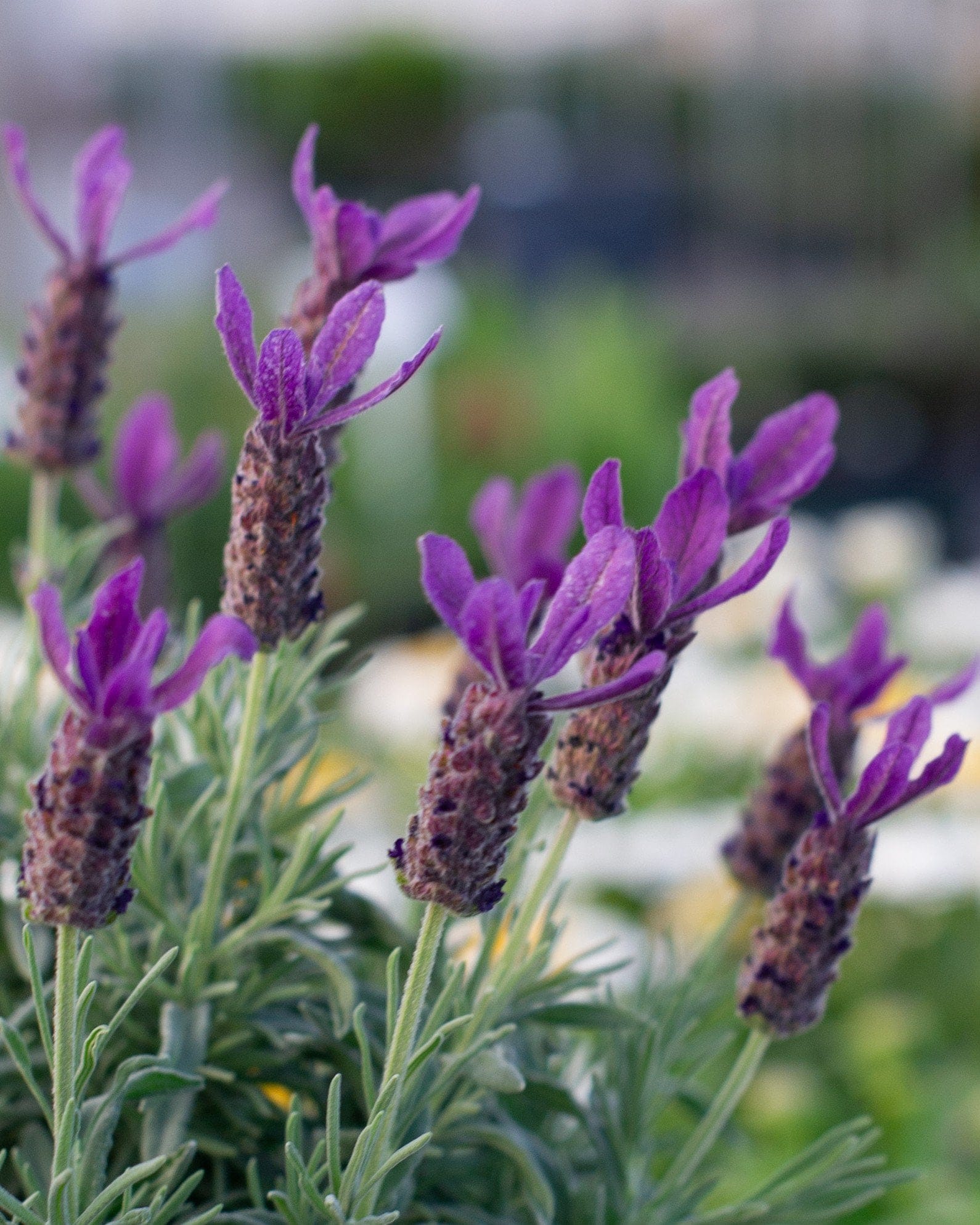
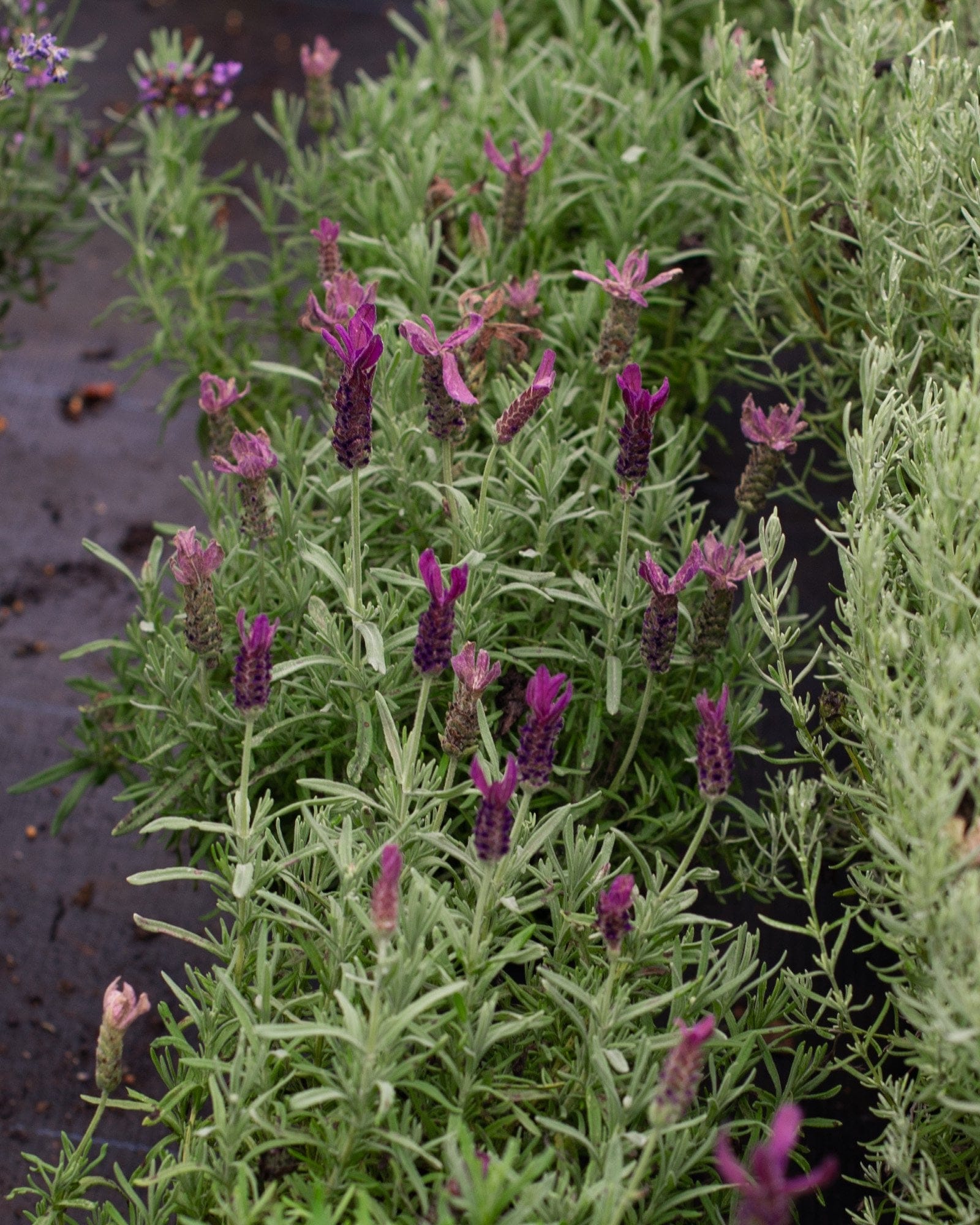
Primavera Lavender
Maturity: 1.5' H x 1' W
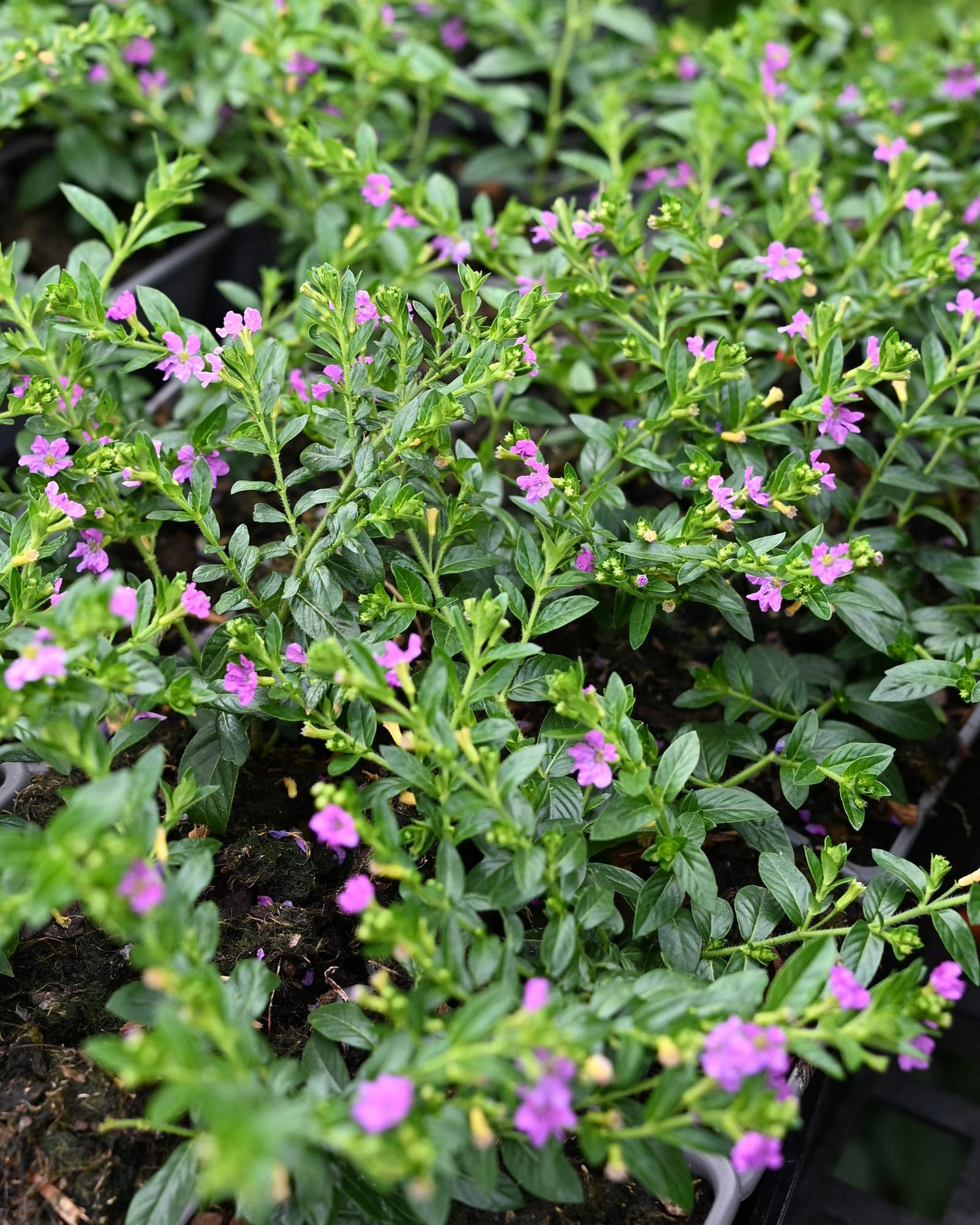
Allyson Mexican Heather Cuphea
Maturity: 1' H x 1.25' W
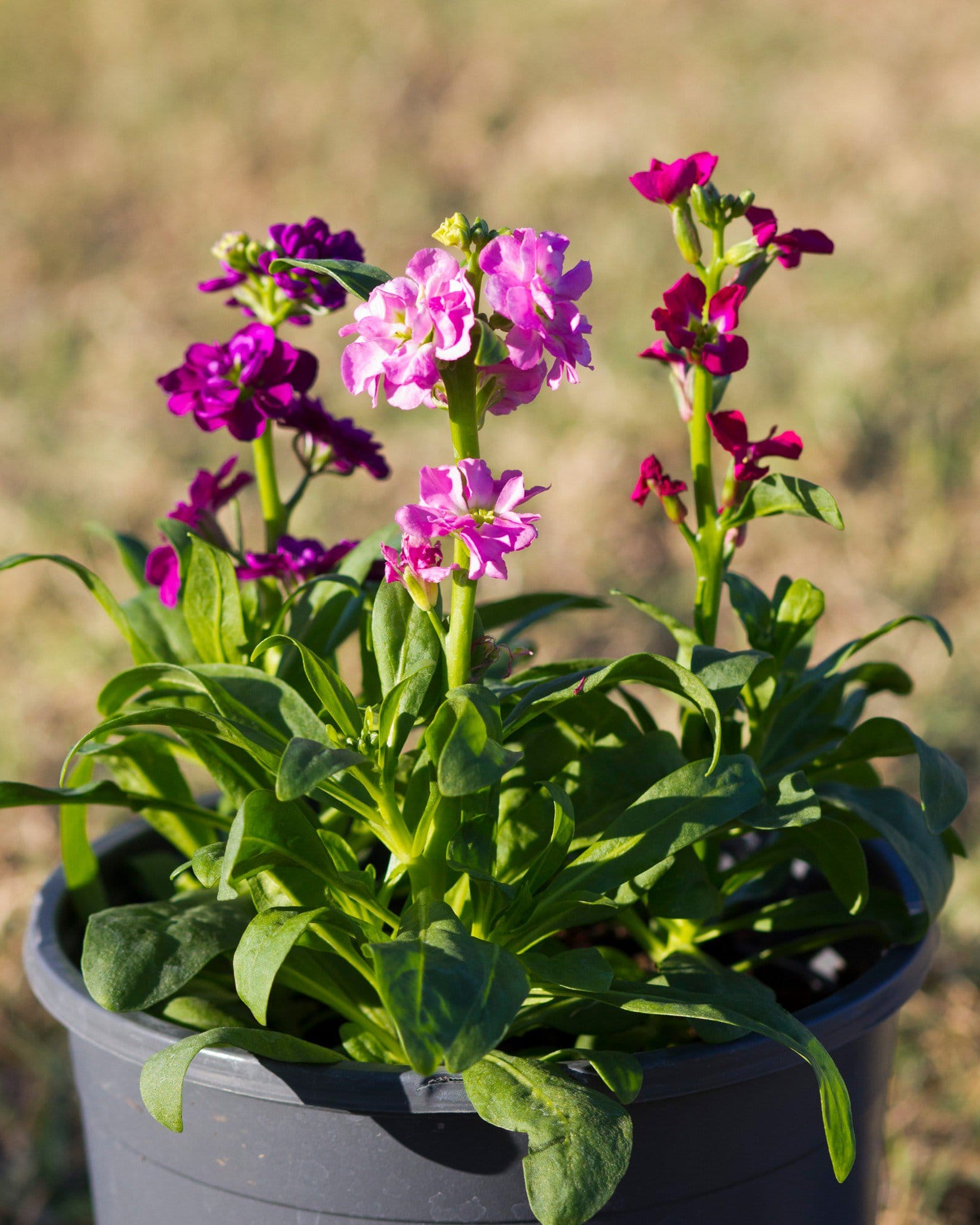
Mime Mix Stock
Maturity: 1' H x 0.5' W
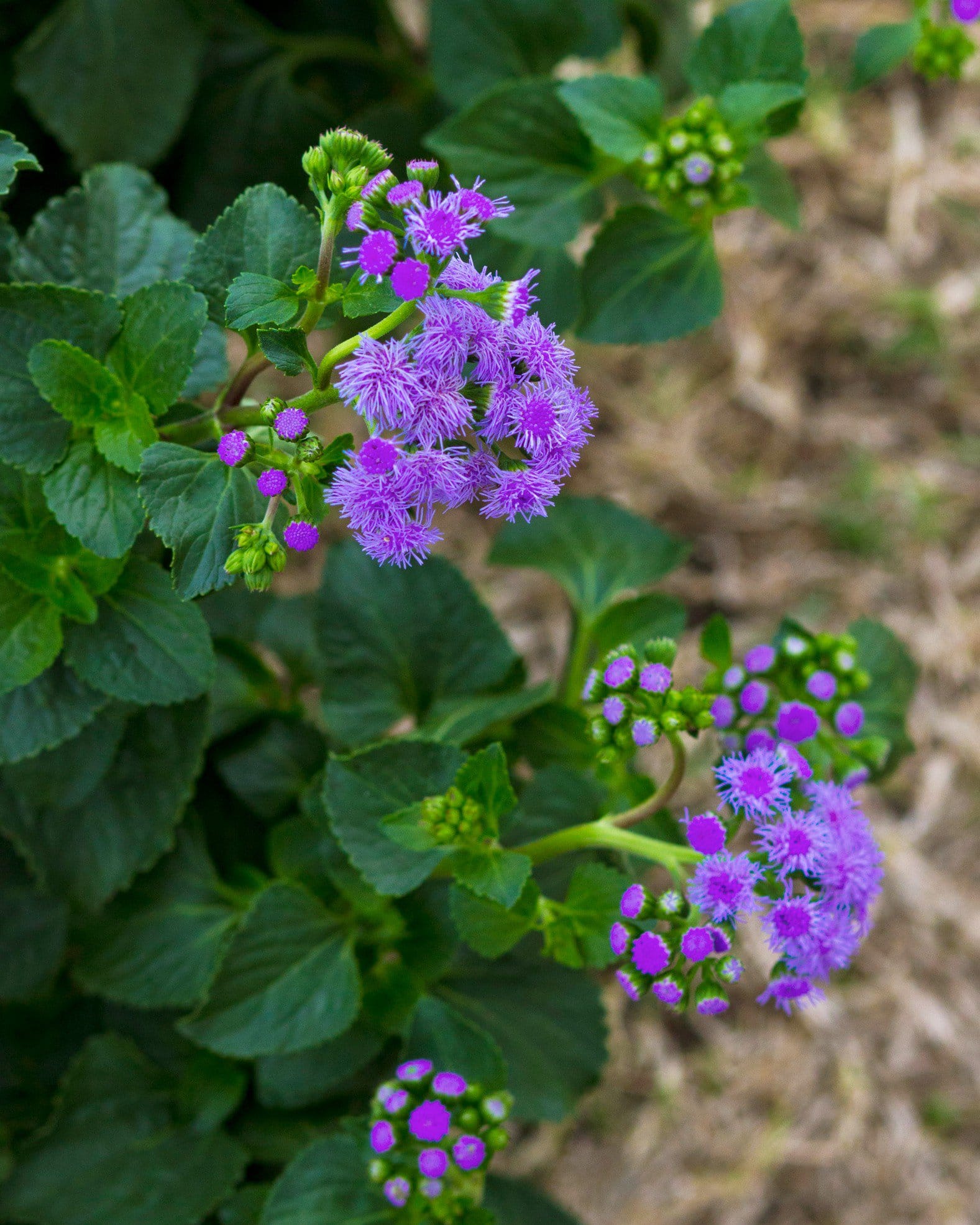
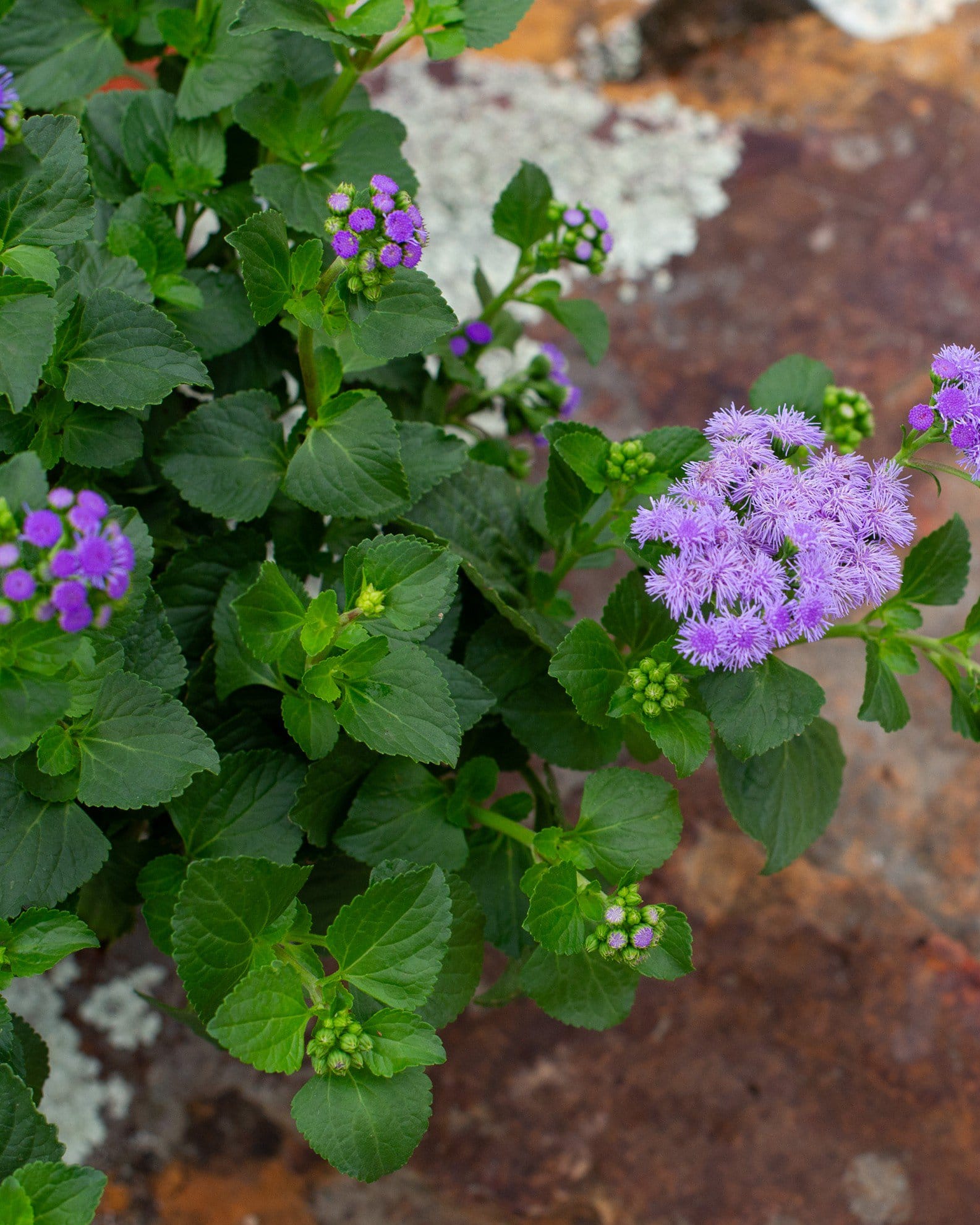
Monarch Magic Flossflower
Maturity: 0.75' H x 1' W
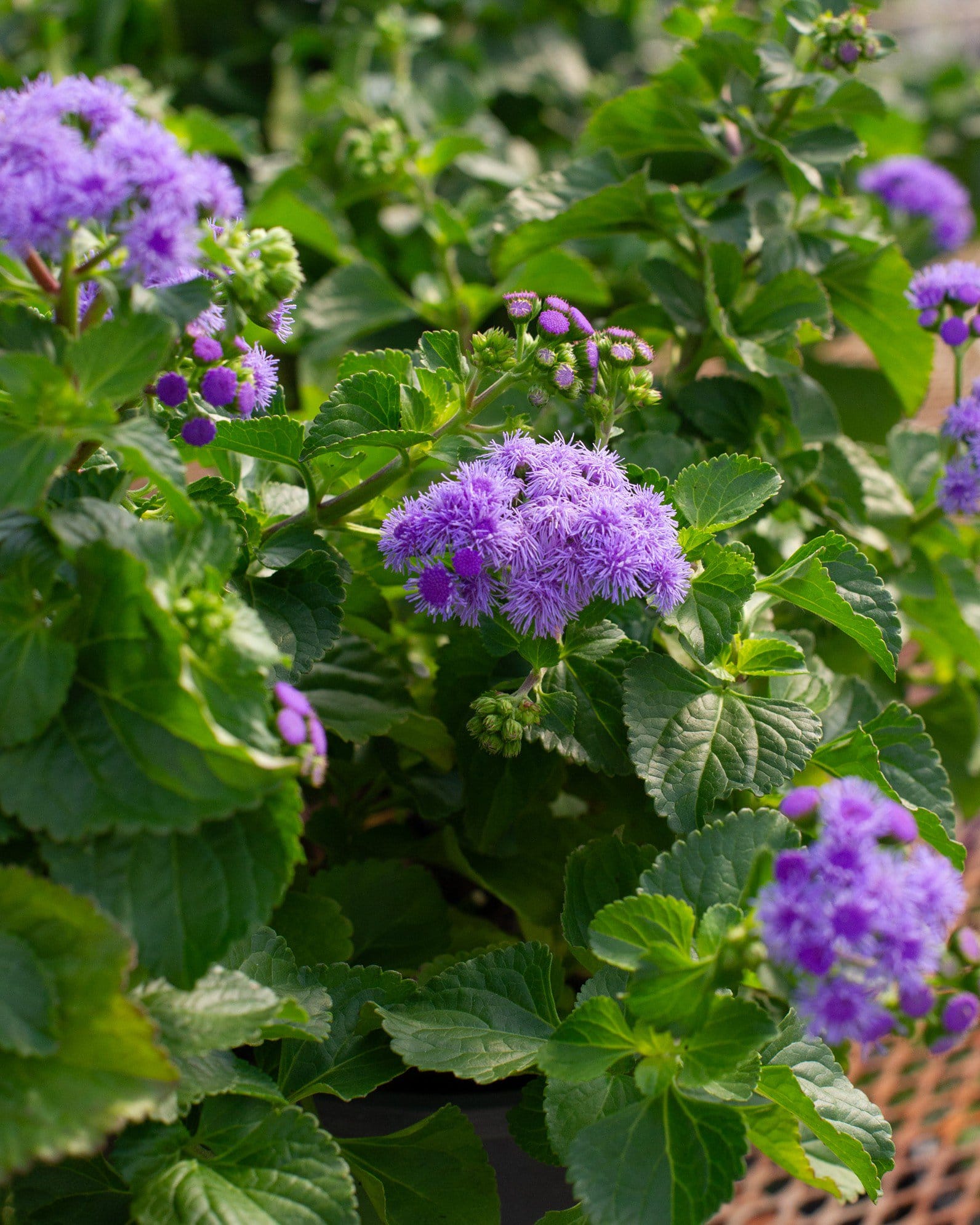
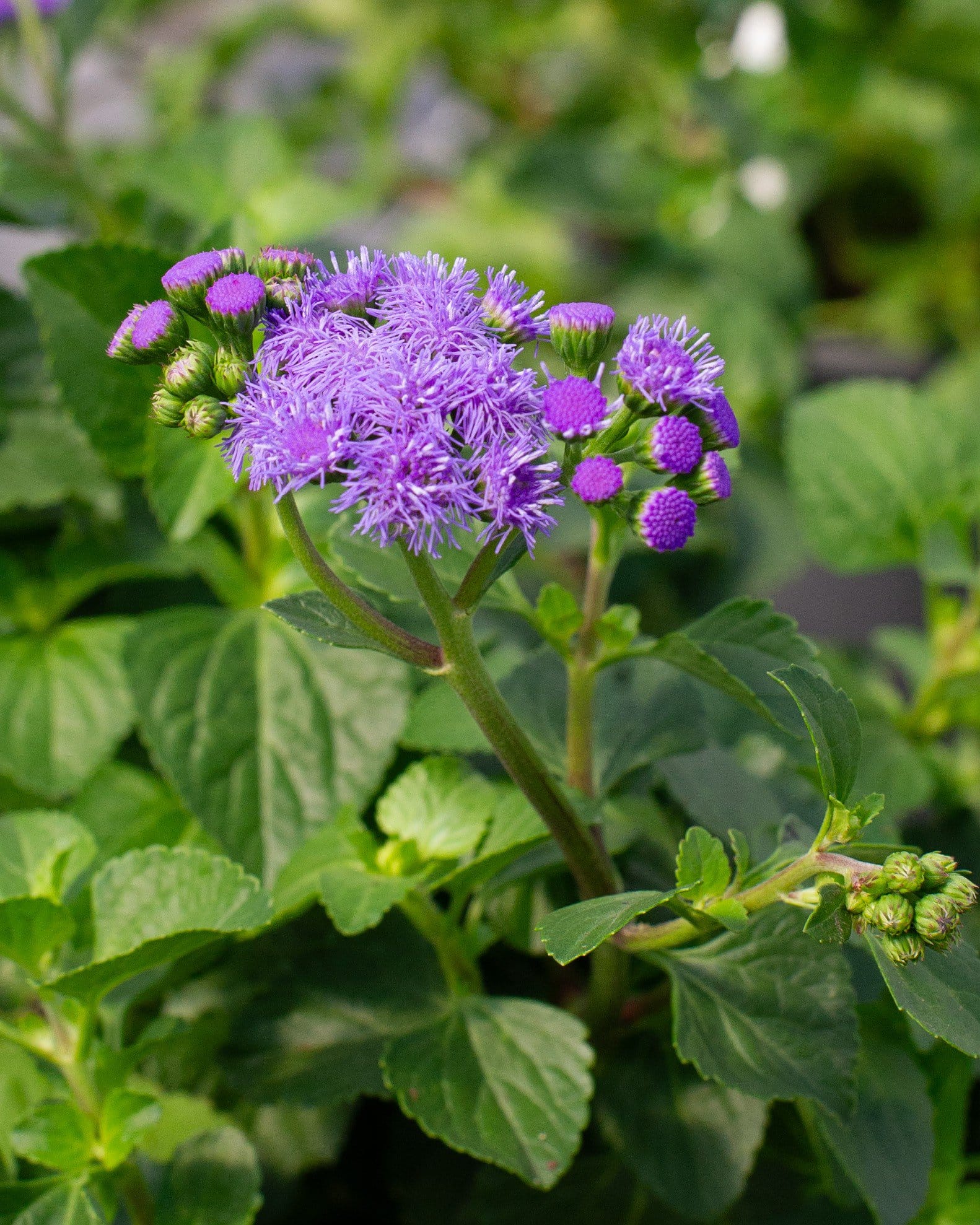
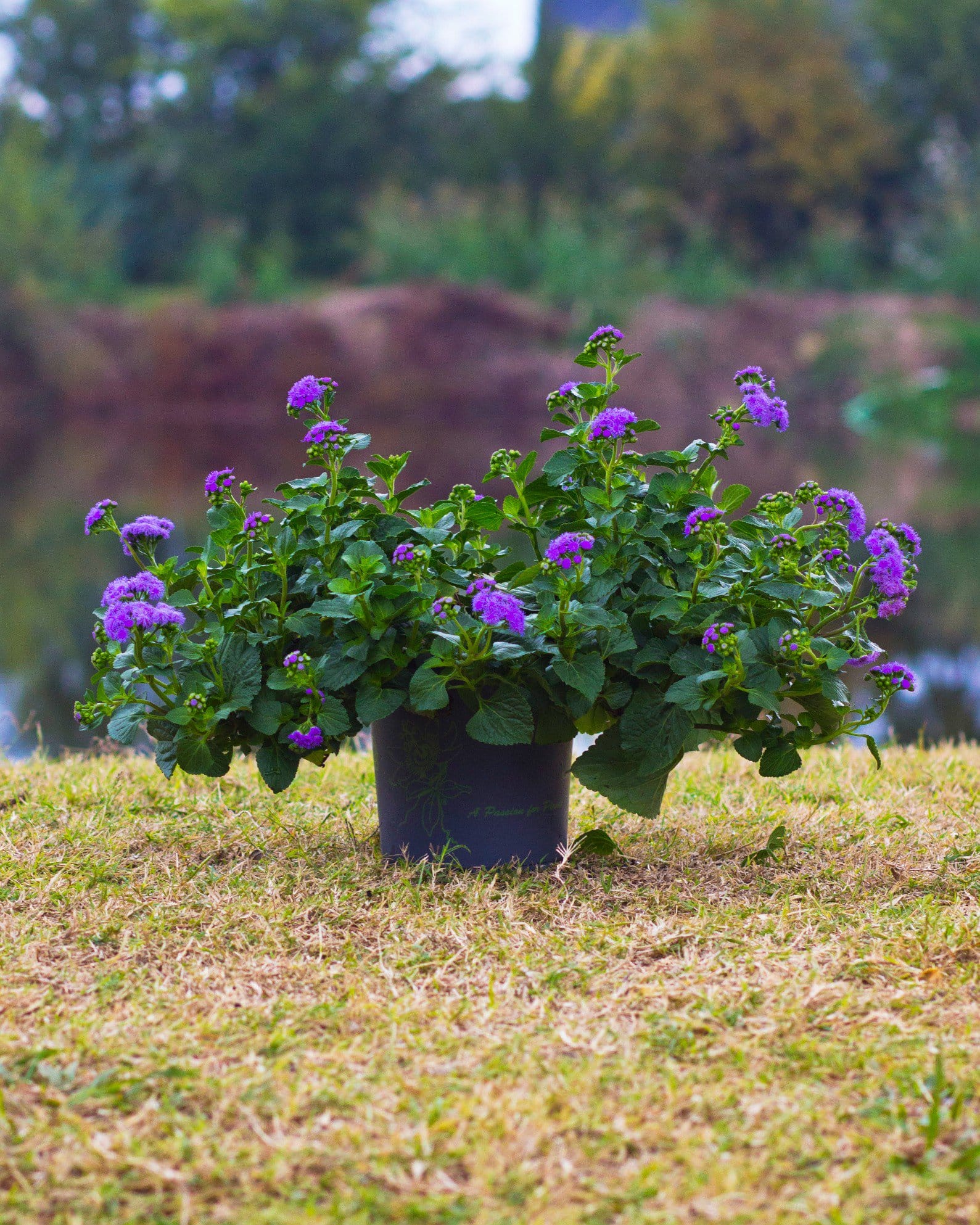
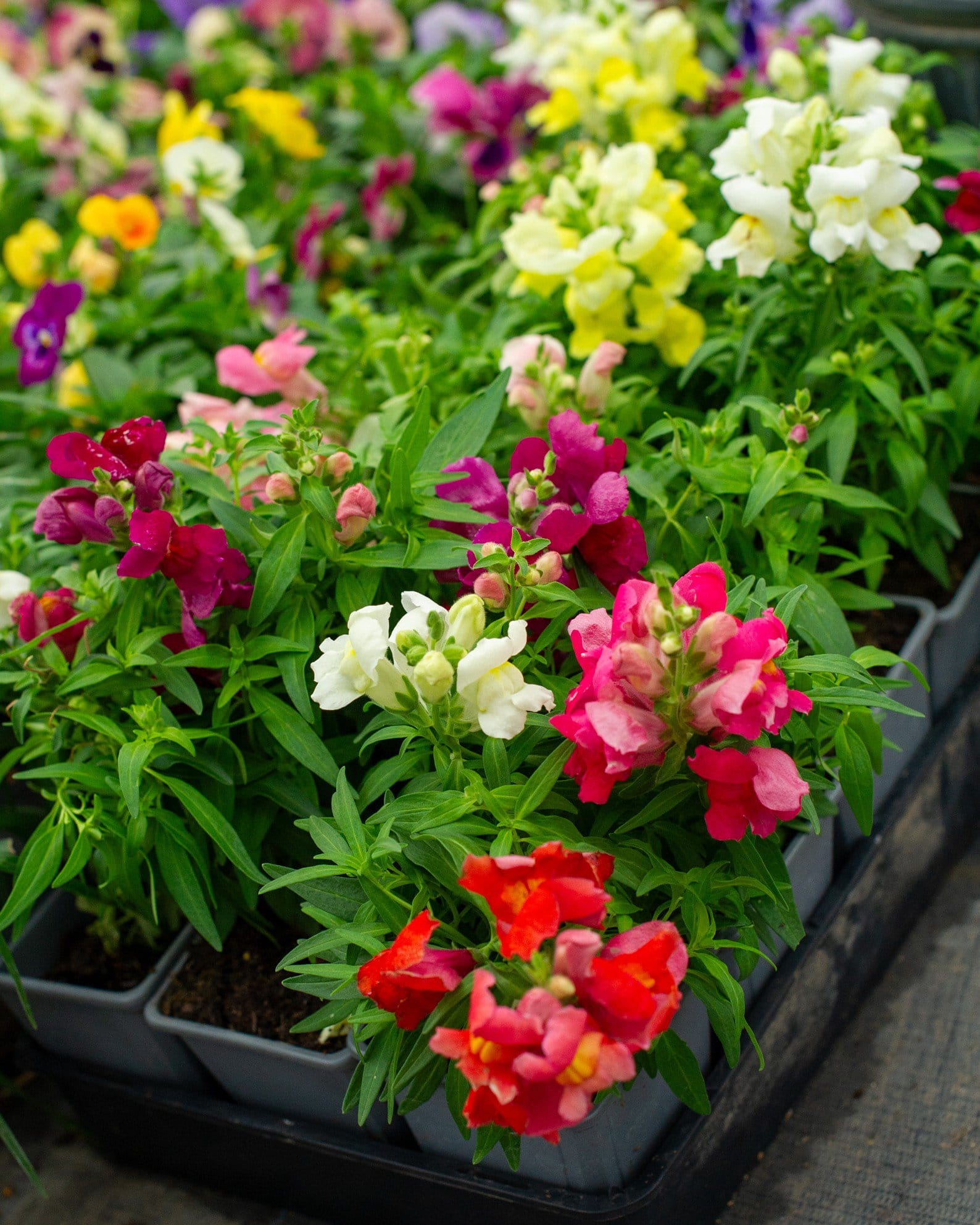
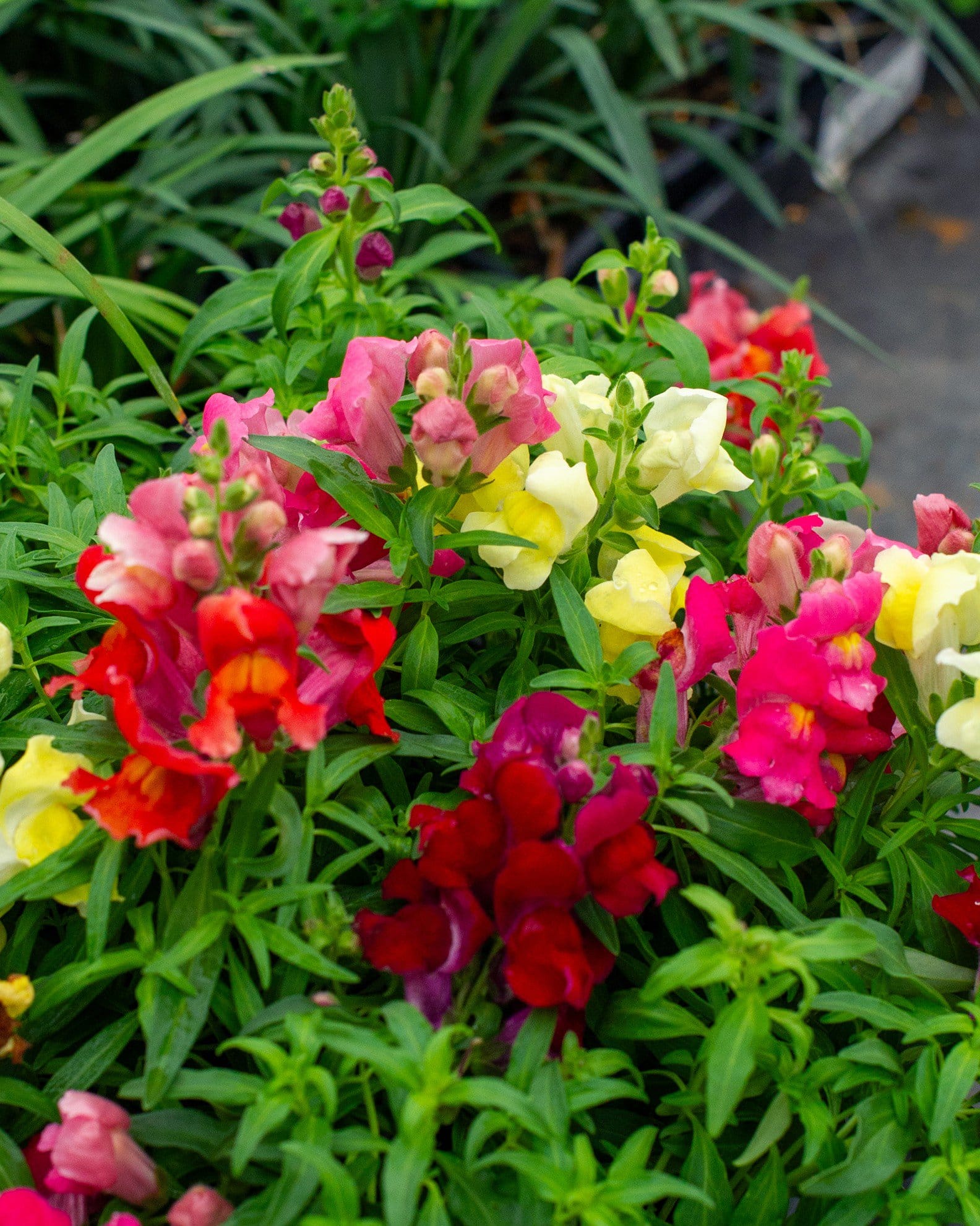
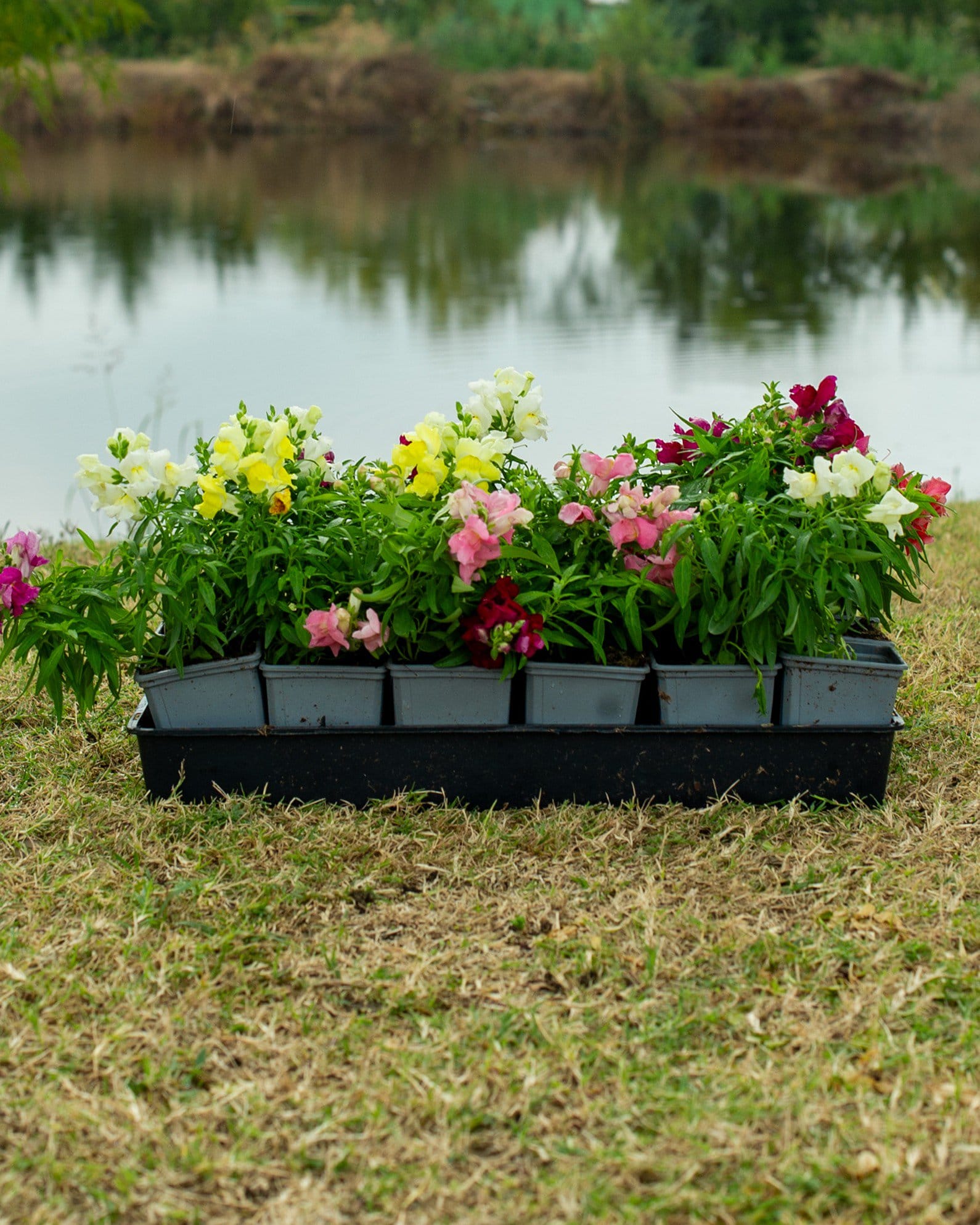
Snapshot Mix Snapdragon
Maturity: 0.75' H x 1' W
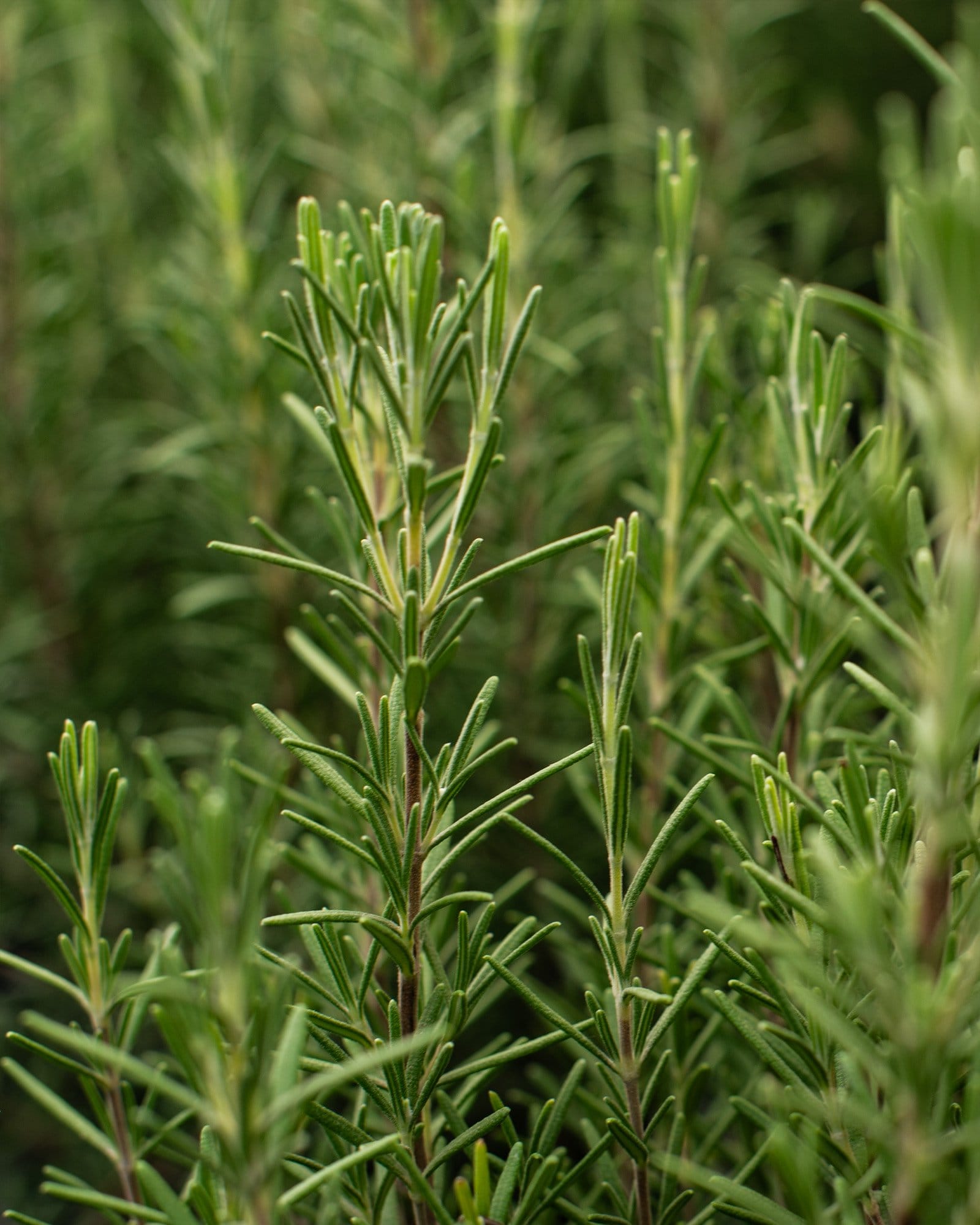
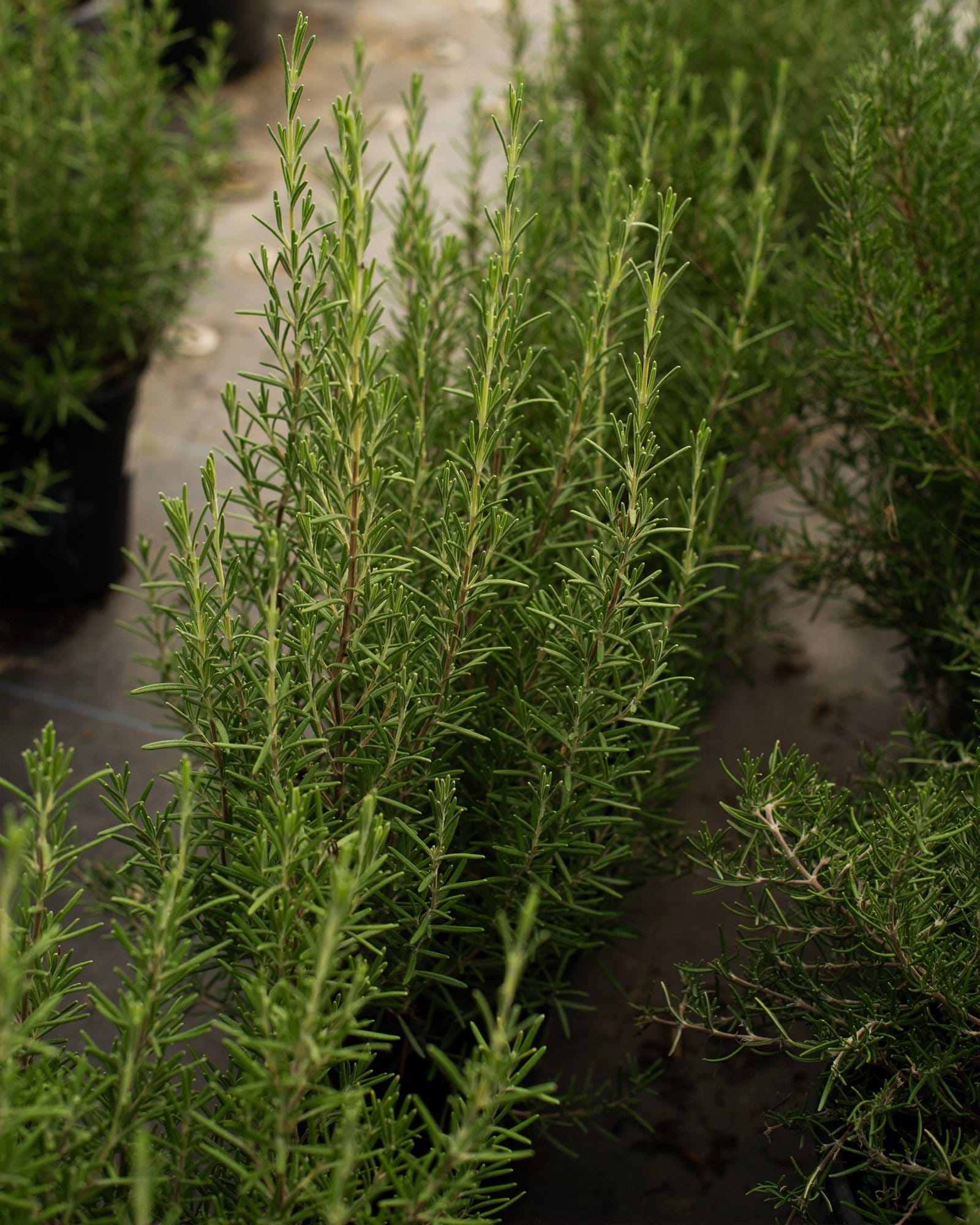
Arp Rosemary
Maturity: 6' H x 3' W
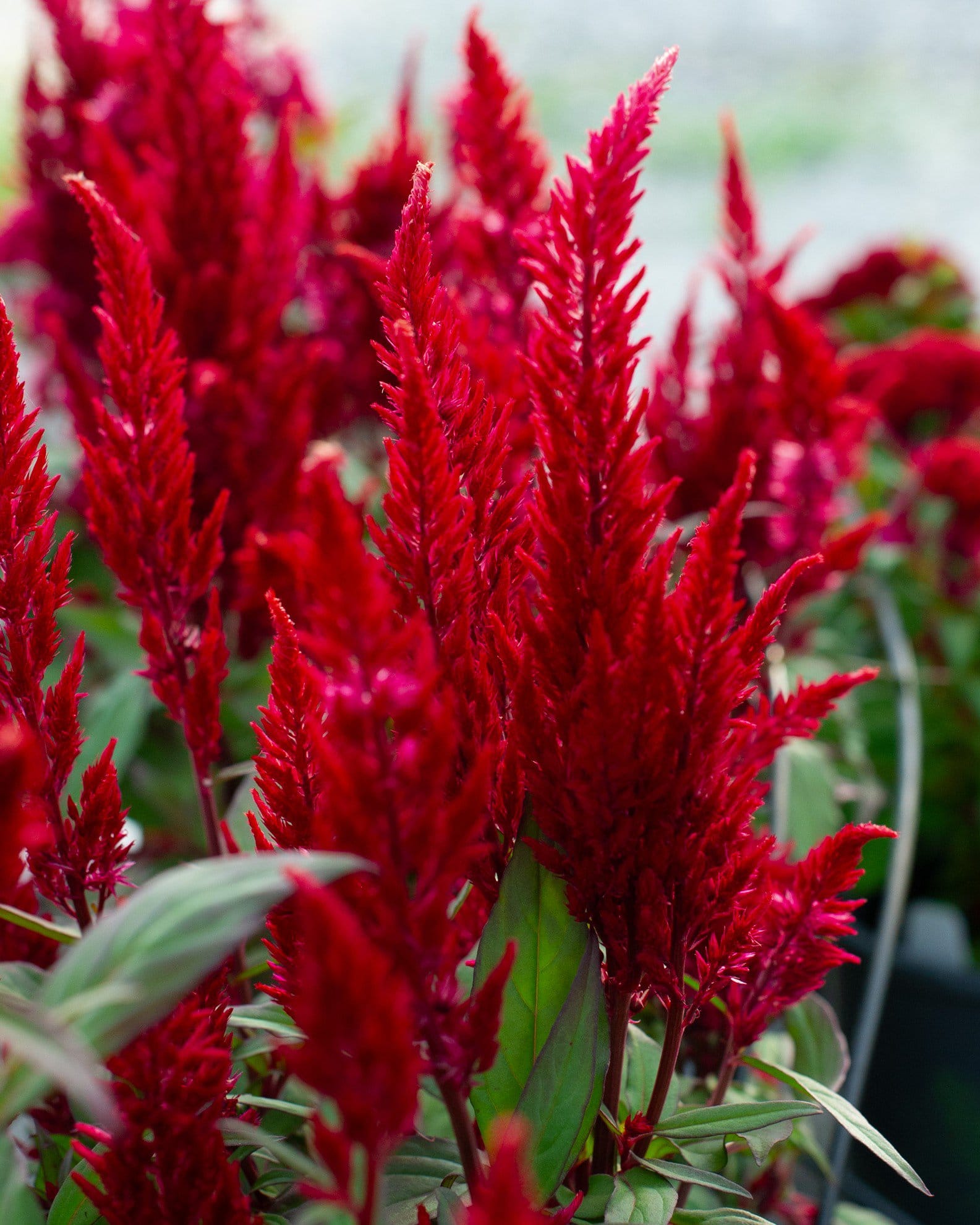
Bright Sparks Burgundy Celosia
Maturity: 1' H x 1' W
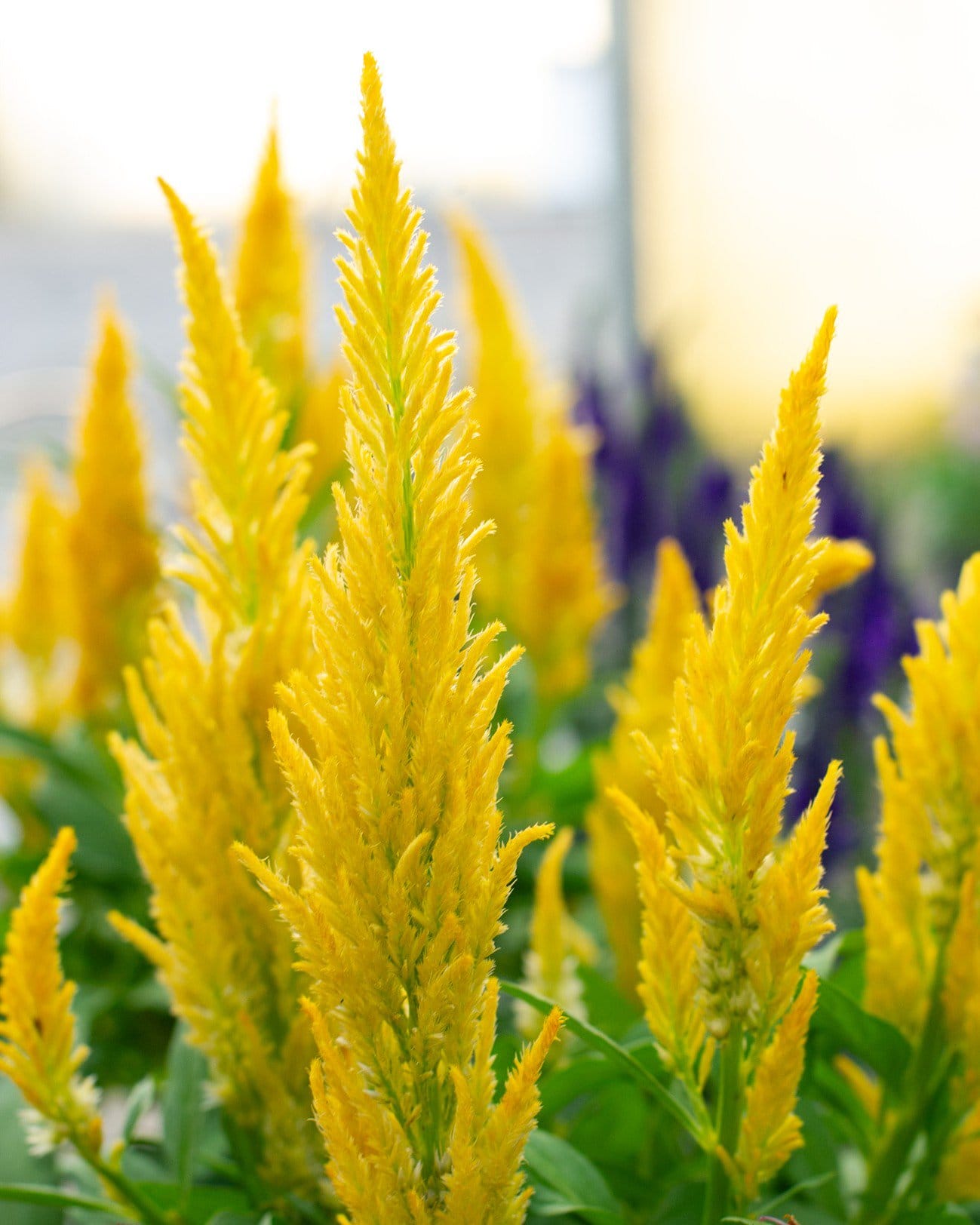
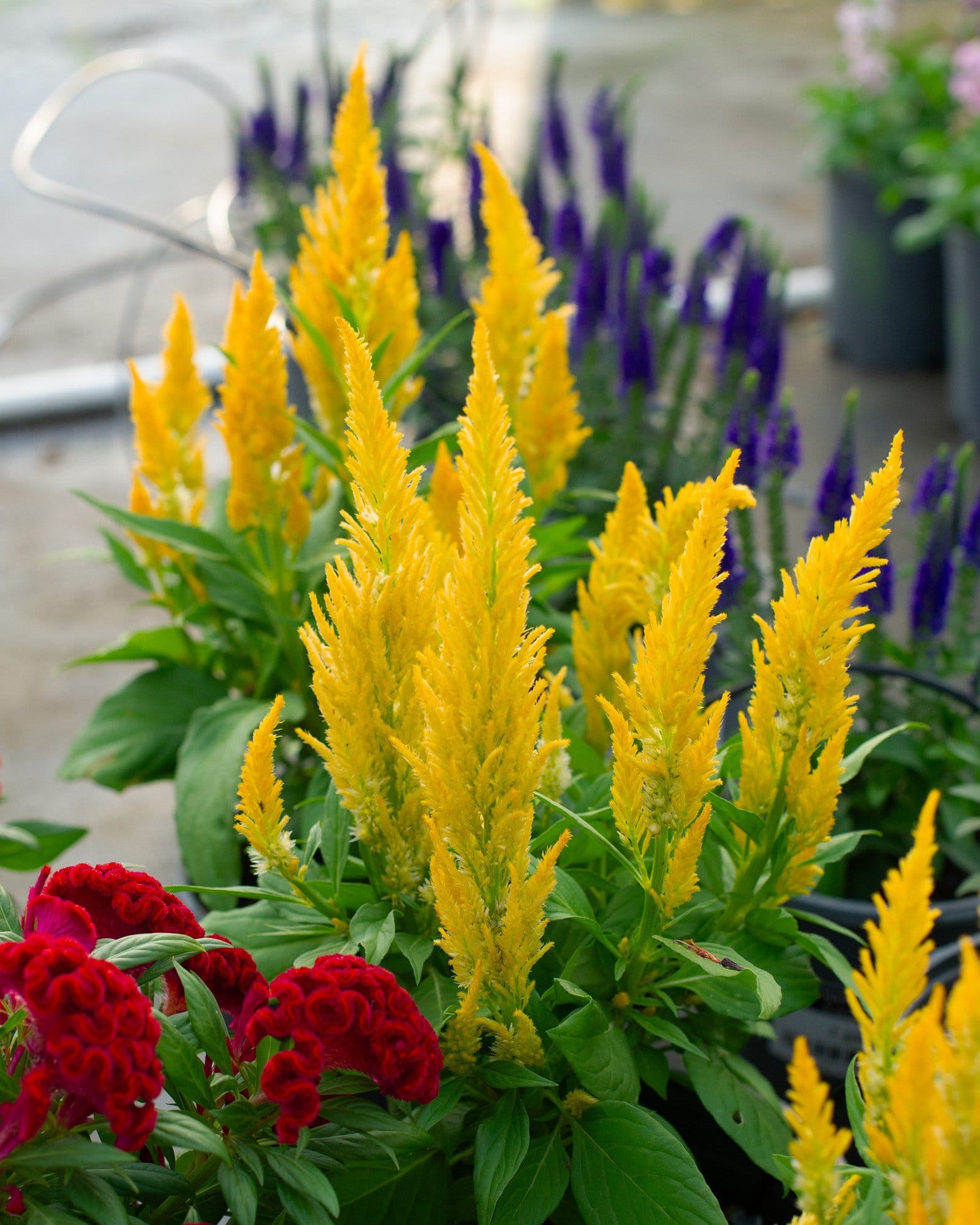
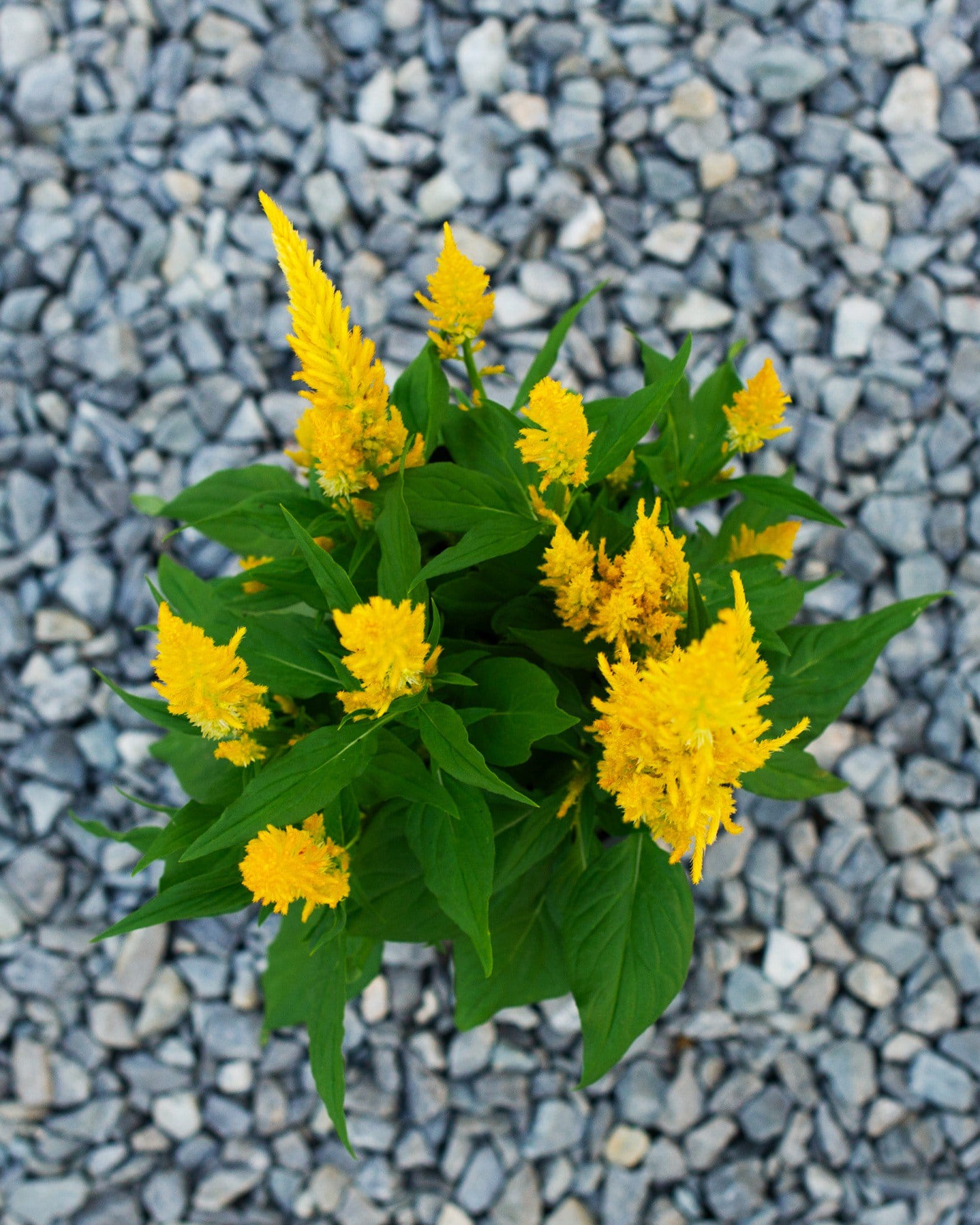
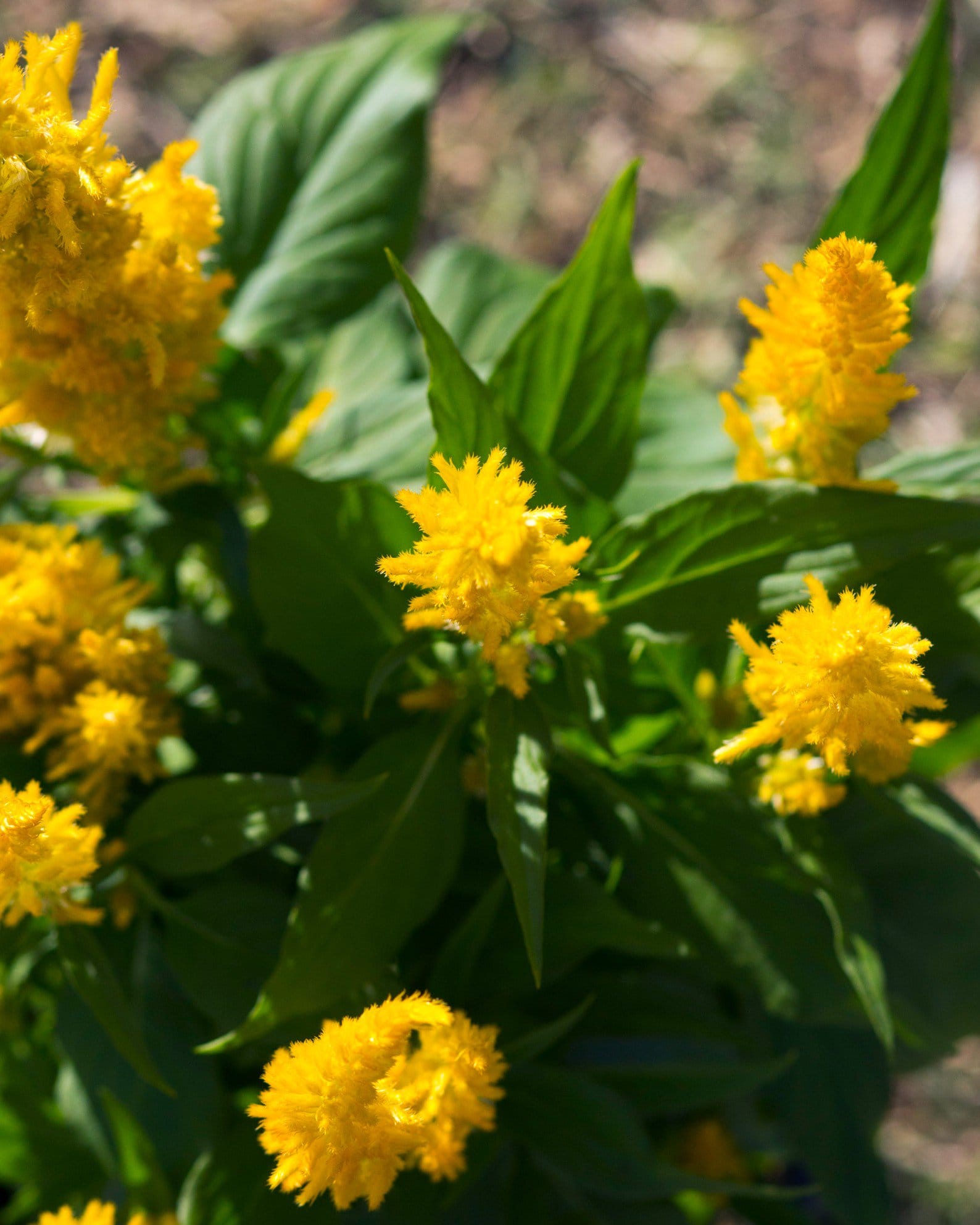
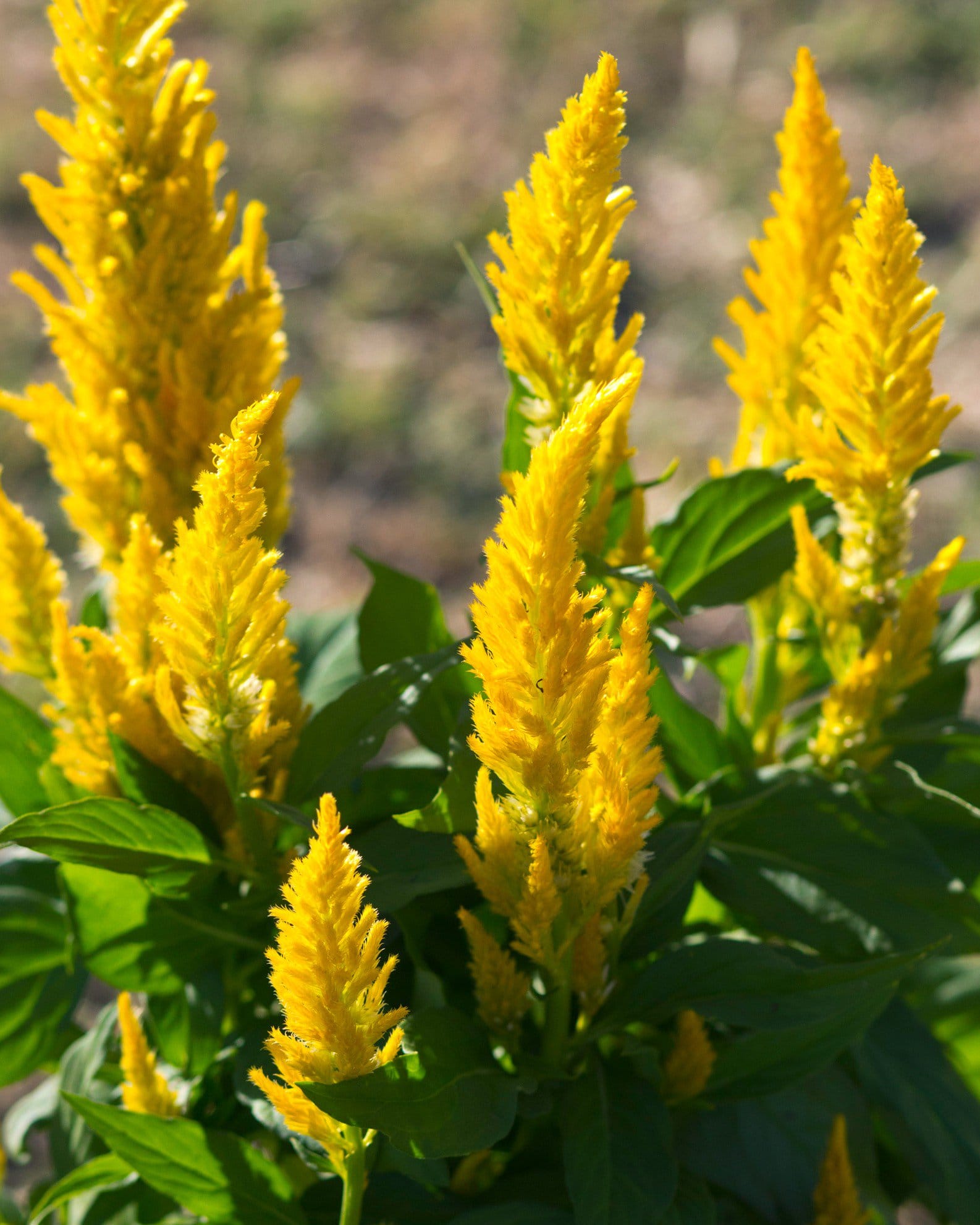
Bright Sparks Yellow Celosia
Maturity: 1' H x 1' W
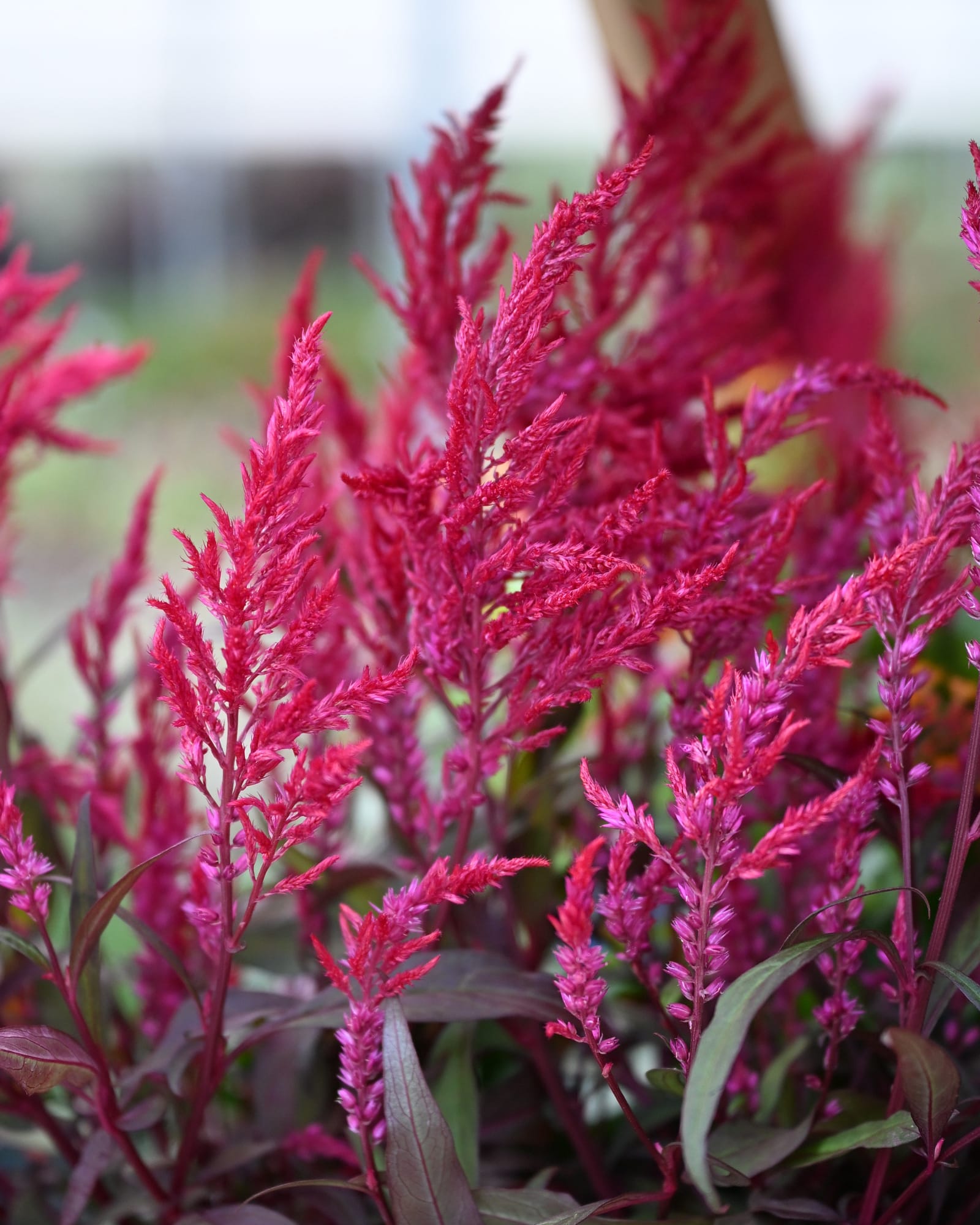
Dragon's Breath Celosia
Maturity: 2' H x 1.5' W
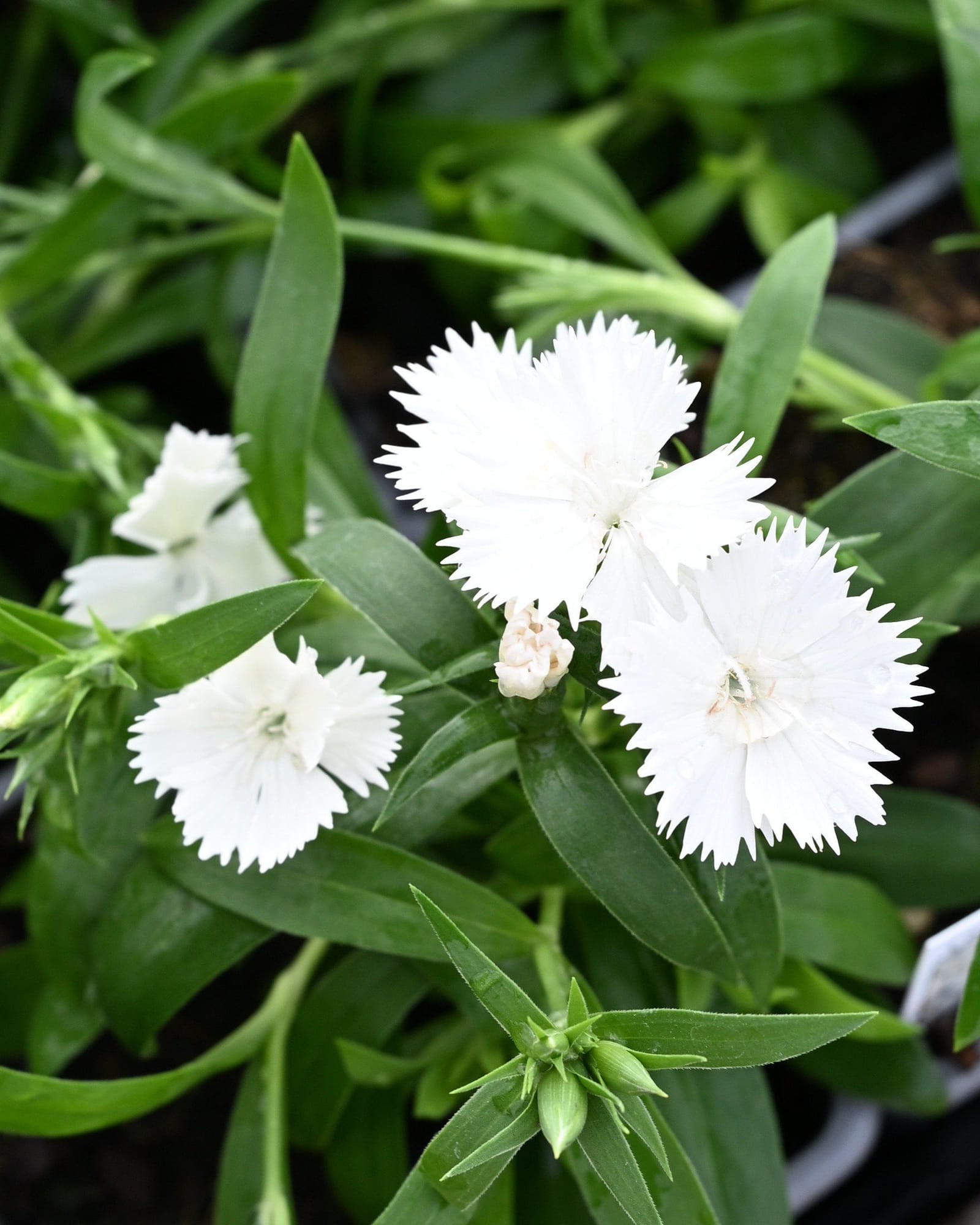
Floral Lace White Dianthus
Maturity: 0.75' H x 0.75' W
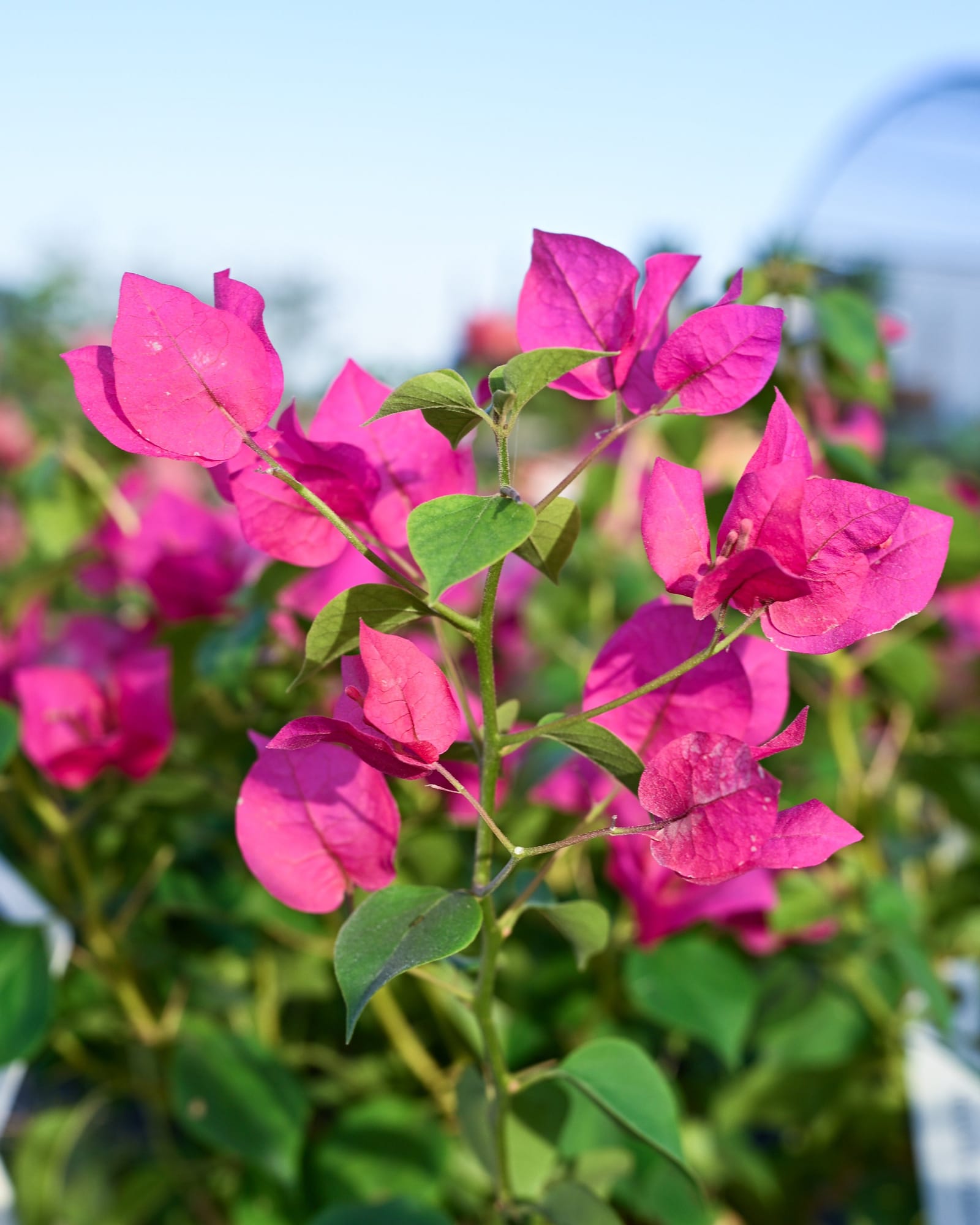
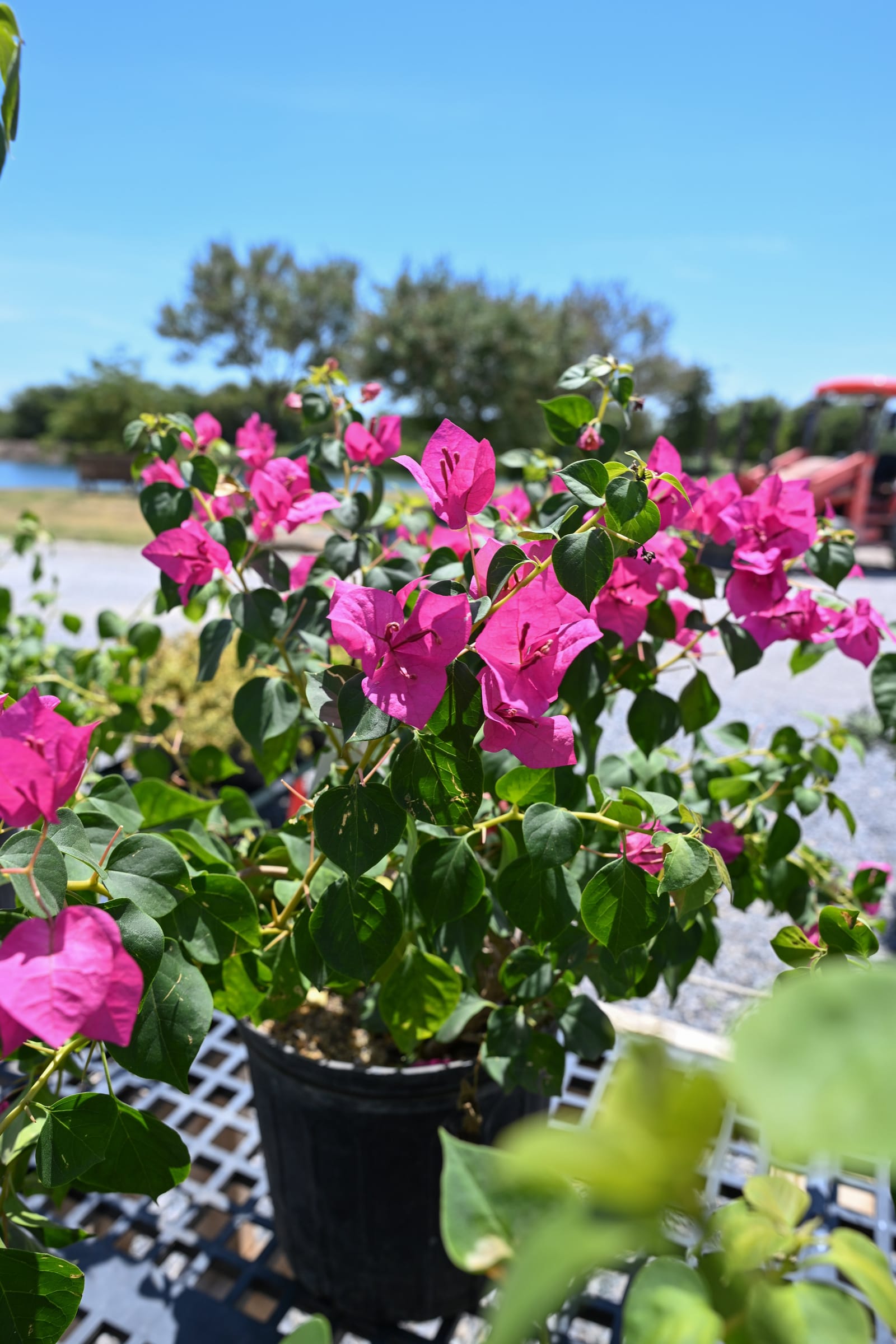
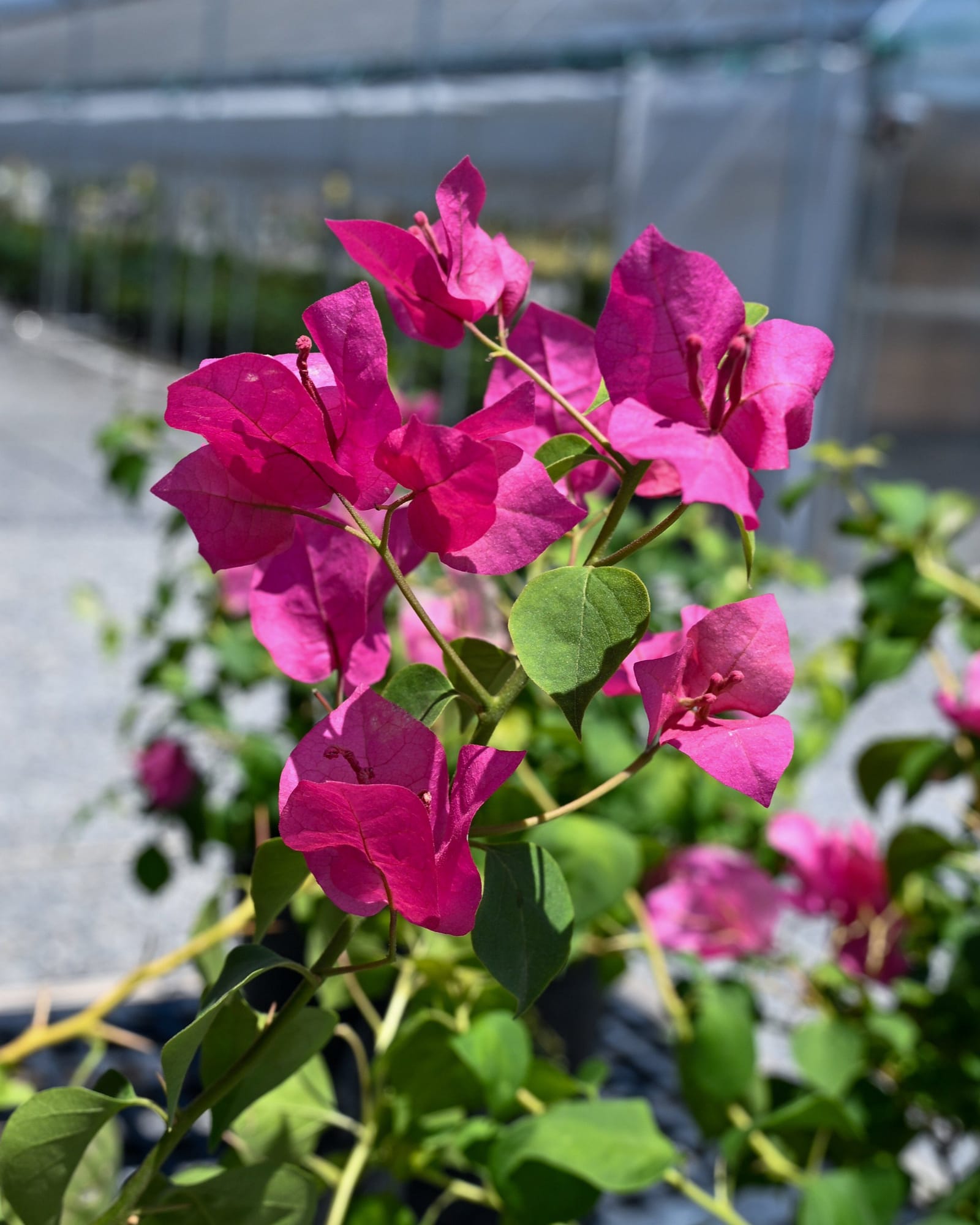
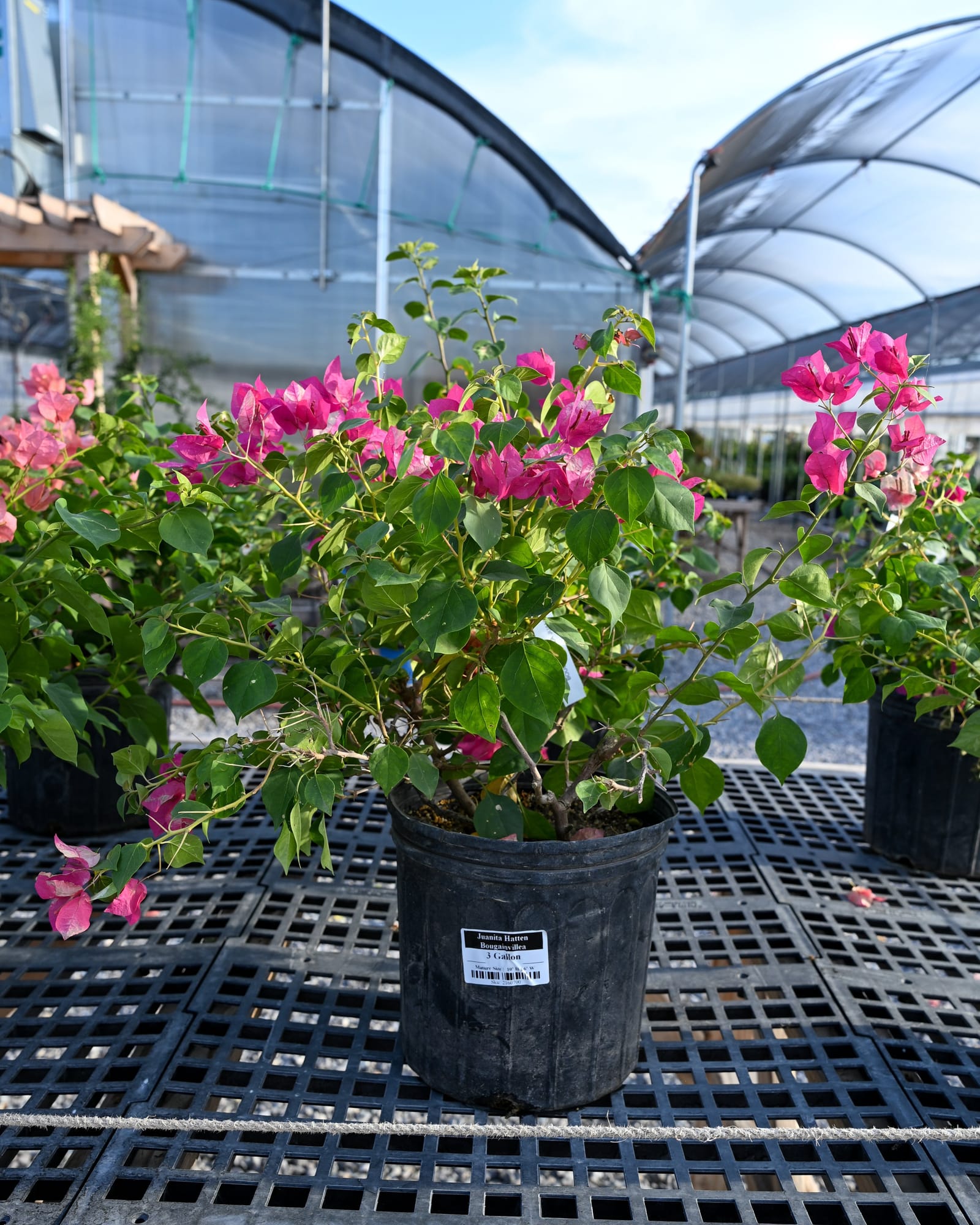
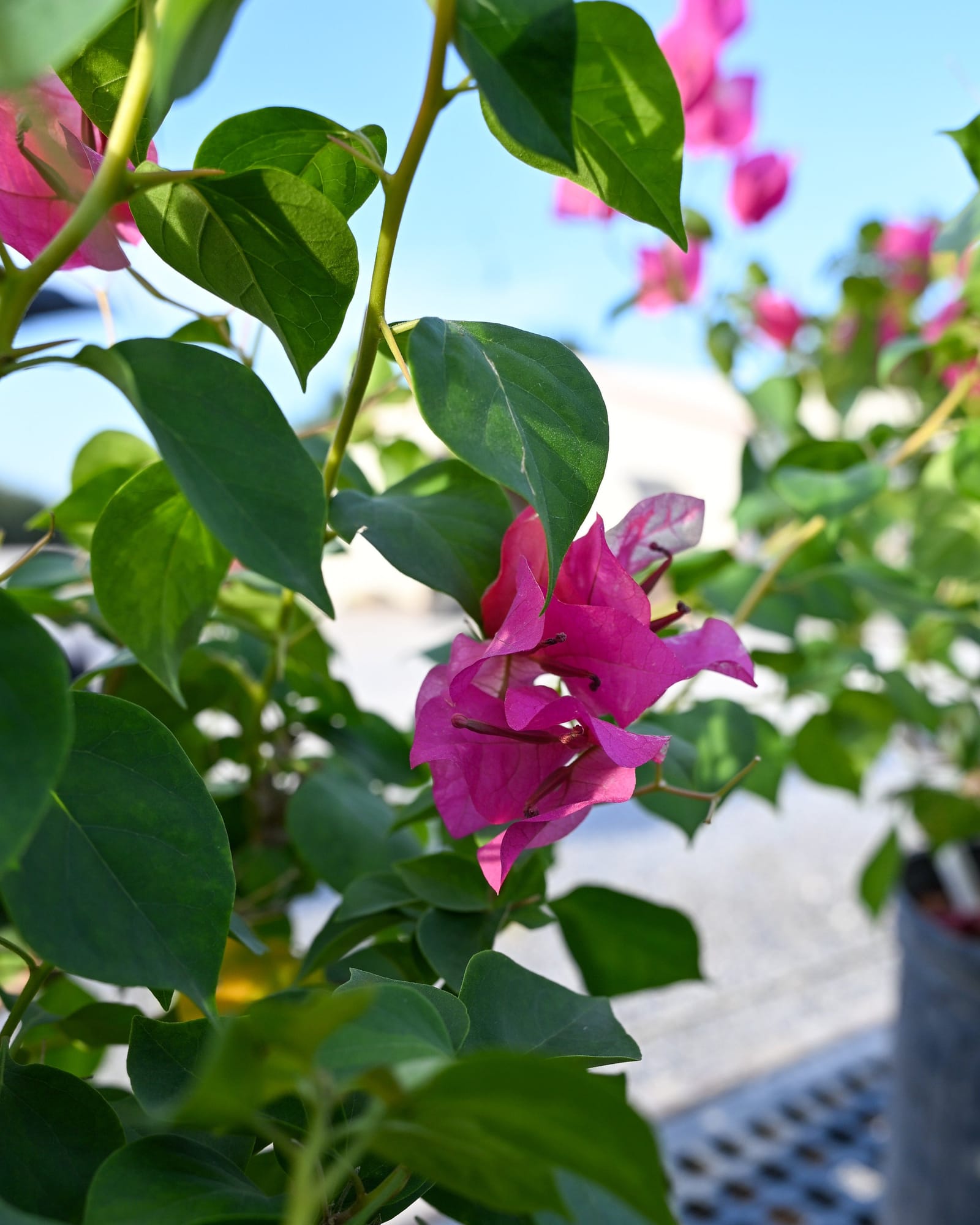
Juanita Hatten Bougainvillea
Maturity: 10' H x 6' W
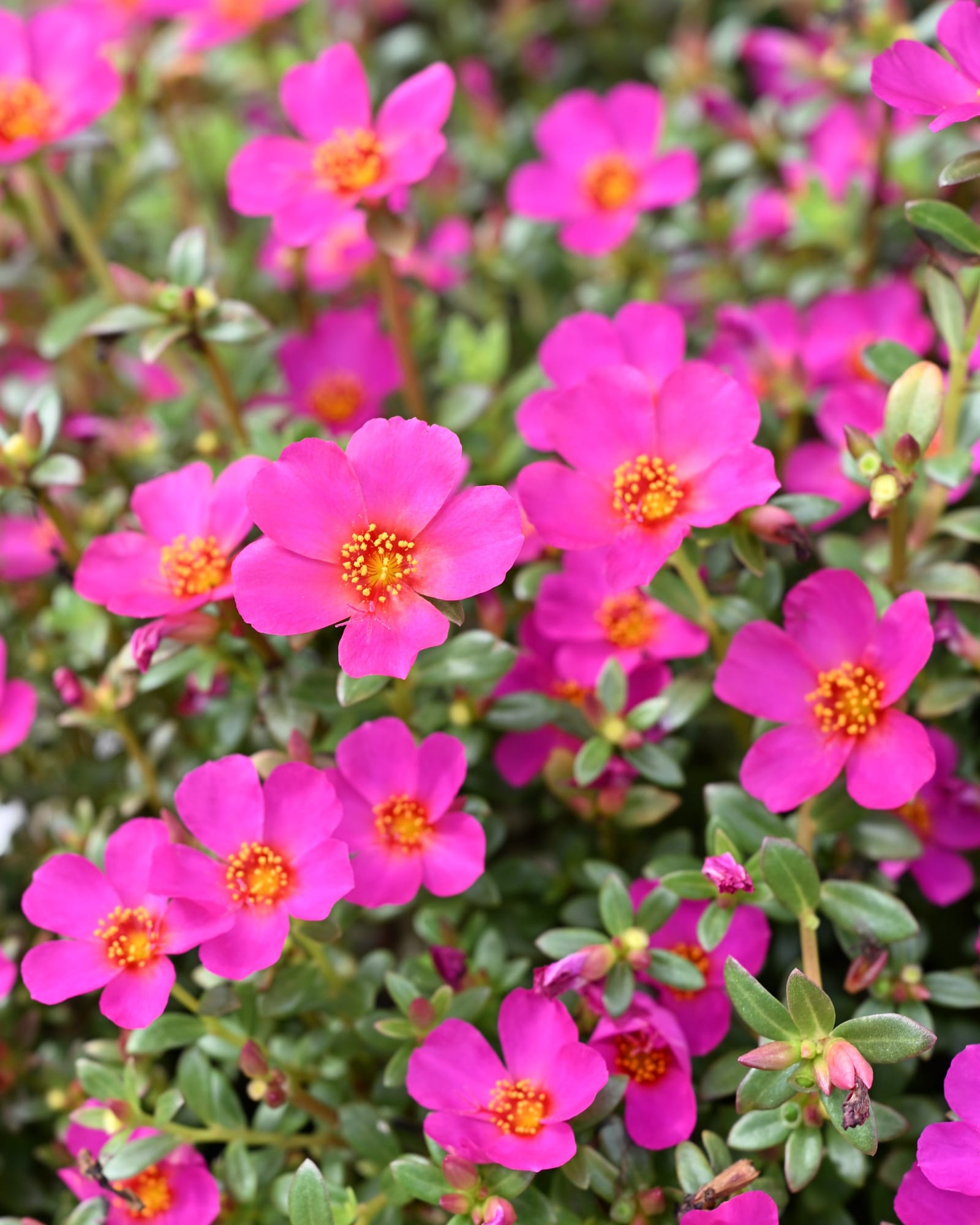
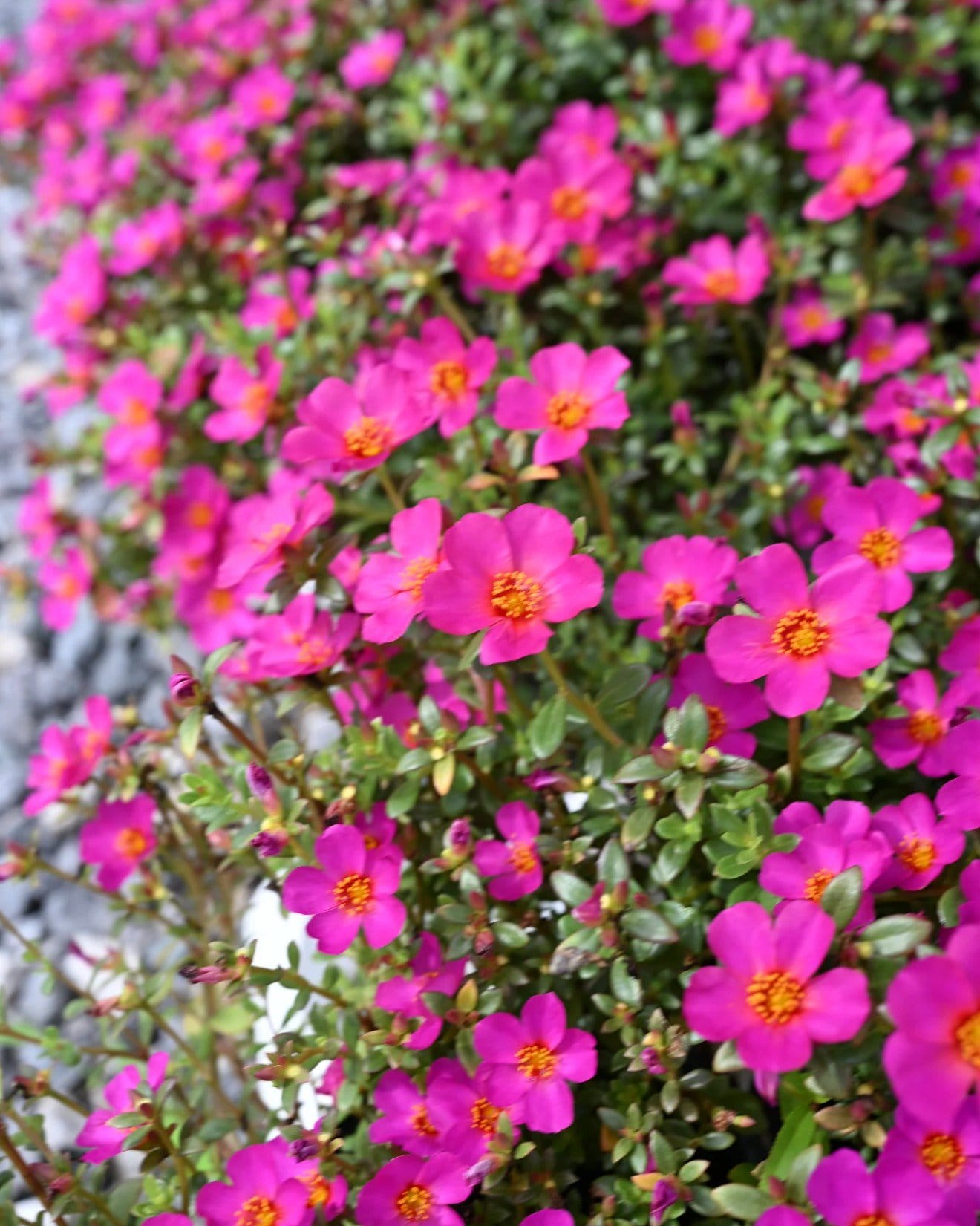
Mojave Fuchsia Purslane Portulaca
Maturity: 0.5' H x 1' W
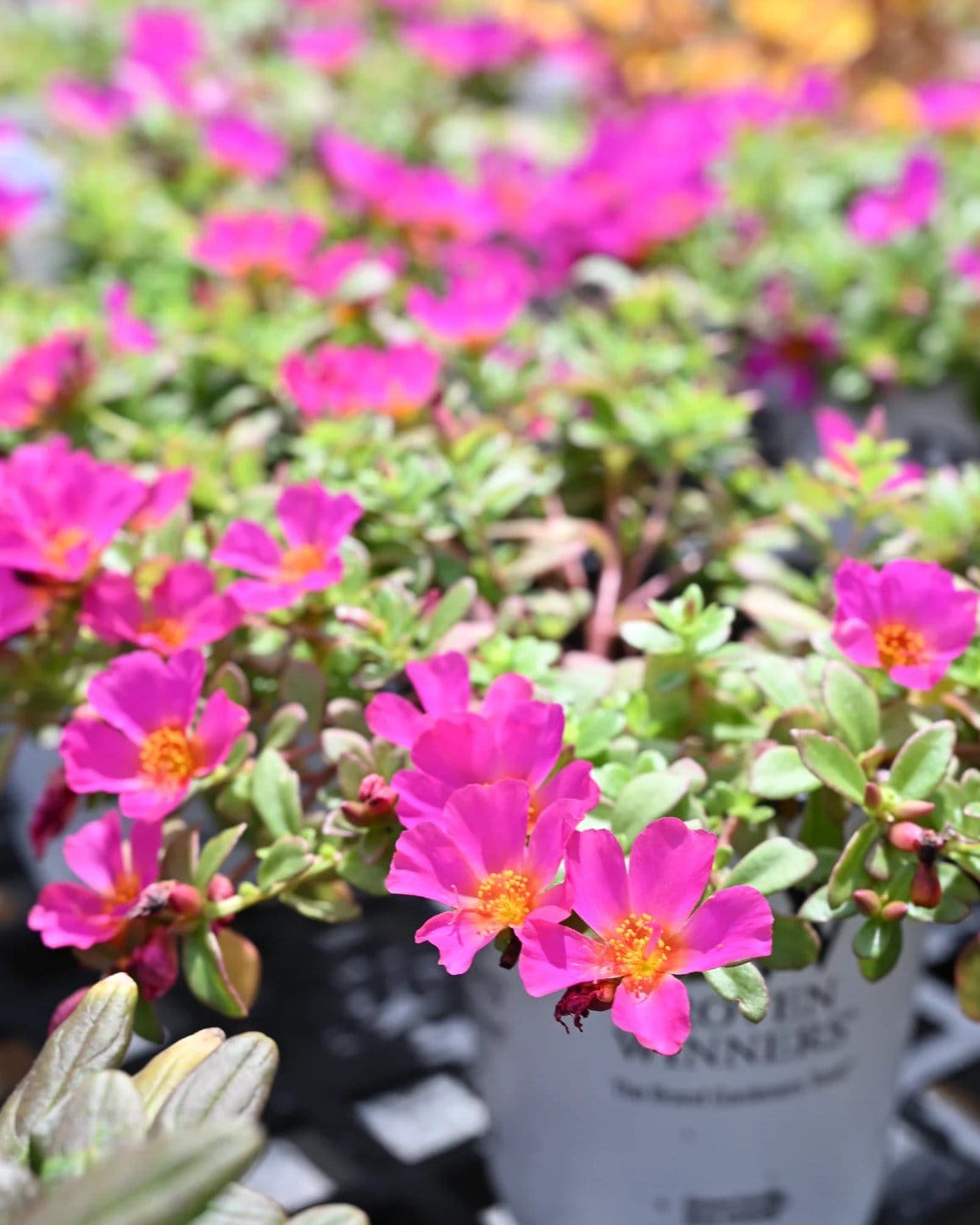
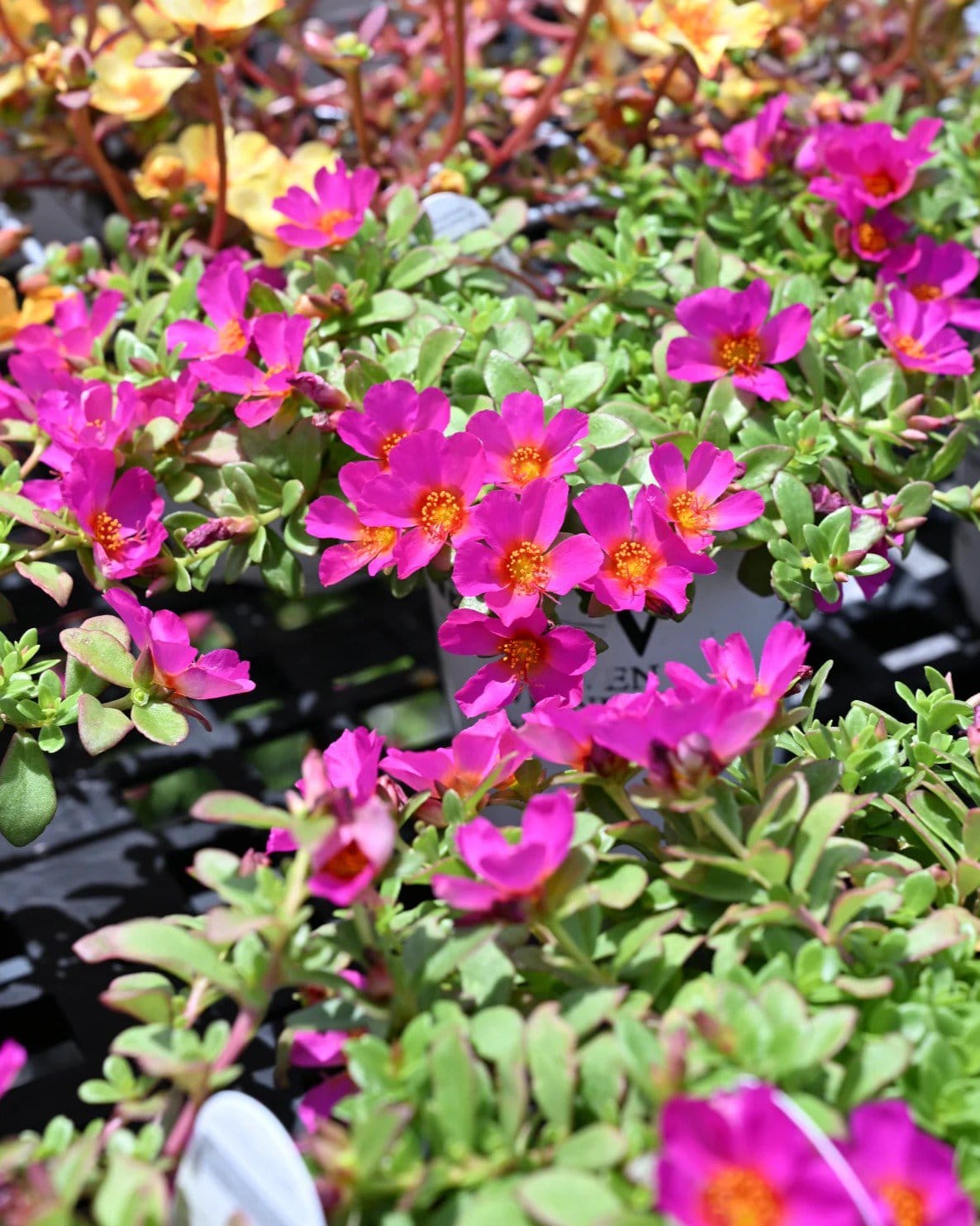
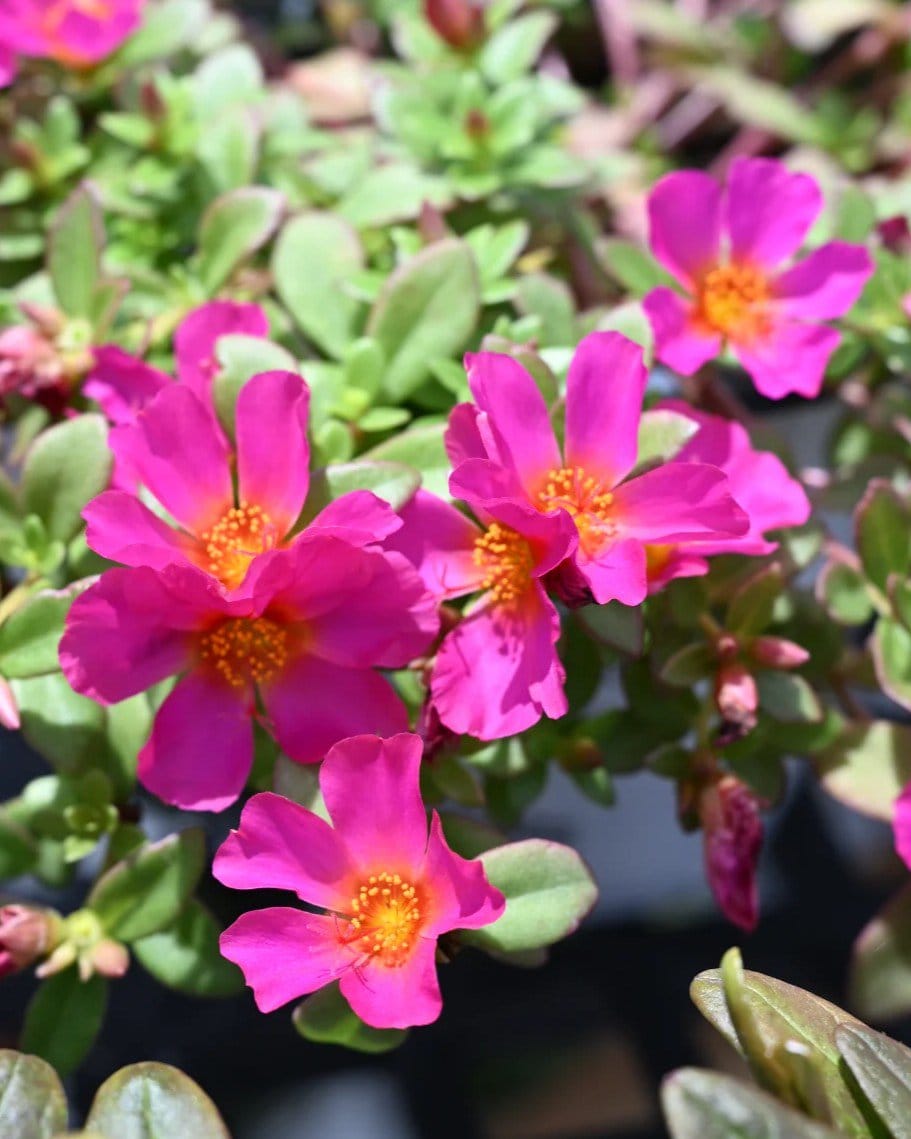
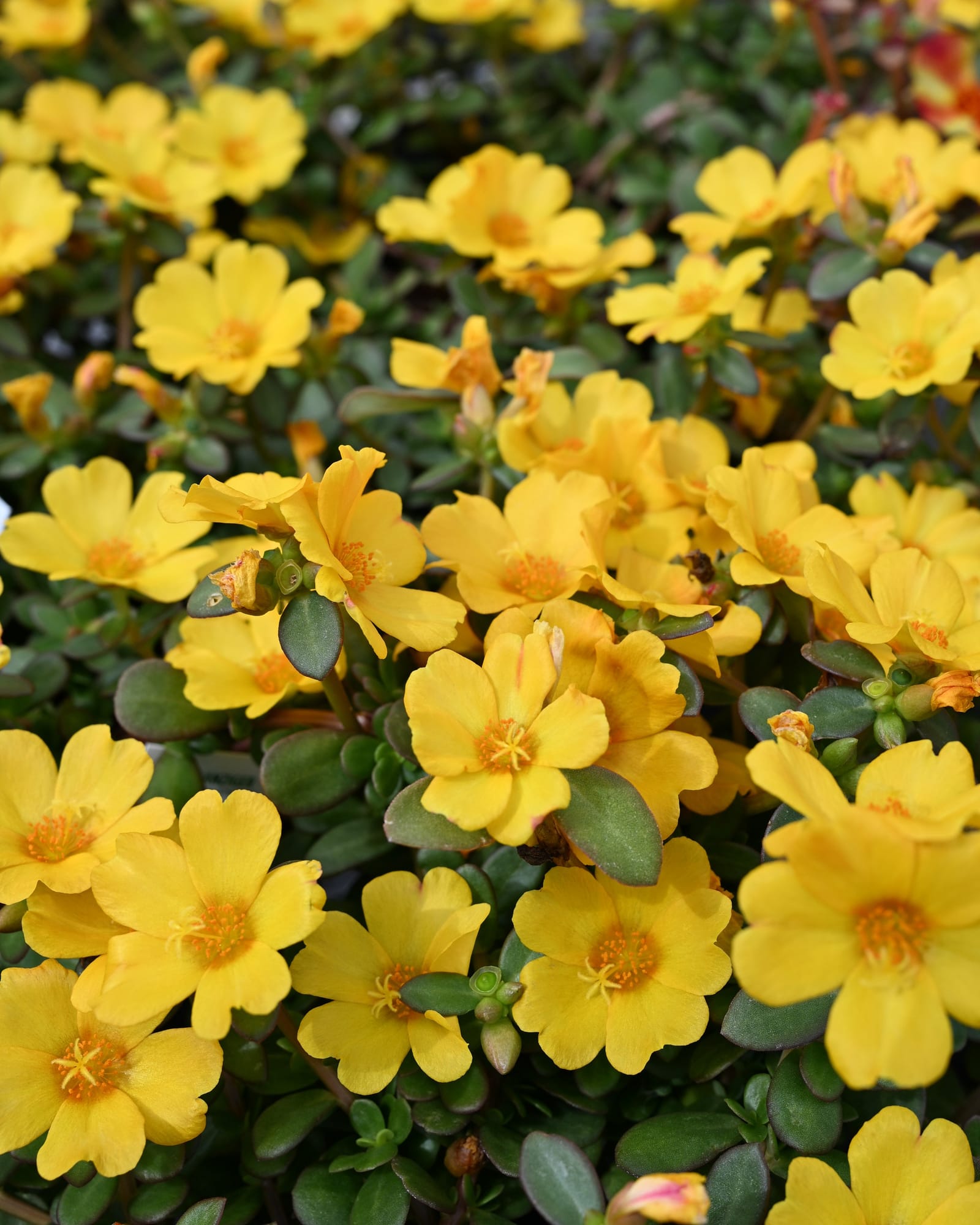
Pazzaz Nano Gold Purslane Portulaca
Maturity: 0.75' H x 1' W
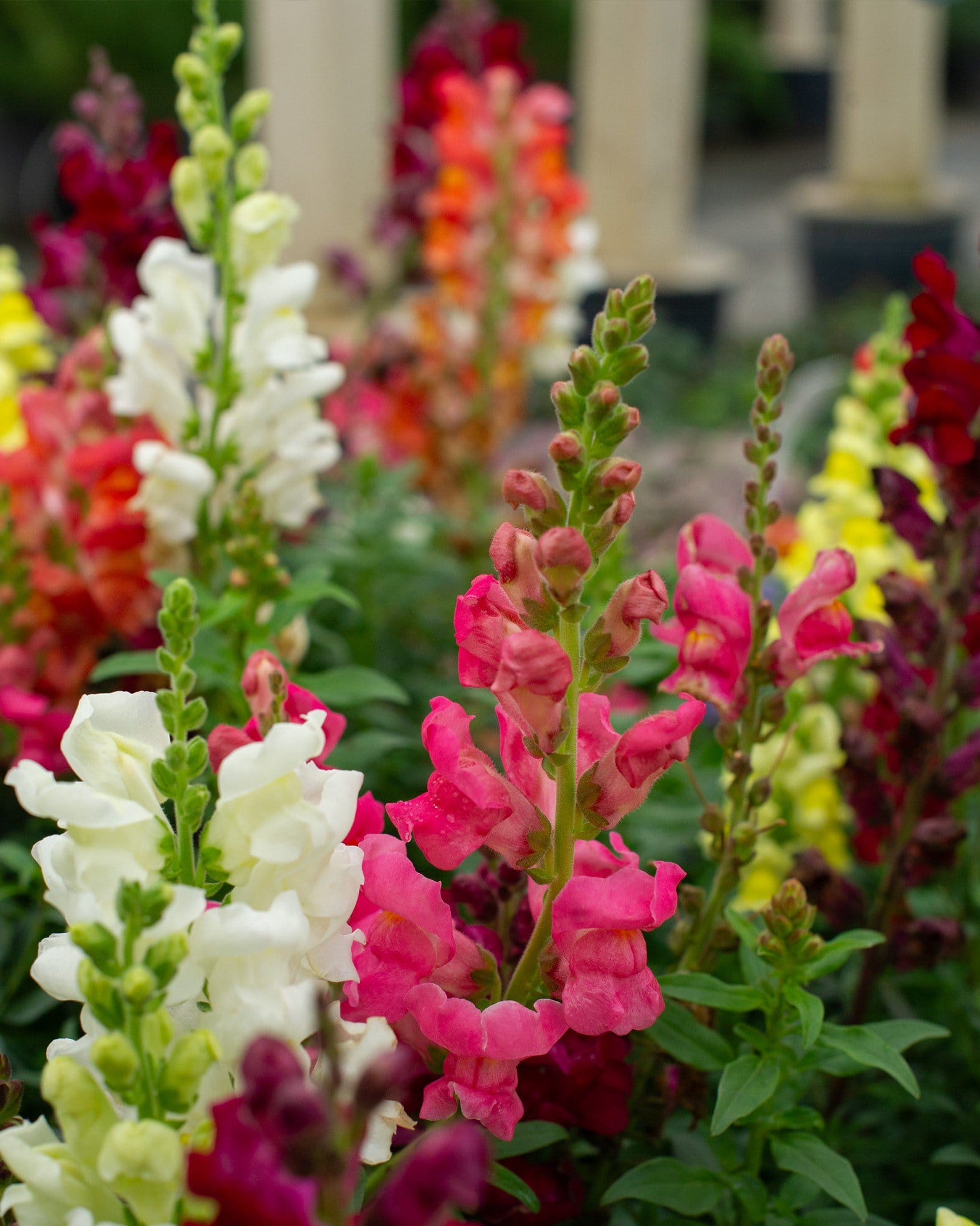
Speedy Sonnet Mix Snapdragon
Maturity: 0.75' H x 1' W
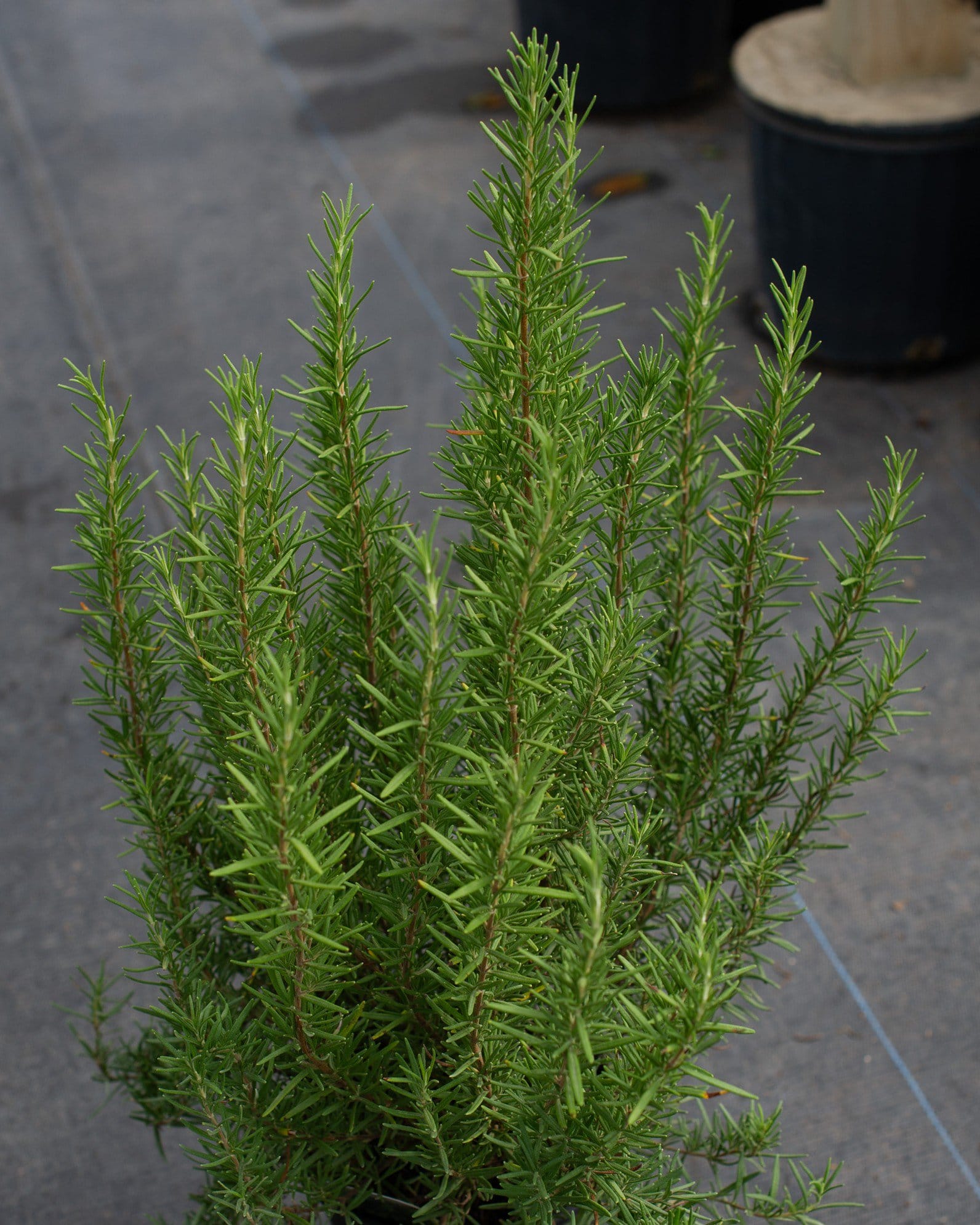
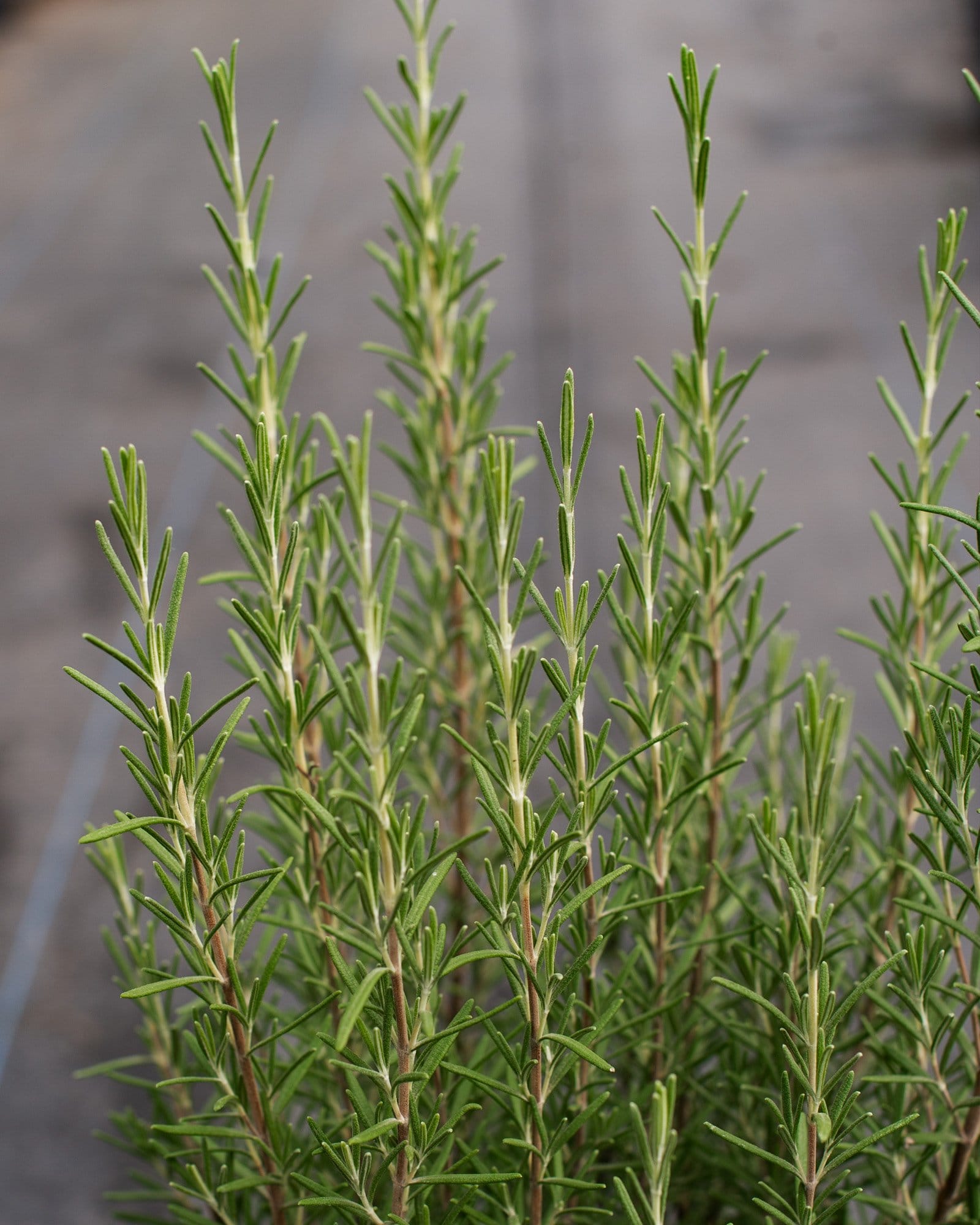
Tuscan Blue Rosemary
Maturity: 5' H x 3' W
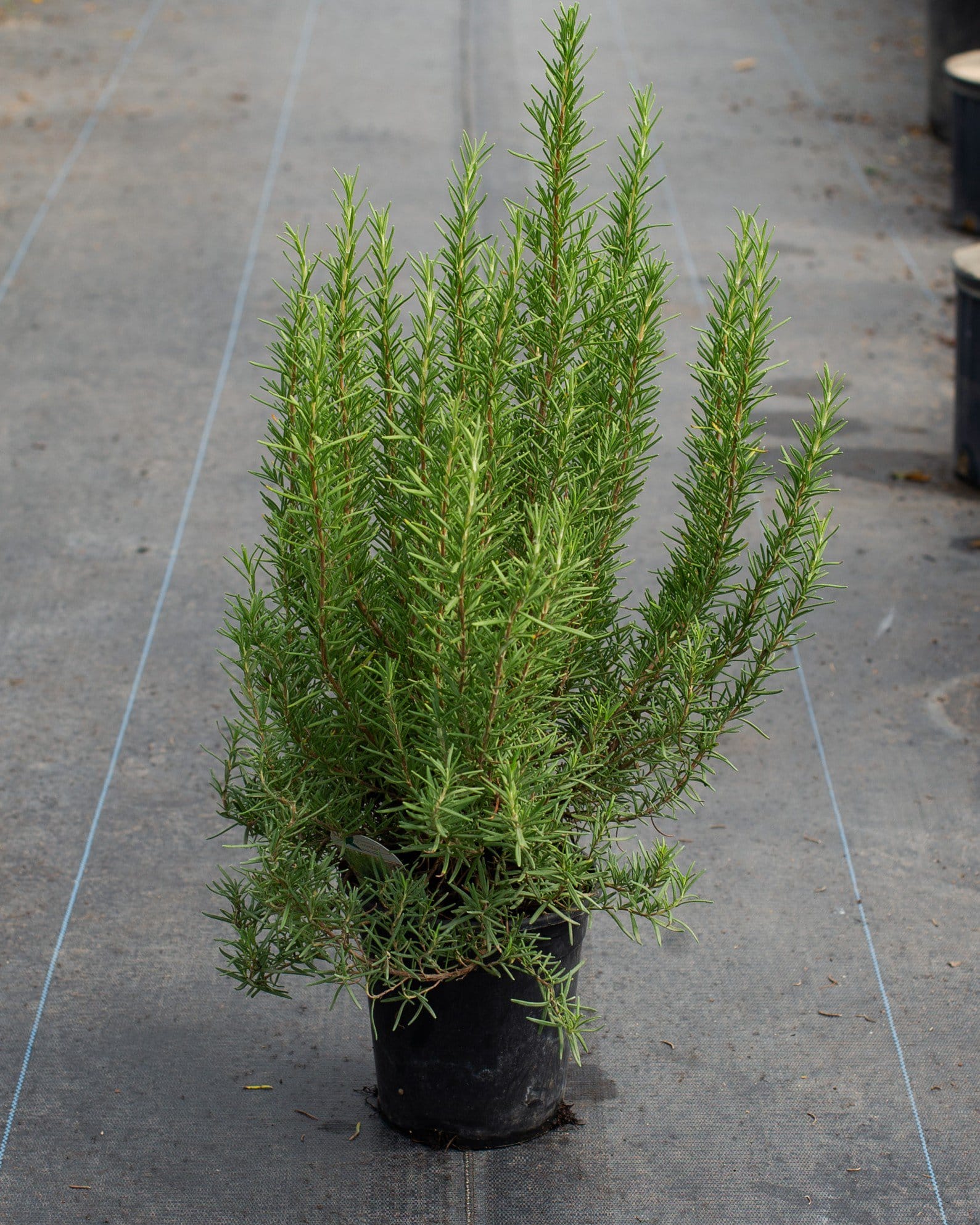
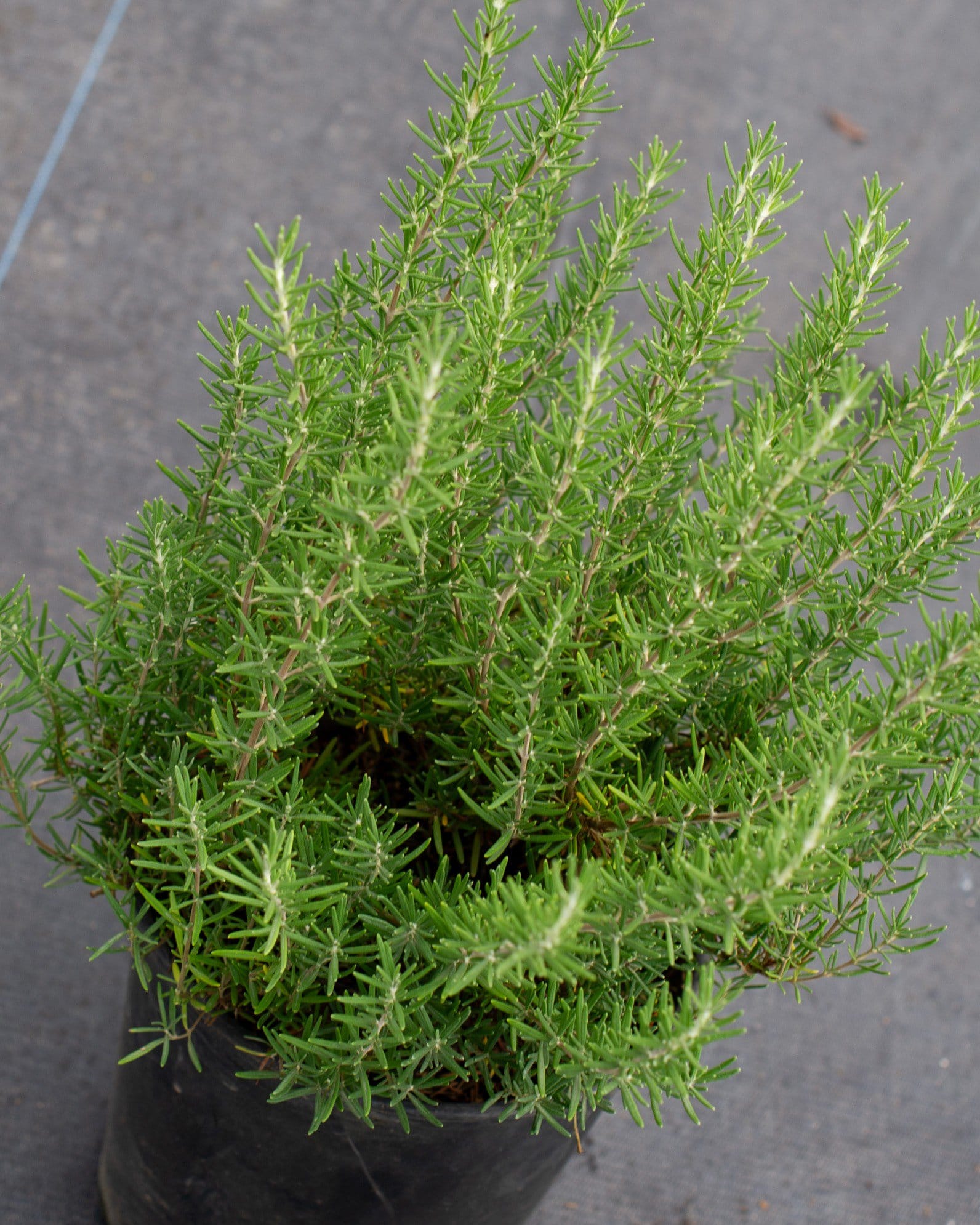
Compare Similar Plants
Anouk Dark Purple Lavender This plant | ||
|---|---|---|
| Scientific Name | Lavandula stoechas 'Anouk' | Lavandula stoechas 'Anouk Deluxe 1225' |
| Size at Maturity | 1.5' H x 1' W | 1.5' H x 1' W |
| Leaf Retention | Herbaceous | Herbaceous |
| Flower Color | Purple | Purple |
| Bloom Times | Spring | Spring |
| Sizes Available | — | 1 gal |


Our 1-Year Planting Guarantee
We take pride in our plants and installation services. If any plants or trees installed by Treeland fail to thrive within the first year, we'll provide a replacement credit in accordance with our guarantee program.
Learn More About Our Guarantee