
Zuni Crape Myrtle
Lagerstroemia × ‘Zuni’Product Details
Zuni Crape Myrtle
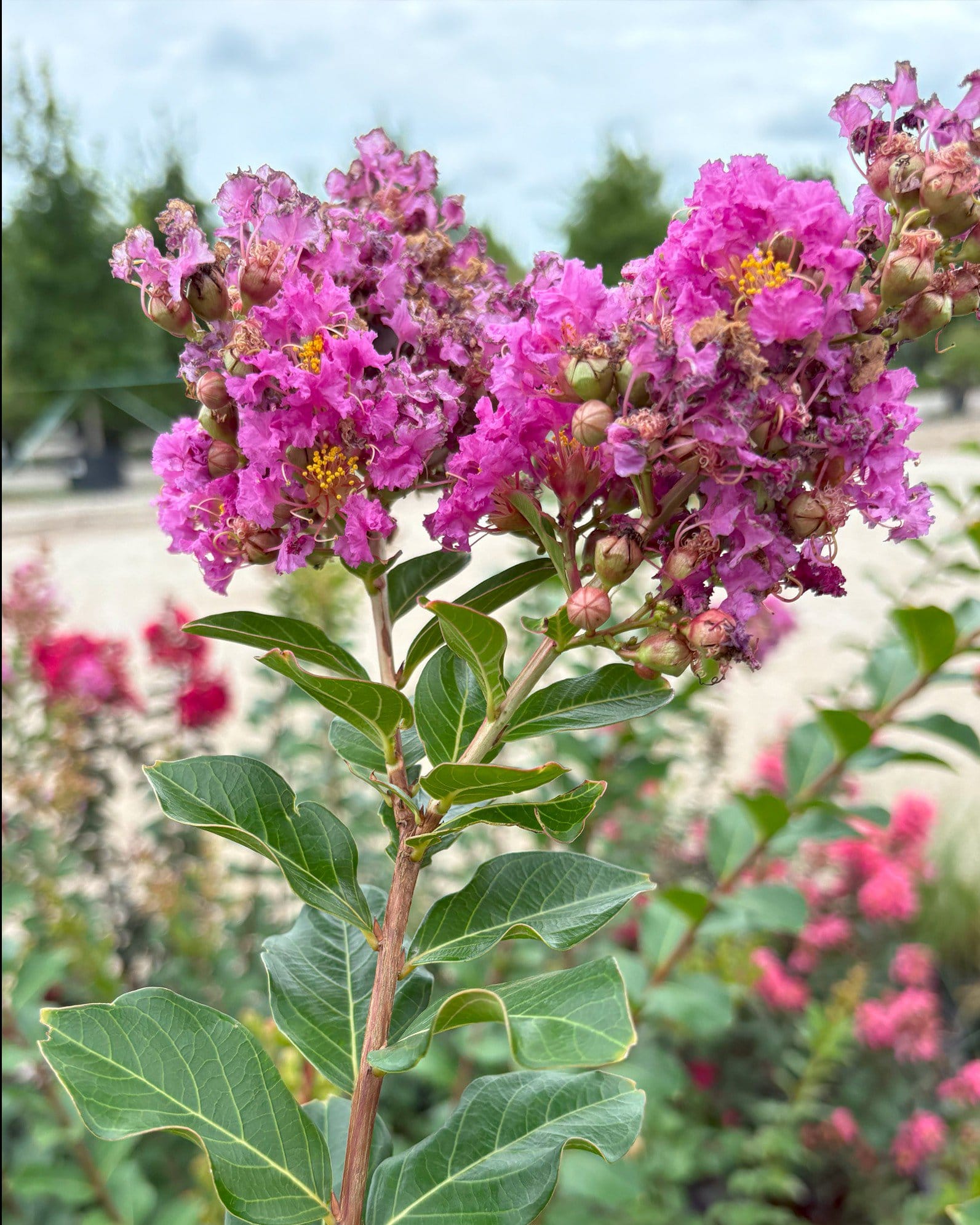
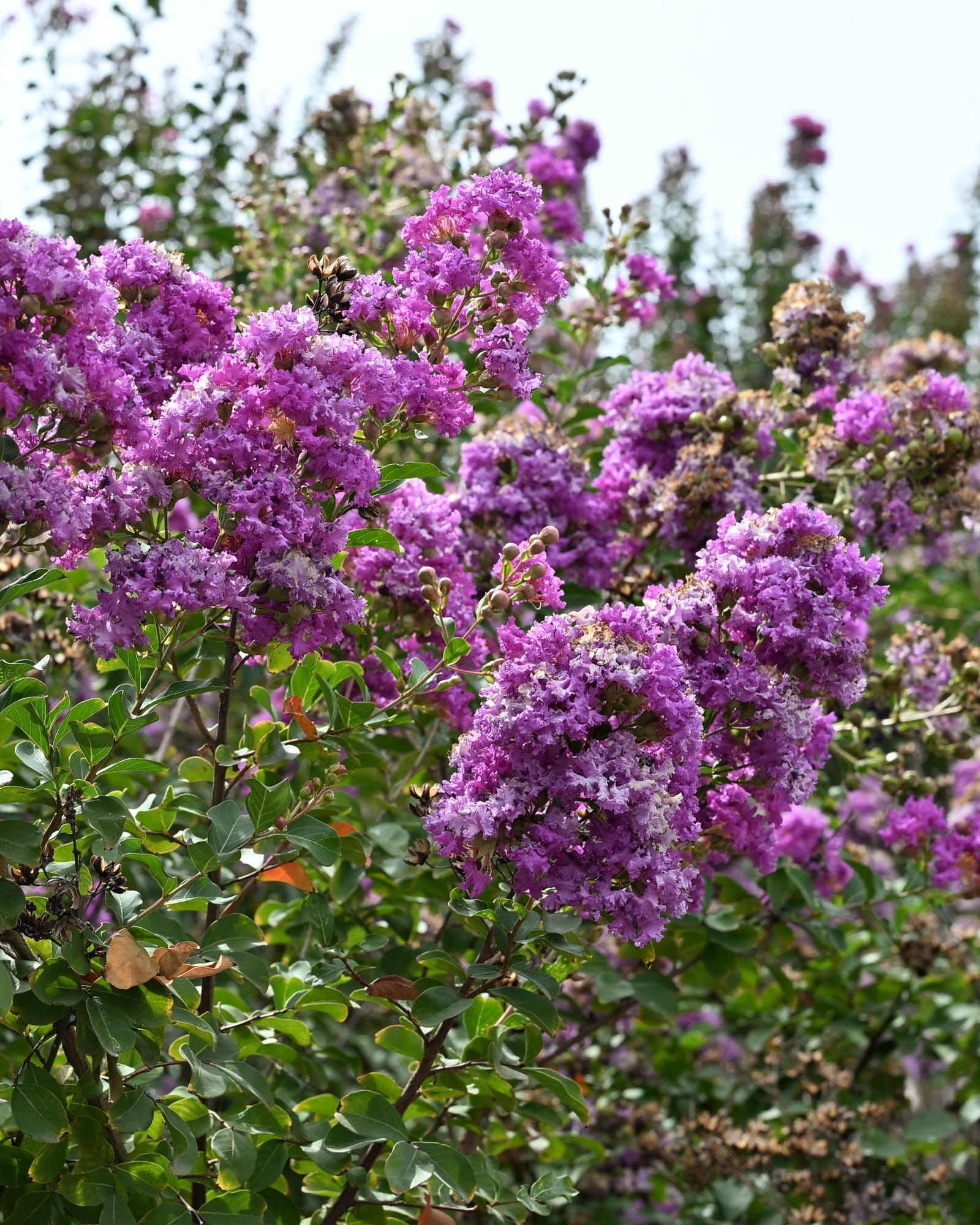
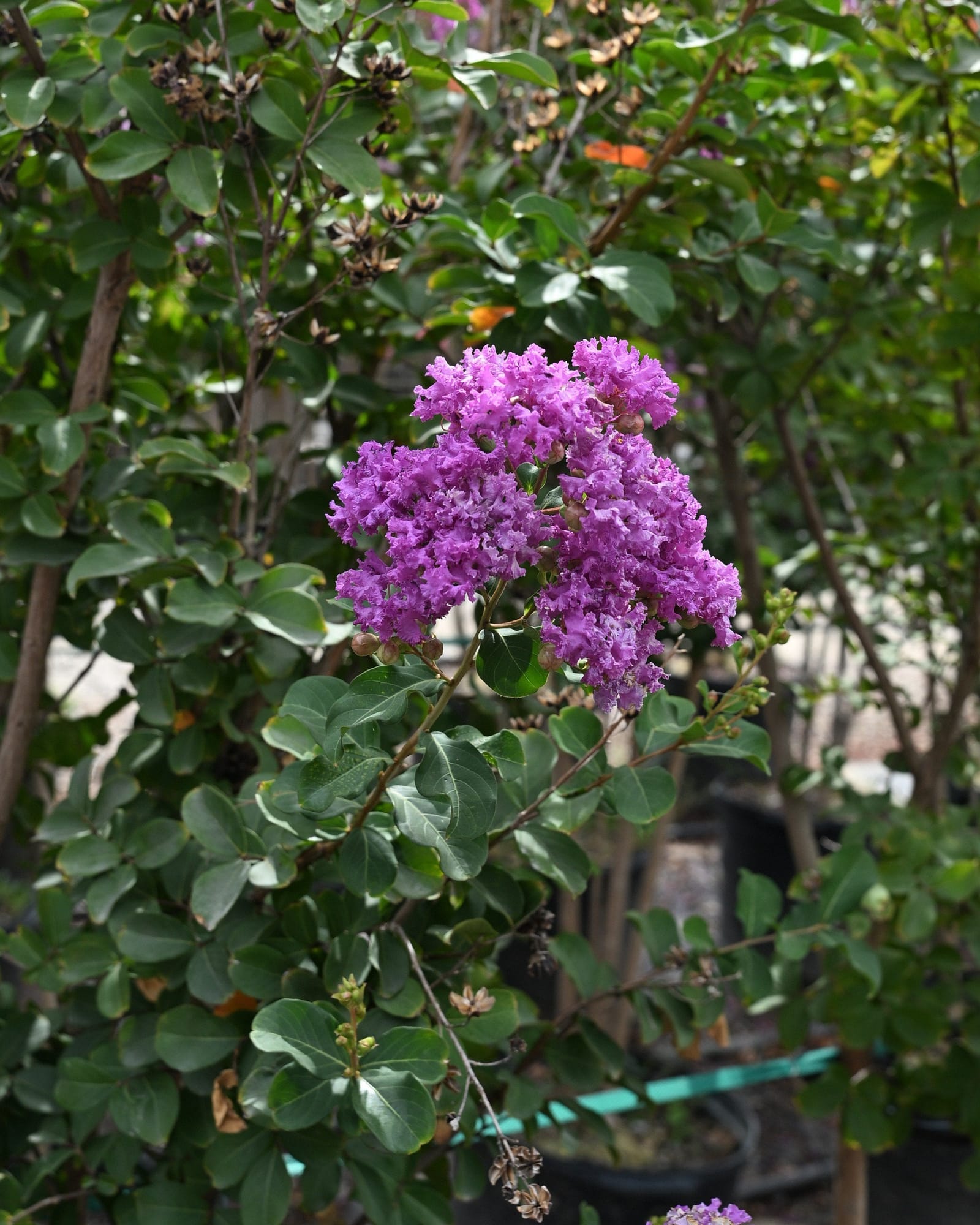
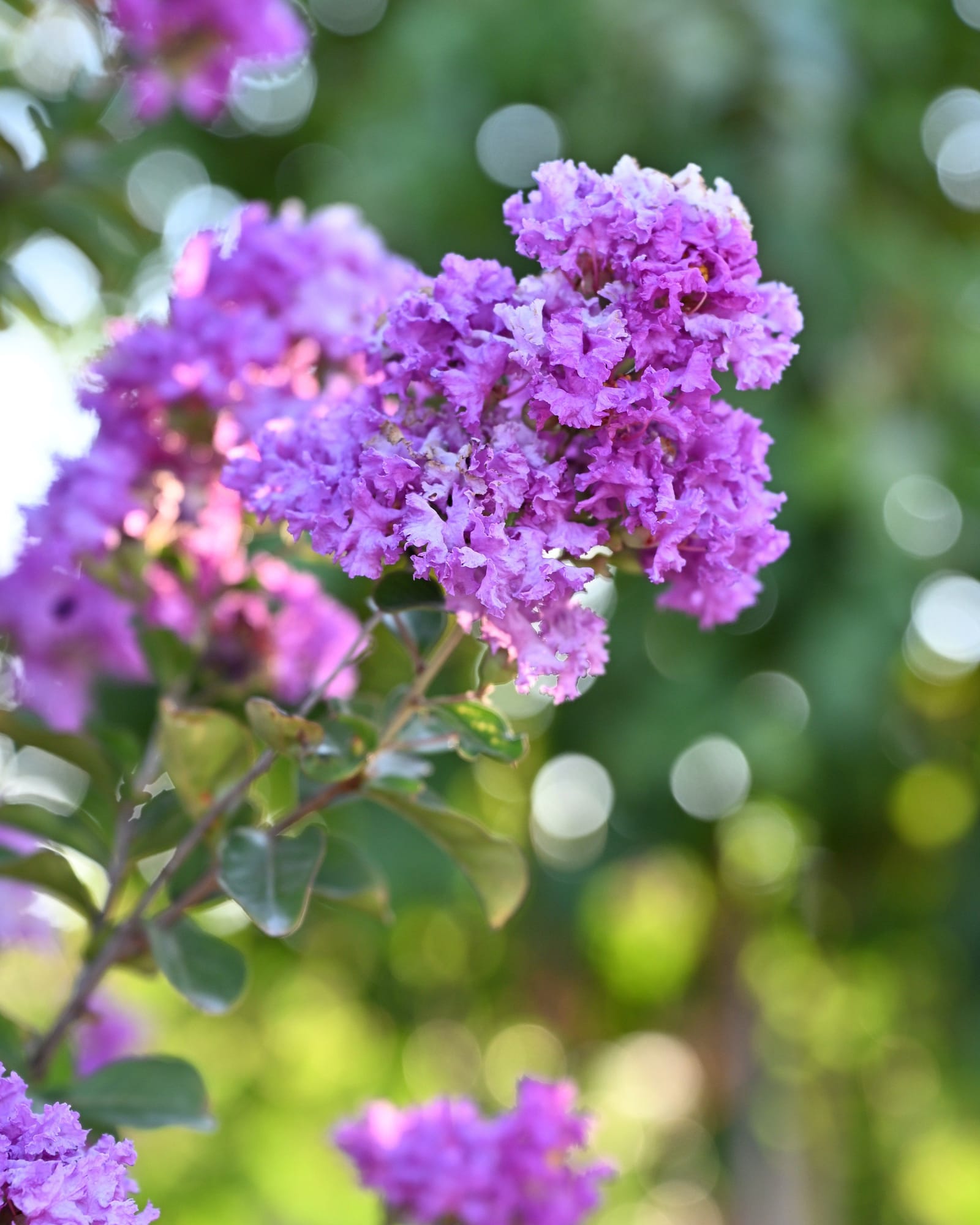
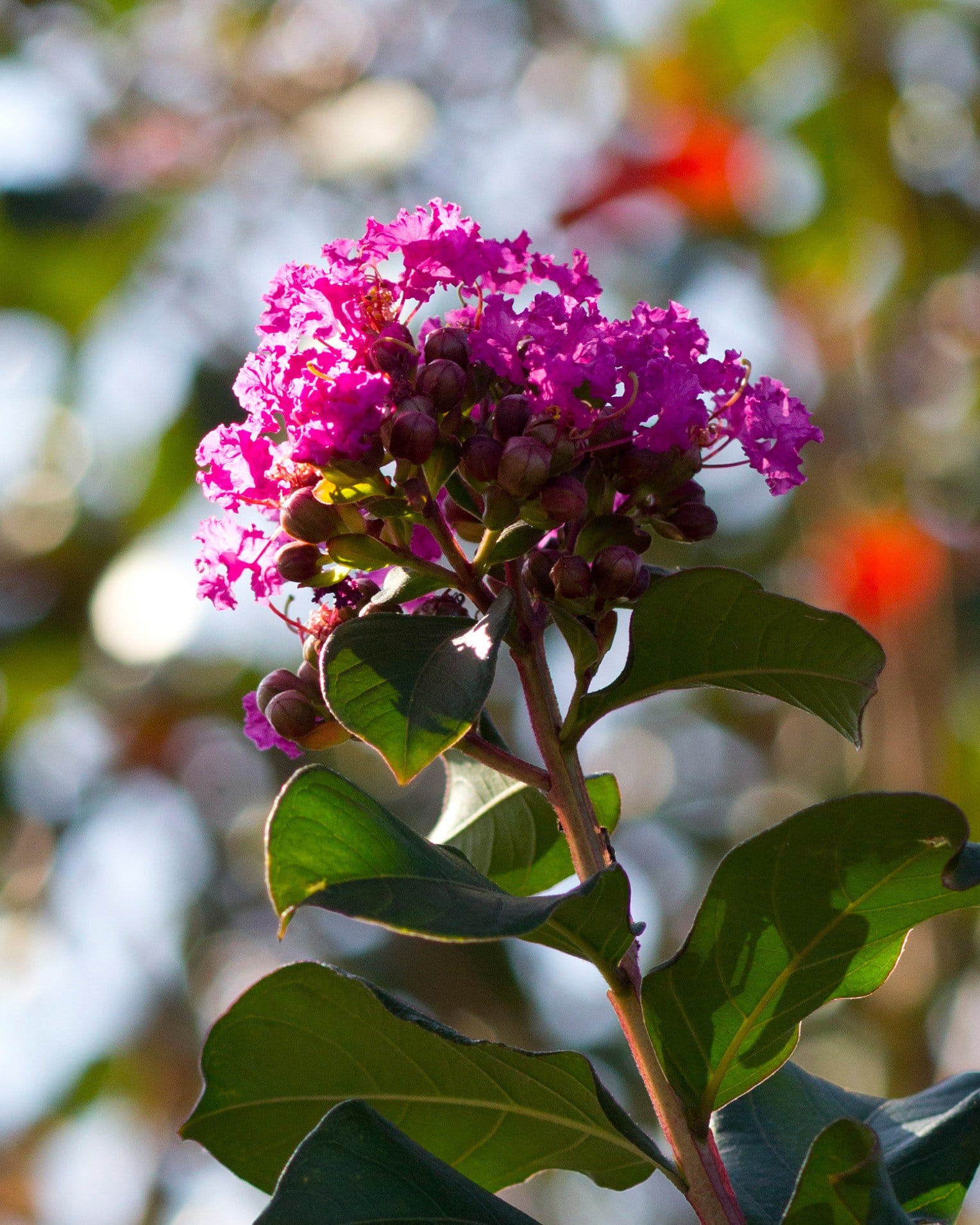
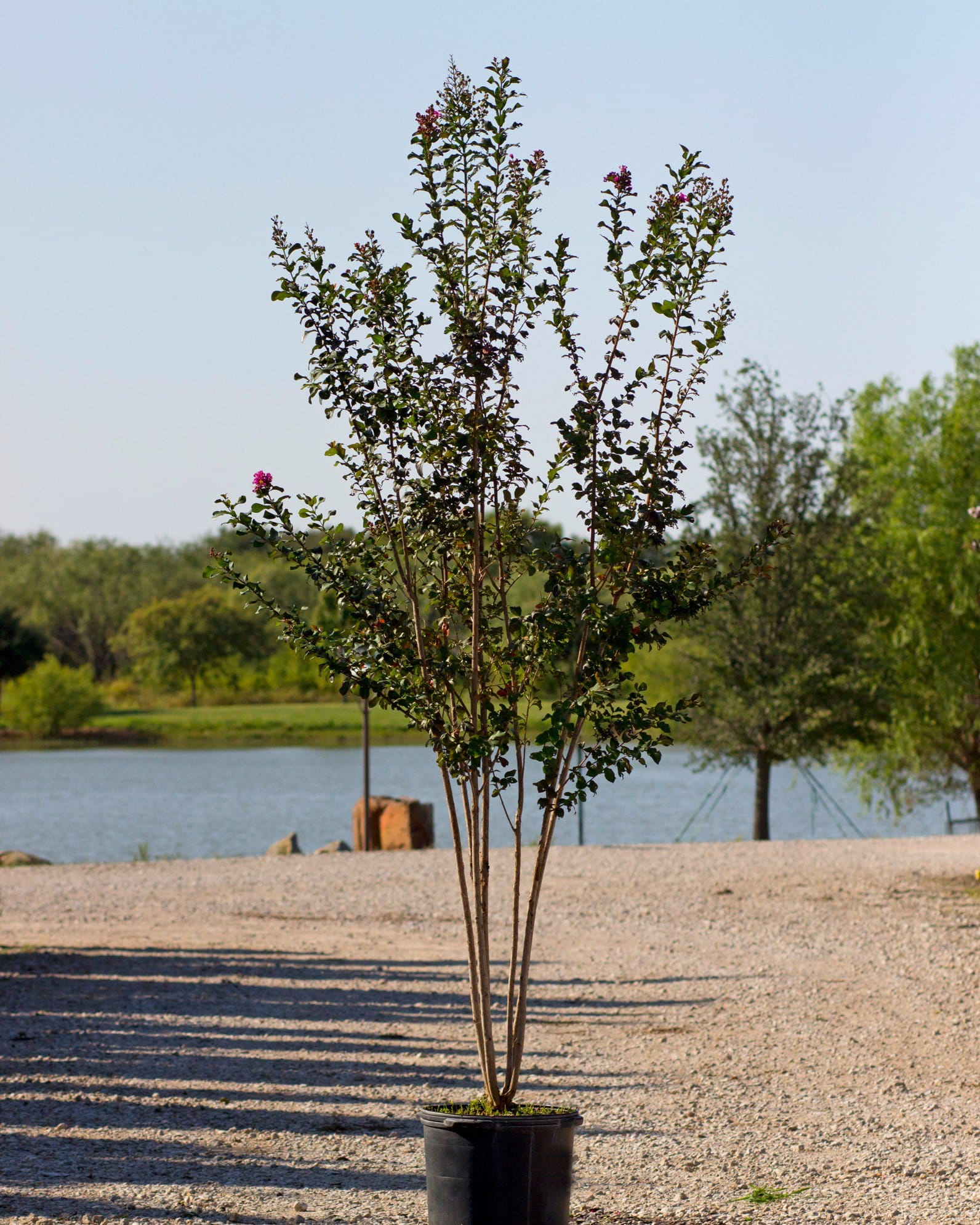
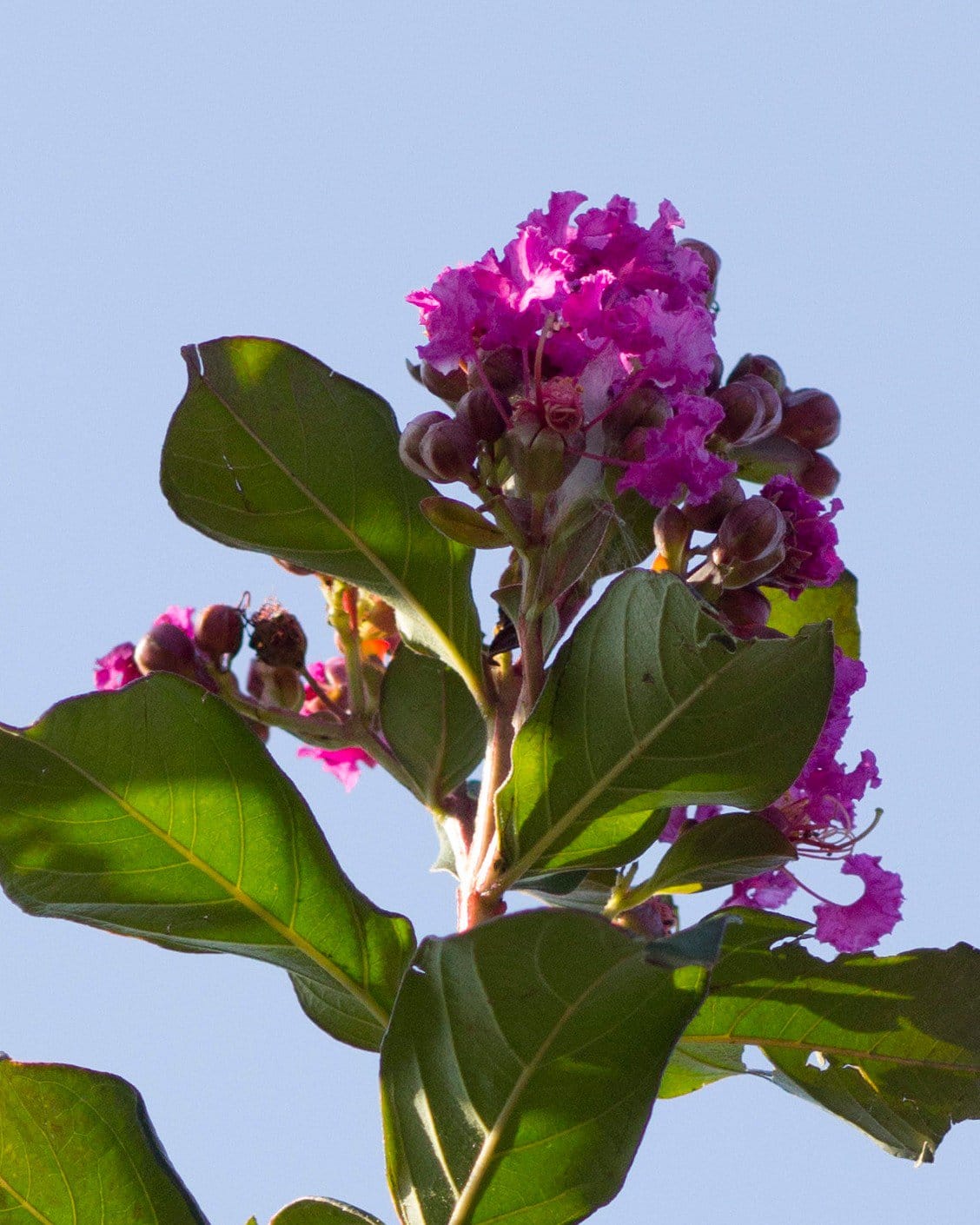
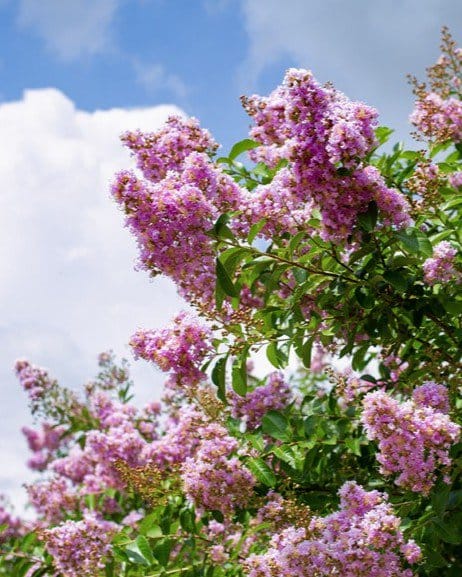
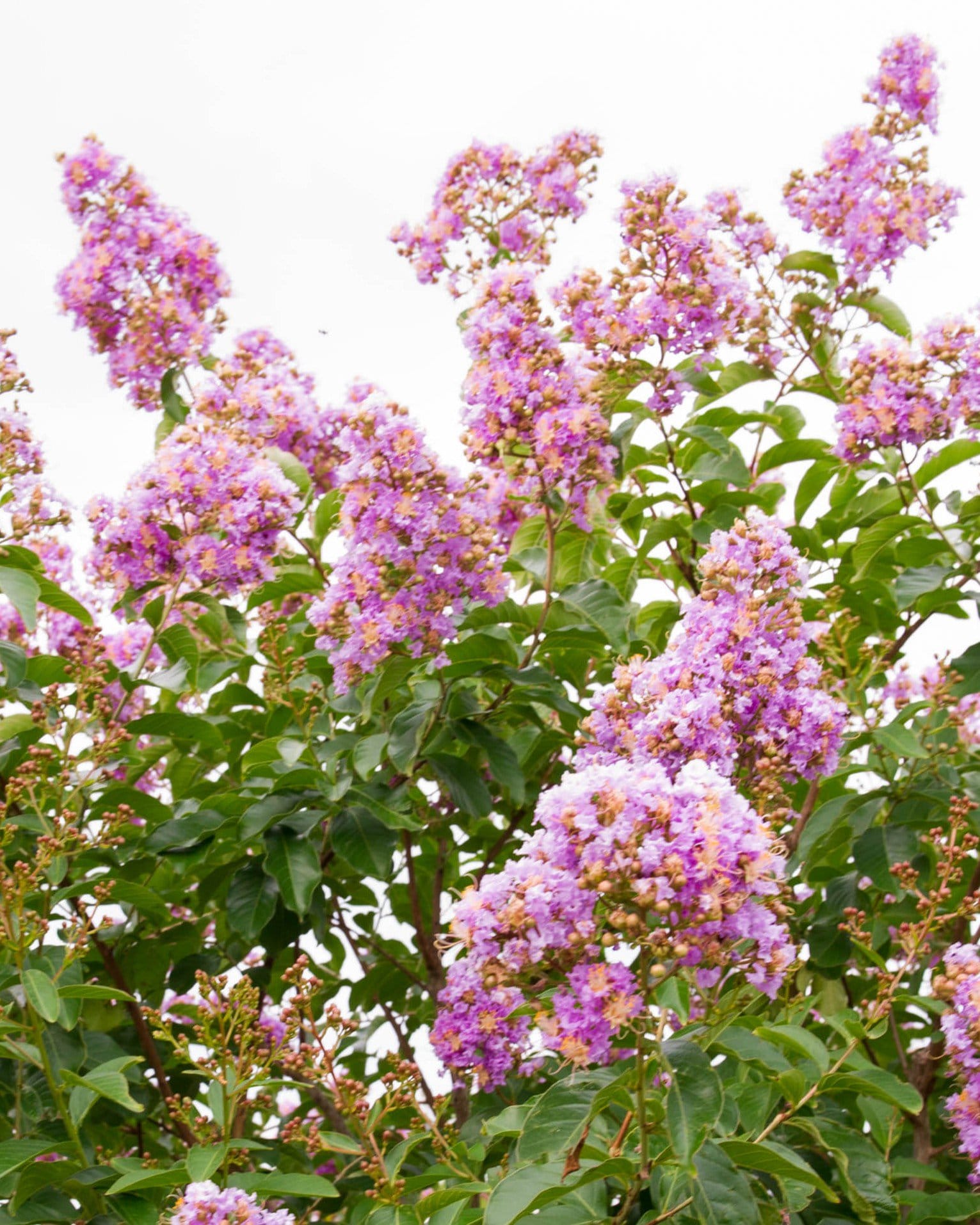
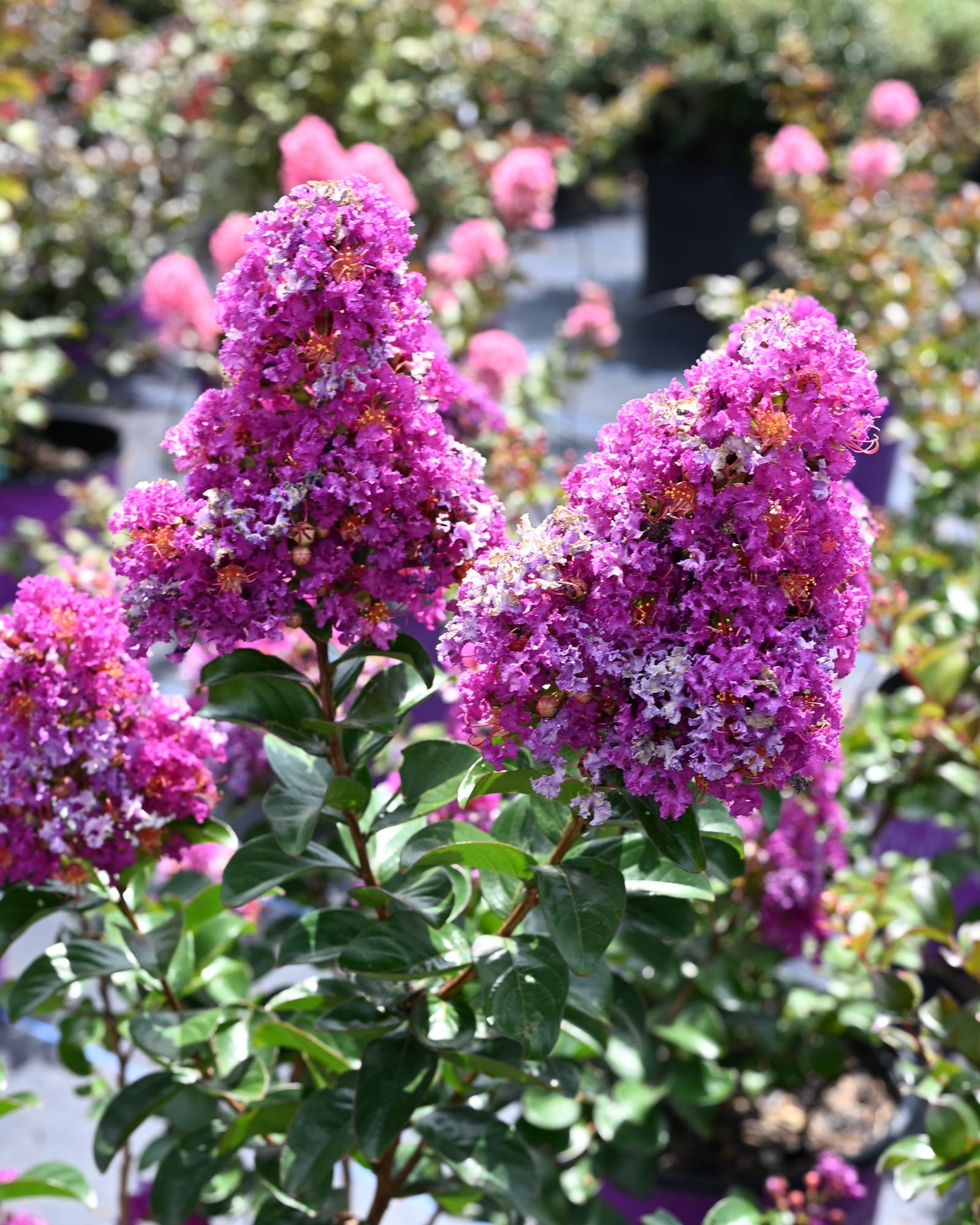
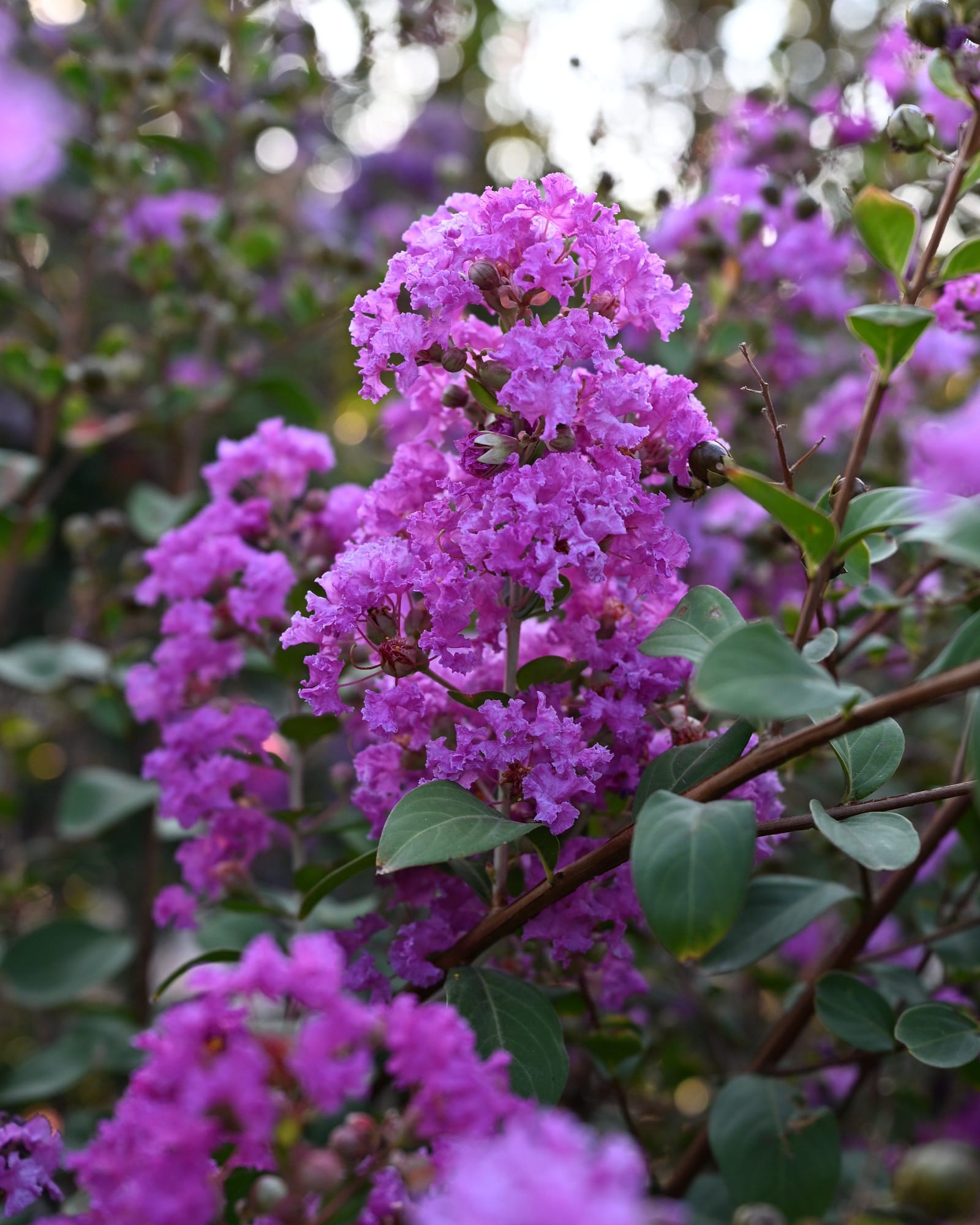
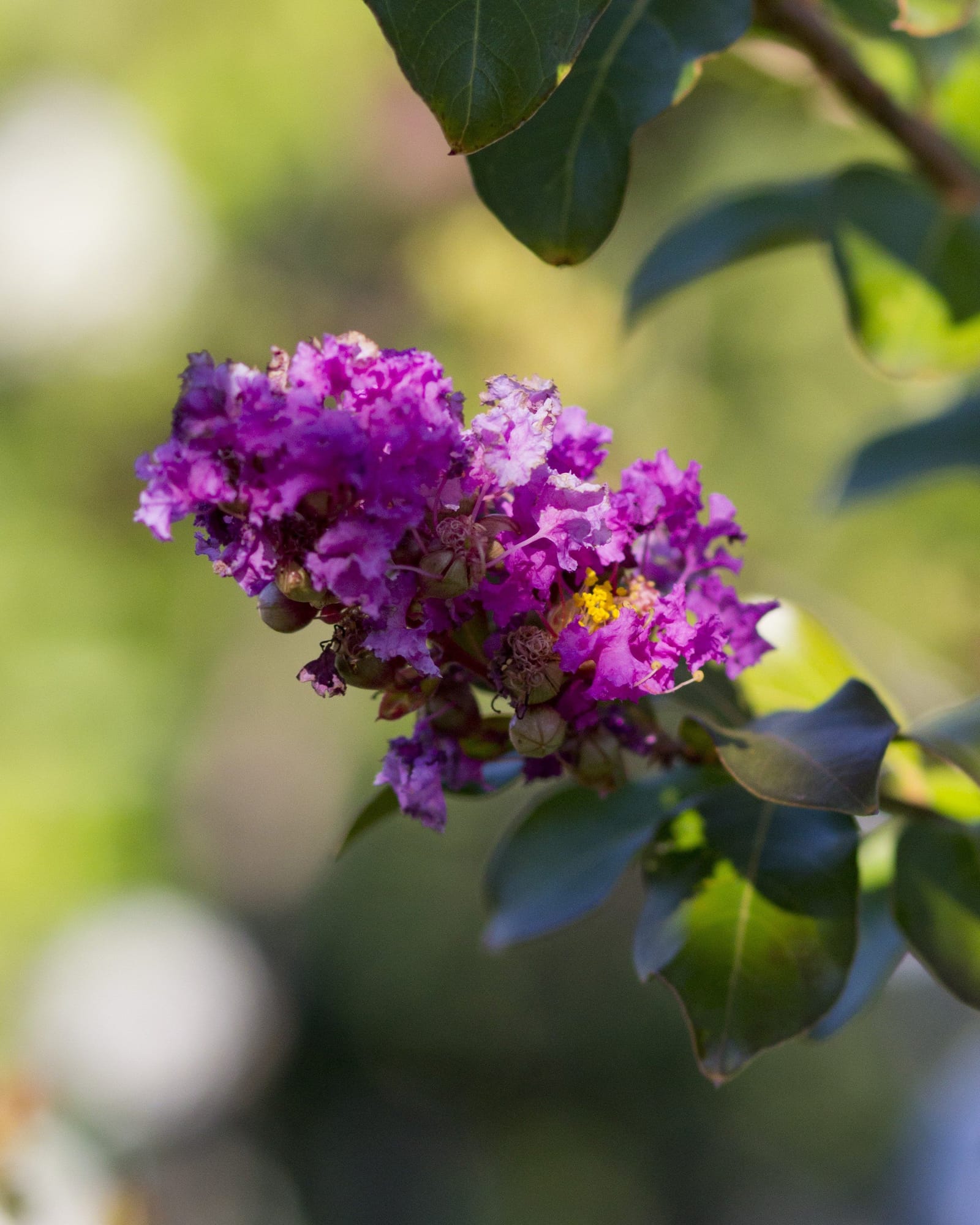
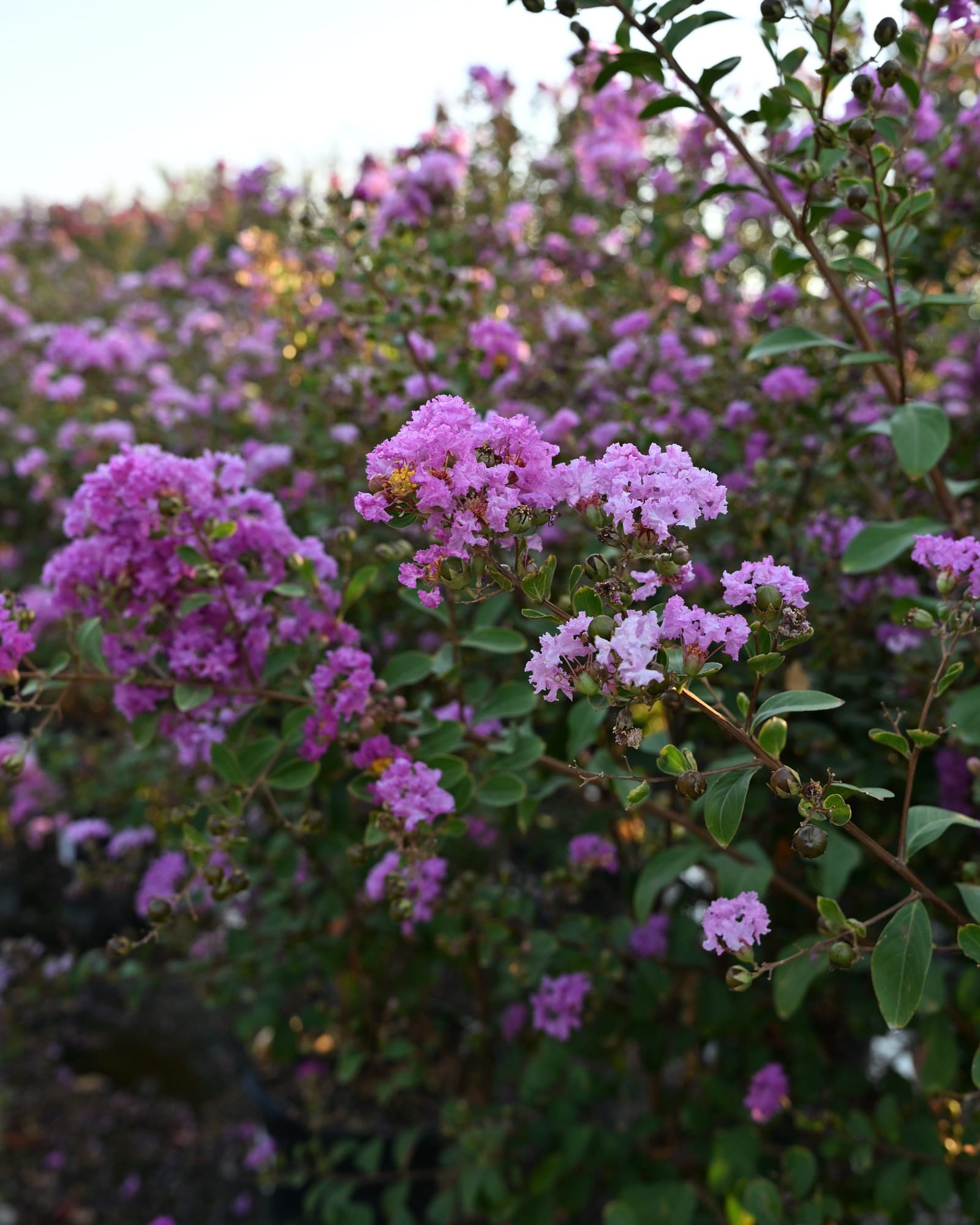
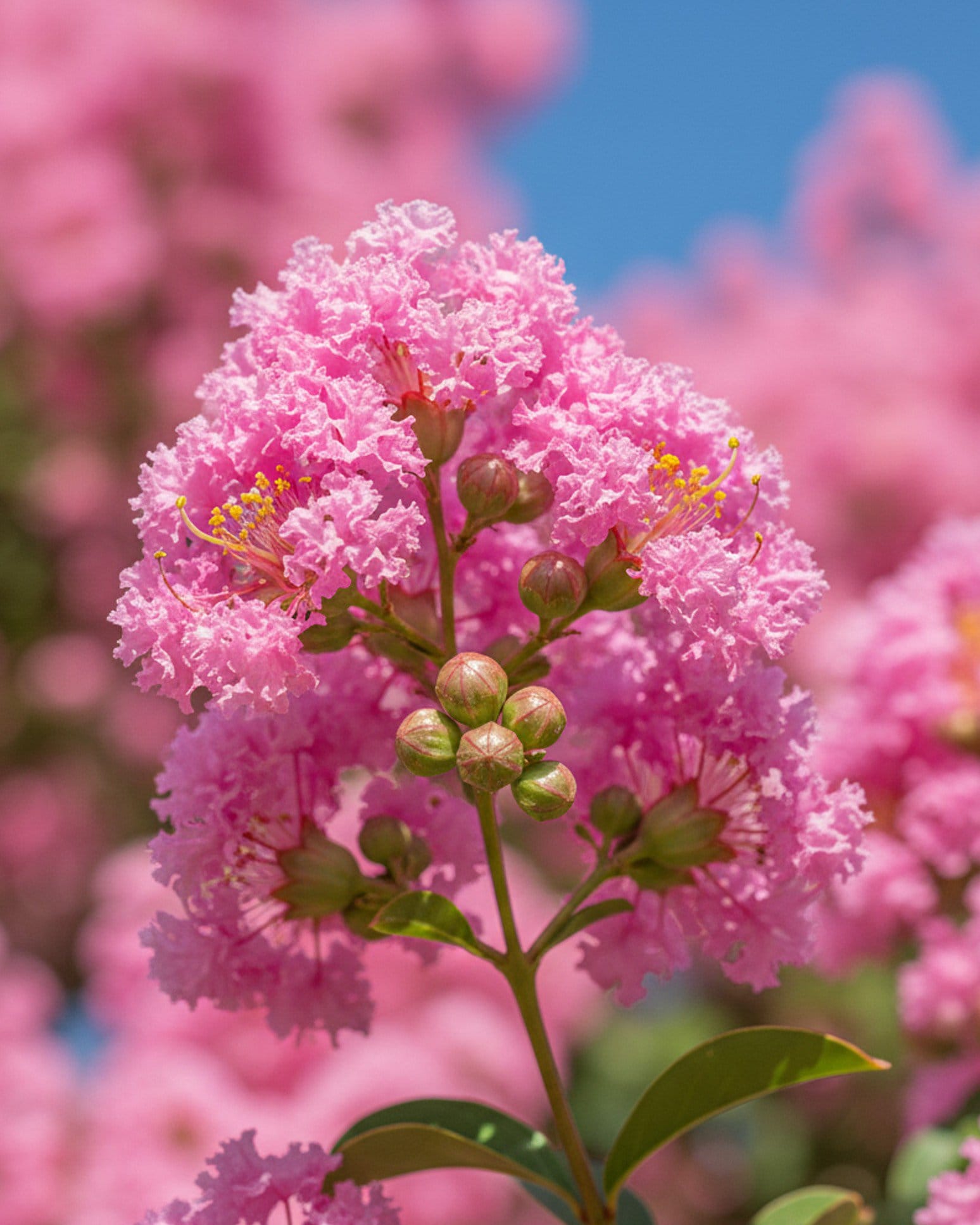
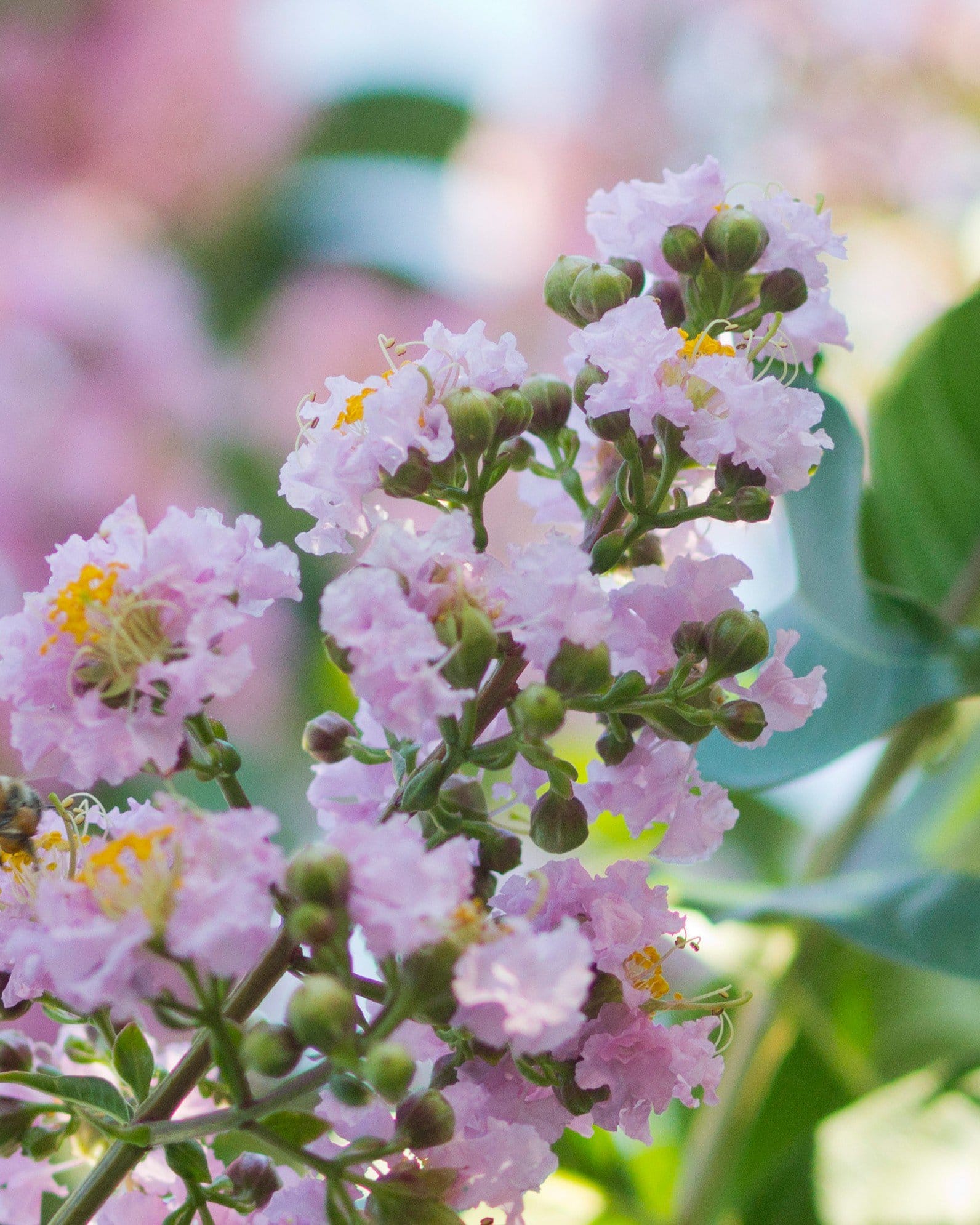
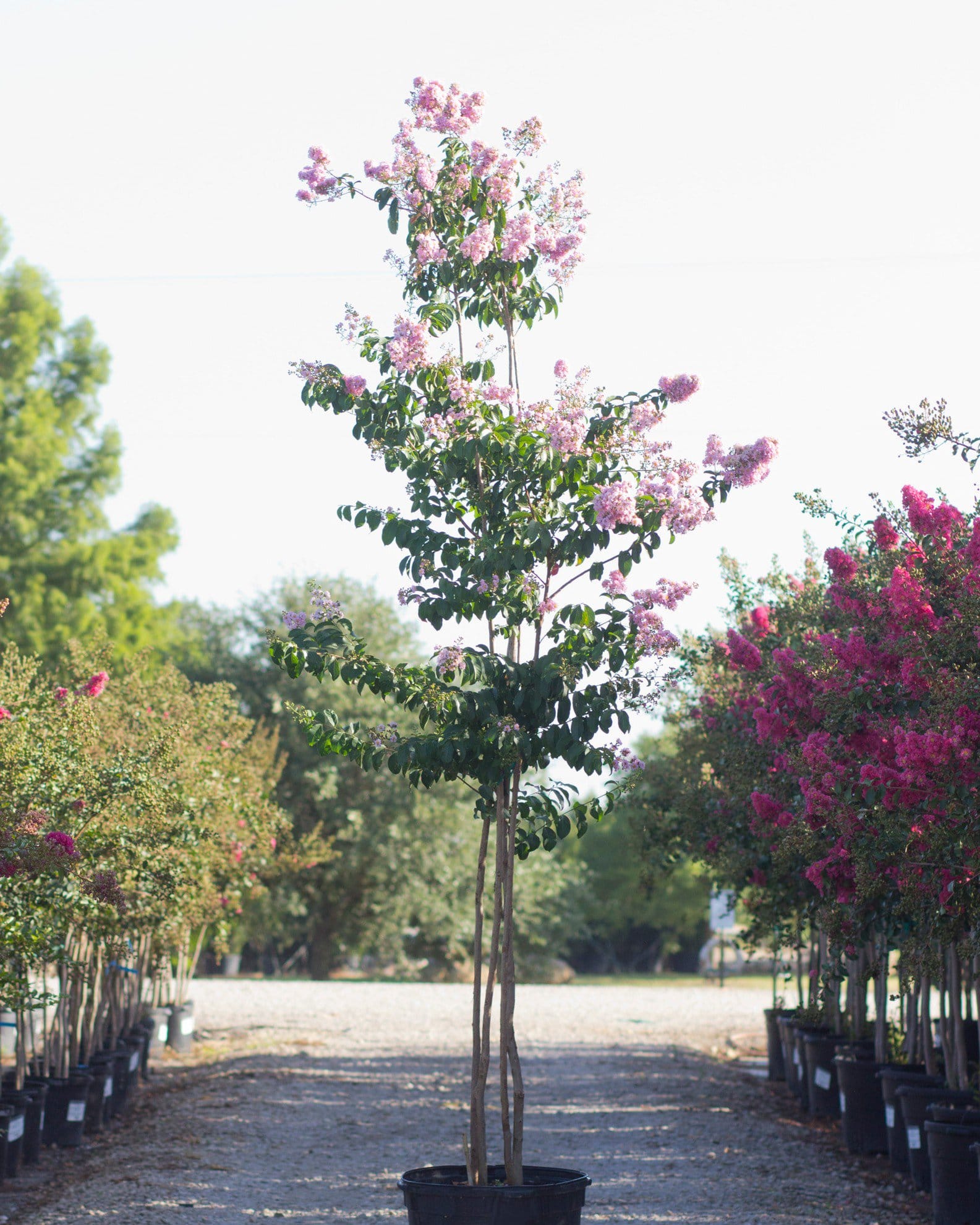
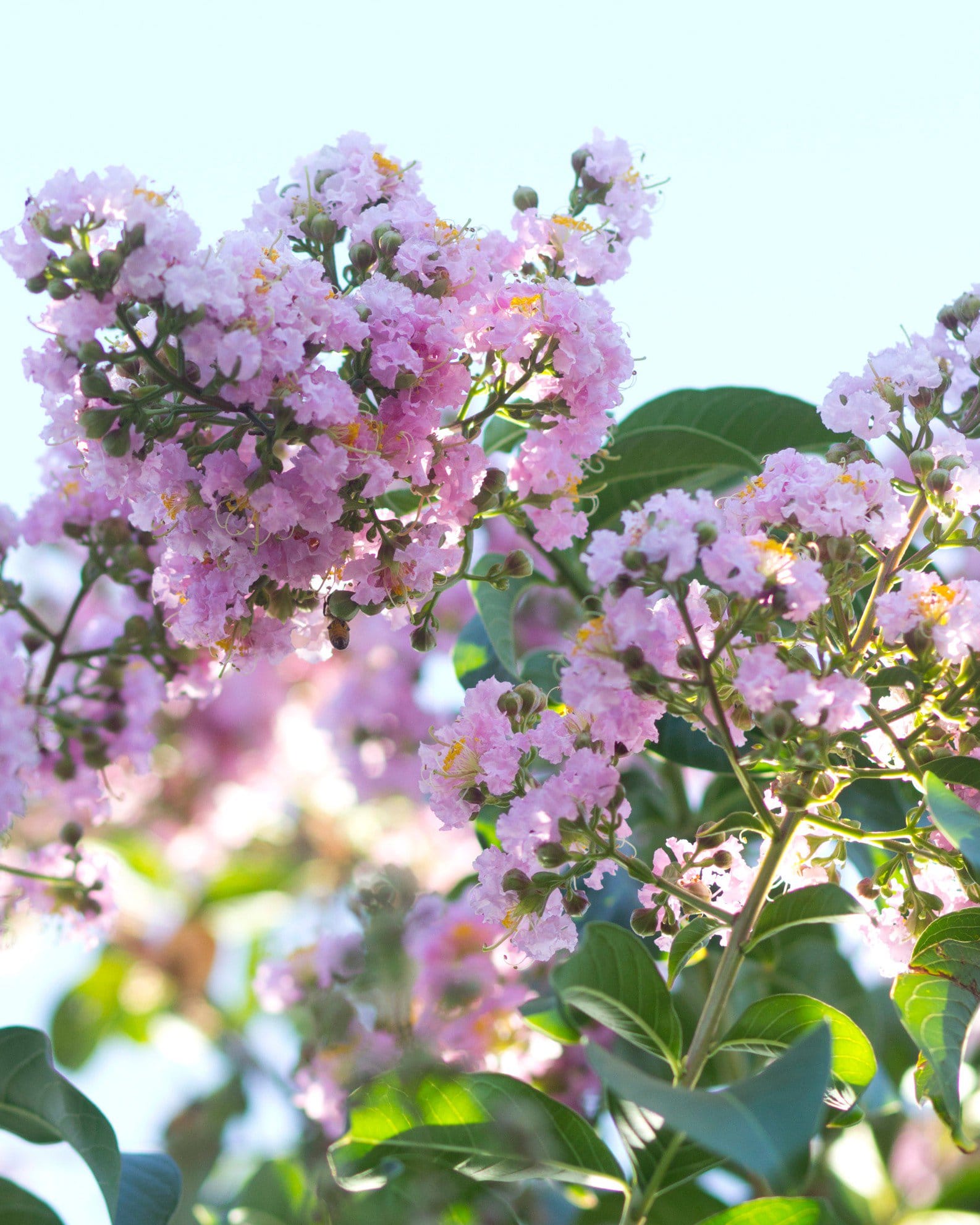
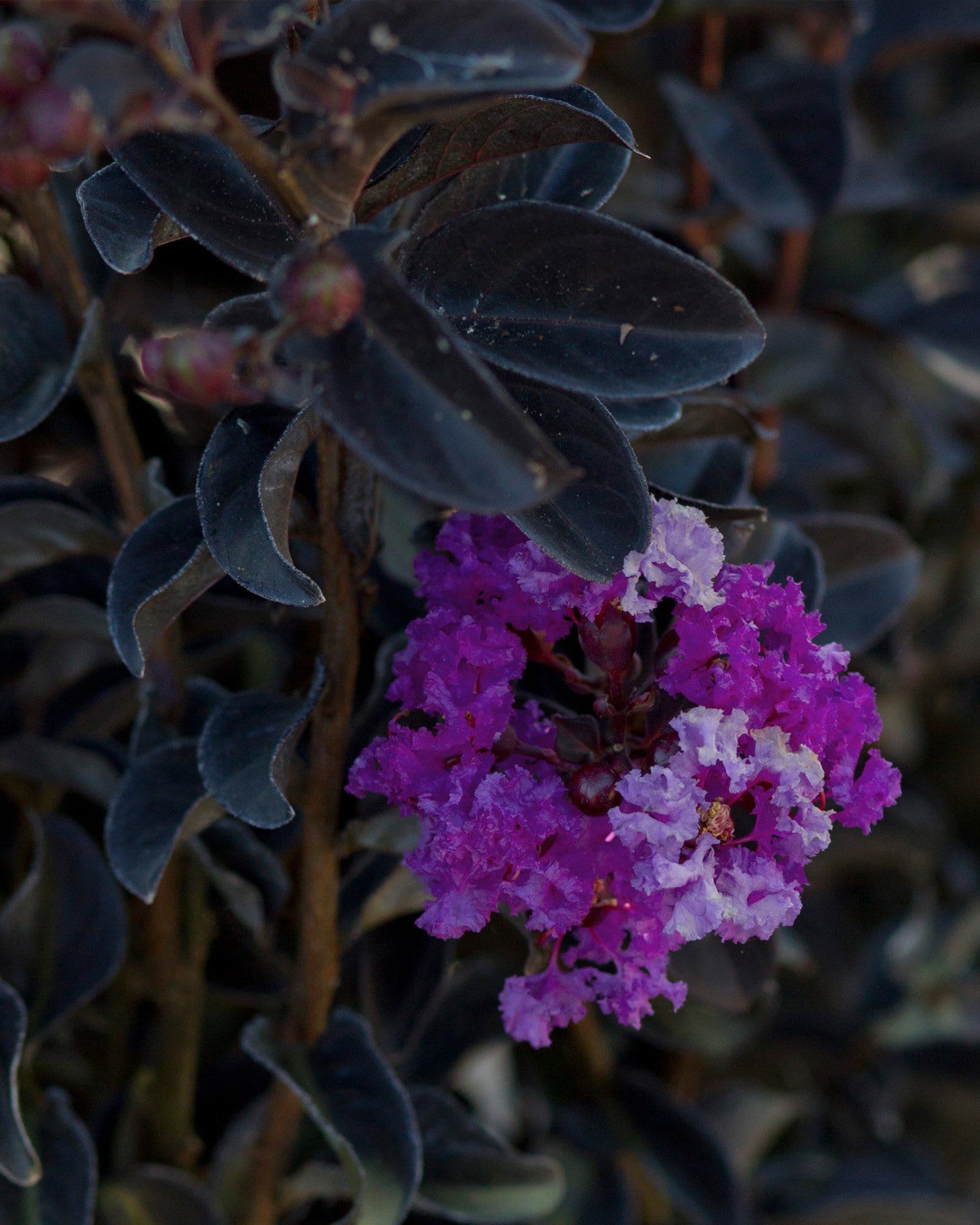
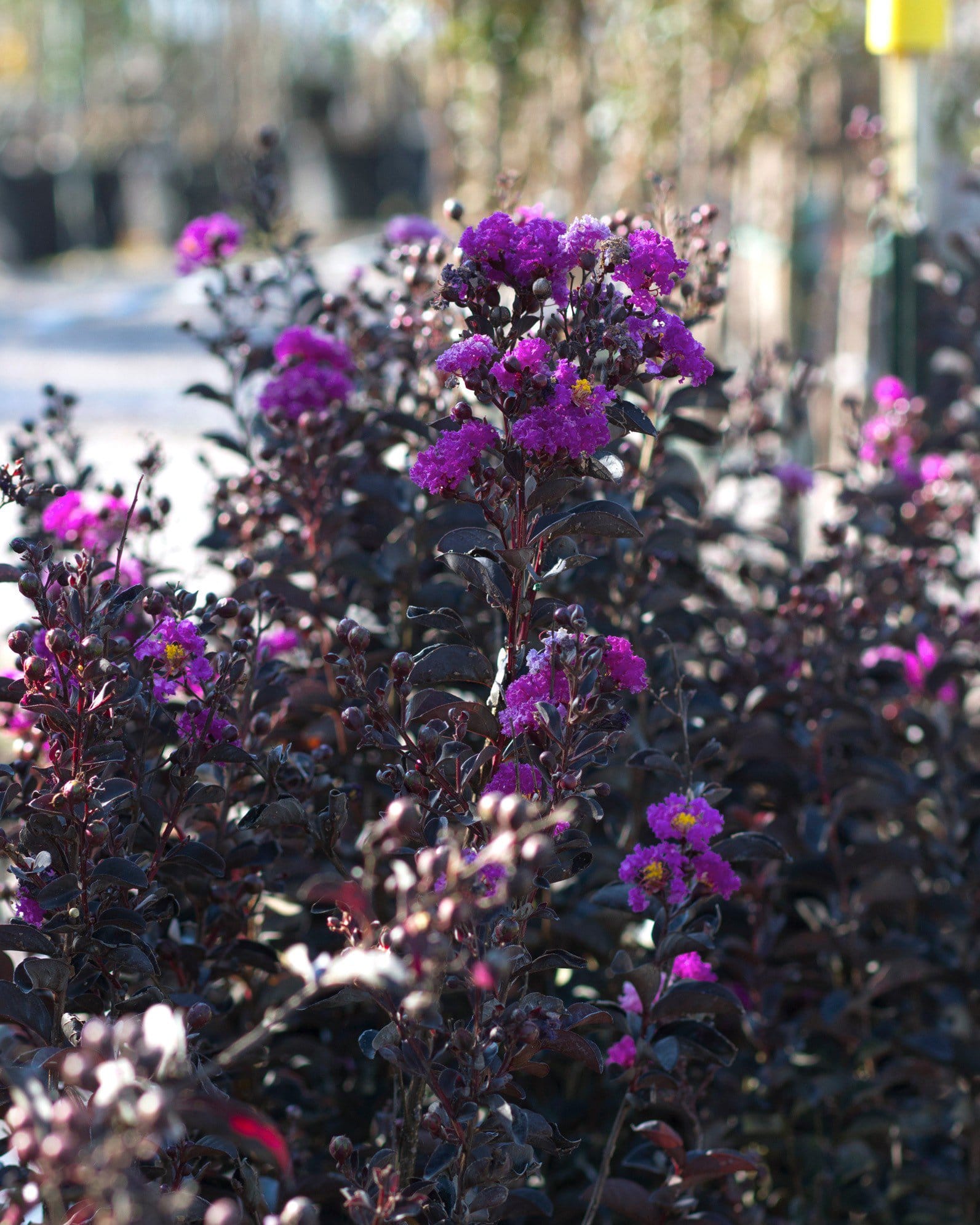
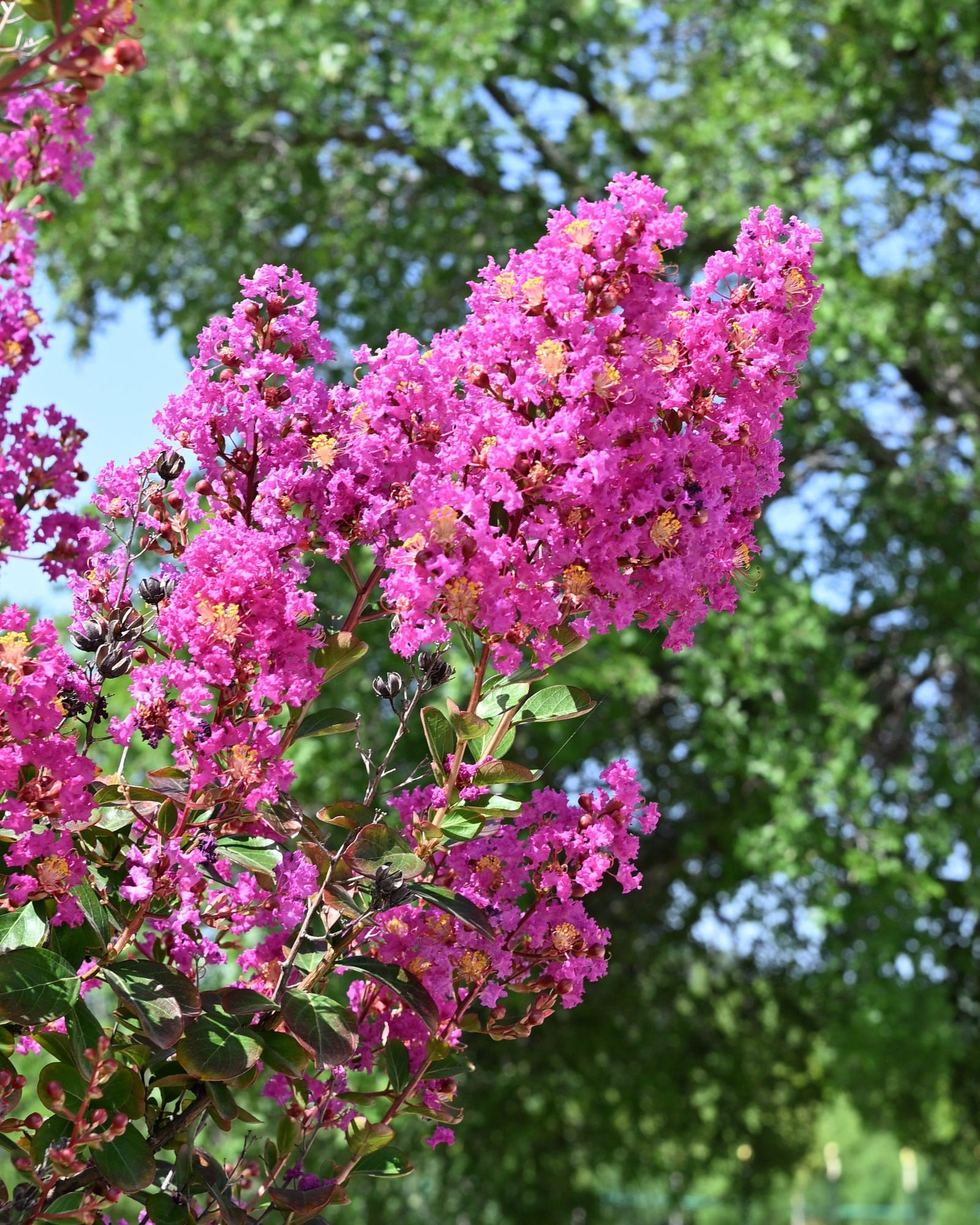
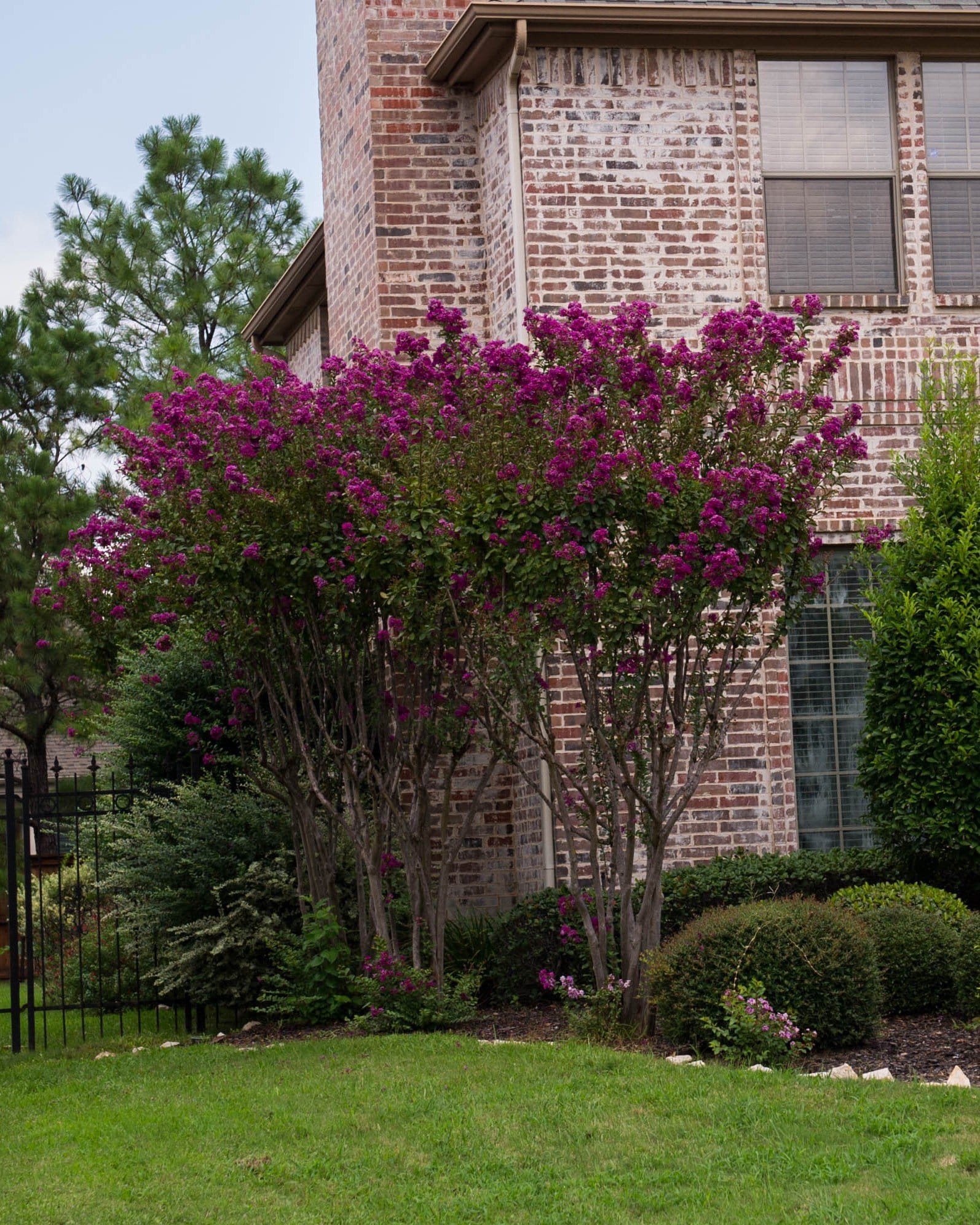
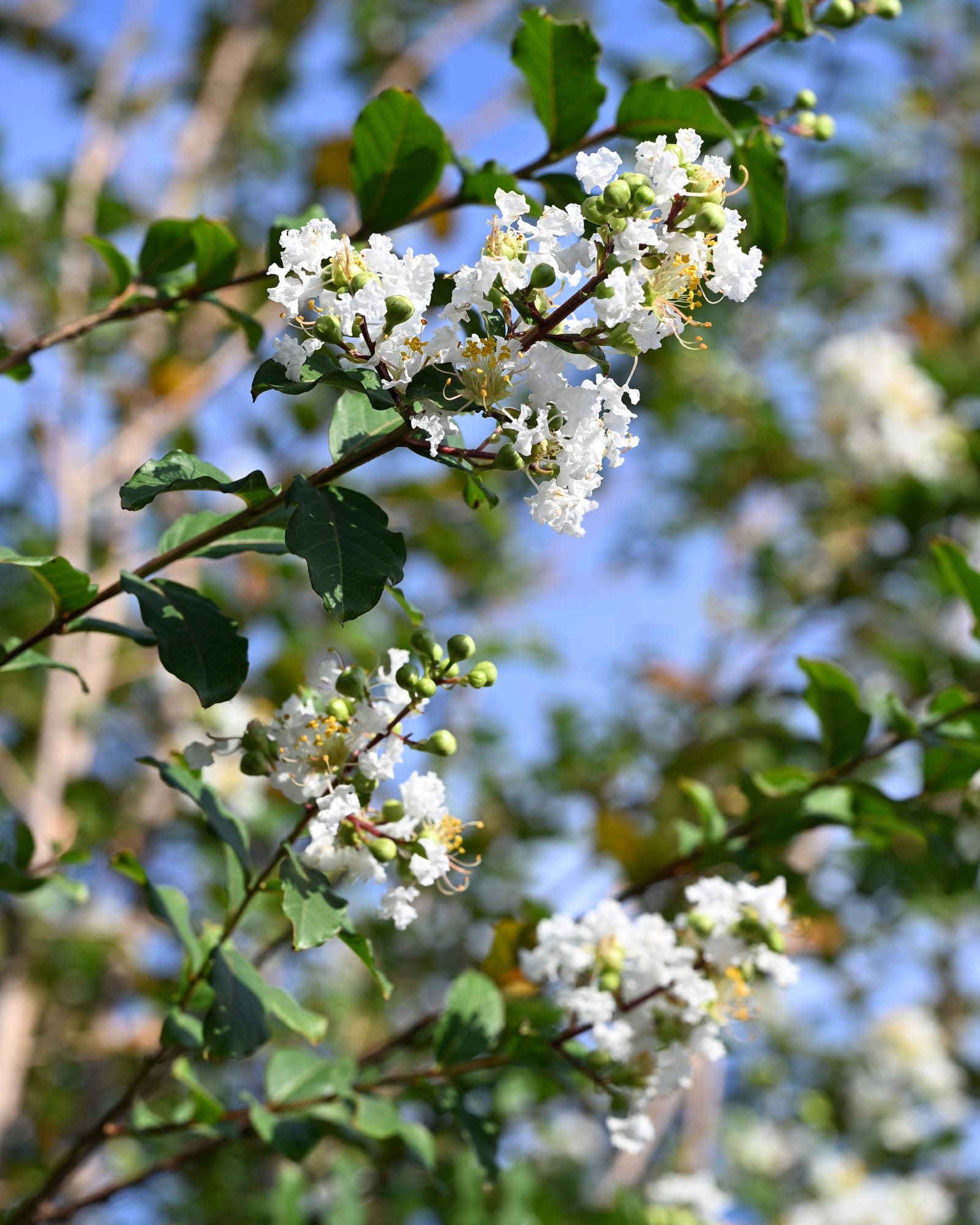
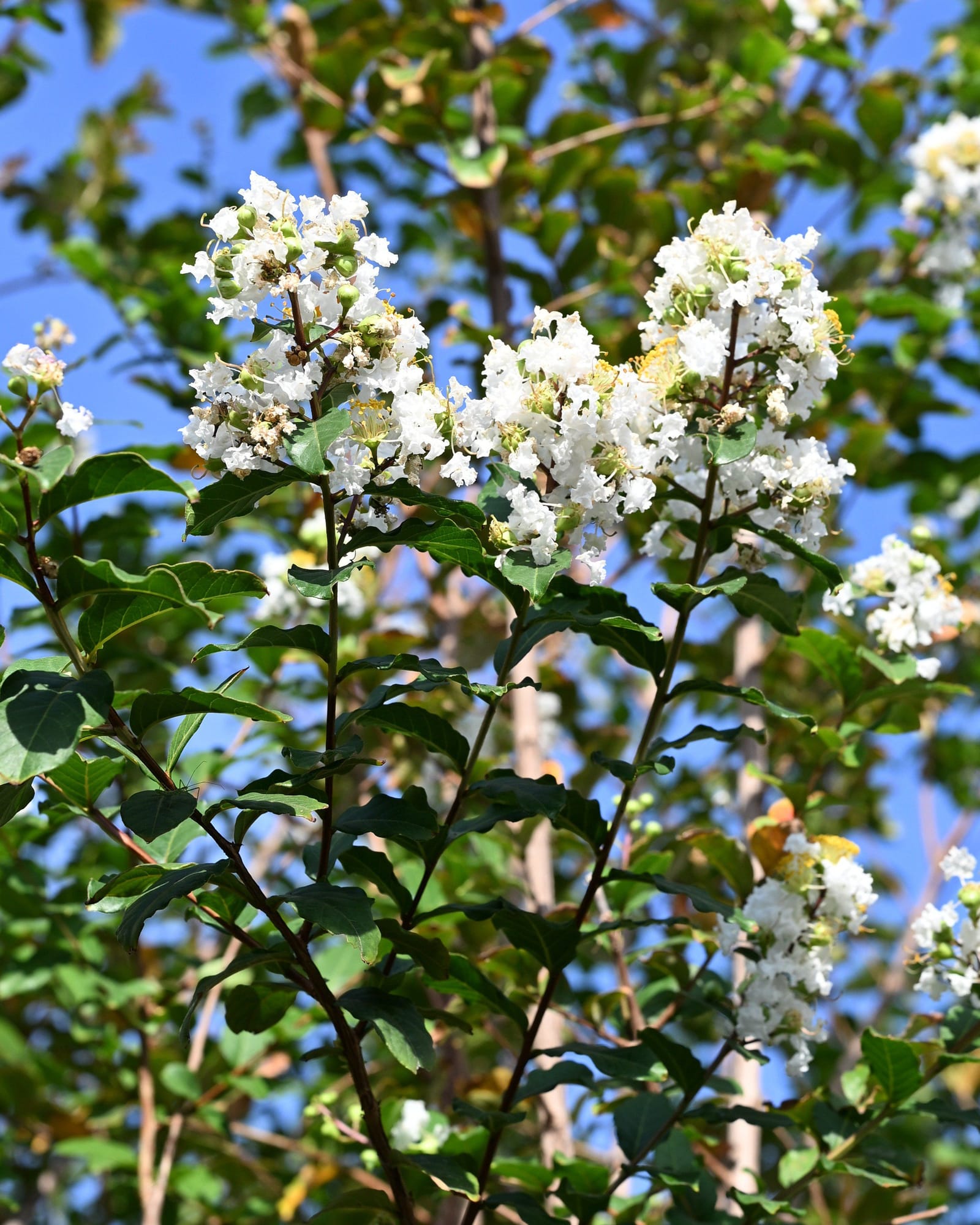
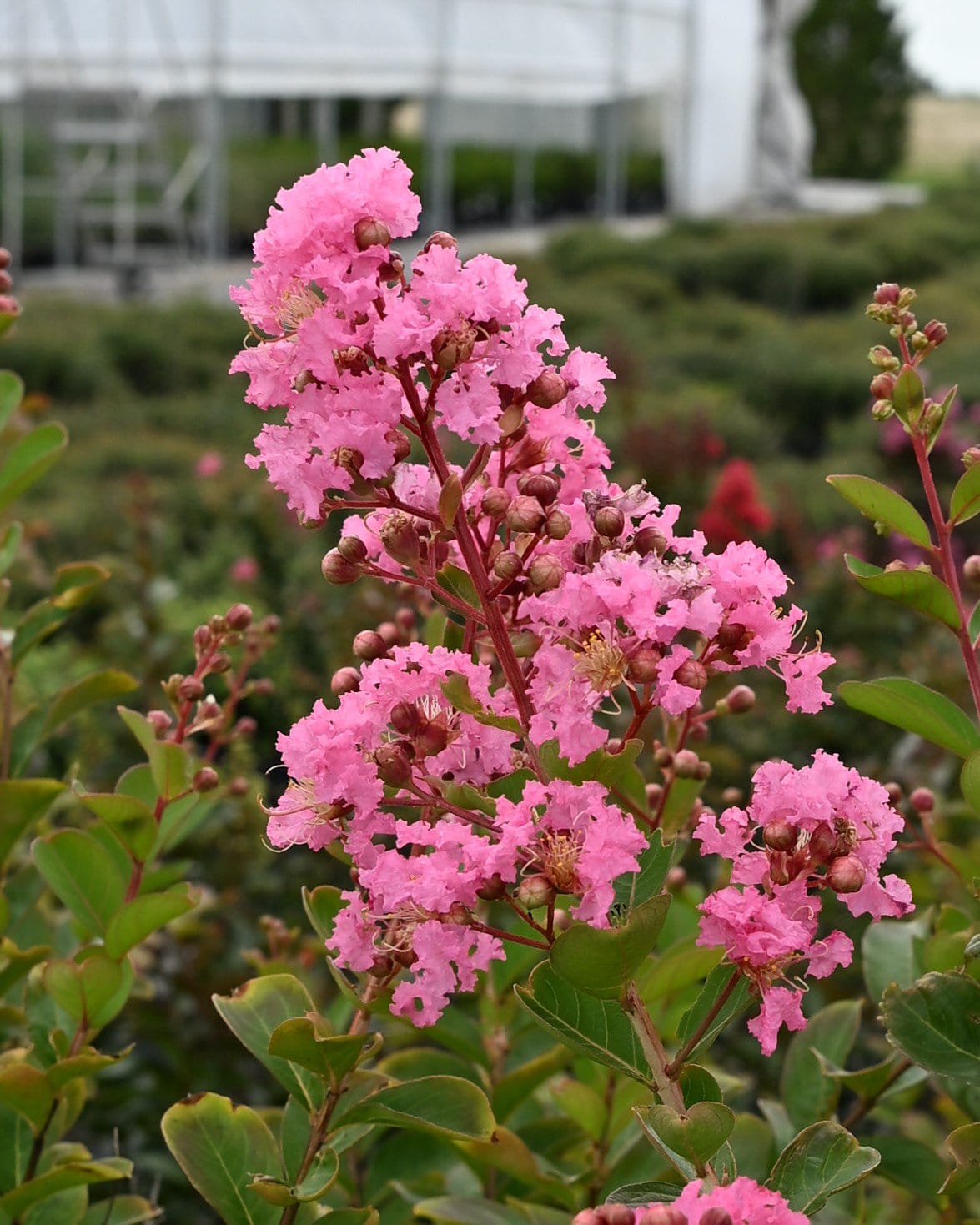
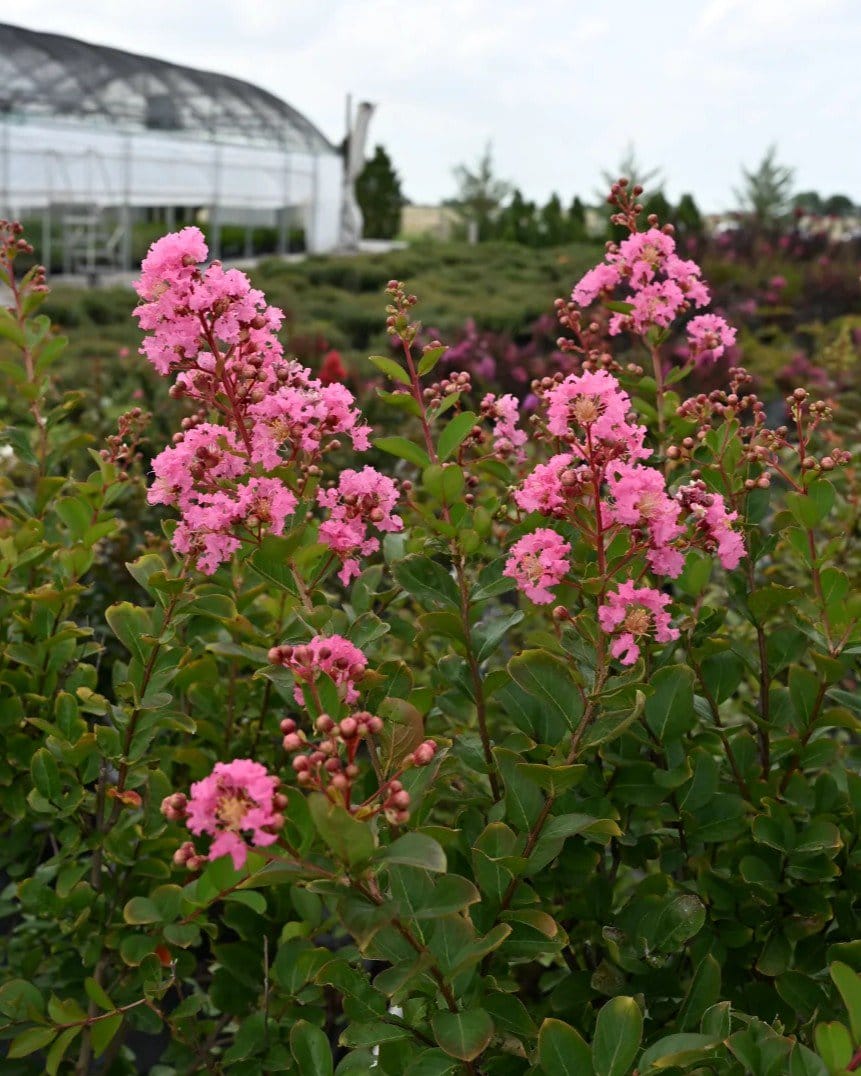
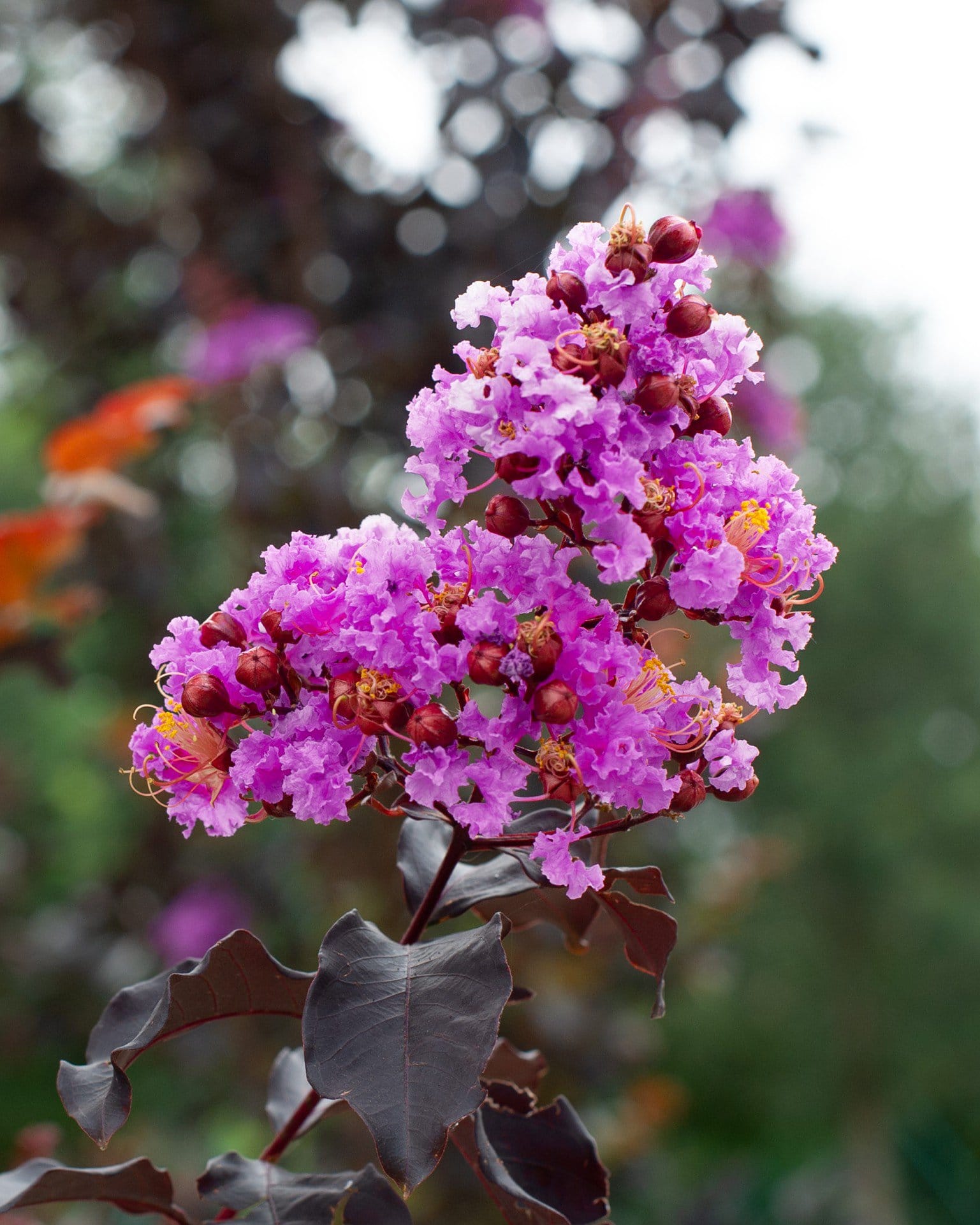
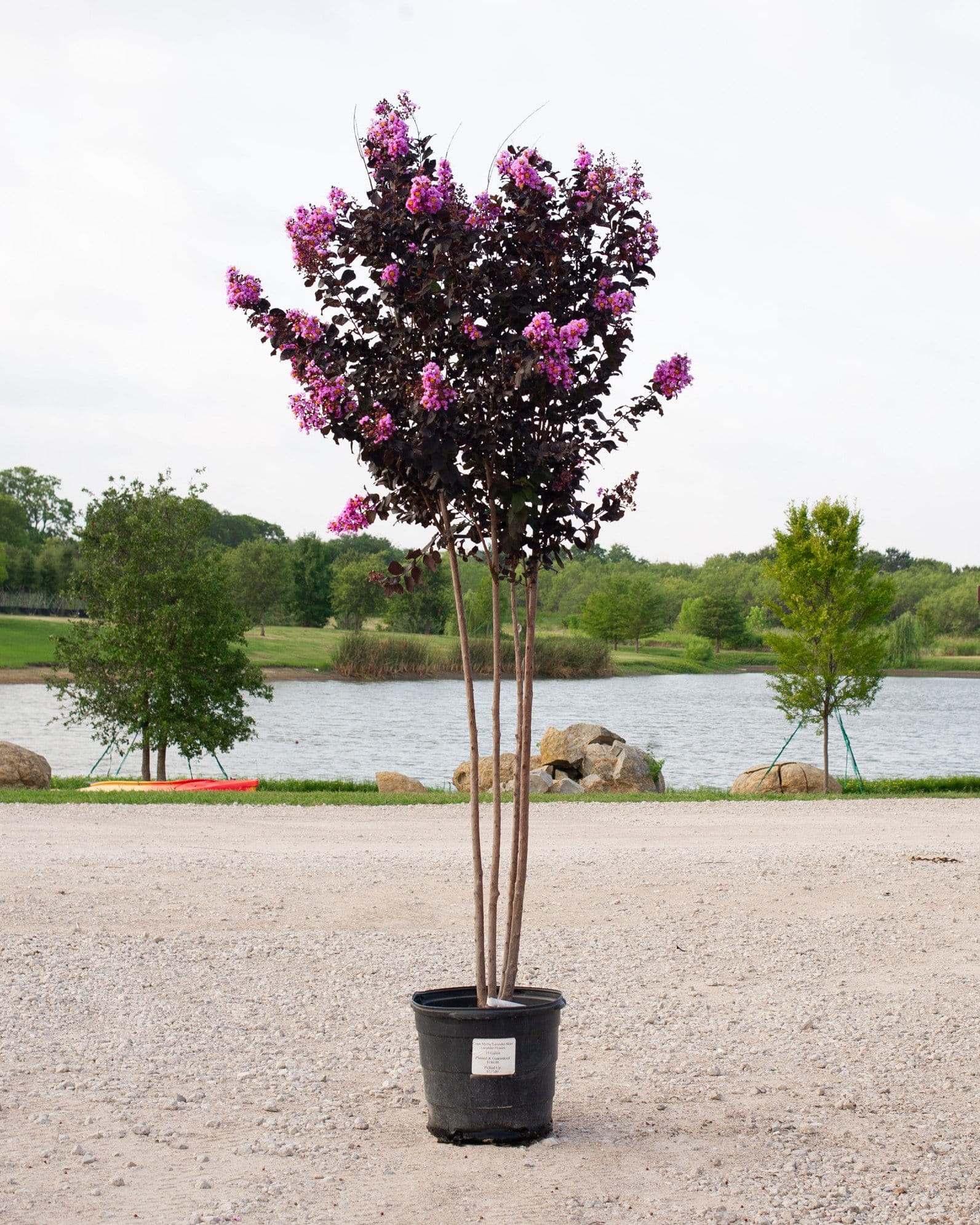
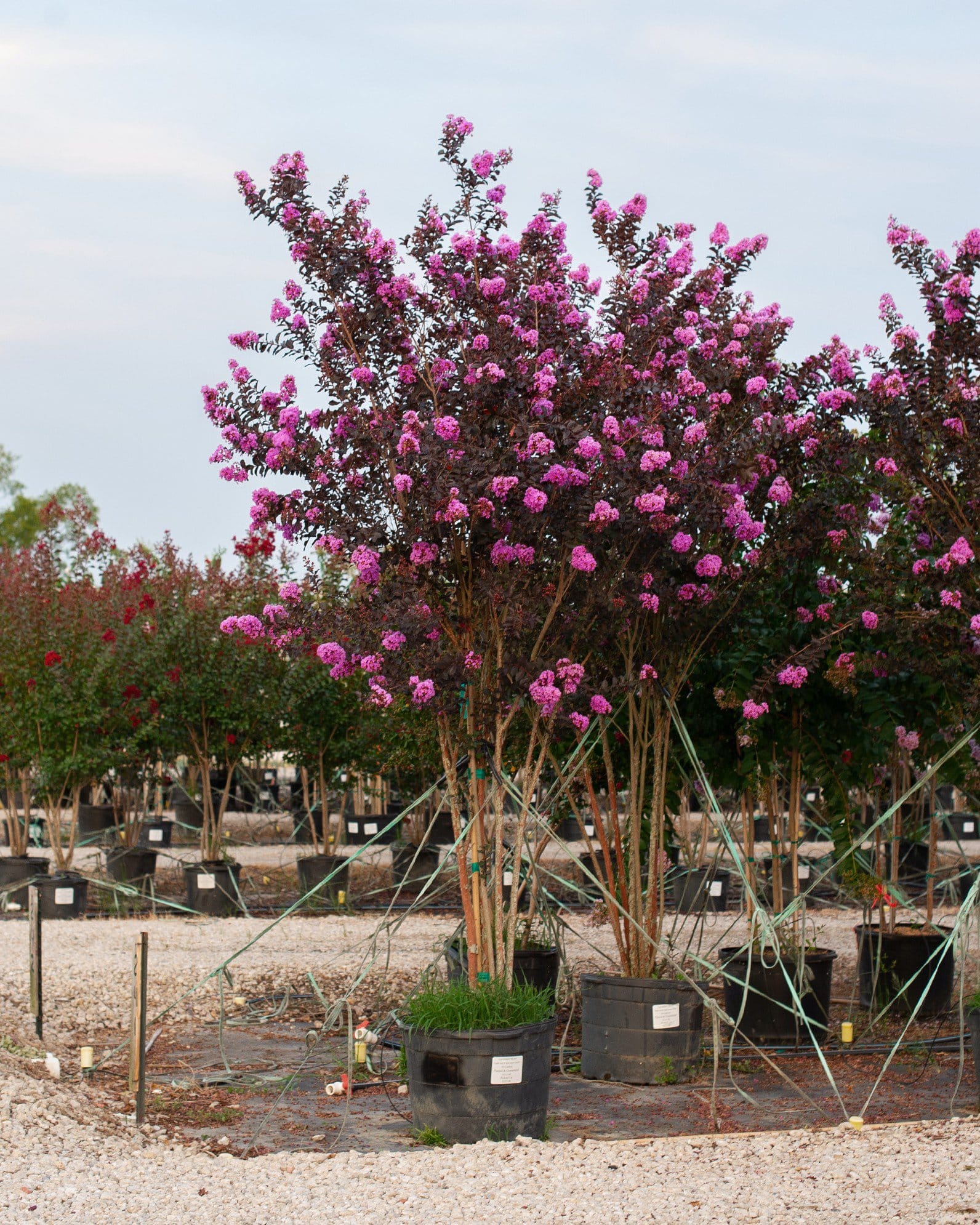
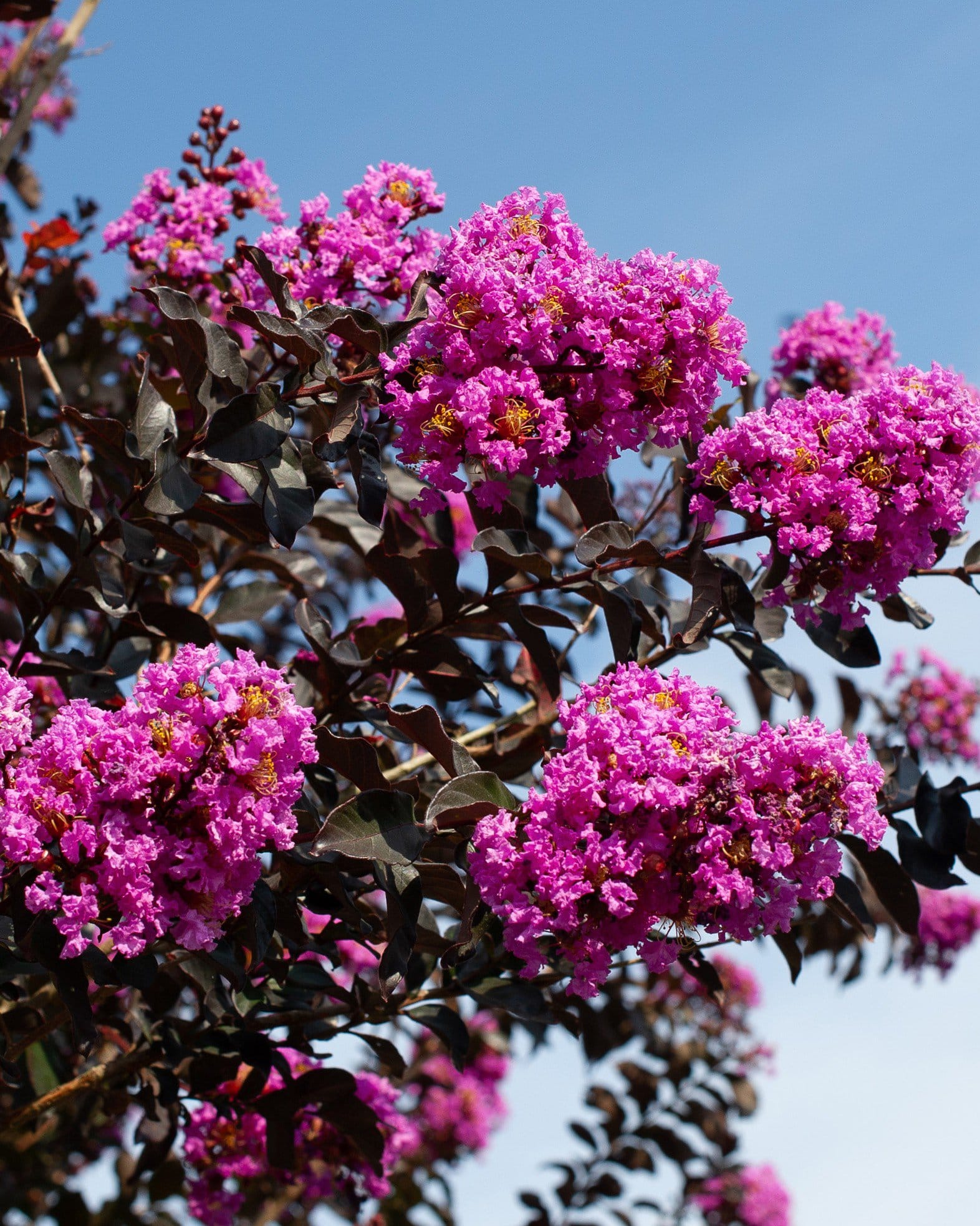
Lagerstroemia × ‘Zuni’Zuni Crape Myrtle is a charming, compact flowering shrub prized for its bright pinkish-purple blooms that cover the plant all throughout the summer. Its dense, dark green foliage creates a rich backdrop for the vivid flowers, and the plant maintains a neat, rounded form. Growing 9 in height and 8 feet in width, Zuni is perfect for small beds, borders, or container planting.
- Deciduous flowering shrub
- Moderate growth rate with compact, rounded habit
- Pinkish-purple flowers all summer long
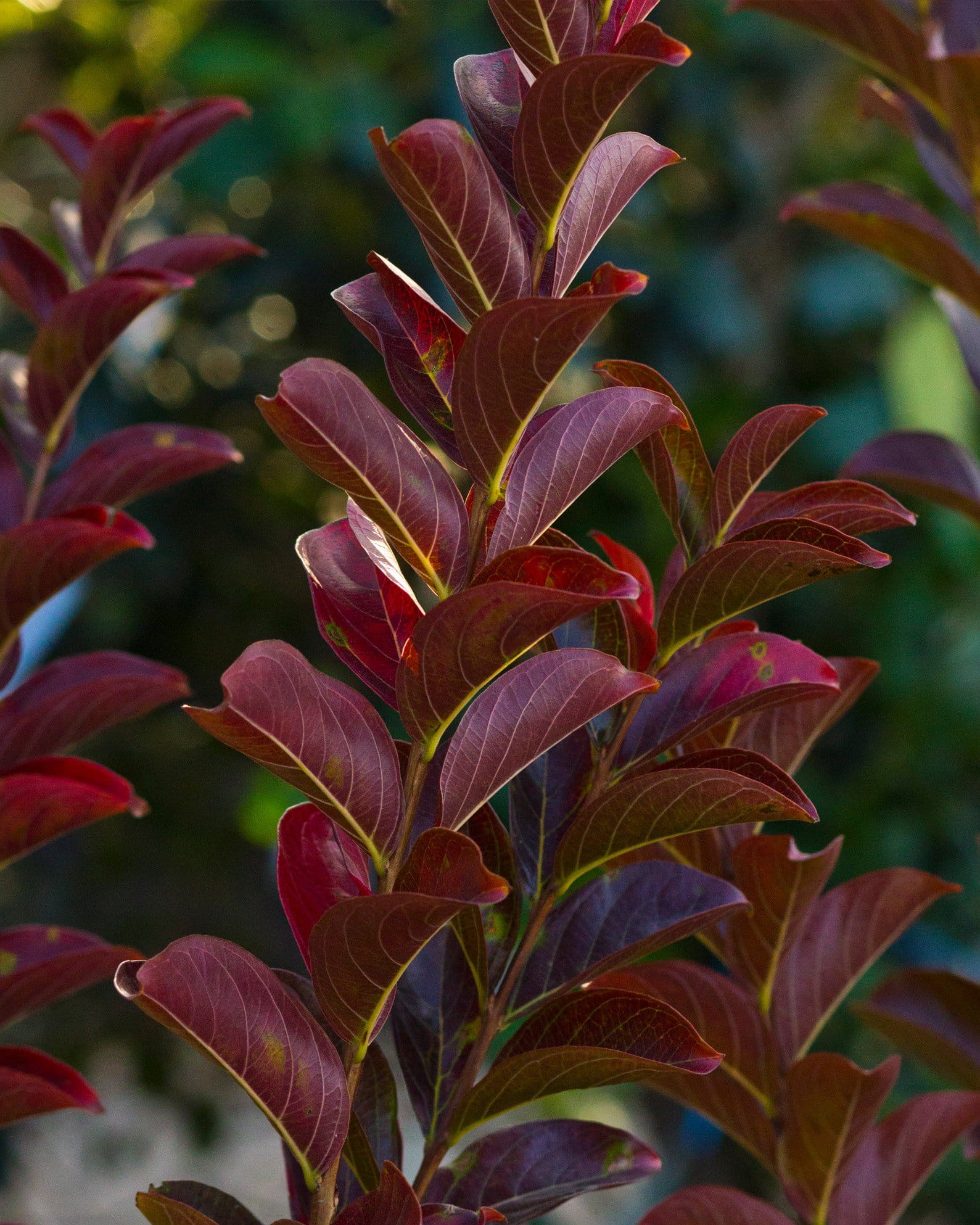
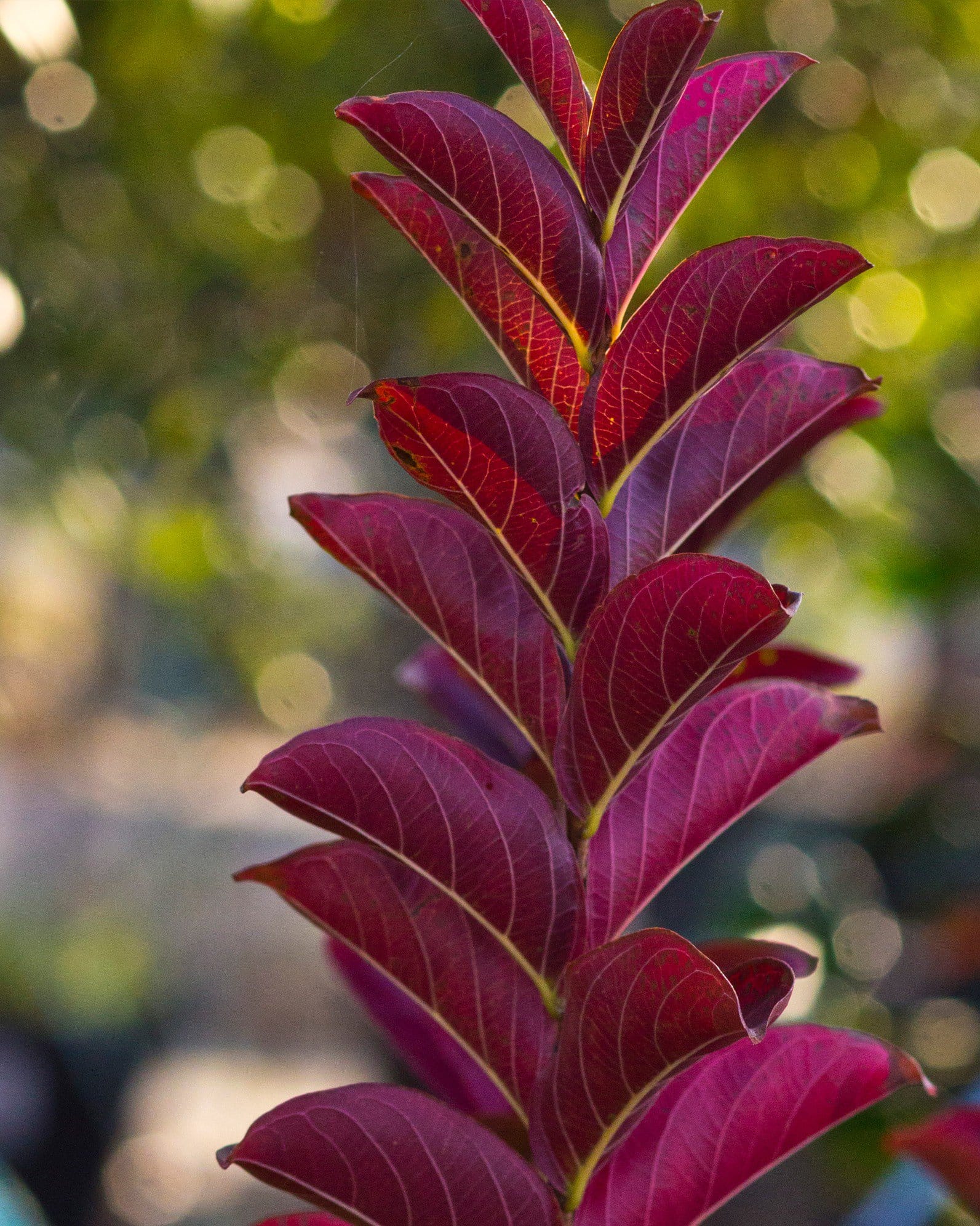
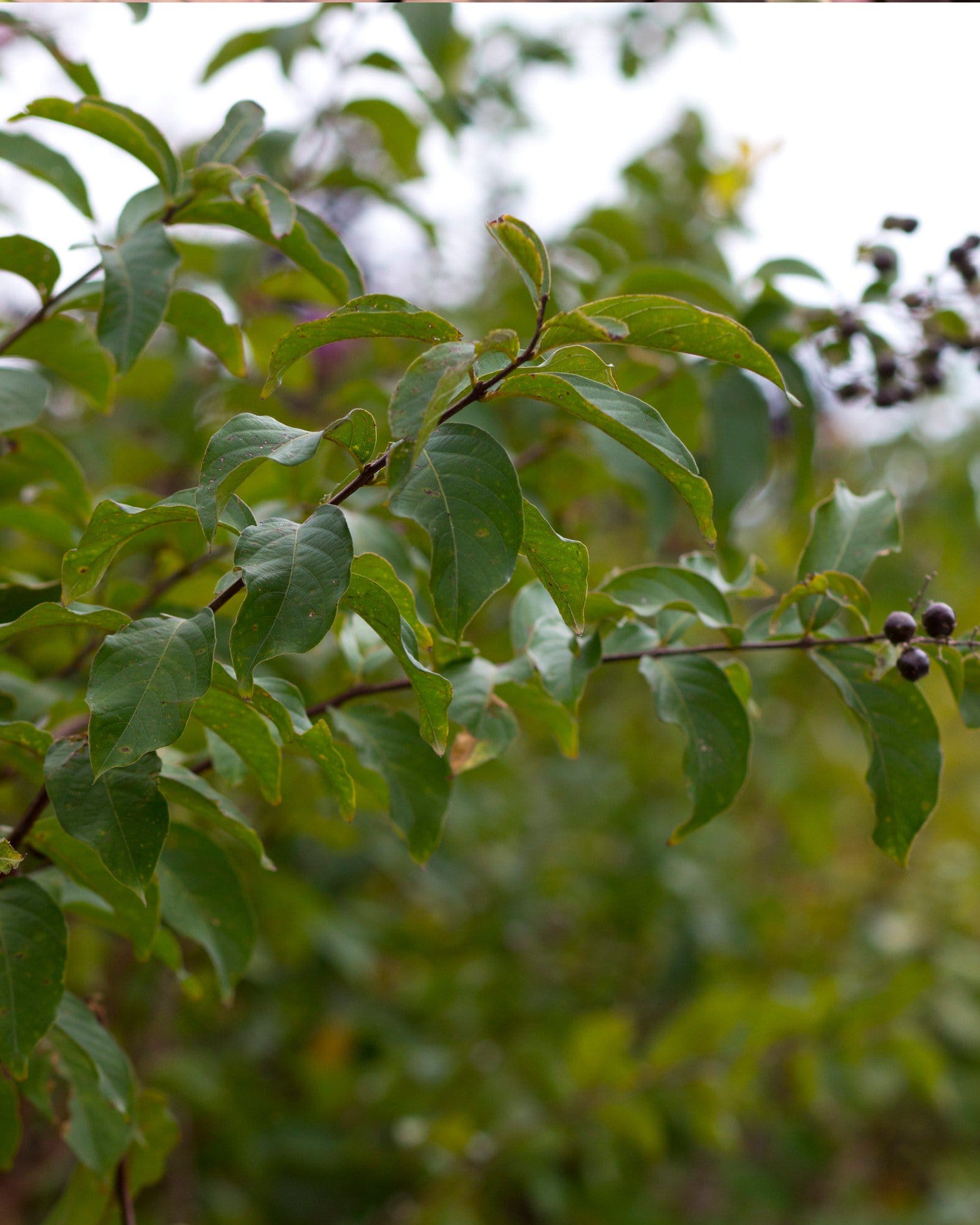
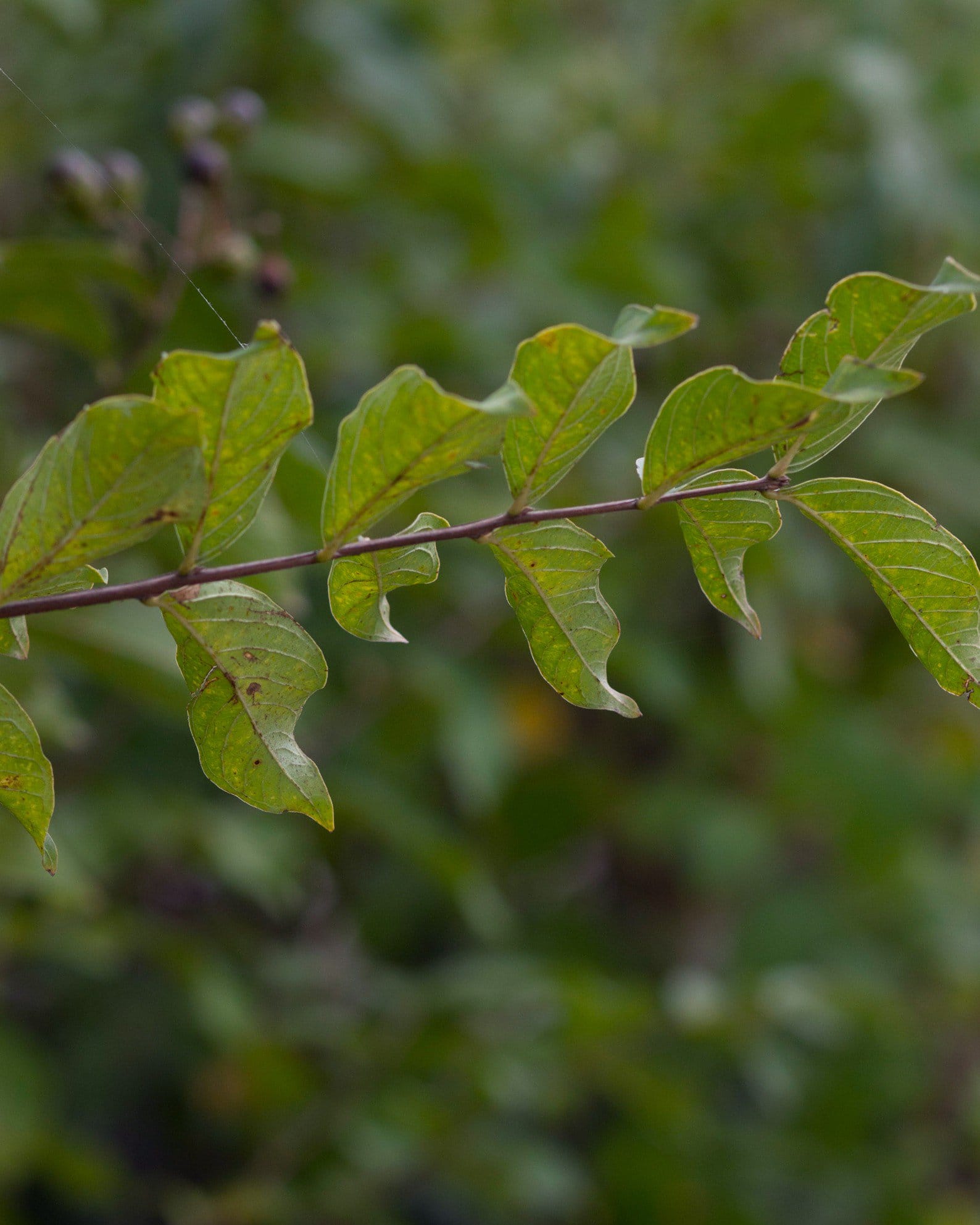
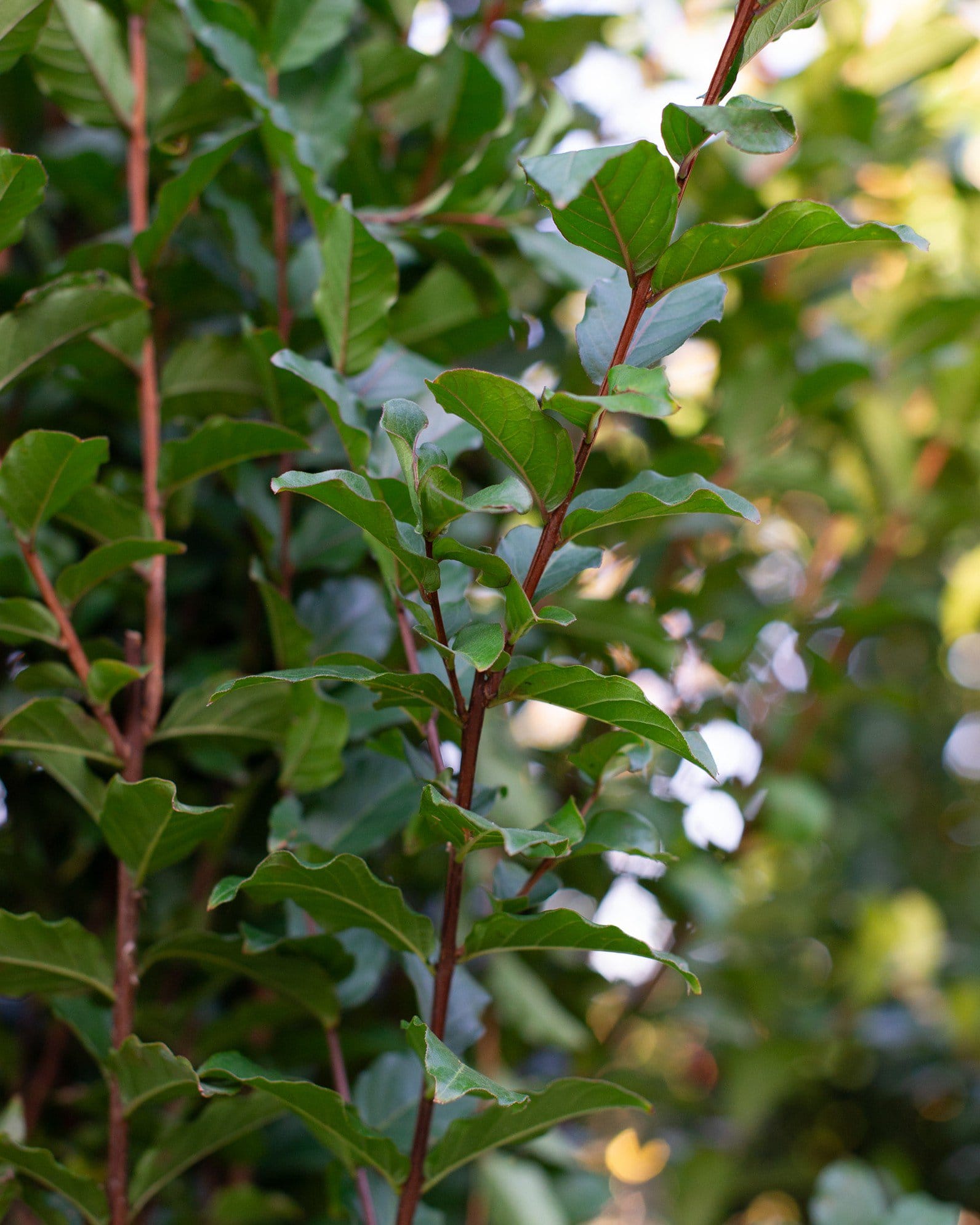
- Dark green foliage that turns gold in autumn
- Ideal for borders, small beds, and containers
Zuni Crape Myrtle prefers full sun and well-drained soil. It is heat- and drought-tolerant once established, flourishing in USDA zones 6 through 9. Regular deadheading and light trimming after blooming will keep the plant tidy and encourage a longer flowering season.
Once established, Zuni Crape Myrtle becomes notably low-maintenance and grows into a durable ornamental tree that requires only modest seasonal care. It needs the following to thrive:
- Watering: Water deeply during the first growing season to help establish a strong root system. After establishment, occasional deep watering during extended dry periods helps maintain healthy foliage and steady seasonal growth.
- Pruning: Prune in late winter while the tree is dormant to remove damaged or crowded branches. Light pruning each year helps maintain plant health and encourages vigorous new growth.
- Fertilizing: Fertilizer is rarely necessary in average soils. When additional vigor is desired, applying a balanced fertilizer in early spring supports consistent growth.
- Mulching: Maintain a 2-3 inch mulch layer around the root zone to retain soil moisture and regulate temperature. Keep mulch slightly away from the trunk to prevent moisture buildup against the bark.
- Winter Care: Established trees tolerate normal seasonal cold within their recommended growing zones. Young plants benefit from a protective mulch layer during their first winter to stabilize root temperatures.
Zuni Crape Myrtle typically grows with minimal problems, though occasional pests or environmental stresses may appear.
- Crape Myrtle Bark Scale: White crusty patches may appear on branches where insects feed on plant sap. Dormant oil applications and removal of heavily infested stems help reduce populations.
- Aphids: Sticky residue on leaves may signal sap-feeding insects. Spraying foliage with water or using insecticidal soap usually controls infestations.
- Powdery Mildew: A light powdery coating may occasionally develop on foliage during humid weather. Improving airflow and removing affected leaves helps limit spread.
- Leaf Spot: Small dark spots may appear on foliage under certain conditions. Cleaning up fallen leaves helps reduce recurrence.
- Soil Compaction: Heavy soil compaction around the root zone may slow growth. Maintaining mulch and gently loosening the surrounding soil improves root conditions.
Zuni Crape Myrtle commonly lives 40-60 years when grown in favorable conditions. Mature trees remain healthy and ornamental for decades. Proper care helps maintain steady growth throughout its lifespan.
Growth typically averages around 12-24 inches per year. Structural maturity often develops within about 8-10 years. A fully established ornamental presence usually forms within 12-15 years.
Zuni Crape Myrtle is valued for its refined lavender-toned blooms and balanced ornamental character. Gardeners appreciate its consistent flowering and dependable performance. The cultivar has become a respected choice among modern crape myrtles.
This cultivar was introduced through the U.S. National Arboretum breeding program. The program focused on producing improved crape myrtle hybrids. Many widely planted varieties originated from this work.
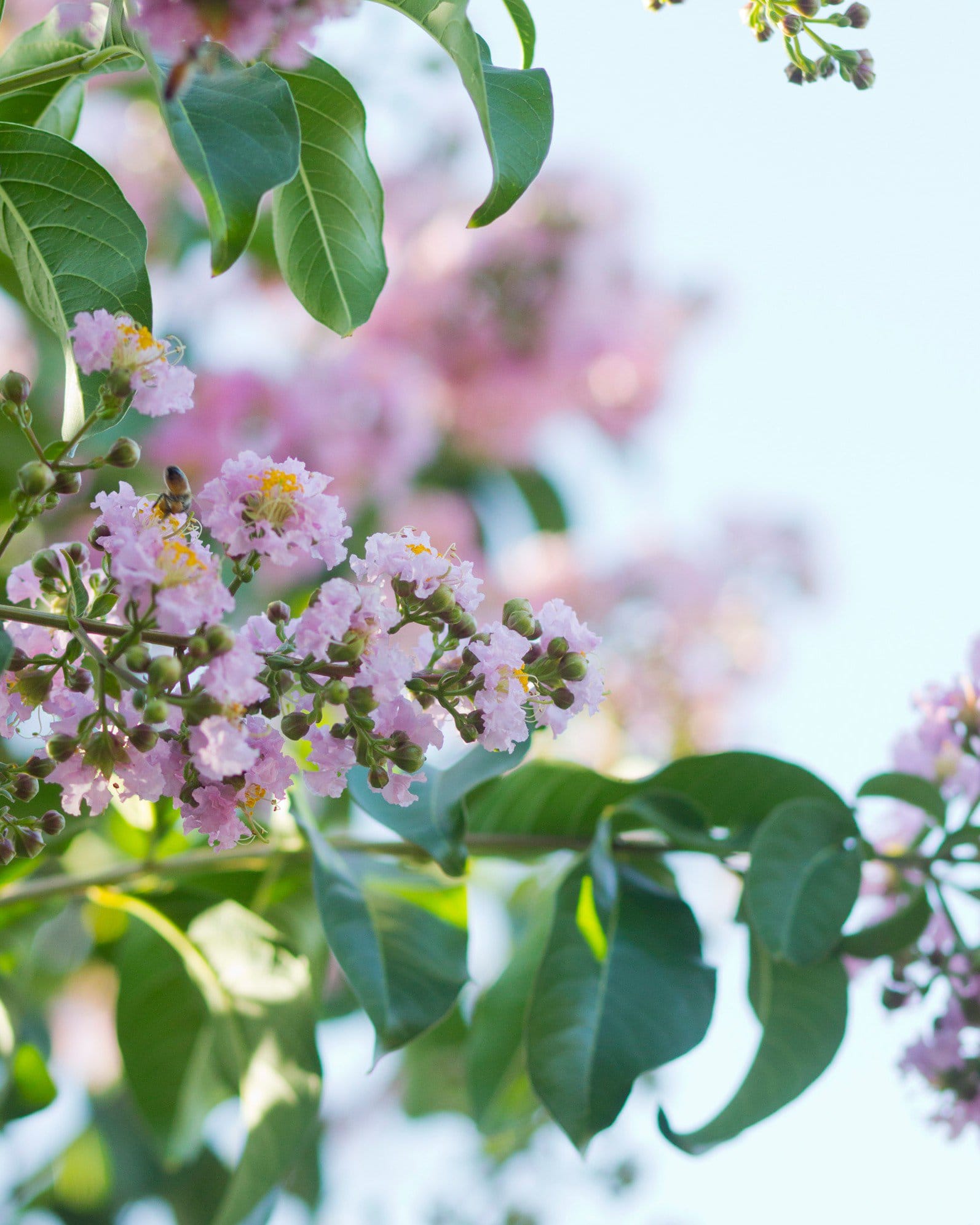
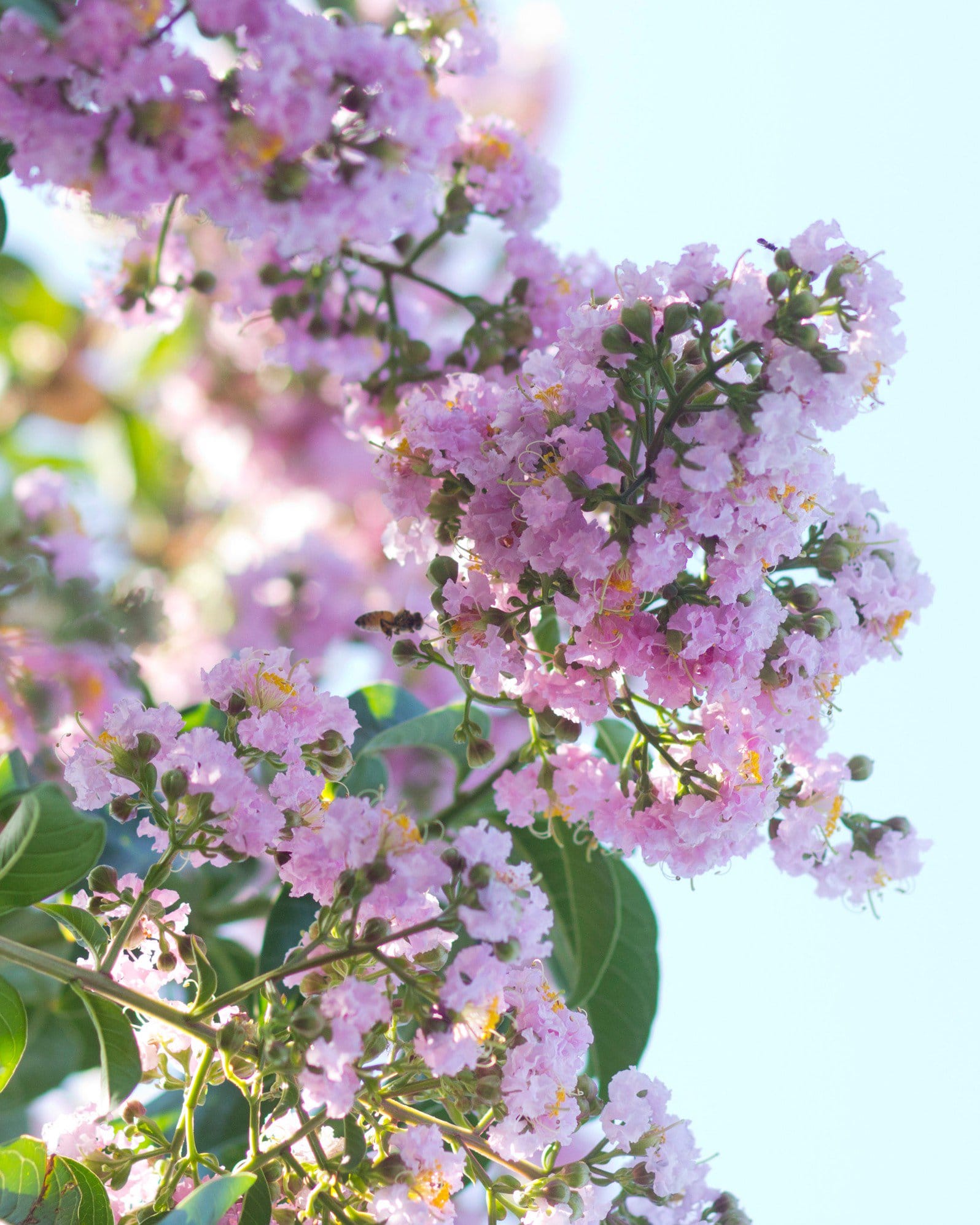
The flowers provide nectar that attracts bees and other beneficial insects. Summer flowering trees help sustain pollinator activity later in the growing season. This contributes to ecological diversity in gardens.
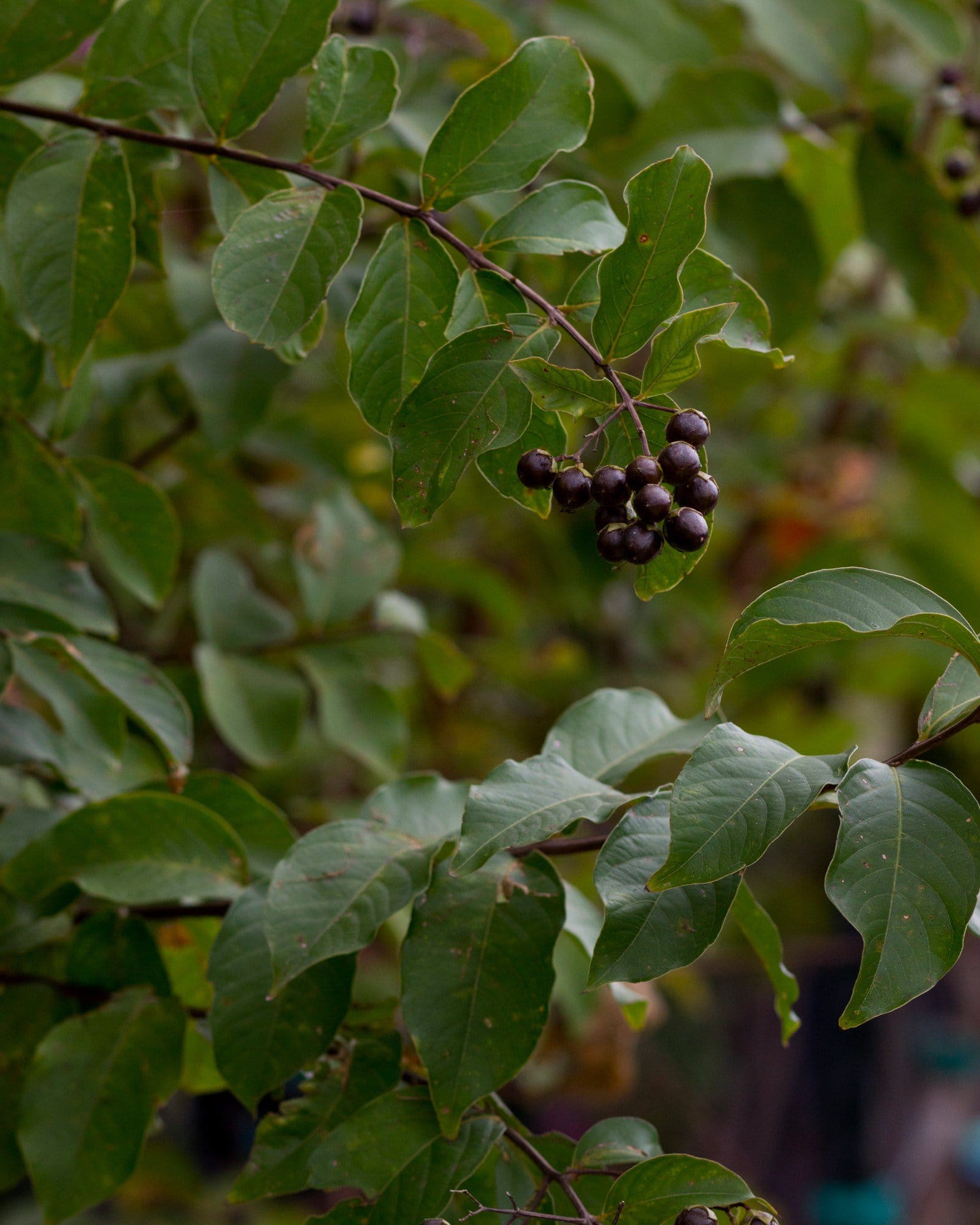
Small woody seed capsules may appear after the flowering period. These pods remain on the plant until seeds mature and disperse. They are often removed during seasonal pruning.
Older trees gradually develop exfoliating bark that peels in thin layers. This reveals lighter shades beneath the outer bark. The effect adds subtle visual interest to mature trunks.
The cultivar has become well established in many ornamental landscapes. Gardeners value its dependable growth and ornamental qualities. It is frequently chosen for residential and public plantings.
Flowering trees like this help support pollinators and beneficial insects. Their presence increases plant diversity within garden ecosystems. This helps maintain a healthier landscape environment.
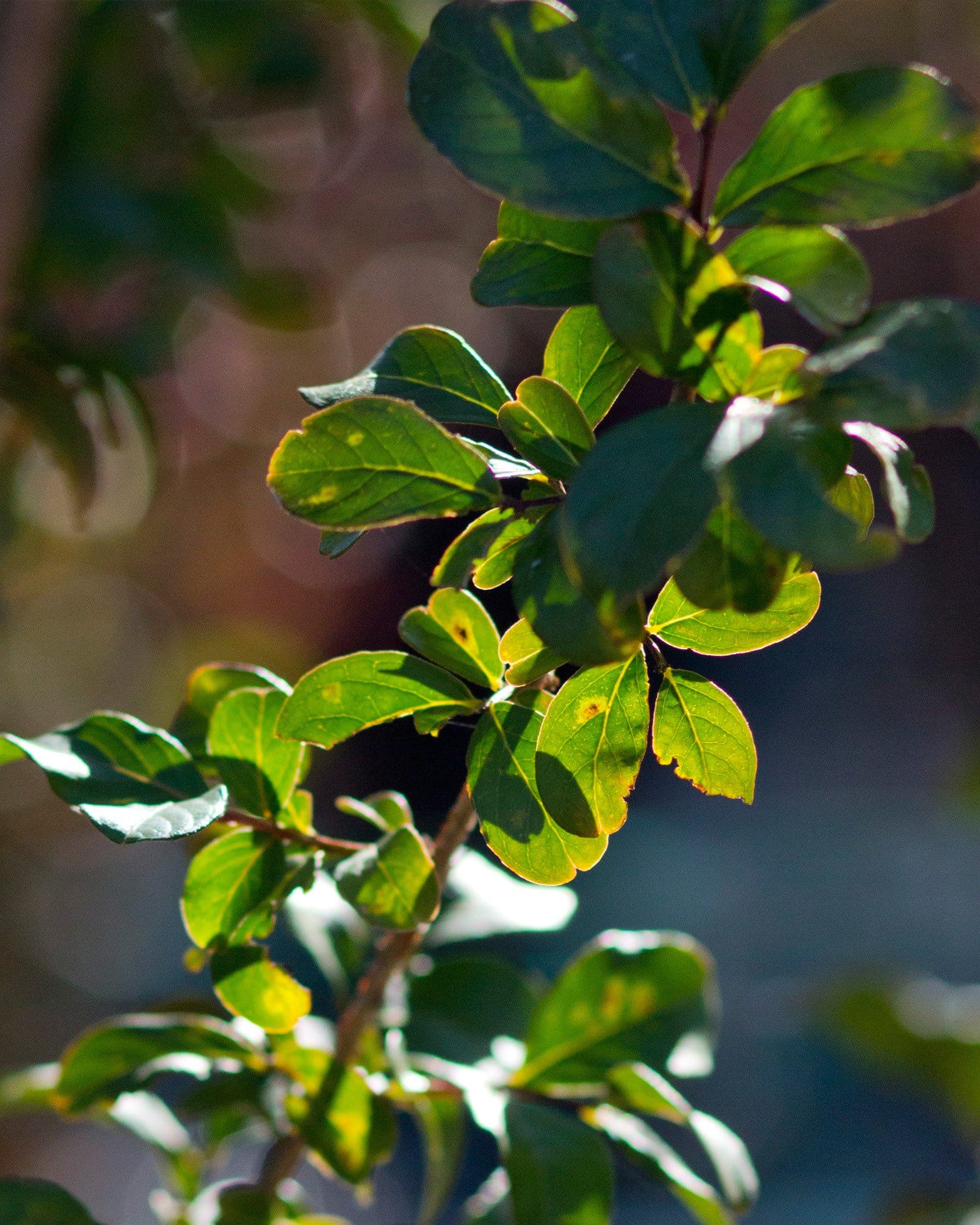
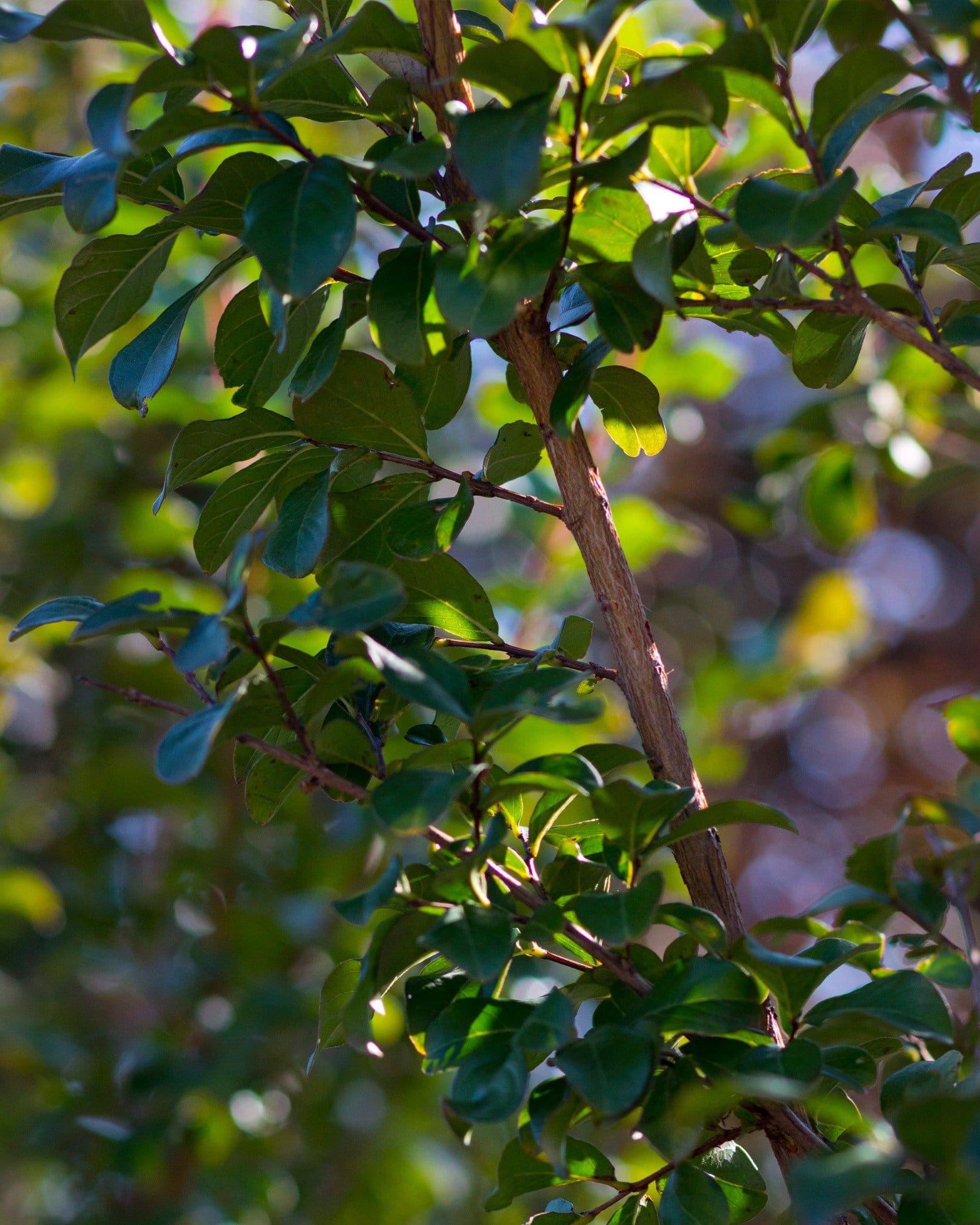
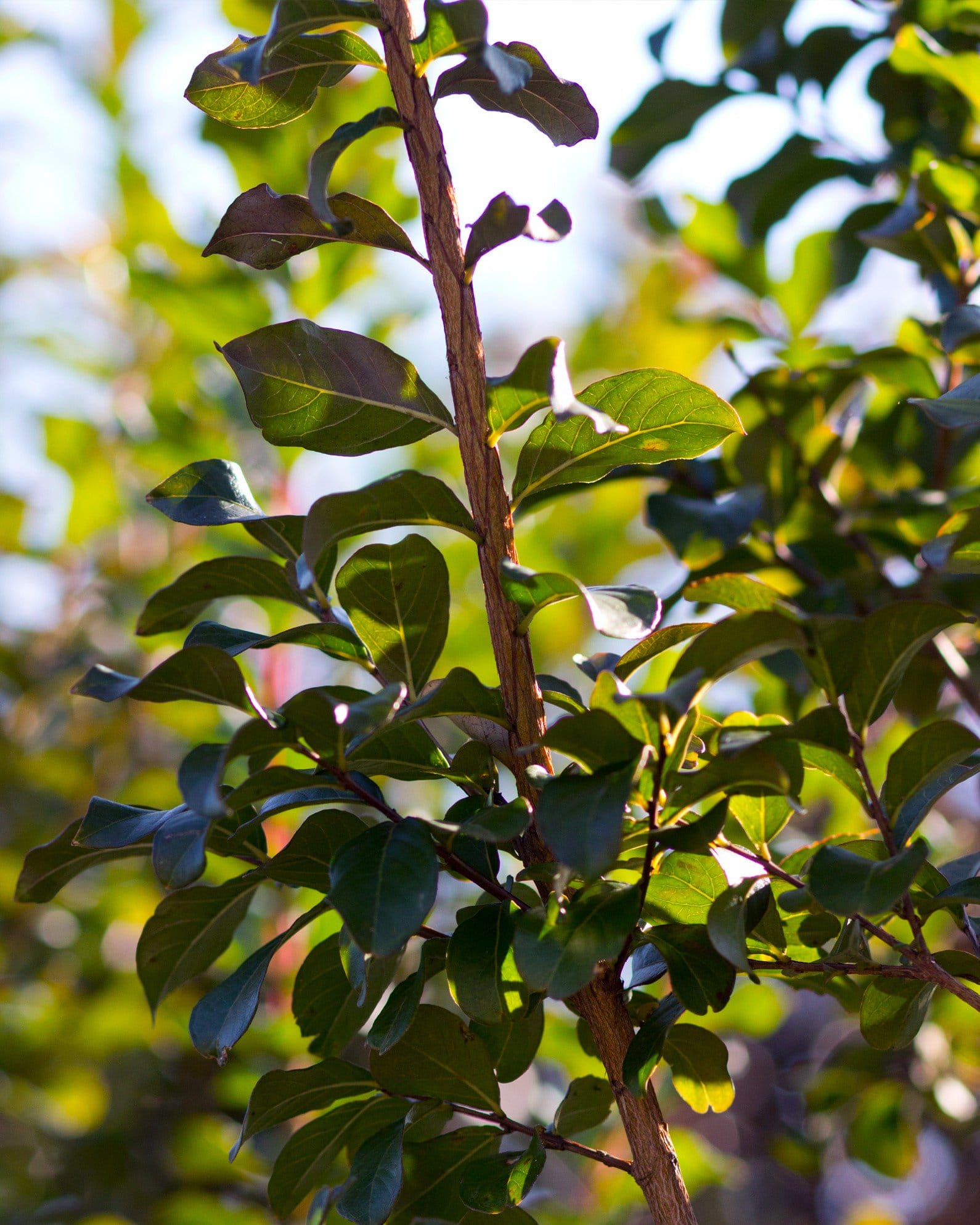
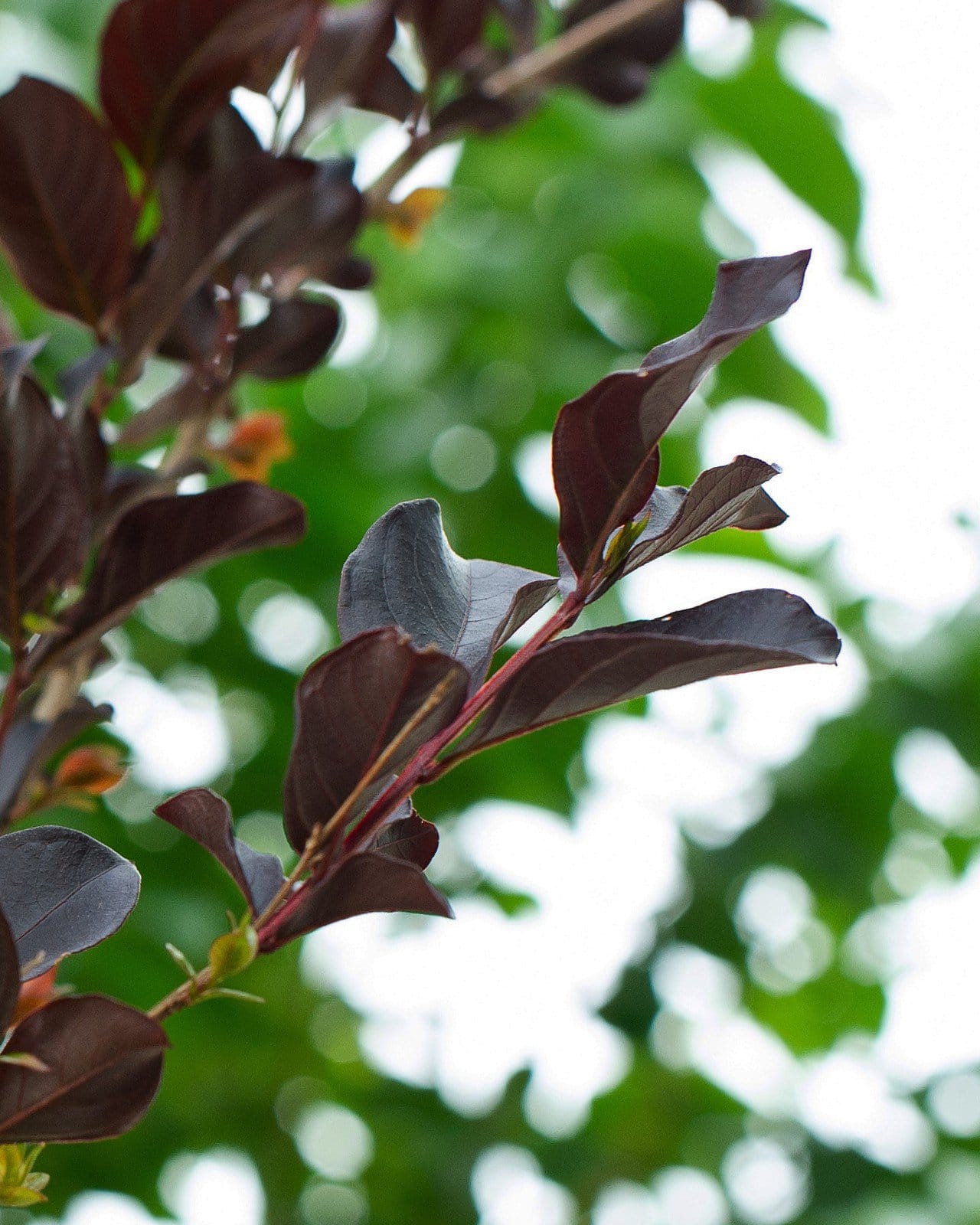
The tree produces healthy green foliage that complements its flowering display. Leaves contribute to the plant’s ornamental presence throughout the growing season. The foliage helps maintain visual interest even when the tree is not in bloom.
Special Features
You might also like
Autauga Crape Myrtle
Maturity: 20' H x 12' W
Colorama Purple Crape Myrtle
Maturity: 20' H x 12' W
Muskogee Crape Myrtle
Maturity: 25' H x 20' W
Purple Magic Crape Myrtle
Maturity: 7' H x 7' W
Twilight Crape Myrtle
Maturity: 15' H x 10' W
Velma's Royal Delight Crape Myrtle
Maturity: 8' H x 6' W
Basham's Party Pink Crape Myrtle
Maturity: 20' H x 15' W
Biloxi Crape Myrtle
Maturity: 20' H x 15' W
Black Diamond Purely Purple Crape Myrtle
Maturity: 12' H x 8' W
Catawba Crape Myrtle
Maturity: 10' H x 8' W
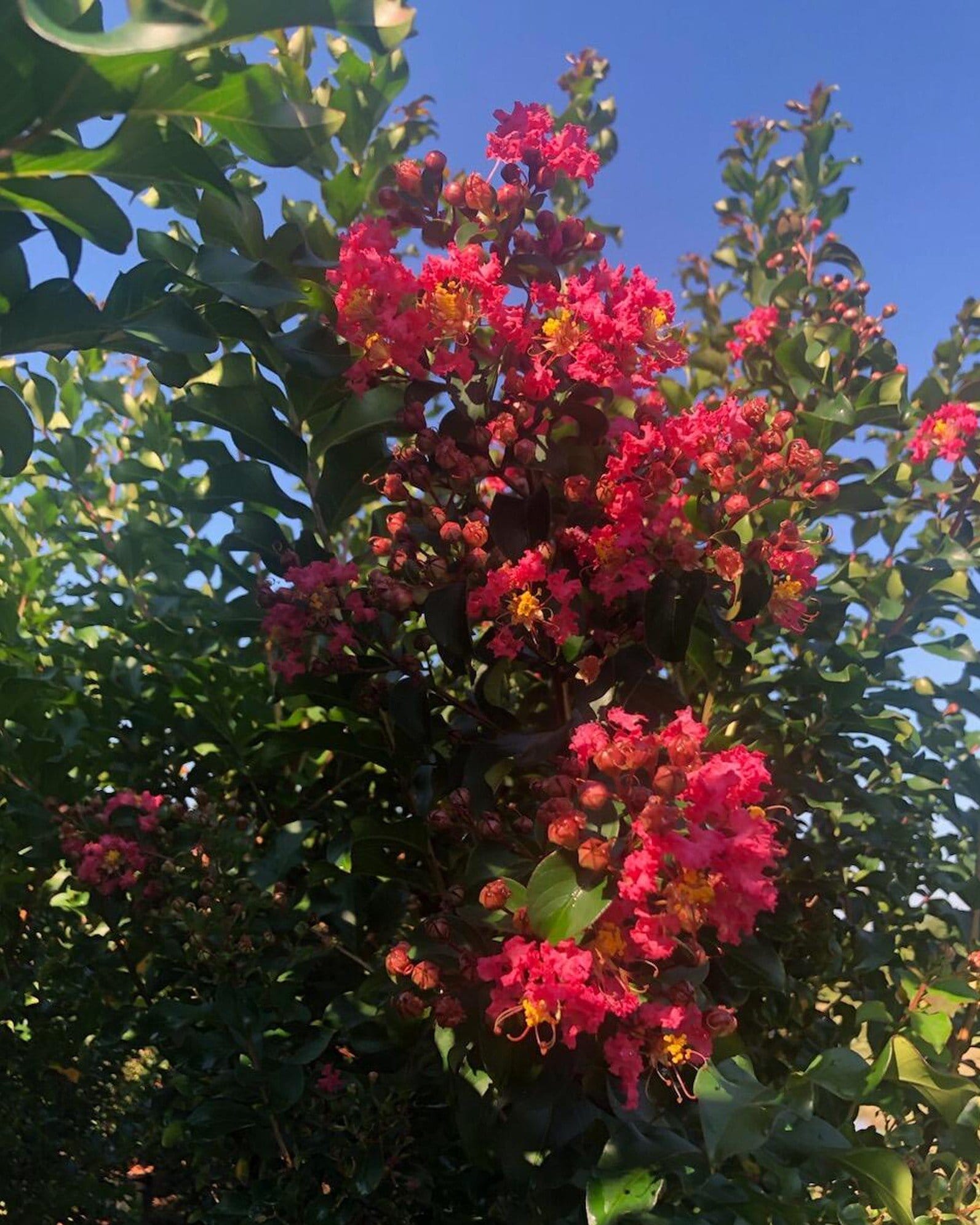
Colorama Coral Crape Myrtle
Maturity: 20' H x 12' W
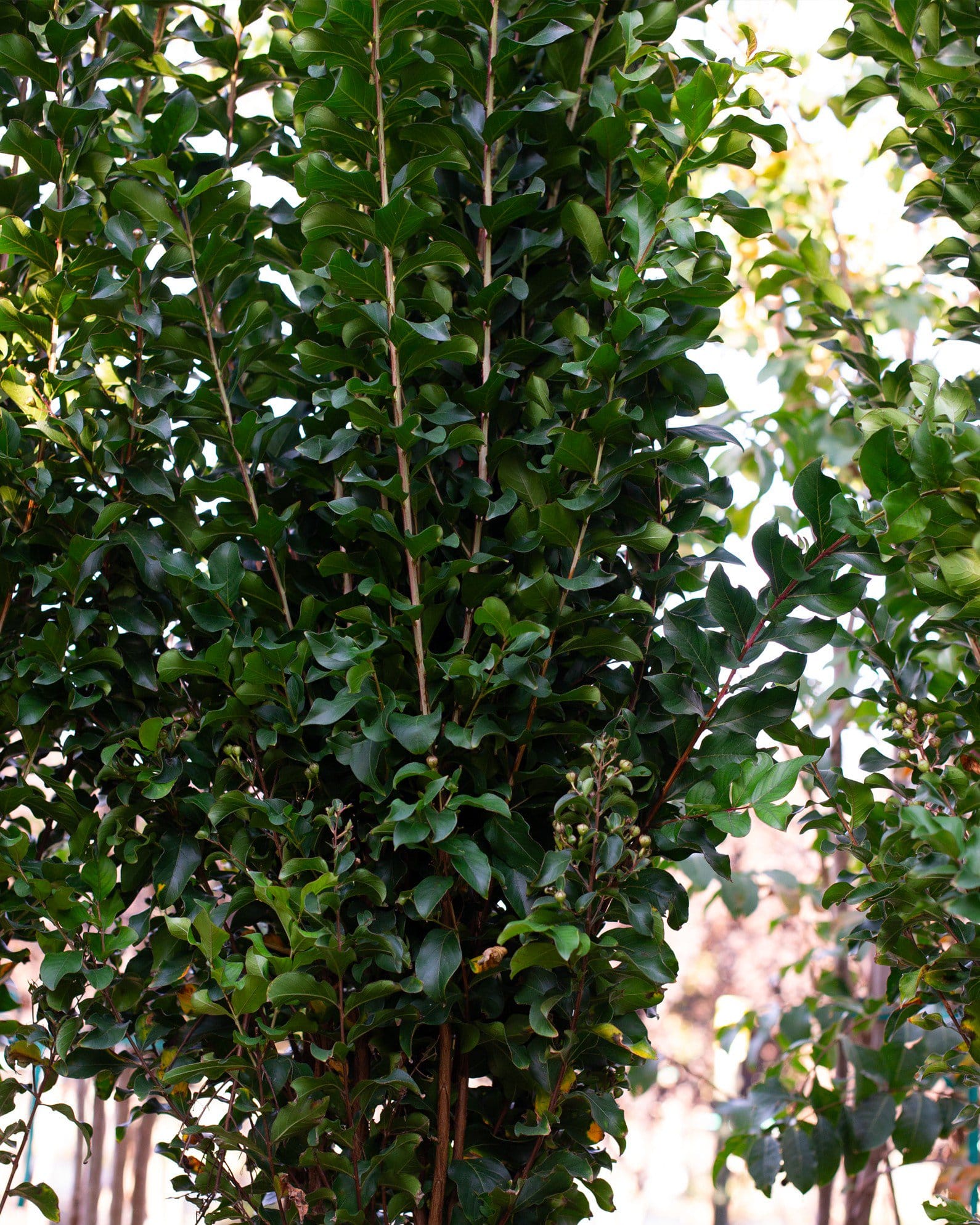
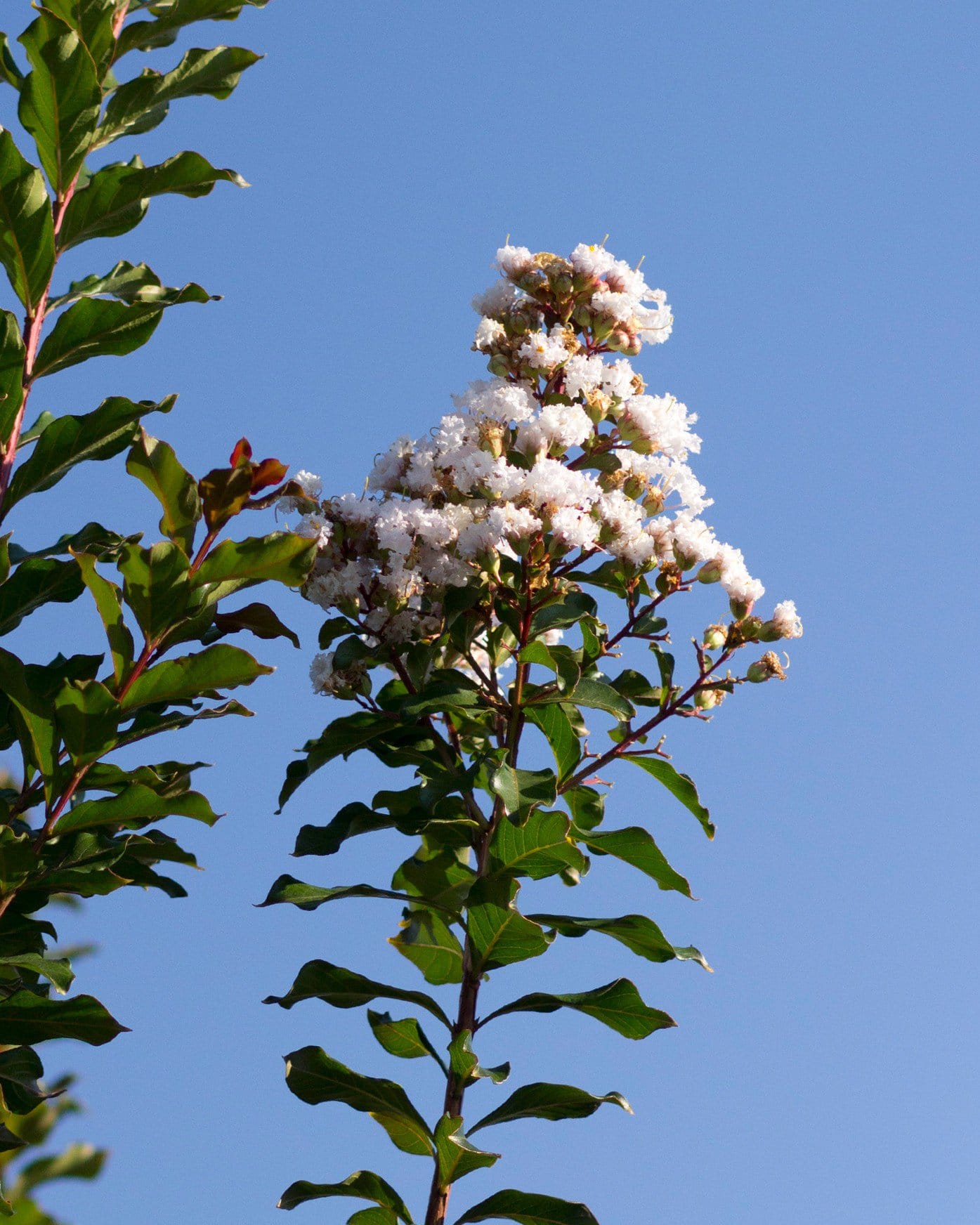
Colorama Ivory Crape Myrtle
Maturity: 20' H x 12' W
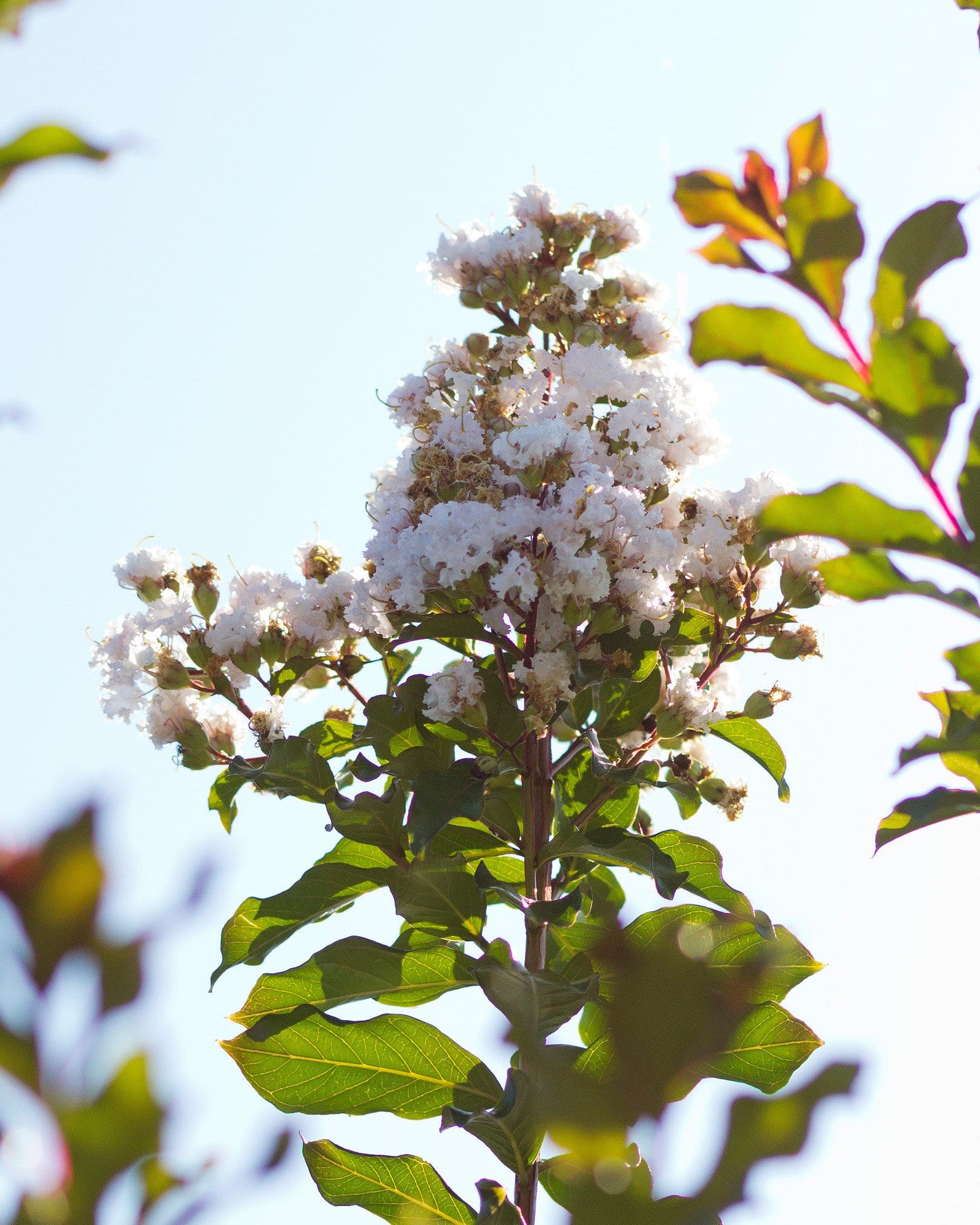
Colorama Pearl Crape Myrtle
Maturity: 20' H x 12' W
Hopi Crape Myrtle
Maturity: 10' H x 8' W
Lavender Skies Crape Myrtle
Maturity: 20' H x 12' W
Compare Similar Plants
Zuni Crape Myrtle This plant | ||
|---|---|---|
| Scientific Name | Lagerstroemia × ‘Zuni’ | Lagerstroemia indica ‘Autauga’ |
| Size at Maturity | 9' H x 8' W | 20' H x 12' W |
| Leaf Retention | Deciduous | Deciduous |
| Fall Color | Yellow | Yellow |
| Flower Color | Purple | Purple |
| Bloom Times | Summer | Summer |
| Sizes Available | — | 15, 30 gal |


Our 1-Year Planting Guarantee
We take pride in our plants and installation services. If any plants or trees installed by Treeland fail to thrive within the first year, we'll provide a replacement credit in accordance with our guarantee program.
Learn More About Our Guarantee