
 Popular
 Texas Native
Shumard Red Oak
Quercus shumardiiLocal DFW Delivery Only
Product Details
Shumard Red Oak
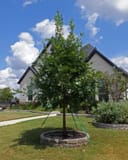
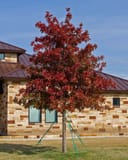
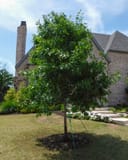
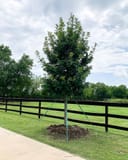
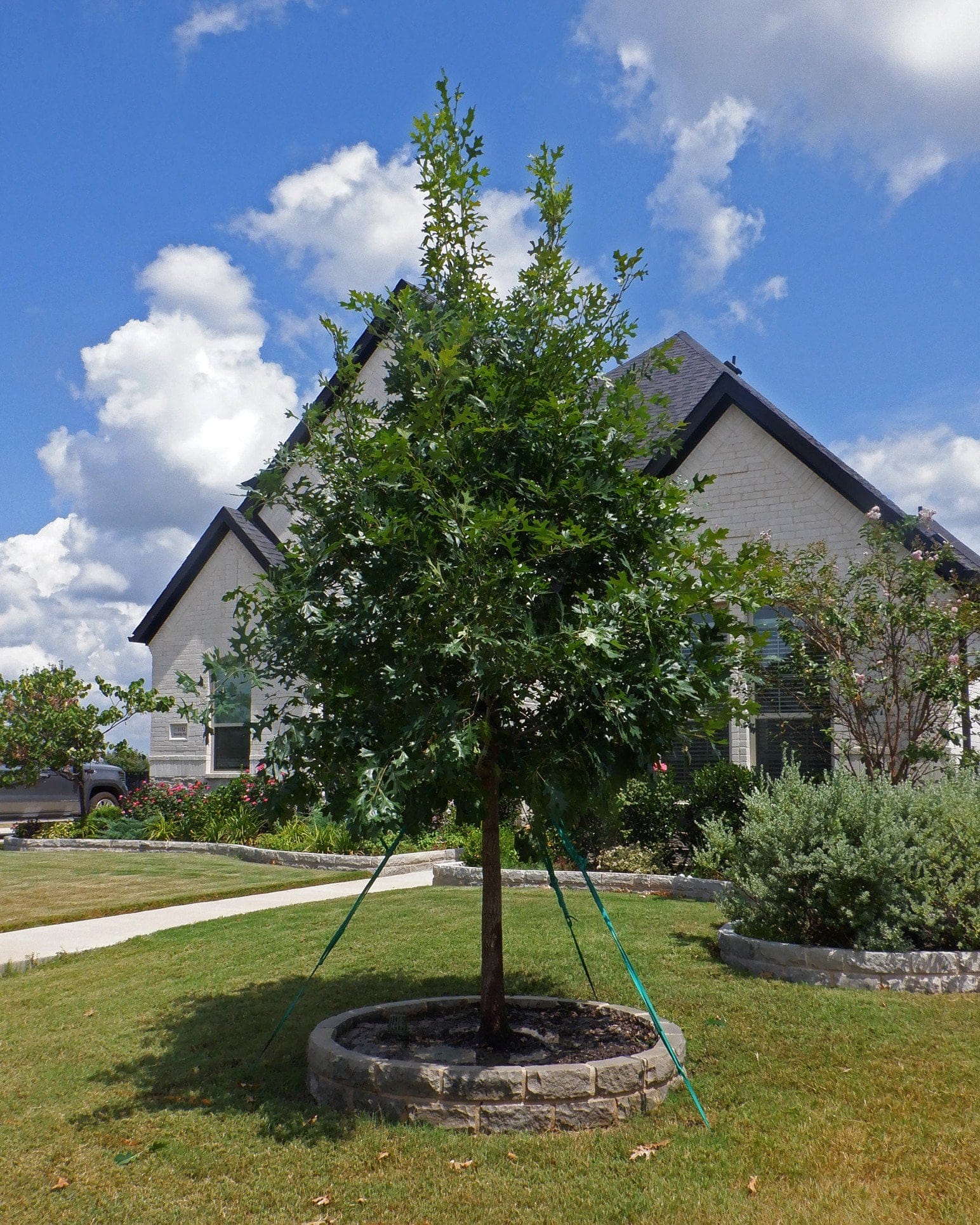
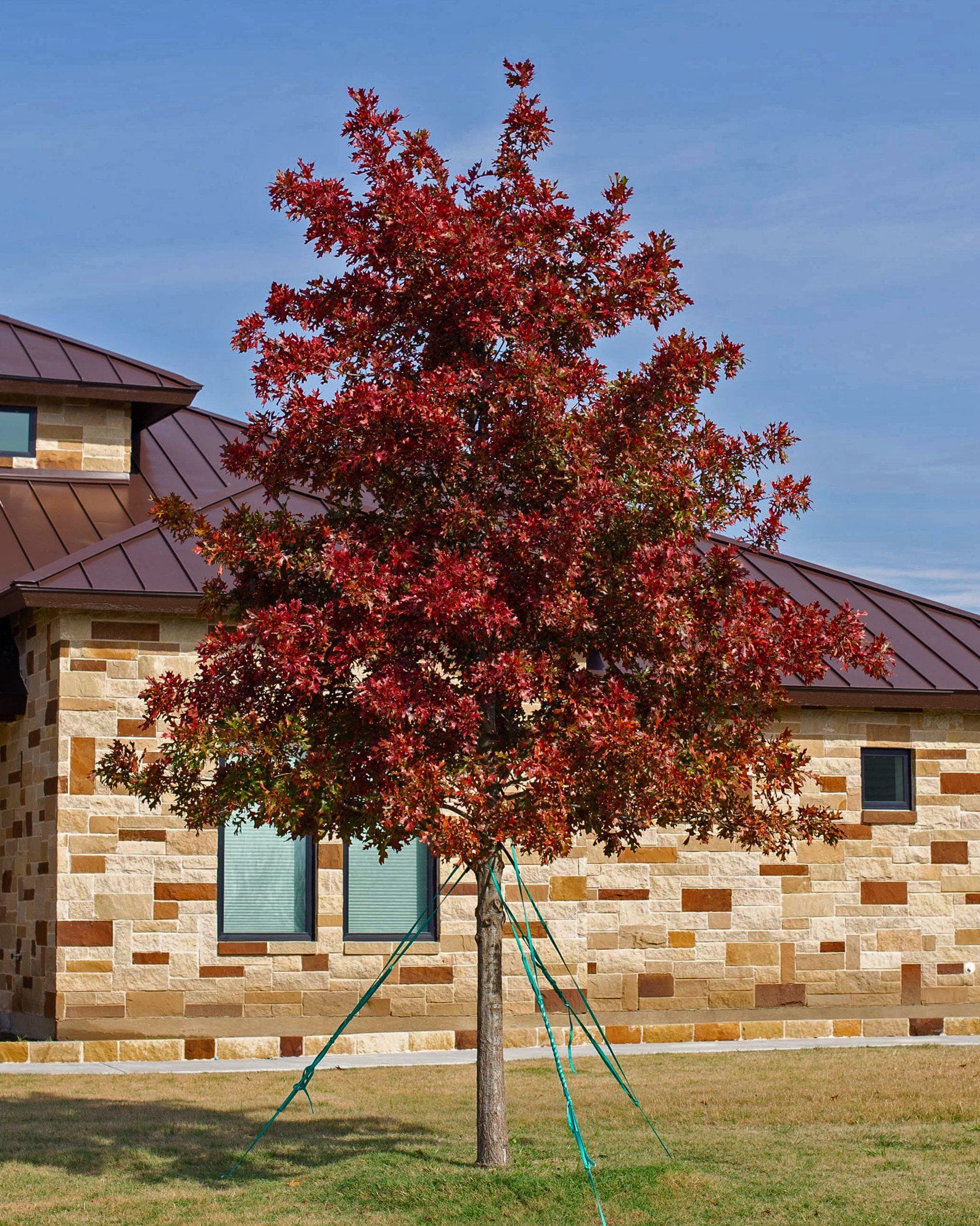
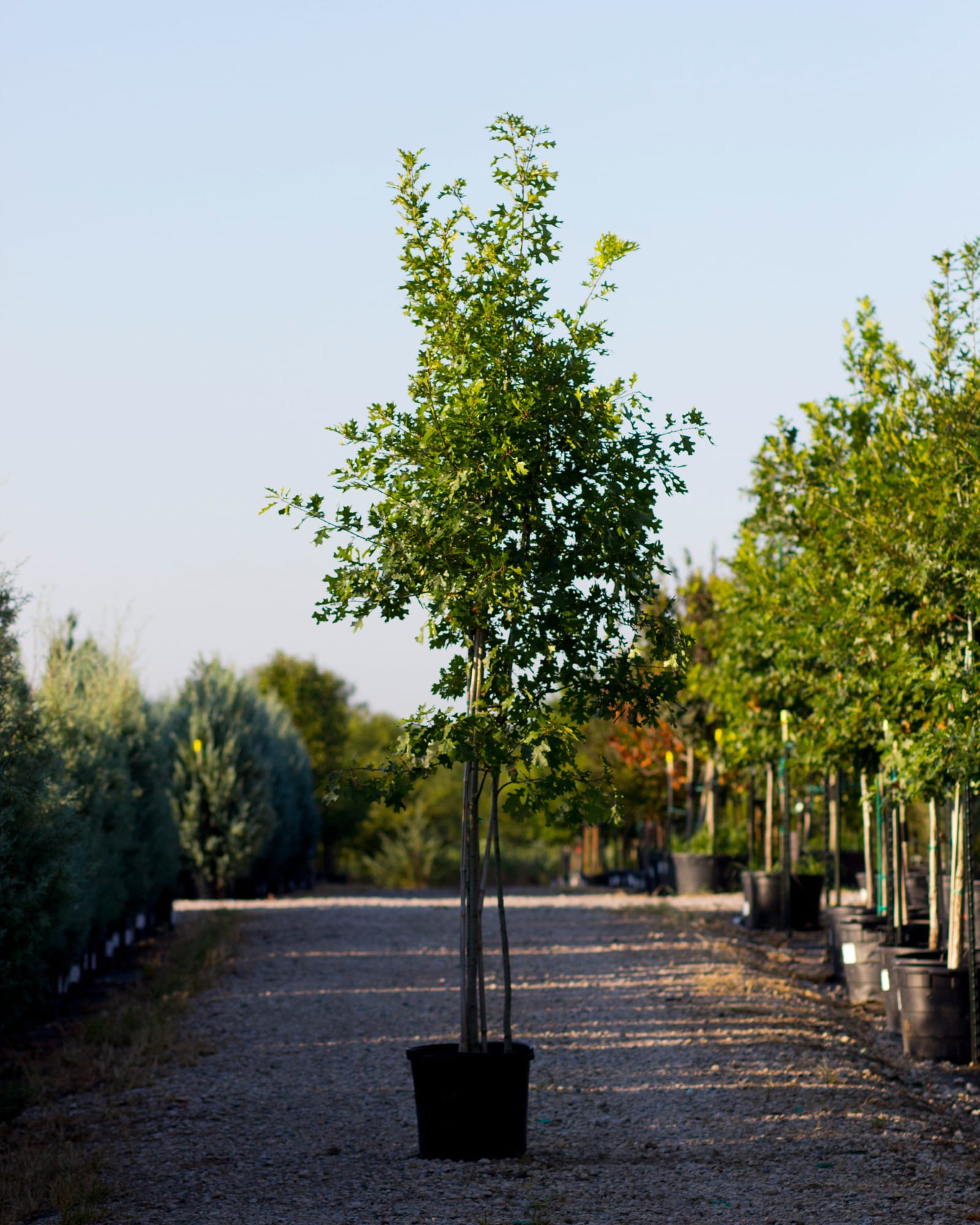
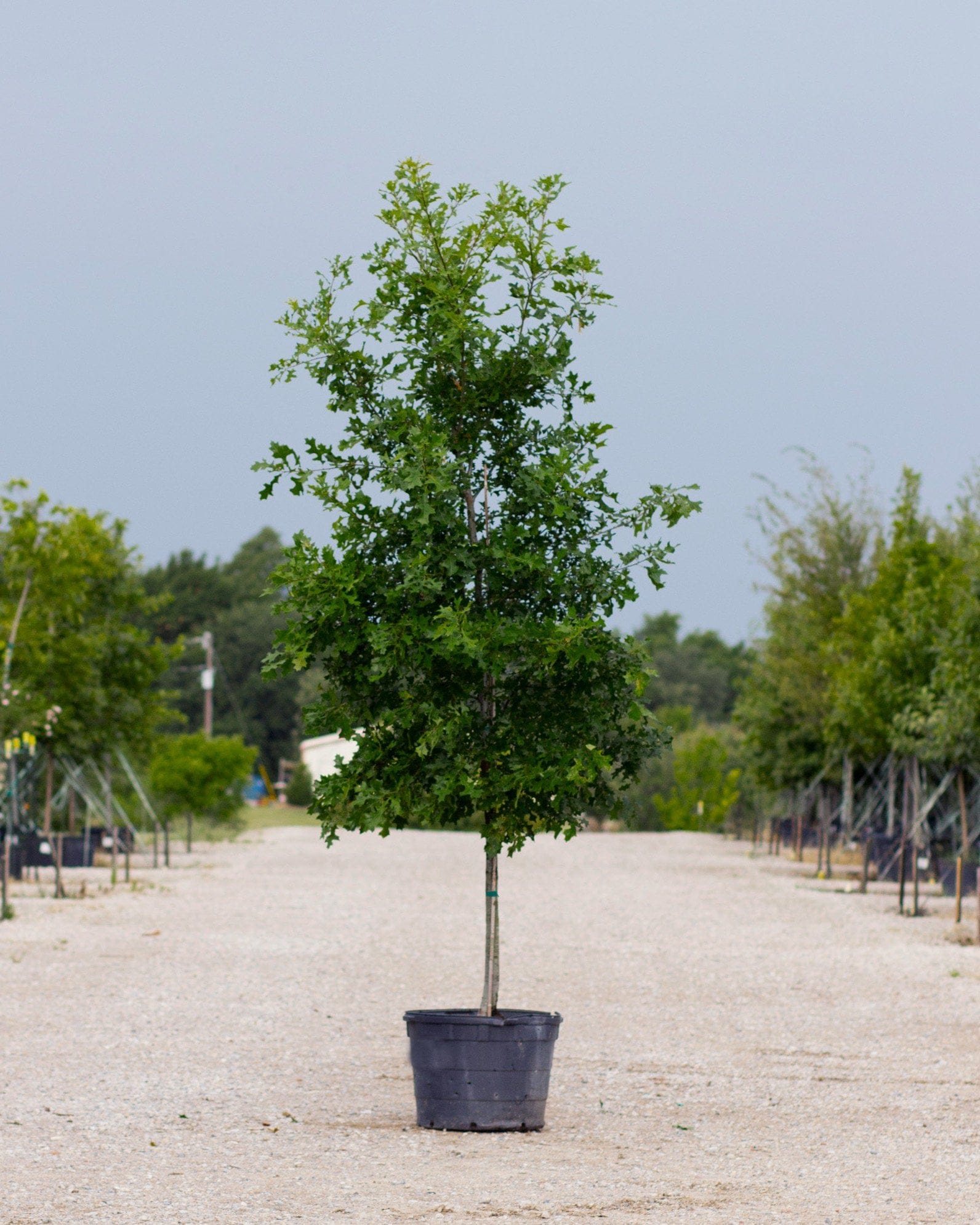
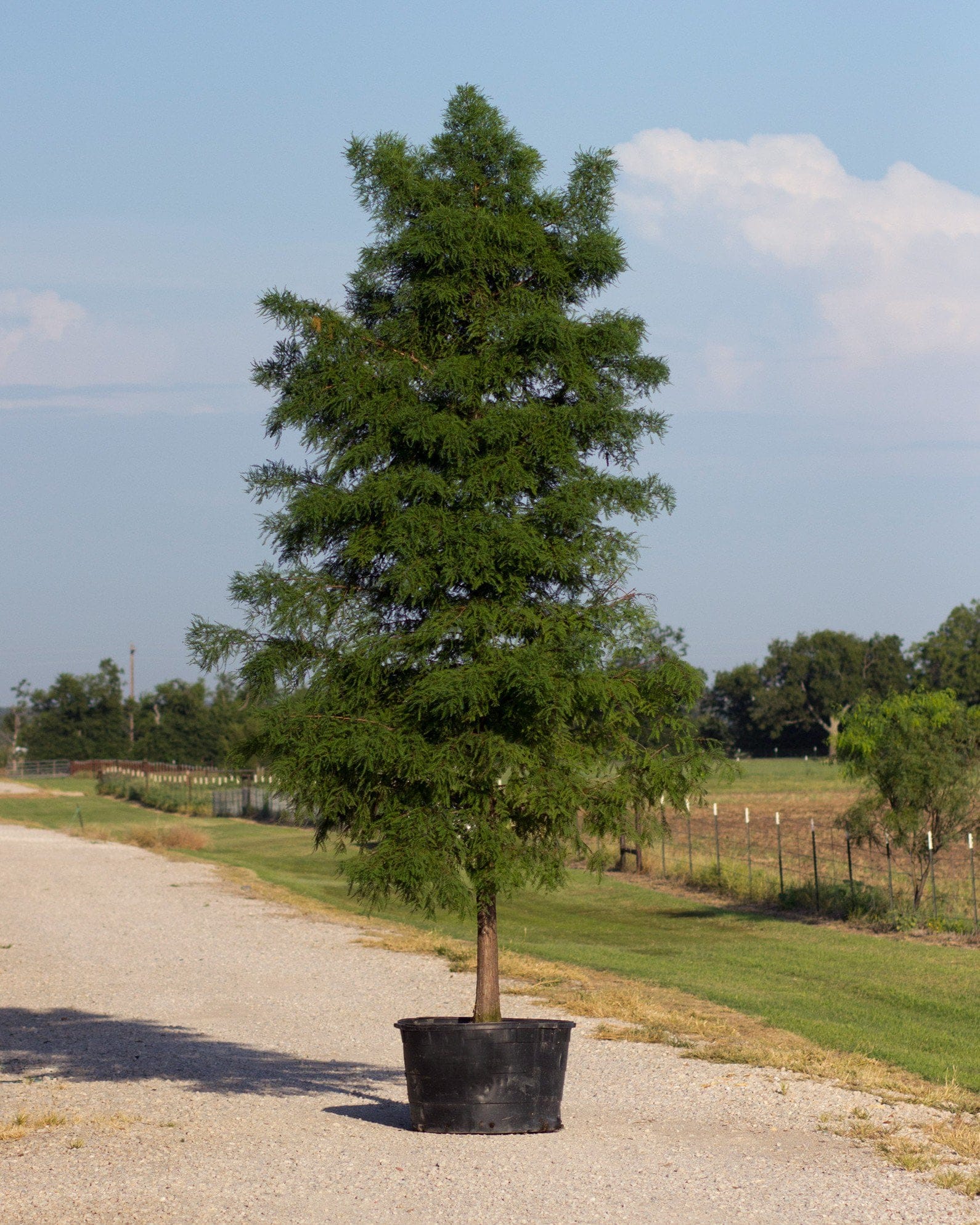
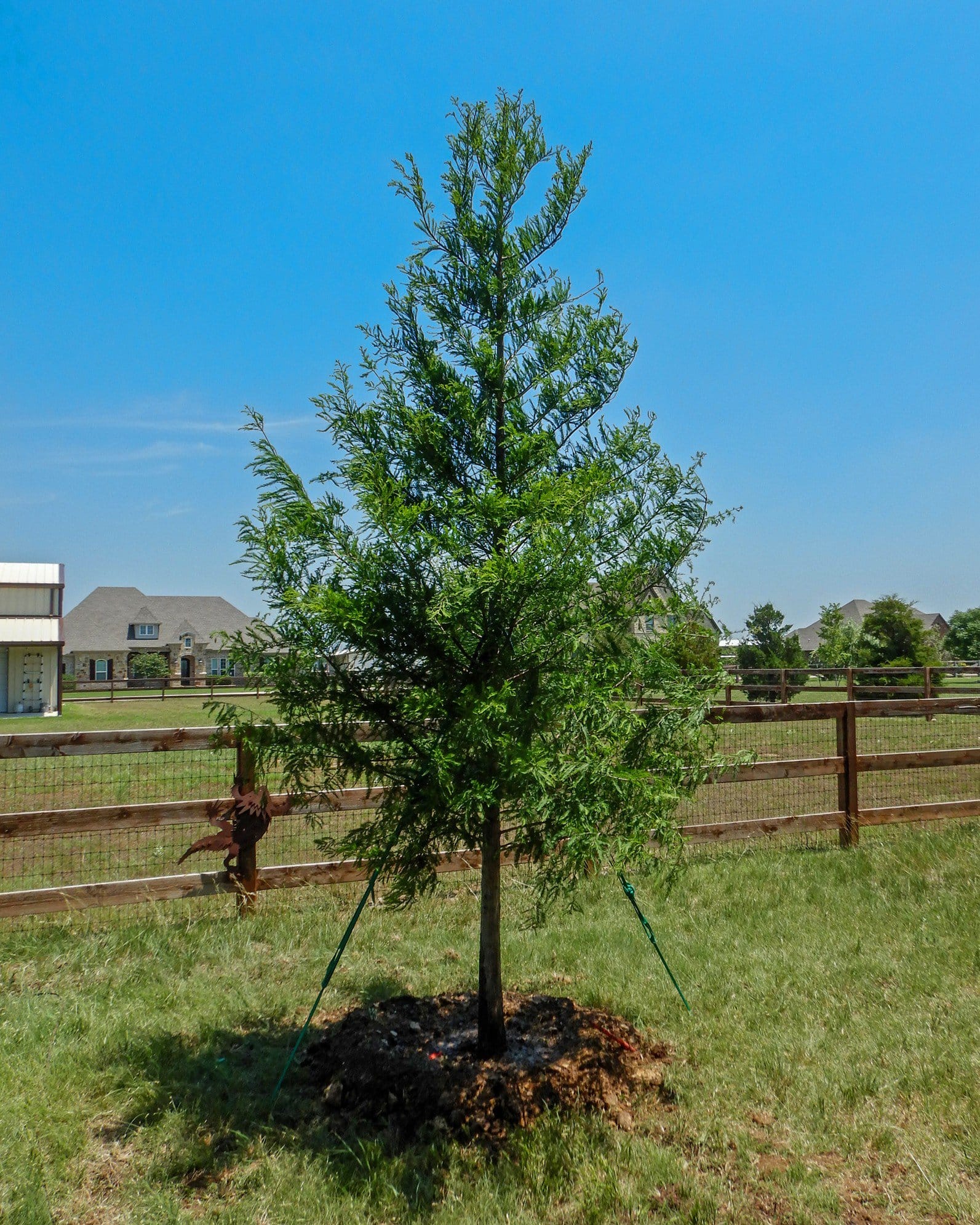
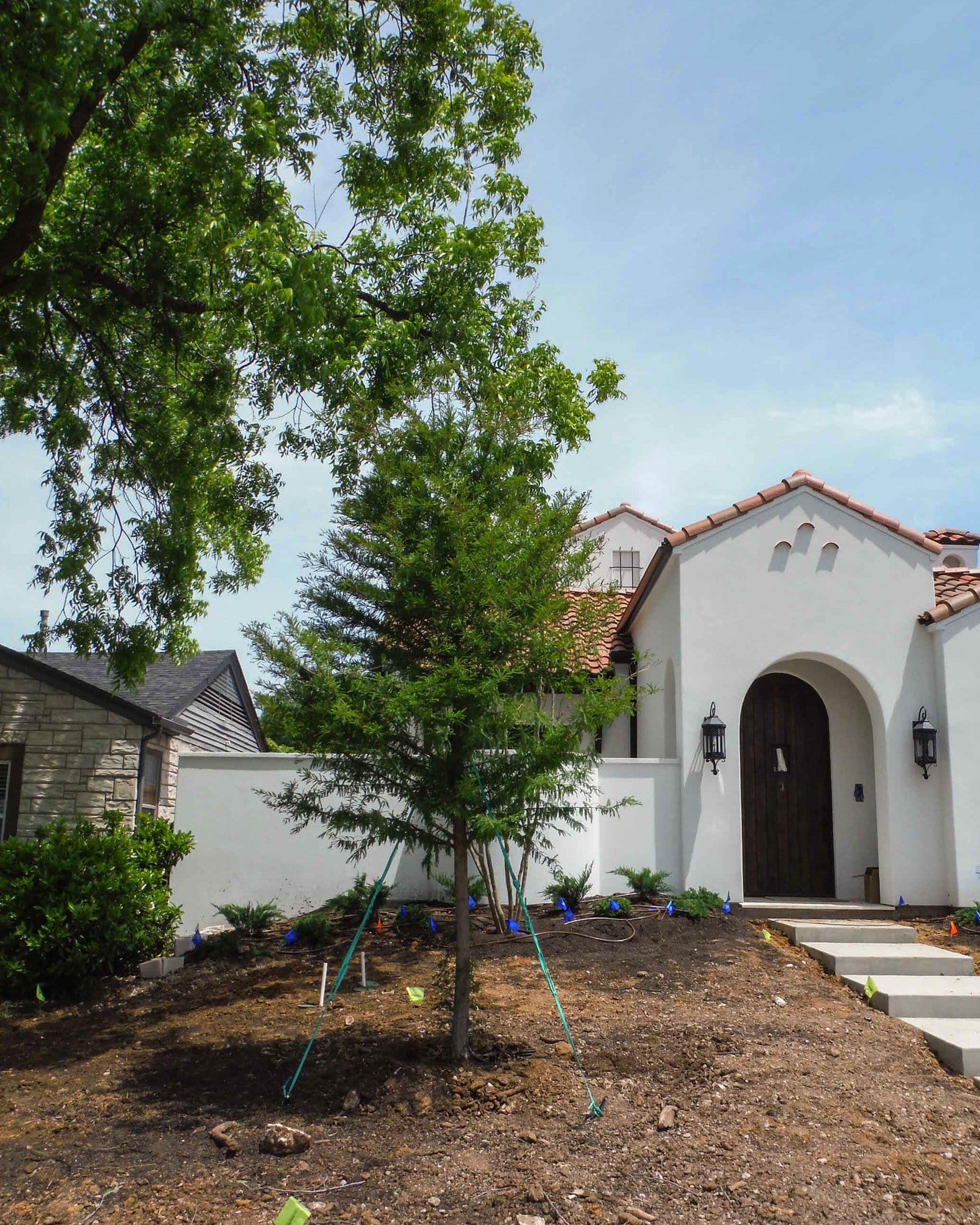
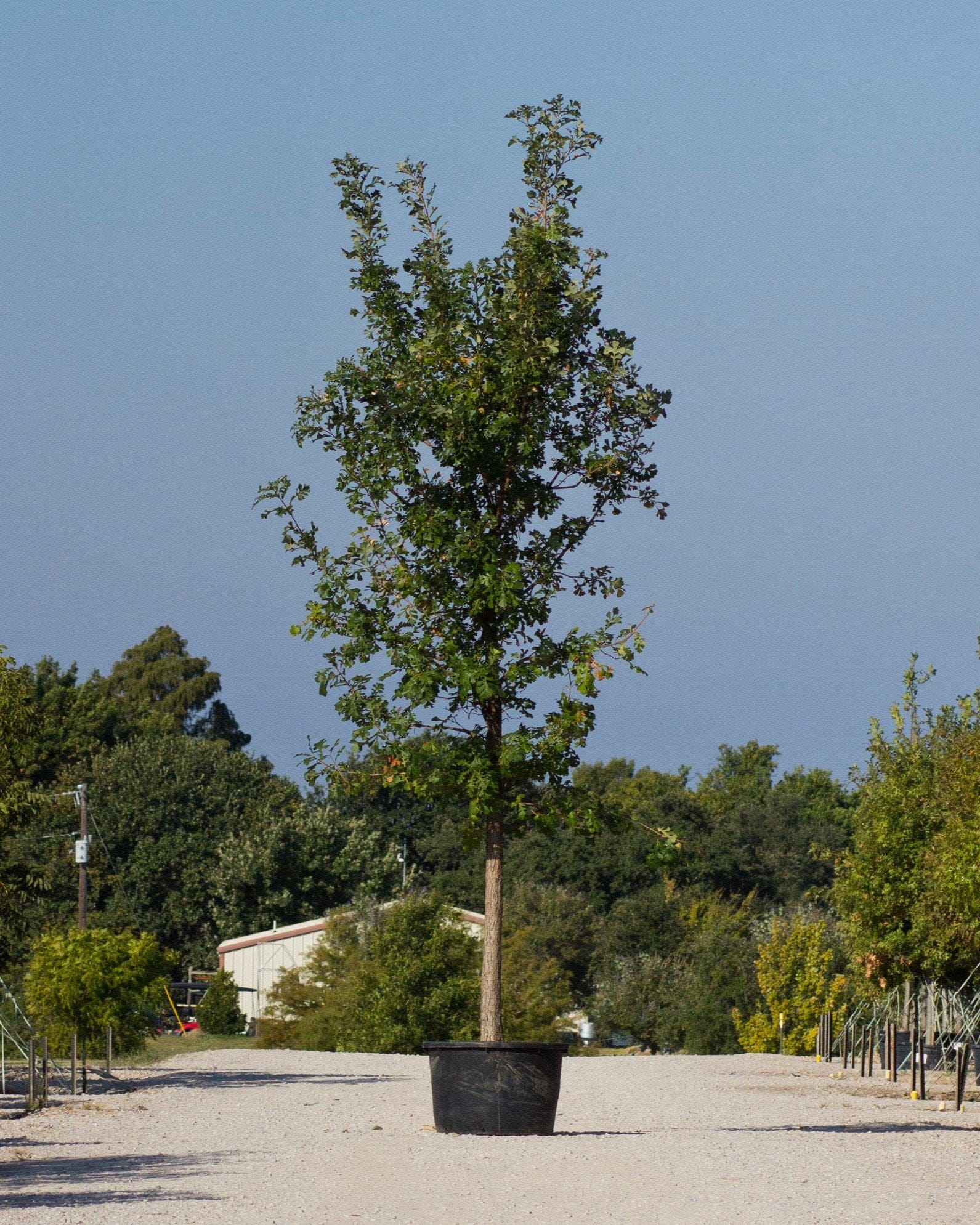
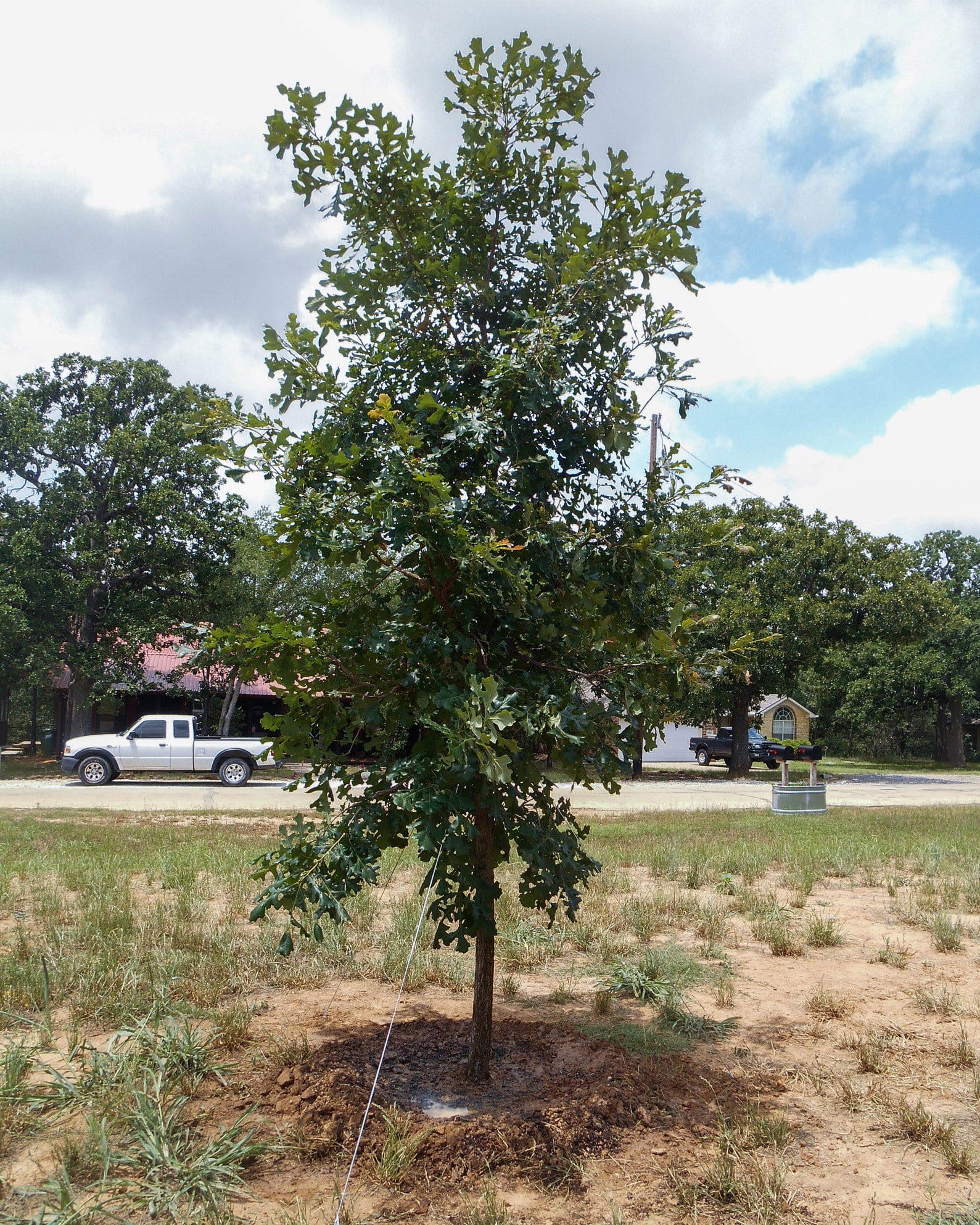
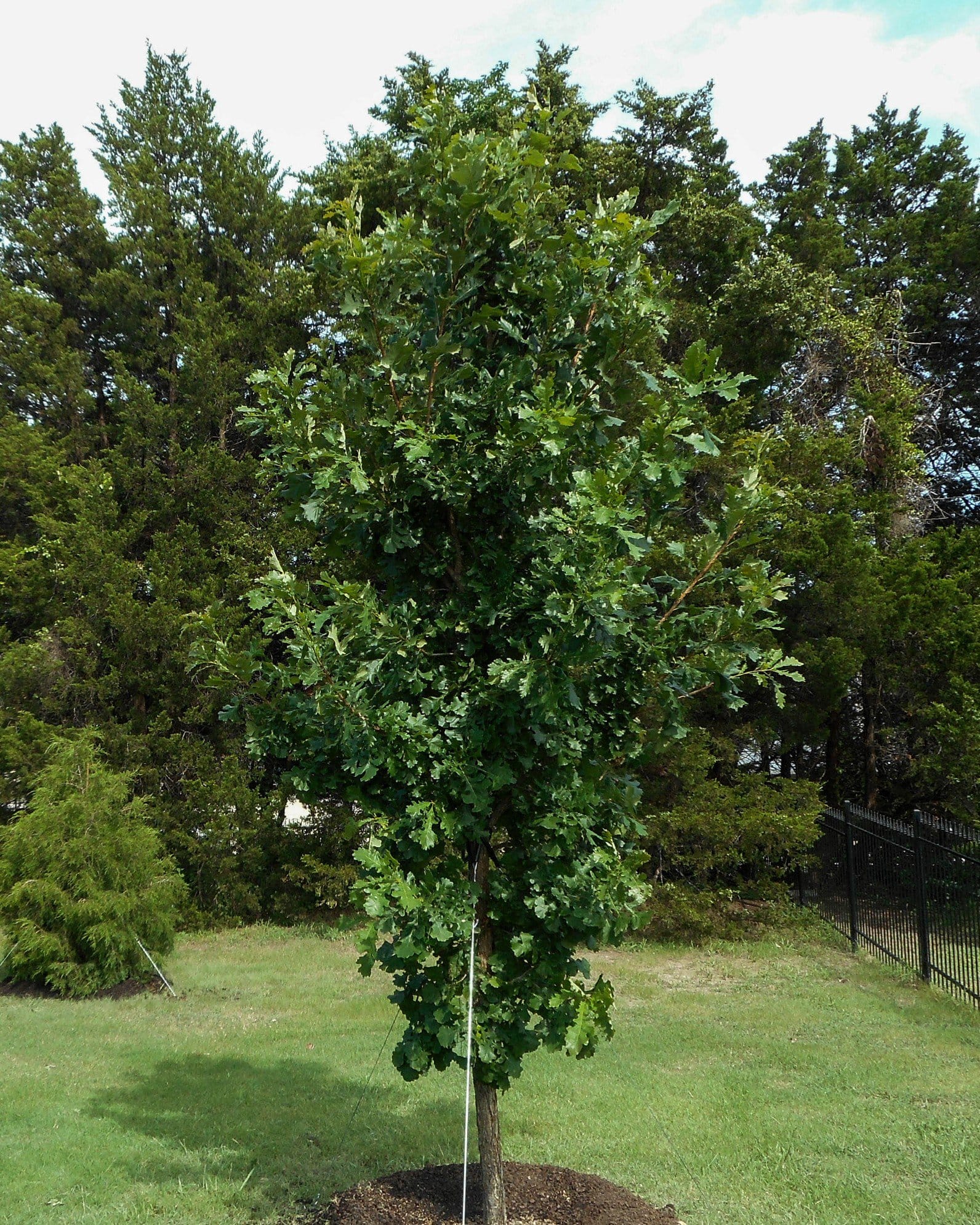
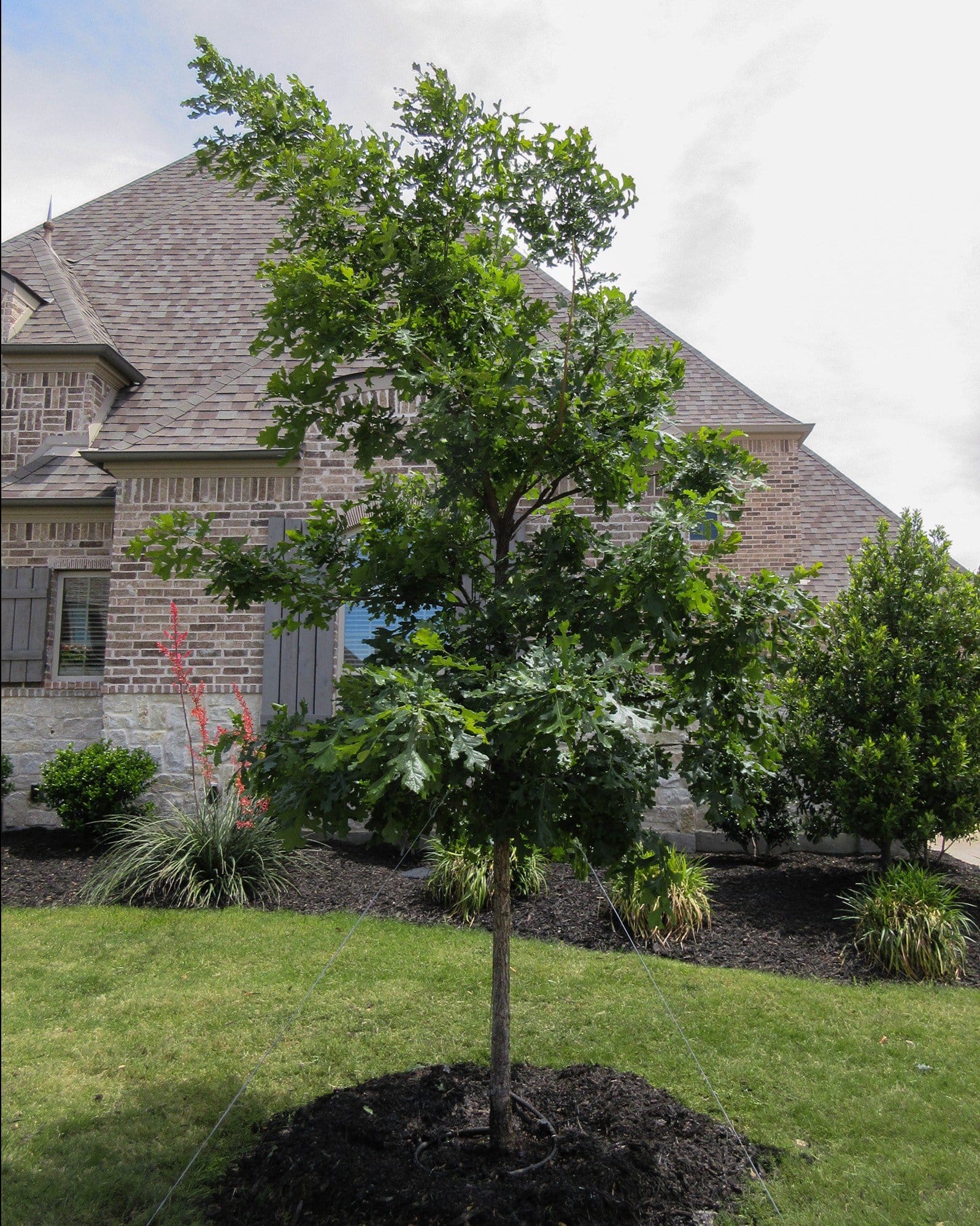
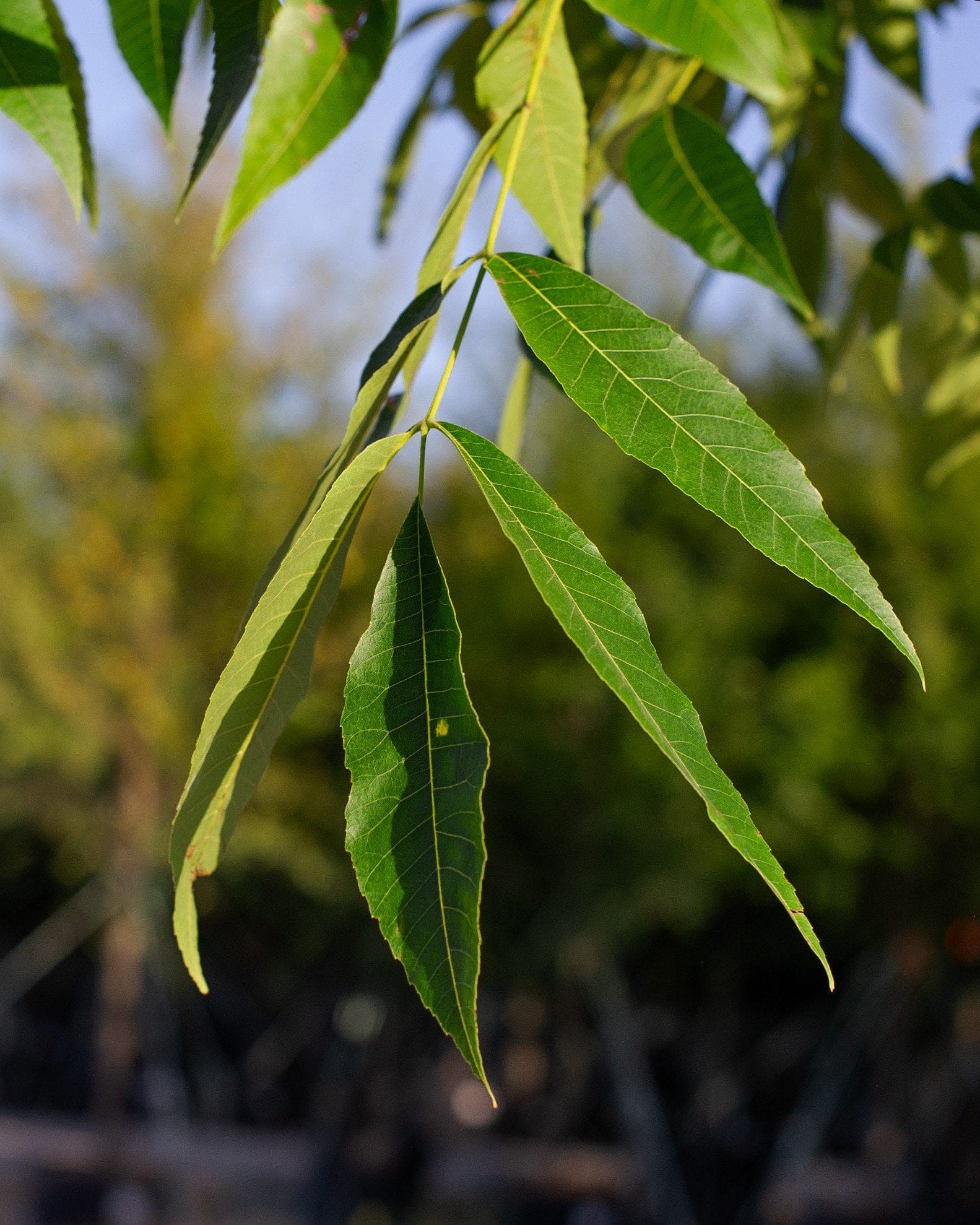
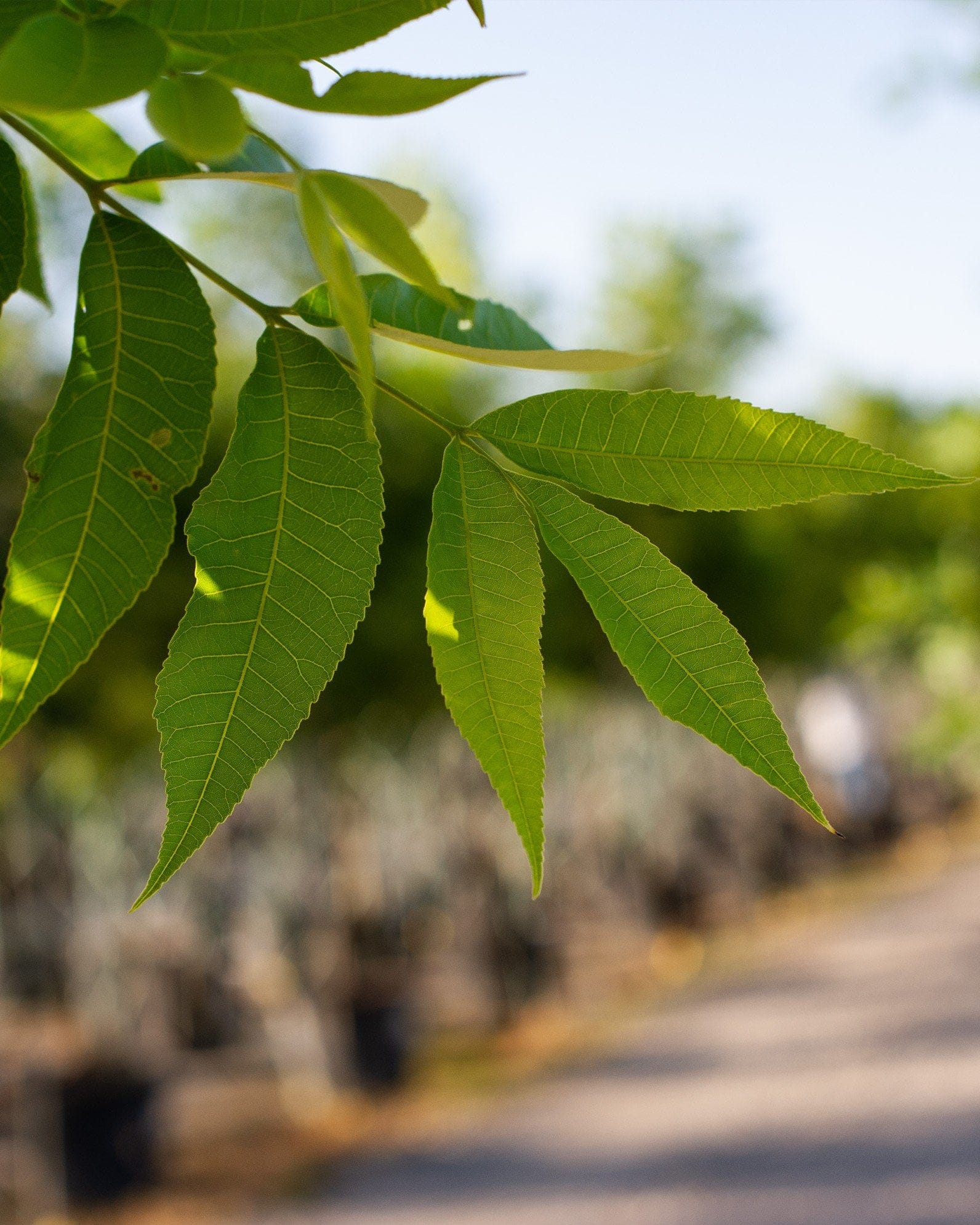
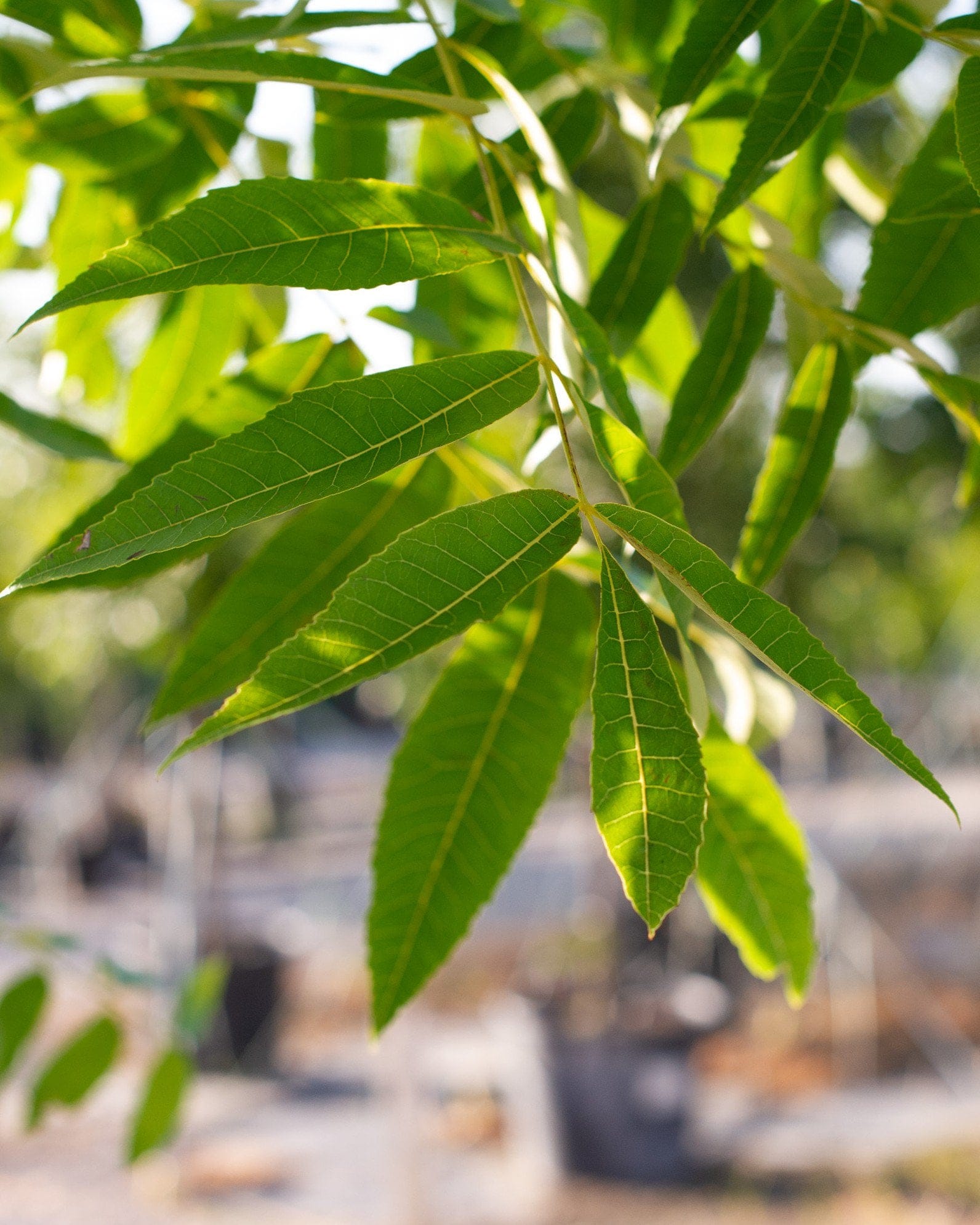
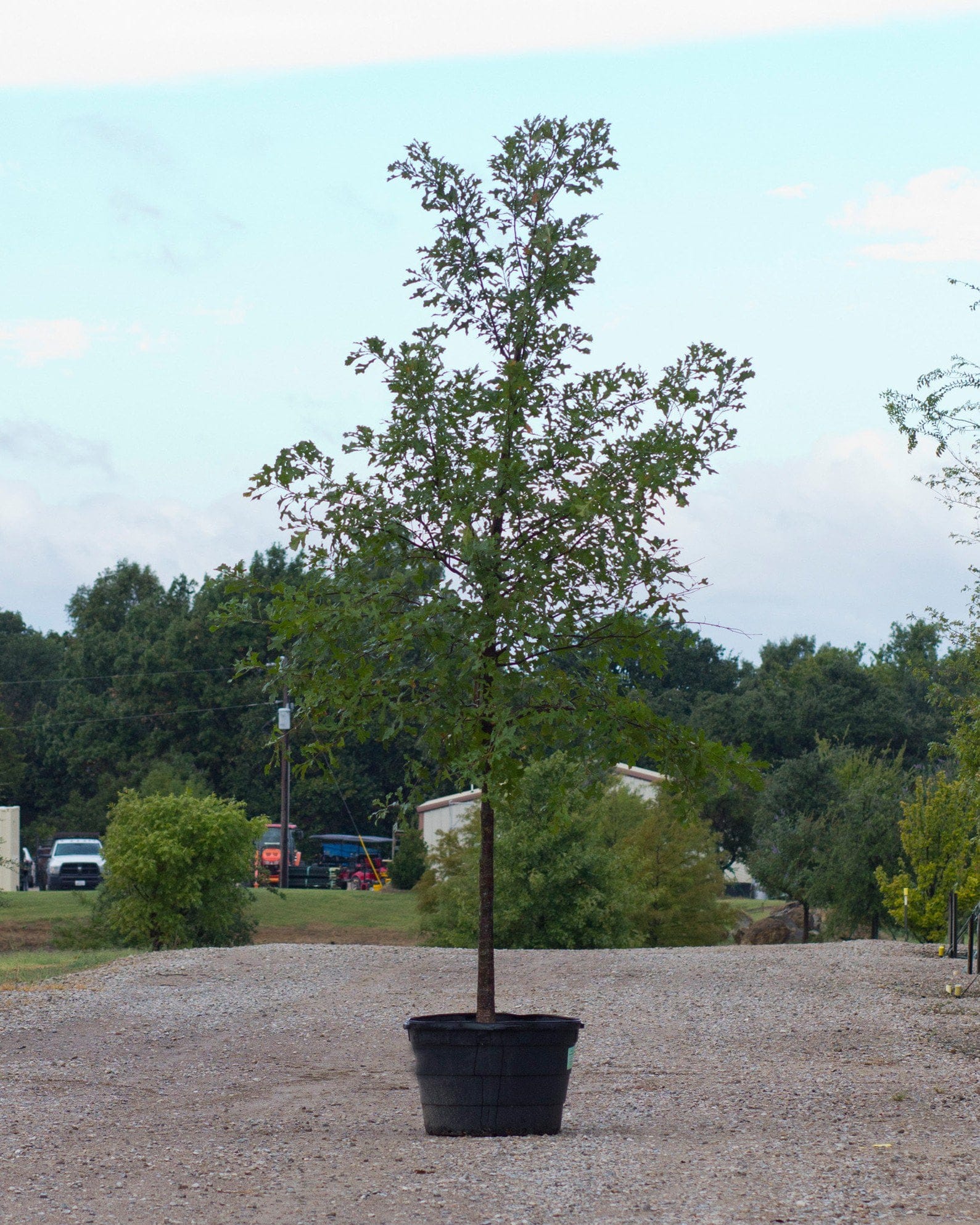
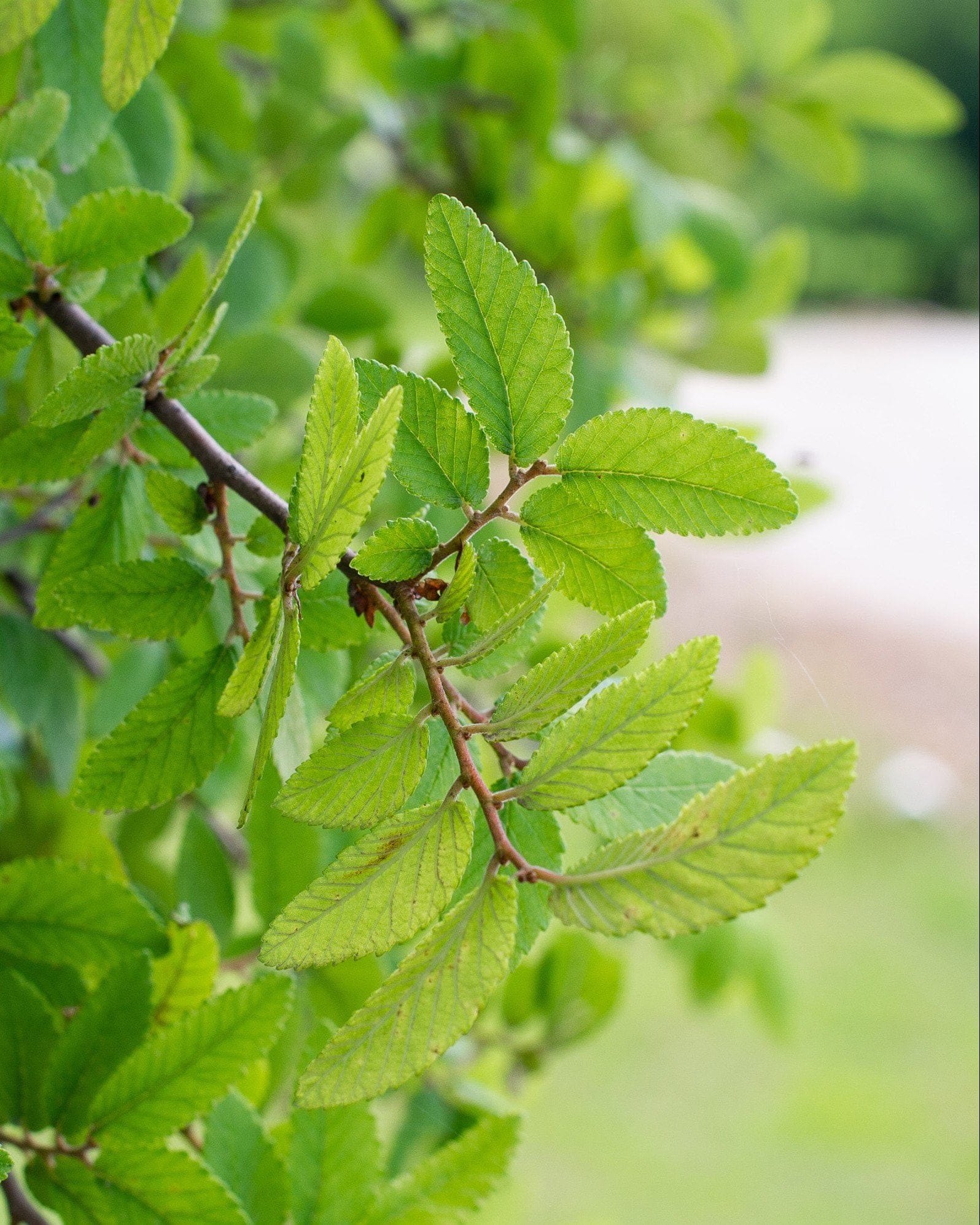
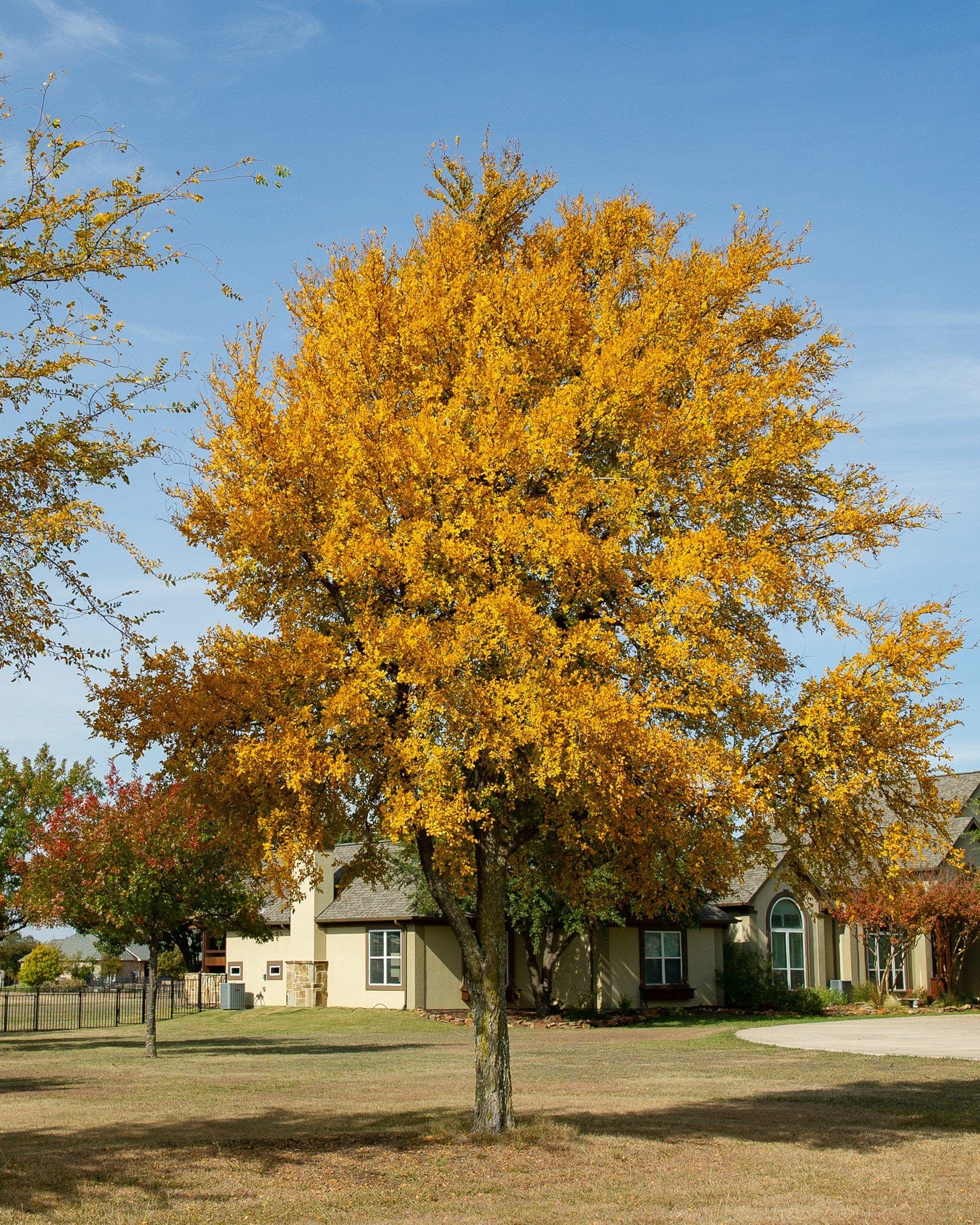
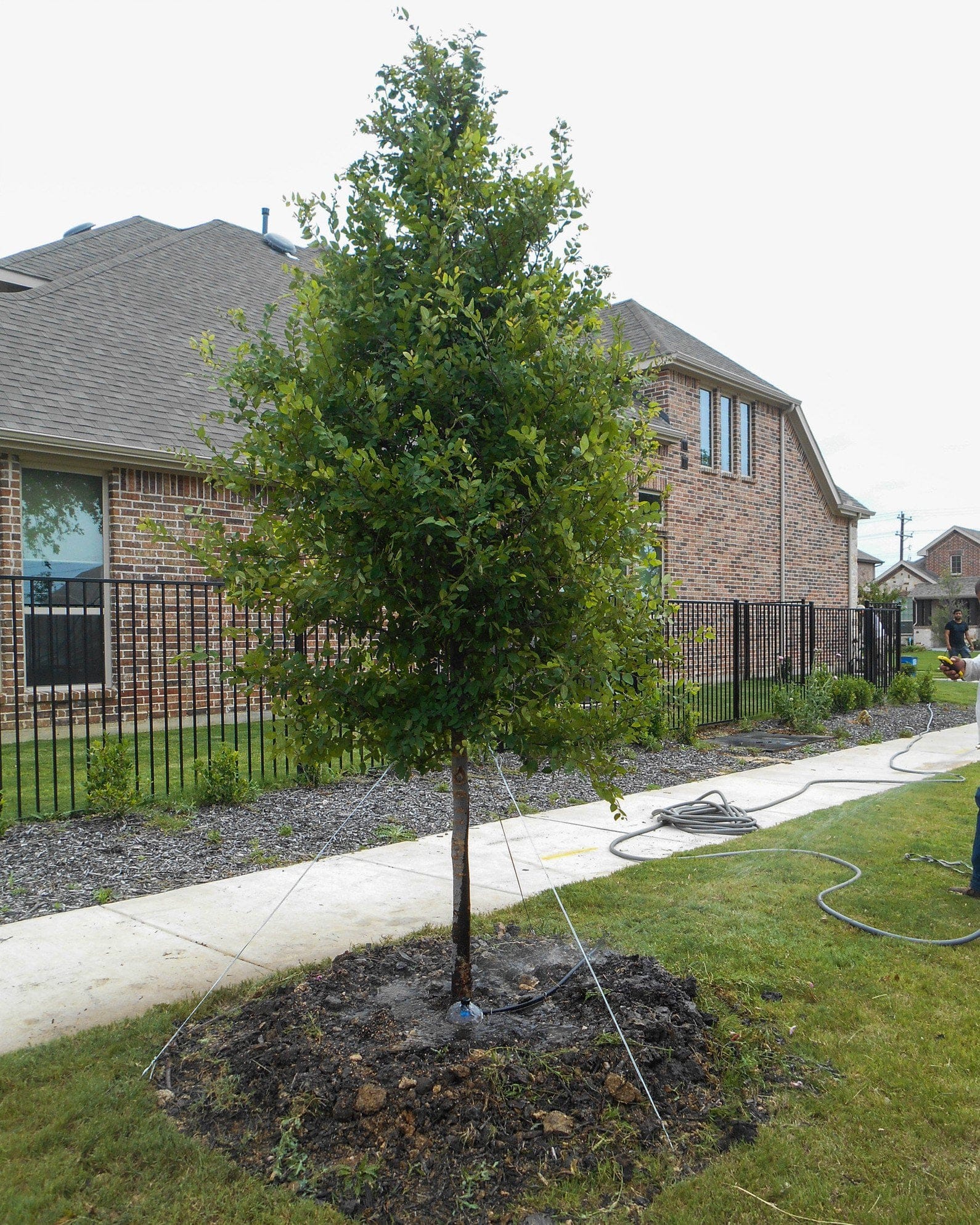
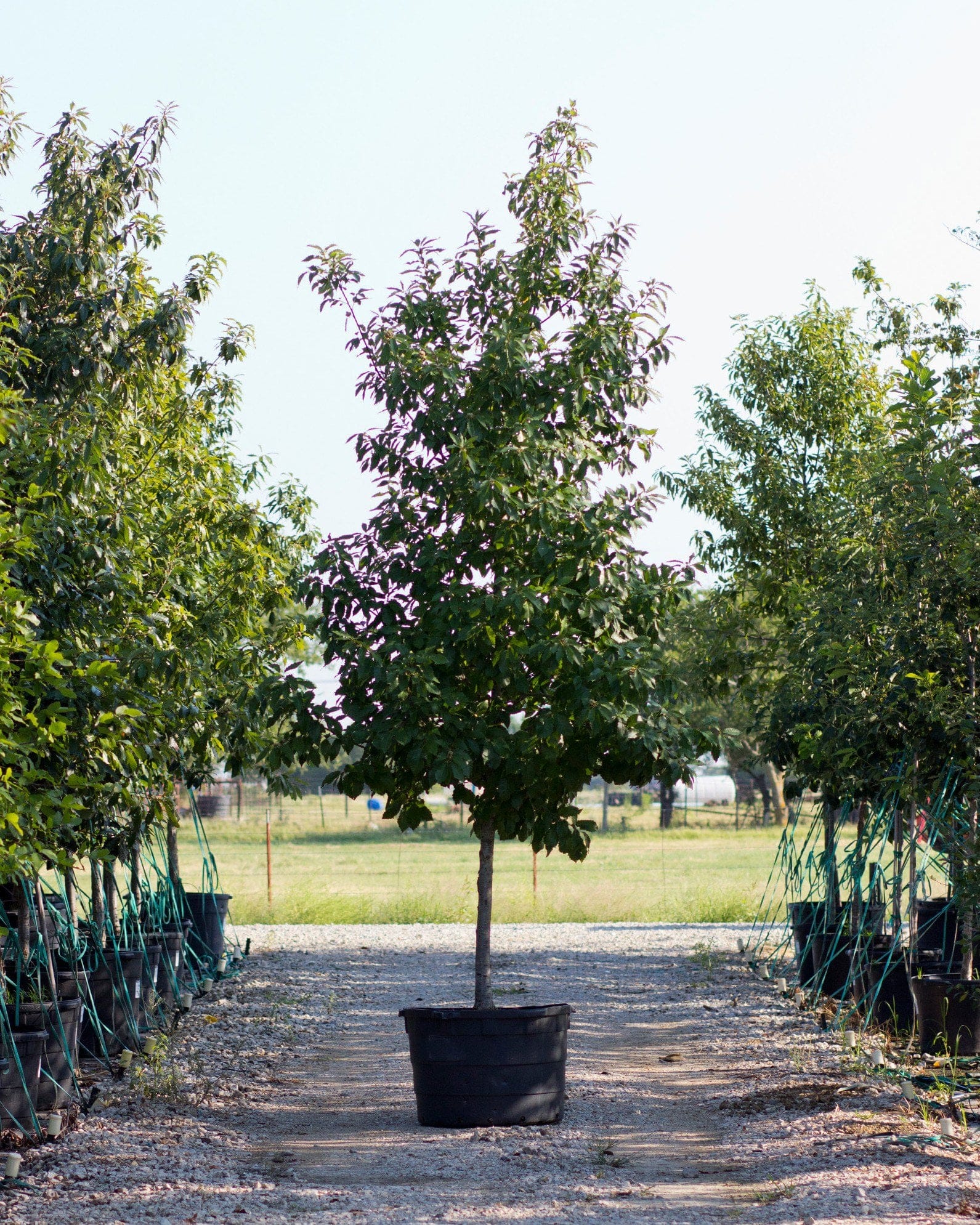
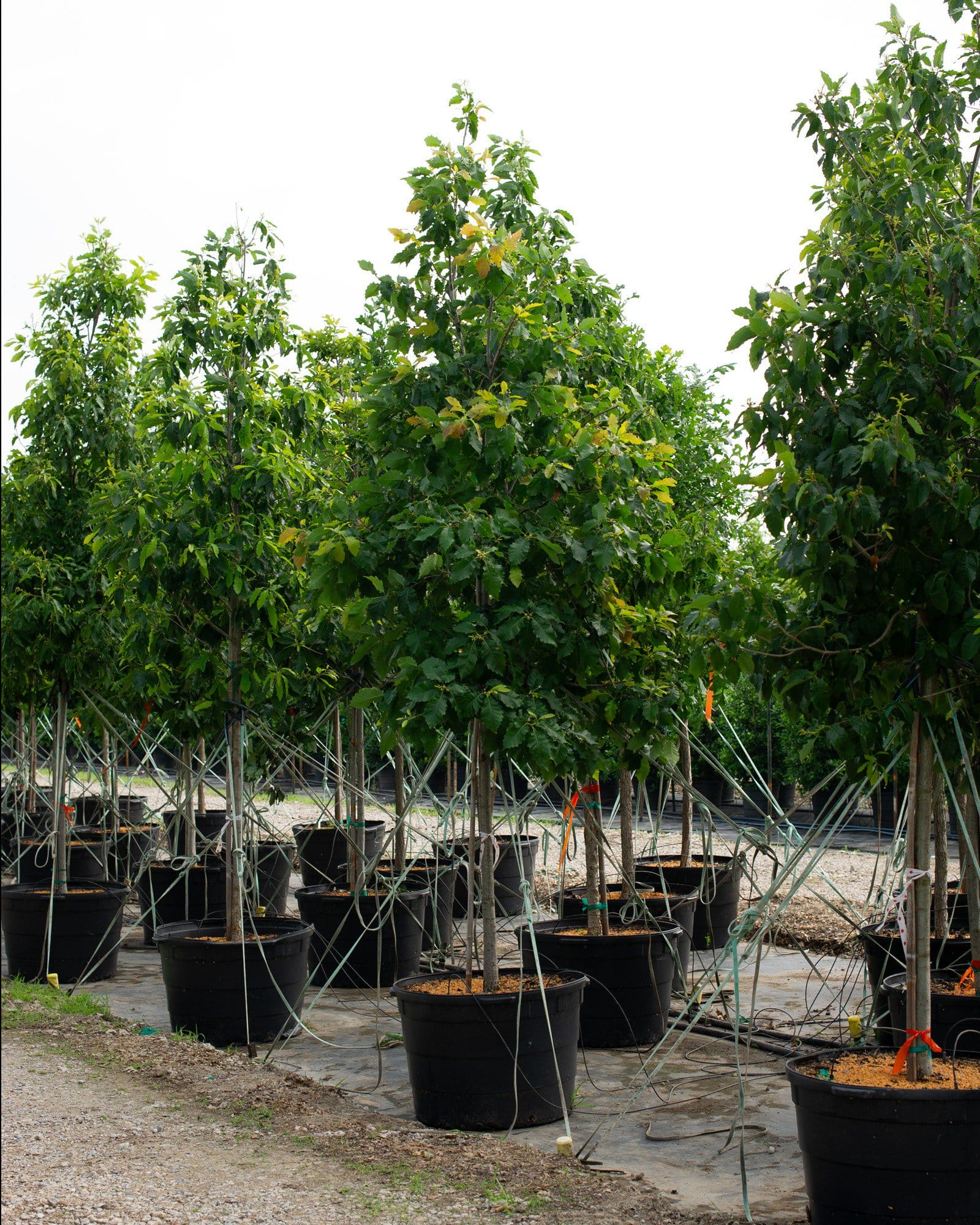
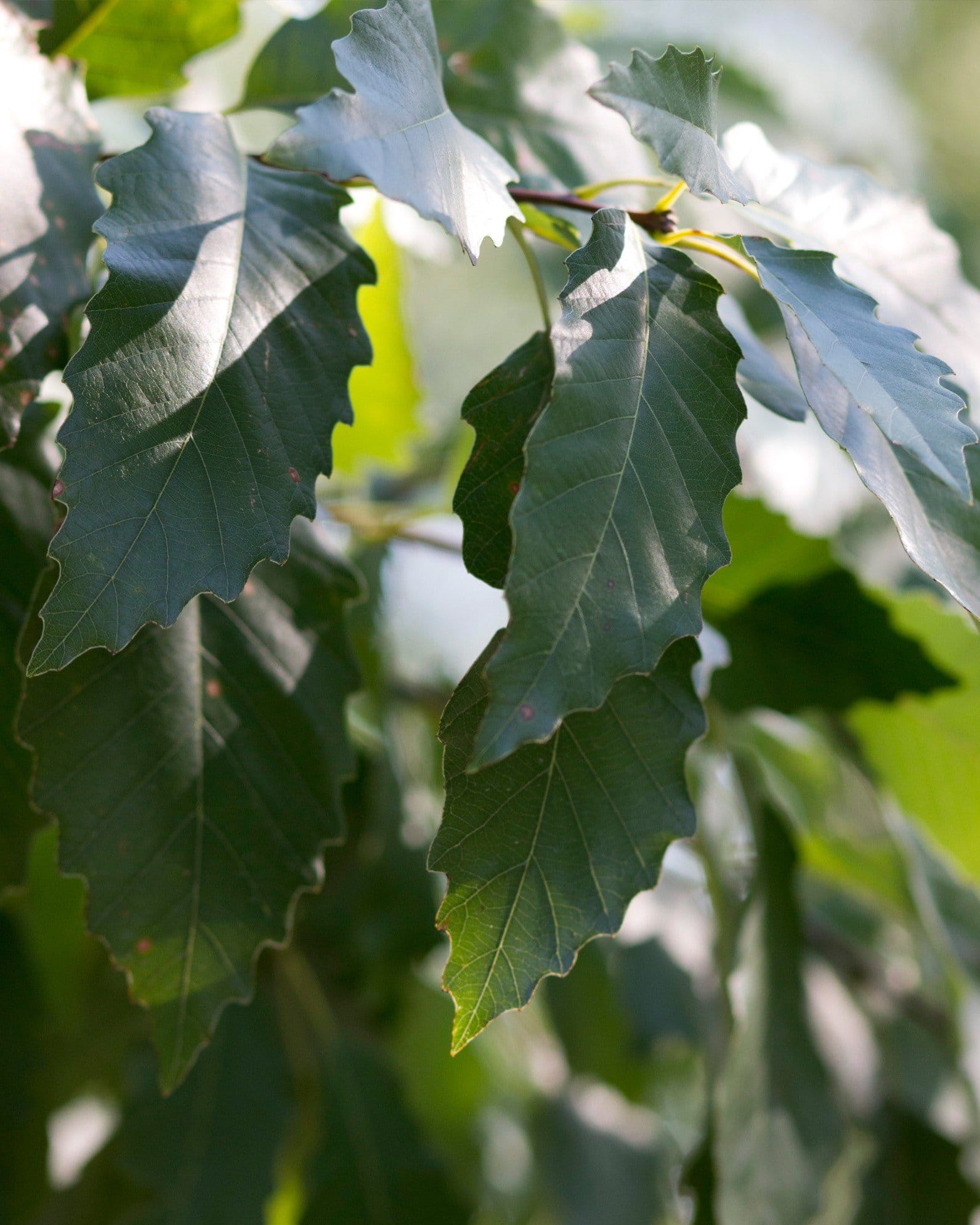
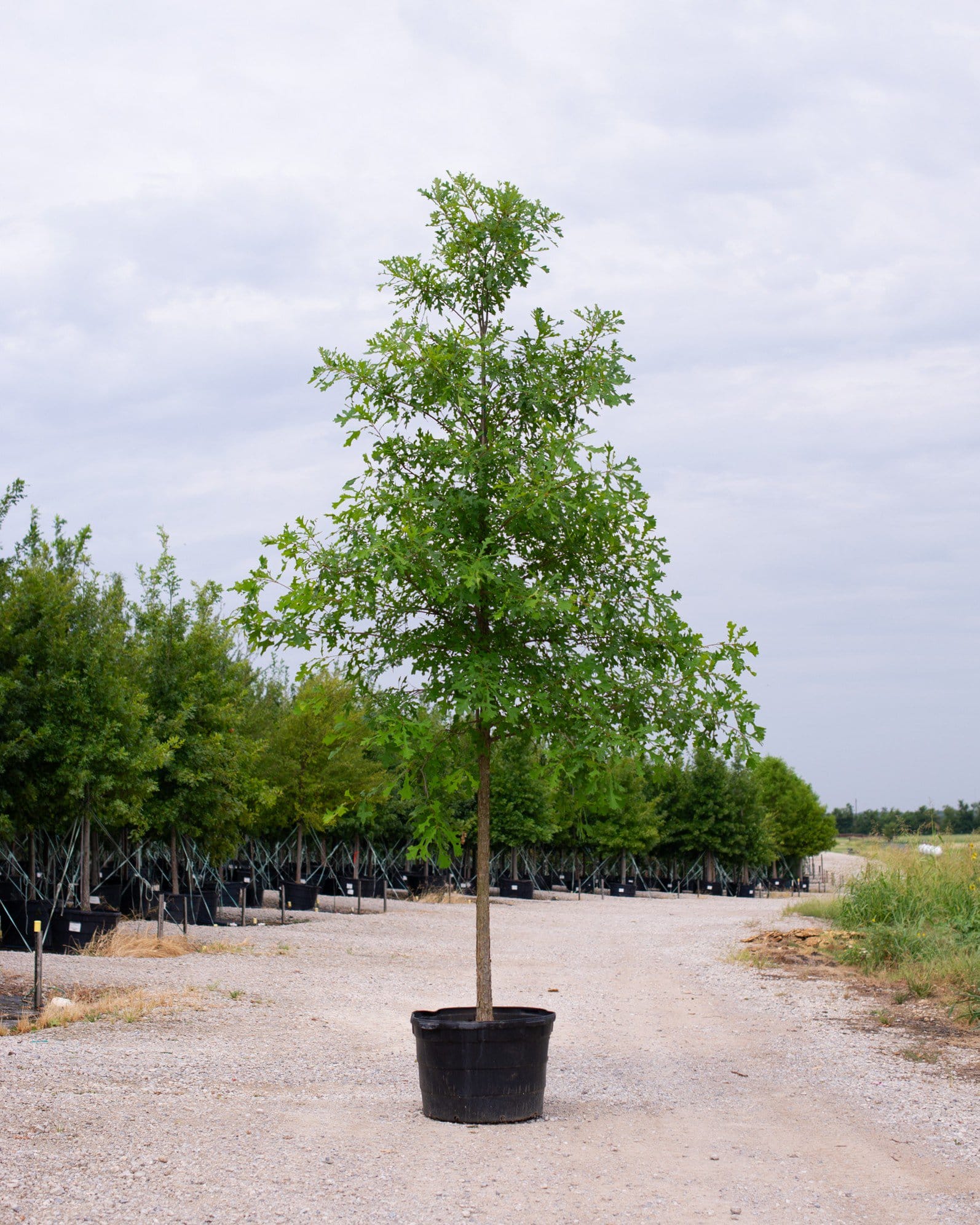
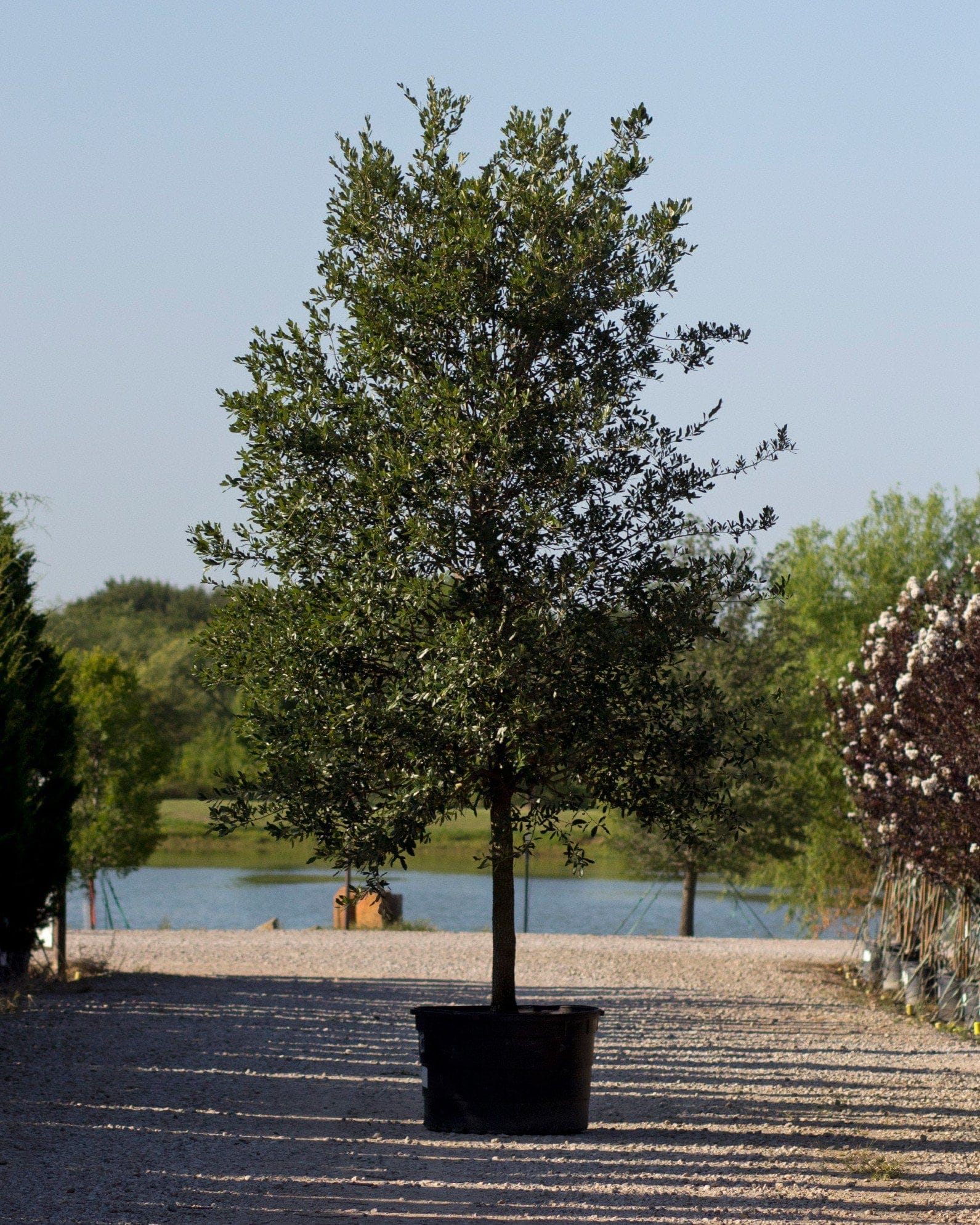
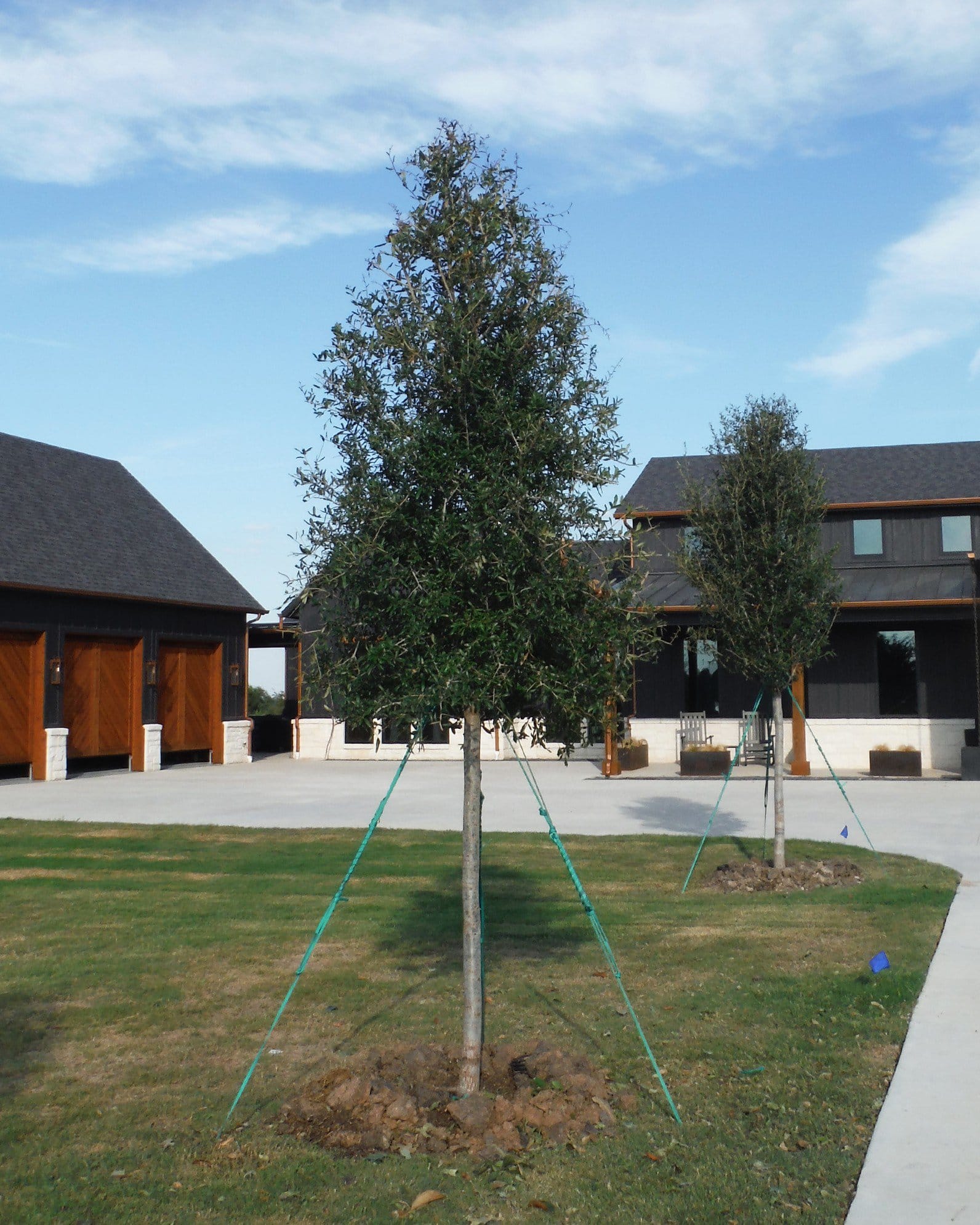
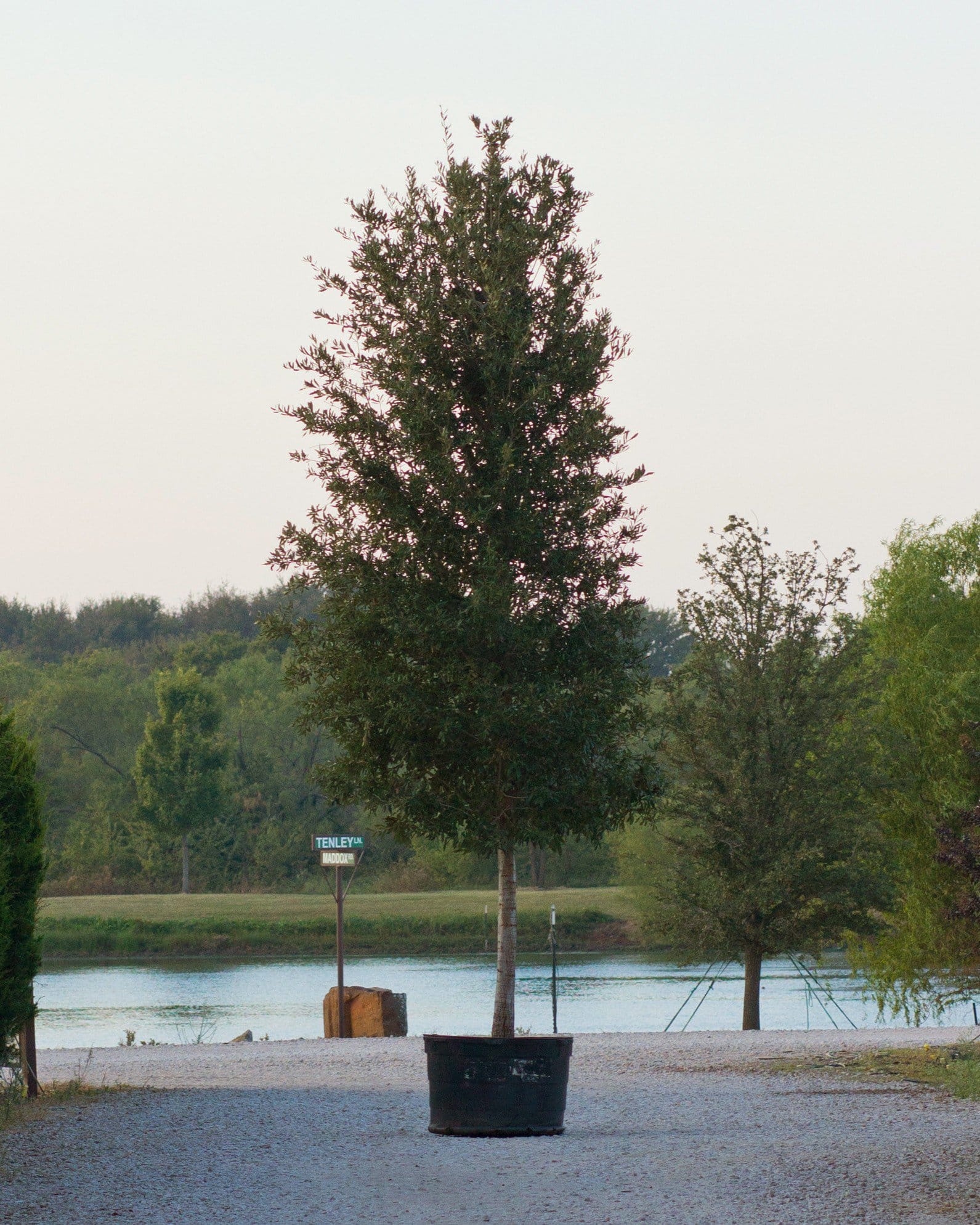
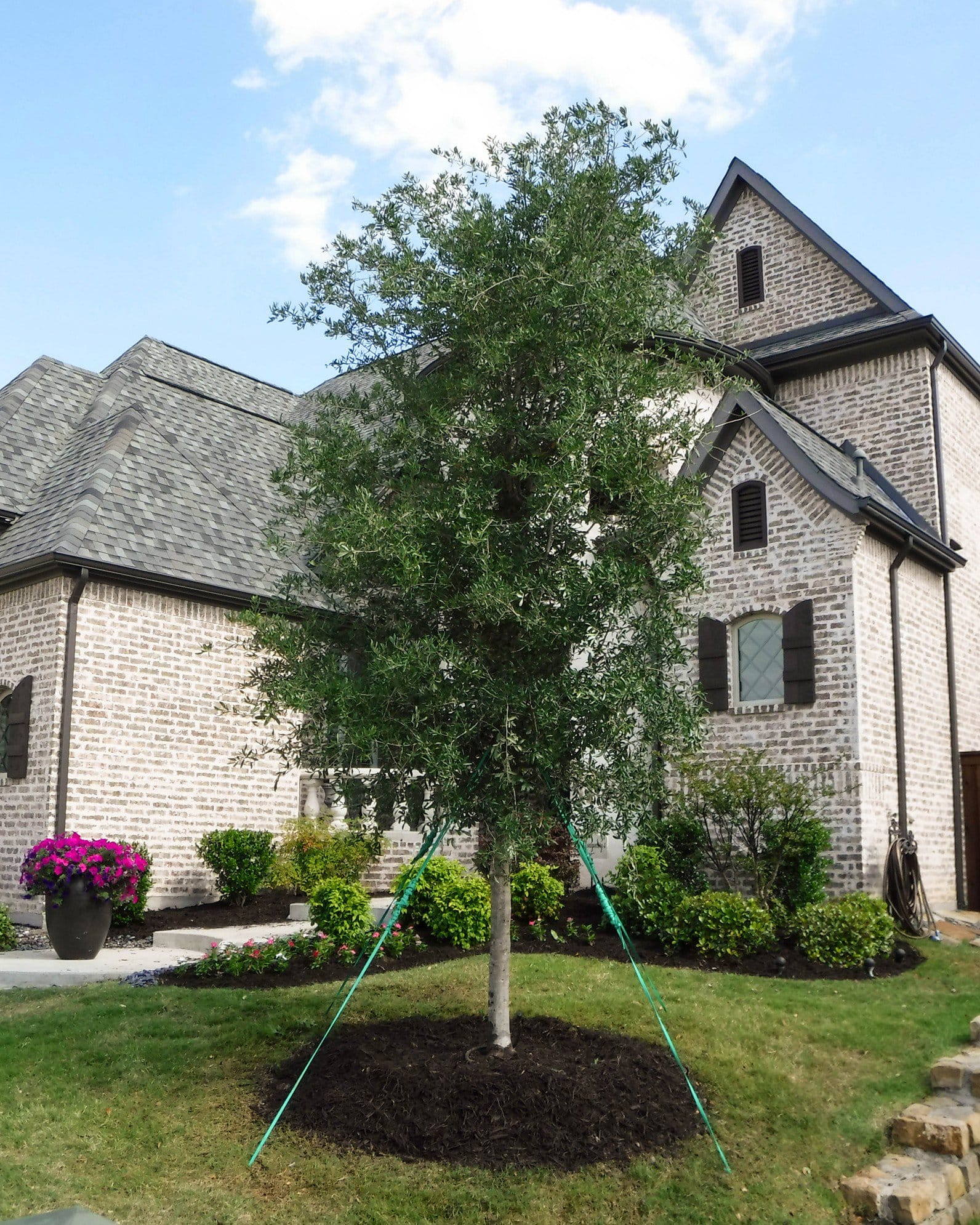
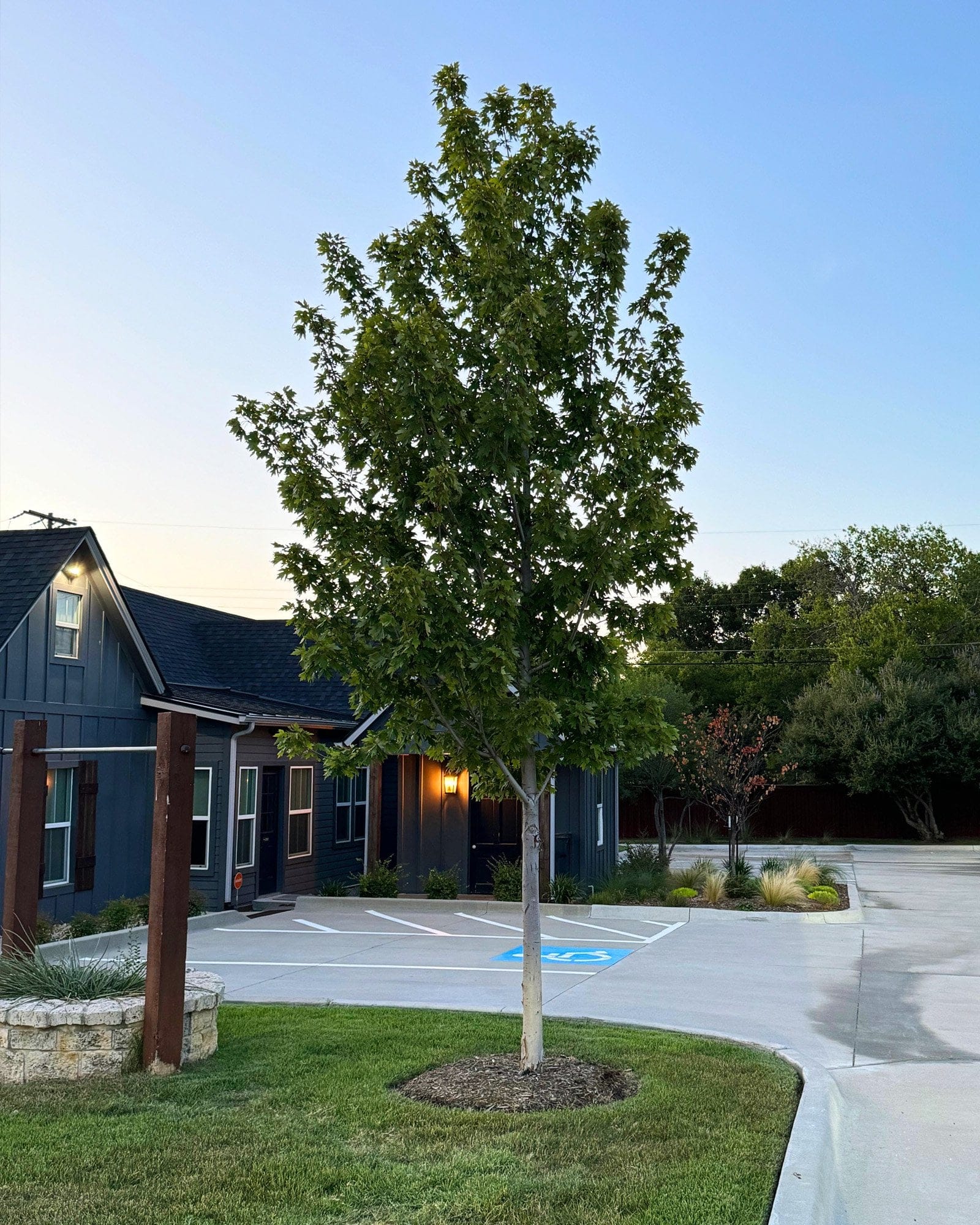
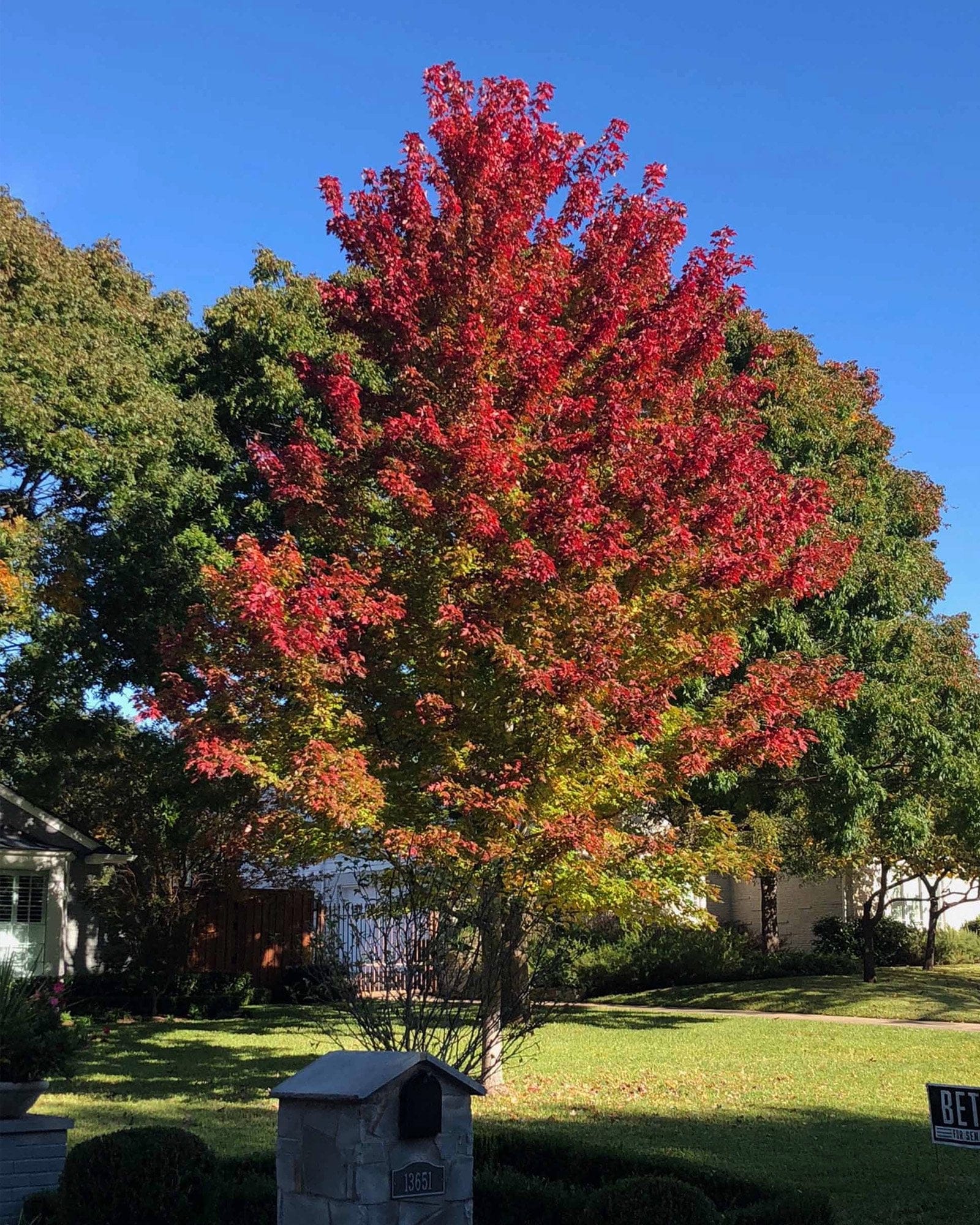
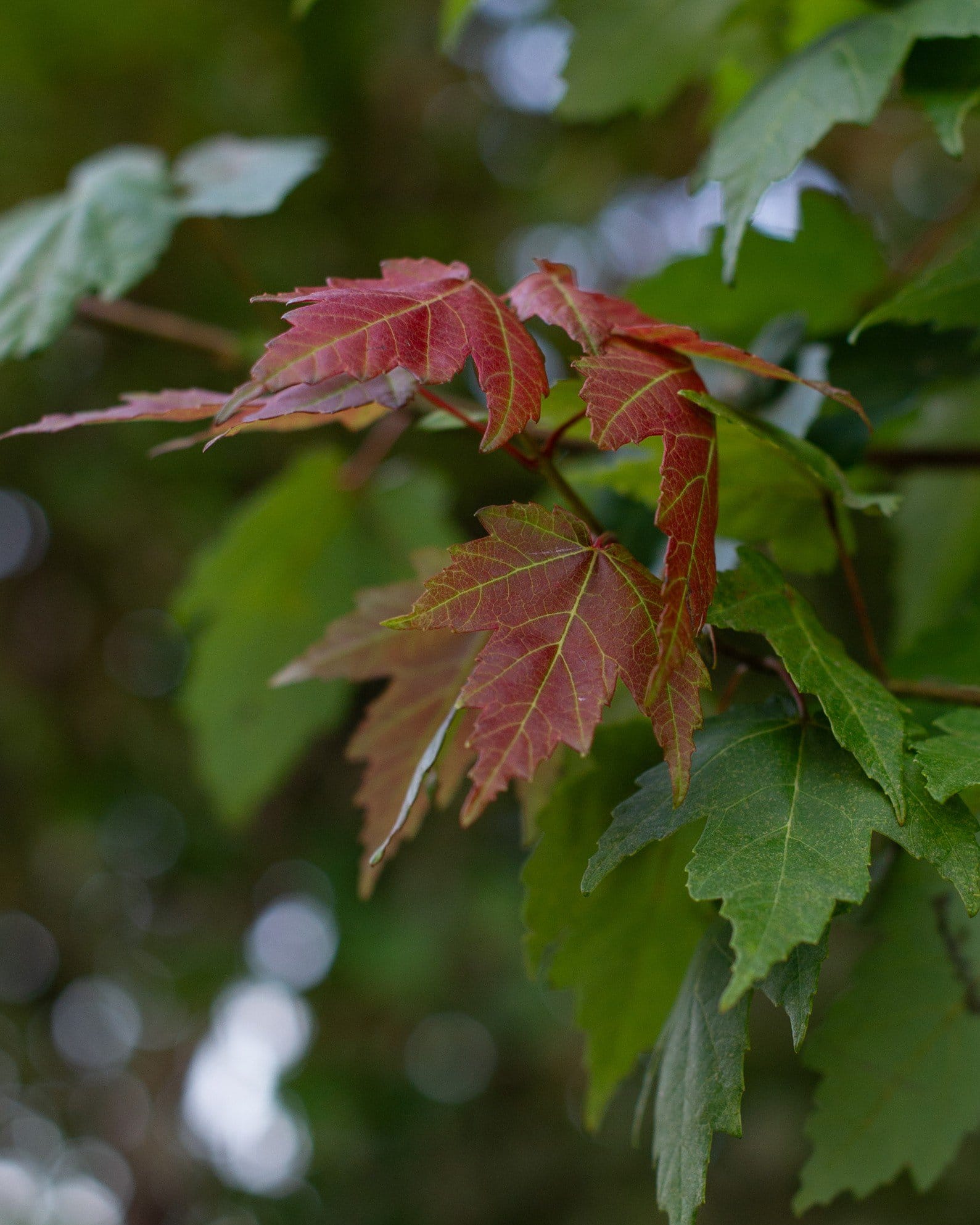
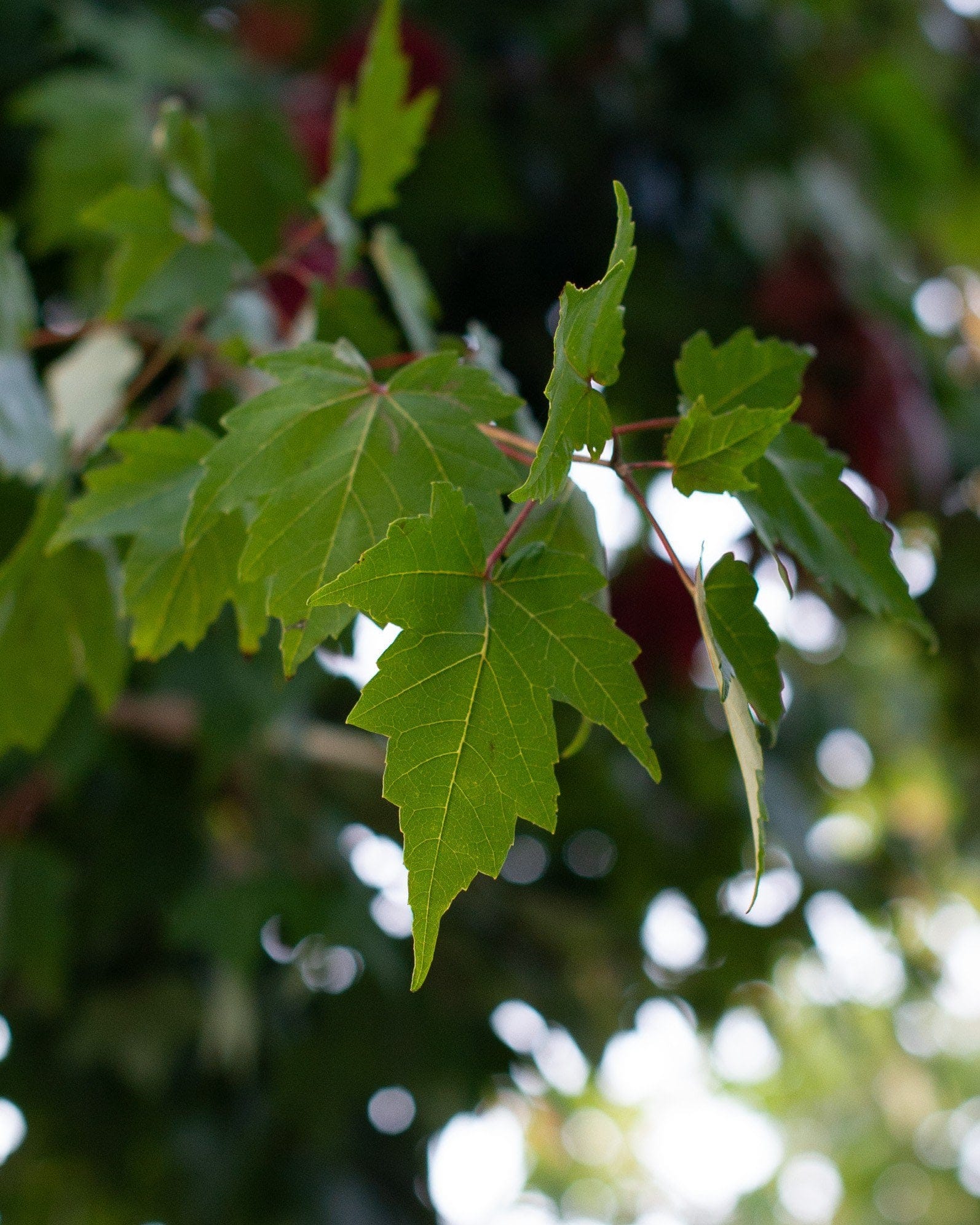
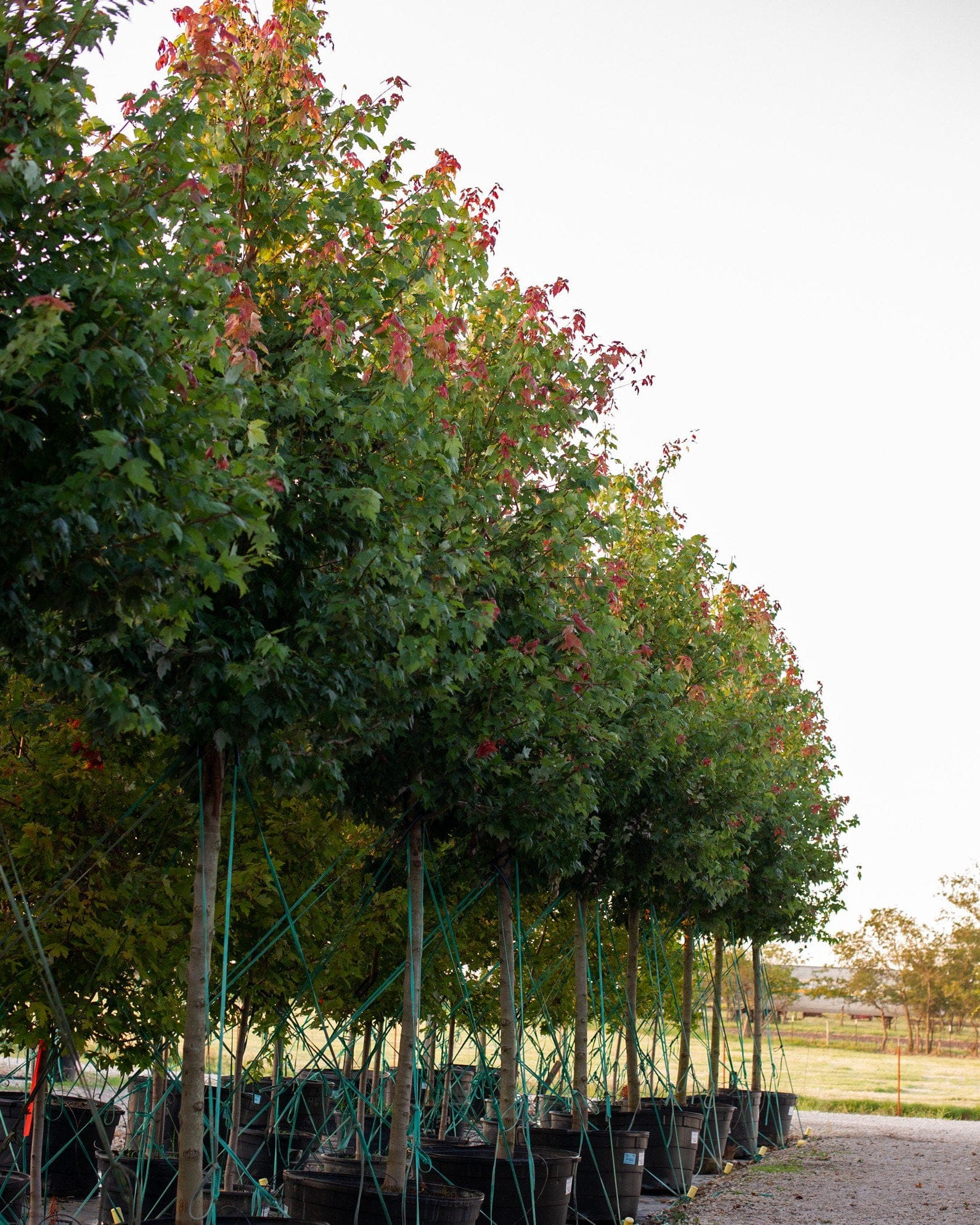
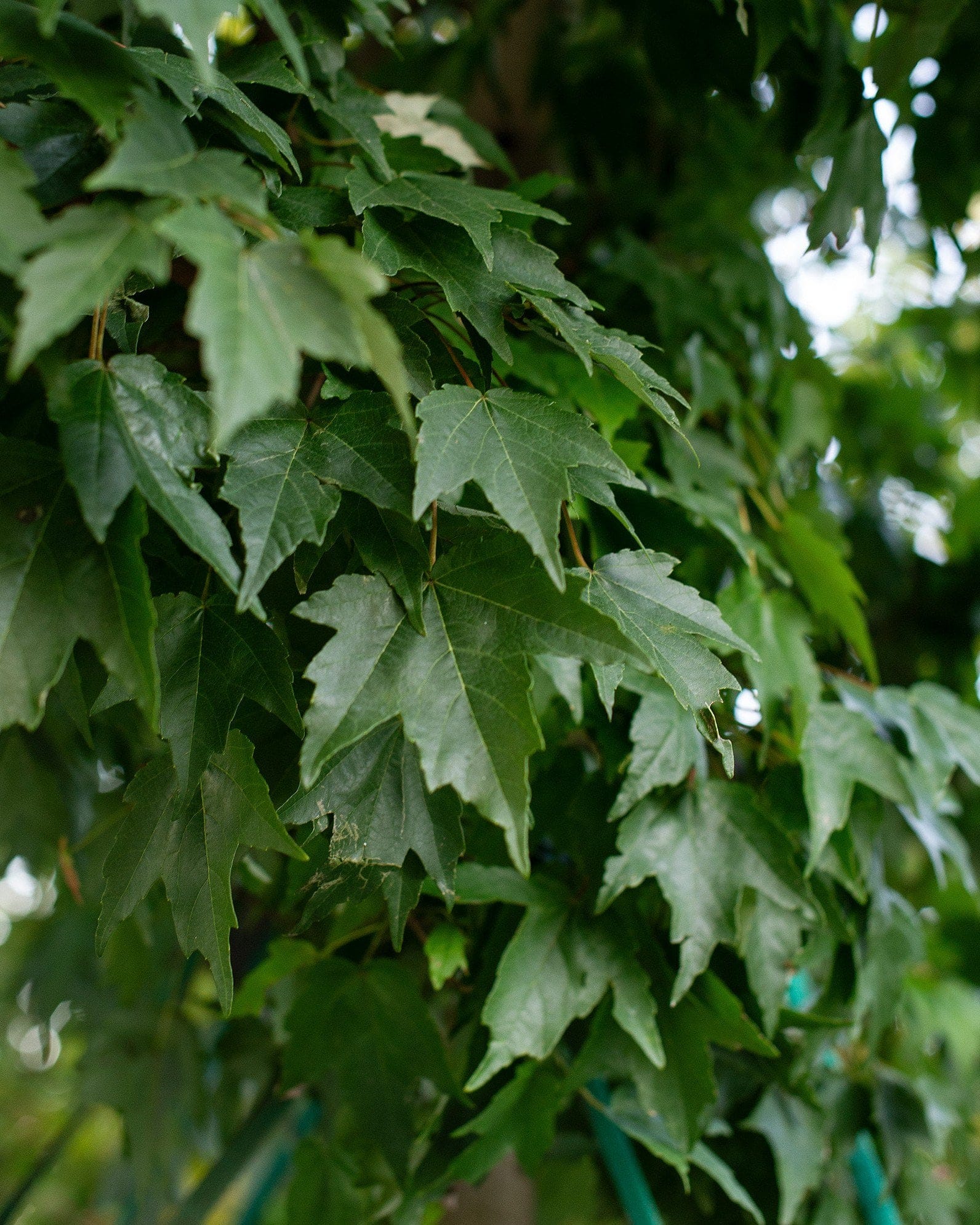
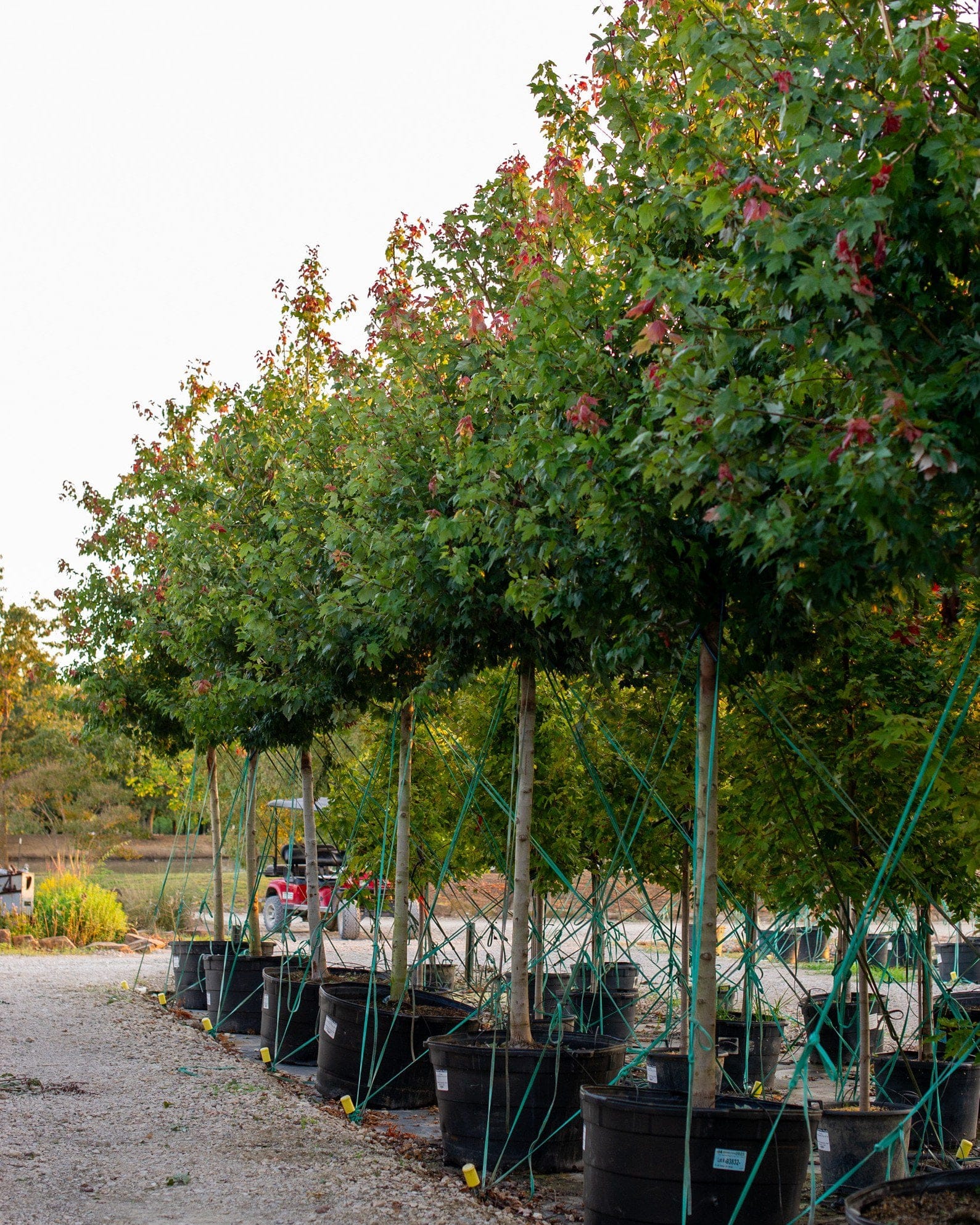
Quercus shumardiiThe Shumard Red Oak is a striking, fast-growing tree admired for its glossy green foliage that turns a vivid red each fall. Capable of reaching 60-80 feet in height with a 50 foot spread, it forms a broad, elegant canopy that offers abundant shade and year-round visual appeal. With its strong trunk and balanced structure, it’s an ideal choice for parks, large estates, and expansive yards.
- Deciduous tree
- Fast growth rate with broad, rounded canopy
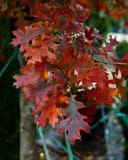
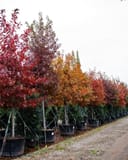
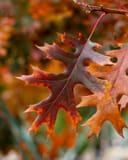
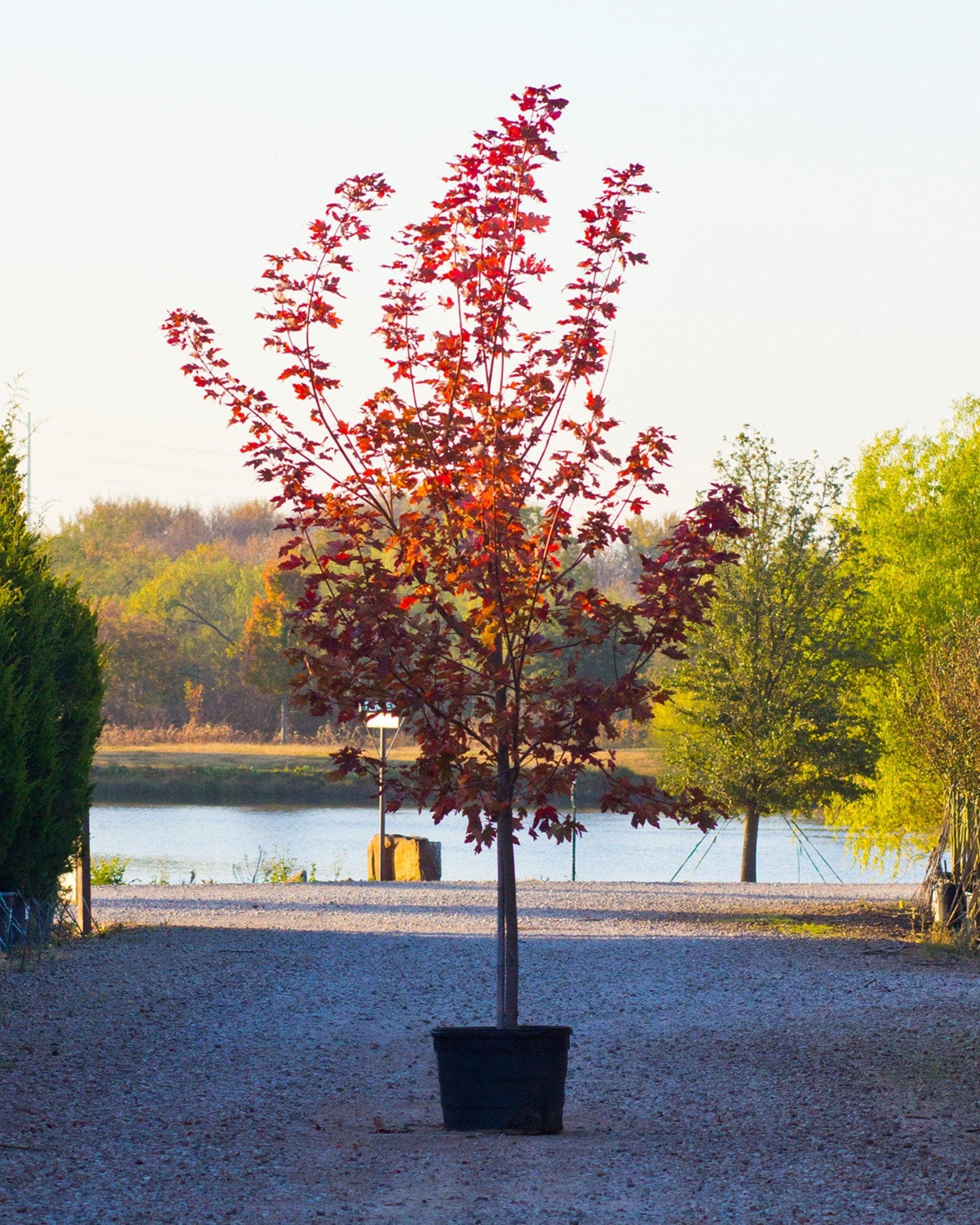
- Glossy green leaves that turn vibrant red in fall
- Strong structure and excellent shade provider
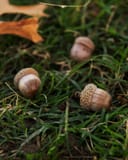
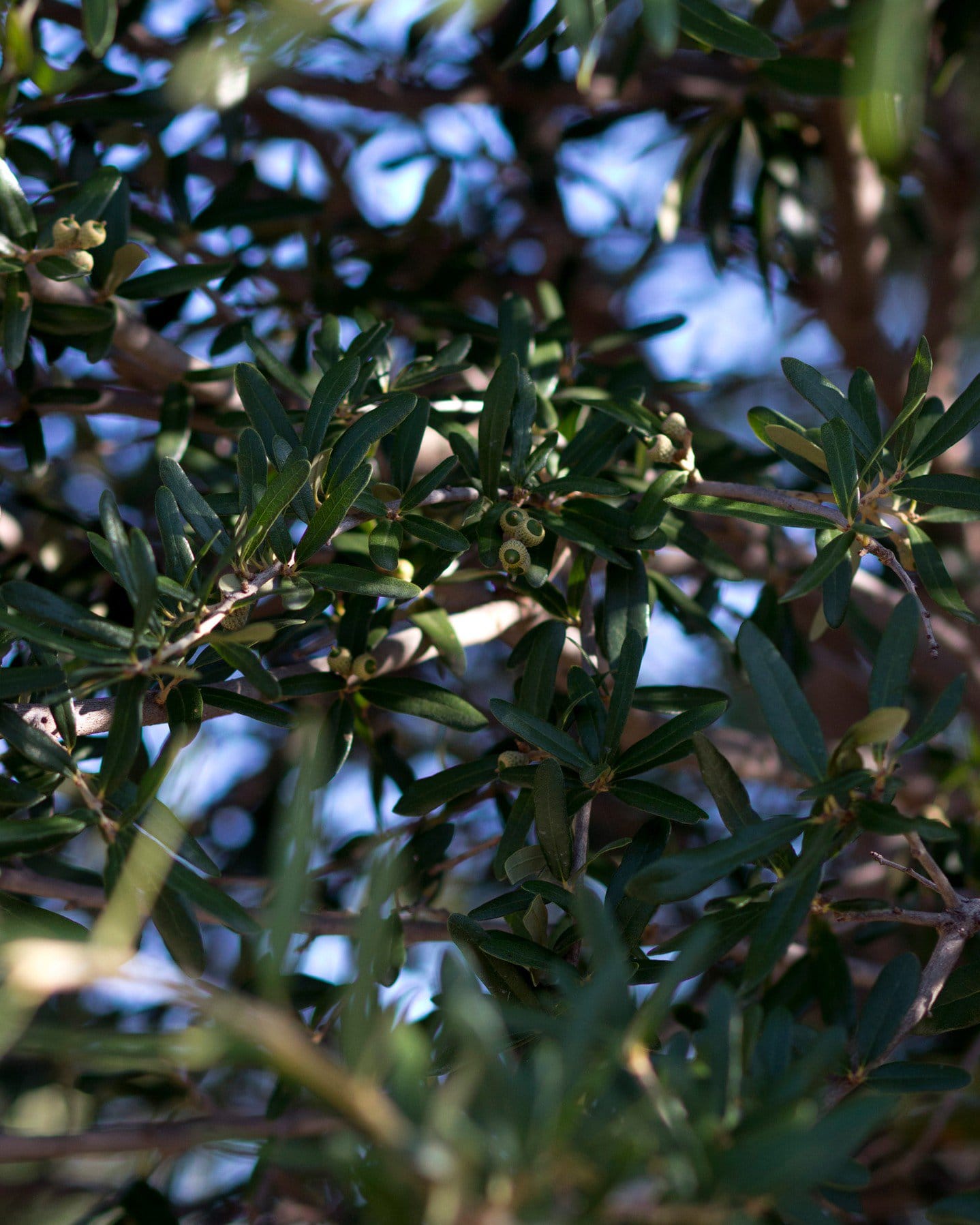
- Abundant acorn production
Hardy in USDA zones 5–9, Shumard Red Oak thrives in full sun and well-drained soils. It adapts readily to North Texas conditions, making it a reliable and beautiful choice for shade and seasonal color in your landscape.
Maintenance
Once established, Shumard Red Oak delivers lasting beauty with minimal upkeep. Here’s everything you need to know about its maintenance:
- Watering: Water deeply and regularly during the first growing season to help roots establish. Mature trees can handle normal rainfall but benefit from deep watering during extended heat or drought periods to keep foliage lush.
- Pruning: Prune in late winter or early spring before new growth appears. Remove any dead, damaged, or crossing branches to maintain structure and airflow. Avoid heavy pruning during the growing season, as it may stress the tree.
- Fertilizing: Feed in early spring with a slow-release, balanced fertilizer if needed. Mature trees typically thrive without regular feeding unless the soil is poor or growth appears weak.
- Mulching: Apply a 2-3 inch layer of mulch around the base each spring to retain moisture, insulate roots, and reduce weed competition. Keep mulch several inches away from the trunk to prevent rot and pests.
- Winter care: Shumard Red Oak is cold-hardy and easy to overwinter. Young trees benefit from a protective mulch layer around the roots in late fall, especially in exposed or windy sites.
Common Issues and How to Take Care of Them
Shumard Red Oak is highly resilient, but a few manageable challenges may arise over time:
- Powdery Mildew: A white, powdery coating appears on leaves in shaded, humid areas. Improve air circulation and avoid wetting leaves to keep foliage healthy.
- Borers: Insects that tunnel throughout the wood, weakening it and disturbing the flow of nutrients.
- Leaf Scorch: During extremely hot or dry periods, leaves may brown along the edges. Deep watering and mulching will usually prevent this and promote recovery.
- Aphids: Small insects that feed on plant sap and produce honeydew that attracts sooty mold (black and grimy mold that weakens the tree).
- Scale: Bumpy, waxy insects attach to stems and feed on sap, causing yellowing leaves. Apply horticultural oil or insecticidal soap to control populations.
- Spider Mites: Tiny pests that can cause foliage discoloration during hot, dry weather. Rinse foliage with water or use insecticidal soap if infestations persist. Encouraging beneficial insects, like ladybugs, can also help keep mite populations under control.
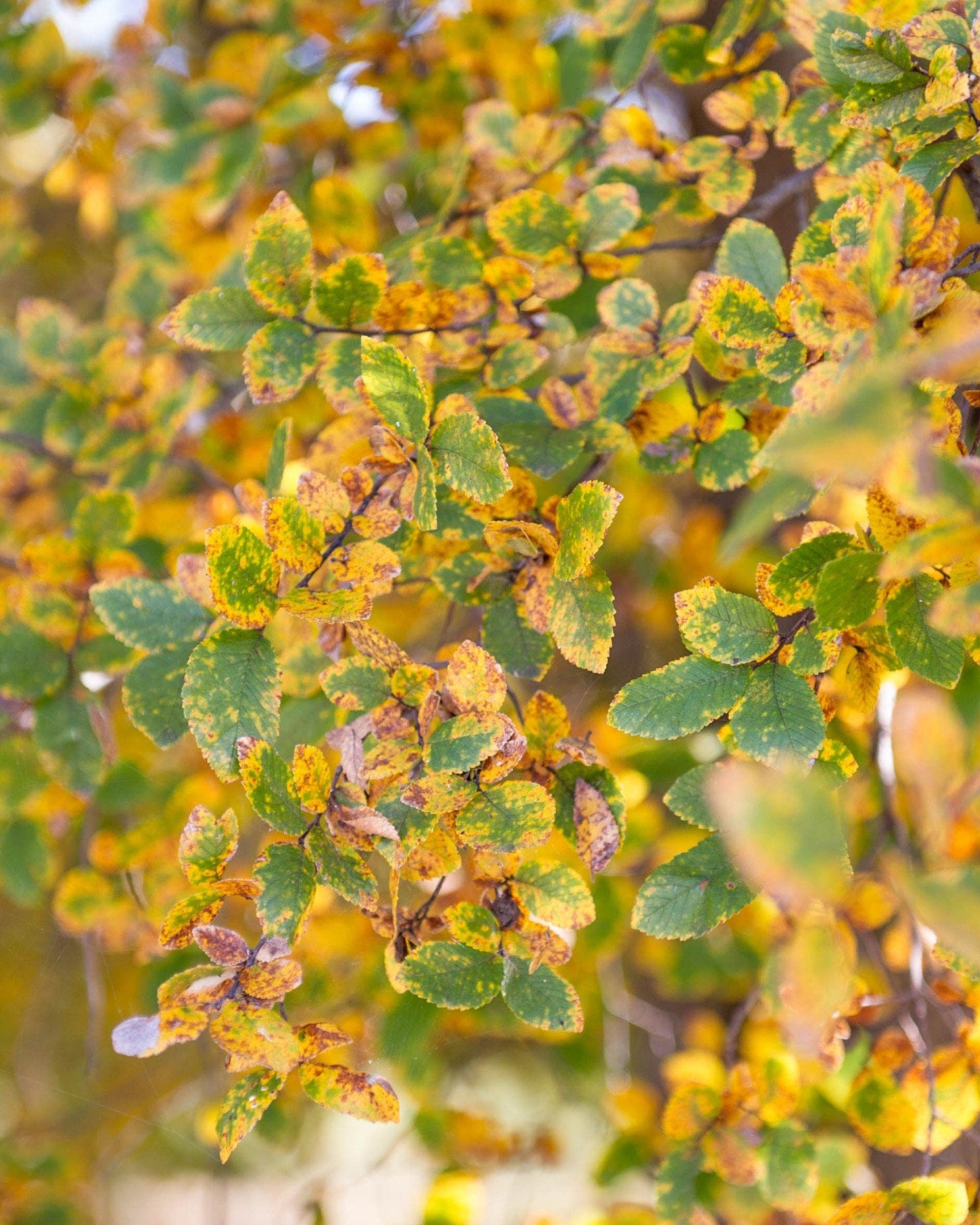
- Tubakia (Fungal Leaf Spot): Brown spots may appear in late spring or summer, which occurs during really rainy periods. This is nothing to be concerned about. All Oaks, Maples and Elms will get Tubakia to varying degrees and it will not hurt your tree in any way. If you were to spray for Tubakia then it wouldn’t cause the spots to go away. They will remain on the leaf until the leaves fall off and once the new set of leaves are produced they will look normal again.
- Oak Galls: Oak galls are abnormal growths of plant tissue, similar to tumors, that develop when the plant is exposed to minute amounts of hormone-like chemicals released by the organisms that create them. While fungi, bacteria, nematodes, and mites can all be gall makers, insects are the primary culprits. Galls can form on roots, flowers, bark, or buds, but the ones appearing on leaves and twigs are the most easily noticed. Two galls frequently appear on Texas and Shumard red oaks: the Oak Apple Gall and the Oak Plum Gall. The Oak Apple Gall is a lime-sized structure that has a thin, translucent cover, appearing spring-green before fading to light brown in summer. If its outer skin is removed, you will find a distinct interior of cotton-candy-like fibers. In contrast, the Oak Plum Gall is a grape-sized growth, easily identified by its maroon and cream coloring. While difficult to spot in the canopy among the acorns, they are often noticed when they drop to the lawn below. If an Oak Plum Gall is cut open, it reveals a single larva nestled within a dark red center.
With proper watering, occasional pruning, and a protective mulch bed, Shumard Red Oak remains one of the toughest and most dependable native oaks for Texas landscapes.
It’s a long-lived tree that can easily reach 80 to 100 years or more with proper care. Its sturdy trunk and deep root system allow it to remain a structural anchor in the landscape for generations.
It grows moderately to fast, averaging 1-2 feet per year under good conditions. The tree develops a strong canopy within 10-15 years and reaches maturity in about 25 years.
Yes - its broad, symmetrical canopy creates excellent shade that cools surrounding areas and improves energy efficiency for nearby homes and patios.
Yes, mature trees are typically ignored by deer. The thick leaves and bark make them unappealing, though young saplings may need temporary protection.
Absolutely. It’s highly adapted to hot, dry Southern climates. Once established, it withstands long dry periods with little supplemental water.
Yes, Shumard Red Oak is hardy across a wide range of zones and easily withstands frost and snow. It adapts beautifully from northern climates to the southern plains.
Yes - it has a strong but deep root system that’s less likely to lift pavement compared to other large oaks. Just ensure proper spacing to accommodate its mature canopy.
Yes - its acorns feed birds, squirrels, and deer, while the canopy provides nesting habitat for various species, adding ecological value to the landscape.
Yes. Light structural pruning, removal of deadwood, and a spring feeding can restore vigor and promote fresh growth even in older specimens.
Its combination of heat tolerance, strong branching, and brilliant red-orange fall color makes it one of the best large shade trees for Texas. It thrives where many other oaks struggle, offering decades of beauty and strength with minimal upkeep.
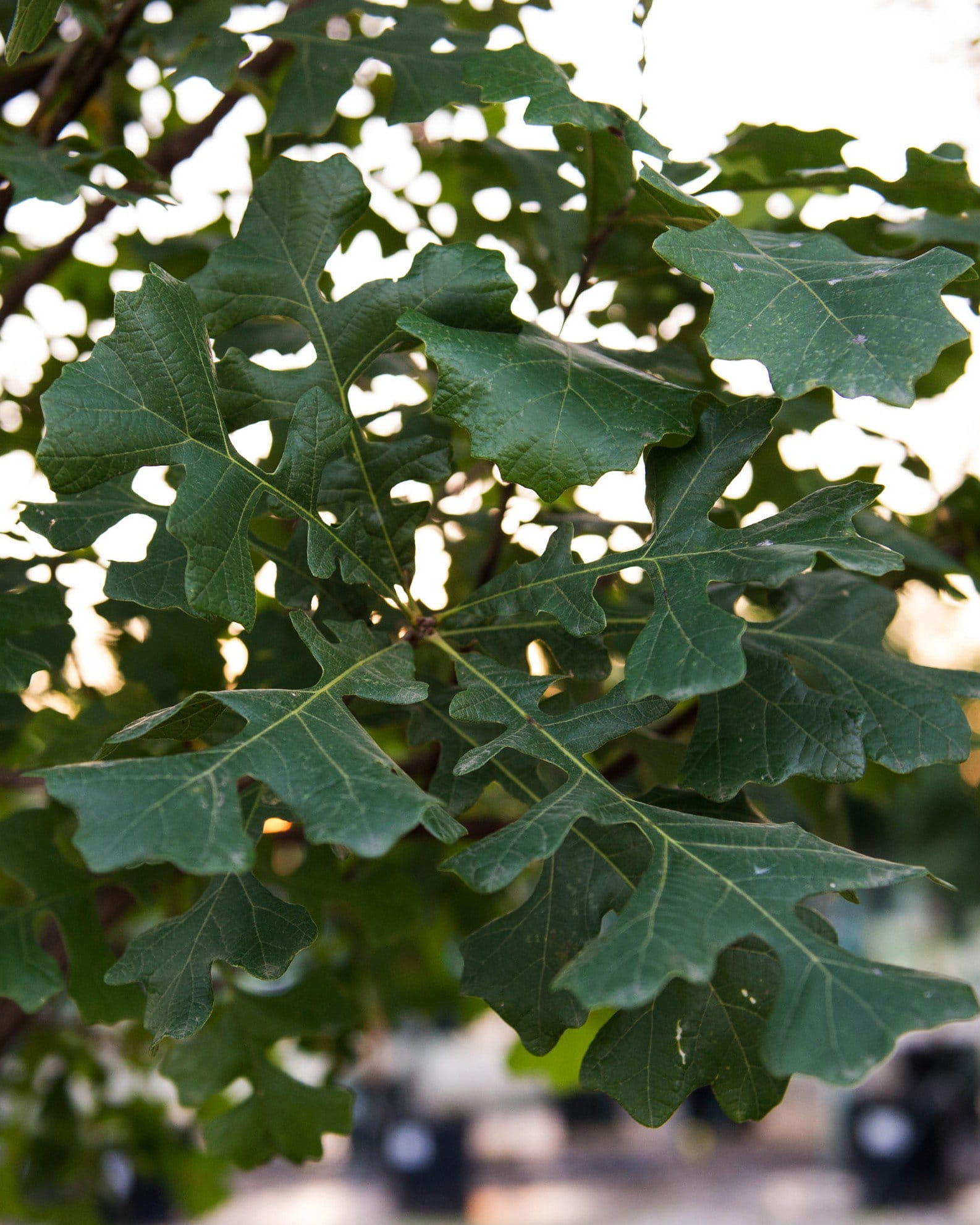
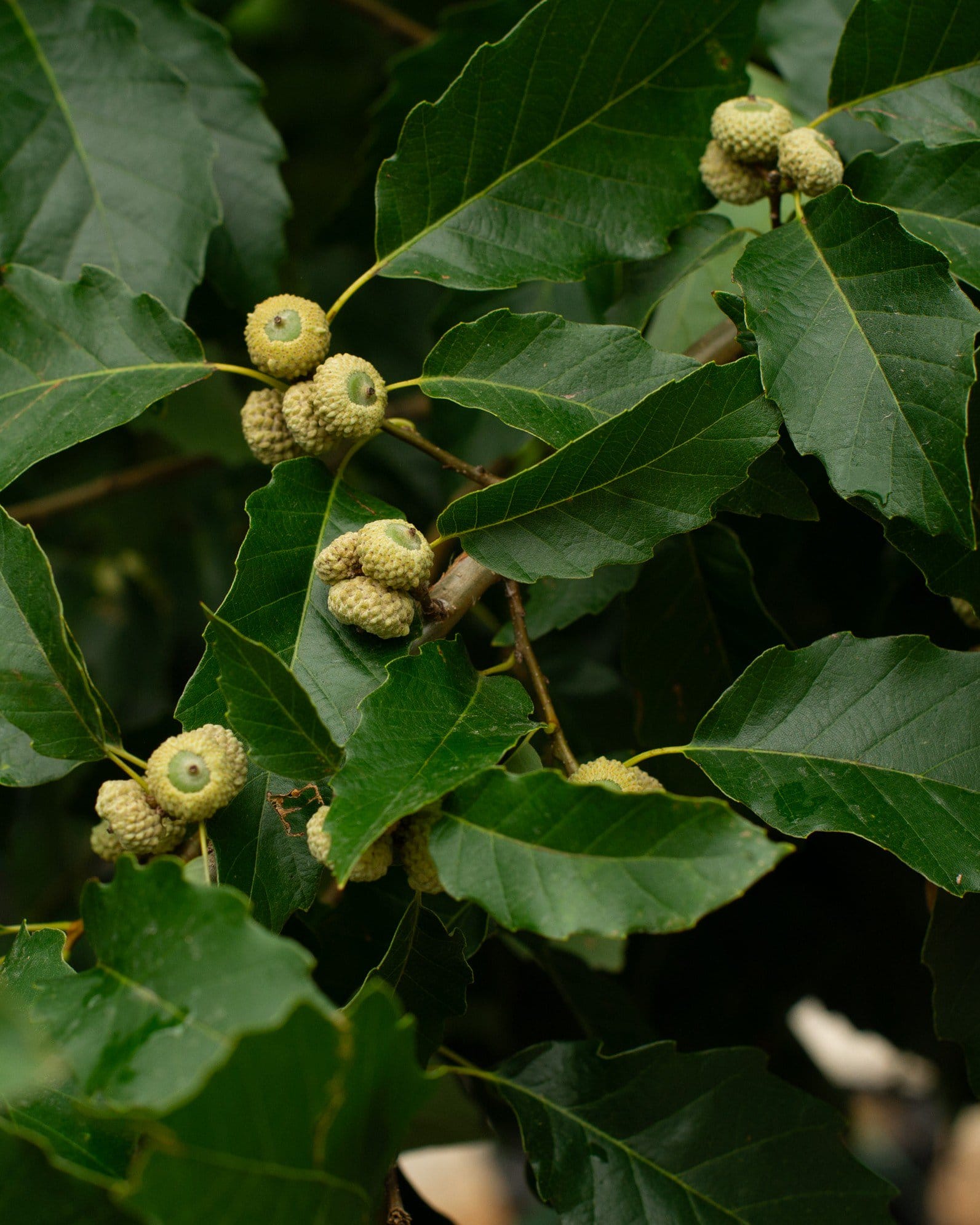
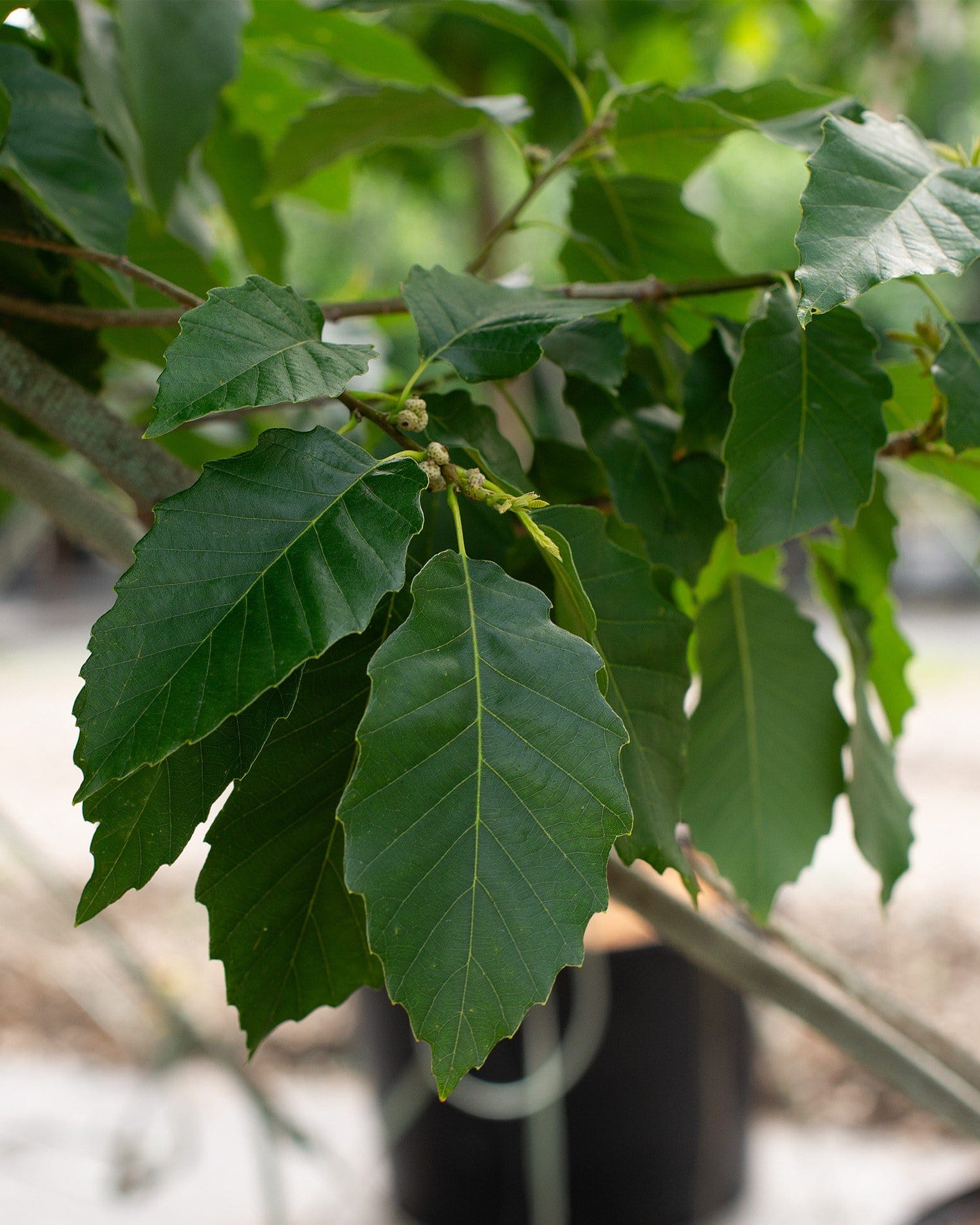
Shumard and Northern Red Oak are both large, high-quality deciduous trees, but they can be distinguished by their leaves, acorns, and bark. Shumard oak leaves have deep sinuses and a glossy surface, smaller acorns with flatter cups, and bark with less prominent "ski track" markings. In contrast, northern red oak leaves are duller, have shallower sinuses, and the leaves are more oval-shaped; they have larger acorns with deeper cups, and their bark has more prominent "ski track" markings.
Yes, Shumard Red Oaks are the most popular shade tree that we sell. They are native to Texas and are a very good shade tree due to its large size, dense crown, and adaptability to various urban and residential conditions. It provides excellent shade, beautiful fall color, and is a durable, low-maintenance option that can help reduce cooling costs when planted on the west side of a house.
The Shumard Red Oak (Quercus shumardii) and the Texas Red Oak (Quercus buckleyi) are two distinct species of the red oak group, though they are often confused and can even hybridize in areas where their ranges overlap, particularly in Central Texas. The Shumard Red Oak is generally the larger and taller of the two, routinely reaching heights of 80 to 100 feet at maturity with a broad, columnar trunk, and it prefers deeper, moister, well-drained soils and is native to the eastern third of Texas. In contrast, the Texas Red Oak is a smaller tree, typically growing 30 to 50 feet tall, and is better adapted to the rockier, well-drained limestone soils of Central and North Texas. Differentiation can also be seen in their features: Shumard Red Oak leaves are typically larger with deeper sinuses (indentations between the lobes), and its acorns are usually larger with a shallow, saucer-shaped cup covering about a quarter of the nut. The Texas Red Oak leaves are generally smaller, often with five to seven lobes and sometimes a slightly smaller acorn with a more goblet- or cup-shaped cup covering about a third to half of the nut. Both species are prized for their brilliant red-to-orange fall foliage.
Shumard Oaks (Quercus shumardii) is a prominent member of the red oak group. Like other species in this category, it is characterized by leaves with pointed, bristle-tipped lobes, which distinguish it from the rounded, smooth-edged leaves of the white oak group. Another defining trait of the Shumard oak's membership in the red oak group is its reproductive cycle; its acorns take two growing seasons to mature and are high in bitter tannins, whereas white oak acorns mature in a single season. Because it belongs to the red oak family, the Shumard oak is also more susceptible to oak wilt than white oaks, but it is highly valued in landscaping for its fast growth and its ability to turn a brilliant, deep scarlet red in the autumn.
While Shumard oaks reach flowering age every spring, they do not produce a large crop of acorns every year. Like most oaks, they follow a "boom-and-bust" cycle known as masting.
Here are the specific details of how Shumard acorn production works:
- Production Cycle: A Shumard oak typically produces a "good" or heavy crop of acorns every 2 to 4 years. In the years between these "mast years," the tree may produce very few acorns or none at all.
- Two-Year Maturation: Because it is in the red oak group, a Shumard oak acorn takes two growing seasons (about 15 months) to mature. This means the tree is often carrying two "crops" at once: tiny, immature nutlets that started this spring, and larger acorns that started the previous spring and are finishing now.
- Age of Maturity: You have to be patient with young trees. A Shumard oak typically doesn't even begin producing acorns until it is about 7-10 years old, with its most productive years occurring once it reaches 50 years of age.
- Environmental Factors: Even if a tree is "due" for a mast year, external factors can ruin the crop. A late spring frost can kill the flowers, or a period of heavy, consistent rain can prevent wind pollination, leading to a "bust" year regardless of the cycle.
- Late Drop Time: Shumards are famous among wildlife enthusiasts because they tend to drop their acorns much later than other oaks—often in November or December. This makes them a critical food source for deer and birds in the lean winter months
Special Features
You might also like
.jpg&w=1600&q=80)
.jpg&w=1600&q=80)
.jpg&w=1600&q=80)
.jpg&w=1600&q=80)
.jpg&w=1600&q=80)
Compare Similar Plants
Shumard Red Oak This plant | ||
|---|---|---|
| Scientific Name | Quercus shumardii | Quercus shumardii |
| Size at Maturity | 60' H x 50' W | 60' H x 50' W |
| Leaf Retention | Deciduous | Deciduous |
| Fall Color | Red | Red |
| Sizes Available | 15, 30, 45, 65, 95 gal | 15 gal |

Our 1-Year Planting Guarantee
We take pride in our plants and installation services. If any plants or trees installed by Treeland fail to thrive within the first year, we'll provide a replacement credit in accordance with our guarantee program.
Learn More About Our Guarantee